Historically, the 275 GTB is now more sought after by collectors, despite the Lusso being recognized for its timeless, elegant design as a collaboration between Ferrari and Pininfarina. Today, the 275 GTB is celebrated for its blistering performance, balanced handling, and iconic design. It is Ferrari’s first road car with fully independent suspension and a transaxle, powered by a 3.3-liter V12 engine based on the Colombo “short block” design. Its low-mounted engine, combined with a rear-mounted transmission, improved the car’s handling and performance.
The aggressive styling, designed by Pininfarina and built by Scaglietti, emphasized power and functionality, with every design element serving a purpose, from the aerodynamic lines to the long hood and sloped windscreen. In the mid-1960s, as Ferrari debated mid-engine designs, the 275 GTB remained the company’s flagship, often driven from showrooms straight to racetracks. Each 275 GTB was unique, hand-built by artisans, and constantly refined over time, with notable improvements like the lengthened nose in 1965 and a torque-tube driveshaft in 1966.
Around 250 of the “short-nose” Series I 275 GTBs were built, making them the rarest among the non-competition models. One such example is chassis 06705 which is scheduled for auction by RM Sotheby’s on November 2. Finished with a Rosso Cina steel body and Nero leather interior, the car originally delivered to Scaglietti by Ferrari on 27 October 1964.
Equipped with power windows and three Weber 40 carburettors for its Colombo V-12 engine, the 275 GTB was shipped to New York and sold by Luigi Chinetti Motors to its first owner, Carl Iverson, in March 1965. Iverson owned the car until 1974, when it was sold to Carl E. Drake Jr. in San Francisco.
In 1982, the car was acquired by Robert Dorris of Fort Worth, who listed it for sale in 1986, where it was bought by John R. Anderson. Anderson enjoyed the car for seven years before it was exported to the Netherlands. There, it participated in several Ferrari events, including winning the 1960s road car class at the 11th Modena Motorsport Track Days, before undergoing extensive restoration in 2015.
Now presented in classic Ferrari red over black, it comes with a rich history and is eligible for prestigious events like the Ferrari Cavalcade Classiche and Cavallino Classic. Expected to sell between $2,200,000 – $2,500,000 USD at RM Sotheby’s upcoming London auction, this meticulously restored, rare “short-nose” 275 GTB is a must-have for serious Ferrari collectors.
Honda has confirmed it’ll be bringing back the Prelude coupe for model year 2026, but it won’t come with a manual transmission.
Motor Trend reports Honda’s global officer in charge of electrification, Shinji Aoyama, has confirmed the new Prelude will be offered only with a revised version of the automatic transmission found in the Civic.
That’s despite Honda having previously offered a hybrid with a manual transmission before in the CR-Z coupe.
The new Prelude will reportedly enter production in 2025.
It’s still expected the Prelude will be fitted with Honda’s 2.0-litre four-cylinder engine and dual-motor hybrid system, with drive sent to the front wheels.
100s of new car deals are available through CarExpert right now. Get the experts on your side and score a great deal. Browse now.
That powertrain will likely be similar to what’s in the Honda Civic e:HEV, which features a continuously variable automatic transmission (CVT) and two electric motors.
Honda’s dual-mode hybrid system sees one electric motor serve as a generator motor, supplying energy to the other (propulsion) motor and recharging the battery under some conditions.
The propulsion motor drives the wheels directly, while also converting the kinetic energy generated under braking into electrical energy to recharge the battery.
While it’ll share similarities with the Civic, Motor Trend reports the new Prelude’s transmission will be engineered to “shift differently”, namely with downshifts that can be felt and heard by those inside the car.
The 2.0-litre engine is expected to be capable of 150kW, matching the 152kW/335Nm unit found in the Honda Accord e:HEV. For context, the Civic’s hybrid powertrain produces up to 135kW of power and 315Nm of torque.
Though it has confirmed the Prelude won’t offer a manual, Honda has reportedly developed a simulated manual transmission that could be used for future electric vehicles (EVs), though there has been no word on whether it’ll be put into production.
The last Prelude, which was sold with both five-speed manual and four-speed automatic transmissions, exited production in 2001.
Fifth (and final) generation Honda Prelude
The new Prelude was revealed at last year’s Japan Mobility Show.
In July this year, the Japanese brand announced the Prelude would enter production in time for a 2026 launch.
An Australian launch is as yet unconfirmed, however Honda’s trademark application to retain the Prelude name was filed last year and subsequently approved earlier this year.
Like its predecessors, it’s understood the new Prelude will be a four-seater.
MORE: Everything Honda MORE: Honda Prelude becomes latest Japanese legend coming back to life MORE: Honda concept is a Prelude to legendary badge’s electric return MORE: Is the Honda Prelude coming back to Australia?
Aston Martin has become almost synonymous with James Bond, and 2024 marks 60 years since 007 first piloted the iconic DB5 in Goldfinger.
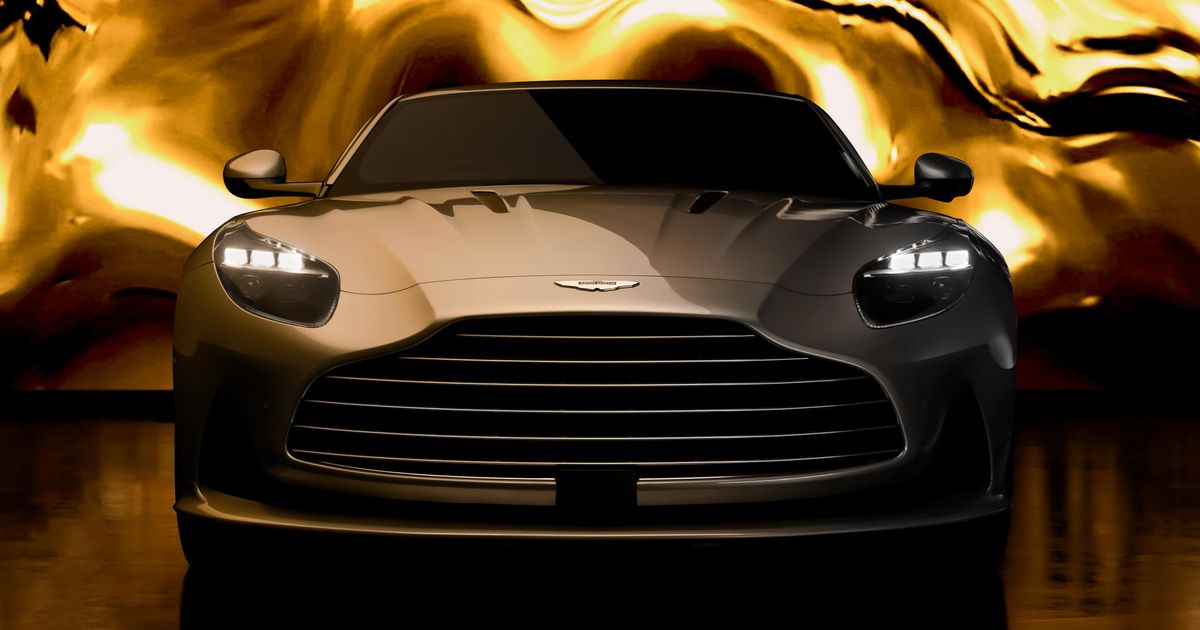
To celebrate, the British marque has revealed the DB12 Goldfinger Edition, which boasts a number of bespoke appointments courtesy of the Q by Aston Martin bespoke personalisation division.
It’s limited to just 60 units.
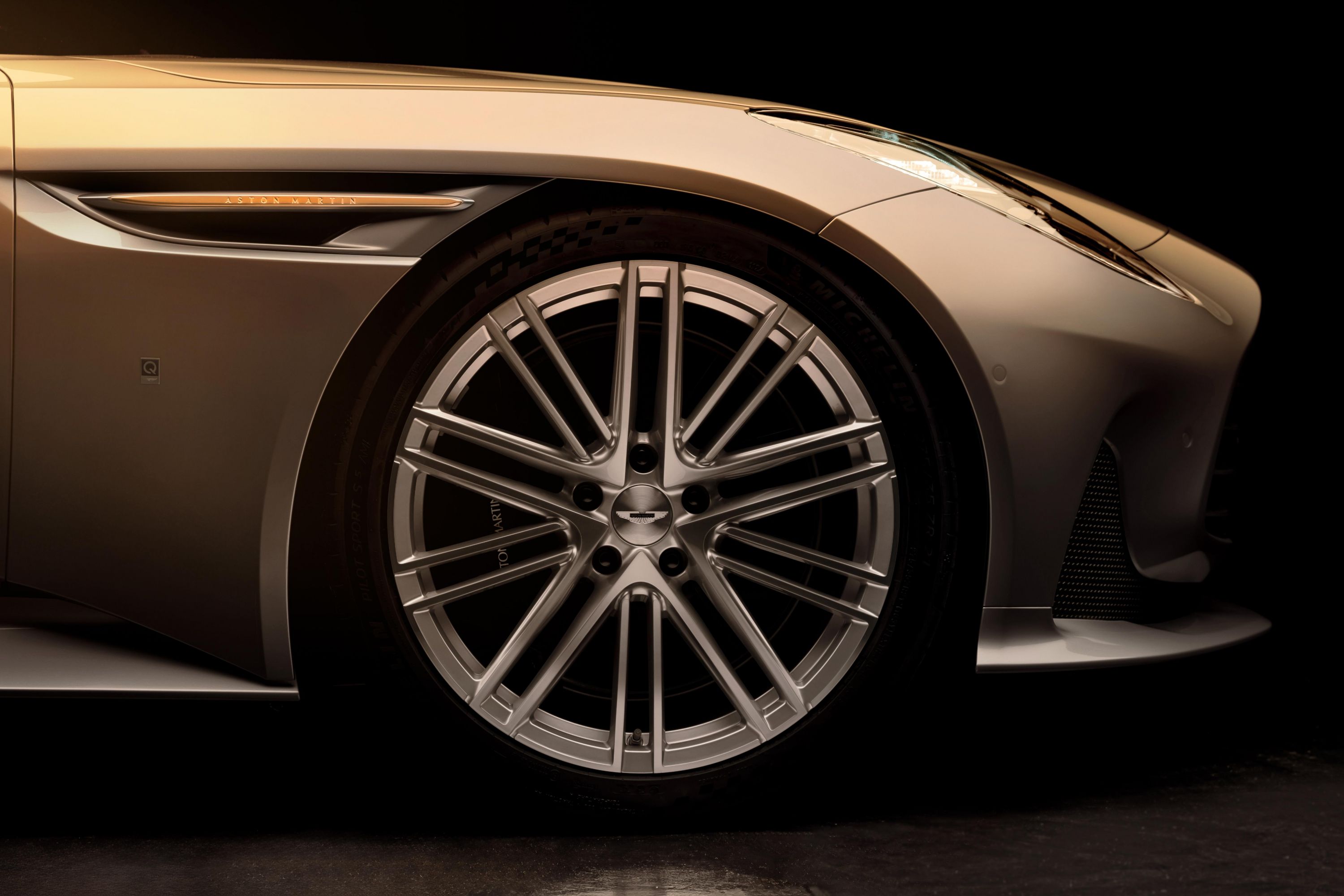
Key touches from the outset include Silver Birch exterior paint, synonymous with the DB5 in Goldfinger; 21-inch multi-spoke alloy wheels in a special silver finish with diamond treatment; black brake calipers; gold side strakes; and a special Aston Martin logo in silver with black enamel.
100s of new car deals are available through CarExpert right now. Get the experts on your side and score a great deal. Browse now.
Inside, the Sports Plus leather seats are finished “in the classic DB5 fluted style with an intricate Prince of Wales check perforation pattern”, which the brand says is a nod to “a classic James Bond suit”.
This pattern extends to the door inserts and headliner, in addition to the etching of the special treadplates and Goldfinger 60th anniversary logo.
But wait, there’s more! 18k gold-plated interior accents further elevate the cabin, including on the drive mode rotary dial and roller controls, as well as the notched gear selector which Aston Martin says takes design inspiration from the golden tracking device used by 007 in the film.
More gold is incorporated into the trim inlays, with gold metal fibres woven into the 2×2 twill gloss carbon fibre ornamentation. Finally, the ‘eight of hearts’ is embroidered into the drivers’ sun visor, which references the playing card seen in the last draw during the movie’s famous Miami pool scene.
There’s no ejector seat, though. Sorry.
Should you be lucky enough to get your hands on one of these exclusive commemorative grand tourers, the DB12 Goldfinger Edition also comes with a selection of special gifts, including a custom car cover and luxury key presentation box.
Aston Martin will also give new owners a Silver Birch Speedform model and a section of the iconic Furka Pass scene from Goldfinger in 35mm film.
Not enough? A 1/60 golden limited-edition Aston Martin magazine will also be gifted, with all of the aforementioned extras to be presented in a Globe-Trotter attaché case that replicates the vehicle’s Silver Birch exterior with Prince of Wales check interior.
Oh, and there’s a magnum of 2007 vintage Champagne Bollinger, individually numbered, with four exclusive Bollinger 007 glasses presented in a bespoke Globe-Trotter Air Cabin Case.
Underneath the commemorative edition bits, the DB12 retains its stonking 500kW/800Nm 4.0-litre bi-turbo V8.
Driving the rear wheels via an eight-speed automatic transmission, featuring a shorter final drive ratio over the outgoing DB11, the DB12 is capable of dashing from 0-100km/h in 3.6 seconds on its way to a 325km/h vmax.
Aston Martin hasn’t revealed pricing for the DB12 Goldfinger Edition, but we expect that it’ll command a pretty premium over the DB12 Coupe which starts from $455,000 plus on-road costs in Australia.
First deliveries will commence in the second quarter of 2025.
Eliminating internal-combustion engines would also eliminate many jobs related to engine-related technology, Toyota chairman Akio Toyoda told Reuters and other media Thursday.
“If electric vehicles simply become the only choice, including for our suppliers, those people’s jobs would be lost,” said Toyoda, who previously held the job of CEO and is also the grandson of the company’s founder.
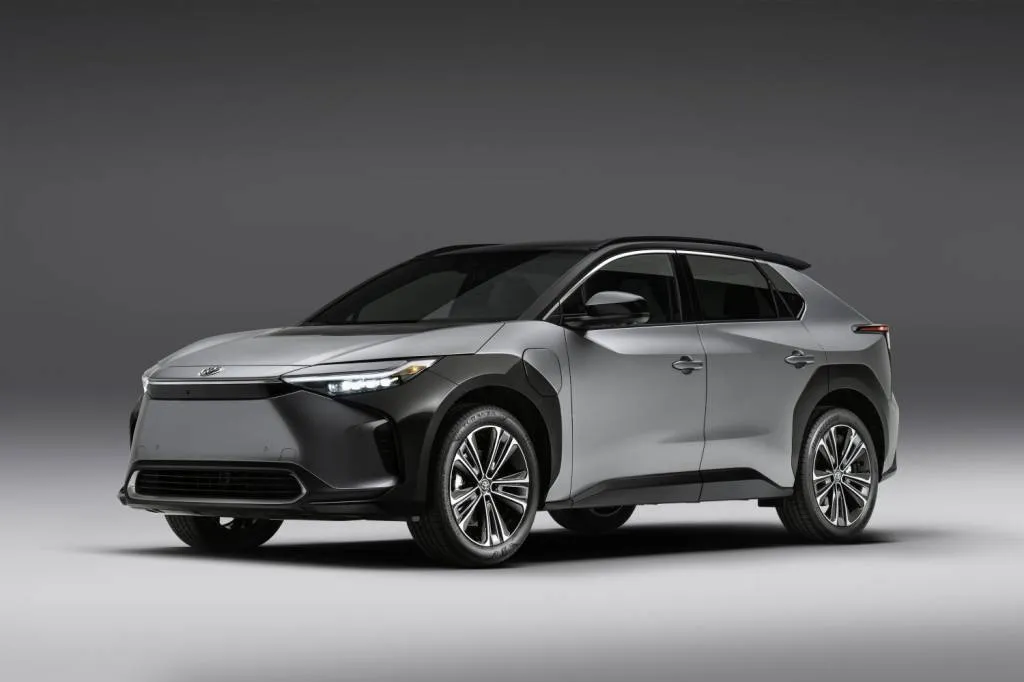
2024 Toyota bZ4X
These comments aren’t out of character for Toyoda, who said at another event in January that he does not see battery electric vehicles reaching more than 30% market share. The remaining 70%, Toyoda argued, will be taken up by hybrids and hydrogen fuel-cell vehicles, with conventional internal-combustion powertrains also remaining in the mix.
Despite the comments of its top executive, Toyota is dialing up its EV ramp. In September the automaker confirmed plans for a tenfold boost in EV production, to one million units globally by 2026. It’s also proceeding with production of advanced solid-state battery cells, albeit in relatively small numbers that will likely limit their use to niche models.
2025 Toyota RAV4
In the U.S., Toyota has made a long-term supply agreement with LG, with enough batteries coming from the supplier’s Michigan factory for U.S.-made EVs. Those will include a Kentucky-made three-row SUV expected in 2026, with a second model to be built in Indiana. Toyota and Subaru will also reportedly launch a second co-developed electric SUV in 2026 as a follow-up to the bZ4X/Solterra twins.
Hybrids, plug-in hybrids, battery-electric vehicles, and fuel-cell vehicles accounted for 48% of Toyota’s U.S. sales in September, which is close enough to start the conversation of whether or not to drop internal-combustion powertrains that don’t include a hybrid component, Toyota chief scientist Gill Pratt said in a recent interview with Bloomberg. But the automaker still has a long way to go to reach even the pessimistic 30% prediction by Toyoda in this market.
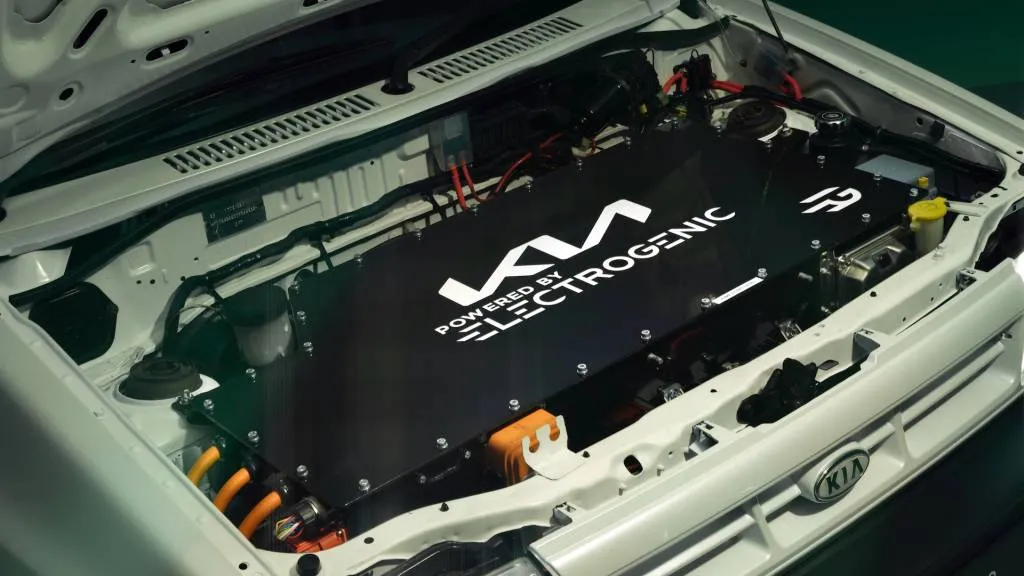
The automaker commissioned an electric conversion of its Pride hatchback
A pair of 10-kwh batteries provide up to 120 miles of range in the restomod
Kia turns 80 this year, and to celebrate the automaker’s U.K. division commissioned an electric restomod of a humble Pride hatchback.
The EV conversion was done by Electrogenic, a U.K. firm that specializes in fitting classic cars like the Citroën DS with electric powertrains. The Kia Pride doesn’t have the stature of the DS, but it was a very important car for Kia.
While the company was founded in 1944 as a bicycle parts manufacturer named Kyungsung Precision Industry (the name was changed to Kia Industries in 1952), and built its first car (the Kia Brisa) in 1974, the Pride was what gave Kia an international presence. Based on what was known in Europe and elsewhere as the Mazda 121, it was sold in the U.S. as the Ford Festiva from model years 1988 to 1993 (later evolving to the Aspire).
1996 Kia Pride EV conversion
The donor car was a 1996 Kia Pride 1.3 LX five-door hatchback from Kia’s U.K. heritage fleet. The exterior is original—down to the tiny 12-inch wheels—and no permanent alterations were made to the structure, according to Electrogenic, allowing the conversion to be reversed if desired.
However, replacing the 1.3-liter inline-4 with an electric motor nets a substantial increase in power. The gasoline engine made 60 hp and 87 lb-ft of torque, but the Pride EV now boasts 80 hp and 130 lb-ft in its default Auto drive mode and 107 hp and 173 lb-ft in Sport mode, cutting the 0-62 mph time from the original 19.8 seconds to a more reasonable time of approximately 8.0 seconds. An Eco mode, matching the output of the gasoline engine, is also available.
Power is still sent to the front wheels through the original 5-speed manual transmission, which was rebuilt with a performance clutch to handle the extra torque from the electric motor. Eco and Sport modes limit regenerative braking so drivers can make better use of the manual, according to Kia, while Auto mode features more regeneration and a driving feel more like that of a conventional EV.
1996 Kia Pride EV conversion
A pair of 10-kwh battery packs—one under the hood and one underneath a slightly raised cargo-area floor—provide up to 120 miles of range. That’s when being driven “sensibly” in Eco mode, Kia notes. A 3.3-kw charger, with its port hidden under the stock fuel filler flap, can complete a full recharge in around six hours.
Even with the pair of battery packs, the Pride EV weighs just 1,918 pounds, compared to 1,873 pounds for the stock version. It’s another indication that, while keeping weight in check with EV conversions is difficult, it’s not impossible. U.K.-based Bedeo has also claimed its Land Rover EV conversions don’t pack on pounds.
Kia isn’t the only automaker to resurrect a car from its formative years as an EV restomod. Parent Hyundai has done the same with a Pony hatchback—its first in-house design—and its 1980s Grandeur flagship sedan. In 2023 a group of apprentices at Audi’s Neckarsulm, Germany, plant turned a vintage NSU Prinz 4 from one of the automaker’s predecessor brands into an EV to mark 150 years of manufacturing at the site.
Anantara The Marker is nestled in the rejuvenated area of Dublin known as the Silicone Docks, providing a fresh perspective on the Irish capital. This sleek, contemporary hotel offers stunning views of the waterfront while remaining within easy reach of the city’s historic landmarks. Even for locals, the atmosphere feels revitalised, blending the old with the new seamlessly.
Anantara The Marker
The hotel’s staff, particularly guest experience manager Derek Anthony Brennan, enhances the experience with upbeat and friendly service. Derek’s local anecdotes and stories, often accompanied by a recitation of WB Yeats poetry, add a touch of authenticity to your stay. The hotel also offers complimentary bicycles, allowing guests to explore the area at their leisure.
Architecture and Design
Anantara The Marker
Originally opened in 2013 and rebranded under the Anantara name in 2023, the property boasts a striking modern design by Portuguese architect Manuel Aires Mateus. The hotel’s exterior, inspired by the Cliffs of Moher, features a unique chequerboard pattern that immediately catches the eye.
Anantara The Marker
Upon entering, guests are greeted by a spacious, light-filled lobby with a cantilevered ceiling reminiscent of the Giant’s Causeway. This airy 67-metre-long space encompasses public areas, including the bar and lounge, creating an inviting environment.
Anantara The Marker
The interior design is characterised by modern furniture accented with vibrant colors and lush greenery, offering a contemporary yet comfortable atmosphere that reflects the beauty of the Irish landscape.
Anantara The Marker
Food & Beverage
Anantara The Marker
Culinary delights await here, starting with a fabulous breakfast buffet featuring an array of fresh fruits, juices, and cooked items. Guests can opt for hot dishes such as pancakes or indulge in the traditional Irish fry. The hotel’s destination restaurant, Forbes Street, led by renowned chef Gareth Mullins, champions Irish produce. The menu highlights exceptional local ingredients, with the flame-grilled John Stone dry-aged beef from County Longford taking center stage.
Anantara The Marker
Other exquisite options include turbot and Wicklow venison, along with vegetarian and vegan dishes that showcase local flavors like Colcannon. For a more casual experience, the Bar & Lounge offers a variety of sandwiches, salads, and sharing plates.
Anantara The Marker
Although the rooftop lounge is currently closed for renovations, its anticipated reopening in Spring 2024 promises 360-degree views and a vibrant atmosphere. Until then, savoring a classic Irish coffee at the bar is a delightful alternative.
Spa & Wellness
Anantara The Marker
Wellness is a cornerstone of the Anantara experience, and The Marker does not disappoint. The on-site Anantara Spa offers a range of rejuvenating treatments, while the standout feature is the 23-metre slate-lined indoor pool, widely regarded as one of the best hotel pools in Dublin. Guests can unwind in the steam room, sauna, or whirlpool tub, creating a tranquil oasis amidst the city’s hustle and bustle.
Anantara The Marker
Whether you’re looking to relax after a day of exploration or seeking a full spa day, This sanctuary in the city provides the perfect retreat for rejuvenation and self-care. My weekend here was nothing short of exceptional, blending modern luxury with rich sense of place. I left feeling inspired and invigorated, eager to return to one of Dublin’s best address
For the latest in luxury property and hotel reads, click here.
The government says it has no plans to reintroduce the goods and services tax (GST) in Malaysia, not just in the immediate future but until the country is ready for it, when the minimum monthly wage has doubled from the RM1,500 it is at now.
According to prime minister Datuk Seri Anwar Ibrahim, the GST will only be reimplemented if the minimum wage threshold is at RM3,000-RM4,000, as Bernama reports. While acknowledging that the tax system is efficient and would help the government expand its coffers with higher revenue collection, he said the poor should not be burdened with such a tax system.
“I agree, GST is the most transparent and efficient tax system, but my view is, give it some time, some years, (we must) make sure that the wage threshold increases to the minimum of RM3,000-RM4,000, then we can adjust the policy,” he said, reiterating the indication he had made last year that there were no plans to bring back GST in the short to medium term.
Anwar, who is also the finance minister, said that the implementation of GST has been an ongoing topic for decades, even during his time as finance minister in the 1990s. He disagreed at that time, believing that addressing corruption involving billions of ringgit was the priority.
The PM’s sentiments were echoed by ministry of investment, trade and industry (MITI) deputy minister Liew Chin Tong, who said that while GST is transparent, it taxes everyone, rich and poor. “He (the PM) made it clear that GST is only going to be implemented after a few years when the income level rises to an acceptable level,” he said.
Liew said that at present, only around 15% of Malaysians earn enough to qualify them for the threshold to pay income tax, and that needed to be changed. “Together, we should aim to create a society in which at least 60% of Malaysians earn an income that qualifies them to pay income taxes,” he said.
The tax was first introduced in April 2015 at a rate of 6% (which reduced prices for some cars) but was repealed in 2018 after the then-new Pakatan Harapan government came to power, replaced by the 10% sales and service tax (SST). Despite the political changes that has happened since then, GST was never brought back, even though that possibility has been mooted several times.
Getting its Malaysian debut is the 2024 Yamaha MT-09, priced at RM57,998 excluding road tax, insurance and registration. The is an increase of RM3,000 over the 2022 Yamaha MT-09, and there are two colour options available – Midnight Cyan and Tech Black – while stocks will be available at all auhtrosied Hong Long Yamaha dealers from October 15.
The price increase is justified as the MT-09 comes with new riding aids and features, plus revisions to riding comfort and handling. Bodywork, notably the fuel tank as well as the sub-frame, is redesigned to give a more forward, aggressive riding position and a slimmer silhouette.
New for 2024 is three riding modes – Sport, Street and Rain – which replace the previous Mode A, Standard and Mode B. There are also two customisable modes, letting the rider select mode parameters to suit particular riding styles and road conditions.
Also new is cruise control, with functions controlled from the new intuitive control switch on the left handlebar pod. The five-inch TFT-LCD display – switchable between one of four themes – comes with Yamaha Y-Connect and Garmin StreetCross as standard. With Bluetooth connectivity to the rider’s smartphone, the instrument panel will display information such as incoming phone calls, text messages and many more. controlled with the intuitive control switch.
With the installation of the free Garmin StreetCross app on the rider’s smartphone, the instrument panel can show real time traffic information and full map navigation onscreen. For the rider’s convenience, a USB-C port now comes as standard equipment for charging electronic gadgets.
Attention has been paid to riding ergonomics with the inclusion of adjustable handlebars and foot pegs. This allows for a more unified riding posture, reducing fatigue during long journeys and increasing overall control over the MT-09.
Suspension is done with 41 mm diameter upside-down forks while the rear mono shock now comes with a revised spring rate for better handling. Brembo supplies the front brake master cylinder with twin hydraulic callipers on the front wheel while there rear gets a single hydraulic calliper and disc.
No changes in the engine, with power coming from Yamaha Crossplane 3 inline three-cylinder. Power is rated at 119 PS at 10,000 rpm with 93 Nm of torque at 7,000 rpm. Weighing in at 193 kg, the MT-09 carries 14-litres of fuel in the tank while seat height is set at 820 mm.
Ian Harris is CEO and Founder of Dubai-based Phoenix Yacht Management
The yachting industry in the Middle East has experienced rapid growth over the last decade. An increasing number of yachts are based in the region, with 175 superyachts over 30m forecast to enter the region at least once by the end of 2024, according to a 2023 market report by Gulf Superyachts.
While 10 years ago, Middle Eastern clients preferred to charter yachts in the 40-80m
range, there is now a growing preference for building their own vessels and keeping them in the region. Government agencies are actively supporting this shift by rapidly developing ultra-luxury marine infrastructure across the Middle East.
This expansion has heightened the demand for top-tier yacht management companies that offer not only exceptional operational service, technical maintenance, and onboard care but also possess an in-depth understanding of the region’s unique market dynamics, regulatory environment, and cultural specialties.
The warm climate occasionally presents challenges and requires specific maintenance and operational strategies to ensure yachts remain in peak condition. This includes using advanced air-conditioning and seawater cooling systems, and adhering to maintenance schedules tailored to the local environment.
Management companies therefore proactively integrate these elements into their operations, ensuring yachts are not only compliant with local regulations but are adapted to the region’s unique demands.
The Middle Eastern luxury yacht market, driven by clients seeking exclusivity, demands a very high level of privacy and seeks a personalised service. Some clients might prefer culturally sensitive management that aligns with certain traditions, requiring crews to be trained in understanding particular customs and etiquette.
Where there is a strong preference for family-oriented activities, these experiences might need to cater to large, multi-generational groups.
Yacht management companies have adapted by ensuring that crew members are not only skilled in luxury service but also culturally aware, capable of delivering tailored experiences that meet the specific needs of clients of all cultures present in the region. This includes everything from dietary preferences, such as halal catering, to arranging private, culturally appropriate entertainment and activities.
Phoenix Yacht Management founder and CEO, Ian Harris (left) with Managing Director Yousuf Al Hashimi at Monaco Yacht Show
Essentially not different from any other region, the legal and regulatory framework for yacht operations in the Middle East can, however, be intricate, with significant variations not only between countries but also among the different emirates within the UAE.
On that note, the UAE introduced a new maritime law, Federal Decree-Law No. 43 of
2023, which came into effect in March 2024. It replaced previous maritime legislation, addressing various issues and confusion that have arisen over the years. Article 18 allows charterers of foreign-registered vessels to apply for UAE registration and fly the UAE flag, provided the charter duration is at least six months and all registration requirements are met.
Article 19 permits owners of UAE-registered vessels to seek permission to fly a foreign flag when renting the vessel without equipment. This new law brings comprehensive reforms to vessel registration and precautionary arrest procedures, improving clarity, expanding eligibility, and aligning with international standards. These changes are expected to streamline maritime operations, and establish a more robust legal framework for maritime activities in the UAE.
Re-registration can be a strategic move, but it requires careful planning and a deep understanding of local laws. In the context of yacht charter operations in the Middle East, compliance with local laws is crucial for ensuring safe and legal operations.
Yacht management companies should have clear policies and training to ensure that all crew members and guests are aware of and adhere to these regulations, particularly when travelling across borders where rules may vary significantly. This approach helps maintain respect for local customs while also ensuring that all activities on board are lawful.
Oman, another emerging destination for yacht charters, presents its own regulatory challenges. Foreign yachts entering Omani waters must obtain a cruising permit, a process that requires detailed preparation and adherence to strict environmental regulations, particularly in ecologically sensitive areas like the Musandam Peninsula.
Oman’s legal framework, influenced by Islamic law, also affects various aspects of yacht operations, from onboard conduct to the types of activities promoted in a charter itinerary.
The taxation landscape adds another layer of complexity. In the UAE, for example, a five per cent value-added tax (VAT) may apply to yacht charters, depending on the specifics of the service and location. This tax must be accurately calculated and reported to avoid penalties.
While Oman does not currently have a VAT system, other fees and charges apply to charter operations, requiring careful management. Yacht management companies play a vital role in ensuring all necessary permits and licenses are obtained, that yachts comply with both local and federal regulations, and that crews are trained to meet the cultural and legal expectations unique to each country or emirate.
By expertly navigating these challenges, they ensure that yacht charters in the Middle East offer not only a seamless and legally compliant experience but also one enriched with the region’s culture, fantastic cuisine, and unique adventures.
Whether you’re flying on Singapore Airlines to Frankfurt, New York, or Southeast Asia, one thing first-class guests can count on is a flute of Champagne. Or two.
That’s because the airline, which serves 77 destinations, makes a point of stocking at least two high-end options — be they Krug’s iconic Grand Cuvée, a 2015 Bollinger, or a 2012 Taittinger — for its first-class passengers. (In business class, guests are offered 2015 Piper-Heidsieck Brut Vintage.)
From left: Sky-high toasts have become a signature service for Singapore Airlines; the Charles Heidsieck cellars.
From left: Getty Images; Courtesy of Charles Heidsieck
On a typical long-haul flight, like the New York to Singapore nonstop that’s the world’s longest regularly scheduled service, cabin staff will serve a full case of Champagne. Other routes, like those on the double-decker Airbus A380 plane, which seats 84 passengers in business and first, will easily go through two cases. All in, the airline pours about 400,000 bottles of bubbly a year, according to a spokesperson.
Gathering up that quantity of high-end wine is no small task. Before any corks are popped at 38,000 feet, the airline’s team of wine-world insiders makes an annual buying trip to northern France. Among them are Jeannie Cho Lee, the first person of Asian heritage to achieve a Master of Wine certification; Michael Hill Smith, Australia’s first Master of Wine; and British wine writer Oz Clarke. Their enviable task? Visiting Champagne houses and tasting an astonishing number of wines to determine which specific bottlings will sparkle with flavor when served in the relatively dry and pressurized cabin of an airliner.
“We’ve got to make sure that the first drink people get in business class is going to make them smile, every single time,” Clarke says.
That kind of insight comes from the panel’s visits, whether to the chalk crayères, or caves, of Charles Heidsieck, reachable by way of a winding staircase, or the cellars of Krug, where shelves of bottles, sorted by vintage, offer a library of the flavors one might expect on board.
Then there’s the question of sourcing wines that will pair well with the onboard food, Cho Lee says. “Something drier can accentuate the chili — it can make a dish taste spicier,” she observes. By contrast, a Champagne with a touch of residual sugar tends to pair more favorably with milder meals.
Whether a guest opts for a Singapore-inspired chicken satay or something French, such as the airline’s popular lobster thermidor, the wine has to be just as impressive, Clarke says. “We make sure of that.”
A version of this story first appeared in the September 2024 issue of Travel + Leisure under the headline “Tiny Bubbles in the Sky.”
The technical storage or access is strictly necessary for the legitimate purpose of enabling the use of a specific service explicitly requested by the subscriber or user, or for the sole purpose of carrying out the transmission of a communication over an electronic communications network.
Preferences
The technical storage or access is necessary for the legitimate purpose of storing preferences that are not requested by the subscriber or user.
Statistics
The technical storage or access that is used exclusively for statistical purposes.The technical storage or access that is used exclusively for anonymous statistical purposes. Without a subpoena, voluntary compliance on the part of your Internet Service Provider, or additional records from a third party, information stored or retrieved for this purpose alone cannot usually be used to identify you.
Marketing
The technical storage or access is required to create user profiles to send advertising, or to track the user on a website or across several websites for similar marketing purposes.