AC Cars has revealed modern take on Ace and Ace Bristol
Modern cars powered by Ford 2.3-liter turbo-4
Pricing starts at $228,500
After treating the world with a modern take on the iconic Cobra, AC Cars is now in the process of revitalizing the Ace, the sports car that both AC and Shelby American used for their respective Cobras.
AC on Thursday provided a first look at the design of its modern Ace, which the 123-year-old company is offering in Ace and Ace Bristol forms.
The modern Ace features the slimmer grille used on later versions of the original Ace, and which is shared with the Cobra, while the modern Ace Bristol features the larger grille used on early examples of the original Ace.
The modern cars may resemble the original designs, but the mechanicals have been brought up to date. They both ride on a new 3.0-inch steel tubular frame chassis, and are powered by a 2.3-liter turbo-4 sourced from Ford. The original cars came with inline-6 engines.
Modern AC Ace Bristol
The turbo-4 is found in multiple Fords, including the Mustang EcoBoost, and in the Ace and Ace Bristol delivers about 300 hp, with drive sent to the rear wheels via a 6-speed manual transmission. AC said it developed a new exhaust for the engine, to ensure its cars have a unique sound.
With only about 2,425 pounds to carry, the turbo-4 will hustle the cars from 0-62 mph to about 4.6 seconds, according to AC. A top speed hasn’t been announced.
AC said it used original drawings and historic cars to shape the new body which is made from carbon fiber. Some subtle differences were made, like the more graceful rolling flanks instead of the somewhat flat-sided original design. The dimensions have mostly been left untouched, unlike AC’s modern Cobra, known as the Cobra GT Roadster, which was made bigger than the original to enable taller drivers to fit comfortably.
Original AC Ace Bristol (left) and AC Cobra Mk2
The modern Ace and Ace Bristol are still being developed but AC is confident they’ll be ready to start deliveries by mid-2025. Reservations are open, and AC said to expect a starting price of 175,000 British pounds (approximately $228,500).
Handling the development is AC Cars Classics, a new division that groups all of AC’s various classic car programs under the one umbrella. AC Cars Classics will also handle production of the modern Ace and Ace Bristol at AC’s plant in the U.K.
Each car will bear an official chassis number, denoting it as a genuine AC and a descendent of its respective original model.
Prepare for a devilishly good time this GFN Thursday as the critically acclaimed Diablo IV:Vessel of Hatred downloadable content (DLC) joins the cloud, one of six new games available this week.
GeForce NOW also extends its game-library sync feature to Battle.net accounts, so members can seamlessly bring their favorite Blizzard games into their cloud-streaming libraries.
Hell’s Bells and Whistles
Get ready to rage. New DLC for the hit title Diablo IV: Vessel of Hatred is available to stream at launch this week, with thrilling content and gameplay for GeForce NOW members to experience.
Hate is in the air.
Diablo IV: Vessel of Hatred DLC is the highly anticipated expansion of the latest installment in Blizzard’s iconic action role-playing game series. It introduces players to the lush and dangerous jungles of Nahantu. Teeming with both beauty and dangers, this new environment offers a fresh backdrop for action-packed battles against the demonic forces of Hell. A new playable class, the Spiritborn, offers unique gameplay mechanics tied to four guardian spirits: the eagle, gorilla, jaguar and centipede.
The DLC extends the main Diablo IV story and includes new features such as recruitable Mercenaries, a Player vs. Everyone co-op endgame activity, Party Finder to help members team up and take down challenges together, and more. Vessel of Hatred arrives alongside major updates including revamped leveling, a new difficulty system and Paragon adjustments that will continue to enhance the world of Diablo IV.
Ultimate members can experience the wrath at up to 4K resolution and 120 frames per second with support for NVIDIA DLSS and ray-tracing technologies. And members can jump right into the latest DLC without having to wait around for updates. Hell never looked so good, even on low-powered devices.
Let That Sync In
Connection junction.
With game syncing for Blizzard’s Battle.net game library coming to GeForce NOW this week, members can connect their digital game store accounts so that all of their supported games are part of their streaming libraries.
Members can now easily find and stream popular titles such as StarCraft II, Overwatch 2, Call of Duty HQ and Hearthstone from their cloud gaming libraries, enhancing the games’ accessibility across a variety of devices.
Battle.net joins other digital storefronts that already have game sync support, including Steam, Epic Games Store, Xbox and Ubisoft Connect. This allows members to consolidate their gaming experiences in one place.
Plus, GeForce NOW members can play high-quality titles without the need for high-end hardware, streaming from GeForce RTX-powered servers in the cloud. Whether battling demons in Sanctuary or engaging in epic firefights, GeForce NOW members get a seamless gaming experience anytime, anywhere.
Hot and New
Soar through serenity and uncover destiny, all from the cloud.
Europa is a peaceful game of adventure, exploration and meditation from Future Friends Games, ready for members to stream at launch this week. On the moon Europa, a lush terraformed paradise in Jupiter’s shadow, an android named Zee sets out in search of answers. Run, glide and fly across the landscape, solve mysteries in the ruins of a fallen utopia, and discover the story of the last human alive.
Members can look for the following games available to stream in the cloud this week:
Empyrion – Galactic Survival (New release on Epic Games Store, Oct. 10)
Europa (New release on Steam, Oct. 11)
Dwarven Realms (Steam)
Star Trek Timelines (Steam)
Star Trucker (Steam)
Starcom: Unknown Space (Steam)
What are you planning to play this weekend? Let us know on X or in the comments below.
To help tackle this disparity — which can vary by over 40x between high-income and low-income countries — a Madrid-based startup is offering therapists AI tools to improve the delivery of mental health services.
Therapyside, a member of the NVIDIA Inception program for cutting-edge startups, is bolstering its online therapy platform using NVIDIA NIM inference microservices. These AI microservices serve as virtual assistants and notetakers, letting therapists focus on connecting with their clients.
“In a therapy setting, having a strong alliance between counselor and client is everything,” said Alessandro De Sario, founder and CEO of Therapyside. “When a therapist can focus on the session without worrying about note-taking, they can reach that level of trust and connection much quicker.”
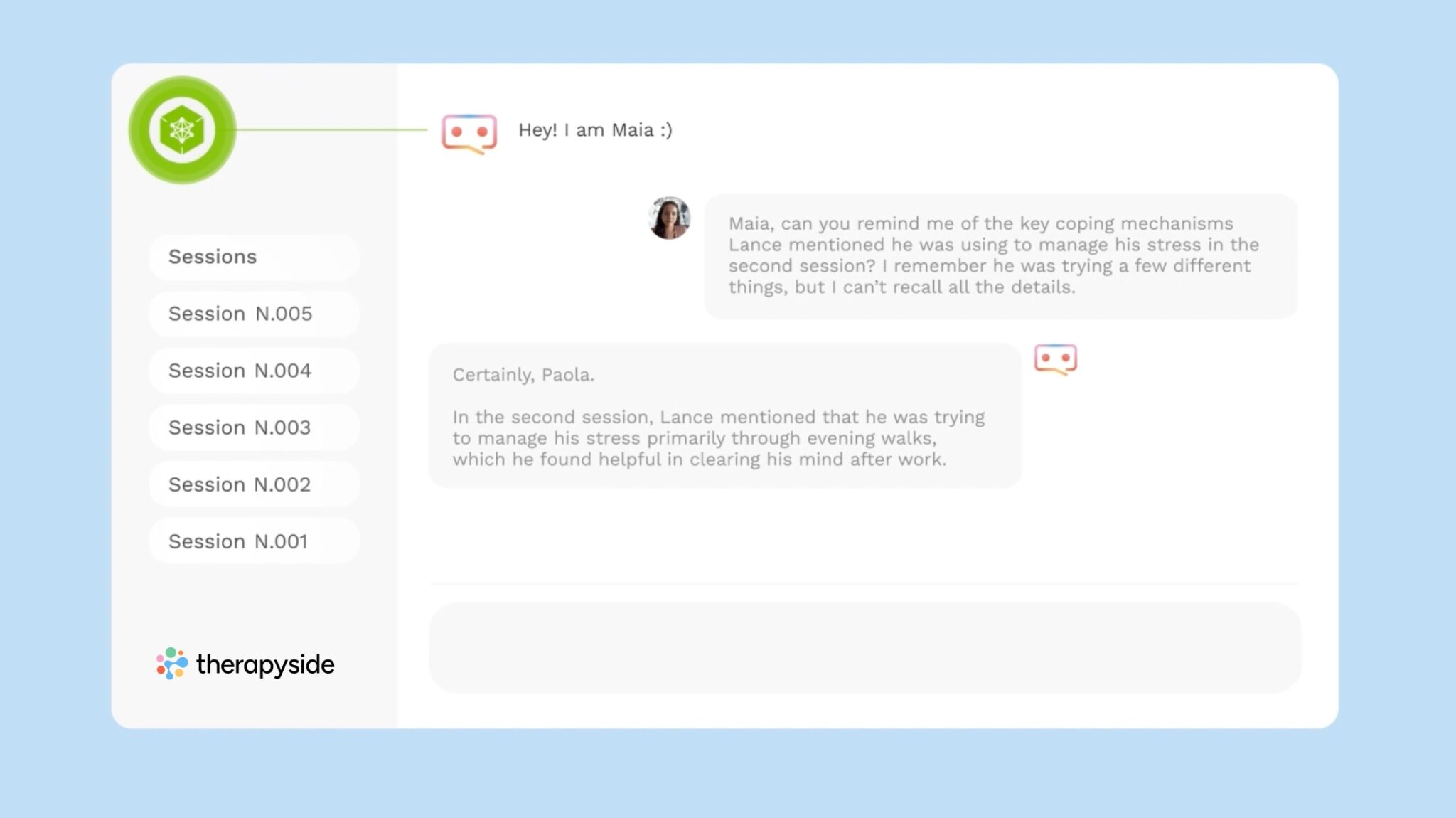
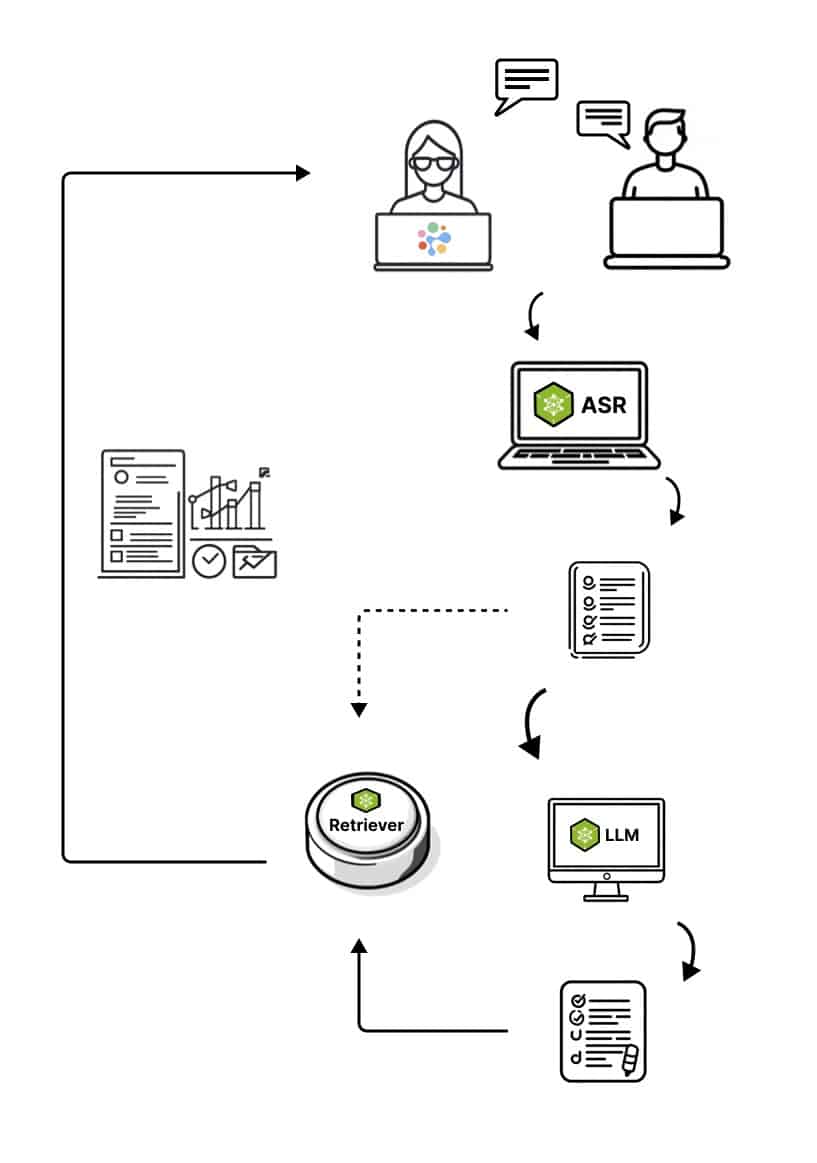
For the therapists and clients who have opted in to test these AI tools, a speech recognition model transcribes their conversations. A large language model summarizes the session into clinical notes, saving time for therapists so they can speak with more clients and work more efficiently. Another model powers a virtual assistant, dubbed Maia, that can answer therapists’ questions using retrieval-augmented generation, aka RAG.
Therapyside aims to add features over time, such as support for additional languages and an offline version that can transcribe and summarize in-person therapy sessions.
“We’ve just opened the door,” said De Sario. “We want to make the tool much more powerful so it can handle administrative tasks like calendar management and patient follow-up, or remind therapists of topics they should cover in a given session.”
AI’s in Session: Enhancing Therapist-Client Relationships
Therapyside, founded in 2017, works with around 1,000 licensed therapists in Europe offering counseling in English, Italian and Spanish. More than 500,000 therapy sessions have been completed through its virtual platform to date.
The company’s AI tools are currently available through a beta program. Therapists who choose to participate can invite their clients to opt in to the AI features.
“It’s incredibly helpful to have a personalized summary with a transcription that highlights the most important points from each session I have with my patients,” said Alejandro A., one of the therapists participating in the beta program. “I’ve been pleasantly surprised by its ability to identify the most significant areas to focus on with each patient.”
A speech recognition AI model can capture live transcriptions of sessions.
The therapists testing the tool rated the transcriptions and summaries as highly accurate, helping them focus on listening without worrying about note-taking.
“The recaps allow me to be fully present with the clients in my sessions,” said Maaria A., another therapist participating in the beta program.
During sessions, clients share details about their life experiences that are captured in the AI-powered transcriptions and summaries. Therapyside’s RAG-based Maia connects to these resources to help therapists quickly recall minutiae like the name of a client’s sibling, or track how a client’s main challenges have evolved over time. This information can help therapists pose more personalized questions and provide better support.
“Maia is a valuable tool to have when you’re feeling a little stuck,” said Maaria A. “I have clients all over the world, so Maia helps remind me where they live. And if I ask Maia to suggest exercises clients could do to boost their self-esteem, it helps me find resources I can send to them, which helps save time.”
Maia can answer therapist’s questions based on session transcripts and summaries.
Take Note: AI Microservices Enable Easy Deployment
Therapyside’s AI pipeline runs on NVIDIA GPUs in a secure cloud environment and is built with NVIDIA NIM, a set of easy-to-use microservices designed to speed up AI deployment.
Once the transcript is complete, the text is processed by a NIM microservice for Meta’s Llama 3.1 family of open-source AI models to generate a summary that’s added to the client’s clinical history.
The Maia virtual assistant, which also uses a Llama 3.1 NIM microservice, accesses these clinical records using a RAG pipeline powered by NVIDIA NeMo Retriever NIM microservices. RAG techniques enable organizations to connect AI models to their private datasets to deliver contextually accurate responses.
Therapyside plans to further customize Maia with capabilities that support specific therapeutic methods, such as cognitive behavioral therapy and psychodynamic therapy. The team is also integrating NVIDIA NeMo Guardrails to further enhance the tools’ safety and security.
Kimberly Powell, vice president of healthcare at NVIDIA, will discuss Therapyside and other healthcare innovators in a keynote address at HLTH, a conference taking place October 20-23 in Las Vegas.
Amazon is a vast world for travel products; from bags and luggage to electronics and destination-specific gear, there’s something for any type of trip. But when it comes to narrowing down items for every trip, frequent fliers know that there are a few key travel essentials that warrant a permanent place in their suitcase.
Personally, I never leave home without a silk pillowcase, and Blissy is my tried-and-true favorite. I recommend getting it in a vivid color so you don’t accidentally leave it behind at your hotel (speaking from experience!). The silk material is multi-faceted: it regulates my temperature while sleeping, ensures I don’t wake up with creases on my face (particularly important when I’m running behind after I hit snooze thanks to jetlag), reduces my acne from fragrant hotel detergents (even at the most luxe establishment, my skin is super sensitive) and it keeps my blow out for multiple days. Whether it’s a single-night stay or a multi-week journey, this travel accessory will be in my bag.
Every traveler has their own go-to gadget, though, from organizers for pills and electronics to de-wrinkling favorites like releasers and portable steamers. To help you find your new go-to travel favorite, I spoke with 11 frequent fliers to see what items never leave their bags — and everything is available at Amazon for under $50.
Yunnyp PVC Inflatable Foot Pad
Amazon
“For long-haul flights, I never travel without my inflatable footrest because I simply cannot fall asleep with my hips tilted forward,” shares Nicole Kliest, a freelance writer who travels up to four times a month. “Is it slightly inelegant to blow up said footrest next to a stranger à la pool toy? Yes. But it’s worth the few minutes of awkwardness in order to get a few extra hours of rest.” Plus, it’s only $10 and extremely durable, making this a quick fix for long-term use.
Cincha Travel Belt
Amazon
When it comes to her frequent work travel, Kristen Shirley, founder of digital platform La Patiala, which covers all things luxury from travel to fashion, relies on this belt to safely secure her personal item atop her rolling luggage. “If I am using a different bag — like a chic work tote or a fun beach bag — I use my Cincha travel belt to secure [it to] the suitcase handles,” she says. “That way my bag stays secure, even if I’m dashing through the airport or carrying it up a few stairs.”
Corkcicle Stemless Tumbler
Amazon
“The only downside of a tropical vacation is how quickly your drinks warm up on the beach,” shares Shirley. “That’s why I always travel with my Corksicle tumbler. It keeps my Diet Cokes and glasses of rosé crisp and cool, no matter how hot it is outside.” Plus, as lounges and concessions are phasing out takeaway containers, it could come in handy should you need to grab a coffee on the run and there’s not a cardboard cup in sight.
Lifewit Monthly Pill Organizer
Amazon
“Hear me out: a month-long pill box is essential for not only extended trips but also organization,” says Joey Skladany, a freelance travel and food writer who travels every other week for work. He owns the large version that comes with 28 slots; he loves the separate, deep compartments that can be used for different types of pills. “I use the top row for prescription drugs, the second row for immunity-boosting vitamins, the third for everyday supplements, and the fourth for any emergency medications such as Advil and/or Sudafed. It keeps everything organized and in one place, which is exactly what I need while always on the go.”
Anker Portable Charger
Amazon
Arianna Sartzetakis, founder of Uncover More, a hyper-local guide to experiences around the world, travels two to three times a month. During her travels, she not only captures photos and videos on her phone, but she also works from her phone, therefore, she says a portable charger is essential. “My top choice is the Anker portable charger,” Sartzetakis shares. “[It] charges my phone quickly and is compact enough to fit seamlessly into my bag.”
So Mine Airplane Pocket Organizer
Amazon
When work calls you on the road every week, as it does for Brandon Berkson, founder and editor-in-chief of Hotels Above Par, you have to keep all your electronics in one place so you can stay productive while in transit. “This compact case saves time and stress by making sure everything is easy to find, preventing those frantic scrambles in crowded airports or train stations when you are trying to locate your charges and cords,” he shares. “I leave the cords and adapters in the organizer so it’s ready to go whenever I am.” It’s designed to hang from the seatback pocket of airplanes and trains, so it’s easy to store and access gadgets while traveling.
Luxebell Digital Luggage Scale
Amazon
Another practical gadget that Berkson keeps packed and ready to go is this digital luggage scale. “It ensures I never have to guess whether my luggage is overweight, saving me from surprise fees at the airport,” he says, praising its compact packable size and its clear, easy-to-use digital display. “For travelers, this tool provides peace of mind, especially when you’re coming back from a trip with souvenirs or extra items. It helps you avoid the stress of last-minute repacking at the check-in counter.”
Downy Wrinkle Releaser
Amazon
When it comes to looking fresh, even straight from the plane, Berkson, points to this wrinkle releaser (available in a pack of two TSA-approved bottles) for keeping clothes looking spick-and-span. “Just a quick spritz and my shirts and jackets look crisp, even after being crammed in a suitcase. It’s the perfect solution to avoid wrinkled outfits and saves time, especially when you’re heading straight from a flight to a meeting or event.”
Newbealer Dual Voltage Garment Steamer
Amazon
“You can’t turn up anywhere with crinkled clothes,” says Francesca Squillacciotti, co-founder of communications agency Bond Global. Even after long-haul flights, the travel PR professional knows the importance of putting your best foot (and fashion!) forward in client meetings. “Sometimes hotels only have irons,” she says, noting that when you’re on the go and time-strapped, irons aren’t always efficient means of de-wrinkling your wardrobe. This steamer folds down into a compact 6- x 3-inch packable item that’s only 1.5 pounds, so you can truly take it everywhere. “I always turn to my trusted steamer that has traveled the world with me,” says Squillacciotti.
MiiKare Airplane Travel Essentials Phone Holder
Amazon
What if we told you that you can prevent stubborn neck strain on an airplane for only $12? That’s what you’ll get with this phone holder, which Squillacciotti swears by. “I always need to be hands-free when flying, especially since I use flights to catch up on work, TV shows, and podcasts,” she shares. “This gadget is perfect for propping my phone up at eye level, preventing neck strain while I stay productive or enjoy some entertainment. Plus, you can charge your phone while it’s in use.”
Caudalie Beauty Elixir Face Mist
Amazon
It’s no secret how dehydrated the body becomes on a plane, but it’s even worse on a long-haul flight. Squillacciotti knows this all too well as she’s frequently on flights back home to Australia. Her secret to dewy skin upon arrival? This Beauty Elixir from Caudalie. “It never leaves my travel bag, so I’m never not with it on any flight. It’s such a refresher and makes my face feel clean, revived, and hydrated.”
Perilogics Luggage Travel Cup Holder
Amazon
“One thing most travelers wish they had is another set of hands to carry just one more thing,” shares Will Hatton, founder and CEO of The Broke Backpacker. This is especially relevant when it comes to securing your pre-flight coffee fix, only to realize you need to juggle wheeling your bag and holding your phone, boarding pass, and beverage. His solution is this foldable drink caddy that you can fit in your carry-on and then whip out when you need that extra set of hands. It slides over the handle of your rolling bag to hold two beverages and even has a back pocket that doubles as storage for items you need at a moment’s notice, like a passport or cell phone, Hatton shares.
Renoj Resistance Bands
Amazon
Part of being a freelancer and traveling for work means juggling multiple clients at a time; therefore, every second counts. As much as I love and appreciate luxury hotel gyms, sometimes they’re located on the other side of the property so it takes almost 10 minutes to access them. To save myself roundtrip travel time, I always keep one of these resistance bands in my suitcase so I can turn my room into a gym and use those precious minutes more efficiently. I love that they come in different resistances so I can pack a light one for working my arms and a heavier one for legs.
Oral Pulsar Battery Powered Toothbrush
Amazon
Traditional electric toothbrushes can take up a lot of space in your luggage. Plus, their bulky chords don’t always work in international charging outlets, so if you’re going on a longer trip, you need a toothbrush you can rely on. For Alissa Fitzgerald, a freelance travel writer who is constantly on the road, it’s these Oral B battery-powered electric toothbrushes. “I buy a two or four-pack so one can be for home and one for travel, or even as a backup. The battery is replaceable, but in reality, they last forever (and I travel a lot).”
Otium Bluetooth Headphones
Amazon
The sinking feeling of losing an AirPod is already onerous, but losing one while on the road just takes the frustration to another level. That’s why Jessica Parker, luxury travel advisor and founder of Trip Whisperer, chooses to leave her buds at home, opting instead for these wireless earbuds when heading somewhere. “They’re great because of the connecting cord and the way it hooks over my ears that I never stand to lose them like the loose AirPods,” shares Parker, who’s on a trip at least once a month. “They’re waterproof and the battery lasts long with a quick charge time. The little case it comes with tucks right in my carry-on or jacket pocket.”
The muscle-car era sputtered to end in 1972. Blame low-quality, low-lead gasoline, increasingly stringent emissions regulations, and rising insurance costs for the for the sudden wrap-up of the horsepower party. The demise of the muscle car left a vacuum of sorts in the lineups of American carmakers, all of which did some serious business peddling big engines to crazy people hellbent on tearing up the streets every time a traffic light turned green.
More Favorite Car Ads
1975 Chevrolet Nova LN
As for that vacuum, it would soon be filled—not exactly, and not entirely neatly—with luxury cars. Sort of. I’m not saying that folks suddenly traded in their Hemi ‘Cudas and Skylark GSs for Cadillac Sevilles and Lincoln Continentals, but that makers started building premium trim-level variants of cars that had once been part of the muscle-car scene.
Luxury Trim Levels
1976 Chevrolet Nova Concours
The luxury trim-level movement, which spread to vehicles not directly associated with muscle cars, was especially popular with entry-level brands (Chevrolet, Ford, and Plymouth, as well as AMC) and some midline marques, including Dodge. How many of these 1975 models do you remember?
AMC Matador Oleg Cassini
Dodge Coronet Brougham
Ford Gran Torino Brougham
Plymouth Grand Fury Brougham
Chevrolet Nova LN
Seems crazy, looking back, that no one tried to nail down the trademark on Brougham. For the record, a brougham, historically, was an enclosed-body vehicle with an open-air forward section for the drive. This allowed the occupants of the car to travel in comfort and privacy. As for the driver, not so much.
Nova LN Ad
1975 Chevrolet Nova LN Ad
Chevy Nova
Now, if you know anything about the Chevrolet Nova, there’s a solid change you’ve heard good things. New for 1969, and redesigned for 1975, the Nova served Chevy well as the brand’s modest, affordable, arguably attractive, and ultimately very-popular compact car. Over the years, the Nova was offered as a coupe and sedan, as well as a wildly underappreciated hatchback. The Nova was also present for the muscle-car fun, offered in SS trim and packing a thumping 396-cubic-inch V8.
Nova LN
1977 Chevrolet Nova Concours
But in 1975, with its muscle-car days long behind it, the Nova was treated to a new trim level: LN. The Luxury Nova (LN, if you hadn’t guessed), likely struck folks as a little odd, but given that country was still shell shocked by the gas shortages that came as a result of the 1973 OPEC Oil Embargo, a small luxury car made some sense.
Luxury Equipment
The better-trimmed little Chevy included such niceties as “wide-back” reclining front seats, a specially tuned suspension, and upgraded cabin materials. The exterior was spruced up, too. You’d think that maybe an FM radio would be part of the deal, but you would be wrong.
Nova LN Prices
In sedan form, extra-spiffy Nova started at $3795 (about $22,000 in 2024 dollars). At the same time, a base sedan started at $3209 ($18,500). And if that base price seems low, keep in mind that it did not include the aforementioned FM radio, nor air conditioning or an automatic transmission.
Despite its Seventies-style good looks, and the promise of bargain-priced high living, the LN was a slow seller. While the base Nova sedan accounted for almost 44,000 sales, the LN sedan racked up just 1300. Coupe and hatchback versions of the LN faired no better.
Nova Concours
For 1976, Chevrolet renamed the LN Concours, but changed little else. The rebranding seemed to do the premium trim level good, as Concours sales were much improved relative to the LN.
As for the ad, we have to push back a little on claims the LN was either beautiful, or European. The Nova’s available vinyl roof and old-school leaf-spring rear suspension both preclude the Euro claims. As for the styling, we’ll accept handsome, but nothing more. Still, the Nova LN/Concours had its charms. The cabin upholstery (seen below) was described as “knit fabric with vinyl,” which to our ears comes dangerously close to sounding sexy.
Nova Variants
Kudo to Chevrolet for finding so many ways to peddle the Nova. The brand’s bread-and-butter compact was retailed as a muscle car, a sporty GT, a budget-friendly family car, an economy car, and as a luxury car. Also, Chevy sold a fair number of Novas into police service, a trade for which the versatile car seemed well suited. Outfitted with Chevy’s 350-cubic-inch V8 and heavy-duty suspension, the Nova probably worked well as a pursuit vehicle.
Nova LN interior
Dropping the Nova Concours
The Concours returned for 1977, but was dropped from the Nova lineup after that. For 1978 Chevrolet redesigned the brand’s midsize Malibu, and luxury versions of that car would have competed too directly with the premium Nova, so the Concours was discontinued.
There’s nothing really crazy about the Nova LN/Concours, though it was probably a little cynical of the Chevy marketing people to sell the humble Nova as a luxury car. That said, fairly priced as it was, the “luxury” Novas probably didn’t fool anyone. They were just nice cars sold for a reasonable amount of money. Nothing wrong with that.
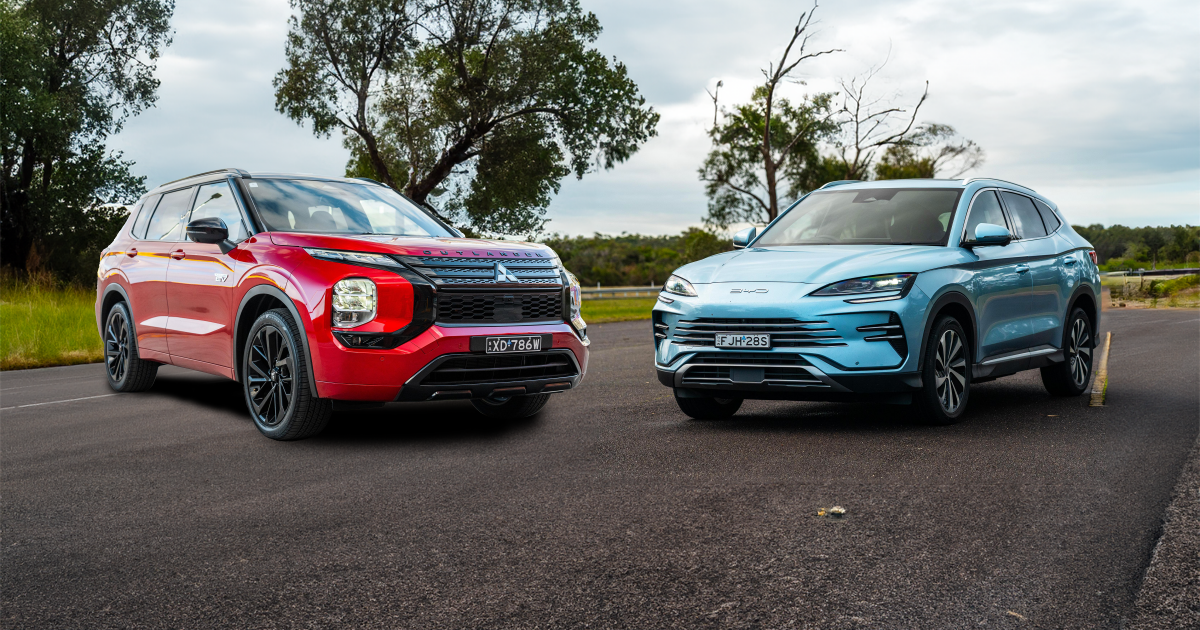
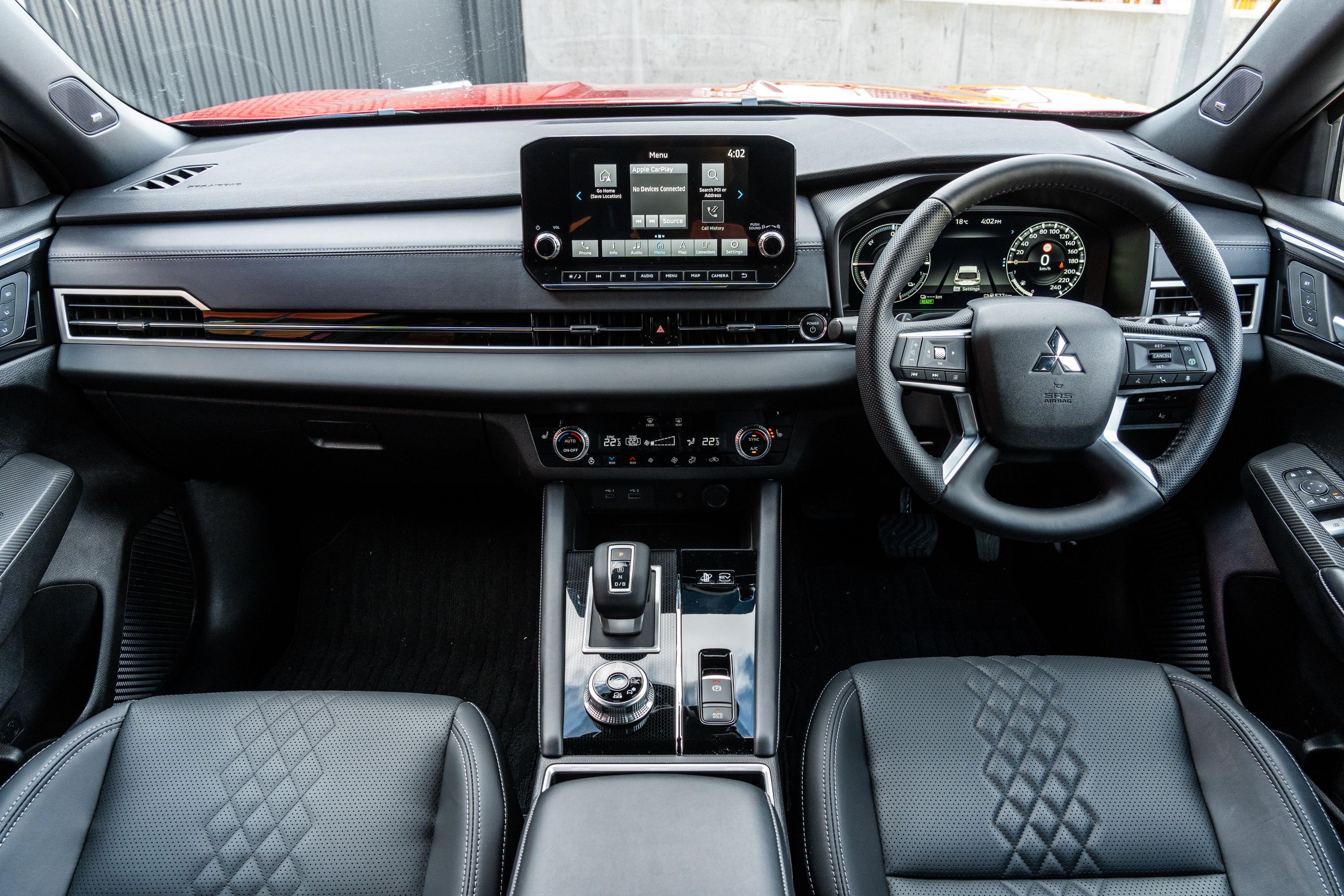
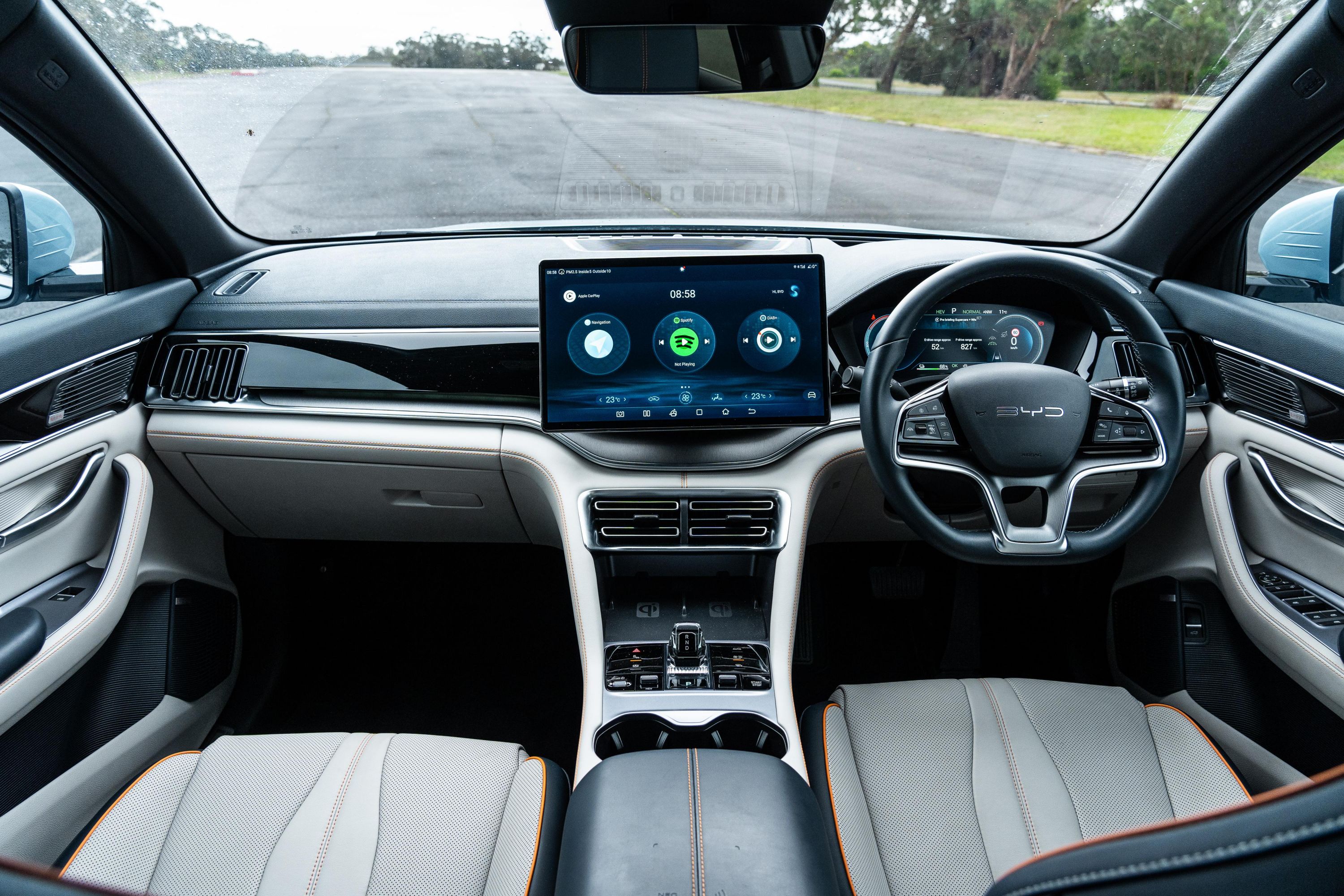
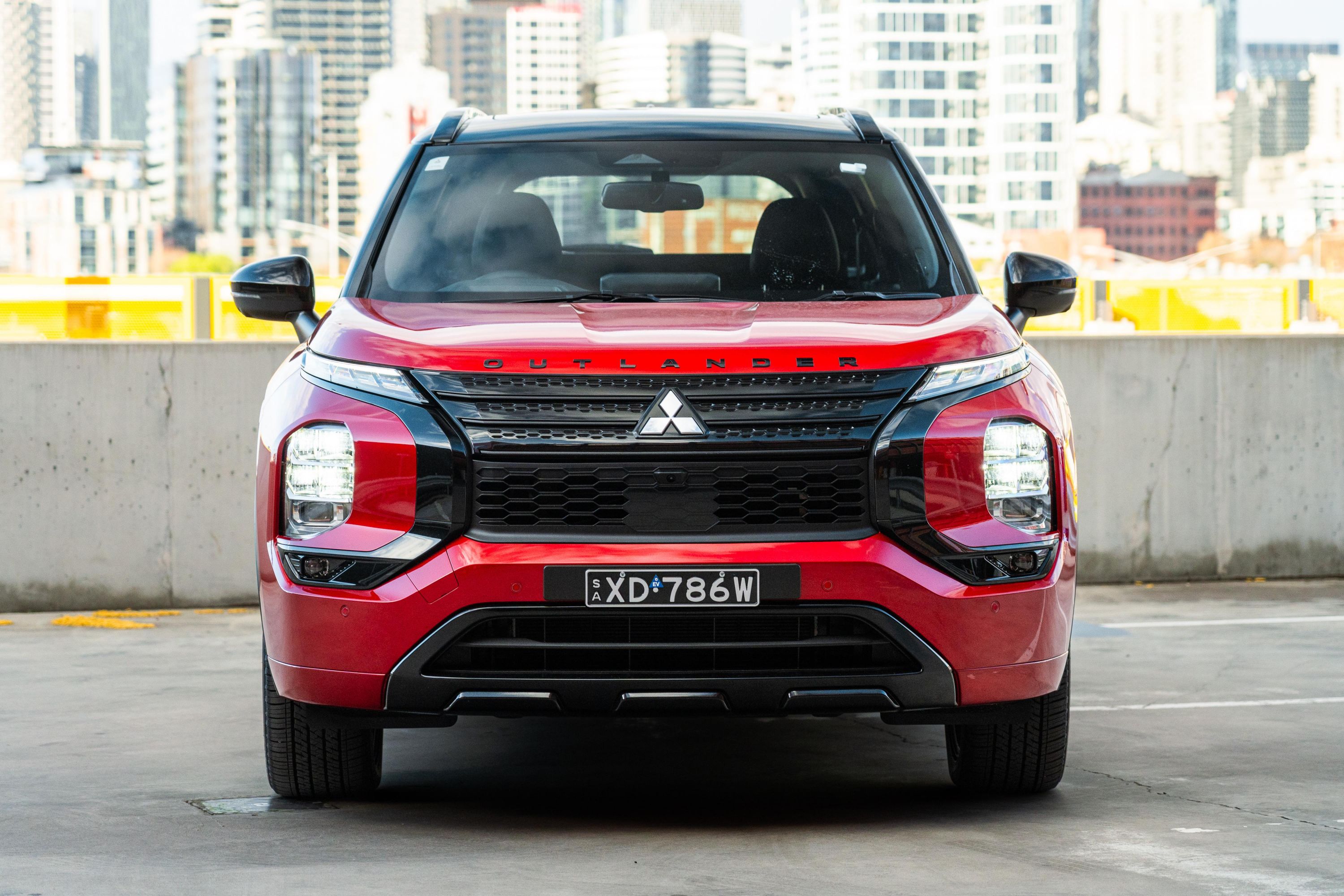
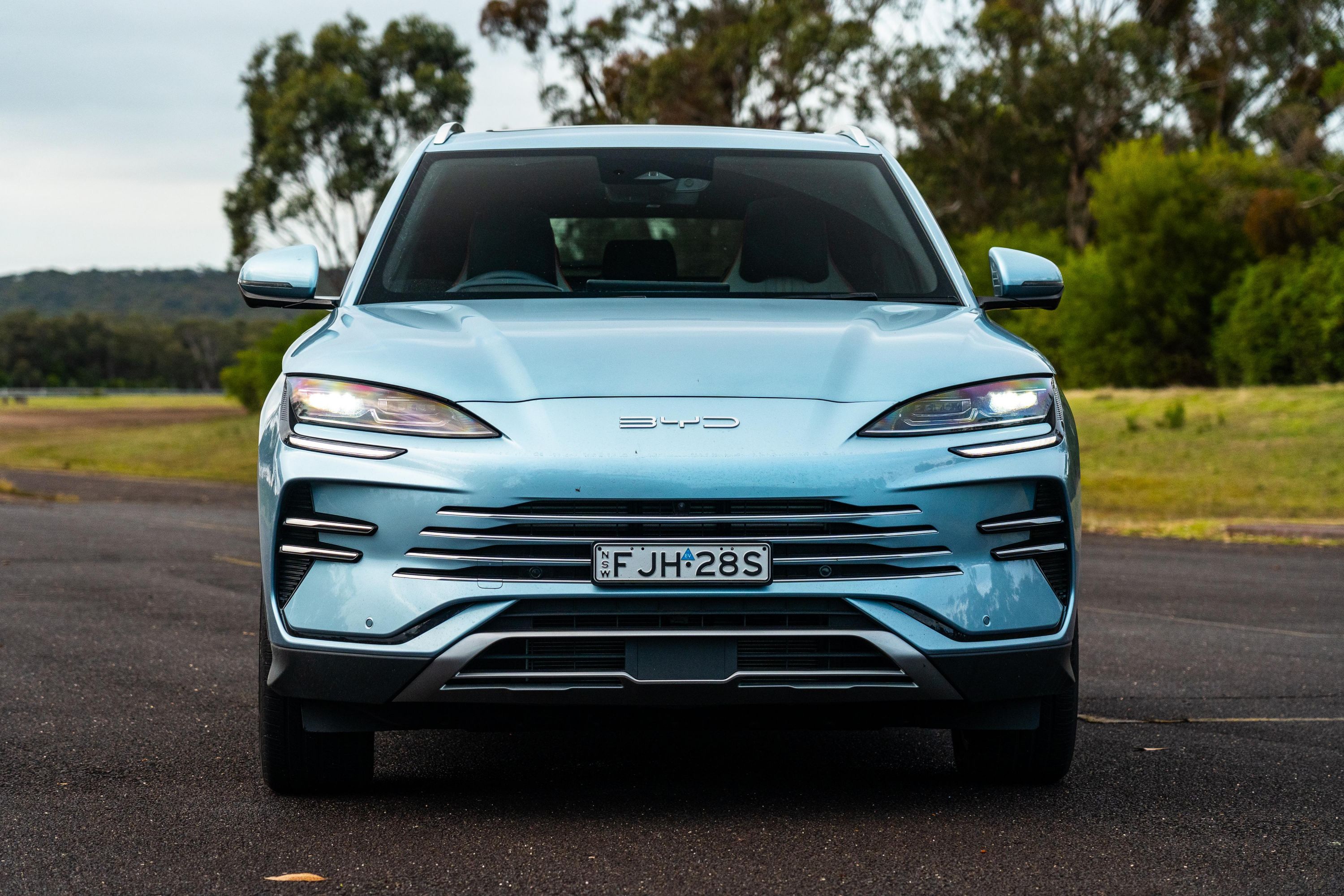
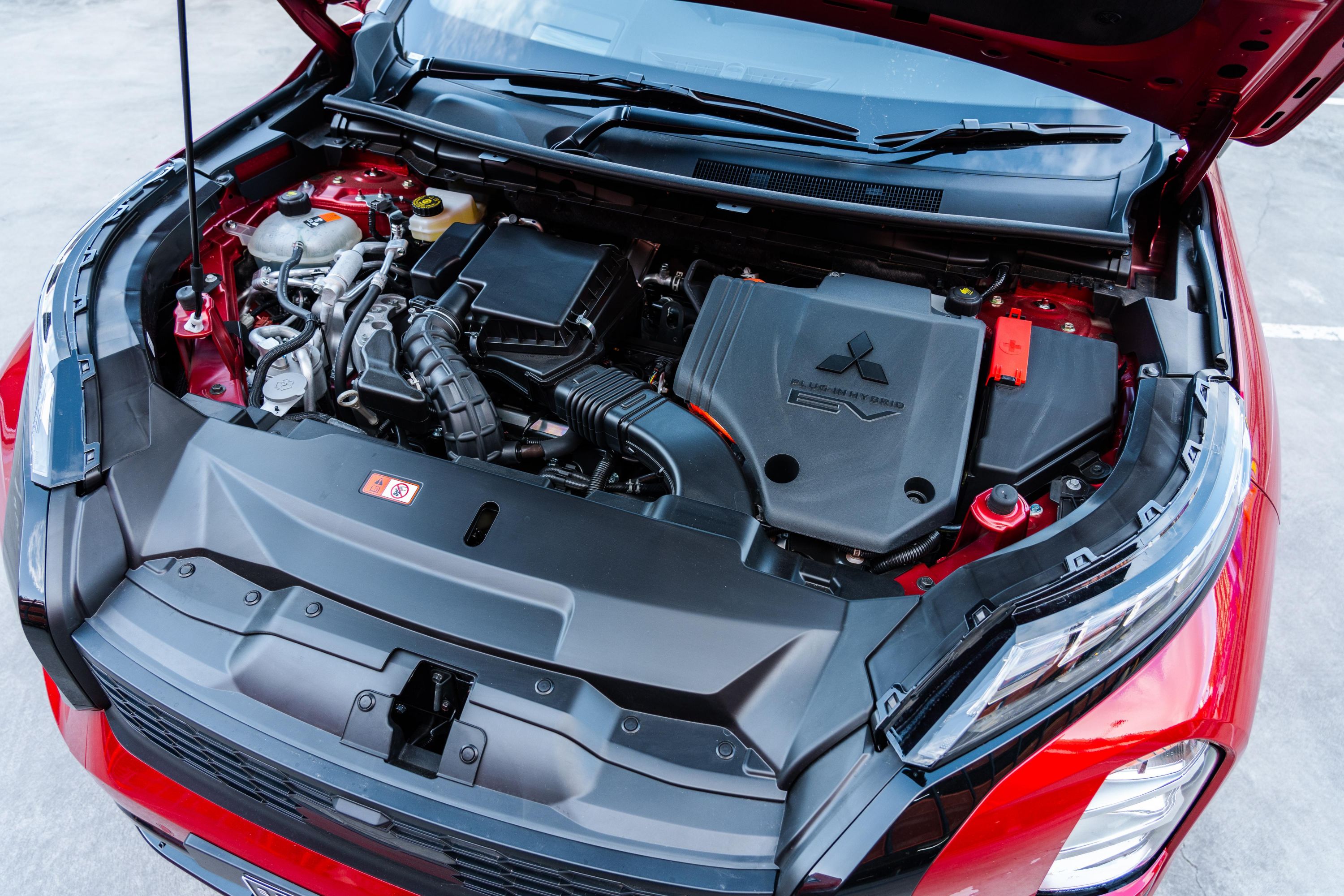
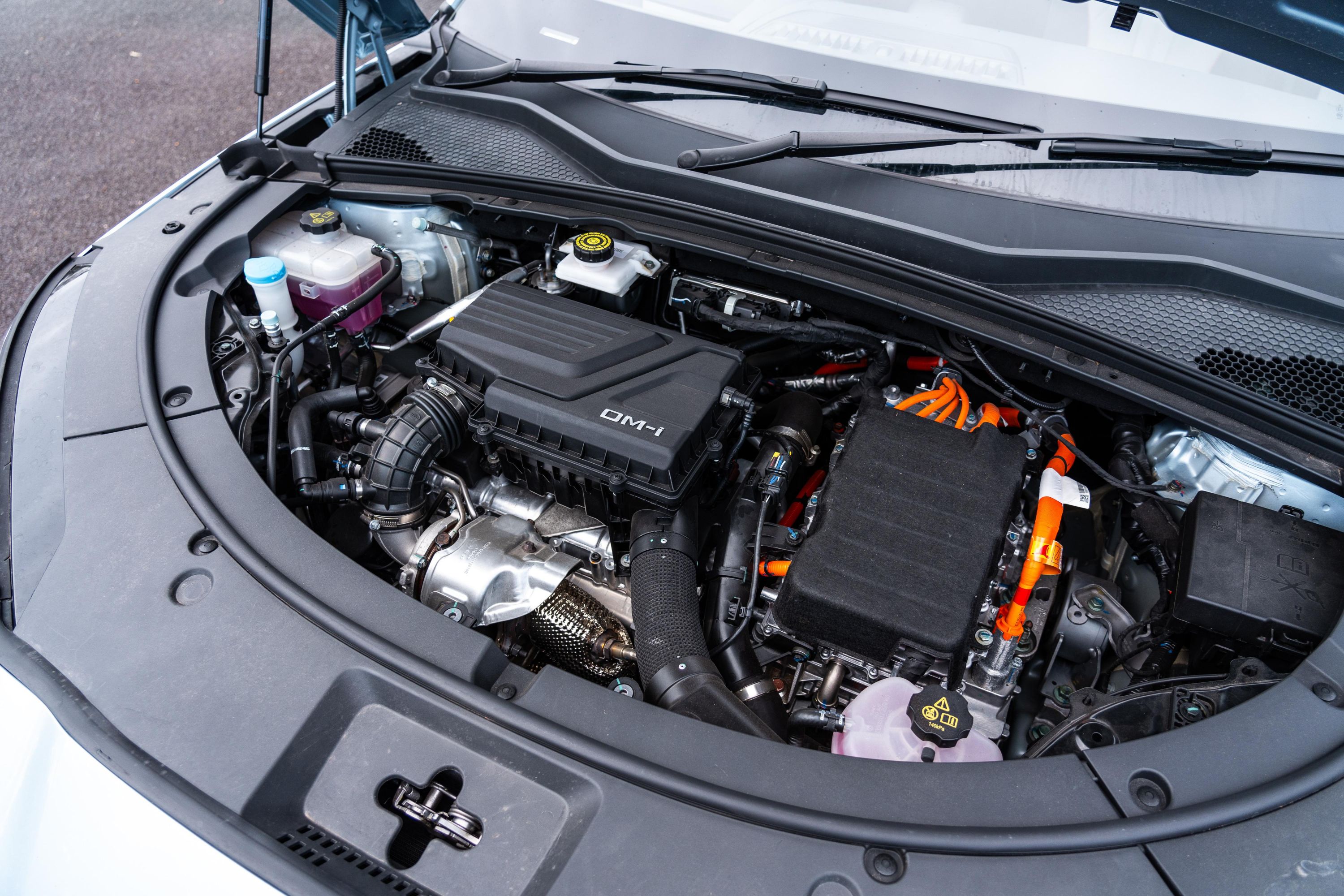
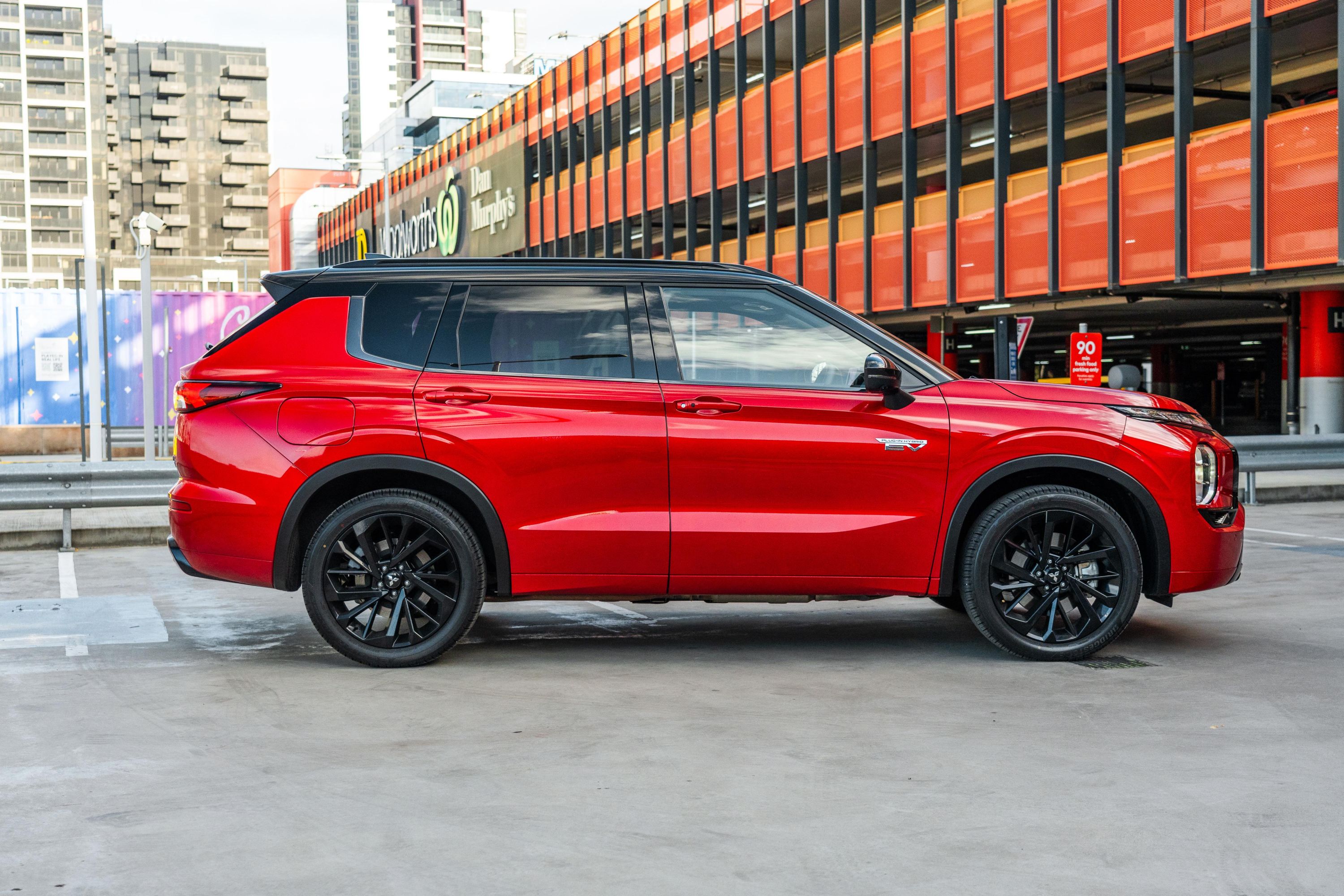
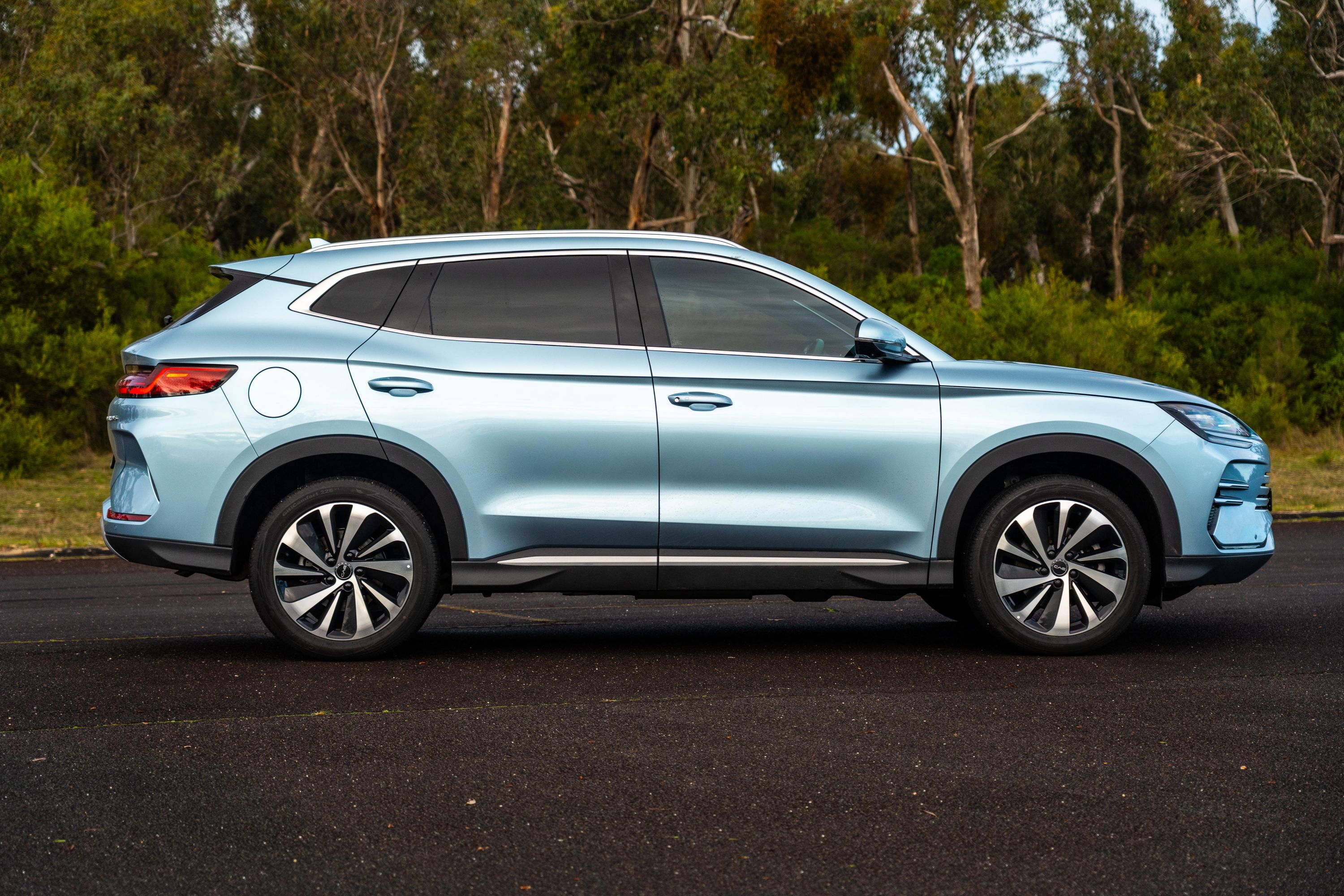
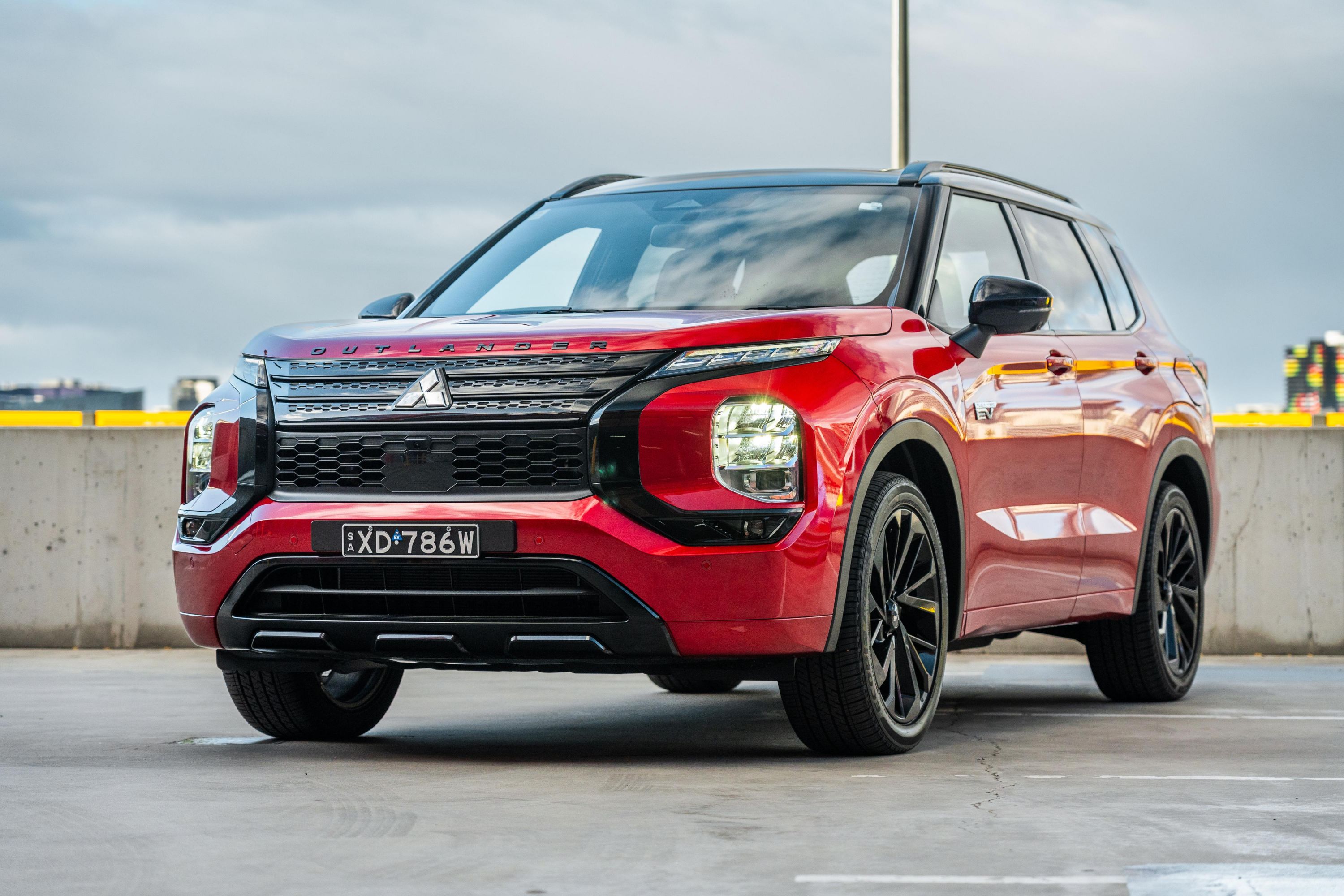
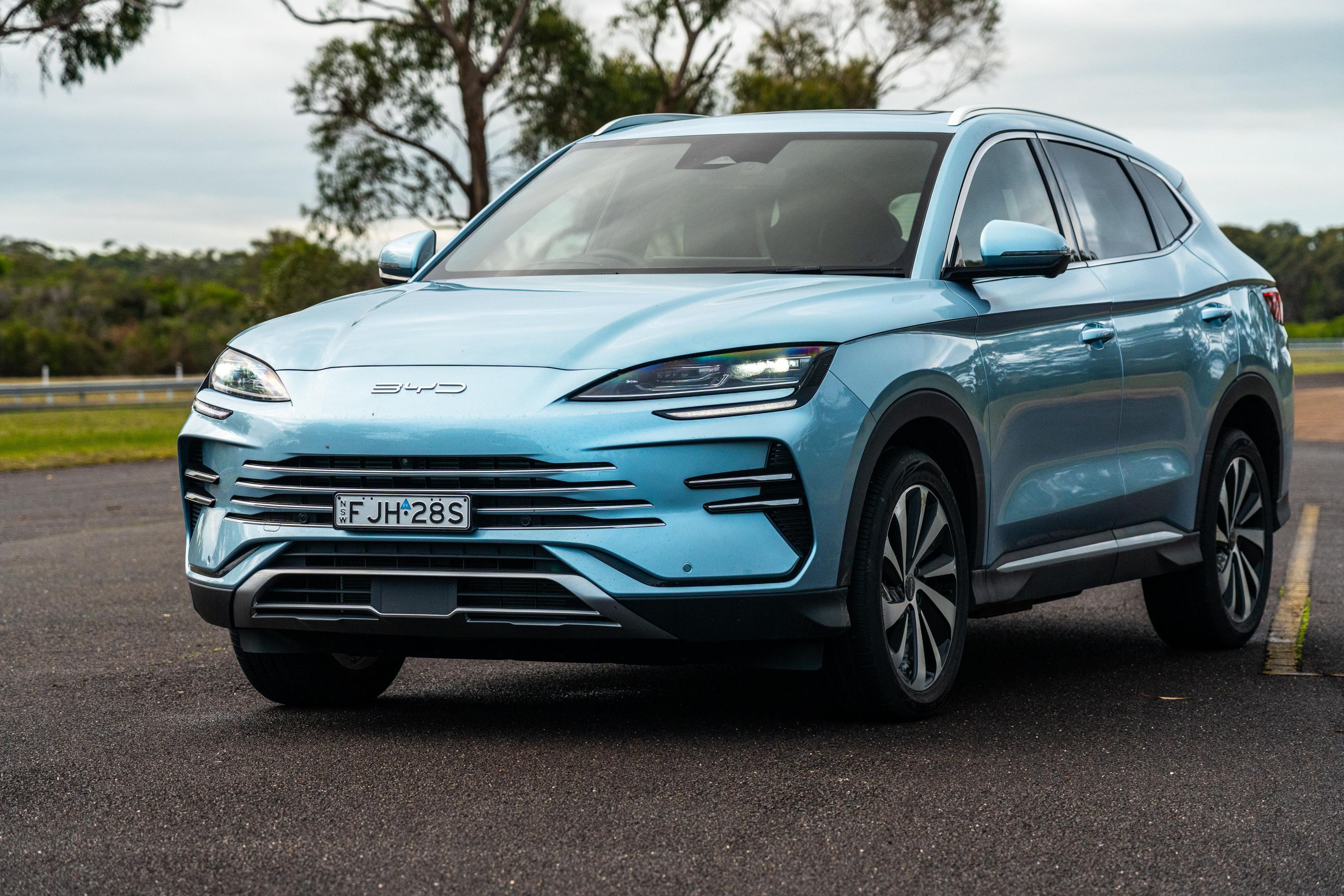
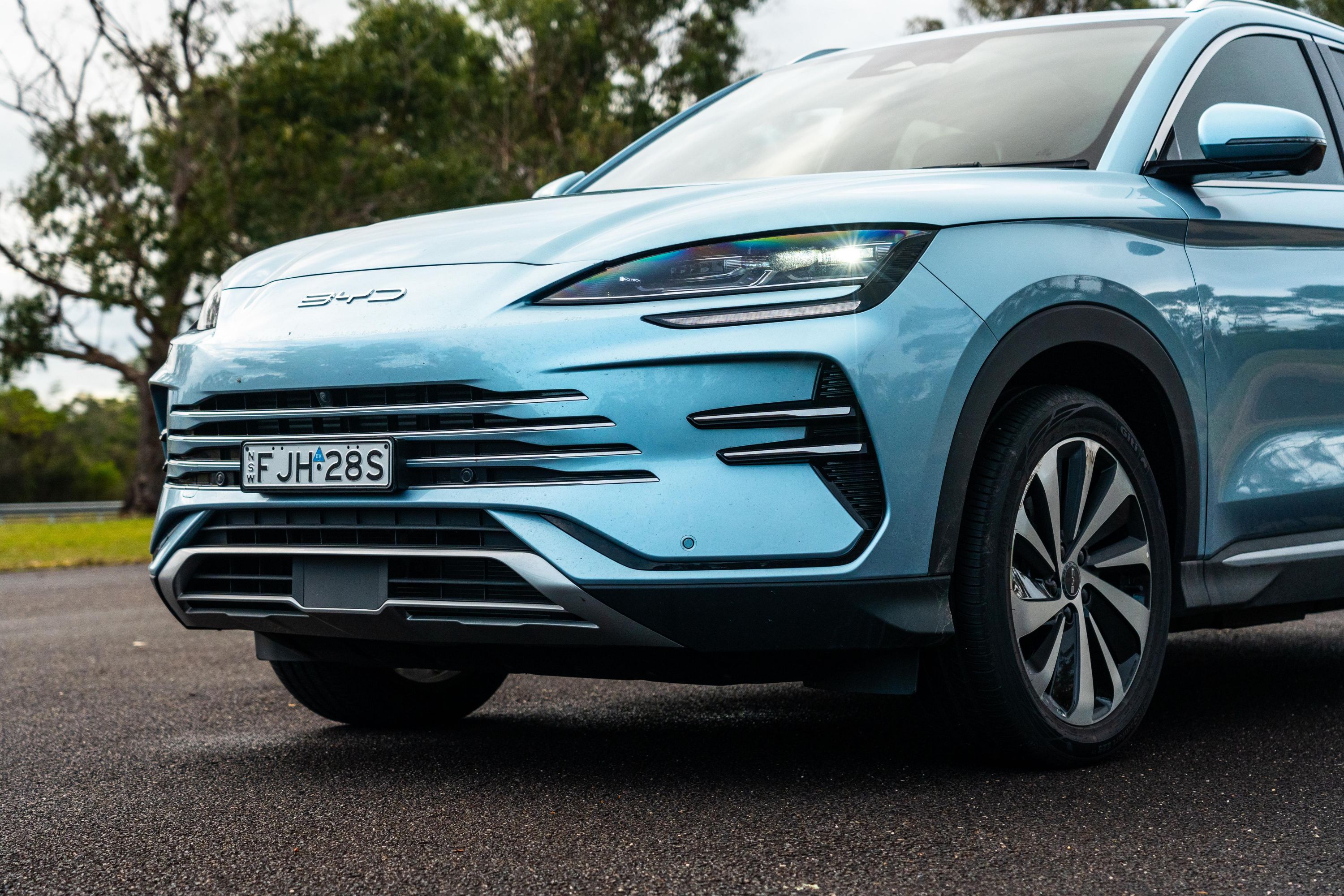
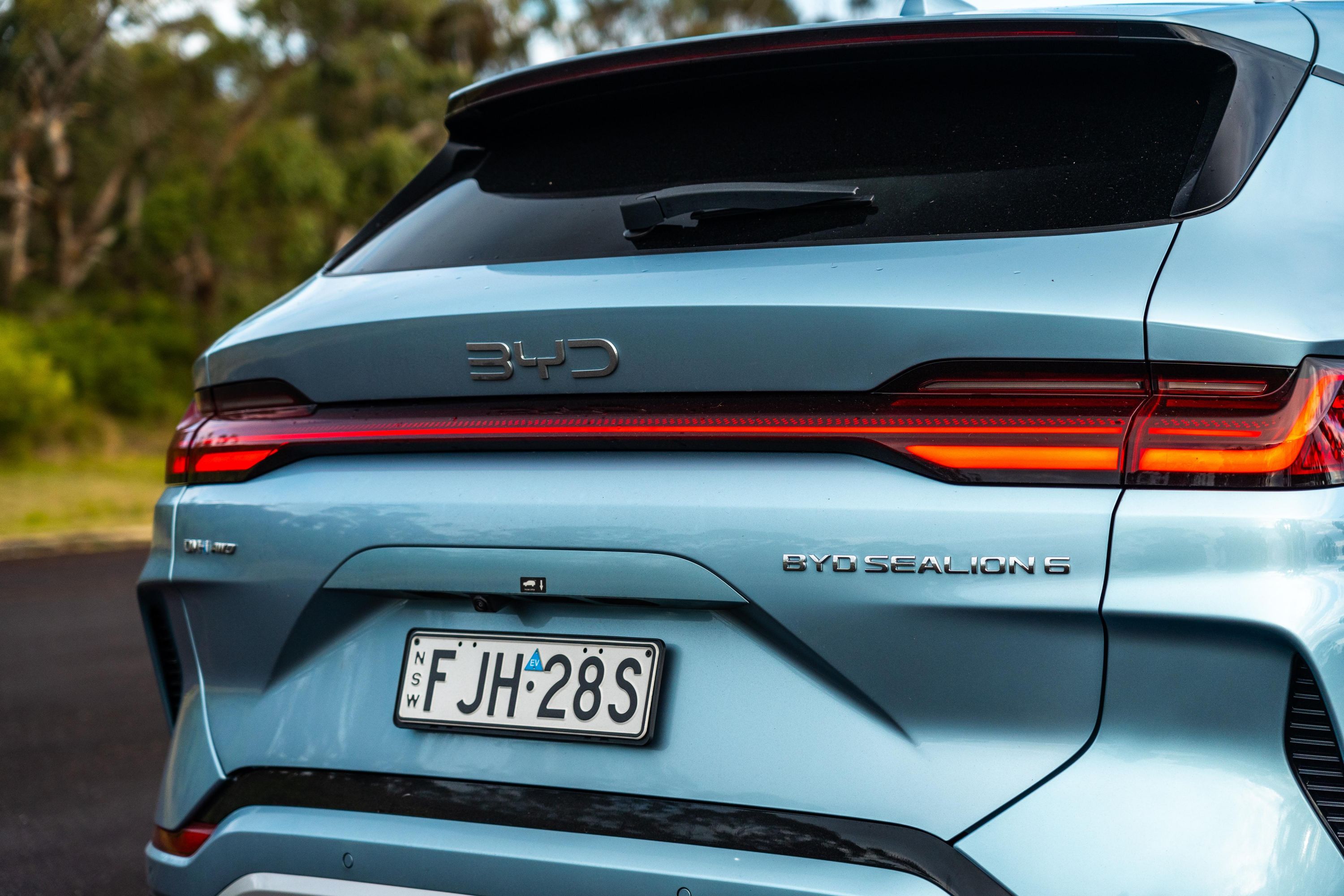
There isn’t a lot to separate the Outlander PHEV and the BYD Sealion 6 on paper, which means it likely comes down to price on what people would prefer to have in their garage.
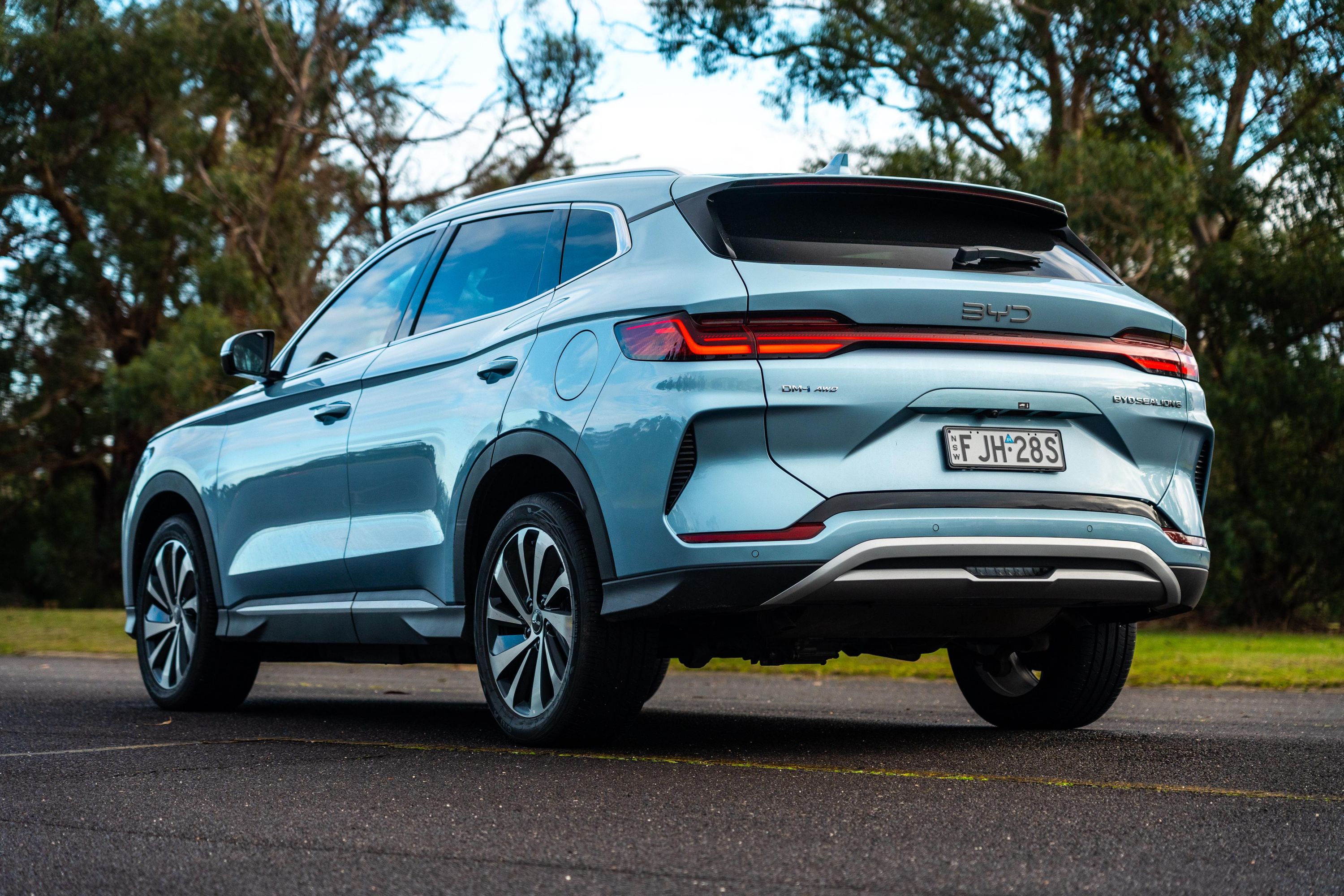
The Sealion 6 does work out to be cheaper, but BYD isn’t as established a name in Australia as Mitsubishi is. Nevertheless, the Chinese brand continues to grow its local sales every year.
It’s now the world’s largest electric vehicle (EV) manufacturer after having overtaken Tesla in recent years, and it’s the largest carmaker in China after Volkswagen was dethroned for the first time since 1986.
Considering a new PHEV SUV for your next car? Here’s how each option stacks up on paper.
There are multiple variants of each model, though the Mitsubishi Outlander PHEV is more expensive across the range.
Outlander PHEV
Sealion 6
Mitsubishi offers four variants of the Outlander PHEV: ES, Aspire, Exceed, Exceed Tourer, and GSR.
BYD’s Sealion 6 model range is instead sold in two variants: Dynamic and Premium AWD. The main differences are that all Outlander PHEVs offer all-wheel drive as standard and higher grades offer three rows of seating; while the Sealion 6 offers a choice between front- and all-wheel drive but is five-seat only.
For comparison, the non-PHEV Outlander lineup ranges in price from $37,740 before on-roads and $55,190 before on-roads.
Given both these cars offer PHEV drivetrains, this is where the biggest comparison lies.
Outlander PHEV
Sealion 6
In the case of the Mitsubishi, all Outlander PHEV variants use the same drivetrain configuration. The BYD, meanwhile, differs between front- and all-wheel drive configurations.
The BYD is also claimed to be more efficient than the Outlander while producing more power in all-wheel drive guise. According to NEDC figures – used here for consistency – the Outlander can travel further in EV mode than the equivalent Sealion 6.
It has a larger battery, and it’s marginally heavier in top-spec configuration too. A downside is carbon dioxide emissions are claimed to be slightly worse than the BYD.
The Mitsubishi Outlander is larger than the Sealion 6, but there isn’t a huge difference.
Outlander PHEV
Sealion 6
As the Sealion 6 is only a five-seater, it’s best compared against the five-seat Outlander PHEV. Boot capacity differs greatly, with the Mitsubishi offering much more space in both seats-up and seats-folded configurations.
The seven-seat version is bigger still, and you still get nearly the same capacity with all seats in place as you do in the five-seat Sealion 6.
The Mitsubishi Outlander is covered by a standard five-year, 100,000km warranty, along with an eight-year, 160,000km battery warranty – the former is extendable to 10 years/200,000km if you service within the brand’s network.
Outlander PHEV
Sealion 6
Logbook servicing is required every 12 months or 15,000km, whichever comes first. Mitsubishi also offers up to 10 years of capped-price servicing, with average annual pricing at $549 for a total of $5490.
EVDirect, BYD’s Australian distributor, covers the BYD range with a six-year, 150,000km vehicle warranty and an eight-year, 160,000km battery warranty.
BYD outlines service intervals of 12 months or 20,000km for the Sealion 6. Service pricing is outlined for the first 11 services, with an average annual cost of $413.55 and a total of $4549.
That means the BYD works out to be cheaper to service each year on average.
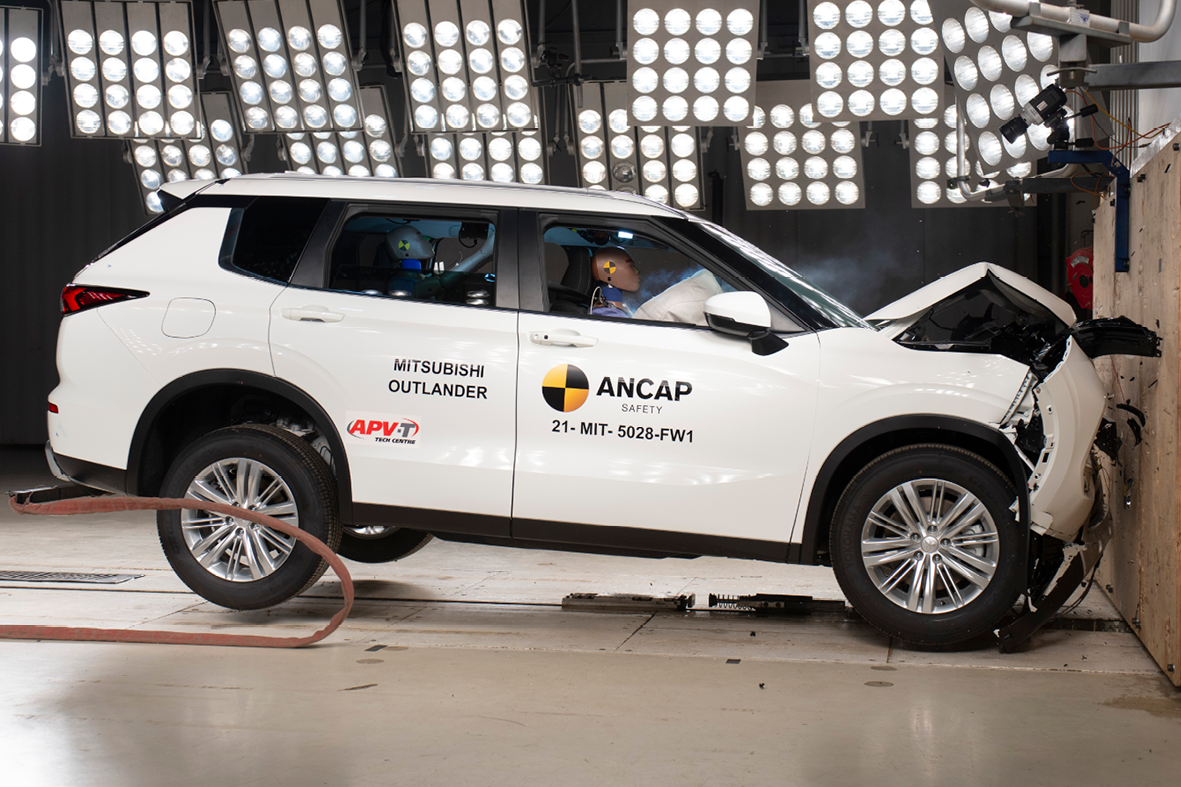
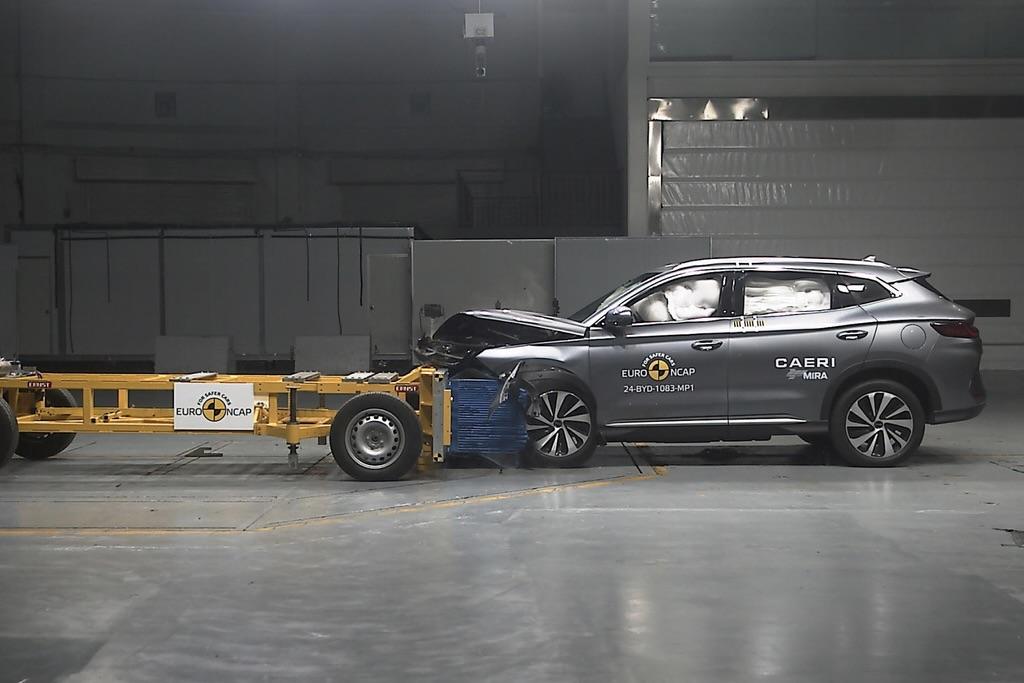
Both cars wear a five-star ANCAP safety rating, scoring above 80 per cent each for adult occupant protection, child occupant protection, vulnerable road user protection, and safety assist.
Outlander PHEV
Sealion 6
The only discrepancy in those scores regards safety assist, in which the Sealion 6 scored 75 per cent.
The Outlander and the Sealion 6 have eight and seven airbags respectively, but both benefit from tech like adaptive cruise control, autonomous emergency braking, blind-spot monitoring, and traffic sign recognition.
Both also have lane-keep assist and rear cross-traffic alert, though the BYD gains front cross-traffic assist and high-beam assist.
The Outlander’s Exceed and Exceed Tourer variants gain Mitsubishi’s MI-PILOT assistant. This adds Traffic Jam Assist (adaptive cruise control that re-engages after a complete stop), lane-keep assist (using steering control assistance rather than wheel braking), and speed limit assist (adaptive cruise control that matches the Outlander to the indicated speed limit).
There are some differences in standard features between the two cars, though it’s largely dependent on variant.
At the bottom of the range the Outlander PHEV rides on 18-inch wheels compared to the BYD’s 19-inch, though both have a 12.3-inch digital instrument cluster and wireless smartphone mirroring – though it’s only wireless Apple CarPlay in the Outlander.
The BYD has synthetic leather upholstery compared to Mitsubishi’s cloth, and you can only get leather in the Outlander by moving up to the Exceed variant. Powered seat adjustment is available from the Outlander Aspire, while all Sealion 6 variants have it as standard.
You also have to move towards the top of the Outlander PHEV to get the largest infotainment screen available (9.0-inch), all Sealion 6 variants come standard with a 15.6-inch rotating touchscreen display.
Both have DAB+ digital radio, satellite navigation, a wireless phone charge, dual-zone climate control, and keyless entry and start.
James Wong: For Australian families looking to electrify their daily commute but perhaps cautious of going full EV, the two options here offer excellent electric driving range and family-friendly practicality.
Both offer relatively refined and comfortable drives, though the BYD’s ride can be a touch too soft over larger undulations and the Outlander’s big alloy wheels can jar over sharper imperfections on city roads.
The Outlander Plug-in Hybrid EV’s available seven seats puts it in a league of its own given the larger Kia Sorento PHEV is priced well into the $80,000 bracket, and it offers a range of variants and price points to cater to different budgets.
Mitsubishi’s plug-in SUV also offers a strong conditional warranty of up to 10 years, and can run on cheaper 91 RON regular unleaded on the odd occasion you have to visit the fuel station.
However, BYD’s Sealion 6 is a knockout when you do the value for money equation. Undercutting its Japanese rival by almost $10,000 in base form, it offers more EV range in its 2WD specification and more equipment as standard.
Unless you absolutely need the extra row of seating (which raises the base pricing to $69,290), I think the BYD Sealion 6 is the better bet for those wanting to make the move to a plug-in vehicle with the back up of an combustion engine.
If you’re reading this thinking the days of cheap and cheerful motoring are over, think again!
Although you’ll struggle to find a sub-$20,000 drive-away deal in 2024, there are still plenty of affordable new cars that offer practicality, the latest technology, and a long warranty – what’s not to love?
With that said, some models are cheap for a reason, and nobody wants to be disappointed after ripping the covers off on their brand new car.
100s of new car deals are available through CarExpert right now. Get the experts on your side and score a great deal. Browse now.
Suzuki Swift Hybrid
Chery Tiggo 4 Pro
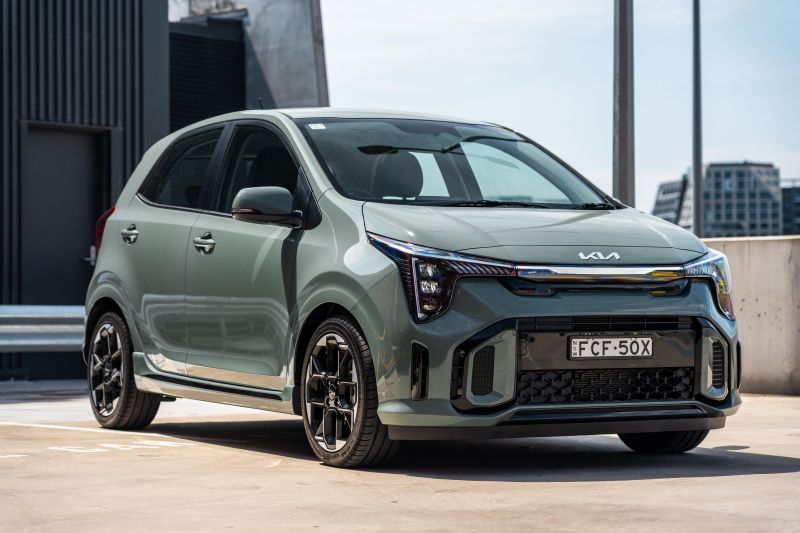
Kia Picanto
Hyundai Venue
Whether you’re after a first car, last car, or something in between, the CarExpert team has been busy comparing the value options in today’s market.
Read on to find out what new cars we would buy with a strict budget of $30,000.
Here are some of the contenders:
Kia Picanto
Suzuki Ignis
Hyundai Venue
Chery Tiggo 4 Pro
Mitsubishi ASX
Suzuki Swift hybrid
Mazda 2
MG 5
Kia Stonic
MG ZST
Mazda CX-3
GWM Haval Jolion
Chery Omoda 5
Toyota Yaris
Kia Cerato
Hyundai i30
Skoda Kamiq Run-Out
Marton Pettendy: Kia Cerato
The increasing lack of sub-$20K and now even sub-$25K new cars available in Australia today has been well documented, but thankfully there at least a dozen solid choices priced under $30,000 drive-away.
Cerato S Sedan
Of course, which one you choose will depend on your circumstances. Small families and empty nesters will love the Kia Stonic and Mazda CX-3, just as much as youngsters will rightly prefer the Suzuki Swift and Mazda 2.
With the old MG 3 now finally shuffling off (hurrah!), the Kia Picanto remains the only sub-$20K option available and the Mazda 2 the sub-$25K choice in both manual and auto form.
But if it was my money, I’d buy the bigger, better entry-level Kia Cerato S auto hatch in any colour you like – with a seven-year-warranty – for just under $30K D/A.
Interested in buying a Kia Cerato? Get in touch with one of CarExpert’s trusted dealers here
MORE: Everything Kia Cerato
Josh Nevett: Skoda Kamiq Run-Out
Talk about timing!
Just this week, Skoda Australia announced it will offer remaining MY24 Kamiq Run-Out stock for $29,990 drive-away, a $3000 discount that sees this small European SUV sneak in under the $30k barrier – and what a car it is for $30,000.
Under the bonnet you get a little 1.0-litre three-cylinder turbo that’s both characterful and efficient, paired with a DSG that’s slick-shifting if you can forgive its hesitance in heavy traffic.
Inside the Kamiq is spacious and practical, with a decent boot and room for the whole family. It’s also well-equipped, with an 8.0-inch infotainment touchscreen, tactile touch points, four USB outlets, and a few Skoda ‘simply clever’ touches.
What’s more, it’s not even that expensive to service despite the European badging. So what’s the catch? There’s only 250 left, so get in quick before they’re all gone.
Interested in buying a Skoda Kamiq? Get in touch with one of CarExpert’s trusted dealers here
MORE: Everything Skoda Kamiq
James Wong: Suzuki Swift Hybrid
Where other brands have moved away from affordable segments and cheaper entry-level trim variants, Suzuki has bucked the trend.
Yes it’s not as cheap as it once was, but the Suzuki Swift Hybrid (mild-hybrid really) starts from a sharp $24,490 drive-away making it Australia’s cheapest new hybrid vehicle.
While the 24V MHEV system isn’t quite as sophisticated as electrified systems offered by rivals, the Swift will quite easily match its circa-4.0L/100km fuel claim and offers plenty of features and safety tech from even the base grade.
It also comes in a bunch of fun colours, and is perfectly sized for city life. What’s not to love?
Interested in buying a Suzuki Swift Hybrid? Get in touch with one of CarExpert’s trusted dealers here
MORE: Everything Suzuki Swift Hybrid
Paul Maric: Kia Stonic
We just helped my mother-in-law buy a new car in this price point and landed on the Kia Stonic.
For somebody stepping up from a Mazda 2 the Stonic isn’t a huge leap forward in terms of size, and it has all the bells and whistles she needs to step into the modern age.
The warranty and non-outrageous service pricing was also a bonus.
Interested in buying a Kia Stonic? Get in touch with one of CarExpert’s trusted dealers here
MORE: Everything Kia Stonic
Jordan Mulach: Kia Picanto
The Kia Picanto is in rare air, being one of the few manuals available at such a comparatively cheap price point.
A few bucks about $23,000 will get you a manual GT-Line in Sporty Blue, drive-away. There’s not many vehicles out there that can offer so much tech and safety gear for that much.
You can criticise the GT-Line for existing in a segment dedicated to cheap and cheerful offerings, but if you can, why not get something packed with features?
Plus, having $7k left over from $30,000 gives a lot of options for buying a second car…
Interested in buying a Kia Picanto? Get in touch with one of CarExpert’s trusted dealers here
MORE: Everything Kia Picanto
William Stopford: Mazda 2 and Hyundai i30 Sedan
There’s probably no objective reason to buy a Mazda 2 over the admittedly impressive new Suzuki Swift, but I’m still fond of the old girl.
It’s slightly more expensive than the Swift, slightly thirstier (if on cheaper 91 RON regular unleaded), has older infotainment tech, and comparing apples to apples it doesn’t really have much extra kit.
Nevertheless, I find the little tiddler quite charming even if the base model got some bad Botox with its most recent facelift.
I’m loathe to pick the same car two weeks in a row, but I also have to point out the base Hyundai i30 Sedan is currently being offered for $29,990 drive-away, offering virtually mid-sized interior space for mid-range Mazda 2 money.
That’s a combination too tempting to ignore, and the Hyundai’s mid-life facelift brought a major update to its powertrain that makes it much more pleasant to drive.
Interested in buying a Mazda 2? Get in touch with one of CarExpert’s trusted dealers here Interested in buying a Hyundai i30? Get in touch with one of CarExpert’s trusted dealers here
While it may be on the older side and nowhere near as affordable as it once was, I’d argue one of the best small cars under $30,000 you can buy is still a Mazda 2 Hatch.
If you’re looking for a brand-new first, or perhaps last car, you can’t go wrong.
This car feels at home in the hustle and bustle of the city, but also isn’t completely out of its element on the highway. It really does bring a big-car feel in a small package.
Out of all the Mazda 2 variants currently on sale I’d likely opt for the base Pure automatic ($24,870 before on-roads) due to it bringing the biggest bang for your buck and for ease of use.
Sure there’s the Pure manual that’s $2000 cheaper and would likely be more engaging to drive, but not everyone has the patience to deal with a manual anymore.
Interested in buying a Mazda 2? Get in touch with one of CarExpert’s trusted dealers here
MORE: Everything Mazda 2
Max Davies: Suzuki Swift Hybrid
I enjoy a lot of the cars that could fit here, but there are a couple of things I’d be looking for if I was in the market.
The first is a hatchback body. While seating capacity doesn’t change between these small sedans, SUVs, and hatches, I think a hatch will give you the best of both worlds in terms of comfort, size, and practicality.
The other is the option of a manual transmission. Cars under $30,000 are often fitted with tiny engines mated to dreadful continuously variable transmissions, so if I’m going to be going for a car that isn’t powerful I’d want to at least be able to row through the gears myself.
That leaves few to choose from, but the Suzuki Swift Hybrid is my pick. At $24,490 drive-away in base spec, it’s great value and still maintains an impressive economy rating even with a manual transmission.
I know manuals aren’t the favoured option anymore, but why not have some fun if you can? You may miss out on things like heated seats and alloy wheels, but it still has wireless Apple CarPlay as standard.
If you must have an automatic, there are still a bunch of Swifts to choose from that add all of that back.
Interested in buying a Suzuki Swift Hybrid? Get in touch with one of CarExpert’s trusted dealers here
Tesla’s two-passenger Cybercab, or robotaxi, is due by 2027 and will use wireless charging
Cybercab will cost less than $30,000, have no steering wheel or pedals
Robovan debuted with seating for 20 and greatly reduced operating costs
Tesla CEO Elon Musk on Thursday night introduced its robotaxi dubbed the Cybercab. The autonomous electric vehicle is so locked into the evolution of Tesla’s so-called full self-driving system that it doesn’t have a steering wheel or any pedals.
Tesla may have gotten some pushback about omitting the turn signal stalk and shift lever in some of its latest vehicles, like the revamped 2024 Tesla Model 3. But it seems that Musk has his head way farther into a future where none of those controls will matter—and ubiquitous autonomous vehicles may be competing with mass transit.
“I think the cost of autonomous transport will be so low that you can think of it like individualized mass transit,” Musk said at the invite-only event from a Warner Bros. Studio set in Burbank, California.
The average cost of a bus—to run, not the ticket price—is about a dollar per passenger mile, Musk claims, while the Cybercab will probably be around 20 cents per mile in operating cost and 30 to 40 cents per mile “including taxes and everything else.”
Tesla is targeting a price below $30,000 for the Cybercab, which builds on years of Tesla robotaxi hype. Musk originally promised in 2019 to have a fleet of revenue-generating, self-driving robotaxis in operation as part of a Tesla Network in 2020.
Tesla Cybercab
Tesla Robotaxi Cybercab
Tesla Robotaxi Cybercab
Shown plying around the studio set, the two-seat coupe appears to be compact to midsize by U.S. proportions. Tesla didn’t reveal any details about the mechanical basis of the vehicle, its propulsion system, or even its architecture, and until Green Car Reports can see these vehicles up close we’re calling them concept cars.
For whenever they do arrive, Musk pointed to an operator model in which individual owners manage autonomous fleets, likening it to shepherds tending to a flock. There was zero talk about how the vehicle rides or drives, with the focus instead on a pragmatic bottom line.
Shift to inductive charging for future Teslas?
Musk also confirmed that the Cybercab, which he interchanged in name with Robotaxi at points in the presentation, will use inductive wireless charging—and only inductive wireless charging. “The Robotaxi has no plug; it just goes over the inductive charger and charges—so yeah, it’s kind of how it should be.”
Given the shift to only inductive charging in a future product, and Tesla’s recent pullback in Supercharger development, there may be some big changes coming to the company’s public charging vision soon.
Tesla CEO Elon Musk at Cybercab event (screenshot) – Oct. 2024
Musk plots autonomous Teslas vs. public transit
Musk, as he has before, spent a time discussing what robotaxis enable on a societal level—although his argument includes a future in which such vehicles may truly face off versus public transit systems.
Musk says that the average passenger car is only used about 10 hours out of the 168 hours of the week.
“So the vast majority of the time cars are just doing nothing; but if they’re autonomous they could be used—I don’t know—five times more, maybe 10 times more,” he said.
In other words, autonomous vehicles may be clogging the highways much like human-piloted vehicles are today, but all their occupants will be free to use their cars as lounges or workspaces.
Musk also added that if vehicles are almost always in use, there won’t be a need for as many parking lots, so there’s an opportunity to turn them into parks and reclaim green space.
2024 Tesla Model Y. – Courtesy of Tesla, Inc.
Model 3, Model Y “unsupervised FSD” planned in 2025
Musk also claimed that Tesla expects to start “fully autonomous, unsupervised FSD” in Texas and California next year in the Model 3 and Model Y. “And then we expect to be in production with the Cybercab, which is really highly optimized for autonomous transport.”
Musk then reeled the statement in, noting that he tends to be a little optimistic with timeframes, landing at: “Before 2027, let me put it that way—and we’ll make this vehicle [the Cybercab] in very high volume. But well before that you will experience a robotic taxi via the Model 3 and Model Y program.”
Tesla Robotaxi Cybercab
On the company’s autonomous-driving systems, Musk repeated much of what he has in the past, regarding how Tesla’s driving computer can be much safer than a human driver as it’s trained on millions of cars, seeing in all directions simultaneously, and it doesn’t get tired or text. Musk sees autonomous cars becoming 10 or more times safer than a human: “So with autonomy, you get your time back, which is a very big deal; it’ll save lives—a lot of lives—and prevent injuries.”
Tesla has faced DOJ and SEC scrutiny over its self-driving claims in 2022, culminating with an official safety recall (an over-the-air update) ordered over federal claims it posed “an unreasonable risk to motor vehicle safety” for the way it was deploying its city-enabled driver-assistance system labeled Full Self-Driving Beta.
The CEO noted that Tesla plans to “overspec” the computer for the Cybercab, making them available for distributed computing. “Because I think there’s actually also an opportunity, sort of like Amazon Web Services, where if a car is driving for 50 hours a week there’s still over 100 hours left.”
Musk wasn’t clear about whether owners will “lease” out that computing power or whether that’s part of Tesla’s model to keep the price on the vehicle low.
Tesla Robovan
Tesla Robovan
Tesla Robovan
Robovan aims to “look like the future”…with a personal C-3PO
Tesla also introduced the Robovan (emphasis on the “bo”)—a long, autonomous electric van, not entirely unlike the Cruise Origin project that GM canceled. It embraces a dark, 1930s to1950s pulp sci-fi train-like look. and it’s good inside for transporting cargo or up to 20 people at a time. Musk has teased the idea of a Tesla Robovan multiple times, and the design makes it refreshingly different.
“We’re going to make this, and it’s going to look like that,” Musk said, noting that it would potentially bring the cost per mile (per passenger) down to 5-10 cents a mile.
“One of the things we want to do, and you’ve seen this with the Cybertruck, is we want to change the look of the roads,” he added. “The future should look like the future.”
Seemingly anticipating reactions to the look, Musk admitted, as we all know, that he likes the dark, apocalyptic stories about the future but is instead attempting to paint a more “fun, exciting future” with these products.
In all, Tesla claimed to have 50 fully autonomous vehicles at the event, with many of them open for rides. That included some Model Ys and some Cybercabs.
Tesla Optimus robot tasks
Tesla Optimus robot tasks
Tesla Optimus robot tasks
Tesla Optimus robot tasks
Musk also introduced a new generation of the Optimus humanoid robot, emphasizing that it has “progressed dramatically year after year.”
“So if you extrapolate this, you’re really going to have something spectacular…so you can have your own personal R2-D2, C-3PO,” Musk said, noting it would cost less than a car. It would be able to teach or babysit kids, walk the dog, mow the lawn, get groceries, serve drinks or “just be your friend.”
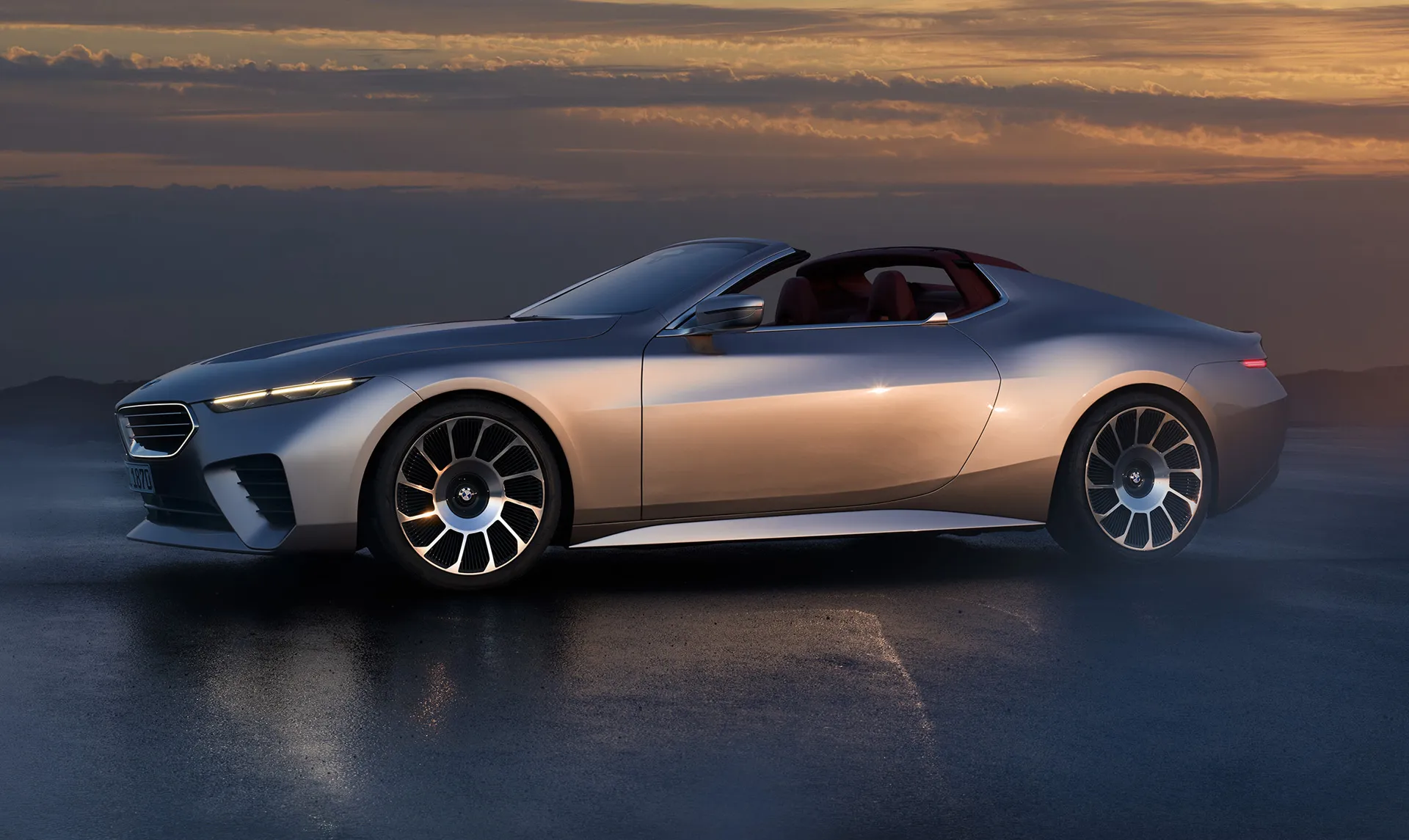
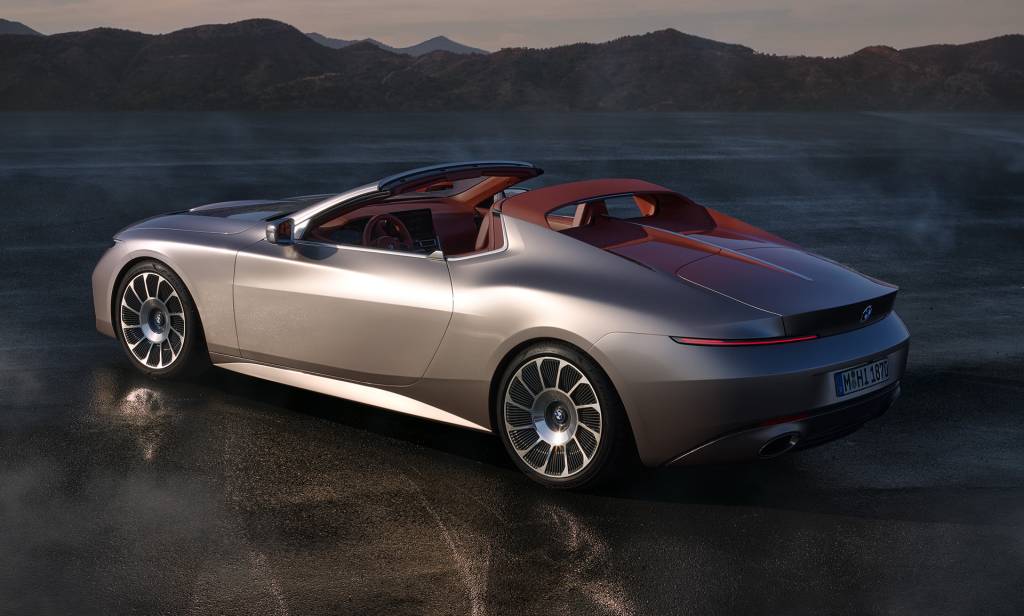
BMW’s Concept Skytop unveiled in May during the 2024 Concorso d’Eleganza Villa d’Este in Italy is headed for production, the automaker said on Friday.
Just 50 examples are planned, and all build slots are already claimed. A price tag wasn’t announced.
The Skytop is likely based on the platform of the 8-Series Convertible, and BMW has confirmed it runs the same 617-hp twin-turbocharged 4.4-liter V-8 fitted to the M8 Competition Convertible.
Not a single body panel is shared with the 8-Series, though. Instead, the two-seat Skytop features a unique design inspired by past open-top BMW icons like the 503, 507, and Z8. There’s also no conventional convertible roof on the Skytop; instead, the car features a targa design with roof panels that need to be manually removed.
BMW Skytop
BMW only last year built a limited run, again 50 examples, of a modern 3.0 CSL based on the platform of the 4-Series. And the automaker’s design chief, Adrian van Hooydonk, said at the reveal of the Skytop that the automaker is open to similar projects in the future.
While the practice of building limited-production models using existing platforms has been commonplace at exotic brands like Ferrari and Rolls-Royce for years, more mainstream luxury brands like BMW and Mercedes-Benz have recently started exploring the potential. Mercedes plans a series of limited-production models, which it calls the Mythos series, and the first member will be a speedster based on the platform of the SL-Class convertible.
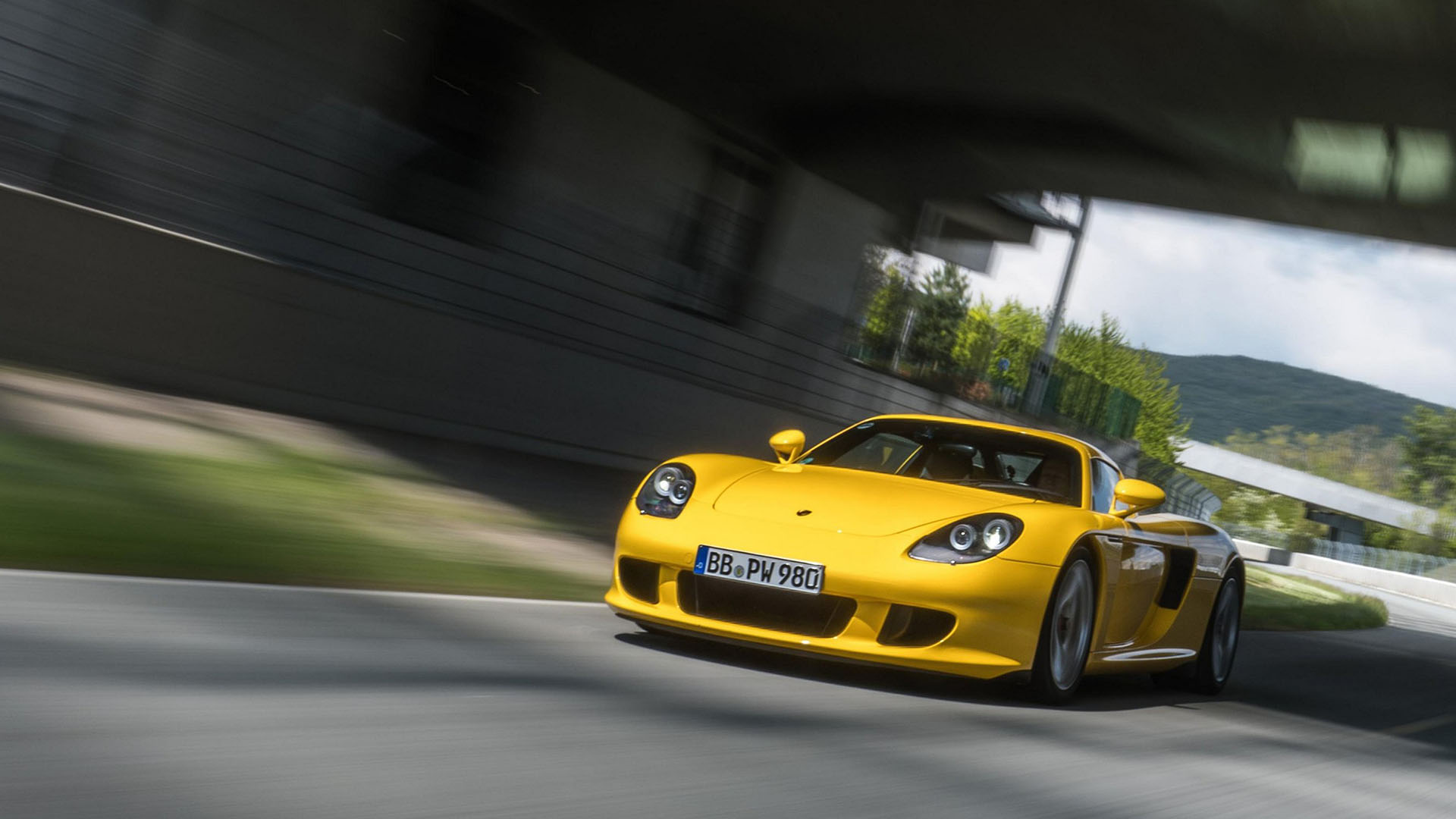
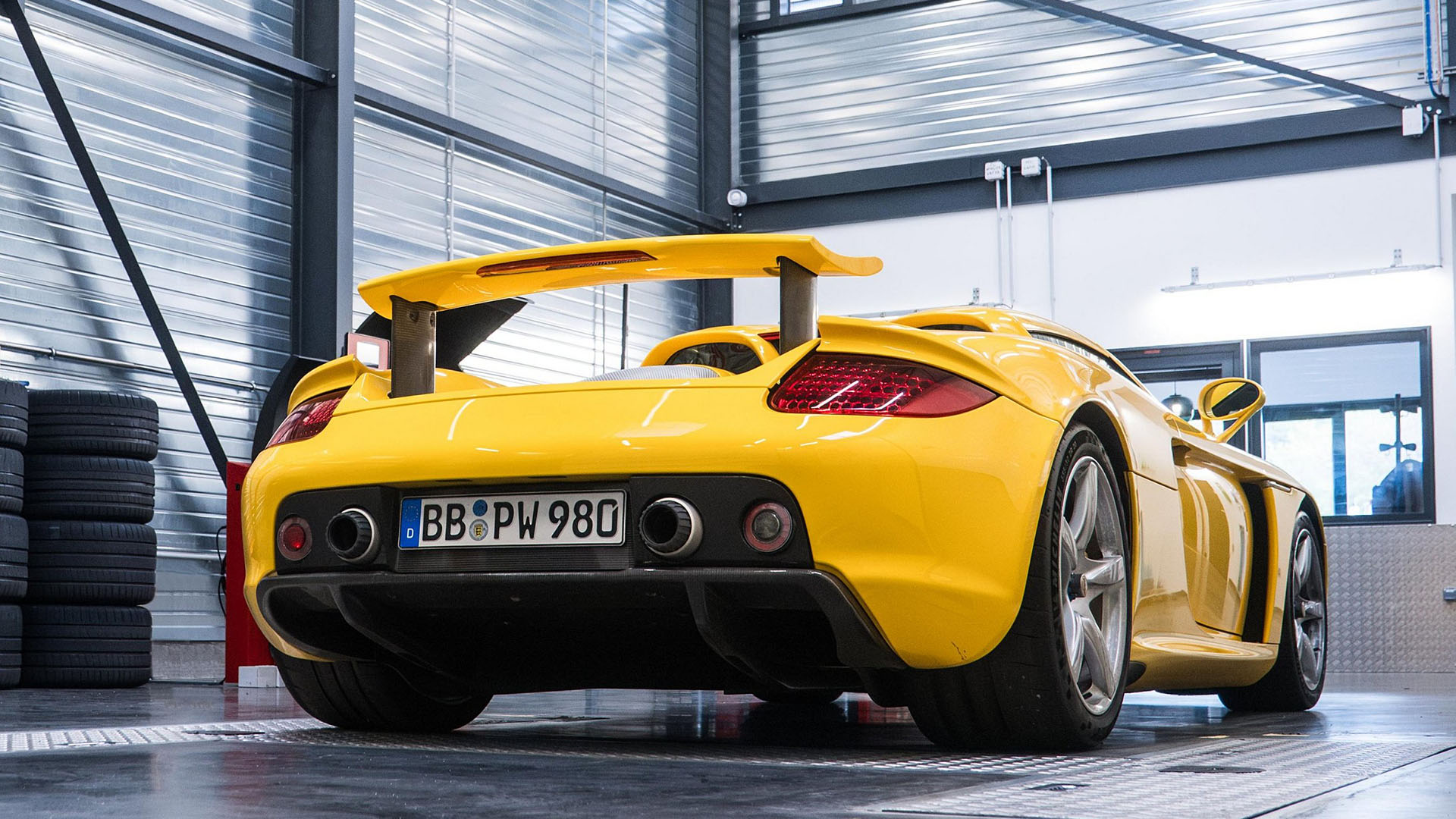
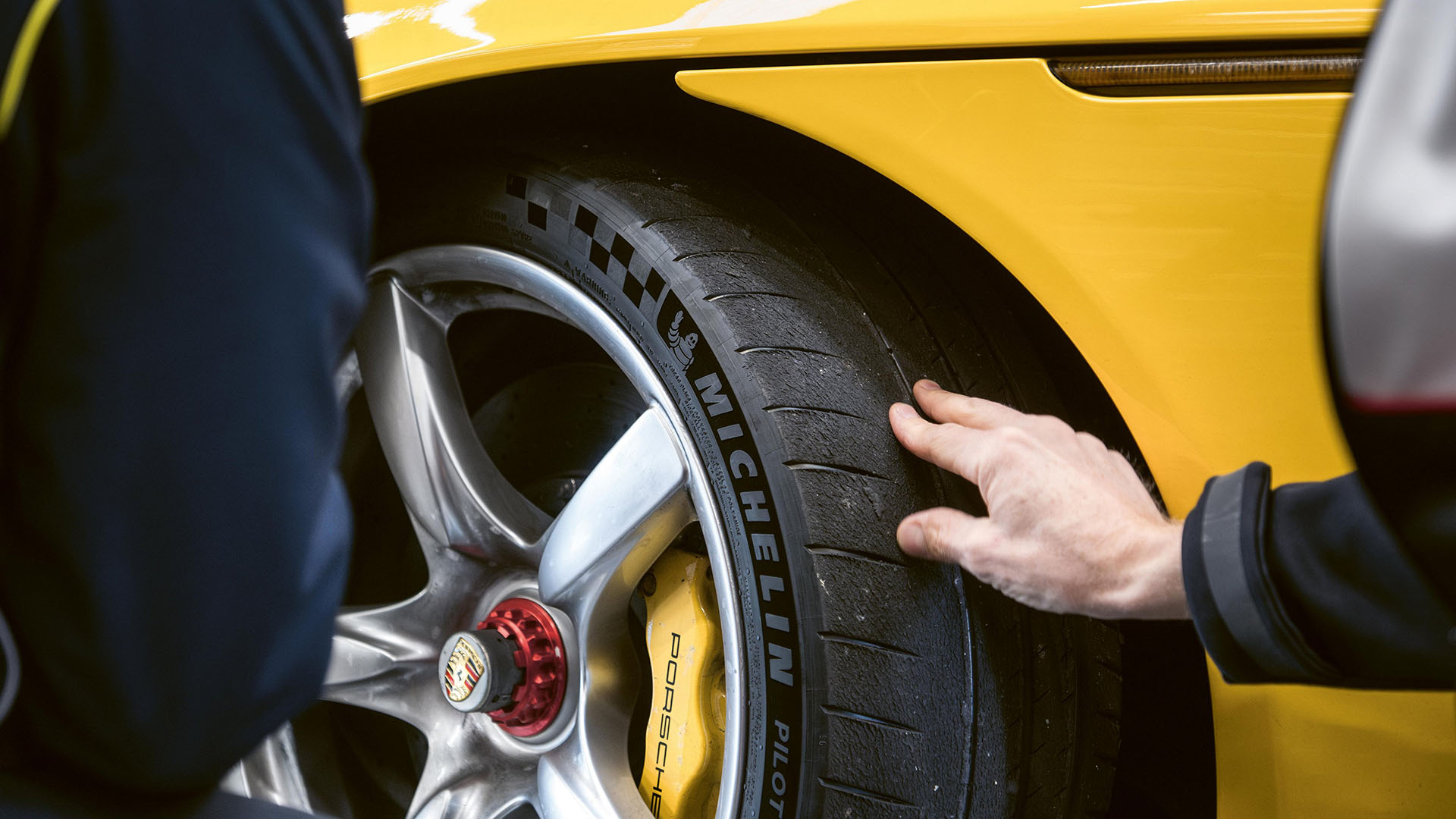
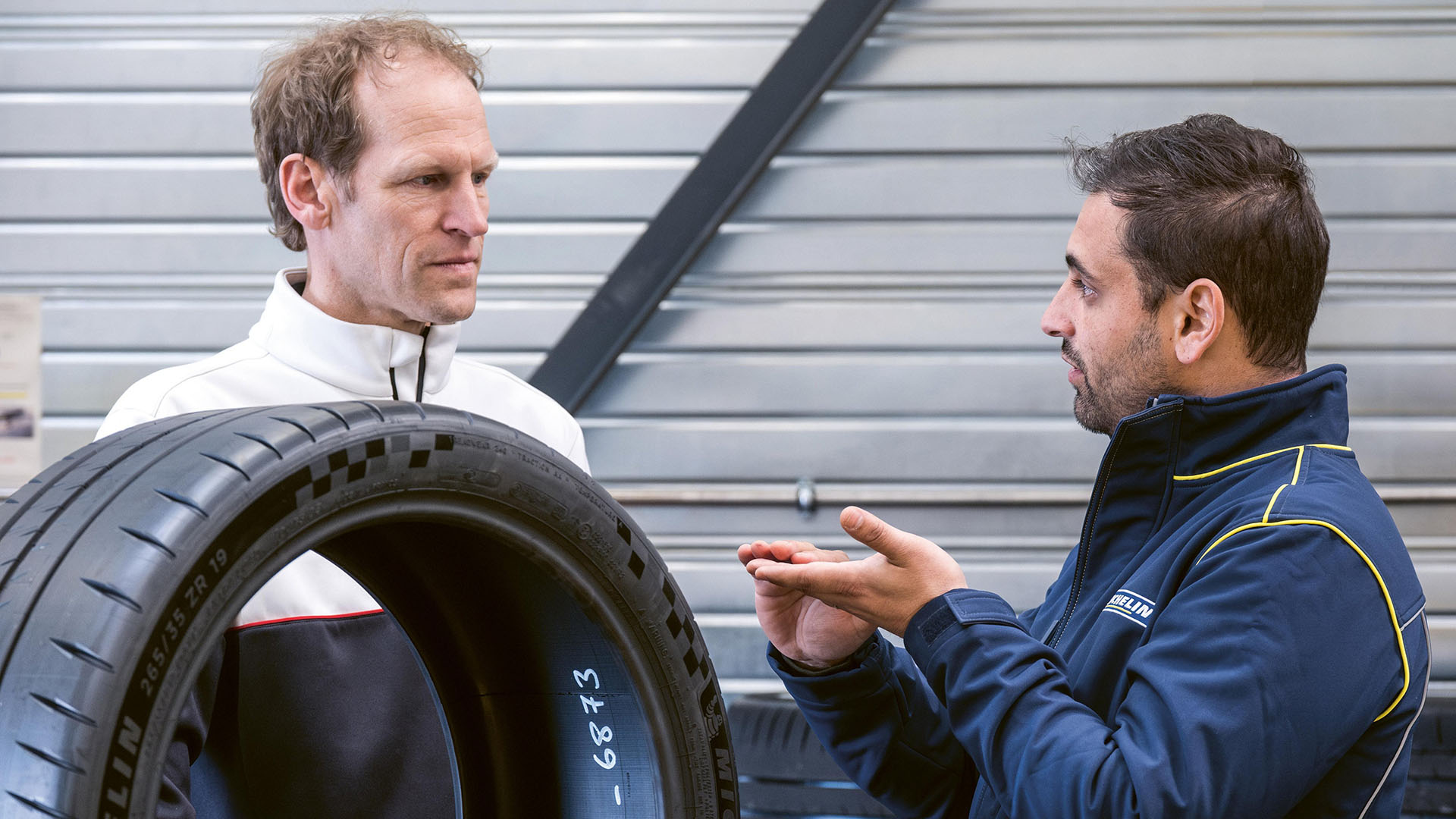
Porsche has developed a new tire for the Carrera GT with its longstanding partner, Michelin. The super sports car, of which 1,270 examples were built from 2003 to 2006, benefits from this with even greater precision and further enhanced performance potential. Almost 20 years after Carrera GT production ended, Porsche presents a new ultra-high-performance tire for the super sports car in collaboration with Michelin. The rubber compound and the construction of the high-performance tire are optimized using the latest in tire technology. This improves the capabilities on wet and dry pavement. Porsche development driver and brand ambassador Joerg Bergmeister has tested the Carrera GT equipped with the new Michelin Pilot Sport Cup 2. “The Carrera GT is an absolute dream car. This is why I’m particularly excited that the new tire raises the performance of this legend to a new level,” said the former Porsche factory driver.
When it debuted in 2003, the Porsche Carrera GT was one of the world’s fastest-production cars. Porsche originally developed its naturally aspirated V10 engine to compete at the 24 Hours of Le Mans endurance race. For the Carrera GT, the engine’s displacement was increased from 5.5 to 5.7 liters. The engine makes 605 hp (450 kW) and 435 lb.-ft. or torque, enough to propel the 3,043-lb. vehicle from 0 to 62 mph in 3.9 seconds and on to a top track speed of 205 mph. When it was first launched, bespoke Michelin Pilot Sport PS2 tires were fitted to the car from the factory. In 2013, a new Pilot Super Sport tire was developed for the Carrera GT and offered as an update. These tires will now be replaced by the newly developed Pilot Sport Cup 2, which will be marked with the N-designation exclusively reserved for tires that are specifically developed for Porsche vehicles. In their initial configuration, they are marked by an N0 designation.
“It’s very unusual for new tires to be developed for a 20-year-old vehicle. This underscores how important the Carrera GT is for Porsche and their customers to this day,” says Jörg Bergmeister. The goals of development, which Bergmeister was heavily involved in, were to further improve driving dynamics on dry and wet pavement. To accomplish this, two different rubber compounds are used in the tread (Dual-Compound-Technology). “On the inner shoulder and tread blocks of the tire, silica is used to achieve the optimal compound characteristics for wet grip. Meanwhile, the mixture at the outer shoulder and outer tread blocks of the tire is responsible for dry grip. Here, one of the most important ingredients is industrial soot,” said Michelin tire development engineer Mathieu Greco, who oversees tire development for Porsche sports cars.
Racetrack-based performance and handling tests at the Nürburgring-Nordschleife also helped optimize the tire surface. “The improvements that the engineers were able to achieve in terms of feedback during spirited driving is impressive,” Bergmeister said. “The point at which the tire begins to break traction is very clearly communicated.” The improved tires contribute noticeably to driving dynamics and the potential to achieve quicker lap times compared to the previous tire. Bergmeister explains: “The new tires do not just make the Carrera GT faster, they also make it easier for the driver to pilot the car in a spirited manner. This demonstrates that tire development never stands still. In particular, motorsport as a development platform enables technology to make its way into production tires. This technology transfer noticeably improves performance.”
In addition to providing more feedback, the newly developed Pilot Sport Cup 2 also offers the potential for shorter braking distances. The braking distance from 62 mph can be reduced by up to 8 feet. From 124 mph, the Carrera GT can come to a stop up to 39 feet shorter than before. “Tires that are specifically developed for a vehicle are always an advantage. Not just in terms of performance, but also stopping ability. This data shows that impressively,” Bergmeister said.
The technical storage or access is strictly necessary for the legitimate purpose of enabling the use of a specific service explicitly requested by the subscriber or user, or for the sole purpose of carrying out the transmission of a communication over an electronic communications network.
Preferences
The technical storage or access is necessary for the legitimate purpose of storing preferences that are not requested by the subscriber or user.
Statistics
The technical storage or access that is used exclusively for statistical purposes.The technical storage or access that is used exclusively for anonymous statistical purposes. Without a subpoena, voluntary compliance on the part of your Internet Service Provider, or additional records from a third party, information stored or retrieved for this purpose alone cannot usually be used to identify you.
Marketing
The technical storage or access is required to create user profiles to send advertising, or to track the user on a website or across several websites for similar marketing purposes.