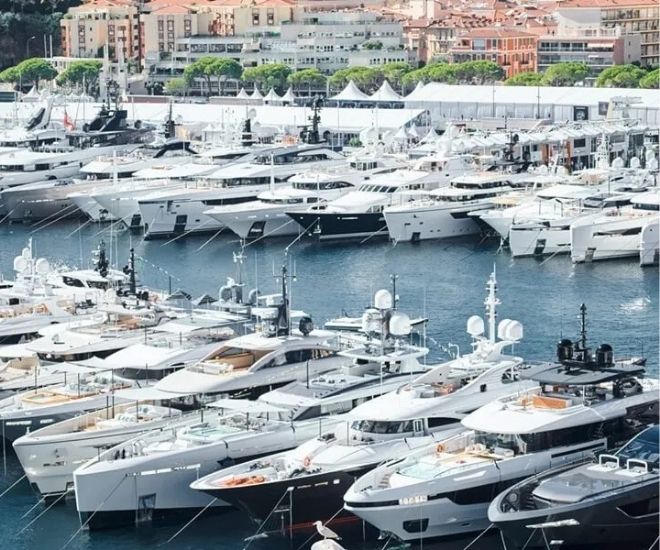
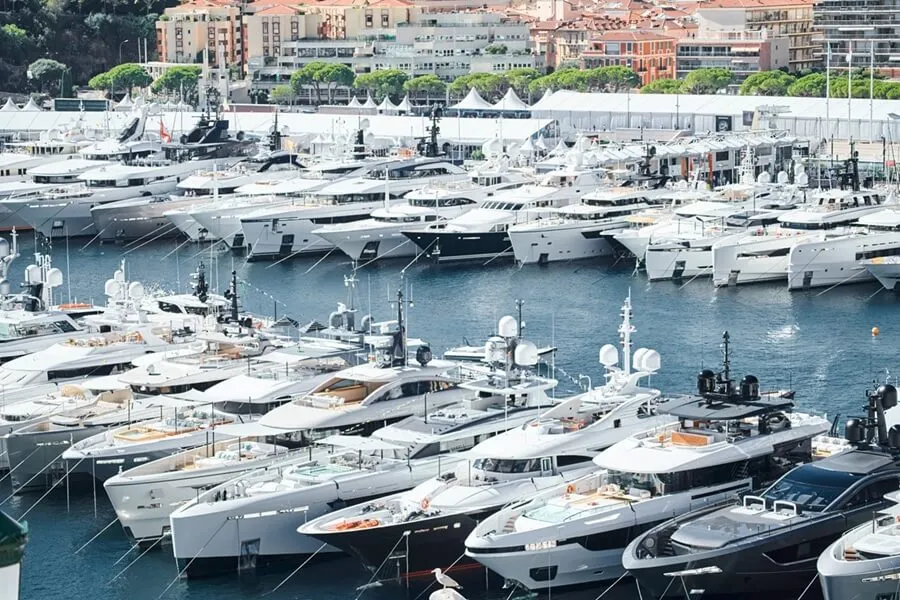
Monaco Yacht Show organisers have publicised its online list of exhibiting yachts, with Feadship’s new 118m Breakthrough the largest in the provisional line-up two months ahead of the September 24-27 show. Featuring exterior and interior design by British studio RWD, the hydrogen fuel-cell superyacht is the largest Feadship build to date.
Organisers stated that nearly half of the current list of exhibiting superyachts will be unveiled as world premieres – marking a show record – and that they expect about 120 yachts at the annual superyacht spectacle.
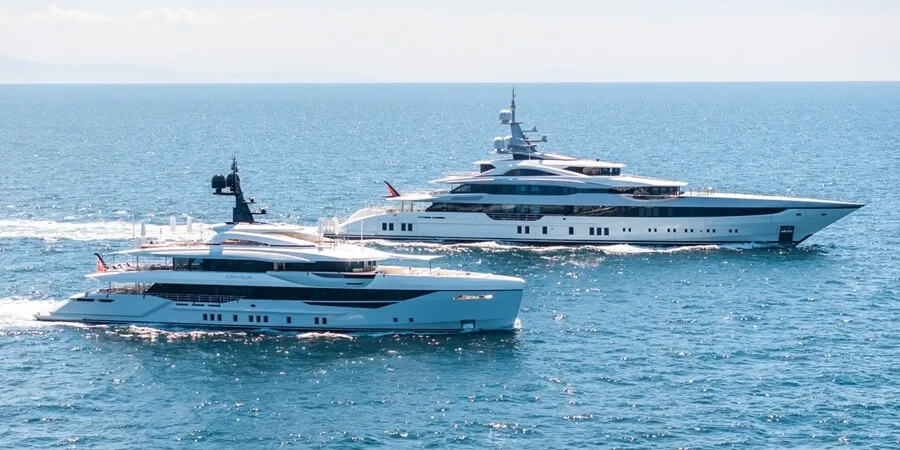
The 85m Lürssen Gigia (2017) and Feadship’s new 79.5m Valor are among the next-biggest yachts along with Bilgin’s new 80m Al Reem, which was recently pictured in sea trials with the 50m Camila, also set for the Monaco show.
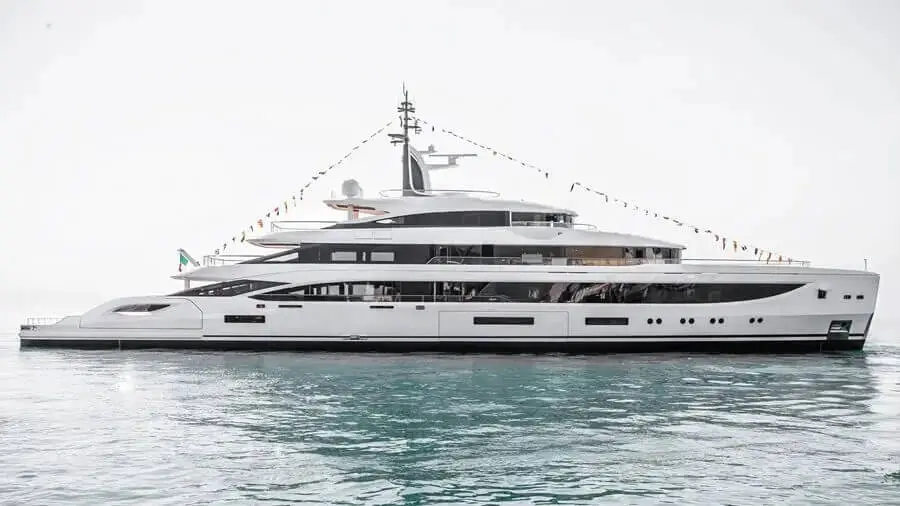
The Italian Sea Group is exhibiting two superyachts
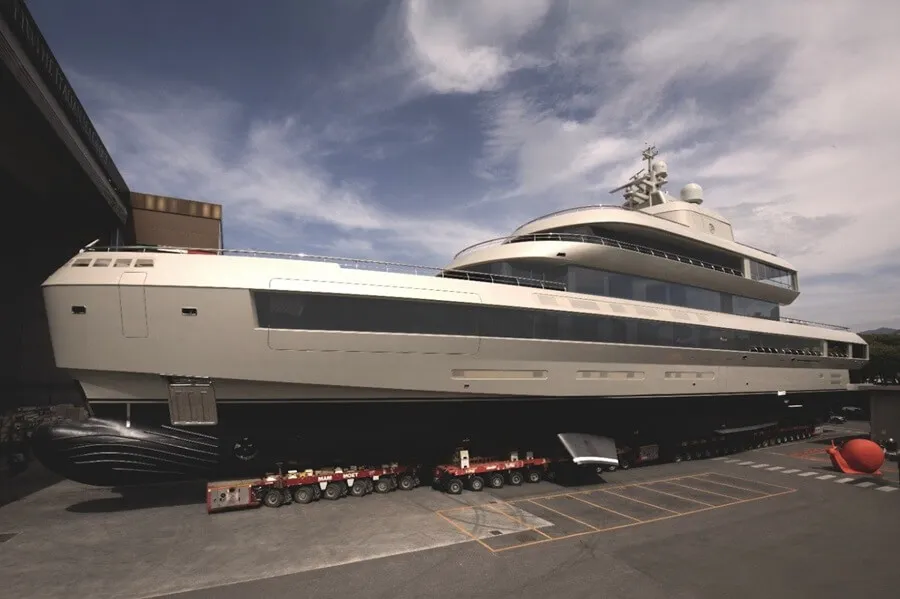
The Italian Sea Group’s aqua-blue 77.7m Project 595 (2024) and 72.3m Armani-designed Project 595 (2025) are among 70m-plus builds, along with Amels’ 70m Energy (2022).
Benetti is expected to exhibit its new Project FB287, the second B.Now 67M with Oasis Deck, and a new B.Now 50M, while sister shipyard Azimut is lining up new units of the Grande Trideck (38m), Grande 36 Metri and Grande 30 Metri.
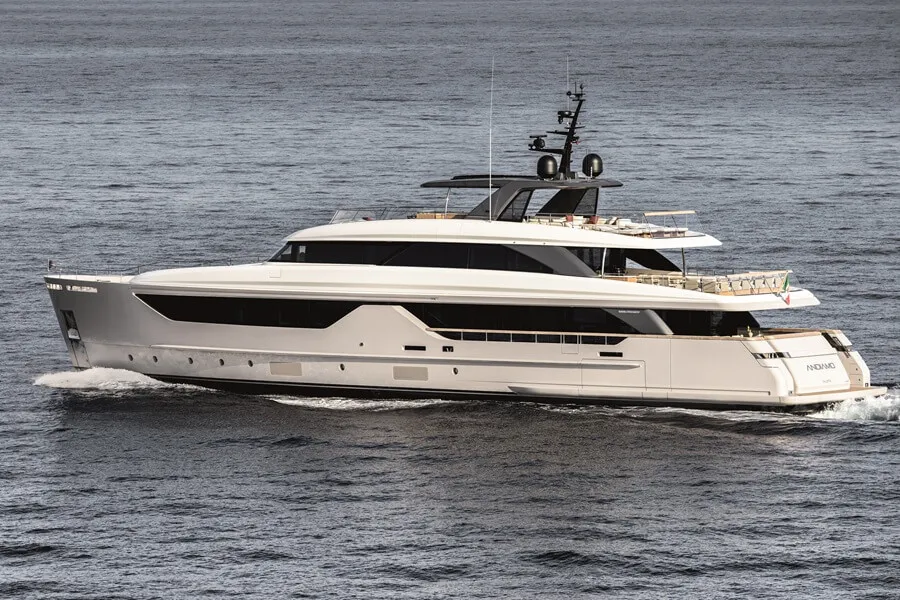
Damen Yachting could potentially exhibit two new units of the Amels 60 and a new Yacht Support 53, while Sanlorenzo is listed as exhibiting a 58Steel and the SD132, which will first show at the Cannes Yachting Festival.
Benetti’s FB287, a B.Now 67M with Oasis Deck
Gaëlle Tallarida, Managing Director of the Monaco Yacht Show, said: “Bringing together a fleet of this calibre every year is a challenge that only the Monaco Yacht Show consistently meets. The 2025 edition cements our global benchmark position, where innovation, exclusivity and sophistication converge, with a record number of superyachts revealed in world premieres.
“Nowhere else in the world can visitors discover, in one place, such an exceptional selection, from the latest builds by renowned shipyards to recently refitted yachts, all rigorously selected by brokers for sale or charter.”
Bilgin will exhibit the 50m Camila and 80m Al Reem
Organisers also revealed that the list of Blue Wake™-certified exhibitors has risen to 28 a week ahead of the July 31 deadline for exhibitors to apply. Blue Wake is a Monaco Yacht Show programme, developed with the support of the Water Revolution Foundation and sponsored by Siemens Energy.
The approved exhibitors represent a wide variety of industry sectors including hybrid, electric or renewable energy propulsion systems, on-board wastewater management, thermal optimisation, shore-power systems, marine coatings, sustainable interior design, handling and lifting equipment, recyclable shrink wraps, biological systems, and marina infrastructures.
Exhibitors also represent cleaner energy sources, dual-fuel marine engines, eco-responsible tenders, and shipyards focused on bioclimatic structures, digitalisation of operations, renewable energy use or alternative propulsion.
Sanlorenzo SD132
Robert van Tol, Water Revolution Foundation’s Executive Director, said: “Blue Wake highlights MYS exhibitors that have been developing concrete, innovative eco-responsible solutions for the yachting sector over the past several years. Our mission is to ensure that only robust and operational initiatives are included in this programme, thereby guaranteeing the true credibility and viability of the solutions presented at the MYS.
“The Monaco Yacht Show plays a vital role in showcasing these efforts, reinforcing the collective commitment of the entire yachting industry towards a sustainable transition. Yet showcasing innovation is only half of the story. Real change happens when buyers choose to embrace and adopt these solutions in their new build and refit projects. That’s how we collectively move the yachting industry forward.”
For more information visit: monacoyachtshow.com
This article was first seen on YachtStyle.com.
For more on the latest in luxury yachting reads, click here.
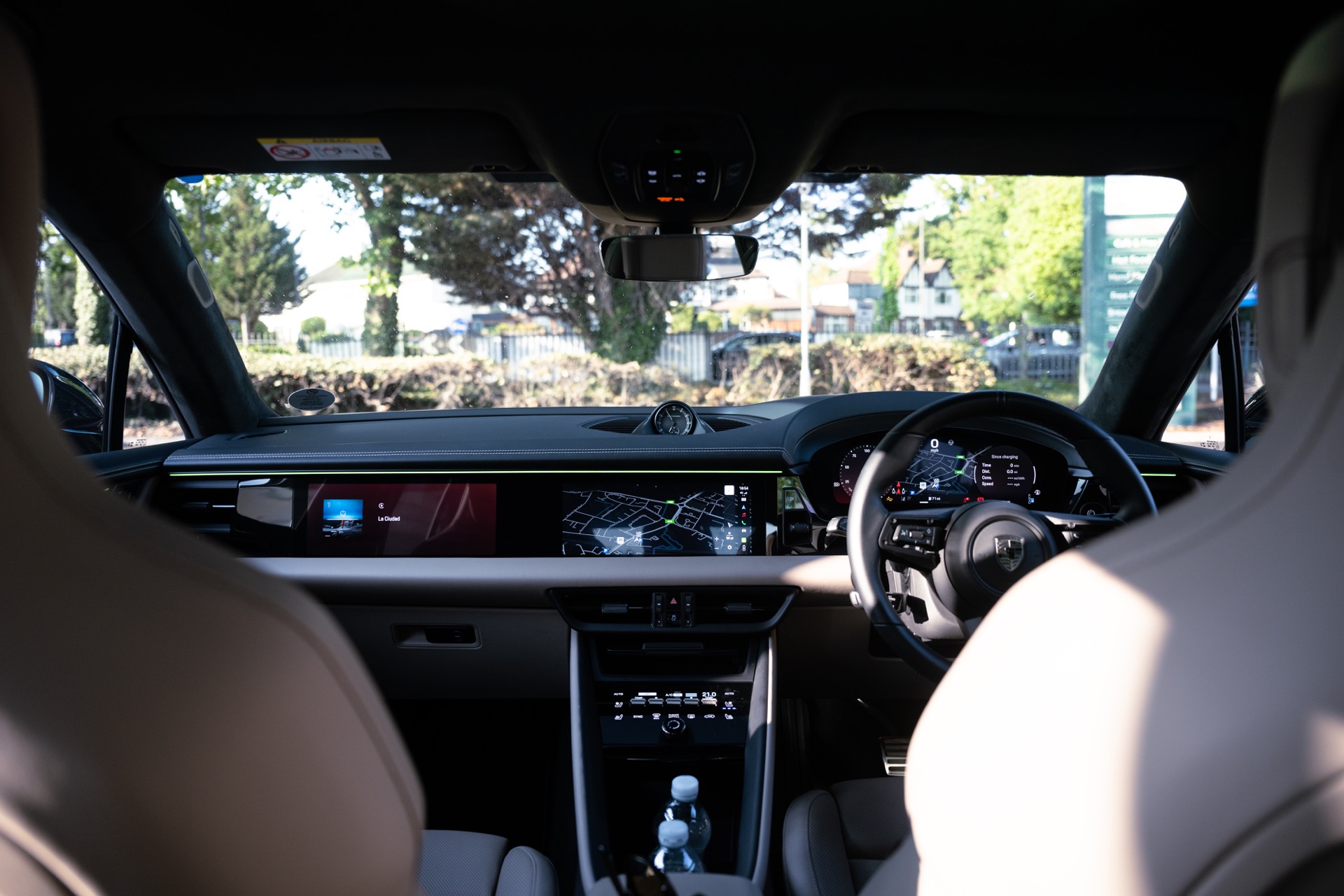
Living with an EV isn’t what it used to be. And after a week in Porsche’s latest electric offerings—the new Macan Turbo EV and second-generation Taycan 4S Cross Turismo—I’m more optimistic than ever that the tipping point has arrived. No hypermiling, no app-juggling charger hunts, just proper driving in proper cars. Both delivered on their promise of over 300 miles of range, even when driven as if they were combustion-engined. In fact, I barely thought about range at all.
Collected from Porsche GB with full batteries, both the Macan and Taycan showed range estimates of 300 miles. In reality, that number was remarkably accurate. My driving style didn’t change: air-con on full blast, cooled seats in the Macan, and every horsepower used as intended. I didn’t precondition the batteries or nurse them to chargers. I simply drove.
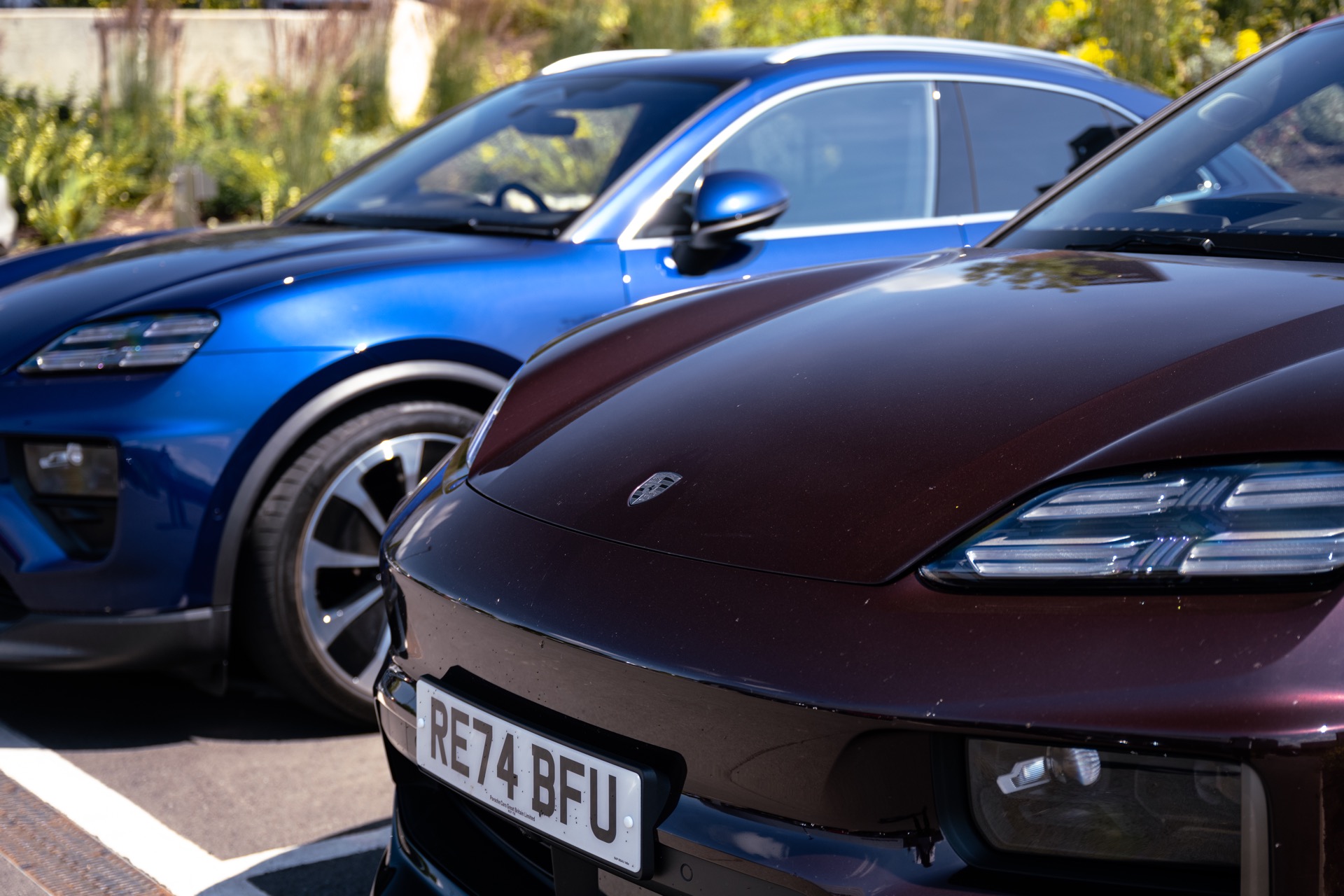
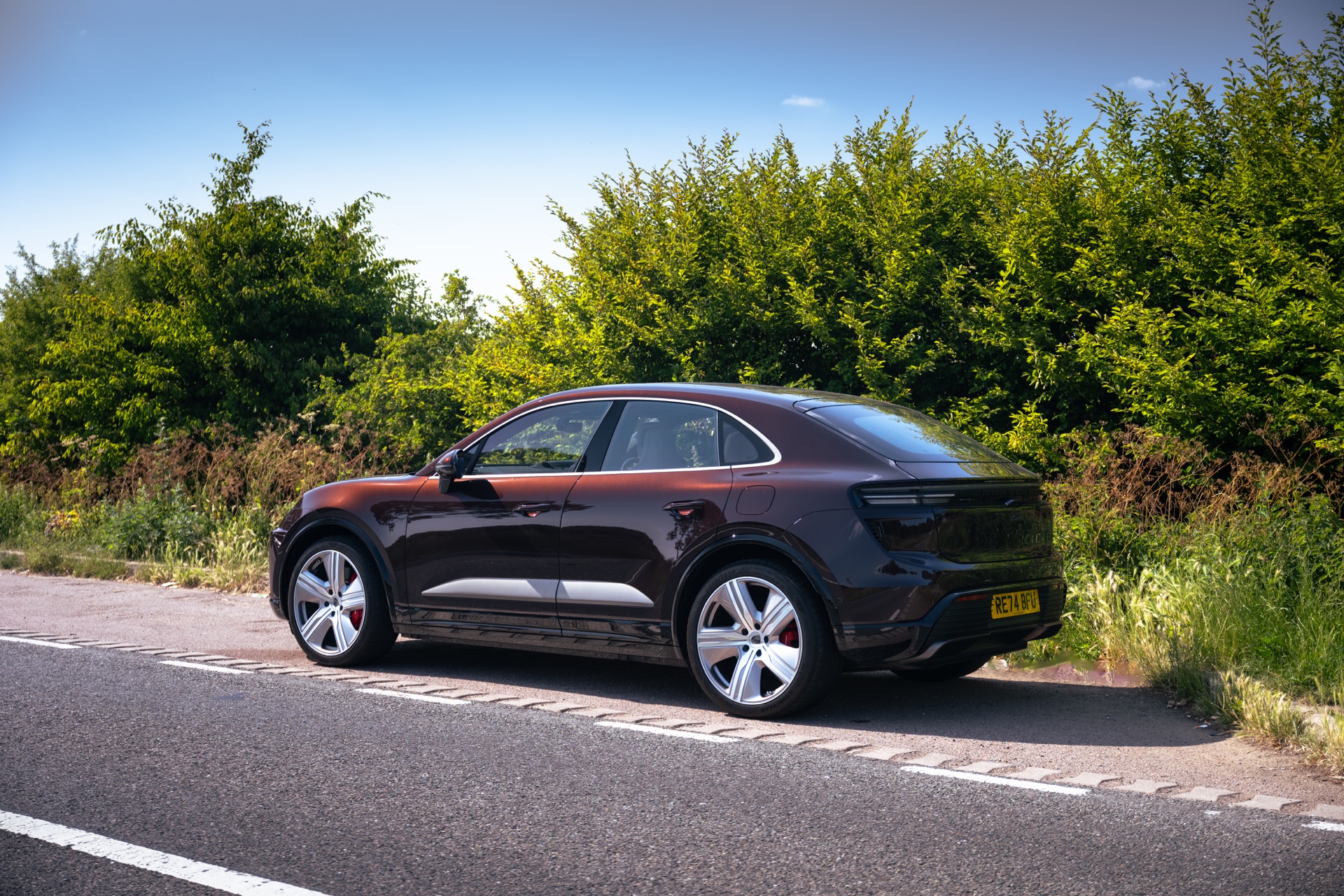
The Macan, finished in stunning Copper Ruby Metallic with massive wheels that looked spectacular but gave the ride a slightly brittle edge, felt every bit the Porsche SUV it claims to be. Control weights were perfect, the seating position spot-on. Despite its 2.6-tonne mass, the Macan Turbo EV moved with conviction, thanks to its 630bhp twin-motor setup and sophisticated chassis. On the road to Silverstone, I stopped at a Porsche dealership to charge, but spent more time taking photos than waiting for battery percentage to climb. Later, a 400kW supermarket charger delivered 32kWh in eight minutes, jumping from 15% to 51%, with the cabin cooling me in 35-degree heat, massage seats and all.
The Taycan 4S Cross Turismo offered a different flavour: a more dynamic seating position, less in-cabin tech frippery, and a marginally softer ride. It lacked cooled seats, which I sorely missed during London’s heatwave, but its drivetrain remained characteristically sharp. On my 50-mile daily commute, a five-minute top-up at a fast charger more than sufficed. Even without home charging in London, I never once experienced range anxiety or inconvenience.
Both cars also featured Porsche Active Ride, a new suspension system that quietly transforms the experience behind the wheel. Using high-speed hydraulic actuators at each corner, the system actively manages body movement, keeping both Taycan and Macan astonishingly level and composed—even during hard cornering or over poor surfaces. It enhances comfort, sharpens dynamics and helps disguise the cars’ weight. For an SUV especially, it’s a game-changer.
That’s the real revelation. These EVs finally offer the ease and confidence of ICE cars, thanks to battery and infrastructure advancements. The second-generation Taycan uses a new 105kWh battery with improved cell chemistry, and the Macan’s 800V PPE architecture allows it to charge from 10 to 80% in just 21 minutes under ideal conditions.
But not everything is perfect. At over £100,000 as-tested, interior materials in both cars didn’t quite meet expectations. Some touchpoints felt plasticky and out of step with the badge on the bonnet. As with many EVs, both the Taycan and Macan face tough questions around depreciation and long-term desirability.
Still, there’s no mistaking the Porsche-ness. From the way they steer to the way they hunker down into corners, these are true products of Weissach. That the Macan, now in its second generation and 1 million units deep, has evolved into something so advanced yet still recognisable is impressive. With these cars, Porsche proves that the future can be electric with next to no compromise. Thanks to Active Ride, they might just handle better than ever.
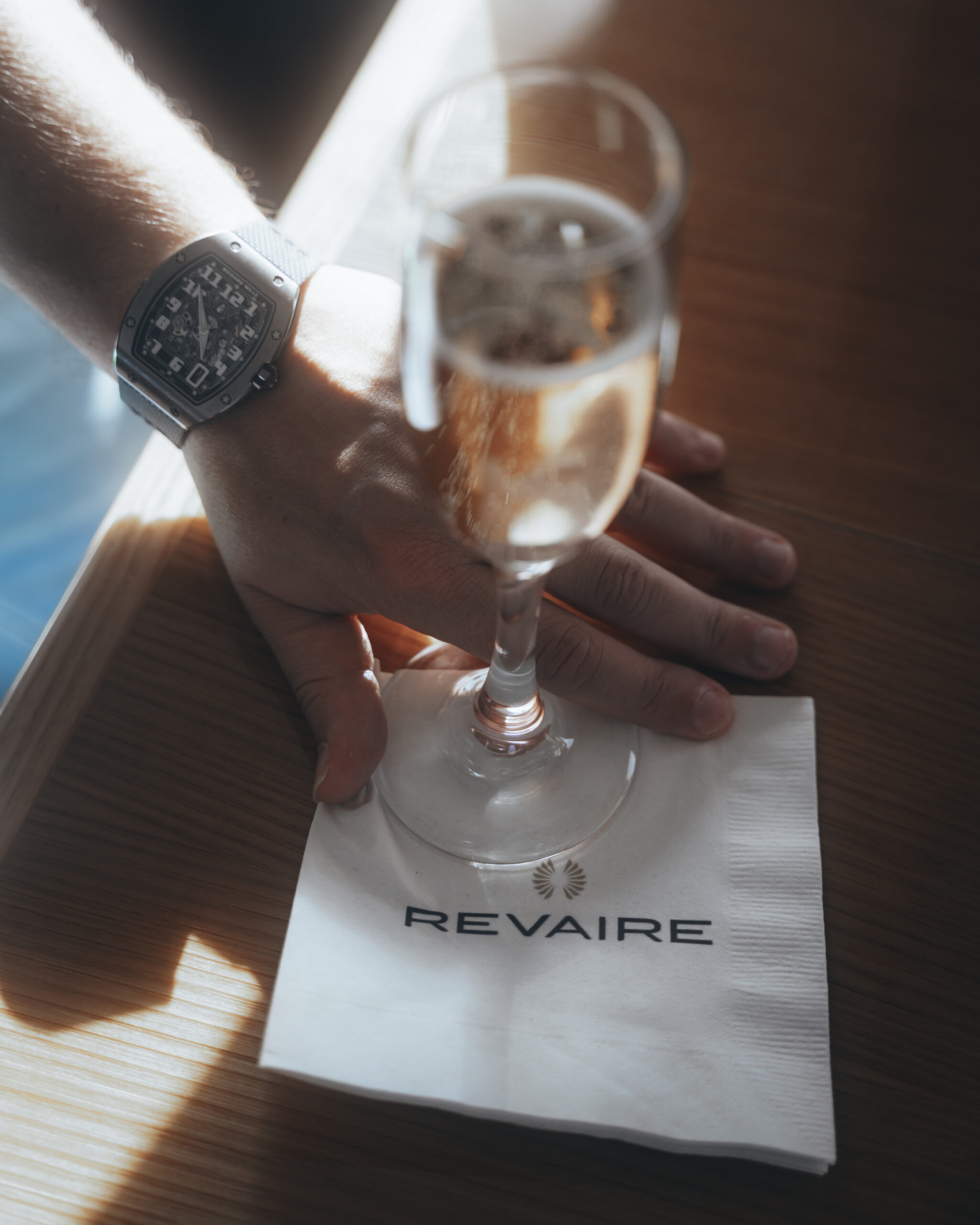
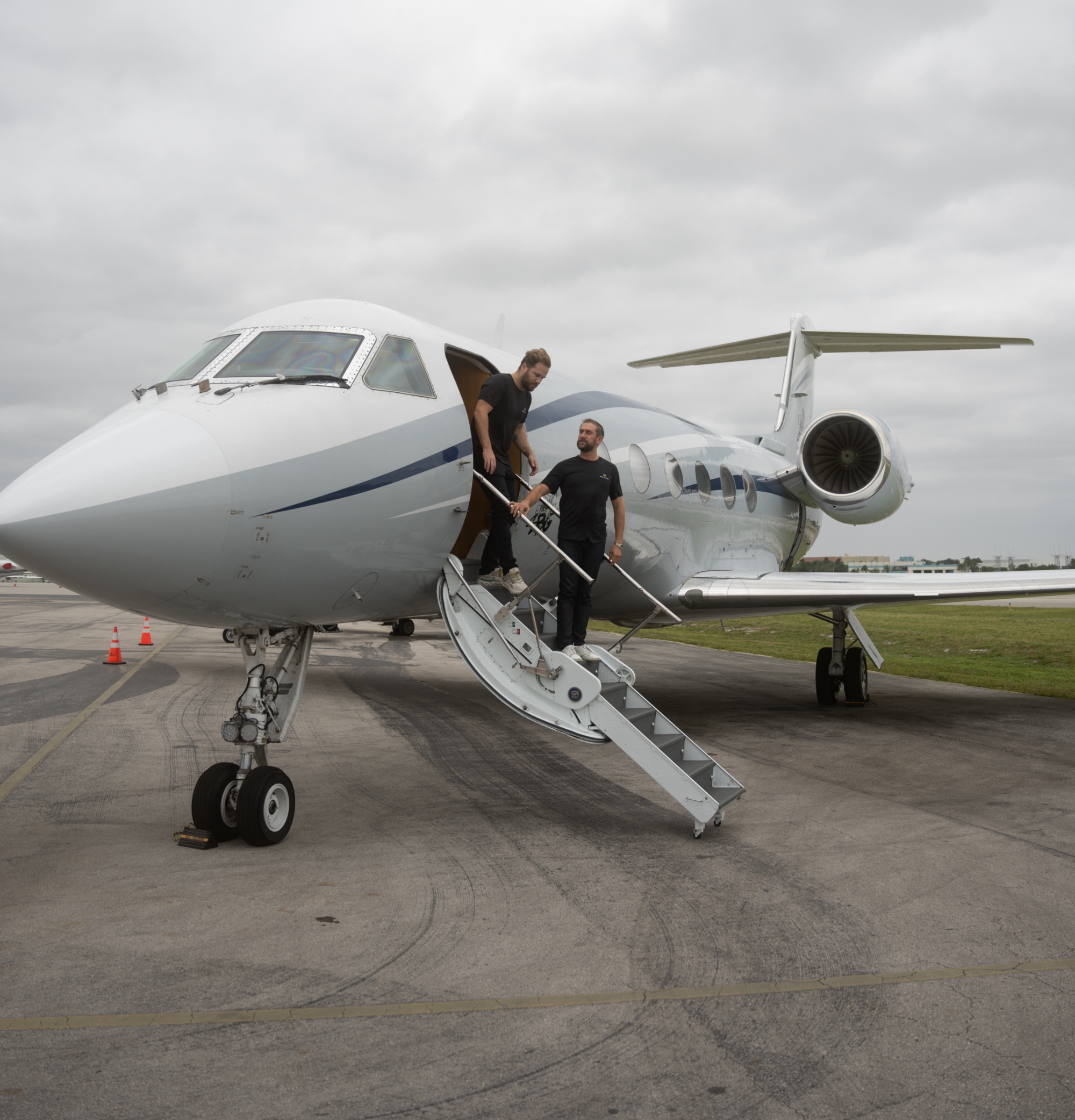
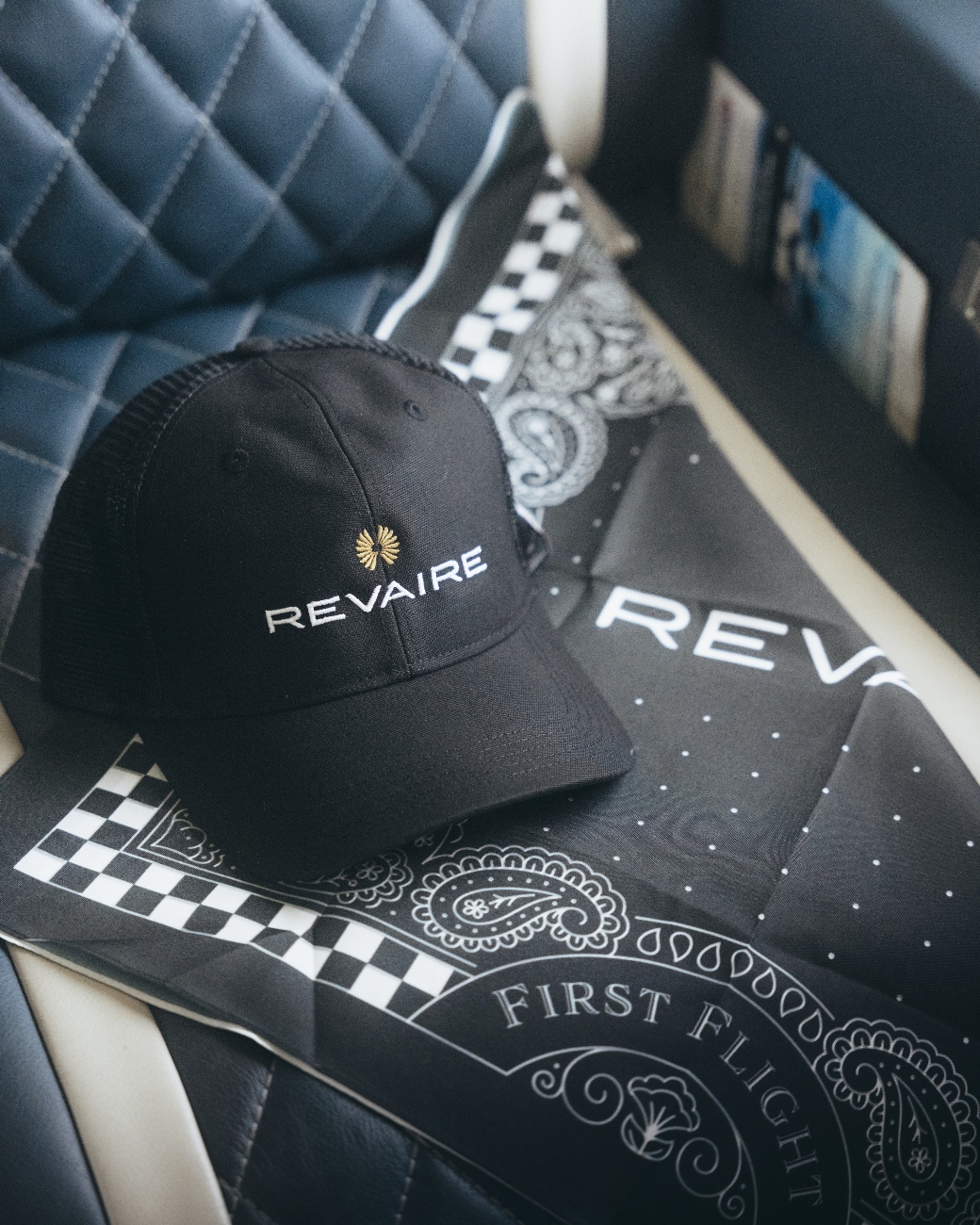
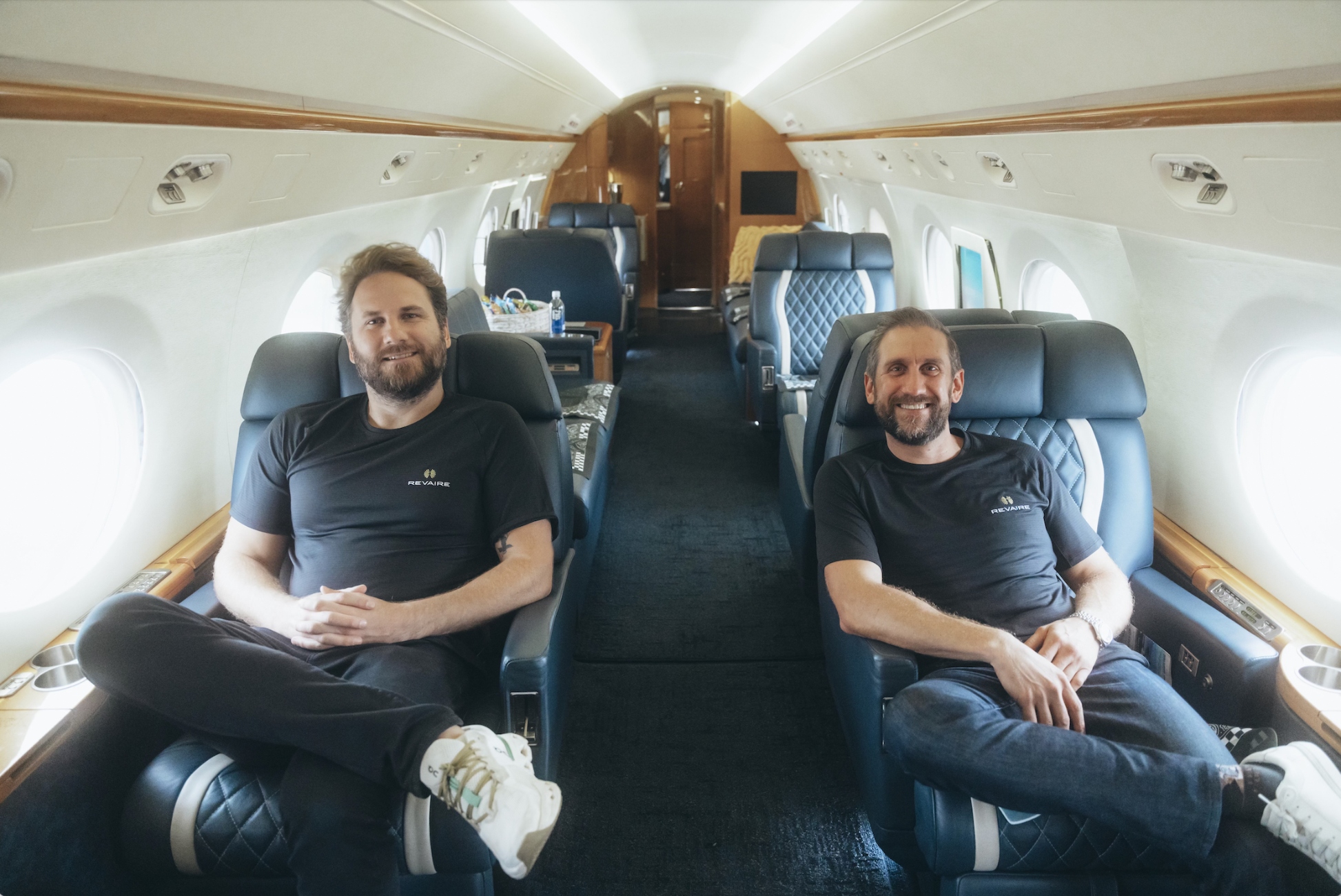
Founded by Luke McNees and Harrison Epstein, Revaire is positioning itself as a next-generation player in private aviation. Its core offering is a Members Club that uses proprietary technology to automatically aggregate travel plans and connect members with shared charters or discounted empty-leg flights. Revaire aims to optimize capacity across routes by harnessing predictive data and streamlining logistics. The model is particularly appealing to executives, business visionaries and discreet capital holders seeking time efficiency without the cost or carbon footprint of full aircraft ownership. In this exclusive interview with LUXUO, the co-founders discuss their operational model, growth strategy and how Revaire plans to scale a curated community of frequent flyers. LUXUO sat down with Harrison Epstein, CEO of Revaire, to discuss this innovative platform.
When did you establish Revaire and how unique is the company on the bespoke private jet scene?
We founded Revaire in 2023 with a vision of creating a seamless, truly frictionless, and fully compliant way for people to share the cost of private jet travel and recapture their most valuable asset – time. Our model rethinks private aviation by combining ease and accessibility with a unique sense of community through our first-of-its-kind Members Club. With Revaire, the journey isn’t just about how you get there, it’s also about the exceptional people you meet along the way.
Revaire is redefining private aviation with a first-of-its-kind, asset-lite marketplace and Private Club, seamlessly connecting members to shared charters and discounted empty-leg flights. Tell us more about the whole onboarding and booking process?
Today, every candidate must be nominated and endorsed by an existing member, then pass an application review and a background screening. Once approved, every touchpoint is designed to feel effortless.
Members will download the Revaire app and set up their account with an invite code, which then allows our patent-pending technology to automatically capture upcoming travel plans. Behind the scenes, our engine compares those flight plans with fellow members’ plans and with empty-leg inventory from our FAA Certified Part 135 partners.
When a group of members are all traveling on the same route, the system sends an automatic notification with an estimated price range. Members can then select the departure window that suits them best, and confirm their interest with just a few taps, making self-aggregation more seamless than ever before. Once all participants confirm, Revaire charters an aircraft on the group’s behalf, all through a luxurious, user-friendly interface. And as an added benefit, Revaire delivers curated, last-minute empty legs that match members’ travel schedules, eliminating the traditional friction of sorting through countless random empty leg flights.
Members and their guests arrive at the private terminal just 20 minutes before take-off, skip crowds and security lines, and board.
Revaire empowers members to unlock more accessible private flights through an intelligent & frictionless platform. How important is the App?
Our app, and more importantly the patent-pending technology that powers it, sits at the core of everything we do. Revaire is the only platform that automatically detects where and when members are planning to travel, then lets them self-aggregate to share the cost of a private flight or match with an empty leg that fits their schedule, all without a single search.
This demand-first model also sidesteps the classic chicken-or-egg problem others have faced, allowing us to grow the membership base deliberately and admit only those who will strengthen the long-term community we are building.
What is the profile of the Revaire members? What specific & customised experiences are they looking for?
Revaire’s vetted membership brings together founders, CEOs, professional athletes, multi-platinum recording artists, and other leaders at the top of their fields. Every journey offers the possibility of connecting with equally-driven individuals, so the cabin can become as rewarding as the destination.
How to become a Revaire member?
Revaire is now inviting a select group of applicants to become Founding Members, with both initiation and membership fees waived for those our membership committee believes will best contribute to our community. To apply and join the waitlist, please visit https://www.revaire.club/waitlist.
How many members do you currently cater to?
Revaire prioritizes the caliber of its community above all else. We are diligently expanding our membership, and we maintain an extensive waitlist that our committee reviews on a rolling basis, admitting only those applicants who will strengthen the community.
How long is the waiting list to become a member?
Our membership committee reviews applications daily to confirm that each candidate aligns with Revaire’s standards and values. Although demand keeps climbing, we protect the curated, high-quality experience by prioritizing fit over timing. Applicants referred by current members, or those we consider especially additive to the community, may advance through the review process more quickly.
Three words to describe the values Revaire always puts forward?
Seamless. Upgraded. Curated.
Who are your competitors and how do you ensure differentiation?
Revaire is one of a kind in two key ways. First, it’s not just about the flight, it is about the fliers. We deliberately keep memberships highly curated so that every cabin pairs people who value time and meaningful connection as much as they value comfort. Second, our proprietary technology removes all friction by automatically matching members’ existing travel plans, allowing them to self-aggregate and secure a legal single-entity charter, with no searching, message boards, or WhatsApp threads required.
Semi-private operators such as JSX and Aero are certainly innovators in the space, but they focus on fixed routes. Revaire serves a different need for travelers who want the flexibility of true private aviation, anywhere and anytime they happen to be flying, combined with the potential to meet peers who share their pace and perspective. From seamless shared charters to member-only gatherings on the ground, Revaire is the first Members Club in the sky, putting community at the center of every journey.
Where do you see Revaire in five years from now?
Five years from now, we see Revaire becoming the ultimate symbol of modern luxury in motion, the place the next generation of high-impact people turns to when they want to fly with convenience and more importantly, connect.
Every cabin becomes a unique place where founders, executives, athletes, artists, and beyond can trade ideas, or travel in solitude, while reclaiming the one thing none of us can create more of – time. We will be moving dozens of shared charters a day and quietly adding new member-only experiences that follow the same ethos of frictionless access and genuine community.
Would you like to name a mentor who keeps inspiring you in your career?
My father, Jon, has been my enduring mentor. He’s instilled in me a passionate work ethic, punctuality, and perseverance, yet always reminds me that when you truly love what you do it never feels like work. His example pushes me to pursue that same passion every day and helps shape my growth as a leader while we build Revaire into the vibrant community and lifestyle we envision.
I was shuffling through Coral Pink Sand Dunes State Park in Utah, when my foot struck something hard in the sand. I saw something shiny and bent down to uncover a Grivory knife. “That’s a great brand,” my guide said, before continuing, “You should always hike with something like this, it can help you in the craziest scenarios.”
I was on a camping trip with EXP Journeys, a luxury travel company that offers privately guided itineraries. As a city girl spending my first prolonged time in nature, I was learning so much. And, luckily, since I was with the professional guides of EXP Journeys, I didn’t have to worry about the outdoor essentials I didn’t pack for this multi-day trip, as they came prepared (I was just fortunate that my few days of hiking as a kid inspired the correct garments and layers for this trip).
My adventures with EXP Journeys motivated me to spend more time outdoors, but when I returned home, I realized I needed a compact list of professional hiker-approved essentials to pack, whether I’m taking a day hike or heading out on a longer journey. Below, my expert guides, Kevin Jackson and Maxie Johnson, share these key items, ranging from the seemingly obvious, like a water purifier, to the wonderfully bizarre, like duct tape.
Top Expert-approved Hiking Essentials
Black Diamond Pursuit 30 Liter Backpack
Amazon
First, you need something to carry your gear in. Jackson, who is the founder of EXP Journeys, recommends the Black Diamond Pursuit Pack as “it is large enough to fit all my personal gear with a great hip belt and side pockets.” For a longer journey, Johnson is impartial to his Osprey Aether pack for its airscape back panels, floating lids, and signature Fit on the Fly adjustments. Further, he appreciates Osprey’s customer loyalty.
“I used an Osprey Aether backpack on the Appalachian and Pacific Trails and many miles in between before the seams finally gave way and the hipbelt fell apart,” he explained. “Osprey took that 12-year-old backpack in for repairs, told me it was beyond fixable, and shipped me a brand-new Aether with a note thanking me for being a loyal customer.”
Benchmade Bugout Grivory Knife
REI
Cutting rope, building a fire, and repairing gear are just a few of the many practical uses of a Grivory knife, which is preferred by hikers for its strength and durability against environmental factors, and can fold up to safely fit in your pocket for use at a moment’s notice. This is the type of knife I found at the sand dunes—a similar style to the knife my guide proudly presented to me only moments after I found it, to showcase how he doesn’t lead a trip without it.
“Even if I am heading out on a hike at 8:00 a.m. I still always have a headlamp in my pack,” Jackson, who’s guided over 600 days in the Southwest and its National Parks alone, not counting solo hiking journeys, told me. He said his headlamp has come in handy more times than he can remember, like the time when he went on a big day hike with plans to be back by 4 p.m. at the latest. “We ended up taking the wrong trail and had to hike another five miles, putting us back to our vehicle closer to 7:30 p.m.,” he recalled. “It was dark, so having the headlamp allowed me to maintain the trail and safely make it back to the trailhead.”
Arc’teryx Gamma Waterproof Jacket
Amazon
During my time in the Southwest, I unexpectedly used my rain jacket every single day, if not for the passing rain shower, to protect from the winds. “I always have a lightweight waterproof jacket packed away in my pack even if the forecast calls for sunny and clear skies,” Jackson said. “Anyone who has hiked in the backcountry knows the weather can change on a dime, so having the ability to add that water windproof layer will be able to keep you warm and dry.”
This may sound like an obvious tip, but Jackson advises even day hikers to pack a water purification system. “Having the ability to clean water should you have issues with your supply can actually save your life,” he stressed. “There are several examples of day hikers, particularly in the Southwest, who set off with minimal water, thinking it’s only 4 miles, and they get lost or go off-trail.” Since the sun can be intense, water can quickly become critical, he continued: “There are often small springs or seeps in the rocks that could be used for water if they are treated, but without a purifier, it’s too dangerous to drink.”
When I think of neck gaiters, I think about snowboarding, but after EXP provided me with a gaiter for our day hike, I was delighted to realize its role as lightweight, carefree sun and insect protection. “When hiking in the desert, I use my neck gaiter as a cooling towel as well as protection from the sun,” Jackson explained, noting it’s an essential in any climate (on cold-weather trips, the neck gaiter can keep you warm under your beanie).
In fact, a few years back, Jackson was guiding a family on a hike in the Southwest; it was a surprisingly hot day, and he had a few bottles filled with ice in his backpack. “When it was really feeling hot,” he recalled, “I asked the group to dunk their neck gaiter and wear them on their heads. It immediately cooled us all down, and as soon as the dry air dried them off, we kept doing it, and it made the hike much more palatable.”
Duct Tape
Amazon
“I always wrap duct tape around my water bottle or trekking pole, and can say I pretty much use it on every single trip I do,” Jackson said about this unlikely essential for hikers. “I have used it for blisters, repairs in tents, to close rips in down jackets, and even to secure sticks to make a pan handle.” While he says the pan handle might not be the best use for duct tape, it’s undoubtedly a multifaceted tool to make a myriad of situations that much easier and safer.
Levi’s Cotton Bandana
Amazon
“This humble square is the hardest-working item in my kit,” prefaced Johnson, who is the lead guide at EXP Journeys. “I hardly leave the house without a bandana, much less go on a backpacking trip without one (or four). He lists the bandana’s multiple uses as a camp towel, pot grabber, makeshift sling, water filter, trail marker, or—on one dramatic occasion in the Rocky Mountains—a tourniquet: “It is the cheapest and most versatile item in my packout, and every season, I discover at least one novel way to put it to use.”
Dr. Bronner’s Camp Soap
Amazon
It might sound obvious, but you’re going to get dirty on a hike, and if you’re trekking for multiple days at a time with no luxury campsite to refresh at each night, you need to pack your own supplies. “Dr. Bronner’s Camp Soap [is famous] in the backpacking world and for good reason; it is great for so much more than washing hands,” Johnson said. “When I hiked the Appalachian Trail, this tiny bottle of concentrated biodegradable soap not only cleaned my dishes but also rinsed off trail dust and even served as my toothpaste (I used the peppermint one, to be exact!).”
It’s not just for hygiene, either, as Johnson exemplifies a recent use when a client hugged a ponderosa pine and needed the sap scrubbed off. “A little goes a long way,” he says.
iMongol Cashmere Crew Socks
Amazon
There’s a reason why contestants on Survivor are allowed to bring a “luxury item” with them to remote locales like a desert island. “Simply having something special that I can look forward to every day is a magical and uplifting experience, and it helps to weather the less-than-ideal times,” Johnson explained. He suggests something “useful but indulgent,” like a pair of merino cashmere socks, only to be worn at camp after a long day on your feet (save your cushioned, sweat-wicking, and odor-resistant wool socks for the trails). Whatever you choose, Johnson stressed that the item shouldn’t take up too much space in your pack so you can: “Carry the essentials but reward yourself a little as well.”
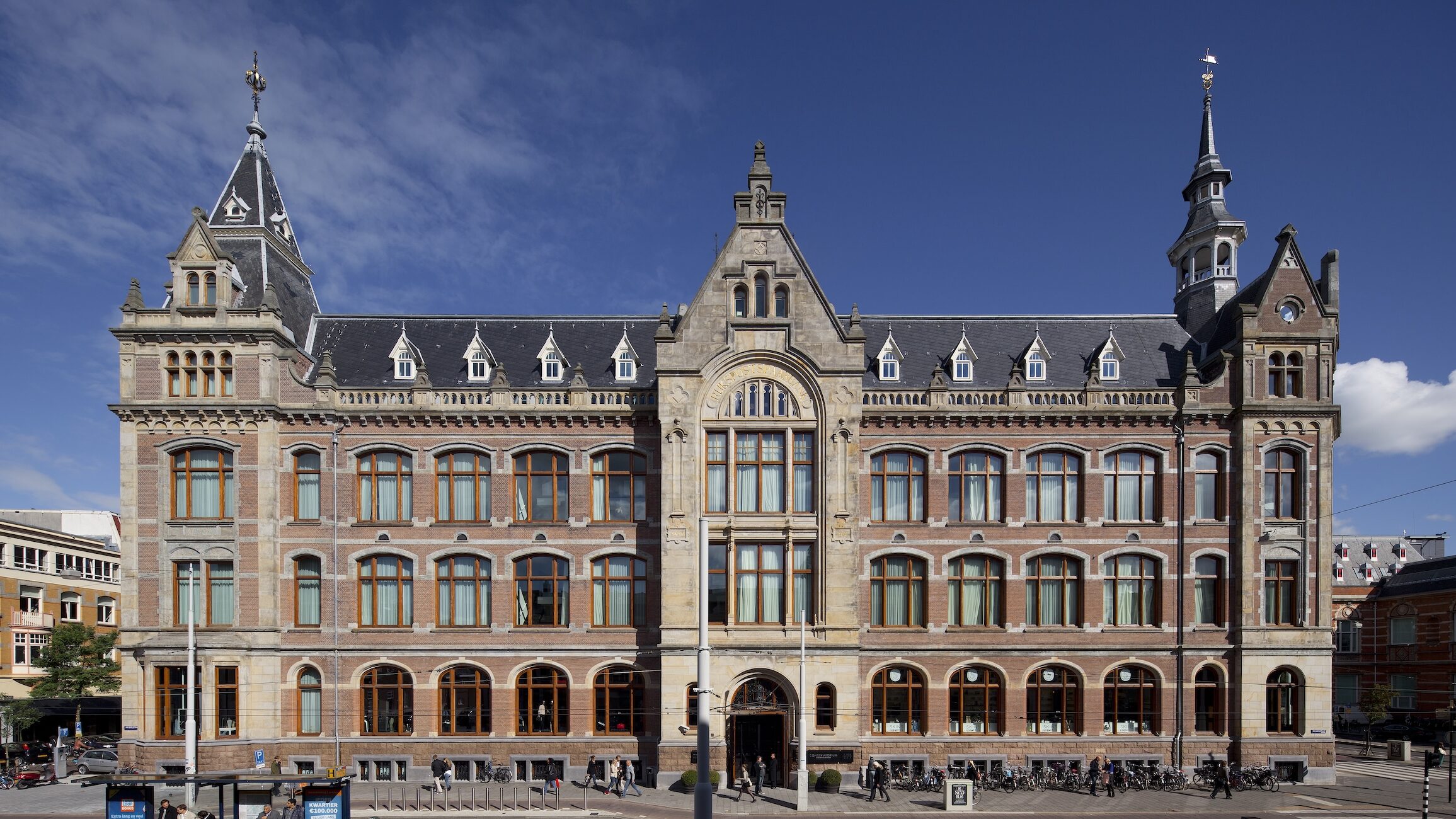
By all accounts, Amsterdam is a city that doesn’t so much whisper its charms as wink at you suggestively from across the canal. The bicycles, the art, the stroopwafels the size of vinyl records—all lovely. But for the discerning gentleman who prefers a more tailored experience (and perhaps a hotel room larger than a broom closet), there is only one address worth noting: the Conservatorium Hotel.
First Impressions: Glass, Grandeur, and Gucci
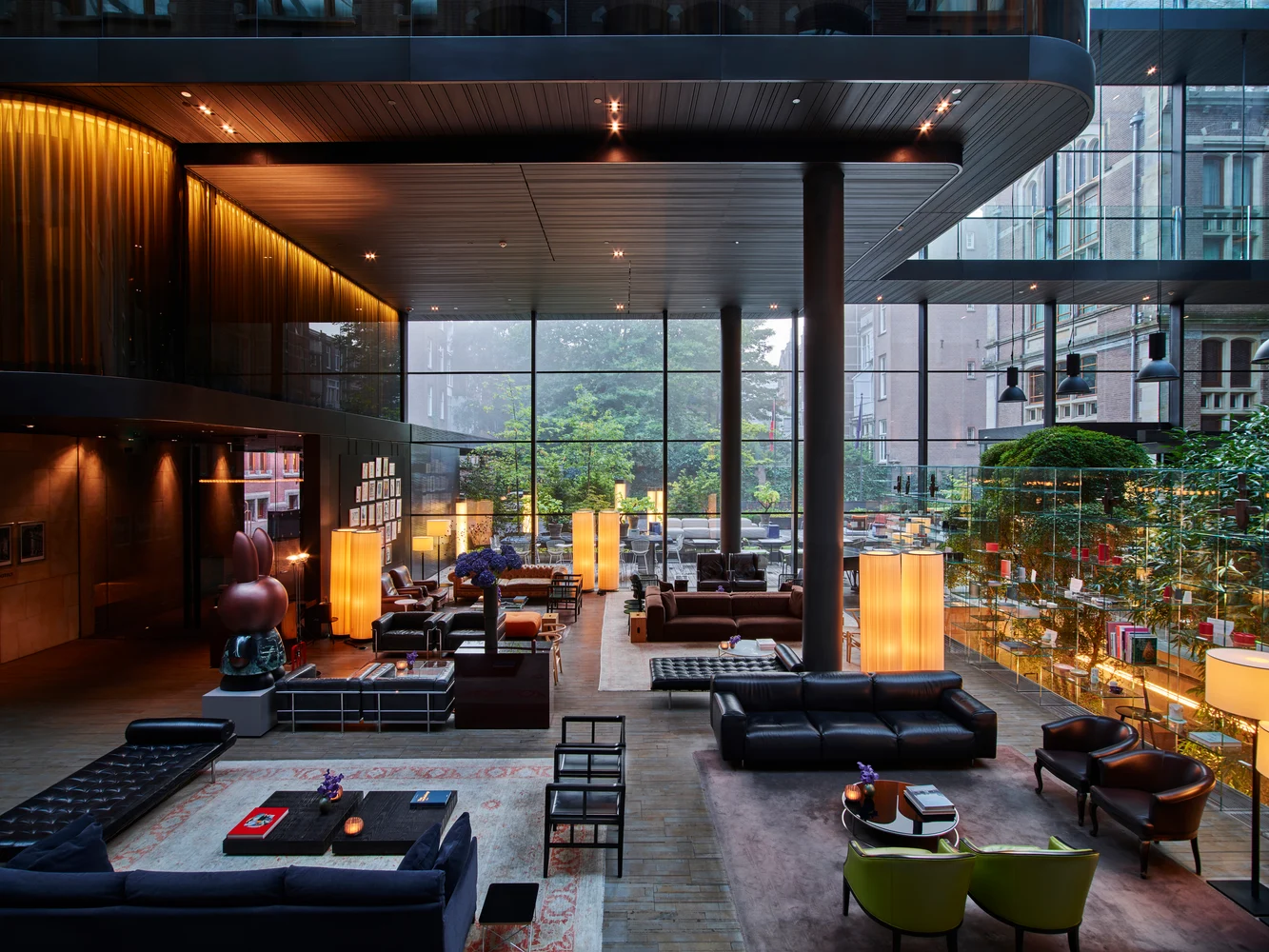
Situated neatly between the artistic grandeur of the Museumplein and the temptation-laden designer row of P.C. Hooftstraat, the Conservatorium offers something no other place in Amsterdam quite manages: a seductive marriage of historic gravitas and modern swagger. Think: 19th-century bank turned music conservatory turned sleek design temple, where Piero Lissoni has worked architectural alchemy.
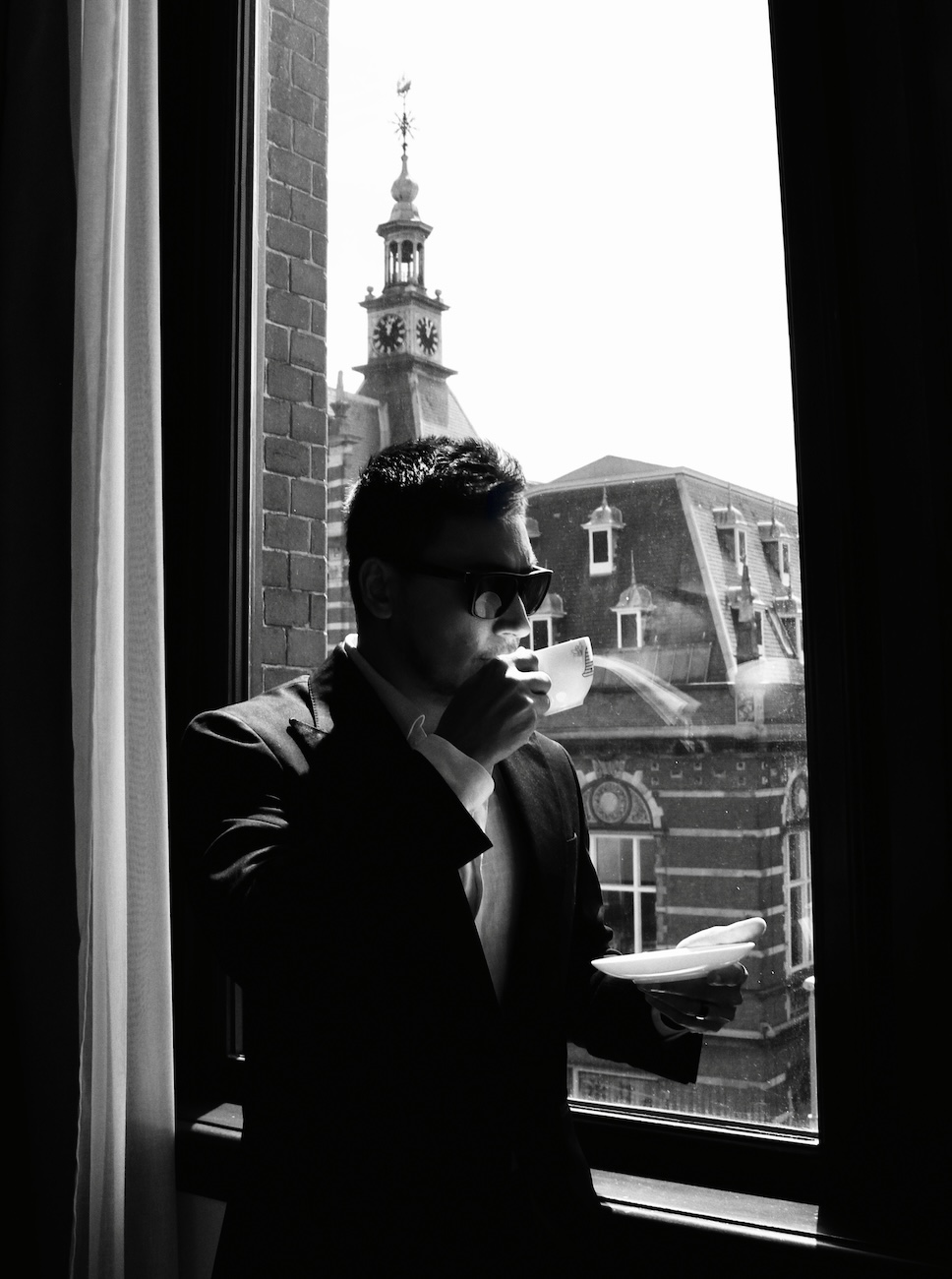
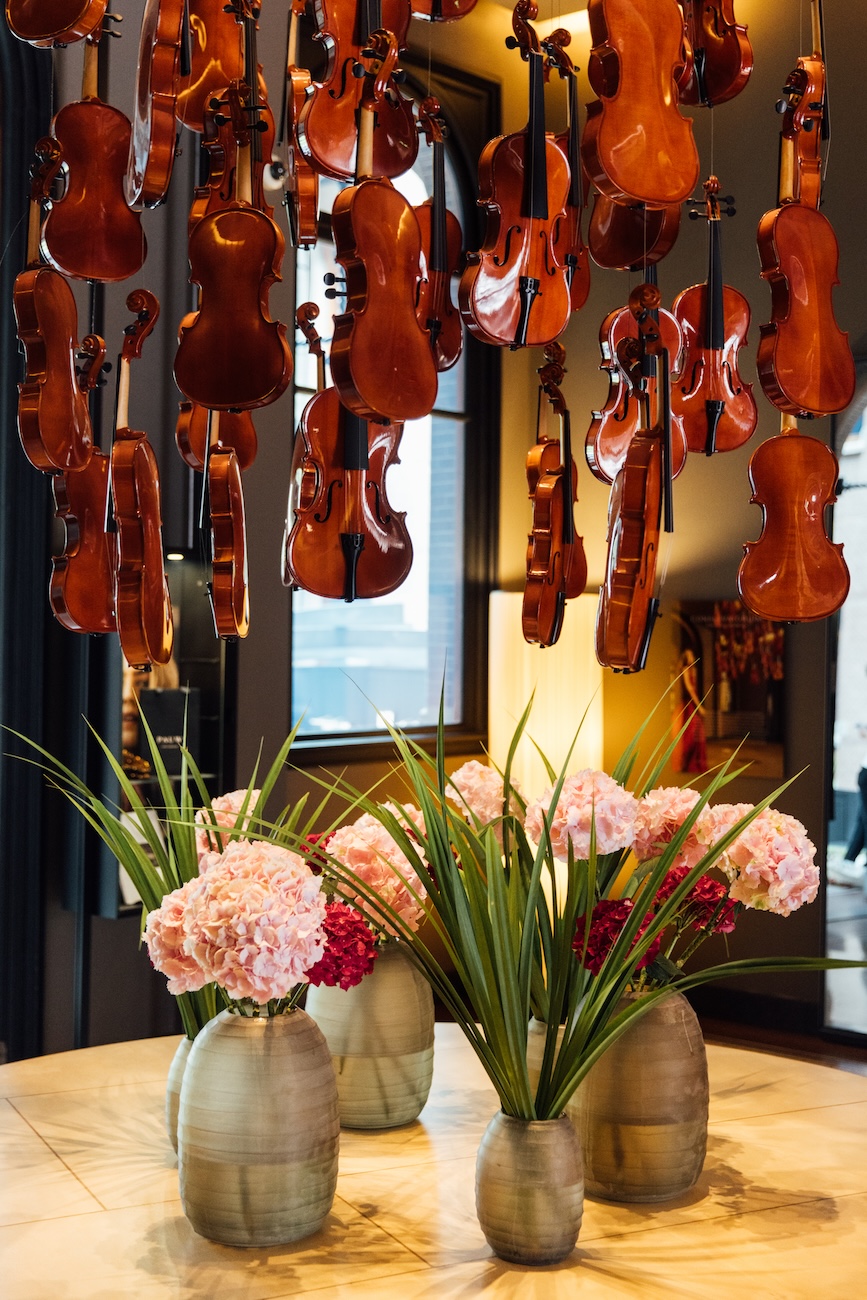
The lobby—an ethereal glass atrium populated by leather, lacquer, and cosmopolitan chatter—is the place to see and be seen. Order a coffee and pretend to check your emails while secretly watching a Dutch fashion editor decimate a croissant with immaculate precision.
The Penthouse Suite: Where Restraint Meets Rock and Roll
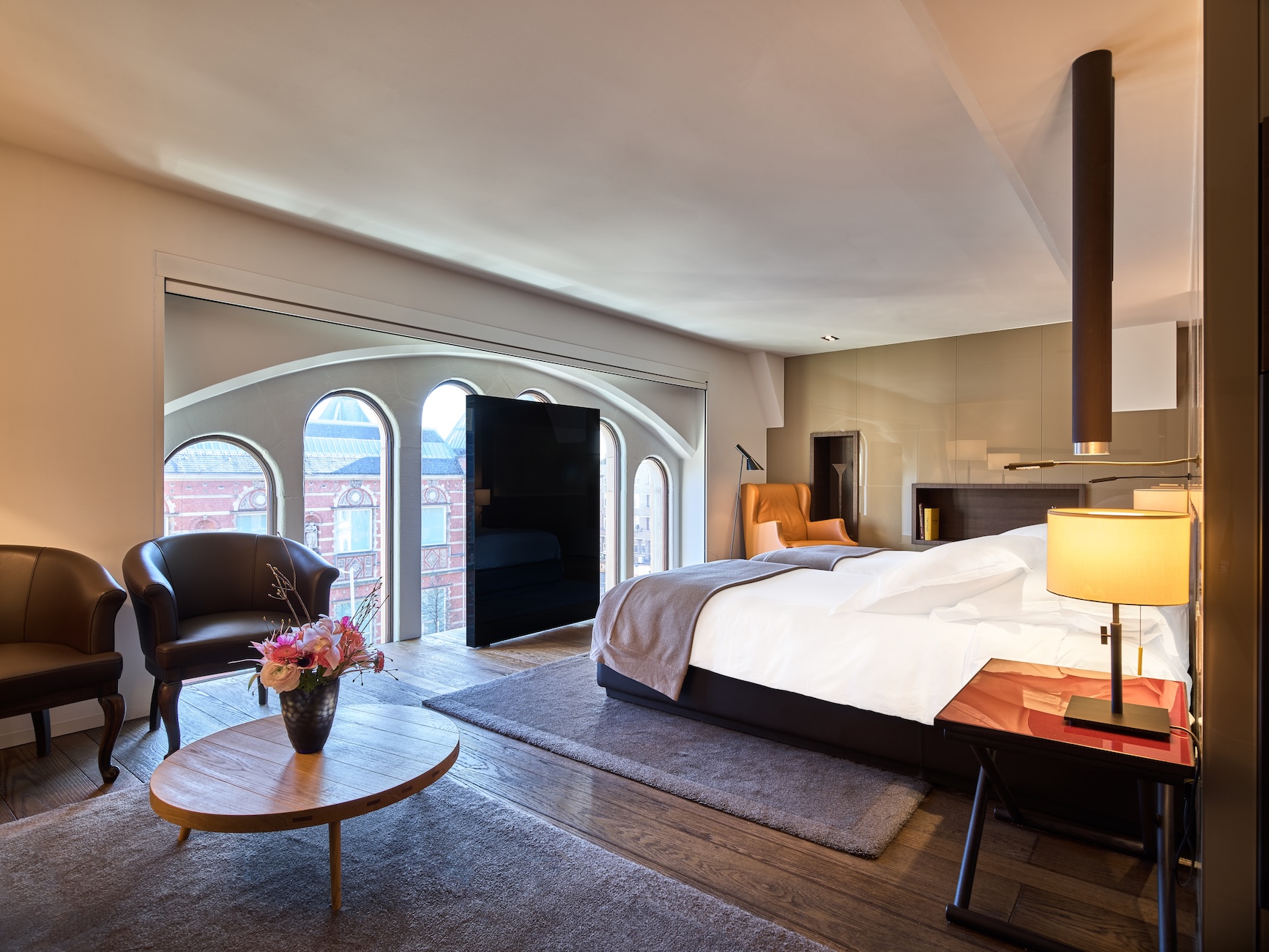
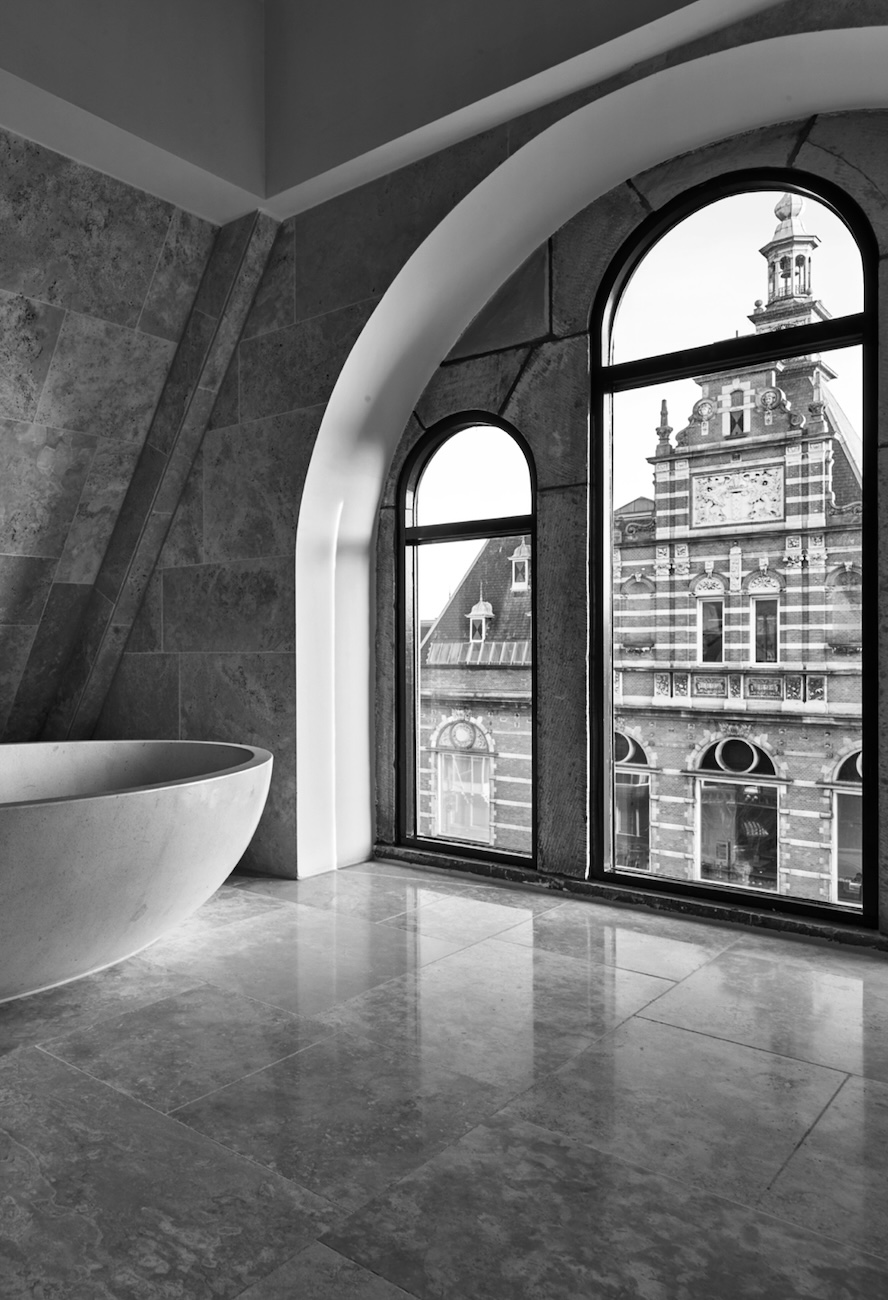
Enter, the Penthouse Suite, and let me say: if you’ve ever wanted to feel like a Bond villain and a wellness influencer at the same time, this is your spot. A wraparound glass cube perched above Amsterdam’s rooftops, the suite gives off the vibe of a modern-day sky palace. Floor-to-ceiling windows usher in the city’s muted golden light, while thick glass walls and swaths of tactile materials (oak, stone, soft leather) speak of a sensuality that is unmistakably Italian.
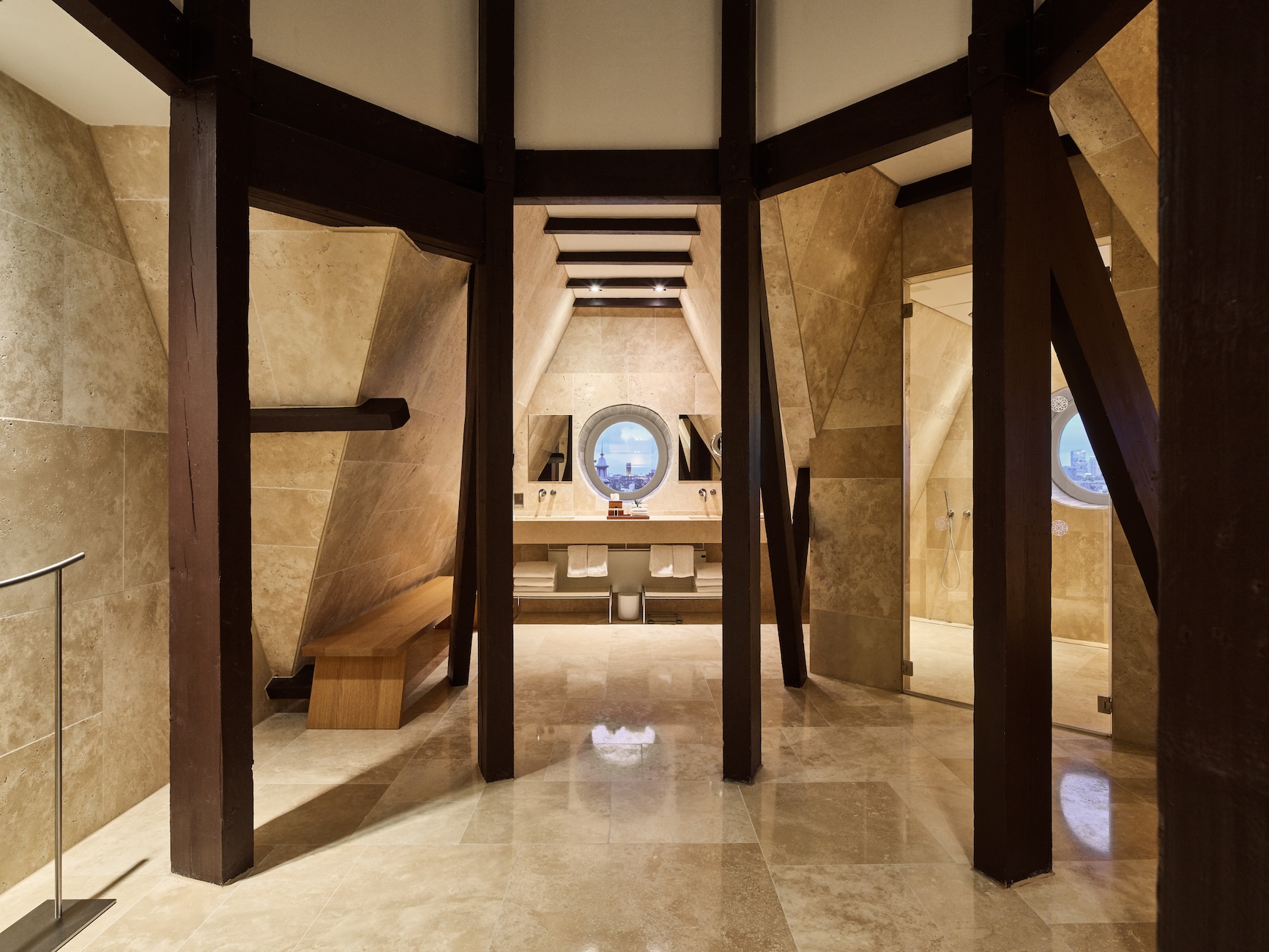
It’s as if Don Draper met Dutch minimalism and they decided to cohabitate peacefully—with excellent lighting. There’s a dining table that converts into a private cinema (because of course there is), a dressing area complete with hair-and-makeup space (ideal for those urgent Instagram Lives), and a bathroom so indulgent it may cause your own en-suite at home to weep softly out of shame. Oh, and the bathtub? It’s positioned so you can admire Amsterdam’s neo-Gothic rooftops while contemplating your next questionable life decision. Divine.
Dining at Taiko: East Meets Best
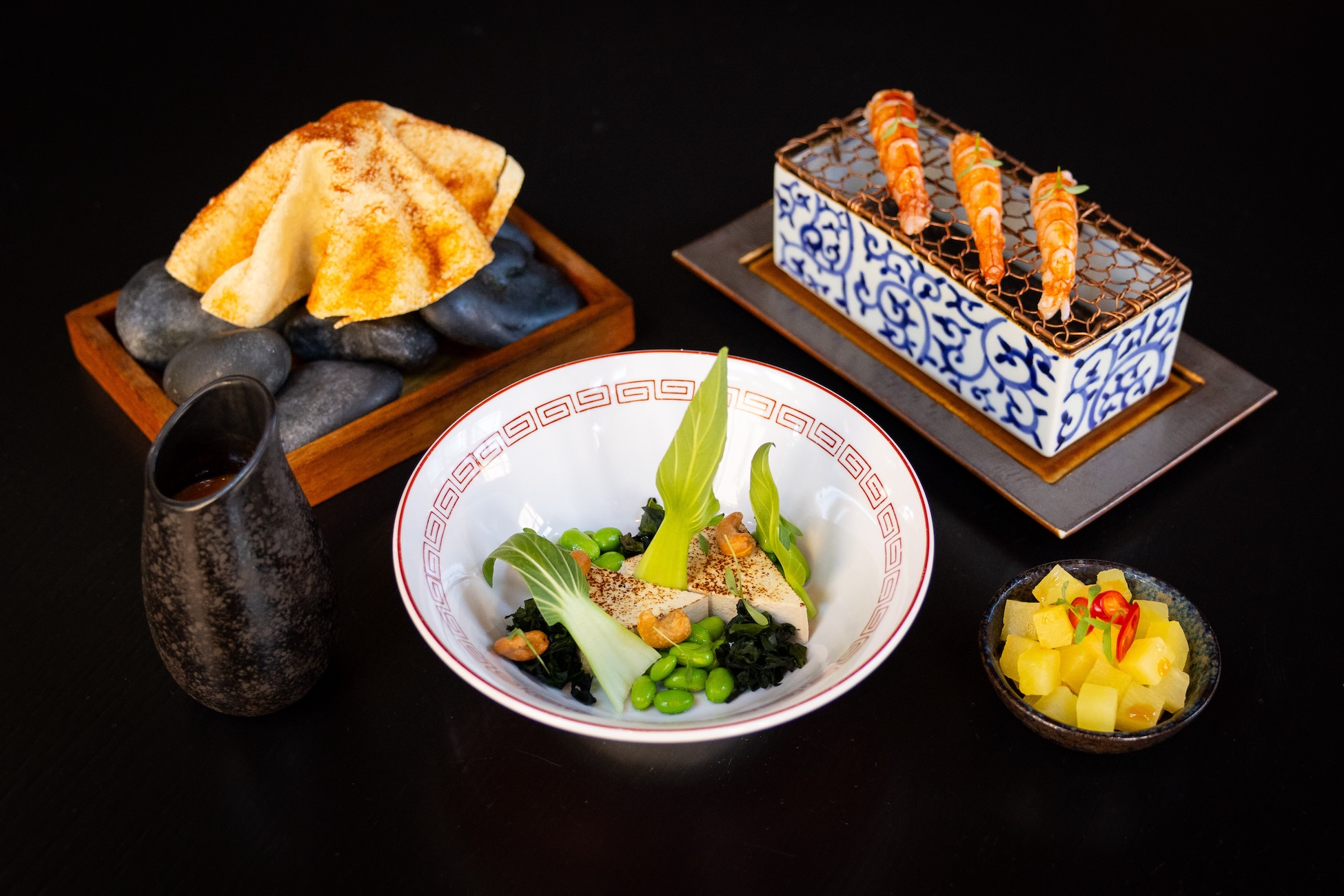
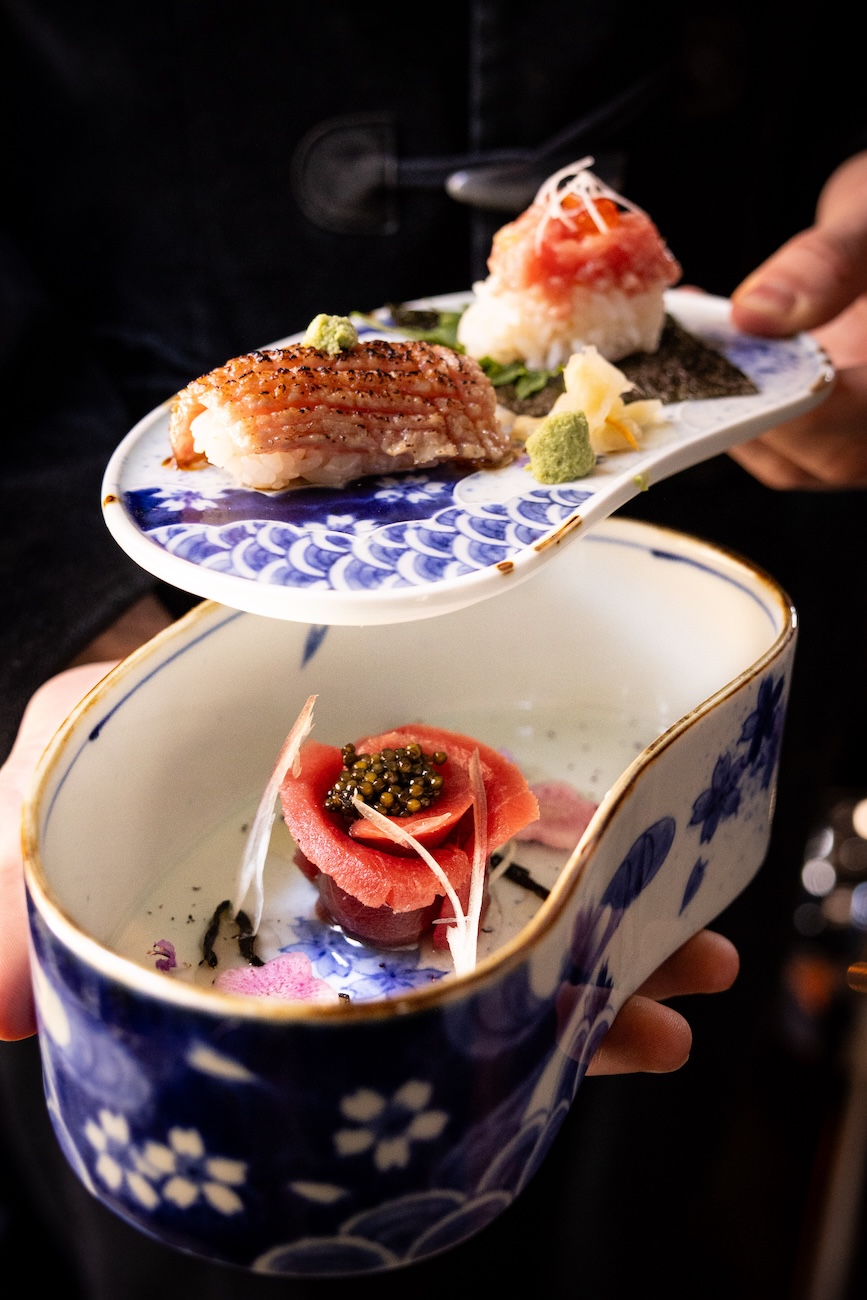
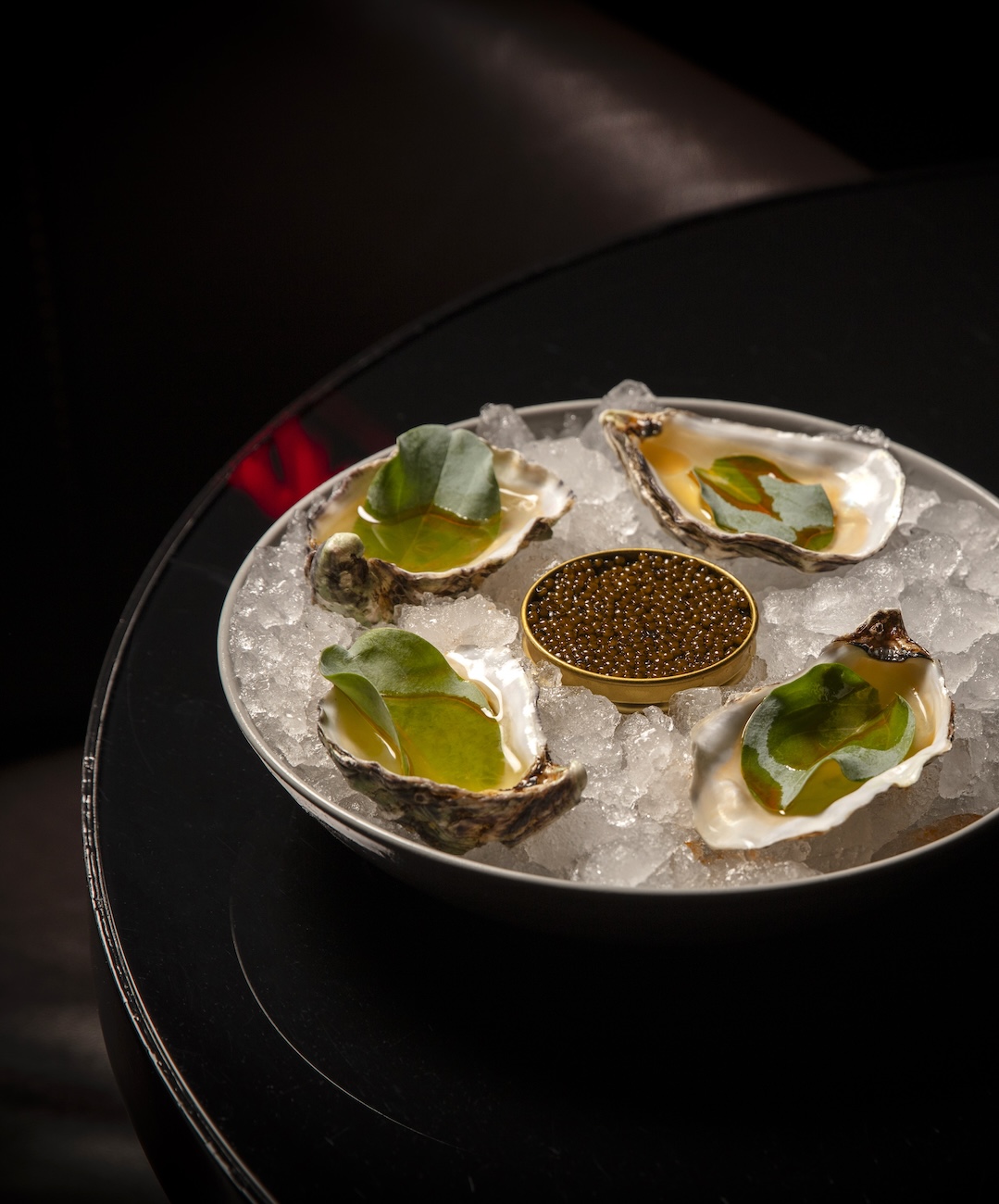
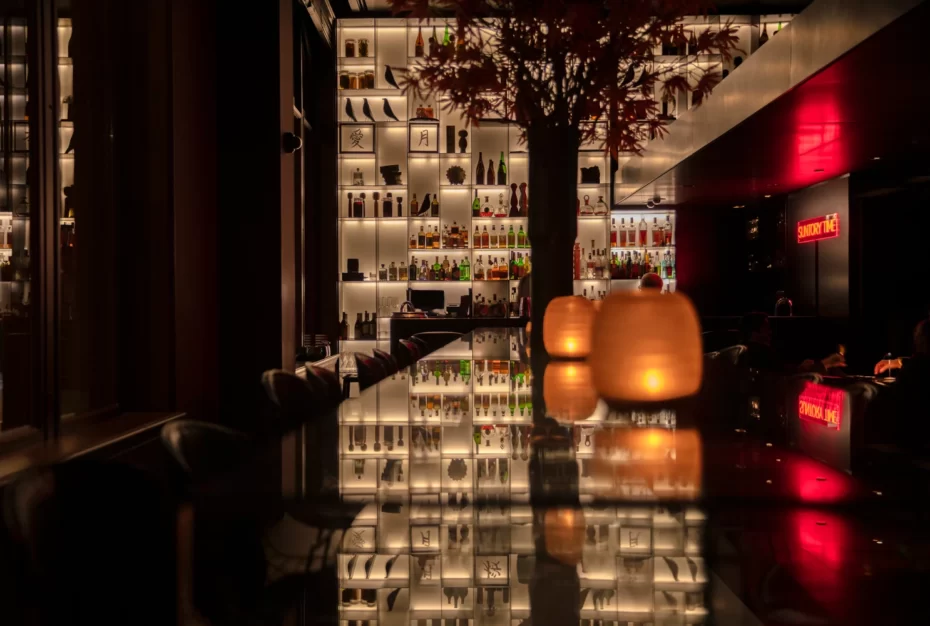
Should one desire to emerge from the Penthouse (I recommend it, but only just), there’s Taiko. Helmed by culinary savant Schilo van Coevorden, Taiko is not simply an Asian-inspired restaurant—it is, quite possibly, the best Asian dining experience in the Netherlands. Imagine silky wagyu beef with just enough umami to ruin all future steaks for you. Or the signature “Taiko Rolls,” so delicately constructed they resemble edible architecture. Add to this a cocktail list that could charm even the most jaded expat—think Japanese whisky with shiso and masala chai—and you’ll understand why I briefly considered proposing to my bartender.
Pro tip: Sit at the chef’s counter for a front-row view of culinary artistry, then slip into the Taiko bar next door for a nightcap that tastes like Tokyo on a very good day.
Bicycles and Bravado
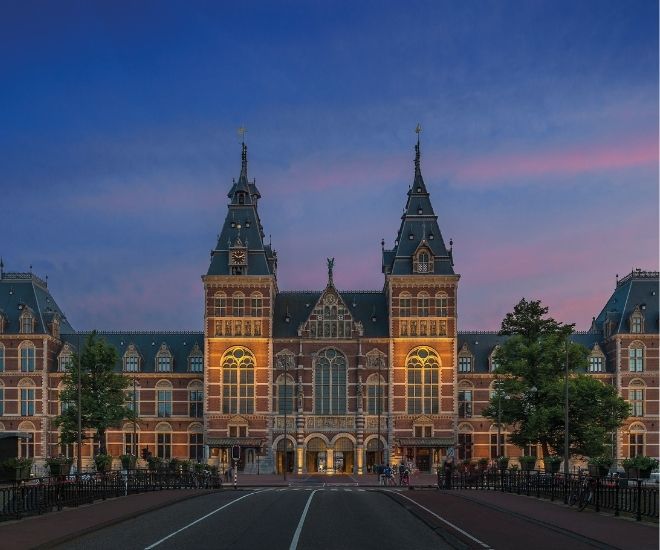
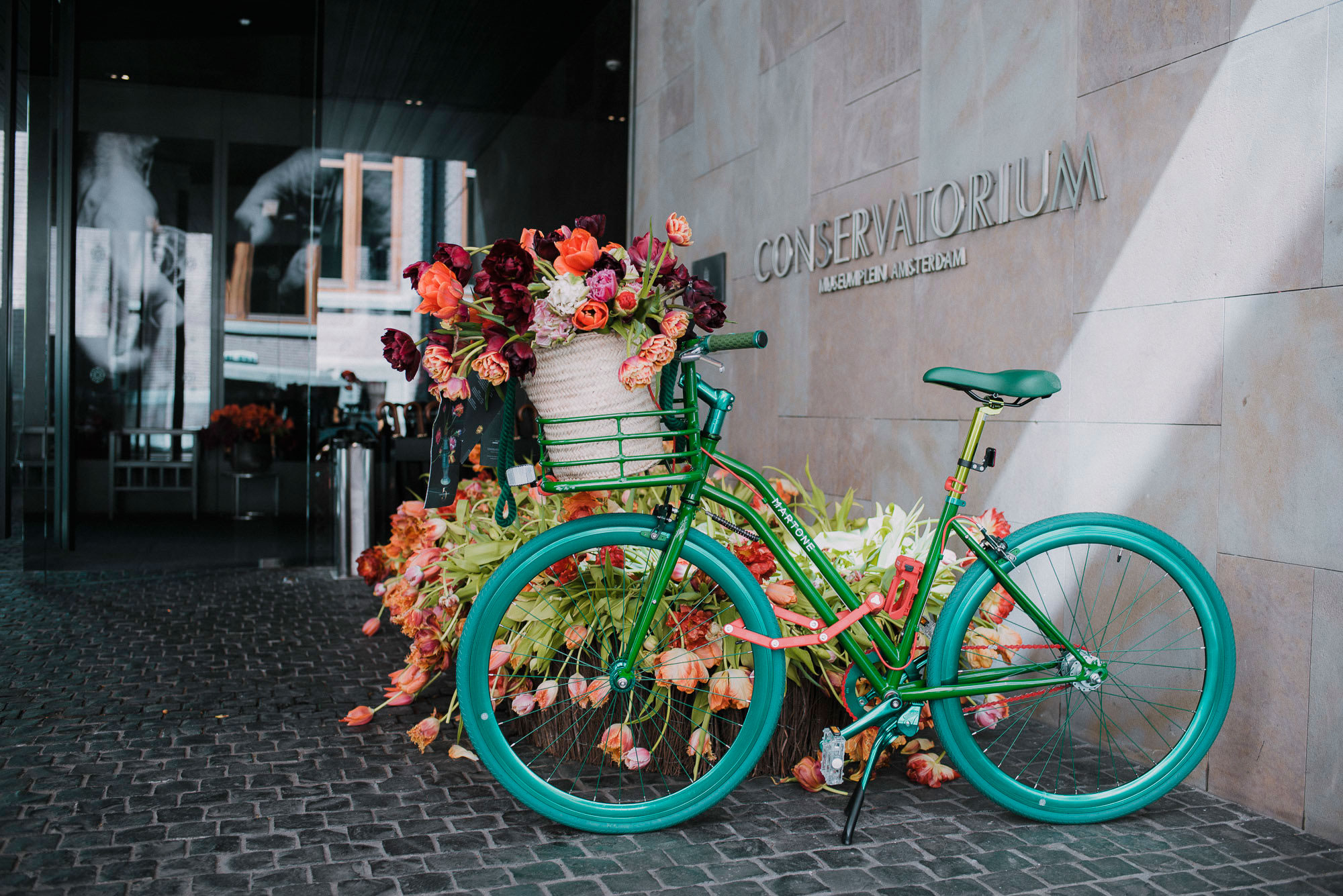
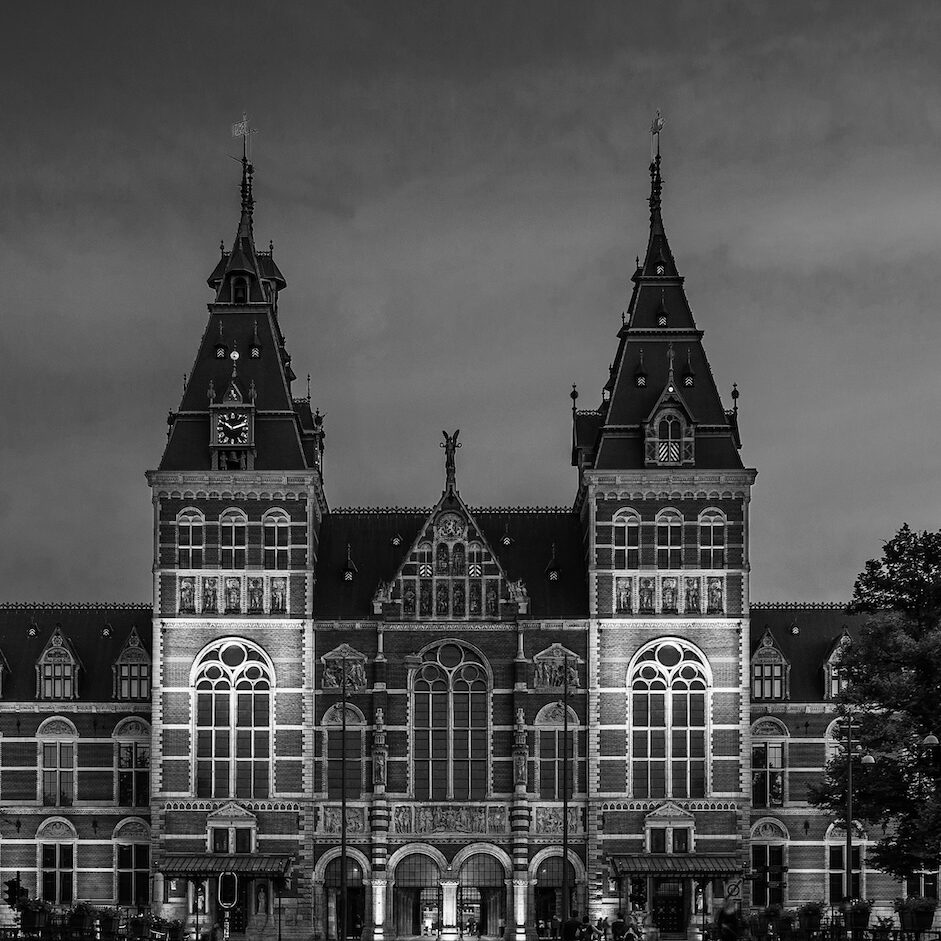
Of course, to truly experience Amsterdam, one must brave its unofficial sport: cycling. The hotel, clever as ever, provides sleek bicycles for guests. These aren’t your average rental rides, mind you. They are beautiful, upright steeds of minimalist engineering—perfect for gliding through the canal-lined streets like an eco-conscious aristocrat. I pedaled my way past the Rijksmuseum(Rembrandt’s Night Watch remains satisfyingly ominous), breezed around the Van Gogh Museum(no sunflowers were harmed in the making of my selfies), and took a leisurely spin through the Nine Streets district—where vintage shops, concept cafés, and fragrance boutiques conspire to make you spend with reckless abandon.
A Word on Wellness
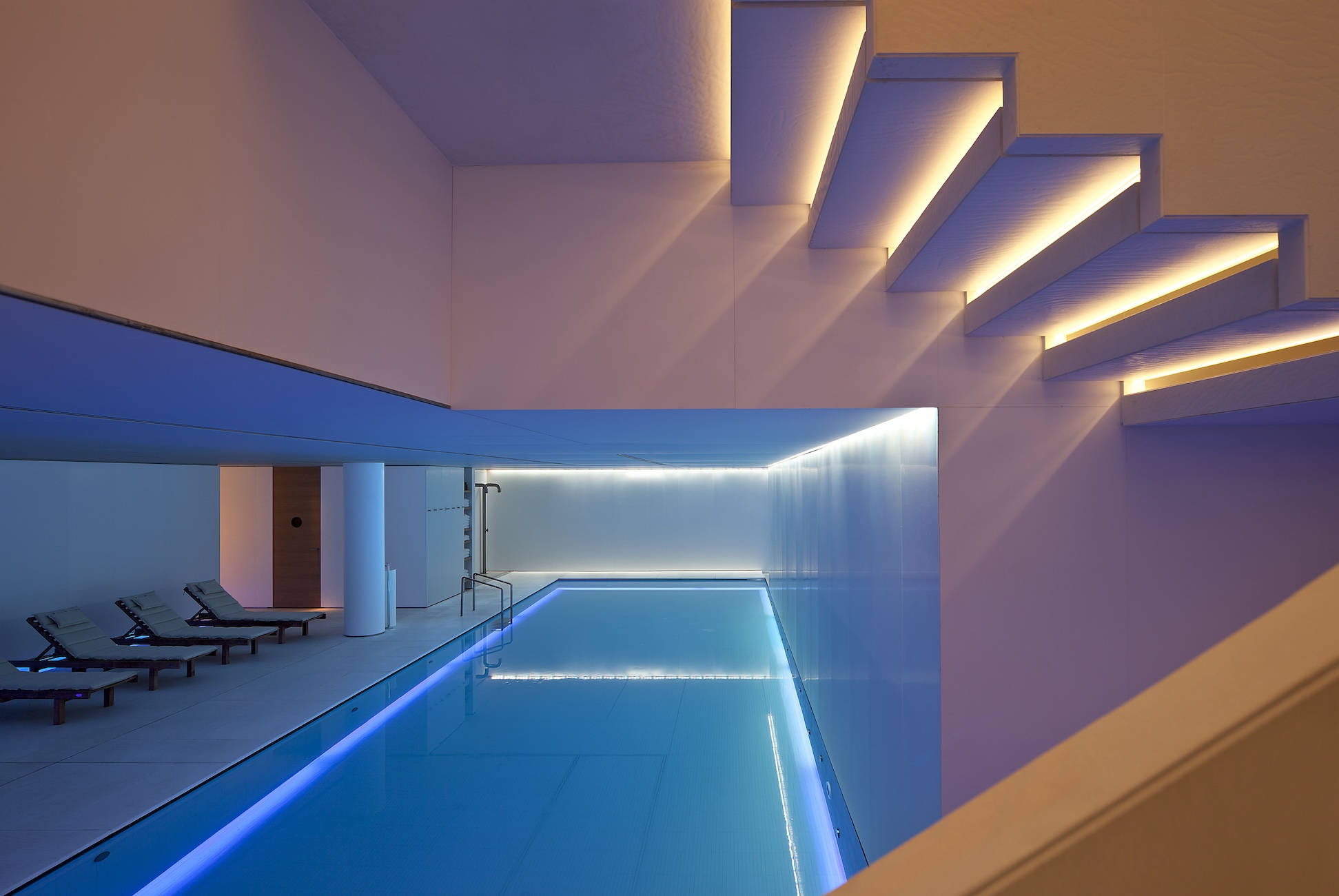
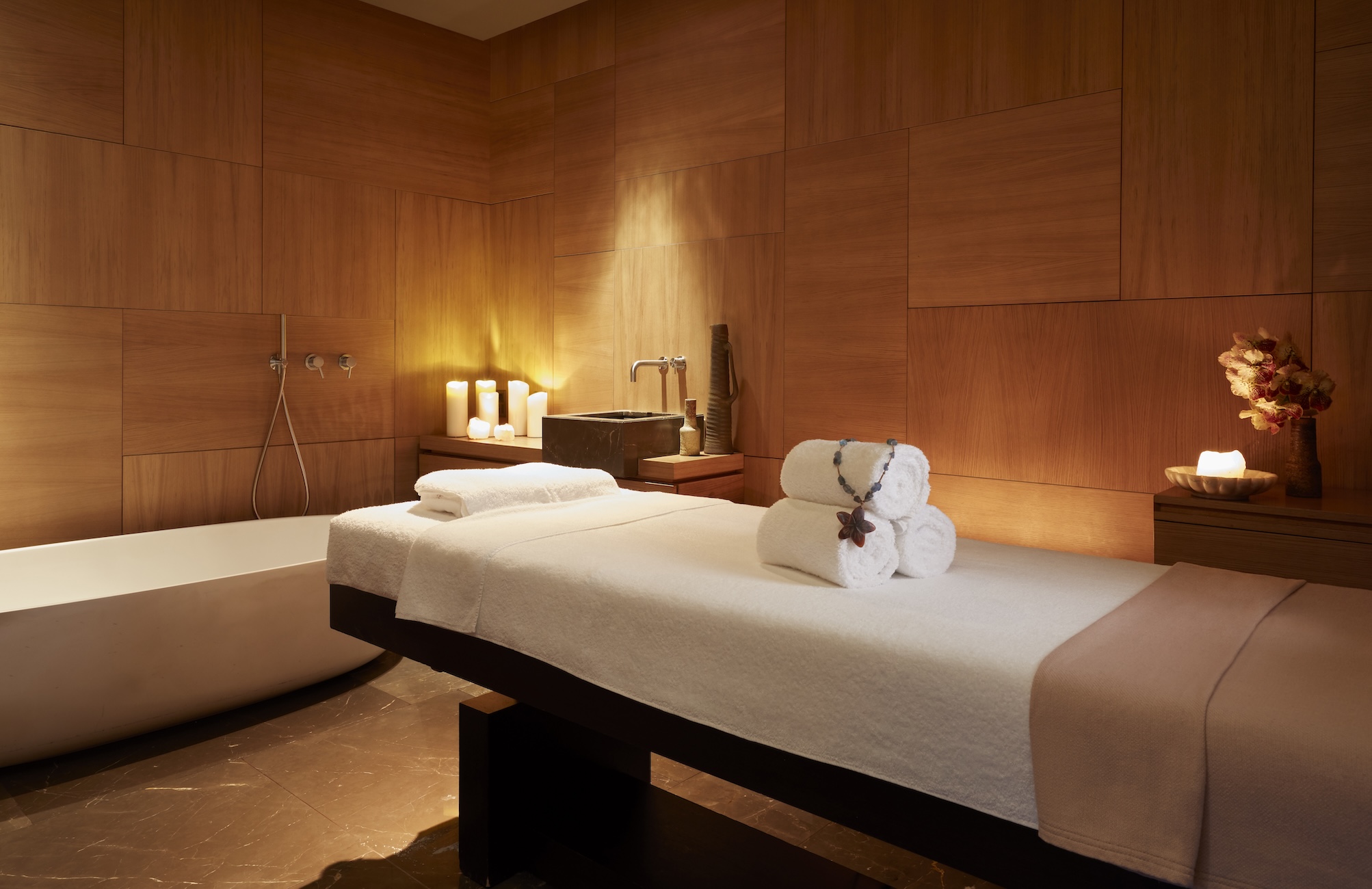
After my valiant cycling exploits, I was drawn, quite magnetically, to the Akasha Holistic Wellbeing Centre. This is no ordinary hotel spa. Akasha is a wellness cathedral—complete with a Watsu pool, hammam, 18-meter lap pool, and treatment rooms that smell like eucalyptus and good decisions. It is here, wrapped in a plush robe with a cup of herbal tea in hand, that I was able to reconcile the tension between Calvinist restraint and Mediterranean indulgence. Mostly by requesting an additional massage.
Artfully Understated, Effortlessly Cool
This isn’t just a hotel—it’s an attitude. It’s for those who like their design cutting-edge, their service intuitive, and their experiences just a touch theatrical. It is luxury that doesn’t shout, but rather speaks in a low, persuasive whisper.
There are places in Amsterdam where one might find a more “local” experience, or a funkier vibe, or a grittier canal view—but none where the synthesis of style, location, and comfort is so masterfully conducted. After all, what else would you expect from a hotel born of a music conservatory? Just be warned: once you’ve stayed in the Penthouse and eaten at Taiko, returning to real life might feel a bit… pedestrian.
For more on the latest in lifestyle, culture and travel reads, click here.
Ford has begun deliveries of its Mustang GTD, the most powerful iteration of its 8th-generation muscle car. Among the first few to take delivery of the car is Jay Leno.
The Ford Mustang GTD was personally delivered to Jay Leno by the company CEO, Jim Farley. The famous car collector and talk show host took delivery of car number 12 and was also quick to note that his Ford GTs were also number 12s.
Jay Leno’s Mustang GTD is equipped with the Performance package, which adds a number of aerodynamic elements such as the canards, underbody flaps and even a drag reduction system. The GTD also gets a large front splitter, 20-inch magnesium wheels and a unique front fascia.
Both Jim Farley and Leno also discussed the GTD’s design and development, with the Ford CEO explaining the model’s 10-year journey. It is also the first American car to lap the Nurburgring in under seven minutes, clocking 6:57:685 with Dirk Muller behind the wheel.
The Ford Mustang GTD is powered by a 5.2-litre supercharged V8 engine. It produces 815 BHP and 899 Nm and is paired with an 8-speed dual-clutch automatic transmission. The GTD is capable of a top speed of 325 km/h.
BMW is all set to unveil what it describes as a “Special limited-edition” car, based on the brand’s 8 Series, next month.
BMW M boss, Frank van Meel, confirmed during the Goodwood Festival of Speed that the 8 Series special edition would make its world premiere at Pebble Beach during the Monterey Car Week.
However, neither Frank van Meel nor BMW revealed any other details of the upcoming 8 Series special edition. Now, the BMW M8 Coupe has been discontinued in the USA; hence, it is speculated that the upcoming “special limited edition” model could use one of the standard 8 Series models. Considering Frank van Meel’s involvement, the upcoming special 8 Series might be based on the M850i.
The latest-generation BMW M850i is powered by a 4.4-litre twin-turbocharged V8 engine. It produces 530 BHP and 750 Nm and is paired with an 8-speed Steptronic transmission, allowing a 0-100 km/h sprint in 3.9 seconds.
Sri Lanka offers a wealth of exciting wildlife safaris where you can watch elephants and birds in their natural habitats, capture unforgettable photographs, and experience the warm hospitality of the island’s diverse people and cultures. A visit here promises to be a truly memorable adventure.
The country is home to numerous national parks, nature reserves, safari lodges, and camps waiting to be explored. Managed by the Department of Wildlife Conservation, Sri Lanka currently has 29 national parks. Of these, 10 cover areas larger than 100 square kilometers, while another 14 exceed 50 square kilometers. The smallest, Lahugala-Kitulana National Park, still provides an important sanctuary for iconic species such as leopards, sloth bears, and elephants.
Most parks—except for Flood Plains—are open to the public for jeep safari tours. Accommodation is available in all 14 of the larger parks, with options ranging from bungalows to camping sites, or a mix of both. However, overnight stays can be relatively expensive due to the fees set by the Wildlife Department.
Here’s your guide to the best national parks for wildlife safaris in Sri Lanka.
Explore Sri Lanka’s National Parks with CeylonTravel Dream
CeylonTravel Dream offers expertly guided tours to all of Sri Lanka’s iconic national parks, including Yala, Wilpattu, Udawalawe, Minneriya, Bundala, Gal Oya, Kumana, and more. Each tour is fully customizable, allowing you to create the perfect wildlife adventure based on your interests, travel style, and schedule.
Some of their most popular tours include: ➡ Birding Sanctuary & Wild Safari Tour – 36 days, from $2,900 ➡ Exploring Leopards with Camping – 10 days, from $1,900 ➡ Sri Lanka Wildlife Safari Tour – 13 days, from $990
Best National Parks for Wildlife Safaris in Sri Lanka
Best National Parks for Wildlife Safaris in Sri Lanka
Yala National Park
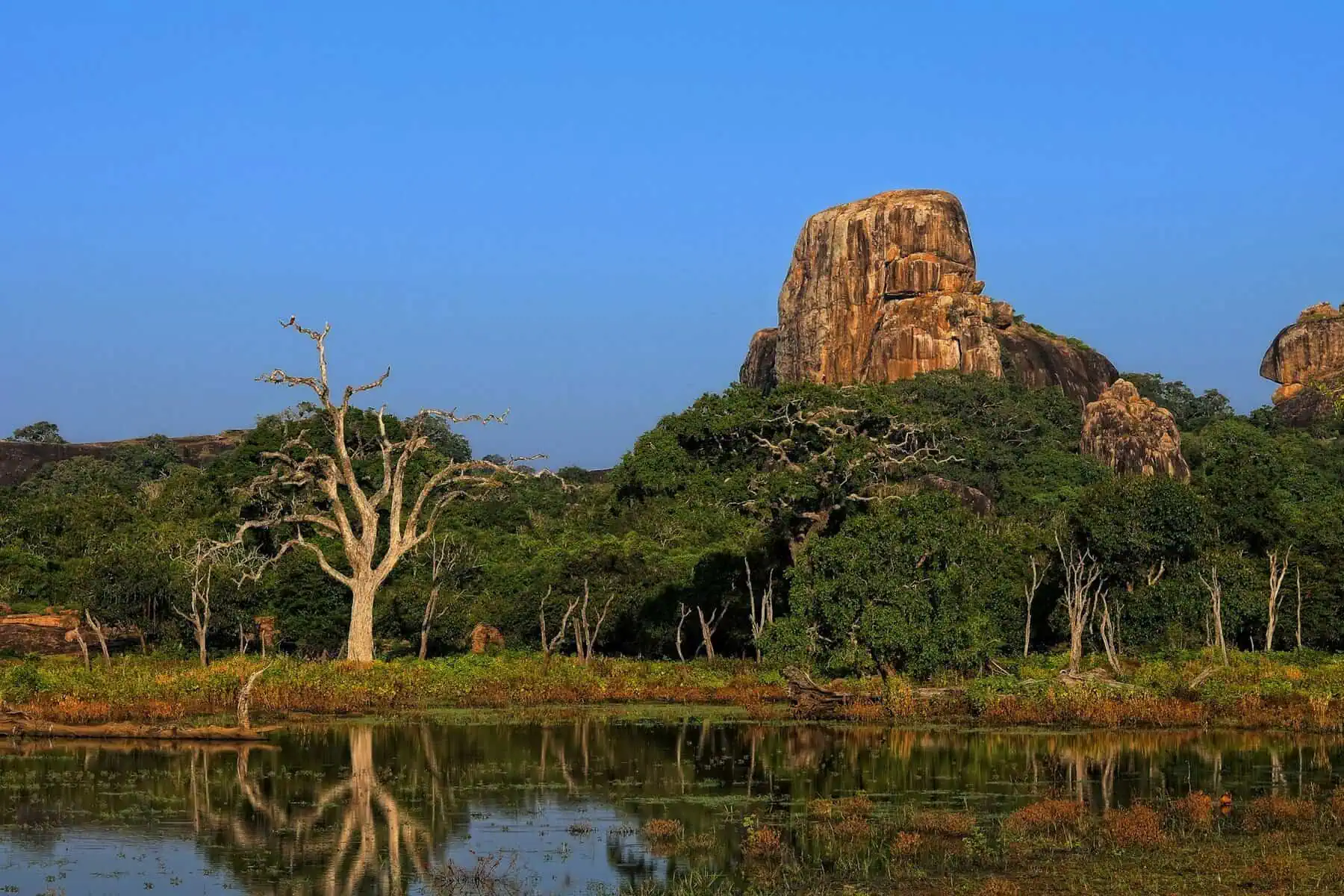
Sri Lanka is blessed with breathtaking natural beauty and some of the world’s most remarkable wildlife. Among its many treasures, Yala National Park stands out as one of the country’s premier destinations for nature and wildlife enthusiasts. As Sri Lanka’s second-largest national park, Yala is a true source of national pride and a sanctuary for countless species.
Efforts to protect Yala’s diverse wildlife have helped preserve its most iconic residents—majestic leopards, tusker elephants, and a dazzling array of bird species, particularly waterbirds that glide gracefully across the park’s wetlands.
Covering an impressive 979 square kilometers, Yala lies about 300 kilometers from Colombo in the Southern and Uva Provinces. The park’s landscapes are wonderfully varied, with freshwater and marine wetlands, scrublands, and lush monsoon forests. It is home to 215 bird species and 44 mammals, and it boasts one of the highest leopard densities in the world. Reptiles, amphibians, and freshwater fish also thrive in this rich ecosystem.
Yala sits among several other renowned parks, including Bundala, Udawalawe, and Lunugamvehera. Within its borders are two important pilgrimage sites, Sithulpahuwa and Magul Vihara, adding cultural significance to its natural wonders.
The park is divided into five distinct blocks, with four entrance points open to visitors. Of these, the Palatupana entrance to Block 1 is by far the most popular, making it the gateway to unforgettable safari adventures.
Best National Parks for Wildlife Safaris in Sri Lanka
Wilpattu National Park
Wilpattu National Park is Sri Lanka’s oldest and largest national park, celebrated as one of the best places in the world to see the Sri Lankan leopard in the wild. Its vast wilderness shelters an incredible variety of wildlife, including 30 species of mammals such as the mighty Sri Lankan elephant, the elusive leopard, the endangered sloth bear, and the graceful spotted deer.
The park is particularly famous for providing rare opportunities to spot both leopards and sloth bears in their natural habitats. With fewer than 1,000 individuals left in the wild, the Sri Lankan sloth bear is considered endangered, making a sighting here especially meaningful.
Wilpattu is also known for its unique “Villus”—natural lakes scattered throughout the park. These wetlands are vital for sustaining both resident and migratory waterbirds, adding to the park’s rich biodiversity and distinct landscape.
The best way to explore Wilpattu’s rugged beauty is on a 4WD open-top safari, where experienced guides can lead you to the park’s most wildlife-rich areas. A visit to Wilpattu promises an unforgettable adventure into one of Sri Lanka’s most pristine wildernesses.
Best National Parks for Wildlife Safaris in Sri Lanka
Udawalawe National Park
Udawalawe National Park, the third most visited park in Sri Lanka, is a favorite among both locals and tourists. Located near Yala National Park, it was originally established to provide a sanctuary for wildlife displaced by the construction of the Udawalawe Reservoir on the Walawe River.
Covering 308 square kilometers, Udawalawe was officially declared a national park on 30 June 1972. Situated about 165 km from Colombo, it is best known for its thriving population of Sri Lankan elephants and its abundance of water birds.
The park’s open grasslands and scrub jungles support a rich diversity of flora and fauna, making it an excellent place to spot not just elephants and birds, but also reptiles, fish, and other wildlife. For visitors seeking a close-up experience with Sri Lanka’s gentle giants in their natural habitat, Udawalawe is a must-visit destination.
Best National Parks for Wildlife Safaris in Sri Lanka
Bundala National Park
Bundala National Park is famous for the spectacular flocks of flamingos that migrate through the area each year. This coastal sanctuary is rich in biodiversity, home to waterfowl, large water birds, Asian elephants, leopards, wild boar, and graceful spotted deer.
Recognized internationally as a vital wintering ground for migratory waterbirds, Bundala is especially beloved by birdwatchers. Covering 14.28 square kilometers, it was officially declared a national park in January 1993.
Located about 245 km southeast of Colombo, Bundala draws visitors from around the world eager to witness its unique landscapes and incredible birdlife. For anyone passionate about wildlife photography or birdwatching, this park is an unmissable stop in Sri Lanka.
Best National Parks for Wildlife Safaris in Sri Lanka
Kumana National Park
Kumana National Park, located in southeastern Sri Lanka, covers 18,149 hectares and is one of the country’s premier eco-tourism destinations. Famous as a bird sanctuary, it is especially renowned for its rich diversity of birdlife.
The park’s defining feature is Kumana Villu, a 200-hectare natural swamp lake fed by the Kumukkan Oya through a narrow half-mile channel. Each year, during May and June, the swamp becomes a bustling nesting ground for thousands of water birds, including spoonbills, pelicans, and white ibis. Birdwatchers may also be lucky enough to spot the rare black-necked stork.
In addition to its avian residents, Kumana is home to several mammals also found in nearby Yala National Park, such as elephants and leopards. Its landscape features mangroves, kumbuk, and karan trees, interspersed with open marshlands.
For anyone passionate about birdwatching or nature photography, Kumana National Park is an absolute must-visit in Sri Lanka.
Best National Parks for Wildlife Safaris in Sri Lanka
Minneriya National Park
Minneriya National Park, also known as Minneriya Safari Park, is one of Sri Lanka’s most popular wildlife destinations for both families and adventure seekers. Covering 8,890 hectares, the park includes the former Minneriya-Girale Sanctuary, parts of the Minneriya-Giritale Nature Reserve, and the Sigiriya Sanctuary. Located in Polonnaruwa District in the heart of the island’s Cultural Triangle, Minneriya is world-famous for “The Gathering”—a breathtaking spectacle where hundreds of wild elephants congregate around the Minneriya Tank during the dry season. It is widely regarded as one of Asia’s most unforgettable wildlife experiences.
Recognized as one of Sri Lanka’s 70 Important Bird Areas (IBAs), Minneriya is also a haven for birdwatchers. During the dry season, elephants from the Matale, Polonnaruwa, and Trincomalee districts migrate here, making it the perfect time for close encounters with these gentle giants.
Ecologists consider Minneriya a vital part of Sri Lanka’s dry-zone ecosystem, playing a key role in the long-term conservation of elephants and other displaced wildlife. The park is surrounded by several other protected areas—including Wasgomuwa, Kaudulla, Somawathiya, and Flood Plains National Parks—creating a vast, interconnected habitat for wildlife.
Easily accessible via the Habarana–Polonnaruwa highway, Minneriya promises an extraordinary safari experience and a chance to witness one of nature’s most awe-inspiring events.
Best National Parks for Wildlife Safaris in Sri Lanka
Gal Oya National Park
No Sri Lankan safari is complete without spending time observing the majestic Asian elephant in its natural habitat. Imagine being surrounded by the park’s breathtaking wilderness when, suddenly, an elephant emerges quietly from the bushes. It strolls to the water’s edge, lowers its trunk for a drink, and playfully splashes the water—a simple yet powerful reminder of nature’s resilience and grace. Moments like these stay with you forever.
Gal Oya National Park is especially famous for its elephants, known as some of the best swimmers among all mammals. These gentle giants effortlessly traverse the park’s lush, green islands, creating one of the most unique wildlife spectacles in Sri Lanka. Watching a massive elephant swim gracefully from one island to another is an experience that words can hardly capture.
Despite their immense size, Gal Oya’s elephants radiate a quiet tranquility. Seeing them emerge from the water—towering and powerful—is unforgettable. This is a place where you don’t just observe nature; you feel deeply connected to it.
Let Gal Oya reveal its wonders to you—embrace the adventure, witness the extraordinary, and discover your place in the wild.
Best National Parks for Wildlife Safaris in Sri Lanka
When Is the Best Time to Visit Sri Lanka’s National Parks?
The best time to visit most of Sri Lanka’s national parks is between April and August, when wildlife sightings are plentiful and tourist numbers are generally lower, making for a more peaceful safari experience.
Sri Lanka’s climate is shaped by two monsoon seasons that arrive from opposite directions at different times of the year. Thanks to this unique weather pattern, at least half of the country is usually suitable for travel at any given time, and most national parks remain open year-round (with only brief seasonal closures in some cases).
Average daytime temperatures sit in the mid-20s°C, occasionally reaching up to 35°C. The humidity can make it feel warmer, but visitors can always find relief in the cooler hill country or along breezy coastal areas.
The southwest monsoon brings rain to the south, west, and central highlands from May to July, while the northeast monsoon affects the north and east from October to January. The dry season typically falls between December and March in the southwest and May to September in the northeast. Even in the so-called “dry” months, brief showers are common—but sunny days are never far behind.
Best National Parks for Wildlife Safaris in Sri Lanka
Featured Tour: Sri Lanka Wildlife Safari Tour (13 Days)
Embark on an unforgettable 13-day wildlife safari across Sri Lanka’s most iconic and biodiverse locations, where lush rainforests meet vast national parks and pristine coastlines. This journey is perfect for nature lovers and wildlife enthusiasts, offering up-close encounters with the island’s unique flora and fauna in their natural habitats.
From misty rainforests and tropical jungles to sprawling savannas and dolphin-filled waters, each day promises a new adventure and a deeper connection to Sri Lanka’s extraordinary wilderness. This immersive tour combines thrilling jeep safaris, nature walks, and unforgettable wildlife experiences, showcasing the country’s rich ecosystems—from rainforests and savannas to serene beaches and vibrant marine life.
Trip Highlights
Sinharaja Rainforest – Trek through Sri Lanka’s UNESCO-listed rainforest, home to endemic birds, exotic plants, and abundant wildlife.
Yala National Park – Experience thrilling jeep safaris in the park with the world’s highest leopard density, along with elephants, sloth bears, and diverse birdlife.
Udawalawe National Park – Discover one of the best places in Asia to see wild elephants, with its vast herds and scenic landscapes.
Kitulgala & Makandawa Rainforest – Immerse yourself in lush rainforest surroundings, perfect for birdwatching and nature walks along the Kelani River.
Habarana – Explore tranquil lakes and spot elephants and other wildlife in this beautiful part of Sri Lanka’s Cultural Triangle.
Kalpitiya Dolphin Watching – Witness playful spinner dolphins in pristine coastal waters, adding a marine touch to your wildlife journey.
Negombo – End your adventure by relaxing on scenic beaches and exploring historic Dutch canals.
Itinerary Overview
Day 1: Arrival in Colombo Day 2–3: Explore Sinharaja Rainforest Day 4: Travel to Yala National Park Day 5: Full-day safari in Yala Day 6: Transfer to Udawalawe National Park Day 7: Travel to Kitulgala Day 8: Discover Makandawa Rainforest Day 9: Transfer to Habarana Day 10: Travel to Kalpitiya Day 11: Dolphin watching in Kalpitiya Day 12: Transfer to Negombo Day 13: Departure from Colombo
Ready to plan your dream safari? CeylonTravel Dream can customize this itinerary—or create an entirely new one—based on your preferences for destinations, wildlife experiences, and pace of travel.
Visiting Disneyland is a bucket list item for many of us, whether you grew up watching Disney movies or you simply want to experience the magic of the happiest place on earth. And if you’re Filipino, Hong Kong Disneyland is where you’ll probably see fairy tales come to life for the first time. Located on Lantau Island, Hong Kong Disneyland is roughly a two-and-a-half-hour flight away from Manila.
If you’re planning a visit to this magical theme park, this guide is for you! Whether it’s your first time or you’re coming back after a few years, this post will help you plan your trip and make the most of your visit to Hong Kong Disneyland. We’ll take you through everything you need to know, including ticket prices, must-see attractions, food options, and some tips for your most magical Disneyland experience!
Hong Kong has a subtropical climate, so it can get really hot and humid. If you want to visit during the cooler months, the best time would be between November to April when the temperature ranges from around 10 to 20°C. Meanwhile, May to October are the hottest months with temperatures reaching up to 30°C. However, it’s important to note that these months also experience more rainfall, so if your trip will be within these months, make sure to pack not only sun protection, but rain gear as well.
Weekends are generally busier in the park, so if you can, plan your visit on a weekday to possibly avoid large crowds. Also, remember that the park will likely be crowded as well during holidays like Christmas and Chinese New Year.
Where to Get Tickets
There are different types of park tickets, but for tourists or short-term visitors, the best options are the 1-day or 2-day tickets.
Hong Kong Disneyland Ticket Rates
1-Day Ticket: General Admission, HK$ 849; Child (3-11 y/o) and Senior, HK$ 639
2-Day Ticket: General Admission, HK$ 859 to HK$ 1039; Child (3-11 y/o) and Senior, HK$ 669 to HK$ 805
Note: If you purchase a 2-day ticket, your park visits must be two consecutive days.
Hong Kong Disneyland Add-Ons
Aside from the admission tickets, you can also purchase add-ons like the early park entry pass or Disney Premier Access.
Early Park Entry Pass: HK$ 199
Disney Premier Access: HK$ 199 to HK$ 749
Early Park Entry Pass
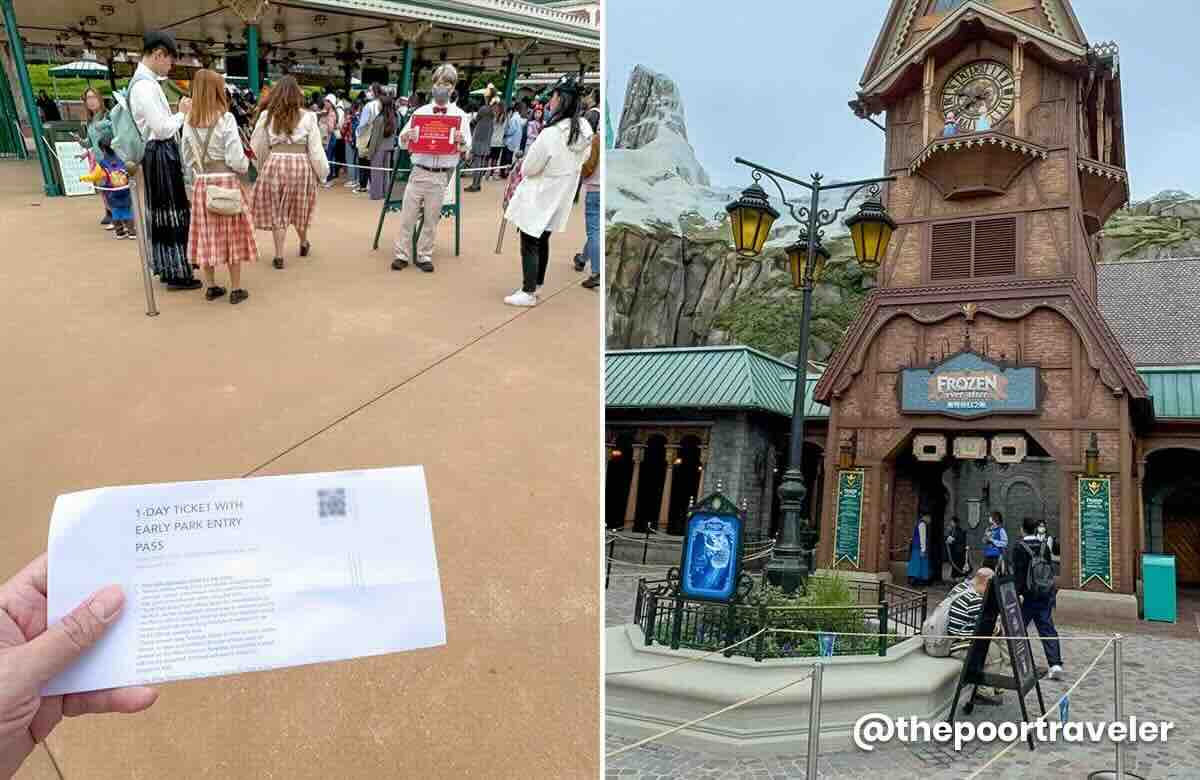
The Early Park Entry Pass allows you to enter Hong Kong Disneyland up to one hour prior to the official opening time, giving you an opportunity to experience the popular areas, such as the World of Frozen and Fantasyland, before the general crowd rushes in.
During this time, you can enjoy the following attractions:
Cinderella Carousel
Dumbo the Flying Elephant
The Many Adventures of Winnie the Pooh
Frozen Ever After
Wandering Oaken’s Sliding Sleighs
Disney Premier Access
Meanwhile, Disney Premier Access serves as a fast pass that will give you one-time priority entry or allow you to skip the lines at select attractions and/or give you access to designated viewing areas for select shows, depending on the package you avail. If you want to secure a perfect viewing spot for the “Momentous: Party in the Night Sky”, you can purchase a package that covers this show/experience.
Walk-in vs Online Purchase
You can purchase your tickets at the Hong Kong Disneyland Park’s Main Entrance Ticket Booths and Guest Relations, but it is highly recommended and more convenient to get your tickets in advance online. Guests are also required to make a reservation for their park visit after purchasing tickets. We’ll discuss how to make a reservation in the next section of this article. For discounted tickets, book by clicking the link below.
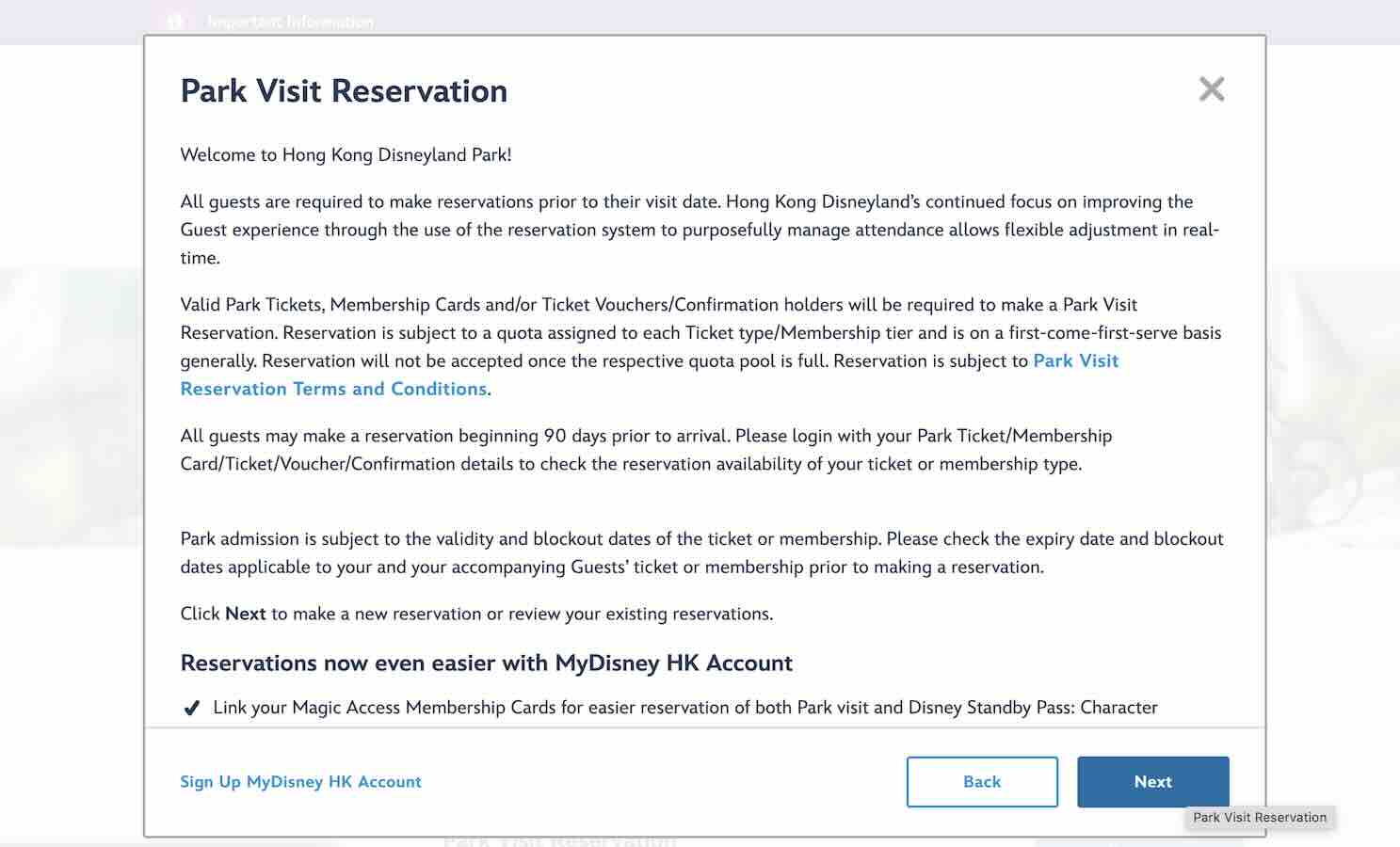
Once you’ve purchased a ticket, you need to make a reservation for your visit date on Disneyland Hong Kong’s official website. This is a requirement for all guests. However, if you book through third-party merchants like Klook or KKDay, park visit reservations might already be included in the package. So make sure to read the package details carefully when you book a ticket to find out whether or not you need to make a reservation on Disneyland’s website.
You can make a reservation as early as 90 days prior to your intended date of visit. This is Hong Kong Disneyland’s measure to manage the number of people entering the park on any given day. Once their quota is full, reservations will be closed. Those who don’t have a prior reservation may be refused entry into the park once the full capacity is reached.
Photo Credit: Hong Kong Disneyland Official Website
Here’s how you can make a reservation:
Visit Disneyland’s reservation website. Click “Next” to start your registration.
Create a MyDisney HK account by clicking the “Create Account” button. Then, enter the following details: Last Name, First Name, Birthday, Place of Residence, Mobile Number, Email Address, and Password. Once you’re done, agree to the terms of use and click “Create Account”.
Once you’re account is set up, go back to the park reservation page. Click “Reserve”.
On the Ticket Registration page, click “Register Now”. Select the admission type and enter your ticket reference number.
Choose your preferred date. Finally, confirm your reservation.
How to Get to Hong Kong Disneyland
With Hong Kong’s efficient transportation system, getting to Disneyland is easy peasy. When taking public transportation, you have the option to take the bus or the train. To help you navigate, you can easily use Google Maps or the MTR app or website. For reference, here’s how you can get to Hong Kong Disneyland from the airport, Central, and Tsim Sha Tsui.
From the Airport
Via Airport Express
Board the train at Airport Platform 2 towards Hong Kong.
Get off at Tsing Yi Station and transfer to Tung Chung Line. Hop on the train at Platform 3 towards Tung Chung.
Get off at Sunny Bay Station. Transfer to Disneyland Resort Line on Platform 3.
Alight at Disneyland Resort Station.
Via Bus
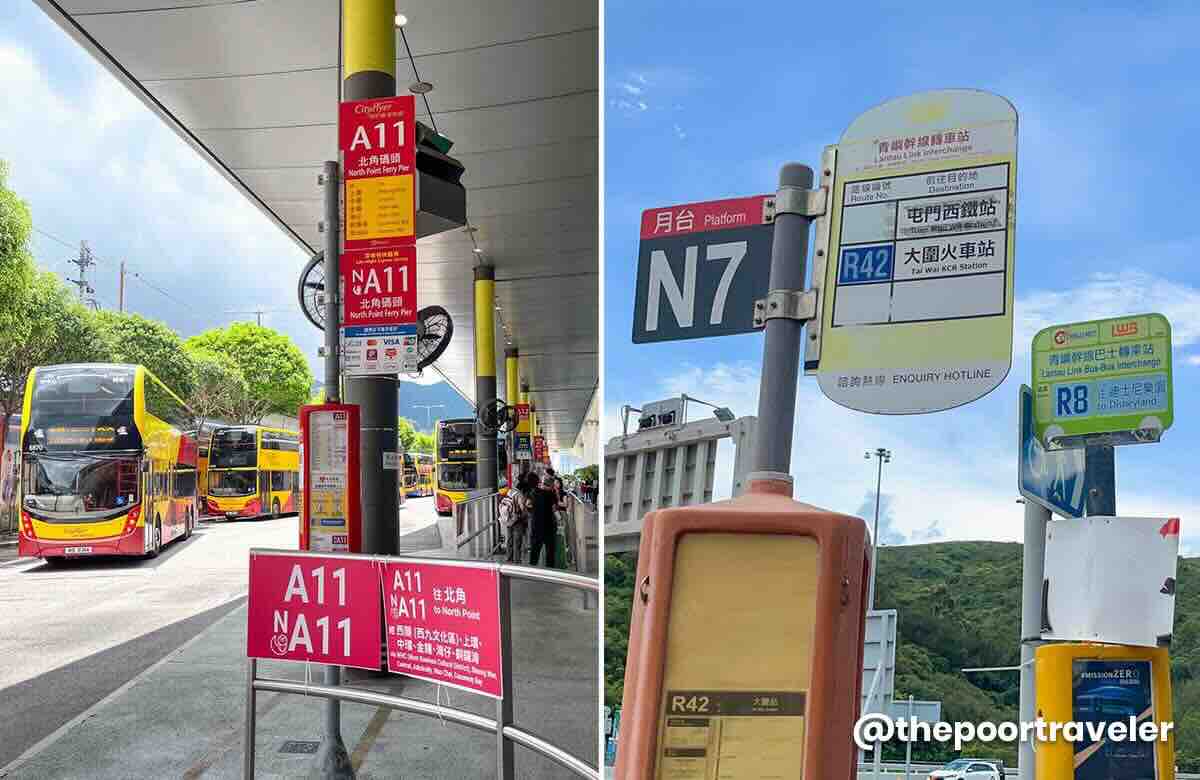
At the Airport Ground Transportation Centre, board a bus bound for Lantau Link Bus – Bus Interchange. These are bus routes that starts with ‘A’, serviced by CityBus or Long Win Bus. During our trip, we hopped on the A11 bus.
Alight at Lantau Link Bus – Bus Interchange. This is two stops away from the airport.
Board the R8 bus to Hong Kong Disneyland. The bus stop for the R8 bus is at the far end of the interchange, near the stairs going to the underpass.
Get off at Hong Kong Disneyland stop.
From Central
Via MTR
Get on the Tung Chung Line at Hong Kong Station. Board the train at Platform 3 or 4 towards Tung Chung.
Alight at Sunny Bay Station and transfer to the Disneyland Resort Line.
Ride the train at Sunny Bay Station Platform 3 and hop off at Disneyland Resort Station.
From Tsim Sha Tsui
Via MTR
Board the Tsuen Wan Line at Tsim Sha Tsui Station. Hop on the train at Platform 1 towards Tsuen Wan.
Alight at Lai King Station, then transfer to a Tung Chung-bound train on the Tung Chung Line.
Get off at Sunny Bay Station. Transfer to the Disneyland Resort Line and board a train to Disneyland Resort Station.
Hong Kong Disneyland Opening Hours
Hong Kong Disneyland’s usual operating schedule is 10:00AM to 9:00PM. However, opening hours varies depending on different factors. To know the exact park opening hours on your intended time of visit, you may check Disneyland’s park calendar.
Things to Do at Hong Kong Disneyland
Hong Kong Disneyland has eight themed areas that you can explore: Main Street, U.S.A., Tomorrowland, Fantasyland, World of Frozen, Adventureland, Toy Story Land, Mystic Point, and Grizzly Gulch. Each zone has rides, attractions, shops, and food spots that you can try and check out during your visit. Here’s a rundown of what you will find in each zone.
Main Street, U.S.A.
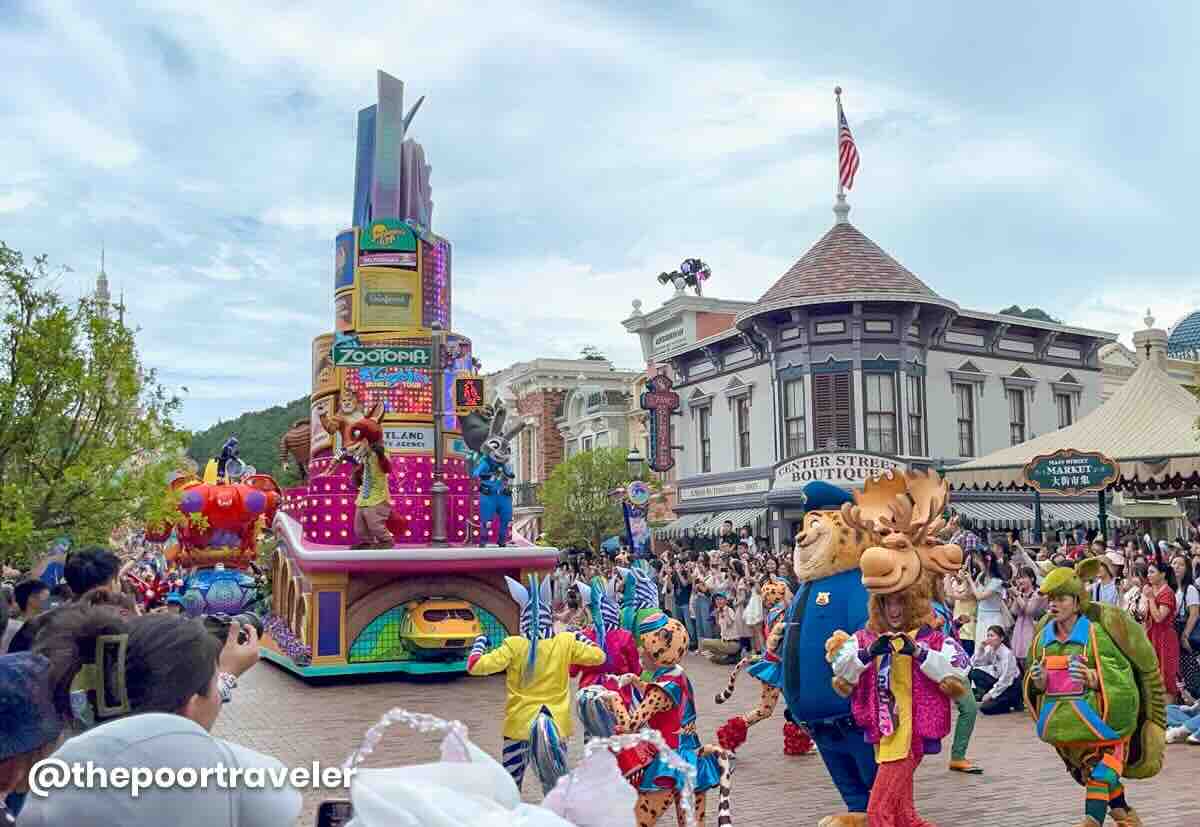
This zone welcomes you as you enter the park. Along this street is where you can catch the “Friendtastic!” Parade, where you will see many Disney characters parading on floats and cast members dancing along.
Attractions & Experiences
Art of Animation
Animation Academy
Main Street Vehicles
Hong Kong Disneyland Railroad – Main Street Station
Tomorrowland
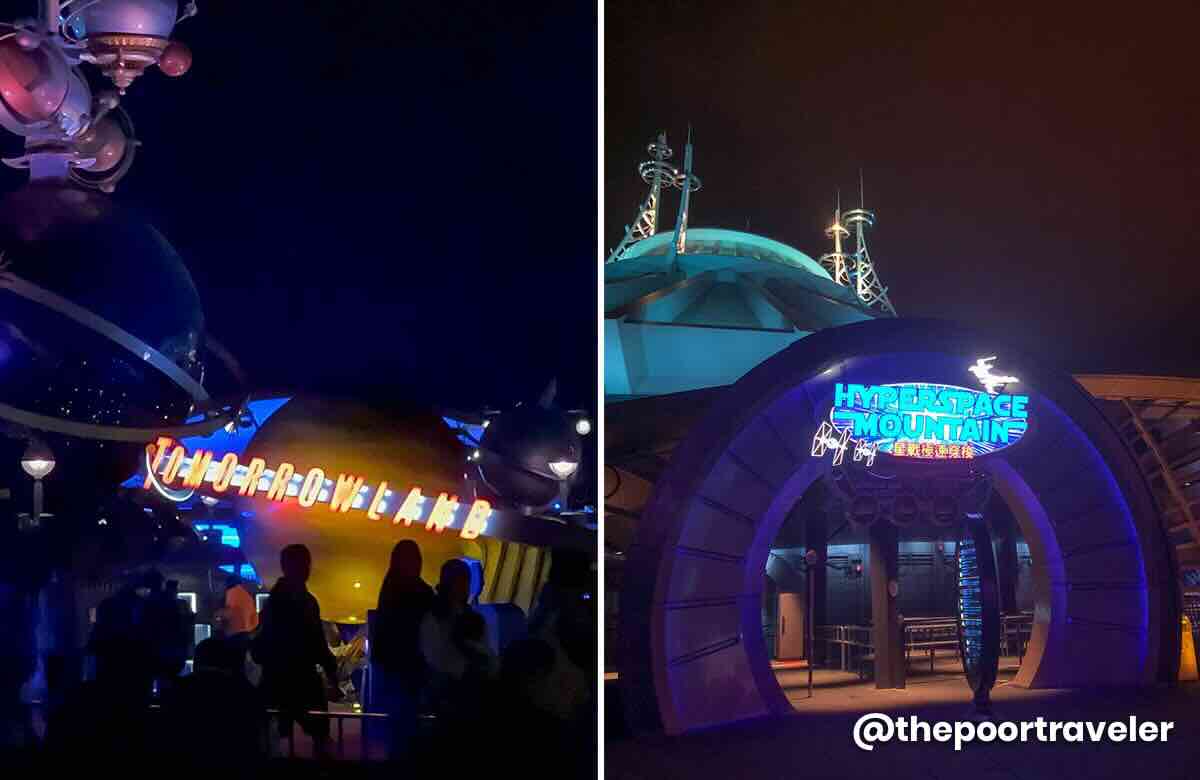
Tomorrowland is Disneyland’s futuristic zone. This is where sci-fi themed attractions and rides are located. If you’re a marvel or star wars fan, this is the zone for you!
Rides & Attractions
Hyperspace Mountain
Ant-Man and the Wasp: Nano Battle!
Iron Man Experience
Iron Man Tech Showcase
Fantasyland
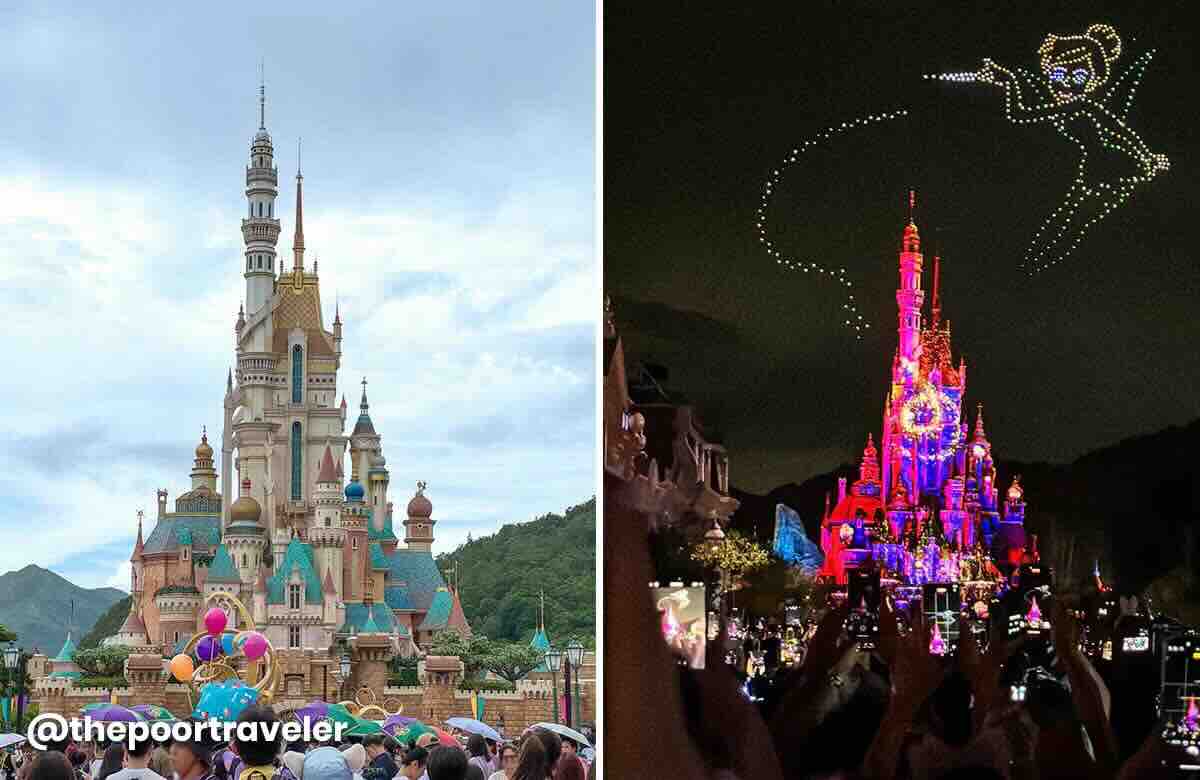
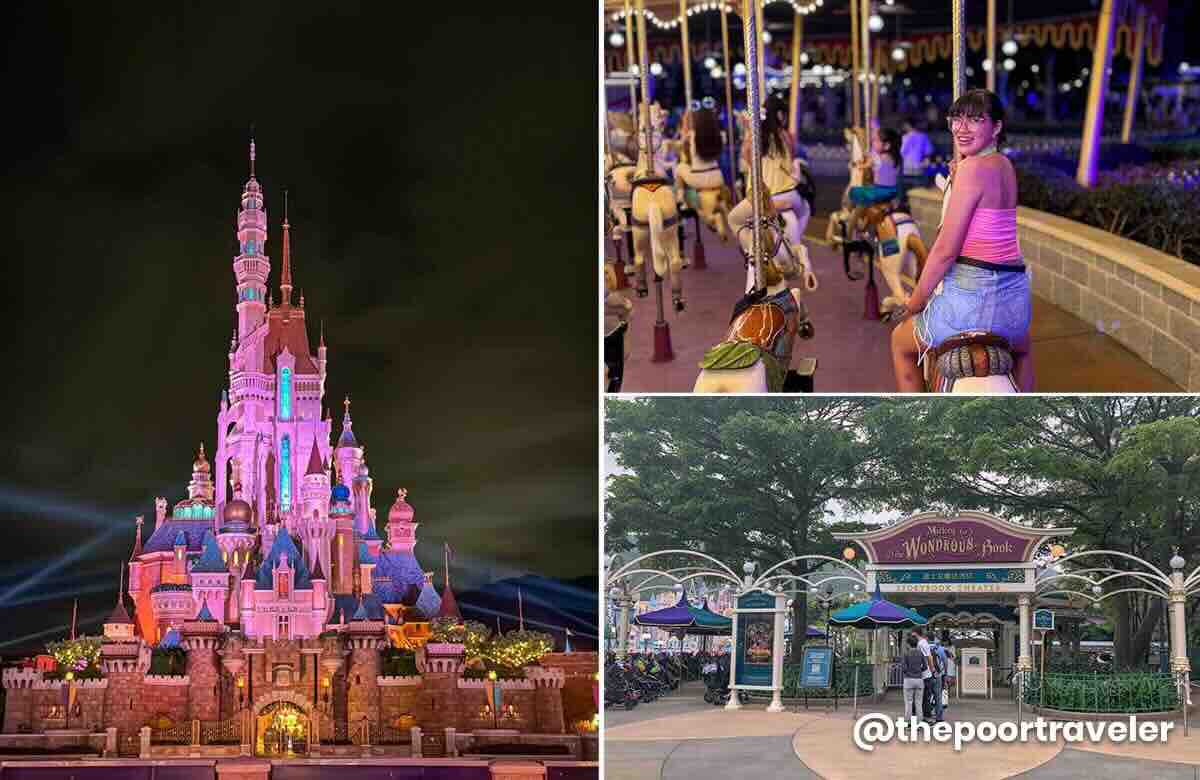
This is where your fairytale dreams will come true at Disneyland. Towering over this zone is the most iconic structure in Disneyland — the Castle of Magical Dreams. Surrounding the castle are rides and attractions inspired by classic Disney characters.
Rides & Attractions
Mad Hatter Tea Cups
The Many Adventures of Winnie the Pooh
Cinderella Carousel
Dumbo the Flying Elephant
Mickey’s PhilharMagic
It’s a Small World
Mickey and the Wondrous Book
Fairy Tale Forest
Fantasy Gardens
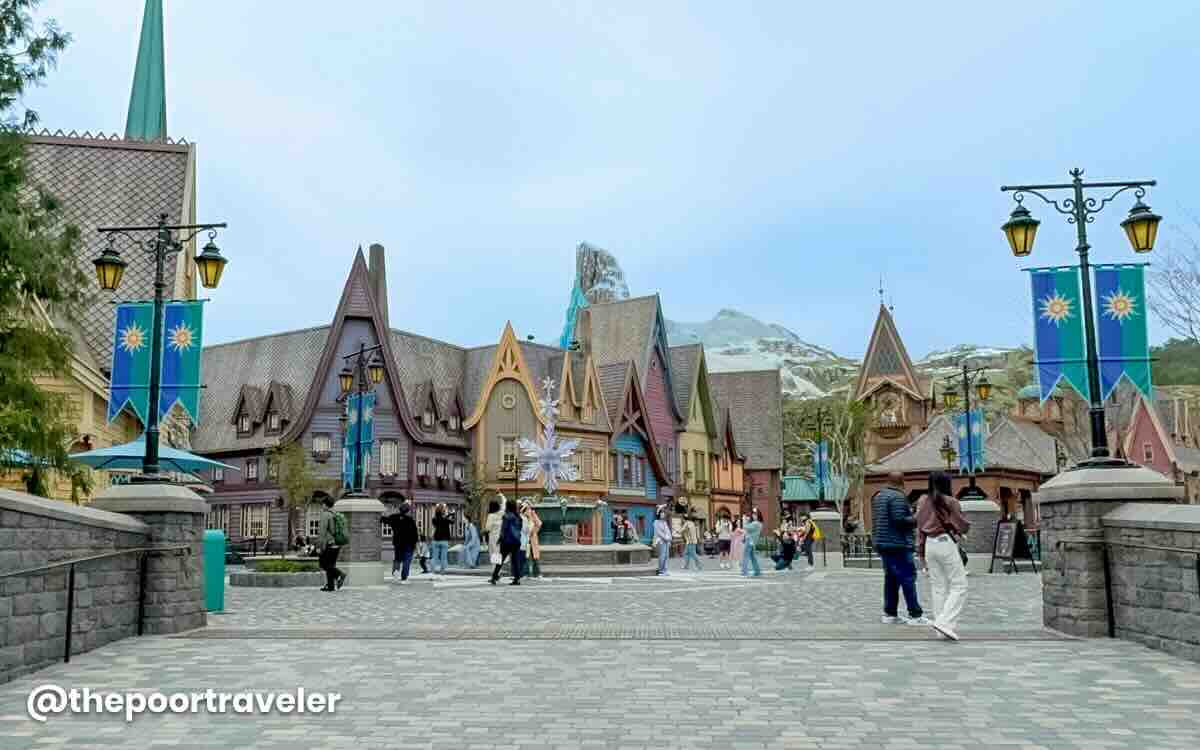
World of Frozen
Hong Kong Disneyland’s newest themed zone is the World of Frozen. When you enter this zone, you’ll feel like you are transported to Arendelle. This is also one of the most, if not the most, popular zones in Hong Kong Disneyland right now, so expect longer wait times on the frozen rides.
Rides & Attractions
Frozen Ever After
Wandering Oaken’s Sliding Sleighs
Playhouse in the Woods
Adventureland
Adventureland is an island-themed area. There are a few rides and attractions located here including shows you can watch.
Rides & Attractions
Jungle River Cruise
Moana: A Homecoming Celebration
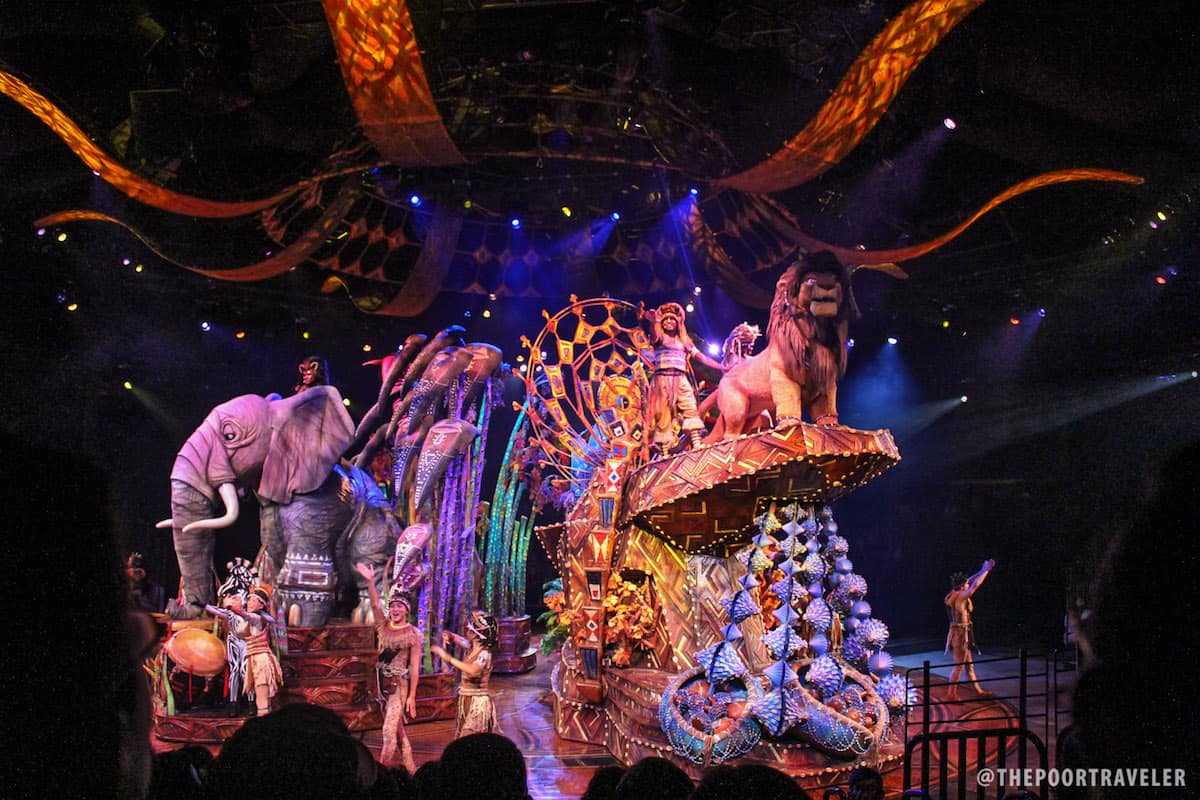
Festival of the Lion King
Liki Tikis
Toy Story Land
Here in Toy Story Land, Andy’s toys come to life. Not only are the rides toy-themed, but this whole area is also decorated with toys from the famous Disney franchise. You’ll even get to meet toy soldiers walking around this zone!
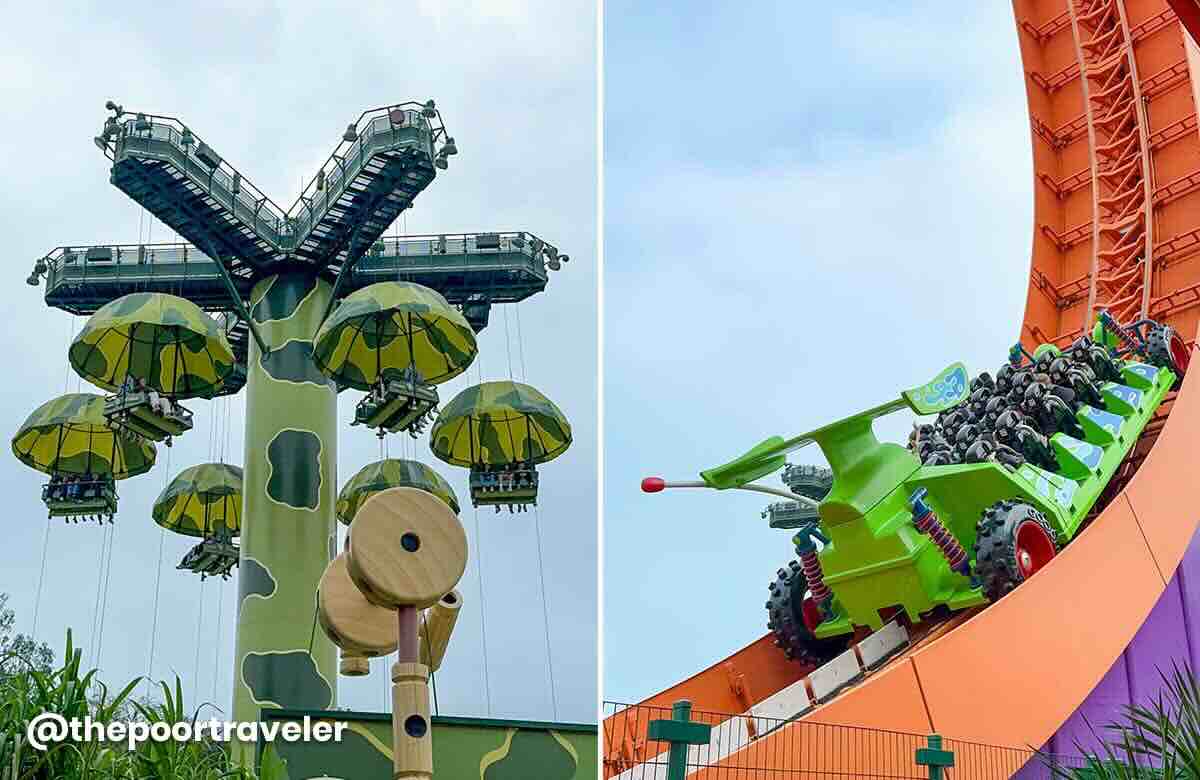
Toy Soldier Parachute Drop (Left) and RC Racer (Right)
Rides & Attractions
RC Racer
Toy Soldier Parachute Drop
Slinky Dog Spin
Barrel of Fun
Mystic Point
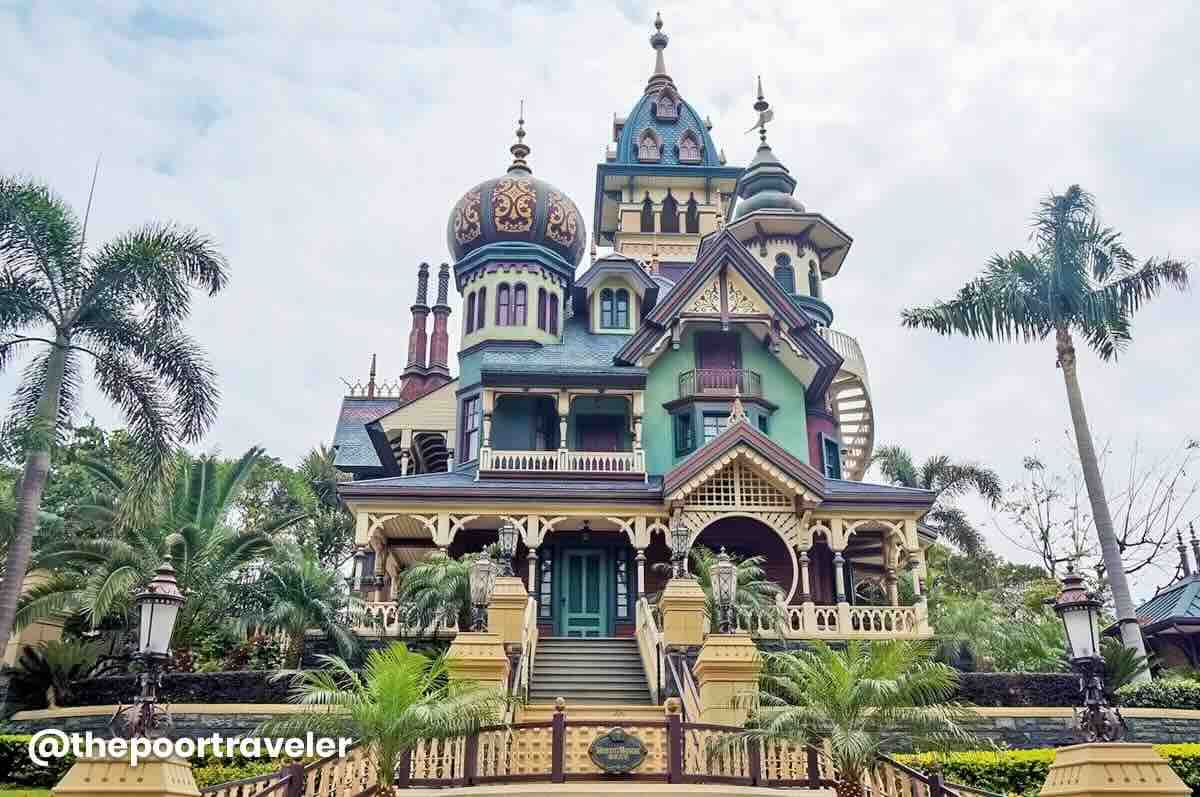
Mystic Point is a section exclusively made for Hong Kong Disneyland. It is home to Mystic Manor, which, for us, is one of the park’s best attractions. On this ride, you’ll learn about the story of Mystic Manor and meet a monkey named Albert.
Rides & Attractions
Mystic Manor
Garden of Wonders
Mystic Point Freight Depot
Grizzly Gulch
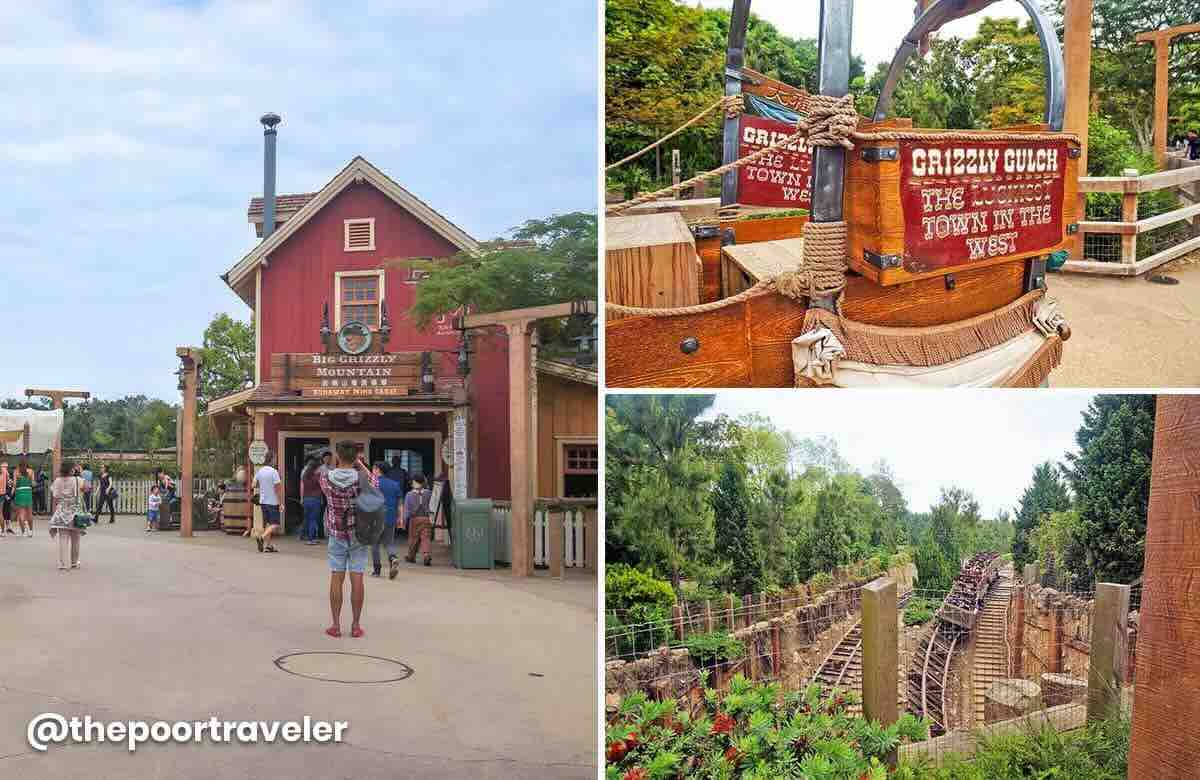
This zone is inspired by the American frontier or the Old West similar to the Frontierland in Disneyland in Anaheim, California. In Hong Kong Disneyland, Grizzly Gulch is home to only one ride — a thrilling rollercoaster-type that will take you around a mountain and a gold mine.
Rides & Attractions
Big Grizzly Mountain Runaway Mine Cars
Geyser Gulch
Wild West Photo Fun
Most Popular Rides
If you’re visiting Hong Kong Disneyland for the first time and you’re looking for recommendations for rides you shouldn’t miss, here are the most popular attractions in the park.
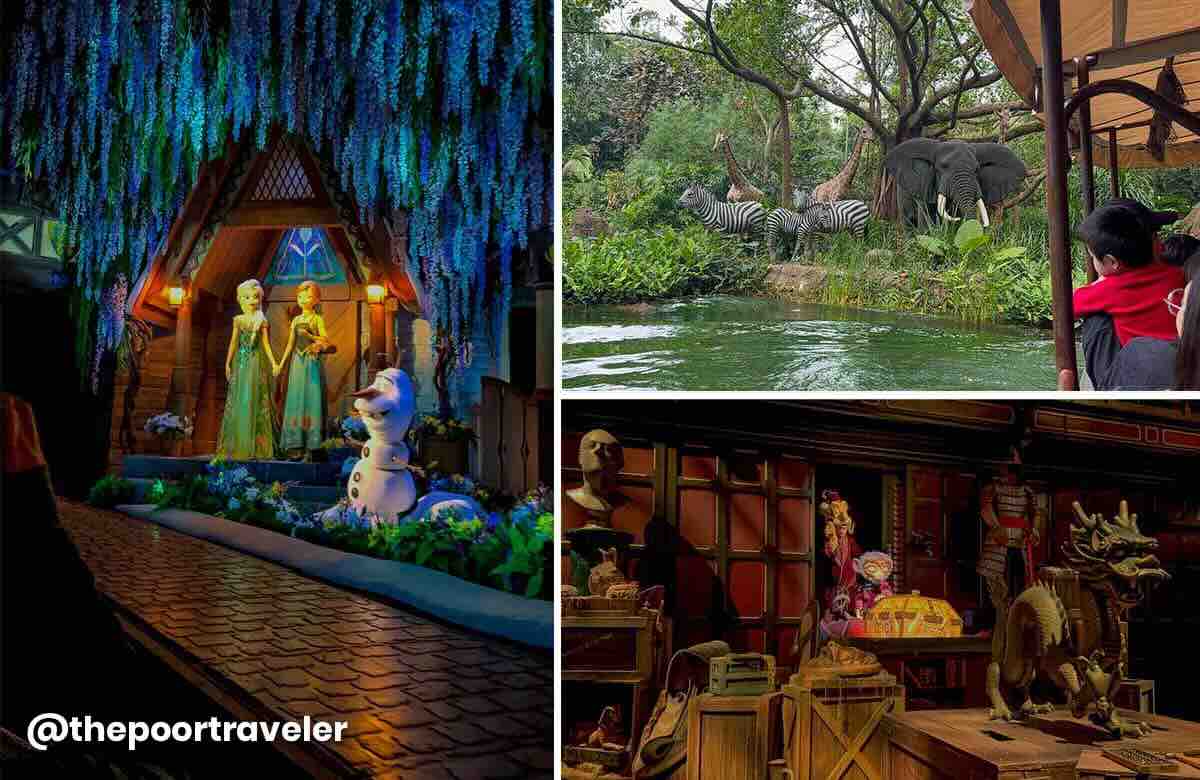
Frozen Ever After (Left), Jungle River Cruise (Top Right), and Mystic Manor (Bottom Right)
Frozen Ever After
Location: World of Frozen Type: Indoor Reminder! Children below 7 years old must be accompanied by a person 16 years old and above. Pregnant women should not ride.
Mystic Manor
Location: Mystic Point Type: Indoor Reminder! Children below 7 years old must be accompanied by a person 16 years old and above.
Big Grizzly Mountain Runaway Mine Cars
Location: Grizzly Gulch Type: Outdoor, Thrill Reminder! Not recommended for: (1) guests with high blood pressure, heart, back or neck problems, motion sickness, or other conditions; (2) guests with a height of 112cm and below; (3) pregnant women. Children below 7 years old must be accompanied by a person 16 years old and above.
Hyperspace Mountain
Location: Tomorrowland Type: Indoor, Thrill Reminder! Not recommended for: (1) guests with high blood pressure, heart, back or neck problems, motion sickness, or other conditions; (2) guests with a height of 102cm and below; (3) pregnant women. Children below 7 years old must be accompanied by a person 16 years old and above.
Iron Man Experience
Location: Tomorrowland Type: Indoor Reminder! Not recommended for: (1) guests with high blood pressure, heart, back or neck problems, motion sickness, or other conditions; (2) guests with a height of 102cm and below; (3) pregnant women. Children below 7 years old must be accompanied by a person 16 years old and above.
RC Racer
Location: Toy Story Land Type: Outdoor, Thrill Reminder! Not recommended for: (1) guests with high blood pressure, heart, back or neck problems, motion sickness, or other conditions; (2) guests with a height of 120cm and below; (3) pregnant women. Children below 7 years old must be accompanied by a person 16 years old and above.
Toy Soldier Parachute Drop
Location: Toy Story Land Type: Outdoor, Thrill Reminder! Not recommended for: (1) guests with a height of 81cm and below; (2) pregnant women. Children below 7 years old must be accompanied by a person 16 years old and above.
It’s a Small World
Location: Fantasyland Type: Indoor Reminder! Children below 7 years old must be accompanied by a person 16 years old and above.
Jungle River Cruise
Location: Adventureland Type: Outdoor Reminder! Children below 7 years old must be accompanied by a person 16 years old and above.
Other Activities
Parades and Shows. Parades and shows will complete your magical experience in Disneyland, so you shouldn’t miss them. Among the shows you should watch is the Disney Friends Live: Party at the Castle, which happens at the Castle Stage multiple times throughout the day. You can also see more Disney characters at the “Friendtastic!” Parade along Mainstreet, U.S.A. The parade happens twice daily (1:00 PM and 5:15 PM). And of course, the highlight show of Hong Kong Disneyland is Momentous: Party in the Night Sky, which happens at 8:30 PM and is the best end to your Disneyland adventure.
Meet Disney Characters. If you want to get up close to your favorite Disney character, you can meet them during character greetings. You can interact and take photos with them at designated areas around the park. Keep in mind that these usually have specific schedules too, so you’ll need to check the schedule first. Check the Hong Kong Disneyland app for the schedule and location of the character experiences.
Souvenir Shopping. During your trip, if you want to grab a souvenir for yourself and pasalubong for your loved ones, there are multiple shops throughout the park. Along Main Street, you’ll find a few stores you can go to for different Disney merchandise. Each themed zone and some attractions also has their own souvenir stores.
Where to Eat
When you get hungry while you’re at the park (and for sure, you will), there are many food options available. You’ll find various restaurants, food stalls, snack carts, and cafes to choose from. But keep in mind that, like other theme parks and tourist destinations, food and drinks in Hong Kong Disneyland are on the pricier side. If you’re on a budget and still want to complete your Disneyland experience, grab a snack or two!
Marvel Burger Meal (Left) and Two-Piece Fried Chicken Meal (Right)
Another experience you can add to your Disneyland adventure is the Arendelle Royal Breakfast Buffet. Here, you’ll enter the park an hour earlier to enjoy breakfast at World of Frozen. If you or your kids are Frozen fans, this is the best addition because you’ll also get to meet Anna and Elsa and the Royal Arendellian Troubadours. You can book this breakfast buffet and other dining packages by following the link below.
Here’s a list of restaurants and cafés across the park and their location. This includes quick service or fast-food type restaurants and table service or casual dining. There are also various food kiosks or outdoor carts in different zones, so if you’re in need of a quick snack, it won’t be hard to find.
Table Service/Casual Dining Restaurants
Main Street Corner Cafe Location: Main Street, U.S.A.
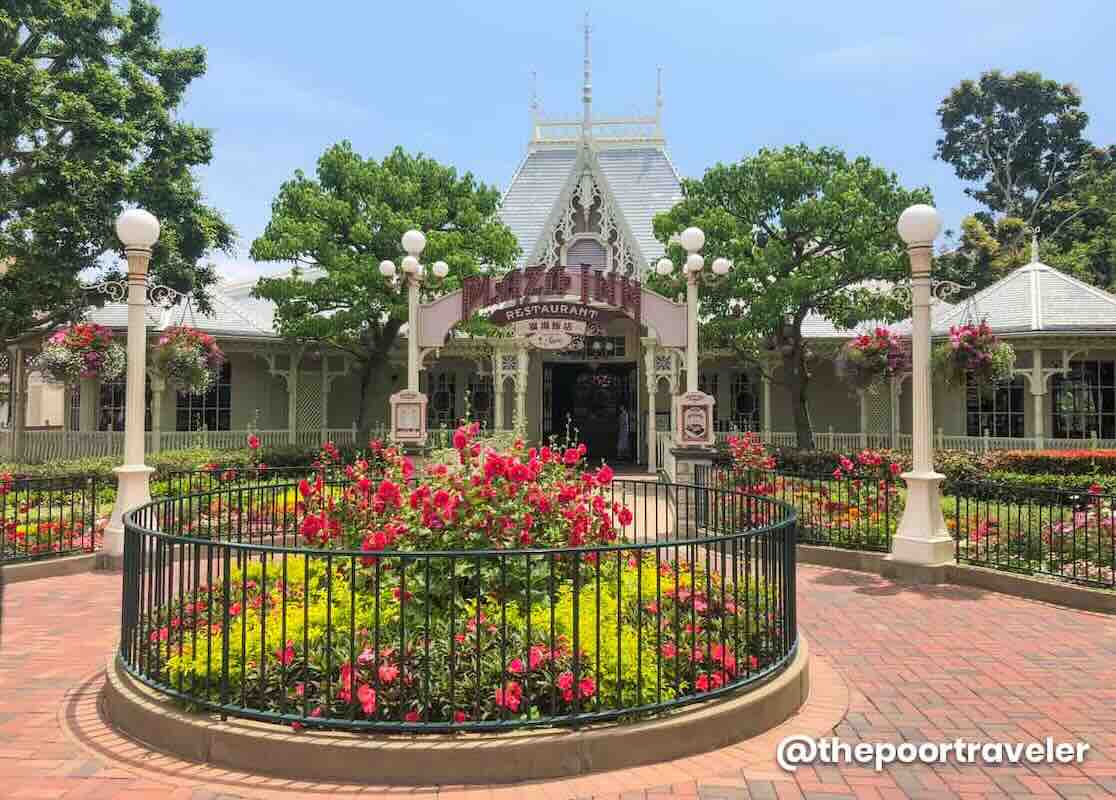
Plaza Inn Location: Main Street, U.S.A.
Explorer’s Club Restaurant Location: Mystic Point
River View Cafe Location: Adventureland
Quick Service/Fast Food Restaurants
Main Street Bakery Location: Main Street, U.S.A.
Market House Location: Main Street, U.S.A.
Comet Cafe Location: Tomorrowland
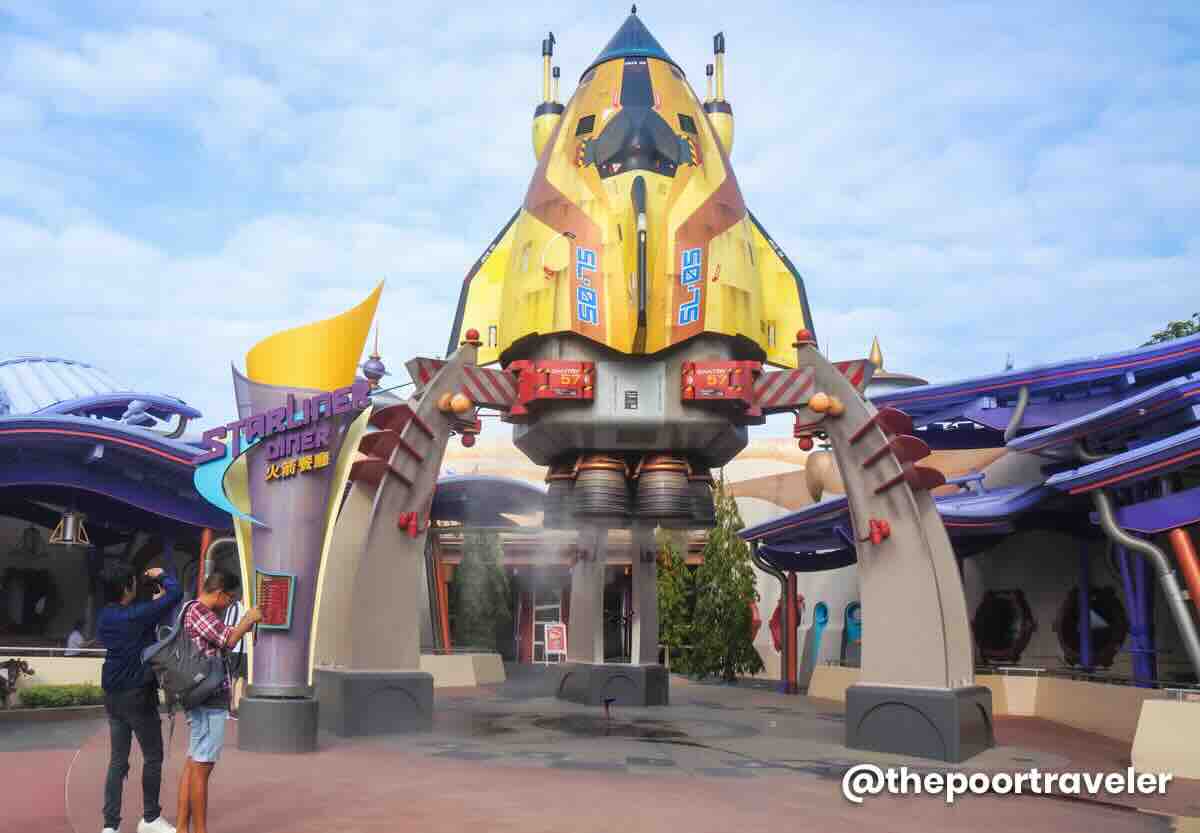
Starliner Diner Location: Tomorrowland
Golden Crocus Inn Location: World of Frozen
Tahitian Terrace Location: Adventureland
Royal Banquet Hall Location: Fantasyland
Clopin’s Festival of Food Location: Fantasyland
Other Tips and Reminders
To help ensure that you can make the most out of your trip, here are some tips and reminders to help you plan your trip.
Check the park calendar before your trip. Disneyland’s opening hours often vary. Before your trip, make sure to double-check the park calendar to see the park hours, especially if you plan on being there as soon as it opens.
Download the Hong Kong Disneyland App. This app has everything you will need during your Disneyland visit. It has a map where you can find the locations of restaurants, shops, bathrooms, and of course, the attractions. But aside from the location, you can also see the wait times of each attraction in real time, which can help you decide which attraction to go to next. Schedules of shows and parades are also available. You can even purchase a Disney Premiere Access Pass for attractions on the app if you decide last minute.
Avail Early Park Entry Pass or Disney Premiere Access Pass. If you think you won’t have enough time to explore Disneyland with a regular ticket during regular park hours, you can avail of these add-ons to maximize your time.
Bring a reusable water bottle. As mentioned earlier, food and beverages at the park are on the pricey side. A bottled water or soda, for example, is usually HK$ 30. To save money, bring a reusable water bottle and refill it at the drinking fountains across the park.
Wear Comfortable Clothing. Let this be your warning: you’ll do A LOT of walking. Keep your feet from hurting and avoid blisters by wearing your most comfortable shoes. If you’re visiting during summer, wear light clothing and don’t forget to use sun protection too! And if your visit is during the rainy season, make sure to bring a rain jacket with you.
For an even more magical Disney experience, book your stay at one of the Disney hotels at Hong Kong Disneyland Resort. These are the three hotels to choose from:
Where to Stay in Hong Kong
Outside of Disneyland, the closest area to Disneyland is Tung Chung and Hong Kong SkyCity. These areas are also near the airport. However, if you’re also exploring other parts of Hong Kong during your trip, you may also consider other areas like Tsim Sha Tsui or Central.
For more details about different areas to stay in Hong Kong, you can check out our Where to Stay in Hong Kong article. But you may also check out these top accommodations in Hong Kong based on online user reviews for recommendations.
Getting a travel insurance is optional, but we highly recommend this, especially when traveling abroad. Travel can be unpredictable, and though we hope we’ll never use it, having it gives us peace of mind in case of unexpected delays, cancellations, or emergencies.
For international destinations, consider PGA Sompo’s TravelJOY Plus insurance. You can GET IT HERE. Don’t forget to use WORTHIT for a special affordable rate.
Updates Log
2025 7 30 – First uploaded
Photos by: Mariah Cruz, Yosh Dimen, and Asta Alvarez
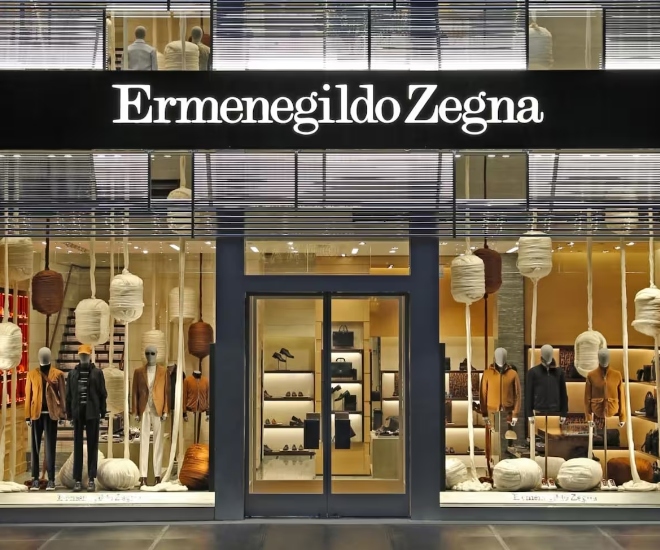
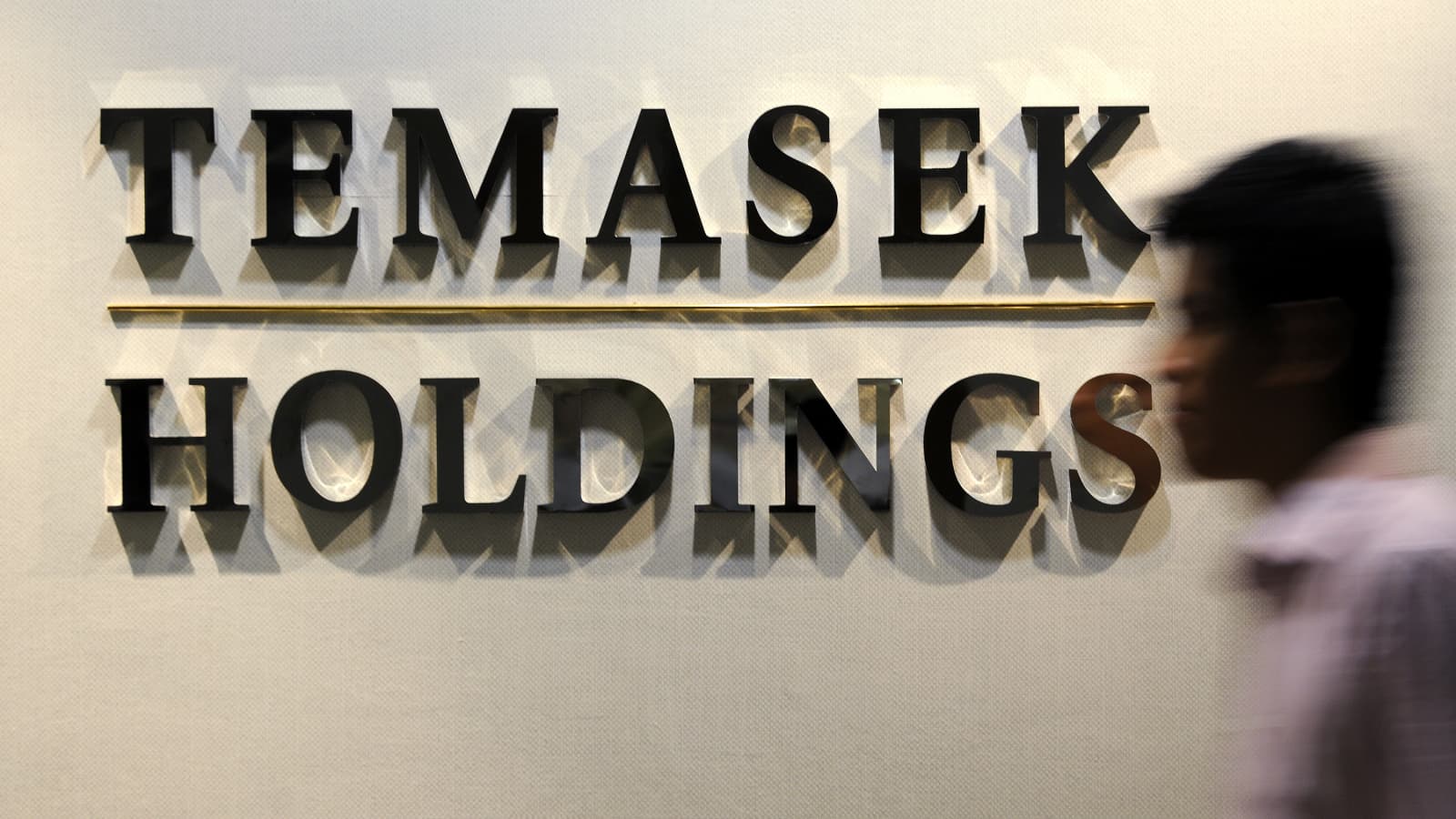
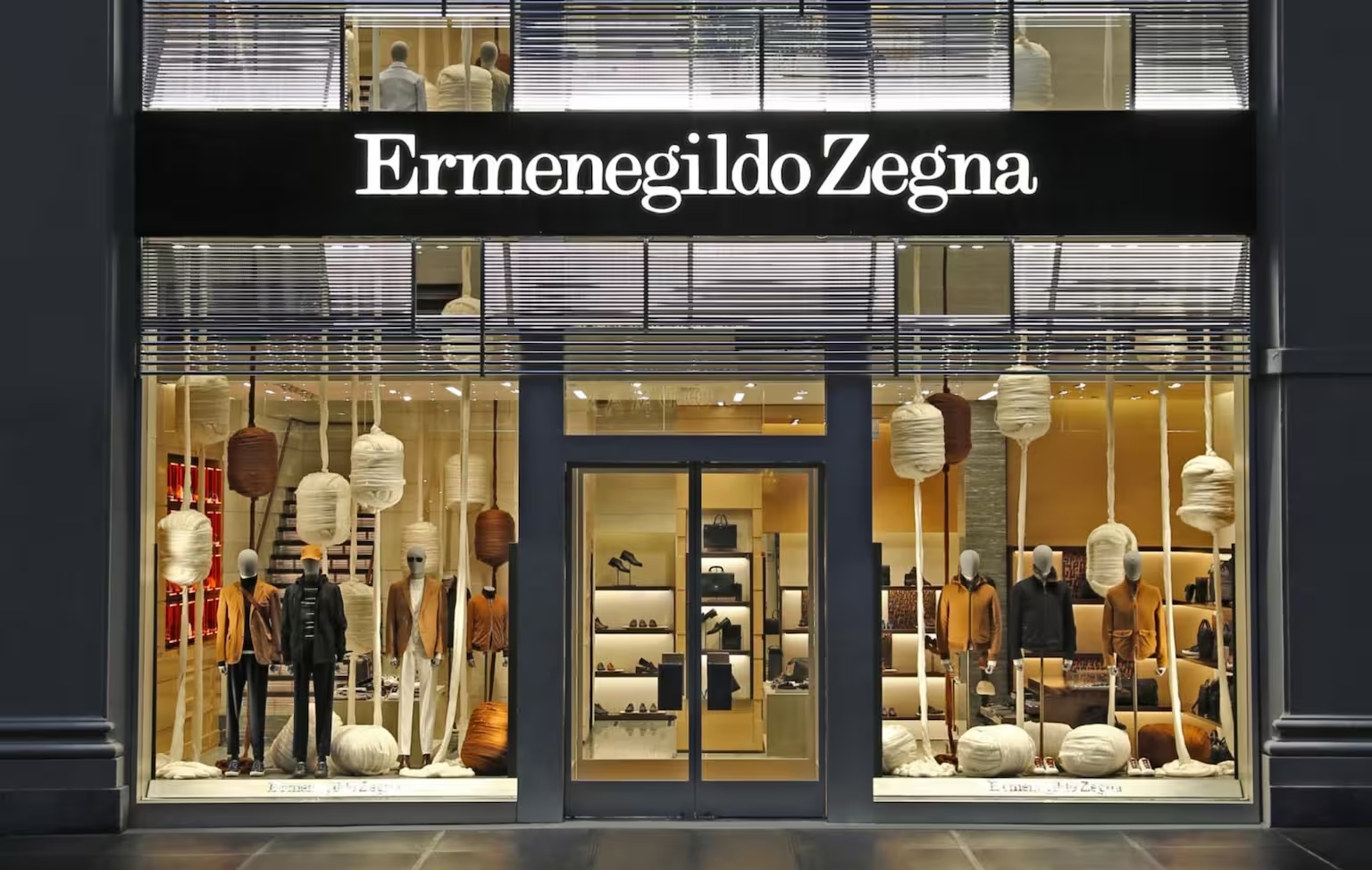
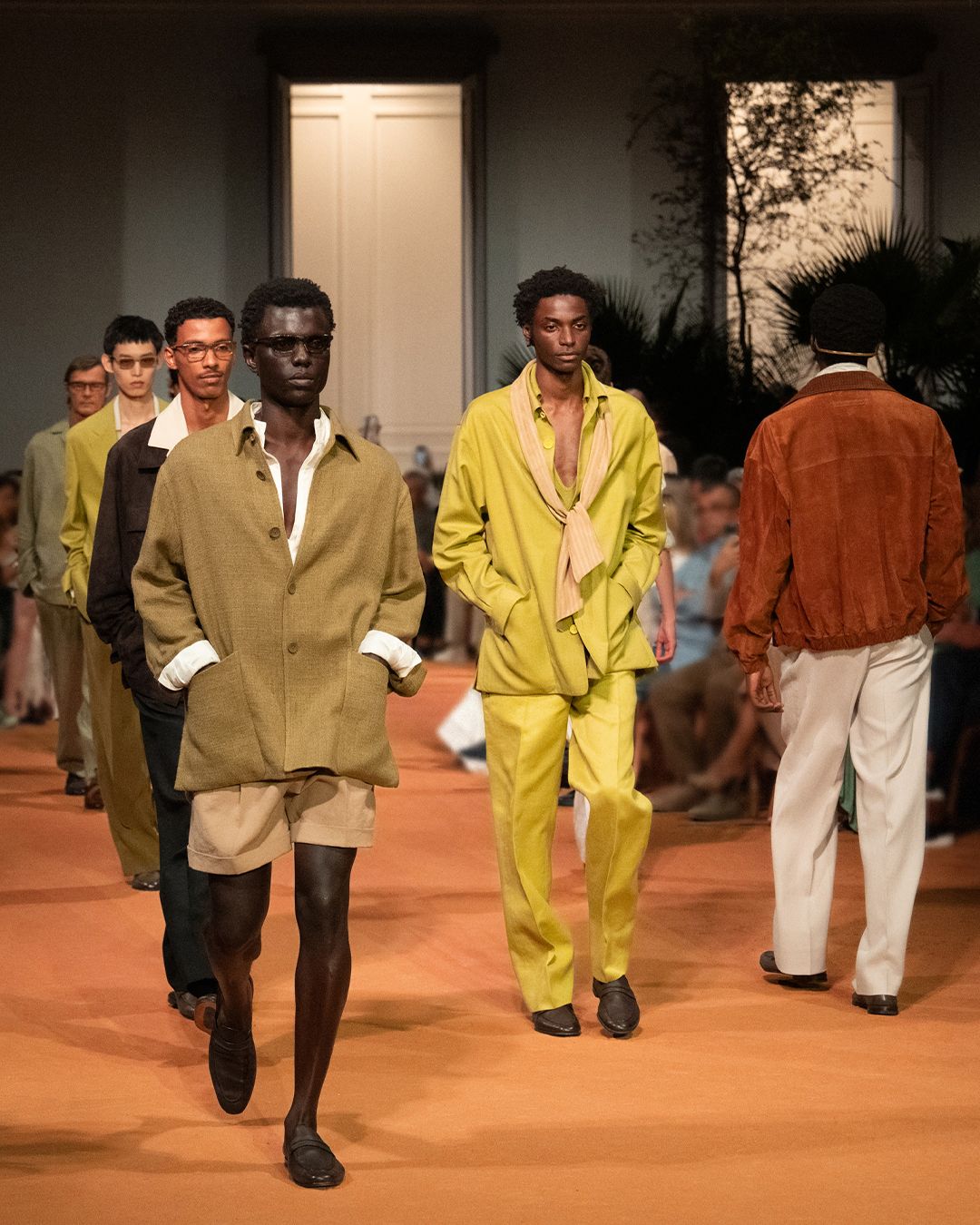
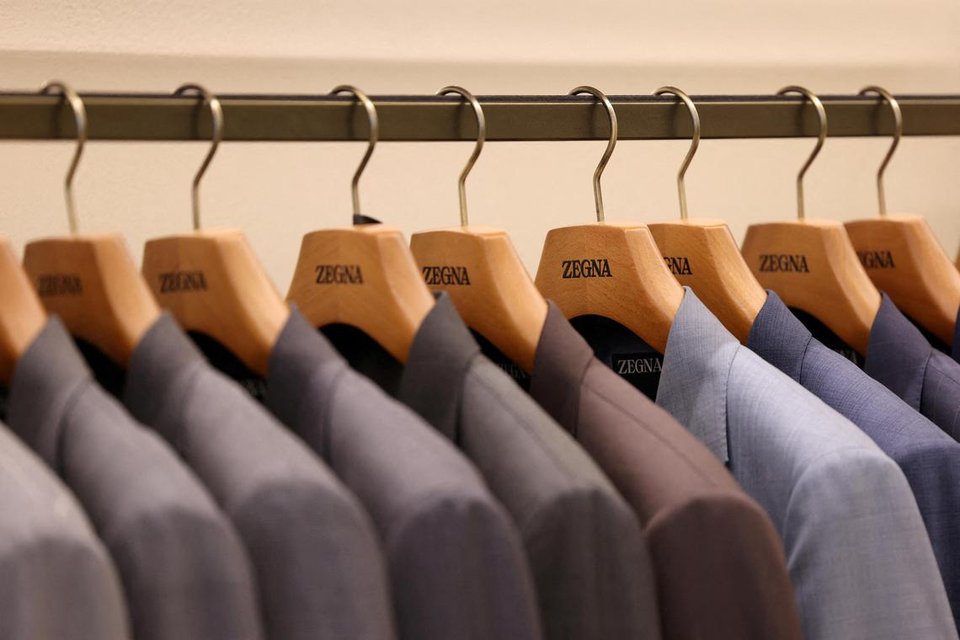
Temasek Holdings has acquired a 10 percent minority stake in the Ermenegildo Zegna Group, the parent company of luxury menswear brand Zegna, Thom Browne and Tom Ford Fashion. The deal involves the purchase of 14.1 million shares at USD 8.95 per share, amounting to approximately USD 126.4 million (or SGD 162.9 million). This brings Temasek’s total holdings in the group to 26.8 million shares, following a previous acquisition of 12.7 million shares, now collectively representing 10 percent ownership.
The transaction is set to close by 30 July 2025. The partnership aims to accelerate Zegna Group’s global expansion and retail growth, with Temasek contributing its experience in luxury and knowledge of the Asian market.
One possible reason Temasek Holdings is exploring fashion investments in the region could be the valuation opportunities created by global market volatility — particularly after disruptions like US President Donald Trump’s trade war, which made several luxury and consumer-facing companies more attractive due to depressed stock prices.
Proceeds from the transaction will be used to strengthen Zegna’s balance sheet and support expansion into new markets — particularly in Asia — where Temasek’s regional expertise is expected to play an important role, the statement read.
Nagi Hamiyeh — head of Europe, Middle East and Africa — at Temasek will join Zegna Group’s board as a non-executive director. As of March 2025, Temasek’s portfolio is valued at SGD 434 billion. Temasek has a history of fashion investments — including Moncler in 2016, a stake in Farfetch in a USD 110 million around that same year and a 30 percent share in Stone Island in 2017 (later sold to Moncler in 2020).
Gildo Zegna — Chairman and CEO — characterised Temasek’s partnership as a strong vote of confidence in the company’s long-term vision and growth ambitions. He emphasised that the collaboration reinforces Zegna’s role as a guardian of genuine luxury heritage.
“With Temasek on board, we’re in a stronger position to accelerate our global expansion,” Zegna said, reaffirming that the company remains firmly under family leadership. “The business is not for sale, and that will not change,” he stated.
For more on the latest in global economic and business reads, click here.
The technical storage or access is strictly necessary for the legitimate purpose of enabling the use of a specific service explicitly requested by the subscriber or user, or for the sole purpose of carrying out the transmission of a communication over an electronic communications network.
Preferences
The technical storage or access is necessary for the legitimate purpose of storing preferences that are not requested by the subscriber or user.
Statistics
The technical storage or access that is used exclusively for statistical purposes.The technical storage or access that is used exclusively for anonymous statistical purposes. Without a subpoena, voluntary compliance on the part of your Internet Service Provider, or additional records from a third party, information stored or retrieved for this purpose alone cannot usually be used to identify you.
Marketing
The technical storage or access is required to create user profiles to send advertising, or to track the user on a website or across several websites for similar marketing purposes.


:max_bytes(150000):strip_icc()/tal-10-items-professional-hikerscampers-never-forget-to-pack-tout-86b51a39ce7c474a9195bfc52bd74644.jpg "10 Hiking Essentials Experts Never Trek Without")
:max_bytes(150000):strip_icc():format(jpeg)/tal-10-items-professional-hikerscampers-never-forget-to-pack-tout-86b51a39ce7c474a9195bfc52bd74644.jpg)