Lamborghini has announced its financial results for the first half of 2025. The company registered its best-ever H1 sales with 5,681 cars delivered between January and June 2025.
Lamborghini sales rose 2% compared to the same period in 2024. The company’s turnover stood at €1.62 billion, while its operating profit reached €431 million.
If you look at the region-wise sales, Lamborghini sold 2,708 units in Europe, the Middle East and Africa (EMEA). 1,732 units were delivered to the Americas, while 1,241 units were sold in the Asia Pacific region (APAC).
Stephan Winkelmann, Chairman and CEO of Automobili Lamborghini, said, “The results from the first six months of 2025 are solid despite global economic and political instability, confirming that the decision to hybridize the entire range was the right one. The success of the Revuelto and Urus SE demonstrates that our vision is shared by our customers, and we now look forward to the market launch of the Temerario, which will complete the first fully hybrid range in the segment.”
Ex-Mercedes Formula 1 driver and Lewis Hamilton’s former teammate Valtteri Bottas recently took delivery of his Alfa Romeo 33 Stradale. He was later spotted driving his new supercar around Monaco.
In its social media post, Alfa Romeo said, “A dream, delivered. We had the honor of handing over the keys of the Alfa Romeo 33 Stradale to Valtteri Bottas. A unique piece, personally customized by him — the result of a journey we proudly completed together. Let’s keep dreaming, Valtteri.”
The new Alfa Romeo 33 Stradale draws inspiration from the historic 1967 model. Only 33 examples are being produced, each with a price tag of $3.27 million.
The 33 Stradale is powered by a twin-turbo V6 engine that develops 620 hp and is paired with an 8-speed dual-clutch automatic gearbox, which drives the rear axle via an electronic limited-slip differential. The supercar can sprint from 0-62 mph time of 3 seconds and has a top speed of 206 mph.
According to celebs and Travel + Leisure editors alike, Cariuma sneakers are the best choice to pack for your travels, no matter what your vacation has in store. Although the sustainably-made shoes are well worth their full price tags, Cariuma is currently hosting a rare end-of-season sale offering up to 50 percent off select styles, making now the best time to add a pair to your packing list if you’re ready for straight-from-the-box comfort.
From the shopper-adored Oca Low style to a Simpsons-inspired spin on the Naioca Pro skater sneakers, there’s no shortage of travel-ready shoes on sale at Cariuma right now. With neutral shades and bright hues fully in stock, keep reading to find the 10 best footwear deals worth shopping to round out the season—starting at just $45.
Best Overall Deals
IBI Low Off-white Knit Sneakers
Cariuma
Breathable, lightweight, and endlessly supportive, these knit white sneakers are the dreamiest addition to your summer footwear collection now that they’re on sale for 50 percent off. In classic Cariuma fashion, the insoles are crafted with moldable cork insoles that form to your unique foot shape for a perfect fit, while the exteriors are designed from self-regenerating bamboo and recycled plastics that give them an ultra-sustainable spin. The super light construction ensures they won’t bog down your suitcase (although they’re likely to become your top pick to wear during travel days, anyway), and the monochromatic design ensures they’ll be easy to style with everything in your wardrobe.
Oca Low White Pebbled Leather/Gum Sneakers
Cariuma
If you’re instead looking for a pair of white sneakers with a little more contrast, these pebbled leather Cariuma shoes with gum soles should satisfy you—and they’re also on sale for 50 percent off. The Oca Low style is one of the most popular selections on the Cariuma site, and shoppers adore it for its low-profile design and endless comfort, tied with their high-quality construction. The uppers are made from unbelievably supple pebbled leather that adds a luxe touch to these otherwise basic shoes, while the outsoles are fitted with slip-resistant rubber to keep you safe on everything from cobblestone streets to slick airport tile. Luckily, they’re even available in a full range of sizes from 5 to 12.5, so you should have no trouble finding your perfect fit.
Uba Leather Sneakers
Cariuma
After wearing these sneakers during a walking-heavy trip to Norway last year, I can confirm that the Uba Leather Sneakers are well worth the investment—and now they’re half off. These skater-style shoes err on the sportier side with a chunky profile that instantly adds a cool factor to even my simplest jean and T-shirt pairings. But while they’re not designed like traditional walking shoes, these sneakers are fitted with deep cupsoles that cradle your feet, as well as cork insoles that mold to your foot shape for a more comfortable wearing experience. The leather exteriors are sturdy thanks to their high-quality craftsmanship, and they’re easy to slip on and off in a hurry, which is great for getting through TSA during international adventures.
Slip-on Brown Pebbled Leather Sneakers
Cariuma
Shoes may now be allowed through TSA during domestic flights, but international trips will still likely require you to remove your footwear (that is, unless you’re a TSA Pre-check or Clear member). So, make things easier for yourself by investing in a simple pair of slip-on shoes like this gorgeous brown leather option that’s sitting at a new low $70 price tag. The heels are designed with loops to help slide them on in a rush, and the stretchy uppers further aid their convenience as travel day footwear. The soft, supple leather exteriors will make these shoes one of the most well-crafted pairs in your collection, and you’ll find the neutral coloring makes them a versatile pick regardless of your style.
Oca Low Leopard Canvas Sneakers
Cariuma
If your footwear selection is lacking personality, these leopard-print sneakers will quickly remedy the issue, so now, while they’re on sale for just $45, is the best time to shop. The ultra-popular Oca Low style will prepare you for just about anything on your travel agenda with its supportive cork insoles and lightweight exteriors, and the grippy rubber outsoles add function to the mix. They’re sustainably made with organic cotton canvas uppers and lining, and best of all (as with all other Cariuma shoes), with every pair of sneakers purchased, the brand plants two trees in the Brazilian rainforest to aid in reforestation efforts.
Vallely White Leather & Suede Sneakers
Cariuma
Simple and sporty with a beautiful pop of pink, these leather and suede Cariuma sneakers are packed with personality and will look just as nice paired with your favorite denim shorts as with a flouncy mini dress. Padding at the heels makes them comfy straight from the box, which is essential if you’re snagging a new pair of shoes right before a big trip with no time to break them in, and the combination of leather and suede allows them to stand out from other pairs in your collection. Plus, at 50 percent off, they’re practically a steal (and they’re fully stocked in sizes ranging from 5 to 12).
Uba Pro Sneakers
Cariuma
With a dark, moody color palette, these elevated skate-style sneakers will bring a cool, vintage feel to your favorite travel outfits without sacrificing comfort—just don’t wait too long to shop since select sizes are selling out fast. With insoles crafted to cup the feet and a highly supportive yet flexible design, you’ll find sightseeing days and walking tours feel like a breeze. Suede and mesh exteriors remain breathable in the summer heat to keep your feet cool and comfy all day long, and best of all, they’re currently priced at just $65.
Naioca Pro Bart Simpson Sneakers
Cariuma
Fans of The Simpsons will want to jump at the chance to snag the Naioca Pro Bart Simpson sneakers while they’re on sale for a mere $53, and not only are they stylish, but they’re also a practical choice to travel with. This style of skate shoes is made with a smooth suede exterior and adorned with the image of Bart Simpson holding his famous skateboard. But while the design is bold and out there, the craftsmanship remains as reliable as ever, boasting outsoles made from slip-resistant rubber and insoles crafted with cork and bio-based foam that creates a truly personalized fit. Now you can shop them in sizes ranging from 5 to 9.5 in women’s and 5 to 8 in men’s, so don’t let these novelty sneakers sell out without snagging a pair of your own.
Salvas All Bright Rose Pebbled Sneakers
Cariuma
Add a pop of color to your packing list this summer with these darling rose-colored Salvas sneakers that are a sweet pick while they’re on sale for $70. The chunky, skater sneakers are built with comfort in mind thanks to deep cupsoles and cushy cork insoles, while the outsoles are grippy enough to keep you secure even on rain-slicked terrain. Wide openings make them easy to slip on and off (not to mention comfortable straight out of the box), and pebbled leather exteriors are sturdy and well-crafted to remain in pristine condition even with regular wear. Colorful sneakers are all the rage this season, so get in on the trend with this unique pair of your own.
Ibi Slip-on Rose Knit Sneakers
Cariuma
Featuring a convenient slip-on design and breathable knit exteriors that are tailor-made for the summer heat, the Ibi Slip-on Rose Knit sneakers are a must-have addition to your shopping cart while they’re on sale for $65. They’re far more casual than other footwear offerings from Cariuma, making them ideal to style with your coziest airport outfit during your next long-haul flight. The ultra-lightweight construction ensures they’ll hardly weigh down your luggage while taking up minimal space, and they’re even woven from self-regenerating bamboo and recycled plastics, along with other sustainable materials like cork insoles and outsoles made of sugarcane-derived EVA. In short, they’re good for the planet and your summer packing list.
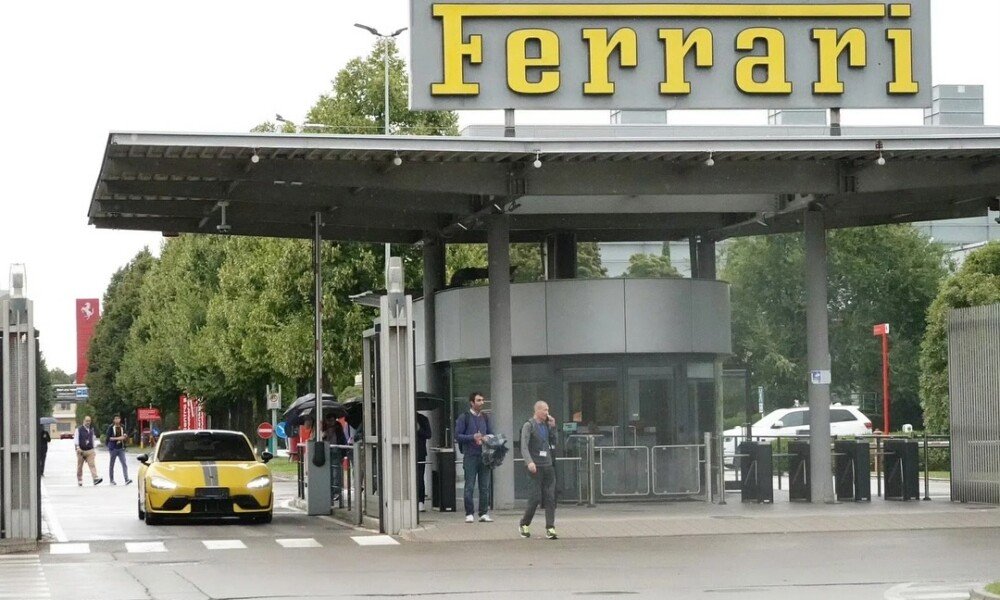
Ferrari is set to launch its first-ever fully electric car next year, having been spotted testing on multiple occasions. Ahead of its arrival, the Italian supercar manufacturer is reported to have acquired a Xiaomi SU7 Ultra electric sedan for internal testing.
As seen in the images, the Xiaomi SU7 Ultra can be seen leaving the Ferrari factory in Maranello, Italy. With Ferrari currently developing its electric supercar, the Xiaomi SU7 is reportedly being used by the brand for research and understanding various aspects, including its EV powertrain and platform.
The Xiaomi SU7 is currently the world’s fastest electric production car. It comes powered by three electric motors producing 1,526 BHP, allowing it to accelerate from 0-100 km/h in 1.98 seconds and reach a top speed of 359 km/h. The SU7 Ultra even lapped the Nurburgring with an impressive time of 7:04:957, almost three seconds faster than the Porsche Taycan.
Ferrari has confirmed that its first-ever electric car will arrive in mid-2026 in the form of a supercar. Following this, its second EV will be a crossover and is expected to arrive towards the end of the decade.
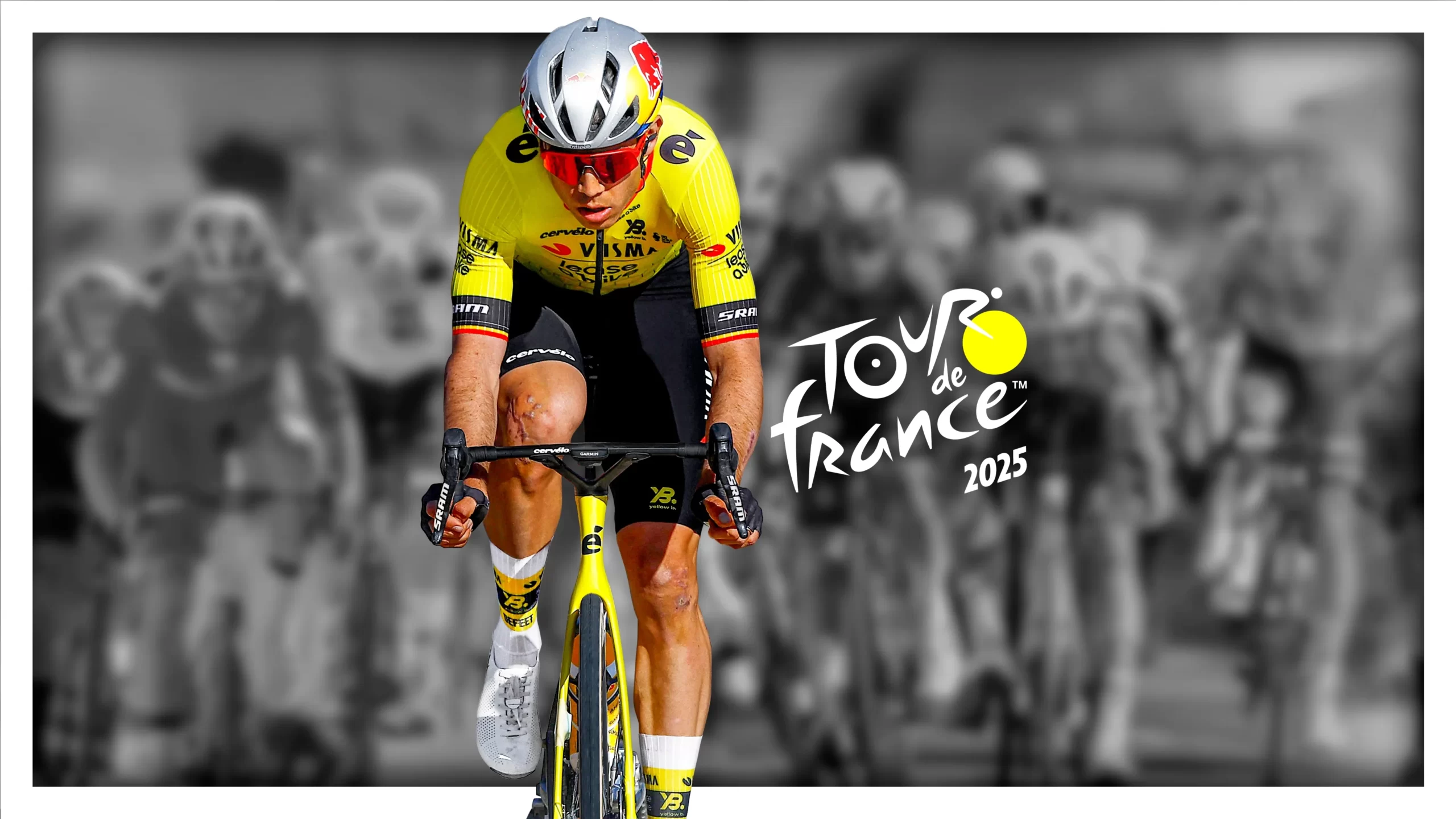
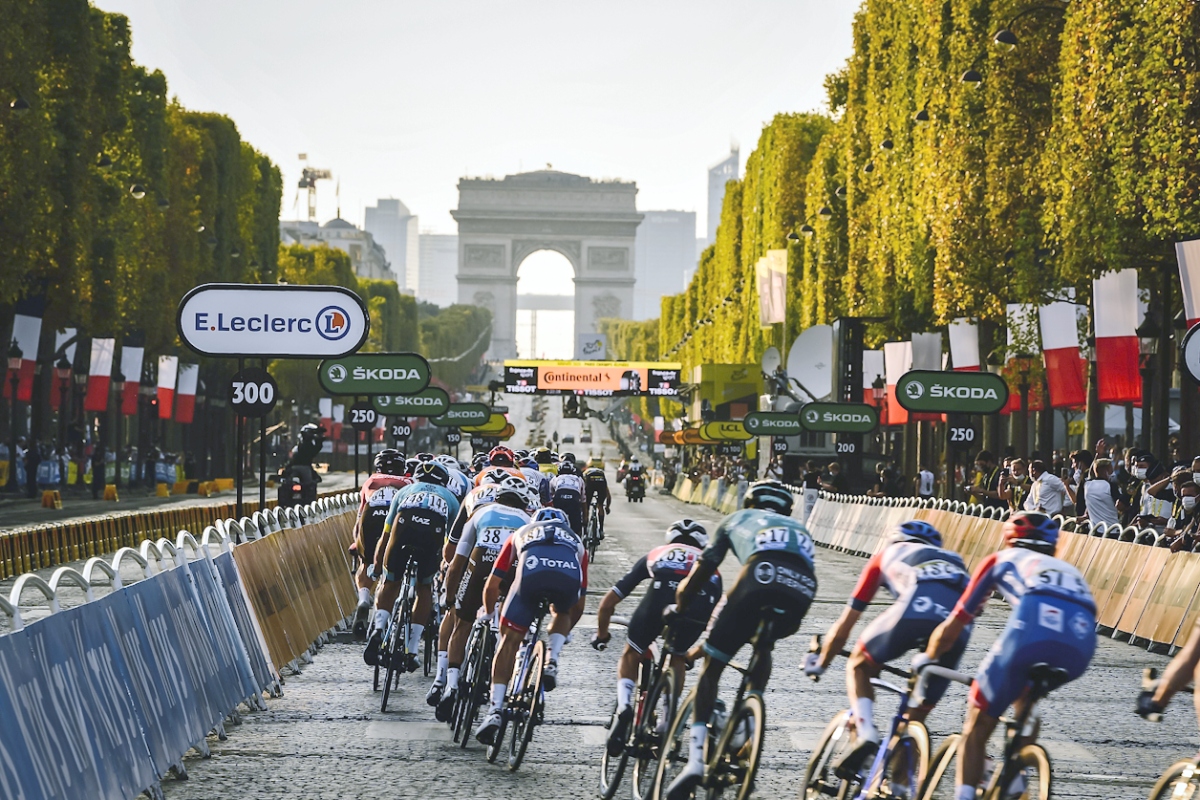
Tadej Pogačar secured his fourth Tour de France title, closing out three weeks of racing with a dominant performance that cemented his status among the sport’s greats. The 26-year-old Slovenian — already the reigning world champion — claimed four stage wins and the yellow jersey with a margin of more than four minutes over Jonas Vingegaard. As Wout van Aert sprinted to a final-stage victory in Paris, the conclusion of the 112th edition of the Tour underscored not only elite athleticism but also the growing economic and technological weight of the world’s most-watched cycling event.
What began as a grueling endurance race through France’s varied terrain has evolved into a global business engine. With 3.5 billion cumulative viewers, EUR 955 million in regional economic output and major corporate partners activating across every stage, the 2025 Tour exemplifies how sport, commerce and innovation increasingly intersect. Beyond the podiums and jerseys, the Tour now operates as a complex platform for strategic sponsorships, urban revitalisation, sustainability pilots and live data-driven media experiences — placing it firmly in the vanguard of international sports events.
A EUR 955 Million Economic Engine
The Tour de France remains a powerful economic driver for host regions and sponsors alike. According to the French Ministry of Sports, the 2024 edition of the Tour generated over EUR 955 million in economic benefits, spread across accommodation, local tourism, logistics, security, infrastructure upgrades and hospitality spending. This figure is expected to remain stable or increase slightly in 2025, bolstered by improved spectator mobility and expanded viewing access across rural areas.
Each stage town can see an immediate economic injection of up to EUR 1.5 million in a single day, while long-term benefits come in the form of international media exposure and improved infrastructure. The 2025 route — which included a final time trial from Monaco to Nice due to Paris 2024 Olympics-related scheduling — offered southern French cities and smaller Alpine villages a rare opportunity to showcase their appeal to a global audience.
Sponsorship Dynamics in a Crowded Global Sports Calendar
With over 3.5 billion cumulative viewers across traditional television and streaming platforms, the Tour de France represents a high-stakes arena for brand visibility. Title sponsor LCL — alongside brands like Skoda, Continental and Leclerc — continue to treat the Tour as a cornerstone activation within broader European and global marketing strategies.
For teams, sponsorship remains essential for survival. In 2025, UAE Team Emirates — Pogačar’s squad — saw a 22 percent increase in brand valuation compared to 2024, reflecting the tangible commercial returns of consistent performance and media presence. Meanwhile, new entrants from the Middle East and Asia are increasingly exploring title sponsorships or logistics partnerships, eyeing cycling as a gateway into Western markets and sustainability-focused sporting platforms.
In total, more than 40 official Tour partners and suppliers were activated during the 2025 edition, spanning sectors from banking and mobility to sports nutrition and smart data. With each stage broadcast to over 190 countries and roadside branding seen by 12 million live spectators, ROI metrics continue to favour well-integrated, multi-platform campaigns.
Technology, Data and the Viewer Experience
The Tour’s technological ambitions have grown significantly over the past five years. In 2025, real-time rider telemetry, environmental sensor mapping and predictive analytics fed into live broadcasts, offering fans unprecedented insights into rider performance, fatigue levels and team strategies. Organisers ASO partnered with Accenture and NTT Data to further digitise the race, deploying cloud-based analytics to support sustainability tracking and traffic rerouting across the route.
This digital transformation is also fuelling a new era of immersive fan engagement. Augmented-reality experiences and second-screen companion apps allowed viewers to customise their race view based on favourite riders, time gaps or course elevation.
Sustainability and Environmental Accountability
For 2025, the Tour reaffirmed its commitment to cutting emissions by reducing vehicle convoys, piloting hydrogen-powered support cars and offsetting carbon from logistics transport. Several stage cities — including Grenoble and Briançon — used their hosting rights to launch clean transport campaigns and public green-space improvements. Beyond business and tech, the Tour also acts as a cultural export for France — promoting regional identity, national pride and civic unity — all while reinforcing the country’s ability to deliver world-class sporting events on a global stage.
As the cycling world celebrates Pogačar’s historic win, behind the scenes, the Tour continues to move forward at full speed. With nearly a billion euros in economic impact, a global reach that rivals the Olympics and a continually evolving tech and sponsorship ecosystem, the Tour de France in 2025 has solidified itself as so much more than a premier cycling event.
For more on the latest in culture and events, click here.
Planning a trip that’s a little offbeat, a little dramatic, and a whole lot breathtaking? Say hola to Argentina, a land of fiery tango dancers, towering Andes peaks, majestic glaciers, and beef so good it could start a religion.
Whether you’re into cosmopolitan chaos or Patagonia peace, Argentina is a soul-stirring experience. And for Indian travelers, it offers that rare blend of culture, adventure, and romance wrapped in Latin flair. But before you sip that Malbec in Mendoza or cheer at a Boca Juniors football match, there’s one important thing to check off your list, your Argentina visa for Indians.
Let’s dive into everything this incredible country has to offer, and why your Indian passport and wanderlust are welcome here.
Why Argentina Deserves a Spot on Your Travel Bucket List
From the dramatic landscapes of Patagonia to the sultry rhythms of Buenos Aires, Argentina isn’t just a country – it’s an emotion. It’s where every street corner hums with history, and every dinner feels like a festival.
Argentina is massive, stretching from the tropics near Bolivia all the way to the icy edge of Antarctica. You’ll find deserts, waterfalls, rainforests, and glaciers – all in one country. So whether you’re a mountain trekker, a food freak, or a hopeless romantic, Argentina checks all the boxes.
Oh, and did we mention football? If you’re even mildly interested in the sport, this is hallowed ground. The spirit of Maradona and Messi lives here, and attending a live match is nothing short of spiritual.
Getting There from India
While there are no direct flights from India to Argentina (yet), several international carriers operate one-stop flights via hubs like Dubai, Paris, Amsterdam, or Doha. The most common gateway is Buenos Aires, specifically Ezeiza International Airport (EZE).
Total travel time varies between 22–30 hours depending on your route. Yes, it’s a long haul – but once you land, you’ll forget all about jet lag.
Must-Visit Places in Argentina
1. Buenos Aires: The Paris of South America
Start in the country’s heart – Buenos Aires, a city that’s equal parts elegant and electric. Here, European architecture meets Latin passion. Walk through cobblestone streets in San Telmo, shop in trendy Palermo, and don’t leave without watching a live tango show.
Don’t miss:
La Boca: A colorful neighborhood bursting with street art and live music
Recoleta Cemetery: Eerily beautiful, and the resting place of Eva Perón
Asado: Argentina’s world-famous barbecue – it’s not just a meal, it’s a ritual
La Boca in Buenos Aires, Argentina.
2. Iguazú Falls: Nature’s Thunderous Masterpiece
Straddling the border with Brazil, Iguazú Falls is a jaw-dropping collection of waterfalls taller and wider than Niagara. The Argentine side offers more immersive trails and boardwalks that take you close enough to feel the spray on your face.
Pro tip: Take the boat ride under the falls for an experience that’s part thrill ride, part baptism.
Right at the abyss of the Iguacu Falls in Argentina.
3. Patagonia: Where the Earth Ends
Southern Argentina is home to Patagonia, a windswept land of glaciers, turquoise lakes, and surreal silence. Visit El Calafate to see the stunning Perito Moreno Glacier, or hike the legendary trails of El Chaltén.
If you visit in winter (June to August), the snow turns Patagonia into a dreamscape. But even in summer, it offers some of the world’s best trekking.
Patagonian Lakes, Argentina
4. Mendoza: Sip & Swirl
Love wine? You’ll love Mendoza – Argentina’s wine capital and home to the famed Malbec grape. Tour vineyard estates framed by the Andes, sip world-class reds, and enjoy long, lazy lunches under the sun.
No one leaves Mendoza sober or sad. Fact.
Aerial of Mendoza, Argentina.
5. Salta & Jujuy: The Painted North
Up north, the provinces of Salta and Jujuy offer a totally different vibe – think colorful rock formations, colonial towns, and high-altitude deserts. These regions are rich in Andean culture and offer some of the most photogenic spots in the country.
Bonus: You’re less likely to run into tourists here, which means more llamas and empanadas for you.
Quebrada de Cafayate in the Salta region of Argentina.
What to Eat (Besides Everything)
Argentinian food is a feast of simple ingredients cooked with passion. For Indian foodies, it’s a little less spicy but packed with flavor. Here’s what to try:
Asado: A meat lover’s paradise. Beef is grilled low and slow over wood coals.
Empanadas: Stuffed pastry pockets – like samosas, but with a Latin twist.
Dulce de leche: A caramel spread so addictive it should come with a warning.
Alfajores: Cookies filled with dulce de leche and covered in chocolate.
Mate: A strong herbal tea sipped from a shared gourd. Don’t decline if offered—it’s a cultural rite.
Vegetarians, worry not – Buenos Aires has an exploding veggie and vegan scene too.
Culture Shocks & Sweet Surprises
Argentina may feel very different from India, but in the best way. Here’s what Indian travelers should know:
Time runs slower: Dinner starts at 9 PM, and nightlife kicks off past midnight.
Cash is king: Credit cards are accepted in major cities, but always carry pesos, especially in smaller towns.
Kissing cheeks is a greeting: Totally normal. Roll with it.
English isn’t universal: A few Spanish phrases can go a long way. Practice your “Hola” and “Gracias!”
Also, beware of the national obsession with football. If you mention Cristiano Ronaldo in a Messi conversation, you’re on your own.
Is Argentina Safe for Indian Travelers?
Generally, yes! Argentina is one of the safer South American countries for tourists. Petty crimes like pickpocketing do exist, especially in crowded places in Buenos Aires, so stay alert.
Tips for safe travel:
Don’t flash expensive gear
Use licensed taxis or rideshare apps
Avoid sketchy areas at night
Respect local customs and laws
And most importantly, trust your instincts, Argentinians are warm and helpful, but common sense is your best friend.
Argentina Visa for Indians: What You Need to Know
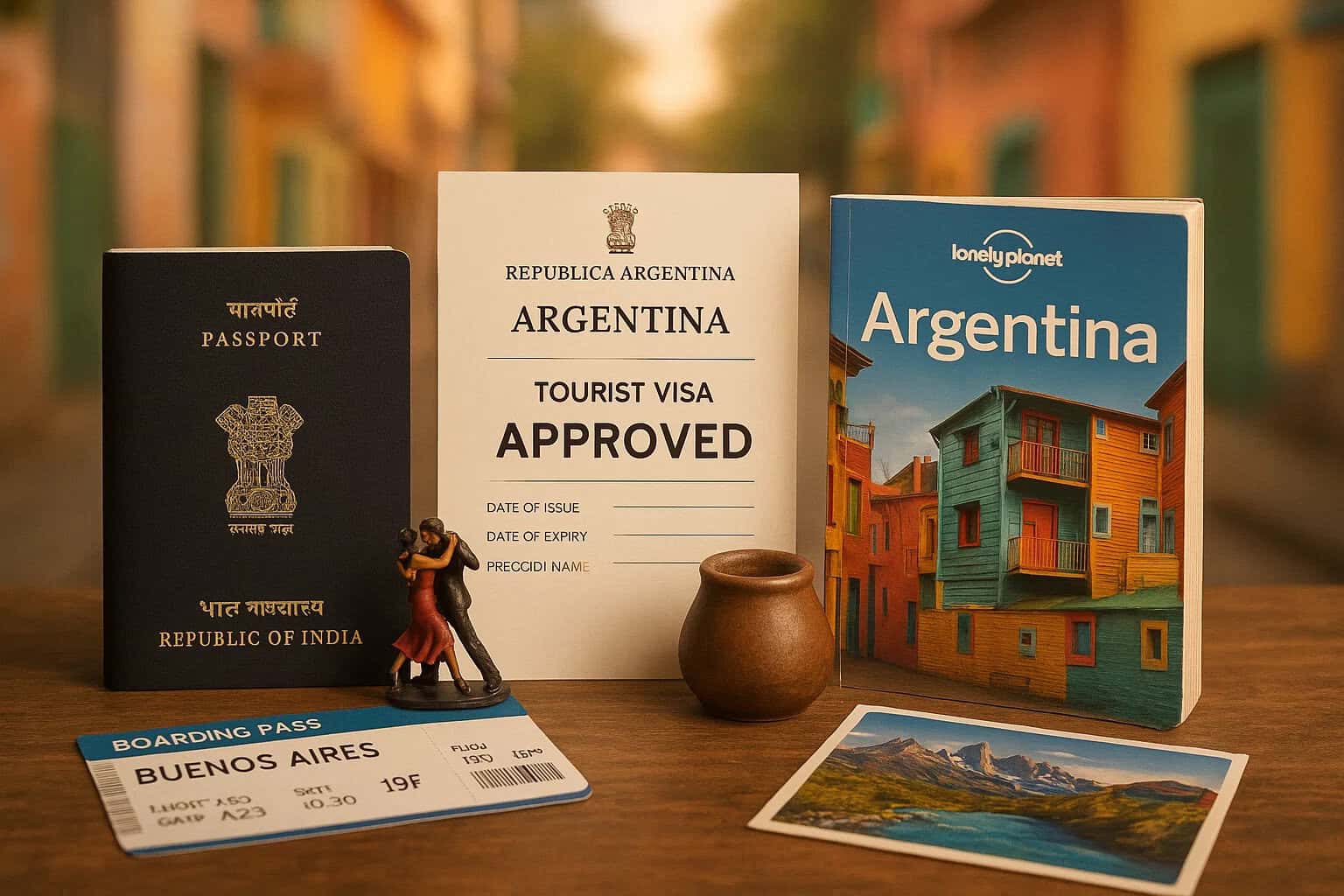
Before you plan your itinerary, pack your bags, or practice tango steps, securing your Argentina visa for Indians is step one.
Indian citizens require a visa to enter Argentina, and the process typically involves:
A completed visa application form
Valid Indian passport
Travel itinerary and hotel booking
Financial proof (bank statements, etc.)
Employment or business documents
Recent photographs
Processing times can vary, so apply early. You’ll need to attend a visa interview at the Argentina Embassy or Consulate in India. Some categories of Indian travelers with valid visas from countries like the USA or Schengen zone may be eligible for an easier e-visa option (check your eligibility in advance).
Final Word: Let Argentina Change You
Argentina isn’t just a country you visit. It’s a place that changes how you see the world. From the fiery rhythms of tango to the silent solitude of Patagonia’s glaciers, it grabs your heart, spins it around, and sends it back with a Latin beat.
So, if you’re craving something spectacular, something beyond the usual tourist trails, it’s time to start your Argentine adventure.
And before you board that plane, make sure your Argentina visa for Indians is handled stress-free and professionally.That’s where OneVasco steps in, your trusted travel documentation partner. We’ll take care of the paperwork so you can focus on the journey, the memories, and the magic of Argentina.
I’m sure you’ve had similar experiences I had whilst traveling. You’re in a certain place and a fellow traveler, or a local, tip you off on a little-known beach, bar or accommodation. Great travel tips from other travelers or locals always add something special to our travels. That was the inspiration for Travel Dudes.
I’m sure you’ve had similar experiences I had whilst traveling. You’re in a certain place and a fellow traveler, or a local, tip you off on a little-known beach, bar or accommodation. Great travel tips from other travelers or locals always add something special to our travels. That was the inspiration for Travel Dudes.
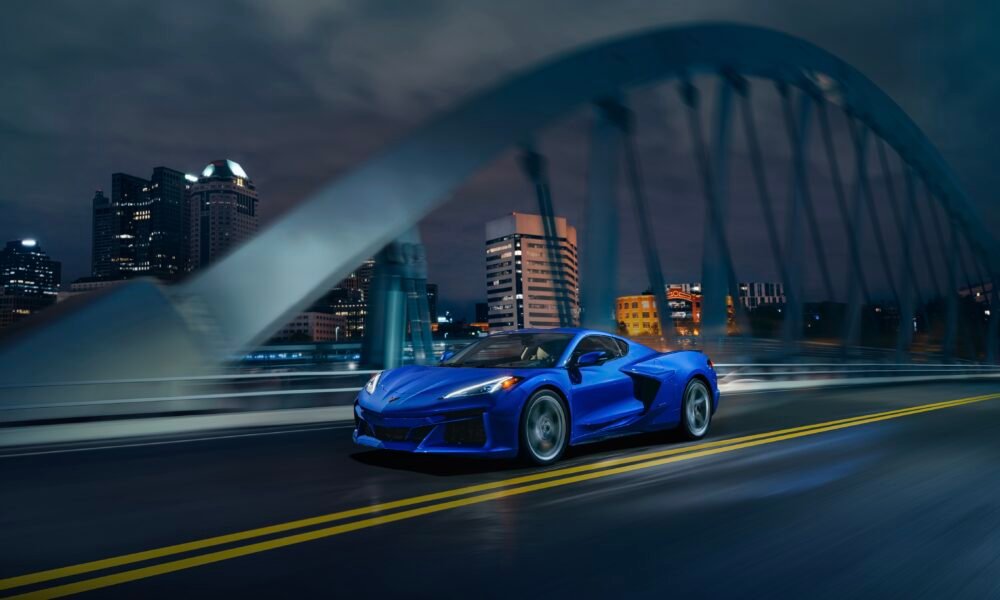
The Corvette Z06 was launched in late 2021. Now, a couple of years into its sales, demand for the mid-engined American supercar seems to have slowed down.
As per reports, almost 3,711 units of the MY2024 and MY2025 Corvette C8 remain unsold at dealer lots. Of these, the Z06 models account for 1,714 units, while the Stingray & E-Ray account for 1,121 and 876 units, respectively.
One of the main reasons for this could be the updates on the 2026 models, which come with a redesigned interior with larger screens and fewer buttons. Another reason could be that customers are looking to buy the newer versions of the C8, in the form of the ZR1 and ZR1X. Both these models get a twin-turbocharged version of the Z06’s 5.5-litre V8 engine, producing over 1000 BHP.
The low demand and pile-up at dealer lots translates to massive discounts for customers. Dealerships in the USA are now offering the Corvette Z06 either at MSRP or even lower. Reports even suggest discounts worth up to US$ 10,000 from the supercar’s original MSRP.
Traditionally used to generate buzz by merging disparate audiences, collaborations are increasingly being used within brand families to unlock deeper synergies rooted in shared heritage and aligned values. This evolution is especially visible within groups like LVMH, Kering and Prada, where intra-group partnerships now serve not just aesthetic experimentation but long-term strategic positioning. This trend comes at a moment of broader industry recalibration. In July 2025, LVMH signalled a potential sale of Marc Jacobs, reflecting its intent to streamline its portfolio amid softer global demand and operational pressure. Finance chief Cécile Cabanis confirmed that brands no longer aligned with the group’s strategic vision would be divested — a shift that makes its focus on high-impact, in-group collaborations all the more relevant.
From the Berluti x Hublot Big Bang Unico to Gucci’s jewellery capsule with Pomellato, LUXUO looks at some of the most notable recent examples, and how they are reshaping the narrative of luxury collaboration from hype to strategy.
Gucci x Pomellato
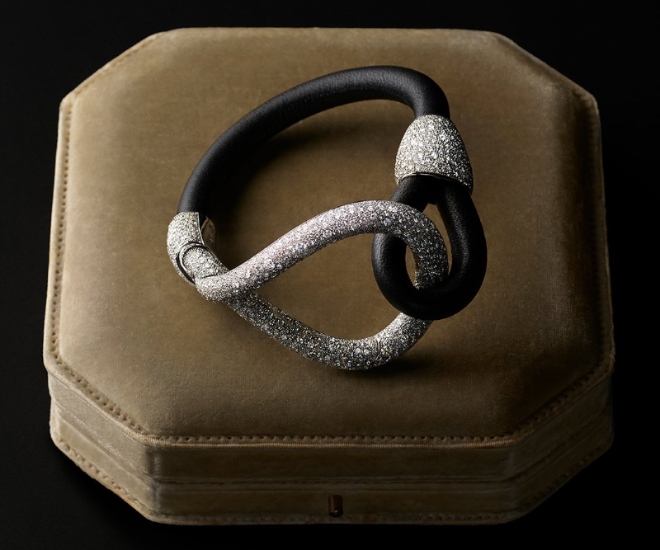
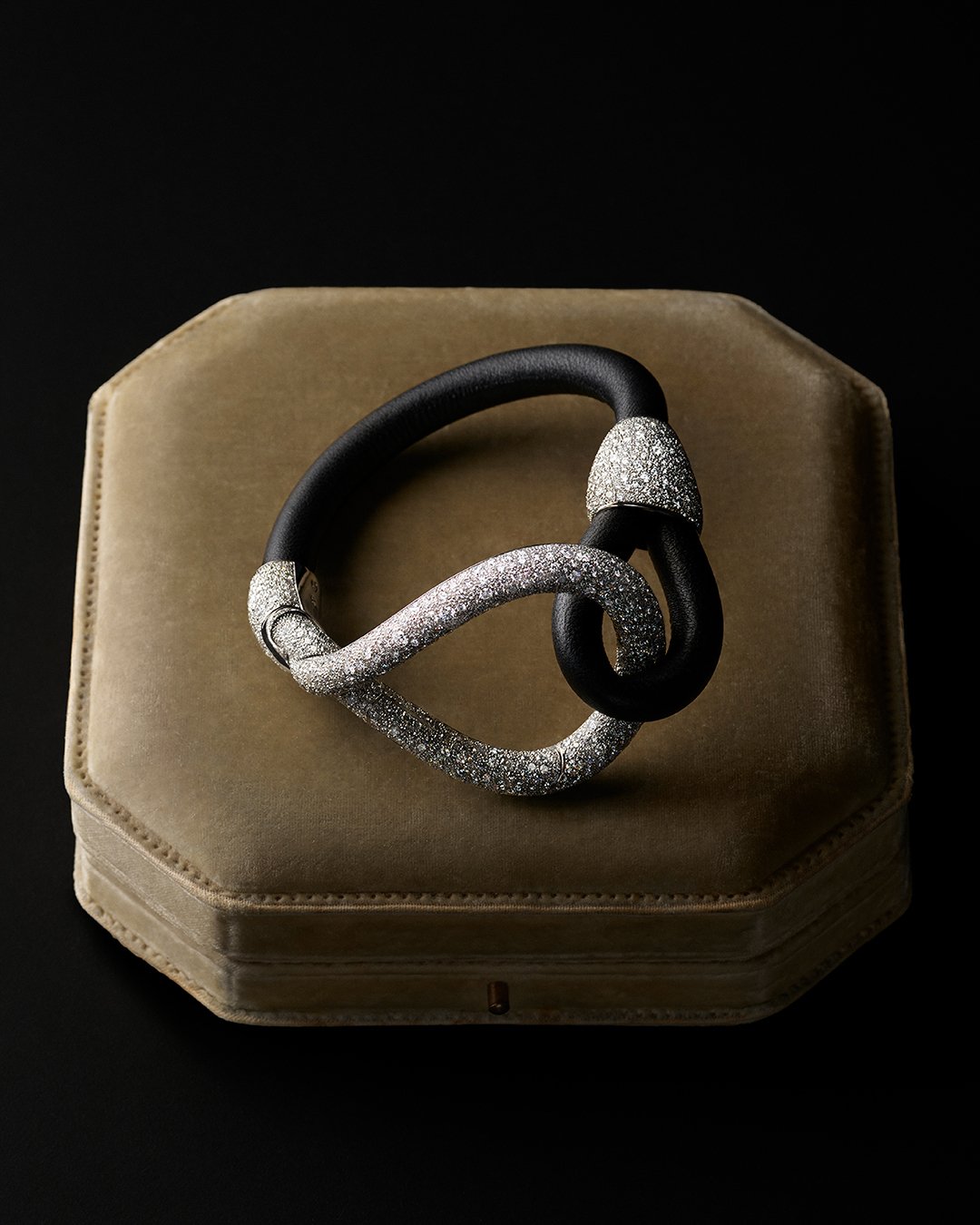
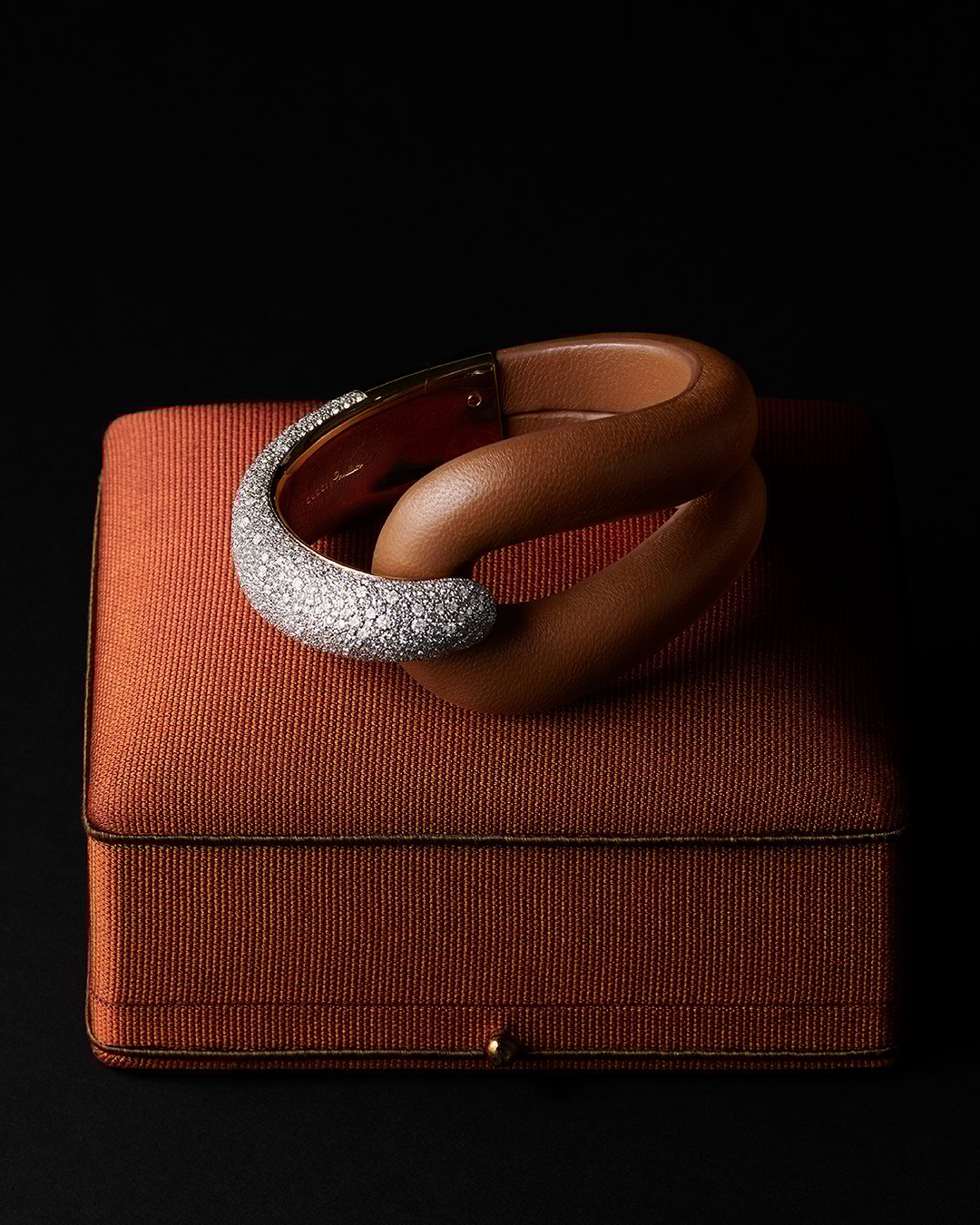
Debuted during Gucci’s Cruise 2026 show in Florence, “Monili” marks the first high jewellery collaboration between Gucci and fellow Kering brand Pomellato. The collection leverages each house’s technical strengths — Gucci’s leathercraft heritage and Pomellato’s goldsmithing and gem-setting expertise — to introduce a modern line of sculptural jewellery pieces. Referencing Pomellato’s 1984 archives, the collection includes bracelets, cuffs and minaudières that combine stitched leather with pavé-set diamonds and sculpted gold. Material contrasts — black leather against rose gold, soft curves with rigid forms — highlight a shared approach to craftsmanship.
Beyond a purely aesthetic alignment, “Monili” reflects a strategic move within the Kering group to harness internal brand synergies. Under the direction of Gucci CEO Stefano Cantino and Pomellato’s sustainability-led leadership, the collaboration underscores how in-group partnerships can translate aligned values into differentiated luxury offerings. The name, Monili — Italian for “jewels”— speaks to the collection’s poetic spirit and enduring refinement. Defined by balance, contrast and intention, it embodies clarity of form and a contemporary vision of timeless design. Sculptural silhouettes and signature codes are reimagined in gold, diamonds and rich leather.
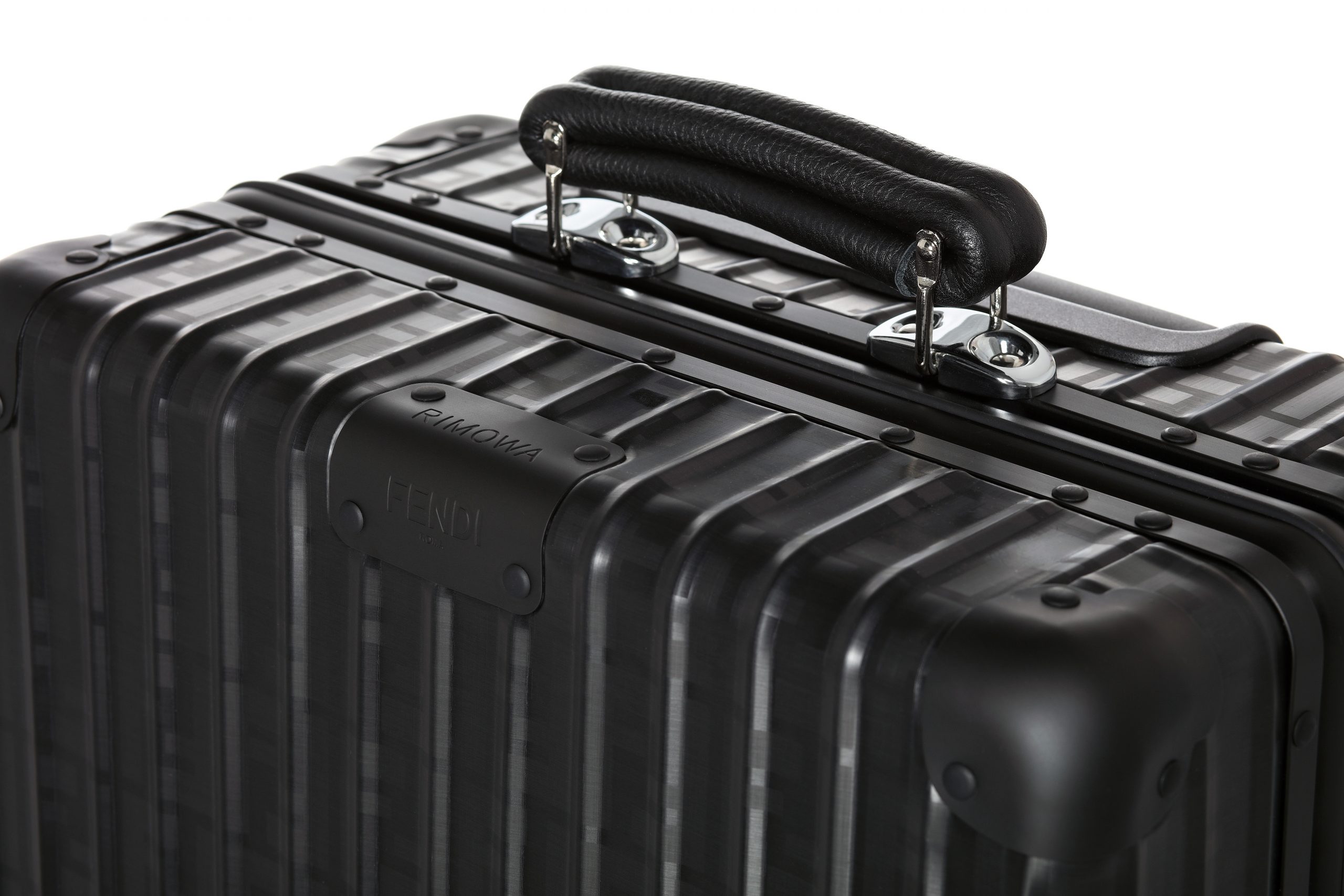
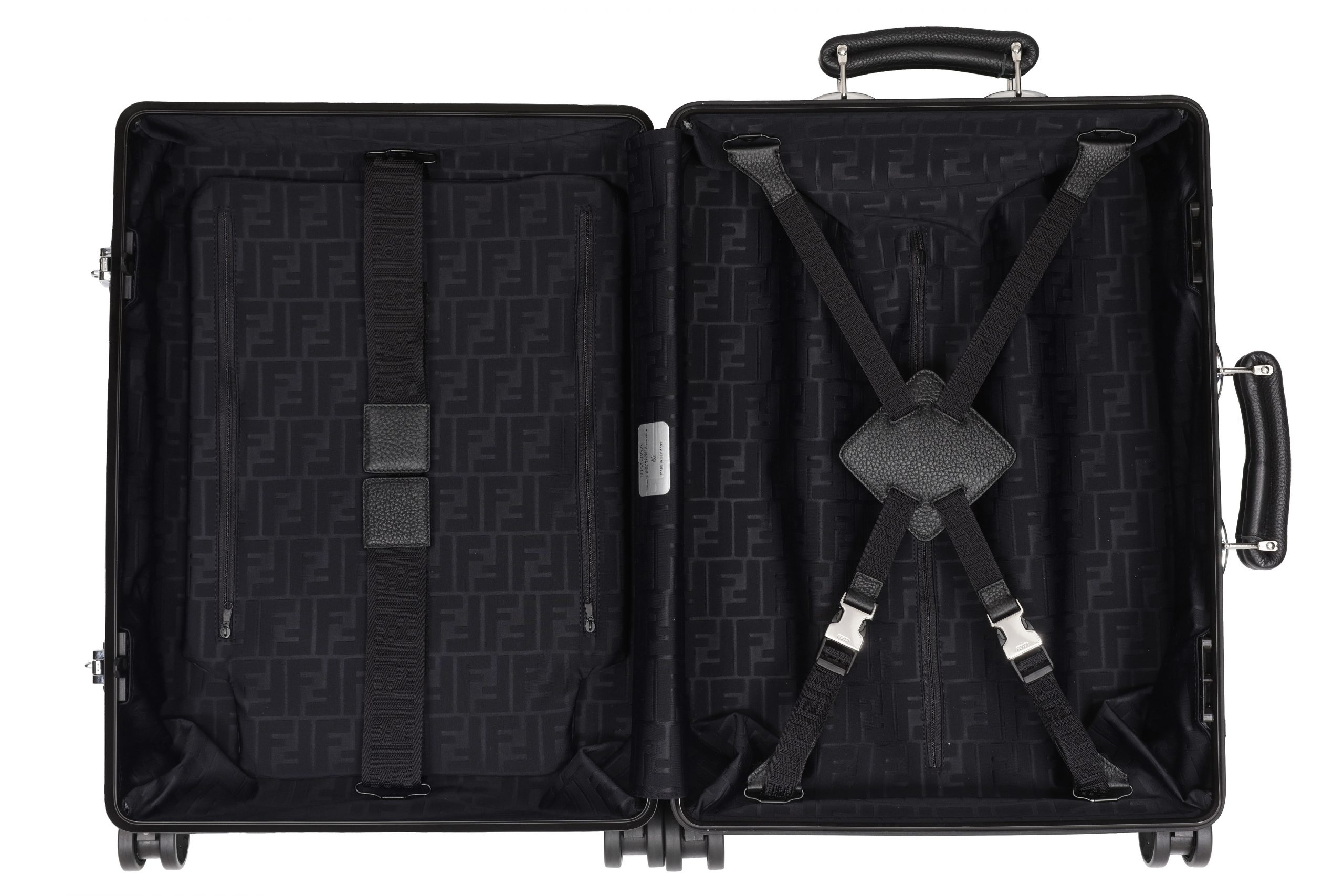
Rimowa x Fendi
In a continued demonstration of in-group synergy, Fendi and Rimowa — two LVMH-owned brands — have reissued their collaborative cabin luggage, combining German precision engineering with Italian luxury detailing. The release reflects LVMH’s strategic use of internal partnerships to enhance product differentiation while reinforcing brand heritage. Crafted from Rimowa’s signature aluminium and made in Germany, the four-wheeled suitcase features black Cuoio Romano leather handles, a brushed FF logo exterior and a personalisable leather name tag. Inside, Fendi’s craftsmanship is expressed through FF-embossed neoprene lining and an adaptable Flex-Divider system.
While traditional collaborations often serve to merge disparate audiences, this project highlights how aligned values and technical expertise within a conglomerate can result in highly functional, collectible luxury products that resonate with core customers.
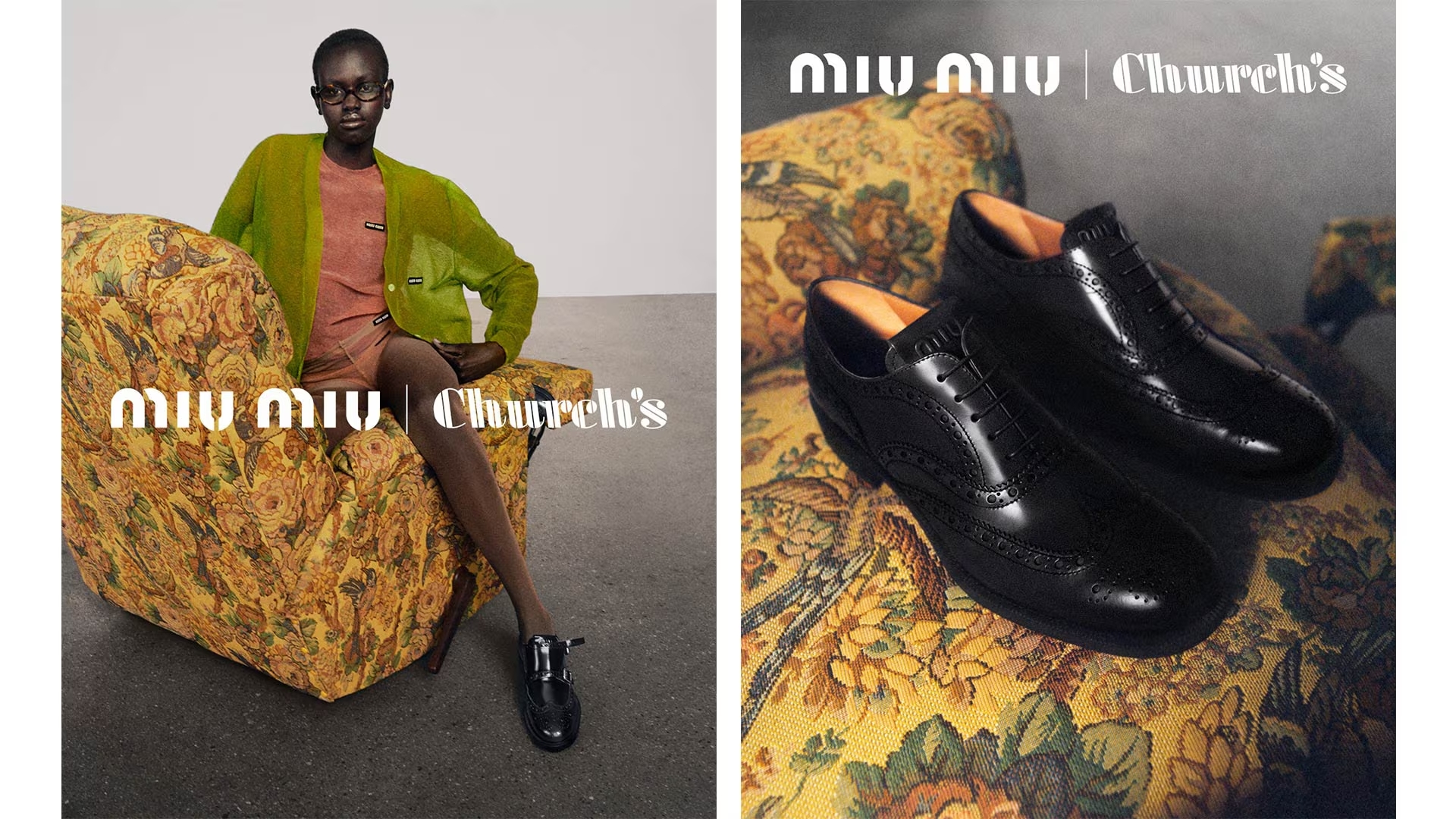
Churches x Miu Miu
A continued exploration of brand codes through strategic alignment, Miu Miu partnered with heritage shoemaker Church’s — both under the Prada Group umbrella — to introduce a co-branded footwear line that repositions traditional silhouettes for a new audience. The Church’s x Miu Miu capsule launched in avant-première on 29 August 2023 via miumiu.com. Reworking classic brogues, double monk straps and more recently, the iconic Church’s Shanghai style, the collaboration integrates formal British shoemaking with Miu Miu’s offbeat femininity. Glossed brushed leather in tobacco and black shades is complemented by sportier features — like a rubber moulded sole and a wider last — signalling both aesthetic and functional updates.
The collection is supported by image and film campaigns directed by Lengua and styled by Lotta Volkova. While the first campaign features languid, anti-formal poses atop archive Miu Miu upholstery, the second situates models within a country garden tableau, reinforcing themes of heritage juxtaposed with modern irreverence. More than a seasonal experiment, the partnership reflects a broader strategy that saw a repositioning of legacy craftsmanship for a younger demographic without compromising on either brand’s technical integrity. By embracing unconventional styling, playful set design and luxury detailing, the capsule balances commercial relevance with conceptual clarity.
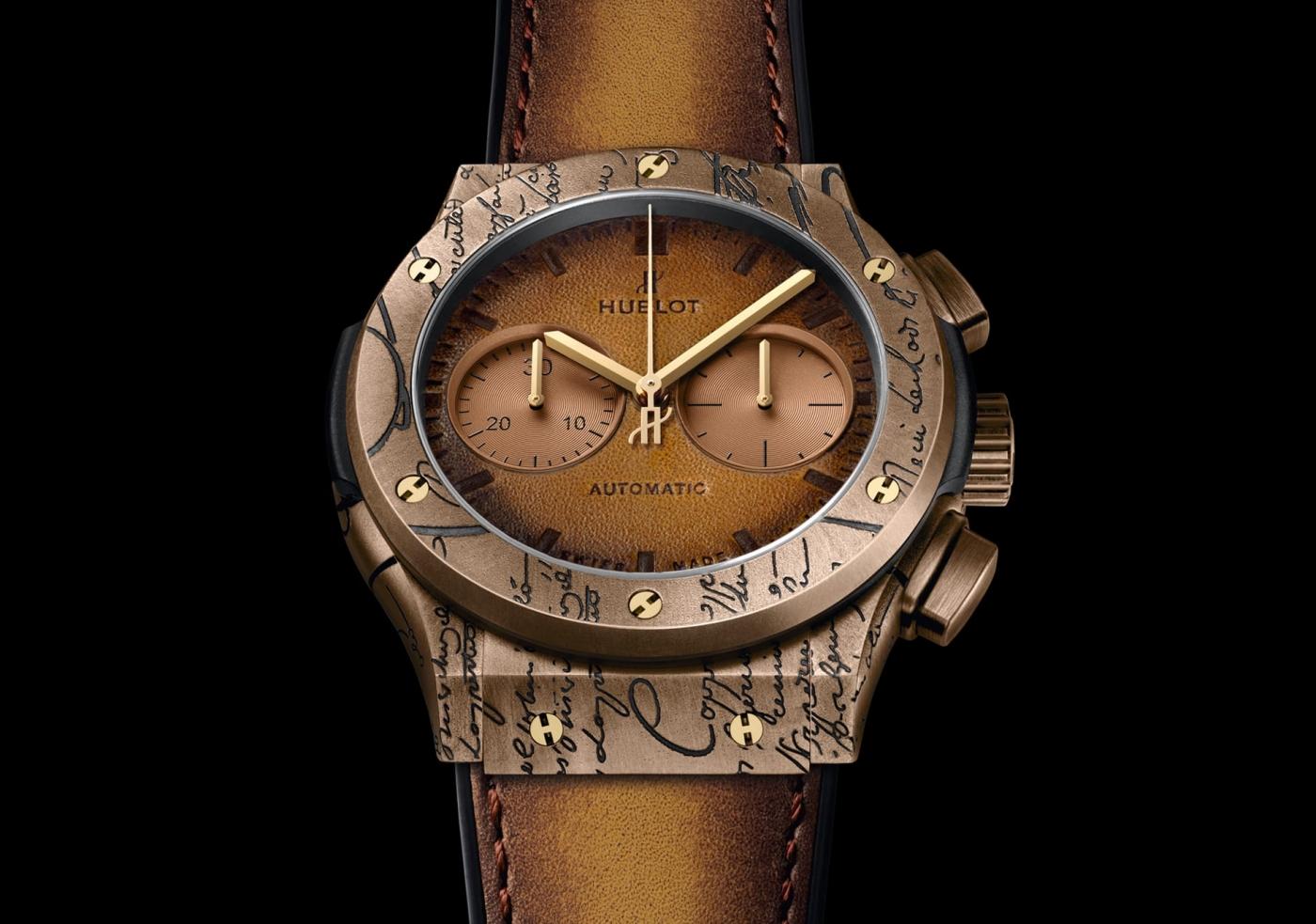
Berluti x Hublot
While most cross-brand collaborations aim to merge distinct audiences, internal collaborations within luxury conglomerates can unlock deeper synergies. This is evident in the latest partnership between Berluti and Hublot — two LVMH Maisons — who unveiled the limited-edition timepiece: the Big Bang Unico Berluti Cold Brown. This marked the first time the collaboration departed from the Classic Fusion series to adopt Hublot’s flagship Big Bang Unico platform. The shift reflects a broader creative strategy to reinterpret Berluti’s heritage craftsmanship — particularly its signature Venezia leather and Cold Brown patina — within a more technically complex watchmaking context.
The new model introduces several innovations, such as Venezia leather in Berluti’s Cold Brown finish is applied not only to the dial and strap but also, for the first time, to the bezel, through a two-part construction combining leather and black ceramic. The dial design incorporates a layered sapphire crystal and brass to showcase the MHUB1242 Unico movement, offering a 72-hour power reserve and flyback chronograph functionality. Each watch features a unique patina, thanks to hand-finishing techniques, further enhancing its collectable value.
Limited to 100 pieces, the Big Bang Unico Berluti Cold Brown is delivered in a custom co-branded presentation case, complete with Berluti leather accessories. As luxury groups look inward for product differentiation, this collaboration underscores the strategic value of shared artisanal expertise — where fashion, materials science and watchmaking meet under a unified brand ecosystem.
Balenciaga x Gucci
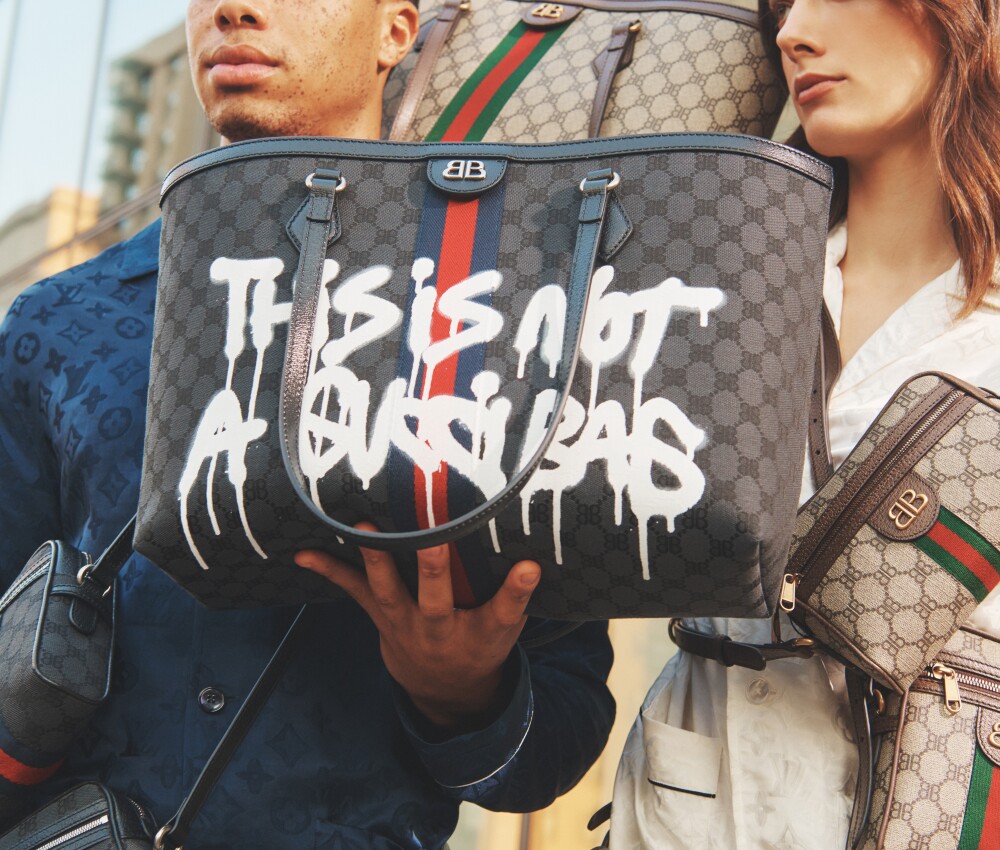
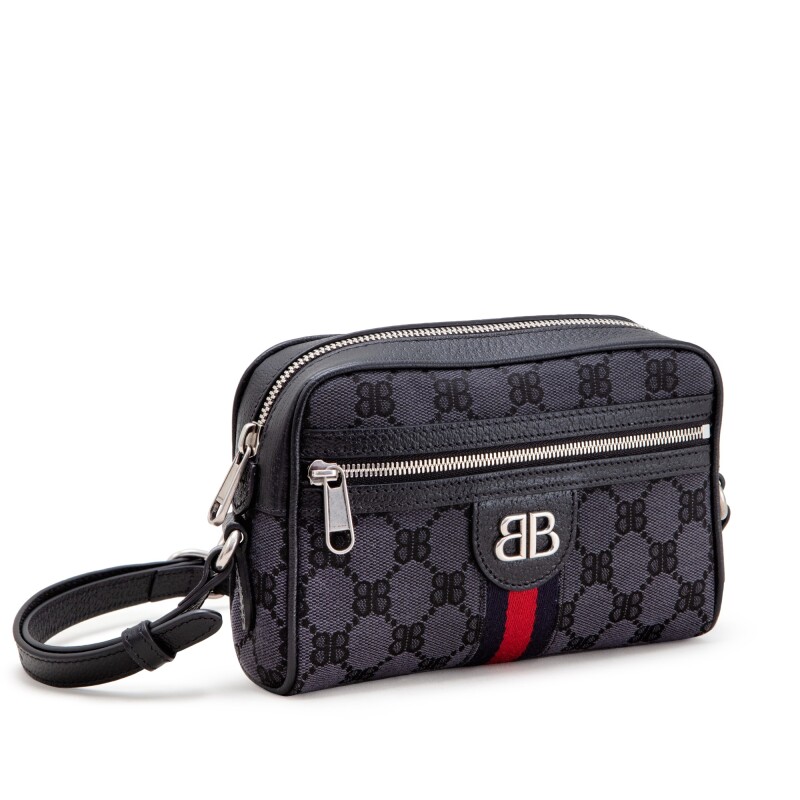
In November 2021, Gucci and Balenciaga — two major houses under the Kering Group — launched the “Hacker Project”, a disruptive collaboration that marked a deliberate form of internal brand fusion, reflecting shared values while challenging luxury’s conventions around originality and ownership. First revealed during Gucci’s 100th anniversary “Aria” show in April 2021, the collection featured Balenciaga silhouettes overlaid with Gucci’s monograms and vice versa. Former Gucci creative director Alessandro Michele reinterpreted Demna Gvasalia’s signature styles with archival Gucci motifs, while Balenciaga’s Spring/Summer 2022 collection reciprocated by embedding its double-B branding into classic Gucci codes — including graffiti slogans like “This Is Not a Gucci Bag”, referencing Magritte’s conceptual art.
The joint launch took place on 15 November 2021, spanning 74 global retail locations with physical pop-ups and customisation experiences. In select cities, artists were on-site to personalise items, adding a layer of individualised branding to the already hybridised products. Products from the project — including co-branded versions of the Hourglass bag, Triple S sneakers, Jackie 1961 hobo and accessories like the BB belt — reflected a crossover of each house’s most recognisable elements. The approach strategically leveraged internal group synergies to provoke dialogue around authenticity and the evolving role of fashion branding in the age of digital hype and cultural remix. By merging creative direction across two of Kering’s flagship brands, the Hacker Project demonstrated how luxury conglomerates can leverage intra-group dynamics not just for visibility, but for cultural impact.
Read More: Luxury Powerhouses: Kering Buys 30 Percent of Valentino, LVMH Pays US $166 Million To Sponsor The Paris 2024 Summer Olympics
Tiffany & Co. & RIMOWA
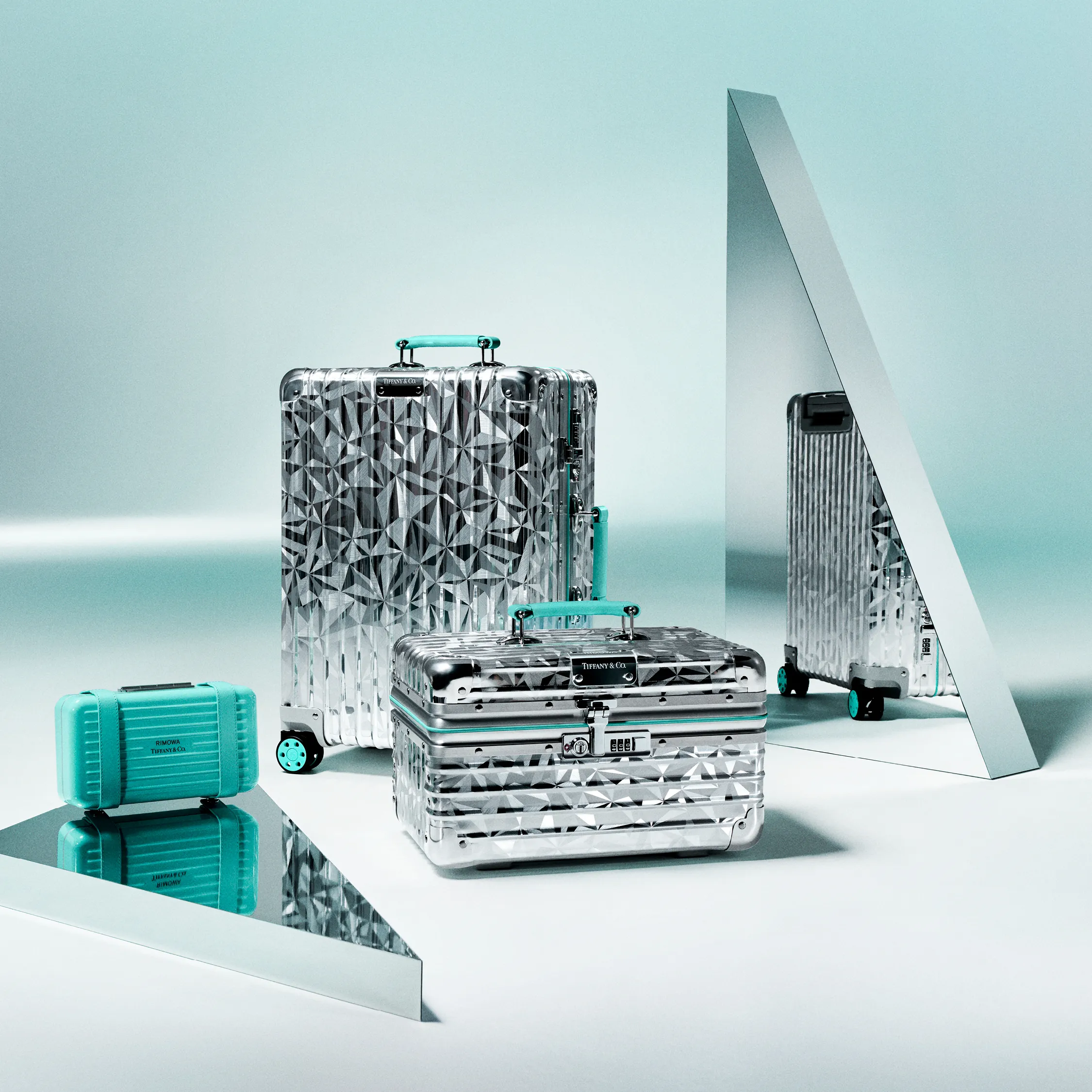
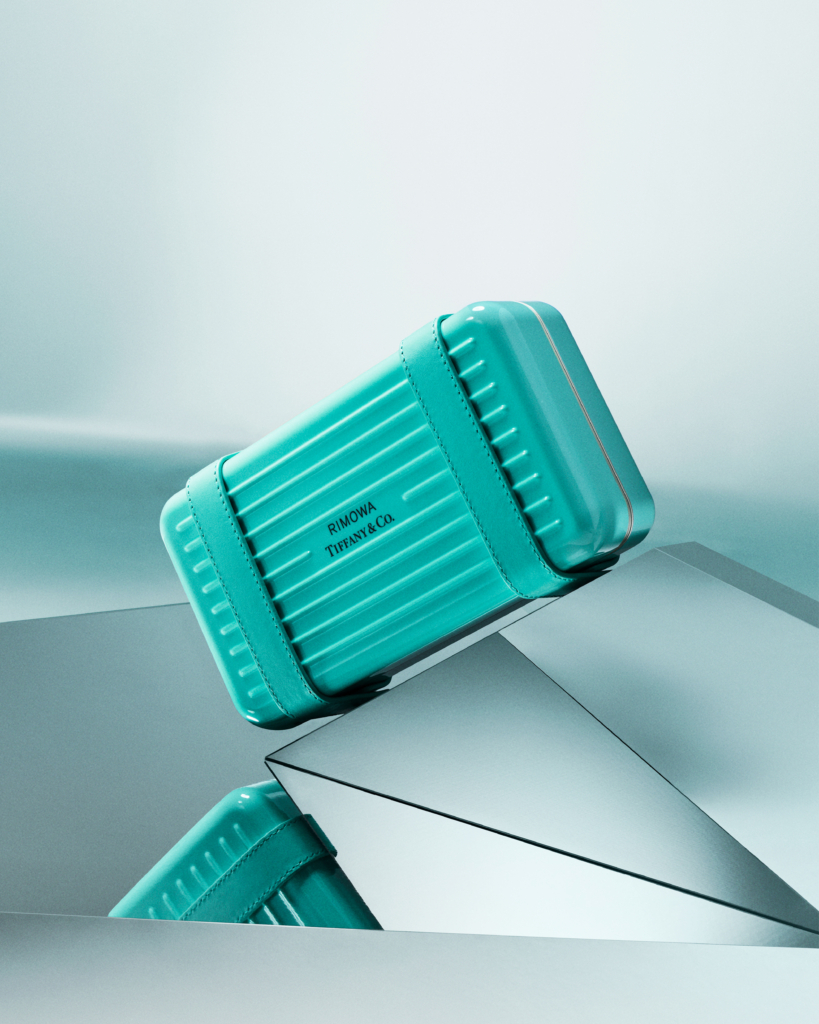
In September 2023, luxury travel and jewellery powerhouses RIMOWA and Tiffany & Co. unveiled a limited-edition capsule collection. Announced ahead of its debut on 26 September at Tiffany’s OMA-designed flagship — The Landmark in New York City — the collaboration consists of three custom designs that highlight the distinct identities of both brands. These include a jewellery case — marking a first for RIMOWA — crafted in grooved aluminium with Tiffany Blue accents and a removable sterling silver nameplate; a smaller personal case in Tiffany Blue polycarbonate with leather detailing and the Rock Cut Cabin case, distinguished by a new brushing technique that mimics the facets of a diamond.
Celebrating RIMOWA’s 125th anniversary and Tiffany & Co.’s enduring legacy in jewellery design, the collaboration centres on a design language inspired by diamond cuts and precision metalwork. The result is a collection that serves both aesthetic and functional value, targeting luxury travellers, collectors and brand loyalists across both sectors.
Kering Beauté x Bottega Veneta
In October 2024, Kering Beauté marked a major milestone with the launch of Bottega Veneta’s high perfumery collection — its first internally developed fragrance line following the creation of the beauty division in 2023. The collaboration represents a strategic shift for the Kering Group, aligning fragrance development more closely with the fashion houses under its ownership and reducing reliance on licensing models. Under the fomer creative direction of Matthieu Blazy, the collection comprises five perfumes designed to reflect Bottega Veneta’s brand identity — defined by a minimalist aesthetic and emphasis on texture — while drawing from the house’s Venetian roots. Conceptually rooted in the city’s role as a historical trading nexus, each scent combines natural ingredients sourced globally — reinforcing the brand’s refined and cosmopolitan positioning.
This release is significant not only as Bottega Veneta’s first in-house fragrance launch, but also as the debut product from Kering Beauté since the division was established. Kering Beauté was formed to unlock the long-term potential of the Group’s fashion and jewellery brands — including Balenciaga, Alexander McQueen, Pomellato and Qeelin — within the beauty sector. The new structure gives Kering direct oversight of product development and brand messaging across categories. The launch also follows Kering Beauté’s 2023 acquisition of heritage fragrance house Creed, further signalling Kering’s long-term ambitions in the high-end fragrance market. While existing licensing agreements for brands like Gucci and YSL remain in place, the Group’s move into in-house development underscores a deliberate strategy to consolidate brand equity across fashion and beauty under one roof.
Read More: Kering Acquires Creed In A “Natural Extension” of The Group’s Luxury Universe
Fendi x Tiffany & Co.
In 2023, Fendi and Tiffany & Co. unveiled a high-profile collaboration that resulted in a limited-edition series of Tiffany Baguette bags. At the centre of this partnership was a handcrafted sterling silver Fendi Baguette, produced over four months by artisans at Tiffany’s Rhode Island hollowware workshop. Part of Fendi’s “hand in hand” initiative, the piece marks the first time the programme has extended beyond Italy, blending Tiffany’s heritage in silversmithing with Fendi’s legacy in leather goods. In addition to the silver edition, the brands released a capsule line of Tiffany Baguette bags in Tiffany Blue leather, shiny crocodile and silk. This cross-sector collaboration between a fashion house and a heritage jeweller reflects a broader industry shift toward craftsmanship-led luxury and brand synergy with tangible, collectible outcomes.
For more on the latest in luxury fashion and style reads, click here.
From the roar of a McLaren F1’s BMW-sourced V12 to the sculptural form of a Ferrari 250 GTO, certain automobiles have transcended their functional origins to become investment-grade assets. These vehicles represent more than engineering excellence — they embody both cultural impact and historical significance.
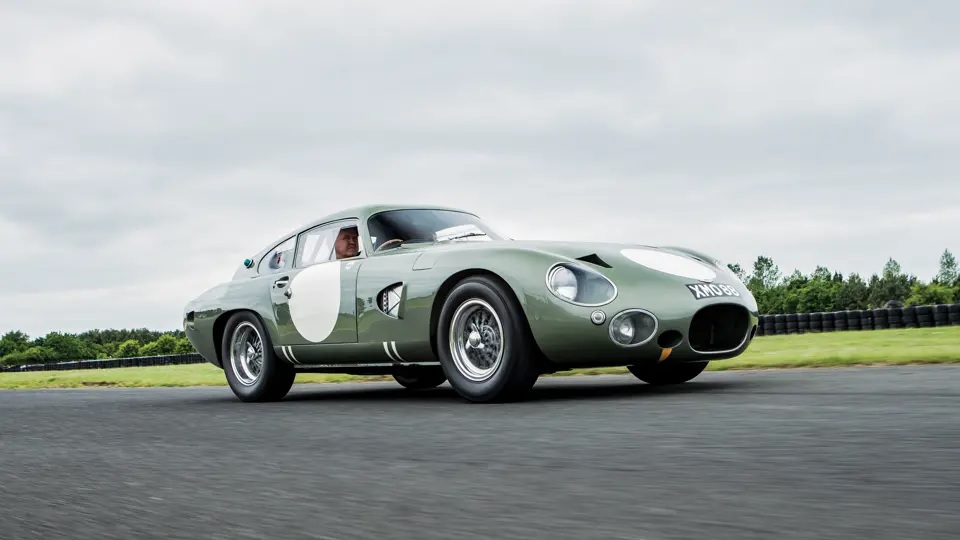
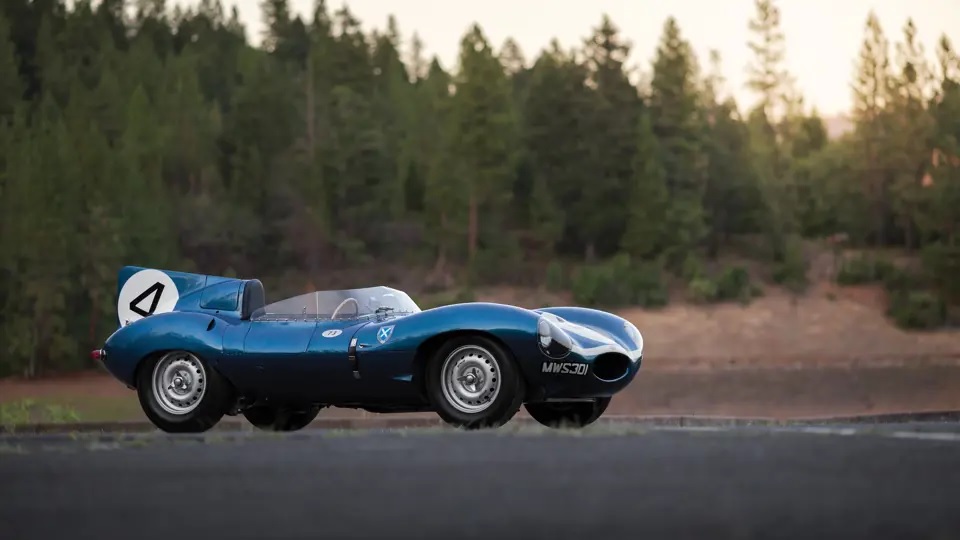
Classic sports cars such as the Toyota 2000GT, which redefined perceptions of Japanese design; the Jaguar D-Type, with its storied Le Mans victories; and the Aston Martin DP215, engineered for pure competition — are now viewed as rolling artefacts of automotive history. Backed by provenance and performance, these machines have achieved unprecedented auction values, attracting serious collectors and alternative asset investors alike. LUXUO examines the most rarefied and valuable sports cars ever sold at auction and how the classic car market continues to evolve in response to shifting tastes, generational wealth and global economic trends.
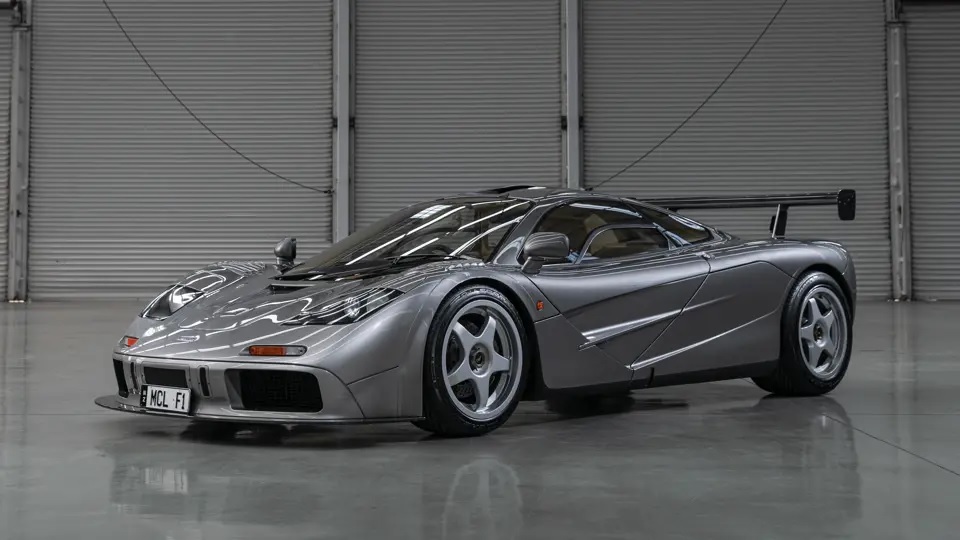
McLaren F1 ‘LM-Specification’ (1994)
Subtle swooping curves of a rare McLaren F1. Image: Sotheby’s.
One of only two ever produced, the 1994 McLaren F1 LM-Specification (chassis 018) stands as a rarity in the automotive world, having been converted from a GTR race car into a road-legal vehicle. Powered by a 6.1-litre BMW V12 engine delivering 680 horsepower, it is significantly lighter than the standard F1 and features no electronic driver aids. This model exemplifies the McLaren F1 at its most uncompromising — high-performance, mechanical and engineered for maximum speed — drawing directly from McLaren’s success at the 1995 Le Mans. When it appeared at RM Sotheby’s 2019 Monaco auction, it exceeded expectations by achieving a final sale price of EUR 19.8 million (approximately USD 22.2 million at the time). For many, this represented a justified valuation for what is often regarded as one of the most exhilarating road cars ever built.
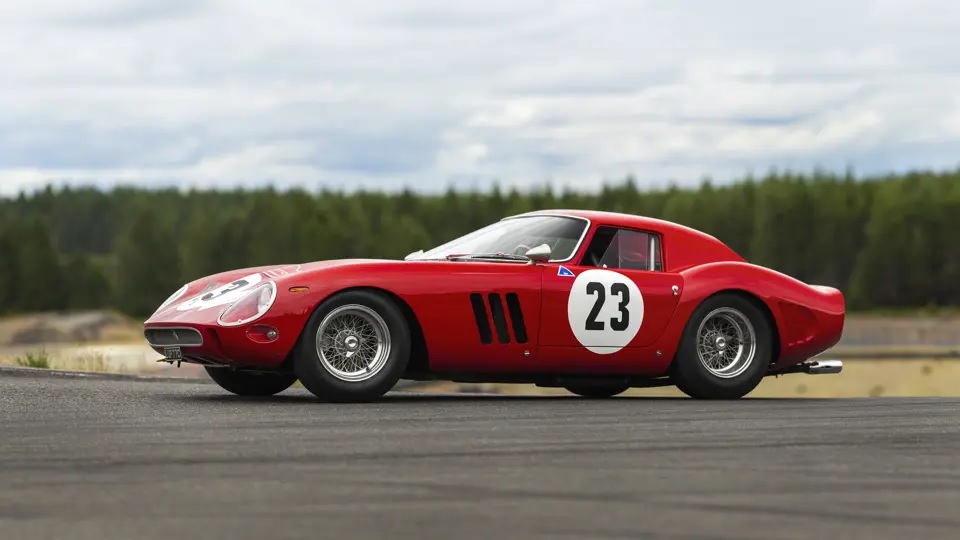
Ferrari 250 GTO (1962)
For the Ferrari 250 GTO, only 36 models were ever produced. Image: Sotheby’s.
Only 36 units of the 1962–1963 Ferrari 250 GTO Berlinetta (chassis 3851GT) were produced and this example is distinguished by its significant racing pedigree. Driven by names such as Henri Oreiller and Jo Schlesser, and later owned by prominent collectors including Paolo Colombo and Fabrizio Violati — its provenance is well documented. Lightweight, responsive and powered by a 3.0-litre Colombo V12 engine, it exemplifies the defining characteristics of a 1960s GT race car. In 2018, it was sold at Bonhams for USD 48 million, reinforcing the 250 GTO’s position as the most coveted model in Ferrari’s vintage portfolio. While it is a functional automobile, its cultural and historical value elevate it to the status of a collectible asset.
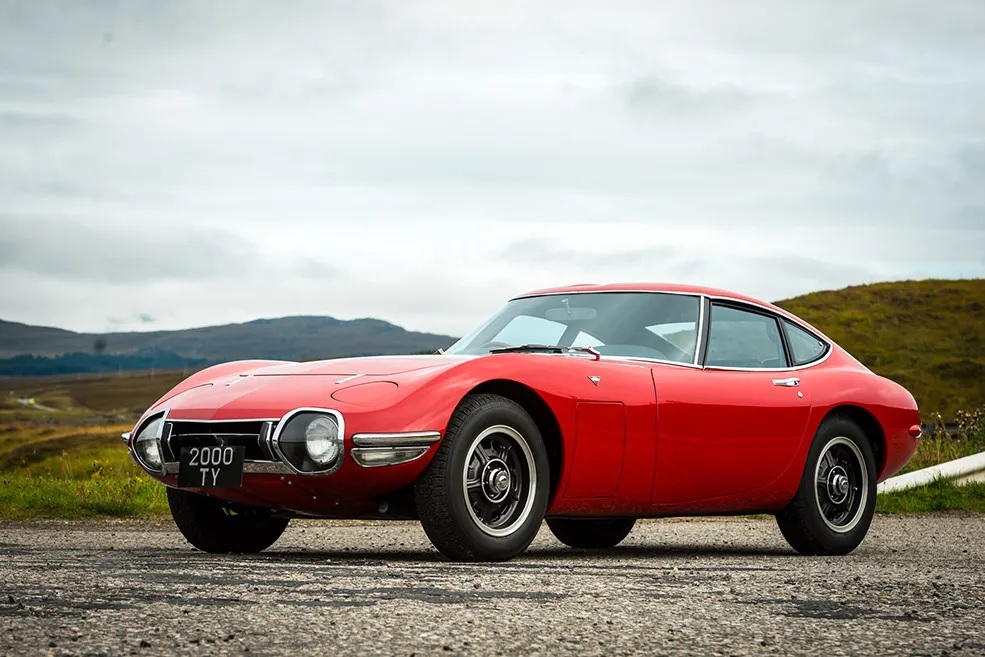
Toyota GT2000 (1967)
Even Toyota has an iconic classic car that shattered auction prices! Image: Classicsworld.co.uk.
In 1967, the world was astounded by the hand-built, breathtakingly beautiful Toyota 2000GT — Japan’s first real supercar. It demonstrated that Japan could compete with the best in Europe thanks to its 2.0-litre straight-six engine, 150 horsepower and ideal 50/50 weight distribution, which was developed by Yamaha. Its starring role in You Only Live Twice solidified its mystique and only 351 were produced. Perfect copies currently sell for over USD 1 million at auction, which was unimaginable for a Japanese classic ten years ago. In addition to being quick, the 2000GT permanently altered public perceptions. These days, it is the focal point of each collection, combining exquisite shapes with exact engineering. At RM Sotheby’s Monterey auction in August 2023, a brand-new, completely restored 1967 Toyota 2000GT sold for USD 2.53 million — setting a new record for the model.
Aston Martin DP215 (1963)
A unique and rare Aston Martin model that raced at Le Mans. Image: Sotheby’s.
The final of the brand’s renowned “David Brown” racers, the 1963 Aston Martin DP215 was a stunning and vicious prototype designed to win Le Mans. Its wind-cheating bodywork was refined in MIRA’s tunnels and its 3.7-litre straight-six engine — tweaked to 330 horsepower — whined through a five-speed gearbox, a first for Aston. Its reputation as Aston’s fastest pre-V8 competitive car endured despite being retired early after just one race. This piece of British motorsport royalty sold for EUR 21,370,000 (about USD 25.3 million at the time) at RM Sotheby’s 2018 Monaco auction, which was a reasonable price for a vehicle that signalled the end of an era.
Jaguar D-Type (1955)
Super rare Jaguar D-Type fine-tuned and restored. Image: Sotheby’s.
With its monocoque hull and aerodynamic curves, the 1955 Jaguar D-Type was the fastest vehicle on the Mulsanne Straight at the time — rewriting the history of the Le Mans 24 Hours. This specimen — chassis XKD509 — has a vintage racing background that includes a class win at Reims in 1956 and is one of only 54 roadsters manufactured. With its distinctive “wide mouth” intake, its 3.4-litre straight-six engine still produces 250 horsepower of undiluted British muscle. It sold for EUR 6,720,000 (approximately USD 7.5 million) at the 2016 Monaco auction — held by RM Sotheby’s — a significant price for a vehicle that helped define a specific era of motorsport. The D-Type is poetry in motion, in addition to being quick.
Alfa Romeo 8C 2900B Lungo Spider (1939)
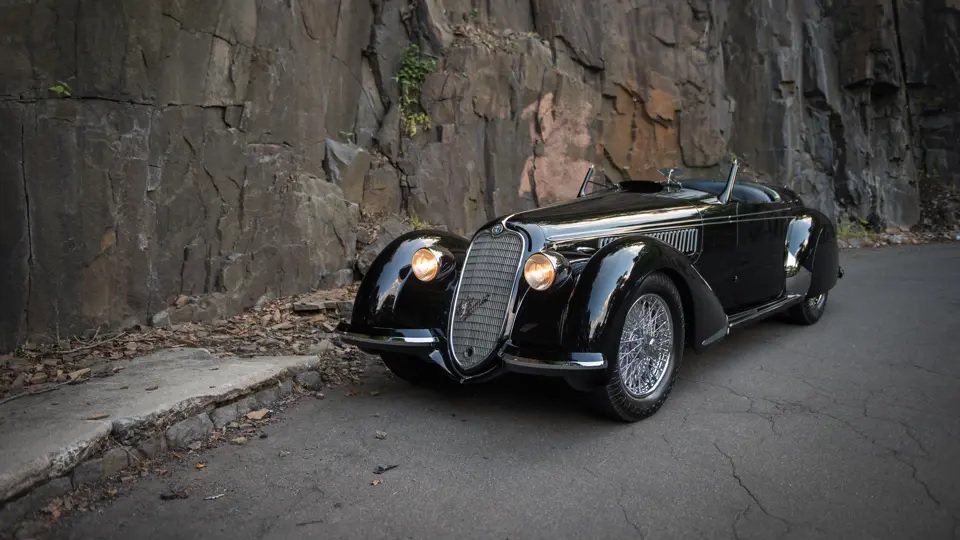
Stately, stylish and sporty – Alfa Romeo 8C 2900B Lungo Spider. Image: Sotheby’s.
One of only 12 long-wheelbase spiders ever produced, the 1939 Touring Alfa Romeo 8C 2900B Lungo Spider is a symbol of automotive royalty. Its 2.9-litre supercharged straight-eight engine — which produces 180 horsepower and can reach 125 mph at a time when most vehicles could barely get 60 — is hidden beneath its breathtakingly gorgeous coachwork. This specific model — chassis 412024 — has matching numbers and a continuous known history. The hammer fell for EUR 19,040,000 (about USD 21.7 million at the time), a suitable sum for what many consider the Mona Lisa of pre-war motoring. Collectors realised its significance when it crossed the block at RM Sotheby’s 2016 Monaco auction.
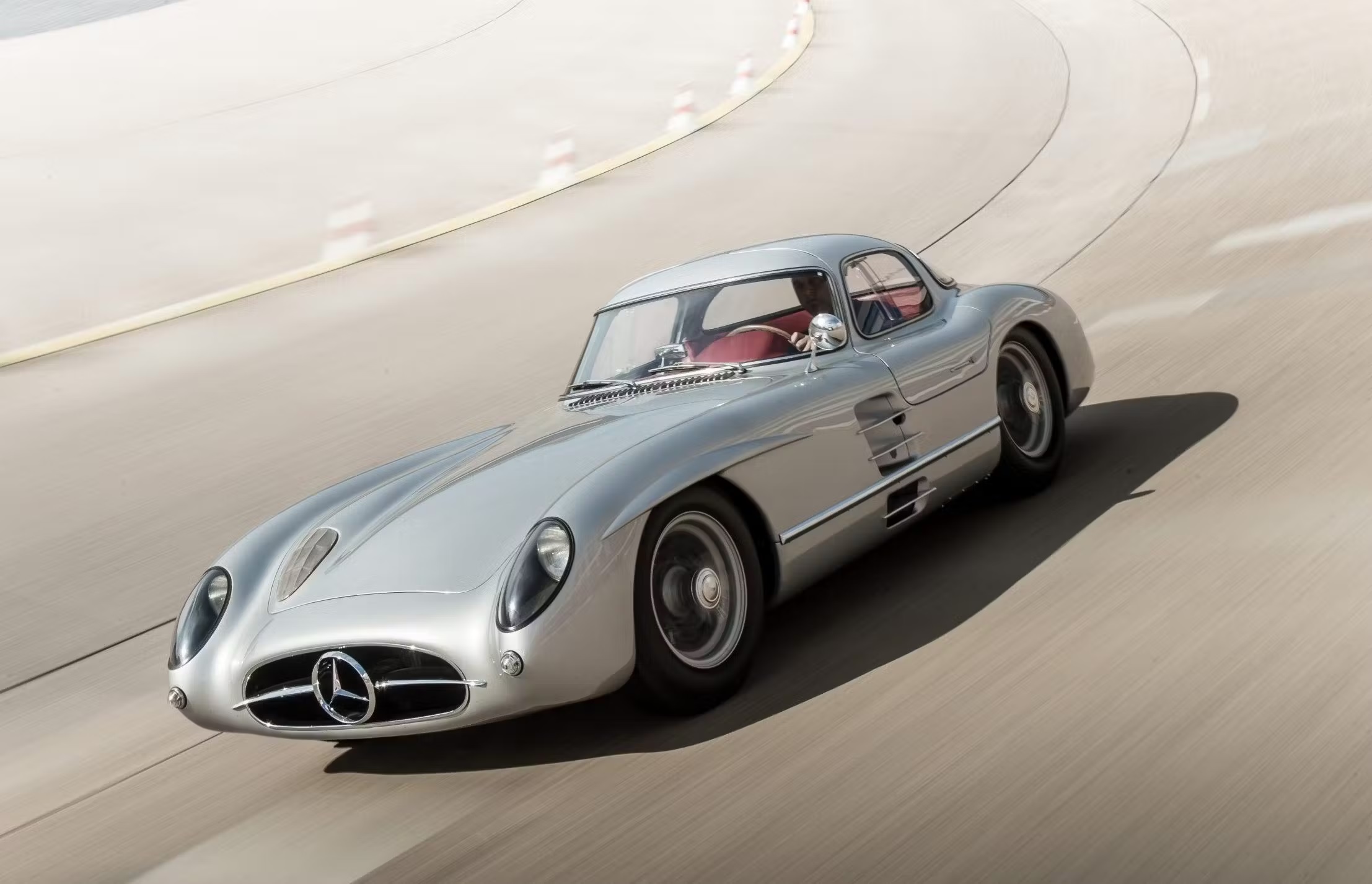
One of the world’s most expensive classic cars auctioned. Image: Sotheby’s.
Only two of the 1955 Mercedes-Benz 300 SLR “Uhlenhaut Coupé” were ever produced, making it one of the rarest and most valuable vehicles in existence. Rudolf Uhlenhaut built these sleek beauties, which were closed-top copies of the renowned open-top racer, using the same 3.0-litre straight-eight engine that powered the Mille Miglia. Decades before the idea gained popularity, these were essentially road-legal race cars with a top speed of 180 mph. One of the most expensive cars ever sold was sold for EUR 135 million (USD 142 million) in a private transaction in 2022. It is more than just machinery; it is the pinnacle of German engineering in the 1950s, a silver arrow that has yet to be improved.
Aston Martin DB6 Mk 2 Vantage (1970)
One of James Bond’s favourite sports cars. Image: Sotheby’s.
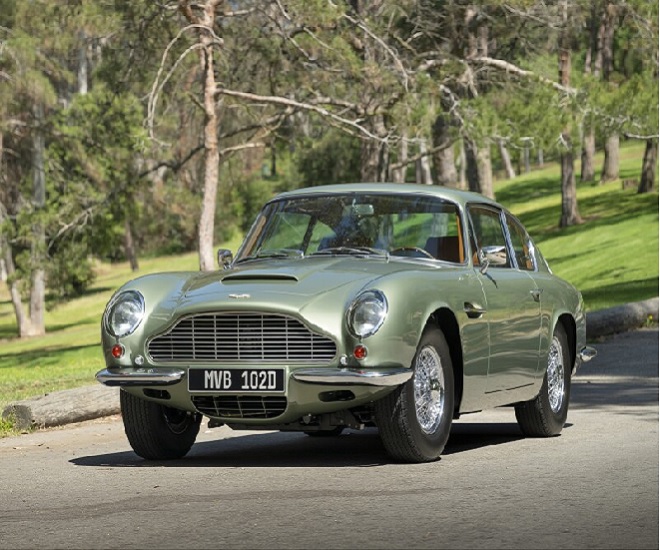
Aston Martin’s iconic grand tourer heritage is the 1970 DB6 MkII Vantage (Chassis No. DBS/5408/R). Its massive hood conceals a 4.0-litre straight-six engine tuned to 325 horsepower in a rare Vantage specification, which was sufficient for 150 mph in an era when aerodynamics was not a significant factor. This specific example — one of only 240 Mk II versions produced — retains its original engine and factory-installed power steering. It sold for GBP 650,000 (approximately USD 825,000) when it was put up for sale at Sotheby’s in 2023. This impressive outcome reflects the increasing demand for these last-of-the-line Astons from the David Brown era. It is more than just a means of transportation; it is a handcrafted example of British automotive nobility that would look just as good parked outside a Monte Carlo casino as it would on the Autostrada.
For more on the latest in luxury automobile reads, click here.
Cashiers is a scenic mountain village the heart of the Blue Ridge with cooler weather and welcoming Southern hospitality.
The town is ideal for nature lovers, with opportunities for hiking, fly fishing, and boating.
From historic luxury at High Hampton to the retro-modern Hotel Cashiers, visitors can find a variety of lodging options.
Locally loved restaurants like Native Prime Provisions (upscale seafood), The Orchard (comfort fare), and Chile Loco (family-friendly Mexican cuisine) offer diverse dining experiences.
Cashiers hosts regular festivals, farmers markets, and music events for all ages.
Located on the highest plateau in the Blue Ridge, Cashiers (elevation 3,487 feet) isn’t exactly the easiest destination to reach. The roads wind through various mountain towns—depending on where you’re coming from, you could pass Highlands, Brevard, or Sylva—and, during the peak summer season, you may have to slowly and patiently drive behind other vacationers seeking the delights of this part of Western North Carolina. The effort, however, is worth it in the end when you pull into this historic village, just eight miles from the South Carolina border.
“Cashiers has long been admired for its natural beauty, small-town vibes, and a welcoming sense of Southern hospitality,” Daniel Fletcher, co-founder of Outland Hospitality, the group behind Hotel Cashiers, tells Travel + Leisure. “It’s the kind of unique place that really transports you to a different state of mind [from] the moment you arrive.” It’s quaint, peaceful, and exceptionally laid-back.
Pronounced “Cash-urs,” not “Cash-ears,” the roughly 900-person community sits at the intersection of U.S. Route 64 and NC Highway 107, and serves as a jumping-off point for all manner of outdoor activities, including fly fishing, hiking, golfing, and boating. It also boasts slightly lower average temperatures in the summer, thanks to a higher elevation. (The average high in August is around 81.9 degrees Fahrenheit, while nearby Greenville is 88 degrees Fahrenheit.) This combination has solidified Cashiers’ status as a resort town, one that’s anchored by High Hampton, a historic inn and repeat World’s Best Awards winner.
“Think of Cashiers like a beach town without the beach,” says Sarah Jennings, partner broker at Cashiers Valley Real Estate. “Our population balloons in the summer and that can be hard for some of our restaurants and retailers to prepare for, so when you come, especially in July, be patient, be kind, and be courteous.” Even if you skip the summer crowds, opting instead for the quiet shoulder seasons, you won’t miss much. Cashiers’ unique brand of summer camp-like magic endures throughout the year.
Read on to discover how to plan a trip to Cashiers, according to locals.
Best Hotels & Resorts
Left: Guest room inside High Hampton; Right: Lake scene at High Hampton.
Lydia Mansel/Travel + Leisure
High Hampton
Recently named the second-best resort in the South in the 2025 World’s Best Awards, High Hampton is a destination in and of itself in Cashiers. Although the property has been welcoming guests since the 1920s, its latest chapter began in the spring of 2021, following a revitalization helmed by the Blackberry Farm (another T+L reader favorite) team.
Serving as both a private club and a resort, High Hampton balances a certain level of exclusivity with all the trappings of a welcoming, kid-friendly getaway—albeit one that’s impeccably designed and complemented by a Tom Fazio-designed golf course and an outstanding food and beverage program. Breakfast is served in The Dining Room, overlooking Hampton Lake and out onto Rock Mountain. A casual lunch down at Mitch’s Lakeside (frozen cocktail optional) or The Tavern can be followed by a return to The Dining Room, where dinner should always conclude with a dessert made by chef April Franqueza, a semifinalist in the 2025 James Beard Awards for Outstanding Pastry Chef or Baker.
Hotel Cashiers
“Personally, I love Hotel Cashiers. The owners have truly transformed the area into a walkable and enjoyable place where you can find fine dining and friendly spaces,” says Ashlie Mitchell, the executive director of The Village Green—a 13.2-acre area at the crossroads of Highway 64 and Highway 107—and a sixth-generation resident of Jackson County. The rooms are a bit retro and Scandinavian-inspired, and they’re equipped with all of the essentials; you can even pop into the shared pantry for complimentary snacks and coffee. “Don’t forget to have dinner in their ‘lobby’ because it is fabulous,” says Jennings, referring to Kitchen & Bar, where the seasonal menu features dishes made with farm-to-table ingredients.
The Wells Hotel
The Wells Hotel is another solid, more affordable option in Cashiers. “[It’s] connected to Whiteside Brewing Co. by a short walking path, and that is always a fun visit for good brews and eats,” says Mitchell. The rooms are bright and airy and conveniently located near the Elevated Kitchen food truck, so guests can easily grab a quick breakfast before starting their day in Cashiers.
Best Things to Do
Silver Run Falls near Cashiers, North Carolina.
Kenneth Keifer/Adobe Stock
Go for a hike—or stretch your legs in town.
“Cashiers is known for its abundance of waterfalls, hikes, and wildlife, and my favorite hike is Whiteside Mountain. It’s an easy hike that offers jaw-dropping views of the Blue Ridge Mountains,” says Fletcher. Jennings also recommends taking “the short hike to Silver Run Falls.” You can even get in some steps without leaving the town itself. “I always enjoy exploring the Cashiers Walking Trail and The Village Green sculpture park and seeing all the local flowers and art,” says Fletcher.
Have a lake day.
Cashiers may be a mountain town, but it’s also close to two gorgeous lakes: Lake Glenville and Lake Toxaway. If you’re interested in the former, Mitchell suggests stopping by the beach at the Pines Recreation Area or renting a boat from Signal Ridge Marina. Lake Toxaway Marine also offers boat rentals, as well as kayaks, canoes, water skis, and tubes.
Check the local event calendar.
Mitchell notes that Cashiers also has “free events throughout the week,” and families can always find some affordable fun at the local park and playground at The Village Green. In 2025, the schedule of events includes the Highlands-Cashiers Chamber Music Festival, a farmers market, an antique show, and more.
Plan a fly-fishing trip.
Anglers are drawn to this part of Western North Carolina, thanks to its cold rivers and streams filled with trout. Brookings Anglers has guided float and wade trips that explore the waters of the Tuckasegee, and there are dozens of smaller streams and rivers to fish in the area surrounding Cashiers.
Best Shopping
Exterior of the Cashiers Farmer’s Market.
Lydia Mansel/Travel + Leisure
Cashiers Farmers Market
It’s nearly impossible to leave Cashiers Farmers Market empty-handed. From the local produce and baked goods to the jars of jams and the takeout barbecue—picked up at the adjacent, aptly named On the Side restaurant—this nostalgia-inducing spot is the perfect stop when you’re feeling peckish or want to load up on some snacks before heading out on a hike.
Vivace
“Vivace has something for everyone, and their selection varies between casual day wear and evening [attire],” says Mitchell. “I also appreciate that they have footwear for all occasions. Every piece I have from Vivace has served me well, and they have something for each season.” If you’re a fan of brands like Frank & Eileen or Favorite Daughter, it’s a can’t-miss stop while in Cashiers.
Victoria’s Closet
“Victoria’s Closet is a staple consignment store and has great stuff year-round. It’s always fun to pop in and explore, because who doesn’t love a good consignment store treasure hunt?” says Fletcher. Mitchell agrees, adding, “When I’m in a pinch for the perfect outfit for an event or a casual night out, I can always find one here, including shoes.”
Highland Hiker and Brookings Anglers
Mitchell calls Highland Hiker your “go-to shop for everything you need for outdoor excursions, whether you’re skiing the slopes in January or hiking Whiteside Mountain in August.” Similarly, Brookings Anglers covers your outdoor needs, and Fletcher adds that it has a “great location overlooking the lake and offers guided fly-fishing trips.”
The Cashiers Store
“You can’t leave the area without stopping at The Cashiers Store for a memento,” says Jennings. The shop has all of your classic vacation pieces—colorful T-shirts, hats, and sweatshirts proudly touting the mountain destination.
Best Restaurants
Outdoor seating at The Orchard.
The Orchard
Native Prime Provisions
For an elevated night out in Cashiers, Mitchell recommends Native Prime Provisions. “The owners, Scott Alderson and Tania Duncombe, bring all the fun and best seafood from the East Coast. Their wine menu is also meticulously curated, and I’ve never had a bad suggestion. Not to mention, it’s fun to dine while watching everyone work in the kitchen to prepare artfully crafted plates,” she says.
The Orchard
“The Orchard is a Cashiers’ mainstay and always wonderful,” says Jennings. Reservations are highly recommended, and the ambience of the 100-year-old farmhouse is tough to beat. The menu features a range of hearty favorites, including fried green tomatoes, steamed mussels, and crab cakes.
Chile Loco
“For a family-friendly meal, I love Chile Loco, a family-run Mexican restaurant that offers all the go-to Mexican dishes as well as some lesser-known family recipes,” says Fletcher. After a long day of hiking, waterfall spotting, or fly fishing on the Tuckasegee River, there’s nothing quite like a platter of nachos or fajitas, topped off with a refreshing margarita.
Canyon Kitchen
“[Canyon Kitchen] has the most spectacular view of almost any restaurant in the country, and the food is phenomenal,” says Jennings. Although it’s technically in Sapphire, the short seven-minute drive from Cashiers is more than worthwhile, especially if entrees like North Carolina shrimp and grits or steak and fries are up your alley.
Buck’s Coffee Cafe
“For coffee, I always stop by Buck’s Coffee Cafe for a great Americano in a living room-style space,” says Fletcher. You’ll know you’ve arrived when you spot the antlers on the front of the building.
Best Time to Visit
Aerial view of fall colors on a golf course in Cashiers, North Carolina.
Craig Zerbe/Adobe Stock
There’s no bad time to visit Cashiers, so the “best” time depends on your ideal weather and crowd preferences. “My favorite time to be in Cashiers is spring and late summer. The temperature in the mountains is perfect, and the local blooms are stunning—think daffodils, rhododendrons, and laurels everywhere,” says Fletcher.
Summertime and the peak of fall foliage are most popular among travelers—and for good reason. “Summer is when there’s something fun to do with the whole family every day of the week,” says Mitchell. “Fall is when our Cashiers Valley showcases magnificent reds, oranges, and yellows of the deciduous trees and brings with it cooler temperatures for cozy nights around the fire.” That said, if you visit in July or October, you’ll want to keep a few things in mind. “Traffic can get bad during the weekends, [along with] higher lodging prices and busier trails and restaurants,” says Fletcher.
If you’re interested in Cashiers’ shoulder season, consider coming in September, which Jennings describes as “the most underrated time to be in Cashiers.” “The temperatures are still pleasant, the crowds have died down, and all of the shops and restaurants are still open,” she says. Or, you can plan your trip for the winter, which Mitchell says brings “short wait times and friendly local faces, along with skiing and tubing in Sapphire.” (Sapphire Valley’s ski area is an eight-minute drive from Cashiers).
How to Get There
A sign indicating the elevation of Cashiers, North Carolina.
Katherine Welles/Adobe Stock
If you’re flying into the area, Asheville Regional Airport (AVL) is your best bet. It’s just about a one-hour drive from Cashiers, depending on the traffic and how comfortable you are with navigating mountain roads. Greenville-Spartanburg International Airport (GSP) is another option; the South Carolina airport is a little less than two hours away.
How to Get Around
Even though Cashiers is a tiny town—and there is the partially-completed walking path, the Cashiers Greenway Ramble—you’ll need a car to reach hiking trails, some restaurants, and other points of interest in the area. Plus, not every part of the town is connected by a sidewalk.
The technical storage or access is strictly necessary for the legitimate purpose of enabling the use of a specific service explicitly requested by the subscriber or user, or for the sole purpose of carrying out the transmission of a communication over an electronic communications network.
Preferences
The technical storage or access is necessary for the legitimate purpose of storing preferences that are not requested by the subscriber or user.
Statistics
The technical storage or access that is used exclusively for statistical purposes.The technical storage or access that is used exclusively for anonymous statistical purposes. Without a subpoena, voluntary compliance on the part of your Internet Service Provider, or additional records from a third party, information stored or retrieved for this purpose alone cannot usually be used to identify you.
Marketing
The technical storage or access is required to create user profiles to send advertising, or to track the user on a website or across several websites for similar marketing purposes.


:max_bytes(150000):strip_icc()/tal-cariuma-end-of-season-sale-tout-07b8d45fcb454d2892821ced8050d77b.jpg "10 Best Cariuma End-of-season Sale Sneaker Deals")
:max_bytes(150000):strip_icc():format(jpeg)/tal-cariuma-end-of-season-sale-tout-07b8d45fcb454d2892821ced8050d77b.jpg)

















:max_bytes(150000):strip_icc()/TAL-lead-image-CASHIERSNC0725-085ebd476daf482e87561d5fde0db66b.jpg "Cashiers, North Carolina, Offers the Perfect Summer Vacation—With One of the South’s Best Resorts")
:max_bytes(150000):strip_icc():format(jpeg)/TAL-lead-image-CASHIERSNC0725-085ebd476daf482e87561d5fde0db66b.jpg)