Fifty years of the BMW 3 Series represent half a century of rich automotive history in one of the most fascinating segments of all: the mid-size class. But which generation of the 3 Series is the best? Opinions are divided, yet when it comes to the blend of design, powertrain and progress, much speaks in favour of the E46—ideally with a six-cylinder engine, and why not even the lesser-known 323i?
Since the 1970s, the BMW 3 Series has been the sporty and dynamic car of choice in the European mid-range segment. Back then, nobody used the word “premium”. Fifty years on, that’s changed. At the time, direct rivals came from brands like Ford, Opel and Audi. Genuine premium competition only emerged in the mid-1980s, when Mercedes entered the entry-level market with the 190. While the E30 3 Series has long become a sought-after classic, and many E36s now carry historic number plates, attention is turning to the E46. For many enthusiasts, it’s the most beautiful and stylistically confident 3 Series of all time. Though it may need a few more years before it’s officially a classic, now is the perfect time to snap one up—this mid-size model is destined to become a legend.
Compared to its immediate predecessor, the E36, the E46 stands out thanks to its design, avoiding the indifferent look of the earlier model. While the E36 had decent proportions, it appeared uninspired from the front and rear. The E46, introduced in 1998, plays in a league of its own. The same applies to its engine range, spanning from 1.6 to 3.2 litres—and even up to 4.0 litres in a limited GTR run. Those looking for a future classic can easily disregard several versions. The best-selling four-door saloon and estate models, especially the short-lived 3 Series Compact hatchback, are less desirable. The Compact, built to rival the Golf, lacked charm and the driving dynamics of its larger siblings. Those seeking strong residuals or future appreciation should focus on the coupé or convertible.
There’s little hope for the underpowered four-cylinder models like the 316i, 318i or even the 320i—despite the latter having a straight-six engine. An insider tip is the relatively unknown BMW 323i, built for a short period. Though lacking in popularity, its 2.5-litre straight-six with 170 PS offers the minimum for entertaining performance. From autumn 2000, the upgraded 320i replaced it with the same output. More solid bets for future classics include the 325i and 328i, with 192 PS from the M54 and 193 PS from the M52 engine respectively. Once-popular diesel variants are now largely irrelevant in the classic scene due to emissions restrictions and access limitations.
The best engine choice for the E46, whether coupé or convertible, is the 330, offering 231 PS and 300 Nm at 3,500 rpm. It accelerates to 100 km/h in under seven seconds and can reach 250 km/h with a manual gearbox. Early five-speed manuals can feel noisy and rev-happy, while post-2003 models with six-speed manuals offer better long-distance comfort and fuel efficiency. The five-speed automatic from ZF dulls the lively nature of the straight-six, although Sport mode helps somewhat. The three-litre six remains a fantastic all-rounder, whether paired with a manual or torque converter auto. In terms of powertrain and handling, neither Audi nor Mercedes had much to compete with in the early 2000s. Real-world consumption isn’t much higher than weaker six-cylinder variants. For coupé fans, the 330Ci was also available with all-wheel drive.
Highly sought after on the used market are the M3 models, which outshine even the rarer Alpina variants. The 3.2-litre S54 straight-six produces 343 PS and 365 Nm at 4,900 rpm. The M3 coupé is a phenomenal sports car with outstanding handling. Many owners have removed the 250 km/h speed limiter to keep pace with Porsche 911s and other rivals. Only the Alpina B3 and B3S, with 280 and 305 PS respectively, were officially faster, offering refined performance up to 270 km/h.
For those seeking a perfect sports coupé with investment potential, the M3 is a clear choice. The 330i suits the convertible better, aligning with the open-top character. If going for an M3, ensure it has the standard six-speed manual. The SMG sequential gearbox is ill-suited to the less powerful models and only enjoyable under full throttle in the M3. It’s standard in the M3 CSL, which now fetches over €80,000. Well-maintained standard M3 coupés with under 100,000 km start at €40,000.
There’s some debate about whether the 2001 facelift improved the E46. The coupé and convertible were refreshed in 2003. The kidney grille grew wider, indicators moved into the wings, and new bumpers featured smaller round fog lights. Front and rear lights were slightly redesigned, and LED rear lamps were introduced on the coupé and convertible. The interior saw little change over the near-decade-long production run, aside from a larger widescreen display. As with any future classic, more equipment means more desirability. Features like alloy wheels, xenon headlights, and part-electric leather seats weren’t always standard. Ideal kit includes leather sports seats, climate control, 18-inch wheels, heated seats and a decent sound system. A well-kept BMW 330i coupé with under 125,000 km and good spec starts at around €15,000. Convertibles cost little more. Prices are only heading one way—and that applies to saloons and estates too, which start from €10,000.
Eric Giroud laughs when presented with our challenge: design an iconic watch. “It’s not possible,” exclaims the celebrated independent watch designer, who has created pieces for Vacheron Constantin and Harry Winston, Tissot, MB&F and Romain Jerome among many others. “I have been asked to do that before, though, especially for new brands because every watch company wants to have an ‘icon’. But you can’t do it, because it’s the product of factors outside of the designer’s control”.
More on this later. Before then, to speak of an iconic watch – and the industry really does love to do that to excess – is to speak of a kind of watchmaking canon, like the greats of literature or music. It is a tacitly agreed and, through media and retail, constantly reinforced selection: among them the Omega Speedmaster and Rolex Submariner, the Cartier Tank and the Jaeger-LeCoultre Reverso, the Audemars Piguet Royal Oak and the Patek Philippe Calatrava… The selection verges on being cliché – and, yet sometimes it seems to be constantly expanding <just with Patek Philippe alone, we have not even covered the Nautilus, Aquanaut and Golden Ellipse models and that is just to begin with (– but maybe for a good reason).
That is because this is not simply about ‘timeless’ design, with its suggestion of inoffensiveness and innocuousness. A so-called timeless style can look like so many other watches. To be disruptive is harder: both to design and to sell. Certainly, many of those watches considered iconic broke a mould when launched: designer Gerald Genta’s Royal Oak reimagined stainless steel and an industrial aesthetic as luxury; Rene-Alfred Chauvot’s Reverso provided an engineering solution to protect the dial of his Reverso; Swatch built on quartz’s affordability in pop plastic. And so on. As Max Busser, founder of MB&F points out, so many watches now considered trail-blazing and iconic were so radical that they were commercial flops when launched.
Indeed, that brings us back to those other icon-defining factors that Giroud notes as being out of his hands. The first is time: iconic status is won only by having stuck around, and in the case of many watches, that means for decades. It is why, for Gisbert Brunner, watch enthusiast and the author of 100 Iconic Watches (published by teNeues last year), the ultimate watch icon is the Cartier Santos: the watch that pioneered the very idea of the purpose-designed wristwatch, “and, amazingly, the same in 2025 as it was in 1907,” he says.
Giroud’s second factor is consumer appreciation. These are mutually reinforcing, of course: arguably the more consumers demand a watch, or express their regard for it – something much more easily done since the advent of social media – the more a brand is likely to continue to manufacture it; and this, in turn, underpins appreciation. As Sebastien Gobert, the creative director of Zenith, puts it, “a brand can seek to be disruptive with a design, but once it has done that the process [of becoming an icon, or not] is completely controlled by the consumer. That’s why it’s such a risk to be disruptive in the first place”.
Busser, formerly of Jaeger-LeCoultre, says he remembers a long spell in the 1990s “when you couldn’t give a Reverso away. The line you would hear was ‘why would anyone want a watch you can flip over?’,” he recalls. “The model had spent several decades just vanished [from the watch scene] and it was only when a distributor asked for it to be remade that it was slowly re-discovered. It’s an indication of how there’s no way a brand can set out to make an icon—that’s down to the public, to those super early adopters”.
Is their appreciation all for the aesthetics of a watch? Brunner does not think so: he cites engineering innovation—the slimmest, lightest, most precise in mechanical watches – as worthy of icon status too, which is why he counts in the likes of Grand Seiko’s Spring Drive, “even though it looks like thousands of other watches out there”.
Then there is the broader cultural resonance of a watch— that it reflects a moment in history, like the famed Dirty Dozen of military watch fame, suggests Giovanni Moro, founder of Unimatic; or because it made an appearance in a film. TAG Heuer’s Monaco might have become an icon without the assistance of being worn by Steve McQueen in Le Mans, as might have the Porsche Design Chronograph One, the world’s first fully black watch, without it being worn by Tom Cruise in Top Gun – but it certainly helped. But how about the Casio CA-50 ‘calculator watch’, as worn in Back to the Future?
“There are only a handful of true icons in the watch world and I think some might have been helped on their way by resonating with the zeitgeist, in the way that the Rolex Submariner probably got a boost through its association with James Bond, or the Speedmaster did from the moon landings,” argues Angus MacFadyen, owner of the Alsta brand, whose Superautomatic was worn in Jaws, which marks its 50th anniversary this year. “This is mostly beyond the watch company’s control, of course, especially whether that film itself comes to be considered in some way iconic. But this is a balancing act for any brand: you don’t want to end up being just ‘the maker of the Jaws watch’”.
The association with film does, however, speak to the visual appeal of iconic watches—after all, ’icon’ comes from the Greek ‘eikon’, meaning ’image’. So often they have some distinctive and sometimes divisive stand-out detail – the sidewalls of the Patek Philippe Nautilus’s case, the oversized crown-guard on a Panerai Luminor, or, getting much crazier, the shape of the Cartier Crash, for example. “A shape you can identify from 25m is, I think, a key aspect of what makes a watch iconic,” reckons watch influencer Kristian Haagen. “Frankly I wouldn’t really care if my Nautilus had a Quartz movement. It’s the look I love”. Carlos Rosillo, the CEO of Bell & Ross, argues that it is this overwhelmingly visual identity that is at the heart of what makes an iconic watch, and which encourages consumers to regard it as such.
“An icon has to be aesthetically very original, different, all while respecting the values of the brand. You might be able to just look at the shape of the watch alone and know what it is, without the need for any branding at all,” he says, suggesting this to be true of Bell & Ross’s square BR-01, and seeking to prove the case in its recent, brand-free iteration, the BR-03 Astro. “The trick is in making a statement and then protecting it, having options to develop it that keeps [your audience] surprised.”
Certainly, as Giovanni Moro argues, not every watch now given “the ‘icon’ seal of approval” deserves to have it. “You see more and more watch companies trying to make an icon through marketing alone,” he laments, “while it can feel that other truly great watch designs—like the Speedmaster, which is definitely an icon—sometimes get over-written by the sheer weight of the marketing that keeps them iconic. It’s all ‘the moon, the moon, the moon!’” “But of course every watch brand wants to have an icon in their collection, or at least claim that it has an icon,” says Brunner. “When I was writing that book lots of brands contacted me to say ‘we have an icon too!’ but often what they had was more of a me-too watch.”
This is understandable from a business perspective: an icon is a reliable seller, year in, year out, with that iconic status ensuring a public profile and plenty of free promotion. It provides a financial bedrock on which sometimes other, more contemporary designs
might be built – having an iconic model that was once considered disruptive, if no more, provides some freedom to be disruptive with contemporary designs, and thus perhaps create the icons of tomorrow, says Gobert.
More than that “there is something stabilising about having an icon,” Rosillo suggests. “If you feed it well it generates a lot of power and gives the market confidence in the brand. It can give an entire brand the meaning it needs to have”. It also provides a launch-pad into a wider brand world for any would-be customer. For those who do get hooked, icons often are, as it were, the gateway drugs to a wider watch appreciation.
But that’s not to say a brand having an icon is all good. “It’s a double-edged sword,” reckons Busser. “I’d hate MB&F to have an icon because we’re all about creating something very different every time. But of course I recognise that it would be great for business”. Icons can also become brands of a sort in their own right – people don’t necessarily want a Rolex, for example, but a Daytona – overwhelming the actual brand on the dial, “and capturing all the attention,” notes Rosillo. ”It’s dangerous to become known for just that one product”. Keeping the icon fresh – recognisably itself, yet not entirely stuck in aspic either – is also no easy task. “From the design point of view an icon is a nightmare to work with,” laughs Gobert, “because you have to somehow continue its story while also working to so many limitations”.
“Every year those brands have to put a lot of effort into keeping those icons going in an interesting way,” adds Giroud, who suggests that for a brand to have one can also have the effect of dampening down a wider creativity. This is especially true of those bigger brands for which any new watch represents a huge investment. “By the same token, so much of the watch industry is all about history and legacy now, so if they have an iconic watch most companies dare not do too much with it. Kill the icon and you kill the business.”
That is all the more tricky when, well, us consumers just love those icons. From a consumer perspective, an icon is certainly, as Giroud puts it, “the easy choice, even if the industry is so much bigger now and there’s the option to make a much more personal choice. But if you’re going to spend a lot of money on a single watch, it is understandably tempting to buy what’s perceived as being a ‘classic’.” Indeed, perception is a key factor here: icons have cultural resonance beyond what might otherwise be considered a rather niche interest. Since most people are not watch nerds, the power of an icon to signal taste and status to other people – who may know nothing about watches—matters.
“That’s true of design more broadly,” argues Robert- Jan Broer, the founder of Fratello Watches. “A product that’s considered iconic represents a good [maybe the best] version of that product type. If you’re buying a watch, or a chair, a camera or a car, it’s widely accepted as having set and met some kind of standard”.
In cars think of the likes of the Ford Mustang, VW Beetle or Mini – though Broer points out that many cars continue to exist through time more as the idea of a design than the design itself. In homewares, think of the likes of the Eames lounge chair, or the Anglepoise 1227 lamp. Even coffee pots have their iconic version, in the Bialetti Moka. Like these other design icons, watches have their icon status reinforced by being endlessly copied – not to mention counterfeited outright, argues Haagen. “It’s in
part what allows the design to be accepted and respected across generations, that places it beyond just fashion,” he says.
Or, as Swatch Design Committee member Carlo Giordanetti pithily puts it: “a watch becomes an icon through repetition”. While Swatch’s high output of new models may have given it a higher icon return rate than most brands – the Gent, the Jelly, the Scuba among them – all this has come to its logical postmodern conclusion in the Moonswatch. It is a riff on a icon that looks like it might itself become an icon in time.
“The Moonswatch is like the square of an icon,” Giodanetti laughs. “The project is still young but in terms of the discussions it has started it’s been huge, and in the way it has turned things around in terms of what’s thought possible in the world of watches. We use the word ‘icon’ too much – to the point that it’s become non-descriptive. But this is certainly disruptive”.
‘Modern icon’ too makes for some lazy marketing, a seeming contradiction in terms. But perhaps, with the watch industry’s huge expansion over more recent decades, there are more icons in the making, yet to be tested over time, and – thanks to an increase in the pace of production, and the pace with which social media generates buzz – with that process in acceleration. For Busser, Richard Mille’s first watch, the RM001, potentially deserves the ‘icon’ appellation, even though it was launched only 24 years ago. For Broer, it is A. Lange & Söhne’s Lange 1—launched 31 years ago—or the Bulgari Octo Finissimo – launched 11 years ago – that are ones to watch. For Moro, it is the 13-year-old Ressence Type One.
“But I do believe we have to think about the idea of watch icons more broadly now, while carefully considering what it really means,” says Brunner, who, while limiting his book’s selection to 100 pieces, reckons he could easily have selected 200. “Naturally a lot of what makes a watch ‘iconic’ to people is just their personal opinion. It is like calling a watch ‘beautiful’. But we so often now use the word ‘iconic’ without reflection. That designation needs to be well-deserved”.
This story was first seen in WOW #78 Vision 2025 Issue
For more on the latest in luxury watch reads, click here.
1. Meet the 907-HP Hybrid That Replaces the Huracán
Lamborghini’s new Temerario (Italian for “the daring one”) is the second model in Sant’Agata’s High-Performance Electrified Vehicle line-up. Under its scalpel-sharp bodywork sits an all-new, flat-plane, twin-turbo 4.0-litre V-8 and three axial-flux electric motors for a combined 907 hp (920 CV) and 538 lb-ft of torque. A feather-weight 3.8 kWh battery feeds the front-axle motors and sits low in the central tunnel for a better centre of gravity. Lamborghini quotes 0-62 mph in 2.7 seconds and a top speed beyond 210 mph. Wikipedia
2. Design That Works Harder Than It Looks
Visually the Temerario riffs on the Revuelto’s Y-signature lights but introduces hidden active aero: flaps inside the rear diffuser can stall or energise airflow depending on mode to add as much as 25 per cent extra downforce over a Huracán STO. The cockpit keeps the fighter-jet theatre—flip-up start button, hex-pattern vents—while the “Direzione Anima” toggle now controls four drive modes: Recharge, Città, Sport and Corsa. Lamborghini.com
3. How It Drives (According to the First Reviews)
Steering & Balance – Testers praise the calmer, more neutral front end: “tolerant of big steering inputs and rock-steady under hard braking,” notes CAR magazine, even if understeer appears at the limit. Car Magazine
Weight vs Agility – The hybrid gubbins add roughly 551 lb, yet because the mass sits low and central, change of direction still feels keen. Henry Catchpole calls the compromise “a lot of fun” on Estoril’s fast corners. Hagerty
Brakes & Gearbox – Carbon-ceramics (410 mm / 10-piston fronts) combine with the Revuelto-style 8-speed DCT for “punchy, aggressive shifts” and a pedal that’s “surprisingly short and firm.” Top Gear
Lightweight Options – Spec the Alleggerita package (carbon roof, titanium exhaust, magnesium wheels) and you trim ~55 lb while upping downforce. SlashGear
Bottom line? Reviewers agree it’s a new flavour of Lamborghini—less shriek, more shove, yet still riotously playful when the front motors vector torque to crank up drift angles.
4. Huracán LP610-4 vs Temerario—Why It Matters Right Now
While the V-10 Huracán sings to 8,500 rpm in naturally-aspirated purity, the Temerario substitutes volcanic mid-range torque and electric punch. Numbers tell part of the story:
Huracán LP610-4
Temerario
Power
602 hp (N/A V-10)
907 hp (hybrid V-8)
0-62 mph
3.2 s
2.7 s
Weight (dry)
3,135 lb
3,725 lb*
Red-line
8,500 rpm
10,000 rpm
*before optional lightweight pack. Data sources: Lamborghini & media drives. WikipediaSlashGear
What never changes: both cars deliver all-wheel-drive security, dual-clutch snap-shifts and that signature “long-sword” Lambo steering response. If you love the analogue howl of the V-10, drive it now—because the future is turbo-electrified.
5. So, When Can You Drive a Temerario?
Lamborghini has confirmed first customer deliveries for late 2025. Our team at Xtreme Xperience is already in talks with the factory to add a Temerario to our 2026 fleet—complete with classroom briefing, helmet, and a pro instructor riding shotgun. Want front-of-line access? Join the Temerario VIP Waitlist at checkout and we’ll notify you the moment dates hit the calendar.
6. Feel the Raging Bull Today—Huracán Track Drives From $249
Don’t just read about 900-horsepower dreams—live the legend. Our current Lamborghini Huracán LP610-4 delivers 602 hp of naturally-aspirated V-10 fury, paddle shifters, and no speed limits on 40-plus racetracks nationwide. Three to four hot laps with a pro beside you, starting at $249. Book yours now and you’ll:
Learn the racing line in a quick-hit classroom.
Get real-time coaching from a championship-winning instructor.
Walk away with in-car video proof (optional) and bragging rights for life.
Reserve your Huracán drive today, tick the “Temerario VIP Waitlist” box, and you’ll be the first to tame Lamborghini’s hybrid future on track.
7. Key SEO Phrases Worked Naturally Into This Article
“Test-drive Lamborghini Temerario,” “Temerario first drive review,” “Lamborghini Temerario specs,” “Huracán vs Temerario comparison,” “drive a Lamborghini supercar on track,” “Temerario drift mode,” “Lamborghini plug-in hybrid V-8,” “Temerario Estoril review,” “how to drive a Lamborghini Temerario.”
8. Final Gear-Change
The press may be obsessed with horsepower graphs and hybrid debate—but at Xtreme Xperience we measure a supercar by the grin it leaves on your face when you climb out, heart hammering through your race suit. Whether you crave the last-of-its-kind V-10 symphony or the next-gen hybrid thunder, It’s Your Turn to drive the dream.
Take a stroll or bike along the scenic Rideau Canal, a UNESCO World Heritage Site that cuts through the heart of downtown.
Book a table at Atelier, a top-ranked restaurant on Canada’s 100 Best list, for an unforgettable tasting menu experience.
Spend a night in the historic Fairmont Château Laurier, just steps from Parliament Hill and the National Gallery of Canada.
Head to Gatineau Park for canoeing, hiking, or zip lining through the treetops—only a short drive from the city core.
End the day with cocktails and skyline views at Copper Spirits & Sights, the tallest rooftop bar in Ottawa.
When I tell my American friends I live in Ottawa, I’m usually met with a polite nod—or a puzzled pause. Canada’s capital doesn’t get the same buzz as Toronto or Montreal, and frankly, that’s undeserved. I was born and raised here, but like many millennials, I once believed that culture lived elsewhere. At 21, I moved to Italy in search of something more exciting, only to realize—years (and a pandemic) later—that what I’d left behind was actually everything I had taken for granted: summers at the lake, biking along the canal, and a city that quietly balances nature and culture in a way few others do.
In Ottawa, you can paddleboard across the city’s canal and end up enjoying one of the country’s best tasting menus. With its blend of historic landmarks, lush green spaces, and a vibrant (and growing) food scene, you don’t have to choose between the best of the outdoors and the perks of a city.
From a stay in a storybook château to cocktails on the city’s highest rooftop, it offers just enough glamour to surprise you—and more than enough charm to keep you coming back.
Best Hotels & Resorts
The lobby of the Fairmont Chateau Laurier.
Fevzi Ondu/Courtesy of Fairmont Château Laurier
Fairmont Chateau Laurier
Straight out of a fairy tale, the Fairmont Château Laurier is one of Ottawa’s most recognizable landmarks—and a National Historic Site of Canada. Opened in 1912, this grand railway-era hotel blends old-world elegance with an unbeatable location: steps from Parliament Hill and close to the Rideau Canal, and downtown’s top museums and restaurants. Inside, you’ll find Tiffany stained-glass windows, Belgian marble floors, and soaring Gothic architecture that nods to its castle-like silhouette.
Andaz Ottawa ByWard Market
Celebrating Canadian culture, artists, and artisans, the Andaz, a modern luxury hotel from the Hyatt collection, proudly showcases local art, minibars stocked with regional treats, and standout dining. Feast + Revel serves up inventive New Canadian cuisine, while Copper Spirits & Sights—Ottawa’s tallest rooftop bar—offers sweeping views and expertly crafted cocktails.
The Metcalfe
This stylish boutique hotel is perfectly located—just a short walk from Parliament Hill and the ByWard Market. Housed in a historic 1906 building that originally operated as a YMCA (and once the site of Sir George-Étienne Cartier’s residence, a Father of Confederation), it was converted into a hotel in 2017. On site, Cocotte Bistro offers French-inspired brunch, lunch, and dinner, along with coffee and snacks available throughout the day.
Best Things to Do
A lake in Gatineau Park.
Manuel ROMARIS/Getty Images
Explore Gatineau Park.
With more than 120 miles of accessible, dog-friendly hiking trails, it’s no surprise Gatineau Park is one of the most visited in the country. It’s a dream for outdoor adventurers: Canoe, kayak, or paddleboard on Lac Philippe or Lac La Pêche; hit the biking or mountain biking trails; or spend the night under the stars—just be sure to book campsites months in advance, as they fill up fast.
Cycle the Capital Pathway and Rideau Canal.
A designated UNESCO World Heritage Site, the Rideau Canal was constructed in 1832 and is best known for its role as the world’s largest skating rink during the winter. But come summer, it transforms into a scenic corridor perfect for exploring the city. As Tobi Nussbaum, chief executive officer of the National Capital Commission, puts it, “As a UNESCO World Heritage Site, the Rideau Canal is a defining feature of Canada’s capital region. Navigating through its historic locks, swimming at Dow’s Lake, relaxing at a waterfront bistro, or strolling along its shores on the Capital Pathway provides everyone who visits with a quintessential capital experience.”
Walk, bike, or in-line skate alongside it—or get on the water with a canoe, kayak, or paddleboard. Rentals are available at Dow’s Lake Pavilion, making it easy to spend a few hours soaking up the views and passing by major city landmarks.
Test your nerve at Arbraska’s Aerial Park.
Calling all thrill-seekers: Arbraska Laflèche is your forest playground. Zip through the trees, cross suspended bridges, swing across rope nets, and conquer high-up obstacle courses designed to push your limits. Once you’ve caught your breath, head underground to explore the Laflèche Cave—the largest tourist-accessible cave in the Canadian Shield.
Relax at the Nordik Spa Village.
After all those excursions, treat yourself to the largest thermal spa in North America—Nordik Spa Village in Chelsea, Quebec, just a 20-minute drive from downtown Ottawa. Spend the day moving between unique experiences like the saltwater floating pool (one of only two in the world), steamy aufguss rituals, and more than 10 saunas and steam rooms. You’ll also find all the classic spa treatments, including massages, facials, and mani-pedis.
Best Restaurants
Interior dining room inside Riviera.
Riviera
Riviera
Once a jewelry store and later the Canadian Imperial Bank of Commerce, Riviera is a striking art deco space that exudes old-school glamour. Dining here feels like stepping into another, more elegant era. The menu includes items like steak frites, freshly made pastas, and a towering seafood platter. It’s a go-to for a stylish night out, so reservations are a must.
Supply and Demand
Comforting and cozy, Supply and Demand is the kind of spot you return to for birthdays, celebrations, or just because you want a delicious meal. A neighborhood favorite in Westboro for over a decade, it’s known for its focus on seafood and house-made pasta. Expect freshly shucked oysters and seasonal dishes that keep regulars coming back.
Atelier
Of the four Ottawa restaurants featured on Canada’s 100 Best Restaurants list, Atelier ranks highest—and it’s easy to see why. This boundary-pushing spot serves a multicourse tasting menu that celebrates modern Canadian cuisine with seasonal, artful dishes. It’s a splurge at $250 per person, but for adventurous diners, it’s worth every bite.
Best Time to Visit
A bench in Major’s Hill Park facing the Parliament of Canada.
kevin yulianto/Getty Images
Ottawa comes alive in the spring and summer. As soon as the snow melts—even if there’s still a little lingering on the ground—you’ll spot locals peeling off layers and heading outdoors en masse. From April through October, the city is in full swing: It’s peak season for hiking, biking, and strolling along the Rideau Canal, which transforms from a frozen skating path into a lush, winding trail framed by blooming trees and wildflowers.
It’s also festival season in Ottawa. May bursts into bloom with the Canadian Tulip Festival (typically early to mid‑May), showcasing more than a million tulips across Commissioners Park, Dow’s Lake, Major’s Hill Park, and along the Rideau Canal—it’s the world’s largest tulip festival.
June brings not one but two major music events: Escapade Music Festival, which fills downtown with EDM fans and high-energy performances, and the Ottawa Jazz Festival, offering a mix of big-name acts and intimate concerts in Confederation Park.
Then in July, it’s time for the Ottawa Bluesfest, one of the country’s biggest outdoor music festivals, known for its eclectic lineup of international stars.
How to Get There
Aerial view of busy streets in Ottawa.
redtea/Getty Images
Ottawa is surprisingly easy to reach—just a 1.5-hour flight from major U.S. cities like New York, Boston, and Washington, D.C., and around two hours from Chicago. Flying is faster than driving, especially since Ottawa International Airport (YOW) is just 20 minutes from downtown. It’s a small, well-run airport, which means quick arrivals, short security lines, and easy access to car rentals or ride-shares.
How to Get Around
Buses and Light Rail
You don’t need a car to explore Ottawa—OC Transpo, the city’s public transit system, makes it easy to get around. It includes a safe and reliable network of buses and light rail trains, known as the O-Train, which covers most of the city.
Line 1 (Confederation Line) runs east-west through the downtown core, connecting major hubs like Parliament Hill, the Rideau Centre, and the University of Ottawa. It’s fast, frequent, and ideal for sightseeing or commuting across the city.
Line 2 and the new Airport Link reopened in 2025 and connect the city’s south end and Ottawa International Airport to the main system—useful if you’re staying farther out or flying in.
A single fare is $4 CAD and includes 90 minutes of travel time. Day passes and weekend family passes are also available. You can download the OC Transpo app for real-time updates and route planning.
Ride-share and Taxis
Uber and Lyft are both available in Ottawa, along with local taxis. They’re especially useful for late-night travel or getting to places not easily reached by public transit, like Nordik Spa Village. Just keep in mind surge pricing can kick in during rush hour or big events.
Walking and Biking
Downtown Ottawa is compact, safe, and easy to explore on foot, so it’s great for families or anyone without a car. The city is also bike-friendly, with designated bike paths along the Rideau Canal and Ottawa River. Rent a bike, or grab an e-scooter from Lime during warmer months.
Renting a Car
Ottawa is in Ontario, but it borders the French-speaking province of Quebec and is just a quick 10- to 15-minute drive from downtown. If you plan to cross into Quebec—say, for a day at Nordik Spa Village or a hike in Gatineau Park—a car is your best bet. Major rental companies like Enterprise and Budget operate out of both Ottawa International Airport and downtown. Be sure to reserve in advance, especially on weekends or during peak travel season, as availability can go quickly.
Dubai is more than just a global aviation hub — it’s a destination in itself. With Dubai International Airport (DXB) being one of the busiest in the world, millions of travelers pass through the city every year en route to their final destinations. Whether you’re stopping over for a few hours or a couple of days, you may wonder: Do I need a transit visa for Dubai?
The answer depends on several factors, including your nationality, length of stay, and whether you plan to leave the airport during your layover.
In this post, we’ll walk you through everything you need to know about Dubai transit visas and how Layover in Dubai can help turn your stopover into a memorable mini-vacation.
Who Needs a Dubai Transit Visa?
Dubai offers two types of transit visas for travelers passing through:
48-hour Dubai Transit Visa
96-hour Dubai Transit Visa
You may need a Dubai transit visa if:
You are not eligible for visa-free entry or visa-on-arrival in the UAE.
You plan to leave the airport during your layover.
Your layover in Dubai is longer than 8 hours, and you’re flying with different carriers (especially low-cost airlines).
You Don’t Need a Transit Visa If:
You’re eligible for visa-free entry or visa-on-arrival (e.g., citizens of the US, UK, EU, Australia, Japan, etc.).
You’re remaining inside the airport transit area, and your connection is under 24 hours.
You are flying Emirates or FlyDubai on a single itinerary and staying within the international transit zone.
Do You Need a Dubai Transit Visa? Everything You Need to Know
How to Apply for a Dubai Transit Visa
If you do need a transit visa, the process is generally straightforward. Most travelers apply through the airline they’re flying with, such as Emirates, Etihad, or FlyDubai. Some travel agencies and hotel partners also offer visa services, often bundled with accommodation or city tours.
You’ll need:
A valid passport (at least 6 months remaining)
A confirmed onward flight booking
A passport-size photo
Hotel reservation (optional, but recommended)
Important: Transit visas must be sponsored by a UAE-based airline or travel service, and cannot be extended once issued.
Making the Most of Your Layover: Layover in Dubai
If you have a valid transit visa or are eligible for visa-free entry, don’t waste your time inside the terminal. Layover in Dubai specializes in curated experiences designed to fit into short stopovers, ranging from 4 to 24 hours.
Here’s what Layover In Dubai offers:
1. Tailored Layover Tours Custom private or group tours that match your layover duration. Visit landmarks like the Burj Khalifa, Dubai Mall, Dubai Frame, or opt for a desert safari.
2. Hassle-Free Visa Assistance Help with determining visa eligibility and support in processing your transit visa.
3. Meet & Greet + Airport Transfers Includes airport meet-up, help through immigration, and private transfers for maximum efficiency.
4. Hotel Stays for Overnight Layovers Assists in booking hotels near the airport or city center.
5. Shopping and Dining Excursions Custom shopping trips, dining reservations, and spa options.
Do You Need a Dubai Transit Visa? Everything You Need to Know
What You Can See in a Short Layover
Layovers Under 10 Hours
Downtown Dubai: Explore the Burj Khalifa, Dubai Mall, and catch the Dubai Fountain show.
Sheikh Zayed Road: Enjoy a scenic drive past Dubai’s stunning skyline.
Cultural Stops: Visit Al Fahidi Historical District or take a boat ride across Dubai Creek.
Layovers of 10–24 Hours
Palm Jumeirah and Atlantis Hotel
Desert Safari with dune bashing or a Bedouin-style dinner
Gold & Spice Souks in Deira
Museum of the Future, Dubai Frame, or the Bluewaters Island/Ain Dubai
Maximize your Dubai layover with a private, customizable 6-hour tour showcasing the city’s iconic landmarks.
➡ Hassle-free transfers: Enjoy seamless pickup and drop-off from any Dubai airport terminal, cruise terminal, or your hotel. ➡ Flexible itinerary: Tailor your tour to fit your interests and schedule, with durations from 2 to 10 hours. ➡ Iconic sights: Visit Burj Khalifa, Jumeirah Beach, Burj Al Arab, Dubai Marina, Downtown Dubai, Zabeel Palace, Dubai Frame, Old Dubai, and vibrant souks. ➡ Local flavors: Savor complimentary local snacks, tea, and bottled water during your journey. ➡ Expert guidance: A professional guide ensures a personalized experience, with free Wi-Fi to stay connected. ➡ Comfort & accessibility: Travel in an air-conditioned vehicle, with wheelchair and stroller accessibility, plus infant seats available. ➡ Easy booking: Book at least 2 hours in advance and connect with your guide via WhatsApp or phone for a smooth experience.
Whether you’re passing through for a few hours or have a full day to spare, Layover in Dubai takes the guesswork out of planning your stopover. From visa help to curated city tours, they help you maximize your transit time and experience the best of Dubai — without missing your flight.
Frequently Asked Questions About Dubai Layovers
1. Can I get a transit visa on arrival at Dubai Airport?
No, Dubai does not issue transit visas on arrival. Transit visas must be arranged in advance through a UAE-based airline, travel agency, or hotel partner. Travelers eligible for visa-free entry or visa-on-arrival do not need to apply for a transit visa separately.
2. Is it safe for solo travelers to explore Dubai during a layover?
Yes, Dubai is considered one of the safest cities in the world, especially for solo travelers, including women. Layover in Dubai also offers guided tours, private transfers, and meet-and-greet services for added convenience and peace of mind.
3. What happens if my flight gets delayed and I miss my layover tour?
If you’ve booked a tour with Layover in Dubai, it’s best to notify them as soon as you’re aware of a delay. They typically offer flexible rescheduling policies, depending on availability. Travel insurance is recommended to cover unforeseen delays or cancellations.
4. Can I join a layover tour if I’m eligible for visa-on-arrival but haven’t received it yet?
Yes, travelers eligible for visa-on-arrival (like citizens of the US, UK, EU, Australia, etc.) can join a tour as soon as they clear immigration. No prior visa approval is needed — just ensure your layover is long enough to allow time for both entry and the tour.
5. Can I book a hotel for just a few hours during my layover?
Absolutely. Many hotels near Dubai International Airport offer day-use rooms for layovers ranging from 4 to 12 hours. Layover in Dubai can assist in arranging these short stays, often bundled with transport or sightseeing options. Check out our guide on Where to Stay in Dubai.
In the world of interiors, furniture and architecture, the best of the best — architecture firms, interior designers, and furniture brands — produce some of the most amazing buildings and engaging spaces. LUXUO details how great design is not just about aesthetics — it is about emotion, innovation and the stories lived within. From the sculptural curves of Zaha Hadid’s futuristic landmarks to the buttery-soft leather sofas by Baxter that beg to be touched, the best in architecture and interiors do not just fill space — they ignite imagination.
Here, one can understand how MAD Architects’ fluid, dreamlike structures make steel feel alive or how Kelly Wearstler’s fearless interpretation of modern interiors works its magic. Also, read up on how a restaurant in Singapore is collaborating with a renowned Danish furniture brand to create a beguiling space where gastronomy and design intertwine. This is design at its most thrilling — where craftsmanship meets rebellion and every piece, every space has a soul.
Revolutionary Furniture Showroom
Fritz Hansen’s Egg chair and Swan chair. Image: Fritz Hansen.
As one of the leading Danish furniture brands globally, Fritz Hansen has defined Scandinavian design since 1872. Renowned for timeless craftsmanship and innovative collaborations with icons like Arne Jacobsen and Poul Kjærholm, the brand merges elegance with functionality. From the iconic Egg and Swan chairs to contemporary collections, Fritz Hansen’s pieces are celebrated for their enduring beauty, superior materials and meticulous attention to detail. Furthermore, the brand commissions some of the most renowned names in contemporary furniture design — including Jaime Hayon, Cecilie Manz and Sebastian Herkner, among others.
(Left to right) Ian Lim, Alvin Cho and Sunny Leong, holding on to iconic Fritz Hansen chairs which are used in their Revolution bistro. Image: Inchefmode.com
Now, the brand — under the distributorship of W. Atelier — is redefining its 150-sqm Singapore showroom, with a 100-sqm restaurant called Revolution adjacent to it. By combining design and gastronomy, diners can settle into a soothing and warm ambience filled with elements of terracotta, wood and soft concrete space. Helmed by chefs Alvin Gho and Ian Lim (of RVLT fame), the menu dazzles with bold flavours like Hua Diao White Clams Linguine and Black Pepper Wagyu Bucatini. Diners can experience the full range of Fritz Hansen pieces within the restaurant space, sitting on comfortable Grand Prix chairs designed by Arne Jacobsen, enjoying lighting pieces — such as the Clam portable lamp designed by Ahm + Lund, illuminate the Supercircular — and Superellipse tables designed by Piet Hein, Bruno Mathsson and Arne Jacobsen. This is not just a showroom — it is an experience. Fritz Hansen’s daring fusion of furniture and dining proves its knack for innovation, inviting guests to savour culinary artistry amid design masterpieces. A first in Singapore and a testament to the brand’s fearless spirit.
Baxter – The Soul of Italian Leather, Designed for Life
Baxter’s leather expertise creates the most luxurious sofas in the industry. Image: Baxter.
Baxter is the pinnacle of Italian leather workmanship, fusing classic style with modern flair. The firm — renowned for its luxurious materials and meticulous attention to detail — crafts furniture into timeless pieces of luxury. Due to the handcrafted processes that have been passed down through the years, every piece — whether it is a sculptural table or a soft sofa — exudes sophistication and warmth. Rich textures and organic shapes are celebrated in Baxter’s collections, which produce elegant yet welcoming rooms. The brand — which is stocked at Space Furniture — offers heirloom-quality designs that age beautifully and redefines modern living with a dedication to sustainability and innovation. Baxter is the pinnacle of la dolce vita in furniture for people who value subtle luxury.
Expormim: Where Mediterranean Craft Meets Alfresco Living
Expormim’s Cask family outdoor furniture range. Image: Expormim.
Purchasing the appropriate outdoor furniture is crucial if one wants to redesign their outdoor area. Allow Expormim’s professionals to assist with this process. Since 1960, Expormim — one of the top manufacturers of outdoor furniture — has mastered the art of outdoor living. Originating in Valencia, Spain, they create sophisticated, weatherproof pieces out of rattan, aluminium and teak by fusing Mediterranean craftsmanship with modern design. Think sculptural loungers and spacious dining sets designed for long, sunny afternoons. Collaborations with designers such as Marcel Wanders and Ramón Esteve yield collections that are both elegant and enduring. This outdoor furniture brand — carried by Made&Make — is designed to withstand multiple seasons.
MAD architects: Concrete Dreams — MAD’s Poetic Rebellion Against the Box
Harbin Grand Theatre, China. Image: Stir
Under the direction of Ma Yansong, MAD Architects creates structures that resemble dynamic ecosystems rather than immobile ones. Their art is futuristic and fluid, yet it has a strong connection to nature. The business is renowned for challenging the rigid boundaries of traditional architecture. Every project blurs the lines between landscape and urbanity, from the cloud-like appearance of the Lucas Museum to the flowing arcs of the Harbin Opera House. By embracing “shanshui” (山水, which translates to “mountain water”), MAD’s concept reimagines cities as poetic, organic spaces. Their designs — which are bold yet harmonious — evoke feelings in addition to occupying space. This is the sensory experience of building, where creativity is given tangible form.
Zaha Hadid: Architecture That Moves — Even When It Stands Still
Zaha Hadid’s Heydar Aliyev Center in Baku, Azerbaijan. Image: Alamy.
The late founder’s radical vision is carried on by Zaha Hadid Architects (ZHA), which redefines architecture via innovative design, dynamic structures and flowing shapes. The profession is well known for its bold attitude, which turns seemingly unachievable geometries into constructed realities. ZHA’s work is instantly recognisable, fusing sophisticated engineering with sculptural elegance — from the futuristic striations of the Morpheus Hotel to the undulating curves of the Heydar Aliyev Centre. Their process is driven by computational design and sustainability, ensuring that every project pushes boundaries while considering its surroundings. Leading the way in parametric architecture worldwide, ZHA’s striking, unyielding style is reshaping skylines.
Foster + Partners: Where Gravity-Defying Engineering Meets Human Magic
Foster + Partners has been redefining architecture for more than 50 years by combining daring engineering with sophisticated design. From the arching canopy of Hong Kong International Airport to the towering glass arcs of The Gherkin, the practice produces buildings of astonishing perfection under the direction of Norman Foster’s timeless vision. Whether they are creating historic landmarks or sustainable urban masterplans, their work strikes a balance between technological innovation and human-centric design. Characteristics include efficiency, lightness and spaciousness; each building feels both monumental and intimately connected to its surroundings. This design improves the way of living, working and travelling the world, in addition to being aesthetically pleasing.
The Art of Effortless: Athena Calderone’s Recipe for Timeless Interiors
Athena Calderone flaunts many talents aside from interior design. Image: Athena Calderone.
Interior designer, essayist and tastemaker Athena Calderone is a multihyphenate creative powerhouse whose work reflects a sophisticated yet laid-back mentality. She creates environments that feel curated yet casually lived in by skilfully fusing old and modern materials. She has an eye for timeless elegance. Her method is significantly individualised and is influenced by travel, art, and the way light and texture interact. Athena’s expertise extends beyond interior design to encompass lifestyle and entertainment, as evident in her books and the well-known website EyeSwoon. Her style is always deliberate, layered and welcoming, whether she is creating a Hamptons home or displaying a tablescape — evidence that style and utility can coexist harmoniously.
Kelly Wearstler: The Alchemist of Bold, Luxe Interiors
Designer extraordinaire – Kelly Wearstler. Image: Financial Times.
Kelly Wearstler — an American interior designer — is a creative powerhouse who combines bold glitz with an almost archaic interest in colour, texture and form. Her work — whether it be furniture, décor or interiors — exudes a reckless sophistication where Hollywood Regency richness flirts with brutalist edges. From dramatic geometric statements to curved, organic forms, each item conveys a narrative using luxurious materials. Wearstler creates environments that feel both classic and excitingly modern with a jeweller’s attention to detail and a modernist’s understanding of scale. Her creations are the ultimate manifesto for people who dare to live a spectacular life.
For more interior and architecture reads, click here.
In 2025, prestige in the luxury automotive industry is not just about speed or badge power — it is about provenance and painstaking detail. As electric mobility continues to reshape the industry, a new generation of high-luxury vehicles is emerging with models that marry cutting-edge technology with the kind of craftsmanship once reserved for coachbuilt classics. These are not cars made for the masses. They are engineered to evoke desire and uphold legacies decades in the making. From the debut of four-door Ferraris to the quiet confidence of an all-electric Maybach, the most aspirational cars on the market today remain resolutely aspirational.
Rolls‑Royce La Rose Noire Droptail
Rolls-Royce La Rose Noire Droptail is a singular expression of coachbuilt artistry, inspired by the velvety Black Baccara rose and developed over a four-year period. At its core is a motif of abstract petals rendered in the most complex parquetry Rolls-Royce has ever produced, comprising 1,603 pieces of Black Sycamore veneer. Crafted in complete silence over nine months by a single artisan working in limited-hour shifts, the symmetrical triangles and asymmetrical red inserts resemble falling rose petals that cocoon the driver and passenger. This motif continues seamlessly across the aft deck, framed by two dramatic sail cowls that recall a yacht’s profile.
Measuring 5.3 metres long and 2 metres wide, Droptail’s roadster form is a sculptural ode to early Rolls-Royce proportions, featuring a “dropping” rear and a striking negative body line. Its exterior finish, dubbed True Love echoes the changing tones of the Black Baccara rose, from pomegranate in shadow to luminous red in light — achieved through a new paint process involving over 150 iterations and five layers of tinted lacquer. The darkened brightwork — finished in bespoke Hydroshade — mirrors natural light and adds to the car’s noir elegance. In a refined flourish, the reverse side of the grille vanes is painted in True Love red — visible only by indirect reflection.
Inside, the two-seat cabin marks a first for modern Rolls-Royce design. The fascia reveals the intricate parquetry, while the seats are trimmed in dark red Mystery leather and shimmering light red True Love leather. A low, enveloping layout reinforces the romantic character. The car offers two experiences: an open-air drive with the roof removed and a sleek coupé profile with the hardtop in place. With only four ever to be made, the La Rose Noire Droptail stands as a dramatically romantic celebration of automotive excellence.
Mercedes‑Maybach EQS SUV
With its sweeping silhouette, hand-applied two-tone paintwork and unmistakable Maybach grille, the Mercedes-Maybach EQS SUV signals a new era of electric prestige. This is not just the brand’s first all-electric SUV — it is the amalgamation of cutting-edge innovation with the meticulous craftsmanship that the Maybach is revered for. Offering up to 635 km of all-electric range (WLTP), 658 hp of seamless power and fast-charging capabilities that take it to 80 percent in just 31 minutes.
Inside, the cabin becomes a sanctuary of sensory indulgence: sustainably produced, vegetable-tanned leather makes its debut, paired with ambient lighting, high-end entertainment systems and Maybach-exclusive trim elements. The pièce de résistance is arguably the refrigerated rear compartment with matching champagne goblets and bespoke holders, ideal for moments that call for celebration on the move. From its stainless-steel pedal system to its intelligent energy recovery technology, every detail is designed to elevate the driving experience.
Aston Martin Valhalla / Vanquish
The Aston Martin Valhalla represents a groundbreaking chapter in the marque’s 112-year legacy — a mid-engined plug-in hybrid supercar that sees road and track performance in unprecedented ways. Developed in close collaboration with Aston Martin Performance Technologies (AMPT), the Valhalla features cutting-edge innovations in dynamics, aerodynamics and materials, many drawn from Formula 1® technology. At its core is a bespoke 4.0-litre twin-turbo flat-plane crank V8 engine producing 828PS, paired with three electric motors delivering an additional 251PS — for a combined output of 1079PS and 1100Nm. It is capable of accelerating from 0–100 km/h in just 2.5 seconds and reaches an electronically limited top speed of 350 km/h (217 mph).
This is Aston Martin’s first series production mid-engined supercar and also the first to feature a fully integrated plug-in hybrid system with dedicated EV range. A newly developed 8-speed Dual Clutch Transmission and an advanced all-wheel drive system with torque vectoring further to elevate its dynamic performance. The Valhalla’s design is equally striking, combining Aston Martin’s signature luxury with aerodynamic efficiency and dramatic styling cues. Limited to just 999 units, deliveries are set to begin in the second half of 2025 — marking the arrival of a true road and track masterpiece.
Lamborghini Revuelto
Unveiled on the cusp of Lamborghini’s 60th anniversary, the Revuelto marks a bold new chapter as the brand’s first HPEV (High Performance Electrified Vehicle) hybrid super sports car. Fusing the raw power of a brand-new naturally aspirated V12 with three electric motors and a groundbreaking transversal dual-clutch e-gearbox, the Revuelto delivers an astonishing 1,015 CV (747 kW). It accelerates from 0 to 100 km/h in just 2.5 seconds and exceeds top speeds of 350 km/h.
Performance is matched with advanced aerodynamics, LDVI 2.0 driving intelligence and a carbon fibre monofuselage inspired by aeronautics — a feat that improves stiffness and reduces weight by nine kg compared to the Aventador’s front frame. Visually, the Revuelto sees tradition and futurism with sharply sculpted lines, a central silhouette and an exposed V12 engine. Inside, a driver-centric cockpit embraces Lamborghini’s “Feel Like a Pilot” philosophy, combining symmetry, hexagonal elements and futuristic tech for a fully immersive driving experience.
Bugatti La Voiture Noire
A singular homage to the long-lost Type 57 SC Atlantic, the Bugatti La Voiture Noire embodies the marque’s legacy of pioneering design and unparalleled craftsmanship. Inspired by Jean Bugatti’s missing black Atlantic, this one-off creation is an exercise in automotive haute couture. Its elongated silhouette, flowing windscreen and helmet-like windows reflect Bugatti’s artistic precision. Six tailpipes subtly signal the immense power beneath its sculptural frame: the iconic 16-cylinder engine.
With a dorsal seam that recalls the Atlantic’s legendary fin, the car is a commanding presence. As with the original Atlantics — only four of which were ever made and just three known to survive. More than a revival, it is a reimagining of a mystery, a masterpiece resurrected for a new era of connoisseurs. Bugatti’s latest Mistral closed‑top record‑setter, and the one‑of‑a‑kind La Voiture Noire hyper‑luxury model, both showcase flagship speed and exclusivity.
Bentley Flying Spur Speed
Bentley’s fourth-generation Flying Spur debuts in 2025 as the marque’s most powerful four-door to date. This super sedan is powered by the new Ultra Performance Hybrid powertrain, which pairs a 600 PS 4.0-litre twin-turbo V8 with a 190 PS electric motor, delivering a combined 782 PS and 1,000 Nm of torque. Acceleration is staggering: 0–60 mph in just 3.3 seconds, all while achieving CO₂ emissions of only 33 g/km and an electric-only range of up to 47 miles.
Beneath its familiar but refined exterior lies Bentley’s most advanced chassis yet, equipped with Dynamic Ride, All-Wheel Steering and twin-valve dampers that allow for nuanced control between drive modes. Inside, the cabin has been elevated with new 3D diamond hide, wellness seating for all passengers and Bentley’s My App Studio, which integrates infotainment and smart services directly into the vehicle. With nearly limitless customisation options through Mulliner, a palette of 101 standard paints (plus bespoke matching) and three elite audio systems — including a Naim 2,200W 19-speaker setup — the Flying Spur is as much a feat of personal expression as it is of engineering.
Ferrari Purosangue
Marking a historic first for the marque, the Ferrari Purosangue is the brand’s inaugural four-door, four-seater vehicle — a bold move that remains rooted in the spirit of the Prancing Horse. Developed over 75 years of engineering ambition, the Purosangue delivers a seamless fusion of power, dynamic handling and refined cabin comfort. Aptly named “Purosangue” — meaning “thoroughbred” in Italian — it channels Ferrari’s racing heritage into an entirely new format, without compromising on presence or performance. Fuel consumption averages 17.3 l/100 km under the WLTP cycle, with combined CO₂ emissions at 393 g/km — a testament to Ferrari’s unapologetically potent character.
For more on the latest in luxury automobile reads, click here.
Italian tennis star Jannik Sinner is a car enthusiast. He even owns an Alfa Romeo, which, according to Jeremy Clarkson, makes him a bona fide petrolhead. The 2025 Wimbledon champion is also said to have an Audi RS6 ABT and a few Ferraris in his garage.
Rumours suggest that Sinner owns a Purosangue and an SF90 Stradale. He also had an 812 Competizione on order, which was spotted in Maranello during pre-delivery testing in May.
The spec on Sinner’s 812 Competizione is quite unique, too. The car has a Grigio Silverstone Opaco exterior, which is essentially a matte white shade, with Giallo Modena highlights. It also features a black top section with a double yellow stripe running down the centre.
The 812 Competizione is powered by a 6.5-liter, naturally aspirated V12 engine that produces 830 hp @ 9250 rpm and 510 lb-ft @ 7000 rpm. The car sprints from 0 to 60 mph in just 2.85 seconds, while its top speed is 211 mph.
Scuderia Ferrari driver Charles Leclerc also owns a white 812 Competizione. However, it’s the more exclusive Aperta version.
Fashion headlines in 2025 currently circle the hot-button issue of “fashion musical chairs” with creative director exits and younger designers acesnding at the helm of legendary luxury Maisons. As the fashion industry walks the fine line between managing creativity, consumer trends and profit margins, LUXUO looks back at the designers who once disrupted the system entirely. The visionaries who walked away from the spotlight on their own terms before design ambitions were at odds with TikTok virality and the next celebrity-fronted drop.
While the fashion industry in 2025 is moving faster than ever, some of fashion’s most influential figures have chosen alternative paths. Their stories are not about comeback collections or Instagram dominance but about cultural longevity. While the industry examines who is in and who is out at major houses, these legends quietly continue to build legacies elsewhere — be it through curation, collaboration, education or art. LUXUO revisits the living visionaries of both ready-to-wear and the avant-garde — from Christian Lacroix to Martin Margiela — to trace their continued influence across contemporary design, academia and creative stewardship.
Martin Margiela
Long before quiet luxury toyed with anonymity and anti-branding, Martin Margiela built an entire philosophy around disappearing from the spotlight. Martin Margiela approached fashion as a form of intellectual and cultural inquiry. His designs questioned structure, function and meaning. He used clothing as a medium to critique the system from within, creating a radical stance that redirected focus entirely to the work, not the designer. Margiela’s signature included raw seams, exposed linings and inside-out constructions, which he showcased at abandoned buildings, playgrounds or parking lots — bringing attention to overlooked urban spaces. For many, Martin Margiela is seen as someone who laid the foundation for designers like Raf Simons, Rick Owens and Vetements who came after him.
Since stepping away from his namesake label in 2008, the elusive Belgian designer has fully transitioned into the world of contemporary art. “For me, fashion in its current form has completely lost its appeal. It is now 15 years since I left my fashion house and I have never regretted the decision,” he told Dr. Jeni Fulton, for Art Basel in 2023. Margiela’s current work continues his fascination with deconstruction and the overlooked — themes that defined his fashion practice. Now working across sculpture and assemblage, he engages with found objects, fragments, silicone and materials that emphasise tactility and imperfection. A standout example: “Vanitas,” a piece composed of silicone skin spheres with embedded hairs in varying shades, reflecting aging and bodily change.
Influenced heavily by Surrealism and its presence in Belgian visual culture, Margiela’s pieces often incorporate hair, dust and discarded elements — turning the mundane into the poetic. Exhibited with Zeno X Gallery (Antwerp) and most recently shown at Art Basel Hong Kong (March 22–25, 2023), his sculptures resist completion and challenge conventional ideas of beauty, authorship and the artist’s role. His first solo exhibition was at Lafayette Anticipations in Paris, where he presented over 40 artworks. Despite his fame, Margiela has always been known for his anonymity and aversion to the public eye. He still mostly avoids interviews and photos. He was a curator for the 25th-anniversary issue of A Magazine Curated By, marking a rare return to the fashion sphere.
Ann Demeulemeester
Ann Demeulemeester rose to prominence in the mid-1980s as part of a collective of Royal Academy of Fine Arts graduates dubbed the “Antwerp Six”. She launched her namesake label with her husband, photographer Patrick Robyn in 1985 and staged her first Paris runway show in 1991. After adding menswear in 1996, she became one of the earliest designers to present men’s and women’s collections together. Her label’s Spring/Summer 1997 collection was widely praised as the most distilled embodiment of the brand’s ethos. Known for her dark, poetic tailoring and a loyal global following, Demeulemeester stepped away from the brand in 2013, writing that it was mature enough to grow without her. The company — managed via bvba 32 in Antwerp and led long-term by managing director Anne Chapelle — continues to operate standalone stores in Antwerp, Tokyo and Hong Kong.
Ann Demeulemeester has shifted her focus from fashion to interior design. Since 2019, Ann Demeulemeester has collaborated with Belgian design house Serax on an evolving universe of homeware — beginning with porcelain collections (Dé and Ra), cutlery and glassware and later expanding into sculptural lighting and luminous objects. In 2022, the partnership culminated in a full-scale furniture line comprising stools, chairs, tables, consoles and sofas crafted in a variety of expressive materials. Demeulemeester’s approach to design remains as intellectually rigorous as it is emotionally resonant — eschewing fleeting trends in favour of a world that is both deeply personal and contextually relevant. Her work continues to embody dualities: the tension between strength and delicacy, structure and ease, the poetic and the radical, the precious and the utilitarian.
In 2023, Ann Demeulemeester debuted her fragrance, “A” which she described as a deeply personal creation — a distillation of her sensibility and instinct, honed over a lifetime of intuitive exploration. Centred around her initial, “A” was brought to life through a deeply personal lens, with photography and design contributions from her husband and son. Every note of the genderless perfume was composed by the designer herself, drawing on her affinity for nature’s rawest, most elemental forms. Crafted using cold-pressed essential oils of the highest purity, the result is a poetic and enigmatic scent that mirrors the tension and balance so often found in her work — structure and serenity, mystery and clarity.
While she no longer helms the creative direction of her namesake label — now under the stewardship of Claudio Antonioli — she continues to shape its future by consulting on special projects and legacy initiatives.
Helmut Lang
Helmut Lang was once described as the original minimalist disruptor who brought uniforms and industrialism into fashion’s mainstream — and then famously quit at the peak to become an artist. With a design language rooted in minimalism, architectural clarity and an intuitive grasp of subversion, Helmut Lang played a part in shaping the fashion landscape throughout the 1990s and early 2000s. From sharp tailoring to stripped-back branding, his influence persists in the DNA of countless fashion houses today.
Lang’s approach to authorship was equally as radical as his aesthetic choices. Even after donating much of his archive to 20 global museums, his presence remains quiet yet omnipresent despite dodging the spotlight and declining the kind of cult-of-personality that defined many of his contemporaries. Preserved at the MAK in Vienna, his work has outlived its era and continues to speak in the visual grammar of today.
In 2005, Lang stepped away from the fashion industry to dedicate himself to art. The shift was a return to a long-standing calling, as he put it — visual art was his first love. It just took time — and the right rupture — to go back. Based in Long Island, Lang now works with materials that speak of transformation. Discarded rubber, foam, wax and tar — some even remnants of his former life in fashion — are reconfigured into visceral sculptures. They are abstract, yet dense with memory and imbued with the quiet violence of lived experience. In his own words, he is drawn to things with “scars and memories of a former purpose.” Much like his work in fashion, Lang was never formally trained in art. He works by intuition — letting accidents, trauma and history steer the process. Even the fire that destroyed part of his personal fashion archive became material for sculpture — destruction becoming reinvention. “Expensive compost,” he calls it.
Today, Helmut Lang works as a full-time artist, splitting his life between New York and the Hamptons. Lang’s artistic endeavors have been exhibited in various galleries and institutions, including the MAK Center for Art and Architecture in Los Angeles, The Fireplace Project in Long Island and Sperone Westwater in New York. He has also been the subject of solo exhibitions, such as “What remains behind” at the MAK Center — showcasing his sculptural works. His sculptures evoke the human body without depicting it — fractured, raw and in states of becoming. Lang remains deliberately elusive — camera-shy, media-averse, uninterested in celebrity culture. When he is not in his studio and home, he is tending to his garden — where he reflects on climate change and civil collapse. For Lang, making art is not therapeutic as much as it is an obligation and a way to wrestle with the uncertainty of the world and to give it new material shape.
Jil Sander
From the moment Jil Sander launched her Hamburg boutique in 1968 and later her first womenswear collection in 1973, Sander relentlessly refined a sartorial aesthetic rooted in modernity. Her work stood in contrast to the flamboyance of the 1980s, offering instead a quieter, more intellectual sensuality that would become her hallmark. Guided by a desire to redefine women’s fashion, Sander’s garments sought to challenge outdated gender codes. Her fragrance “Pure” — released in 1979 — embodied this philosophy both in name and design. By the 1990s, her influence had permeated the fashion industry. Despite multiple departures from her namesake brand — most notably after its acquisition by Prada in 1999 — Sander returned intermittently, leaving an imprint each time. Beyond her brand, collaborations such as the widely popular +J line for Uniqlo allowed her purist vision to reach a broader audience.
While she has stepped away from fashion as a full-time pursuit, Jil Sander has not retired from design. Instead, she has shifted her creative focus into new industries — most recently, furniture. Her latest venture sees her collaborating with the storied German brand Thonet, reimagining the renowned S 64 chair by Bauhaus designer Marcel Breuer. Sander’s design language is defined by an acute sensitivity to proportion which translates seamlessly to furniture. As she herself says, “Once you build surroundings according to your taste, every new interest will fit in.”
Now based in Hamburg, Sander works between two 19th-century villas that she renovated with the same exacting eye that once shaped her fashion collections. These serene, light-filled spaces are as much part of her creative process as her studio once was. In 2024, she released “Jil Sander by Jil Sander,” a career-spanning monograph created in collaboration with designer Irma Boom and scholar Ingeborg Harms. Unlike traditional retrospectives, the book is immersive and reflects the rhythm and complexity of a fashion show. Filled with layered imagery and personal reflections, it offers rare insight into a designer who has long avoided the spotlight. Despite stepping away from the commercial demands of the fashion industry, Sander’s presence remains as strong and influential as ever.
Donna Karan
At the height of her success, Donna Karan was not just designing clothes but a new way of dressing for modern women. When she launched her namesake brand in 1985 after working under Anne Klein, Karan brought a deeply personal vision to American fashion that acknowledged the complexities of modern womanhood. Her breakthrough concept — “Seven Easy Pieces” — was seen as both a capsule wardrobe and a sartorial philosophy. With a few interchangeable staples such as a bodysuit, tailored jacket, skirt, trousers, cashmere knit, leather layer and an evening look, Karan offered women a practical uniform that could shift effortlessly from day to night, boardroom to cocktail hour.
After decades at the forefront of fashion, Donna Karan stepped down from her brand in 2015. Though Donna Karan faced some criticism over her political views, the brand’s decline in the 2010s was largely a result of evolving consumer tastes. The empowered, career-driven woman who defined Karan’s vision in the ’80s and ’90s no longer reflected the priorities of a new generation. She shifted her focus to the creation of “Urban Zen”, a lifestyle brand and philanthropic foundation launched in 2007. Urban Zen is rooted in wellness and conscious consumerism, reflecting Karan’s belief that design should heal and empower. Through the foundation, she tackles issues like burnout in healthcare, trauma in underserved communities and the erosion of culture in post-crisis regions like Haiti.
Now in her mid-70s, Donna Karan remains a force in the wellness and philanthropic spaces. She is active on social media (@donnakaranthewoman), where she shares glimpses of her current passions: horses, healing, family and the evolution of her work through Urban Zen. Though she no longer oversees the Donna Karan New York brand, recent campaigns under the direction of G-III Apparel Group continue to embody the brand’s original spirit, updated for a new era. Karan’s wealth — estimated at USD 590 million in 2025 by Forbes — reflects not just her commercial success but the enduring relevance of her ideas.
Calvin Klein
Calvin Klein built his empire in 1968 with a line of coats and dresses, becoming a cultural force through minimalist tailoring, provocative marketing and a laser-focused understanding of the American zeitgeist. From revolutionising denim in the late ’70s to turning underwear ads into high art in the ’90s, his brand was about image, sex and confidence as much as it was about the clothes itself. Though he stepped away from the brand over two decades ago after selling it to PVH Corp., Klein’s influence remains deeply woven into the brand’s DNA.
Since the sale, Calvin Klein has not been involved in the design or business decisions of the Calvin Klein brand. Calvin Klein has been known to purchase and sell high-end properties, including homes in the Hamptons, Miami Beach and Los Angeles. Despite no longer being at the helm, Calvin Klein’s name and CK initials remain highly recognisable in the fashion world. Fragrance became another pillar of the brand’s success. Scents like “Obsession”, “Eternity” and “CK One” earned hundreds of millions annually, with “CK One” alone generating over USD 90 million a year at its peak. In 2003, Klein sold his company to PVH Corp. in a deal worth over USD 700 million, including cash, stock and royalties — securing his place among the wealthiest self-made figures in fashion.
Klein has built a personal real estate portfolio — from an East Hampton estate sold for USD 85 million to a minimalist oceanfront compound in Southampton and a modernist mansion in the Hollywood Hills, his homes reflect the same design philosophy that made him famous. Though he has largely stepped out of the spotlight, Klein still makes occasional appearances at industry events and remains active politically, especially in support of Democratic candidates, LGBTQ+ causes, AIDS research and mental health initiatives.
Jean Paul Gaultier
Jean Paul Gaultier forged a five-decade-long career that redefined fashion through rebellion and a refusal to conform to industry norms. Breaking into the fashion industry at just 18 without any formal fashion education, he landed a position with Pierre Cardin after sending his sketches directly to couturiers. By 1976, he had debuted his own collection and by 1983, launched his eponymous fashion house — laying the groundwork for a legacy that would push boundaries like few others. Gaultier’s designs have always stood at the crossroads of art, activism and pop culture. Drawing inspiration from multicultural sources — ranging from Mongolian warriors to Parisian street style — his work was subversive. Throughout the ‘80s and ’90s, he forged powerful creative partnerships with cultural icons. His most famous collaboration — designing the iconic cone bra for Madonna’s Blond Ambition Tour — cemented both of their reputations as provocateurs.
Jean Paul Gaultier is no longer the creative director of his namesake fashion house, having retired from that role in 2020 — selling the company to the Puig group. Following his retirement, the Jean Paul Gaultier house adopted a rotating guest designer model for the couture line. In April 2025, Duran Lantink was named the new creative director, marking a shift from the rotating designer system. While no longer designing the main collections, Gaultier remains involved in mentoring and supporting new talent, as well as overseeing the couture collections. He is involved in various other projects, including the “Fashion Freak Show” — a theatrical production inspired by his life and work and the “Cinémode” exhibition. The Jean Paul Gaultier headquarter is located at 325 Rue Saint Martin in Paris. Gaultier ended his ready-to-wear and couture lines but reimagined his legacy by inviting guest designers — from Glenn Martens to Simone Rocha — to reinterpret his archive each couture season.
Christian Lacroix
Christian Lacroix emerged in the late 20th century as one of fashion’s most distinctive voices. From the streets of Arles, France to the grand stages of Parisian fashion week, Lacroix tapped into drama, colour and historical references — challenging traditional notions of couture. His debut collection featured the now-iconic “pouf skirt,” a dramatic, voluminous silhouette that epitomised his theatrical approach. Throughout the late ’80s and ’90s, Lacroix was a mainstay in haute couture, adored for his unapologetically ornate work. Bright colours, opulent embroidery, corsetry and historical references were hallmarks of his collections.
Despite his fame and critical praise, Lacroix’s brand faced financial instability. The label struggled to turn a profit in the 1990s and in 1995 it was acquired by LVMH. Though Lacroix stayed on as creative director, he had little control over business decisions. By 2009, after years of losses and limited commercial traction, the brand declared bankruptcy. Lacroix — disillusioned with the corporate structure and mourning the loss of his creative independence— exited the fashion house. Post-bankruptcy, Lacroix returned to his roots: the world of costume design. He has since created lavish looks for opera and ballet productions across Europe, including Carmen at the Opéra Royal de Versailles and La fanciulla del West in Hamburg.
He has a long-standing collaboration with the Comédie-Française and has also worked with the Bouffes du Nord, Opéra Garnier, Opéra-Comique and Théâtre des Champs-Élysées. Additionally, he has a partnership with the Mediterranean brand Desigual. Freed from commercial expectations, he has embraced this stage as one where artistry thrives. While he stepped away from his namesake fashion house in 2009, he has expressed approval of the recent acquisition of the brand by Sociedad Textil Lonia (STL), according to a post on Instagram.
For more on the latest in luxury fashion and style reads, click here.
See for yourself why Calabash is called the Seafood Capital of the World at Calabash Seafood Hut or Beck’s Restaurant.
Book a room at The Sunset Inn in Sunset Beach to get in some beach time during your trip.
Schedule a tee time at one of the public golf courses in the area.
Get out on the water by going on a fishing charter with Calabash Fishing Fleet.
Visit during the early fall to experience Calabash without crowds and the intense summer humidity.
North Carolina has its fair share of coastal towns, several of which are grouped into what’s known as the Brunswick Islands. Located at the southeastern part of the state, the region is made up of five barrier islands and a number of communities that sit more inland—including the roughly 2,400-person fishing town of Calabash. Though small, Calabash has a rather large claim: It’s been deemed the Seafood Capital of the World, thanks to a very specific method of frying fish and shrimp that involves a light dusting of flour or cornmeal before dunking it in hot oil.
“Calabash is interesting. It’s kind of a throwback to old Southern towns, full of charm and not overly ‘gentrified,’” says Samantha Spalti, the gallery director at Sunset River Gallery in town. “That being said, it is expanding, but quietly.” As Calabash grows and new businesses come to town, it continues to attract retirees—which Ty Bellamy, a broker associate at Re/Max Southern Shores, says is driven by various factors.
“Retirement in Calabash can mean very affordable housing and taxes. For example, Kingfish Bay Development sits right on the Calabash River and offers housing options ranging from $399,000 and up, with average prices in the $500s,” he explains. “Homeowners have great amenities such as a waterfront park, a riverfront pier with fishing access, boat slips and a kayak launch, an on-site club and fitness center, a large pool, and access to nearby Sunset Beach.” Plus, he says, there are plenty of opportunities for fishing, golfing, dining, and playing pickleball, adding that there “aren’t many areas that offer both affordability and [the] laid-back coastal lifestyle that you find in Calabash.”
Whether you’re interested in spending your retirement chapter in this part of North Carolina, or you’re simply interested in experiencing the iconic seafood culture, read on for how to plan the perfect trip to Calabash.
Where to Stay
A porch of a vacation rental.
Visit NC
The Sunset Inn, Sunset Beach
While Spalti notes “Calabash doesn’t have much in the way of accommodations,” there are a few spots in the surrounding area. “The Sunset Inn is very nice. Set back from the beach, it gets the sunsets over the marsh,” she says.
Rental Properties
Renting a house, condo, or room on Airbnb or Vrbo is another option for those visiting Calabash. Don’t be afraid to widen your search, though, looking at properties in nearby towns such as Sunset Beach, Ocean Isle Beach, Shallotte, or even Little River, South Carolina.
Best Things to Do
Landscape of Vereen Memorial Historical Gardens.
Craig Zerbe/Adobe Stock
Visit Vereen Memorial Gardens.
“Just over the border in Little River, you’ll come to Vereen Memorial Gardens. It’s on the waterway with easy walking and hiking paths. There’s lots of shade and picnic tables, and it’s a great place for birders. To stroll through is just a wonderful, calming experience,” says Spalti. It’s open from dawn to dusk, and there’s no admission fee.
Venture out on the water.
One of Bellamy’s top recommendations for things to do in Calabash is to explore the Calabash River waterfront by tour boat or kayak; it allows you to experience “the views, sunsets, and laid-back lifestyle,” he says. Calabash Fishing Fleet offers scenic dolphin cruises and fishing charters, and you can rent kayaks at Summertide Adventure Tours in Sunset Beach.
Attend an art market.
“Here at Sunset River Gallery, we have two three-day art markets every year: the Holiday Art Market in November and the Summer Art Market in July. Folks come from around the area to find gifts; see the new pottery, glass art, and paintings; watch art demonstrations, and more,” says Spalti.
Those with an eye for art will appreciate all of the pieces inside Sunset River Gallery. “We have over 140 local and regional artists in 10,000 square feet of space. And we’ve been able to curate an offering of fine art for people’s homes, along with smaller pieces that are easy for folks on vacation to take home with them. People tell us all the time it’s their ‘happy place,’” says Spalti. “Throughout the year, we offer art classes and workshops, and feature artwork by well-known North Carolina and South Carolina artists. Every other month, we feature Jazz Night, a complimentary evening of live jazz and refreshments,” she adds.
Victoria’s Ragpatch
“We also love Victoria’s Ragpatch. It’s a women’s clothing shop. There’s one in Calabash and one in Ocean Isle Beach—on the upscale side, very fun stuff,” says Spalti. The boutique sells pieces from brands such as Lily Pulitzer and La Mer Luxe.
Calabash Art and Curios
If you’re shopping for a gift for someone special or something to treat yourself, pop into Calabash Art and Curios. “They have all sorts of beachy art and specialty foods. But the best part is they’ve expanded to include a wine shop and have free Thursday night wine tastings,” says Spalti.
Best Restaurants
A typical seafood restaurant in Calabash, North Carolina.
Visit NC
Calabash-style Seafood Restaurants
“If it’s Calabash-style seafood [you’re] craving, there are three great spots,” says Spalti. She recommends the Calabash Seafood Hut, “an old-time busy little restaurant with an outside window for when it’s busy,” Waterfront Seafood Shack, and Captain Nance’s Seafood Restaurant, which she explains is “right on the waterfront with a nice deck outside and gorgeous view of the marsh.” Bellamy also suggests getting your seafood fix at Beck’s Restaurant, where they’ve been serving up the famous fried Calabash-style dishes since 1940.
The Original Famous Bagel Dock Café
“For bagels in the morning, the Bagel Dock does not disappoint,” says Bellamy. Stop here to pick up a breakfast sandwich or wrap before heading out to nearby Sunset Beach for the day.
Grapevine
“Of course, for dinner you can go more upscale. Everyone at the gallery loves Grapevine. It’s a Mediterranean-style place with great salmon, pasta dishes, and a busy bar. Plus, they play super music,” says Spalti.
Calabash Creamery
“For the best homemade ice cream, you can’t leave Calabash without visiting the Calabash Creamery,” says Bellamy. Open since 2003, the ice cream shop has all sorts of delicious homemade ice cream flavors, including birthday cake, blueberry cheesecake, and Southern bourbon pecan.
Best Time to Visit
Early morning sunrise over Calabash.
Larry Gibson/Adobe Stock
“In the summertime, you’ll see Calabash at its finest. The restaurants are bustling and the stores are fully stocked, but be prepared for a little wait at the restaurants,” says Bellamy. Those coming during peak season, however, should keep a few things in mind. “If you’re coming in summer, just be prepared for humidity … and traffic increases every year,” Spalti adds.
Like many coastal towns in the Carolinas, Calabash has relatively pleasant shoulder seasons. “I love April and May—not too hot, not too cold—and the beach is incredible,” says Spalti, referring to Sunset Beach, just a 10-minute drive from Calabash. Bellamy also recommends coming in early fall. “It’s the perfect time to catch locals starting to relax after a busy season, have ample fresh seafood on the docks, enjoy a little less waiting time at the boat landing, and experience warm days and a bit cooler evenings,” he says.
How to Get There
A road sign in coastal North Carolina directs visitors to Calabash, Carolina Shores, or Sunset Beach.
Darwin Brandis/Getty Images
Myrtle Beach International Airport (MYR) is the closest major airport to Calabash. It’s about 30 miles away; depending on traffic, it should take between 45 minutes to an hour to navigate between the two. If you are flying into the area, it’s recommended to rent a car. That way, you can also explore the other small towns within the Brunswick Islands region.
How to Get Around
Having a car will be paramount to your experience in Calabash. While you can stroll along the Calabash River or the immediate downtown area, greater Calabash is not particularly walkable. Ubers and Lyfts are also available.
The technical storage or access is strictly necessary for the legitimate purpose of enabling the use of a specific service explicitly requested by the subscriber or user, or for the sole purpose of carrying out the transmission of a communication over an electronic communications network.
Preferences
The technical storage or access is necessary for the legitimate purpose of storing preferences that are not requested by the subscriber or user.
Statistics
The technical storage or access that is used exclusively for statistical purposes.The technical storage or access that is used exclusively for anonymous statistical purposes. Without a subpoena, voluntary compliance on the part of your Internet Service Provider, or additional records from a third party, information stored or retrieved for this purpose alone cannot usually be used to identify you.
Marketing
The technical storage or access is required to create user profiles to send advertising, or to track the user on a website or across several websites for similar marketing purposes.
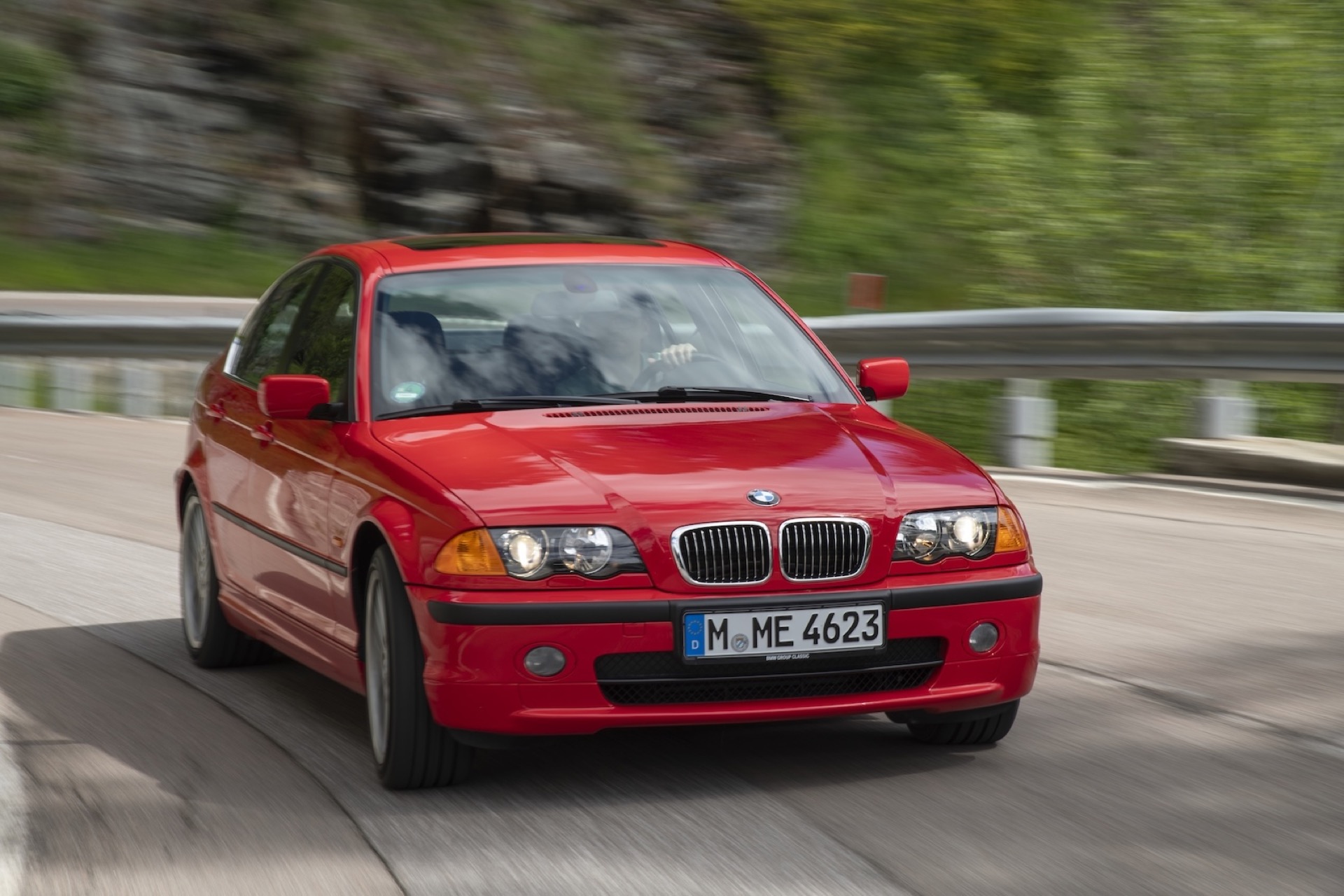
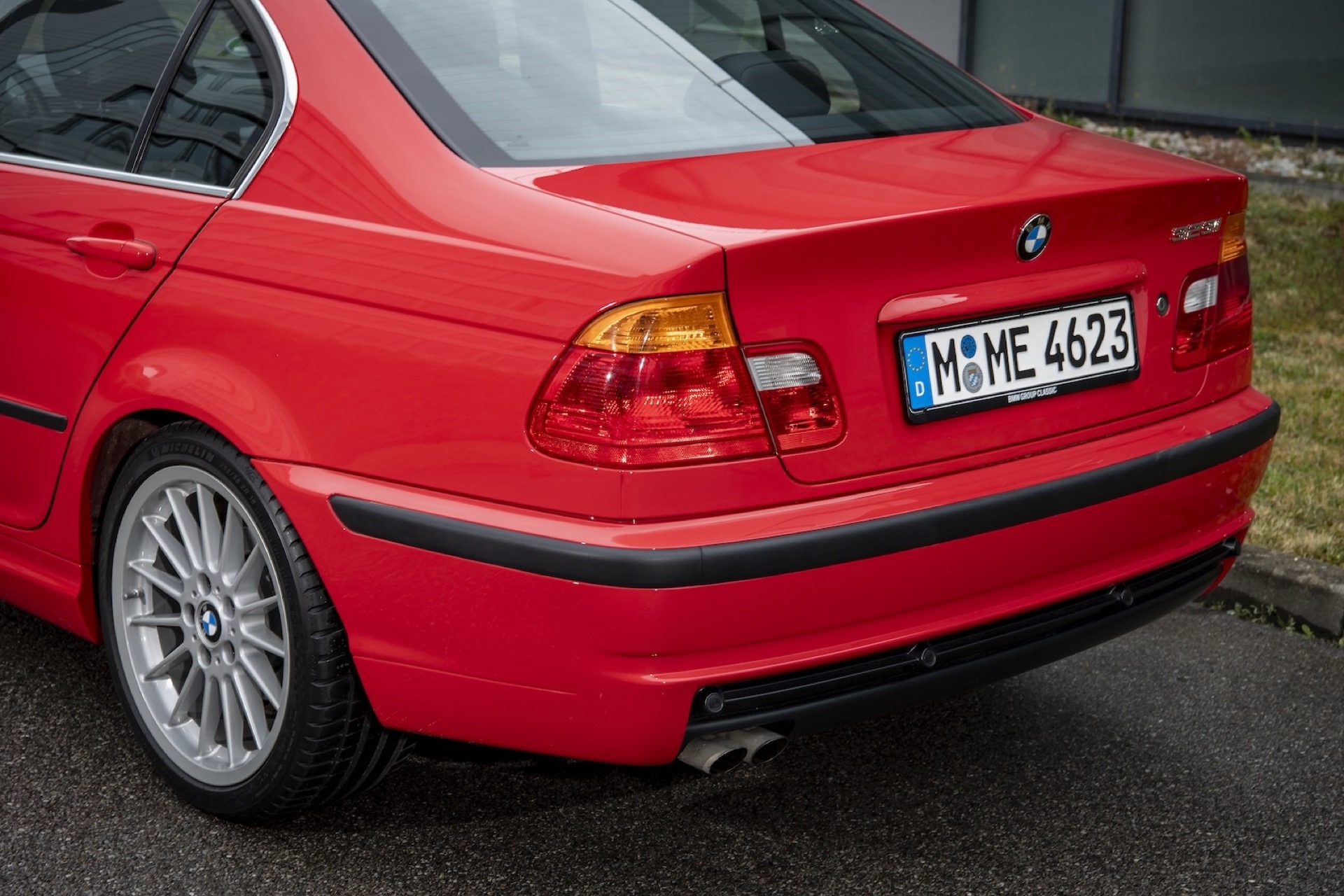
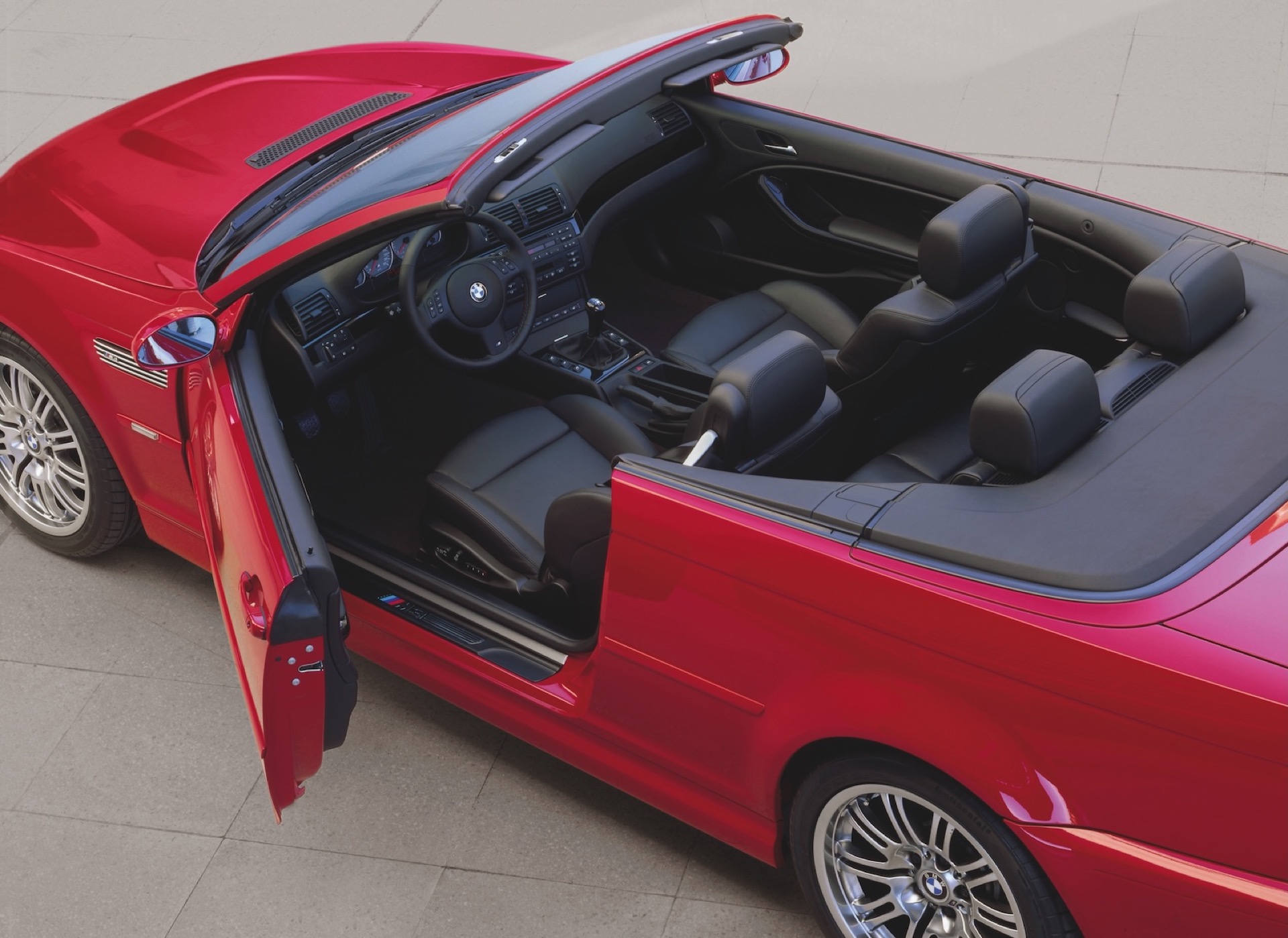
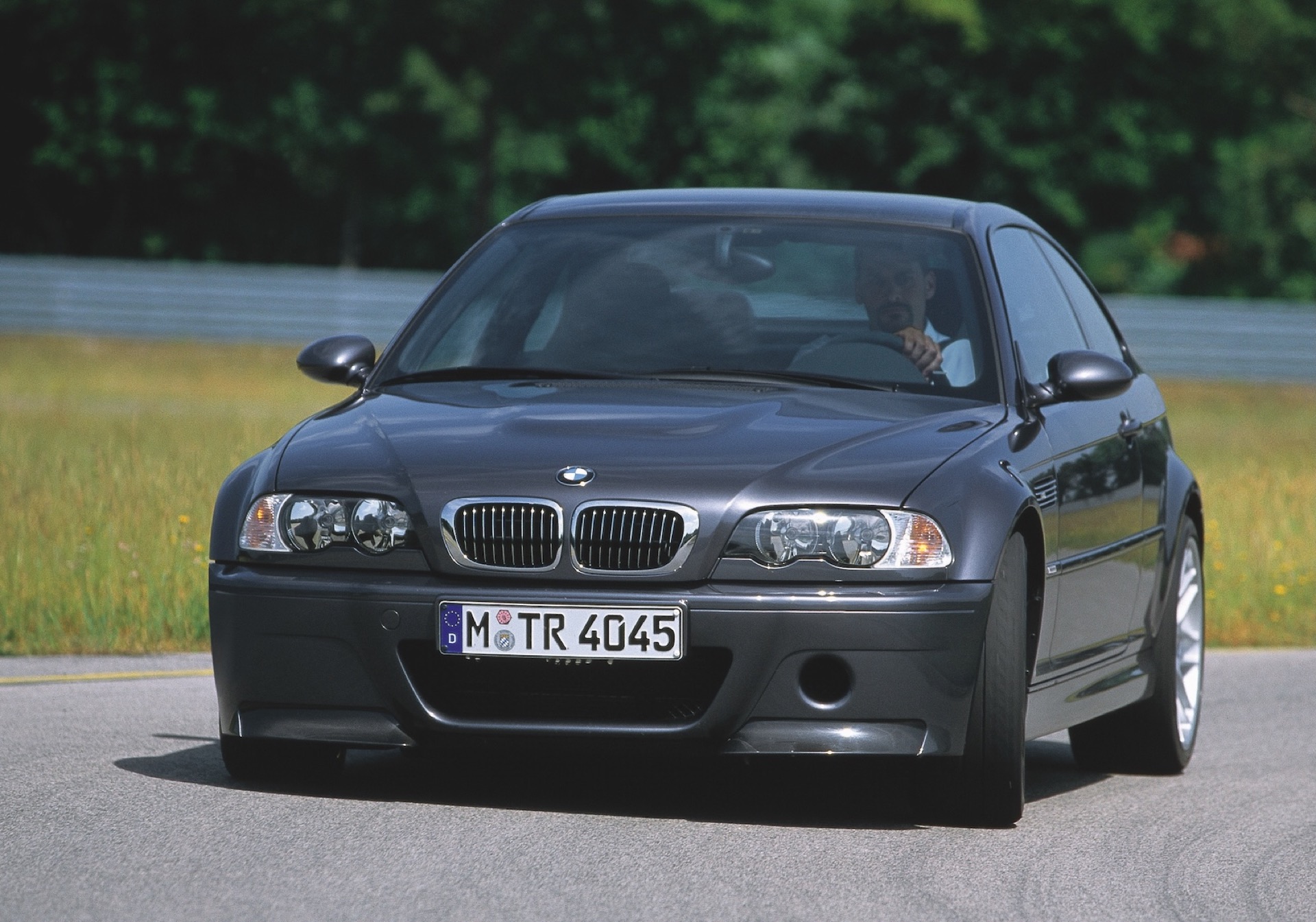
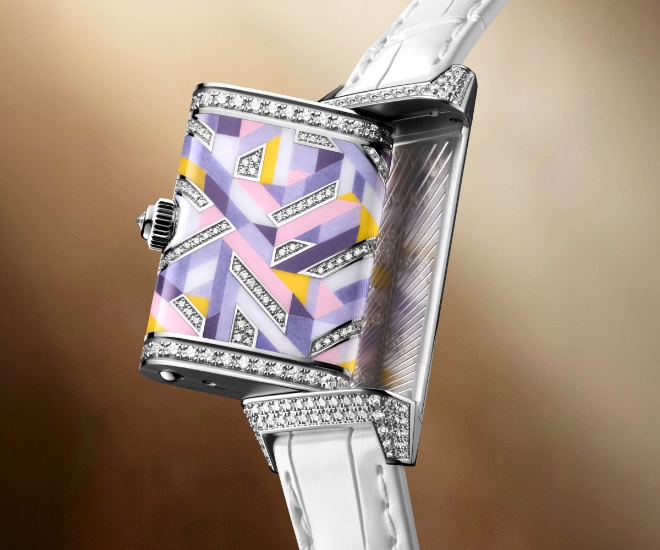

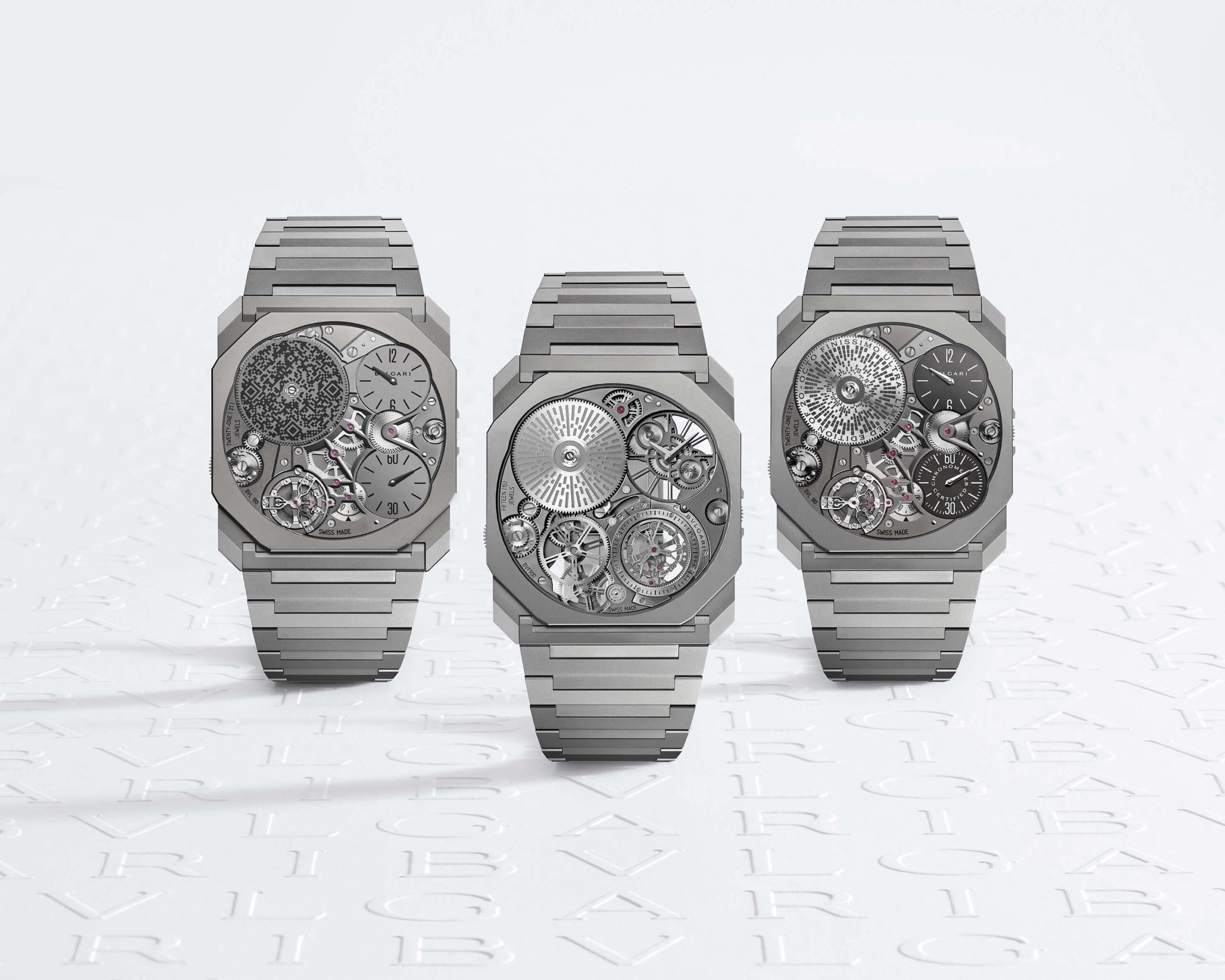
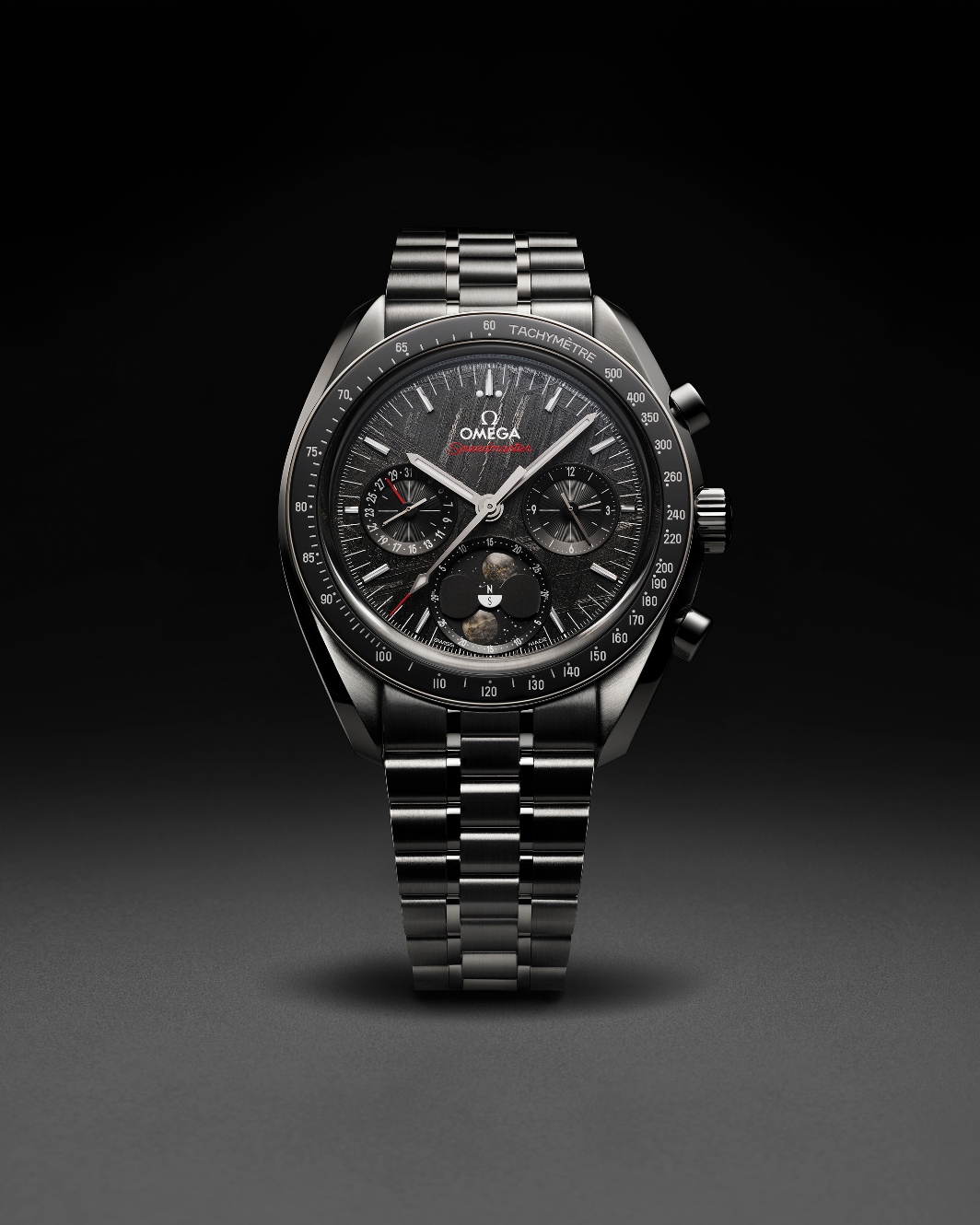
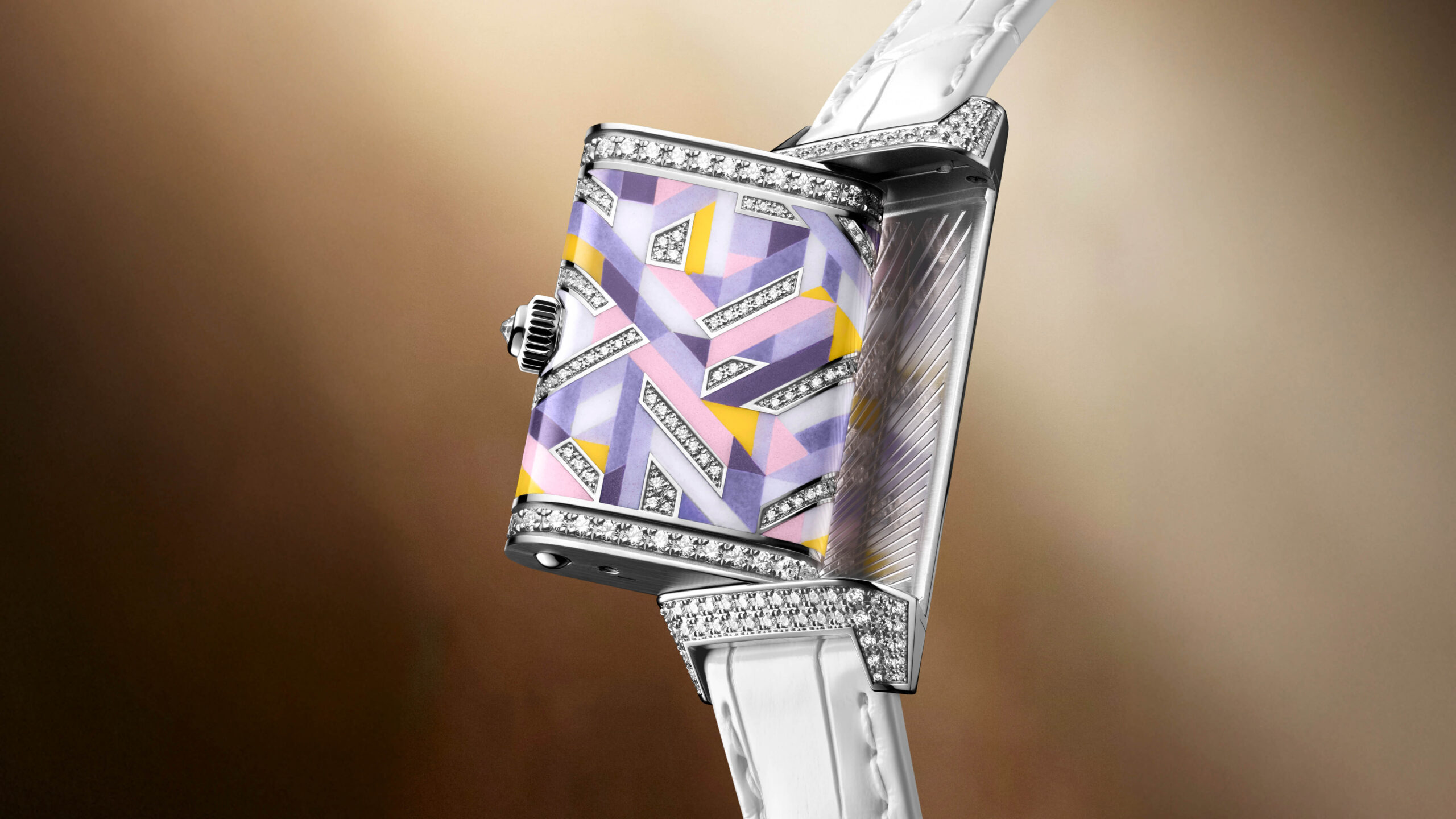
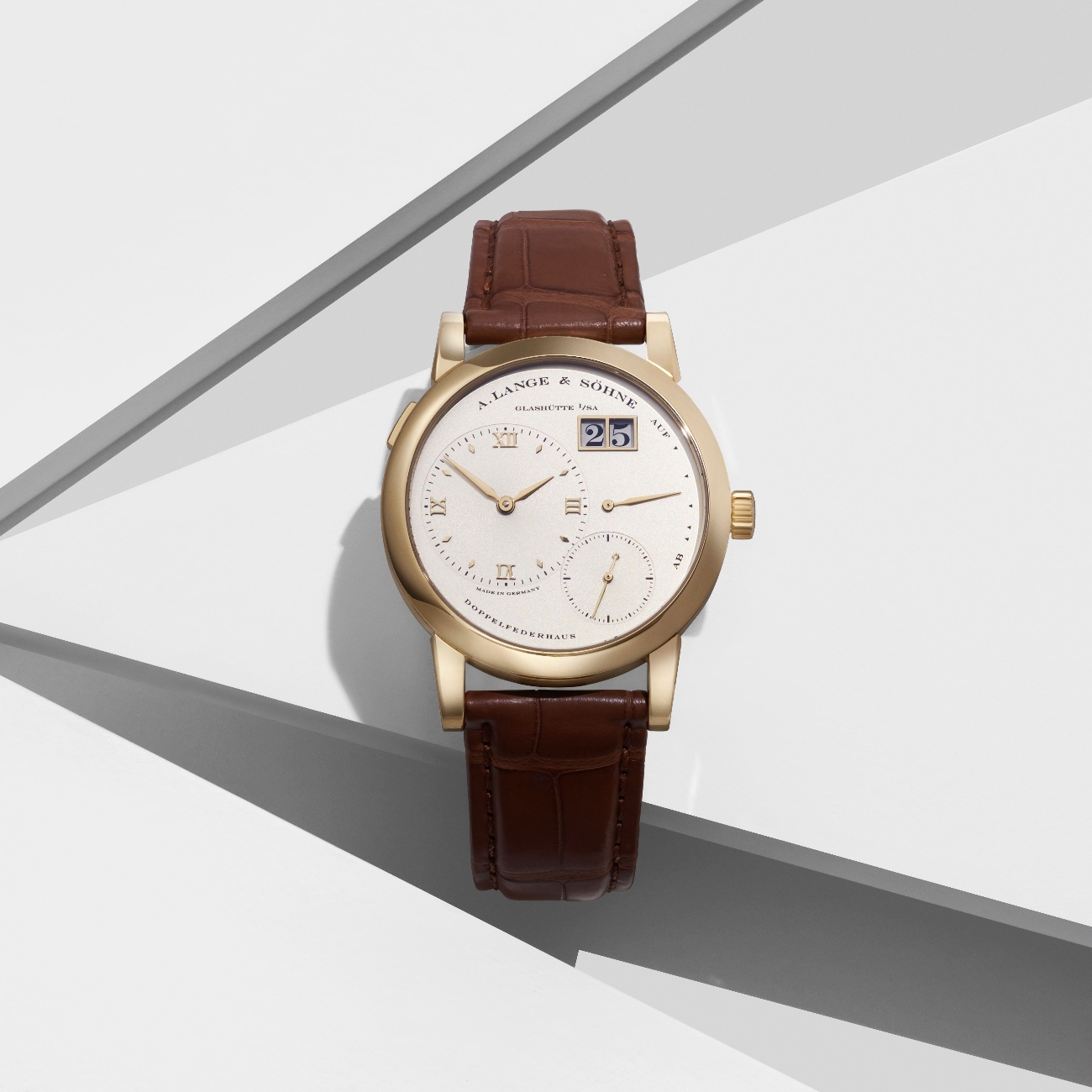
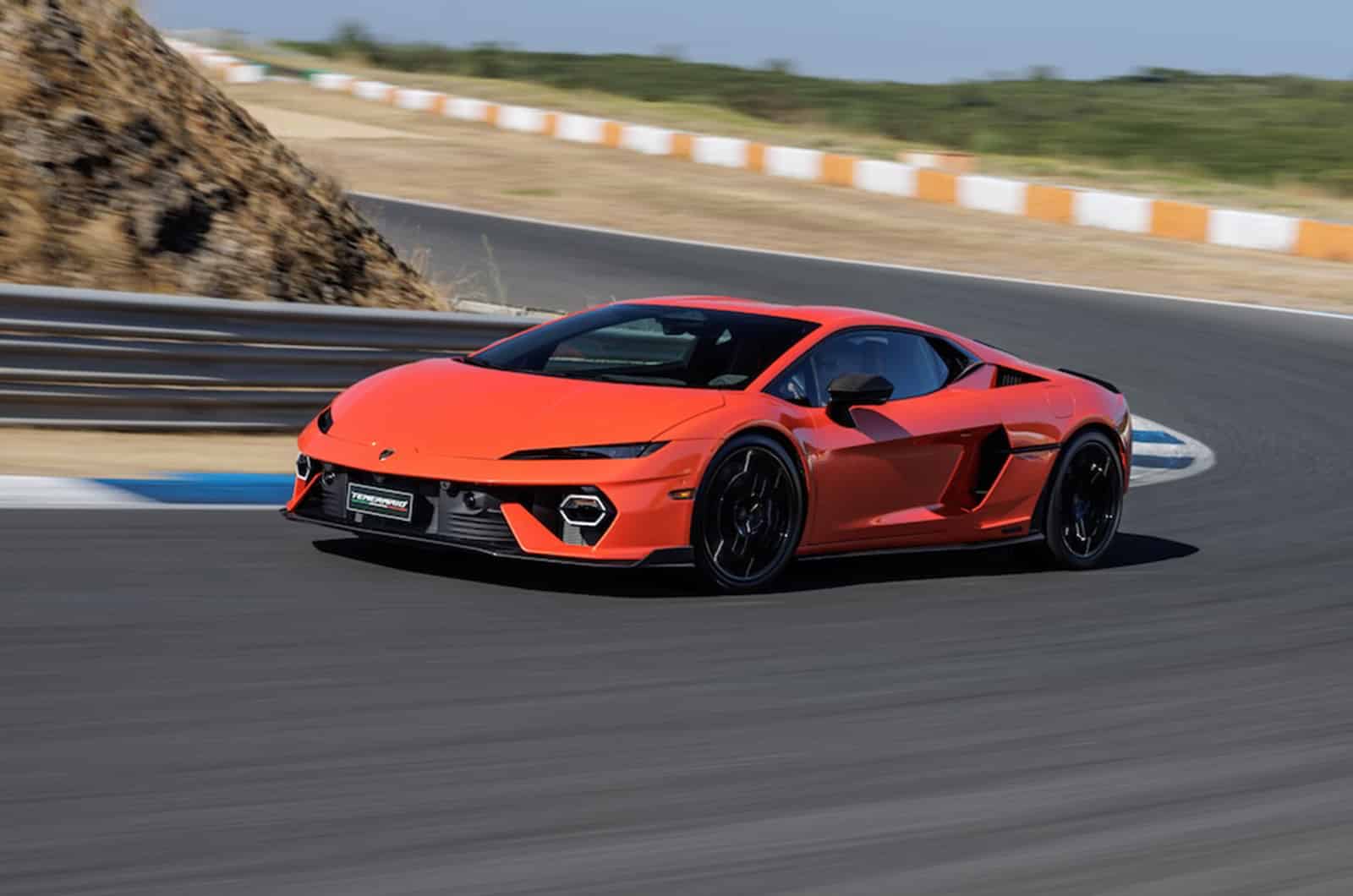


 Book the Huracán
 :max_bytes(150000):strip_icc()/TAL-lead-image-OTTAWACANADA0725-36690d00fb064fa997aa7921882035cc.jpg "Ottawa, Canada, Is the Perfect Summer Escape for Nature Lovers—and It’s Less Than 2 Hours From the U.S.")
:max_bytes(150000):strip_icc():format(jpeg)/TAL-lead-image-OTTAWACANADA0725-36690d00fb064fa997aa7921882035cc.jpg)

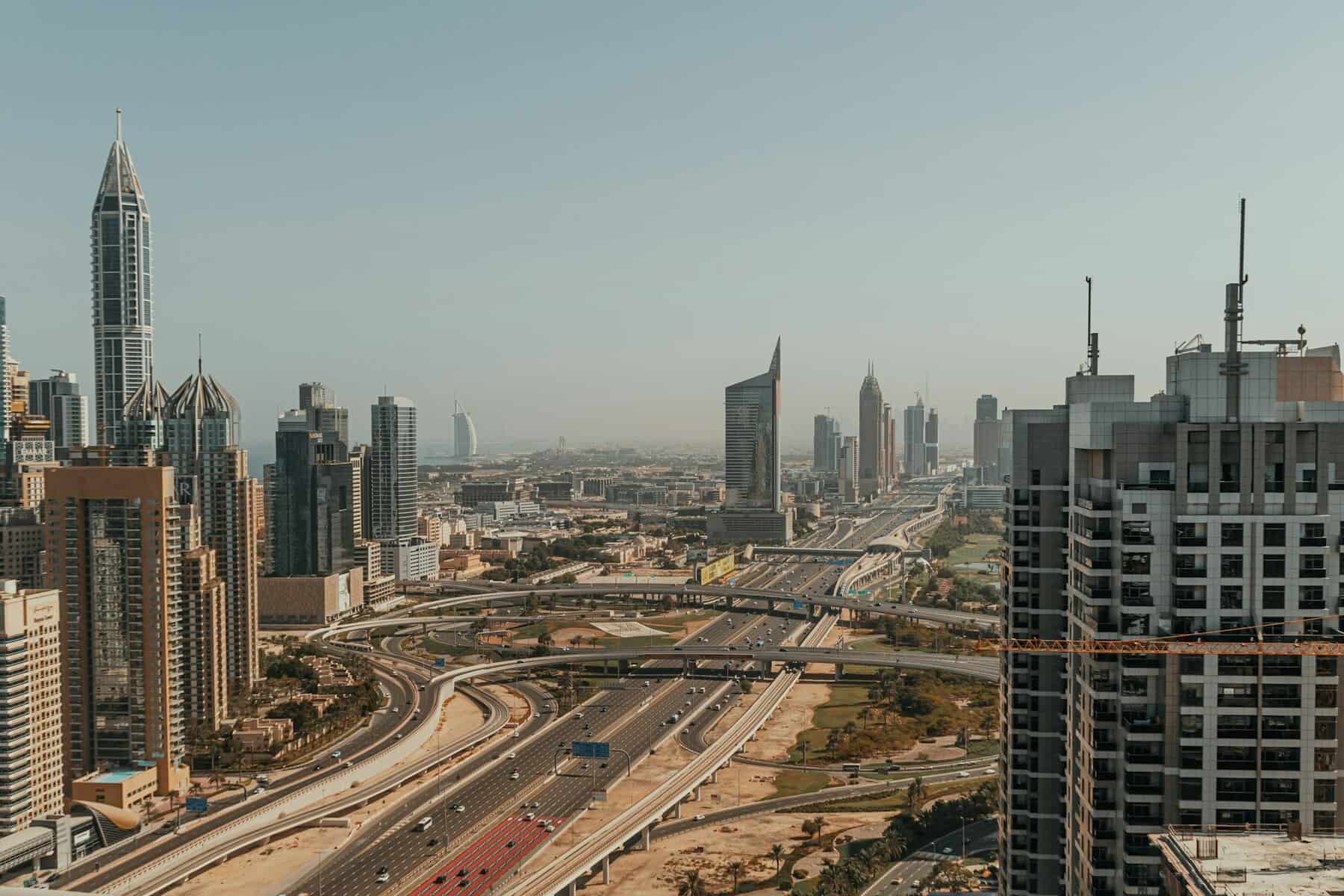
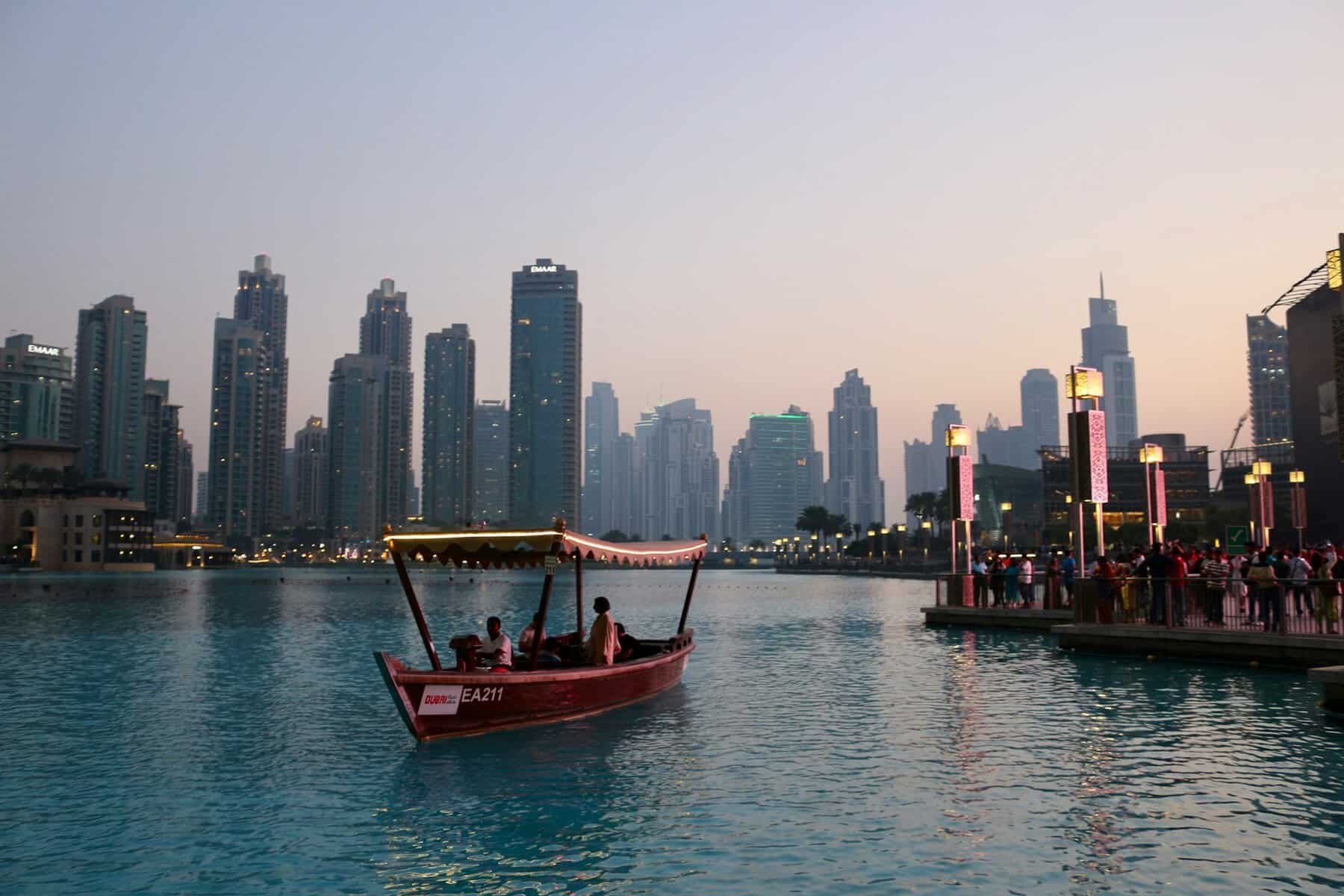
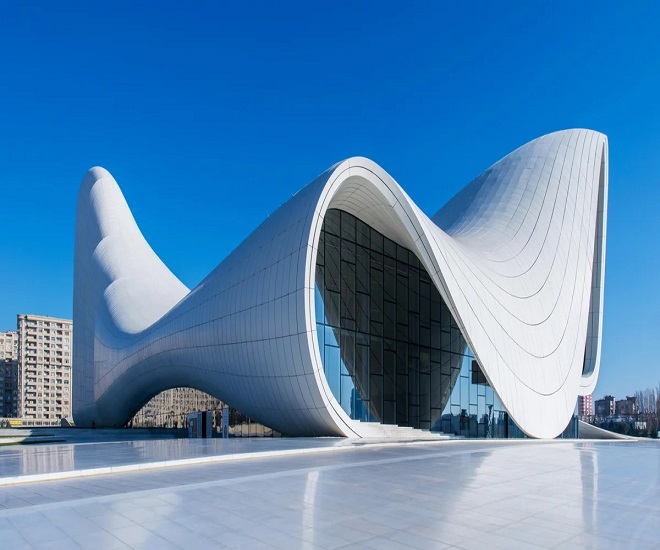
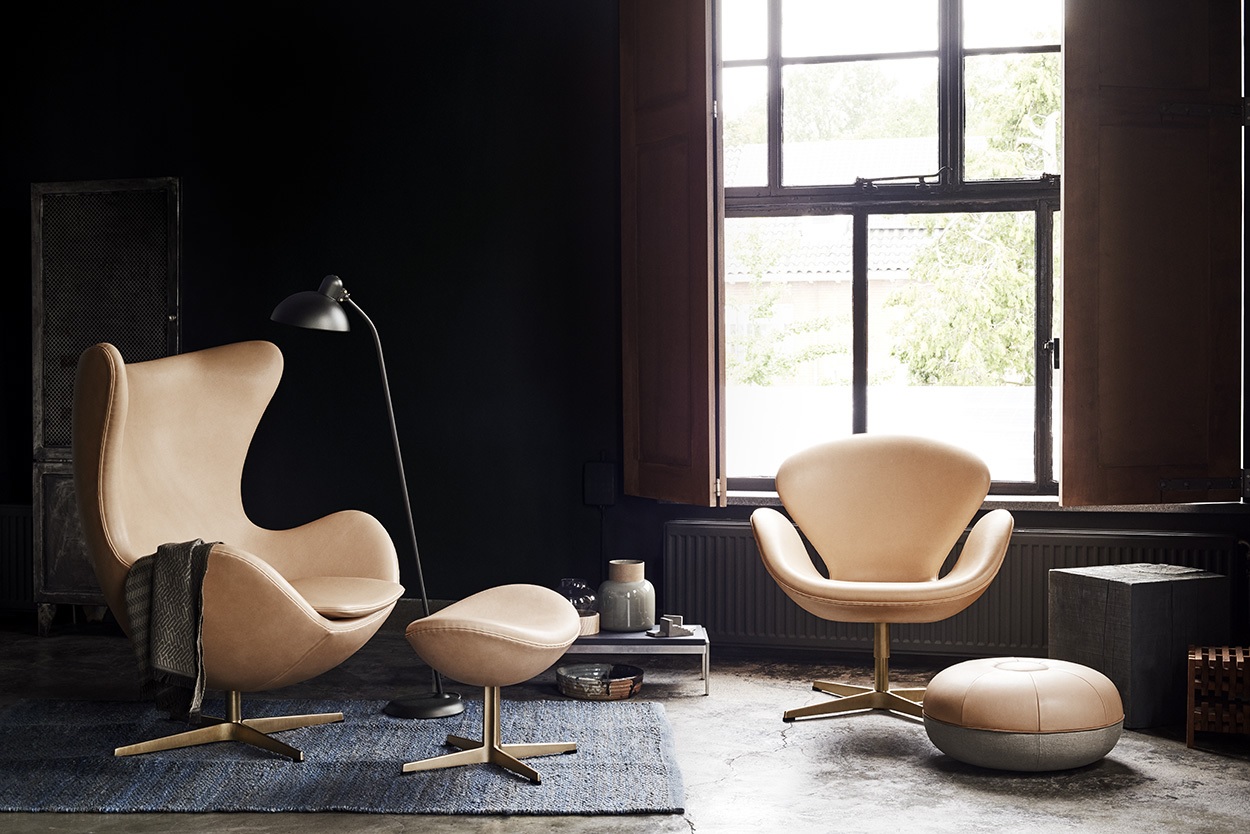

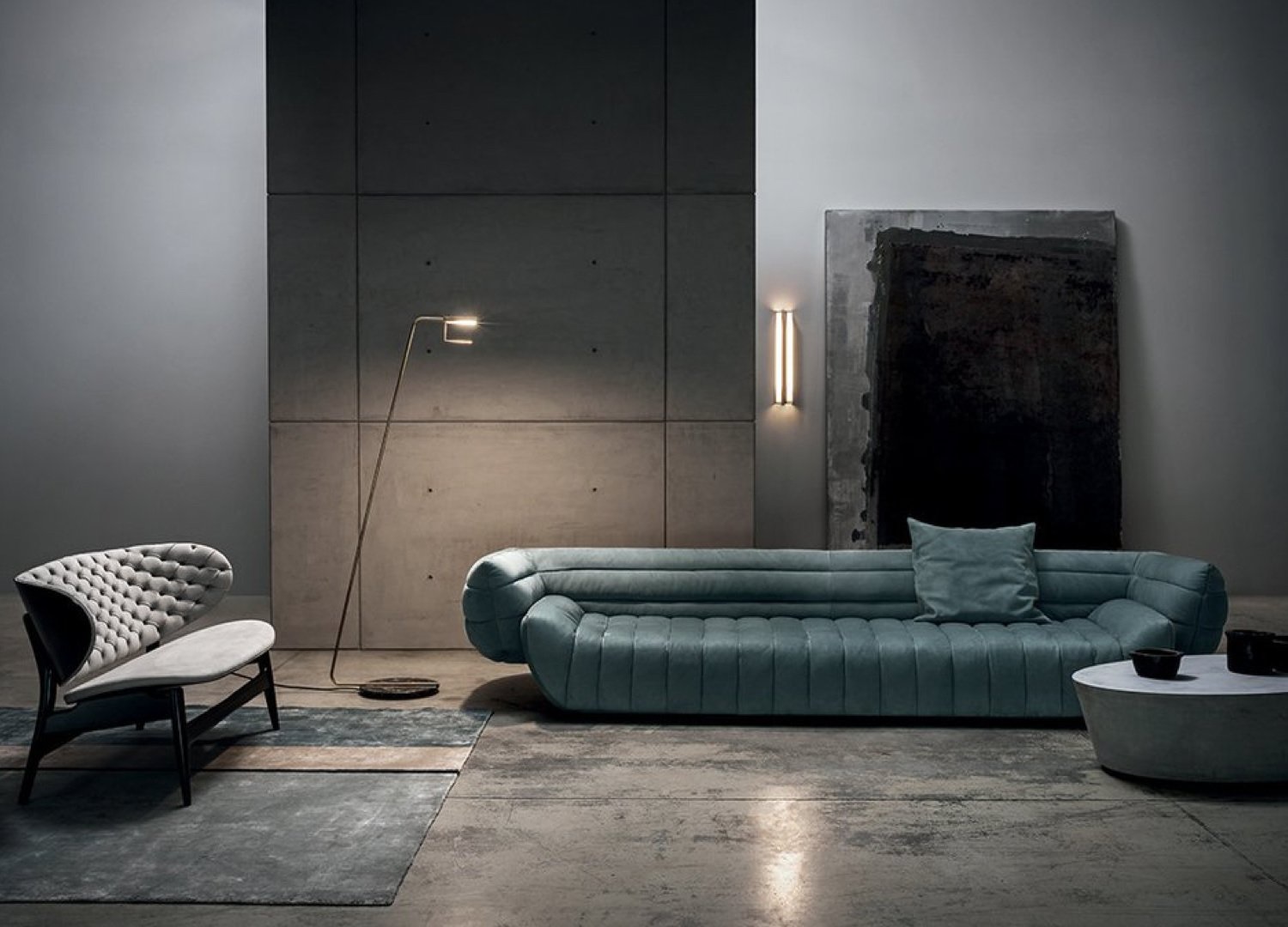
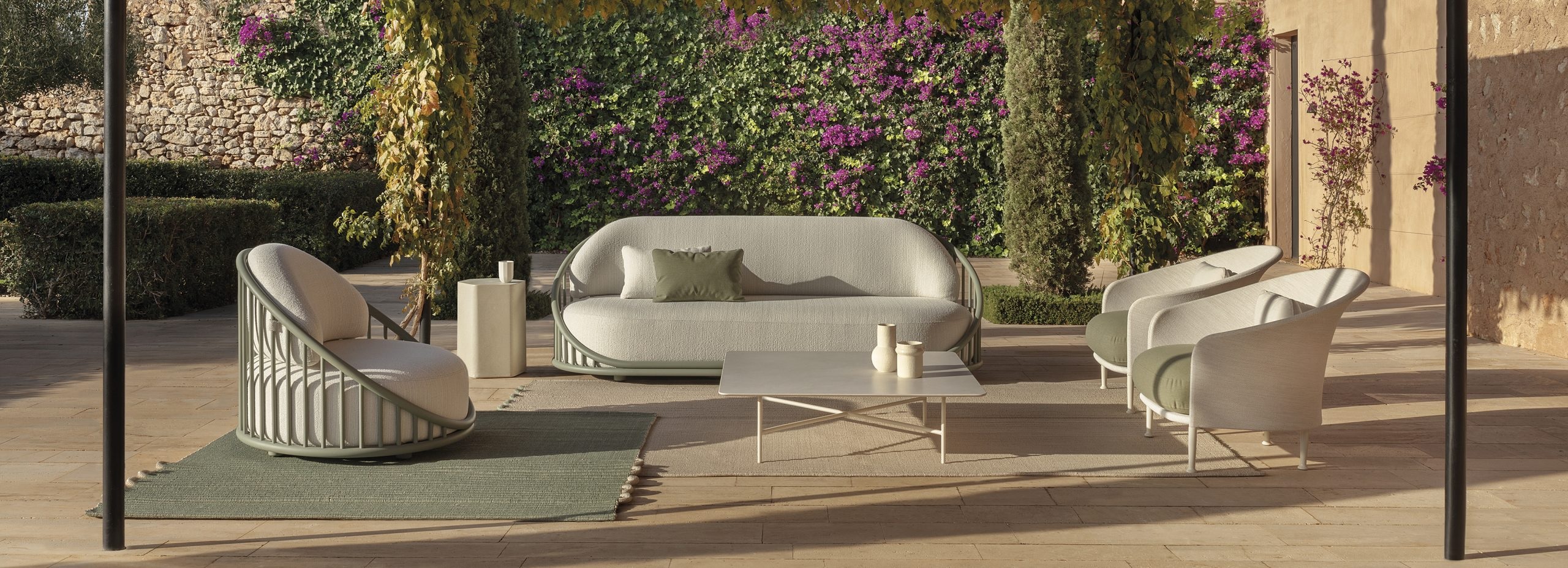
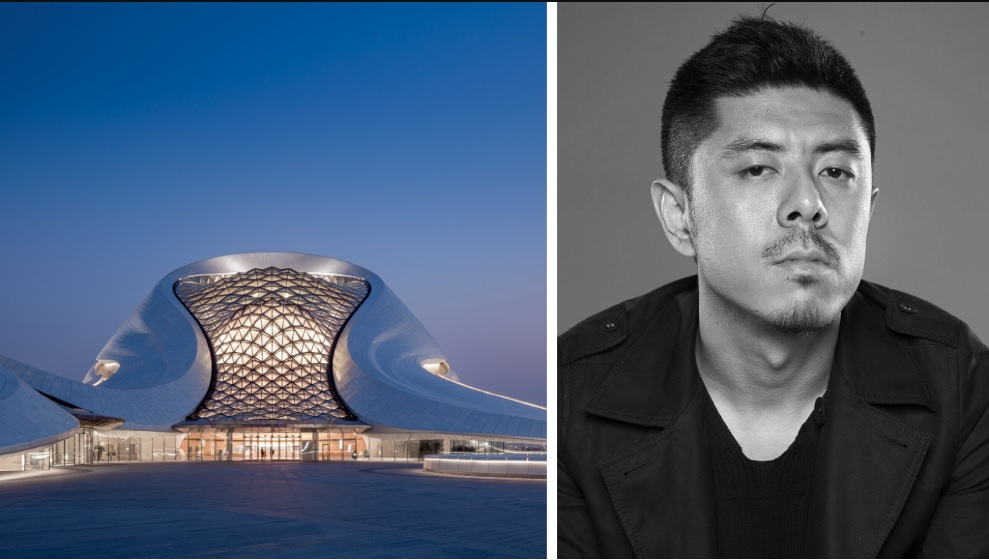
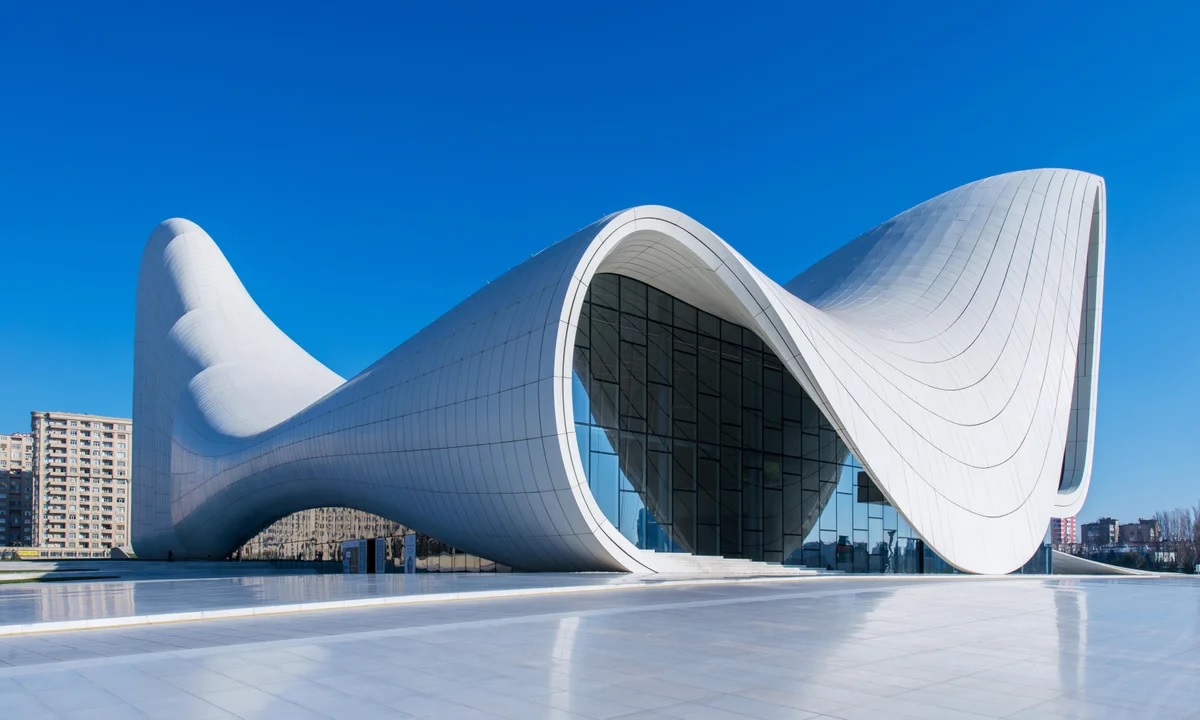
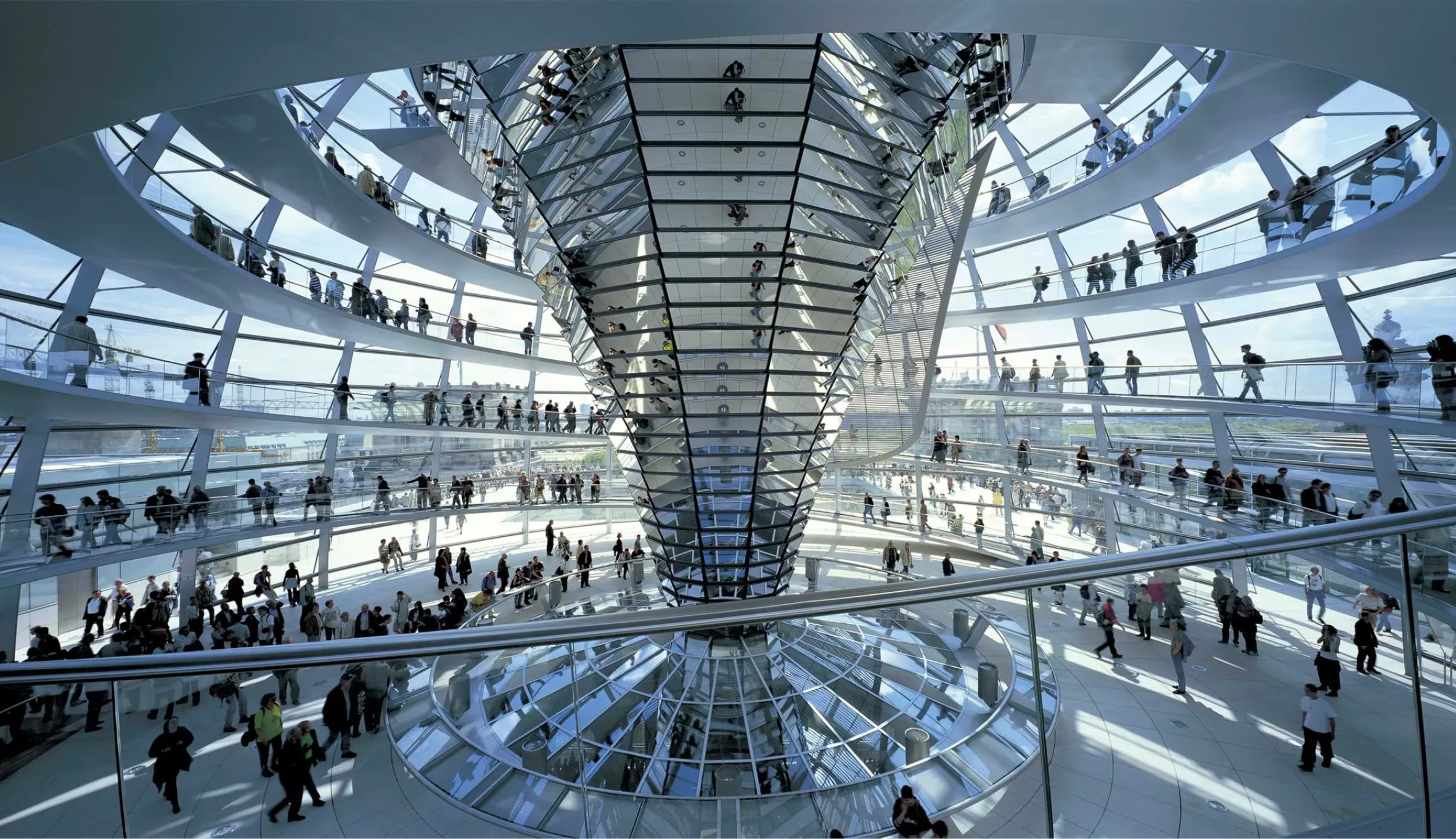
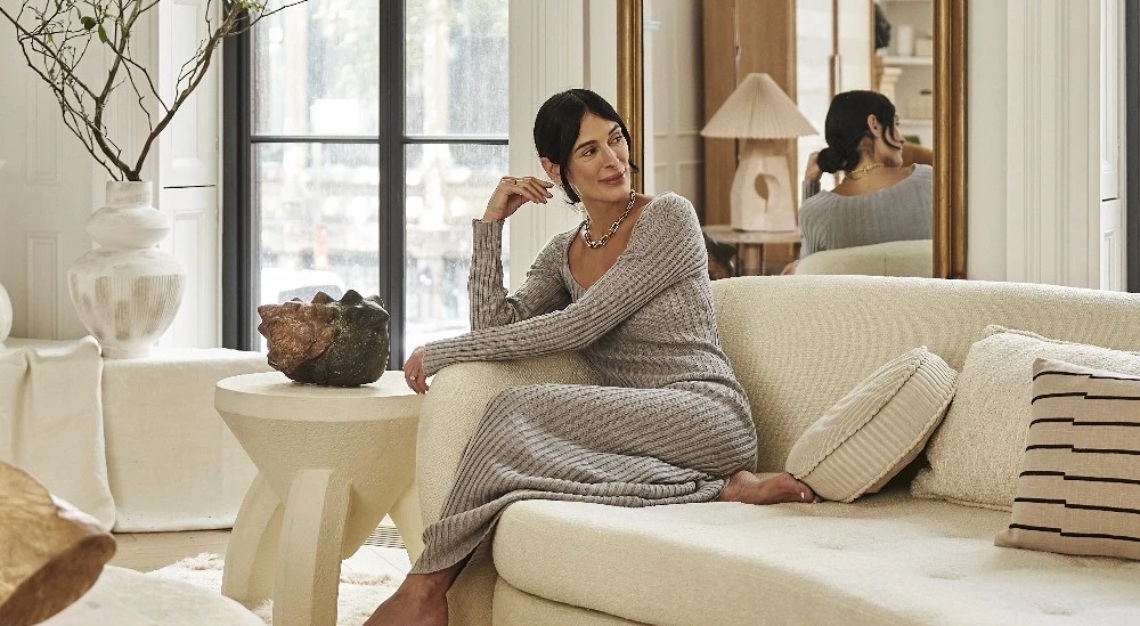
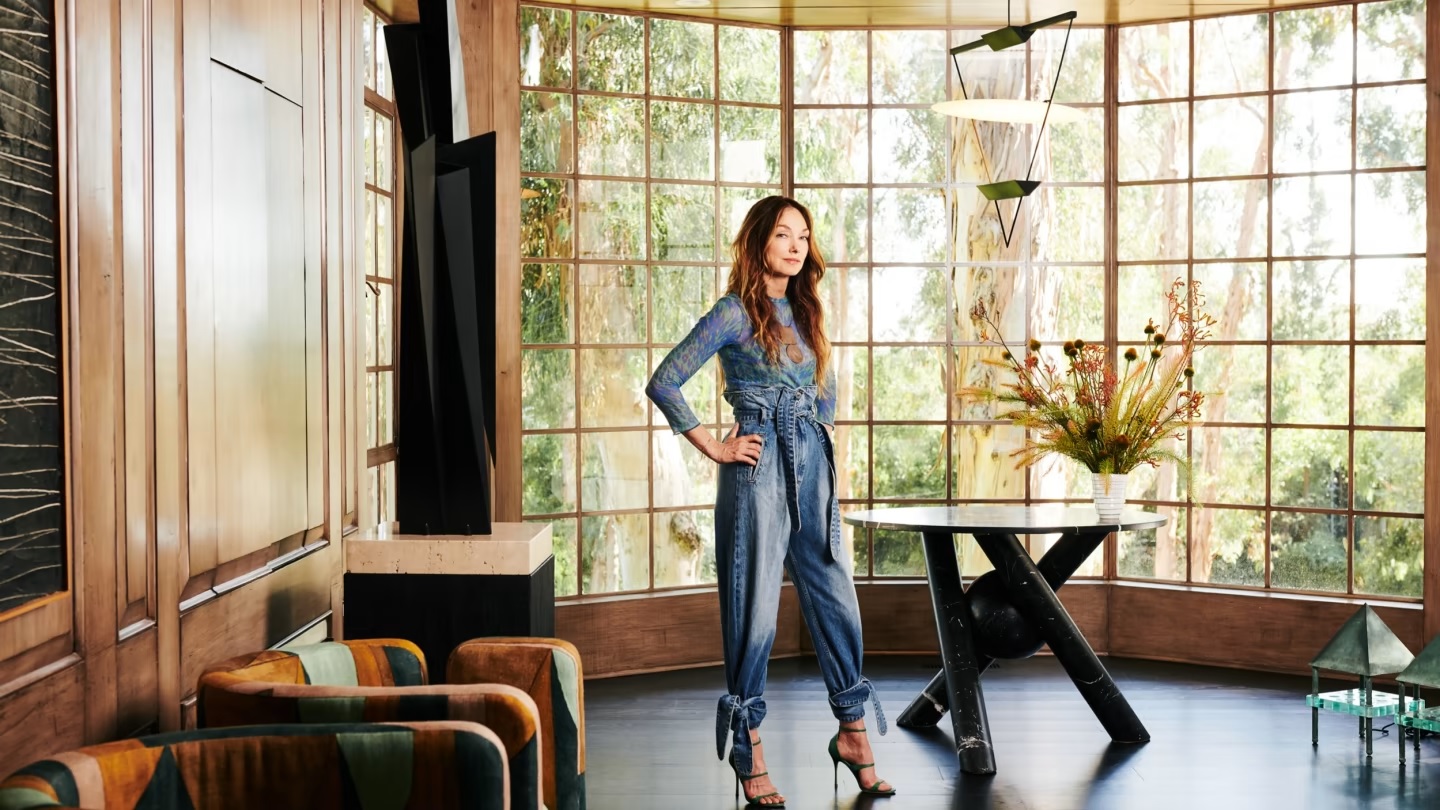

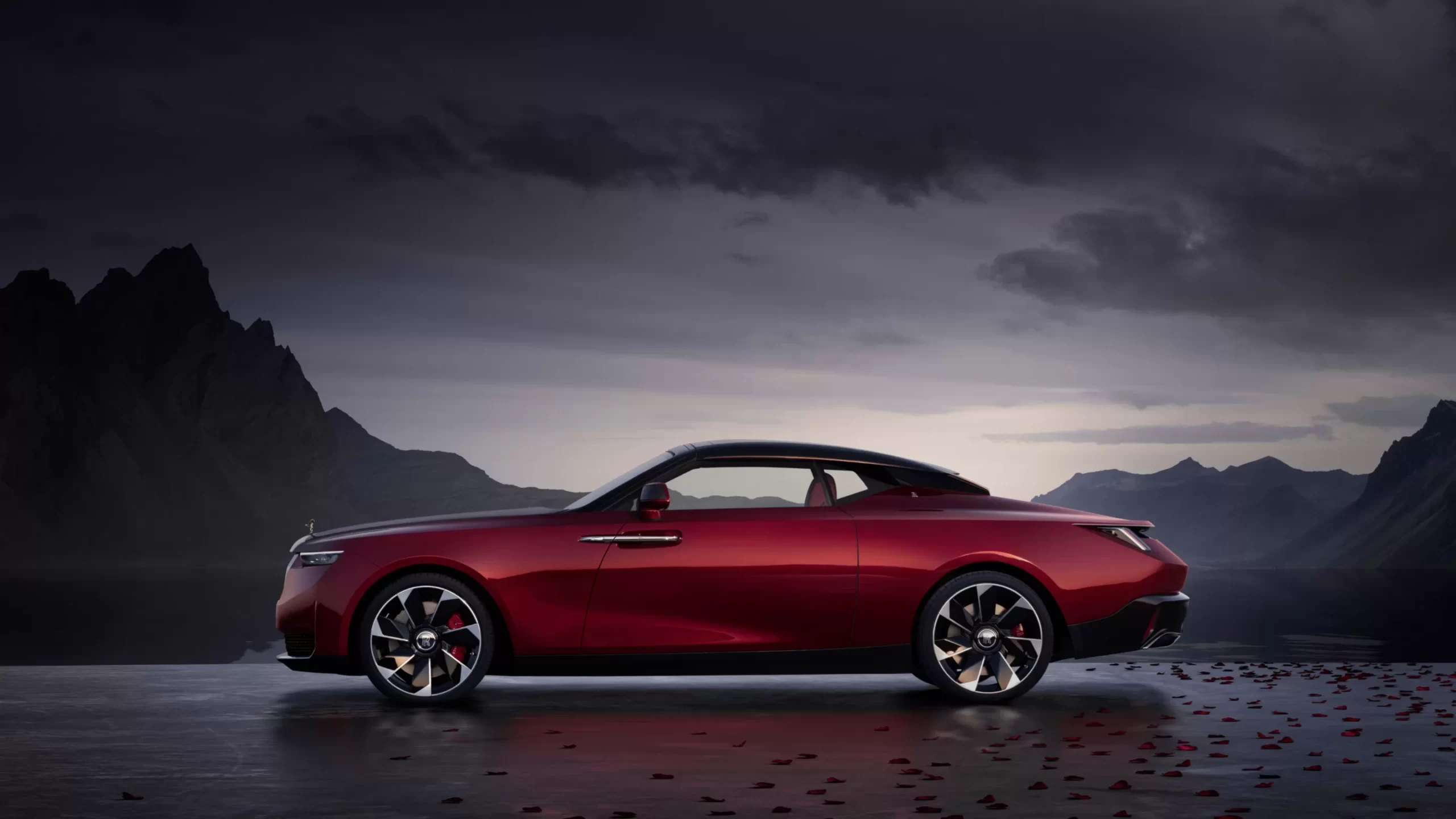
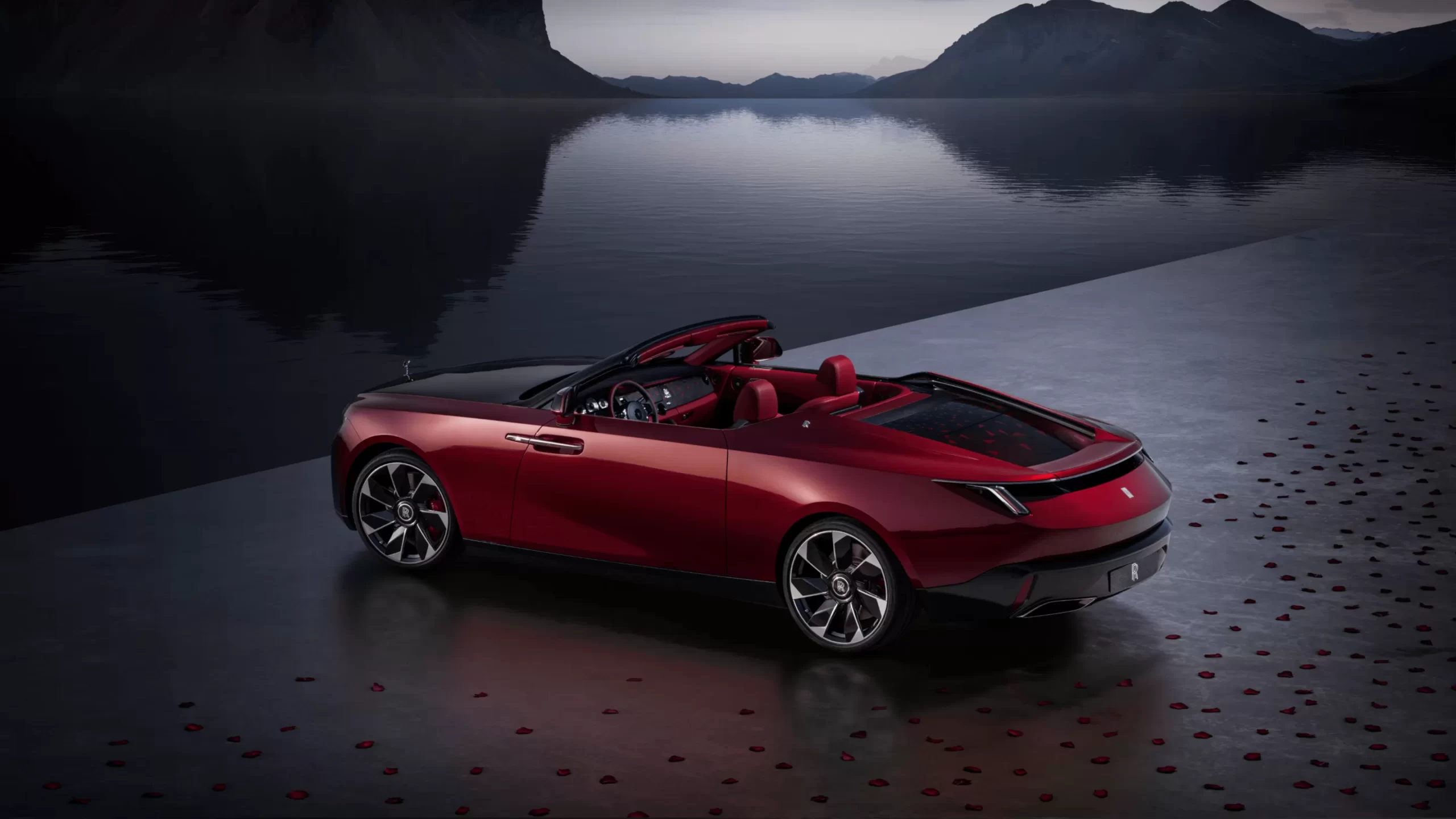
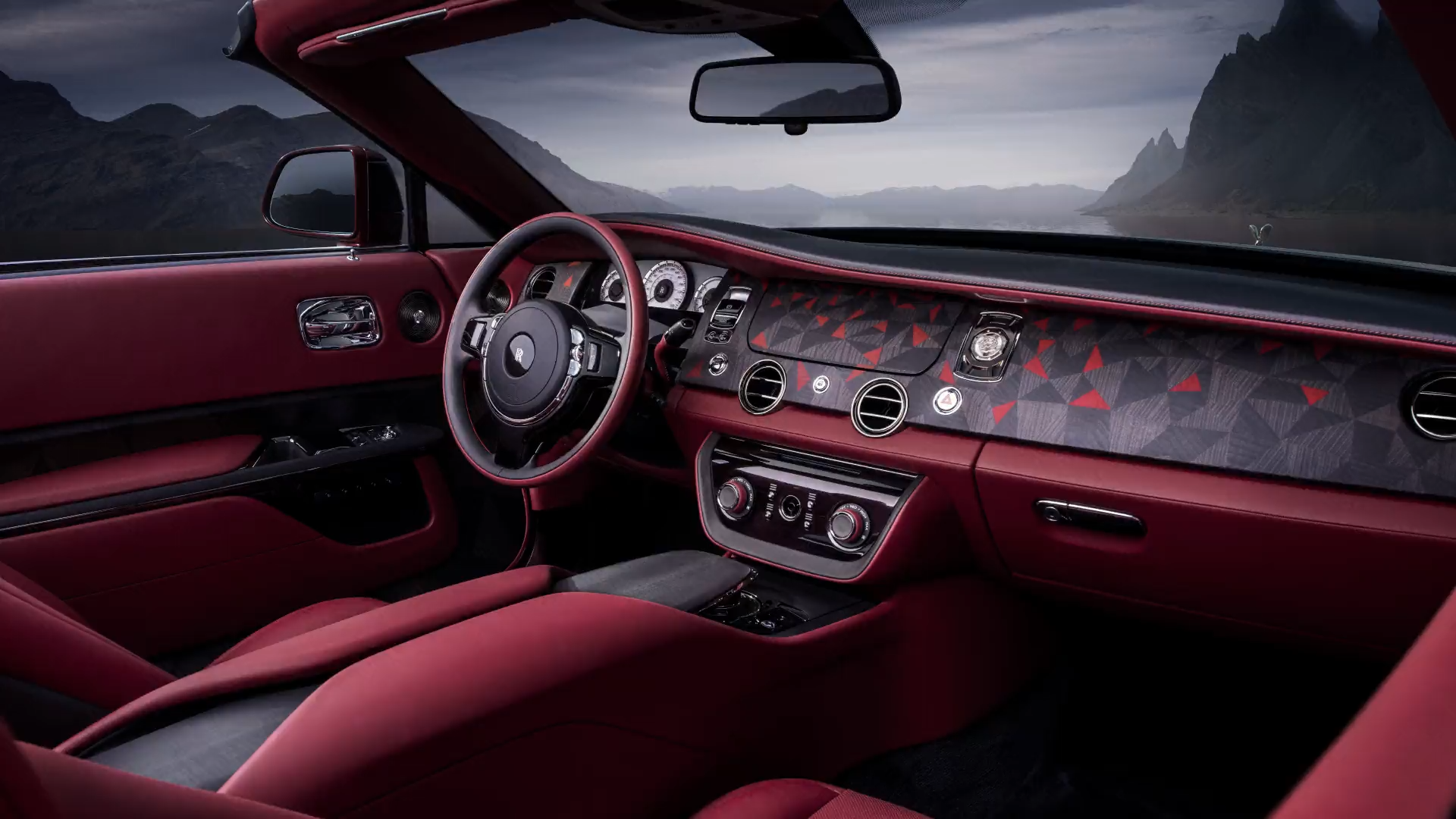
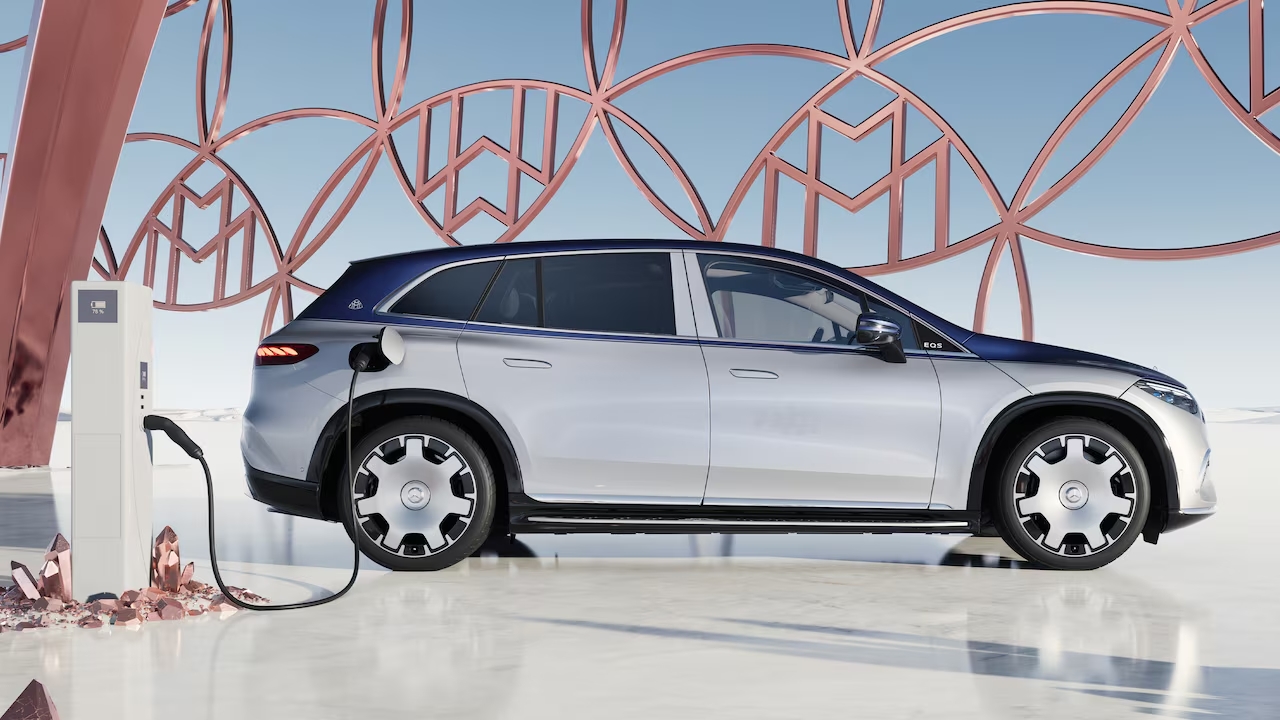
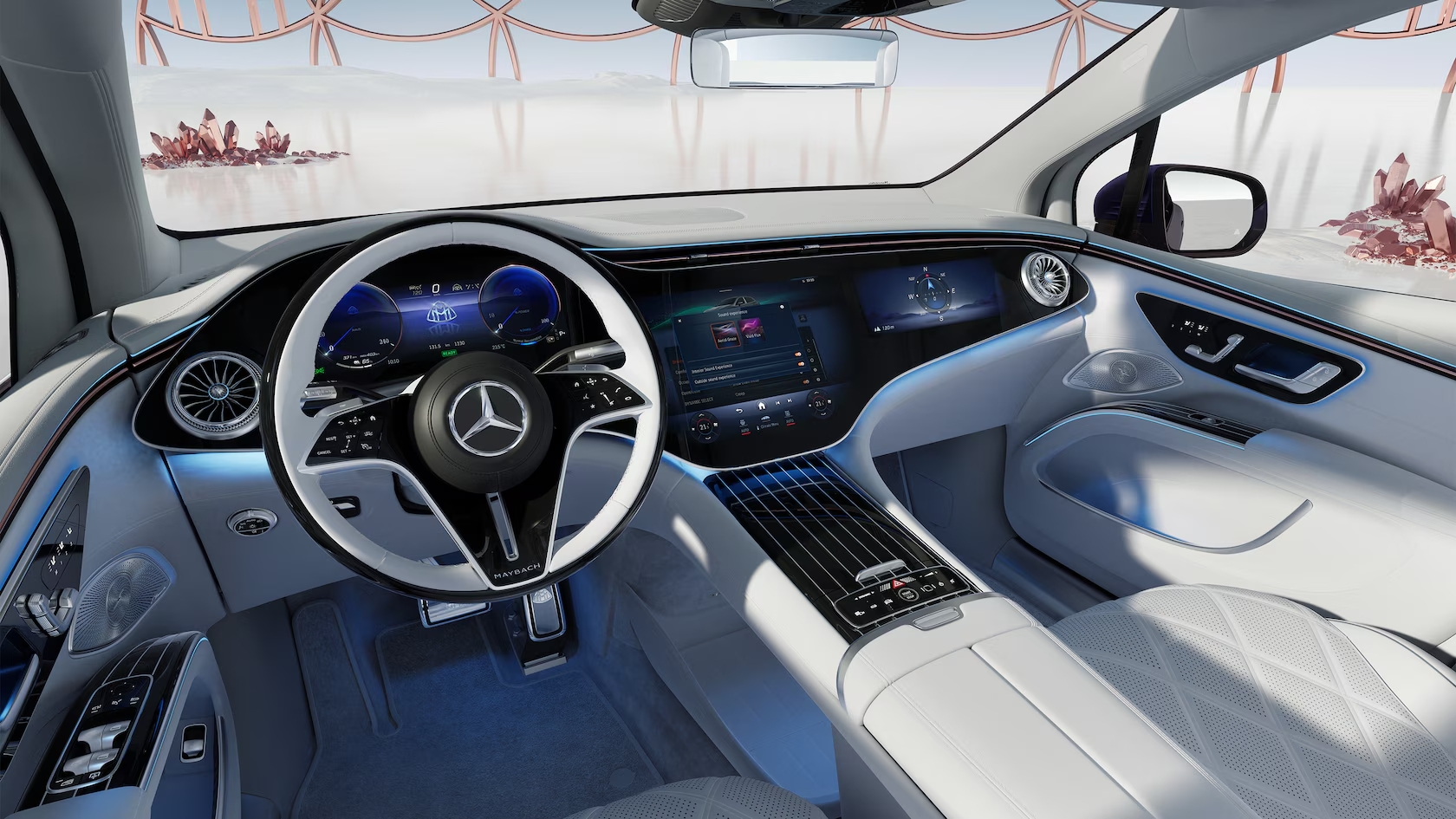
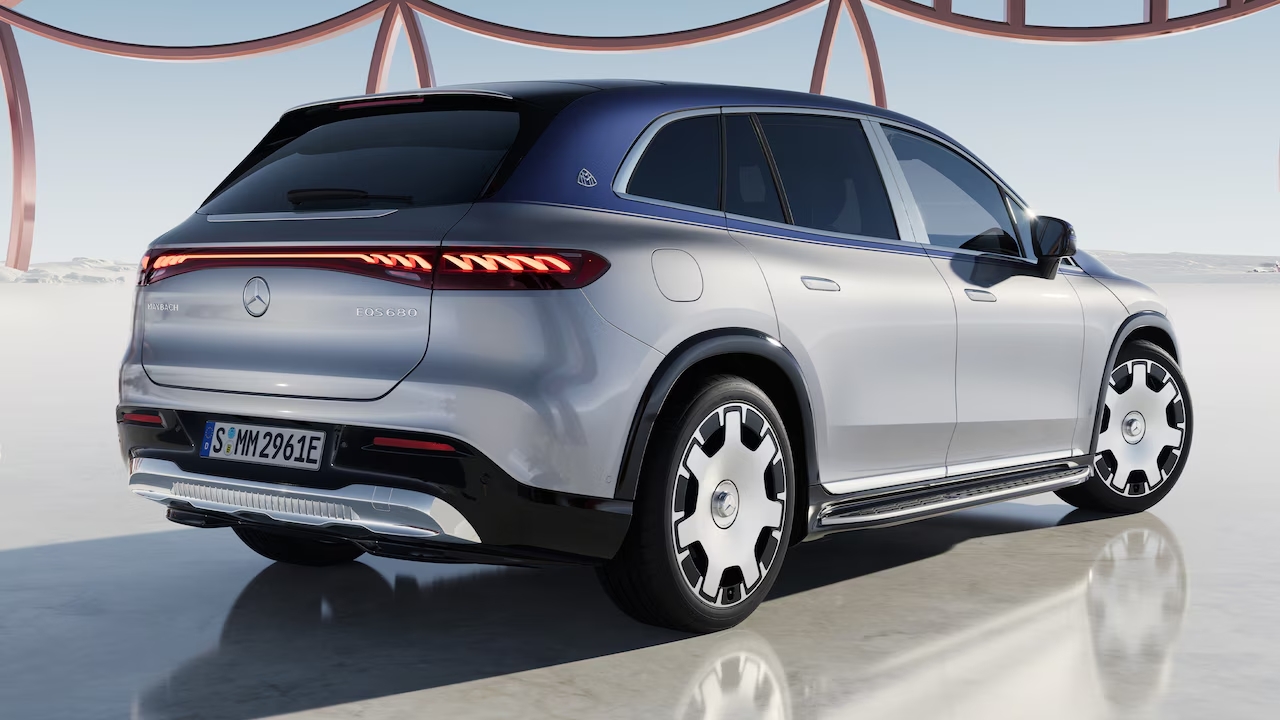
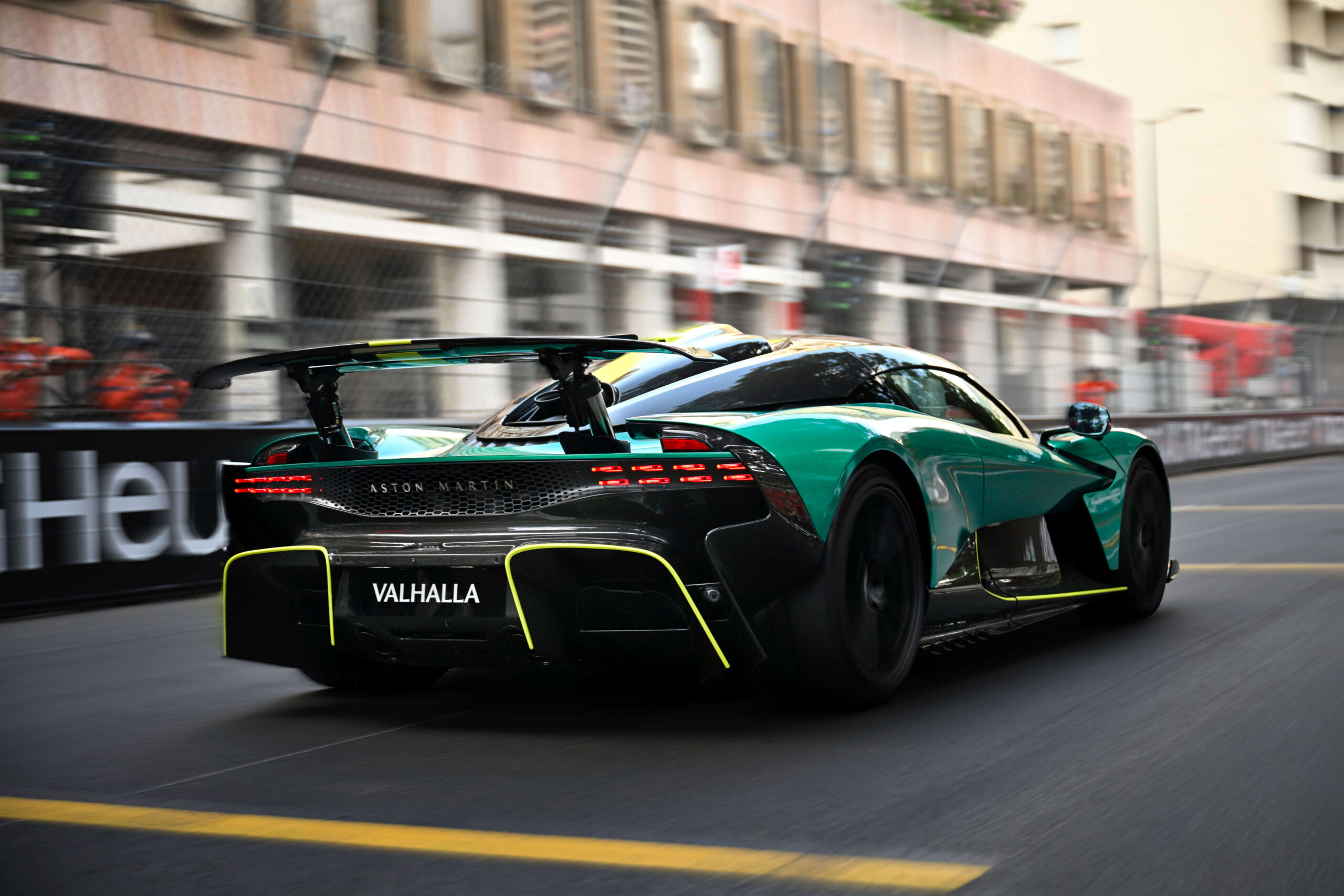

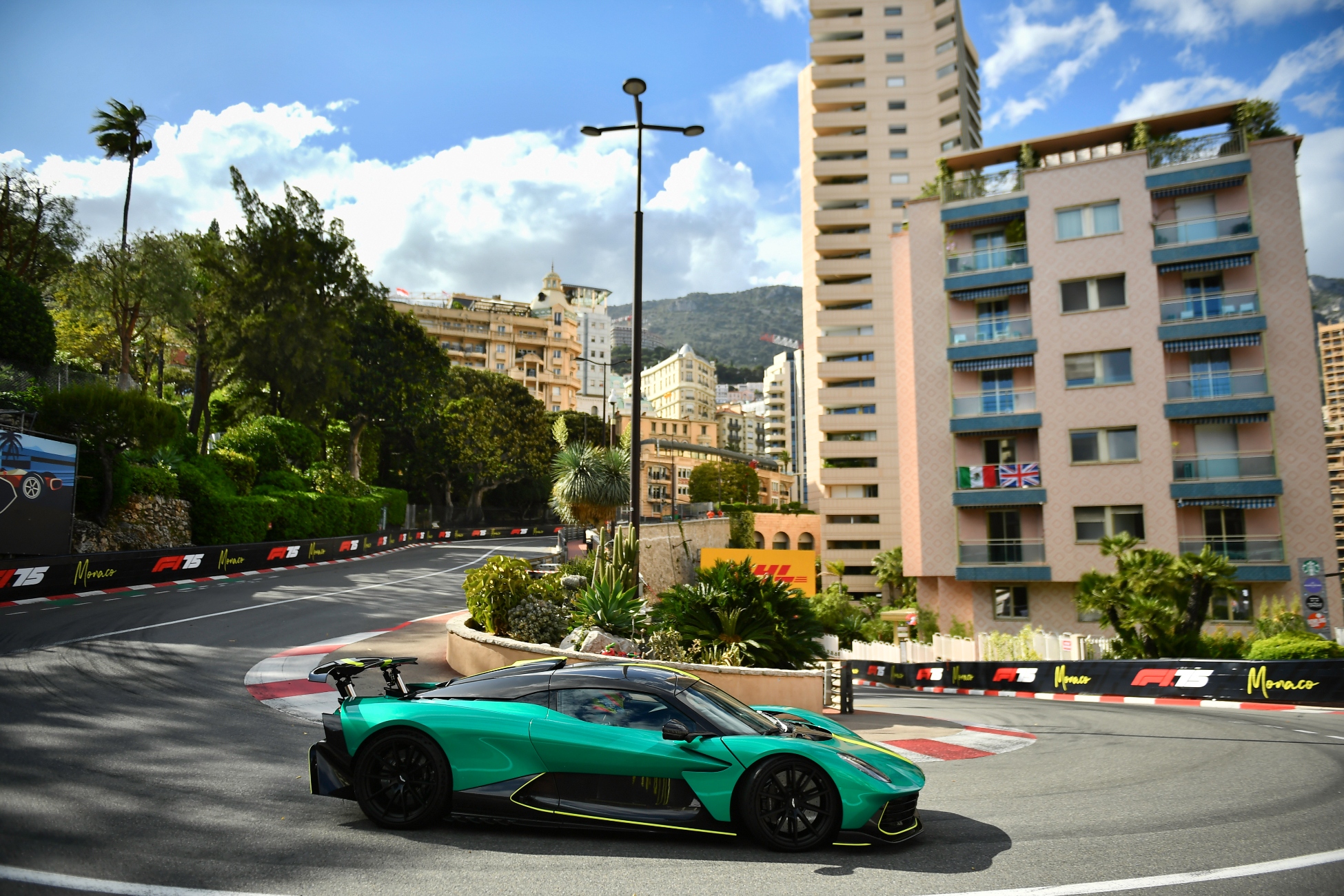
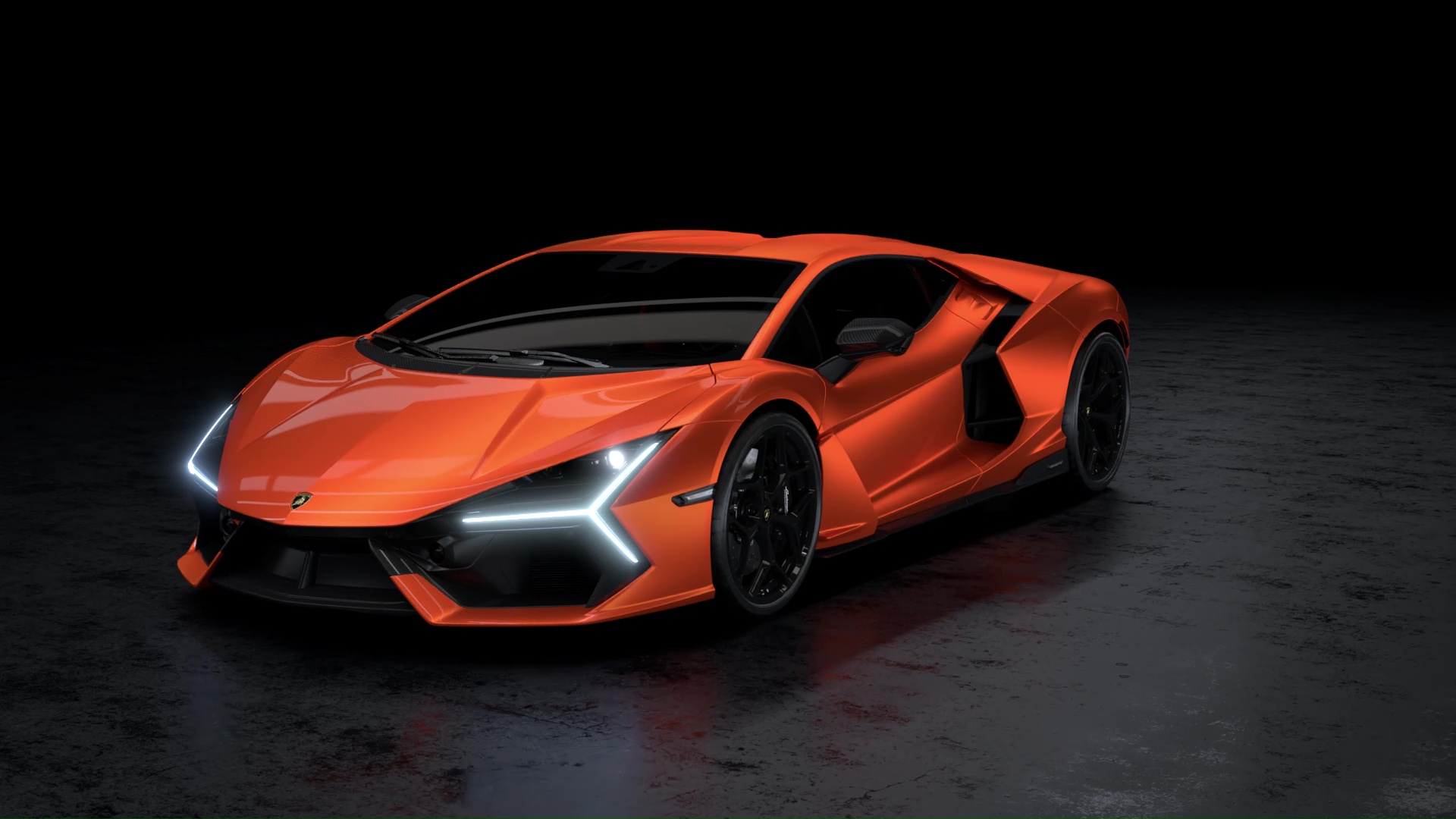
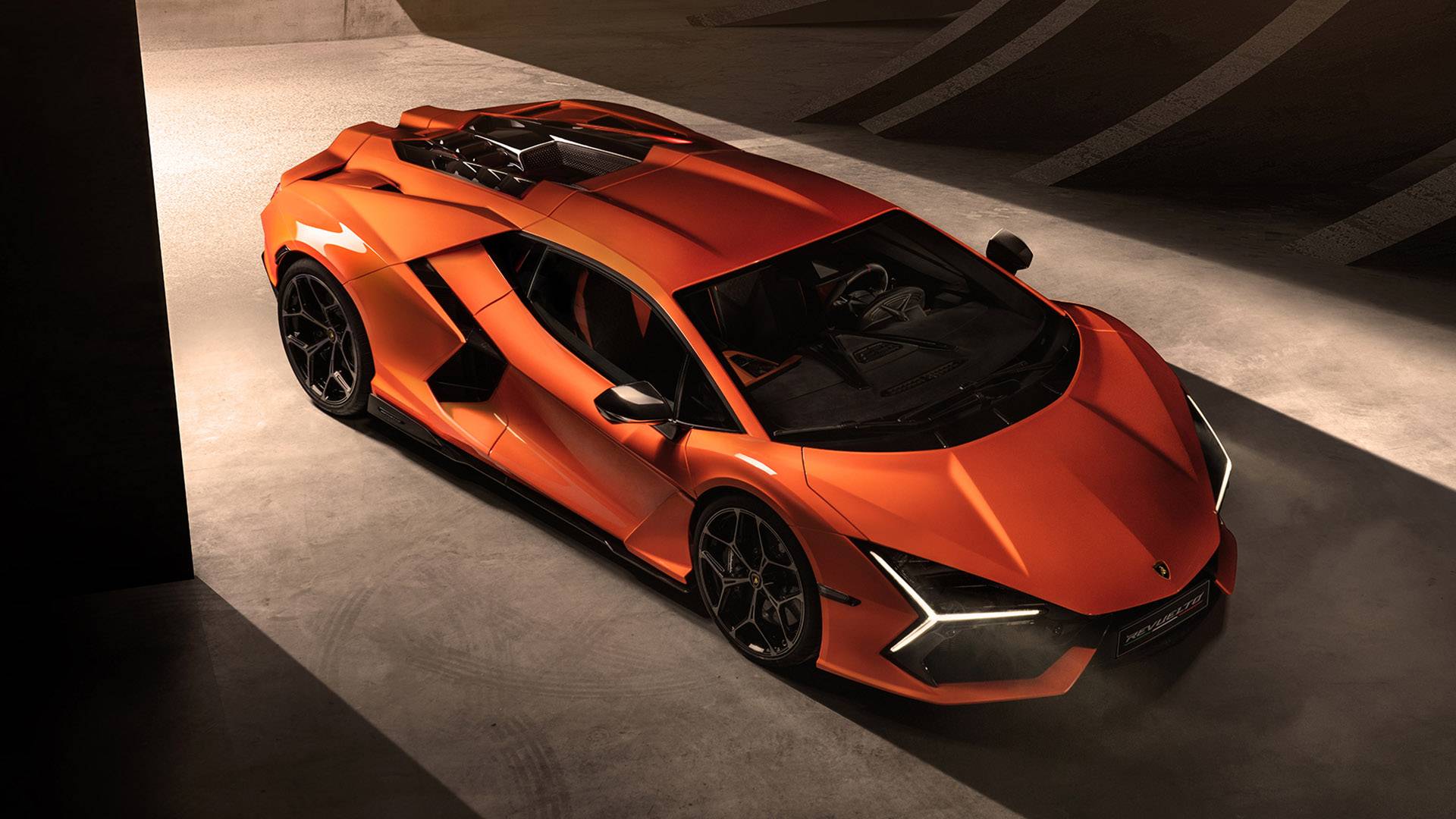
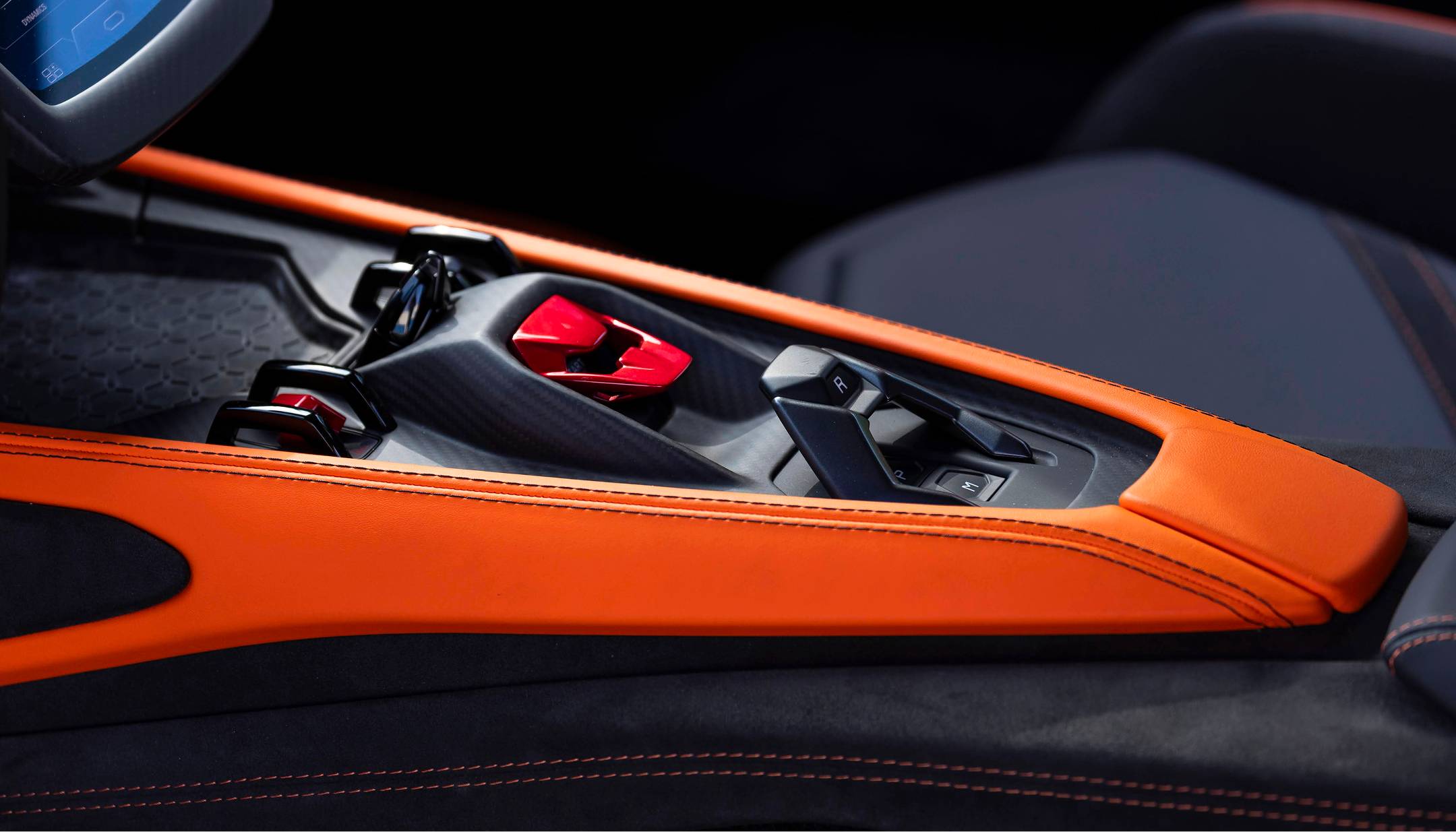
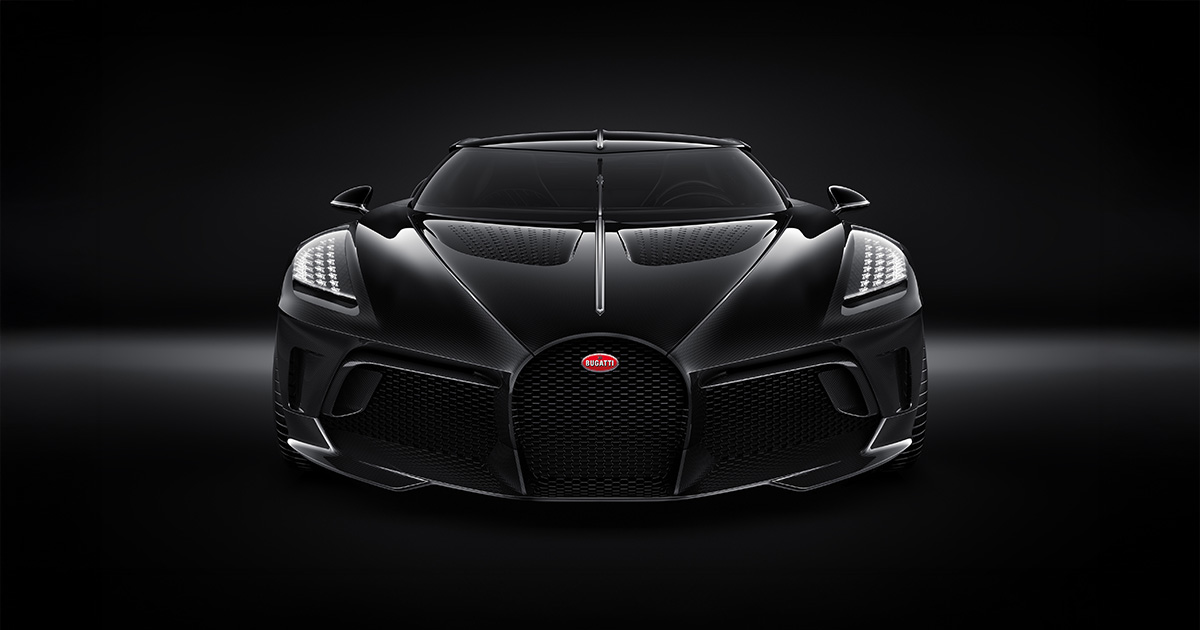
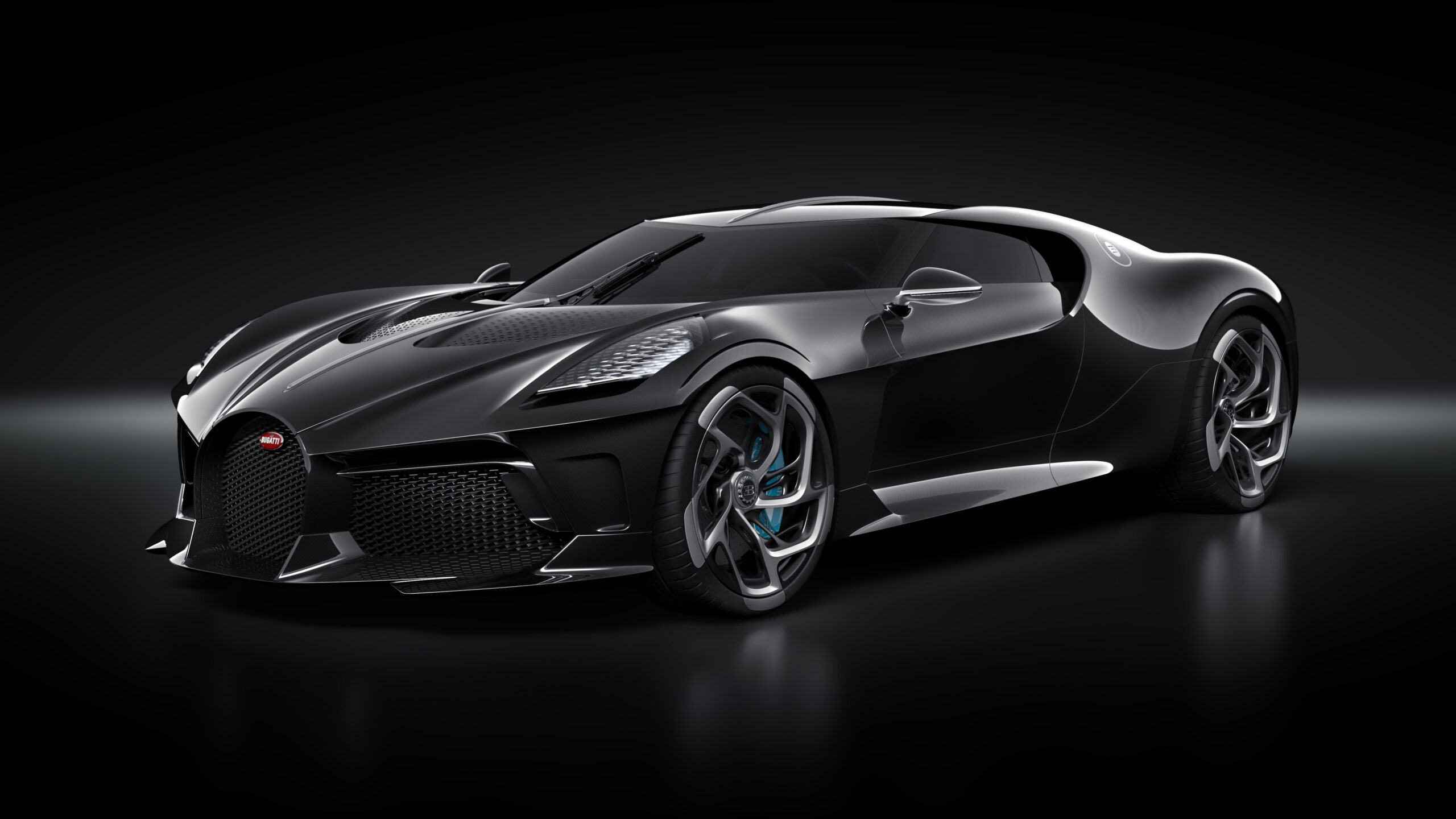
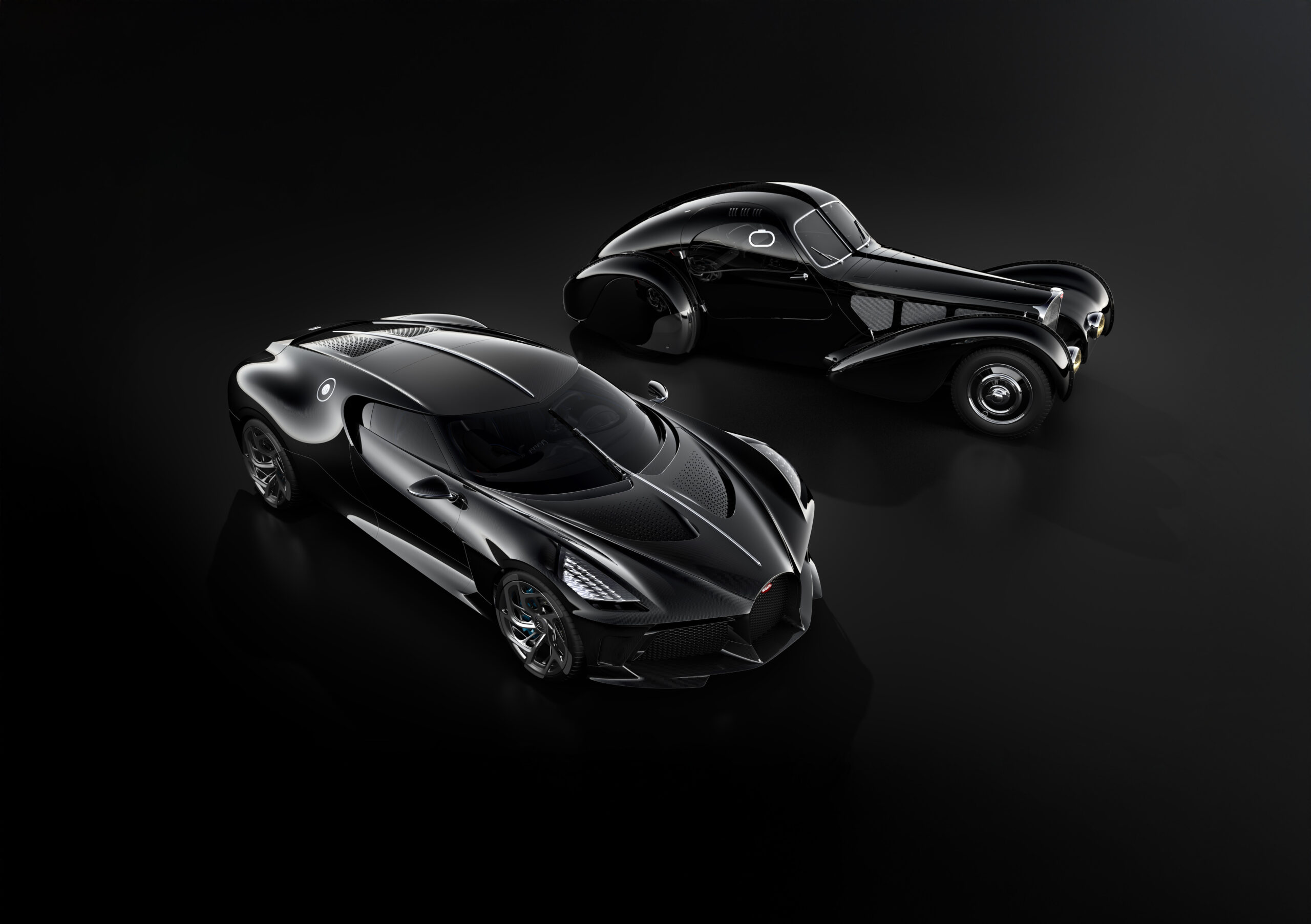
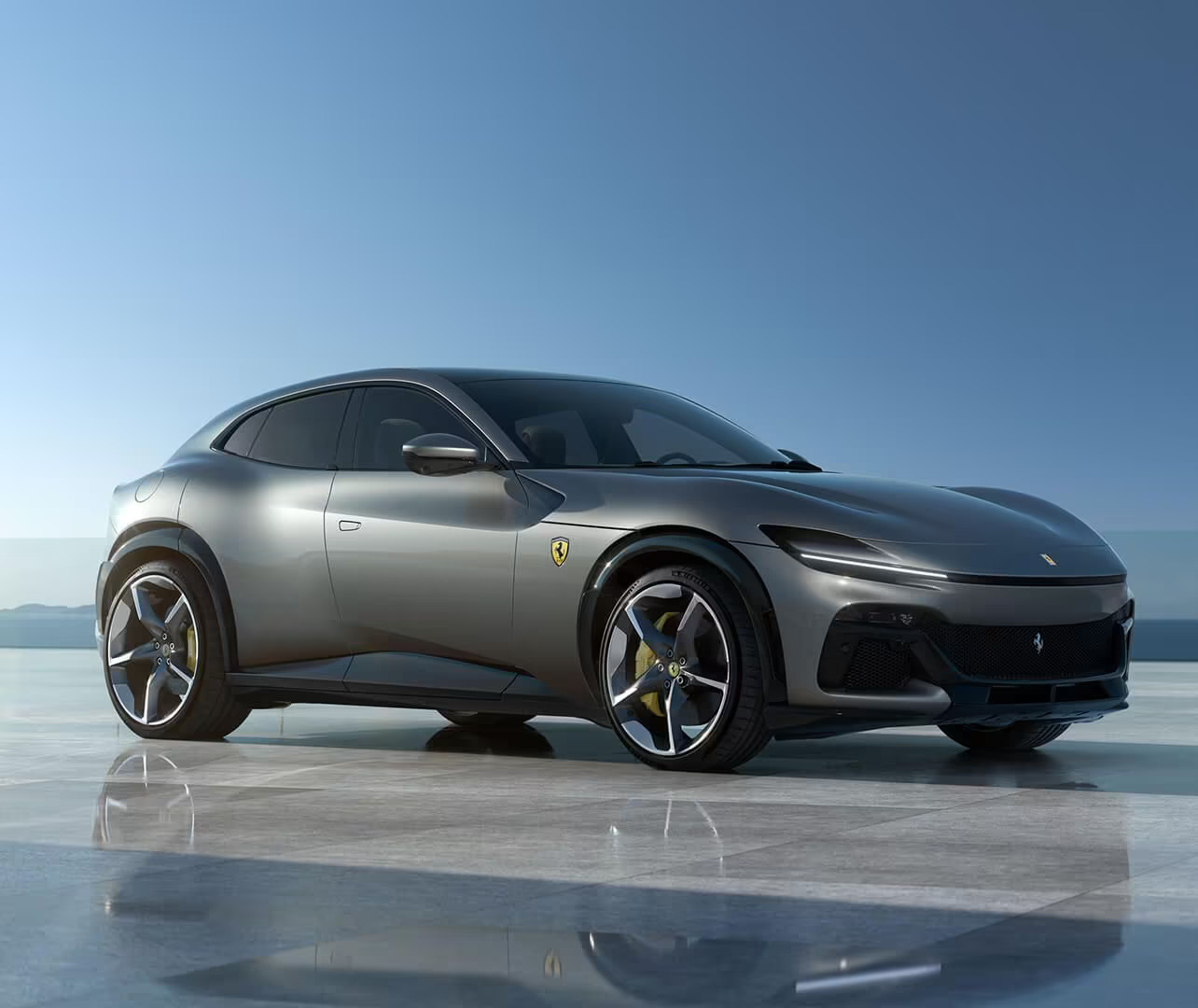


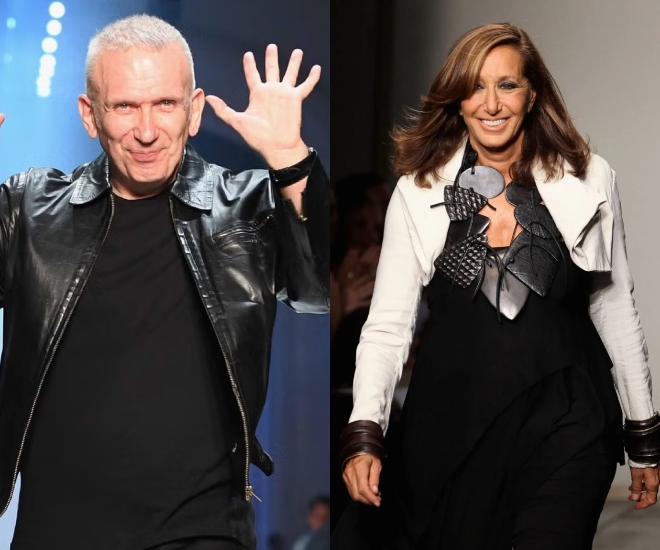
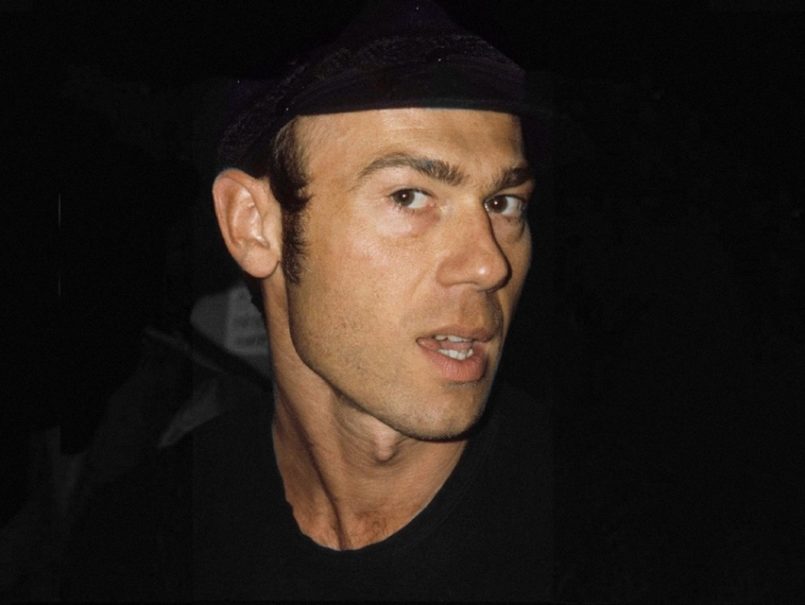
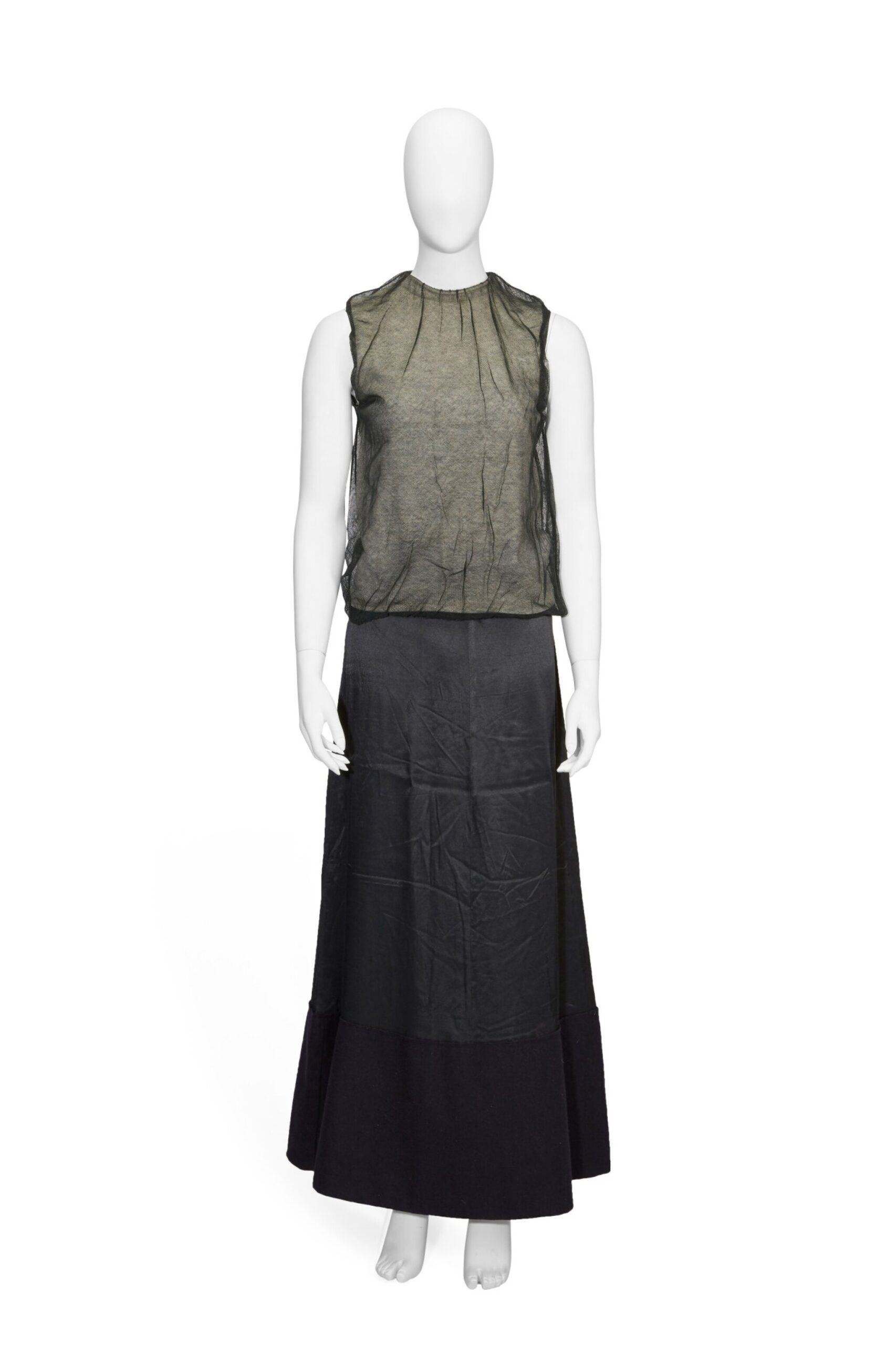
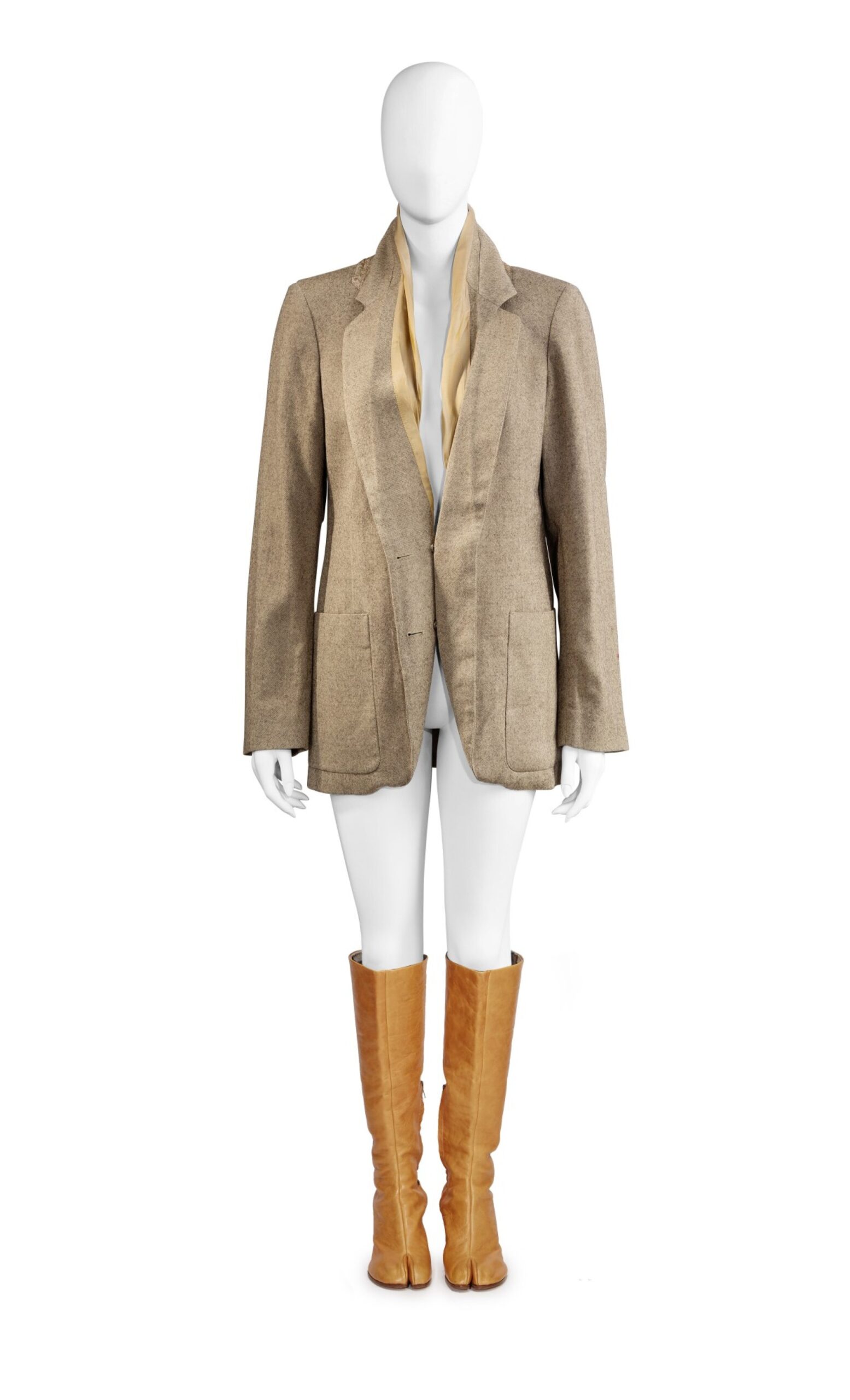
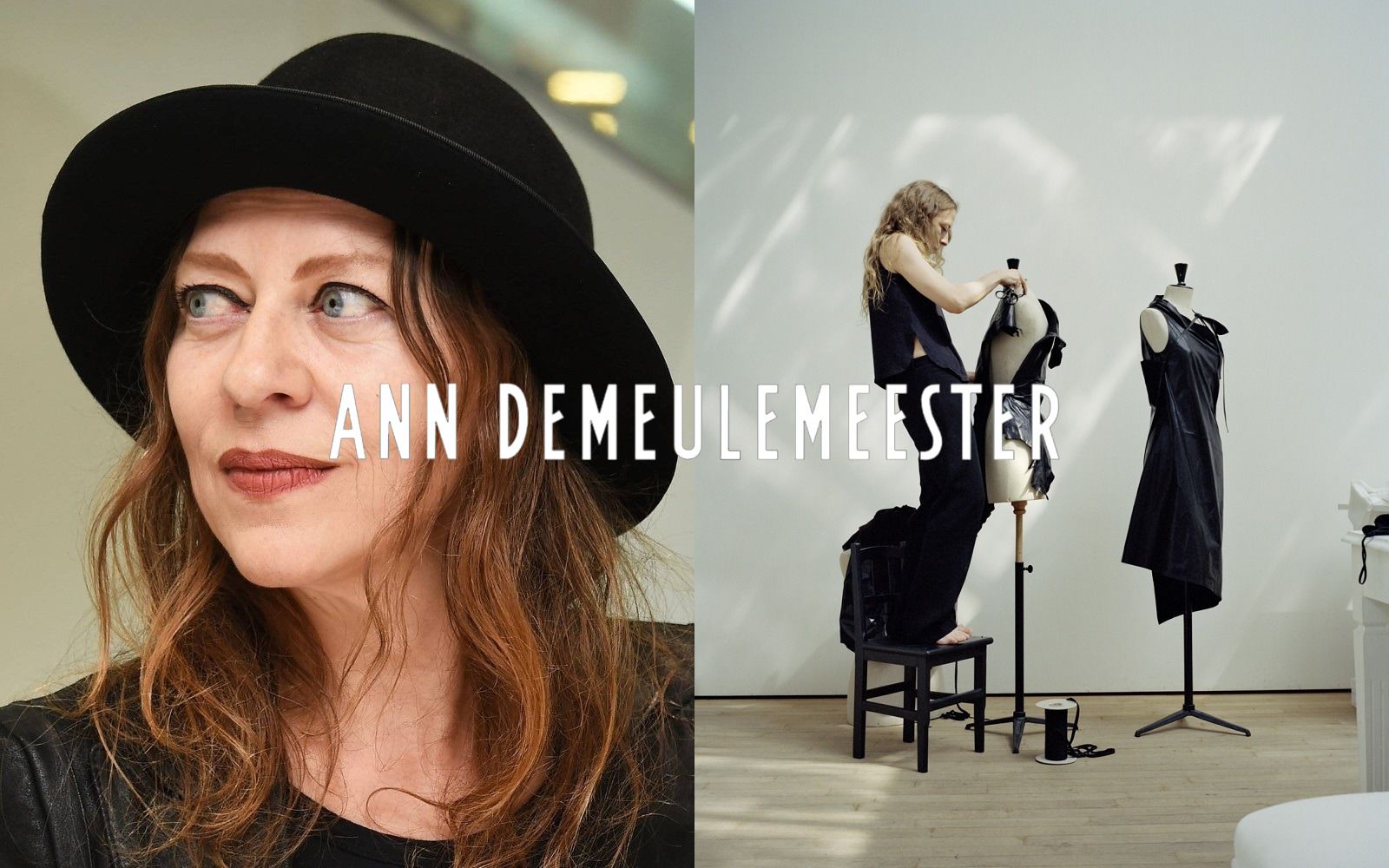
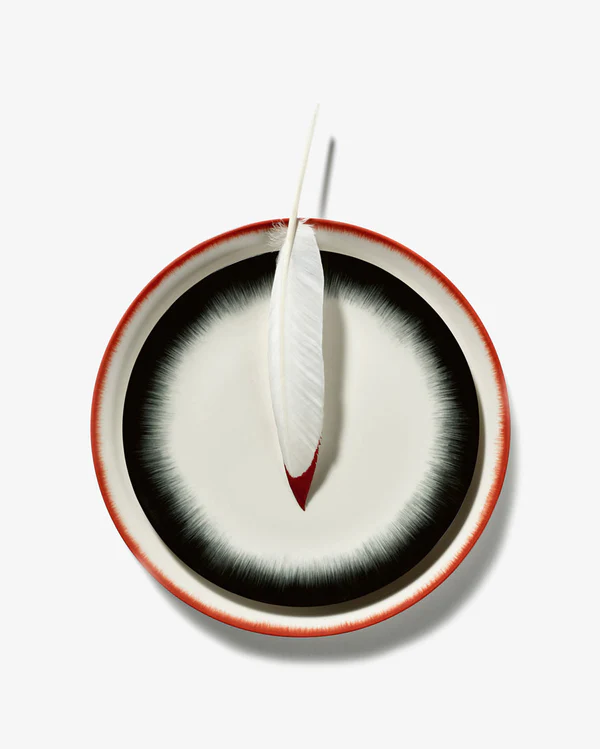
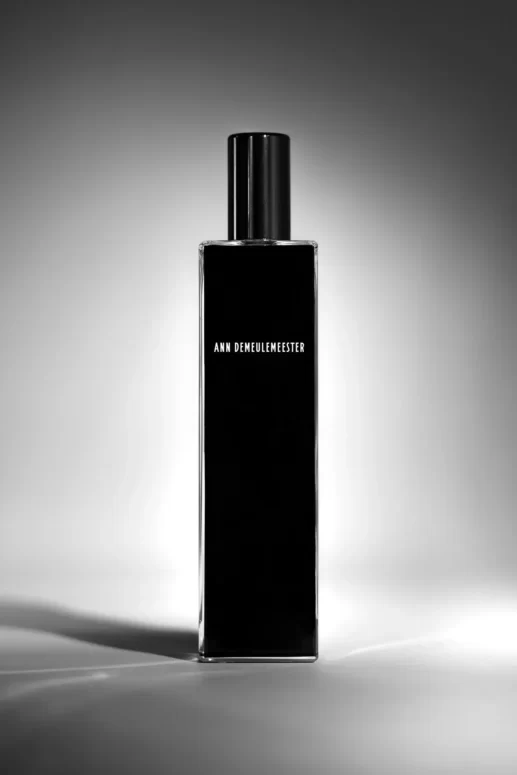
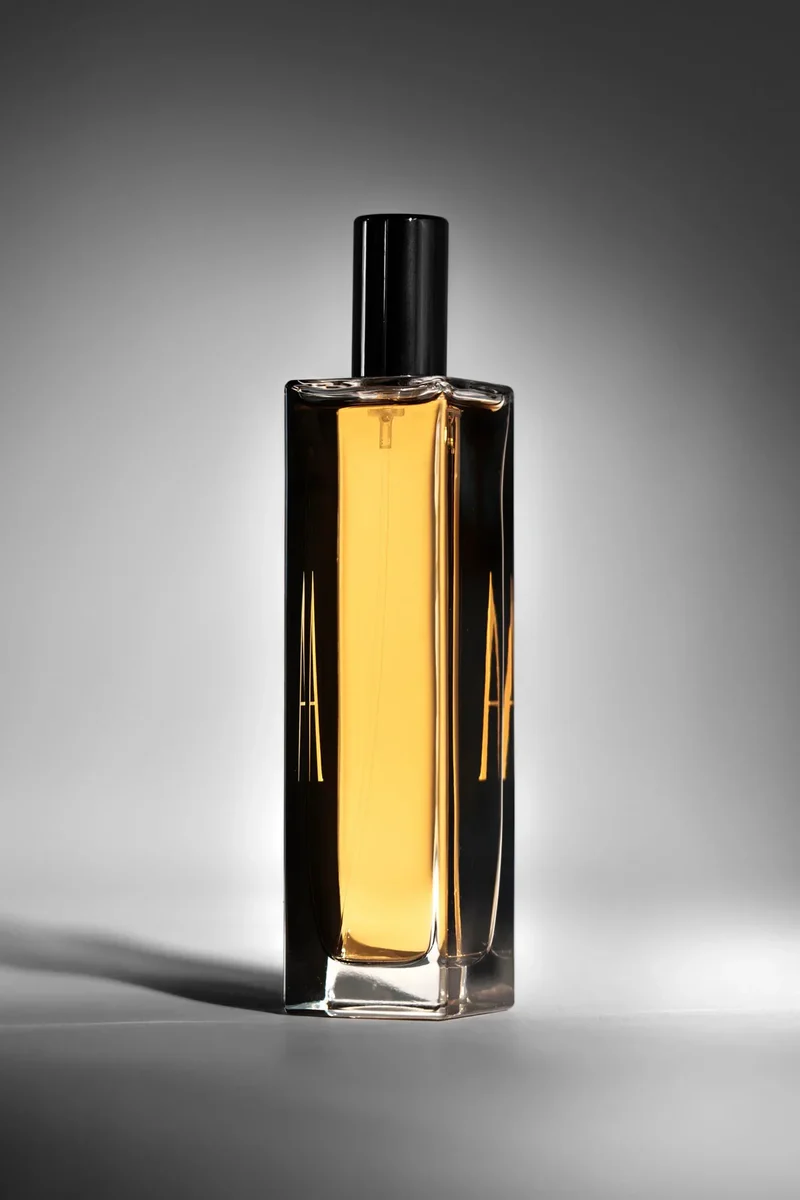

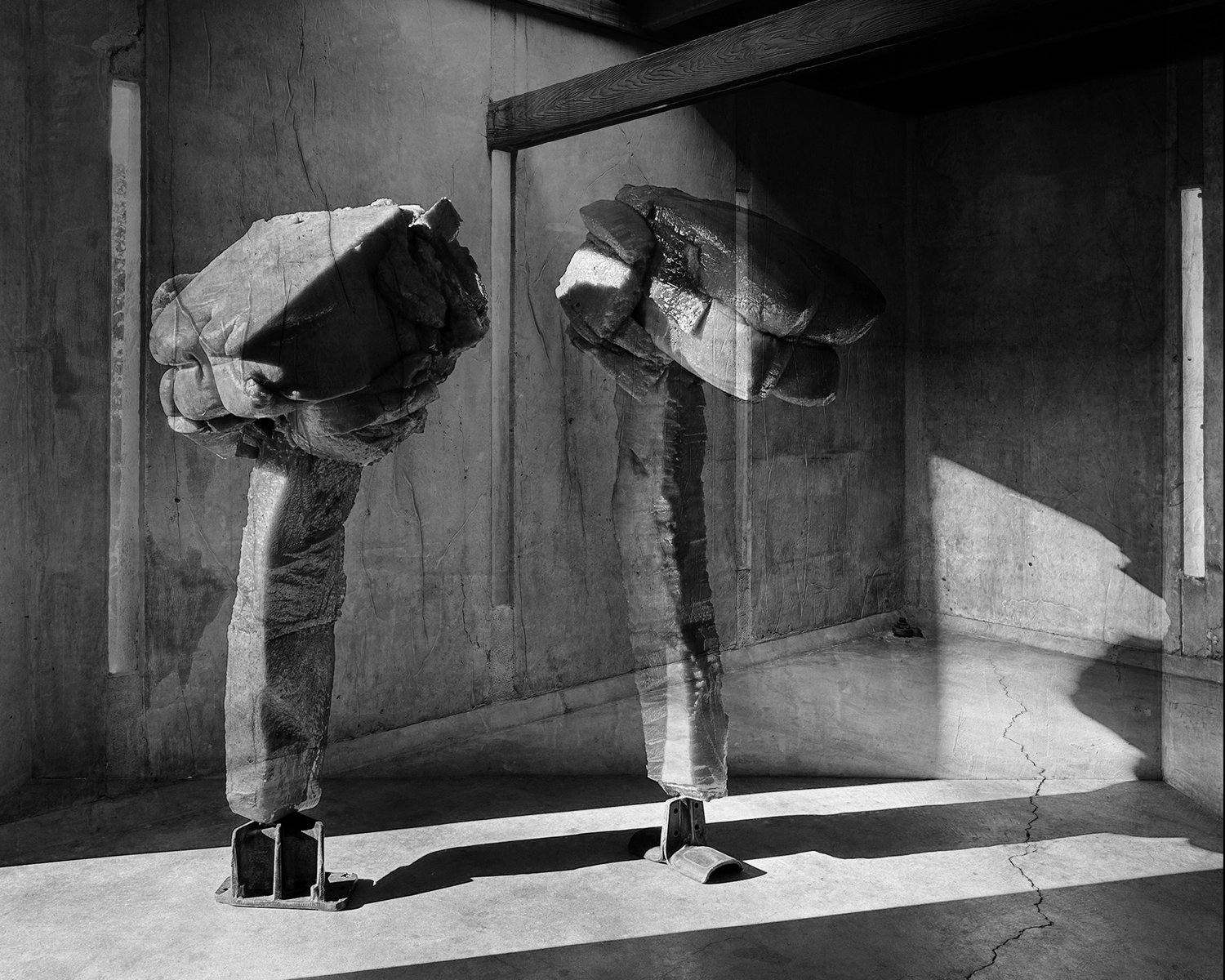
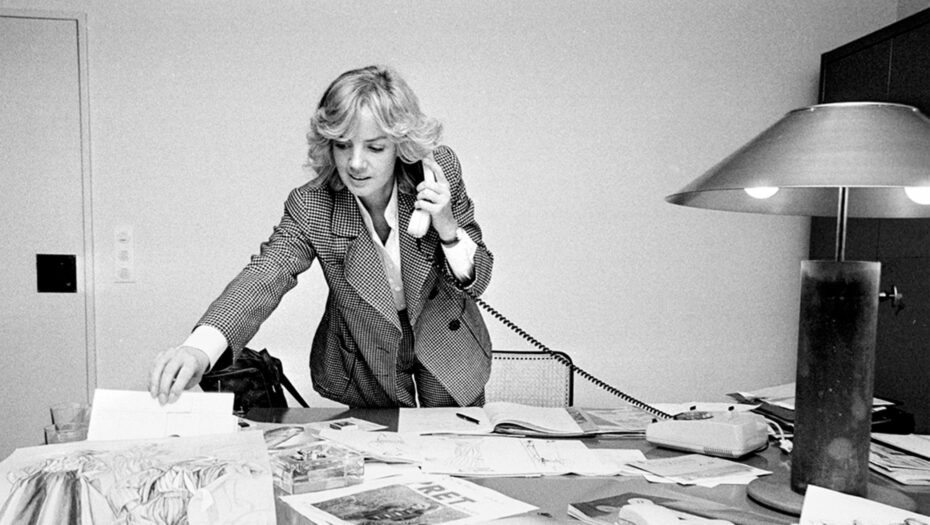




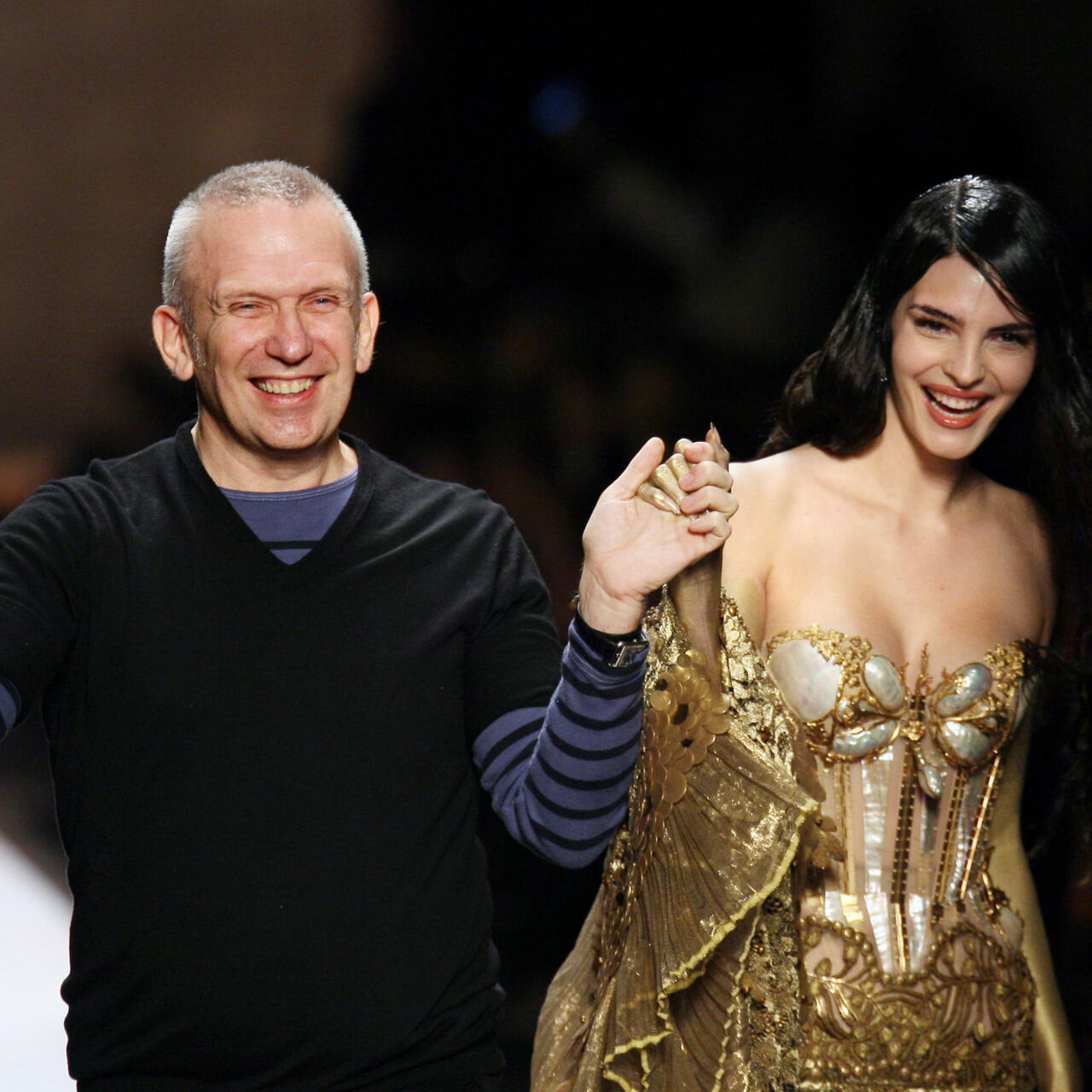

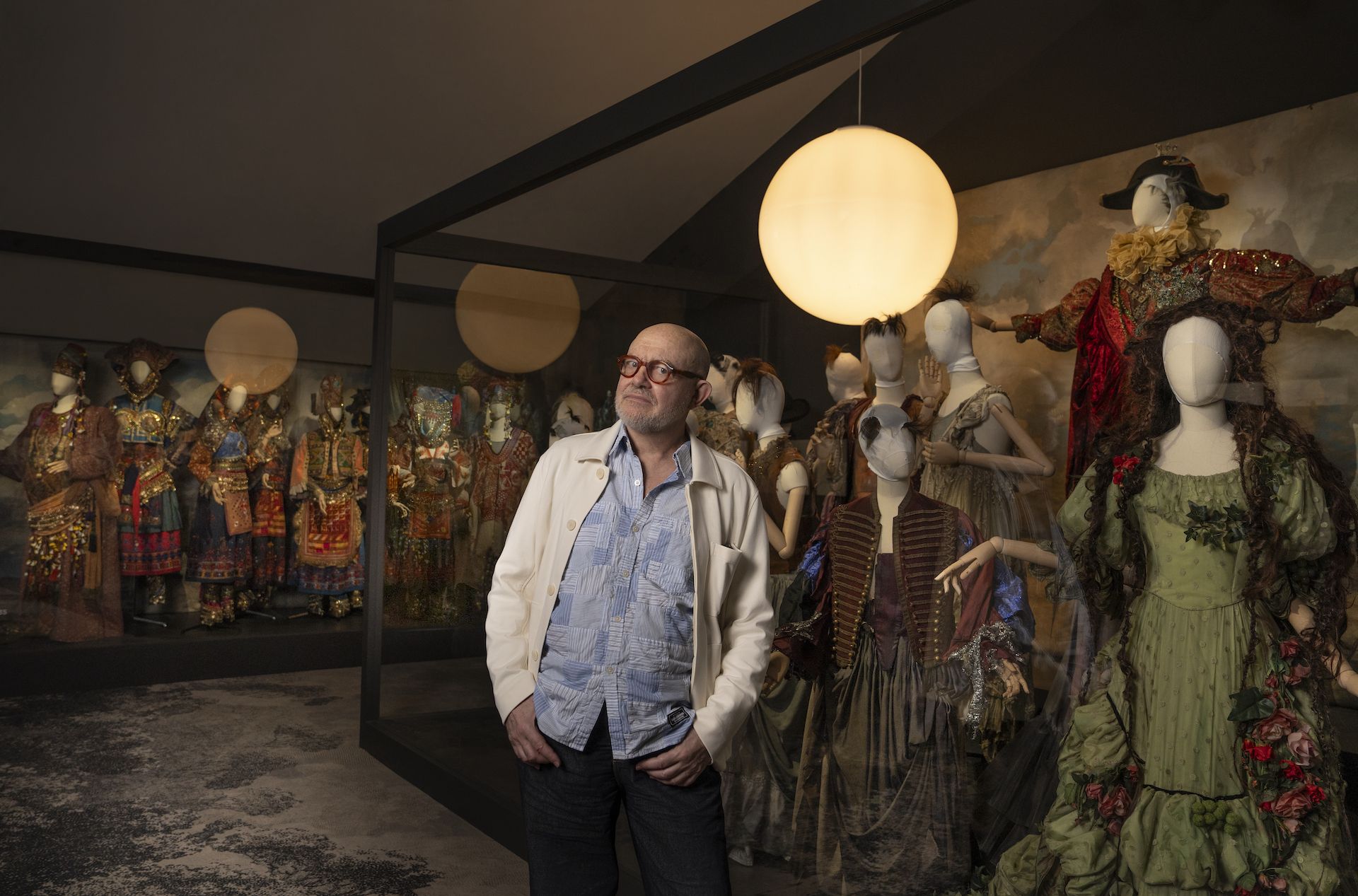
:max_bytes(150000):strip_icc()/TAL-lead-image-CALABASHNC0725-0caf83576de24b6bb3a768da1c0504fd.jpg "Calabash, North Carolina, Is the Seafood Capital of the World and the Perfect Place to Retire")
:max_bytes(150000):strip_icc():format(jpeg)/TAL-lead-image-CALABASHNC0725-0caf83576de24b6bb3a768da1c0504fd.jpg)