Koenigsegg’s in-house bespoke department, the Legends Division, has revealed its latest project. It’s an Agera R that recently received a major upgrade.
This Koenigsegg Agera R was built in 2013 and delivered to a private collection. In 2017, it was sold to a collector in the UK. The new owner and British dealer Supervettura partnered with the Legends Division to upgrade the Agera R to 2025 standards.
While the exterior might look unchanged, all interior and exterior trim pieces get a DLC (Diamond-Like-Carbon) coating. Inside, it has the sporty carbon fibre seats from the One:1. These are wrapped in Alcantara and come with 6-point harnesses.
The upgrades don’t just end at that. The Agera R also features a bespoke instrument cluster inspired by the CC850’s chrono cluster. It also comes with an updated infotainment system with Apple CarPlay.
Koenigsegg is also said to have made a few changes to the powertrain so that it now produces slightly more horsepower than before.
When people think of Europe, the first destinations that often come to mind are France, Italy, Germany, Spain, and maybe Switzerland. However, Europe is home to dozens of countries, and one of the most underrated regions for travelers is the Balkans. While there’s no universal agreement on which countries belong to the Balkans, the region generally includes Albania, Bosnia and Herzegovina, Croatia, Bulgaria, Greece, Kosovo, Montenegro, North Macedonia, and Serbia, with Romania and Slovenia sometimes considered part of it as well.
Despite being overlooked by many tourists, the Balkans offer stunning landscapes, rich history, and vibrant cultures — all at a fraction of the cost compared to Western Europe. While some places may still be pricey by Filipino standards, they are generally more budget-friendly than their Western European counterparts. If visiting the Balkans is on your travel bucket list, keep reading as we share how we planned our unforgettable Balkan adventure in this article!
As mentioned earlier, the Balkan region generally consists of 11 countries. However, not all of them are part of the Schengen Area.
Schengen Balkan Countries
Only five countries in the Balkan region are included in the Schengen Area. These are the following:
Greece
Croatia
Slovenia
Bulgaria
Romania
Note: Bulgaria and Romania currently only accept Schengen visas at their sea and air borders.
Among the Schengen countries in the Balkans, Greece is the most practical choice for Filipino travelers. Here are the reasons:
Greece has its own embassy in the Philippines, making visa processing more straightforward.
Athens Airport is well-connected, with affordable flights available from many destinations.
Greece is a stunning travel destination, so it’s well worth adding to your itinerary!
Alternatively, you can also apply for a Schengen visa through Slovenia, which is processed by the Belgian Embassy in the Philippines.
TIP! Design an itinerary that requires multiple Schengen entries, making your multiple-entry visa application more justifiable. See sample itinerary in the next section.
Non-Schengen Balkan Countries
Here are the Balkan countries outside of the Schengen Area:
Albania
Bosnia and Herzegovina
Kosovo
Montenegro
North Macedonia
Serbia
If you’re traveling to any of these countries, you’ll need a separate visa specific to that country. For instance, if you’re only visiting Albania, you’ll need to apply for an Albanian visa. Fortunately, there’s a workaround: if you have a multiple-entry Schengen visa, you won’t need a separate visa for many Balkan states.
To take advantage of this, you can apply for a multiple-entry Schengen visa through Greece, Croatia, Slovenia, Bulgaria, or Romania — as long as your itinerary justifies multiple entries. Additionally, many non-Schengen Balkan countries accept a used multiple-entry Schengen visa, meaning you must enter a Schengen country at least once before using it to visit other Balkan states.
2. Plan your route wisely.
Careful route planning is essential — not only to save time, money, and energy but also to justify the need for a multiple-entry Schengen visa.
Creating Your Itinerary
As mentioned earlier, only five Balkan countries are part of the Schengen Area, while the rest require separate visas. However, with a multiple-entry Schengen visa, you can enter many non-Schengen Balkan countries without needing additional visas.
This is why the itinerary you submit to the embassy is crucial. Below is a simplified version of our Balkan travel route. It was more complicated in reality, but this gives you an example of how you can plan your itinerary.
Greece
Romania
Bulgaria
North Macedonia
Kosovo
Albania
Montenegro
Croatia
Bosnia and Herzegovina
Croatia
Spain
This itinerary required us to enter the Schengen Area three times, which strengthened our justification for a multiple-entry visa.
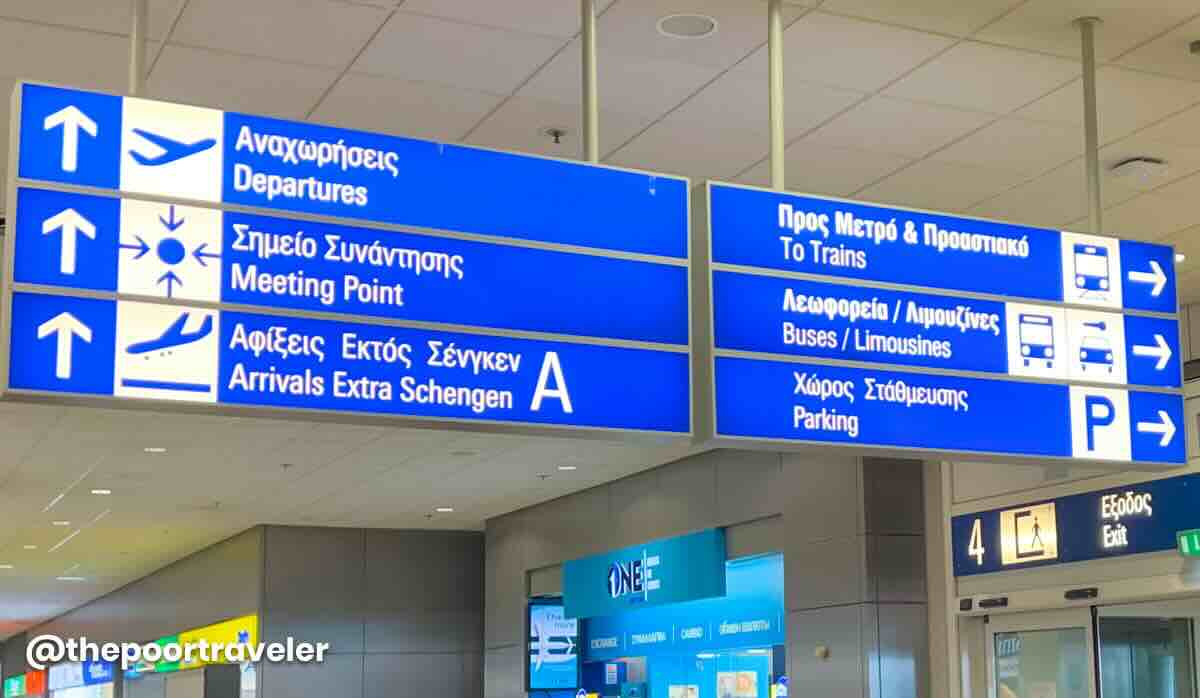
Arrival at Athens Airport
First Entry: Arriving in Greece (Schengen).
Second Entry: Exiting the Schengen Area from Bulgaria to North Macedonia, then re-entering when arriving in Croatia.
Third Entry: Taking a side trip to Bosnia and Herzegovina and Montenegro, then re-entering Croatia.
With three Schengen entries, a multiple-entry visa was justified, allowing us to travel through the non-Schengen Balkan countries without needing separate visas.
Choosing the Best Mode of Transportation
Beyond visas, planning your route wisely also means considering transportation availability. Google Maps is a great tool to check the most logical route between the countries you want to visit. Researching bus routes can help you avoid unnecessary flights, making your trip more budget-friendly and efficient.
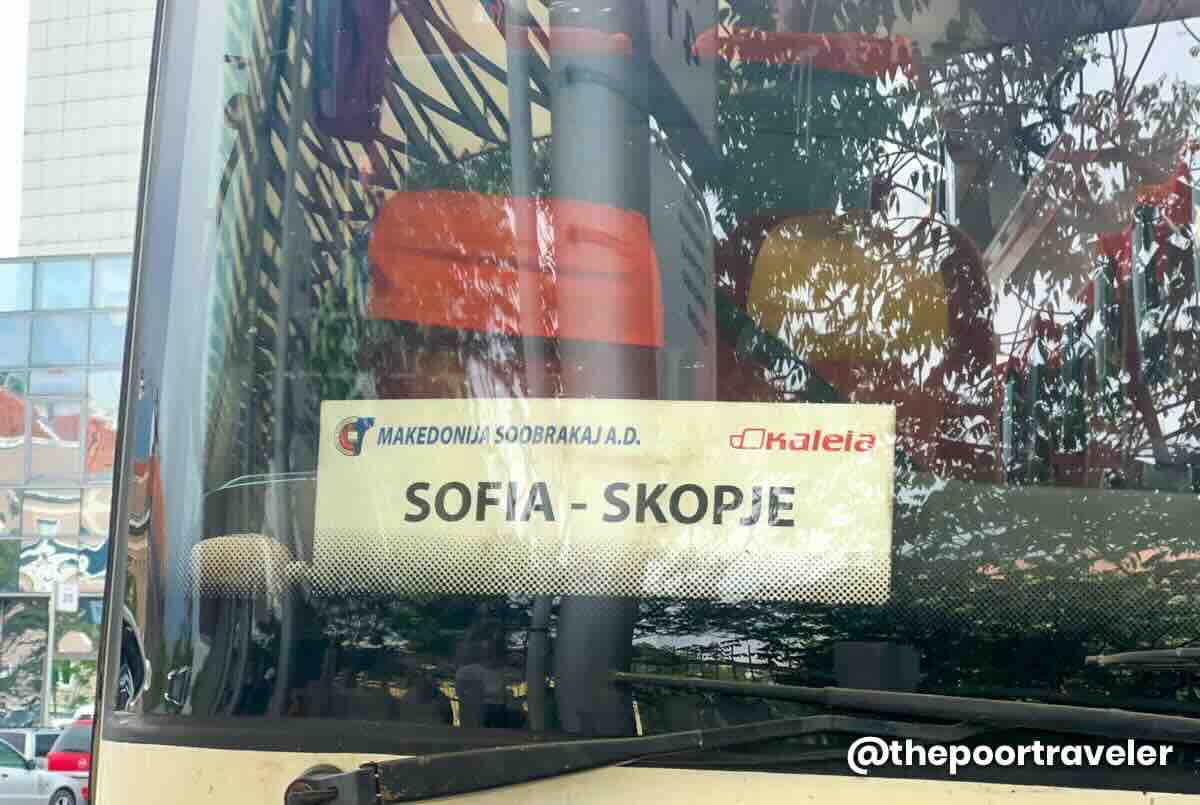
Bus from Sofia in Bulgaria to Skopje in North Macedonia
During our Balkan backpacking trip, we primarily traveled by bus. Not only was it the most affordable option, but it also made for a more immersive and adventurous experience.
Checking the Political Landscape
Another critical factor when planning your itinerary is the political landscape of the Balkan region, as some countries have border restrictions due to diplomatic conflicts. For example, Serbia apparently does not allow entry from Kosovo due to conflicts. While this policy may change over time, we took extra precautions when planning our route. Instead of traveling from Kosovo to Serbia, we entered Serbia from Bulgaria first, then later traveled to Kosovo from North Macedonia to avoid potential issues.
By being strategic with your route, you can make your Balkan adventure smoother, more cost-effective, and visa-efficient — all while enjoying the incredible diversity of this fascinating region!
3. Search for affordable flights.
When planning our Balkans trip, we chose Greece as our entry point because it offered the cheapest flights. If you’re booking well in advance or during seat sales, one of the most budget-friendly options from Manila to Athens is SCOOT, which operates flights with a stopover in Singapore. In fact, we’ve flown to Greece with Scoot on previous trips.
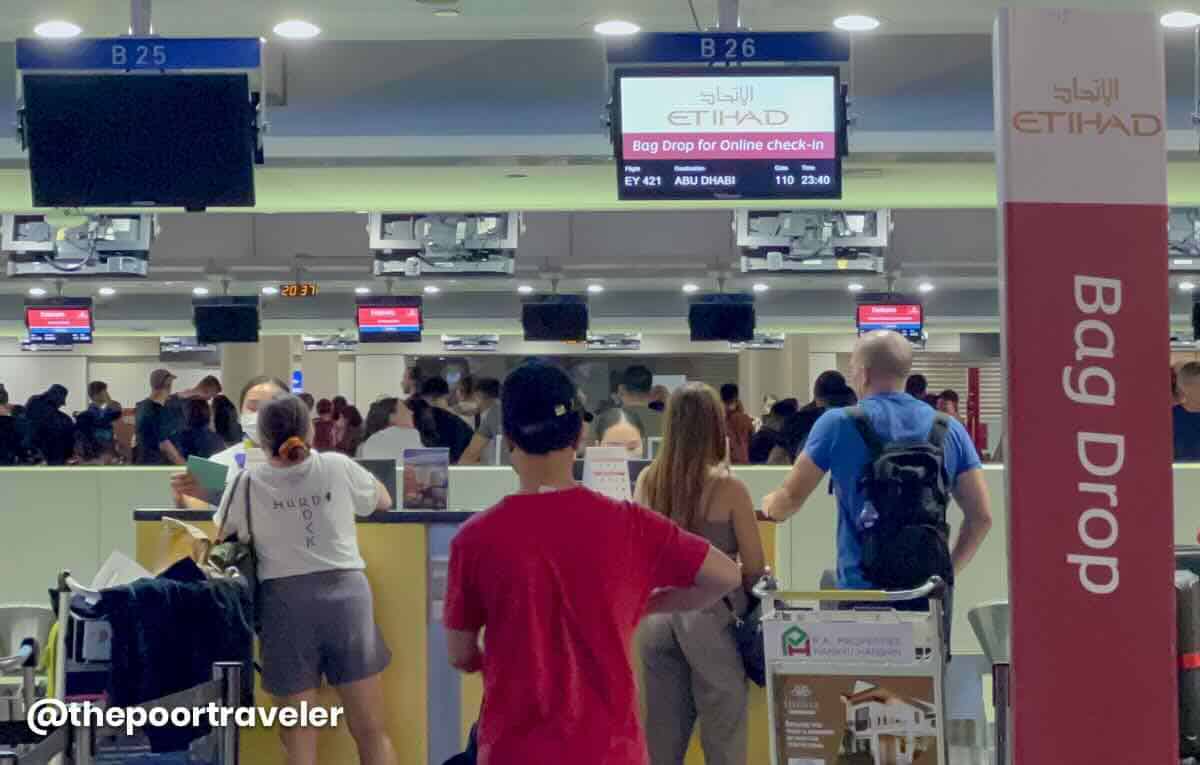
However, don’t limit your search to just budget airlines. It’s always worth checking full-service carriers too. Sometimes, you’ll find flights that are either cheaper or only slightly more expensive than low-cost airlines but come with added benefits. For example, when we booked our flight for our Balkans trip, we chose Etihad with a stop in Abu Dhabi. At the time, it was only about ₱5,000 more expensive than Scoot, but that price already included add-ons.
If you noticed in our sample itinerary, our final stop before returning to the Philippines was Spain, even though it’s not part of the Balkan region. The reason? Flight prices. At the time, the cheapest flight back to Manila was from Barcelona. Even after factoring in the cost of a connecting flight from Croatia to Barcelona, the total expense was still lower than flying directly from the Balkans. That’s why we decided to include Spain in our route!
It’s important to note that when applying for a Schengen visa, you don’t need to book your flights yet. Instead, you’ll need a flight reservation, which serves as a temporary booking without requiring full payment. Some people refer to it as a “dummy ticket”, it sounds phony so we avoid using that term. But whatever you call it, what’s important is that embassies recognize flight reservations.
For our visa applications, we get our flight reservations from Gazelle Travel and Tours. If you need one, you can visit this page, fill out the order form, and check the pricing and turnaround time. Once your visa is approved, you can proceed with finalizing your actual flight booking.
4. Consider the season and the weather.
Timing plays a crucial role when planning a trip to Europe, including the Balkan region. We’ve traveled to the Balkans during late spring to early summer and again from late summer to autumn, and we can confidently say — the difference in price is huge.
The summer months (June to September) are considered peak season, meaning higher prices for flights, accommodations, and tours. For example, when we visited Croatia, we noticed that as soon as October arrived, tour prices dropped significantly. This trend applies to hotels and flights as well.
Out of all the seasons we’ve experienced, autumn was the most breathtaking. The weather was comfortably cool — neither too hot nor too cold — and the landscapes were painted in stunning fall colors, making it an unforgettable sight.
Beyond pricing and scenery, seasonal weather also determines what you need to pack. The Balkans have diverse climates, so temperatures can vary greatly depending on where you go. For example, the weather in Romania is different from Croatia’s Dalmatia Region.
Meanwhile, coastal cities along the Adriatic and Aegean Seas — like Split and Dubrovnik in Croatia — have a Mediterranean climate. Inland regions, such as Sofia in Bulgaria and Brașov in Romania, experience a humid continental climate, meaning colder winters and more significant seasonal changes.
If you’re backpacking through multiple countries, expect the weather to shift from place to place. Be sure to research each destination’s climate in advance and pack accordingly to stay comfortable throughout your journey.
5. Don’t assume everything’s the same.
The Balkan region is incredibly diverse, not just in terms of climate but also in culture, language, history, and governance. While there are similarities between countries, each nation has its own distinct identity. The alphabet, religion, political systems, and even cuisines can vary dramatically as you cross borders.
History
This diversity is also reflected in the region’s complex history. Many neighboring countries have long-standing political tensions, which sometimes become evident when speaking with locals. Even historical tours can present conflicting narratives, depending on where you are. For example, North Macedonia and Bulgaria, Serbia and Bulgaria, Serbia and Kosovo, and even Bosnia and Herzegovina all have different perspectives on historical events — and you’ll likely sense this when visiting heritage sites or engaging in conversations.
Cuisine
Each country in the Balkans offers a unique cuisine as well. For example, in Dubrovnik and Montenegro, seafood dominates the cuisine, whereas Romania, Bulgaria, and Serbia favor meat-heavy dishes.
Some of the dishes we tried in Brasov, Romania (Top and Bottom Left) and Kotor, Montenegro (Top and Bottom Right).
Religion
When it comes to religion, countries like Kosovo and Albania are predominantly Muslim, while Croatia is largely Catholic. Meanwhile, Greece, Bulgaria, Serbia, Montenegro, and Romania follow Eastern Orthodox Christianity, each with their own branches — Greek Orthodox, Bulgarian Orthodox, and Serbian Orthodox.
Language
The linguistic diversity is also fascinating. For example, Romanian is a Latin-based language that uses the Latin alphabet, whereas Bulgarian is a Slavic language that uses the Cyrillic script. Greek, of course, has its own distinct Greek alphabet.
Vibe and Personality
Every destination has its own personality. Beyond cultural differences, each city or town exudes its own unique charm. Brașov (Romania) feels like a quaint, fairy-tale town. Sofia (Bulgaria) and Tirana (Albania) have the bustling energy of big cities. Meanwhile, Split and Dubrovnik (Croatia) are straight out of Game of Thrones, serving serious King’s Landing vibes. And Mostar (Bosnia and Herzegovina) and Prizren (Kosovo) look like giant, open-air museums with their well-preserved historical sites.
Affordability
Prices also vary between destinations. While much of the Balkans is known for being budget-friendly, there are notable exceptions. Dubrovnik and Split are among the most expensive cities in the region. When we first visited these parts of Croatia a few years ago, they were already pricey, but during our most recent trip, we noticed prices had skyrocketed, likely due to the influx of tourists. If you plan to visit, be prepared to spend more compared to other Balkan destinations.
The more places you explore, the more you’ll appreciate the region’s incredible diversity. Every stop reveals something new, making the Balkans a truly fascinating place to visit.
6. Inspect your accommodations online.
One of the best things about traveling in the Balkans is the abundance of budget-friendly accommodations. However, price isn’t the only factor to consider when choosing where to stay. We always use two key criteria when booking: central location and accessibility.
We prefer accommodations near the Old Town or city center, within walking distance of key attractions and starting points for walking tours. It’s also important that our lodging is close to major transportation hubs, such as train stations or bus terminals, for easier transfers between destinations.
Finding accommodations that fit these criteria was fairly easy, except in Dubrovnik, where we faced a unique challenge: most budget-friendly rooms only accommodated two people — we were a group of three. As a result, we ended up booking apartments for most of our stay.
By the way, these are all the promo codes that you can use. We have discounts for hotels, tours, and eSIM for internet connection. We even have special rates for travel insurance, exclusive for TPT subscribers.
Beyond location and affordability, it’s also crucial to check the building’s facilities, especially if you’re staying in an apartment within the Old Town. Some buildings are older and lack elevators, which can be a problem if you’re carrying heavy luggage or have mobility problems.
For example, in Brașov, Romania, we stayed at Zinne Apartments, a charming place just two blocks from the main square. However, it was on the second floor, which is third floor for us Pinoys, and since it was in an older building, there was no elevator. Similarly, in Skopje, North Macedonia, we booked Apartment Emilija, which had an amazing location — we could see the main square right from our window. The unit itself was spacious and comfortable, but it was on the fourth floor, which is fifth floor by our standards, with no elevator.
Zinne Apartments in Brasov, Romania.
Before finalizing your accommodation, always check which floor your unit is on and whether the building has an elevator. This small detail can make a big difference in your comfort, especially after a long day of exploring. And, again:
If Klook is your go-to booking site, please use our promo code THEPOORTRAVELERKLOOK for up to P300 OFF or TPTKLOOK5 for up to P500 OFF. These codes might change in the future so best to just visit thepoortraveler.net/klook to redeem updated discount codes!
If you prefer to book via AGODA, use our promo code AGODATPT for 10% discount.
7. Beware of scams and secure mandatory travel insurance.
Like many major cities in Europe, scams exist in the Balkans. Although they are not as rampant as in Paris, Barcelona, or Berlin, scams still exist here. The most common type of scam travelers encounter here usually involves taxis.
We personally experienced a taxi scam in North Macedonia. We usually prefer public transportation, but sometimes, especially when arriving late at night, taking a taxi is the only option. Since there were three of us, we figured splitting the fare wouldn’t be too bad.
Before getting in the taxi, we agreed on a price with the driver. However, when we arrived at our destination, he suddenly demanded more money. When we refused, other taxi drivers surrounded us, trying to intimidate us.
Unfortunately, taxi scams happen in other cities too. If you suspect a driver is overcharging, walk away and find another taxi. To avoid this, you can ask your accommodation host for an estimate of the usual fare from the station to your stay. Many hosts even recommend a trusted transfer service to ensure you’re not overcharged. For example, our host in Skopje went the extra mile to personally take us to the bus station so we wouldn’t have to deal with taxi scams.
In our six weeks of traveling in the Balkans, we only encountered two scams and fell for one. However, there are other scams that travelers have reported, such as as the money collector scam and overpriced menu scam. Thankfully, we didn’t encounter these, but researching common scams before your trip can help you recognize and avoid them.
Since we’re talking about safety, remember that when applying for a Schengen visa, having travel insurance is mandatory. Not just any insurance — it must be Schengen-accredited. For reliable coverage, you can book TravelJoy Plus through PGA Sompo. This ensures you’re protected throughout your trip.
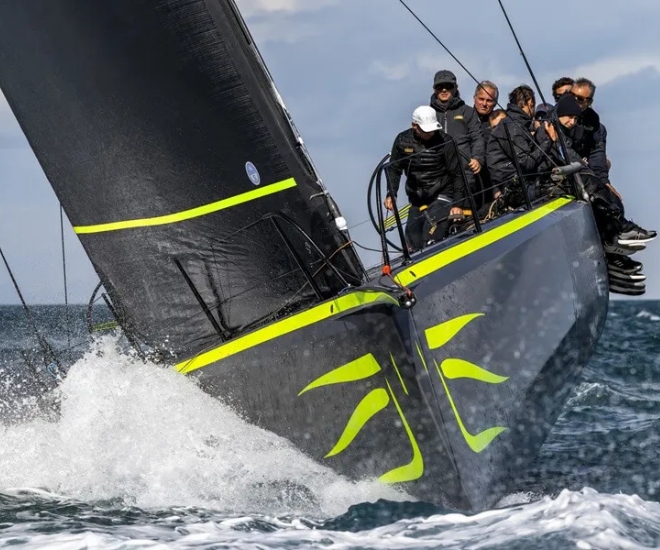
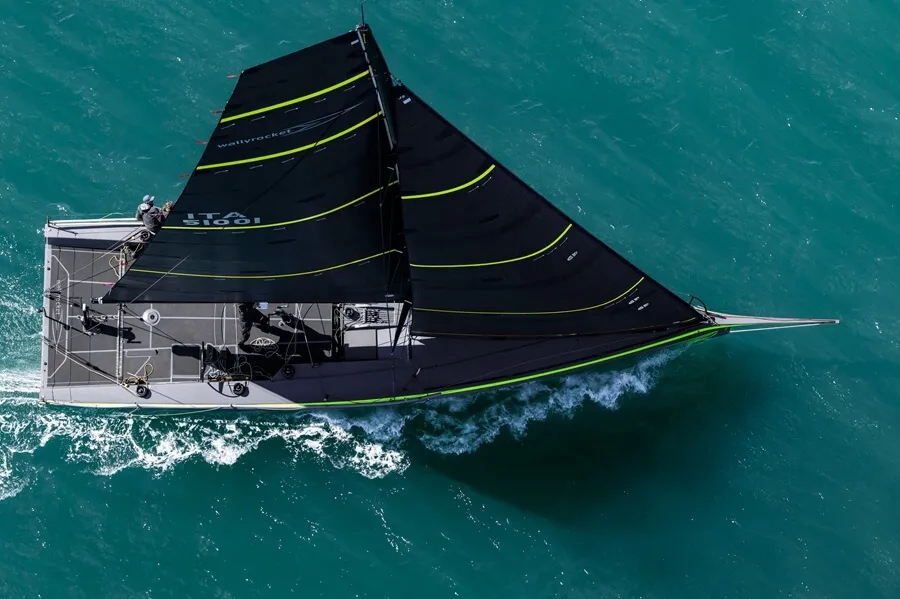
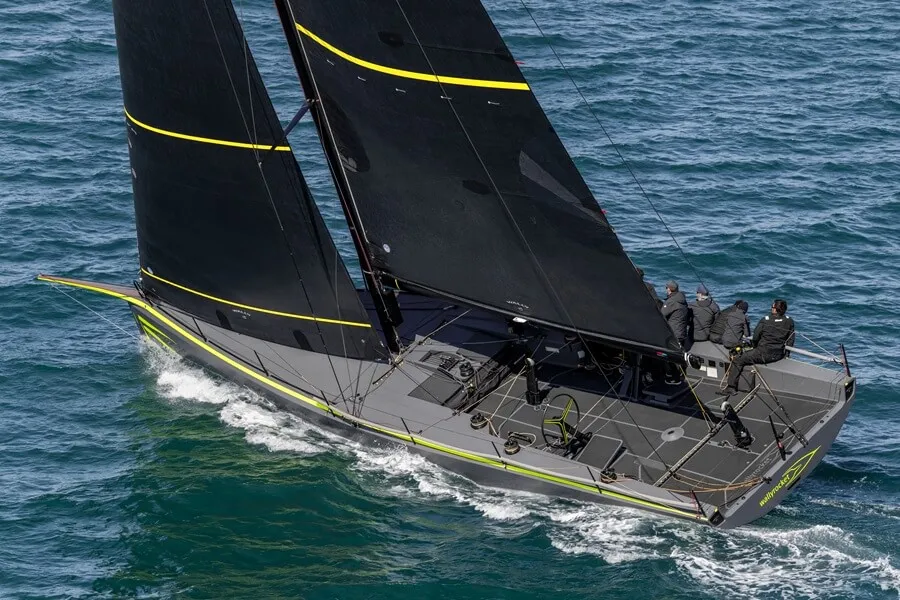
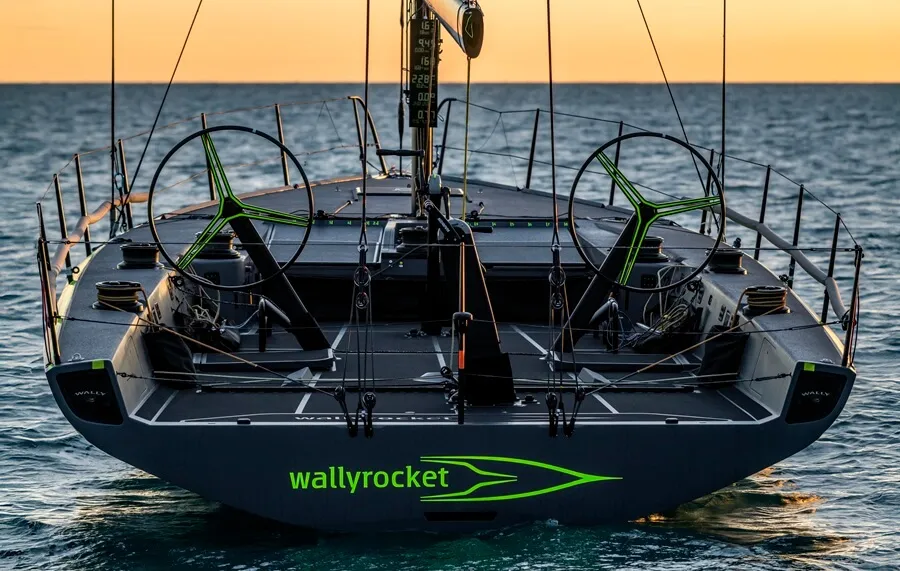
Much was expected of the wallyrocket51, Wally’s first ‘pure racing yacht’. So far, much has been delivered. Conceived as an owner-driver one-class design but optimised to be competitive under IRC/ORC rules, the wallyrocket51 made its racing debut at this year’s Tre Golfi Sailing Week in the Gulf of Naples, which in 2027 will host the 38th America’s Cup.
Owned by Giovanni Lombardi Stronati and racing as Team Django, the wallyrocket51 won three out of four races to secure the National Championship for Central and Southern Tyrrhenian to the delight of Argentine strategist Guillermo Parada and Italian tactician Vasco Vascotto – a 28-time world champion – who have both consulted on the development of the wallyrocket51 since its inception.
“It’s a fantastic feeling because it has been a long journey from the first concept of this boat – designing it, building it, launching it, and making sure every detail was right,” said Parada, who has raced with Vascotto for 15 years on the TP52 circuit – notably with Azzurra – and on maxis.
“Seeing the concept work and the boat perform as expected, and feeling it improve every day was hugely rewarding. It was a great regatta for us.”
BIG AMBITIONS
Summer events for Team Django include the Cowes Dinard St Malo Race, Admiral’s Cup and Rolex Fastnet Race, all organised by the UK-based Royal Ocean Racing Club. It’s an imposing programme, but the speed, efficiency and racing capabilities shown by the wallyrocket51 in Sorrento revealed a boat that has so far lived up to expectations.
Wally / Gilles Martin-Raget
Luca Bassani, Wally’s founder and Chief Designer, and Ferretti Group announced the wallyrocket51 concept back in 2023, as they aimed to create a 50ft race boat suitable for both one-design and fleet racing. Conceived to switch between manual-powered fleet and electric-powered one-design racing modes, the 15.5m racer was also designed to be raced with reduced crew of 11.
“When I founded Wally [in 1994], I wanted to create sailboats that could be both very comfortable and easy for cruising but also very fast for racing. Over the past 30 years, we’ve certainly achieved this. However, today, in our opinion, the market is changing, splitting between owners who want to cruise and those who want to race – and race in a more professional way,” Bassani said.
“That’s why we decided to build a one-design boat, and for that there’s no better size than around 50ft. We think the one-design idea will be very appealing to a wide range of owners as not only will the boat be lightning fast but also the life of the boat is much longer – you don’t have a new, faster boat coming every year.”
HULL TECHNOLOGY
For the hull design, Wally turned to racing maestros Botin Partners Naval Architecture, based in Santander on Spain’s north coast.
Even with Botin’s extensive experience developing TP52s and other 50ft race boats, Wally pushed them to innovate. Botin responded with a yacht that weighs just 6.25 tonnes, with the ultra-low displacement boosting downwind speed and leading to a full rethink of sail plan, hull shape and keel-bulb design.
Wally / Gilles Martin-Raget
The hull incorporates a state-of-the-art water ballast system providing 640 litres per side across fore and aft tanks, allowing for fore-aft trim variations. The system can fill the tanks in a minute, and it only takes six or seven seconds to transfer the water from one side to the other when tacking.
The collaboration with Botin Partners also shaped the deck layout and integrated features, which include a power-operated hydraulic system and a battery pack that will likely be used for the one-design class racing, to make it as accessible as possible for owners.
Making the hydraulic winches and battery pack removable – with ‘coffee grinders’ delivering manual power to the Harken Air winches – ensures the wallyrocket51 can be raced in IRC and ORC fleets without rating penalty.
Adolfo Carrau, Partner and Designer at Botin Partners, said: “We designed this boat to be a good all-rounder that should be competitive in most conditions. The boat is also meant to be competitive in any part of the world. Structurally it has been engineered since day one for offshore races. Having said that, like most light displacement racers, it will be a lot of fun sending it downwind in big breeze.”
WALLY STYLE, PURE BUILD
While Botin Partners’ work underpins the wallyrocket51’s performance and race functionality, Wally wanted to ensure the design was unmistakeably Wally. That responsibility fell in part to the Milan-based Santa Maria Magnolfi studio, which worked with Botin Partners and Wally to incorporate style elements without compromising any aspect of her racing ability.
Wally / Gilles Martin-Raget
In this context, design played a crucial role not just in terms of beauty but as fully integrated functionality. Every stylistic choice had to meet specific sailing requirements, like weight reduction and surface optimisation.
Key elements like the inverted sheerline, the stern design inspired by Wally’s signature air intakes, and a sportier take on the steering wheel used in larger models like the wallywind110 all reinforce the wallyrocket51’s connection to the Wally family.
Building such an extreme and lightweight racer demands precision, with extremely tight construction tolerances, so Wally turned to Pure Design & Engineering in New Zealand to oversee the project and ensure the highest engineering standards.
The hull was built using pre-preg carbon with Corecell and Nomex cores – advanced materials that ensure lightness and strength. On a yacht so compact and light, even a 3 per cent margin in the weight of the hull’s composite materials can translate into a critical difference of around 36kg.
Parada and Vascotto were also firmly behind the collaboration with Pure Engineering. “We’ve had a long, open relationship with Botin and the design team, which makes collaboration smooth and honest, crucial when the goal is to make the boat faster and better,” Parada said.
TALL RIG, HIGH SPEEDS
In terms of rigging, a 94sqm square-top mainsail off the Southern Spars rig – held up with Future Fibres’ AEROsix hybrid carbon rigging – contributes to 160sqm of upwind sail area, while a 265sqm gennaker helps give 360sqm of downwind sail area. It’s a tall rig relative to its size and incorporates many innovations from recent years.
Wally / Gilles Martin-Raget
Sail trials showed it to be ‘lightning fast’ and a sensational yacht to helm, light on the wheel but responsive enough to give that instantly engaging, fingertip feel. Upwind, the wallyrocket51 has shown exceptional pointing ability while sailing fast. Downwind, the ‘rocketship’ is already living up to its name, delivering a scintillating ride even in lighter airs with the asymmetric flying.
Unlike some niche race boat designs, the wallyrocket51 doesn’t only excel on windward-leeward but has been conceived to take on everything an owner could throw at it.
Vascotto has been delighted with the boat’s performances, having been part of the development team exploring the yacht’s capabilities by sailing against target boat speed numbers set by other 50ft racers.
“We wanted to create a boat that could make owners and sailors happy,” the Italian said. “We wanted to incorporate all the things they say they want when you have a beer with them after racing. These include a yacht that holds its value, is as stylish as a Wally, is faster than anything else out there, and still has a controllable budget. And every day that we sail the boat, in different conditions, confirms we got the project right.”
Although only the first hull is on the water to date, Parada is confident of the wallyrocket51’s appeal within the sailing community. “I believe it could appeal to a wide range of owners of equivalent classes, or even maxi yacht owners looking for something nimbler and fun to race with friends,” he said.
Wally / Gilles Martin-Raget
Parada, Vascotto and co are now hoping the first wallyrocket51 will continue to impress in a summer programme that includes a lot of racing out of Cowes on the Isle of Wight. A highlight is the biennial Rolex Fastnet Race, now a 695nm route from Cowes, around Fastnet Rock off Ireland’s south coast, and finishing in Cherbourg, France.
“As a crew, and by mindset, we love challenges, and perhaps the most difficult and important ones are the Admiral’s Cup and Rolex Fastnet Race,” Vascotto said.
“Even though the wallyrocket51 was created as a one-design, we’ve always wanted to prove it could compete anywhere – in ORC, IRC and long-distance races. It’s not a boat built for these events, but we’ll do everything we can to prove that it can be competitive there, too.”
In 1965, Tissot introduced its seminal PR 516 timepiece, inspired by the racetrack, its perforated bracelet mimicking the steering wheels of that era. With a performance-driven aesthetic, the watch was sporty, modern and sought-after, even gracing the wrists of film stars like Roger Moore. By 1968, the PR 516 had evolved into a chronograph and has since remained a mainstay in Tissot’s portfolio, with numerous iterations over the years.
But that year also marked the debut of another timepiece that deserves a place in the brand’s history: the Tissot Stylist, a watch that had long been forgotten — until today. At that time, the sentiment of the 1960s favoured bold, expressive design. Think of the Rolex King Midas or the Patek Philippe Golden Ellipse.
The 1960s were a decade of contrasts. While activism, the Cold War, the Vietnam War and fears of communism dominated headlines, design was thriving. A counterculture driven by freedom, rebellion and youth was challenging conventions, especially in fashion and design.
The watches produced during that era were unorthodox, uniquely shaped, audacious and fun, and it’s no surprise that they still possess an enduring charm, captivating today’s collectors. This is why we were excited when Tissot revived the Stylist under its Heritage collection, a line that continues to breathe new life into the brand’s most iconic pieces.
A Brief History
While Tissot today is often seen as an entry-point brand for younger consumers, the Heritage collection serves as a reminder of the maison’s long-standing contribution to Swiss watchmaking, dating back to 1853.
Tissot was first started by father-and-son duo Charles-Félicien and Charles-Émile Tissot as a comptoir, assembling watches from the various part-makers from across the region. Back then, watches were built piecemeal by different specialists, and assembled by these comptoirs. While its watches were sold in Switzerland, it found a thriving market in the Russian Empire, and it also received numerous awards for its innovations.
By the 1920s, when Russia was closed off to international trade, Tissot had to pivot. It grew from strength to strength, becoming one of the key players in Swiss watchmaking of that period. It innovated and launched many firsts, from the 1971 Tissot Astrolon, also known as the IDEA 2001, which was the world’s first plastic mechanical watch, to the 1985 RockWatch, that was made of Granite from the Alps.
Its Heritage line has been seminal in celebrating its deep, storied history: In recent years, we’ve seen the return of the elongated “Banana” watch from 1916, with its oversized numerals and Art Deco sensibility. Chronographs from the 1960s and 1970s have also been central to this revival, balancing historical fidelity with modern-day relevance.
The Stylist, Reborn
This brings us to the Stylist, which was re-released in 2024. First launched in 1965, it was built to be produced at scale—a fun and stylish timepiece, targeting a younger audience with its affordable price tag.
We need to reiterate that this was pre-quartz crisis, when the watch industry was still producing mechanical watches that were difficult to industrialise on a scale of affordability. This makes the Stylist quite the anomaly for its time, proof of Tissot’s knack for reading market demands and taking bold, creative risks. Its tagline, “Innovators by Tradition”, is clearly far from hyperbole.
The watch came in a variety of colours and stood out for its ombré dials. It featured a tonneau-shaped case and a manually wound movement. Though archival details are limited, the Stylist appears to have been produced well into the 1970s. We would make the bold assumption that the quartz crisis probably forced Tissot to recalibrate and streamline its watch collections, and the Stylist was one of the casualties of that period.
In 2024, the Swiss watchmaker relaunched the watch under its Heritage collection. Priced at USD 370, it now comes equipped with a quartz movement, keeping the timepiece svelte at 7mm and measuring 32 x 32mm. The cushion-shaped case feels very much of the moment, with its pared-back aesthetic, brushed case, ombré dials, and protruding lugs.
It is currently available in two references, both of which offer differing styles. The first is a stainless version with a blue fume dial, meaning that the colour darkens towards the edges. The dial features silvered Arabic numerals, and paired with a dark blue strap, it’s the more modern of the two options.
The second leans more vintage: a silver-grey dial with golden baton numerals and hands, paired with a camel strap. The blend of silver and gold feels nostalgic and retro, appealing to collectors and vintage enthusiasts alike.
While the watches of 1965 were described as youthful, we would classify these iterations as minimalist and slightly more formal – perfect, perhaps, for that first interview or for a collector seeking a piece of Tissot’s history.
For more on the latest in luxury watch reads, click here.
Located in southern Colorado’s San Luis Valley, Great Sand Dunes National Park & Preserve is home to North America’s tallest sand dunes. These dunes, which rise abruptly from the shadow of Colorado’s Sangre de Cristo Mountains, are formed by the interplay of winds funneling through mountain passes and the ongoing recycling of sand via wind. While the star attractions, Hidden Dune and Star Dune, tower approximately 750 feet above the valley floor, one of the park’s extraordinary features is Medano Creek, a seasonal stream that emerges in spring and early summer.
Fed by snowmelt, Medano Creek—called Colorado’s Natural beach—flows at the dunes’ base, creating a shallow, inland beach-like playground where visitors can splash, float on tubes, and build sandcastles. The flow typically begins in late April and peaks by early June, with water depths reaching ankle to calf level—often around 20 inches—before drying out during mid-summer.
Visitors flock to the dunes when the creek is in bloom as well as for exhilarating activities such as sandboarding, sledding, and dune hiking. It’s worth noting that, on warm days, sand surface temps can soar to 150 degrees, so hiking shoes or socks are a must.
The best time to visit the park is in spring and early summer, when daytime temperatures are mild and Medano Creek flows with cool, refreshing water. Since the park is designated an International Dark Sky Park, the dunes also offer remarkably clear night skies for stargazing.
Before planning your visit, be sure to check the real-time flow of Medano Creek, available from spring through fall, via an online graph that tracks the creek’s volume in cubic feet per second (cfs). While the data is collected about five miles upstream from the main Dunes Parking Area, it offers a useful snapshot of current conditions and whether water levels are rising or falling. This year, flow levels aren’t expected to top 20 cfs, which is a reminder to plan your visit accordingly.
The park is well-equipped for visitors, with dune-rover wheelchairs, convenient dune showers, and the Piñon Flats Campground. Families can participate in a variety of programs, including the National Park Service’s Junior Ranger program and Family Archaeology Days.
For a unique place to stay near the dunes, consider Dunes Desert Camp. This eco-luxury glamping site has just two spacious safari tents, offering a private and immersive experience in nature. Guests can opt for customizable meals and activities through the camp’s Dune Experiences program. For a more traditional stay, Great Sand Dunes Lodge provides a variety of standard room types, as well as campers and geodesic domes.
As a travel editor, I’m always eagerly trying to plan my next trip so I can test new gear and debunk viral hacks. The biggest packing lesson I’ve learned in my decade of travel? Never underestimate your toiletry bag. This became abundantly clear on my last trip to London, when my poorly packed toiletry bag single-handedly ruined my experience abroad. I’d foolishly stuffed and stashed as many toiletries, skincare jars, and makeup products as I could into my small bag, which subsequently ripped mid-way through the trip from the constant tugging, squishing, and pushing it endured with every use.
In addition to leaky toiletries and hogging precious luggage space, the overstuffed toiletry bag also got me flagged on my return flight to New York. Since it exceeded England’s liquid carry-on limit, I had to exit the security line and toss $200 worth of beloved products from Charlotte Tilbury, Armani Beauty, and other pricey brands, resulting in a mad dash through the security line and the airport to make it to my gate. Now, you won’t catch me holding up TSA or wrestling with a toiletry bag that’s bursting at the seams, and it’s all thanks to these genius packing tips. Keep scrolling to find out which products you need to hack your toiletry bag.
Best Toiletry Bag Travel Essentials
Hack: Upgrade your toiletry bag
These tips are useless if you don’t have the proper toiletry bag. When I went abroad, I was toting around a bulky pouch with no pockets or organizational features that quickly took up room in my carry-on. Now, I travel with the Béis Dopp Kit, which includes a space-doubling zippered compartment and plenty of thoughtful slip pockets to keep everything organized and compactly stored.
Over at Amazon, travelers have a great deal of toiletry bags and Dopp kits to choose from. If you’re prone to overpacking, I recommend starting with the Eachy toiletry bag, while the Bagsmart Dopp Kit is great for weekend trips and long vacations that require shampoo, conditioner, and other toiletries. Recently, I learned that compression packing cubes also make suitable toiletry bags. Try the smallest compression cube from Bagail’s top-rated set; you can suck the air out of it to free up extra space in your personal item or carry-on.
Hack: Put everything in a travel bottle
Even if your go-to toiletry or skincare product comes in a tiny package, you still want to transfer it to a travel bottle. This way, you’re only bringing what you need and definitely staying within the carry-on liquid requirements. Plus, they’re made for travel, so you don’t have to worry about anything leaking, breaking, or awkwardly fitting in your toiletry bag.
Over at Amazon, you can score all-in-one value sets, like the MrsDry eight-pack set and Morfone 16-piece set that comes with travel-sized jars for lotion, moisturizer, and hair creams, or the 18-piece Tocelffe set that includes tiny jars for liquid foundation, concealer, and more if you’re tight on space. Whenever I go on a weekend trip, I use my Depoza travel bottle set, which I love for the travel-sized sprayer that fits my Rôz Air Thickening Leave-in Spray and other hair care essentials inside its compact clear bag.
Hack: Stock up on travel-sized products
When transferring your toiletries and beauty products into travel bottles isn’t an option, you’ll want to make sure that you’ve got them ready to go in TSA-approved, travel-sized containers. Luckily, almost every product comes in a travel-friendly mini version (which is great if you’ve been wanting to try a product but don’t want to pay full price).
At the top of my travel-sized must-haves is the Ilia Base Face Milk, which adds extra hydration to your skin when you’re on the go (whether you’re doing your nighttime routine after a long day in the sun or need to get rid of dryness before putting on your makeup). Speaking of hydration, the Epicuren Papaya Pineapple After Bath Body Lotion is another toiletry non-negotiable that happens to be a celeb-loved product (Kim Kardashian is a longtime fan); it hardly takes up any space in your toiletry bag, and it performs way better than the hotel-provided hand and body lotion.
Don’t forget about the makeup minis: I always keep a tiny bottle of Charlotte Tilbury’s Hollywood Flawless Filter in my toiletry bag because, when it’s on, I don’t need foundation (thus simplifying my packing list). Another pro tip: palettes are your best friends, especially when they come in travel sizes. The Natasha Denona Mini Bronze + Glow palette is like packing three makeup products in one; it covers bronzer, highlight, and eyeshadow if you put a little bit of both products on your eyes.
Hack: Utilize your pill organizer
Nothing fills up a toiletry bag faster than pill bottles. I usually travel with probiotics, melatonin gummies, and my daily medications—plus Ibuprofen, Benadryl, Dramamine, Pepcid, and other important “just in case” medications depending on where I’m traveling. Instead of jamming multiple bottles and jars into my toiletry bag, I opt for the Holli pill organizer for small trips and the Bexeen pill organizer for longer ones (it has eight compartments that are perfect for everything I’d need).
Those with routines to follow will want to check out the slim, weekly pill organizer from Vaydeer, and the Fyy Daily Pill Organizer is also great for organizing multiple medicine shapes, sizes, and quantities without taking up too much space. Pro tip: Use the unused compartments in your pill organizer for tiny things like jewelry, Q-tips, cotton rounds, nail clippers, and more, so you don’t need another travel case for them.
Hack: Downsize your tools
Your skincare routine isn’t the only part of your packing list that should be downsized. For extra space, I’ve learned that traveling with mini versions of my go-to tools can help free clutter from my toiletry bag. For example, I always had the tendency to bring my full-sized brush with me on every trip. Now, I bring the mini Emi Jay Boar Bristle Hair Brush (it’s compact enough to fit in a toiletry bag or in your carry-on’s unsuspecting pockets if you don’t have the toiletry bag space).
The same goes for my toothbrush; instead of being weighed down by my bulky electric toothbrush and its charging base, I bring the Philips Sonicare Electric Toothbrush that runs on batteries and comes with a small travel case. You can also save space by bringing a mini hair straightener instead of a full-size version.
Hack: Simplify your routine
The most effective way I’ve found to stop overpacking my toiletry bag is to simplify my getting-ready routine. This is not easy, especially if you’re someone who likes to have a specific product for everything. To ensure that there are no holes in your travel routine, opt for products that multitask. For example, the IT Cosmetics CC+ Cream covers your sunscreen and foundation, so you don’t need to pack a separate SPF and coverup.
Similarly, you can reduce the products in your hair care routine by packing the R+Co Cool Wind Air Dry Hair Cream, which doubles as a leave-in conditioner and a styling product (you don’t even need a hair dryer!). I also like to travel with skincare products that cater to multiple skin concerns, like the Glow Deep Serum from K-beauty-favorite brand Beauty of Joseon (snag the mini size in this $20 travel-sized set) that hydrates and brightens.
You know what was actually hogging up the most space in my toiletry bag? Makeup brushes. I had a brush for every part of my face, and it wasn’t until recently that I realized that I could save room by switching to dual-sided makeup brushes, like this dual-ended liquid makeup brush from E.l.f. Cosmetics that is only $9.
Located inside an iconic skyscraper overlooking the Chicago River, it’s a coveted address in the heart of this in-demand city.
A sleek bar with river views and a huge selection of cocktails and high-end spirits.
Elegant midcentury-modern decor with Chinese flourishes that nod to The Langham’s Hong Kong–based owners.
A spacious, well-appointed club lounge with plenty of space for relaxation or taking meetings (if you must).
Sometimes, the best hotels are the ones that make you feel like a better version of yourself. The sort of place that makes you stand up a little straighter, where you look around the lobby to see who else is in the room.
The Langham, Chicago is one of those places.
I checked into the hotel on a quintessential Chicago spring day: cool, gray weather shrouded the city in fog. Inside the second-floor lobby of The Langham, though, all was bright thanks to the sparkle of the 6,000 colorful glass “pebbles” suspended from the ceiling and the chipper attentiveness of the assured staff. It helps that the building itself is something of a pillar in the city, an iconic address buttressed against a bend in the Chicago River on the Near North Side.
Now known as 330 North Wabash, the muscular skyscraper that dates to 1971 was once called IBM Plaza. Designed by Ludwig Mies van der Rohe, but only completed after the architect’s death, in 1969, the 52-story building is today on the U.S. National Register of Historic Places. The Langham occupies part of the ground floor as well as floors two through 13, with other commercial tenants in the higher portions of the building. (Worth noting: the hotel company refers to the 13th floor as “12C,” in order to avoid using what some consider an unlucky number.)
Across those 13 floors, the staff seems always ready to assist, whether you’re looking for a coffee, hoping to mail a letter, or simply chatting about what’s new in the city. T+L readers have had similar experiences, and they consistently rank the property among the best hotels in Chicago.
What most impressed me, though, was how everyone on staff went out of their way to ask my name—so that the next time we ran into each other they could give me a personal greeting. That kind of old-school hospitality can sometimes feel like something from a bygone era, but it’s one of the many touches here that make The Langham, Chicago feel so luxurious. Sometimes, it seems, the old ways are worth reviving.
The Rooms
The Langham has 268 rooms and 48 suites, many of which have fantastic views of the Chicago River and Lake Michigan. Space is a theme throughout, with entry-level rooms clocking in at more than 500 square feet. A calming color palette of cream, beige, and gray is offset by occasional pops of plum—and the dynamic look of the Alaska White granite and travertine tile baths. I stayed in room 803, a one-bedroom suite, and was enamored with the stylish chaise lounge in the bedroom that offered a panoramic perch from which to watch boats navigate the Chicago River.
There are several high-end suites, with more than 1,000 square feet of space, including two top-tier choices: the Regent Suite counts among its amenities a fireplace and pedestal tub with city views; the similarly over-the-top Infinity Suite features a bright-yellow grand piano.
Food and Drink
There are two principal dining venues on property, Travelle and the Pavilion. Travelle is the main restaurant, serving breakfast and lunch in a well-appointed dining room that was, at one time, the IBM cafeteria. It also has an excellent bar and lounge, with views over the Chicago River, and an enormous selection of spirits, with a particular focus on American whiskeys. The Pavilion is the place for high tea, which The Langham serves with enormous flourish on Fridays and weekends.
Activities and Experiences
Two massage tables in The Langham, Chicago’s spa.
The Langham, Chicago
The hotel has a large wellness area and The Langham’s signature Chuan Spa fills the fourth floor. Among the standout features are a 67-foot lap pool, a well-equipped fitness center, and plentiful options when it comes to spa services, such as massages and other treatments.
Meeting space, which is also popular for weddings, is another distinctive amenity. High tea service, as mentioned above, is particularly popular during the holiday season, the hotel’s general manager, Anthony Zamora, told T+L during a tour of the property. A concierge desk can assist with bookings around town, activities, and other off-property activities; the hotel’s location along the Chicago River means that walking, running, or paddling are available right outside the front door.
Family-friendly Offerings
Two children enjoying The Langham, Chicago.
The Langham, Chicago
The Langham, Chicago is in many ways a grown-up kind of place, but families with children are welcome. “We offer kid-friendly dining options, free cribs and infant beds, along with our kid’s tents, children’s robes, and slippers,” a spokesperson shared with T+L. “We also have a cinema suite, which is a fun amenity for families that includes popcorn, snacks, soda, and more.”
The hotel plans to launch, in August 2025, a partnership with the Chicago Children’s Museum. It will “bring the interactive, educational elements of the museum directly into the hotel, offering an immersive play environment designed to delight the hotel’s youngest guests,” according to a statement from The Langham.
Accessibility and Sustainability
The buffet at the hotel’s club.
The Langham, Chicago
The property has a detailed outline of accessibility features on its website, including information on elevator access, step-free thresholds, and details about in-room services. “We do have rooms and suites that we hold specifically for mobility-needs guests,” a spokesperson told T+L.
One of the most significant sustainability efforts at the property is intrinsic: The adaptive reuse of the existing skyscraper has rejuvenated the historic IBM Plaza, which now features, among other street-level amenities, an interesting sculpture, “The Gentlemen,” by Taiwanese artist Ju Ming. Elsewhere The Langham engages in several meaningful efficiency efforts, including the use of low-wattage LED lighting; linen reuse for guests who opt out of daily refreshes; low-flow water fixtures; and various recycling efforts, including a program for fryer oil. “Our Green Team meets monthly to evaluate current practices and explore new sustainability opportunities,” a representative from the hotel shared by email.
Location
In the heart of Chicago, along the river and Wabash Avenue, The Langham is well situated for many occasions, with key attractions such as the Magnificent Mile, Millennium Park, and the theater district all within walking distance. It’s easily accessible by public transit, as well. The iconic twin towers of Marina City are nearby, as is the Trump International Hotel & Tower Chicago. Many rooms have views of the skyline, the Chicago River, and Lake Michigan.
Book Now
Seating inside The Langham, Chicago’s club.
The Langham, Chicago
The property is part of the Brilliant by Langham loyalty program, and guests at even the lowest level of status can secure exclusive room rates, dining discounts, and the option to request a specific room type (such as river view, for example). Langham properties worldwide, including the Chicago location, are affiliated with Virtuoso, and guests booking with a travel advisor can unlock extras such as upgrades, on-property credits, and early check-in and/or late checkout, depending on availability. The property’s club floor rooms come with access to a private lounge that has an ever-changing buffet, a rotating selection of drinks, sitting areas, work stations, and changing rooms for those coming off or beginning a long travel day. The Langham, Chicago is also bookable on credit card platforms, including American Express Fine Hotels + Resorts, which offers a $100 resort credit and complimentary daily breakfast for two to Platinum card holders who book through Amex Travel.
Every T+L hotel review is written by an editor or reporter who has stayed at the property, and each hotel selected aligns with our core values.
Arriving in Dubai for just 24 hours can feel like a whirlwind.
Yet, with careful planning and this ultimate itinerary, you’ll experience the city’s modern marvels, rich traditions, and iconic sights. Whether you’re jet-lagged or buzzing with energy, this guide balances landmarks, culture, and culinary delights within one packed day.
Here’s your guide on how to plan the ultimate 24-hour layover in Dubai.
Discover the city in style
Maximize your Dubai layover with a private, customizable 6-hour tour showcasing the city’s iconic landmarks.
➡ Hassle-free transfers: Enjoy seamless pickup and drop-off from any Dubai airport terminal, cruise terminal, or your hotel. ➡ Flexible itinerary: Tailor your tour to fit your interests and schedule, with durations from 2 to 10 hours. ➡ Iconic sights: Visit Burj Khalifa, Jumeirah Beach, Burj Al Arab, Dubai Marina, Downtown Dubai, Zabeel Palace, Dubai Frame, Old Dubai, and vibrant souks. ➡ Local flavors: Savor complimentary local snacks, tea, and bottled water during your journey. ➡ Expert guidance: A professional guide ensures a personalized experience, with free Wi-Fi to stay connected. ➡ Comfort & accessibility: Travel in an air-conditioned vehicle, with wheelchair and stroller accessibility, plus infant seats available. ➡ Easy booking: Book at least 2 hours in advance and connect with your guide via WhatsApp or phone for a smooth experience.
Sample shawarma wraps or a mezze platter at Al Bait Al Qadeem, where flavors are both rich and wallet-friendly.
This stretch immerses you in the aromas and hustle of old Dubai, contrasting sharply with the morning’s skyscrapers.
Afternoon Thrills: Modern Icons and Beach Break (13:00 – 17:00)
When temperatures peak, balance indoor marvels with a coastal breeze:
Option A: Modern Landmarks
Mall of the Emirates
Explore Shops, dine at a gourmet food court.
Visit Ski Dubai for snow-park fun (optional).
Dubai Marina and JBR Walk
Stroll along the waterfront promenade.
Grab an ice-cream and watch yachts drift by.
Option B: Relax by the Sea
Jumeirah Beach Park
Pay a small entry fee for facilities and showers.
Lounge on pristine sands with views of the Burj Al Arab.
Lunch at Beachside Cafe
Order fresh seafood or mezze in a casual setting.
Cool down with fresh fruit shakes or mint lemonade.
A quick metro or taxi hop connects these spots seamlessly, letting you tailor the afternoon to trivia-buff-friendly exhibits or sun-soaked serenity.
The Palm – Jumeirah – Dubai – United Arab Emirates
Late Afternoon: Sunset Desert Safari or Cultural Escape (17:00 – 19:30)
Dubai’s desert beckons just outside the city limits. You have two options to spend your early evening:
24-Hour Layover in Dubai: The Ultimate Itinerary
The safari offers an adrenaline rush and a date-night atmosphere under lantern light. The Frame offers a cultural lens on old and new Dubai, making it perfect for those who prefer a city-centric escape.
Evening: Dazzling Lights and Dinner Cruises (20:00 – 23:00)
Dubai’s nightlife sparkles just as brightly as its day attractions. Consider these options:
Dinner in Downtown Circle back to Burj Khalifa/Dubai Mall area. Reserve a table at a rooftop lounge for skyline views. Sample Emirati fusion cuisine or international favorites.
Dhow Cruise on Dubai Creek
Departs around 8:00 pm.
Enjoy a buffet of international dishes as you drift under illuminated bridges.
Live music or Tanoura dance performances add local flair.
La Mer by Night Head to Jumeirah for beachfront boutiques and alfresco bars. Neon lights, street art, and sea breezes make for an unforgettable stroll.
This phase combines fine dining with breathtaking waterborne panoramas, culminating in a day of style.
Late Night and Departure Prep (23:00 – Next Day 1:00)
Before re-boarding your flight, recharge both body and tech:
Airport Lounge Access If your ticket or credit card grants entry, relax in Air India Maharaja Lounge or Marhaba Lounge. Enjoy snacks, showers, and Wi-Fi.
Pack Souvenirs and Duty-Free Finds Dubai Duty Free offers everything from Arabic coffee sets to high-end cosmetics. Allocate 20 minutes to browse before security.
Final Prayer or Meditation Seek calm in one of the airport’s multi-faith prayer rooms or unwind with a guided meditation app
With this short wind-down, you’ll leave Dubai feeling enriched, not exhausted.
Practical Tips for a Smooth Layover
Visa Requirements Many nationalities qualify for free 48-hour transit visas. Check online before arrival.
Airport to City Transport Taxis are metered and reliable. The Metro Red Line starts at Terminal 3 and connects key spots.
Dress Code Respectful attire applies in traditional areas and religious sites. Lightweight, loose fabrics work best.
Staying Connected Purchase an eSIM or pick up a local SIM card at arrivals. Free Wi-Fi is available across most public spaces.
With these pointers, every minute of your 24-hour layover transforms into a curated adventure through Dubai’s futuristic skyline, desert landscapes, and cultural heartbeat. Safe travels!
Maximize your Dubai stopover with a private, customizable 6-hour tour showcasing the city’s iconic landmarks.
➡ Hassle-free transfers: Enjoy seamless pickup and drop-off from any Dubai airport terminal, cruise terminal, or your hotel. ➡ Flexible itinerary: Tailor your tour to fit your interests and schedule, with durations from 2 to 10 hours. ➡ Iconic sights: Visit Burj Khalifa, Jumeirah Beach, Burj Al Arab, Dubai Marina, Downtown Dubai, Zabeel Palace, Dubai Frame, Old Dubai, and vibrant souks. ➡ Local flavors: Savor complimentary local snacks, tea, and bottled water during your journey. ➡ Expert guidance: A professional guide ensures a personalized experience, with free Wi-Fi to stay connected. ➡ Comfort & accessibility: Travel in an air-conditioned vehicle, with wheelchair and stroller accessibility, plus infant seats available. ➡ Easy booking: Book at least 2 hours in advance and connect with your guide via WhatsApp or phone for a smooth experience.
With such a short time in Dubai, it helps to get assistance from professionals such as Layover in Dubai, here’s how they can help make your 24-hour layover in Dubai a breeze:
Luxury Vehicle Fleet Choose from premium luxury sedans, SUVs, or stretch limousines—each outfitted with top-of-the-line amenities for a smooth, comfortable ride.
Meet & Greet Airport Pickup Your personal chauffeur welcomes you inside the terminal, assists with luggage, and escorts you to your waiting vehicle—delivering a seamless start to your layover.
Timely Transfers With expert knowledge of Dubai’s routes and real-time traffic monitoring, we guarantee punctual pick-ups and drop-offs so you’ll never miss a connection.
Safety & Reliability All drivers are highly trained and our vehicles undergo strict, regular maintenance checks. Relax with peace of mind knowing your journey meets the highest safety standards.
Luxury Hotel Bookings Unwind in style at one of our hand-picked five-star hotels. Take advantage of exclusive rates and bespoke packages designed for the ultimate comfort during your stopover.
Layover in Dubai specializes in turnkey stopover experiences, offering luxury vehicle transfers (sedans, SUVs, limousines) with meet-and-greet airport pickup by professional chauffeurs, timely and safe transfers, bespoke city tours of iconic malls and souks, and exclusive five-star hotel bookings with special packages—each tailored to maximize your brief stay in Dubai.
If your footwear rotation is in desperate need of a refresh, now’s the time to stock up on brand-name styles, while they’re up to 56 percent off at Nordstrom. To help you get off on the right foot (pun intended), we’ve already flipped through the hundreds of deals to give you the 50 most impressive discounts, starting at $30.
Best Deals Overall
Nordstrom
Converse Unisex Run Star Trainer Sneaker
Nordstrom
Ecco Men’s Soft 7 Premier Sneaker
Zappos
Best Flat Sandal Deals
Nordstrom
We’ve only just begun to approach the hottest point of summer, so if you still need to snag a pair of beach flip-flops or flat sandals this season, now’s the time to do so. Prices on sandals from OluKai, Lucky Brand, Reef, Vionic, and more have been drastically rolled back in honor of the Nordstrom Anniversary Sale; keep scrolling for our favorite deals from the bunch.
Hundreds of men’s and women’s athletic shoes, slip-ons, and casual sneakers are on sale during the event, including these $35-off Converse Run Star Trainer Sneakers, which have memory foam insoles for comfort. You can also save $35 on these Sorel Women’s Kinetic Impact II Sneakers, which have a breathable upper and shock-absorbing chunky soles, and save $45 on these Børn Men’s Beck Slip-on Sneakers, which have arch-supporting insoles and a casual style that’ll work with trousers, jeans, and shorts.
Laceless, versatile, and comfy, loafers reign supreme for travel since they’re easy to slip on and off and usually take up minimal packing space. Right now, a wide variety of styles are available for a fraction of their original price, like these preppy Sperry Top-Sider Men’s Gold Cup Boat Shoe Loafers, $65 off, that are suited for sun, sand, and surf, but are handsome enough to wear out to dinner. And these slip-on André Assous Women’s Nolah Mule Loafers, almost $50 off, are perfect for the office—but have a flexible knit upper that makes them so comfy, you’ll want to wear them 24/7.
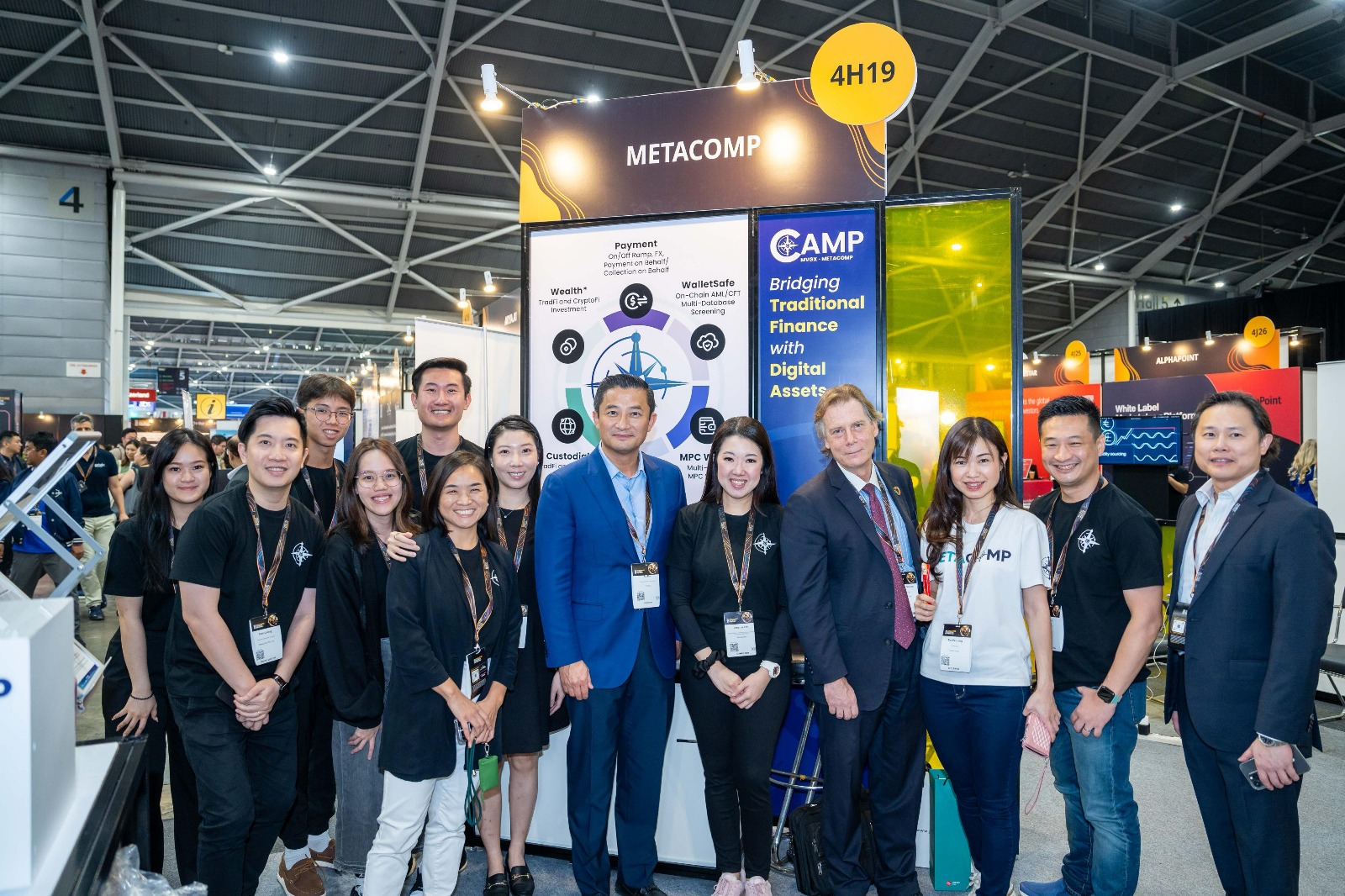
As the digital economy continues to evolve, infrastructure that is secure, regulatory-aligned and institutionally robust has now become a new benchmark. Based in Singapore and regulated under the Monetary Authority of Singapore (MAS), MetaComp is fast emerging as a regional force in digital asset infrastructure. Its mission is to bridge the world of traditional finance with the next generation of programmable, cross-border finance — starting with compliance-first tools that unlock real-time global liquidity.
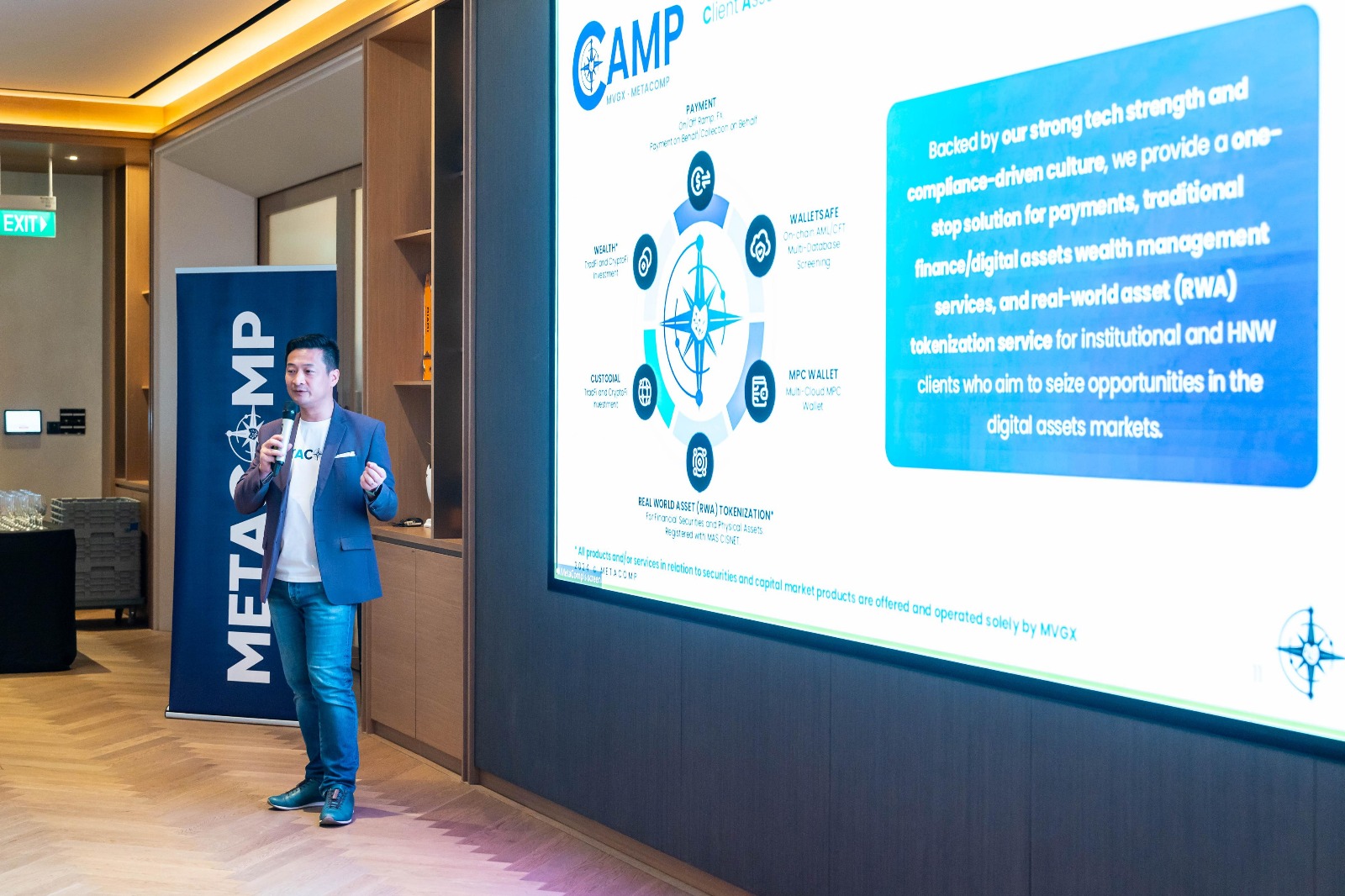
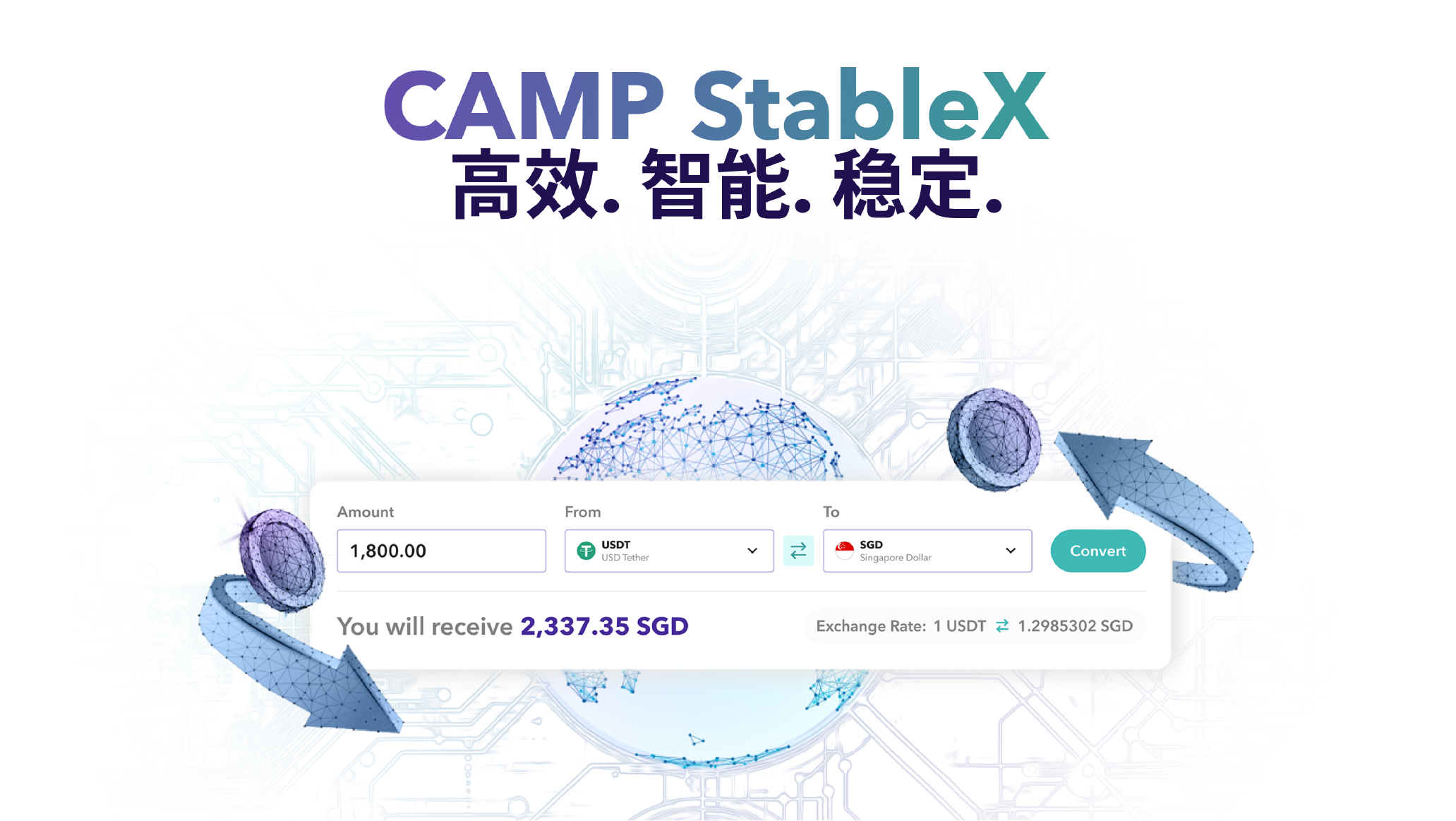
With the launch of StableX, a proprietary FX and liquidity platform powered by stablecoins and USD, MetaComp is reshaping how institutions move money across borders. Now fully integrated into the firm’s institutional-grade Client Asset Management Platform (CAMP), StableX offers smart FX routing, faster settlement, and cost-efficient conversions across 31 major and exotic currencies — with the regulatory clarity global businesses demand.
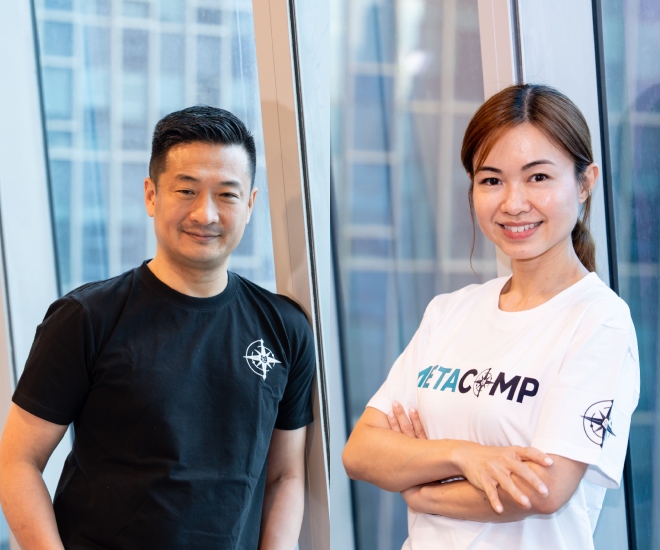
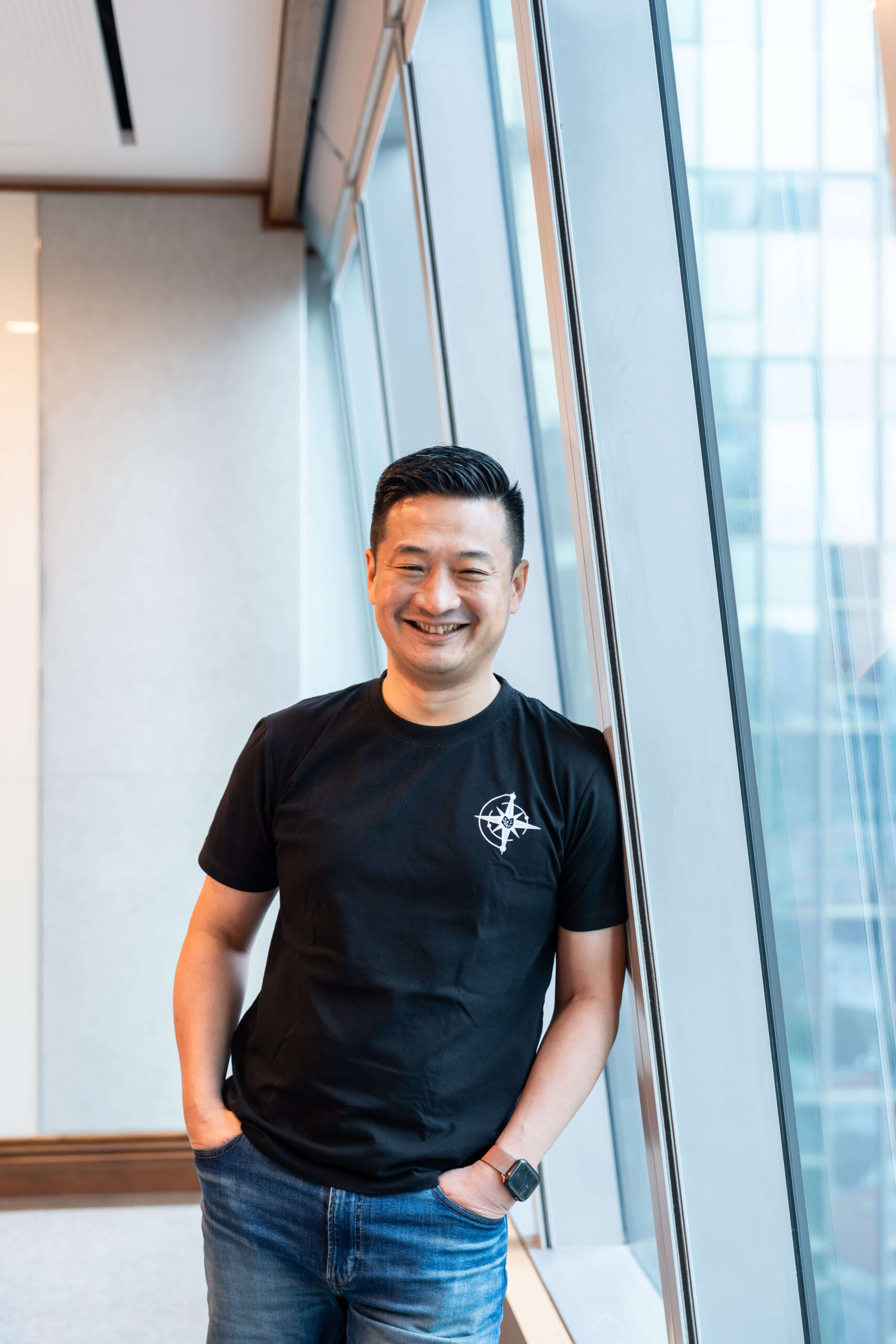
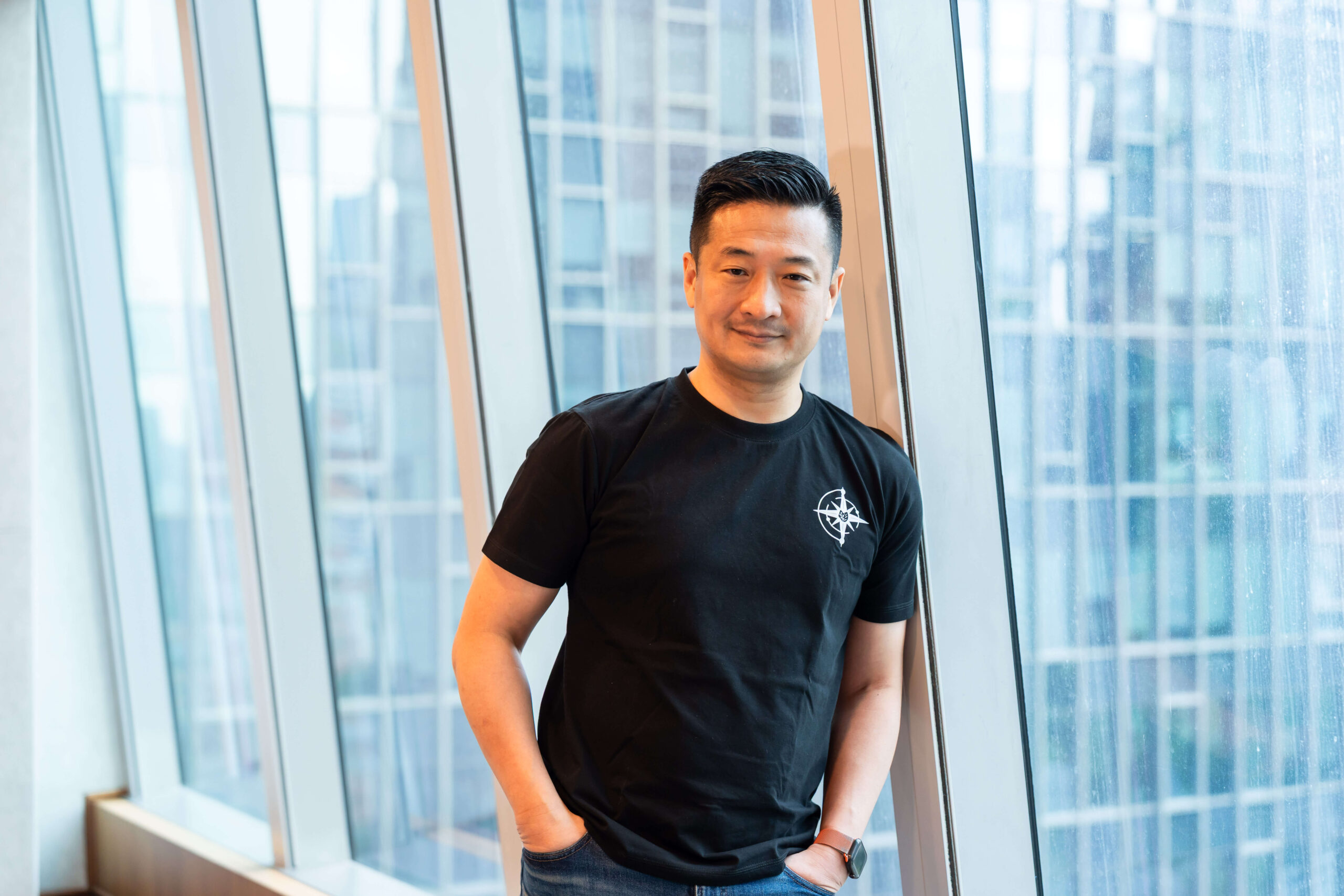
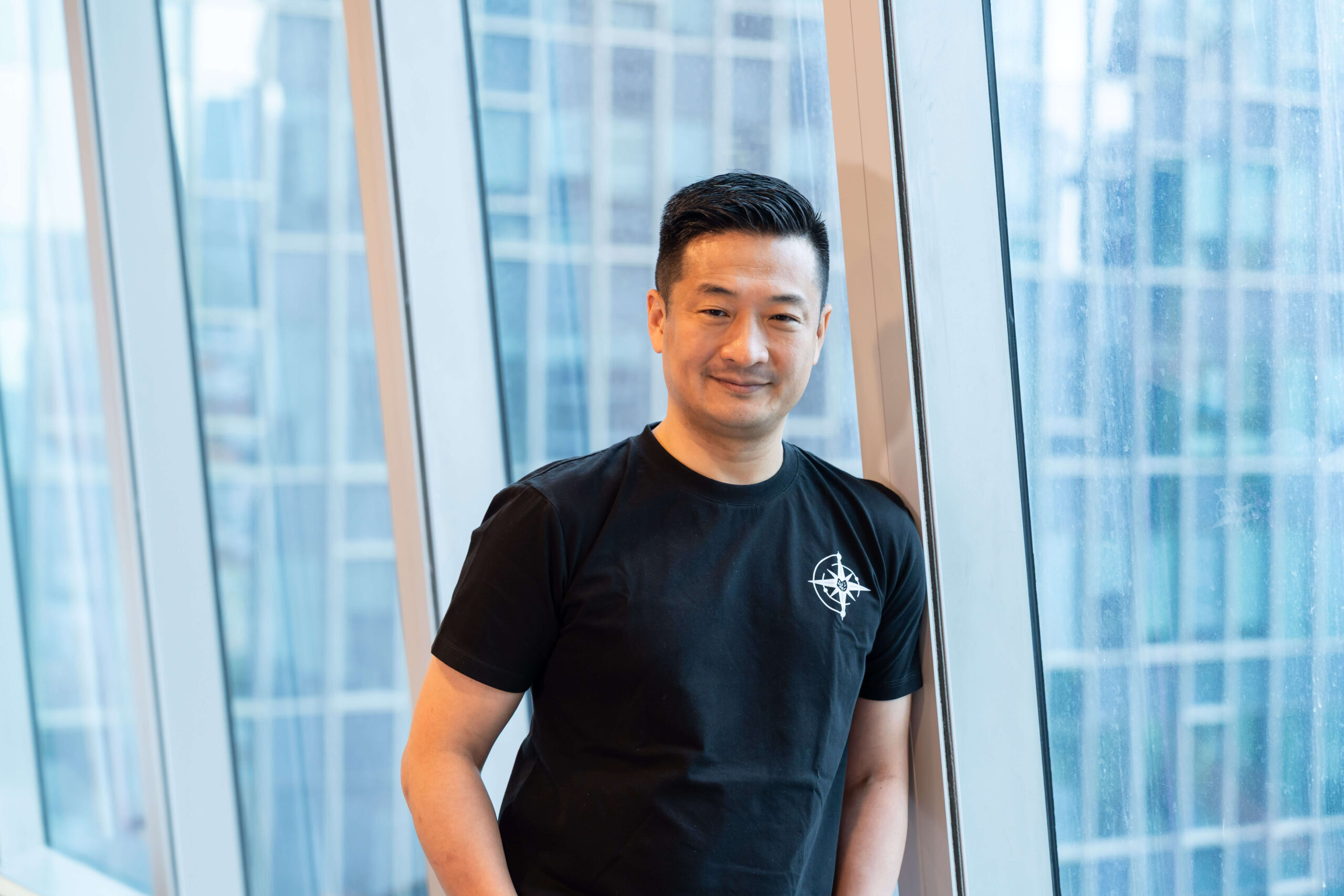
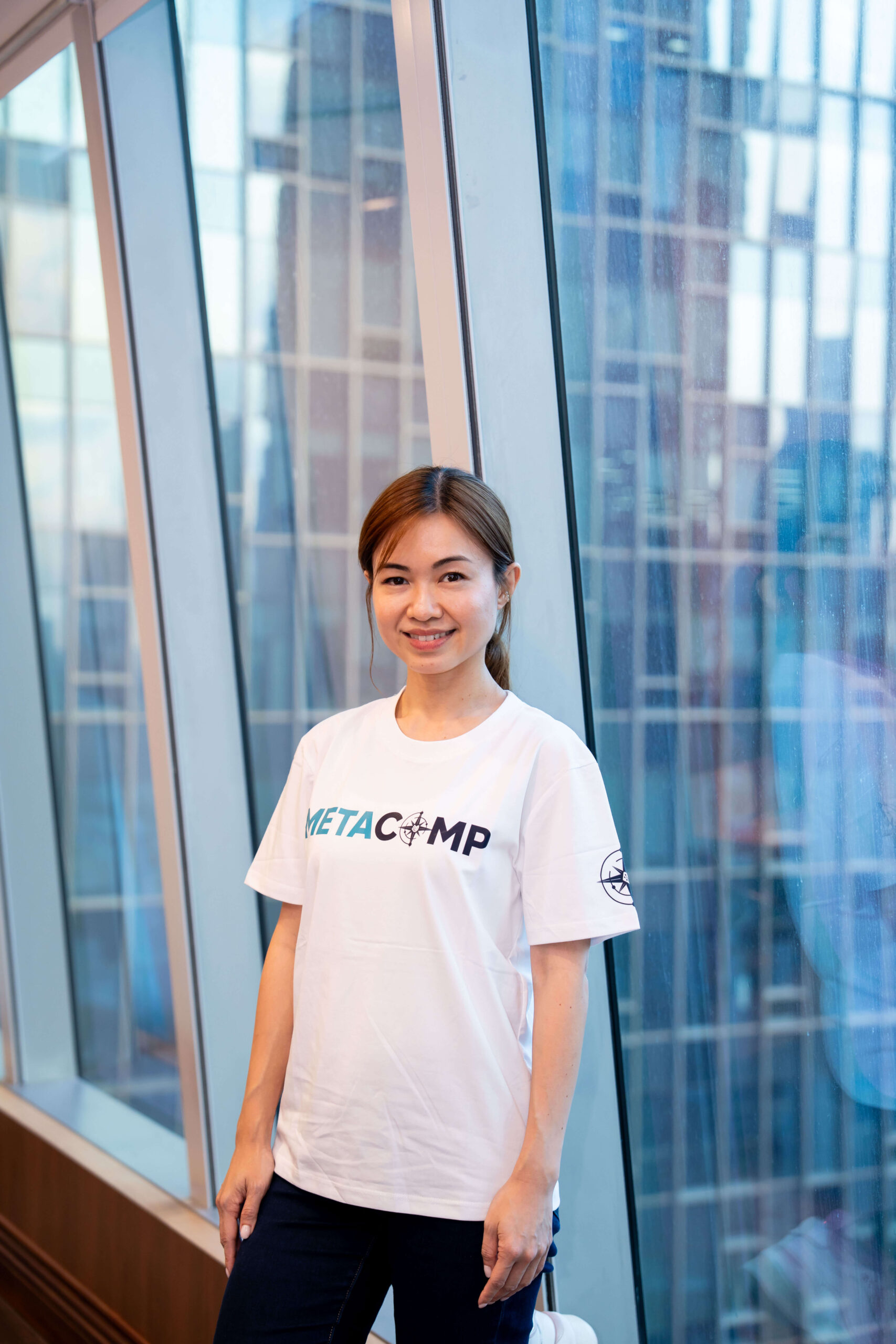
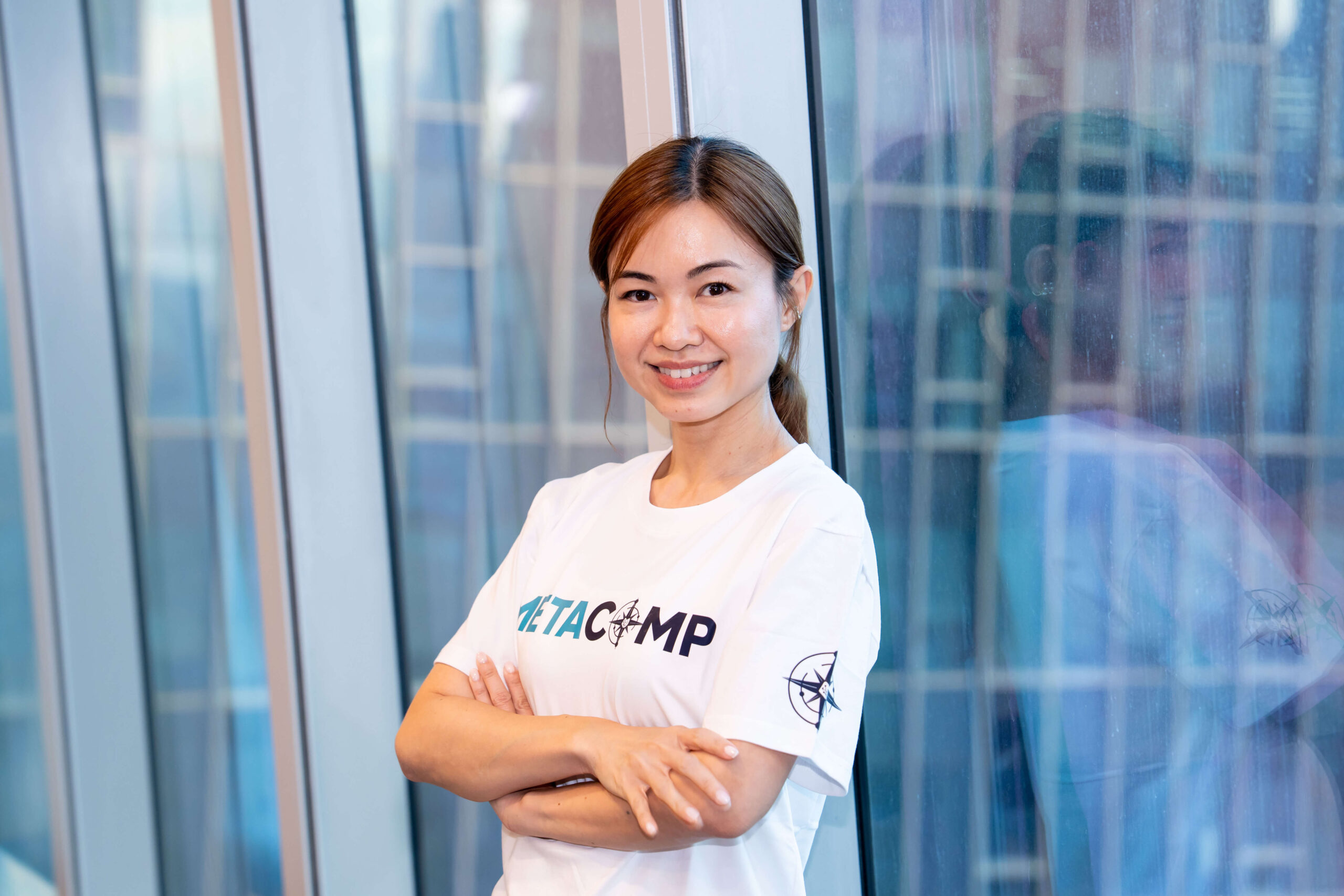
From Web2.5 architecture and wallet screening tools to cross-border stablecoin rails and embedded ESG capabilities, MetaComp is quietly building the digital scaffolding for tomorrow’s financial ecosystem. In this exclusive interview, co-presidents Eddie Hui and Tin Pei Ling speak to LUXUO about the firm’s infrastructure vision, their commitment to trust and compliance and how MetaComp is empowering institutions across Asia and beyond to operate in a truly borderless digital economy.
Can you elaborate on how MetaComp’s Client Asset Management Platform (CAMP) enables institutions and payment service providers to manage both fiat and digital assets within a unified, secure environment?
Spokesperson: Eddie Hui
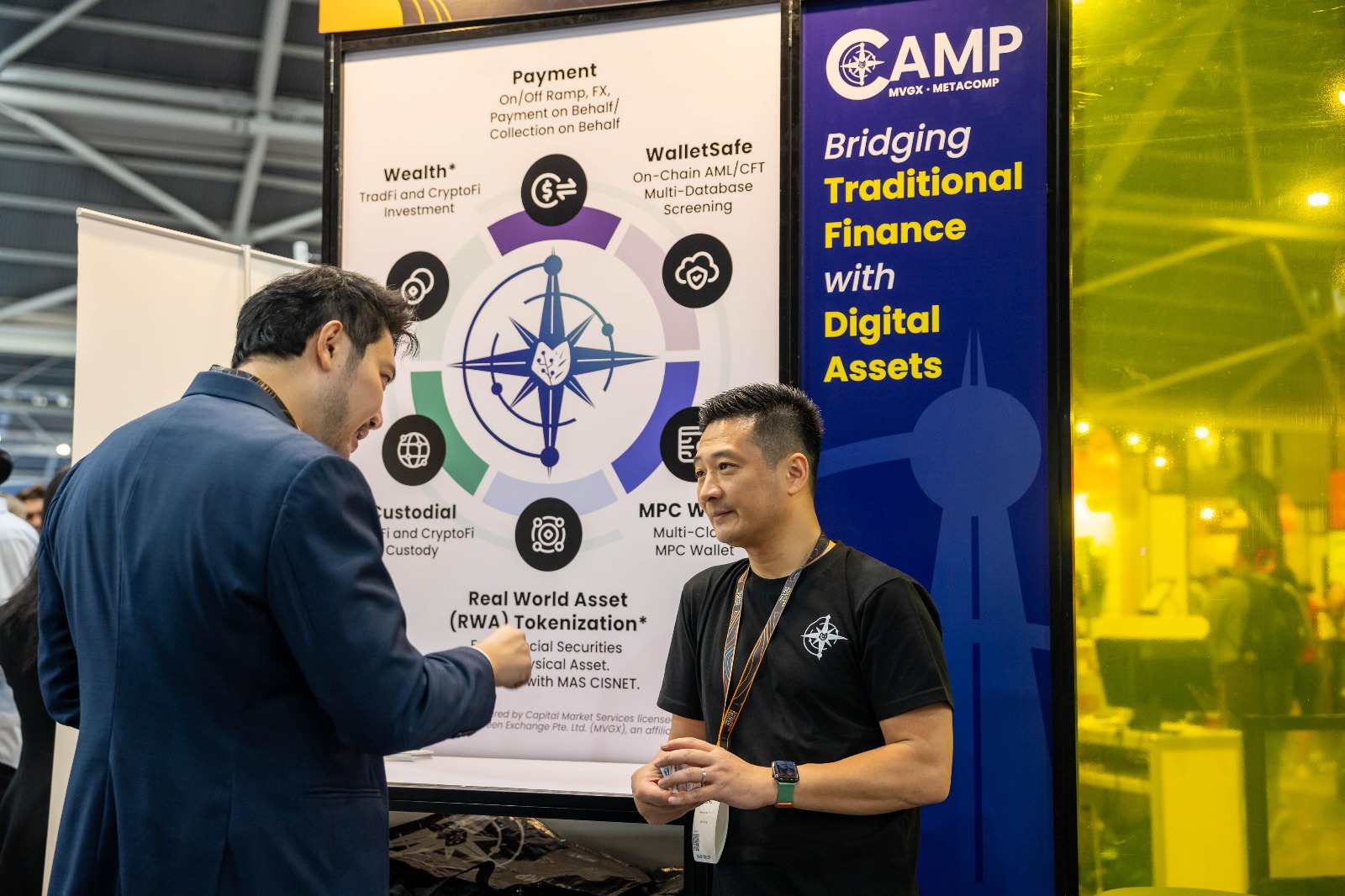
CAMP is MetaComp’s institutional platform, offering custody, OTC trading, and cross-border money movement, now enhanced by StableX, our proprietary FX infrastructure and smart liquidity routing engine.
With StableX integrated into CAMP, clients benefit from real-time, 24/7 access to cross-border FX powered by stablecoins and USD, enabling faster and more cost-effective transactions. StableX intelligently routes transactions across the most efficient rails, reducing costs, cutting settlement times from days to hours, and eliminating unnecessary intermediaries.
Designed for scale, CAMP delivers a unified treasury solution combining FX execution, payment-on-behalf (POBO), collection-on-behalf (COBO), and wealth management (offered through our affiliated company Alpha Ladder Finance), built to support global financial operations in a digital-first world.
How is MetaComp innovating to meet the evolving needs of today’s trading ecosystem?
Spokesperson: Eddie Hui
MetaComp is innovating at the intersection of compliance, efficiency, and digital asset infrastructure to meet the evolving needs of today’s trading ecosystem. StableX, our programmable FX execution infrastructure, enables instant, cost-efficient cross-border transactions across 31 currencies, using stablecoins and USD as core liquidity rails.
What sets us apart is the combination of execution agility and deep compliance integration. We deliver faster settlements, competitive rates and deep liquidity to trading institutions, all without compromising on regulatory oversight. Through our Web 2.5 architecture, we empower institutions to confidently engage with both traditional and digital assets in a seamless manner with the peace of mind that their funds are safe.
MetaComp embeds full-spectrum AML, KYT, and CFT controls into its platform, ensuring every transaction is traceable, auditable, and compliant by design. A must for institutions operating at scale.
Who are the typical & regular users of MetaComp?
Spokesperson: Tin Pei Ling
MetaComp serves a growing base of over 500 institutional and accredited clients, including payment service providers (PSPs), fintechs, asset managers and HNWIs. Our Payment Service Providers (PSPs) partners use MetaComp’s 24/7 infrastructure to power fast, cost-efficient FX conversions and stablecoin settlements, particularly across underserved or fragmented currency corridors.
Clients depend on MetaComp for regulatory-compliant access to cross-border payments, multi-currency settlements, and secure digital asset custody. Institutions and businesses transitioning from traditional finance into the digital economy will benefit from the infrastructure that we provide for them.
How strong is the team at MetaComp and what is the background of its key founding members?
Spokesperson: Tin Pei Ling
MetaComp is steered by a diverse leadership team of traditional-finance veterans, web3 pioneers, fintech innovators, technologists, and compliance specialists, each bringing deep expertise from their respective areas and united by a shared mission to build secure, scalable and future-ready financial infrastructure.
My focus is on strategic partnerships and business development, strengthening our regional footprints and ensuring strong stakeholder alignment. My fellow co-president and COO, Eddie Hui, draws upon two decades in financial services and leads operational strategy, platform architecture, and regulatory integration. Our governance is anchored in MAS standards, and our system architecture is built to meet institutional expectations for control, auditability, and operational integrity.
As the regulatory landscape advances, how is MetaComp adapting its compliance and operational frameworks to stay ahead?
Spokesperson: Eddie Hui
Being compliant is not just an obligation — it’s part of our DNA. We strongly believe that one must build on solid foundations before venturing into uncharted territory. That’s why we consistently anchor our operations to the MAS regulatory framework, ensuring that the ecosystem we build is safe and resilient while contributing to the industry’s advancement.
Every component of our architecture is designed in close consultation with our compliance team. We also continuously monitor developments in this fast-evolving space to adapt and implement the necessary guardrails to protect our clients’ assets and uphold institutional confidence. In an industry defined by rapid change, we believe firms that embrace regulation as a strategic pillar will be the ones that endure. MetaComp is building for the long-term trust, not short-term gain.
MetaComp has developed WalletSafe, a proprietary wallet screening tool that helps clients make more informed decisions before transacting. Can you tell us more about what WalletSafe does and how it works?
Spokesperson: Eddie Hui
WalletSafe is MetaComp’s proprietary wallet scanning solution, designed and engineered for institutional and accredited clients who require enhanced risk controls in digital asset transactions.
It aggregates intelligence from multiple professional databases and applies MetaComp’s proprietary methodology to assess the credibility of external wallet addresses. By evaluating the risk level of counterparties before a transaction is initiated, WalletSafe helps clients mitigate exposure to illicit or high-risk activities, contributing to a safer and more compliant ecosystem.
Integrated into CAMP, WalletSafe brings an added layer of protection to digital asset transactions, especially critical in an environment where blockchain anonymity can increase exposure to risk.
MetaComp’s parent company, Alpha Ladder Group (f.k.a MVGX Holdings), recently partnered with Kazakhstan’s leading green electricity producer, AQ Group, green energy and financial infrastructure initiatives.
What does this partnership mean for MetaComp?
Spokesperson: Tin Pei Ling
This partnership is led by our parent company, Alpha Ladder Group, with MetaComp playing a strategic role as a digital infrastructure enabler. Through this collaboration with Kazakhstan’s AQ Group, we are extending our capabilities into sustainable finance, supporting blockchain-powered ESG products and real-time cross-border fund flows that accelerate capital deployment into green projects.
The partnership gives MetaComp a practical role in delivering technology infrastructure for payment rails that support environmental goals. As Asia leads the way in responsible financial innovation, MetaComp is committed to scaling reliable and compliant rails that connect capital to real-world impact.
With international expansion on the horizon, how does MetaComp approach cross-border regulatory alignment and licensing?
Spokesperson: Eddie Hui
MetaComp is built on a foundation of regulatory compliance, which we see as critical to sustainable and responsible growth. Licensed under the Payment Services Act in Singapore, we benefit from one of the world’s most forward-thinking regulatory frameworks for digital assets.
As we expand beyond Singapore, we face three key regulatory challenges:
1. Regulatory Fragmentation: The global regulatory landscape for digital assets is highly fragmented. Each jurisdiction takes a different approach to digital asset regulation. From Europe’s MiCA framework, to state-by-state requirements in the United States, to sandbox regimes across Asia-Pacific. Without a global standard, we must navigate and adapt to a patchwork of evolving rules, balancing innovation with local compliance.
2. Pace of Regulatory Change: The regulatory landscape for digital assets is evolving rapidly, often faster than the development of formal legislation or guidance. This dynamic environment creates ambiguity in certain markets, particularly around permissible business models and product offerings. It requires us to build agility into our compliance and product strategy, not just to meet today’s requirements, but to anticipate and adapt to tomorrow’s expectations.
3. Stablecoin Frameworks: As a company focused on cross-border payment infrastructure, stablecoin regulation is central to our operations. Singapore has led the way with early clarity, whilst many jurisdictions are still defining their frameworks. This requires us to take a cautious and considered approach when designing cross-border payment solutions involving stablecoins.
At MetaComp, we don’t view regulation as a roadblock. We see it as a competitive advantage. Our strategy is to embed compliance into our product design, engage proactively with regulators, and expand in step with regulatory maturity across markets.
Where do you see MetaComp in five years from now?
Spokesperson: Tin Pei Ling
In five years, we envision MetaComp at the forefront of programmable finance and cross-border infrastructure.
We see StableX becoming Asia’s most trusted FX infrastructure, powered by stablecoins and USD. We will enable real-time, multi-currency settlement at scale, 24/7.
We aim for StableX to serve as the institutional backbone for cross-border flows across APAC, the Middle East, and Europe, empowering payment service providers and digital finance platforms to serve their clients, more efficiently and with greater confidence.
As CAMP evolves, MetaComp will continue to expand how programmable finance is applied. From embedded payments and streamlined liquidity to integrated financial services that support real-world use cases at scale. CAMP is purpose-built and will continue to be improved and refined based on the needs of our partner clients.
Our vision is clear: to build the infrastructure that moves value as seamlessly as the internet moves information; secure, compliant, and built for real-time global access.
Spokesperson: Eddie Hui
Our goal is to build a platform that is both compliant and interoperable across jurisdictions, supporting global expansion with a strong regulatory foundation.
We’re building MetaComp to be the trusted digital infrastructure layer for banks, PSPs, and fintechs as they navigate the shift into the tokenised economy, starting with our Web2.5 architecture that bridges traditional systems with next-generation finance.
Over the next five years, we aim to support seamless transitions from Web2 to Web3 through a secure, modular infrastructure built for global scalability, interoperability, and regulatory resilience.
Find out more about MetaComp here.
For more on the latest in business and leaders’ stories, click here.
The technical storage or access is strictly necessary for the legitimate purpose of enabling the use of a specific service explicitly requested by the subscriber or user, or for the sole purpose of carrying out the transmission of a communication over an electronic communications network.
Preferences
The technical storage or access is necessary for the legitimate purpose of storing preferences that are not requested by the subscriber or user.
Statistics
The technical storage or access that is used exclusively for statistical purposes.The technical storage or access that is used exclusively for anonymous statistical purposes. Without a subpoena, voluntary compliance on the part of your Internet Service Provider, or additional records from a third party, information stored or retrieved for this purpose alone cannot usually be used to identify you.
Marketing
The technical storage or access is required to create user profiles to send advertising, or to track the user on a website or across several websites for similar marketing purposes.





















:max_bytes(150000):strip_icc()/TAL-great-sand-dunes-national-park-SANDDUNENPBEACH0725-6b4b4bb77e734511a62ddbf92d4a3aee.jpg "The Tallest Sand Dunes in North America Have a Seasonal ‘Beach’—What to Know")
:max_bytes(150000):strip_icc():format(jpeg)/TAL-great-sand-dunes-national-park-SANDDUNENPBEACH0725-6b4b4bb77e734511a62ddbf92d4a3aee.jpg)
:max_bytes(150000):strip_icc()/hack-your-toiletry-bag-tout-b507eea8cf5e4e77bdb4e14a272d3970.jpg "7 Best Toiletry Packing Tips for Overpackers")
:max_bytes(150000):strip_icc():format(jpeg)/hack-your-toiletry-bag-tout-b507eea8cf5e4e77bdb4e14a272d3970.jpg)
:max_bytes(150000):strip_icc()/TAL-lead-image-LANGHAMCHI0725-ba5fa2019fbf4057a2a81269012da41d.jpg "T+L’s Hotel Review of The Langham, Chicago")
:max_bytes(150000):strip_icc():format(jpeg)/TAL-the-rooms-3-LANGHAMCHI0725-776c6fee68774cb8945066d59a56b7d0.jpg)


:max_bytes(150000):strip_icc()/tal-hold-for-nordstrom-anniversary-sale-tout-3092f9eeb05243658fe2f9c1aa5f5799.jpg "50 Best Nordstrom Anniversary Sale Shoe Deals 2025")
:max_bytes(150000):strip_icc():format(jpeg)/tal-hold-for-nordstrom-anniversary-sale-tout-3092f9eeb05243658fe2f9c1aa5f5799.jpg)