Can fuel cells make ground transportation more sustainable?
All About Nikola
Whether you drive a car, need a car, or just occasionally bum a ride with friends, you’ve come to the right place. Join Jill and Tom as they break down everything that’s going on in the auto world. New-car reviews, shopping tips, driving green, electric cars, classic cars, and plenty of great guests. This is the Consumer Guide Car Stuff Podcast.
–
Episode: 220
Broadcast date: May 13, 2024
Guest: Christian Appel
–
–
Jill and Tom opened this week’s show by bidding farewell to the Chevrolet Malibu. The long-running midsize model, available only as a sedan in recent years, is being discontinued by General Motors to make production space for an all-new Chevrolet Bolt EV.
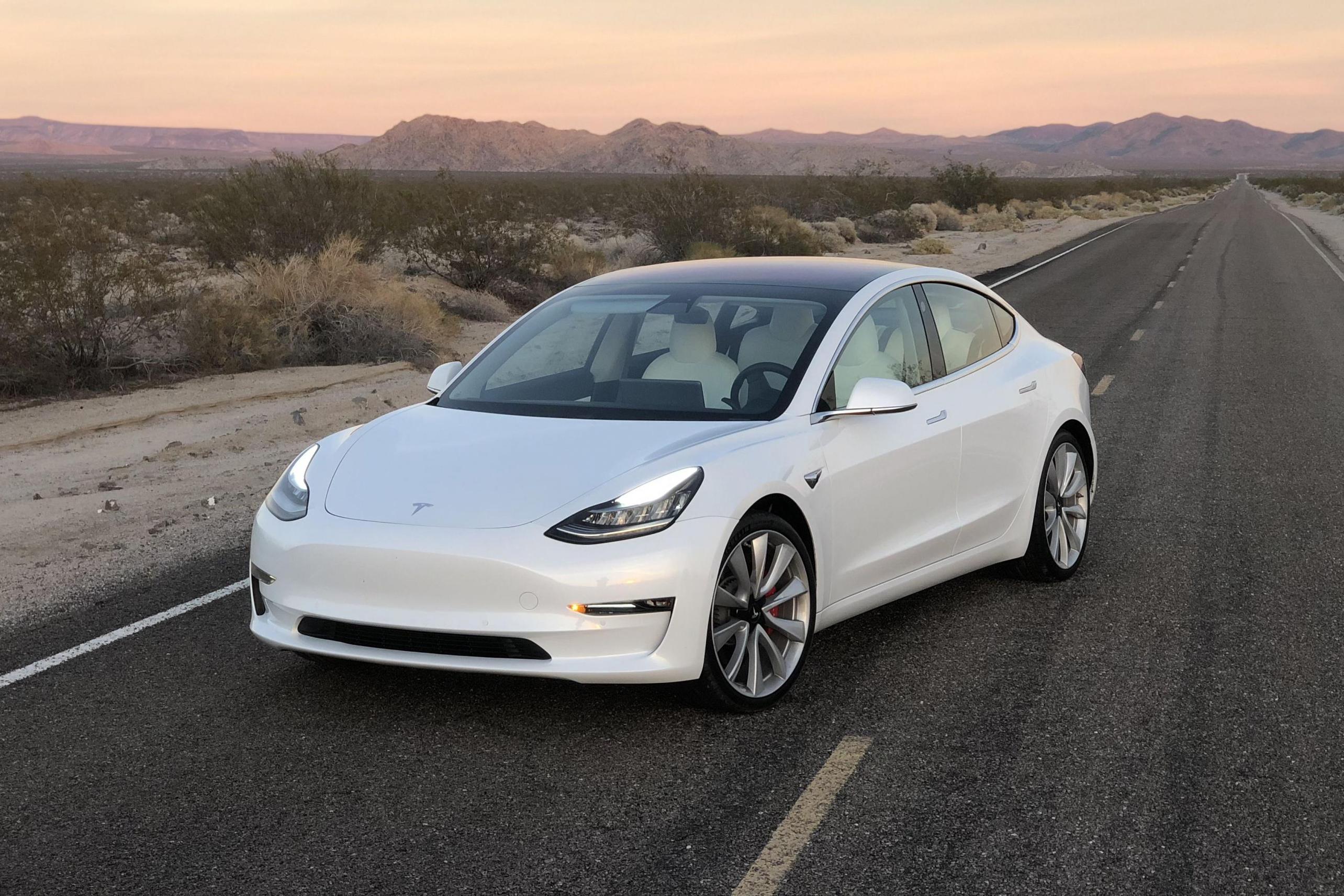
The hosts also expressed their confusion regarding Tesla’s recent dismissal of the company’s charging-network staff. Tom commented on a rumor that Tesla may be positioning the charging division for a possible spinoff.
Still in the first segment, Jill shares her impressions of the updated Subaru Forester, which features freshened styling, upgraded cabin appointments, and improved connectivity. The 2025 Forester goes on sale soon.
In the second segment the hosts welcome Christian Appel of Nikola to the program. The Global Head of Product and Programs at Nikola, Christian talked about the company’s new hydrogen fueling stations, its current fuel-cell and electric trucks, and future plans for the zero-emissions vehicle manufacturer.
In the last segment Jill is subjected to Tom’s “Is it a Pontiac?” quiz, and the hosts chatted briefly about the ongoing Nissan-product fire sale, which includes massive incentives on popular models.
Report-card grades are derived from a consensus of test-driver evaluations. All grades are versus other vehicles in the same class. Value grade is for specific trim level evaluated, and may not reflect Consumer Guide’s impressions of the entire model lineup.
Big & Tall Comfort
Big Guy
A
Tall Guy
A
Big & Tall comfort ratings are for front seats only. “Big” rating based on male tester weighing approximately 350 pounds, “Tall” rating based on 6’6″-tall male tester.
Base price: $67,900 (not including $1475 destination charge)
Options on test vehicle: Cold Climate Pack ($500), Advanced Off-Road Capability Pack ($750), Off-Road Pack ($1550), Air Suspension Pack ($1600), special paint ($950), heated rear seat ($950), ClearSight Interior rear-view mirrow ($570), full-size spare tire ($100), black headliner ($400), air-quality sensor ($100), Emergency Pack ($75), 20-inch white alloy wheels ($1200), Tasman Blue contrast roof ($1000), Premium Interior Protection and Storage Pack ($700), Robustec veneer ($600), Country Exterior Pack ($600), Three-zone Climate Control ($400), Cabin Air Purification Plus ($375), Cabin Air Purification Plus ($230), Handover Pack ($28)
Price as tested: $82,053
Quick Hits
The great: Roomy and comfortable cabin, promise of off-road adventure
The good: Sporty character, decent fuel economy, simple controls
The not so good: Shy of cargo space aft of 2nd-seating row
Tom Appel
What hope is there, ever, that a vehicle that stands out in traffic like a sumo wrestler on a minibike, might actually be a practical and rewarding-to-drive family hauler? Indeed, the new-car world is full of “boutique” vehicles that are designed to help carmakers score magazine covers, and trend in social media. Unfortunately, most of those rolling attention getters aren’t well suited to day-to-day family service.
2024 Land Rover Defender 110 S
Think Ford BMW XM, Ford F-150 Raptor, or Mercedes-Benz G-Class, and you sort of get the idea. But also consider the Land Rover Defender…
The original Land Rover Defender was a rugged, tradition-bound off-road vehicle that was developed in the early Eighties, and last sold in the U.S. market in 1997. The 2020 Defender is a thorough re-imagining of the original; it maintains the boxy basic profile, but adds a host of up-to-date technology features.
That said, boxy is a relative term, and the new Defender’s slab sides and upright stature give it serious presence in traffic, as the truck can be identified even by the most casual car spotter at great distances. And while that sort of attention-grabbing power has its appeal, it does put into question what this Land Rover model is really all about. Worry not.
For all of its flashy, attention-calling design elements, the Defender 110 is actually a fundamentally excellent crossover, and very much worthy of daily-service duty. Not only is the ‘Fender family friendly, it’s on the affordable side for a Rover product, and is surprisingly easy on the gas, as well.
The 2024 Defender is offered in three variations: 2-door 90, 4-door 110, and long-body 4-door 130. All share the same bold design, and all are designed for serious off-road competency. Across the three body types, the Defender is offered in more than a dozen trim levels, with prices starting are around $60,000 for a base 90.
The 110, which we will expand upon momentarily, is offered in entry-level S trim (starting around $62,000), as well as in X-Dynamic SE trim (about $74,000), midlevel X (about $92,000), SE (about $95,000), V8 ($113,000), and top-level V8 Carpathian Edition (about $120,000).
The standard engine is a 296-horsepower turbocharged 4-cylinder. Also offered are a 6-cylinder and V8 engine. The 395-horsepower 3.0-liter six boasts a sophisticated pairing of a supercharger and an electric turbocharger with a mild hybrid system. Also offered is a turbocharged 4.4-liter V8 rated at a stout 518 horsepower. All three engines mate to an 8-speed automatic transmission.
Consumer Guide recently spent a week behind the wheel of an entry-level S equipped with a number of options, including the Country Pack trim group. All told, our test car came to $82,053, including the destination charge.
Though cargo space aft of the 2nd-seating row is limited, the Defender offers up plenty of passenger space, and feels airy and open thanks to a generous amount of greenhouse glass. Entering Land Rover’s rugged-looking crossover is easy thanks to large door openings, and even big and tall folks will find amble space if both seating rows. Outward visibility is also good, except to the rear corners.
Drivers will find most-used gauges large and easy to read, and the touchscreen infotainment interface clean, easy to read, and simple to use. Rover designers consolidated the gear selector with a number of off-road and climate controls on a single plane below the touchscreen, and the effect is elegant and user-friendly. In fact, the Defender dashboard is impressively uncluttered and clean looking.
Even in base S trim, the Defender cabin looks and feels upscale. Materials are of premium quality, and workmanship appears top notch. Also, the standard Meridian-brand audio system is very good, and excels at reproducing the mid-century jazz enjoyed by this editor.
Though Consumer Guide has decried the somewhat balky power delivery of other Rover vehicles featuring the 6-cylinder drivetrain, we found the setup in the Defender to be nothing but polished. The engine delivered plenty of easy power from a stop—and sounded refined doing so. Highway passing power is likewise excellent. Even better, in routine driving, Consumer Guide enjoyed observed fuel economy just under 20 mpg. That said, the Defender requires a steady diet of pricey premium-grade gasoline.
And, despite its upright appearance, the Defender leans only gently in aggressive cornering. Handling is generally sporty, with strong feeling brakes, and excellent steering feedback. Though we have not driven a vehicle without it for comparison, we suspect that our test-cars impressive on-road feel comes in part from the available $1600 Air Suspension Pack.
While we generally avoid including trim and design evaluations in our Test Drive write ups, we can’t help but share our appreciation for the “Style 9013” white gloss wheels ($1200) with Santori Black paint ($950). The overall look of our test car, as outfitted, is both utilitarian and classy.
We’ve had our share of glitches with Land Rover vehicles in recent years, but our time in the Defender was problem free. We find that, despite its bold styling, the Defender is delightfully user/family friendly, and a joy to drive. Should you require more cargo space than is available in the 110, add the long-body 130 to your test-drive schedule, it offers considerably more room aft of the 2nd-row seatback. And, should you ever decide to leave the road and hit the trail, this is the vehicle in which to do just that.
I am fresh off a trip to England where I went to three of the most booming cities in the country. When you hear that England is one of the most booming countries in the world, you might not fully understand why people say this until you visit for yourself. The cities I visited were Brighton, Manchester and London, and they were all great in their own way and I will explain why.
Trip to Brighton
Brighton Pier Image courtesy of Unsplash
Brighton was the city where I had the least amount of knowledge for it and I went in relatively blind and had to ask some locals and find the best things to do. I spoke to some lovely people and they said the main thing to do is to go along the pier. The Brighton Pier is considered one of the best piers in the world and one of the finest ever built with fairground rides, restaurants and bars. The pier is 525 meters long and one of the most recognised things about the country.
Brighton Pier Image courtesy of Unsplash
Fresh off the Pier, you can go to the lanes, which are filled and paced with great independent shops, old-fashioned British pubs and restaurants so you can get some lovely food after a long day. This is one of the biggest draws in the city and attracts tourists and all the locals weekly. For the people who love fashion like I do, you can go to some of the second-hand shops or “Charity Shops” as the locals call it. My day was filled with a lovely pier walk, going to get some “chips” while on our walk and trying not to get attacked by the seagulls. Then we went for a lovely walk around the shops and got some second-hand clothes, then finished the day with some drinks in the bar.
Trip To Manchester
Image courtesy of Unsplash
Now onto my favourite part of the trip. I loved Manchester and had such a good time in this very busy city. Again like Brighton, we did a lot of shopping and talked to the locals about what to do. Unlike Brighton, we had a night out and went for a lot of drinks with the Mancunian people and they were so much fun, we went to Picaddily and spoke to some locals and they gave us some good pubs to go to. As soon as people heard that I wasn’t from Manchester I was getting free drinks and shots and got a great welcome to the city.
Image courtesy of Unsplash
After a long time in the pub, I was taken under the wing of a group that wanted to go to the casino. On the walk to the casino one of the guys we walked with showed us various slot sites in the UK that we didn’t get here and had a great night staying out and playing games. In the morning we woke up and felt worse for wear, luckily our hotel was in a place called Ancoats and we went for some pizza at a place called Rudy’s which was delicious.
Trip To London
Image courtesy of Unsplash
Picking the best things to do in London is really difficult because it is the place in England that everyone knows. Finding something to do is easy and you don’t need me to give an in-depth guide. However, my day was very touristy, Brighton and Manchester do not have the attractions that London has to offer so my London trip was less about the culture and more about seeing what I needed to see.
Image courtesy of Unsplash
I spent the morning walking around the Natural History Museum and looking at all the real treasures that they have on display. I saw Big Ben and got that picture that every tourist gets where you grab the top of the tower and then I went to see the London Eye. London was my least favorite day of the trip because I wanted to see the necessary things and I was less a part of the culture which is on me and not London’s fault.
For more on the latest in luxury travel reads, click here.
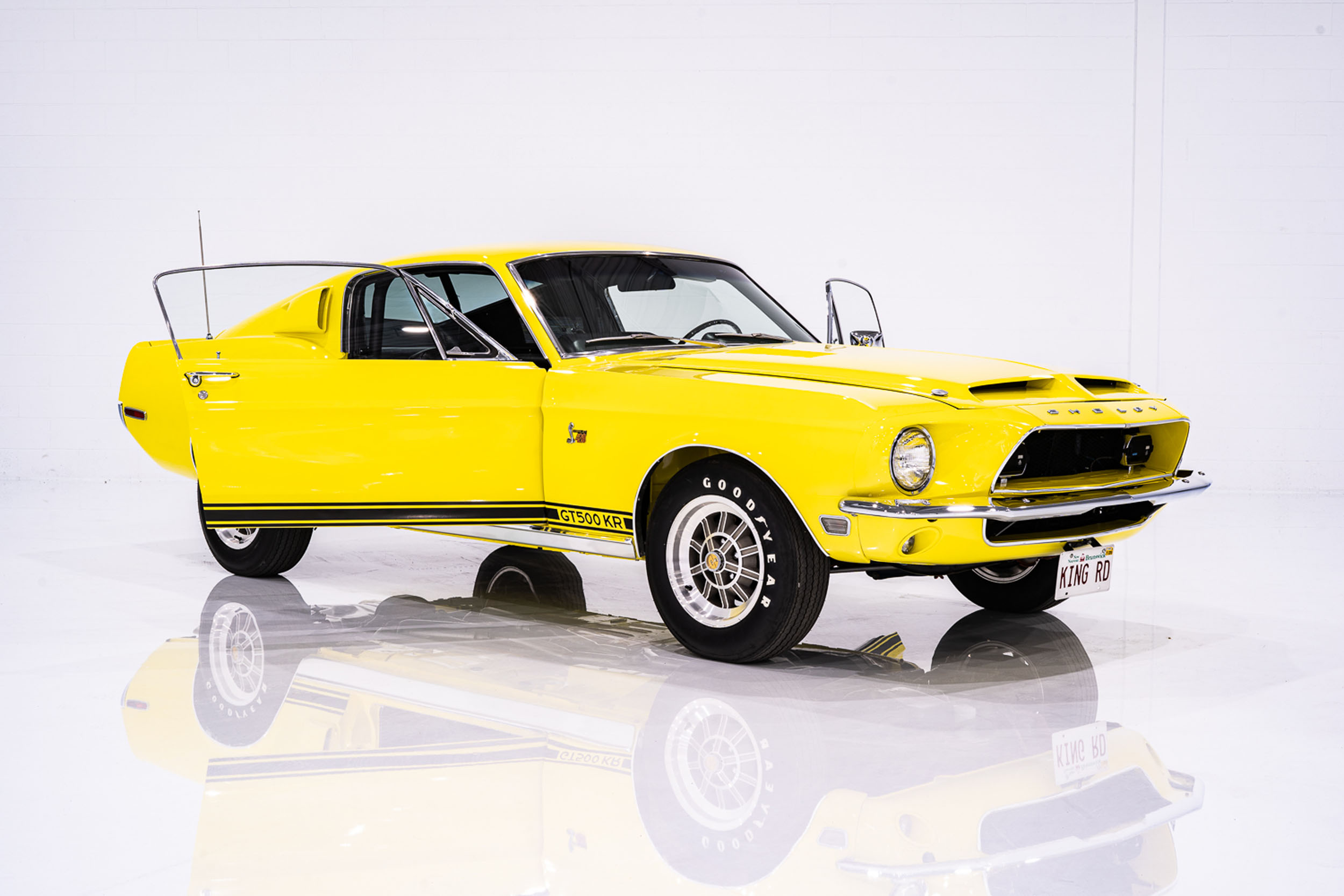
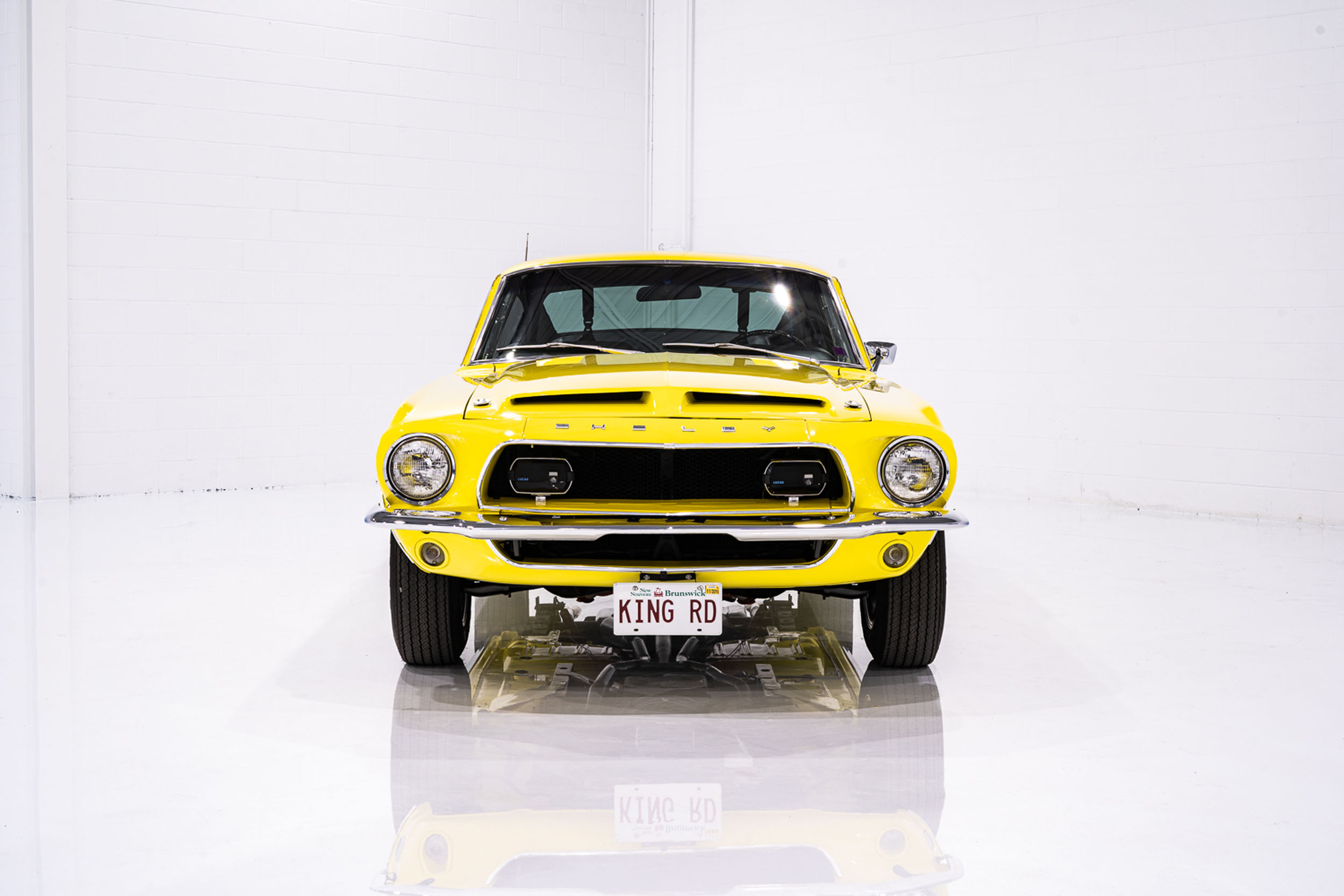
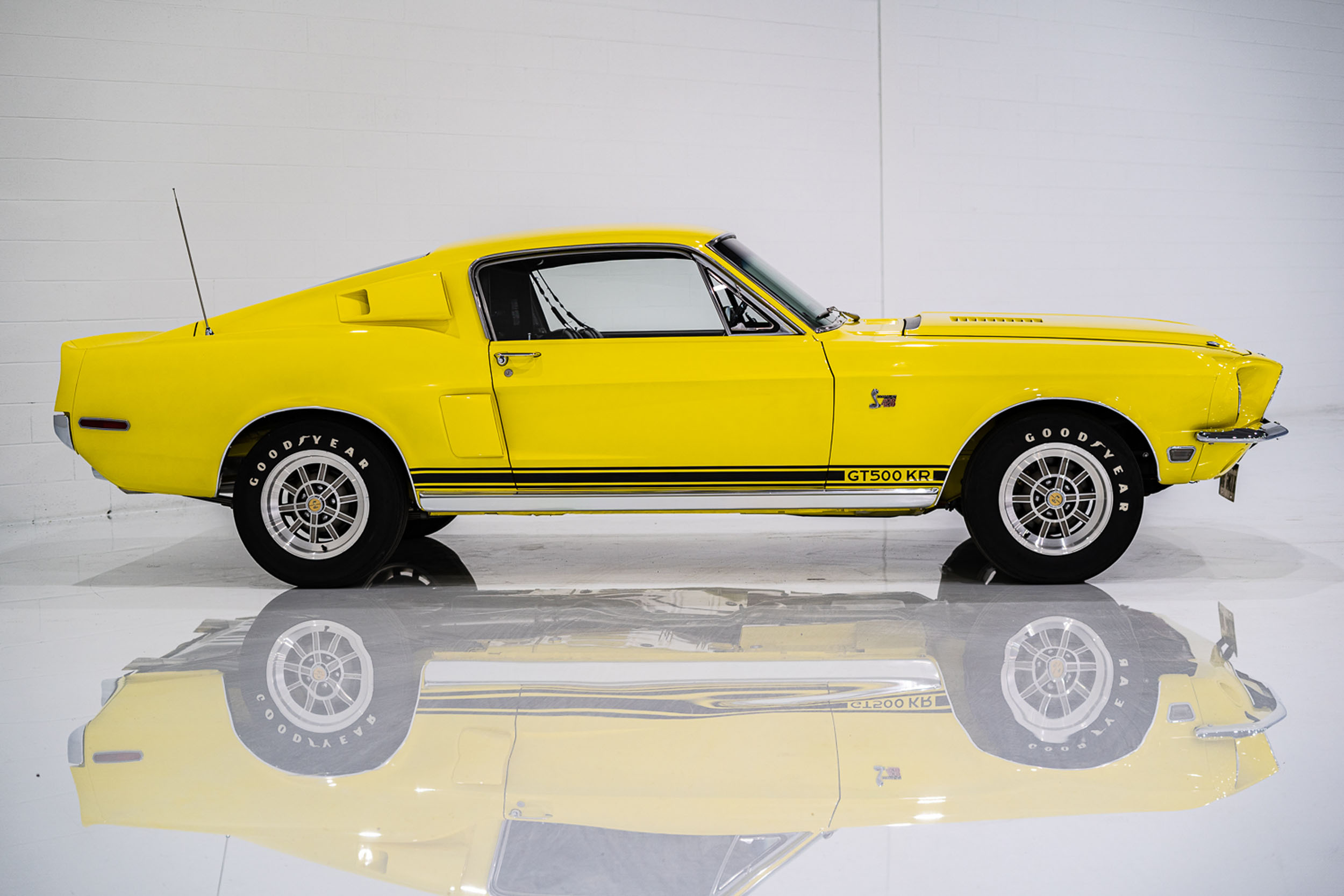
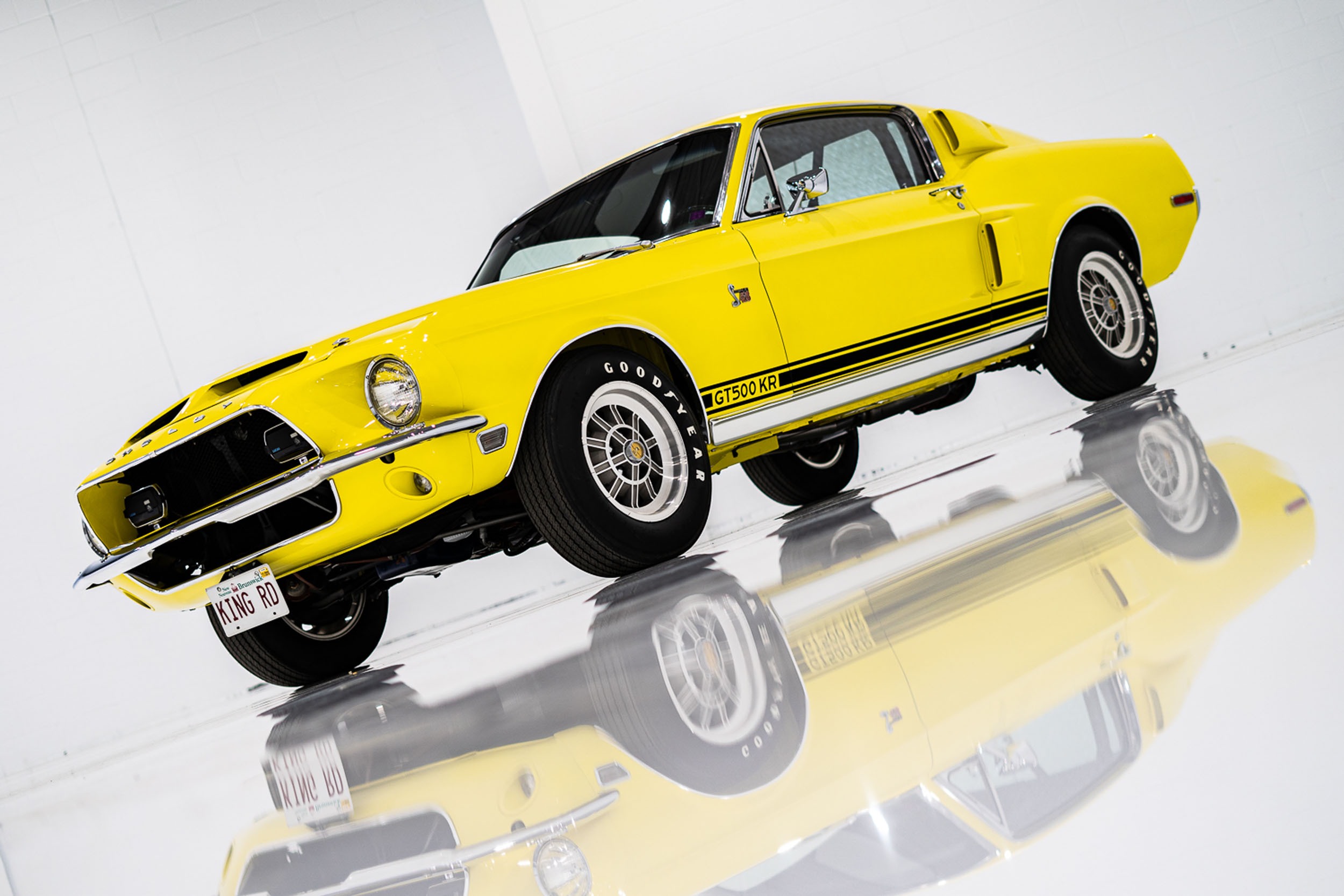
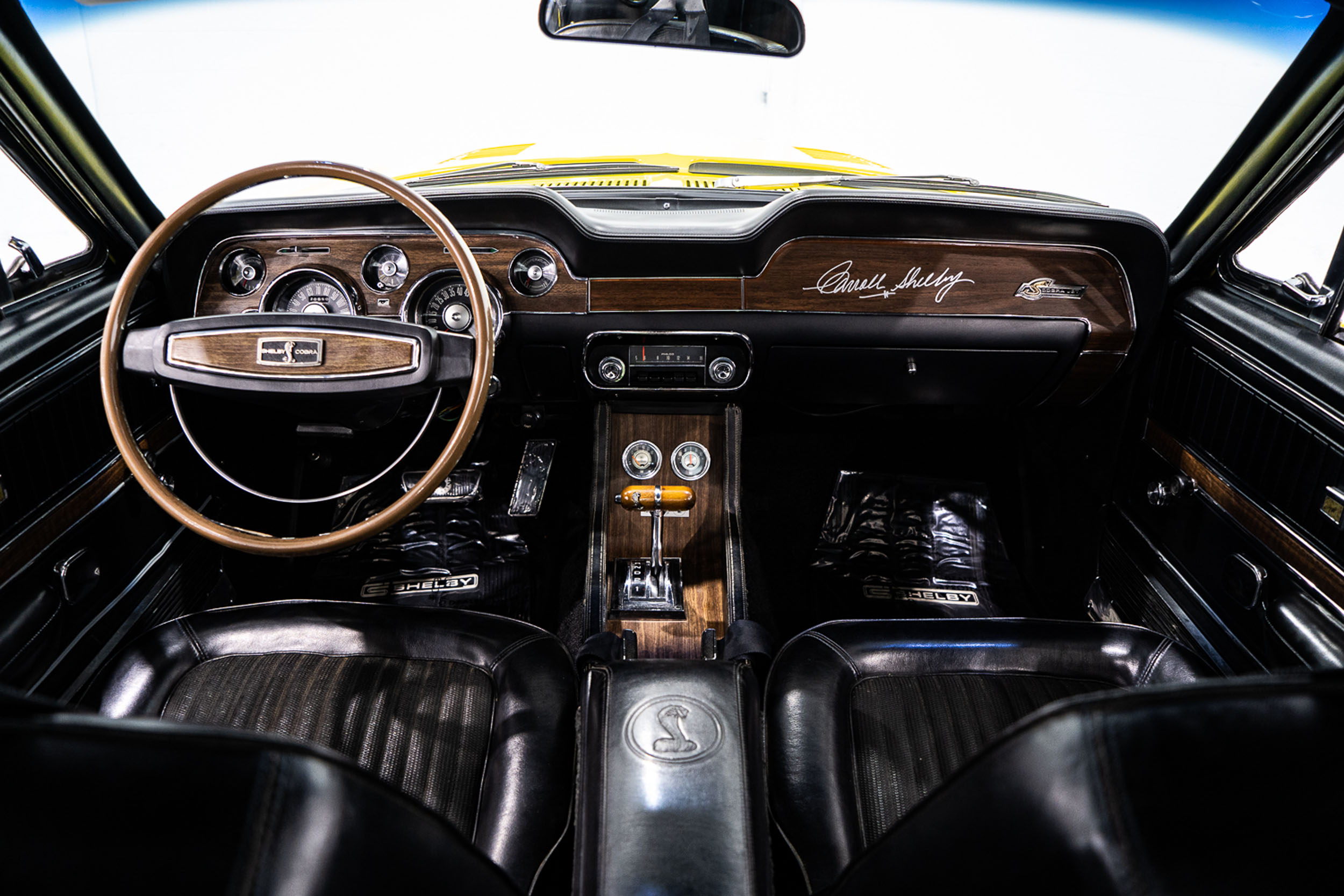
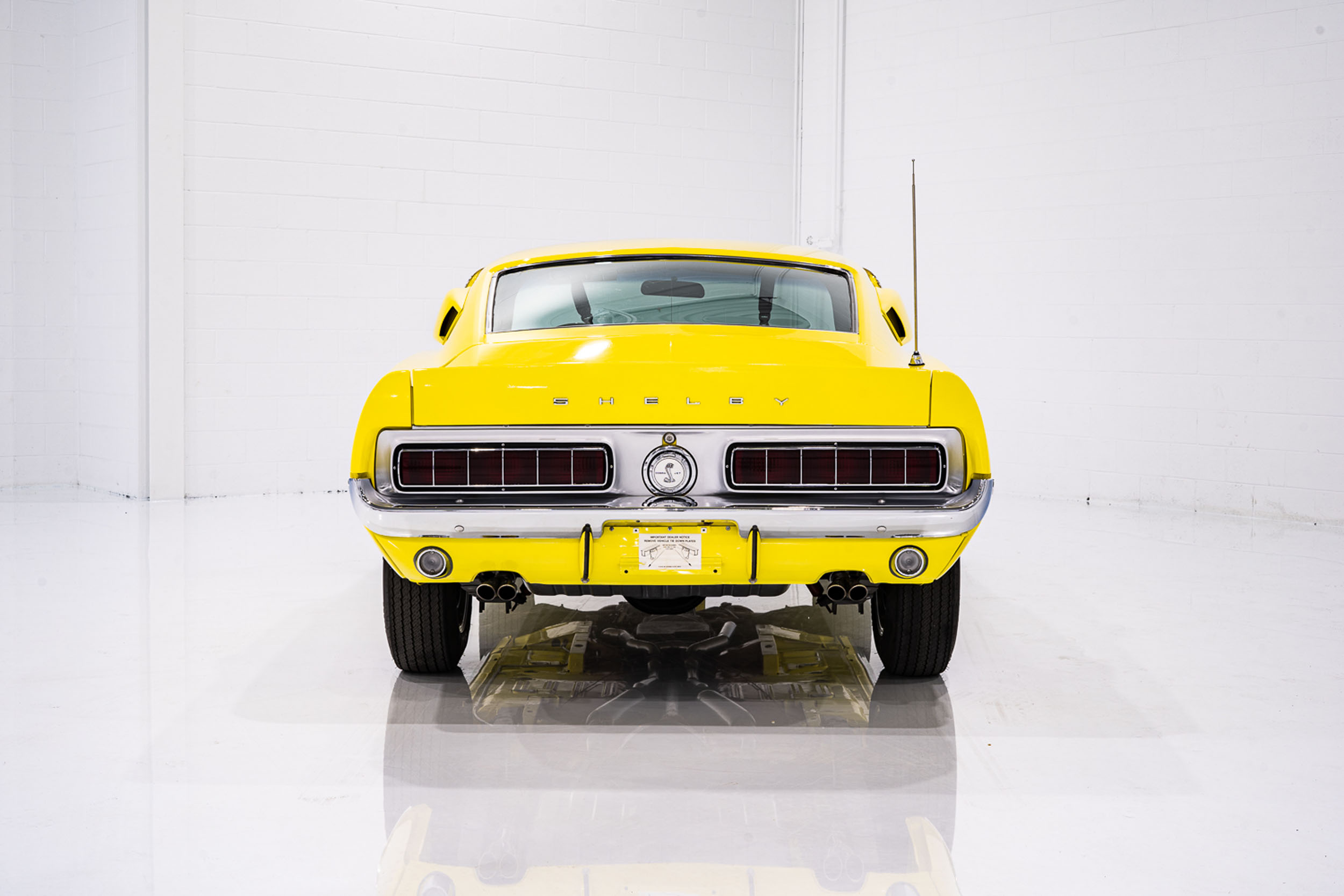
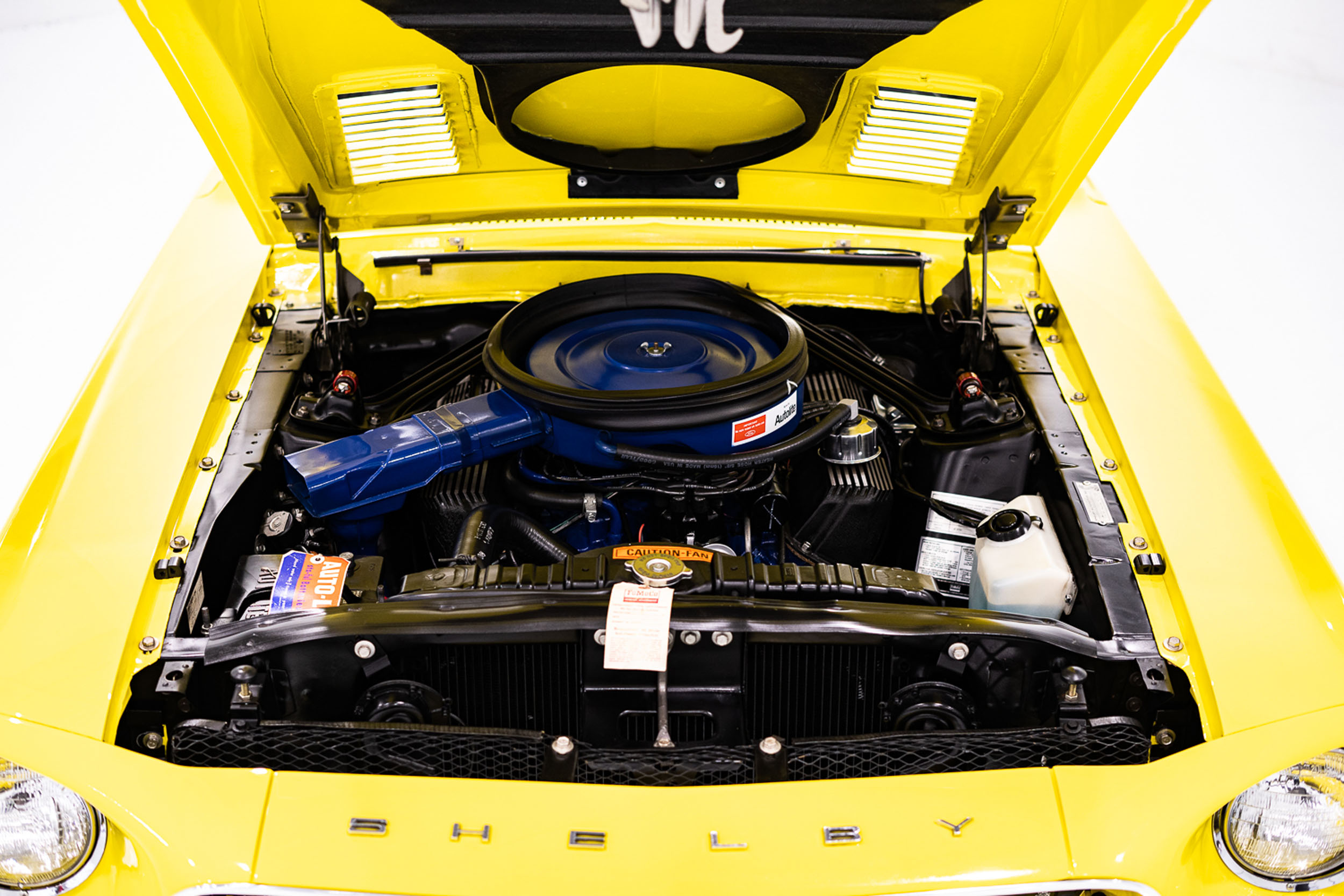
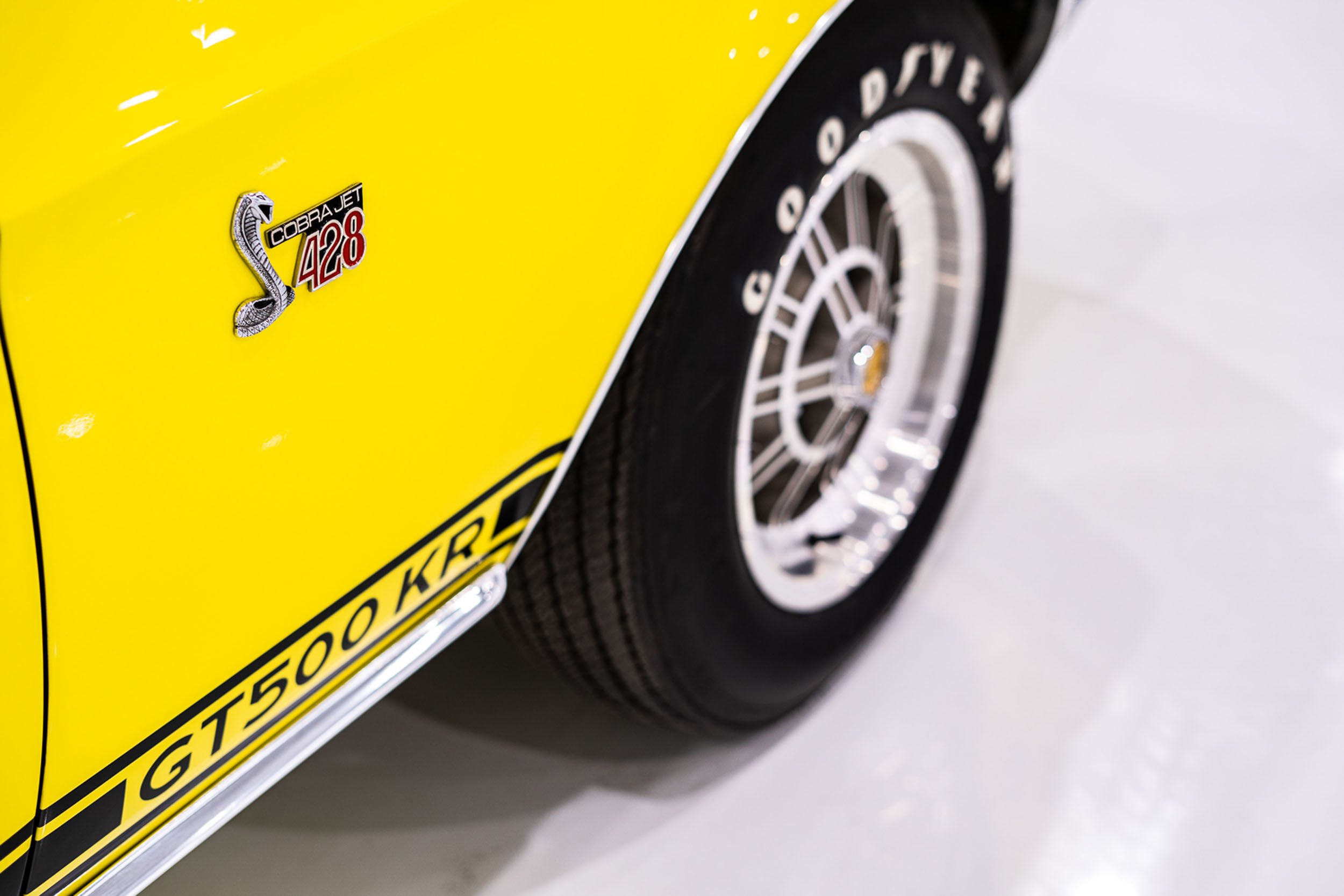
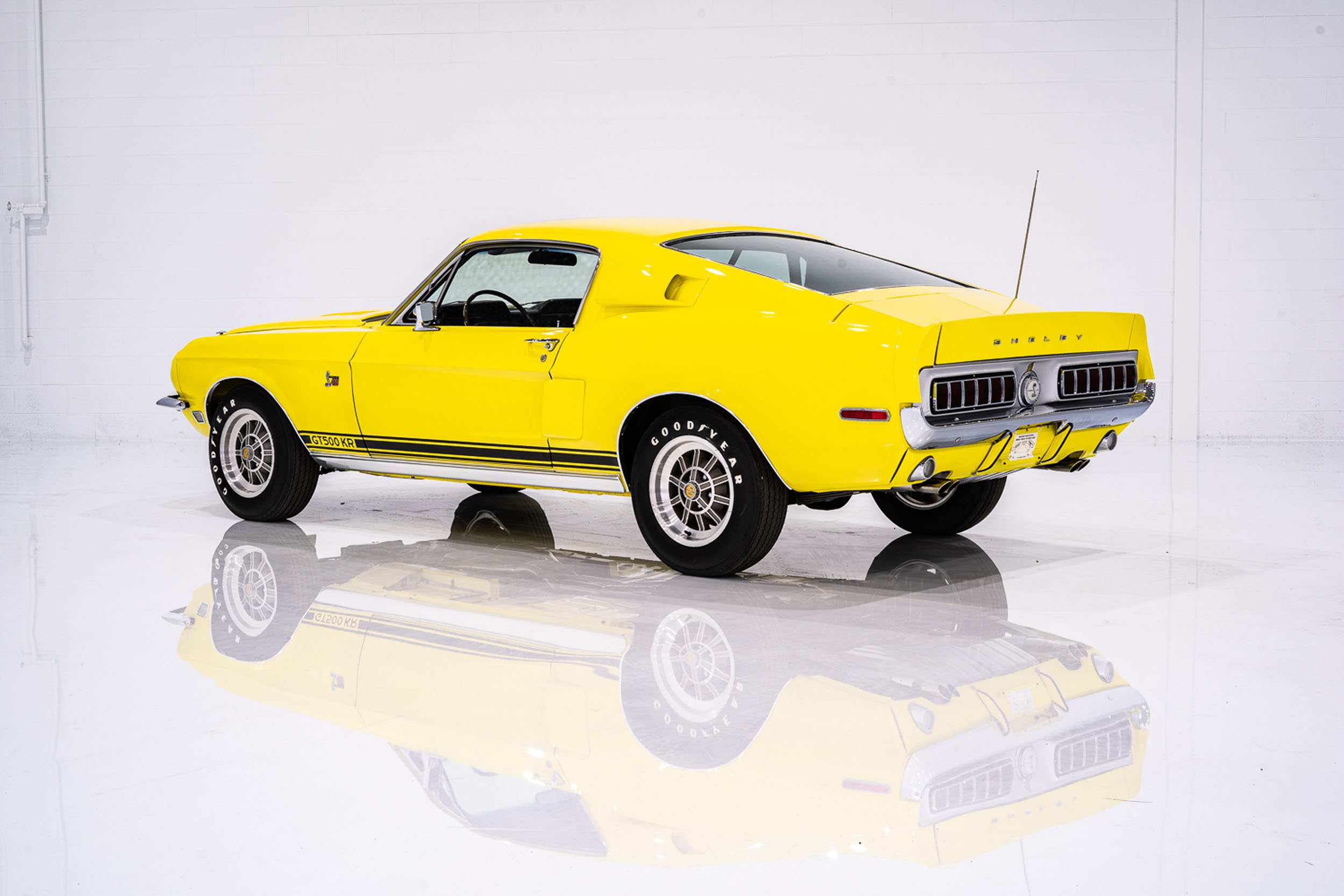
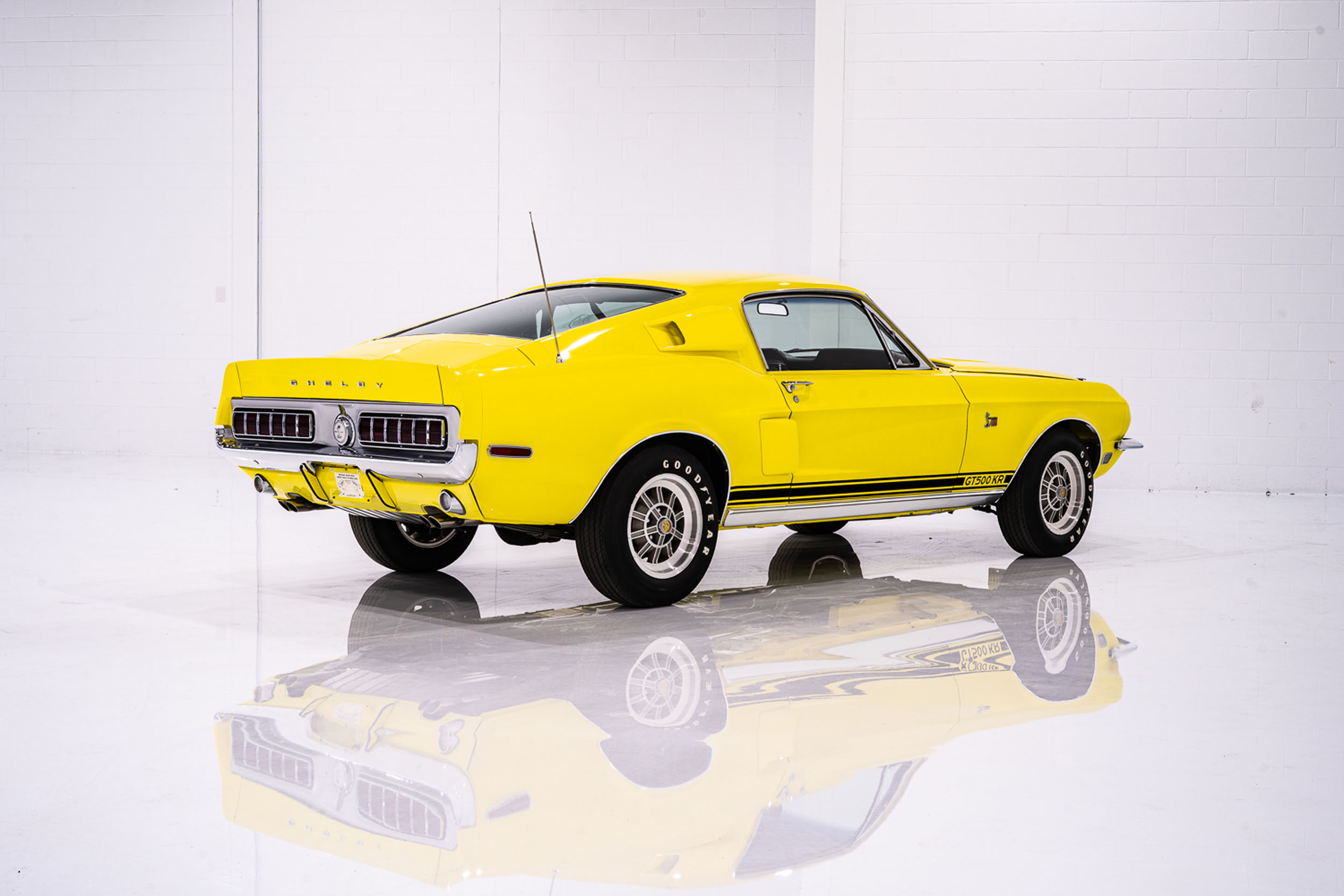
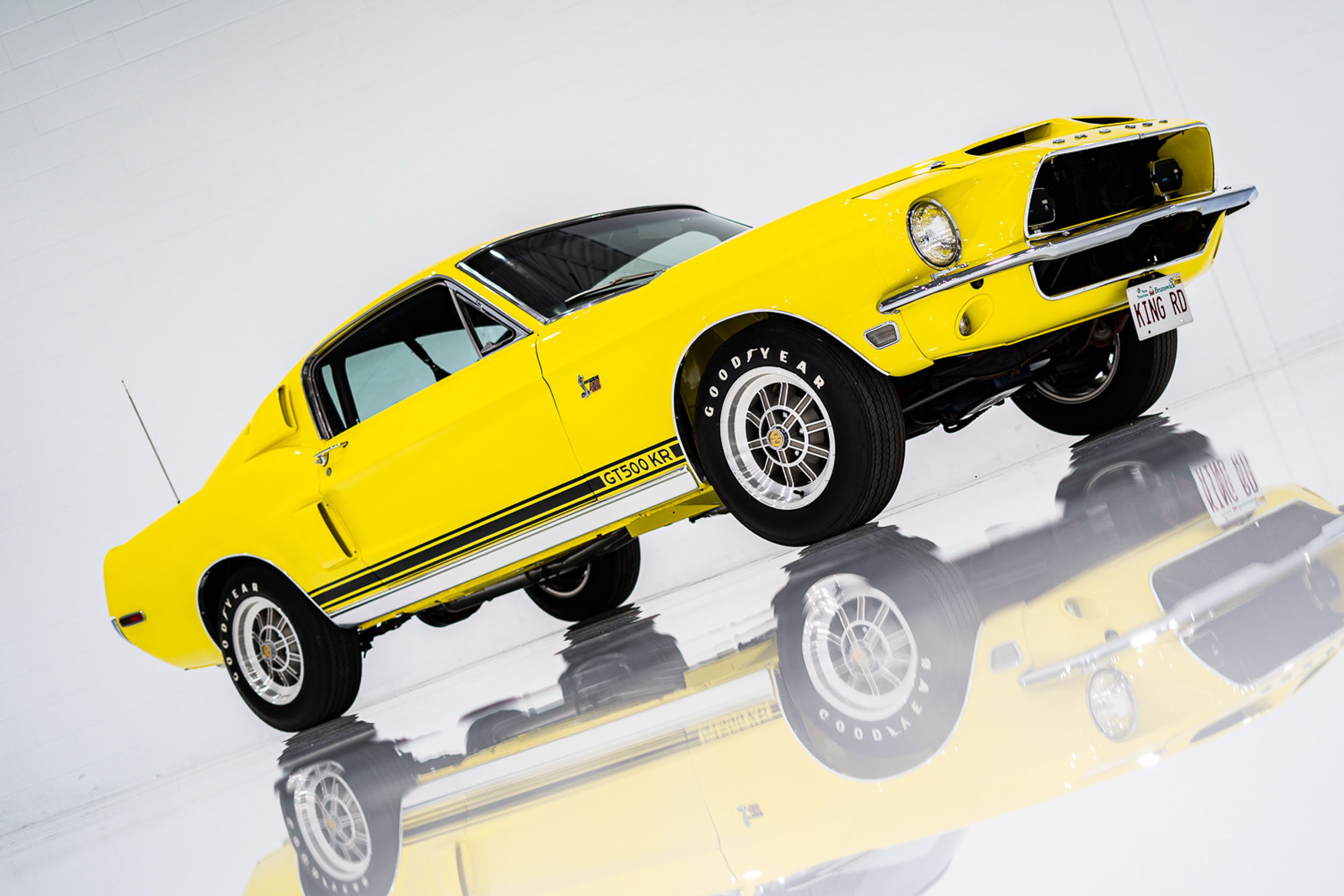
The 1968 GT500 KR featured a 428 cubic inch Cobra Jet V8 engine, which is widely recognized as one of the best ever made. On paper, it only put out 335 HP—20 less than the Police Interceptor V8 from the GT500—but in reality, the stock model of the KR offered closer to 435 HP, with 440 lb-ft of torque to boot.
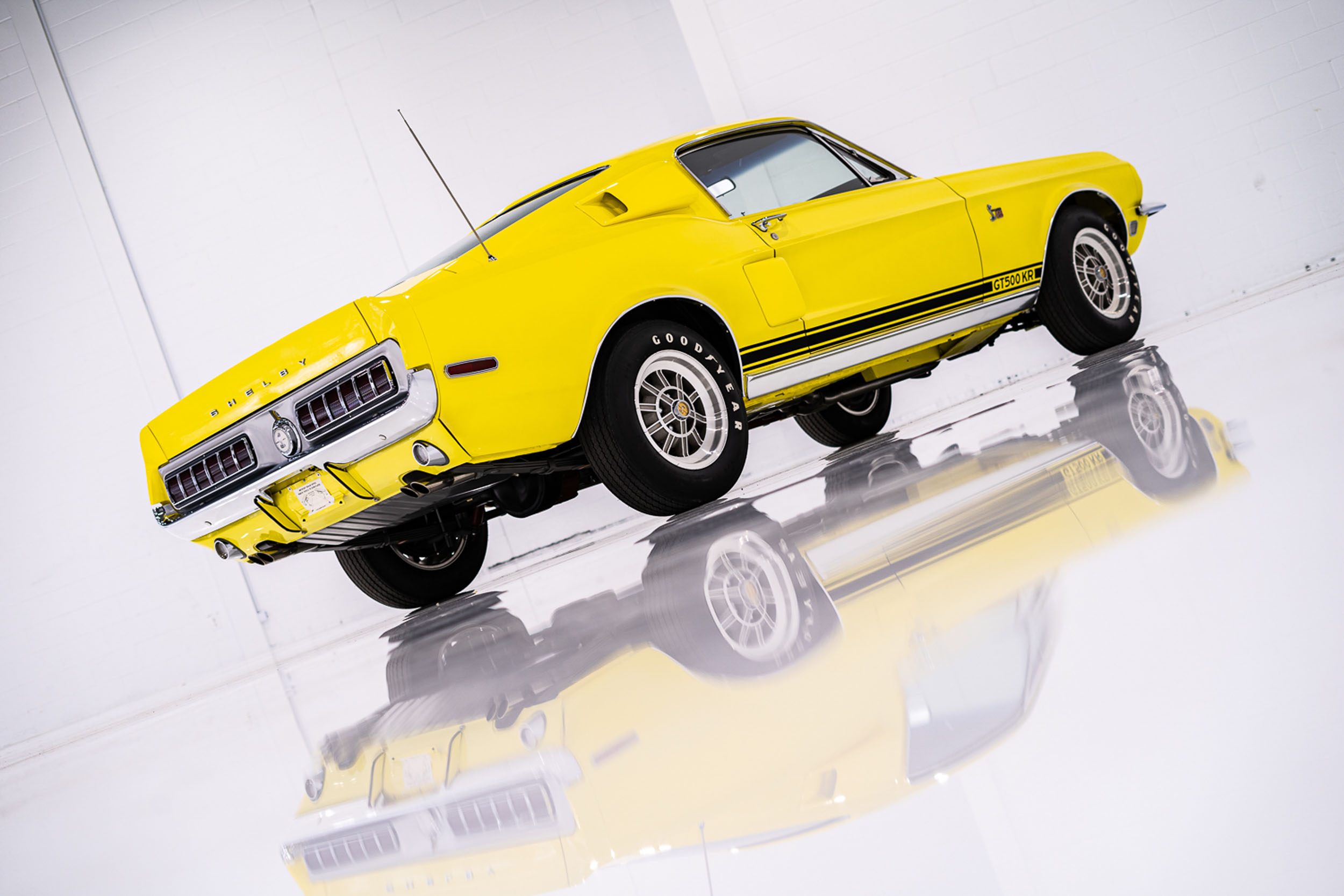
That kind of insane power demanded a striking appearance, which Ford delivered with aplomb. Two mean-looking intake scoops gave this Mustang an aggressive, sporty edge, and delivered air to the ravenous 735 CFM four-barrel Holley carb under the hood.
Optional side-stripe paint with GT500 KR lettering and a candy-apple red color scheme so delicious you might be tempted to try taking a bite out of it allowed this car to be one of the best-looking vehicles of its era (or any other, as far as we’re concerned). And luckily, the model currently up for grabs via The Cobra Experience comes with both of those details.
The new GT500 KR would serve as Ford’s flagship performance car, standing head and shoulders above prior Shelby models. The car’s KR designation stood for King of the Road, and was used by Ford to portray the model’s superior status.
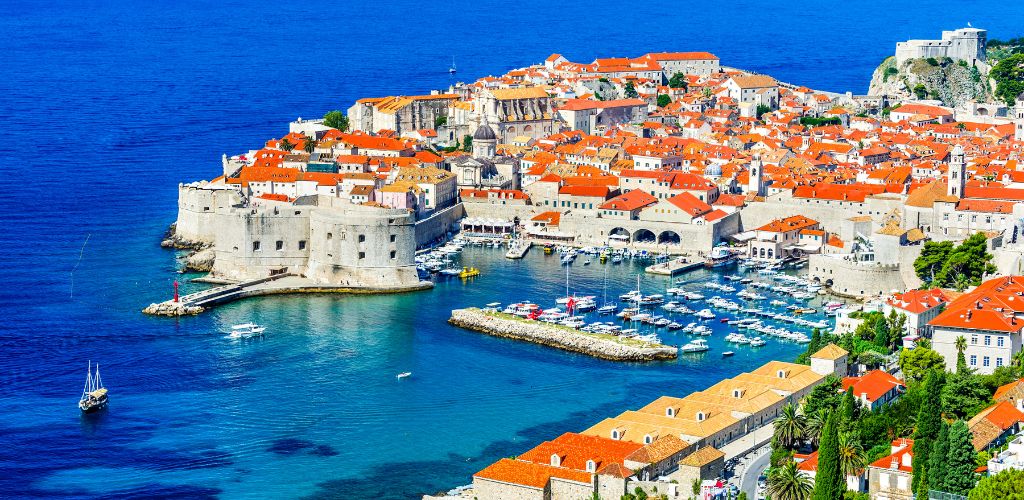
Mention the word Croatia, and Dubrovnik is probably the first city that springs to mind. I can’t blame you; this is one of my favorite cities in the world. Sure, it’s very busy in the summer months, but living in Dubrovnik is an experience like no other.
As a digital nomad living in Dubrovnik, you’ll find more than enough to fill your time—so much so that you’ll probably need to factor in a few extra days off. Having spent a fair amount of time in this beautiful place, I’m well placed to advise you on the ins and outs of life in one of Croatia’s most beautiful cities.
About Dubrovnik
Dubrovnik is located in the southern Dalmatia region, lapped by the glittering waters of the Adriatic. It’s certainly Croatia’s most famous and busiest city during the summer months, but I also found it charming during the winter.
The only potential downside to the slower (and colder) months is that most things close; however if that doesn’t bother you, you should enjoy the slower pace of life.
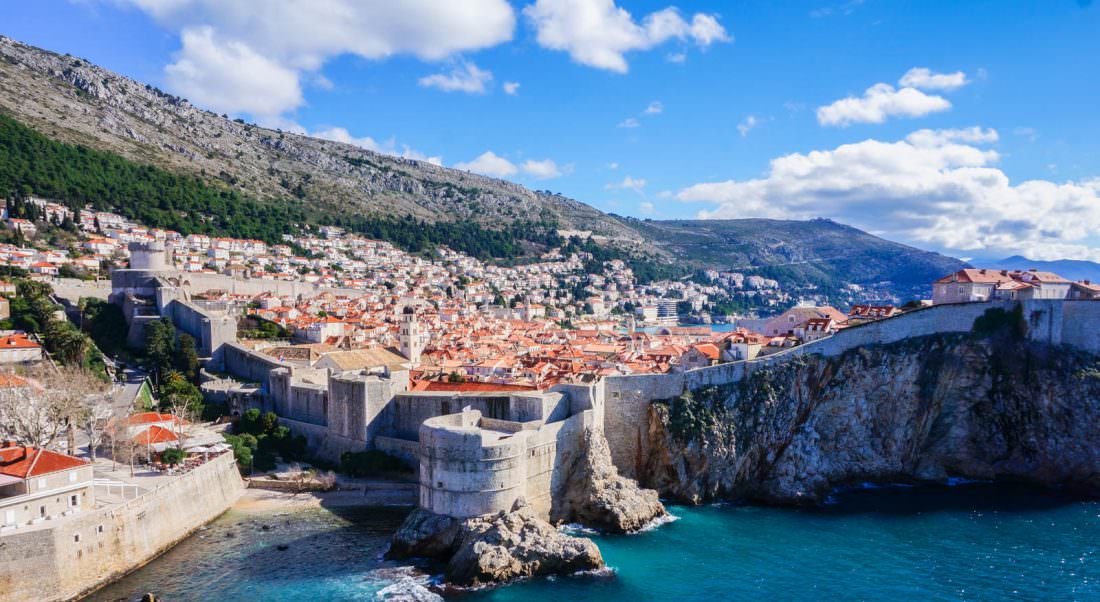
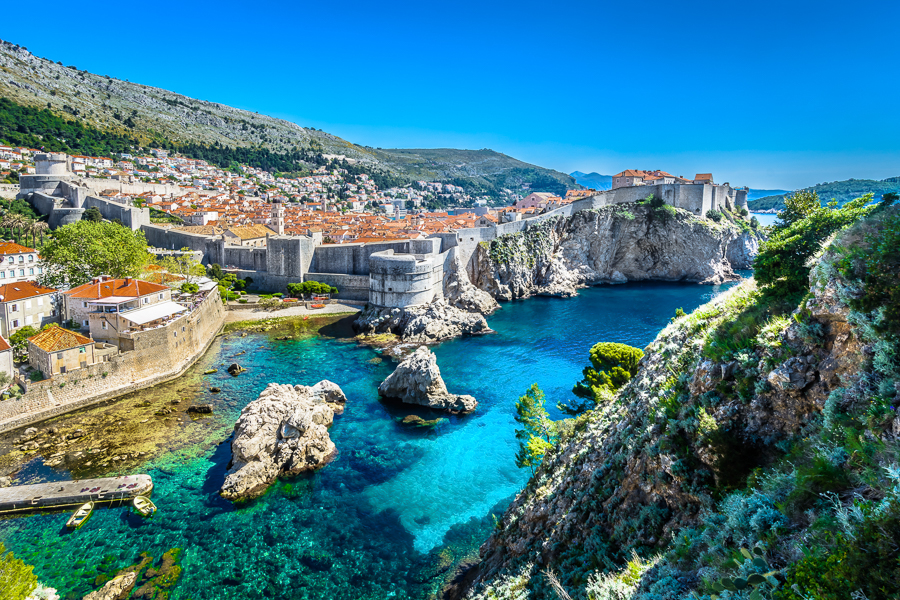
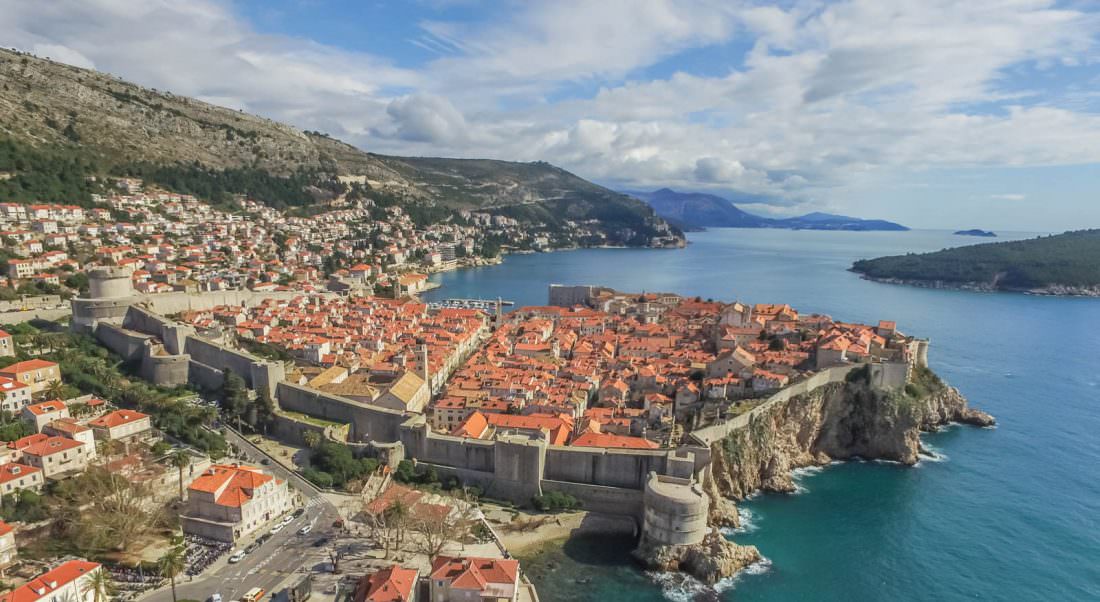
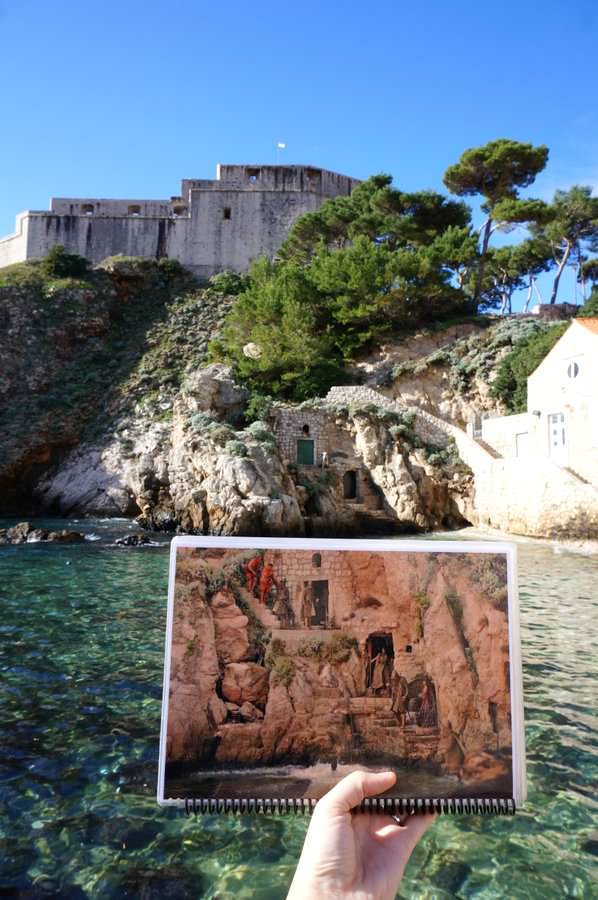
It’s a particularly historic city, dating back to around the 7th century, and its most famous spot is the city walls. If you’re a Game of Thrones fan, you’ll be thrilled to know that there are several filming sites to discover around the city.
For me, life in Dubrovnik is about eating good food, socializing, taking in the beautiful scenery, and exploring the neighboring regions. Sure, it can get busy during the peak summer months, but there’s so much to see and do that it’s easy to escape the crowds for a few days.
Digital Nomad in Dubrovnik: Personal Experience
Since Croatia launched its digital nomad visa (more on that later), Dubrovnik has become a hotspot for digital nomads, especially during the summer months. I enjoyed visiting during the autumn months in particular, as I found a great social scene without the major crowds.
As you can imagine, Dubrovnik isn’t the cheapest city thanks to its touristic label, but there are plenty of ways to cut costs. I enjoyed my time in the city and found it really easy to make new friends and meet other people. The internet is fast, there are plenty of great cafes to work from, and overall, I had a fantastic quality of life during my stay.
I found the peak summer months, particularly July and August, a little too populated, and I don’t advise you to attempt to walk the city walls at this time. However, the weather is amazing, there are some great beaches nearby, and you’re sure to love the full-on summer vibe.
Is Dubrovnik Safe?
The good news is that living in Dubrovnik as a digital nomad is unlikely to pose any significant safety problems. I never felt unsafe or unnerved during my time there, and overall, Dubrovnik is considered a safe place. Of course, it’s a large city so always use your common sense and remember that in busy areas, there’s always a chance of pickpockets.
Despite the small risk of petty theft, I felt very at home in Dubrovnik and often walked around on my own without feeling any need to stick to the busier areas. In fact, I felt very safe in Croatia overall.
The biggest issue for me was the crowds around the city wall areas during the peak summer months, but that’s avoidable if you find large groups of people a little overwhelming.
Best Areas to Live in Dubrovnik
Dubrovnik isn’t a particularly sprawling city, but there are some ideal areas to base yourself as a digital nomad. Here are some of my recommendations:
1. Old Town
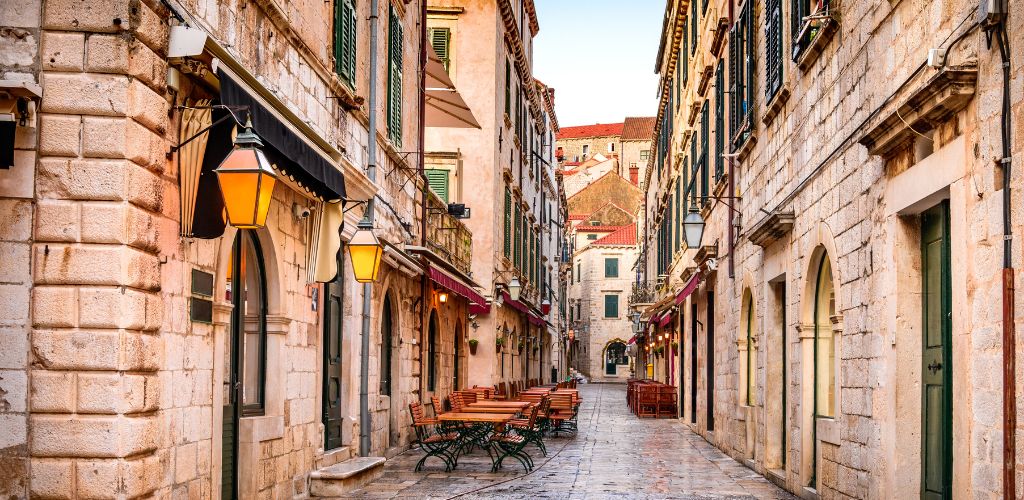
If you want to be as centrally located as possible, the Old Town is for you. I spent a lot of my time here, and although I didn’t seek accommodation in the area, I found it a pretty vibrant and fun spot. The only downside is that you’re likely to spend more on rent, but if you can find someone to share with, you’ll save cash.
When working remotely in Dubrovnik, choosing to stay in the Old Town cuts down on commuting costs. It places you in the heart of the city and means you’re never too far away from nightlife, restaurants, and attractions. There are also plenty of fantastic cafes to work from in this neighborhood.
2. Lapad
If you want to stay somewhere that still has a lively vibe but isn’t quite as central as the Old Town, I’d recommend Lapad. This neighborhood is pedestrianized, so you’re not going to be disturbed by traffic. It’s also home to some pretty cafes, restaurants, and a welcoming seaside view.
I liked Lapad as I found it to be a bit more chilled out compared to the Old Town. There are plenty of cafes to work from in this area, and rent is slightly lower because it’s not quite as central. It’s also pretty easy to get to the Old Town via bus if you want to be right in the middle of the city itself.
3. Babin Kuk
I stayed in the Babin Kuk area for a while and I really liked it there. It’s slightly out of the city center, around 6.5km/4 miles, but it’s easy to get to the Old Town via bus. I enjoyed the slower pace and the fact that there were fewer crowds. The only downside is that rent isn’t that cheap; it’s classed as being quite high-end.
However, if you want to live by the beach and enjoy lazy days in cafes with a view, this is a good spot. I met many other remote workers in this neighborhood, and because it’s quieter, I felt less overwhelmed by noise and crowds.
4. Ploče
If you’re thinking about living in Dubrovnik and want to be somewhere a little more luxurious, Ploče is a good place to consider. Here, you’ll find some fancy hotels and Airbnbs, and while the price is slightly higher, the area offers a sophisticated vibe and is within walking distance of the Old Town.
I found Ploče quite a comfortable and welcoming place. Banje Beach is also nearby, so it’s a good choice if you enjoy beach time during your downtime. There are also plenty of nightlife options around, without being right in the thick of it. Personally, I feel this neighborhood is a great source of middle ground between regular life and touristic fun.
How to Find Accommodation in Dubrovnik
Finding accommodation in Dubrovnik can be tricky if you leave it a little too late to begin your search. I recommend planning to arrive a month or so before the summer season begins, so you can secure a place to stay. If you’re visiting in the winter months, you’ll find accommodation pretty easy to find.
1. Booking.com: I used booking.com to find hostels and serviced accommodation in Dubrovnik and always found great prices. You can also search just outside of the city center to keep costs low. However, I’d recommend booking as far in advance as possible, to avoid the best prices being snapped up.
2.Airbnb: There are many long-stay apartments available in Dubrovnik for decent prices. Again, it’s best to book ahead of time as the summer season becomes very busy and many people have the same idea—find somewhere to stay! Lapad is a particularly popular place for Airbnbs.
3. Facebook groups: If you search on Facebook, you’ll find many groups for Dubrovnik itself, including digital nomad groups. This is a good way to find other like-minded people who you may be able to share accommodation with and keep costs low. It’s also a good place to find extra tips on saving money and things to see and do.
Cost of Living in Dubrovnik
I feel the cost of living in Dubrovnik is slightly higher than in the rest of the country, but that’s likely because it’s such a tourist place. Overall, however, it’s on par with most large European cities, and if you know how to cut costs, you’ll keep cash in your pocket.
Restaurants and Groceries
If you choose to eat at restaurants targeting tourists, you’ll quickly run out of cash. For example, the cost of a meal in a moderate tourist restaurant in the Old Town will cost you around €30-€40, ($32-$43) depending on what you have.
If you avoid those places and instead go to small, local restaurants away from the city center, you’ll find lower prices; I often ate in a traditional place in Lapad for around €15/$16, which is quite a saving.
If you can, it’s best to cook at home as you’ll find groceries quite reasonably priced. Head to the fresh fruit and vegetable markets to stock up on fresh produce and go to the local butcher for your meat. In general, you can purchase a week’s worth of groceries for less than €50/$53.
Accommodation Costs
Accommodation is most likely to take the largest chunk of your money. The cost of an apartment varies according to how close or far away you are from the Old Town, but on average, you’re looking at around €650/$690 per month. Your utilities, such as electricity, water, gas, and internet are on top of that price.
During the summer, you’ll need at least a fan, but air-conditioning if probably preferable. On average, utilities will cost around €350/$370, depending on your usage.
For these reasons, it’s best to try and share accommodation if you can, so you can halve these prices and save as you go. However, you may find that Airbnb works out cheaper if you can find somewhere that allows long-term stays. Again, avoid the Old Town to keep prices a bit lower.
Transportation Costs in Dubrovnik
The good news is that as a Dubrovnik digital nomad, you’ll find it easy to get around. I found the city pretty walkable, and the center is all pedestrianized, which makes getting around on foot a lot easier. This is a great way to save money.
If you want to travel outside of the city center, the bus network is reliable and relatively cheap. A one-way ticket costs around €2/$2.10, and I found buses really easy to use. I’d recommend only using taxis or Uber when you need to, e.g. if you need to get home late at night; they’re quite expensive and will eat into your budget.
SIM Cards and Data
I used Hrvatski Telekom (T-Mobile) for my SIM card needs, and it covered my calls and data at reasonable costs. It’s really easy to get a SIM card; you simply take your passport into a store in the city center and they’ll set you up. A SIM card is affordable, at around €5/$5.30.
Other reliable SIM providers include A1 and Telemach. You can also use an eSIM, with Airalo being the most popular option.
Whichever option you choose, it’s easy to top your phone up at the end of the month, either online or by visiting a store in the city center.
Money Saving Tips for Dubrovnik
The off season may have some cloudy days, but you’ll save a lot of money
Dubrovnik is one of the most expensive places in Dubrovnik, but that doesn’t mean you can’t save a little money here and there. Here are my top tips on how to do just that.
Cook at home: Tourist restaurant prices are much higher than regular restaurants; if you cook at home, you’ll not only save money but will be more inclined to eat healthily.
Avoid the peak summer months: Dubrovnik is a seasonal place so it makes sense that prices are always higher from around June to the middle of September. If you can, avoid these months and you’ll find cheaper prices in general. The winter months are also good for money saving, although the city is a lot quieter.
Walk as much as possible: Buses are cheap and easy to use, but if you walk as much as you can, you’ll notice those Euros sticking around rather than disappearing. As I mentioned, the center of Dubrovnik in particular is very easy to walk around.
Avoid taxis: There are times when you might need to use a taxi but if possible, try and avoid them. Taxis are expensive, and unless it’s late at night or you’re desperate to get somewhere quickly, opt to walk or use the bus.
Avoid the tourist trap: Tourist places are always more expensive than more traditional spots. Be sure to avoid tourist restaurants but also make sure that you do your shopping in small, locally-owned shops rather than tourist ones near the big sights.
Stay outside of the Old Town: It’s great to stay centrally, but rent in the Old Town is much higher than in the suburban areas. If you can, share your accommodation and go halves.
Coworking Spaces in Dubrovnik and WiFi Speed
Being a digital nomad in Dubrovnik, you’re probably interested in coworking spots. Although there are many remote workers here, the city is primarily aimed toward tourists, and there are yet to be any good quality coworking spaces.
The good news is that you’ll find plenty of great cafes to work from, and I’ll talk about those shortly.
Another plus point of staying in Dubrovnik is the internet. I didn’t experience any problems with WiFi during my time in Dubrovnik, even when using it for heavy work, such as video calls. According to Speedtest, the average upload and download speeds in Dubrovnik are 13.64 Mbps and 31.16 Mbps respectively.
Best Cafes to Work From in Dubrovnik
There aren’t any coworking spaces in Dubrovnik, but there are plenty of great, laptop-friendly cafes you can use instead. When living in Dubrovnik as a digital nomad, I found several spots to perfectly suit my needs. Here are my recommendations:
Nishta: I really liked this cafe, not only because it’s right in the heart of the Old Town, but because it’s a cozy space with comfortable chairs, great WiFi, and fantastic coffee. What more could you want?
Buzz Bar: If you visit this bar/cafe during the day, you’ll find it to be laidback, affordable, and comfortable for a few hours of work. However, it’s best to leave before 6 pm as it gets quite busy and loud.
Urban & Veggie: If you’re vegan, this is the place for you. They offer delicious plant-based snacks and treats, but it’s also a comfortable place to work from. The staff don’t mind you using your laptop, and I was pretty productive from this spot.
Activities and Things To Do in Dubrovnik
While living in Dubrovnik, your days off will be packed. For me, the best thing about life in this city is that you’re never too far away from a sight, a beach, or simply a great cafe to sit and chill for a while.
To give you an idea of what you can spend your free time on, here are my top picks:
1. Dubrovnik City Walls
Hands down, the number one thing to do in Dubrovnik is to walk around the city walls. However, there is a big but coming your way: it’s best to do this very early in the morning or outside of the peak season. In July and August, it’s nearly impossible to walk around here and enjoy it due to the crowds.
Despite that, it’s still my favorite thing to do – make sure you clear plenty of space on your camera for amazing snaps. You can walk around the walls in around two hours maximum and from there, head into the Old Town to continue your sightseeing tour. Click here to learn more about the city walls tour.
2. Elaphiti Islands
The beautiful Elaphiti Islands are a short boat trip from Dubrovnik harbor – it’s a great way to escape the hustle and bustle and enjoy a day on the beach. I took an island-hopping boat trip that lasted around eight hours and I was so blissed out by the end of it; I can’t recommend it enough.
Taking a guided tour means you’ll get to see several islands, and Šipan was my favorite. There are also ruins of churches to explore, vineyards, and stunning views everywhere you look.
3. Game of Thrones Walking Tour
One of the filming locations for the Game Of Thrones
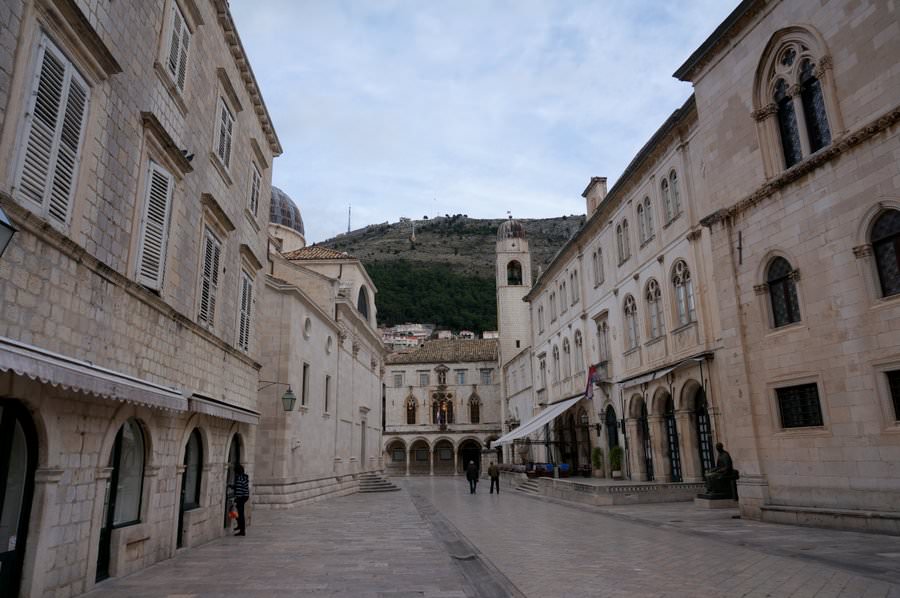
If you’re a soon-to-be Dubrovnik digital nomad and a GoT fan, you have to visit the filming locations around the city. The best way to do this is via a Game of Thrones walking tour, which will take you to Fort Lovrijenac, Pile Gate, and Stradun. You’ll also visit a replica of the famous Iron Throne at Jesuit Stairs.
Admittedly, I’m not the biggest GoT fan but I still really enjoyed checking out the filming locations. Having your photo taken on the Iron Throne is also a must-do and something you’ll want to share on your social media accounts for everyone to see.
4. Dubrovnik Cable Car
I’m not typically one for heights, but I braved the Dubrovnik cable car, and I’m so glad I did. The views from the top are simply spectacular and really gave me a new appreciation of the area’s beauty.
I’d recommend going on the cable car as early in the day as you can if you want to avoid crowds. Sometimes you have to wait quite a while if you visit in the afternoon, especially during the peak months. If you have time, grab a coffee and some cake from the restaurant at the top and enjoy a full day or a few hours at leisure.
5. Copacabana Beach
Yes, the name might make you think you’re somewhere else entirely, but Copacabana Beach is one of my favorite chill-out spots in Dubrovnik. It’s pretty easy to get to; you simply take the bus to Lapad and then walk along the marked trail. It takes no more than 15 minutes by foot.
Here, you’ll find a restaurant, sun-loungers and parasols for hire, and there are watersports too. Overall, it’s just a great place to soak up the sun, get a tan, and generally enjoy the summer vibes.
Weather in Dubrovnik
If you want the best of the weather, you’ll need to deal with the crowds and visit Dubrovnik between June and the middle of September. The hottest month is July, with an average high temperature of 29°C/85°F, and an average sea temperature of 24°C/75°F. There’s little chance of rain during the summer, with only an average of 38mm in August as a whole.
Even during the spring and fall months, you’ll experience plenty of sunshine, with around 12 hours of sunshine in May and 10 in September. If you want to visit during the winter months and enjoy a more chilled-out vibe, you might want to avoid November as the wettest month. Despite that, the coldest month of January still offers a relatively mild high of 12°C/54°F.
Pros and Cons of Living in Dubrovnik
As with anywhere in the world, there are both pros and cons of living in Dubrovnik.
Pros of Living in Dubrovnik
Plenty to see and do: There’s a reason Dubrovnik is so popular as a vacation spot; there’s plenty to see and do. During your time off, you’ll be spoilt for choice when it comes to historic places to visit and areas of natural beauty.
Reliable, high-quality internet: I never had an issue with the Internet in Dubrovnik, and I found it very easy to be productive and get all my work done.
It’s easy to meet other like-minded people: Dubrovnik is a popular spot for digital nomads and tourists in general. I met many like-minded people there; it’s easy to find others to network or simply socialize with.
Getting around is easy: Dubrovnik is a very walkable city, and even if you need to go further than the city center, the bus network is cheap and reliable.
Fantastic weather during the summer: The summer months bring seemingly endless sunshine and wonderfully hot days. If you’re into summer vibes, Dubrovnik won’t disappoint you.
Cons of Living in Dubrovnik
Dubrovnik is more expensive than other Croatian cities: Let’s address the elephant in the room: Dubrovnik can be pricey. However, as I’ve mentioned, there are ways to cut costs so you get the best of both worlds.
Finding accommodation can be difficult: Because Dubrovnik is a mostly summer destination, you may struggle to find accommodation if you leave it too late. As such, you need to plan ahead.
Dubrovnik is very quiet during the winter months: While it’s possible to spend time in Dubrovnik during the winter, many bars, restaurants, cafes, and shops are closed for the season. You’ll find a more authentic vibe, and it’s a lot easier to explore the city walls, but you may find entertainment slightly lacking.
No coworking spaces: Dubrovnik doesn’t have any coworking spaces yet; if you’re more productive in a coworking setup, you may be disappointed. However, I found plenty of great laptop-friendly cafes.
Digital Nomad Visa for Dubrovnik
In January 2021, Croatia officially launched its digital nomad visa, making it possible to live and work in this beautiful country for up to one year. Working remotely in Dubrovnik is now a lot easier thanks to this development. The visa is relatively easy to apply for and granted quickly as long as you provide all the necessary documents.
If granted, the visa allows you to stay for up to a year and cannot be renewed. However, you can leave, wait for six months and then reapply. You’ll need to show that you have enough funds to support you during your stay along with an address in Croatia—this can be a hostel address that you update once you find somewhere more permanent.
The further good news is that you can also apply to bring your spouse and children with you as part of the family reunification process.
In Conclusion
I hope this digital nomad guide to Dubrovnik has answered your questions and whet your appetite. Living in Dubrovnik is an experience in all the right ways, and you’ll meet so many other people during your time. Of course, you also get to stay somewhere that’s dripping in beauty and history, which certainly adds to the appeal.
I enjoyed my time in Dubrovnik so much that I hope to return. While it’s not the cheapest destination in Croatia, it is a city that offers something a little different from anywhere else, and with a little clever planning and a few tips, you can keep cash in your pocket and explore far and wide.
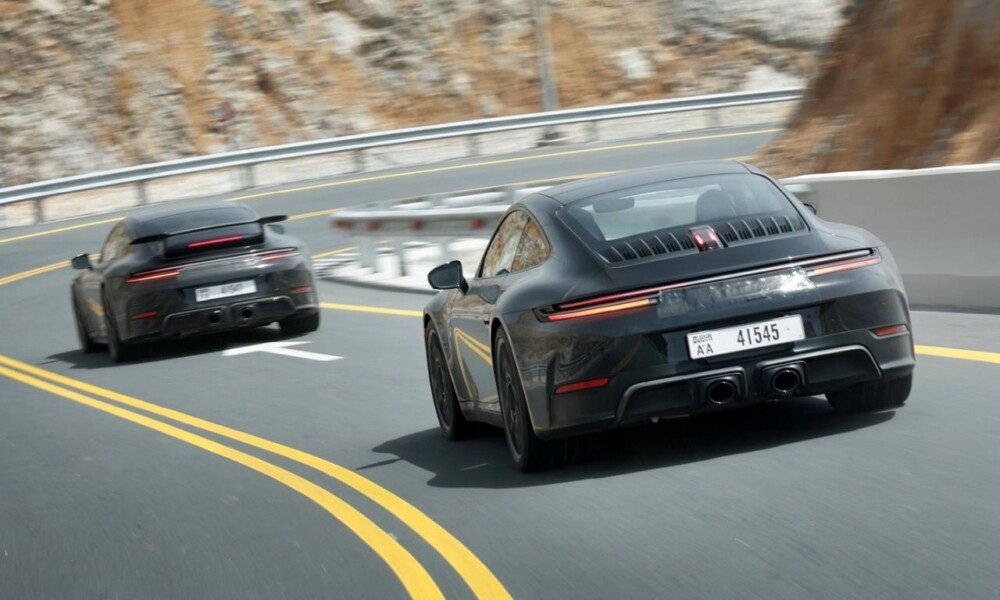
Porsche has announced that the first-ever 911 hybrid is ready to go into production following the culmination of an extensive development and testing program.
Porsche claims the upcoming 911 hybrid will be quicker than the outgoing version. During the testing phase, test driver Jorg Bergmeister completed a lap of the Nurburgring Nordschleife in 7 min 16.934 seconds. That’s 8.7 seconds faster than its predecessor.
According to the company, the test car was equipped with standard road tyres and an aero kit featuring a fixed rear spoiler.
Frank Moser, Vice President of Model Line 911 and 718, said, “For the first time in our icon’s 61-year history, we are installing a hybrid drive system in a roadgoing 911. This innovative performance hybrid makes the 911 even more dynamic.”
Moser went on to state, “We left nothing to chance during development and tested the new 911 under all sorts of conditions all over the world. From the freezing cold to scorching heat, as was the case during the final stages of testing in Dubai. Whether at a high drivetrain load in the demanding conditions of mountain passes or in the stop-and-go traffic of an urban environment, the new 911 has mastered even the most difficult challenges with aplomb. All in all, our engineers and test drivers clocked up more than five million kilometres of development driving,” he added.
The Porsche 911 hybrid will be unveiled on May 28.
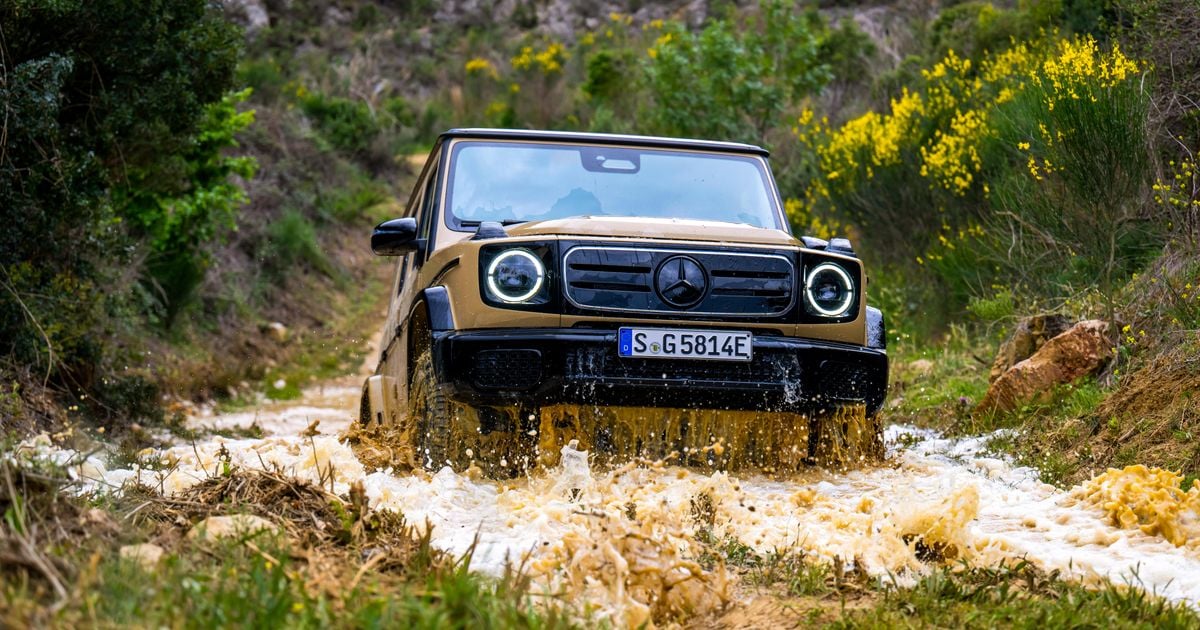
Spare a thought for the engineering team tasked with developing the first ever electric-powered G-Wagen – the 2025 Mercedes-Benz G 580 with EQ Technology.
The G 580 combines one of the three-pointed star’s most iconic and profitable vehicles with cutting-edge powertrain technology that has yet to win overwhelming acceptance from most consumers. It was an idea that could have easily gone very wrong.
With that in mind, the G 580 development team approached the task with one key thought, says Manuel Urstöger, the engineer with overall responsibility for the G 580’s battery electric powertrain. “The G must be a G. That was what was most important to us.”
The electric G had to be able to climb steep slopes, tiptoe over big boulders, plough through mud, storm sand dunes, and wade through deep water. In short, it had to be able to go anywhere a regular G could go, with no compromise.
The G 580 – we’ll dispense with the rest of the clunky name from here on in, as even Mercedes insiders admit owners will just call it the ‘G 580’ – looks pretty much like any other of the current G-Wagen (aka G-Class) models.
The standard grille is the same as that on the recently refreshed G 450d diesel and G 500 petrol models, but a more aerodynamic black panel grille with an LED light frame is available as an option.
Look closely and you’ll notice several detail changes. The bonnet has been reprofiled to clear the EV powertrain hardware. Vents in the flares over the rear wheel arches help create air curtains around the rear wheels.
Other aero tricks include smoother cladding around the A-pillars, as well as a small spoiler between the seam and top of the windshield and the leading edge of the roof.
These features were both developed for the electric-powered G-Wagen, but adopted on the facelifted internal combustion engine models.
How does the Mercedes-Benz G-Class compare?
View a detailed breakdown of the Mercedes-Benz G-Class against similarly sized vehicles.
Mercedes-Benz
G
How much does the Mercedes-Benz G-Class cost?
As the G 580 is not expected to arrive in Australia until late this year or early 2025, Mercedes-Benz Australia has yet to announce pricing.
However, in Germany the G 580 costs 24.6 per cent less than the refreshed AMG G 63, which indicates an Australian drive-away price of around $290,000.
The G 580 First Edition, a highly optioned model that will be available only in the first year, will likely cost about $390,000 – but, we’re just making an educated guess
What is theMercedes-Benz G-Class like on the inside?
The G 580’s interior is identical to that of the internal combustion engine G-Class.
That means it is equipped with the latest generation of the MBUX digital architecture with a dual-display unit incorporating digital cluster an infotainment display stretching across 50 per cent of the dash.
The digital dash is fully configurable, and the display at the centre of the dash is now a touchscreen.
Standard equipment includes leather-trimmed seats and open-pore walnut on the dash and doors, plus heated and cooled cupholders and a wireless smartphone charging pad. Options include a rear seat entertainment package with two 11.6-inch touchscreen displays.
One difference between the G 580’s interior and those of the internal combustion engine G-Class models is visible at the centre of the dash, between the two air vents above the centre console.
Instead of the three buttons that lock the centre, rear, and front differentials, the G 580 has a button to engage low range, flanked by buttons with a graphic of the G flanked by arrows.
These are the first clues the G 580 is the most radically different G in the 45-year history of a vehicle originally designed in the mid-70s to be as good on the road as a Range Rover, and as tough and capable off it as a Toyota LandCruiser.
What’s under the bonnet?
The G 580 is powered by four 108kW e-motors that deliver a total system output of 432kW and a thumping 1164Nm of torque.
Powering the motors is a two-tier, 216-cell lithium-ion battery with a useable capacity of 116kWh. The battery will accept charge rates of up to 200kW on a fast charger, meaning it can be taken from a 10 per cent state of charge to 80 per cent in 32 minutes.
Because the G 580 had to look like a regular G-Class, all that powertrain hardware had to fit within the same physical envelope as the ICE models. The fact the G-Class is built on separate chassis proved a key enabler.
The e-motors are ingeniously packaged, the pair at the front and the pair at the rear each sharing a common water-cooled housing that also includes the inverter hardware and a separate two-speed transmission for each motor.
In simple terms, each e-motor sits above its transmission and outputs drive to the wheels. The e-motor on the right-hand side of the housing drives the left-hand wheel, and vice-versa.
The two-speed transmissions give the G 580 a genuine mechanical low range, with a 2:1 ratio compared with the 1:1 of the high range. Why go to all that complexity, and add cost? Capability and durability, says Manuel Urstöger.
“Electric motors do not like to be kept at low rpm, as they generate a lot of heat,” he says. The low-range gear enables the G 580’s e-motors, which are also internally oil cooled and rev to 14,400rpm, to spin faster at low vehicle speeds, keeping them even cooler and prolonging their life.
To ensure it can the survive the punishment of extreme off-roading – even though G Class engineers ruefully admit 99 per cent of customers never take their vehicles off-road – the battery is enclosed in an ultra-stiff, torsion-resistant casing that is also waterproof, allowing the G 580 to wade through 850mm of water – 150mm more than internal combustion engine models can manage without a snorkel.
The battery casing is further protected by a 25mm thick carbon-composite skid plate attached to the frame by 50 steel screws. The skid plate alone weighs 57kg, but Manuel Urstöger says a steel skid plate offering similar levels of protection would have weighed three times as much.
How does theMercedes-Benz G-Class drive?
Mercedes-Benz claims the G 580 will zoom from 0 to 100km/h in 4.6 seconds on the way an electronically limited top speed of 180km/h.
Though the G 580 can’t match the 220km/h top speed of the AMG G 63, it is – on paper – barely half a second slower from 0 to 100km/h than AMG’s madcap off-roader. On the road, that gap feels even smaller.
That’s because the four-motor electric G-Class catapults forward the moment you punch the accelerator from a standing start, weapons-grade torque and astonishing traction momentarily compensating for the fact that, at 2995kg, the G 580 weighs a hefty 445kg more than its thundering V8-powered sibling.
That extra mass, combined with less aggressive wheels and tyres, and the fact the G 580 doesn’t have the trick new Active Ride Control suspension of the facelifted AMG G 63, means the electric G isn’t as quick through the twisties as the AMG version.
But there’s not much in it.
The G 580 offers three on-road drive modes: Comfort, Sport, and Individual. Comfort is the default drive mode, which also sets the adjustable regen to ‘D-‘ – the second highest level.
In Sport mode the G 580’s powertrain management system delivers much more rapid response to accelerator inputs, stiffer suspension, and heavier steering. It also enables torque vectoring across the front axle to help get the big off-roader into and out of corners.
This, and the instant-on response from the powertrain, makes the G 580 feel remarkably agile for a vehicle of its size and mass.
Sport mode amps up the volume of what Mercedes calls G Roar, an artificial soundscape played through the audio system that rises and falls with road speed in the on-road driving modes.
We normally don’t like such gimmicks on EVs, preferring to turn them off and waft along in silence, but the G Roar’s muted G 63 rumble was surprisingly engaging.
The size and shape of a small barn, the G 580 is never going to slip through the air.
But with the optional aero grille and on the standard 18-inch wheels, the various aero tweaks have resulted in a drag co-efficient of 0.44 – a 17 per cent improvement over the pre-facelift G 63.
Wind noise is surprisingly low, as is tyre noise. The G 580 is almost luxury car quiet.
Like the other G Class models, the G 580 has a multi-link independent front axle, and a non-independent axle at the rear for maximum articulation in extreme off-road conditions.
Having an e-motor power each wheel is straightforward with an all-independent suspension setup; but combining e-motors with a non-independent rear axle required some lateral thinking.
The solution is an engineering concept 130 years old: the De Dion axle.
The De Dion design features a rigid tube connecting the wheel hubs. So it behaves like a solid axle, but the drive to each wheel is via separate half-shafts with universal joints on either end. That allows the e-motor housing at the rear of the G 580 to be bolted securely to the chassis.
The G 580’s ground clearance is 250mm, with the 2890mm wheelbase giving it a breakover angle of 20.3 degrees. Approach angle is 32 degrees and departure angle is 30.7 degrees. By way of comparison, the regular G-Class has an approach angle of 30.9 degrees, a departure angle of 29.9 degrees and a breakover angle of 23.5 degrees.
We were given the opportunity to test the G 580’s off-road capabilities on trails near Perpignan in the south of France. It’s rocky and steep terrain, the sort of stuff that could easily stop a Toyota LandCruiser, Land Rover Defender, or Jeep Wrangler, and had been made more challenging during our session by days of soaking rain – but the G 580 ate it up.
Two off-road drive modes are available. Trail optimises the drive train for gravel roads or tracks. Rock sets the powertrain up for hard-core off-roading and allows you to select low range.
Low range is selected via pushing the central of the three buttons on the dash, and allows drivers to activate an intelligent crawl function, a sort of ultra-low speed cruise control.
Slow crawl restricts speed to 2km/h on level ground or downhill; variable crawl ups it to between 5km/h and 6km/h and allows the driver to increase the speed up to 15km/h on 10 to 20 per cent downhill slopes; fast crawl gives a maximum of 8km/h on level ground or while traveling uphill. Top speed in low range is 85km/h.
Switching between the crawl speed settings is done by clicking the steering wheel paddles, and the driver can override the system at any time with the accelerator or brake.
The trick – and this is hard if you’re an experienced off-roader – is to keep your feet away from the pedals most of the time. The G 580’s four e-motors allow such fast and ultra-precise control of the torque at each wheel independently, that the car’s brain is better than yours when it comes to finding traction.
On the steepest climbs the G 580 would almost come to a halt, like a free solo climber pondering their next move. And in a sense, that’s exactly what was happening – the e-motor driving each wheel was gently ramping up its torque output right to the limit of adhesion.
Of course, while each e-motor is working independently, they are also working in unison to keep the Mercedes moving.
As a result, the G 580 has better traction in the rough stuff than any internal combustion engine off-roader, even ones with three lockable diffs like the regular G-Class.
What’s more, the software means the four-motor setup delivers all the advantages of lockable diffs, without the disadvantages – in other words, you get maximum traction and are still able to steer around corners.
On downhill sections the G 580 feels smoother and more progressive than any internal combustion engine off-roader with a hill descent control system. That’s because the speed is controlled by using the e-motors to directly control the torque at each wheel, and not by applying the brakes.
“E-motors are so much faster to react than brakes when coordinating themselves,” says G-Class chief engineer Fabian Schossau.
The same applies even when you use the brake pedal yourself. As in most EVs, braking up to 0.3g is done entirely via regen. On a downhill off-road section all braking is therefore done through the e-motors, all working together to make sure traction is always maintained.
The ability to individually control each wheel has enabled the G 580’s big party trick, the G Turn. In Rock mode low range with your foot on the brake, press the G Turn button,
Then, hold either the left- or right-hand paddle on the steering wheel, depending on which way you want the G 580 to spin – the front wheels must be pointing straight ahead. Then come off the brake and mash the accelerator.
With the wheels on one side being spun in the opposite direction to those on the other, the big Mercedes will rotate up to 720 degrees around its vertical axis. Move the steering wheel, touch the brake, release the accelerator or the paddle, and the G 580 will stop spinning instantly.
The G Turn’s real-word use is questionable: “There was a lot of discussion as to whether it was a gimmick,” Urstöger acknowledges, “but we decided it added to the capability.”
G Turn
More obviously useful is G Steering function, which locks either the right- or left-hand rear wheel to effectively shorten the G 580’s turning radius and get it around tight corners.
Again, it’s only available in Rock mode and low range, but once activated will stay operational at speeds up to 25km/h.
The lower breakover angle meant G 580 did thump onto the under-battery protection plate a couple of times on obstacles over which the diesel-powered G 450d we drove was able to tiptoe. “Don’t worry,” said Fabian Schossau, “it won’t break. We’ve tried.”
The virtual locking diff effect of the powertrain’s instant torque vectoring meant the G 580’s steering didn’t have the nice mechanical feel of the G 450d’s.
We wonder whether the electric G’s not inconsiderable mass would leave in prone to being stuck on its smooth underbelly in soft, deep mud. But make no mistake: The G 580 is a breathtakingly brilliant hardcore off-roader.
What we didn’t expect was to find it to be so jaw-droppingly fast and agile when being driven flat-out along a rally stage in Trail mode and high range.
Our driver, G-Class instructor Michael Weykopf, had the G 580 dancing like a 3.0-tonne WRC car sideways into corners, taking air over the jumps, and rocketing along rocky straights at Dakar-busting speed.
Even from the passenger seat, you could feel Weykopf had such precise control over power and torque and traction that he could pretty much place the G 580 where he wanted when he wanted.
It rammed home the point there probably isn’t a production 4WD in the world with the all-round capability of the Mercedes-Benz G 580 (with EQ Technology).
What do you get?
As the G-Class is one of Mercedes-Benz’s more expensive models, equipment levels are in S-Class territory.
Standard features on the G 580 include:
Burmester 3D Surround Sound System
‘Transparent Bonnet’ camera technology
Keyless-Go
Off-Road Cockpit display
64-colour ambient lighting
Multi-function steering wheel in Nappa leather
Heated and cooled cupholders
11kW on-board AC charger
18in alloy wheels
Multibeam LED headlights
Power front seats with memory function
Heated armrests for driver and front passenger
Augmented reality navigation
Wireless smartphone charging
Options include:
AMG Line Package
Night Line Package
Black panel grille
20in alloy wheels
Multi-function sports steering wheel
Choice of exterior spare wheel or storage box or plain door
For the first year, Mercedes will offer an Edition One version of the G 580 that bundles together some of the most popular options, including the AMG Line and Night packages.
The Edition One will be available in five colours: South Sea Blue Magno, Moonlight White Magno, Moonlight White Metallic, Arabian Grey, and Obsidian Black Metallic. Unique styling details include a blue trim strip insert in the exterior protective moulding and blue brake calipers.
The Edition One’s interior is trimmed in Silver Pearl and Black Nappa leather with blue carbon-fibre trim elements and blue stitching.
Is theMercedes-Benz G-Class safe?
The G 580 comes standard with the Mercedes-Benz’s arsenal of passive and active safety features – though the new-generation G-Class is currently unrated by ANCAP and Euro NCAP.
Standard safety features include:
Active Distance Assist
Active Steering Assist
Active Brake Assist
Active Emergency Stop Assist
Active Lane Keeping
Active Blind Spot Assist
360-degree camera
Traffic Sign Assist
How much does theMercedes-Benz G-Class cost to run?
Like other Mercedes-Benz vehicles, the G 580 will be covered by a five-year, unlimited kilometre warranty here in Australia.
Service intervals are 12 months or 25,000km (whichever comes first), with service plans covering three, four and five-year terms.
Mercedes-Benz claims a G 580 on 18-inch road tires and fitted with the optional Black Panel grille achieves a range of 473km under the WLTP electric vehicle test protocol.
That suggests an energy consumption rate of 24.5kWh/100km. Assuming an average electricity cost of $0.30 per kWh, that means G 580 will use at least $7.35 worth of electricity every 100km.
CarExpert’s Take on theMercedes-Benz G-Class
The Mercedes-Benz G 580 is an utterly extraordinary machine.
There are few internal combustion-engined vehicles that can match its combination of on road performance and off-road capability. In terms of electric vehicles, it’s in a class of its own.
And best of all, it’s still a proper G-Wagen.
Click the images for the full gallery
MORE: Buy a Mercedes-Benz G-Class MORE: Everything Mercedes-Benz G-Class
Stagnant sales of used petrol and diesel cars in Australia couldn’t stop hybrids and electric vehicles (EVs) stealing the limelight during April, with significant growth across the board for electrified models on the second-hand market.
Last month, 183,575 used cars were sold across Australia, according to data compiled by AutoGrab and published by the Australian Automotive Dealer Association (AADA).
This represented a drop of just 0.3 per cent on the month prior, largely attributed to decreases of 4.3 and 0.2 per cent in New South Wales and Victoria respectively.
The average time for a car to sell rose by just 0.1 of a day to 44.3 days, remaining well below the market high reached late last year.
While petrol and diesel continues to dominate the new and used car markets, there was a 0.8 per cent reduction in petrol vehicle sales throughout April (reaching 116,985 examples), with diesels growing by just 0.1 per cent or 49 deliveries (to 57,953 total).
However, hybrids remained in third place with growth of 5.7 per cent to 6725 sales, followed by EVs which increased by 9.5 per cent to 1525 vehicles sold – continuing on from a strong March which saw a 13.5 per cent rise.
Despite plug-in hybrids also experiencing an increase in sales, they still sit behind those powered by LPG in the used vehicle ranks, with both drivetrains proving to be niche interests within the wider market.
“There is still a significant oversupply of EVs relative to other fuel types, but the mismatch between demand and supply seems to be reducing with EV sales growing at the same time as EV listings decline,” AADA CEO James Voortman said.
“The average time to sell a used car has remained around the 44-day mark for the past three months, significantly down from the 12-month high of 52 days in November, indicating the market is stabilising.”
In terms of what kinds of used cars Australians are buying, traditional passenger vehicles such as hatchbacks, sedans and wagons still command the biggest share of the market (75,140 sales in April, down 1.3 per cent), but with an ever-decreasing margin to SUVs (70,861 sales, up 1.0 per cent).
Utes continue to be the third-largest sellers, reflected by the fact that the Ford Ranger and Toyota HiLux are the two most popular vehicles among used buyers, with the Mitsubishi Triton also placing itself in the top 10.
Surprisingly, there are just two SUVs within the first 10 spots (the Toyota RAV4 and Mazda CX-5), while the remaining five vehicles are of the traditional passenger kind.
The data also shows the Toyota Yaris, Kia Picanto and Honda Civic are among the best three mainstream passenger vehicles in terms of retained value, though the Suzuki Jimny continues to dominate the overall market, with the Toyota LandCruiser a solid second among SUVs.
“Retained values continue to decline gradually across all segments with passenger vehicles holding up slightly better than SUVs and LCVs,” Mr Voortman added.
“Given the fact that the gap between used car supply and demand is reducing, it will be interesting to see what the effect will be on retained values and length of time to sell.”
The report’s figures are based on data about the number of used and dealer demonstrator cars listed for sale around Australia at the start of the month, which are compared with the number of those listings that have been taken down at the end.
The AADA and AutoGrab offer the following definitions:
For Sale: Level of available used and demo cars listed online by dealers and private sellers nationally at the time of reporting. AutoGrab processes and de-duplicates listings to identify and eliminate repetitions, ensuring that vehicles listed across multiple platforms are counted only once.
Sales: Total vehicles delisted from online marketplaces, serving as a close proxy to actual sales and recorded monthly. The delisting count also reflects unique vehicles, as AutoGrab processes and deduplicates listings to identify and eliminate repetitions, ensuring that vehicles listed across multiple platforms are counted only once.
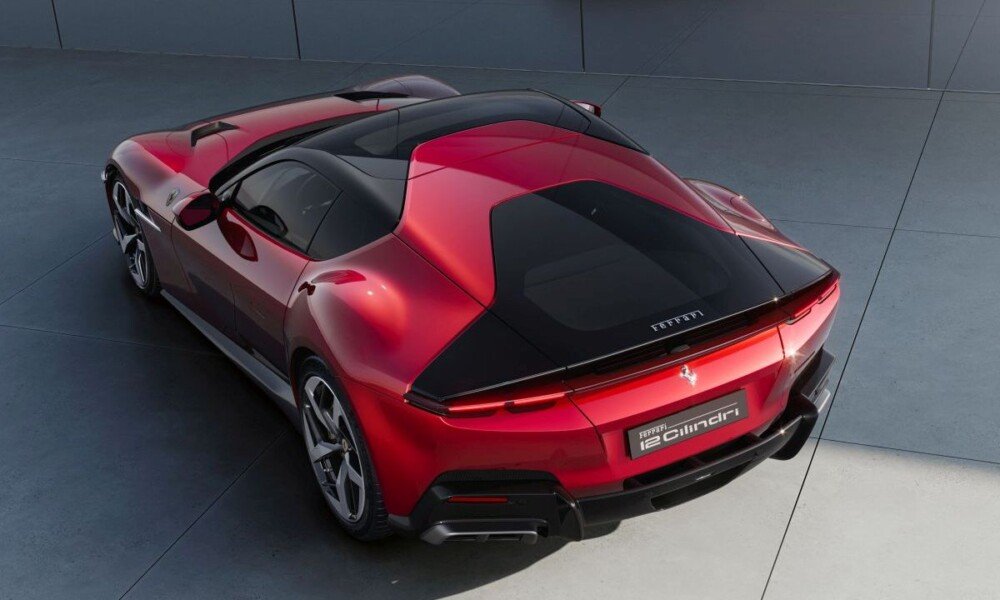
The Ferrari 12Cilindri, Maranello’s latest V12 flagship, made its debut earlier this month. As the name suggests, Ferrari’s front-mid-engined GT retains its V12 engine at a time when most automakers are downsizing due to stricter emission regulations.
Ferrari has a plan to keep its V12 alive. In fact, a major chunk of the development costs went into making the V12 engine compliant with the upcoming Euro6e emission norms. This also meant that it didn’t need to be turbocharged.
Enrico Galliera, Chief Commercial Officer of Ferrari, said, “The work that has been done on this engine to remain performant and compliant with the regulation is absolutely stunning, which is probably one of the reasons why there are not many manufacturers that keep investing in the V12 engine.”
When asked whether Ferrari would switch to a turbocharged V12 in the future, Galliera replied, “I’ll try to be polite: V12 turbocharging is not in my mind.”
“The V12 is a naturally aspirated engine for many reasons. We use turbochargers when we reduce the displacement of the engine. Of course, we need the same power. “The V12 is natural. It is something that creates emotion, sound and acceleration from a low RPM to maximum RPM. That’s the product we wanted to deliver,” he added.
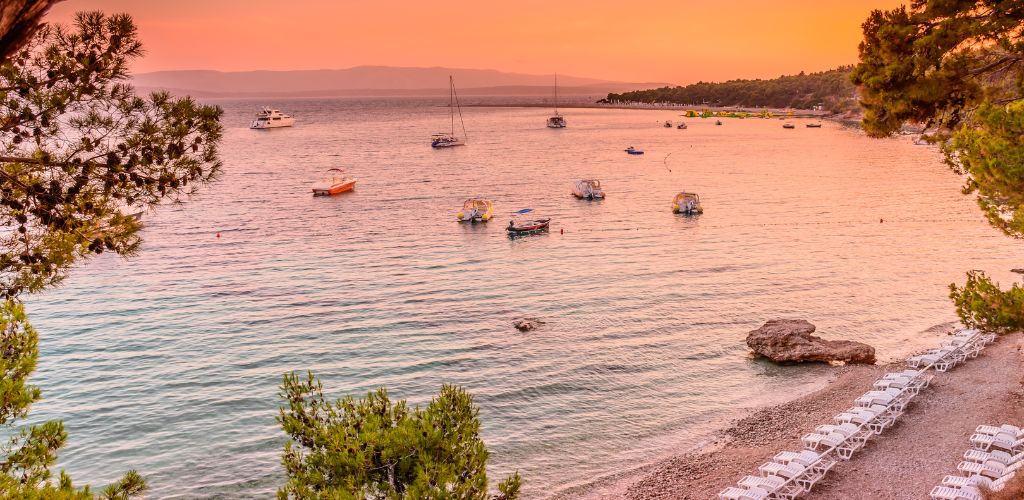
Croatia has been a bustling tourist hot spot for six or seven years now. Shaped like a boomerang and bordering Bosnia, Montenegro, Serbia, and Slovenia, this small country of four million people punches well above its weight. You can spend time relaxing on the sunny Adriatic Sea, hop between hundreds of rugged and remote islands, feast on Italian-esque cuisine, or travel inland and visit stunning waterfalls and lush national parks.
While there is a lot to see and do here, most travelers confine their visit to Dubrovnik or Split. And sure, those are cool cities. But Croatia has much more to offer.
But when you only have a week and you want the sun, I understand why you’d want to focus on that part of Croatia. (Pro tip: Like a lot of Southern Europe, it’s best to avoid Croatia during the warm-weather summer months. In addition to the high temperatures and high prices, you’re going to be sharing the country with an army of tourists. If you go in winter, the weather is cooler and the prices are much gentler, but many tourist towns, such as Dubrovnik, practically shut down from late October until mid-April. Your best bet is April-May and early September until early November. Crowds will be smaller and prices won’t be through the roof.)
So, to help you plan your trip, I’ve created this ideal seven-day itinerary for southern Croatia. It covers the highlights while also getting you off the beaten path. You’ll see cities, beaches, villages, and have plenty of time to soak up the local pace of life.
Days 1 & 2: Dubrovnik
Dubrovnik is a seaside town of just 40,000 people, but based on its popularity, you’d think it was much bigger. It’s the most popular destination in the country, thanks to its medieval walled Old Town, or Stari Grad, which can get packed with tourists, especially during the peak summer season.
While most of Croatia is affordable, Dubrovnik is no longer cheap. A lot of cruises stop here now and prices have skyrocketed in recent years. That said, there are a few things here that are worth forking out outrageous fees for:
Walk the Old Town Walls Walking the medieval walls is a must if it’s your first time visiting. The entrance fee isn’t cheap at 35 EUR, but the stroll offers incredible views of the Old Town and the sparkling Adriatic Sea. It’s 60-90 minutes of awe and totally worth the price tag.
Summit Mr. Srd Take the cable car up to the top of Mt. Srd. It towers over the Old Town, and while it costs 27 EUR, once you take the ride and see the view you’ll realize it was well worth the cost. If you’re on a budget, you can also hike to the top. There’s a dirt trail that will take you to peak, but it’s a challenging hike. Give yourself about an hour each way. Once at the top, you can take a seat at the restaurant and nurse an overpriced beverage while taking in the jaw-dropping view.
Visit the War Photo Ltd. Museum There are not a lot of great museums in Dubrovnik, but make sure you visit War Photo Ltd., a gallery started by New Zealand-born Wade Goddard, a former war photographer. The permanent exhibition on the Balkan wars of the 1990s will help you get a better understanding of what went on here 30 years ago. It’s sobering, but eye-opening. Admission is 10 EUR.
Explore Gruž If you want to escape the tourist crowds, especially when there’s a cruise ship in port, head to Gruž, a once-gritty neighborhood on the marina that now boasts several great restaurants and cafés. It’s also home to Dubrovnik Beer Company, the city’s first and only brewery. The cavernous taproom is a lovely place to sip a local beer after a day of exploring.
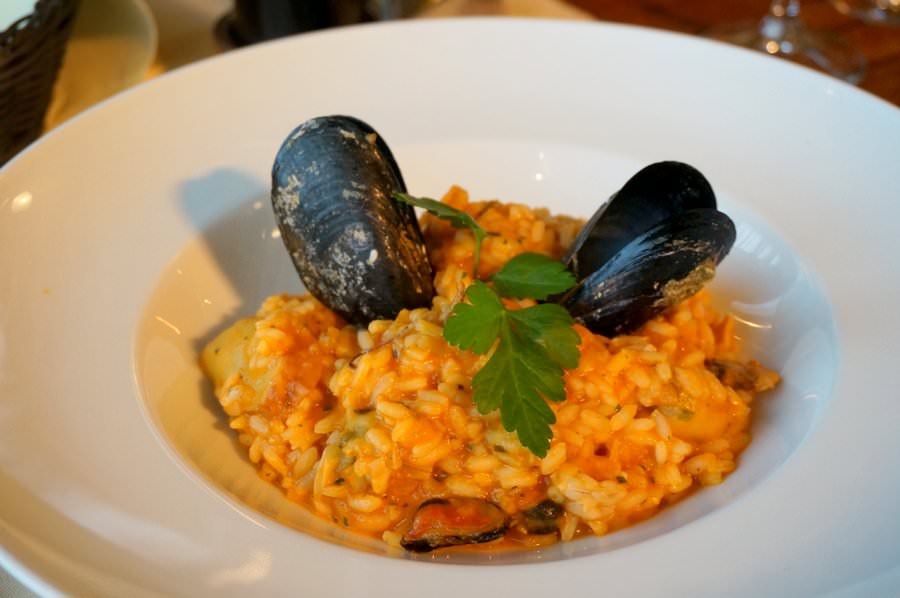
When you get hungry in Gruž, check out Kiosk, an outdoor casual spot that serves up Dalmatian Coast fare with some global twists. Or for something truly memorable and very Dalmatian, book a spot at Marija’s House, where chef Marija Papak opens her home to visitors during the warm-weather months and cooks up a nightly feast of peka cuisine — lamb, pork, and/or octopus slow-cooked under a bell-like lid on the grill that renders the meat impossibly tender and delicious.
Day 3: Split
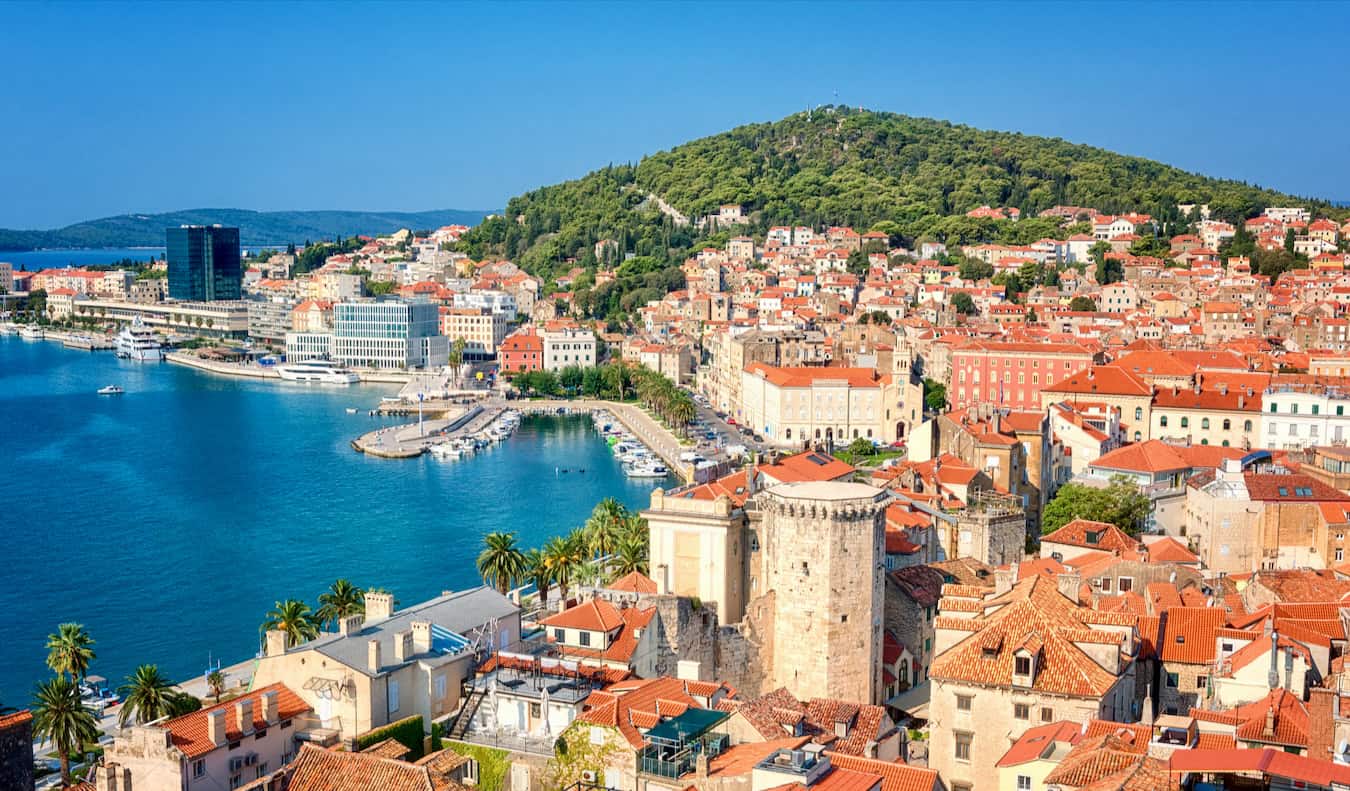
About 240 kilometers (150 miles) up the coast is Split, Croatia’s second largest city. This beautiful city was relatively ignored by tourists until recently. But there are a few good reasons to spend at least one day and night here.
The chief attraction in Split is impossible to miss. When Roman Emperor Diocletian decided to retire to the area where he grew up — the central Dalmatian Coast — he had a massive, lavish palace built right on the beach. He died a few years after he moved in, and what happened next is quite interesting: over the centuries, as the palace began to crumble and become a ruin, the city basically moved in and made it part of the fabric of the town.
Today, you can stroll around the center of Split and suddenly realize you’re actually inside the palace. What was once a hallway, for example, is now a narrow, limestone-clad lane. What might have been a bedroom is now a seafood restaurant.
Much of the palace is free to walk around in. If you want an in-depth look at it, though, there are plenty of guided tours.
And while you’re in Split, also don’t miss St. Duje’s Cathedral, Klis Fortress (featured in Game of Thrones), and the Museum of Croatian Archaeological Monuments (home to some 20,000 relics and artifacts).
The other main reason why Split should be on your itinerary is that it’s the main transportation hub for ferries to various islands in central Dalmatia. After spending an evening in town, hop on a morning ferry to Hvar, one of Croatia’s coolest islands, a pleasant one hour and forty-five minutes. If you want to get there more quickly, there’s also a catamaran.
Day 4: Hvar
The island of Hvar, known for its lavender production, is a fun place to spend a day. The eponymous Hvar Town is the main attraction for most people. Crammed with centuries-old houses and narrow alleyways, it’s an interesting place to get lost for a while.
It also has attracted a wild party scene. All the boat tours stop here for their passengers to get wasted and go clubbing at the world-famous Carpe Diem so keep in mind this island has a party scene – but there’s a lot more to the island!
For somewhere more laid-back, check out Stari Grad, literally “Old Town,” located on the opposite side of the island from Hvar Town. Recently added to the UNESCO World Heritage list, it boasts a warren of narrow, stone-blanketed lanes. Be sure to also take a hike through the island’s many olive groves and lavender fields.
If you don’t have your own vehicle, there’s a wine and olive oil tasting tour to this side of the island (you’ll make a stop at the lavender fields too).
Days 5 & 6: Sibenik and Krka National Park
About halfway up the coast between Split and Zadar is oft-overlooked Šibenik (pronounced “Shee-ben-eek”), a medieval town of about 35,000 people that is worth spending a couple of days in. For starters, the St. James cathedral is a marvel to look at; it’s the world’s largest church made entirely of stone. The fortress-topped town also boasts of a maze of limestone-topped alleyways. If you feel like a splurge, Šibenik is home to Pelegrini, a Michelin-starred restaurant that serves up creative takes on Central Dalmatian fare.
Šibenik is also the gateway for exploring nearby Krka National Park and its stunning waterfalls. Make sure you also get there early to beat the tourist buses to see 14th-century Visovac Monastery in the middle of an island on the Krka River. Park admission ranges from 7 EUR in the low season (January-February) all the way up to a staggering 40 EUR during peak season (June-September).
Day 7: Zadar
Just one hour by car from Šibenik, Zadar has been getting a lot of attention in the last few years. Its limestone-blanketed historic center juts out into the Adriatic and is crammed with medieval churches (check out the oddly circular church of St. Donatus, the largest church on the Dalmatian Coast).
The city also has a unique sea organ. Located on a set of steps that descend into the sea, the organ makes sounds as the waves crash through it, creating a strange but harmonious sound that sounds like whale calls. The organ consists of 35 tubes and was designed by architect Nikola Basic. Come here at sunset to soak in the picturesque views and listen to the captivating sounds of the sea. After all, Alfred Hitchcock said Zadar has the most beautiful sunset in the world, making this a fitting destination to end your week-long trip along the coast.
***
With over a thousand islands, numerous beaches, and countless hiking trails, you could easily spend months exploring Croatia and still only scratch the surface. But, if you only have a week, this itinerary will show you the highlights while whetting your appetite for future visits. While it’s not quite as cheap as it used to be, the country offers lots of value and is super easy to explore.
Get Your In-Depth Budget Guide to Europe!
My detailed 200+ page guidebook is made for budget travelers like you! It cuts out the fluff found in other guides and gets straight to the practical information you need to travel while in Europe. It has suggested itineraries, budgets, ways to save money, on and off the beaten path things to see and do, non-touristy restaurants, markets, bars, safety tips, and much more! Click here to learn more and get your copy today.
Book Your Trip to Croatia: Logistical Tips and Tricks
Book Your Flight Use Skyscanner to find a cheap flight. They are my favorite search engine because they search websites and airlines around the globe so you always know no stone is left unturned!
Book Your Accommodation You can book your hostel with Hostelworld as they have the biggest inventory and best deals. If you want to stay somewhere other than a hostel, use Booking.com as they consistently return the cheapest rates for guesthouses and cheap hotels.
Don’t Forget Travel Insurance Travel insurance will protect you against illness, injury, theft, and cancellations. It’s comprehensive protection in case anything goes wrong. I never go on a trip without it as I’ve had to use it many times in the past. My favorite companies that offer the best service and value are:
Looking for the Best Companies to Save Money With? Check out my resource page for the best companies to use when you travel. I list all the ones I use to save money when I’m on the road. They will save you money when you travel too.
The technical storage or access is strictly necessary for the legitimate purpose of enabling the use of a specific service explicitly requested by the subscriber or user, or for the sole purpose of carrying out the transmission of a communication over an electronic communications network.
Preferences
The technical storage or access is necessary for the legitimate purpose of storing preferences that are not requested by the subscriber or user.
Statistics
The technical storage or access that is used exclusively for statistical purposes.The technical storage or access that is used exclusively for anonymous statistical purposes. Without a subpoena, voluntary compliance on the part of your Internet Service Provider, or additional records from a third party, information stored or retrieved for this purpose alone cannot usually be used to identify you.
Marketing
The technical storage or access is required to create user profiles to send advertising, or to track the user on a website or across several websites for similar marketing purposes.