Home Blog Page 782

Beijing 2024: Geely Galaxy Starship concept previews flagship SUV with AI tech, over 2,000 km PHEV range

0


Beijing 2024: Geely Galaxy Starship concept previews flagship SUV with AI tech, over 2,000 km PHEV range

Ni hao! We’re live at Auto China 2024 in Beijing, where Geely has just revealed the Galaxy Starship concept. This massive SUV previews the Galaxy sub-brand’s upcoming flagship as well as a suite of AI technologies that will soon be filtering into its existing lineup.

The Starship continues to feature Galaxy’s “Expanding Cosmos of Light” design language, sporting slim LED headlights, an illuminated grille-less front end and full-width taillights. Added to that are a number of typical concept car styling cues, including massive, intricate multi-spoke alloy wheels, a “smart light curtain”, a panoramic glass roof, an active rear spoiler, a sizeable rear diffuser and even something called a Dynamic Island (we can already hear Apple’s legal team working on a response…).

But the highlight of the Starship is of course the enormous gullwing doors that provide unencumbered access to the outlandish interior. You’ll find two front seats, a separate centre seat and a couch-like bench at the rear. What’s interesting is that the aforementioned centre seat can not only be reclined flat but it can even be driven out of the car to provide last-mile transportation.

Beijing 2024: Geely Galaxy Starship concept previews flagship SUV with AI tech, over 2,000 km PHEV range

Other features include an in-house Flyme Sound system with an output of over 2,000 watts, as well as a multi-modal AI-driven voice control that features WeChat integration. The latter is slated to make its way to the Galaxy E8 electric sedan through an over-the-air update in the second quarter of the year.

Beyond that, the Starship comes with a customisable hologram avatar that is displayed on the driver display and even an external display on the doors. It’s also said to offer integration with AI phones (through chairman Li Shufu’s smartphone maker subsidiary Meizu), smart glasses and drones.

Under the skin, the Starship is based on Geely’s new Global Intelligent New Energy Architecture (GEA), which supports full electric, range extender, plug-in hybrid and methanol technologies. These include the next-generation NordThor PHEV powertrains that is claimed to offer a total range of over 2,000 km.

Beijing 2024: Geely Galaxy Starship concept previews flagship SUV with AI tech, over 2,000 km PHEV range

It will also feature the company’s new in-house Aegis Dagger lithium iron phosphate (LFP) batteries, as well as “11-to-1” electric motors said to possess 90.04% efficiency. Additionally, the car features an 800-volt architecture that reduces the use of silicon carbide by more than 75%.

The GEA platform also uses what is claimed to be the world’s first “AI digital chassis” that integrates the powertrain, steer-by-wire and autonomous driving systems. This enables lightning-fast reactions of as low as four milliseconds, compared to 100 ms for a human driver. Geely managed to test this technology by achieving the world’s first autonomous drift in a prototype Galaxy E8.

Geely has not confirmed when the production Starship will enter production, but it’s understood that some of the car’s less outlandish features will make their way to future Galaxy models – some of which may be offered in Malaysia under the Proton badge.

Looking to sell your car? Sell it with Carro.

Learn more: Auto China 2024


Source link

2025 Mini Aceman electric crossover revealed

0


Mini on Wednesday took the covers off the third member of its new-generation lineup, the Aceman electric crossover.

Measuring just 160 inches long, the subcompact Aceman slots perfectly between the redesigned 2025 Cooper hatchback and the redesigned 2025 Countryman crossover, essentially filling in for the discontinued Clubman.

It was developed in partnership with Spotlight Automotive, a Chinese joint venture between Mini and Great Wall Motors that was also responsible for the electric version of the new Cooper. The gas version of the new Cooper is a warmed over version of the outgoing model.

The Aceman was previewed in 2022 by a concept of the same name, and the production version’s design stays true to the show car’s lines. Like the Countryman, the design does away with Mini’s traditional curves for an edgier look. Chrome trim is also gone.

Inside, the design is a match for the Cooper. The dash features the traditional circular center stack, now as a fully digital screen measuring 9.4 inches in diameter. Features including the shifter, start/stop switch, parking brake, drive-mode selector, and volume control knob are grouped in a pod below.

Other notable tech features include an augmented-reality view for the optional navigation system, voice control that responds to the prompt “Hey Mini,” and digital key connectivity. Maximum storage is 35.0 cubic feet with the rear seats folded flat.

Two versions have been announced: the Aceman E and Aceman SE. The base E is fitted with a 42.5-kwh battery and a front-mounted electric motor good for 181 hp, or enough for 0-62 mph acceleration in 7.9 seconds. The sportier Aceman SE has a 54.2-kwh battery and a 214-hp motor, enabling 0-62 mph acceleration in 7.1 seconds. Those figures roughly align with the electric Cooper whose platform the Aceman shares.

2025 Mini Aceman

2025 Mini Aceman

The Aceman hasn’t been confirmed for U.S. sale. The new Countryman reaches U.S. showrooms in May, with the choice of gas or electric powertrains. It will be followed shortly by the new Cooper, though with gas powertrains only, at least initially.

The electric Cooper is built exclusively in China, meaning the U.S. will likely have to wait until 2026 when production starts in the U.K., to avoid steep tariffs. The same will likely be true for the Aceman, which is built in China exclusively but is scheduled to start production in the U.K. in 2026. The Countryman is built in Germany.

Interestingly, Mini has also hinted at a minivan-like model bigger than the Countryman. While that would mean a bigger Mini than the market is used to, the brand has said its vehicles will always have the smallest footprint for their respective segments.


Source link

How to Plan a Budget Safari in Tanzania

0


Going on a safari in Tanzania is a dream for many, but the perceived cost often puts it out of reach. However, with careful planning and a few savvy strategies, experiencing this East African gem’s awe-inspiring wildlife and landscapes can be more affordable than you think.

Here’s how to plan a budget safari in Tanzania without compromising on the adventure.

How to Plan a Budget Safari in Tanzania

Planning a budget safari in Tanzania can be an exciting adventure! Here are some tips to help you plan.

Related read: First-Time Safari Tips

1. Do Your Research

The key to any successful budget safari in Tanzania is research. Start by exploring different safari companies and tour packages in Tanzania. Look for those that explicitly offer budget-friendly options and review fellow travelers’ reviews to gauge their experiences and reliability.

Related read: Where To Go on Honeymoon in Tanzania

A lion in Tanzania
How to Plan a Budget Safari in Tanzania

2. Time Your Trip Wisely

Choosing the right time to visit Tanzania can make a significant difference in your safari expenses. Consider planning your trip during the shoulder seasons (March to May and November) when prices are typically lower compared to peak tourist season. Not only can you save on costs, but you may also encounter fewer crowds, enhancing your wildlife viewing experience.

Related read: How Long to Go on a Safari

3. Select Parks Strategically

Tanzania is blessed with a wealth of national parks and game reserves, each offering its own unique wildlife spectacle. While big-name parks like Serengeti and Ngorongoro Crater are popular choices, they often come with a hefty price tag. Explore alternatives like Tarangire or Lake Manyara, which offer equally stunning wildlife encounters at a fraction of the cost.

Kili Climb Africa Safaris has a 5-day budget safari option that includes visits to Tarangire and Manyara, here’s the itinerary:

  • Day 1: Arusha – Tarangire. Morning drive from Arusha to Tarangire National Park, famous for its abundant elephants, lions, and pythons. Witness pythons climbing trees and lions and leopards lounging in the branches.
  • Day 2: Tarangire – Manyara. Enjoy a game drive through the Great Rift Valley floor in Tarangire. Encounter diverse wildlife including elephants, giraffes, buffalo, and tree-climbing lions. Overnight at the camp in Manyara.
  • Day 3: Manyara – Serengeti. Journey to Southern Serengeti via Ngorongoro, with opportunities to witness the Great Migration and its accompanying predators. Stay overnight at the camps in Seronera, central Serengeti.
  • Day 4: Serengeti – Ngorongoro. Begin the day with an early morning game drive in Serengeti, followed by brunch. Enjoy a full day game drive in South Serengeti/Ndutu area, observing the migration if present. Later, return to the camp near the crater.
  • Day 5: Ngorongoro Crater – Arusha. Depart after breakfast for a full day game drive in the Ngorongoro Crater, renowned for its rich wildlife diversity. Encounter lions, elephants, zebras, rhinos, and various bird species amidst the crater’s unique ecosystem.

Inquire directly with the tour operator below:

4. Embrace Group Tours

Pooling resources with fellow adventurers can significantly reduce expenses. Consider joining a group tour where you can share costs such as transportation and guide fees. Many tour operators offer attractive group discounts, making this a budget-friendly option without sacrificing the thrill of discovery.

Planning a budget safari in Tanzania
How to Plan a Budget Safari in Tanzania

5. Opt for Affordable Accommodation

Swap luxurious lodges for budget-friendly campsites or hostels. Many national parks provide public campsites where you can pitch your own tent for a nominal fee, offering a more immersive experience amidst nature while keeping costs in check.

6. Mind Your Transportation

When it comes to getting around Tanzania, prioritize cost-effective transportation options. Explore overland travel or shared shuttles between destinations, which are often more economical than private transfers. While public buses and trains may offer even cheaper alternatives, be prepared for longer travel times and less comfort.

7. Pack Smart

Avoid unnecessary expenses by packing wisely. Bring along essentials like sunscreen, insect repellent, and a refillable water bottle to sidestep inflated prices in tourist areas. Packing light not only saves you from excess baggage fees but also ensures greater mobility during your safari adventures.

Related read: What Equipment Do You Need to Climb Mount Kilimanjaro?

Planning a budget safari in Tanzania

8. Dine Strategically

Keep food costs in check by opting for accommodations that offer meal packages or self-catering facilities. Venture beyond tourist hotspots to discover local eateries where you can enjoy authentic cuisine at wallet-friendly prices, immersing yourself in Tanzanian culture along the way.

9. Hone Your Negotiation Skills

Don’t be afraid to negotiate prices with safari operators or vendors, especially when booking directly rather than through a tour agency. With a bit of haggling, you may snag a better deal that aligns with your budgetary constraints.

Elephants in Tanzania
How to Plan a Budget Safari in Tanzania

10. Plan and Book in Advance

While spontaneity has its allure, planning and booking your safari well in advance can often yield substantial savings. By securing your safari and accommodation ahead of time, you can take advantage of early bird discounts and avoid last-minute price hikes.

11. Support Local Guides

Enhance your safari experience while supporting the local economy by hiring local guides for day trips or walking safaris. Not only does this provide a more authentic perspective, but it also fosters meaningful connections with the communities you encounter along the way.

Use local tour guides in Tanzania
How to Plan a Budget Safari in Tanzania

12. Invest in Travel Insurance

Lastly, safeguard your adventure with comprehensive travel insurance that covers medical emergencies and trip cancellations. While it adds to your initial costs, it offers invaluable peace of mind and financial protection in case of unforeseen circumstances.

Book Your Budget Safari in Tanzania

By following these twelve tips, you can embark on an unforgettable safari adventure in Tanzania without breaking the bank. Ready to turn your budget safari dreams into reality? Get in touch with reputable safari operators like Kili Climb Africa Safaris to start planning your affordable African escapade today!

Get in touch with Kili Climb Africa Safaris to book your safari in Tanzania:


Source link

McLaren 570S Buyers Guide | Exotic Car Hacks

0


The debut of the McLaren 570S in 2015 signified an important moment for McLaren, as it introduced the Sports Series, a range aimed at offering a more accessible entry point to the brand’s high-performance vehicles. The 570S, a direct challenge to the competitors in the luxury sports car segment, quickly became a standout model, following McLaren’s commitment to innovation and performance.

Positioned as a more attainable alternative to the brand’s more extreme supercars, such as the P1 and 720S, the 570S still encapsulates the essence of what makes a McLaren special. It combines a blend of agility, speed, and everyday usability, making it an exceptionally versatile option in the supercar category.

Under the hood, the 570S boasts a 3.8-liter twin-turbo V8 engine, a testament to McLaren’s engineering prowess. This powerhouse is mated to a 7-speed seamless-shift gearbox, ensuring rapid yet smooth transitions, and propelling the car from 0 to 60 mph in a mere 3.2 seconds.

The car’s lightweight construction, courtesy of a carbon-fiber chassis, complements its powerful engine, ensuring an exhilarating driving experience.

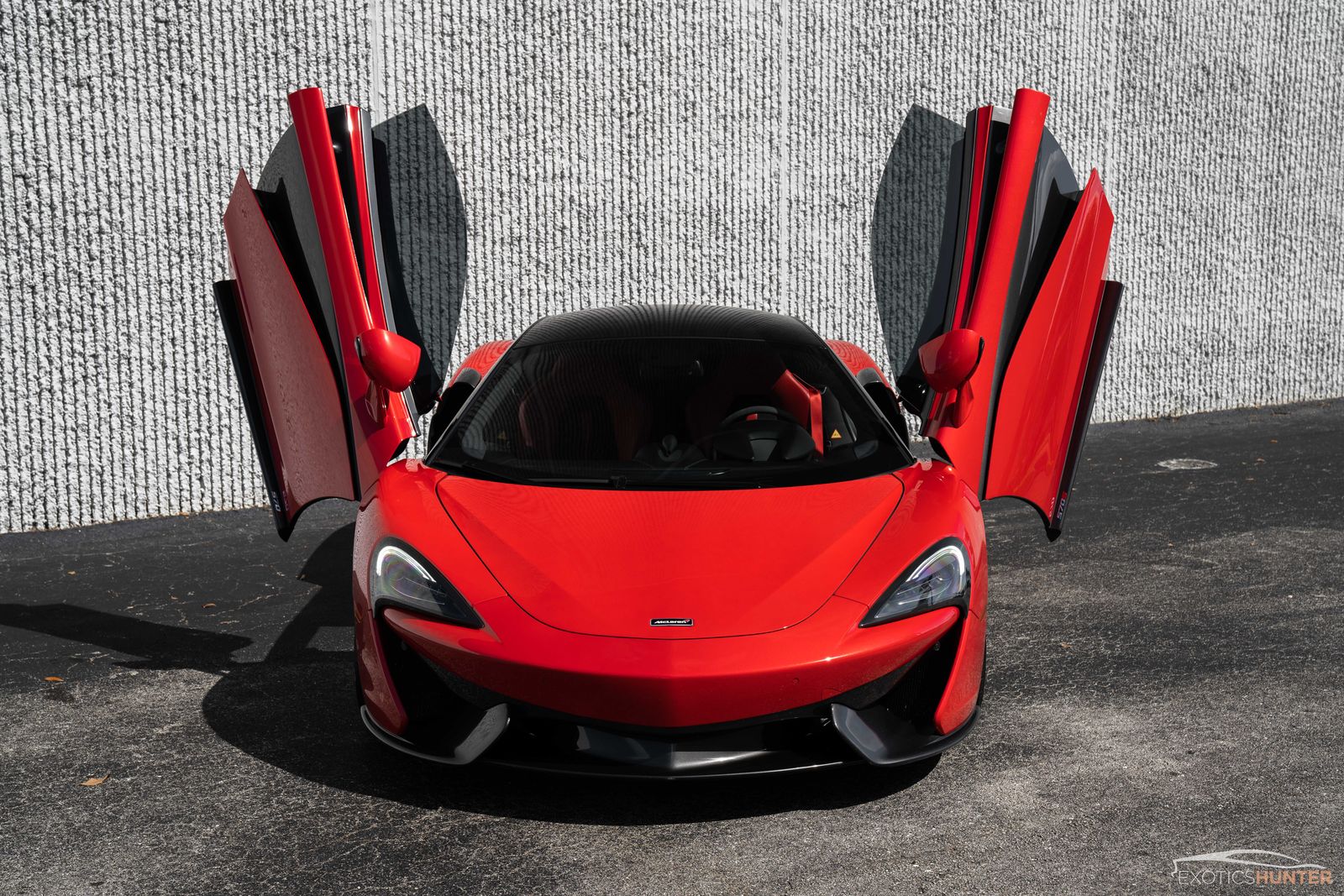
The design of the 570S is equally remarkable, featuring McLaren’s signature dihedral doors and a sleek, aerodynamic profile that doesn’t just turn heads but also enhances performance. Inside, the cabin is both luxurious and driver-focused, offering advanced technology and comfort without compromising the car’s sporty character.

Inside the McLaren 570S, the interior is crafted with a focus on both comfort and performance. The design seamlessly integrates advanced technology, making the 570S a genuinely usable supercar for everyday driving and exhilarating track experiences alike.

The interior features high-quality materials and a user-friendly infotainment system, making sure of a luxurious yet functional driving cockpit. This combination of sophisticated design and practicality positions the 570S as a unique prospect for this segment. 

Slotting in between rivals like the Porsche 911 Turbo S, and the Audi R8 V10, the McLaren 570S has matured into one of the most exceptional sports cars in its class. It is well-equipped to take to a race track, delivering performance all day, while still maintaining the reliability and comfort to drive home afterward.

Overall, the McLaren 570S is a fast, powerful car that consistently leaves drivers with a smile on their faces. It strikes a perfect balance between luxury and speed, making it a highly popular choice for enthusiasts and connoisseurs of high-performance sports cars.

Model Changes (Breakdown by Year)

2015 McLaren 570S

The McLaren 570S, introduced in 2015, marked a new era for McLaren as part of their Sports Series. Replacing the 12C, it is powered by a 3.8L twin-turbo V8 engine, delivering 562 hp. This powertrain is notable for its shared use in the McLaren 650S.

The 570S boasts a distinctive design, with its sleek, aerodynamic profile and dihedral doors, making a bold statement on the road. It was launched with a starting price of around $190,000, positioning it competitively against rivals like the Porsche 911 Turbo S and Audi R8.

2016 McLaren 570S

In 2016, McLaren expanded its 570S lineup with the introduction of the 570GT, a variant that blended the high performance of the 570S with increased luxury and practicality for everyday use. This model retained the same powerful 3.8-liter twin-turbo V8 engine as the 570S but differentiated itself with several key features.

The 570GT had increased luggage space, made possible by a uniquely designed side-opening glass hatch, and a luxurious interior that included a standard panoramic roof.

The car’s suspension was fine-tuned for greater comfort, making it well-suited for longer drives and regular use, without sacrificing the driving dynamics McLaren is known for. Additionally, improved sound insulation was incorporated to ensure a quieter and more refined cabin environment.

Externally, the 570GT maintained the striking design language of the 570S but with subtle tweaks to accommodate its grand touring capabilities. The starting price for the 570GT was around $200,000 ($10,000 more than the 570S), positioning it as a more premium offering in the McLaren Sports Series range.

2017 McLaren 570S

In 2017, the McLaren 570S range expanded with the introduction of the 570S Spider, a new convertible variant that featured a retractable hardtop roof, letting drivers experience the open-top feeling without compromising on performance. 

Equipped with the same robust 3.8-liter twin-turbo V8 engine as the Coupe, the Spider variant offered an identical power output of 562 hp, ensuring that the performance remained on par with its hardtop sibling. 

Meanwhile, the 570S Coupe continued its successful run, benefiting from subtle refinements and the option for bespoke customization through McLaren Special Operations, which allowed for personalized color schemes and interior trims.

Both models maintained the brand’s focus on delivering a blend of high performance, cutting-edge technology, and luxurious comfort, making the 570S range versatile and appealing to a broad spectrum of supercar enthusiasts.

The base price for the McLaren 570S Coupe was around $190,000, while the 570S Spider, introduced that same year, had a starting price of approximately $208,800 ($18,800 more than the 570S Coupe).

2018 McLaren 570S

For 2018, the McLaren 570S range saw the introduction of the 570S Spider Design Editions, providing a fresh take on the already successful Spider model with exclusive color and trim combinations carefully curated by McLaren designers.

Additionally, the lineup was enhanced with the option of a Track Pack for both the 570S Coupe and Spider, aimed at driving enthusiasts seeking improved track performance through aerodynamic enhancements, weight-saving measures, and sportier components.

The Track Pack added specific features like a lighter titanium exhaust, a higher rear wing for increased downforce, lighter alloy wheels, and carbon fiber racing seats. The Track Pack was an additional option on top of the base price of the 570S models, and its cost would vary depending on the model (Coupe or Spider) and other selected options.

Both the Coupe and Spider 570S variants did not see any changes and continued to feature the potent 3.8-liter twin-turbo V8 engine, delivering exhilarating performance. 

Alongside these updates, McLaren’s commitment to personalization remained strong, with McLaren Special Operations offering an extensive range of customization options, allowing owners to tailor their vehicles to their individual tastes. This combination of new editions and customizable options solidified the 570S range’s reputation as a versatile and dynamic choice within the luxury sports car market.

Additionally, the 600LT was introduced in 2018 as an enhancement of the 570S platform, offering increased performance, reduced weight, and superior aerodynamics.

It featured a more powerful version of the 3.8-liter V8 engine, now tuned to produce 600 horsepower, and incorporated track-focused upgrades like a more aggressive aero package, lightweight components, and a more performance-oriented chassis setup. 

The McLaren 600LT is a track-focused evolution of the 570S, featuring distinct ‘Longtail’ aerodynamics with an extended rear section for improved downforce, and aggressive bodywork including a new front splitter, side sills, and a fixed rear wing. The exterior also had unique top-exit exhausts and lightweight carbon fiber components, contributing to its reduced weight and enhanced performance. 

Inside, the 600LT offered a race-inspired cabin with lightweight carbon fiber racing seats, reduced sound insulation for a more immersive driving experience, and a minimalistic approach to trim and upholstery, emphasizing its focus on driver engagement and performance.

These features, combined with bespoke lightweight alloy wheels and Pirelli P-Zero Trofeo R tires, marked the 600LT as a more extreme and exhilarating version of the 570S, designed for those seeking a heightened level of track capability and driving dynamics.

The base price for the McLaren 600LT started at around $240,000 ($50,000 more than the 570S Coupe).

2019 McLaren 570S

While the McLaren 570S remained unchanged, the McLaren 600LT Spider was unveiled in 2019 as the convertible counterpart to the acclaimed 600LT Coupe. 

The 600LT Spider retained the key attributes of the 600LT Coupe, including the powerful 3.8-liter twin-turbo V8 engine, lightweight construction, and track-focused aerodynamics. However, it added the versatility of a retractable hardtop roof, allowing for an exhilarating open-air driving experience without compromising the car’s dynamic performance or structural rigidity.

The introduction of the 600LT Spider demonstrated McLaren’s commitment to offering a diverse range of high-performance options, catering to both coupe and convertible enthusiasts within the supercar segment.

The base price for the McLaren 600LT Spider was approximately $256,500 ($47,700 more than the 570S Spider).

2020 McLaren 570S

By 2020, the 570S and 570S Spider were nearing the end of their production cycle. These models continued to be available, but McLaren did not introduce any new variants or significant updates for the 570S lineup in 2020 as McLaren was getting ready to release the new Artura.

McLaren 570S Common Problems

The McLaren 570S, like many high-performance vehicles, balances a reputation for engineering excellence with the complex realities of supercar ownership.

While it delivers exceptional performance and style, the 570S, similar to other supercars, is not immune to reliability issues. Owners have reported various experiences, with some managing to drive their vehicles for significant distances without major problems, and others encountering challenges more typical of high-performance cars. 

Given the intricate mechanics and advanced technology of such vehicles, it’s crucial for potential owners to conduct a thorough Pre-Purchase Inspection (PPI) through an authorized dealer or a knowledgeable independent mechanic. This step is essential to identify any underlying issues and ensure that the car remains in optimal condition, maintaining the high standards of performance and luxury that McLaren is known for.

Common concerns reported by some 570S owners include:

Engine Misfires: The McLaren 570S has had reports of engine misfires, a concern that can stem from a range of causes such as defective spark plugs, clogged fuel injectors, or issues within the ignition system. These misfires can manifest as erratic engine performance, noticeable fluctuations in power, and an uneven or rough idle. The consequences include not just diminished driving performance and increased exhaust emissions but also reduced fuel economy and the potential for significant engine damage over time. Often, these misfires trigger the check engine light, providing an early warning sign. However, diagnosing the exact cause can be complex, as misfire codes in the vehicle’s diagnostic system might appear sporadically and then resolve, only to reappear later. Prompt service and inspection are recommended if any symptoms of misfires are observed.

Transmission Issues: While generally reliable, the 570S has had instances of transmission-related complaints, particularly occasional clutch slippage. This issue is characterized by a noticeable delay in power delivery, a sense of ‘slipping’ when accelerating, or difficulty in gear changes. Although not a widespread problem, it’s a point of consideration, especially for high-mileage vehicles or those that have been driven aggressively.

Ticking Noise: Some of the earlier models of the McLaren 570S were reported to exhibit a ticking noise, an issue that was often traced back to the fuel rail and injectors. In several cases, this required the replacement of these components with upgraded parts to eliminate the noise and ensure optimal engine performance.

Absence of Nose Lift: Due to its low ground clearance, the 570S is susceptible to underbody and front bumper damage, particularly when driving over uneven surfaces, speed bumps, or steep driveways. This issue is more pronounced in vehicles not equipped with the optional nose lift system. It’s advisable for buyers to inspect the underside of the car for scrapes or damage, as these can be indicators of rough usage or potential underbody harm.

Attention to these issues underscores the need for regular and thorough maintenance, as well as immediate attention to any signs of mechanical trouble, to ensure that the McLaren 570S remains a high-performing and enjoyable supercar.

Recalls

2015-2017 McLaren 570S vehicles

Air Bags: Inflator module (Recall no. 19V141000)

Brake failure in one corner can cause the vehicle to pull to one side during braking, and increase the risk of a crash. The brake assembly banjo bolt may be missing the holes that supply brake fluid to the caliper, which would cause the brakes to fail on one corner of the vehicle.

2020 McLaren 570S vehicles

Hoses, lines/piping, and fittings (Recall no. 21V561000)

An inflator explosion may result in sharp metal fragments striking the driver or other occupants resulting in serious injury or death. These vehicles are equipped with air bag inflators assembled as part of the passenger frontal air bag modules, used as original equipment or replacement equipment (such as after a vehicle crash necessitating replacement of the original air bags), that may explode due to propellant degradation occurring after long-term exposure to high absolute humidity, temperature and temperature cycling.

Maintenance and Ownership Costs

Owning a McLaren 570S, renowned for its high performance and engineering, entails a commitment to meticulous maintenance, similar to other supercars.

While the 570S may not require as frequent upkeep as some of its counterparts, adhering to a regular service schedule is crucial for preserving its condition and performance. The costs for these services can vary, depending on whether the car is taken to an authorized McLaren dealer or an independent specialist.

Here’s a more detailed breakdown of the recommended service schedule for the McLaren 570S: 

1 Year or 9,000 Miles

  • Replace engine oil and filter annually
  • Conduct a comprehensive inspection to factory specification
  • Perform complete factory diagnostics

2 Years or 18,000 Miles

  • Replace engine coolant
  • Change spark plugs
  • Replace engine oil and filter
  • Inspect and replace the V-belt and tensioner if necessary
  • Change pollen filters
  • Replace brake fluid

3 Years or 27,000 Miles

  • Replace engine oil and filter
  • Replace gearbox oil

The typical service costs for a McLaren 570S can vary:

  • Oil Change: Around $200 with an independent mechanic, and approximately $400 at a dealership.
  • Minor Service: Including oil change, cabin, and engine filters, costing about $1,500 at a dealer.
  • Major Service: Includes minor service items plus spark plugs, brake and transmission flush, typically around $2,500 from a dealer.
  • Tires: High-performance tires, such as Michelin PS4, may cost about $2,000 for a set.
  • Brakes: The cost for aftermarket brake pads equivalent to the original equipment is around $800 for a full set. The rotors, often carbon ceramic, have a long lifespan.
  • Clutch: The dual-clutch transmission in the 570S is designed to last the lifetime of the car, generally incurring no additional expenses for clutch or flywheel service.

It’s also important to note that some McLaren models come with service packages that cover maintenance for a set period, which can be transferable to new owners and offer significant savings on routine servicing.

Options List

The McLaren 570S offers a range of options and packages, allowing customers to tailor their vehicles to their specific preferences and needs.

Among the available options were packages featuring exterior upgrades, including high-gloss elements and carbon-fiber materials, enhancing both the aesthetic appeal and performance aspects of the car.

A popular choice for many 570S buyers was the upgraded paint options, which included choices like pearl, 4-layer, or matte finishes, adding a distinct premium touch and personalization to the vehicle’s appearance. Additionally, there was a variety of wheel designs available, catering to different tastes and styles for each 570S variant.

One commonly selected feature was the front lift system, which enabled the front of the car to be raised for easier navigation over speed bumps and driveways, crucial for a low-profile vehicle like the 570S.

In the interior, later models of the 570S offered the option of sport bucket seats. These seats provided enhanced support during cornering, though some found them less comfortable for longer journeys.

For an even more personalized experience, some customers opted to engage with McLaren’s Special Operations (MSO) bespoke customization program. This in-house service allowed for a high degree of personalization, with unique exterior and interior colors, materials, and features not available on standard production models.

Vehicles customized through this program were often seen as more exclusive and desirable, often commanding a higher premium in the market due to their uniqueness and tailored features.

2015 McLaren 570S options list

2017 McLaren 570S options list

Some of the more desirable options to look for include:

  • Front Lift System
  • Track Pack
  • McLaren P1 carbon seats
  • B&O stereo upgrade
  • Carbon fibre interior
  • Full Alcantra interior
  • Upgraded wheels
  • McLaren Special Operations (MSO) options 

McLaren 570S Price and Value (600LT)

The Best McLaren 570S to Buy

When it comes to buying a 570S, there are a few key factors to consider that can affect the car’s long-term value.

Some of the criteria are broken down into 4 categories. 

When you’re in the market for a McLaren 570S, a list of factors impact its long-term value, requiring careful consideration. These include opting for sought-after high-performance variants like the 600LT or the 600LT Spider, which are known for their enhanced driving dynamics, more aggressive styling, and lower depreciation due to limited production.

Although the base model of the 570S is more affordably priced, it is still anticipated to maintain its value well, particularly when outfitted with certain sought-after options that elevate the overall driving experience.

When considering market stability, the 2020 models of the McLaren 570S are the best choice for purchase. These models represent the latest improvements and features since the car’s original launch in 2015. The 2020 version includes updated technology, better performance, and refined design elements, making it a blend of the original 570S’s qualities and the enhancements added over the years.

This makes the 2020 model not only a great car for those who love driving but also a smart buy for those looking for a car that holds its value well in the market.

As the automotive industry gradually transitions towards electric and hybrid powertrains, the McLaren 570S’s twin-turbo V8 engine becomes increasingly appealing to enthusiasts who value traditional performance engines.

All models of the McLaren 570S, even the older ones, are well-known for their strong build and great driving feel, making them a good choice for car enthusiasts and collectors alike.

Finally, just like with any high-performance car, the condition and how much the McLaren 570S has been driven greatly impact its value. Although some 570S cars might have been used heavily or modified, the ones that will probably keep their value best are those that are in excellent condition and have lower mileage.

When considering buying a McLaren 570S, doing thorough research, comparing prices, and opting for well-kept, low-mileage cars will help ensure the best retention of value.

Conclusion

In conclusion, with a starting price of about $190,000 or more, the McLaren 570S stands out as a compelling option for those venturing into the realm of high-performance sports cars.

While alternatives like the Porsche 911 Turbo S and the Audi R8 V10 present themselves as strong competitors in the high-performance sports car segment, the McLaren 570S differentiates itself with its unique blend of state-of-the-art technology, luxurious interiors, intuitive design, and consistent performance on both the road and track.

In summary, for those in the market for a high-performance vehicle that provides both exhilarating driving experiences and practicality, the McLaren 570S stands out as an exceptional choice.

Car Hacking Shortcuts

  • Ensure the vehicle is equipped with adaptive suspension to maximize handling and driving dynamics.
  • Look for models with special features like McLaren Special Operations (MSO) paint options or distinctive interior color combinations, as these can enhance the car’s uniqueness and appeal.
  • Special editions like the 600LT are future collectibles and are undervalued.
  • Go for 570S models from 2017 and onwards, as they come with upgraded technology and refined aesthetics, providing excellent value.
  • Prioritize 570S cars with comprehensive service histories, as these indicate well-maintained conditions and typically have lower mileage, crucial for long-term value retention.


Source link

Nissan’s next Armada, Murano reportedly lean toward luxury

0


Nissan is close to launching redesigned versions of its Armada and Murano, Automotive News (subscription required) has learned from dealer sources who attended a recent meeting held by the automaker.

The vehicles are due by the end of the year, meaning they should arrive as 2025 models in the U.S. The Armada was last redesigned for 2017, while the current Murano dates back to 2015.

News of the redesigned Armada isn’t a huge surprise as the vehicle’s corporate cousin, the Infiniti QX80, was just redesigned. The new QX80 starts sales this summer as a 2025 model.

According to the dealer sources, the new Armada will grow in size and feature a more upmarket interior incorporating large screens. It is also expected to downsize to the twin-turbocharged 3.5-liter V-6 found in the new QX80. That engine delivers 450 hp, which is 50 hp more than what the current Armada’s 5.6-liter V-8 musters.

2024 Nissan Murano

2024 Nissan Murano

The new Murano will reportedly also move upmarket, while sticking with the current model’s front-wheel-drive platform, albeit an updated version. The Murano is also expected to downsize to a turbo-4 from the current model’s V-6, while also ditching the current CVT in favor of a torque converter-based 9-speed automatic.

The dealer sources also revealed that Nissan is planning to add its rugged Rock Creek grade to the Rogue compact crossover. The larger Pathfinder received the Rock Creek grade for 2023. It brought serious off-road cred, including a tuned suspension, a lift kit, all-terrain tires, and more. It also included a small bump in power.

The Rogue is expected to receive the Rock Creek grade this fall, meaning it’ll likely be introduced for the 2025 model year.

Nissan in March said it planned to introduce seven new vehicles in North America over the next three years, including EVs, plug-in hybrids, and even series hybrid vehicles, which Nissan refers to as E-Power vehicles. The automaker also said it plans to update close to 80% of its existing lineup here in the years ahead.


Source link

Everything GR8 About Belgian Modified Car Culture In One Place

0


Anyone who knows anything about Belgian car culture will be familiar with GR8 Magazine, which has been reporting on the local scene for over 20 years. On the back of this has come the GR8 International Car Show, an annual event that pulls in more than 40,000 spectators over two days at the start of every new summer show season.

This year was my first time attending the GR8 show, and I must say, now that I’ve been, I regret skipping previous editions. Even though I had to drive much further into Belgium (from the Netherlands) than I usually would for an event, it was well worth the effort.

Speedhunters_DSC09720
Speedhunters_DSC09775

The event was held at Kortrijk Xpo, one of the biggest convention centres in the Benelux Union (Belgium, the Netherlands, and Luxembourg). The venue needs to be big too, because there’s nothing small about this show.

Speedhunters_DSC09665
Speedhunters_DSC09748

Eight halls were used this year, with well over 500 cars displayed between them. Of all those cars, around 100 had travelled from outside the region – the UK mainly.

Speedhunters_DSC09506
Speedhunters_DSC09521

Some halls were themed, with the one dedicated to supercars very popular with showgoers. That was to be expected with no less than five Koenigseggs and multiple RWB builds on display.

Speedhunters_DSC09550
Speedhunters_DSC09552

The air-cooled/VAG hall was partly transformed into a beach scene full of Volkswagen Buggies, Beetles, Busses and some curious kit cars.

Speedhunters_DSC09543
Speedhunters_DSC09556
Speedhunters_DSC09496

I really liked this Berg-Cup-inspired VW Polo; its massive arches, aggressive diffuser, and ultra-wide PLS wheels give the small car a mean look.

Speedhunters_DSC09607
Speedhunters_DSC09670
Speedhunters_DSC09493
Speedhunters_DSC09682

There was a truck hall, and another dedicated to modified cars – the latter being the source of many images in this post.

Speedhunters_DSC09432
Speedhunters_DSC09758
Speedhunters_DSC09761

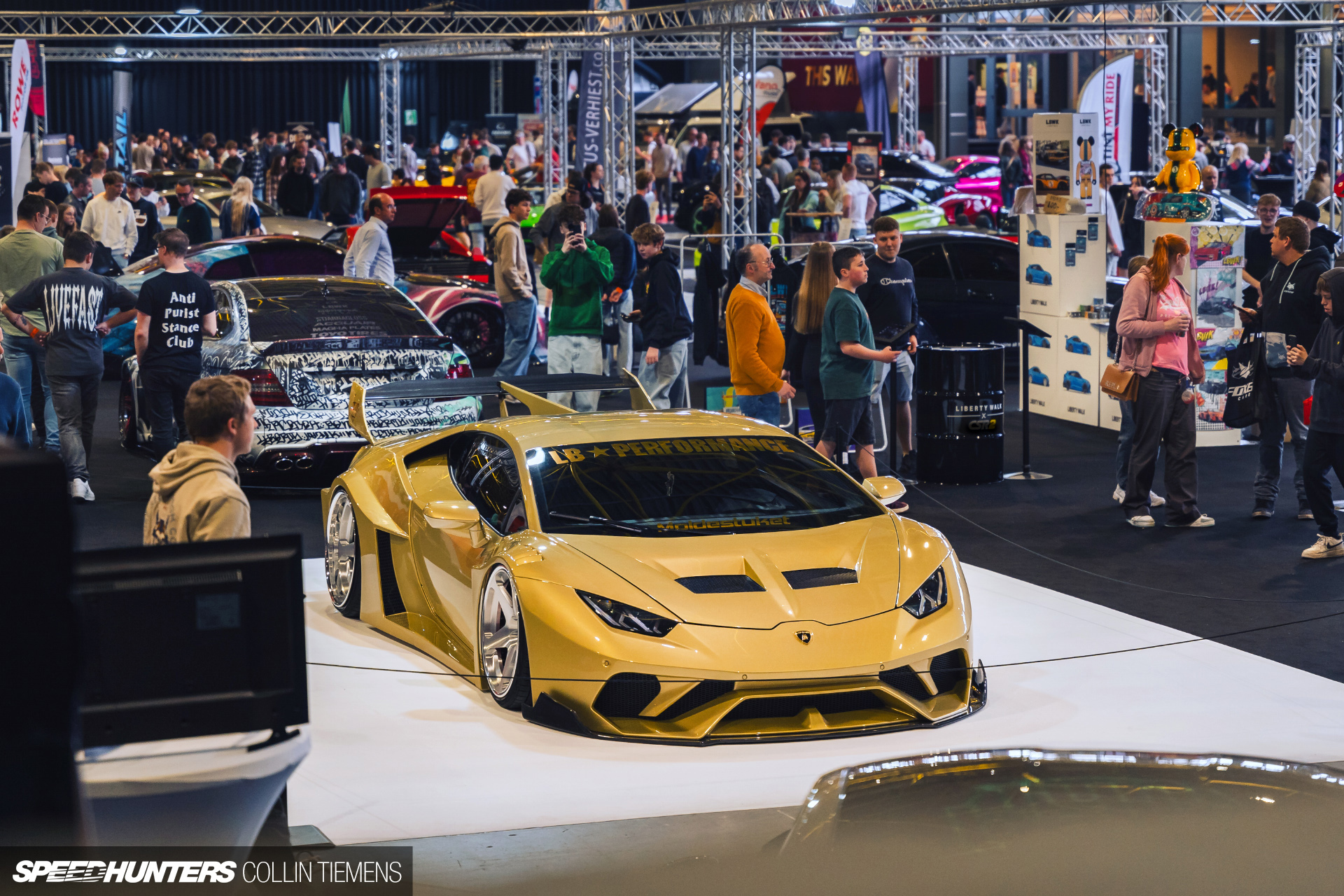
The centrepiece was the Liberty Walk stand, which displayed 15 cars – the most LB cars ever assembled in Europe.

One of the newest Liberty Walk builds is this silhouette-kitted FD3S Mazda RX-7, powered by a Nissan SR20. Who wants to see a full feature on this wild mash-up?

Speedhunters_DSC09596

It was very cool to see a display of modified mopeds, a scene that used to be huge in Europe. Modified scooters were a big part of my life growing up, because you could legally ride them as soon as you turned 16 and parts were pretty affordable. This was the gateway to car culture for me and many of my friends.

Speedhunters_DSC09602

Next to the mopeds was a nice selection of early 2000s European tuner builds – think big bumpers, full audio boot installs, pearlescent paint and chrome wheels. You have to love that these builds still exist to remind us of what once was the height of modifying fashion. Without these Fast and Furious era builds, car culture wouldn’t be where it is now.

Speedhunters_DSC09642
Speedhunters_DSC09644
Speedhunters_DSC09651

The crew from RevWorks, who also featured in my 2024 IAMS coverage, had a nice stand displaying some hardcore builds. They followed up this event with a little meet that I also attended, so look out for a story on that soon.

Speedhunters_DSC09717
Speedhunters_DSC09736

My highlight from the event was seeing some classic JDM wheels on a couple of Euro cars. Blitz 03s on a Mk4 Golf or RAYS Volk Racing GR.Cs on a Mk3? I’ll take both!

If this taste of the 2024 GR8 International Car Show has left you wanting more, don’t worry, there’s a lot more to check out from the event in the gallery below.

Collin Tiemens
Instagram: collinclicksphotos

More IAMTHESPEEDHUNTER posts

How To join the IATS program: We have always welcomed readers to contact us with examples of their work and believe that the best Speedhunter is always the person closest to the culture itself, right there on the street or local parking lot. If you think you have what it takes and would like to share your work with us then you should apply to become part of the IAMTHESPEEDHUNTER program. Read how to get involved here.

Speedhunters_DSC09500
Speedhunters_DSC09585
Speedhunters_DSC09590
Speedhunters_DSC09598
Speedhunters_DSC09612
Speedhunters_DSC09618
Speedhunters_DSC09622
Speedhunters_DSC09636
Speedhunters_DSC09657
Speedhunters_DSC09663
Speedhunters_DSC09674
Speedhunters_DSC09668
Speedhunters_DSC09675
Speedhunters_DSC09691
Speedhunters_DSC09698
Speedhunters_DSC09707
Speedhunters_DSC09712
Speedhunters_DSC09751
Speedhunters_DSC09773
Speedhunters_DSC09728
Speedhunters_DSC09746
Speedhunters_DSC09744


Source link

Lamborghini Urus SE plug-in hybrid Super SUV revealed

0


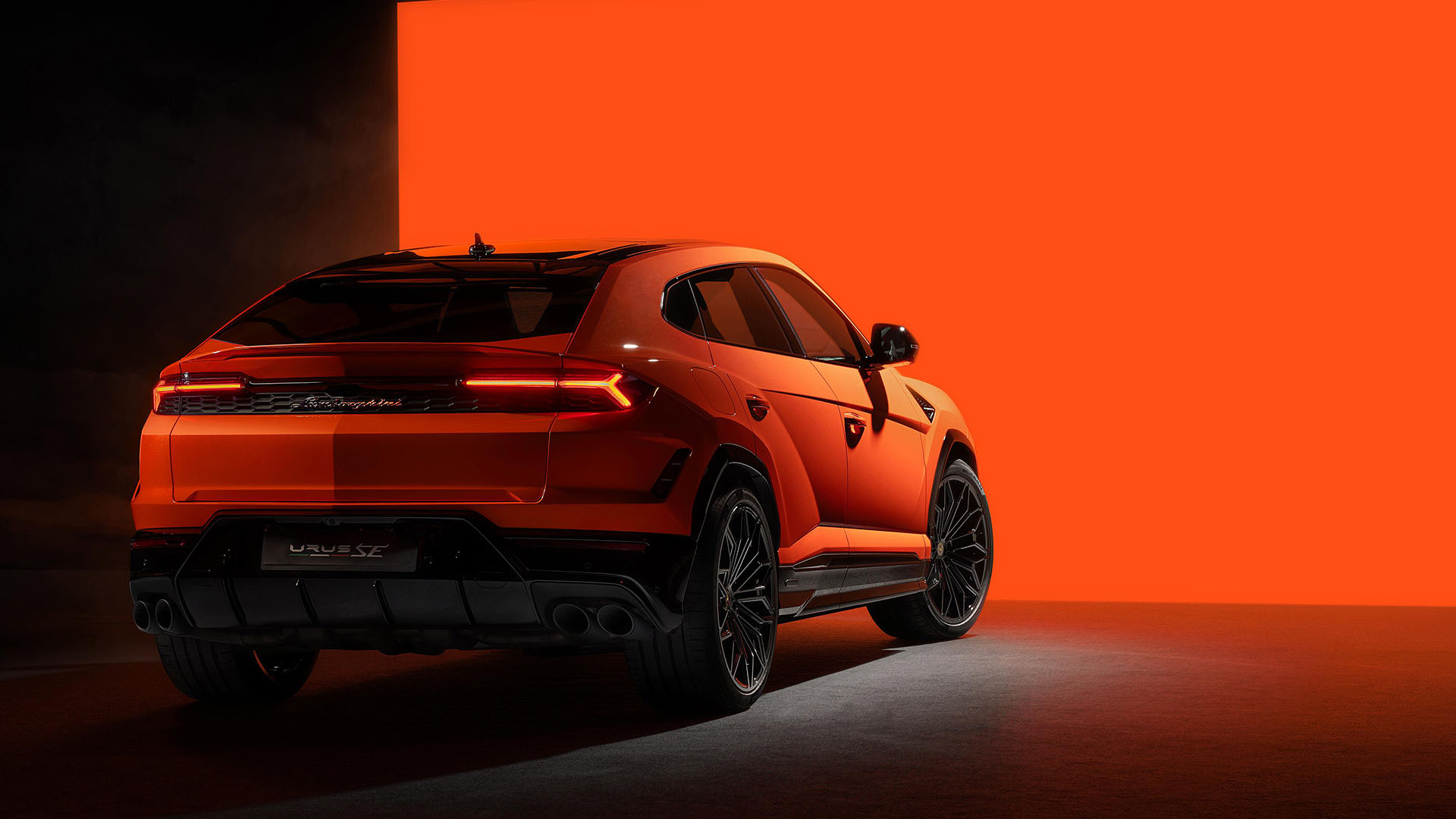
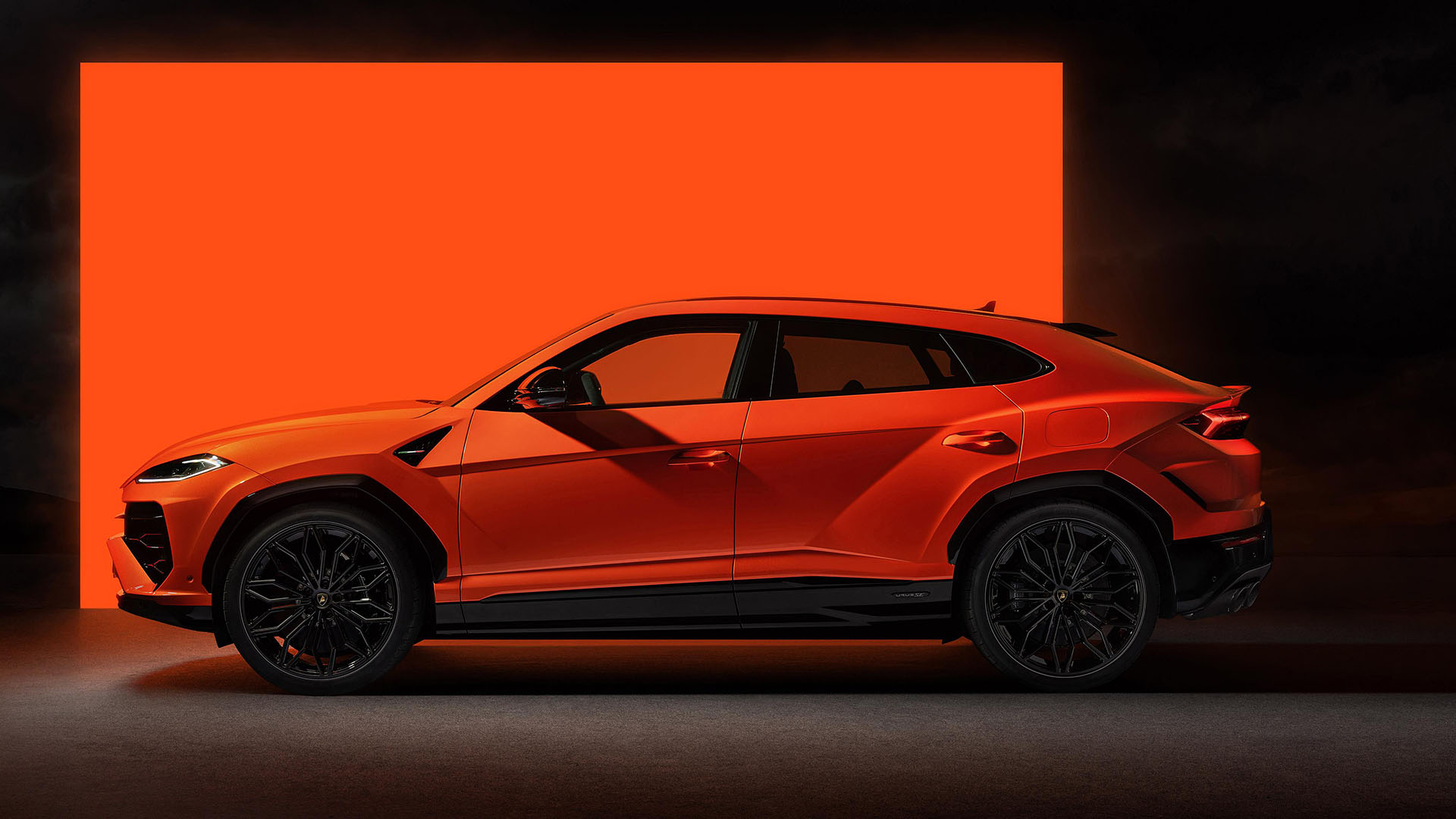
The long-awaited Lamborghini Urus Hybrid has been finally revealed. The new Urus SE is the brand’s first plug-in hybrid Super SUV. It will make its public debut at Auto China Beijing 2024 on April 25.

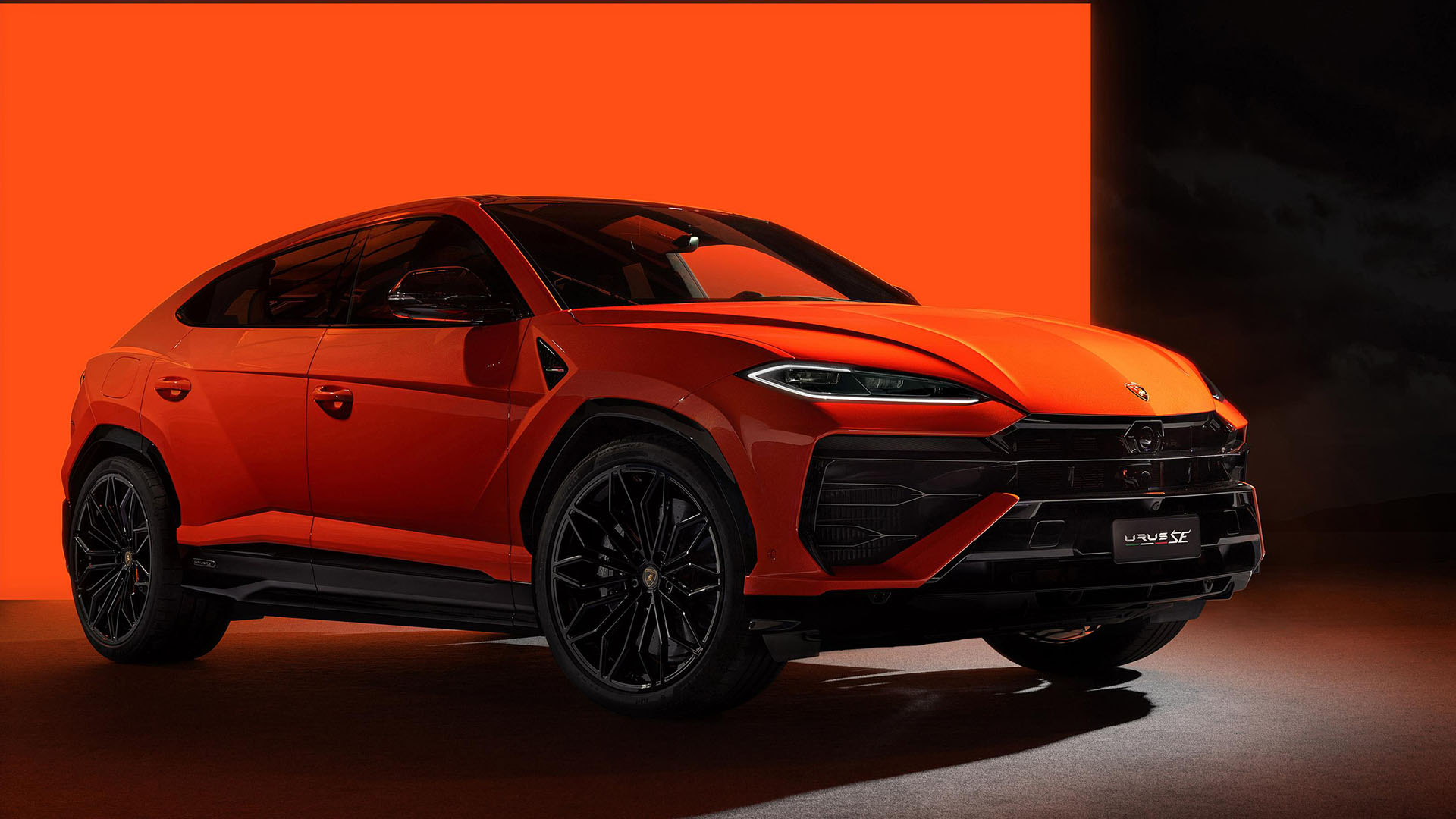
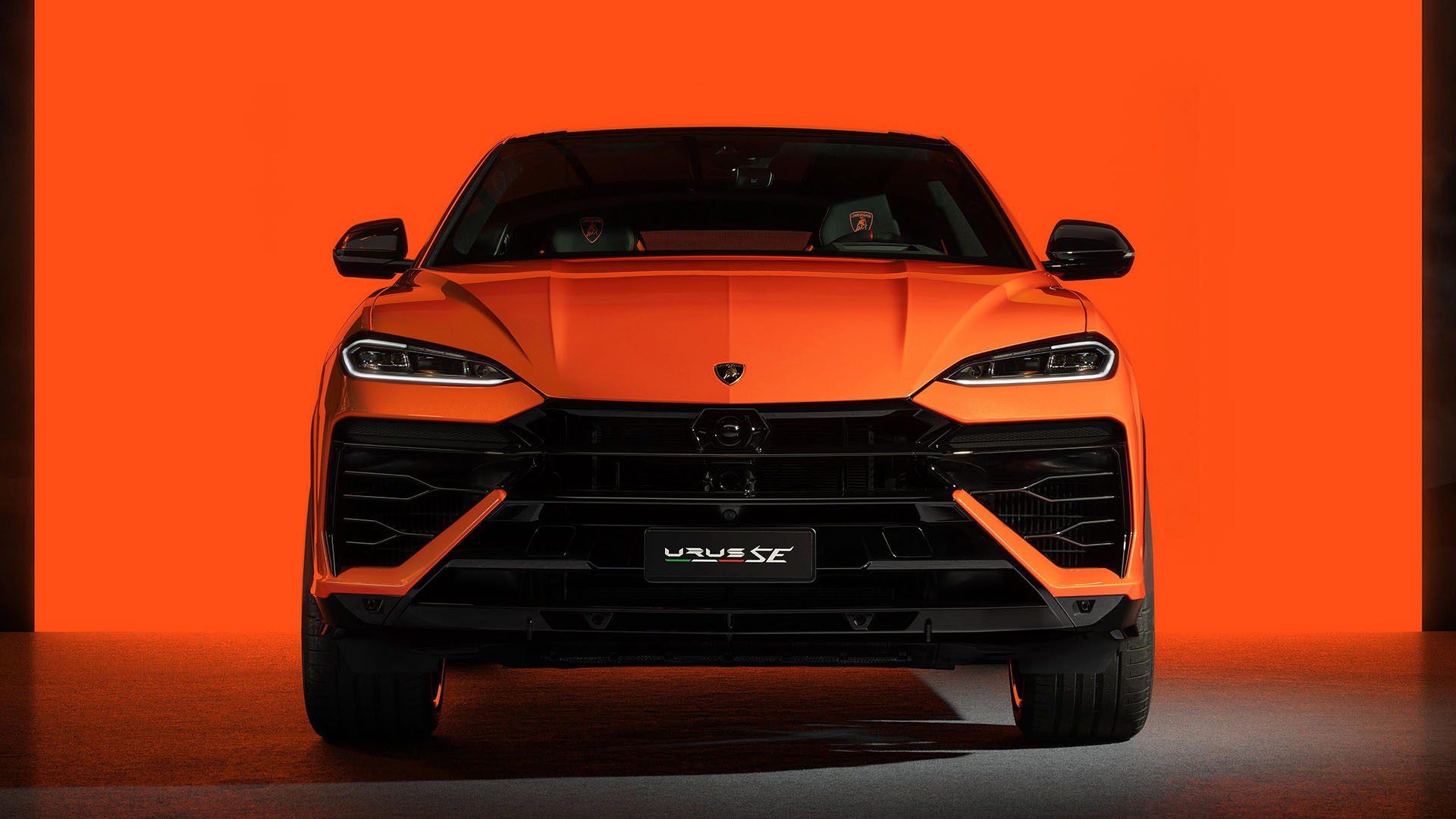
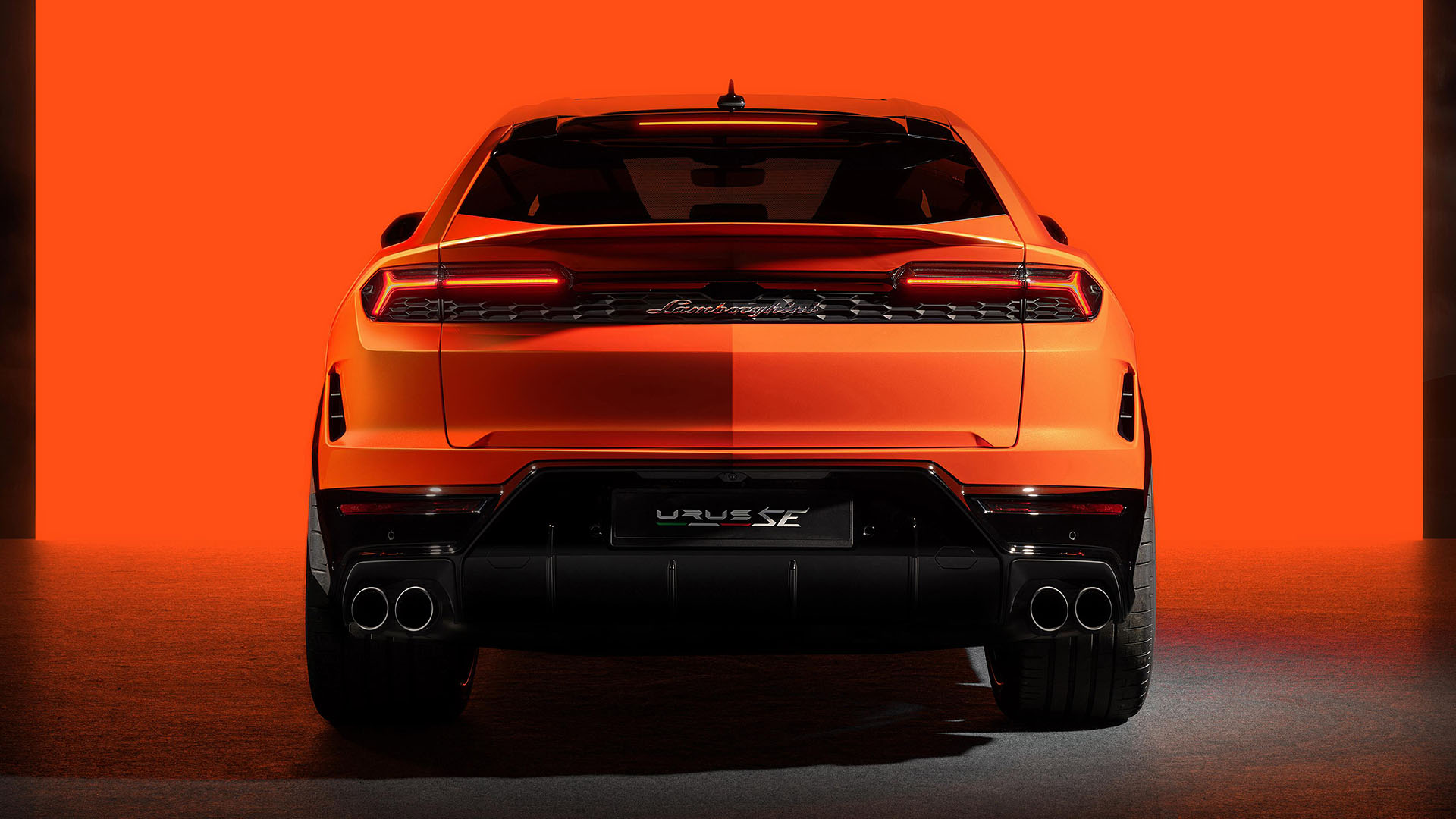
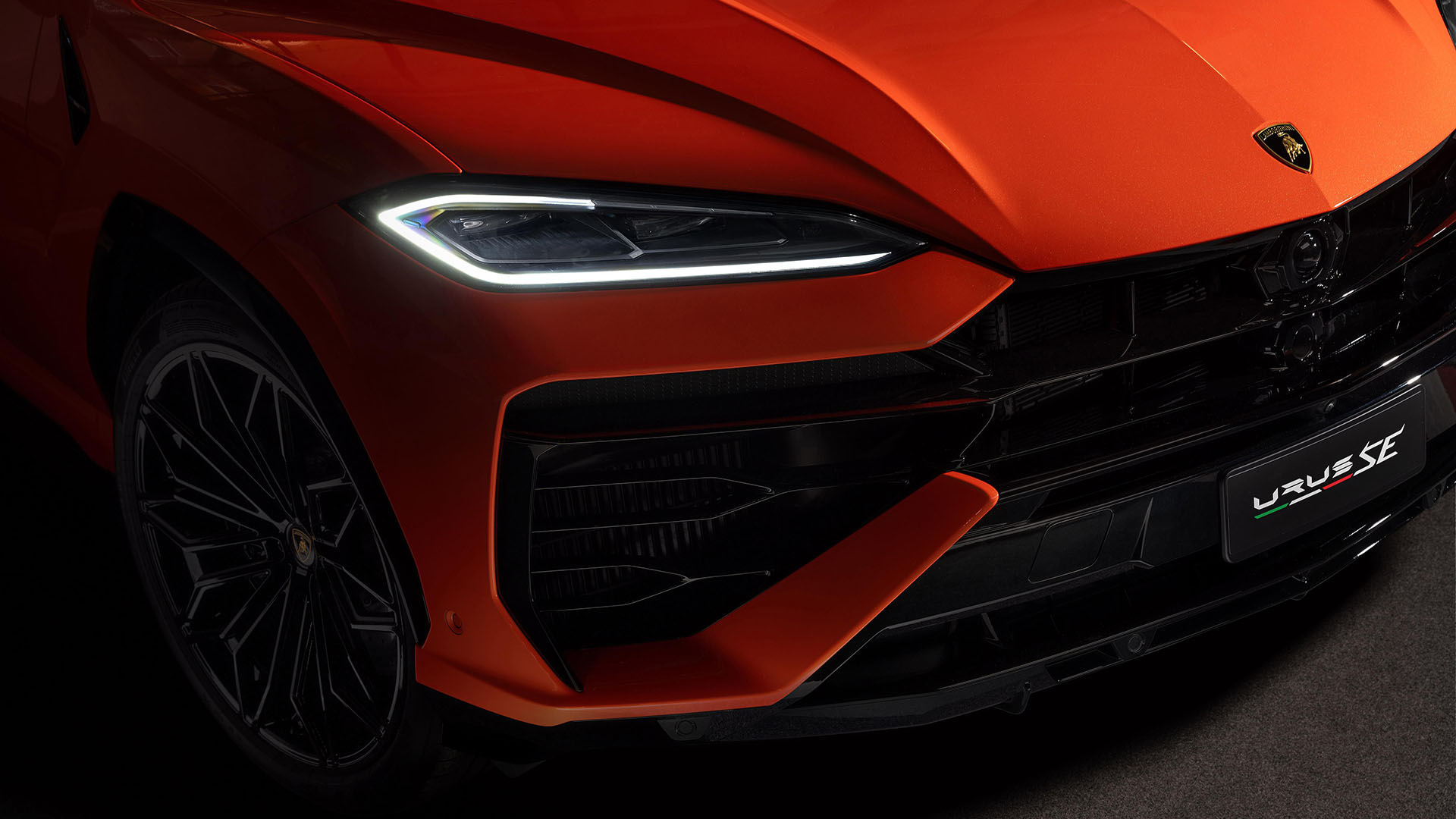
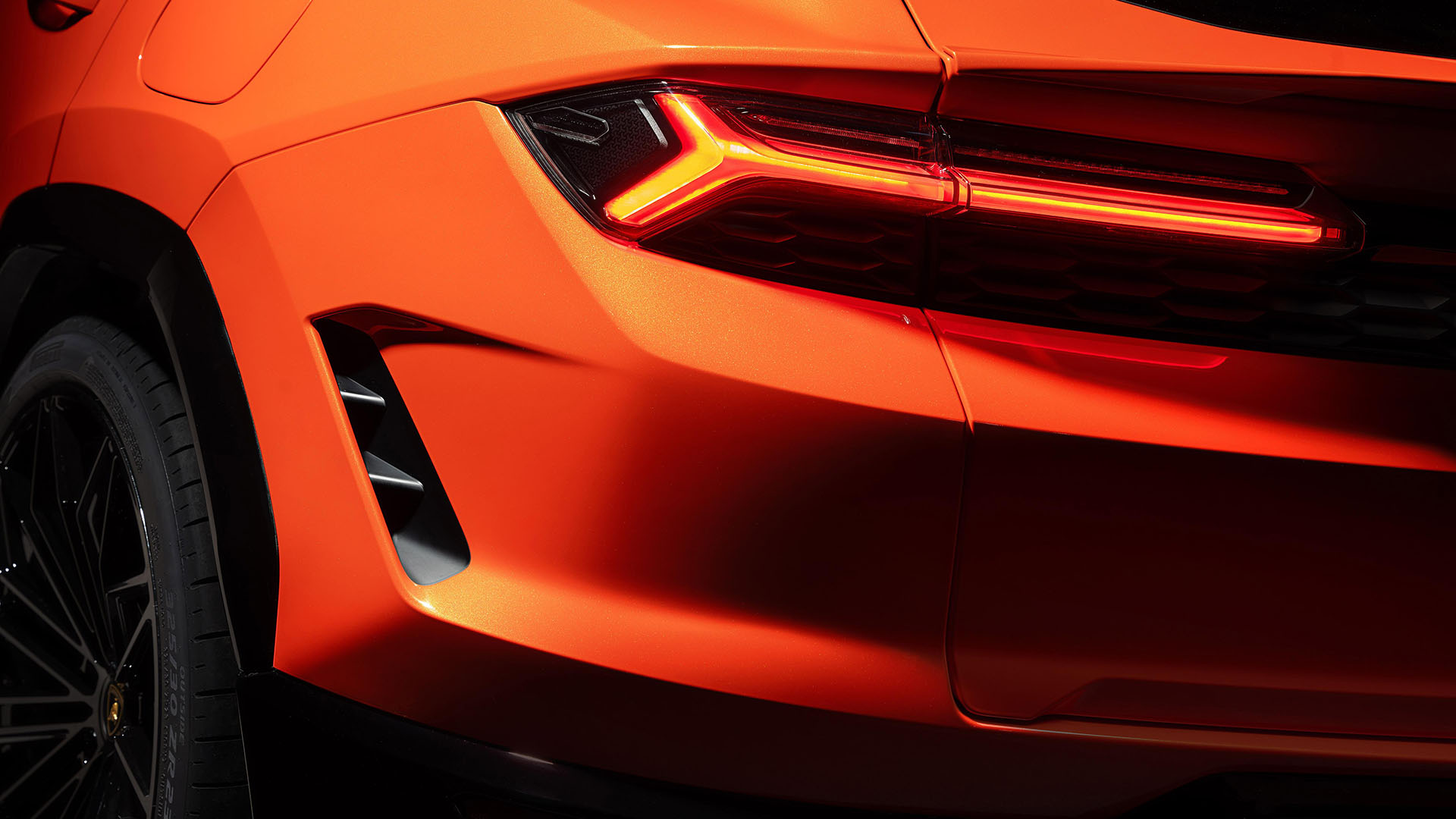
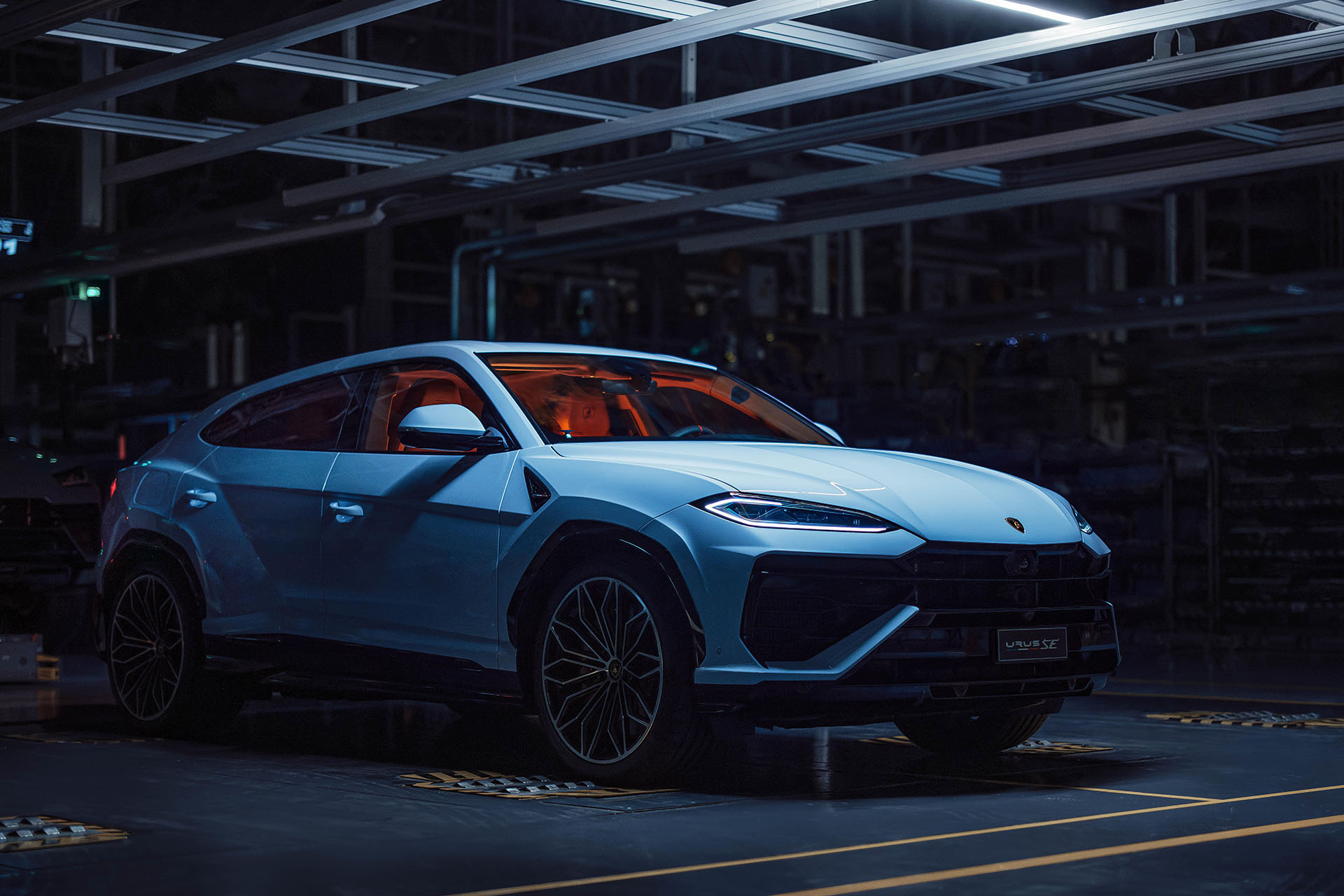
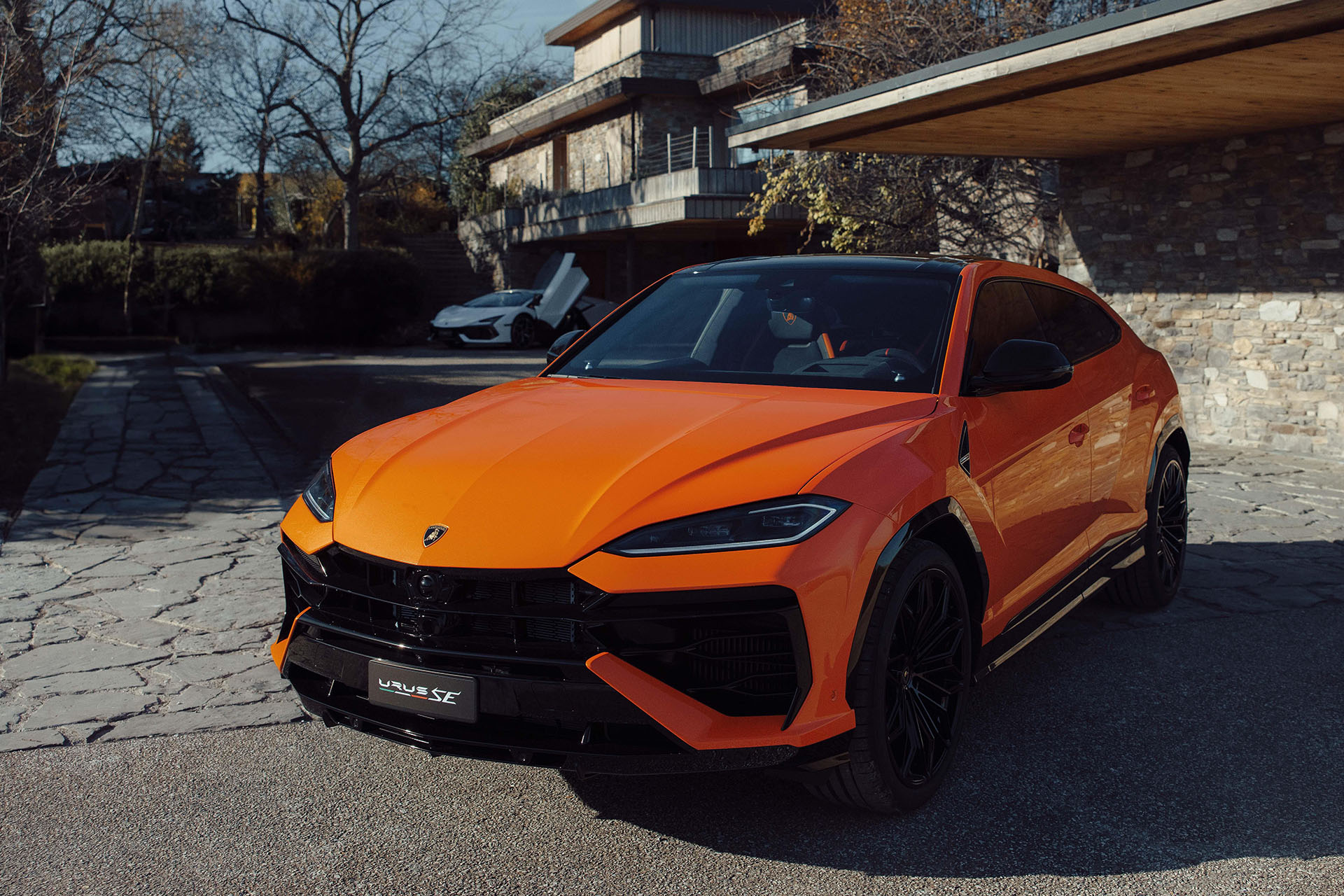
The Lamborghini Urus SE not only has a brand-new powertrain under the hood, but also features several cosmetic changes on the outside. It looks more mature with a cleaner design, while also borrowing certain design elements from the Reveuelto supercar. While it still looks as striking as before, the front fascia has been simplified. It has reprofiled headlamps and reworked bumpers, while the rear sports a black trim between the Y-shaped taillights.

Lamborghini Urus SE Plug-in Hybrid-2

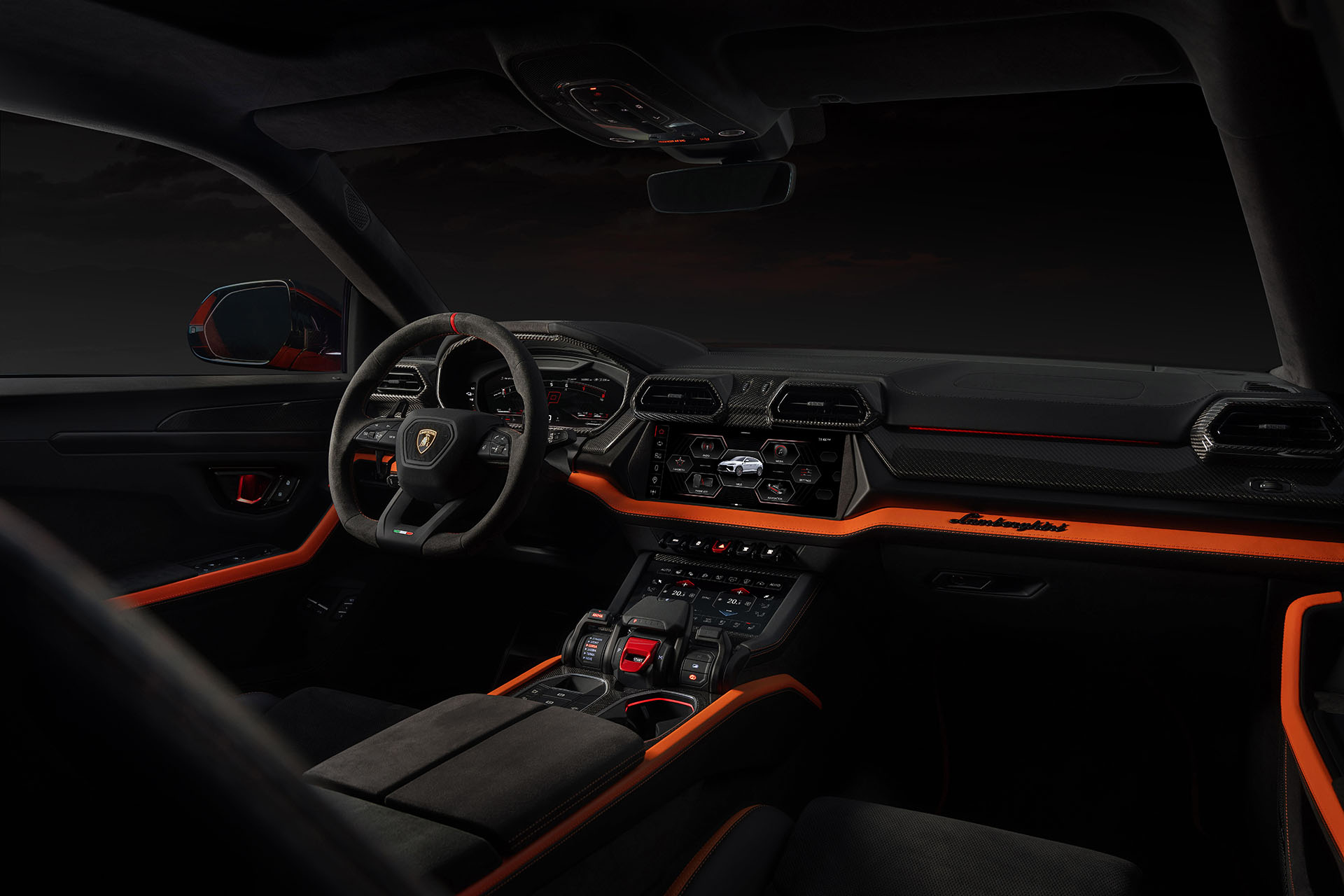
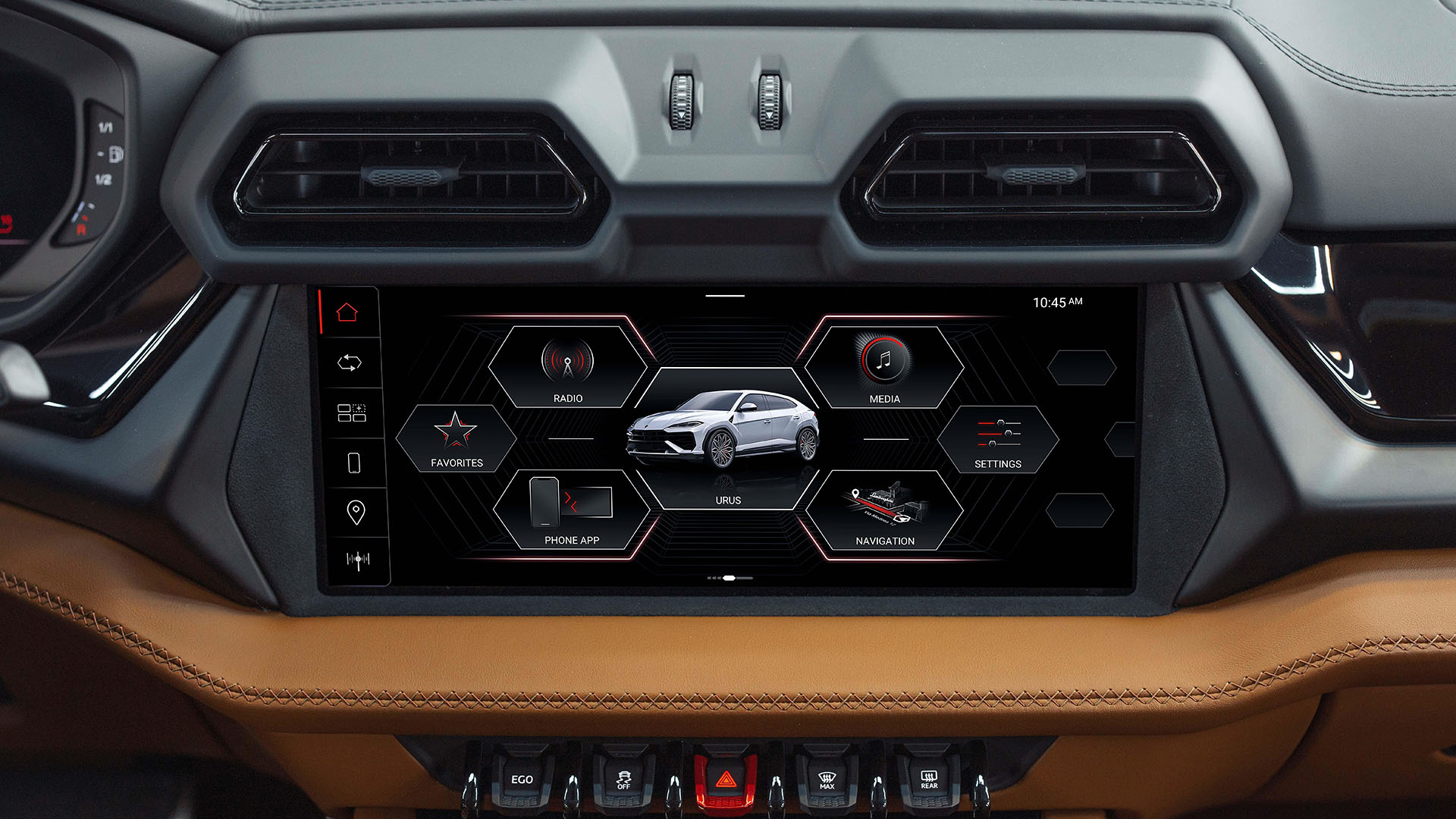
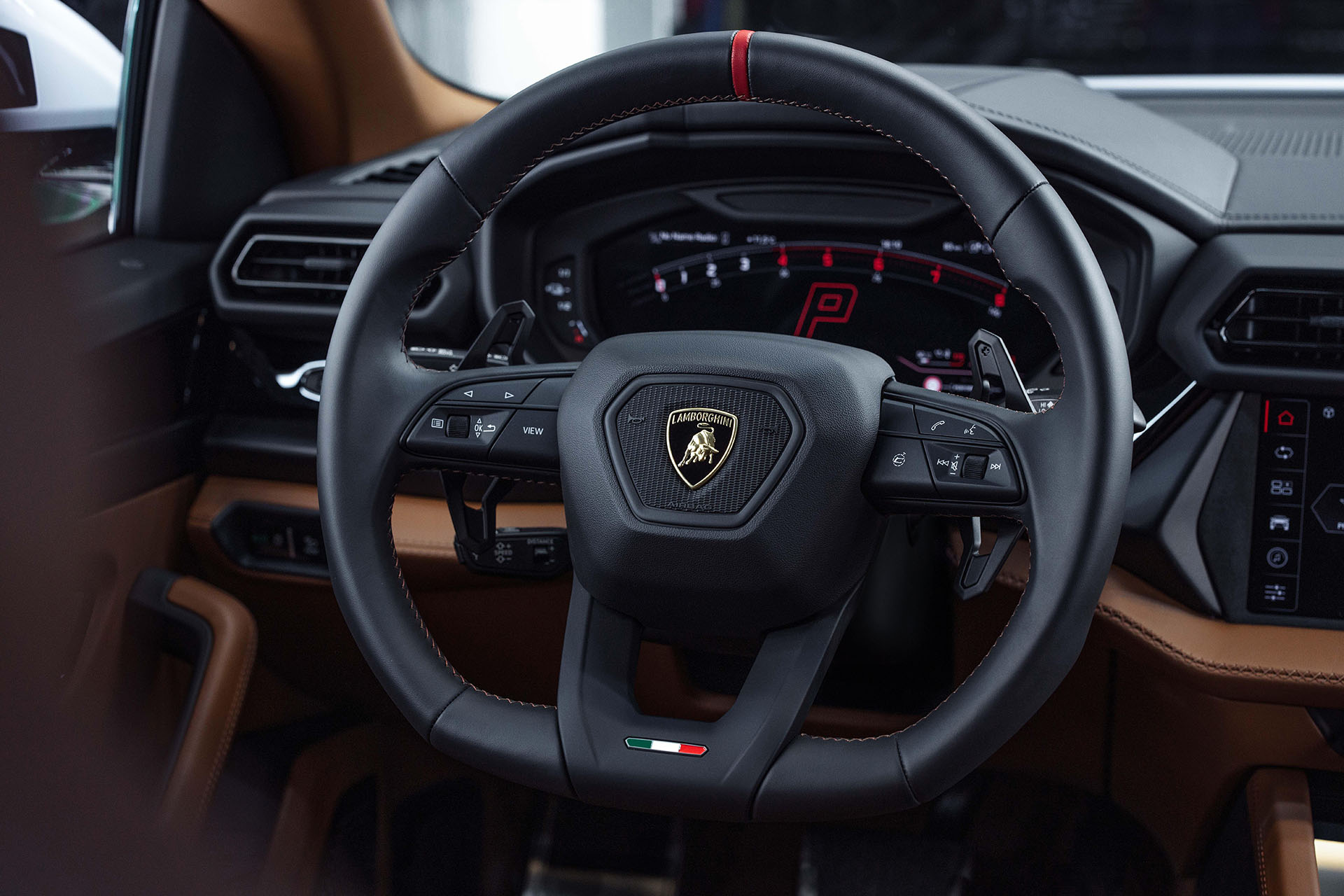
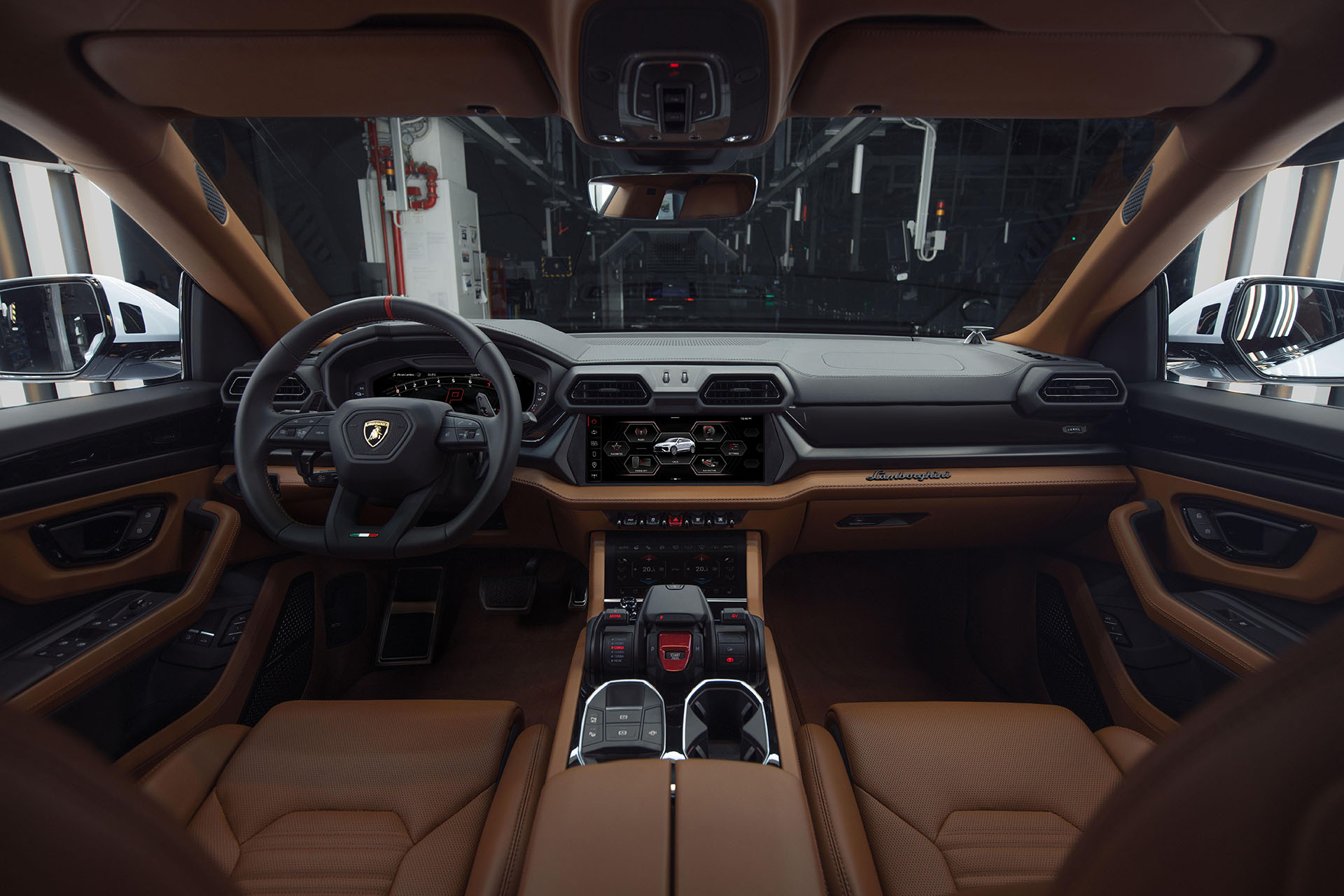
On the interior, the Urus SE now comes with a 12.3-inch touchscreen with updated graphics consistent with that of the Revuelto. There’s also a 12.3-inch digital instrument cluster and Y-shaped anodized aluminium elements all around.

Powering the Urus SE is a 4.0-liter twin-turbo V8 engine that develops 612 hp and 590 lb-ft of torque. It is combined with an electric powertrain delivering 189 hp and 356 lb-ft of torque, for a combined output of 789 hp @ 6000 rpm and 701 lb-ft @ 1750-5750 rpm.

Lamborghini Urus SE Plug-in Hybrid-4

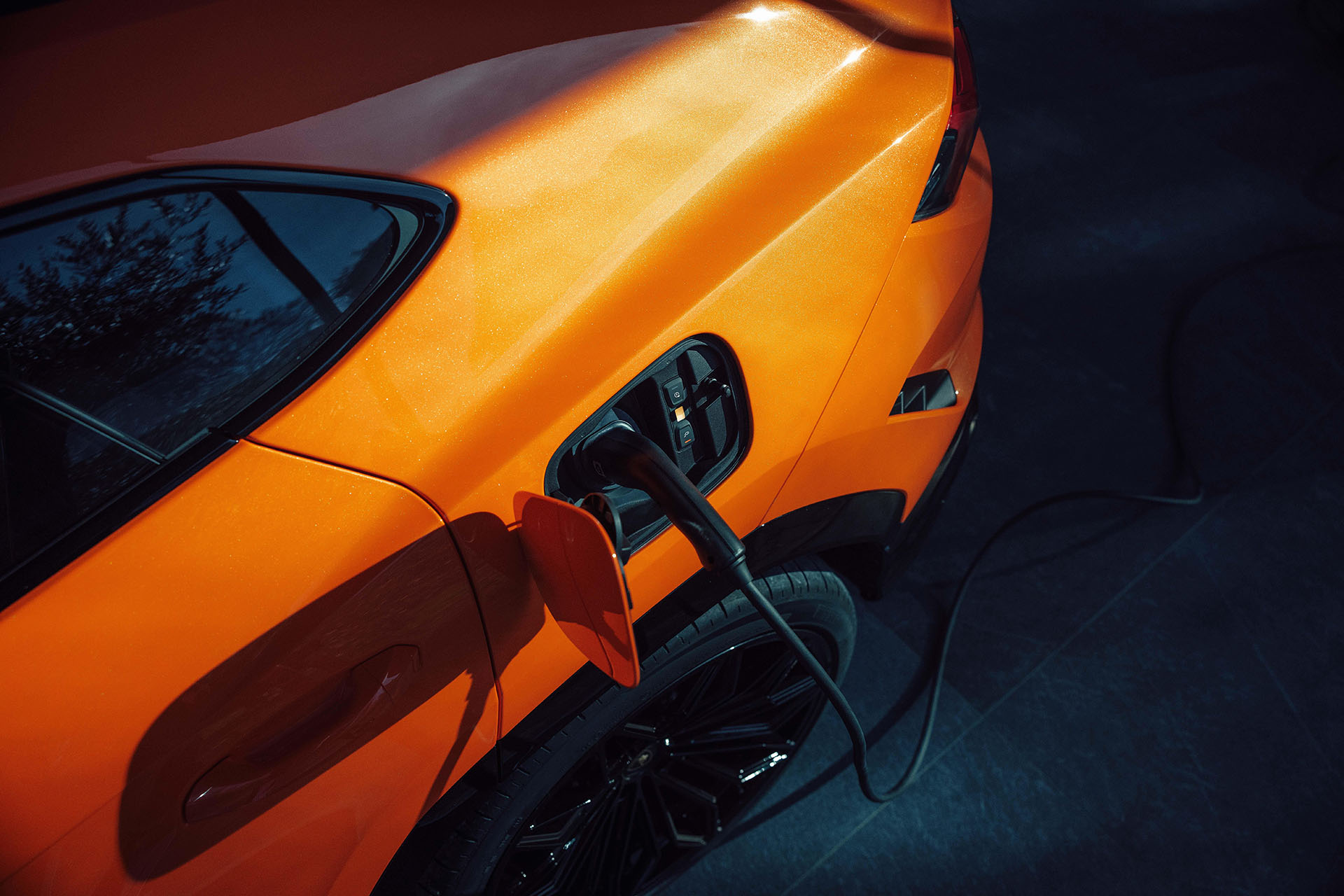
The engine is mated with an 8-speed automatic transmission and a four-wheel drive system. The SUV packs a 25.9 kWh battery that gives it an electric-only range of 37 miles.

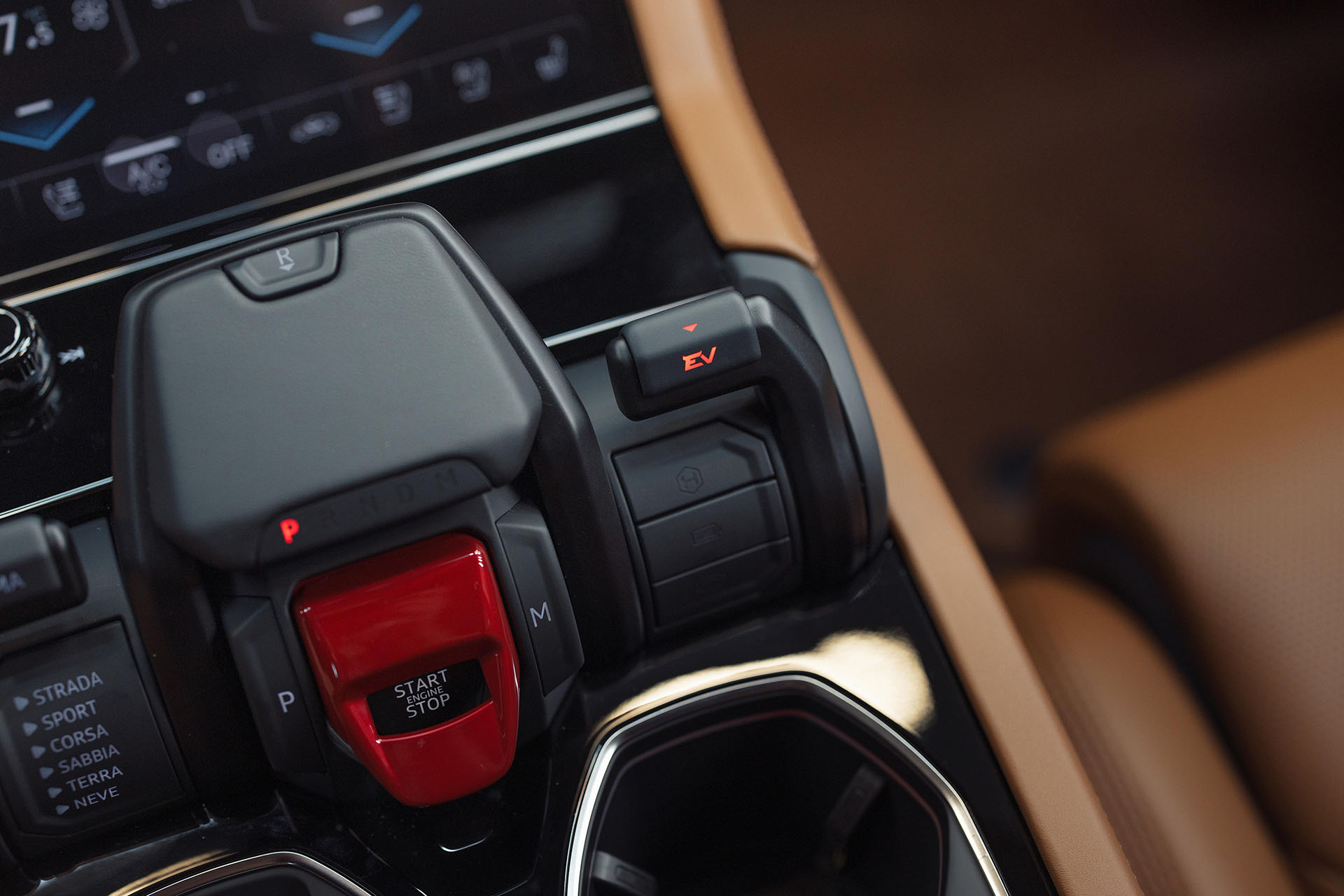
Drivers can select from four different driving modes using the “tamburo” selector. These include Strada, Sport, Corsa, Neve, Sabbia and Terra. Additionally, there are four new settings for the plug-in hybrid powertrain – EV Drive, Hybrid Performance and Recharge.

Lamborghini Urus SE Plug-in Hybrid-3

Source: Lamborghini


Source link

The Lamborghini Urus SE, the Hybrid Super SUV

0


Automobili Lamborghini opens a new chapter in its history with the Urus SE, the first hybrid plug-in version of the Lamborghini Super SUV, unveiled at the Volkswagen Group Media Night ahead of the public premiere at Auto China Beijing 2024 on April 25 at 11 AM local time. Featuring a new design, optimized aerodynamics, unprecedented on-board technology and an 800 CV hybrid powertrain, the PHEV (Plug-in Hybrid Electric Vehicle) version moves on Urus S in terms of comfort, performance, efficiency, emissions and driving pleasure. Thanks to its “two hearts”, thermal and electric, the torque and power values are the highest ever, giving the SE a unique place in its category and boasting an 80% reduction in emissions.

“With the Urus we changed the paradigms of the SUV world, ushering in a new segment,” commented Stephan Winkelmann, Lamborghini Chairman & CEO. “In just a few years, the Urus has become our brand’s bestseller, enabling Lamborghini to attract new customers and strengthen its position in the most important markets. With the Urus SE, we’ve taken another step towards the future in line with our Direzione Cor Tauri strategy, moving ahead with the electrification of the range and the path toward decarbonization that began with the introduction of the Revuelto super sports car in March 2023.”

The Urus SE offers an unparalleled driving experience also thanks to the plug-in hybrid system, which helps to improve the vehicle’s performance and dynamics on any surface and in any condition: more torque and power at any rpm is provided by way of innovative technical solutions such as the introduction of the electric torque vectoring system between the two axles, and the electronic rear differential.

“The underlying mission of the project was clear: to offer state-of-the-art performance combined with the uncompromising character typical of Lamborghini’s DNA,” commented Chief Technical Officer, Dr. Ing. Rouven Mohr. “The Urus SE is positioned at the top of its class in terms of being fun to drive and for its driving dynamics. It’s a vehicle that harmoniously combines different qualities: absolute comfort and at the same time performance and fun-to-drive, ensuring an experience like no other.”

The twin-turbo 4.0 V8 engine has been re-engineered to work in optimal synergy with the electric powertrain. It develops 620 CV of power (456 kW) and 800 Nm of driving torque; the combustion unit is combined with an electric powertrain delivering 192 CV (141 kW) and 483 Nm of torque. In delivering maximum output the main focus has been on the calibration strategy between ICE and e-motor, reaching a total output of 800 CV to ensure an optimal power curve in every driving mode and on every surface. A 25.9-kWh lithium-ion battery is situated below the load floor and above the electronically controlled rear differential.

The permanent-magnet synchronous electric motor located inside the 8-speed automatic transmission can act as a boost for the V8 combustion engine but also as a traction element, making the Urus SE a 100% electric 4WD vehicle capable of traveling more than 60 km in EV mode. Debuting on the Urus SE is the new centrally-located longitudinal electric torque vectoring system with an electro-hydraulic multi-plate clutch, which distributes driving torque variably and continuously between the front and rear axles. The transfer case works in synergy with the new electronic limited-slip differential installed on the rear axle, giving the vehicle “on demand” oversteering to convey the feel of a purebred super sports car.

Both systems are designed and calibrated to best suit any type of grip condition and driving style, providing the maximum traction and agility whether driving on a racetrack or desert dunes, ice or dirt. Unique in its category, the Urus SE offers greater torque and power at any rpm or driving condition. The system develops a total power output of 800 CV (588 kW) at 6000 rpm and a total torque of 950 Nm already available at 1750 rpm and up to 5750 rpm, ensuring best-in-class performance from every angle. This is also thanks to a further enhanced weight-to-power ratio: 3.13 kg/CV (compared to 3.3 in the Urus S). The Urus SE sprints from 0 to 100 km/h in just 3.4 seconds (Urus S: 3.5) and from 0 to 200 km/h in just 11.2 seconds (Urus S: 12.5), reaching a top speed of 312 km/h (Urus S: 305 km/h). These figures make the SE the most powerful Urus ever and the fastest production car in the segment, setting a new benchmark in the Super SUV category.

The Urus SE redefines the stylistic canons of a model that shifted the paradigms of SUV design, while at the same time its lines have been updated with the express objective of optimizing aerodynamic efficiency. The design highlights the dynamics of the form, accentuating the vehicle’s sportiness and muscularity. The front section features a new hood with a floating design, where the absence of the cut-off line gives a sense of continuity and amplifies the athletic style of the Urus SE, recalling certain new styling concepts introduced by the Revuelto.  Other new elements include the headlight clusters that feature matrix LED technology, introducing a brand-new light signature inspired by the tail of the Lamborghini brand’s bull, along with a redesigned bumper and front grill.

“The design and proportions of the Urus remain incomparable and absolutely recognizable as a Lamborghini,” stated Lamborghini Design Director Mitja Borkert. “At the same time the Urus SE delivers a highly sophisticated evolution, consistent with our new iconic and essential design philosophy, and importantly delivering an enhanced feeling of luxury together with more Ad Personam potential. We took inspiration from the Revuelto with the floating engine bonnet, achieving a very clean and muscular front design. The state-of-the-art front-light system integrates a new, distinctive DRL signature. The rear emphasizes a wider stance with a focus on the new diffuser and low-mounted license plates, while the rear mesh takes inspiration from Lamborghini supersports cars like the Gallardo. The interior design follows our ‘feel like a pilot’ philosophy, enhancing interaction between the driver and the digital system.”

At the rear, the cargo compartment hatch has been completely redesigned, introducing a Gallardo-inspired continuity that harmonizes the lines by connecting the taillight clusters with “Y” lights and the new rear diffuser, which gives the vehicle even sportier proportions. Together with the new spoiler, the diffuser increases rear downforce by 35% at high speeds compared to the Urus S, further enhancing the vehicle’s stability.

Aerodynamic efficiency is also improved by new under-body air vents and revamped air ducts, which channel more airflow to cool the mechanical and engine components: a 15% increase over the original Urus. The new design of the front section, combined with an optimization of the aerodynamic underside, has also improved the management of airflows dedicated to the braking system, with a 30% improvement in air cooling over the previous system.

The cabin has been updated to highlight Lamborghini’s signature “feel like a pilot” design DNA, featuring new solutions throughout the front section of the dashboard and accentuating the lightweight feeling already introduced on the Revuelto.

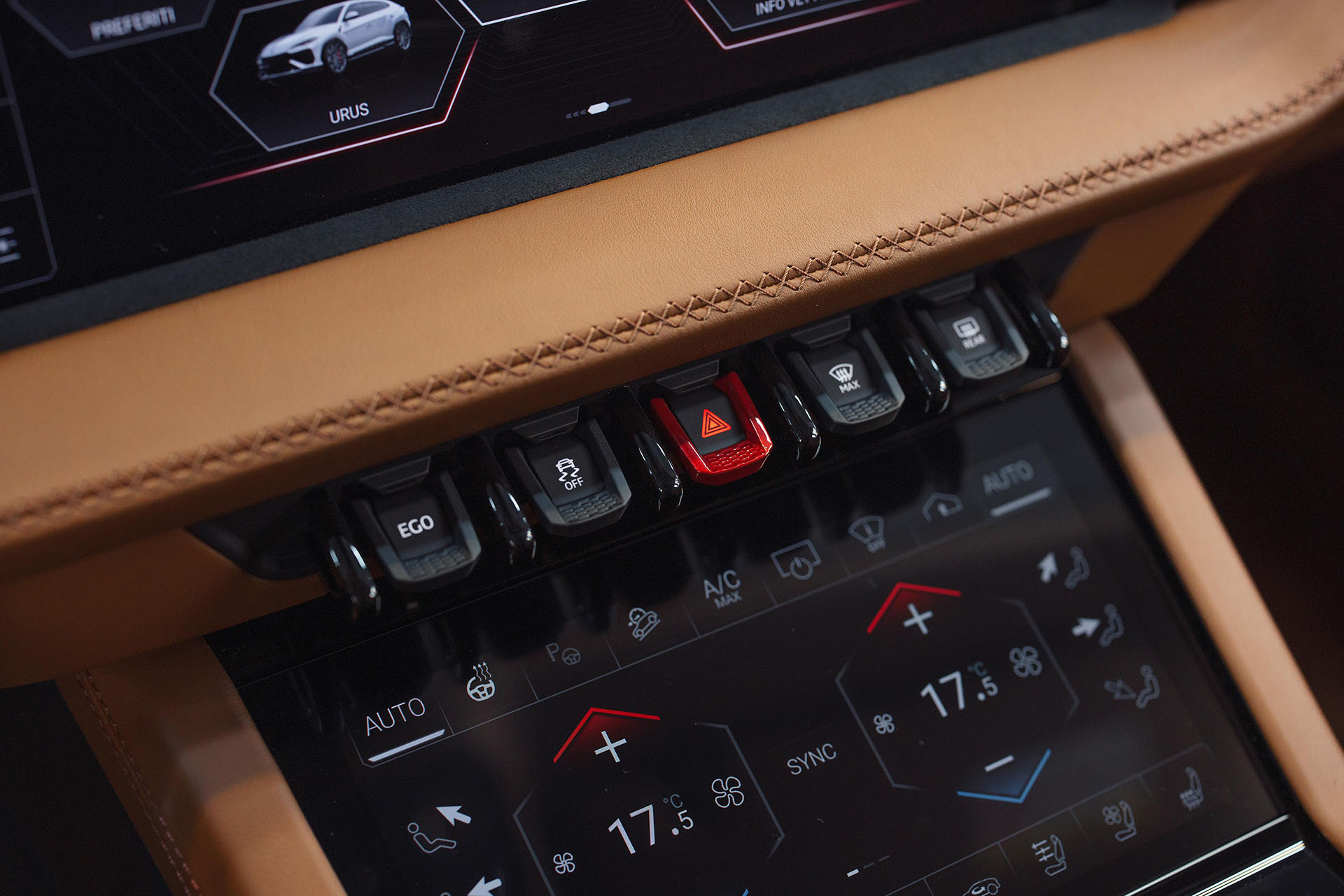
A larger screen – now 12.3 inches – installed in the center of the dashboard features a new version of the Human Machine Interface (HMI) that is even more intuitive to use with updated graphics, consistent with that of the Revuelto. The Lamborghini Centro Stile designers also directed their design focus on the air vents; the anodized aluminum trim elements with the unmistakable Y shape; and the new panel, seat, and dashboard coverings. The mechanical pushbutton panel gives a more tactile feel.

The driver can make use of the 12.3-inch digital instrument cluster and the aforementioned 12.3-inch touchscreen display, integrated into the center of the dashboard and the heart of the Lamborghini Infotainment System (LIS). It also includes a dedicated telemetry system for the SE and new displays related to the driving assistance system that allows for a better perception of the surrounding environment.

The Urus SE offers a range of customization options that is unrivaled in its category. The alloy wheels are updated with the introduction of 23” Galanthus rims paired as standard with new Pirelli P Zero tyres. There are three dedicated P Zeros, from 21″ to 23″, to meet customers’ different requirements for comfort and sportiness. Scorpion Winter 2 tyres are available for the cold season. All these products feature Pirelli Elect technology, developed to enhance the characteristics of the first electrified Urus.

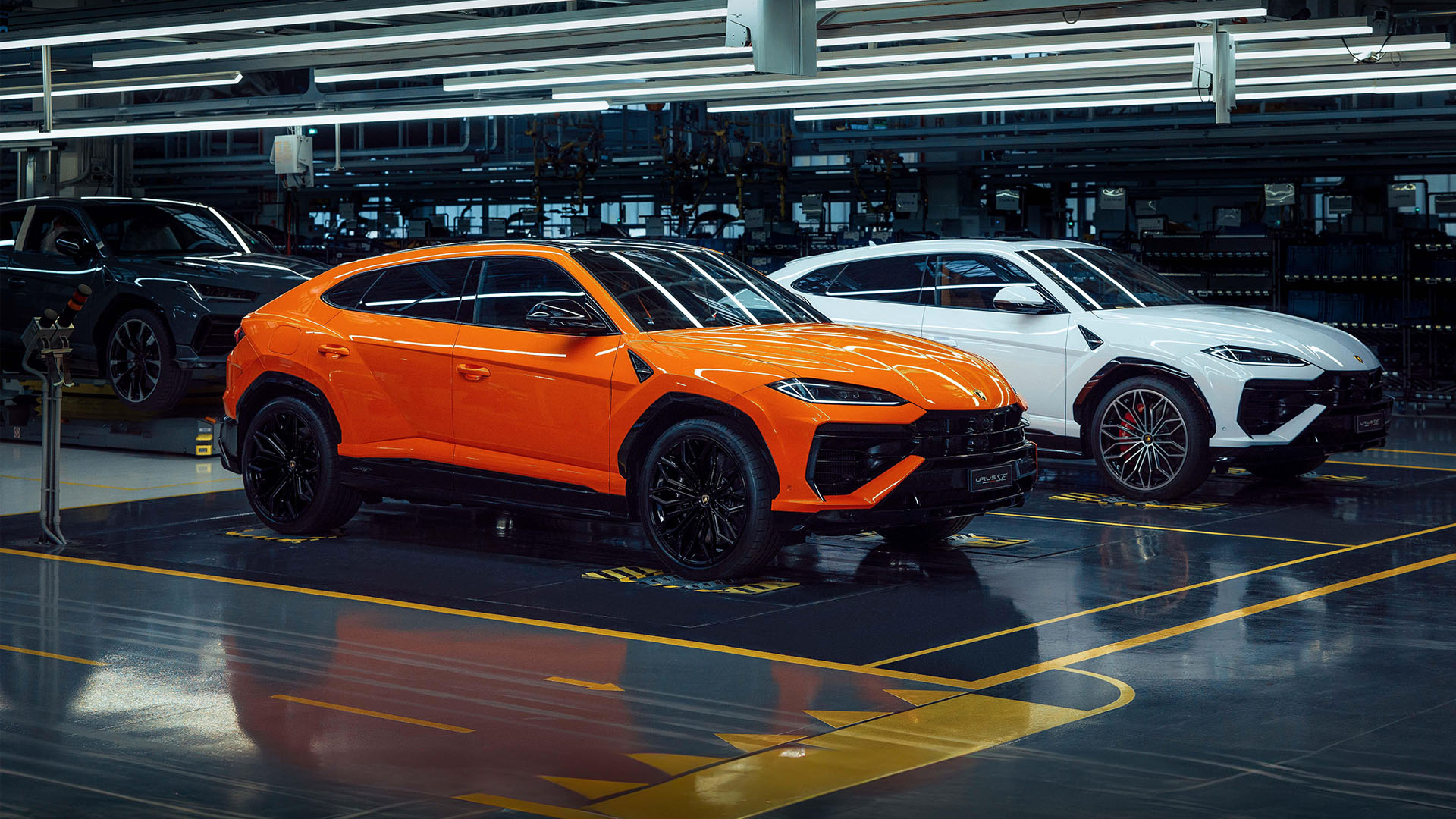
The color range has also been expanded, with more than 100 bodywork options now available, including two new colors offered at launch: Arancio Egon (orange), in combination with an interior in Arancio Apodis (orange), and Bianco Sapphirus (white) with interior in Terra Kedros (terracotta). The interior options include an array of 47 color combinations and four types of embroidery (Q-citura stitching), with the additional potential offered via the Ad Personam program, which enables owners to make their Urus SE a true one-of-a-kind.

In the center of the console, the “tamburo” selector unit is used for choosing the different driving modes. Thanks to the introduction of the hybrid powertrain, the six Urus driving modes are combined with four new Electric Performance Strategies (EPS), for a total of eleven options. The Strada, Sport, and Corsa modes (for road and track use), and the Neve, Sabbia, and Terra modes (for surfaces with a different grip than asphalt) are now accompanied by the EV Drive, Hybrid, Performance, and Recharge options.

Stefano Cossalter, Product Line Director for Lanzador and Urus: “The Urus SE is a fundamental evolutionary step, not only in terms of sustainability by virtue of a radical reduction in CO2 emissions, but also in terms of performance and sportiness, thanks to the adoption of cutting-edge technical solutions starting with the hybrid powertrain. The Urus SE is our Super SUV with two hearts: one thermal and linked to our roots, the other electric and futuristic. Beating in unison they offer a new interpretation of the unmistakable Lamborghini personality, but taken to a new level.”

EV Drive allows the driver to experience and exploit the electric potential at its best. Especially developed and calibrated for urban driving, it delivers over 60 km in electric range as well as reaching a maximum speed of over 130 km/h. Above this speed, the V8 engine automatically supports the electric motor, likewise if the torque demands exceed the maximum available from the electric motor.

Hybrid, which can be selected when driving in Strada mode, provides maximum efficiency and comfort along with the optimal balance between the combustion engine and the electric motor and is therefore the most versatile option for everyday driving. Recharge, which can be selected in Strada, Sport, Corsa, and Neve modes, recharges up to 80% of the battery while maintaining optimal performance. The Performance option is the experience for those who want to appreciate the full potential of the Urus SE not only in Strada, Sport, and Corsa modes but also in Sabbia and Terra, highlighting the dynamic qualities of the Super SUV even beyond the asphalt.

Depending on the driving mode selected, the vehicle’s air springs adjust for ground clearance, with travel ranging from 15 mm in Corsa up to 75 mm when the lifting system is activated. The parameters that adjust steering, drivability and the sound of the twin-turbo V8 are also variable, reflected in the “personality” of the Urus SE.

Special attention was given to the calibration of the air suspension system to highlight each driving mode. For Strada, the development work improved the already high level of comfort of the Urus S. Sport mode injects even more fun into driving, enhancing the characteristics of the new transmission to facilitate the start and continuation of drift. In Corsa, the mode designed expressly for track driving, the Urus SE expresses its full dynamic potential. This is thanks in part to the suspension ECU/electronics, which controls the chassis movements (pitch, yaw, roll and pumping) to make the vehicle extremely stable and responsive between the curbs of a racetrack, as well as on difficult and low-grip surfaces thanks to the anti-roll bars managed by the 48v electronic system. The Neve, Sabbia, and Terra modes have all been optimized to maximize wheel travel and the consistency of ground forces for the best traction on any surface.


Source link

2025 Lamborghini Urus SE, 2025 Mercedes G-Class: Today’s Car News

0


Lamborghini has overhauled the Urus for 2025 and added a plug-in hybrid powertrain in the process. The new Urus SE hybrid grade pairs the familiar twin-turbocharged V-8 with a single electric motor for a combined output of 789 hp, resulting in straight-line performance worthy of a supercar.

The Mercedes-Benz G-Class has also been updated for 2025, and among the updates is the addition of a fully electric grade. It’s called the G 580 with EQ Technology, and it features a four-motor powertrain that delivers a peak 579 hp and the ability to execute a tank turn, or what Mercedes likes to call the G-Turn.

Mini has revealed a subcompact crossover slotting in between the Cooper and Countryman. It’s called the Aceman, and it’s Mini’s first dedicated EV. Production is handled in China, which means the Aceman likely won’t end up in the U.S., though that may change when Mini adds production of the Aceman at its plant in the U.K. in 2026.

You’ll find these stories and more in today’s car news, right here at Motor Authority.

2025 Lamborghini Urus SE plug-in hybrid revealed with 789 hp

2025 Mercedes-Benz G-Class EV packs 116-kwh battery, quad-motor powertrain

2025 Mini Aceman electric crossover revealed

Nissan Ariya vs. VW ID.4: Compare Electric Cars

2025 BMW 4-Series Gran Coupe and i4 debut

Vinfast adds US dealer franchises, as EV deliveries lag targets

Nissan’s next Armada, Murano reportedly lean toward luxury

Review: 2024 Toyota Land Cruiser

2025 Nissan Frontier spied sporting some updates

Tesla Model 3 Performance aims for ludicrous on a budget


Source link

Here’s How To Minimize Glare From All Those Ridiculously Bright New Headlights

0


If you feel like you’re constantly blinded while driving at night now, you’re not alone, and it’s not just because a bunch of truck bros ordered aftermarket LED headlights off Amazon that they installed themselves. There is certainly some of that, along with assholes driving with their brights on the whole time, but headlights really have gotten more blinding in recent years. The good news is, as the video below explains, there are a few things you can do to make night driving a little less miserable.

As Cory Boone, an optical engineer explains, you’re already at a disadvantage when you drive at night because your pupils dilate to let in more light. That’s good for being able to see better in the dark, but it also exacerbates any sight issues you might have such as nearsightedness or astigmatism. It also messes with your sense of focus. There’s also no denying the fact that high-riding vehicles such as trucks and large SUVs have their headlights mounted further from the ground, making them more likely to blind other drivers.

Part of the problem is also the headlights themselves. While older headlight designs cast a yellowish light, modern LED headlights are much more white or blue. Even if they’re technically no brighter than the old headlights, your eyes interpret white and blue light as brighter or harsher than yellow light. The shorter wavelength of those blue lights also scatters around inside your eyeballs as much as 16 times more than a longer wavelength color such as red. That’s part of why you see lines coming off of other drivers’ lights while you’re driving at night.

Ultimately, we need regulations to change to allow more advanced headlights that aren’t as blinding, but in the meantime, Boone says there are a couple of things you can do to try to minimize nighttime glare. The first is to wash your windshield frequently because dirt and other gunk on the windshield causes light to scatter even more than it would have otherwise. If you wear glasses, the same is true for keeping your lenses clean. You should also make sure your glasses have an anti-reflective coating on them, which costs more, but if it reduces glare, it’s probably worth it.

Another option is to try increasing the brightness of your dashboard lights. That should cause your pupils to constrict, which should somewhat improve your night vision. He also recommends taking supplements such as lutein and zeaxanthin to improve eye health.

One of the most effective actions you can potentially take might be the most annoying — If you use glasses or contacts, make sure you get your eyes checked on a yearly basis to ensure that your prescription is up to date. You might not feel like you need new glasses, but if Biden wasn’t president the last time you had an eye exam, your issues with night driving could potentially be improved with new lenses. Especially if you can get ones with the aforementioned anti-reflective coating on them.

Sadly, it’s unlikely that a clean windshield, new glasses and a slightly brighter dashboard will completely eliminate the glare from other people’s headlights, but at the very least you can try a few of these tips out and see if they help.

Stop Being Blinded by Headlights at Night!


Source link