The Department of Transportation announced a final rule mandating that airlines automatically give cash refunds to passengers and inform passengers of their right to a refund on Wednesday. The policy change highlights the Biden Administration’s continued hardline support of consumer rights in the skies. The USDOT forced airlines to pay out over $600 million in refunds in 2022. The agency also levied a record $140 million fine against Southwest for its 2022 holiday season meltdown.
Delta’s Luggage Only Flight
The final rule requires any airline to provide an automatic refund for canceled or significantly changed flights within seven days for credit card payments and within 20 days for other forms of payment. This stipulation also applies to checked bag fees and charges for ancillary services like inflight WiFi.
It’s important to note that the refund is only required if the passenger rejects or isn’t offered alternative transportation or compensation, like credits for another flight. Airlines have to inform customers of their right to a refund, but people wanting refunds will have to be knowledgeable enough to turn down alternatives.
For clarity, the USDOT defines a significant change as: – a three-hour delay (or early departure) on domestic flights – a six-hour delay (or early departure) on international flights – a change of departure or arrival airport on an itinerary – the addition of connection points on an itinerary – a downgrade to a lower class of service – a change in connection airports for passengers with a disability – a substitution of aircraft that makes an accessibility feature unavailable for passengers with a disability
Transportation Security Pete Buttigieg said in a release, “Passengers deserve to get their money back when an airline owes them – without headaches or haggling. Our new rule sets a new standard to require airlines to promptly provide cash refunds to their passengers.”
It’s no secret that refunds significantly eat into the profits of airlines. Delta Air Lines issued $6 billion in refunds between January 2020 and August 2022. Measures that force carriers to give out cash compensation also create an incentive for better service with fewer delays and cancellations.
Another company has surfaced with an electric conversion for the original Defender, but there’s a difference this time.
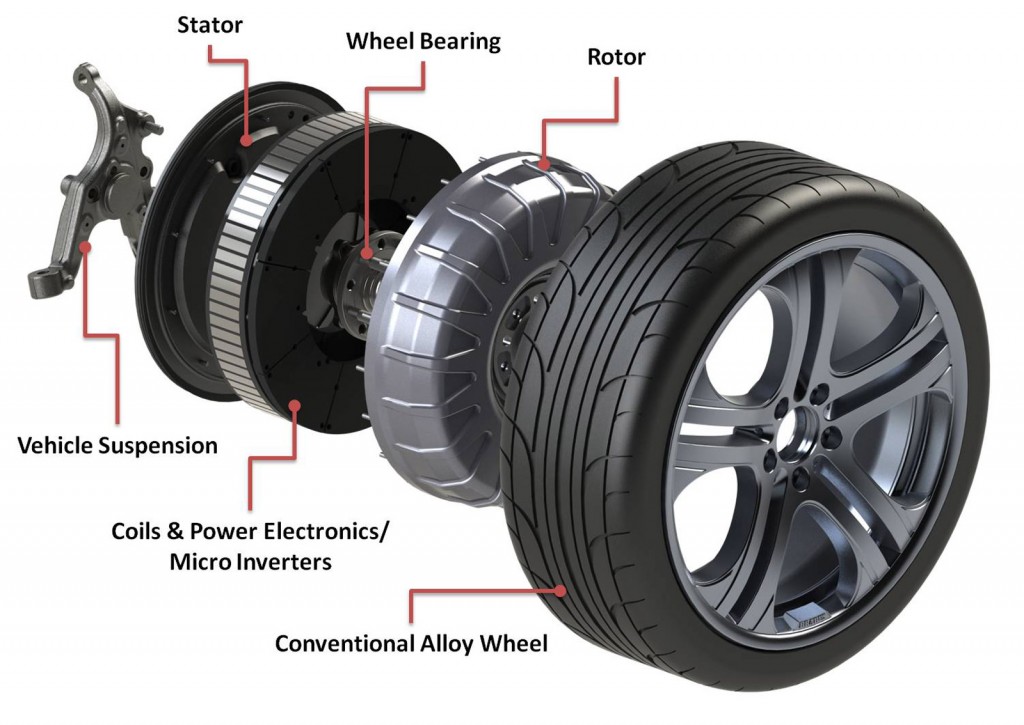
U.K.-based Bedeo’s electric Defender uses in-wheel motors, which Bedeo has packaged as a retrofit kit that could potentially be used on any classic car.
Bedeo specializes in adding electric powertrains to light commercial vehicles, but the company plans to expand into classic cars through a new Reborn Electric: Icons program. The Defender is just the first conversion.
The in-wheel motors come from fellow British company Protean, which was acquired in 2019 by Swedish EV startup NEVS and sold to Bedeo in 2021 after NEVS ran into cash troubles. Chinese automaker Dongfeng has previously used Protean motors for its Fengshen E70 sedan. Former EV startup Lordstown also used in-wheel motors in its Endurance pickup truck, though these were sourced from a company called Elaphe.
Protean in-wheel electric motor
In Bedeo’s electric Defender, four in-wheel motors are used for a combined output of 483 hp, which is considerably higher than what most early Defenders could muster. Bedeo also installs its own 75-kwh battery pack, resulting in a range estimate of 153 miles on the WLTP cycle used overseas. A lower range figure would result using the stricter EPA cycle.
Bedeo claims it’s committed to matching the original curb weight and driving dynamics with each of these builds, achieved in part through weight savings brought about by the use in-wheel motors. In addition to ditching the internal-combustion engine and its associated hardware, the use of in-wheel motors also eliminates the need for things like a transmission and driveshafts.
There are downsides to the technology, though. In-wheel motors face direct exposure to road debris, saltwater, and various fluids, along with vibrations and shocks, all of which can reduce their lifespan.
Bedeo hasn’t listed a price for its electric Defender.
Imagine making money online while you’re hiking in the Himalayas, sailing in the Caribbean, backpacking around Europe, or snoozing in a hammock on a tropical island. Sounds too good to be true? Not if you master how to generate passive income streams!
Passive income is amazing and so freeing. It means you no longer need to exchange your time for money and can get on with enjoying whatever you like to do. I’ve experimented with a few different sources of passive income, and today, I’m sharing with you a collection of the best.
What is Passive Income?
Passive income is money that you earn with minimal ongoing effort. It’s not exactly “free” money, because you usually have to invest a fair amount of time and effort setting everything up beforehand. However, once everything’s in place, you’ll make money without needing to put in much extra work.
I have experience with several of the following sources of passive income, including affiliate marketing, running ads on my website, and selling photography. I also know other people who have made good money from most of the other kinds of passive income mentioned below.
1. Affiliate Marketing
One of the most popular ways of generating passive income is through affiliate marketing. Essentially, you promote products or services in exchange for a commission. You can do it in a few different ways, including on your blog or website, social media channels, or via your mailing list.
Affiliate marketing is one of my favorite ways of making money passively. It’s how I generate the majority of my income from my own blog and it can be very lucrative, depending on which products and services you are promoting and the size of your audience.
2. Running Ads
If you own a website, one of the best ways to earn passive income is by running ads on your site. There are several different ad networks out there, each with its own pros and cons and set of specific requirements. For bloggers, Medivine and Raptive are two of the most popular.
The amount of money you can earn through ads depends on the network you join and the amount of traffic you receive. The best networks have fairly high minimum traffic requirements. However, once you reach these thresholds and get accepted, you can make excellent money passively.
3. Sales from an eBook
Creating and selling an eBook is another popular way to earn passive income. Of course, you need to put in a lot of work upfront writing, creating, and marketing your product on platforms like Amazon or Sellfy. But once it’s finished, it can continue to generate income for years to come.
You can write an eBook on practically any topic you have expertise in, from travel to cooking, niche pet ownership to knitting. The key is to find your niche (ideally a subject that isn’t too saturated) and provide valuable content that people are willing to pay for. The possibilities are practically limitless!
4. Selling or Licensing Photography Online
If you enjoy taking photos (and are good at it!), you can turn this creative hobby into another source of passive income by selling or licensing your photos online. Many stock photo websites like Shutterstock and Adobe Stock allow you to upload and sell or license your images for others to use.
You can even create and sell prints of your photographs through platforms like Etsy. The potential customers are endless, from individuals looking to decorate their homes to bloggers and even large corporates searching for high-quality stock images, either for their website or marketing materials.
5. Online Courses
Creating and selling online courses is a great – and potentially lucrative – way to generate passive income while sharing your expertise with others. Platforms like Udemy, Skillshare, and Teachable are designed to help you create and sell courses on whatever topic you’re knowledgeable about.
Depending on the topic, online courses can sell for hundreds, even thousands of dollars! As with eBooks, it takes time, effort, market research, and marketing skills to get everything set up. But once your course is up and running, you’ll earn passive money every time someone signs up.
6. YouTube Videos
Similar to running ads on your website, if you have a YouTube channel, you can also earn passive income through creating and monetizing videos via this route. Of course, it takes a lot of work to build up a following and consistently create quality content, but it’s definitely possible to make good money.
There are a few ways to make money on YouTube, including through advertising revenue, affiliate marketing (see above), and paid sponsorships and product placements. Many YouTubers also make money by selling merchandise or creating paid content for their subscribers.
If you have a large and engaged following on social media, you can make money by partnering with brands to promote their products or services. This is often referred to as “influencer marketing” and can be a great way to earn passive income through publishing sponsored content.
There are a few potential pitfalls to sponsored content. You need to maintain your credibility and trust, so only partner with brands that align with your brand and values. And if you’re not a huge fan of the addictive time sink that is social media, this one might not be the best option for you.
8. Paid Mailing Lists
The majority of mailing lists are free to sign up to. But you can also create a paid mailing list, where subscribers pay a fee to join. Because people are paying, they’ll expect high-quality content in return. But if you can deliver, a paid mailing list can be another great way to generate passive income.
For this to be a viable option, you’ll need to carry out some smart research and strategize. Think about who your target audience is, what you’ll be offering, why it’s worth paying for (i.e. it’s not available elsewhere for free), and how you’ll keep people engaged and signed up.
9. Automated E-Commerce
Running an e-commerce business can be a great source of passive income if you set it up to run automatically. This means selling physical products online but using fulfillment centers and automation tools such as Fulfillment by Amazon (FBA) to handle most of the work for you.
One key challenge with e-commerce is the competition. Many markets are extremely saturated so it can be tricky to make your products stand out. You’ll need a strong branding and marketing strategy and the ability to price your goods competitively while still turning a profit.
10. Selling Software
If you have the skills and knowledge to create software, you can generate passive income by selling it online. This could be in the form of one-time purchases or ongoing subscriptions. Shopify, Payhip, and Gumroad are all popular platforms for selling software online.
Just like with e-commerce, competition is often tough, and you may need to regularly update and improve your product to keep people interested and investing. But if you make it, you can make it big! The founder of Zoom, Eric Yuan, is now a multi-billionaire…
11. Designing Paid Templates
If you’re skilled at creating PowerPoint decks, CVs, business cards, or even complaint letters, you could consider creating templates for others to purchase and personalize. This can be a great source of passive income since you only need to make the template once in order to sell it multiple times.
Etsy is a popular online marketplace where you can sell pretty much any kind of template. If someone sees your template and likes it, they can pay to download a version of it for them to customize to their liking, and you’ll get a cut of the sales proceeds. It’s simple but effective.
12. Selling Graphic Design Elements
Similar to selling templates, you can also earn passive income by selling digital graphic design elements. These include icons, fonts, logos, and even website themes. There’s a huge demand for professional-looking graphic design all around the world, so your potential market is massive.
Graphic design can be as simple or as complicated as you want to make it. While you definitely don’t need to be a professional graphic designer, you do need to have a good eye for design and the skills to effectively create and market designs that people are happy to pay for.
13. Paid Memberships
There are many different types of paid memberships. For example, you might decide to have a “members only” section of your blog or website that contains certain premium content and features that are hidden behind a paywall (where people either pay monthly or on a one-off basis).
Alternatively, you could create a membership community (on Facebook or elsewhere) that grants access to exclusive content, seminars, Q&A sessions, and even special discounts on products or services. Building up the necessary trust and following isn’t easy, but it can be lucrative when done right.
14. Build an App
If you have the necessary coding skills and a great idea, why not create your own mobile app and make it available on a “freemium” basis? You don’t need to build the next Google Maps – creating a useful tool that solves a problem or entertains people, can be enough.
The tech-heavy nature of app design will likely be a barrier to entry for many people. And the competition is fierce. But app design can be extremely lucrative. Plenty of people have made millions of dollars from designing relatively niche apps that solve a specific problem.
15. Peer-to-Peer Lending
First off, a disclaimer: peer-to-peer lending can be risky, it’s important to do your own research before investing any money, and this is most certainly not investment advice.
If you have some spare cash you’re happy to take the risk with, you can generate passive income through peer-to-peer (P2P) lending. Essentially, P2P lending is where you lend money to individuals or businesses through an online platform, and earn interest on the loan.
It’s crucial to understand the risks and the regulatory requirements involved in P2P lending (which vary by country). You need some spare capital and must understand that there’s a possibility you’ll lose all the money you invested. But, if that’s a risk you’re willing and able to take, it can be a high-paying source of passive income.
16. Rental Income from Property
This one clearly only applies if you own a property and are able to rent it out. But plenty of people rent out their house or apartment to help fund their traveling lifestyle – I’ve met several of them – so I thought it was worth including here.
Being a landlord comes with its own set of complications and obligations, but, if you’re in the fortunate position to own a property and are able to rent it out, this can be a great way to earn passive income. You can either opt for long-term tenants or try out short-term rental platforms like Airbnb and VRBO.
17. Run an Agency
Finally, if you have expertise in a particular field, another (semi-)passive way to make money is to set up an agency, find clients, and hire freelancers to service those clients. This type of agency model can be applied to many different industries, such as graphic design, writing, SEO, and even teaching.
For example, one of my friends is a music teacher but also runs a music teaching agency where he pays other music teachers to teach some of his clients. That means he can earn extra money from providing teaching services to students without actually teaching himself.
I say “semi-passive” because it still requires a fair amount of work – you’ll need to find clients, keep them happy, and manage your freelancers. But because you’re outsourcing the bulk of your client work, you can work fewer hours while scaling your business at the same time. Result!
Choosing a Passive Income to Pursue: Things to Consider
There are countless opportunities for earning passive income, and the key is to find one that aligns with your skills, interests, and available resources. When choosing an option to pursue, here are some important factors to consider:
Initial Effort and Investment Required: Some methods of generating passive income require more upfront effort, skills, expertise, and/or financial investment than others.
Ongoing Maintenance and Management: Consider how much time and effort you’ll need to put in to keep the passive income stream running smoothly. Will it be set-and-forget (like an eBook), or will it require ongoing work (like keeping software or an app up to date)?
Market Demand: Choose a niche or industry that has a high demand for your product or service to ensure a steady flow of customers.
Competition: Research other businesses offering similar things to see if there is room for another player in the market. What can you offer that differentiates your product or service from those of your competitors? Why should people pay for your thing over theirs?
Scalability: Think about whether your idea can be scaled for greater profits. If so, how much extra effort and/or cost will be required for it to grow? The more easily scalable the idea, the better.
Personal Passion and Expertise: As a general rule, the more passionate you are about what you’re doing, the easier it is to put in the initial effort required to set up your passive income streams. And the more expertise you have, the more people are likely to trust and value what you’re offering.
Legal and Regulatory Considerations: It’s important to be aware of any legal or regulatory requirements that may apply to whatever form of business you’re doing. For example, with P2P lending and renting out property, there will likely be regulations and laws that you need to comply with.
Passive Income Streams for Digital Nomads: FAQs
Here are some answers to the most commonly asked questions about passive income streams:
What’s the best passive income stream for digital nomads?
The best passive income stream for digital nomads depends on your individual skills, interests, and resources. If you have a blog or website, affiliate marketing, ads, and selling digital products like eBooks can all be great options.
What is passive income for digital nomads?
Passive income is a source of income that can be generated, often on a recurring basis, with minimal ongoing effort. As a digital nomad, this can give you the freedom and flexibility to travel more and spend less time exchanging your time for money.
Is passive income enough to live off?
Some people make more than enough money from passive income to live off. However, for other people, it’s merely a supplement to their other forms of income. A lot depends on your financial goals, what type(s) of passive income you target, and (of course) how successful you are with it.
How much money can a digital nomad make from passive income?
When it comes to how much money you can earn from passive income, in theory, the sky’s the limit! Some people earn hundreds of thousands of dollars a year from passive income alone, although many more people earn considerably less.
Do you pay tax as a digital nomad?
Most digital nomads will need to paytaxesx, either in their home country or in their country of residence. However, tax is a complicated area that varies from country to country, and I’m not an expert, so you should speak with a professional if you need advice on the subject.
How much does a digital nomad earn?
Some digital nomads make very little money while others earn multiple-six-figure salaries. It all depends on what kind of work you do, how much effort you put into it, and (of course) how good at it you are.
In Closing
Passive income is a fantastic way to diversify your income streams and make money while you sleep – or while you do anything else you wish to fill your newly found time with! Whatever source of passive income you want to pursue, you’ll probably need to spend a fair amount of time and effort getting it all set up.
However, once everything’s established, and assuming you’re successful, earning passive income can truly change your life. If you pick the right niche and have a solid marketing strategy, the sky’s the limit when it comes to how much you can earn. It’s an awesome feeling!
Regular gas with an 87 octane level is suitable for most engines, while some high-output engines require premium gas with higher octane levels (91-94).
Engines designed for regular-octane gas gain little to no benefit from using high-octane fuel.
Using unleaded gas with octane levels lower than what the carmaker recommends can reduce performance and may cause damage over time.
Flex fuel or E85 is a blend of ethanol and gasoline, containing 51 – 83% ethanol, depending on the time of year and weather conditions.
Always follow your owner’s manual guidance when choosing a type of gasoline.
Selecting a grade of gasoline simply because it has a higher octane rating might not be the best choice for your car or your budget. While some vehicles can benefit from premium gas, most drivers can save money at the pump by using regular unleaded in their vehicle without sacrificing performance.
This guide explains the different octane ratings for fuel found at gas stations, why some types of gasoline cost more, and which gas you should use for your car.
What Is Octane Rating?
The octane rating on different grades of gasoline is a measurement of the fuel’s stability. Higher octane numbers mean greater stability. The greater stability indicates the gasoline’s resistance to preignition and the fuel’s ability to resist “knocking” or “pinging” during combustion. These sounds come from the air-fuel mixture detonating prematurely in the engine.
Internal combustion engines compress a mixture of air and fuel and ignite them with a spark. Under certain conditions, the fuel-air mixture can ignite early, creating a knocking sound in the engine. Newer cars have sensors that prevent preignition, so you’ll rarely hear knocks and pings unless you drive an older vehicle.
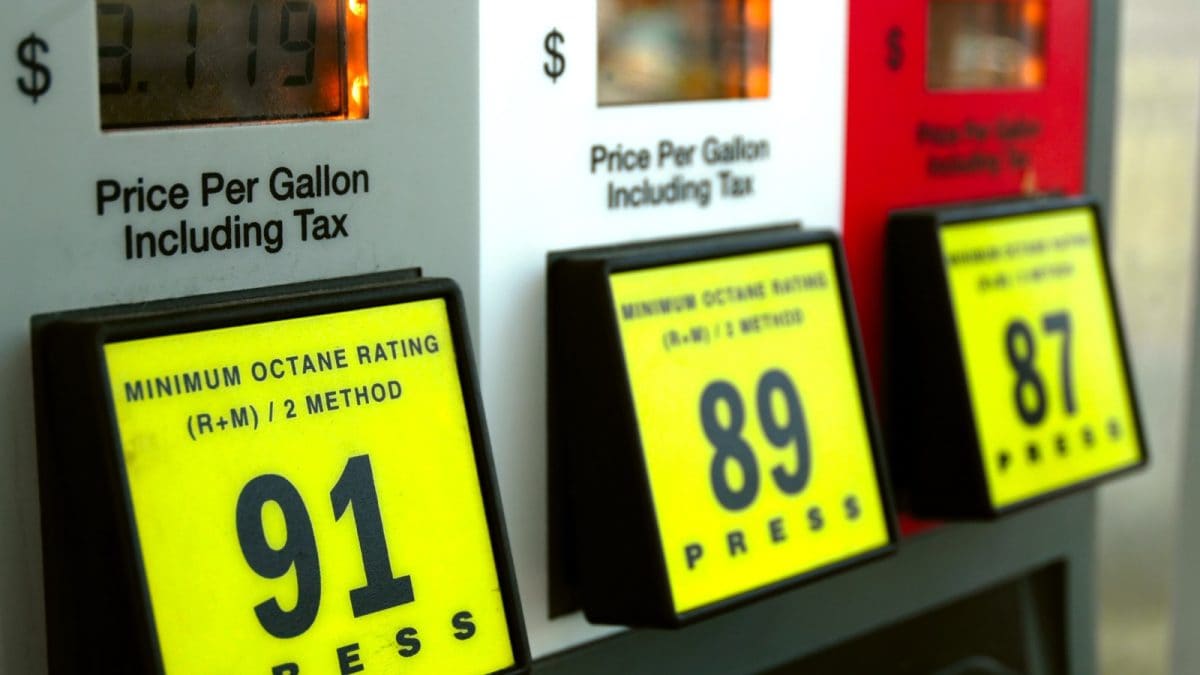
A gasoline’s octane rating averages two testing methods — the research octane number (RON) under idle conditions and the motor octane number (MON) under higher engine speed. You might have noticed this formula in smaller letters on the yellow buttons displayed on gas pumps — (R+M)/2.
The larger numbers on gas pump stickers indicate the octane rating of the different gasoline grades. Typically, gas stations sell gasoline with three octane levels. The exact levels vary from region to region, climate to climate, and by time of year.
Regular
Regular unleaded gas is the lowest octane fuel at typically an 87 level and is suitable for most cars.
Mid-grade
Mid-grade is the middle-range fuel at usually an 89 octane level.
Premium
Premium is the highest-octane fuel you can buy and has levels of 91-94.
Even though some companies market their different grades of gas with names such as “Super Premium,” “Ultra,” or “Ultimate,” they all refer to the gasoline octane rating.
Which Gasoline or Fuel Should I Put in My Car?
The fundamental rule of car maintenance is to follow the manufacturer’s guidelines in the owner’s manual. It will show the minimum octane level for the vehicle and whether premium gas is recommended or required.
Recommended vs. Required Fuel Types
Cars that require premium fuel often have a warning notice at the gas cap and sometimes on the dashboard gas gauge reminding drivers to use the correct type of gas.
When your owner’s manual recommends a fuel type, you aren’t required to put it in your vehicle.
Generally, do what the manufacturer outlines in the owner’s manual, pay attention when filling up at the gas pump, and choose the right fuel for your car.
Higher octane fuel may be necessary for engines using a greater compression ratio or turbocharging to force more air into the cylinders. The use allows high-output engines to produce more power from the compressed air-fuel mixture. High-compression engines can require high-octane fuel to ensure the mixture doesn’t ignite early.
Using fuel with an octane level lower than what is required by the manufacturer can reduce engine performance. Over time, not following the octane guidelines for your car can cause damage to the engine and emissions control system.
It might also void the vehicle’s warranty.
Can You Use a Higher Octane Gas?
If your car is designed for regular-octane gas, you can safely use higher grades of gasoline. But under normal driving conditions, there is little to no benefit to buying fuel with octane levels greater than what is recommended. However, if you have an older car experiencing engine knock, filling up with premium gas for a few tanks might alleviate that problem.
There is no reason to panic if you unintentionally fill up your tank with a gasoline grade with an octane rating less than or greater than what the manufacturer recommends for the car.
However, putting diesel fuel into the tank of a gas vehicle or pumping gasoline when the car requires diesel is a definite cause for concern.
It’s difficult and uncommon, but not impossible, to put diesel fuel into a tank intended for gasoline. A diesel pump is a different color, usually green, and its nozzle is larger so it won’t fit into a gasoline tank’s opening. Accidentally putting diesel into your gasoline tank will require you to pay a dealership or local car repair shop to drain and clean the engine’s fuel line. Similarly, having gasoline in a diesel engine can cause damage to the fuel pump, filter, and injectors.
What Is Flex Fuel?
E85 is a fuel designed for “flex-fuel vehicles.” It is a blend of 51 – 83% ethanol and the balance gasoline. E85 pumps are clearly labeled at gas stations and typically have yellow nozzles. Flex-fuel vehicles usually have a yellow fuel cap. Using gasoline of any octane level in a flex-fuel vehicle is OK. However, putting E85 in a car that isn’t designed for it can be harmful.
Most insurance policies don’t cover accidentally fueling up with the wrong gasoline type. However, some insurers offer riders to cover the mishap. Check with your insurer and your policy. Pay attention at the pump, avoid distraction, and know your car’s requirements.
What About E15?
Fuel labeled as E15 is gasoline blended with up to 15% ethanol. More than 3,000 stations in 31 states sell the fuel. It typically costs about 10 cents less per gallon than regular unleaded gas.
E15 isn’t usually available in warmer months because of concerns about higher ethanol content contributing to smog in hot weather. However, the U.S. Environmental Protection Agency issued an emergency waiver in 2022 and again in April 2023, allowing summertime sales to combat higher prices at the pump. When it issued the waiver, the EPA said that drivers can use E15 without worrying that it will impact air quality.
In February 2024, the EPA announced a rule beginning in 2025 allowing year-round E15 sales in eight Midwestern states that produce much of the nation’s corn crop.
Understanding Diesel Fuel
Diesel fuel is the common term for petroleum distillate fuel. Gasoline and diesel engines operate differently and use different types of fuel. Vehicles that use compression ignition engines use diesel fuel, while spark-ignited engines use gasoline. In general, diesel engines work more efficiently and provide greater torque, even though they generate less horsepower than their gasoline counterparts.
The diesel car market in the United States is relatively small. However, many heavy-duty pickups and some vans have turbodiesel engines to boost towing capacity for commercial work, off-road driving, and towing.
Diesel engines can be altered to burn biodiesel, a fuel produced from raw vegetable oil, used cooking oils, and waste animal fats.
MORE: What Happens if You Put Diesel in a Gas Car?
Off-road Diesel
Off-road diesel is tax-exempt fuel designated for machinery and vehicles not operated on public roadways. Because it’s untaxed, this diesel costs about 25 cents less than what is commonly available at truck stops and many gas stations. However, the fuel contains a dye to help deter drivers from using it in street vehicles and makes it easier for investigators to identify unauthorized use.
Penalties for using tax-exempt motor fuel can be stiff. For example, Georgia law calls for a fine of not less than $1,000 and not more than $10,000 for using non-highway fuel for highway purposes. Federal penalties are also on the books. So, typical drivers should avoid buying dyed diesel unless it’s for farming purposes or home heating use.
RELATED: What is Payload: A Complete Guide
What Is Ethanol-Free Gas?
Non-ethanol gas is gasoline that isn’t blended with ethanol. This type of gas isn’t sold at every filling station. Using pure gas can lead to better mileage. But increased fuel economy from using ethanol-free gas may be offset by its higher cost. Non-ethanol gasoline typically costs more than ethanol-blended varieties.
Using non-ethanol gas in your car won’t harm the vehicle’s engine. You can mix ethanol-free gas with ethanol-blended varieties. However, using an ethanol blend may cause damage to your outdoor power equipment. Refer to your owner’s manual to learn if ethanol-free gas is the correct fuel to use for your tools.
What Is Recreational Fuel?
Some gas stations market ethanol-free 90-octane gasoline as “recreational fuel” or REC-90. Many consumers prefer to use non-ethanol fuel for marine equipment and small engines for lawnmowers, snowblowers, chainsaws, generators, pumps, and other non-transportation equipment.
Why Do Some Gasoline Types Cost More Than Others?
A significant difference between grades of gasoline is the cost, and motorists often wonder why higher-grade options cost more. The additives used for boosting octane are generally more expensive to produce.
At the time of this writing, the average price of regular unleaded in the United States is $3.67 per gallon, and a gallon of mid-grade costs $4.12, according to AAA. The website shows that drivers buying high-octane premium gasoline can expect the price to be around $4.46 per gallon on average.
That means it costs slightly less than $12 more to fill a 15-gallon tank with high-octane premium gas than it would with lower-octane regular.
Is Gas With Higher Octane Worth the Price Difference?
Absolutely. However, it’s only worth the price difference if your car requires higher-octane gasoline, such as mid-grade or premium fuel. Otherwise, you are wasting money.
Some owner’s manuals indicate that fuel with a higher octane rating will make your car run better or more efficiently. Still, the increase in cost per gallon is typically higher than any reduction in gas consumption.
RELATED: Police Warn: Protect Yourself From Gas Theft
Price Factors for Gasoline
Many factors determine gasoline prices. Drivers often see higher prices in the summer driving season. Supply from refineries and demand from vacationing motorists can add up to 15 cents per gallon to gas prices in the summer months. Additionally, seasonal gasoline blends found at the pump contribute to price differences from one season to the next.
In warmer months, gasoline has a greater chance of evaporating from a car’s fuel system. To help offset smog and emissions, refiners produce a summer blend with lower volatility to reduce the chance of evaporation. Blends vary by state because of government regulations. These seasonal blends can add up to 15 cents per gallon on top of demand increases, depending on the region.
Cooler weather brings lower gas prices from September to April because the winter blend is cheaper to produce. The price at the pump can fall as much as 30 cents per gallon as gas stations switch to winter gasoline and many drivers stay closer to home.
Read Related Articles:
More KBB Guides:
Editor’s Note: This article has been updated since its initial publication.
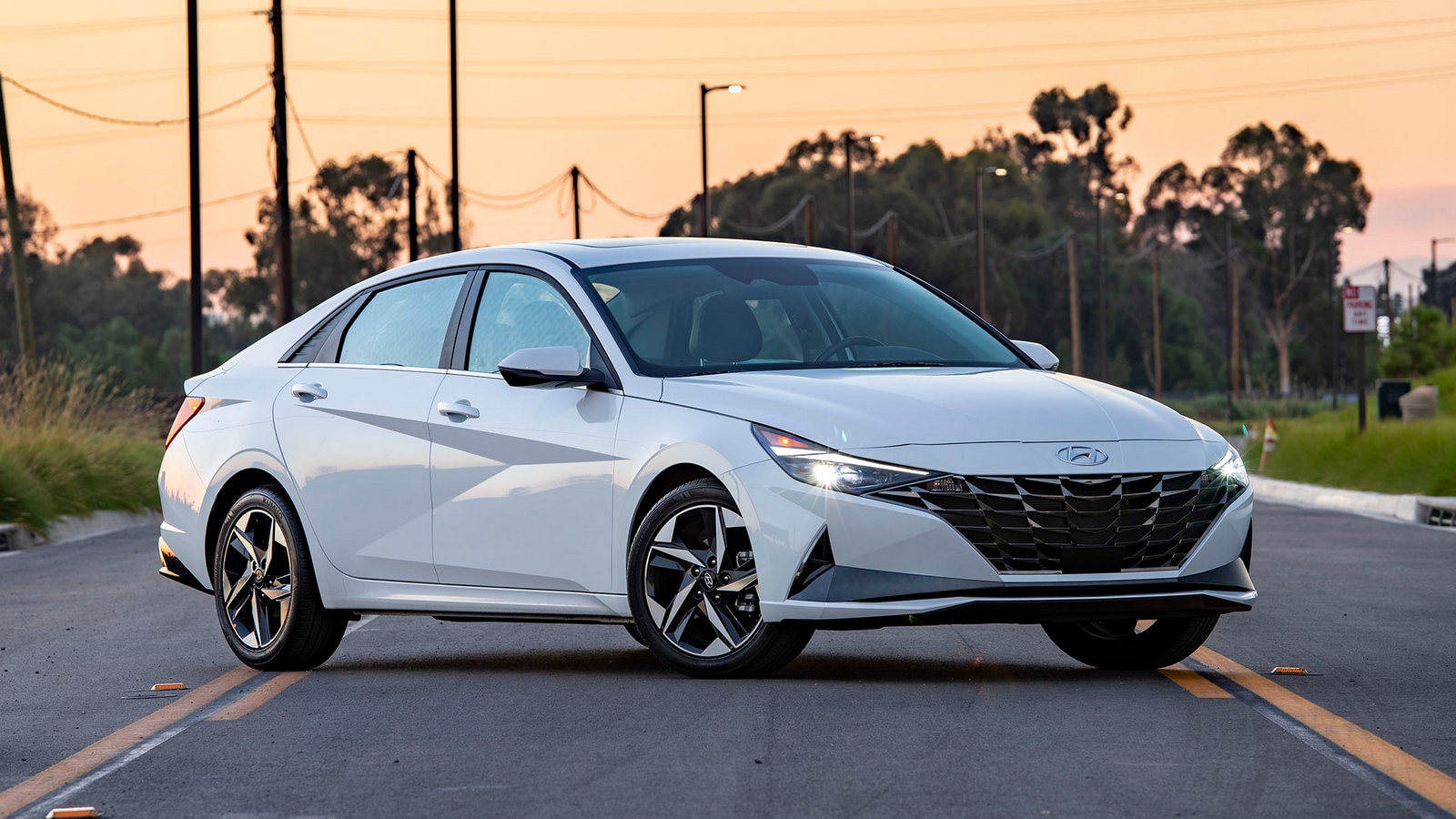
Winner of the Kelley Blue Book Best Buy Award, the all-new 2021 Hyundai Elantra brings buyers a stellar lineup. The Hyundai Elantra is the Goldilocks of Compact Sedans, offering a broad range of features, styles, engines, and options.
Longer, wider, and lower than the previous generation, the seventh-generation Hyundai Elantra brings fun and brains. This edition is a 2021 KBB 5-Year Cost to Own Award winner. Debuting in 1990 as a value sedan with elemental features, the Elantra slipped under the radar and slowly gained a tribe of adoring followers over the generations. Meanwhile, the Hyundai brand pivoted from being value-focused to being one of democratized innovation and above-class technology. It is fitting that a brand mainstay, the Elantra, continues to push the envelope on what is possible while staying true to its roots.
The Hyundai Elantra shines in a class where efficiency and comfort trump dexterity and grit, offering significant competition to the Toyota Corolla, Mazda3, Nissan Sentra, and Honda Civic. The 2021 Elantra delivers a variety of trims and packages to meet the needs of a diverse driver pool. Marking the start of the seventh generation, this model’s design is all-new and bears a modern edge. Each trim holds clues to the trim’s pre-destined function. Most evident in the N-Line, the car uses the coupe-like shape, racing-inspired details, and aerodynamic design. The mid-tier SEL Hybrid echoes the eco-friendly nature of the vehicle. The standard Elantra bears a modern, almost futuristic look with low seating, slanted dash vents, and anchored door handles.
Smaller than its larger sibling, the Hyundai Sonata, the Elantra feels fresh and modern. With a cascading grille, headlights that sit flush, and angular sculpting at the rear and sides, the 2021 Elantra looks alive, fun, and more expensive than it is. The 2021 model brings a healthy fuel economy (31-50mpg combined), a 2.0L or 1.6L engine, thoughtful comfort-based features, a brilliantly equipped hybrid model delivering 54 mpg, and a track-ready N line.
The 2021 model vehicles bring standard wireless Apple CarPlay and Android Auto, an 8-inch color touchscreen, and easily accessible drive modes. It is worth noting that if you choose a 2021 Elantra with a Navigation System, you must use a cable to access the app-based connectivity features.
The 2021 Elantra delivers an improved drive, comfortable control experience, and a more premium feeling interior. Drivers will also appreciate the optional Digital Key that can unlock your vehicle with your phone. The comprehensive driver assistance and safety suite is nicely packaged with automatic emergency braking, pedestrian monitoring, and lane-keeping assist, though blind-spot monitoring is unavailable on some trims.
In the SE, SEL, and Limited models, you’ll find a 2.0-liter 4-cylinder engine with a continuously variable automatic transmission (CVT). The N-Line boasts a 201-horsepower 1.6-liter 4-cylinder engine with a 6-speed manual or 7-speed dual-clutch automatic transmission (DCT) with shift paddles. New for this model, the Elantra gives buyers an abundance of factory options to fit their access and usage needs, like a larger 10.25-inch digital screen, a Bose sound system, additional safety functions, and a voice-recognition system (SEL and Limited trims equipped with the Premium Package).
Modern styling and a comfortable drive experience with a diverse array of efficient power options make the 2021 Hyundai Elantra an easy champion and a Best Buy of 2021.
While many have modified the 911 over time, Gunther Werks stands apart, envisioning a scenario where Porsche continued refining the 993 with modern materials and engineering. Leveraging CEO Peter Nam’s expertise in composites and engineering, the company embarked on a mission to reimagine the 993.
Starting with a standard 993 coupe, Gunther Werks reconstructed the vehicle, employing an extensive array of lightweight carbon fiber panels. Their bespoke approach extended to the cabin, where 80% of the interior was custom-crafted. Beneath the surface, a tailored suspension system and a potent 4-liter flat-six engine, meticulously rebuilt and enhanced to produce 430+ horsepower.
One of their creations known as the Brooklyn Commission is scheduled to hit the auction block on Bonhams’ upcoming Miami auction. This Gunther Werks 911 coupe is what you would like to call as the ultimate 993. Every aspect of this stunning automobile showcases the expertise of its builders, from the exquisite Voodoo Blue paintwork to the bespoke blue leather, Pepita houndstooth fabric, and carbon fiber cabin.
Unique details abound in this project, from classic-style multi-piece alloys to bare carbon mirrors and decklid trim. The cabin features striking carbon sport seats, complemented by Heuer rally chronographs and a custom alloy plinth. Notably, this particular Gunther Werks 993 includes optional rear seats, adding practicality to its performance prowess.
With its 430+ horsepower 4-liter Rothsport engine, this masterpiece delivers a thrilling and roaring driving experience. The limited run of just 25 cars ensures exclusivity, making the Brooklyn Commission a highly coveted gem for enthusiasts seeking the ultimate expression of Porsche’s legendary 993.
On certain short vacations, it doesn’t necessarily make sense to pack up your bulky rolling suitcase. Namely, weekend trips. When you’re planning on only being away from home for just a few days, a spacious weekender bag is really all you need to get the job done, and Amazon has proven once again to be the go-to destination for all of your travel needs.
Whether you’re gearing up for a bachelorette trip, a beachside getaway, or even a staycation in your own city, we’ve uncovered the 10 weekender bags currently on sale at Amazon that are about to make your packing experience so much easier. Best of all, prices start as low as just $21.
Vera Bradley Women’s Cotton Weekender Travel Bag
Amazon
Vera Bradley has been making spacious and reliable duffel bags for years, and this cotton tote is perfect for anything from a short weekend getaway to even longer adventures thanks to the luggage sleeve at the back of the bag that makes it stackable atop your rolling suitcase. Top-carry handles alongside an adjustable shoulder strap make traveling with this bag easy and comfortable, while a multitude of exterior and interior mesh pockets make way for impressive organization. Plus, the entire bag is machine washable so you can rinse away the dirt and grime of the airport once you’ve arrived home.
Etronik Travel Weekender Bag
Amazon
If you’ve been eyeing the viral Béis weekender bag but can’t swing the price tag, this best-seller from Etronik is an excellent, wallet-friendly alternative that boasts impressive packing capacity alongside a number of compartments for maximum organization. The roomy primary pocket offers ample space for all of your favorite clothing that you might want to pack for your trip, while the base of the bag is fitted with a special shoe compartment to keep the remnants of filthy city streets away from your clean laundry. Air vents in the shoe compartment ensure that your bag will never get stuffy (even during longer trips), and right now the top-rated tote is on sale for just $36 at Amazon.
Hyc00 Travel Weekender Overnight Bag
Amazon
Simple, spacious, and reliable, this best-selling tote bag from Hyc00 is a worthy bag selection for overnight and weekend travel, and can even be repurposed as a gym bag in the interim. The 35-liter capacity has room for several days’ worth of clothing, shoes, and toiletries, while a water-resistant exterior is great for traveling during the rainy spring months. The modest size of this bag is airplane compliant, securing its spot as a convenient carry-on, and a simple trolley sleeve also makes this bag a great stackable option alongside a larger rolling suitcase. It even contains a built-in laptop compartment and wet pocket to meet all of your travel needs.
Soaeon Canvas Travel Overnight Weekender Bag
Amazon
This luxurious and astoundingly spacious weekender bag is a standout choice for travelers (and also currently available for just $38 at Amazon) because not only does it have the packing capacity for up to four days, but it also unzips like a traditional suitcase to allow for even more organized packing. The details of this bag set it apart from competitors as it features durable leather handles, a sturdy, waterproof exterior, and reinforced stitching that will keep it in prime shape for years to come. Just don’t forget to clip the additional 10 percent off coupon at checkout for even more impressive savings.
Foundry Fit & Fresh Art Deco Weekender Bag
Amazon
Overpackers will be thrilled to get their hands on this exceptionally large weekender bag that’s best suited for long car rides, trips to the beach, or any other occasion when you plan on packing a large volume of items. This tote measures 22 inches by 18 inches by 12 inches, allowing ample space for more than everything you’ll need — just note that it’s not likely a great choice for taking on an airplane. A wide zipper at the top of the bag alongside several interior zippered pockets make it easy to keep your belongings organized and secure, and when this bag is not in use, the canvas material allows it to be easily folded up and kept out of the way. At just $21, you can upgrade your travel experience even on a budget.
Bagsmart Travel Quilted Weekender Bag
Amazon
Bagsmart excels at crafting high-quality travel gear at affordable prices, and this quilted weekender bag is on sale for just $27 in time for your spring travels ahead. This tote is perfectly suited for air travel and will easily fit in the overhead compartment of most commercial airlines; plus, it comes with a comfy and adjustable shoulder-carry strap, a convenient trolley sleeve, and a portable shoe bag to keep your clothes clean and separated. With enough space to pack for up to a four-day trip, this versatile carry-on is a reliable choice for any trips you have on the agenda for the coming months.
Wogarl 4-piece Weekender Bag Set
Amazon
Get the most bang for your buck with this four-piece luggage set from Wogarl that not only comes with a weekender bag, but also a shoe bag, a toiletry tote, an additional dopp kit, and even a matching purse. A luggage sleeve at the back of the bag makes it easily stackable for week-long adventures, while a water-resistant exterior promises to keep your belongings safe during any inclement weather you may encounter during your travel days. Plus, the base of the bag features another hidden compartment that’s an excellent place to store your dirty laundry, making for a streamlined unpacking experience once you arrive home.
Ibfun Weekender Bag
Amazon
Looking to add some personality to your luggage selection this season? Well, this Ibfun weekender duffel is poised to be a great travel companion thanks to its spacious primary compartment, reinforced and reliable design, and roomy shoe pocket that’s lined with waterproof material to take on rainy weather in style. Right now, this convenient carry-on is double discounted to just $35 at Amazon, and it even boasts enough space to pack for up to four days of traveling (or a weekend trip if you’re an overpacker). And with a bonus toiletry kit and purse included, you can’t go wrong in scoring this unbeatable deal.
Beulptn Small Weekender Bag with Shoe Compartment
Amazon
Minimalist packers will find this compact weekender to be a worthy addition to their travels — especially considering it’s on sale for just $24 at Amazon. Small enough to fit underneath most airplane seats (and inside of overhead bins), this weekender is truly ideal for two-day trips. It’s lightweight, durable, and conveniently designed to keep your belongings well-organized and in place, and it even features a hidden shoe pocket on the side for a single pair of your favorite kicks.
S-Zone Canvas Overnight Weekender Bag
Amazon
If you’re shopping for a no-fuss bag that offers incredible packing capacity, a sturdy design, and even an expandable primary compartment, this duffel from S-Zone is sure to become your go-to choice — and it’s a whopping 50 percent off at Amazon. A canvas exterior accentuated with leather top-carry handles and other detailing creates a luxurious finish to this refined bag, while it’s the perfect size to function as a carry-on during your next flight. Rivets at the bottom of the bag add valuable reinforcements that help it stand on its own, and an adjustable and removable shoulder-carry strap is the cherry on top of this perfect weekender.
2024 has seen the death of 80s fashion legends Claude Montana and Roberto Cavalli. Both were known for their influence on fashion with their own take on flamboyance and ostentatious elegance. Montana helped define the power-woman dressing movement of the 1980s while Cavalli shaped his era-defining glamour through his signature mix of loud animal prints. These fashion behemoths were the creative geniuses of their era because they understood how to translate what luxury meant to a woman — or rather what that era of luxury meant to women of the time, through nuanced sartorial choices.
Claude Montana
The 80s were a time of contention. The world was going through growing tensions and power struggles of the Cold War, the AIDS epidemic, a rise in conservatism, and neoliberal economic ideology brought on by Ronald Reagan and Margaret Thatcher, the fight against apartheid in South Africa alongside the rise of feminism and the women’s rights movement. These social issues were subliminally reflected the collections seen on the runways at the time.
Claude Montana
Big-shouldered jackets, sculpted silhouettes, androgynous-chic models were the embodiment of the 80s-camp femme fatale whose exaggerated ideals of feminism were displayed by Claude Montana and his peer at the time, the late Theirry Mugler. The “working woman” took on a different persona; she was eroticised, hyper-sensual and dominant. Dubbed “glamazons” by the media at the time, these women were no longer subservient to external influences and social issues that were out of their control. Thus, luxury formed a different meaning to the women at the time. An ostentatious display of wealth was equated with her status, reflecting the “more is more” sense of abundance that was welcomed in the era.
Claude Montana
However, as trends come and go, so did the star of Claude Montana’s once supreme Maison. Perhaps due to the death of his wife, his ongoing battle with drugs, or perhaps the inability to adapt to the changing trends, as deconstructed silhouettes and minimalism began making their way onto the runway, “retailers started to drop his line and in 1997, the House of Montana went bankrupt and he was forced to sell it”, states The New York Times. Roberto Cavalli on the other hand, made a more successful transition from the 90s to the 2000s.
Roberto Cavalli
Perhaps it was the use of his distinctive animal prints or his experimentation with patchwork and textiles but the the end of the late nineties and the new millennium was dominated by Roberto Cavalli’s signature sex appeal and penchant for wild animal patterns. Cavalli understood the high-octane nature of fashion at the time and thigh-high slits and ample cleavage dominated the red carpet.
While luxurious furs and leathers are a representation of wealth in itself, Roberto Cavalli’s designs also harkened to the primitive nature of wearing the skin of animals to absorb and embody its powers thus, his designs of the time were seen on Sharon Stone, Victoria Beckham and Beyoncé showcasing a generation of powerful women who were in control of their own power and sexuality. However, as the changing tides of fate would have it, preferences and tastes evolved and so the house of Roberto Cavalli faced a period of financial difficulties that led to its bankruptcy in 2019.
Audacious Appeal vs Quiet Luxury
The Row
Loud prints and big silhouettes are fading into oblivion as the decadence of the 90s and 00s shifted towards the increasing demand for “quiet luxury” of the 2020s. Bottega Veneta, Céline, Victoria Beckham, The Row, Jil Sander, Loro Piana, Phoebe Philo, and even fashion giants Hermès and Prada-owned Miu Miu are but a few fashion houses whose collections speak volumes without being conventionally “glamorous”. The demand speaks for itself, the launch of Phoebe Philo’s eponymous brand nearly sold out within 24 hours despite its high price point (and with no ads or shows). As for The Row, Mary-Kate, the current creative director, and Ashley, the CEO shared in an interview with the Financial Times in 2023 that the company had been growing “at around 20 percent to 30 percent each year”. Miu Miu saw retail sales increase by 58 percent in 2023 and accelerated by 82 percent in the fourth quarter of the financial year resulting in the net revenue of the Prada Group rising by 17 percent.
Pheobe Philo
At the same time, brands like Louis Vuitton and Gucci who highlight their signature monogram patterns and logo-ed motifs find their sales hit by a luxury spending slowdown. According to Bloomberg, LVMH sales growth slowed at the start of the year as wealthy consumers reined in spending on pricey Louis Vuitton handbags while last month Kering-owned Gucci reported that “forecast group sales would decline by about 10 percent for the first three months of the year, significantly worse than consensus expectations for 3 percent drop”.
High Concept vs Commercial Success
It is evident that men and women have different approaches when it comes to designing, specifically for women. Two prime examples are John Galliano for Christian Dior (1996-2011) and the late Alexander McQueen for his namesake label (1992-2010). Like the aforementioned Theirry Mugler and Claude Montana, John Galliano and Alexander McQueen had a longstanding history as famed peers (and rivals) going back to their time as design students at Central Saint Martins. They both were at the helm of notable luxury fashion houses and were instrumental in defining the trends of women’s dressing from the late 90s to the end of the 2010s. Their houses would also later be headed by women — Maria Grazia Chiuri at Dior and Sarah Burton at McQueen.
John Galliano for Christian Dior
To put it simply, Christian Dior Haute Couture shows were wild. As wild as the shows were, the collections were also conceptual fantasies, featuring Egyptian princesses, BDSM brides, Japanese romanticism, and the juxtaposition of a bourgeois fantasy with raunchy French maids.
Alexander McQueen Spring 1998 show
Alexander McQueen on the other hand, went down a darker more controversial route from his Highland Rape Autumn/Winter 1995/96 collection to his Spring 1998 Golden Shower show (later renamed to Untitled). Mcqueen merged political prowess with fashion as he referenced his Scottish roots with tartan suits for the former while he examined sexuality with lavish snakeskin dresses, tailored intarsia suits, and transparent white gowns for the latter. Galliano and McQueen often faced criticism that they were (at times) sexualising the female body, degrading women while also alienating an audience who did not see themselves represented by the women walking down the runway.
This changed when Maria Grazia Chiuri and Sarah Burton took over, ushering in a new era for the brand that saw a contemporary and “democratic” approach. Maria Grazia Chiuri’s take on luxury was subdued and elegant. Take Dior’s recent Fall 2024 collection showcased wardrobe staples and pieces unique for their construction, cut, material, and creativity. There was an element of restraint as jackets were paired with wide-leg pants or below-the-knee pencil skirts alongside 40s-style dresses in hammered satin, crushed velvet and crepe.
Sarah Burton for Alexander McQueen
Similarly, Sarah Burton went against her predecessor’s avant-grade aesthetic opting for a feminine “wearable edginess” that focused on traditional workmanship and the technical construction of clothing while displaying her signature ethereal gowns and floral motifs. For both Maria Grazia Chiuri and Sarah Burton it was clear that the collections were designed by women for women in mind. After all, one cannot take away the fact that female designers ultimately understand proportions and fit better than a man would for the simple reason that they are more likely to wear the clothes they create.
Alessandro Michele brought a successful reign during his time at Gucci with his signature showcase of androgynous maximalist designs, therefore his departure in 2022 could sign of the shifting tides to how brands approach luxury. This begs the question, which idea of luxury is more profitable — creatively conceptual or classically commercial? Brands are coming under increasing pressure to see profits which could come at the cost of more conceptual runway collections.
The Rebranding of “Old Money”
Quiet luxury: The trend that took over social media feeds has made its way onto the runway. Gone are the days of loud monogram prints, logo belts, and shiny emblems. Today’s consumers are opting for quality over quantity, as opposed to flashy patterns and flamboyant trends. The old money aesthetic, a term coined by Tiktok creators, references the styles of wealthy individuals—well-made garments crafted from luxurious materials that stand the test of time.
While we’re in the golden age of technology where fashion of every kind is accessible from our smartphones, we’re also on the precipice of experiencing a global recession. There are ongoing tensions regarding how socioeconomically perceptions of wealth are perceived. The notion of old vs new money “hits a nerve” with younger generations of consumers who could view open displays of excess as greed rather than something to be faulted with pride, particularly at a time of social and economic issues and ongoing international crises. Governments are taking notice and are starting to crack down on tax evasion issues among the rich, facilitated by concealing wealth offshore. This is what makes the timing of this trend so interesting.
At a time when individuals are more sensitive to the hardship of others, wealth and luxury have become only for the wearer to appreciate. An intrinsic value of luxury and craft that only the wearer is privy to. Much like how the monogram and “logomania” sees a continual popularity cycle of death and rebirth, so does the visualisation of wealth in our clothing.
Could this phenomenon of less is more be also attributed to the fact that people have less disposable income? Perhaps. Regardless, trends translated from the runways have set the tone for “quiet luxury” while marketing messaging perpetuates the narrative of craftsmanship. Suffice to say, the extravagant display of wealth in fashion has been relegated to ironic memes on social media these days.
For more on the latest fashion and style reads, click here.
Lets just sell everything and hit the road, RV Full Time and never come back. It always brings a warm feeling to every muscle in my body when I say it. Yet no matter how many times I say it, here I am, right where I’ve always been. It’s been a long time coming, and every day we are closer to making it a reality.
One thing we’ve learned is that it has never been as easy as just sell everything and hit the road, so here are some of the things we had to line up, how we did it, and what is left to do, so that you can follow along with us and maybe even pick up a tip or two to start your own Interstate Adventure.
Now your situation may be different than ours, and maybe there are some things that you have to deal with that we don’t and vice versa, so take what you can from our experience and feel free to share any tips you have that we didn’t think of.
Step one
Make the decision. No, I mean REALLY make the decision. We have all said it, but then it stops there. That was probably our biggest stumbling block on this journey, which looking back is weird because we have never let anything stop us once we made up our mind to do something. So how did that happen now?
Well, because “we’re adults with responsibilities now”.
Bullshit.
What that excuse translates to in real life is, “We are out of that early twenties way of thinking and locked in to the routine of work hard, pay your bills, and save for the future that traps most of us in our home town forever”.
I remember the day we called ourselves out on our own bullshit and actually made the decision like it was yesterday. It was a rainy Saturday afternoon and we were watching a show about Extreme RV’s and day dreaming like we always did.
Man wouldn’t it be nice, but I have to coach, and run my business, my Wife has her career, and being the team mom, plus there’s no way we can actually afford to just live on the road without jobs and stuff, right?
Then she said it, with a different sound in her voice than she had every other time she has said it, “let’s do it”. “We’ll figure it out like we do with everything else. Let’s make a plan and make it happen.”
That last sentence was the game changer. That was the key to the whole thing. Make a plan.
It doesn’t need to be throw the for sale sign on the front lawn and go. If that’s what it is for you that’s awesome! For us there were a few more things to figure out. So we decided to make a backward timeline and fill in the goals from our “Hit The Road Date” back to now (now was some time in the summer of 2016).
So let’s start with your end point on your plan. Ours thing was that we wanted our son to finish school here. For some of you doing a home school program may work so you won’t need to factor that in. We knew back then he wasn’t a college bound kid and was more like me, he learns with his hands. So for him, staying here in NJ, and enrolling in the Vocational program as a welder was his calling, so we set a soft date of June 2020.
Why a soft date? We’re making a plan aren’t we? Of course we are! But it can’t be rock solid because he is still going to have to be able to be set up to follow his dream, and it can’t be a fluid date because then you fall back in to staying put again. So our end date is more like Jell-o. Pretty solid, but still moldable.
So now we have our timeline. Turns out its a 4 year plan, but so what. Now we have a plan, outta here in 4 years. Now we can start filling in goals to accomplish the plan.
So now that we have step one figured out, what’s next?
Step 2 – Financial Freedom
One thing we learned from family members who have moved out of NJ, is that you can’t leave New Jersey with New Jersey debt and expect to be able to afford to live. Sure we have some of the highest pay scales in the country, and I own my own business, but we also have some of the highest costs of living and costs of doing business in the country. So we need to drop the debt as close to zero as possible.
Clearly everyone’s Step 2 process will be different and I’m far from a financial advisor, but you get the point here. Pay off and stop using the credit cards, pay off the student loans, make double payments on the truck etc. The whole goal is to have no bills that you have to continue paying after you hit the road. Right now, we each have one credit card that we are still chipping away at, the Truck and the new RV. When we sell the house there will be enough equity to pay off the truck and RV and still leave some in the bank if we decide to do it that way.
As it would turn out, its a good thing we are on a 4 year plan because Step 2 has taken a little longer than we initially thought it would. Ok, a lot longer. Here’s a tip for accomplishing step 2, stop buying useless shit you don’t actually need. It is amazing how much money we all waste, $1 for coffee, ads up to $5 by the end of the week, and $250 by the end of the year. Do you REALLY need that dancing santa clause? Every time you put something in your cart, before you buy it just ask yourself, where am I going to put this in the RV.
Step 2a – Side Hustle
Now another thing you can do on the financial freedom step is to work on setting up alternative revenue streams. You can do something like this blog where we earn advertising money for the various ads you see around the site and in the articles, or some other form of online business that you can run from the road.
Another thing we did to supplement our income was rent out our RV through RV Share. This is something I would only recommend if you are handy and can fix the RV yourself if it comes back broken, because if you’ve ever had to deal with getting your RV in for service you know how long it can take just to get an appointment.
Fox Sports rented our RV as an exterior broadcast office for every game this year.
How much can you make? We rented out our Class A for about $400/night and brought in roughly $30,000 this year without much effort at all. It was seriously within 2 hours of listing it as available for rent that the booking requests started rolling in, and it got to a point where I almost couldn’t keep up with them during the peak season.
Remember all that useless crap we were talking about earlier? Well it isn’t all going to fit in your RV when you hit the road, so have a yard sale or three, moving sale, get good at using one of those used stuff apps or marketplace and start emptying out the garage and stocking up on cash to put gas in the tank or pay off some of those credit cards.
(Speaking of useless crap, my Wife and I were just in the garage and looking at my collection of “Stuff I’ll need one day” on and around my work bench, and realized cleaning out the garage is going to be a project in itself.)
Told the salesman if the dog doesn’t like the couch the deals off, Guess we’re buying it.
Step 3 – Buy Your RV
Give yourself some time for this one. Remember we are going for financial freedom, so that means the lowest payments possible if you need to finance your RV. Remember that RVShare rental we were doing back in step 2? That was all part of our step 3 from day 1.
We decided we were going to purchase an RV and rent it out, in order to make the extra money to go towards the new RV. We set up a checking account JUST for the RV, and all rental moneys and maintenance was done through that account.
Now that there is a really nice nest egg in that account, we are ready to trade in the money maker RV for our Forever RV. Now when we find the right one, we have the trade in value of the money maker PLUS a substantial additional down payment to keep the loan as small as possible.
Step 3a– Shop Around
Sounds like a no brainer right? But I don’t mean just check the 2 dealerships within an hours drive and call it done. Put some time in on this step. 6 months ago we decided what our Forever RV would be, the Montana 381TH. Then spent the next 6 months looking for one. We found plenty, in the $60-$70,000 range. None of them had a generator on board which is one of my wish list items.
I would look on my favorite national RV Selling websites daily. Literally daily. For a week or two there were exactly ZERO of that 2018 381TH available in the country. It has to be that one, because that’s the one that has the kitchen setup the way my wife wants it. (They changed it a little the following model years)
We are going to be living in it for the foreseeable future, I want my generator, she wants her kitchen setup, we’re both sticking to our guns. One magical day during my website checking I came across The One. Its got everything. My generator, Her kitchen. This is it! And the best part? It was only $50,000.
Taking the time to REALLY shop around saved us 10 to 20 thousand on the price, as well as making it a perfect fit, rather than just something that would work.
Out with the old, in with the new.
Step 4 – Set Up The RV
(This is the step we are up to as of January 2021. We brought home our new RV this weekend and are both dying to get it set up and start moving in so we are ready to go in June.)
So now that you are getting close to being ready to leave, its time to make sure your rig is ready to roll. I would HIGHLY suggest you start living in it before you go. Yup, right there in your driveway. Who cares what your neighbors think.
The reason I suggest this is that you may think its ready to go, and that everything is going to work the way it is supposed to, but it isn’t. It will be MUCH easier to correct some of these issues while you are still living at home whether you have to bring your rig back to the dealership for some service or just decide that you want to make some improvements that will make everyday life easier.
For example, we had seen our Montana 381 in person several times and decided it was perfect, and only now that it is in our driveway and starting to get things put away in it did we notice that the bathroom light switch is behind the door. This is gonna drive me nuts every single day of my life so thats definitely getting remedied before we leave.
(UPDATE: Jan 16, 2021 – On our first “driveway campout” we found a problem with the RV furnace not lighting in the rain – Here’s how I Fixed it.)
Right now you have your “home network” of your dealership, your handyman friend who can fix anything, your buddies shop, whatever it may be. When you are 1,500 miles from “home” who do you call? Do as many shake downs as you can, even if it is in your own driveway, in ALL weather conditions.
Check the good old internet for camping blog sites, or “owners clubs” blogs for your brand of camper. You will find a lot of information and people who have the same brand and have made upgrades that you may not have thought about, but that may be something you would want to do to your own rig.
So as it would turn out, the US Government doesn’t want you to be “homeless” because that screws up their math. You need a “home address” even if you are living the nomad life. There are a few camper clubs that a quick internet search will help you find that will set you up with a “home address” for official paperwork, like taxes, and even hold your mail for you until you decide to park for a while and ship it all to you.
There are several other benefits to these clubs and all of them are a little different, we went with Escapees, because the benefits of the club lined up with our needs on the road but there are more out there so look around and see which one works best for you.
Step 6 – Play Football
Just like with any plan, you are going to have days where things don’t go your way, or you deviate from the plan. My best advice is to treat your plan like a football game.
Divide your timeline into quarters, set your goals on your timeline so you have a visual reference for your plan as you go. Put it somewhere you will see it, like next to your computer monitor, or on the fridge.
As you work towards your plan remember that during a football game, the offense makes a push, and sometimes its a touch down, sometimes the defense steals the ball and runs one in on you.
Come up with another play, and get back out there and make it happen.
At half time, sit down in the locker room, or at the kitchen table, and have a team meeting about how the first half has gone, and what some things that need more attention in the second half may be.
Reassess your plan, your goals, and your timeline. Do a new timeline with any revisions, and once that’s done, Go out there and make your fans scream in the stands while your haters hang their heads and grumble in the background.
We hope to see you out on the road one day, and hope this article helps you achieve your dreams of hitting the road and starting your own Interstate Adventure.
Do you have any tips we missed? Or questions about anything we mentioned? Let us know, we love to hear from everyone!
Click here to read about the next step. Sell everything, load the RV and Go!
American economist Paul Samuelson once described investing as “watching paint dry, or grass grow.” It’s a battle of patience where investors must be disciplined in their predictions amid the allure of short-term gains and financial challenges.
A few who have withstood this pressure to be profitable can now lay the claim as the richest in the world.
Let’s count down the ten wealthiest investors globally.
10. Ray Dalio
Estimated net worth: USD 15.4 billion
Ray Dalio is an American investor and hedge fund manager. While boasting years of experience as a stock trader and futures broker, most of his wealth came from Bridgewater Associates.
The former is a hedge fund that Dalio founded in 1975, of which he serves as a co-chief investment officer. It serves large clients in foreign governments, central banks, endowments, and pension funds. Bridgewater is among the best-performing hedge funds (and one of the largest worldwide), currently having USD 125 billion in assets under management.
9. Michael Platt
Estimated net worth: USD 18 billion
Michael Platt is another of several investors who made their fortunes as a hedge fund manager. He co-founded BlueCrest Capital Management in 2000, one of Europe’s largest hedge funds. Platt is frequently mentioned among the wealthiest UK citizens.
The billionaire’s first introduction to investing was with stocks. He graduated from the London School of Economics in 1991, the same year he joined financial giant JP Morgan. Platt moved up the trading ranks for the company before co-founding BlueCrest in 2000.
8. Steve Cohen
Estimated net worth: USD 19.8 billion
Steve Cohen is another American billionaire hedge fund manager like Ray Dalio. He got his investing break in 1978 as a junior trader in the now-defunct boutique private banking company Gruntal & Co. This was before the investor founded a group of hedge funds named SAC Capital Advisors in 1992.
Cohen is also known for one of the biggest criminal charges against a hedge fund. SAC Capital Advisors closed in 2013 after he pleaded guilty to insider trading and financial crimes like wire fraud. Nevertheless, Cohen founded a new hedge fund, Point72 Asset Management, which is still active.
7. David Tepper
Estimated net worth: USD 20.6 billion
David Tepper is the next American billionaire hedge fund manager on this top 10 list. Tepper’s hedge fund, Appaloosa Management (founded in 1993), is unique in specializing in distressed debt. Here, hedge funds purchase the bonds of companies that have declared bankruptcy or may do so.
Experts regard investing in distressed debt as much riskier than other markets. Yet, the returns are substantial, explaining Tepper’s source of wealth and demonstrating his investing genius.
Besides distressed debt, Tepper’s hedge fund also invests in fixed-income and public equity.
6. Jeff Yass
Estimated net worth: USD 20.6 billion
Unlike the previous hedge fund tycoons, Jeff Yass is an American billionaire who made his wealth in multiple trading and investing industries. Most of his riches come from co-founding the Susquehanna International Group in 1987.
The trading and technology company invests in several markets, such as options, stocks, forex trading, and commodities, as well as derivative products, venture capital, and many others.
Yass is also known for investing in then-unknown ByteDance in 2012, which owns one of the world’s most popular video-sharing platforms, TikTok.
5. Masayoshi Son
Estimated net worth: USD 31.2 billion
Masayoshi Son is an eccentric Japanese technology entrepreneur and investor who founded SoftBank, one of the world’s largest holding companies. Interestingly, some have dubbed Son the ‘worst investor ever.’ Despite this, his USD 20 million investment in Alibaba in 2000 remains the envy of many, given that this stake was worth multiple billions when the company went public in 2014.
SoftBank is highly diversified, investing in software, artificial intelligence, robotics, logistics, real estate, e-commerce, finance, and information technology, among many other areas.
4. Jim Simmons
Estimated net worth: USD 31.4 billion
Jim Simmons is a unique billionaire investor since he’s also a mathematician with a doctorate. He even worked as a code breaker during the Cold War. It’s this genius that helped him co-develop Renaissance Technologies in 1978.
This quantitative hedge fund uses “mathematical and statistical methods in the design and execution of its investment programs.” Many analysts regard the fund as one of the best-performing in history.
3. Ken Griffin
Estimated net worth: USD 36.4 billion
Ken Griffin is another investing and hedge fund mogul with one of the most profitable hedge funds, Citadel LLC. While many of the investors already profiled are in their mid-60s, the American is the youngest at 55 years.
After starting his trading career in a dorm room at Harvard University in 1987, Griffin eventually founded Citadel three years later. The investor added equity, trading, and fixed-income subsidiaries and created one of the US’ largest market makers, Citadel Securities.
2. Stephen Schwarzman
Estimated net worth: USD 38.2 billion
Stephen Schwarzman is an American billionaire who became successful through private equity ventures with Blackstone Inc. The former is an alternative investment company known for being among the most substantial investors in leveraged buyouts.
Blackstone is the most valuable alternative investment firm, with assets under management exceeding USD 1 trillion as of 2024. It’s also active in other industries, including hedge funds, real estate, credit, insurance, growth equity, etc.
1. Warren Buffett
Estimated net worth: USD 38.2 billion
The top person on this list shouldn’t come as a surprise for investing followers. At 93, Warren Buffett is the richest investor and widely considered the greatest. Many applaud Buffett for his value investing principles and long-term patience.
The ‘Oracle of Omaha’ has been investing since his pre-teen days before a successful business career in his early 20s.
Like Son, Buffett also developed his own holding company, Berkshire Hathaway, in the early 60s. He used the profits from this then-ailing textile mill to buy stocks of many other businesses in the decades to come. Simultaneously, Berkshire Hathaway gained holdings in massive blue-chip corporations.
Final Word — Investing Is A Long-Term Game
The first takeaway from this list is that many wealthy investors made their money through hedge funds. Moreover, these companies have existed for decades, emphasizing the importance of long-term profit forecasting and sustainable businesses.
It’s also no wonder that the ultra-rich investors are over 55. This exemplifies their incredible patience and the fact that you become better at your craft the older you get.
For more on the latest business reads, click here.
The technical storage or access is strictly necessary for the legitimate purpose of enabling the use of a specific service explicitly requested by the subscriber or user, or for the sole purpose of carrying out the transmission of a communication over an electronic communications network.
Preferences
The technical storage or access is necessary for the legitimate purpose of storing preferences that are not requested by the subscriber or user.
Statistics
The technical storage or access that is used exclusively for statistical purposes.The technical storage or access that is used exclusively for anonymous statistical purposes. Without a subpoena, voluntary compliance on the part of your Internet Service Provider, or additional records from a third party, information stored or retrieved for this purpose alone cannot usually be used to identify you.
Marketing
The technical storage or access is required to create user profiles to send advertising, or to track the user on a website or across several websites for similar marketing purposes.