Home Blog Page 797

Reports: Tesla Abandons Inexpensive Car Plan

0


Reports: Tesla Abandons Inexpensive Car Plan

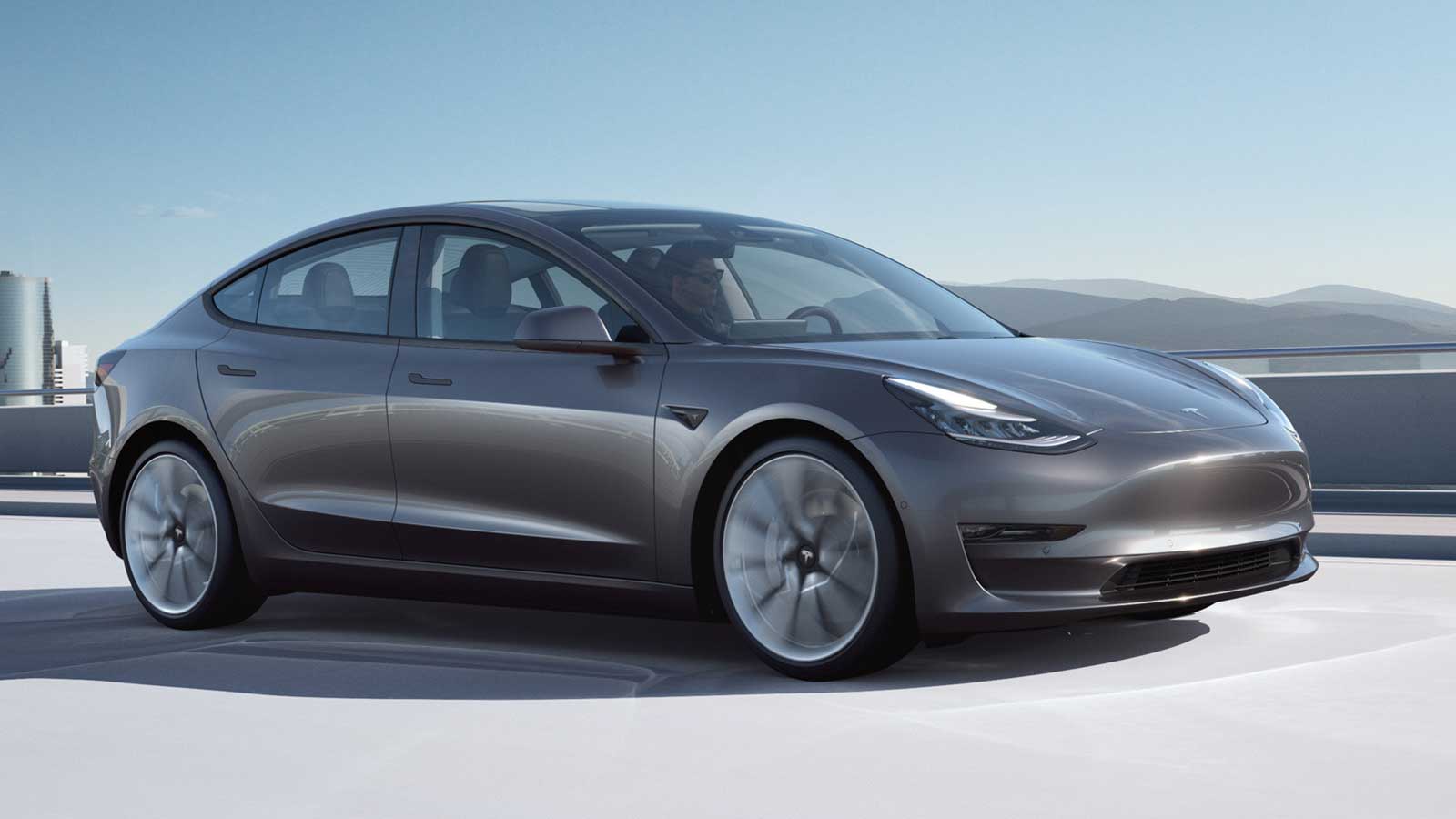
Tesla appears to have abandoned its long ambition of building an affordable electric vehicle (EV) for the masses.

Reuters first reported the news earlier this month, saying Tesla had “canceled the long-promised inexpensive car that investors have been counting on to drive its growth into a mass-market automaker, according to three sources familiar with the matter and company.”

Tesla CEO Elon Musk immediately replied on his social media site X (formerly Twitter), calling the report a lie.

But, in the days since, even the enthusiast press that reports solely on EVs seems to have come around to believing Reuters. EV site Electrek now says it “can confirm that Tesla indeed put its upcoming $25,000 electric car, sometimes referred to as ‘Model 2’, on the back burner despite what Elon Musk said.”

What May Be Dead

Tesla has long followed a simple gameplan – start with expensive models, then work its way down to build cars more people can afford.

The brand’s first product was the expensive, high-performance Roadster built on a Lotus chassis. Starting with lightweight and high prices let the company perfect its EV technology in easy circumstances. It then launched a high-end luxury car, the Model S, followed by a luxury SUV, the Model X.

That let well-heeled luxury buyers fund the company’s growth (along with regulatory credits sold to other automakers, which made up the bulk of its revenue for nearly two decades).

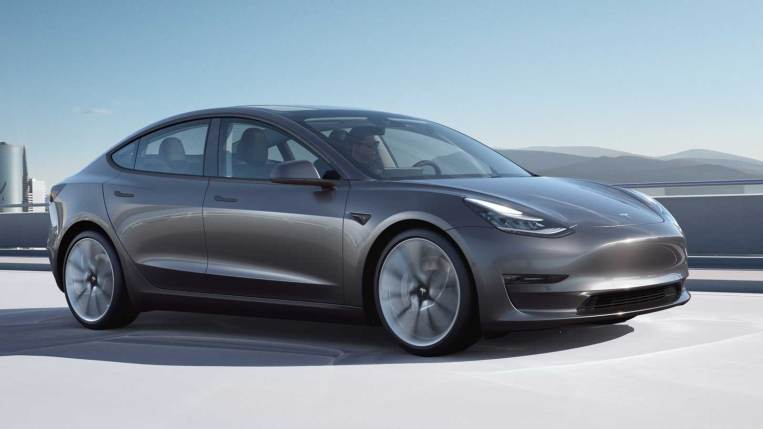
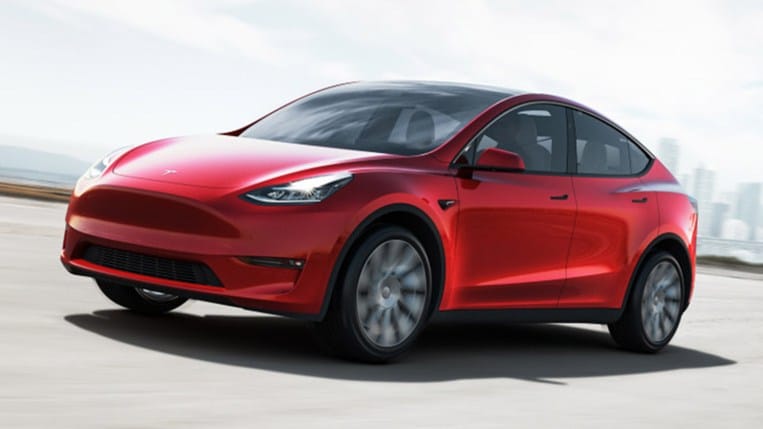
As economies of scale brought down the cost of building EVs, Tesla moved down market. Its Model 3 sedan and Model Y SUV were priced like entry-level luxury cars and have come down in price over time. They now compete on price against models from Kia and Chevrolet, not BMW and Lexus.

That strategy briefly made the Model Y Earth’s best-selling vehicle for one quarter last year.

The company planned to follow that pattern down into the $25,000 range with a car long thought to be called the Model 2. As recently as January, insiders said it could launch next year.

The Verge notes, “In 2020, at the company’s first Battery Day event, he [Musk] speculated that Tesla could eventually produce upward of 20 million of these vehicles in a year — or roughly twice the current production of Toyota, GM [General Motors], or Volkswagen.”

What’s Happening Instead – Robotaxis

But in recent years Musk has pivoted to telling investors that Tesla’s most important project is its push toward developing self-driving software. That project, he told investors in 2022, is “really the difference between Tesla being worth a lot of money or worth basically zero.”

There are no true self-driving cars for sale today. Most automakers sell cars with driver assistance systems that can take over some of the work of driving while the driver stays alert. But most automakers are using that technology to try to develop a car that can drive itself.

Related – Self-Driving Cars: Everything You Need to Know

Musk was fond of telling early Tesla buyers their cars would someday earn them money, serving as robotaxis when their owners didn’t need them.

That project, it seems, has taken precedence over even the Model 2.

Reuters reports that Tesla “will continue developing self-driving robotaxis on the same small-vehicle platform.” Musk recently posted on X that the company will unveil its “Tesla Robotaxi” on Aug. 8.

Several rival companies have tried to make the robotaxi idea work, with limited success. GM recently cut spending on its Cruise robotaxi unit after the U.S. Justice Department and Securities and Exchange Commission announced investigations of accidents involving Cruise taxis.

Waymo, a project of Google parent company Alphabet, and Zoox, owned by Amazon, have robotaxi projects in several cities. But Bloomberg reports, “funding for autonomous vehicle technology continues to fall from its peak in 2021.”

Tesla’s Pursuit of Self-Driving Is Different From Rivals’

Tesla sells three levels of driver assistance software with its cars, marketed under the names Autopilot, Advanced Autopilot, and Full Self-Driving. They have not been well-received by critics – one recent comparison test rated Tesla’s system just the eighth best on the market.

Tesla approaches development differently than most rivals. While most automakers use a combination of cameras, radar, lidar, and ultrasonic sensors, Musk has limited engineers to using only cameras to feed information to its system.

Mercedes-Benz has pulled ahead in development, releasing the only system sold in the U.S. that legally allows a driver to look away from the road.

Other companies have performed most of their development in testing on closed tracks. Tesla famously deployed Full Self-Driving for “beta testing,” letting thousands of customers use an unfinished product to collect data for the company. That led to increased scrutiny, prominent recalls of both Autopilot and Full Self-Driving, and reportedly several government investigations.

But it also means the company may have more real-world testing data than anyone else in the industry. Tesla recently began offering buyers a free month of Full Self-Driving on every new car, presumably increasing its data haul dramatically.

Volume vs. Hype

Tesla hasn’t stopped developing new cars. But the cars getting its attention are very different from the proposed Model 2.

That car would have been a volume play – an attempt to sell electric cars to millions. The company’s recent products, instead, are low-volume products that build a lot of publicity.

Last year, it made worldwide headlines with its future-funky Cybertruck entering production. Perhaps the most visually interesting car in many years, it earned hype on a level rarely seen in the automotive industry. But the company has said the roughly $80,000 truck is expensive and complicated to build, and may be produced in small numbers for years to come.

Its next planned release is a rebirth of that original Roadster, a 2-door sports car. But it may be an even rarer sight, with a projected price tag of $250,000. And the hype? Tesla is promising optional (and dubiously-legal) rocket boosters.

That sort of product wins the company tremendous publicity no automaker can match. But it doesn’t sell those kind of cars in great volumes.

Tesla does plan a refresh of the Model Y, codenamed Juniper, which may appear this year.

A Tech Company, Not a Car Company?

Telsa had another success outside the showroom last year. Virtually every other automaker agreed to use its charging ports. That solves a longstanding EV industry problem – multiple charging options that meant not every public charger worked for every car. It also brings Tesla some revenue, as those companies are paying Tesla undisclosed sums to open its charging network to owners of their cars.

Add it all up, and you have a rapidly transforming company. Tesla is reportedly abandoning an attempt to build a very high-volume, inexpensive car. Instead, it’s focused on developing robotaxis and collecting revenue from other companies that build EVs.

It still has a pipeline of new car projects, but they’re focused on building halo cars – cars that sell to a few wealthy buyers and earn great publicity.

The company recently suffered a poorer-than-expected sales quarter. It faces increasing competition globally from Chinese automakers, which could enter the American market. Many analysts worry that no American manufacturer can compete with China’s car industry on price.

 But, as Musk sees it, selling cars may no longer be the most important thing Tesla does.


Source link

Maintaining Your Tesla: Everything You Need To Know

0


2022 Tesla Model 3 in charcoal, driving.2022 Tesla Model 3 in charcoal, driving.

Quick Facts About Tesla Maintenance

  • Mobile service providers perform routine Tesla maintenance, but the carmaker does not have service centers in every state. GM began servicing Teslas in the last few years.
  • The cost to maintain a Tesla is slightly higher than many gasoline cars.
  • According to Tesla, owners must lubricate the brake calipers annually in states that use road salt in winter.

Maintaining a Tesla seems simple enough, according to one promise of the electric vehicle revolution. After all, having fewer mechanical parts in the car means you don’t have the expense and inconvenience of oil changes, transmission fluid replacements, or coolant flushes.

Tesla, America’s best-known EV maker, is doing the most to spread the message of easy maintenance and less-expensive routine service costs. Still, keeping a Tesla on the road isn’t free, and service centers aren’t as common as regular auto shops. Continue reading for insight into Tesla maintenance.

How Much Does Maintaining a Tesla Cost?

Tesla maintenanceTesla maintenance

Tesla’s Model 3 is among the fastest-selling electric cars in America. The model received an award for the Lowest 5-Year Cost to Own vehicle in the luxury electric vehicle segment in 2023.

Our experts found that over five years, the owner of a Tesla Model 3 can expect to spend an estimated $3,115 on maintenance, or $623 annually. That’s slightly higher than many gas-powered competitors. For example, maintenance for the Genesis G70 costs $2,621 over five years.

But Tesla’s fuel savings more than made up for the added cost. Keep in mind that some costs can add up for maintenance. For example, EV tires wear faster due to the extra weight of the batteries and need to be replaced more frequently than tires on traditional gasoline cars.

Also, older vehicles may experience additional maintenance and repair costs over time. For example, one Reddit user cites a cost of $3,631 to replace one headlamp in a 2014 Model S.

Can You Maintain a Tesla Yourself?

Some items on Tesla’s routine maintenance schedule are simple enough for a competent home mechanic to perform. For instance, replacing the cabin air filter every two years is easy with minimal experience.

Other tasks, including testing brake fluid for contamination, require shop tools most of us don’t have.

Still, every new Tesla comes with a bumper-to-bumper and a battery warranty. Depending on the model, the battery warranty length can vary from either eight years or 100,000, 120,000, or 150,000 miles. The bumper-to-bumper warranty is four years or 50,000 miles.

MORE: Are All Tesla Cars Electric?

Where To Go for Tesla Maintenance

Tesla-Service-CenterTesla-Service-Center

Tesla employs a fleet of mobile service providers. They’ll come to you wherever your Tesla is parked to perform routine maintenance. These include tire rotations, cabin air filter changes, and other basic tasks.

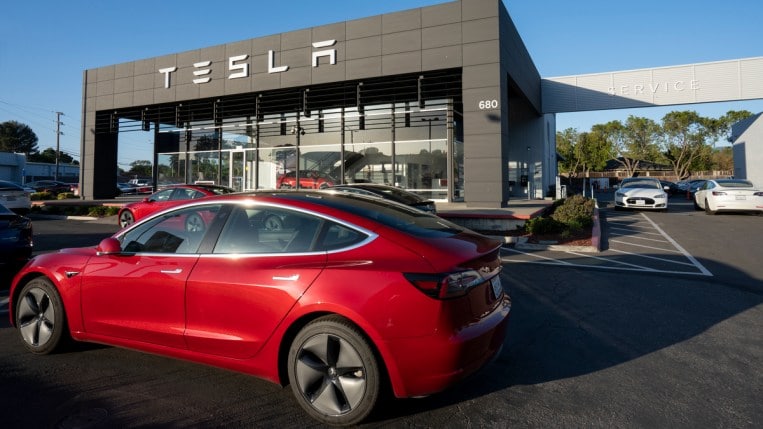
Tesla maintains a network of service centers for less common and more extensive work. The company operates service centers in at least 35 states as of this writing. However, that doesn’t mean they’re all conveniently located. Ease of access varies widely based on where you live. California residents can use 39 service centers across the state. If your Tesla experiences a problem in Idaho, you must go to Boise.

There’s another solution for drivers who don’t live near a Tesla service center. GM began servicing Tesla vehicles in the last few years. GM estimates that 90% of Americans live within 10 miles of their dealerships.

Can You Take Your Tesla to a Regular Auto Shop?

Few independent service shops currently have technicians certified to work on electric cars. That will likely change in the coming years as electric vehicles make up a more significant portion of the cars on American roads. But, at the moment, most independent shops don’t work on Tesla vehicles.

Tesla also notes, “If you choose to take your vehicle to a non-Tesla shop for maintenance or repairs, coverage under your warranty could be affected if any problems occur.”

RELATED: How Long Does It Take to Charge a Tesla?

Routine Tesla MaintenanceA Tesla dealership lit up at nightA Tesla dealership lit up at night

Tesla vehicles use batteries and maintenance-free electric motors. Those take the place of the engine, fuel system, and transmission in a gasoline-powered car — parts that are the source of most maintenance needs.

Like other electric cars, Teslas use a suspension system, tires, brakes, and other parts similar to vehicles with internal combustion engines. These parts still need routine maintenance.

The battery mentioned above is the one providing power to the vehicle’s propulsion motor. However, electric cars also have a 12-volt battery to operate accessories, including door locks. In a Tesla, the 12-volt battery must keep its charge because the vehicle uses a button instead of traditional door handles to open the doors from the inside. If that battery dies and the locks aren’t working, you’ll need to open the doors using a mechanical release in front of the window switches. Although the occurrence is infrequent, ensure the 12-volt battery is holding its charge to avoid the unsettling feeling that comes when your door doesn’t immediately open as expected.

Do Teslas Require Unique Maintenance?

Tesla vehicles also require some unusual maintenance services because of their unique nature. For instance, regenerative braking uses resistance from the electric motor to help slow a Tesla. This function means drivers rely less on brakes. Therefore, brake pads tend to last longer in a Tesla than in a gas-powered car.

However, Tesla requires owners to lubricate the brake calipers annually in states that use road salt in the winter. In addition, many Tesla owners have shared anecdotes suggesting that a Tesla’s tires need replacement before their predicted lifespan ends. Tires advertised to last 40,000 miles can last just 30,000 miles on a Tesla. The increased wear could be because EVs weigh more than gas-powered cars. Another cause may be the instant torque of their motors provides high-friction starts.

What Maintenance Do Tesla Owners Get To Skip?

Because Teslas lack traditional engines and transmissions, regular tasks like oil changes and coolant flushes are unnecessary.

MORE: Tesla Dual Motor Basics: What You Need To Know

Owner Satisfaction With Tesla Maintenance

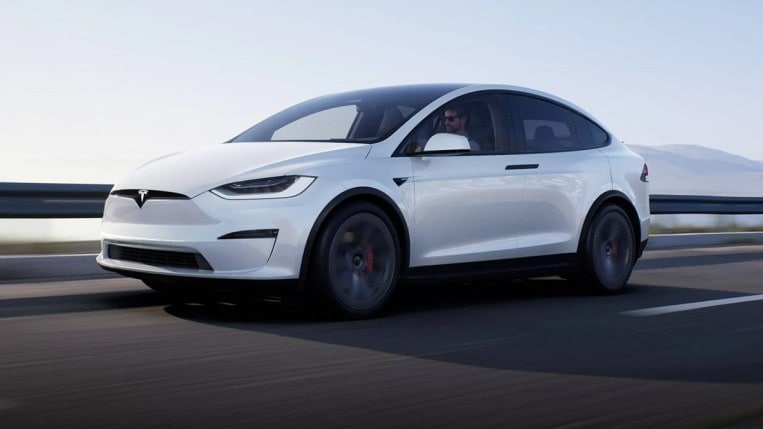
2023 Tesla Model X in white.2023 Tesla Model X in white.

Tesla sales have snowballed, but its network of service centers has not grown as quickly. Consequently, many Tesla owners have complained of long wait times for service appointments, even as GM assists the carmaker.

Parts shortages also plague the auto industry, and Tesla is not immune.

According to the National Highway Traffic Safety Administration (NHTSA), Tesla experienced 14 recalls in 2023, potentially affecting more than 2.5 million vehicles. In February 2023, Tesla recalled about 362,760 vehicles equipped with “Full Self-Driving Capability” software after the National Highway Traffic Safety Administration (NHTSA) warned that it was unsafe. In December 2023, Tesla recalled more than 2 million vehicles because of an increased risk of crashing due to insufficient controls to prevent misuse of the Autosteer feature.

In February 2024, Tesla issued a recall for nearly every vehicle it has ever sold because the safety warnings they display are smaller than federal law allows.

Read more about Tesla recalls and use our recalls resource tool for additional information.

RELATED: Tesla Has The Most Loyal Owners, Study Finds

Tesla maintenance guideTesla maintenance guide

Tesla publishes a recommended maintenance schedule for some services. It does not cover wear items like wiper blades, tires, and brake pads, which must be inspected at every service appointment and replaced as necessary.

ServiceInterval
Replace Cabin Air Filter*Every 2 years (Model 3, Model Y)Every 3 Years (Model S, Model X)
Rotate Tires, Align WheelsEvery 6,250 miles
Test Brake Fluid, Replace If NeededEvery 2 years
Replace Air Conditioning Desiccant Bag*6 years (Model 3)4 years (Model Y)3 years (Model S, Model X)
Replace HEPA Air Particulate FilterEvery 3 years
Clean and Lubricate Brake CalipersEvery 12 Months or 12,500 miles in regions that use road salt

Source: Tesla

*Times may vary depending on the model year of your vehicle.

Editor’s Note: This article has been updated for accuracy since its original publication.


Source link

Transform Images Into 3D Scenes With Instant NeRF

0


Transform Images Into 3D Scenes With Instant NeRF

Editor’s note: This post is part of the AI Decoded series, which demystifies AI by making the technology more accessible, and which showcases new hardware, software, tools and accelerations for RTX PC users.

Imagine a gorgeous vista, like a cliff along the water’s edge. Even as a 2D image, the scene would be beautiful and inviting. Now imagine exploring that same view in 3D – without needing to be there.

NVIDIA RTX technology-powered AI helps turn such an imagination into reality. Using Instant NeRF, creatives are transforming collections of still images into digital 3D scenes in just seconds.

Simply Radiant

A NeRF, or neural radiance field, is an AI model that takes 2D images representing a scene as input and interpolates between them to render a complete 3D scene. The model operates as a neural network — a model that replicates how the brain is organized and is often used for tasks that require pattern recognition.

Using spatial location and volumetric rendering, a NeRF uses the camera pose from the images to render a 3D iteration of the scene. Traditionally, these models are computationally intensive, requiring large amounts of rendering power and time.

A recent NVIDIA AI research project changed that.

Instant NeRF takes NeRFs to the next level, using AI-accelerated inverse rendering to approximate how light behaves in the real world. It enables researchers to construct a 3D scene from 2D images taken at different angles. Scenes can now be generated in seconds, and the longer the NeRF model is trained, the more detailed the resulting 3D renders.

NVIDIA researchers released four neural graphics primitives, or pretrained datasets, as part of the Instant-NGP training toolset at the SIGGRAPH computer graphics conference in 2022. The tools let anyone create NeRFs with their own data. The researchers won a best paper award for the work, and TIME Magazine named Instant NeRF a best invention of 2022.

In addition to speeding rendering for NeRFs, Instant NeRF makes the entire image reconstruction process accessible using NVIDIA RTX and GeForce RTX desktop and laptop GPUs. While the time it takes to render a scene depends on factors like dataset size and the mix of image and video source content, the AI training doesn’t require server-grade or cloud-based hardware.

NVIDIA RTX workstations and GeForce RTX PCs are ideally suited to meet the computational demands of rendering NeRFs. NVIDIA RTX and GeForce RTX GPUs feature Tensor Cores, dedicated AI hardware accelerators that provide the horsepower to run generative AI locally.

Ready, Set, Go

Get started with Instant NeRF to learn about radiance fields and experience imagery in a new way.

Developers and tech enthusiasts can download the source-code base to compile. Nontechnical users can download the Windows installers for Instant-NGP software, available on GitHub.

While the installer is available for a wide range of RTX GPUs, the program performs best on the latest-architecture GeForce RTX 40 Series and NVIDIA RTX Ada Generation GPUs.

The “Getting Started With Instant NeRF” guide walks users through the process, including loading one of the primitives, such as “NeRF Fox,” to get a sense of what’s possible. Detailed instructions and video walkthroughs — like the one above — demonstrate how to create NeRFs with custom data, including tips for capturing good input imagery and compiling codebases (if built from source). The guide also covers using the Instant NeRF graphical user interface, optimizing scene parameters and creating an animation from the scene.

The NeRF community also offers many tips and tricks to help users get started. For example, check out the livestream below and this technical blog post.

Show and Tell

Digital artists are composing beautiful scenes and telling fresh stories with NVIDIA Instant NeRF. The Instant NeRF gallery showcases some of the most innovative and thought-provoking examples, viewable as video clips in any web browser.

Here are a few:

  • “Through the Looking Glass” by Karen X. Cheng and James Perlman A pianist practices her song, part of her daily routine, though there’s nothing mundane about what happens next. The viewer peers into the mirror, a virtual world that can be observed but not traversed; it’s unreachable by normal means. Then, crossing the threshold, it’s revealed that this mirror is in fact a window into an inverted reality that can be explored from within. Which one is real?


  • “Meditation” by Franc Lucent As soon as they walked into one of many rooms in Nico Santucci’s estate, Lucent knew they needed to turn it into a NeRF. Playing with the dynamic range and reflections in the pond, it presented the artist with an unknown exploration. They were pleased with the softness of the light and the way the NeRF elevates the room into what looks like something out of a dream — the perfect place to meditate. A NeRF can freeze a moment in a way that’s more immersive than a photo or video.


  • “Zeus” by Hugues Bruyère These rendered 3D scenes with Instant NeRF use the data Bruyère previously captured for traditional photogrammetry using mirrorless digital cameras, smartphones, 360-degree cameras and drones. Instant NeRF gives him a powerful tool to help preserve and share cultural artifacts through online libraries, museums, virtual-reality experiences and heritage-conservation projects. This NeRF was trained using a dataset of photos taken with an iPhone at the Royal Ontario Museum.


From Image to Video to Reality

Transforming images into a 3D scene with AI is cool. Stepping into that 3D creation is next level.

Thanks to a recent Instant NeRF update, users can render their scenes from static images and virtually step inside the environments, moving freely within the 3D space. In virtual-reality (VR) environments, users can feel complete immersion into new worlds, all within their headsets.

The potential benefits are nearly endless.

For example, a realtor can create and share a 3D model of a property, offering virtual tours at new levels. Retailers can showcase products in an online shop, powered by a collection of images and AI running on RTX GPUs. These AI models power creativity and are helping drive the accessibility of 3D immersive experiences across other industries.

Instant NeRF comes with the capability to clean up scenes easily in VR, making the creation of high-quality NeRFs more intuitive than ever. Learn more about navigating Instant NeRF spaces in VR.

Download Instant-NGP to get started, and share your creations on social media with the hashtag #InstantNeRF.

Generative AI is transforming gaming, videoconferencing and interactive experiences of all kinds. Make sense of what’s new and what’s next by subscribing to the AI Decoded newsletter.


Source link

Living Optics CEO Robin Wang on Hyperspectral Imaging

0


Living Optics CEO Robin Wang on Hyperspectral Imaging

Step into the realm of the unseen with Robin Wang, CEO of Living Optics. The startup cofounder discusses the power of hyperspectral imaging with AI Podcast host Noah Kravitz in an episode recorded live at the NVIDIA GTC global AI conference. Living Optics’ hyperspectral imaging camera, which can capture visual data across 96 colors, reveals details invisible to the human eye. Potential applications are as diverse as monitoring plant health to detecting cracks in bridges. The startup aims to empower users across industries to gain new insights from richer, more informative datasets fueled by hyperspectral imaging technology.

Living Optics is a member of the NVIDIA Inception program for cutting-edge startups.

Stay tuned for more episodes recorded live from GTC.

Time Stamps

1:05: What is hyperspectral imaging?

1:45: The Living Optics camera’s ability to capture 96 colors

3:36: Where is hyperspectral imaging being used, and why is it so important?

7:19: How are hyperspectral images represented and accessed by the user?

9:34: Other use cases of hyperspectral imaging

13:07: What’s unique about Living Optics’ hyperspectral imaging camera?

18:36: Breakthroughs, challenges during the technology’s development

23:27: What’s next for Living Optics and hyperspectral imaging?

You Might Also Like…

Dotlumen CEO Cornel Amariei on Assisstive Technology for the Visually Impaired – Ep. 217

Dotlumen is illuminating a new technology to help people with visual impairments navigate the world. In this episode of NVIDIA’s AI Podcast, recorded live at the NVIDIA GTC global AI conference, host Noah Kravitz spoke with the Romanian startup’s founder and CEO, Cornel Amariei, about developing its flagship Dotlumen Glasses.

DigitalPath’s Ethan Higgins on Using AI to Fight Wildfires – Ep. 211

DigitalPath is igniting change in the golden state — using computer vision, generative adversarial networks and a network of thousands of cameras to detect signs of fire in real time. In the latest episode of NVIDIA’s AI Podcast, host Noah Kravtiz spoke with DigitalPath system architect Ethan Higgins about the company’s role in the ALERTCalifornia initiative, a collaboration between California’s wildfire fighting agency CAL FIRE and the University of California, San Diego.

MosaicML’s Naveen Rao on Making Custom LLMs More Accessible – Ep. 199

Startup MosaicML is on a mission to help the AI community enhance prediction accuracy, decrease costs, and save time by providing tools for easy training and deployment of large AI models. In this episode of NVIDIA’s AI Podcast, host Noah Kravitz speaks with MosaicML CEO and co-founder Naveen Rao about how the company aims to democratize access to large language models.

Peter Ma on Using AI to Find Promising Signals for Alien Life – Ep. 191

In this episode of the NVIDIA AI Podcast, host Noah Kravitz interviews Ma, an undergraduate student at the University of Toronto, about how he developed an AI algorithm that outperformed traditional methods in the search for extraterrestrial intelligence.

Subscribe to the AI Podcast

Get the AI Podcast through iTunes, Google Podcasts, Google Play, Amazon Music, Castbox, DoggCatcher, Overcast, PlayerFM, Pocket Casts, Podbay, PodBean, PodCruncher, PodKicker, Soundcloud, Spotify, Stitcher and TuneIn.

Make the AI Podcast better: Have a few minutes to spare? Fill out this listener survey.


Source link

Audi RS E-tron GT Prototype Drive: An Enhanced Electric Grand Tourer

0


Unchanged Design, Enhanced Capabilities

Audi has opted to maintain the familiar design of the RS E-tron GT, ensuring that even a distinctive camouflage wrap does little to alter its recognized exterior. The primary enhancements have been focused internally, fulfilling the grand tourer promise implied by its name. This update introduces advanced motors at both the front and rear of the vehicle, along with more robust battery configurations. The latest battery options include 82kWh and 97kWh packs, featuring nickel-manganese-cobalt cell chemistry for faster charging and discharging capabilities.

Extended Range and Power

The upgraded battery packs not only promise to extend the driving range significantly beyond the previous 264 miles but also boost the rapid-charging capability from 270kW to an impressive 320kW. While Audi has confirmed an increase in power for the RS E-tron GT, the exact figures remain undisclosed. Given the competitive landscape, particularly with the Porsche Taycan Turbo S now reaching 764bhp, it is anticipated that the RS E-tron GT will boast around 700bhp.

Refined Driving Experience

From the driver’s seat, the new RS E-tron GT feels immensely powerful, designed to tackle the challenging conditions of Oman’s mountainous terrains. While its acceleration remains as impressive as ever, the real improvements lie in its handling.

Audi has introduced a new active suspension system, akin to Porsche’s Active Ride System in the Taycan, which finely tunes each wheel using hydraulic actuators to enhance ride smoothness.

Innovative Suspension and Handling

This system cleverly adjusts to road conditions by employing vehicle data and road-sensing technology, optimising comfort in standard driving modes and enhancing agility in sportier settings.

Whether cruising in comfort or engaging in spirited driving, the active suspension supports a broad performance spectrum, maintaining a smooth ride or aiding in sharper handling and cornering dynamics.

Promising Early Impressions

During test drives on uneven terrain, the potential of Audi’s innovative suspension system was unmistakably apparent, effectively masking much of the vehicle’s considerable mass. This duality of comfort and performance aligns perfectly with the dual expectations placed on the RS E-tron GT.

These initial impressions suggest that the latest updates will significantly enhance the appeal of the E-tron GT, confirming its position as a leading contender in the electric grand touring segment, along side its sibling from Stuttgart.


Source link

The surprising reason luxury car sales have plunged in this country

0


Sales of high-end vehicles are down in South Korea this year, and garish green licence plates – newly mandated for company-registered vehicles – have been blamed for the drop.

The Korea Times reports sales of Bentley vehicles plunged there by 77.4 per cent in the first quarter of this year, compared with the same period last year.

Rolls-Royce sales were down 35.2 per cent, Lamborghini sales were down 22.2 per cent, and Porsche sales were down 22.9 per cent.

From the beginning of 2024, the Korean Ministry of Land, Infrastructure and Transport has required company cars valued at over 80 million won (A$90,129) to wear the new green number plates.

This has been blamed by some carmaker officials as the cause of the sales drop.

The rule was introduced by the government to stop business owners from purchasing high-end vehicles – intended for private use – as company vehicles to avoid taxes.

“Generally speaking, few customers or business owners prefer to purchase vehicles with green plates due to the prevalent negative image on rental and lease cars,” an official from an unspecified luxury carmaker told The Korea Times.

“This will weaken the overall sentiment from business owners who plan to purchase luxury cars as fleet vehicles.”

Data from the Korea Automobile Importers and Distributors Association shows 90 per cent of Lamborghinis sold in Korea last year were registered as fleet vehicles, along with 87.3 per cent of Rolls-Royces, 76 per cent of Bentleys, and 61.1 per cent of Porsches.

In March 2024, sales of luxury imported vehicles were down 31.4 per cent year on year.

They accounted for 3868 of a total of 25,263 imported vehicle sales. Imported vehicle sales were up overall by 6 per cent, but only 28.4 per cent of total import sales were of company-owned vehicles – reportedly the first time they’ve fallen below 30 per cent, and well below last year’s 40 per cent figure.


Source link

2025 Kia K4 sedan: Cerato replacement spied in Australia

0


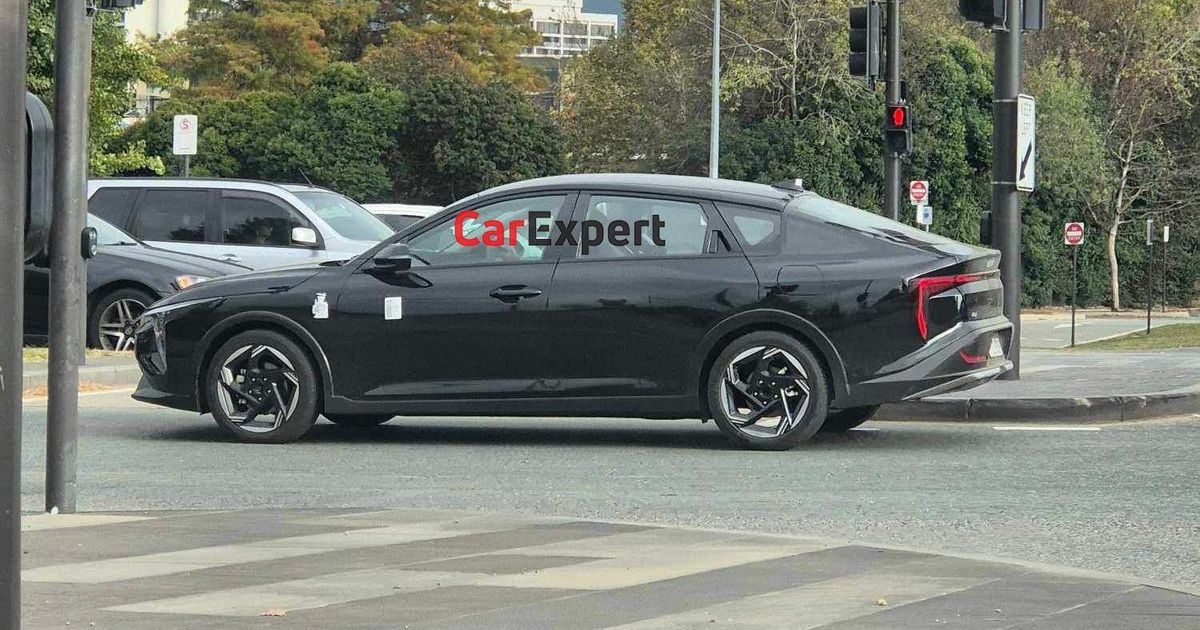
The 2025 Kia K4, the more boldly styled replacement for the Cerato, has been spied on Australian roads.

Images sent in by reader Sujee show the sedan version of the K4.

Kia Australia has yet to confirm whether we will get both the sedan and hatchback, as we currently do with the Cerato, when the new-generation small car arrives here. It’s expected during the first quarter of 2025.

The company has also yet to confirm the local powertrain lineup.

Revealed earlier this year, the K4 will be offered with a pair of petrol engines in markets like the US.

The base engine is a naturally aspirated 2.0-litre four-cylinder engine making 110kW of power and 179Nm of torque. It drives the front wheels via a continuously variable transmission that aims to mimic a traditional automatic transmission.

In the GT-Line Turbo there’s the option of a more powerful 1.6-litre turbocharged four-pot cranking out 142kW and 264Nm. This also drives the front wheels, but with an eight-speed automatic instead.

Notably, Kia will offer both a 2.0-litre GT-Line and a 1.6T GT-Line Turbo in the US. Both will come with a multi-link rear suspension instead of the torsion-beam rear of lesser K4s.

Kia in the US has also indicated it’s considering a hybrid variant.

This could be the same powertrain as can be found in the related Hyundai i30 Sedan: a 1.6-litre Atkinson cycle four with 77kW and 147Nm, mated with a 32kW/170Nm electric motor for total system outputs of 104kW and 265Nm.

The i30 Sedan Hybrid uses a six-speed dual-clutch automatic transmission.

Inside, the K4 uses Kia’s new-generation ccNC infotainment system with wireless Apple CarPlay and Android Auto and a voice assistant activated by saying “Hey Kia”.

The touchscreen and digital instrument cluster sit next to each other in one wide assembly.

Medium Grey, Slate Green and GT-Line-exclusive Onyx/Off-White interior colorways are available.

The Kia K4, in sedan guise, measures 4710mm long and 1850mm wide on a 2720mm wheelbase. That makes it 70mm longer and 50mm wider than the current Cerato sedan on a 20mm longer wheelbase.

GT-Line models feature unique front- and rear-end styling with cubed LED elements in the headlights, satin chrome belt line trim, gloss black accents, and other detail changes.

Available safety equipment in the K4 includes autonomous emergency braking with pedestrian and cyclist detection, as well as adaptive cruise control with stop/go, blind-spot assist, lane-keep assist, intelligent speed limit assist, and rear cross-traffic assist.

Also available is Kia’s Blind Spot View Monitor plus a surround-view camera.

MORE: 2025 Kia K4: Cerato hatch replacement revealed, petrol-only lineup detailed
MORE: 2025 Kia K4: Cerato replacement revealed, likely for Australia


Source link

How Family Business Could Lead Solutions to Today’s Sustainability Challenges

0


This year, the World Economic Forum’s central focus was the imperative task of “rebuilding trust.” I believe businesses need to step up to rebuild trust and take the lead to create solutions to today’s sustainability challenges. However, reform is needed to shift businesses’ focus to becoming purpose-led for-profit organisations.

In our supply-driven economy, an emphasis on capacity has shifted from market-driven, serving the market to a marketing economy enslaved by materialism. This shift has seen businesses maximise profits by unconsciously capitalising on humanity’s greed and craving for luxury.

The model that benefits a select few at the expense of the majority has exacerbated wealth gaps and reinforced a mindset of individual power over collective well-being—a separating and dualistic you-or-me model. With greed and ignorance driving economic activities, ethics and morality have declined. This motivating force has weakened relationships throughout the social fabric and is now threatening the sustainability of all life.

The Role of Family Business in the New Era

The family business has embedded purpose as it prioritizes succession, value and legacy.

The family business has more control over its future than big corporations. Conglomerates’ ultimate investor shareholders are often distanced from the business through layers of fund managers, whose shareholders or stakeholders may yet be another fund, making it difficult for them to think about long-term investing. Return on investment is used as the measurement of success and this shapes the behaviour of businesses. Consequently, companies naturally focus on profit maximization with shorter-term horizons.

Read More: A Room With A View: Tobias Prestel Sees The World’s Economy Through Luxury Family Offices

Family businesses, on the other hand, especially multi-generational family businesses, are positioned to lead business reforms and navigate this complex terrain. They prioritise succession, value and legacy, which are inherently long-term concepts directly connected to the firm’s future. However, as more family businesses have been consolidated into corporations, many have adopted shorter-term investment outlooks managed through family offices.

Despite this trend, family businesses still significantly impact global economic activities, as they contribute to about 70 percent of the global economy.

In the new era, family businesses can build a collective legacy by collaborating and co-creating solutions that benefit humanity, promote well-being and foster a flourishing economy. They must initiate business reforms, return ethics and morality to the forefront of corporate decisions and catalyse the shift in the market economy.

Read More: ESG Vs Food: A Delicate Balancing Act

Stewarding Ethical and Sustainable Practices

In this context, family businesses emerge as economic entities ideally positioned to lead in stewardship of ethical and sustainable practices. Legacy and wealth protection have long informed family business strategy and decisions, stemming from the unique blend of family and business – the relational approach. Family businesses are motivated and organized to pursue legacy-oriented goals, enabling them to prioritise sustainable practices and long-term profitability over immediate financial returns.

Therefore, family businesses are inherently more aligned with a responsible and conscious market approach, focusing on preserving and enhancing the well-being of future generations while also creating wealth. They embody stewardship, viewing their business not just as a means to an end but as a legacy to be nurtured and passed from generation to generation.

Family is the first place where we learn what love is and how to nurture and express it. It is naturally intertwined with family-run businesses, promoting a mindset that fosters a culture of care and responsibility, which encourages inclusive, environmentally sustainable and socially responsible practices.

Read More: Skin Deep: A Dive Into the Beauty Industry’s Ethical Battle

Family businesses’ success largely depends on maintaining a delicate systemic coherence with three roles: the family office serves the well-being of the family, the family business serves the well-being of society, and family philanthropy serves the well-being of humanity. This constant value-add to the system positively impacts society and holds the family together through a shared purpose and benefits.

Environment, Social and Governance for Impact

Wealth that lacks a higher purpose can result in negative consequences, such as division, ignorance and even conflict. The remedy for this is to embed purpose into wealth. Therefore, it is up to the family to decide how they want to influence their company to direct their wealth to improve the lives of themselves and the broader community. They should embrace long-term thinking and support environment, social and governance (ESG) practices and impact investments to bring business ethics and morality back to the market economy.

There is increasing pressure on businesses, from the public and the private sectors, to account for their value and relevance in society. A threat to societal order has raised questions about businesses’ ethics, technological developments have increased the transparency of unsustainable business practices and society is taking them to task.

In the contemporary era, family businesses hold a collective legacy akin to humanity’s, embodying existential significance. Today, the invisible hand within the free-market system is naturally returning order to the system through ESG regulations and directing investment for impact and philanthropy. Adam Smith propagated this long ago in his book The Theory of Moral Sentiments, which calls for enlightened self-interest.

Read More: ESG Concerns: What Does This Mean for the Fashion Industry?

It is imperative that family businesses embrace long-term thinking, support ESG practices and make impact investments to enact positive changes in business morality within the market economy. This shift is critical to reversing the current social contract driven by greed to one led by love and care.

This article was first seen on World Economic Forum.

Topics related to family businesses and family offices are going to be discussed at the Singapore Office Family Forum taking place from 23 to 24 April at the Raffles Hotel. Find out more here.

For more on the latest in business reads, click here.


Source link

The Lamborghini Esperienza Giro Oceania 2024 takes us to the Apple Isle

0


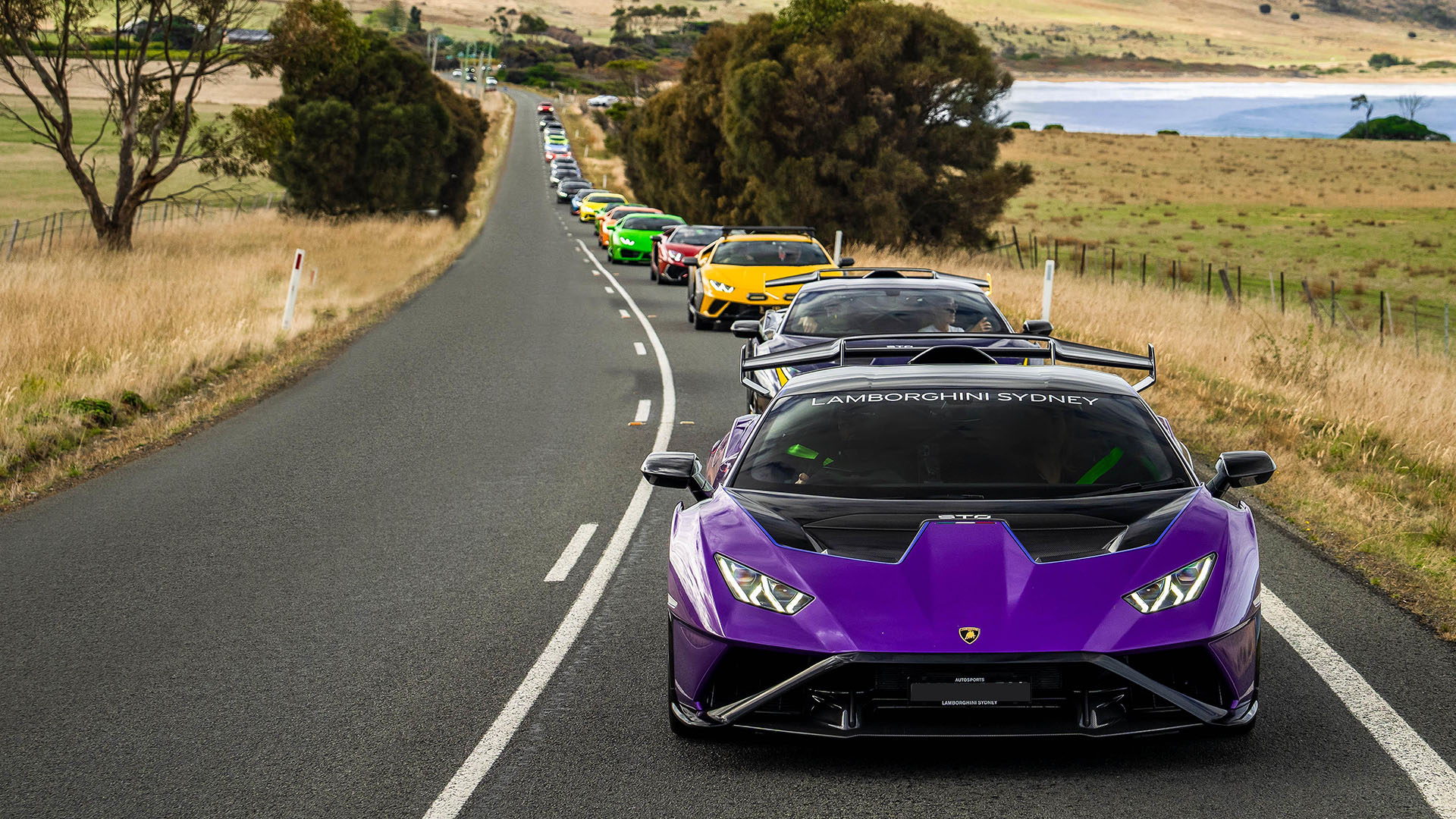
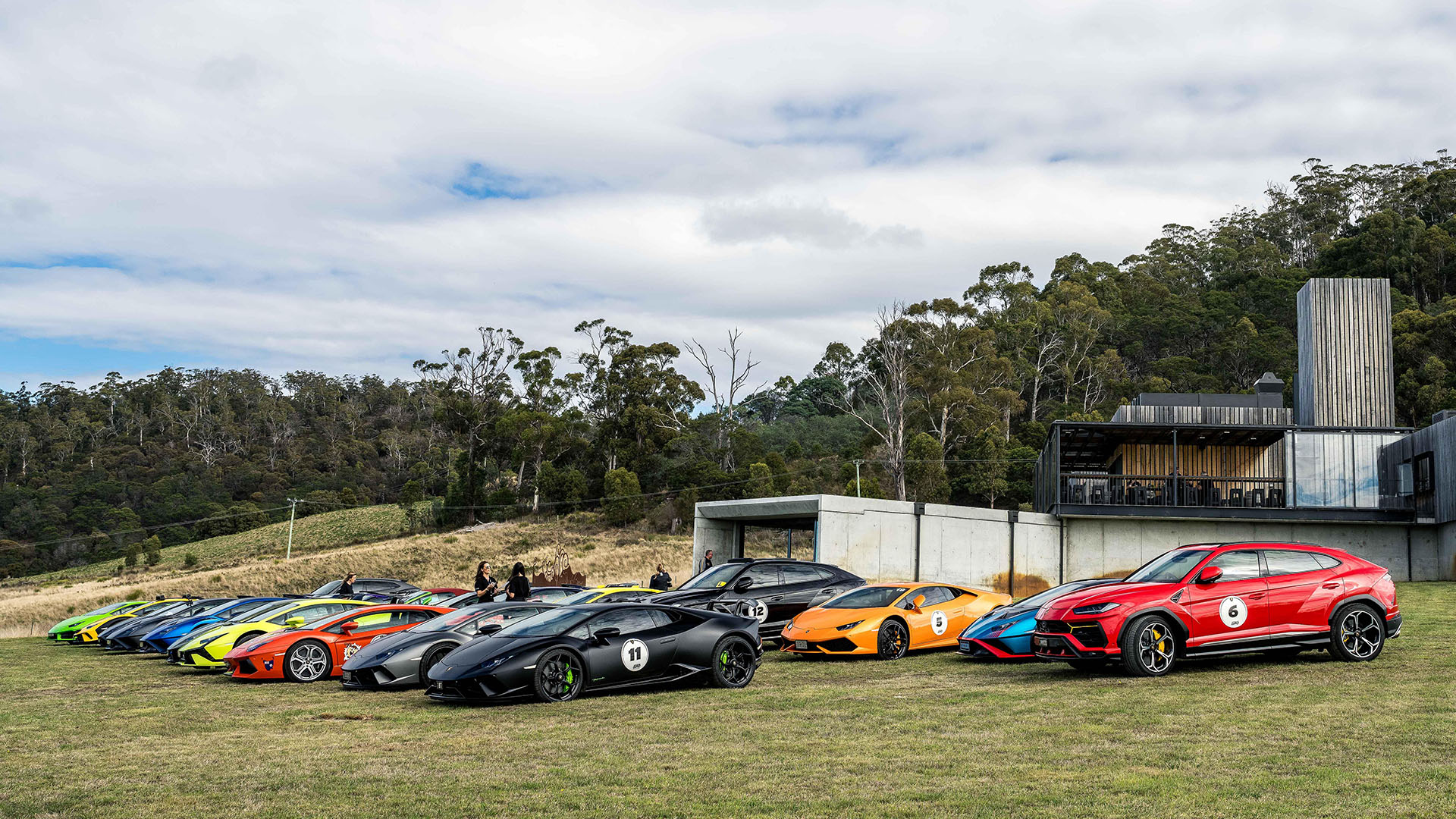
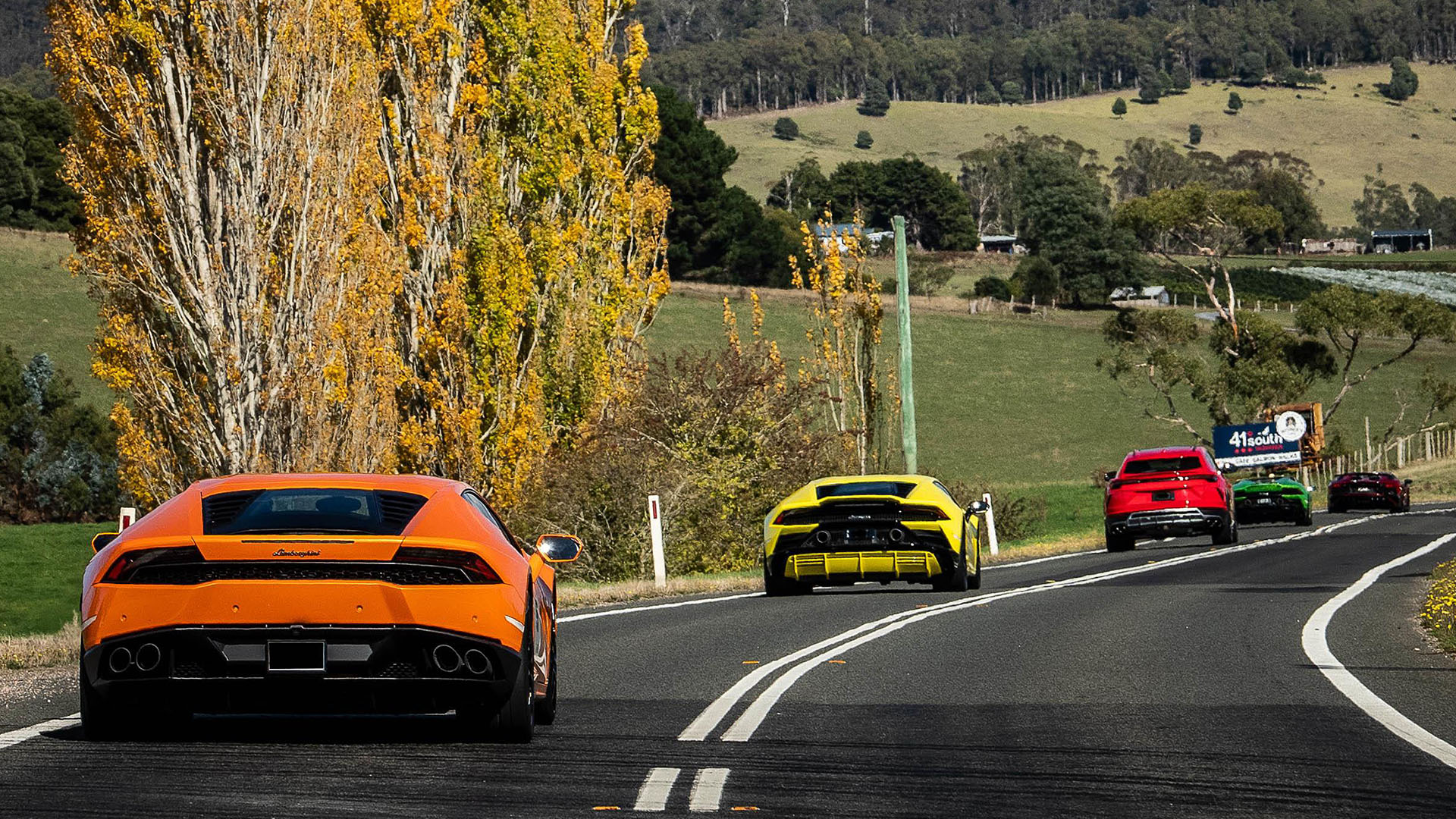
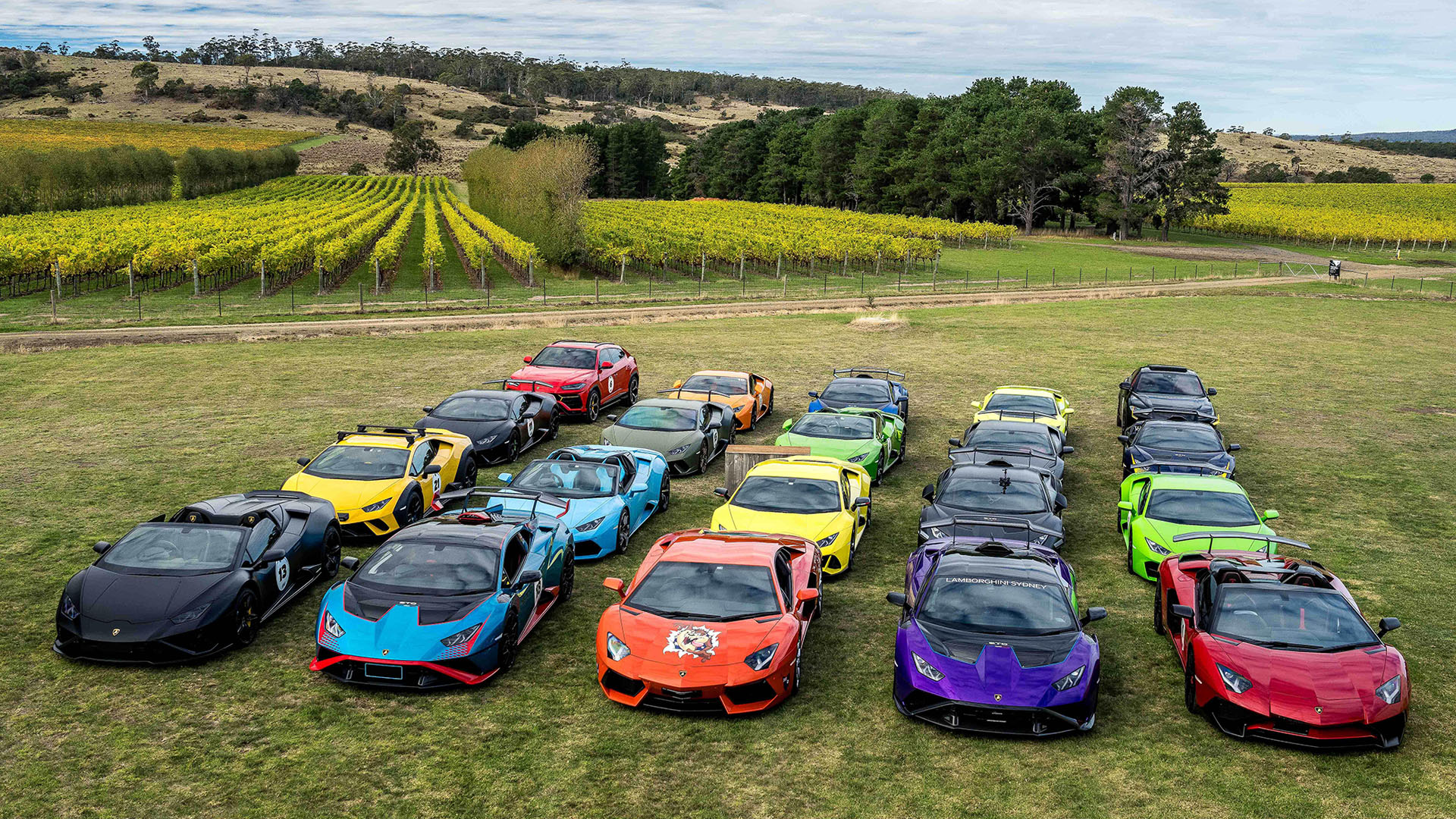
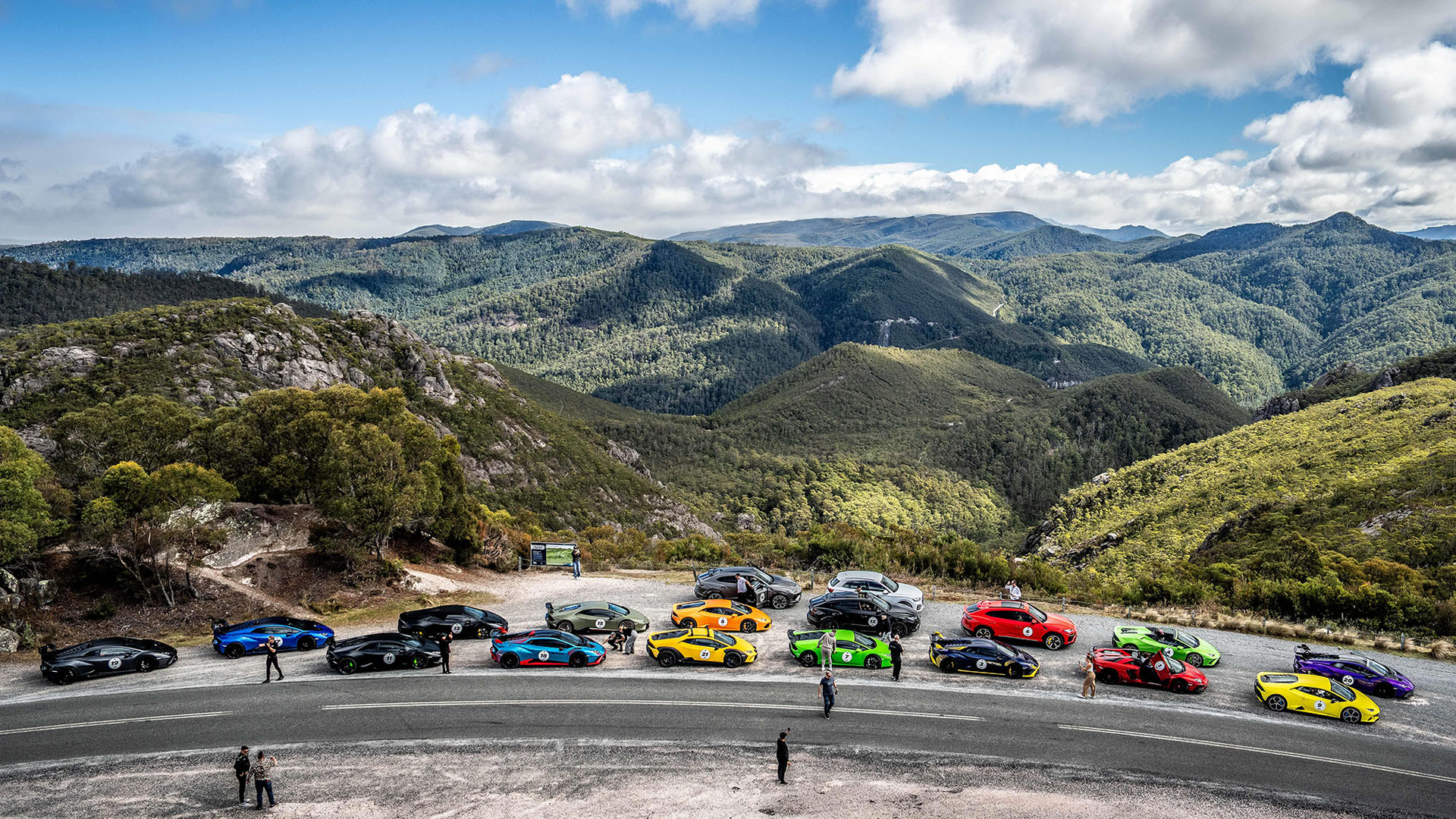
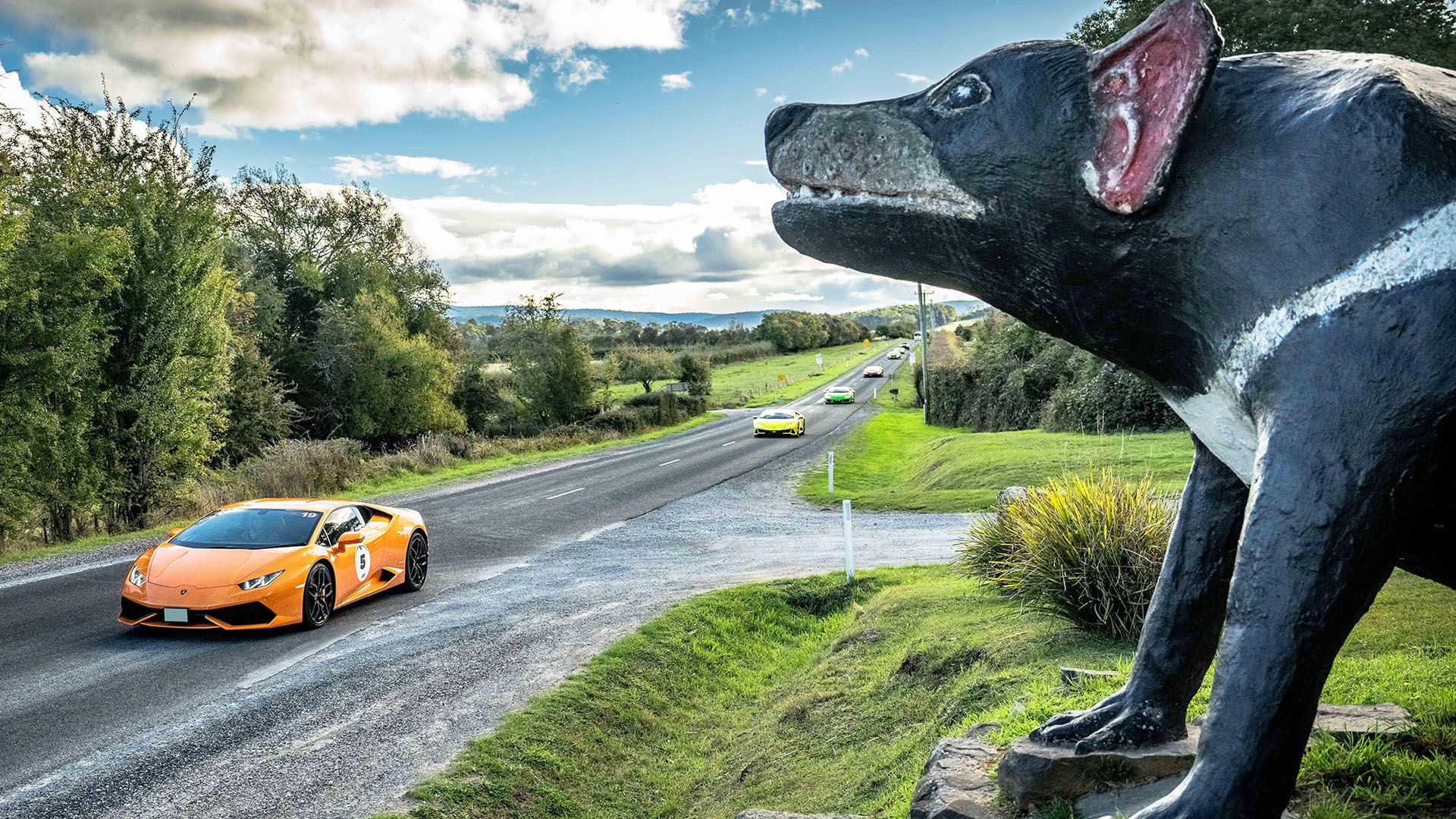
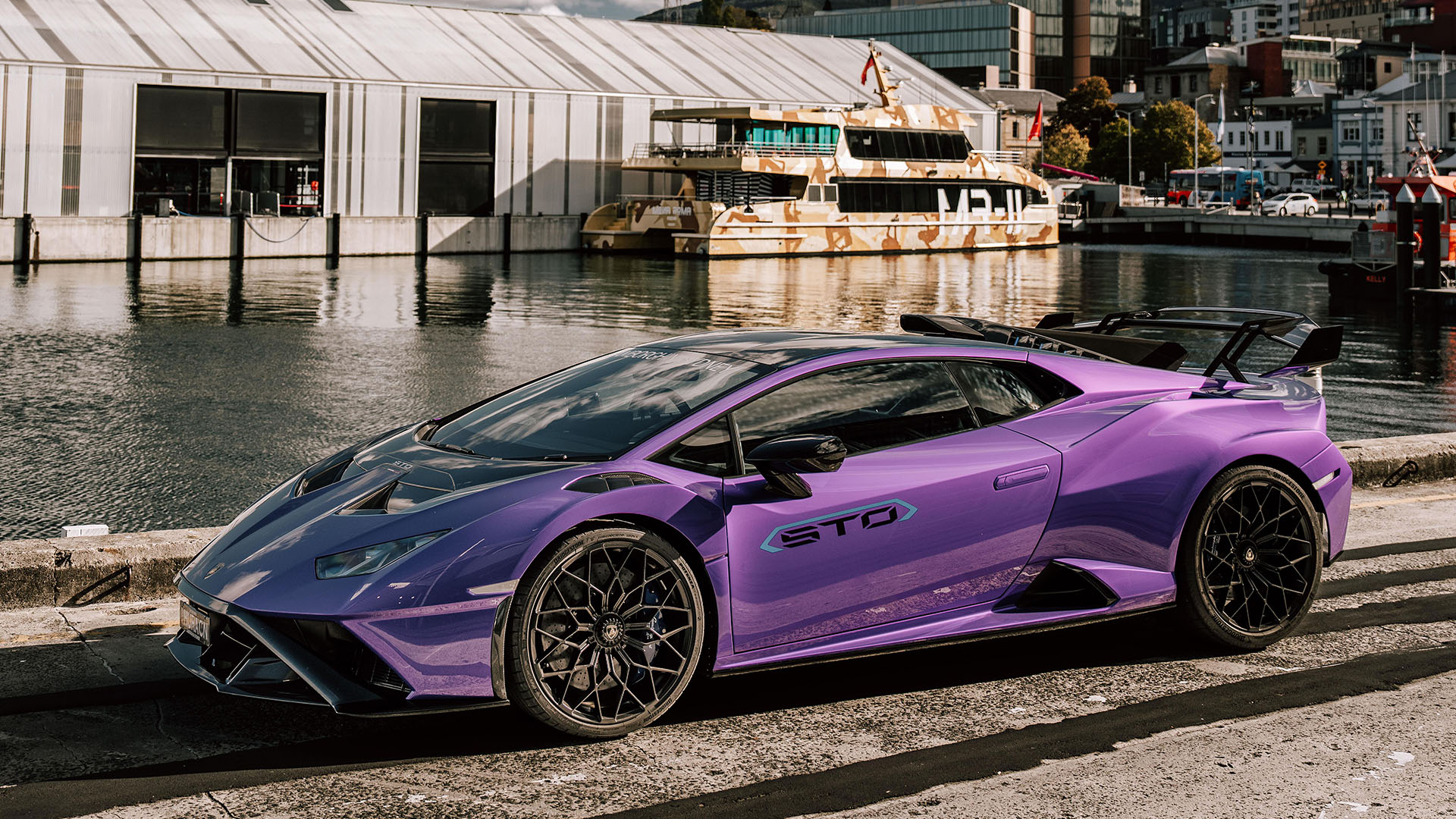
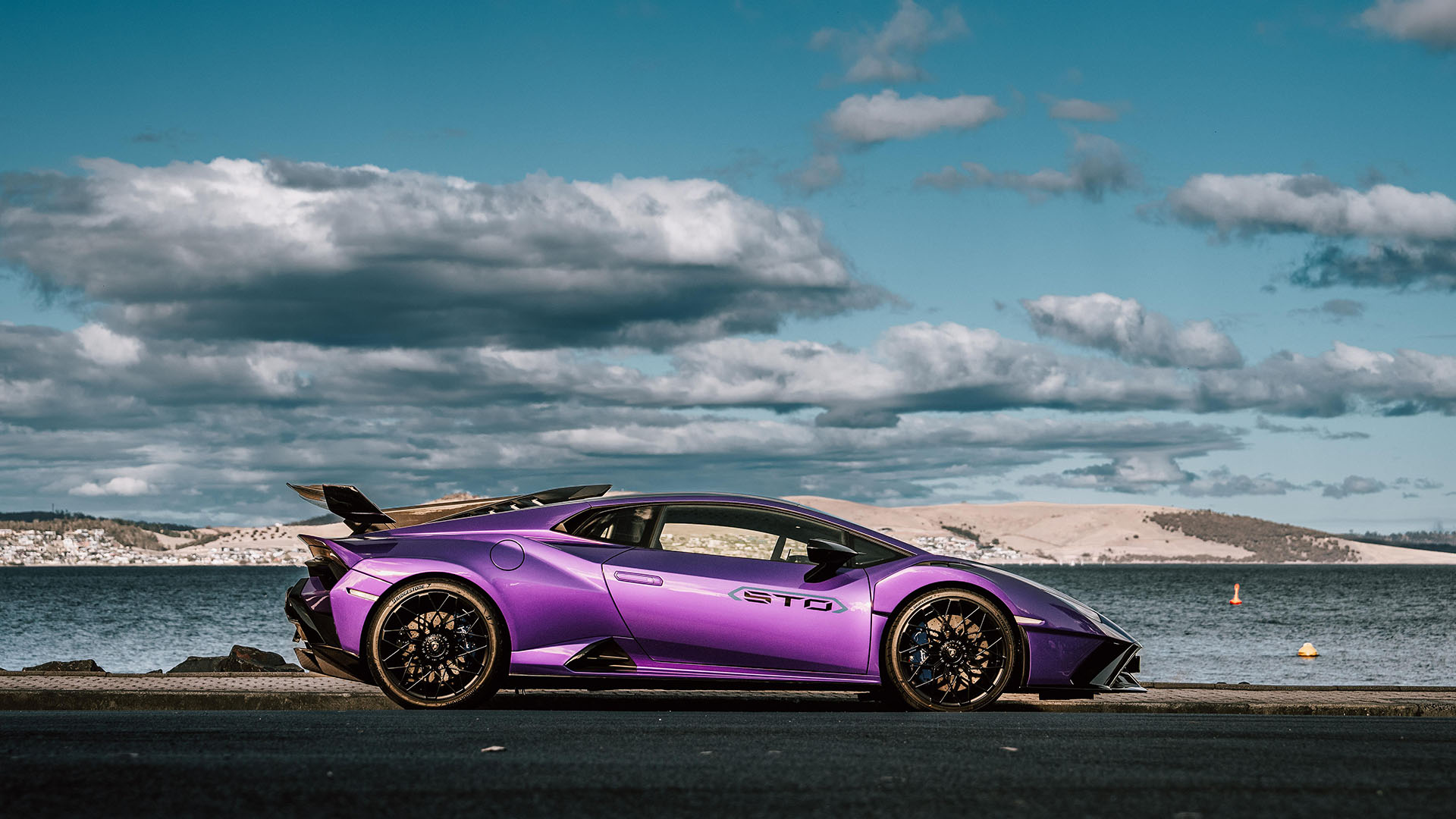
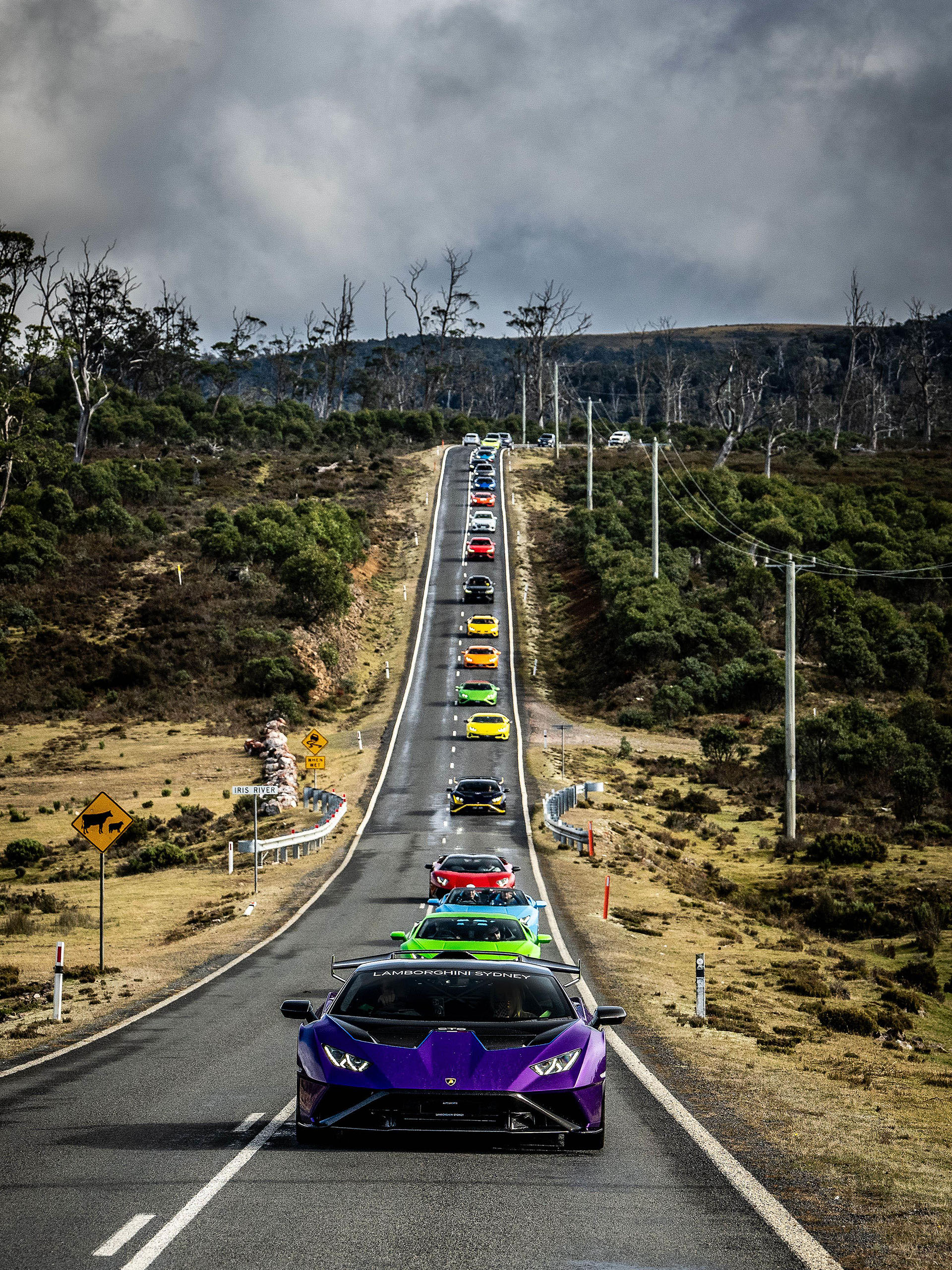
Automobili Lamborghini welcomed over 40 passionate Lamborghini owners across the Oceania region for the highly-anticipated Esperienza Giro Oceania in Tasmania, marking its first venture beyond mainland Australia. Set across five fascinating days, the convoy of more than 20 Lamborghini super sports cars and super SUVs embarked on an unforgettable journey, covering over 600km of Tasmania’s magnificent landscapes.

The multi-day odyssey began with a treat to an epicurean dinner in Launceston nestled along the banks of the Tamar River, where guests enjoyed a blend of contemporary cuisine and waterfront views.

The following morning, the Lamborghini supercars geared up for the twists and turns on some of Australia’s most iconic roads, infusing the quaint towns and natural wonders with vivid hues as the convoy drove past. Headed towards a retreat amidst the pristine wilderness of Cradle Mountain for a curated gourmet lunch spread, the guests relished the flavors of the local finest produce in a serene natural setting after an adrenaline-pumping drive.

The exhilarating driving adventure continued after that, with drivers immersing themselves in the power, performance, and dynamism delivered by their Lamborghini cars. In the evening, guests were transferred to an award-winning winery renowned for its premium wines and exceptional dining experiences, indulging in the region’s gastronomic delights.

On the third day, the convoy navigated thrilling stretches of road through the amazing scenery surrounding Lake Leake before stopping for lunch at a highly acclaimed vineyard with panoramic views of the Great Oyster Bay on Tasmania’s East Coast. The fleet of Lamborghini cars journeyed across sweeping vistas and challenging corners via Grasstree Hill before arriving in one of the luxurious accommodations in Hobart.

The next morning, some of the guests had the opportunity to revel in Hobart’s charm from a unique perspective with an exciting seaplane ride soaring towards Bruny Island, accompanied by a delectable oyster tasting. Guests were then ferried to join the farewell dinner at the renowned Museum of Old and New Art (Mona), where they enjoyed an evening of art, culture, and gastronomy amidst Mona’s avant-garde setting.

Francesco Scardaoni, Regional Director of Automobili Lamborghini in the Asia Pacific region said; “Esperienza Giro Oceania is designed for Lamborghini owners to fully experience the performance and agility of their Lamborghini cars while exploring the region’s most spectacular places and roads. It also represents the epitome of Lamborghini’s commitment to delivering unparalleled experiences. Tasmania’s breathtaking landscapes, combined with luxury accommodations and culinary excellence, create the perfect backdrop for our iconic driving experience. We are excited to expand our horizons and share the Lamborghini passion with our customers and enthusiasts in this unique and picturesque setting.”


Source link

Breaking the Norm: Legal Ways to Push the Limits on Your Vegas Getaway

0


Image courtesy of Unsplash

Las Vegas: the city of glitz, glamour, and limitless possibilities. Beyond the neon-lit facades and bustling casinos lies a world of adventure waiting to be discovered. If you’re seeking to break free from the norm and inject some adrenaline into your Vegas vacation, you’re in for a treat. Buckle up as you explore these crazy (and legal!) things to do on your Sin City getaway. Dare to try these activities and forge unforgettable memories on a solo trip or a holiday trip!

Take to the Skies: Skydiving Over the Strip

Image courtesy of Unsplash

Why admire the bright lights of the Las Vegas Strip from ground level when you can soar above them? Skydiving is not only legal but also one of the most exhilarating experiences you can have in Las Vegas. Picture yourself free-falling through the sky with panoramic views of the iconic skyline below. Several reputable skydiving companies offer tandem jumps for both beginners and seasoned thrill-seekers.

Dive with the Sharks: Underwater Adventures

Image courtesy of Unsplash

Who says you have to stick to dry land in Las Vegas? Delve into the depths of the ocean right in the heart of the desert at the Shark Reef Aquarium. This legal and family-friendly attraction allows you to get up close and personal with a diverse array of marine life, including sharks, rays, and exotic fish. For the ultimate adrenaline rush, consider signing up for a shark diving experience under the guidance of certified instructors.

Thrills on the Water: Jet Skiing at Lake Mead

Image courtesy of Unsplash

For those craving more aquatic excitement, look no further than Lake Mead, just a short drive from the Las Vegas Strip. Rent a jet ski and hit the shimmering waters of this expansive reservoir, where you can carve through the waves and soak up the sun against a backdrop of stunning desert scenery. With miles of open water to explore, Lake Mead promises endless opportunities for adrenaline-fueled fun.

Off-Road Escapades: ATV Tours in the Mojave Desert

Escape the hustle and bustle of the city and venture into the rugged terrain of the Mojave Desert on an ATV tour. Feel the thrill of conquering sandy dunes and rocky trails as you explore the breathtaking landscape surrounding Las Vegas. Many tour operators offer guided excursions suitable for all skill levels, ensuring a safe and memorable adventure for everyone in your group.

Urban Exploration: Hidden Gems Beyond the Casinos

Image courtesy of Unsplash

While the bright lights and lively casinos may dominate the Vegas landscape, there’s a wealth of hidden gems waiting to be discovered off the beaten path. Embark on a self-guided walking tour of downtown Las Vegas to uncover its vibrant street art scene, quirky boutiques, and eclectic dining establishments. Don’t miss iconic landmarks like the Neon Museum and Fremont Street Experience, where you can immerse yourself in the city’s rich history and culture.

Pushing the Pedal: Exhilarating Experiences at Las Vegas Motor Speedway

For adrenaline junkies and automotive enthusiasts alike, Las Vegas Motor Speedway offers an array of legal thrills that are sure to get your heart racing. From driving high-performance race cars around the track to experiencing the thrill of a simulated NASCAR race, there’s no shortage of pulse-pounding experiences to be had at this iconic venue. Whether you’re behind the wheel or watching from the stands, a visit to Las Vegas Motor Speedway is guaranteed to add a dose of excitement to your Sin City adventure.

Image courtesy of Unsplash

Take your Las Vegas adventure to new heights with a thrilling helicopter tour of the city and its surrounding landmarks. From aerial views of the Strip to jaw-dropping flyovers of the Hoover Dam and Grand Canyon, these legal and exhilarating excursions offer a unique perspective on Sin City’s iconic attractions. Choose from a variety of tour options and flight durations to suit your schedule and budget, and prepare for an unforgettable journey through the skies.

Indulge in Culinary Dare: Extreme Dining Experiences

For those with a taste for adventure (and gourmet cuisine), Las Vegas offers a smorgasbord of extreme dining experiences guaranteed to tantalize your taste buds. From dining atop a towering Ferris wheel to feasting on exotic delicacies in a simulated rainforest, these legal and immersive culinary adventures are sure to satisfy your appetite for excitement. Embark on a gastronomic journey like no other and discover why Las Vegas is renowned as a food lover’s paradise.

Making the Most of Your Vegas Adventure

Image courtesy of Unsplash

As you plan your Las Vegas getaway, remember that pushing the limits doesn’t have to mean breaking the law. With a plethora of legal and adrenaline-pumping activities to choose from, you can elevate your vacation experience without compromising on safety or integrity. Whether you’re soaring through the sky, diving into the depths, or blazing trails through the desert, Las Vegas offers endless opportunities to break free from the norm and embrace the extraordinary. So go ahead, unleash your adventurous spirit, and make memories that will last a lifetime in the entertainment capital of the world.

For more on the latest in luxury travel and adventure reads, click here.


Source link