Home Blog Page 798

If $50,000 EVs still lose $6,000, when will EVs become profitable?

0


Legacy automakers are still losing thousands of dollars on many EV sales, according to newly published analysis from the Boston Consulting Group.

BCG estimates that most automakers lose around $6,000 on each EV they effectively sell for $50,000, that price accounting for any tax credits or other incentives the customer might be eligible for.

Automakers will only be able to close about half of that cost gap with technology choices, BCG estimates. Economies of scale created by ramp-ups of EV production will help, but won’t completely close the gap either, according to analysts, adding that this could be a problem for legacy automakers in the U.S. market if heavily-subsidized Chinese EVs ever break through here.

Factory Zero - GM Detroit-Hamtramck revamped for EVs

Factory Zero – GM Detroit-Hamtramck revamped for EVs

“Closing the cost-profitability gap will require help from elsewhere, whether through more aggressive efficiency programs, additional public support, or both,” according to BCG. One possibility floated by analysts is linking financial incentives to range or efficiency. And, as in most discussions of ways to grow EV adoption, expansion of charging infrastructure will likely be a factor as well.

This all a bit surprising, as several legacy automakers are already into the programs in which they were supposed to be turning a profit on EVs—or at least have it in sight.

Ford EV platforms for mid-decade, presented by Hau Thai-Tang

Ford EV platforms for mid-decade, presented by Hau Thai-Tang

General Motors, for instance, suggested in 2018 that it could make money on future EVs, by 2021, and then last year Mary Barra suggested it could already do it for models above $40,000.

The simple answer may rest on volume. GM was supposed to be producing hundreds of thousands of its Ultium EVs annually by now. Tesla is turning a profit on its EVs, but it definitely helps to have the bestselling vehicle on the planet and no legacy internal-combustion business to tend to. Ford in February announced a new strategy focusing on smaller, lower-cost EVs at higher volume, to tackle potential Chinese rivals.

Stellantis CEO Carlos Tavares has said that EVs cost the company 50% more to make, however, and it’s not a premium that can be passed along in the final price. A new round of incentives, a continued drop in EV battery prices, and other factors like tariffs aimed at blocking Chinese automakers from importing cars from Mexico could also change the profitability equation for U.S. automakers.


Source link

Lucid Air charging boost, Mercedes range extenders, EVs losing money: Today’s Car News

0


Lucid adds a heat pump and subtracts charging time for its range-leading Air electric sedan. Mercedes-Benz might not see what Ram sees in a plug-in range-extended vehicle. And why is each EV still losing thousands to full-line automakers? This and more, here at Green Car Reports. 

The 2024 Lucid Air Grand Touring is now being delivered, and once again it hits a 516-mile EPA range—the best of any EV. But with the addition of a head pump, improved automatic preconditioning, and up to 30% faster DC charging, it’s likely to cut the time spent at road-trip charging stops even more. 

Mercedes-Benz has reportedly scrapped its extended-range EV powertrains under development, at least partly because they were too expensive and seen as a technological patch. The plug-in series hybrids would have used dramatically downsized engines—a turbo-2 for the EQS—while halving the EV battery pack. 

And if $50,000 EVs still lose $6,000, according to a recent analysis, when will EVs become profitable? Various financial incentives will help; so will range and efficiency; but the simple answer may rest on production volume. 

 _________________________________

Follow Green Car Reports on Facebook and Twitter


Source link

Shelby vs Mustang: What’s the Difference?

0


Ever since the initial inception of Mustangs, the automotive industry has seen a special bond made between car enthusiasts and Mustang models. However, not all models are made the same. So, the sibling rivalry of Shelby vs Mustang is often discussed.

This article will cover the distinct nuances that make each series unique. It will also offer an automotive showdown of two of the most adored vehicles within the Ford Mustang family. 

Shelby vs Mustang Comparison

To better understand the difference between the Shelby and the Mustang, it’s crucial to look into both individually. This means exploring their history, specs, performance, and cultural impact.

The sections below will explain the difference in appeal and structure of the original design. However, customers today have access to custom Shelby Mustangs and classic Mustang designs. This allows them to curate their vehicle to their liking by choosing a different interior or exterior setup or altering the functionalities.

Mustang overview

The Ford Mustang is a car series that captivated numerous generations of car enthusiasts. The Ford Company expected 100,000 to be sold within the initial year of production. However, their expectations were far exceeded when they sold more than 263,434 by the end of 1964. 

10 Millionth Ford Mustang

History

The first generation of Mustangs created much buzz in the car-lovers community. Ford advertised their soon-coming car model through all the advertisement tools available. So, people saw it on billboards, television specials, commercials, and more. 

The first Mustang model was under development for three years before it reached the market in 1964. Its debut opened the way for the next seven generations to come. Today, Mustangs are celebrated and well-known as an American classic. 

Initially, only a two-door hardtop and a convertible were available. But within a short time, a 2+2 fastback model was also included in the first-generation lineup.

With time, Ford Mustang models grew in size and power. However, during the 70s, customers seemed overwhelmed by the bulkiness of power cars, which is why Ford introduced a more luxury-themed lineup in their second generation. So, the Mustang became an upscale economy car. 

Models changed their appearance within years to come. However, Ford eventually had to go back to its roots and include more elements of the initial lineup, as this was the design with which many fell in love.

Performance and power

Although the first Mustang series debuted in 1964, during this year, some changes were made in design. This is why there is a difference in the motor and power of the models produced in the first and second half of this year. The engine that the original Mustang lineup featured was a 170-cid straight-six, which was later enlarged to a 200-cid in 1965.

Mustangs were highly customizable even back then, allowing buyers to style their cars according to their taste and budget. For instance, the standard six-cylinder engine could be replaced with a 160 or 210-horsepower V8. The latest 1964 models could also include a “K-code” 271 horsepower engine, which became the most expensive option.

Hence, pairing a 4-speed Mustang and K-code engine meant the car could easily go mid-14-second ¼ mile times. These Mustangs could also go from 0 to 60 within just 6 seconds. 

Throughout the Mustang’s history, the list of customizable options grew longer. It included convenience pieces such as air conditioning and radio and performance accessories such as disk brakes, power steering and power brakes.

2025-ford-mustang-gtd

Cultural impact

The Mustang immediately became a recognizable icon in American pop culture. Its first appearance on the movie screen came shortly after its debut in 1965. The Mustang Convertible first appeared in the James Bond classic Goldfinger.

The movie featured a Wimbledon White with a red interior, but the Ford company was also commissioned to create a special Mustang Fastback for the movie. This is one of the rarest Mustang models, with an auction price of $139,000.

Other Mustang models appeared in the cinema landscape, with some memorable mentions being movies such as Fats and Furious Tokyo Drift, Basic Instinct, John Wick, and so on. More popular movies that feature newer Mustang versions include Gone and Charlie’s Angels.

Moreover, upon its release, the Mustang received the 1964 Gold Medal for Excellence in American Design and made the covers of Newsweek and Time Magazine.

Shelby overview

In the Shelby vs Mustang comparison, the Shelby always comes second. The Shelby Mustang model came as an effort to revolutionize the already esteemed original Mustang. Mustang created the first vehicle in this series, known as the Shelby GT350, in collaboration with Carroll Shelby. 

Caroll Shelby

History

The Shelby model aimed to revolutionize the classic Mustang design and feature a powerful performance suitable for the race tracks and the road. This is why the Shelby GT350 lineup offered two designs, one known as Shelby GT350 and the other Shelby GT350R.

The R represents race specifications; only 35 cars were manufactured from the racing model. The first victory this Shelby racing model brought was in 1965, and it successfully held the title of B-Class champion for three years.

The initial price of the Shelby model was around $4,500, which was not a small price to pay during that time. However, only 513 Shelby Mustangs were produced. Today, these are sold for over ten times their original price.

Performance and power 

The Shelby GT350 displayed impressive engineering. It was equipped with a 289-CID K-Code engine, which could achieve 306 horsepower. The first 300 GT350 models in production held a battery in their trunk. However, the battery was moved to the engine compartment with time. 

Furthermore, those interested in specs should know that the Shelby GT350 featured a modified version of the 289-cubic-inch V8 engine, which is how it got its immense horsepower. Also, the interior of this model included a wood-rimmed steering wheel, a fiberglass panel, and class-designed seat belts.

While the GT350 was a great advancement compared to the classic Mustang, the later GT500 edition was a revolutionary design. Although the GT350 and GT500 are seen as sibling models, sharing many design details, the GT500’s greatest asset came from under the hood. This model held a 428-cubic-inch V8 engine, which produced 355 horsepower coupled with a heavy-duty suspension design to handle this power.

Ford Mustang Shelby GT-2

Cultural impact 

The Shelby Mustang represents the golden days of the automotive industry. One of the main characteristics that gave the Shelby Mustang its timeless appeal is its distinct design. This model’s elongated front and side straps became a staple in the muscle cars industry.

As noted earlier, Mustangs have a long history of cinematic appearances, with different models occupying the screens during different eras. The 1968 Shelby Mustang is one of the most popular Mustangs to appear on screen. Steve McQueen drove it in the hit action drama Bullitt. 

The Mustang has left a mark both in the automotive industry and cinema. This is evident in single-series Mustangs appearing on set after several decades. Such is the case with the 1966 Shelby GT350 that Tom Cruise drives in The War of the Worlds, released in 2005. 

Which Model, the Shelby or the Mustang, Is More Powerful?

The Shelby Mustang had a more powerful muscle car design. However, its appearance is not the only characteristic that made the Selby stand out. In the Shelby vs Mustang specs comparison, it is always worth noting that the Shelby series features more power than any of its predecessors.

With the initial GT350 boosting up to 306 horsepower and the GT500 reaching 355 horsepower. Compared to the 1964 Mustang designs that primarily had built-in power of a maximum of 271 horsepower.

Stacking up every Mustang model against each other may reveal plenty of differences. Some in esthetics, others in functionalities, but the most obvious difference is the one related to power and performance. This is only logical as the Shelby is a late adaptation of the original Mustang, which aims to alter the already existing success of the Ford brand.

However, knowing which one makes a better choice mainly depends on the driver and their preferences. For instance, if someone is more interested in a pony convertible, then the original Mustang series is the obvious choice.

Those trying to make a comparison based on allure should keep in mind that the Shelby has a more elongated front and features white stripes to enhance its attractiveness.

Conclusion 

Comparing Shelby vs Mustang models reveals that both left a great mark in the industry, making Ford a renowned brand both in and out of US borders. These two Ford series have occupied car enthusiasts’ minds for more than 60 years.

Today, they remain a symbol of class in the pony car and muscle car sector. However, which one an individual prefers is a matter of personal taste.


Source link

Digital Nomad Guide to Living in Zagreb

0


The capital city of Croatia is a lively, historic, vibrant, and fun place to spend some time. If you’re thinking of living in Zagreb, get ready for an experience like no other; this place is full of things to see and do, and you’ll probably never want to leave. I know I didn’t.

In January 2021, Croatia’s digital nomad visa opened the doors for more people to spend time in this beautiful country. For me, it’s one of the best places in the world; the scenery, beaches, culture, food, and friendly locals are second to none. But as a digital nomad living in Zagreb, you’ll need to know what to expect before you go.

Handily, I can share my experiences so you can ensure a smooth stay in this beautiful city.

About Zagreb

Zagreb croatiaZagreb croatia

Zagreb is both the capital and largest city in Croatia. It’s located in the north of the country, not far from the border with Slovenia. It’s a very pretty city too, standing on the banks of the Sava River, with the huge Medvednica mountain looming in the near distance.

If you’re a history lover, you’re sure to enjoy the city’s rich Roman past. There are countless ruins around the city, including the Roman Andautonia, and Zagreb as a whole is packed with historical nods, as the whole city came to be in 1134.

But it’s not all history. Zagreb is packed with modern-day fun too, including nightlife, gastronomy, shopping, and art. The surrounding area is also full of must-visit places, with hiking trails in the Medvednica mountain and Veternica Cave, packed with archaeological wonders.

Digital Nomad in Zagreb: Personal Experience

digital nomad cafedigital nomad cafe

For me, the great thing about life in Zagreb is that it’s more authentic than many other parts of the country. If you go to a beach destination, like Split or Dubrovnik, sure, you’ll see local life, but not like you can in Zagreb. I felt welcomed by the locals in the capital city, and by the end of my time there, I really felt like I’d experienced the real Croatia.

Zagreb is a great spot for digital nomads. I never had any issues with the WiFi, I met countless other remote workers and found many coworking spaces and cafes to work from.

There’s plenty to see and do in and around the city too. Your days off will never be boring, and as far as food goes, you’ll have an incredible choice available to you.

Is Zagreb Safe?

city walking solo traveller croatiacity walking solo traveller croatia

When thinking about living in Zagreb as a digital nomad, or anywhere new, one of your first concerns is likely safety. The good news is that Zagreb is a safe city. I never once felt unnerved or unsafe during my time there, even at night. That being said, this is a capital city, so it’s advisable to always use your common sense, especially in crowded areas.

Along with usual precautions when visiting any new destination, watch your bag in the city center, as there will always be opportunistic pickpockets from time to time. Other than that, Zagreb is pretty safe all around, and as far as capitals go, I felt very secure here.

Best Areas to Live in Zagreb

ZagrebZagreb

When living in Zagreb, it’s important to choose the right neighborhood. Not only does this mean you’re more likely to have a better time because you’re close to what you want to see, but you’ll save cash too. Here are my recommendations.

1. Lower Town/Donji Grad

I think the Donji Grad area is a great spot for digital nomads and I stayed here myself. This is in the central part of the city, so you’re close to everything, including cafes and coworking spots. It’s also a great place for meeting other remote workers.

However, it’s not all hustle and bustle as there are some great parks to relax in during the summer months. The rent prices here are pretty average too, considering it’s such a central area.

2. Upper Town/Gornji Grad

bar cocktail makingbar cocktail making

Gornji Grad is the upper part of the city center, and this is another great area for remote workers. There’s a very lively digital nomad community around this area, meaning that it’s great for networking and meeting other like-minded people.

If you’re a Zagreb digital nomad who’s into history, staying here puts you right in the heart of it. This is the medieval part of the city, so you’ll find beautiful architecture everywhere you look. Despite its history, there’s still plenty of modern-day fun to be had with countless cafes, bars, restaurants, and shopping opportunities.

3. Maksimir

If you prefer a bit more peace and quiet, Maksimir is a good choice. You’ll find a huge park here—the largest in the city—and plenty of cafes.

Maksimir has a more laid-back feel, in my opinion, but it’s also home to the city’s football stadium so it can get a little loud during home games. You could say that Maksimir is more suburban, but it’s still within very easy reach of the city center.

4. Šalata

music festivalmusic festival

If you’re working remotely in Zagreb and are looking for a more luxurious place to stay, Šalata is worth considering. Here, you’ll find large houses, apartments, and even villas. However, you will pay more for rent in this area.

If you have the budget, I’d recommend this neighborhood to anyone who enjoys art and music. There’s a thriving arts scene in this area and regular festivals and events are held throughout the summer months.

How to Find Accommodation in Zagreb

house key finding accomodationhouse key finding accomodation

The biggest hurdle for digital nomads, wherever in the world you are, is finding accommodation to suit your needs and budget. Here are my top picks on where to find a place to stay in Zagreb.

1. Airbnb: There’s a range of great accommodations available on Airbnb, and many places accept long-term stays. I stayed in an apartment for a month this way, and I managed to save on the regular price of rent across the city. The only downside is if you want to stay in the city center—Airbnb listings tend to be more suburban.

2. Booking.com: You’ll find a large range of hostels, hotels, and serviced accommodation at good prices on booking.com. When I first arrived in Zagreb, I stayed in a hostel I booked through this site, and I was very happy with my choice.

3. Enquire at coworking spaces: If you inquire with other remote workers and staff at coworking spaces, you may find someone who needs a roommate. It’s not unusual to find ads pinned on the walls, so keep your eyes peeled.

4. Facebook groups: Head over to Facebook and look at digital nomad groups in Zagreb. There are several available, and you can look for ads there. Of course, you can also inquire about sharing opportunities and ask for advice from people already there.

Cost of Living in Zagreb

euroseuros

I found the cost of living in Zagreb to be a little lower than in other major European capitals. If you’re being paid in a foreign currency, e.g. dollars, however, you’ll find that your money does go slightly further. To help you budget, here are some approximate costs.

Restaurants and Groceries

fruit and veg marketfruit and veg market

If you eat at restaurants that are aimed toward tourists, you can expect to pay a lot more. For instance, you’re looking at around €12-€15/$13-$17 for a chicken/pizza style meal, yet you can go to a local restaurant and eat traditional food for around €8/$9. The good news is that coffee is pretty cheap; you can get a good-quality cappuccino for around €1.80/$2.

It’s a good idea to cook at home as this will undoubtedly save you cash. You can pick up a kilo of chicken breasts for around €8/$9, beef for around €12/$13, and fresh produce is very cheap, usually around €1-€2/$1.10-$2.20 per kilo. With all of that, you can cook meals that will last for a few days.

Accommodation Costs

As far as life in Zagreb goes, I found accommodation to be my largest expense. For that reason, shop around before you commit to anything, especially in terms of neighborhood.

On average, a one-bedroom apartment in the city center will cost around €530/$580 per month, with utilities on top, depending on how much you use. I would estimate an average amount for monthly utilities to be around €200/$218.

Transportation Costs in Zagreb

walking citywalking city

The good news is that getting around Zagreb is easy and cheap. A one-way ticket on any form of public transport will cost you around €0.60/$0.65. However Zagreb isn’t a huge, sprawling city, and I found it pretty easy to walk to most places, thanks to staying relatively centrally.

You can take buses, trams, taxis, Ubers, and the funicular railway to the Upper Town, all of which run regularly. However, it’s worth remembering that taxis and Uber are the most expensive options. I only used these when I was out late at night and it was a safer choice.

SIM Cards and Data

I bought a SIM card from Hrvatski Telekom, also known as Simpa, and this lasted for the duration of my stay. The card cost €3/$3.30, and I simply topped it up with the amount of credit I wanted. I only needed my passport and I just went into one of the stores, where the friendly assistant set it all up for me.

Alternatively, you can use A1, Telemach Croatia, or Tomato, all of which have a similar setup process. An eSIM is another option, and Airalo is widely used across Croatia, with good connectivity.

Money Saving Tips for Zagreb

shared accommodationshared accommodation
  1. Shop local: When living in Zagreb, buy fresh produce from the local markets, meat from the butcher, and only use supermarkets for cupboard essentials. You’ll save cash pretty quickly.
  2. Avoid touristic restaurants: You’ll pay a whole lot more, and you won’t get to eat authentic food. Head to the local, authentic restaurants and you’ll save a lot of cash.
  3. Avoid peak times: Zagreb is busy all year around but Easter, Christmas, and New Year are when you’ll notice prices for accommodation increase. Try and avoid these times if possible.
  4. Look at sharing accommodation: Coliving and sharing an apartment are good ways to save cash and still have a comfortable place to stay. Coworking spots are the place to find out more information about this.
  5. Walk as much as you can: I found Zagreb a very walkable city, and although public transport is cheap, you can save a lot in the long term. Avoid using taxis or Uber unless you really need to.

Coworking Spaces in Zagreb and WiFi Speed

coworking spacecoworking space

If you’re considering working remotely in Zagreb, the internet quality is likely to be your biggest concern. The good news is that I never had an issue with the WiFi and I found it to be high quality. According to Speedtest, Zagreb’s average upload and download speeds are 46.99 Mbps and 111.79 Mbps respectively.

If you’re someone who enjoys working from coworking spaces, you’ll find plenty across the city. Here are some high-quality options:

1. Impact Hub

Impact Hub is one of the most popular coworking spots in Zagreb, and I worked from here several times. You might have worked in another branch across Europe, and their offices are generally standardized. The Zagreb office is very sleek and modern and has extremely comfortable chairs.

I found the internet here to be excellent, and it has such a welcoming atmosphere inside. I met many other remote workers here, so it’s great for networking and socializing.

2. Hub 385

tea and coffee coworking space kitchentea and coffee coworking space kitchen

Hub 385 is another top coworking space in central Zagreb. You can sign up for a monthly membership package if you intend to use the space a lot, or you can book a day space and use one of the hot desks. If you do this, it’s best to call ahead as they do get quite busy.

This coworking space has regular events throughout the week so you can meet other people easily. It has a comfortable feel, and there’s free tea and coffee throughout the day, as well as a kitchen area for preparing meals.

3. Regus

I worked from this coworking space a few times and I found Regus to be a top choice. It has a very modern and sleek vibe, and the day prices are pretty reasonable, at €6.70/7.35 per day. Within that, you get free tea, coffee, and water.

The internet is very fast and reliable here; I did several video calls and had no issues. The office is really bright, and the seating is super comfortable, setting you up for a productive day.

Best Cafes to Work From in Zagreb

laptop cafe remote worklaptop cafe remote work

Although I like coworking spaces occasionally, I do prefer to work from cafes. Thankfully, there are many excellent options in Zagreb – here are my top picks:

  1. Potter: Potter is a sleek and modern place to sit for a few hours and get some work done. The WiFi is excellent, and their coffees are some of the best I found in Zagreb. This spot is also quite reasonable in price, which is always a bonus.
  2. Program Bar: This is a great place to work during the day, and the staff have no issues with people sitting with their laptops. The prices are reasonable, and the seats are extremely comfortable too. The WiFi here is particularly strong.
  3. Inverno: If you’re looking for somewhere a bit fancier, with really great food, I’d highly recommend Inverno. There’s an outdoor seating area which is ideal for working, and the WiFi is reliable. I met a few other remote workers here, so it’s great for networking too.

Activities and Things To Do in Zagreb

Zagreb Cathedral Zagreb Cathedral

The great thing about being a digital nomad in Zagreb is that there’s plenty to see and do once you’ve finished work for the day or on a hard-earned day off. I never found myself feeling bored during my time as a nomad in Zagreb. Here are some of my favorite spots in the city:

1. Upper & Lower Towns

Both the upper and lower parts of the city are worth exploring, and they can be done on foot. The winding, cobbled streets are filled with architectural wonders and small boutiques. I stumbled upon many cute cafes around this area too.

I’d suggest you take a walking tour to get the most out of your time. These tours only last around 2.5 hours so it’s perfect for fitting into a regular work day. With the help of an experienced guide, you’ll learn more about the history and appreciate where you’re living a whole lot more.

2. Dolac Market

food marketfood market

Dolac Market is the ideal place to get your fresh fruit and vegetables as well as all manner of other delicious produce, including freshly caught fish. If you want a taste of authentic Croatian life, this is the place to go! It’s a great place to meet friendly locals and keep costs down on food expenditure too.

I’d recommend going early in the morning if you can, as this is when you’ll grab the freshest fare. It can get very busy here with locals filling up their pantries, but just take your time and soak up the atmosphere. The vendors will also let you try things if you ask, so don’t be afraid to go for it.

3. Zagreb Cathedral

The central point of the city is Zagreb Cathedral, and it’s well worth a visit just to check out the beautiful architecture. You can see the steeple of the cathedral from most parts of the city, and it’s the icon of Zagreb overall.

You can, of course, go inside the cathedral, especially during services and mass. The inside is just as impressive as the outside, if not more so. Be mindful when taking photographs; it’s best to avoid doing so when services are in progress, but outside of that time, you can take photos of the interior.

4. Maksimir Park

Maksimir Park zagrebMaksimir Park zagreb

The beautiful Maksimir Park is the oldest public park in the city, and it’s a wonderful place for a stroll no matter what the time of year. During the summer months, you’ll see families enjoying a picnic and children playing. However, my favorite time to visit this park is during the winter, when there is a cozy and almost Narnia-like feel.

You could even take your laptop and sit under a shady tree if you wanted a scenic place to get some work done. I did this a couple of times and although the old ‘glare on the screen’ problem was annoying, it was a really nice place to spend a couple of hours.

5. Museum of Broken Relationships

I wasn’t sure what to expect from this museum, especially since the name sounds rather depressing, but it’s one of my favorite places in Zagreb. The Museum of Broken Relationships tells the story of love stories gone wrong but with plenty of emotion and background information.

It’s a great spot to go on a leisurely day off, and it’s certainly one of the more unique things to do in and around the capital. I’d recommend you spend 1-2 hours here, so if it’s raining or particularly cold, this is the ideal activity to break up your day.

Weather in Zagreb

weather forecastweather forecast

Living in Zagreb as a digital nomad means you’re open to the elements depending upon when you go. Located in the northwest of the country, Zagreb has four distinct seasons, and my favorite times are spring and autumn when you can really feel the change of weather in the air.

During the summer months, Zagreb experiences an average high of 28C/82F in July, which is the hottest month. However, Zagreb still experiences rain in the summer months, with July experiencing an average of 104.3mm. November is the rainiest month at 117.9mm, and it is likely to snow between November and February.

The winter can see nighttime temperatures as low as -2C/28F in January, however, the spring months arrive in May when the average is around 20C/50F. At this time, many people head off to the coastal areas for the summer season but don’t assume that’s the only way—Zagreb is a beautiful place in summer and tends to be a little cooler than towns and cities on the coast.

Pros and Cons of Living in Zagreb

Maksimir Park ZagrebMaksimir Park Zagreb

Before you become a Zagreb digital nomad, it’s important to consider both sides of the coin. Although I believe that the pros far outweigh the cons, every single destination in the world has upsides and downsides, and Zagreb is no different.

SEE ALSO: 15 Pros and Cons of Living in Croatia

Pros of Living in Zagreb

  • Zagreb is a compact city: One of the things I enjoyed most about Zagreb is that I could walk to many places. You will need public transport sometimes, but it’s a compact city, and it’s pretty easy to get around on foot.
  • Plenty of green spaces: Zagreb isn’t a concrete jungle like many capitals and there are many green spaces. Maksimir Park is the largest park in the city and a great place to relax.
  • Many other digital nomads: With the new digital nomad visa, Zagreb has become a real digital nomad hotspot, especially during the winter months. It’s really easy to meet people, either for work or socially.
  • A more authentic way of life: I found the ‘real’ Croatia in Zagreb. While you’ll find traditional customs and culture in Dubrovnik and other touristic spots, the capital is where you’ll understand the authentic Croatian way.
  • Plenty to see and do: Being a capital city, Zagreb offers plenty to see and do, including history, architecture, culture, art, gastronomy, shopping, and excellent nightlife.
  • Excellent WiFi: Internet access is vital for a digital nomad, and I never had any issues with connectivity while I was in Zagreb.

Cons of Living in Zagreb

  • You may want to go to the beach in the summer: Zagreb doesn’t have a beach, so when the summer months arrive, you may find yourself yearning for beach time. I certainly did, and that’s when I relocated to Split and Korčula.
  • Accommodation can be tricky to find: While not impossible, finding accommodation in Zagreb can be difficult, especially in the city center. It’s best to book an Airbnb or a hostel before you arrive and then look for something more suitable while you’re there.
  • Cost of living is lower right now but is rising: Zagreb’s cost of living is low compared to some other large European cities, but over the last couple of years there has been a slight rise. Of course, this simply means you need to look for clever ways to save cash.

Digital Nomad Visa for Zagreb

passport travel us passportpassport travel us passport

Living in Zagreb has become a lot easier thanks to the Croatian digital nomad visa, which was introduced in 2021. This visa is open to third-country freelancers and business owners for up to one year, and during this time, you’re not required to pay tax in Croatia; you simply continue paying where you’re registered.

The only downside is that you cannot renew this visa, so after one year, you have to leave. The good news is that you can reapply six months after your old visa expires. Click here for all required documentation.

You can apply for the visa before you arrive in Croatia or once you arrive. If you do this, you’ll need a visa to enter the country. Croatia is in the Schengen zone, but be sure to check the entry requirements for your country of origin.

In Conclusion

This digital nomad guide to Zagreb has given you all the information you need to decide whether the Croatian capital is your next destination. I highly recommend you go; I really enjoyed my time in Zagreb, and it’s somewhere I’d love to return to.

You can also use Zagreb as a winter destination and then visit the coastal areas during the summer. With so much to see and do, Zagreb gives you a comfortable home base, while also showing you the authentic Croatian way of life.


Source link

2025 Ford Mustang GTD costs about $325,000, applications to order open

0


Prospective customers can now vie for a 2025 Ford Mustang GTD build slot, but getting this race-bred limited edition isn’t as simple as plunking down a deposit.

Like the Ford GT supercar, the Blue Oval is requiring customers to apply for the opportunity to purchase a Mustang GTD. Applications are currently open for U.S. and Canadian customers, with applications for Mexico, Europe, and the Middle East scheduled to open in June.

Pricing will start at approximately $325,000, according to Ford, which is aiming to start North American deliveries in late 2024 or early 2025. Customers can submit an application through a dedicated website.

2025 Ford Mustang GTD

2025 Ford Mustang GTD

Unveiled during the 2023 Monterey Car Week, the Mustang GTD takes its name from the IMSA GT Daytona class in which the Mustang GT3 race car competes. That’s because the GTD is based on the race car. Without the limitations of racing rules, however, it has more downforce, active aero, more power, and bigger brakes behind larger wheels than the Mustang GT3.

Ford worked with Canadian racing and engineering firm Multimatic, its partner for the last GT, on the Mustang GTD. Instead of a clean-sheet design, as with the GT, Ford and Multimatic started with a Mustang coupe body-in-white.

Unlike any road-going Mustang, though, the GTD features an 8-speed dual-clutch rear transaxle to help achieve what Ford claims is nearly a perfect 50:50 weight distribution. The transaxle is connected via a carbon-fiber driveshaft (just one of many components on the GTD made of the lightweight material) to a 5.2-liter V-8 targeting more than 800 hp.

2025 Ford Mustang GTD

2025 Ford Mustang GTD

A standard hydraulically adjustable rear wing and front-fender vents provide aerodynamic benefits, while an optional aero package goes even further with carbon-fiber underbody aerodynamic trays and hydraulically controlled front air flaps.

A roughly four-inch wider track front and rear allows for 325/30 front and 345/30 rear Michelin Pilot Sport Cup 2 tires mounted on 20-inch magnesium wheels. Inside those wheels sits a Brembo carbon-ceramic brake system with 16-plus-inch front rotors clamped by 6-piston calipers and 14-plus-inch rear rotors with 4-piston calipers.

Ford hasn’t made any claims about 0-60 mph times or top speed, but is thought to be aiming for a sub-7:00-minute lap time at Germany’s Nürburgring.


Source link

We Took A Tour At MicroAir And Love Them Even More Now.

0


Now it’s no secret that I love cool gadgets, so when Kevin came across our Must Have RV Upgrades Article and invited us to come out to the MicroAir headquarters and get a behind the scenes look at how they operate we were there the next day. Not many things are made here anymore, but pulling up out front you can see that they are proud of the fact that all of their products are.

Not just assembled here from components manufactured somewhere else, Made here, Assembled by hand, and every single product quality tested at multiple points throughout their manufacturing process.

rv hangersrv hangers
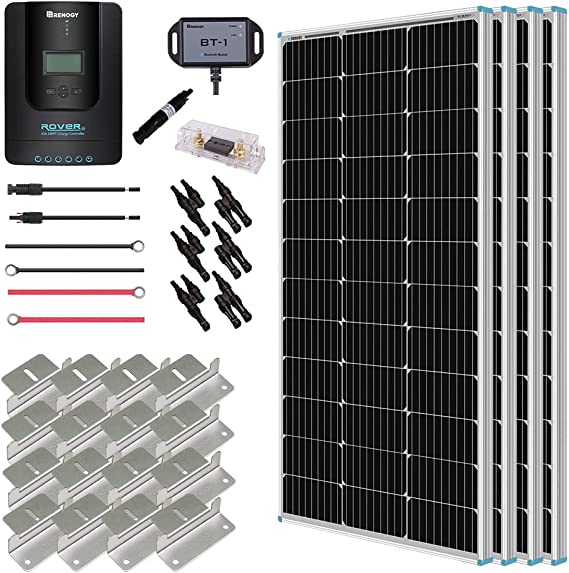
Renogy 400 Watt 12 Volt Premium 4 Pcs 100W Panel+40A MPPT Charge Controller

The first thing I notice when we walk in the door is chatter, like the kind that stops when the boss walks in the room most places. I didn’t realize this was the first thing I noticed until much later in our visit. Kevin met us in the lobby and showed us to the conference table so we could sit and chat for a bit before taking a walk through the production line.

As we chat with Kevin about Micro-Airs product line and history people walk by, all with a friendly wave and a hello, on their way to where ever it was they were going. We continued talking with Kevin about the expanding line of products they make, and how they are designed and built right here.

Our YouTube ChannelOur YouTube Channel

The first stop on our tour was the design room. The first thing that came to mind was The Matrix. There were work stations with multiple monitors with designs of circuit boards to come next to prototypes next to pieces that had passed and failed quality control checks so they could be dissected and retooled to make improvements for future generations of products.

Further down the hallway is the door to the factory floor. On the other side of that door is an assembly line so efficient that it would make Henry Ford take notice. Micro-Air has been getting more and more orders, and has been starting to outgrow the amount of space they have, so in turn has set up their factory floor to use every inch of available space to increase production without sacrificing quality.

Amazon FireAmazon Fire

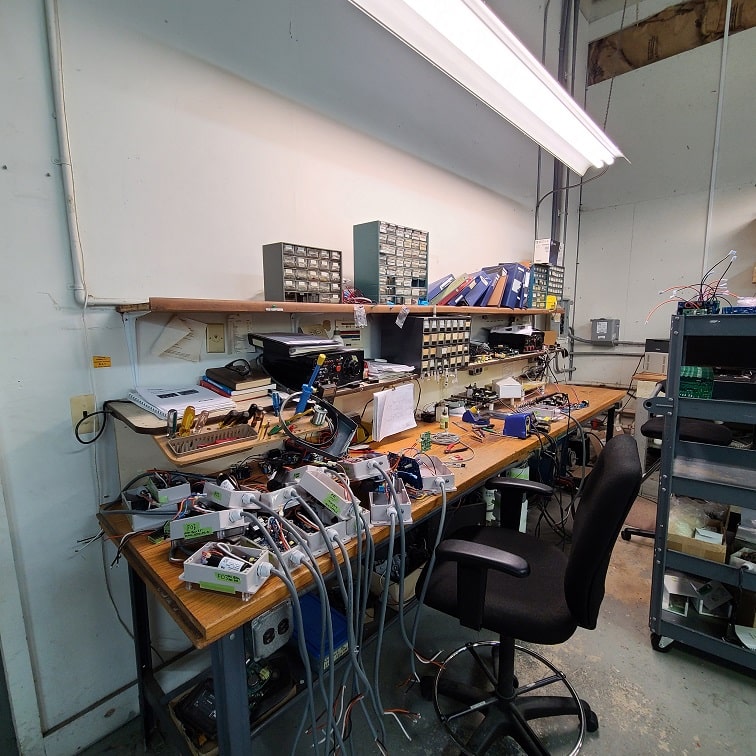
MicroAir work stationMicroAir work station
The retooling station.

The very first station we see is the retooling station. The retooling station is basically the “oops pile”. Kevin made it a point to bring out attention to it, which at first I thought was odd, because we could have just walked right past it to the very next station where assembly was being done.

I thought to myself ‘why would you point out your oops pile when you should be showing us how awesome your factory is?’

Well, it turns out Kevin is smarter than I am, and by showing us the oops pile he was showing us how awesome they are. At the conclusion of every station along the assembly line is a quality control check. Now when I say every station, I mean every station. QC is done after each set of components goes into each product, not just at the end of the line.

If at any point during the entire process a piece fails its quality check, it is labeled with where it was in the process and brought here. If its a piece that needs a reworking on the schematic it can go right through the door to the left and into the design room for its update. If its a piece that just needs an extra bit of solder, it can get that and be returned back into the work flow at the appropriate station.

One of the assembly stations along the Hand Built assembly lines at Micro-Air.

After the retooling station is a long section of space with 4 rows of work stations. One against each wall and two face to face down the center of the room, so that pieces on line can be completed, then handed to the next station on their way down to packaging.

When we were chatting with Kevin in the conference room about their products being built by hand, I had assumed he meant “built by hand”. You know, the same way everything is “built by hand”, a connection here or there was done by a human, but the most of the parts were put together by some super efficient robot.

Nope. Kevin meant Built By Hand. With Pride and attention to detail like the phrase American Made was meant to encompass.

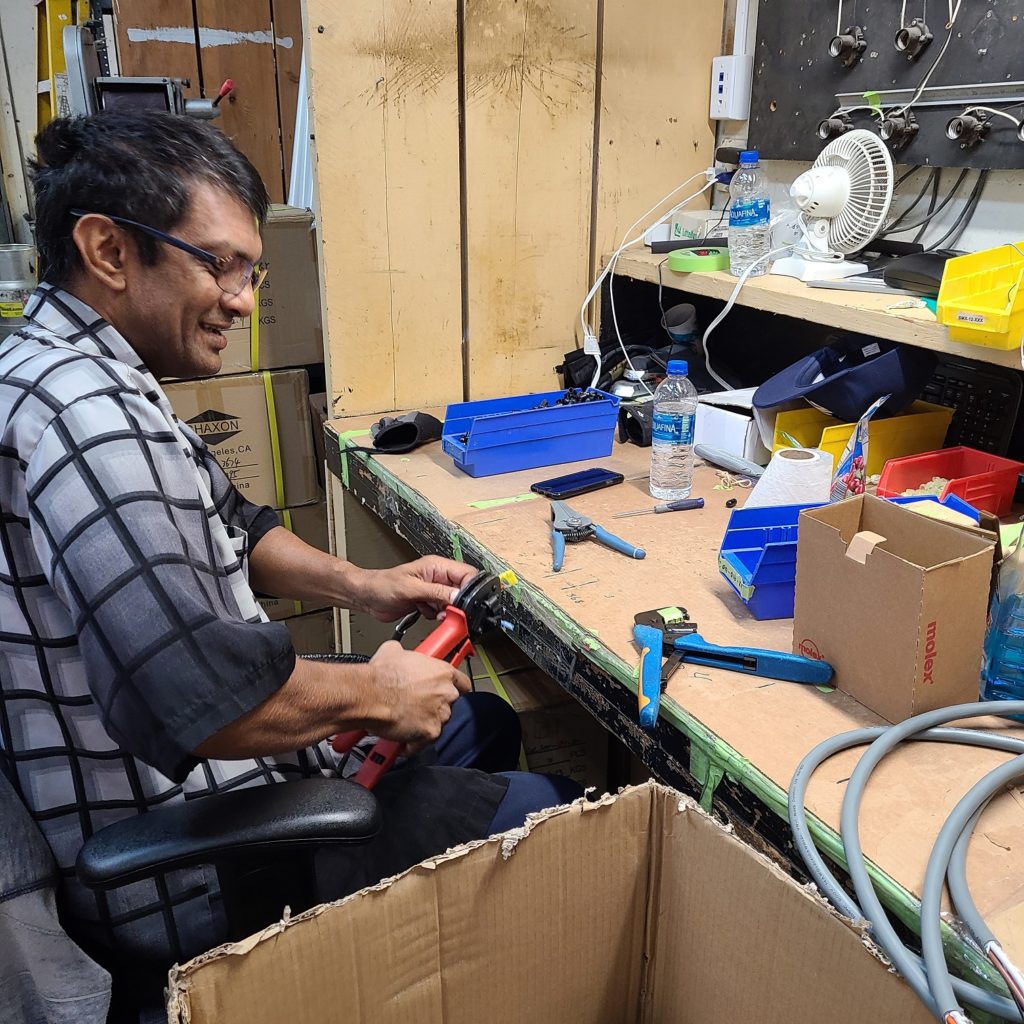
Wiring harnesses being made from scratch.

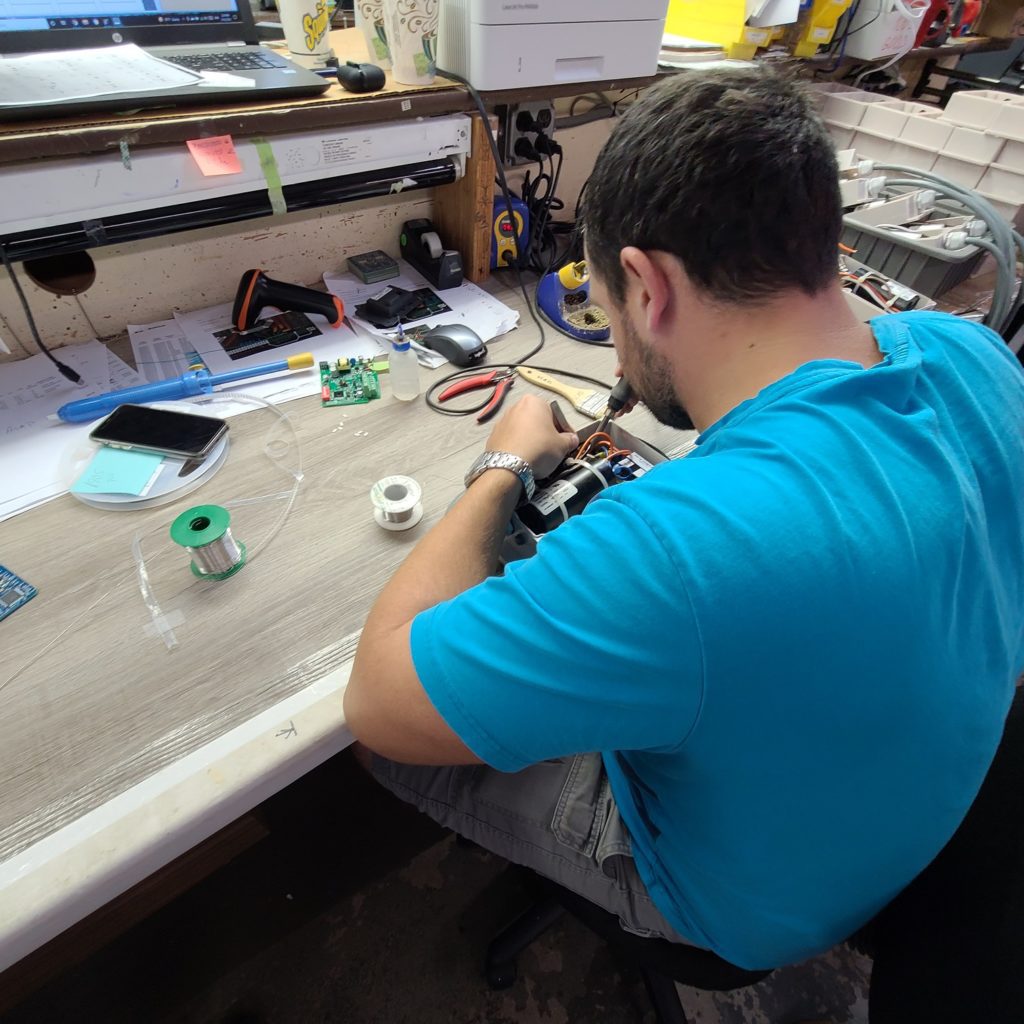
It was seriously impressive to see all the things that “used to” be made by American Craftsmanship actually being done by real humans who enjoy what they are doing. Hand crimped wire ends, Hand soldered wires, Hand tested controls, Hand done weatherproofing, Hand assembled circuit boards.

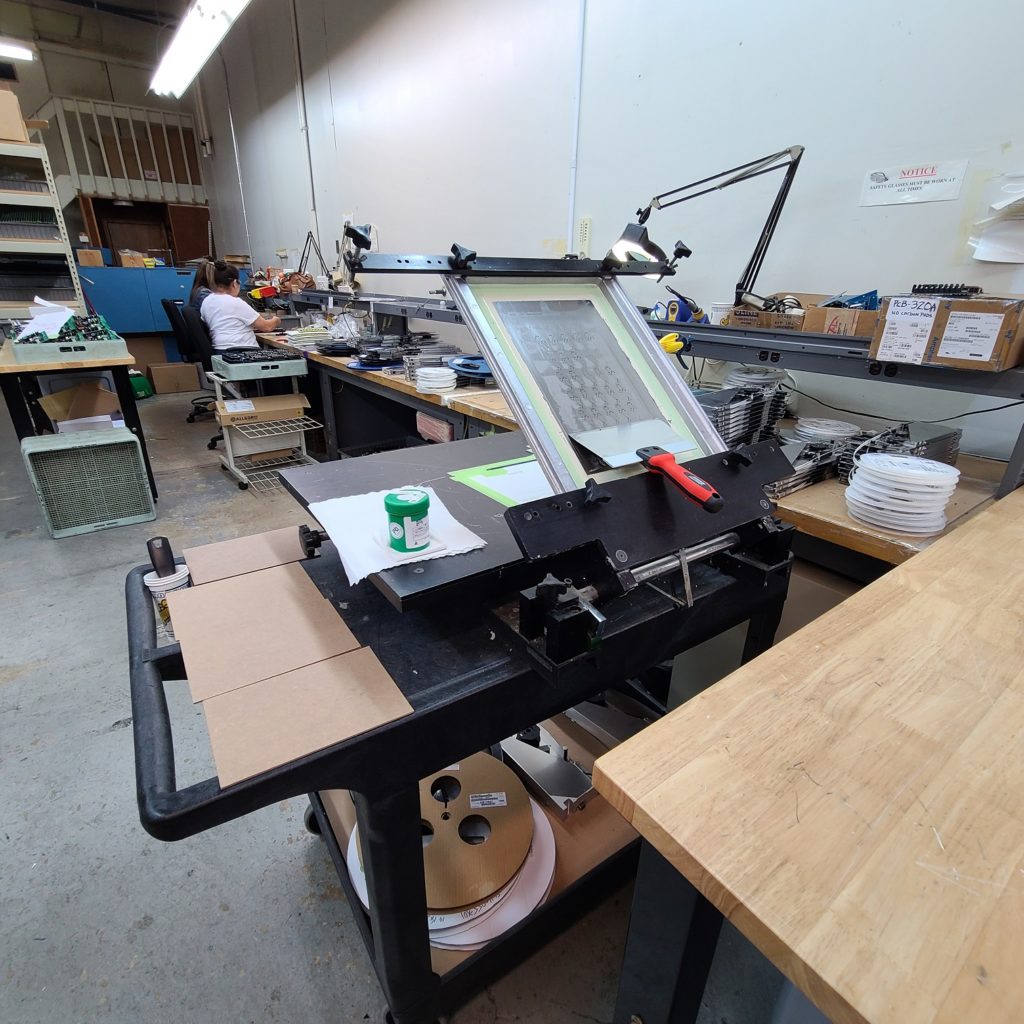
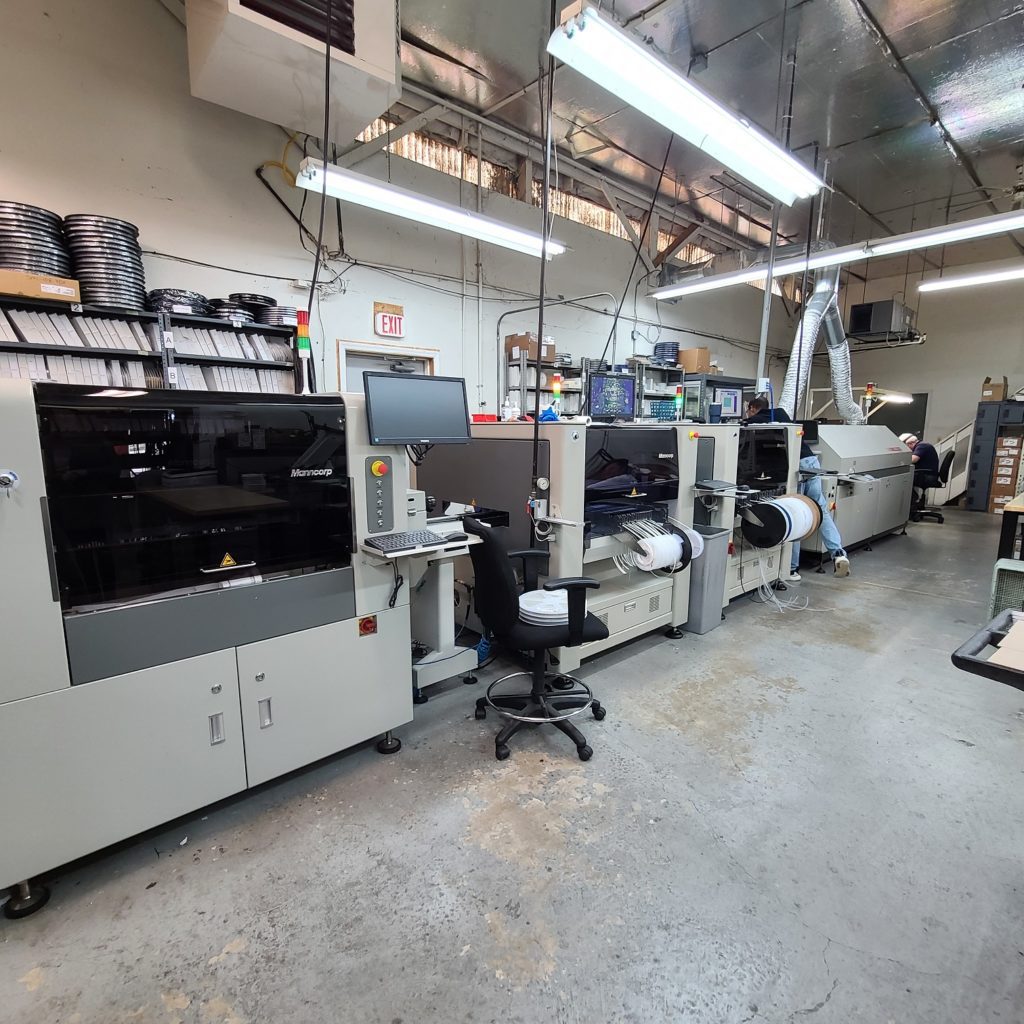
One thing you will notice in the pictures of the tour, is People. People doing everything. In fact, there is only one machine doing anything in the entire place. Its a relatively recent addition to the line too. Right next to it is its “hand made” predecessor that was only replaced because of the need to make more complex circuit boards with multiple layers of pathways.

The old circuit board creation station. Where the little pathways were laid down similar to the silk screening process for custom made T-shirts.
The new circuit board printing machine.

Now I know you may be thinking, “so much for hand made, this thing is doing most of the work”. Nope, not at all. Think of it like making dinner. You do all the prep, all the cooking, put it all together on the plate and serve it. This machine just makes the plate,

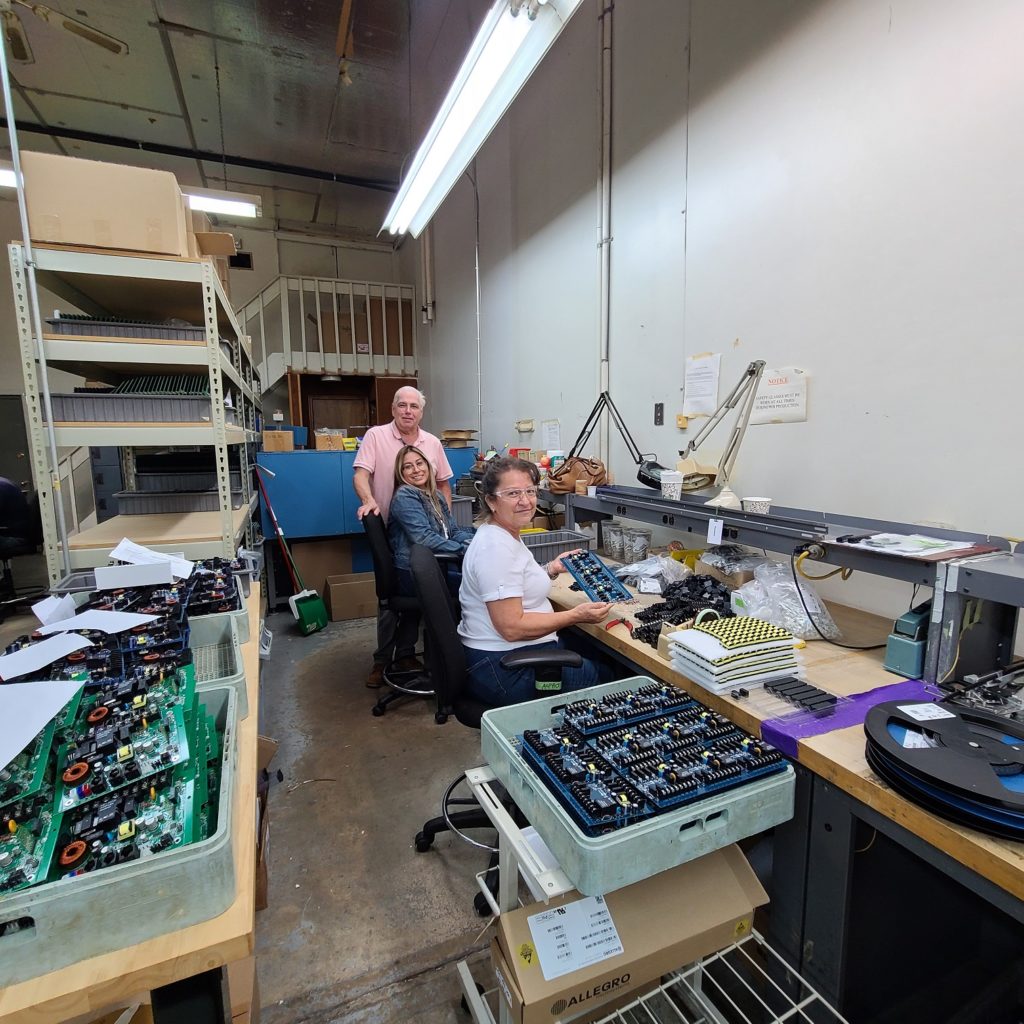
THIS is where all the fixin’s on the plate come from.

These two lovely women are the ones who put the small components on the circuit boards by hand so that they can be passed on to the proper assembly lines whether it be for RV or Marine use, Air conditioners or Thermostats, or any one of the various other products that Micro-Air makes.

If you recall the first thing I noticed when we walked in the building was chatting. That was a common occurrence throughout our tour. Now, in no way am I suggesting that everyone here should be diligently ignoring their coworkers and just mindlessly cranking out products for their consumers.

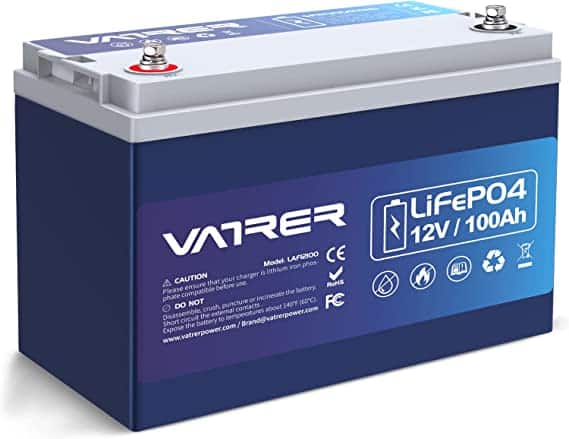
12V 100Ah LiFePO4 Lithium Battery, Up to 8000 Cycles

While taking this picture I had actually mentioned to Kevin that everyone here seems to be in a great mood and that this must be a great place to work or everyone here is really good actors. We all spent some time chatting and joking around about who was going to win the Academy Award for Happiest Employee, and in doing so came to learn that smiles like that can’t be faked.

Many of the people here have been here for their entire career. This is one of those places where you get hired as your first job and end up retiring from. The atmosphere throughout the factory is pretty laid back. Everyone enjoys what they are doing and actually likes coming to work and it shows in the products they put out.

I personally have Micro-Air products on my RV, and that was from before the factory tour, which made number 1 on my must have RV Upgrades list.


Source link

Bangkok 2024: Changan Deepal L07 sedan, S07 SUV EVs – 258 PS, 66.8 kWh battery; up to 540 km of range

0


Bangkok 2024: Changan Deepal L07 sedan, S07 SUV EVs – 258 PS, 66.8 kWh battery; up to 540 km of range

Launched in Thailand at the beginning of this year, the Changan Deepal L07 sedan and S07 SUV electric vehicles have been displayed at the 2024 Bangkok International Motor Show (BIMS). The L07 sedan will also form the basis of the Chinese-market Mazda EV sedan that is tipped to be called the EZ-6, which will be distinct from the upcoming model that is destined for Japan, Europe, North America and Australasia.

Differing in bodystyle but sharing a common powertrain, the L07 sedan and S07 SUV are both powered by a 258 PS/320 Nm rear-mounted motor, which draws energy from a 66.8 kWh ternary lithium NMC battery that offers the S07 SUV 485 km of range, and the L07 sedan gets 540 km of range, both on the NEDC testing protocol.

Likewise, charging capabilities are matched across both the L07 sedan and the S07 SUV, with DC charging of up to 78 KW enabling a 30-80% recharge in 35 minutes. As with the commonly used standard, DC charging is via a CCS2 connection, and AC charging is through a Type 2 connection.

L07 sedan (above); S07 SUV (below)

In terms of physical dimensions, the L07 sedan measures 4,820 mm long, 1,890 mm wide and 1,480 mm tall, while the Deepal S07 SUV measures 4,750 mm long, 1,930 mm wide and 1,625 mm tall; both have an identical wheelbase of 2,900 mm. Ground clearance for the L07 sedan is 150 mm, while the S07 SUV stands 165 mm clear of the ground. The L07 rolls on 245/45R19 tyres, while the S07 SUV has 255/45R20 units.

In the S07 SUV, in-car features include a driver’s head-up display with AR navigation, a 15.6-inch touchscreen, 14-speaker audio, Bluetooth phone connecitivity, wireless Apple CarPlay, multi-colour LED ambient lighting, gesture recognition, a wireless device charger, online navigation and music streaming, voice control (in Thai and English), mobile remote control and OTA software update capability.

For ADAS kit, this includes adaptive cruise control with stop-and-go, front collision warning, AEB, lane keep assist, traffic jam assist, and lane departure warning.

Also part of the suite of advanced safety features in the S07 SUV are blind spot detection, lane change assist, rear collision warning, rear cross traffic alert, rear cross traffic braking, door opening warning, driver fatigue monitoring, automatic high beam, and safe distance warning.

L07 sedan (above); S07 SUV (below)

Also on are front, front side and side curtain airbags, brake assist, ABS with EBD, ESP, traction control, hill hold assist, hill descent control, front and rear seat belt reminders, 360-degree camera suite with Transparent Chassis, DVR dashcam, tyre pressure monitoring system and ISOFIX child seat anchors.

The L07 sedan gets driver assistance systems, safety kit and in-car features which are largely similar to those of the S07 SUV, plus the addition of a 10.5-inch LCD driver’s display.

The S07 SUV gains rear touchscreen adjustment for the front passenger seat position and roof sunshade whereas the L07 does without, though the the sedan does get dual-zone air-conditioning and a PM2.5 filter, while the SUV adds a PM2.5 monitor and an ion generator air purifier.

In Thailand, the Changan Deepal L07 sedan was priced from 1,329,000 baht (RM177,020), while the S07 SUV was priced from 1,399,000 baht (RM186,212) as of the models’ launch in January this year.

Changan Deepal L07

Changan Deepal S07

Looking to sell your car? Sell it with Carro.

Learn more: 2024 Bangkok Motor Show


Source link

RON97 petrol price April 2024 week three update – premium fuel price still unchanged at RM3.47/litre

0


RON97 petrol price April 2024 week three update – premium fuel price still unchanged at RM3.47/litre

With Wednesday comes the weekly fuel price update in Malaysia, as announced by the finance ministry for the coming week of April 18 to 24, 2024.

As before, there is once again no change in the price of RON 97 petrol, which means the premium petrol grade continues as before at RM3.47 per litre; the same as it was last week, and which in fact has remained thus since September 2023.

The subsidised RON 95 petrol carries on at its ceiling price of RM2.05 per litre, as set by the Malaysian government in February 2021, however that is set to change this year.

Also unchanged are retail prices of diesel, with Euro 5 B10 and B20 blends priced at RM2.15 per litre, and Euro 5 B7 is priced 20 sen more per litre at RM2.35 per litre.

These fuel prices will take effect from midnight tonight until Wednesday, April 24, 2024, when the next set of fuel price updates will be announced. This is the 16th edition of the weekly fuel pricing format for this year, and the 275th in total since the format’s introduction at the start of 2019.

Looking to sell your car? Sell it with Carro.


Source link

2025 Hyundai Ioniq 5 N brings fun to electric age

0


Clutching your pearls because you’re scared the automotive future is boring is a bunch of meshugas. 

I know this because I screamed around Laguna Seca last week in the 2025 Hyundai Ioniq 5 N, shifting via paddles and hitting the rev limiter.

As the 2025 Hyundai Ioniq 5 N rolls into dealerships for $67,475, including a $1,375 destination charge, consumers are going to find an electric sports car unlike any other EV on sale today. 

This is how you build a bridge into the future for skeptics and enthusiasts alike. Thankfully, you can disable the bridge for those moments the silliness isn’t appreciated.

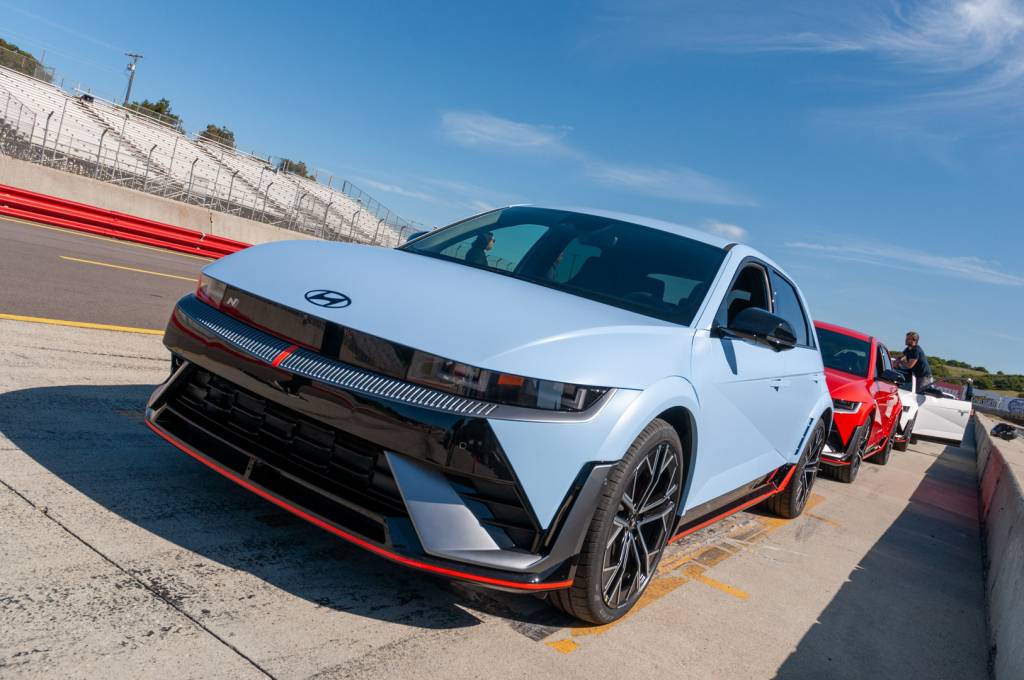
2025 Hyundai Ioniq 5 N

2025 Hyundai Ioniq 5 N

Hyundai Ioniq 5 N shifts, snaps, crackles, and pops

We’d have three sessions the Hyundai team said as we walked to the cars “idling” in the pits at Laguna Seca. For the first session we would run in N mode with e-Shift set to “automatic.” Hyundai said the powertrain’s e-Shift software had been programmed to feel like a gas-powered car with an 8-speed dual-clutch automatic transmission. This programming includes simulated shifts, right down to the torque curves, and the associated jolts to your body with the interruptions in power flow.

Pulling onto the track, the Ioniq 5 N’s powertrain growled through the speakers, doing a shocking impression of what I would hear in an Elantra N. The snaps, crackles, and pops were all there as the powertrain digitally revved with a max output of 85 decibels. For reference, an Elantra N at full tilt checks in at 100 decibels. It all sounded convincingly natural. That’s because it’s been programmed to use speakers placed under the hood, underneath the car on the rear passenger side, and inside the cabin. The sound programming uses all the speakers and places the correct tones in the right places within and outside the vehicle. The “exhaust” note comes from the back of the vehicle both inside and out, the “engine” noise comes from underneath the hood and the front of the vehicle, and the various other noises come from around the cabin. It all sounds reasonably natural in the Ignition mode. The Evolution setting sounds futuristic with a higher pitch that replaces the snaps, crackles, and pops with more of a jet wind-up noise. Then there’s the Supersonic soundtrack that sounds like you’re headed into warp speed in the starship Enterprise before it unleashes a massive “boom” through speakers when the car “shifts” at redline. I couldn’t help but laugh at the silliness of the boom, which I could actually feel from the woofers.

2025 Hyundai Ioniq 5 N

2025 Hyundai Ioniq 5 N

In a left into turn 2, known as the Andretti Hairpin, the car executed a hard downshift that my entire body felt as the virtual revs climbed and power built as it would if a gas engine were under the hood. Wild. Squeezing the accelerator pedal as I crossed the corner’s apex sent power to all four wheels while pushing and pulling the car around the corner. “Shockingly neutral,” I blurted out loud to no one as I started giggling. 

Hyundai said every piece of the Ioniq 5 N’s suspension has been changed from the standard car, including but not limited to, stiffer components and larger adaptive dampers at each corner that have a wider range of adjustability. The entire structure’s been reinforced thanks to 42 additional weld points and an extra 6.9 feet of structural adhesives. The result is an 11% increase in stiffness.

2025 Hyundai Ioniq 5 N

2025 Hyundai Ioniq 5 N

Linking the next nine corners together, including the infamous corkscrew, confirmed my initial impression that the handling is neutral. The weight is also well balanced and it sits low thanks to the 88.4-kwh battery pack located beneath the cabin. The car rotates with ease. As I came around turn 11 I hit the brakes and swung the rear end out, but the car didn’t lose composure. As the rear end kicked to the right and I countersteered and squeezed the throttle, the car quickly corrected the slide and shot forward. 

Shifts came fast and furious as the powertrain banged through its virtual first, second, and third gears with power building progressively and quickly through each. Heading down the front straight, the overgrown hatchback hit 112 mph as I crested the hill at turn 1. The car lifted, perhaps even fully off the ground, the suspension dropped, and the steering went light. The car came down to earth and for the first time I was keenly aware of the car’s 4,861-pound curb weight. That’s 813 pounds more than a Tesla Model 3 Performance and 1,565 pounds more than an Elantra N.

In Turn 2, the Andretti Hairpin, I took the racing line, and I could feel the electronically controlled limited-slip rear differential shift power side to side to rotate the car through the corner. Seemingly nothing really upset this thing. Time to mess around.

2025 Hyundai Ioniq 5 N

2025 Hyundai Ioniq 5 N

As I approached the corkscrew, I purposely went off the racing line, which put me too far inside for turn 8A immediately after. The Ioniq 5 N didn’t care that I ran over the inside curb as I nearly pushed to the runoff heading toward turn 9. The front Pirelli P Zero Elect tires, which Hyundai worked with Pirelli for more two years to develop for this car, gripped the pavement and flung me forward as I steered where I wanted to go and the rear sorted itself out.

Back to turn 11. I wasn’t quite as sideways as I was the first time, but the tail was still out. It quickly recovered and I blasted down the front straight hitting 121 mph as the car crested the top of turn 1. Everything went light again and when it came back down I immediately hit the brakes hard. The front dove and the rear end wiggled, but then figured itself out without ever feeling unstable. The car has up to 1.6 g of brake force, with up to 0.6 g of regen baked into that. The force comes from 4-piston monobloc calipers clamping 15.7-inch rotors up front and single-piston units grabbing 14.2-inch rotors in the back. That’s more regen capability than a Rimac Nevera or Porsche Taycan Turbo, which each goes up to 0.4 g. I couldn’t tell where the friction brakes started and the regen stopped. It all felt natural both on the track and street, and surprisingly the brakes never smoked during our track use. 

2025 Hyundai Ioniq 5 N

2025 Hyundai Ioniq 5 N

Hyundai Ioniq 5 N can be manually shifted

The Hyundai crew told me for the next lap session we were going to use the wheel-mounted shift paddles in the e-Shift feature’s manual mode. As I pulled onto the track, the gauge cluster showed green, then orange, and then quickly red bands around the tachometer indicating I needed to shift as if I were in a BMW M car. Suddenly, the car lurched and hit a power wall because I had maxed out first gear. Things move quickly with a 0-60 mph time of 3.25 seconds. Clicking the right paddle instantly shifted to second gear and the car surged forward. I shifted to third, and then two clicks of the left paddle back down to first entering Andretti corner.

On the first of four laps, I soon realized the car was slower around the track with the manual shifts than it was in full auto mode. I never ran the track without the e-Shift engaged, manual or auto, so I can’t comment how the car feels on the track without it.

On the twisty back roads of Carmel Valley the paddle shifters and natural power bands added to the driving experience. But it felt weird to be driving an electric car that was doing its best to mimic a gas-powered car. The manual shifts make things slower on the track, but you can only go so fast on the street, so they can add to the fun. Shifting manually in traffic would make no sense, but on a twisty back road it’s entertaining.

2025 Hyundai Ioniq 5 N - Emme Hall

2025 Hyundai Ioniq 5 N – Emme Hall

Hyundai Ioniq 5 N’s overboost is overblown

For the third session we were told to use the N Grin Boost button, which is a red button on the right side of the steering wheel. Pushing it delivers a 40 hp boost for up to 10 seconds, then it needs another 10 seconds to recover.

As I came out of turn 11 heading down the front straight I hit N Grin Boost. A circular countdown appeared on the top right of the 12.3-inch digital gauge cluster: 10 … 9 … 8 … 7 … my boost was already running out. Did it even work? I didn’t feel anything.

With 601 hp and 545 lb-ft of torque (N Grin Boost doesn’t change torque output), an extra 40 hp didn’t deliver a kick in the pants. I waited and saved my boost for an uphill portion to see if I could feel it more. After turn 6 heading up Rahal Straight I hit the red button, the counter appeared, and … nothing. I didn’t feel a surge of power. Between the car’s weight and only 40 extra hp, the N Grin Boost button kind of feels like a gimmick. It’s just not enough power to notice.

2025 Hyundai Ioniq 5 N

2025 Hyundai Ioniq 5 N

Hyundai Ioniq 5 N tuned to handle track days 

The team at Hyundai gave the Ioniq 5 N a larger 84.0-kwh battery pack versus the standard Ioniq 5’s 77.4-kwh pack. The pack’s footprint didn’t change, but the energy density and cell chemistry changed to increase the amount of energy in the pack and sustain higher thermal loads. 

The car’s cooling system has been upgraded with a new front-end design featuring more airflow, two larger radiators (one low temp and one high temp), and the ability to use the air conditioning to help cool the powertrain. 

These changes allow the Ioniq 5 N to run two full laps of the Nürburgring at full tilt without the powertrain derating its power. A Hyundai spokesperson told Motor Authority the car could probably run three to four laps on the ‘Ring if not going at full tilt.

2025 Hyundai Ioniq 5 N

2025 Hyundai Ioniq 5 N

My first four laps around Laguna Seca used 11% of the battery, my second four laps used another 15% and my final four laps used 19% of the battery. After 12 laps the battery had a 53% state of charge, and I started with 98%. Motor temperatures never crested 144 degrees for the front motor and 171 degrees for the rear, while the battery temp never went above 99 degrees.

Hyundai said the Ioniq 5 N is capable of a peak charging rate of about 235 kw. This means it can still charge from 10-80% in 18 minutes. That’s handy because it only has 221 miles of range, and much less on a racetrack where it will need to be charged more often and at a slower pace because it won’t be optimized. Hyundai’s in talks with racetracks about installing dedicated fast chargers so Ioniq 5 Ns can charge between sessions during track days.

2025 Hyundai Ioniq 5 N

2025 Hyundai Ioniq 5 N

Hyundai 5 N looks like a hot hatch 

Hyundai calls the Ioniq 5 N a crossover SUV, but it sits lower to the ground with ground clearance checking in at a car-like 5.6 inches versus the standard car’s 6.1 inches. It’s 2.0 inches wider than the standard Ioniq 5 thanks to flared fenders to fit the wider 275/32R21 tires at all four corners mounted on forged wheels. With a front splitter, a rear wing, and a rear diffuser, this doesn’t look like a standard Ioniq 5, but it doesn’t have a boy racer look like the Honda Civic Type R with its massive rear wing. Let’s face it, though, it’s a hot hatch, not a crossover.

2025 Hyundai Ioniq 5 N

2025 Hyundai Ioniq 5 N

Inside, the Ioniq 5’s 12.3-inch digital gauge cluster and 12.3-inch touchscreen carry over, as does the dashboard. But the open console area has been replaced by a center console that comes out from the dash. Its sides are padded to protect your knees during hard cornering. The cabin feels less open, but also more traditional. N sport bucket seats hug the body up front but aren’t terribly constricting. Like the standard car, the driver has a knees-up seating position due to the battery pack in the floor. Metal pedal and footrest covers are decorated with a race flag design. Hyundai’s trademark N blue color is splashed all over the cabin from the stitching to the lighting.

2025 Hyundai Ioniq 5 N

2025 Hyundai Ioniq 5 N

2025 Hyundai Ioniq 5 N

2025 Hyundai Ioniq 5 N

2025 Hyundai Ioniq 5 N

2025 Hyundai Ioniq 5 N

2025 Hyundai Ioniq 5 N

2025 Hyundai Ioniq 5 N

Hyundai 5 N overwhelms with customization 

Ioniq 5 N owners will be able to choose their own adventure thanks to numerous settings. The menu system is vast, from various stages of steering boost, suspension firmness, and steering weight, three different (for now) sound generator choices, volume choices for that sound generator, driving modes, and more. It would take quite some time to determine the Goldie Locks settings for various situations. Hitting N mode just cranks everything to the max, including the sound output.

This is before addressing the torque distribution, which can favor the front or rear for some wild rear-wheel-drive burnouts. There’s even a drift mode.

The simulated shifts and manual shifts with e-Shift, along with the active sound generator, can be turned off for those who think an EV shouldn’t impersonate a gas-powered car. It won’t be easy, though, as it’ll take at least one swipe and three taps, minimum, within the infotainment system. 

For everyone else, Hyundai has proven an electric sports car can be fast, fun, engaging, and visceral, as well as interactive. None of this may be necessary, but it shows fun won’t die with the shift to electric cars.

Hyundai paid for travel and lodging for Motor Authority to bring you this firsthand report.


Source link

The Perfect 7-Day Japan Itinerary (Updated 2024)

0


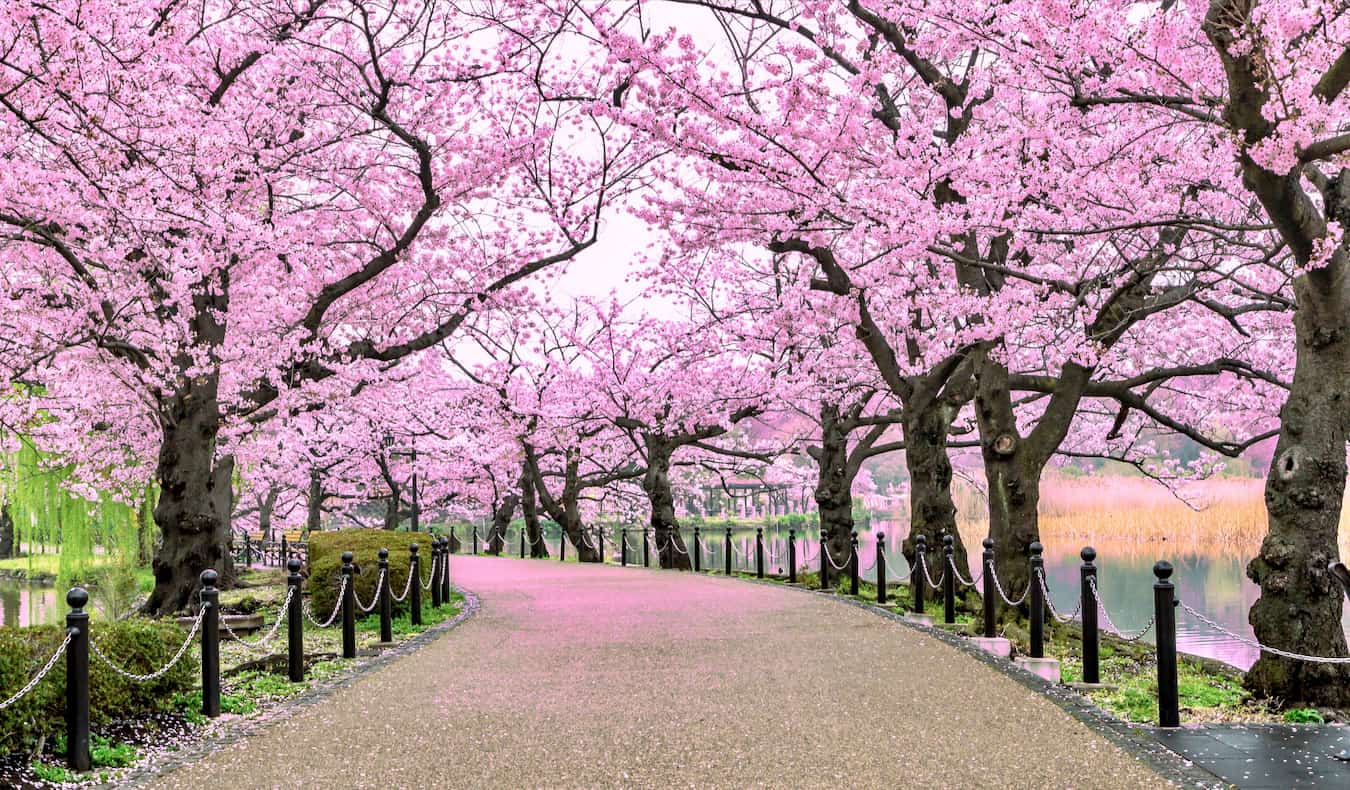
A narrow path lined by beautiful cherry blossoms in Japan
Posted: 4/17/2024 | April 17th, 2024

Japan captured my heart from the moment I firs visited. The delicious food, the rich culture, breathtaking landscapes, vibrant history, and the very friendly and polite people – it all blew my mind.

But Japan often feels impenetrable, especially to first-time visitors. While I think Japan deserves a minimum of 10 days, I get that some people might only have a week, so I wanted to write this, my ideal seven-day itinerary for Japan for a first-time visitor.

With only a week, there’s not much you can see unless you really rush it. And I don’t think you should do that.

So this itinerary only focuses on Tokyo and Kyoto (the most popular destinations) as well as some day trips from each. If you wanted to rush things a little, you could add in Osaka (more on that at the end).

(Note: If you purchased a Japan Rail Pass, activate it on arrival. That way, you can take advantage of the free JR trains throughout the city.)


Japan Itinerary Day 1: Tokyo

The popular and colorful Asakusa Temple in bustling Tokyo, JapanThe popular and colorful Asakusa Temple in bustling Tokyo, Japan
With all the gorgeous shrines, palaces, and temples; unique cocktail bars; and abundant shopping, you could easily spend an entire week in Tokyo. But, with only a couple of days, you’ll want to hit the highlights:

Tsukiji and Toyosu Fish Markets
Cure your jet lag with some food! In 2018, Tokyo’s main fish market moved to Toyosu. It is now twice the size of Tsukiji (the old one), making it the largest such market in the world. Here you can eat fresh sushi for breakfast, just a few feet from where it was hauled in from the sea, while marveling at the chaotic atmosphere.

You can still head to the old market in Tsukiji to eat, shop, and wander as well. I like it a lot, because there are more food options! Food and drink tours of the Tsukiji Outer Market are available for around 15,000 JPY.

Toyosu Fish Market is open Monday-Saturday 5am-5pm, though most shops don’t open until 7am. Admission is free, but you have to pick up a visitor’s pass when you enter. Tsukiji Fish Market’s hours vary by shop (usually 5am-2pm). Admission is free.

teamLab Planets
This digital art installation is a multi-sensory and immersive experience in which you become part of the artwork, walking barefoot through the four exhibition spaces and gardens as you interact with the installations’ elements in unique ways. It’s really fun! TeamLab is generally sells out in advance, so I recommend getting your tickets online ahead of time.

Take a walking tour
Walking tours are a great way to get the lay of the land while connecting with a local guide. I always go on one or two when I arrive somewhere. Tokyo Localized offers many free tours, including a classic overview and ones of both the famed Harajuku and Shinjuku neighborhoods. Its Imperial Palace tour would be the most convenient one after teamLab.

The Imperial Palace
Formerly Edo Castle, the Imperial Palace was built in the 15th century, and some of the walls and moats from that time are still in use to this day. When the emperor moved from Kyoto to Tokyo in 1869, he took Edo for his new palace and renamed it. While you can’t go inside, it is surrounded by beautiful grounds, a moat, and a park worth wandering through. You can also see the changing-of-the-guard ceremony (though it’s relatively low-key and unassuming). Admission to the grounds is free.

Shinjuku Gyoen National Garden
This park is over 144 acres and home to some 20,000 trees. Most of the original park was destroyed in World War II but was rebuilt and reopened in 1949. During spring, it is one of the best places to see cherry blossoms. My favorite area is the landscape garden, which has several ponds with bridges and islands. It’s a peaceful oasis away from the urban hustle and bustle.

Depending on how you feel relative to your jetlag, you could fit a few more activities before you end your day. Check out this post for suggestions.

Japan Itinerary Day 2: Tokyo

A bright and bustling street lit up at night with neon signs in Tokyo, JapanA bright and bustling street lit up at night with neon signs in Tokyo, Japan
I would start your second day by checking out Asakusa. You can explore the area on a guided walking tour or on your own. Go early to avoid the crowds and see the two main temples:

  • Senso-ji – This is Tokyo’s most popular and famous temple. Beautifully painted, it sits in a scenic spot near a pagoda and the lovely Kaminari Gate. There’s a huge statue of Kannon, the goddess of mercy, inside the main hall. It’s very busy during the day, so maybe check out the grounds in the evening.
  • Asakusa Shrine – This nearby Shinto shrine is much more peaceful, with fewer visitors, but with people praying, meditating, or performing traditional rituals. It was built during the Edo period (1603–1868) and survived the air raids of World War II.

Afterward, head to Ueno Park. Spanning over 133 acres, Ueno Park was established in 1873 on land formerly owned by a 17th-century Buddhist temple. It gets super busy in cherry blossom season, as there are over a thousand trees here. Throughout, you’ll find various stalls and vendors selling snacks, drinks, and souvenirs. On weekends, there are usually cultural events or festivals showcasing traditional arts, music, and dance. Four of Tokyo’s main museums are here:

  • Tokyo National Museum – Established in 1872 on the north end, this massive building is the oldest and largest art museum in Japan. It houses one of the world’s largest collections of art and artifacts from Asia, particularly Japan.
  • Tokyo Metropolitan Art Museum – This museum showcases rotating exhibitions of contemporary and traditional Japanese art.
  • National Museum of Nature and Science – This museum features a wide range of permanent and temporary exhibitions covering natural science and history.
  • Tosho-gu Shrine – This beautiful 17th-century Shinto shrine has carved gold doors and other ornate carvings. It’s worth seeing up close!

Afterward, walk down to Akihabara to explore the video game parlors, arcades, and anime shops. This very buzzy area is ground zero for all things electronic, and it’s fun to play many of the games. This is where you’ll find the famous maid cafés, where servers dress up as maids and serve you food and drinks. These range from big touristy ones to holes-in-the-wall (the girls on the street are promoting the latter, which are a lot more culturally fun). They aren’t cheap, though, as you have to buy drink packages and pay a fee, but they’re kitschy and fun.

In the evening, visit Shinjuku and then drink in Golden Gai. In Shinjuku, you’ll find a plethora of cool bars, bright lights, and tiny hole-in-the-wall eateries. Be sure to wander down Memory Lane (aka Piss Alley) for tiny izakaya joints and bars. Afterward, head over to Golden Gai, a warren of narrow alleyways with a bit of a red-light-district feel, flanked by diminutive backstreet bars. It’s quite touristy but also a lot of fun. I’ve had some wild nights here!

With Arigato Tours, you’ll learn about the neighborhood while stopping to sample Japanese classics like sushi, yakitori, and ramen. The 23,900 JPY cost includes a drink and dishes at four stops.
 

Japan Itinerary Day 3: Tokyo

The sprawling skyline of Tokyo, Japan with the famous Tokyo Tower in viewThe sprawling skyline of Tokyo, Japan with the famous Tokyo Tower in view
There’s a lot to see and do in Tokyo (I cover it all here and here)! But consider taking a day trip out of town to see some non-urban sights:

Kamakura
Here you can see a 13-meter (43-foot) bronze statue of Buddha that was built in 1252. It was initially constructed within Kotoku-in Temple, but that has since been washed away by several storms, so it now sits in the open air. Admission to enter the temple grounds is 300 JPY, while it’s 20 JPY to go inside the statue. The journey there — around an hour — is free with a Japan Rail Pass.

Tokyo Disneyland
I’m a sucker for Disney. You’ll find many of the same classic rides from Disney World here, like Splash Mountain, Big Thunder Mountain, The Haunted Mansion, and everyone’s favorite teacup ride, The Mad Tea Party. But there are several unique attractions as well, like Pooh’s Hunny Hunt and Journey to the Center of the Earth.

Ticket prices vary depending on the day and time, but full-day admission begins at 7,900 JPY for adults and 4,400-6,200 JPY for children. It’s best to book in advance.

Mount Fuji
Mount Fuji is located an hour outside of Tokyo. An active stratovolcano (which last erupted in 1708) and covered in snow for almost half of the year, it stands an impressive 3,776 meters (12,389 feet) and provides one of the most iconic views in the country. One of the Three Holy Mountains of Japan, Mount Fuji is both a Special Place of Scenic Beauty and a UNESCO Cultural Site. In the summer, the mountain is open to hikers, who take 5-12 hours to reach the summit (traditionally, they depart at night to arrive at the top for the sunrise).

If you don’t want to hike, you can simply visit on a day trip. There are buses that can take you partway up, where you’ll be offered sweeping vistas of the surrounding area. Guided day tours from the city cost around 12,000 JPY.


Japan Itinerary Day 4: Kyoto

A quiet path through the famous bamboo forest in beautiful Kyoto, JapanA quiet path through the famous bamboo forest in beautiful Kyoto, Japan
Home to 1.5 million people and nestled in the mountains, Kyoto is one of the most beautiful cities in Japan. It’s filled with traditional-style buildings, bamboo forests, countless Zen gardens, and ancient Buddhist and Shinto temples. It’s best to divide the city into half, as attractions are sort of clumped together and getting across town takes a long time. Today, you should do the western half:

Wander the Bamboo Forest
For a relaxing break, head to Arashiyama and let the dense and towering stands of bamboo envelop you. Located near the famous Tenryu-ji temple, it’s one of the most beautiful places in the entire country. It’s not that big, but there are some hidden areas to explore. Just make sure to arrive early if you want to enjoy it without the crowds (it fills up fast after sunrise).

While there, I would also recommend visiting the Okochi Sanso Garden, which (along with the home) belonged to the famous Japanese actor Denjir? ?k?chi (1898–1962). It’s not free (it’s 1,000 JPY), but it’s really nice and has some wonderful views.

Visit the Golden Pavilion
Originally built in the late 14th century as a retirement villa for the shogun (military governor), this iconic structure was later converted into a Zen Buddhist temple. The present-day edifice dates only to the 1950s, however, when a monk attempting to kill himself burned the historic original to the ground. The rebuilt temple is covered in brilliant gold leaf, symbolizing purity and enlightenment. Each of the three stories exhibits a different architectural style. Completing the scene are the serene reflecting pool and traditional Japanese gardens that contain lush foliage, manicured trees, and scenic walking paths.

1 Kinkakuji-cho, Kita-ku, Kyoto-shi, Kyoto, +81 075-461-0013, shokoku-ji.jp. Open daily 9am-5pm. Admission is 500 JPY.

Admire Ryoan-ji Temple
This is my favorite temple in Kyoto. Originally established in 1450 as a residence for a high-ranking samurai, it was soon converted into a Zen temple and is now a UNESCO World Heritage Site, with a mausoleum that houses the remains of seven emperors. Its traditional rock and sand garden is considered one of the best in the country. There’s also a teahouse where you can experience the traditional Japanese tea ceremony (chanoyu) as you overlook the Kyoyochi reflecting pool.

There are other temples in the area to check out as well:

  • Daitoku-ji Temple – This massive complex dating back to 1315 covers almost 60 acres. It contains several dozen temples and is a good place to see a variety of Zen gardens and architectural styles. It’s also deeply linked to the Japanese tea ceremony, as several of the country’s most noteworthy masters studied here.
  • Toji Temple – This is home to Japan’s tallest pagoda (five stories high). Founded in 796, just after Kyoto became the capital, it was one of only three Buddhist temples allowed in the city.

Go on a sake brewery tour
Kyoto has a sake (rice wine) brewing tradition going back 400 years and is known for some of the best in the world, due to using the area’s pure natural spring water in the brewing process. Arigato Tours offers an excellent three-hour tour of Fushimi (the brewing district) for 23,320 JPY, including stops at several breweries, a guided tour of the Gekkeikan Okura Sake Museum, and tastings.
 

Japan Itinerary Day 5: Kyoto

A winding, narrow street in historic Kyoto, JapanA winding, narrow street in historic Kyoto, Japan
Today, you’ll do the eastern part of town:

See the Fushimi Inari Shrine
This mountainside Shinto shrine, dating back to 711, is dedicated to Inari, the god of rice and prosperity. It’s known for its thousands of vibrant orange torii gates that form a network of trails leading up Mount Inari. You can hike the trails on your own while enjoying panoramic views of Kyoto below or join a guided hiking tour, on which you’ll get off the paved paths and into hidden bamboo groves. Get here as early as possible to avoid the crowds.

68 Fukakusa Yabunouchicho, +81756417331, inari.jp. Open 24/7. Admission is free.

Walk around Higashiyama
Spend an afternoon walking along the narrow streets of one of the oldest and best preserved districts on your own or on a walking tour. The traditional machiya buildings (traditional wooden townhouses) are filled with small shops selling local specialties and handicrafts, as well as restaurants and teahouses. It’s a popular area in which to participate in a tea ceremony. Another nice place to stroll in this neighborhood is the Philosopher’s Path, which follows a cherry-tree-lined canal that’s beautiful and meditative even when the blossoms aren’t in season.

Visit Kiyomizu-dera
One of a number of UNESCO sites in ancient Kyoto, Kiyomizu-dera (meaning “pure water temple”) is located in the foothills of Mount Otowa in the eastern part of the city. It’s one of the most famous temples in all of Japan. It was established in 778, but most of the existing buildings date to the 17th century. There’s not a single nail used in the construction, which becomes all the more impressive once you see how large the temple is, which is best known for its wooden terrace that juts out over the hillside. The temple’s name comes from the nearby waterfall whose waters (from which you can still drink today) are said to have wish-granting and healing powers.

1 Chome-294 Kiyomizu, +81 75-551-1234, kiyomizudera.or.jp. Open daily 6am-6pm. Admission is 400 JPY.

Explore Shorin-ji Temple
This small temple dates back to the 16th century. What makes it worth visiting is its meditation classes. You’ll get to tour the temple and then be instructed in zazen, the Japanese style of meditation. It’s a very unique experience and something that I think will add a lot of depth and nuance to your visit (especially if you’ve seen a lot of temples). Just make sure to dress comfortably.

15 Chome-795 Honmachi, +81 75-561-4311, shourin-ji.org. Open daily 10am-4pm. Admission is 800 JPY.

Wander the Nishiki Market
Nishiki Ichiba is now one of the biggest indoor markets in town. Known as “Kyoto’s Kitchen” and spanning over five blocks, it is full of vendors selling traditional dishes from the region, classic Kyoto souvenirs, and really just about anything else. There are over a hundred stalls here, many of which have been in the same family for generations. Opening hours depend on the shop but are typically from 9am to 6pm.

To dive deeper into Japanese food culture, you can take a food tour of the market. It’s the best way to learn about all the food you’ll see, as well as the market’s history.

Explore Gion
Gion, the historic geisha district, is renowned as being one of the most iconic and atmospheric areas of town. It’s known for its traditional wooden machiya houses, narrow alleyways, cobblestone streets, and preservation of geisha (known locally as geiko) culture. Lining the main street are ochayas (teahouses where geishas entertain), small shops, and many restaurants, ranging from upscale kaiseki restaurants serving traditional Kyoto cuisine to casual eateries.

To really learn more about this amazing party of town and its past, take a walking tour of Gion. You’ll learn a ton and get a lot of context. They cost around 1,800 JPY.

At night, go to the Pontocho Row, a narrow street lined with restaurants, hole-in-the-wall bars, and jazz clubs. It’s one of the more lively areas in Kyoto.
 

Japan Itinerary Day 6: Nara

A small deer eating grass in a park in Nara, Japan, with cherry trees blossoming in the backgroundA small deer eating grass in a park in Nara, Japan, with cherry trees blossoming in the background
Many travelers visit Nara on a day trip from Kyoto. While that’s perfectly fine, I recommend spending a night. After the tourists head back to the big city in the late afternoon, you’ll see this small, charming destination empty out and feel like you have it a bit to yourself, along with the locals.

Nara was the capital of Japan in the eighth century, so there are lots of buildings and temples here that are upwards of a thousand years old (which is rare in Japan, due to the prevalence of fires and earthquakes, as well as World War II). Some things to do:

  • Frolic with deer – The real draw in Nara are the deer. Since the 17th century, those in and around the city have been considered sacred. You can buy crackers to feed them or just watch them stroll around carefree.
  • See the Buddha – Don’t miss a visit to Todai-ji, the world’s largest wooden building, home to a 16-meter (52-foot) Buddha statue. It was built in 738 and is now a UNESCO World Heritage Site.
  • Take a walking tour – This guided half-day walking tour for 11,500 JPY includes all of Nara’s highlights as well as a traditional lunch.


Japan Itinerary Day 7: Tokyo

The sprawling skyline of Tokyo, Japan lit up at night with Mount Fuji in the distanceThe sprawling skyline of Tokyo, Japan lit up at night with Mount Fuji in the distance
It’s time to wrap things up and head back to Tokyo for your flight home (or onward). If you have more time to spend, this post here will list tons of things to see and do on your last. However, one thing I would really recommend trying to do is watch a Sumo match.

Ryogoku Kokugikan, Japan’s most famous sumo wrestling arena, hosts tournaments three times each year, in January, May, and September. Tickets sell out quickly, so book online in advance. Prices vary but start around 3,200 JPY for arena seats. You can book a ticket online here (you’ll be accompanied by a guide too, so you can learn more about the tradition as it unfolds before your eyes).

To learn more about the sport in in the off-season, book a tour of a sumo stable.
 

An Alternative Itinerary

the historic Osaka Castle in Osaka Japan towering over the city on a sunny summer daythe historic Osaka Castle in Osaka Japan towering over the city on a sunny summer dayThe above itinerary, while fast, isn’t rushed. It does fit a lot in but at a pace that is slower than a lot of visitors prefer. While I always suggest traveling slowly and focusing on quality over quantity, some people prefer to cram more into their trip.

So, if you want to add another city to this itinerary you can follow this breakdown:

  • Days 1 & 2: Tokyo
  • Days 3 & 4: Kyoto
  • Day 5: Nara
  • Days 6 & 7: Osaka

Tokyo, Kyoto, and Nara are all covered above. As for Osaka, some of my favorite things to see and do:

Take a food tour
Known as “the Kitchen of Japan,” Osaka boasts a diverse culinary scene. Mouthwatering sushi and sashimi, Kobe beef and Japanese BBQ, and flavorful ramen can all be found here in abundance. Plus, there are local specialties like okonomiyaki (a savory pancake with egg and vegetables) and kushikatsu (kebab skewers). You can take a food tour for around 13,000 JPY, a ramen and gyoza cooking class for 9,500 JPY, or just wander and eat.

Osaka Castle
One of the most famous landmarks in the country, the castle was originally built in the late 16th century by Toyotomi Hideyoshi and played a pivotal role in the unification of Japan during the Sengoku period (1467-1615). Over the centuries, it has been destroyed and rebuilt multiple times due to wars, fires, and natural disasters. The current version dates to 1931. The castle is situated amid sprawling grounds and surrounded by a moat. It’s also home to a small but insightful museum and an observation deck that offers some picturesque urban views.

Dotonbori
This is arguably Osaka’s most iconic district, known for its vibrant nightlife (bars, clubs, theaters, and music venues), colorful signage, and delicious food. It’s best seen at night due to the plethora of huge neon lights and signs lining both the canal and streets, which have become symbols of Osaka’s nightlife. A guided walking tour that includes Dotonbori as well adjacent neighborhoods is 6,500 JPY.

Shitennoji Temple
This temple is one of the oldest Buddhist temples in Japan, founded in 593. The architecture is a blend of traditional Japanese and East Asian styles, featuring impressive pagodas, gates, and shrines set amid serene gardens. Stroll through the tranquil grounds, admire the beautiful architecture, and learn about the temple’s historical and cultural significance at the museum. The temple is 300 JPY to enter, the garden is 300 JPY, and the museum is 500 JPY.


***

Japan is one of my favorite countries. While it’s relatively small, it offers an amazing array of things to see and do (as well as some of the best food in the world). With seven days, you can easily see a good number of the main highlights and get a taste for the incredible history and culture. It will be a busy week, but this itinerary ensures you’ll still have some time to slow down, relax, and take in the local pace of life.

Just make sure you get a Japan Rail Pass before you go. While it’s not as cheap as it used to be, it will likely save you time and money!

Book Your Trip to Japan: Logistical Tips and Tricks

Book Your Flight
Find a cheap flight by using Skyscanner. They are my two favorite search engines, because they search websites and airlines around the globe, so you always know no stone is being left unturned!

Book Your Accommodation
You can book your hostel with Hostelworld as they have the most comprehensive inventory so they are best for booking a hostel. If you want to stay in a hotel or guesthouse in Japan, use Booking.com as it consistently returns the cheapest rates for guesthouses and hotels.

Don’t Forget Travel Insurance
Travel insurance will protect you against illness, injury, theft, and cancelations. It’s comprehensive protection in case anything goes wrong. I never go on a trip without it, as I’ve had to use it many times in the past. My favorite companies that offer the best service and value are:

Looking for the Best Companies to Save Money With?
Check out my resource page for the best companies to use when you travel! I list all the ones I use to save money when I travel — and I think they will help you too!

Be sure to check out the Japan Rail Pass if you’ll be traveling around the country. It comes in 7-, 14-, and 21-day passes and can save you a ton of money!

Looking for More Travel Tips for Japan?
Check out my in-depth Japan travel guide for more ways to save money, information on costs, tips on what to see and do, suggested itineraries and reading and packing lists, and much, much more!


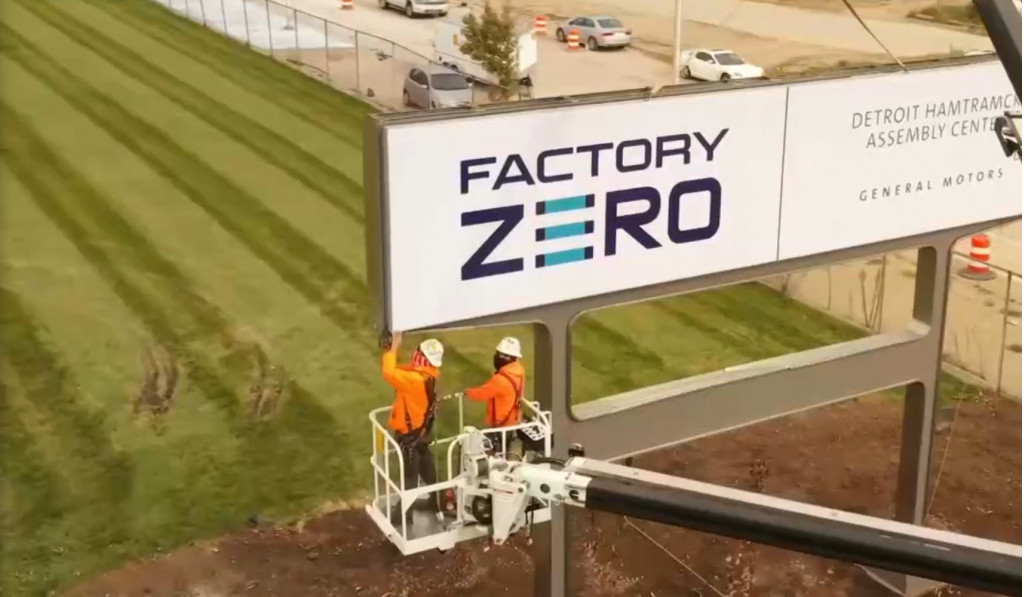
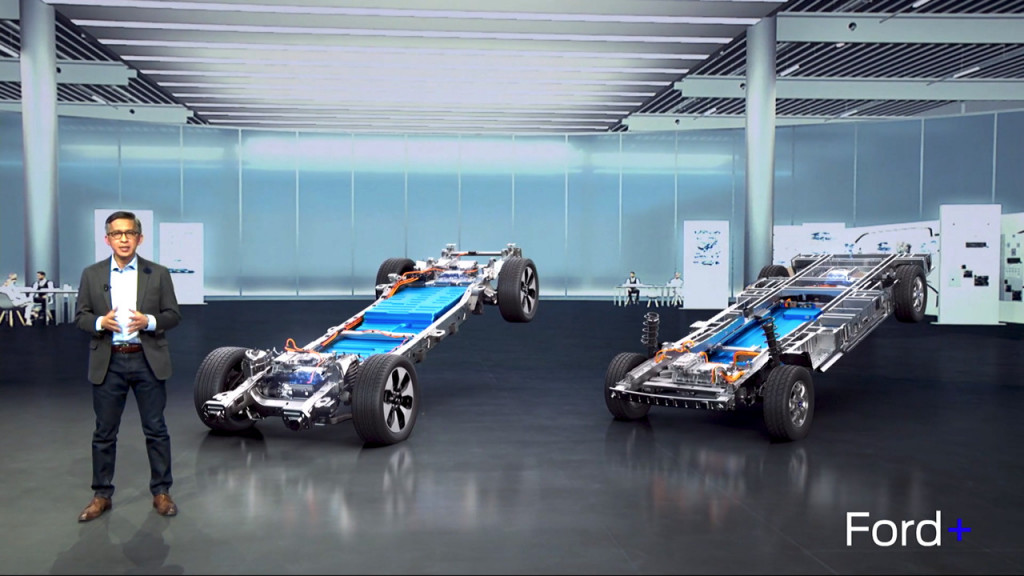
Source link