Home Blog Page 819

2024 Mazda CX-60 D50e Evolve review

0


Australians love a top-of-the-range model, but there’s often a lot of goodness further down the range.

Take the Mazda CX-60, which has had a lot of hype around the flagship grades – but little attention given to the base Evolve, which is relatively attainable at a little over $60,000 plus on-road costs.

Mazda’s new mid-sized SUV extends beyond the price bracket any CX-5 has played in, but still has a strong focus on value compared to German alternatives. It also offers a stepping stone beyond the brand’s existing core models once a CX-5 or CX-8 become too vanilla.

Since its launch, Mazda has introduced some running changes for the rear suspension and transmission software following feedback from the media and customers, and the 2024 Mazda CX-60 D50e Evolve on test is our first taste of the revisions, as well as a first drive of the base grade.

WATCH: Paul’s video comparison of the CX-60 G40e and D50e

Following the aforementioned running changes as well as recent price adjustments, does the base CX-60 make more sense compared to its more premium siblings?

And, is it worth the jump over something like a top-spec CX-5? Well, read on to find out.

How does the Mazda CX-60 compare?

View a detailed breakdown of the Mazda CX-60 against similarly sized vehicles.

Mazda CX-60 cutout image

Mazda

CX-60

How much does the Mazda CX-60 cost?

The 2024 Mazda CX-60 D50e Evolve is the second most affordable variant in the range, priced from $62,550 plus on-road costs. It commands a $2000 premium over the petrol-powered G40e Evolve in the same specification.

2024 Mazda CX-60 pricing:

Evolve

  • G40e M Hybrid: $60,550
  • D50e M Hybrid: $62,550
  • P50e PHEV: $73,600

GT

  • G40e M Hybrid: $68,550
  • D50e M Hybrid: $70,550
  • P50e PHEV: $81,600

Azami

  • G40e M Hybrid: $73,750
  • D50e M Hybrid: $75,750
  • P50e PHEV: $86,800

Prices exclude on-road costs

To see how the Mazda CX-60 lines up against its rivals, check out our comparisons tool.

What is the Mazda CX-60 like on the inside?

The Evolve with Luxury Pack isn’t all that different to the mid-spec GT in terms of presentation.

It’s less flashy than the available white and tan interiors of the Azami’s Takumi and SP packages, but there’s a general sense of upmarket-ness to the base CX-60’s cabin that also comes with some Mazda familiarity.

Everything is designed to look solid and robust, with a lot of straight lines and flat surfaces. It has a real impression of size and width, and Mazda has done a good job with the mix of materials and textures even if everything is 50 shades of black and grey.

It’s a shame the Evolve isn’t offered with the Revera Stone leather option available on the GT, but for those concerned about jeans and messy kids marking a lighter hide, the black interior may do just fine for most.

As is the Mazda way, there’s a hint of Lexus to how everything is laid out and presented, with more buttons and switches than most as well as clean, consistent typeface and clear digital displays.

The Evolve comes as standard with 7.0-inch TFT digital instrument display flanked by analogue gauges like you see on most other Mazda models, but with the $4000 Luxury Pack as tested it upgrades to a nicer 12.3-inch fully digital unit.

While fairly minimal on the customisation front, the Mazda’s virtual instrument panel apes classic gauges well and offers fluid animations. I’m not a fan of how turning on the cruise control locks you into a driver assist layout that minimises the pretty virtual dials.

Evolve-spec models also get a smaller 10.25-inch Mazda Connect infotainment system than the 12.3-inch units offered in GT and Azami models, which also appears to forego the available touch input function for smartphone mirroring.

It’s otherwise decently kitted out, with standard satellite navigation, DAB+ radio, as well as wireless Apple CarPlay and Android Auto. My iPhone 15 Pro Max worked flawlessly via wireless connection for the duration of our loan.

Mazda will be launching connected services across its lineup gradually in the coming year or so, meaning we should hopefully see extended net-based functionality added as a running update.

The standard eight-speaker sound system worked well, with clear sound and decent bass, though the 12-speaker Bose premium audio setup offered by the GT and Azami is a good step up.

Seat comfort up front is good, with nicely padded and supportive seats that are trimmed as standard in Maztex fake leather, though our Luxury Package-equipped tester features leather-accented upholstery. The Luxury Pack also brings powered front seat adjustment with memory presets for the driver – I’d be ticking this $4000 box, personally.

Storage around the front of the cabin is decent, if not standout. You get decent door bins and a cubby under the centre armrest – which folds out two ways mind you – and there’s a rubberised mat for your phone on the wireless phone charger under the centre stack.

You also get two cupholders under a dampened lid and USB-C charging ports in the front console area.

The second row isn’t massive, but it’s larger than a CX-5 and competitive with the Audi Q5 or Mercedes-Benz GLC – if not quite BMW X3 good.

I’m 6’1 and had enough head-, knee- and toe room to get comfortable, with a good view out the rear windows. I’d wager two adults will be fine, three would be a pinch. The minimal centre tunnel at least means a centre passenger isn’t too impeded in terms of foot space.

Amenities include rear air vents – though no separate climate controls – as well as USB-C and 150W AC outlets to keep devices charged. The GT and Azami score heated outboard seats, but not here.

There’s a fold-down centre armrest with cupholders, map pockets behind the front seats, as well as ISOFIX anchors on the outer positions and top-tethers across all three rear seats. Bottle holders in the doors round out the notable practicality features.

Cargo volume is quoted at 477 litres “to rear package tray” with all seats up, expanding to 1726 litres “to ceiling with underfloor storage space” with the rear seats folded.

That’s just under 40 litres better than the CX-5 with five seats in use, and nearly 400 litres better with the rear seats folded. Not bad, but somewhat off the pace of premium rivals like the Audi Q5 (520L-1520L), BMW X3 (550L-1600L) and Mercedes-Benz GLC (620L) with all seats in use.

Remote levers to drop the rear seats feature in the cargo area, and the PHEV adds a 1500W AC outlet there too. Mild-hybrid versions get a space-saver spare wheel whereas PHEVs get a tyre repair kit.

What’s under the bonnet?

On test we have the CX-60 D50e, which is powered by a mild-hybrid six-cylinder turbo-diesel engine.

ModelMazda CX-60 D50e
Engine3.3L 6cyl turbo-diesel 48V mild-hybrid
Power187kW (3750rpm)
Torque500Nm (1500-2400rpm)
Electric motor12.4kW
153Nm
Battery0.33kWh li-ion
Transmission8-speed automatic
Driven wheelsAll-wheel drive
Weight1963kg (kerb)
0-100km/h7.3 seconds
Fuel economy (claim)4.9L/100km
Fuel economy (as tested)5.5L/100km
Fuel tank size58L
Fuel requirementDiesel

Our indicated fuel figure was achieved over 860 kilometres of mixed driving, including a return trip from Melbourne to Yarrawonga on the VIC-NSW border.

How does the Mazda CX-60 drive?

Having spent plenty of time in the diesel CX-60, I was interested to see if there were any notable changes with the smaller wheels; and of course the updated rear suspension hardware and powertrain control unit software.

The bulk of my time with the CX-60 was spent doing my usual commuting to and from the office, mixed in with a return trip to the Victorian border.

Without having tested this back-to-back with another CX-60 pre upgrades, I felt a difference in the smoothness and response of the transmission, which does without a conventional torque converter and instead features a multi-plate clutch and integrated electric motor-generator.

Mazda claims this helps to improve fuel efficiency and throttle response over a conventional automatic, thanks to the fact torque outputs of the engine and electric motor are directly transmitted to the gearbox “with fast and rhythmic shifting” akin to a manual transmission.

While the launch calibration offered pretty quick shifts under load, it had the tendency to slur and groan through shifts in low-speed scenarios, at times feeling elastic or unresponsive at awkward city speeds between first and second.

This particular CX-60 was a tad smoother and more refined in these conditions than I recall of launch examples, though at times you could still hear the mechanical sounds from the driveline that may be unsettling for some.

As for the overall dynamic character as well as the ride and handling, the steering is still heavy and the ride still quite firm… but it the revised rear shock absorbers, and smaller wheels and tyres on this base model, take some of the edge off.

The CX-60 still communicates just about every road surface imperfection you drive on, and can still be a bit unsettled over shorter, sharper hits. It deals with undulations pretty well, and turns in quite keenly especially at higher speeds.

It’s nicely settled on the highway. That said, there were one or two instances on the Hume where a sharp join sent a thud through the cabin. I’d be interested to see if models on 20-inch wheels would be similar, better or worse in this scenario.

While the CX-60’s very weighty steering makes it feel sporty and substantial on the freeway or up a winding B-road, it can make lower speed manoeuvres in tight suburban streets and carparks a bit more of a chore.

It requires quite a bit of arm work for these everyday tasks, and while some will arm to it others may find it a bit too demanding.

The surround camera system as part of the Luxury Pack makes visibility that much better for tight parks or squishy gaps in traffic even if it’s not of the highest definition – it’s a shame you need to pay minimum $2000 for the privilege.

Insulation from road and wind noise, meanwhile, is adequate but not standout. There was a bit of tyre roar on the Hume Highway, and more than something like an Audi Q5 or BMW X3.

As for assistance systems the Luxury Pack-equipped CX-60 Evolve is pretty much decked out with everything available in the flagship Azami.

Mazda’s Cruising and Traffic Support is one of the more intuitive and natural feeling autonomous highway assistants of its type, and the addition of a surround camera makes visibility while parking that little bit better.

Front and rear cross-traffic alert are handy when pulling out of tight carparks or T-intersections, though the bong from the warning can grate. Blind-spot monitoring is standard, though as is typical of a lot of Mazdas, the magnified driver’s mirror can take some getting used to.

The driver attention monitoring function, unlike some other new vehicles on the market today, also seemed to be less aggressive and didn’t feel the need to chime and visually alert whenever you glance away from the road.

What do you get?

The Evolve is the entry-level trim in the Australian CX-60 lineup.

CX-60 Evolve highlights:

  • 18-inch alloy wheels, Grey
  • Auto LED headlights
  • Auto high-beam
  • Rain-sensing wipers
  • Body colour exterior mirrors
  • Side mirrors with:
    • Power adjustment
    • Auto folding
    • Heating
    • Auto-dimming
  • Honeycomb grille design
  • Black wheel arches and lower cladding
  • Remote operated power tailgate (open/close)
  • G-Vectoring Control Plus
  • 10.25-inch Mazda Connect infotainment system
  • 7.0-inch TFT LCD instrument cluster (G40e, D50e)
  • 12.3-inch TFT LCD instrument cluster (P50e)
  • Head-up display
  • DAB+ digital radio
  • Satellite navigation
  • 8-speaker sound system
  • Wireless Apple CarPlay, Android Auto
  • Wireless phone charger
  • Front USB-C charging points
  • Rear console incl. USB-C, 150W AC outlets
  • Rear 1500W AC power outlet socket (PHEV)
  • Keyless entry, push-button start
  • Dual-zone climate control
  • Auto-dimming rear-view mirror
  • Electric park brake with auto-hold
  • One-touch power windows
  • Leather steering wheel
  • Leather shift knob
  • Black Maztex upholstery
  • Manual front seat adjustment

Options

The Evolve is available with two optional packages – our tester was fitted with the Luxury Package.

Vision Technology Package: $2000 (Evolve, GT)

  • Surround-view camera with see-through view
  • 12.3-inch digital instrument cluster (G40e, D50e Evolve)
  • Adaptive LED headlights (GT)
  • Cruising & Traffic Support
  • Driver monitoring
  • Front cross-traffic alert

Luxury Package: $4000 (Evolve)

  • Vision Technology
  • Exterior mirror memory
  • Leather upholstery, Black
  • Heated front seats
  • Power front seat adjustment

Is the Mazda CX-60 safe?

The CX-60 wears a five-star ANCAP safety rating based on Euro NCAP testing in 2022.

The Mazda CX-60 was tested against 2020-2022 criteria by sister organisation Euro NCAP.

It scored 91 per cent for adult occupant protection, 93 per cent for child occupant protection, 89 per cent for vulnerable road user protection and 77 per cent for safety assist.

Standard safety features include:

  • 10 airbags incl. front-centre airbag
  • Adaptive cruise control
  • Autonomous emergency braking (AEB)
    • Forward incl. Pedestrian, Cyclist detection
    • Reverse
    • Junction assist (Turn-across Traffic)
  • Blind-spot monitoring
  • Driver attention monitoring
  • Forward obstruction warning
  • High Beam Control (auto high-beam)
  • Lane-keep assist
  • Parking sensors front, rear
  • Rear cross-traffic alert
  • Surround camera system
  • Traffic sign recognition
  • Tyre pressure monitoring
  • Vehicle exit warning

CX-60 Azami adds:

The Azami’s additional safety equipment can be optioned in both the Evolve and GT grades through the Vision Technology Package.

How much does the Mazda CX-60 cost to run?

Like the wider Mazda range, the CX-60 is covered by a five-year, unlimited-kilometre warranty. The high-voltage battery in PHEV models is also covered by an eight-year factory warranty.

Scheduled servicing is required every 12 months or 15,000 kilometres (whichever comes first) for the G40e M Hybrid and the P50e Plug-in Hybrid; while the D50e M Hybrid quotes shorter 10,000km intervals.

Pricing is on the higher side, and is more expensive than the likes of BMW and Genesis.

Mazda CX-60 service pricing:

Engine1st Service2nd Service3rd Service4th Service5th Service
P40e 3.3L i6 MHEV$447$654$568$749$463
D50e 3.3L i6 MHEV$478$643$975$643$478
P50e 2.5L i4 PHEV$478$643$975$643$478

CarExpert’s Take on the Mazda CX-60

It may not look as sexy as the GT and Azami grades, but the CX-60 Evolve could make the most sense.

Where some of its quirks are hard to excuse at the more expensive Azami’s price point, the base model’s unique and efficient drivetrains give it some breathing room in the $60,000 price bracket.

Here you have a six-cylinder SUV that’s larger than most competitors – and to get a similarly powerful drivetrain in an Audi or BMW will cost you twice as much. Add the Luxury Pack, and you have a pretty well featured premium-leaning SUV for a little over $65,000 plus on-roads.

It’s not perfect. Despite running changes to the rear suspension and transmission, the CX-60 is a harsher and less unrefined than you might expect of something claiming to be a luxury car. On the flipside it’s one of the more fun and engaging SUVs to drive.

Add to that the fact it offers efficiency that rivals smaller hybrids, and there’s a lot to like. Don’t be afraid to take one out for a test drive if you’re in market to see if the ride and handling tune suits your tastes.

Click the images for the full gallery

MORE: Buy a Mazda CX-60
MORE: Everything Mazda CX-60


Source link

2025 BMW M5 and M5 Touring undergoing cold-weather testing

0


Development of the 2025 BMW M5 sedan and M5 Touring wagon is continuing with cold-weather testing in Arjeplog, Sweden.

Engineers took prototypes of the seventh-generation M5 on a 1,491-mile road trip from Munich to Arjeplog—a favorite spot among automakers for cold-weather testing—and documented it in a series of YouTube videos.

Teaser for BMW M5 Touring due in 2024

Teaser for BMW M5 Touring due in 2024

The icy roads leading to Arjeplog gave engineers an opportunity to test out the M5’s handling in less-than-ideal conditions, while low temperatures tested reliability. Upon arrival at BMW’s testing center in Arjeplog, engineers attempted a cold start at -22 degrees F before taking the prototypes out on test tracks.

The next-generation M5 will cram a hybrid powertrain derived from the BMW M Hybrid V8 GTP race car into the latest BMW 5-Series body shell. That likely means a twin-turbo 4.0-liter V-8 getting assistance from an electric motor. The race car’s output is limited to 670 hp by regulations that don’t apply to road-car powertrains. So expect the M5 to easily top 700 hp, sent to all four wheels.

BMW has also confirmed that the M5 Touring will come to the U.S. for the first time. Set to debut later this year, it will arrive just as the Audi RS 6 Avant bows out and will likely be the only 5-Series wagon model available in the U.S. Production will commence in the fourth quarter, and cars will arrive not long after. It’s possible that the M5 sedan will arrive a bit earlier.

Expect six-figure prices for the M5 sedan and M5 Touring, both of which are expected to arrive as 2025 models.

Click on the video above to see episode 2 of the video series and catch the M5 Touring in action. You can see episode 1 on YouTube and be sure to follow BMW’s YouTube page to check out the next four episodes.


Source link

Things To Do on a Safari in Uganda

0


Uganda, often referred to as the Pearl of Africa, is a captivating destination that offers a blend of stunning natural beauty, diverse wildlife, and rich cultural experiences. With 10 national parks, 12 wildlife reserves, and 13 wildlife sanctuaries, Uganda is one of the best safari destinations in Africa. 

Uganda is located in East Africa and is renowned for its abundant wildlife, which lives in one of the most unspoiled places in Africa. Uganda safaris bring tourists up close and personal with different wildlife species in different protected areas. The Uganda Wildlife Authority protects Uganda’s wildlife in different national parks, game reserves, and wildlife sanctuaries. 

Going on a safari in Uganda offers opportunities to view different wildlife species, lakes, rivers, mountains, and cultures. By visiting different tourist destinations, tourists can discover and encounter what Uganda has to offer. Every national park has unique attractions that tourists can spot while there.

Top Things To Do on a Safari in Uganda

Planning your safari in Uganda? Make sure to include at least one of the below activities to your itinerary.

Related: The Biggest Tourist Attractions in Uganda

Mountain Gorilla Trekking on a Uganda Safari

Mountain gorilla trekking is one of the most captivating activities that can be done on a safari in Uganda. The activity involves moving around the forest tracking for mountain gorillas and later observing them as they do day to day activities in their natural habitat.

In Uganda, safari-goers can find mountain gorillas in two national parks: Bwindi Impenetrable Forest National Park and Mgahinga National Park. Bwindi, alone, is home to over half of the world’s remaining mountain gorillas, while Mgahinga hosts a smaller population of about 100 gorillas, making it the park with the smallest population of these apes.

  • Mountain gorilla trekking in Bwindi Impenetrable Forest National Park involves visiting one of the 19 habituated mountain gorilla families accustomed to human presence. These families are distributed across four sectors of the park: Nkuringo, Buhoma, Rushaga, and Ruhija.
  • In Mgahinga National Park, gorilla trekking focuses on a single habituated family known as Nyakagezi. This group is the only one in Mgahinga and allows a maximum of 8 trekkers at a time. The limited gorilla population in Mgahinga is why only one group has been habituated for trekking.

To trek mountain gorillas in either Bwindi or Mgahinga National Parks, tourists must be at least 15 years old and possess a valid gorilla trekking permit. These permits are issued by the Uganda Wildlife Authority, a government agency responsible for managing these parks. Permit prices vary based on residency status, with costs set at $800 for foreign non-residents, $700 for foreign residents, $500 for other African nationals, and UGX 300,000 for East African Community citizens. The Uganda Wildlife Authority sells these permits through licensed tour operators.

Gorilla trekking is a daily activity in both parks. Trekkers with valid permits go to sector offices in Bwindi or the park headquarters in Mgahinga for a briefing. Rangers check permits and explain the rules. Groups, capped at eight trekkers, are assigned armed ranger guides and driven to the trek’s starting point for another briefing.

The search for gorillas can take 2 to 7 hours, during which trekkers can enjoy other forest attractions such as wildlife, vegetation, and waterfalls. Upon locating the gorillas, trekkers are required to maintain a distance of about 10 meters, adhere to guidelines, and spend up to one hour with them. This encounter offers a chance to observe the gorillas engaging in daily activities like mating, playing, and feeding. Photography is allowed, provided camera flashes are turned off. After the visit, trekkers return to their starting point to meet their drivers and proceed to their next destination.

Related read: How Fit Should You Be for Gorilla Trekking in Uganda

Mountain Gorilla Habituation Experience on a Uganda Safari

Mountain gorilla habituation is a unique activity available exclusively in Bwindi Impenetrable Forest National Park. It appeals to tourists eager to spend up to four hours with mountain gorillas, going beyond the standard trekking experience. While many gorilla families in the park are available for trekking, only two families, Bikingi in Rushaga and Posho in Nkuringo, offer the opportunity for closer observation during habituation sessions.

Gorilla habituation involves a careful, gradual process of acclimating wild mountain gorillas to human presence. This process can span 2 to 4 years, during which gorillas are gently trained to become comfortable with people nearby.

Participants in gorilla habituation, alongside a team of rangers, researchers, and veterinarians, play a vital role in this acclimatization process. To partake, tourists must obtain a habituation permit from the Uganda Wildlife Authority. The availability of permits is limited to four per family per day, allowing for a maximum of four people to engage in the activity, emphasizing the need to book 3 to 4 months in advance to secure a spot.

The cost of a habituation permit in Bwindi Impenetrable Forest National Park is $1500 for foreign non-residents, $1000 for foreign residents and other African nationals, and UGX 750,000 for East African Community citizens. These permits grant participants the exceptional experience of spending four hours with the mountain gorillas, which contributes to their crucial process of becoming comfortable with human proximity.

Related read: Why Responsible Tourism is Key to Saving the Mountain Gorillas

Mountain Gorilla-Tracking Safari in Uganda

Bird Watching on a Safari in Uganda

Uganda is renowned as a bird-watching haven, hosting over 1,063 bird species across various regions. Bird watching stands out as a premier activity for avian enthusiasts on a Ugandan safari, offering chances to encounter a wide array of bird species.

During a bird-watching safari in Uganda, enthusiasts have the opportunity to explore well-known locations like Mabamba Swamp, Queen Elizabeth National Park, Murchison Falls National Park, Lake Mburo National Park, the Royal Mile, Semuliki National Park, Kibale Forest National Park, Bwindi Impenetrable Forest National Park, and Mgahinga National Park, among others. These areas provide rich habitats for diverse bird species, making each birding experience unique.

The Uganda Wildlife Authority manages and oversees bird watching in these protected areas, charging a nominal fee in addition to the usual entrance and activity fees. In parks such as Murchison Falls, Queen Elizabeth, Lake Mburo, and Kidepo Valley, the birding fee is set at $25 for foreign non-residents, $20 for foreign residents, and UGX 20,000 for East African Community citizens.

For those interested in bird watching in Bwindi Impenetrable Forest, Mgahinga National Park, Kibale Forest National Park, Mount Elgon National Park, Rwenzori Mountains National Park, and Semuliki National Park, the fees are $40 for foreign non-residents, $30 for foreign residents, and UGX 30,000 for citizens of East African Member States. This structured pricing ensures bird watchers have access to some of the most spectacular birding sites in the world, further cementing Uganda’s status as a top destination for bird enthusiasts.

Game Viewing on a Uganda Safari

Uganda is one of Africa’s prime safari destinations, boasting several national parks that serve as sanctuaries for diverse wildlife. Game drives, a highlight of the Ugandan safari experience, are offered in parks such as Murchison Falls, Kidepo Valley, Lake Mburo, and Queen Elizabeth. These drives allow tourists to observe a wide range of wildlife in their natural habitats.

To facilitate these explorations, various game tracks are established within the parks, allowing easy navigation for safari vehicles and tourists in pursuit of wild animals. Game drives are scheduled at different times—morning, evening, and night—to accommodate different wildlife viewing preferences, including the chance to see nocturnal animals.

The duration of game drives on a Uganda safari typically ranges from 2 to 5 hours, depending on available time and specific wildlife interests. Night game drives, which seek out nocturnal creatures like lions, leopards, and bush babies, can extend up to 6 hours.

Tourists can opt for day game drives at no additional charge or choose night game drives for a fee. Night drives, however, are exclusive to guests staying in lodges within the parks. Fees for night drives are set at $30 for foreign non-residents, $20 for foreign residents, and UGX 30,000 for East African Community citizens.

  • Day game drives are complimentary for tourists with a driver-guide and an authorized safari vehicle, except when opting to hire a Uganda Wildlife Authority (UWA) vehicle or ranger guide. Entrance fees to the parks are required for all game drives.
  • Morning game drives start at 6:30 am, post-breakfast, and last 3 to 5 hours, offering early risers a chance to spot nocturnal species. Afternoon drives begin around 4 pm, ideal for observing animals as they rest, feed, or gather at watering holes, concluding by 6 or 7 pm.
  • Night drives are specifically for viewing nocturnal animals and are available in parks like Murchison Falls, Lake Mburo, and Queen Elizabeth, which are known for their significant nocturnal populations.

Exploring these national parks through game drives allows tourists to encounter a variety of animals including lions, leopards, elephants, buffaloes, and giraffes, among others. Unique sightings include cheetahs and ostriches in Kidepo Valley, zebras in Lake Mburo and Kidepo Valley, and impalas exclusively in Lake Mburo. Additionally, game drives offer glimpses of primates such as blue monkeys, baboons, and vervet monkeys, as well as an array of bird species, enriching the safari experience.

Related read: Tips for Planning a Safari in Uganda

Chimpanzee Trekking on a Safari in Uganda

Uganda is celebrated for harboring the world’s largest population of chimpanzees, offering visitors the extraordinary chance to engage in chimpanzee trekking and habituation experiences across its verdant national parks. Prime locations for these activities include Kibale Forest National Park, Budongo Forest within Murchison Falls National Park, and Kyambura Gorge in Queen Elizabeth National Park.

Chimpanzee trekking, spanning 2 to 6 hours, mandates that participants be no younger than 15 years and have a valid trekking permit. Costs for the permits differ, with Kibale Forest National Park charging $250 for foreign non-residents, while Kyambura Gorge presents a more affordable option at $100 for the same demographic. The adventure consists of guided small groups trekking through the jungle in pursuit of chimpanzees, offering the chance to observe various wildlife along the way. Once the chimpanzees are located, participants get to spend an hour watching them in their natural setting.

For a more immersive experience, the Chimpanzee Habituation Experience, available solely in Kibale Forest, allows visitors to spend up to 4 hours with the chimps. This activity, aiming to acclimate chimps to human presence, is more costly, with permits priced at $300 for foreign non-residents.

It’s essential to book this experience well in advance due to the limited availability of four participants per session. This exclusive opportunity involves visitors in the habituation process, working closely with a dedicated team of rangers, researchers, and veterinarians. Through activities such as feeding and observation, participants gain a deeper understanding of chimpanzee behavior, lifestyle, and conservation efforts, making for a profoundly enriching experience.

Get in touch with Africa Adventure Vacations to book your safari in Uganda. They will advise on the best accommodation and activities, planing your entire safari for you!

Boat Cruises on a Uganda Safari 

Uganda offers a plethora of tourist activities, with boat cruises being particularly enchanting options that no visitor should miss. Many of Uganda’s national parks feature water bodies, providing perfect settings for memorable boat cruises.

Visitors on a Ugandan safari can enjoy various boat cruises, including journeys to the Nile delta or the bottom of the Murchison Falls in Murchison Falls National Park, serene rides on Lake Mburo in Lake Mburo National Park, tranquil cruises on Lake Bunyonyi, and scenic tours along the Kazinga Channel, which connects Lake Edward and Lake George in Queen Elizabeth National Park.

  • Murchison Falls National Park hosts two main boat cruises: one to the bottom of the falls for those wishing to marvel at the stunning waterfalls, and another to the Nile delta, primarily aimed at birdwatchers keen on spotting various aquatic birds. These cruises offer close encounters with riverside wildlife, especially in the dry season when animals gather to drink and graze near the water, including crocodiles, antelopes, buffaloes, and elephants. Birdwatchers on the Nile delta cruise can expect to see species such as the shoebill stork, giant heron, and papyrus gonolek, among others.
  • Kazinga Channel Cruises provide a 2 to 3-hour journey through Queen Elizabeth National Park, offering views of water birds, land animals, and aquatic life. Travelers can expect sightings of crocodiles, hippos, elephants, and a variety of birds including the African fish eagle and the pied kingfisher.
  • Lake Mburo National Park offers boat cruises on Lake Mburo that allow tourists to unwind while observing aquatic birds and lakeshore wildlife, including hippos, crocodiles, and a range of bird species such as the African fish eagle and the malachite kingfisher.
  • Lake Bunyonyi Cruises offer a safe and serene experience on Uganda’s deepest lake, home to over 29 islands. The absence of dangerous animals in the lake allows for relaxed exploration of the islands and surrounding hills of Kabale. Noteworthy islands include Akampene (Punishment Island), known for its historical significance, and others like Bwama and Bushara, each with its unique story and beauty.

Each of these boat cruises offers a distinct experience, from wildlife viewing to historical exploration, making them must-do activities for anyone visiting Uganda.

Related read: How Much Does a Uganda Safari Cost?

Taking a boat in Murchison Falls National Park

Mountain Climbing on a Uganda Safari

Mountain climbing is a thrilling option for tourists on a Uganda safari, offering the chance to scale some of Africa’s most majestic peaks. Uganda is home to several notable mountains, with Mount Rwenzori standing out as the highest in the country. Other significant peaks include Mount Elgon, the country’s second tallest, and the trio of Mount Gahinga, Mount Muhabura, and Mount Sabyinyo, all located in Mgahinga National Park.

Climbing these mountains is a test of endurance and physical fitness, with each peak presenting its unique challenges and rewards. The hiking trails leading to their summits are demanding, emphasizing the need for climbers to be in good physical condition.

  • Mount Rwenzori, also known as the “Mountains of the Moon,” reaches a height of 5,109 meters and is renowned for its snow-capped peaks. Situated in Rwenzori Mountains National Park along the Uganda-DR Congo border, an expedition to its highest point, Margherita Peak on Mount Stanley, typically takes 8 to 10 days. Climbers can choose between the Kilembe and Central Circuit trails, each offering distinct experiences and scenic views ranging from glaciers and lakes to diverse flora and fauna.
  • Mount Elgon, an extinct volcano straddling the Uganda-Kenya border, rises to 4,321 meters. Its ascent, achievable within 4 to 6 days, allows hikers to explore its vast caldera and enjoy sights of wildlife, waterfalls, and the unique montane vegetation. The mountain’s less demanding trails make it an appealing option for those new to high-altitude hiking.
  • In Mgahinga National Park, the Virunga volcanoes of Mount Gahinga, Mount Muhabura, and Mount Sabyinyo offer shorter, yet equally rewarding treks. Each peak provides panoramic views of the surrounding landscapes and a chance to stand at the borders of Uganda, Rwanda, and DR Congo simultaneously, particularly on Mount Sabyinyo.

Hiking fees vary, with Mount Elgon and Rwenzori charging $50 for foreign non-residents, while Mgahinga’s volcanic climbs are priced at $100 for the same group. These adventures not only challenge climbers physically but also reward them with unparalleled views of East Africa’s stunning natural beauty.

Mountain climbing in Uganda

Golden Monkey Trekking on a Safari in Uganda

Golden monkey trekking in Mgahinga National Park, Uganda, presents a rare opportunity to watch these distinctive primates within their native setting. To participate, tourists need a trekking permit, which is available for $60 for foreign non-residents. This permit grants them the privilege of spending an hour observing the golden monkeys as they engage in natural behaviors such as foraging and socializing. The experience kicks off with a comprehensive briefing on the do’s and don’ts, followed by a trek through the jungle led by knowledgeable guides to find the monkeys.

For those seeking a deeper connection, the Golden Monkey Habituation Experience offers an extended four-hour period with the monkeys. This experience is designed to help the monkeys become accustomed to human presence and allows for more in-depth observation and interaction, all under the expert guidance of conservation professionals, including veterinarians and researchers. The habituation experience permit is priced at $100 for foreign non-residents. All permits are issued by the Uganda Wildlife Authority, ensuring that visitors have an authentic and regulated encounter with these rare primates.

Rhino Tracking in Uganda

Uganda hosts the southern white rhinos at Ziwa Rhino Sanctuary, the only location in the country where tourists can observe these magnificent creatures during a safari. This sanctuary is situated in the Nakasongola district, conveniently located en route to Murchison Falls National Park.

Rhino tracking at Ziwa Rhino Sanctuary is a unique on-foot adventure, allowing visitors to roam the sanctuary in search of rhinos. For safety, tourists are accompanied by armed ranger guides dedicated to locating the rhinos. This immersive experience often results in tourists witnessing the rhinos up close, either grazing or resting in their natural environment.

To participate in white rhino tracking or any other activity at Ziwa Rhino Sanctuary, visitors are required to pay an entrance fee. The tracking fee is set at $50 for foreign non-residents, $45 for foreign residents, and UGX 40,000 for citizens of East African Member States. Fees can be paid at the sanctuary’s entrance using mobile money, Visa, or Mastercard, facilitating easy access to this unique wildlife experience.

Rhinos in Uganda
Rhinos in Uganda

Cultural Encounters on a Uganda Safari

Uganda is celebrated for its friendly and welcoming populace, making it an irresistible destination for tourists. Those interested in cultural experiences have the chance to immerse themselves in the country’s rich diversity during a Ugandan safari. Although Uganda boasts thousands of cultures, certain ones stand out due to their unique traditions and ways of life.

Cultural tours across Uganda offer insights into the local cuisine, art, dance, drama, and traditional attire, allowing tourists to delve into the everyday lives of various communities. These tours are a gateway to understanding the food habits, dress codes, and social norms of the people.

In the north, tourists can meet the Karamojong near Kidepo Valley National Park, renowned for their pastoral lifestyle. The Bagisu, famous for their Imbalu (circumcision) ceremony, reside in the eastern Mbale district. The Batwa, known as the forest people, are located around Mgahinga National Park and Bwindi Impenetrable Forest National Park, offering insights into their historical hunter-gatherer lifestyle. The Bakiga in Kabale, the Luo in Pakwach, and the Baganda in the central region, each contribute to Uganda’s cultural mosaic with their distinct traditions.

Cultural tours often include storytelling sessions, which provide a narrative on the history and contemporary life of the communities visited. These narratives enrich the tourist experience, bridging the gap between past and present. These communities’ welcoming nature ensures a warm reception for visitors, who are often treated to traditional dances and songs showcasing each group’s unique cultural expressions. This immersive cultural exploration is a testament to Uganda’s rich heritage and the vibrant diversity of its people.

Cultural experiences in Uganda

Guided Nature Walks on a Uganda Safari

Uganda boasts numerous locations for nature walks, particularly within its national parks. While on a Uganda safari, nature walks bring tourists up close and personal with nature. In most national parks across Uganda, a variety of nature walk trails allow tourists to explore vast park areas on foot, providing intimate encounters with the diverse attractions each park offers.

  • Murchison Falls National Park: A must-do nature walk in Murchison Falls National Park is the hike to the top of the falls. There is a trail from the bottom of the falls where tourists can hike to reach the top, offering views of the cascading waters, local wildlife, birds, and diverse vegetation.
  • Queen Elizabeth National Park: This park features numerous nature walk trails leading to various park areas, including Lake Katwe, Kyambura Gorge, along the Kazinga Channel, and the Mweya Peninsula. The nature walks allow for wildlife sightings, as well as views of rivers, lakes, and a variety of birds.
  • Bwindi Impenetrable Forest National Park: Known for hosting the world’s largest population of mountain gorillas, Bwindi offers several nature walk trails such as the Kashasha River Trail, River Ivy Trail, Bamboo Trail, Rushura Hill Trail, Muzabajiro Loop Trail, and Munyanga Trail. These trails provide an up-close experience with the park’s natural wonders.
  • Mgahinga National Park: In Mgahinga, tourists can hike trails on the slopes of the Virunga Mountains. The nature walks offer chances to see primates, mammals, birds, water sources, local communities, and the park’s vegetation. Popular trails include the Sabinyo Gorge Trail, Border Trail, and Batwa Trail.
  • Semuliki National Park: Nature walks here can lead tourists to various attractions within the park, including two hot springs, a diversity of birdlife, vegetation, and primates. These walks offer a deep dive into the forest’s unique attractions.

Uganda’s national parks are a haven for nature enthusiasts, offering a spectrum of trails that provide direct access to the heart of natural beauty, wildlife, and cultural heritage, making each walk a unique adventure.

Guided walks in Uganda

Kampala City Tour on a Uganda Safari

Exploring Kampala, the vibrant capital city of Uganda, is an essential experience for any visitor on a Uganda safari. The city tour offers tourists the opportunity to discover a variety of cultural and urban attractions, including museums, restaurants, shopping malls, and religious sites.

Key destinations not to be missed include the Uganda National Museum, Kabaka’s Palace, the Bahai Temple, Gaddafi Mosque, Kasubi Tombs, Ndere Cultural Centre, and the Namugongo Martyrs’ Shrine. Kampala’s rich history and contemporary African culture make it a fascinating place for tourists to explore.

Jinja City Tour on a Uganda Safari

Jinja is renowned for its location on the Nile River, marking the source of the world’s longest river. This city is a hub for adventure and nature lovers, offering a wide array of activities on and around the Nile.

Tourists can engage in thrilling white water rafting, serene boat cruises to the source of the Nile, bungee jumping, jet boating, and quad biking. Jinja’s blend of natural beauty and adrenaline-pumping activities attracts thousands of visitors, making it a highlight of any Uganda safari.

Sipi Falls Tour on a Uganda Safari

Located on the northwestern slopes of Mount Elgon, Sipi Falls is among Uganda’s most stunning natural attractions. A visit to Sipi Falls is a must-do when touring the eastern part of Uganda, presenting an opportunity to witness the falls cascading about 95 meters down the rock face of River Sipi.

The hike to the falls, covering approximately 7 kilometers, offers breathtaking views and a chance to immerse oneself in the area’s serene beauty. Tourists hiking to Sipi Falls are rewarded with the sight of the majestic waterfalls, providing a memorable experience on a Uganda safari.

Embracing the Richness of a Safari in Uganda

Uganda, the Pearl of Africa, invites travelers to an extraordinary journey through its lush landscapes, diverse wildlife, and vibrant cultures. From thrilling gorilla treks and serene boat cruises to exploring bustling cities and majestic falls, Uganda offers a rich tapestry of experiences. Its commitment to conservation and welcoming people make it a must-visit destination for those seeking adventure and connection with nature’s beauty and the human spirit.

  • Africa Adventure Vacations

    Africa Adventure Vacations is a one-stop center for the best and most memorable African safaris. We are a renowned safari operator based in Uganda, offering exceptional tours throughout the East African region, ranging from wildlife adventures, culture, birding, luxury gorilla safaris to Kilimanjaro trekking tours. All our tours can be customized to best suit your travel needs, budget and time.


Source link

Electric Mercedes G-Class to debut at 2024 Beijing auto show

0


The electric version of the iconic Mercedes-Benz G-Class will be revealed on April 24 ahead of a formal debut the following day at the 2024 Beijing auto show, Mercedes announced on Monday.

First previewed in 2021 by the EQG concept, whose name was initially expected to carry over into production, the electric G-Class will be known as the G 580 with EQ Technology.

Mercedes CEO Ola Källenius first mentioned plans for an electric G-Class as early as 2019. At the time, he said Mercedes had looked at discontinuing the G-Class rather than transforming it for the electric era but felt that the last Mercedes to be built should be the iconic off-roader.

Mercedes has yet to announce availability of the electric G-Class in the U.S., but an arrival together with an updated 2025 G-Class range is expected. Gas-powered versions of the 2025 G-Class will be in U.S. showrooms in the second half of the year, Mercedes has confirmed.

There aren’t any confirmed specifications for the electric G-Class, apart from the vehicle having the ability to execute a so-called tank turn. There will also be a scaled-back tank turn feature that can be used to nudge the vehicle into a 90-degree turn, which can be handy on tight trails where a large rock or tree makes it difficult to complete a conventional turn.

The EQG concept used the G-Class’ standard body-on-frame platform. The concept also featured an electric motor to independently power each of the wheels, as well as a shiftable 2-speed transmission for off-road drive reduction. Mercedes has said the EQG matches the off-road capability of the regular G-Class, including the ability to tackle 100% grades in suitable terrain. Expect these attributes to transfer over to the production model.

Mercedes hasn’t said how much range to expect, but the company said the battery will feature a high-silicon anode material that will help boost the energy density.

Mercedes will also use the upcoming Beijing auto show for the debut of the 800-plus-hp AMG GT 63 S E Performance plug-in hybrid sports car, plus some upgrades for the EQS, and a new offering from Maybach.


Source link

The Best Part Of Nashville Is The Road Less Traveled

0


We spent a week in Nashville. Having a full week there was spectacular because we had the opportunity to see and explore much more than the standard – “BROADWAY” in Downtown. I’ll let you know how we decided where to go, what we opted to check out, and when we selected to do each of our mini adventures so you too can maximize your visit to Nashville.

First, let’s talk about parking. Nashville is a city. Try not to forget that when you decide to visit. This isn’t a quaint little southern town. It is the capital city of Tennessee. Don’t worry, they don’t lack in the charm department, but they do charge for parking and it isn’t usually cheap. There are parking garages situated all over the place, but we’re in a massive pick-up truck and typically don’t fit.

rv hangersrv hangers

There are some privately owned lots and on the street parking available, but that adds up quickly. Through the magic of the internet and YouTube searches, we truly dug through a ton of information, we managed to find free parking. That’s right! You read that correctly! There IS free parking in Downtown Nashville!!

The Tennessee Titans NFL football team plays at Nissan stadium. The stadium is located directly over the river from Downtown Nashville where you will find all of the big name Honky-Tonks. You’re allowed to park in Lot R at Nissan stadium for FREE on non-event days. Across the river you say? I know, you’re probably thinking that doesn’t help you much because now you have to cross the damn river. Well, there aren’t canoes for you to rent to get across – although – note to Nashville – that may be something to consider.

Our YouTube ChannelOur YouTube Channel

Nashville one-upped the canoe and closed an older bridge to automobile traffic back in 1998 and now it is solely there and maintained for the pedestrian traffic to cross the river into the Downtown section of town. Now, this free lot isn’t going to help during football season when the Titans are in town. But there are definitely more NON-event days than event days in a year, so it’s still a good tip, just look into their schedule first.

Nashville Skyline from the Pedestrian BridgeNashville Skyline from the Pedestrian Bridge
Nashville Skyline from the Pedestrian Bridge

From Lot R, it’s a 10 minute walk up and over the bridge. It drops you off on 4th Avenue, one block to the right is Broadway. It really doesn’t get any easier than that! Now, if you plan to partake in any of the shenanigans on Broadway, I would suggest utilizing a ride share program like Lyft or Uber, but if you have a driver, and the Titan’s aren’t playing, you now know where you can park for FREE in Downtown Nashville!

Amazon FireAmazon Fire

We arrived in the Nashville area on a Monday, and spent the day at the camper. Lagertha LOVES riding in the truck, but she does still feel a little stress from moving day. So we used the time to see what kind of city tours Nashville had to offer and which one peaked our interest the most. We enjoy taking a city tour of some kind when we’re somewhere new. They usually provide us with a lay of the land and there’s some cool history bestowed upon us. Most important though, it helps us decide where we want to go spend more time, what order we’d like to try to do everything so we can get back to the camper in a good Lagertha approved window of time.

Nashville is not short on the tour options. You can pretty much pick your passion of tours in Nashville right down to the mode of transportation that will take you on said tour. Want to ride up and down Broadway being towed by a tractor – SURE! Want to sit in a golf cart and have a personal driver bring you around town – SURE! Want to hop on a scooter and navigate the city yourself – SURE! Want to do a walking food tour – SURE! Want to ride around in an old converted firetruck – SURE! Seriously, I didn’t see it, but I heard there’s a bus or wagon with a pool in the back that you can hangout in while it tours the city. Personally, we picked the Old Town Trolley Tour. We used their tour when we were in St. Augustine, and had no complaints. We wanted to do our tour as early in our stay, as well as, early in the day as possible.

Old Town Trolley is a hop-on hop-off trolley service. You purchase your ticket for a single day (in some cities they do offer a multi-day ticket) and you can jump on and off the bus as many times in as many places as your little heart desires. All the while, there is a spunky conductor narrating over the speakers some fun facts and history of the area.

If you get on the bus at stop 1, and take it all the way around and back to stop 1, you will see a huge chunk of what Nashville has to offer in about 2 hours time. Doing it this way, we were able to get back off at stop 1 which is on Broadway, bounce into Kid Rock’s honky-tonk for lunch (where we met a fellow NJ native), and mapped out our plan for where we wanted to go back to while we still had our pass for the day. Side note – If you pick the Old Town Trolley, purchase your ticket online and present your emailed ticket at the station. You will save 10%!

Drinks at the Kid Rock Honky Tonk after our Old Time Trolley TourDrinks at the Kid Rock Honky Tonk after our Old Time Trolley Tour
Drinks at the Kid Rock Honky Tonk after our Old Town Trolley Tour

Because our truck was already parked for free, and since it is a little out of the way of the downtown area, we went back to Marathon Village on the trolley. Marathon Village is the old Marathon Motor Works car manufacturing plant. It was the only automobile manufacturer in the south. They opened in 1907, moved to Nashville in 1910, but ultimately closed in 1914 likely due to World War I.

In 1986 the building was purchased and has been repurposed to house a Marathon Motors museum, as well as, several small shops, an event center, a few distilleries, wineries, and even a recording studio. If you’ve ever watched the TV show American Pickers on the History Channel, you’ll be happy to know that Antique Archeology has a shop there too! We spent a little time exploring over there (partaking in the free whiskey tasting) and then jumped back on the trolley and headed home for the day. But now, with our mental map of the region, we had a better understanding of what we could do WITH Lagertha the following day.

High-Five to Nashville for their green spaces. Lagertha may not be able to sit on a barstool in a Honky-Tonk, but there were plenty of open parks and areas that we were able to bring her to. The 2 big ones are Centennial Park and Bicentennial Capital Mall Park.

We brought her over to Centennial Park which is a beautiful area to just walk with manicured gardens and a lake trail. The park was established in 1896 to celebrate Tennessee’s 100th year of statehood. The plan was to host a Centennial Exposition in celebration of their 100th year, unfortunately, they weren’t quite prepared for the event and missed the deadline. The exposition took place the following year in 1897. At the time, Nashville was known as “the Athens of the South” because of their focus on higher education, so they took advantage and showcased that name by constructing replica features of Athens in Greece, like the Parthenon!

All of the buildings for the Centennial Exposition were designed to be temporary, but the people of Tennessee, and around the country, loved the replica Parthenon so much, that in 1920 after years of continuous patch work, the building was finally torn down and a new, durable Parthenon was erected. When they did it this time though, it was a 1 to 1 ratio, full sized Parthenon including the interior space! Now, for a $10 fee, you can explore the art exhibits on the first floor, then head up to the second floor where you’ll find a 42 foot statue of the Greek Goddess Athena holding a 6 foot tall sculpture of Nike in her hand. She is MASSIVE! And the building itself if something magnificent to see. Lagertha wasn’t allowed inside, but she had a ball running around the park with us before we brought her back to the camper and made a solo trip to go inside another day.

Parthenon of Nashville – Centennial Park

Bicentennial Park is in the shadow of the capital building. Much like the National Mall in Washington DC. Did you know that Tennessee is one of only 11 states whose Capital Building does not have a dome? Interesting, huh?! As you may have already guessed by it’s name, this space was created in 1996 to celebrate Tennessee’s 200th year of statehood. This park is just as beautiful as Centennial Park, but includes a lot of history of the state. There is a 200 foot granite map of Tennessee that you can walk across. This park includes the State Library and Archives, and the Tennessee State Museum, both of which are free.

There are a lot of cool features in the park. Each of the 95 counties in Tennessee created a Time Capsule to be opened during their Tricentennial Celebration in 2096. Each time capsule looks like a manhole cover along one of the many sidewalks. Plus, when your belly starts to grumble at you from all of the walking that you’ll be doing here, there is a wonderful enclosed Farmer’s Market with lots of goodies to try out.

Farm Market in Bicentennial Park

Alright, you can’t really talk about Nashville without talking about the Grand Ole Opry. The Opry House is not located in the Downtown area. The almost 100 year old radio show has had many homes to include the Ryman Auditorium, but since 1974 has been homed in the Opry House outside of center city. When you head out to Nashville, take a look at their schedule and see who will be playing while you are in town. The ticket prices are reasonable and the venue is extraordinary!

The show embodies the past, present, and future of country music. You will have the opportunity to listen to a little Blue Grass, a little classic country, performances from legends to rising stars, and even today’s superstars all in one show with some comedy along the way. Each artist has the stage for only about 2 or 3 songs or 15 minutes, with the headliner on stage for about 5 songs for about 30 minutes.

The show isn’t more than 2 1/2 hours. The acoustics in the auditorium are something to behold. But the most spectacular part is watching the performers come out and stand in the circle. It doesn’t matter if they’re a superstar or upcoming talent, when they take the stage you can see each and every one of them search the stage for the center circle. They all need to make sure that at least one foot is touching this sacred spot. So, what is this circle??

Well, back when the Opry House was built, they took original wood from the Ryman Auditorium stage before it was completely replaced and made a circle with it in the center of the Opry’s stage. To those who have the privilege of performing here, it’s like guidance from all of those who have come before them. The Opry House does offer tours and backstage passes, but if you do nothing else there, go and watch a show!

When most people head out to Nashville they think about Broadway. I can’t really say that I wrote an article about Nashville and not at the very least include a little bit about this infamous street. Honky-Tonks. Ok, enough said. Ha Ha!

Broadway features classic establishments that have been around for years, like Tootsies, and Honky-Tonks owned by current superstars as well, like Justin Timberlake and Luke Bryan. So what is a Honky-Tonk exactly? And how is it different from a bar? Don’t feel silly asking this… I had to look it up myself. The basic definition is that it’s a bar with loud, unrestrained music. Hmmm. Ok. Yup! They’ve all got that covered! Each building is multi-leveled. Each level has a different stage. Each stage could be performing a different genre of music. And don’t forget about the rooftop. That too is usually a bar with yet another bar and another performer. Pick your fancy, or do like we did and see if you can hit them all. (not recommended)

The first time we did Broadway was on a Wednesday evening. If you want to get a taste for Broadway, but aren’t too keen on crowds, or maybe want to dip your toes in the water before jumping in, I would suggest a Wednesday. Everything is open, but the crowds are notably smaller than a Saturday evening. We went back out to Broadway with friends mid-day on Saturday. By the time we were looking to leave downtown, the crowd of people was intense. There were lines to get into most of the bars. Broadway was closed off to vehicle traffic, and we had to walk several blocks to grab our ride home. It doesn’t matter when you go, downtown Nashville will suck you in. We’ve never been anyplace like it before. For 2 people that don’t love cities, the electricity that you feel in downtown is addicting. Even National Geographic just named Nashville the top destination in the world.

But of all the Honky-Tonks we went in to, I have to tell you about my favorite. Doug’s too. We undoubtedly agreed on this one. Bootleggers. Frankly, I think if you didn’t know to look for it, you could easily pass it by and not even realize it was there. But I think that was what we liked about it. Bootleggers is a Honky-Tonk. There is still live music. It is still a bar. But it has that hometown bar feel to it. There is security at the door keeping the “ruffians” out. The bartenders are friendly and eager to introduce themselves and carry a conversation. It wasn’t empty, but wasn’t overly crowded either. The patrons there with you are eager to chat. You aren’t worried about bellying up to the bar next to a stranger. It was the perfect place to finish your night in downtown Nashville. Krista, was close to finishing her shift when we got there, but she stayed back and chatted with us for good while. She told us a lot about the bar, how they keep the hometown charm, and why it was set up to be like that. She sat with us and was excited to hear about our Adventure, and I promised she would be included in my Nashville article. Cheers Krista! Thanks for the great service, helpful recommendations, outstanding conversation, and your time! We are so glad we absently landed in Bootleggers, and you made the stop that much better.

Nashville really was the perfect city for Doug and I. As crazy as Broadway was, there were so many other things to see and do while we were there. I’m glad we only stayed one week. I don’t know that we could have handled more than that. But it is positively someplace that we will return to. Even with the time we had, there was so much more to see. If you are planning a trip to Nashville, take the time to leave the 4 block circle of Broadway. You won’t be disappointed. Before you get there, try and make a plan of what you would like to check out. Maybe hit those places early in the day, so you can still head out and enjoy the crazy nightlife that is Broadway. No matter how you do Nashville, you will not leave disappointed! Check out our YouTube video of our visit here.


Source link

Kia outlines product plans, heavy on EVs and hybrids

0


Kia plans to grow not only its electric vehicle (EV) lineup but also its range of hybrids, and has announced some key launch timings.

In its CEO Investor Day on April 5 it reiterated its goals, announced last year, to have 15 EVs in total – including two purpose-built vehicles (PBVs) – on sale by 2027, with annual EV sales of 1.6 million units by 2030.

It aims to launch at least one new EV every year between now and 2027. The first of these will be the EV3 electric crossover, due in the third quarter of 2024. This was previewed in concept form last year.

It will be joined later by the Europe-focused EV2 and the larger EV4. Kia also plans to roll out two region-specific EVs over the next few years, with one being a Carens EV for India.

Kia plans to offer its EVs with more energy-dense, long-range nickel cobalt manganese (NCM) batteries, as well as lithium iron phosphate (LFP) packs.

In addition to building out its EV lineup, it plans to strengthen its hybrid range from six models in 2024 to eight in 2026 and nine in 2028, with next-generation hybrid powertrains to offer improved performance, torque and fuel efficiency.

By expanding its hybrid lineup, it says it can help manage fluctuation in EV demand.

It says that while long-term EV demand for 2030 is expected to remain unchanged, the pace of growth may prove uneven in the near term due to factors like weaker global economic growth and reduction in EV subsidies.

During 2024, Kia plans to launch two new models and three facelifted models.

The EV3 will launch in the third quarter along with the petrol-powered K4, while a facelifted EV6 is due in the second quarter, a facelifted K8 in the third quarter, and a facelifted Sportage in the fourth quarter.

The facelifted EV6 GT will be launched in the fourth quarter of 2024.

Kia has also confirmed it’ll launch its PV5 PBV in 2025, followed by the PV7 in 2027. It’s aiming to sell 150,000 and 100,000 units of each respectively by 2030.

In 2030, Kia plans to sell 4.3 million vehicles, including 1.6 million EVs. That represents significant growth over its 2024 goal of 3.2 million units.

It has increased its 2030 sales projections of electrified vehicles, inclusive of hybrids, plug-in hybrids and EVs, from 55 per cent to 58 per cent.

It has acknowledged the threat of Chinese brands, and says it will tackle them by making its products more competitive, entering new PBV markets, and establishing a global service and parts operation system with 6200 locations and 34,000 technicians.

Kia is focusing on tech, rolling out its connected services across a further 74 countries by 2026 and expanding the number of models with over-the-air updates to 18.

It’s also planning to build 250,000 vehicles annually in China in 2027 to serve not only that market but also emerging markets – as well as Australia, which will receive the Chinese-built EV5 this year.


Source link

Stellantis CEO claims EVs need battery breakthrough to be green

0


Automakers must reduce EV battery weight by 50% in the next decade in order to make electrification truly green, Stellantis CEO Carlos Tavares said Wednesday during the automaker’s Freedom of Mobility Forum.

As Reuters reports, Tavares said that making a battery pack for an EV with a “decent range” of 250 miles currently takes, on average 1,000 pounds of additional raw material compared to an internal-combustion vehicle.

“From an environmental standpoint… I don’t think it makes sense,” Tavares said, arguing that a “breakthrough” in battery-cell energy density is needed to address this issue—and that such a breakthrough could happen.

2024 Dodge Charger Daytona

2024 Dodge Charger Daytona

“I think over the next decade we’ll be able to reduce the battery pack weight by 50%,” Tavares said, “hence reducing by 50% the use of additional raw materials against a conventional vehicle.”

But even with current battery tech, recent analysis indicates the lifecycle emissions of EVs are already fairly low.

Based on the Greenhouse Gases, Regulated Emissions, and Energy Use in Technologies (GREET) model developed by the Energy Department’s Argonne National Laboratory—including materials sourcing, upstream emissions, and other elements in addition to tailpipe emissions—the breakeven point in the U.S. in which an EV has a lower carbon footprint than a gasoline car comes after just a year or two.

2025 Jeep Wagoneer S

2025 Jeep Wagoneer S

The time to the emissions breakeven point is even shorter in some European countries, which Tavares should be familiar with. And while carbon analyses aren’t typically based on the future energy mix, as the grid switches to renewables EVs will pay back in even less time.

As Volvo just illustrated with its EX30 and a comprehensive carbon analysis, cell type and the size of the battery pack can make a huge difference, however. The EX30’s larger NMC battery (the only option in the U.S.) has nearly twice the impact of the LFP pack offered elsewhere.

It’s in the interest of Tavares to throw some scattershot in the mix. About two years ago he said that making EVs is “beyond the limits” of what the industry can sustain because they cost 50% more to make than internal-combustion cars.

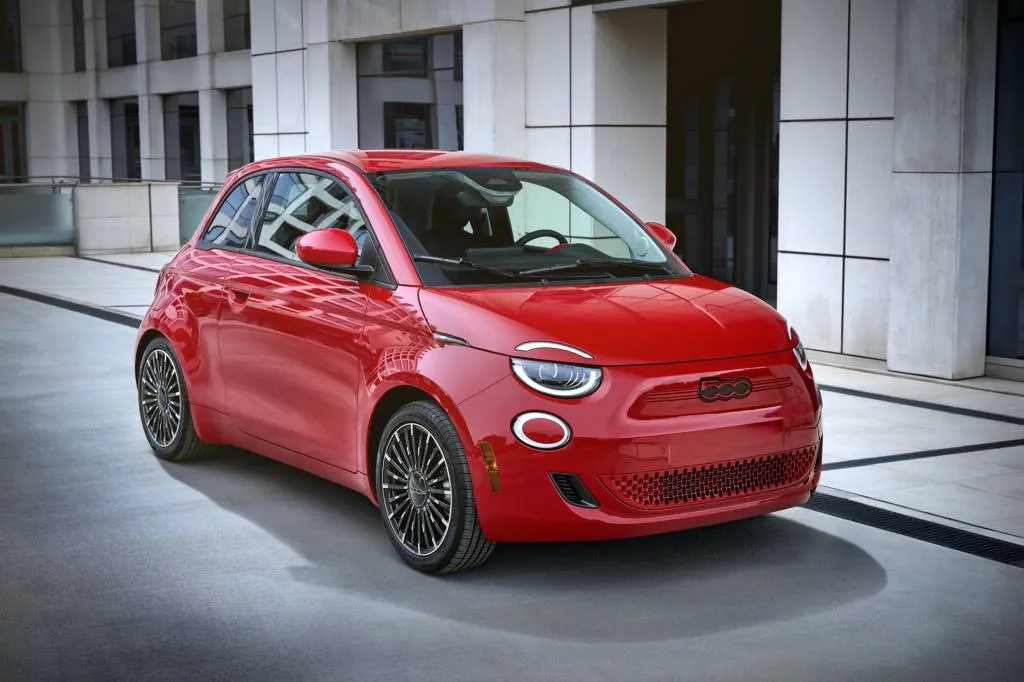
2024 Fiat 500e

2024 Fiat 500e

But a recent report from Goldman Sachs found that EV battery prices might fall 40% between 2023 and 2025, allowing EVs to “reach breakthrough levels in terms of cost parity” with internal-combustion vehicles. It’s partly because of cooling demand but also expanded production facilities.

These factors are not the same as the anticipated environmental impact of EVs, though, and it’s unclear what data Tavares is looking to, and the conditions he’s assuming, in claiming that more battery gains are needed for an environmental payback. 


Source link

Car Of The Day: 1965 Shelby GT350

0


In late January 1965, the production Shelby Mustang GT350, derived from the Mustang Fastback, debuted, promising to captivate enthusiasts. Beyond its striking appearance, the GT350 boasted substantial modifications to its suspension, replacing factory components with racing-grade parts.

The Shelby GT350’s most significant improvements took place under the hood, where an eager Shelby heavily modified the stock Mustang’s Hi-Po 289 cubic-inch V-8, which already produced a respectable 271 HP.

Each GT350’s engine was stripped of its stock cast-iron intake, in favor of a Cobra Hi-Rise manifold. A Holley four-barrel 715-cfm carburetor was then installed, as were lightweight tubular Tri-Y exhaust headers. A much larger radiator was borrowed from the Ford Galaxy 500, and placed into the GT350, to keep overheating at bay.

In its refined form, the GT350’s powerplant was capable of producing 306 horsepower at 6,000 rpm, propelling the Mustang to top speeds of 138 mph and a 0-to-60 mph time of 6.6 seconds. This power was directed downstream by a Borg-Warner T-10 four-speed gearbox.

While demanding to maneuver in everyday traffic, the GT350 found its true calling on the track, instantly elevating the Mustang’s prestige. With only 562 GT350s produced, including 34 GT350R competition models, the 1965 Shelby GT350s have attained near-legendary status, remaining highly coveted among collectors worldwide.

Photo Source: RM Sotheby’s


Source link

48 Hours in Tokyo – Exploring Japan’s Vibrant Capital

0


Japan is possibly one of those countries that have made a permanent place for itself in most people’s bucket lists. While you are planning a quick trip to Japan, spending two days in Tokyo with the sprawling metropolis and ancient temples can be an experience like no other.

That said, if you are confused about how to spend two days in Tokyo, we have managed to sort out a pretty inclusive and fun itinerary for you to explore.

Day 1

48 Hours in Tokyo – Exploring Japan’s Vibrant Capital
Photo by Nicholas Doherty on Unsplash


The first day of your stay in Tokyo needs to be dedicated to exploring the city’s culture and history. Even if you aren’t the biggest fan of exploring tourist spots, we’d 100% recommend you include all of these elements in your itinerary for a comprehensive travel experience.

Start your day at the Sensō-ji Temple, Tokyo’s oldest temple, located in the lively district of Asakusa. What’s great about visiting the temple is the kind of rich culture that you get to experience. Before you enter the temple, you have to cleanse your hands at the entrance and then enter.

Not just that, you will also find local vendors selling different kinds of food and souvenirs for you to pick up and eat on the go.

Following exploring the temple, head over to Meiji Shrine, a beautiful Shinto shrine dedicated to Emperor Meiji and his wife, Empress Shoken. There’s not much to do besides soak in the beautiful surroundings and the nature around.

Sometimes, all you need is a moment of peace and that’s exactly what you get to experience there.

As you navigate through the city, having access to luggage storage Tokyo ensures that you can travel comfortably and hands-free without having to lug your baggage with you throughout the city. All you have to do is carry your essentials and keep the rest stacked away safely in storage.

You can wrap up your first day by enjoying a traditional Kabuki performance in the Ginza district. Think of it as an elaborate theatre performance with lots of costumes, dramatics and art like you have never witnessed before.

Day 2

48 Hours in Tokyo – Exploring Japan’s Vibrant Capital
Photo by Jezael Melgoza on Unsplash

 On the second day, you get to explore the city life of Tokyo, the hustle and bustle, and the diverse neighborhoods and nightlife that the city is known for.

Immerse yourself in the pop culture haven of Akihabara. The electronic stores there are amazing and the choices that you get to explore there are out of this world. You can also visit the retro arcades there.

Head to Shibuya and take the iconic Shibuya crossing, a major intersection bustling with pedestrians crossing in all directions. There, you can explore the district, and try out the local cafes and the trendy shops too.

End your second day by enjoying some breathtaking views from the Tokyo Skytree. There is an observation deck and the panoramic view of the city from there is beyond anyone’s imagination. You simply can’t miss out.

Conclusion

Spending 48 hours in Tokyo is nearly not enough to soak in all the fun and experiences that the city has to offer. However, we have tried to include as much as you can to make the most out of the short trip.


Source link

Taycan review, Equinox EV deal, R1T top safety, 70-mile PHEVs: The Week in Reverse

0


Which electric truck detailed this week got a lower price and more range than originally announced?

Is CEO Elon Musk costing Tesla sales?

This is our look back at the Week In Reverse—right here at Green Car Reports—for the week ending April 6, 2024.

In a first drive of the 2025 Porsche Taycan, we found that with improvements to performance, efficiency, and charging, this grand-touring electric sports car lives up to its original mission—and much more.  

2024 Chevrolet Silverado EV

2024 Chevrolet Silverado EV

Drivers of the Chevy Bolt EV may qualify for a $3,000 discount on the Chevy Equinox EV. It’s part of a limited-time offer good only through the end of April and arrives at a time when first Equinox EVs are reportedly in transit to dealerships. And the Chevrolet Silverado EV RST electric truck got a lower price than anticipated, as well as more miles of EPA range than it was originally supposed to get. But with first deliveries not expected until mid-year, it’s nearly a year late—so GM has sweetened the deal for reservation-holders who’ve stuck it out with a complementary bidirectional-compatible charger. 

More energy-dense batteries coming in the near future aren’t just destined for fully electric vehicles. As several executives suggested this past week at the New York Auto Show, they’re also a key to enable the next generation of 70-mile plug-in hybrids, as incentivized by California, without compromise.

Nissan Surf-Out concept

Nissan Surf-Out concept

Within last week’s 2030 plan presented by Nissan, emphasizing more affordable EVs, the automaker said that it will pair with Mitsubishi for the joint development of a Nissan Frontier pickup replacement in EV and PHEV forms. Between the lines, Nissan reportedly plans to use Mitsubishi’s plug-in hybrid system in its own PHEVs, while Mitsubishi will use Nissan’s EV tech—and the upcoming pickup could potentially use both. And with a recent interview with Nissan’s chief planning officer for North America, Green Car Reports got a clearer overarching vision of how Nissan might electrify trucks and SUVs for the U.S. 

2024 Rivian R1T

2024 Rivian R1T

Could the safest pickup be fully electric? The Rivian R1T makes a strong argument for that; it just landed atop the IIHS Top Safety Pick+ list for 2024, and it’s the only electric truck to get the top nod so far. The elevating factor was an updated moderate overlap test that showed this truck offers great protection to those in the back seat as well as the front. 

Last year General Motors was highly critical of a deal struck between Ford and CATL, enabling Ford to build and run a Michigan battery plant that will make LFP cells under license from the Chinese company for improved EV affordability. Now, GM reportedly seeks a similar deal with CATL. 

2025 Ford 3-row SUV -

2025 Ford 3-row SUV –

Ford on Thursday announced delays for two key EVs—its next-generation T3 electric truck and its three-row electric SUV. For those keeping tabs, these are the models termed by CEO Jim Farley as the “Millennium Falcon of trucks” and a “your own personal bullet train,” respectively. And instead it’s planning more hybrids.

Transportation Secretary Pete Buttigieg argued, in a recent Fox News interview, that EV skeptics risk being left behind by technological progress. He went so far as likening EV rejectors to landline-phone Liddutes.

Quebec is planning to wind down its EV incentives over the next several years. Combined with the expected expiration of Canada’s federal program in March 2025, it could prove a market test, as to whether more Canadians will keep buying EVs without thousands of dollars in incentives.

2022 Audi RS E-Tron GT

2022 Audi RS E-Tron GT

A combined 1,648 Audi E-Tron GT and Porsche Taycan models spanning several model years have been recalled due to “production issues” in the battery modules that “increase the risk of short circuits.” Over an abundance of caution over battery fires just after charging, it will replace defective battery modules and in the meantime advises only charging to 80% if your vehicle is affected. 

The EPA last week announced tighter federal emissions rules for big trucks that complement smog- and soot-forming emissions rules previously finalized. The rules don’t mandate EVs and give truck makers multiple pathways to meet targets, although some environmental groups were concerned they left too much flexibility and may only result in certain kinds of commercial EVs and not others. 

2024 Tesla Model Y. - Courtesy of Tesla, Inc.

2024 Tesla Model Y. – Courtesy of Tesla, Inc.

A sharp drop in Tesla deliveries for Q1 makes it the company’s worst quarter since pandemic shutdowns in 2020. The drop in deliveries is more severe than what analysts had expected, even in recent days, and Tesla is tempering the results with the ramp of the refreshed Model 3 in California, shipping issues in the Red Sea, and arson at Giga Berlin. Then on Friday, Reuters, citing several sources familiar with the matter, reported that the $25,000 Tesla Model 2 project has been canceled while Tesla’s robotaxi project continues. Tesla CEO Elon Musk called Reuters a liar but offered no clarification about what had been wrong in the original report. Later in the day Musk announced an August 8 reveal date for the Tesla Robotaxi. 

With those results in the foreground, a survey recently suggested Tesla CEO Elon Musk is contributing to the “reputational downfall” of Tesla. With other automakers expected to gain ground somewhat on Tesla’s massive EV market lead this year, is Musk costing Tesla sales?

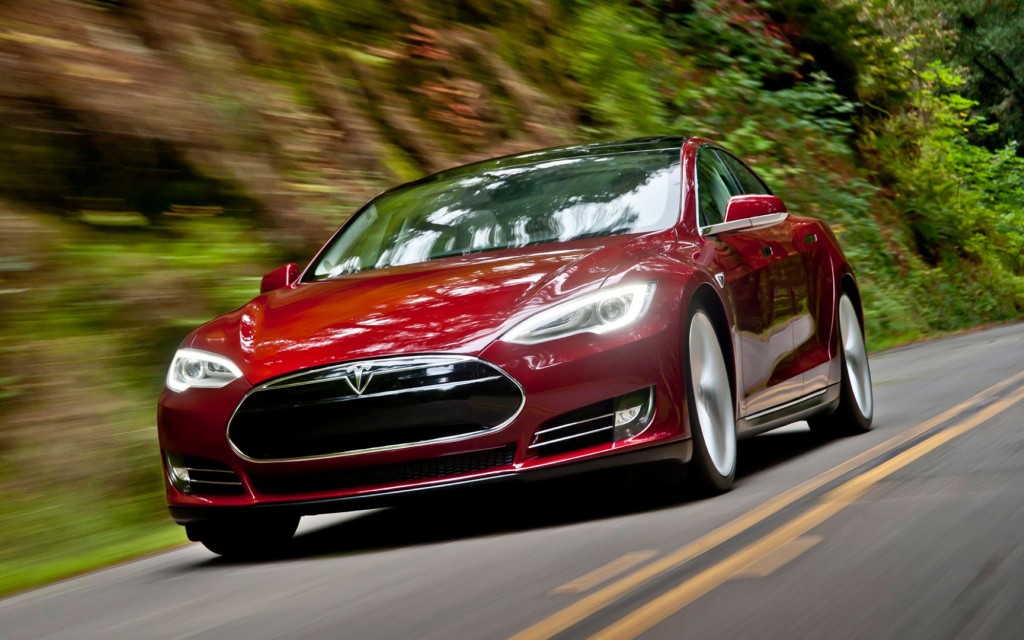
2012 Tesla Model S Signature

2012 Tesla Model S Signature

And before last weekend, Tesla announced that it has hit a cumulative 6 million vehicles, every one an EV. But even putting the EV milestone aside, in sheer number of cars relative to market size it’s the highest-volume startup automaker since the 1920s. It’s an occasion to look at what Tesla has accomplished—and what it hasn’t.

_______________________________________

Follow Green Car Reports on Facebook and Twitter


Source link