Home Blog Page 825

2024 Cupra Leon VZx review

0


Cupra has been in Australia now for almost two years, and the brand is slowly but surely growing its sales volume.

The Leon hatchback is one of the models the Spanish Volkswagen subsidiary launched with locally, and is currently available in a sprawling number of variants. It has been a little overshadowed on the sales charts by the Formentor crossover and Born electric hatchback however.

On test here is the flagship and high-performance-oriented 2024 Cupra Leon VZx which had its asking price hiked by $1700 for model year 2024 (MY24), though it also picked up DAB+ digital radio.

This particular variant can be distinguished from the rest of the Leon range due to its special copper-coloured 19-inch alloy wheels and vast array of copper accents both inside and out. It’s also the only variant to have proper quad exhaust outlets, too.

There are plenty of vehicles that are based on the Volkswagen Group’s MQB evo platform to choose from, including but not limited to the Audi A3, Skoda Octavia, Volkswagen Golf, as well as the Cupra Formentor. A lot of them are priced similarly which makes things even more complicated.

Should you still consider the Leon? Read along to find out.

How does the Cupra Leon compare?

View a detailed breakdown of the Cupra Leon against similarly sized vehicles.

Cupra Leon cutout image

Cupra

Leon

How much does the Cupra Leon cost?

Cupra has nationwide drive-away pricing for the Leon – prices went up between $1200 and $1700, depending on the variant, for MY24.

2024 Cupra Leon pricing

  • 2024 Cupra Leon V: $49,190 (+$1200)
  • 2024 Cupra Leon VZ: $57,990 (+$1500)
  • 2024 Leon Leon VZe: $61,690 before on-road costs (+$1700)
    • $64,690 (ACT) (+$1700)
    • $65,690 (QLD) (+$1700)
    • $66,690 (NSW) (+$1700)
    • $66,690 (SA) (+$1700)
    • $67,190 (VIC) (+$1700)
    • $67,690 (WA) (+$1700)
  • 2024 Cupra Leon VZx: $65,690 (+$1700)

All prices are drive-away

To see how the Leon compares with its rivals, use our comparison tool.

What is the Cupra Leon like on the inside?

Walking up to the Cupra Leon VZx it certainly has a commanding presence, especially when finished in the stealthy yet eye-catching Magnetic Tech matte (graphite grey) exterior paint as seen on our tester.

Hopping in you have duck a little lower than you’d initially expect if you’ve spent a fair deal of your time in and out of crossovers (like myself). This is a low-slung hatchback however and has an easily accessible cabin relative to its more hardcore rivals.

Once you’re in you’re presented with a set of beautiful and sporty-looking front bucket seats that are one of the main focal points in the car. They’re finished in the brand’s Petrol Blue leather-appointed upholstery that looks very special.

The front seats hug you in nice and snuggly with plenty of side bolstering, yet are really comfortable and supple. The headrests are also super squishy which is a nice touch.

The driver’s seat offers electric adjustment with plenty of thigh support that can dialled up, as well as memory. The front passenger seat however is entirely manually adjustable which is not uncommon for the segment but a little disappointing given this is the flagship variant in the lineup.

To make up for this both the front seats are heated which is a handy feature on chilly Melbourne mornings when you first get into the car.

Ahead of the driver is a flat-bottomed steering wheel that Cupra refers to as the ‘Supersport’ steering wheel. It’s yet another highlight of the Leon’s interior and is one of my favourite steering wheels on any new car at the moment.

I like it so much because it’s thin and has perforated sections that keep your hands cool when they get clammy. It’s also heated to keep your hands toasty warm in cold weather.

All the buttons on steering wheel are physical too, and they have a satisfying clicky action when pressed.

Uniquely the Leon VZx is the only variant in the range to receive the steering wheel-mounted engine start-stop button that makes this car feel special and like race car-like.

Behind the steering wheel there are some paddle shifters that are surprisingly subtle given how loud the Spanish Volkswagen subsidiary brand is. Speaking of Volkswagen, the indicator and wiper stalks are common and feel very familiar.

As standard there’s a proper 10.25-inch digital instrument cluster that like many Volkswagen Group vehicles has lots of customisation. There are a number of different views to choose from, plus a range of informative content that can be cycled through.

My favourite view was the one that shows the revs and speedo in an octagonal shape, with trip meter content in the middle. You can put the map view in the middle instead if you’d prefer.

Moving across there’s a 12.0-inch touchscreen infotainment system that sits proudly on the dashboard. Despite its large size it doesn’t necessarily look like it has a higher resolution than older Leon models which had a smaller 10.0-inch infotainment touchscreen.

The infotainment system’s user interface also isn’t immediately clear and can take a bit to learn and understand. Even at the end of the week of our loan period I was still figuring out where particular menus and pages to control certain features were.

You’d better get used to the infotainment system however because you’re going to be using it a lot. The majority of the climate controls, besides some touch sliders that don’t illuminate and limited touch-sensitive buttons, are integrated into the touchscreen.

Unless you know what you’re doing it can be a little awkward faffing around to adjust certain climate control-related functions. Thankfully some key climate control functions are always present at the top of the screen in the native interface and on the side when connected to smartphone mirroring.

Speaking of smartphone mirroring, the entire Leon range comes with both wired and wireless Apple CarPlay and Android Auto. With my iPhone 15 Pro Max connected wirelessly I did have some moments where it occasionally dropped out, which isn’t uncommon for some vehicles with wireless smartphone mirroring.

To fix the temperamental wireless smartphone connectivity I found I needed to use a USB cable. This also fixed another one of my gripes, which was the wireless phone charger didn’t actually charge my phone.

When connected to Apple CarPlay it appears to be more zoomed in than it looks in other vehicles. It’s also a little pixelated which doesn’t make it look very flash.

Looking around the cabin there are a bunch of really cool-looking soft-touch finishes in high touch-point areas, though you don’t need to look far to find harder plastics. I like there are minimal piano black finishes, though I was a little disappointed to have the door handle pull feel crunchy when using it.

On the centre stack I love how minimal the gear selector is, plus the small amount of storage on each side. I also really like the ratcheting centre glovebox armrest that allows you to configure it to your desired height.

The Leon VZx’s interior is pretty dark, copper accents aside, though our tester was fitted with the optional electric sunroof that helps lighten the ambience. The only catch is the sunroof’s blind isn’t very opaque which means a fair amount of sun still streams through. This can annoying when you’re feeling hot.

There are interior ambient lighting strips in the Leon’s cabin that spans the entire width of the dashboard. This is a fun way to add your own personality to the car, though it also doubles as a safety function because it’s used as part of the blind-spot monitoring.

The last thing I’ll mention before talking about the second row is the Leon VZx’s nine-speaker Beats sound system is fine, though a little too bass heavy for my liking. I’m typically all about that bass, but it’s funny how in this car it’s a bit too much.

Hopping into the second row there’s an adequate amount of space. At a leggy 182cm tall I had enough leg, head and shoulder room to get comfy, though my forward visibility was impeded by the large sporty front bucket seats.

In terms of second-row amenities there is a third zone of climate control, two USB-C ports, as well as a fold-down armrest with cupholders.

At the back the Leon VZx has a manual tailgate which isn’t uncommon for hatchbacks like this. Once it’s open you’re presented with a claimed 380 litres of boot space which appears to be deep and relatively large.

One downside about the boot is there’s a high loading lip which means you need to lift the items into the boot, rather than slide them in.

There really aren’t many amenities in the boot though a portion of the centre seat can be folded down to act like a ski port. This is handy if you’re loading long items into the boot and don’t want to fold down a seat or seats.

Under the boot floor as standard in the Leon VZx is a space-saver spare wheel which is better than having a tyre repair kit or nothing at all.

Thankfully our tester wasn’t equipped with the optional Brembo brake package which subs out the space-saver spare wheel for a tyre repair kit.

What’s under the bonnet?

There are four different powertrains available in the local Cupra Leon range. On test here is the flagship turbo-petrol offering.

ModelCupra Leon VZx
Engine2.0L 4cyl turbo
Power221kW
Torque400Nm
Transmission7-speed dual-clutch auto
Driven wheelsFront-wheel drive
Weight1503kg (tare)
Fuel economy (claim)6.8L/100km
Fuel economy (observed)8.5L/100km (140km mixed urban driving)
Fuel tank size50 litres
Fuel requirement98 RON

To see how the Leon compares with its rivals, use our comparison tool.

How does the Cupra Leon drive?

The process of starting up the Cupra Leon VZx feels really special because unlike every other variant in the range you press a button on the flat-bottomed steering wheel. You don’t get things like this in a mainstream car very often.

Once the engine turns over you’re provided with a beautiful snarl. Even the idle sound is good though I wonder how much of it is synthesised because it doesn’t sound the same outside the car.

Setting off it’s apparent there’s a bucket-load of power and torque under your right foot. The full 400Nm of torque is available from 2000rpm so the engine doesn’t have to work too hard to get a move on. You’ll also get pushed back into the seat firmly which is very addictive.

Without too much work you’ll easily beat the majority of other cars at the traffic lights if you’re that way inclined. Just be mindful however as if you’re a little too liberal with the accelerator you’ll get some front wheel slip. This isn’t an Audi S3 or Volkswagen Golf R with the security of all-wheel drive.

There are a slew of drive modes that can be cycled through by pressing the other circular button opposite the engine start-stop button on the steering wheel. These not only change the engine, transmission and throttle calibration, but also the adaptive damper tune.

One of my favourite drive modes is the ‘Cupra’ mode because it’s feels like the most correct way to experience the flagship Leon VZx. It sharpens every part of the car, as well as amplifies the synthesised driving sound and adds some cool pops and crackles on overrun.

A seven-speed dual-clutch automatic transmission is standard in the Leon VZx and it’s a silky smooth unit that provides really rapid gear shifts, even in regular driving.

I’m usually not a fan of dual clutches because they can sometimes be a little hesitant and clunky at low speeds when paired with engines with low torque outputs, however this is particular pairing is one of the most confidence-inspiring combinations I’ve sampled to date.

While the dual clutch provides lightning fast gear shifts when you’re accelerating briskly to keep the engine comfortably within its torque band, it can also keep the revs down very low to maximise fuel economy if you aren’t accelerating super quickly or have reached your desired speed.

It’s thrilling to see how low the engine revs can be held and still be accelerating at a decent pace. The dual clutch will also hold onto a higher gear if it can and only drop a gear if you press the accelerator firmer or head up a hill.

At low speeds the Leon VZx’s steering is really light and fun to twirl. This in turn (if you’ll pardon the pun) makes negotiating tight spaces like carparks very easy and smile-inducing.

Every Leon variant has a progressive steering rack that adds weight as you speed up. The theory is it makes the car easy to handle at low speeds, yet more direct and engaging at higher speeds.

As standard the Leon VZx has front and rear parking sensors, though disappointingly only a rear-view camera with adequate resolution. You can’t get a surround-view camera in any Leon variant currently.

There’s also a semi-autonomous parking assistant that is handy if you don’t feel confident parallel parking for example, but is annoyingly hidden in the touchscreen. This negates its functionality in my eyes.

Around town the suspension is firm but never too firm like some sporty cars can be. You’ll definitely be feeling speed bumps and harsh pot holes but that’s most likely down to the large 19-inch alloy wheels with low-profile tyres.

It’s obvious the Leon VZx is meant to driven quickly. It almost urges you to be driven harder and faster at every given opportunity, which is very fun.

If you do give the car a squirt on some twisty roads you definitely won’t be disappointed. The chassis feels extremely dynamic, plus the engine and transmission combination is capable of delivering that level of performance.

The most surprising thing about driving the Leon VZx dynamically however is it’s very user-friendly – it doesn’t feel like it wants to rip your head off at any given opportunity, which is reassuring.

As much as this car can be driven hard, it can also be dialled back very easily and become a slick highway tourer. The annoying catch however is at highway speeds you get bucket loads of road and tyre noise, which is a common gripe for performance cars with sticky tyres.

The Leon VZx has a transmission decoupling function when you’re coasting to minimise fuel use. When it activates the engine revs drop back to idle and you’ll coast along until you press the accelerator again or press the brake.

This system is good for the most part though you easily pick up speed down hills due to the lack of engine braking. It also sometimes will and and others won’t activate in regular traffic which can makes it hard to gauge how quickly you need to start slowing down.

The fuel-saving transmission decoupling function also works when you’ve got adaptive cruise control on, which sees you speed quickly rise above you’re set speed. Thankfully the car does put the brakes on itself once a certain threshold is reached which recouples the transmission and brings back engine braking.

I found when you’re driving on road with rolling hills when adaptive cruise control is activated it will dip above and below the set speed a bit too much. I know I could do a better job at maintaining a certain speed than the cruise control can.

Thankfully despise this gripe the adaptive cruise control system is very good at judging when a car travelling faster than you is merging into your lane. It won’t slam on the brakes like systems in some cars will.

Above 60km/h regular lane departure warning and lane-keeping assist will activate and it’s good for the most part, though it can get a little confused on some faded lane markings or roads with meandering curves.

I really liked using the Leon’s Travel Assist function which combines adaptive cruise control with lane centring on the freeway because it takes the majority of the work out of what is typically monotonous driving.

Lastly, the Leon VZx gets fantastic LED headlights as standard though disappointingly they don’t have an adaptive or matrix high-beam function. They do have an auto high-beam function however, where it’ll dip the headlights completely when a car’s headlights or tail lights are detected ahead.

What do you get?

The 2024 Cupra Leon is available in four different variants. On test here is the flagship VZx.

2024 Cupra Leon V highlights:

  • 18-inch black-and-silver alloy wheels
  • 18-inch space-saver spare wheel
  • Heated, power folding side mirrors
  • LED headlights
  • LED daytime running lights
  • Fog lights with cornering function
  • LED tail lights with static indicators
  • Automatic headlights
  • Automatic high-beam
  • Rain-sensing wipers
  • Rear tinted windows
  • 12-inch touchscreen infotainment display
  • Wired and wireless Apple CarPlay and Android Auto
  • 10.25-inch digital instrument cluster
  • Wireless phone charger
  • DAB+ radio
  • Two front and two rear USB-C ports
  • Heated, leather-wrapped steering wheel
  • Paddle shifters
  • Interior ambient lighting
  • Black headliner
  • Cloth sports bucket seats
  • Driver profile selection
  • Dynamic Chassis Control
  • Progressive steering
  • Keyless entry and start
  • Auto-dimming rear-view mirror
  • Three-zone climate control
  • Illuminated sill panels
  • Rear spoiler
  • Semi-autonomous parking assist
  • Two front and two rear cup holders

VZ adds:

  • 19-inch black-and-silver alloy wheels
  • Aluminium pedals

VZe adds:

  • Tyre repair kit (in lieu of space-saver spare wheel)
  • Mode 2 and Mode 3 charging cable

VZx adds:

  • 19-inch black-and-copper alloy wheels
  • Side skirts
  • Quad-tip exhaust
  • Heated ‘supersports’ leather-wrapped steering wheel
  • Petrol Blue dashboard
  • Petrol Blue leather front bucket seats
  • Heated front seats
  • Power driver’s seat with memory
  • Memory mirrors
  • 9-speaker Beats sound system

Is the Cupra Leon safe?

The Cupra Leon has a five-star safety rating from ANCAP, which is based on Euro NCAP testing conducted on the SEAT Leon in 2020.

It received an adult occupant protection rating of 91 per cent, a child occupant protection rating of 88 per cent, a vulnerable road user protection rating of 71 per cent, and a safety assist rating of 80 per cent.

Standard safety equipment across the Leon range includes:

  • 8 airbags
  • Autonomous emergency braking (AEB)
    • Pedestrian detection
    • Cyclist detection
  • Blind-spot monitoring
  • Safe exit warning
  • Rear cross traffic alert
  • Lane keep assist
  • Adaptive cruise control
  • Travel Assist (adaptive cruise control, lane centring)
  • Driver fatigue monitoring
  • Reversing camera
  • Front and rear parking sensors
  • Semi-autonomous parking assist

How much does the Cupra Leon cost to run?

The 2024 Cupra Leon is covered by a five-year, unlimited-kilometre warranty.

Maintenance is required every 12 months or 15,000 kilometres.

The brand no longer offers three years of free servicing, instead buyers can choose from three- and five-year service packs. The three-year pack is priced at $990, while the five-year pack is $1990.

Cupra offers its customers the option of a Service Pack prior to their first scheduled service.

CarExpert’s Take on the Cupra Leon

The Cupra Leon is an oft forgotten vehicle because it started life as a regular SEAT model and lives in the shadow of the related Formentor crossover which is uniquely a Cupra model and dominates it on the sales chart.

Looking at and experiencing the flagship Leon VZx on test here it’s hard not to draw parallels between it and the sporty Audi S3 or Volkswagen Golf R which are all based on the MQB evo platform. Neither of these vehicles however offer front-wheel drive dynamism and inherent lightness at this (still somewhat affordable) price tag.

The fully loaded Cupra Leon VZx feels like the best way to experience this sporty Spanish hatchback. Sure all the variants currently on offer have their merits, but this particular car is fully loaded and has the flexibility to flow between being a dynamic corner carver and a comfortable cruiser very effortlessly.

There are definitely louder and more focussed performance cars on offer in Australia, though hot hatches are a dying breed so get in while you can!

Click the images for the full gallery

MORE: Buy a Cupra Leon
MORE: Everything Cupra Leon


Source link

$25,000 Tesla Model 2 project nixed in favor of robotaxis

0


The most affordable Tesla may have been canceled. Again. 

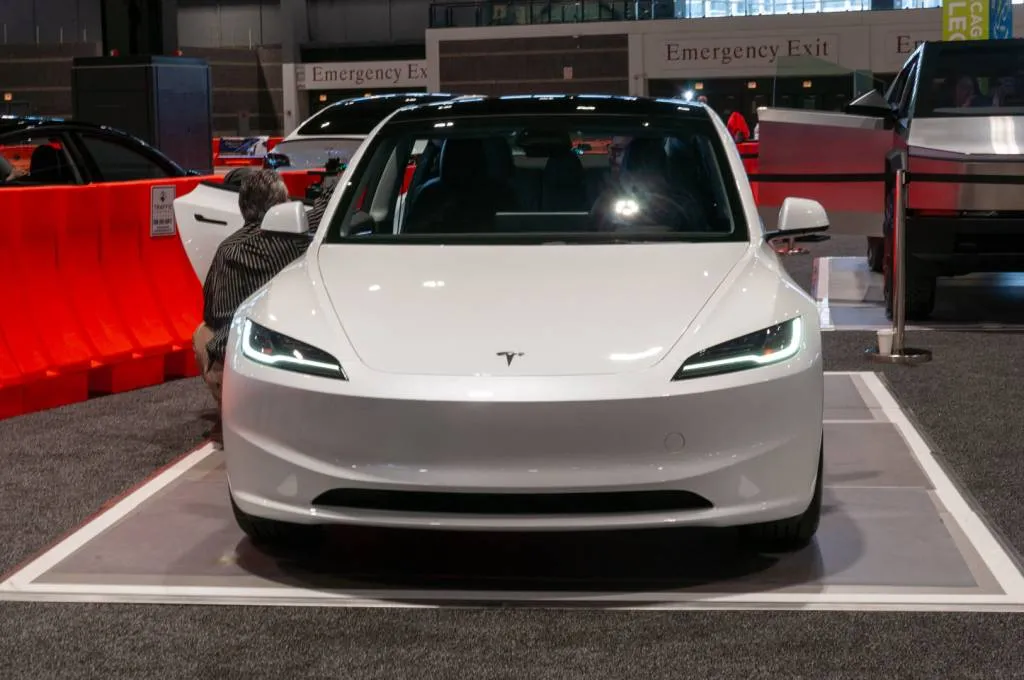
According to a report Friday morning from Reuters, citing three sources familiar with the matter, the company has ceased plans to build a $25,000 Tesla that would slot below the Model 3 and Model Y in the lineup. 

If understood correctly by those sources, it would be quite a turnaround from earlier this year, when a lower-priced, higher-volume model positioned for global markets looked due as soon as next year. In January, Tesla reportedly made a call to suppliers, also according to Reuters sources, for an affordable Tesla set to arrive in 2025, codenamed Redwood and implying a total annual output for the model of more than 500,000 units. 
2023 Tesla Model 3

2023 Tesla Model 3

In a presentation and Q&A for investors a day later neither the company nor Musk discussed the $25,000 Tesla project itself, but he did provide a little more background on the vehicle as a key for the company’s growth, as part of the company’s next-generation platform. 

“It’s worth noting that if you look at the average selling price of the other top-selling vehicles in the world, they are much lower-priced than the Model Y,” Musk said then, referring to the Toyota RAV4 and Corolla, and the Honda Civic. “So people are really stretching their wallets to be able to afford a Tesla.”

At that time Musk boasted of the next-generation, cost-cutting platform that Tesla was turning to, likely for that vehicle plus others, set to go into production in the second half of 2025 with a “revolutionary new manufacturing line” at its Texas plant, with “next-level” manufacturing arrangement that will be “head-and-shoulders above any other manufacturing technology that exists anywhere in the world.”

Tesla Battery Day vertical integration overview

Tesla Battery Day vertical integration overview

The project or platform wasn’t a surprising new development. Tesla made the idea of a “compelling” $25,000 Tesla, including fully autonomous driving capability, the focus of its 2020 Battery Day, enabled partly by the scaling-up of large-format batteries and improved chemistries—including LFP—and at that time it said the model was due in three years. 

Since setting the original 2023 arrival timeline, Tesla has sent conflicting signals on the project, which was confirmed by a top Tesla executive in China in 2021 as under development there. Some time later Musk said that the company wasn’t working on a $25,000 Tesla, and that the robotaxi project was more important. A year later, Musk confirmed the much-touted third vehicle platform, which would allow future Tesla EVs to cost half as much to make, would allow for smaller, affordable vehicles and said that production volume for it would exceed that of all other vehicles combined. 

Musk has been saying since 2019 that he wants to turn Tesla into an operator of revenue-generating self-driving robotaxis. While Musk has talked about it many times since then, that actual business proposition hasn’t been laid out in any official Tesla financial documents.

Tesla has recently rolled out a version of its driver-assistance system called Full Self Driving (Supervised) that essentially replaces the Beta label of its previous effort, to enable some hands-free city driving. Full driver supervision is still required, and the system is nowhere near the fully autonomous functionality it would need for a robotaxi.

Tesla Model 3

Tesla Model 3

Meanwhile, making a profitable EV at a significantly lower price is seen as one of the keys for Tesla to be able to compete in several new markets, including India. Tesla’s lowest-priced vehicle today is the Model 3, which sells at a starting price of $40,380, including destination.

Tesla doesn’t respond to media requests for clarification, although this project is surely one that financial analysts will push Tesla executives about at the next financial call, set for April 23. Breaking down this potential loss of future volume, in the context of Tesla’s worst quarter since pandemic shutdowns, it’s going to be a big one. 


Source link

Jeep Wrangler Tuscadero color returns for those who like to shine

0


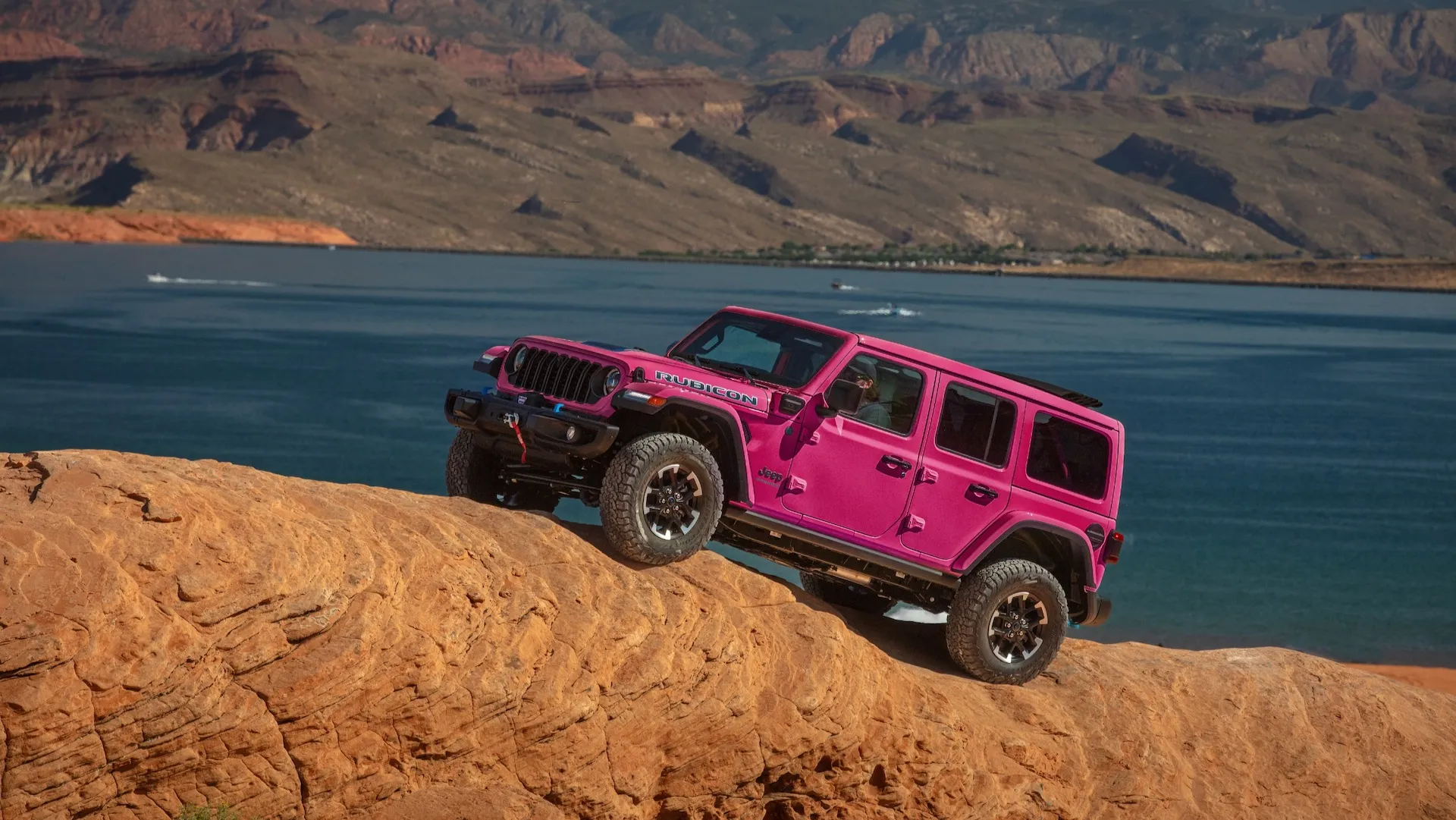
Tuscadero pink is back as a color option for the updated 2024 Jeep Wrangler.

First seen on the 2021 Wrangler, this unsubtle color is named after the character Pinky Tuscadero from the 1970s sitcom “Happy Days.” It was one of several limited-run colors Jeep introduced at the time, and proved popular. About 30,000 customers ordered it when it was first available, Bill Peffer, head of the Jeep brand in North America, said in a statement.

The pink hue is now back as an $895 option, up from $395 for 2021. It’s available on the Wrangler Sport, Sport S, Willys, Sahara, Rubicon, Rubicon X, and the V-8 Rubicon 392, which goes away after 2024. Jeep is also selling a Rubicon 392 Final Edition to mark the end of that model, which would likely be quite the future collectible if ordered in Tuscadero.

Tuscadero will initially be available with a black hardtop, a body-color hardtop, or black soft top. It will also be available with Jeep’s Sky One-Touch power roof starting later in the second quarter of this year.

Jeep is offering eight other colors for the Wrangler for 2024, including Anvil, Earl, Firecracker Red, Granite Crystal, Silver Zynith, Hydro Blue, Bright White, and basic black.

The Wrangler lineup got a few updates for the 2024 model year, including a new infotainment system, standard side airbags, and some mechanical changes to enhance off-road capability. The JL-generation Wrangler dates back to the 2018 model year, but isn’t expected to be replaced until 2028, when the next-generation J70 Wrangler will arrive exclusively with plug-in hybrid and all-electric powertrains.


Source link

Tighter EPA emissions rules for big trucks don’t mandate EVs

0


The EPA last week announced stricter emissions standards for heavy-duty commercial vehicles, such as trucks and buses, for model years 2027 to 2032.

Like the new emissions standards for passenger cars recently confirmed, these rules do not mandate EVs, but do set much tougher emissions targets that will likely lead to more EV sales. The exact share of EVs will vary across the many classes of commercial vehicles, The Associated Press notes, with up to 40% of short-haul “day cab” trucks potentially going electric by the 2032 model year, but only 30% of “heavy-heavy-duty vocational” trucks.

By addressing greenhouse-gas emissions, these rules complement a December 2022 rule from the EPA that addresses smog- and soot-forming emissions from heavy-duty vehicles. At the time, the EPA said those rules were 80% tougher than the previous ruleset, which dated back 20 years.

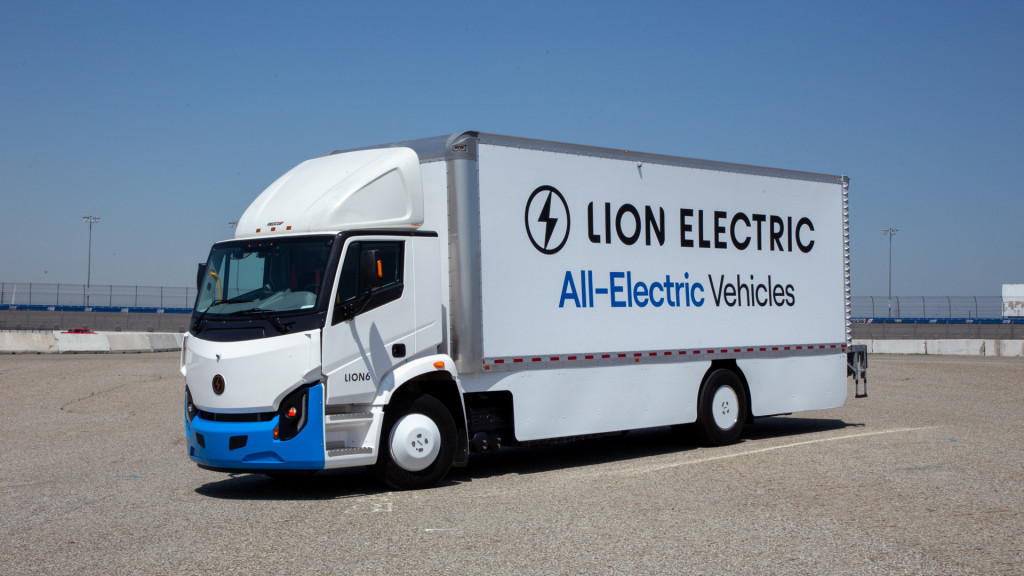
Lion 6 Electric Truck

Lion 6 Electric Truck

These standards will avoid 1 billion tons of greenhouse gas emissions and provide $13 billion “in annualized net benefits to society,” encompassing public health, climate protection, and cost savings for vehicle owners and operators, according to the EPA. A shift to electric trucks and buses could save 57,000 lives, a 2021 study found.

Heavy-duty and medium-duty trucks make up only 10% of the vehicles on the road but create 28% of transportation-related climate change pollutants, along with 45% of nitrogen oxides and 57% of fine particulate matter from on-road vehicles, according to the Union of Concerned Scientists (UCS), which said the rule “falls short.”

Although some fleets and companies are concerned about the cost of electric trucks in the near future, truck makers are generally optimistic that sales will tick up and sales of such trucks will gather momentum with rules locked in. But several environmental groups voiced opinions that this may offer too much flexibility. 

“While this rule may move the market in the right direction, there’s too much wiggle room to guarantee the zero-emission truck deployment needed to help communities around the country,” Steven Higashide, director of the UCS’ Clean Transportation Program, said in a statement. The rule may quicken the deployment of smaller electric commercial vehicles, like box trucks and delivery trucks, but not bigger vehicles like semi trucks, Higashide said.

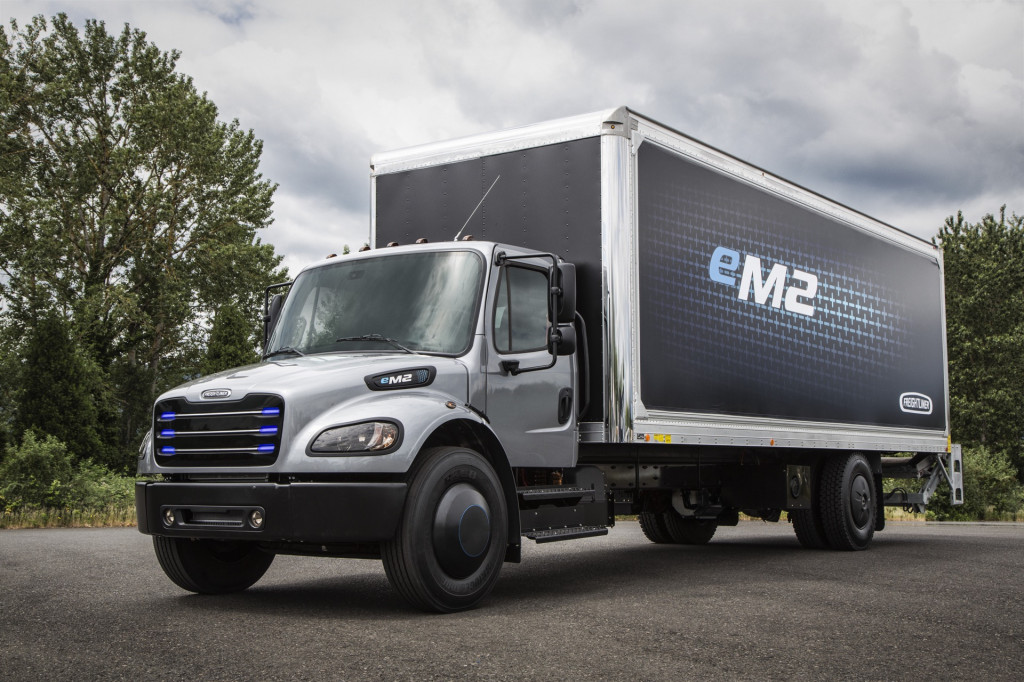
Freightliner eM2 electric short-haul truck

Freightliner eM2 electric short-haul truck

Guillermo Ortiz, Clean Vehicles Advocate at the National Resources Defense Council (NRDC), also said in a press-release statement that the rules “could have done more.” And the federal government is once again a step behind California, which aims to mandate electric-truck sales by 2045.

But other environmental advocates were more positive. “Today the Environmental Protection Agency took another key step in our journey toward a future with less traffic pollution,” Amanda Leland, executive director of the Environmental Defense Fund (EDF) said in a statement. Albert Gore, executive director of the Zero Emission Transportation Association (ZETA) said the EPA rules would provide a “North Star” for stakeholders to plan investments and timelines for a transition to a zero-emission commercial-vehicle fleet.

The standards also give truck makers multiple pathways to meet emissions targets—literally, as new EV charging freight corridors and hydrogen hubs for fuel-cell vehicles now suggest.


Source link

Next generation Indian Scout line-up for 2024/5

0


Next generation Indian Scout line-up for 2024/5

A five model lineup for the Indian Motorcycles Scout, released as a 2025 model in 2024. The range now comprises of the Scout Bobber, Sport Scout, Scout Classic, Super Scout, and 101 Scout, while three trim levels are offered with differing specification.

These come with Indian’s all-new SpeedPlus V-twin, displacing 1,250 cc and delivering 105 hp and 108 Nm of torque at 6,300 rpm. The new liquid-cooled mill is mated to a six-speed gearbox mill with belt final drive to the rear wheel.

The three trim levels are Standard, Limited and Limited + Tech. For the Standard, only ABS braking is standard with an analogue instrument gauge, keyed ignition and LED headlight, across the Scout range.

Next generation Indian Scout line-up for 2024/5

Moving to the Limited specification, cruise control is added along with three ride modes – Sport, Standard and Tour – and traction control plus a USB charging port for the rider’s smartphone. At the top of the catalogue, the Limited + Tech trim takes the previous packages and adds keyless start and a touchscreen LCD round gauge.

Limited + Tech also gives the rider Indian’s Ride Command with on-screen navigation and integration with the rider’s smartphone. Additional features with Ride Command include vehicle locator, vehicle health, tow/bump alert if the Scout is disturbed, and intuitive search, along with six display and two gauge screen options.

Looking to sell your car? Sell it with Carro.


Source link

Bingo Sports launches Zenvo Aurora Agil and Tur for Japan

0


Following launch events in Dubai and Riyadh, Zenvo is continuing its world tour of the Aurora Agil and Tur with an event in Tokyo, Japan. The world tour will finish with events in Europe and, finally, the Goodwood Festival of Speed in July.

Asked to comment on the upcoming launch event, Chairman and Chief Commercial Officer, Jens Sverdrup remarked: “I first met Shinji Takei and his team in 2013, and since then, we have always worked together or stayed in touch in some capacity. I have had the pleasure of witnessing BINGO SPORTS grow into an internationally recognised company that garners respect throughout the industry.”.

“Since day one, I have been impressed by Mr Takei’s deep knowledge and understanding of engineering, craftsmanship, quality, and the hypercar industry at large. A genuine passion and know-how run through the organisation’s veins, starting with Shinji himself. I am delighted to be collaborating with BINGO SPORTS to grow the Zenvo brand in the Japanese market, and my team and I are all very proud to call them our official partners, we can’t wait to meet customers and fans of our artisan Danish brand.”

A launch event will be held in late March at the BINGO Sports showroom in Tokyo before the cars go on display for a further week enabling customers and hypercar enthusiasts to see the Zenvo Aurora Agil and Tur in Japan for the very first time.

BINGO SPORTS CEO, collector and racing enthusiast, Shinji Takei commented: “Jens, my good friend of over 10 years, has launched his new hypercar project, the Zenvo Aurora. I am very honoured that BINGO SPORTS has been chosen as Zenvo’s Japanese partner. My image of Denmark is that it is one of the top countries on the happiness ranking and has produced world-class furniture designers. Also the midnight sun and the Aurora? When I visited Zenvo’s office, it was small but clean and sophisticated, with tasteful Danish furniture neatly arranged. I remember the Zenvo parked in the pit looking cosy. I am now looking forward to introducing the Aurora hypercars born in this wonderful country to the people of Japan.”

Hand-built in Præstø, Denmark, Zenvo Automotive pride themselves on their Danish foundations. The all-new Aurora will take inspiration from Danish design principles and be powered by a 6.6-litre flex fuel enabled, quad-turbocharged V12 engine that will produce at least 1250bhp at 8,000 rpm and rev to 9800 rpm. The Aurora will be fully homologated for global markets and will showcase Zenvo’s exceptional craftsmanship and attention to detail, all designed in-house. Zenvo Automotive focuses on limited-edition hypercars, available to those interested in completely bespoke manufacturing experiences and unique driving abilities.

We hope car lovers in Tokyo can visit our display and discuss all things hypercars with our team and community.


Source link

Bangkok 2024: Hyundai Ioniq 5 N makes ASEAN debut – 650 PS, 0-100 km/h 3.4 secs, Malaysia launch soon?

0


Bangkok 2024: Hyundai Ioniq 5 N makes ASEAN debut – 650 PS, 0-100 km/h 3.4 secs, Malaysia launch soon?

Hyundai’s passenger cars only recently made a return to Thailand, but the company has gone from strength to strength with several models already on sale. One of the stand outs is the electric Ioniq 5, launched in the Land of Smiles just last November, and it was joined at the Bangkok International Motor Show (BIMS) by its performance variant, the Ioniq 5 N.

This hot hatch/SUV made its ASEAN debut at the show, and while it hasn’t gone on sale yet, we can assume a launch will be happening in the not-too-distant future. Which would be just as well, because the N boffins have really worked a number on this car.

It’s still powered by dual motors, but outputs have near as dammit been doubled over the cooking Ioniq 5 Max range-topper to an impressive 609 PS and 740 Nm of torque. So equipped, this 2.2-tonne beast will get from zero to 100 km/h in 3.5 seconds on its way to a top speed of 260 km/h.

Bangkok 2024: Hyundai Ioniq 5 N makes ASEAN debut – 650 PS, 0-100 km/h 3.4 secs, Malaysia launch soon?

But this is an N car, after all, so the Ioniq 5 N comes with several hilariously-named features – chief of which being the N Grin Boost that boosts power and torque to 650 PS and 770 Nm. This shaves a tenth off the century sprint (3.4 seconds) via the N Launch Control.

Then there’s the 11-step N Torque Distribution that shunts power variably between the front and rear axles, the N Race function with Sprint (full power and cooling for hot laps) and Endurance (maximum range for longer drives) modes, a similarly-configured N Battery Preconditioning with Drag and Track modes and two custom N buttons on the steering wheel.

But the coolest features are the ones that help bring petrol-powered performance car drama to EVs. These include the N e-Shift that simulates the gearshifts of an eight-speed dual-clutch transmission, paired with the N Active Sound+ that can mimic the sound of the i30 N‘s 2.0 litre turbocharged four-cylinder engine or even a fighter jet. The noise is piped through the eight-speaker Bose sound system and dual exterior speakers.

Bangkok 2024: Hyundai Ioniq 5 N makes ASEAN debut – 650 PS, 0-100 km/h 3.4 secs, Malaysia launch soon?

Oversteer enthusiasts, on the other hand, will love the N Drift Optimiser, which helps you maintain a drift for as long as possible and incorporates a Torque Kick Drift function that simulates a clutch kick. Meanwhile, the N Pedal increases regenerative braking to shift weight onto the front tyres, enabling a sharper turn-in, while the powertrain has been configured to support left-foot braking, allowing both the brake and throttle pedals to be pressed at the same time.

To make sure the Ioniq 5 N isn’t all mouth and no trousers, Hyundai has stiffened the structure with 42 extra welding points and 2.1 metres of additional structural adhesive. You also get a stiffer and quicker steering rack, stronger regenerative braking (pulling up to 0.6 G, claimed to be the highest on any EV), an electronic limited-slip rear differential and larger dampers to widen the performance gamut of the electronically-controlled suspension.

The Ioniq 5 N is also the first car built on the Electric Global Modular Platform (E-GMP) to receive a fourth-generation 84 kWh battery (fitted to the facelifted Ioniq 5), delivering a claimed range of 448 km on the WLTP cycle. Forged 21-inch two-tone alloy wheels wrapped in 275/35R21 Pirelli P Zero tyres hide larger disc brakes that measure 400 mm in the front (clamped by four-piston callipers) and 360 mm at the rear.

Bangkok 2024: Hyundai Ioniq 5 N makes ASEAN debut – 650 PS, 0-100 km/h 3.4 secs, Malaysia launch soon?

Sitting squat on its four fat tyres, the Ioniq 5 N looks far meaner than its regular sibling, riding 50 mm wider and 20 mm lower. Fender flares help hide the wider wheels, while the front bumper has been made more aggressive with large air intakes, a prominent splitter and plenty of black and red trim. A sizeable rear diffuser with unique chequered-flag reflectors complete the look.

The substantial changes continue on the inside – the Ioniq 5’s loft-like cabin has been gutted and made more purposeful. You’ll find a three-spoke N steering wheel with dedicated mode buttons, as well as metal pedals, N-branded side sill plates and bucket seats with illuminated N logos, just like BMW’s M cars.

Bangkok 2024: Hyundai Ioniq 5 N makes ASEAN debut – 650 PS, 0-100 km/h 3.4 secs, Malaysia launch soon?

But the revisions go further than that – even the sliding centre console has been swapped for a fixed unit with knee pads to support your knees under hard cornering. You still get a sliding armrest as well as USB-C ports and a Qi wireless charger.

Now that the Ioniq 5 N has made its appearance in Southeast Asia, could we see it being launched here soon? While the cooking non-N model was quick to go on sale here owing to tax incentives, the last N model, the i30 N, was a very limited affair over here. That will likely be also the case with this car, as even tax free it will probably cost nearly RM400,000.

Looking to sell your car? Sell it with Carro.

Learn more: 2024 Bangkok Motor Show


Source link

2025 Kia EV6 spied with updates

0


Kia appears to be readying a round of updates for its EV6 electric compact crossover, as evidenced by a camouflaged prototype recently spotted cold-weather testing in northern Sweden.

The prototype is for the updated version of the regular EV6, but a prototype for an updated version of the EV6 GT performance flagship has previously been spotted testing.

The EV6 arrived in the U.S. for the 2022 model year and spawned the EV6 GT for 2023. In Kia tradition, the updated model should arrive for the 2025 model year, meaning a debut later this year is likely.

An updated version of the related Hyundai Ioniq 5 has already been revealed and is also expected to arrive for the 2025 model year.

2025 Hyundai Ioniq 5 (Korea spec)

2025 Hyundai Ioniq 5 (Korea spec)

The EV6 prototype is extensively camouflaged but still visible is a new front end with redesigned headlights that appear to sit lower than the lights on the current EV6, an example of which is seen next to the prototype in the spy shots.

It isn’t clear what mechanical changes are planned, but a swap from the current 77.4-kwh battery to an 84-kwh unit is likely. The updated Ioniq 5 also made this change.

Based on Hyundai Motor Group’s flexible E-GMP platform, the EV6 in its current form delivers up to 310 miles of range as estimated by the EPA. The EV6 GT only rates in at 218 miles but has a healthy 576 hp on tap from a dual-motor all-wheel-drive powertrain, or enough for 0-60 mph acceleration in 3.4 seconds and a top speed of 161 mph.

Other electric Kias spied testing include an EV3 subcompact crossover and an EV9 GT high-performance midsize SUV. They are all part of Kia’s plan to have 14 EVs in its lineup by the end of 2027.


Source link

Lamborghini Urus Buyers Guide | Exotic Car Hacks

0


The Lamborghini Urus, unveiled in 2018, marked a groundbreaking moment for Lamborghini. With its entrance into the SUV market with the Urus was both a bold and strategic move. It shares the same platform as the Audi Q8, but the Urus has an extra flair meant to turn heads. Designed to blend the performance of a supercar with the practicality and versatility of an SUV, the Urus redefines what a luxury sport utility vehicle can be.

Its name, derived from one of the large, wild ancestors of domestic cattle, hints at its power and untamed spirit, setting a new benchmark in the luxury SUV segment.

At the heart of the Lamborghini Urus comes with a 4.0-liter twin-turbocharged V8 engine. This engine produces 641 hp and 627 lb-ft of torque, allowing it to go from 0 to 60 mph in just 3.6 seconds and achieve a top speed of 190 mph, making it one of the fastest SUVs in the world.

Coupled with an 8-speed automatic transmission and permanent all-wheel drive, the Urus offers not just explosive acceleration but also remarkable handling and stability, embodying Lamborghini’s racing DNA in a family-friendly package.

The exterior of the Lamborghini Urus blends Lamborghini’s signature sports car aesthetics with the functional requirements of an SUV. Its silhouette features sharp lines, aggressive angles, and aerodynamic elements that not only contribute to its breathtaking appearance but also enhance its performance.

The front fascia, with its large air intakes, emphasizes the vehicle’s power, while the Y-shaped LED headlights and distinctive hexagonal design mirrors Lamborghini’s iconic style.

Inside, the Lamborghini Urus offers an interior that combines sportiness with comfort. The interior is covered with premium materials like leather, Alcantara, carbon fiber, and aluminum. The customizable ambient lighting, advanced infotainment system, and a fully digital instrument cluster create a modern and sophisticated environment.

The Urus also comes with features, including adaptive cruise control, lane-keeping assist, and a high-fidelity sound system, ensuring a driving experience that is as comfortable as it is exhilarating.

The Lamborghini Urus features six distinct driving modes, each designed for different driving conditions and preferences:

  • Neve: Tailored for winter conditions, enhancing traction on snow and ice.
  • Sabbia: Optimized for off-road driving, particularly on sandy terrain, increasing ground clearance.
  • Sport: Focuses on agility for dynamic driving experiences, ideal for country roads with varying elevations and curves.
  • Corsa: The most performance-oriented mode, minimizing roll for a track-ready experience.
  • Strada: Enhances comfort for daily driving, adjusting ride height for speed.
  • Terra: Suited for off-road adventures, suggesting a tire change for trail readiness.

A few of the Lamborghini Urus include the Audi RSQ8, Bentley Bentayga, Porsche Cayenne Turbo S,  Rolls-Royce Cullinan, Aston Martin DBX, and the Ferrari Purosangue, but the Lamborghini is for those who want to make a statement. 

The Urus is one of the most exciting high-performance luxury SUVs to come out to date, it’s a blend of Lamborghini’s sports car DNA with the functionality and space of an SUV making it a standout choice for those seeking the ultimate in both performance and luxury.

Model Changes (Breakdown by Year)

2018 Lamborghini Urus

The 2018 model is the first full year of production for the Urus, it shares the same platform as the Audi Q8. 

Equipped with a 4.0-liter twin-turbocharged V8 engine that produces 641 hp.

The starting price for the Lamborghini Urus was $200,000 slotting it between the Audi RSQ8, Bentley Bentayga, Porsche Cayenne Turbo S,  Rolls-Royce Cullinan, Aston Martin DBX, and the Ferrari Purosangue.

2019 Lamborghini Urus

There were no significant updates for the 2019 Urus. 

2020 Lamborghini Urus

There were no significant updates for the 2020 Urus.

The base price for the Urus is now $211,000 ($11,000 more than the previous year).

2021 Lamborghini Urus

For 2021, Lamborghini introduced the Pearl Capsule appearance package on the Urus, offering vibrant new color options and distinctive design elements. This package brings to the table a selection of eye-catching hues, complemented by contrasting features and matching interior upholstery, enhancing its aesthetic appeal. 

Additionally, the 2021 model enriches its feature set with more standard driver assists and an array of new amenities such as adaptive cruise control, blind-spot monitoring, and a handful of other new standard and optional features., though it comes with a price increase.

The base price for the Urus is now $222,000 ($11,000 more than the previous year).

2022 Lamborghini Urus

There were no significant updates for the 2020 Urus.

The base price for the Urus is now $229,000 ($7,000 more than the previous year).

2023 Lamborghini Urus

In 2023, the Lamborghini Urus introduced enhanced performance versions with the new S and Performante models, featuring an increase to 657 hp. 

The Performante variant distinguishes itself with a unique suspension setup featuring steel springs for a lower ride height, optimized for performance. It also offers specialized 23-inch wheels paired with high-performance Pirelli tires, aimed at maximizing grip and handling.

Further differentiation comes through significant weight reduction strategies, including the use of carbon-fiber components and the elimination of sound-dampening materials, contributing to a lighter overall vehicle compared to the Urus S.

This year also sees aesthetic and functional updates, including a redesigned exterior, a new fixed rear spoiler for improved aerodynamics on the Performante, and interior enhancements such as exclusive seating and trim options.

The base price for the Urus S started at $233,000 and Urus Performante started at $268,000.

2024 Lamborghini Urus

For the 2024 model year, Lamborghini plans minimal changes for the Urus, with a notable exception being the introduction of a hybrid powertrain, as confirmed by CEO Stefan Winkelmann. 

This new addition is anticipated to either complement or replace the existing 657 hp twin-turbo V-8 engine, aiming to enhance the high-performance SUV’s efficiency and appeal. The hybrid version of the Urus is expected to debut in the 2025 model year, marking a significant shift towards electrification for Lamborghini’s lineup.

Lamborghini Urus Common Problems

The Lamborghini Urus shares its platform with the Audi Q8. This unique partnership allows it to inherit Audi’s renowned reliability and dependability. However, like any vehicle, the Urus is not immune to experiencing some issues over its lifetime.

Keep in mind, that it is crucial to perform a Pre-Purchase Inspection (PPI) from an authorized dealer or experienced independent mechanic to reveal all issues.

Transmission Problems: Some owners have faced issues with the eight-speed automatic transmission, including slipping or jerking movements. This can stem from low transmission fluid levels, faulty torque converters, or worn-out clutch plates. Addressing these issues might require fluid top-offs, part replacements, or a transmission flush.

Electrical System Glitches: The Urus is equipped with advanced electrical systems, and owners have reported problems such as the infotainment system freezing or the audio system cutting out. Solutions may involve system resets or software updates.

Suspension Concerns: The model is known for its adaptive air suspension system designed for comfort and agile handling. However, reports of a bumpy ride or suspension warning lights have emerged, suggesting a need for inspection and potential replacement of damaged components or system recalibration.

Engine Related Issues: Concerns like oil leaks, engine misfires, overheating, carbon build-up, and camshaft wear have been noted. These problems might manifest through decreased oil levels, rough idle, poor acceleration, and increased engine noise, necessitating checks and possible maintenance or repairs.

Fuel Leak Recall: Specifically, for the 2019-2020 Urus models, a recall was issued due to a risk of fuel leaks from the high temperatures in the engine compartment potentially damaging the fuel line quick connector. The solution involved replacing the fuel line and quick connector.

Production Defects in Engine Block Casting: A less common but notable issue traced back to a misalignment in the automated mold-extrusion stamp during the engine block casting process by a German parts supplier. This led to recalls requiring complete engine replacements, a significant fix undertaken by dealerships.

Recalls

2022 Urus vehicles

Back over prevention: Display function (Recall no. 22V804000)

The infotainment system may become damaged, which can result in an inoperative rearview camera display. As such, these vehicles fail to comply with the requirements of Federal Motor Vehicle Safety Standard number 111, “Rear Visibility.”

2021 Urus vehicles

Seat belts: Rear/other: Retractor (Recall no. 21V603000)

The middle-rear passenger seat belt automatic locking retractors may deactivate early, which can prevent the child restraint system from securing properly. As such, these vehicles fail to comply with the requirements of Federal Motor Vehicle Safety Standard number 208, “Occupant Crash Protection.”

2021 Urus vehicles

Engine (Recall no. 21V336000)

Cracks may develop on the surface of the engine cylinder bore.

2019-2020 Urus vehicles

Fuel system, gasoline: Delivery: Hoses, lines/piping, and fittings (Recall no. 20V713000)

High temperatures in the engine compartment may damage the fuel line quick connector, possibly resulting in a fuel leak.

Maintenance and Ownership Costs

The Lamborghini Urus is a reliable SUV that you can rely on and has relatively low maintenance requirements.

However, it is important to remember that regular maintenance and repairs will still be necessary, and the costs can vary depending on whether you take your car to a dealer or an independent mechanic.

Here are the suggested service schedule and intervals per Lamborghini:

1 YEAR Or 9,000 MILES

  • Replace engine oil and filter.
  • Conduct a thorough inspection in accordance with factory specifications.
  • Perform comprehensive factory diagnostics.

2 YEARS Or 18,000 MILES

  • Replace engine coolant.
  • Replace spark plugs.
  • Replace engine oil and filter.
  • Inspect and – if necessary – replace the V-belt and tensioner.
  • Replace pollen filters.
  • Replace brake fluid.

3 YEARS Or 27,000 MILES

  • Replace engine oil and filter.
  • Replace gearbox oil.

Here is a rough estimate of typical service costs associated with the Lamborghini Urus:

  • Oil Change – As low as $300 for independent mechanics and $900 for dealers.
  • Minor Service – Typically includes oil change, cabin filters, and engine filters. The cost from a dealer is around $1,500
  • Major Service – Typically includes all the above plus spark plugs, brake flush, and trans flush, expect about $2,500 from a dealer.
  • Tires – A set of high-performance tires like Pirelli P Zero will cost about $2,000.
  • Brakes – Rotors are carbon ceramic which should last forever. Aftermarket brake pads that are OE equivalent will cost about $800 for a full set.

Extended Warranty and Maintenance Plans

For newer Lamborghini Urus owners, the vehicles are covered by a 3-year/unlimited mileage vehicle comprehensive warranty, a 3-year/unlimited mileage powertrain warranty, and a 12-year/unlimited mileage anti-perforation (rust) warranty. Prepaid maintenance is available at various prices through Lamborghini Multi-Coverage Protection Packages. At the end of the 3-year standard warranty period, Lamborghini offers an extended warranty that can be purchased to extend out to 7 years from the vehicle’s initial date of service, for added assurance. If taken at the time of purchase, the extra costs of the extended warranty and extended maintenance plans can be incorporated into your monthly finance payment.

Options List

The Lamborghini Urus has a list of options and packages that customers can choose from. 

Some options were packages featuring exterior upgrades, including high-gloss pieces and carbon-forged materials, specifically for high-performance variants such as the Urus S and Performante. 

A popular option was to opt for the upgraded paint with a pearl, 4-layer, or matte finish, which often adds a premium to the car’s price.

There were several wheels to choose from for each Urus variant as well. 

Another common option that was equipped was the Lamborghini Dynamic Steering wheel (LDS) in combination with the lifting system and magneto-rheologic suspension. 

Some buyers also opted for the Sportivo interior option which lets you pick a unique color for the leather which could be in unicolor (just one color) or in bicolor (color on inserts of seats and door panel) and also the branding package with included the Lamborghini logo on the headrest.

The Pearl Capsule appearance package on the Urus would also be a nice option if you can find one. 

A handful of Urus customers also went through the Ad Personam program which was a factory-in-house customization program that allowed customers to personalize their Urus with unique exterior and interior colors, materials, and features that were not available on regular production models. 

Because of the strict approval requirements, cars that went through the Ad Personam program are considered highly desirable. 

These cars usually command a higher premium in the market due to their exclusivity and uniqueness. 

Key Options

  • Lamborghini Dynamic Steering Wheel LDS 

  • High-gloss, carbon-forged exterior pieces 

  • Optional wheels

  • Pearl, 4-layer, or matte finish paint

  • Pearl Capsule appearance package on the Urus

  • Sportivo interior option

  • Branding Package

  • Ad Personam exterior or interior (rare)

2023 Lamborghini Urus Sport options list

Lamborghini Urus Price and Values (S and Performante)

The Best Lamborghini Urus to Buy

When it comes to buying an Urus, there are a few key factors to consider that can affect the car’s long-term value.

Some of the criteria are broken down into a few categories. 

For Urus that will most likely appreciate in value will be the performance variants such as the Peformante. Although it is more expensive, they will also depreciate much less. 

When selecting an Urus, the exterior color and wheel option can also play a role in making the right choice. Opting for the optional pearl, 4-layer, or matte finish paint and upgraded optional wheels will add to the car’s appeal.

In terms of market stability, your best bet would be a 2018 to 2020 Lamborghini Urus.

Additionally, the Urus S is a more refined and capable version of the original Urus, featuring improved aerodynamics, engine power, transmission, suspension, braking, infotainment, four-wheel-steering, and driving modes. Combined with all of this, the Urus S is a great choice.

The Urus will remain a strong purchase simply because of its reputation for being an extremely well-built and reliable vehicle. These cars have a proven track record for being mechanically sound with few major issues.

As hybrid technology becomes more widespread among cars, naturally aspirated V8s are becoming highly sought after by enthusiasts who are looking for a fun SUV in the current market.

Keep in mind, the condition and mileage of the car are also important factors to consider when buying a Urus. There are many that have been driven hard and have been neglected. But the ones that are more likely to retain their value in the long run and will fetch the most money will be a well-maintained car with low mileage.

Therefore, it’s important to do your research, compare prices, and look for well-maintained cars if you are considering purchasing an Urus with the goal of not losing any money.

Conclusion

In conclusion, for around ($250,000+) the Lamborghini Urus is a great choice for the first high-performance luxury SUV that you can rely on.

While the Audi RSQ8, Bentley Bentayga, Porsche Cayenne Turbo S,  Rolls-Royce Cullinan, Aston Martin DBX, and the Ferrari Purosangue are other alternatives, the Urus stands out as an exceptional SUV with the dependability of Audi underpinnings that you can rely on. 

If you’re in the market for a great SUV that will turn heads, the Urus is a top choice you will not regret. 

Car Hacking Shortcuts

  • Spec matters: Look for any Ad Personam colors or optional colors, Sportivo interior, and branding package.

  • 2018 to 2020 Urus are great hacks.

  • Special editions like the Urus Performante will be desirable.

  • Look for well-maintained, low miles Urus. 


Source link

Manthey Racing Unveils Performance Package For Porsche 911 (992) GT3 Touring

0


Manthey Racing have just announced a new “MR” Kit, which is now available for discerning drivers who wish to upgrade the performance of their gentleman-spec GT3s.

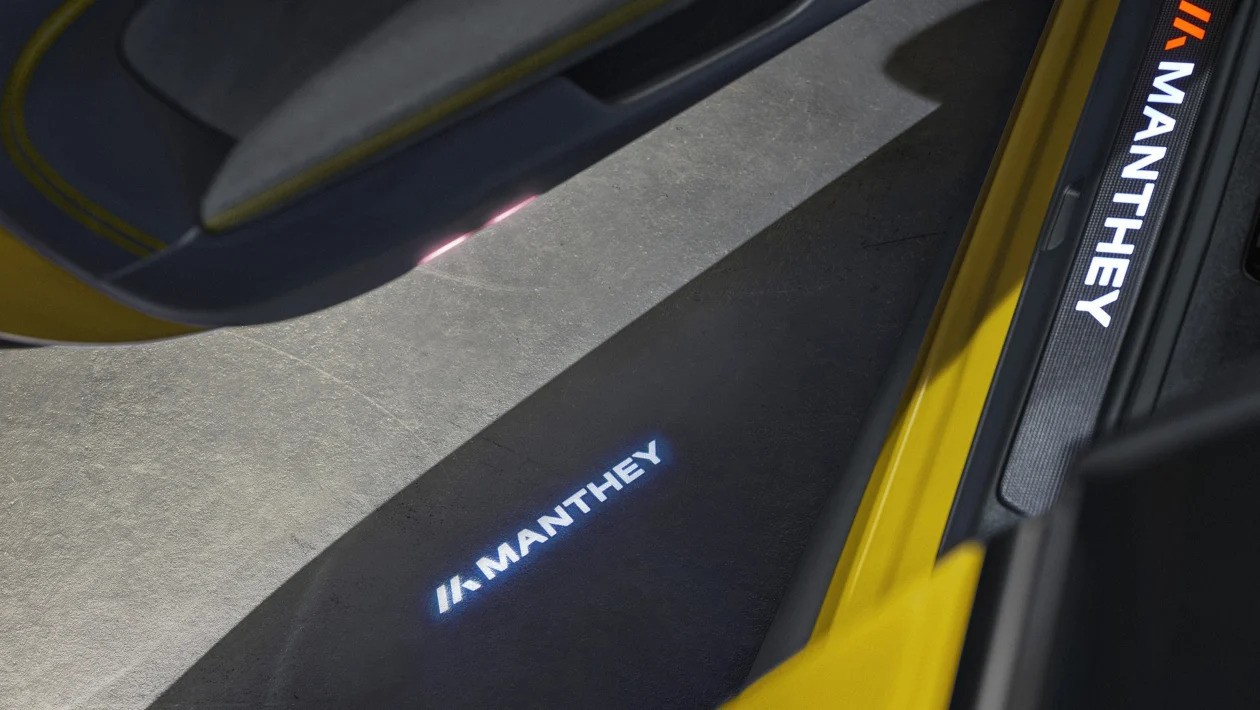
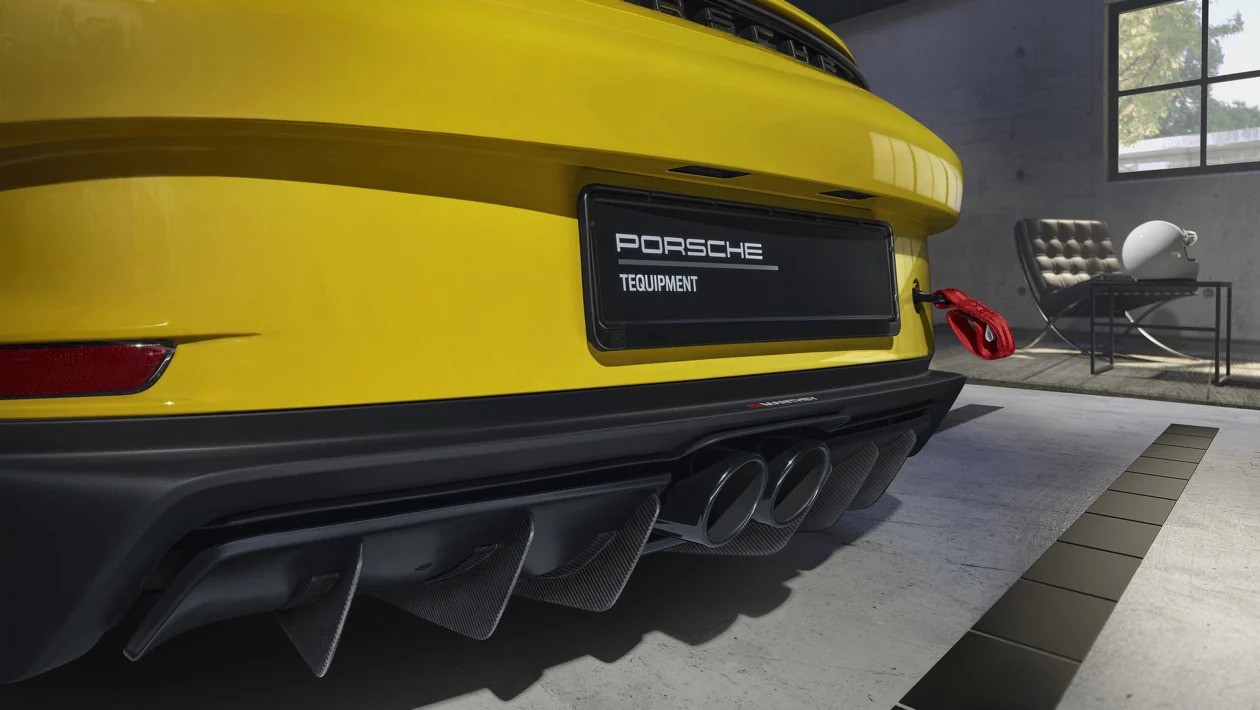
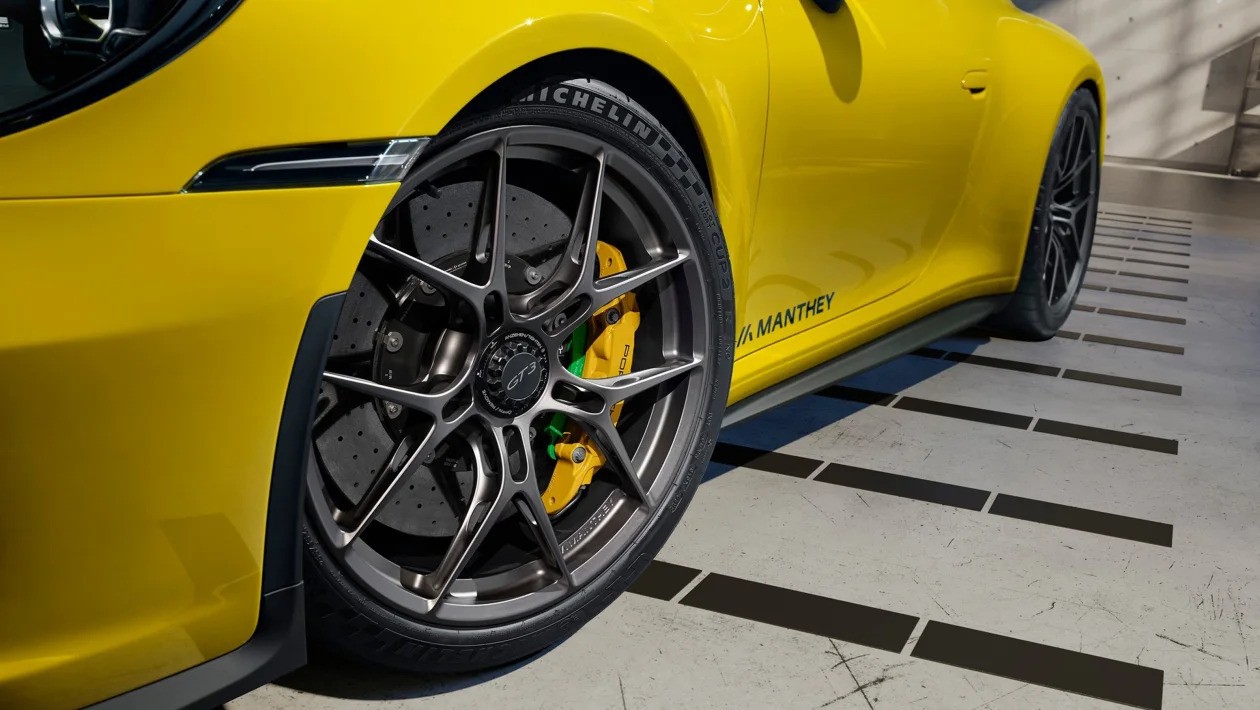
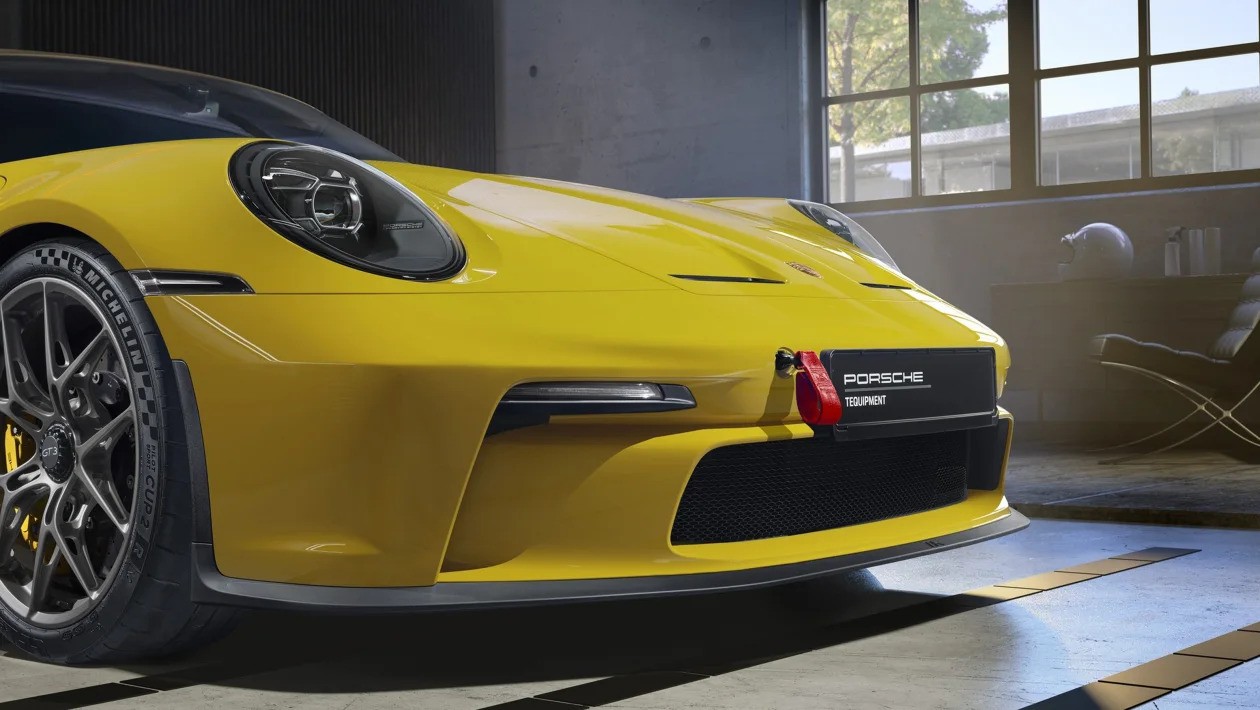
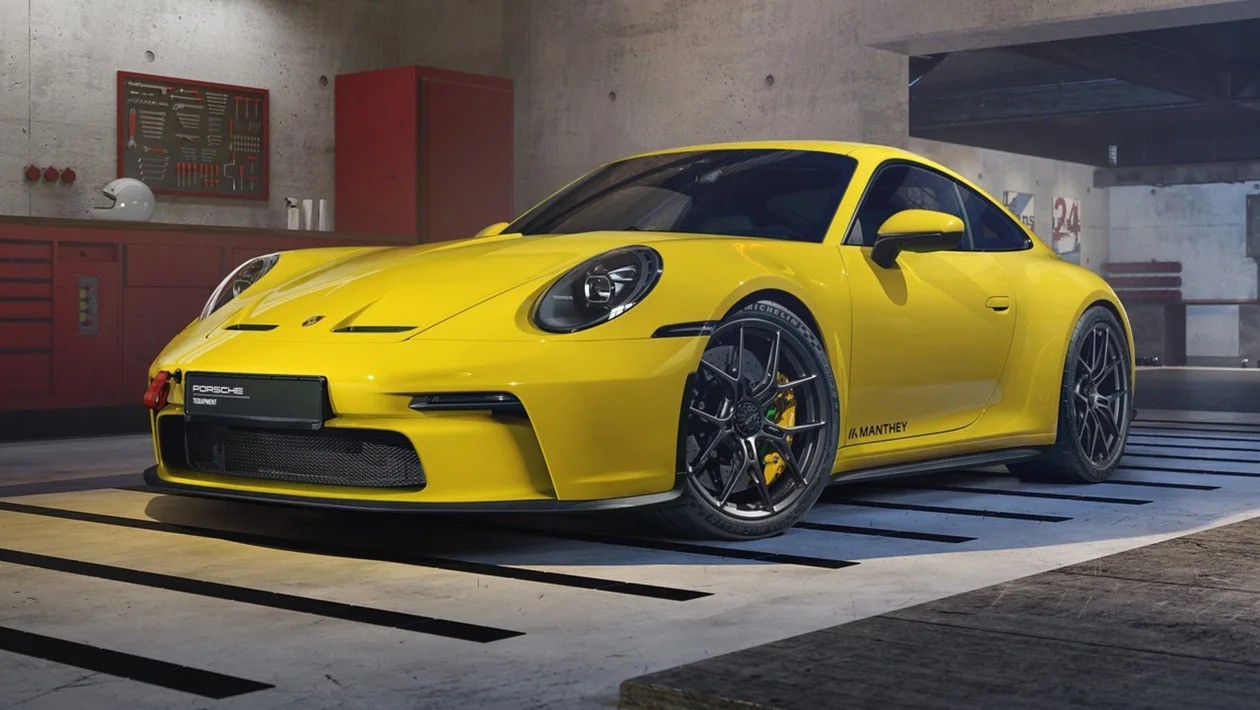
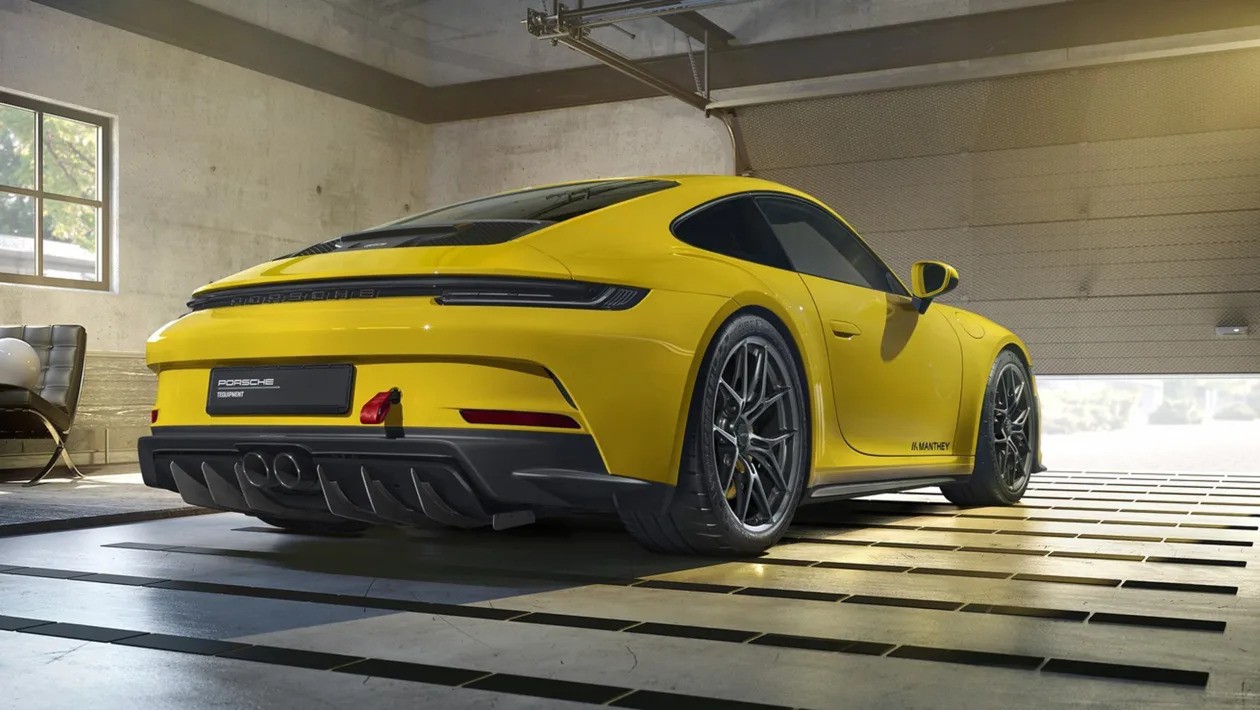
In concert with the GT3 Touring’s original mission and intended appeal, Manthey has refrained from making any radical changes to the car, particularly as it pertains to its appearance. Exterior changes are quintessentially subtle as far as that goes, with a front lip—which only eagle-eyed observers would be able to spot at first glance—underbody airflow strakes and a carbon rear diffuser being added on. These help to improve aerodynamic performance, while being equal parts distinguishable and stealthy at the same time. Lightweight fetishists can also spec an optional set of magnesium wheels—to which Manthey’s carbon fibre aero discs can be added—shaving an extra 7.3 kg of weight in the process. Those who really want the comprehensive Manthey transformation can also purchase an “MR” tow strap, carbon fiber door sill guards, LED door projectors, and a Manthey decal set.

The upgrades don’t just end at the visual upgrades, of course, with a specially tuned 4-way adjustable coilover suspension, a set of high-performance brake pads, and braided brake lines all coming as part of the 992 GT3 Touring “MR” Kit. Together, these improve the car’s handling performance, ride quality, stopping power, and brake pedal feel, for an aggregate transformative experience. Manthey states that the changes are intended to optimize the car for the race track, although customers seeking a more spirited street driving character will also benefit. The Kit certainly makes for good cars-and-coffee subject matter too, with the classically subtle yet impressive appearance it provides.

Clearly, Manthey has made sure that they respected what the GT3 Touring means to both Porsche and its customers alike. They’ve managed to instill the “MR” flair (and tangible performance benefits) that we’ve all come to love, to a platform where it would’ve been tempting to push the envelope a little further. Adding anything else on—like a big wing or overtly aggressive aerodynamic elements—would’ve been counterintuitive in this application. Those who wanted all of that fanfare would’ve got a 992 GT3 or GT3 RS for starters, of which Manthey has already produced, and is in the process of making an “MR” Kit for, respectively.

It’s very much one of those “if you know, you know” things when it comes to this iteration of the “MR” Kit—well played by Manthey, once again. It also sets an expectation going forward that the Touring and “MR” monikers don’t have to be mutually exclusive after all! As an OEM-endorsed motorsport affiliate, Manthey Racing parts are also available for purchase through the factory Porsche Tequipment catalogue and are similarly backed by manufacturer warranties. You can get more information about the new “MR” Kit for the 992-gen Porsche 911 GT3 Touring, at Manthey’s official website.

Ready to make a (under)statement at the track?


Source link