Home Blog Page 854

Icon completes its 500th Toyota Land Cruiser restomod

0


Icon has completed its 500th Toyota Land Cruiser build, the California restomod specialist recently announced.

Icon’s New School Edition 1964 Land Cruiser FJ44 follows the same template as the 499 builds that preceded it. The exterior remains mostly original, with some subtle updates like LED headlights, power side steps, and new wheels.

The interior however features heated seats, a modern audio system, and a rearview camera. Rear jump seats allow access through a bi-fold tailgate, while a roof rack and ladder give the Land Cruiser that classic expedition look.

The mechanicals are also updated. Power comes from a 6.2-liter V-8 connected to a 5-speed manual transmission and four-wheel-drive system with locking differentials. Brakes and suspension are upgraded as well, and a ceramic-coated exhaust system ensures any passerby will know what’s under the hood.

Icon New School Edition 1964 Toyota Land Cruiser FJ44

Icon New School Edition 1964 Toyota Land Cruiser FJ44

Icon founder Jonathan Ward was inspired to start working on Land Cruisers after seeing them in action during an African safari in the 1990s. Impressed by the reliability of the Toyotas compared to the Land Rovers also used for safari work, he came back to California and founded TLC 4×4, a company focused on restorations rather than restomods.

Ward then deviated from factory-correct restorations with a 1965 FJ43 that added some more modern touches, including a custom leather interior and gray paint from Audi. The reaction to this updated Land Cruiser was extremely positive, laying the groundwork for Ward’s founding of Icon in 2003.

Icon has since branched out from Land Cruisers with restomods of other classics like the Chevrolet Thriftmaster pickup truck, as well as the patinated Derelict restomods. But the company will likely always be best known for the Toyota restomods that started it all.


Source link

2025 Audi Q6 E-Tron, 2025 Infiniti QX80: This Week’s Top Photos

0


Audi took the covers off its long-awaited Q6 E-Tron this week. The electric compact crossover is a smidgen longer than the Tesla Model Y, and will start sales in the U.S. late this year both in regular and sporty SQ6 guises.

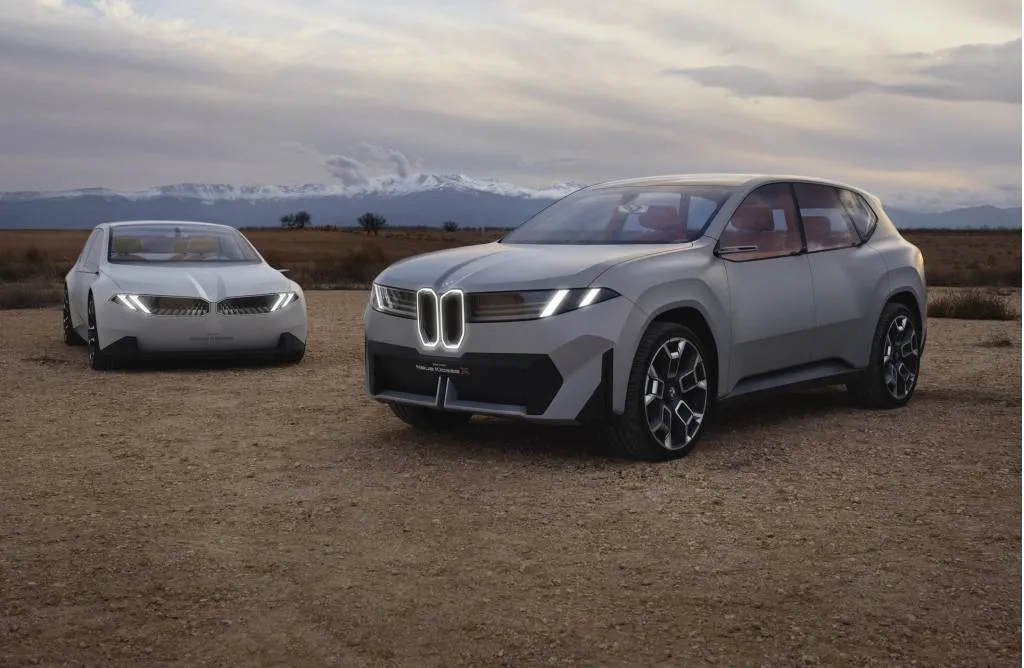
BMW Vision Neue Klasse X concept

BMW Vision Neue Klasse X concept

BMW revealed the Vision Neue Klasse X, a concept that previews the automaker’s rival to the Q6 E-Tron. It enters production in 2025 and will likely be badged an iX3.

2025 Ferrari 812 Superfast successor spy shots - Photo credit: Baldauf

2025 Ferrari 812 Superfast successor spy shots – Photo credit: Baldauf

Ferrari engineers were out evaluating a prototype for the successor to the 812 Superfast. The new super GT is expected to debut this year with stunning looks, a new platform, a new V-12 engine, and possibly some form of electrification.

2026 Mercedes-Benz AMG GT 63 S Coupe spy shots - Photo credit: Baldauf

2026 Mercedes-Benz AMG GT 63 S Coupe spy shots – Photo credit: Baldauf

Mercedes-Benz AMG was testing a new version of its GT Coupe, which is thought to sit somewhere between the current GT 63 grade and upcoming GT 63 S E Performance plug-in hybrid. An entry-level GT 43 grade also joined the range this week.

2024 Ford Ranger Raptor

2024 Ford Ranger Raptor

One of the vehicles we tested this week was the 2024 Ford Ranger Raptor. The baby Raptor sports the same powertrain (albeit with a slightly different power output) as the Bronco Raptor, plus 33-inch BFGoodrich K03 All-Terrain tires, and 10.7 inches of ground clearance.

2024 Ram 2500 HD Rebel

2024 Ram 2500 HD Rebel

We also tested the new Rebel version of Ram’s 2500 Heavy Duty. It sports all of the usual upgrades like underbody protection, raised suspension, and off-road tires, and combines this with the choice of gas and diesel mills.

2025 Infiniti QX80

2025 Infiniti QX80

And finally, Infiniti showed off a redesigned QX80. The big SUV follows a familiar formula but skips the V-8 this time around in favor of a twin-turbocharged V-6. The interior also looks to have taken a major step up in quality and refinement.


Source link

Guest Blogger Wanted!

0


We are all trying to get more exposure for our own blogs, and we are team players! If you are looking for somewhere to be a Guest Blogger we would love to have you. There are a few things we can tell you right off the bat to be sure you would be a good fit!

All of our articles, and the ones you would post here, are going to be related to RV Living, Van Life, Camping and Gear in some way. We publish 3 days a week during the 5:00 am hour, but you are welcome to schedule your posts for any other day and time.

Our site is written using WordPress, so familiarity with it would be beneficial to you for article writing.

rv hangersrv hangers

You are welcome to insert your own affiliate links into any article you post here, as well as links to your own blog site. Just be aware, that our site is set up to insert our own banner ads at specific locations in each article.

When an article is published as “Live” on our site, our system automatically sends out an email to all of our email list subscribers letting them know there is a new post for them to read here on InterstateAdventures.com

All we ask in return is that in the footer of your own blog home page, you put a “Do Follow” link to our site as well, OR If you have a guest blogger position available, that you let us know, so we can guest blog for you as well!

This is NOT a paid position. It is a way for you to gain more exposure for yourself and for your blog, and for us to do the same. If you are interested in writing for us, simply send let us know by reaching out on our Facebook Page


Source link

‘Real Housewives’ Star Karen Huger Charged With DUI After Crashing Maserati

0


Karen Huger

Photo : Paras Griffin / Stringer ( Getty Images )

People don’t typically think of Real Housewives as a car franchise, but that doesn’t mean it doesn’t have plenty of cars in it. The reality show’s cast members and their families, of course, drive fancy cars, and there will always be that time Real Housewives of Beverly Hills star Kyle Richards’ daughter’s then-fiance Alex Manos was accused of all sorts of shady behavior over at Beverly Hills Car Club. Now, Real Housewives of the Potomac star Karen Huger has been charged with driving under the influence after crashing her Maserati, USA Today reports.

While no model name was given, the reality star was reportedly driving a 2017 Maserati in Potomac, Maryland when police say she “crossed a median and struck street signs” Tuesday night. At the time of the crash, she was reportedly speeding and driving in an “aggressive manner.” Thankfully, she was alone at the time and didn’t hit anyone else. Huger herself also managed to avoid injury in the crash. On Wednesday, she was officially charged with driving under the influence of alcohol.

According to Huger, the crash occurred after she had dinner with a friend that involved “some very emotionally sensitive topics.” In a statement to TMZ, Huger said:

Last night I met a girlfriend for dinner, we talked and brought up some very emotionally sensitive topics. I was crying on my way home and saw a car heading right for me. I swerved to avoid the head-on collision, hit the divider and then a tree. I’m hurt, bruised up a bit, but so grateful I am alive! I did receive citations, one of which was unrelated to the incident which is understandable, but what was most surprising is that the car that almost hit me just drove away!

It is not clear what her alleged BAC level was at the time of the crash or whether there will be any real consequences for the star if she is convicted, but at least she’s still on Team Seatbelt. Huger concluded her statement by saying, “I would like to stress, it’s important to understand your emotional state when driving and may this be a reminder to all to use their seatbelts, my Mother may be my Guardian Angel but the seatbelt saved my life.” So at least there’s that.


Source link

How To Feel Safer On The Road As A New Driver – The Car Spotter Blog

0


Partnered Post

Being a new driver can be nervy. For your first few trips on the road by yourself, you may feel overwhelmed and a bit intimidated. There are many ways to calm your nerves and make the concept of your first drive alone more comfortable. Follow this guide for a few tips on how to feel safer on the road as a new driver.


Travel, Road, North, Yorkshire, New, Business, Beetle
Image Credit

Have A Digital Navigation System

Let’s say you are a new motorbike driver, you could try the BMW GPS Navigator 6, which is an ideal companion for any motorcycle trip. Or, install a navigation system in your car if it doesn’t come with one. A digital navigation system can take the stress out of driving. 


GPS devices also offer the peace of mind that you’ll never get lost, even when you’re in a new location, including remote areas. They can also help you find the nearest restaurants, shopping centers, rest areas, and other locations that might be considered off-the-beaten-path. There is less chance of getting lost and taking the wrong turn with a digital system telling you where to go.


Pack The Essentials In The Boot

Whether you are preparing for your first winter behind the wheel or your first long drive, you will want to make sure you have all of the essentials. A first aid kit, safety triangles, a repair kit, spare tire, food, water, and blankets are just a few essentials every car should have in the boot. 


Remove Distractions 

Concentration is crucial when in charge of your car, especially if you’re not yet completely confident. So, it’s wise for new drivers to turn the radio off, mute a phone, and do not drive with distracting people.  


When you are distracted it is easy to lose control of your car and have an accident. You will want to be as concentrated as possible to avoid incidents and build your confidence. It can be wise to only drive in clear conditions too, as rain can be very distracting if it is your first drive. 


Practice Alone

Speaking of removing distractions, it is good to practice alone. It’s strange to think that drivers who’ve just passed their test have never been behind the wheel alone before, so it’s alright to practice with a more experienced driver. 


But, it could be more beneficial to get some early practice in on your own. Consider taking your car for a spin when the roads are quiet, for no other purpose than practicing driving.


It may also be worth practicing driving in unfamiliar conditions. Getting to grips with driving at night and on motorways as soon as possible is important for inexperienced new motorists. For this, it’s probably better to take a more experienced driver with you until you’re fully confident.


Instead of feeling worried about driving as a new driver, use these tips to overcome your fear and boost your confidence. 


Source link

Hydrogen Fuel Cell Cars: Pros and Cons in 2024

0


Hydrogen Fuel Cell Cars: Pros and Cons in 2024

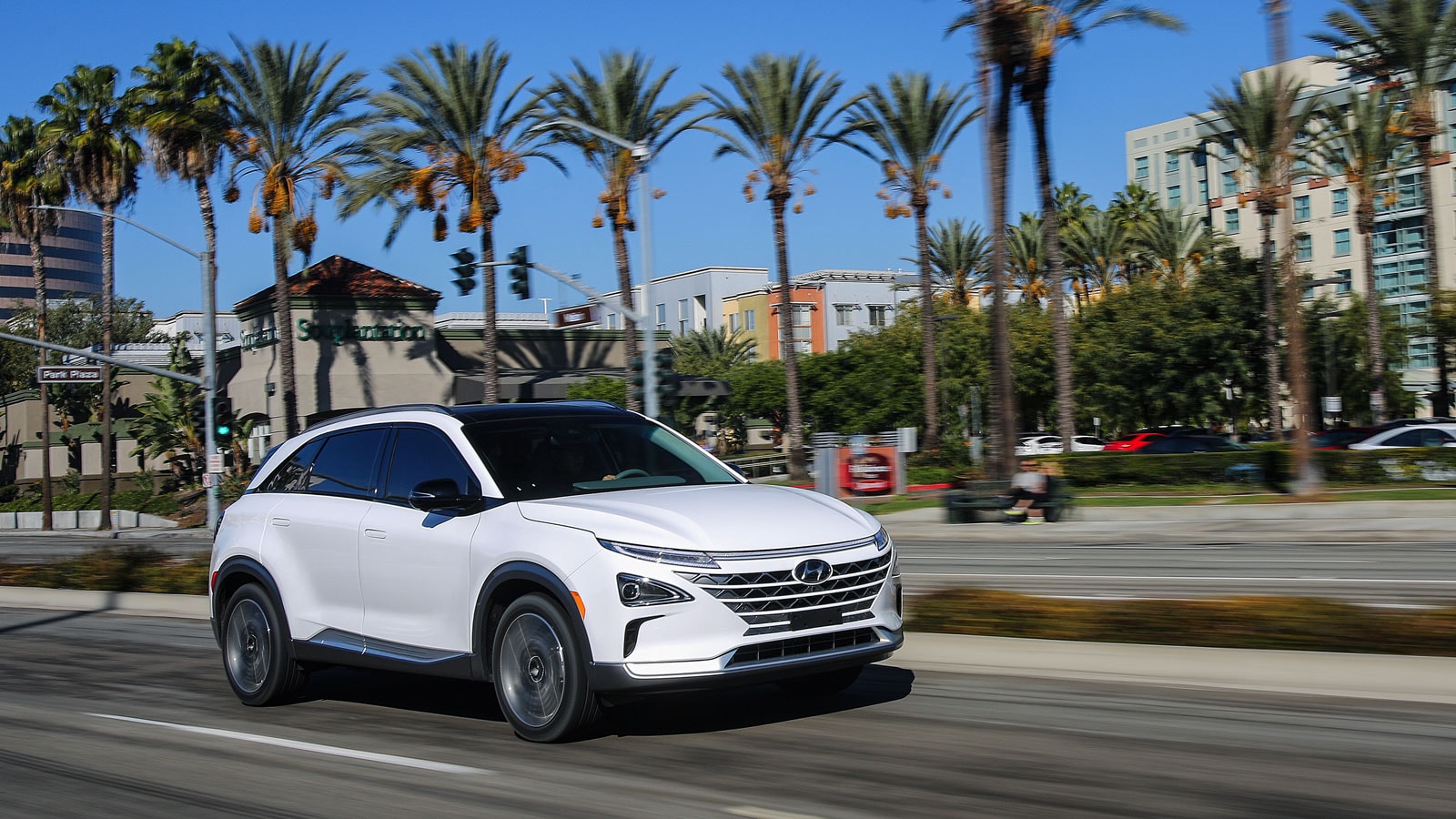
With so much attention on electric vehicles (EVs), it’s easy to forget about hydrogen fuel cell cars. The Hyundai Nexo and Toyota Mirai continue to be marketed for sale, though only in California. Honda recently revealed its 2025 Honda CR-V e:FCEV, a plug-in electric vehicle and fuel cell combo SUV with an EPA range of 270 miles. BMW unveiled its iX5 hydrogen fuel cell SUV, but it’s only a concept for now.

The IIHS gave the 2022 Hyundai Nexo a Top Safety Pick+ rating, its highest safety score. IIHS did not rate the Toyota Mirai. The National Highway Traffic Safety Administration (NHTSA) did not test either vehicle.  

Let’s look at other advantages and disadvantages of these niche alternative fuel vehicles.

Pros

  • Zero tailpipe emissions.
  • 5-minute refueling time similar to gasoline vehicles.
  • Weather affects range less than EVs, with carmakers like BMW saying not at all.
  • Instant torque. 
  • HOV lanes access with DMV Clean Air Vehicle sticker.
  • Incentives for purchasing (up to $4,500 in California) and refueling (manufacturers cover refueling costs up to $15,000 for six years, or three years with a lease).
  • Good range (Nexo: 380-mile range; Mirai 402-mile range). 
  • Minimal maintenance needs and solid manufacturer warranties.

Cons


Source link

Lamborghini Gallardo Buyers Guide | Exotic Car Hacks

0


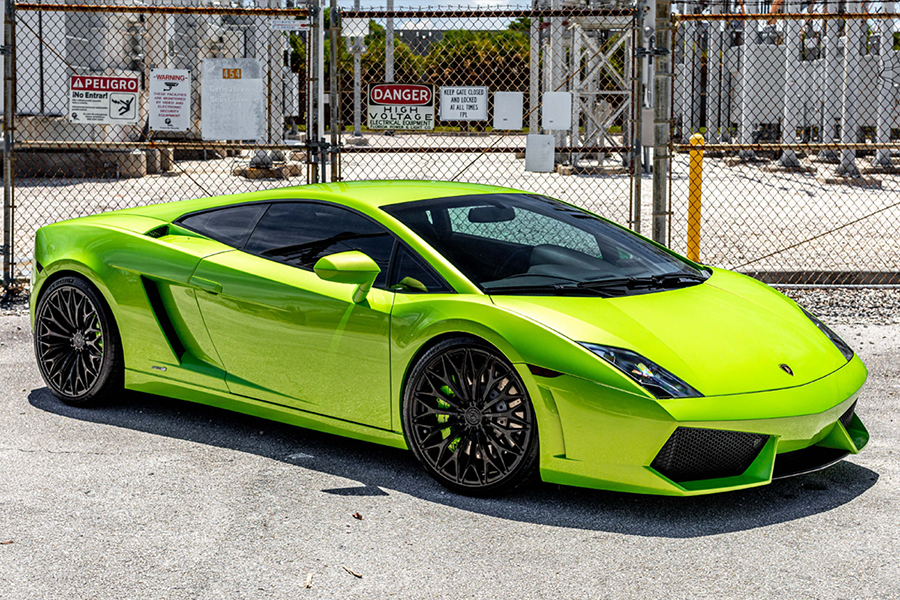
The year 2004 marked a new era for Lamborghini as they were seeking to increase their revenue, and now under Audi ownership, the introduction of the “entry-level” Lamborghini Gallardo marked a solution to their problem. This also was the introduction of the V10 engine for Lamborghini.

The Lamborghini Gallardo derives its name from a prominent Canadian breed of fighting bulls, a tradition that is followed for most Lamborghini car models. The term “Gallardo” translates to “gallant” in Spanish and “striking” in Italian.

Equipped with a naturally aspirated 5.0 and later 5.2 liter V10, the engine is paired with an optional 6-speed single-clutch transmission called the E Gear (a first for Lamborghini) or a gated 6-speed manual, and an all-new all-wheel drive system.

It boasts a sleek and aerodynamic design characterized by sharp lines and angular shapes, which unmistakably reflects the distinctive Lamborghini style. Although the Gallardo’s doors don’t open in the same, dramatic way as the V12 Lamborghini’s, this design was groundbreaking, representing a fresh design language that had never been seen before.

Inside, you will be welcomed with a sense of luxury and purpose. The car is a product of both Audi and Volkswagen, thanks to a clean purposeful interior layout. The cabin is covered with leather, with firm seats and an elegant dashboard that still looks great today.

Over the years, the Lamborghini Gallardo has faced competition from models such as the Ferrari 360 Modena (which was later replaced by the Ferrari F430) and the Porsche 911 Turbo.

Unique in its category, the Gallardo stands out as the sole contender featuring a powerful, naturally aspirated V10 engine.

Driving Experience

Driving the Lamborghini Gallardo, you’ll feel a sense of excitement and anticipation building up.

Ignite the engine, and the 5.0-liter V10 (eventually succeeded by the 5.2-liter version) comes to life.. Featuring an initial 493 hp (later enhanced to a staggering 562 hp) and 376 lb-ft of torque, this launches the Gallardo from a standstill to 60 mph in slightly above 4 seconds, an impressive accomplishment during its era.

The Gallardo has precise steering and handles corners very well, and the suspension is not hard but finds a perfect balance of comfy and performance. 

Over the lifespan of the Lamborghini Gallardo, it was available with two transmission options: E-gear  and 6-Speed manual transmission.

While the E-gear option can still provide an enjoyable driving experience, it’s the 6-speed manual transmission that truly stands out as the most fun and engaging option. 

The gated manual transmission provides a mechanical and visceral feeling that is unparalleled in today’s cars which are mostly equipped with automatic transmissions. 

As we reminisce about the driving experience of the Lamborghini Gallardo, it’s clear that this iconic supercar has left an indelible mark on the automotive world. The styling is still eye-catching today and has stood the test of time, making it a wanted classic among car enthusiasts.

Model Changes (Breakdown by Year)

2004 Lamborghini Gallardo

The 2004 model is the first full year of production for the Gallardo, it was Lamborghini’s first baby bull which came with a V10 engine.

Featuring a 5.0 liter V10 engine producing 493 hp, it was the most powerful contender in its class compared to its competitors.

Photo by PcarMarket

It has a low-slung profile which undeniably gives it a strong road presence. The starting base price was around $160,000 slotting it right with the Ferrari 360 Modena and the Porsche 996 Turbo.

2005 Lamborghini Gallardo

Mechanically, the 2005 Lamborghini Gallardo was the same as the 2004.

Notable changes for the 2005 Lamborghini Gallardo:

  • New option: Transparent engine bonnet.
  • New option: Front lift system.

2006 Lamborghini Gallardo

2006 gave birth to the Lamborghini Gallardo Spyder, featuring an open-top roof to experience the full symphony of the V10 engine. Now featuring 520 hp (25 hp increase), the Spyder also benefits from shortened gear ratios, improved shift software, and heightened pressure.

It is heavier by roughly 250 pounds due to structural reinforcements, the Spyder also matches the coupe 0-60 times in under 4 seconds.

Base price starts at $195,000 ($35,000 more than the coupe) for the Spyder.

The limited Gallardo “SE Edition” 1 of 250 units worldwide was also released. It came with a high gloss (Nero Octis color) roof, dark titanium ‘Callisto’ wheels, black exterior mirrors, and a glass engine cover. 

The interior features a two-tone design, adding to the unique appeal of the SE Editon.

Notable changes for the 2006 Lamborghini Gallardo:

  • New option: Navigation and backup camera available.
  • New option: Carbon interior.
  • New option: Upgraded Callisto wheels.

2007 Lamborghini Gallardo

Not much has changed since the 2006 Gallardo, however, Lamborghini released the Gallardo Nera Edition, which was a limited edition 1 of 185 units worldwide.

It featured black Callisto wheels, and black high gloss bodywork, which is accented with matte black components such as side mirrors, a portion of the front hood, the entire roof, and air outlets located near the rear of the car, just in front of the taillights.

Take a look inside the Nera, and you’ll find beautiful two-tone black and white leather seats. The Gallardo Nera also features the distinctive lozenge-shaped stitching known as ‘Q-Citura,’ similar to the optional design found in the flagship LP640 Murcielago.

Notable changes for the 2007 Lamborghini Gallardo:

  • New option: Comfort package which includes electric and heated seats.
  • New option: Travel package which includes a cup holder and rear netting for storage. 
  • New option: Q-Citura interior.

2008 Lamborghini Gallardo

In 2008, Lamborghini released the Gallardo Superleggera (Italian for “super light”). With a focus on track performance and lightweight design, the Gallardo Superleggera elevates the driving experience to new heights. It was created with the intent of a raw Gallardo.

By shedding around 220lbs from the original Gallardo and incorporating a lightweight exhaust system, along with a reprogrammed ECU and a new throttle body, the Superleggera’s V10 engine now generates an impressive 530 hp (10 hp more than the standard Gallardo).

Distinguishing between a Superleggera and a standard Gallardo on the exterior may be a challenge for all but the most discerning observers. Key differences include exclusive 19-inch wheels, a black decal at the bottom of the door that reads “Superleggera,” and a subtle carbon fiber wing.

Apart from the numerous carbon-fiber elements both inside and out, the Superleggera also features several interior changes, such as the use of Alcantara, replacing leather on the dashboard.

Carbon-ceramic brakes are an option on the Superleggera

Base price starts at $224,000.

Notable changes for the 2008 Lamborghini Gallardo:

  • Matte color and trim selection available.

2009 Lamborghini Gallardo

In 2009, the Gallardo was revamped as its second generation, adopting the LP560-4 designation.

The most significant enhancement was the introduction of a direct injection system, which increased the engine capacity to 5.2L and boosted power output to 552 hp (32 hp more than the previous generation Gallardo).

The transmission was also refined, eliminating jerkiness at low speeds and offering faster shift times.

The facelifted Gallardo’s primary upgrades consist of redesigned headlights and taillights, both the front and rear lights now incorporate LED technology to illuminate the road ahead and signal braking to those behind you.

A more aggressive front bumper and an updated rear bumper with four exhaust pipes have also been updated. Additionally, new optional cross-spoke wheels are available.

Base price starts at $200,000.

Notable changes for the 2009 Lamborghini Gallardo:

  • New option: Callisto and Cordelia wheels are optional.

2010 Lamborghini Gallardo

As expected, following the launch of the LP560-4 coupe, the Spyder version made its debut in 2010 for those that want an open-top roof to experience the full symphony of the V10 engine. 

The powerplant remains the same as the coupe, except the convertible weighs 309 more pounds than the Gallardo LP560-4 coupe or just over 3800 pounds. 

Base price starts at $244,000 ($44,000 more than the coupe).

Lamborghini launched the exclusive Gallardo LP550-2 Valentino Balboni edition, available solely as a coupe and limited to just 250 units produced.

This Gallardo pays tribute to Lamborghini’s longtime test driver, Valentino Balboni, and reflects his preferred Gallardo specifications. It features rear-wheel drive, 550 hp (10 hp less than the LP560-4), and is available in a limited selection of eight colors.

Each car showcases a racing stripe extending from the front to the rear, which also reappears in the leather upholstery.

6-speed manual was also standard, while E-gear was optional. 

Pricing starts at $225,000 ($25,000 more than the LP560-4 coupe).

2011 Lamborghini Gallardo

The Gallardo Superleggera LP570-4 debuts in 2011 as a coupe. The power output is 562 hp (10 hp more than LP560-4), and the torque remains the same at 398 lb-ft. The Superleggera comes standard with E-gear automated manual transmission.

The Superleggera is 154 lbs lighter than the LP560-4, and it features an even sportier suspension setup, incorporating more rigid shock settings and firmer anti-roll bars.

For the exterior of the Superleggera, Lamborghini redesigned the front with contrasting black elements that complement the rest of the bodywork.

The Superleggera is offered in an exclusive array of colors: Verde Ithaca, Giallo Midas, Arancio Borealis, Grigio Telesto, Nero Noctis, and Bianco Monocerus. Additionally, the interior boasts black Alcantara upholstery with color-matched stitching.

Base price starts at $235,000 ($35,000 more than the LP560-4).

2012 Lamborghini Gallardo

Following the launch of the Gallardo Superleggera LP570-4 coupe, the Spyder variant was unveiled in 2012 under the name Gallardo Performante LP570-4. 

It has 562 hp (10 hp more than the LP560-4 Spyder) and is 143 lbs lighter than its counterpart, the LP560-4 Spyder.

The Gallardo Performante remains identical to the coupe, except for its soft top. Lowering the roof enhances the overall experience, making it even more thrilling. This allows you to truly immerse yourself in the captivating sound and feel of the V10 engine.

Base price for the Gallardo Performante starts at $248,000 ($13,000 more than the Superleggra coupe).

On top of other limited editions released, Lamborghini unveiled the Gallardo LP570-4 Super Trofeo Stradale, an even more extreme iteration of the Superleggera and it is 1 of 150 units produced.

The Super Trofeo Stradale also featured a slight increase in power producing  570hp (8hp more than the Superleggera).

By incorporating a generous amount of aluminum and lightweight 19-inch wheels, along with carbon-fiber enhancements, the Stradale manages to shed over 150 pounds. This reduces its overall weight to approximately 3,350 pounds.

The interior boasts extensive use of extremely lightweight carbon fiber for the door panels, monocoque racing seats, and center console cover. Meanwhile, black Alcantara with contrasting red top stitching covers the remaining interior elements.

The steering wheel is also covered in black suede and showcases red topstitching, adding a touch of elegance and sportiness to the cabin.

On the exterior, you will easily be able to tell it’s a Super Trofeo Stradale, because there is a large rear wing, and it’s the same one found on the race car.

It is mounted on a Super Trofeo engine cover, which keeps the quick-release levers, making it different from the conventional opening method seen on earlier Gallardo models. Instead, the cover and wing are both completely removable from the car. Naturally, both components are crafted from carbon fiber.

The exterior also features minor yet noticeable changes that give it a more aggressive appearance compared to the Superleggera, including carbon-fiber side sills, mirrors, and a bolder rear diffuser.

It comes in 3 colors, Rosso Mars (red), Grigio Telesto (grey), or Bianco Monocerus (white).

Base price for the Gallardo LP570-4 Super Trofeo Stradale is $256,000 ($21,000 more than the Superleggera LP570-4).

In 2012, Lamborghini introduced the Gallardo LP550-2 rear-wheel-drive version as a standard model, catering to those seeking a more authentic driving experience. It retained all the features and options found in the LP560-4 but with a slight reduction of 10 hp. 

The LP550-2 also came with a more budget-friendly price tag, starting at $187,000 for the coupe (which is $13,000 less than the LP560-4 coupe) and $209,000 for the Spyder (saving you $16,000 compared to the LP560-4 Spyder).

2013 Lamborghini Gallardo

In 2013, Lamborghini gave the Gallardo LP560-4 which was nearly 10 years old its last final evolution before the new replacement Huracan arrived. 

The power output remains constant at 552 hp for the powerplant, yet the updated LP560-4 boasts striking front and rear bumper changes characterized by triangular and trapezoidal elements. Additionally, optional Apollo wheels are now available.

Notable changes for the 2013 Lamborghini Gallardo:

  • New option: Style package that includes matte black parts on the front spoiler, grilles, and rear trim in a high gloss black finish.

2014 Lamborghini Gallardo

Lamborghini debuts the Gallardo LP 570-4 Squadra Corse as one last hurrah for the final send-off for the most extreme road-going Gallardo ever built. It is 1 of 50 units built and only 15 came to the USA. 

While the Gallardo Squadra Corse’s 5.2 liter V-10 engine produces an identical 562 hp and 398 pound-feet of torque as the rest of the Gallardo series (and the Gallardo racecar), Lamborghini has managed to reduce the all-wheel-drive supercar’s dry weight to just below 3000 pounds by extensively utilizing carbon fiber and aluminum.

The Gallardo Squadra Corse not only takes cues from the Super Trofeo racecar but also incorporates a number of its parts, such as the massive carbon composite rear wing and hood.

This rear wing reportedly produces triple the downforce of a standard Gallardo spoiler, while the carbon composite hood includes a quick-release mechanism for easy removal.

In addition to the striking rear wing, the Gallardo Squadra Corse differentiates itself from other Gallardo models with a decal strip, reminiscent of the Italian flag’s green, white, and red hues, that begins just ahead of the V-10 engine’s side-air intakes.

The hood, diffuser, air intakes, and wheels all feature black paint. The Lamborghini Gallardo Squadra Corse is offered in (Giallo Orion) yellow, (Bianco Monocerus) white, (Grigio Thalasso) gray, or (Rosso Mars) red, and the brake calipers come in red, black, or yellow options.

The interior of the Gallardo Squadra Corse showcases an extensive use of carbon fiber on components such as door panels, standard racing seats (with the option for regular seats), the center console, and the handbrake frame.

Alcantara adorns the seats and even the lower portion of the dashboard, adding a touch of luxury to the robust composite materials.

Base price starts at $260,000 ($4,000 more than Superleggera LP570-4).

Lamborghini Gallardo’s Common Problems

The Lamborghini Gallardo is considered to be a fairly bulletproof supercar. Many people have driven their Lamborghini Gallardo’s for extended distances, some even exceeding 100,000 miles (111k miles example), proving its reliability.

This challenges the traditional perception that supercars lack reliability.

However, it is essential to keep in mind that all cars, even supercars, can have issues and it is crucial to perform a Pre-Purchase Inspection (PPI) from an authorized dealer or experienced independent mechanic to reveal all issues.

  • Transmission issues: Owners with the E-gear transmission have reported issues with the transmission, including slipping gears and difficulty shifting. These issues can be caused by worn transmission components or problems with the transmission control module. While E-gear clutches typically are known to last a long time, there is the possibility for needed clutch replacement. Owners are required to treat an E-gear transmission like a manual transmission, otherwise, the clutch will wear out very quickly
  • Brake pad squealing: Some owners have mentioned experiencing squeaky brakes, and there are several methods to eliminate the noise. One such modification involves removing and cleaning all brake pads, applying noise-reduction lubricant, and deglazing all brake rotors.
  • Oil leaks: Early Gallardo models are susceptible to oil leaks, particularly around the oil pan and the rear main seal. It is essential to have these areas inspected and addressed as needed.
  • Paintwork issue: While the paint match between panels may not be perfect from the factory, a glaring mismatch is a strong indicator of paintwork. Check the door jams and hinges for any signs of shoddy paintwork or repairs. They are often the areas that get the least attention from a body shop. Also, run your fingers along the edges of the hood, doors, and panels.
  • Wheels and tires: Tire lifespan varies depending on the car’s usage, but rear tires typically last around 10,000 miles, while front tires may last up to 15,000 miles. Gallardo’s are highly sensitive to tire-related issues. A slight pressure difference in the rear tires can cause significant pulling and twisting during acceleration or throttle lift. The primary cause of such issues, however, is the use of aftermarket wheels. While modifying your Gallardo to suit your preferences is understandable, altering the rolling diameter ratio between the front and rear tires can cause issues with Lamborghini’s AWD system. This results in a rolling resistance that feels like braking when taking off, leading to premature clutch wear, slippage, and differential wear.
  • Aftermarket sound system: The factory-installed radios, especially in the 2004-2005 models, are known to be not the greatest quality. Replacing them is not a major issue, but caution is required. Installing additional speakers behind the seats could negatively affect the ECUs located there due to the magnets. Additionally, improper wiring may lead to electrical draws that rapidly deplete the batteries.
  • Front-end scrape: Since these vehicles have low ground clearance and the front-end lift feature wasn’t introduced until 2005, it’s important to inspect the underside of the front bumper for scrapes and cracks. To protect the car from rock chips, consider using a clear protective film. This is particularly beneficial for models with a three-layer pearlescent paint, as it can be challenging to find a perfect match for touch-ups, making it preferable to avoid the need for repainting.
  • Mirrors: Windshield-mounted rearview mirrors in the Gallardo’s are highly susceptible to leaks. Over time, the auto-dimming fluid in the mirror may degrade, causing noticeable fluid movement within the mirror’s surface. Ideally, before this issue arises or as soon as it becomes apparent, replace the mirror with a non-dimming version, which should cost less than $150.

Recalls

Electrical System: Engine Control Unit (ECU) (Recall no. 18V833000)

Lamborghini is recalling certain 2011-2014 Gallardo Coupe and Gallardo Spyder vehicles. The Engine Control Unit (ECU) software may erase trouble codes after the ignition is turned off, not illuminating warning lamps and preventing drivers from being warned of safety system problems the next time that they are driving.

Maintenance and Ownership Costs

When compared to other supercars in the high-performance category, the Lamborghini Gallardo is regarded as having relatively modest maintenance needs.

However, it is important to remember that regular maintenance and repairs will still be necessary, and the costs can vary depending on whether you take your car to a dealer or an independent mechanic.

Here is the suggested service schedule and intervals per Lamborghini:

1 YEAR OR 9,000 MILES

  • Replace engine oil and filter at least once a year
  • Comprehensive Inspection of Factory Specifications
  • Complete Factory Diagnostics

2 YEARS OF 18,000 MILES

  • Replace Engine Coolant
  • Spark Plugs
  • Engine Oil and Filter
  • Inspect and replace V-belt and Tensioner
  • Pollen Filters
  • Brake Fluid

3 YEARS OR 27,000 MILES

  • Replace Engine Oil and Filter
  • Replace Gearbox Oil

Here is a rough estimate of typical service costs associated with the Lamborghini Gallardo:

  • Oil Change – As low as $200 for independent mechanics and $400 for dealers.
  • Minor Service – Typically includes oil change, cabin filters, and engine filters. The cost from a dealer is around $1,100
  • Major Service – Typically includes all the above plus spark plugs, brake flush, trans flush, expect about $2,500 from a dealer.
  • Tires – A set of high-performance tires like Michelin PS4 will cost about $2,000.
  • Brakes – For steel brakes, would cost about $4,000 to replace. Rotors that are carbon ceramic which should last forever. Aftermarket brake pads that are OE equivalent will cost about $800 for a full set.
  • Clutch – For E gear clutch replacement, it will cost about $5,000 for independent mechanics and $7000 for dealers. Meanwhile, a 6-speed manual car clutch should last a very long time but are dependent on driver habits.

Options List

The Lamborghini Gallardo has a list of options and packages that customers can choose from. 

In the initial years, Gallardo’s did not come with an extensive range of factory options. It is advisable to search for vehicles featuring transparent engine covers, as this appealing detail showcases the engine.

Another available option included painted calipers, which gave a nice touch to the exterior. 

A popular option was to opt for the upgraded paint with a pearl, 4-layer, or in later years; a matte finish, which often adds a premium to the car’s price.

Another feature introduced in 2005 was the front lift system, which facilitated raising the car’s front end, enabling smoother navigation over driveways and speed bumps.

From 2006 and beyond, Lamborghini introduced features like navigation systems and rearview cameras, as well as Q-Citura, carbon fiber interior components, and upgraded wheel options.

From 2008 and above, a very small handful of Gallardo customers also went through the Ad Personam program which was a factory-in-house customization program, that allowed customers to personalize their Gallardo with unique exterior and interior colors, materials, and features that were not available on regular production models. 

Any Gallardo that went through the Ad Personam program is extremely rare, and very desirable, particularly since few customers opted for this route at that time.

2005 Lamborghini Gallardo Options 

2008 Lamborghini Gallardo Superleggera Options  

2009 Lamborghini Gallardo LP560-4 Options  

Some of the more desirable options to look for include:

  • 6-speed manual
  • Front Lift system
  • Optional wheels
  • Q-Citura interior (2009 and above Gallardo)
  • Carbon ceramic brakes
  • Pearl, 4-layer, or matte finish paint
  • Ad Personam exterior or interior (rare)

Lamborghini Gallardo Price and Values

The Best Lamborghini Gallardo to Buy

When it comes to buying a Gallardo, there are a few key factors to consider that can affect the car’s long-term value.

Some of the criteria break down into a few categories. 

In terms of future value appreciation, the best option when purchasing a Gallardo is to opt for the 6-speed gated manual transmission model.

Gallardos with the second-best potential for appreciation in value includes performance versions like the Superleggera, Super Trofeo, Valentino Balboni Edition, and Squada Corsa. While they come with a higher price tag, their depreciation rate is significantly lower.

Although the LP 520-2 models are less expensive and have lower horsepower, they are still anticipated to appreciate in value, as their design emphasizes driving experience over their all-wheel-drive counterparts.

If you prefer an E-Gear Gallardo, it is advisable to choose a facelifted model from 2009 or later, as Lamborghini significantly improved the transmission issues present in earlier versions.

The last revision Gallardo’s from 2013 will be the most desirable ones, as they are not very common these days. 

However, on the other hand, all Gallardo’s including the first pre-facelift (2004-2008) will remain a strong purchase simply because as hybrid technology becomes more widespread among cars, naturally aspirated V10s are becoming highly sought after by collectors and enthusiasts in the current market.

In addition to limited edition models, the condition and mileage of the car are also important factors to consider when buying a Gallardo. Many have been driven hard and have been highly modified.

But the ones that are more likely to retain their value in the long run and will fetch the most money will be well-maintained cars with low mileage.

Therefore, it’s important to do your research, compare prices, and look for well-maintained cars if you are considering purchasing an Gallardo with the goal of not losing any money.

Conclusion

In conclusion, for around ($140,000+) the Lamborghini Gallardo is a great choice for a first supercar that you can rely on.

While the Ferrari 360 (or F430), and Porsche 911 Turbo are among the other available options, the Gallardo stands out with its exceptional technology, unparalleled comfort, user-friendly design, and dependable performance.

To conclude, when considering a supercar, the Gallardo stands out as a great choice that will leave you with no regrets.

Car Hacking Shortcuts

  • 6-speed manual Gallardo’s will always be the most sought-after. 

  • Front lift option is nice.

  • Spec matters: Look for any Ad Personam colors or optional colors.

  • Facelift Gallardo’s from 2009 and up are great hacks.

  • Special editions like the Superleggera, Valentino Balboni edition, Super Trofeo, and Squada Corsa are future collectibles and are undervalued.


Source link

BMW’s Frank Weber on Creating World-Class Electric Vehicles

0


“We will build the best handling electric cars in the world”.

Frank Weber is the BMW board member in charge of overall vehicle development. As such, he is the father of the batch of electric models that will come to the market starting in 2025 and based on the same architecture. Probably the most important BMW project in the last 20 and in the next 20 years.

Q: After an early investment in electric propulsion with the i3 in 2013, BMW changed its strategy and eleven years later it is one of the brands that still does not have a modular platform for electric cars. It’s coming (the architecture of the Neue Klasse) but it’s not here yet. Why?

Frank Weber- When we look at the automotive industry we realize that we live in very special times… to the point that not only we don´t know what will happen in the next three years… but in fact we are not even sure what it will be like at the end of the year. Almost all customers who enter our dealers are doubtful about which type of propulsion is best suited for them. Even the so-called “early adopters” wonder whether they will have the right conditions to buy 100 percent electric cars and we also see some customers taking a step back, selling their electric cars and buying plug-in hybrids because they realized that the infrastructure is not ready and that the extended electric range of the latest PHEV opens new possibilities. And the uncertain nature of incentive programs only adds up to these dilemmas that plague product planning of every car manufacturer. That’s why investing in powertrain flexibility is vital for BMW.

Q: Has BMW disappointed the market with this inversion of priorities?

FW- Two years ago I heard and read comments that people were waiting for BMW to commit sooner to electric cars, with dedicated platforms. But that’s not the point… the point is that first you have to assess whether the prerequisites exist for this “all in” strategy in EVs. Is there enough green electricity? Are there sufficient sustainable raw materials? What about a charging infrastructure for everyone? And recycling systems in place for all materials? The answer to all these questions is… “no”. Therefore, the strategy we defined proved to be the most correct and worked to our advantage. And that is why whenever I visit a dealer, they tell me that the choice given to consumers (to opt for different types of propulsion) is fundamental. The customer chooses the model and then he picks the powertrain.

Q: Will this change with the arrival of the Neue Klasse?

FW- Yes and no. Yes, because with the Neue Klasse architecture we will start to produce electric vehicles in large volumes. And no because we will continue to sell gasoline, diesel, plug-in hybrid cars… Our objective is to continue offering the best engines in each category and this will require continued investments, in addition to the fact that in many world regions combustion engines will continue to be on sale after 2035. We do not want our cars with electric motors to be those with modern propulsion technology and combustion engines to be the old engines with dated technology.

Q: That means that BMW will keep on investing in combustion engines, unlike other rival manufacturers that already announced they will no longer invest in this area?

FW- Absolutely. We will continue to invest and develop gasoline, diesel and plug-in hybrid engines… especially because it is not just about Europe having new, more demanding limits on polluting gas emissions. It´s a global process.

Q: Why did you show the Neue Klasse concept sedan first and then the crossover considering the latter will be launched first?

FW – We finished these two archetypes of almost all BMWs of the future at the same time and, in fact, they will hit the market practically simultaneously (we will start producing the pre-series units this year and in 2025 series production will kick-off, first in Hungary, then in Munich and then in the rest of the world). Therefore, the decision to start with the crossover is strategic because today half of BMW’s sales, globally, are of “X” vehicles. Which means that there are regions where they weigh up to 2/3 and these models are leaders in their segment. But both concepts are inspired by our slogan “the ultimate driving machine”, which means that our electric cars will also be the best handling cars on the road.

Q: Does this have to do with the vehicles’ general control computing units?

FW- The new driving dynamics controller is one of the main elements, probably the most important. It is difficult to make such a complex controller, which contains all the DNA of BMW car dynamics from the last three decades. Steering, 4×4, ABS, rear axle steering, brakes… everything we developed “in house”, all the algorithms integrated into this control unit like no other brand could do.

Q: Can you confirm that the M electric cars will have an electric motor on each wheel?

FW- Yes, the future electric M3, for example. And with acceleration and recuperation functions on each wheel, for a total power of almost 1 megawatt (note: more than 1300 ps), you can imagine that it will be something very special to achieve but also to drive. Even I was surprised when I tested the prototypes. Our engineers at the M division were apprehensive about this transition to e-mobility because, for example, they feared losing very important elements that define the authenticity of BMW M (the combustion engine and the transmission). But in the meantime, they realized that with these very precise and powerful controllers it is possible to raise the dynamic competence of our cars to an even higher level than with combustion engines.

Q: Are Tesla (which already produces two million electric cars a year) and the Chinese (who have gone from threat to reality) taking away your sleep?

FW- At BMW, EV sales grew by 75 percent in 2023 and we are the market leader for premium electric cars. In the case of Tesla and the Chinese, we see the prices of the electric cars they are selling (which have dropped in the case of Tesla and were already artificially “low” in the Chinese brands) and we understand these are not sustainable practices (because electric cars are still more expensive to produce and are denying them the possibility of being profitable). We didn’t get into that price war, and we won’t. We look at the total German market (mainstream and premium) in January and we see that the i4 was the best-selling electric sedan, behind three SUVs, which shows that our strategy is correct. As for the brands that radically lowered prices, this will be reflected in their financial reports…

Q: You mentioned EV profits … will the Neue Klasse models allow the same profit margins as those with combustion engines?

FW- We want to be at the same level. We achieved a 50 percent cost reduction in electric propulsion (motors, battery, power electronics) which will allow us to have more competitive prices, yes, but still more expensive than equivalent petrol/diesel derivatives. But then we have to take into account that the cost per kilometre of an electric car is much lower and this is what made diesel successful in Europe for decades (diesel cars were more expensive, but people preferred them because the fuel was cheaper and the engines used less fuel).

Q: Does this mean that the main purchasing motivation for Europeans is the price of the energy that makes the vehicle move?

FW – Without a doubt. The single individual factor that most influences the increase or decrease in the market share of electric vehicles is the price of gasoline/diesel, not environmental concerns, not the cost of raw materials and not any other factor.

Q: With the current change in customer values and offer in the automobile market, who are your main competitors at the moment?

FW- The customer does not compare companies; he compares products directly. Which means the i4 will have to compete with a Tesla Model 3 and a petrol 3 Series will have to be better than a Toyota hybrid and superior enough to justify the price increase for a premium product. This means that everything becomes more complex for us in these new times.

Q: Up until recently, “traditional” automotive brands were seen as such, but in the meantime you and your peers also started producing software. Tesla was a kind of a software company that also builds cars. Do you feel that, after the launch of the Neue Klasse models, the two areas will be at the same level in your company?

FW – I do. And I can tell you that, along with Tesla, we are the only car manufacturer in the world that has a fleet of six million vehicles that can be updated over-the-air. I’m not talking about updates to superficial infotainment layers, which we also update, but about updates to the car’s driver assistance systems. And at BMW we have never postponed the scheduled start of production of a new model for reasons related to software or battery… but there are several of our competitors who cannot say the same…

Q: BMW is very keen on emphasising how relevant circular economy is and how it will be the future. What is the determining aspect that will make the difference in this challenge?

FW- The battery issue is fundamental. If we think about the 600 kilograms of a large battery, 80 to 90 percent are valuable materials and of that amount, 95 percent can be recycled. If this issue is not technically solved, everything else (seats, dashboards, tires…) is residual and has a much smaller impact in the whole vehicle production cycle, value chain and environment.


Source link

Acura NSX Buyers Guide | Exotic Car Hacks

0


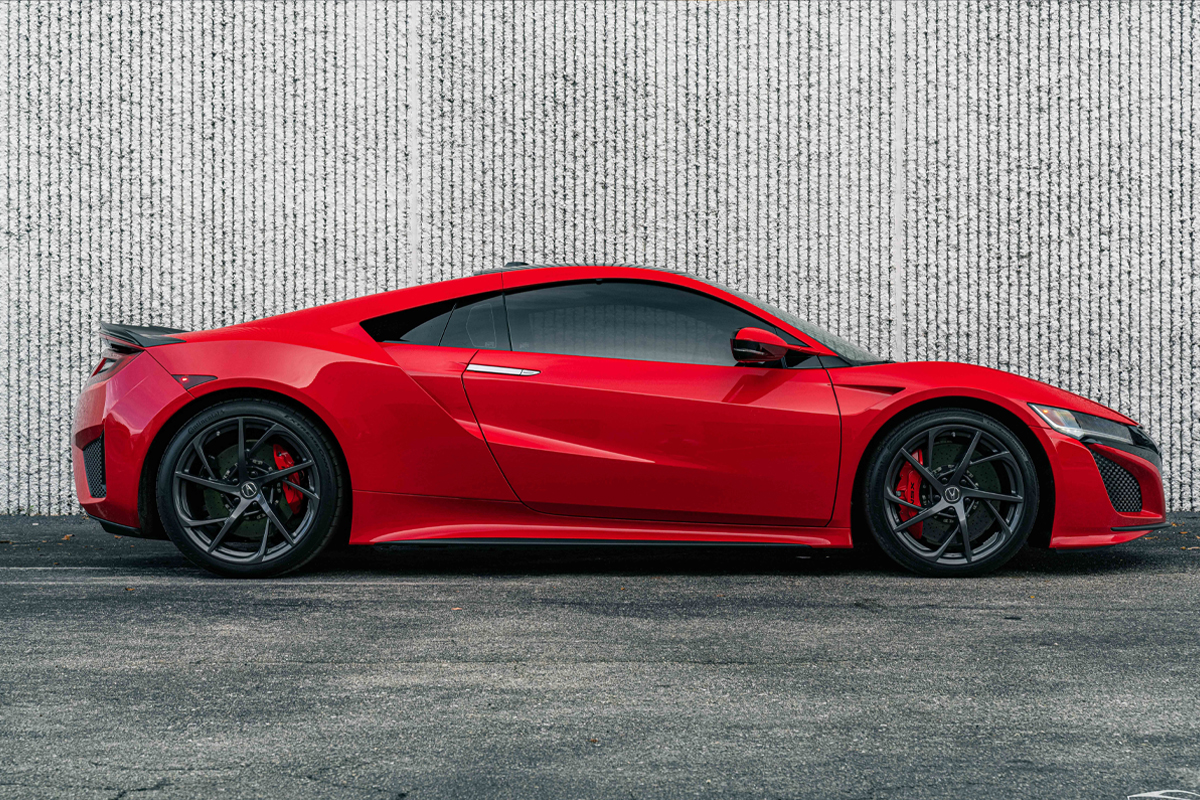
The launch of the 2017 Acura NSX represented a significant milestone for Acura, signaling its ambitious return to the high-performance sports car market.

This move was significant, as it followed the legacy of its iconic predecessor, the first-generation NSX, a vehicle that was celebrated for setting new standards in the realm of sports cars with its balanced performance, advanced technology, and accessibility.

The new NSX was tasked with the huge challenge of not only living up to but also surpassing the reputation of original NSX.

Positioned as a technological marvel within Acura’s lineup, the 2017 NSX was designed to showcase the brand’s engineering capabilities and commitment to innovation. It distinguished itself with its hybrid powertrain, a departure from the conventional sports car formula.

This system combined a twin-turbocharged 3.5-liter V6 engine with three electric motors, delivering a combined output that challenged the performance benchmarks of its competitors.

The NSX’s powertrain is linked to a 9-speed dual-clutch transmission and Acura’s sophisticated Sport Hybrid Super Handling All-Wheel Drive (SH-AWD) system, providing an exhilarating driving experience that was both dynamic and impressively efficient.

With its cutting-edge design, embracing both aerodynamics and aesthetics, the 2017 NSX quickly carved out its niche as a supercar that was not only thrilling to drive but also groundbreaking in its approach to blending performance with environmental consciousness.

Featuring a design that seamlessly merges beauty with utility, Acura’s careful eye for detail is evident. Smooth aerodynamics are accentuated by crisp lines and gently sculpted contours, offering a look that’s stylish yet assertive.

This design not only contributes to the NSX’s striking aesthetic but also enhances its performance by optimizing airflow around the vehicle, thereby improving stability and efficiency at high speeds.

Inside, the interior is crafted with premium materials and is designed to wrap the driver and passengers in luxury, while also positioning controls and displays for optimal ergonomics.

This thoughtful design ensures that the NSX is as enjoyable for daily commuting as it is exhilarating on the track or during spirited weekend drives.

Among its rivals, the NSX finds itself in the company of esteemed sports cars such as the Porsche 911 Turbo, Ferrari 488, Lamborghini Huracan, and the Audi R8 V10. Each of these models brings its own strengths to the table, but the NSX distinguishes itself through a unique blend of Japanese innovation and supercar performance.

The NSX is packed with advanced technology, from its hybrid engine to modern safety and connectivity features. This combination of innovation and performance makes the 2017 Acura NSX a standout supercar, blending excitement, efficiency, and practicality.

Model Changes (Breakdown by Year)

2017 Acura NSX

The 2017 model is the first full year of production for the NSX.

Equipped with a 3.5L twin-turbo V6 engine and three electric motors delivering a combined 573hp, showcasing the pinnacle of hybrid performance technology.

The starting price was around $156,000, making it a bargain and attractive price against it’s competitors in this segment. 

2018 Acura NSX

For the year 2018, there was no updates made on the Acura NSX.

The NSX’s base price is maintained at $157,800 for 2018, with no changes from the 2017 model year, indicating Acura’s confidence in the vehicle’s value proposition as a hybrid supercar that can be used daily.

2019 Acura NSX

In 2018, the NSX underwent significant enhancements with a focus on boosting its performance capabilities. These upgrades included the introduction of stiffer stabilizer bars to improve its handling dynamics.

Additionally, the software for the SH-AWD system, powertrain, and active dampers was fine-tuned for better responsiveness. A striking new Thermal Orange Pearl paint color was introduced, adding to its visual appeal.

The vehicle was also equipped with standard carbon ceramic brakes, enhancing its braking performance. 

A new tire option was made available, further optimizing its driving experience. Minor updates were made to the infotainment system, improving user interaction and connectivity.

These comprehensive upgrades were designed to refine the NSX’s overall driving experience. The combination of mechanical and software updates ensured a more engaging drive. Overall, the 2018 NSX set a new standard for high-performance sports cars with these thoughtful enhancements.

The price of the 2019 Acura NSX started at $159,300.

2020 Acura NSX

For the year 2020, the NSX remains largely unchanged from its 2019 iteration.

Potential buyers can choose from a palette of vibrant exterior colors, including the new-for-2020 Indy Yellow and Thermal Orange, with each special color commanding a $1,000 premium.

Interior customization is also flexible, with no additional cost for choosing among various color schemes. For those inclined towards track days, the NSX offers carbon-ceramic brake rotors at a steep $9,900 ($10,600 with colored calipers), a worthwhile investment for improved performance.

Starting price for the 2020 Acura NSX was $159,495.

2021 Acura NSX

For the year 2021, the NSX remains largely unchanged from its 2020 iteration.

Acura introduced Long Beach Blue Pearl as a new color option for 2021, commemorating its sponsorship of the Grand Prix of Long Beach.

2022 Acura NSX

For 2022, its final model year of the Acura NSX Type S was released. The NSX Type S is designed for practical daily driving with modes ranging from a quiet, electric-only mode to more aggressive Sport Plus and Track modes for enhanced performance. 

As a final model year, the NSX received styling updates, such as tweaked front-end styling and the addition of Type S badging.

These updates were part of the enhancements made for its final model year, aimed at distinguishing the Type S variant with a more aggressive and updated aesthetic compared to previous versions of the NSX. 

The Type S also introduced special badging and elevated its power to 600 hp, yet its exclusivity is underscored by the limited availability of just 300 units in the U.S.

Additionally, it offered a variety of exterior color options and interior color schemes, though opting for certain upgrades, such as carbon-ceramic brake rotors, would incur additional charges.

2022 will be the NSX’s last model year before it’s discontinued and the starting price was $171,495.

Acura NSX Common Problems

The Acura NSX proves that this luxury brand can compete in a performance-driven world without sacrificing the reliability it’s known for.

However, it is essential to keep in mind that all cars, even supercars, can have issues and it is crucial to perform a Pre-Purchase Inspection (PPI) from an authorized dealer or experienced independent mechanic to reveal all issues.

Battery Drain: A notable number of 2017 Acura NSX owners have reported experiencing premature battery failures. This problem leads to a loss of electrical power assistance, rendering the vehicle devoid of crucial electrical functionalities and significantly increasing the risk of incidents while driving.

Brake Rotor Damage: There have been multiple instances where the carbon-fiber brake rotors on the NSX have shown signs of cracking. Such damage results in producing harsh grinding noises and a marked reduction in braking performance, compromising vehicle safety.

Suspension Noises: Several drivers have pointed out that the NSX’s suspension tends to emit rattling sounds during acceleration or when traversing over uneven road surfaces. This issue not only affects ride quality but also raises concerns about the durability of the suspension components.

Inconsistent Panel Alignment: Some individuals have raised concerns over irregular panel gaps, particularly around the doors. This flaw can lead to water ingress into the cabin, potentially damaging the interior and affecting the vehicle’s overall integrity.

Door Rattles: Reports have surfaced of the doors rattling at highway speeds, with the noise primarily emanating from the areas around the locks and hinges. This not only serves as a distraction to the driver but also raises questions about the long-term reliability of these components.

Recalls

2017-2020 Acura NSX Vehicles

Fuel system, gasoline: Delivery: Fuel pump (Recall no. 23V858000)

The fuel pump inside the fuel tank may fail. Fuel pump failure can cause an engine stall while driving, increasing the risk of a crash.

2018-2019 Acura NSX Vehicles

Fuel system, gasoline: Delivery: Fuel pump (Recall no. 20V314000)

The low-pressure fuel pump inside the fuel tank may fail. If the fuel pump fails, the engine can stall while driving, increasing the risk of a crash. This recall affected 2018-2019 Acura NSX vehicles.

2017 Acura NSX vehicles

Exterior lighting: Brake lights (Recall no. 18V599000)

Road vibrations may cause the metal screws that secure the printed circuit board for the high mounted center brake light to loosen and contact the circuitry, possibly resulting in the brake light fuse blowing and the brake lights not functioning. This recall affected 2017 Acura NSX vehicles.

2017-2018 Acura NSX vehicles

Fuel system, gasoline: Storage: Tank assembly (Recall no. 18V600000)

The crossover pipe couplers between the left and right fuel tanks may leak. A fuel leak in the presence of an ignition source can increase the risk of a fire.

Maintenance and Ownership Costs

Relative to other high-performance supercars, the Acura NSX is known to have lower maintenance needs, in line with Honda’s reputation for reliability.

However, it is important to remember that regular maintenance and repairs will still be necessary, and the costs can vary depending on whether you take your car to a dealer or an independent mechanic.

Here is the suggested service schedule and intervals per Acura:

BASIC SERVICE Every 5,000 Miles

  • Check installation of driver’s floor mat

  • Check State Inspection expiration date

  • Check for open campaigns/recalls

  • Replace engine oil and filter

  • Rotate tires and check condition (tread depth)

  • Set tire pressures to correct PSI

  • Check that all exterior light bulbs are functioning

  • Inspect front and rear brake components

  • Inspect and top off fluid levels

  • Perform multi-point inspection with print-out

  • Road test of vehicle

INTERMEDIATE SERVICE Every 15,000 Miles

Includes Basic Service, Plus:

  • Inspect condition of drive axle boots

  • Check condition of brake fluid

  • Check transfer case and differential fluids

  • Check operation of cooling system and/or indication of coolant leak

  • Complete inspection of steering and suspension components

  • Complete inspection of exhaust system

  • Inspect air filter

  • Inspect wiper inserts/blades

  • Inspect cabin air filter (if applicable)

  • Lubricate propeller shaft (where applicable)

  • Inspect fuel lines and charcoal canister

  • Reset maintenance/tire pressure warning lights

MAJOR SERVICE Every 30,000 Miles

Here is a rough estimate of typical service costs for the Acura NSX:

  • Oil Change – Around $350 at independent shops and up to $500 at dealerships.

  • Minor Service – This service usually includes an oil change, replacement of cabin and engine air filters, and can cost approximately $800 at a dealership.

  • Major Service – Including everything in a minor service plus spark plug replacement, brake fluid flush, and transmission fluid change, you might expect to pay about $1,800 at a dealer.

  • Tires – A set of high-performance tires suitable for the NSX, such as the Michelin Pilot Sport 4S, could be around $1,500.

  • Brakes – The NSX uses high-quality brake components; a full set of aftermarket brake pads comparable to the original equipment might cost around $700.

  • Clutch – Given the NSX’s advanced dual-clutch transmission, typical maintenance does not usually involve clutch service, anticipating minimal to no cost in this area assuming normal usage and conditions.

Options List

In terms of factory option packages, the 2017 Acura NSX provides a range of choices for potential buyers. The Carbon Fiber Interior Sport Package includes components such as a carbon fiber-covered meter visor, steering wheel garnish, aluminum sport pedals, and footrest.

On the other hand, the Carbon Fiber Exterior Sport Package offers additions like a carbon fiber front spoiler, side sills, rear diffuser, and a dark chrome exhaust finisher. 

Additionally, the Technology Package incorporates advanced features such as the ELS Studio Audio System, Acura Satellite-Linked Navigation System, AcuraLink connectivity, and front/rear parking sensors.

Apart from these factory packages, the vehicle also allows for stand-alone factory-installed features. These include options like a carbon fiber roof, engine cover, rear decklid spoiler, carbon-ceramic brake rotors, exclusive interwoven wheels, Alcantara headliner, and semi-aniline leather seats, among others.

In terms of exterior customization, buyers can choose from a variety of color options. These include standard, pearl, metallic, and Andaro choices, with many of them drawing inspiration from famous racetracks.

Additionally, it’s worth noting that in the year 2020, the Acura NSX introduced new color options, including Indy Yellow and Thermal Orange, expanding the range of choices for buyers. In the same year, carbon ceramic brakes were also made available as an option.

Furthermore, in 2021, Long Beach Blue Pearl was introduced as another color option, further enhancing the array of choices for customization.

Here are some examples of option changes:

2017 Acura NSX Options List

2019 Acura NSX Color and Interior Options

2020 Acura NSX Options List

Some of the more desirable options to look for include:

  • Optional colours like the Indy Yellow, Thermal Orange and Long Beach Blue Pearl are desirable

  • Carbon ceramic brakes

  • Carbon fibre package (roof, engine cover, rear spoiler)

  • Optional interwoven wheels

The Best Acura NSX to Buy

When it comes to buying a NSX, there are a few key factors to consider that can affect the car’s long-term value.

The 2022 NSX Type S, which is the ultimate performance variant, is expected to be among the NSX models that are likely to appreciate in value.

 Notably, this car stands out not only as the most powerful but also due to its exclusivity, with only 300 units available for the U.S. market. It will be a future collector car. 

In the case of the 2017 NSX, it experienced a higher frequency of complaints and found itself subjected to a couple of recalls. These specific issues are the primary factors we would advise potential buyers to consider when evaluating their options, as they may want to explore alternatives to the 2017 NSX.

It’s essential to make an informed decision, taking into account both the model’s strengths and its track record to ensure a satisfying ownership experience.

In terms of market stability, your best bet would be a 2018-2022 NSX, as the issues that were present in the 2017 model have been addressed, and you are getting the best version of the car with a good opportunity to enjoy both improved performance and overall reliability.

However, as a whole, all NSX’s will remain a strong purchase simply because of their reputation for being extremely well-built and reliable vehicles. These cars have a proven track record for being mechanically sound with few major issues.

It is important to remember, the condition and mileage of the car are also important factors to consider when buying a NSX. There are many that have been driven hard and have been highly modified.

But the ones that are more likely to retain their value in the long run and will fetch the most money will be a well-maintained car with low mileage.

Therefore, it’s important to do your research, compare prices, and look for well-maintained cars if you are considering purchasing an NSX with the goal of not losing any money.

Conclusion

In conclusion, when considering supercars in the price range of around $130,000 or more, the Acura NSX emerges as a compelling option for a first-time supercar owner due to its reliability and performance.

While there are other sports cars such as the Porsche 911 Turbo, Ferrari 488, Lamborghini Huracan, and the Audi R8 V10, the NSX distinguishes itself with its cutting-edge technology, unmatched comfort, user-friendly design, and consistent performance. 

To sum it up, if you’re in the market for a supercar, the NSX stands as a top-tier choice that promises a satisfying and unforgettable driving experience.

Car Hacking Shortcuts

  • NSX Type S will be a future collector car. 

  • Aim for 2018 and above NSX.

  • Carbon Fiber Exterior Sport Package is desirable.

  • Carbon ceramic brake was an expensive option. 

  • Look for well-maintained, low miles Huracan.


Source link

Heaviest Electric Vehicles of 2024

0


Heaviest Electric Vehicles of 2024

Quick Facts About Electric Vehicle Weight

If you wonder why weight carries, well, in a discussion of electric vehicles (EVs), it’s because the weight in any vehicle affects everything from range to insurance cost to tire wear. The immense weight is also a safety concern. Moreover, among the things EVs have in common is excess weight. Despite a vehicle with an internal combustion engine (ICE) lugging a fuel tank loaded with gas, comparing an EV with a comparable ICE vehicle reveals the EV will weigh more. Why? Because of that hefty battery array electric vehicles must haul around. So, what impact does all that extra mass have? Read on. We’ll list a handful of the heaviest EVs and tell you about the adverse effects of excess weight.  

Curb Weight: EV vs. ICE

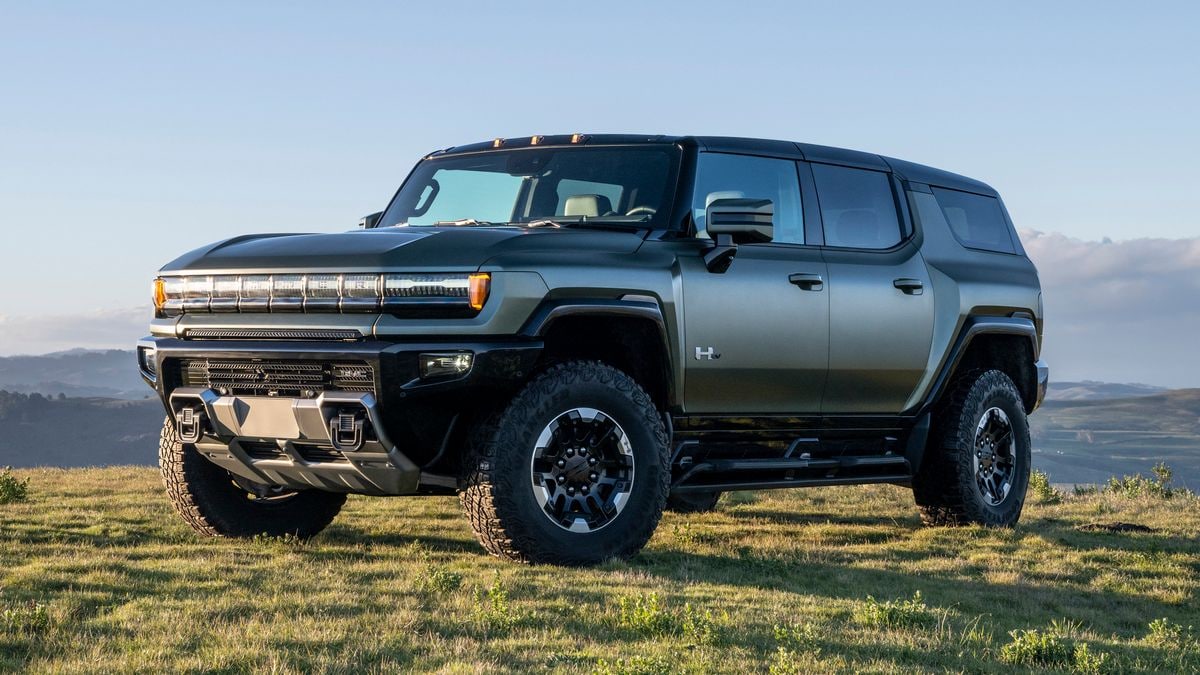
The average electric battery weight is around 1,000 pounds. That’s almost exactly the weight of the battery in the subcompact Kia Niro EV and Tesla Model 3. Then there’s the GMC Hummer EV Pickup. According to Axios, a sister publication to Kelley Blue Book, the Hummer’s EV battery tips the scales at around 2,900 pounds. Comparing those battery weight numbers with an ICE vehicle’s 13-gallon fuel tank filled with 6-pounds-per-gallon gas, totaling 78 pounds, reveals the impact of an EV battery on curb weight. An EV will outweigh a comparable ICE vehicle every time.

What Is Curb Weight?

Curb weight is the pure weight of the vehicle unburdened with cargo or occupants. However, for ICE vehicles, it does include a full complement of fluids: gasoline, oil, radiator water, windshield washer fluid, and so on.

The Heaviest Electric Vehicles

Here, we break out a few statistics, including estimated curb weight, for some heavier EVs. Remember that the weights are estimates and fluctuate depending on range variations within any given model.

Electric Vehicle Weight: What Are the Downsides?

Does it make any significant difference that EVs weigh hundreds, if not thousands of pounds, more than ICE vehicles? Yes, and for some reasons that aren’t totally obvious. Whenever we put in some time behind the wheel of an EV — any EV — we marvel at how effortlessly it seems to accelerate. Consequently, we occasionally forget just how heavy it is. However heavy, that extra weight carries consequences from safety concerns, car insurance costs, and more.

1. Stopping Distances

A safety concern with heavy electric vehicles is their stopping distances. The heavier the EV, the longer it takes to stop. According to the Insurance Institute for Highway Safety (IIHS), though EVs are safer for the driver and passengers, they generally pose safety threats to other vehicles, pedestrians, and bicyclists as designed. See below how it impacts your insurance costs.

2. Car Insurance Costs

Among the hidden costs of EV ownership is inflated insurance premiums. There are two reasons for the added cost. An electric car’s powertrain components — particularly the battery system, which can cost up to $30,000 or more to replace — than that of a gas-fueled vehicle. Also, the magnified weight of the EV will increase the damage to other vehicles (or stationary objects) in a crash, therefore increasing liability claims. A finding of the National Bureau of Economic Research is that a 1,000-pound increase in the weight of a vehicle increases the probability of a fatality from a crash by 47%.

PRO TIP: Although you can expect to pay more to insure an EV, it probably won’t be painfully more. Forbes Advisor says the average difference is roughly $100 per year.

3. Lagging Highway Infrastructure

We don’t need a government report to recognize the market trend toward SUVs and trucks translates into the average weight of a vehicle on U.S. roads today being greater than 20 or 30 years ago. Packing their extra 1,000 pounds of heft, EVs are certainly doing their part to push that average weight even higher. A formula developed by the American Association of State Highway Officials in the 1950s and still used today, the Generalized Fourth Power Law, calculates the ratio between vehicle weight and pavement damage. Spoiler alert: The heavier the vehicle, the more it damages the pavement.

Only about 4% of vehicles on the road today are EVs, but the experts at the Edison Electric Institute expect that number to jump to 10% by 2030. Many of today’s paved streets and roads may not withstand the additional wear and tear. Moreover, concerns are growing that even the guardrails we see along roadways may not be strong enough to perform adequately as corpulent EVs increase in population. Likewise, it remains to be seen if structures like parking garages will accommodate the additional tonnage.

4. EV Tires: How They Wear

An electric vehicle’s tires wear more rapidly than a gas-fueled vehicle’s. According to the radio program Science Friday, the wear rate can be as much as 20% faster than tires on a gas-fueled vehicle. Some tire manufacturers attempt to address this by developing sturdier specialty tires for the electric car market.


Source link