Nissan has announced two new special editions that join the 2024 GT-R lineup. They feature some of the most desirable colors from the GT-R’s past, including the iconic Bayside Blue that was first featured on the R34-generation Skyline GT-R.
BMW is out testing a prototype that’s likely to be the next-generation iX3. The vehicle is thought to be one of the Neue Klasse EVs that BMW plans to roll out in the coming years, and it should offer a lot more range than the current iX3 thanks to the adoption of BMW’s latest battery designs.
Honda and Nissan have confirmed they’re looking to partner in the areas of electric vehicles and software development. It’s still the early days, but the partnership may lead to the two automakers’ future EVs sharing key components.
You’ll find these stories and more in today’s car news, right here at Motor Authority.
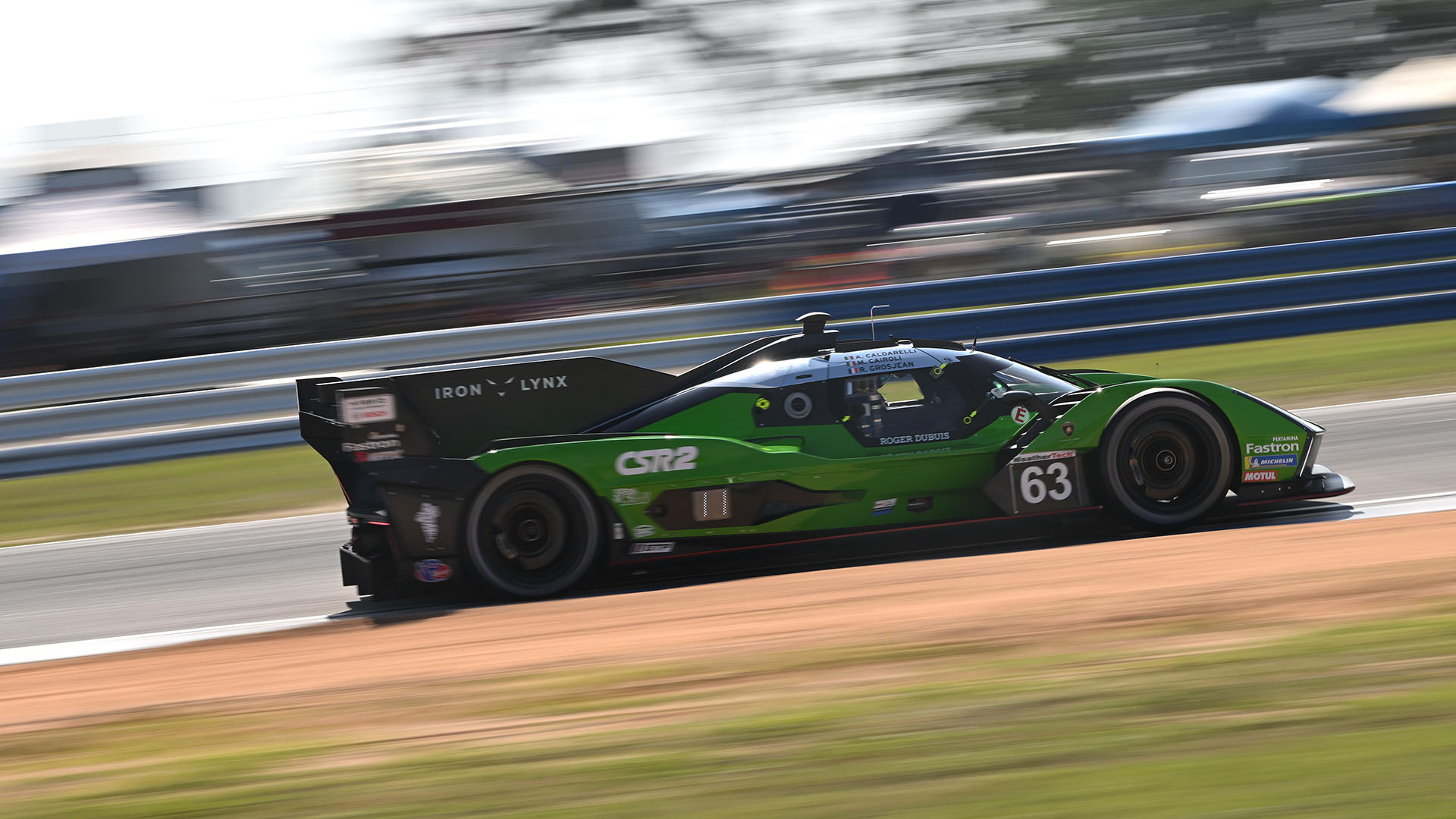
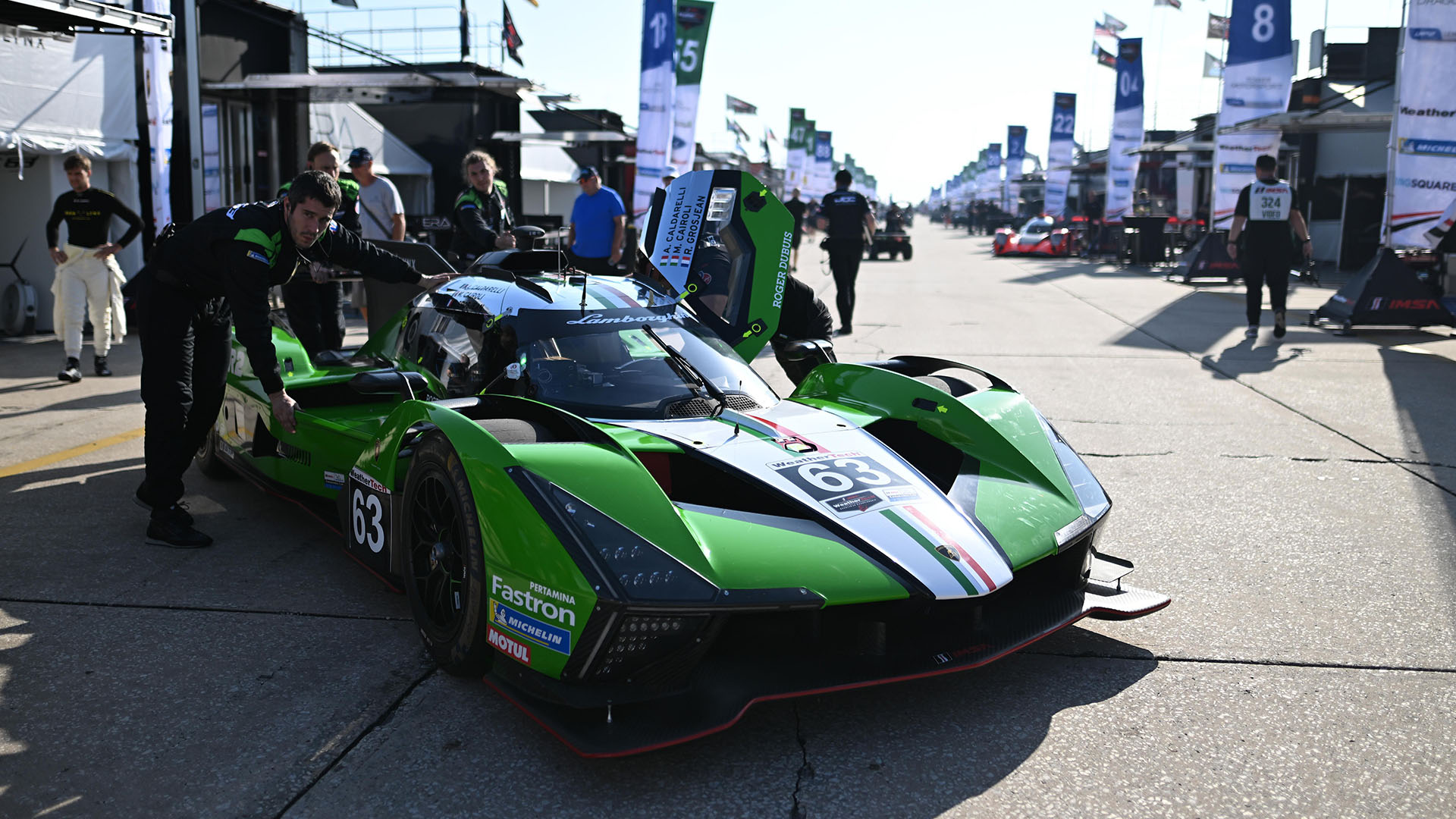
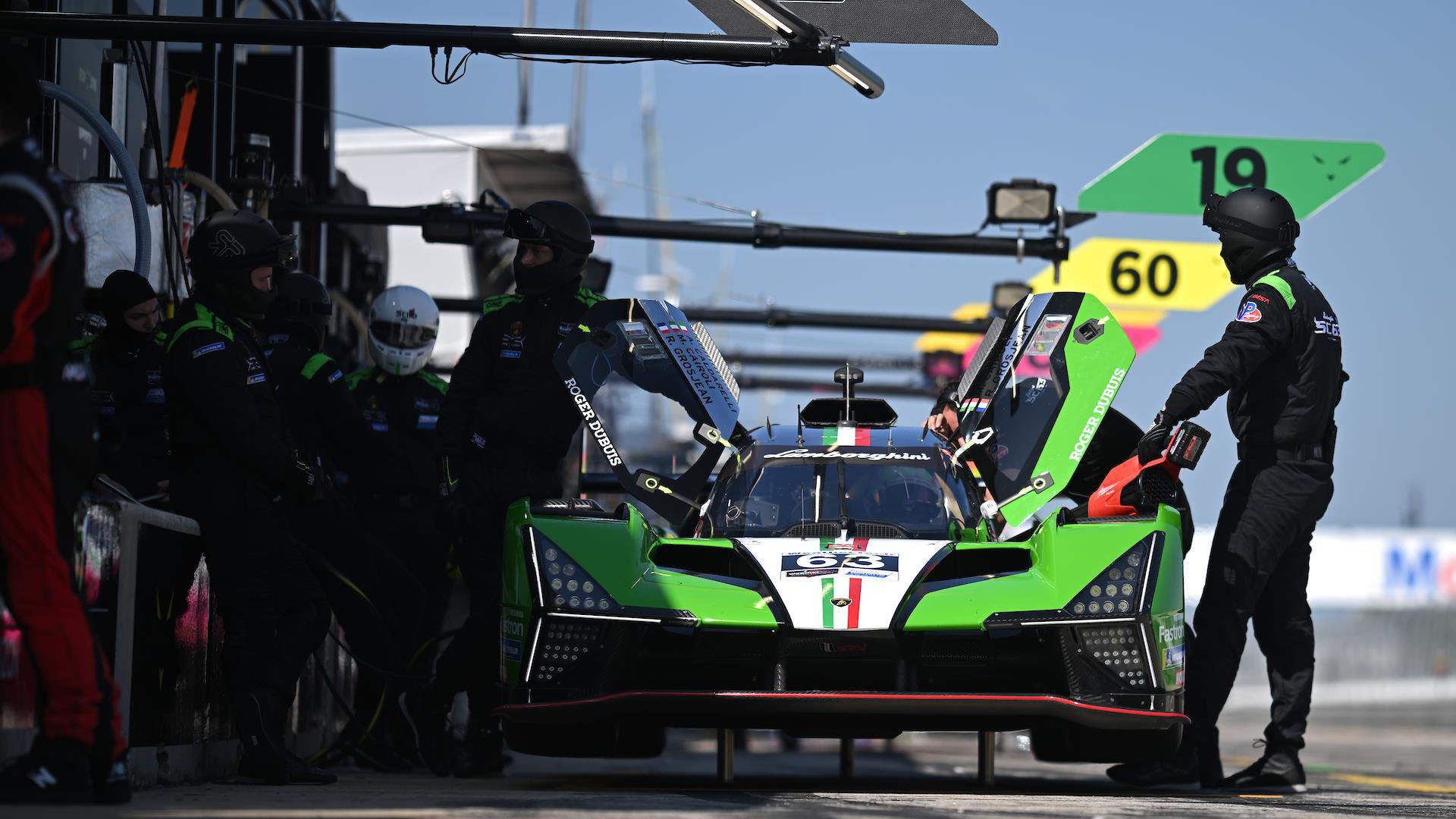
Lamborghini Iron Lynx will take part in the GT Prototype class of the IMSA WeatherTech SportsCar Championship for the first time this weekend as the SC63 LMDh makes its US debut in the 12 Hours of Sebring.
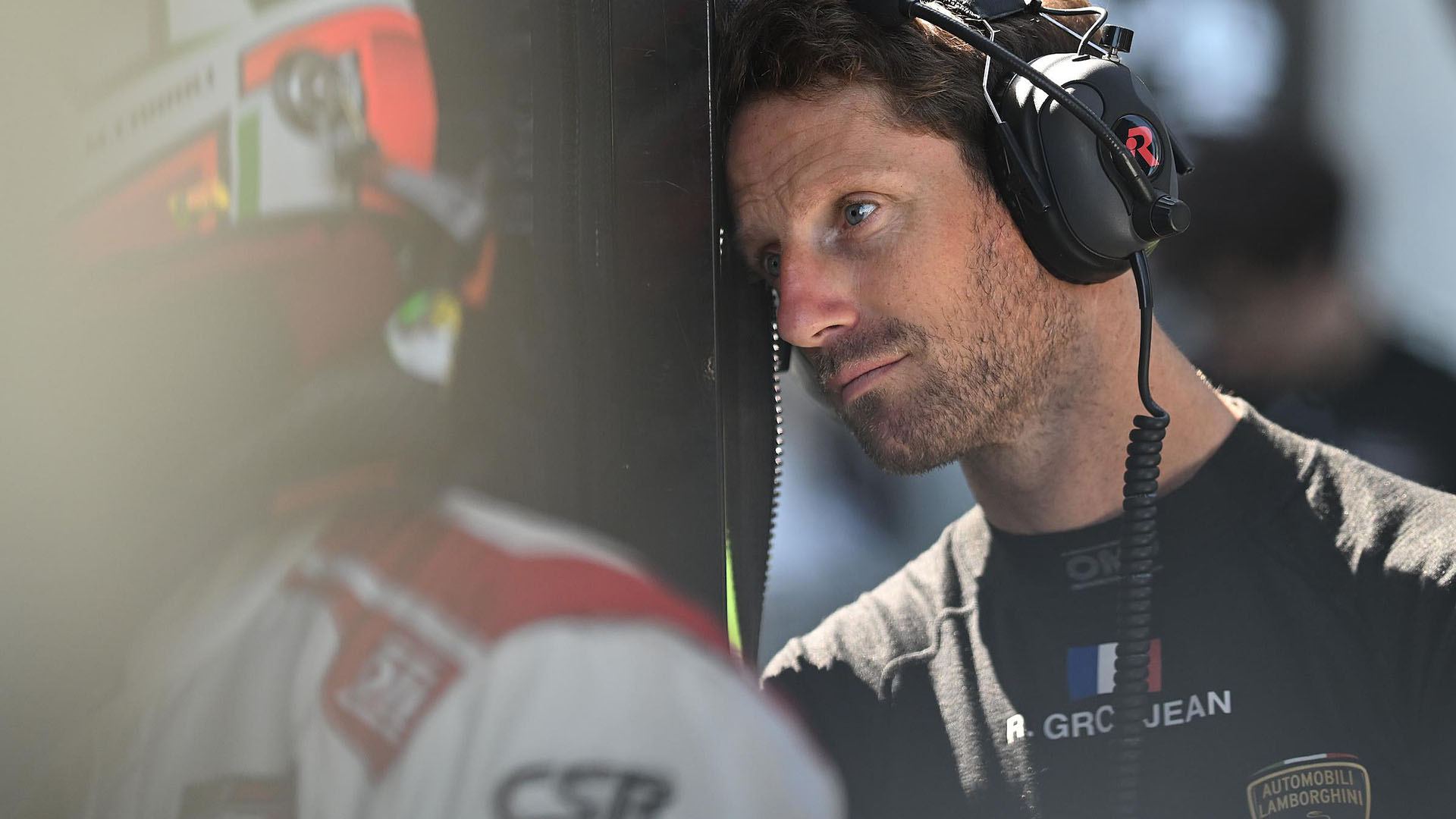
Having made its competitive bow in Qatar a fortnight ago, the SC63 will take on a completely different challenge in Florida, with the notorious bumps of the former airfield requiring a vastly altered setup to the one used during the opening round of the FIA World Endurance Championship. At the wheel of the #63 machine, this weekend will be Lamborghini Squadra Corse factory drivers Matteo Cairoli, Andrea Caldarelli, and Romain Grosjean, who will make their race debuts in the SC63.
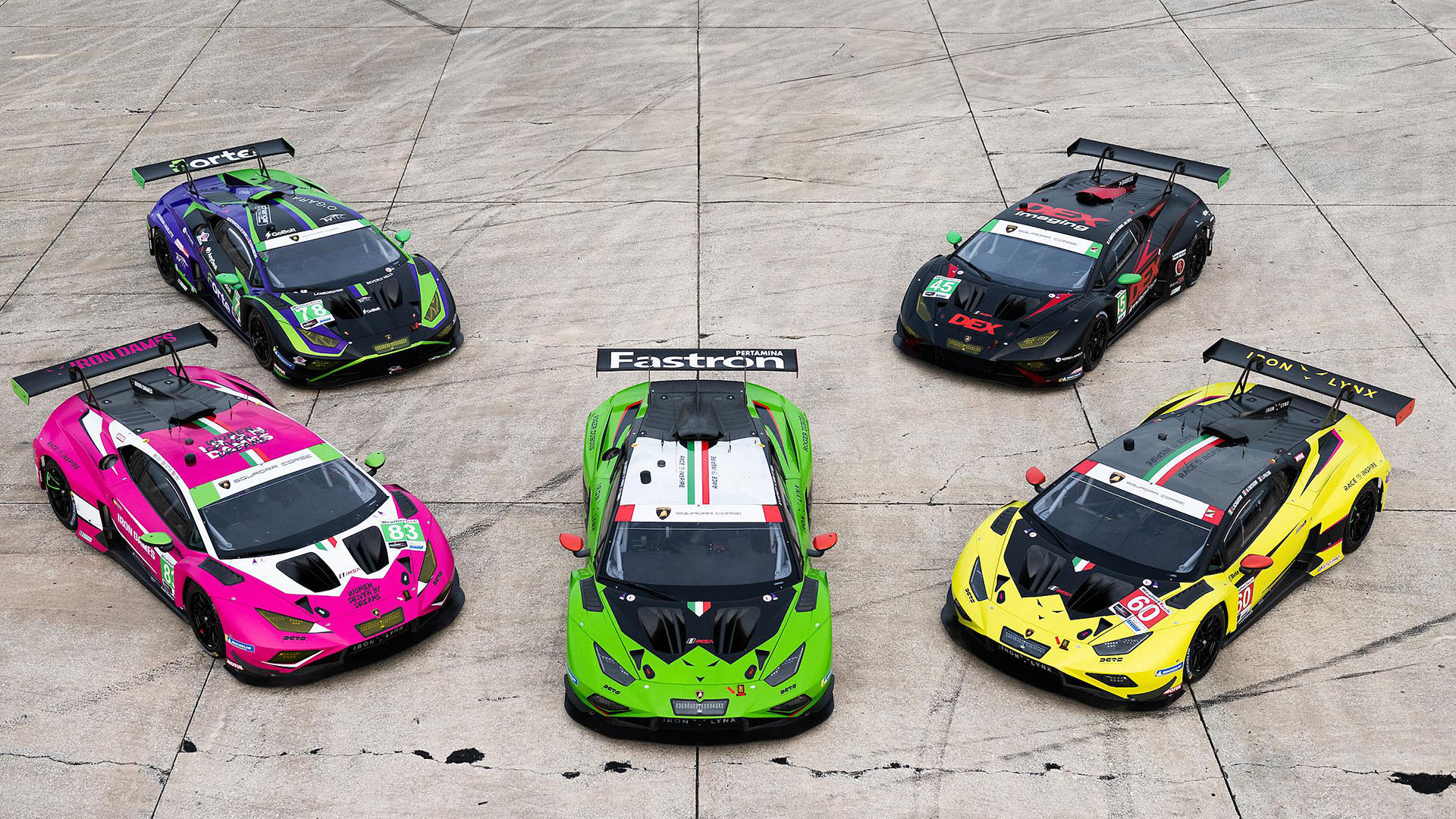
Joining the GTP class on the grid for the grueling endurance event, which forms part of the Michelin Endurance Cup, is a quintet of Lamborghini Huracán GT3 EVO2s. As in Daytona for the season’s opening round, four crews will contest the GT Daytona (GTD) class, with two cars in GT Daytona Pro (GTD Pro).
The team heads into the Sebring round with the same goals as they did in Qatar, namely focusing on reliability and learning more about the car while improving overall performance. The former was particularly positive in Qatar, where the SC63 reached the finish of the 10-hour race, completing a total of 330 laps. In addition to the recent long-distance achievement of the car, the #63 crew will also arrive at Sebring with some knowledge of the track in advance, having participated in a group test last month.
The 6.019km (3.741 miles), 17-turn Sebring International Raceway is one of the most demanding circuits on the IMSA calendar, with the change of surface and variation of corners presenting innumerable challenges for the crews. For the Lamborghini Iron Lynx team, the engineering challenge is also at the forefront, with significant alterations to suspension and ride height settings required to withstand the natural bumps and undulations of the circuit over 12 hours. Therefore, further learning and data gathering will be the primary aim for the Lamborghini Squadra Corse engineers and technicians across the weekend, as the LMDh project continues its journey.
The Sebring 12 Hours has been a happy hunting ground for Lamborghini in the GTD class over the years, with Grasser Racing Team winning the 2019 edition, completing the unofficial 36 Hours of Florida following its victory in the Daytona 24 Hours. Lamborghini, courtesy of TR3 Racing, also finished on the podium with second in 2021. Iron Lynx will field a single Lamborghini Huracán GT3 EVO2 in the GTD Pro class, with Franck Perera, Jordan Pepper and Mirko Bortolotti at the wheel of the #19 car. Meanwhile, the #60 will again feature Claudio Schiavoni and Matteo Cressoni, with the pair joined by Leonardo Pulcini.
In GTD, the #83 Iron Dames machine remains largely unchanged, with Michelle Gatting, Sarah Bovy and Rahel Frey lining up together. The full-season entries of Forte Racing and Wayne Taylor Racing with Andretti are also contenders for class victory. Devlin Defrancesco, Misha Goihkberg and Loris Spinelli will look to avenge a disappointing Daytona round for Forte, while Kyle Marcelli, Graham Doyle and Danny Formal partner again for WTR.
The weekend at a glance
Competitive action begins on Thursday morning with the first of three free practice sessions scheduled to take place at 10:05, with the second session held at 15:05. The final session will begin at 19:45. All sessions will run for 90 minutes. The grid will then be set on Friday with qualifying, split by GTP and GTD classes, starting at 12:50. The 12 Hours of Sebring takes centre stage on Saturday morning, with the green flag dropping at 09:40.
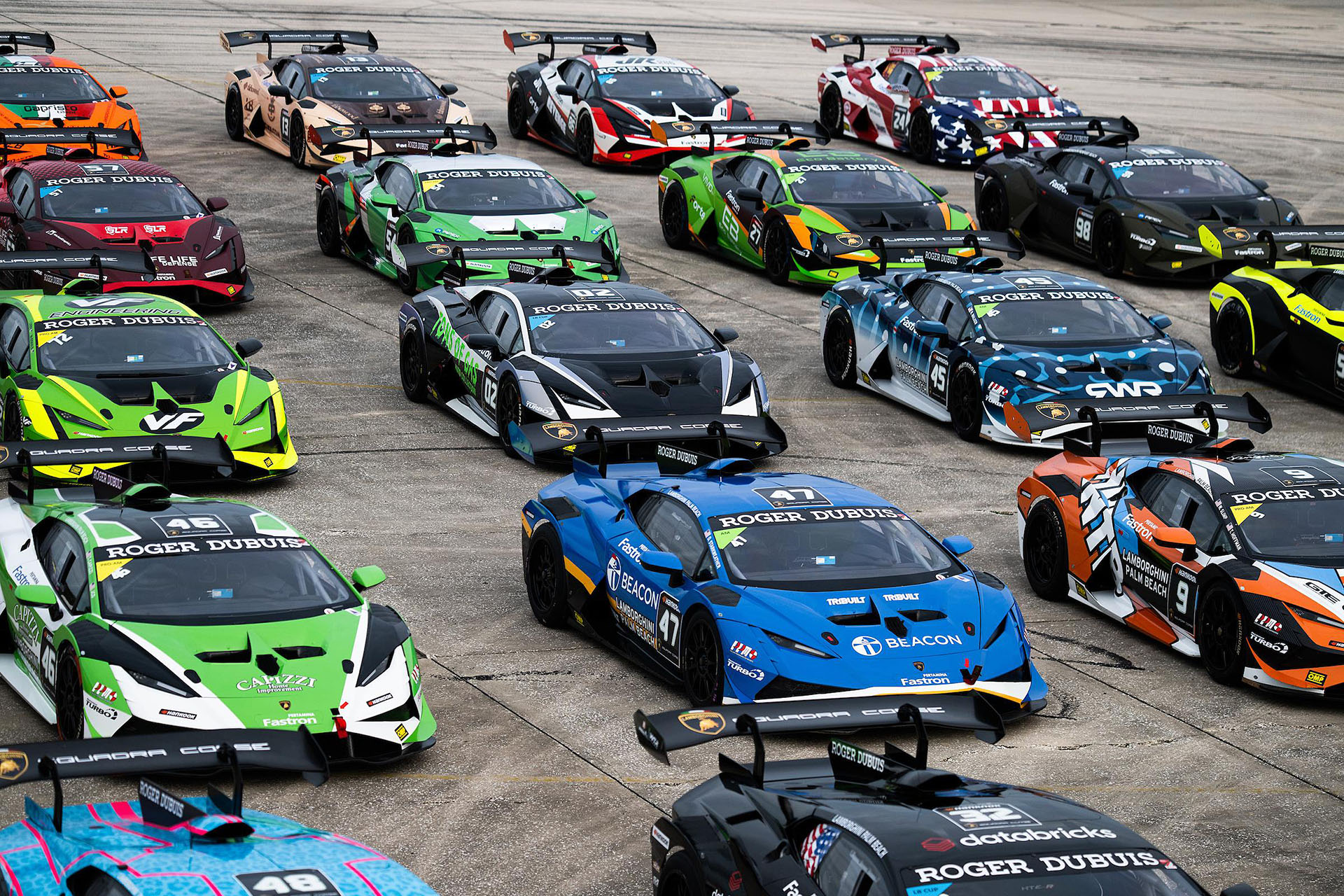
The weekend will also mark the opening round of the Lamborghini Super Trofeo North America one-make championship, the 12th season of the one-make series organised by Squadra Corse. Both 50-minute races will be livestreamed on the official Lamborghini Squadra Corse YouTube channel and IMSA TV.
We drove the 2024 Lincoln Nautilus, the Rivian R1X trademark surfaced, and the timeline for a Porsche 911 hybrid became clear. It’s the Week in Reverse, right here at Motor Authority.
We drove the 2024 Lincoln Nautilus and found it steps up the screens while delving a half-step into the electrified future. The hybrid is efficient, and the entire package delivers a relaxing experience.
The 2026 Rolls-Royce Ghost Series II began cold-weather testing on public roads. The updated luxury barge sported revisions to its front bumper and lighting elements. A debut in 2025 is expected.
A Rivian R1X could be bound for production. Rivian filed a trademark application with the United States Patent and Trademark Office (USPTO) for the R1X name. The 1 likely indicates a small size, while the X could signify it’s a performance-oriented model.
The 2025 Polestar 3 will cost $74,800 when it arrives this summer. Polestar detailed the electric luxury crossover SUV’s lineup and prices, which included a $10,500 price drop from the originally stated $85,300. Every Polestar 3 will feature a dual-motor powertrain with all-wheel drive.
The Porsche 911 hybrid variant will debut this summer. The automaker confirmed the reveal of the electrified version of the iconic sports car is now just a few months out after discussing the model for years. The 911 hybrid is expected to focus on performance rather than efficiency and not feature a plug.
Find our content helpful? You can support the BFT team by making your gear, apparel, and travel purchases through the affiliate links in this blog post. We get a small commission with no added cost to you. You can also say thanks by leaving a tip in our virtual tip jar. THANK YOU!
While you may not be chomping at the bit to go hiking in the rain, knowing how to stay dry and comfortable in bad weather is an important trail skill. You never know when you might get caught in a storm.
Or, maybe, you choose to go hiking in the rain! A few years ago, Ryan and I were up in Stanley, Idaho and the forecast called for rain our entire trip. Embracing the wet weather was our only option unless we wanted to be stuck inside our van for a week straight. So, we geared up in our rain gear and hit the trails!
Or there was the time when I organized a group backpacking trip to Alaska and the weather was less than stellar. Without the right preparation (and attitude), it could have been a miserable experience. Instead, our group took the necessary measures to stay dry and we had a blast and came home with a newfound love and confidence for rainy-day hiking.
In this guide, I share tips for hiking in the rain that will help you embrace your time outdoors, no matter the weather. You’ll be pleasantly surprised that with the right rain gear and the expert tips found below, you can get outside and have fun even on the wettest of days.
Sponsored by REI Co-op
REI Co-op is our favorite outdoor gear retailer and a long-time supporter of our work here at Bearfoot Theory. We appreciate their 1-year return policy, their Member-only coupons, and the fact that REI Members receive 10% back on their purchases every year. We only recommend products we truly love and think you will love too.
Basic Tips for Hiking in the Rain
Hiking in the rain requires a little extra preparation than a sunny day hike because you need to take extra safety precautions to prepare for the harsh elements. Here are some basic tips for getting started with hiking in the rain.
1. Choose the right trail
Skip the views
Choosing which trail or area to hike is the first step in having a successful wet-weather adventure. On rainy days, you won’t be able to see expansive views, so a summit hike isn’t your best bet (especially if there’s a risk of lightning).
Instead, explore a trail through the forest, alongside a river, to a waterfall, or to a lake. These trails are great on wet days because they usually don’t feature big viewpoints, so you won’t feel like you are missing out.
Choose a hike where expansive views aren’t the main attraction
Choose a goal
You should also consider what you want to get out of your rainy day hike. For example, are you looking for exercise or relaxation? Are you going alone or with friends? What your goals are will help determine where you should go.
If you’re seeking exercise and it’s super wet outside, it’s smart to hit a trail that isn’t overly steep or rocky so you can hike without too much risk of slipping.
If you’re hoping to relax, I suggest choosing a trail that meanders through a forest so you can enjoy the relaxing rain sounds.
Whatever you choose, pick a shorter trail that can be completed within a few hours or half a day. That way, if the weather turns south you’re not too far from the trailhead.
Do your research
On that note, it’s good practice to read up on the specific trail before heading out. This is important because if the views are skewed, you want to make sure you have your bearings, so you don’t get lost.
If it’s super steep, or there are creeks to ford, or if it’s prone to flooding, it’s probably best to save it for a dry day. The same goes for thunderstorms.
Download my FREE Outdoor Trip Planning Toolkit
Enter your email to get access to printable PDF packing checklists, itineraries, and more.
2. Check the weather – and don’t go out if there’s lightning
If there’s lightning, it’s not safe to be outside. So check the weather before you head out for your hike to see if thunderstorms are to be expected. If they are, take a raincheck or wait to see if the weather clears up in a few hours.
If you do find yourself out in the middle of a storm with lightning, you don’t want to be exposed on any ridges, peaks, or open areas. Basically, you don’t want to be the tallest thing in your vicinity since lightning is attracted to tall objects.
Ideally, you want to go straight back to your car, but if that’s not possible, you’ll want to head down into the forest and position yourself away from the biggest trees.
Get rid of your trekking poles and any other metal objects and crouch down with the balls of your feet flat on the ground.
3. Pack a communication device
For an added safety measure, consider carrying a satellite communicator like the Garmin inReach Mini 2 Satellite Communicator or the Zoelo. These small handheld devices have 2-way texting, SOS, and location sharing. If you plan to hike in an area with spotty cell service, a GPS device could be a life-saving piece of equipment in an emergency.
Ideally, you want to attach your communication device to the outside of your pack for easy access. Both of these devices are also waterproof so you don’t have to worry about them getting wet.
I hike with a communication device strapped to my backpack
4. Pack easy snacks to eat on-the-go
If it’s pouring, the last thing you’ll want to do is stop and eat a sandwich or something that requires preparation on the trail for lunch. Not only is this inconvenient, but when you stop moving, you lose body heat.
Since you likely won’t stop long for a snack break like you would on a sunny day, it’s best to pack easy snacks you can eat on the move. Here are a few of our favorite easy and healthy hiking snack ideas:
As always, please remember the Leave No Trace guidelines and pack out all snack materials (including nut shells, fruit peels, etc.).
5. Cautiously cross creeks and streams
When hiking in the rain, cross streams one mindful step at a time and be careful of slippery rock hazards. Generally, fine gravel is going to provide better traction than big stones when it’s wet.
Before you cross a stream, always unbuckle your pack, especially if it’s heavy. This extra step will prevent you from getting weighed down in the water if you happen to fall.
As you cross, you want to face upstream, keep your feet waist distance apart, and make sure you have solid footing before you take another step.
If you have trekking poles, they can be used to measure water depth and they can also be used to provide additional balance.
Crossing streams in pairs (while crossing arms) is a good technique for improving your stability
Important: Crossing deep rivers can be dangerous, especially if it has been raining a lot. Avoid fast-moving water and make sure you know how deep the river is before attempting a crossing.
6. Pack towels and extra clothes in your car
If you know you’re going to be hiking in wet conditions, a dry towel and a pair of clothes will be just what your body craves after a rainy hike. Towels are also handy if you are hiking with dogs.
What to Wear Hiking in the Rain
If you plan on hiking in the fall or spring when the weather is especially unpredictable, having quality rain clothing is key. Good hiking rain clothing requires a balance between keeping you dry and warm but cool enough so that you’re not getting sweaty. Below are some tips for what to look for, plus my top apparel picks.
7. Wear a durable rain jacket
Investing in a high-quality, durable rain jacket that can withstand harsh conditions means you’ll be more likely to get outside on those rainy days. You’ll want a fully waterproof jacket (not water-resistant) with an adjustable hood.
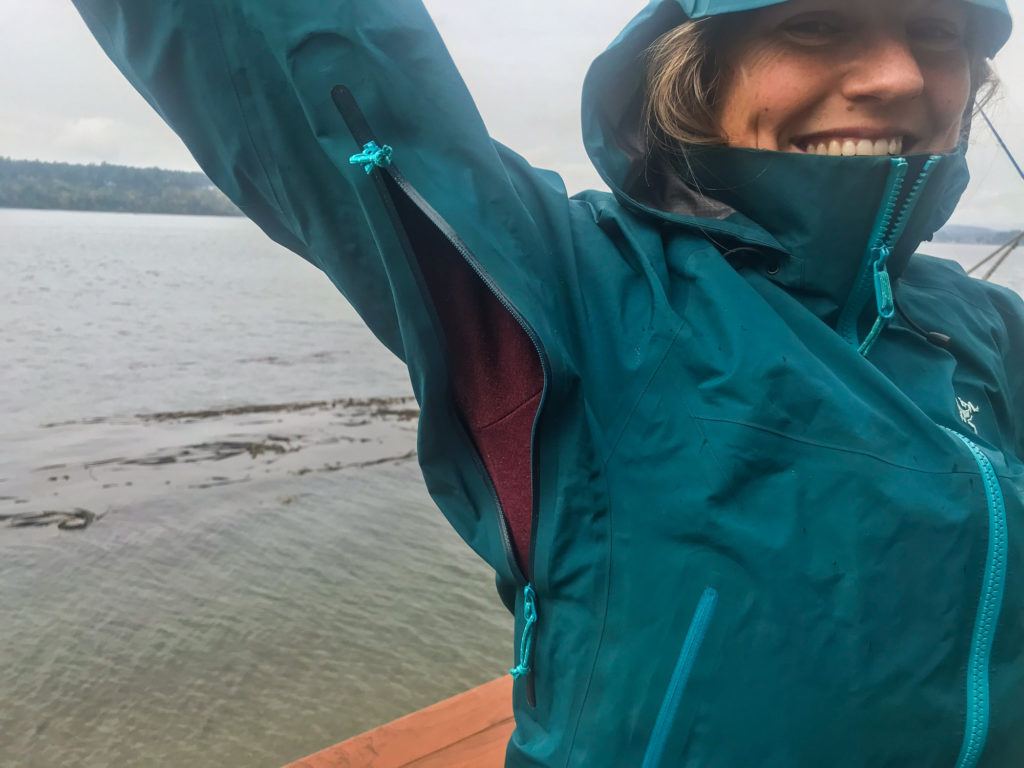
Rain jackets themselves aren’t that breathable, so I’m a big fan of rain jackets with armpit zips. These vents make a significant difference in my comfort level and allow me to hike in the rain without getting too sweaty.
When it comes to fit, you want a rain jacket that has enough room to layer underneath on colder days.
Below are two great rain jackets. If you want more recommendations, see my blog post on the best rain jackets for hiking.
REI Co-op Rainer Rain Jacket
The Rainier Rain Jacket (men’s) is a best-selling lightweight, budget-friendly rain jacket. It’s designed with pit zips, fully taped seams, a durable water-repellent (DWR) finish, and an adjustable hood – basically everything you need to stay dry on a rainy day hike.
Arc’teryx Beta AR Rain Jacket
If you live in a wet, cold climate or have a backpacking trip where inclement weather is a major concern, the Arc’teryx Beta AR jacket is an awesome choice. This is what I brought to Alaska on a 10-day backpacking trip, and it performed beautifully.
Having waterproof gear makes all the difference when hiking in the rain
8. Avoid cotton and down
Both cotton and down stay damp and heavy and lose their insulating properties when wet. Instead, stick with synthetics and natural fibers (like wool) that are lightweight, breathable, and wick water away from you.
Underneath my rain jacket, I usually wear my long-sleeve Patagonia cool capilene shirt. It is quick-drying, moisture-wicking, and highly breathable.
My long-sleeve Patagonia Capilene shirt is my go-to for rainy-day hikes
9. Pick items with good ventilation
Waterproof fabrics aren’t very breathable, so look for gear that has pit zips, leg zips, and other ways to get easy airflow to regulate your body temperature. These zips are usually subtle, but they are game-changers when it comes to breathability and comfort.
Pit zips are an absolute must for maintaining comfort in a rain jacket!
10. Wear a hat with a brim
Wearing a baseball-style or trucker hat helps keep water out of your eyes and off your face and can easily be worn under a hood. Alternatively, you can get a hat that is specifically designed for wet weather like the REI Sahara Rain Hat, which features a 360-degree brim and is fully waterproof.
Brimmed hats help keet the rain off your face and out of your eyes
11. Wear wool socks
Regardless of the weather, I recommend wearing wool socks when you hike. But in rainy weather, wool socks (compared to cotton) will keep your feet drier for longer and will help prevent blisters.
I love Darn Tough Socks. They are cushioned in all the right places and are “buy it for life.” I wore them for over 22 days on the John Muir Trail, and I didn’t form a single blister.
12. Consider swapping glasses for contacts
Glasses get foggy in the rain, so contacts can be a better option to avoid dealing with water droplets smearing your vision. And again, wearing a hat with a brim will help water stay out of your eyes or glassware.
13. Wear waterproof hiking pants
You should wear (or throw in your pack) a pair of rain pants designed for hiking that are comfortable, breathable, and waterproof (not water-resistant). I also look for rain pants that have a zipper at the bottom so I can get them on and off without taking my shoes off.
I suggest wearing leggings or other light pants underneath so that you can take the rain pants off if it stops raining.
Some people choose not to wear waterproof pants when hiking in the rain, but if it’s a really wet day you might end up with some inner thigh chafing and that’s no fun.
REI Rainier Rain Pants
The REI Co-op Rainier Rain Pants (men’s) are great to toss in your bag just in case. They have zippered leg vents that allow you to easily take them on/off without having to remove your boots.
Waterproof pants make hiking in the rain more comfortable and allow you to embrace the elements!
14. Wear Waterproof Hiking Shoes
It’s a major letdown when you have to turn around because your feet are soggy. So, one of the keys to a successful hike in the rain is solid waterproof hiking footwear.
When hiking in wet conditions, I opt for a higher ankle boot like the Oboz Bridger Mid or the Oboz Sypes Mid. These provide more ankle support on slippery trails and keep water out better than a low-ankle shoe (especially when paired with gaiters).
If you already have hiking boots, there’s a good chance that they are waterproof, so double-check before running out to buy a new pair for hiking in the rain.
Make sure to wear waterproof hiking boots on rainy days, otherwise your feet will get cold
15. Bring neoprene gloves
A trick I learned from my backpacking guide in Alaska is that the best way to keep your hands warm while hiking in the rain is to wear neoprene gloves. While they won’t keep your hands dry, neoprene insulates when wet, so your fingers will stay nice and toasty as you hike.
16. Pack gaiters
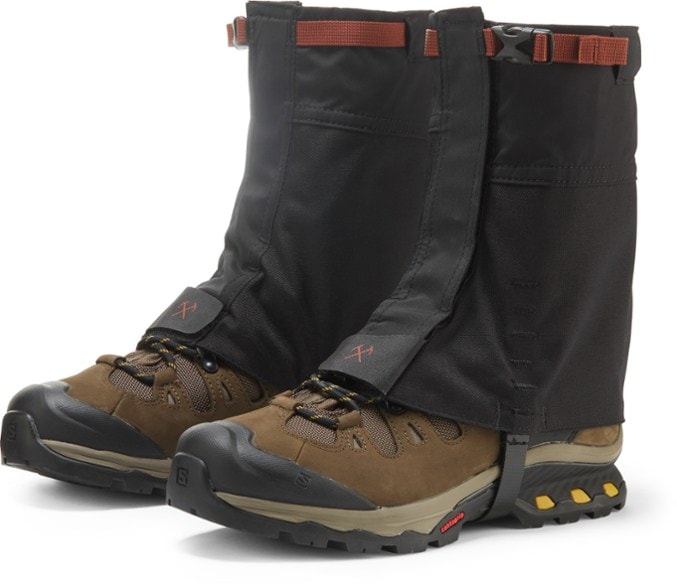
If you’ll be hiking through mud or deep puddles, gaiters will keep mud and water from splashing into your shoes beneath your pants.
REI Backpacker Low Gaiters
The REI Co-op Backpacker Low Gaiters are great because they’re adjustable and they have hooks at the bottoms to ensure a secure fit around my shoes.
17. Use hand warmers
Hand warmers are little pockets of joy on rainy cold days. They’re not going to help you stay dry, but they can be effective and cozy mood boosters. I like to put them inside my gloves or pants pockets.
Gear to Pack for a Rainy Day Hike
You may have heard the saying, “There’s no such thing as bad weather, just bad gear.” While there is some truth to this, there’s also not-good weather. But, we’ll focus on the gear because that’s the thing we have control over. These are essentials that you’ll be happy to have on hand when storm clouds appear.
18. Bust out your trekking poles
Trekking poles are great on any kind of trail, rain or shine, but they’re especially helpful in the rain. Having four points of contact with the ground helps to maintain your balance on slippery rocks and roots, crossing a stream, or gauging the depth of a mud pit before you step knee-deep into it.
Trekking poles provide a lot of added stability when the trail gets slippery in wet weather
19. Pack a waterproof rain cover
It’s common for backpacks to come with a rain cover, but if yours doesn’t, you should get one. Look for a lightweight silicone-coated rain cover that will keep your gear dry inside your pack. If it’s really going to be a rainy hike, consider lining your day pack with a trash bag, too.
A right-sized rain cover will help keep your belongings dry
20. Bring a headlamp
Rainy days are often darker and more obscure than sunny days, so packing a headlamp can help you navigate the trail better and more safely. The Black Diamond Spot 400 Headlamp is waterproof and a great choice for hiking in the rain.
21. Pack a first-aid kit
Accidents are more likely to happen on rainy day hikes, so you’ll want to pack a lightweight and water-resistant first aid kit just in case.
Adventure Medical Kits
Adventure Medical Kits make lightweight first aid kits for day hikes and backpacking trips where the contents are packed inside of a waterproof pouch. This is important because your bandages will be no good if they are wet and won’t stick to you skin.
Mindset Tips for Hiking in the Rain
Enjoying a hike in the rain isn’t just about getting the right gear and choosing the right trail, it’s also about approaching your hike with a good mindset. I’ve found that even just small changes in my mindset can make a big difference in my overall experience.
21. Let go of the end goal
Oftentimes, hikers get into trouble when they’re too determined to make it to their final destination and “finish the hike.” When conditions worsen, it’s best to call it a day and head back.
One of the nice things about hiking in the rain is that you can slow down a bit. Instead of setting your sights on an end goal, take in the scenery. That way, if you end up having to turn around early, you’re content with what you did. Then, maybe go warm up with some tea or coffee and talk about the day (and your new-found love of hiking in the rain!).
22. Notice the upsides of rainy hikes
The more I’ve hiked in the rain, the more I’ve noticed the benefits. The biggest one is that rain wards off many hikers, so I enjoy having more of the trail to myself. Especially when I’m feeling overwhelmed, a rainy hike can provide just the peace and quiet I’m looking for.
It’s also hard to beat the earthy scent of rain. I love to soak up the sounds of rain hitting the trees and pattering against my rain jacket. It’s magical and makes the drawbacks of wet hair and sludgy trails a lot less frustrating.
Rain means you might have the trail all to yourself
23. Choose to have a positive attitude toward hiking in the rain
I’ve been on both ends of the spectrum when it comes to whether or not to hike in the rain. While I was in New Zealand back in 2015, I let my trepidation about hiking in the rain stop me from doing so and I missed out on a good time.
Then, when I organized a group backpacking trip in Alaska it rained the whole trip. So, I didn’t have a choice other than to go with the flow. I noticed how the shift in my mindset about the situation allowed me to let go and enjoy my time, regardless of the weather. Plus, the misty, gray days make for some really nice hiking photos.
We can’t control what Mother Nature does, but we can control how we react to it. So, the next time you’re itching to get outside when you see a gray sky and rain coming – pack some water, snacks, and your rain jacket and go anyway! You might be one of the only people out on the trail, but I bet you’ll love it.
It rained for a good chunk of our backpacking trip in Alaska – but we still had fun!
Save this post to Pinterest
After reading these tips for hiking in the rain, I hope you feel confident and excited to go hiking on the next rainy day! Where do you like to hike in the rainy season? Let us know in the comments below.
There were some fantastic cars on the market at the end of the 1980s.
Japan was in its sports car stride, America was out of the Malaise era (thankfully), and the German arms race was on for DTM supremacy. Mercedes-Benz’s entrant to the Deutsche Tourenwagen Masters fray was the Cosworth-developed 190 E 2.3-16 (and later 2.5-16 and Evo variants).
Dougie McColm‘s 1990 190 E 2.5-16 stood out to me under the Telford International Centre’s new LED lights. Partly because it was a Mercedes-Benz at a Volkswagen show, but also because it seemed to fit my brief for ‘how to modify a cult car’ perfectly.
For example, you do not want to overdo it. Especially when the base car is as desirable as Dougie’s is.
K.I.S.S. (Keep it simple, stupid) is a dying art in the car-modifying world. Many builders are doing more and more to stand out, and when that happens, they often lose sight of what drew them to a particular car in the first place.
“I planned to create an Evo-II kitted 190 E, but I fell for it [this genuine 2.5.16] as a standard car and decided to make it the straightest 190 E around,” Dougie explained.
That’s why it’s had a full respray in the original colour, instead of a wild hue. Subtle additions add further depth to the exterior, with a STEVS Design rear spoiler ‘crown’, Evo I front splitter, and Evo II rear window spoiler – all in carbon fibre. I mustn’t forget the period-correct Heko wind deflectors, either.
Tucked into the flared wheel arches courtesy of an Air Lift Performance 3P suspension system are 18-inch AMG monoblock wheels, which have a subtle twist on the original finish by pairing metallic silver faces with brushed lips.
A little nip-and-tuck under the skin was required to drop the Benz as low as possible; the W201 isn’t the most straightforward platform to slam to the ground.
The real talking point of this car is the interior, though, and for good reason.
“I wanted some subtle carbon fibre parts and the vibrant, period-correct Recaro Orange Spectrum fabric inside for contrast. I bought the fabric before I purchased the car,” says Dougie with a laugh.
Look past the orange seat inserts, and you’ll find some rather unexpected touches. Inspired by the Cosworth 190 E’s motorsport heritage, there are lashings of satin-finish carbon fibre all around the cabin.
Not only have all of the interior accent trims been replaced with the composite material – also sourced from STEVS Design in Canada – but the entire door cards are in carbon too.
I’m usually a traditionalist with interiors – give me some soft leather and rich wood any day – but the fit and finish in Dougie’s 190 E is simply phenomenal.
Further accents such as the Recaro Orange Spectrum fabric-trimmed door pulls and centre insert in the Momo four-spoke steering wheel tie in with the orange OEM needles in the dash clocks, the orange backlit gauges in the centre console, and the orange seat belts.
The centrepiece of the interior is the Air Lift Performance 3P controller, mounted to the back of a bright orange Game Boy controller. Touches like these remind us that we should have fun with our cars, no matter how ‘serious’ the build is.
“At the Le Mans Classic last year, a genuine 190 E Evo II pulled into the petrol station behind us, and I decided I needed a 190 E on my life. This wasn’t meant to be a big project, so I call it my ‘Project not-a-project!’”
Dougie is certainly a fanatic when it comes to his builds, his W108 project being well-known within the UK car scene and his Vauxhall-powered and carbon-accented Mini before that. It’s nice to see Dougie’s enthusiasm isn’t waning, even if his idea of a ‘tame’ build is different to most.
Mario Christou Instagram: mcwpn mariochristou.world
A new report from Edmunds looked at used car prices compared with trades that have negative equity and found that a drop in the former has led to a steep rise in the latter. According to the report, this isn’t even unexpected — it’s a natural progression from the lockdown-era used car boom. From Edmunds:
“A storm is brewing in the used market as incentives and inventory continue to trickle back into the new vehicle market,” said Ivan Drury, Edmunds’ director of insights. “With demand for near-new vehicles on the decline, used car values are depreciating similarly to the way they did before the pandemic, and negative equity is rearing its ugly head.”
“During the last few years, consumers could jump into new car loans and their trade-ins were shielded from negative equity because some dealers, desperate for used inventory, were willing to pay near original purchase prices,” said Drury. “These days, consumers need to be more careful — especially if they’re trading in newer vehicles — because near-new cars are being hit the hardest by depreciation.”
As the floor falls out from under the used car market, new car buyers are going to end up more and more in over their head on loans. But while some may take this as bad news for new-car buyers and good news for those of us who scrounge Facebook Marketplace for shitboxes, Edmunds says we shouldn’t start popping bottles just yet. Things are bad for us broke bitches too.
Although a downturn in used values is negatively affecting a growing share of new car owners, Edmunds analysts note that there’s a bright spot for car shoppers with bigger budgets. In an analysis of ATPs of 0- to 3-year-old vehicles compared to ATPs for new vehicles, Edmunds data reveals that luxury large cars offered an average discount of $48,111 — the greatest dollar savings across all vehicle segments — with new vehicles going for $118,309 compared to $70,198 for used. Large mainstream SUVs also offered a notable average discount of $19,966, with new vehicles going for $76,131 compared to $56,164 for used.
“If you want to save big on used versus new, you still have to be willing to spend big,” said Joseph Yoon, Edmunds’ consumer insights analyst. “Unfortunately, the most price-sensitive consumers seeking affordable transportation will have a much harder time finding discounts because the supply of older used vehicles is still pretty restricted.”
The deals are there, but only for folks looking to spend over $55,000 — up to $70,000 — for big, luxurious, late-model cars. The rest of us, it seems, may be stuck paying ear-lockdown prices forever — if we can even find cars we want to buy.
For the next five days, I’m in possession of a 2024 Mercedes-Benz E350 4Matic, the tenth generation of E-Class (but the sixth generation to actually use the E-Class moniker). The W214 E-Class is just now starting to hit U.S. dealerships, though I won’t be able to talk driving impressions until March 28th. Until then, I want to know what you want to know about the new E-Class.
Maksim Chmerkovskiy’s Bumpy Ride: A Ford with Troublesome Brakes
As with the previous generation the E350 is powered by a turbocharged 2.0-liter inline-4 engine, though the new model gets a 48-volt mild-hybrid system. Total output is 255 horsepower and 295 pound-feet of torque, with the integrated starter-generator giving a boost of up to 23 hp and 148 lb-ft. Every E-Class is all-wheel drive now, with torque delivered to the wheels through a 9-speed automatic transmission. Mercedes says the E350 will hit 60 mph in 6.1 seconds, a tenth slower than last year’s AWD car. The E450 continues to use Mercedes’ lovely turbo’d mild-hybrid inline-6.
Photo : Daniel Golson/Jalopnik
My test car is nearly fully loaded, coming in at $83,400 against the $63,450 base price (including destination). A lot of the options are cosmetic — the Manufaktur Alpine Grey paint is $1,750, the 21-inch wheels are $3,050, the Digital Light adaptive LED headlights are $990, the Silver Metallic Mixed Fabric center console trim is $150, and the Tonka Brown Nappa leather is $2,990. Going for the Nappa leather forces you into the $800 Leather package, which includes ventilated seats and MB-Tex upper dash trim, both of which are also standalone options.
It’s also got the $3,400 Pinnacle trim, which adds features like an illuminated grille, a head-up display, insulated glass, active ambient lighting and the absolutely bangin’ Burmester 4D surround sound system. The $1,500 Superscreen adds a 12.3-inch passenger screen to the dashboard under the same pane of glass as the center screen, with a selfie camera and the ability to play games, watch movies or even make zoom calls. The $450 Winter package brings a heated steering wheel and windshield washers, and the $1,950 Driver Assistance package has all manner of, you guessed it, driver-assist features. I’m most excited for the $3,200 Airmatic package that adds air suspension, adaptive dampers and 4.5-degree rear-axle steering.
Photo : Daniel Golson/Jalopnik
Sadly, this E-Class is missing what I feel like is the most important feature on any new car, especially a luxury car and especially a Mercedes: massaging seats. They’re part of the $2,950 Multicontour Seating package that also includes ventilated seats, rapid heating for the front seats, heated front armrests, and the Air Balance air purification and fragrance dispensing systems. This E-Class also doesn’t have standalone options like an integrated dashcam, heated rear seats, a 3D gauge cluster display, soft-close doors and some other bits and bobs. With every configurator box ticked, an E350 comes in at just under $90,000.
Now that you’ve read about how this E-Class is equipped, what questions do you have about it? They can be broad, like asking about how it rides or what I think of the styling, to specific, like how complicated is the Superscreen or do I look hot in the selfie camera? If there’s something specific you want a photo or video of, I can try and make that happen too. Let me know all of your questions, thoughts and opinions in the comments below.
One of the major reasons people choose to buy new cars is that they do not need repeated servicing, and at the moment, car sales are on the rise after the slump last year due to the economic impact of Covid-19. New cars do not need frequent repairs. This means that they can go up to 200,000 miles when kept well. Here are some simple tips to keep your new vehicle running smoothly.
The brakes are one of the primary safety features in your car. Any damage or malfunction can prove to be disastrous. So ensure that you check your brakes regularly when you send your car into the shop for routine maintenance. Get a mechanic to remove the wheels and have the brake system checked comprehensively at least twice a year. Replace all worn pads and get rid of any scored rotors or bad-looking drums.
Check the engine oil
Check your engine oil at least once a month to keep your car in good condition. As soon as you notice a leak, you should replace the oil. If the oil level is low, top it up. When checking the engine oil, make sure that your car is parked on level ground. Remember not to fill the engine with oil past the indicated limit.
Check tire air pressure
Your car’s tire pressure will determine if you will have a smooth drive or not. So at least once a month and before you embark on any road trip, be sure you check it. Make sure you use an accurate tire pressure gauge when checking the tire’s inflation pressure, including the spare. The best time to get an accurate reading before the car is driven the first time in a day. When checking for tire pressure and filling it up with air, always go with the manufacturer’s recommendations. Also, replace the tires immediately you notice uneven wear, cuts, and bulges in the sidewalls.
Don’t forget the exhaust system
The exhaust system runs underneath your car. So if you can, make under-car inspections yourself. But if not, get your car to a mechanic to check it out. All the rusted parts of the exhaust should be cleaned and replaced and tight clamps should be loosened to improve the flow. Whenever you are driving, pay attention to the sounds the exhaust makes. It is advisable to change the entire exhaust system rather than replace it in parts.
Other things to do
Battery terminals should remain securely fastened to their ports, and there should be no signs of corrosion. Also, check the air filter; you can remove the component and hold it up to ample light. If you are unable to see through it, replace it. Prevent your car from potentially overheating by cleaning the radiator and removing any debris. You can also use a detergent-based solution to wash the exterior of the radiator. Frequently wash your car and take time to get rid of dirt and road salt underneath the car by hosing it with water.
New car prices began falling in recent months but now appear stuck in neutral, even as consumers see plentiful dealer inventory and more buying incentives.
In the last several years, car shoppers have become accustomed to paying more than the manufacturer’s suggested retail price (MSRP). They watched car prices rise with no apparent end in sight. The situation left many shoppers scratching their heads, and the question our experts hear most is, “When will new car prices drop?”
New vehicle price inflation all but disappeared by the end of 2023. That’s great news on its face. Still, car prices have increased dramatically in the past three years. Read on for guidance if you want to purchase a vehicle. We can equip you with the best information from our experts. We dig deeper to answer concerns about car prices.
New Car Prices Remain Elevated
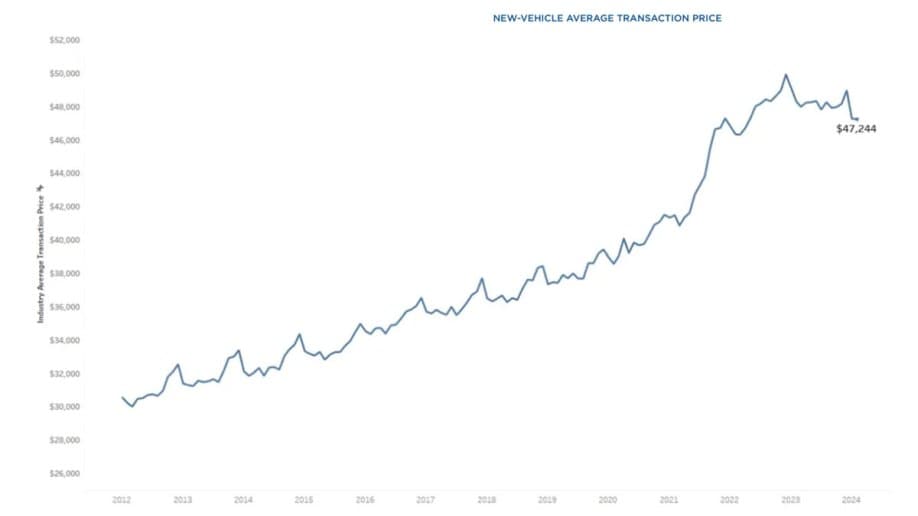
According to Kelley Blue Book data, the average transaction price (ATP) for new cars was $47,244 in February. Cox Automotive analysts calculate a 2.2% drop year-over-year as downward price pressure favors car shoppers. Cox Automotive is the parent company of Kelley Blue Book.
“While everyone may applaud that prices are coming down, even marginally for the moment, affordability is still challenging the market,” said Erin Keating, executive analyst for Cox Automotive. “Most shoppers have not seen their incomes increase as quickly as vehicle prices, so affording a new vehicle remains difficult. We should also note that despite rising inventory, which is good for consumers, the levels are muted, not alarming.”
Average transaction prices remain $6,600 higher than in February 2021 as the realities of the COVID-19 pandemic seemed never-ending. At that time, average transaction prices for new vehicles were 14% lower at $40,630.
Manufacturer incentives increased to an average of $2,787 in February. More on that in a bit.
Vehicle Pricing Breakdown
Non-luxury vehicle prices: In February, car buyers paid an average transaction price of $44,052. Overall, prices dropped 2.1% year-over-year.
Luxury vehicle prices: The average transaction price was $61,424 for luxury vehicles. Luxury vehicles make up about 18% of total vehicle sales. Luxury prices dropped by more than 6% year-over-year.
Electric vehicle prices: The average transaction for a new electric car is $52,314, down 12.8% from a year ago. The Tesla Model Y, the electric car industry’s volume leader, saw its average transaction prices drop by about 16% compared to February 2023. Model 3 prices were lower year over year by 12% and near the lowest level on record.
“Our research continues to show that price remains a significant barrier for consumer adoption,” said Stephanie Valdez Streaty, director of Industry Insights at Cox Automotive. “While the higher inventory levels and increased competition continue to drive down the price premium of EVs, it’s important to acknowledge that EVs remain priced above mainstream non-luxury vehicles by nearly 19%.”
What Drives New Car Prices
Inventory availability
Manufacturer incentives
Dealer discounts
Trade-in vehicle value
All four of those factors experienced significant disruptions in the past several years.
New Car Inventory Update
Dealerships measure their stocks of new cars to sell in a measurement called “days of inventory” — how long it would take them to sell out of new vehicles at today’s sales pace if the automaker stopped building new ones. By the start of February, many brands’ inventories were 52% higher than a year ago. Some manufacturers need to heavily discount vehicles because of a glut of supply. However, a handful of carmakers, like Toyota, Honda, and Lexus, can’t fill all car orders due to a lack of inventory. Days’ supply calculations include vehicles in dealer inventory and in transit or pipeline.
Despite plentiful car inventory for most carmakers, stock issues continue for some carmakers and particular models.
According to Erin Keating, executive analyst and senior director of economic and industry insight with Cox Automotive, the new Toyota Grand Highlander had the lowest stock. Also in low supply, it’s hard for consumers to find the Ford Maverick compact pickup and the new Chevrolet Trax. The Chevy Trax is among the least expensive cars for sale in the U.S. at $21,495 (including a $1,095 destination fee).
Which Automakers Have the Most Vehicles?
Cox Automotive’s analysis of its vAuto new car dealership management software data shows that the Dodge, Jeep, Chrysler, and Ram brands offer days’ supply that’s at least twice the industry average. Shoppers can also find plenty of vehicles in stock from Lincoln and Genesis.
Brands with inventory well below normal include Toyota, Honda, Lexus, Land Rover, Kia, and Cadillac.
Overall, the auto industry stocked 76 days’ worth of vehicles at the beginning of February. Brisk sales drew down inventory from a supply of 80 days’ worth last month. By comparison, automakers during pre-pandemic times in the summer of 2019 stocked an 86-day supply of vehicles.
Vehicle Incentives Hold Steady
Carmakers used more incentives to attract buyers last month than at any point in the past two years. According to Kelley Blue Book’s analysts, carmakers spent 5.9% of the average transaction price on incentives, or $2,787, meant to move vehicles. Still, that figure is low compared to fall 2020, when incentive levels were about 20% of the average transaction price.
When automakers build up an oversupply of cars, they discount the vehicles to get them off dealer lots. For several years, carmakers and dealerships showed no glut of vehicles to sell, and they barely offered discounts. Now, supply is bulking up again, partly because of higher interest rates on car loans.
According to our analysis, the luxury car segment offered the biggest incentives through much of last year. In February, luxury brand incentives, including for electric cars, topped 6%.
Manufacturers offered the most incentives for electric cars. These inducements to buy have jumped more than 3-fold in the past year.
Shop Around for the Best Offer on Your Trade-In
Trade-in value is another factor driving car prices. A lack of used vehicle stock is pushing used car prices higher, giving credence to the idea that buying a new vehicle is cheaper than purchasing a recent model used one. As a result, it’s a great time to trade in your car. Automakers scaled back production for several years after the 2008 recession, leaving the higher-mileage, older cars dealers sell for less than $20,000 hard to find now.
Dealers value your trade-in partly based on what they need in stock. They’re more likely to offer an excellent deal to buyers on a car fewer people are looking for currently. Car dealers are oversupplied with relatively expensive used cars.
In other words, a consumer trading in a 2018 Honda Civic will be much happier with the trade-in appraisal than one trading in a 2021 Jeep Grand Cherokee.
Shoppers should also be prepared to shop their trade-in around. It’s slightly more complicated to pull off, but selling your old car to one dealership and buying your new car from a different one may make sense if the final invoice numbers work out in your favor. Use the Kelley Blue Book Instant Cash Offer tool to shop your trade-in vehicle at nearby dealerships. When you let the deals come to you, you can select the best trade-in offer for your situation.
It’s a Buyer’s Market for New Cars
The new car landscape is a buyer’s market. Shoppers heading out to purchase a new vehicle will find many incentives to help lower the price. For some brands and dealerships like Toyota, Honda, and Lexus, shoppers must be prepared to hunt and pay more for tougher-to-find models.
Toyota executives recently told the Cox Automotive Industry Insights team that its Toyota and Lexus brands are both running too lean, closing 2023 at about 13 days’ supply, by their measure.
Cox analysts say, “At the other end of the spectrum, pickup trucks, led by the Ram 1500, and SUVs, led by the Ford Explorer, had the highest inventory among the best-selling products in the US.”
Small Number of Vehicles Still Sell at Markup Prices
The days of paying more than MSRP that seemed never-ending during the COVID-19 pandemic seem largely behind us. Most carmakers and dealers now offer plenty of inventory and provide incentives that lower car prices below MSRP. Still, a small number of vehicles remain in short supply, and dealerships still mark up prices on those.
According to Markups.org, it’s mostly Toyota models, and harder to find new vehicles that sell above MSRP in places like North Carolina, Virginia, and New York. The days of paying In Georgia, a Hyundai Tucson was recently seen with markups at a dealership in the Atlanta area.
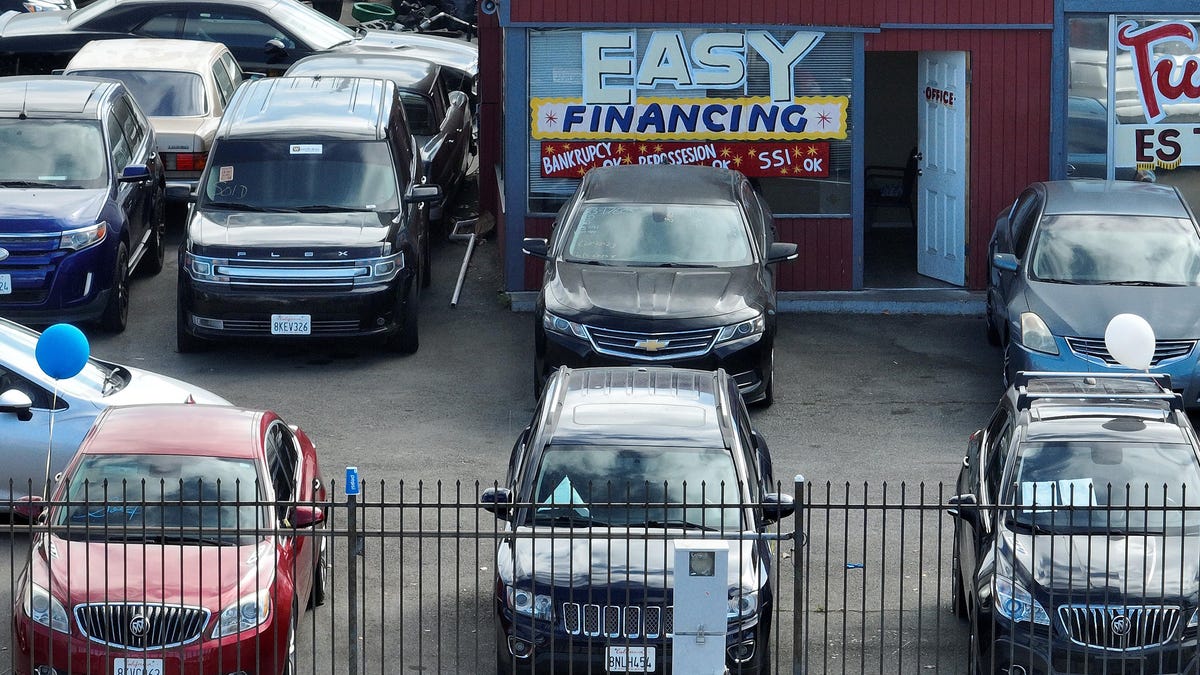
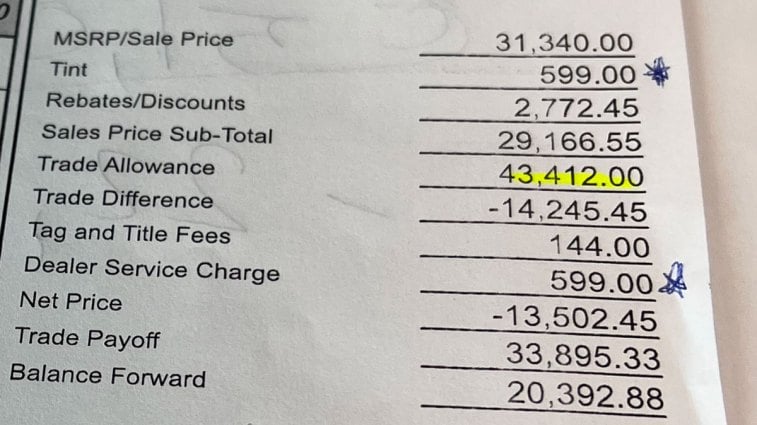
PRO TIP: Since shopping recently for a vehicle, I found markups varied at dealerships that sold vehicles such as Kia and Hyundai. One dealer charged $599, and another $699. Another called them “doc fees.” Before you shop, understand how much those document filing fees cost for car tax, tag, and title in your state before you buy a vehicle. Those are pure markups or profit centers for the dealership. Another markup on an invoice may say “paint and fabric protection” or “window tint.” Before you sign anything, it’s wise to ask the salesperson to remove those fees if they want to sell you the car.
According to the Bureau of Labor Statistics, car insurance costs are up nearly 21% in February compared with a year earlier. Bankrate says car insurance costs $2,545 a year for full coverage. Before you seal the deal and sign anything for a new vehicle, compare quotes for car insurance.
What to Expect: Looking Ahead
But what if you desperately want a popular car that’s in low supply? Then, it’s time to test your patience or wait. Last year’s Federal Reserve interest rate hikes were aimed to rein in inflation but still make it hard for many consumers to afford cars if they need a loan. According to the most recent Cox Automotive research, the typical new car loan interest rate was an average of 9.7%. Vehicle affordability is improving, but the second half of 2024 will look better for car shoppers. Additionally, any interest rate cut, if one comes, could help affordability.
For now, car shoppers must remain flexible and look for deals. The best deal may not be for the car you thought you would buy.
Editor’s Note: This article has been updated for accuracy since it was initially published. Sean Tucker contributed to this report.
The 96th Academy Awards ceremony concluded amid global fanfare. While many well-established names led the Oscar nominations, it was the new generation of Hollywood actors and actresses who stole the show on the Awards’ red carpet, ushering in a new era of sartorial glamour. Alongside Rolex, the Academy Awards proves that it is not only a hallmark in celebrating the best in cinema but is also a convergence of style and creative expression, highlighting the equal excitement going on behind the scenes as there was onstage.
Celebrating Cinematic Excellence
For the eighth consecutive year, Rolex was the Proud Sponsor of the Oscars ceremony, highlighting creative inspiration and artistic emotion while celebrating technical prowess and the work that goes into the making of a film. Televised live in more than 200 countries worldwide, the annual event not only celebrates the best of cinema but plays a part in shaping the landscape of cinema worldwide, every year. The awards ceremony is the ultimate recognition by one’s peers in the world of cinema. As Rolex puts it, “Cinema is at once an art, a science, and an industry, and the Oscars ceremony shines a light on every one of its facets.”
Rolex once again welcomed Hollywood’s elite to its curated antechamber at the 96th Academy Awards ceremony in Hollywood’s Dolby Theater. A longtime sponsor of the Oscars’ ceremony, Rolex’s Greenroom was an immersive experience designed with original decor and furnishings where nominees and presenters gather before and after stepping onto the stage. This year saw the design of the Greenroom shine a spotlight on the vegetal world.
The Greenroom pushed the element of “green” to the forefront with a representation of a delicate vegetal environment, using the image of fans as inspiration. The Greenroom’s concept integrates essential elements from nature like organic structures and chlorophyll to celebrate the harmony of lush flora through the lens of the chromatic universe.
The Greenroom also displayed the Oyster Perpetual Day-Date 40 in 18 ct Everose gold with a slate ombré dial. Rolex shares, “The shapes within this vegetal universe recall details such as the fluting on watch bezels and the brushed metal surfaces of watch dials, transmitting their luminous vibrations. A watch of great prestige, the Day-Date has only ever been made from precious metals and is instantly recognisable, partially thanks to its emblematic President bracelet.”
The Governors Awards marks the beginning of the Oscars season, honouring the best in cinema, and is presented in recognition of a lifetime of remarkable achievements.
2017 was the year Rolex conceptualised its partnership with the Academy of Motion Picture Arts and Sciences — the film industry’s highest authority. Rolex became the Exclusive Watch of the Academy, the Proud Sponsor of the Oscars and the Exclusive Sponsor of the Governors Awards. Rolex is also a Founding Supporter and the Official Watch of the Academy Museum of Motion Pictures.
The relationship between Rolex and the Oscars showcases the pursuit of excellence and knowledge, the conservation of the art, and the rise of new talent. The long-term partnership underscores the convergence of the values to celebrate all aspects of the film industry, preserving its legacy for future generations, spark inspiration, and connect global audiences through their passion for cinema.
For more on the latest in luxury culture reads, click here.
The technical storage or access is strictly necessary for the legitimate purpose of enabling the use of a specific service explicitly requested by the subscriber or user, or for the sole purpose of carrying out the transmission of a communication over an electronic communications network.
Preferences
The technical storage or access is necessary for the legitimate purpose of storing preferences that are not requested by the subscriber or user.
Statistics
The technical storage or access that is used exclusively for statistical purposes.The technical storage or access that is used exclusively for anonymous statistical purposes. Without a subpoena, voluntary compliance on the part of your Internet Service Provider, or additional records from a third party, information stored or retrieved for this purpose alone cannot usually be used to identify you.
Marketing
The technical storage or access is required to create user profiles to send advertising, or to track the user on a website or across several websites for similar marketing purposes.