Home Blog Page 908

Tesla Roadster can hit 60 mph in under 1 second, claims Elon Musk

0


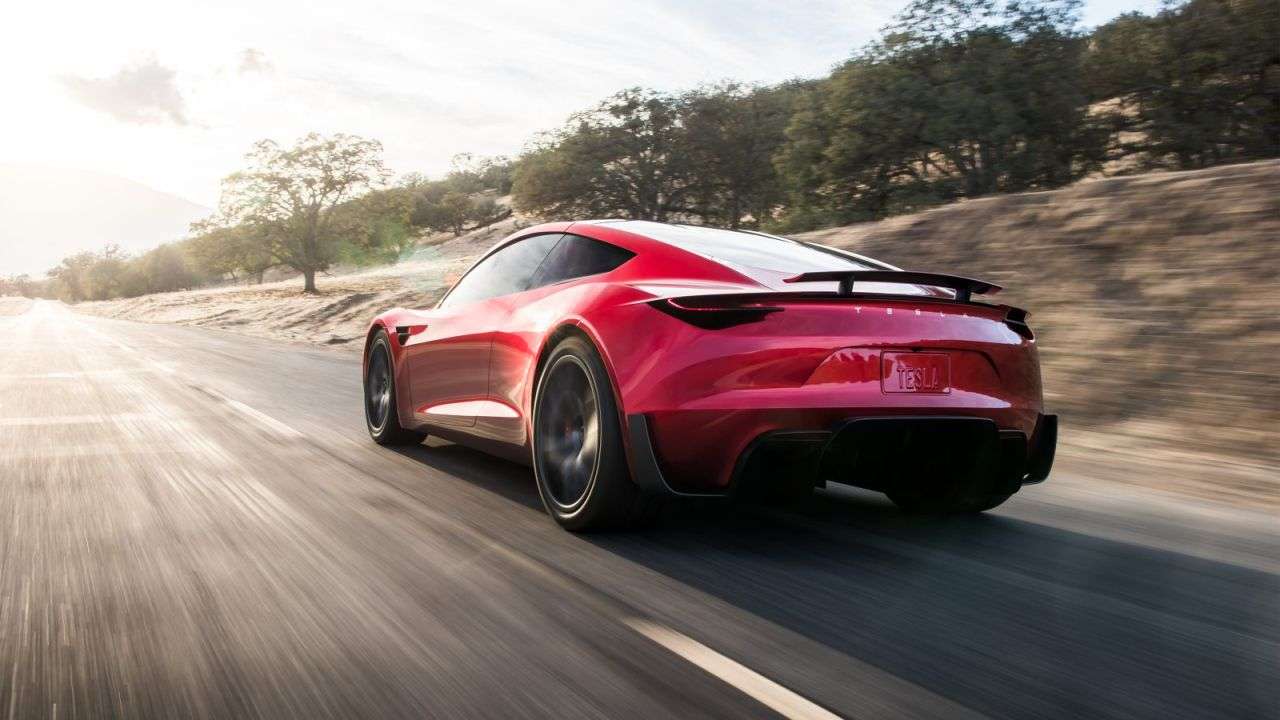
Tesla CEO Elon Musk claims that the new Tesla Roadster can accelerate from 0-60 mph in under 1 second.

In a recent post on X (formerly Twitter), Musk said, “There will never be another car like this, if you could even call it a car. I think it has a shot at being the most mind-blowing product demo of all time. Oh, and it’ll apparently hit 60 mph in less than one second.”

Tesla Roadster-Hover

The Tesla Roadster first appeared on the scene back in 2008 and went out of production in 2012. A replacement was announced in 2017 but has yet to go into production.

According to the company, the second-gen Tesla Roadster could enter production by the end of this year, with customer deliveries scheduled for 2025.

That being said, as per the spec sheet released by Tesla back in 2017, the Roadster would be capable of sprinting from 0-60 mph in 1.9 seconds. It would complete the quarter mile in 8.8 seconds, while its top speed was said to be in excess of 250 mph. Tesla also claimed a maximum range of 620 miles on a single charge.


Source link

2024 VW ID.4 price rises for substantial upgrades, more range

0


The 2024 Volkswagen ID.4 gets a price increase for the new model year, but also a number of upgrades.

Prices start at $41,160 (including a mandatory $1,425 destination charge) for models equipped with the smaller 62-kwh battery pack. That’s a $2,370 increase versus when the 62-kwh pack was introduced in the ID.4 Standard grade, at the start of the 2023 model year.

The smaller pack is available in Standard and S models, while the larger 82-kwh pack is available in Pro, Pro S, and Pro S Plus grades, with pricing starts at $46,300, including destination. As before, the smaller pack is only available with a single-motor rear-wheel-drive powertrain, while the larger pack adds the option of dual-motor all-wheel drive.

2024 Volkswagen ID.4

2024 Volkswagen ID.4

For 2024, models with the 82-kwh pack get a new, higher-power rear-drive unit. This raises output to 282 hp and 402 lb-ft of torque in single-motor models, compared to 201 hp and 229 lb-ft before. Models with the 62-kwh pack retain the old output. All-wheel-drive models are now rated at 335 hp, compared to 295 hp before.

Volkswagen estimates 206 miles of range for the 62-kwh ID.4 Standard and S, a slight dip from the 2023 models’ 209-mile EPA rating. But rear-wheel-drive 82-kwh models are expected to have 291 miles of range, up from 275 miles before. VW estimates 263 miles for all-wheel-drive models, compared to 255 miles previously.

The ID.4 also gets a new 12.9-inch display with backlit sliders, albeit still fussy, haptic-dependent ones. They’re part of a revamped control interface that’s also being included in the Volkswagen ID.7 hatchback from the start. However, base models with the 12.0-inch display continue without those changes. The pod-like shifter is gone though, with all models getting a simplified, column-mounted stalk, which must still be twisted to shift.

2024 Volkswagen ID.4

2024 Volkswagen ID.4

Smaller changes include larger 20-inch wheels for ID.4 AWD Pro models and 21-inch wheels for S Plus models. ID.4 Pro S models also get cooled front seats, while S Plus models get a nine-speaker Harman Kardon audio system.

The 2024 ID.4 will continue to be made in Chattanooga, Tennessee. VW expects most 2024 ID.4 models to be eligible for the full $7,500 federal EV tax credit, although that’s based on available battery supply from SK On.


Source link

Tesla Roadster arriving in 2025 with SpaceX ties

0


Tesla CEO Elon Musk gave some conflicting signals about the upcoming Roadster on Tuesday night. “Tonight, we radically increased the design goals for the new Tesla Roadster,” the CEO said, via a post on X.

Musk then clarified that the production design is complete and the product is due to be unveiled at the end of 2024, with aims to ship it in 2025. 

In another follow-up post, Musk claimed that the model’s 0-60 mph time is now under one second—a huge improvement over the previously claimed 1.9 seconds—“and that is the least interesting part.” 

The CEO, who has teased rocket tech for the Roadster before—perhaps supplementing traction from the tires—further hinted that it “has a shot at being the most mind-blowing product demo of all time.”

2020 Tesla Roadster

2020 Tesla Roadster

The new Roadster was revealed in 2017, in what appeared to be a production-bound prototype, with a claimed range of 620 miles. Tesla immediately started taking reservations for the model that was then due for deliveries in 2020. Initial prices ranged from $50,000 to $250,000, depending on performance, with a Founders Series topping the lineup and encompassing the first 1,000 reservations.

Tesla has put aside the Roadster project several times over the years. In SEC documents back in 2010, Tesla confirmed plans for a second-generation Roadster due in 2013, shortly after the Model S. This newest Roadster project has been delayed various times. In 2021 Tesla delayed the Roadster to 2023. 


Source link

Aston Martin scraps its Lagonda luxury brand in favor of sports cars

0


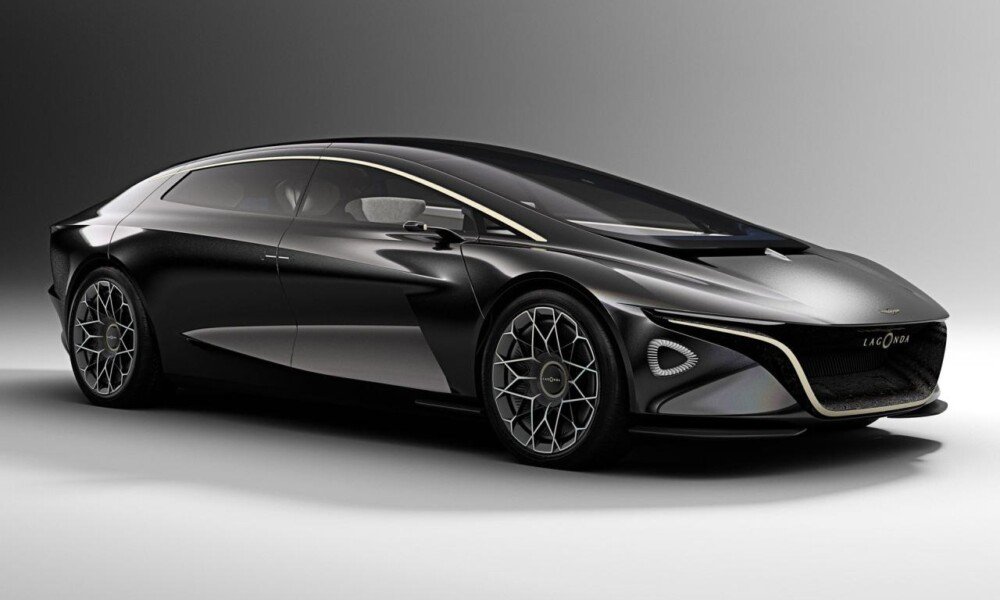
Aston Martin has no plans to launch a separate luxury brand to compete with the likes of Bentley. In other words, Lagonda is officially dead.

Aston Martin chairman Lawrence Stroll told the media that the idea (Lagonda) is completely dead and has absolutely nothing to do with the company’s electric vehicle plan. “We think there’s enough luxury in our sports cars and SUV, so we’re not considering launching a less-performance, higher-luxury car,” Stroll said.

Lagonda_Taraf

Aston Martin’s ex-CEO Andy Palmer was keen to revive ‘Lagonda’ as an all-electric luxury brand. The company also showcased two concepts – a super-saloon in 2018, followed by a premium SUV a year later.

Aston Martin showcased a four-seat SUV at the 2009 Geneva Motors Show, as part of the 100th anniversary of the first Lagonda car, before announcing the revival of the Lagonda brand in 2011. The exclusive Lagonda Taraf limousine was produced in 2015, under the leadership of the then-CEO Ulrich Bez. Only 200 units were built, and remains the last model produced under the Lagonda brand.

Source: Autocar


Source link

Ford Puma ST Review: The last of a breed

0


However, it’s not all as mundane as it may seem. You’ll have by now noticed that this is the ST, and therefore has had a workover from Fords Performance department. Even better, the Pumas underpinnings are lifted straight from the sublime Fiesta ST. Still with me?

From the outset, I have to say I do not understand the need for a “Crossover”. However, the Puma is not just one of Britain’s best-selling Crossovers, its one of Britain’s best-selling cars full stop. Therefore I wouldn’t be doing my journalist due diligence if I didn’t give it a chance. But is this car for the average Crossover buyer, or for the enthusiast?

The car, as tested, has an RRP of £33,985. What did I say about bad first impressions? That’s expensive to say the least. The starting price for the Puma ST is around £5,000 more than its Fiesta blood brother, but given that Ford have decided to cull the Fiesta maybe that’s not the comparison we should use. Looking at the market, we find only two options in the sub £35,000 manual hot hatch arsenal. The Puma, and the Hyundai i20n, the latter starting at £26,230.

So what are you getting for this extra lump of cash? For starters, standard spec list is stocked well. Obviously, it comes with the “Performance Pack” (this used to be an option on both Fiesta ST and Puma ST, but now is standard) as well as a whole host of tech. Auto Parking, Auto lights and wipers, Navigation, CarPlay (not that I ever got it to work…) and a fantastic B&O Stereo. Once I spec a Fiesta ST up to that, we are closer to the £30k mark, which brings the gap down somewhat.

It’s fair to say the looks of the car divide opinion, especially this one painted in “Mean Green”. When it was first launched, I didn’t care for the styling at all, perhaps largely due to using the Puma name for something that wasn’t a little coupe. However, as time has passed, it’s growing on me. I even like the paint, which is an ST only choice. Unfortunately, Ford have decided to delete this colour option, perhaps an indication towards the sort of customer the Puma attracts. There are other ways to spot an ST model from your standard appliance however, courtesy of those 19” Wheels and the “Ford Performance” embossed splitter. That is of course if you’ve already missed the bright red ST badges, or slash cut twin tailpipes.

Moving inside, you’re greeted by yet more branding to remind you it’s the spicy variant. Ford Performance sill plaques, an ST wheel and the excellent bucket seats. They’re a bold choice in what is normally a car with an eye on practicality, the large bolsters making entry and exit from the drivers seat a little more tight than you may expect. Once you’re in them though, they’re incredibly comfortable and supportive. The final icing on the ST-Cake is the 6 speed shift knob, which is very welcome to see in an era of countless “paddle only” hot hatches. Its just a shame that the interior quality isn’t quite what you’d expect from a £30k+ car, but then again its pretty in line with most Ford products.

As previously stated, you also get most of the tech inside as standard. The touchscreen infotainment unit, which can be dim witted at times, is paired with an excellent B&O stereo system. I just wish it was more intuitive to use, I never worked out how to get Apple CarPlay working for my phone! Thankfully all the HVAC controls have physical buttons, they only use the display to show you what you’re on. Which, again, can be frustrated when it lags behind your input. The same is true of the digital dash, which at times looked like I was trying to load it via dial up. It’s worth noting that for when the British weather gets a tad more British, you also get: heated seats, steering wheel, quick clear windscreen, auto lights and auto wipers. But since its summer, only the air conditioning got a thorough workout on this test. Of the non-paint options fitted, the active tailgate was probably the most useful. For £400 you can open the boot by wiggling your foot underneath the rear bumper, and close it with a button. The “Driver Assistance Pack”, which list of features includes the word “active” more than once, does include some very good parking cameras. That said, it also includes the ability to park itself, so in theory you don’t need them right?

But enough chat about fixtures and fittings for now, hot hatches are all about how they drive, not that I was entirely sure that was going to be the case here. I think I was expecting a Fiesta ST with the edges blunted off, an every so slightly softened up approach to formula. Within a mile, that assumption was completely blown out of the water. Just leaving my village out onto a B road, the car was pulling on every little bit of camber, seemingly a homing device for all potholes. I even assumed it had lane assist turned on at one point, but it didn’t. This really has a geometry like a MK1 Focus RS, its all about the turn in and handling, less so about the day-to-day errands. Couple that with a pretty harsh ride, I’m once again asking myself “who is this car for?”. Here we are with those bad first impressions again…

Whilst the car does feel oddly nervous, it’s clear they’ve not diluted the ST Recipe, which should be applauded. I guess from now on I must assume we have a driver’s car here, an enthusiast option, and peddle it accordingly. Theres plenty going on underneath to support that argument, too. A Mechanical LSD, Launch Control, Sport and Track modes all on offer here. It would be rude not to show it some of my favourite test routes.

My first bit of stomping ground is a real test for a cars suspension, I wont name-names but it’s also used by a local farmer. Let’s just say his Youtube channel rhymes with Garys Harrage. Either way, the Pumas damping instantly impressed. Perhaps on the firm side when pottering around, when you start layering on some speed it handles nearly all that’s thrown at it exceedingly well. Some of the compressions on that route are real bump-stop finders, too. Couple that with good steering feel, and the unwavering grip from the Michelin PS4S’, and we have a bit of a weapon on our hands.

And whilst it isn’t what you’d call fast, (The 3 cylinder, 1.6 Turbo is unchanged from the Fiesta with 197bhp. But with around 150kg extra mass to haul around) the dynamics of the car more than make up for it. I also love a hot-hatch you can rev out without breaking the law, and this little ecoboost motor can be quite addictive. The 3 pot noise, the crackles from the exhaust and of course the faint chirp from the Turbo when you lift off. No matter how much is synthesised, I’m all the happier to listen to it.

You may have noticed, I’ve spoken mainly about the in-family feud Ford has between this and the Fiesta. However, since Ford are solving that by means of execution, perhaps I should talk more about the Korean Elephant in the room. The Hyundai i20n. It too is a 1.6T with 200bhp, a 6 Speed manual and an LSD. But it’s £5,000 cheaper. The Puma does feel a little more refined, with better materials it’s true, but I still can’t get over that price.

Whilst I’m being sensible, it’s probably time we circled back round to the boring subject of practicality. That is after all why you buy a hot hatch, and it’s especially why people seem to buy a crossover. The truth is that the rear seats seem to offer no more room than a fiesta, and the sloping roof means it can feel a bit dark and claustrophobic back there. The boot space however is much larger, measuring 456L verses the Fiestas 292L and I20’s 352L. You also get something called the “megabox”, a huge area of storage under the boot floor which is waterproof and has drain plugs too!

After a whole week with the car, it was difficult to sum up a conclusion. On the one hand, I still can’t quite fathom who its actually meant for. On the other, I applaud Ford for making it at all. Perhaps it is for the enthusiast who needs to carry a little more around than a regular hatch can fit? Or maybe it’s for the crossover buyer who wants something a little sporty?

Either way, it’s living proof that with the right engineers, you can make almost any genre of car fun to drive fast. If brands are moving away from the classic super-mini towards this type of vehicle, I’m glad someone is still flying the flag for the Hot Hatch regardless. For me though? If I was in the market for a brand new small hot hatch right now, there are only two choices: I would be in the Hyundai, but only by a whisker.


Source link

Ferrari 288 GTO turns 40

0


It was at the 1984 Geneva auto show where Ferrari first unveiled the 288 GTO, meaning the car Ferrari calls its first supercar is now four decades old.

The 288 GTO was born back when those three famous letters still held some motorsports credibility at the automaker. The O stands for Omologato, the Italian word for “homologation,” as the 288 GTO was a homologation special for a race car designed for Group B competition.

It also meant that the car was the spiritual successor to another GTO, the legendary 250 GTO from two decades earlier. The triple side vents and ducktail rear spoiler from the earlier icon were even repeated.

When the 288 GTO was conceived in the early ’80s, time constraints and commercial considerations caused Ferrari to use the lesser 308 GTB as the basic starting point. A new body styled by Pininfarina added a more muscular look while reducing weight thanks to a combination of carbon-fiber and Kevlar-reinforced fiberglass panels. It was the first time the latter was used on a road car. Ferrari quoted a dry weight of 2,557 pounds for the 288 GTO.

Ferrari 288 GTO

Ferrari 288 GTO

The engine was a twin-turbocharged 2.9-liter V-8 that delivered 394 hp. It was mounted longitudinally behind the rear seats and powered the rear wheels via a 5-speed manual transmission. That transmission was similar to the one used in Ferrari’s Formula 1 car at the time, as were the 288 GTO’s brake and suspension components.

Performance estimates included a 0-62 mph time of 4.9 seconds, a quarter-mile time of around 12.7 seconds, and a top speed of 189 mph.

Group B was disbanded before any 288 GTOs could race, but Ferrari still got around to building 272 examples of the car. That’s actually 72 more than what Ferrari originally needed under the homologation rules.

To help celebrate the 288 GTO’s 40th anniversary, Ferrari will host the GTO Legacy Tour this fall. Similar to the tour held last year to celebrate the F40, this year’s tour will meander through the Italian Dolomites before ending up in Maranello for a parade around Ferrari’s Fiorano test track.


Source link

What Is Dispersed Camping? Your Need To Know Guide To FREE Camping

0


Did you know that you can camp for free around the U.S.A? No, I don’t just mean in a Walmart parking lot. There are actually places around the country that have been set up specifically for camping – for FREE.

This article is a 101 on the subject because, well, we are still new to the whole thing too. But I wanted to get the information that we have learned out to all of you, and as we learn more, I can share that info too.

Dispersed camping has a few other names… Boondocking, Dry Camping, Wild Camping… I’m sure there are more, but these are the names I’ve come across when doing my searches so far.

rv hangers

It’s good to have a diverse vocabulary here because if you are only looking under “boondocking” you may never know about the site 1/2 mile down the road.

What is Dispersed Camping?

Dispersed camping is the official term used by the NFS (National Forest Service) and BLM (Bureau of Land Management) to describe free camping. In some cases these locations are outside of a designated campground. In other cases, it is a campground with established sites, sometimes with a picnic table and fire ring.

The difference is, compared to say a KOA campground, there are no hook-ups. This means, there is no dump station, no electricity to hook up to, and likely, no source of fresh water. Some places are designed specifically for backpackers to use with a small tent, and others can accommodate a large RV like we have now.

Boondocking is the same type of camping. No hook up’s. If I had to create my own difference between dispersed camping and boondocking, I would say that it’s WHERE you are doing it. Dispersed camping is public land, boondocking is private property. Sometimes that private property is a Walmart, a Harvest Host, or a Boondocker’s Welcome site, but either way, it’s private property.

How Do We Find Dispersed Camping Locations?

Research and then more research. When you are planning to use dispersed camping as your place to stay, the last thing you want to find out is that you’re in the wrong place. You don’t want to find out you’re on private property, or in an area that you aren’t supposed to be in. So RESEARCH!! There are countless app’s that you can download to your phone or tablet. I can let you know what we tend to utilize, but every article you read will prove that everyone has their favorites.

Personally, I like finding free app’s. I know that more information is unlocked and becomes available with the paid version’s, but I forget what I’ve subscribed to and loose track of what I no longer use. So, free is for me in this case. Also, I would like to point out that I use a Samsung phone. I don’t know if these apps are also available for the iPhone.

Image icon of The Dyrt app for locating dispersed camping locations

The Dyrt

Amazon Fire

There is a Pro version of this, but we have been able to use the free version just fine.

Image icon of RV Parky app for locating dispersed camping locationsImage icon of RV Parky app for locating dispersed camping locations

RV Parky

Free app in the Google Play Store.

Image icon of Park Advisor app used for locating dispersed camp sites.

Park Advisor

Free app in the Google Play Store.

Image icon for the FreeRoam app for locating dispersed camp sites.

FreeRoam

Another FREE app in the Google Play Store.

I’m not going to review how to use each of the apps. They are all self explanatory, or at least point you through usage the first time you create an account. Just make sure that you when you are doing a search for a specific area, that you utilize the same term for each of the apps. I like to have all 4 of these apps open at the same time. I enter my search criteria into each one of them. As you can see below, they all seem to have a different map now with different parks showing.

I use all of the apps simultaneously because each search yields different results. Some days, all 4 apps match perfectly and produce the same list of campsites. Other days, 2 out of the 4 match and the other 2 don’t even show the camp sites available. The reason they don’t all provide the same information – they rely on user input. So if none of their users have gone to a campground they won’t know about it.

Although I’m using 4 apps, and I toggle back and forth between all of them honing in on what I hope to be a great location, I also use the internet. After reading through details and then reviews of my chosen site, I then hop online to see if I can get any additional information from a site’s specific web address. All of the apps provide a link to the web address they have on file.

Sometimes that’s Recreation.Gov, sometimes it’s the NPS.gov, other time’s – it isn’t either of them and I have to do a Google search. At this point, I’m looking to confirm what I have read in the apps, or see if there are additional details. In Season 2 Episode 3 of our YouTube Series you can see me doing these searches while Doug is driving. The place we ended up at was absolutely breathtaking. It was free. But it took a little research to find.

What to Expect at Dispersed Camping Sites?

As I said earlier, sites can range in accommodations. Because we are in a 40 foot camper, I include road information in my research. We don’t want to plan on a campsite only to find out that the only way to get there is hiking on foot. But regardless of where your site is, you should expect to be 100% self-sufficient. If you are a tent camper, you will need to be prepared to not have any bathroom facilities or potable water to even brush your teeth in the morning. So you will need to either bring that water with you, or be prepared to filter water if there is a waterway near by. You will also need to have a Potty Kit for well – going Potty…

youtube friends

If you are in an RV like we are, you will need to make sure that you have filled your fresh water prior to arriving. You will need to have a plan in place for your electric usage. Your 12-volt DC electrical system is taking it’s power from your batteries, and you are going to need to have a way to keep them charged. We don’t have to worry about pulling out the Potty Trowel, but we do need to worry about solar panels and/or a generator.

When we dispersed camped at the Buffalo Gap National Grasslands Pinnacles site or “the Wall,” we had nothing. There were designated areas appropriate and approved to camp on, but there weren’t any specific sites. There was no bathroom, no water nearby, no fire rings, picnic table, or any of the other conveniences we like to see when we go camping. But the location was incredible.

Doug and Loretta of Interstate Adventures pointing out our camp location at the Buffalo Gap National Grasslands Dispersed Camping location at the Pinnacles in South Dakota.
Interstate Adventures Dispersed Camping at “The Wall” South Dakota

On the contrary, when we dispersed camped at the Beaverhead and Horse Prairie Campgrounds at the Clark Canyon Reservoir, we had potable water… But no way of getting it into the camper. But we also had designated sites, fire rings, picnic table, AND pit toilets. These too were beautiful campsites right along the reservoir, but they had many more creature comforts that the NPS site in the Grasslands. I’m not saying one is better than the other, just that they are all different – so once again, do your research.

Sunrise over the mountains from Doug and Loretta's (of Interstate Adventures) campsite at Horse Prairie Campground in the Clark Canyon Reservoir in Montana.
Sunrise from our site at Horse Prairie Campground of Clark Canyon Reservoir.

Rules for Dispersed Camping

You will find all of the rules for each site as you are doing your research, but they all have some pretty standard ones that you should follow. Generally, we have seen that you are allowed to stay up to 14 nights within a 30 day period. There are some variations, but so far, this looks like the standard.

Use your camping etiquette. Even if there aren’t any quiet hours posted, if every other campsite is quiet, that means you should be too. 11pm is not a great time to fire up the generator so you can microwave popcorn. It also isn’t the time to have a raging bonfire with your buddies while you throw back a few beers. Be considerate of your neighbors.

Leave No Trace. Honestly, I can’t believe this even needs to be posted in any rule book, or that I need to write it here… But unfortunately, people can be disgusting. This is a pretty straight forward rule… If you brought it in with you, make sure you bring it out with you. Picking up after yourself should be second nature. No one should have to tell you to pick up your garbage. Most of these sites are not regularly managed or maintained by anyone other than YOU. First, leaving garbage poses dangers with wildlife. Second, it creates an environment that others will not care to continue to use. Third, continued abuse by the few causes punishment for the many… These sites will be closed off for public use if we don’t take care of them properly. We enjoy going to these amazing places because in so many ways, they seem untouched by human hands… Let’s all try to keep it that way so others can continue to experience it the same way for generations to come.

Please drop us a line in our socials and let us know where you have found to disperse camp. Maybe what app you are using. Or even if you have learned something different than what I put here. As I said at the beginning, we are new to this too and are eager to learn more resources that we can scour to find other outrageous places to go camping for FREE!!

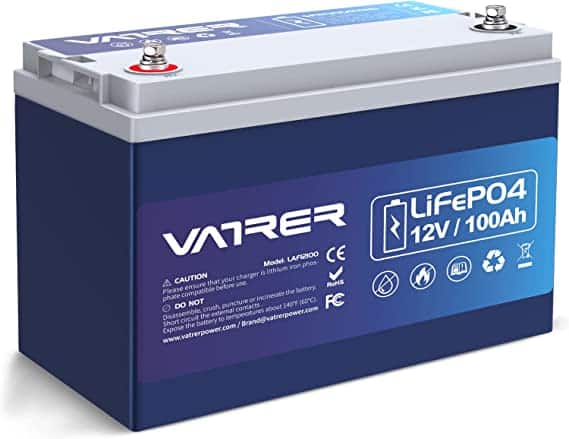
12V 100Ah LiFePO4 Lithium Battery, Up to 8000 Cycles, Built-in Smart BMS


Source link

RON97 petrol price March 2024 week one update – premium fuel price still unchanged; RM3.47 per litre

0


RON97 petrol price March 2024 week one update – premium fuel price still unchanged; RM3.47 per litre

It’s Wednesday, which means it is once again time for the weekly fuel price update in Malaysia, and the ministry of finance has announced the retail prices of fuels for the coming week of February 29 to March 6, 2024.

Yet another week sees no change in the price of RON 97 petrol in the country, which stays put at the rate of RM3.47 per litre as it has been from last week, and indeed, since the end of last September. Also unchanged is RON 95 petrol pricing, which remains at its ceiling price of RM2.05 per litre as set by the Malaysian government in February 2021.

The retail prices of diesel also continue unchanged, with the Euro 5 B10 and B20 blends staying at RM2.15 per litre, while the Euro 5 B7 blend holds station at 20 sen per litre more, at RM2.35 per litre.

These fuel prices will take effect from midnight tonight until Wednesday, March 6, 2024, when the next set of fuel price updates are announced. This is the ninth edition of the weekly fuel pricing format for this year, and the 268th in total since the format was introduced at the start of 2019.

Looking to sell your car? Sell it with myTukar.


Source link

MG4 vs BYD Dolphin Malaysia comparison – Chinese entry-level EV hatchbacks go head-to-head

0


MG4 vs BYD Dolphin Malaysia comparison – Chinese entry-level EV hatchbacks go head-to-head

The MG4 is now open for booking, finally putting to rest rumours of MG’s Malaysian entry that have been kicking around since at least early 2020. It’s coming with some attractive pricing too, pitting this Euro-centric electric hatchback against another aquatic-themed five-door.

That’s right – MG isn’t pulling any punches with the MG4, pricing it within thousands of the BYD Dolphin. As such, it’s bound to be a tough fight between the two Chinese hatches (yes, MG is a UK brand, but it’s owned by China’s largest carmaker SAIC), so read on to find out how these two stack up.

Pricing – MG4 costs more, but not by much

We only have estimated pricing for the MG4 for now, but from what we can tell, it will be a very competitive proposition, starting from just over the RM100,000 mark. The figures are as follows:

  • MG4 Standard – RM104,000
  • MG4 Lux – RM129,000
  • MG4 Lux Extended Range – RM149,000
  • MG4 XPower – RM159,000

If we take the numbers at face value, that means both the Standard and Lux variants will be within RM4,000 of the BYD Dolphin Dynamic Standard Range (RM100,530) and Premium Extended Range (RM125,530) respectively. There are two more higher-end variants with more power and a larger battery – including the high-performance XPower, which we’ll come to later.

Dimensions – closer than expected

MG4 vs BYD Dolphin Malaysia comparison – Chinese entry-level EV hatchbacks go head-to-head

The MG4 is a conventional (albeit electrified) C-segment hatchback, very much in the vein of the Volkswagen Golf and its much closer electric rival, the ID.3. By contrast, the Dolphin is a tall and narrow hatch, similar to the dearly-departed Honda Jazz. So these two should be as different as chalk and cheese.

Except they’re not – against the measuring tape, the MG4 and Dolphin are mere millimetres apart in some areas. Sure, there are obvious differences – the MG4 is 66 mm wider and lower. But its wheelbase is barely four millimetres longer and it’s actually shaded by the Dolphin in terms of length, if only by three millimetres. There’s literally nothing in it.

By virtue of having less to work with vertically, the MG4 feels noticeably less roomy on the inside compared to the Dolphin, but it does eke out a slight advantage in terms of boot space, carrying an extra 18 litres. Neither car offers a front boot, which is especially poor for the MG4, given that it’s rear-wheel drive.

Performance and range – MG4 goes a lot faster and further, but you’ll have to pay more

MG4 vs BYD Dolphin Malaysia comparison – Chinese entry-level EV hatchbacks go head-to-head

One look at the spec sheet and you’ll realise the MG4 is more of a “proper car” than the Dolphin, especially where the base models are concerned. Just RM4,000 more buys you a car that makes not far off double the amount of power at 170 PS; it also produces considerably more torque at 250 Nm.

It’s no surprise, then, that the MG4 Standard wipes the floor with the Dolphin Dynamic Standard Range, taking nearly five seconds out of the zero to 100 km/h acceleration, which it completes in a comparatively swift 7.5 seconds. The extra performance does mean it needs a significantly larger 51 kWh battery to achieve just slightly more range at 350 km on the WLTP cycle.

The MG4 Lux and Dolphin Premium Extended Range are far closer in terms of specs, both making just over 200 PS. But with 60 Nm extra, it’s actually the BYD that’s quicker, shaving seven tenths of a second off the century sprint (seven seconds flat). They also have similar battery sizes of around 60 kWh and travel over 400 km on a single charge, the MG4 edging the Dolphin at 435 km. The larger, heavier battery explains why Lux is actually slower to 100 km/h than the Standard.

MG4 vs BYD Dolphin Malaysia comparison – Chinese entry-level EV hatchbacks go head-to-head

The MG4 XPower is the performance bargain here – 435 PS at just RM159,000 estimated

While the Dolphin range stops there, the MG4 has two more variants, starting with the Lux Extended. This boosts the rear motor to 245 PS and 350 Nm of torque, getting to 100 km/h in 6.1 seconds, while its 77 kWh battery helps deliver an impressive 520 km of range. It’ll be quite a bit more expensive, however, costing a RM20,000 premium over the Lux.

But the one you’ll really want is the XPower. This is the only dual-motor all-wheel-drive model on this list, producing a stout 435 PS and 600 Nm and flinging itself to 100 km/h in just 3.8 seconds. However, it only has the middling 64 kWh battery, so its range is a mere 385 km. Still, at just RM10,000 more than the Lux Extended, the XPower represents a serious performance bargain – a BYD Seal Performance AWD, which gets to 100 km/h in exactly the same amount of time, is RM40,000 more expensive.

Charging – swings and roundabouts

MG4 vs BYD Dolphin Malaysia comparison – Chinese entry-level EV hatchbacks go head-to-head

At first glance, it would appear that the MG4 would walk all over the Dolphin when it comes to charging. On the spec sheet, MG lists charging times with a 150 kW DC fast charger – far higher than what the Dolphin supports in either Dynamic Standard Range (60 kW) or Premium Extended Range (80 kW) forms.

But look closely and some things don’t add up – most notably the fact that the MG4 Standard charges slower from 10 to 80%, even though it has a smaller battery. Sure enough, we did some digging and found that the Standard only supports up to 117 kW of fast charging, taking 37 minutes to top up the battery. That’s just one minute quicker than the Dolphin Dynamic Standard Range, and you can blame the MG4 Standard’s larger battery for that.

The other variants of the MG4 can accept up to 135 kW, shortening charging times to 26 minutes for the 64 kWh battery and 38 minutes for the 77 kWh version. This compares favourably to the Dolphin Premium Extended Range, which takes 40 minutes to charge its smaller 60 kWh battery.

MG4 vs BYD Dolphin Malaysia comparison – Chinese entry-level EV hatchbacks go head-to-head

As for AC charging, both the MG4 and Dolphin are disappointing as they only have 7 kW single-phase onboard chargers. Charging the MG from 10 to 100% with a wallbox takes eight hours for the Standard, 8.5 hours for the Lux and XPower and ten hours for the Lux Extended. Meanwhile, a full charge for the Dolphin Dynamic Standard Range takes seven hours and 18 minutes; BYD doesn’t quote charging times for the Premium Extended Range with a 7 kW OBC.

As we mentioned last week with the Seal, you can only achieve the fastest charge speeds with either a 7 kW single-phase or 22 kW three-phase wallbox charger. If you use an 11 kW three-phase charger thinking it’ll be faster, the OBC will step down to 3.7 kW maximum, doubling the charge time compared to a technically slower 7 kW charger. Electric vehicles with a three-phase OBC aren’t affected by this issue.

Warranty – MG4 beats Dolphin for general coverage

While BYD’s warranty coverage is one of the longest in the industry, it’s been beaten by MG. The MG4 offers a seven-year general warranty, one year longer than the Dolphin, although the mileage cap is the same at 150,000 km. The battery warranty is the same length at eight years, but MG offers a higher cap of 180,000 km instead of 150,000 km (BYD also has an eight-year/150,000 km drive unit warranty).

Given that we’re still a ways away from the launch, MG hasn’t released any information on maintenance costs, packages or schedules. On the other hand, BYD sells various service packages to keep you in its after-sales network, such as a Standard package that includes single-speed transmission oil servicing, air-con filter replacements and refrigerant servicing, brake fluid servicing and motor coolant servicing. This is priced at RM1,688 for three years, RM3,888 for six years and RM4,888 for eight years.

Alternatively, you can purchase a Plus package that throws in replacements for wipers, washer fluid, remote control and 12V batteries, and brake pads and discs. This is pretty costly, weighing in RM7,888 for six years and RM12,888 for eight years.

What else?

MG4 Lux (left), BYD Dolphin Premium Extended Range (right)

Both models offer plenty of value for your money, coming with LED lighting, keyless entry, wired Apple CarPlay connectivity and six airbags as standard. Compared with the Dolphin, the MG4 adds 17-inch alloy wheels (versus the Dolphin’s base 16s), wired Android Auto, a larger seven-inch digital instrument cluster (five inches for the Dolphin) and a “Hello MG” voice control system.

However, the BYD pulls ahead with things like a larger 12.8-inch rotating touchscreen (fixed 10.25-inch unit for the MG), six speakers (instead of just four), faux leather seats and a 360-degree camera system.

Those features – minus the bigger touchscreen – are reserved for the MG4 Lux model, which also gets full-LED lighting, 18-inch alloys, a powered driver’s seat and a Qi wireless charger. The Dolphin Premium Extended Range gets all this (but with smaller 17-inch wheels), but throws on a powered passenger seat, ventilated seats and a panoramic glass roof.

MG4 Lux (left), BYD Dolphin Premium Extended Range (right)

The MG4 Lux Extended adds no extra kit, just more power and range. Neither does the XPower, but you get some look-faster parts to go with the extra shove, including unique 18-inch alloys, orange “callipers” (they are really just covers), Alcantara upholstery and metal pedals. There’s also launch control designed to embarrass Porsches off the line. Best of all, neither MG nor BYD have skimped on kit, both fitting their cars with Level 2 semi-autonomous driving features like adaptive cruise control and lane centring assist as standard.

One thing to point out is that the MG4 can be controlled through an app – something the Dolphin doesn’t offer. This gives you the ability to monitor vehicle data such as charging status using your smartphone. You can also use the app to unlock the car via Bluetooth, but that’s only on the Lux models and up.

We have yet to drive the MG4, but you can be sure we will have our impressions on the site as soon as we do. In the meantime, you can read Anthony’s review of the BYD Dolphin here.

GALLERY: MG4 Lux in Malaysia

GALLERY: BYD Dolphin Premium Extended Range in Malaysia

Looking to sell your car? Sell it with myTukar.


Source link

Lamborghini Sián heads to auction with $3M-plus estimate

0


The Lamborghini Sián is a rare car, and for fans with deep pockets there’s a stunning example that’s coming up for sale.

A 2021 Sián coupe with a red paint finish that fades into exposed carbon fiber will cross the block at Broad Arrow Auctions’ sale coinciding with the 2024 Amelia Island Concours d’Elegance running this weekend.

The car is currently part of the Racer X Collection located near Chicago, and is one of just 63 examples of the Sián coupe that were built. An additional 19 Sián Roadsters were also built, and one of those is also available for sale at the dealership F1rst Motors in Dubai.

The estimate for the coupe is between $3 million and $3.75 million. That may seem high for a car that shares a platform with the more humble Aventador, but the Sián originally cost around $3.6 million. This example also has $237,000 worth of options, according to the listing. The stated mileage is just 244 miles.

Lamborghini Sián - Photo credit: Broad Arrow Auctions

Lamborghini Sián – Photo credit: Broad Arrow Auctions

Lamborghini Sián - Photo credit: Broad Arrow Auctions

Lamborghini Sián – Photo credit: Broad Arrow Auctions

Lamborghini Sián - Photo credit: Broad Arrow Auctions

Lamborghini Sián – Photo credit: Broad Arrow Auctions

The car is much more than an Aventador with a body kit. The Sián is Lamborghini’s first electrified car to reach production. Its powertrain consists of the Aventador’s 6.5-liter V-12 working together with an electric motor integrated with the transmission. The V-12 on its own develops 774 hp and the electric motor boosts output to 807 hp, though the electric motor only works until a speed of 81 mph.

Lamborghini quotes a 0-62 mph time of less than 2.8 seconds and a top speed of 217 mph.

What’s unique is that the Sián employs a supercapacitor instead of a battery for storing electrical power. The supercapacitor is good at providing bursts of power but can’t deliver any lasting power, meaning no electric range is possible. The supercapacitor is charged whenever the driver hits the brakes. The Sián names means “flash” or “lightning” in the Bolognese dialect of Italian—an appropriate moniker for a car with supercapacitor technology.

The upcoming Broad Arrow Auctions will also include the sale of a Bugatti Chiron Pur Sport from the Racer X Collection, plus a Porsche 959 that was allegedly used by Nissan as a benchmark vehicle during development of the R32-generation Skyline GT-R.


Source link