Home Blog Page 930

The 20 Best Things to Do in Mexico City (Updated 2024)

0


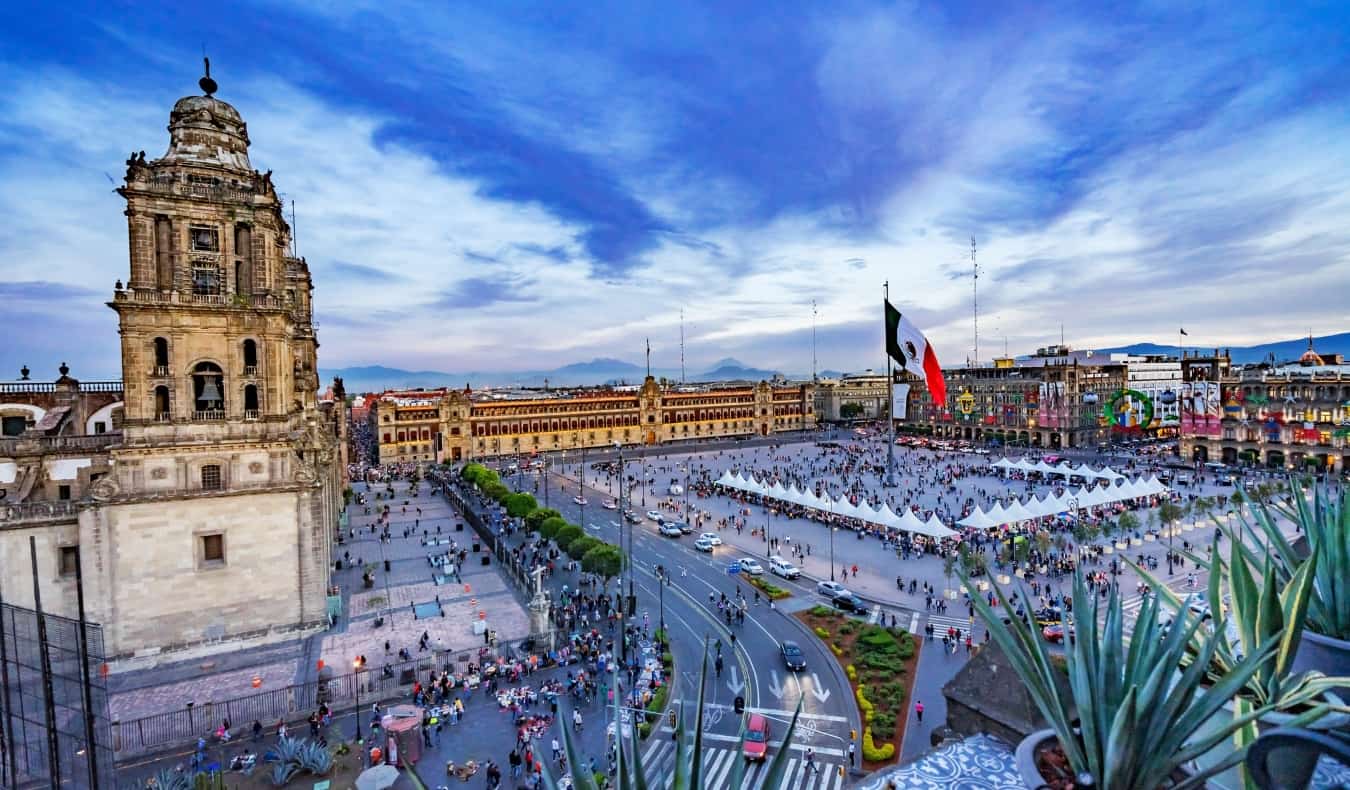
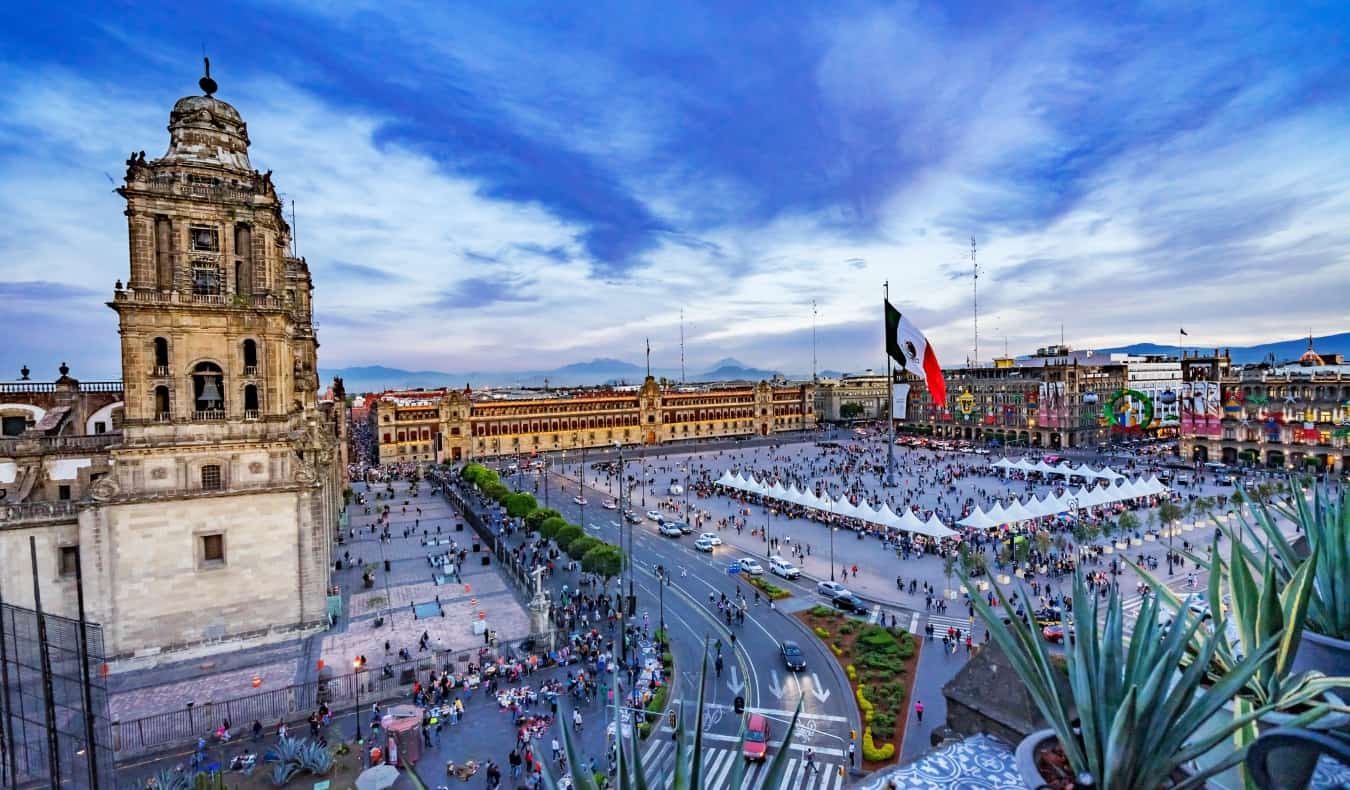
The beautiful Zocalo square at sunset, with the Metropolitan Cathedral, President's Palace, and huge Mexican flag in the center
Posted: 2/19/24 | February 19th, 2024

Mexico City is the fifth largest city in the world, a sprawling metropolis where history and culture converge in a dynamic tapestry of bright colors, diverse cuisines, and lively districts.

I love it here. I’ve been a handful of times and never get tired of exploring and eating my way around the city. I always have an amazing time. In fact, I love the city so much I even ran tours here (and every single person I showed around was blown away). No one hates this place.

Unsurprisingly, in a city so large and with such a long history, there’s a ton to see and do here, from visiting world-class museums to feasting at tiny taco stands to exploring offbeat neighborhoods. You could easily spend a week here and not even scratch the surface.

Here are what I think are best things to do in Mexico City so that you can have fun and really get to know the city and culture on your trip to this vibrant capital!


1. Take a Walking Tour

Walking tours are an excellent way to learn a destination’s history and avoid missing any must-see stops. I always start my trips off with at least one walking tour as it’s the best way to get the lay of the land and connect with a local guide that can answer all your questions.

Estación Mexico Free Tours and the Monkey Experience both have a free historic downtown tour that can show you what the city has to offer. The former also offers four other free tours of different neighborhoods too. Even though the tours are technically free, always remember to tip your guide at the end!

For more walking tour recommendations (including paid options), check out this post.

2. Visit the Museo Nacional de Antropología

Found within Chapultepec Park, this world-class anthropology museum is the largest museum in Mexico (it’s also the most visited, receiving over two million guests per year). Since 1964, it has housed the largest global collection of sculptures, jewels, and artifacts from ancient Mexican civilizations. The different time periods are grouped into comprehensive (and massive) exhibition halls with bilingual information signs, so be sure to give yourself ample time to explore it all. There’s a beautiful courtyard in the center where you can sit and people-watch for a bit.

Av. P.º de la Reforma s/n, +52 (55) 5553-6266, mna.inah.gob.mx. Open Tues-Sun 9am-6pm. Tickets are 95 MXN. Guided tours of the highlights start at 375 MXN (includes admission).

3. Tour Frida Kahlo’s House

Frida Kahlo and her husband Diego Rivera are two of the biggest names in Mexican art. Frida was particularly famous for her portraits and self-portraits. A tour of their old home (“Casa Azul”) is a worthwhile experience to see where and how she lived, as well as some of her original artwork. It’s a really interesting house with a beautiful garden and lots of information about her life. The residence also hosts a variety of artistic workshops monthly, so check out the schedule if you’re interested.

This guided tour of Coyoacán (the surrounding neighborhood) includes a ticket to the museum, which you’ll visit at your own pace after learning about the area in which the two artists lived and worked.

Londres 247, Del Carmen, +52 55 5554 5999, museofridakahlo.org.mx. Open Tues-Sun 10am-6pm (Wednesdays at 11am-6pm). Tickets are 250 MXN (270 MXN on the weekends). You must buy your tickets well in advance (at least a month out), because they are in incredibly high demand.

4. Attend a Lucha Libre

Mexican “free wrestling” is a favorite national pastime. Extremely entertaining and affordable, lucha libre takes the sport to a whole new level. Grab a beer or a shot of tequila, and whatever you do, do not look away during a match as anything can — and will — happen. (Do not bring your camera though, as you will be forced to check it at the door.)

Arena México and Arena Coliseo are the main places to see a match. General seating tickets can be as little as 56 MXN (do not buy from scalpers, because the police are always around and you’ll get in trouble). Look for a taquilla (ticket booth) sign to be sure that you are paying the right price.

Guided experiences, like this lucha libre experience, are also available. During the match, you’ll enjoy a mezcal tasting and munch on chips and guacamole, and at the end, you’ll leave with your very own lucha libre mask.

Arena México: Dr. Lavista 189, +52 55 5588 0266, cmll.com/arenas/arena-mexico. Shows on Fridays at 8:30pm, Sundays at 5pm, and Tuesdays at 7:30pm

Arena Coliseo: República de Perú 77, +52 55 5588 0266, cmll.com/arenas/arena-coliseo. Shows on Saturday nights at 7:30pm.

5. Day Trip to Teotihuacán

Several large pyramids at Teotihuacan near Mexico City, MexicoSeveral large pyramids at Teotihuacan near Mexico City, Mexico
If you do only one day trip out of town, make it this one. Teotihuacán was an ancient Mesoamerican city located about 50 kilometers (30 miles) northeast of present-day Mexico City. At its height (150-450 CE), it was one of the largest and most influential hubs in the pre-Columbian Americas, with a population estimated to be over 100,000. It is known for its impressive urban layout and pyramids, including the Avenue of the Dead, the Pyramid of the Sun, the Pyramid of the Moon, and the Temple of the Feathered Serpent (Quetzalcoatl).

I’ve been a few times and can’t recommend it enough (especially if you’re a history buff). We took our tour groups here and everyone always had an amazing time.

You can either do the day trip yourself (there are plenty of buses) or go on a guided tour that also stops at the Guadalupe Basilica, an important pilgrimage site. Either way, don’t forget to bring sunscreen, as the sun is punishing, and there’s little to no shade.

Admission to the pyramids is 80 MXN, while a full-day tour including transportation and a local guide is 540 MXN.

6. Peruse the Mercados

Mexico City boasts a kaleidoscope of bustling markets, each with its own unique charm. Among the most famous is Mercado de la Merced, a sprawling market hailed as the largest in town. Located east of the Zócalo, it’s mainly focused on food, with vibrant displays of fruits, vegetables, meats, and spices.

Another iconic market is Mercado Roma, a contemporary gastronomic hub that showcases the city’s culinary diversity through gourmet treats and artisanal products. For something a little different, Mercado Jamaica is a beautiful flower market, full of vibrant colors and fragrances. And for unique souvenirs, head to La Ciudadela, an artisan market which boasts an extensive collection of traditional textiles and handicrafts.

Finally, Mercado de Sonora stands out for its mystical ambiance, renowned for catering to spiritual and esoteric needs, offering everything from traditional herbs and potions to ritualistic artifacts. There’s truly a market for everything in Mexico City!

If you don’t want to explore on your own, you can join a guided tour that visits both Mercado de la Merced and Mercado de Sonora, including many stops to sample lots of authentic local treats Tickets are around 1,100 MXN.

7. Take a Food Tour

A hand holding a paper plate full of fresh tacos in Mexico City, MexicoA hand holding a paper plate full of fresh tacos in Mexico City, Mexico
Traditional Mexican cuisine is so culturally rich and distinct (and delicious) that UNESCO has included it on its Intangible Cultural Heritage list. While you can certainly go on a self-led taco tour, you won’t learn nearly as much as you would by taking a food tour, an excellent way to get a crash course on local cuisine.

My friend Anais runs Devoured Tours, offering in-depth tours into the food scene of CMDX, with five different four-hour options to choose from. On each tour, you’ll meet a local “tastemaker,” an expert in their craft who shares the process behind Mexican gastronomic traditions like making mouthwatering tacos or crafting exquisite mezcal cocktails. Tours start at 1,625 MXN.

If you just want to eat all the tacos (who doesn’t), join Sabores Mexico Food Tours on its Tacos & Mezcal Night Food Tour. You’ll enjoy tacos at a mix of traditional and contemporary taquerias and end your night sampling in the first mezcal bar in Mexico City.

8. Sample Mezcal

I love mezcal. It’s is a traditional Mexican distilled spirit, crafted from agave, that’s renowned for its smoky flavor and complexity. I’ve learned a ton about it over the course of my visits to Mexico, but I’m always looking to try new flavors and dive deeper into the distilling process.

If you want to try mezcal and learn more about it, some unique places to sample it include La Mezcaloteca (a bar/library where you can do a tasting of five mezcals) and La Clandestina in Condesa (with 25 mezcals from all over the country)

At the Museum of Tequila and Mezcal near Plaza Garibaldi, knowledgeable guides will lead you through the intricate process of production, from harvest to distillation. You’ll also get to sample types of mezcal alongside different tequilas, so you can appreciate the differences between Mexico’s main two spirits. A ticket that includes tastings costs 340 MXN.

9. Float Along the Xochimilco Canals

A young boy pushes a colorful boat down a river with a long stick in the Xochimilco Canals in Mexico City, MexicoA young boy pushes a colorful boat down a river with a long stick in the Xochimilco Canals in Mexico City, Mexico
While the Xochimilco Canals are infamous for their party boats, complete with bottomless drinks, a kayak tour is a fun and different way to explore the enchanting waterways of this UNESCO World Heritage Site. On this tour, led by a knowledgeable local guide, you’ll paddle through the vibrant floating gardens, known as chinampas, witness the lively atmosphere of traditional trajineras (colorful boats), and appreciate the scenic beauty of the surroundings. All the while, you’ll get insights into the history and significance of Xochimilco and its canals. This was another really popular part of our tours and something most travelers don’t experience.

If you’re an early riser, you can even opt for a sunrise tour, during which you’ll get the waterways virtually to yourself. Tours start at 890 MXN.

10. Admire the View from Torre Latinoamericana

Torre Latinoamericana is an iconic skyscraper in the heart of Mexico City. Completed in 1956, it was once the tallest building in Latin America. Designed by architect Augusto H. Álvarez, the tower rises 183 meters (600 feet) and consists of 44 floors. (It has resisted numerous earthquakes, thanks to its innovative design featuring a stabilizing core.)

The tower offers panoramic views from its observation deck, giving a good perspective on just how massive the city is. It costs 200 MXN to visit the observation floor (get advance tickets here), but if you go to the bar on the floor just below, you’ll get the same view for the price of a drink.

Francisco I. Madero Avenue 1, +52 55 5518 7423, miradorlatino.com. Open daily 9am-10pm. Tickets are 200 MXN.

11. Wander the Zócalo

A large Mexican flag in front of one of the many historic buildings in Mexico City, MexicoA large Mexican flag in front of one of the many historic buildings in Mexico City, Mexico
The Zócalo is the heart of Mexico City’s historic center. This massive square contains the ruins of Templo Mayor (the ancient Aztec temple complex), the Palacio Nacional (the president’s official residence), and La Catedral Metropolitana (constructed by the Spanish upon conquest of the area).

Originally the main ceremonial center in the ancient Aztec city of Tenochtitlán (located where Mexico City now stands), the Templo Mayor was destroyed to make room for the cathedral in 1521. In fact, the very stones that made up the temple were used to create the cathedral. You can now view ancient artifacts uncovered from the site, rediscovered in the 1970s, at the Museo del Templo Mayor (95 MXN to enter the museum and archaeological site).

When you’re done, head over to admire the stunning Spanish colonial architecture of the La Catedral Metropolitana. This 16th-century building dominates the northern half of the Zócalo and is free to enter. Inside, it’s incredibly ornate, with a floor that’s noticeably tilted thanks to the perpetual sinking of the city (due to its construction on a lake and swamp).

12. Relax in Chapultepec Park

Chapultepec means “Hill of the Grasshopper” in Nahuatl, the language of the Aztecs. Spanning 686 hectares (1,700 acres), this park in the heart of Mexico City is the second largest urban park in Latin America (the biggest is in Santiago, Chile). It’s one of the world’s most visited too, not only by visitors but locals, who love to set up shop grilling and picnicking on Sundays. You can also rent a rowboat or paddleboat and go out on Chapultepec Lake. Whenever I want to just relax and soak up the sun, this is where I go.

In addition to the countless paths to stroll, Chapultepec is home to a zoo and several important museums, including the Museum of Anthropology (mentioned earlier) and Chapultepec Castle (see below).

The park is divided into three sections. Section 1 houses most of the museums and is open Tuesday-Sunday 5am-6pm. Sections 2 and 3 are open 24/7, though like many city parks, it’s likely not the best idea to walk through it alone after dark.

13. Visit Castillo de Chapultepec

The only castle in North America to house monarchs, Chapultepec Castle was built in 1725 as a large manor house for the viceroy (the Spanish colonial administrator). Abandoned during the Mexican War of Independence in 1810, it later became the residence of Emperor Maximilian I and Empress Carlota in 1864, during the Second Mexican Empire (1864–67).

Today, you can visit the castle and meander through the magnificently decorated period rooms, manicured gardens, and terraces offering impressive panoramas. The castle is also home to the Museo Nacional de Historia (see below), which tells the story of Mexico from the time of Tenochtitlán to the Mexican Revolution.

Bosque de Chapultepec, Section I, +52 55 5256 5464, mnh.inah.gob.mx. Open Tues-Sun 9am-5pm. Admission 95 MXN.

14. Check out the art and history museums

The Art Nouveau Palacio de Bellas Artes with its beautiful domed rooftop on a sunny day in Mexico City, MexicoThe Art Nouveau Palacio de Bellas Artes with its beautiful domed rooftop on a sunny day in Mexico City, Mexico
There are many museums and galleries in Mexico City. Worthwhile ones include the following:

  • Palacio de Bellas Artes (Fine Art Museum): This impressive Art Nouveau building with an Art Deco interior is a massive cultural center that hosts performing arts events. Its various galleries include murals by Diego Rivera and rotating temporary exhibitions. It is also home to the Museum of Architecture.
  • Museo Nacional de Historia (National History Museum): This museum, located in Chapultepec Castle, tells the history of Mexico over 12 permanent exhibition halls.
  • Museo de Arte Moderno (Museum of Modern Art): Located within Chapultepec Park, this museum focuses on modern Mexican art. Its most famous piece is Frida Kahlo’s The Two Fridas.
  • MUAC (University Museum of Contemporary Art of UNAM): This art museum on the university’s grounds also focuses on contemporary Mexican art, with video and sound installations, paintings, drawings, and more.
  • Museo Nacional de Arte (National Art Museum): Mexican art from the mid-16th century to the mid-20th century is divided into three main time periods (colonial, post-independence, and post-revolution).
  • Museo de Arte Popular (Folk Art Museum): This museum’s collection of Mexican folk art and handicrafts features traditional textiles, pottery, glass, piñatas, and alebrijes (brightly colored sculptures of fantastical creatures).
  • Memory and Tolerance Museum: This newer museum tells the history of genocides and crimes against humanity, with a section promoting tolerance and inclusion of all groups of people.
  • Tamayo Museum: Born out of the private collection of artist Rufino Tamayo, this museum concentrates on 20th-century international art (especially of the avant-garde variety).

Ticket prices vary, but generally range from free to 100 MXN.

15. Tour a Megalibrary

The Biblioteca Vasconcelos, located in the Buenavista neighborhood, is a temple to books, often referred to as a “megalibrary.” The largest library in the entire country, it opened in 2006, covers an incredible 38,000 square meters (409,000 square feet), and houses over 600,000 books.

But the real draw for the visitor is not in the collection (which, though large, isn’t particularly noteworthy) but the building itself. The architecture is stunning, featuring transparent walls, six intentionally mismatched floors, and sculptures by prominent artists. It also has a focus on sustainability, with rainwater collection barrels on the roof, windows designed to light almost the entire interior naturally (yet without harming the books), and a green roof covered in plants that keep the building cool.

Don’t miss popping around the back to stroll through the quiet and spacious garden filled with trees, shrubs, and herbaceous plants. Admission is free.

16. Marvel at the Soumaya Museum

Housing 66,000 pieces of Central American and European art, the Soumaya Museum displays works not only by Mexican artists such as Diego Rivera and Rufino Tamayo but also by famous masters such as Botticelli, Dalí, and Rodin. The museum was donated and constructed by one of the world’s richest men, Carlos Slim Helú (a Mexican business magnate). The Soumaya is a stunning piece of art on its own, as it is covered in 16,000 hexagonal aluminum tiles that sparkle in the sunlight. It’s considered the most beautiful modern building in Mexico City. Admission is free.

Blvd. Miguel de Cervantes Saavedra. +52 55 1103 9800, www.museosoumaya.org/. Open daily, 10:30am-6:30pm. Free entry.

17. Escape to the UNAM Botanical Garden

If you’re seeking a temporary escape from the hustle and bustle of Mexico City, look no further than the Botanical Garden at the National Autonomous University of Mexico (UNAM). Rooted in Aztec traditions that valued gardens for both medicinal and ornamental purposes, this sanctuary also emphasizes conservation and environmental education. It’s situated around lava formations from the Xitle volcano eruption, and the paths meander through naturally formed grottoes and past waterfalls and ponds teeming with koi and turtles.

The plants you can admire here include the world’s most diverse cactus collection, with 800 different varieties; there’s also an orchidarium and a medicinal garden. This is also a habitat for wildlife: keep an eye out for woodpeckers, owls, hummingbirds, rattlesnakes, lizards, and the Pedregal tarantula, a species exclusive to this small area of Mexico City.

University City, Coyoacán. +52 56 22 90 63. www.ib.unam.mx/ib/jb/. Open Monday-Friday, 9am-5pm, Saturdays from 9am-3pm. Admission is free.

18. Stroll Around Roma and Condesa

A quiet street with colorful houses in Condesa, Mexico City with a car parked on the streetA quiet street with colorful houses in Condesa, Mexico City with a car parked on the street
Roma and Condesa, two adjacent neighborhoods in the heart of Mexico City, are worth spending some time exploring (they’re also some of the best neighborhoods to stay in). They bleed into each other a bit, as both have leafy, tree-lined avenues, trendy boutiques, and an eclectic array of cafés, restaurants, bars, and mezcalerías.

Roma is renowned for its bohemian atmosphere, European-inspired architecture, and colorful street art. Condesa is a bit more laid-back, high-class, and refined, featuring Art Deco buildings and lots of sidewalk cafés. Parque México and Parque España are iconic green spaces that divide the two neighborhoods and are perfect places to sit and people-watch for a bit.

19. Visit a Pueblo Mágico

The pueblos mágicos (magical towns) are towns and villages that the Mexican government has recognized for their cultural, historical, and natural significance. To be so designated, a place must meet specific criteria, including having historical and cultural richness and unique architecture, traditions, and folklore. These towns often feature well-preserved colonial architecture, lively cultural traditions, and a welcoming atmosphere.

While they are scattered all across the country, there’s one located just over an hour from Mexico City: Tepotzotlán.

Known for its beautiful colonial architecture, cobblestone streets, vibrant murals, and hikes to sacred sites in the surrounding mountains, it makes for a fun day trip, or if you have the time, even an overnight. There are buses that go to Tepotzotlán from Taxqueña (Mexico City’s southern bus station) every 30 minutes. A ticket is 184 MXN.

20. Offbeat Things to Do in Mexico City

There are lots of unconventional things to see and do that a lot of visitors don’t experience. Here are a few suggestions of some of my favorites:

  • Palacio de Correos de México: This beautiful post office is a fascinating mix of architectural styles, including Art Nouveau, Art Deco, Gothic Revival, and others. There’s a free museum on the ground floor featuring various elements of the post office’s history, including a huge mural made entirely of stamps!
  • Ballet Folklórico de México: This renowned folk-dance ensemble showcases traditional Mexican dance and music. Their permanent home is the Palacio de Bellas Artes, where tickets start at 1,200 MXN.
  • Museo del Objeto del Objeto (Museum of the Object of the Object): This quirky museum is dedicated to everyday objects, showcasing the evolution of design and consumer culture in Mexico. Free admission.
  • Museo del Chocolate: Learn about the importance and cultivation of cacao throughout Mexico’s history. There’s also an attached café, where you can sample chocolates in plenty of different forms. Museum admission is 80 MXN.

***

Mexico City is one of the world’s greatest metropolises. From iconic landmarks like the historic Zócalo and the majestic Teotihuacán pyramids to the vibrant markets, diverse neighborhoods, and thriving culinary scene, it is utterly captivating. No matter how long you have here, these things to do will keep you busy and ensure that you have an amazing visit.

Book Your Trip to Mexico City: Logistical Tips and Tricks

Book Your Flight
Use Skyscanner to find a cheap flight. They are my favorite search engine because they search websites and airlines around the globe so you always know no stone is left unturned!

Book Your Accommodation
You can book your hostel with Hostelworld as they have the biggest inventory and best deals. If you want to stay somewhere other than a hostel, use Booking.com as they consistently return the cheapest rates for guesthouses and cheap hotels.

If you’re looking for a place to stay, here are my favorite hostels in Mexico City.

This post can help you pick the best neighborhoods to stay in.

Don’t Forget Travel Insurance
Travel insurance will protect you against illness, injury, theft, and cancellations. It’s comprehensive protection in case anything goes wrong. I never go on a trip without it as I’ve had to use it many times in the past. My favorite companies that offer the best service and value are:

Looking for the Best Companies to Save Money With?
Check out my resource page for the best companies to use when you travel. I list all the ones I use to save money when I’m on the road. They will save you money when you travel too.

Want More Information on Mexico City?
Be sure to visit our robust destination guide to Mexico City for even more planning tips!


Source link

Revealed: The Most Luxurious Credit Cards In The World

0


Image Courtesy of Unsplash

Anyone can apply for a credit card, though some are more exclusive than others. Did you know that a range of luxury credit cards are available by invitation only? They carry incredible perks and are almost exclusively reserved for the rich and famous.

How can you get your hands on a card like this? We’re revealing the most high-end credit cards in this post, along with eligibility requirements and details on how you can apply.

American Express Centurion (Black Card)

American Express Centurion (Black Card)
Image Courtesy of Business Insider

Some of you may have heard of the American Express Black Card, but its true name is the American Express Centurion. It’s widely regarded as the most exclusive and premium credit card in the world. Owners receive Membership Rewards points with every purchase, which can be redeemed for free air travel to a host of luxury travel destinations.

The card is so exclusive that details surrounding it are shrouded in mystery. American Express has no dedicated page on its website, so nobody knows the eligibility criteria. All we know is that it’s strictly invite-only.

You must own an American Express credit card already – and it’s generally believed that the company invites its highest-earning and biggest-spending customers. Annual fees for this card are rumoured to be just under GBP 3,500! However, it’s partially worth it as you get a concierge who’ll buy things for you 24/7. You also get exclusive access to some of the best and most impressive airport lounges in the world.

Dubai First Royale MasterCard

In terms of luxury design, no credit card comes close to the Dubai First Royale. It’s literally embedded with a diamond and has real gold trimmings around the side. One excellent aspect of this card is the fact it’s a MasterCard. This makes it widely accepted all over the world, and it would even be permitted at an online credit card casino UK. If you do choose to gamble with it, you benefit from an unlimited credit limit and absolutely no restrictions on spending.

It’s a truly masterful credit card, though it’s only handed out to a select few individuals. Dubai Royalty is given it, though regular citizens living in Dubai can also be invited. All you need is enough money to be classified as a millionaire!

Again, you get a 24/7 concierge service and a big annual fee (GBP 2,000 this time) though it’s worth it if you want a restriction-free card that lets you buy whatever you want.

JP Morgan Reserve Card

JP Morgan Reserve Card

If you’re a JP Morgan client with USD 250,000 or more managed by them, you will be cordially invited to enjoy the JP Morgan Reserve Card. This card’s design is stunning; it’s pure metal and shines in the sunlight, giving a genuine feeling of luxury. The only downside is that you need to remove it from your person if you step through metal detectors as it will set the scanners off!

Aside from that, this elusive credit card has a host of wonderful perks. Members have access to all of the following:

It’s also a Visa credit card, which is the most widely accepted credit card processing provider on the planet. You may find places that won’t accept the likes of AmEx, Discovery or even MasterCard, but they’ll always let you pay via Visa!

Image Courtesy of Unsplash

Chase Sapphire Reserve

Chase Sapphire Reserve

All the previous credit cards are invite-only, but you can find a luxury option that’s available to anyone.

We say “anyone” – you still need to meet strict requirements to get a Chase Sapphire Reserve credit card:

Tick these boxes and you’ll be welcome with a range of outstanding perks and rewards. Spend USD 4,000 across the first three months of owning your card and you’ll receive 60,000 bonus reward points. Convert them into travel miles and it’s USD 900 to help you spend on flights!

Chase Sapphire Reserve

Speaking of which, all Chase Sapphire customers get a USD 300 travel credit each year, which gives you free money to spend when taking a vacation. There’s a long list of other perks too, including:

Image Courtesy of Unsplash

Living a luxury lifestyle is only possible with the right tools to let you buy what you want and enjoy incredible perks. Do you qualify for any of the exclusive credit cards listed in this post? If so, it’s worth trying to get your hands on one as it will change your life and bring so many opulent rewards your way.

For more on the latest in business stories, click here.


Source link

2024 Honda CR-V e:HEV RS review

0


The previous generation of Honda CR-V, much like the rival Nissan X-Trail, was offered with a hybrid powertrain overseas. Alas, neither the CR-V hybrid nor its electrified X-Trail rival were offered here.

But then Toyota came along with its RAV4 Hybrid – also belatedly, given we missed two generations in Australia – and was an immediate smash hit.

The hybrid option has helped keep the RAV4 atop the sales charts, while wait times have blown out. Now, both Honda and Nissan are looking to cash in on rampant demand.

Honda hasn’t jumped in with both feet just yet. Where Nissan offers three X-Trail e-Power variants in Australia, and Toyota lets you choose from nine versions of the Toyota RAV4 Hybrid, there’s just one CR-V e:HEV on offer in local showrooms.

WATCH: Paul’s video review of the CR-V VTi L7

It’s not offered with all-wheel drive, and is based on the most expensive RS trim level – which means it has a sticker price close to $60,000 drive-away.

Is the only Honda CR-V hybrid you can buy in Australia a good one?

How does the Honda CR-V fare vs its competitors?

View a detailed breakdown of the Honda CR-V against similarly sized vehicles.

Honda CR-V cutout image

Honda

CR-V

How much does the Honda CR-V cost?

2024 Honda CR-V pricing:

  • 2024 Honda CR-V VTi X: $44,500
  • 2024 Honda CR-V VTi X7: $46,800
  • 2024 Honda CR-V VTi L: $48,800
  • 2024 Honda CR-V VTi L AWD: $51,300
  • 2024 Honda CR-V VTi L7: $53,000
  • 2024 Honda CR-V VTi LX AWD: $57,000
  • 2024 Honda CR-V e:HEV RS: $59,900

All prices are drive-away

To see how the CR-V compares with its rivals, use our tool to build your own comparison.

What is the Honda CR-V like on the inside?

There’s a quality feel with the CR-V, which you can notice even upon simply opening the driver’s door.

It doesn’t feel tinny, and the door cards are finished in a mix of soft-touch plastic and leatherette.

The driver’s seat moves back as you get in, and then as you settle into the comfortable, almost European-looking leather-appointed seats and get ready to move, it slides closer to the steering wheel.

There’s also two-person memory for the driver’s seat, and heating for both front seats.

Ahead of you is a 10.2-inch digital instrument cluster, flanked by a couple of simple bar displays for battery and fuel levels. It’s vastly more modern in appearance than the old CR-V’s instrument cluster screen, and there are various display options.

You can have simple analogue-style gauges flanking a cute display of the vehicle, which shows whether the lights are on, where the vehicle is placed within its lane, and even if there are other cars or trucks nearby.

You can choose to have widgets within the analogue gauges, too – I chose to have my Android Auto track info on the left gauge, and fuel economy on the right. Turn-by-turn navigation instructions, even for Google Maps, also appear in the cluster.

You can also choose to have a bar-style readout (I’m personally not a fan), and even have the gauges hidden when cruise control is on.

Moving over to the infotainment system, the new CR-V once again puts its predecessor in the shade. The menu structure will be familiar to existing Honda owners, but the graphics appear more polished and the screen is larger (9.0 inches vs 7.0 inches).

Not only is the new CR-V’s interior more modern-looking than that of its predecessor, it’s a bit more conventional in appearance.

The shifter has been moved further down for a less minivan-like appearance, and the wireless charging pad sits behind it which means your phone is less likely to go flying off at a fast turn.

The old CR-V had an enormous pit within the centre console with a sliding tray. The new CR-V’s centre console storage isn’t quite as voluminous, but there’s still a fairly deep bin with a padded lid, ahead of which sits a small rubberised shelf and a pair of cupholders.

The bottle holders in the doors can fit 1.5L water bottles.

There’s a cleaner, less plasticky look to the interior than the old CR-V. There’s not the kind of leather-wrapped look to the dash top a Kia Sportage has, or the leatherette-padded centre console sides of a Mazda CX-5 or Mitsubishi Outlander.

In the CR-V’s favour, however, is Honda’s funky honeycomb-style trim stretching across the dashboard and concealing the air vents. The vents also have neat twisty toggles.

There’s a welcome bank of physical switches for the climate control, though unlike the HR-V and ZR-V the backlighting doesn’t glow blue or red when you adjust the temperature.

Gloss black trim has been used exclusively as an accent, instead of there being vast plains of the stuff, while attractive metal-look trim is used more prominently for contrast.

The metal-look trim running along the doors is subtly backlit by white ambient lighting, while the cupholders and base of the centre stack also have a subtle glow at night.

The steering wheel feels nice, though the switchgear on it is a bit plasticky – but still nicer than that of the last CR-V.

The rear doors continue to open 90 degrees, which makes loading and unloading things like child seats that much easier.

There’s a spacious and comfortable backseat, with plenty of headroom despite the panoramic sunroof. Legroom is excellent, and the floor is almost completely flat – welcome news for the centre-seat occupant. If the centre seat is unoccupied, you can pull down a centre armrest.

Other backseat amenities include a pair of USB-C outlets plus air vents. There are ISOFIX anchor points for child seats on the outboard seats, plus top-tether points for all three seats.

You can enjoy a better look at what your backseat passengers are doing by pulling down the sunglasses holder on the roof, revealing a conversation mirror.

You can also fortunately toggle off Honda’s walk away locking function, which is an acquired taste.

There’s a power tailgate, which opens to reveal a competitive 581L cargo space. The rear seats split and fold 60/40, though there are no levers in the boot to drop them. There is, however, a 12V power outlet back here.

Petrol-powered CR-Vs have a full-sized spare and seven-seat models have a space saver. However, the hybrid model draws the short straw and has only a tyre repair kit.

What’s under the bonnet?

The CR-V e:HEV RS mates a 2.0-litre naturally aspirated four-cylinder petrol engine with two electric motors.

System outputs are rated at 135kW of power (5000-8000rpm) and 335Nm of torque (0-2000rpm).

Over a loop consisting of a mix of inner-city, suburban and highway driving, we averaged 5.2L/100km. This only increased to 5.5L/100km over the course of a week and more than 600km of driving.

The official combined cycle claim is 5.5L/100km, which proved remarkably accurate. The CR-V also requires only 91 RON regular unleaded fuel.

How does the Honda CR-V drive?

The CR-V is the picture of refinement.

The transitions between petrol and electric power are seamless. Not only will the vehicle run on electric power at low speeds, we also observed the it going into EV mode while cruising along the highway at more than 80km/h.

You can see an energy flow readout in both the infotainment touchscreen and in the digital instrument cluster.

What makes the CR-V especially pleasant is the absence of rev flaring when the petrol engine kicks in. You instead feel shift points, while the engine has a more aurally pleasing, sportier engine note than a RAV4.

Body control is good, and the CR-V feels planted – hit a bump or rise in the road and it recovers quickly.

That also makes the CR-V a willing companion on a winding road. The steering mightn’t be the last word in road feel, but it has good weighting, while the handling is balanced and secure. You can hustle this along at a steady clip.

The CR-V’s hybrid powertrain is responsive, too. We actually left it in Eco mode, and it never felt lacking in power – even on steeper grades, or when overtaking.

We didn’t observe any wheel spin or torque steer. Would it be nice if an all-wheel drive hybrid model was offered here, as is the case in Thailand (where our CR-V is built)? Absolutely. But this front-driver is thoroughly pleasant to drive.

The cabin is well insulated from outside noise, and the engine – while pleasant to listen to – is subdued when it fires up. There’s a little bit of tyre roar on the coarse chip road surfaces common in rural Australia, but it’s hardly objectionable.

Ride quality is quite good. Not once did we feel the CR-V crash over a bump, and it ate up patchwork pavement with aplomb. Only rarely did it feel a tad fidgety, which can probably be chalked up to its 19-inch alloys.

The driver assists are well-calibrated. Neither the lane-keep assist nor lane centring are overly obtrusive, and yet they do what they’re supposed to.

We also like the animation in the instrument cluster that shows where the vehicle is within its lane, which also shows other cars and trucks. Sure, this isn’t terribly useful, but it’s a slick-looking display.

The adaptive cruise control works well and there’s a speed limiter function as well, while the adaptive LED headlights provide excellent illumination. We also love the use of cornering lights.

What do you get?

CR-V VTi X highlights:

  • LED headlights
  • 17-inch alloy wheels
  • Full-size alloy spare wheel
  • Hands-free power tailgate
  • 90-degree rear doors
  • Fabric upholstery
  • 8-way power driver seat
  • Dual-zone climate control
  • Conversation Mirror
  • 7.0-inch driver display
  • 9.0-inch touchscreen infotainment system
  • Honda Connect
  • Wireless Apple CarPlay
  • Wired Android Auto
  • 8-speaker audio system
  • Wireless phone charger

CR-V VTi X7 adds:

  • 7 seats
  • Blind-spot monitoring
  • Rear cross-traffic alert
  • Space saver spare wheel
  • Tri-zone climate control

CR-V VTi L adds (over VTi X):

  • 18-inch alloy wheels
  • Privacy glass
  • Roof rails
  • Satellite navigation
  • Smart Key Card
  • Leather-appointed seats, black
  • Heated front seats
  • Driver memory function (2 positions)
  • 4-way power passenger seat
  • Leather-wrapped steering wheel
  • Leather-wrapped shifter
  • Auto-dimming rear-view mirror
  • i-Dual-zone climate control
  • Rain-sensing wipers

CR-V VTi L7 adds (over VTi X7):

  • Panoramic sunroof
  • 18-inch alloy wheels
  • Privacy glass
  • Satellite navigation
  • Smart Key Card
  • i-Dual + tri-zone climate control
  • Leather-appointed seats, black
  • Heated front seats
  • Driver memory function (2 positions)
  • 4-way power passenger seat
  • Leather-wrapped steering wheel
  • Leather-wrapped shifter
  • Rain-sensing wipers

CR-V VTi LX adds (over VTi L):

  • 19-inch alloy wheels
  • Exhaust pipe finisher
  • Sport front, rear bumpers
  • Auto reverse tilt side mirror
  • Panoramic sunroof
  • Ambient lighting
  • 10.2-inch driver display
  • 12-speaker Bose premium audio

CR-V e:HEV RS adds:

  • 19-inch dark alloy wheels
  • Tyre repair kit
  • LED active cornering lights
  • Adaptive Driving Beam (headlights)
  • Black exterior accents
    • Shark fin antenna
    • Side mirrors
    • Pillars
    • Tailgate spoiler
  • Body colour wheel arches
  • Red contrast stitching
    • Seats
    • Steering wheel
    • Shifter
  • Black headliner

Honda also includes five years of Honda Connect. This allows you to use a smartphone app to do things like lock or unlock the vehicle, adjust the climate control, and monitor the vehicle’s location and speed.

Is the Honda CR-V safe?

The fifth-generation Honda CR-V has yet to be tested by ANCAP or Euro NCAP.

Standard safety features include:

  • 11 airbags
  • Honda Sensing
    • Forward collision warning
    • Collision mitigation braking system (AEB)
    • Lane departure warning
    • Lane-keep assist
    • Road Departure Mitigation System
    • Adaptive cruise control
      • Low Speed Follow
      • Traffic Jam Assist
    • Low Speed Braking Control
    • Traffic sign recognition
    • Auto high-beam
  • Parking sensors front, rear

CR-V VTi X7 + VTi L add:

  • Blind-spot monitoring
  • Rear cross-traffic alert

How much does the Honda CR-V cost to run?

The CR-V is backed by a five-year, unlimited-kilometre warranty.

Servicing intervals are on the shorter side at 12 months or 10,000km, however Honda caps the price of the first five services at $199 each.

That’s cheaper than even the RAV4 to service, with the Toyota’s first five services capped at $260 each. The RAV4 does, however, have longer 12-month, 15,000km intervals.

CarExpert’s Take on the Honda CR-V

The old CR-V was a decent thing, but this new generation has vaulted towards the top of the class – and it’s arguably most impressive in hybrid guise.

No, it’s not cheap, given you can get a front-wheel drive RAV4 Cruiser hybrid for a few thousand less. But the CR-V is more enjoyable to drive, while still offering supple ride quality and a refined cabin.

Though we ran the CR-V in Eco mode, this hybrid SUV still proved punchy and we were able to match its claimed combined cycle fuel economy.

An attractive, practical cabin, competitive technology and cheap servicing round out the CR-V’s list of attributes.

But Honda, we need more CR-V hybrids. There mightn’t be a seven-seat one available globally, but there are all-wheel drive hybrid options, plus more affordable options – bring them here.

Click the images for the full gallery

BUY: Honda CR-V
MORE: Everything Honda CR-V


Source link

2024 Range Rover Evoque facelift in Malaysia – P200 and P250, new 11.4-inch touchscreen, RM499k-RM566k

0


2024 Range Rover Evoque facelift in Malaysia – P200 and P250, new 11.4-inch touchscreen, RM499k-RM566k

It’s a little late to market, but the facelifted Range Rover Evoque has finally been launched in Malaysia. Revealed to the world last June, the brand’s stylish entry-level SUV gets some minor design tweaks that mask a comprehensive interior makeover.

A total of three variants are being made available, starting with the P200 Dynamic SE (M Spec) priced at RM498,800 on-the-road without insurance. The more powerful P250 version (H Spec) is RM30,000 more expensive at RM529,800, while the P250 Dynamic HSE (Lux Spec) is an extra RM40,000 on top of that, retailing at RM565,800.

All three models continue to be powered by a 2.0 litre Ingenium turbocharged four-cylinder petrol engine. As the names suggest, the P200 version makes 200 PS and 320 Nm of torque, pulling the Evoque from zero to 100 km/h in 8.6 seconds, while the P250’s 249 PS and 365 Nm enables a century sprint of 7.6 seconds. A nine-speed ZF automatic gearbox is standard fitment, as is Efficient Driveline all-wheel drive with Driveline Disconnect.

2024 Range Rover Evoque facelift in Malaysia – P200 and P250, new 11.4-inch touchscreen, RM499k-RM566k

On the outside, the Evoque is now closer in line to newer stablemates like the facelifted Velar and the all-new L460 Range Rover. At the front, you’ll find revised LED headlights with slimmer daytime running lights (no more inner “rectangle”), along with a new rectangular pattern for the grille. Moving to the rear, the “double-U” taillights have given way to a wider U-shaped graphic. New colours Corinthian Bronze, Tribeca Blue and Arroios Grey round off the small changes to what is still a very attractive car.

It’s on the inside where the latest Evoque has moved on significantly from the last model, sporting a reductive design aided by the adoption of the massive floating 11.4-inch infotainment touchscreen (still running the Pivi Pro interface) from the Velar facelift.

This has unfortunately resulted in the deletion of separate physical climate controls, the functions of which have fully migrated to the upper screen. You do at least get more storage space underneath, including a standard Qi wireless charger. Elsewhere, the revised steering wheel introduced in 2020 has been joined by Moonlight Chrome accents and a new, stumpier gearlever from the full-fat Range Rover.

2024 Range Rover Evoque facelift in Malaysia – P200 and P250, new 11.4-inch touchscreen, RM499k-RM566k

Standard kit on the P200 Dynamic SE includes 20-inch Style 1085 alloy wheels, Ebony leather upholstery, dark anodised trim, a 12-way power-adjustable driver’s seat (ten-way adjustment for the front passenger), dual-zone climate control, a 12.3-inch digital instrument display, satin chrome paddle shifters, wireless Apple CarPlay and Android Auto, an 11-speaker, 400-watt Meridian sound system, a reverse camera and a powered tailgate.

Stepping up to the P250 version nets you auto high beam, front fog lights, a 360-degree camera system with a 3D function and a ClearSight digital rear-view mirror, while the Dynamic HSE throws in Pixel LED matrix headlights, 21-inch Style 5137 alloys, Windsor leather upholstery, a panoramic glass roof, 14-way power-adjustable seats, adaptive suspension and a head-up display.

All models come fully equipped with driver assists such as autonomous emergency braking, adaptive cruise control, lane keep assist, blind spot monitoring, traffic sign recognition and a rear cross traffic monitor.

GALLERY: 2024 Range Rover Evoque facelift

Looking to sell your car? Sell it with myTukar.


Source link

Luna Rossa Prada Pirelli Sees Boats Fly

0


Panerai and Luna Rossa
Image Courtesy of Panerai and Luna Rossa

When you are racing across the open water at speeds closing in on 50 knots (just under 100kmh), you feel the crest of every wave as your vessel tries to cut through them. The sea responds to such aggressive moves by trying to shake you off, literally. By you, we mean to say anyone aboard the offending speedboat; if you are not strapped into a seat or holding on for dear life, you will be lifted off your feet and dumped overboard. Holding on is exactly what I am doing as the Luna Rossa speedboat we are aboard attempts to demonstrate the speeds that the Luna Rossa foiling monohull achieves.

Of course, the Luna Rossa Prada Pirelli team tells us that experiencing stomach-churning speeds on a powered vessel cannot really compare with what it feels like to sail aboard a foiling monohull. For one thing, even at the speeds we manage here off the coast of Cagliari, Italy, we would still be trailing behind the AC75 racing yacht that Luna Rossa will be fielding in the 37th America’s Cup 2024. Yes, speedboats can be outpaced by five-tonne sailing yachts, and – for some context – that is like saying a mechanical watch could be more precise than a quartz watch. This, of course, is a segue because we are here at the Luna Rossa Base in Sardinia at the invitation of Panerai; the Swiss-made Italian watch brand is an official Luna Rossa sponsor.

Image Courtesy of Panerai

Now, before you go accusing us of having had too much Franciacorta – not to mince words about it – besides having our brains baked by the Sardinian sun, you should know that the AC75 monohulls have been known to achieve speeds in excess of 50 knots. Google it. In any case, the America’s Cup represents peak sailing, both from the perspective of sailing the monohulls and engineering them. The legendary regatta is the Formula 1 of the sailing world and has been since before motorcar was even a gleam in Karl Benz’s eye. Like the development of the automobile, the America’s Cup has quite a rich narrative and so we give it its own section. While the contemporary reality of sailing is far removed from its roots, some context is still useful. Just so you know, the America’s Cup is the world’s oldest sporting competition of any kind, with the first having taken place in 1851.

Above The Waves

If you are in the mood to have your mind boggled by some sailing yacht facts, here is the low-down on the standard monohull hydrofoil that will be used in the coming America’s Cup. The AC75 (or America’s Cup 75 footer) is also the basis of the prototype that Luna Rossa is using, but more on that in due course. It helps to first know what in the world a hydrofoil monohull sailing yacht is, and how it manages to just glide above the waves. The simple answer is that there are wings called hydrofoils attached to the hull, left and right, and these do what wings normally do. The tips or ends of these two wings and a rudder are the only elements that are in contact with the water when the yacht is at speed, making it look for all the world like it is flying across the waves. Such a vessel should easily move at twice the prevailing wind speed, and might even go faster. This is difficult to grasp because the yacht is wind-powered after all, but it is what happens. Here is what we have been able to glean from official sources on the technical details: the aforementioned wings are canting ballasted T-wing hydrofoils mounted on the port and starboard topside longitudinal drums; there is a centerline T-wing rudder, and no keel (source: Wikipedia).

All of the above is certainly standard but the America’s Cup race did not start using the hydrofoil design until 2017, and the monohull variant dates from just two years ago (2021). Team Luna Rossa itself is working on a prototype, LEQ 12, with the following publicly declared specifications:

Hull Length <12m
Mast Height +/- 18 m
Weight (Unscrewed) 2.1 tonnes
Crew 4+2
Top Speed 45+ knots

This puts the LEQ 12 at an apparent disadvantage as far as top speeds go because the AC75 has been clocked at speeds beyond 50 knots. Of course, that is straight line speed and the thing about sailing boats is how they turn. Again, perhaps counterintuitively, sailing vessels can and do sail into the wind, and have been doing so since some clever sailor somewhere figured out how to angle the sails just right. On that note, consider that the Luna Rossa team considers itself pretty clever too since it opted to create its own boat from scratch to challenge team New Zealand, the defender of the America’s Cup. The 10,000 sqm Cagliari base camp is where Luna Rossa is doing most of its development work, which is not inconsiderable; there is also a 4,000 sqm site in Barcelona, Spain, which is where the AC75 Challenger Selection Series begins next year. In fact, Luna Rossa was one of the teams that developed the aforementioned AC75 foiling monohull standard.

Image courtesy of Panerai and Luna Rossa

America’s Cup History

Auld Mug

Given that it predates the first Olympic Games by 45 years, the America’s Cup is really the world’s oldest international sporting event; the first race was held in 1851 while the Summer Olympics began in 1896. It was originally a showdown between two yacht clubs or organisations in Great Britain and the United States, and what we call the America’s Cup today is named for the schooner that won the first race in 1851, the America.

The first defence of the America’s Cup only took place in 1870, by which time the New York Yacht Club, which was the steward of the Cup, was already under one of the most famous of the competition’s rules: the holder of the America’s Cup is obliged to defend its right to steward Auld Mug (as it was originally called) should any qualifying club issue a challenge. This remains the case to this day, which is why the America’s Cup champion is called the Defender, while its rival is called the Challenger of Record. Until 1967, there was only one Challenger but from 1970, multiple clubs issued qualifying challenges. This was the beginning of the Challenger Selection Series, where all America’s Cup challengers competed until one victor emerged as the Challenger of Record to take on the Defender.

The race between the Challenger and Defender has evolved over time too, but the affair is still relatively stately, with the Defender and Challenger agreeing to terms prior to every challenge.

Image courtesy of Panerai

Panerai Luna Rossa

Riding The Wind

Although watch collectors will be much more familiar with Panerai as the military secret that equipped Italian navy divers with precision instruments than anything else, the contemporary Panerai watchmaking brand has been associated with all manner of marine activities for the better part of this century. Since 2017, Panerai has created wristwatches with the sorts of materials that America’s Cup teams were experimenting with. One might even say that Panerai’s penchant for material innovation makes it an ideal partner for a racing team such as Luna Rossa, which is precisely how team Luna Rossa describes the watchmaker.

Of course, Panerai recognises its own virtues in exploring new frontiers in watchmaking, as Ficarelli told us, citing just the example of PAM01039. The brand knows to maximise on the emotional qualities of being innovative, which points to a certain spirit of boldness. Here, we enter the realm of character, as Panerai connects the dots between past and present, and thus hopes to build bridges with community of watch lovers. “Storytelling is pivotal in cementing Panerai’s legitimacy, intertwining its deep-seated maritime roots with its modern identity,” said Ficarelli. “By chronicling its journey from creating robust instruments for the Italian Navy to embracing the adrenaline of performance boating, Panerai underscores its heritage and authenticity. Each watch, steeped in historical value and innovative prowess, symbolises a continuity of tradition and a forward-looking vision, fortifying the brand’s connection with enthusiasts who value both the legacy and the ongoing maritime saga.”

Image courtesy of Panerai and Luna Rossa

Panerai had a dedicated Luna Rossa series of watches than spans a number of ranges, including the Submersible (although the 1309 is currently unavailable). Panerai watches are typically in-demand so availability of Luna Rossa watches should be monitored closely. Currently, our pick includes the Luminor Luna Rossa Chrono Carbotech PAM01519 and the Luminor Luna Rossa Quaranta BiTempo PAM01404. The impressively named latter watch is especially notable for its automatic P.900 GMT calibre, which has a three- day power reserve. The chronograph is powered by calibre P.9200 and is currently the only available Luna Rossa watch cases in Carbotech. This is important for this watch because it is a 44mm whopper. The GMT model is a more reasonable 40mm watch in steel. There are also two Luminor Due references worth taking note of: PAM 01378 and PAM 01381.

Image courtesy of Panerai and Luna Rossa

Just as Formula 1 is an expensive sport, so too is the business of the America’s Cup, with estimates on operating the teams running up to USD 200 million for each competitive run. This is evident in the Luna Rossa base camp, where there are at least two simulators, two prototypes (a slightly scaled-down model that we saw and another full-size model that takes to the waves), in-house manufacturing capabilities, and engineers and technicians of many stripes all working together to develop the LEQ 12 that will eventually be the Luna Rossa racing yacht. In total, there are approximately 118 people on the distinctly Italian team, including Skipper and Team Director Max Sirena and Circolo Della Vela Sicilia President Patrizio Bertelli. It breaks down as follows:

Sailing Team 24
Shore Team 34
Communications / Public Relations 5
Services / Administration 17
Design Team 34

One quick way to understand team Luna Rossa Prada Pirelli is to look at the tale in terms of figures. Here is what the fact sheet says about the team:

America’s Cup Participation (Including The Coming Season) 6
(2000, 2003, 2007, 2013, 2021, 2024)
Appearances At Challenger Selection Series Finals 4
(2000, 2007, 2013, 2021)
Challenger Selection Series Won 2
(2000 Louis Vuitton Cup; 2021 Prada Cup)
Challenger Of Record Success 2 (2003, 2021)
Overall America’s Cup Yachts Built Since 1997 9

If there is one Panerai watch that embodies the story here, it must be the Submersible Luna Rossa PAM01039. Panerai Chief Marketing Officer Alessandro Ficarelli explains: “(The watch) stands out due to its use of innovative materials like Carbotech (a specially developed material used by the brand), representing the brand’s adventurous spirit and its watchmaking expertise. Moreover, its aesthetic intertwines sporty resilience with elegance, including details like the incorporation of actual sail material, which symbolises a forward-thinking vision that aligns with Panerai’s maritime legacy and its future aspirations.”

Image courtesy of Panerai and Luna Rossa

Those aspirations are on show on this visit to Sardinia, which was actually part of Panerai’s now-famous experiences. The Luna Rossa vessel itself might be a very expensive closely-held secret that amateurs have no business messing with, but there are all manner of maritime activities that can be associated with the competitive team’s preparations. Popular on this particular occasion was water-skiing but Panerai also went the distance with a surfing experience with the brand’s ambassador, surfing champion Leonardo Fioravanti. Of course, everything will pay off nicely for Panerai should Luna Rossa be on top form during the America’s Cup. First though, whether the Luna Rossa team will become the Challenger of Record in 2024 will be determined when the season begins in Barcelona.

This article first appeared on WOW’s Festive 2024 issue.

For more on the latest in watch reads, click here.


Source link

Stellantis explores 2-speed transmission for off-road EVs

0


Stellantis is designing a two-speed transmission for use in electric off-roaders, a newly surfaced patent filing shows.

Most EVs (the Porsche Taycan being a notable exception) use single-speed transmissions, as the instantly available torque of electric motors makes multiple gear ratios unnecessary. But in a patent application published by the United States Patent and Trademark Office (USPTO) on Jan. 23 (and originally filed on April 28, 2023), Stellantis argues that this may not be ideal for off-road vehicles.

The automaker notes that while off-roading generally requires a lot of torque at low speeds, the gearing that makes this possible isn’t ideal for on-road efficiency and range. So Stellantis proposes including one gear for on-road driving and one for off-roading.

The transmission itself would use two planetary gear sets in a housing mounted between an electric motor and an axle’s half shafts, with clutches controlling torque output. These clutches would both engage one of the two gears and control output to the wheels.

Jeep Wrangler Magneto 3.0 Concept

Jeep Wrangler Magneto 3.0 Concept

The clutches could also be used to rotate the half shafts in different directions, allowing an EV “to rotate about a pivot point to allow improved mobility on low friction,” the application states. That sounds a bit like Rivian’s shelved Tank Turn feature, or the upcoming electric Mercedes-Benz G-Class’  G-Turn feature. Stellantis also mentions using this hardware “to achieve high-speed off-road maneuverability.”

A patent application does not serve as confirmation of production plans, but Stellantis has been experimenting with electric off-roaders with the Jeep Magneto concepts. That’s likely in preparation for the next-generation Jeep Wrangler, which according to a union document will be sold exclusively as either an EV or series plug-in hybrid.


Source link

Sono Motors revives with solar bus kit, not Sion solar EV

0


Germany’s Sono Motors has emerged from bankruptcy, but isn’t discussing the fate of its Sion solar-assisted EV.

A press release announcing a plan to bring Sono out of bankruptcy did not mention the Sion, a small hatchback designed to use every body panel as a solar panel to boost range between charges. Instead, the company is focusing on solar kits for commercial vehicles.

Sono Sion production model

Sono Sion production model

First shown in 2022, the kits add solar panels that can provide supplementary electric power to help run the climate control systems on diesel buses, or refrigerated trailers. This is meant to reduce fuel consumption by relying less on a vehicle’s diesel engine to generate electricity.

After several prototypes, the Sion was revealed in production form in 2022, with production planned by Valmet in Finland. At the time, Sono claimed the built-in solar panels could provide up to 152 miles of range in ideal conditions, supplementing a 54-kwh battery pack the company claimed could provide 190 miles of range from regular charging.

Sono Sion production model

Sono Sion production model

Production was originally scheduled to start in late 2023, although Sono was vague about plans to bring the Sion to the U.S. In Europe, Sono claimed a base price as low as $25,000 with incentives. Sono reported as many as 45,000 reservations, as well as 12,000 claimed pre-orders from car subscription firm Finn, and 9,800 “partially paid pre-orders.”

Before production started, Sono announced in February 2023 that it would “terminate its Sion passenger car program,” effective immediately, to focus on its commercial-vehicle solar solutions.

The company said at the time that it was seeking to sell the Sion program, but it hasn’t said whether a buyer has been found. Green Car Reports has reached out for an update.


Source link

Dean Martin’s 1969 Cadillac Eldorado Custom Sport Wagon up for sale

0


Cadillac didn’t offer a factory station wagon in 1969, but if you were a deep-pocketed celebrity like Dean Martin, you could have one specially built.

Now up for online auction in Australia with Donington Auctions, the late singer’s 1969 Cadillac Eldorado Custom Sport Wagon is a one-off built by George Barris, creator of famous television and movie cars like the 1960s Batmobile.

In addition to the custom wagon body style, the car, dubbed Casa de Eldorado, features a two-tone white-and-gold paint scheme, power rear hatch, and front-fender humps meant to simulate spare-tire carriers. This is the only known Barris-built 1969 Cadillac Eldorado wagon, although he is thought to have built a similar car based on a 1970 Eldorado for Frank Sinatra, according to the auction listing.

The wagon is based on the eighth-generation Eldorado that debuted for the 1967 model year. This was the first Eldorado with front-wheel drive (an unusual feature on American cars of the time), with hardware borrowed from the Oldsmobile Toronado. Power is provided by a 429-cubic-inch V-8 connected to a 3-speed automatic transmission.

Ex-Dean Martin 1969 Cadillac Eldorado Custom Sport Wagon (photo via Donington Auctions)

Ex-Dean Martin 1969 Cadillac Eldorado Custom Sport Wagon (photo via Donington Auctions)

Before the Escalade, several companies offered coachbuilt Cadillac wagons to cater to wealthy car buyers looking for added utility. American Sunroof Corporation (ASC) offered its own Eldorado station wagon in the early 1970s, while Traditional Coach Works Company had the Castillian Estate Wagon, based on the Fleetwood Sixty Special Brougham sedan. These conversions were expensive, though, so only a handful of each were made.

The Dean Martin Eldorado was exported to Australia by an enthusiast with a penchant for American cars, but was later sold and neglected, according to the auction listing. Consequently, while it still runs, it needs some mechanical and cosmetic work.

The estimate is between $25,000 and $35,000, in Australian dollars. That translates to between $16,350 and $22,900 at current exchange rates.


Source link

6 Night Sail Through Greece

0


This summer we sailed through the Cyclades islands of Greece. We hired a boat with a friendly captain, Martin, and a warm hostess, Roxanne, through Yacht Getaways. Our immaculate and well-maintained four-bedroom, four-bath catamaran (plus staff quarters) was the ultimate way to summer. In fact, we can’t imagine ever vacationing during the summer than on the sea. A typical day began with a tasty prepared breakfast, followed by a sail to a secluded area to swim, snorkel, and SUP in the most aqua of waters. A bountiful lunch served with wine awaited our return to the boat and then commenced a spectacular sail to the next island on the itinerary. On each island, we had plenty of time to explore, shop, eat, and embrace the vibe of the Chora (town). We all slept better than we had in months being soothed to sleep by the subtle movements of the bay knowing that the next day would bring us another wonderful adventure at sea. The worst part of the trip was knowing that it would come to an end.

Day One Paros and Sail to Naoussa:

We were due to meet our boat at 4:00 p.m. at the dock in Paros. We purposefully took an early ferry on Blue Star Ferries from Athens to have plenty of time to explore Paros before our late afternoon embarkment.

Finding a taxi in Paros when the ferry docked was almost impossible. We went to a couple of car rental places and they were all sold out (so make sure to book ahead!). Luckily, we met Vasli, a charming, chipper, and overly energetic local who drove us to where we were headed, and by the end of our trip became our personal driver and new friend in Paros. His company name is Diego (named after his beloved dog who passed away). His phone number is 0030-6944580232. Call him when you find yourself on the island. Unexpectedly, he became a special part of our trip.

First on our agenda was lunch at Tsitsanis Restaurant, all the way up the mountain. Out of our almost two weeks in Greece, this was the most authentic Greek dining experience we had. Nestled in the middle of a tiny square, with older locals sitting on the patio smoking their cigarettes, this lesser-known restaurant serves incredibly delicious food at really inexpensive prices.

To walk off the loads of food we ingested, we decided to take the two-mile historic Byzantine Trail to the colorful town of Lefkes. In retrospect, this may have been ambitious, especially in the sweltering heat. However, if you are more prepared than we were (i.e. don’t wear flip-flops and bring along more water than you think you’ll need), you won’t regret the trek. It takes you through the delightful countryside with lovely landscapes.

After meeting our skipper and captain who settled us into our cabins, we sipped on local wine as we sailed to Naoussa, a vibrant, popular island with endless alleys and coastline eateries.

We had a decent dinner by the marina at Notos Aegean Restaurant which serves typical Greek cuisine in a pretty setting with unforgettable sunset views.

After dinner, we strolled some more in the Chora, and when our kids got tired, we dropped them off on the catamaran – another bonus to chartering a boat: free babysitting! We grabbed some cocktails and then headed to our heavenly quarters for a night of peaceful slumber on Monastiri Bay.

Waking up each morning felt like a dream. This is an example of a typical view that will greet you each day…

followed by a delectable breakfast and a leisurely sail to the next destination…

One of the perks of being on a boat is that you can explore areas that very few people can access. And these places are extraordinary. Our newly trained daughter anchored us in Filizi Bay where we SUP’d endlessly and snorkeled through the crystal clear waters.

After a swim in Paradise, and a relaxed lunch, we headed to the island of Naxos with the wind in our hair, sunkissed and happy, nodding off under the bluest of skies.

The Portara, or city gate, is a famous site on the island. We decided to skip the hike to it and take a picture of the landmark from afar (see bottom left photo). Instead, we walked into the heart of the Chora to get lost in its alleyways and soak in the views as we ascended toward the top of the mountain. There is also a Castle on the island which was fun to walk through.

All that walking made us hungry early so we stopped at Meltemi for appetizers. The owner is so jovial and welcoming, especially happy to see customers during off-peak hours. We ordered more versions of croquettes than we could count and left feeling victorious for finding this gem.

The day was getting hotter and the kids needed a reprieve on the boat while we needed one with cold cocktails. Drinks at Honey & Cinnamon Cocktail Bar were perfectly crafted and presented beautifully in their boho-chic, well-shaded patio.

When I think of our dinner at Flamingo, I’m inclined to shout “Opa!”. Plate breaking, and dancing to the live music come along with epic views and an overly fun dinner.

Day Three, Sail to Koufonisia:

After another terrific night’s sleep and another glorious breakfast, we headed to Rhina Cave Bay for cave explorations and cliff jumps. We spent hours discovering other sides of the island and little nooks with the clearest waters. Heaven.

Friends ask me all the time which island was my favorite and Koufonisia wins the prize. It isn’t the largest or the most visited, which contributes to its winning factors. Yet it has the most striking waters and coastlines of any island I’ve been to.

Upon docking, we took the local water taxi to Pori Beach, on the other end of the island. The scenery at Pori took our breath away.

After a swim in one of the most memorable beaches we walked along the 3.5-mile coastal trail stopping along the way for quick dips in crystal waters and magnificent views. The most adventurous part of the trail was a plunge in Devil’s Eye (middle picture below). While three of us decided to slowly crawl in, the two daredevils in our group chose to jump into the naturally made pool formed by rocks.

This is an untouched, pristine trail that will lead you to an infinite number of grand beaches (make sure to have plenty of water with you as there are no vendors selling water along the way). As we entered Paralia Italida Beach, we walked through a nude beach, heads up to those who may be uncomfortable! On the other end of the sand is an area for those who prefer to be clothed while swimming in an unreal landscape.

The Chora of Koufonisia is charming, unpretentious, and full of color. I adore this little town.

Following our stroll we found ourselves back by the water and stopped for pre-dinner drinks at Bar Sorokos . They’re known to have one of the best views of the sunset on the island.

Mikres Cyclades is an upscale, fine-dining restaurant that requires reservations. It was packed with well-dressed patrons ready to have a meal that strays from the traditional Greek menu. We loved every bite.

Day Four, Sail to Schouinoussa (pronounced ski-know-oosa):

I was hoping to get stranded on Leonidas Bay. Being with just my family, in the middle of

nowhere, in a surreal setting with an arresting beauty that was hard to comprehend, I never wanted to leave. We spent hours here paddling, snorkeling, running the white sand through our hands, and counting our lucky stars.

Schouinoussa is a very small island and the Chora has very few cafes and shops compared to the other islands. We were surprised to learn that the bars stay open until 3:00 a.m.

Cafe Stou Peri is a cute spot to enjoy a glass of afternoon wine and hide from the sun for a while.

We were skeptical to eat at Deli Restaurant and Cafe Bar because their reviews aren’t that great but our skipper insisted we dine here (another big plus for having a skipper – they make excellent suggestions!). Not only was the ambiance phenomenal, but we also enjoyed one of our best meals on the trip here.

Myrsini Bay was our home for the night.

It was quite the change coming from a teeny island to a rather massive one. Ios is huge with lots to see and do. I suggest you rent a car for the day, which only costs sixty euros for 24 hours, from Road Runner Rentals, and includes parking spots throughout the island.

Yes, Homer who wrote The Iliad and The Odyssey was buried in the northernmost part of Ios. The drive to get there is picturesque with breathtaking views and high climbs. Once on-site, you’ll need to walk approximately 1,000 feet to get to his tomb which overlooks the vast, blue seas.

From Homer’s Tomb, you’ll continue along on roads with unbelievable vistas; part of the climb felt a little treacherous but certainly added to the excitement. After a twenty-five-minute drive, you’ll arrive at the family-owned cheese factory and be greeted in their well-shaded outdoor patio. A lovely selection of honey and cheeses are displayed in pretty pottery and wooden boards. A staff member will walk you through the tasting, which is also served with homemade wine. Advance reservations are required.

Salt is on the complete other side of the island and is worth the effort. The food was fantastic, the drive was enjoyable, and swimming in the calm, clear waters of Salt Bay was serene. We especially enjoyed the upscale, yet casual, atmosphere and well-balanced, creative cocktails. This one is a must. Make sure to make a reservation.

Post-lunch swim at Salt Bay

After all the sightseeing, eating, and swimming we took a drive to the Chora, one of the biggest towns out of all the islands we have visited. Like most of the islands on our itinerary, the Chora in Ios pops with color, full of windy alleys that are lined with cafes and stores, and lots of people meandering around.

This nightclub also serves as a day club with a DJ booth, an infinity pool, and an outrageous seascape. We made 7:00 p.m. reservations at a VIP table to watch the sunset, as Pathos is known to have the best sunset views on the island. The crowd, scene, and DJ were so enticing, that we decided to cancel our dinner reservations and spend the night dancing to the beats that blended with the breeze. As the sun was setting, an homage, like no other, proceeded with blaring opera music and a fire show once it got lost in the horizon.

Day Six, Sail to Antiparos:

After breakfast, we sailed to the Blue Lagoon (its official name is Turquoise Bay). Words nor photos can describe this magical place. We stayed in the wondrous waters for as long as we could, in awe of the natural beauty around us.

After quite some time in the Blue Lagoon, followed by another mouthwatering lunch whipped up by Roxanne, we docked in Antiparos – a glamorous, glitzy, miniature island. Tom Hanks and Rita Wilson own a summer home here and are said to visit frequently. I can see why. Although it is very small, the island is very ritzy with luxury retail shops and extremely well-dressed visitors. As they say, “good things come in small packages”

Dinner at Kalokeri was enjoyed on their pretty patio, with great people-watching access. The food we ordered was exceptionally good; the menu is an upscale version of traditional Greek food. Gosh, we ate well in Greece.

Day Seven, Sail Back to Paros:

On our last morning, we sadly packed our suitcases after breakfast, reminisced with Martin and Roxanne about our journey, and lazily lounged in the front of the boat grasping onto every last moment before we had to debark.

Throughout our trip, the meals prepared for us were fresh and favorable, and the staff taught the kids how to tie knots, drive the boat, and even anchor it. They also made great restaurant reservations, and as I mentioned earlier, happily watched the kids each night so that my husband and I could enjoy some alone time together. I honestly can’t imagine a better way to spend my summer than to sail through the seas.

Once we arrived in Paros, we spent two more nights on the island at The Summer Senses Luxury Resort. Remember our friend Vasli? He was there to pick us up and drive us around the island whenever we needed him. What a guy!

The dotting staff, gorgeous grounds, impeccable rooms, access to a scene-y beach club, an expansive breakfast buffet displayed so proudly with elegance, and its great location, make staying at this resort a no-brainer. This was the perfect place to gently push us toward the reality that our summer vacation was ending.

One of the property’s best aspects is Galazia Hytra, a sister restaurant to the

Michelin- star Hytra in Athens. Eating here was one of the highlights of our entire trip and the perfect ending to a perfect summer vacation.


Source link

PLUS Malaysia to commence expansion works in June for Johor stretch of North-South Expressway

0


PLUS Malaysia to commence expansion works in June for Johor stretch of North-South Expressway

The PLUS Malaysia expansion project for the North-South Expressway, which will widen the stretch of highway from four lanes to six lanes between Senai Utara and Sedenak will begin in June this year, New Straits Times has reported.

Phase One of the expansion project will cover a distance of 21.8 km, and it is expected to take a duration of 36 months to complete, said Malaysian Highway Authority (LLM) chairman Datuk Seri Hasni Mohammad.

“It is a challenging task to widen the road from Senai Utara to Sedenak, given its hilly and steep terrain. However, despite the setbacks, it would be our primary focus,” the LLM chairman said.

PLUS Malaysia to commence expansion works in June for Johor stretch of North-South Expressway

The second phase of the highway widening project will go from Sedenak to Machap and is due to commence at the start of 2025, Hasni said. This project will be expanded to Ayer Hitam with a distance of 17.3 km, however this is still under consideration, he added.

Hasni, who is also Simpang Renggam member of parliament, said he hopes that the highway expansion project in Johor will be given priority, and that it will proceed smoothly to avoid being delayed from its scheduled completion date, New Straits Times wrote.

“The traffic management plan in the expansion areas is being fine-tuned, including scheduling journeys for heavy vehicles using the highway. Some heavy vehicles may be diverted to federal roads, but this is still being studied and discussed,” Hasni said.

Looking to sell your car? Sell it with myTukar.


Source link