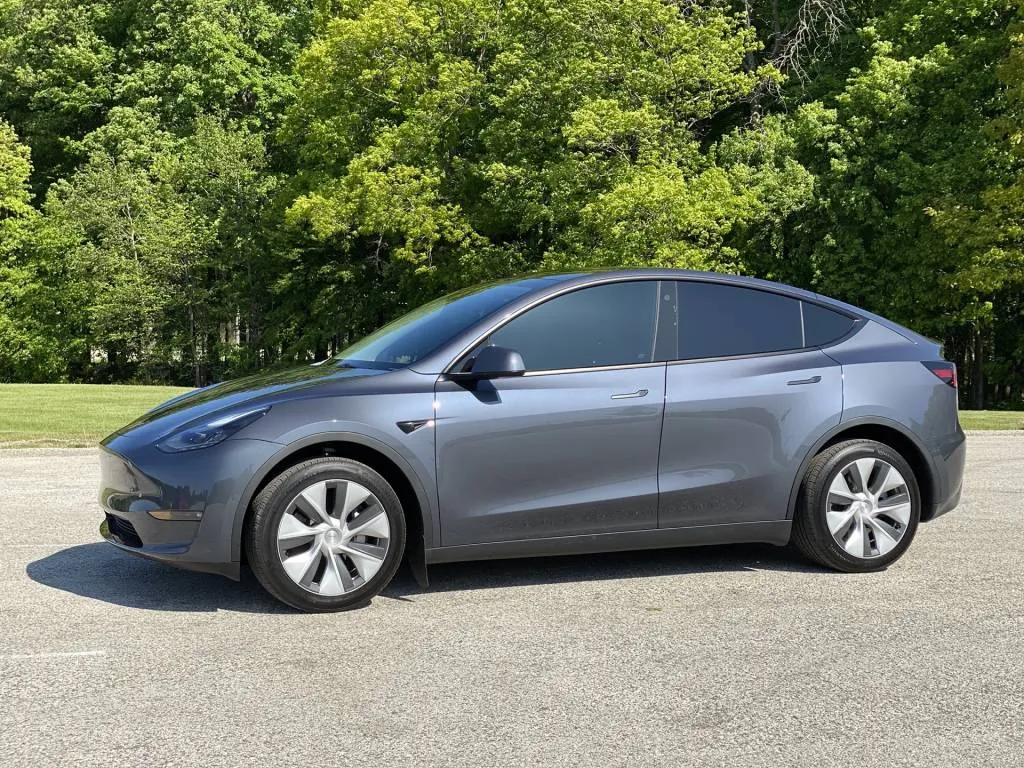
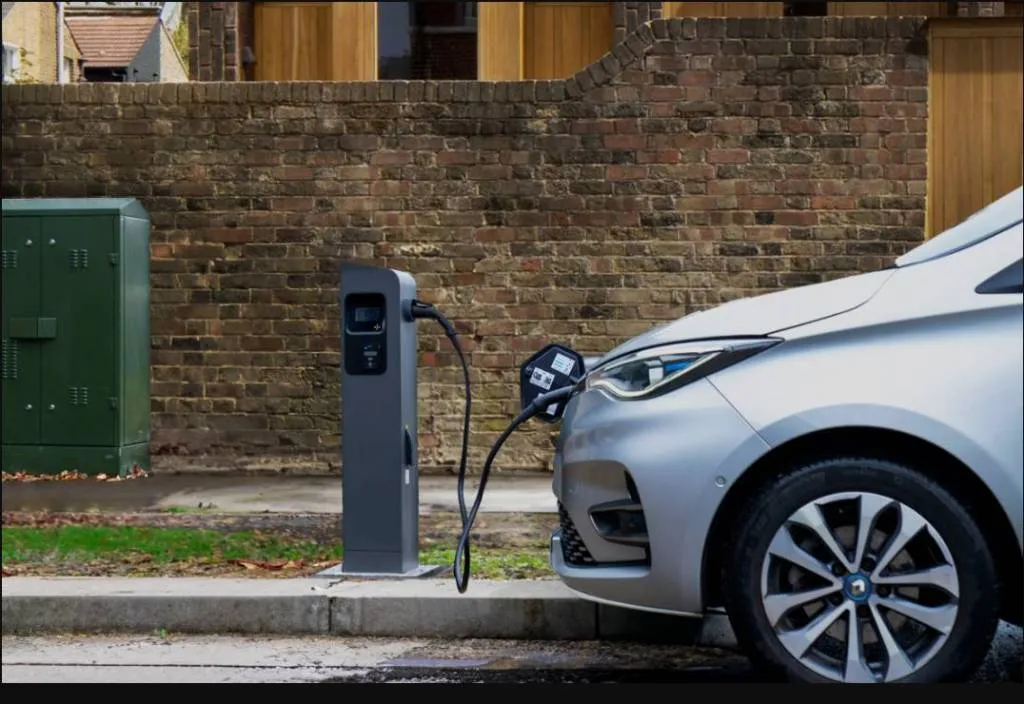
Rule Number One: Don’t store your EV at 100 percent state of charge, and especially don’t do this if the weather is going to be hot. Lithium-ion batteries will lose capacity and degrade over time, that’s just a fact of life. But that capacity loss increases dramatically if you’re storing the battery fully charged for lengthy periods of time, and even worse as the mercury in the thermometer rises. Before you go out of town, make sure to run your EV down to 30 percent or less; it’s just better for it. Like a can of Stabil in your gas tank, I guess.
How To Ruin Your Electric Car’s Battery – 3 Common Mistakes
Rule Number Two: Don’t run your battery all the way out before recharging it, if you can help it. “A bunch of small charges is much better [for the health of your battery] than infrequent full-depth charges,” says Fenske. Keeping your battery in the same 20-percent SOC range every day is much better for the car than waiting to charge from zero to 100 at the end of the week. Try to keep your battery from dipping below 25 percent, if you can. Obviously this isn’t always practical, but it’s a good practice if you can manage it.
Rule Number Three: Don’t routinely charge all the way to 100 percent. For road trips or lengthy travel days where you need the extra charge, topping up your electrons can’t really be avoided. But for daily use, it’s best to keep your battery’s upper limit under 80 percent to make it last as long as possible. That last bit of charging after the battery hits its plateau is creating gas formation inside your battery, which degrades the battery over time.
If you do these things, you’ll have a happy and healthy battery for many, many years to come. Happy driving!
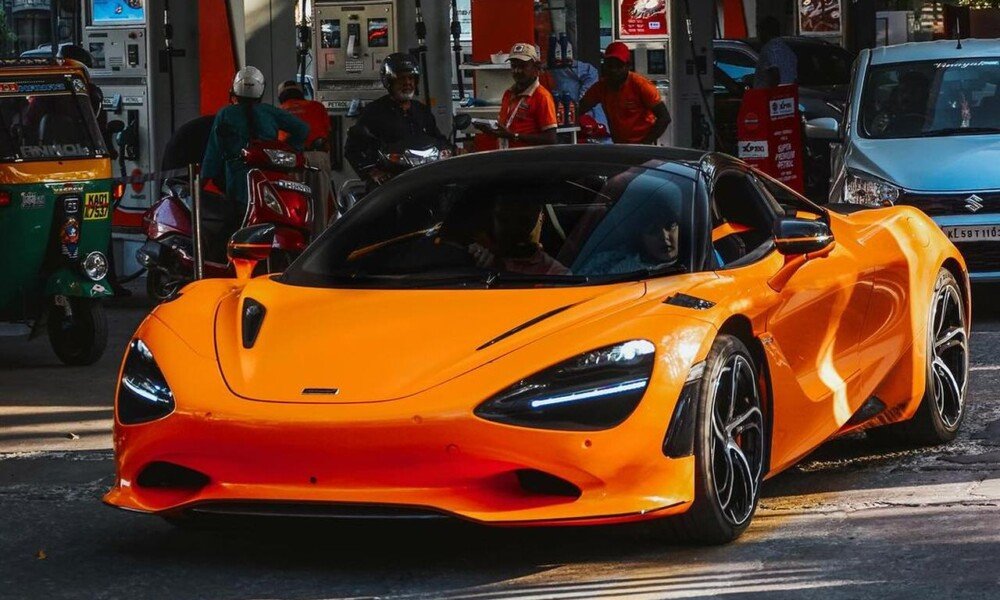
The McLaren 750S made its global debut in April 2023. Now, less than a year later, the 720 successor has been introduced in the Indian market. Recently, a customer in Bangalore took delivery of India’s first 750S Spider.
The first McLaren 750S Spider to grace the crowded streets of India’s Silicon Valley is finished in MSO Papaya Spark. It’s one of the first few cars to be painted in this striking shade – a variation of the famous McLaren Orange.
This 750S Spider also has several carbon fibre options on it. The wing, diffuser, headlamp sockets, fender louvres, wing mirrors and hood inserts are all carbon. It has a blacked-out roof and diamond-cut wheels with orange brake calipers.
Powering the new McLaren 750S Spider is a twin-turbo 4.0-liter V8 engine. This motor is good for 730 HP and 590 ft-lbs. of peak torque. Like its predecessor, this supercar also uses a 7-speed dual-clutch gearbox that sends power to the rear axle.
Lucid’s third vehicle will be a compact crossover to rival the Tesla Model Y.
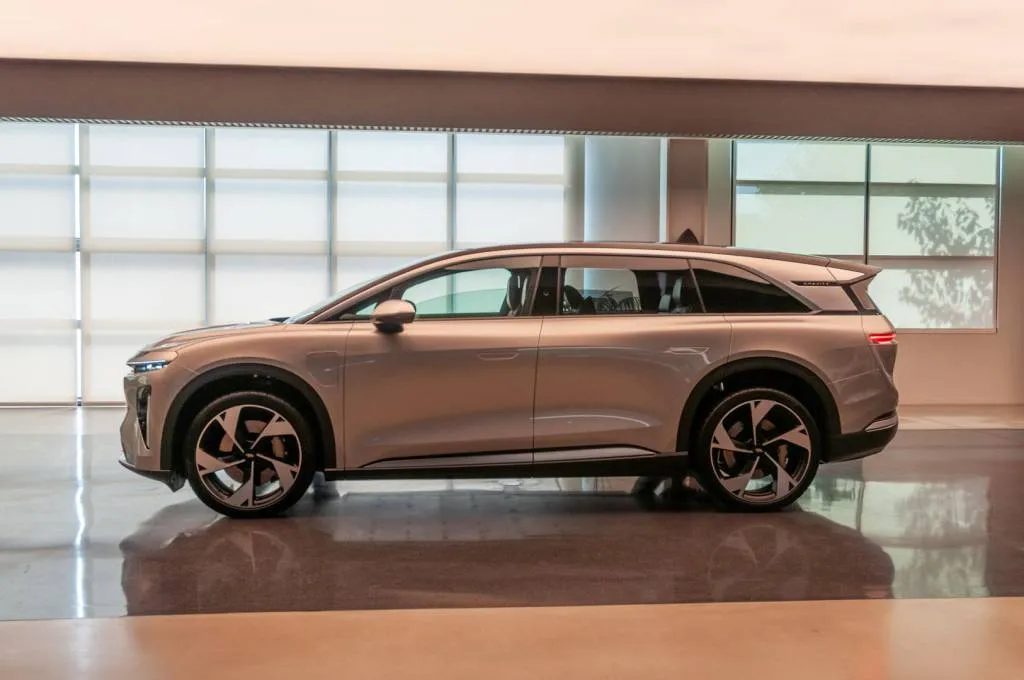
A teaser photo posted to X on Wednesday by automotive journalist—and our former colleague—John Voelcker reveals a sleek silhouette that isn’t unlike the design of the Lucid Gravity midsize SUV, which was revealed last fall and is due to start deliveries late this year.
The photo was taken at a recent ceremony for an expansion of Lucid’s plant in Casa Grande, Arizona, where Lucid CEO Peter Rawlinson said engineering prototypes for the mystery vehicle, codenamed Project Midsize, have already been built.
In an interview with Electrek at the same event, Rawlinson said Project Midsize is coming in a “few years” and that production will be handled at the company’s new plant near Jeddah, Saudi Arabia.
Lucid Gravity
He also said the vehicle will be based on the company’s “big volume platform” and possibly lose some of the luxury design found in the Gravity and debut Air sedan. In his interview with Electrek, Rawlinson said Lucid’s current offerings are rivals to Mercedes-Benz vehicles, but stressed that Project Midsize will be very much like the Tesla Model 3 and Model Y.
Lucid’s most affordable model at present is the Air sedan in Pure grade, which starts at $78,900. Pricing for the Gravity hasn’t been announced but Lucid said at the vehicle’s reveal last fall that pricing will start below $80,000.
Given Rawlinson’s comments about the positioning of Project Midsize, the vehicle may start below $50,000.
Lucid needs a big boost in volume if the company looks intends to grow beyond its current niche status. Lucid built 8,428 vehicles in 2023 and delivered only 6,001 to customers.
Reports of reduced range and problematic charging in cold weather may discourage some EV drivers from taking their electric car on a road trip in the winter months. While nightmarish tales exist, a more common fact is that taking a winter road trip in an EV can be comfortable, safe, and enjoyable.
Keep reading for some planning and preparation tips on taking an EV road trip in the winter.
Know Your EV
Consider the vehicle’s capabilities and limitations before deciding on a destination for a winter road trip in your electric car. Among them is the car’s range and, perhaps more importantly, how well the vehicle estimates its remaining battery life.
Feeling confident and being realistic about how far you can drive the car on a full charge is needed to figure out where you can go in the time you can devote to your trip.
I traveled more than 1,300 miles from Denver to Seattle in December to experience two fully electric cars from Volvo’s 2024 lineup — the C40 Recharge and XC40 Recharge. These single motor extended range models have estimated ranges of 297 miles and 293 miles, respectively. And the cars’ estimates for the remaining battery level at the destination were amazingly accurate during the trip.
Plan the Charging Route
Drivers might consider making more frequent charging stops when planning winter road trips because EVs lose range in the cold. One study found that many popular models kept an average of about 70% of their range in freezing conditions.
But EV range also varies for other reasons, including how and where you drive. For example, your range will decrease faster when climbing mountains or driving long stretches of interstate at highway speeds than when compared to stop-and-go city driving.
Keep these factors in mind when mapping your route and plotting charging stations. Apps and websites, including PlugShare, ChargeHub, and Google Maps, provide user reviews and charger status, making them good resources for planning your charging stops.
Have a Backup Plan
Have a Plan B. Complaints about charger reliability, or the lack of charger reliability, are all too common. Plus, car buyers purchased more than a million electric cars in 2023, which leads to a higher likelihood that you might need to wait for an available charger.
DC fast chargers are desirable on trips out of town. Still, your contingency plan should include knowing locations for emergency charging options.
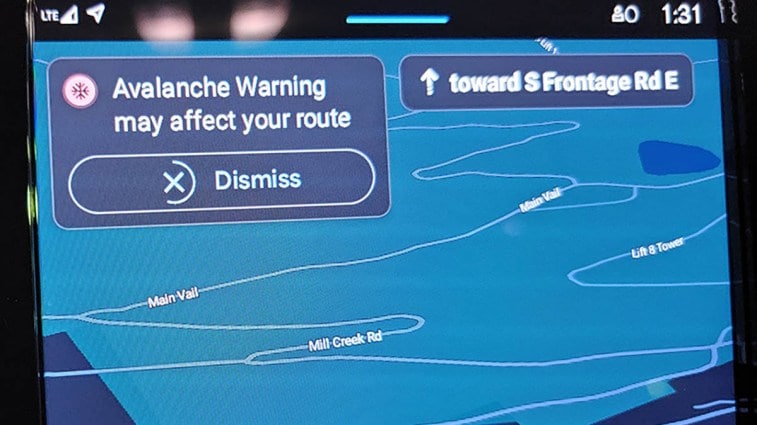
Although winter weather can be unpredictable, monitor forecasts for your planned route and modify your itinerary to avoid poor weather conditions.
Slower Charging in Cold Weather
Some EV drivers still have range anxiety when hitting the open road. However, time anxiety regarding battery charging speed might be more common, especially in freezing temperatures when recharging takes longer. Build additional time into your itinerary, and remember that getting there can be half the fun. Look for charging locations at or near shopping centers, restaurants, or other attractions to use your waiting time well.
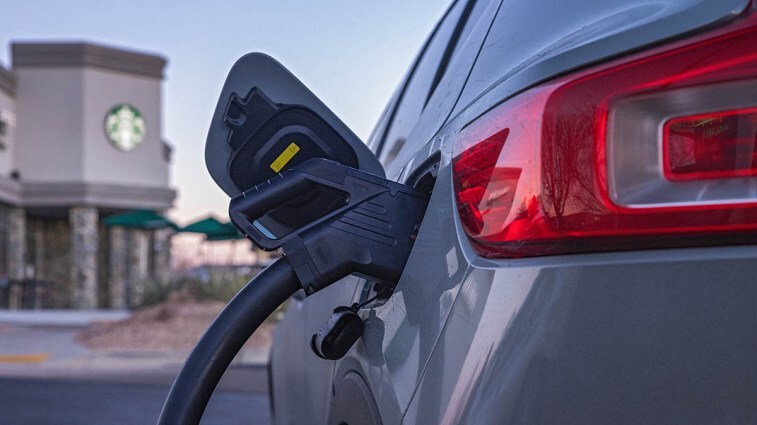
My trip across the Rocky Mountains and into the Pacific Northwest was well choreographed to showcase a partnership with Volvo and Starbucks. The route included stops at a dozen Starbucks locations with DC fast chargers powered by ChargePoint. The companies plan to eventually have chargers at Starbucks stores roughly every 100 miles along the scenic artery to provide much-needed infrastructure and give EV drivers a familiar place to relax while recharging their cars.
Vehicle Prep
As you should do before any journey, perform a basic inspection of the EV before your winter road trip and load the following essential equipment to prepare for cold temperatures and potentially icy weather.
Check the tire pressure and ensure the remaining tread is adequate for winter driving.
Top off windshield washer fluid and replace wiper blades, if necessary.
Ice scraper and snow brush.
Winter tires or snow chains.
Boots, warm clothing, and blankets.
Portable charging cable for emergencies.
Flashlight and tools for minor repairs.
Drive Efficiently
Because cold weather reduces a car’s range, it’s even more important to drive efficiently to conserve an EV’s battery power and maximize your range during a winter road trip.
Use cruise control on highways, weather permitting.
Limit climate control and use seat heaters for comfort.
Enjoy the Ride
Taking a winter road trip in an EV is similar to a trip in a gas-powered vehicle — drive carefully, plan your route, and make adjustments when necessary. The biggest difference is the time needed to recharge the battery. Some drivers see longer and more frequent stops along the way as a disadvantage. Others might appreciate the chance to get off the road where they might not otherwise stop and stretch outside the car — weather permitting.
Like with anything we purchase or subscribe to in life, we hope that we can find the best amount of value for the money we place down. This is explained eloquently in the phrase ‘bank for your buck’. Searching for the best car you can falls into the category.
Even car enthusiasts can sometimes be a little confused as to what vehicle they should opt for, sometimes more than most. After all, if you are aware of just how many great offers or cars there are out there, deciding between them can be tricky. That being said, there are essential elements necessary to finding the best car for you, and taking some time to understand this will likely help you find something you may not have thought possible to own before.
It takes a little good advice, the willingness to be observant, and also the incentive to be patient with your final selection. We hope to help you get started with the beginning of that process in the following words:
Financial Means
What are your financial means? It can sometimes be that searching for the best used car through Belmont Autos, considering finance alternatives or selling a car you may have now can help you achieve something a little more than you may have otherwise. When you assess your financial means realistically but also optimistically, you may find something much more appropriate for your interests. There’s nothing wrong with trying to get the most bang for your buck. But remember, long term investment also matters. Consider how reliable a model is before investing in it, because a great deal now could still mean plenty of pricey restorative work later on.
Space & Utility
What are your space requirements for the use you will have for said vehicle? It might be that you usually only use your vehicle to get around a small radius of an urban environment, but your backpacking and cycling trips require you to drive long-distance with plenty of equipment and bicycle racks every other weekend. Additionally, a small hatchback may not have the pulling power necessary to pull a trailer for your regular camping trips. It’s these questions that are worth asking, because if a car isn’t for your daily life, what else is it for?
Road Environment
Which road environments will you spend most of your time interacting with? For example, a person purchasing a vehicle in the cold north of Canada will likely purchase a very different starting vehicle from someone living in Los Angeles. The road environment, weather conditions, survival considerations, fuel economy and reparative cost are all things worth keeping in mind and appreciating. Think long term if you can, because odds are a car will see you through many uses depending on where you live.
With these tips in mind, you are certain to search for the best car you can.
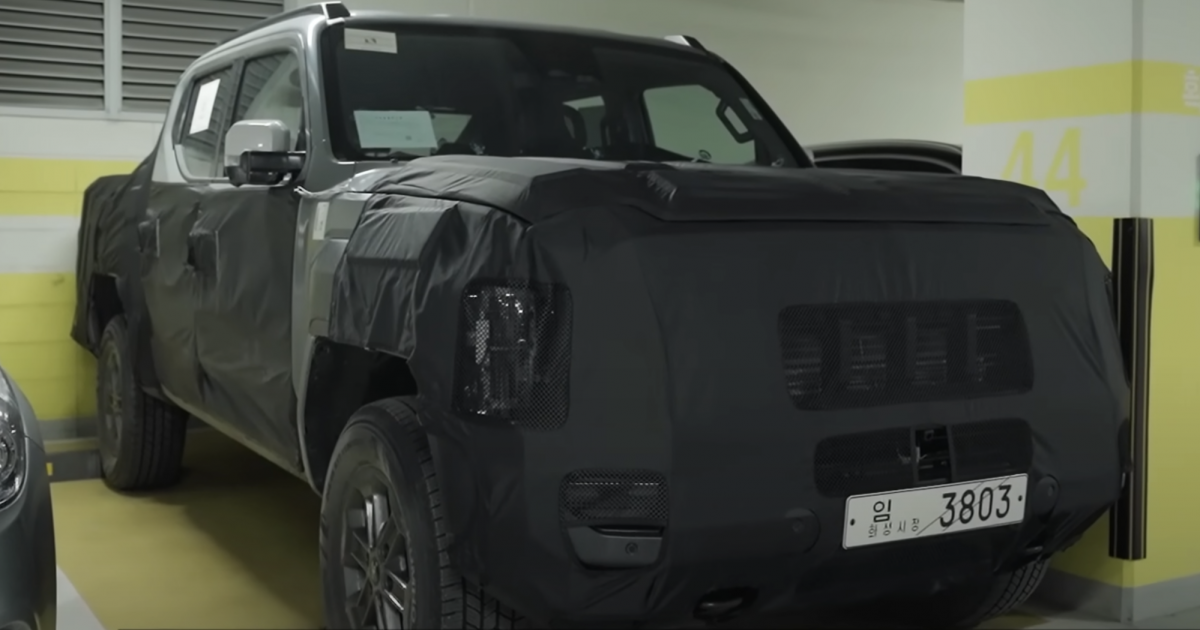
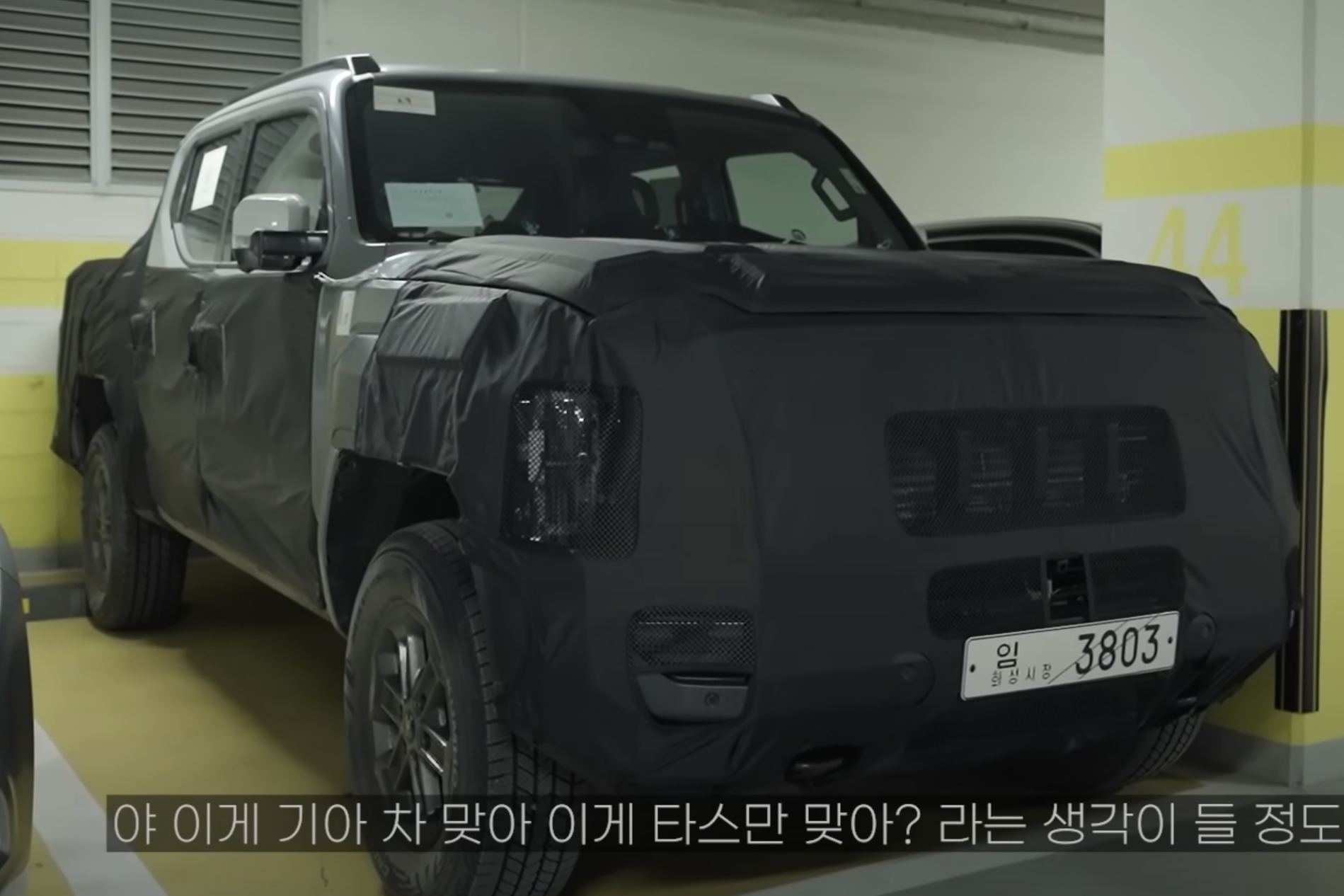
Strip away the camouflage, and this is what Kia’s long-awaited dual-cab ute will look like when it launches in 2025.
While previously spied examples of the Kia Tasman have been mules, wearing cobbled-together sheetmetal borrowed from the Mohave SUV, this one spotted by Korean spy video outlet Woopa TV appears to be wearing production sheetmetal.
Additionally, fellow Korean outlet New Autopost has published a set of spy photos.
It’s quite a bluff, boxy body for the brand’s first dual-cab ute, with more upright styling than many rivals, accentuated by the vertically oriented headlights quickly becoming a signature Kia design cue, as well as a tall greenhouse.
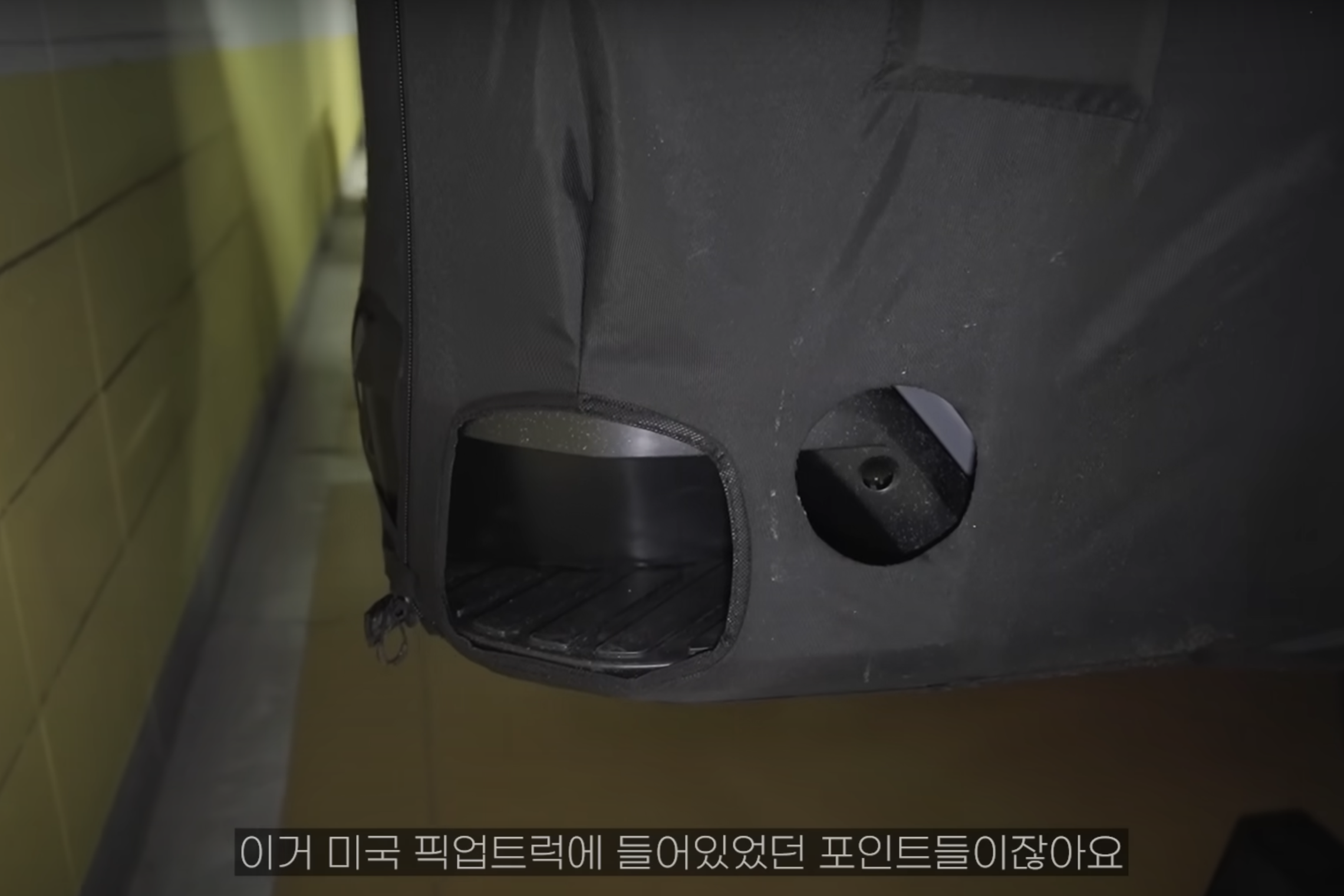
The rear bumper features an integrated step, á la the Ford Ranger, to allow easier access to the tub.
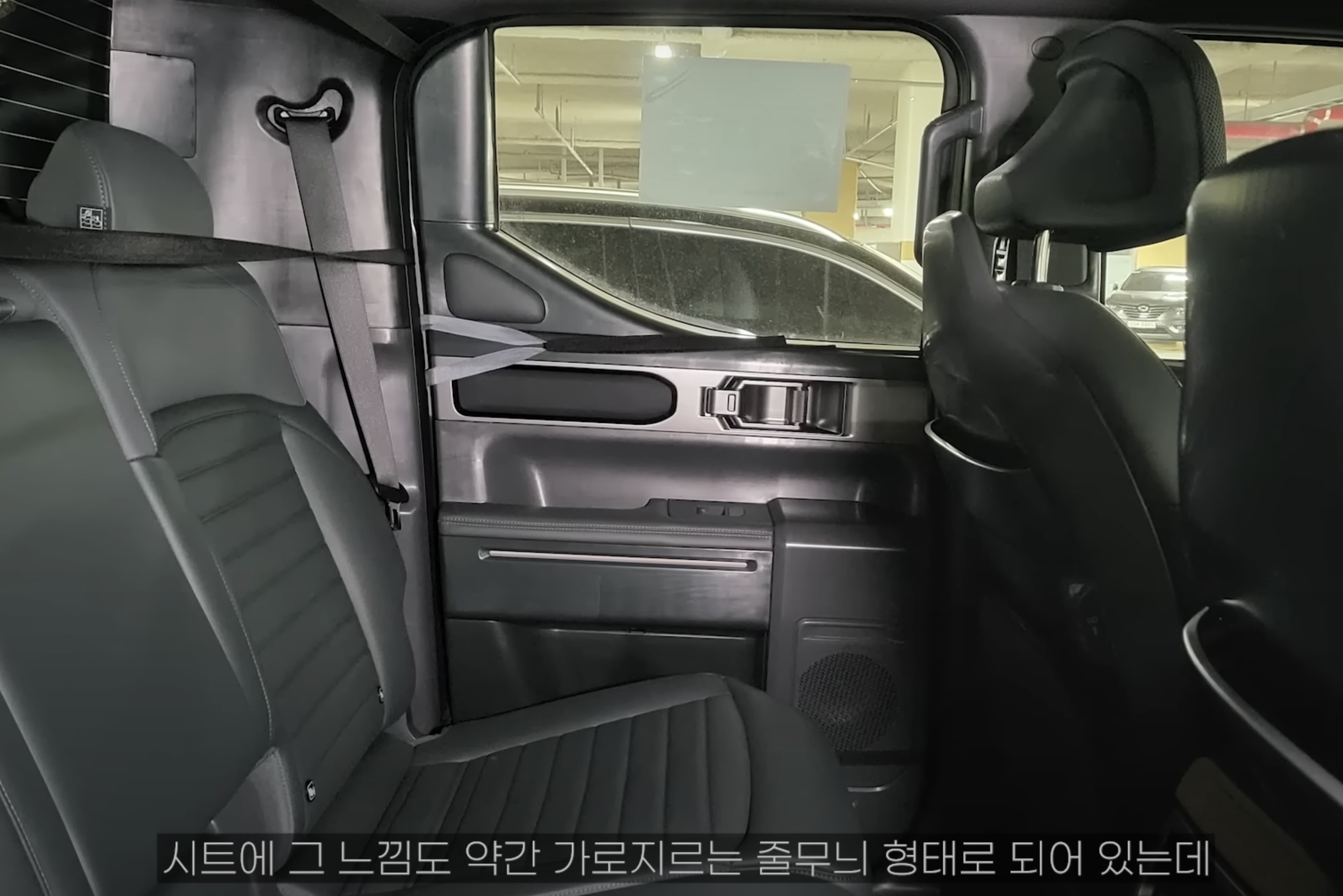
While the dashboard is heavily camouflaged, the centre console is largely undisguised.
We can see a rather traditional-looking gear shifter, a start button, as well as a wheel for selecting which two- or four-wheel drive mode to engage. This includes an automatic four-wheel drive mode suitable for on-pavement driving, as seen in rivals like the Mitsubishi Triton.
Kia confirmed last year it was benchmarking the Tasman against the Ford Ranger, Volkswagen Amarok, and Toyota HiLux, particularly in terms of payload and towing capacity figures – a 3500kg braked towing capacity figure, therefore, seems likely.
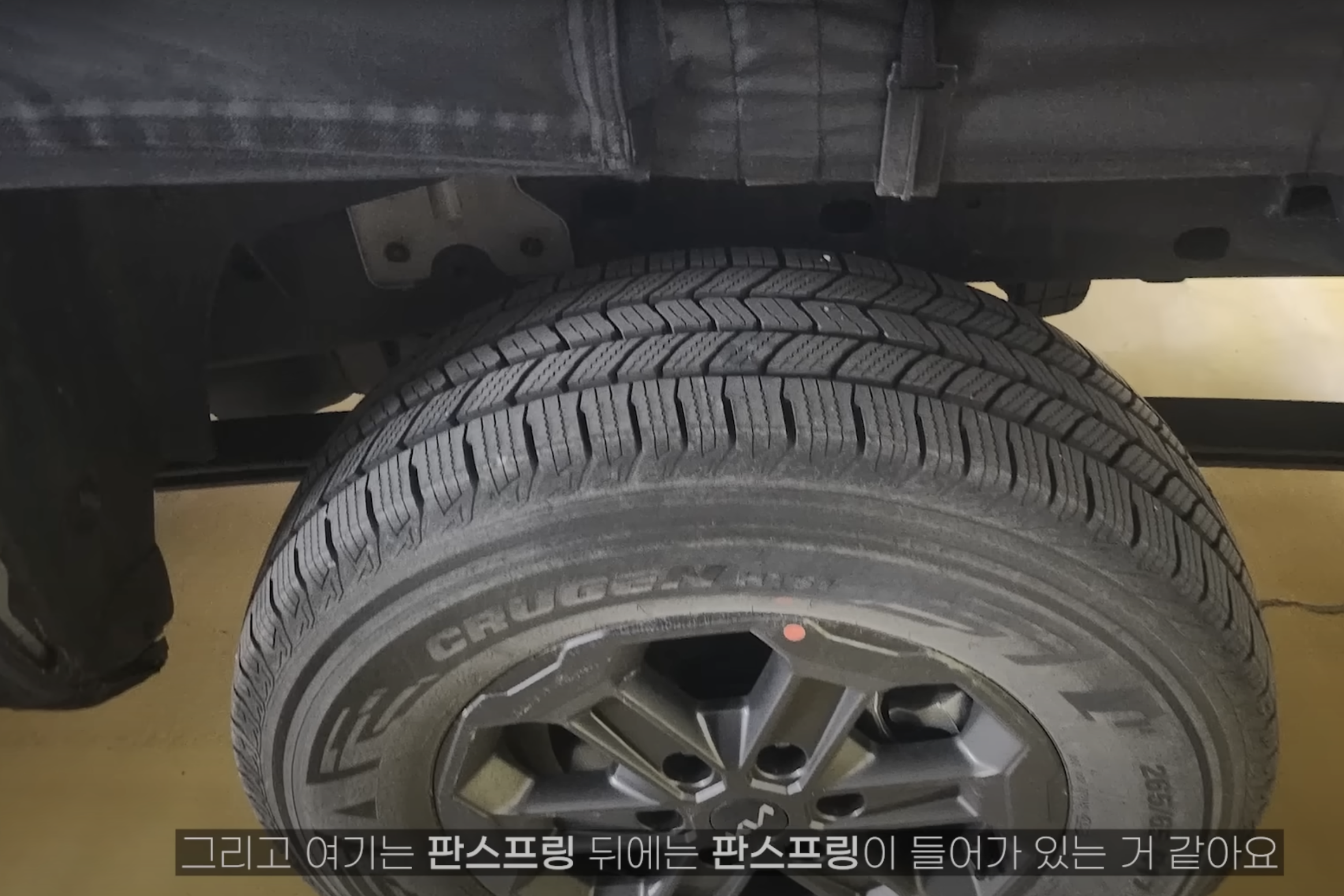
It’ll offer a diesel engine, and we’d wager all models will feature leaf-spring rear suspension.
As to what diesel engine it will offer, that’s unclear. Kia currently offers a 2.2-litre turbo-diesel four in its Sorento and Carnival, offering 148kW of power and 440Nm of torque.
Whether the company will target the Ranger and Amarok with an optional six-cylinder powertrain is unclear.
The body-on-frame Mohave SUV comes with a 3.0-litre turbo-diesel V6, but it’s getting on in years. Nevertheless, it meets Euro 6 emissions standards, and pumps out 189kW and 560Nm – close to the V6 Ranger and Amarok’s 184kW/600Nm outputs.
The GV80 from fellow Hyundai Motor Group brand Genesis has a 3.0-litre turbo-diesel inline six, but the engine has just been discontinued and no further applications for it have been confirmed.
Kia is targeting 10 per cent of the light commercial vehicle market with the Korean-built ute. That’s just below where the Isuzu D-Max, Australia’s third best-selling ute, sits in terms of market share.
Given Australia’s love of utes – and the relative absence of them in Korea – Kia has been using our market as a testing ground.
Kia Australia product planning boss Roland Rivero said last year “lots of visitors have made the trip” to Australia to experience competitors and local conditions.
A “substantial” amount of work on the ute has been done in Australia, he said, “though a lot of work is ready to go”.
“It’s not different to any other new R&D project, so while it’s evolving, it’s also flexible,” said Kia Australia ride and handling engineer Graeme Gambold.
The Antares 12 has an overall length of 42ft 7in (12.97m)
As Beneteau celebrates its 140th anniversary this year, the French shipyard flexed its muscles with a stunning line-up of 22 yachts at Boot Dusseldorf. The world’s biggest indoor boat show marked the Germany debut of the Antares 12, following its world premiere at the Cannes Yachting Festival last September and its US bow at the Fort Lauderdale International Boat Show in late October.
The new flagship of Beneteau’s weekender line has been gaining attention for several reasons, not least because its overall length of 13m makes it 2m or well over 6ft longer than the former series-flagship, the Antares 11, which was the range’s first model to offer the option of a flybridge.
The Antares 12 is well over 6ft longer than the series’ former flagship
Featuring an overall length of 42ft 7in and a beam of 12ft 5in, the Antares 12 is only available with a flybridge. Furthermore, its size and design mean it’s starting to move into Swift Trawler territory.
The Antares 12 is a world away from the smaller Antares models, whose sizes are more in line with the series’ first generation of boats in the 1970s, which were designed by Andre Beneteau, grandson of company founder Benjamin Beneteau and brother of ‘Madame’ Annette Roux.
For starters, the Antares 12 standard edition comes with twin 400hp Mercury Verado V10s, a first for this class of yacht, according to Beneteau, and which offer 200hp more total power than on the Antares 11.
In fact, the Antares 12 can even fit three outboards, so owners have the option of upgrading to triple 300hp Mercury Verado V8s offering a whopping 900hp.
The foredeck features an integrated triple sunpad
The skipper can drive from either the saloon or the flybridge, while technology includes the option of a Seakeeper gyro and Groupe Beneteau’s Seanapps system, which keeps owners connected to their boat.
RAISING POWER, OUTDOOR SPACE
Like the Antares 11, the Antares 12 is notable for its drop-down bulwark to starboard, which descends at the push of a button and presents a waterside balcony that has an integrated ladder and neatly links the cockpit to the sea.
The cockpit table can fold out for dining or be lowered to create a sunpad
In the raised position, the bulwark contains a small side door that can be used for boarding. Guests can also access the boat (or water) from an aft door on the starboard side that allows access to and from the transoms either side of the engines.
The Antares 12 is almost a foot wider than the 11 and you notice this when boarding the covered cockpit, where a long L-shaped sofa wraps around the aft end and port side. The adjustable table can be folded out for alfresco dining, or lowered and covered with cushions to create a large sunpad.
Port view of the flybridge’s J-shaped dinette
Cockpit stairs on the starboard side lead to the large flybridge, which Beneteau has described as ‘best in class’.
The upper deck is among the most notable differences to the Antares 11 Fly, as it has a full-sized J shaped dinette on the port side of the staircase. On the starboard side, just forward of the steps, is a wet bar – not present on the 11 Fly – that contains a grill and refrigerator.
The backrest for the companion seating to port can fold down to create a sunpad
Forward is a wide helm seat with a Garmin screen, while companion seating to port includes a bench sofa and forward cushions, with the backrest able to be folded forward and down to fill in the space and create a sunpad. The whole flybridge can be covered by a bimini.
The foredeck is accessed by a well-protected, starboard side deck including a couple of steps by the helm. It’s another fun outdoor zone and has a three-man integrated sunpad with an adjustable backrest.
The forwardmost pad can fold up to create a forward-facing sofa
Furthermore, the forward section can fold up and aft to create a forward-facing sofa, while a small table can even be set up. Again, a sunshade can be erected to provide protection.
ELEVATED INTERIOR STYLE
There are two ways to access the interior, most obviously from the cockpit, where there are three glass doors. The middle door and the port door can slide to the right, and the centreline hallway starts with a disguised hatch to access hidden storage below.
The saloon features a large C-shaped sofa and an adjustable table
There’s a bit of a ‘wow’ factor as you enter the saloon, which has good headroom and lots of natural light from big windows including sliding windows to port. Whereas the Antares 11 has an aft-facing L-shaped sofa, the 12 has a full C-shaped sofa. Each end has an adjustable backrest, so the aft end can become a cockpit-facing sofa and the forward end can double as companion seating.
The height-adjustable, foldable table can enlarge to offer dining for six or more people. When needed, the table can be lowered and covered with cushions to create an extra bed for one or two people, meaning the yacht offers accommodation for up to eight guests.
The retractable TV is by the galley window
The galley occupies most of the starboard side and starts aft with large fridge-freezer drawers under a countertop, with various boat controls on the panel above.
The central galley is dedicated to cooking with a cooktop, convection microwave oven and cutlery drawer, while forward is the sink, bin and storage, with drawers further forward. There are also plenty of overhead cupboards, plus a large, shallow storage area for plates and glasses forward of the sofa. The galley has its own added attraction for guests, as it’s also home to the retractable television.
The helm seat is adjustable and has comfortable access to the controls and two Garmin screens, plus also the side deck through a 5ft-high sliding door.
Both sides of the master cabin have overhead lockers, a cupboard and a long hull window, plus there’s a forward window and a skylight
Inside, central stairs lead down to the lower deck, where a hallway accesses three guest cabins. Beneteau points out that the Antares 12 is the first in its class to have three cabins that include two with en-suite bathrooms.
The master suite in the bow is spacious and bright due to long hull windows, a forward window and a skylight. There are cupboards on both sides, lockers above each hull window and lots of storage space under the bed.
The master cabin’s en-suite bathroom is to starboard
The master has its own en-suite bathroom, as does the VIP cabin to port, where twin beds can be converted to a double.
A modular third room to starboard can be arranged as a double berth or a single berth with the second mattress set up as a sofa backrest. This means it can also work as a day room for children or even storage. Beneteau even offers a fridge in this room.
The VIP suite to port has en-suite access to the day head and can be set up as a twin or double
Beneteau hasn’t only increased the size of the Antares flagship. It has elevated the finish and flexibility of the outdoor areas, while fleshing out an interior that reveals a growing emphasis on storage inspired by the Swift Trawler line. All this increases the amount of time you can spend on board and on the Antares 12, that’s only a good thing.
Which CEO of a global automaker suggested that EVs may never top 30% of the global vehicle market?
Which EV from a U.S. automaker became the top-selling vehicle on the planet, electric or not?
This is our look back at the Week In Reverse—right here at Green Car Reports—for the week ending January 26, 2024.
Volkswagen has confirmed that “most” 2023-2024 ID.4 models qualify for the $7,500 EV tax credit, making it the first foreign automaker to get the nod under tightened sourcing rules. Models supplied with batteries from SK On—rather than LG—meet the requirements. It applies to about 80% of 2023 models and all upcoming 2024 models, so keep that in mind if you’re shopping for one.
Porsche priced its electric Macan SUV—simply badged as Macan 4 and Macan Turbo, at $80,450 and $106,950, respectively. Gasoline versions of the Macan will continue for at least a year in the U.S., and longer for some markets outside Europe and North America.
2024 Hyundai Santa Fe
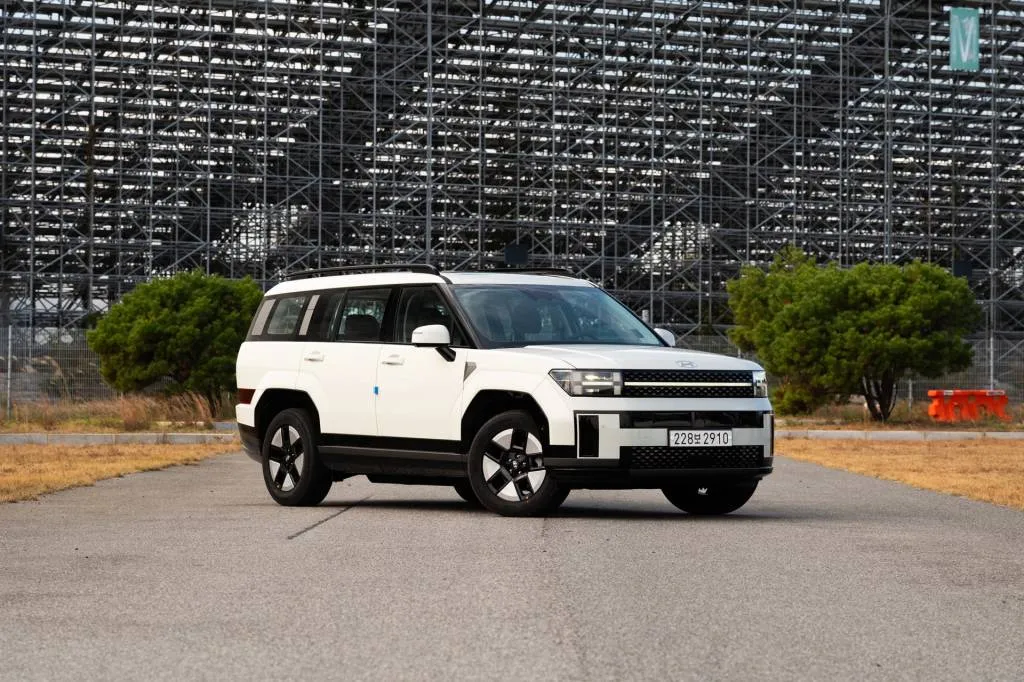
For years, Toyota has aimed to offer hybrids across its model line, without much of a price premium, and we can see hints of the same strategy now alongside EVs, from Hyundai. In pricing for its 2024 Hyundai Santa Fe Hybrid three-row SUV released this week, for all but the base model the Hybrid version costs just $500 more—a difference that’s going to pay back very quickly in higher mpg.
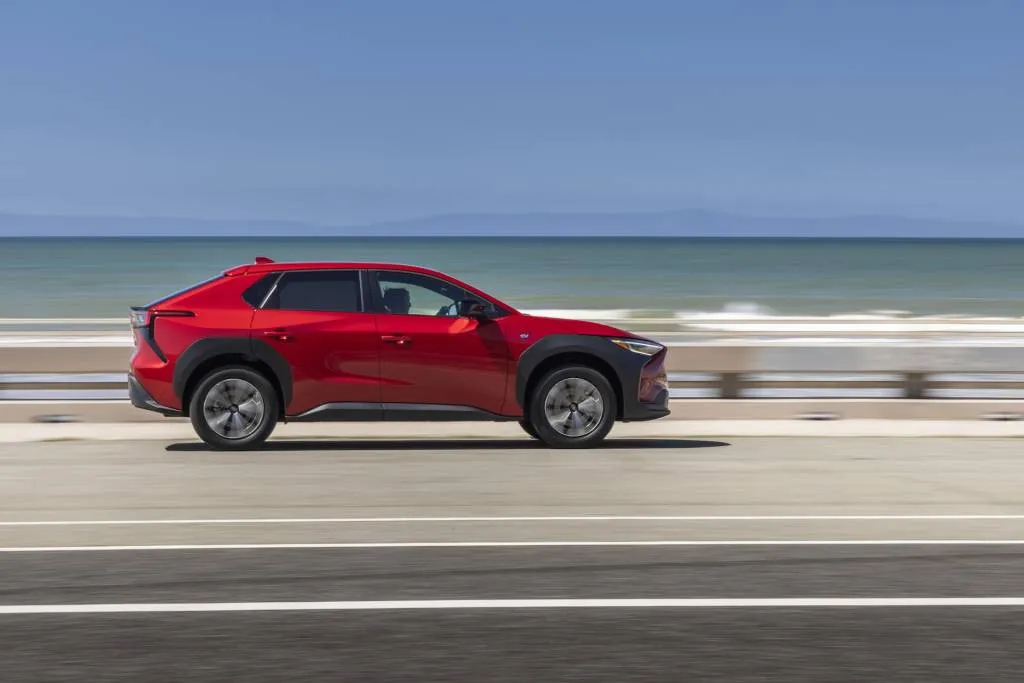
Subaru has sped up DC fast-charging for the Solterra EV—especially in cold weather—while it also gets a driver-assist system good for low-speed congestion, new brake-regen paddles and, at last, a readout that tells you the battery percentage. All that said, the 2024 Subaru Solterra costs just $120 more than 2023.
2024 Subaru Solterra
What does the Honda Prologue cost? Honda released 2024 Prologue pricing on Thursday, and it delivers on earlier claims that the electric SUV would start under $50,000. The Prologue costs $48,795 with a range of 296 miles, although a loaded version with all-wheel drive nearly reaches the $60,000 mark.
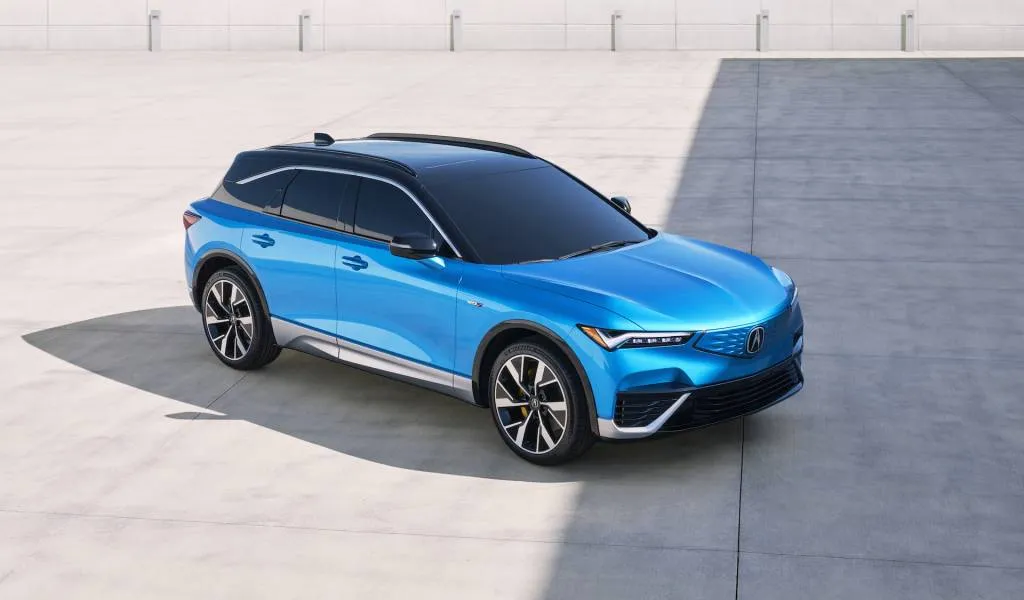
The 2024 Acura ZDX was also given a price. As the first fully electric model from the Honda luxury brand, with a recently announced starting price around $64,850, it unexpectedly costs thousands more than its close platform-mate, the Cadillac Lyriq. Will Acura’s own styling, tuning, and upscale feature choices make it worth the premium?
2024 Acura ZDX
Stellantis released more details about its STLA Large dedicated electric vehicle platform, laid out for 400 volts or 800 volts and set to underpin EVs from the Jeep Wagoneer S, a Dodge electric muscle car, and several other EVs from the global automaker’s various brands through the decade and beyond. Most noteworthy, perhaps: With battery packs spanning up to 118 kwh, it’s sticking to its claim of 500 miles of U.S. range—for sedans, on the platform.
The chairman of Toyota, Akio Toyoda, has never been big on EVs, or even embraced the idea that they’ll be the technology on the way to market dominance by the end of the decade. In new comments, the Toyota executive says EVs won’t top 30% of the market—perhaps ever. And he wants a new generation of gasoline engines.
2023 Tesla Model Y
Meanwhile, with its quarterly and annual update, Tesla touted that the Model Y is the bestselling vehicle in the world. It delivered 1.2 million of them worldwide, from four different production locations. That would mean the Model Y topped the previous and longtime champ, the Toyota Corolla—which used to be made at Tesla’s Fremont, California, factory. And while CEO Elon Musk didn’t provide any more color to the $25,000 Tesla EV that had been reported earlier in the day, he did say that its next-generation, cost-cutting platform will be “next-level.”
At the opening of its second manufacturing stage in Arizona that will enable production of the upcoming Lucid Gravity electric SUV, Lucid teased its likely next product—a smaller electric SUV that appears to be a potential Model Y rival.
The Apple Car project has pivoted to a basic EV rather than the driverless, fully autonomous EV Apple originally envisioned. That doesn’t mean there isn’t room for Apple innovation, though, in aspects like the EV as a connected device or Apple’s potential “monocell” battery design.
Genesis GV60 with Active Air Skirt
Hyundai and Kia boast that its active air skirt tech could add range to EVs—up to 4 miles of additional range by cutting drag at highway speeds. With it, a simple flap deploys downward in front of the front wheels, reducing the coefficient of drag, reducing underbody turbulence, and helping boost stability and traction.
The Treasury Department released guidance on which EV charging projects might qualify for the revived IRS 30C tax credit, which covers up to 30% of the cost of charger installations in “eligible census tracts.” Although the focus is on low-income and rural areas, the broad Biden-administration interpretation will make the charging subsidy available to areas with two-thirds of the U.S. population.
BT Group pilots EV chargers powered by street cabinets
In the U.K., the telecom firm BT Group is finding that phone-and-internet switchboxes can quite easily be retrofitted for EV charging—by diverting some of the 100 amps that many are allocated toward streetside EV charging. Could tapping into phone infrastructure for EV charging work in other markets like the U.S.?
And the California Air Resources Board (CARB) was set to rubber-stamp Electrify America’s proposed plan for the final 2.5-year cycle of its investment plan—sending $800 million to California and $1.2 million to the rest of the U.S., as mandated by its settlement for diesel pollution. Does it go far enough in addressing the reliability and uptime of the charging network?
The first members of the updated 911 range, referred to internally as the 992.2 generation, should start arriving shortly. They should arrive as 2025 models in the U.S.
Key among the updates will be a revised dash sporting a fully digital instrument cluster, similar to what’s in the Taycan and updated 2024 Cayenne.
For the updated 911 GT3 Touring, tweaks to the front and rear fascias are also likely, judging by the camouflage gear. A key change will be the integration of the front turn signals within the headlights instead of on the front fascia, as is currently the case.
The headlights also get Porsche’s latest matrix LED design, featuring four individual projectors instead of the single main unit used in the current design. The new design, which debuted on the 2024 Cayenne, delivers a more precise light pattern and increased brightness, according to Porsche.
It isn’t clear what Porsche has planned for the mechanical bits, but a slight uptick in power is normally included with such updates. The GT3 Touring currently comes with a 4.0-liter flat-6 delivering a peak of 502 hp. Power goes to the rear wheels via a 7-speed dual-clutch automatic or 6-speed manual.
Hybrid technology will be available on some variants in the updated 911 range, though likely not the GT3. Porsche CEO Oliver Blume in 2022 said the 911’s hybrid system will be similar to the system in the former 919 Hybrid LMP1 race car, and not a plug-in hybrid system like in the 918 Spyder hypercar. That means there won’t be a plug, and any electric motor-generator(s) will purely be used to support the gas engine and recover energy under braking.
Previewed here last November during the launch of the Maxus MIFA 9, the first examples of the Maxus T90 EV are now up and about on Malaysian roads. However, you can’t get your hands on the fully-electric pick-up truck as yet, because it hasn’t officially gone on sale.
The first examples are actually part of Tenaga Nasional‘s electrified vehicle fleet, having been brought in by Weststar Maxus for a pilot project being carried out by the national utility company, and are likely set to be field operation units.
We got wind that the units were already in the country sometime in the middle of last year, but wasn’t able to report on it. Incidentally, the number of T90s being utilised by Tenaga hasn’t been disclosed, but at least 25 units can be spotted in one of the images.
As to when the electric pick-up will be available commercially, we were told by a source that a launch date has yet to be confirmed. At the MIFA 9 debut, it was mentioned that an official introduction was expected before then end of 2023 or in the first quarter of this year, so its market debut could be soon.
There’s still no indication of official pricing, but early estimates have indicated that it is expected to retail for between RM220k and RM260k. As for variants, we do know that only one will be offered here, with specifications that are close to Australia (where it is known as the LDV eT60) and the United Kingdom.
Design-wise, the T90 EV appears similar to the regular diesel-powered T90, which is SAIC Maxus’ flagship pick-up truck. Measuring in at 5,365 mm long, 1,900 mm wide, 1,809 mm tall and with a wheelbase that spans 3,155 mm, the 3,300 kg offering is sized similarly to regular ICE pick-ups.
The T90 EV is powered by a rear-mounted electric motor offering 174 hp (177 PS, or 130 kW) and 310 Nm in the way of output, and this is good to get it to a maximum speed of 120 km/h. A lithium iron phosphate (LFP) battery with an energy capacity of 88.55 kWh provides the T90 EV with a combined WLTP-rated range of 330 km.
For charging, the pick-up supports a max AC input of 11 kW, with a 5-100% state of charge (SOC) reached in nine hours with three-phase or 13 hours on single-phase. There’s also DC fast charging at a peak of 80 kW, which allows the battery to be juiced from 20-80% SOC in around 45 minutes.
Exterior specs include halogen headlamps, LED taillights, rear fog lamps and 17-inch alloy wheels, while the interior features a 10.25-inch touchscreen infotainment system, a multi-info screen set in between digital meters in the instrument cluster and a rotary gear selector.
Also to be found is faux leather set upholstery, manual air-conditioning (with pollen filter), a conventional handbrake, selectable drive modes (Power and Eco), a 220-volt/150-watt AC three-pin power plug.
In terms of safety and driving assistance bits, the kitbag includes a reverse camera, six airbags, rear parking sensors, ESP, traction control, vehicle dynamics control, electronic brake assist, hill descent control and hill start assist. We’ll have the complete lowdown on the Maxus T90’s specs when it’s finally introduced here.
GALLERY: Maxus T90 EV all-electric pick-up, Malaysian preview
The technical storage or access is strictly necessary for the legitimate purpose of enabling the use of a specific service explicitly requested by the subscriber or user, or for the sole purpose of carrying out the transmission of a communication over an electronic communications network.
Preferences
The technical storage or access is necessary for the legitimate purpose of storing preferences that are not requested by the subscriber or user.
Statistics
The technical storage or access that is used exclusively for statistical purposes.The technical storage or access that is used exclusively for anonymous statistical purposes. Without a subpoena, voluntary compliance on the part of your Internet Service Provider, or additional records from a third party, information stored or retrieved for this purpose alone cannot usually be used to identify you.
Marketing
The technical storage or access is required to create user profiles to send advertising, or to track the user on a website or across several websites for similar marketing purposes.