More than six years after Malaysian launch of the eighth-generation Rolls-Royce Phantom, the updated Series II has now been made landfall here. First announced globally in May 2022, the Phantom Series II is being offered here in two versions with prices starting from RM2.5 million exclusive of tax and any options.
The starting price tag is for the standard-wheelbase version, but if you need even more legroom in the rear, there’s the Extended variant which has an increased wheelbase of 3,772 mm compared to the SWB that has 3,552 mm between its wheels. The Phantom Extended Series II starts from RM2.9 million, which is RM400,000 more than SWB.
As with all Rolls-Royce models, personalisation options are seemingly endless if your bank account is filled enough. As a start, there are 44,000 colours for you to choose from, with the one pictured here being Tempest Grey.
The Phantom Series II is powered by a 6.75 litre twin-turbo V12 that serves up 571 PS (563 hp or 420 kW) and 900 Nm of torque, with drive going to the rear wheels via a ZF eight-speed automatic transmission. When urgency is preferred over wafting, the luxury palace on wheels will get from 0-100 km/h in 5.3 seconds (SWB) or 5.4 seconds (EWB) on their way to a top speed of 250 km/h.
While the powertrain remains familiar, there are some slight design changes that may not be obvious at first glance. For starters, there’s a new polished horizontal line between the daytime running lights above the Pantheon grille, which itself has been subtle reshaped to ensure the ‘RR Badge of Honour’ and Spirit of Ecstasy mascot appear more prominent when viewed from the front.
Other revisions involve the headlamps, which now sport an intricate laser-cut bezel to create a visual connection with the Starlight Headliner on the inside. Rolls-Royce has also expanded its catalogue to feature new wheels, including a 3D-effect, milled stainless-steel option with triangular facets – this can be ordered in a fully or part-polished finish.
Another option highlighted is a disc wheel for those who wish to “recall the romance” of 1920’s Rolls-Royce models. Look closely at the space between the wheels and you’ll also spot the what is referred to as a heavily undercut “waft line” that visually signals the marque’s famed “magic carpet ride” provided by self-levelling air suspension.
The British carmaker also welcomed the feedback of its clients who have previously requested for a darkened chrome grille surround as well as black bonnet reins, windscreen surround and side frame finishers, all of which may now be commissioned if you prefer a stealthy look.
Moving inside, you’ll find that the luxurious cabin looks almost unaltered, with one change being pointed out. For the person doing the driving, the steering wheel is now slightly thicker, which Rolls-Royce says provides “a more connected and immediate point for contact for the owner-driver.”
Stepping away from the physical changes, the Phantom Series II comes with Rolls-Royce Connected, which enables owners to send an address directly to the vehicle via Whispers, which is the brand’s “private members application.” If it sounds like a posher companion app, that’s because it is, with other available functions being telematics and the ability to book a service appointment.
“We are excited to celebrate the arrival of Phantom Series II to Malaysia. With its rich heritage and commanding design, a blank canvas for bespoke features, this pinnacle Rolls-Royce represents the epitome of timeless luxury, tailored to the discerning preferences of our distinguished clientele,” said Anas Zawawi Khalid, director of Rolls-Royce Motor Cars Kuala Lumpur.
Once again, the Phantom Series II in SWB form starts from RM2.5 million, with the starting price increasing to RM2.9 million if you want the EWB variant. With taxes and options, the final asking sum will undoubtedly shoot up considerably.
I first got close and personal to the Tonale at the 2023 Chicago Auto Show. Tucked amongst the Stelvio and Giulia models was a small, striking green SUV that stopped me in my tracks. It was attractive and looked agile, certainly smaller than the Stelvio. While looking it over, the PR flack from Alfa approached so I peppered him with questions. “It’s a gas-electric hybrid. This is the last Alfa Romeo model that will have an internal combustion engine.”
“THIS IS THE LAST ALFA ROMEO MODEL THAT WILL HAVE AN INTERNAL COMBUSTION ENGINE.”
The words echoed through my head. Did I hear that correctly?
The rep slowly nodded, looking not entirely enthralled with the words that he’d just uttered either.
I felt like I’d been punched in the gut. After some marvelous and memorable drives in Giulias, Stelvios, and 4C’s, to discover that those fantastic Alfa engines were going away…it was simply too much. A veil of darkness suddenly settled over the future. What is this world coming to? What is going on? I left feeling demoralized and completely unenthused about the future.
But I couldn’t stop thinking about that little SUV on the show floor. What would an Alfa Romeo hybrid be like? A 1.3L turbocharged four cylinder? Sounds pretty weak. I finally decided to experience the Tonale for myself and reached out to Alfa Romeo USA. They sent over an Alfa Rosso Tonale Ti for us to check out.
In the parking lot, the Tonale strikes one by how small it is. It’s noticeably smaller than the Stelvio. The thin LED headlights and the Alfa inverted-triangle grille looks sharp; smart. The lower valence splitter adds some drama and the long hood gives it some flair. The sides are relatively flat with a little sculpting. The C-pillar is the weak point of the design; there’s a lack of strength to it and it feels like a compromise. The steeply sloped rear glass and the LED taillights finish the design nicely. Overall it’s a nice design.
Inside are well-bolstered seats in a tough, resilient fabric. They sit fairly close together with an extremely narrow center console between. If two men were sitting in the front seats, they’d be shoulder-to-shoulder. Tight. The dash is well-laid out, with all the modern conveniences you’d expect in an Alfa Romeo: heated seats and steering wheel, satellite radio, sat-nav, cross-traffic alert, electrically adjustable seats. It’s easy to get comfortable in the Tonale. It’s also practical. The back seats fold flat and offer plenty of storage space.
Alfa Romeo Tonale Interior
The drivetrain layout is simple: the rear wheels are electrically driven and the front wheels are powered by a turbocharged 1.3L inline-four making an impressive 285hp and 350 lb-ft of torque. You feel it when you stomp on the throttle; both engines work like hell and the Tonale GOES. It upholds the Alfa standard with pride. 0-60 runs happen in about 5 seconds and 100 comes up in about 10 seconds. Under normal driving circumstances, the Tonale utilizes one or the other. Typically it uses the gas engine to get up to speed and then the electric motors to maintain that speed. It switches between the two as necessary. The switch is seamless. The driver doesn’t notice it. Whenever the gas motor is running it recharges the battery but the motor can also be plugged in to be recharged. The result is quite impressive: we averaged nearly 45 mpg in regular driving.
The ride is comfortably firm and sporting. It doesn’t lean through corners but remains upright and feels confident. You feel bumps and potholes but the suspension works hard to minimize them. The steering is nicely weighted and feels intuitive and responsive.
The brakes are strong and progressive, slowing and stopping the Tonale without effort.
The Tonale was delivered on the first real day of winter here in Michigan. That night we got over 12” of snow and schools were closed county-wide. How does an electric-hybrid handle winter? Quite well. At one point I used the fob to remotely start it. The engine didn’t start up but the electronics all came on and started heating the seats and steering wheel. When I finally got dressed up for the cold and headed out to scrape the windows, I was pleased to find that the ice on the windshield had already defrosted and was sliding down the glass. And despite not having winter tires, the AWD easily handled the snow and ice on the roads.
I’m going to admit, I didn’t have high expectations for the Tonale but it surprised me. Despite the small size and tiny engine, Alfa has built a decent little SUV. If you’re looking for a small but capable SUV that gets fantastic mileage and can be driven in a sporting manner, the Tonale is worth looking at.
Porsche has been spotted testing an updated 911 GT3, in the car’s more civilized Touring guise. The refreshed track star is expected to receive only the mildest of tweaks, one of which will be a fully digital gauge cluster.
The current fourth-generation Mazda MX-5 Miata is almost a decade old, but a successor is nowhere in sight. Instead, Mazda plans more updates for the car. The 2024 model year will receive updates to the exterior, interior, and mechanicals.
Alfa Romeo is close to launching its first electric vehicle, a subcompact crossover riding on a platform from parent company Stellantis. It debuts in April, and Alfa Romeo has revealed the first photos of the newcomer, which will go by the name Milano.
You’ll find these stories and more in today’s car news, right here at Motor Authority.
A California state senator has introduced a bill calling for the use of speed governors that would prevent cars from traveling at more than 10 mph over the posted speed limit.
The bill, introduced Wednesday by Sen. Scott Wiener of San Francisco, would make California the first state to mandate speed governors if passed, according to the San Francisco Chronicle. It proposes speed governors for all vehicles built or sold in California beginning with the 2027 model year.
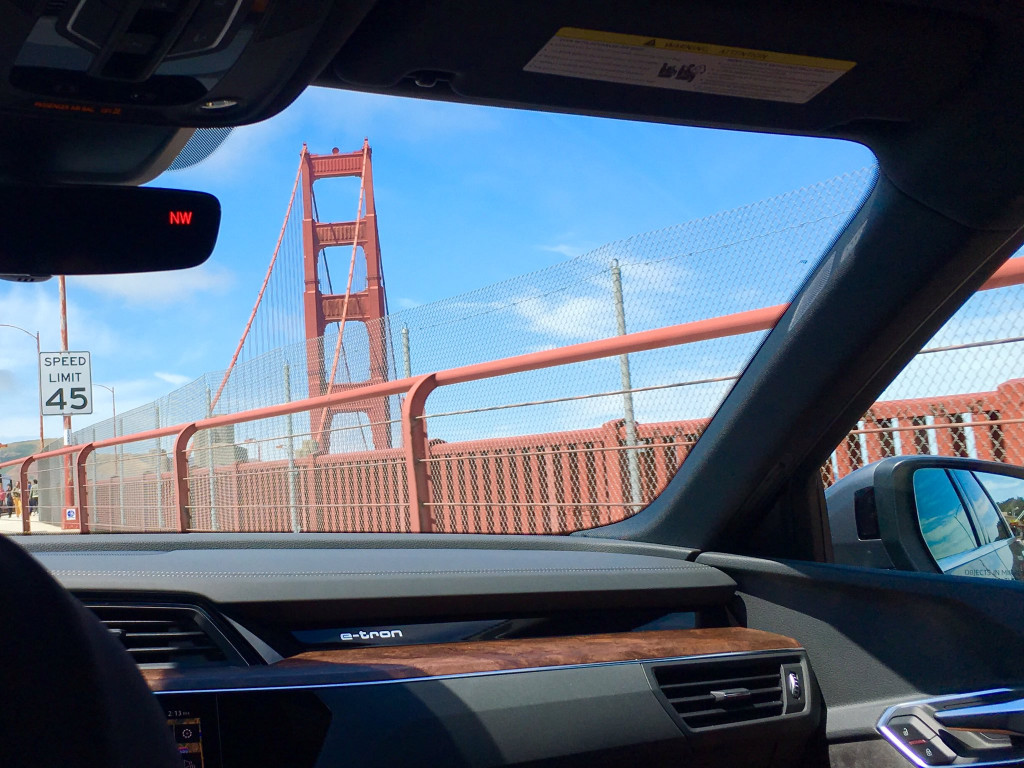
Audi e-tron, on the Golden Gate Bridge
This measure is seen as a way to curb traffic deaths, which rose in both San Francisco and nationwide during the pandemic, the San Francisco Chronicle noted. Speed is a factor in about a third of traffic deaths nationwide, according to the National Safety Council.
Certain emergency vehicles, including ambulances and fire trucks, would be exempt from the speed-governor requirement. The California Highway Patrol would have discretion to disable speed governors on its vehicles “provided that the vehicle’s use is reasonable and would not pose a public safety risk,” according to a bill fact sheet cited by the Chronicle.
Marengo Charging Plaza, Pasadena, California
The bill also stipulates that trucks weighing 10,000 pounds or more that are built, sold, or registered in California be equipped with side under-ride guards, aimed at preventing people and vehicles from going under the vehicles during a collision.
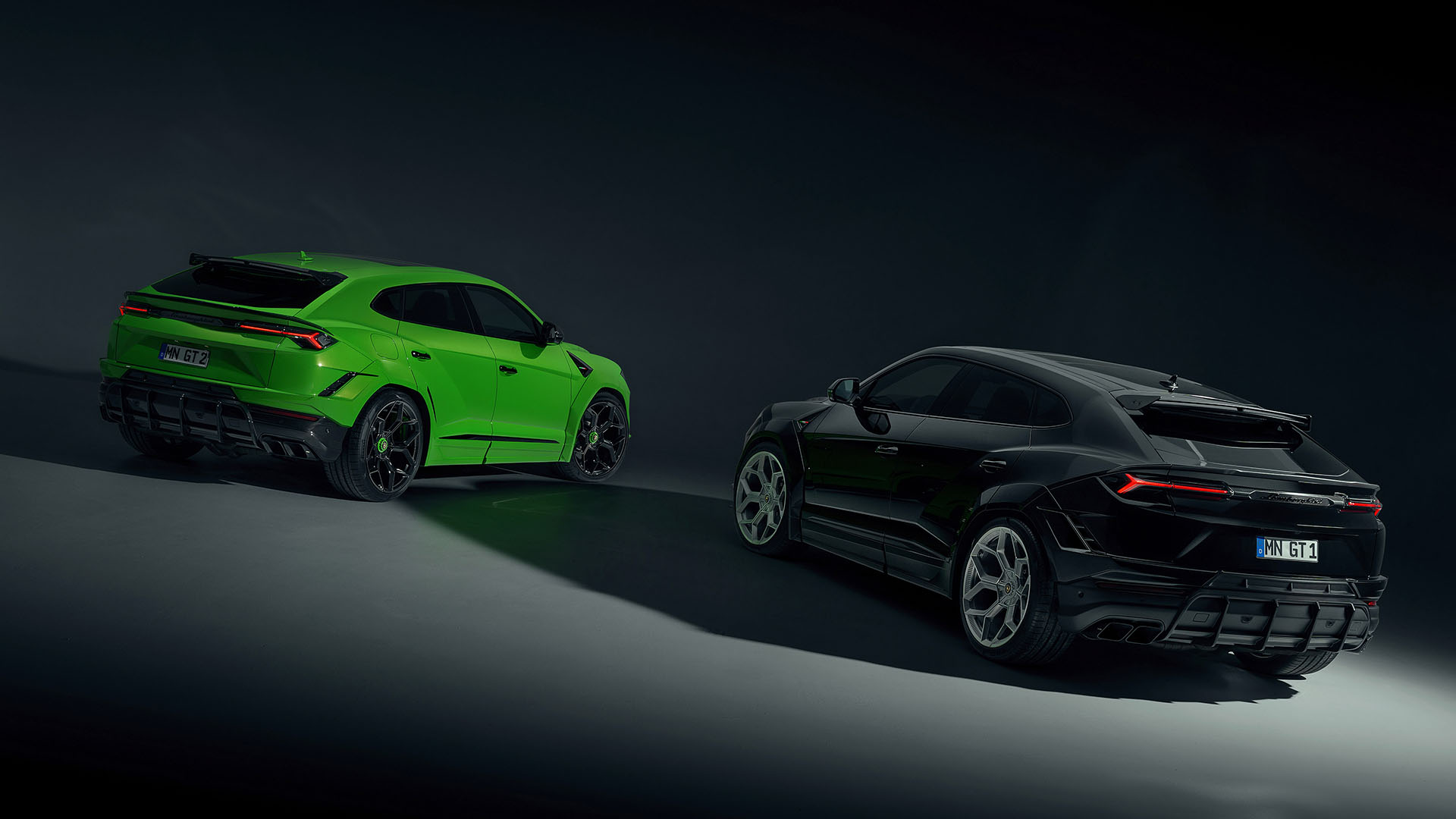
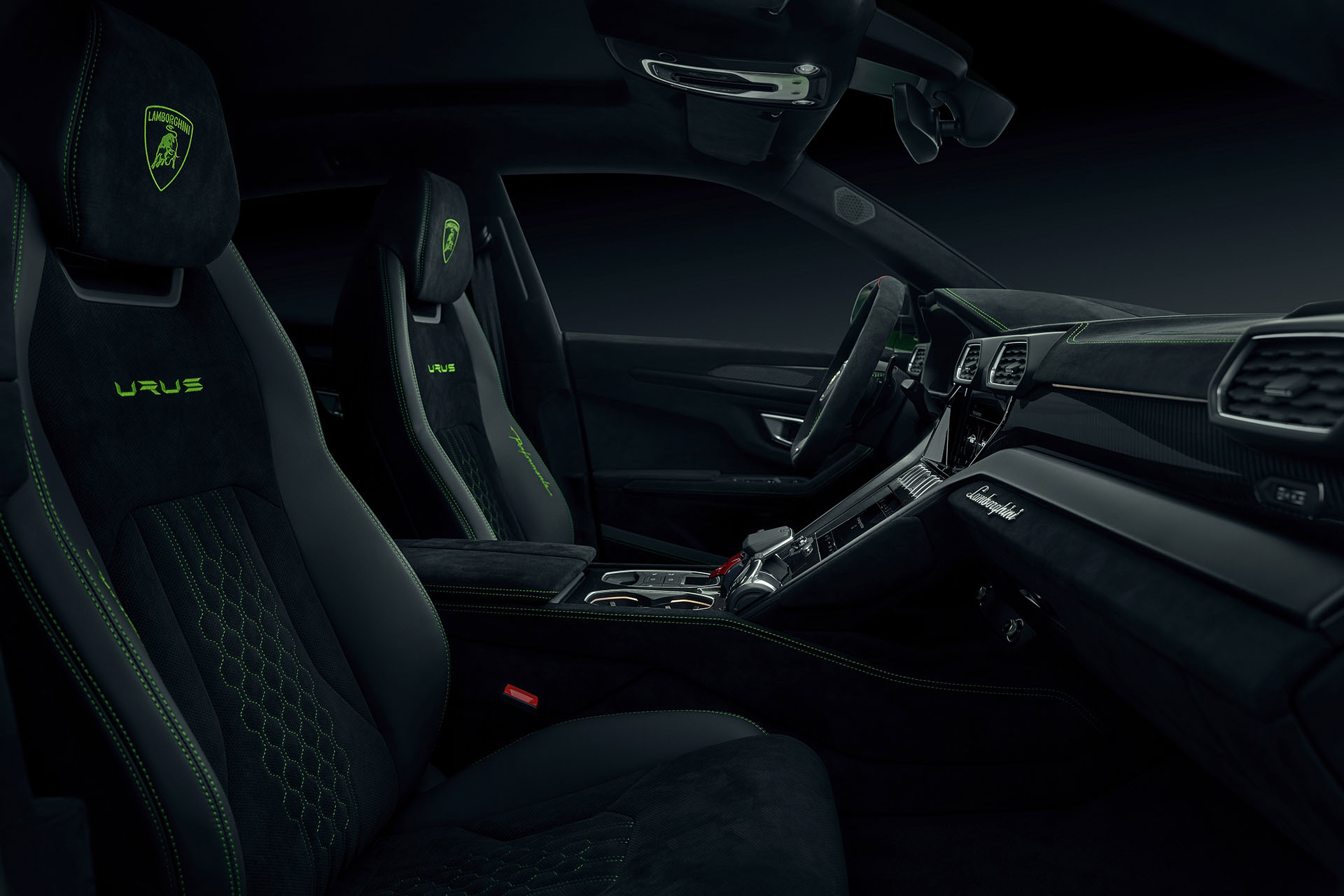
Spectacular widebody versions of the super sports cars from Ferrari, Lamborghini, and McLaren have been the spearheads of the NOVITEC range for years. For the new Lamborghini Urus S and Performante SUV models, the designers of the German automotive refinement specialist developed the spectacular ESTESO bodywork. Its components are manufactured in OEM quality from PUR-Rim to guarantee a perfect fit, paintability, and ease of installation.
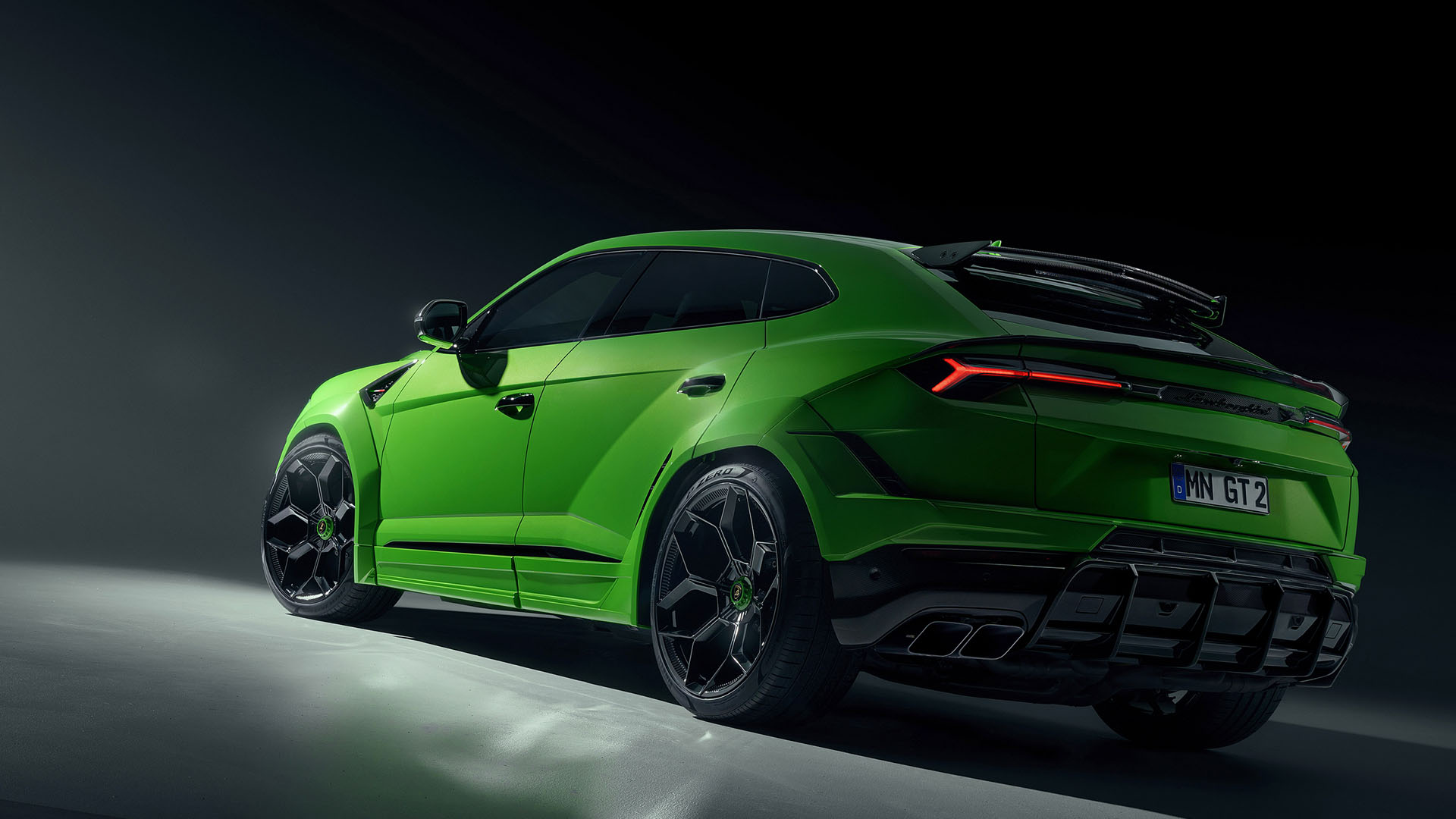
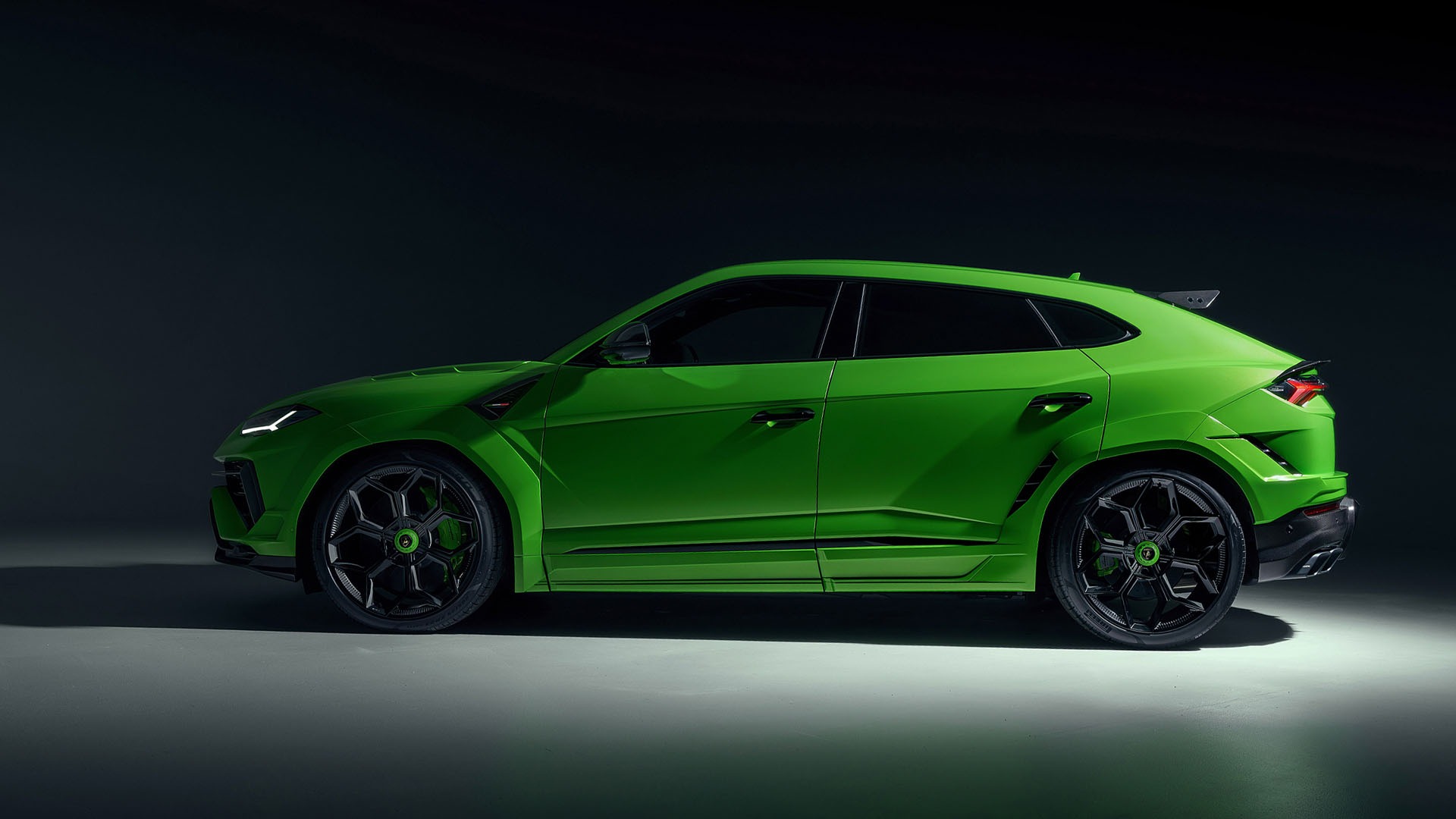
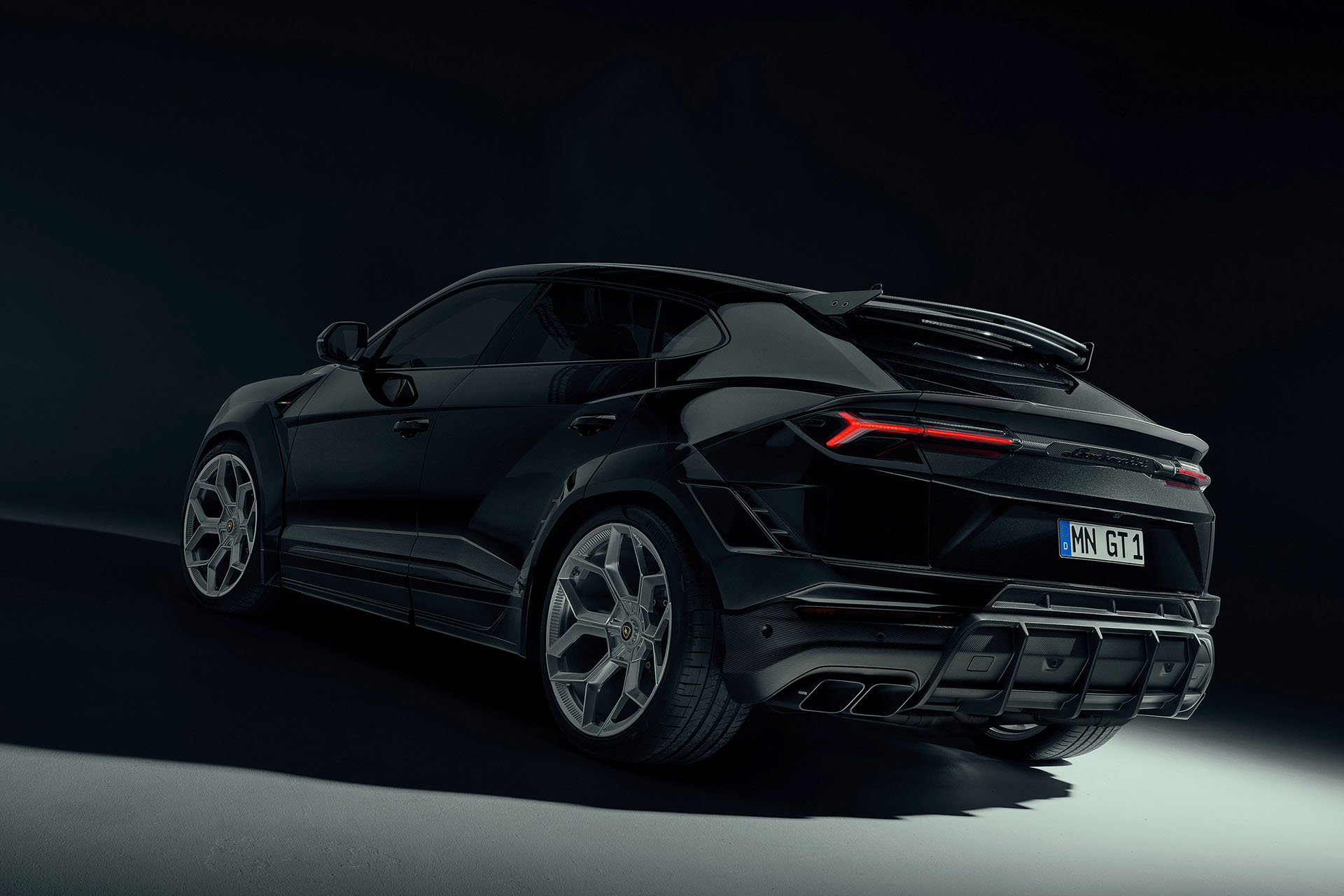
The thrillingly shaped ESTESO fender flares on the front and rear axle make the current Urus models ten centimeters wider at the front and even twelve centimeters wider at the rear axle. This naturally also creates plenty of space for a spectacular NOVITEC wheel/tire combination. The new NOVITEC NL5 alloys of size 10.5Jx23 at the front and 12Jx23 on the rear axle were developed in cooperation with Vossen, the American manufacturer of high-performance wheels.
The use of state-of-the-art forging and CNC machining technology resulted in tailor-made wheels, which with their five Y-shaped spokes extending to the edge of the rim offer the perfect combination of maximum strength and low weight. The hub caps in the center lock design ensure full-blooded racing looks. These hi-tech rims are shod with high-performance tires of sizes 285/35 R 23 and 325/30 R 23, making optimal use of the space created by the flares.
Matching NOVITEC sports springs lower the ride height of the Performante by approx. 25 millimeters. The NOVITEC suspension module is available for the air suspension of the Urus S, which lowers it to an identical level. The ESTESO rocker panels between the widened wheel arches ensure an aerodynamically optimized transition. They also give the SUV a lower and more stretched visual stance.
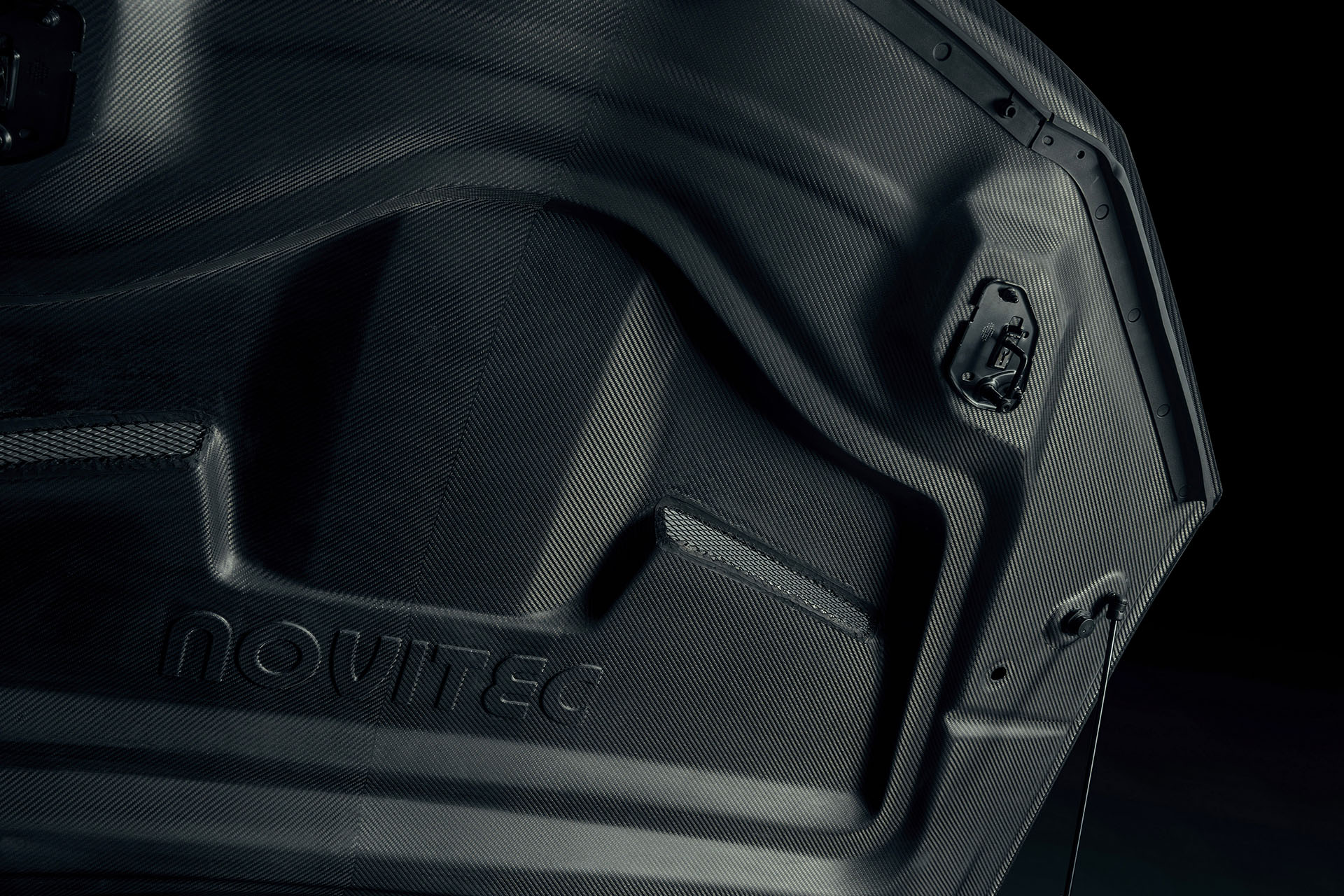
The thrilling looks can be given an even sportier touch with tailor-made naked-carbon components. In the side view, these are trim elements for the front fenders and the side mirror housings. The NOVITEC ESTESO spoiler was developed for the front of the car. It creates a more aggressive look and in concert with the naked-carbon trim on the front fascia also reduces front-axle lift at high speeds.
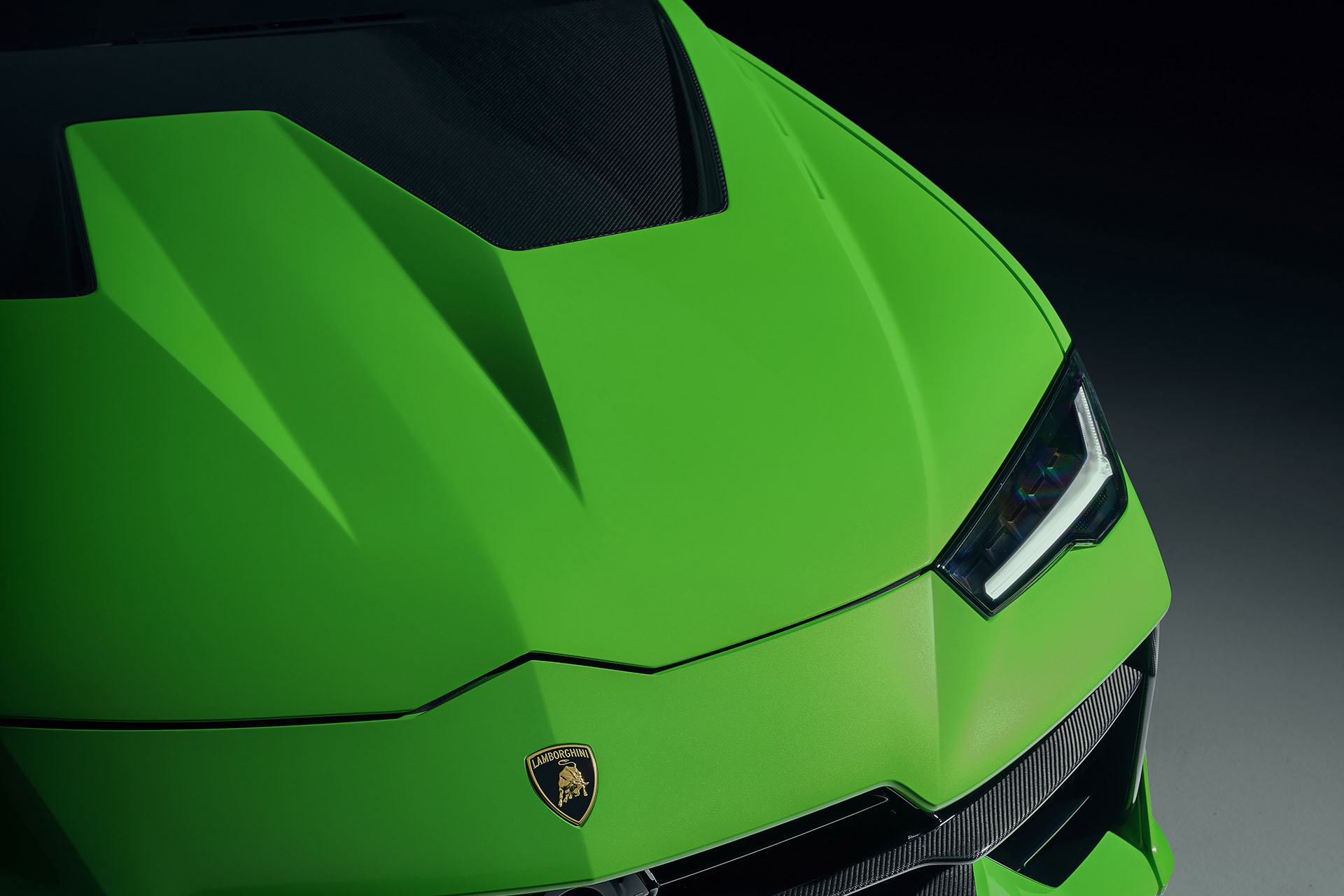
In addition, the front view can be enhanced with the NOVITEC hood, which is available in two variants. There is a choice between a hood with a naked carbon insert at the upper end and one made entirely from this composite material. The rear ESTESO flares were shaped to join the rear bumper seamlessly at the sides. The new rear diffuser perfectly showcases the four matte black NOVITEC tailpipes. The rear view is further characterized by the equally aerodynamically efficient and visually attractive combination of a naked-carbon RACE roof spoiler and a naked-carbon rear lip spoiler.
However, the NOVITEC ESTESO WIDEBODY with its mighty width of 213 centimeters doesn’t just stand out from the crowd visually. Thanks to professional engine tuning, this exclusive SUV is also one of the most powerful and fastest vehicles of its kind.
The NOVITEC engine specialists developed various tuning stages for the four-liter V8 with two turbochargers. The most powerful stage consists of a NOVITEC N-TRONIC control module, which introduces precisely calibrated maps for injection, boost pressure control, and ignition into the Lamborghini’s electronic engine control unit. Another important component of the engine upgrade is the NOVITEC high-performance exhaust system made of stainless steel. It gives the Urus a more thrilling exhaust note and, what is more, it can also be optionally regulated with butterfly valves in the exhaust. Thanks to optimized exhaust gas routing, the new exhaust system, which can be combined with 100-cell sports metal catalysts, also plays an important part in the performance boost.
In the top stage, the engine bests the stock version by 116 horsepower and 182 Nm. 575 kW / 782 hp at 6,200 rpm and the peak torque of 1,032 Nm at a low 2,900 rpm give the NOVITEC ESTESO WIDEBODY driving performance that until recently was reserved for full-blooded sports cars: The all-wheel-drive SUV catapults itself from rest to 100 km/h in just 3.1 seconds. With a top speed of 311 km/h, the ESTESO WIDEBODY is also one of the fastest SUVs in the world.
With spring now on the horizon in the Northern Hemisphere, we’re looking forward to another big year of Speedhunting, which means plenty of fresh car features in between event coverage, shop tours, project car updates and more. In the next few days, Dino will be bringing us his story on one of the most talked about cars at this year’s Tokyo Auto Salon – Liberty Walk’s extra-wide Countach. That got us thinking about another Lamborghini feature car…
Well, kind of. You’re looking at Oemmedì Meccanica’s Fiat 500, which not only looks nuts thanks to custom bodywork that makes it almost as wide as it is long, but it goes nuts too thanks to its retrofitted underpinnings – an entire Lamborghini V12 powertrain scavenged from a Murciélago. It’s not hard to see why this custom creation from Italy ranked as our biggest feature car story of 2014, and now that 10 years have passed, we thought it was one worth revisiting.
2014 Feature
The car is outrageous, the execution flawless and the motive brilliant. So to try and make sense of it all, I’ll deal with those points in that order. The first being entirely justified by the fact that this is in essence, a Lamborghini Murciélago. That’s right, a proper, bonafide, kick ass supercar from a thoroughbred Italian manufacturer. Aside from some handmade bodywork that barely covers the mid mounted 6.2-litre V12 engine, this is a Lamborghini. No really, it is. With 580hp.
When I first showed this build to a friend, he made noises of disbelief, saying it was probably not running a proper Lamborghini engine. Well, for any other naysayers out there and for anybody else who has fuel pumping through their veins, click on the video and take a look. Then close your eyes. It’s incredible, huh?
So what sort of madmen would create such a thing? Oemmedì Meccanica, that’s who. They’re a family run general maintenance and restoration workshop in the middle of Italy. It’s roughly an hour’s drive south to Rome from here and the surrounding countryside feels dry and clean.
The lazy late summer air is laden with warmth; my mouth is dry and my head feels a little slow and numb after travelling over 1,000 miles today to get here. But what I’ve found on this innocuous, hidden away industrial estate is quite possibly genius and madness mixed in equal quantities. This is what snaps me back to #MaximumAttack mode.
I realise quickly that I’m just circling the Fiat not really knowing where to start. Seeing pictures is one thing but I’ll disappoint you now by saying it’s nothing compared to experiencing it in the metal. You don’t just decide to use some Lamborghini salvage one day though; you don’t just wander into a bull ring and pull out a red flag wondering what will happen next. Oh no.
What you do is build a whole line-up of street fighters before taking on the heavyweight title; so neatly lined up in one corner of the expansive workshop are what came before the Lamborghini-engined experiment. The red car is an Abarth: the factory/aftermarket tuner take on things. Air-cooled and original save for a few modifications, the 500 is synonymous with Italy and it’s easy to see why it captured so many hearts during its production run. The silver car is the first step on the mutant ladder though.
Underneath the two part electrically-operated deck lid is a Porsche flat-six. Here you can see the extra girth starting to kick in – wide arches on wide arches. Now the large air intakes on the leading edge of the wings make sense. This is just Oemmedì getting started though. You see the dark grey to the right? That’s hiding a Ferrari V8, and yes I did shoot it for a feature so you’ll see more of it in the future. Right now I need to get back to the Lambofiat Murciéquento... Well, what would you call it?
Yes It Is
I can see why the Fiat appeals: its shape is like the Mini and the Beetle – iconic and spanning all walks of life. Now I know the history that lead to this point though, I need to understand more about just how Gianfranco Dini – the genuinely gentle man who’s responsible for the line-up – went about creating this thing.
First up was sourcing the base car. Between 2001 and 2010, just over 4,000 Murciélagos were built. These are supercars, so are cosseted, but I guess some end up getting damaged and that salvage has to go somewhere. Being in the car restoration and repair business means the Oemmedì team can source just about anything. Although the wheels aren’t sourced from a Murciélago – instead I think they’re from an earlier Diablo. Everything else has come from the later model.
Which means all the systems should work together, right? When you think about it logically, what the guys have done is to strip the body away, use the major organs and nervous system from the donor, lay it all out and then build a new structure to house it all.
There are no aftermarket ECUs here or even parts from a whole bunch of different manufacturers where you have to blend wiring looms and fittings. Everything did have to be made smaller though. So essentially what they did is bring the four corners closer together. Now there’s not much left of what Fiat originally produced.
So if that’s what they did, how they did it is equally as ingenious. Here you can see the front differential, because the original 4WD system has been retained, which means two things: there’s more fabrication to accommodate in the initial build, but everything works as it should. Can you imagine if this thing was two-wheel drive? How wild would that be? Given how central everything is, I’d be really intrigued to see just how good it would be on track.
As you saw above, the underneath is as well-finished as the bodywork, and for me it’s the overall design that really makes it. Let’s face it, the end result could be a lot less pleasing to the eye than it is. Look at the way the mesh runs into the rear wings; those last sections purely exist for aesthetics. The miniature rear diffuser could even be partly functional, although the Fiat has got enough power to bend physics, so it doesn’t really matter what the wind is doing anyway.
Like I said at the start, everything about this build is out there. The extra wide arches curve away from the original body lines smoothly and violently too; it’s part freak, part artwork.
In the background you can see the profile of an original unmolested 500. See where the arches are? The scale of metalwork that’s been custom made starts to become more obvious now. What I really admire is that Oemmedì have been able to use sharp lines as well as the Fiat’s more organic curves. From this view you get to imagine what it would look like with the body lifted off, so you can imagine the drivetrain layout. Because there’s a genuine V12 Lambo engine in there… I’m still not kidding.
That’s Never Coming Out
See the box behind the driver and passenger? That’s the top of the engine. A proper Lamborghini V12 hides within.
Because where else is it going to go? The rear windows come out for maintenance checks, but whichever way you look at it, the Fiat really has been built around the running gear.
See how the rear suspension towers nestle in the mix too? The gearbox is somewhere near the bottom with the split drive transfer box off to one side. My brain can take in all the elements but the thought that must have gone in to constructing the framework to hang it all on? Then the process of physically putting it together? Damn.
As if incredible running gear and fantastical bodywork isn’t enough, there are lovely details like the electrically operated deck lid and the high level spoiler that sits above it complete with brake light. No bad wiring hanging down or messing up the lines. Remember everything you’re looking at in this picture, apart from the rear window, has been custom made.
The OMP seats have had their frames modified to make them more vertical. That alone must have taken hours and then the seats needed retrimming, but then again it was worth it just for those extra inches of leg room.
Just like the exterior, the interior has been handcrafted, and just like the running gear, it continues the theme of using all Lamborghini hardware. So those dials, switches and steering column are all used to working together.
The one feature of the interior that instantly grabbed me was the centrally mounted rev counter in the steering wheel. Not only is it fully functioning but the wheel rotates around it, as the counter stays stationary. How cool is that? I guess after the rest of the fabrication work, that was a quick job while the coffee machine warmed up in the morning.
It’s all very well talking about how amazing it is, but there’s really only one way to experience it. From inside. I don’t speak any Italian and Gianfranco doesn’t speak any English, but when the head nods in the direction of the passenger seat and eyebrows raise in a questioning way, I completely understand what is being asked.
And so it was that here I am being driven through the Italian countryside, the sun blazing and breaking through the trees, in this demonic creation. If I could pat myself on the back, I would also be able to reach one bank of cylinders. This is incredible.
The first thing that strikes me is it’s not as loud as I expected. I can’t even work out why that is. Maybe it’s because I just got out of the Ferrari V8-engined Fiat 500 I’ll show you another time, but this one seems to be a wall of sound. A solid chunk of noise that carries across the landscape, rather than a peaky, screaming sound, it’s there like a mountain.
Once or twice the throttle is mashed and the speed gains so quickly, like an on/off switch. As though there’s no acceleration, just slow and hyper fast. We see other traffic on the road and they stare as they pass, with good reason. You will never see anything like this anywhere else in the world. Fact.
So am I justified in claiming that this is the wildest feature car I’ve ever seen? I think so. Hardware made from Lamborghini unobtanium, amazingly skillful body mods, tastefully executed to the highest of standards using an iconic and emotive base model.
Technology, passion, speed… I could go on. Where others couldn’t imagine such a thing being done, Oemmedì Meccanica did. When those others said it couldn’t be done, Oemmedì Meccanica did it.
Last weekend, a woman allegedly stole a horse and buggy from outside a Walmart in Michigan. It turns out, legally, she would’ve been much better off stealing a car — not only would the getaway be a lot easier, but the charges against her would be far, far lower.
Michael Mann’s Ferrari Is A Great Car Movie
But in much of the United States, horse theft is no longer a common pastime — we have cars for that now, you see. So FiveLiters1, perhaps a master car thief themselves, proposed what might have been going through the alleged thief’s head when she took the reins:
Google tells me that most buggy-pulling horses are draft horses, rather than mustangs, but Google does not tell me how to tell one from another when it’s covered in saddles and towing hardware. Perhaps this alleged thief had a similar issue. She went out in search of a Mustang, and found something that could be one. How’s she to know the difference between a Ford and a Fjord?
I can only hope that, for the sake of the bit, the horse in question was already named Eleanor. It doesn’t seem like an entirely unreasonable name for an Amish horse to have — it’s not Braxlynn or anything — and it would just be too good for the horse to share a name with the most famously stolen Mustang in cinematic history.
Congratulations, FiveLiters1, on your Comment Of The Day win. I only ask that you use your horse-vehicle-differentiation skills for good, and do not go after my BMW Gelande-Strasse when you mean to steal a gelding.
WAR – Low Rider (Official Video) [Remastered in 4K]
They say all good things must come to an end, though no one has successfully elaborated on why the Hellcat Challengers and Chargers are going away. I mean, they’ve *tried* but their reasons seems lackluster and out of touch – a mixture of bowing to pressure from the Greenies, social media humble bragging, and the evil plan of some shadowy cabal of villains who are tired of us having fun and want us all to drive slow ‘environmentally responsible” cars. Yes, the designs and platforms are getting long in the tooth, but they’re still selling like hotcakes and are arguably the most fun of all the current muscle cars available today. The all-electric Dodge Daytona that turned up at the Chicago Auto Show earlier this year was absolutely gorgeous and offered promise, but who wants an electric car? Fewer and fewer people it seems. So lets hope Dodge was smart enough to leave room under the hood to drop a fun engine into it because if this is the end of the line for the Hellcat motor, then I may just dress is sacloth and ashes and weep. But going away, the Challenger is. And so Dodge, sentimental sumbitches that they are, decided to release a series of final nostalgic “Last Call” special editions. This is one. The Black Ghost.
The name sprouts from a Detroit urban legend. Apparently back in the early seventies, when midnight street racing on Woodward Ave was the thing to do, a stock-looking black Dodge Challenger with a faux-alligator vinyl roof would occasionally show up and race. As the rumor goes, he would handily beat them and then disappear into the inky Detroit night. As his legend grew, he began to be referred to as the Black Ghost. He haunted Woodward for several years until he disappeared for good. It was only recently that he passed away and his family felt comfortable identifying him as the owner of the Black Ghost. Why did they wait? Apparently at the time he was participating in these illegal underground street races, he was employed as a policeman with the Detroit Police Dept. How’s that for irony?
Dodge Challenger Hellcat Black Ghost Edition
Great story, huh? Dodge thought so too and decided to make a limited run of special Black Ghost Challengers as part of their Last Call series. Starting with the Challenger SRT Hellcat Redeye Widebody, they dropped in a special higher-output edition of the Hellcat engine that makes 807 hp (instead of 797) and 707 lb-ft of torque. A good start!
The Black Ghost is, as you’d expect, black. The exact name of the paint is “Pitch Black” and it’s fitting. There’s an appliqué on the roof that resembles alligator skin. The gas cap is chrome, just like the original Black Ghost. Dodge also added a white stripe across the back deck lid of the car like the original and where the Hellcat badge typically goes on the side fenders behind the front wheels, there is instead a script badge that reads “Challenger” just like the 1970’s ones did. But that’s just the Black Ghost design details. The rest is modern Challenger Hellcat muscle car cues: the twin ram-air intakes on the hood (functional), the deep splitter along the front edge of the car, the flip-up spoiler across the rear edge of the trunk, hood pins to keep the hood on the car at 200mph, and some of the sexiest wheels you’ve ever seen on a Challenger. The car looks stunning and it got a lot of attention even while parked.
Dodge Challenger Hellcat Black Ghost Edition Details & Static
Under the hood is the HO version of the Hellcat, throwing an extra 10hp into the mix. With 807 hp, you won’t feel the additional 10 but 807 is an easier number to quote than 797 hp. It’s hooked to a stout 8-speed automatic transmission with paddle shifters behind the steering wheel in case you want to row your own. The torque shaft is hooked to a limited-slip differential that balances power between each of the rear wheels to effect maximum grip.
That maximum grip is provided by the fat Pirelli P-Zero’s that wrap around the sexy satin silver 20 x 11” wheels. These tires are so sticky they literally pick up every stone on the road and throw it against the bottom of the car. Throw it into a corner and the tires just grip, grip, grip until you choose to overpower them with the engine and send the backend sliding out behind you.
Dodge Challenger Hellcat Black Ghost Edition Interior
The Ghost corners and handles like no car it’s size and weight has any right to. The competition suspension does a fantastic job of helping the tires grip the road and keep the body motion in check as it tears down winding country backroads or through the curves of a respectable road course. There are several different performance settings you can dial in – normal, sport, and track. Each has different degrees of firmness and traction and stability control to make the most powerful regular production car an absolute pussycat to drive hard.
And should a deer or an errant driver pull out blindly in front of you, or a should a police car come from out of nowhere, the Brembo 6-piston brake calipers clamp down on the most enormous brake disks you’ve ever seen fitted to a production car to provide some of the most amazing braking performance you’ve ever experienced. You can literally hang yourself up in the seatbelts as the car comes to a silent stop.
Dodge threw in a host of other performance goodies too. The Linelocker option, which locks the front brakes but unlocks the rear ones so you can get the rear tires spinning pretty good and hot before releasing the brakes; launch control, which lets you set the rpm level you want to launch at; and Chiller, which redirects the cool a/c air from the cabin to the supercharger plenum to make the charge more dense, providing more oxygen for ignition.
The son of the Black Ghost’s owner was recently asked about his memories of the car. He said he remembered his dad would tape a $50 dollar bill to the dash and tell him he could have it if he could grab it on the count of three. Three, of course, is when he’d nail the throttle and the car would launch like a Saturn rocket, pushing them both back firmly into their seats, unable to fight the momentum of their forward direction. The new Black Ghost is much the same. It’s born to run hard and fast – an exhilarating carnival ride that your neighbors will literally queue up to ride in.
We took it around to all the friends and family, giving rides, winning hearts and minds. Everybody wanted to feel the incredible acceleration, hear the fury of the Hellcat engine as it raged like some furious jungle cat, ripping the very atmosphere around it, making the fat rear tires scream like wounded wildebeests as they laid down sets of black parallel lines again and again and again. The sounds it makes might be the single best thing about the car. I’ve heard a lot of competition V8 motors in my day but there is NOTHING that sounds as angry, as powerful, as ferocious as Dodge’s supercharged 6.2L Hemi V8 engine. It makes the hair on your arms stand up, and your brain to register concern and even alarm at the sheer ferocity of the sound. It’s like nothing else on the road. Mustangs, as great as the new Coyote V8 sounds, can’t hold a candle to it. Camaro’s and Corvettes don’t come close. It’s as uniquely American as it is simply unique within the American muscle car scene. It is, in short, an ICON of American motoring.
Our Black Ghost stickered at $99,350. While that seems like a lot of money, the performance that you’re getting for the money is incredible. Plus, it does the daily commute in great comfort too.
Dodge is being super helpful about helping you secure your own muscle car, your own Hellcat – even your own Black Ghost – before they’re all gone. As production winds down, they’ve set up a special website to help you find your ideal Challenger or Charger at a dealership, whether it’s in your hometown or across the country. It’s accessible from their main webpage. My advice is to act now before inventory is gone. Because once it’s gone, it’s gone for good.
We don’t want to see it go. It’s our hope Dodge has something just as good or better waiting in the wings, but it’s hard to optimistic these days when every automaker is looking at electric vehicles as the next big thing. All good things must come to an end eventually. Even the things that perpetually put a smile on our face every time we got to drive them. Thank you, Dodge. It’s been a fantastic journey and it’s because of your love of fun cars that we’ve gotten to enjoy it.
We spotted the 2026 Audi Q9, the Apple car has been delayed again, and the 2024 Porsche Macan EV debuted. It’s the Week in Reverse, right here at Motor Authority.
The 2026 Audi Q9 broke cover for the first time. The three-row crossover luxury SUV will sit atop the lineup to rival the BMW X7 and Mercedes-Benz GLS-Class. The early prototype featured split headlights and a massive grille. Visible exhaust tips confirmed there’s an internal-combustion engine under the hood. Expect a debut in 2025.
Lucid teased its Tesla Model Y rival. The compact electric crossover SUV teaser came during a ceremony for an expansion of Lucid’s plant in Casa Grande, Arizona. CEO Peter Rawlinson said the Project Midsize will arrive in “few years” and engineering prototypes already exist.
The Apple car reportedly will now launch in 2028, which is two years later than previously thought. The car will no longer deliver true self-driving capability and will instead feature a Level 2 automated driver-assist hands-free driving system.
The 2026 Hyundai Palisade began testing on public roads. Covered in heavy camouflage, the prototype revealed the redesigned Palisade will sport a boxy design similar to that of the new Santa Fe crossover. A debut is expected in 2025.
The electric 2024 Porsche Macan debuted with a starting price of $80,450. The electric model will ride a new EV platform and slot alongside the gas-powered Macan in the U.S. for the time being.
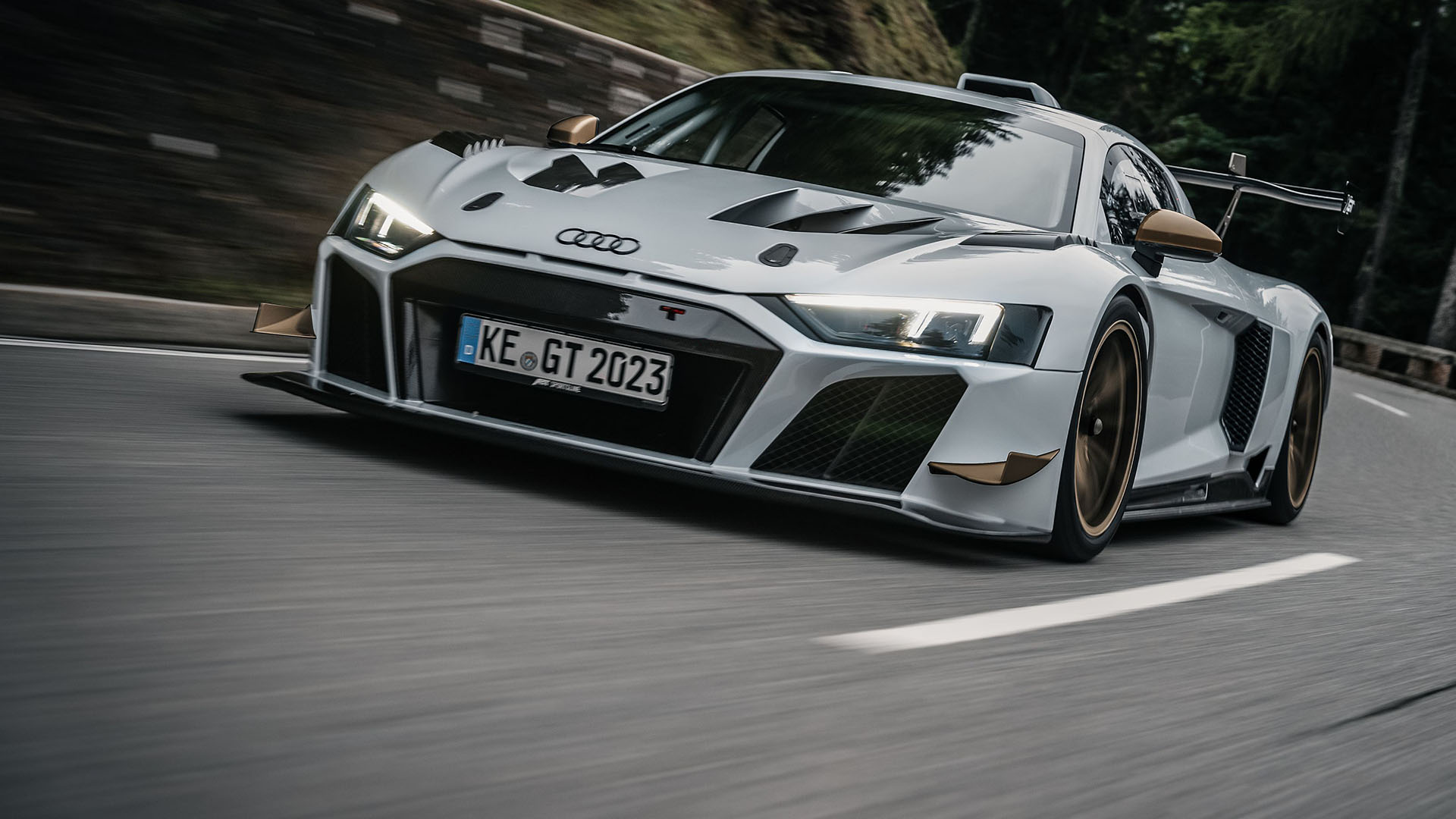
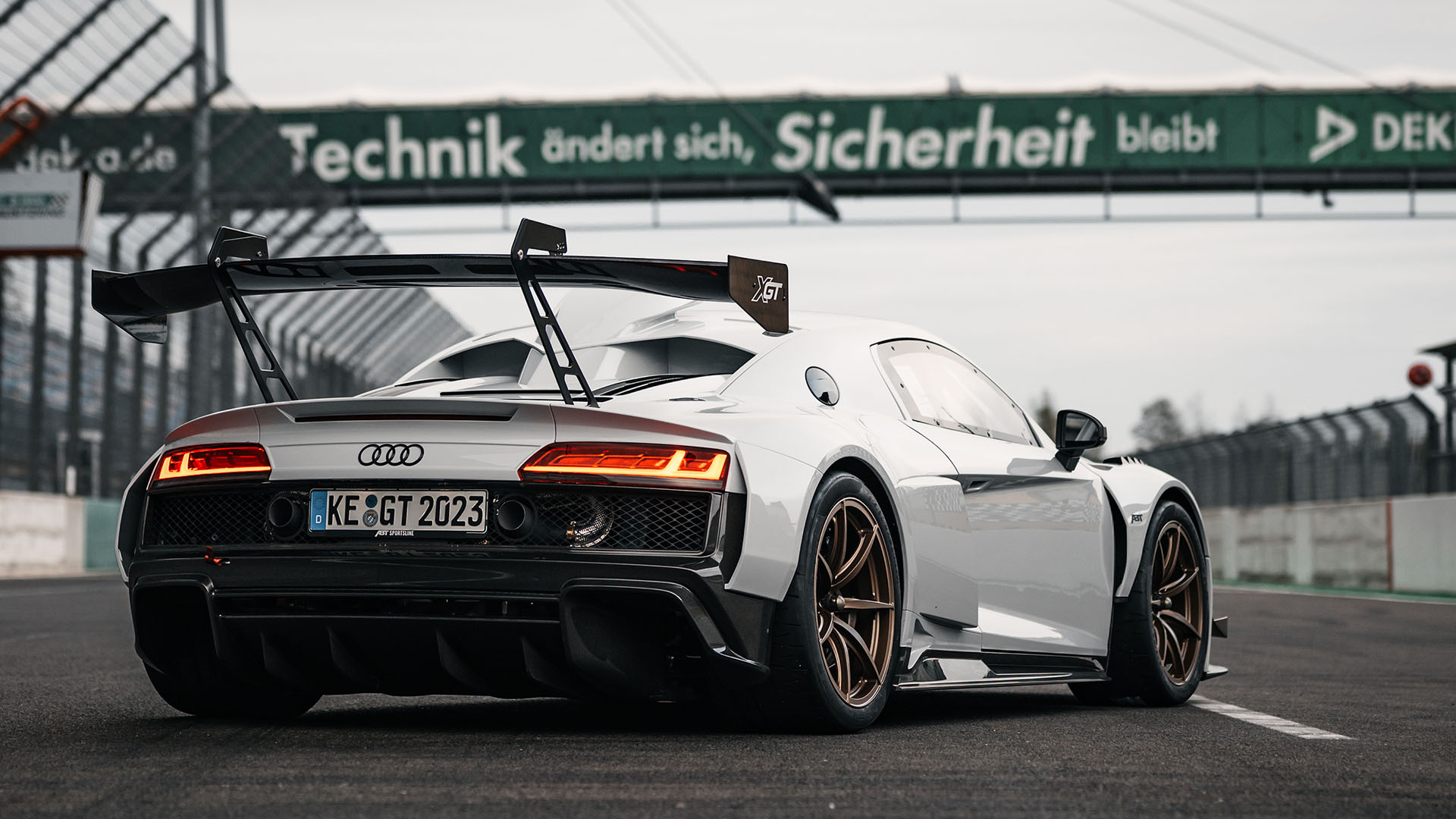
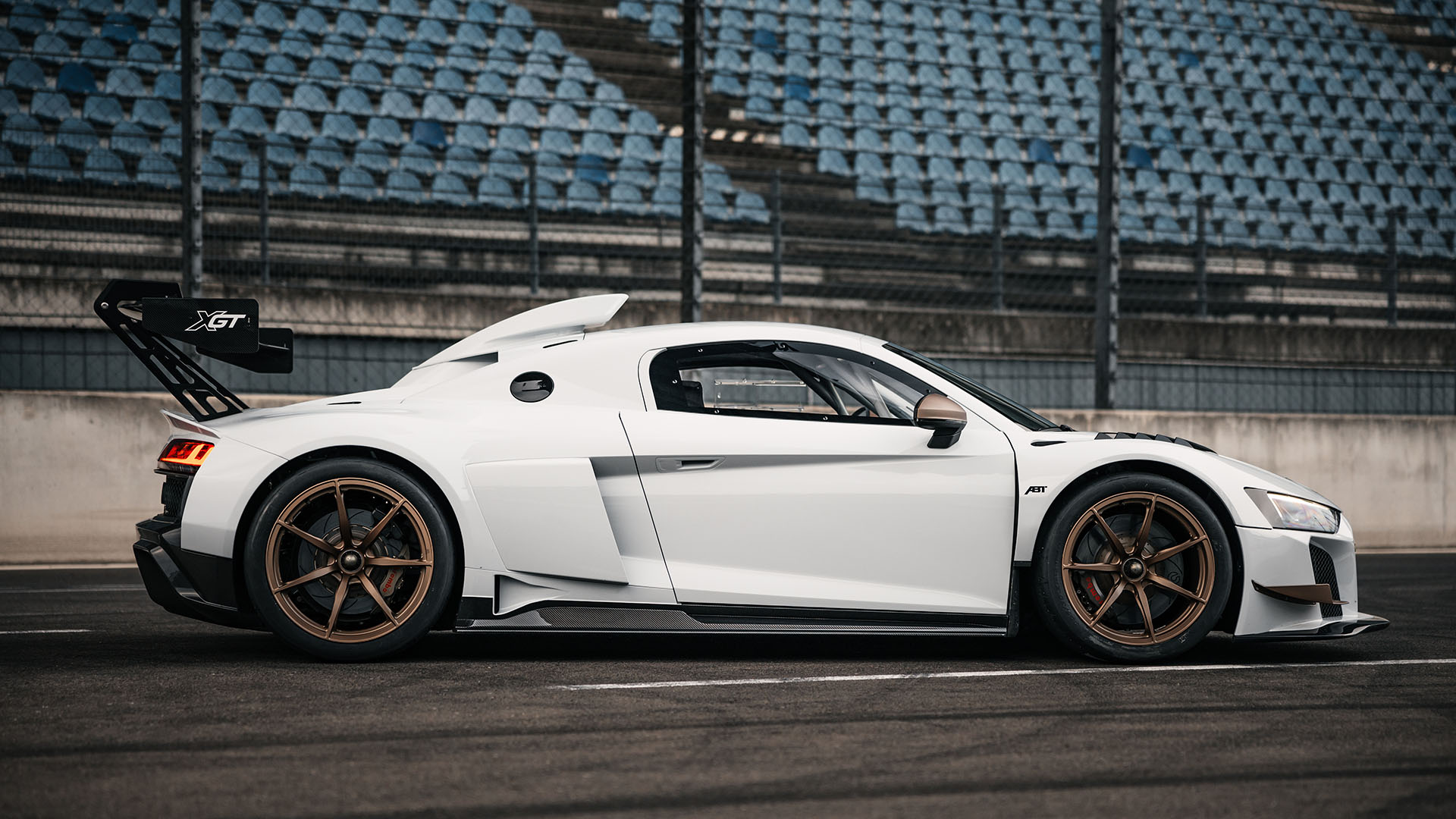
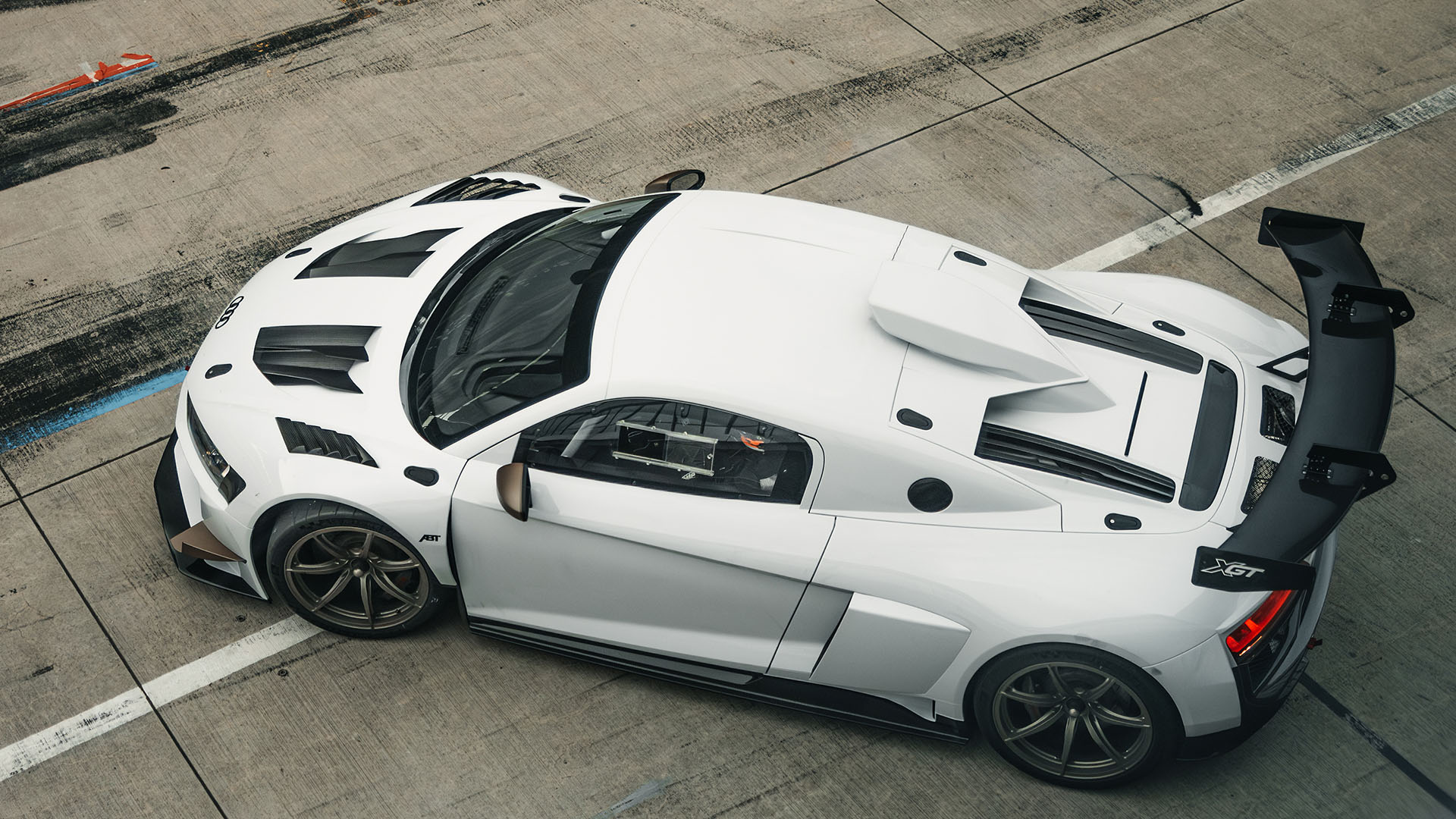
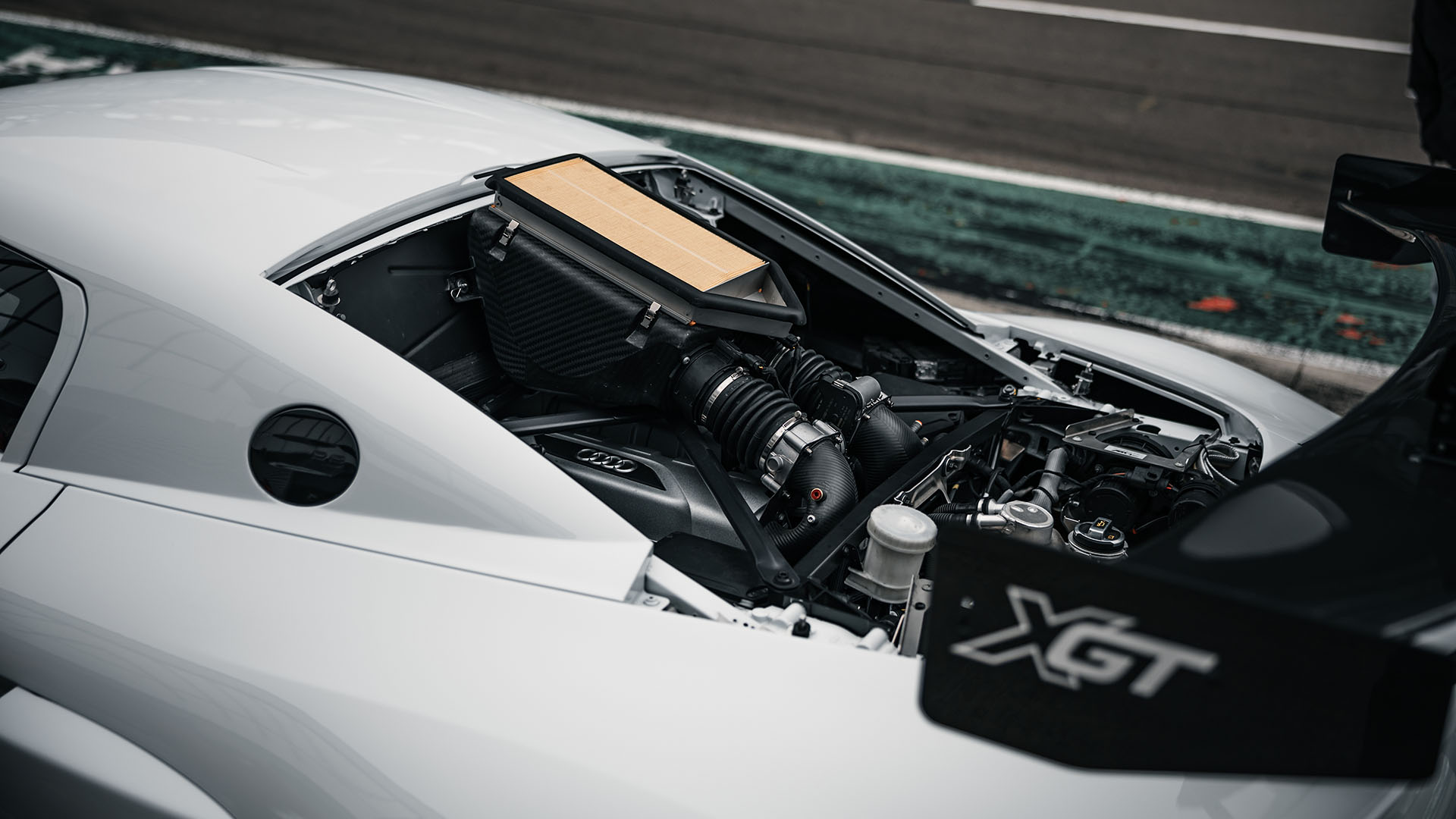
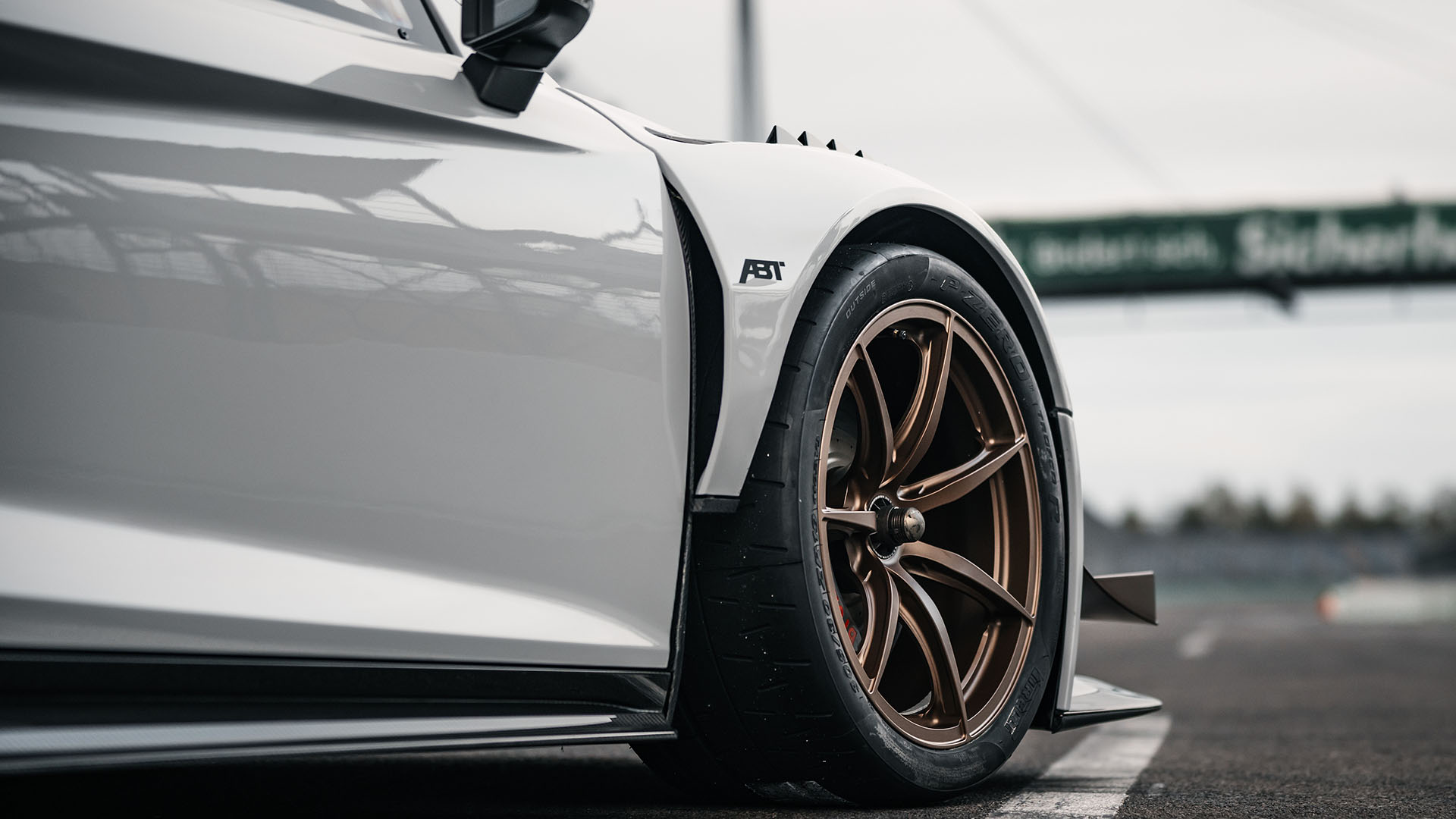
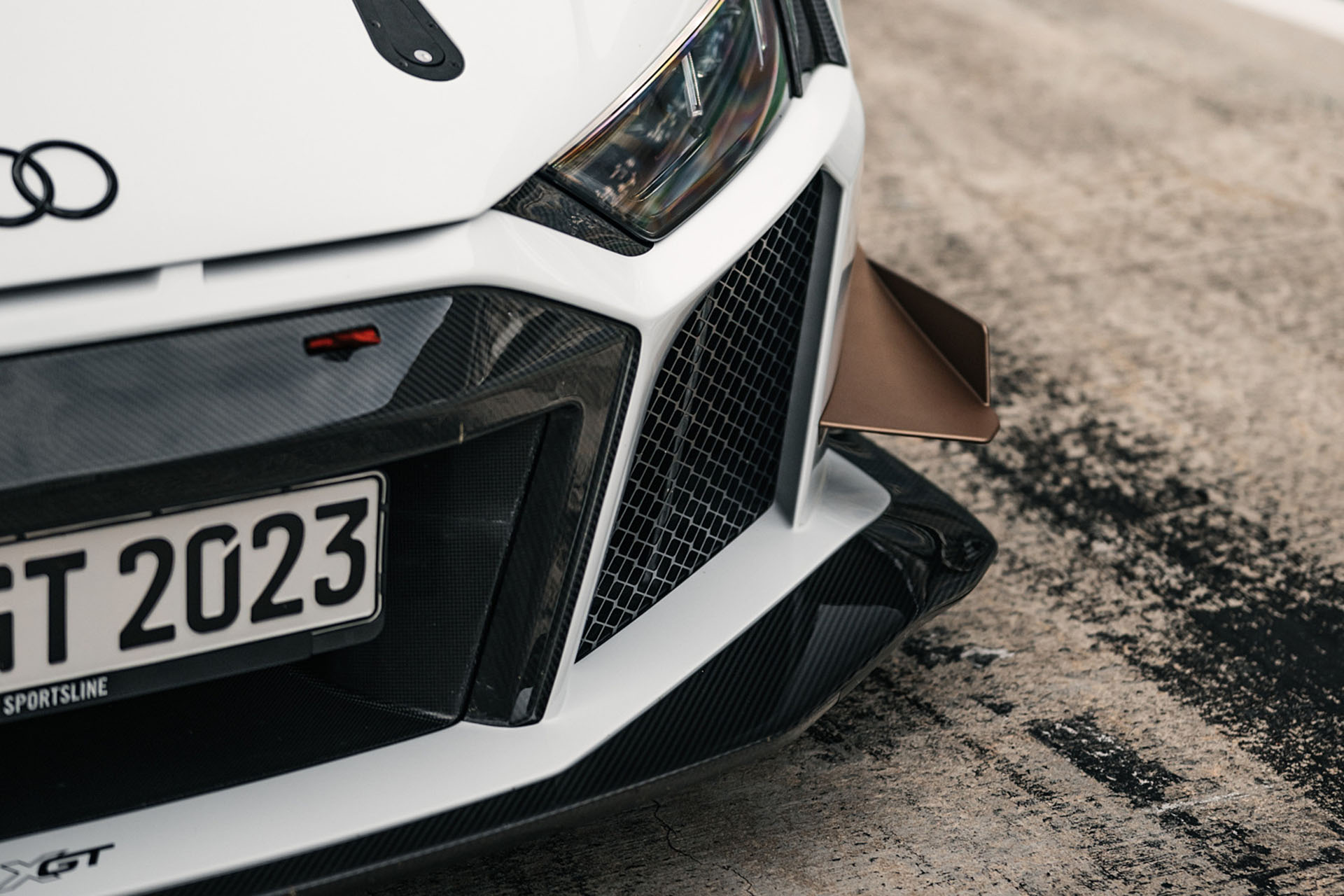
Super sports cars are an exciting and highly emotional world of their own. Only racing cars can give you even more goosebumps. With the XGT, ABT Sportsline combines the two worlds into a total work of art: born as a thoroughbred GT2 vehicle, the DTM racing team and vehicle tuner created the most exclusive vehicle that has ever left the ABT factory in Kempten in a two-year, extremely complex development process. With 640 hp at 1,400 kg, a limited edition of 99 units, and the simply breathtaking look of a racing machine, the road-legal racer is aimed at sporty drivers and motorsport enthusiasts. This uniqueness gives the XGT a special appeal that will also delight collectors.
As a traditional racing team, ABT Sportsline has contested more than 300 races in the DTM since 2000, achieved dozens of individual victories and over 250 podium finishes, and is currently the most successful active DTM team. The best prerequisites for an ambitious project like the XGT. But it is more than just a project: “It was the challenge itself that spurred us on to develop this unique complete vehicle. The XGT is the quintessence of our heritage,” Hans-Jürgen Abt proudly explains. Because it was not easy to get the GT2 racing car on the road – the motorsport requirements and road traffic are too far apart.
“Two highly intensive years have passed from the idea to completion,” says ABT Sportsline Managing Director Thomas Biermaier, who came up with the idea for the XGT together with Ernst Christian Scherer, Managing Director of Scherer Sport, after an exciting and successful race. Biermaier and Scherer had been harboring the dream of tackling such a project for some time. Now things were getting serious: “Our engineers and mechanics had some tough challenges to overcome.”
With around 40 individual approvals, the months-long approval process went beyond the scope of conventional vehicle development. The highlight: visually, the road-going version differs only marginally from the Audi R8 LMS GT2 racing car. The XGT is not a super sports car with a racing look, it is a road-legal racing car. Now 99 rolling chassis are waiting to be hand-built into one-offs according to customer specifications.
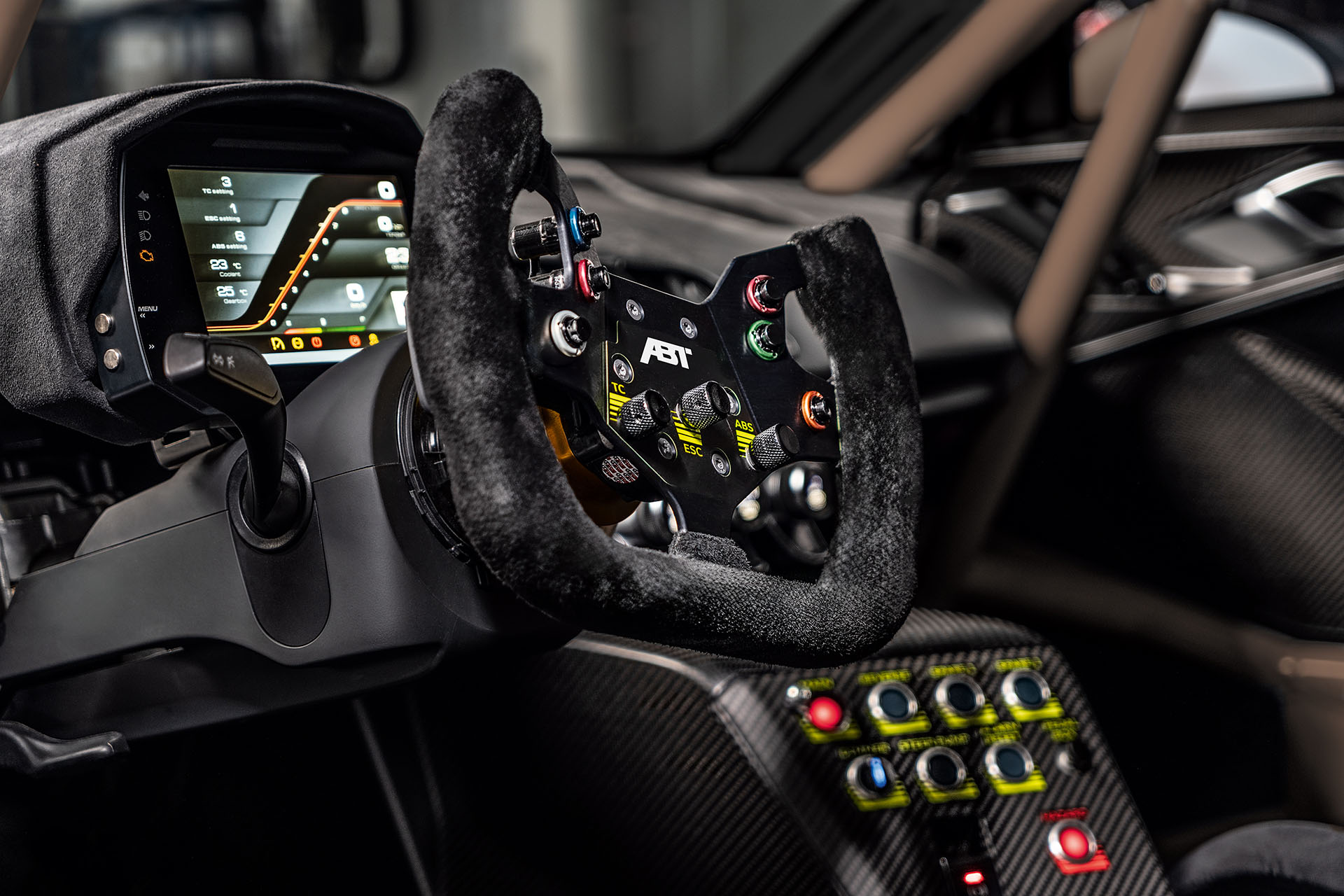
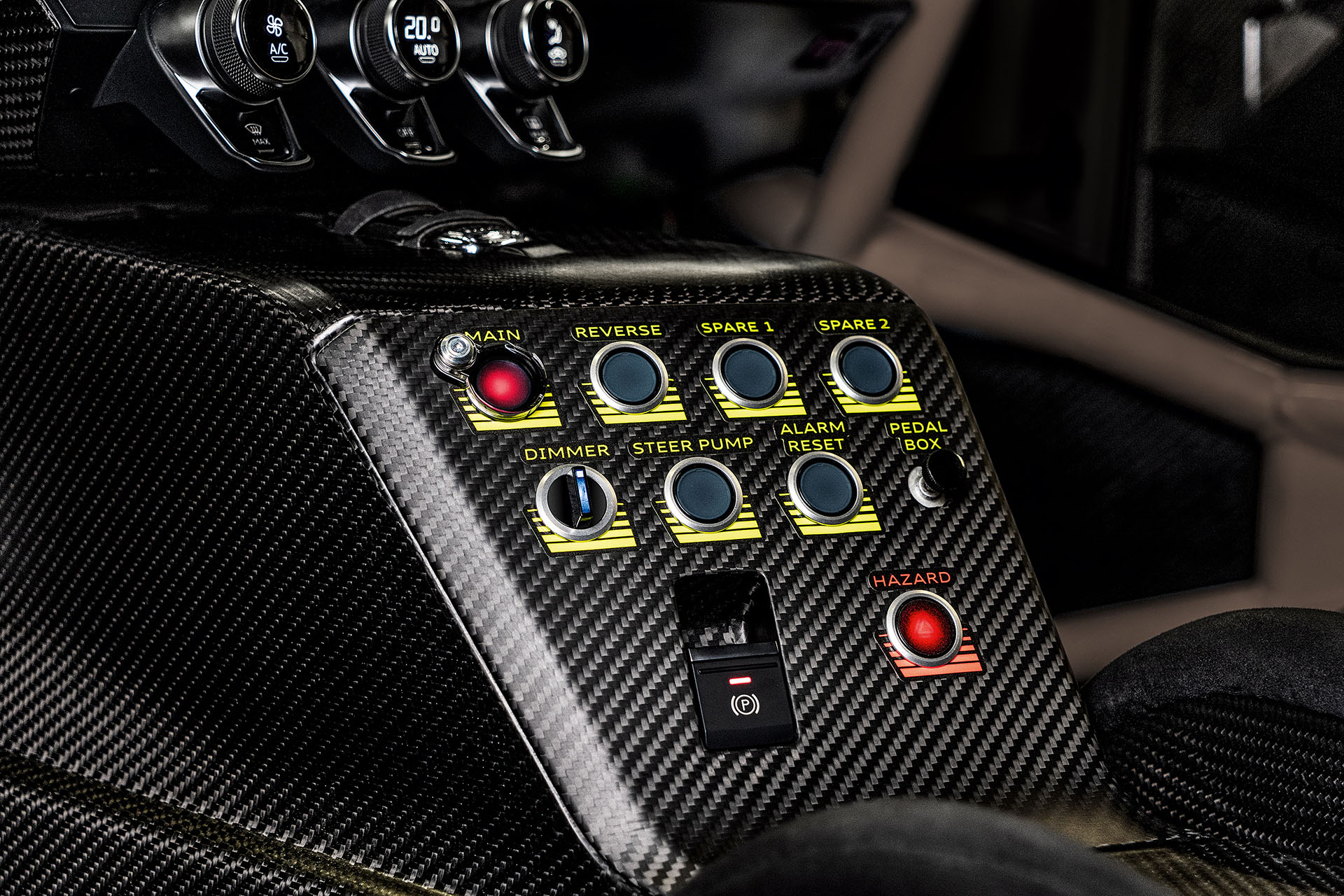
Anyone who has always dreamed of sitting behind the wheel of a real racing car will get their money’s worth in the ABT XGT. Because the XGT is steered with a steering wheel specially made for the racing version. The technical modifications in the areas of thermal management, software and the highly complex vehicle diagnostics system have been carefully implemented to preserve the character of the racing car. For everyday usability, the fuelling system from the series was integrated, the instrument cluster was modified for civilian use, and the handbrake, central locking, and even a reversing camera and immobilizer were added.
The control panel was adapted to road use and controls the electrically adjustable exterior mirrors, air conditioning, and indicators. At the same time, the special exhaust system including aftertreatment components had to fulfil the KBA’s emission specifications. Of course, the focus was also on safety: a complete XGT vehicle was used in the demanding side and front crash tests and all KBA specifications regarding brakes and noise levels were met in extensive tests.
In addition to the extensive road tests, there was another maxim in the development of the ABT XGT: as much racetrack feeling as possible. To this end, the XGT completed thousands of kilometers on the Nürburgring Nordschleife, the Sachsenring, and the Hockenheimring to find the perfect setup. In addition to DTM driver Kelvin van der Linde, DTM driver and Scherer brand ambassador Ricardo Feller – both of whom will also be racing for ABT in 2024 – ABT Motorsport Director Martin Tomczyk and racing driver and Scherer brand ambassador Frank Stippler were also used as development drivers.
Their unsurprising conclusion: “The road handling, steering behavior and acceleration cannot be compared with any road car”. Thanks to the dual-adjustable suspension with modified springs, ambitious drivers have the opportunity to find their perfect setup for every racetrack.
Scherer Sport is the exclusive distributor and service provider for the XGT. This cooperation is based on a long-standing partnership and a shared passion for motorsport, which is why it was only natural to bring this unique project to the road together. Customers can choose from four different color concepts; individual solutions and variants are possible thanks to the handcrafted implementation. The price of the ABT XGT starts at 598,000 euros incl. VAT.
Anyone who wants to see the unique ABT XGT in the flesh: In Mainz, about 20 minutes from Frankfurt Airport, the ABT showroom of Scherer Sport will open its doors on November 23. In addition to the Star XGT, other ABT special models will be on display there. Additionally, the XGT will, of course, also be showcased at ABT Sportsline in Kempten.
The technical storage or access is strictly necessary for the legitimate purpose of enabling the use of a specific service explicitly requested by the subscriber or user, or for the sole purpose of carrying out the transmission of a communication over an electronic communications network.
Preferences
The technical storage or access is necessary for the legitimate purpose of storing preferences that are not requested by the subscriber or user.
Statistics
The technical storage or access that is used exclusively for statistical purposes.The technical storage or access that is used exclusively for anonymous statistical purposes. Without a subpoena, voluntary compliance on the part of your Internet Service Provider, or additional records from a third party, information stored or retrieved for this purpose alone cannot usually be used to identify you.
Marketing
The technical storage or access is required to create user profiles to send advertising, or to track the user on a website or across several websites for similar marketing purposes.