It doesn’t have to be this way. While more and more sports car manufacturers are turning to electrified performance boosts, Aston Martin proves there’s another path—with the new Vantage, more tempting than ever as an open-top Roadster.
Nowadays, it seems you can’t launch a new sports car without some form of electric powertrain. Aston Martin begs to differ, and with its new Vantage Roadster, it gives not just fans of the brand a reason to cheer. The burly, compact roadster is gloriously old-school, a reminder of a time when cars were made to stir the soul. For €209,000, the shamelessly beautiful Brit grumbles and rumbles its way into your garage—and into your dreams. Hopefully, it won’t be the last of its kind.
2025 Aston Martin Vantage
Lamborghini, Ferrari, Maserati, Porsche—these storied brands now roll out new models that can run almost silently. It’s modern, it’s forward-thinking, and it’s inevitable. But it doesn’t thrill every car lover—especially those who already have a fleet of EVs and hybrids in their garages. Sometimes, one wants to escape, to crave a car as a sensual object and let it carry them away on winding roads. That’s exactly what Aston Martin delivers. Beyond its rich racing pedigree, Aston continues to win over admirers with its unique blend of performance, elegance and exclusivity—even among its most self-assured rivals.
The new Vantage is no different. Just like the Coupé, the Roadster captivates, roof up or down. It offers the familiar Aston recipe of AMG-sourced firepower, finely tuned chassis dynamics and a design that invites you to stare—whether or not the fabric roof is in place. With the top down, the 4.0-litre twin-turbo V8 roars even more brazenly, pushing out an eye-watering 482 kW (665 PS) and 800 Nm of torque. That power translates to 0–100 km/h in just 3.6 seconds and a top speed north of 325 km/h. Not that it really matters; anyone needing that regularly should probably opt for the Coupé version, which weighs just 60 kg less.
But that doesn’t take away from the quality of the fabric roof, which is excellently insulated and opens or closes in just under seven seconds at speeds up to 50 km/h. Roof down and heading into the hills, the driver can enjoy every twist and turn, with the eight-speed automatic gearbox choosing its shifts with finesse depending on the drive mode. Massive 410 mm brakes up front do their job brilliantly, and although the steering is on the heavy side, it’s precise. A near-perfect 49:51 weight distribution and stiff chassis help this Roadster—admittedly no featherweight—handle like a slightly oversized go-kart through mountain passes. The electronic rear differential efficiently manages traction through tightening corners and encourages early acceleration onto the next section. Of course, this is where fuel consumption leaves the official 12.3-l/100 km figure behind.
There are a few shortcomings that detract from the otherwise brilliant package, even with the elegant leather interior. With this level of power, an all-wheel drive system would be a worthy addition—especially in colder months. The digital instruments don’t belong in a €200,000+ sports car; they look more like something from a small Asian hatchback. A proper, modern head-up display is missing—just like in its rival, the Porsche 911 Turbo Cabriolet. With the roof down, the central display is barely readable. An electric wind deflector? Not here. As for the gaps in the driver assistance tech, those are easier to forgive. The Vantage, especially in Roadster form, isn’t designed to be an everyday mile-muncher. Still, Aston Martin could do just a little more to future-proof this exceptional machine, so we can enjoy it for years to come.
From ultra-rare reissues to singular creations by under-the-radar ateliers, these furniture brands are the secret language of collectors who crave the exquisite, the elusive and the unapologetically extraordinary. Here are eight furniture brands for home decor connoisseurs.
Alexander Lamont: Crafting Timeless Elegance
The ombre hue of the Casque Bar Cabinet is a nod to Alexander Lamont’s ingenious creativity.
Known for his dedication to traditional workmanship, Alexander Lamont uses materials such as shagreen, parchment, and straw marquetry. His designs seamlessly blend elements of Eastern and Western design philosophies, creating timeless and modern pieces. Lamont’s commitment to using artisanal methods guarantees that every piece is a distinctive representation of elegance and sophistication. The Casque Bar Cabinet boasts a sophisticated ombré finish, showcasing Lamont’s expertise in straw marquetry. It is the focal point of any elegant interior, thanks to its sculptural shape and superb craftsmanship.
Christian Liaigre: Embodying Quiet Luxury
The Arpège Sofa offers posh materials and chic aesthetics. Image: Christian Liaigre.
Christian Liaigre founded the company, which, with its simple designs and premium materials, embodies subtle beauty. The core of Liaigre’s philosophy is the creation of calm environments that prioritise comfort and functionality. With a global presence, the brand’s classic style continues to have an impact on modern interior design. The Arpège Sofa embodies Liaigre’s dedication to comfort and simplicity with its sleek design and sumptuous seating. It complements many interior design trends because of its elegant shape.
Ecart Paris: Reviving Iconic Designs
The Fauteuil Transat Chair is a combination of artisanal leatherwork and woodwork. Image: Ecart.
Andrée Putman founded Ecart Paris in 1978 to preserve the heritage of trailblazing designers by reissuing iconic 20th-century designs. The brand’s line bridges the past and present with its dedication to classic elegance and practical artistry. The Fauteuil Transat Chair, which was first created by Eileen Gray, is not only a posthumous work but also a prime example of modernist design with its streamlined frame and ergonomic shape that is still in style today.
Man of Parts: Celebrating Global Design Narratives
Man of Parts produces exquisite lines of furniture designed by top-tier designers. Image: Man of Parts.
Man of Parts creates a line of accessories and furnishings that draws inspiration from various places and civilisations. Working with designers from throughout the world, the brand prioritises using design to express stories, producing items that exude refinement on a global scale. The Sandy Cove Armchair, designed by Sebastian Herkner, features a relaxed form that invites comfort and smooth curves reminiscent of seaside settings.
BassamFellows: Merging Craftsmanship with Modernism
Finely wood-carved products are the hallmark of BassamFellows. Image: BassamFellows.
BassamFellows, founded by architect Craig Bassam and creative director Scott Fellows, promotes the “Craftsman Modern” style by blending modern design with fine craftsmanship. Stocked at Superstudio Their designs are distinguished by their elegant functionality, luxurious materials, and clean lines. Drawing inspiration from a Swiss tractor seat, the Tractor Stool boasts a sculptural elegance and ergonomic form, showcasing natural grain patterns through solid wood carvings.
Porro x Alessandro Mendini: A Fusion of Art and Design
Limited to 50 pieces each per design, the Linea sideboard collection designed by Alessandro Mendini is a must for collectors. Image: Porro.
Porro and Alessandro Mendini’s partnership yields a collection of cabinets that seamlessly blend creative expression with functional furniture. Mendini’s colourful designs bring joyful inventiveness to Porro’s minimalist philosophy. Distributed by Xtra, these three limited-edition pieces belong to Porro’s Linea sideboard collection and reflect Mendini’s distinctive design language. This cabinet’s striking hues and geometric patterns serve both as storage and a statement piece.
Promemoria: Italian Craftsmanship at Its Finest
The Bilou Bilou chairs come with luxuriously upholstered frames. Image: Promemoria.
Italian furniture company Promemoria was established in 1988 by Romeo Sozzi in Valmadrera, on the shores of Lake Como. It is renowned for its handcrafted approach to luxury design with an Italian flair. Originally a restorer of antiques, Sozzi now oversees a team of family members, and a network of regional craftspeople dedicated to both traditional carpentry and contemporary creativity. The substantial woods used to make Promemoria’s furniture—such as maple, walnut, and oak—are frequently combined with opulent textiles from Italian mills, bronze, leather, and glass. Every piece is painstakingly crafted with attention to accuracy and durability, and lacquering and patination are done in-house. The Bilou Bilou chair, first introduced in 1995, is emblematic of the brand. It has a hand-carved wooden frame, luxurious linen or velvet upholstery, and unique bronze accents. Promemoria’s concept, which is based on traditional Italian craftsmanship but created for modern life, is reflected in the chair.
Baker Furniture: A Legacy of American Design
Hand-carved arm rests depicting swans adorn the armchairs of the Stately Homes Collection, manufactured by Baker Furniture. Image: Baker Furniture.
Founded in 1890, Baker Furniture has been in operation for over 100 years and is renowned for its classic furniture style and commitment to quality. The brand offers a wide variety of furniture that combines classic American-focused craftsmanship imbued with modern aesthetics, while collaborating with renowned designers such as Thomas Pheasant, Jacques Garcia and Barbara Barry, to name a few. With its elaborate craftsmanship, use of sophisticated materials, and plush upholstery that honours historical design or nature-inspired influences, these armchairs and table, part of the Stately Homes Collection, epitomise classic elegance.
In less than a month, The Concours of Elegance, presented by A. Lange & Söhne will return for 2022 with a sensational collection of ultra-rare and highly significant Ferraris. The display was designed to also celebrate the 75th anniversary of the marque and it will showcase what is arguably the most exceptional group of Ferraris ever put together in the UK. From September 2-4, the beautiful grounds of Hampton Court Palace will host a fabulous line up of Ferrari vehicles for the event’s 10th anniversary show. The road and competition Ferraris will be joining more than 70 other Concours cars, proving yet again why the Concours of Elegance is the leading Concours in the UK and one of the top events internationally.
The main feature in the Hampton Court Display is what is considered by many as the ultimate Ferrari, if not the ultimate car; the legendary 250 GTO. It is the perfect combination of striking, gorgeous design, optimized V12 performance, and scarcity. With only 36 units built, through the years it has become one of the most coveted machines by collectors, and what is considered the ‘holy grail’ for Ferrari collectors.
In 1962, Ferrari revealed the homologation special GTO which was the successor of the 250 GT SWB. Young engineer Giotto Bizzarrini added upgrades to the car. Scaglietti reworked the body as part of the revisions, using wind tunnel testing to mold the iconic GTO shape. To improve top end speed, they lengthened the car and gave it an elongated and lowered nose. They also stretched the rear and gave the tail an upwards kick to improve high-speed stability.
250 GTO
Powering the iconic model is a single-cam 3.0-liter version of the Colombo V12 that was the same engine used on the Testa Rossa racing car. Producing 300 bhp, almost 100 bhp per liter which is quite an engineering feat in 1962. It was equipped with a five-speed manual gearbox with the long aluminum gear level dramatically rising from the iconic open-gate, close to the wooden rimmed steering wheel, ideally placed for quick shifts while in a race.
Compared to its competitors, the GTO was lightweight at roughly 1,000 kg. It can accelerate from 0 to 60 mph in under 6 seconds. The 250 GTO was not just powerful, it also stood out in terms of reliability and mechanical resilience. These seemingly perfect combination made the 250 GTO the legendary car it is now.
This September, the GTO that will be displayed at Hampton Court is chassis number 4219GT. In 1963, it was delivered new to a young American heiress Mamie Spears Reynolds. Reynolds was an intriguing character. Her father was a senator while her mother came from a successful gold mining family, and her godfather was former FBI director J Edgar Hoover. Reynolds was also a car and racing enthusiast, being the first woman to qualify for the Daytona 500.
In early 1963 at only 20 years old, she visited New York City looking for a suitable Ferrari to campaign for the upcoming racing season. It was then that she purchased the 250 GTO. She also met her future husband in the same trip, Luigi Chinetti Jr. the son of three-time Le Mans winner Chinetti Sr. At the time, they were the exclusive US importer for Ferrari and were the owner of NART (North American Racing Team).
By February 1963, the GTO was at the iconic banking of Daytona for the 3-hour Continental driven by Pedro Rodriguez. The GTO was able to beat the powerful V8 Corvettes and Cobras and claimed victory. In spring, it competed at the 12 Hours of Sebring before Reynolds sold it to Beverly Spencer who was a Buick dealer owner in California which also sold Ferrari. 4219GT stayed in the west coast until the early 1990s when it was brought to the UK. Since then, its enthusiast owner has used the 250 GTO as it was intended.
Given a deep, dark blue finish, 4219GT is truly a great example of the ultimate Ferrari. The Concours of Elegance this September is a great chance for any automotive enthusiast to see a genuine automotive legend which is also considered to be one of the most valuable cars in the world.
195 Inter
Aside from the 250 GTO, there will also be a very early Ferrari road car to be showcased at Hampton Court, a 1950 Ferrari 195 Inter. It is a glamorous Grand Touring model which was introduced by Ferrari at the Paris Motor Show back in 1950.
The 195 was a very elegant coupe which was designed for Europe’s moneyed elite to compete with other recently launched models like the Aston Martin DB2. Only 28 examples were produced with a range of distinguished, flowing bodies from the leading coachbuilders at the time. 13 out of the 28 opted for a Vignale body, 11 were bodied by Ghia, 3 were bodied by Touring, and a lone example was bodied by Motto. Powered by a 130 bhp, 2.3-liter Colombo V12, the 195 really set itself apart in the early 1950s.
The successor to the 195 Inter, the 250 GT Europa will also be on display. Ferrari launched this model in Paris in the late 1953. The Europa was the start of the famed 250 lineage, which includes the GT SWB, California Spyder, and the legendary GTO. It is powered by a Colombo V12 that can produce 220 bhp. Only 34 units were produced making it one of the move coveted Ferraris by collectors.
1961 Ferrari 250 GT SWB Competition SEFAC
Another exceptional car will also be featured in September’s event, a 250 GT SWB SEFAC. Only 20 SEFAC ‘Hotrod’ 250 Berlinettas were produced by Scuderia Enzo Ferrari Auto Corse (SEFAC) and they were all optimized to dominate the track. They will display a short-wheelbase 250 which was given a considerable upgrade compared to the standard SWB. It can produce 300 bhp almost instantaneously and it can accelerate from 0 to 60 in just 5 seconds which was a pretty impressive feat in 1961. This example, chassis 2735 was extensively raced in period by none other than Sir Stirling Moss himself. The example was able to claim victory at Goodwood in the Tourist Trophy in August 1961. With Sir Stirling Moss at the wheel, it was definitely the fastest GT racing car in the world.
They will also be displaying the almost mythical Ferrari 365 P Berlinetta Speciale which is more commonly known as the ‘Tre Posti’. The 365 P was wide, low, and gorgeously sleek, and was originally designed as the base of a Le Mans racer. It was unveiled at the 1966 Paris Motor Show and then toured the globe, impressing audiences everywhere with its futuristic Pininfarina body, unusual three-seater cabin, and mid-mounted V12 engine. It was the first Ferrari road car configured in that way. Only two units was produced making this Ferrari one of the rarest and most valuable. This September will give guests the chance to see this truly rare and exceptional car up close.
These are only some of the fantastic Ferraris that will be displayed in the upcoming Concours of Elegance, joining 70 other exceptional Concours cars this September. Other cars that will be showcased will be announced in the coming weeks. Aside from the main display of vehicles, the Concours of Elegance will also be gathering around 1,000 more cars in a variety of special features and displays. Gooding & Co will also be hosting a live collector car auction.
Concours of Elegance
Concours of Elegance CEO James Brooks-Ward shared, “We are immensely proud to have assembled such a remarkable line-up to celebrate Ferrari’s 75th birthday, to sit at the centre of our 10th anniversary show. With such a fabulous selection of highly-significant motor cars from his most evocative and storied of marques – all sourced from world leading private collections – it will likely be the greatest display of Ferraris ever assembled in the UK. We cannot wait to welcome guests to Hampton Court Palace in just over a month’s time for what is set to be a truly unmissable occasion, the UK’s ultimate automotive extravaganza.”
Aside from the automotive display, the Concours of Elegance is an event that celebrates pure luxury. Charles Heidsieck will be providing the champagne, Fortnum & Mason will provide the picnics, and there will also be displays of art, jewelry, and fashion. Presenting Partner A. Lange & Söhne will also be displaying their most intricate timepieces.
Tickets to the Concours of Elegance 2022 are now available at their website. Ticket prices starts at £35 for a half-day entry, while full three-course hospitality packages start at £320.
Stay at the Atlantis, a vintage 1960s lodge in Pine Knoll Shores with ocean-view rooms and complimentary beach chairs.
See the wild horses on Cape Lookout National Seashore.
Rent a kayak or paddleboard, and get out on the local paddle trails.
Fill up on shrimp burgers from Big Oak Drive-In & BBQ or Captain’s Kitchen food truck in Indian Beach.
Plan your trip for the spring or fall to enjoy pleasant weather without the summer crowds.
You’ve probably heard of the Outer Banks—maybe you’ve even visited them. But the Southern Outer Banks, also known as the Crystal Coast, is its own distinct region of North Carolina. The 85-mile stretch of coastline and barrier islands reaches from Cape Lookout to the mouth of the New River. Within those boundaries are a number of gorgeous island strips and quaint waterfront communities—the most prominent of which are located on Bogue Banks, a barrier island that encompasses Atlantic Beach, Emerald Isle, Pine Knoll Shores, and Indian Beach and Salter Path. Other popular destinations along the Crystal Coast include Beaufort, Harkers Island, Morehead City, and Swansboro. No matter which part of the region you visit, though, you can expect to find plenty of relaxation and natural beauty.
“The Crystal Coast is a quiet stretch of small towns and pristine white-sand beaches. We have ample boating, fishing, and scuba diving, and there’s a rich history and abundant wildlife,” says Hallock Cooper Howard, co-owner and chef of Amos Mosquito’s restaurant in Atlantic Beach. Mark Holbrook, manager at Paddle NC, says the area’s “biggest asset” is its Southern charm—a mix of slower-paced living and a welcoming atmosphere.
To create our official guide to North Carolina’s Crystal Coast, we tapped a few locals throughout the region to share their picks on how to plan the perfect trip.
Hotels & Resorts
Exterior of Pecan Tree Inn.
Courtesy of Visit NC
The Atlantis
“The Atlantis … is a 1960s beachfront lodge that you would have grown up going to, but modernized to current standards,” says John and Beth Blackwelder, owner of The Aerie, a bed-and-breakfast in New Bern. You may come for the dog-friendly suites with fully equipped kitchens, but you’ll stay for the amazing views from your ocean-facing porch.
Oceanana Family Motel
“The Oceanana has an assortment of suites and standard motel rooms. The property offers a free continental breakfast in the summer and watermelon parties on the oceanfront lawn,” says Howard. Plus, she notes it’s right next door to the only fishing pier in Atlantic Beach. “Be sure to stroll out to the end of the pier and grab a frozen painkiller at The Barnacle,” she says.
Pecan Tree Inn
“Pecan Tree Inn is a short walk to downtown shopping, dining, and museums in historic Beaufort,” says Blackwelder. Though the house itself was built in 1866, it’s been remodeled several times over the years to ensure the rooms and common areas blend modern comforts with historic charm. When guests aren’t out exploring Beaufort, they can relax on the porches or garden patio, preferably with a sweet tea (or wine) in hand.
Islander Hotel & Resort
If you’re basing yourself in Emerald Isle, Ricky Farrington, owner of Emerald Isle Paddle Tours, recommends Islander Hotel & Resort. The oceanfront hotel is your classic summertime getaway, with beach access, a pool with loungers and cabanas, and areas where you can grill or picnic when the weather cooperates.
The William & Garland Motel
“The William & Garland Motel in Salter Path is a beachfront motel featured on HGTV’s 100 Day Hotel Challenge,” says Blackwelder, who describes it as a “retro-hip motor lodge.” Not only can guests take advantage of the property’s private beach access, but they can also enjoy the motel’s sauna, outdoor grill, fire pit, and lounge deck.
Best Things to Do
Wild horses in Cape Lookout National Seashore.
Courtesy of Visit NC
Venture to the Cape Lookout National Seashore.
There are 56 miles of undeveloped beaches, dunes, and marshes on the Cape Lookout National Seashore, a protected chain of three barrier islands: Shackleford Banks, North Core Banks, and South Core Banks. Here, says Blackwelder, you can “experience the Outer Banks as it was before it was developed.”
“These barrier islands, referred to by locals as ‘Shack’ and ‘The Cape,’ are only accessible by boat,” says Howard. You don’t need a private boat, though. The Island Express Ferry Service runs passenger ferries from Beaufort and Harkers Island. “On the way there, you may see dolphins playing or rays jumping. As you walk along the shoreline, look for hermit crabs, horseshoe crabs, and a dizzying array of shore birds,” she says. Plus, keep an eye out for the famous wild horses. “In addition to just being beautiful and fun to explore, our barrier islands are home to herds of wild horses. How they got there is a bit of a mystery, but it’s fun to see them strolling along and frolicking on the beach,” Howard adds.
Visit nearby state parks and nature preserves.
“If land is more in your comfort zone, then the historical sights and state parks are plentiful, with trails, beaches, and historical reenactments,” says Holbrook. Howard says Fort Macon State Park is particularly great for “swimming, beaching, fishing, and picnicking,” but, she adds, the “real gem” of the fort is its nature trail. “The Elliot Coues Trail winds through soundside salt marshes and oceanside sand dunes that offer sweeping views of the Atlantic Ocean. On both sides, there are shady passages through the maritime forest. Keep your eyes peeled for rabbits, an occasional snake, and hundreds of types of birds,” she says.
The Rachel Carson Reserve is another destination where you can immerse yourself in the region’s marshes, dunes, maritime forests, and beaches. South of Beaufort, the area consists of Carrot Island, Town Marsh, Bird Shoal, and Horse Island. James Frey, the owner of Crystal Coast Oysters in Morehead City, recommends “getting out and going on a ferry to visit Carrot Island and getting to see the horses.” While there, you can also go bird-watching and walk along the nature trails.
Spend a day in historic Beaufort.
Visitors with an affinity for history and local culture will find endless entertainment in downtown Beaufort, not to be confused with the South Carolina destination of the same name. The Crystal Coast town has a waterfront with all sorts of shops, art galleries, and restaurants. “There are beautiful yachts and sailboats moored in the inlet, and the Beaufort Historical Association has grounds with an old jail, restored homes, and even an old apothecary,” says Howard. She also suggests stopping by the North Carolina Maritime Museum to “learn about boatbuilding and the history of Blackbeard the pirate,” who was known to frequent the Crystal Coast. (Note: The North Carolina Maritime Museum is temporarily closed for construction; the 2025 opening date has yet to be announced.) For an extra dose of history, hop aboard the Beaufort historic double-decker bus tour.
Get out on the water.
Ferries aren’t the only method of traversing the waterways along the Crystal Coast. “Kayaking the waters where Blackbeard sailed in is my highest recommendation,” says Holbrook. Farrington also suggests “renting a paddleboard and exploring the marshes.” If you opt to go alone (versus a guided trip), you can rent boats from Island Water Sports in Emerald Isle/Indian Beach or Beaufort Paddle.
Enjoy a classic beach day.
You may be tempted to fill your days with activities, but don’t forget to leave time to enjoy what Blackwelder calls the region’s “off-the-beaten-path vibe.” For some, that might mean fishing or sailing, but for others, it’s simply grabbing a lounge chair or two and spending all day on the beaches of Emerald Isle or Atlantic Beach.
Best Restaurants
Customers ordering at Big Oak Drive In.
Courtesy of Visit NC
Indian Beach and Salter Path
If you’re visiting the Crystal Coast for the first time, Farrington suggests driving “down to Indian Beach to the Captain’s Kitchen food truck to get a super shrimp burger.” Just be sure to check the food truck’s Facebook page beforehand to check its exact location. Blackwelder’s pick for a shrimp burger—or a hot dog or barbecue sandwich—is Big Oak Drive-In & BBQ down the street in Salter Path.
Emerald Isle
“Fish Hut Grill in Emerald Isle is my favorite restaurant to get seafood,” says Farrington. The menu features all kinds of North Carolina favorites, like peel-and-eat shrimp, dry rub wings, and fried fish. Holbrook also suggests RuckerJohns, a waterfront eatery serving up burgers, sandwiches, seafood, and ribs.
Beaufort
“One of the best restaurants I found in North Carolina is located right in Beaufort. It’s called Blue Moon Bistro. The chef, Josh, does a wonderful job sourcing local products and making sure everything is tasty,” says Frey. For what Howard calls an “unparalleled lunch or brunch experience,” head to Beaufort Grocery Co. They have an excellent wine list and fabulous salads and sandwiches. On weekends, their brunch includes bottomless mimosas, eggs Benedict, freshly baked pastries, and fluffy pancakes.
And if you want the best pizza in town? Order from Black Sheep. “It’s a lively spot with fun decor. In addition to pizza, they have a variety of charcuterie, salads, and sandwiches. Don’t miss the delicious beet salad or the decadent macaroni and cheese,” Howard adds. “Moonrakers is also a wonderful spot to get appetizers, sit on the rooftop bar, and enjoy maybe a dolphin [spotting] or a sunset,” says Frey.
Morehead City
Parrott’s on Eleventh in Morehead City is another one of Farrington’s picks, and Howard is partial to Full Circle. “The menu ranges from burgers to pizza to fresh local fish preparations. The dining room is tiny and cozy and has a great vibe. Be sure to try the curry fried oysters,” she says.
Best Shopping
Beaufort’s busy boardwalk.
Courtesy of Visit NC
Atlantic Beach
Howard recommends a selection of independently owned shops in Atlantic Beach, including The Posh Pelican, Atlantic Beach Surf Shop, and Marsh’s Surf Shop. Between the three, you’ll find everything you need for a laid-back vacation at the beach—bathing suits, sandals, surfboards, souvenir T-shirts, and more.
You’ll find a variety of local shops down on the Beaufort waterfront. Howard suggests popping into Island Proper and Beaufort Linen Co. The Beaufort General Store is also a good pick for fudge, ice cream, and souvenir T-shirts—plus a healthy dose of summertime nostalgia.
Best Time to Visit
A crowd fishing on the Oceanana Fishing Pier in Atlantic Beach.
Courtesy of Visit NC
Summer may be the season most travelers make their way to the Crystal Coast, but the consensus among locals is that the spring and the fall are the best times to visit this part of the state. “My favorite time of year is early fall,” says Howard. “After the busy summer season, the beaches and waterways become less populated. The water is still warm, the sunsets are spectacular, and it feels like you have it all to yourself.”
Spring is just as magical. “With everything starting to come back to life, you get to see the seagrass change from brown to a nice green,” says Frey, adding that the water also “starts to get more active with critters.”
How to Get There
Aerial view of the Cape Lookout Naitonal Seashore.
Courtesy of Visit NC
Coastal Carolina Regional Airport (EWN) in New Bern is the closest airport to the towns and beaches that make up the Crystal Coast—about 45 minutes away—but flights are limited. If you’re flying to the region, other options include the Albert J. Ellis Airport (OAJ) in Jacksonville, North Carolina (a little over an hour away), and Wilmington International Airport (ILM) in Wilmington (about two hours away). Raleigh-Durham International Airport (RDU) is the largest airport in the area, although it’s about three hours from your final destination. No matter which airport you fly into, you’ll need to rent a car to get to and around the Crystal Coast.
How to Get Around
Most travel along the Crystal Coast is done by car. If you’re planning to explore a few of the towns, you’ll take the main connection within the area, U.S. 70; it passes through Morehead City and down to Atlantic Beach. All of the coastal communities are relatively flat, so you can also rent bikes (or a golf cart) to get around your immediate area.
In the luxury beauty and skincare industry, the concept of “selling the dream” has become a cornerstone of brand strategy. This approach, built on compelling promises and aspirational advertising, has cultivated a legion of consumers equipped with their rigorous, multi-step skincare routines. In response, brands have crafted their own narratives around efficacy and exclusivity, positioning themselves as the ultimate solutions to modern skin concerns. This then leads to the question of how these luxury skincare brands justify their premium price points. Case in point — La Mer’s famed Crème de la Mer, which can retail for up to USD 1,000 for a 250ml jar. The justification for this price point often lies in a combination of proprietary formulations, intensive research and a meticulously constructed brand identity that extends far beyond mere moisturisation. Using La Mer as a case study, LUXUO examines the value attached to luxury skincare brands and their hefty price tags.
The Power of Proprietary Formulation
One of the core justifications for the high price of Crème de la Mer lies in its ingredients and proprietary formulation, particularly the signature Miracle Broth™ — a bioactive complex derived from sustainably harvested sea kelp, vitamins and minerals, fermented over several months. Supporting this powerhouse is “Lime Tea”, a concentrated antioxidant extracted from the peel of citrus aurantifolia. This ingredient is included for its ability to neutralise free radicals, providing a defence against environmental stressors and oxidative damage, a crucial factor in maintaining youthful, resilient skin. While some might argue that La Mer’s price tag is steep (with a 60ml jar retailing for around USD 625), its decades-long legacy and A-list following – from Beyoncé and Kim Kardashian to Jennifer Lopez and Chrissy Teigen – are a testament to its enduring allure.
Read More: The Beauty Industry’s Proprietary Ingredients
According to La Mer, this potent blend is designed to accelerate skin repair, improve barrier function and boost cellular regeneration. Clinical studies done by the brand back these claims, with results showing that in just two weeks, the cream can improve skin barrier resilience by 81 percent, visibly reduce fine lines, and enhance overall firmness. After four weeks, it is said to reduce the appearance of deep lines on the forehead, wrinkles between the eyebrows and folds around the mouth. These outcomes are not just marketing claims but are said to be supported by rigorous testing, including trials on diverse skin tones to ensure universal efficacy.
The original formula was developed by aerospace physicist Dr. Max Huber, who spent 12 years and over 6,000 experiments perfecting it after suffering severe burns in a laboratory accident. This narrative of perseverance, combined with the unique, closely guarded formulation, helps justify the product’s premium pricing. In a market where consumers are increasingly demanding transparency and efficacy, these clinical studies offer a compelling reason to invest in the brand’s high-ticket products. Critically, the formula is also free from parabens and phthalates, aligning with the growing consumer demand for cleaner, more conscious skincare.
Beyond La Mer, brands like Augustinus Bader have also leaned into the power of proprietary formulations. Launched at the brand’s inception in 2018, Bader’s cult-favourite “The Cream” and “The Rich Cream” are powered by the brand’s patented Trigger Factor Complex (TFC8®) technology, backed by over 30 years of research in cellular repair and regenerative medicine. Augustinus Bader uses oligopeptide-177, the tissue-protective peptide that is the main component of its cream. This complex is the result of decades of stem cell research, designed to support the body’s natural renewal processes.
Research and Development
Another factor driving the high price of luxury skincare is the significant investment in ongoing research and development. Unlike mass-market products that may rely on established, lower-cost ingredients, luxury brands often invest in cutting-edge biotechnology, clinical trials and ingredient sourcing to stay ahead of the industry. For example, Lancôme’s Advanced Génifique serum is the result of over 14 years of research and multiple patents, aimed at boosting the “skin’s youthful radiance and texture at a cellular level”. The costs associated with this kind of research, from lab testing to patent filings, are immense, adding to the overall price of the final product.
Additionally, as newer brands enter the luxury space, they face the challenge of proving efficacy in an increasingly saturated market. Many of these companies, like Tata Harper or Dr. Barbara Sturm, focus heavily on clinical validation and constant formulation refinement, which requires ongoing financial investment. This is a critical factor, as any misstep in formulation can result in costly reformulations and brand-damaging reviews, particularly in today’s social media-driven world, where a product and brand can achieve recognition one day and get cancelled the next.
Marketing and the Art of Storytelling
Luxury skincare is more than just selling a product — it is also about selling a story. La Mer, for instance, has built a narrative around transformation and exclusivity, positioning its products as more than just skincare. This approach extends to everything from its advertising campaigns to its sleek, glass packaging, which itself reflects the brand’s premium positioning. Estée Lauder’s Advanced Night Repair, another industry stalwart, similarly justifies its premium price through a combination of cutting-edge research and clever marketing, emphasising the science behind its formulas while cultivating an aura of exclusivity.
La Prairie’s Platinum Rare collection
This strategy is not unique to skincare. Like fine wines or bespoke couture, luxury creams often leverage the power of scarcity and exclusivity to create desire. Limited-edition releases, like SK-II’s artist collaboration bottles or La Prairie’s ultra-exclusive Platinum Rare collection, tap into this dynamic, encouraging loyal customers to pay a premium for what they perceive as rare and aspirational. This scarcity, whether real or manufactured, further cements their status as luxury treasures.
That being said, not all the costs are strictly tied to the product itself. High-end skincare brands also invest heavily in their retail environments, high-touch customer service and digital marketing campaigns. For instance, La Mer’s in-store experiences often include personalised consultations, spa-like facials and bespoke packaging, all of which add to the perceived value. This holistic approach to branding is a cornerstone of the luxury business model, transforming what might otherwise be a simple skincare purchase into a highly personalised, almost ritualistic experience.
Is The Price of Beauty “Worth It”?
Critics often argue that much of the cost of luxury skincare is simply passed on to the consumer, covering everything from research and development to high-end marketing and premium packaging. While this is partially true, it is also a necessity for brands like La Mer, which invest heavily in continuous formulation improvements and scientific testing to stay competitive. Unlike mass-market brands, these companies often work with rare, costly ingredients and maintain strict quality controls, leading to higher start-up costs and ongoing operational expenses. In this sense, the premium price is more than just profit — it is about sustaining the research and development that is crucial to the luxury segment.
Therefore, the combination of proprietary formulations, years of scientific research and exclusive ingredients carries a heavy markup to cover production costs, patent protection and continuous development. This ultimately contributes to the product’s hefty price tag. That being said, whether or not a USD 1,000 cream is “worth it” is subjective, hinging as much on emotional connection and brand loyalty as it does on measurable results. For some consumers, the promise of glowing, youthful skin and the allure of a beautifully packaged jar is enough to justify the splurge. For others, the high price tag is a barrier, prompting a search for more affordable alternatives that can deliver similar results. As long as there is demand for scientific innovation within the luxury skincare industry, brands like La Mer will continue to command premium prices, supported by a mix of scientific credibility, emotional storytelling and marketing finesse.
For more on the latest in beauty and perfumery reads, click here.
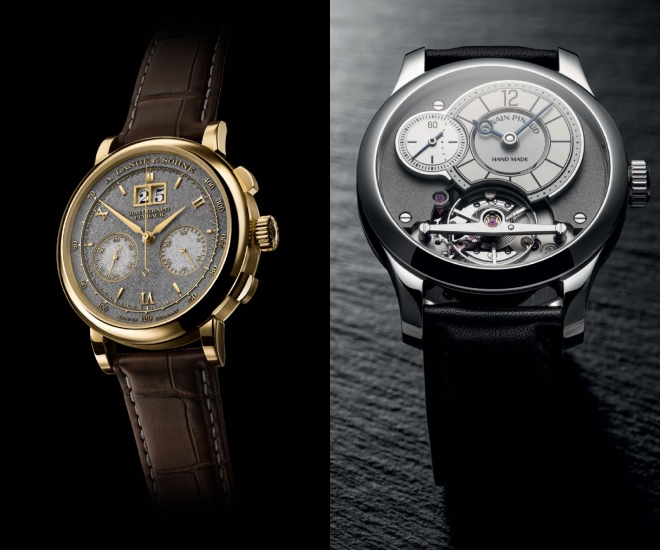
The A. Lange & Söhne Datograph Handwerkskunst represents everything that collectors love about collecting watches
The word ineluctable is perfectly suited to the passion for watches. While the watch collector and the watchmaker are very different animals, they have this in common: it is always about the next watch. Whatever watch you have on your wrist today, or that you spend hours studying with a loupe, the next watch is already skirting the edge of your conscious desires. You might think that there is a perfect watch that will finally cool your ardour, but then again, perfection does not exist. In the end, it is the chase that matters to us all and thus, most of us probably greeted the news of watch markets cooling with a shrug. Perhaps there was no reaction at all, although if you are an independent watchmaker, you might smile wryly as you consider how best to finish all the watches you have promised so you can start on that next watch.
This contrasts strongly with the prevailing sentiment of the last few years, since before the pandemic, where collectors found themselves worried, frightened even. What is the point of a chase when everything that is worth lusting after is simply unavailable…or maybe a better word is unattainable. Well, the good news is that in 2025, the situation has changed. If you believe the general press, then watch brands are scrambling to address precipitously steep drops in demand. We all know a collector who, after being ghosted by his dealer for years, suddenly found himself with multiple invitations to buy all the pieces he expressed an interest in. Unfortunately for the dealer – or dealers – in question, this collector has moved on – some itches disappear if you leave them alone long enough.
Hermes H08
The editors of WOW were having a think about the above subject, while attempting to time exactly how long a minute hand in a quartz watch without a seconds display took to move. Yes, the above is true; yes, the editors are real nerds; and yes, they thought it would be a good idea to go public with that wonderful detail. Also, one of them wrote this introduction and he thought it would be awesome to refer to himself in the third person. Anyway, it emerged that the timing experiment went nowhere because the editors of Singapore, Malaysia and Thailand had a brainwave: might this be the best moment in recent memory to start collecting watches.
That sentiment might sound counterintuitive and perhaps the lads are not quite sound of mind. Nevertheless, the editors have a track record of making sense (more or less), and if you will read on, they will plead their case and try to convince you that traditional watchmaking is chock-full of opportunities. You only have to know how and where to look…
Behrens Orion One
Ruckdee Chotjinda (RC): Happy Chinese New Year to my two colleagues and our dear readers in the region.
Ashok Soman (AS): We are writing this on the third day of the Year of Snake, for those keeping score. Thanks Ruckdee, and to you too!
Daniel Goh (DG): In between the Chinese New Year holidays and the weekend I might add! So, it might take awhile to get the engine going…
RC: Are we workaholics or do we just love our jobs? Tell me, Daniel, since you are the youngest among us, how long have you been interested in watches? You seem to know a lot; lot more than your years might indicate.
DG: I am very flattered by your kind words Ruckdee! I have been writing about watches for close to 10 years now and, frankly, before I started writing about watches, I knew nothing about them. I used to exclusively wear a Casio F-91W purely because my uncle had one and I loved how it sat on the wrist. But as any watch enthusiast will know, watch nerdery is a very deep rabbit hole and once you fall in, it is kind of hard to stop. So, probably hundreds of hours of research, buying, regretting and repeating this cycle over and over again, here I am, 10 years later and hopefully a little wiser!
AS: You should only be flattered if Ruckdee offers you a red packet! Seriously though, there is a real gap between a professional interest in watchmaking and the urge to actually buy more of the same thing. I mean, to be realistic for just a sentence or two, watches are parity products within whatever segment they are in – one dive watch is pretty much the same as another, so why buy more than one… I often ask myself that question, as a person with more than one, and Ruckdee is being cheeky there because we have bemoaned our own fate as people who spend money on these things. He just wants to rope you in! Beware!
Petermann Bedat reference 1967 (second series)
“Watch collecting should be as personal an endeavour as possible, because I believe that your watch is partly a reflection of your taste.”
DG: Arguably, in essence this entire magazine is designed to try and rope in as many people into this hobby we call watch collecting is it not? Well, if we are doing our jobs correctly that is… Haha!
RC: Honestly, I asked Daniel that because I wanted to know if he felt the watch world was intimidating when he stood at its door, or if he felt he started at the right time (e.g. not too soon or too late). Ashok’s experience and mine are not exactly relevant because we are from way back in the past, like at the beginning of world wide web and the end of vintage watch corner at Sunday flea markets.
AS: Way to make us feel old! But this is actually a subject that comes up from time to time in conversation with readers who are also collectors… People from the watch clubs at Singapore universities for example (hello there!).
DG: Ah, intimidating for sure! But I think I started at the perfect time. I had just enough time to catch a small glimpse of what the watch industry was like and how it has evolved over the years. Of course, I wished I could also go about 30 years into the past because apparently watches were way cheaper then. My father told me he bought his Rolex Ref. 6694 for MYR 800! But that being said, I am still excited about where the watch industry is today as we are utterly spoiled for choice.
AS: We all wish we could go back 30 years or so… maybe to a time before we were born! I always imagine being smart enough to have bought a Series A Royal Oak in 1972. I wonder if I would have!
RC: Those were the days, right? But since we do not have a certain DeLorean parked in the garage, the best we can do is make do with the present.
AS: And that made us wonder if now might be the best time to get into watch collecting. As in, maybe not this exact moment but, you know, in the general ballpark. I think Ruckdee and I (and you too Daniel) know collectors who were offered Philippe Dufour Simplicity pieces way back when. Like when it debuted. For something like $30,000. In hindsight, that seems like a no-brainer but when I talk with the old school guys, they say it was no such thing. Similarly, maybe right now is another perfect moment to start, despite evidence to the contrary. Remember that back in the late 1990s (the Simplicity debuted in 2000, which is technically a part of the 1990s), it was not clear that collecting wristwatches was going to be interesting or had a future.
RC: Prices are, of course, a key consideration. But people who started in the past decade like Daniel also benefited from the accessibility of information and the variety of choices – two things that were arguably limited in our earlier days.
DG: I agree. I think when you mentioned accessibility you absolutely hit the nail on the head. The amount of information out there on the wilds of the Internet is absolutely at its peak at the moment and shows no signs of slowing down. When I first began, people were telling me how good it was that I have websites that publish articles about watches, before that people had to trawl through very obscure forums. And today, there is no shortage of information about watches. If you want to read about watches, there are thousands of articles online; if you want to watch something instead, just type the name of the watch you are curious about on YouTube. So, you only have 15 seconds of time to spare? There is always TikTok; the list is endless. And accessibility also applies to price points too! With microbrands springing up every other day, it would seem, the would-be watch collector now can start from a variety of spending brackets, some go as low as around USD 500 for something quite respectable.
SpaceOne Tellurium
AS: Well, prices are one thing and easy availability of information is another. On that note, I would argue that information is too easily available and frequently wrong because no one bothered to check it… Paradoxically, this gives our magazines a reason to keep on ticking! I do enjoy correcting people on the Internet. Maybe I’m a masochist… But all this aside – prices will only go up and people will continue to be loudly and proudly wrong on the Internet and social media – I think we might be on the cusp of a new chapter in watchmaking. And I credit the “store-of-value” crowd for it, since they are the new kids in town. Literally the nouveau riche who like these coins you can bite or something… Well, my irreverent attitude aside, there is a lot of interest in collecting watches these days and I think this will continue. Self-serving yes, but I humbly submit that it is a fact. Oh, and I would be acting entirely out of character if I did not act my age and say the worst way to learn about something is TikTok… the name of this platform offends me.
RC: Oh, wow, you must have spent more time on TikTok than I knew. It seems that you have grown more negative of the content being published there! But, you are both right, there is a lot going on, and not everything is on the factual side of things. There is also sort of a situation going on in my country now with what they call “finfluencers” who give financial advice on social media in however way they see fit. I think it applies to any circle where there is a demand to follow or know more. Perhaps, it is a positive reflection of the state of the watch industry? There are still more people wanting to get in than out.
DG: So, I think we can all agree that while there is an abundance of information online, the budding watch collector should always adhere to sources of information that remain credible and objective. Cough, like World of Watches, cough.
AS: Well, yes this is exactly what I mean guys! More people wanting in than heading for the exits! And to Dan’s excellent point, World of Watches is the absolute best. Congratulations dear readers, you have done well! In fact, I think specialist titles are more relevant than ever because we are good-faith observers.
Sylvain Pinaud Origine
RC: I will not argue with the excellent observations made.
DG: But just to circle back earlier to what you both were saying about brands like Philippe Dufour being available some 30-odd years ago, is this not a cycle? All three of us were at IAMWATCH organised by The Hour Glass some months ago and there were so many extremely young and talented watchmakers exhibiting their watches alongside industry greats. I am curious about both your thoughts on these young watchmakers. I mean there is a chance that one of them might go on to become the Dufour of the next generation right?
RC: I would say that right now the door of opportunities is as open to the watchmakers, creators and designers as it is for the buyers and collectors.
AS: My thought about this is that the likes of Sylvain Pinaud, Remy Cools, Felipe Pikulik and other young guys making watches, and women such as Daniella Dufour and Venla Voutilainen too, rather mirrors that opening generation of watchmakers who made the AHCI happen. But only a handful are successful, or rather tremendously so. Vincent Calabrese, to cite just one example, is no Francois-Paul Journe. Neither is Vianney Halter for that matter. For every Philippe Dufour, there are many Antoine Preziusos. This is not to cast shade or anything because those guys are probably happy not to be anything but themselves! So, to get back to my point, we have a whole new generation of watchmakers to choose from. It may be odd to think of it as a race to discover the new Dufour but I suspect that is how many people feel. I use Dufour here because he is universally respected as the elder statesman of independent watchmaking.
The next stage, to cast my story back to that recent past I brought up, was when someone brought all these independents together and hitched their names to a major name in watchmaking, which was of course Harry Winston with the Opus. And the man who did it was Max Busser. Ok, technically, Goldpfeil was there first but no matter because we have not yet had the second act on this front today. It is still unexplored territory. Imagine if Louis Vuitton were to create special projects with the emerging stars now… I think something like this will happen again; we are just waiting for the right brand. If I am right, then now is the best time to find that independent watchmaker that you like.
Hermes H08
DG: Does what Louis Vuitton did with Rexhep Rexhepi apply? Their LVRR-01 Chronographe à Sonnerie.
AS: That could be a first step, but really I use Louis Vuitton here because of the history with Michel Navas and Enrico Barbasini from the old BNB. Also, Jean Arnault (the boss of Louis Vuitton watchmaking) seems like the kind of character who would and could make this happen. But the point stands, regardless of brand, that now might be the best time to get interested in the work of these up-and-coming watchmakers. I mean, who knew Sylvain Berneron had something like the Mirage in his repertoire based on his work at Breitling? There are plenty of guys like this, and we can actually play a part in telling the world about them. I find that tremendously exciting, in case I was not being obvious enough!
DG: I feel like it is also because the increased channels of watch-related information is being disseminated that watchmakers and designers feel like they finally have the chance to step out of their big brand comfort zone and try something for themselves? Like before digital marketing was a thing, it used to cost so much to start something new.
RC: There were a few brands that probably started too early and missed out on the possibilities, meaning the openness or dynamism of the more recent watch buying market. But as the industry continues to evolve, we will not be short of choices for the foreseeable future. This applies to the more high-end and more affordable segments alike.
DG: I totally agree! Just look at how today’s watchmakers, designers and entrepreneurs have seemingly inexhaustible ways to reach their intended market. Kickstarter is one such platform which, I feel, single- handedly “kick-started” plenty of brands that have now become mainstays in the microbrand ecosystem. Most of them do not need crowd-funding platforms anymore. Atelier Wen is probably a good example of this; its first watch was on Kickstarter, and after gaining confidence, the subsequent watches were direct-to-consumer. Digital marketing also helped brands like the Malaysian- born Ming Watches to get their feet off the ground. Its first watch was something like CHF 900 and now, I do not even ask about the price anymore after the numerous GPHG wins.
AS: Ming! Yes indeed. Thank you, Daniel for addressing the naysayers in the audience who will be thinking that there is no way to get watches from the likes of Rexhep Rexhepi. There are boundless opportunities, at all sorts of price points, although I think the Kickstarter and microbrand levels are only good for fun. Save your pennies for things with a stronger shot of lasting more than a few years, is my professional advice.
Chanel J12 Diamond Tourbillon Calibre 5, front and back
“I think buying the more affordable watches in greater numbers, gave me the option to really learn what I liked or disliked about a watch”
— Daniel Goh, Editor-in-Chief, World of Watches Malaysia
And Ming might be such a thing, in all seriousness! As a collector, you do not want to buy into something too early, as Ruckdee pointed out. Atelier Wen, to go with the example cited here, is also an illustration of potential issues because brand reputations are not yet set in stone. Again, Dufour is one example, Journe another but there are plenty of MCTs, Christoph Clarets and so on…many of these names have been lost and they only emerged in the public eye in the last 20 years. In some cases, good luck finding someone to service these watches.
DG: Ah, I agree with you…now. But there was a time when I did not know too much about watches and spending a huge chunk of change on one single watch was a little daunting. Seasoned collectors can surely foresee pitfalls like servicing and longevity but as a budding collector, I think buying the more affordable watches in greater numbers, gave me the option to really learn what I liked or disliked about a watch. Of course, with every trade I lost a bit off the top, but it helped me to really understand what my preferences were. And now, I am extremely selective about what I buy. If it does not meet every set criteria, I am enlightened enough to give it a pass.
RC: I get what you mean about learning and discovering as you go through the different watches. But I am less forgiving before the purchase. I took a pass on so many “almost there” watches because I know that it is not really “there” for me. So, the only times I decided to sell my watches were either because of the size (whether too big or too small), because I was upgrading to another model within the same collection and I did not want to keep the less complicated one, or, because I needed some money for something more important in life.
Ming 20.01 Series 3
On that other point about longevity, as a consumer, not a journalist, I am more comfortable spending my limited funds on what I know can be conveniently serviced during my lifetime or at least within 20 years from the time of purchase. This is why, outside of the traditional watch brands, I have no hesitation buying from non-traditional watchmakers who are established luxury brands like Hermes, Bulgari, Chanel and Louis Vuitton, assuming that I have the means to, that is. As much as I work actively to support smaller, high-price brands in my journalistic work, I admit to giving any potential purchase decision more cautious consideration. After all, I have seen a handful of interesting brands go defunct over the years … some more than once.
AS: I have a lot of thoughts on this, but let me address the point about selling our own watches. As we wrote previously, none of us have bought a piece just to resell it. This is not because we are the most virtuous lot or anything. It simply would not occur to us to buy any watch because we have another buyer in mind for it. We are just not that transactional. Ok, that said, let me turn to the luxury point.
One would think that the collector community would be indifferent, if not outright opposed, to the big luxury names but the fact that Chanel and Hermes have persevered all these years shows that this is more than a cash grab. As if it ever was really. In the case of Bulgari, the brand bought up Gerald Genta and Daniel Roth to gain their production facilities and expertise, which have now found a comfortable and profitable (presumably) home under that storied name. For me, Chanel investing in Kenissi and GF Chatelain was important. The same is true of Hermes with Vaucher. Or Cartier and Van Cleef & Arpels reviving a variety of decorative arts. At the time, I thought it showed a strong commitment to the culture of watchmaking – something brands like Chanel and Hermes already do for the culture of textiles and tailoring in France – and distinguished them from other primarily fashion labels.
Today, I think it has paid off – it says something that a respected journalist can say he might want a Bulgari or Hermes; he might even have one (or more)… I will go out on a limb and say that names like Chanel, Hermes, Bulgari and Louis Vuitton do not make me run for the hills – the opposite really because they have good people working in good faith there. It is all about the people who make the watches, ultimately.
Fabrizio Buonamassa Stigliani of Bulgari is responsible for the so-called sketch dial potential trend as seen with the Octo Finissimo Automatic Sketch
RC: That is very well said. In my market, going back 15 years maybe, several watch buyers and collectors frowned upon non-traditional watch brands for one or another similar reasons. But now they look at the Octo Finissimo, for example, with a completely new attitude. They have lined up to buy the latest and coolest versions of the Cartier Tank Must or Tank Louis Cartier also. It is good to see how the perception has shifted in this way, and how my local collectors have become more expressive and less conformist, in a way.
DG: Yes, I think for the more affordable fashion brands, slapping their logo on a mass-produced watch would work but at the luxury level and with the abundance of watch knowledge available at the press of a button or tap of a screen, brands have to really be more discerning. Especially so when it is an industry that is known to put absolutely everything under the unforgiving scrutiny of a loupe. It is not enough to have screws that are so tiny that sometimes it is even hard to see with the naked eye; it has to be blued perfectly, polished to a mirror finish and everything has to be in sync for the next five to 10 years.
With that being said, I also think that the right leadership is paramount to the success of non-traditional watch brands. Like with what Jean Arnault is doing with Louis Vuitton (watches) today and what Guido Terreni did with Bulgari watches before. They need someone at the top who also understands watches to make the right decisions, like with Chanel investing in Kenissi and buying a stake in MB&F (there is also a fascinating story told by Max Busser himself on how he came to sell 25 percent of his company, but perhaps I will save this story for another time).
Octo Finissimo Automatic Sketch
RC: Once again, you do not sound like someone who has been around for only 10 years. And I’m glad I have you to depend on when bouncing ideas like we do in these articles and in our WhatsApp chat group!
Tell me this: are you equally excited to see the developments at the more affordable level of the industry as you are at this top echelon? I am probably more excited because those are some things that I can actually afford. And just when I thought I could not be surprised anymore, the collaboration between H. Moser & Cie. and Studio Underd0g came along. Now that is something I totally did not anticipate. What is your take on this, Daniel? Or Ashok? Daniel first la.
DG: I am very glad you asked! I am absolutely ecstatic to see developments at the affordable level! The affordable level is my playground and in the last, I would say, three- ish years I am deeply impressed at the level of quality in this playing field. Studio Underd0g is very much in its element at the moment. It made a fantastic field watch with a sapphire dial; it garnered the attention of H. Moser & Cie; and, fresh out of the oven (pun intended, because the brand has a pizza watch), it even did a fantastic collaboration piece with Fears. This one is called the Gimlet, which I adore, priced at GBP1,000 and will be available during British Watchmaker’s Day, which is sometime in March.
Yes, it is brilliant to have really respectable watches at these quite affordable prices. For one thing, it helps with my bank balance but, objectively speaking, I think it is more important in the sense that like we were saying earlier, it helps with accessibility. And the more people get into watch collecting, the easier it would be to grow the community of watch enthusiasts. I have been to a few watch GTGs, as it is called, and rarely do I see people comparing prices when talking about watches.
“There is nothing worse than getting an iconic watch, only to find that you do not like it. The mistake was yours, and yours alone”
— Ashok Soman, Editor-in-Chief, WOW Singapore
AS: The most aptly named Studio Underd0g is trying to give enthusiasts something fun, and that is true of the best of them. I am thinking of Christopher Ward, Fears, Space One, Amida and others, including Pikulik too on the side of singular watchmakers. As Ruckdee said somewhere, it is also about fun right? That is at least partly why we are into this area. It is difficult to find the fun in watchmaking, since watches are so small and you cannot have a blast with them on the road, as you can with a car (as I wrote last issue). Nevertheless, watching the little orbs on the Space One Tellurium go around the dial is its own special kind of pleasure…and one that can be had without taking out a second mortgage.
These brands also show that watchmaking is not one-dimensional. Yes, we all love the finishing touches that Daniel mentioned, but there are also other pleasures to be had. And approaches that are not Swiss! Consider the Toledano & Chan that we discussed in the last Conversation, or CIGA Design, or Behrens, for that matter. There is something refreshing in what these brands do, and I applaud their decision to offer their wares at an approachable price point. More conventionally, this is where some of the aforementioned (but formerly) microbrands come in, like Baltic and Anordain.
DG: Speaking of Baltic, I am reminded of the field day that stone dials seem to be having at the moment, especially in the affordable price segment. The brand did three special editions with stone dials for each of its boutiques in NYC, London and Paris. And I believe, speaking of stone dials, Ruckdee has first-hand experience with a stunning piece from one of the new kids on the block when it comes to microbrands?
All three Baltic models with prismatic stone dials. From left: green jade, lapis lazuli and red agate
RC: I have a lot of love for Baltic, its watches and its communication visuals. I just hate the sizes. I bought two watches from the brand in 2023 and 2024, and I hardly wear either because they are too small for my taste. I knew they were small, but I wanted to try, and now I am sure they are not for me. Some friends asked why I don’t just sell them, but they are not too big money anyway so I just keep them for fun and occasional wear.
My brand new and affordable stone dial watch is not from Baltic, though. It is the Dennison ALD with a lapis lazuli dial. Technically, it was bought for my Supreme Commander (a.k.a. the wife) because I knew from the specifications that it is way too small for my liking. The whole dial can be covered by two pairs of my cufflinks! I will for sure buy the ALD watch with a tiger’s eye dial in a yellow gold PVD case, if the brand came out with a 50 percent larger size, because it matches my wardrobe in general. I like the malachite even more as a stone, but I will have to figure out how to pair a green dial with my clothes. Anyway, my size preferences and sartorial deficiency aside, this reborn Dennison serves to further solidify our collective points about the watch industry becoming more and more diverse and accessible, and for good reasons.
AS: Well, we can have a chat about your Baltic pieces then…privately! To be fair, on my side, my hesitancy on the subject of microbrands keeps me from pulling the trigger. This extends even to smaller brands, I admit, which is a weakness on my part. I surprised myself with my Christopher Ward purchase but I will admit that I was encouraged by how many collectors were piling into this. I must personally know at least half a dozen guys who went for it, all in different dial colours thankfully. That brings me to the idea of camaraderie. Much as we do not want to all have the same watch, we also want our peers to appreciate our decisions, even if they do not agree. This is something that I have learned to accept over the years.
RC: I do appreciate your Christopher Ward C1 Bel Canto although it is from a reasonably higher price level. I would have bought one too if money was not the problem. Their Rosa dial was my number one choice until the Oro lasered guilloché dial came along. I am looking at the pictures once again now … hmmm…
AS: Well, speaking for those of us who bought that watch, it is likely in the same realm as the Space One and the M.A.D.1. I think there is a sweet spot in terms of pricing for fun watches, and I would argue that a USD 5,000 or so asking price for an hour striker is pretty incredible! Still, I do agree that we need more exciting watches in the US$1,000 to 3,000 range; basically in the under CHF 3,000 range that the Federation of Swiss Watchmaking is always reporting on.
RC: The M.A.D.1S is the farthest I will go for a fun watch. I did not win the raffle though so maybe the next edition. For the record, I have not tried to get my hands on the earlier editions of the M.A.D.1. This was my first attempt because I was convinced by the slimmer proportions.
Denisson ALD with Tiger’s Eye stone dial
AS: I joined you in failing to win the raffle. I have failed every time, since the first one, so I am in a much sorrier state than you. Then again, perhaps I am glad to have failed since the watch in question is not really in my wheelhouse.
RC: Well, I wish the both of us better luck the next time. Personal shopping aside, Daniel, I have this one last question for you. In your opinion, considering the previously bullish and presently bearish state of the speculative watch market, do you think this is the best time for an uninitiated person to become a watch collector?
DG: There is no better time than the present! I shall not comment on the state of the speculative watch market because I feel like, even with all your kind words, I lack the experience. I shall leave that bit to you masters. And also, all my watches I have bought and sold, I have lost money on simply because I just buy what I like and don’t think about what happens after. What I will say, however, is that this is the perfect time to start a watch collection. There is ample choice, and an abundance of information. The choice means there is more variety regardless of the price point you are starting at, so you can experiment, and ultimately develop your collecting philosophy a lot faster. And the abundance of information, again derived from the right sources, cough World of Watches cough, means you are more well-informed about your options, without having to only take the word of whoever is trying to sell you whichever watch. Knowledge is power.
RC: I feel the need to buy you some nice lozenges for your frequent coughing. Ha ha. Ashok? Boss? What’s your take on the timing and things as they stand now?
H. Moser & Cie x Studio Underd0g 03Series Passi0n Fruit
AS: We do have professional biases to admit to here! Leaving the vested interests aside, I think there is no such thing as group action in collecting watches, any more than there is in collecting cars or art or what have you. You know, I see that a certain Meta personality has been getting a lot of attention for finally donating his wealth to the Swiss economy, and some media personalities are wondering aloud if this will influence his followers and admirers. I sincerely hope not, whether positive or negative, because we should only get into this sort of thing with an abundance of personal preferences. There is no point in wanting what an influencer is hawking, or a celebrity is wearing…unless you just want one piece. This is especially true of icons like the Royal Oak, Nautilus and Daytona; there is nothing worse than getting something like that and finding that you do not like it. This is because ultimately, the mistake was yours and you will know it when you make it. Of course, how much you paid for such an item plays a part and you may never want another watch again, if you went too high.
Like anything else that is very niche, you need to educate yourself and then test those learnings. Maybe buy an homage? Or see if a chronograph is really for you by getting a relatively inexpensive one. If you want to start at the very top and go visit Petermann Bedat, you also have that option but it really does pay dividends to be incremental here. In an arena with so many exclusive and exclusively priced objects, we should tread with ample respect. For the independents, they worked hard and obsessively on their watches. We owe it to the makers to care, and there is no easy way to know why you should care…unless you go through all the steps in the collecting journey.
And we have yet to hear from you, Ruckdee, on this subject.
RC: I am intrigued that you say there is no group action in collecting watches. Maybe there is, but there should not have been, in my personal opinion. To me, watch collecting should be as personal an endeavour as possible, because I believe that your watch is partly a reflection of your taste, if not who you are or who you want to be. I am not saying that I am impervious to cultural exposures and transient influences – they do provide some impulse, but my approach to watch collecting was never based on a trend or market vibe, so to speak.
Amida Digitrend
Now, for the larger public, what I want to say is that anyone who is thinking about jumping into this game should do so right now. I feel that the climate is just right. Watch collecting is not as hyped as it was two years ago. The retail scene is more relaxed and welcoming. The secondary market is also less volatile and exaggerated. The newcomers have taken their first dips and some have even been satiated. Plus, as we discussed at length above, there are even more choices now than ever before at all price levels. The variety in terms of offerings is simply astonishing, not to mention creativity and democratisation. Now it is up to the individual buyers to study the choices, manage their temptations and decide on what is best for them in the short term and the long term. It is a hobby so please keep it fun. Don’t stress!
DG: Managing temptations I would say is probably the hardest part of all this. Considering that all three of us agree that this generation of watch collectors have more options than ever before, and at all segments of pricing too. And with e-commerce buying becoming more acceptable, it takes an incredible amount of willpower to not just keep clicking ‘add to cart,’ check out and repeat this across every interesting microbrand website I come across.
AS: Resist those temptations, Daniel! We have consistently called collecting watches a hobby and I suppose that is what we advocate. Take us at our word and see you guys in Geneva for the next conversation!
For more on the latest in luxury watch reads from WOW, click here.
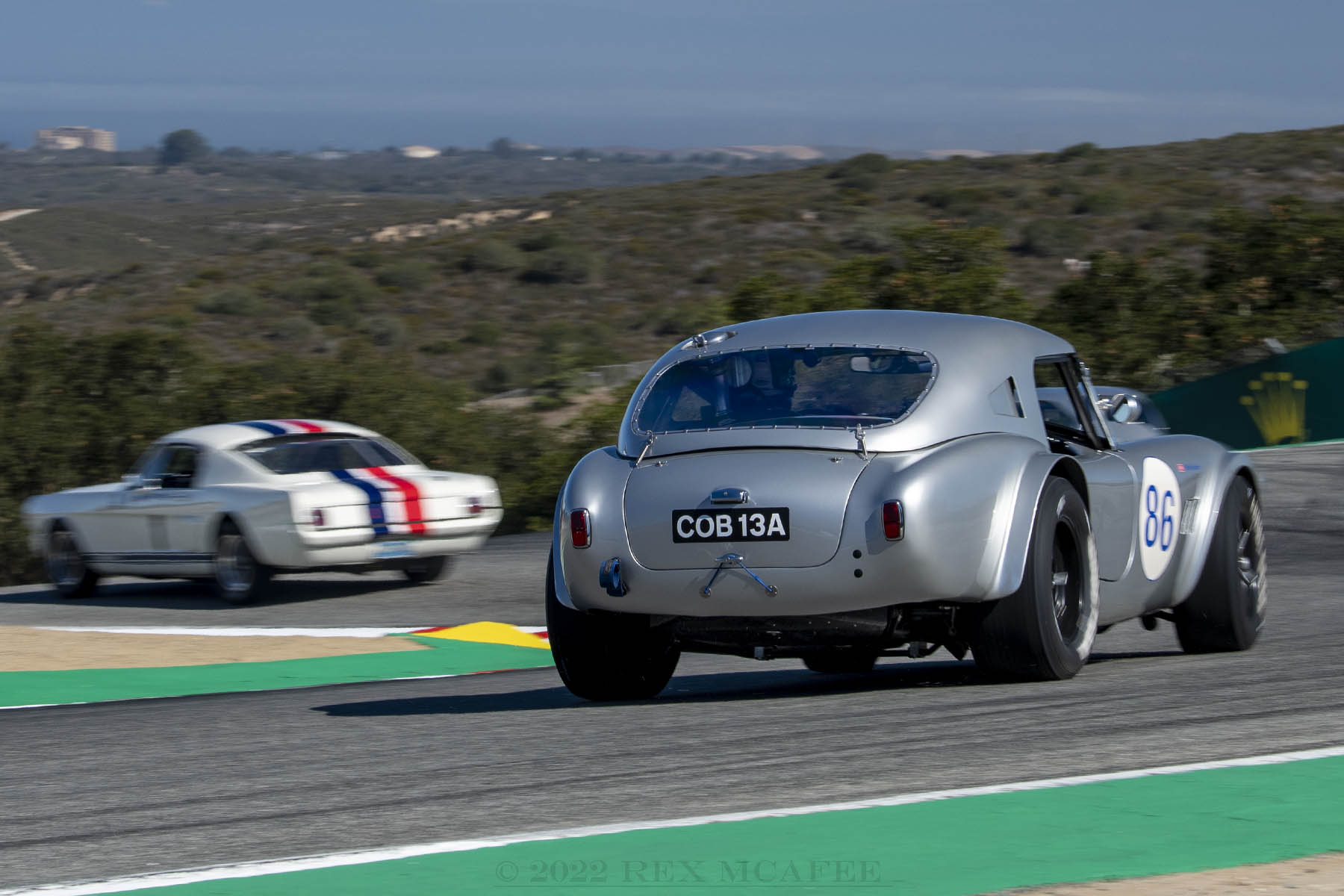
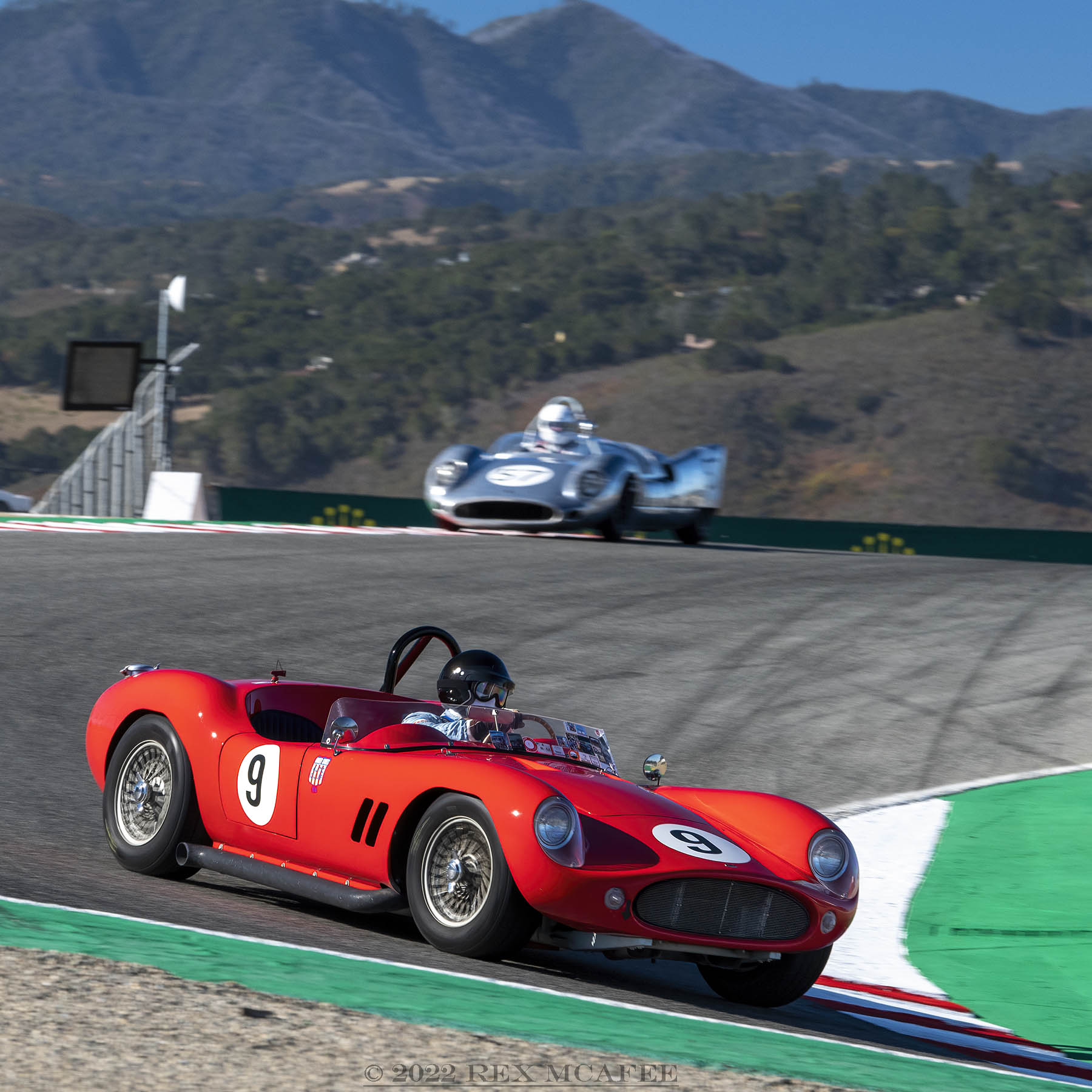
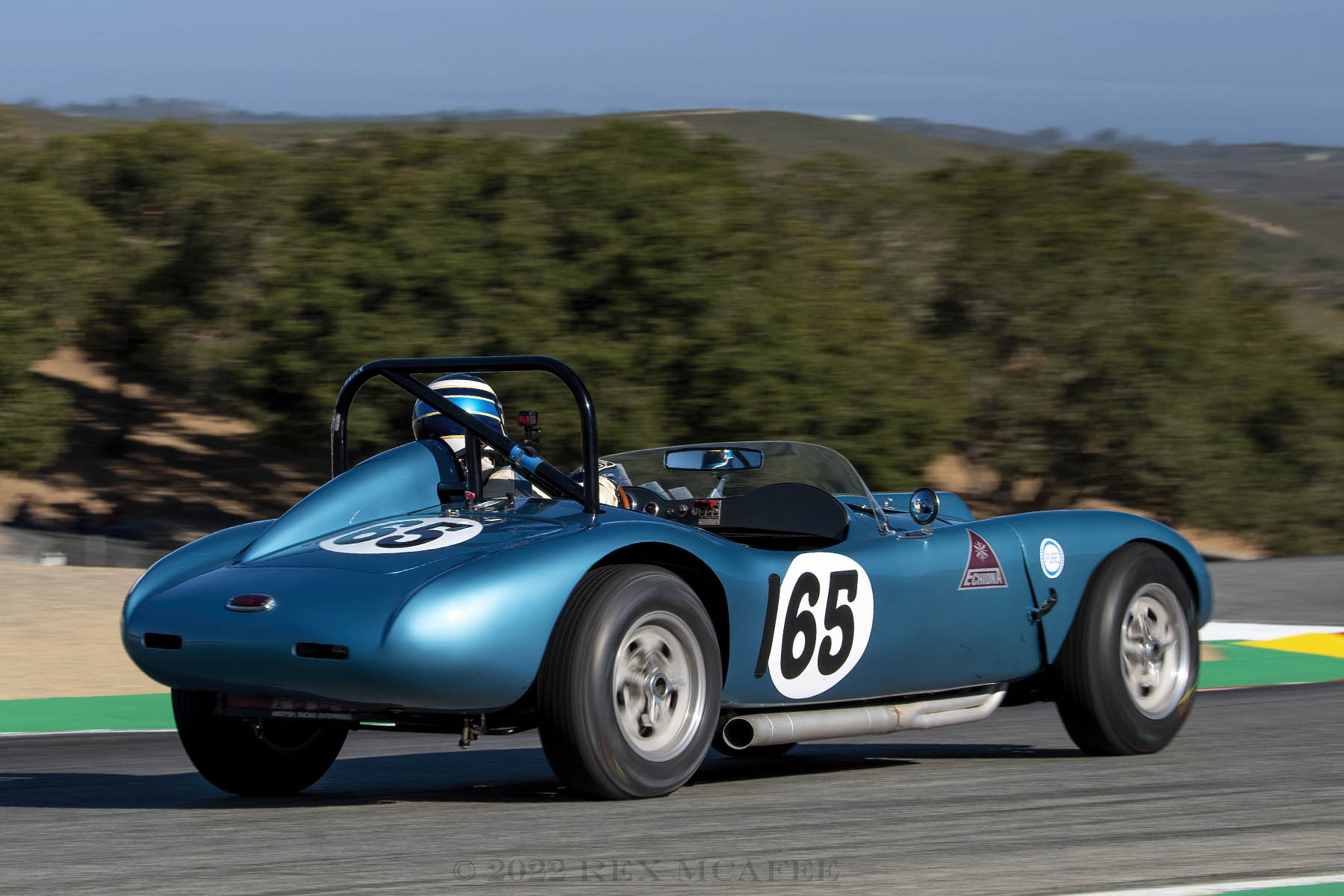
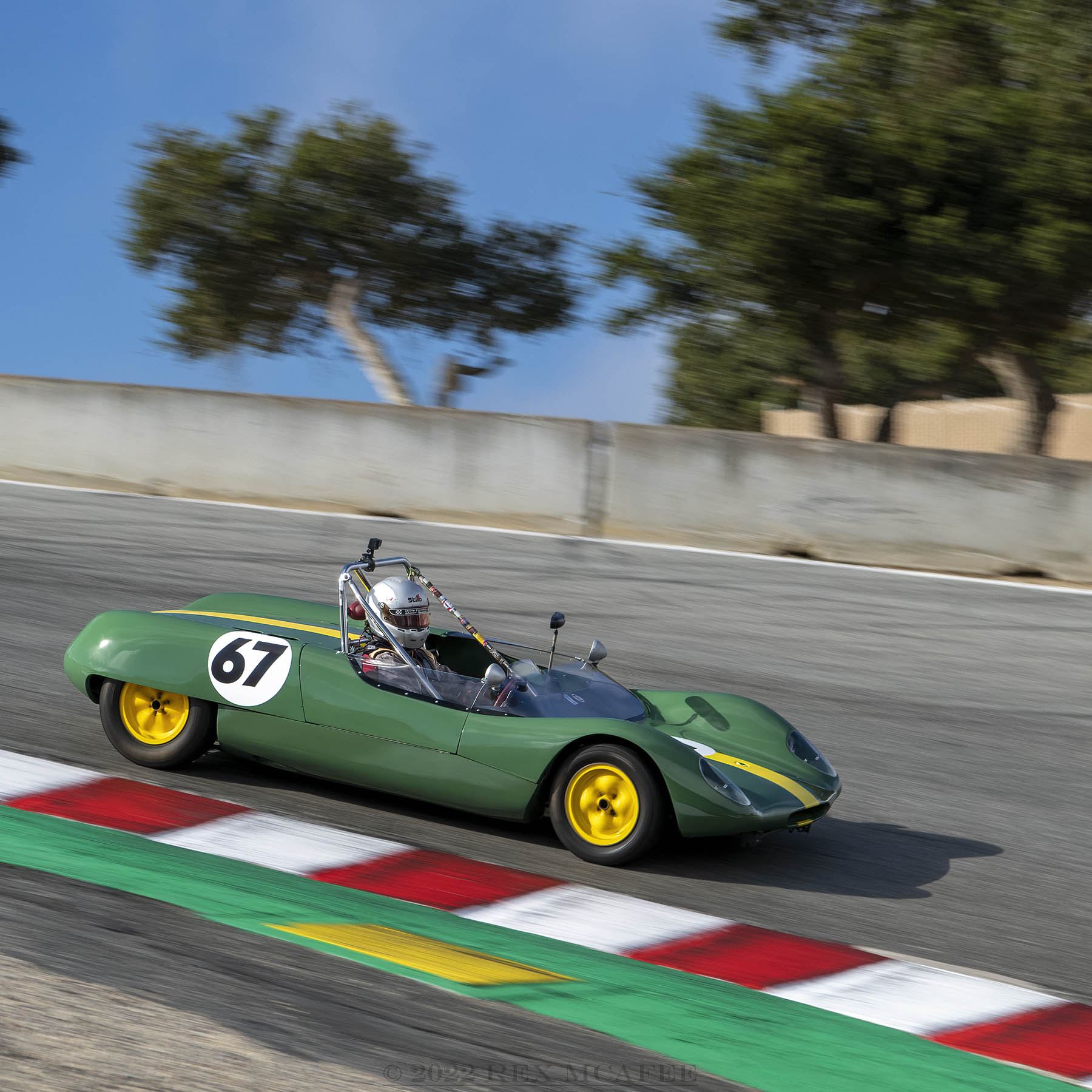
Held once a year on the beautiful Monterey Peninsula, “Holy Week,” as referred to by some, gives car enthusiasts the world over a central meeting place to indulge, dream and participate in world-renowned car events. One of my favorite gatherings from this “automotive montage” is the Monterey Pre-Reunion at Weathertech Raceway, Laguna Seca.
Held one week before the big Rolex Monterey Motorsports Reunion (aka Rolex Reunion), it’s the best-kept secret for vintage race enthusiasts. Forget crowds, traffic, and having to park in some distant field. Instead, embrace two days of excellent vintage racing where it’s easy to walk around, inspect cars in the paddock and choose your favorite viewing spot at the Corkscrew.
This year’s tribute for the Rolex Monterey Motorsports Reunion is the 100th anniversary of the 24 Hours of Le Mans. For sports car racers worldwide, the sound of those two words “Le Mans” conjures up myriad thoughts; endurance, glory, heartache, danger, and prestige, to identify a few.
The world’s oldest active endurance racing event still takes place in part on public roads, just as it did back in 1923, and has become part of motorsport’s triple crown, joining the Indy 500 and Monaco Grand Prix.
For the first time, the Rolex Reunion honors this endurance juggernaut by presenting a collection of significant Le Mans racers, many of which were overall winners.
While the Le Mans Legends Heritage Display was not ready yet during the Pre Reunion weekend, it is sure to amaze as it will be the most extensive collection of Le Mans cars ever assembled in America. Overall Le Mans winners to be displayed include:
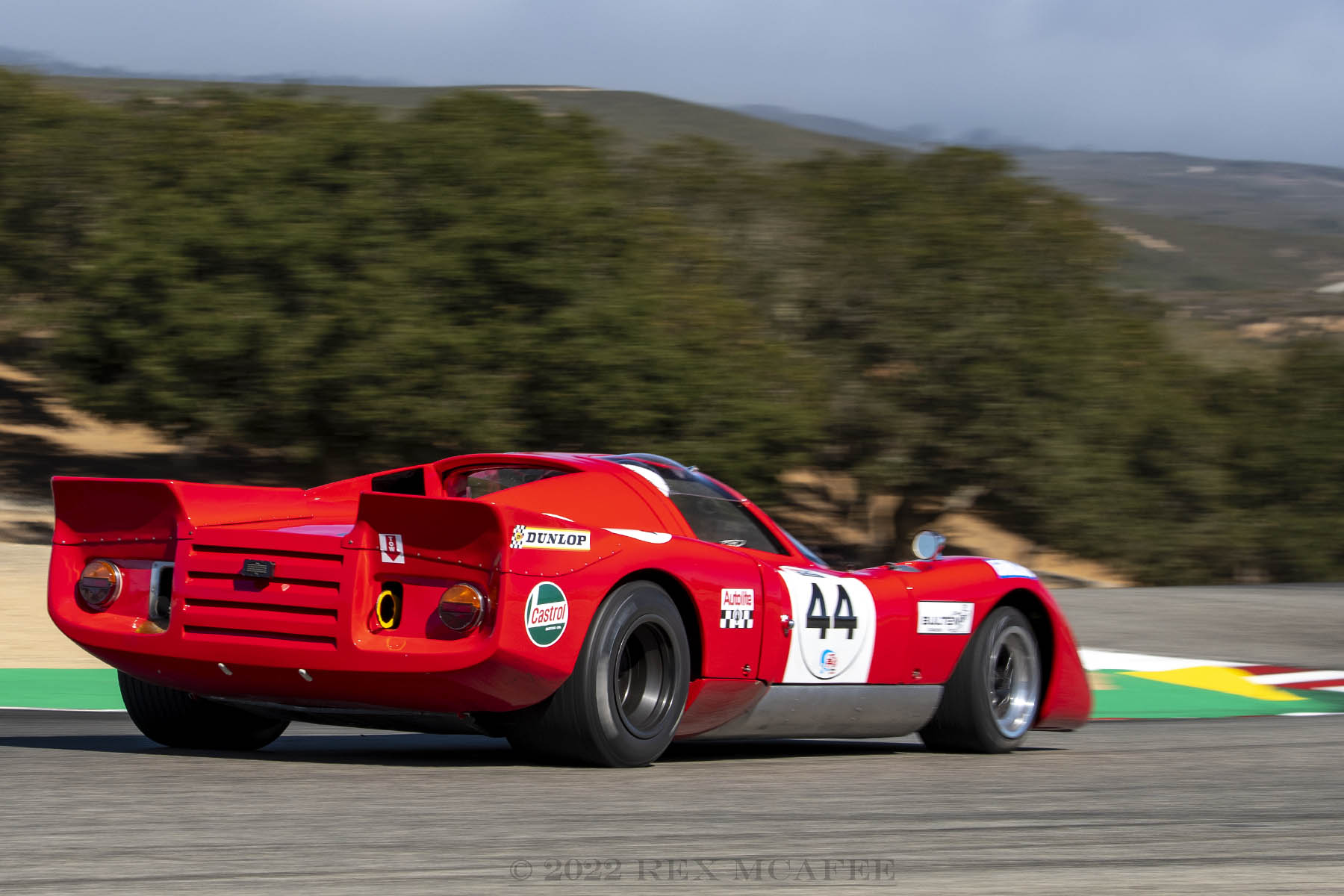
On track during the Pre Reunion, there was no shortage of historic cars to honor the Le Mans 24 centennial. Two distinct run groups were formed to honor the Le Mans celebration; Group 5 for 1956 to 1971 cars and Group 6 for 1972 to 1982 cars. Starting with Group 5, my favorite has to be the 1971 Porsche 908/3 driven by hot-shoe Gunnar Jeannette.
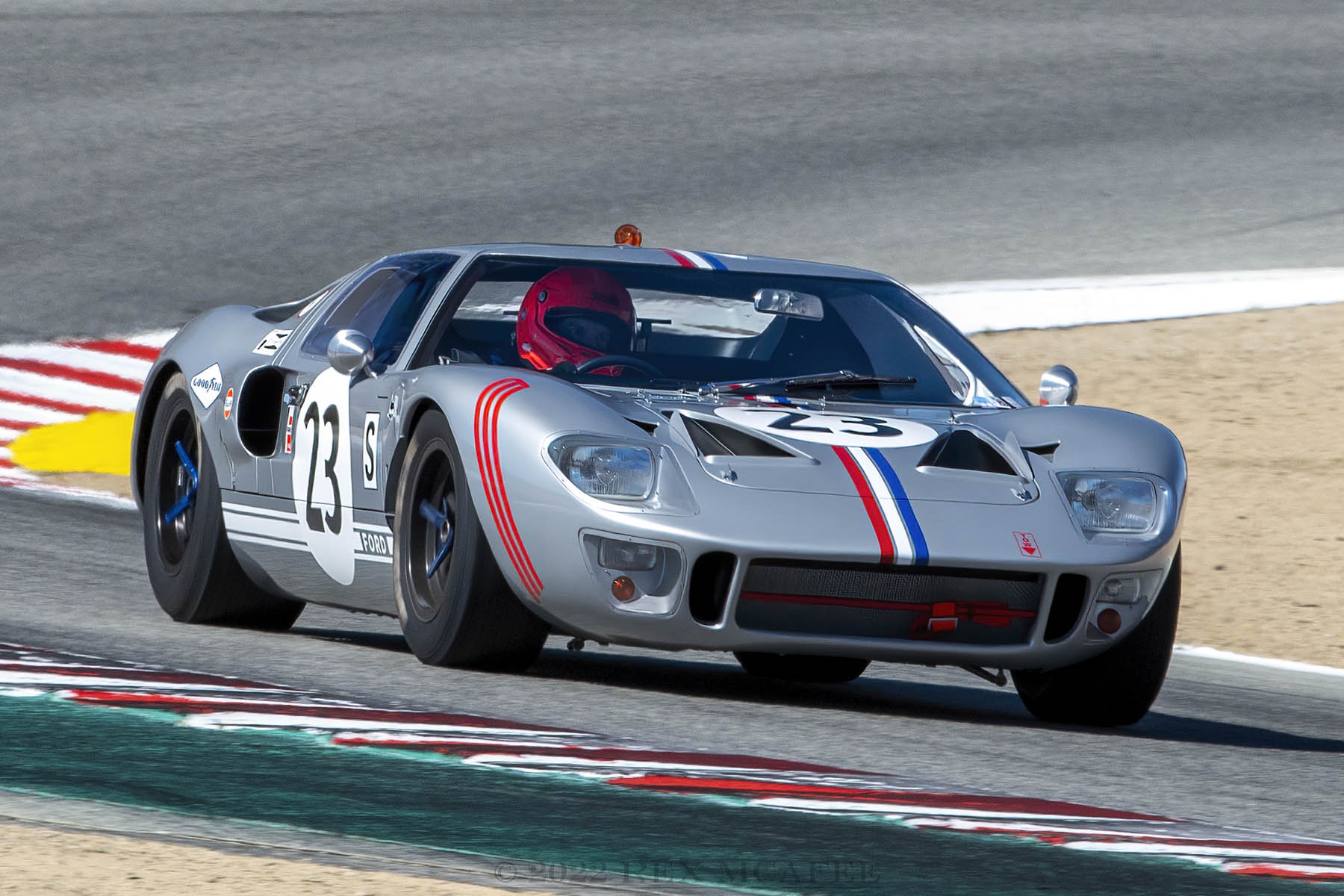
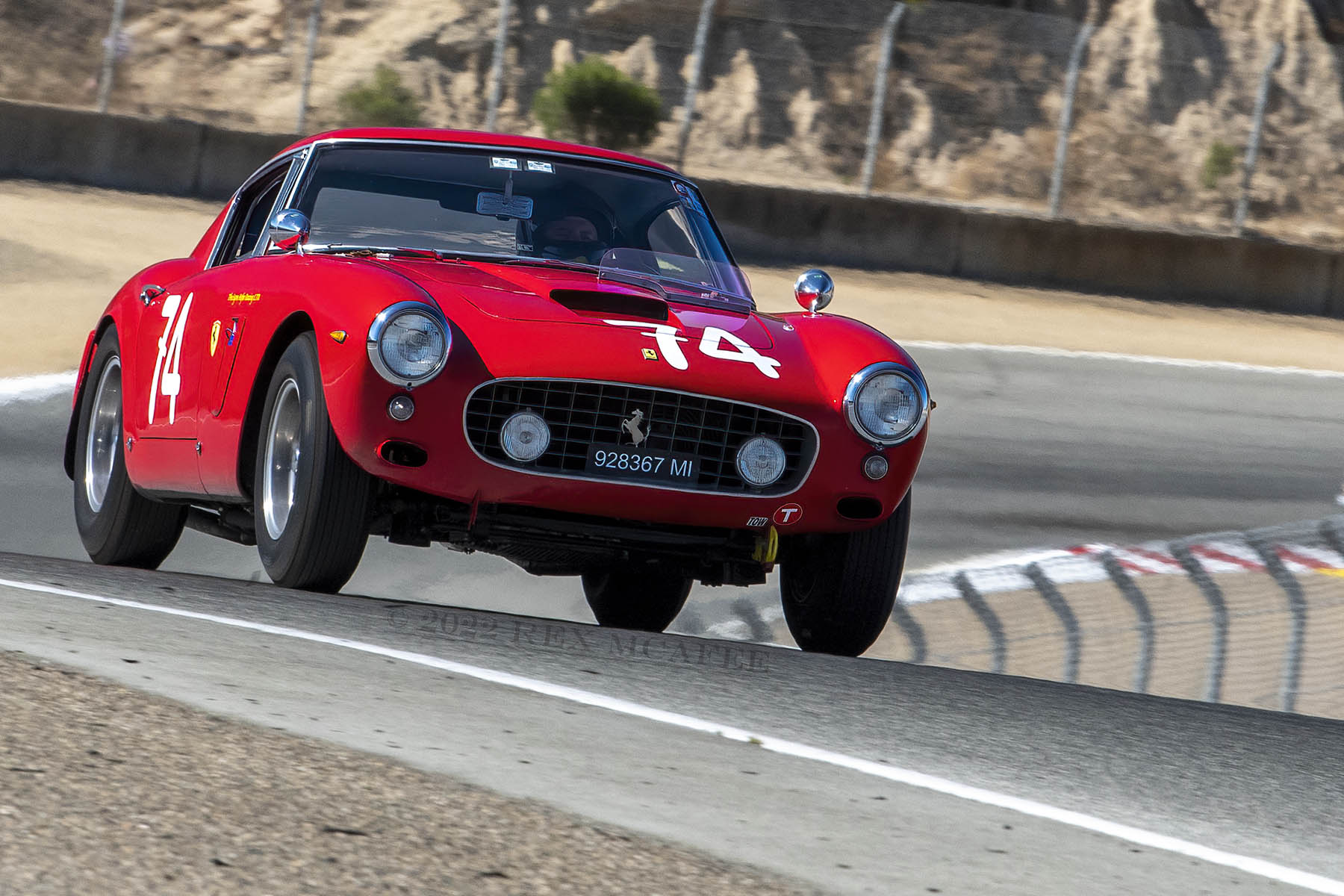
Perfect for the relatively short Laguna Seca course, Gunnar obliterated the field during Saturday’s practice. Other highlights include a 1973 Ferrari 365 GTB4 “Daytona” currently raced by Chip Connor but originally ran in the 1974 Le Mans 24, a 1965 Ford GT40 with Robert Kauffman behind the wheel, and a 1961 Ferrari 250 GT that the factory tested at Le Mans that same year; where does one stop?
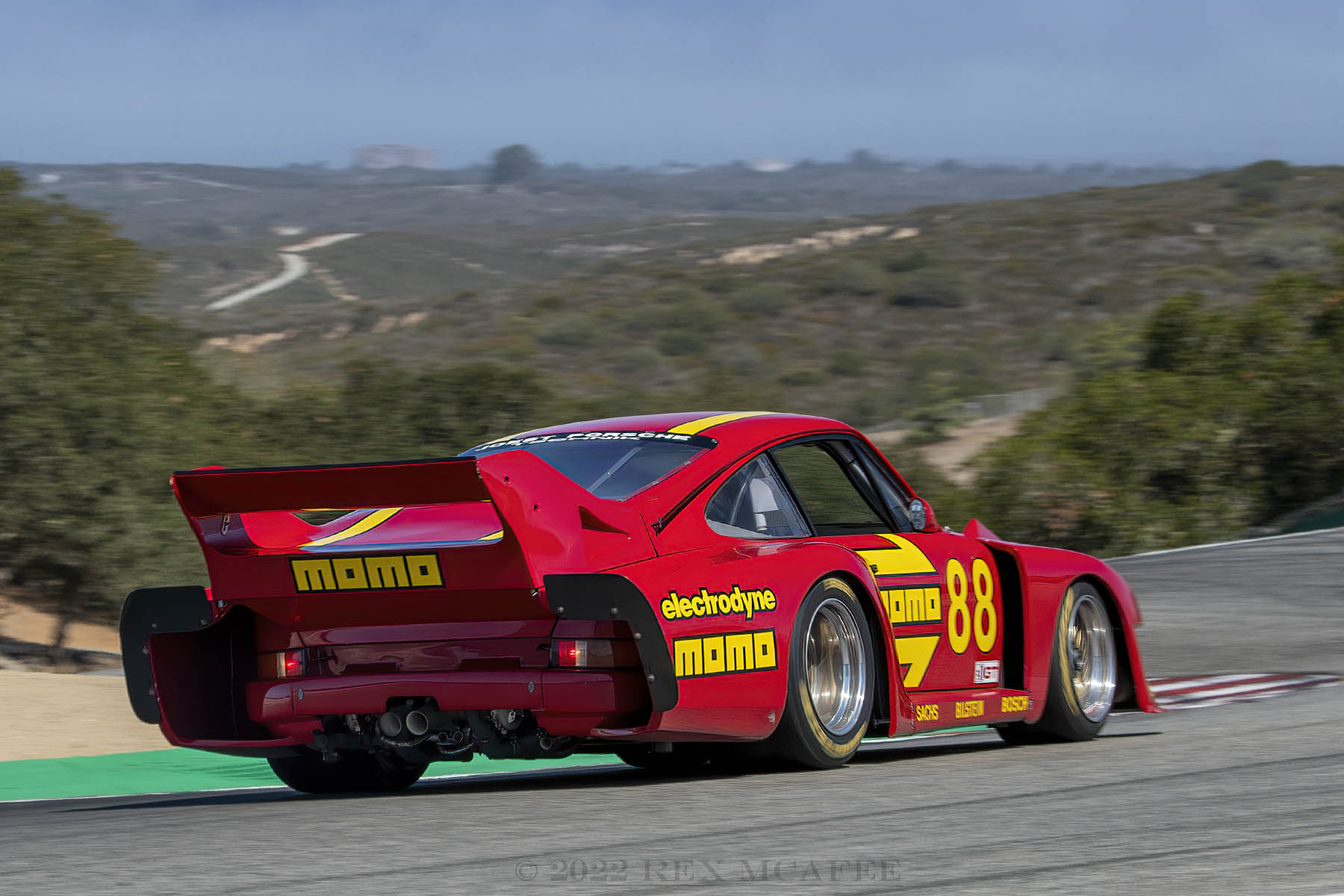
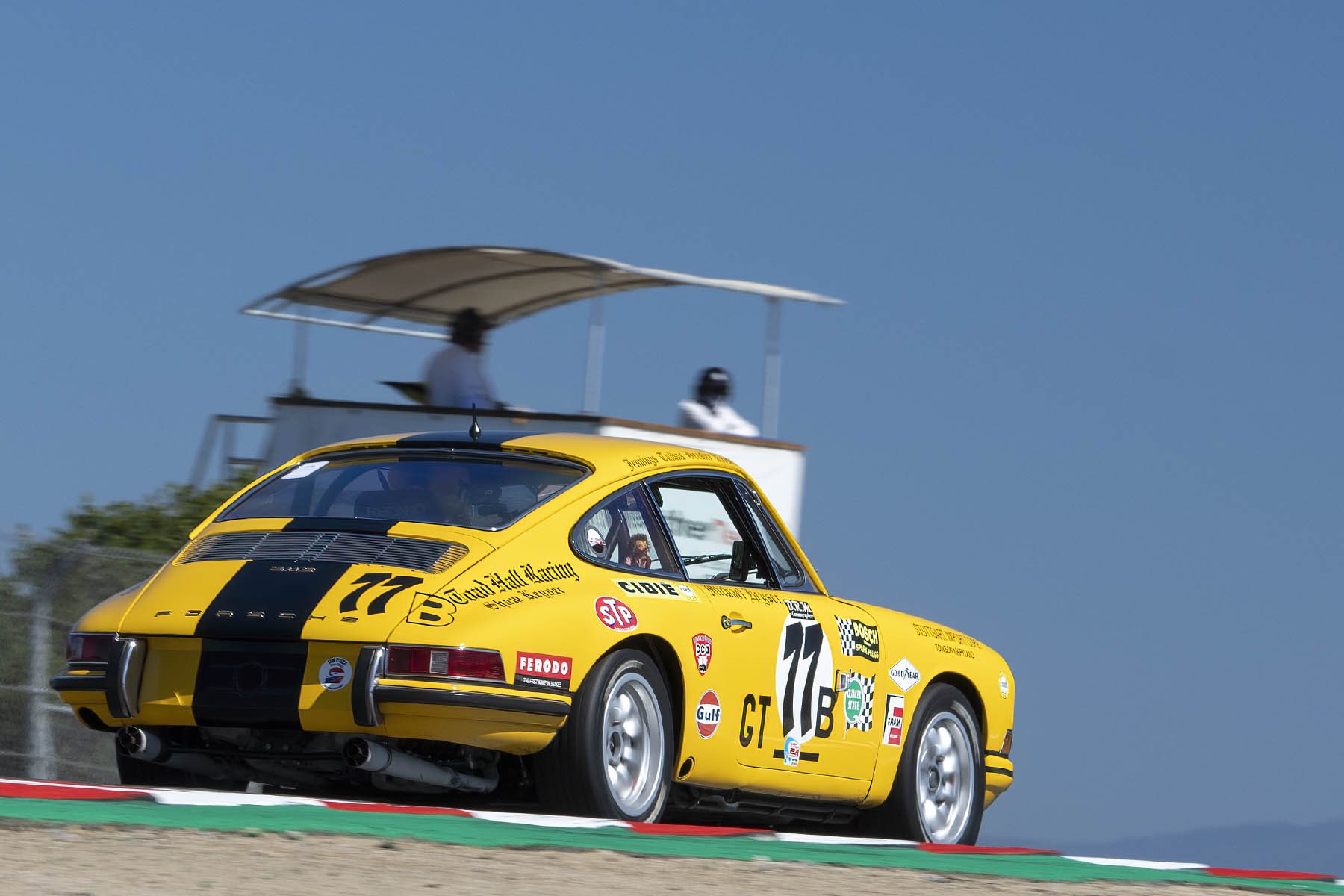
Regarding Group 6 for Le Mans Cars from 1972 to 1982, it might be wise first to look at the 1970s and 1980s as a whole; in a word, PORSCHE. From the all-conquering 12-cylinder 917 to the open cockpit 936, followed by the 911 based 935, and finally, the 956/962 turbos, Porsche won the 24 hours of Le Mans 12 times during those two decades. Hence, it’s no surprise that this 1970s run group has a lot of Porsches.
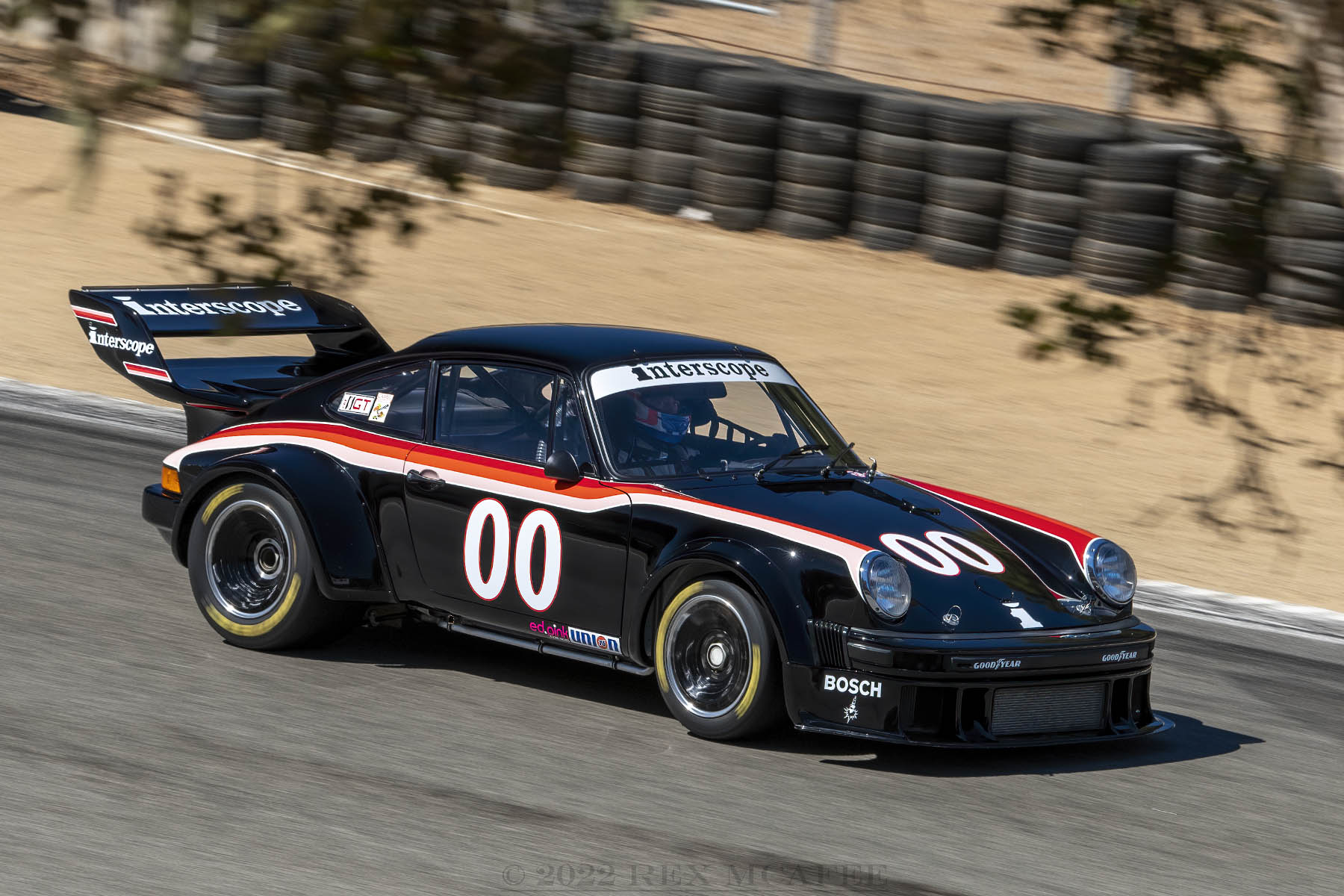
Being a young teen during the 1980s watching IMSA races at Laguna Seca, there was something so alluring about the black Interscope Porsches piloted by Danny Ongais and Ted Field. Hence it’s no surprise I was in heaven watching Patrick Long pilot the ex-Interscope Porsche 934.5 while its owner Tim Pappas drove the ex-Interscope Porsche 935 (placing 3rd in both races on Sunday). Get ready for both drivers to turn up the boost during the big Rolex Reunion.
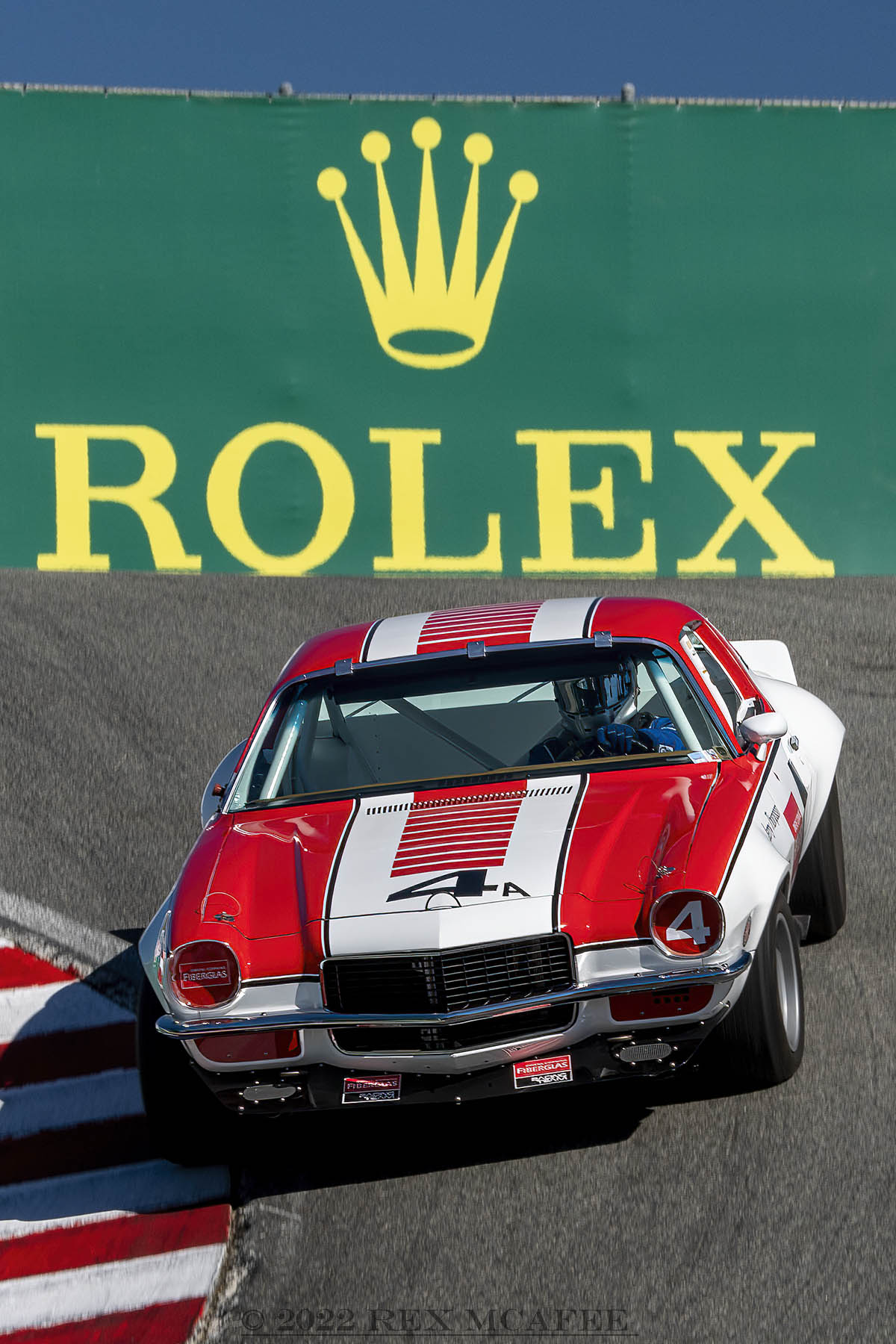
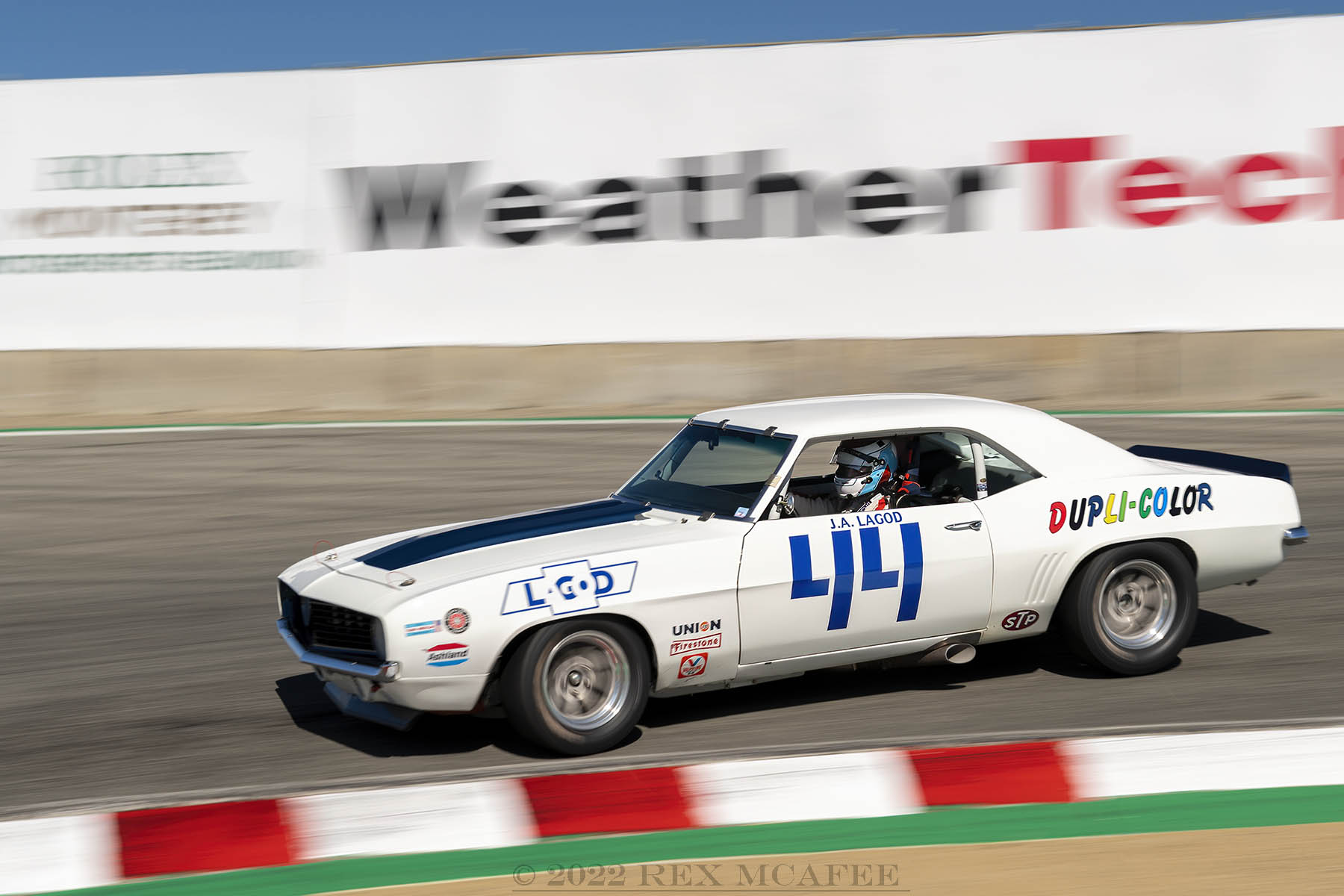
Several other racing groups returned from last year’s Rolex Reunion. Most recognizable for many fans are the “American Iron” Trans-Am cars, comprised mostly of 1960’s Ford Mustangs and Chevrolet Camaros. Throw in a few other outcasts like an AMC Javelin and a Pontiac GTO, and you can’t deny that this is one of the most entertaining groups to watch.
Nelson Calle from West Palm Beach, FL, took home the 1st place honors in both races on Sunday, proving his 1968 Chevy Camaro was the undisputable Top Dog. While the morning’s Race 1 saw John Hildebrand (1964 Pontiac) and Jim Hague (1972 AMC) take second and third, respectively, the afternoon’s Race 2 would see 2nd and 3rd earned by Ken Adams in his 1969 Ford Boss 302 Mustang, and Chip Fudge in his 1970 Camaro. Good stuff all around, and don’t forget to bring your earplugs!
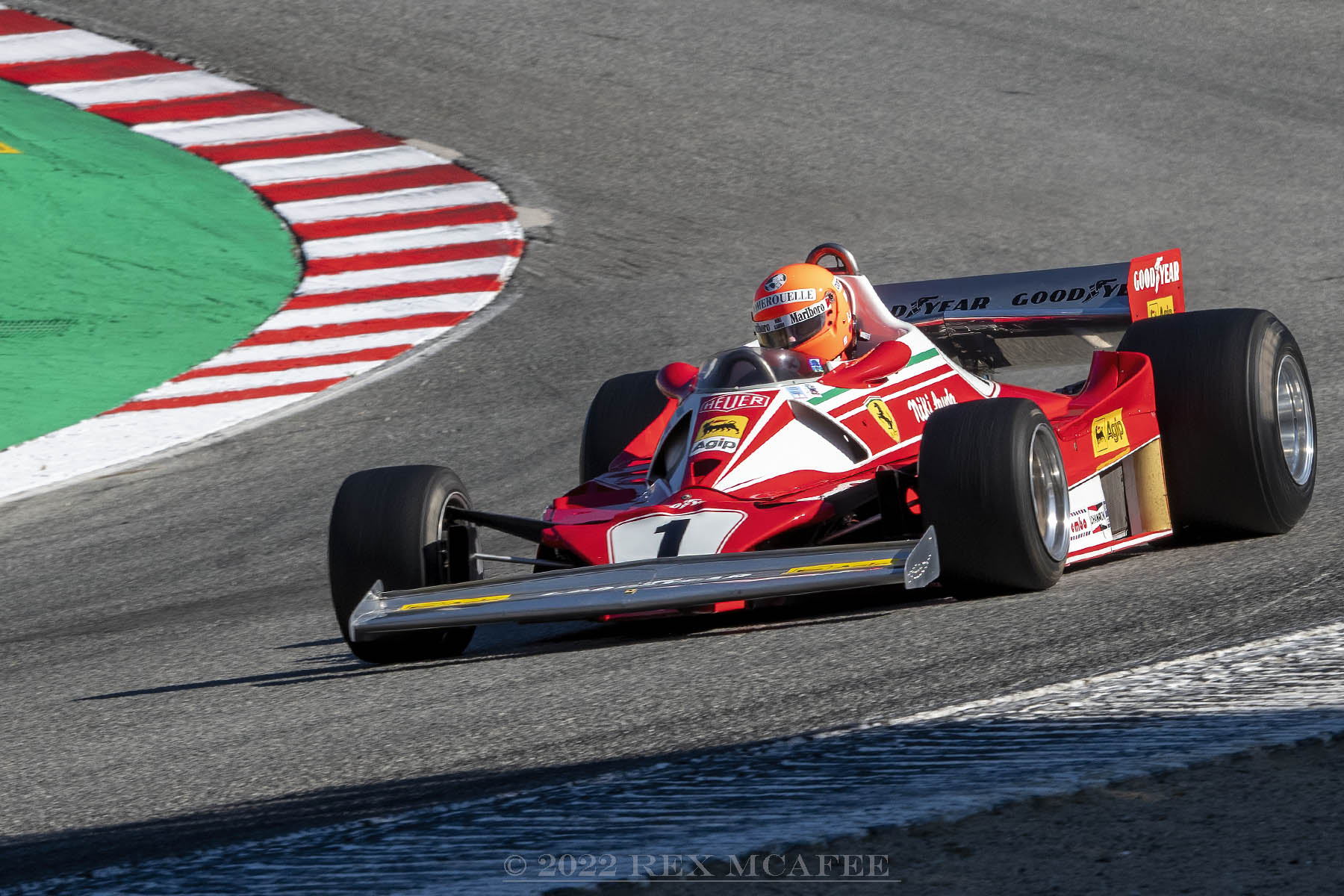
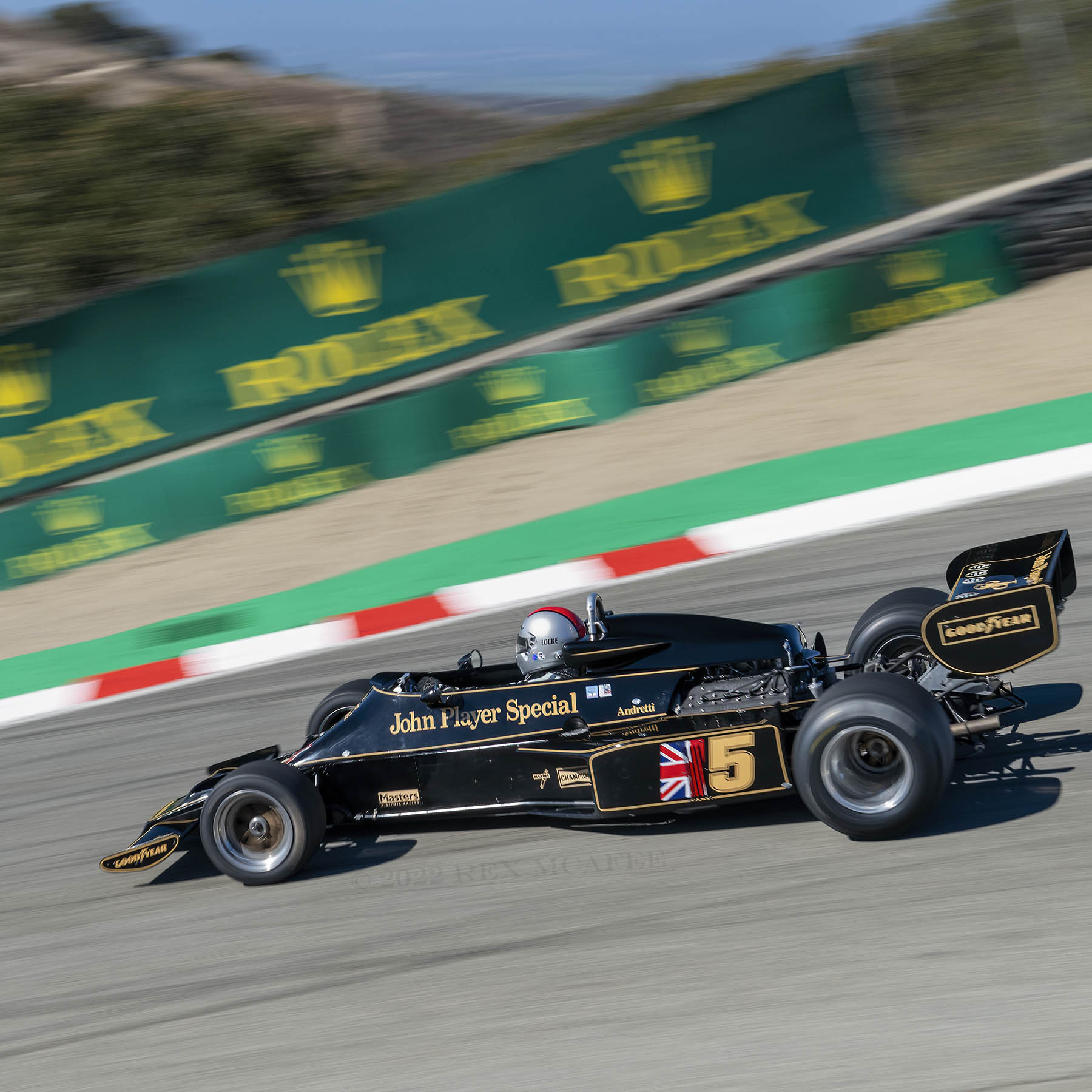
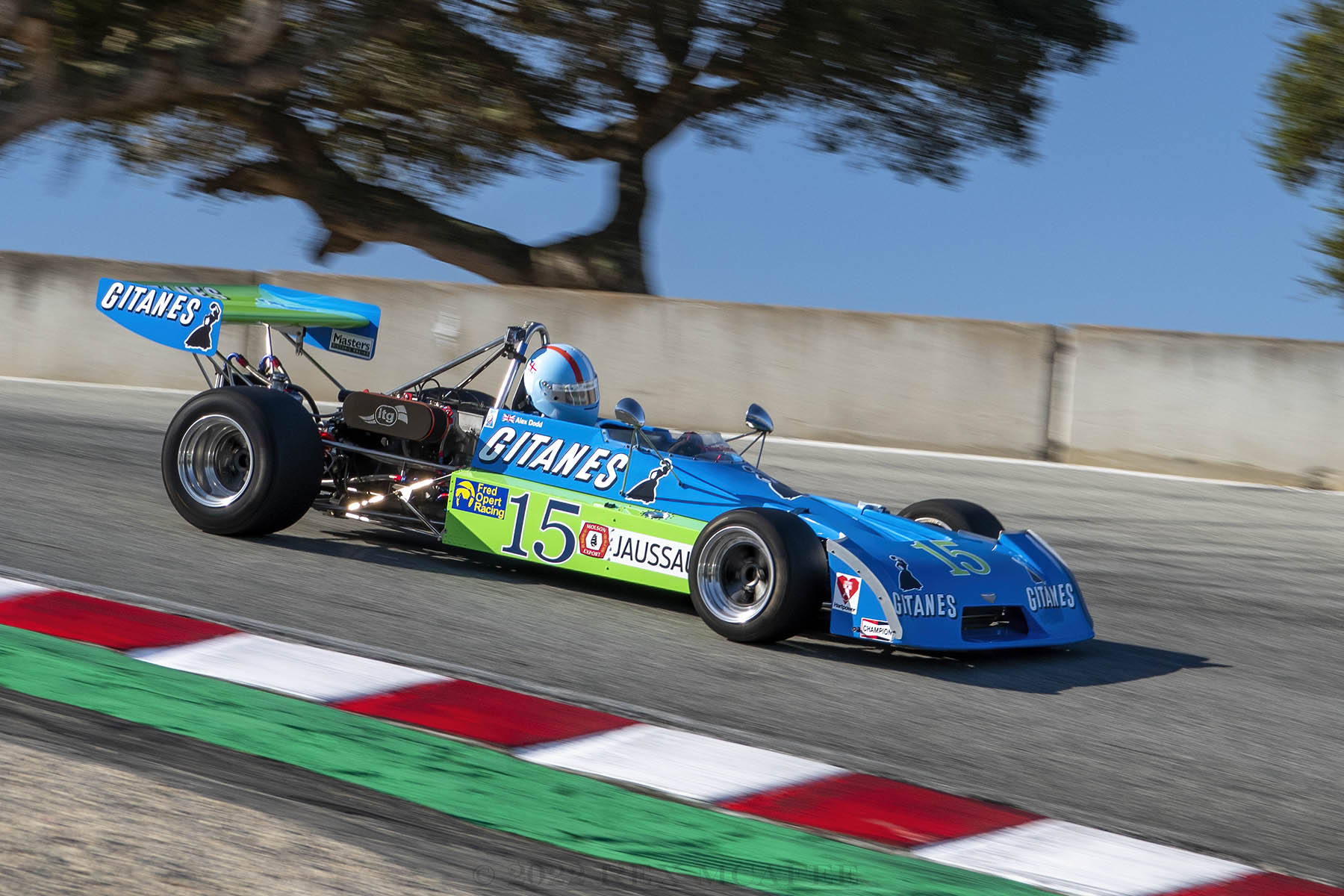
The intricately engineered Formula 1 cars built in Europe and the UK are on the opposite end of the scale. To keep costs manageable and racing close, most of these cars are powered by a Ford Cosworth V8, the mainstay powerplant in F1 racing during the 1970s. Chassis manufacturers varied widely from March, Lotus, Arrows, Williams, and Brabham.
Forget traction control and carbon ceramic brakes; this is F1 racing from the glorious 1970s and early 1980s, where the driver’s skill (and courage) mattered more than ever. Both Race 1 and 2 on Sunday were won by Bud Moeller behind the wheel of his 1982 Williams FW08 and Wade Carter earning second (1982 Arrows A-4). Third place in Race 1 went to Ed Nigro in a 1961 Lotus 20. In Race 2, 3rd went to Steve Romak with his 1985 Tyrrell 12 3.
Regardless of which run group is your favorite, everyone agrees that the sights, sounds, and smells of Cosworth-powered F1 cars are something you must experience to appreciate.
As to the history of the “Pre Reunion,” I went straight to the man who built modern vintage racing in America, Steve Earle. He graciously took the time to explain how the first Pre-Reunion was a “media day” held on the preceding Wednesday to what was then called the Historics (that he founded in 1974).
Local newspapers and television stations from Monterey to San Francisco were invited to film a makeshift group of entrants who would volunteer to lap the then 1.9-mile track. This filming gave the media enough time to edit and produce promotional spots on TV to promote the weekend’s racing.
As the Historics grew, Steve realized many participants came from afar and didn’t have much experience (if any) at Laguna Seca Raceway. Seeing an opportunity for drivers to become comfortable with the course, Steve established the first “Pre Historics” weekend in 1987. The media could still use this private event to capture their promotional material, and drivers now had an entire weekend to sort out their cars and learn the track.
As Steve commented, the anxiety levels were much lower during the Pre Historics, which helped promote camaraderie among the drivers, a top priority for Steve.
Fast forward to 2022, and while TV stations and newspapers are no longer developing film for promotional spots, the Monterey Pre Reunion still fulfills its purpose for both the media, drivers, and fans alike.
As for what happened to event founder Steve Earle, he currently works with The Velocity Invitational, a world-class vintage racing event in October at Weathertech Raceway, and continues to embrace the mantra “Cars belong on the track, not the lawn.” Hope to see you next year at Monterey’s best-kept secret.
Barcelona is often seen as a haven for architecture lovers, foodies, and beach goers, but it’s also a surprisingly toddler-friendly city when you know where to go and what to expect.
If you’re considering visiting Barcelona with a toddler, don’t worry, you won’t have to give up on fun or flexibility. You’ll just need to tweak your itinerary a bit.
Here are our top tips for making your Barcelona trip memorable and manageable with a toddler.
Barcelona is a city full of wonderful green spaces and playgrounds that are perfect for your toddler to explore and enjoy.
Here are a few highlights that offer a mix of nature, fun, and relaxation for families:
Parc de la Ciutadella: One of the city’s largest and most popular parks, Parc de la Ciutadella is a must-visit for families. It offers wide, open spaces for your toddler to run around, a beautiful lake where you can rent rowboats, and one of the city’s best playgrounds, which features swings, slides, and climbing structures. It’s also home to a stunning waterfall, so there’s plenty to see while you take a stroll.
Jardins de la Torre de les Aigües: A hidden gem in the Eixample district, these tranquil gardens are a perfect spot for families looking to escape the hustle and bustle of the city. During the summer months, the gardens transform into a mini “beach,” with shallow water for children to splash around in. It’s a fantastic place for toddlers to cool off and have fun, with plenty of space for a relaxing picnic or a quiet moment in the shade.
Parc Güell:Famous for its colourful mosaics and whimsical design by Antoni Gaudí, Parc Güell is not just a treat for the eyes but also a great spot for little ones to explore. While the park itself is stunning, it’s important to plan as there are many steps and uneven terrain. If you’re visiting with a toddler, consider using a carrier or a pushchair to make navigating the park easier.
In Spain, lunch typically runs from 1:30 pm to 3:30 pm, and dinner can start as late as 8:30 pm. For toddlers used to earlier meals, it can be tricky. To make it easier, plan meals at places that serve food continuously, open early, or shop at local supermarkets to cook at home.
Marketssuch as Mercat de Sant Antoni or Mercat de la Concepció are perfect for picking up fresh fruits, snacks, or reheatable meals.
Barcelona’s sidewalks are wide and pushchair-friendly, particularly in the Eixample district. However, areas like the Gothic Quarter and El Born feature cobblestones and narrower streets. A lightweight, foldable pushchair is ideal, especially one you can carry with one hand. If you prefer not to travel with one, pushchair rentals are available, with some local services offering delivery directly to your accommodation.
9 Tips For Visiting Barcelona With a Toddler
4. Use public transport wisely
Barcelona’s metro and bus systems are excellent and budget-friendly. Children under 4 travel for free. Most metro stations now have lifts, though not all, so check ahead if you’re using a pushchair. Buses are easier to manage with a toddler in tow, and most are air-conditioned.
Another fun (and toddler-friendly) ride? The Montjuïc cable car is a great way to enjoy views and get to Montjuïc Castle without the uphill climb.
5. Visit toddler-friendly attractions
While toddlers may not fully appreciate Gaudí’s architectural wonders, Barcelona offers plenty of attractions that are sure to keep them entertained:
Barcelona Aquarium: Located at Port Vell, this aquarium features a stunning shark tunnel where kids can walk through and see sharks and other sea creatures up close. There are also interactive zones where toddlers can learn about marine life in a fun, hands-on way. Get your ticket here.
CosmoCaixa: This science museum offers an exciting mix of interactive exhibits, including a tropical rainforest and a planetarium. It’s a great spot for curious toddlers to explore and discover the wonders of science through play.
L’Aquàrium de Barcelona & Barcelona Zoo: Both located near Parc de la Ciutadella, these attractions are perfect for a half-day outing. The aquarium showcases marine life, while the zoo offers a chance to see a wide variety of animals, keeping little ones entertained and engaged. Get a combo ticket here.
9 Tips For Visiting Barcelona With a Toddler
6. Plan for nap time and breaks
Even if your child naps on the go, having a flexible schedule is key to keeping everyone happy. This could mean returning to your apartment for a midday rest or planning quiet time at a park or café with outdoor seating, where your toddler can nap while you relax. Flexibility helps balance sightseeing and rest, making for a smoother day for the whole family.
7. Always have snacks and water handy
Tap water in Barcelona is safe to drink, but many locals (and travellers) prefer bottled water. Bring a reusable bottle and fill it up before heading out for the day.
Local supermarkets and bakeries are your best friends for snacks. Fruits, yoghurt, mini bocadillos (sandwiches), and pastries are easy to find and toddler-approved.
8. Be sun-smart
Barcelona enjoys sunshine most of the year, and toddlers’ skin can be particularly sensitive. Be sure to bring a hat, sunscreen, and a pushchair shade if you’re visiting during the warmer months (April–October). If you forget any baby essentials, don’t worry, many pharmacies in the city carry a range of baby products, so you can easily pick up what you need.
9. Embrace the local family culture
Barcelona is a child-friendly city where toddlers are a common sight, whether dining out with their families at 10 pm, playing in plazas late into the evening, or being helped by locals with pushchairs. It’s not just accepted, it’s expected.
So if your toddler has a mini meltdown in the middle of a restaurant, don’t worry, most people around you have been there too and will likely be understanding.
Travelling with a toddler in Barcelona doesn’t have to be stressful. With a few tweaks and some local know-how, your trip can be filled with magical moments, from first bites of churros to giggles in the park and seaside sunsets with sandy toes. The key is to go slow, stay flexible, and let the city unfold through your child’s eyes. Barcelona is not just a destination, it’s a playground waiting to be explored, and seeing it with a toddler gives you a whole new perspective.
We are an expert agency in the tourism sector based in Barcelona, Catalonia. For over 10 years, we have offered holiday apartments and long-term apartments in Barcelona, to anyone wanting to visit or spend some time in the Catalan Capital.
We are an expert agency in the tourism sector based in Barcelona, Catalonia. For over 10 years, we have offered holiday apartments and long-term apartments in Barcelona, to anyone wanting to visit or spend some time in the Catalan Capital.
The Ford Mustang GTD is the fastest American production car to lap the Nurburgring. It is also the most powerful Mustang ever made. However, is it compelling enough for one to spend $600,000?
The Mustang GTD certainly has what it takes to compete with some of the finest sports cars Europe has to offer. It’s not just fast in a straight line, but it can go around corners just as quickly.
That being said, it comes with a high price tag. The starting price for one of these track-focused muscle cars is $325,000. But that’s before you get to the options list.
According to a collector who has a Mustang GTD on order, the price after all the options is “concerning.” In an episode of The Smoking Tyre Podcast, he told co-host Matt Farah that the final price of his car after all the options were added ballooned to over $600,000!
As you would’ve guessed, the options on a Mustang GTD are rather expensive. The Carbon Series adds $103,000 to the price tag, while the Spirit of America edition costs an eye-watering $429,000!
Held once a year on the beautiful Monterey Peninsula, “Holy Week,” as referred to by some, gives car enthusiasts the world over a central meeting place to indulge, dream and participate in world-renowned car events. One of my favorite gatherings from this “automotive montage” is the Monterey Pre-Reunion at Weathertech Raceway, Laguna Seca.
Held one week before the big Rolex Monterey Motorsports Reunion (aka Rolex Reunion), it’s the best-kept secret for vintage race enthusiasts. Forget crowds, traffic, and having to park in some distant field. Instead, embrace two days of excellent vintage racing where it’s easy to walk around, inspect cars in the paddock and choose your favorite viewing spot at the Corkscrew.
This year’s tribute for the Rolex Monterey Motorsports Reunion is the 100th anniversary of the 24 Hours of Le Mans. For sports car racers worldwide, the sound of those two words “Le Mans” conjures up myriad thoughts; endurance, glory, heartache, danger, and prestige, to identify a few.
The world’s oldest active endurance racing event still takes place in part on public roads, just as it did back in 1923, and has become part of motorsport’s triple crown, joining the Indy 500 and Monaco Grand Prix.
For the first time, the Rolex Reunion honors this endurance juggernaut by presenting a collection of significant Le Mans racers, many of which were overall winners.
While the Le Mans Legends Heritage Display was not ready yet during the Pre Reunion weekend, it is sure to amaze as it will be the most extensive collection of Le Mans cars ever assembled in America. Overall Le Mans winners to be displayed include:
On track during the Pre Reunion, there was no shortage of historic cars to honor the Le Mans 24 centennial. Two distinct run groups were formed to honor the Le Mans celebration; Group 5 for 1956 to 1971 cars and Group 6 for 1972 to 1982 cars. Starting with Group 5, my favorite has to be the 1971 Porsche 908/3 driven by hot-shoe Gunnar Jeannette.
Perfect for the relatively short Laguna Seca course, Gunnar obliterated the field during Saturday’s practice. Other highlights include a 1973 Ferrari 365 GTB4 “Daytona” currently raced by Chip Connor but originally ran in the 1974 Le Mans 24, a 1965 Ford GT40 with Robert Kauffman behind the wheel, and a 1961 Ferrari 250 GT that the factory tested at Le Mans that same year; where does one stop?
Regarding Group 6 for Le Mans Cars from 1972 to 1982, it might be wise first to look at the 1970s and 1980s as a whole; in a word, PORSCHE. From the all-conquering 12-cylinder 917 to the open cockpit 936, followed by the 911 based 935, and finally, the 956/962 turbos, Porsche won the 24 hours of Le Mans 12 times during those two decades. Hence, it’s no surprise that this 1970s run group has a lot of Porsches.
Being a young teen during the 1980s watching IMSA races at Laguna Seca, there was something so alluring about the black Interscope Porsches piloted by Danny Ongais and Ted Field. Hence it’s no surprise I was in heaven watching Patrick Long pilot the ex-Interscope Porsche 934.5 while its owner Tim Pappas drove the ex-Interscope Porsche 935 (placing 3rd in both races on Sunday). Get ready for both drivers to turn up the boost during the big Rolex Reunion.
Several other racing groups returned from last year’s Rolex Reunion. Most recognizable for many fans are the “American Iron” Trans-Am cars, comprised mostly of 1960’s Ford Mustangs and Chevrolet Camaros. Throw in a few other outcasts like an AMC Javelin and a Pontiac GTO, and you can’t deny that this is one of the most entertaining groups to watch.
Nelson Calle from West Palm Beach, FL, took home the 1st place honors in both races on Sunday, proving his 1968 Chevy Camaro was the undisputable Top Dog. While the morning’s Race 1 saw John Hildebrand (1964 Pontiac) and Jim Hague (1972 AMC) take second and third, respectively, the afternoon’s Race 2 would see 2nd and 3rd earned by Ken Adams in his 1969 Ford Boss 302 Mustang, and Chip Fudge in his 1970 Camaro. Good stuff all around, and don’t forget to bring your earplugs!
The intricately engineered Formula 1 cars built in Europe and the UK are on the opposite end of the scale. To keep costs manageable and racing close, most of these cars are powered by a Ford Cosworth V8, the mainstay powerplant in F1 racing during the 1970s. Chassis manufacturers varied widely from March, Lotus, Arrows, Williams, and Brabham.
Forget traction control and carbon ceramic brakes; this is F1 racing from the glorious 1970s and early 1980s, where the driver’s skill (and courage) mattered more than ever. Both Race 1 and 2 on Sunday were won by Bud Moeller behind the wheel of his 1982 Williams FW08 and Wade Carter earning second (1982 Arrows A-4). Third place in Race 1 went to Ed Nigro in a 1961 Lotus 20. In Race 2, 3rd went to Steve Romak with his 1985 Tyrrell 12 3.
Regardless of which run group is your favorite, everyone agrees that the sights, sounds, and smells of Cosworth-powered F1 cars are something you must experience to appreciate.
As to the history of the “Pre Reunion,” I went straight to the man who built modern vintage racing in America, Steve Earle. He graciously took the time to explain how the first Pre-Reunion was a “media day” held on the preceding Wednesday to what was then called the Historics (that he founded in 1974).
Local newspapers and television stations from Monterey to San Francisco were invited to film a makeshift group of entrants who would volunteer to lap the then 1.9-mile track. This filming gave the media enough time to edit and produce promotional spots on TV to promote the weekend’s racing.
As the Historics grew, Steve realized many participants came from afar and didn’t have much experience (if any) at Laguna Seca Raceway. Seeing an opportunity for drivers to become comfortable with the course, Steve established the first “Pre Historics” weekend in 1987. The media could still use this private event to capture their promotional material, and drivers now had an entire weekend to sort out their cars and learn the track.
As Steve commented, the anxiety levels were much lower during the Pre Historics, which helped promote camaraderie among the drivers, a top priority for Steve.
Fast forward to 2022, and while TV stations and newspapers are no longer developing film for promotional spots, the Monterey Pre Reunion still fulfills its purpose for both the media, drivers, and fans alike.
As for what happened to event founder Steve Earle, he currently works with The Velocity Invitational, a world-class vintage racing event in October at Weathertech Raceway, and continues to embrace the mantra “Cars belong on the track, not the lawn.” Hope to see you next year at Monterey’s best-kept secret.
The technical storage or access is strictly necessary for the legitimate purpose of enabling the use of a specific service explicitly requested by the subscriber or user, or for the sole purpose of carrying out the transmission of a communication over an electronic communications network.
Preferences
The technical storage or access is necessary for the legitimate purpose of storing preferences that are not requested by the subscriber or user.
Statistics
The technical storage or access that is used exclusively for statistical purposes.The technical storage or access that is used exclusively for anonymous statistical purposes. Without a subpoena, voluntary compliance on the part of your Internet Service Provider, or additional records from a third party, information stored or retrieved for this purpose alone cannot usually be used to identify you.
Marketing
The technical storage or access is required to create user profiles to send advertising, or to track the user on a website or across several websites for similar marketing purposes.
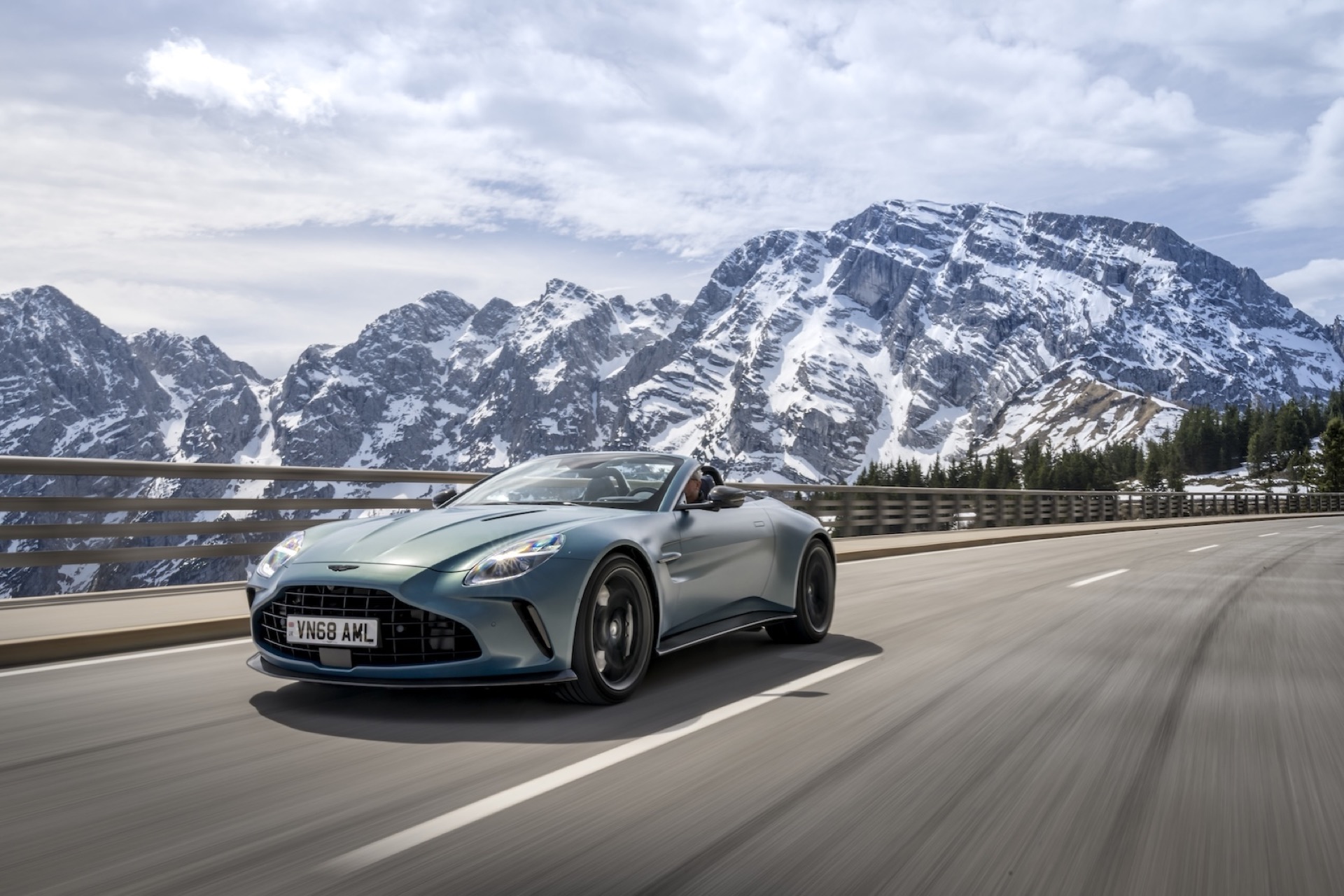

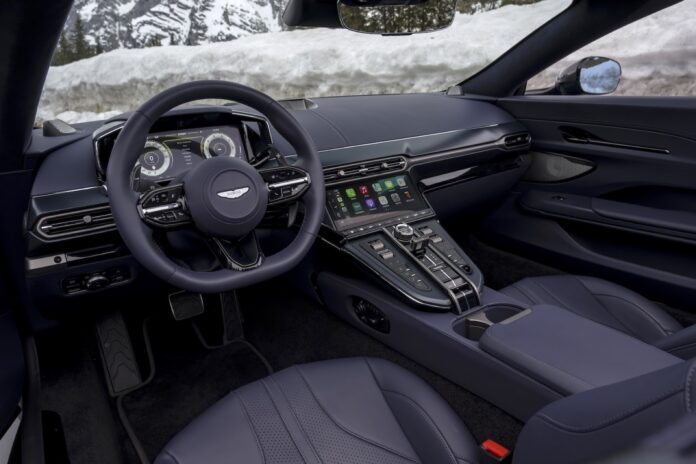


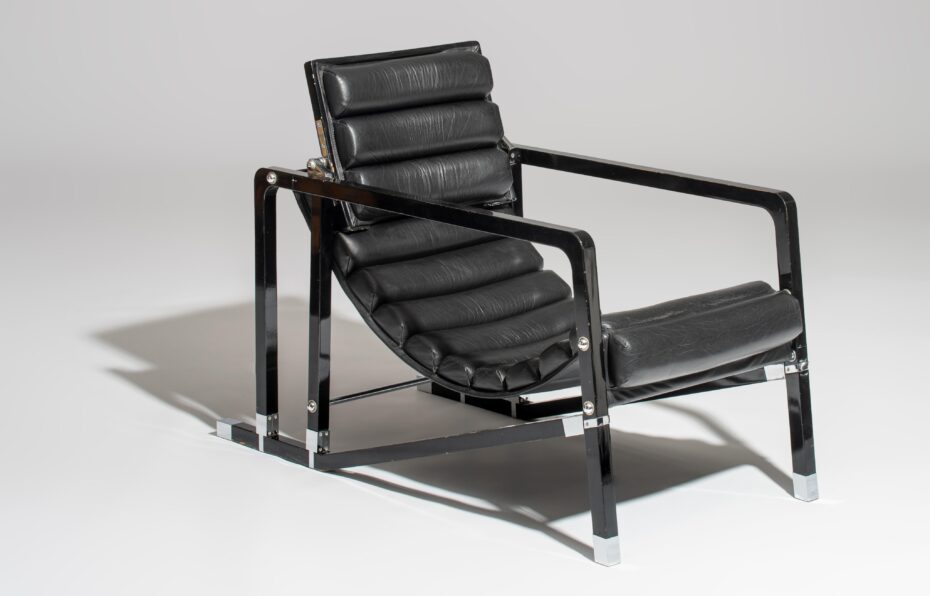


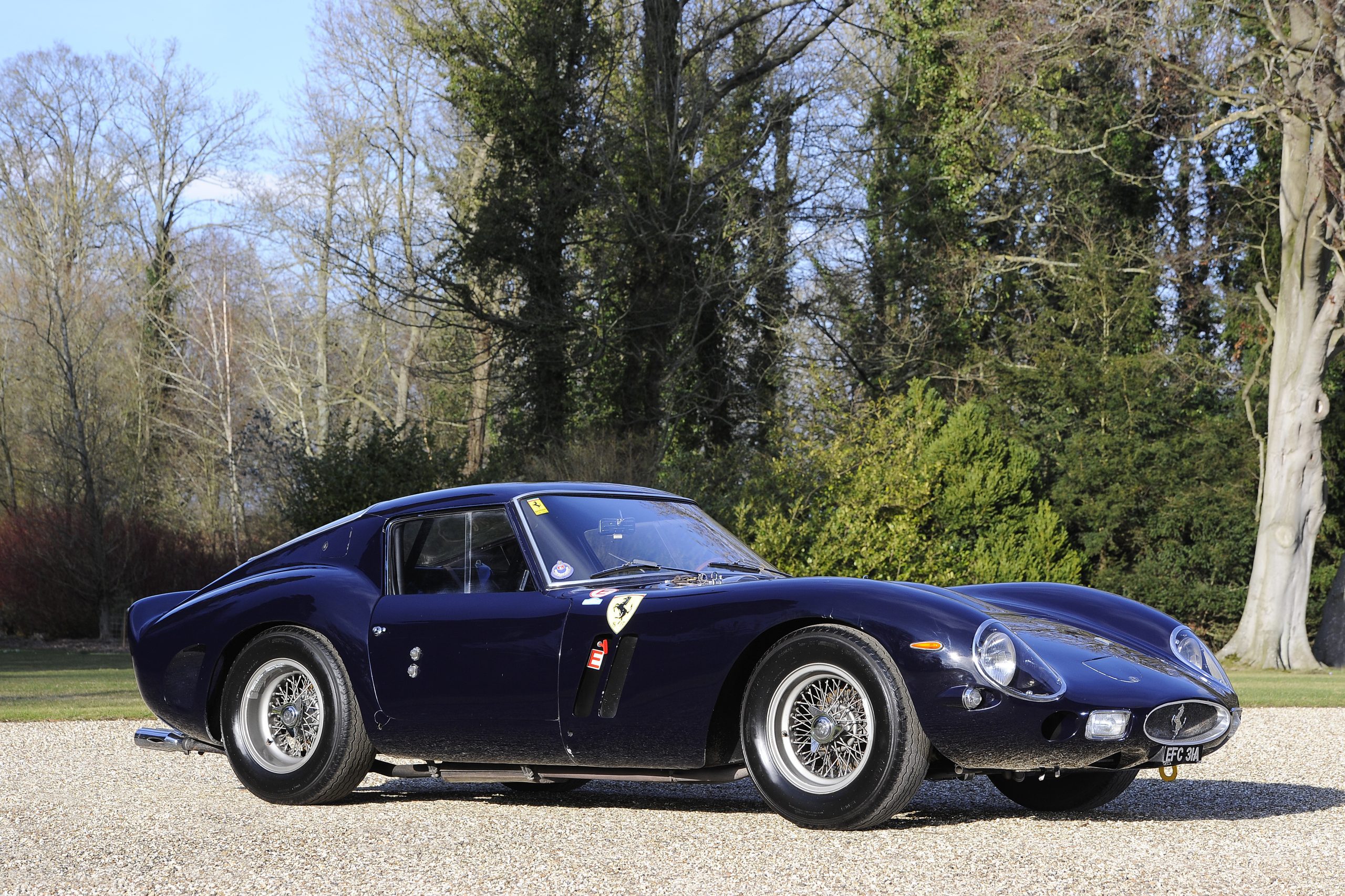
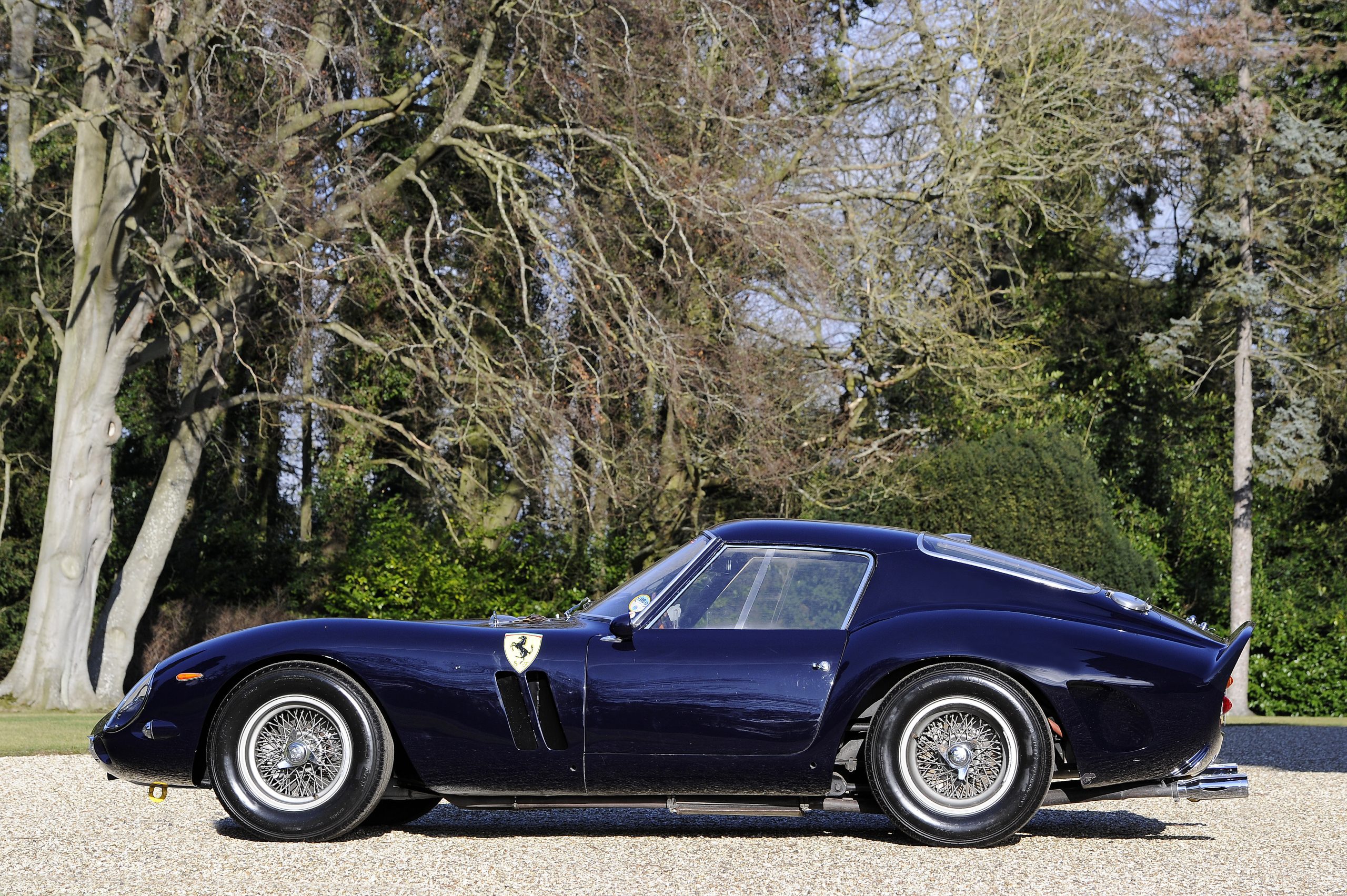
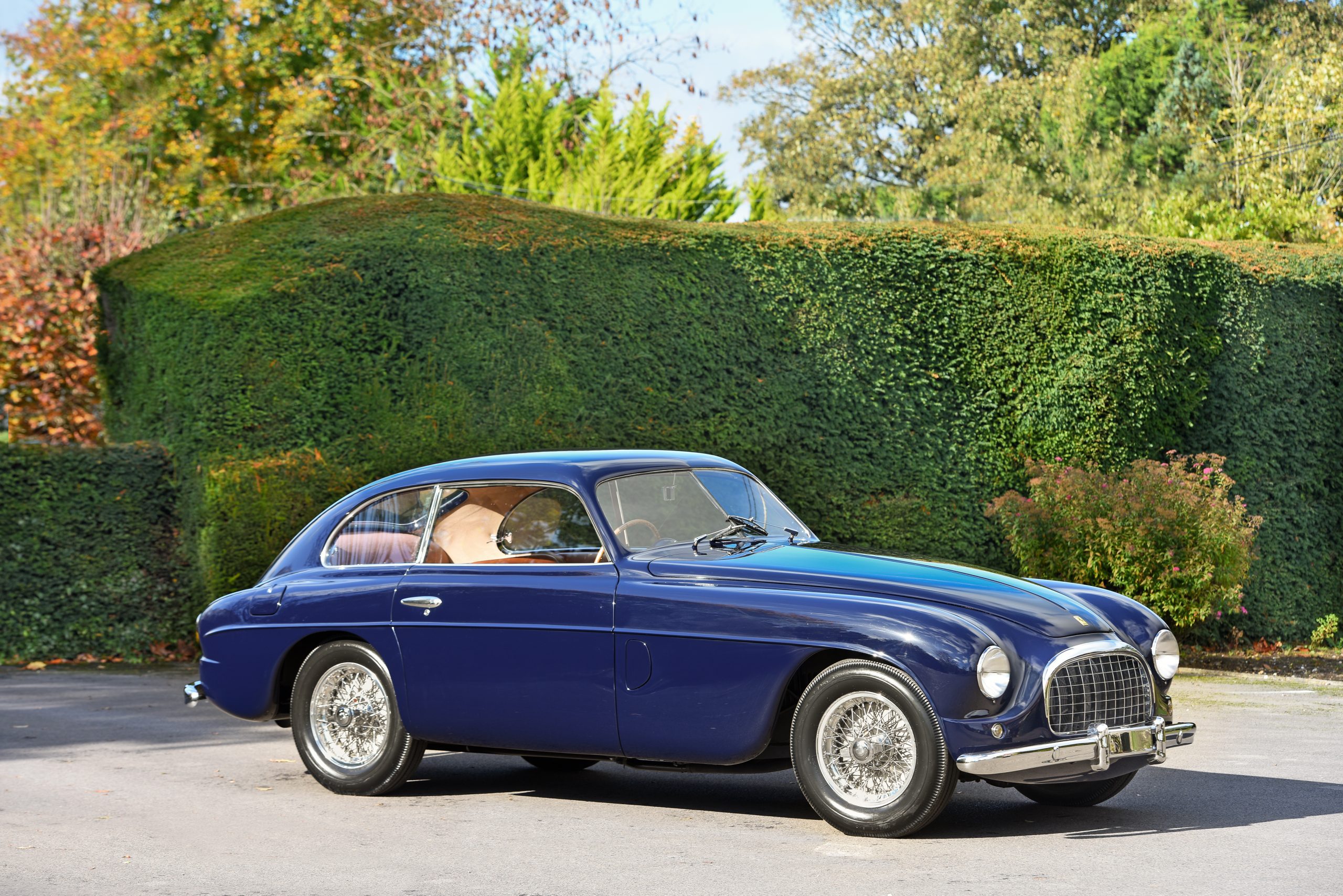
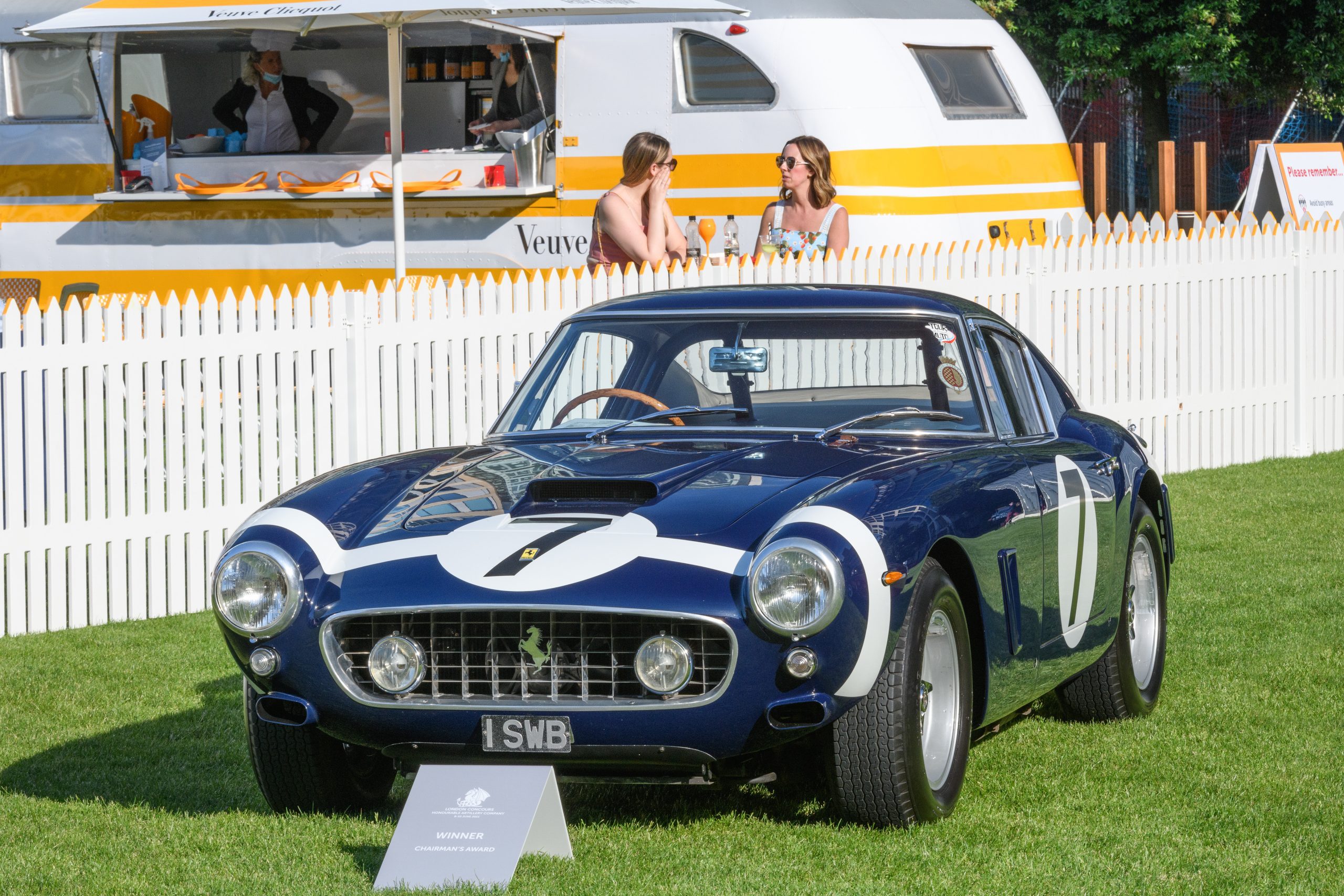
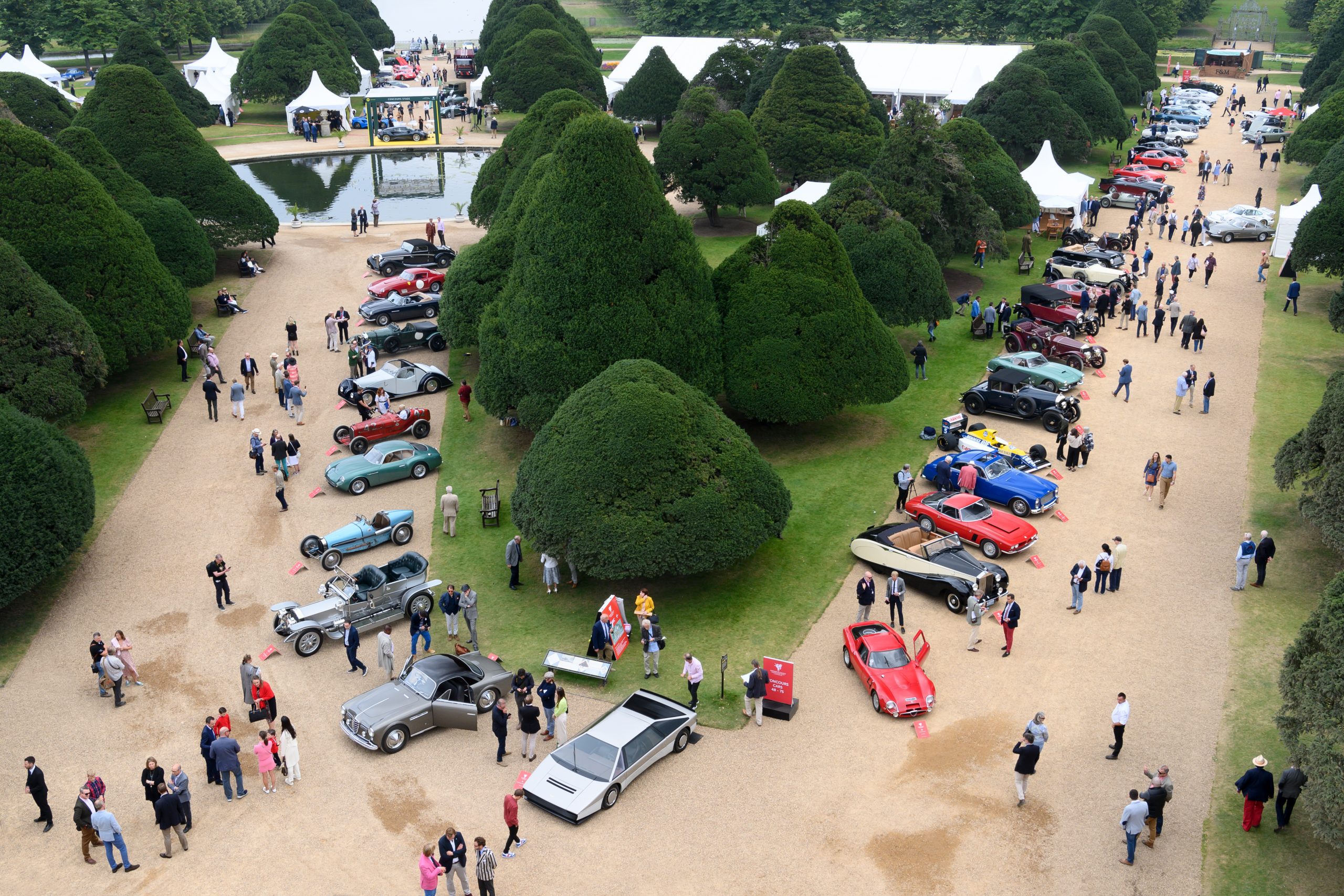
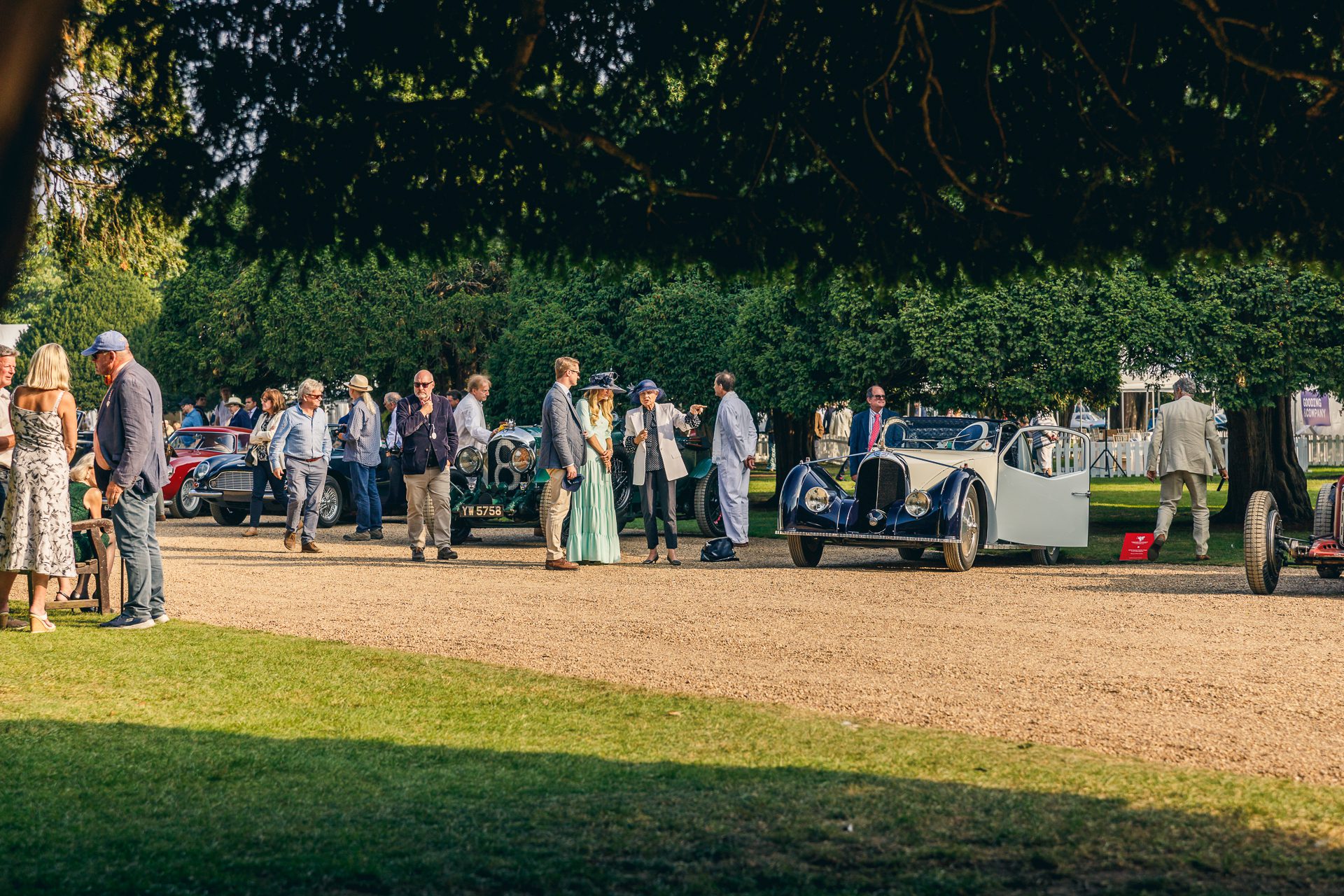
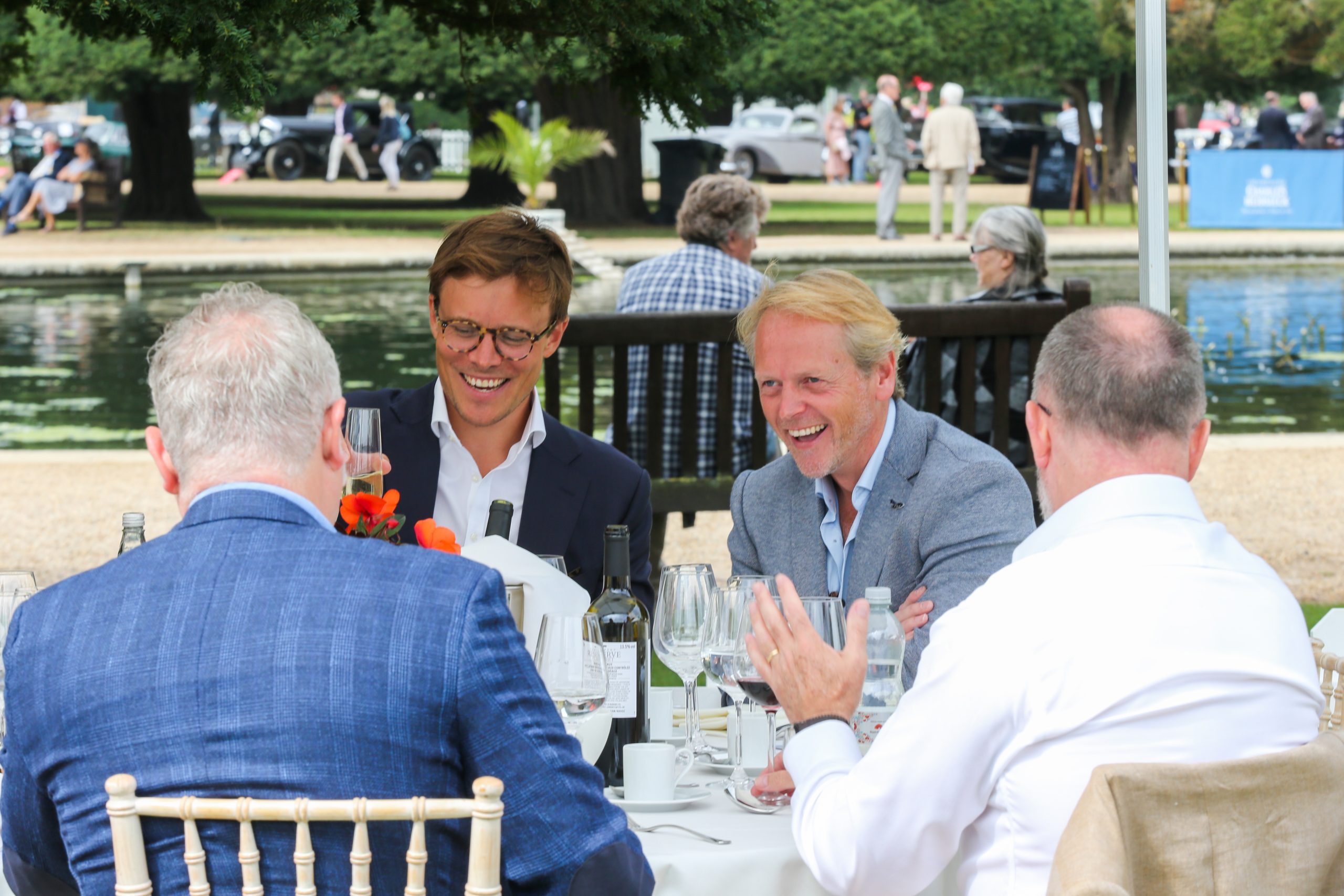
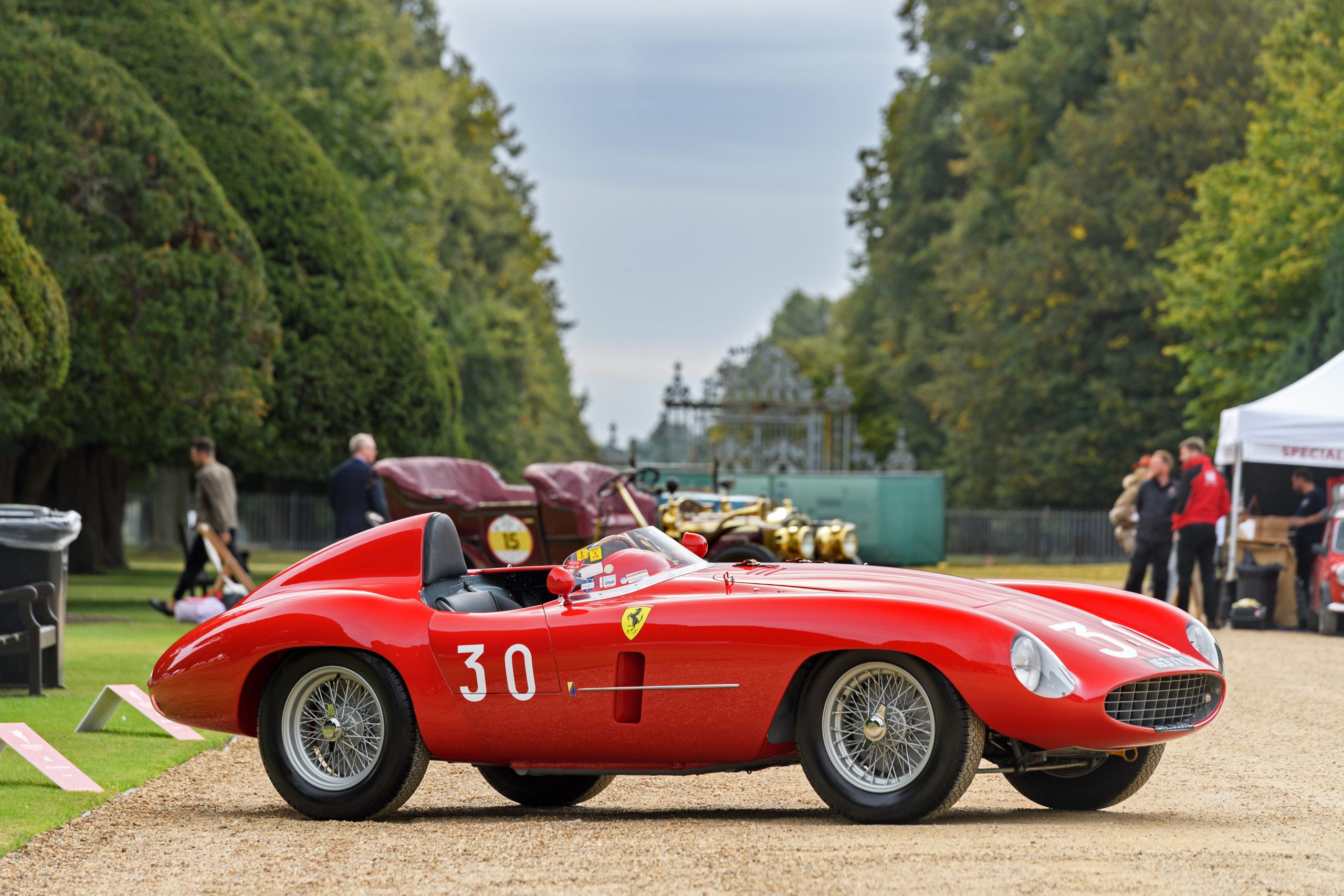
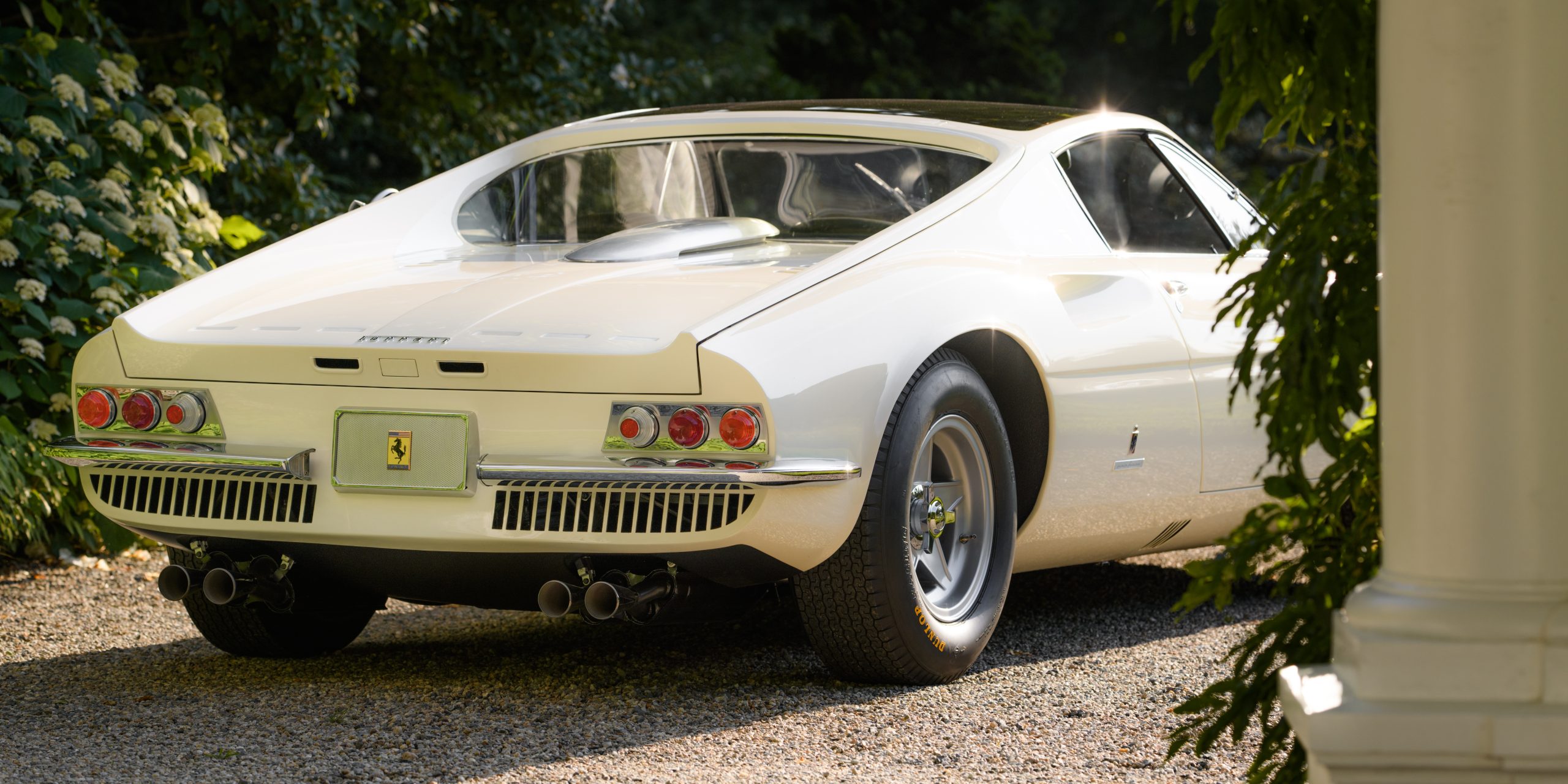
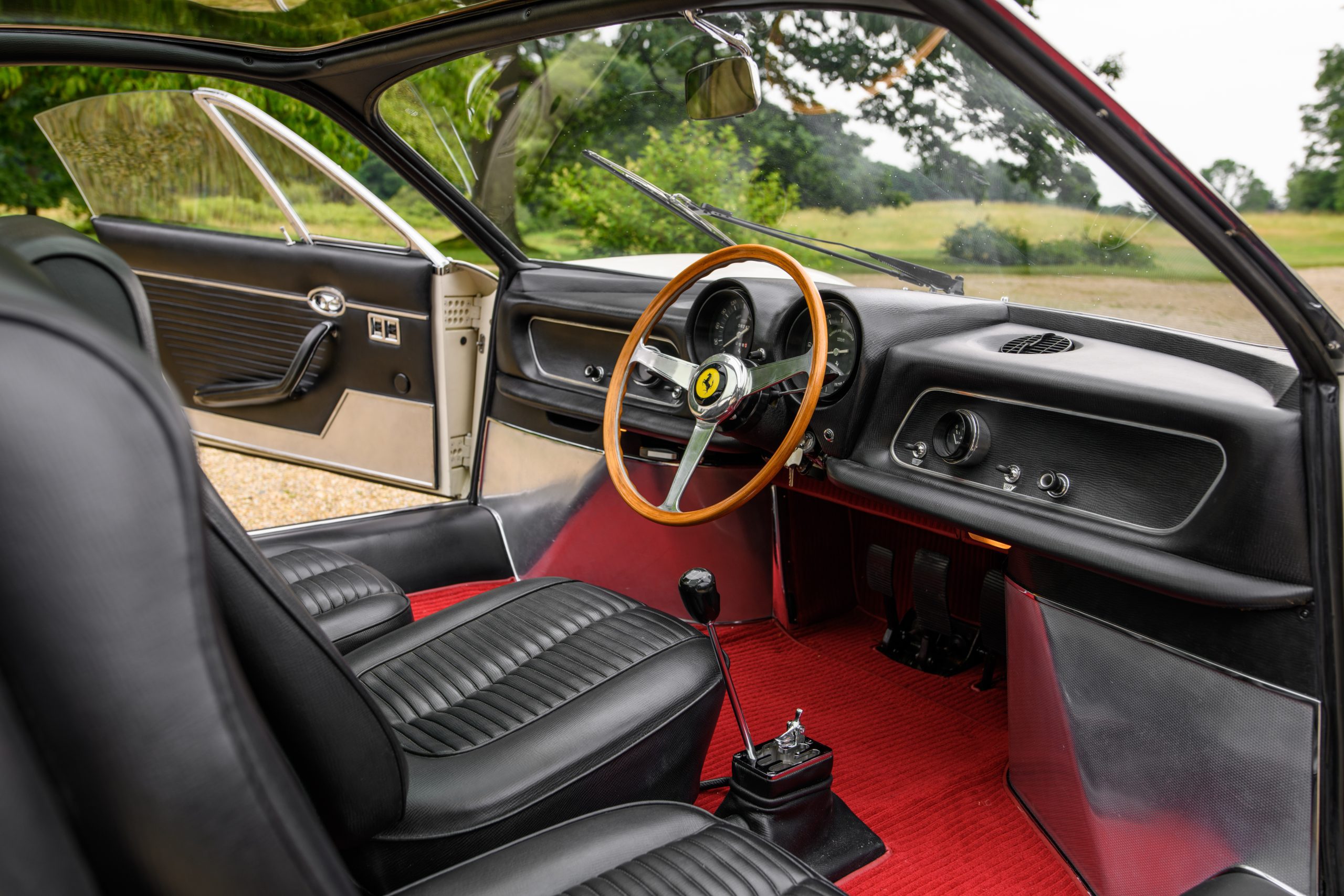
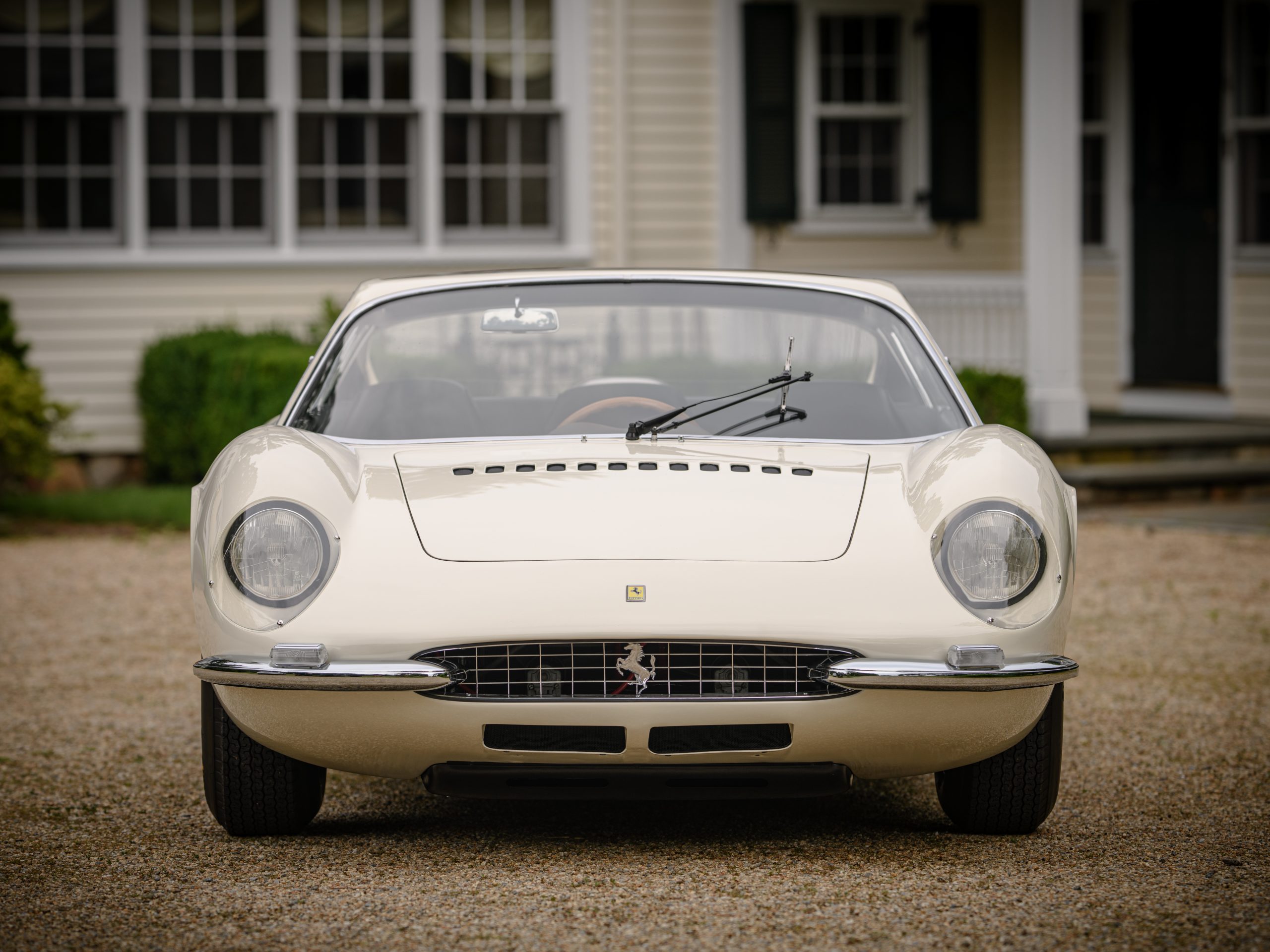
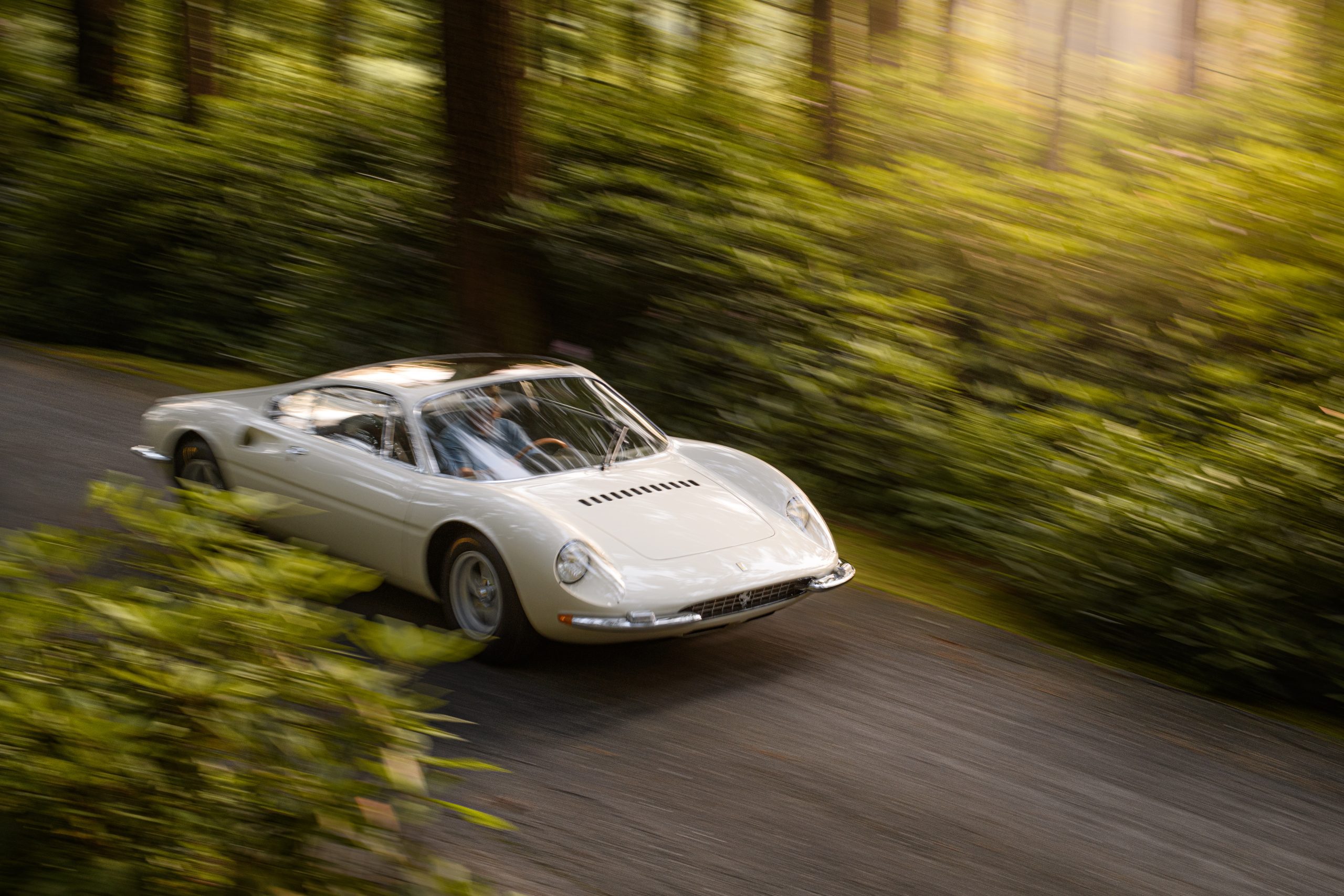
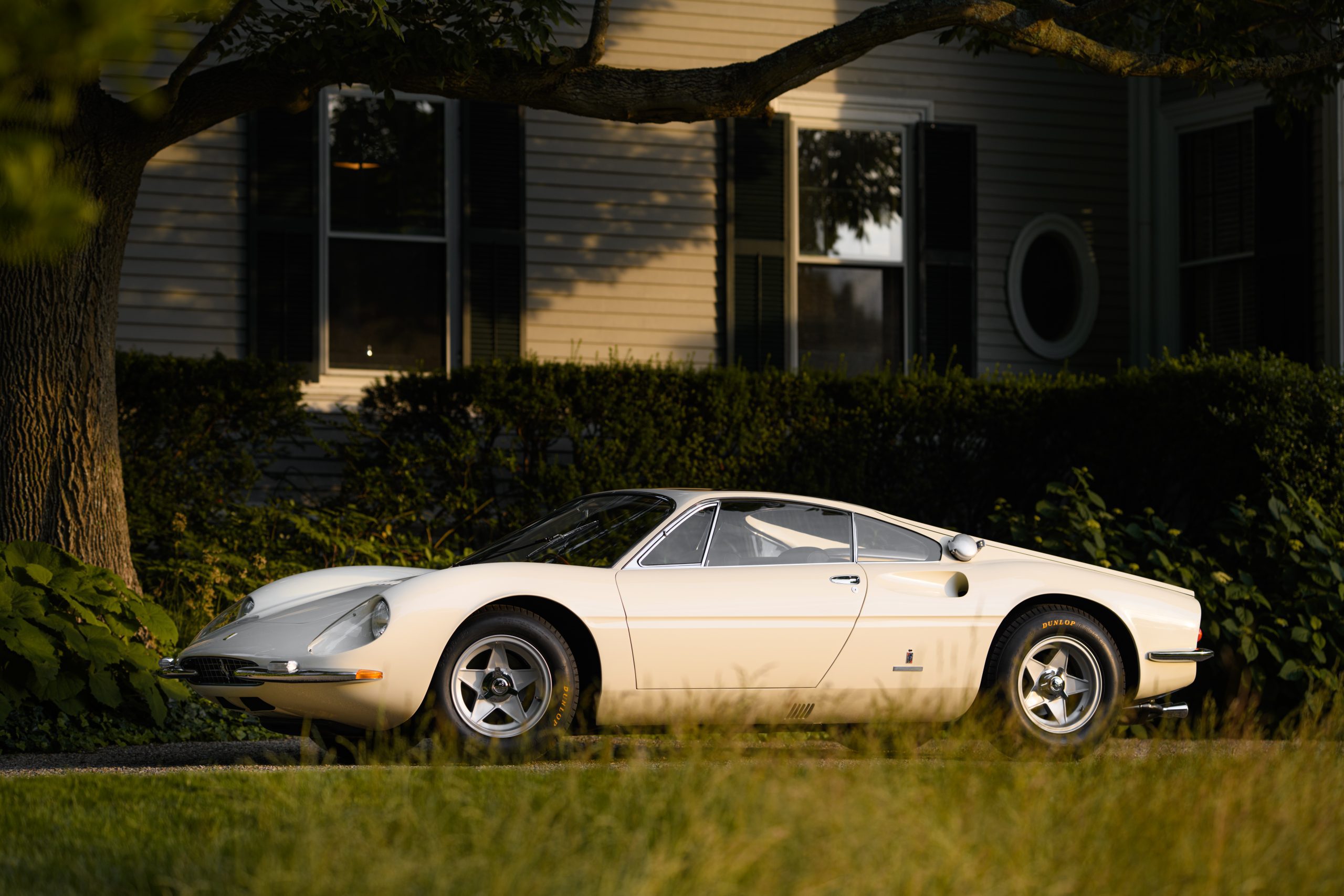
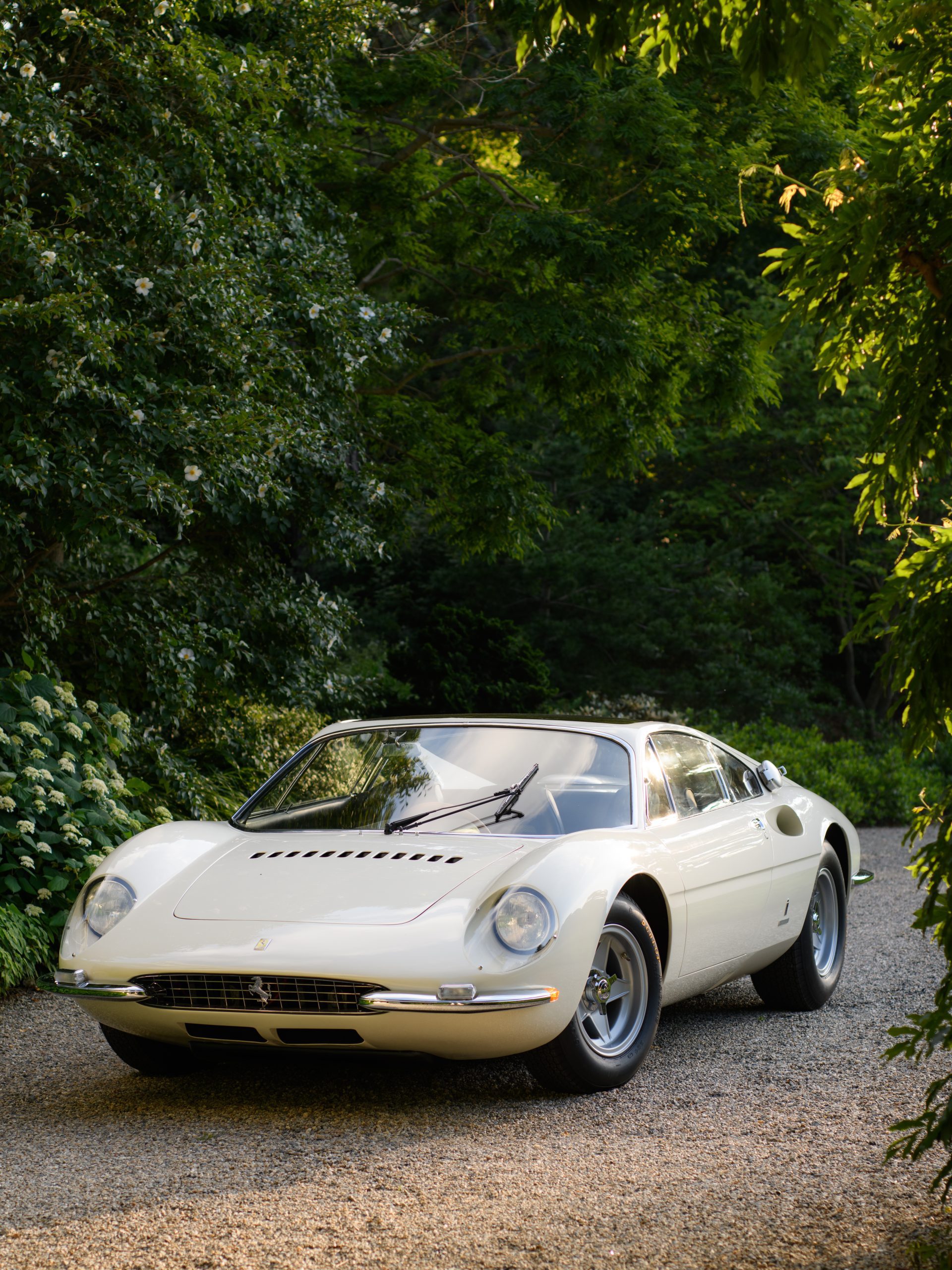
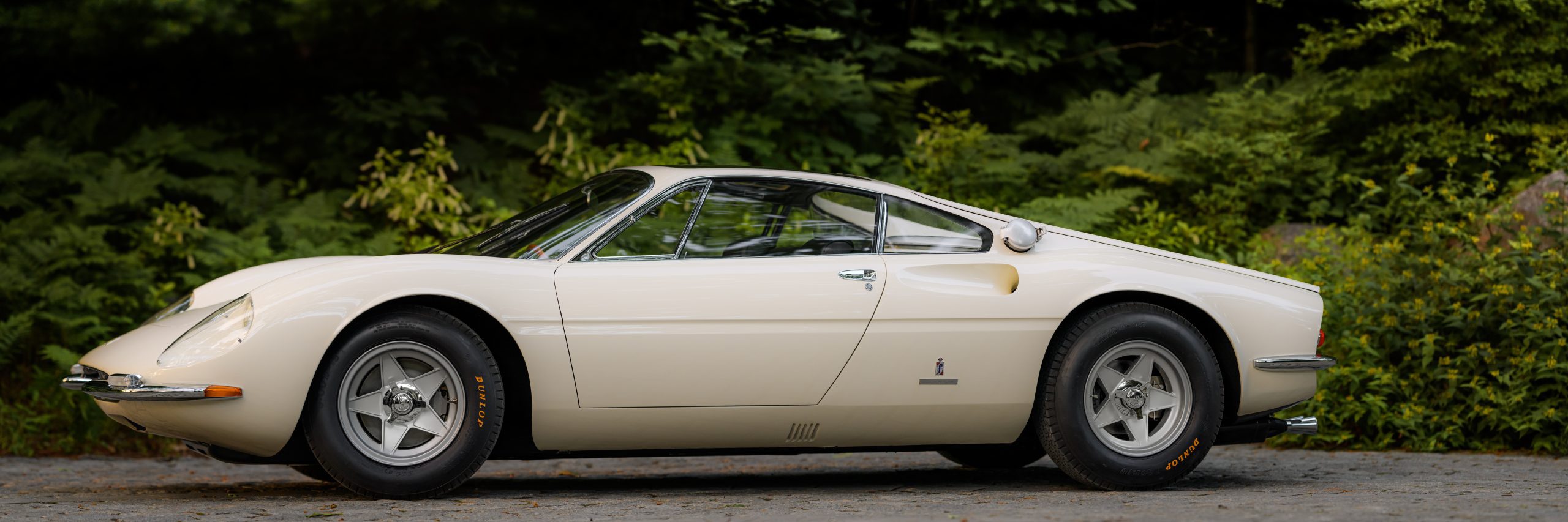
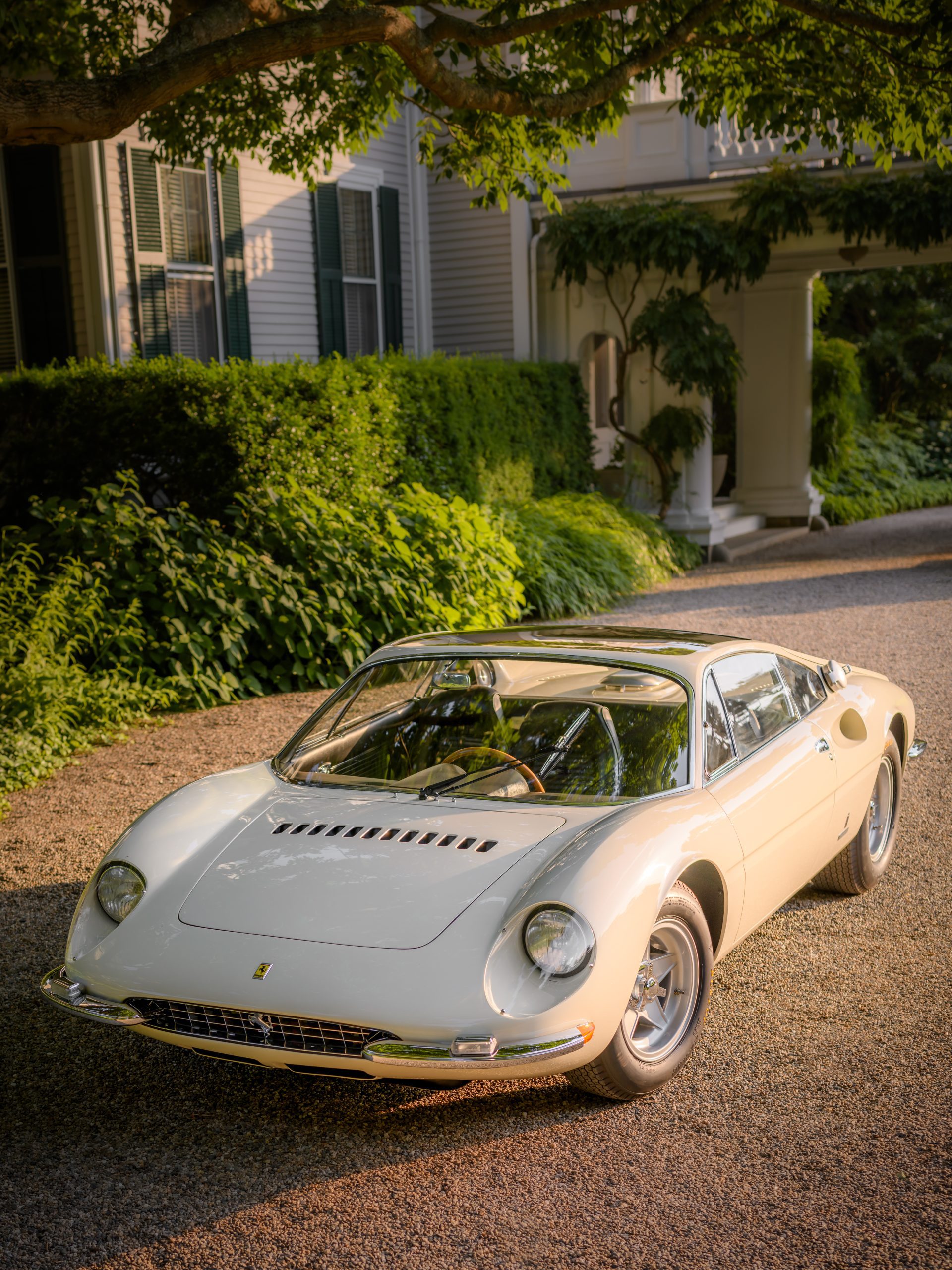
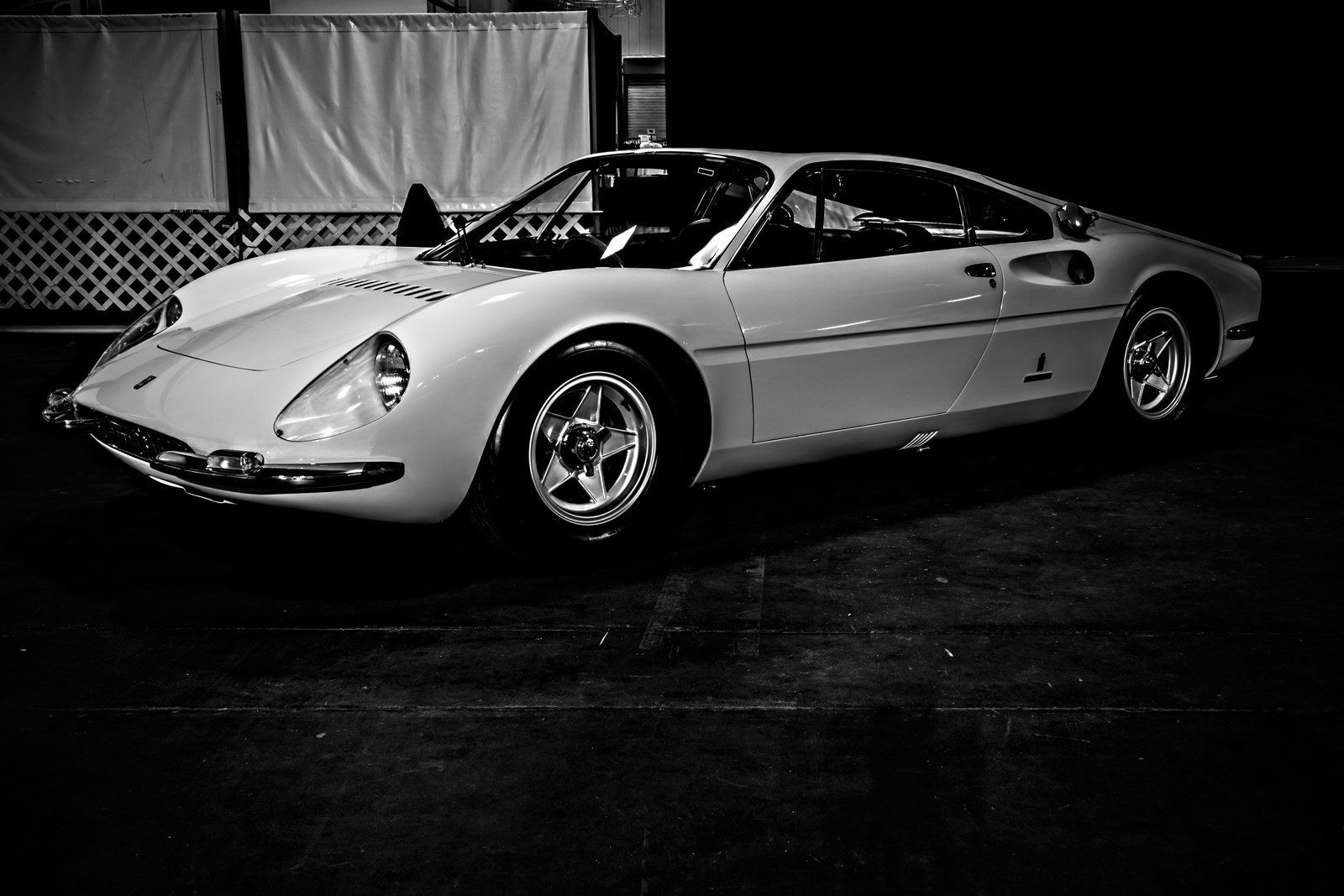
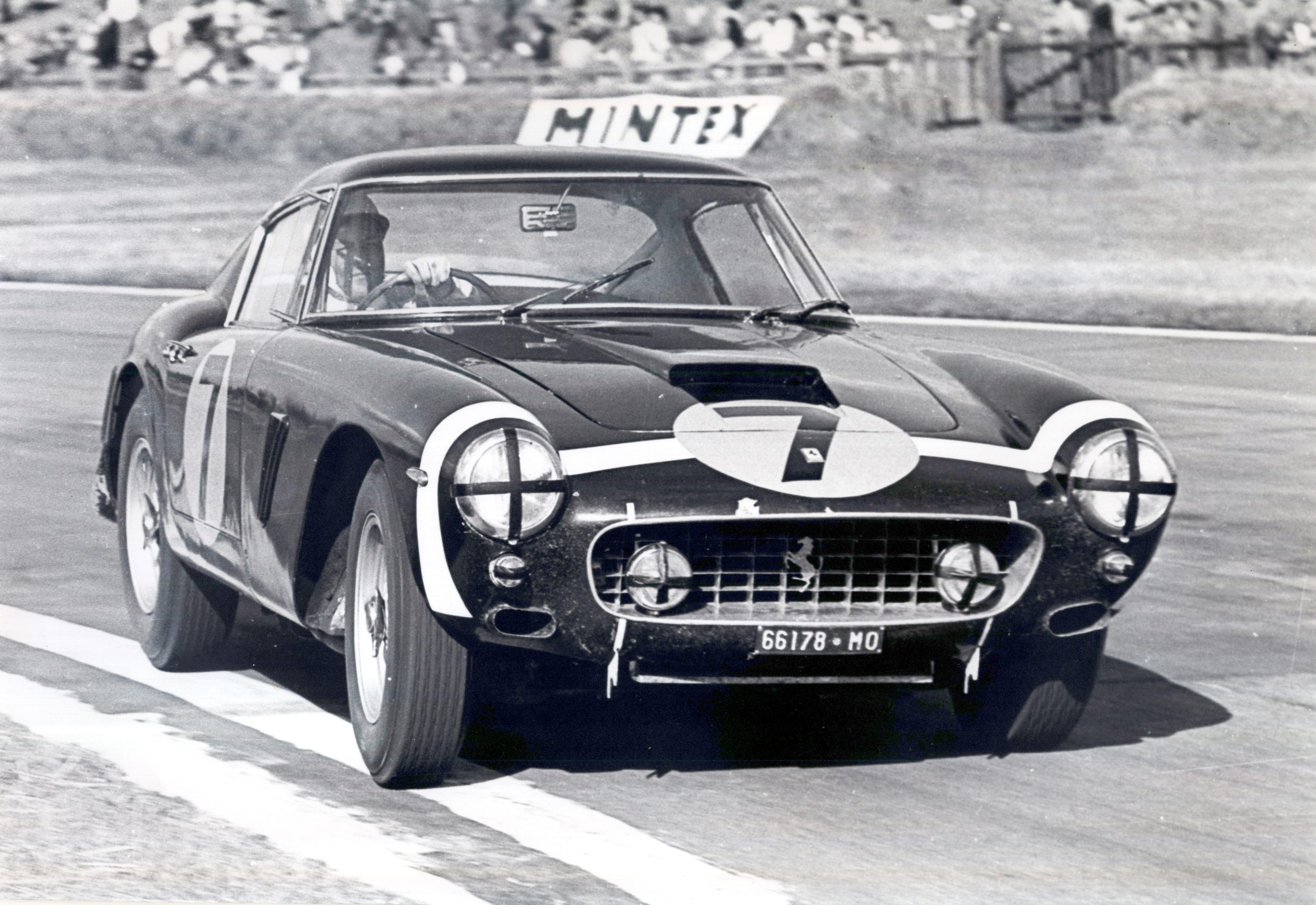
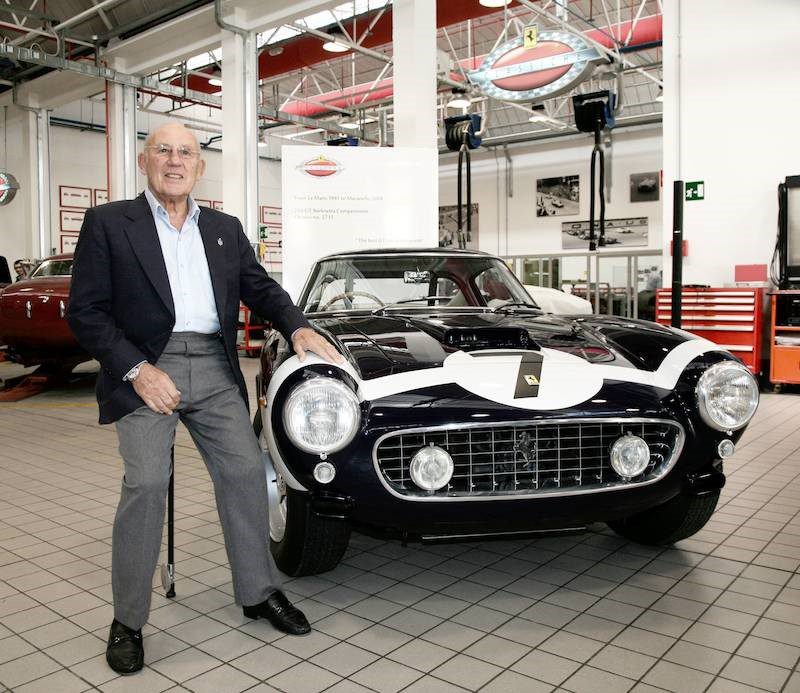
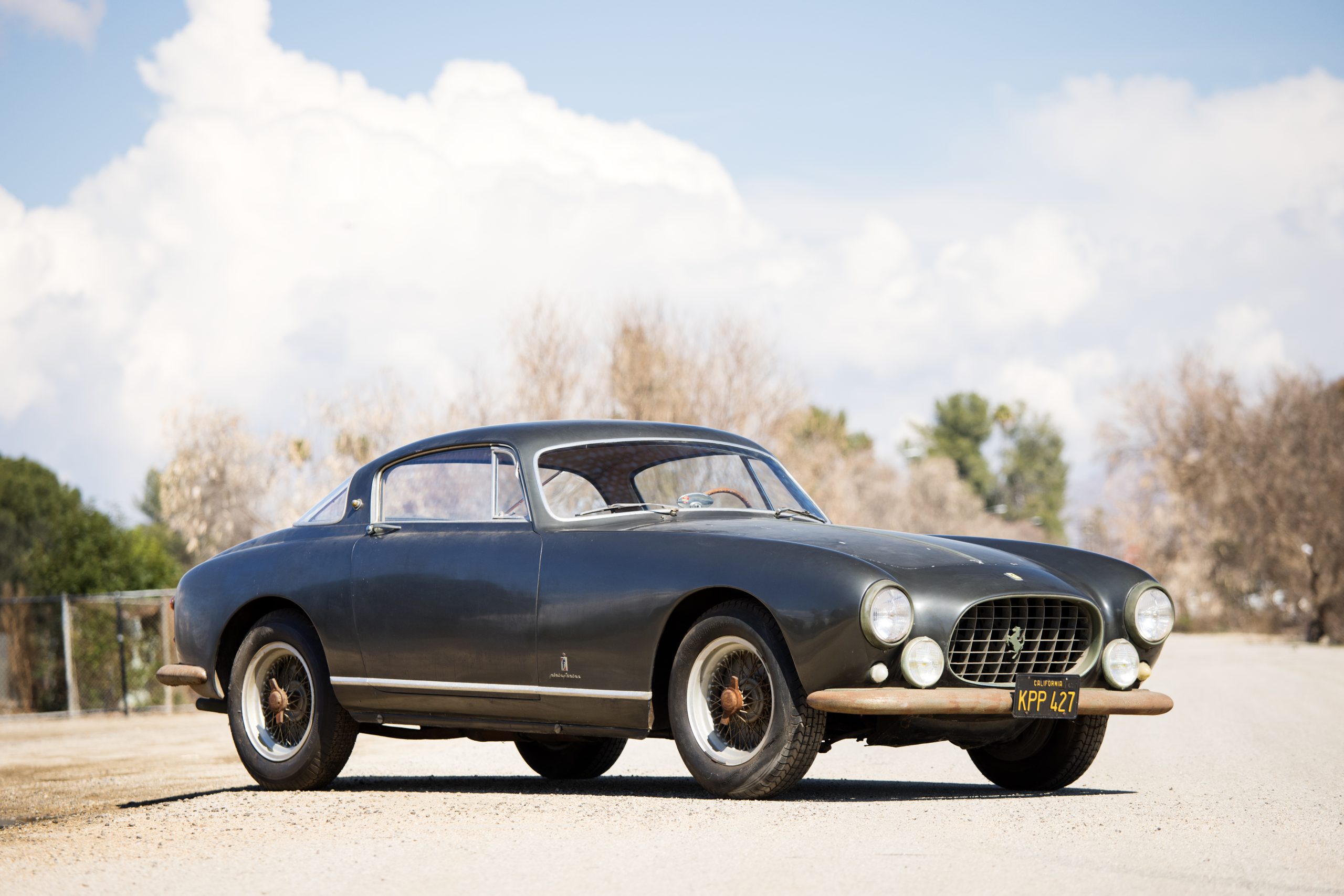
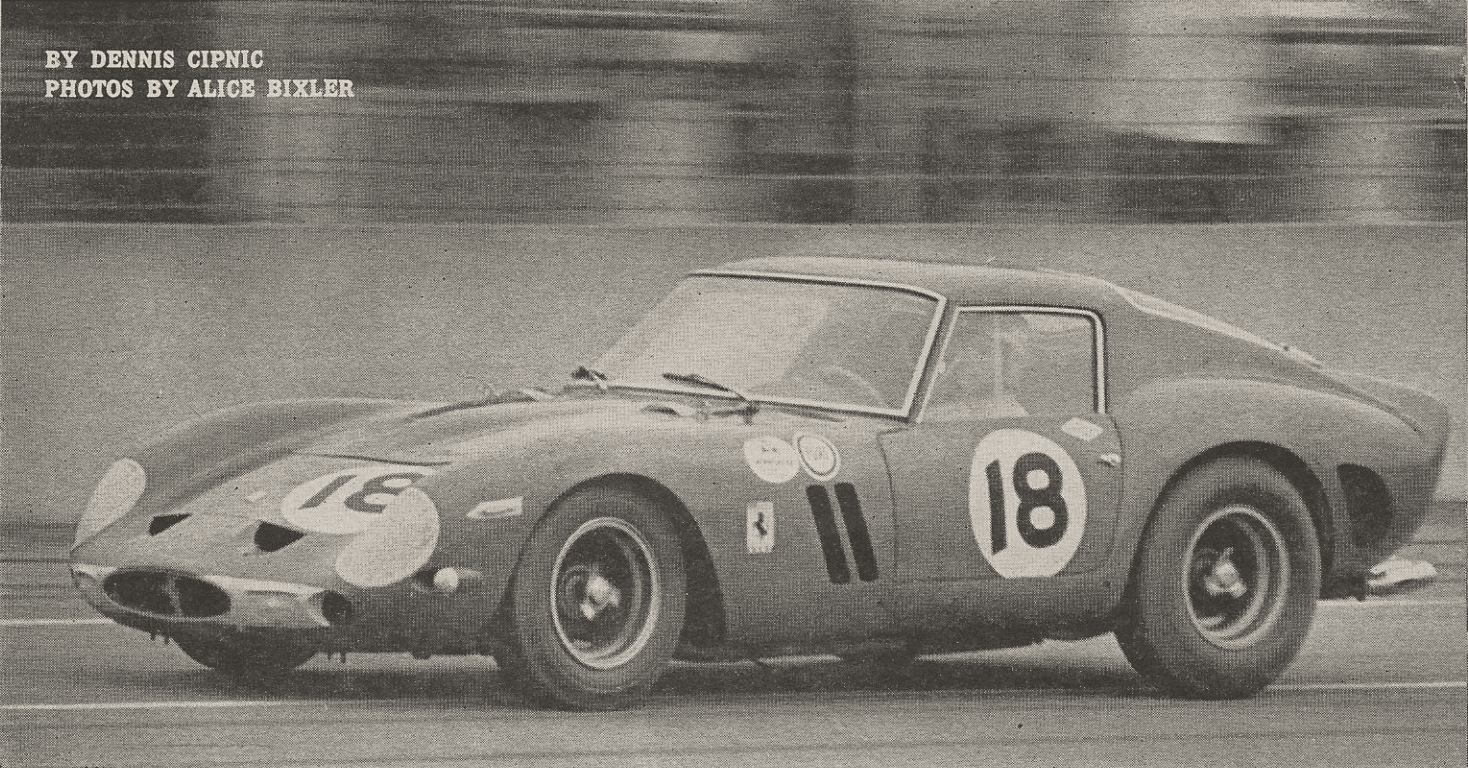
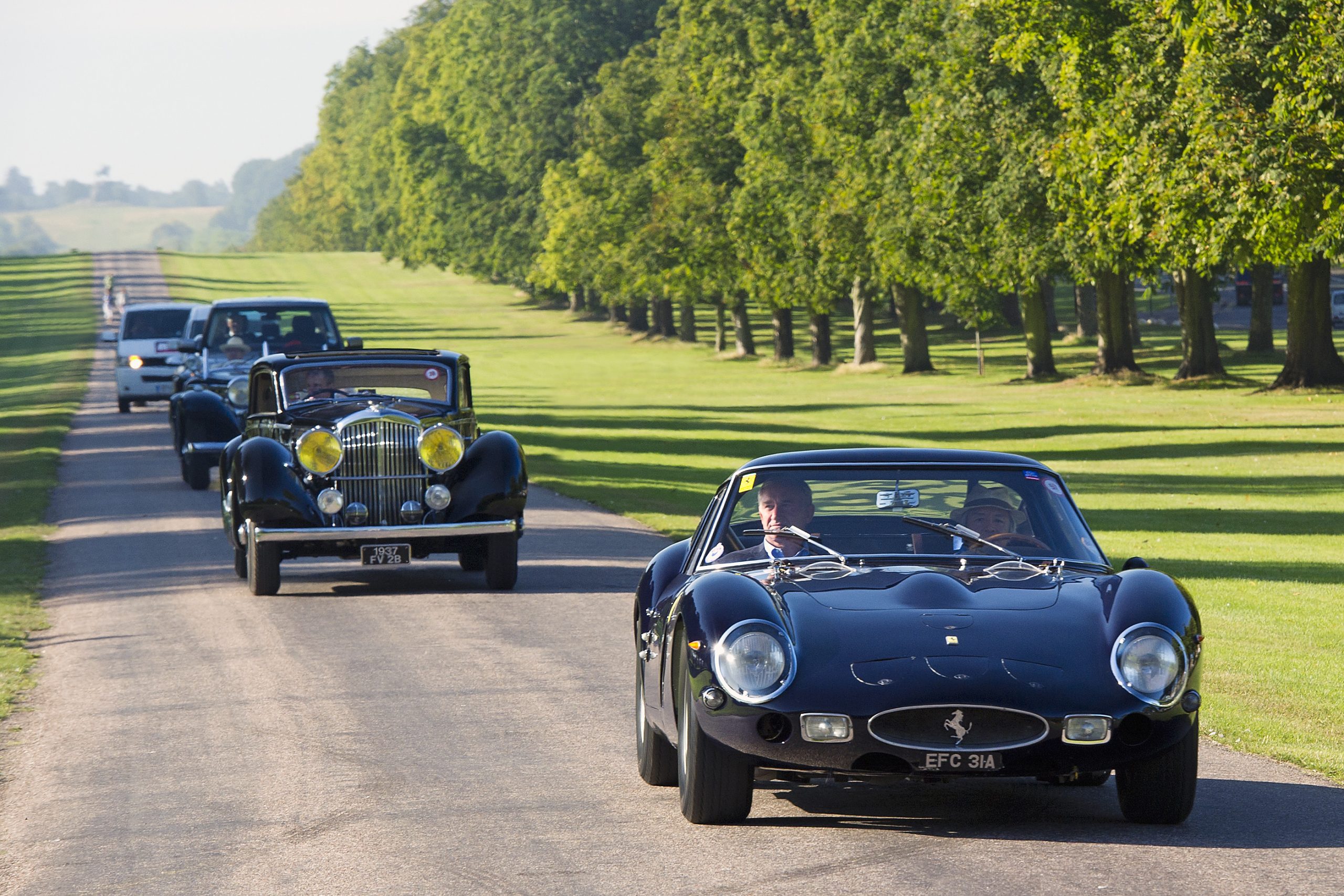
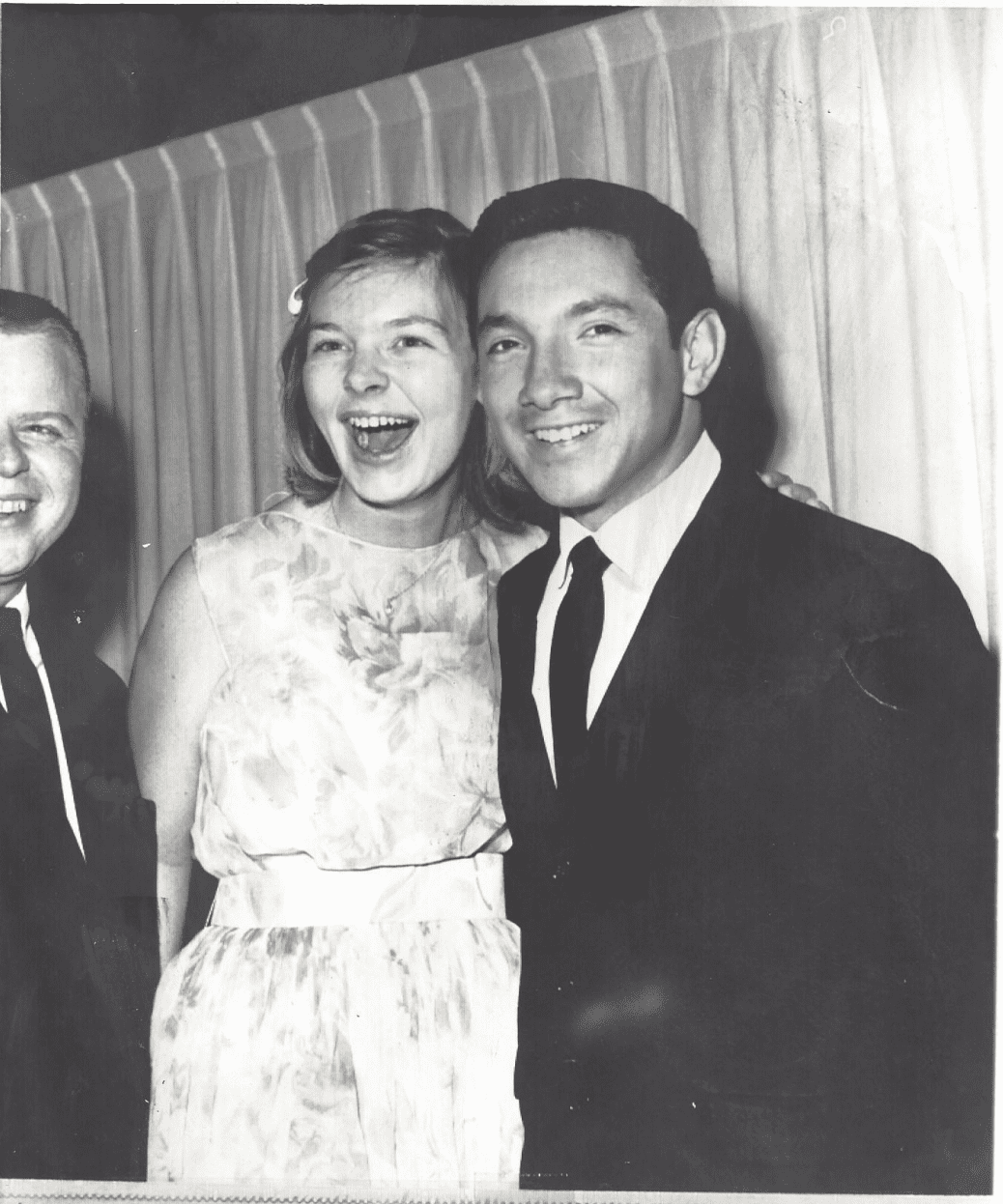
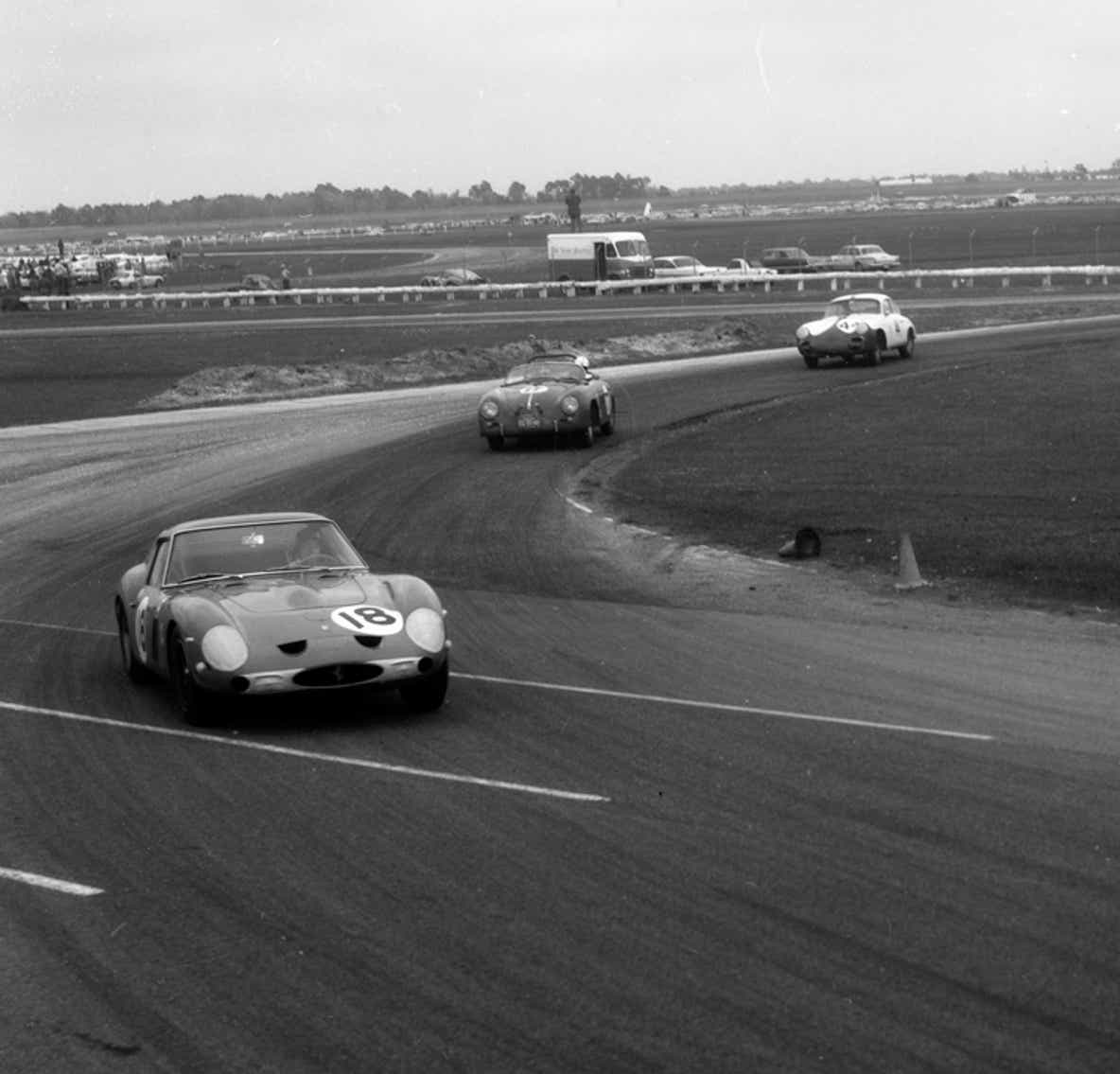
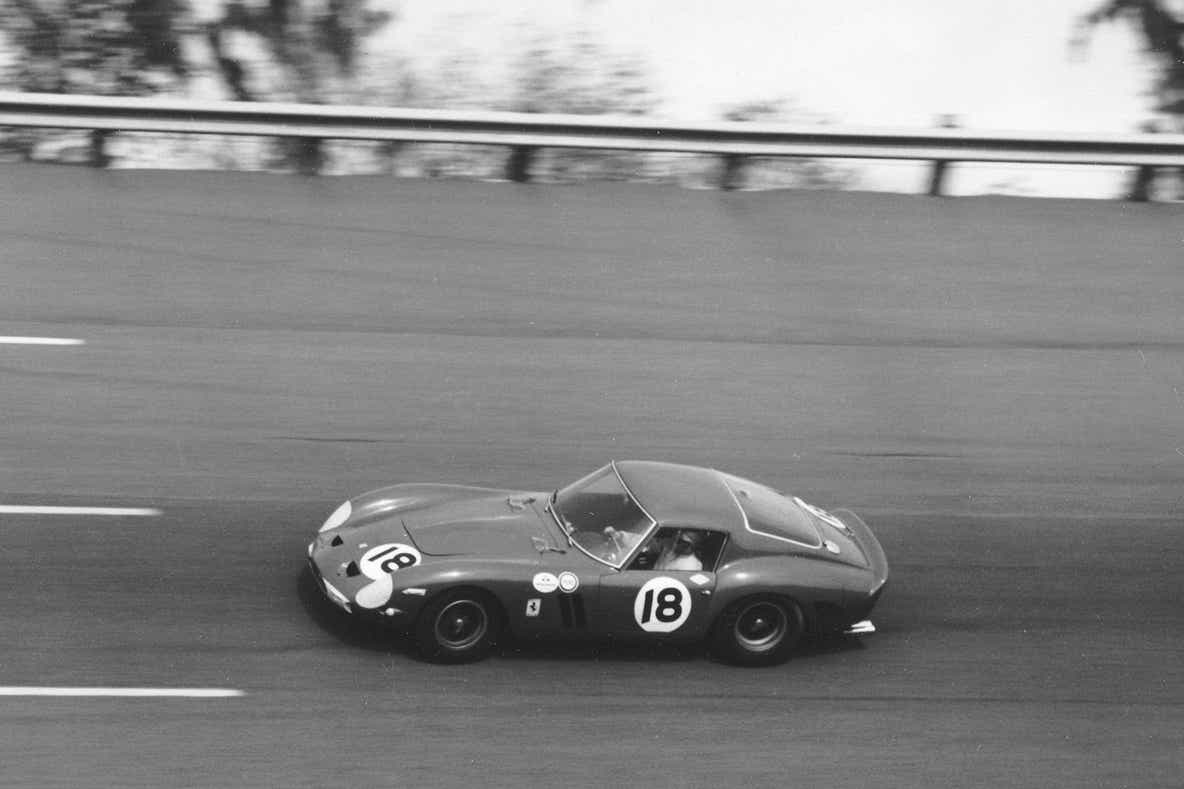
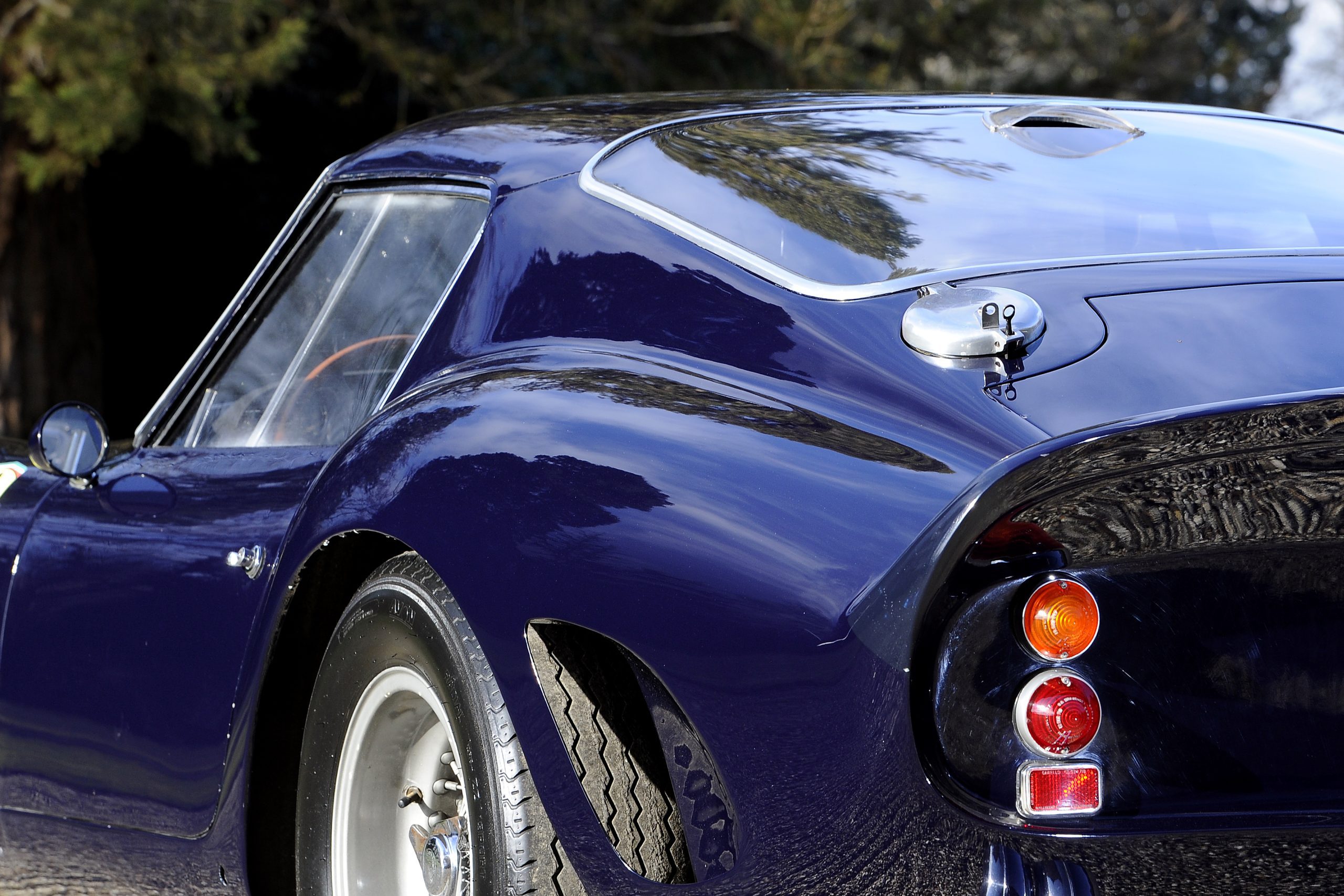
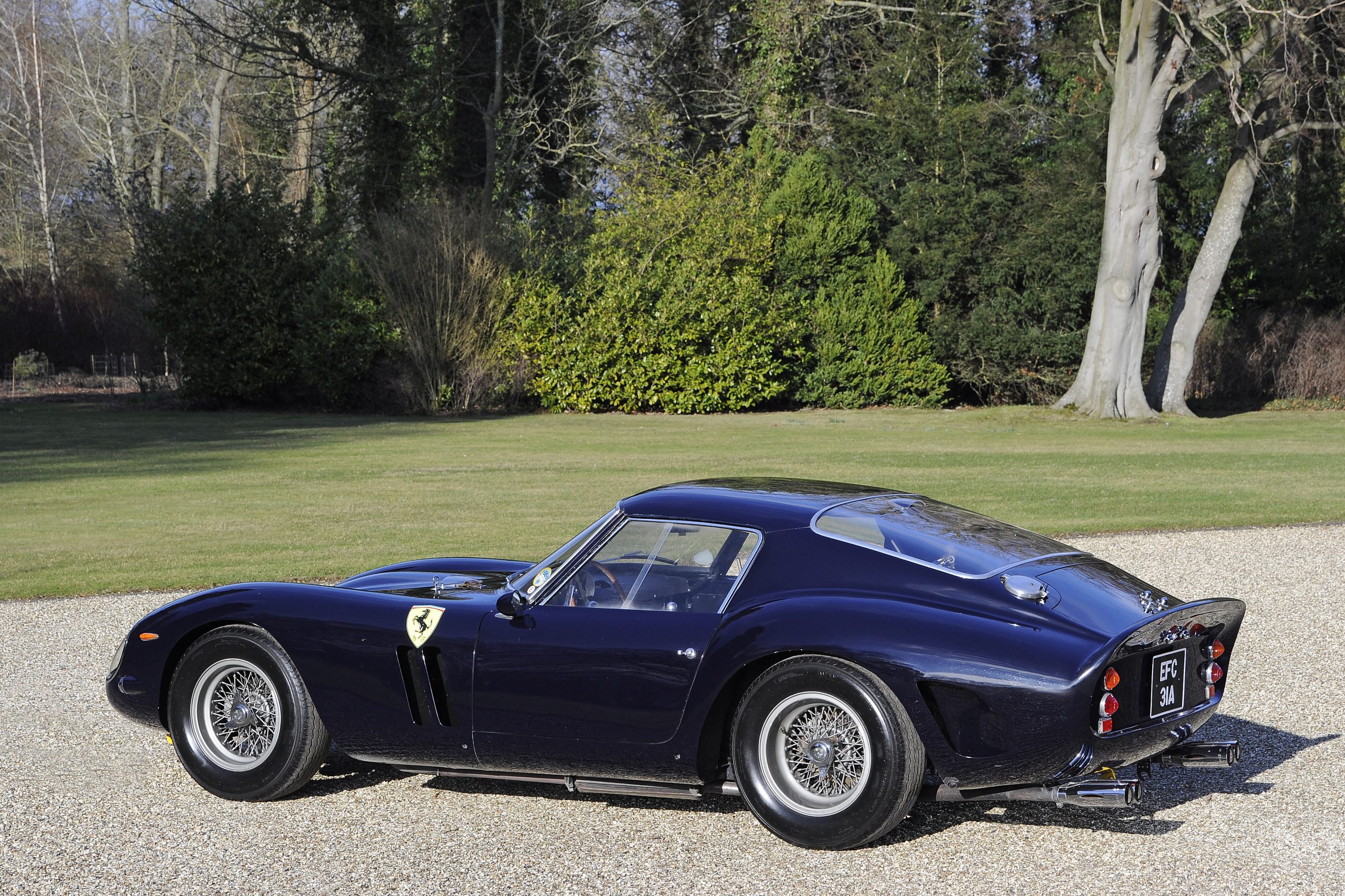
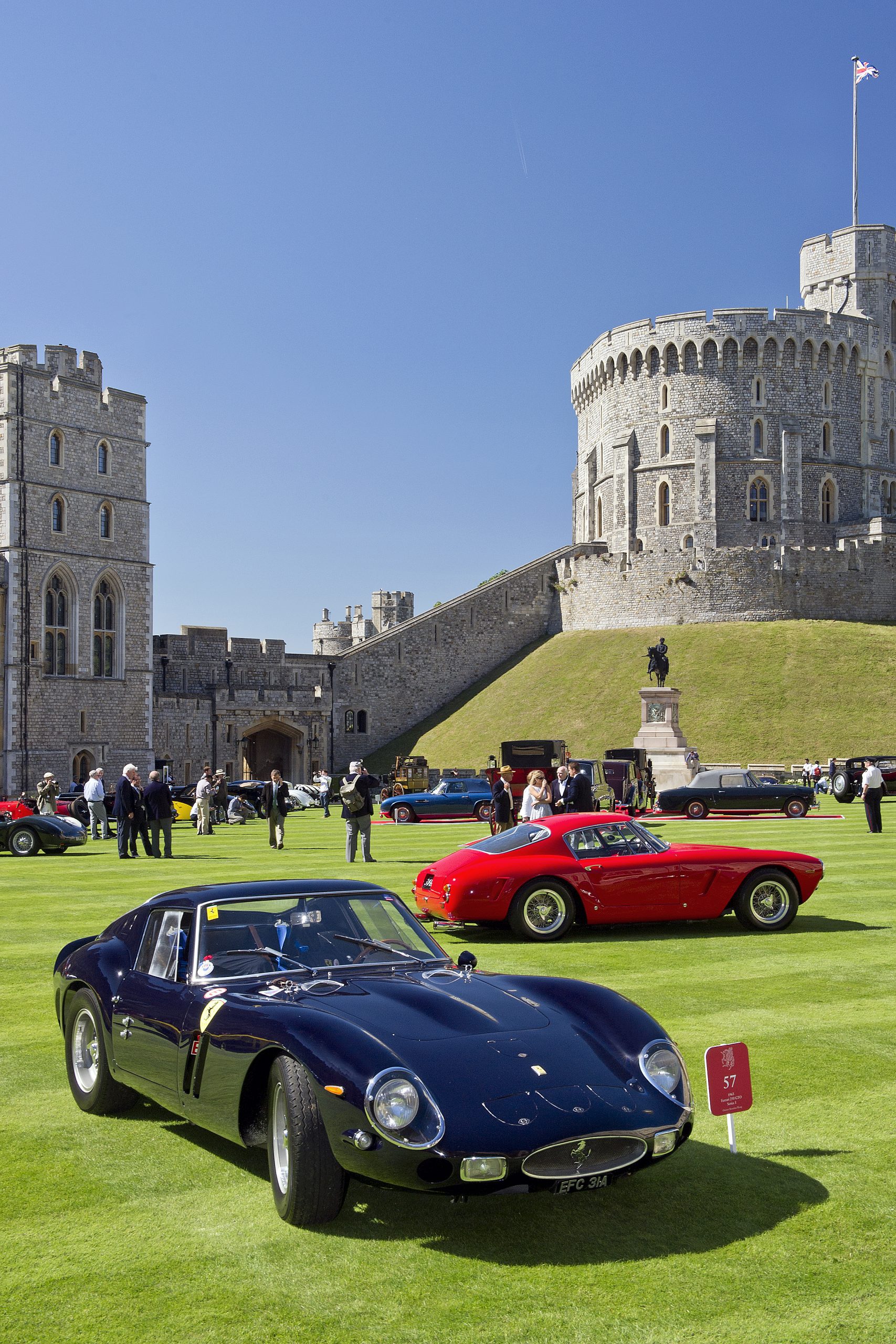

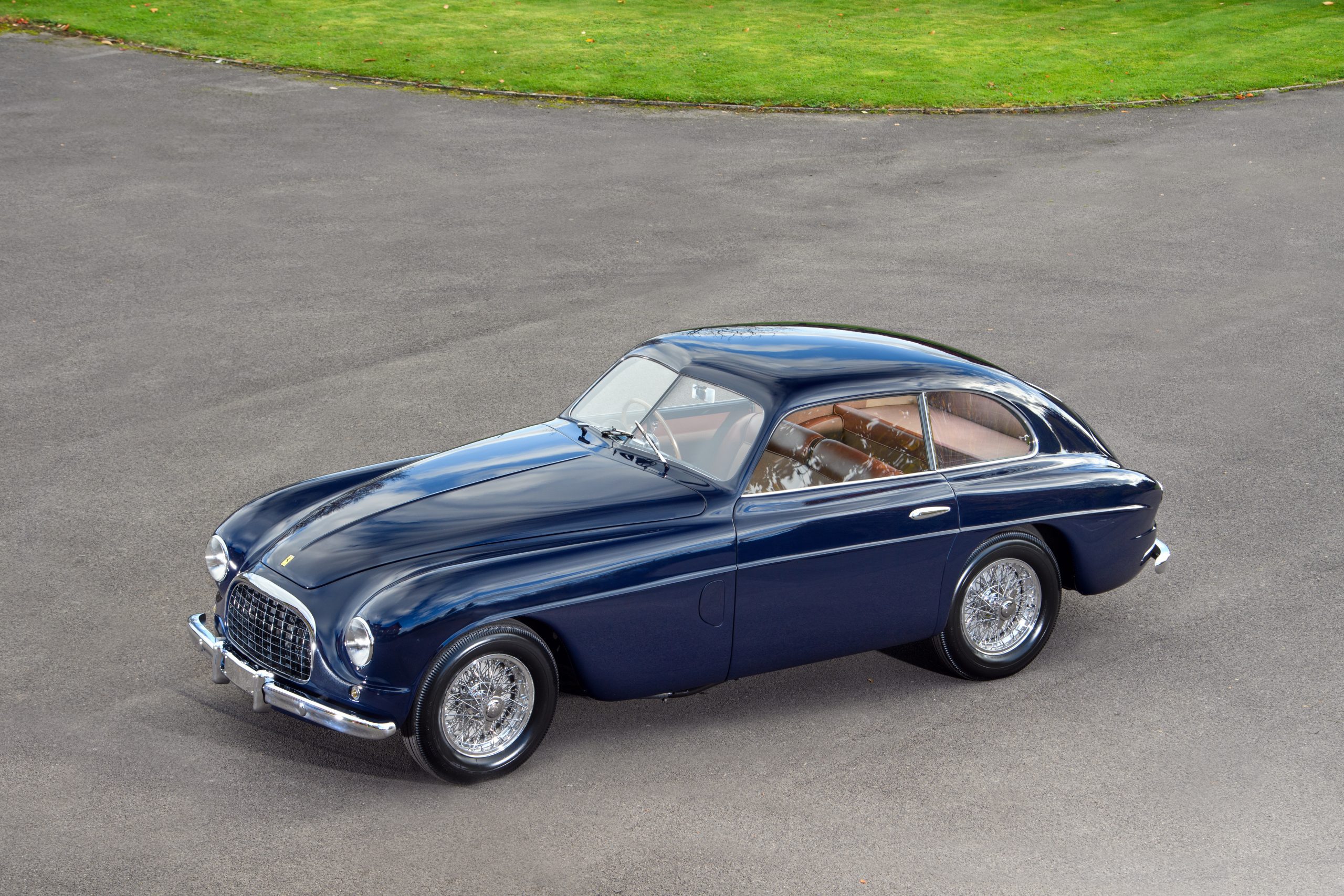
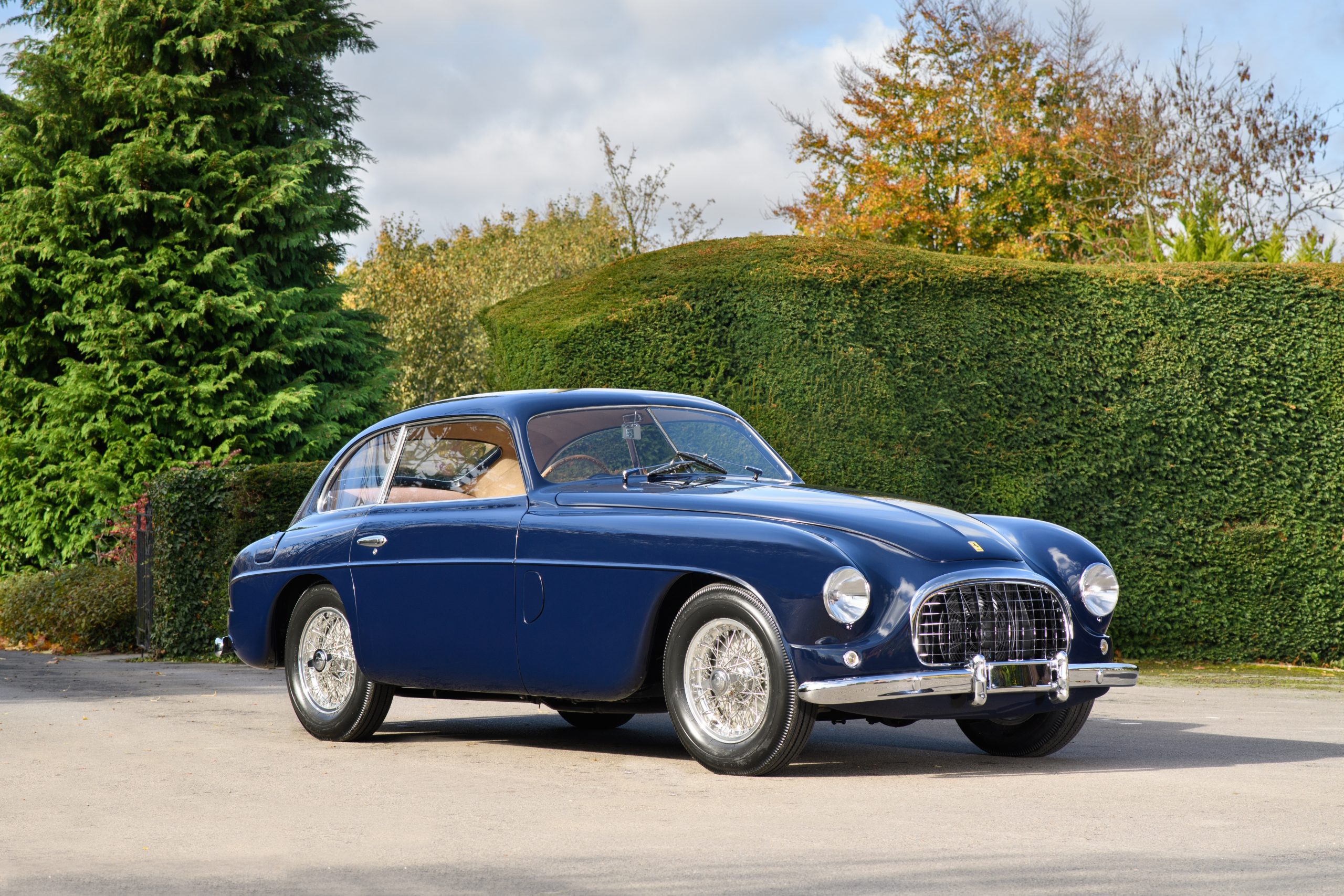
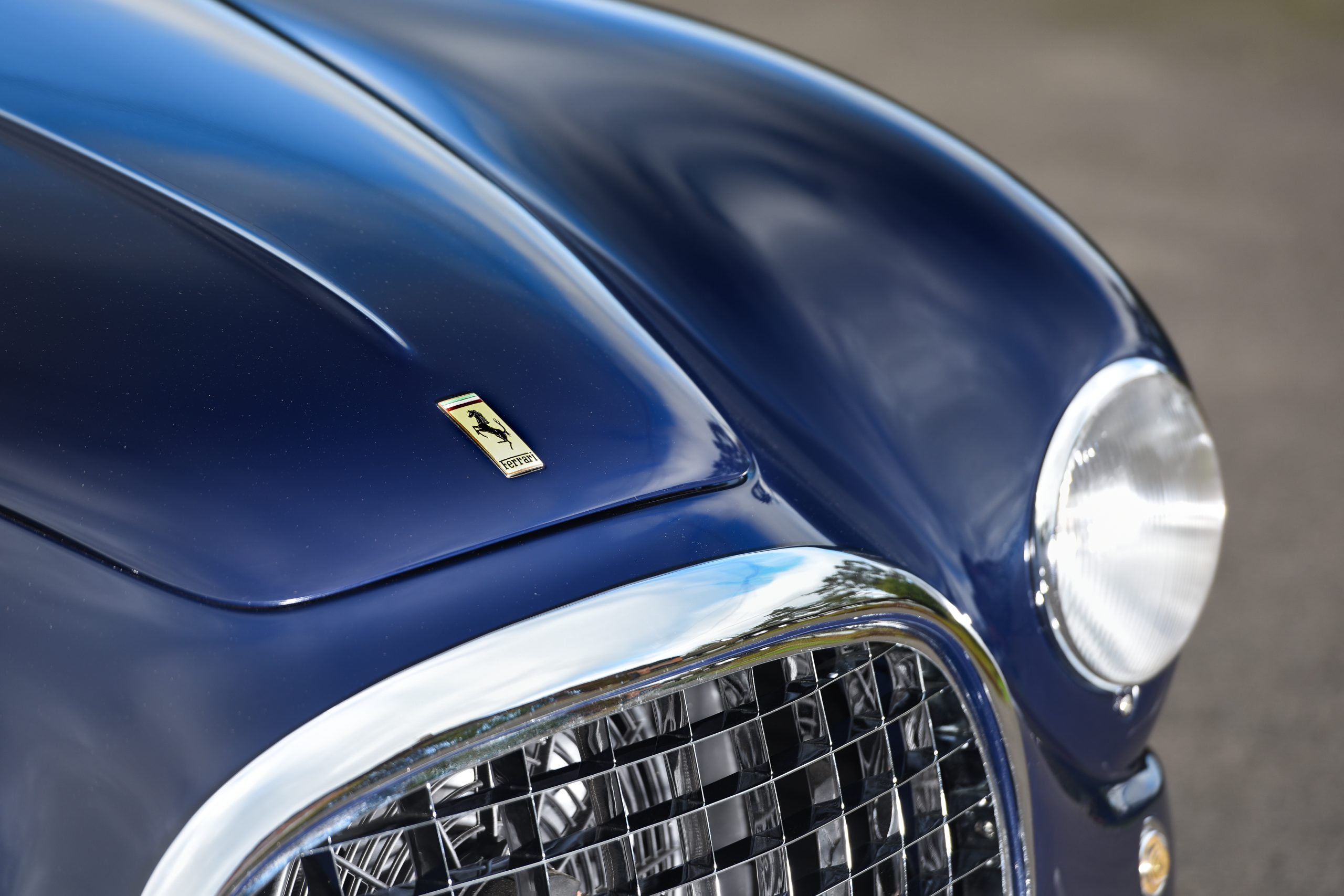
:max_bytes(150000):strip_icc()/TAL-lead-image-NCCRYSTALCOAST0425-977684a0f056475196398e3ebe1051a1.jpg "Crystal Coast, North Carolina, Is 85 Miles of Quaint Small Towns and White-sand Beaches")
:max_bytes(150000):strip_icc():format(jpeg)/TAL-lead-image-NCCRYSTALCOAST0425-977684a0f056475196398e3ebe1051a1.jpg)