As spring turns to summer and travel picks up, one color is quietly becoming a standout in warm-weather wardrobes: chambray light blue. This soft, versatile shade is popping up everywhere, from my Instagram feed to my go-to retailers, offering the relaxed vibe of denim without the weight. It’s the ideal alternative to neutrals like beige and white, adding a touch of color that still pairs effortlessly with everything in your suitcase.
From relaxed linen pants perfect for long flights to breezy maxi dresses that go from sightseeing to seaside dinners, chambray is showing up in all the right pieces. I rounded up the best travel clothes in this trending hue from go-to brands like Amazon, Everlane, and Quince. Whether you’re heading abroad or planning a local weekend trip, these summer fashion picks are made for your next getaway. Keep scrolling for 12 stylish chambray travel outfits, starting at just $9.
Miessial Midi Dress
Amazon
With nautical-inspired stripes and a breezy silhouette, this chambray blue dress brings effortless style to any summer itinerary. The midi length, lightweight fabric, and built-in pockets make it ideal for strolling seaside towns, grabbing lunch in a coastal café, or heading to dinner alfresco. Style it with crochet heels and a matching bag for dressier evenings, or add sneakers and a denim jacket for sightseeing on cooler days.
Quince Poplin Smocked Midi Dress
Quince
This striped chambray dress brings a romantic, French countryside energy to any summer trip. The ruffled sleeves and tiered skirt offer volume and movement, while the smocked bodice ensures it stays comfortable all day. Wear it with sandals while wine tasting in Provence, or pair it with sneakers and a light jacket for a morning market stroll.
Everlane The Popover Dress in Linen
Everlane
This oversized linen dress feels like a summer weekend on the Cape—crisp, cool, and casually chic. The adjustable drawstring at the back lets you tailor the fit, while the 100 percent linen fabric is a game changer in hot, humid climates. Whether you’re browsing local markets in Mallorca or catching a ferry to Nantucket, pair it with espadrilles and a wide-brim hat for that polished-yet-unbothered look.
Anrabess Button-up T-shirt
Amazon
Every suitcase needs a versatile tee, and this one nails it with soft fabric, a flattering neckline, and subtle button details that elevate the look. Toss it on with white trousers for a polished plane outfit, or layer it over a swimsuit with shorts on a beach day. At under $10, it’s the kind of staple you’ll want in every color. One shopper said it’s “buttery soft” and that the quality “exceeded [their] expectations.” So, it’s quite a steal at $9.
Zesica Smocked Midi Dress
Amazon
This dress was made for sun-drenched escapes. The smocked bodice offers comfort without sacrificing style, while the chambray blue with white trim feels straight out of a postcard. Dress it up for an outdoor dinner in the French Riviera, wear it with sneakers for a walking tour in Rome, or throw it over your swimsuit for a poolside lunch in the Hamptons.
Everlane The Drawstring Linen Boxer Shorts
Everlane
Lightweight, breathable, and effortlessly cool, these linen shorts are your go-to for everything from lounging at the hotel to exploring a new city in 90-degree heat. The relaxed fit and adjustable waistband add comfort for long travel days, while the chambray hue pairs well with everything from white button-downs to graphic tees.
Simplee Mini Dress
Amazon
Flirty, flattering, and easy to pack, this puff-sleeve mini dress is a standout pick for rooftop cocktails or a breezy brunch. The smocked waist and airy sleeves give it structure without being stiff, while the chambray blue tone is incredibly on-trend. One reviewer even compared it to the coveted Anthropologie Somerset Dress—but at a fraction of the price.
Grecerelle Maxi Dress
Amazon
If easy, breezy style is the goal, this maxi delivers. The relaxed fit, soft fabric, and flattering side slit make it perfect for long-haul flights, sunset walks along the boardwalk, or impromptu beach dinners. Reviewers even say it resists wrinkles, making it a reliable pick to toss in your suitcase without stress. Plus, according to a shopper, “The pockets are a bonus and it lays flat and does not add bulk while packing.”
Everlane The Slim Air T-shirt
Everlane
When you need a break from your go-to white tee, this soft, dusty blue version offers an equally timeless alternative. Lightweight and breathable, it’s ideal for plane rides, travel days, or layering under a linen blazer for a casual dinner. Style it with everything from joggers to skirts—it’s as versatile as it is flattering.
Everlane Linen Mini Skirt
Everlane
This stretch-linen mini skirt is the kind of piece that works for both city breaks and coastal getaways. It’s fully lined (so you don’t have to worry about sheerness), and the tailored fit and sleek pockets offer a polished edge. Wear it with a tucked-in tee for exploring art galleries or a bodysuit and sandals for a casual dinner by the water.
Iswee Leather Tote Bucket Bag
Amazon
Equal parts stylish and functional, this leather bucket bag in chambray blue is roomy enough for travel essentials but sleek enough to carry on a night out, too. Use it as your personal item on a flight—it fits a Kindle, snacks, and your travel wallet—or wear it crossbody while sightseeing. The magnetic snap closure and interior pockets keep everything secure on the go.
Old Navy High-waisted Linen-blend Ankle Pants
Old Navy
These ankle-length linen-blend joggers are a practical dream for travelers. They’re light enough to keep you cool in tropical heat, yet structured enough for breezy flights and train rides. Style them with a simple tank for a casual day out, or add a blazer and ballet flats for a more polished airport look. One reviewer called these the “perfect summer pants,” while another mentioned, “I live in Florida, so the fabric is perfect for our nice warm summers.” Priced at just $30, these pants are a no-brainer.
Held once a year on the beautiful Monterey Peninsula, “Holy Week,” as referred to by some, gives car enthusiasts the world over a central meeting place to indulge, dream and participate in world-renowned car events. One of my favorite gatherings from this “automotive montage” is the Monterey Pre-Reunion at Weathertech Raceway, Laguna Seca.
Held one week before the big Rolex Monterey Motorsports Reunion (aka Rolex Reunion), it’s the best-kept secret for vintage race enthusiasts. Forget crowds, traffic, and having to park in some distant field. Instead, embrace two days of excellent vintage racing where it’s easy to walk around, inspect cars in the paddock and choose your favorite viewing spot at the Corkscrew.
This year’s tribute for the Rolex Monterey Motorsports Reunion is the 100th anniversary of the 24 Hours of Le Mans. For sports car racers worldwide, the sound of those two words “Le Mans” conjures up myriad thoughts; endurance, glory, heartache, danger, and prestige, to identify a few.
The world’s oldest active endurance racing event still takes place in part on public roads, just as it did back in 1923, and has become part of motorsport’s triple crown, joining the Indy 500 and Monaco Grand Prix.
For the first time, the Rolex Reunion honors this endurance juggernaut by presenting a collection of significant Le Mans racers, many of which were overall winners.
While the Le Mans Legends Heritage Display was not ready yet during the Pre Reunion weekend, it is sure to amaze as it will be the most extensive collection of Le Mans cars ever assembled in America. Overall Le Mans winners to be displayed include:
On track during the Pre Reunion, there was no shortage of historic cars to honor the Le Mans 24 centennial. Two distinct run groups were formed to honor the Le Mans celebration; Group 5 for 1956 to 1971 cars and Group 6 for 1972 to 1982 cars. Starting with Group 5, my favorite has to be the 1971 Porsche 908/3 driven by hot-shoe Gunnar Jeannette.
Perfect for the relatively short Laguna Seca course, Gunnar obliterated the field during Saturday’s practice. Other highlights include a 1973 Ferrari 365 GTB4 “Daytona” currently raced by Chip Connor but originally ran in the 1974 Le Mans 24, a 1965 Ford GT40 with Robert Kauffman behind the wheel, and a 1961 Ferrari 250 GT that the factory tested at Le Mans that same year; where does one stop?
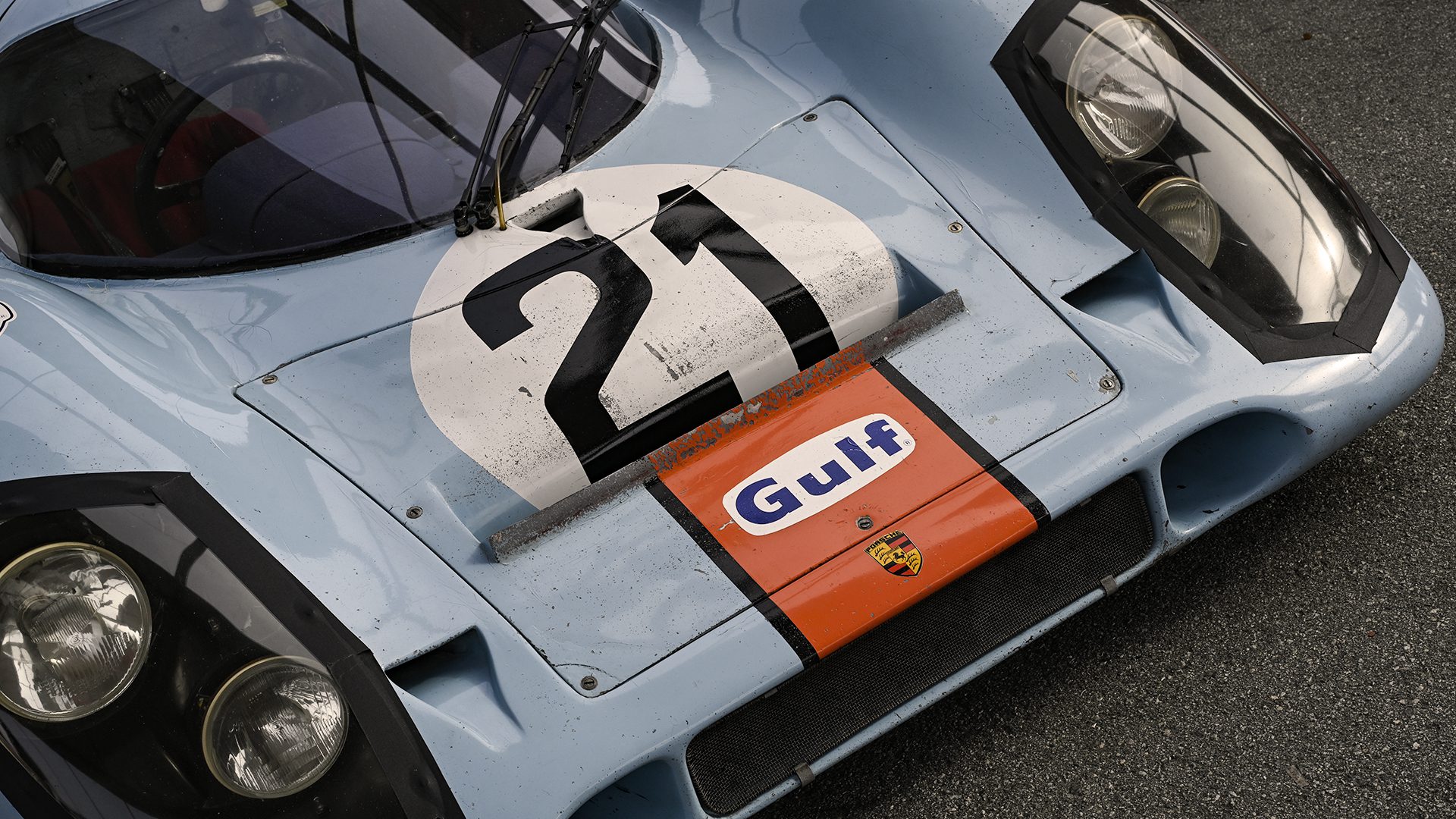
Regarding Group 6 for Le Mans Cars from 1972 to 1982, it might be wise first to look at the 1970s and 1980s as a whole; in a word, PORSCHE. From the all-conquering 12-cylinder 917 to the open cockpit 936, followed by the 911 based 935, and finally, the 956/962 turbos, Porsche won the 24 hours of Le Mans 12 times during those two decades. Hence, it’s no surprise that this 1970s run group has a lot of Porsches.
Being a young teen during the 1980s watching IMSA races at Laguna Seca, there was something so alluring about the black Interscope Porsches piloted by Danny Ongais and Ted Field. Hence it’s no surprise I was in heaven watching Patrick Long pilot the ex-Interscope Porsche 934.5 while its owner Tim Pappas drove the ex-Interscope Porsche 935 (placing 3rd in both races on Sunday). Get ready for both drivers to turn up the boost during the big Rolex Reunion.
Several other racing groups returned from last year’s Rolex Reunion. Most recognizable for many fans are the “American Iron” Trans-Am cars, comprised mostly of 1960’s Ford Mustangs and Chevrolet Camaros. Throw in a few other outcasts like an AMC Javelin and a Pontiac GTO, and you can’t deny that this is one of the most entertaining groups to watch.
Nelson Calle from West Palm Beach, FL, took home the 1st place honors in both races on Sunday, proving his 1968 Chevy Camaro was the undisputable Top Dog. While the morning’s Race 1 saw John Hildebrand (1964 Pontiac) and Jim Hague (1972 AMC) take second and third, respectively, the afternoon’s Race 2 would see 2nd and 3rd earned by Ken Adams in his 1969 Ford Boss 302 Mustang, and Chip Fudge in his 1970 Camaro. Good stuff all around, and don’t forget to bring your earplugs!
The intricately engineered Formula 1 cars built in Europe and the UK are on the opposite end of the scale. To keep costs manageable and racing close, most of these cars are powered by a Ford Cosworth V8, the mainstay powerplant in F1 racing during the 1970s. Chassis manufacturers varied widely from March, Lotus, Arrows, Williams, and Brabham.
Forget traction control and carbon ceramic brakes; this is F1 racing from the glorious 1970s and early 1980s, where the driver’s skill (and courage) mattered more than ever. Both Race 1 and 2 on Sunday were won by Bud Moeller behind the wheel of his 1982 Williams FW08 and Wade Carter earning second (1982 Arrows A-4). Third place in Race 1 went to Ed Nigro in a 1961 Lotus 20. In Race 2, 3rd went to Steve Romak with his 1985 Tyrrell 12 3.
Regardless of which run group is your favorite, everyone agrees that the sights, sounds, and smells of Cosworth-powered F1 cars are something you must experience to appreciate.
As to the history of the “Pre Reunion,” I went straight to the man who built modern vintage racing in America, Steve Earle. He graciously took the time to explain how the first Pre-Reunion was a “media day” held on the preceding Wednesday to what was then called the Historics (that he founded in 1974).
Local newspapers and television stations from Monterey to San Francisco were invited to film a makeshift group of entrants who would volunteer to lap the then 1.9-mile track. This filming gave the media enough time to edit and produce promotional spots on TV to promote the weekend’s racing.
As the Historics grew, Steve realized many participants came from afar and didn’t have much experience (if any) at Laguna Seca Raceway. Seeing an opportunity for drivers to become comfortable with the course, Steve established the first “Pre Historics” weekend in 1987. The media could still use this private event to capture their promotional material, and drivers now had an entire weekend to sort out their cars and learn the track.
As Steve commented, the anxiety levels were much lower during the Pre Historics, which helped promote camaraderie among the drivers, a top priority for Steve.
Fast forward to 2022, and while TV stations and newspapers are no longer developing film for promotional spots, the Monterey Pre Reunion still fulfills its purpose for both the media, drivers, and fans alike.
As for what happened to event founder Steve Earle, he currently works with The Velocity Invitational, a world-class vintage racing event in October at Weathertech Raceway, and continues to embrace the mantra “Cars belong on the track, not the lawn.” Hope to see you next year at Monterey’s best-kept secret.
During the prestigious “Pebble Beach Concours d’Elegance”, Maserati definitely showed up and delivered. They started the weekend with the North American debut of the new open-top version of the MC20 super sports car, the MC20 Cielo.
The weekend continued with activities which was held at the exclusive “House of Maserati” at Pebble Beach. It all leads up to Maserati showcasing their latest addition to the “Pebble Beach Concours d’Elegance”.
On Friday, Maserati Chief Executive Officer Davide Grasso, CEO of Maserati Americas Bill Peffer, and Head of Maserati Design Klaus Busse was at “The Quail, A Motorsports Gathering” to introduce the MC20 Cielo. The convertible version of the 630-hp vehicle was undoubtedly the star of the show. Thousands of fans gathered under the clear California sky to admire and view the new car. The Quail also displayed the new Grecale Trofeo performance SUV as well as the MC20 Coupe super sports car.
Close by, they also set up the elegant “House of Maserati” to be able to show a suitably luxurious representation of the style of the Trident brand as they offer its Italian ‘La Dolce Vita’ hospitality, along with the chance to experience the audio performance of the prestigious sound system from one of their partners, Sonus faber. Designed to give their guests a unique experience, the “House of Maserati” features some of the aspects of the brand’s DNA: design, comfort, elegance, and style.
At the main event in the “Pebble Beach Concours d’Elegance” on Sunday, the MC20 Cielo grabbed the attention of the guests on the Concept Lawn. For the first time in North America, these guests were able to have a closer look of the innovative car which can deliver the performance of a super sports car as well as an immersive driving pleasure that has never been done before.
Nayara is known for its jungle-immersed boutique hotels in nearby Costa Rica, but with overwater bungalows at their Bocas del Toro property, this one might be the best of the bunch.
Isla Bastimentos National Marine Park is known as the “Galápagos Islands of the Caribbean,” with its protected beaches and waters brimming with marine life.
Award-winning Receta Michilá marries fresh local ingredients with Indigenous inspiration for an elevated culinary experience unique to the region.
Visit Islas Zapatillas for untouched white-sand beaches and breathtaking natural beauty above and below the waves.
Water taxis are more than just the best way to get around in Bocas del Toro—they’re an affordable adventure for travelers looking to island-hop across the archipelago.
Think of a close-to-home tropical paradise, and perhaps Costa Rica comes to mind, or even a Caribbean island destination like Jamaica with its tangle of clear rivers and dense jungles. But Panama? In-the-know travelers still know to speak in whispers about its spray of untouched islands that some consider to be the best-kept secret in the Caribbean: Bocas del Toro.
“Bocas del Toro isn’t your average Caribbean escape,” says Ariel Barrionuevo of La Coralina Island House, located on the archipelago’s main island of Isla Colón. “It’s where the rainforest spills into the sea, Afro-Caribbean rhythms meet Indigenous wisdom, and even luxury feels low-key and rooted in place. What sets it apart isn’t just its natural beauty, it’s the feeling you get when you arrive: that you’ve stumbled on something raw, real, and still evolving.”
Relatively remote, Bocas del Toro feels worlds away from other busy, built-up Caribbean islands. It’s very much a destination for eco-minded escape artists looking to unplug and unwind. However, an increasing number of luxury hotels, like Nayara Bocas del Toro with its collection of Balinese-inspired overwater villas, point to a future for Bocas del Toro that seems a little less secret.
Best Hotels & Resorts
Nayara Bocas del Toro in Panama.
Courtesy of Nayara Bocas del Toro Treehouses
Nayara Bocas del Toro
Why fly all the way to the Maldives when you could live out your overwater villa dreams at Nayara Bocas del Toro? This sustainability-minded property emerges from the jungle to reveal a collection of 16 luxurious overwater bungalows, each featuring a private plunge pool and outdoor deck complete with a fire pit. Should you ever want to leave (why would you?), each villa has its own designated captain and boat on call for excursions like snorkeling and beach-hopping around the archipelago. The property is a destination so special, we named it one of the most beautiful places in the Caribbean.
La Coralina Island House
Nestled between rainforest and gentle ocean waves on a secluded corner of Isla Colón, La Coralina Island House is a luxury boutique hotel that teems with tranquility. Balinese inspiration abounds, from the property’s spa, wellness space, and yoga deck to its eight villas and 23 suites, each featuring private terraces with breathtaking island and ocean views. Open-air dining at the property’s restaurant and lounge highlights fresh Caribbean flavors just a stone’s throw from an infinity pool that seems to melt into the ocean.
Urraca Island Eco Resort
Hidden away in an untouched, undisturbed corner of the archipelago, Urraca Island Eco Resort lets visitors live out their own private island dreams in one of the region’s most affordable private island resorts. Just six colorful overwater bungalows are spread across tranquil turquoise waters, to be booked individually or bought out for the full private island experience. Urraca is just a short distance from bioluminescent bays and hidden coral reefs to explore—if you can peel yourself away from your room, that is.
Sweet Bocas
A private, family-run estate spread across 15 acres, Sweet Bocas welcomes just one group at a time for the ultimate secluded escape. The property boasts up to 13 bedrooms, seven of which are in a palatial overwater villa complete with every amenity, and the rest are spread between a sizable guest house and two private suites. The property also features a freshwater lake, sports courts, a boathouse, pool, outdoor cinema, and gym. The all-inclusive experience is complete with private chef-prepared, farm-to-table cuisine and access to the property’s 30-foot yacht for excursions around the islands.
Best Things to Do
A surfer catching a wave in Bocas del Toro.
John Crux Photography/Getty Images
Explore Isla Bastimentos National Marine Park.
The country’s first-ever marine park, Isla Bastimentos National Marine Park is one of Panama’s most important ecotourism destinations and the so-called “Galápagos Islands of the Caribbean.” “Seeing the fauna of Isla Bastimentos National Marine Park is one of the highlights of a trip to Bocas del Toro,” says Kourtney Lohn, founder of Ríe Retreats, a creative travel club that hosts intimate group travel experiences across Latin America and beyond. Marine species like nurse sharks, rays, lobsters, and sea turtles meander through the park’s protected waters and hide among reefs, which contain an astonishing 95 percent of all the coral species found in the Caribbean.
Try surfing.
Bocas del Toro is known as one of the best spots for surfing in the Caribbean. Surprised? The locals sure aren’t, with an increasing number of surfers finally catching on to the islands’ stellar swells. Book beginner-friendly classes and rent gear from local shops like Mono Loco Surf School, which can organize lessons at some of the area’s best surfing beaches, like Paunch Reef and Bluff Beach. Travel between December and March for the largest swells.
Go wreck-diving.
Even the most inexperienced snorkelers will find enchanting beauty beneath the waves in Bocas del Toro, but the scuba-certified can explore dozens of dive sites hidden among the archipelago, including a number of mysterious wrecks. La Buga leads dives to destinations like The Old Wreck and Isla Solarte’s Pandora Wreck, which also has massive coral formations located within close proximity.
Swim in bioluminescent waters.
Tucked along the shores in some of the bays near Isla Colón and Isla Bastimentos, plankton blooms generate a blue bioluminescent effect in the water that mirrors stars in the night sky. Kawa Voyage offers comprehensive excursions to paddle and swim through the glowing waters. Keep in mind that the effect is most visible on nights when there is little to no moon in the sky, so time your trip accordingly to experience the special midnight magic found in Bocas del Toro.
Visit a cacao farm.
Bocas del Toro’s beaches are beautiful, but the rich, often rugged interior of its islands offers its own appeal. Break up beach days with a trip to a cacao farm to learn about local, small-batch chocolate production and try making chocolate from bean to bar. Though several ecotourism operations in the area run similar experiences, local Ngäbe Indigenous guides offer the most meaningful window into this age-old practice, while also supporting local stewardship and sustainability of island resources.
Best Restaurants
Restaurant tables under the palm trees on the beach.
DmitriyBurlakov/Getty Images
Receta Michilá
Tucked away on the backside of Isla Carenero, Receta Michilá is an unexpected Bocas del Toro culinary gem so beloved it made it onto the World’s 50 Best Discovery list this year. “A rising culinary star that elevates Panamanian heritage, Receta Michilá focuses on indigenous ingredients like smoked river fish, plantain gratins, and chocolate desserts made from local cacao beans,” raves Barrionuevo. A large, breezy waterfront dining room and island-style decor keep it laid-back and Caribbean to its core.
Octo
“The menu at Octo showcases local fish in ceviches, carpaccios, and grilled fillets with house-made sauces,” says Barrionuevo of this food truck-style kitchen with outdoor patio dining in the heart of Bocas Town. Despite its casual atmosphere, Octo encapsulates “modern island cuisine with just the right edge,” making it a must-visit eatery whether you’re staying on Isla Colón or just passing through.
Bibi’s on the Beach
Classic Caribbean dishes like conch fritters, ceviche, and fresh fish have long been staples at Isla Carenero’s famous Bibi’s on the Beach, but it is the overwater dining that keeps even the locals coming back every weekend. Bibi’s also rents water sports equipment like kayaks, paddleboards, and snorkeling gear, making its beachfront a great place to spend a day on the water.
The Floating Bar
Grab a water taxi from Boca Town and head past the Bocas Marina to find The Floating Bar, an aptly-named drinking and dining destination that is just too novel not to visit. This dual-level restaurant and bar is surprisingly spacious, its large decks complete with lounge chairs and hammocks, plus plenty of space to snorkel, swim, and sun while you wait for your food.
The Blue Coconut
Located on a quiet, untouched corner of Isla Solarte, The Blue Coconut is a tranquil restaurant and eatery featuring hammocks slung over crystal-clear waters. Alternating Seafood Sunday and Sunday Barbecue events are popular, but a solid seafood-heavy lunch and dinner menu is popular throughout the week. Visitors any other day of the week will be surprised to learn that come Friday, The Blue Coconut transforms into one of the weekly Filthy Friday bar crawl stops, a wild island-hopping party that draws backpackers to some of the islands’ most boisterous bars and clubs.
Areas to Visit
Red Frog Beach on Isla Bastimentos.
kesslefe/Getty Images
Isla Colón
The journey to Bocas del Toro starts and ends on Isla Colón, the largest island in the archipelago and home to Bocas Town, the region’s main commercial heart. Colorful Bocas Town is lively, with a concentrated center of bars, restaurants, and shops, but more remote reaches of the island are home to forests, beaches, and even boutique resorts with luxe overwater bungalows.
Isla Carenero
Isla Carenero is so close to Isla Colón that you can swim to it, making it almost an extension of busy Bocas Town. Cafés, bars, and eateries with spacious decks line much of the island, though beaches on its far side feel relatively untouched, drawing surfers and swimmers alike.
Isla Bastimentos
The expansive Isla Bastimentos is one of the largest and most untouched islands in Bocas del Toro, partially enclosed by Isla Bastimentos National Marine Park. The island isrenowned for having some of the area’s best beaches along its protected shores, like Red Frog Beach, named after the island’s strawberry-hued poison dart frogs, and Playa Larga, a nesting site for endangered sea turtles. The island is also home to some of Panama’s few remaining communities of Indigenous peoples.
Islas Zapatillas
The pair of uninhabited Islas Zapatillas are so beautiful that they’re said to be where the slippers— zapatillas—of God touched Earth. Hidden within Isla Bastimentos National Marine Park, these sandy, beach-rimmed islands are a popular destination for day trips and draw snorkelers in search of colorful coral reefs.
Best Time to Visit
A wooden walkway through mangroves.
Anna Haines/Travel + Leisure
Despite its Caribbean location, “Bocas doesn’t have fixed ‘wet’ or ‘dry’ seasons,” explains Barrionuevo. “Weather can be unpredictable but magical year-round,” though skies tend to be clearer in the winter months, between January and April. However, off-season travelers can rest assured knowing that Bocas del Toro sits well outside of the Atlantic hurricane belt that threatens nearby islands.
The high season in Bocas del Toro generally lasts from December through April, as many travelers make their escape from cooler climates back home. Though the islands never feel overrun, Bocas Town feels busier and rates at island resorts are higher, especially around holidays like Christmas and Semana Santa, the week preceding Easter. “May, June, and September offer lower hotel rates and fewer crowds, perfect for budget-conscious adventurers,” says Barrionuevo.
How to Get There
A person paddleboarding in Bocas del Toro.
Andrea Comi/Getty Images
Getting to remote Bocas del Toro can feel like its own adventure, but it’s more straightforward than most travelers realize. Backpackers often make the journey overland to the small town of Almirante before catching a ferry to Bocas del Toro, but most travelers will want to save hours on the road and fly into Captain José Ezequiel Hall International Airport (BOC) on Isla Colón. This tiny airstrip receives flights from Panama City’s Albrook airport (PAC).
Many travelers take advantage of Copa Airlines’ unique Panama Stopover Program to make their Bocas del Toro visit a reality.The program allows Copa Airlines passengers transiting through Panama City’s Hub of the Americas to extend their stay in the country for up to seven days at no additional cost on their airfare, giving them time to visit Bocas del Toro and beyond.
Stopover or not, most travelers will opt to spend at least one night in Panama City after their international flight to get their bearings and explore the city’s historic Casco Viejo before catching the less-frequent flights to Isla Colón. Stay at Hotel La Compañía in the heart of the old town or its recently debuted sibling property in El Valle de Antón, Hotel La Compañía del Valle.
How to Get Around
A water taxi docked on a beach in Bocas del Toro.
OGphoto/Getty Images
Travelers sticking to Bocas Town will have no issues exploring on foot, but to venture beyond town and enjoy the best of the archipelago means getting out on the water. “Taking water taxis everywhere is one of the most memorable ways to experience Bocas del Toro and an adventure in its own right,” says Lohn. Water taxis are available everywhere and are generally quite affordable, with prices usually just a few dollars per trip, depending on the number of people in the water taxi and the destination. Make sure to settle on a fare before boarding, and come ready to pay with cash, in USD or Panamanian Balboas.
Sitting at my computer weeks after leaving Columbus behind, I couldn’t believe the photos displayed on my screen. I generally consider myself a great photographer, but I need a great photographic subject to produce quality photos. Ohio’s capital city was one of the best subjects of the year – and helped me produce some of my favorite travel photos I’ve captured in awhile.
From the gleaming high rises downtown to the mid-1800s German Village, I traveled throughout the city with a camera in hand at all times. The city had a great story to tell – all I had to do was frame the story with my camera.
Here are my favorite travel photos I captured during my four day trip to Columbus. Leave me a comment below and let me know which of these is your favorite.
My first stop in Columbus was because of a tip I had received a couple weeks earlier – “You have to visit The Book Loft.” It was located in German Village – a neighborhood I planned to explore anyway. Although I had been warned the bookstore had 32 rooms full of books from floor to ceiling, I had no idea it was 32 rooms of books!
Columbus was a gorgeous city from any angle – but this was my favorite. From the Rich Street Bridge the entire skyline was laid out across the Scioto River. It’s not often I find a city skyline so easy to view. This bridge is also where I found the Scioto Deer – a collection of three bronze statues designed by artist Terry Allen. We hung out for awhile.
I found a lot of great coffee in Columbus. But I think Boston Stoker Coffee Co. was my favorite interior space. Large windows flooding the space with daylight and comfortable seating was perfect for getting some writing done. But when I wanted to opt outside, I found the elephant water fountain at Goodale Park the perfect place to sit for awhile.
The National Veterans Memorial & Museum is the only museum in the country solely dedicated to telling stories of America’s veterans. It was a wonderful place to explore with lots of text and video stories to enjoy.
The Franklin Park Conservatory and Botanical Garden was a surprising discovery in the city. Inside, I found a bonzai garden and beautiful artwork.
Outside, there were dozens of trails through beautiful gardens and outdoor sculptures. I didn’t have time to walk them all, but instead sat on a bench in the shade of a massive tree and watched squirrels run around with the tails twitching.
I spent one entire day walking the streets of German Village. Built in the mid-1800s by German immigrants, it was my favorite spot of the city to explore. Old brick homes, flowering window planters, and peaceful streets made it a great place to visit.
On the outside, Saint Mary Catholic Church was an unimpressive brick building with a towering steeple. But inside, it was simply stunning. Daylight flooded through the stained glass windows casting colors onto the hardwood floors. Murals painted on the ceiling drew my eyes upward while the architecture pulled my eyes every other direction.
Schmidt’s Sausage House & Restaurant has been around for a very long time. I knew I would find an authentic weinerschnitzel meal at the German-themed restaurant, but I had no idea they made these amazing chocolate cream puff desserts!
Plank’s Bier Garten was another German Village restaurant I visited. The indoor seating was rustic but comfortable. At this restaurant, I opted for a plate of homemade pierogies that was savory to the last bite.
North Market is the kind of place the locals love and tourists need to visit. Nearly two dozen shops under the roof of a giant warehouse provided fresh meats, organic foods, wine and beer, and local food. But I visited because it is the home of the original Jeni’s Splendid Ice Creams. I took my dessert upstairs to a large dining area and savored every single bite of the sweet ice cream.
The Columbus Zoo was unlike any experience I’d ever had at a zoo before. The Heart of Africa enclosure spanned a whopping 43 acres – the largest enclosure I have ever seen in a zoo. Giraffes, zebras, gazelles, and ostriches roamed freely across the open field. My second favorite place at the zoo was the glass tunnel through a water tank surrounded by seals.
I was eating lunch when I glanced up to see a lion roaming right outside the window! It was just another reason why I loved this zoo so much – I had never felt to close and connected with the animals at every point of the visit.
By the end of my whirlwind exploration of Columbus Zoo – I only managed to see about one-third of the zoo in four hours – I was ready for a nap like this grizzly bear.
Schiller Park in German Village was a great place to go for a walk. I found myself in this urban park on two separate afternoons enjoying the gardens maintained by a local club and watching people play with their pets and children.
The Scioto Mile is one of the latest revitalization projects in Columbus. The park features dozens of paved paths along both sides of the river with plenty of places to take a break from the city and enjoy a touch of nature. It was the last place I explored in Columbus before leaving the city behind – and its the first place I plan to visit when I return.
After the Miami GP, Formula 1 World Champion Max Verstappen flew to Germany to take part in a “secret test” with Ferrari. Don’t worry Red Bull fans, Max isn’t moving to the red team.
Verstappen was spotted testing the Ferrari 296 GT3 at the Nurburgring Nordschleife under the pseudonym ‘Franz Hermann’. However, eagle-eyed fans recognised the reigning world champion from his unique helmet.
Now, the reason Max tested a GT3 car at the Green Hell is unclear. We know that he regularly competes in virtual races, especially iRacing. Perhaps he has plans to try out his luck at sports car racing in real life as well.
We have seen Max destroy his opponents in a racing sim, and he clearly knows his way around the Nurburgring, as he went on to set a lap record during the test session with Ferrari.
According to racecar driver Misha Charoudin, Max did the lap record with a full tank of gas and in traffic!
Yes, some of Max’s on-track tactics have been questionable. But, no doubt, he is one of the greatest drivers of this era.
Tucked just off the coast in the lush hinterland of the Gold Coast in Queensland, Australia, Springbrook National Park is a UNESCO World Heritage-listed gem, set in the Gondwana Rainforests.
This isn’t on the typical East Coast bucket list, but if you’re a lover of hiking, nature, and road trips, and you are seeking a day of waterfalls, epic trails and scenic viewpoints, then get Springbrook National Park on your bucket list.
Think Jurassic Park vibes, minus the dinosaurs. This place is honestly so epic!!! A great escape from the city to recharge the soul.
If you’re searching for the best things to do in Springbrook, this travel guide is for you.
Many know Springbrook National Park for the pictures of Natural Bridge and Purlingbrook Falls that tend to take the limelight, but there’s so much more to do here beyond that, so I’m going to cover all the options and adventures on offer for you in this travel guide.
One of the reasons Springbrook is such a gem on the east coast is that it is one of the most accessible rainforest escapes in Southeast Queensland. It is just an hour and a half drive north of Byron Bay so yes, you could absolutely road trip it in a day to switch up the ocean vibes for some tropical rainforest adventure.
Let’s tuck in, shall we? Here are the best things to do in Springbrook National Park and the things you cannot miss when visiting Springbrook National Park.
Get lifetime access to my endless hours of research and time spent on the ground finding the best places to eat, drink, relax and explore in the area. You simply open the Google Map on your device and all my pins are at the touch of your fingertips.
How to Get to Springbrook National Park, Where to Stay & When to Visit
Getting To Springbrook National Park
The best way to explore Springbrook is definitely by car, you don’t need a 4×4 for the main attractions so any car will do!
If you’re flying in to visit Springbrook National Park, aim to land at Gold Coast Airport (OOL) or Brisbane Airport (BNE). From the Gold Coast, it’s only about a 45-minute drive, making it perfect for a weekend escape from another part of Australia.
From Brisbane, the drive takes roughly 1.5 – 2 hours to get to Springbrook National Park. If you have a couple of days, there are so many places to stop off at along the way including Burleigh Heads, Palm Beach and of course Byron Bay!
Springbrook National Park itself is part of the Gondwana Rainforests of Australia, and if you drive you have the freedom to explore all the little cafes, hikes, viewpoints and more at your own pace.
Where to Stay In Springbrook National Park
Most people visiting Springbrook National Park who opt to stay in the National Park will choose the Settlement campground. This is the only camping area in Springbrook National Park.
The Settlement Campground is quiet, surrounded by forest, and a short walk to Purling Brook Falls, where you can do one of the most popular hikes in Springbrook National Park.
If you’re after something more comfortable, look for cute cabins in Springbrook village or eco-lodges like The Mouses House Retreat. Jump on Airbnb and get yourself some thing unique for your rainforest experience!
Get lifetime access to my endless hours of research and time spent on the ground finding the best places to eat, drink, relax and explore in the area. You simply open the Google Map on your device and all my pins are at the touch of your fingertips.
When to Visit Springbrook National Park
Springbrook is beautiful year-round, but for dry trails and clear viewpoints, visit from May to October, then you’re outside of the rainy season and you can soak up all the glorious views.
Summer (Dec to Feb) has its perks too, though. The rainier months bring lush waterfalls an you can get epic sunny days to hike with! Just know that the summer (rainier months) increase chances of leeches and slippery tracks so come prepared with comfy socks and good hiking boots. Also check your shoes and ankles for leeches post-hike if they are exposed!
Autumn and spring would be the best months perfect for camping, with cool nights and sunny hiking days. Avoid weekends and public holidays if you want to skip the crowds, especially at Natural Bridge as this is a very well known tourist spot!
Travel tip:
Check out the official Springbrook National Park website here to stay aware of any adverse weather or closures affecting the National Park.
1. Hike to Purling Brook Falls
Let kick off with arguably one of the most iconic and most popular hikes in Springbrook National Park, the Purling Brook Falls Circuit.
This 4km loop trail is best hiked clockwise (otherwise you end up ascending 200 steep steps back up) unless you’re down for the more challenging option of anticlockwise.
We didn’t rush it and stopped many times to soak in the views, and it took us 1.5 hours.
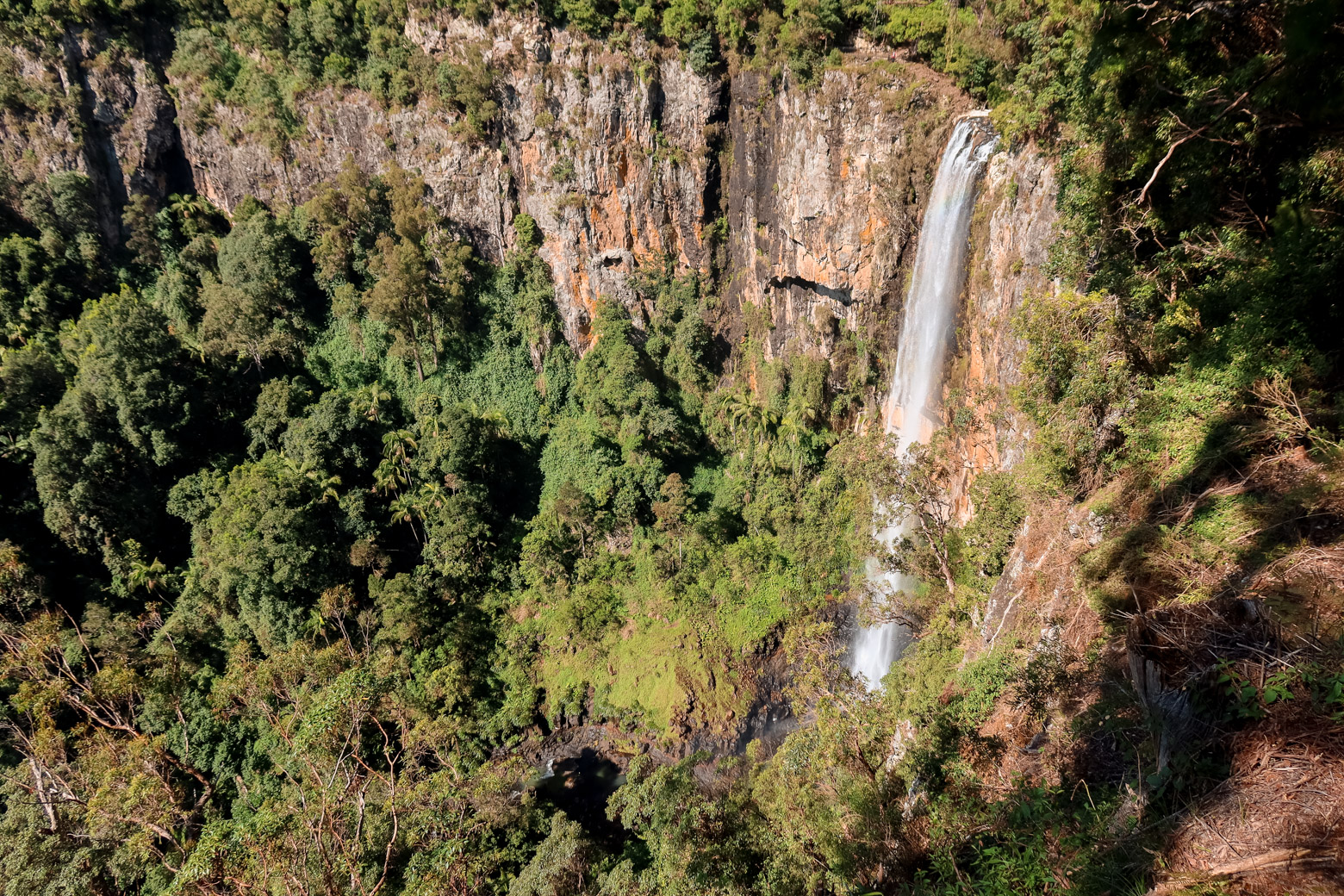
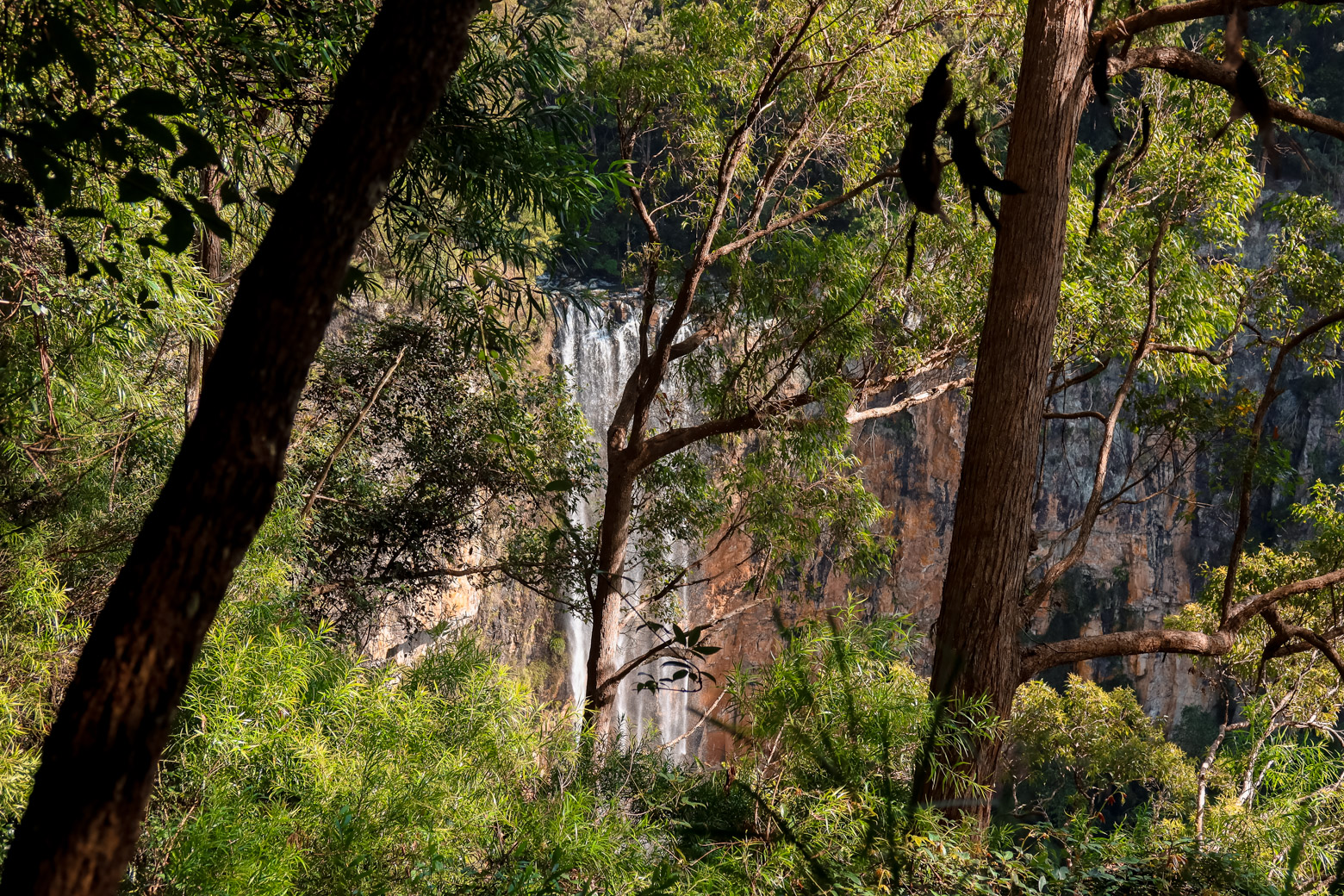
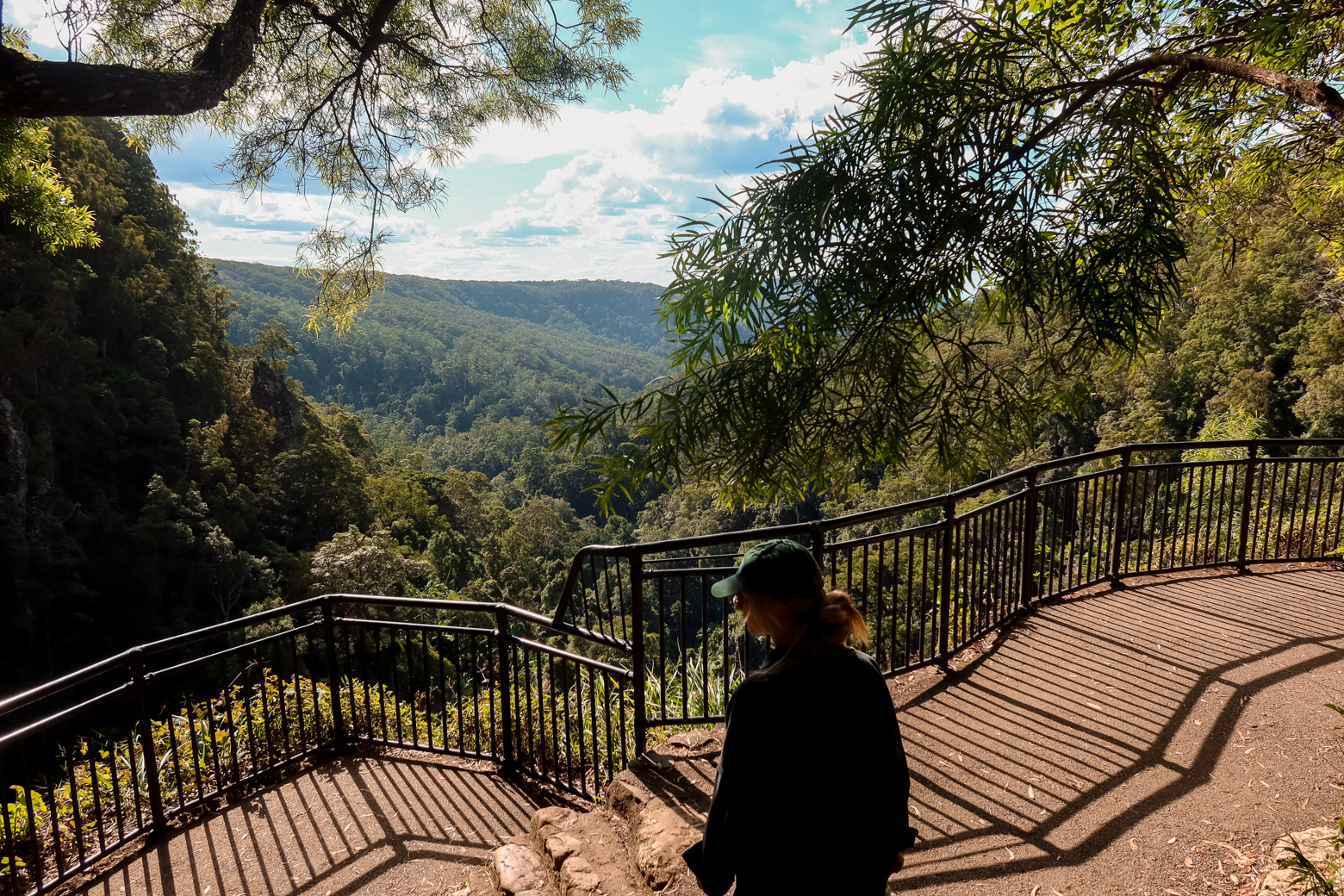
The trail is honestly stunning. We didn’t have a clue what to expect, and it was just the perfect manageable distance with all the views, waterfalls, suspension bridges, dense rainforest, and lookouts over Springbrook National Park.
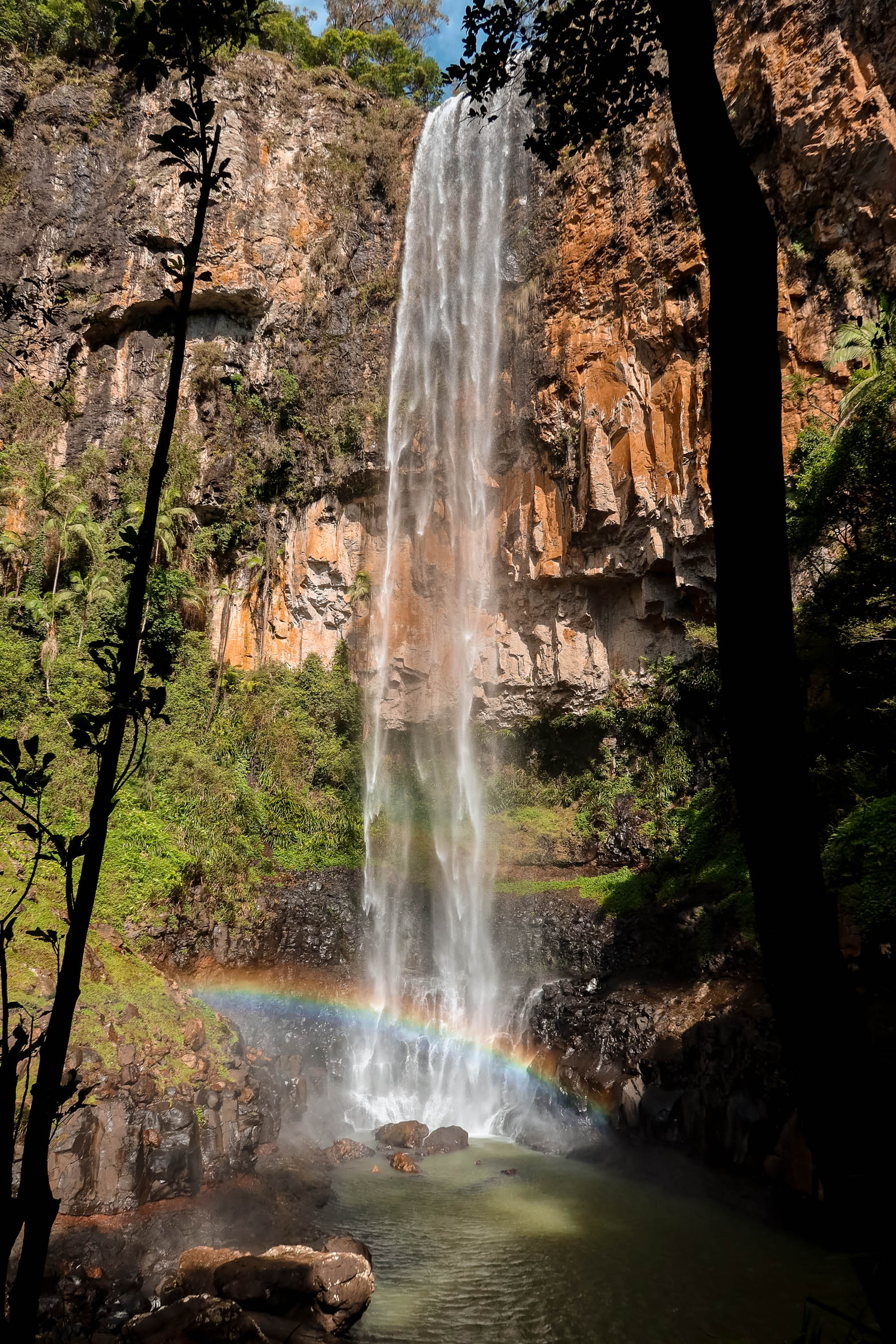
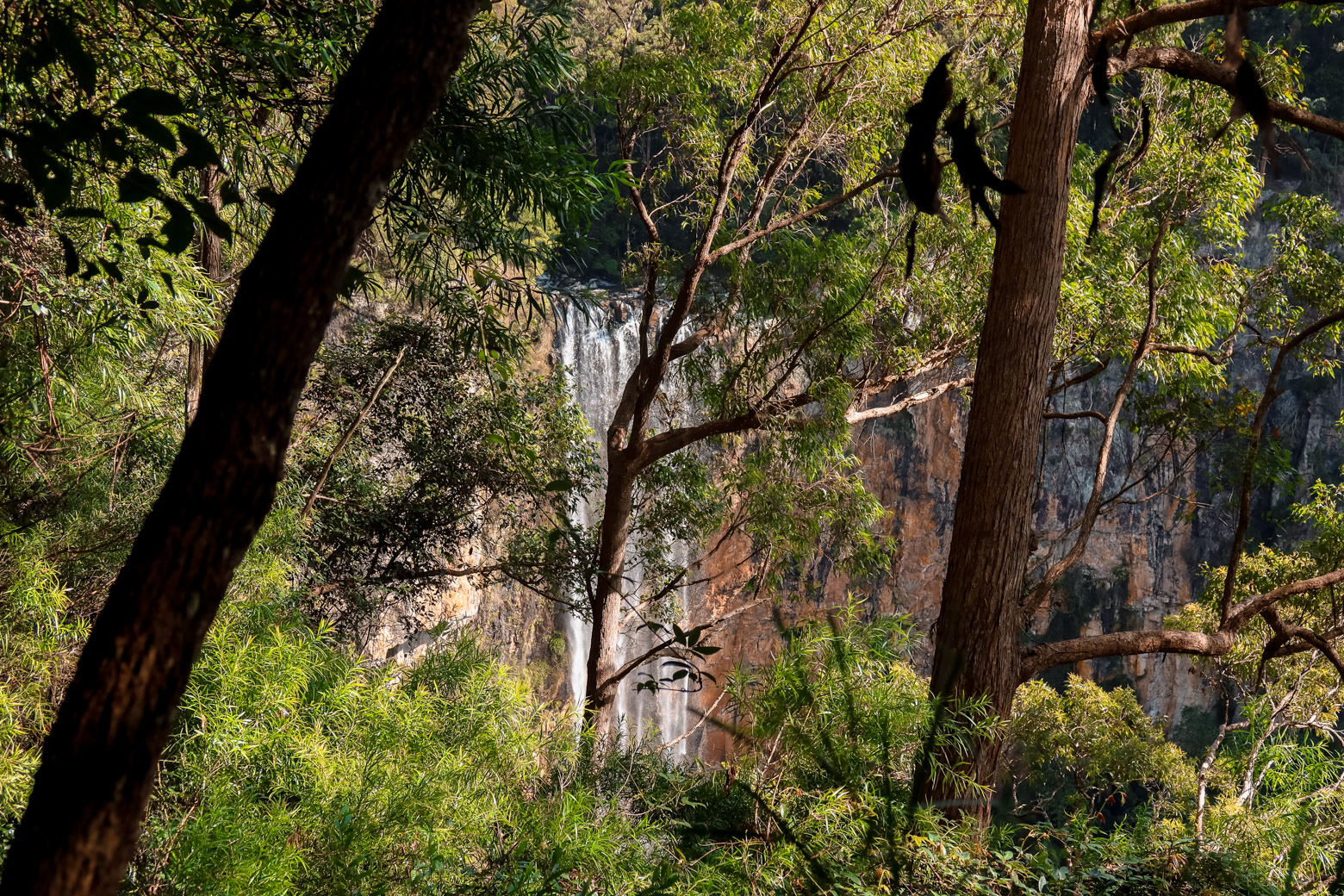
When you get down to the base of the hike, you have a stunning 100m single-drop waterfall with staggered viewing areas and a chance to sit on the rocks right by it.
Bring water and your camera. Wow, wow, wow.
Fun fact: The area is home to ancient Antarctic beech trees over 2000 years old—older than most empires!
2. Explore the Natural Bridge and look out for glowworms
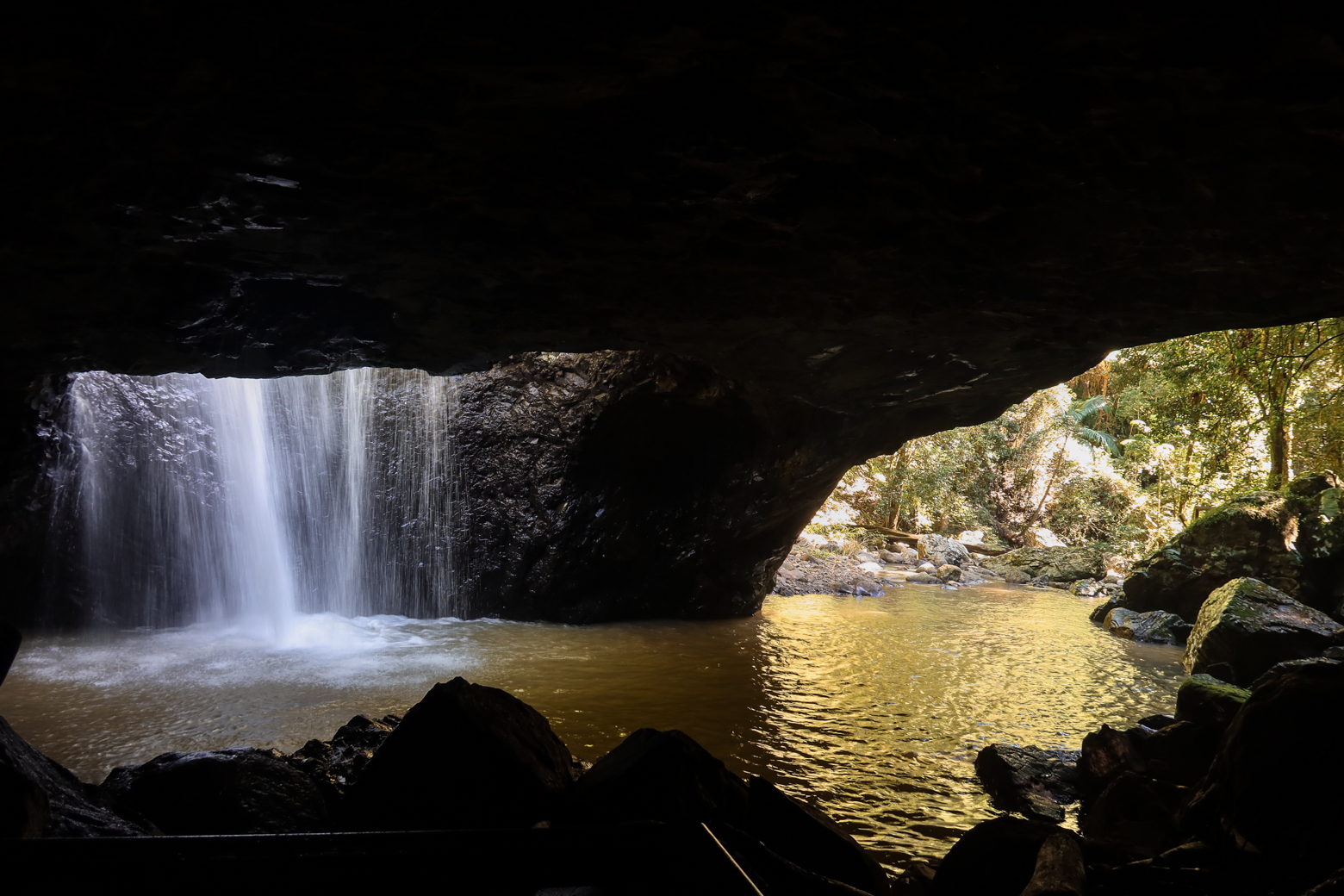
Visiting this natural rock formation is hands down one of the best things to do in Springbrook. The Natural Bridge is a magical cave formed by a waterfall crashing through volcanic rock, and at night, if you stick around, the cave glows with the soft bioluminescence of glowworms. You don’t need a tour for this btw, free access!
Be mindful of using a camera in the cave – flashlights are prohibited.
To access these stunning natural curves and scenes its a very simple, accessible 1km circuit from the car park.
The walk is flat and easy, making it perfect for families, those with no hiking experience or… those that don’t fancy a big hike! Add it to your Springbrook National Park bucket list.
3. Take in the View at Best of All Lookout
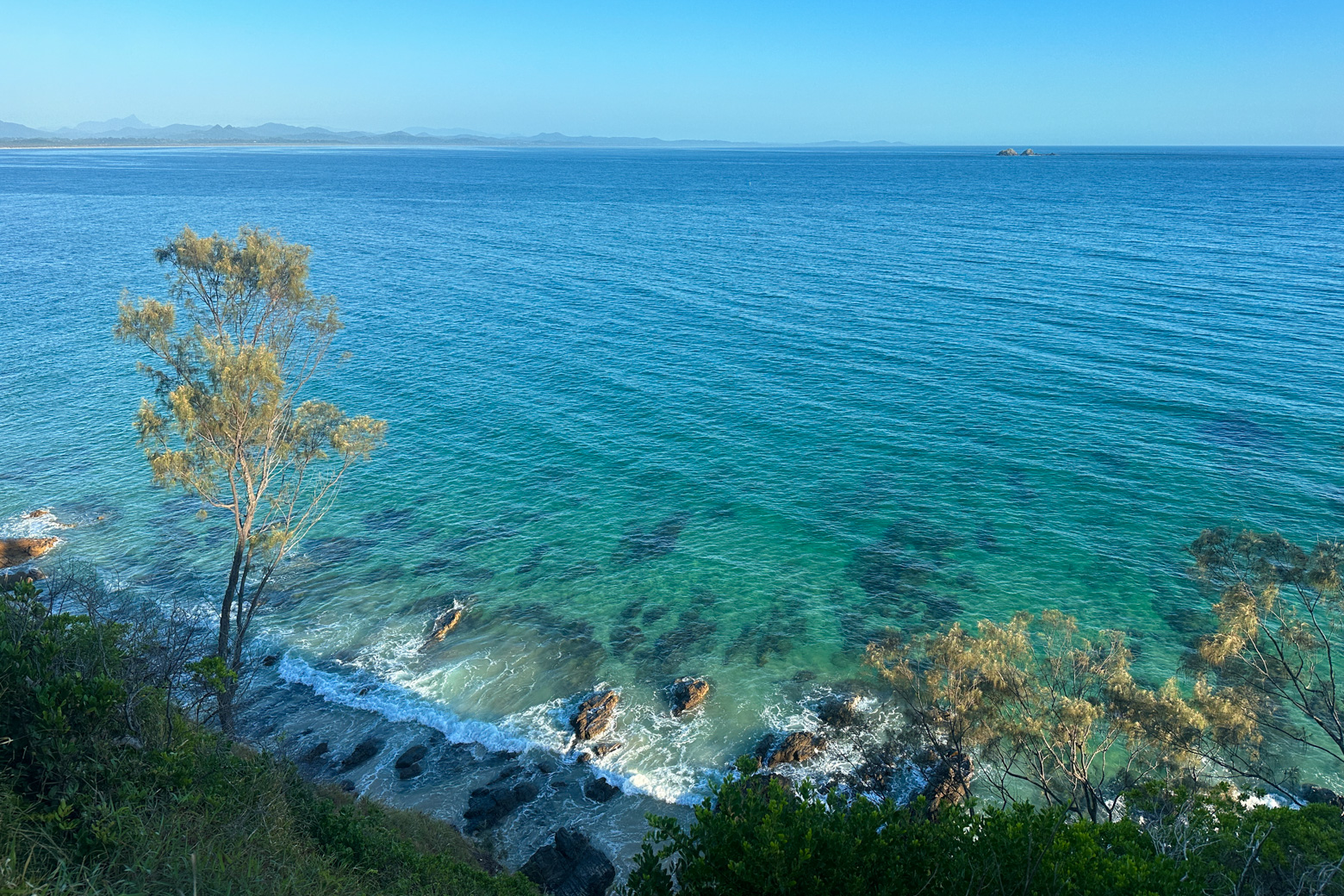
The Best of All Lookout really does live up to the hype of it’s name, offering panoramic views over Mt Warning (Wollumbin) and the Tweed Valley caldera. On a clear day, you might even see all the way to Byron Bay!!
This one is another accessible best thing to do in Springbrook National Park with a short 700m return walk that is shaded and peaceful, surrounded by ancient beech trees.
Tip: Head here at sunset for golden light across the landscape!
4. Enjoy a Picnic at Goomoolahra Falls
Goomoolahra Falls Picnic Area offers picnic tables, grassy areas, and a short walking track to a viewing platform. Bring lunch, pick up some treats from the local bakery and soak up the serenity here for an hour or two,
This spot is nearby to Twin Falls, so it’s a perfect combination and chance to relax and refuel post-hike.
Check out the official Springbrook National Park website here to stay aware of any adverse weather or closures affecting the National Park.
5. Grab a Treat at Dancing Waters Café or Springbrook Fudge Shop
No hiking adventure is complete without a bakery stop. No treat tastes better than when you’ve exhausted your body in nature earning it!!!
Pop over to Dancing Waters Café, just near the Springbrook National Park entrance, for sourdough sandwiches, coffee, and great vegetarian options.
Another sweet stop option is the Springbrook Fudge Shop, serving up old-school Aussie treats and mouth-watering fudge. This could be a good pre-hike stop too. Back up sugar to keep you fuelled on your hike day!
Another adventure option is to grab a takeaway and head to the canyon lookout across the road!
6. Camp at The Settlement and Stargaze
Camping is one of the best ways to fully experience Springbrook National Park and The Settlement is the only place you can camp here, so if you fancy it, book ahead and make it into a 2/3 day adventure! I’m definitely going to come back and do this!
Once you’re set up at The Settlement Campground, you’re only 500m from Purling Brook Falls which is one of the most popular and most stunning hikes in Springbrook National Park.
By night, the skies come alive with stars, and you’ll fall asleep to the sound of rustling trees and distant waterfalls. Bring your cosies, your blankets, your hot chocolate and make it a weekend to remember! 🏕️ Book a site here
7. Hike the Twin Falls Circuit
Twin Falls Circuit is another must-do hike in Springbrook National Park and one of the most popular hiking trails on the map.
This accessible 4km loop includes rock overhangs, stunning rainforest vibes and two gorgeous falls. You’ll certainly get your fix of lush forest, waterfalls, and secret swimming spots so pack your swimmers, your water and your hiking shoes!
The starting point for the Twin Falls circuit is at the Tallanbana picnic area or at the Canyon lookout. Enjoy!!!!
8. Drive the Springbrook Scenic Rim Road Trip
Springbrook is the perfect loop stop on a Gold Coast Hinterland road trip starting from and ending in Nerang. You could also loop it from Byron Bay via Murwillumbah and then back via Burleigh Heads and Palm Beach!
The drive into and out of the Springbrook National Park are stunning! As good a highlight as the attractions and waterfalls themselves!
Along your road trip, consider stopping at Hinze Dam, Little Nerang Creek, and the Numinbah Valley for more waterfalls and scenic views. If you’re doing the road trip from Byron Bay consider stopping at Tallebudgera Creek, Cabarita Beach, Brunswick Heads or Kingscliff on your way back.
Top Tips when Exploring Springbrook National Park
Bring cash—some cafés and shops don’t take cards. It’s always good to have on you!
Pack leech socks or repellent if hiking after rain or in the rainy season!
Download offline maps (like AllTrails or Gaia GPS) before you arrive—phone signal is patchy, so don’t get caught off guard!
Respect the land and pick up your trash/picnic remains. Springbrook is a special place for the Yugambeh people.
With ancient dense rainforests, stunning waterfalls at every turn, and some of the best hikes in Southeast Queensland, it’s easy to see why active adventurers love Springbrook National Park.
Whether you’re coming for the day or making a weekend of it, prepare for some memories that will last a lifetime! Springbrook National Park is ready for you!
Have you been to Springbrook National Park?
What are the best things to do in Springbrook National Park? Anything you’d add to this Springbrook National Park bucket list?
Love as always and happy adventuring…
Get lifetime access to my endless hours of research and time spent on the ground finding the best places to eat, drink, relax and explore in the area. You simply open the Google Map on your device and all my pins are at the touch of your fingertips.
Many of those who travel to Japan for the first time go to Osaka. It serves as the primary gateway to Kansai Region and it has a lot to offer to tourists. Along with that, travelers also often go to Kyoto on the same trip since it is Osaka’s neighboring city. These two neighboring cities make for a very colorful Japan trip.
Osaka has a vibrant and modern vibe. It is known for its street markets, entertainment districts, and a haven for food lovers. Meanwhile, Kyoto transports tourists to a more old-fashioned world that showcases Japan’s heritage. You can explore ancient temples, visit traditional teahouses, and spend time in stunning gardens. With a blend of old and new, these two destinations will surely give you an unforgettable journey.
And if you’re planning a trip to Osaka and Kyoto, we’ll share with you common mistakes tourists commit so you can avoid them. We also have a separate article where we list down the travel planning dos and don’ts and social faux pas or things that are considered rude and disrespectful in Japan.
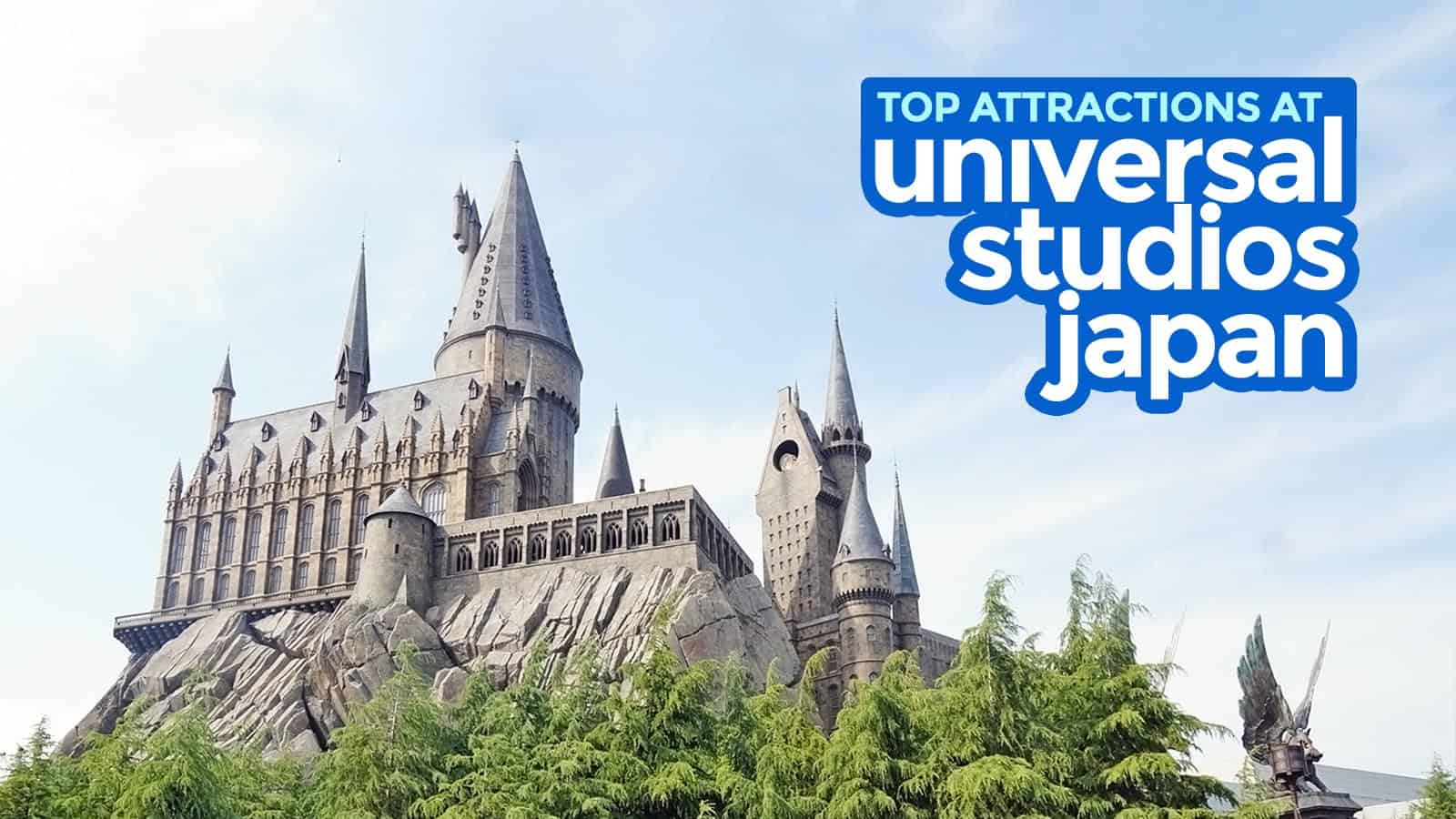
Kansai region is undoubtedly one of Japan’s most popular destinations, and it’s no surprise that many of its iconic sites get really crowded, especially on weekends and during peak seasons. If you’re visiting famous spots in Osaka and Kyoto like Osaka Castle, Universal Studios Japan, Arashiyama Bamboo Forest, Fushimi Inari Shrine, Higashiyama, and Kiyomizu-dera, you can expect large crowds if you don’t plan ahead.
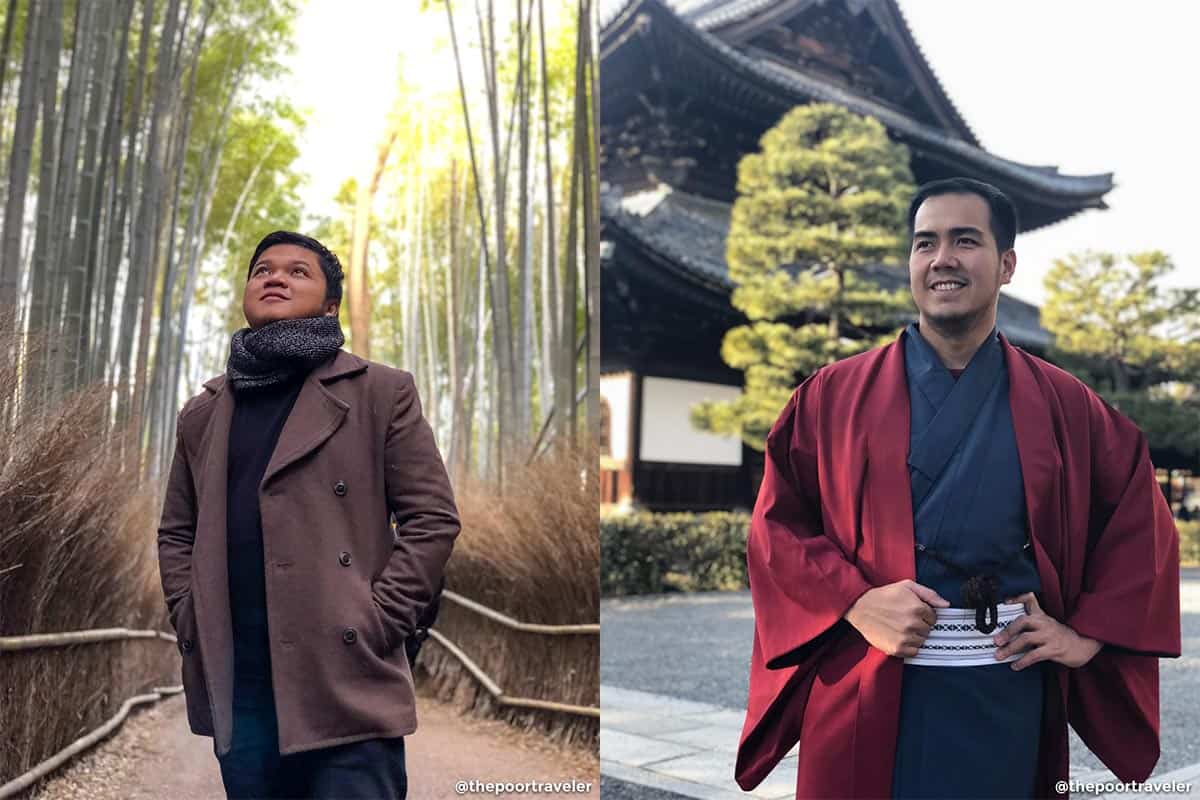
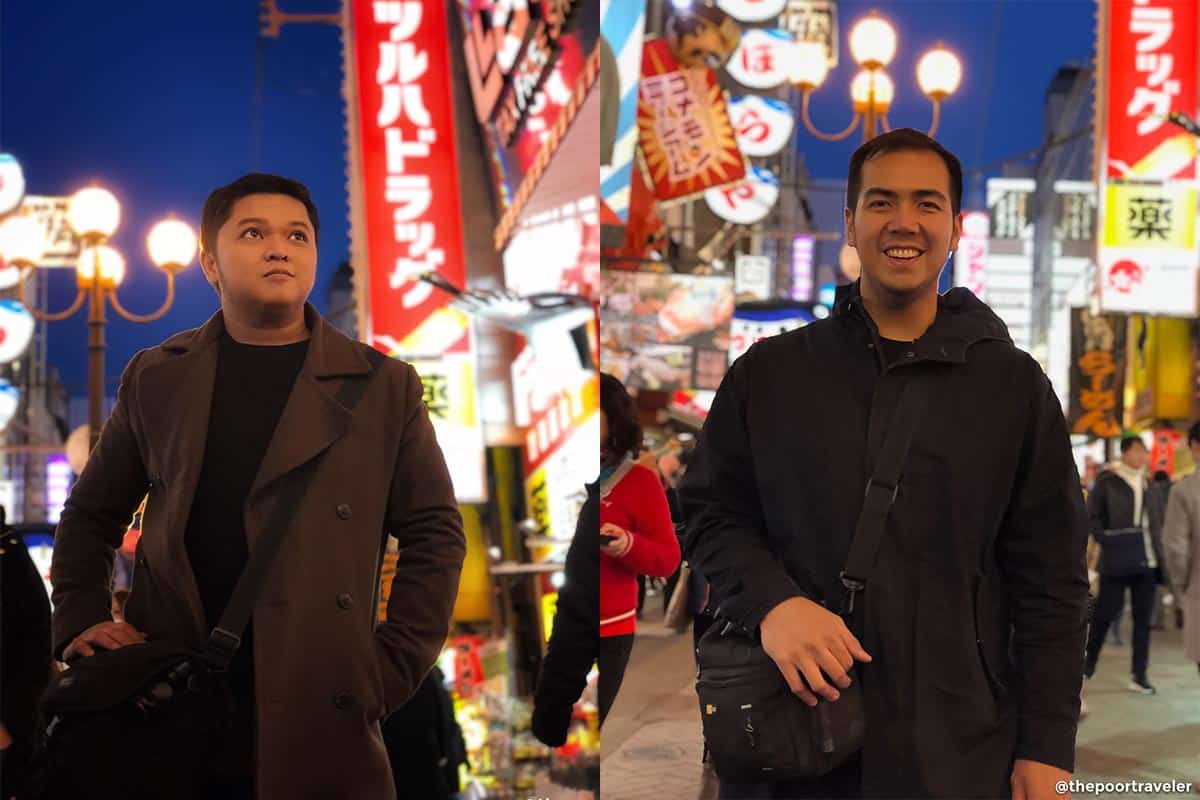
Yosh and Vins in Kyoto
The trick to beating the crowds is simple: get up early! The earlier you arrive, the fewer people you’ll encounter. As the day goes on, more visitors flood the attractions. So, if you want to bag that perfect Instagram shot without photobombers, set your alarm and get there before everyone else.
That said, it’s also important to remember that most visitors tend to stick to specific areas of these sites. For example, at Fushimi Inari Shrine and Arashiyama Bamboo Forest, crowds gather near the entrance, but if you walk further into the site, it’s much quieter. At Osaka Castle, there are hidden spots that many overlook, making for perfect photo opportunities without the crowds.
Universal Studios Japan is notorious for being packed, with long wait times, especially on weekends. But did you know that school field trips are typically scheduled on Mondays and Tuesdays? So, if you can avoid those days, try to visit on a Wednesday or Thursday for a more relaxed experience. If you can’t help but visit on those peak days, try to get there early and hit the Harry Potter attractions first, as those tend to have the longest lines.
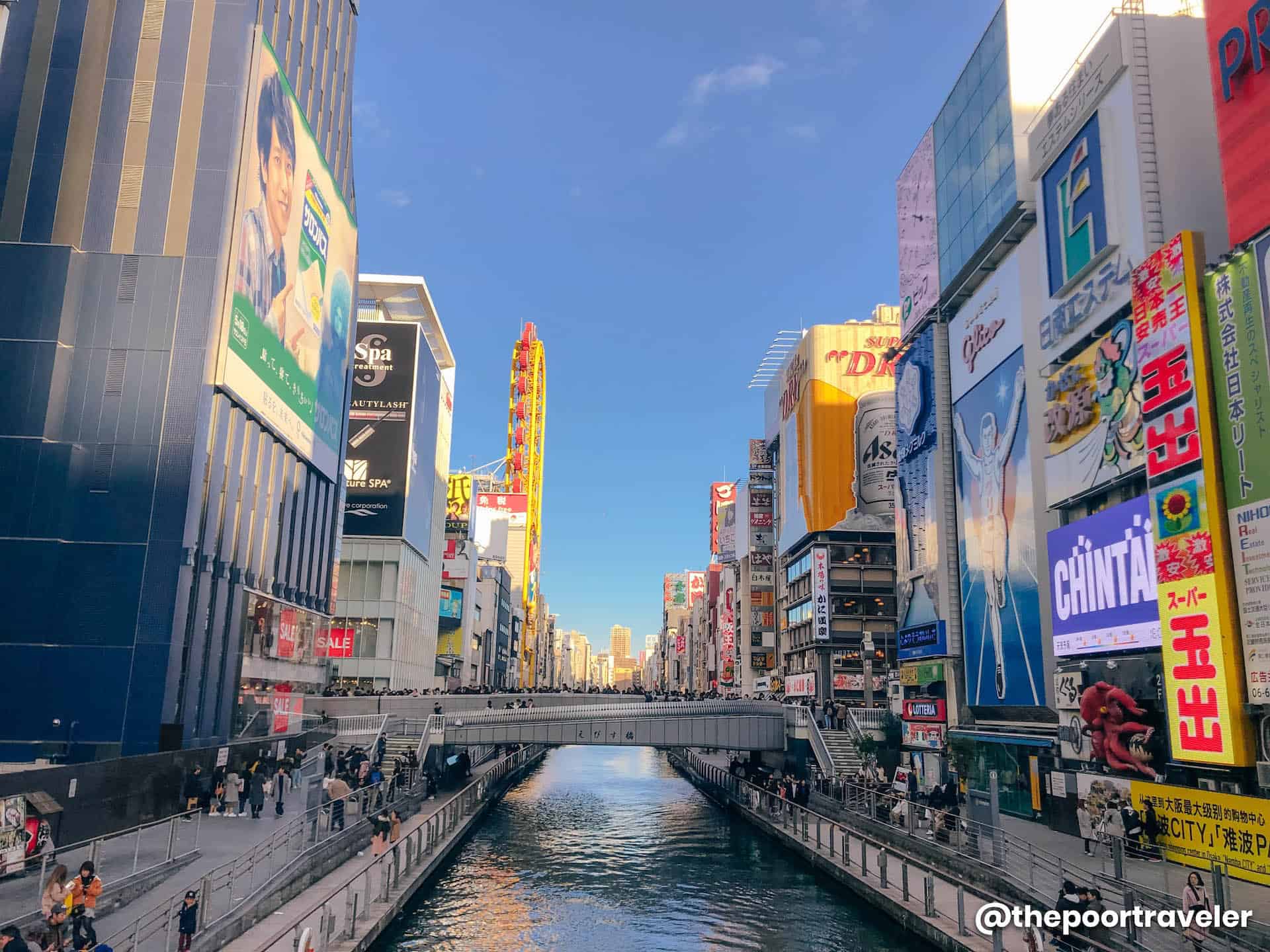
However, not every crowded spot is a dealbreaker. For places like Dotonbori and Shinsaibashi, we actually enjoy the energy that comes with a bit of crowd. The festive vibe adds to the charm of these bustling districts, so don’t stress if there are people around — just soak it all in and enjoy the lively atmosphere!
2. Dismissing Osaka Amazing Pass
If you’re visiting Osaka for the first time, the Osaka Amazing Pass is an absolute must-have! This all-inclusive sightseeing pass comes in 1-day and 2-day versions, and it’s packed with value. Note: If you opt for the 2-day pass, keep it mind that it needs to be used on two consecutive days.
With the Osaka Amazing Pass, you’ll get unlimited access to the subway, tramway, and bus systems in Osaka, which is perfect for exploring the city without worrying about transport costs. But what makes this pass even more worth it is the free access to many major attractions, including the iconic Osaka Castle Main Tower, the Umeda Building’s Floating Garden Observatory, HEP FIVE Ferris Wheel, Tombori River Cruise, Dotonbori Tour, and more.
The 1-day pass costs around JPY 3500 (P1333), while the 2-day version is priced at JPY 5000 (P1905). It’s a great deal, especially when you consider that just the ticket for the Umeda Sky Building Observatory alone is JPY 2000, and the Tombori River Cruise costs JPY 1500. The Osaka Castle Museum also charges JPY 600. If you plan on visiting those three attractions, you’d be spending JPY 4100! But with the Osaka Amazing Pass, you get all of that plus unlimited transportation, making it a major bang for your buck.
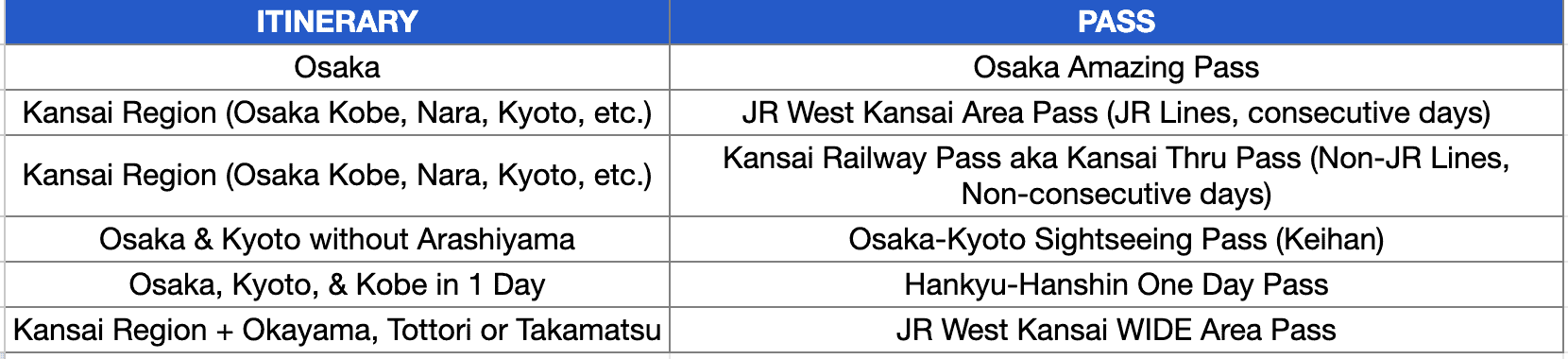
Aside from the Osaka Amazing Pass, the Kansai Region offers a variety of other tourist passes, each catering to different travel needs. The best pass for you really depends on your itinerary, so let’s break it down a bit. Each pass has its nuances, so it’s important to choose one that matches your travel plans.
If you’re mainly staying within Osaka City, the Osaka Amazing Pass is your best bet. But if you’re exploring beyond the city, adding other passes like the JR West Kansai or Kansai WIDE Pass could help you maximize your time and budget. For a clearer picture, refer to the table below to see which pass fits best with your itinerary.
If you’re only planning to explore the Kansai Region, which includes cities like Kobe, Kyoto, Osaka, Nara, and more, the JR West Kansai Area Pass is a great option. It comes in 1 to 4-day versions, but keep in mind that the usage days must be consecutive. This pass is perfect if most of the places you want to visit are near JR stations, as it only works on JR Lines.
However, if your target destinations are mostly along non-JR lines such as Hankyu, Hanshin, Kintetsu, or Keihan, the Kansai Railway Pass (formerly known as the Kansai Thru Pass) is the better choice. It covers almost the same areas as the JR pass, but the major advantage is that you don’t have to use it on consecutive days, making it more flexible for your itinerary.
If you’re planning a day trip or a two-day visit to Kyoto from Osaka, the Kyoto-Osaka Sightseeing Pass is a good choice. It works on Keihan Lines, which connect Osaka and Kyoto. The downside is that there’s no Keihan station near Arashiyama, so you’d need to buy a separate ticket to reach that area. However, with this pass, you can easily visit Gion District and Fushimi Inari Shrine.
Now, if Arashiyama is a must-visit for you and you’re coming from Osaka, then the Hankyu-Hanshin One-Day Pass is the better option. This pass also works for traveling to Kobe, making it a convenient choice if you’re planning to visit both cities in one day. However, if your itinerary includes Okayama, Tottori, or even Takamatsu, then you’ll need the JR West Kansai Wide Area Pass (emphasis on WIDE), which covers a much broader area.
There are plenty of other passes available, and we have a separate article where we discuss them in more detail. The passes are definitely worth it, but since each one has its limitations, it’s rare to find a single pass that covers every attraction in your itinerary. With this in mind, don’t let the passes dictate your trip. If there’s a place that you really want to visit but isn’t covered by your pass, just buy a separate ticket. After all, you’re already in Japan, so make the most of your trip and go wherever your heart takes you!
4. Confusing Train Stations
Many train stations in Osaka have similar-sounding names but are operated by different railway companies and serve different types of trains. This can be really confusing, especially when you’re in a hurry or navigating through crowded areas.
Take Namba, for example. There are three main stations here:
Namba Station: served by Nankai Railway and Osaka Subway
JR Namba Station: operated by JR West
Osaka Namba Station: serviced by Kintetsu and Hanshin Railways
On a map, these stations seem to be right next to each other, but in reality, they’re quite far apart. Walking from one to another takes time, and if you’re in a rush and go to the wrong station, you might miss your train.
Shin-Osaka Station
Another common mix-up happens between Osaka Station and Shin-Osaka Station. Despite their similar names, these are two completely different stations, and they’re not close to each other. The key difference? Shin-Osaka Station serves Shinkansen or bullet train, while Osaka Station does not. The word “shin” means “new” in Japanese, and in this case, Shin-Osaka is the newer station.
If you have a bullet train to catch, make sure to go to Shin-Osaka Station. And once you’re there, remember that the Shinkansen has its own separate entrance, so check the signs carefully and enter the correct gate.
5. Sticking to Trains and Taxis
Osaka and Kyoto have extensive train networks, and most attractions are easily accessible by train. However, not all sites have train stations nearby. In Kyoto especially, some of the most important landmarks are best accessed by bus rather than by train.
Kyoto Bus 205 to Kinkaku-ji Temple
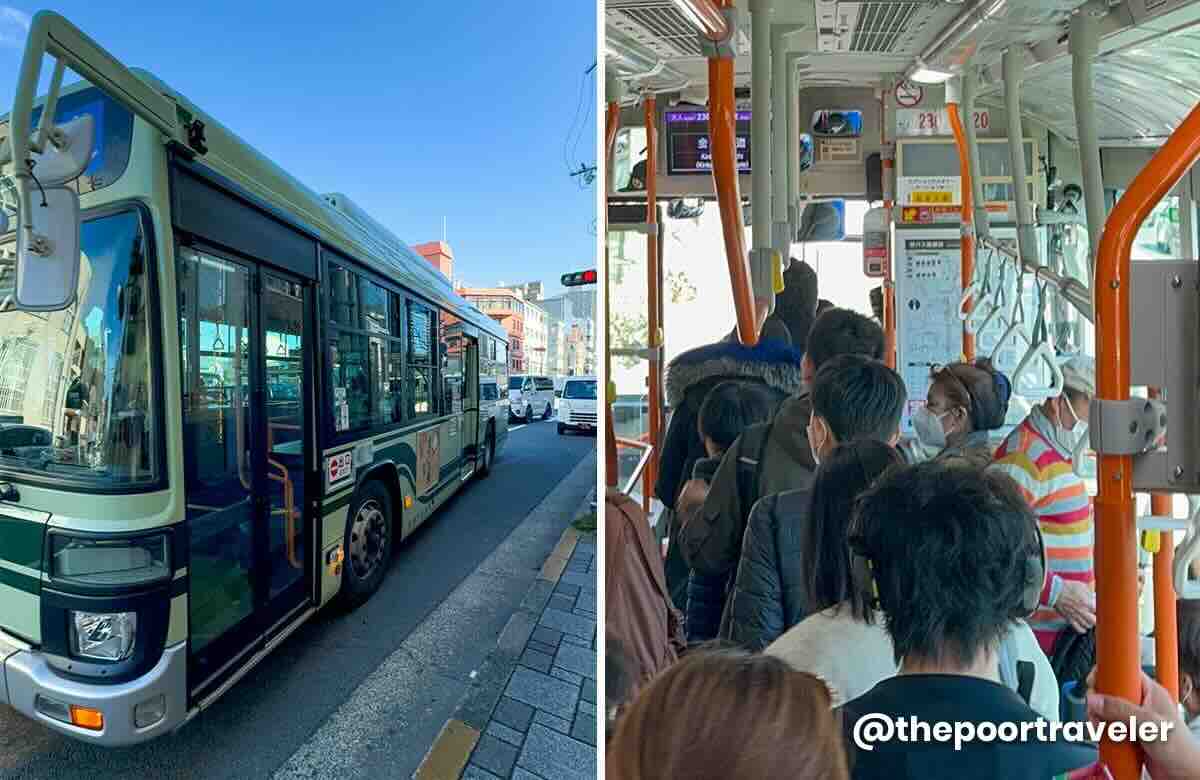
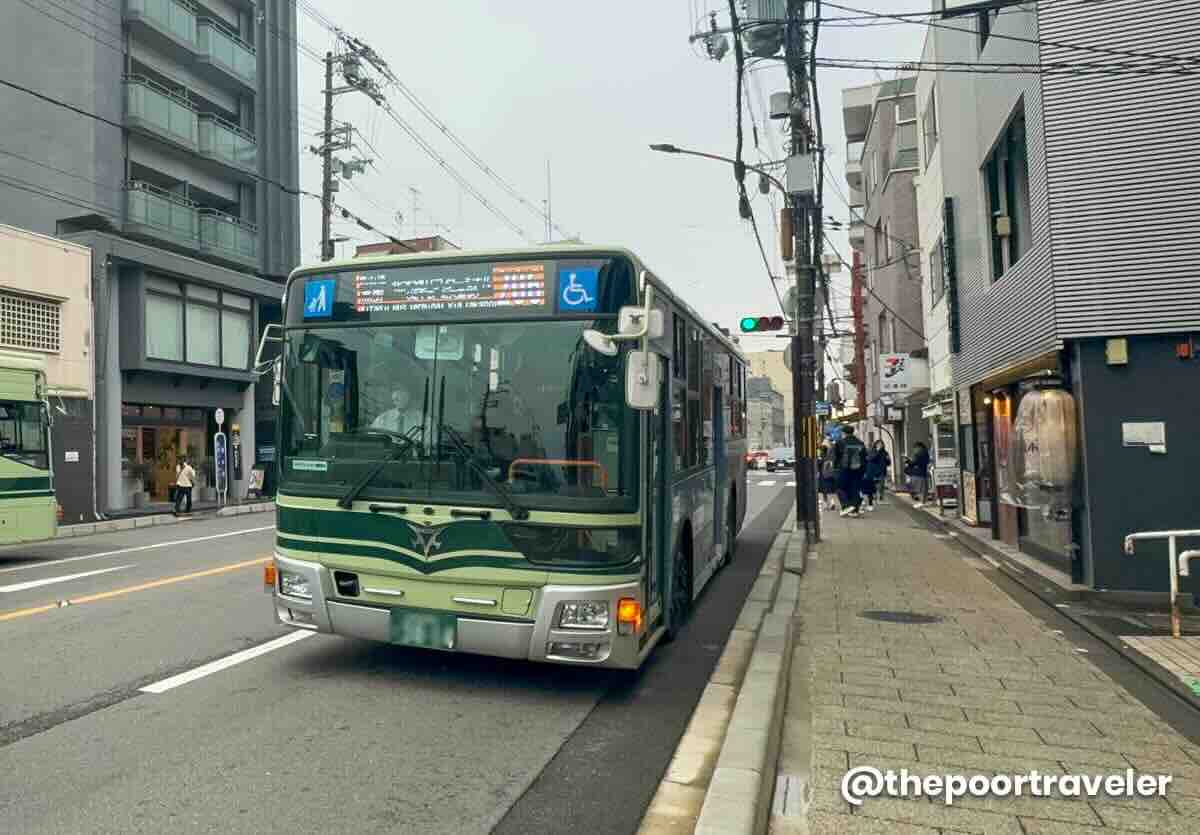
Two UNESCO World Heritage Sites in Kyoto are far from train stations. The first is the Golden Pavilion or Kinkaku-ji Temple, which isn’t along any major train line. The best way to reach it from Kyoto Station is by taking Bus #205 from the B3 bus terminal in front of the station. REMINDER! Just be careful not to board the RAPID 205 bus, as it doesn’t stop near the temple.
Another major site that’s far from the train lines is Kiyomizu-dera Temple. The nearest train station, Kiyomizu-Gojo Station (Keihan Line), is a 25-minute walk away. If you’d rather cut that time in half, take a bus instead. The nearest bus stop, Gojozaka, is only a 12-minute walk from the temple. While you still have to walk uphill, it’s much shorter than coming from the train station. Plus, the Higashiyama district along the way has lots of attractions to enjoy. If you’re coming from Kyoto Station, take Bus #206 or Bus #86 to reach Gojozaka.
Kyoto Bus 206 to Gojozaka
Using Kyoto’s city buses is quite simple. Most buses have two doors: one at the front, near the driver and another at the back or middle. Typically, you board through the rear door. Most buses charge a flat fare, so you don’t need to tap your IC card or take a ticket when boarding. When you’re ready to get off, exit through the front door, where you’ll pay using an IC card or cash. Note: If you choose to pay in cash, make sure to have the exact amount, as no change is given.
If the bus has only one door, always let passengers exit first before you board.
As for taxis, we haven’t tried taking one in Osaka or Kyoto because they are expensive. The only thing we can tell you is that the doors open automatically, which is pretty cool!
6. Staying in the Wrong Area
Osaka and Kyoto offer many great districts for tourists, and in general, as long as your accommodation is near a train station in the city center, you’ll be fine. The train system here is extensive and reliable, making it easy to get around. However, each district has its own pros and cons, so choosing the right area depends on your travel plans.
As mentioned earlier, Osaka is the usual base for tourists exploring the region. Here are the popular areas:
Kita Ward
Kita Ward (North Ward) is a top choice for tourists. This district is home to Osaka Station and Umeda Station, two of the busiest and most well-connected stations in the region. Many consider this area the heart of Osaka, especially in terms of transportation and shopping. If you plan to visit Kyoto, Kobe, or Nara, staying in Kita Ward is ideal because these destinations are easily accessible from here. Plus, long-distance buses to Tokyo also depart from this area. The downside? Hotels here tend to be more expensive due to the prime location. However, if you explore the inner parts of the district, you can still find some affordable accommodations.
If you are planning to stay in this area, here are some of the top-rated properties according to online user reviews.
Minami Ward
Another fantastic area is Minami Ward (South Ward), which includes Namba and Dotonbori, two of the most vibrant and tourist-friendly areas in Osaka. If you want to be close to Dotonbori’s neon lights, street food, and nightlife, book a hotel in this area. Minami Ward is also a transportation hub, with multiple train stations and the Osaka City Air Terminal (OCAT), where you can catch buses to other prefectures like Tottori or Hiroshima.
If you are planning to stay in this area, here are some of the top-rated properties according to online user reviews.
Near Shin-Osaka Station
If you plan to take the Shinkansen or bullet train multiple times and use Osaka as your base, staying near Shin-Osaka Station is a smart choice. On a recent trip, we stayed at APA Hotel, just a couple of blocks from Shin-Osaka Station, and had a great experience. The area is quiet, but there are plenty of convenience stores or konbini and fast-food restaurants nearby, making it a practical option for travelers.
If you are planning to stay in this area, here are some of the top-rated properties according to online user reviews.
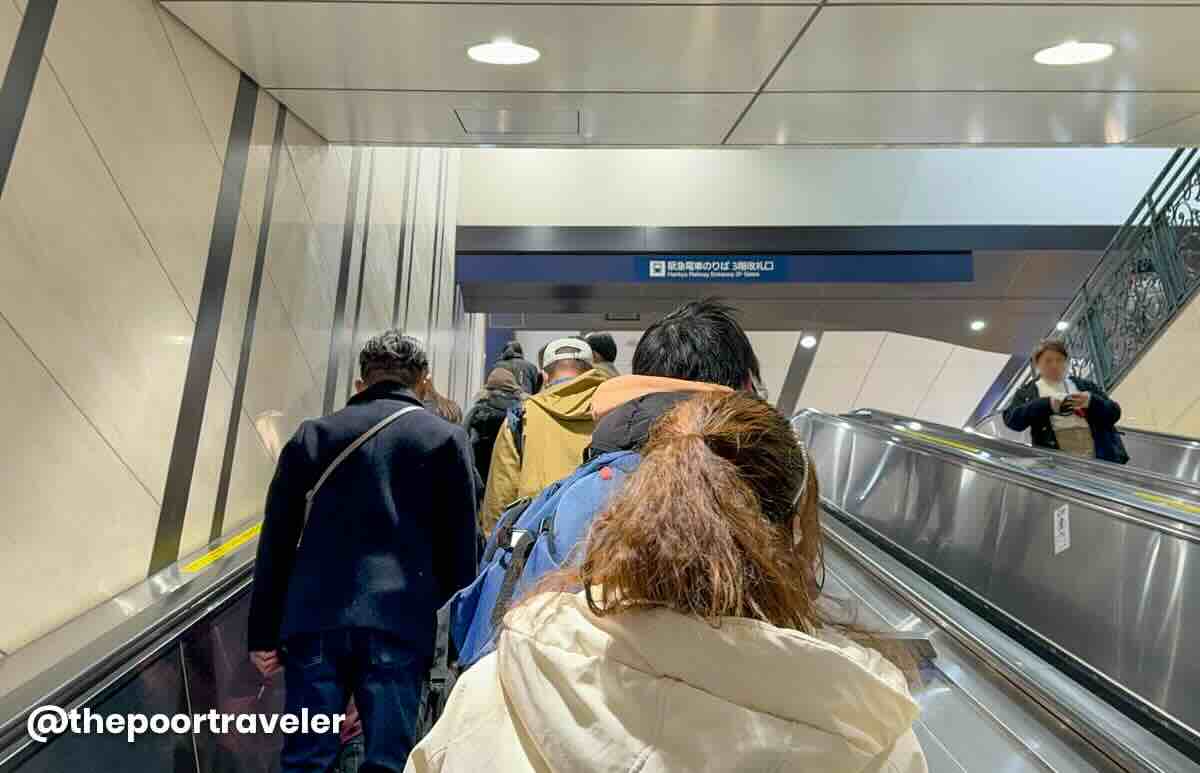
In Japan, there’s an unwritten rule when it comes to using escalators, and it differs by region. In most parts of Japan, including Tokyo, people stand on the left side, leaving the right side open for those who want to walk or overtake. However, in Kansai Region, it’s the opposite — people stand on the RIGHT side, and those who want to walk or overtake use the left.
The origin of this regional difference is uncertain, but one theory suggests that it dates back to the Osaka Expo in 1970. According to an article from nikkei.com, organizers followed the global standard of standing on the right for escalator etiquette, and the practice has continued in Kansai ever since. While some question whether this is the real reason, what’s important is that in most of Kansai region, people generally stand on the right when using an escalator.
Hankyu Railway Entrance Gates Escalator in Osaka. People standing (right) and overtaking/walking (left).
However, Kyoto is one notable exception. Unlike the rest of Kansai, locals in Kyoto prefer to stand on the LEFT, like in Tokyo. But in reality, escalator etiquette in Kyoto Station can be confusing because some people stand on the left while others stand on the right. This might be due to the large number of tourists from different regions, leading to mixed practices.
To avoid making mistakes, the best approach is to observe the people around you when you step onto an escalator. The purpose of this etiquette is to keep one side open for those who need to walk or are in a hurry. So, if everyone is standing on the right, do the same. If they’re standing on the left, follow suit. This way, you can blend in seamlessly and avoid blocking people who are rushing.
8. Not Exploring Wider and Further
We’ve mentioned earlier that most tourists tend to flock to a specific spot of a site. For example, in Arashiyama Bamboo Forest, a lot of visitors stay near the entrance and don’t venture farther in. But there is so much more to Arashiyama than just its famous bamboo grove.
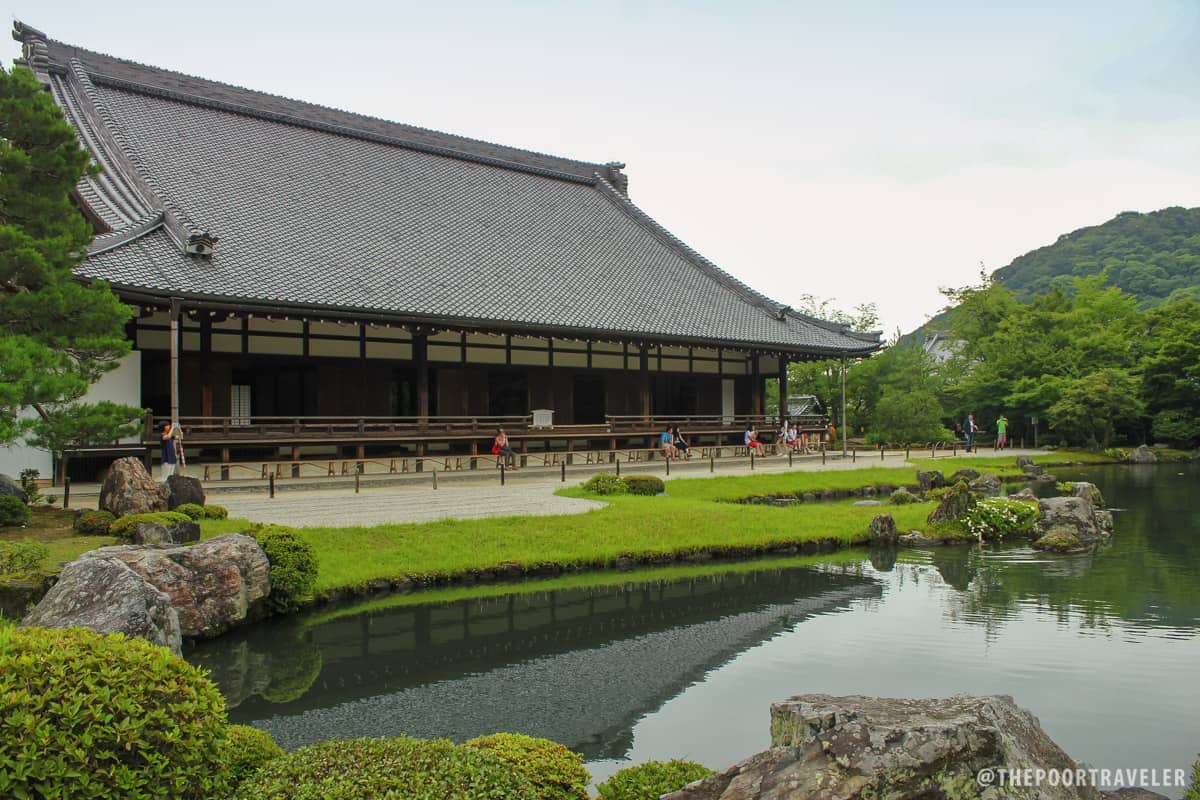
Tenryuji Temple and Sogen Pond
Right next to the bamboo forest is Tenryuji Temple, a UNESCO World Heritage Site. And yet, every time we visit, we notice that while the bamboo grove is packed, the temple itself remains relatively quiet. It’s a great place to enjoy some peace, but at the same time, we can’t help but think that many tourists are missing out on seeing this important historical site.
Beyond the temple, Arashiyama has even more to offer. The Togetsukyo Bridge is a scenic landmark worth visiting, while Nonomiya Shrine and Horinji Temple offer additional cultural experiences. You can also embark on a yakatabune boat tour, which takes you on a serene ride down the Oi River. The views are breathtaking, especially during autumn, when the foliage is in full display. If you’re lucky, you might even see a paddling of ducks gliding across the water. The tour costs around JPY 4000 for two people, with an additional JPY 1000 per extra person, which might feel a bit pricey, but the experience is well worth it.
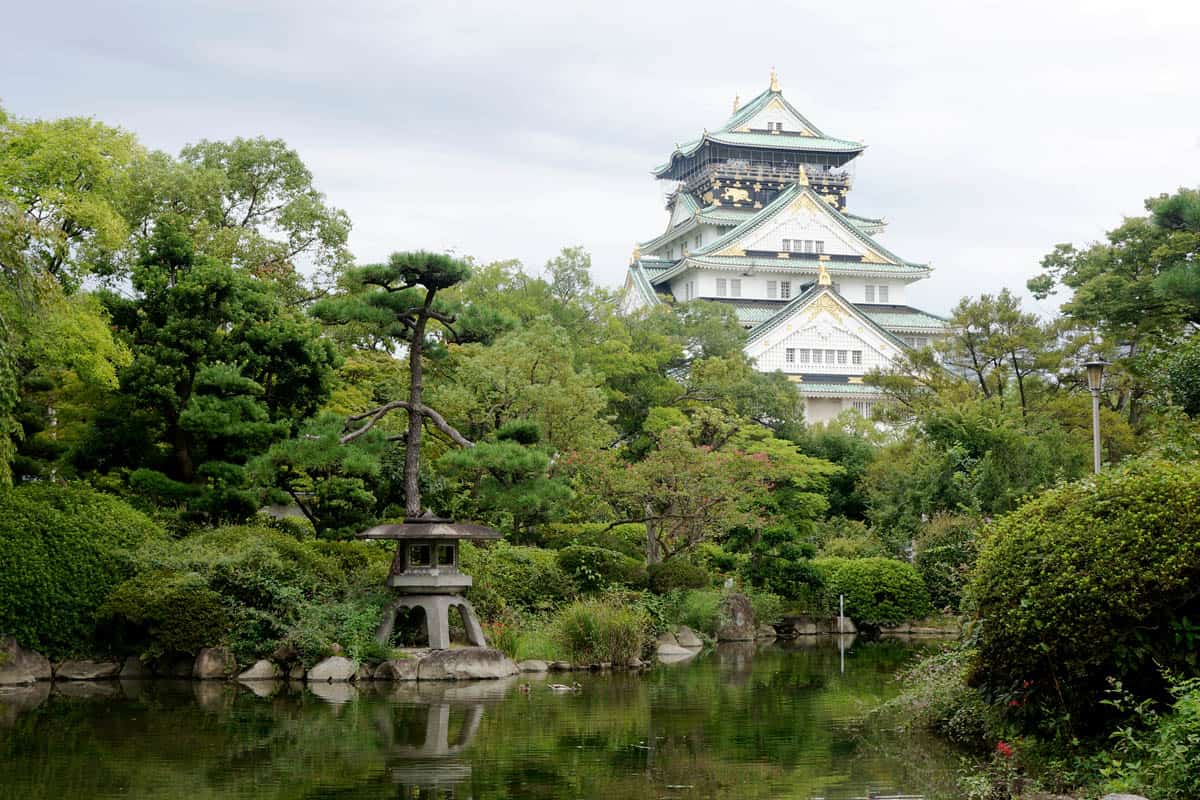
Osaka Castle
Similarly, if you visit Osaka Castle, many visitors only stay outside to take photos. While that’s not necessarily a mistake, entering the castle is highly recommended. Inside, you’ll find exhibits showcasing Osaka’s rich history, and it gives you a deeper appreciation of the landmark beyond just its stunning exterior. The entrance fee is JPY 600, but if you have the Osaka Amazing Pass, entry is FREE.
And if you have more time and budget, don’t limit yourself to just Osaka and Kyoto — especially if it’s not your first time visiting. These cities are fantastic, but they also serve as jump-off points to other amazing destinations. Consider exploring Kobe, Himeji, Nara, Wakayama, Shiga, and Mie. If you’ve been to Osaka multiple times, trying out these less-visited cities will give you a fresh perspective on Kansai’s diverse beauty.
9. Limiting Your Food Options to Konbini and Fast Food
Japan is one of those countries where convenience stores and supermarkets offer an abundance of delicious and affordable food. You’ll find pre-cooked meals that are not only budget-friendly but also surprisingly tasty. However, while it’s tempting to rely on these options, it’s important to find a balance between grocery store meals and dining at local restaurants. After all, Osaka is considered “Japan’s Kitchen“, and Kyoto boasts an impressive number of Michelin-starred restaurants.
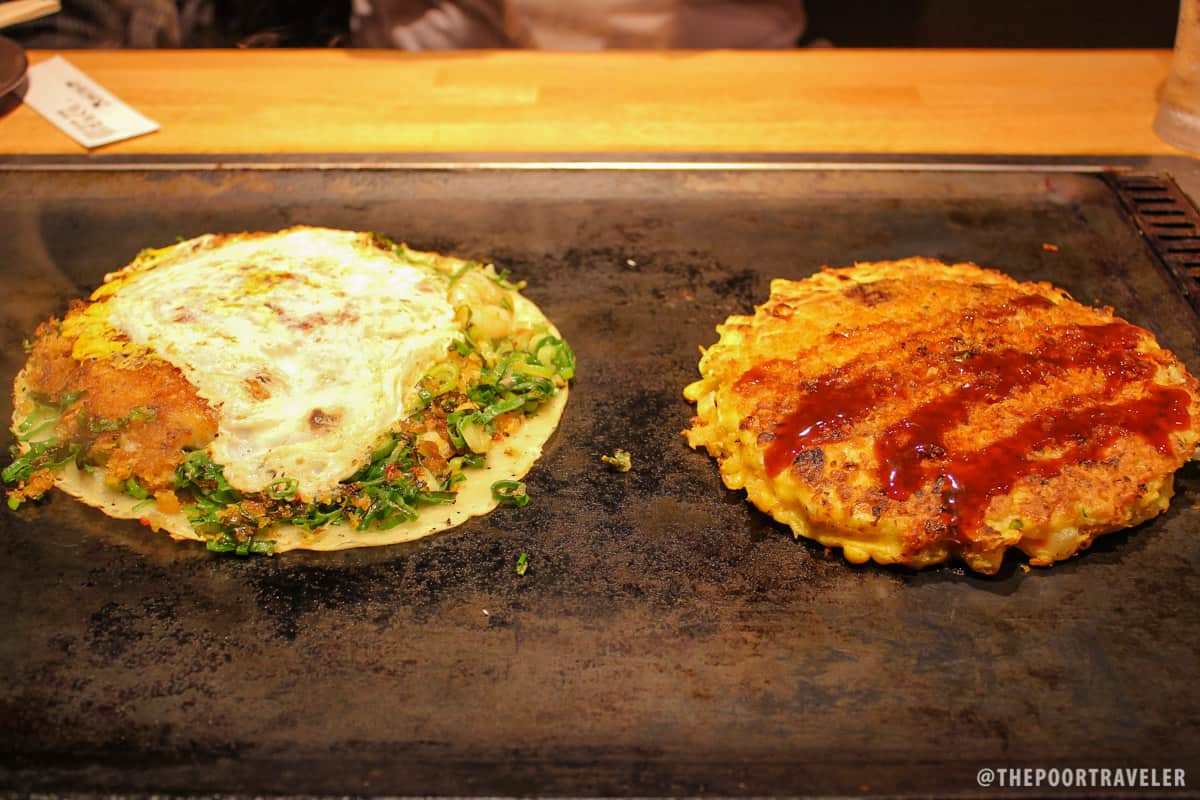
Osaka’s Okonomiyaki VS Kyoto’s Negiyaki
Exploring Japan’s food scene doesn’t have to be complicated. Sometimes, all it takes is opening your Google Maps app to discover a fantastic local restaurant near your hotel. This way, you can fully appreciate Japan’s rich food culture. If you’ve had your fill of ramen, try switching things up with a bowl of udon or soba. And while takoyaki is a must-try Osaka street food, don’t stop there. Step into an okonomiyaki restaurant to experience why it’s an Osaka icon and learn how Kyoto’s betayaki and negiyaki differ from Osaka’s version.
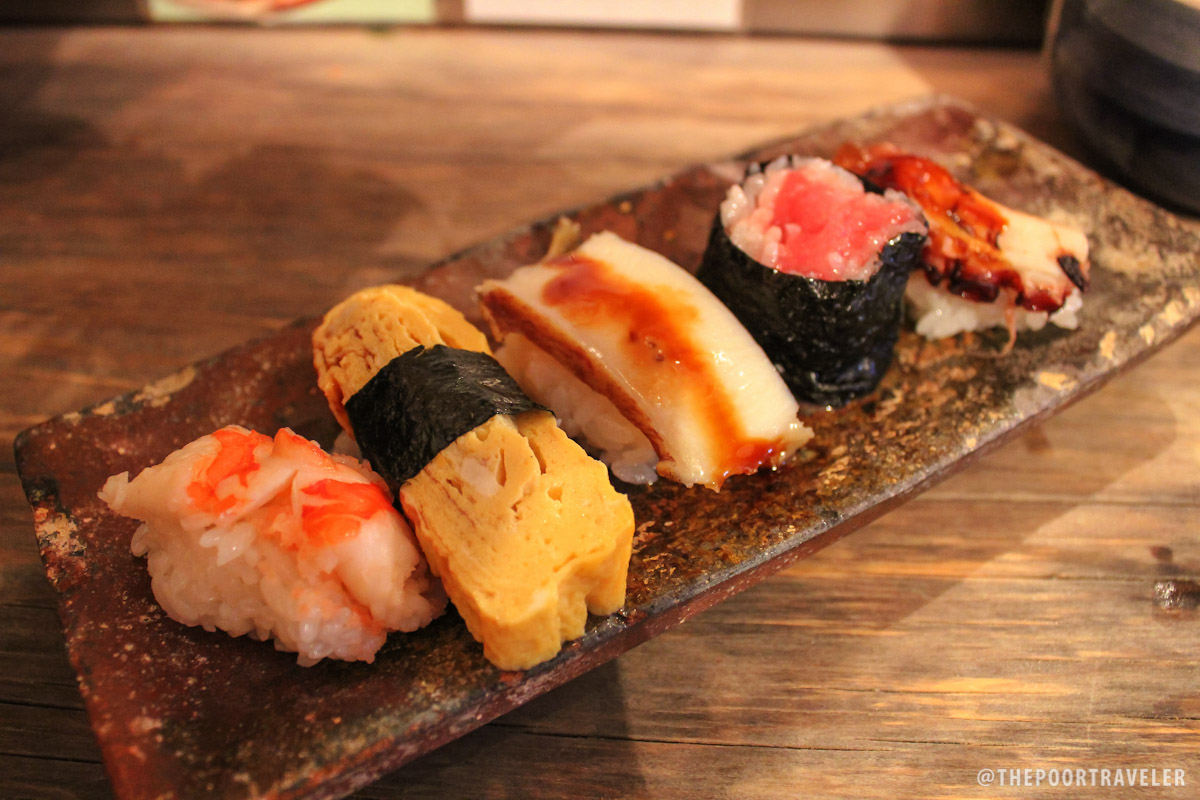
If you’re looking for a highly recommended food spot, head to Endo Sushi near the port. It was the first sushi bar we ever visited in Japan, and even after multiple trips, we still can’t forget it. In fact, we make it a point to visit almost every time we’re in Osaka.
Sushi Plate #3: Ebi (shrimp), Tamago (sweet omelet), Awabi (abalone), Tekka (tuna roll), and Tako (octopus)
10. Underestimating the Weather
We’ve explored the Kansai Region in all four seasons, and the contrast is stark. We’ve experienced getting all sweaty in the summer and have felt the biting cold of winter, especially when venturing beyond Osaka.
If you’re visiting during summer, particularly in July or August, wear light, breathable clothing to stay comfortable, especially if you plan on exploring the outdoors. The heat and humidity can be intense, so dressing appropriately will help you enjoy your trip without feeling overwhelmed by the weather.
For a winter trip, proper outerwear is essential, especially if you plan on hiking or skiing. There are many types of jackets, and the best one depends on your cold tolerance and comfort level. If you have a high tolerance for the cold, you may not need too many layers. However, if you’re someone who gets chilly even from air conditioning, expect that you might need a puffer jacket along with heat tech innerwear.
If you’re exploring the city in winter, choose a jacket that’s easy to take off, as trains and indoor establishments are well-heated. A bulky jacket that’s difficult to remove can become inconvenient when constantly moving between the cold outdoors and warm indoor spaces. Dressing smartly for the season ensures you stay comfortable and make the most of your Kansai adventure!
Have Peace of Mind While Traveling!
Getting a travel insurance is optional, but we highly recommend this, especially when traveling abroad. Travel can be unpredictable, and though we hope we’ll never use it, having it gives us peace of mind in case of unexpected delays, cancellations, or emergencies.
For international destinations, consider PGA Sompo’s TravelJOY Plus insurance. You can GET IT HERE. Don’t forget to use WORTHIT for a special affordable rate.
Ms. Ellen Bareley curated the Le Mans Legends Heritage Display. This display contained close to fifty cars, all with Le Mans history. From the 1929 Bentley Speed Six overall winner in 1929 and 1930 to the 2016 Ford GTLM class winner.
Among the displays was the Jim Hall 1967 Chaparral 2F; push rods, 427 cubic inch Chevy aluminum block, and an automatic transmission wrapped in fiberglass designed and built in Southwest Texas. This is an American Endurance Racing Car. Each of the many times I walked by the Chaparral 2F, I noticed somebody of my age explaining to sons and grandsons what an important car the Chaparral was to them. Jim Hall and his Chaparrals proved that American cars could compete internationally.
Another significant car is Cameron Healey’s 1951 Porsche 356/02-063. This is the car that started the Porsche mystique by winning Porsche’s first international race. The 1100cc Class of the 1951 Le Mans. Later the car was bought by Southern California’s John von Neumann, who eventually cut the roof off, producing the first Speedster. Northern California Porsche racer Chuck Forge eventually raced the car.
Cameron Healey bought the car from the Forge estate and returned it to how it left the factory in 1951. Even down to the rubber hose jammed behind the right front external driving light to stop vibration and the light moving during the race. Compared to the early fifties British and Italian cars here, this sleek racer definitely feels German!
Cameron Healey and SportsCarDigest compatriot Bill Wagenblatt have worked together to produce the book “46: The Birth of Porsche Motorsport,” which covers the history of 356/02-063 from its first production orders to today. The book includes conversations with original mechanics and team members. I have seen the layout for the book; if you are a Porsche enthusiast, you should have this book. It should be available early next year.
The Sunday morning Hillclimb or “Backwards up The Corkscrew.” This year the 2022 Rolex Monterey Motorsports Reunion ran Wednesday through Saturday, leaving Sunday for the “Cars on Grass” people. For the rest of us, Laguna Seca held a Hillclimb running from the start-finish line through turns eleven, ten, and nine, ending just past The Corkscrew. You may notice this is backward from the usual direction the cars run.
With over fifty entrants in this novel event, the hillside behind The Corkscrew was packed with spectators. Once the entrants grasped the technique of driving up the hill, they put on a good show. The Word is that the track is looking to build a Hillclimb series out of this event. I am for it.
Weathertech Raceway Laguna Seca Raceway had 13 groups of cars running this event. Starting with 1923-1955 The Early Years cars to 1981 – 2005 Le Mans Prototypes and GT1 cars. If you’re turned on by ground-shaking, loud, fast cars, how about the Group 12 Historic Vintage Trans-Am group. Or if your thing is the flame-throwing Porsches, there is Group 8 for 1972-1982 Le Mans cars. On the other end of the spectrum, we have Group 1 1968-1963 Formula Junior; buzzy but quick. Further up the open-wheel ladder is Group 13 1966-1985 Formula One. Very fast with the great sound of high revving V8s and even a Ferrari flat-12 in the field.
Enjoy the following gallery. I plan on having a follow-up 2022 RMMR posting in late September or early October with more images. If you don’t see a car or driver you’re interested in, let us know, and I’ll see if I have a picture to include in the future posting. Hope to hear from you.
Taiwan is an absolute gem of a country to explore. It’s a totally stunning island nation that’s got a little bit of something for every type of traveller to experience. If you’re into cities, you’ve got some totally vibrant cities like Taipei and the historic capital Tainan. Not only that, there is a huge swash of totally unspoilt mountain ranges, national parks, and beautiful coastlines with some of the best beaches in the region.
Oh, and let’s not forget how easy it is to travel around Taiwan. The high-speed rail system is amazing. Trains are punctual, clean, and super fast, and we found this the best way to get between urban centres while travelling in Taiwan.
It’s also super easy to rent a car, even if the roads can be busy in cities like Taipei! Truth be told, I’d probably recommend sticking to the MRT (metro system) and cabs or Uber in bigger cities. A car can be more of a hassle, and the public transport system is a dream. Oh yeah, make sure to remember: absolutely no eating or drinking whilst riding the MRT. It’s fine on the High-Speed Railway—but not the MRT.
You’ll have the easiest time getting around Taiwan! So, to help you get the most out of your visit to Taiwan, we’re sharing the best places in Taiwan to visit once you arrive. This way, you can focus all your energy on having fun, without being bogged down in the planning stages once you’re there.
1.) Tainan
Tainan is the old capital of Taiwan and one city you can’t miss when visiting Taiwan. It’s a high-speed train ride from Taipei and a foodie city filled with night markets, restaurants and cool cafes you can’t miss.
We’ve spent quite a bit of time in Tainan, one of those cities that gets under your skin.
From the incredibly tasty night markets, temples and mangrove tunnels – it’s a place you can’t miss when visiting the best places in Taiwan to visit.
The Alishan forest is one of my favourite (and unspoilt) areas of Taiwan to visit. It’s stunning and situated in the high mountains of Taiwan, which rise about 2,900 meters.
Now, if you’re planning on going, book a transfer or tour that will drop you off near or around the Alishan Township. From here, you can follow a heap of different trails, explore the boardwalk or watch the sunrise with the sea of clouds below you.
If the latter is your jam, book the pre-sunrise train (around 20 minutes) that takes you to the sunrise spot. It’s beautiful on a clear day, though always be prepared for inclement weather in the mountains of Taiwan.
Also, a final note: hotel choices in the Alishan Forest area are more basic than in Taipei. There is much less choice—accommodations are clean but not always on the higher end if you’re used to the Grand Hotel or Regent Hotel in Taipei (for instance).
Departing from the Alishan Township area of Taiwan, the Formosensis Train (bookable here) is a newly renovated cedar-clad train that takes you around the Alishan forest on a half-day trip. The journey is gorgeous and a great way to explore the wider rural area, with a few stops in small towns.
We absolutely loved our train ride, and it’s up there as one of the best things to do in Taiwan that you can’t miss. Make sure to plan well in advance – these tickets can be booked quickly.
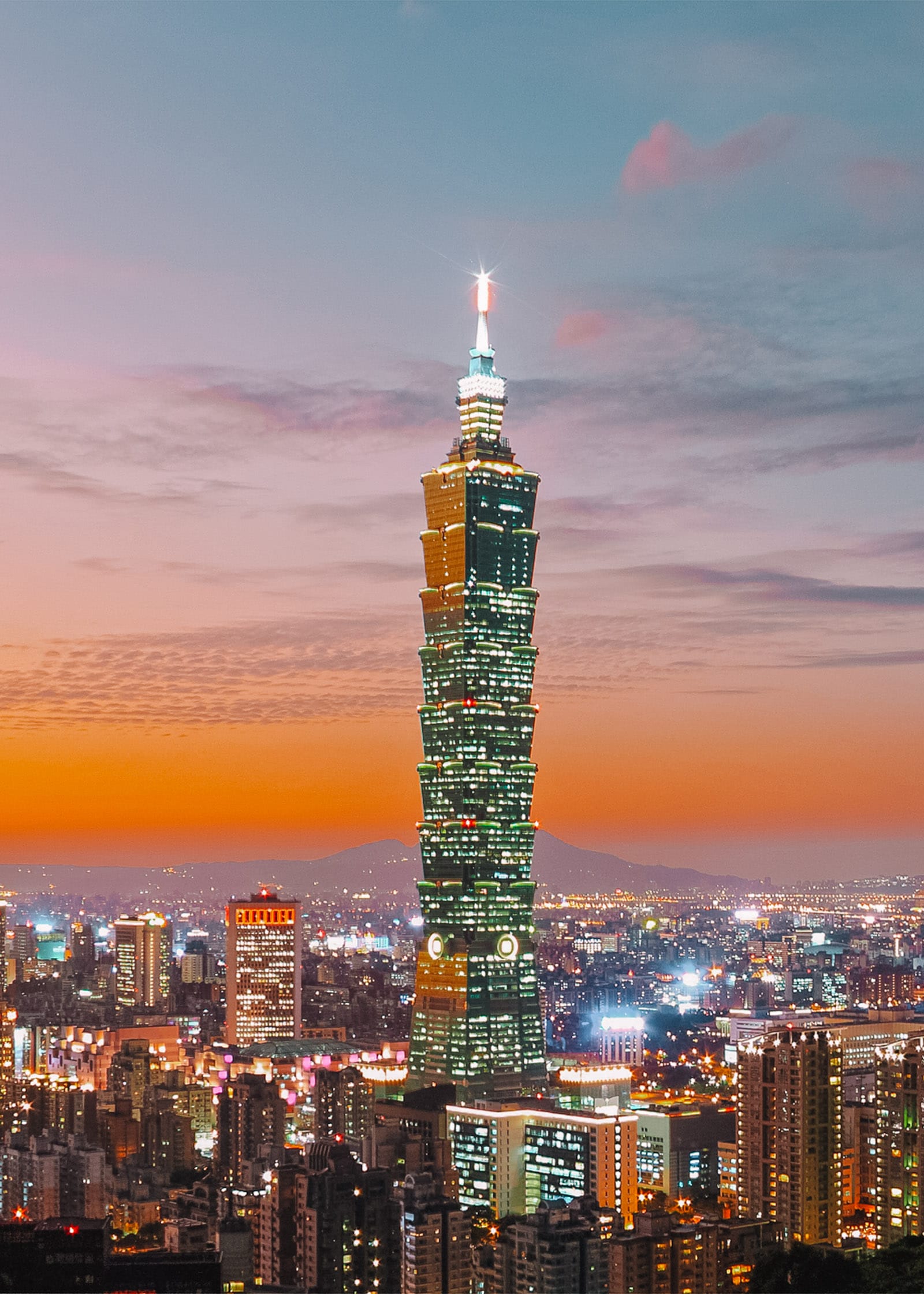
If you’re visiting Taiwan from an international destination, then it’s most likely that you will land in the capital city of Taipei. It’s well worth spending at least 2 days here in Taipei, especially as there is so much to see, do, and eat in the city.
From the incredible Taipei Night Markets to some of the best speakeasies and bars in the city, Taipei has everything you could want from a city break.
Taiwan might not immediately come to mind, but it has some of the best beaches in the region, and you can’t miss them while exploring the country.
Now, in my opinion, some of the best are on the lesser-developed east coast of Taiwan or the island of Penghu, which is a short plane ride away (or ferry ride from Kaohsiung) on the main island of Taiwan.
At Kenting Baishawan (Google Maps link), you’ll notice how clean and pristine the coastline is. Like, it looks untouched, and the water is so nice and warm. Also, don’t forget about Dongao Beach (Google Maps link) and Fulong (Google Maps link) beaches, too. They are stunning areas to slow down and enjoy the pristine coastline of Taiwan itself.
As always, make sure to pack plenty of SPF. The sun is very strong in Taiwan, especially on a clear day.
Oh, and don’t forget about Yehliu Geopark, too. It’s beautiful, especially around Oyster Rock, Queen’s Head and Fairy’s Shoe.
6.) Taiwan tea plantation
Tea is king in Taiwan! Black tea, oolong tea, you name it, Taiwan has it! Not only is tea drunk abundantly in Taiwan, but there are also many tea plantations you can visit across the country.
We found it easiest to visit some tea plantations on the drive up to the Alishan Forest area (high in the mountains). Most of the tea plantations we visited were away from the coastline and on elevated ground with slightly less intense temperatures.
We loved visiting the Lin Yuan Tea Factory (Google Maps link), about a 45-minute drive west of Alishan Township.
Here, we participated in a tea ceremony, where we tried some local black tea and even got to try picking some tea leaves. The whole area is stunning, and it’s easily one of the best places in Taiwan to visit as you venture higher into the mountains.
7.) Jiufen Old Street
Around a 50-minute drive from the centre of Taipei (or a 90-minute public transport ride), Jiufen Old Street is well worth visiting if you’re in the northeast of Taiwan.
Once here, you can explore the tiny streets and alleyways that make the hilly Jiufen area special. As you explore on foot, you’ll visit so many little foodie stalls, shops and cafes along the way.
We always recommend visiting in the late afternoon. This way, you’ll get to Jiufen transformed from day to night and see the iconic neon lights that make this area so iconic.
It makes it all so easy and is the perfect way to explore if you’re short on time. Just be sure to book this tour in advance; tickets sell out fast at peak times.
8.) Sicao Green Tunnel and Sicao Dazhong Temple
While in Tainan, we took a short trip to the nearby Sicao Green Tunnel and Sicao Dashing Temple. The Sicao Green Tunnel is a short, 25-minute ride through the mangrove waterways that crisscross this area around Tainan.
In my opinion, the green tunnel itself isn’t one of the most iconic spots to visit, but it’s really easy to include on a trip to Tainan—especially if you’re in the city for a fair few days. Tours aren’t expensive, and they’re pretty relaxed. One note is that there are no tours in English.
Afterwards, visit the Sicao Dazhong Temple, which is a one-minute stroll from the Sicao Green Tunnel.
Visits take around 45 minutes and are easily included (but not essential) when visiting the wider Tainan area of Taiwan.
9.) Taichung
Almost midway down the west side of Taiwan, Taihchung is another city to visit while exploring the island. Although it doesn’t have the draw of Tainan or Taipei, it’s still worth visiting for a day trip or even a chilled half-day trip down the west coast of Taiwan.
Once here, pop into the National Taichung Theatre for some of the seasonal performances throughout the year. As always, make a note that performances aren’t in English.
Also, make sure to visit the National Twain Museum of Fine Art and the National Museum of Natural Science, both within Taichung. There is a small entry fee, but it is not worth it.
In the evening, head to the Yizhong Street Night Market (Google Maps link), which is well worth spending a few hours eating, drinking, and chilling! The whole vibe is so friendly, and we loved the shaved mango ice we had here.
10.) Yuyupas Cultural Park
Yuyupas Cultural Park (Google Maps link) is easy to visit if you’re already heading into the mountains or the forest around Alishan Township.
Now, you might wonder what makes it one of the best places in Taiwan to visit? Well, Taiwan isn’t just one unified culture. Many ethnic groups make up this island country, and the Yuyupas Cultural Park is where you can learn more about their history and culture in Taiwan.
Once here, you’ll see performances by varying cultural groups that showcase Taiwan’s long history and heritage.
Just remember, no performances are in English. However, it’s still worth visiting as part of a guided tour or to learn more about Taiwan’s deep cultural heritage. Visits take around 90 minutes.
The technical storage or access is strictly necessary for the legitimate purpose of enabling the use of a specific service explicitly requested by the subscriber or user, or for the sole purpose of carrying out the transmission of a communication over an electronic communications network.
Preferences
The technical storage or access is necessary for the legitimate purpose of storing preferences that are not requested by the subscriber or user.
Statistics
The technical storage or access that is used exclusively for statistical purposes.The technical storage or access that is used exclusively for anonymous statistical purposes. Without a subpoena, voluntary compliance on the part of your Internet Service Provider, or additional records from a third party, information stored or retrieved for this purpose alone cannot usually be used to identify you.
Marketing
The technical storage or access is required to create user profiles to send advertising, or to track the user on a website or across several websites for similar marketing purposes.
:max_bytes(150000):strip_icc()/tal-chambray-light-blue-seasonal-trending-color-tout-aef261d2c0af4a948cdd0bf5c338e7ee.jpg "12 Chambray Light Blue Summer Travel Clothes")
:max_bytes(150000):strip_icc():format(jpeg)/tal-chambray-light-blue-seasonal-trending-color-tout-aef261d2c0af4a948cdd0bf5c338e7ee.jpg)
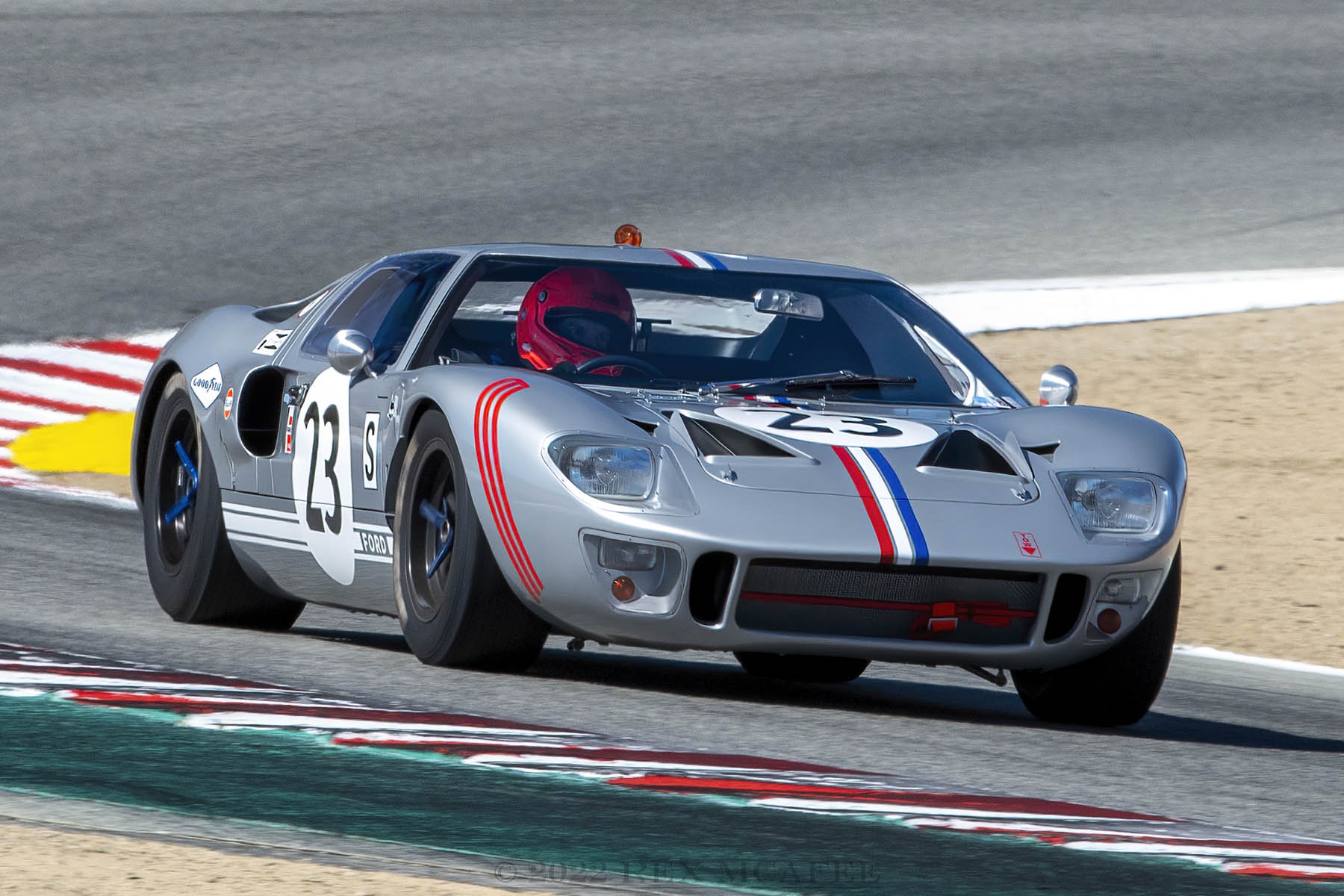








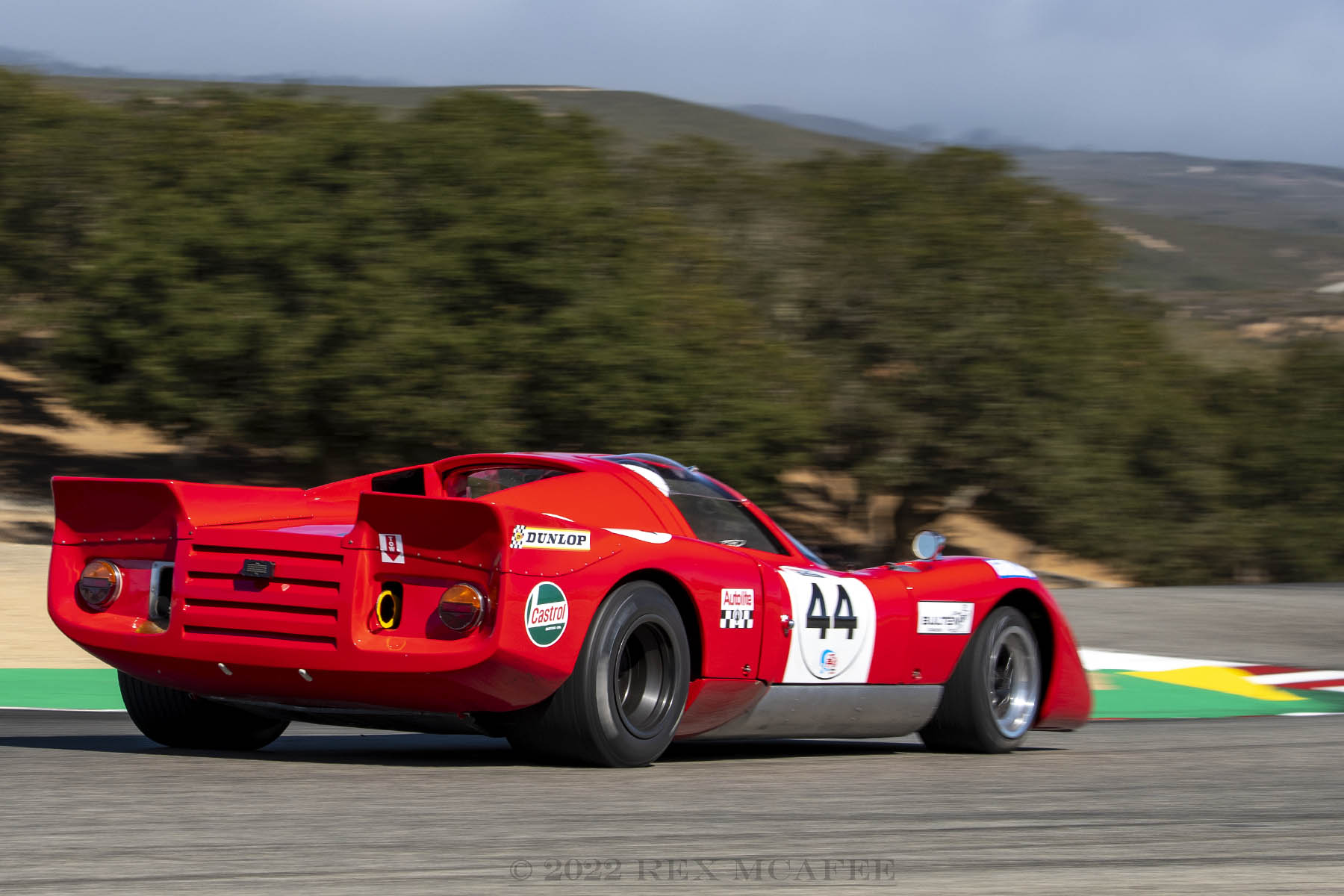

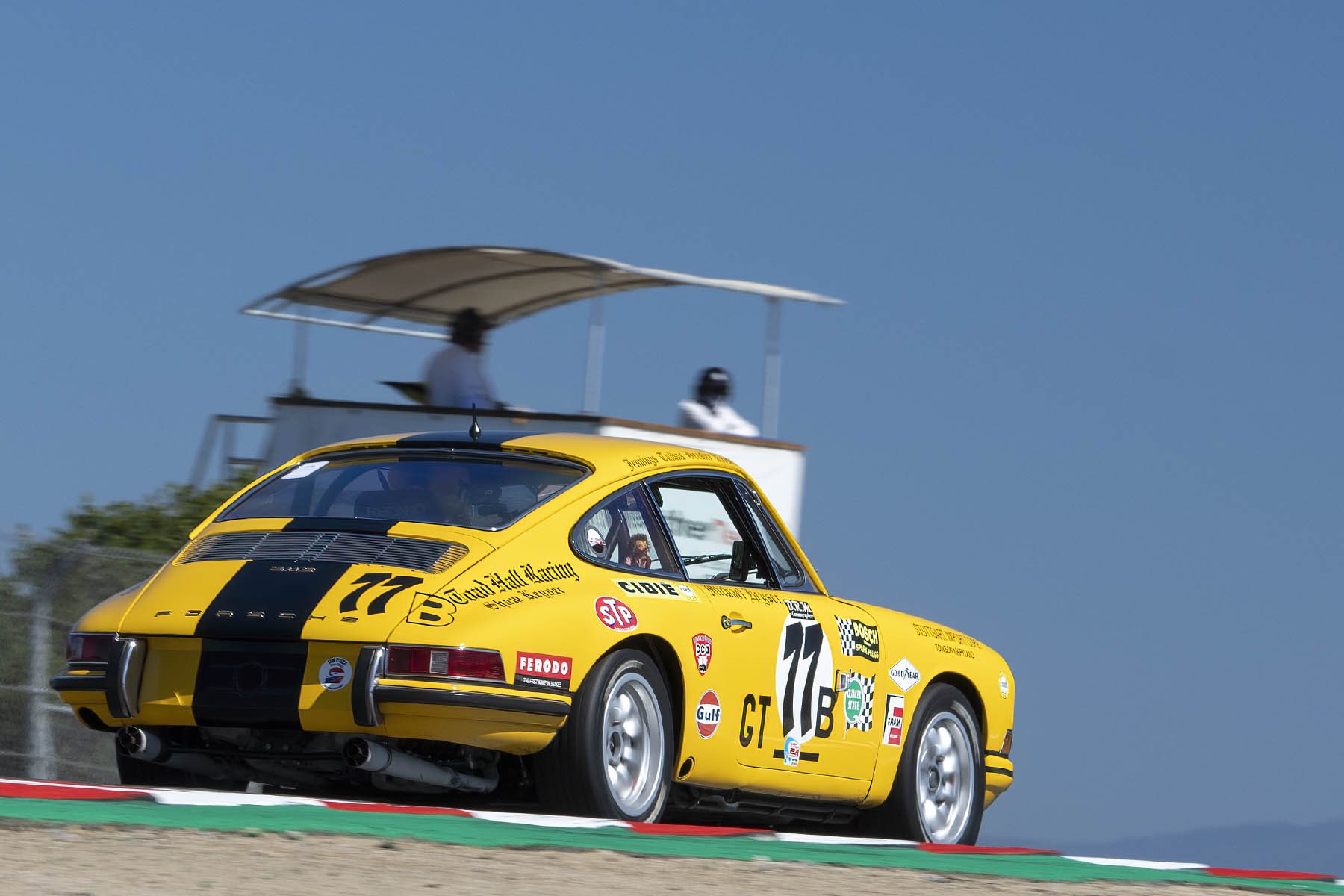







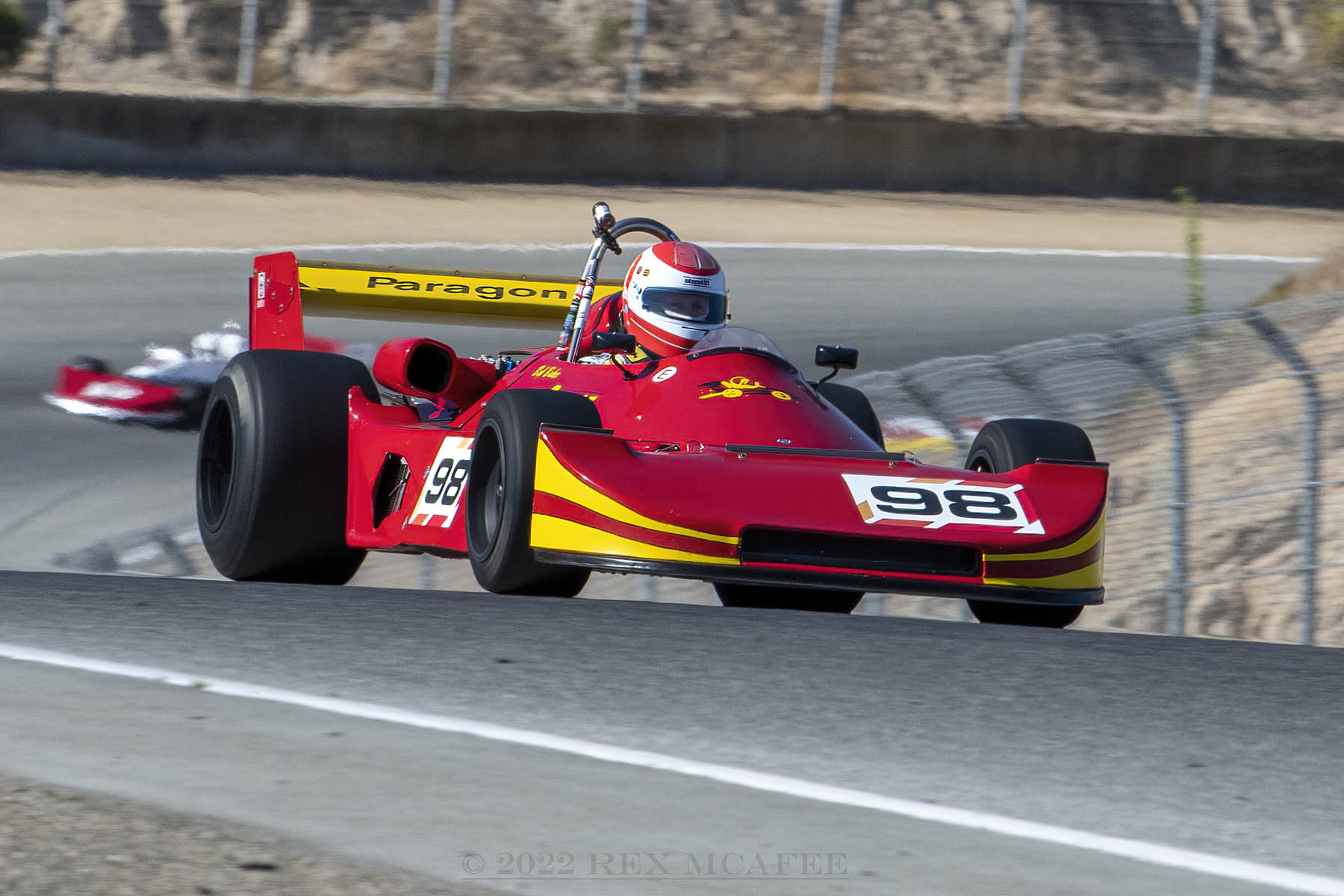







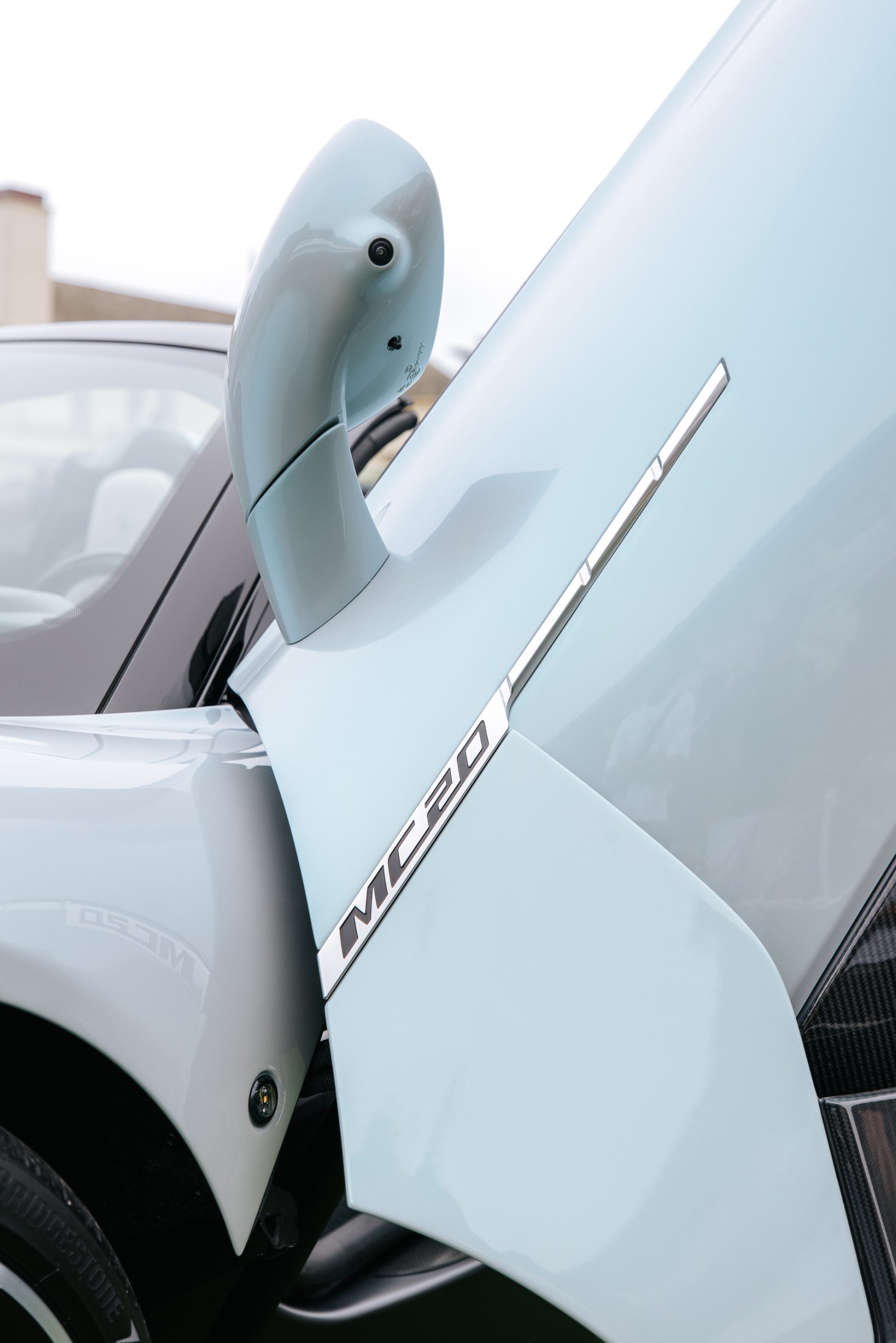



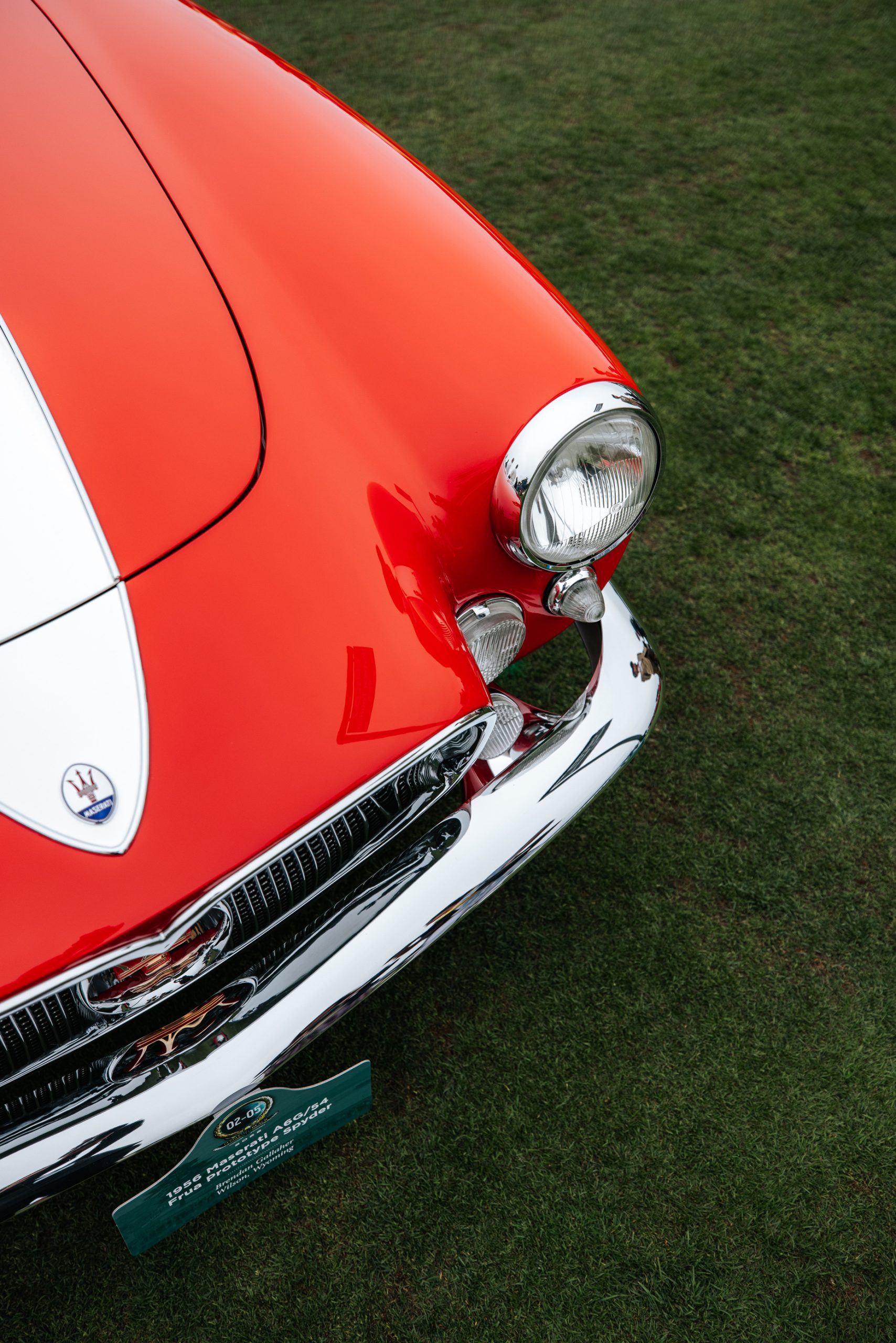


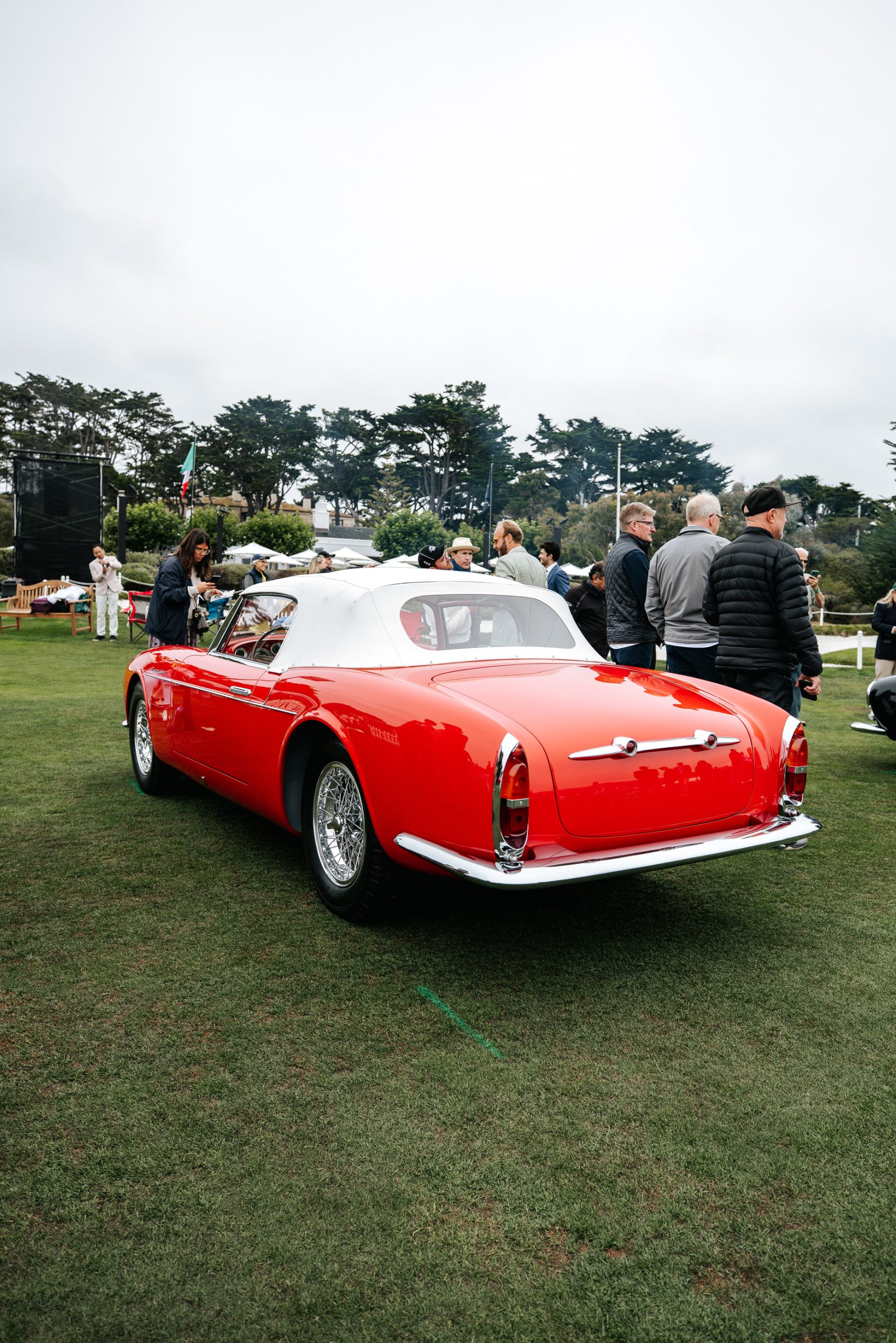


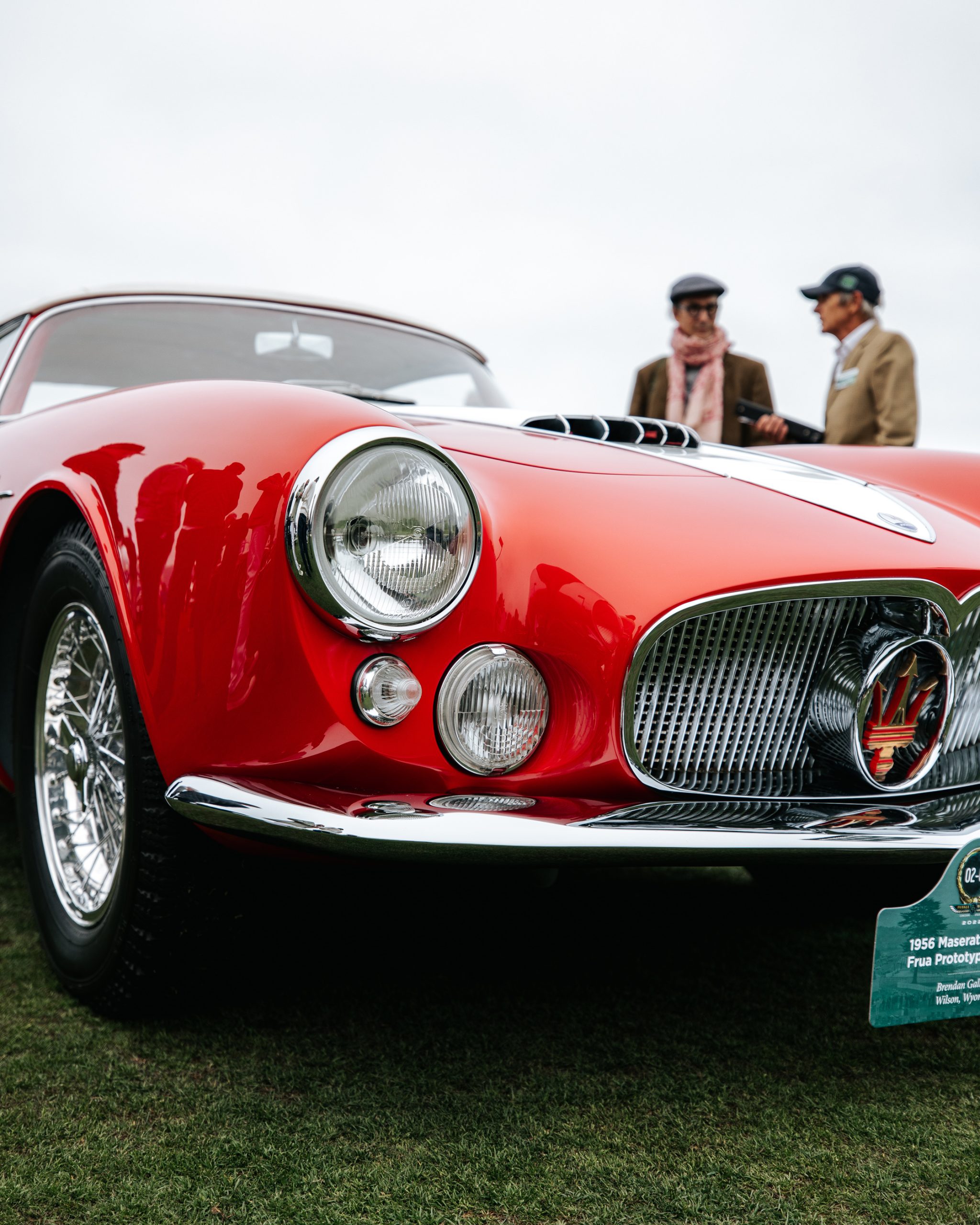
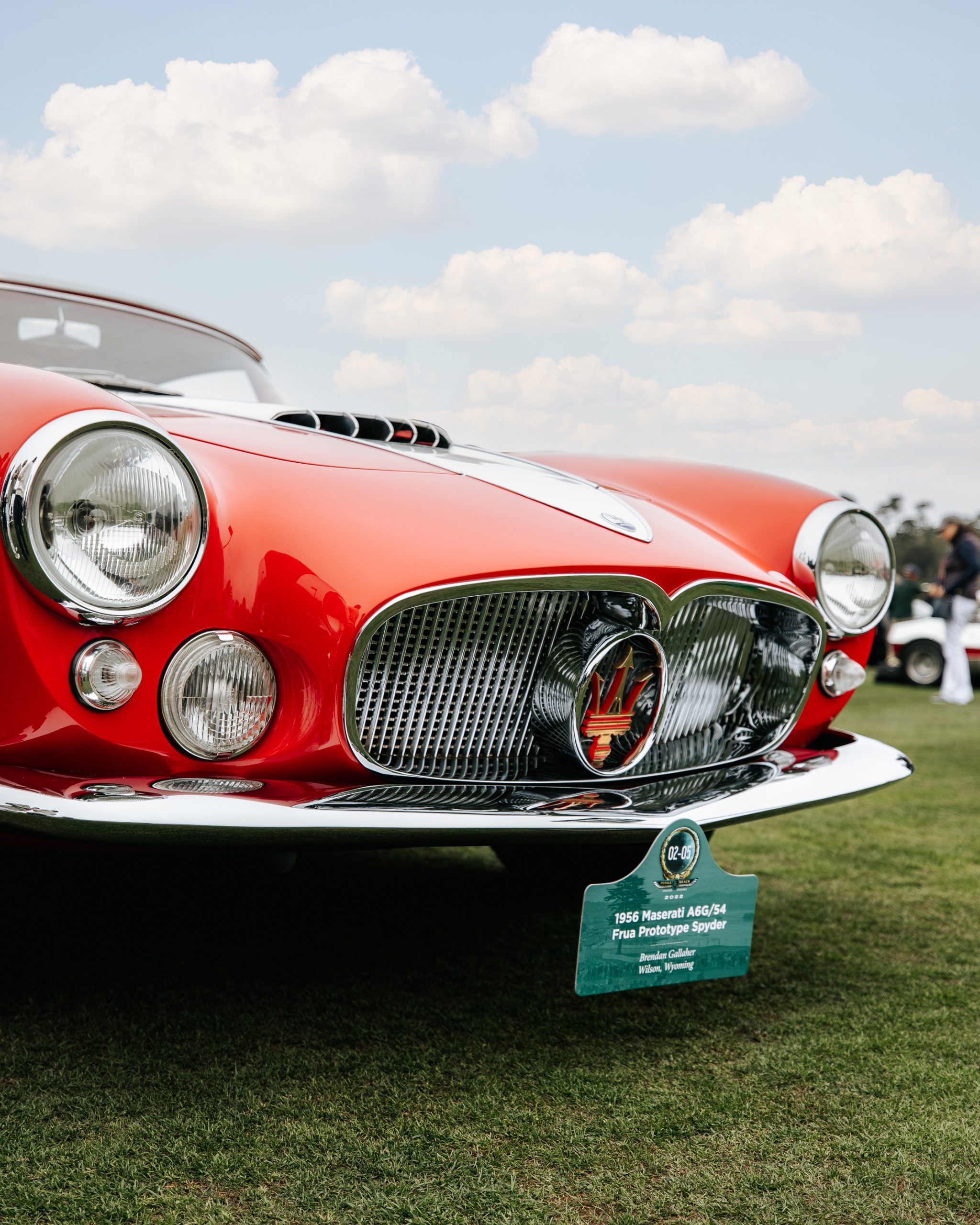

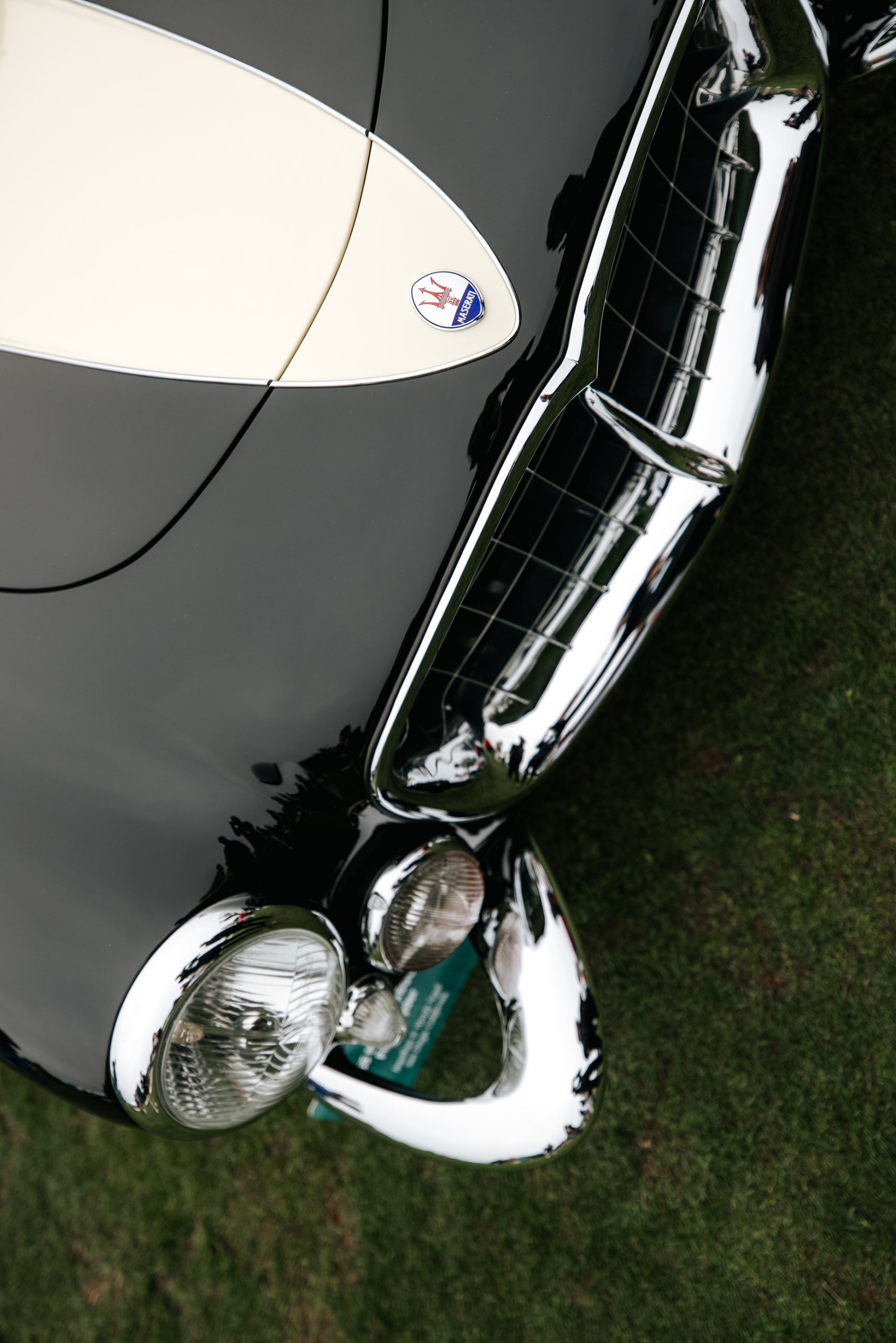
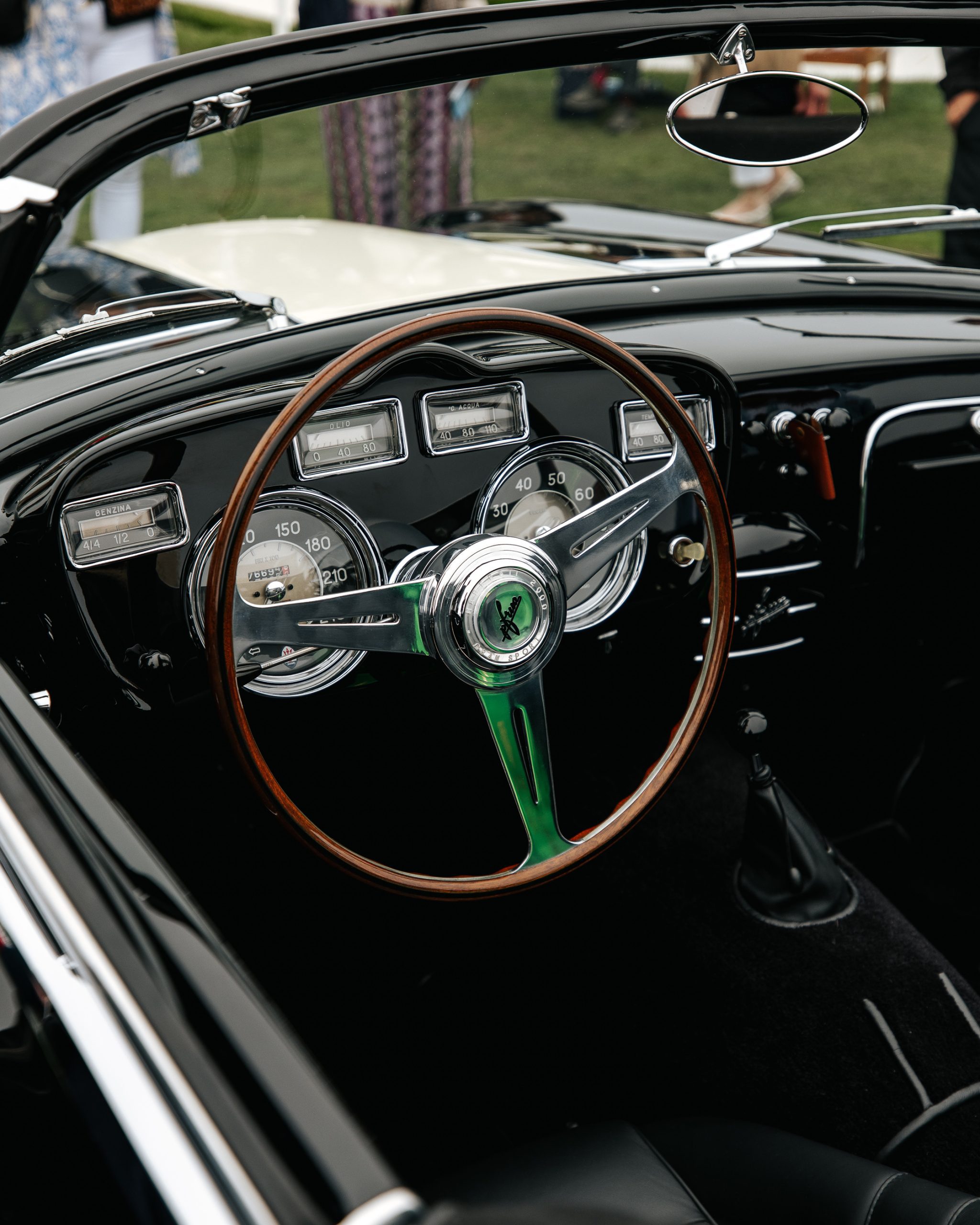






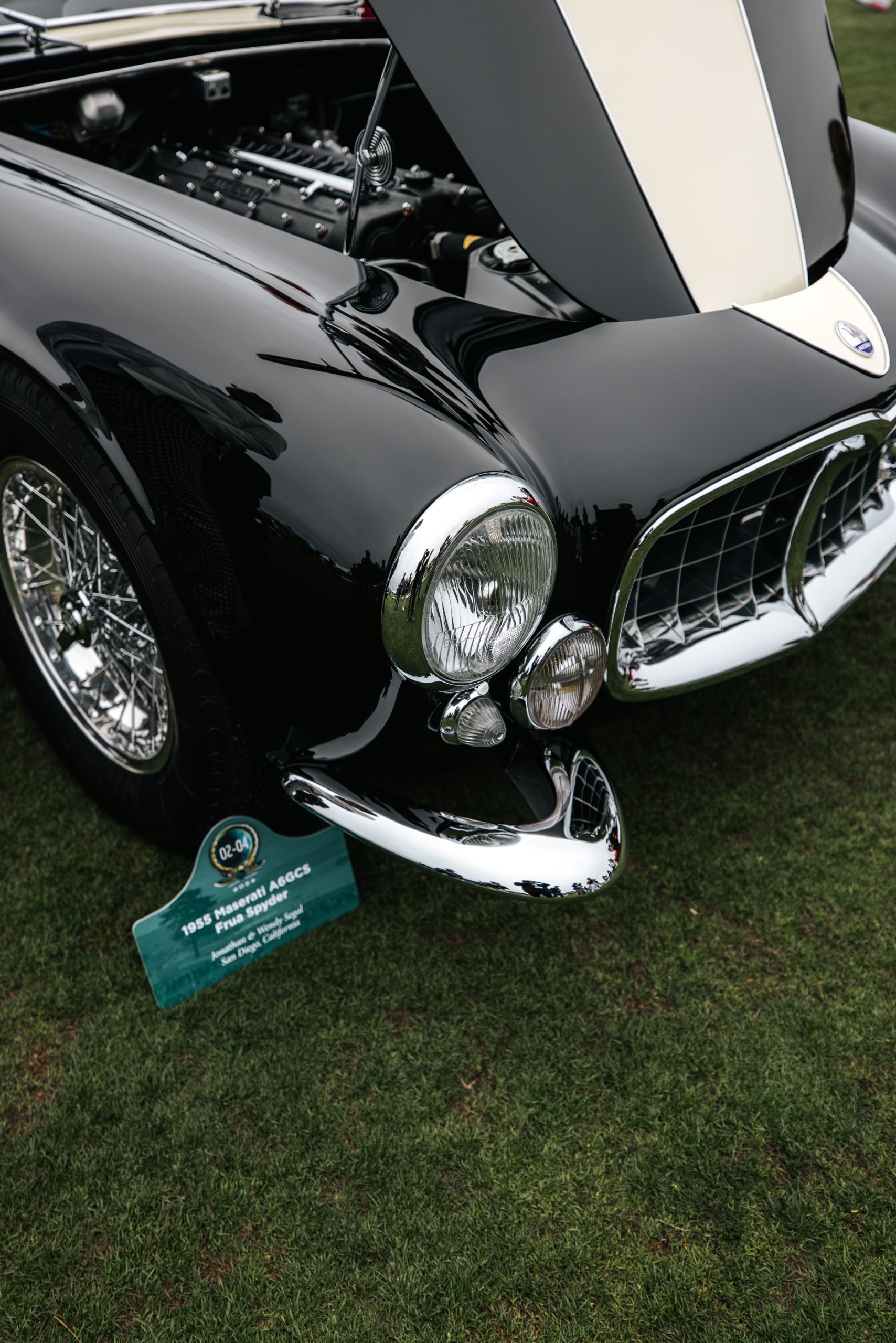


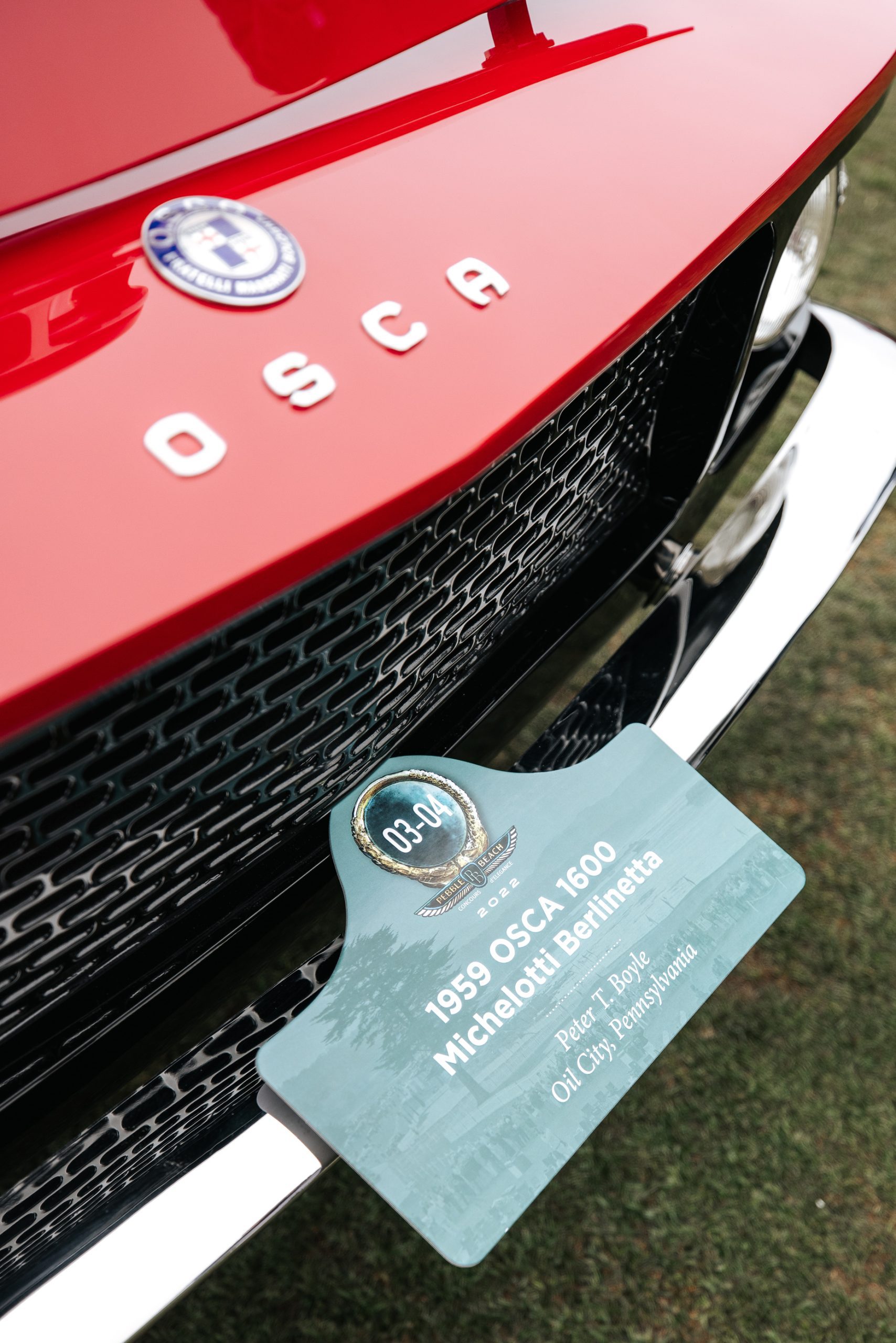
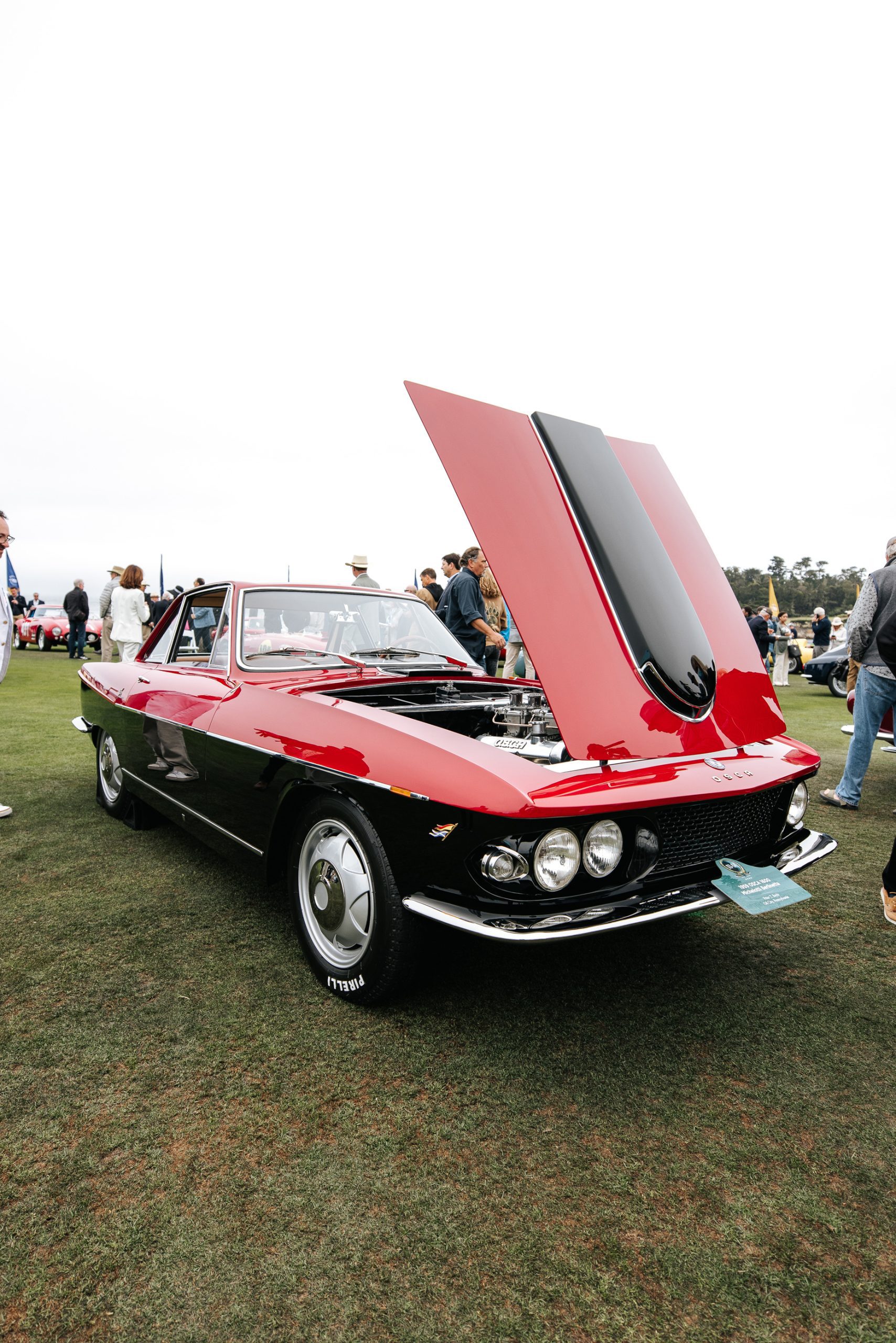

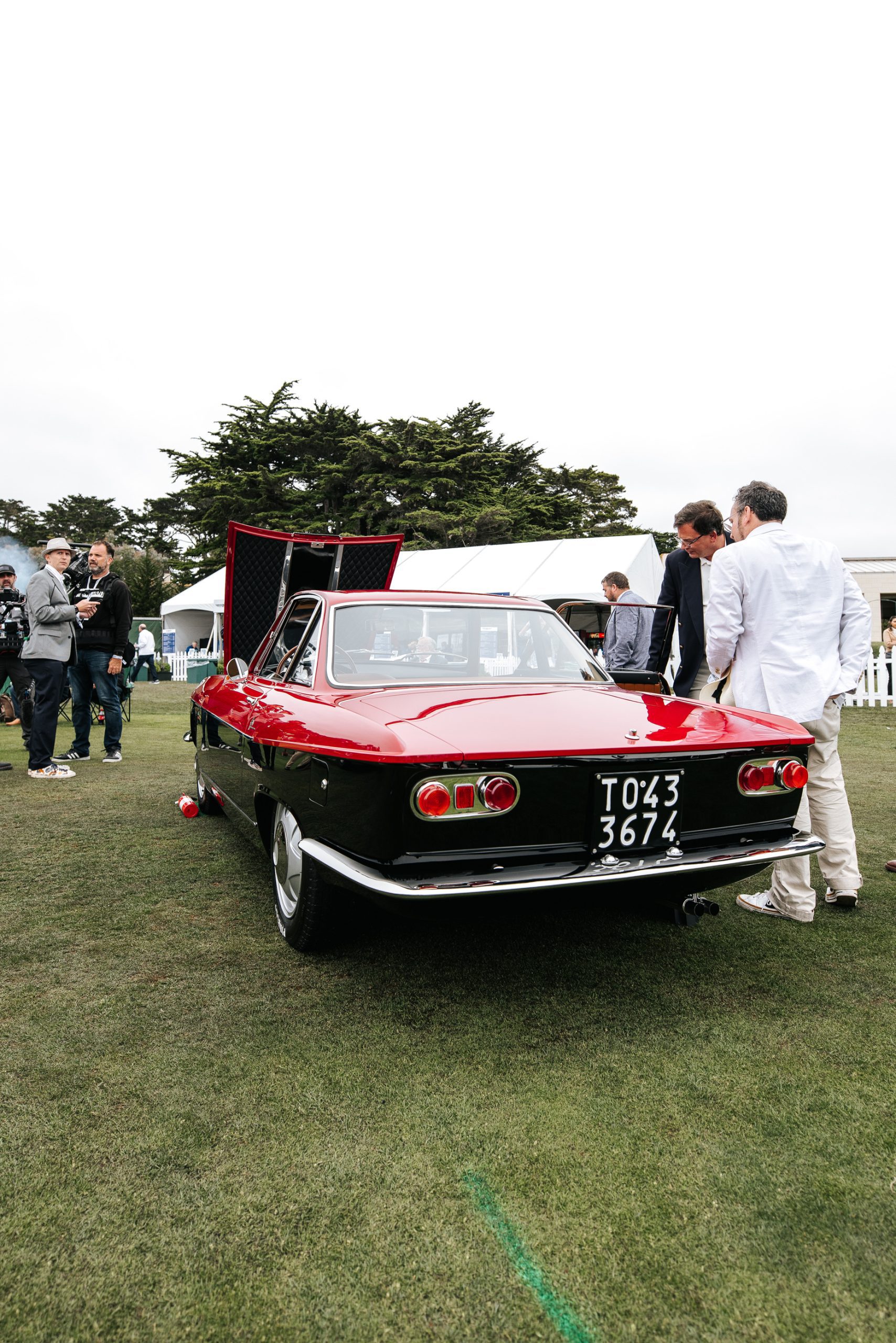




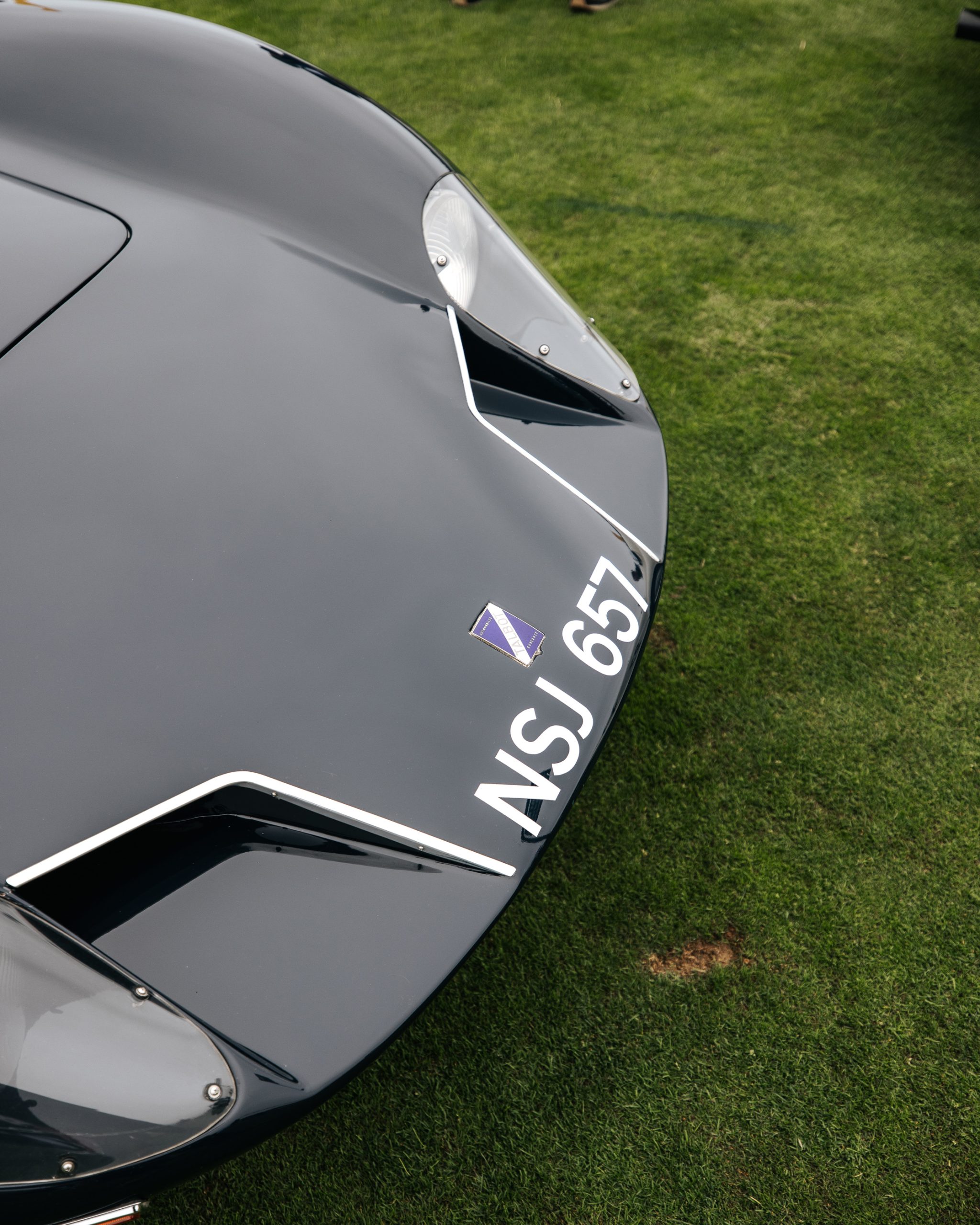
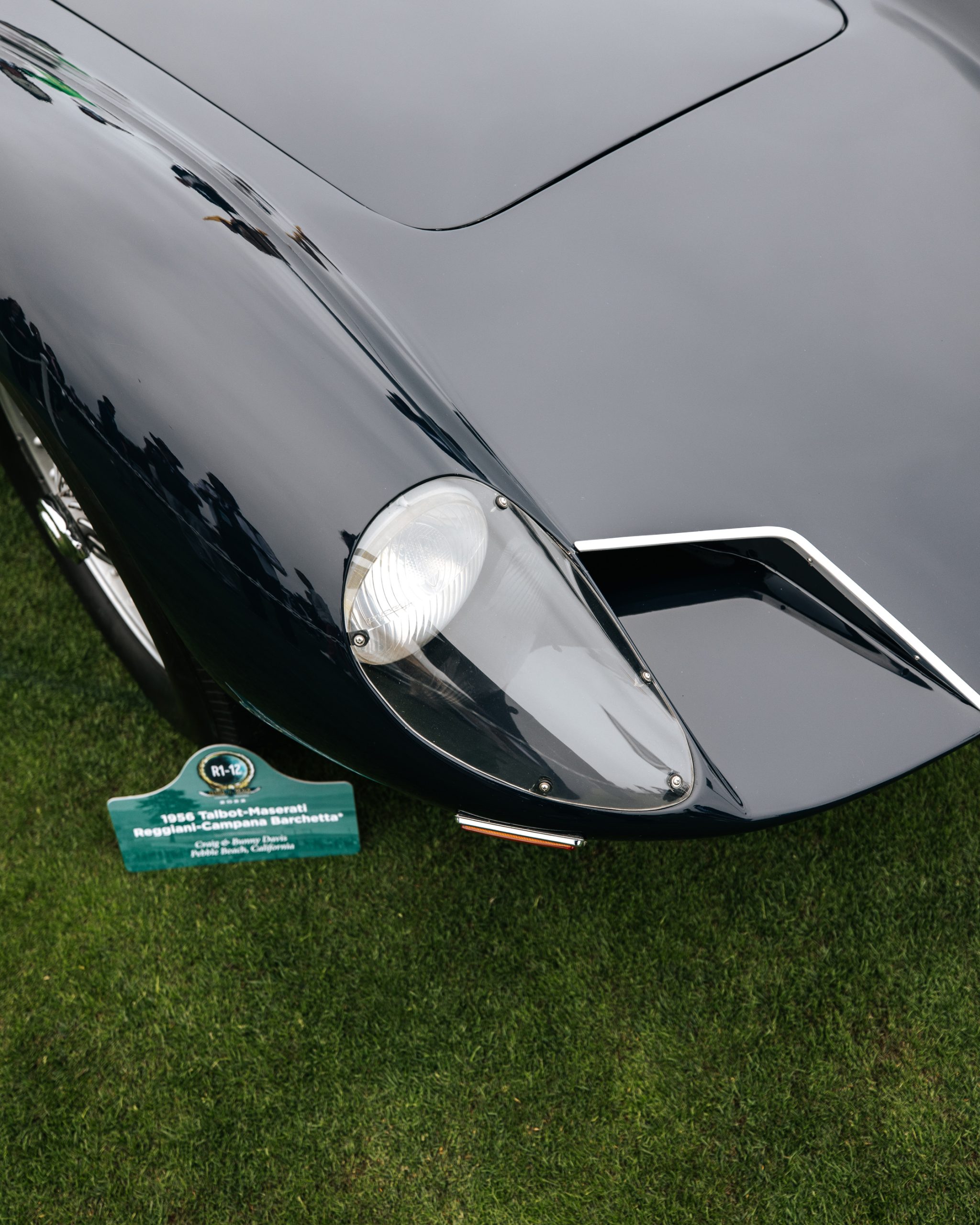




:max_bytes(150000):strip_icc()/TAL-lead-image-BOCASDELTORO0425-1335c4a4aa0147a18efd11e235b337c1.jpg "Bocas del Toro, Panama, Travel Guide")
:max_bytes(150000):strip_icc():format(jpeg)/TAL-lead-image-BOCASDELTORO0425-1335c4a4aa0147a18efd11e235b337c1.jpg)