Bounce.com has ranked the top international airlines for nervous fliers.
The new ranking factors in carriers’ safety records, cabin crew, and passenger comforts.
Three airlines based in Asia nabbed the top spots as the best options for nervous travelers.
Flying can feel like a scary proposition, even for seasoned travelers. But it’s important to remember that several generations of very smart engineers have constructed extremely sturdy aircraft for wildly experienced pilots to fly from point A to point B. Plus, the statistics are there to back it up that flying is abundantly safe.
Still, if you’re nervous, there are some airlines that are better suited for you. And Bounce.com has the list of the best ones.
The website revealed its list of the best airlines for nervous fliers. It created its ranking by first looking at data from SeatGuru to find the average seat pitch and width of economy seats across all aircraft types. It then collected the average airline review score from Skytrax and the safety score from Airline Ratings.
Next, it surveyed 2,000 UK residents, asking them questions like, “Are you a nervous flier,” and to rate the importance of things like how friendly a cabin crew is, the meal service, if there are pillows and blankets available, and if it matters if there are loud people around you.
After looking at all the data and the survey results, it named Singapore Airlines the most stress-free of all for nervous fliers.
“Singapore Airlines takes the top spot, and it’s easy to see why,” the findings noted. “With perfect review and safety ratings, alongside an overall stress-free score of 8.94 out of 10, this airline excels in passenger experience.” It added that the airline’s most standout feature is its generous seat width at 17.5 inches in economy class, giving you “more room to relax on long-haul flights.” Bounce also noted that the airline provides passengers with in-flight meditation playlists to help them relax as an added bonus.
Following closely behind is Korean Air, which received an impressive stress-free score of 8.82 out of 10. “Korean Air is another strong contender for nervous [fliers]. The airline provides one of the most generous economy seat pitches at 32.5 inches, meaning more legroom than competitors like Cathay Pacific (32.0 inches) and Japan Airlines (31.7 inches),” the findings added.
Rounding out the top three is Cathay Pacific, which nabbed a stress-free score of 8.57. “Like the top two, this airline doesn’t have a dedicated nervous [flier] program, but it offers relaxation playlists on board to help ease anxiety,” Bounce explained. “However, it is the only airline in the top three to have an official partnership with Headspace, which allows it to provide meditation support while in the sky.”
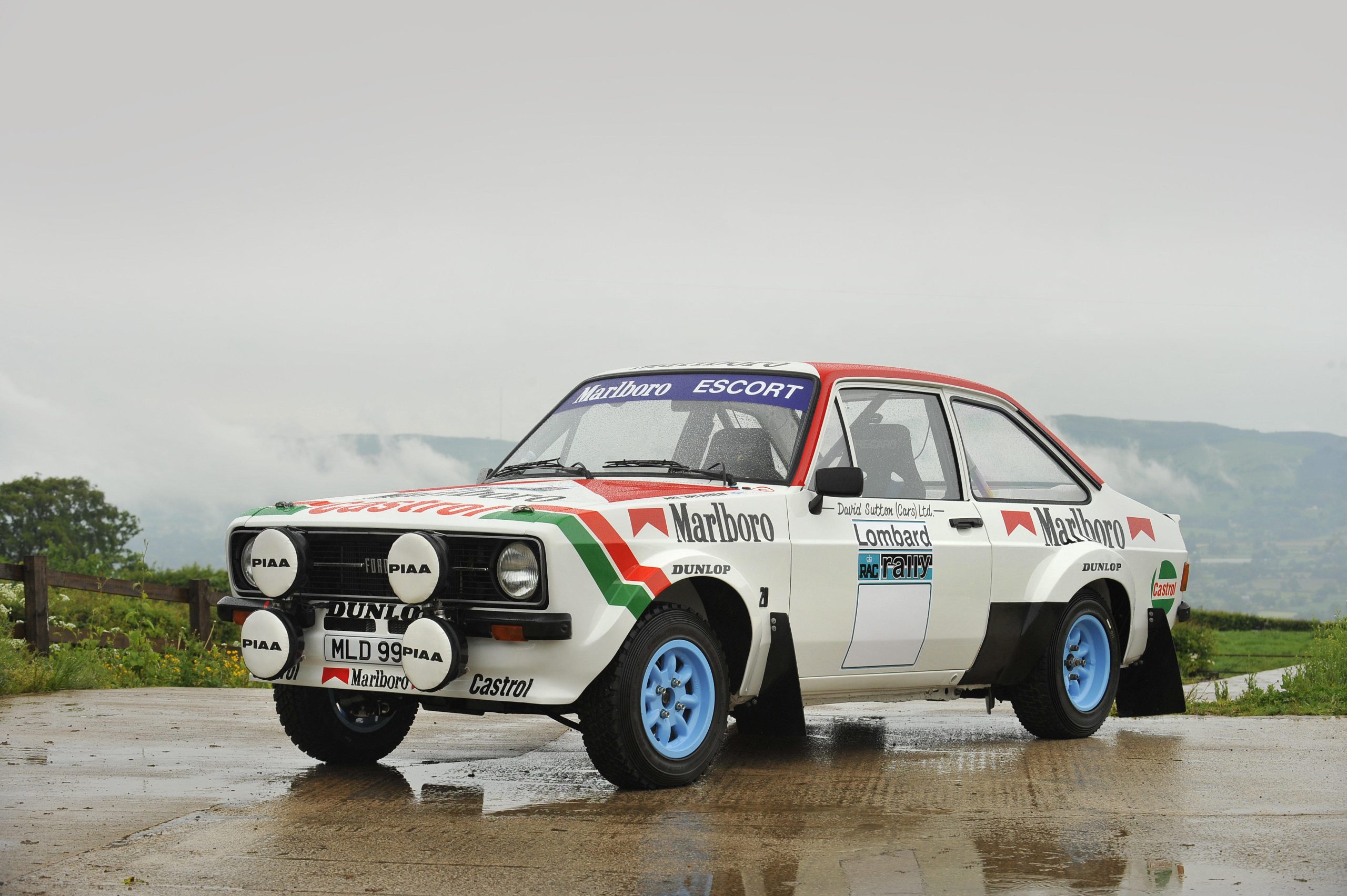
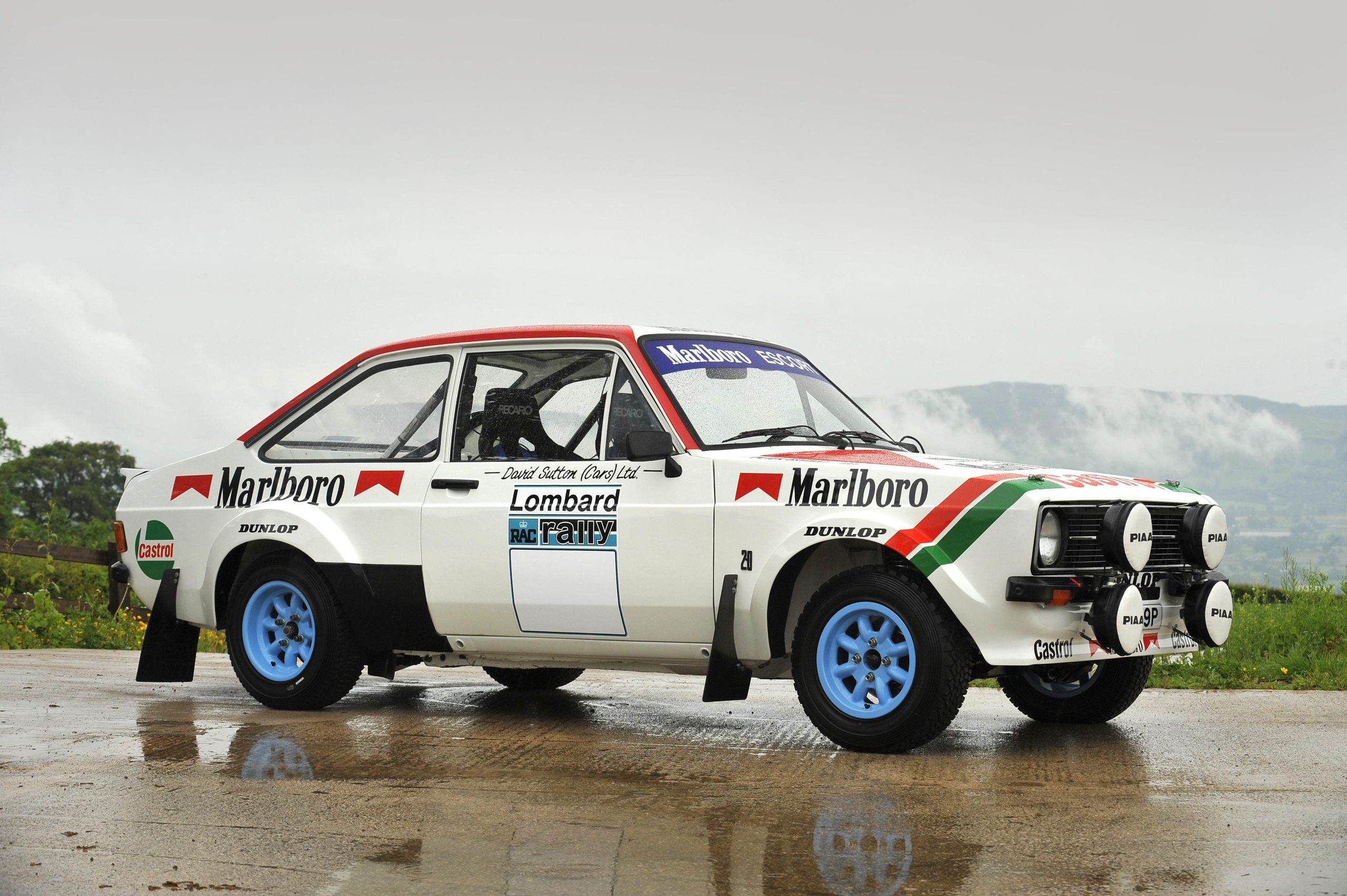
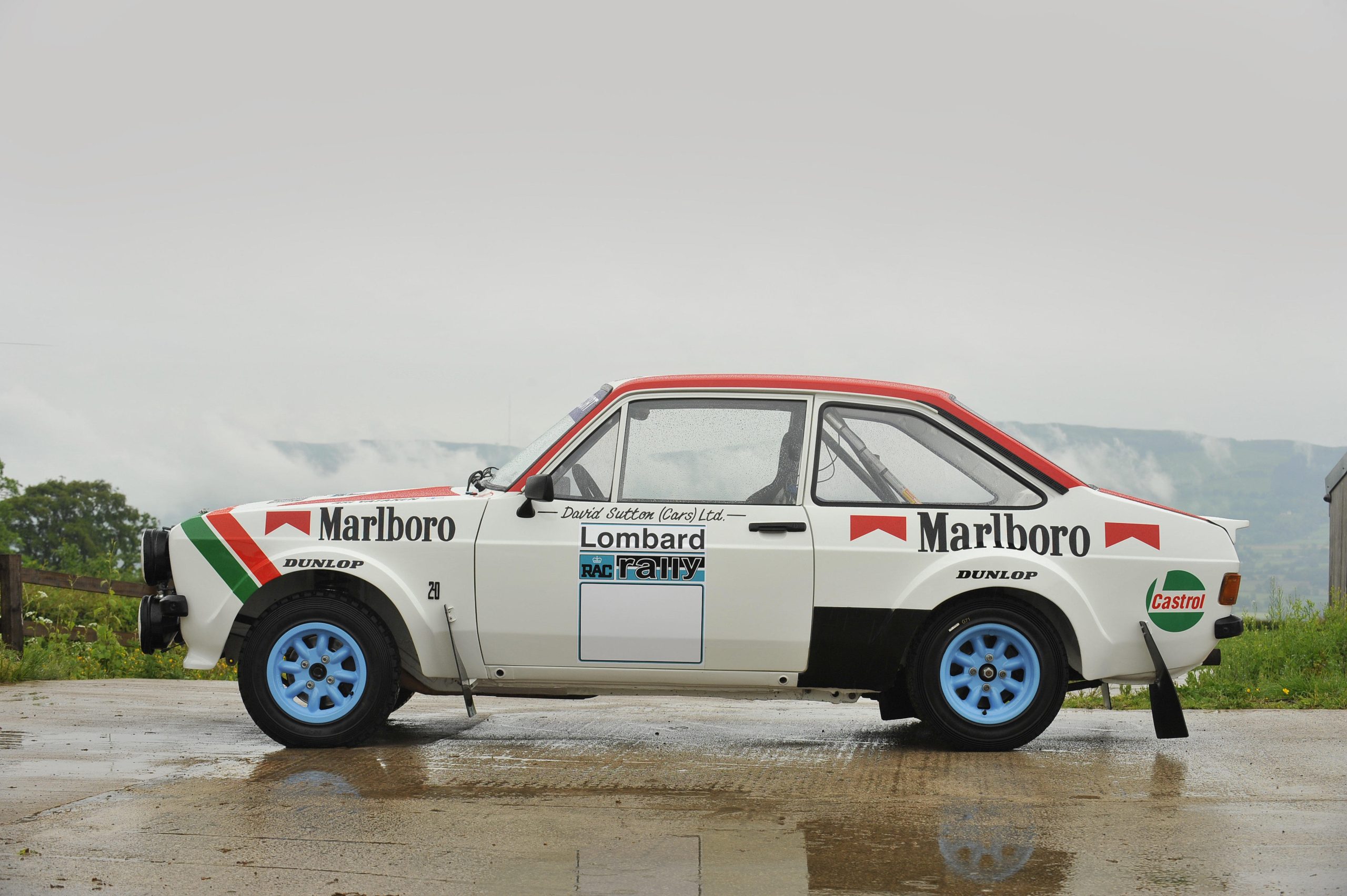
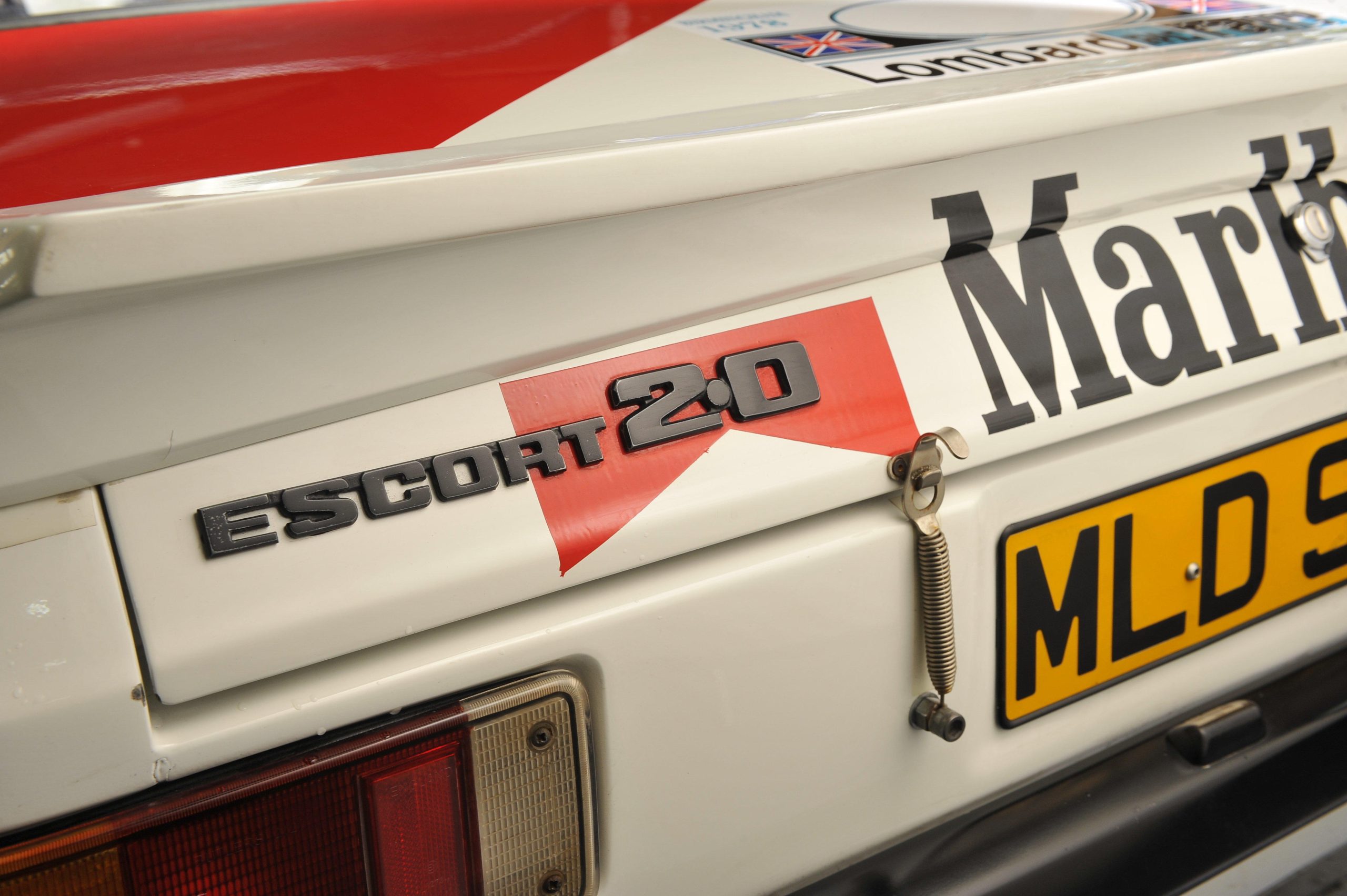
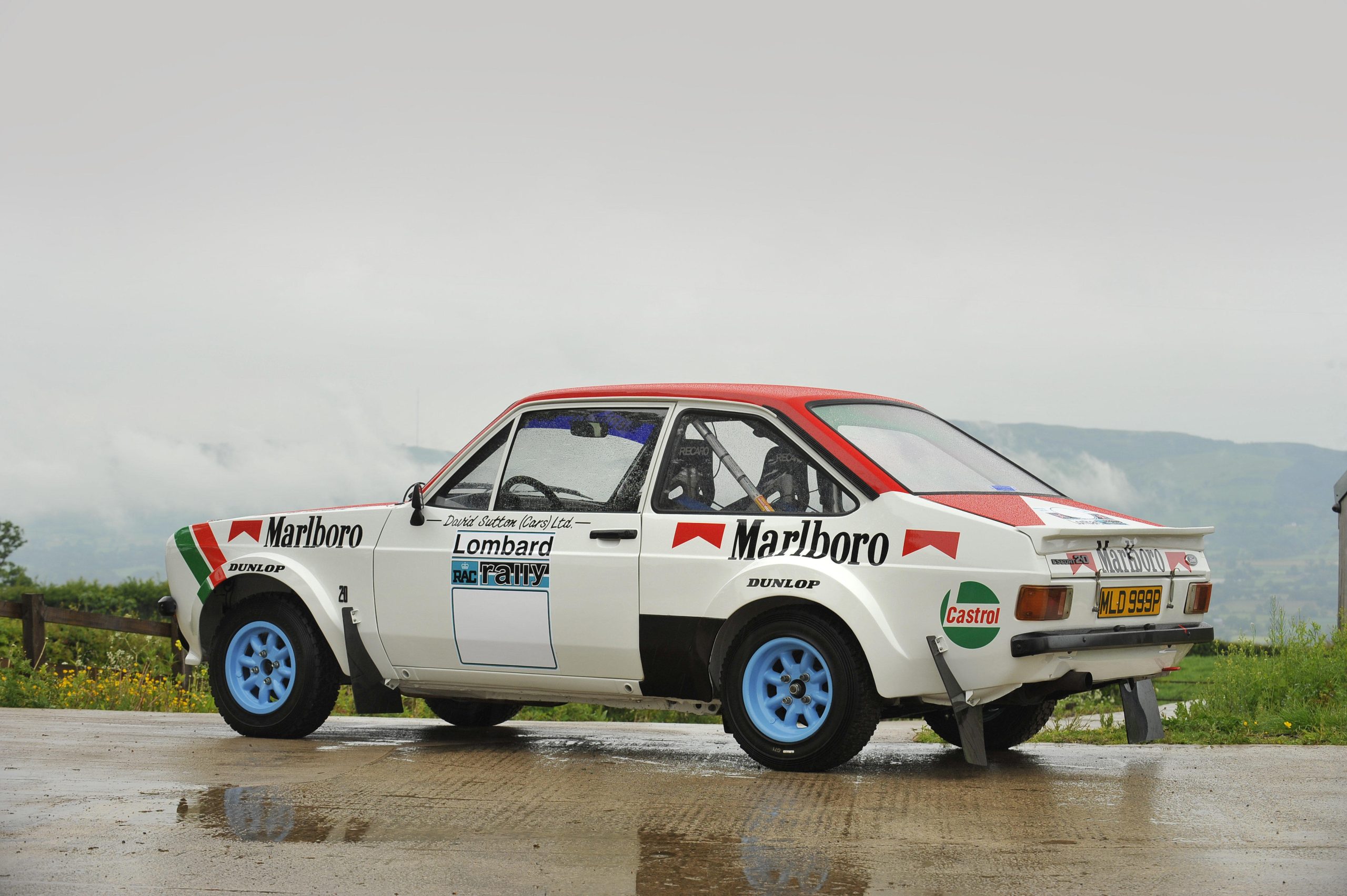
Most people probably don’t know that Ford has been around in rally racing almost as long as it has in any other format of motorsport. The Ford Escort represented the American automaker’s first real foray into the off-roading landscape, and arguably its most successful too. Beginning with the Ford Escort RS1600, the car eventually evolved into the RS1800 and enjoyed a healthy spell of dominance in competition throughout the 1970s.
This started after Hannu Mikkola was crowned champion of the World Cup of Rally in 1970 and garnered enough momentum for him to become the first foreign/European driver to win the East African Safari Rally in 1972. The RS1800s would continue to seal a number of title-winning runs late into the 1970s, with an expanded ensemble which also included drivers Ari Vatanen and Björn Waldegård.
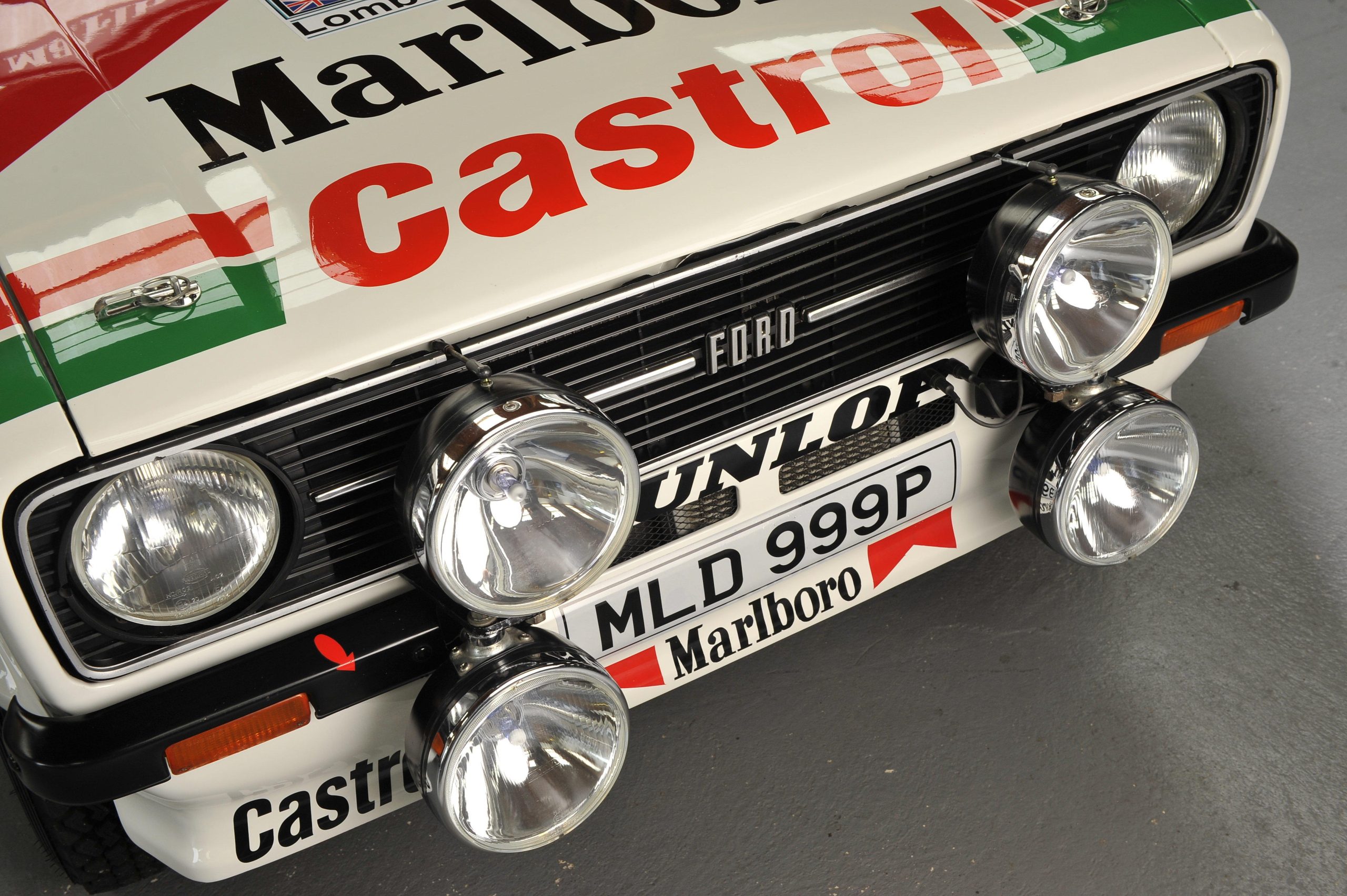
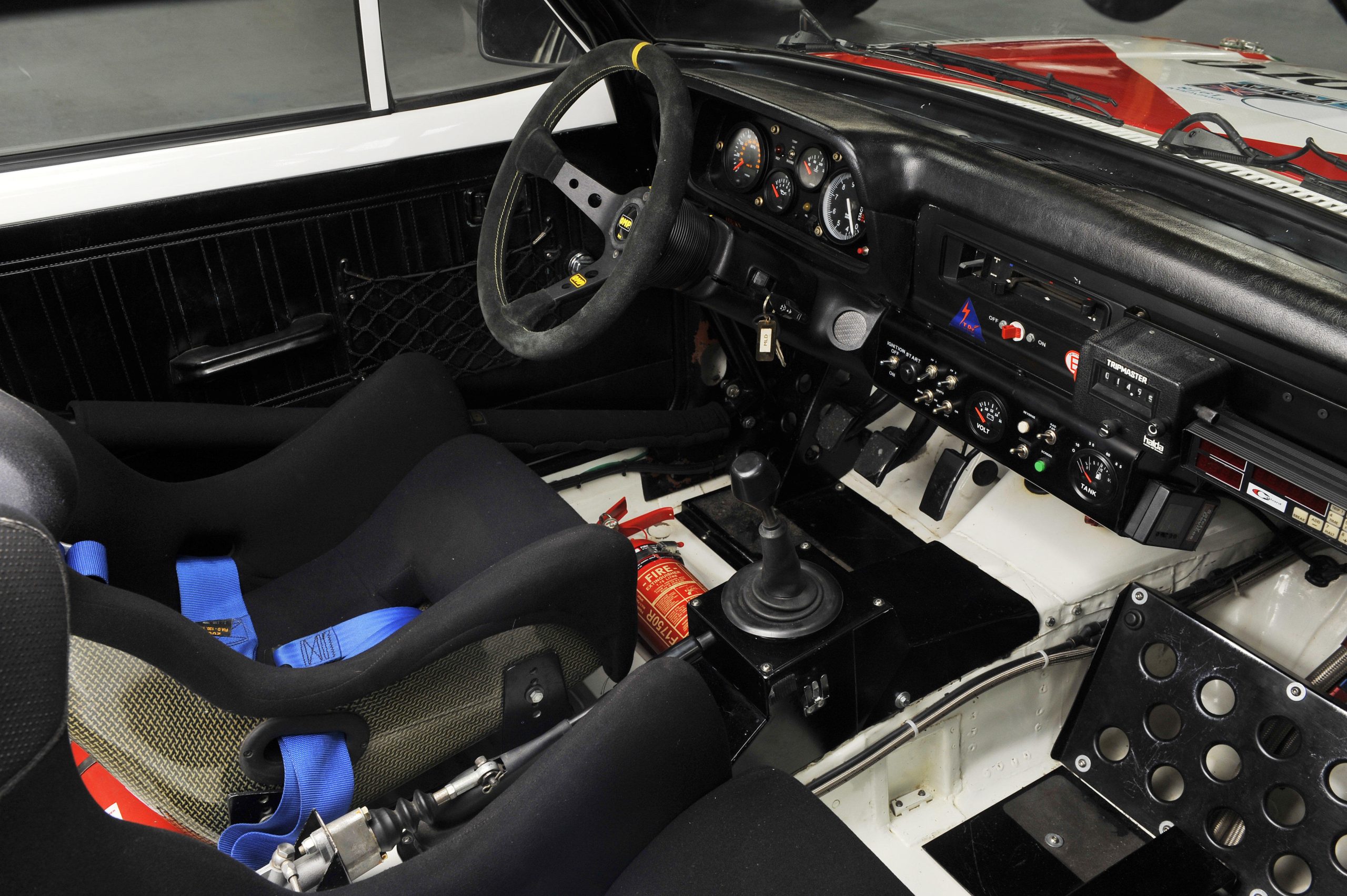
The Ford Escort RS1800 came with a naturally aspirated 1.8L Cosworth BDE engine, a five-speed ZF gearbox and five-link suspension system. Compared to the road-going version, the chassis was heavily reinforced and featured wider wheel arch extensions which differentiated it most easily from the regular car. Four large spotlights were also fitted for night stages. While not overly remarkable on paper, even for its time, the car’s undisputable success was an important foundation in Ford’s tenure in rally motorsport.
Turquoise water crashing onto the fine white sand. Palm trees waving in the wind. Eating at local restaurants. Exploring the scenic drives. Some things never change. But traveling in the shoulder season comes with a warning label.
Caution: it will be different.
It’s not necessarily a dire warning. On the contrary, there are many benefits to traveling in the shoulder season – the months before or after the prime tourism season for a destination. Lodging is less expensive and easier to book, crowds are thinner and lines move faster, and you’ll likely have the entire beach to yourself.
But there are a few things to keep in mind when planning a flexcation to Gulf Shores and Orange Beach. Vrbo, the short-term rental company, defines a flexcation as “an emerging travel trend where families rent vacation homes later in August, September, and October, consider staying longer to mix work and play, and often get better value in high-demand locales.”
What do you need to know about a flexcation to Alabama’s beaches?
Part Four – Flexcation at Alabama’s Beaches
Explore the latest travel trend with Flexcation at Alabama’s Beaches. Learn about the concept of combining work and play along Alabama’s beaches with this exciting four-part series.
Read Part Three – Miniature Golf and Massive Milkshakes – My Week of Work and Play at Alabama’s Beaches
Sponsored Post
This post is sponsored by Gulf Shores & Orange Beach Tourism. Visit their website to learn more about things to do and places to stay at Alabama’s beaches. All reviews and opinions expressed in this post are based on my personal experience. https://www.gulfshores.com/
The Track will likely be open during your flexcation – but check first.
No. 01
Businesses Open or Closed for the Season?
Local businesses rely on high school students off for the summer and college students who come home. When the school bell rings for the first class of the fall semester, miniature golf courses and restaurants are left with fewer workers.
After the Labor Day weekend rush, the last hurrah of the summer tourism season, many local businesses shift their hours. Some will open later in the day and close earlier in the evening. Others will only be open for long weekends. Then, as time slowly creeps toward autumn and winter, some businesses like water parks and boat rental companies will shut down entirely.
You’ll be able to play a round of putt putt at Shrimpy’s Mini Golf or The Track, where you can also go for a heart-pounding go-kart race. Gulf State Park’s trails are open year-round but check for hours at the fishing pier and nature center. But don’t worry; the coffee shops are still open. The locals need their caffeine just as much as travelers.
When planning a flexcation to Gulf Shores and Orange Beach, check the hours of every restaurant and attraction you want to visit.
The first four days of my workation in the shoulder season were beautiful with temperatures in the lower 70s. But the last three days were overcast and windy with temperatures barely in the 50s.
No. 02
Pack for Summer and Autumn
Gulf Shores and Orange Beach are in a sub-tropical climate that never really gets cold. The specialty milkshakes at The Yard Milkshake Bar are the coldest things in town. But it does get chilly.
Average daytime temperatures along Alabama’s beaches in the shoulder seasons are in the lower 60s. October days frequently reach the lower 80s. Pack shorts and sandals.
But at the same time, October nights dip into the upper 50s. With just a tiny gust of wind off the Gulf of Mexico, it can be quite chilly. Pack pants and a wind jacket.
And don’t forget the swimwear. The water temperature in the Gulf of Mexico at Gulf Shores peaks in the upper 80s throughout August. Even as late as October, the average water temperature is 78 degrees – still plenty warm for a ride through the waves.
A flexcation to Gulf Shores and Orange Beach in August, September, or October will require packing for two vacations. Summer clothing for the warm days, autumn clothing for the cloudy days, and chilly nights.
Fewer tourists mean more locals out and about, but you’ll still have the beach to yourself.Fewer tourists mean more locals out and about, but you’ll still have the beach to yourself.
No. 03
You’ll Meet More Locals
The locals are the heart of a destination. During a typical summer vacation, you’ll meet the locals working in the restaurants, attractions, and tour boats. But you likely won’t see many on the beach, playing putt putt, or going for a walk.
Residents who live in popular tourism destinations know that the busy months of June, July, and August are reserved for out-of-town vacationers. Rather than sit in bumper-to-bumper traffic and deal with long lines at restaurants, they merely wait for the season to end. Then, it’s their beach again.
Visiting Gulf Shores and Orange Beach in the shoulder season means you’ll meet more locals doing some of the same activities – especially on the weekends. Locals are a great source of information. Ask about a secluded beach access, the best food in town, or a special event happening that weekend.
You’ll learn everything cool about a destination when you meet the locals.
Not all tour boats operate in the shoulder seasons – be sure to check their website for tour schedules.
No. 04
Tours are Limited but Available
One of the best ways to enjoy the scenery in Gulf Shores and Orange Beach is on a boat! Sailboat or motorboat, sunset cruise or dolphin cruise, there are many ways to get on the water with a guided tour. However, the shoulder season brings some changes to the schedule.
Instead of a guided tour every hour, some companies only offer one per day. Instead of seven days per week, the companies might reduce the schedule to just a few days per week. Fortunately, most guided tour boat companies have excellent online booking platforms to show their availability.
Cetacean Cruises is one of the versatile companies offering cruises for sunset, dolphin watching, nature, and an exciting sunset sailing excursion. Back Bay Sailing offers day trips and sunset cruises aboard the Arminda, a 39-foot sailing yacht. Looking for an entirely different kind of experience? Book a Cruisin’ Tiki Bar to spend a few hours on the water with your own bartender!
A week at Turquoise Place is significantly less expensive in the shoulder season.
No. 05
Last Minute Bookings are Okay
One of the greatest advantages of traveling in the off-season is the availability of lodging for last-minute bookings. How often have you found the perfect rental home or condo only to see it was already booked for your dates?
It’s entirely possible to meticulously plan a flexcation well in advance. Choose your travel dates, search for the perfect lodging, and schedule everything months before leaving. But if you opt for a spontaneous trip with only days to spare, chances are excellent you’ll find plenty of available lodging.
In addition to available bookings for last-minute trips, lodging is typically about 25% less expensive in the shoulder season. Stay longer for the same amount you would spend for just a weekend in the summer. The shoulder season would be an excellent time to spend a week at Turquoise Place by Spectrum Resorts!
No. 06
The Visitor Center is Still Open
Tourism officials don’t really take time off. Sure, they get the weekends and holidays. But just because it’s the shoulder season doesn’t mean they go on their own vacation.
The Gulf Shores Welcome Center at 3459 Gulf Shores Parkway and Orange Beach Welcome Center at 23685 Perdido Beach Boulevard are open year-round and staffed by knowledgeable locals to help you plan a flexcation. Each welcome center features travel brochures, guides, discount books, and everything you need to make the most of your trip.
Sunrise is later in the day and sunset earlier – travel in the shoulder season means short days and longer nights.
No. 07
Less Daylight
The Summer Solstice marks the official beginning of the summer season, and it has the longest daylight time of the year. In Gulf Shores, daylight shines brightly for 14 hours. But by mid-October, the length of daylight has decreased to barely 11 hours. Throughout October leading up to the annual time change, sunset is around 6 p.m. But after Daylight Savings Time ends, sunset is painstakingly early, around 5 p.m.
Traveling in the shoulder season means less daylight for outdoor activities. On a flexcation, it might be better to schedule work hours for late evenings after sunset and leave the daylight hours for outdoor activities. If that isn’t possible – or if you’re a morning person for getting work done – consider alternating workdays and play days to take full advantage of the limited daylight hours.
No. 08
Construction is Inevitable
As soon as the busy tourism season ends, the construction equipment is moved into town. With significantly smaller crowds, less traffic, and fewer bookings, property owners take advantage of the lull to tackle much-needed repairs and renovations.
Don’t be surprised – or dismayed – to hear the irritating echoes of power tools and heavy machinery in your condo building or at the rental house next door. Highway construction is inevitable; towns will frequently use the opportunity to pave roads, fix infrastructure, or complete long-term projects.
But there are some ways you can help minimize the disruption to your flexcation.
Check with the property manager about potential construction in nearby units before completing a booking. Call the Gulf Shores & Orange Beach tourism folks and ask about highway construction that might disrupt your travel plans.
No. 09
Office Supplies are Available
Gulf Shores is not a remote town wedged onto a mountainside in the Rockies. It’s not an island village accessible only by boat. Gulf Shores is a town where nearly 20,000 people live and work. The town has everything you need for a flexcation.
Walmart and Target have many office supplies that might be needed during a remote work flexcation. Office Depot is a short drive to Foley – an interesting small town to visit while you’re staying in Gulf Shores. If you need something more specialized – like a Best Buy – you’ll have to drive about an hour to Pensacola. On your way, stop at Flora-Bama for lunch and a drink and learn the music venue’s history.
No. 10
It Will Be a Different Experience
Turquoise water crashing onto the fine white sand. Palm trees waving in the wind. Eating at local restaurants. Exploring the scenic drives.
In many ways, visiting Gulf Shores and Orange Beach in the shoulder season will be much the same as the prime summer tourism season. But there will be differences – some subtle and others apparent.
Beaches normally crowded with a patchwork of tents, umbrellas, and blankets will instead showcase more sand like a blank canvas. The murmurs of a thousand conversations are replaced with squawks from seagulls and wind blowing through the tall coastal grasses. A walk on the beach is a solitary adventure in nature with nothing, just you and the Gulf.
The wait staff at local restaurants and coffee shops will actually have a chance to chat. Far from overworked with a dozen tables to serve, instead, they are left with far fewer – and an eagerness to earn a better tip. It’s doubtful you’ll have to wait long for a table, instead, you’ll find yourself sitting shortly after walking through the door.
The entire town is quieter. Parking spaces are available wherever you go. It’s like Sunday morning back home, except it’s every day during the off-season at the beach.
Visiting Gulf Shores and Orange Beach for a flexcation in the shoulder season will be a different experience – one I am certain will be better. You might miss out on a few outdoor activities, and you might miss out on a boat tour, but everything else will be at your fingertips. Are you ready for a flexcation to Alabama’s beaches?
Mads Mikkelsen wearing the Zegna Mocassin. (ZEGNA)
If you could have just one word to describe Zegna as a luxury fashion brand, it’s ease. Ease in the way artistic director Alessandro Sartori conceptualises how the modern man’s wardrobe should be, and how that aesthetic translates into the Italian spirit. There is no overcomplicating design in Zegna’s oeuvre. Its billowy silhouettes, while roomy, are impeccably cut in a way that you’re not drowning in them. And then there’s the intentional emphasis on design elements that make slipping in and out of almost everything seamless. You know… ease.
(ZEGNA)
Much like its beloved Triple Stitch, the Mocassin is set to be a perennial offering designed to perfectly match anything within the Zegna aesthetic and beyond. Before you think we’ve erred in the spelling, “Mocassin” is adapted from the way founder Ermenegildo Zegna would pronounce “moccasin” in his Piedmontese dialect. The idea of a modern moccasin is in itself an adaptation of Native American-origin footwear that has travelled through the ages to other parts of the world, including Europe.
(ZEGNA)
The Mocassin bears a resemblance to the modern moc with the distinct U-shaped stitching along the vamp that echoes the detailed craftsmanship that Zegna is known for. What sets the Mocassin apart is in how it’s intended to be worn and hence, crafted. For starters, the leather chosen is refined using time- honoured tanning techniques honed by Italian craftsmen to ensure durability, resistance as well as an unparalleled suppleness. This means that the Mocassin—whether in its nubuck or leather iterations—is pliable and soft enough to be worn without socks as a nod to the effortless elegance of true Italian style.
Like every Zegna design, the Mocassin is logo-free. The footwear’s tell is subtle and almost poetic—a liner symbol that stretches across the vamp representing the 232 Road paved by Ermenegildo in the 1930s that has since become the brand’s key signifier. Not only does it symbolise the connection between past and present, it is also the long road that Zegna takes to achieve perfection in ensuring that its pieces are timeless and of long-lasting quality.
The Mocassin is designed to mature beautifully, taking on the creases and folds with every step as marks of where you’ve been and where you’ll be going. And doing it all with comfort and ease.
The Mocassin is now available in Zegna boutiques.
This story was first seen on Esquire Singapore.
For more on the latest in style and fashion reads, click here.
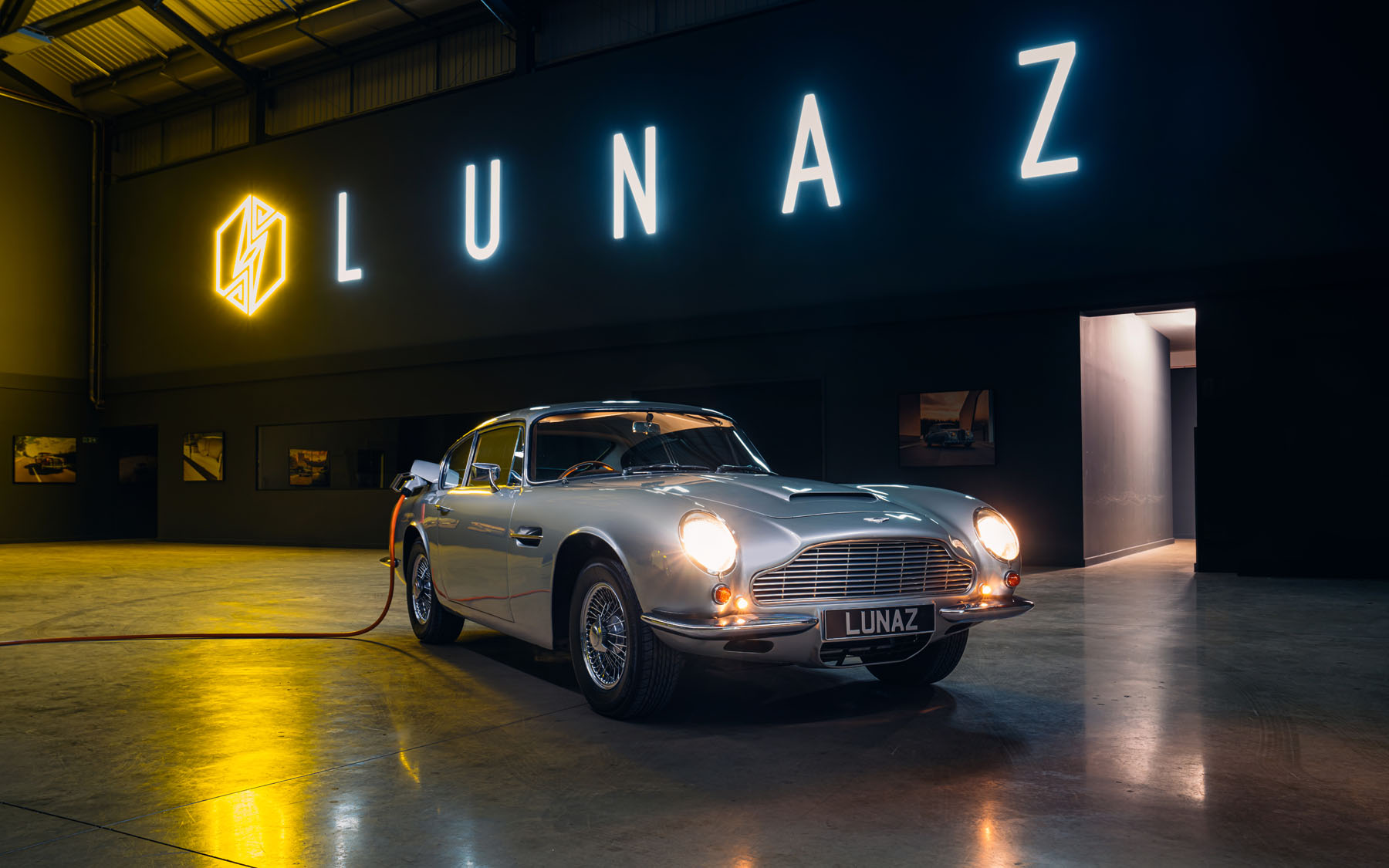
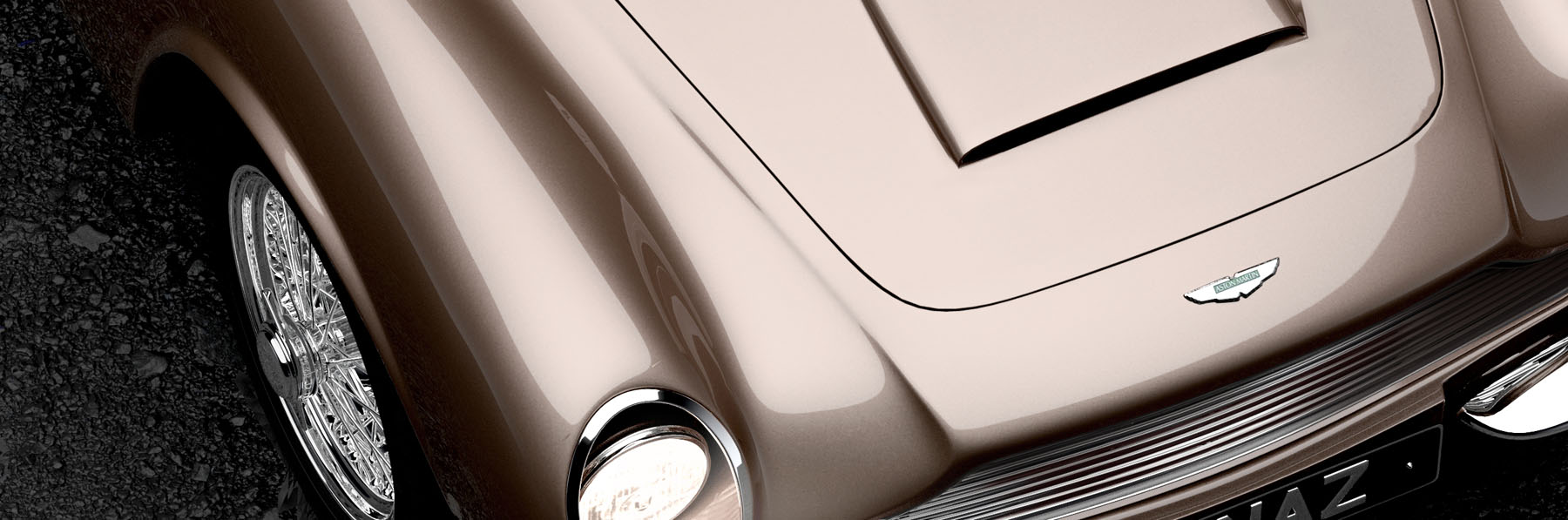
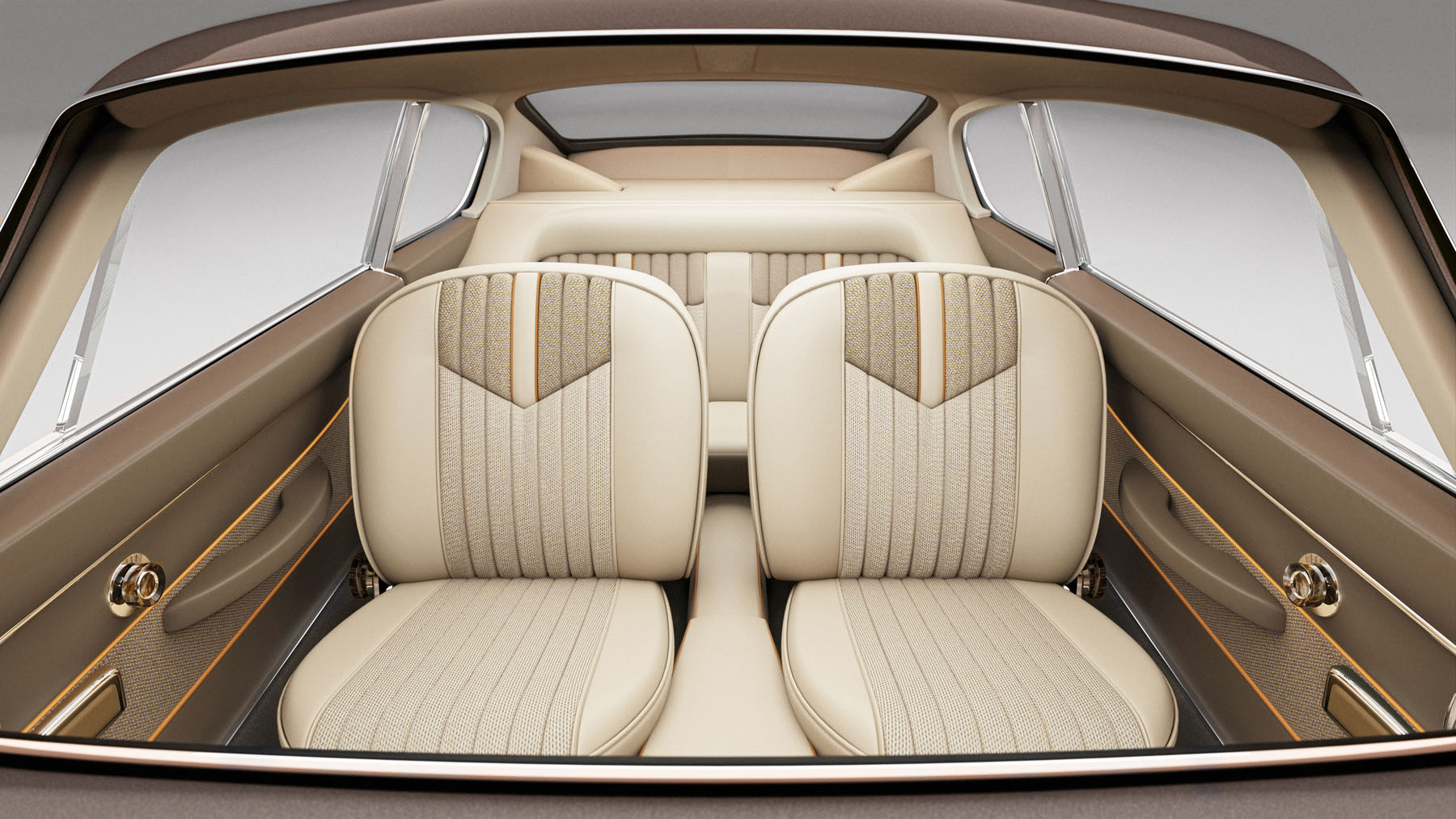
Lunaz proudly presents a concept for the world’s most sustainable Aston Martin: an upcycled and elevated DB6. Its silent, powerful 375 bhp electric powertrain and wealth of innovative materials and finishes clearly state that sustainable luxury is not defined by compromise but by an astonishing breadth of new possibilities. While the concept is currently a design study, all the innovations are production-ready, and many have already been used on previous classic cars electrified and elevated by Lunaz. This landmark initiative brings them together in one place, highlighting the Lunaz brand’s leadership of sustainable luxury.
Highlights
Lunaz presents its latest upcycled Aston Martin DB6 – a vision of eco-conscious material usage never seen combined on a road car, until today
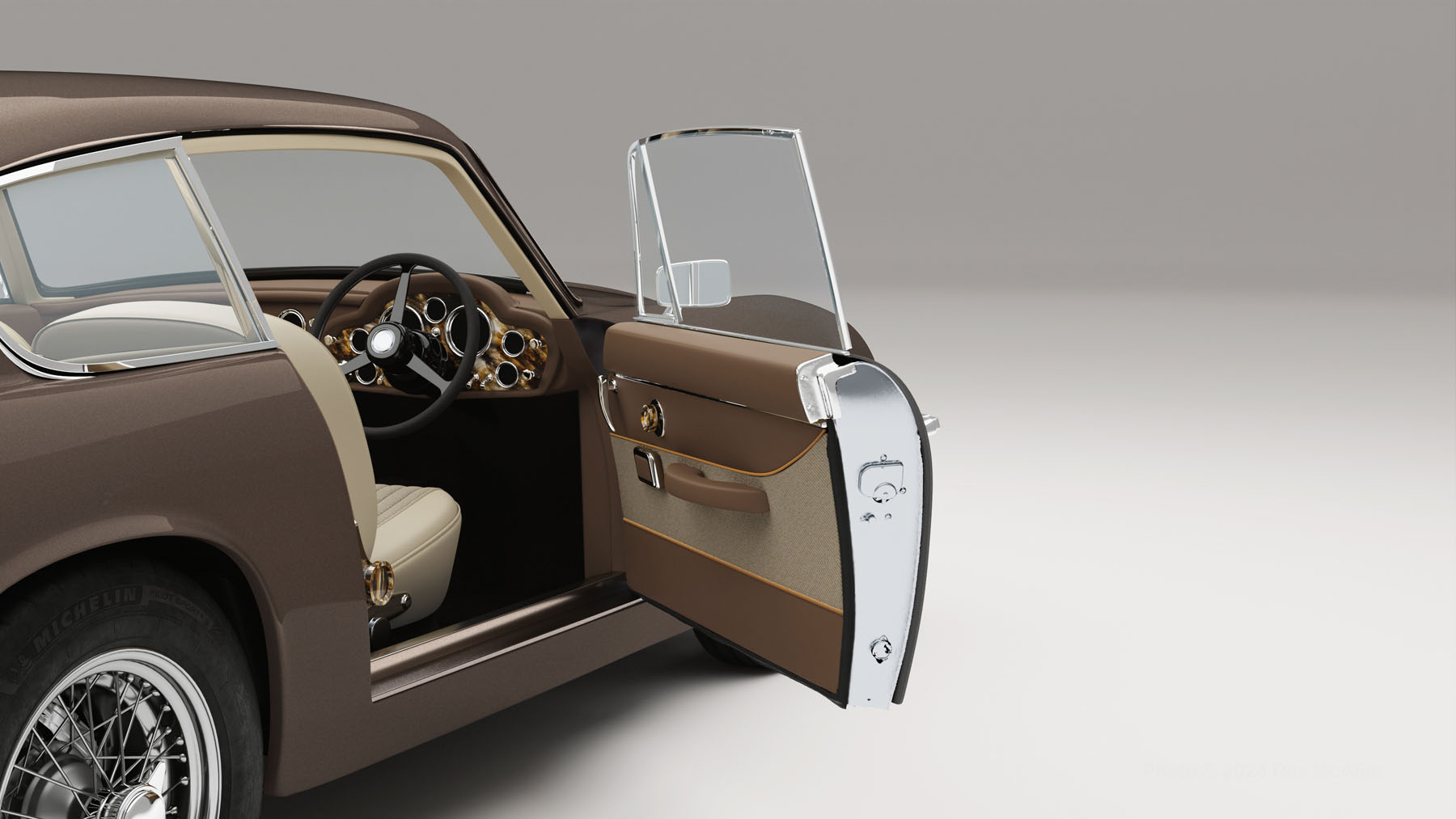
The interior incorporates an unprecedented wealth of sustainable materials, specially selected for their luxurious appearance and tactile qualities.
Lunaz’ trailblazing approach to eco-material applications includes veneer made from egg and nut shells, plastic replacement using corn and wood fibers, alongside alternative leather made from apple by-product.
Demonstrating how the Lunaz upcycling process and philosophy extends beyond the all-electric drivetrain to include every part of the motor car, this new concept further solidifies Lunaz’ commitment to reducing pollution.
A leader in the development of clean-air automotive technologies, Lunaz reaffirms its commitment to UK manufacturing and future of holistic upcycling.
The Founder speaks
“Upcycling is a holistic, whole-vehicle process in which sustainability encompasses not only the clean-air powertrain but also the materials and finishes used in the interior. We’ve seen significant interest from our clients in maximizing our use of sustainable alternatives to traditional leathers, veneers and fabrics. This upcycling project provides a wonderful showcase for emerging materials and innovative products, which are opening up new possibilities across the luxury world. As this magnificent [Aston Martin] DB6 shows, we can create authentic, truly luxurious interiors worthy of the most famous marques using materials with the smallest possible environmental impact. These are very exciting times for us, our clients and our industry.” David Lorenz, Founder, Lunaz
Lunaz electric powertrain
Like all classic cars upcycled and elevated by Lunaz, the concept includes Lunaz’ proprietary modular electric powertrain, developed entirely in-house and comprised of the highest standard European-sourced Tier 1 OEM battery cells and motors. All current Lunaz vehicles’ battery capacity ranges from 80-120 kWh with Combined Charging System (CCS) fast-charging capability, a 255-mile range and 375 bhp.
See also
Innovative and sustainable
Eggshell and nutshell veneers: The dashboard face, gear shifter and three-quarter glass handle are finished in a unique, biodegradable composite material, used as a replacement for oil-based plastics. Produced from discarded egg and nut shells combined with an organic, biodegradable binder, it can be made to precisely replicate a range of natural high-luxury materials, including the ‘marble’ used in the DB6. The material is 100% natural and compostable.
Bio-based Polyurethane (PU) fabric: Meanwhile, the elevated by Lunaz DB6’s door cards are finished in a bio-based PU fabric constructed from a blend of renewable plant-based materials, including corn and wood pulp-based fibres. The unique matte surface features a subtle organic texture with a semi-lustrous base. Its multi-layer construction reduces the number of raw materials required without sacrificing durability or ease of maintenance.
Bio-based alternative leather: The accent piping on the headlining, seats and door cards is crafted from a remarkable leather alternative made from apple pomace, a by-product of cider, juice and compote production in the beverage industry. It is combined with water-based polyurethane and a backing made from wood pulp to produce a light, soft material with the look and feel of the finest leather.
Post-recycled fibers fabric: The fabric used in the seat upper flutes and door card accent is a blend of 66% post-industrial recycled cotton, 27% polyester, 6% rayon and 1% nylon, designed specifically for ‘high-traffic’ areas subject to intensive wear. It is completely free of the ‘forever chemicals’ per- and polyfluoroalkyl substances (PFAs) and contains no substances on the Living Building Challenge Red List.
Blended recycled fabric: For the lower seat flutes, Lunaz designers selected a new upholstery fabric that combines 54% recycled polyester with 35% new wool and 11% nylon to create a tactile and visually appealing ‘knitted’ surface with an intricate pattern of chevrons. The wool and recycled polyester fibers are carefully aligned to give excellent abrasion resistance and a lustrous finish.
Recycled carpets: The soft yet highly durable cabin and boot-floor carpets are made from a regenerated nylon derived from recycled waste material such as discarded carpets and fishing nets. The backing is made from 100% recycled polyethylene terephthalate (PET) plastic bottles.
Low-carbon leather: For the seat bolsters, flute accent, parcel shelf and transmission tunnel, Lunaz has used a Savannah colorway of the world’s lowest-carbon leather, with total emissions in its manufacture around 30-50% below the industry standard. The leather itself is a by-product of the meat industry and is 100% biodegradable.
David Lorenz adds: “The fact that our team has been able to bring together such a wide range of innovative materials in this sumptuous, tactile and completely harmonious interior is a testament to their skill and creativity. It’s an exceptional marriage of materials and methods that elevates automotive interiors beyond anything available in the market.”
Yunzhu Jin is Asia Director for Damen Yachting, the first Chinese national to work for the company, and has been responsible for superyacht sales in Asia since 2015. Before that she worked for Damen Shipbuilding as Greater China Manager, focused on commercial vessel sales, from 2006-2015. Yunzhu received a Master’s degree with distinction in the Netherlands and completed an internship at Damen Naval Shipyard in 2005.
Damen Yachting vessels, including the Amels marque, have become leading brands in Indo-Asia-Pacific waters. Why?
We have four principal superyacht lines. All are especially suitable for cruising and chartering in the extensive Indo-Asia-Pacific region. Amels Custom superyachts such as 77m Boadicea and 74m Ilona, both for Australian owners, were built in a huge shed at Makkumin Friesland, after the modern superyacht era got seriously under way in the late 1980s and 1990s.
The shed stood out in a landscape better known for its cows. Other 50m-plus Amels Custom motoryachts were constructed at Makkum, some like Tigre D’Or with Australian captains and crews. The legendary Australian stylist, the late Jon Bannenberg, designed Boadicea and the 78m Amels Custom Montkaj for a Middle East owner.
Damen Shipyards, an enormous global conglomerate, bought Amels in 1991. Build activity began moving to Vlissingen near the Dutch-Belgian border in 2003, and Ilona was later extended there to 82m to accommodate a helipad. Amels Custom builds have continued apace since, and the Espen Øino-designed 120m Project Tanzanite is scheduled to be delivered at Vlissingen this year.
Amels 80 won the Superyacht 70-80m category at the 2025 Yacht Style Awards
In 2005 Amels Limited Editions were introduced at Monaco Yacht Show. Designed by Briton Tim Heywood and with interiors by Laura Sessa, they quickly became the most successful superyacht builds ever.
The first Limited Editions, a 171ft or 52m vessel called Deniki, was delivered in 2007, and she recently completed a lengthy period cruising and chartering in Indo-Asia-Pacific waters for her original owner. Then followed a wide range of Limited Editions models ranging from 177ft to 272ft.
The 180 or 55m model was enormously popular, with 25 purchased, and Heywood, using some deft design touches, managed to make each of them look somewhat unique. The basic concept was simple. The tried-and-tested naval architecture and complex internal systems of superyachts can be built in two years.
So, Damen Shipping, with annual revenue of about €2.5 billion, could afford to finance such construction, allowing buyers to come in at the custom outfitting stages, and we offered two-year deliveries instead of a lengthier four-year wait. Combine this with economies of scale, and Amels salesmen and women had a near-perfect pitch.
Leading superyacht designer Espen Øino styled the Amels 60
In the second phase of Limited Editions, 60m and 80m designs by Espen Øino have been introduced, and are already selling strongly. Damen Yachting, a subsidiary of Damen Shipping, now controls the Amels marque, and launched its own Yacht Support vessel concept, storing toys, tenders, helicopters and whatever other nautical bric-a-brac is needed in a separate, more workhorse yacht, thus freeing up living space on the mother ship.
Before long, the yard noticed that not a few of these Yacht Support vessels were also being used as stand-alone expedition craft, and so a new breed was born, self-contained Xplorer luxury motor yachts, to visit remoter and more exciting parts of the world, such as in Indo-Asia-Pacific waters.
Add in Classics and a Refit Division, and Damen Yachting has something for just about every owner, hence the proliferations of such vessels in anywhere from exotic Borneo and charming Japan to French Polynesia and the Antarctic.
When did Asian owners become interested in superyachts?
China and India both have about 1.4 billion people. Chinese expats account for another 60 million mostly in Asia but spread around the world, as are Indian migrants. Thailand has become a hugely popular yacht cruising area, and the world’s two largest archipelagos, Indonesia and the Philippines, are next door. The Asian market keeps developing each season.
Amels 60 interior design by Harrison Eidsgaard
Asians, and Chinese in particular, started building and buying superyachts about the same time as the new-wave Europeans, Americans and Middle East buyers. Brian Chang with his 48m Asean Lady in Southeast Asia, followed by an 88m vessel of the same name, David Lieu’s 65m Van Triumph in Hong Kong, and Chang Yungfa’s 101m Evergreen in Taiwan, are examples of this early trend.
Later owners found that ordering from established European yards was a more efficient way of handling such builds and resales, and Damen Yachting and Amels benefitted from that because they offered a wide range of sturdy vessels with attractive delivery times and rates.
In the years 2019 and 2020, for example, six Amels Limited Editions were delivered, and three were for Asian owners. Damen Yachting has since increased its share of the Asian market rapidly, due to high-quality finishes, short delivery times, and its famous brand reputation.
Rich Asians, especially the younger generation, who have an international view and want to explore the world in different ways, realise that superyachts are an amazing opportunity to expand their business platforms, and at the same time see the wider world in comfort and style.
Is selling in Asia different to other places?
Small to mid-size superyachts are very popular in Asia. If we talk about larger ones, say over 55m, it is a different story. Asia is a new and increasing market for such vessels. If you look at the established, traditional big boat brokerages, their headquarters are all in Monaco or London or in America, and they have at most a few Asian branch offices.
Øino’s Amels 80, also in strong demand, is strikingly different
That means the top superyacht specialists spend less time here than in Europe and America. Conversely, we take the view that we are in Asia, selling not only the yacht, not only the superior product, but the dream and the lifestyle, which in the East is not nearly the same as the West.
I speak Mandarin, dialects such as Shanghainese, Cantonese, Ningbo and some Japanese. But Asia is very big. Languages can be the tool to help to set up closer relationships. More important is the real meaning conveyed by the language.
I and our team keep on learning about Asian culture, style, hospitality, and design differences. Understanding our Asian clients, and putting their needs first, is the key to our success.
How do you see superyacht sales developing here?
There are many geopolitical factors to consider, so there is no easy answer, but generally speaking, the size of vessels bought, and number of sales are steadily rising. Problems of the past are gradually being overcome, such as more suitable marinas and facilities throughout the region, better refit and repair yards, and there is progress on removing red tape that in turn helps to resolve chartering issues.
An example of an Amels 80 interior design by Sinot
Most European builders would probably like to see one of the Asia-Pacific boat shows emerge as a genuine superyacht centre, like Cannes and Monaco in Europe or Fort Lauderdale in Florida. Shanghai and Hainan have been tried.
Singapore was a focus in pre-covid years. Some have suggested Sanctuary Cove in Australia, and other plans have been mooted for a South China multi-event in the Pearl River delta involving Hong Kong, Macau, Shenzhen, Guangzhou and other wealthy cities in the estuary.
Damen Yachting and Amels strongly support existing Indo-Asia-Pacific events, in line with our substantial fleets in these waters, but it would be nice if one of the boat shows now develops into a gathering place for regional superyacht people.
When it comes to planning for a beach vacation, I have a pretty set packing system thanks to a tried-and-true capsule wardrobe I’ve curated around travel. And while it includes all the basics that you would expect, like breezy dresses and supportive swimwear, I just added a new must-have style to the rotation — and it’s a must for everyone.
Bombas’ Friday Slides have quickly become a travel essential, especially for warm-weather trips. The waterproof sandals are ideal for everything from an afternoon at the pool to a beach stroll to an evening dinner. I don’t even have to account for the extra space in my suitcase. The lightweight and flexible shoes pack easily in my carry-on without losing their shape.
Bombas Friday Slide
Bombas
The slides are simple and sleek and crafted from a durable EVA plastic that’s high-quality and doesn’t show wear and tear. The waterproof design makes them versatile enough to wear to the pool, in an outdoor shower, on the beach, or even just in the rain without having to worry about damage.
I wore them for the first time on a recent trip back home to my parents’ house in Charleston. I decided to toss them on for a casual walk around Daniel Island, knowing that we would be by the water, and I was so impressed when the stroll turned into a four-mile trek — and my feet didn’t hurt once.
There was zero break-in period or blistering. In fact, they were so comfortable, it felt as if I was walking on clouds or wearing slippers. The footbed was soft and cushioned, while the Hex traction made the slides so easy to walk in. I arrived back home with sandy feet, but was able to just quickly hose off the sandals so they looked brand new.
The slides have garnered over 2,000 five-star reviews from customers who praised the “comfortable” design with “great foot support” and said they love how the slides can “get wet without worry of them falling apart.” One shopper added that they “hug your feet perfectly and are super easy to walk in,” while another raved about “how [their] feet and legs feel after wearing them is the best.”
Although billionaire-funded space flights like Blue Origin’s are marketed as aspirational feats of progress, they function primarily as distractions from urgent social and environmental issues — reinforcing inequality under the guise of innovation.
The Carbon Cost of Aspiration
It has become apparent that the performative nature of the Blue Origin space trip was a carefully curated media event. It was a chance for an elite few (from Silicon Valley to Hollywood) to use such a moment as a platform for self-promotion, reframed under the guise of pioneers rather than profiteers. In the age of greenwashing, billionaire-funded “joyrides” to space are not revolutionary — they are reminders of everything broken with the world below. As wildfires rage, oceans rise and public trust in institutions erodes, the optics of celebrity space tourism feel increasingly out of touch. What was once the domain of scientific ambition has been transformed into a stage for luxury escapism — a playground for the ultra-wealthy, dressed in the language of progress.
It was Katy Perry’s demeanour in outer space that truly transformed the occasion into a glittering spectacle. Framed as a milestone in empowerment and the chance for much-needed female visibility in a male-dominated domain, the flight also seemed to be strategically timed to promote her upcoming tour setlist. Holding a single daisy in her hand and locking eyes with the camera, set against the backdrop of Earth’s curvature, the moment appeared highly staged. Upon landing from the 11-minute suborbital journey, she kissed the ground — an image that quickly circulated across media platforms. Furthermore, her public discourse — both before and after landing — struck many as out of touch, with her various interviews vaguely leaning on themes of unity and “love” while sidestepping the broader implications of what the group of six intended to achieve. There was little clarity on the purpose of the mission or the extent of the preparation and training (if any) required for participation.
Wrapped in what many described as a performative act of empowerment, it was branded as a “giant leap” — but for which cause exactly? Women in STEM? Of the six women who participated in the excursion (Lauren Sanchez, fiancée of Jeff Bezos; television anchor Gayle King; former NASA engineer Aisha Bowe; activist and scientist Amanda Nguyen; and producer Kerianne Flynn), only two had credentials even remotely aligned with the field. The rest were a mix of celebrities or media personalities. Meanwhile, qualified female astronauts around the world still face funding cuts, bureaucratic hurdles and limited mission slots — stark reminders that photo ops do not equate to real progress. In sustainability? The sustainability angle collapses under scrutiny. A single suborbital flight can emit anywhere between 75 to 300 tonnes of CO₂, more than the average person’s lifetime carbon footprint. These launches punch through the stratosphere, releasing black carbon directly into the upper atmosphere where it does the most damage.
One Step for Man, A Giant Leap Backwards for Mankind
In truth, Perry’s journey with Blue Origin was less about shattering glass ceilings than it was about choreography and PR theatrics. One would be remiss not to note that the launch happened in the week that the UK Supreme Court ruled against the rights of trans individuals to legally self-identify, offering a striking cultural contrast that saw elite figures ascend while many others are being systematically “grounded”. As millions reckon with ecological collapse, economic instability and institutional upheaval among social class structures, such performances feel like smoke and mirrors — aesthetic distractions masking systemic disrepair. From rising costs of living to the revelation that trillion-dollar companies like Amazon pay minimal taxes, the frustration is palpable. Against this backdrop, the idea that public subsidies and policy loopholes might help fund billionaire space fantasies — directly or indirectly — feels not just absurd, but deeply insulting.
This brings to mind the real cost of the Blue Origin trip: the carbon footprint, the symbolism and the precedent. Space tourism, as it currently stands, is a carbon-intensive indulgence masquerading as progress. It is reported that a single suborbital launch emits more CO₂ in minutes than the average human does in a year. When juxtaposed with widespread climate anxiety and the push for everyday citizens to cut back — ditching plastic straws, offsetting flights, going vegan — it becomes difficult to see these launches as anything but hypocrisy in motion.
Read More: Gen Z Extremism: How “Authenticity” Fuels Radical Views
Dawn of “Cultural Greenwashing”
There’s a term for this kind of contradiction — “cultural greenwashing”. It can be used to depict what happens when the language of sustainability, activism or inclusivity is appropriated to cloak business-as-usual. Perry’s flight aptly fits into this pattern. It presented itself as a feminist milestone but failed to materially advance the cause. In fact, it risked trivialising it, commodifying empowerment into a marketable image rather than a meaningful statement. Unfortunately, this is not new territory for Perry, who has long danced the line between empowerment and marketing. From controversial music videos slammed for playing into harmful tropes, to more recent attempts at reclamation that drew criticism for lacking substance, her public image has often been a battleground.
However, this is not about one individual — it is about the entire industry that enables, applauds and monetises these gestures. The growing space tourism sector — backed by figures like Jeff Bezos and Elon Musk — is less a new frontier of exploration than it is an elite playground. “Astronaut” — once reserved for pioneers and scientists — is now a status symbol available to those with enough money and PR muscle. It dilutes the significance of genuine progress in science and space innovation, replacing it with selfie-friendly excursions.
Read More: Opinion: Collective Consciousness is Not The Final Solution in Solving Global Issues
Almost exactly a year ago, the “Blockout Movement” gained momentum after TikTok influencer Haley Kalil posted a widely criticised video in which she lip-synced the phrase “let them eat cake” outside the Met Gala. The line, often (though inaccurately) attributed to Marie Antoinette, has come to symbolise elite disconnection from public suffering — a disconnection that ultimately sparked the French Revolution. As Al Jazeera noted at the time, the video struck a nerve because it coincided with the worsening starvation crisis in Gaza, where food insecurity has surged throughout the ongoing war.
More recently, Gayle King’s remarks about the Blue Origin spaceflight have begun drawing similar criticism. In a televised interview, King responded to backlash by saying, “Have you been to space? Go to space and let’s have a conversation” — a statement many perceived as dismissive of the concerns around privilege, access and the optics of space tourism at a time of widespread global instability. Rather than stepping back in the face of criticism, King’s doubling down only further highlighted how out of touch such responses can appear, further reinforcing the disconnect instead of addressing legitimate concerns the public might have. In an age where we as consumers are told to recycle more, travel less and do our bit for the Earth, watching an elite few burn tonnes of fuel to brush the edge of space — for 11 minutes of symbolism — feels like a slap. It is not inspiring, nor is it trailblazing. It is theatre and theatre alone cannot affect change if it does not acknowledge the root cause of rising inequality and public disillusionment.
All of this poses a crucial question: What exactly are we (as viewers with our feet firmly on the ground) celebrating when we cheer these launches? Is it the technological feat, the symbolism, or simply the escapism of it all? For most people, escape is not an option. As the climate temperatures rise, policies tighten and rights erode, the gap between those who can afford to flee and those who are left to face the consequences grows exponentially, highlighting a stark difference in societal and class structures. As Chinese tariffs shake global trade and factory insiders reveal “production secrets” behind the world’s top luxury brands, the veneer of ethical progress cracks further.
ICE Deportation Detention Facility
Beyond the carbon footprint and media spectacle, there could be a more insidious form of deflection at play. The Trump administration was well known for a tactic often referred to as “flooding the zone” or “chaos as a communication strategy”. It involves using a constant stream of newsworthy — often controversial or outrageous statements — tweets or policy moves to dominate the media cycle and distract from more serious or damaging issues happening simultaneously. Critics have pointed out that the timing and tone of the Blue Origin mission may serve as a strategic smokescreen, diverting attention from Amazon’s ongoing controversies, from labour exploitation and union-busting alongside the increasing level of immigrant surveillance and deportations by ICE. As calls mount to hold tech giants accountable for their role in systemic injustice, trips like these allow their billionaire figureheads to pivot public discourse — rebranding themselves not as corporate actors complicit in harm, but as visionaries looking toward the stars.
For more on the latest in opinion pieces and culture reads, click here.
Seagulls squawked from their hidden perch somewhere in the thick fronds of palm trees. The air was tinged with salt and humidity, only the latter of which I minded. The heavy blue jeans were stifling and made me feel out of place as I walked through a sea of bare legs and sandalled feet. But I had come prepared – shorts and brand-new flip flops were packed beneath piles of travel brochures and notebooks. At least, I think was I prepared for the week ahead.
I pushed the noisy shopping across the parking lot, past the car’s trunk without a single cubic inch to spare, to the passenger door. Even the backseat was filled side-to-side with file tote crates and camera gear. I filled the empty passenger seat with grocery bags, set the larger items on the floor, and wedged one awkward bag behind the seat.
That’s it, I thought to myself. I have everything I need for the week. I hoped I was right, but the stores would be only minutes away even if I needed to return for more supplies. This was a well-stocked town with every big box store I could need.
I opened the windows and the moonroof – warm air flooded into the air-conditioned car. The only air conditioning I needed was the breeze blowing through the car as I traveled along the four-lane Gulf Shores Parkway. The highway was lined with one-story buildings painted in soft pastels and topped with metal roofs. There were almost as many palm trees as permanent residents – nearly 20,000 people called these beach towns home.
Turning onto Beach Boulevard – still four lanes with a median of towering palm trees – I continued toward the condo. I glanced to my right and saw a sliver of shimmering blue above a sand dune. I laughed out loud with giddiness. I had finally seen the Gulf of Mexico!
Then I reminded myself, This isn’t a vacation. It was a workation – a fine balance between work and vacation. But would Gulf Shores and Orange Beach be the perfect workation destination?
Part Three – Flexcation at Alabama’s Beaches
Explore the latest travel trend with Flexcation at Alabama’s Beaches. Learn about the concept of combining work and play along Alabama’s beaches with this exciting four-part series.
Read Part Two – 5 Cozy Coffee Shops for Remote Work in Gulf Shores & Orange Beach, AL
Sponsored Post
This post is sponsored by Gulf Shores & Orange Beach Tourism. Visit their website to learn more about things to do and places to stay at Alabama’s beaches. All reviews and opinions expressed in this post are based on my personal experience. https://www.gulfshores.com/
Few skyscrapers dot the horizon beyond the fishing pier at Gulf State Park.
Compared to cities like Boston and Charleston, Gulf Shores was a young town. The construction of the Intracoastal Waterway in 1937 opened the beaches to development. The first post office was built in 1947, but it would take more than another decade before the town was incorporated.
There were few skyscraping hotels or resorts along the beach – a welcome break from other popular beach destinations with skylines dotted with endless concrete towers. Of the few, Turquoise Place by Spectrum Resorts was one of the best. The all-inclusive resort offered every kind of amenity, from indoor and outdoor swimming pools to an on-site restaurant. But I wanted something quiet – and affordable. 85% of Gulf Shores and Orange Beach lodging are vacation rentals like homes and condos.
I put on my turn signal and turned into the parking lot at Sugar Beach Condominiums. The name was painted on the front of the building in bold blue letters. The three-story white stuccoed building was topped with a blue metal roof and featured blue awnings over the doors and balconies. It was about halfway between Gulf Shores and Orange Beach, the perfect place to explore both destinations.
With barely contained excitement, I punched the four-digit code into the lock on the drab white door. I swung it open, marched across the tile floor, slid open the glass door, and stepped onto the balcony.
There it was. The Gulf of Mexico. I could only see a sliver of the turquoise water and white beach, but it was enough to feel me with joy. I had saved over two hundred dollars by booking a condo unit with a Gulf view rather than Gulf front. It was money well saved because it meant I could do more with my vacation time.
I stood on the balcony listening to the rhythmic crashing of the water on the beach. It was like a metronome, and I vowed to keep the balcony door open while I worked. The brilliant white sand was like a blank canvas, untrampled by visitors. It was March, the shoulder season to the busy summer tourism season, and instead of thousands of beachgoers, there were less than a dozen.
This two-bedroom condo unit at Sugar Beach Condominiums was my workation home for eight days.
Turning my back to the beach, I slowly entered the condo I had so quickly passed through minutes earlier. A long couch with a tropical floral pattern dominated one wall of the small living room. A turquoise ceramic fish sat on a glass-topped wicker side table. The walls were painted in pastel blues and greens – the color scheme of any beach condo. A fully equipped kitchen was awkwardly wedged into an el-shaped space in the condo corner. A dining table with four chairs stood opposite the couch. I moved three of the chairs to a bedroom and pushed the rectangular table flat against the wall – like so many other remote workers, I had just turned the dining room into a home office.
I found a two-tiered plastic cart beside the elevator and rolled it across the concrete parking lot to the car. I unloaded totes of notebooks and travel brochures, soft-sided bags of computer and photography equipment, eventually getting to the two gargantuan duffel bags stuffed with all the clothing I would need for warm days and chilly nights.
A man walked past the car. He was finely dressed in flip flops, board shorts, and a Ron Jon Surf Shop tee. His skin was darkened from years of sunlight exposure, contrasting against his silver beard. His eyes were hidden behind thick sunglasses.
“Did the family leave you to unpack the car?” he asked.
“Oh no, all of this is mine,” I replied with a chuckle.
His jaw dropped a fraction of an inch, and his eyebrows rose high over the top of the sunglasses. He quickly walked away in deafening silence.
The dining room table converted into a desk with my work implements spread across – I accomplished a lot of work here.
The alarm clock was a shrill and annoying thing – I suppose that is its purpose. Each morning, I fumbled around with blerrie eyes and jabbed “snooze” on my cellphone. The room was dark. The sky outside was dark. I had made the decision during the workation to stick to my usual work schedule – 5 a.m. alarm; shaved, showered, and dressed by 6 a.m.; writing in the home office until 9 a.m.
Coffee was first on the agenda. Then, breakfast. With the daily necessities of human living out of the way, it was time to work.
Words flowed from my fingertips like paint from Picasso’s brush. Thoughts, feelings, and recollections of senses turned into lyrical sentences, crafted into paragraphs, and they filled the white space on the computer screen. I was in the groove, fingers pounding on the keyboard like a marathon runner’s feet on the pavement.
That’s when the fire alarm pierced the silent air.
I opened the door of the condo and stepped into the concrete hallway. Lights flashed. A shrill alarm echoed. I looked to see if anyone would evacuate, but no other doors opened. The alarm stopped a few moments later and returned the air to a welcome silence.
I walked back inside the condo, cozied up to the dining room table desk, and tried to organize my thoughts. Five minutes later, the alarm sounded again. I sat at the desk, wondering if I should leave. But before I could stand, the alarm stopped. Then it started for the third time.
Frustrated, I walked to the security guard shack at the entrance to the parking lot to ask about the occasional alarm.
“They’re working on the fire alarm this week,” the security guard explained.
This week, I echoed in my head. How am I supposed to get any work done here?
The Southern Grind Coffee House at Hotel Indigo is their second location, closer to the rental units along Ocean Boulevard.
The solution was a visit to one of my favorite kinds of places for remote work: a coffee shop. There were a few coffee shops spread throughout the beach towns, but only a few were suited for remote work.
The first I visited was The Southern Grind Coffee House at The Wharf. When Jimmy and Jaime McPhillips opened the coffee shop in 2012, Jaime used her interior design background to create a gorgeous and comfortable atmosphere. The concrete floor and exposed industrial ceiling were painted turquoise, paired with an off-white on the walls. Solid wood tables, coffee tables, and benches were stained a light brown with leather armchairs to match. The walls were covered with wooden cutouts of anchors, sea life, and lighthouses. Shelves were stuffed full of books, clocks, and lanterns.
Writing comes easily to me in public spaces. Noise-canceling headphones playing “deep focus” music keep my attention on the screen. A delicious mocha latte and a savory dessert are a bonus.
Shrimpy’s Mini Golf was my first round of putt putt, but not my last.Shrimpy’s Mini Golf was my first round of putt putt, but not my last.
After a few hours of keyboard-pounding excitement, the alarm sounded. But unlike the jolting morning alarm or the frustrating fire alarm, this was a welcoming alarm – it was the end of the workday. It was time to pack away the work implements and discover amazing things to do at the beach.
Shoulder season travel means there are just as many things to do as during the summer months, but they may not be as comfortable. Jet skiing, kayaking, and snorkeling would have been uncomfortable in the frigid water. I was eager to try Sailing, but the sunset cruise was canceled when the wind picked up and dipped the air temperature into the 40s.
Miniature golf – putt-putt to those who know the casual sport well – is a staple of almost any beach destination. Shrimpy’s Mini Golf was the cookie-cutter of putt putt courses with kidney-shaped greens, water tumbling through the middle of the course, and quirky décor like the giant pink shrimp on a metal pole. However, the miniature golf course at The Track – one of the largest outdoor attractions in Gulf Shores – was less of a cookie-cutter design and more customized. Slight hills, a tumbling waterfall, and a giant paddlewheel boat made the course unique and exciting.
A figure eight racing track with a twist, this course at The Track featured two spirals and a thrilling u-shaped curve at the finish line.
Then, my jaw dropped!
What is that?! My mind screamed.
From the highest point of the putt-putt course, a scant 20’ tall, I could see the go-kart track. Higher than the hill, maybe fifty feet, go-karts raced along a descending spiral, round and round, finally straightening only to drop the final ten feet into a sharp turn.
I finished the round of mini-golf as quickly as possible, returned the club, and nearly jogged to the go-kart track. I strapped into the kart, listened to the instructions, and waited for the green light. Like Tom Cruise in one of his wild Hollywood movies, I had a need for speed. The light turned green, and I pressed the pedal to the floor. Round and round I went, three, maybe four loops, to the top of the track before descending on the other side. The lap was over entirely too fast, but I had four more to enjoy. This wouldn’t be my only race of the day.
The Hot Shop at the Coastal Arts Center is a great place to take a class.
After the heart-pounding excitement of go-kart racing, I opted for gentler activities the following days. I took a scenic twenty-minute drive to visit Fort Morgan State Historic Site and explored the coastal fortification that once guarded the entrance to Mobile Bay. I went bicycling around the lake at Gulf State Park, where I spotted great egrets and blue herons. I took a class in glassmaking at the Coastal Arts Center, learned how to build a sandcastle with SandCastle University, and shopped for gifts at The Wharf before the week was done.
Picnic tables and wicker furniture spread across the beach with a view of the Perdido Pass at The Gulf, the most scenic restaurant in the area.
Between the work hours and go-kart racing and putt putt and museums and shopping and scenic drives, I got hungry. Fortunately, I never had to travel far or wait long for fantastic food.
The Gulf was the first restaurant I visited – and I didn’t realize until I arrived that there was no roof! You’ve probably heard of the movement to convert cargo shipping containers into homes, but have you ever seen them converted into a restaurant? Pulling into the parking lot, I was greeted by stacks of shipping containers painted a bright blue, connected with a rustic wooden deck, and cut open for windows and doors and serving counters.
Emmie met me as I walked “into” the restaurant. The look on my face of bewilderment mixed with awe must have been as apparent as my nose. “Have you been here before?” she asked.
After answering it was my first time, she instructed me about the particulars at The Gulf. Order food from a window over there, get your alcohol at the bar over here, take the beeper to your table, and when it vibrates, collect your food from that window right there. Easy enough. Fifteen minutes later, I settled at a picnic table with a hummus dip, homemade pita chips, and a seafood bowl.
The Lifeguard is an aptly-named burger because you just might need rescuing while trying to finish it.The Lifeguard is an aptly-named burger because you just might need rescuing while trying to finish it.
Seafood is a popular menu item, and just about every restaurant serves it in some form. But when I visited The Hangout, I was there for the burger. One burger in particular. It was called The Lifeguard, and it would be my favorite meal of the year.
The Hangout was an interesting place. It was more akin to a campus than a restaurant with an outdoor amphitheater, sand volleyball court, and enormous dining area. I had never seen so many tables and chairs outside of the dining hall of a college campus or the food court in a mall. The hostess sat me at a table beside a large, open window – a garage door rolled up, allowing a gentle breeze to pass through. The table’s wooden top looked to be covered in about ten layers of paint, reminding me of old rowboats crammed into forgotten corners of marinas.
When The Lifeguard arrived, I couldn’t help but laugh. Two half-pound patties, each smothered in cheese, topped with a fried egg, onion straws, bacon, and pickles, served on a toasted brioche bun. I rotated the plate left, then right, looking for the best place to attack the burger. I would have to unhinge my jaw to eat that, I thought. Better to just use a knife and fork.
The folks at The Yard Milkshake Bar create fabulous specialty milkshakes topped with enormous desserts.The folks at The Yard Milkshake Bar create fabulous specialty milkshakes topped with enormous desserts.
A great meal deserves to be followed by a great dessert – not necessarily in direct succession. A few days later, I walked into The Yard Milkshake Bar. I had no idea what I was about to endure.
In 2017, Logan and Chelsea Green opened an ice cream shop in their hometown of Gulf Shores. With six years of previous experience running an ice cream shop, they knew they wanted to create something new, memorable, and fantastic. Although not a new concept, they popularized the idea of crafting a milkshake, topping it with a dessert, and smothering it with sweet condiments. In 2019, the couple appeared on an episode of Shark Tank. They accepted an offer from Mark Cuban to invest $400,000 in their business – already with four locations – to expand to almost two dozen franchised locations across the country.
After studying the menu for several minutes, I ordered the Peanut Butter Brownie Bliss in a quart glass. They also offered their specialty shakes in a pint glass – half the size of a quart – and a whopping gallon jug – twice the size of a quart.
The quart glass jar – decorated with The Yard logo – was filled to the brim with an ice-cold chocolate shake with swirls of peanut butter and chocolate. Peanut butter layered around the lip of the jar was covered with chocolate flakes. A giant brownie was wedged on top, covered with whipped cream, and sprinkled with more peanut butter and chocolate drizzle. The towering dessert was served with a paper plate, a big plastic spoon, and several necessary napkins. Somehow – though I’m still not sure how – I finished the entire dessert and took the empty quart glass home.
Reel Surprise, one of dozens of guided tour boats and fishing charters, returns from the Gulf through the Perdido Pass.
I had spent the past eight days writing, editing, shopping, exploring, driving, and dining. Some days were chilly, and others were cloudy. But I never had a bad day. Work had been a moderate success, and playtime had been a magnificent experience.
Somewhere between the miniature golf and massive milkshakes, I realized I didn’t want to leave.
The turquoise water gently lapping against the white sand, waving palm trees, and temperate climate was comforting. Restaurants with open windows offering views of the Intracoastal Waterway and Gulf of Mexico, outdoor seating on the beach or wooden decks, and the extraordinary food were tempting. Museums, waterparks, miniature golf courses, and guided boat tours were enticing. Comforted, tempted, and enticed, I did not want to leave Gulf Shores.
If you visit Gulf Shores and Orange Beach during a shoulder season, you will likely find the pristine white beaches devoid of people – except for yourself.If you visit Gulf Shores and Orange Beach during a shoulder season, you will likely find the pristine white beaches devoid of people – except for yourself.
The car was packed again – funny how it seemed to take up more room now. The condo was emptied of my belongings, the lights turned off, and the dining room table was once again just a table. I pulled out of the parking lot and drove across the Perdido Pass, leaving Alabama’s beaches behind. On the other side of the bridge, seagulls squawked, and the air was tinged with salt and humidity. I suppose that’s common at all the beaches.
But Gulf Shores and Orange Beach were not like any beach I’d visited before. They were the perfect workation destination. They could be the perfect vacation destination. I’ll have to return during some balmy summer week to explore that adventure.
Part Four – Flexcation at Alabama’s Beaches
Bookmark this article and come back in two weeks to see the next post in the series – 10 Things You Need to Know About a Flexcation to Alabama’s Beaches.
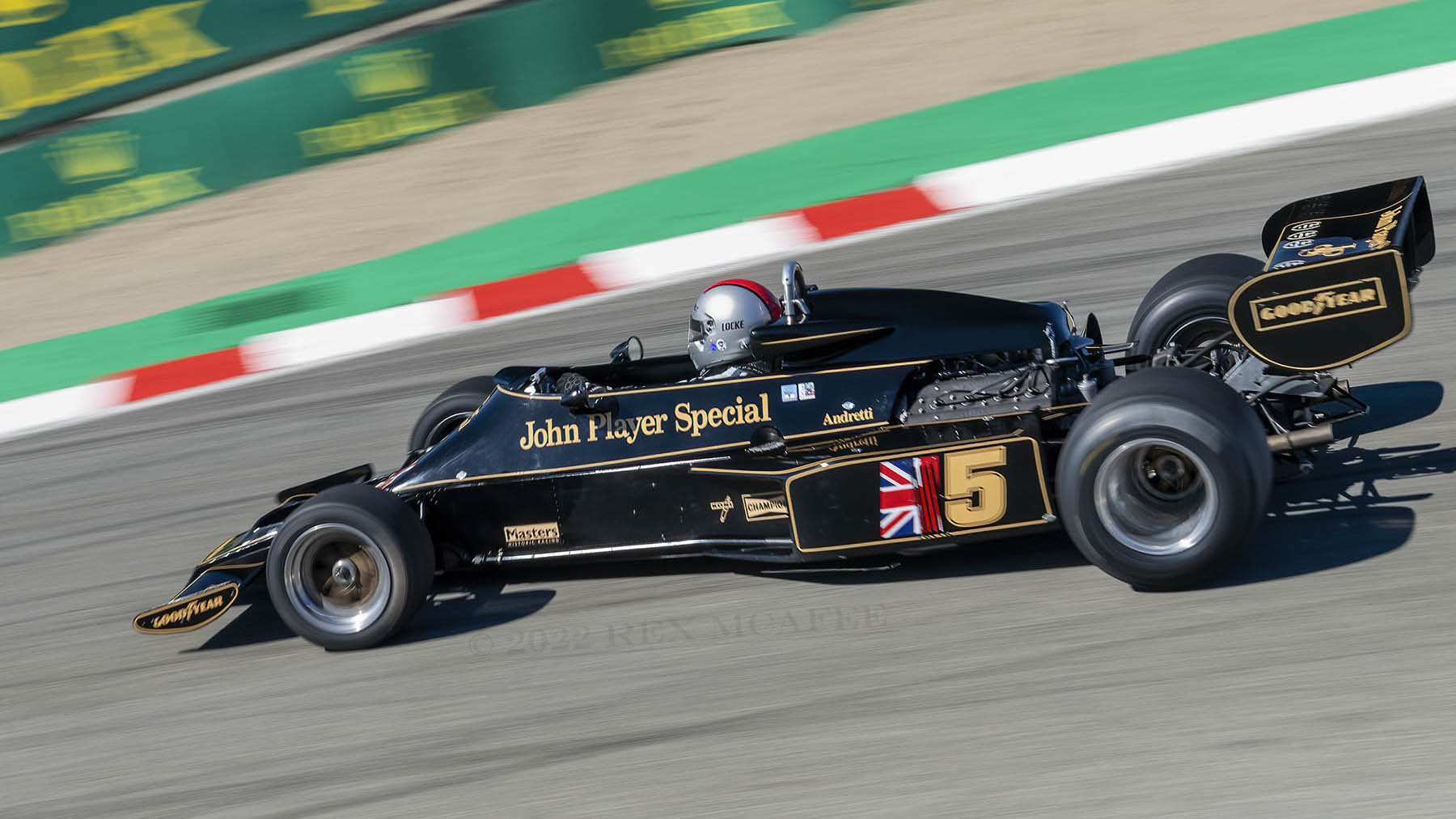
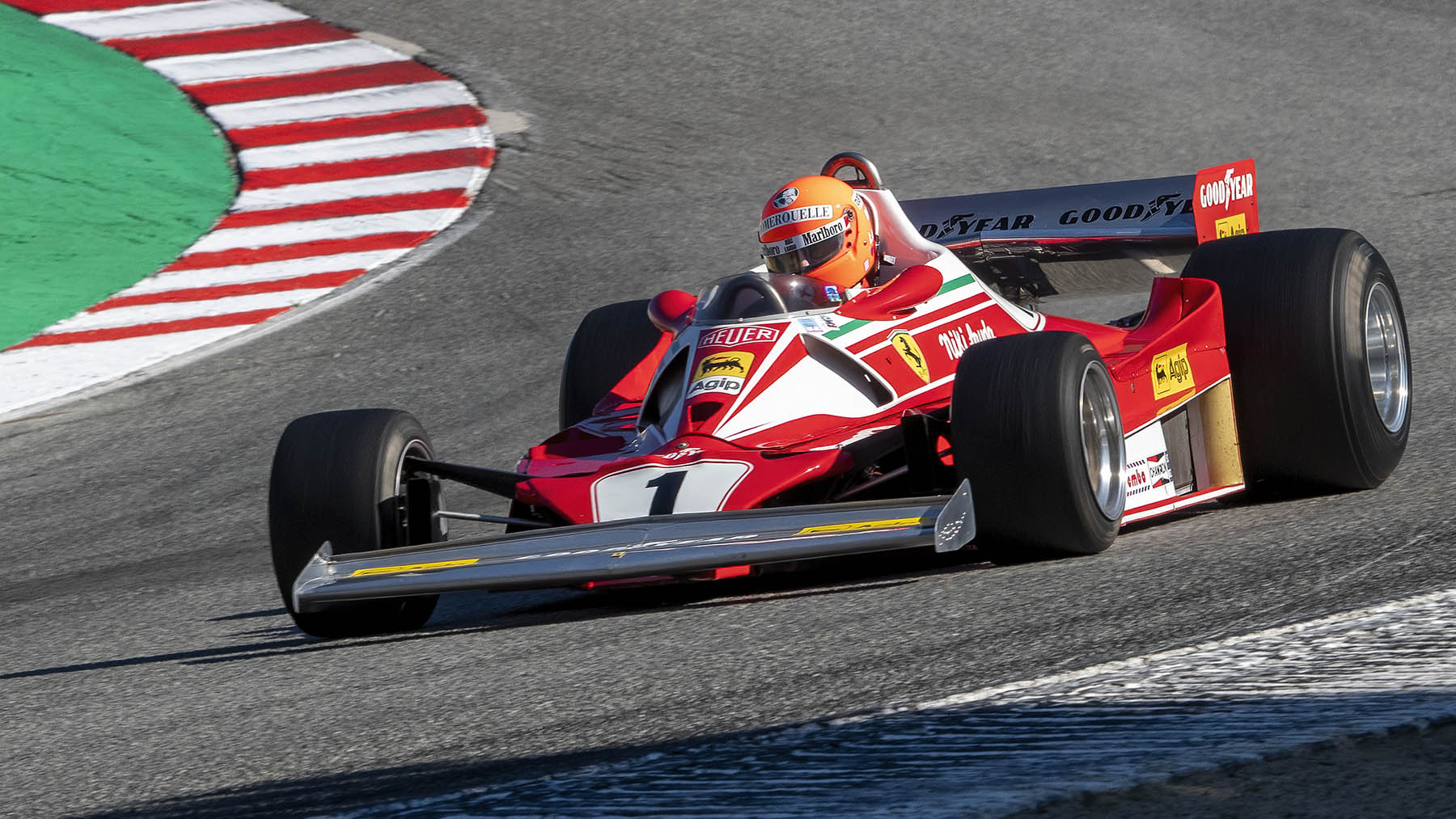
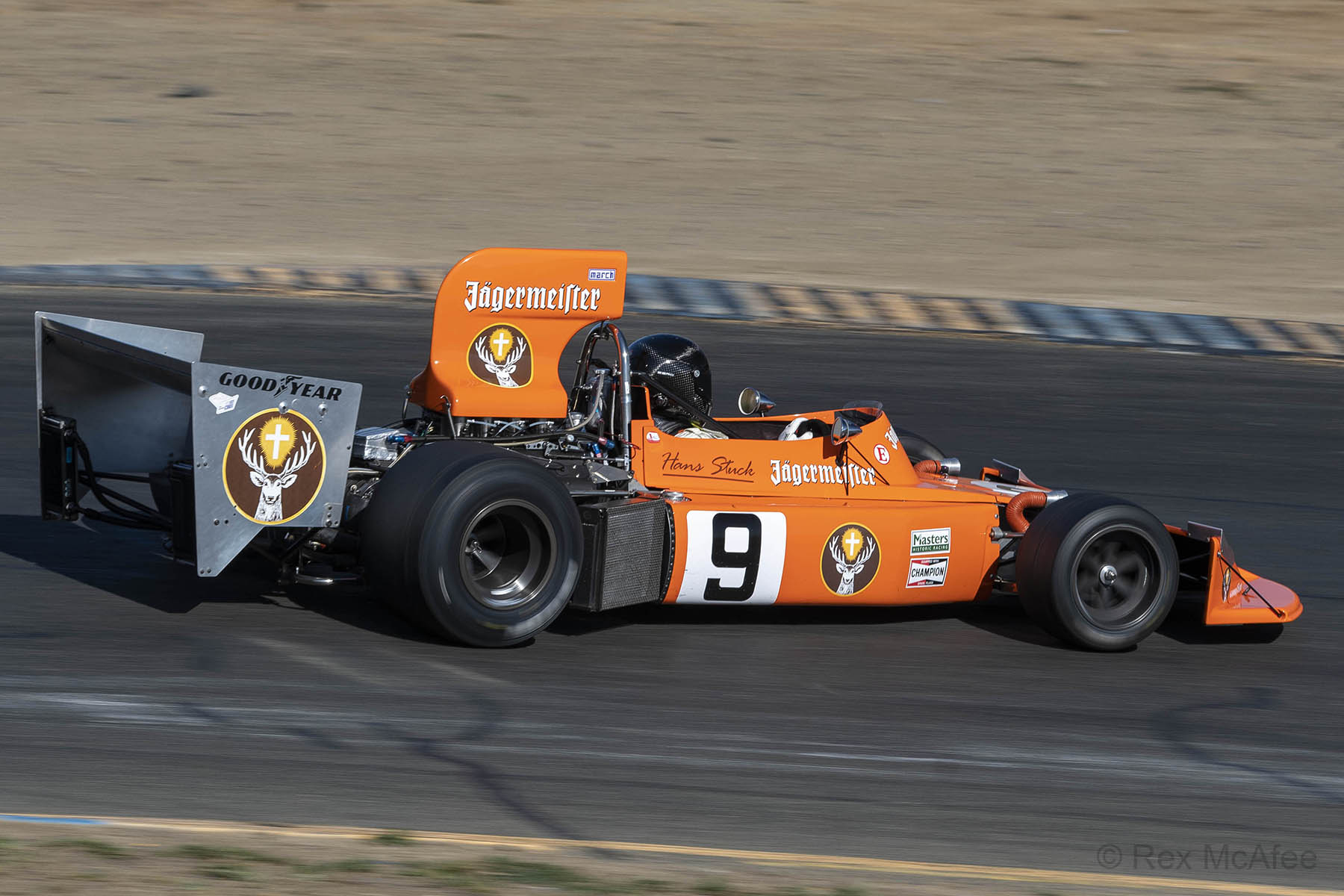
Goodyear has announced a long-term tire supply agreement with Masters Historic Racing, one of the world’s leading promoters of historic motorsport. The tire supply agreement builds on Masters‘ long-standing relationships with the Goodyear-owned Dunlop and Avon brands, and marks the reintroduction of Goodyear into several premium championships, including events for Formula 1 and 24 Hours of Le Mans cars.
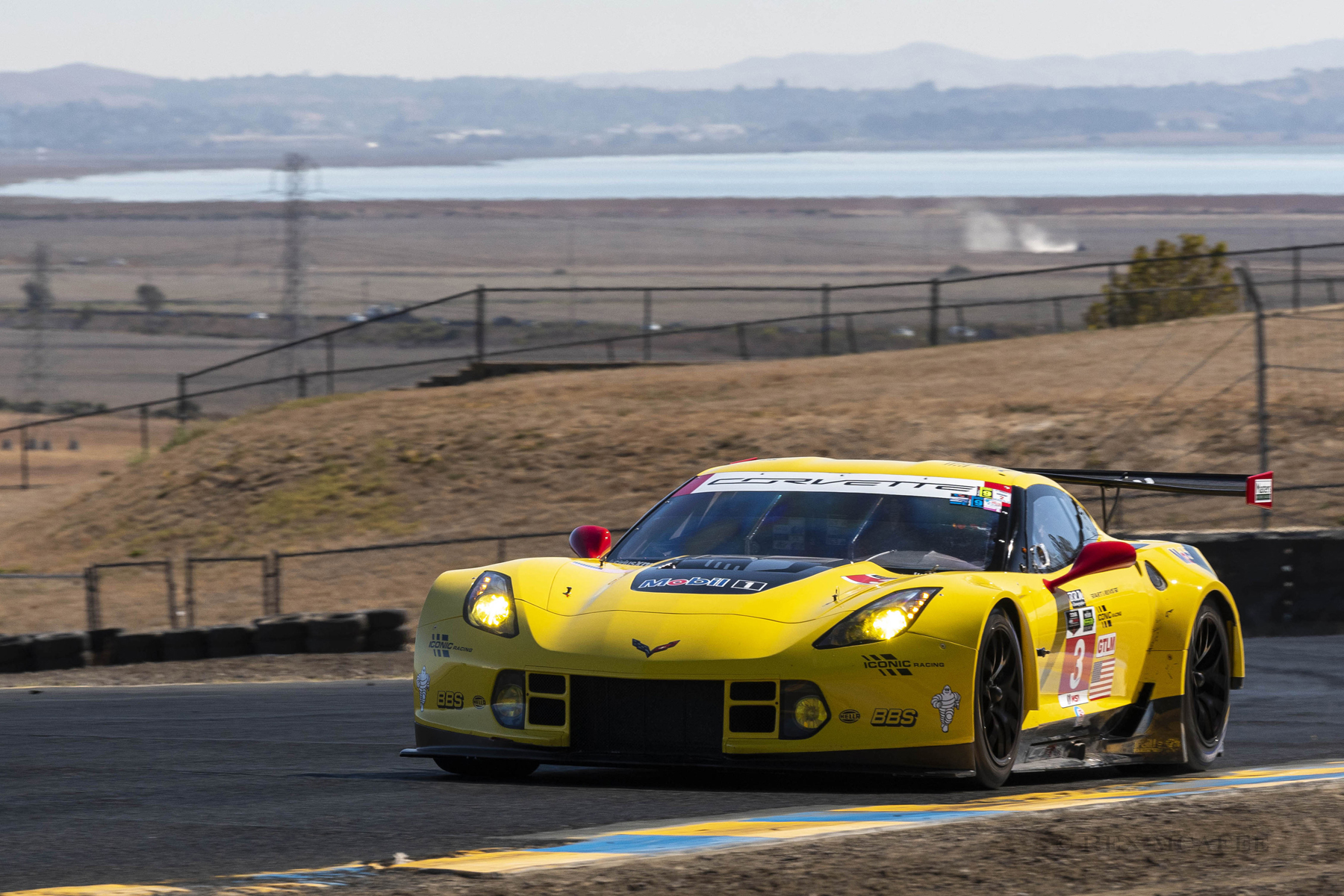
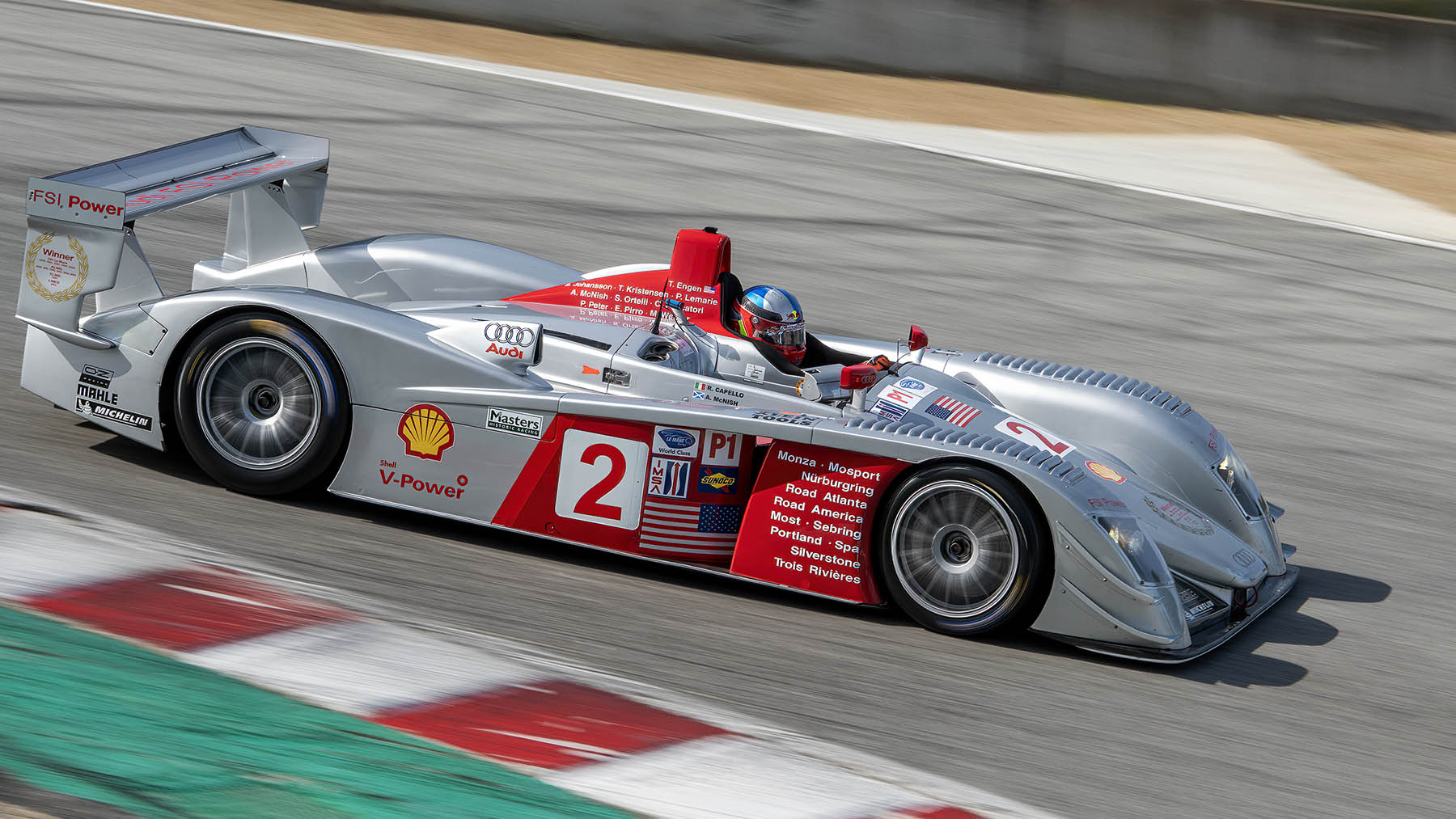
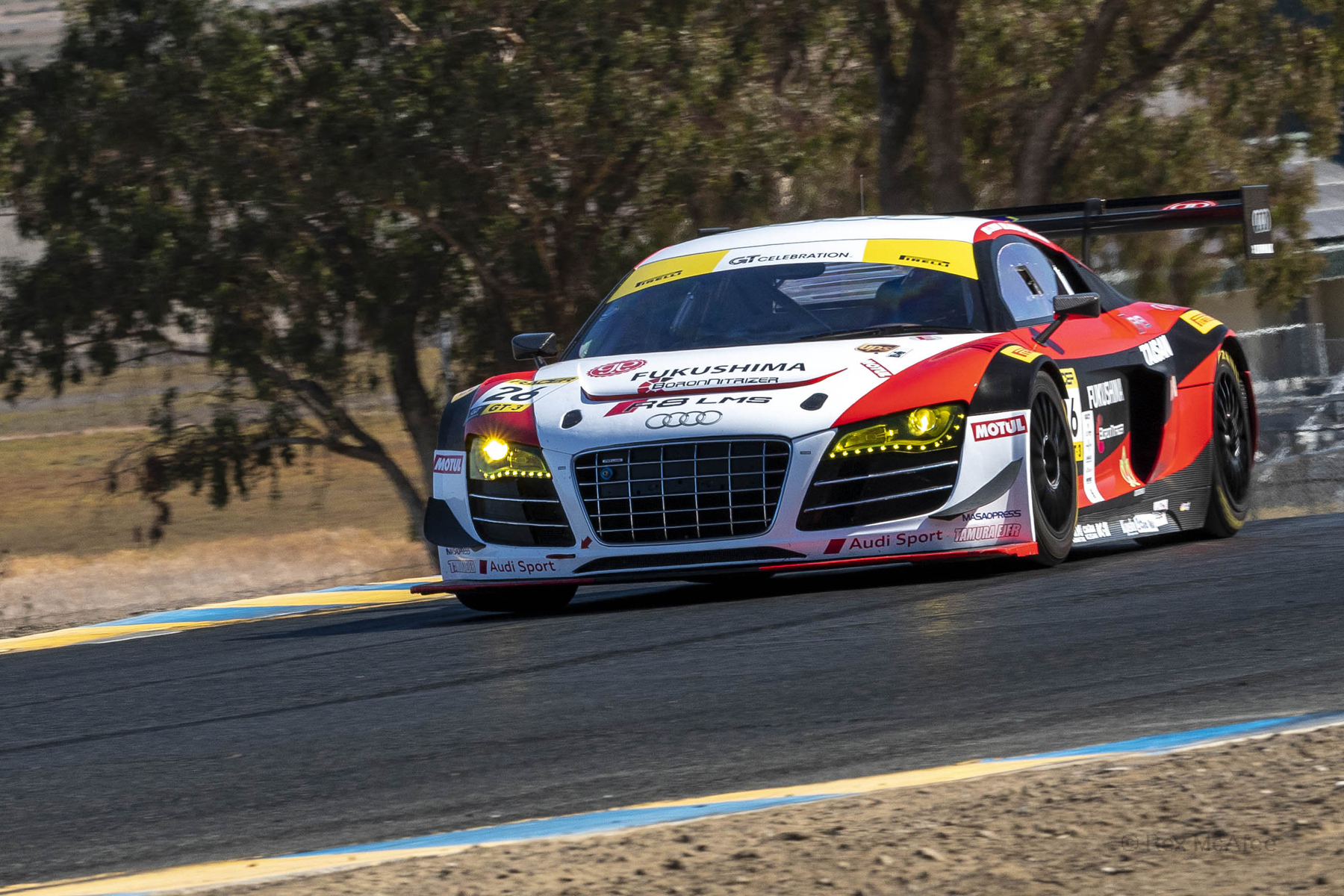
Masters was formed in 2004 and currently runs nine race series in the UK, Europe and North America. The current race portfolio encompasses a diverse range of races for historically significant cars from 1960s touring cars through to 2010s sports cars. Goodyear will supply tires to the Masters Endurance Legends and Masters GT Trophy series from the beginning of 2024. These tires will be manufactured alongside Goodyear’s contemporary FIA World Endurance Championship and European Le Mans Series LMP2 and LMGT3 tires. This will ensure the prototypes and GT cars in the Masters portfolio benefit from the same consistency, performance and durability as the current cars.
Goodyear will also become the supplier for the Masters Racing Legends series for 1966 to 1985 Formula 1 cars. With 368 Grand Prix wins, Goodyear is the most successful manufacturer in the history of Formula 1. In an era spanning the eligibility period for the Masters championship, Goodyear dominated F1 against intense competition from other tire manufacturers. The newly developed Goodyear F1 tires will gradually replace the Avon brand in this category. The existing Dunlop-branded range of cross-ply treaded tires for historic Pre-66 GT and touring cars will be expanded to support Masters’ burgeoning grids, highlighting the company’s commitment to the sector. The Dunlop range gives truly authentic performance and aesthetics, complying with the FIA’s Appendix K regulations.
David Joy, Technical Leader and Sales Account Manager Historic, Goodyear EMEA, explains the scale of the company’s commitment: “The historic racing market is becoming increasingly diverse, spanning vintage to very recent cars. Across our Goodyear and Dunlop brands we have increased the size of our historic tire portfolio, with an investment in new tire sizes and specifications, to ensure entrants have the most appropriate and authentic period tires for their cars. It is a pleasure to commit to a long-term partnership with Masters, who take a forward-thinking approach to historic motorsport.”
Ron Maydon, President and Founder of Masters Historic Racing: “We are extremely pleased to have the long-term commitment of Goodyear across its range of brands. This new agreement gives confidence in tire supply to our Masters customers and historic racing in general. We are proud to have the most successful tire company in the history of both F1 and the 24 Hours of Le Mans as a partner.”
The technical storage or access is strictly necessary for the legitimate purpose of enabling the use of a specific service explicitly requested by the subscriber or user, or for the sole purpose of carrying out the transmission of a communication over an electronic communications network.
Preferences
The technical storage or access is necessary for the legitimate purpose of storing preferences that are not requested by the subscriber or user.
Statistics
The technical storage or access that is used exclusively for statistical purposes.The technical storage or access that is used exclusively for anonymous statistical purposes. Without a subpoena, voluntary compliance on the part of your Internet Service Provider, or additional records from a third party, information stored or retrieved for this purpose alone cannot usually be used to identify you.
Marketing
The technical storage or access is required to create user profiles to send advertising, or to track the user on a website or across several websites for similar marketing purposes.
:max_bytes(150000):strip_icc()/TAL-anxious-man-on-airplane-ANXIOUSFLYER0425-3429b38d9a7a4e9b8f4d3962d2ac0d58.jpg "The Best Airlines for Nervous Flyers")
:max_bytes(150000):strip_icc():format(jpeg)/TAL-anxious-man-on-airplane-ANXIOUSFLYER0425-3429b38d9a7a4e9b8f4d3962d2ac0d58.jpg)









:max_bytes(150000):strip_icc()/tal-bombas-review-tout-4b0e3673cd2f46e8a25f003380941f9f.jpg "I Can Walk for Miles in These Bombas Sandals")
:max_bytes(150000):strip_icc():format(jpeg)/tal-bombas-review-tout-4b0e3673cd2f46e8a25f003380941f9f.jpg)