Environmental conservation and one-of-a-kind luxury holiday experiences are no longer mutually exclusive. Across the globe, a new generation of eco-conscious retreats is reshaping what it means to travel well. These sojourns do not forgo beautiful landscapes and everyday comforts for environmental and cultural restoration but rather allow them to go hand-in-hand for the sustainability-loving traveller. Be it diving into coral nurseries in the Indian Ocean, walking with anti-poaching rangers in Tanzania, or learning Indigenous stewardship from Navajo guides in the American Southwest, these immersive experiences offer more than memories — they offer meaning where sustainability is no longer an afterthought.
At this barefoot luxury retreat in the Maldives’ Baa Atoll, guests can quite literally dive into marine conservation. In partnership with the Soneva Foundation, the resort runs the Indian Ocean’s largest coral restoration project, combining science and sustainability through hands-on guest experiences. Visitors can join marine biologists for guided dives to plant coral frames and monitor reef health as part of a one-hectare underwater nursery using advanced Mineral Accretion Technology.
The project also includes coral spawning facilities, micro-fragmentation tanks and aims to grow up to 150,000 coral fragments a year. Beyond the water, the resort operates a carbon-neutral footprint and houses the Maldives’ first glass-blowing studio using recycled bottles from the island.
Click here to find out more
The Brando, French Polynesia – Eco-Science Immersion
Tetiaroa, once a sacred retreat for Tahitian royalty, is now home to The Brando — a resort that doubles as a living laboratory for climate innovation and cultural preservation. Guests can join marine biologists from the Tetiaroa Society in tagging green sea turtles, monitoring shark populations, or witnessing pioneering research on ocean acidification and reef resilience. On land, guided forest walks reveal native medicinal plants and reforestation efforts restoring endemic trees like the miro.
Beyond nature, the resort immerses visitors in Polynesian knowledge through vaka navigation workshops and pareu-dyeing classes using local plant-based pigments. The Brando’s commitment extends to its infrastructure too, with deep seawater cooling systems, a coconut oil-fuelled power station and zero-emission transport — all underscoring how luxury and ecological action can coexist meaningfully.
Click here to find out more.
Singita Grumeti, Tanzania – Anti-Poaching Patrol Shadowing
Singita Grumeti offers a rare glimpse into what it takes to protect one of Africa’s most cherished ecosystems. Walk alongside rangers — many of whom are reformed poachers turned protectors — as they patrol vast stretches of wilderness, monitor camera traps and engage in surveillance operations to safeguard wildlife from threats like bushmeat hunting and ivory poaching. With over 100 scouts stationed across 12 camps, backed by cutting-edge tech and a secretive intelligence unit, the Fund’s anti-poaching strategy is one of the most sophisticated on the continent.
There is also a Special Operations Group tasked with protecting critically endangered black rhinos. By participating, guests directly support conservation efforts that have already seen dramatic recoveries in elephant, buffalo and wildebeest populations. This excursion allows for a visceral, boots-on-the-ground encounter with conservation at its most urgent.
Click here to find out more.
Amangiri, Utah – Navajo-Led Wildlife and Land Stewardship Tours
Tucked into 900 acres of red-rock wilderness on the Colorado Plateau, Amangiri may be known for its architectural minimalism and desert serenity, but its most meaningful experiences lie beyond the spa and infinity pool. Here, luxury takes a respectful backseat to Indigenous-led stewardship of the land. Guests are invited to explore slot canyons like Antelope and Owl alongside Navajo guides, who bring deep ancestral knowledge to every footstep, sharing oral histories, ecological insight and the cultural significance of these sacred landscapes.
Through curated walks, conservation-focused expeditions and photography journeys, travellers witness the region’s geological drama while understanding its fragile balance. The resort partners with members of the Navajo Nation to ensure that tourism not only respects but actively supports Indigenous custodianship of the desert. Be it hiking ancient trails, scaling Via Ferrata routes, or simply listening to stories passed down through generations, guests come away with an appreciation for the communities safeguarding these lands.
Click here to find out more.
White Desert, Antarctica – Citizen Scientist Program
Touching down on the vast, untouched expanse of Antarctica is a once-in-a-lifetime thrill — but with White Desert, the adventure goes far deeper. Founded by polar explorers with a mission to protect the continent’s future, this luxury operator offers more than just adrenaline and aesthetic awe. It invites guests into a pioneering model of sustainable exploration, where high-end travel directly funds scientific research and carbon-conscious innovation. Operating carbon-neutral since 2007, White Desert was the first Antarctic tour company to trial sustainable aviation fuel on the continent. Its low-impact camps, limited to just 12 guests at a time, serve as both a sanctuary for travellers and a logistical hub for more than 150 polar scientists each season. From walking alongside Emperor Penguins to visiting the Geographic South Pole, guests witness the Earth’s extremes while contributing to their preservation. This is not your average form of holiday tourism — it is expeditionary travel reimagined for the planet-conscious traveller.
Click here to find out more.
&Beyond Vira Vira, Chile – Rewilding the Lake District
Located in Patagonia’s temperate rainforest, the lodge involves guests in tracking pumas and helping restore native flora as part of Tompkins Conservation’s rewilding mission. Framed by snow-capped volcanoes and ancient monkey puzzle trees, Vira Vira is so much more than just a retreat — it is a revival of land, culture and conscious living. Set on a 22-hectare estate in Chile’s Araucanía region, the lodge invites guests into the ancestral homeland of the Mapuche people, whose traditions are thoughtfully woven into every experience. This is where luxury goes beyond comfort — it becomes a means of connection and preservation. With a strong farm-to-table ethos, an on-site cheese factory, and one of the region’s most immersive local food programmes, Vira Vira celebrates sustainable gastronomy rooted in place.
It is arguably the encounters with Mapuche artisans and elders that offer the most fulfilling experience — shared meals inside a traditional ruka, private weaving sessions with master craftswomen and stories passed down through generations. Whether heli-skiing on an active volcano or hiking through thousand-year-old forests, travellers are engaging in a cultural landscape that demands respect and reciprocity.
Click here to find out more.
The Lodge at Blue Sky, Utah – Equine Therapy & Wildlife Rescue
At The Lodge at Blue Sky, luxury unfolds in the rhythm of hooves and healing. Tucked into the wild serenity of Utah’s Wasatch Mountains, this modern ranch invites travellers to slow down and connect with nature, horses and with a deeper sense of empathy. It is a place where the wisdom of natural horsemanship and the power of animal rescue become transformative experiences.
The spirit of the lodge beats strongest through its non-profit, “Saving Gracie Equine Healing Foundation”, where every rescued horse is given a second chance — and a forever home. Born from founder Barb Phillips’ unwavering compassion, the foundation has saved over 50 animals, offering them everything from chiropractic therapy to acupuncture, X-rays, and solarium treatments. Guests are invited to participate in meaningful wellness sessions with retired horses, learning how trauma is healed through patience, care and trust. Signature offerings include trail rides, mindful grooming rituals and breathwork-based equine therapy designed to foster mutual healing. For families, Gracie’s Farm offers immersive ranching activities alongside some of the rescued animals. However, more than a riding destination, this is a sanctuary for horses who have suffered and for guests seeking a slower, more soul-stirring escape. At Blue Sky, horses are not merely for sport — they are seen as “healers” and honoured members of a regenerative ecosystem.
Click here to find out more.
Four Seasons Resort Seychelles – Mangrove Rehabilitation
In the Seychelles, Four Seasons offers not just one but two distinctive properties where conservation meets castaway luxury. At Four Seasons Resort Seychelles on Mahé island, marine protection is woven into the guest experience. The resort’s partnership with WiseOceans invites visitors to join guided snorkelling sessions led by marine biologists, where they can spot sea turtles, reef fish and even seasonal whale sharks. At the Coral Cabana, guests have the rare opportunity to take part in coral propagation, stringing coral fragments and planting them into the Petite Anse nursery as part of an ambitious reef restoration project. On land, the resort also supports mangrove rehabilitation, recognising the crucial role these coastal ecosystems play in biodiversity and climate resilience.
A 35-minute flight away on a private island, Four Seasons Resort Seychelles at Desroches Island offers a wilder, more remote encounter with nature. Home to a population of endangered Aldabra giant tortoises, the resort works with a local sanctuary to protect and grow this remarkable species, with guests able to “adopt” a tortoise and support conservation efforts directly. The surrounding waters teem with marine life, best explored on humpback whale-watching excursions or reef dives with Blue Safari. A new farm-to-fork experience also reconnects travellers to the island’s natural rhythms, beginning in the organic garden and ending with a Creole cooking class using freshly harvested produce. The two resorts in the Seychelles form a compelling case for conservation-led travel — where barefoot luxury and ecological stewardship go hand in hand.
Click here to find out more
For more on the latest in lifestyle, culture and travel reads, click here.
A unique and special Mercedes-Benz SLR McLaren HDK was recently spotted in London. Only 12 SLR HDKs were built by MSO, and this is the final one. Freddie Atkins (@tfjj) got a chance to get up close with the SLR McLaren HDK and even got a ride in it.
The SLR McLaren HDK no.12 is finished in Volcano Orange – a popular shade from the McLaren colour palette. Adding contrast to the exterior are a lot of exposed carbon fibre parts. The centre section of the front clamshell is finished in gloss carbon, and so are the front splitter, rear diffuser and the massive fixed wing.
The supercar’s interior is trimmed in orange and black Alcantara. It was done by D:Class Automotive and even features laser-etched graphics. This car was presented at SEMA 2024 and received the ‘Fan Favourite Interior’ award.
While MSO has no plans to build any more SLR HDKs, we might see a limited number of SLR Roadsters getting the exclusive HDK treatment. Images of what is believed to be the first SLR Roadster HDK had surfaced online last month.
You’re flying across the world for a destination wedding in Thailand—exciting, beautiful, unforgettable. But also, a little intimidating. Whether you’re the couple tying the knot or a close family member helping organize, the truth is: a tropical location doesn’t magically make wedding planning easier—it just raises the stakes.
And that’s exactly why your wedding planner in Thailand isn’t just a coordinator… they’re your translator, cultural bridge, financial guide, and local insider. But how do you make sure you’re choosing the right one? It starts with asking the right questions.
Here’s the ultimate checklist of what to ask your wedding planner—tailor-made for anyone planning a destination wedding or trip to Thailand. From Phuket to Koh Samui and Krabi, this isn’t just a wedding—it’s your life’s most important celebration. And these questions will help you plan it like a pro.
At Thailand Planner, we create luxurious and personalized weddings for VIP couples in Thailand’s most stunning locations.
Our bespoke celebrations reflect your unique love story with no templates or repetitions, ensuring timeless elegance.
We cater to various cultures, including Indian, Western, Islamic, Chinese, and Japanese weddings, always with meticulous attention to detail.
Whether you envision a lavish beach wedding in Phuket or an elegant ballroom affair in Bangkok, we craft breathtaking experiences tailored just for you.
What Is the True Cost of a Destination Wedding in Thailand?
Let’s be real—a luxurious destination wedding in Thailand doesn’t mean cutting corners. It means getting more value for what you spend. A well-designed, high-quality wedding can start from $50,000 USD and go as high as your imagination (and budget) allows. The more you invest, the more immersive, artistic, and unforgettable it becomes.
Whether it’s a multi-day Indian wedding in Phuket or a fusion beach-meets-ballroom event in Koh Samui, Thailand delivers big. Not in price—but in impact. Your money goes toward experiences, not inflated logistics.
What to ask your wedding planner:
What’s the minimum budget for the kind of wedding we want?
How do you prioritize the budget: experience, decor, venue, or food?
Can you show examples of past weddings at different budget levels?
This isn’t about how much you spend—it’s about how intelligently you spend it. And in Thailand, a good wedding planner can turn your budget into magic.
What to ask your wedding planner for your Thailand wedding.
Which Wedding Venues in Thailand Match Your Style and Budget?
Don’t just browse brochures or scroll through random hotel listings. Ask your planner: “Which venue matches the personality of our wedding?”
Thailand offers more than just beautiful spaces. It offers wedding environments that speak to your style:
Modern rooftop in Bangkok for urban chic ceremonies
Private villas in Koh Samui for intimate cultural celebrations
Beachfront resorts in Phuket or Krabi for cinematic Indian baraats
Luxury ballrooms for timeless elegance and AC comfort
Garden venues, jungle hideaways, and even yachts for something truly bold
What venues do you recommend based on our background, culture, and vision?
Can we customize the space freely, or are there restrictions?
Do these venues allow outside vendors, rituals, or extended celebration hours?
A great venue isn’t just a backdrop. It’s a co-creator of your memory. Choose the one that speaks your love story.
Ask your wedding planner about wedding venues in Thailand.
How Does a Wedding Planner in Thailand Handle Multicultural or Mixed-Nationality Weddings?
In Thailand, where destination weddings bring couples from every corner of the world, cultural understanding isn’t a bonus—it’s a requirement.
If you and your partner come from different backgrounds—say, North Indian and Western, or Islamic and Thai—your planner needs to do more than schedule events. They need to understand your roots, your rituals, and the emotional meaning behind every element.
What to ask your wedding planner:
Will you study our cultures and suggest elements that feel authentic to both sides?
How do you balance different traditions during multi-day weddings?
Have you handled multicultural ceremonies before? Can we see examples?
A great wedding planner in Thailand doesn’t just include your cultures—they honor them, deeply and respectfully. They’ll study your story, listen to your elders, and build a team around your wedding that celebrates your identities better than back home.
It’s not about blending everything—it’s about weaving your uniqueness into one unforgettable celebration.
A good wedding planner incorporates both partners’ heritage.
What Are the Legal Requirements for Getting Married in Thailand?
Before you pack your bags and book your dream venue, ask your planner one simple question: “Do we want a legal or symbolic wedding in Thailand?”
The legal process varies by nationality. Some couples prefer to complete all legal registrations in their home country and enjoy a symbolic ceremony in Thailand. Others choose to go through the full legal route here—but that means paperwork, embassies, and timelines.
A good wedding planner in Thailand should walk you through:
Which documents your embassy requires (affidavits, passport copies, translations)
Where and when to complete the legal steps (some may need to be done in Bangkok)
How long the full process takes (typically 3–5 working days)
Better yet, ask if they work with legal consultants or marriage law experts. Because in destination weddings, small legal delays can affect big wedding dreams. When in doubt, clarity beats confusion, and your planner should make sure no detail is missed.
Ask your wedding planner about the legalities.
How Do You Manage Guest Experience for a Destination Wedding Trip?
A destination wedding in Thailand isn’t just about the couple—it’s a once-in-a-lifetime vacation for every guest who shows up. And unless it’s managed right, what should feel like a luxurious escape can turn into logistical chaos.
That’s why guest experience matters just as much as décor.
Your planner should be able to:
Organize VIP airport pickups (especially for elders or international guests with connections)
Book accommodation blocks in boutique hotels, beachside resorts, or private villas
Guest experiences are everything in a destination Thailand wedding.
How Will the Planner Personalize the Wedding Based on Our Story and Background?
This is where an ordinary planner fades—and a great one shines.
You’re not just booking flowers and food. You’re asking someone to translate your identity into a celebration—one that reflects your nationality, culture, personality, and love story.
Ask your wedding planner:
Will they study your background?
Will they research your traditions—not just copy-paste from Pinterest?
Will they help you design a wedding that feels like you, not just a generic version of your culture?
Whether you’re South Indian, Thai-Chinese, a Western-Islamic couple, or anything in between, your planner should go far beyond “fusion décor.” They should become a curator of your story, connecting themes, rituals, and atmosphere in a way that honors both families—without clichés or shortcuts.
If their first question is “What’s your budget?”—walk away. But if their first question is “Tell me your story?” you’ve found your match.
Wedding planners should personalize your love story.
What Are the Best Months to Travel to Thailand for a Wedding?
Thailand is beautiful all year—but your wedding deserves more than a lucky guess on the weather.
Before locking in dates, ask your planner about:
Monsoon seasons (especially in islands like Phuket or Koh Samui)
Peak tourist months (hotel prices can skyrocket between December and February)
Hidden gems in shoulder seasons (March–April in Bangkok, or September–October in Krabi)
The best time for a destination wedding in Thailand is usually November to early April, offering dry skies, soft light, and beach-perfect breezes. But your planner should help you match your preferred city with the right season and vibe—not just the calendar.
Great wedding dates aren’t just dry; they’re smartly chosen to align with your budget, guest convenience, and venue availability. Let your planner guide the way.
The best times to have a wedding in Thailand.
Does the Wedding Planner Offer All-Inclusive Packages or à la Carte Planning?
You’re planning from abroad—you don’t want surprises. So, ask: Do they offer all-inclusive wedding packages in Thailand—or is everything separate?
A good wedding planner should clearly explain:
What’s included (venue, décor, catering, entertainment, logistics)
What’s customizable vs. non-negotiable
Are there hidden fees or third-party markups?
Some planners push “packages” that sound convenient but end up rigid and uninspired. Others work from scratch—curating every detail based on your vision, culture, and priorities.
A flexible wedding planner in Thailand should offer both:
A clear, all-in-one roadmap for ease
The freedom to mix and match for creativity
Your wedding is not a meal combo. Make sure you know what you’re being served.
Ask your wedding planner to tailor your package for you.
What Kind of Accommodation Is Best for a Thailand Wedding Trip?
The venue might steal the spotlight, but accommodation is what guests remember. So ask your wedding planner: How will you handle rooms, comfort, and location?
Will they:
Negotiate room blocks at luxury hotels?
Offer private villa rentals for families or the couple?
Secure full-resort buyouts for ultra-exclusive experiences?
And it’s not just about the beds—it’s about hospitality. Will guests have welcome kits? Room décor? Personal touches?
A true destination wedding in Thailand should feel like a holiday for every guest—not just an event they attend. Your planner should design accommodations like an experience, not a checkbox.
Choosing the right accommodation for your Thailand wedding is important.
Can the Wedding Planner Help With Pre-Wedding and Post-Wedding Travel in Thailand?
Your destination wedding isn’t just a ceremony—it’s a multi-day journey. So, ask: Will your wedding planner design the full travel experience for you and your guests?
Think before and after the wedding:
A Mehendi pool party in Phuket
A welcome cruise in Krabi
A temple visit in Chiang Mai
A honeymoon extension in Koh Samui
Group spa day or beach brunch in Hua Hin
The right planner turns your wedding into a vacation of a lifetime—for you and everyone attending. They should know the hidden gems, seasonal events, and VIP excursions to recommend—and plan them around your main celebration.
Make sure your planner understands: This isn’t just a wedding—it’s a curated trip to Thailand.
Ask your wedding planner to curate your pre- and post-wedding experiences.
How Will the Planner Handle Cultural Sensitivity and Respect?
Every tradition matters—because you didn’t travel across the world for a generic wedding. So, ask: How will your wedding planner in Thailand understand and reflect your culture properly?
Whether you’re:
An Indian couple expecting a full Baraat and Sangeet
A Muslim family with modesty requirements and prayer needs
A Western couple blending traditions
A mix or something entirely unique
Your planner must do more than Google your culture. They must study it, consult elders, and design every detail around it—from dress code to ceremony flow.
A respectful wedding is not about ticking boxes. It’s about honoring identity with grace and accuracy. If your planner doesn’t ask questions about your culture, you’re asking the wrong planner.
A wedding planner should understand and respect your customs.
Who Is Managing Day-Of Coordination and Emergency Plans?
Let’s be real: the wedding day is when most planners should shine—not vanish.
Ask directly: Who’s actually on-site on the wedding day? Who’s handling last-minute changes, vendor arrivals, and guest logistics?
A professional planner in Thailand should provide:
A dedicated day-of team
A timeline manager
Vendor liaisons
Emergency backups for rain, illness, or tech issues
Because in destination weddings, something always goes off-script. What matters is not avoiding problems—it’s how smoothly they’re solved without you even knowing.
And if your planner answers this with hesitation? That’s your sign to keep looking.
Does your wedding planner have a team for the wedding day?
What Kind of Food and Drinks Will Be Served?
This is Thailand—a country where street food wins awards and fine dining feels effortless. So, your menu better do more than just feed guests.
Ask your wedding planner:
Will there be a balance of Thai and international cuisine?
Do they accommodate dietary needs like vegetarian, halaal, or Jain?
Can they offer interactive dining, like live food stations or themed nights?
Food is emotional. It’s also cultural. And in Thailand, it’s easy to make it unforgettable—if your planner works with the right chefs, caterers, and local experts.
A good planner doesn’t just hand over a catering brochure. They ask you about your regional tastes, your family’s favorites, and your guests’ preferences—then create something amazing.
Don’t forget how crucial the right food is at your Thailand wedding!
Will the Wedding Include a Custom Timeline and Planning Roadmap?
Planning a destination wedding in Thailand without a roadmap? That’s like boarding a boat without a paddle.
Ask your wedding planner if they offer:
A month-by-month or week-by-week timeline
Progress checkpoints so you know what’s been done and what’s next
Milestones for approvals like the guest list, decor, and menus
Because without a roadmap, you’re not planning—you’re guessing.
And in a foreign country, with multiple moving parts, guessing is not good enough.
A truly experienced Thailand wedding planner will walk you through every stage—from venue booking to final guest RSVPs—with a system. No chaos. No, “we’ll see later.” Just clarity, calm, and control.
Ensure your planner has a wedding planning roadmap.
Can the Wedding Planner Support Guests With Language Barriers?
Your guests may be flying in from multiple countries, and not everyone speaks fluent English or Thai.
So, ask:
Will there be bilingual staff or translators for elder guests?
Are there translated signs, menus, or ceremony guides?
How will guests communicate with local drivers, hotel staff, or vendors?
Language should never be a barrier to feeling included.
A good destination wedding planner in Thailand will plan for this proactively—especially if your wedding involves Indian, Chinese, or Islamic communities where guests might need extra assistance.
Hospitality is more than logistics. It’s about making every guest feel seen, understood, and welcomed. And in Thailand, that should come naturally—with the right planner by your side.
Can your wedding planner provide support for language barriers?
How Is the Planner’s Team Structured?
When you hire a wedding planner in Thailand, you’re not hiring a person—you’re hiring a production team.
So, ask:
Who’s handling the design? Logistics? Guest support?
Will there be a dedicated coordinator on the wedding day?
Do they have on-ground staff in Phuket, Koh Samui, Bangkok, or are they flying people in?
Cultural liaisons (especially for multicultural weddings)
Backup staff for each vendor
Clear division of roles
Because weddings aren’t run by magic. They’re run by teams. And the right team = a wedding that flows seamlessly, not one that falls apart under pressure.
Ask about your wedding planner’s team.
What Makes This Planner Different From the Others in Thailand?
Every planner has a website. Every planner has Instagram. But what truly makes them different?
Ask these questions:
Can they show past weddings with real results—not just styled shoots?
Do they have testimonials from multicultural couples?
Do they build everything from scratch—or start from templates?
You’re not just looking for a planner. You’re looking for someone who cares more about your story than their sales pitch.
And the ones who stand out? They’ll light up when asked this question—because passion can’t be faked.
Make sure your wedding planner is experienced.
Does the Planner Handle Styling, Makeup, and Fashion Coordination?
Your look tells your story. From the first step down the aisle to the final dance, every detail—sari draping, turban tying, beard grooming, makeup, and hairstyling—needs planning, not panic.
Ask your wedding planner:
Do they have trusted beauty and styling teams for each wedding city (Bangkok, Phuket, Koh Samui)?
Will there be trial sessions before the big day?
Are they experienced in multicultural attire and traditional looks?
Because no one should be Googling “how to wrap a dupatta” the morning of the wedding.
Check if your planner can help with attire and styling.
Are All Vendor Contracts Transparent and Locally Vetted?
Do they personally vet each vendor or rely on kickbacks?
Can we see clear, upfront contracts for each service?
Are these vendors experienced with destination weddings in Thailand?
A good planner won’t just bring in any DJ or decorator. They’ll bring the right ones, backed by trust—not profit. And that’s the difference between coordination and commitment.
Local vendors should be vetted.
What Style of Wedding Photography and Videography Is Offered in Thailand?
Your wedding lasts a few days. Your memories should last forever.
Before hiring your wedding planner, ask:
Do they work with cinematic videographers or just standard shooters?
Can they capture your traditions with sensitivity and artistry?
Do they offer story-driven editing or just highlight reels?
Thailand is full of photographers—but not all of them can catch that moment your parent tears up during a ritual or your partner’s nervous smile before the vows.
This isn’t about photos—it’s about time travel.
Does the wedding planner know good photographers and videographers?
How Are Décor and Floral Designs Customized for Thailand Wedding Venues?
Forget recycled mandaps or Pinterest-pasted décor walls. Your story deserves more.
Ask your wedding planner:
Will your venue layout inspire the floral and design choices?
How do they blend our traditions into the décor?
Can they avoid common wedding clichés seen across Thailand?
From orchids hanging in beachfront pavilions to hand-painted welcome signs with family names in two languages—details matter.
Your décor should feel like a reflection, not a replication.
Customization is vital for any good wedding planner.
Can the Planner Arrange Unique Entertainment for a Destination Wedding in Thailand?
Music matters. But so does the wow factor.
Ask your wedding planner:
Do they offer Thai cultural performances like long-drum parades or traditional dance?
Can they arrange Bollywood-style Sangeet choreography or a saxophone player for a beach sunset?
What about fire shows, comedians, or live bands that match your vibe?
Thailand offers a canvas, and your entertainment should paint it with joy. The right planner doesn’t just book a DJ. They choreograph energy, emotion, and memories.
Unique entertainment makes for an enjoyable wedding.
How Will Guests Get Around During the Wedding Trip in Thailand?
Weddings in Thailand stretch across rooftops, beaches, and temples… but how do your guests get from A to “Wow”?
Ask:
Do they organize group shuttles or VIP limos?
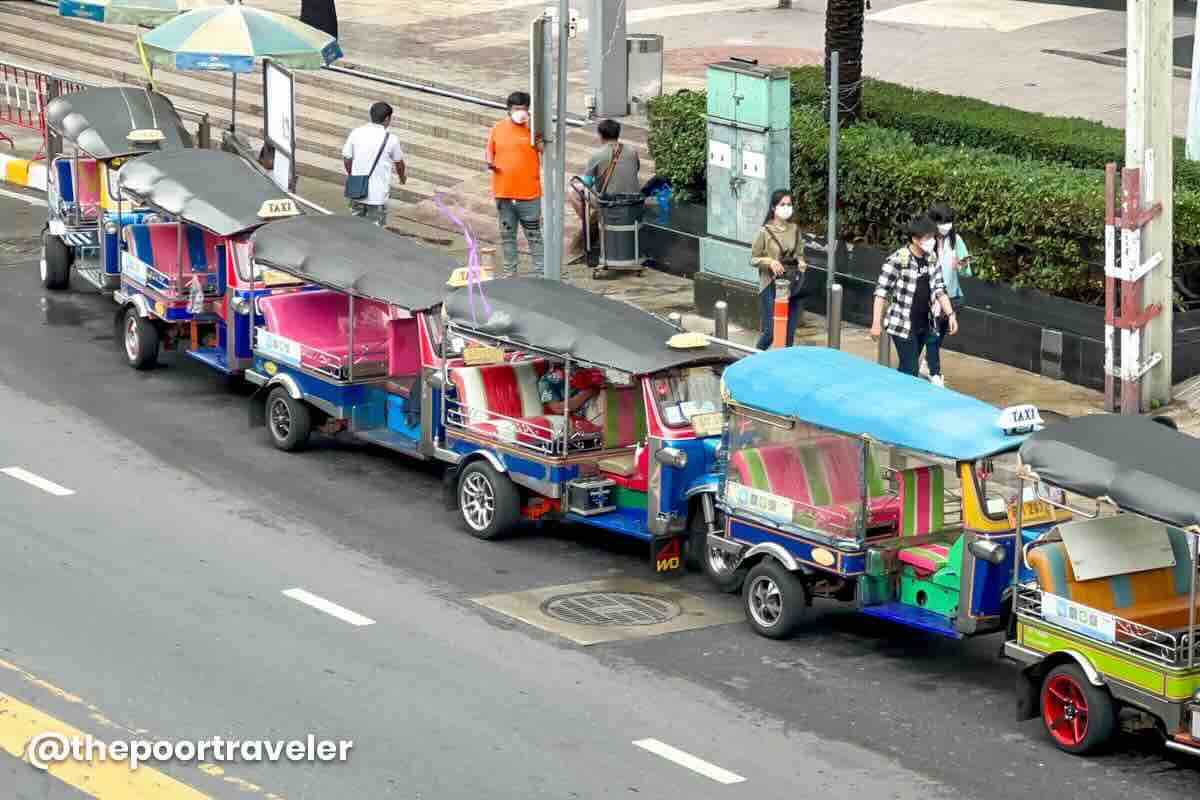
Are there boats for island hopping? Tuk-tuks for welcome rides?
Will there be a team to coordinate pickups and schedule changes?
Your guests might forget the floral centerpiece. But they’ll never forget that surprise tuk-tuk ride through Old Town or arriving at the ceremony by longtail boat.
Make sure your guests can safely get around.
How Do They Handle Last-Minute Surprises or Weather Issues in Thailand?
Let’s be honest—Thailand is tropical, and while the sun shines 90% of the time, it’s that 10% you want your planner to be ready for.
Ask them:
What’s the backup plan if it rains on your beach wedding?
What happens if a vendor cancels last minute?
Is there a coordinator with decision-making power on-site?
A real planner doesn’t panic—they pivot. And you shouldn’t have to worry whether the storm passes or the florist runs late. Your job is to enjoy. Theirs is to be five steps ahead.
Can your wedding planner handle last-minute problems or changes?
Is There a Custom Wedding Song, Live Music, or Special Soundtrack Option?
Because your love story doesn’t deserve a generic playlist.
Ask:
Can they compose a custom song or integrate music that reflects your roots?
Do they provide live musicians—from tabla players to Thai harpists?
Is the music designed to match the mood of each moment, from your walk down the aisle to the last dance?
In Thailand, sound is sacred. From temple bells to ocean waves, every note counts. Your wedding deserves its own rhythm—and the right planner will make sure every beat belongs to you.
Music should reflect the vibe of every moment.
Will the Planner Help With Post-Wedding Keepsakes and Memory Preservation?
The wedding may last a few days, but the memories? They’re forever—or at least, they should be.
Ask your wedding planner:
Do they offer custom wedding albums, a wedding website, prints, or curated memory boxes?
Is there a video recap service—not just raw footage, but a story-driven film?
Can they help preserve the wedding song, written vows, or even floral keepsakes?
Thailand is full of artisans. A skilled planner knows how to turn moments into heirlooms. Whether it’s a framed blessing from a monk or your wedding website that lives on long after the honeymoon, ask how they’ll help you remember what mattered.
Keepsakes and memories keep a wedding going long after it’s finished.
What’s the One Thing Couples Always Forget to Ask Their Thailand Wedding Planner?
“How will this wedding be remembered 10 years from now?”
That’s the question that separates checklist planners from soulful creators.
It’s not about table centerpieces. It’s not about the menu. It’s not even about the perfect dress.
It’s about this:
The waiter who cried during your vows
The Thai grandmother who hugged your dad after the ceremony
The surprise performance from your childhood friend
The moment your guests stood silent during a water blessing, eyes closed, hearts open
One couple walked into their reception to a custom wedding song no one expected—and half the room teared up before dessert. Another received handwritten guest letters organized into a leather-bound book, a surprise from the planner. Those are the things that live on.
So here’s the challenge:
Before you choose your wedding planner in Thailand, ask them: “What will people remember most about our wedding without seeing a single photo?”
If their eyes light up? If they start telling you about real couples, real moments, and real emotion?
You’ve found the right one.
Ask your wedding planner how they’ll make your wedding memorable.
Need Help Planning Your Thailand Wedding Trip?
If you’re a couple seriously considering a destination wedding in Thailand and still have questions about venues, culture, costs, or logistics, you don’t have to figure it out alone.
You can get a free consultation directly with a wedding planner who specializes in multicultural weddings across Phuket, Bangkok, Koh Samui, and beyond.
Say “I do” in Thailand with professional wedding planners.
Thailand Planner
At Thailand Planner, you can expect your dream wedding to become a reality in one of the world’s most beautiful locations—Thailand.
Our personalized celebrations will reflect your unique love story. VIP couples choose our wedding packages because of our attention to detail, which ensures you have a wedding that looks like no other.
We cater to various cultures, including Indian, Western, Islamic, Chinese, and Japanese weddings, always with respect.
Whether you want a casual beach wedding in Phuket or an extravagant ballroom experience in Bangkok, we’ll create a stunning experience made just for you.
Experience the magic of luxury, tailor-made weddings in Thailand, where creativity, precision, and artistry come together to craft your dream celebration. Whether you envision a breathtaking ceremony in Bangkok, a serene beachside affair in Phuket, or a romantic setting in Chiang Mai or Koh Samui, we specialize in creating bespoke weddings that beautifully reflect your unique love story. Say goodbye to templates and limitations—embrace pure elegance designed with passion and executed to perfection. Let us turn your wedding dreams into an unforgettable reality.
Experience the magic of luxury, tailor-made weddings in Thailand, where creativity, precision, and artistry come together to craft your dream celebration. Whether you envision a breathtaking ceremony in Bangkok, a serene beachside affair in Phuket, or a romantic setting in Chiang Mai or Koh Samui, we specialize in creating bespoke weddings that beautifully reflect your unique love story. Say goodbye to templates and limitations—embrace pure elegance designed with passion and executed to perfection. Let us turn your wedding dreams into an unforgettable reality.
Porsche is all set to reveal a new 911 Heritage Edition soon. We’ve been told that the car will be unveiled in a few hours from now.
The carmaker has just put out teasers of the upcoming special edition on social media. It is said to be based on the 992.2 generation of the 911 and could be offered in either Targa or convertible body styles.
The teaser does reveal some interesting details of the new Heritage Edition. The car appears to have a dark exterior with metallic stripes on the bonnet. The interior is trimmed in leather with a green checkered pattern on the seats.
While technical details are unclear, rumors suggest that the new 911 Heritage Edition could be based on the Carrera GTS. If it’s true, then it will be powered by the new T-Hybrid powertrain. It uses a 3.6-liter flat-six engine paired with a single electric turbocharger and a traction motor that sits between the engine and the 8-speed PDK. It makes 534 hp and 450 lb-ft of torque.
We’ve been told that production will be limited to 1250 units. Order books are now open.
Did you know 64% of American adults drink coffee every day? Or that we consume a whopping 146 billion cups of coffee each year? Or that only 35% of coffee drinkers prefer their coffee black?
For millions of people, coffee is an integral part of any workday. Copious amounts of the caffeinated beverage every morning gets our brains churning and increases productivity. While we may normally forgo the coffee on vacation in lieu of sleeping in, it’s a different story on a flexcation or workation. Work needs to be completed, and the coffee pot in the rental unit might not be up to the task.
There are a lot of great coffee shops between Gulf Shores and Orange Beach. At Beach Girl Coffee, the only way to enjoy a brew is to take it to go with their drive-thru service. Southern Shores Coffee’s signature blend is the Bushwhacker, a rich blend of coconut, chocolate, and Arabica beans.
If you’re looking for a great place to take the laptop or tablet and get work done, there are five perfect coffee shops for remote work.
Part Two – Flexcation at Alabama’s Beaches
Explore the latest travel trend with Flexcation at Alabama’s Beaches. Learn about the concept of combining work and play along Alabama’s beaches with this exciting four-part series.
Read Part One – 5 Reasons Why Alabama’s Beaches are the Perfect Flexcation Destination
Sponsored Post
This post is sponsored by Gulf Shores & Orange Beach Tourism. Visit their website to learn more about things to do and places to stay at Alabama’s beaches. All reviews and opinions expressed in this post are based on my personal experience. https://www.gulfshores.com/
No. 01
Happy Pappys Coffeehouse
Located off Gulf Shores Parkway on a quiet street, Happy Payppys Coffeehouse is one of the best in the area for remote work. The spacious interior is flooded with natural light from large windows. The modern industrial style features a painted concrete floor and black painted ceiling that disappears into the shadows.
Tables are plentiful, though not entirely the most comfortable. But a collection of leather armchairs and a sofa in the corner is the perfect place to lounge while getting some work finished. On cooler days in the shoulder seasons, outdoor seating at large tables covered in the shade of an umbrella would be a great place to spend a workday.
The coffee menu includes everything from drip coffee to lattes and tea. They have a small assortment of fresh baked goods like muffins, cookies, and scones. They also have a small menu of authentic Greek pastries.
1550 West 2nd Street, Unit A5, Gulf Shores, AL | 251-967-2779 | https://happypappyscoffeehouse.com
Bright and airy – a perfect place to work at Foam Coffee Shop. Photo courtesy of Gulf Shores & Orange Beach Tourism.
No. 02
Foam Coffee Shop
When Foam Coffee moved to a new location – conveniently located directly behind their original location – owners Saidy and Kale had the chance to create something special. Large windows flood the space with light that bounces off the white walls and creates an invigorating atmosphere.
Comfortable seats at large tables offer a place to get some work done. Although outlets are few, the Wifi is just as strong as the coffee. The menu covers everything from drip coffee to lattes, toast, and smoothies. It’s the kind of place to stay caffeinated while getting all that work done on your flexcation.
313 East 22nd Avenue, Gulf Shores, AL | 251-948-0660 | www.foamcoffeeandshop.com
Did you know lots of the coastal decor at The Southern Grind is for sale? Photo courtesy of Gulf Shores & Orange Beach Tourism.
No. 03
The Southern Grind Coffee House at The Wharf
In 2012, Jimmy and Jaime McPhillips – along with a bit of help from Jimmy’s sister, Carol – opened The Southern Grind Coffee House at The Wharf in Orange Beach. Jaime’s interior design background is evident throughout the coffee shop with gorgeous décor and immensely comfortable furnishings.
With sturdy tables and steady Wifi, The Southern Grind is a perfect place to work for a few hours – or the entire day. The Wharf features a couple of fantastic restaurants and a great place to stretch your legs in between work sessions. It would be easy to spend an entire day working in that coffee shop!
“Serving breakfast, lunch, dinner, dessert & coffee.” Their menu is the most expansive of any coffee shop along Alabama’s beaches. Breakfast includes biscuits, bowls, and enormous plates, all cooked to order. The menu includes paninis, sandwiches, burgers, and salads for lunch and dinner.
4751 Main Street #116, Orange Beach, AL | 251-923-3265 | https://thesoutherngrind.com
Solid wood tables and comfortable bench seats make The Southern Grind a comfortable place to spend several hours working.
No. 04
The Southern Grind Coffee House at Hotel Indigo
In 2017, the second location for The Southern Grind Coffee House was opened at the recently completed Hotel Indigo. The new location was easier to access for the throngs of beachgoers, located along the main highway through the beach towns near Gulf State Park.
A similar design style was chosen for the second location that featured turquoise ceilings, gorgeous coastal décor, and comfortable seating. Solid wood tables, sturdy chairs, and comfortable leather armchairs provide plenty of places to get comfy while working for a few hours – or more.
The Southern Grind doesn’t hold back on ways to make a caffeinated drink. Drip coffee, cold brew, espresso, and frappes fill the menu with options. They even have chai latte and various hot teas for the non-coffee drinkers.
22843 Perdido Beach Boulevard, Orange Beach, AL | 251-975-2883 | https://thesoutherngrind.com
BuzzCatz has great coffee, but what they’re really known for are their homemade cinnamon rolls and pop tarts.
No. 05
BuzzCatz Coffee & Sweets
You won’t find BuzzCatz Coffee & Sweets by accident – and you’ll be happy when you find them on purpose. Owners Brian and Jodi Harsany, who also own Cosmo’s Restaurant & Bar next door, wanted to expand their services with a unique coffee shop.
The buzz around town is all about their famous cinnamon rolls. Slightly smaller than an average adult’s face, the savory sweets are baked fresh every day and served glazed, topped with cream cheese, or smothered in pecan praline. They also bake their own BuzzCatz “Pop Tarts,” offer made-to-order breakfasts, and will even whip up a “lite” lunch.
The interior of the coffee shop is cozy – dark hardwood floors contrast against the vibrant purple walls and black tin metal ceiling. Solid wood tables inside offer a sturdy place to get work done, while nearly a dozen tables with moderately comfortable metal chairs are scattered across the covered patio outside.
25689 Canal Road, Suite A, Orange Beach, AL | 251-980-2899 | www.buzzcatzorangebeach.com
Part Three – Flexcation at Alabama’s Beaches
Bookmark this article and come back in two weeks to see the next post in the series – Miniature Golf and Massive Milkshakes – My Workation Week at Alabama’s Beaches.
Bangkok is among the top most visited cities in Southeast Asia, welcoming millions of tourists every year. It’s one of those destinations our team really looks forward to visiting again and again. Its lively nightlife, bustling shopping districts, historical landmarks, and rich culinary scene make up for the absence of beaches that tourists usually look for in a destination. And of course, it’s affordability, attracting droves of budget travelers around the globe.
For us Pinoy travelers, its proximity to us is also a big factor why it’s among our favorite international destinations. Plus, the fact that we don’t need to secure a visa to enter Thailand because we are ASEAN neighbors. It’s easy to feel comfortable when exploring Bangkok because of our similarities, but this familiarity can sometimes lead us to overlook important details and cause us to commit mistakes. We must still remind ourselves that we are still visitors and must be aware of cultural norms and traditions while we’re here to avoid any problems.
Whether it’s your first time traveling or not, it’s important to familiarize yourself with the culture and rules of the place you’re visiting. This will help you be more mindful of your actions while exploring. Here are some common mistakes travelers make in Bangkok.
Thai baht is the official currency of Thailand. Always check the banknotes or bills you’re holding before paying for something because they look similar and the colors are almost the same. It’s a bit confusing, especially if it’s your first time to visit the country. Don’t confuse 50 with 500, as well as 100 with 1,000 (its highest value banknote). As much as possible, separate the 50 and 100 bills with the 500 and 1,000 bills.
Thai banknotes with the portrait of King Bhumibol Adulyadej the Great or Rama IX (Left) and King Vajiralongkorn or Rama X (Right)
Another thing to take note of is the king’s portrait printed on them. There’s a possibility that you might see two different faces. Some banknotes feature King Vajiralongkorn (Rama X), the current king, while other bills still carry the picture of King Bhumibol Adulyadej the Great (Rama IX), the late king. There’s nothing to worry, though, because both versions are accepted.
As of writing, the exchange rate of Thai baht (THB) to Philippine peso (PhP) is 1 (THB) = 1.6 (PHP). For easy reference, a ฿100 is equivalent to about ₱160.
2. Don’t underestimate hot-and-spicy levels.
Thais love spicy food. It’s already in their DNA. But even with this in mind, we still get blown away by the level of spiciness of their dishes! Our team can handle spicy food. But for me, their NORMAL spicy is already my EXTREME level, experiencing all of these at the same time: involuntarily shedding tears, sauna-level sweating, and instant runny nose. Hahaha!
My teammate Pycan could barely handle the heat
By default, most — if not all — of their dishes are spicy. Think of tom yum, som tam (papaya salad), pad kra pao (ground pork with basil), curries (red, yellow, or green), and other popular Thai dishes. They are normally spicy. But don’t fret! Because Thais are used to tourists, most establishments and food stalls can adjust the spiciness level. They will usually ask you how spicy you want your dish to be — not spicy, mild, or spicy.
REMINDER! Their “mild” is often the equivalent of super spicy for the ordinary Pinoy palate, so it’s safer to just opt for “NOT SPICY/NO SPICY” level.
3. Don’t stay in the wrong area.
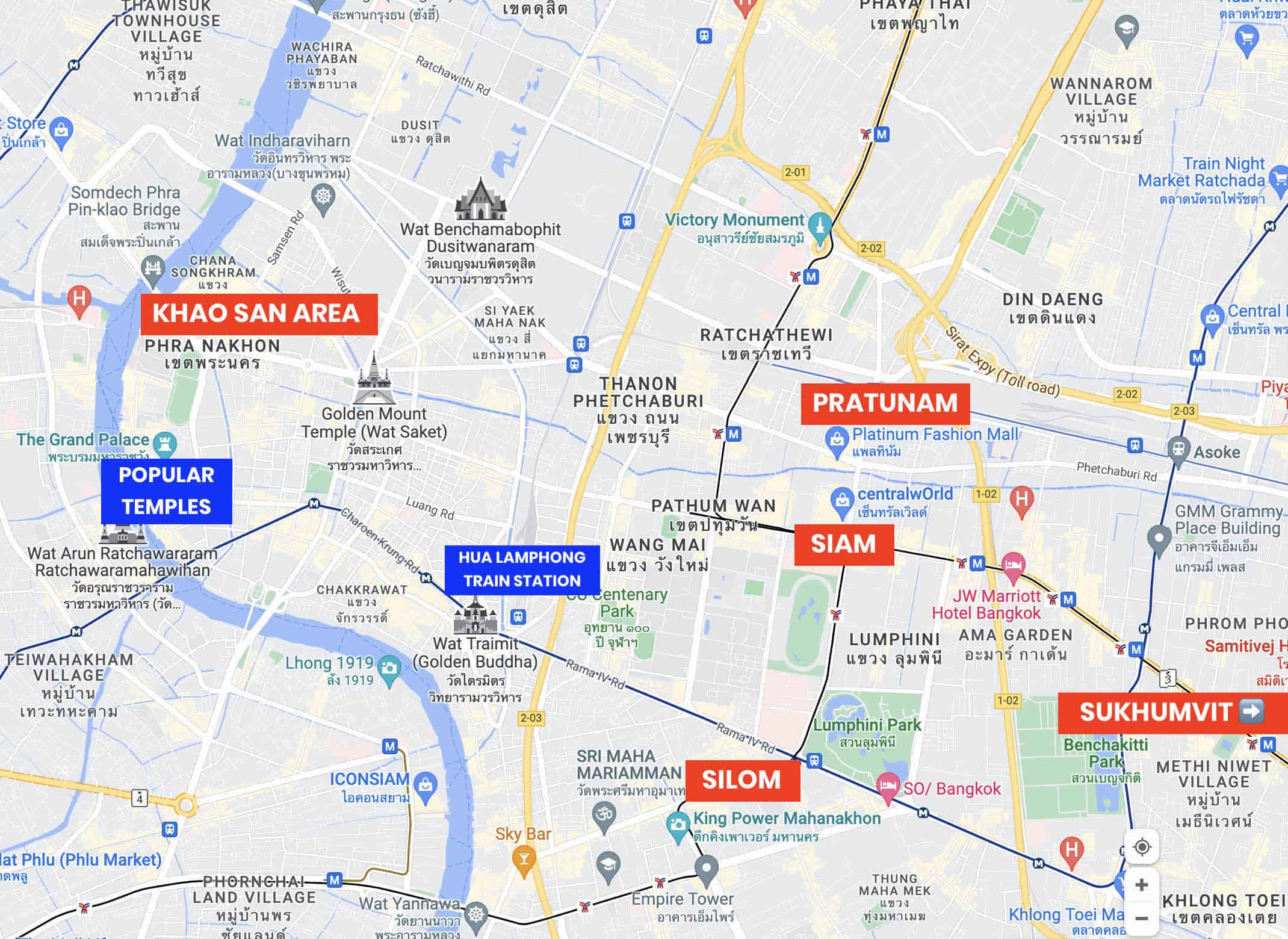
Bangkok is never short of accommodation options. Many districts are considered ideal tourist bases. However, they cater to different types of travelers. Each district has its pros and cons. So, where is the best area to stay in Bangkok? Choosing the appropriate base for you will depend on your priorities — budget, comfort, accessibility, and itinerary.
Here are some of the popular bases for tourists:
Bang Lamphu District
You’ll find Bangkok’s most popular backpacking hub — Khao San Road. This area is dotted with affordable hostels and night spots. This is perfect for backpackers and those traveling on a budget. If you are traveling as a family, especially with kids and elderly or if you prefer a quieter place, this might not be the best option for you. Another thing to note is that it’s far from both BTS or MRT lines.
Here are some of the top-rated properties in the area based on online user reviews:
Sukhumvit Road
This is part of the national highway and is a major road in Bangkok, running from central Bangkok to the southeastern provinces of Thailand. Most areas within Bangkok are very accessible via BTS Skytrain, especially Nana and Asok (or Asoke). It also has a vibrant night scene, ideal for those looking for a good night cap.
Here are some of the top-rated properties in the area based on online user reviews:
Siam Area
Consider this area, particularly the area near Siam Square, if you are traveling with your family. It’s convenient and family-friendly because it is centrally located and covers a number of BTS stations, so it’s also very accessible. As a popular shopping district, the area is bustling with merchants and shoppers during the day.
Here are some of the top-rated properties in the area based on online user reviews:
Silom Area
This particularly refer to the area close to Silom Road, running between Sala Daeng Station and Saphan Taksin Station. This is Bangkok’s business district, so it exudes a serious vibe during the day, but come evening, it becomes energetic and wild! It boasts a good number of clubs and bars, including gay clubs, and the greatest concentration of drag shows. If you are a member of the LGBTQIA+ community or you’re a fan of drag shows, this might be your turf.
Here are some of the top-rated properties in the area based on online user reviews:
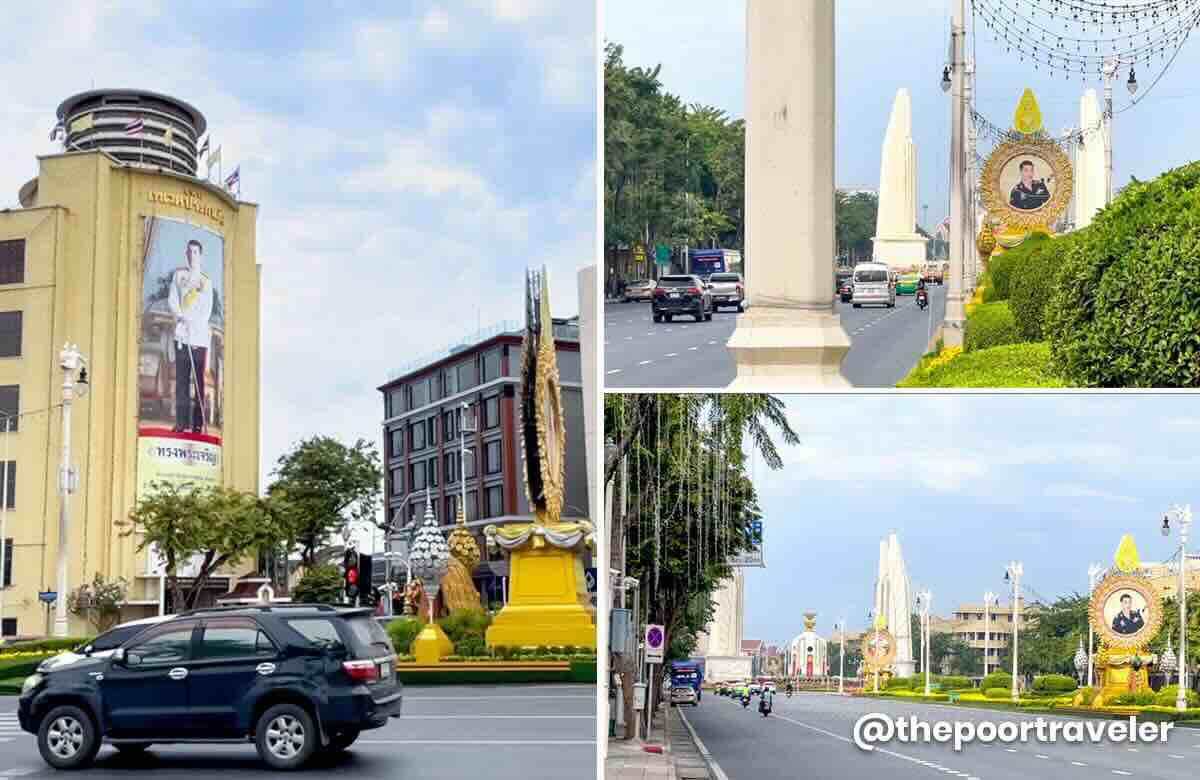
Did you know that you can be imprisoned for insulting or defaming the Thai royalty? According to Section 112 of Thai Criminal Code: “Whoever defames, insults or threatens the King, the Queen, the Heir-apparent or the Regent, shall be punished with imprisonment of three to fifteen years.” This law does not only apply to locals but also to foreigners/tourists.
The locals have a high regard for the Royal Family. All throughout the country, especially in Bangkok, you’ll see numerous portraits of the king and other members of the royal family — along the road, malls, and other establishments. It’s really not a wise move to insult or speak ill about the Royal Family. Again, it’s against the law.
5. Don’t dress inappropriately at Grand Palace.
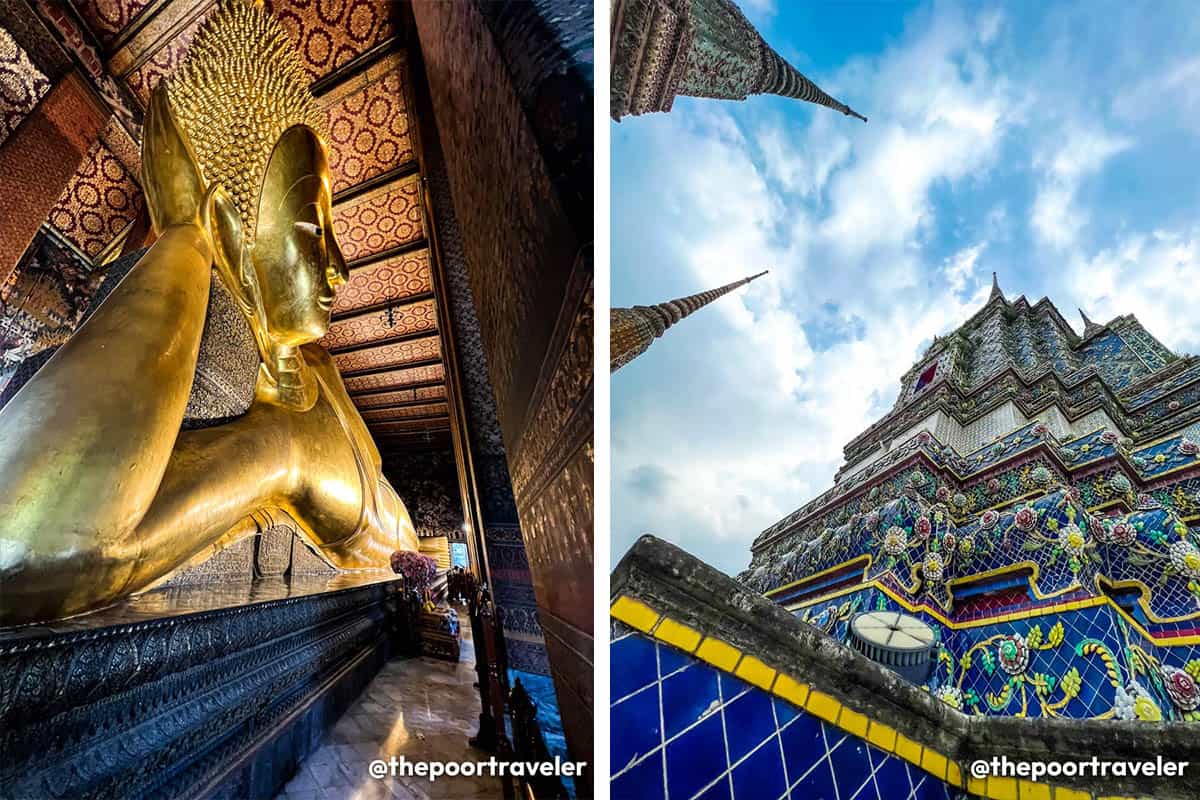
Most of Bangkok’s key tourist attractions are religious sites — Wat Pho, Wat Arun, and Temple of the Emerald Buddha within the Grand Palace. They are all accessible to the public, but you need to dress appropriately to enter these places.
At the Grand Palace, they are strict. You really need to follow the dress code. This means, NO:
sleeveless shirts
short tops
vests
see-through tops
torn pants
short hot pants/short pants
tight pants
bike pants/cycling shorts
mini skirts
sandals/slippers
The general rule is, the knees, shoulders, and heels must be covered. You may bring a sarong for cover or extra loose pants and outerwear. Otherwise, you’ll be forced to purchase there. On our previous visit (2022), Yosh had to purchase a pair of pants because he forgot that we’re going to the Grand Palace that day. LOL! In the past, it was normal to rent clothing, but that time, no more rental place in sight.
6. Don’t easily believe that the temples are closed.
And while we’re on the subject of visiting temples, it also helps to research first before going, so you won’t fall for scams. One of the typical scams around key tourist attractions, especially temples, is when someone approaches you at the entrance of a temple and will “inform” you that it’s CLOSED for the day. Another version is, only locals are allowed to enter for “prayer” time and the temple will open at a later time.
REMEMBER! Their goal is to make you believe that you can’t enter the temple, so they can suggest another temple or tourist spot to you. They will usually introduce themselves as a tour guide or a teacher. Once you fall for it, they will “hail” a tuktuk for you (which is actually their accomplice).
Usually, the tuktuk driver will make a stop at a souvenir store (jewelry store, tailor shop, etc.) before taking you to a suggested tourist attraction. Both the tuktuk fare and the souvenir item price are unreasonably high, you’ll feel robbed.
7. Don’t fall for Tuktuk and taxi scams.
Another scam alert! Well, this also happens in other cities and countries: taxis or local/traditional vehicles overcharging passengers. Tuktuk is a motorized three-wheeled vehicle in Thailand, much like our Pinoy tricycles. It not only serves as one of the means of transportation in Bangkok but also among its icons. If you want to experience riding a tuktuk, just remember to NEGOTIATE and AGREE on the price first before the ride begins.
Not sure about the fare? You can also download the Grab app, which includes GrabTuktuk in the options. There, you can book a tuktuk without having to guess how much the ride will cost you because it will immediately reflect the fare.
In our case, if our next stop is not walkable (we love walking!) or if we’re far from any train stations, we usually prefer using Grab app over hailing a taxi. There are regular taxi drivers who really don’t want to turn their meter on and will just charge you double or triple, especially around touristy spots like Khao San Road and the temple complex.
If you are not traveling with a group or you are a solo traveler, you can also book their GrabBike, which is a motorcycle taxi option.
8. Don’t get scammed at a ping pong show.
If you are thinking about table tennis, this is not it. Ping pong shows in Bangkok are different. Honestly, no one from the team saw or went to these shows, but to give you an idea, it’s usually performed in strip clubs. That’s the farthest I can go. Hahaha! If you want more information, just search about it on Google or check out National Geographic’s Scam City documentary special on YouTube.
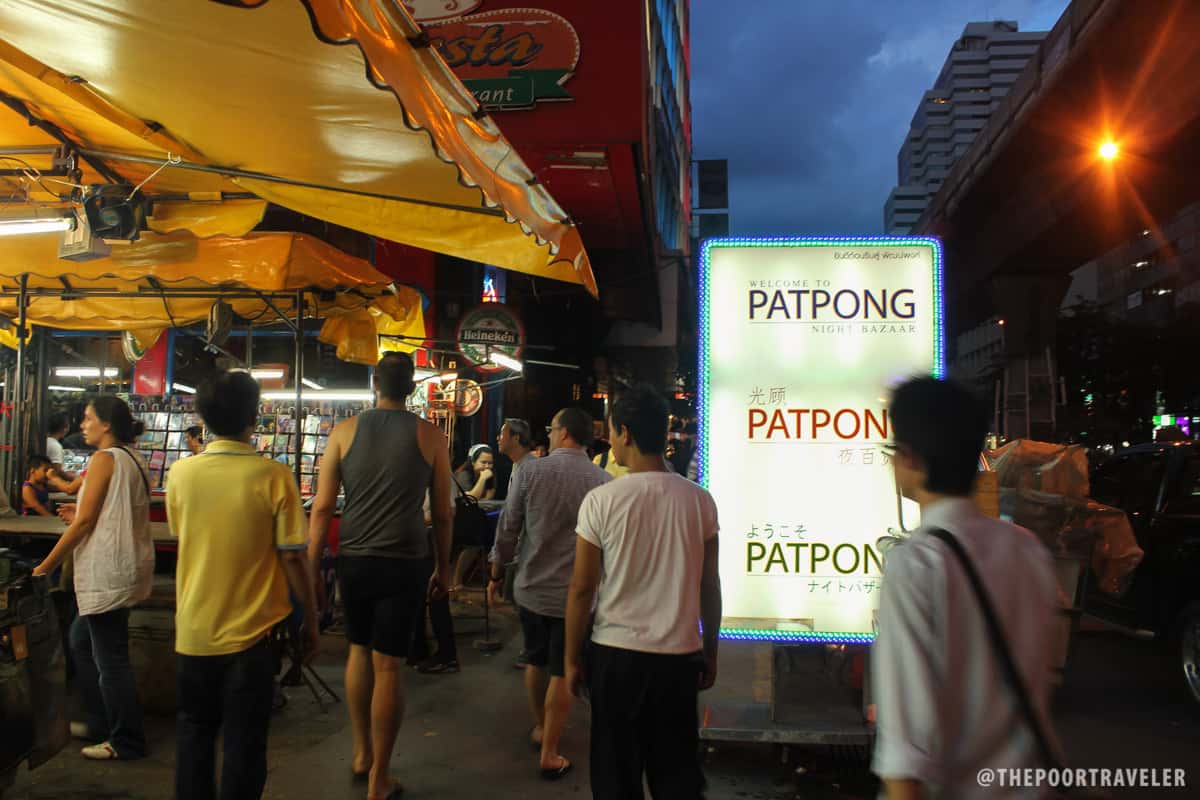
The notorious Pat Pong
Anyway, this is one of the chronic and widespread scams in Bangkok, specifically in red light districts. Touts carrying posters along busy strips will lure tourists with “free ping pong show” offer; you only need to buy drinks. WARNING! This is probably the most expensive drink you’ll ever buy while in Bangkok, even amounting to thousands of baht.
So, it’s okay to be paranoid sometimes. Always think twice when the offer is too good to be true.
9. Don’t forget to bargain at some shops. But don’t overdo it.
Bangkok is known as one of the most affordable cities in the world, making it a paradise for shopping enthusiasts! You can find plenty of good-quality items at low prices. And the best part? You can still bargain over the price!
Generally, the price displayed is not the final price, and store owners or vendors expect customers to negotiate. Usually, the discount is more significant if you purchase more than one item. TIP! If you’re a group, you can combine and purchase your items as a single transaction.
Below are the popular shopping destinations in Bangkok:
Platinum Fashion Mall
Palladium World Shopping
Chatuchak Market
Union Mall
Happy shopping! Just a friendly reminder: haggle reasonably and respectfully.
10. Don’t dismiss tax refund.
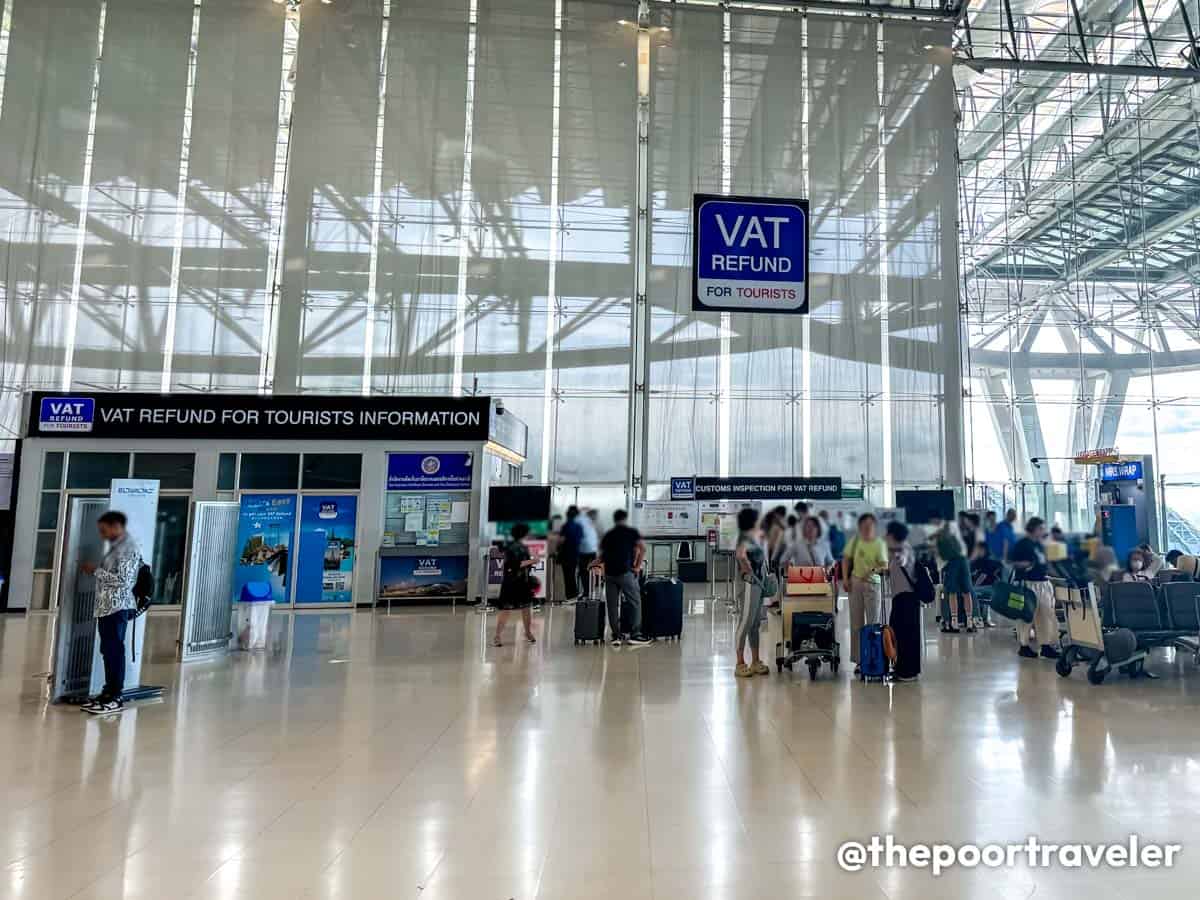
Did you know that you are eligible to claim the Tax Refund in Thailand when you reach the minimum amount of 2,000 baht from participating stores? YES! To ensure that your purchase will be counted, look for the VAT REFUND FOR TOURISTS sign at the store.
VAT Refund Customs Inspection Counter at the Departure Hall. This is where you’ll have your tax form stamped.
How to Get Tax Refund
Here’s a step-by-step guide on how to avail of the Tax Refund:
Step 1: When paying at the store’s cashier, let them know that you want to avail of the tax refund. They will ask for your passport, so make sure you have it with you.
Step 2: Usually, you need to fill out the yellow Tax Refund Form at a separate Tax Refund counter. Sometimes, the staff will fill out the form for you and you only need to sign it. Keep the form with you. Don’t lose it.
Step 3: At the airport, don’t check in your luggage yet if the total amount of the items you purchase is over ฿20,000. Head first to the VAT Refund counter, specifically the customs check counter, at the departure hall. Then, present your passport and all your tax refund forms. They will check the forms and stamp them if everything is cleared. Sometimes, they will also check the items, so its important to do this first before checking in your luggage. If the total amount of your purchase is less than ฿20,000, you may skip this step and proceed to Step 4.
Step 4: After going through the Immigration process, look for the Tax Refund Counter (airside area), and then present your passport and tax refund forms. Again, if the total amount of your receipts is more than 20,000 baht, the forms should have stamps.
Step 5: Upon checking and confirmation, the staff will finally hand you the cashback money (in Thai baht). Woohoo!
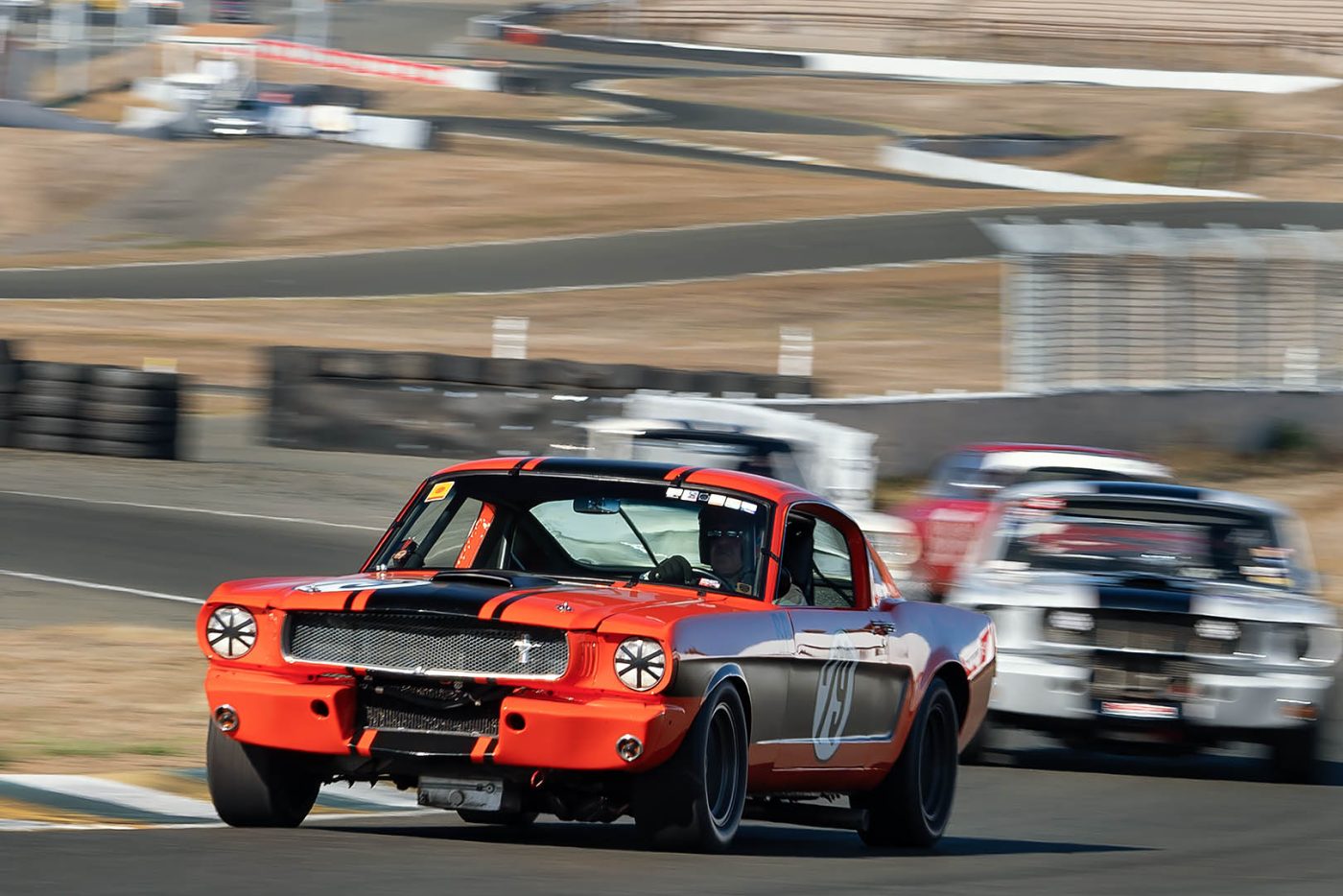
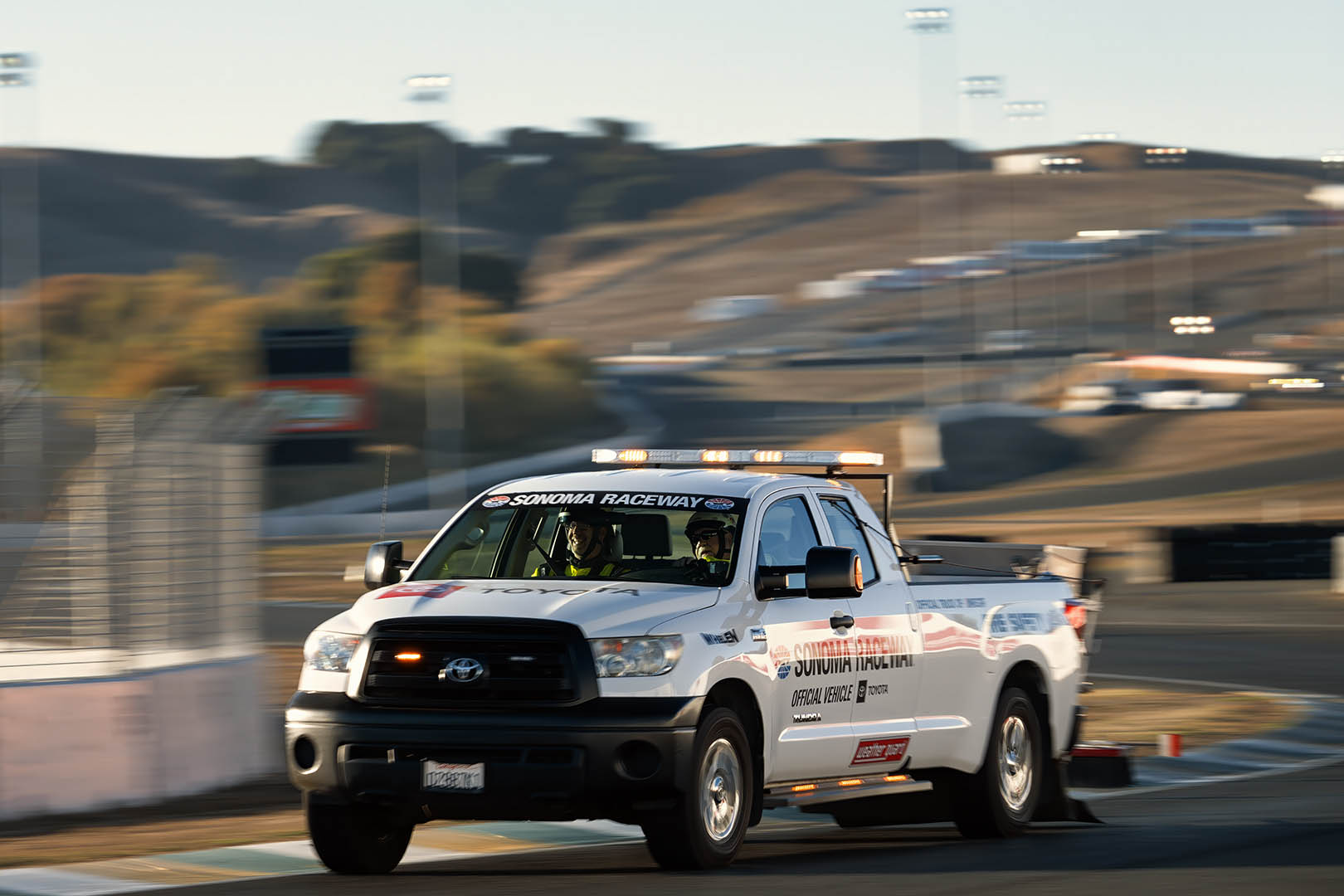
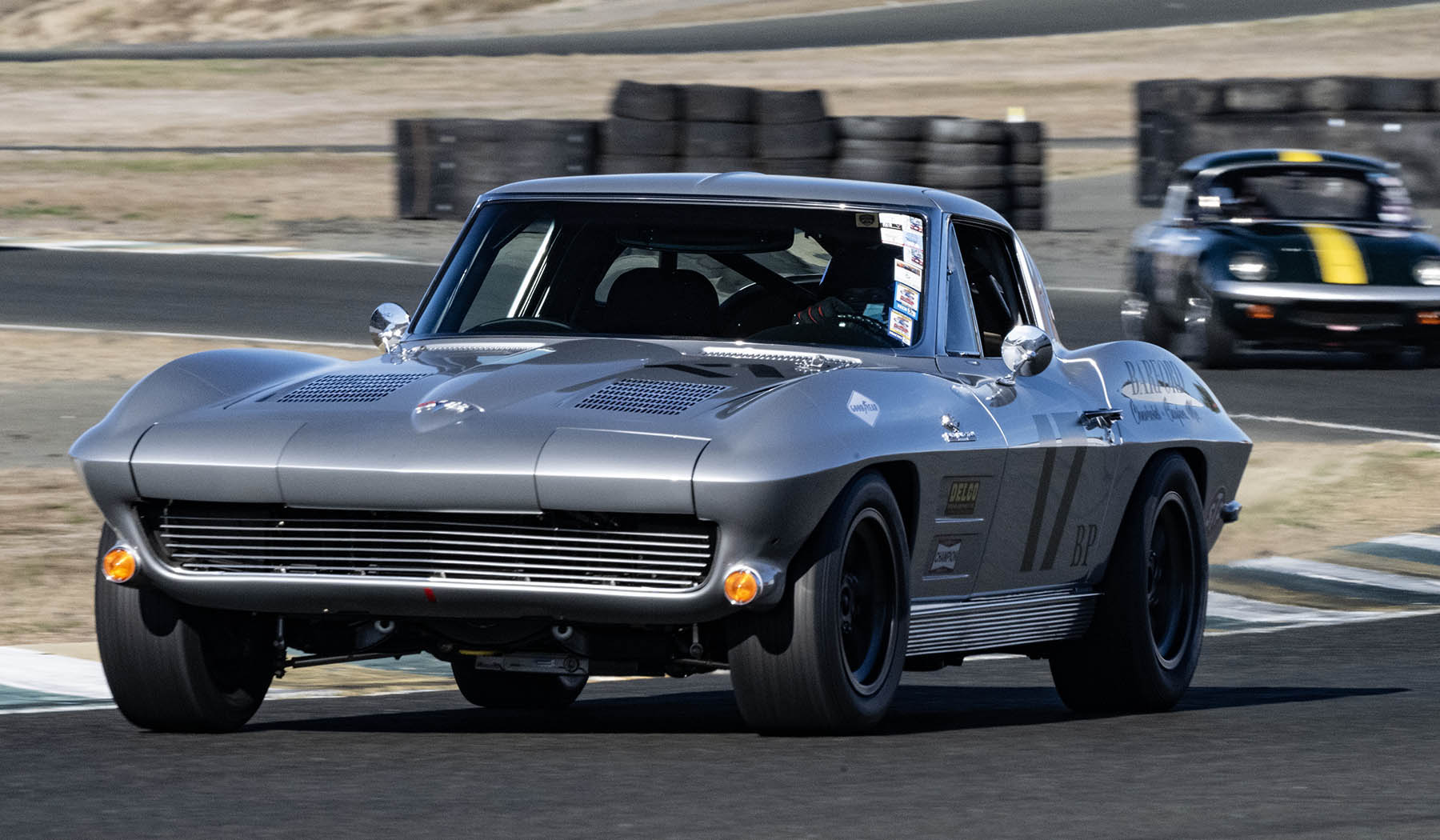
Upon arriving at the Velocity Invitational, I was immediately struck by the pulsating energy that filled the air. The event’s picturesque setting at the Sonoma Raceway added an extra layer of charm, nestled amidst the rolling hills of California’s wine country. The sight of sleek, high-performance vehicles lined up in the paddock, their engines humming with anticipation, set the stage for an unforgettable experience.
Grp 7 : Historic Can-Am Cars PreGrid
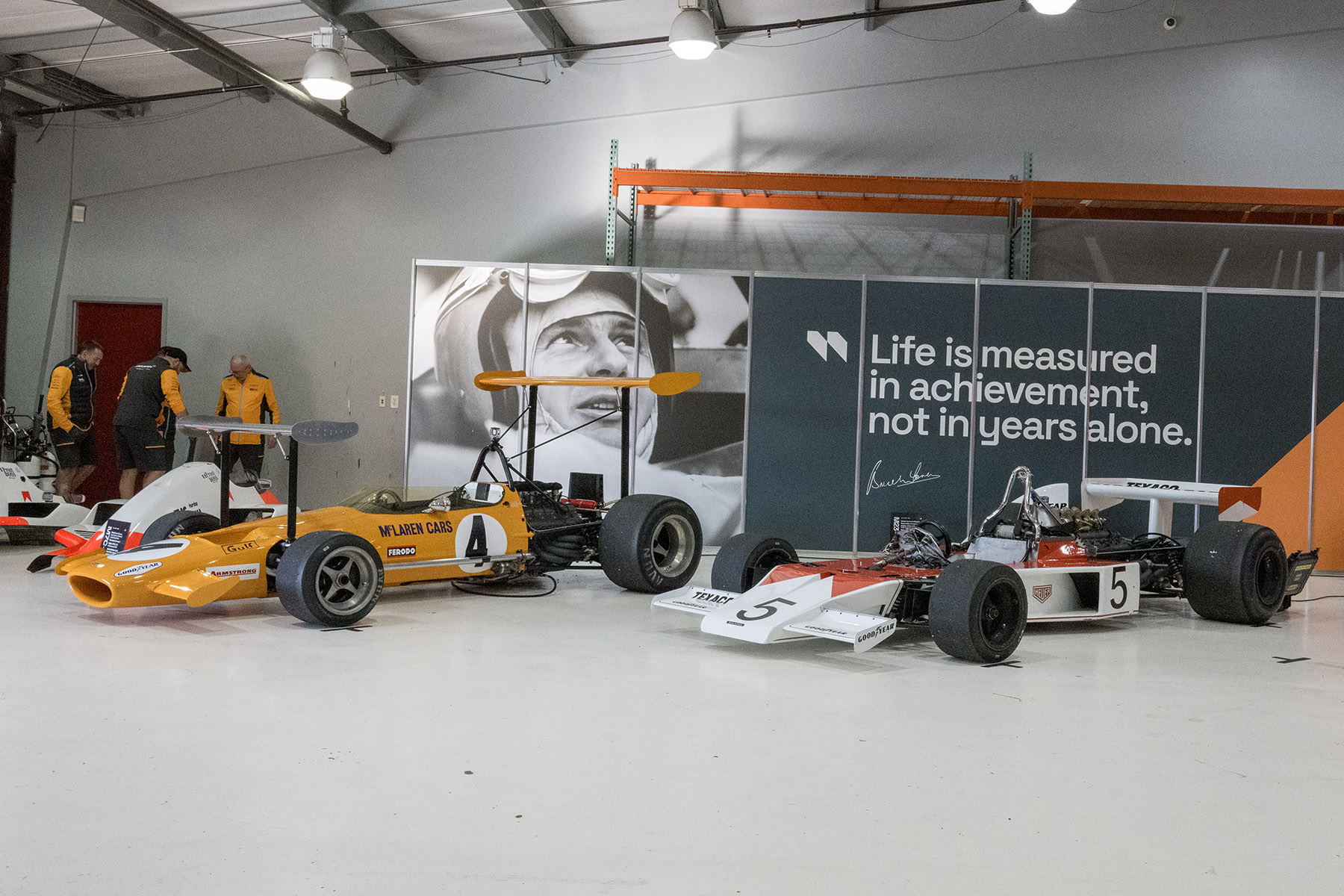
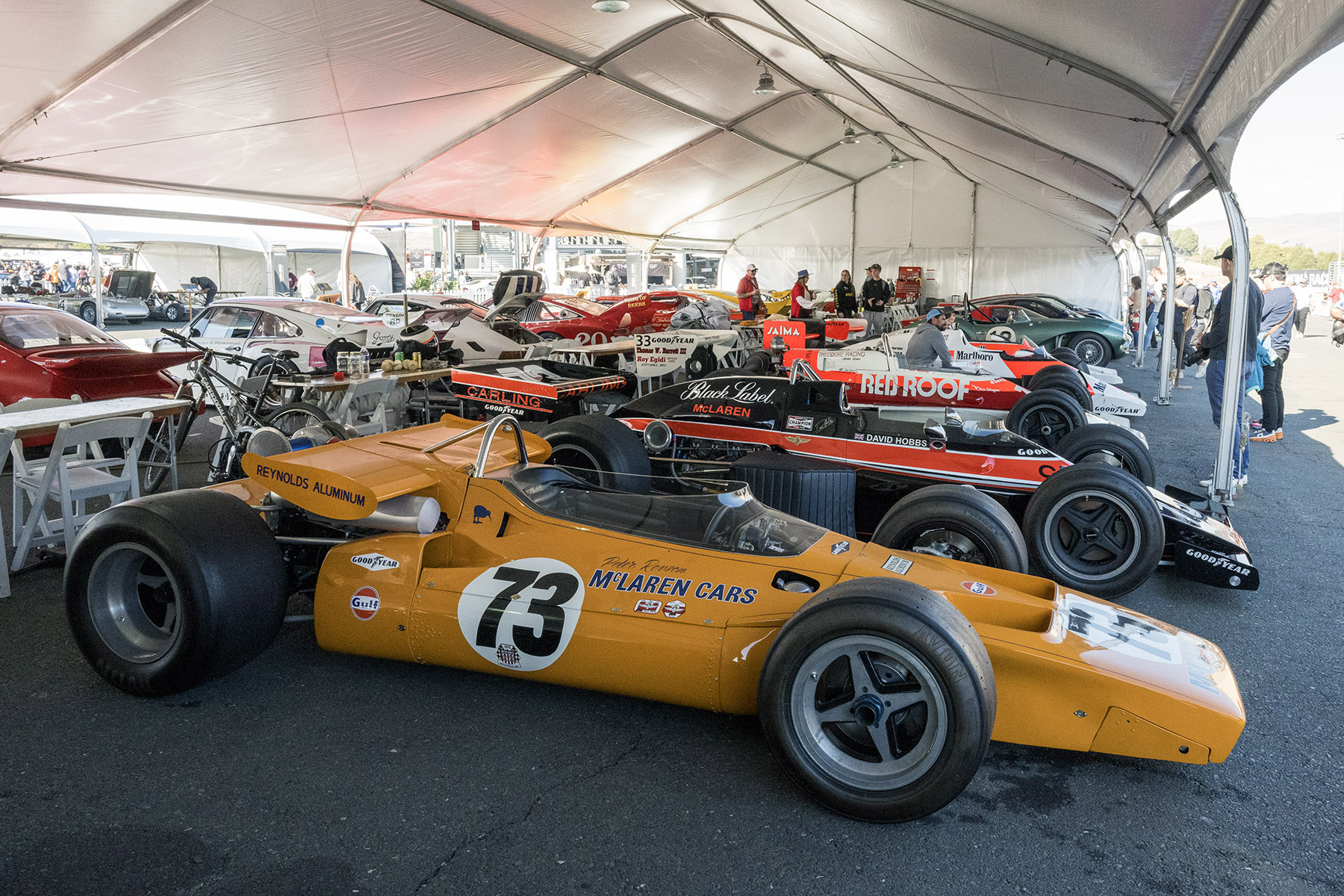
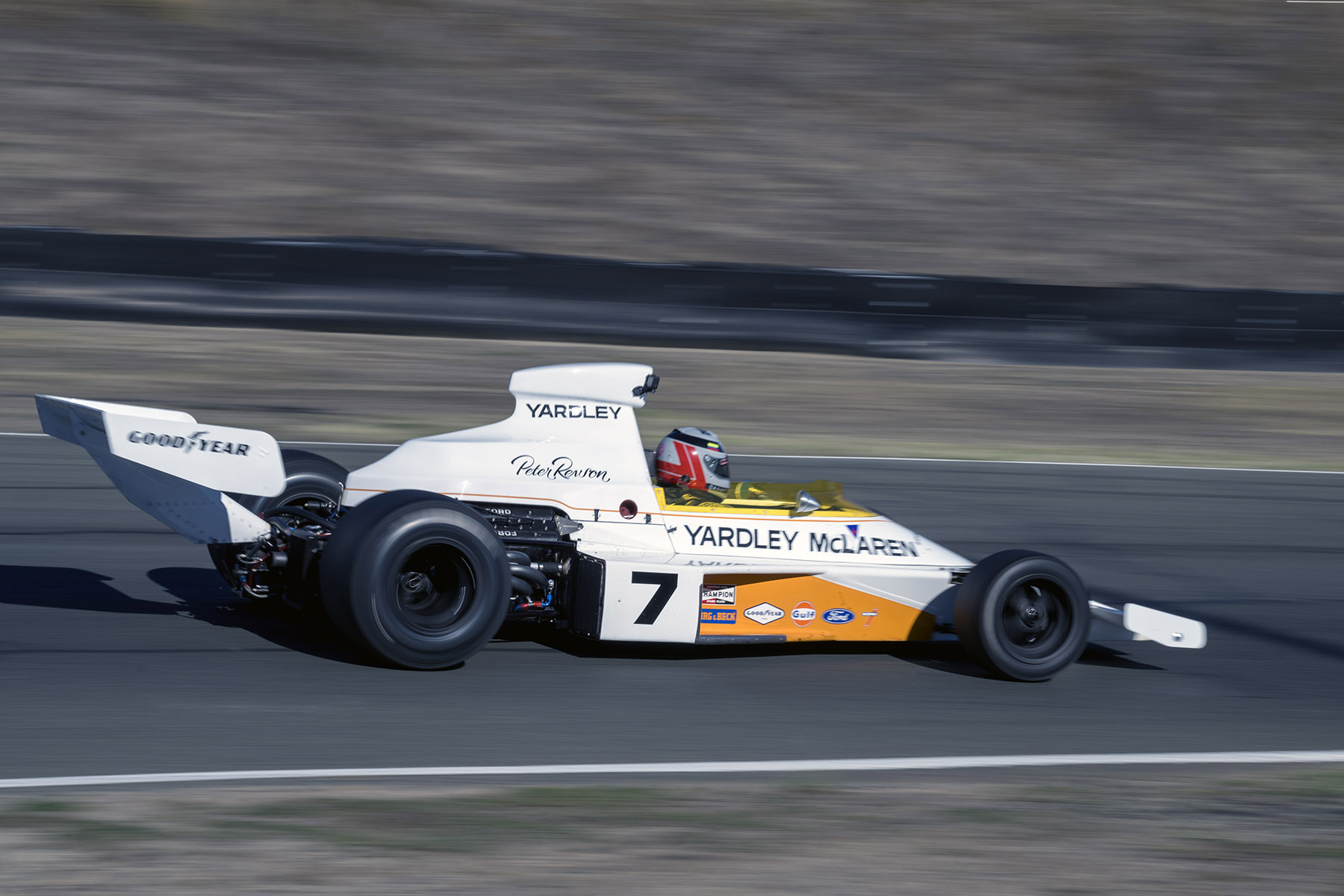
I can’t get around the cars, because it’s an event for historic racecars to actually race on a track. With the event being a week before the Las Vegas F1 race, the hype was real. The McLaren Race team was present for its 60th birthday with a history of their F1 cars on display. Yes, I saw Lando Norris, among others. This is definitely the place to go if you want to rub shoulders with racing royalty.
When I learned one of my favorite restoration people, Bobby Green, was driving his 1920 Deusenberg, you best believe I went and snagged that opportunity to meet an idol of mine. I’m big into design and I’m always looking at form and function and perhaps that’s why I’m drawn to race cars. Everything in a racecar is there for a reason, and some manufacturers just have that dialed in for their times, whether that be 100 years ago or the newly unveiled Ford GT Mk IV. I saw cars I’ve never heard of or seen in person, and experienced cars on the track that have been driven by absolute racing legends. It was an honor to be in the cars’ presence.
Flanked on either side by some of the most beautiful supercars in the world, was the family area, merchandise, and food tents. It housed small racetracks and cars for kids to play, and games for families while they take a break for lunch. The tables, chairs, and umbrellas were welcomed on the sunny afternoon. The food tents offered a great selection typically not found at race events.
While waiting for my lunch, I spent some time looking at Ben’s Automotive Decor (@bensautomotivedecor) engine block tables, crankshaft art, and piston clocks, admiring the creativity and ingenuity it takes to make these masterpieces, the first and second time around. I chatted with John Connely, Mr. Chicane footwear (@chicane.footwear), who started his business with Women’s race shoes and Michelin Tires! Who knew? I stumbled on a whole booth for just women’s race themed shirts, Racegirl (@racegirl_nation), and the offerings of race clothing in the other shops did have women’s fits and sizes. At the Rosso Corsa Makeup Table, aside from the great conversation, (@rossocorsa.us) I wound up with a race-team themed lip color, and they have a Mercedes eye palette I’ve got my eye on next. (Pun intended).
If you’re not into the whole automobile part, but you like to be a spectator, Sonoma Raceway offers a wine pavilion that looked like a great spot to chill with a glass of wine at turn 1 and the track just completed an impressive new event building at turn 11 that was exclusively reserved for drivers and special access. Unfortunately, the tickets were sold out quickly for both of these, which means I’ll have to plan farther ahead for next year.
When it comes to heart-pounding speed, roaring engines, and the unmistakable scent of race gas, the Velocity Invitational event in Sonoma, California, stands in a league of its own. Motorsport enthusiasts from around the world will continue to flock to this exhilarating event, thirsty for the ultimate automotive and racing experience on and beyond the track.
Cameron Healy – 1953 Cooper Porsche ‘Pooper’ approaching Turn 8 in the Grp 3 : Sports Racing Cars class at the 2023 Velocity Invitational run at Sonoma Raceway – Copyright [email protected]
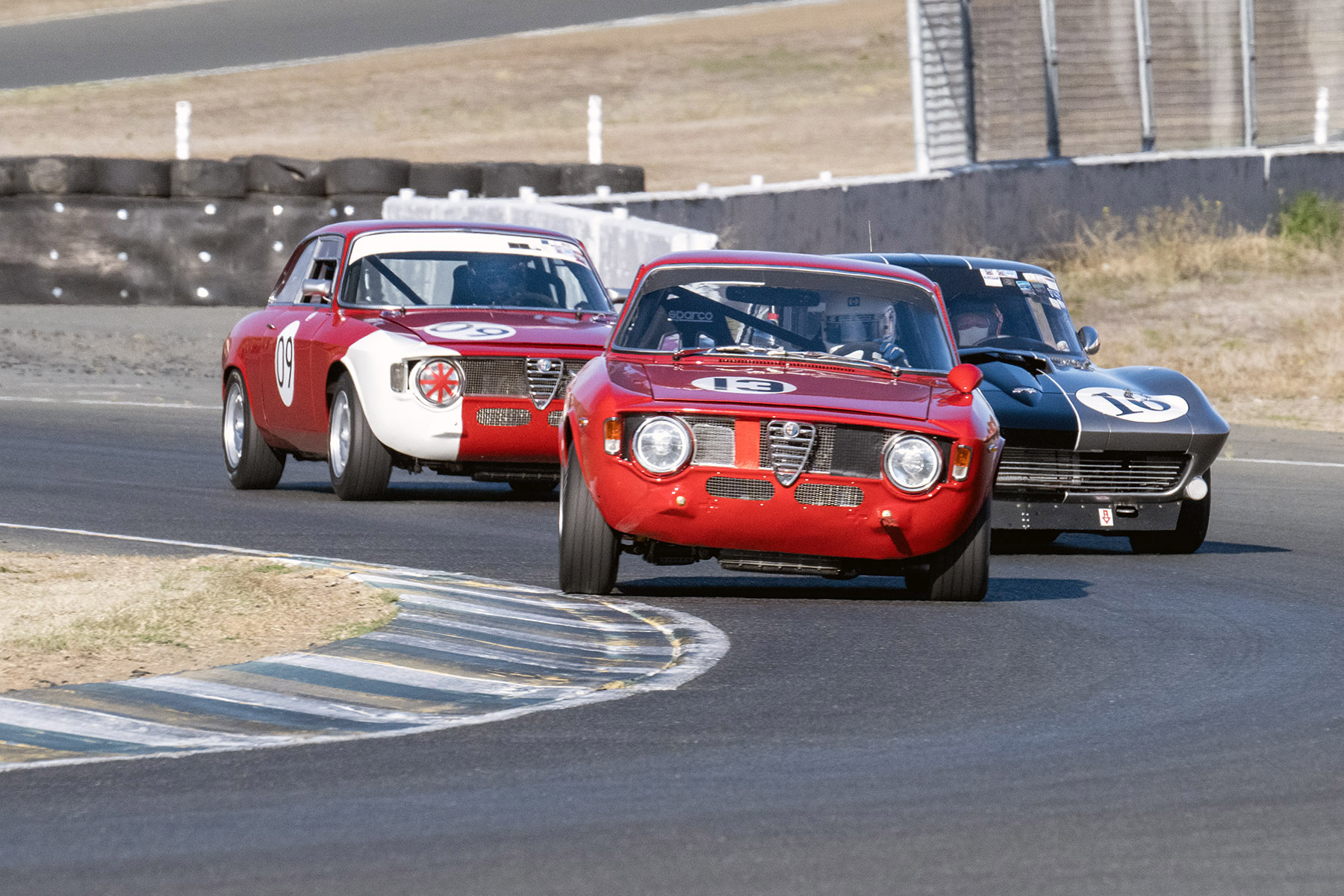
Tancredi D’Amore – 1965 Alfa Romeo Giulia Sprint GTA in Turn 10 in the Grp 4 : SCCA Production Sports Cars & FIA GT Sports Prototypes class at the 2023 Velocity Invitational run at Sonoma Raceway – Copyright [email protected]
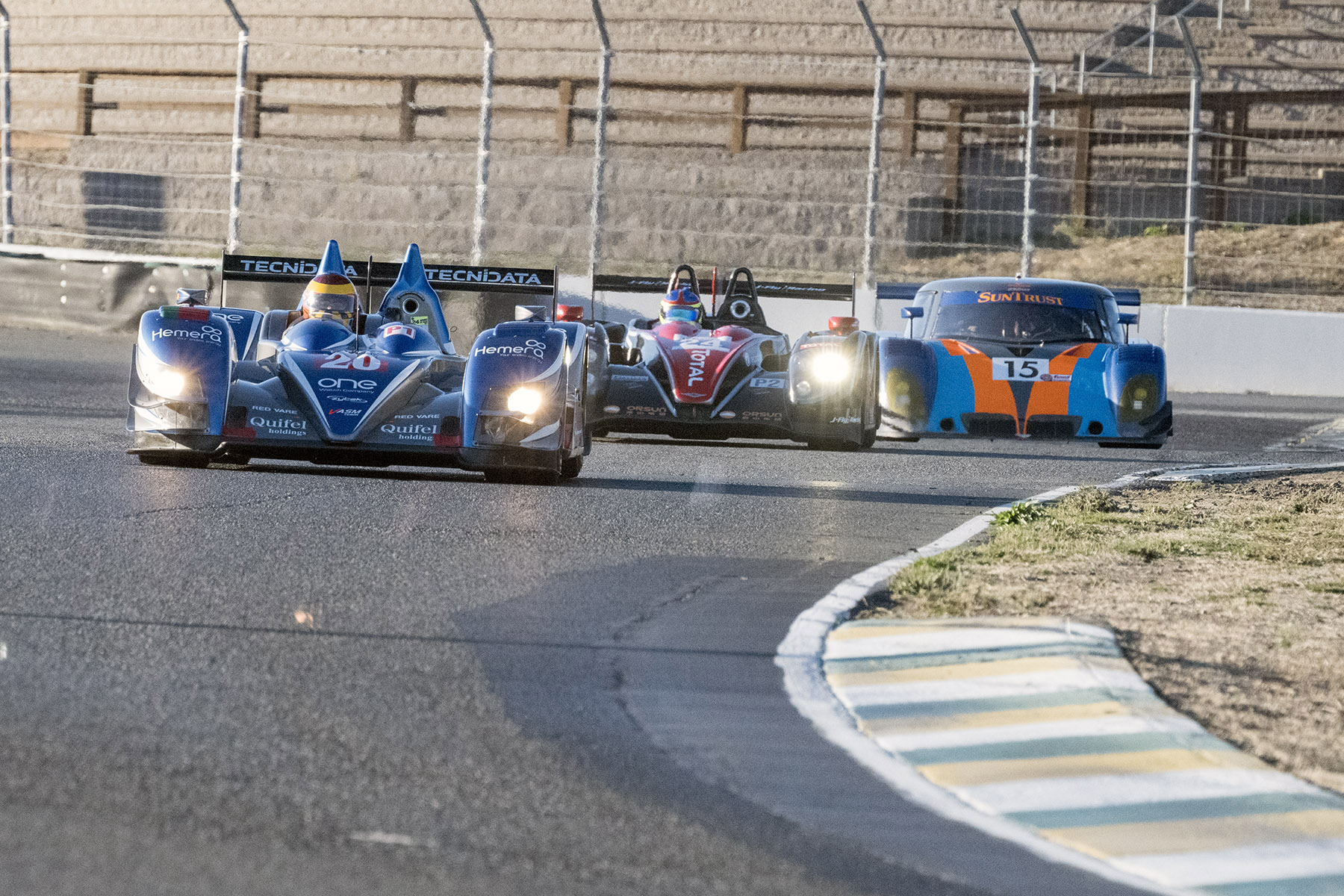
Keith Frieser – 2009 Zytek LMP1 approaching Turn 8 in the Grp 9 : IMSA, ALMS, LeMans class at the 2023 Velocity Invitational run at Sonoma Raceway – Copyright [email protected]
Wesley Abendroth – 1955 Chevy Mistral exiting Turn 10 in Grp 1: Sports Racing Cars & Production Sports Cars class at the 2023 Velocity Invitational run at Sonoma Raceway – Copyright [email protected]
Rob Walton – 1961 Ferrari 250 GT SWB Berlinetta approaching Turn 4 in Grp 2 : Production Sports Cars class at the 2023 Velocity Invitational run at Sonoma Raceway – Copyright [email protected]
Rob Walton – 1965 Ferrari 250 LM in Turn 8 in the Grp 4 : SCCA Production Sports Cars & FIA GT Sports Prototypes class at the 2023 Velocity Invitational run at Sonoma Raceway – Copyright [email protected]
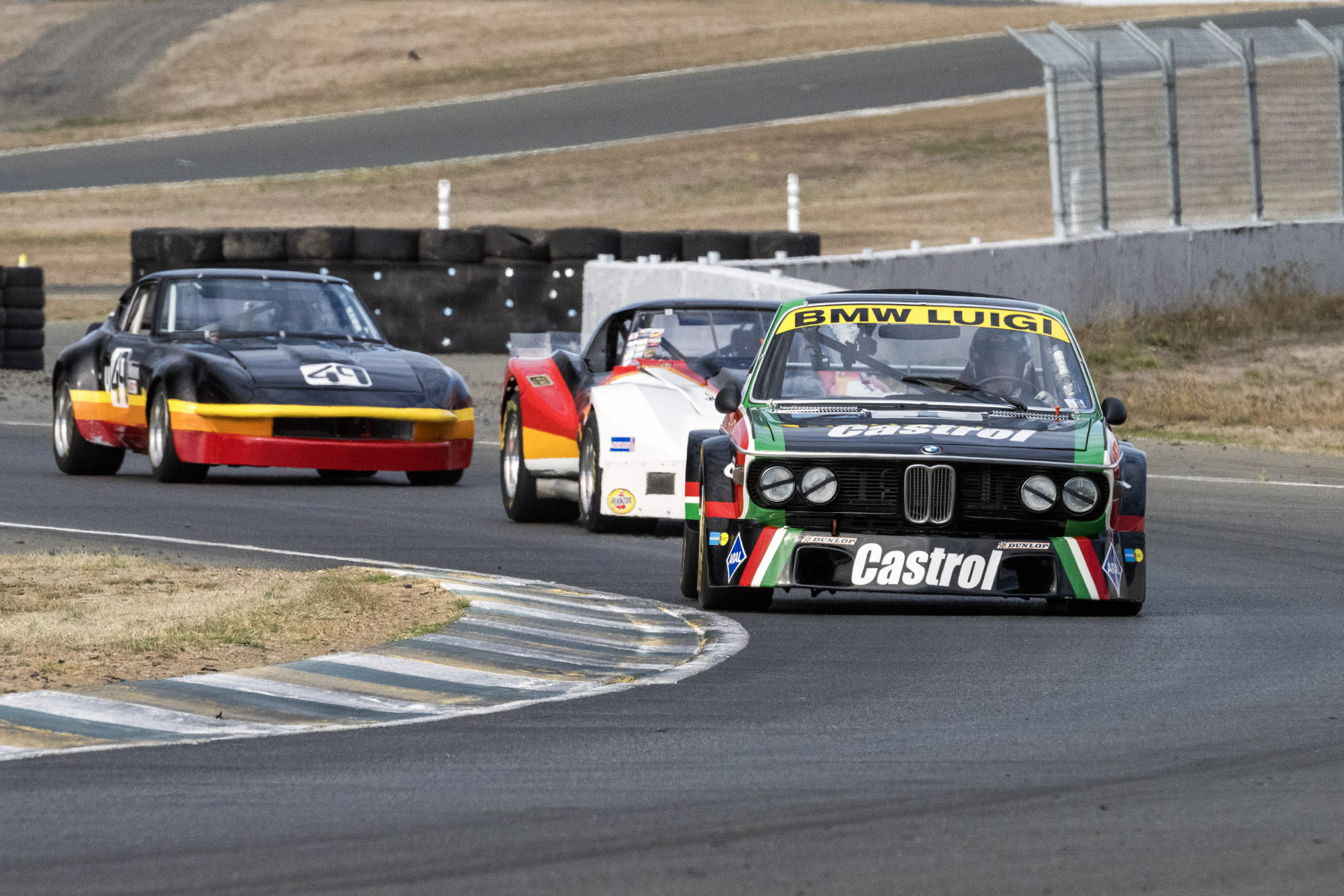
Steve Walker – 1976 BMW CSL approaching Turn 10 in the Grp 6 : IMSA GT, AAGT, FIA Grp 4 class at the 2023 Velocity Invitational run at Sonoma Raceway – Copyright [email protected]
Ranson Webster – 1961 Porsche Abarth Carerra exiting Turn 10 in Grp 2 : Production Sports Cars class at the 2023 Velocity Invitational run at Sonoma Raceway – Copyright [email protected]
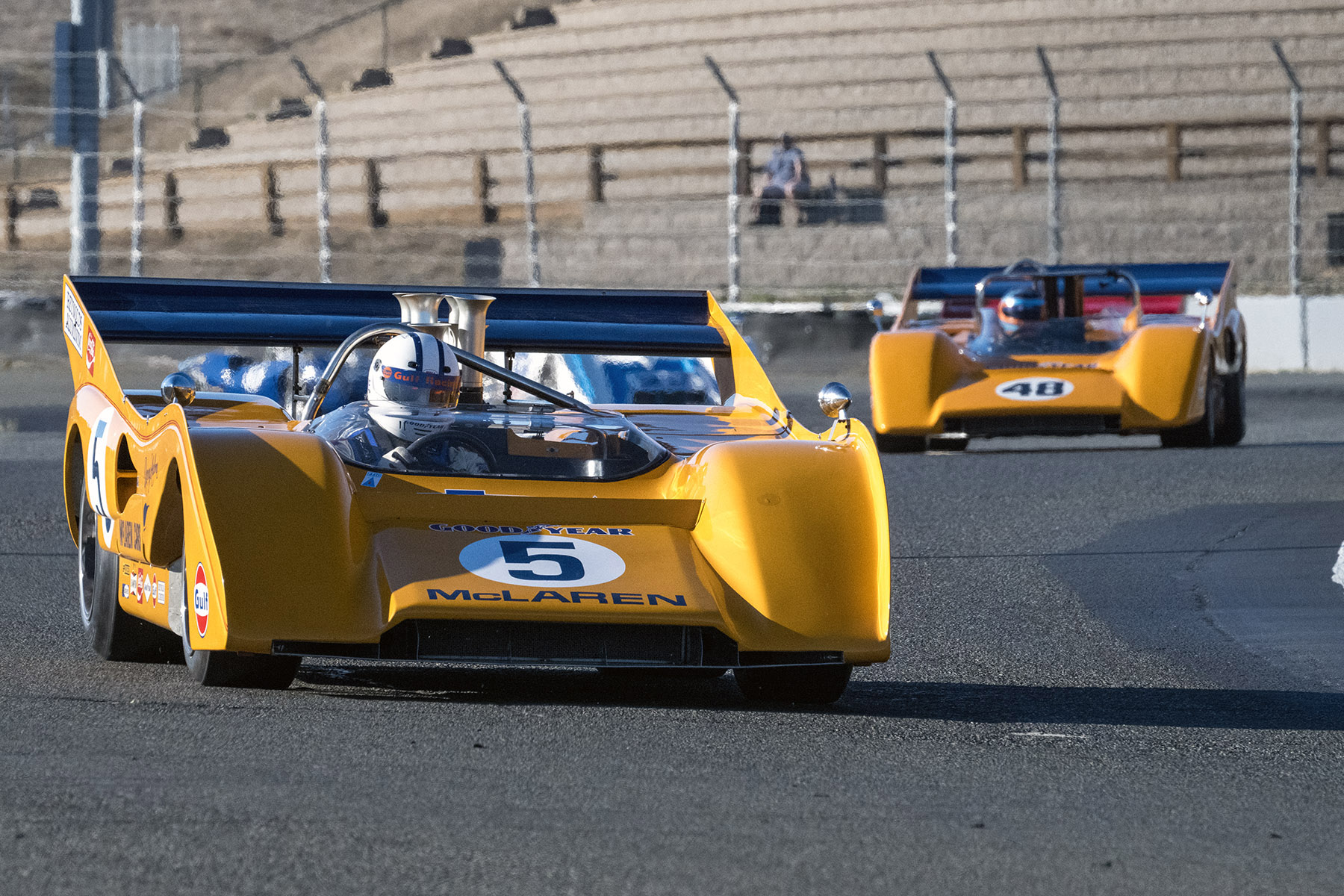
Chris MacAllister – 1971 McLaren M8F approaching Turn 8 in the Grp 7 : Historic Can-Am Cars class at the 2023 Velocity Invitational run at Sonoma Raceway – Copyright [email protected]
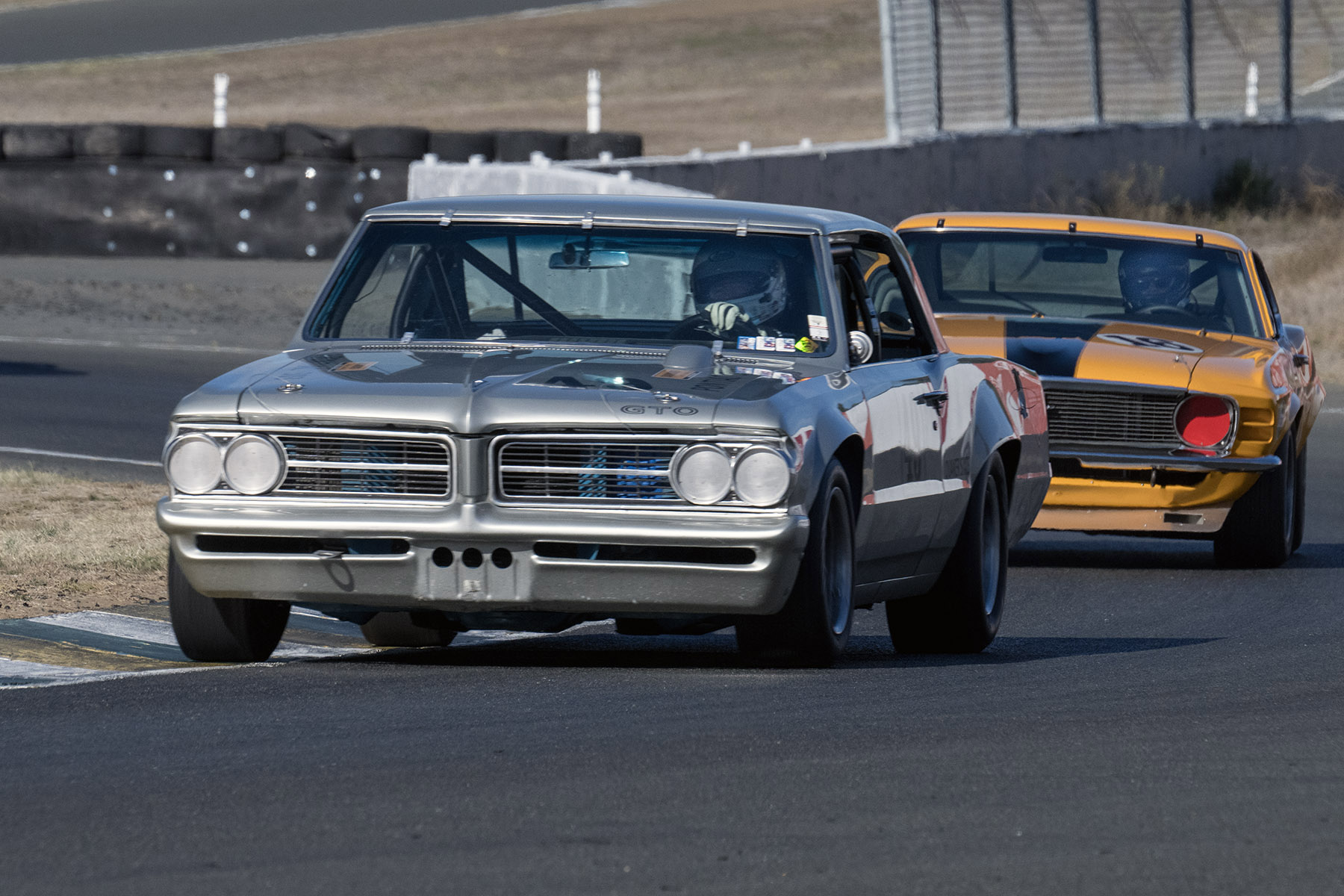
John Hildebrand – 1964 Pontiac Tempest/GTO in Turn 10 in the Grp 8 : HTA class at the 2023 Velocity Invitational run at Sonoma Raceway – Copyright [email protected]
Keith Frieser – 2009 Zytek LMP1 exiting Turn 2 in the Grp 9 : IMSA, ALMS, LeMans class at the 2023 Velocity Invitational run at Sonoma Raceway – Copyright [email protected]
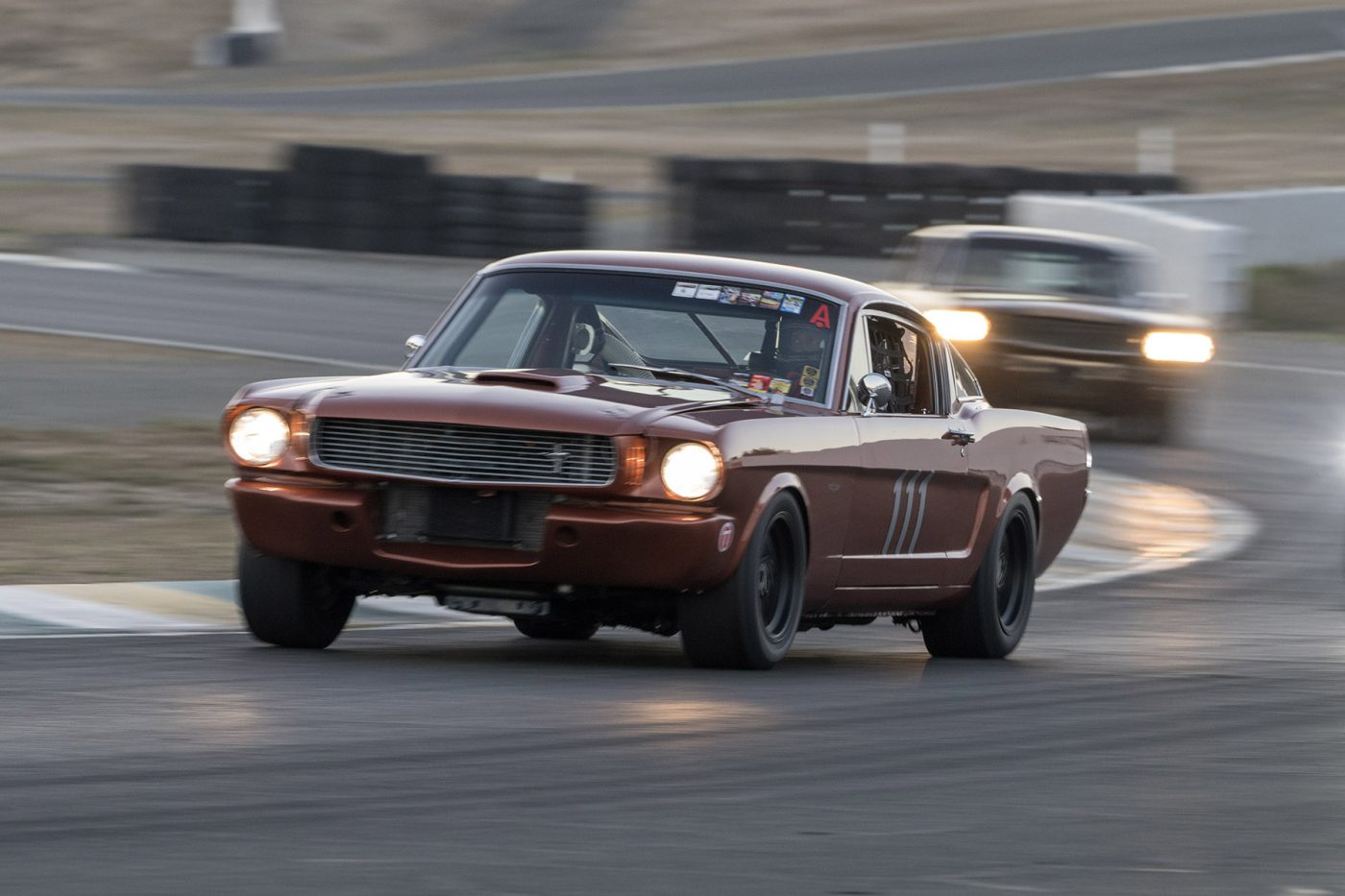
Mike Bacciocco/Ethan Wilson – 1966 Ford Mustang in Turn 2 in the Grp 10 : Mini Vs Mustang Enduro class at the 2023 Velocity Invitational run at Sonoma Raceway – Copyright [email protected]
Robert Davis – 1953 Siata 208s exiting Turn 10 in Grp 1: Sports Racing Cars & Production Sports Cars class at the 2023 Velocity Invitational run at Sonoma Raceway – Copyright [email protected]
Jeffrey O’Neill – 1963 Ferrari 250 GTO approaching Turn 4 in Grp 2 : Production Sports Cars class at the 2023 Velocity Invitational run at Sonoma Raceway – Copyright [email protected]
Rob Walton – 1956 Maserati 300 S approaching Turn 8 in the Grp 3 : Sports Racing Cars class at the 2023 Velocity Invitational run at Sonoma Raceway – Copyright [email protected]
John Goodman – 1964 Ford Cobra in Turn 10 in the Grp 4 : SCCA Production Sports Cars & FIA GT Sports Prototypes class at the 2023 Velocity Invitational run at Sonoma Raceway – Copyright [email protected]
John Dimmer – 1971 Tyrrell 004 in approaching Turn 4 in the Grp 5 : Historic F-1 Cars class at the 2023 Velocity Invitational run at Sonoma Raceway – Copyright [email protected]
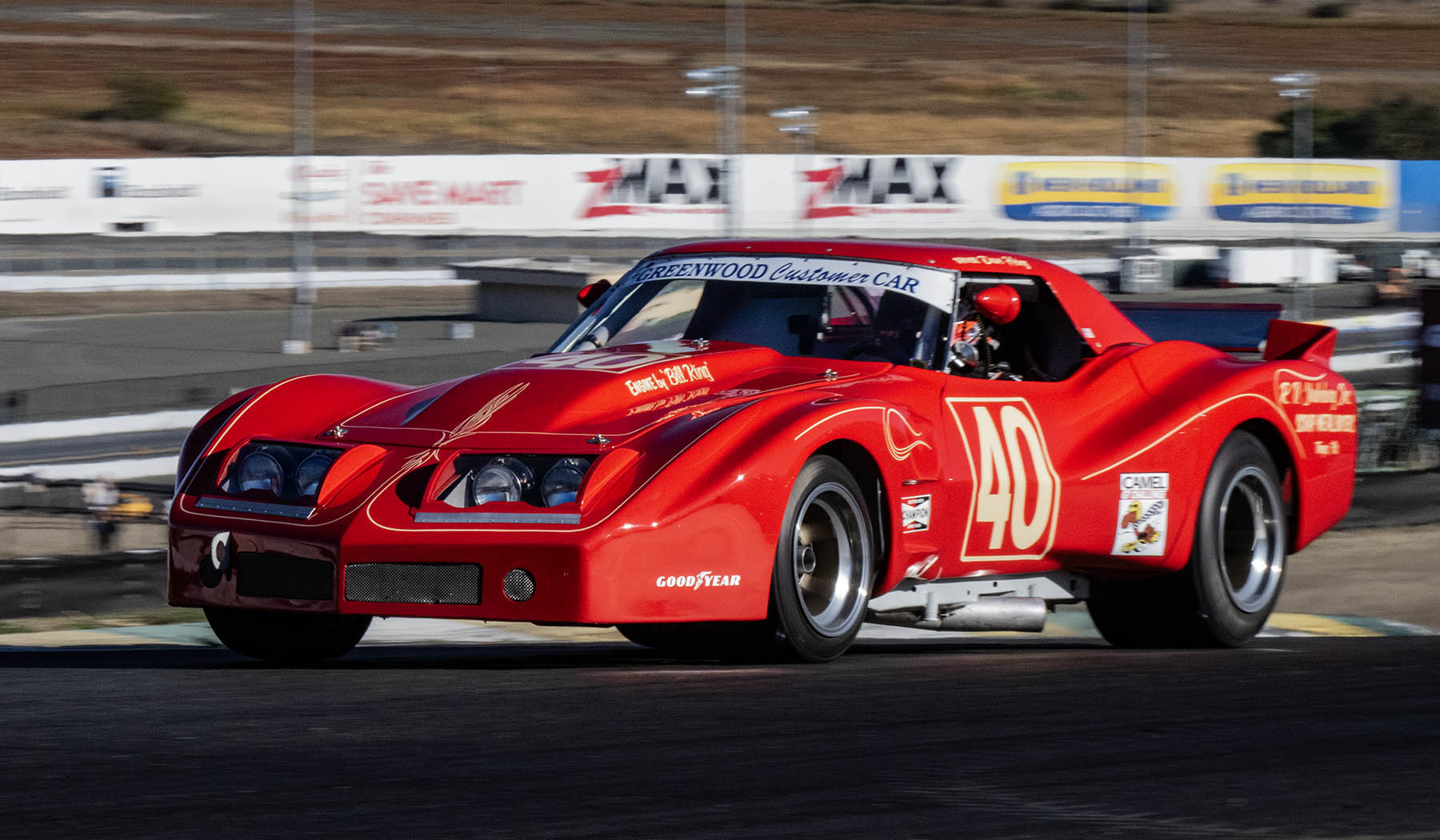
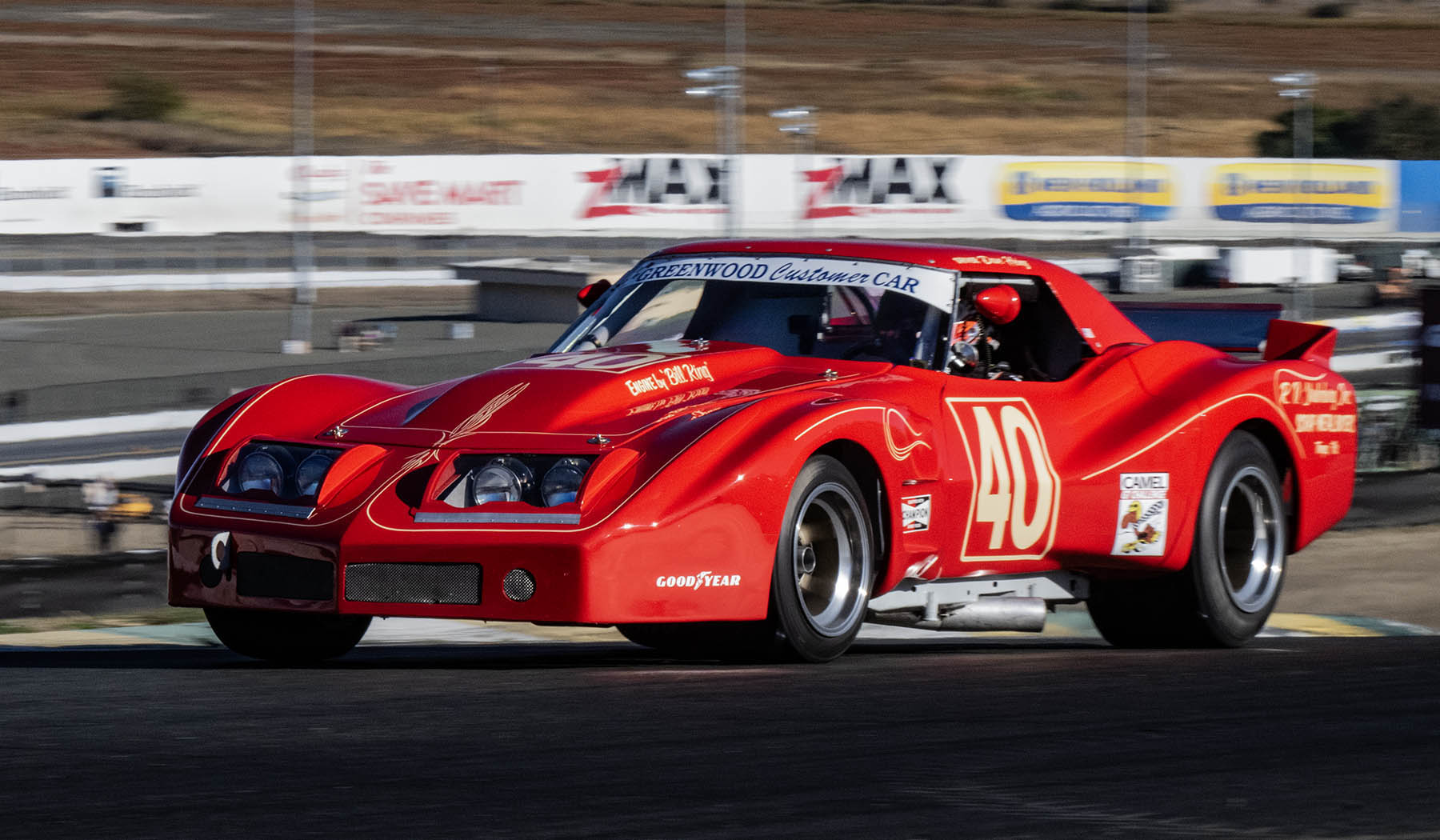
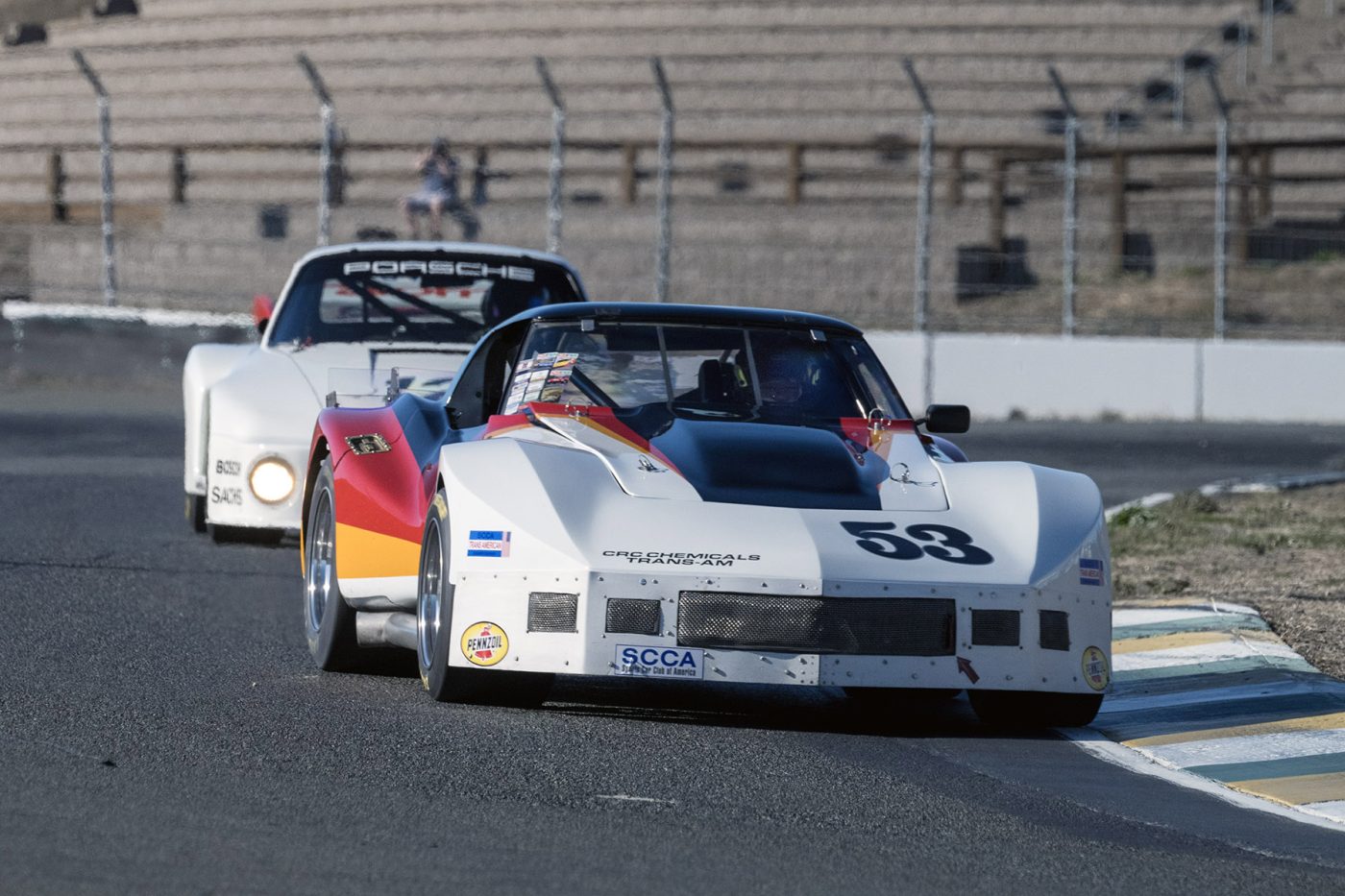
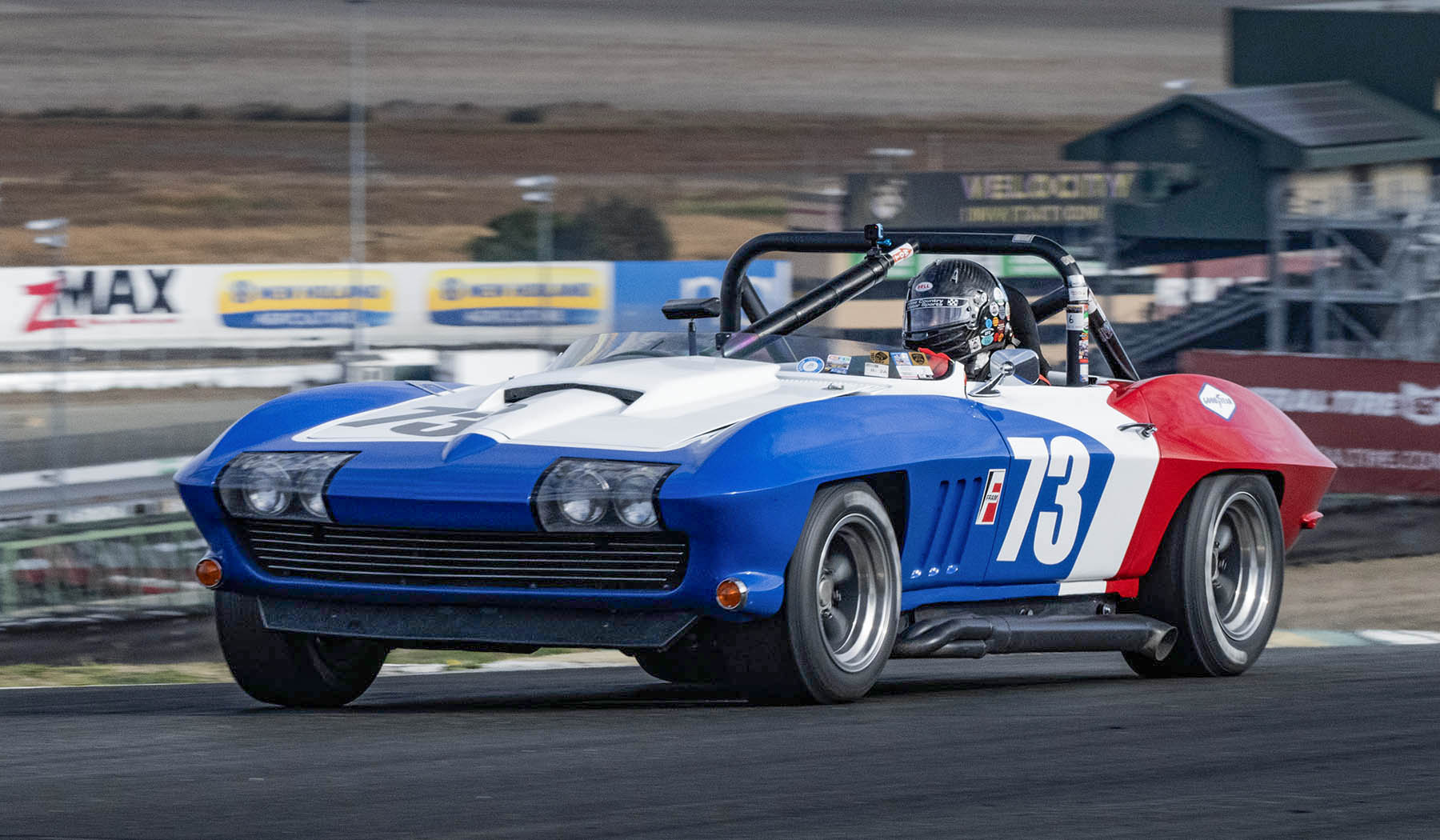
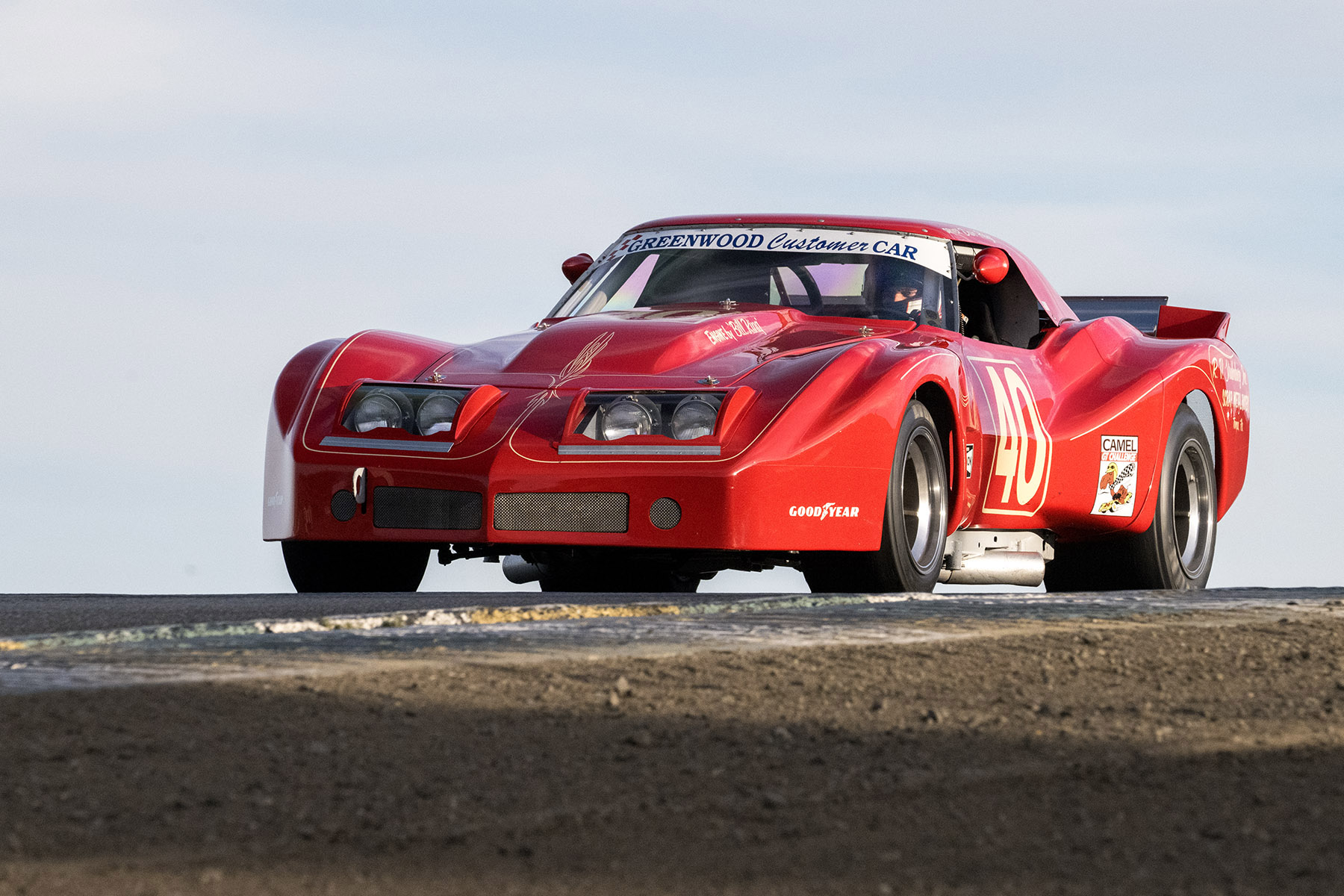
Patrick Byrne – 1977 Greenwood Corvette approaching Turn 4 in the Grp 6 : IMSA GT, AAGT, FIA Grp 4 class at the 2023 Velocity Invitational run at Sonoma Raceway – Copyright [email protected]
Dan Cowdrey – 1966 Lola T70 Mark II in Turn 10 in the Grp 7 : Historic Can-Am Cars class at the 2023 Velocity Invitational run at Sonoma Raceway – Copyright [email protected]
Kevin Buckley – 1967 Porsche 911 S
John Goodman – 1964 Ford Cobra [email protected]
Bruce Lesson – 2013 Audi R8 GTM GT3 in Turn 2 in the Grp 9 : IMSA, ALMS, LeMans class at the 2023 Velocity Invitational run at Sonoma Raceway – Copyright [email protected]
Chris Kearney/Doug Peterson – 1966 Austin Cooper S in Turn 2 in the Grp 10 : Mini Vs Mustang Enduro class at the 2023 Velocity Invitational run at Sonoma Raceway – Copyright [email protected]
Timothy Barrnes – 1951 Jaguar XK120 exiting Turn 10 in Grp 1: Sports Racing Cars & Production Sports Cars class at the 2023 Velocity Invitational run at Sonoma Raceway – Copyright [email protected]
Jon Norman – 1976 Alfa Romeo Alfetta GTV in Turn 4 in the Grp 6 : IMSA GT, AAGT, FIA Grp 4 class at the 2023 Velocity Invitational run at Sonoma Raceway – Copyright [email protected]
IIja Burkoff – 1970 TRC Ti 22 MkII approaching Turn 4 in the Grp 7 : Historic Can-Am Cars class at the 2023 Velocity Invitational run at Sonoma Raceway – Copyright [email protected]
Loren Beggs – 2004 Porsche 996 RSR in Turn 8 in the Grp 9 : IMSA, ALMS, LeMans class at the 2023 Velocity Invitational run at Sonoma Raceway – Copyright [email protected]
McLaren F5000 in Turn 8 during McLaren demonstration – Copyright [email protected]
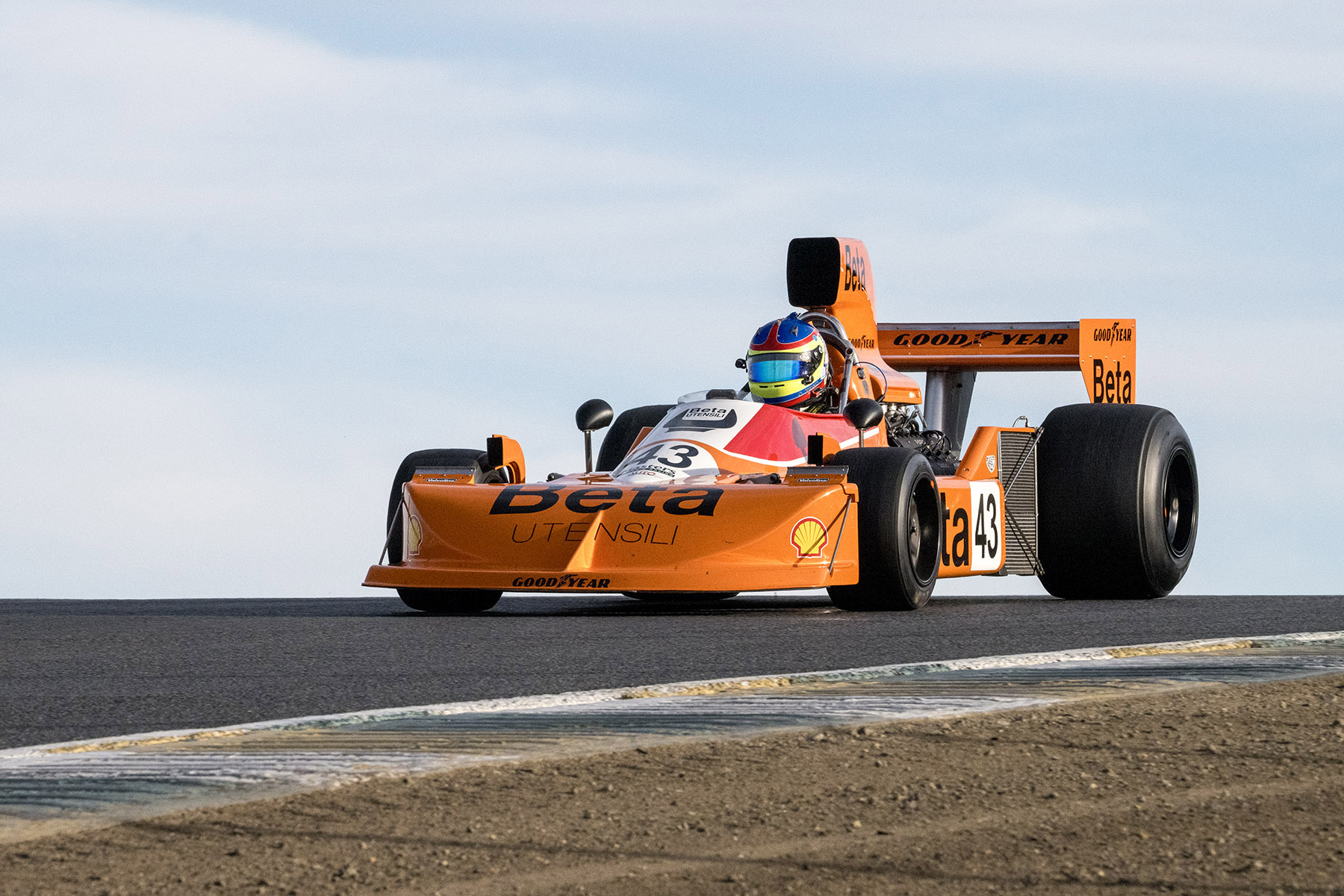
Steve Romak – 1976 March 761 in approaching Turn 4 in the Grp 5 : Historic F-1 Cars class at the 2023 Velocity Invitational run at Sonoma Raceway – Copyright [email protected]
Mike Thurlow – 1976 Chevrolet Greenwood Corvette in Turn 8 in the Grp 6 : IMSA GT, AAGT, FIA Grp 4 class at the 2023 Velocity Invitational run at Sonoma Raceway – Copyright [email protected]
Nick Colonna – 1970 McLaren M8C in Turn 3 in the Grp 7 : Historic Can-Am Cars class at the 2023 Velocity Invitational run at Sonoma Raceway – Copyright [email protected]
Keith Frieser – 2009 Zytek LMP1 exiting Turn 2 in the Grp 9 : IMSA, ALMS, LeMans class at the 2023 Velocity Invitational run at Sonoma Raceway – Copyright [email protected]
Seth Burgett- 1967 Shelby GT500 in Turn 10 in the Grp 10 : Mini Vs Mustang Enduro class at the 2023 Velocity Invitational run at Sonoma Raceway – Copyright [email protected]
McLaren MP4/7 during McLaren demonstration laps – Copyright [email protected]
Jon Gannaway – 1961 Triumph TR4 in Turn 8 in the Grp 2 : Production Sports Cars class at the 2023 Velocity Invitational run at Sonoma Raceway – Copyright [email protected]
Denis Bigioni – 1948 Talbot-Lago T26C exiting Turn 8 in Grp 1: Sports Racing Cars & Production Sports Cars class at the 2023 Velocity Invitational run at Sonoma Raceway – Copyright [email protected]
William Lyon – 1961 Porsche Abarth Carrera GTL approaching Turn 8 in the Grp 2 : Production Sports Cars class at the 2023 Velocity Invitational run at Sonoma Raceway – Copyright [email protected]
Steve Phillips/Brian Waters – 1966 Austin Mini Cooper S in Turn 2 in the Grp 10 : Mini Vs Mustang Enduro class at the 2023 Velocity Invitational run at Sonoma Raceway – Copyright [email protected]
Gunnar Jeannette – 1965 Ferrari 250 LM Berlinetta GT in Turn 8 in the Grp 4 : SCCA Production Sports Cars & FIA GT Sports Prototypes class at the 2023 Velocity Invitational run at Sonoma Raceway – Copyright [email protected]
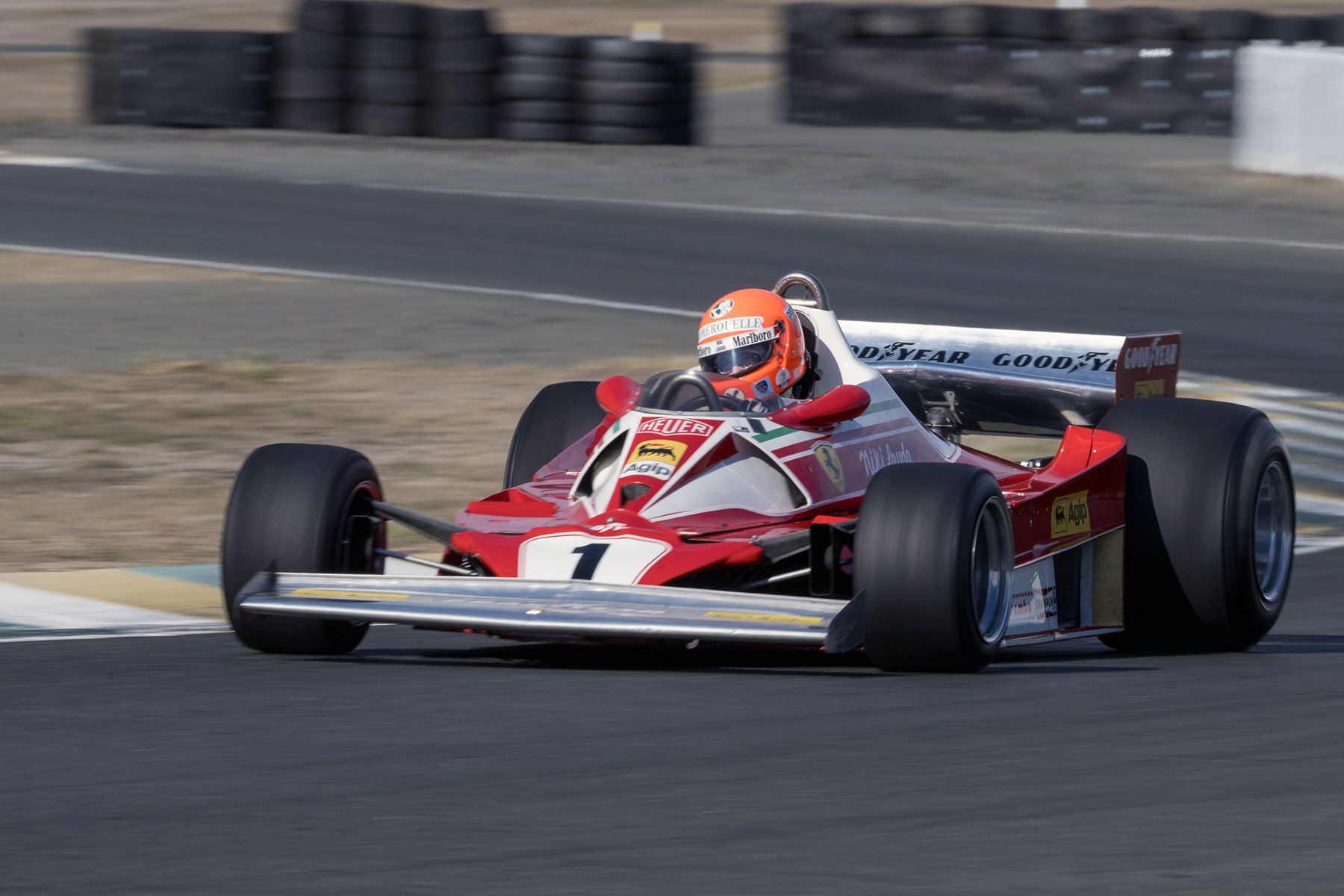
Chris MacAllister – 1976 Ferrari 312 T2 in Turn 10 in the Grp 5 : Historic F-1 Cars class at the 2023 Velocity Invitational run at Sonoma Raceway – Copyright [email protected]
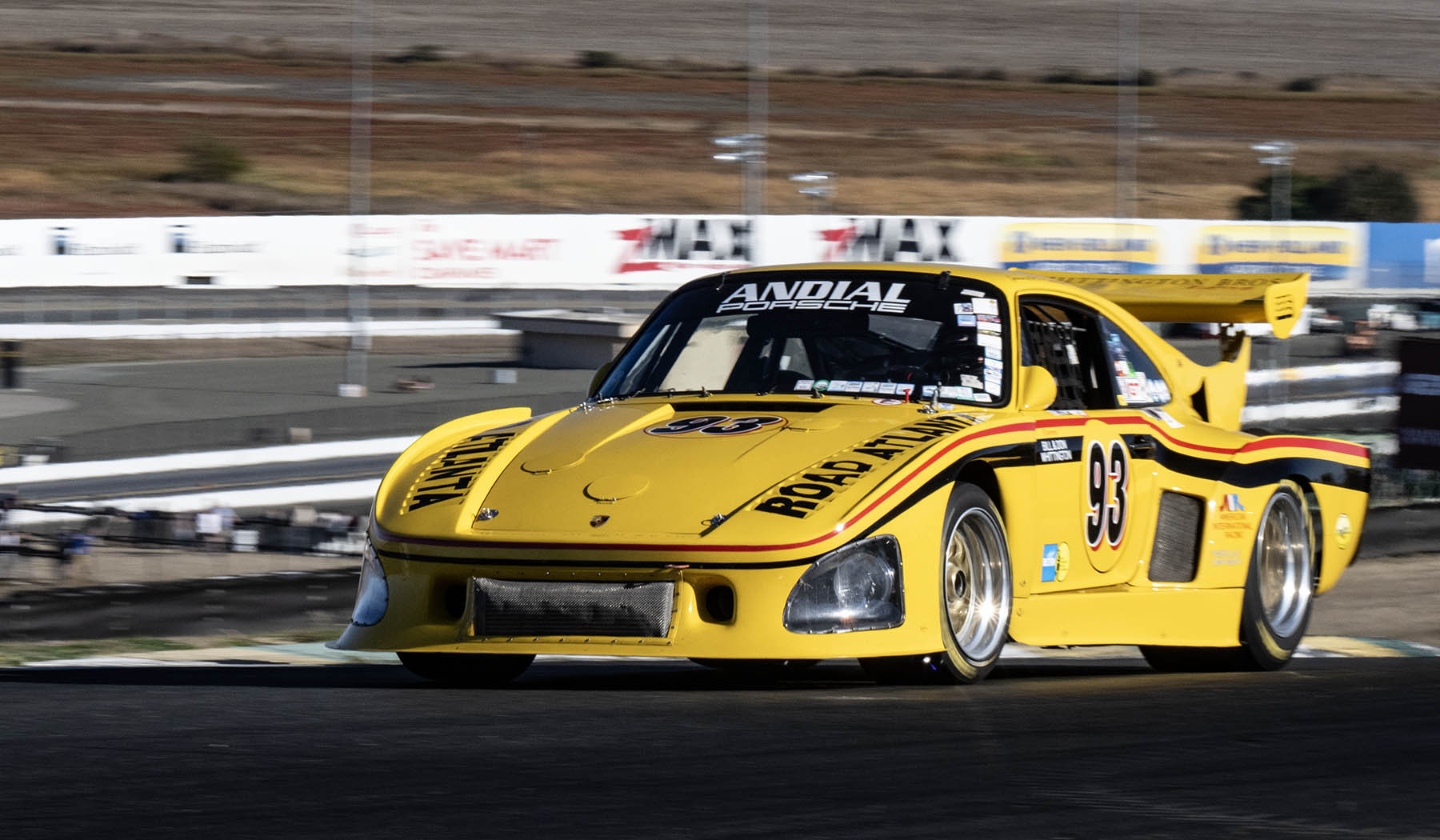
Ranson Webster – 1976 Porsche 935 K3 in Turn 4 in the Grp 6 : IMSA GT, AAGT, FIA Grp 4 class at the 2023 Velocity Invitational run at Sonoma Raceway – Copyright [email protected]
Kurt Del Bene/Arthur Conner – 1964 Morris Cooper S in Turn 2 in the Grp 10 : Mini Vs Mustang Enduro class at the 2023 Velocity Invitational run at Sonoma Raceway – Copyright [email protected]
Robert Davis – 1953 Siata 208s exiting Turn 4 in Grp 1: Sports Racing Cars & Production Sports Cars class at the 2023 Velocity Invitational run at Sonoma Raceway – Copyright [email protected]
Tancredi D’Amore – 1965 Alfa Romeo Giulia Sprint GTA in Turn 10 in the Grp 4 : SCCA Production Sports Cars & FIA GT Sports Prototypes class at the 2023 Velocity Invitational run at Sonoma Raceway – Copyright [email protected]
Danny Baker – 1974 McLaren M23 in approaching Turn 4 in the Grp 5 : Historic F-1 Cars class at the 2023 Velocity Invitational run at Sonoma Raceway – Copyright [email protected]
Bud Moeller – 1982 Williams FW08 in approaching Turn 8 in the Grp 5 : Historic F-1 Cars class at the 2023 Velocity Invitational run at Sonoma Raceway – Copyright [email protected]
Chris MacAllister – 1976 Ferrari 312 T2 in Turn 4 in the Grp 5 : Historic F-1 Cars class at the 2023 Velocity Invitational run at Sonoma Raceway – Copyright [email protected]
Bud Moeller – 1982 Williams FW08 leads the Grp 5 : Historic F-1 Cars class at the 2023 Velocity Invitational run at Sonoma Raceway – Copyright [email protected]
Seth Burgett/Seth Burgett – 1967 Shelby GT500 in Turn 2 in the Grp 10 : Mini Vs Mustang Enduro class at the 2023 Velocity Invitational run at Sonoma Raceway – Copyright [email protected]
Danny Baker – 1974 McLaren M23 exiting Turn 8 in the Grp 5 : Historic F-1 Cars class at the 2023 Velocity Invitational run at Sonoma Raceway – Copyright [email protected]
Luxury brands are increasingly collaborating with Indigenous communities in meaningful ways, moving beyond superficial aesthetic inspiration to engage in genuine partnerships. More brands are incorporating Indigenous resources, textiles, materials and narratives into their creations, ensuring that Indigenous knowledge and craftsmanship are not merely referenced but actively credited and respected. In line with Earth Day 2025, LUXUO explores how luxury brands are shifting toward ethical sourcing and manufacturing by involving Indigenous communities in the creation of their products. From raw materials and textiles to ancient techniques and cultural storytelling, brands are working to elevate Indigenous voices and traditions, offering a deeper connection between luxury and sustainability.
Ralph Lauren x Naiomi Glasses
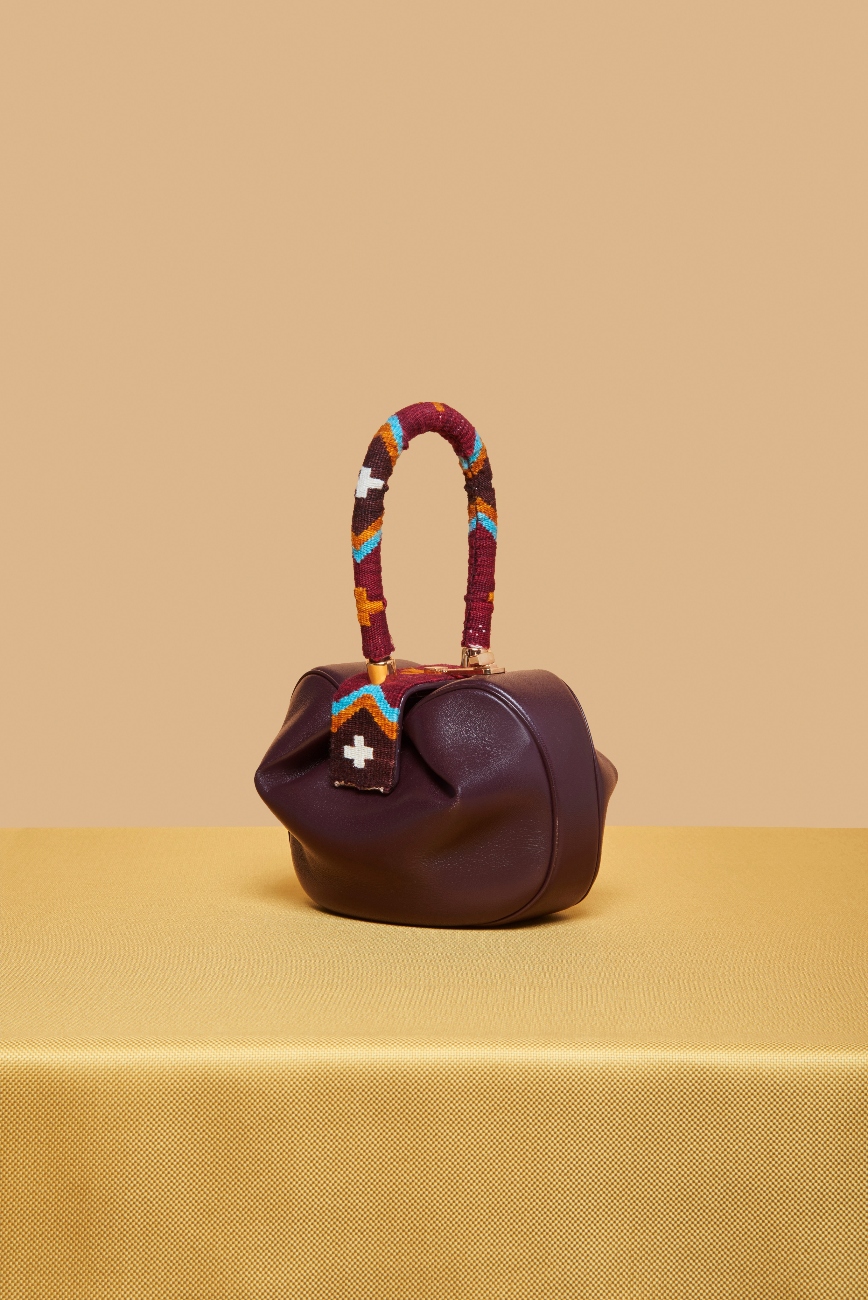
In December 2023, Ralph Lauren launched the first collection from its Artist in Residence program, partnering with Naiomi Glasses, a seventh-generation Diné (Navajo) textile artist and weaver. This collaboration marked a significant step in the brand’s ongoing commitment to expand its portrayal of America’s diverse cultures, with a particular focus on Indigenous craftsmanship. The Polo Ralph Lauren x Naiomi Glasses collection celebrates traditional Navajo weaving techniques while introducing them to a contemporary audience. Inspired by the landscapes of Navajo Nation, the designs feature woven jacquard blanket coats, ranch coats and jackets alongside modern interpretations of classic Ralph Lauren styles. Motifs such as Navajo spider woman crosses, four-directional crosses and dragonfly patterns reflect the intricate artistry and cultural symbolism woven into each piece. Going beyond fashion the campaign was led by indigenous creatives, including photographers Ryan RedCorn (Osage) and Daryn Sells (Diné/Navajo), and directed by Shaandiin Tome (Diné/Navajo). The campaign highlights Glasses’ journey with Navajo weaving, blending cultural heritage with Ralph Lauren’s luxury aesthetic. A portion of proceeds from the collection will benefit Change Labs, a Native-led organization supporting Navajo and Hopi entrepreneurs, furthering Ralph Lauren’s commitment to empowering Native communities through education, business development and cultural preservation.
Some critics have pointed out that luxury brands have historically appropriated Indigenous prints and textiles without proper recognition or respect for their cultural significance. By partnering with Naiomi Glasses, Ralph Lauren is attempting to “cover their bases” – still utilising Indigenous designs but doing so with a conscious effort to acknowledge and celebrate the artistry behind them.
Johnstons of Elgin – Sustainable Cashmere Sourcing from Mongolian Herders
Johnstons of Elgin’s commitment to sustainability is evident in their sourcing of cashmere from Mongolia, a region where the vast grasslands are threatened by overgrazing and climate change. As a founding member of the Sustainable Fibre Alliance (SFA), the brand collaborates directly with Mongolian goat herders to address these environmental challenges. By combining modern sustainability practices with traditional nomadic methods, they support herders in preserving both the land and their centuries-old cultural practices. One of their key initiatives is the “Haraacai” course, which teaches young herders sustainable grazing techniques, blending regenerative practices with Mongolian traditions. This training is vital for the next generation, as it empowers them to become stewards of their environment. The course’s impact is growing, with over 400 students graduating in its first year. Through their SFA partnership, Johnstons of Elgin ensures full traceability of the cashmere supply chain, with a goal to source 100 percent of their cashmere from certified, sustainable sources by 2024. Their work highlights the importance of safeguarding both the livelihood of herding communities and the delicate ecosystems of Mongolia’s grasslands, ensuring a sustainable future for generations to come.
Gabriela Hearst
For her Spring/Summer 2022 collection, Gabriela Hearst worked directly with Navajo artisans, including fifth-generation weaver TahNibaa Naataanii, who raises Churro sheep and uses traditional plant-based dyeing techniques, ensuring Indigenous knowledge is embedded in the production process. The collaboration was coordinated through Judy Campbell-Clancy, who connects Navajo craftspeople with meaningful work, addressing high unemployment and lack of infrastructure on the reservation. Diné filmmaker and activist Krystal Curley documented the process, further rooting the project in Indigenous storytelling. Hearst also worked with women-led craft collectives in Bolivia and Uruguay, and partnered with Clergerie in France to produce shoes using handwoven Moroccan raffia and sustainable cork, reinforcing her commitment to ethical, culturally embedded luxury production. . Crucially, the collection also challenged tokenistic representation by giving Indigenous makers narrative control through film and direct credit.
Dior’s Collaboration with Mexican Artisans
For Dior’s 2024 Cruise collection, the luxury Maison collaborated with indigenous artisan communities across Mexico, working directly with weavers and embroiderers from regions including Oaxaca, Puebla, and Chiapas. The initiative was coordinated by local experts and cultural practitioners such as Remigio Mestas, Hilán Cruz, Narcy Morales and Pedro Meza, who brought together multi-generational craftspeople skilled in ancestral techniques — from natural dyeing to traditional embroidery and weaving. These collaborations were not surface-level. Dior’s creative director, Maria Grazia Chiuri, integrated Indigenous textile knowledge into the collection’s core designs, co-developing garments with local artisans. The result was a series of pieces — huipils, gabans, skirts and dresses — that showcased not just couture embellishments but the handmade expertise of communities like the Zapotec of San Blas Atempa, the Mixtec of San Pablo Tijaltepec, and the Mayan women weavers of Los Altos de Chiapas. These were not outsourced reproductions but site-specific productions led by local coordinators, where artisans contributed to design decisions, technique application and material selection. By working directly with Indigenous artisans as co-creators rather than simply referencing their aesthetics, Dior fostered a model of collaboration that centred local knowledge and authorship, offering visibility to specific individuals and their craft traditions.
Burberry’s Cashmere Initiative in Afghanistan
Through its foundation, Burberry has partnered with Oxfam and PUR Projet on a long-term initiative to support Afghanistan’s cashmere industry — a major but often overlooked source for luxury supply chains. Despite being the world’s third-largest producer of cashmere, Afghan herders have historically lacked access to resources, training and fair market structures. This five-year programme offers education in sustainable harvesting, livestock care and pasture management, while also helping communities form producer groups to strengthen their position in the supply chain. Burberry’s work not only supports better quality yields and fairer pricing, but also aims to stabilise a region deeply affected by conflict and climate change. The brand is engaging local authorities and industry players to create policies that can raise the value of Afghan cashmere globally. The programme is actively contributing towards UN Sustainable Development Goals 1, 4, 5, 8, 9 and 17, which include ending poverty in all its forms, ensuring inclusive and equitable education for all, achieving gender equality and promoting sustained and sustainable economic growth.
Zegna’s ACHILLFARM™ in Australia
Zegna’s ownership of ACHILLFARM™ in New South Wales reflects a rare level of vertical integration in the luxury industry — one where raw material production is directly controlled from the source. The 2,500-hectare farm is home to around 10,000 Merino sheep, bred and raised to produce ultra-fine wool for Zegna’s tailoring. This hands-on approach allows the Italian house to oversee everything from pasture conditions to animal welfare, reinforcing its long-term investment in wool as a core identity material. While the ACHILLFARM™ model doesn’t involve Indigenous Australian communities directly, it reveals how Zegna has taken on agricultural stewardship as part of its traceability efforts. By controlling fibre origins and committing to regenerative practices, the brand positions itself as both producer and innovator. This complements its parallel environmental initiative, Oasi Zegna, a vast reforested area in the Italian Alps, which underpins the brand’s broader commitment to sustainability, biodiversity, and community.
Loro Piana Collaboration With Seneca Nation’s Marie Watt
As part of its ongoing engagement with Indigenous communities, Loro Piana collaborated with Seneca Nation artist Marie Watt, whose work reflects her Iroquois heritage and explores the intersection of collective memory, storytelling, and textile traditions. Based in Portland, Oregon, Watt is known for incorporating reclaimed fabrics and community-driven narratives into her practice, often using blankets as a medium to explore shared histories. For Loro Piana, Watt created a site-specific installation at the brand’s New York flagship, bringing Indigenous perspectives into the heart of its retail space. This collaboration reflects Loro Piana’s increasing recognition of the cultural and ecological origins of its materials. Known for sourcing rare fibres like vicuña and baby cashmere, the brand has worked with communities in Peru, Mongolia and the Andes, investing in education, animal welfare, and environmental protection. The Watt installation marks a step toward not just ethical sourcing, but cultural reciprocity — acknowledging the people, traditions and land behind the materials luxury so often relies on.
For more on the latest in luxury style and business reads, click here.
Before I first went traveling in 2006, I had these expectations in my head based on nothing but my imagination and popular culture.
My trip was going to be a nonstop adventure filled with colorful and exciting people. Crazy things were going to happen to me. I’d make friends everywhere. I’d be talking to strangers on buses. Locals would invite me out for drinks. I’d be sipping a latte, strike up a conversation with my beautiful waitress, and then the next thing I’d know, we’d be at a wine bar, staring into each other’s eyes while she taught me French.
It was going to be just like those articles I’d read or travel movies I saw. One adventurous scene after the next.
Then I went overseas.
There I was in the hostel, on the road, seeing amazing attractions in historic cities. I could do whatever I wanted, when I wanted. I was finally marching to the beat of my own drum.
At first, it was exciting, as I set my daily schedule and did things by myself. I was so busy those first couple of days that I had forgotten I was alone. And that was fine — until it wasn’t.
As the days wore on and my tongue forgot what speech sounded like, that excitement dissipated. I began to crave human interaction and companionship.
Suddenly, I was alone — and in the bad way.
Aloneness had turned to loneliness.
Where were the locals who were supposed to show me around? The cool travelers I’d spend nights out with? Once I ran out of things to do, I could no longer hide my aloneness.
Sure, I could move on to another city, hoping that the magic would happen there, that it was the destination’s fault and not me.
But it was me. Life doesn’t just happen to you — you have to make it happen.
As an introvert, it isn’t natural for me to just walk up to strangers and talk to them. That was especially true way back in 2006, when I first started traveling. (Heck, it takes me a lot to overcome that today.)
But that fear was keeping me from living the dreams I had in my head. If I wanted those dreams to happen, I was going to have to make them happen.
A lot of people wonder if traveling alone means they will always be alone. How will they make friends? Is it hard?
It’s a valid concern and, for us to whom socializing doesn’t come naturally, it’s a challenge. But let me tell you: it’s a lot easier than you think.
There are a lot of people traveling solo.
People just like you.
People looking for an adventure.
People who crave interactions with others.
And that other is you.
I overcame being alone when people in my hostel in Prague started talking to me. They were the first ones to reach out, luckily. They broke the barrier I was too afraid to break myself, sitting there, waiting for “something to happen.”
But, after they broke the ice, I realized that it was actually easier and less scary than I thought. Those travelers were like me and looking for a friend.
It took the introvert in me a while to learn that truth, but once I did, I had no trouble meeting people. After those travelers said hello and showed me how easy it was, I realized I was making a mountain out of a molehill. There was nothing to be scared of. I just had to say hi.
Because we all start off in the same boat: in a foreign country without any friends, not speaking the language, and looking for people to spend time with. Once you realize that, you also realize how simple and easy it is to make friends…because everyone is just like you.
That’s the big secret. There’s nothing more to overcome being alone than to get over yourself and say “hi.”
The key is to start small and break out of your shell. Talk to the person in your dorm room. Say hello. Ask them about themselves. Trust me, they will respond. They’ll ask you about you, your home, your travel plans, and more.
From there, just do the same to other travelers you see. Look for a group leaving for the bar and ask, “Can I join you?”
Walk over to that pool table in the hostel and ask, “Who’s next?”
People will say yes. Conversation will begin. Friendships will blossom.
And thanks to the sharing economy, there are lots more ways to meet people beyond meeting them at hostels,
For example, I’m sure you have one thing you are passionate about, right? Well, people around the world have that same passion. Use a website like Meetup.com to find local groups that form around that passion. Maybe it’s swing dancing, maybe it’s pickleball or Dungeons & Dragons. Whatever it is, I’m sure there are locals who do it too. Finding local groups with a shared interest is a great way to break the ice because you already have something to talk about, something that creates an instant connection.
Moreover, you can try the website Couchsurfing. It’s not only a place to find accommodation; it also has tons of meet-ups you can attend to find other travelers and like-minded people.
I’ll be honest, at first, I found it hard to speak to others. Conversations stumbled from time to time. But you either sink or swim on the road. My options were to be alone (and risk potentially going home early) or to get over my fear, take the plunge, and talk to people.
I choose the latter.
And on the occasions I was sinking instead of swimming, other travelers came up to me and said hello. They made the first move so I didn’t have to.
Why? Because they were looking to make friends too. Like me, they understood that if they didn’t do something, they too would have been alone.
Travelers are a friendly bunch. They want to meet new people and make new friends.
And one of those friends is you.
For that reason, you are never alone on the road. There are people everywhere who will be constantly talking to you and inviting you out (especially if you’re staying in hostels).
Take it from this introvert: you’ll meet more people than you’ll know what to do with. (In fact, there will be points when you wished you had some personal “me” time.)
Eventually, you’ll realize there was never a reason to worry in the first place. And you’ll never be alone again.
How to Travel the World on $75 a Day
My New York Times best-selling book to travel will teach you how to master the art of travel so that you’ll get off save money, always find deals, and have a deeper travel experience. It’s your A to Z planning guide that the BBC called the “bible for budget travelers.”
Book Your Flight Find a cheap flight by using Skyscanner. It’s my favorite search engine because it searches websites and airlines around the globe so you always know no stone is being left unturned.
Book Your Accommodation You can book your hostel with Hostelworld. If you want to stay somewhere other than a hostel, use Booking.com as it consistently returns the cheapest rates for guesthouses and hotels.
Don’t Forget Travel Insurance Travel insurance will protect you against illness, injury, theft, and cancellations. It’s comprehensive protection in case anything goes wrong. I never go on a trip without it as I’ve had to use it many times in the past. My favorite companies that offer the best service and value are:
Want to Travel for Free? Travel credit cards allow you to earn points that can be redeemed for free flights and accommodation — all without any extra spending. Check out my guide to picking the right card and my current favorites to get started and see the latest best deals.
Need a Rental Car? Discover Cars is a budget-friendly international car rental website. No matter where you’re headed, they’ll be able to find the best — and cheapest — rental for your trip!
Need Help Finding Activities for Your Trip? Get Your Guide is a huge online marketplace where you can find cool walking tours, fun excursions, skip-the-line tickets, private guides, and more.
Ready to Book Your Trip? Check out my resource page for the best companies to use when you travel. I list all the ones I use when I travel. They are the best in class and you can’t go wrong using them on your trip.
As sustainability becomes a central theme in every industry, the international furniture market is stepping up with innovations that blend style and responsibility. We explore how Europe and America, the two largest markets, are driving change by adopting eco-friendly materials and sustainable processes to reduce their environmental impact.
European Market
The European sustainable home furniture market is projected to grow at a compound annual growth rate (CAGR) exceeding 5% from 2025 to 2030. Europe is the world’s second-largest furniture manufacturing region, with Germany, Italy, and Poland leading in exports (Source: Mordor Intelligence).
The market benefits from a rich heritage in high-end craftsmanship, integrating modern technology with cultural traditions. Key growth drivers include the expansion of the residential real estate sector, particularly in luxury housing, which boosts demand for eco-friendly furniture. Additionally, the rise of e-commerce is transforming distribution channels, with consumers increasingly purchasing furniture online due to convenience and broader product selections. The market is moderately consolidated, featuring major players such as Adventures in Furniture, Grüne Erde, Mater, Bolia, and Ekomia, alongside emerging mid-sized firms leveraging innovation to expand their presence. Sustainable materials like wood, bamboo, and recycled PET are central to product offerings, aligning with consumer preferences for environmentally responsible home furnishings.
American Market
The global sustainable furniture market is projected to grow at a compound annual growth rate (CAGR) of 7.6% from 2020 to 2027, driven by increasing consumer demand for eco-friendly products and the economic benefits of sustainable practices. Certified sustainable material usage in furniture manufacturing has risen by 200% since 2011. However, challenges persist, as over 9.7 million tons of furniture waste were generated in the U.S. in 2018 (Source: Deskera)
Sustainable manufacturing emphasises renewable materials, waste reduction, and ethical labour practices. Key certifications like FSC, Cradle to Cradle, and GREENGUARD validate these efforts. Transparency, including supply chain accountability and sustainability reporting, is crucial for building consumer trust. Designing for disassembly and closed-loop systems further enhances sustainability. (Source: Deskera)
Transitioning to a circular economy in furniture manufacturing could yield up to USD 450 billion in annual global economic benefits by 2030. Companies like IKEA and Herman Miller exemplify this shift by integrating recycled materials, energy-efficient processes, and modular designs.
Here’s a list of brands working to improve the furniture industry’s sustainability process. These products made their debut at Salone del Mobile 2025.
Moroso
The Gruuvelot sofa designed by Patricia Urquiola for Moros is inspired by 1970s free-spirited theme. Image: Studio Eye.
The Gruuvelot sofa, designed by Patricia Urquiola for Moroso, is entrenched in the theme of “morphing”. Launched at the recent Milan furniture fair — Salone del Mobile 2025 — the sofa turned heads. The organic aesthetic offers details such as protrusions, extensions and different volumes, woven into a plush structure called a “seating ecosystem”. Urquiola was inspired by the free-spirited essence of the 1970s with its dynamic modularity and sinuous forms. Unique to the sofa is the fabric enveloping Gruuvelot because it uses a water-based technique that reduces water consumption by 90% and greenhouse gas emissions by 80% compared to traditional processes. Patricia Urquiola designed the fabric Regos for Kvadrat Febrik, drawing inspiration from nature and the concept of stratification. With clashing hues and asymmetrical patterns that produce an organic look, the fabric’s design embodies the ideas of layering and texture. The Greek term “regos”, meaning “mantle,” is the source of the name Regos. It describes the layer of detritus that covers rocky surfaces, including the soil on the moon.
Prostoria
The Aire sofa designed by Ramos + Bassols for Prostoria. Image: Prostoria.
At Salone del Mobile 2025, Croatian furniture company Prostoria introduces the Aire modular sofa, a sculptural focal point that combines comfort, versatility, and elegant lightness. The well-known Spanish design firm Ramos + Bassols created the seating arrangement to meet changing space requirements in residential and commercial spaces. Aire, which is characterised by its unique floating foundation that visibly raises the composition above the ground, offers freedom in both form and function by enabling adaptable combinations and changing moods. The sofa’s material choice and detailing reflect Prostoria’s commitment to sustainability and excellence. Aire, which is made wholly in-house at the company’s Croatian facility, uses recyclable materials and has reversible joints to prolong its lifespan. The modular sofa exudes comfort thanks to its soft curves, elegant proportions, and ample cushions, which provide a calm and grounded experience.
Andreu World
The Adela Rex armchair designed by renowned designer Phillippe Starck. Image: Andreu World.
The Spanish furniture brand, Andreu World, has a rich history and a reputation for mastering wood; it has the same ideals as French design hero Philippe Starck: democracy, nature, and the circular economy. The expressive use of plywood, a flexible, affordable, and ecological material, is how their creative collaboration manifests itself. Thanks in part to the efforts of well-known designers like Philippe Starck, Andreu World, a pioneer in circular design within its sector, has grown over the past 70 years to become a global hub for sustainability and innovation.
I don’t want to kill a tree to make a table”, says Starck, encapsulating his philosophy of honouring nature and using wood responsibly.
The philosophy of Andreu World, based on a passion for wood and a dedication to well-being-promoting design, is consistent with Starck’s view that design in any form should improve the lives of as many people as possible and last a long time. For the 2025 collection, his partnership with Andreu World has produced simple, fundamental furniture made of a single material without the use of glue or screws—a puzzle-like arrangement of interconnecting shapes. Starck said the difficulty was figuring out how to do this in a respectable manner.
Plywood is the best option for designers who want to use resources responsibly. A single tree can manufacture hundreds of chairs by turning a flat panel into a three-dimensional item. On brand-owned property, the material comes from carefully chosen, slow-growing, reforested woodlands. The outcome is the Forest Club collection, which consists of several couches and lounge chairs with a layered structure that functions as a dual-tone skin, much like Adela Rex. The back and seat are encased by curving pieces that nest together.
Gallotti&Radice
The Archi side tables are made from recycled aluminium. Image: Gallotti&Radice.
Launched during Salone del Mobile 2025, the Arch collection of side tables designed by David/Nicolas for Gallotti&Radice is crafted from chromed metal. This sculptural piece consists of modular side tables at varying heights, allowing it to function as a bold centrepiece or separate into individual elements for dynamic use. In today’s world, interiors evolve with us”, say David/Nicolas. Arch embraces this flexibility, offering endless possibilities in any space. It is made from recycled aluminium. With its sleek design and functional versatility, Arch is a statement of timeless craftsmanship and contemporary living.
Arper
The Catifa (RE) 53 designed by Lievore Altherr Molina for Arper. Image: Arper.
The original, Catifa 53, designed in 2001 by Lievore Altherr Molina for Arper, is the design that helped define the brand’s personality. Its sleek design and gracefully curved seat are timeless and the perfect combination of functionality and purity. It keeps reinventing itself via its elegant simplicity, adjusting to the demands of modern life. This development achieves a significant milestone in 2025 with Catifa (RE) 53, which embraces resource mindfulness and results from a renewed emphasis on material innovation. The upholstered Catifa (RE) 53 shell is composed entirely of recycled plastic, which comes from a combination of post-industrial and post-consumer trash. This invention pushes the limits of sustainable design and demonstrates Arper’s continued dedication to resource conservation. The collection’s defining characteristics, colour and comfort, are central to this iteration. Complete disassembly of the covers ensures a longer lifespan and circularity in design while improving sustainability and ease of upkeep. A more laid-back, modern, and softer appearance is also introduced by this progression, providing increased comfort without sacrificing its classic elegance. The original, Catifa (RE) 53, redefines beauty and style, establishing a new standard for sustainable design.
MDF Italia
The Goom sofa offers an easy disassembly to support the circular economy. Image: MDF Italia.
French designer Jean Marie-Massaud created the Goom couch for MDF Italia, a sculpture-like form that provides complete comfort. Due to extensive research into materials intended to provide the highest softness, the visual appeal offers an additional layer of comfort despite the crisp and succinct lines. An iconic design element, the cushion edges heighten the contrast between lightness and weight, giving the impression of floating. A single unit, a chaise longue, two corner units, and two pouffes comprise the modular Goom system, which may be customised by adding one or more armrests. In keeping with the ideas of the circular economy, Goom’s interior hardwood structure, upholstery, and foams are all made to be completely disassembled.
ClassiCon
ClassiCon’s Nettle rug designed by Eileen Gray gets an 2025 update by using plant-based material. Image: ClassiCon.
Sustainable and distinctive: ClassiCon is showcasing a new plant-based, nettle-based version of Irish designer Eileen Gray’s rugs. This substance produces a unique look: A silky sheen combines somewhat iridescent colour effects to create an impact. It results from the nettle fibres’ variable absorption capacity. The brand has already added to the Eileen Gray rug collection in recent years, most recently with the Faubourg Rug, based on her gouaches. Like sheep’s wool, nettle is a naturally renewable raw material that may be treated to create new variants. Thus, ClassiCon also highlights the importance of sustainability.
Lapalma
The stackable and eco-friendly features of Hawi chair designed by Mario Ferrarini for Lapalma. Image: Lapalma.
At the Salone del Mobile 2025 fair, Mario Ferrarini’s Hawi chair for Lapalma had its debut. While the seat is constructed from handmade wood sanding, the ergonomic chair has a sturdy 28mm diameter tubular structure. A simple cylindrical section was transformed into a smooth, harmonious, and elegantly thin surface. Its unique and distinctive elliptical design guarantees greater comfort while sitting, which caters to its users’ various heights and postures. A plywood version of the stackable chair is also offered, which is evocative of Nordic design and Lapalma collections, where wood from FSC-certified forests reflects the long-standing cabinet-making tradition. Since all parts are readily removed and recyclable, Lapalma bases its decisions and actions on sustainability.
The technical storage or access is strictly necessary for the legitimate purpose of enabling the use of a specific service explicitly requested by the subscriber or user, or for the sole purpose of carrying out the transmission of a communication over an electronic communications network.
Preferences
The technical storage or access is necessary for the legitimate purpose of storing preferences that are not requested by the subscriber or user.
Statistics
The technical storage or access that is used exclusively for statistical purposes.The technical storage or access that is used exclusively for anonymous statistical purposes. Without a subpoena, voluntary compliance on the part of your Internet Service Provider, or additional records from a third party, information stored or retrieved for this purpose alone cannot usually be used to identify you.
Marketing
The technical storage or access is required to create user profiles to send advertising, or to track the user on a website or across several websites for similar marketing purposes.