Home Blog Page 128

T+L’s Hotel Review of The Ritz-Carlton, Nikko

0


The Ritz-Carlton, Nikko

  • You’ll get access to the only Ritz-Carlton-branded hot springs on the planet—indoor and outdoor pools let you soak in garden views while you, well, soak.
  • Every room at the hotel has a private balcony and an engawa porch—ideal for catching the sunrise over Lake Chūzenji or meditating as fog blankets Mount Nantai.
  • You can feast on Tochigi Prefecture’s local produce without leaving the property, from yuzu ramen to kaiseki multicourse dinners.
  • There are several nearby points of interest: you can reach Kegon Waterfall with a five-minute stroll, and Lake Chuzenji is just outside your doorstep.
  • Craft prayer beads, ski, hike, or fly fish—you can do it all here.

When most travelers visit Japan, many stick to the gilded shrines of Kyoto or the neon-lit streets of Tokyo—and there’s nothing wrong with that, but that’s only half the story. The country has so much to offer to those willing to get off the beaten path.

Slip two hours north of Tokyo and you’ll find Nikko, a mountain town packed with UNESCO World Heritage Site-recognized temples and crisp alpine air—yet the crowds never quite reach the same peaks they do down south. Locals and travelers in the know have long recognized the area’s beauty, but Ritz-Carlton planted the region’s first international five-star flag here in 2020. After a week at the property last autumn, I finally see why brand loyalists rate this place among its best-in-class.

And sure, Nikko might be a little out of the way, but getting here is all a part of the fun. You can make the two-hour trek from Tokyo’s Asakusa Station aboard the Spacia X train, which launched in 2023.

Standard seats are fine, but the Cockpit Suite—a snug 120-square-foot nook up front—steals the show. Inspired by Nikko Kanaya Hotel, Japan’s oldest resort hotel, the suite has interesting retro design elements and gets you access to Goen Café, where a cold Nikko Original Craft Beer offers a taste of what’s coming. Then comes the half-hour climb to Okunikko (“inner Nikko”)—as the train weaves through maple-draped switchbacks, you’ll spot local macaques lounging on guardrails, watching you inch along as if it’s their personal roadside cabaret.

The Ritz-Carlton staked out prime real estate, claiming the 1898 Lakeside Hotel grounds between the Italian and British Embassy Villa Memorial Parks—it’s a diplomatic lineage that’s far from just for show. In June 2023, the property hosted the G7 Ministerial Meeting on Gender Equality, reaffirming Nikko’s cachet. Inside, 94 rooms blend political pedigree with the area’s natural scenery. The Ritz-Carlton preserved historic details like century-old shelving and original onsen (hot spring) plumbing without crossing into museum territory.

My suite overlooked Mount Nantai’s seasonal theatrics and served as the perfect setting for my time at the Ritz-Carlton, Nikko: dawn prayers with the resident monk, languid soaks in black-stone baths, and lake excursions skirting the former villas that once hosted Europe’s political elite.

“Experiences like a sacred fire ceremony at Chuzenji Temple are scarce in Japan,” general manager Alexander Westwood McBride said. “It’s our way of bridging both living history and unspoiled wilderness.”

That philosophy extends to the culinary lineup, where Italian-style aperitivos precede traditional kaiseki feasts, echoing the property’s east-meets-west undertones. At this hotel, you can live like a diplomat, meditate like a monk, and soak in hot springs like those famously unruffled snow monkeys.

This is what it’s like to stay at The Ritz-Carlton, Nikko.

The Rooms

There are eight different room types at the Ritz-Carlton, Nikko, with options ranging from double or king beds, mountain or river views, and a selection of plush suites. Entry-level Riverside Garden Rooms measure a generous 613 square feet—a pleasant shock if you’ve ever squeezed into one of Tokyo’s shoeboxes.

The rooms’ interiors were dreamed up by the Australian Layan Design Group, and feature the use of natural materials and hand-finished details. A genkan (a traditional Japanese entryway) entrance—yes, do leave your shoes at the door—opens to shoji screens and a private engawa porch, creating a natural indoor/outdoor flow that anchors guests to the surroundings. Inside the bathroom, a collaboration with Nikken Space Design produced stone rotenburo (soaking tubs) precisely angled to take in the national park’s greenery through floor-to-ceiling windows—a scenic warm-up for your onsen soak. If you want the full ryokan treatment, opt for the 2,981-square-foot Ritz-Carlton Suite, complete with a private fitness area, massage room, and tatami-lined meditation area.

The Japanese Restaurant Sushi Counter.

Miyuki Kaneko/Courtesy of The Ritz-Carlton, Nikko


Food and Drink

Tochigi Prefecture’s agricultural renown takes center stage at each one of the property’s four drinking and dining venues: the Japanese Restaurant, the Western-style Lakehouse, the Lobby Lounge, and the Bar.

The Japanese Restaurant serves up three distinct offerings—sushi, teppanyaki, and kaiseki. During lunch, guests can choose from gozen sets, which involve a main entree served with rice and a collection of colorful side dishes. The Nikko-Gozen set is inspired by the favorite dishes of Tokugawa Ieyasu, founder of the Tokugawa shogunate of Japan, which ruled until the Meiji era in 1868. I was fond of the eggplant, beef, and yuba (a regional tofu skin specialty) dish.

Meanwhile, the Lakehouse, now led by Michelin two-star Chef Kanji Kobayashi, presents a clever east-meets-west spin—his Nikko-egg carbonara could convert any fusion skeptic. And during afternoon tea in the lobby, Tochigi Prefecture’s finest produce gets the spotlight: Nakagawa eel braised in red wine perched atop burdock tartlets, and meticulously layered chestnut parfait.

Over at The Bar, veteran mixologist Daisuke Tagami uses ice sourced from mountains to elevate cocktails like the Farmer’s High—a surprising harmony of sweet potato shochu, coconut, and cheese (yes, cheese). After dark, don’t skip The Bar’s collaboration with ramen brand Afuri: a yuzu-shio broth crafted with Mount Afuri spring water served in handmade bowls—it pairs well with the 80-label Japanese whiskey stash.

The Fireplace Seating area in the Lakehouse.

Miyuki Kaneko/Courtesy of The Ritz-Carlton, Nikko


Activities and Amenities

I was ready to write off the activities menu as standard “luxury hotel perk” material—until I found myself in the lotus position, meditating alongside a Buddhist monk from a nearby temple.

The property’s deep ties to Nikko’s religious hubs unlock options typically reserved for locals and long-term devotees: private fire ceremonies at Chūzen-ji Temple, Shinto kagura dance performances in festival months, and more. You can also try your hand at furoshiki cloth wrapping or even craft prayer beads, but the real activity highlights align with the seasons. You can meditate near a waterfall in the spring, fish in clear streams in the summer, hike the national park in the fall (locals say the foliage is even better than Kyoto’s), and backcountry ski in the winter.

Getting easy access to Lake Chūzenji is perhaps one of the best amenities of staying at the Ritz-Carlton, Nikko. A ticket on a lake cruise lets you admire the basin from the water, drifting past preserved embassy summer homes—the Italian and British villas are the real standouts. It’s particularly spectacular in the fall, as maple and ginkgo foliage ignite the shoreline in vivid color.

The Spa

Nikko understood wellness long before “spa day” was a trend, and the resort’s onsen is proof. Fed by the mineral-rich springs of Yumoto onsen, the sulfuric water is a toasty 104 degrees Fahrenheit year-round. Floor-to-ceiling glass windows frame Mount Nantai, and you can book a private rotenburo that offers more discreet soaking. The Ritz-Carlton Spa menu here draws from local customs, and there are treatments on offer utilizing sake lees from a 150-year-old Tochigi brewery and volcanic stones that may have tumbled from Mount Nantai itself. There’s a 24-hour fitness center, too, stocked with weight machines, ellipticals, treadmills, and a sauna, but you’ll probably log more steps hitting the trail to the waterfall at sunrise.

View of the library in the daytime.

Miyuki Kaneko/Courtesy of The Ritz-Carlton, Nikko


Family-friendly Offerings

Technically, this is not a kids’ resort, but that doesn’t mean the property won’t work for families with children. There isn’t a standard kids’ club, but there are experiences here that can engage guests of all ages: relaxed temple tours tailored for shorter attention spans, e-bike excursions, plus seasonal fun like stargazing or paddleboarding. A family trip doesn’t have to feel like a compromise, and the Ritz-Carlton, Nikko, may just offer the right mix of culture, adventure, and, yes, the occasional meltdown-free moment.

Accessibility and sustainability

The property is made from several local materials, including Nikko and Ōya stone, regional cedar, and copper sourced from the nearby Ashio mine. The onsen operates on a closed geothermal system from Yumoto hot springs, while the kitchens use local ingredients sourced directly from Tochigi farmers. The hotel also has on-site electric charging stations and earned a Green Key certification (a mark of environmental responsibility) in 2024.

There is one room type, the King Bed with Garden View, that has accessibility features for those with limited mobility. The main entrance, fitness center, and restaurants are all accessible and valet parking can accommodate vehicles for people who use wheelchairs. The property has elevators and service animals are welcome.

Scenic view’s from the Lakehouse Second Floor Terrace.

Miyuki Kaneko/Courtesy of The Ritz-Carlton, Nikko


Location

At 95 miles north of Tokyo, Nikko is an easy two hours away by car or train. It’s a three-hour drive if you’re coming directly from Narita International Airport (NRT) or Haneda Airport (HND). But, once you get to the hotel, you’ll be in the mountains of Nikko National Park, which has a microclimate with four distinct seasons—yes, real ones.

The entire circumference of Lake Chūzenji measures a little over nine miles and is lined with scenic trails. 318-foot-tall Kegon Waterfall is one of Japan’s three great waterfalls (and probably the least crowded, too), and it’s an easy five-minute stroll from the hotel. Winter typically sees an average of 16 feet of snowfall, while cherry blossoms bloom a cool two weeks behind Tokyo.

How to Get the Most Value Out of Your Stay

Book through Amex Fine Hotels + Resorts if you want sweet extras like early check-in, late checkout, and complimentary daily breakfast for two. If you book a trip before Oct. 15 this year, you can get a $125 property credit to use during your stay.

Since the Ritz-Carlton brand is a part of Marriott, you can book this property or earn points through the Marriott Bonvoy program. Since Marriott uses dynamic pricing rather than an awards chart, points prices fluctuate depending on demand. Peak pricing lands during cherry blossom season (late March and April) and autumn foliage season, which roughly takes place from October through November. Insider tip: the Lake View rooms in the west wing—specifically floors three through five—deliver a prime panorama without gouging your wallet.

Nightly rates at the Ritz-Carlton, Nikko start at 133,000 JPY (about $911 USD).


Source link

Column: Is The Taycan Really The Enthusiast’s EV?

0


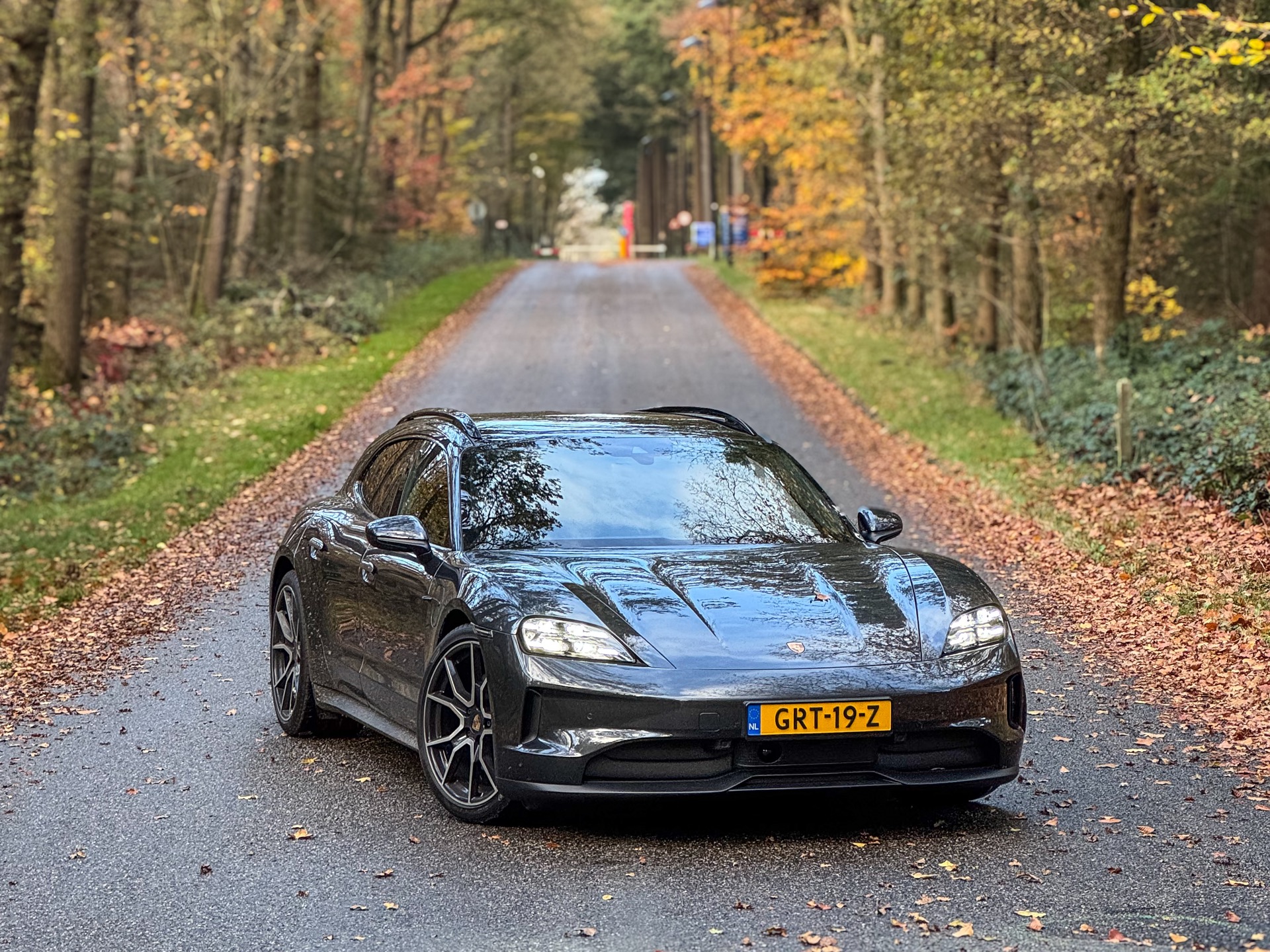
Having just picked up my friends, we’re four-large in the facelifted Taycan, and we’re all laughing our hats off. It’s been just over five years since I first drove Porsche’s maiden EV soon after its launch here in the Netherlands. Admittedly, it was the first EV I had ever driven, if you don’t count a forklift or a delivery van. In true Turbo S fashion, the performance and specifically the accessibility to performance absolutely shocked me. I think today as I did then of how ludicrous one would need to be to (1) sell that car to a member of the public and (2) to buy it. Evidence of my first impressions was captured in a video I have shown to anyone curious about what performance like that does to you. In that, you can clearly hear my breath being removed from my lungs as I was shoved so far back in the seat that my eyes had forgotten which way to point. It was truly uncomfortable… uh, I mean impressive.

Configuration:
Almost exactly how I would spec it, this is the base model Sport Turismo body with RWD and the small battery (79.2kWhr). I believe in launch control I was getting nearly 375hp, but for all I knew it felt like a lot more. Straight line performance makes for tedious memory work you know. Tires were the factory Goodyear F1 265/65R21 and 305/30R21 on the front and rear respectively, with just enough sidewall and footprint to allow a consistent baseline of mechanical grip, as well as a minimal level of NVH (noise-vibration-harshness). With the speaker-provided “electric sports sound” which I heard was made in conjunction with sound designers from Star Wars, NVH is negligible. The low frequency hum when not accelerating does however become a little annoying, especially for passengers in the rear. Toggle the PSM (Porsche Stability Management) into sport and you unlock a predictively playful attitude that most EVs (and most current ICE sports cars for that matter) lack. Combined with the chassis and damper tuning, your passengers will be laughing with you all the way.

Revised dampers:
Porsche has refined its experiment since, bringing a new dimension of dynamic control to what is an already class-leading chassis. With an extra 240kg courtesy of my friends, one would expect a car with such immediacy of input to break apart dynamically, even with all these updated systems. However, Porsche proved once again why they dominate those aspects so well.

I confess, the roads here are very well maintained, mostly pristinely surfaced, and you would be hard-pressed to engage the car in such way as to challenge its chassis or suspension. Nevertheless, and also owing to how well these systems work in conjunction with the tires, I was surprising myself with the confidence afforded to me as I plowed through tightening bends and off-camber corners. We are in the middle of Autumn too which makes the establishment of a connection between driver and car ever more precarious. Changing grip levels, changing surface temperatures and the ever so present reminder of the extra weight I was carrying due to some laughing coming from my passengers was in no way to the detriment of the car. If not obvious by now, Porsche has, with this facelift, increased the performance capability gap between the Taycan and its competitors even further. In comparison to my personal favourite, the 1111hp Lucid Air Dream Edition, it feels more cohesive than before, albeit still a less comprehensive product than the Lucid.

Further comparisons to the Lucid:
Taking a systems engineering perspective, the Lucid feels like a more cohesive product, although more luxurious. Its breadth of capabilities is more expansive, and that’s where some space is left for the Taycan’s focused approach to shine. The Taycan is a lot of fun. The Lucid is just all-out impressive. Both tickle that very hard-to-get-to itch any of us with a penchant for a good time in a car have. And both do so in a very sophisticated way. I think Matt Farah did it well recently, having acquired a second hand Taycan for himself. In his case an AWD Taycan 4 example in the same body style guise.

Industry shift:
That brings me onto my next point. This great decade-long push to introduce EVs to the market has had one very positive impact for us, enthusiasts. As much as it has somewhat suffocated Europe’s automotive industry, the millions of cars produced as a result of it have largely depreciated. And most of them to less than half their original MSRP. The technology moving quickly also expedited that process. Not to mention the fantastic leasing deals you can get for brand new in most countries with a mature market. Getting into a 20000–50000-kilometre pre-owned RWD Taycan with the extended range battery is about the best way you can extract value from car ownership if you do insist on it being electric. Of course, one should make sure to find one with warranty still ongoing and with the thousands of spec varieties built, for a base car, one can even be picky with colour and particular features. Some of which, like the Burmester sound system, I feel are necessary.

I would even venture to say that a deal like that which I describe above offers about as much joy one can extract from a modern car. Let me not even mention the fact that the most ecologically friendly decision one can make when buying a car is to buy one second hand. With all these new ADAS and general drivers’ assistance systems in all our favourite sports cars, rendering them numb anyway, I would personally rather have the benefit of quiet daily transportation in the shape of an engaging four-seater EV. Especially here in the Netherlands with our dense charging network, relieving any sense of range anxiety.

Rationale aside, I just was not expecting to have as much fun as I did with this car. My friends all loved it too, barely managing to hold onto each other through corners. All the while with the sonorous signature of a scooter and the engagement of a car half its size. No one cares when you drive this, no one looks or points fingers, making it ideal for a bit of selfish fun without causing any attention to be diverted your way. To that extent, it appeals to my most hedonistic and naughty of needs, in much the same way a purpose-built sports car would.

With special thanks to the Porsche Centrum Gelderland and its chairman Mark Wegh.


Source link

What It’s Like to Stay at the Donna Camilla Savelli in Rome, Italy

0


  • Donna Camilla Savelli, a member of VRetreats in Rome, has re-emerged after a thoughtful renovation.
  • The 94 rooms and suites have been reimagined with muted colors inspired by the soft hues of the property’s garden and the building’s historic architecture.
  • Common areas, including the reception area and lobby lounge, have been redesigned for a more fluid flow.

Looking for a peaceful retreat in one of Rome’s most beloved neighborhoods? Donna Camilla Savelli has just emerged from a restyling and is ready to welcome guests once again.

A member of VRetreats, the boutique hotel brand behind 2022 It List hotel Ca’ di Dio, Donna Camilla Savelli, occupies a 17th-century convent on a quiet street in Trastevere, the village-like neighborhood famous for its quaint cobblestone streets, weathered buildings, convivial restaurants, and raucous nightlife.

Interior of the Borromini Suite guest room.

Diego De Pol/Courtesy of Donna Camilla Savelli


“We have carefully preserved the soul of the 17th-century monastery, ensuring that every detail—from the restored frescoes to the thoughtfully reimagined spaces—reflects the elegance and heritage of Rome,” Maurizio Montecatino, the hotel’s general manager, told Travel + Leisure. “Our goal is to offer a sanctuary where history, art, and hospitality converge seamlessly, inviting guests to immerse themselves in an atmosphere of timeless charm.”

Originally designed by Baroque master Francesco Borromini, who left his mark on palaces like Palazzo Spada and Palazzo Barberini and churches including Sant’Agnese in Agone on Piazza Navona and Sant’Ivo alla Sapienza, the building is a remarkable historic landmark in a city full of them. Directly inside the entrance, there’s a chapel still presided over by three nuns with details including angels that were added to the niches when the original sculptures were removed during Napoleon’s reign.

Guests can enjoy al fresco dining at the hotels Iron and Fire restaurant.

Courtesy of Donna Camilla Savelli


The lobby occupies a long, narrow hallway with arches, vaulted ceilings, checkerboard floors, and cornices. Guests can relax on the curved, modern sofas or grab a table for lunch or an aperitivo. The signature restaurant, il Ferro e il Fuoco, is located in an intimate room on the lower level and serves gourmet Mediterranean cuisine highlighting local ingredients and wines from Lazio. (There are plans to move it to the convent’s original dining hall, a vast space with wood-beamed ceilings and original paintings.) As soon as the weather warms up, though, both the casual Garden restaurant and the gourmet restaurant will serve meals in the verdant courtyard garden, which feels like a serene oasis in the heart of the city with its beautiful magnolia trees, hedges, and flowers.

Aerial view of the gardens on property where you can sit and enjoy a coffee and pastry.

Courtesy of Donna Camilla Savelli


The 94 rooms and suites have been reimagined with a mix of modern and period furnishings. Above the beds, panels featuring birds, trees, and leaves in soft, muted colors add to the romantic atmosphere, while brass hanging lamps and marble-topped bedside tables accentuate the space. Some rooms have original wood-beamed ceilings, while others have terracotta floors and four-poster beds. The Premiere Suite has a spacious private terrace overlooking the garden and a soaking tub under the monumental rose window that looks onto the chapel. Many of the rooms were carved out of the original nuns’ cells, which have been expanded and modernized—the nuns certainly wouldn’t recognize them now.

Scenic views of Rome from the rooftop terrace.

Diego De Pol/Courtesy of Donna Camilla Savelli


However, one of the hotel’s best selling points is its rooftop terrace, which offers panoramic vistas of the Eternal City that stretch from Janiculum Hill to the Vittoriano. For now, there’s no service up there, but there are chairs and tables set up so guests can bring drinks and snacks from the downstairs bar up to the roof and enjoy the views and the breeze. Those who want a more happening scene can just walk a few blocks over to Piazza Trilussa, which is surrounded by bars and comes alive with street musicians in the evenings, making it a breeze to experience the best that Rome has to offer.


Source link

2026 Porsche 911 GT3 MR facelift spotted testing at the Nurburgring

0


Manthey Racing is currently working on the Porsche 911 GT3 MR facelift. One of the first prototypes fitted with the updated Manthey kit was recently spotted at the Nurburgring.

Designed for the 992.2 generation of the 911 GT3, the Manthey Racing kit is expected to improve the overall handling. The test car appears to have a revised aero package, which includes a new front bumper with canards, a rear spoiler with end plates and aero discs for the rear wheels. It doesn’t look as extreme as the latest Porsche 911 GT3 RS MR, though.

The Manthey upgrades are also expected to include a tweaked suspension setup designed for the racetrack and better brakes. It will also come with a roll cage.

The 911 GT3 is powered by a 4.0-liter flat-6 engine that revs to 9000 rpm and delivers 502 hp to the rear wheels. The engine is paired with a 6-speed manual as standard, but you also get an optional 7-speed PDK.

Source: CarSpyMedia


Source link

Most Epic Way to See the Red Rocks

0


There are few travel experiences that manage to be both exhilarating and meditative, but a hot air balloon ride accomplishes just that—a gentle ascent into the sky that feels like slipping between dimensions. I’ve been fortunate to drift above a range of landscapes in at least half a dozen balloon flights, from the sun-drenched vineyards of California to the misty valleys of the Pacific Northwest—and each has offered a quiet kind of magic.

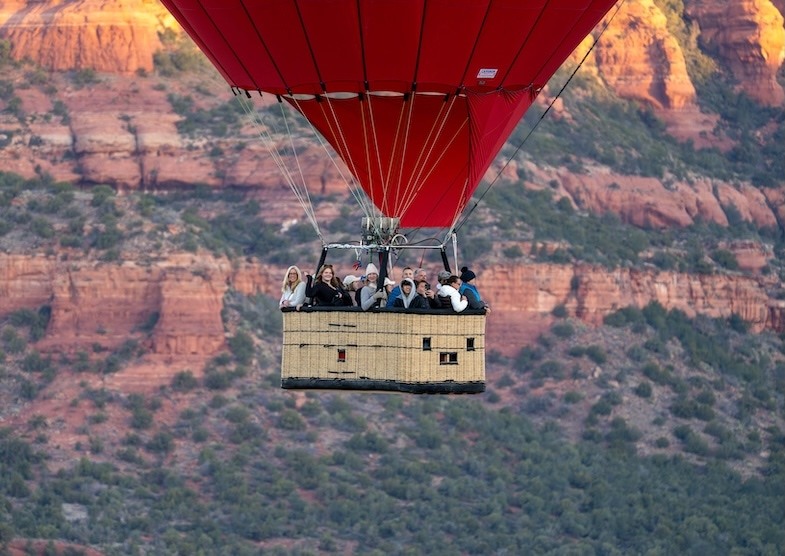
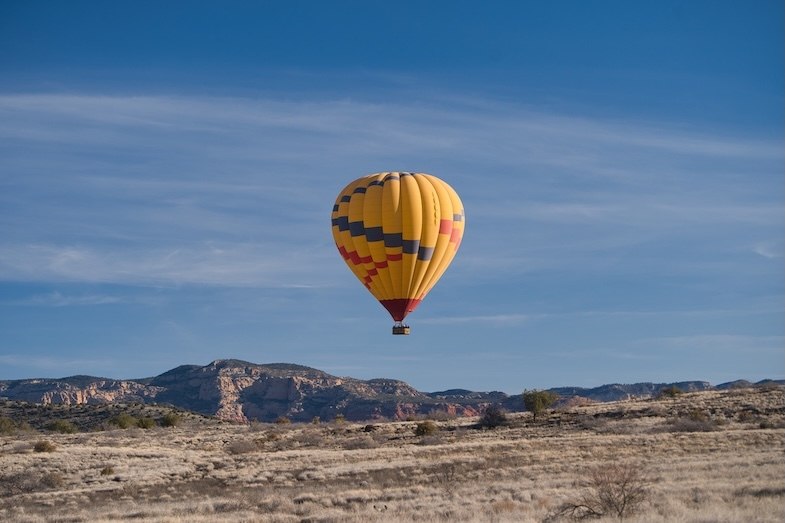
But the Sedona hot air balloon ride I recently took with Red Rock Balloons was something altogether different. Suspended high above Arizona’s iconic red rock formations, with the first light of day igniting the rugged desert below, the experience felt otherworldly.

Though it took several attempts (over a year’s period) to make it into the air due to weather delays, the reward was a flight that exceeded expectations. From the moment we gently lifted off until our flawless landing just west of Sedona, it was clear: this wasn’t just another item to check off a travel list. This was one of the most breathtakingly beautiful and soul-stirring things to do in Sedona, an experience that elevates the spirit as much as the senses.


☁️ Why a Sedona Hot Air Balloon Ride Is So Special

Hot air ballooning is unlike any other form of flight. There’s no rush of air, no vibration, no noise except the occasional burst of the burner. It’s an experience that defies modern aviation—a throwback to the earliest days of human flight when lift came from fire and courage.

Most Epic Way to See the Red Rocks
Photo by David Martin (Thank you David)

Even people afraid of heights often say ballooning feels oddly secure. There’s a grace and gentleness to it that’s hard to put into words. It’s less like flying and more like levitating, as though you’ve stepped onto a magic carpet and are simply floating above the world.

And above Sedona’s red rock spires, it’s nothing short of magical.


🎈 The Origins of Flight… and the Champagne Toast Tradition

Hot air ballooning holds a special place in aviation history. The first successful manned flight took place in 1783 in France, when the Montgolfier brothers launched a balloon into the sky. But before daring to send humans into the air, they first tested the concept with a curious cargo: a sheep, a duck, and a rooster. After that successful flight, they soon sent up a couple of pigs in the basket to simulate passengers.

hot air ballooning in 18th century France

When that early flight descended, it landed in a farmer’s field. The sight of this floating contraption—unlike anything the locals had ever seen—understandably caused confusion, and perhaps even fear. Legend has it that the frightened farmers attacked the balloon with pitchforks, killing one of the pigs in the process, believing it to be some kind of supernatural threat.

Realizing that this reaction might not be uncommon, the Montgolfier brothers took precautions on future flights. To ease tensions and ingratiate themselves with any locals their balloons might land near, they began bringing bottles of Champagne to offer as a gesture of goodwill and peace.

That practice evolved into the modern-day tradition we still celebrate after a successful balloon flight. Today, the Champagne toast is more than just a drink; it is a tribute to ballooning’s whimsical history and a joyful celebration of a safe return to Earth.


🌤️ Red Rock Balloons: Professional, Passionate, and Safety-First

My balloon ride in Sedona didn’t go off without a hitch—but in a good way. In fact, I had to reschedule four times due to weather. While that may sound frustrating (and yes, it came at the expense of extra hotel stays), it actually gave me a deeper appreciation for the professionalism of Red Rock Balloons.

Photo by David Martin (Thank you David)

This isn’t a company that takes chances. If conditions aren’t perfect, they don’t fly. It’s that simple.

I’ve experienced similar cancellations in other parts of the country. In Walla Walla, Washington, for example, one flight was called off because the temperature was one degree too warm. That’s how precise, and cautious, this industry is.

Hot air ballooning one of the top things to do in Sedona

Red Rock Balloons exemplifies that same commitment to safety, and I’d trust them again in a heartbeat.


👨‍✈️ Meet Mark, the Balloon Whisperer

Our pilot for the morning was Mark Stewart, one of the company’s owners. With over 30 years of ballooning experience, Mark was not only knowledgeable and calm, but also genuinely funny, the kind of pilot who makes every passenger feel at ease.

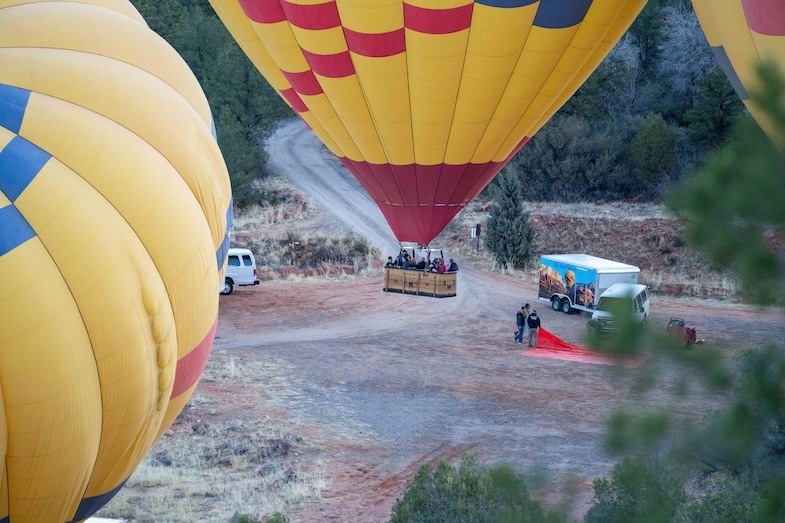
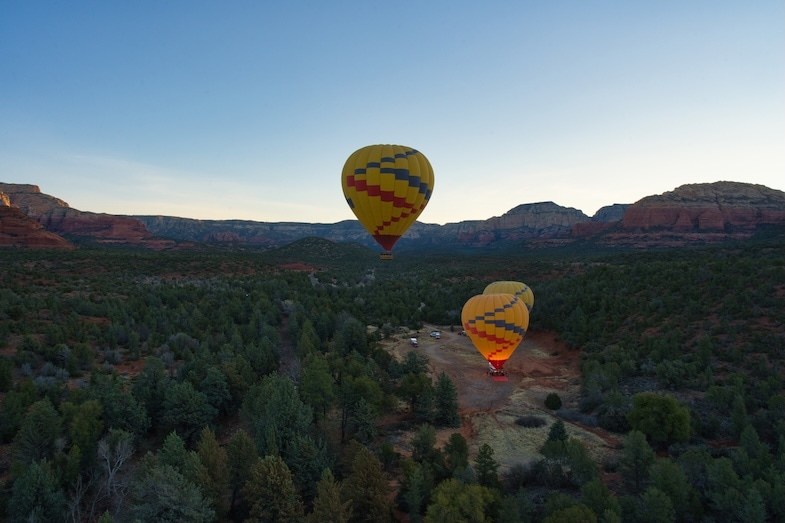
We were the first of four balloons to take off that morning. As we floated over Sedona’s stunning landscape, Mark was constantly in communication with the other balloon pilots, providing updates on wind speeds, elevation, and conditions. It was clear that he wasn’t just flying—he was reading the sky.

Watching him work, I couldn’t help but think of him as a sort of balloon whisperer.


🌄 The Sedona Hot Air Balloon Ride Experience from Above

Floating above Sedona in a hot air balloon is one of those surreal experiences that etches itself into your memory. As the sun rises, it casts golden light across the red rock formations, revealing shadows and textures you simply can’t appreciate from the ground.

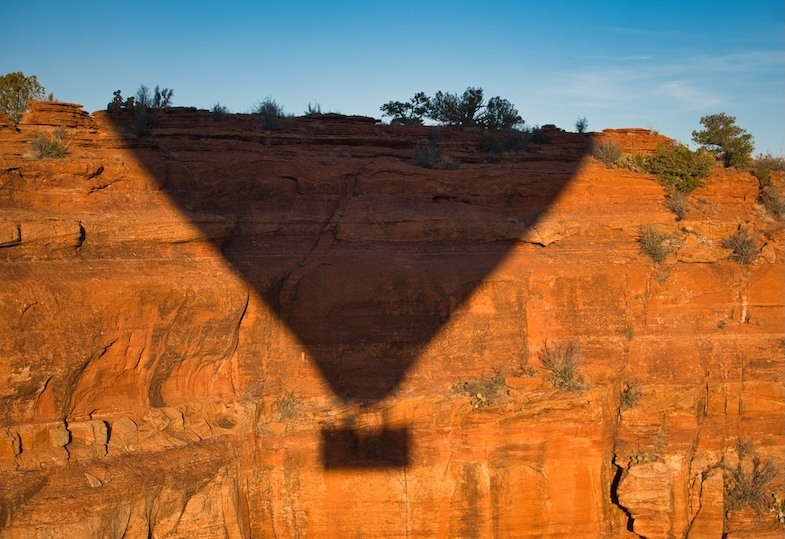
We hovered near cliff edges, skimmed the tops of buttes, and gazed down at endless desert brush and winding trails. It was quiet, spacious, and beautifully still—a perspective of Sedona that few get to witness.

If you’re building your itinerary and wondering about the best things to do in Sedona, this needs to be at the very top of the list.


🥂 A Toast to the Sky

After a smooth and almost imperceptible landing, the kind that makes you wonder if you’ve actually touched down, the crew pack up the balloon before taking us on a short drive to meet up with the other groups.

There, surrounded by morning sun and smiling strangers-now-friends, we raised our glasses for the traditional champagne toast (in our case it was mimosas). It was a fitting close to an unforgettable adventure and a small celebration of everything ballooning represents: wonder, exploration, and a little bit of whimsy.


✨ Final Thoughts on Ballooning in Sedona

There are many ways to experience the beauty of Sedona, hiking, jeep tours, scenic drives and more, but none of them compare to silently drifting above it all as the sun climbs over the horizon.

The Sedona hot air balloon ride with Red Rock Balloons was easily one of the most extraordinary things I’ve done in Sedona.

Red Rock Ballons is one of the best things to do in Sedona

So if you’re planning a trip and looking for the most memorable things to do in Sedona—I can’t recommend this experience enough. Be sure to click the preceding link to read an article and watch a video on some other fantastic things to do in Sedona. I have also create a comprehensive Sedona Itinerary that include everything you need to know about visiting.

Be patient with the weather, it’s worth the wait. If you have any questions about a Sedona hot air balloon ride, leave a comment below. So, until next time, we’ll see ya on the road…


Source link

Opinion: The Liberation According to Donald Trump

0


In our hostile environment, it is every nation for itself. The lubricant of economies — globalisation — is on its last breath. While just yesterday, nations collaborated to draft laws and regulations they pledged to uphold, they are now breaking apart past alliances and consensus. Through subsidies and tariffs, they are scrambling to promote their own industries while undermining those of their neighbours and former partners. No longer a temporary response to a crisis, protectionism has become a structural element of the new global economy.

One must not place the blame solely on Trump, as trade barriers were being erected well before his return to the White House in 2025 — primarily against China, accused of flooding the world with cheap electric vehicles, steel and other finished products. South Korea and Vietnam took action as early as last February, under pressure from national industries crushed by Chinese competition. Indonesia moved to raise taxes on all Chinese goods wrapped in nylon. Across the world, Mexico launched anti-dumping investigations into Chinese chemical and plastic products. Canada, in October 2024, imposed 100% tariffs on Chinese electric vehicles and 25% on Chinese steel and aluminum. That same month, the European Union — once the high priestess of free trade — introduced tariffs of up to 35.3% on imported Chinese electric vehicles. Even Russia, China’s “special partner,” legislated to tax Chinese cars, which now make up half of new sales compared to just 10% in 2022.

According to Global Trade Alert, a Switzerland-based trade monitor, 4,650 import restrictions were in place across G20 economies as of March 2025 — ten times more than in 2008. This is a deep-rooted trend, one that had already taken hold under President Biden. In fact, Global Trade Alert reports that import restrictions now affect 90% of the 5,200 product categories classified in the U.S., compared to just 50% at the start of Trump’s first term. The Tax Foundation, a U.S. think tank, warns that American import tariffs have returned to 1946 levels — ”the highest in 90 years,” according to Fitch Ratings.

That being said, Trump’s second term heralds an outright explosion of tariffs, taxes and trade barriers. A massive wave of trade realignment is sweeping across the globe. Even Trump’s close advisers are struggling to rein in his enthusiasm, as he publicly regrets having been moderated during his first term. He is now considering a universal tariff on all goods from all countries, making tariffs the defining policy of his presidency. One way or another, we are on the brink of a foundational escalation — a “Liberation,” as Trump calls it — set to start yesterday April 2, 2025.

The goal of this protectionist surge is to fill the Treasury’s coffers and restore lost jobs. According to the U.S. administration, only a drastic reduction in the trade deficit can reindustrialise the country and better serve its blue-collar workers. This premise, however, is flawed, as it places disproportionate importance on industrial jobs, even though the service sector has become the primary source of employment.

To achieve its objectives, the administration is intervening directly and massively to reshape the economy. This is ironic — and highly contradictory — for both Trump and his electorate, who have long advocated for reducing the power of the state. And yet, here is the state, now more powerful than ever, expected to restore Americans’ “freedom” and economic sovereignty.

For more on the author, Michel Santi and his exclusive opinion pieces visit his website here: michelsanti.fr

For more on the latest in global economic and business reads, click here.


Source link

Under Canvas Launches New Brand, The Outdoor Collection

0


  • Glamping company Under Canvas launched a new brand, The Outdoor Collection.
  • Guests can experience all the luxury that Under Canvas is known for, but in new locations and with different accommodation types, like cabins and cottages.
  • There are currently two properties in the portfolio: The Fields of Michigan in South Haven, Michigan, and Bar N Ranch in West Yellowstone, Montana.

Ever since it opened its first location near Yellowstone National Park in 2012, Under Canvas has set the bar—high—for glamping. Now, the hospitality company is launching a new brand: The Outdoor Collection by Under Canvas, with resorts that have cottages and cabins in addition to the classic Under Canvas glamping tents. 

There are two properties in the Outdoor Collection: The Fields of Michigan, located in South Haven, Michigan, and Bar N Ranch, in West Yellowstone, Montana. Both were recently acquired by Under Canvas and operate seasonally. This year, The Fields of Michigan will be open from May 1 through Nov. 2, while Bar N Ranch will be open from May through Oct. 6.

Much like the original Under Canvas brand, The Outdoor Collection is focused on nature-based stays, though they may not necessarily be near a national park. However, guests can still expect the upscale amenities (plush bedding, great food) that Under Canvas is known for, including its iconic safari-style tents, but with the addition of new unit types, such as cozy cabins and contemporary cottages.

Blueberry bushes can be found all over The Fields of Michigan property.

Courtesy of The Fields of Michigan


“We are excited to continue connecting people to each other, to extraordinary places, and to the planet,” Matt Gaghen, CEO of Under Canvas, told Travel + Leisure. “Whether visiting the western lodge that is Bar N Ranch in Montana or the blueberry farm of The Fields of Michigan, we know our guests will love these inspiring destinations, and we look forward to offering travelers more experiences as we continue to grow the Outdoor Collection portfolio.”

The Fields of Michigan is a dreamy 30-acre working blueberry farm with 23 units, ranging from a Simple Tent big enough for two to the Fields Cottage, with enough space for four guests. The safari-style field tents and cottages have ensuite bathrooms, electricity, and firepits. Under Canvas is, of course, known for its tasty on-site restaurants, and The Fields is no exception. Here, guests can eat to their hearts’ content at The Willow, which specializes in meals made with local produce. And though The Fields isn’t located near a national park, there’s still plenty to do in the area, with easy access to Lake Michigan beaches and watersports as well as hiking and biking trails. 

Bar N Ranch, on the other hand, is located in West Yellowstone, Montana, and sprawls out over 200 acres of land. It’s located just six miles from the entrance of Yellowstone National Park, giving guests easy access to one of the most popular national parks in the country. But there’s plenty to do on-property as well, with opportunities to ride horses, white water raft, and fly fish in the South Fork of the Madison River. Plus, you may see rescue horses, antelope, and foxes just walking around the resort. As for accommodations, you can select either a cowboy-chic room at the lodge or one of the private cabins, which have between one and four bedrooms. There’s on-site dining here as well, from breakfast to dinner (and craft cocktails for in-between). Much like Under Canvas, complimentary s’mores are available.

Nightly rates at The Fields of Michigan start at $138, and at $296 at Bar N Ranch.


Source link

One of first Mercedes-AMG One hypercars in USA lands in NY

0


One of the first Mercedes-AMG One hypercars has arrived in the United States, which suggests that American deliveries will soon begin. The car was recently spotted at the Mercedes-Benz dealership in Manhattan, NY.

US-spec Mercedes-AMG One-Manhattan-NY-1

Mercedes will be producing just 275 examples of the AMG One for the entire world. There are quite a few of these already on the road. In fact, some of them have even landed at resellers like F1rst Motors in Dubai.

US-spec Mercedes-AMG One-Manhattan-NY-3

The first US-spec AMG One looks the part, though. The car has a Diamond White exterior with exposed carbon surfaces and the signature Petronas Green highlights.

US-spec Mercedes-AMG One-Manhattan-NY-2

The Mercedes-AMG One was designed to be a road-going hypercar with a Formula 1 engine at its heart. It is powered by the same 1.6-litre turbocharged V6 as Lewis Hamilton’s championship-winning F1 race car. The IC engine is paired with two electric motors for a combined output of 1063 hp. Mercedes claims the AMG One will do 0-62 mph in 2.9 seconds and can reach a top speed of 219 mph.

Source: @luisncars


Source link

Discover Elba, Italy: Best Ferry Routes and Tips

0


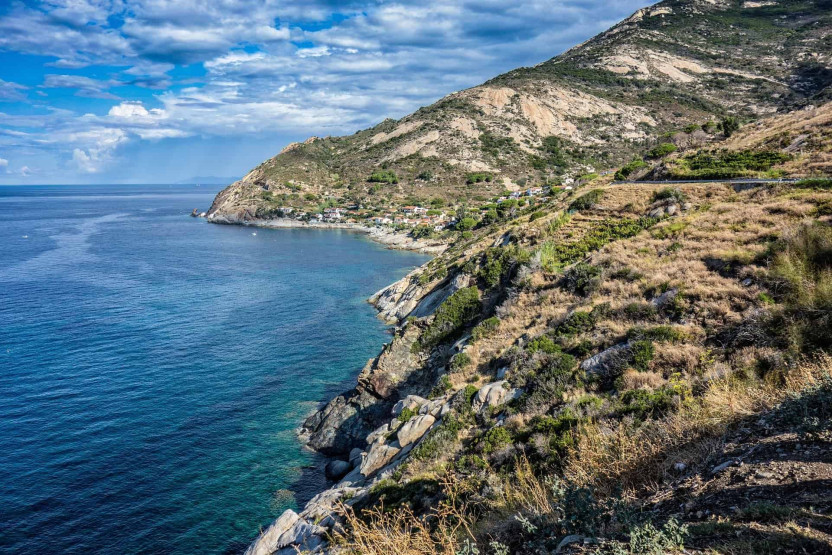
Elba, Italy’s third largest island, is located in the Tyrrhenian Sea and is part of the Tuscan Archipelago National Park. It’s famous for its mix of beaches, coves, and hilltop villages, making it a hidden gem for travelers seeking natural beauty and history.

Getting there, especially by ferry, is the most practical way for most visitors. And I love traveling by ferry. It gives your trip that extra something when you get on the ferry with other visitors and all the trucks with their goods. And it makes you feel even more like you are visiting an island.

This guide covers everything from ferry companies and schedules to prices and personal tips, balancing the ups and downs to help you plan a smooth trip.

How do you get to Elba?

Here is a quick overview.

Most travelers head to Elba via ferry from Piombino, a port town in Tuscany about two hours from Florence. It’s the closest and most convenient departure point, with ferries reaching Elba’s main ports: Portoferraio, Rio Marina, and Cavo.

There are also options from Livorno, slightly further away, but with more frequent departures, which might suit some itineraries.

Travel times range from 15 minutes to 1 hour, depending on the route and operator.

Booking early is recommended, especially in peak season (July-August), to avoid crowds and higher prices.

I recommend you to compare prices and routes for the best way to reach the island of Elba.

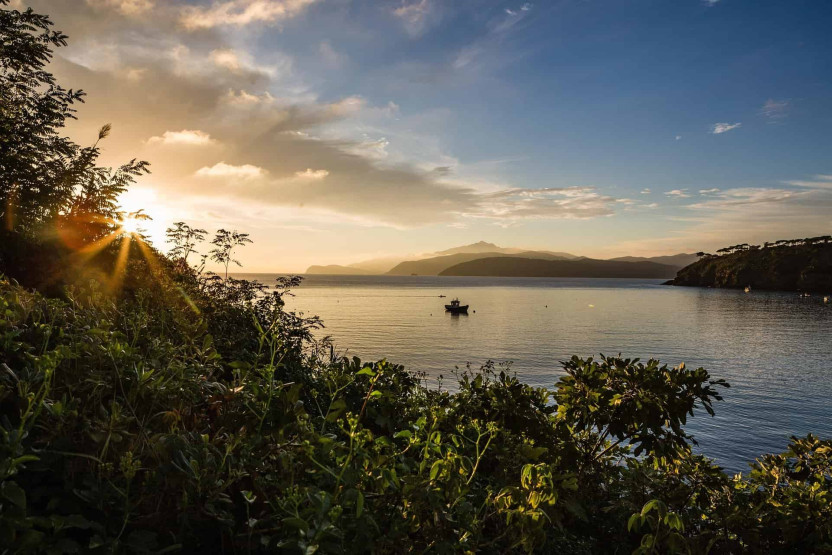
Sunrise at Portoferraio in Elba, Italy.

Ferry Options and Companies

The main ports on Elba are Portoferraio, Rio Marina, and Cavo. Depending on where you want to stay and the prices, you may prefer one or the other.

Several companies operate these routes, including Blu Navy, Corsica Ferries, Toremar, and Moby Lines. Moby Lines is great for families, with frequent departures and comfy seating, while Toremar offers the fastest route, like Piombino to Cavo in just 15 minutes.

Prices typically start at €18, but can go up to €35 or more during peak times, especially if you’re bringing a car. More info on that later. It’s wise to compare options online to find the best deal.

Schedules and Tips

Ferries run daily, with schedules starting as early as 05:30 and going until 22:30.

Travel times vary: Piombino to Portoferraio takes 40 minutes to an hour, Rio Marina about 45 minutes, and Cavo as quick as 15 minutes.

Booking early is key, especially in July and August, when ferries can get crowded. Also, parking at Piombino can be tricky and costly.

Flying to Elba

Yes, you could fly to Elba. The airport of the island of Elba, located in La Pila, is only 2 km from Marina di Campo. And there are direct flights to Pisa, Florence and Milan Linate in Italy, to Mannheim and Friedrichshafen in Germany and to Altenrhein and Bern in Switzerland.

As you can see, most of those airports are not the well known and big ones. So don’t expect the big airlines either. The ones that fly there are smaller airlines with small planes, as it’s a short runway and tiny airport.

Town Portoferraio in Elba, Italy.

Why Elba? A Quick Intro

Elba is not just another Italian island. It’s Tuscany on an island. Yes, Elba belongs to the region of Tuscany and is part of the province Livorno.

It’s a paradise with crystal-clear waters, rugged coastlines, and a rich history, including Napoleon’s 10-month exile in 1814. Whether you’re after relaxation on sandy beaches or hiking through its hills, Elba delivers.

But getting there requires a bit of planning, and that’s where ferries come in. The effort is worth it, but let’s talk logistics and get more into the details.

Ferry Companies: Who’s Who and What’s What

You’ve got several ferry companies to choose from, each with its strengths. Here’s a breakdown based on my research:

  • Blu Navy: Known for competitive pricing and reliable service, especially for budget travelers. They operate routes like Piombino to Portoferraio and Rio Marina.
  • Corsica Ferries: Not just for Corsica, they also connect Piombino to Elba, with options for island-hopping if you’re extending your trip.
  • Toremar: My go-to for speed. Their Piombino to Cavo route takes just 15 minutes, perfect if you’re short on time. They also run hydrofoils, though note some don’t allow cars.
  • Moby Lines: A bit more family-friendly, with comfy seating and frequent departures. Great for groups, and they often have deals for families, which I noticed when comparing prices.

Prices start at €18 for a foot passenger, but can climb to €35 or more during peak season, especially if you’re bringing a vehicle. It’s not recommended to book last minute for a summer trip, which then can cost €35 instead of €18. Always compare options, as prices vary by operator, route, and seasonality. For example you can find prices like $231 for Piombino to Portoferraio, which then includes 4 passengers, a car and at peak times. You should be able to find cheaper ones.

Port of Rio Marina in Elba, Italy.

Schedules and Practical Tips

Ferries run daily, with schedules typically starting at 05:30 and going until 22:30, depending on the operator.

Travel times vary by route: Piombino to Portoferraio takes 40 minutes to an hour, Rio Marina about 45 minutes, and Cavo as quick as 15 minutes with Toremar.

Depending on your route and arrival at the port, take an early morning ferry, as the sunrise over the Tyrrhenian Sea is a highlight. Be prepared for a sleepy port at 5 AM. A such early departure is usually cheaper as well.

Good to know: Most companies now offer online check-in, which saves time at the port, so take advantage of that.

If you’re traveling without a car, most ferries allow foot passengers, and you can leave your car in Piombino’s parking lots, both free and paid. If you should decide to bring a vehicle, check ahead, as some ferries might not have car decks.

Here’s a table summarizing the key routes and durations, based on recent data:

RouteAverage DurationFrequency (Daily/Weekly)Price Range (EUR)
Piombino to Portoferraio40 min – 1 hourUp to 29 daily18 – 35+
Piombino to Rio Marina45 minutesUp to 4 daily, 27 weekly18 – 35+
Piombino to Cavo15-30 minutesUp to 10 daily18 – 35+
Elba to Corsica1.5 hours2 weeklyVaries, check online
Elba to Pianosa45 min – 2 hoursUp to 3 weeklyVaries, check online

Note: Prices and schedules can change, especially in high season, so always verify closer to your travel date. Booking early helps lock in lower rates and avoid sold-out ferries.

Taking a ferry to Elba, Italy.

Beyond Piombino: Other Connections

While Piombino is the main hub, there are also connections to Corsica and Pianosa from Elba, which could be a bonus if you’re island-hopping.

For example, Corsica Ferries runs a 1.5-hour route from Portoferraio to Bastia, twice weekly, which sounds like a scenic ride.

Island hopping sounds good, right?

Read as well our Corsica Travel Guide – Lonely Beaches, Beautiful Nature and a Paradise for Hikers

Sardinia is also a great Italian island destination. Here is our guide on about how to get to Sardinia.

And here we have listed the best beaches in Sardinia, the best towns to visit in Sardinia and places to stay in Sardinia.

Challenges and How to Handle Them

Let’s be real—there are downsides. You might have a long drive before you catch your ferry. Then crowded ferries in peak season can feel chaotic, and parking at Piombino isn’t always smooth. Expect that some companies raise prices as ferries fill up, so booking early isn’t just about availability—it’s about saving money.

But with a bit of planning, these challenges are manageable. Book online, compare prices, and arrive early to avoid stress. I like to include 1-2 overnight stops on the way to the ferry so we can explore cities we haven’t visited yet. Then most operators issue electronic tickets, which makes check-in easier.

Read as well our travel tip about the benefits of an eSIM card when traveling.

Why It’s Worth It

Elba is worth a visit. I’m sure you won’t regret exploring this Tuscan island, whether you’re lounging on the beach or exploring its history.

I recommend to visit Elba late May, June, or September to avoid August crowds. And the hilly terrain suggests renting a car.

Activities include swimming, hiking and local cuisine such as seafood and focaccia. Elba is less crowded than other alternative typical Italian destinations and ideal for nature lovers.

Imagine biking early to Panetteria Mara in San Piero for sweet focaccia before it sells out, then swimming at Sansone Beach, spotting starfish while snorkeling. Hike to Faro di Capo Poro lighthouse for bay views or take the cable car to Mount Capanne for panoramic vistas. Explore hilltop villages like Capoliveri for shopping, and enjoy live music by La Compagnia Scapestrati at summer venues. At night, sip a Negroni at a Beach Club in Marina di Campo under the moonlight.

What else do you need?

  • Travel Dudes

    I’m sure you’ve had similar experiences I had whilst traveling. You’re in a certain place and a fellow traveler, or a local, tip you off on a little-known beach, bar or accommodation. Great travel tips from other travelers or locals always add something special to our travels. That was the inspiration for Travel Dudes.


    View all posts


    I’m sure you’ve had similar experiences I had whilst traveling. You’re in a certain place and a fellow traveler, or a local, tip you off on a little-known beach, bar or accommodation. Great travel tips from other travelers or locals always add something special to our travels. That was the inspiration for Travel Dudes.


Source link

The Rolex Land-Dweller Turns Rumour to Revelation

0


Rolex Land-Dweller

If you told me last month that Rolex would be revealing a new Oyster Perpetual Land-Dweller at Watches and Wonders Geneva, I would have expressed polite scepticism. Now, add on an avalanche of leaks on the same news and I would have laughed in your face. Well, the joke is on me because there is indeed a new Land-Dweller in the mix and virtually everything about it is as promised by the leaks. Is this genius publicity or a happy accident? We will never know, but who cares because this watch was definitely a highlight we were all looking forward to as the official Rolex press presentation rolled around. To be sure, the usual morning scrum in front of the Rolex stand did not disappoint – at this point, I was so confident that I had written this paragraph before the show began, on the plane coming into Geneva.

Rolex Land-Dweller

Everything about the above passage is unbelievable, except that it happens to be true. My fellow professionals who might chance on this story will certainly know where I am coming from. On that note, credit for the first bit of news – concerning the new calibre and its escapement – must go to Cheryl Chia at Revolution. Happily, Cheryl used to write for us too before taking on the Editor-at-Large role at Revolution, and you certainly can count on her to successfully interpret patents. Of course, this is no longer about breaking news, so we can get down to brass tacks on the new watch itself. For a more, shall we say, hearty take on how this all went down, see our report summing up the first day of the fair coming up later.

Rolex Land-Dweller

To get right into it, the time-only-with-date Land-Dweller is back and brings some notable features, the most significant of which is the new automatic calibre 7135. Since this involves a new escapement and this is Rolex, there is no call for rushing and every reason to put a little effort into making sense of things. To this end, we will just get into broad generalities in this post because, love it or not, the Oyster Perpetual Land-Dweller is probably the biggest news of the fair, if the state of leaks and pre-releases can be believed. Available in 36mm and 40mm, the watch has a new case (the inspiration for which is obvious), a new integrated bracelet, new dials, new hands, new numerals and that new movement, which is visible thanks to an exhibition caseback. 

Rolex Land-Dweller

Take a moment to consider all that because it is pretty overwhelming. Starting at CHF13,200 (we will update with Singapore pricing later), the watch represents excellent value for those who care about such things because the cost of the new movement and everything else is clearly not front-loaded here.

Rolex Land-Dweller

With a new escapement that is not in the tried-and-tested Swiss lever form, with all new parts that must have required all new tools, machines and techniques, this is peak mechanical watchmaking.

For more on the latest in luxury watch reads from WOW, click here.


Source link