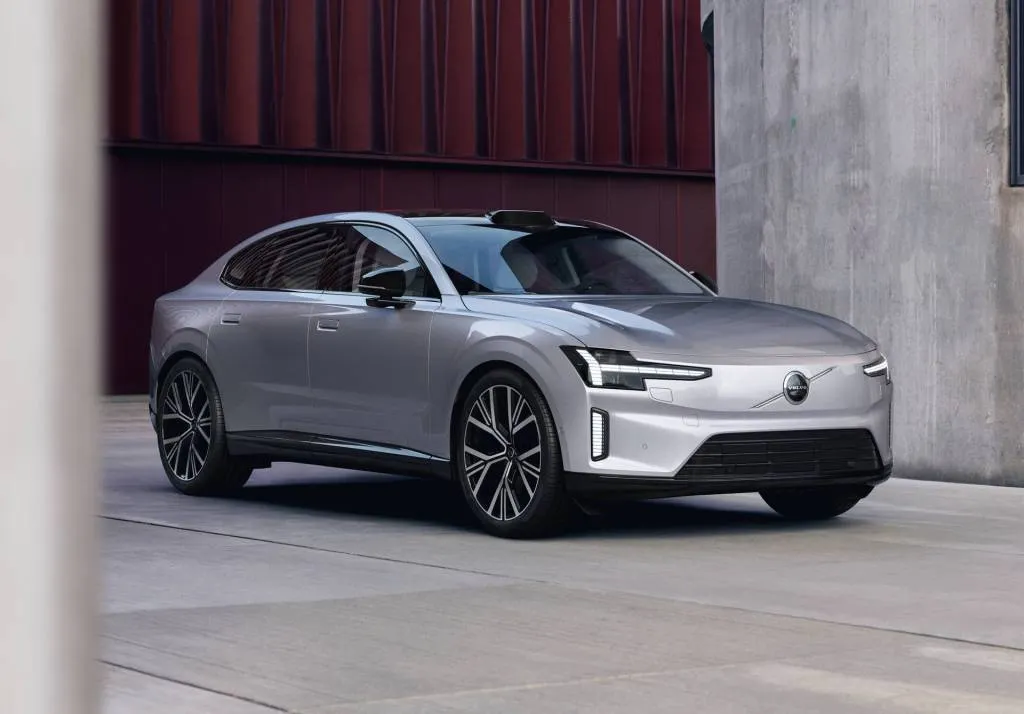
Volvo will launch the EX60 electric compact crossover in 2026
A launch video for the ES90 electric hatchback provides a sneak peek at the EX60
The EX60 will be the first model on Volvo’s next-generation SPA3 platform
Volvo has provided a sneak peek at its upcoming EX60 electric compact crossover during a video released on March 5 for the reveal of the ES90 electric midsize hatchback.
A partial reveal of a clay model appears at the 24:55 mark in the video, clearly marked as the EX60.
The Swedish automaker had already confirmed plans for the EX60 while announcing its financial results in February. According to Volvo, the EX60 is set to debut in 2026 as the first model based on its next-generation SPA3 dedicated EV platform. The company also noted that prototype testing is already underway.
Volvo’s current EV platform, the SPA2, was introduced just last year in the EX90. It has since spawned the ES90 and is also used in Polestar’s 3 midsize SUV.
Volvo ES90
The original SPA platform, which debuted a decade ago with the XC90, was designed for gas and plug-in hybrid powertrains. While SPA3 will build upon SPA2, Volvo has emphasized that the two platforms will share the same software and hardware modules, referred to as the Volvo Cars Superset tech stack. However, SPA3 will improve scalability, allowing it to accommodate a wider range of vehicle sizes, from subcompacts to full-size models.
Another key advancement expected with SPA3 is the introduction of mega casting, a production technique where multiple body structure components are replaced by a single cast component. This approach reduces weight and enhances manufacturing efficiency. Volvo announced in 2022 that mega casting would be implemented at its Torslanda plant in Sweden, which currently produces the XC60 and has been confirmed as the production site for SPA3-based vehicles.
Updated Volvo XC60
Despite the arrival of the EX60, Volvo will continue selling the XC60, which received a refresh in February to stay competitive alongside its electric counterpart. The refresh included minor tweaks to the exterior and new tech in the cabin, including Volvo’s latest infotainment system.
Expect more of Volvo’s gas and plug-in hybrid vehicles to stick around. The automaker announced last fall that it is abandoning a plan to only sell EVs by 2030, stating that it expects to still be selling gas and plug-in hybrid vehicles by that date.
As you embark on your next journey, why not elevate your travel experience with Marriott, a world-renowned brand renowned for its luxurious accommodations and exceptional member benefits. For those seeking a taste of opulence and convenience, Marriott Bonvoy offers an exclusive membership tailored to reward your loyalty and enhance your stays.
The Ultimate Membership Experience
Enjoy Free Wi-Fi and Points Rewards
Start your journey with the convenience of complimentary Wi-Fi in every hotel room. As a Marriott Bonvoy member, you earn valuable points with every stay, which can be redeemed for free stays, dining credits, or exclusive experiences. These points also contribute to your status as a preferred guest at participating locations.
Upgraded Stays and Exclusive Benefits
Level up your travel experience by qualifying for higher-tier room categories. With Marriott Bonvoy, you can enjoy free room upgrades, priority check-in, and late checkout, ensuring a stress-free and comfortable stay. Higher-tier memberships also grant access to elite amenities, such as reserved parking and priority dining.
Administer Your Rewards with Ease
Your journey isn’t just about the destination; it’s about the rewards you earn. The Marriott Bonvoy Rewards Program offers flexible options to redeem points for free stays, dining experiences, or even unique travel perks. The more you stay, the more you earn, making every trip a memorable one.
Discover the Richness of APAC’s Premium Destinations
APAC, the Asian-Pacific region, boasts an array of luxurious destinations perfect for both leisure and business travelers. From tropical escapes to cultural wonders, these destinations offer a unique blend of relaxation and adventure:
China: Experience the allure of iconic landmarks like and the Great Wall, or enjoy a luxurious stay at W Shanghai – The Bund.
Thailand: Immerse yourself in a tropical paradise with stays at JW Marriott Bangkok or The Ritz-Carlton, Bali.
South Korea: Uncover a blend of modern and traditional charm at The St. Regis Seoul.
Each destination offers world-class hospitality and an array of amenities, ensuring your stay is nothing short of exceptional.
Unlock Your Potential with Marriott Bonvoy
The more you stay, the more you save. Marriott’s Stay Longer, Save More promotions allow you to maximize your stays, offering discounts on additional nights and complimentary perks. Whether it’s a weekend getaway or an extended holiday, Marriott Bonvoy is here to make your journey more rewarding.
Join Marriott Bonvoy Today
Why settle for ordinary when you can enjoy luxury? Sign up for Marriott Bonvoy today and start earning points, unlocking exclusive benefits, and saving more on your next stay. With a membership tailored to your needs, your next adventure is just a click away.
Start your journey with Marriott Bonvoy and discover the ultimate in luxury and convenience. Visit [https://k.fanstoshop.com/9Hve]to join the elite and make your next stay unforgettable!
Let’s make your next stay a memorable one. Explore the ultimate luxury experiences at Marriott Bonvoy and discover why it’s the choice for discerning travelers in the APAC region.
Maserati has abandoned plans for an electric version of its MC20 supercar, citing concerns over insufficient buyer demand.
The news was first reported on March 6 by Evo, which referenced an official statement from the automaker. And it comes just a week after Maserati’s parent company, Stellantis, announced 1.5 billion euros (approximately $1.63 billion) of write-downs related to the brand.
“The project was stopped due to the current forecast for insufficient demand in the super sports car market for a battery electric vehicle,” the statement read.
Just a year ago, Maserati was aiming to exclusively sell electric vehicles by 2028 and had already begun phasing out its gas engines. The V-8 was discontinued last year. However, EV demand has been growing more slowly than expected—and even declining in some markets.
2022 Maserati MC20
Maserati’s outlook appears grim, with sales of its gas-powered vehicles also struggling. The brand’s total sales dropped from 26,600 vehicles in 2022 to just 11,300 in 2023. Financially, Maserati went from profits of 141 million euros ($152 million) to a loss of 260 million euros ($281.5 million) over the same period. The poor performance has caused rumors of a potential sale of Maserati to flare up again.
Maserati currently offers electric versions of its Grecale compact crossover and GranTurismo and GranCabrio sports cars, with their electric powertrains marketed under the Folgore name. In addition to the electric MC20, Maserati had also planned fully electric next-generation versions of the Quattroporte and Levante.
However, given shifting market dynamics, the automaker may reconsider its strategy for the new Quattroporte and Levante. Many competitors have already walked back plans to go fully electric and now intend to continue selling gas-powered cars well into the next decade.
We all want to travel more. Whether a vacation, career break, gap year trip, there’s some trip we are always thinking about. One of the things that keeps a lot of people from achieving that dream is money.
Saving money to travel can be an uphill battle but travel is not as expensive as you think. There are plenty of ways to save money on the road and lower your costs.
And you don’t have to be a backpacker to travel cheap. There are tons of ways to travel on a budget without sacrificing comfort.
One of the easiest ways to travel on a budget is to just go somewhere inexpensive. There are plenty of amazing places to visit that are still quite affordable. In fact, many of them are actually cheaper than day-to-day life back home!
And, while there are dozens upon dozens of inexpensive countries you can visit, in this post, I am going to share my favorite that I think are the best!
1. Thailand
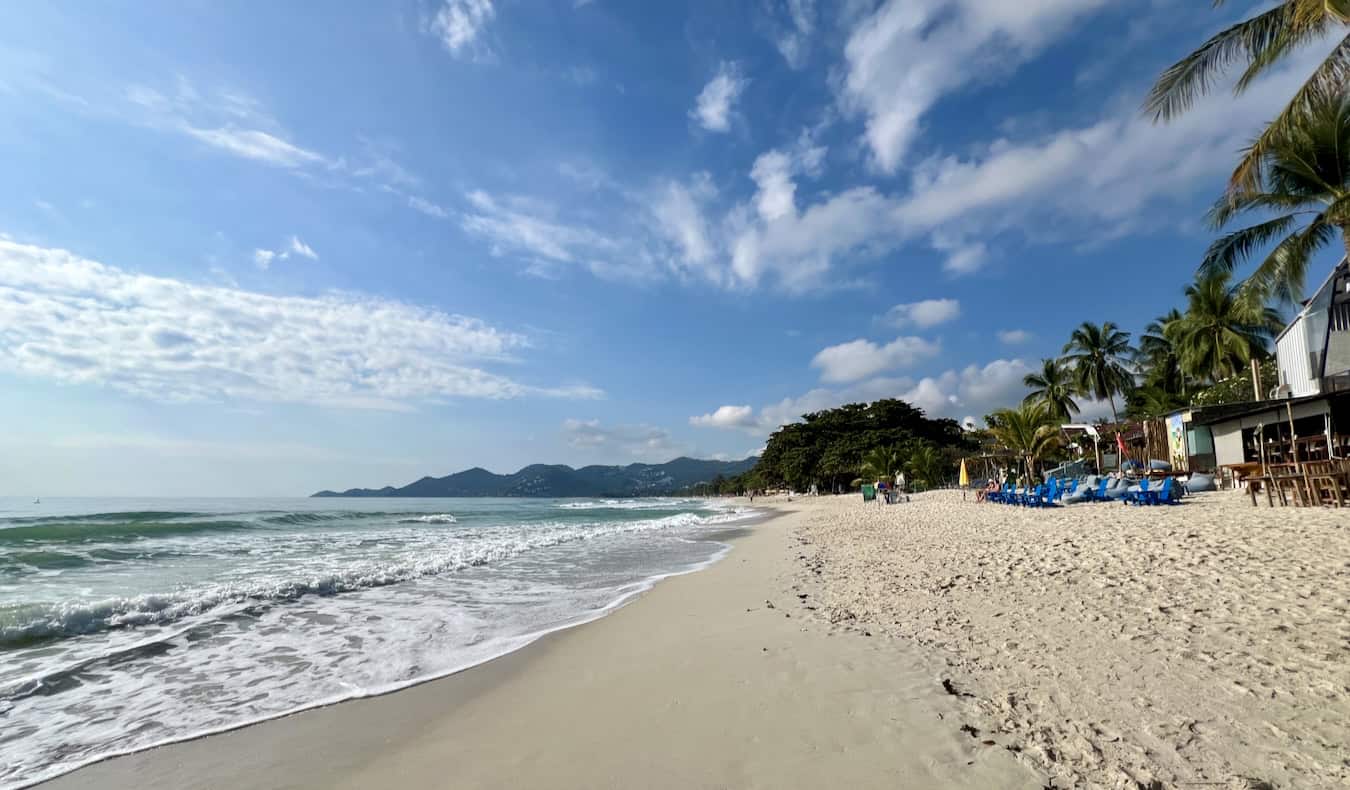
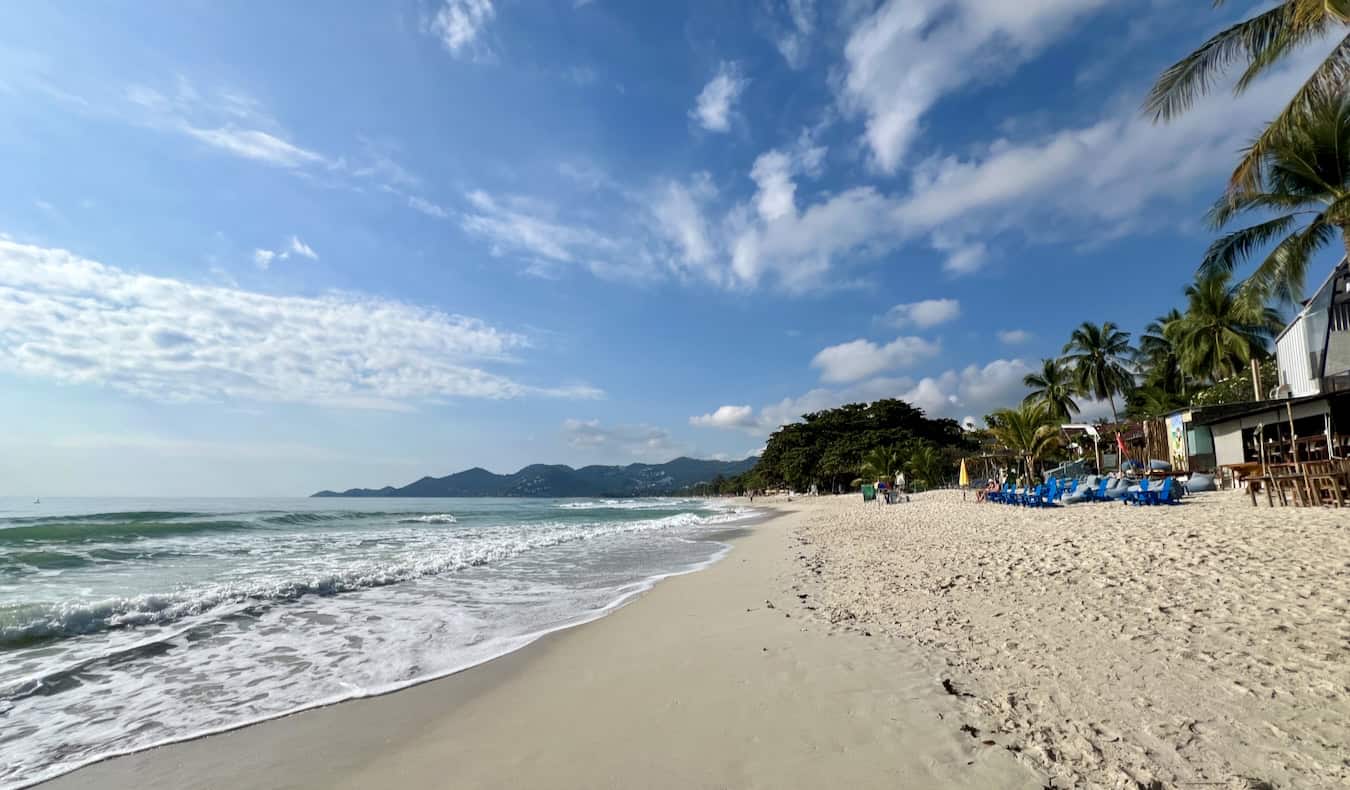
Despite being a hugely popular tourist destination, Thailand has remained relatively cheap.
Outside of the popular island destinations, it’s easy to visit the country for around $50 USD per day if you’re backpacking. Hostel dorms cost $10 USD per night, you can eat on less than $10 USD per day if you stick to delicious street food markets, drinks are just a couple bucks each, and tours and activities don’t cost much more than $20-30 USD.
If you’re not looking to backpack around Thailand, you can still visit the country on a budget if you use points for hotels, stick to budget accommodation, continue to stick to street food vendors and public transportation. If you do that, you’d spend around $100 USD per day.
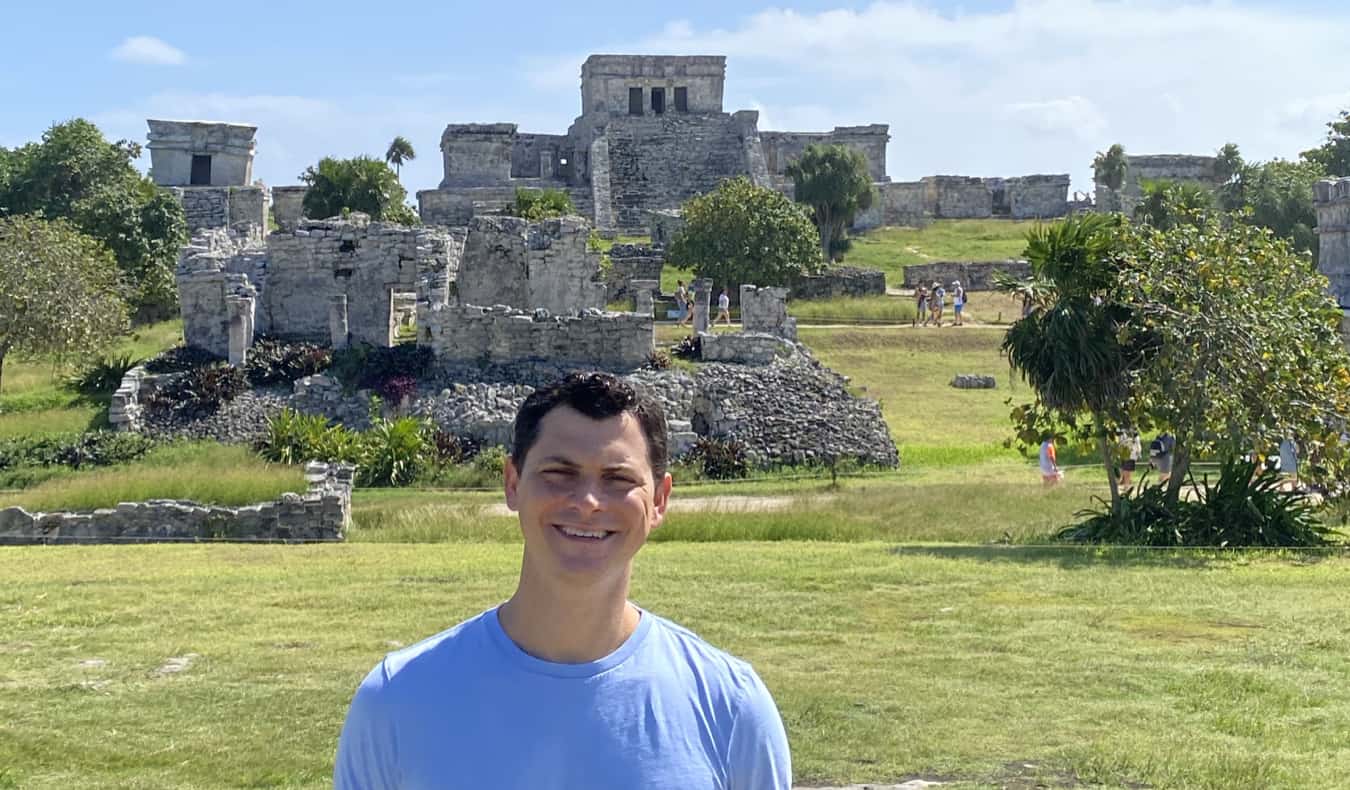
I’ll be honest: I was late to the game on Mexico. It wasn’t until a few years ago that I finally took the time out to explore the country. The country is just incredible. Mayan ruins, stunning beaches, lush jungles, world-class food, picturesque cenotes, mezcal….I love the country.
The trick to having an affordable trip to Mexico is to get out of the tourist regions. Leave Tulum (it’s the worst place in the world anyway), Playa del Carmen, Cabo San Lucas, Cancun, and all the other resort towns filled with American hotel brands and tourists.
Hostels cost between $10-15 USD per night, street tacos are $1 USD or less, other meals will set you back $5-10 USD, beer is around $1-2 USD, and even big-ticket sites like Chichen Itza are just $5-15 USD.
If you aren’t looking to backpack, you can still visit affordably. On a midrange budget of about $80, you can stay in a private hostel room or cheap hotel, eat out at restaurants serving cheap traditional cuisine, visit more attractions, enjoy a few drinks, and take the occasional taxi to get around.
For more information on how to plan a trip there, check out my guide to visiting Mexico.
3. Portugal
Portugal is not only one of my favorite countries in Europe but it’s one of the cheapest eurozone countries as well. Offering charming cities, stunning coastlines, and beautiful weather, this country has become much more popular in recent years. There’s a growing expat scene as well as a lively digital nomad community.
You can get by here for around $50 USD per day without missing out on the amazing food, fun activities, and delicious wine. On this budget, you’ll be staying in a hostel dorm room, cooking all of your meals, limiting your drinking, using public transportation to get around, and sticking to free activities like free walking tours and enjoying the beaches.
While prices are a bit higher in popular Lisbon, you can easily offset that by visiting in the shoulder season or in the winter.
Central America is one of the cheapest regions of the world, with pretty much every country here an affordable place to visit. Because of that, I’m including the whole region!
In countries like El Salvador, Honduras, Nicaragua, and Guatemala you’ll find the best deals, with budget hotels costing around $15 USD, meals for $3-4 USD, bus journeys for the same price, and beer for less than a dollar.
In the “expensive” countries in the region (Belize, Panama, Costa Rica), you’ll be spending closer to $50 USD per day, though you won’t be wanting for anything as street food costs under $5 USD and hostel dorms are $8-12 USD.
Hungary is an amazing, affordable country, the highlight of which is Budapest. I love Budapest. It’s a beautiful, historic city.
Hostels in Budapest start at $10 USD per night. Meals at the markets or at the plethora of kebab and sandwich shops are around $5-10 USD. Trains and buses were just a few dollars while a beer is less than $2 USD.
Unless you are going out for a big night of drinking or paying for lots of attractions and activities, $50 USD will give you plenty of room to enjoy the sites and sounds of the country. And the Budapest is a great alternative to more popular destinations like Prague or Vienna, offering just as much fun for a fraction of the cost.
Home to the epic Wonder of the World, Machu Picchu, Peru is one of the most popular countries in South America. I absolutely loved my trip there. It’s a country I would go back to over and over again.
While hiking the Inca Trail will definitely burst your budget, everyday life in Peru is quite affordable. If you want to backpack Peru, I’d plan for $50–80 USD per day. On this budget, you’d be staying in hostel dorms, eating at typical hole-in-the-wall restaurants and cafés, limiting your drinking, taking public transportation and overnight buses, and doing a few paid activities and tours. If you’re going to party a lot, you’ll be on the higher end of this range.
And, if you do want to do some guided hikes but don’t have the money, try to book last minute. You can usually find amazing deals — including deals for hikes like the Inca Trail. While you might end up spending more than $50 USD per day, those once-in-a-lifetime experiences are worth it.
For more information, check out my guide to visiting Peru.
7. Vietnam
Vietnam is one of the cheapest countries in Southeast Asia. From the stunning views of Sam Mountain and Ha Long Bay to the man-made artistry of the sacred temples and pagodas to the rice terraces and beaches, Vietnam is stunning.
Hostels can be found for as little as $4-5 USD, with many including free breakfast and free beer (during limited hours). Food from street vendors can be found for under $1-2 USD, and buses around the country are incredibly cheap. Even activities here are cheap. The Cu Chi Tunnels (tunnels used by the Viet Cong during the Vietnam war) are just $5 USD to visit while a full day of canyoning is just $20 USD.
No budget travel list would be complete without India. India has always been an inexpensive place to visit, but the steep decline in the Indian rupee in recent years has made the country an even bigger bargain. You can travel well here for very little money, and increasing your budget by just a few dollars can often lead to substantial increases in luxury.
For example, on a budget of $30-45 per day, you can do the typical backpacker thing: guesthouses, cheap food, sleeper trains, and overland buses. In the larger cities of Mumbai, New Delhi, and Bangalore as well as beach destinations like Goa, you can expect to spend around $45-55 per day.
But, if you doubled that, there’s virtually nothing you couldn’t do from private tour guides to three- or four-star hotels to opulent meals to internal flights. The country is generally just really, really cheap.
9. Taiwan
Taiwan is one of the most underrated countries in Asia. It’s super affordable, safe, clean, and has plenty of things to see and do.
You can easily visit Taiwan for $40-50 USD per day as food and accommodation are both super affordable. Hostels start around $10 USD while street food costs just a couple dollars (and is super tasty). There are plenty of markets, lots of hiking, convenient public transportation, and a fun nightlife. No matter what you are interested in, you can find it in Taiwan. You’ll get a lot of value here.
For more information, check out my guide to visiting Taiwan.
***
There are many great destinations in the world that don’t have to cost a fortune. And, if you use points to fly there, you can save even more money. And, even if you aren’t an uber budget traveler and want some more luxury, all the destinations listed here can still provide a lot of luxury on a bargain.
By visiting some of these budget destinations, you’ll be able to stretch your budget and make your trip financially attainable.
How to Travel the World on $75 a Day
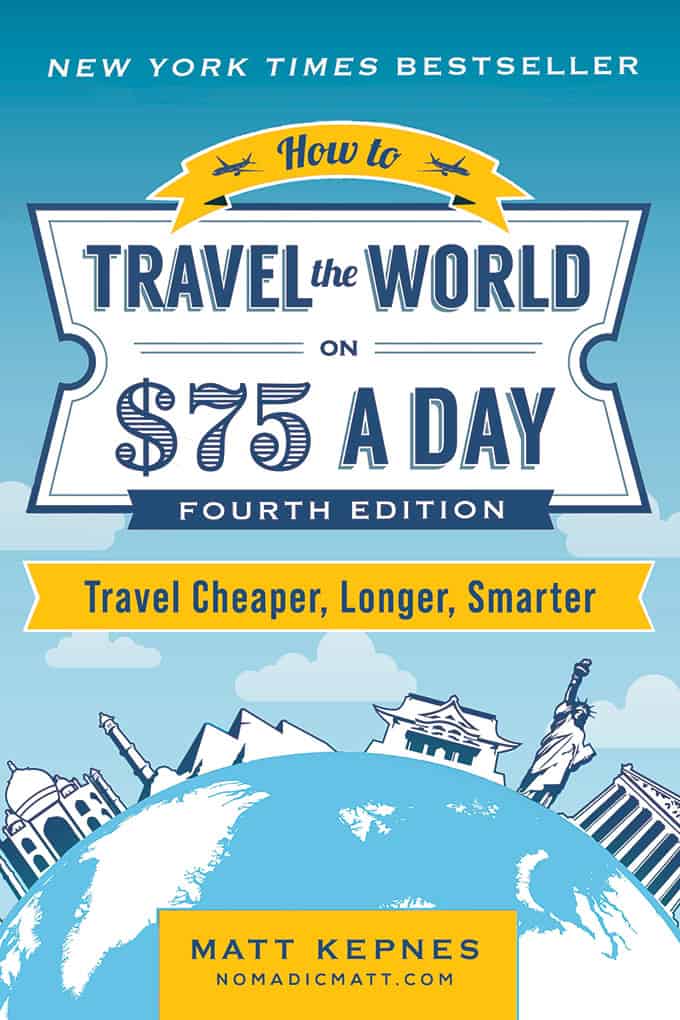
My New York Times best-selling book to travel will teach you how to master the art of travel so that you’ll get off save money, always find deals, and have a deeper travel experience. It’s your A to Z planning guide that the BBC called the “bible for budget travelers.”
Book Your Flight Find a cheap flight by using Skyscanner. It’s my favorite search engine because it searches websites and airlines around the globe so you always know no stone is being left unturned.
Book Your Accommodation You can book your hostel with Hostelworld. If you want to stay somewhere other than a hostel, use Booking.com as it consistently returns the cheapest rates for guesthouses and hotels.
Don’t Forget Travel Insurance Travel insurance will protect you against illness, injury, theft, and cancellations. It’s comprehensive protection in case anything goes wrong. I never go on a trip without it as I’ve had to use it many times in the past. My favorite companies that offer the best service and value are:
Want to Travel for Free? Travel credit cards allow you to earn points that can be redeemed for free flights and accommodation — all without any extra spending. Check out my guide to picking the right card and my current favorites to get started and see the latest best deals.
Need a Rental Car? Discover Cars is a budget-friendly international car rental website. No matter where you’re headed, they’ll be able to find the best — and cheapest — rental for your trip!
Need Help Finding Activities for Your Trip? Get Your Guide is a huge online marketplace where you can find cool walking tours, fun excursions, skip-the-line tickets, private guides, and more.
Ready to Book Your Trip? Check out my resource page for the best companies to use when you travel. I list all the ones I use when I travel. They are the best in class and you can’t go wrong using them on your trip.
It begins with 280 characters. On 15 March 2025, Donald Trump declares a 20 percent tariff on Mexican and Canadian oil. What follows is not just a market shock but the unraveling of the global order. Within months, the U.S. faces financial collapse, geopolitical turmoil and an economic freefall unseen since the Great Depression. This is the price of America First. This projection piece by Michel Santi highlights how one impulsive tweet has the potential to plunge the world into chaos — from market crashes to diplomatic crises, this story aims to showcase how Trump’s digital outbursts remain a force of global disruption.
Trump Tweet and the Initial Reaction (15 March 2025)
At precisely 8:43 in the morning of 15 March 2025, Americans are greeted by another tweet from Donald Trump — as brief as it is devastating, its sentiment hit the country like an earthquake:
“America First! 20 percent tax on Mexican and Canadian oil, immediately. No more energy dependence,” it says.
This is no ordinary slogan, the “tax” President Trump is referring to is a direct economic attack. Mexico and Canada provide 30 percent of America’s oil. Cutting off this vital source threatens the economy. This sets off a chain of events with immediate panic in the markets. News channels go live and experts panic. Traders, eyes glued to the screens, see prices soar. Brent jumps from USD 100 to USD 130 in 48 hours. A shortage is feared in an already tight market. It is a domino effect that is felt immediately. The Bureau of Labor Statistics (BLS) forecasts 7 percent inflation. The Fed tries to react. At 10:30 P.M., Jerome Powell announces a rate hike to 6 percent in May, to curb inflation without stalling growth.
Financial Chaos (17 March, 2025)
The fallout sets in by 17 March and it is financial chaos as the stock market faces an unprecedented crash: easy money is over. The S&P 500 plunges 8 percent in a day, from 6,050 to 5,565 points, due to automatic selling. The GAFAM giants collapse: -20 percent in five days. Apple stocks go from USD 200 to USD 160, Amazon stocks plunge from USD 180 to USD 144 resulting in a loss of USD 1.5 trillion. There is general sense of capitulation in the air and simultaneously the word “capitulation” is on everyone’s lips. Trading platforms are saturated, sell orders explode. The crypto market trembles. Bitcoin, falls from USD 110,000 to USD 80,000 on March 18 as speculators sell in panic. This drop heralds more serious problems.
Crypto Crisis and Flaws in the System (March 20, 2025)
Donald Trump speaks at the Bitcoin 2024 Conference
The domino effect continues and by 20 March, the crisis spreads reaching cryptocurrencies. Binance announces: “Withdrawals suspended for security.” Forums are inflamed, #CryptoCrash and #BinanceScam go viral. Bitcoin collapses to USD 50,000, losing USD 200 billion. The domino effect is relentless: Coinbase suspends operations, Kraken implodes. The crypto sector — once a symbol of financial freedom — collapses. The risky loans of American banks that are linked to crypto are also called into question. It is akin to the collapse of a house of cards. The flaws in the system emerge and this fragility reveals the weaknesses of banks, weakened by Trump’s deregulation. A major financial crisis looms, threatening the global economy.
The System Cracks (March 25, 2025)
The Breaking point comes on 25 March as the system cracks. There is a massive devaluation of “toxic assets”. On 25 March, the Bank of America — who has been forced to expose USD 150 billion of the USD 800 billion in risky loans, announces a significant devaluation.
This concerns:
Mortgage loans (USD 50 billion): 15 percent of households are struggling to pay, with rates heading to 7.5 percent.
Loans to tech companies (USD 60 billion): The fall of the GAFAM makes these loans useless.
Crypto exposure (USD 40 billion): The USD 10 billion invested in Binance is now worth only USD 2 billion after the suspension of withdrawals.
Immediate repercussions continue as panic sets in on 25 March 25 to 26 March. Bank of America’s announcement triggers a run. On March 25, lines form in front of banks, online withdrawals explode and more than USD 50 billion is withdrawn in just 48 hours. The bank’s failure is feared. This leads to an emergency intervention as the Federal Deposit Insurance Corporation (FDIC) unlocks USD 300 billion to reassure customers, guaranteeing accounts up to USD 250,000. But this only covers a portion of the estimated USD 1.2 trillion in losses, fueling the panic.
The chain of events forms a vicious spiral as the domino effect strikes the markets. Bank stocks collapse: Bank of America loses 30 percent on 25 March 25, dragging down Wells Fargo and Citigroup. The next day on 26 March, the S&P 500 falls below 5,400 points. Has Trump’s deregulation created a financial bomb? This episode is a turning point. The extent of the “toxic assets” hidden in the US banking system is uncovered. Experts speak of a “Minsky Moment”: a breaking point where excessive debt causes financial collapses. The bubbles (tech, crypto, real estate) burst, threatening the global economy.
Geopolitical and Economic Contagion (April-June 2025)
As chaos spreads, China spots an opportunity. Under pressure from Trump’s tariffs, China intensifies its military exercises near Taiwan, seeing a chance to assert its power. The global economy enters a period of extreme instability.
April 1: Ukraine Abandoned
On 1 April, Trump cuts military aid to Ukraine with a tweet: “Europe pays or loses.” Without support, Ukraine weakens and Russia occupies 30 percent of the country by June. Cereal exports fall by 20 percent, wheat rises to USD 450 per ton, and European gas to EUR 70 per MW/h. The EU enters a recession, with GDP declining by 3 percent in 2025.
April 10-15: Trade War with China
From 10 April to 15, Trump imposes 50 percent tariffs on Chinese products, accusing Beijing of “stealing American technology.” China retaliates on 15 April with a naval blockade around Taiwan, reducing TSMC’s semiconductor exports by 40 percent. The Nasdaq plunges 30 percent to 12,000 points, TSMC loses 50 percent of its value, and global auto production falls by 20 percent due to a chip shortage.
April 20-25: Military Escalation in the Middle East
Between April 20 and 25, Trump supports an Israeli strike on Iranian nuclear sites. Iran retaliates by attacking oil tankers in the Strait of Hormuz, pushing Brent to USD 145 per barrel. Oil-importing countries (Japan, India, EU) suffer and global markets panic.
The Collapse of the United States (July-September 2025)
The fall accelerates and by July there is a real estate crash. That same month, the United States’ 10-year Treasury yields reach 5.5 percent, pushing mortgage rates to 7.5 percent. Defaults explode, with 15 percent of households behind on payments. Real estate prices fall by 20 percent (from an average of USD 400,000 to USD 320,000). There are 1.5 million foreclosures.
August: Widespread Recession
In August, US inflation exceeds 8 percent. Consumption falls by 12 percent. Companies lay off workers, and unemployment rises from 4 percent to 8 percent (resulting in 12 million unemployed). US GDP declines by 5 percent and 40,000 SMEs go bankrupt each month. On August 10, Wells Fargo announces a USD 100 billion loss, but Trump refuses any aid saying, “No socialism!”. The Federal Reserve (Fed) injects USD 1 trillion, weakening the dollar (EUR/USD at 1.35).
September: Systemic Banking Crisis
In September, banking losses in the US reach USD 1.2 trillion. Citigroup teeters on the brink of bankruptcy. The S&P 500 falls to 4,000 points (-33 percent since March), and Bitcoin collapses to USD 30,000.
Global Repercussions (July-December 2025)
The crisis spreads to Europe and from July to September, gas prices reach EUR 90 per MWh, and European exports to the US fall by 25 percent. EU GDP declines by 7 percent, Germany enters a recession (-6 percent), and the French CAC 40 falls to 4,000 points (-45 percent). Protests erupt in France, where inflation reaches 10 percent.
Asia Under Pressure
Between July and October, Chinese growth stagnates (+1 percent GDP) due to tariffs and the Taiwan blockade. Japan — hit by oil prices — sees its economy decline by 5 percent. The Nikkei and Hang Seng indices lose 35 percent, or USD 6 trillion. This also causes the stagnated growth of emerging countries. The rise in US rates to 6 percent causes defaults: Argentina defaults on USD 80 billion in July, and Turkey on USD 120 billion in September. The Mexican Peso devalues by 40 percent.
Psychological Damage (July-December 2025)
The psychological damage starts and fear sets in. On 1 July, Trump tweets: “The weak fall, the strong survive — this is America!” Panic sets in: US consumption falls by 18 percent, and 60 percent of households stop investing. The VIX index breaks the 60 level. From August to December, Trump isolates himself even more. He threatens to leave the UN on August 15, destroying global confidence. Companies reduce their investments by 20 percent, banks freeze loans and chaos amplifies.
Final Consequences (October-December 2025)
The “apocalypse” is on its way and the United States is in free fall. Before the invasion of Taiwan, the S&P 500 falls to 3,500 points (-42 percent) and Bitcoin collapses to USD 15,000 (-86 percent). US GDP declines by 9 percent, and unemployment reaches 12 percent (18 million unemployed). Riots break out in 15 cities: looting in Detroit on October 5, clashes in Los Angeles on October 12. Pro-Trump militias patrol, adding to the instability.
Then, China proceeds on its invasion of Taiwan. On October 20, after months of tension, China launches a military operation against Taiwan, citing “reunification.” The People’s Liberation Army (PLA) cuts internet cables, strikes military bases and establishes a beachhead on the west coast, despite strong resistance (over 10,000 dead).
Markets: Nasdaq at 9,600 points (-20 percent), S&P 500 at 3,200 points, gold at USD 3,000/ounce.
Chip Shortage: TSMC stops exports, auto production -40 percent, Apple and Nvidia -30 percent revenue, electronics prices double.
The geopolitical response is swift and Trump tweets: “China steals Taiwan while Biden sleeps!” He refuses any military intervention (“The US won’t pay”), imposes a total embargo on China, and declares a state of emergency on November 15, accusing the Fed, China and “Democratic traitors.” The dollar falls (EUR/USD at 1.55) and inflation reaches 10 percent. Japan and South Korea, terrified, see the Nikkei index fall to 15,000 points (-40 percent). The EU, already in recession (-7 percent), can do nothing in the face of gas prices reaching EUR 100 per MWh.
The world is in ruins as global GDP falls by 7 percent, stock markets lose 65 percent of their value (USD 45 trillion) and USD 18 trillion in debt defaults. The World Food Programme (WFP) estimates the number of people suffering from famine at 90 million. Iran blocks the Bab el-Mandeb Strait, and Brent oil soars to USD 160 per barrel. The US dollar represents only 45 percent of global reserves, while the Chinese yuan reaches 15 percent.
Overwhelmed, Trump blames his enemies on December 20: “We are in an economic war, and I will win!” Xi Jinping celebrates a “historical necessity,” despite a Chinese economy growing by only +0.5 percent. December 2025 ushers in a new legacy of chaos for the Trump administration. Trump becomes the symbol of the chaos he has created, validating economist Hyman Minsky’s theory on the fragility of the financial system.
The European Union to the Rescue (January 2026 – December 2027)
The next two years sees hope as the European Union comes to the rescue.
January-March 2026: Facing the Chaos
The world is in ruins: -7 percent global GDP, USD 45 trillion lost in markets, USD 18 trillion in defaulted debt. The US is paralyzed, China is wavering (+0.5 percent GDP), but the EU (-7 percent) holds firm, with a stable currency (EUR/USD 1.55). On January 5, France and Germany (Angela Merkel is recalled) launch the Global Renaissance Plan (GRP) in Pau: EUR 2 trillion to stabilize the economy, financed by eurobonds and taxes on tech giants.
February: Gas returns to EUR 60 per MWh (agreement with Russia), and Brent to USD 120 per barrel (mediation with Iran). EUR 500 billion invested in chip production (TSMC in Poland and Germany).
March: EUR 300 billion in humanitarian aid, reducing the number of people suffering from famine to 50 million (Elon Musk leaves his US roles and requests to coordinate humanitarian aid, with Thierry Breton).
April-June 2026: Mediation and Rebound
April: Ceasefire between China and Taiwan (April 15), and special status for Taiwan. Trump accepts EUR 500 billion in EU loans, lifts tariffs and disarms his militias.
May: Restructuring of USD 18 trillion in debt, the French CAC 40 reaches 5,000 points and the US S&P 500 reaches 4,000 points. Investments in green infrastructure (EUR 1.5 trillion, 5 million jobs) and the EU GDP improves to -2 percent.
June: Peace agreement between India and Pakistan, and wheat price returns to USD 350 per ton.
July-December 2026: The EU as Economic Leader
July: The euro is used in 60 percent of global transactions.
September: Signing of the Global Stability Pact (GSP), and global GDP recovers to -3 percent.
December: Brent returns to USD 100 per barrel, the S&P 500 to 4,500 points and Bitcoin to USD 25,000.
January-December 2027: The Indispensable EU
January: Global GDP jumps to +1 percent, and the EU’s to +2 percent. A Global European Council (GEC) is convened in Paris.
March: Trump is marginalised (his impeachment process fails). He takes refuge in Las Vegas, sinking into oblivion. A Universal Prosperity Pact is established by Europe.
After the “Minsky Moment” of 2025, the EU emerges in 2027 with EUR 5 trillion invested to stabilize the economy and mediate conflicts. It becomes the benchmark, with a dominant euro, thriving technology, and a harmonious societal model, standing in contrast to a divided United States and a weakened China.
Avianca is offering new direct routes between Miami and Guatemala City, and Fort Lauderdale and Managua.
The news follows an earlier announcement of new routes between Tampa and Bogotá, Medellín and Fort Lauderdale, and San José (Costa Rica) and Miami.
Avianca is opening up two new direct routes to Central America from Florida later this spring, adding increased connections for U.S. travelers to Central America. Beginning May 10, flights will start between Miami International Airport (MIA) and Guatemala City (GUA) and operate daily. That same day Avianca will also launch a new route between Fort Lauderdale (FLL) and Managua (MGA), Nicaragua.
“We are excited to launch this new direct route,” said Rolando Damas, Avianca’s Sales Director for North America, Central America, Europe, and the Caribbean in a statement to Travel + Leisure. “Guatemala, located at the heart of the Mayan civilization, is a country full of history, with a rich biodiversity that makes it a top destination in the region.”
Both of the new routes will open up more than 2,500 new seats each between destinations. Flights between Miami and Guatemala will run using Airbus A320 aircraft. The news of the new routes comes quickly after an announcement earlier in the year of new itineraries between Dallas-Fort Worth International Airport and Bogotá.
“Avianca is committed to strengthening its network and providing travelers with more options,” said Damas also said.
Beginning March 30, Avianca will add new routes between Tampa (TPA) and Bogotá (BOG), Medellín (MDE) and Fort Lauderdale (FLL), and San José (Costa Rica) and Miami (MIA).
The reason why Jumeirah Village Circle (JVC) is famous in Dubai is because it is a well-established community for families that has many advantages. It is positioned at an ideal location between Al Khail Road and Sheikh Mohammed Bin Zayed Road, offering easy access to key locations such as Dubai Marina, Downtown Dubai, and Mall of the Emirates. This freehold sector forms part of Al Barsha South comprising apartments, townhouses, and villas which are tailored for different kinds of lifestyles. The JVC has more than 30 landscaped parks, schools, and shopping areas making sure that there is something for everyone in this tranquil environment including families as well as executives.
Key Features of JVC
With a strategic location, it is easy to get to the important places in Dubai.
There are different kinds of properties such as apartments, townhouses, and villas.
The community has amenities such as over 30 parks, schools, and retail.
It is becoming a favorite investment hub for many investors due to its low cost and good infrastructure.
Why JVC is Attractive to the U.S. Investors
The reason why American investors find JVC attractive is because it can give high ROI, has a prime location, and many off-plan projects. The low cost of living in the area combined with Dubai’s conducive investment environment is what draws global investors to this emerging market.
Top Luxury Off-Plan Projects in JVC
There are many interesting new off plan projects in JVC that combine high-end living with good investment prospects. See below some of the best projects:
Gharbi 2 Residences
Built by Rabdan Developments in Jumeirah Village Circle, Gharbi 2 Residences provide opulent living with studios, and 1, 2, and 3-bedroom apartments many of which have private pools. Families, businesspeople, and investors looking for a lavish lifestyle will find this modern complex perfect because of its elegant architecture, an array of luxurious amenities, and great accessibility to Dubai’s main centers.
The luxury studios and 2-bedroom apartments with Marriott-branded service in Marriott Residences, JVC are one of a kind. In this place, you will have the best experience living in well-designed rooms that offer personalised services just like in high-class hotels. It is strategically positioned for quick entry into some of Dubai’s famous spots; therefore it is ideal for individuals looking for luxurious homes with an unmatched level of service.
The Luma Park Views provided by TownX Development are one-, two-, and three-bedroom luxurious flats found within JVC. It is a 25-storey building with an attractive exterior design that contains wide windows which have been well finished. Occupants are able to benefit from facilities such as; swimming pools, landscaped gardens, a children’s play area, and a gymnasium which is fully equipped. It is situated at a convenient place where residents will be able to easily link up to the main highways as well as other social amenities for that complete homely feeling in a busy environment.
Elitz 3 is an opulent housing project by Danube Properties with units that range from studios up to three bedrooms within JVC. It has a unique glass front and is located near highways. Some of the facilities that residents can benefit from include well-maintained gardens, swimming pools, as well as modern gymnasiums. This development combines both luxury and elegance and therefore it stands for a contemporary style at the center of JVC.
Disclaimer: The mentioned details are subject to change due to varying market conditions and other factors. Do proper research and consult a real estate professional before making any investment decision.
Benefits of Investing in Off-Plan Properties in JVC
Investing in off-plan properties in JVC offers several benefits, making it an attractive option for U.S. investors:
Lower Purchase Price: Usually, investors can buy off-plan properties at a price lower than that of finished ones, thereby providing an opportunity for cheap acquisitions.
Flexible Payment Plans: In Jumeirah Village Circle most of the under-construction projects have very flexible payment plans; this helps in spreading the cost over an extended period.
Potential for High ROI: The high rental yields and property appreciation associated with the ever-increasing demand for real estate within JVC offer investors favorable prospects of returns.
Customisation Options: Off-plan properties often allow for customization, enabling buyers to personalize their properties according to their preferences.
Modern Amenities: The modern amenities and designs provided in the latest developments within JVC make living better while also appreciating the property value.
Conclusion
For high returns and maximum profits, U. S. property investors have a great chance to put their money into some of the most elegant off-plan projects at Jumeirah Village Circle. The place is strategically positioned, with different properties that can suit any person and it also favors investment. In summary, if one is after a premium living space or just another way to invest his or her money rightly then he should go for these options available at JVC before they are finished!
Frequently Asked Questions
What are the typical payment plans for off-plan properties in JVC?
In JVC, you can buy off-plan properties that most of the time have payment plans that are very flexible. These payments include a first installment of around 10 percent – 20 percent on the property price; then followed by monthly installments till handover. Some developers may offer extended payment plans post-handover, which can be up to 40 percent of the total cost.
Can foreign investors, such as those from the U.S., purchase off-plan properties in JVC?
JVC allows off-plan property sales to overseas investors, including Americans. In Dubai, international investment is encouraged, and there are laws to help in such matters.
What legal protections are available for buyers of off-plan properties in Dubai?
The buyers of off-plan properties in Dubai are safe because the law makes it compulsory for the project developers to register their projects with the Real Estate Regulatory Agency (RERA), as well as use escrow accounts for payment security. The detailed contracts contain when payments should be made and when work is expected to be finished – this gives buyers a way of taking legal action if there are problems or if things do not go according to plan.
For more on the latest in luxury property reads, click here.
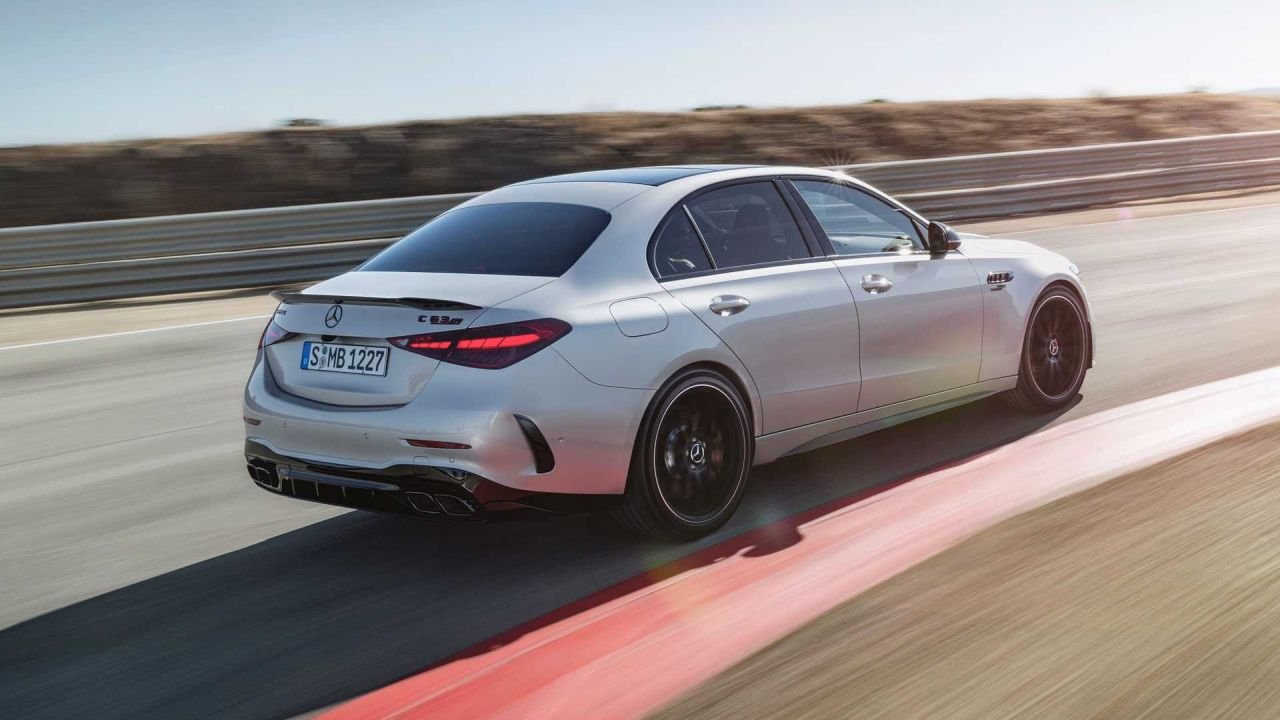
Last month, an Autocar report suggested that Mercedes was planning to introduce a V8 version of the AMG C63. The report stated that the company was developing a brand-new V8 mild-hybrid engine that would power the revised C63 due in 2026.
Well, Mercedes-Benz has now clarified that there are no such plans on the table. While other AMG models will certainly get a new V8 engine, it won’t be dropped under the C63’s hood.
“We can confirm that AMG is developing a new V-8 engine. However, we ask for your understanding that we do not comment on a detailed rollout plan,” a Mercedes spokesperson told Motor1.
The new engine in question is said to be based on the existing 4.0-liter twin-turbo V8. Reports suggest that it will get a flat-plane crankshaft instead of a cross-plane unit, and will be paired with a mild-hybrid system.
Mercedes will debut its brand-new V8 mild-hybrid on the upcoming AMG CLE 63.
An Accessible Electric Future Volkswagen has long been at the forefront of making mobility accessible to the masses, starting with the iconic Beetle. It’s fair to say Volkswagen finds itself in a sticky situation in 2025, however, the brand is hedging its bets and it hoping to revolutionise the electric vehicle (EV) market with the ID.EVERY1 concept. Unveiled as an affordable entry-level EV, the model is expected to hit the roads in 2027 with a starting price of approximately €20,000. This follows the planned launch of the ID.2all in 2026, which will be positioned in the €25,000 price range. Both models are part of Volkswagen’s new Electric Urban Car Family, designed on the modular electric drive (MEB) platform with front-wheel drive.
Compact Yet Versatile The ID.EVERY1 aims to cater to both private and commercial customers, offering a smart and flexible driving experience. Built on Volkswagen’s latest MEB front-wheel-drive platform, it is expected to deliver a top speed of 130 km/h. The newly developed 70 kW (95 PS) electric motor provides an estimated range of at least 250 kilometres, making it an ideal choice for city commuters. Measuring 3,880mm in length, the ID.EVERY1 slots between the discontinued Volkswagen up! and the current Polo, offering a practical layout with seating for four and a luggage capacity of 305 litres.
Volkswagen ID. EVERY1 Concept
Design That Stands Out Volkswagen has ensured that the ID.EVERY1 embodies the brand’s evolving design language. Taking inspiration from its predecessor, the up!, the ID.EVERY1 features a bold yet approachable aesthetic. The dynamic front lights and a rear design that subtly resembles a smile give it a distinctive personality. According to Volkswagen’s Head of Design, Andreas Mindt, the goal was to create a model that feels both self-assured and likeable, providing an identity that resonates with its customers.
Technology-Driven Mobility A standout feature of the ID.EVERY1 is its advanced software architecture, which allows for continuous updates and upgrades throughout the car’s lifespan. This means owners can add new functions and enhancements even after purchasing the vehicle. The model also represents Volkswagen’s vision of “Customer Defined Vehicles,” ensuring the car adapts to the user’s evolving needs over time. This approach underscores the company’s commitment to technological leadership and sustainable mobility.
Volkswagen’s Three-Phase Plan The ID.EVERY1 is a key part of Volkswagen’s broader strategy to solidify its position as a leader in electric mobility. The company has outlined a three-phase plan:
Catch Up: Strengthening competitiveness and expanding the model range, with further previews of the Electric Urban Car Family expected by late 2025.
Attack: Introducing nine new models by 2027, including the ID.2all and ID.EVERY1, to offer more accessible electric options to customers.
Lead: Aiming to be the top high-volume EV manufacturer by 2030, with a focus on safety, innovation, and best-selling models.
A Step Towards Mass Electric Adoption Volkswagen’s ID.EVERY1 is more than just an affordable EV; it represents a significant shift towards making electric mobility mainstream. With its budget-friendly price, innovative software, and practical design, the ID.EVERY1 is poised to be a game-changer in the European market. As Volkswagen continues to expand its electric lineup, the ID.EVERY1 could play a crucial role in transitioning more drivers to sustainable transport.
Could the ID. EVERY1 prove to be the car that takes the fight to foreign competitors in the entry level EV market in Europe where price is a key factor in slow adoption? Time will tell, 2027 can’t come soon enough…
Volkswagen has unveiled the ID.Every1 electric hatch concept car
The concept previews a Mini Cooper rival due in 2027 with a price tag of about 20,000 euros
The concept is based on a low-cost version of the MEB platform
Volkswagen is developing an entry-level electric vehicle set to debut in 2027, with a targeted starting price of around 20,000 euros (approximately $21,500). The ID.Every1 concept, unveiled on Wednesday, serves as a direct preview of this model. The name suggests that the production version may be called the ID.1.
Electric vehicles remain out of reach for many buyers due to their higher costs compared to comparable gas and diesel models. However, automakers are working to bridge this gap by introducing more affordable options.
VW plans to launch the ID.2—a subcompact hatchback, possibly carrying the Polo name—in 2026, with a targeted price of under 25,000 euros ($27,000). The design was previewed in 2023 with the ID.2all concept.
A related crossover will follow shortly after, along with sister models from other Volkswagen Group brands. VW has announced that an update on these models will be provided in the fall.
Volkswagen ID.Every1
Following these subcompact models, VW will introduce an even smaller electric hatchback, similar to the discontinued e-up! minicar. This production version of the ID.Every1 concept will utilize a lower-cost version of the current MEB dedicated EV platform found in models like the ID.4 and ID.Buzz. This modified platform is designed to be shorter than the standard MEB platform and features a single front-mounted motor. It will also underpin the ID.2 and its sibling models.
In the case of the ID.Every1, the platform supports a 94-hp front-mounted electric motor, a battery with a minimum range of 155 miles on the WLTP cycle (a lower figure is expected on the stricter EPA cycle), and a top speed of 81 mph. The concept measures just under 153 inches in length—comparable to a Mini Cooper—and offers seating for four, along with 10.8 cubic feet of rear storage.
Volkswagen ID.Every1
The production version of the ID.Every1 is not expected to be sold in the U.S., as VW said the concept was designed for the European market. However, its design language will influence future VW models, including some that may be introduced in the U.S. This new aesthetic, created by VW design chief Andreas Mindt and his team, presents a friendlier look for the brand’s vehicles.
“The ID.Every1 has a self-assured appearance but remains likable, thanks to details such as the dynamic front lights and the smiling rear,” Mindt said in a statement. “These design elements make it more than just a car; they give it character and an identity that people can relate to.”
Andreas Mindt
VW’s push for more affordable EVs is part of its broader plan to launch nine new models by 2027. Looking further ahead, the automaker will introduce vehicles based on its next-generation dedicated EV platform, known as SSP. VW is already preparing its main plant in Wolfsburg, Germany, to manufacture SSP-based models, beginning with the next-generation Mk9 Golf. A related T-Roc crossover will also be built in Wolfsburg.
While no exact timeline has been provided, the first SSP-based model was originally scheduled for 2026, though it is now expected to arrive in 2028 or later. The SSP platform is still set to underpin most of VW Group’s future EVs, featuring shared battery cells and common software across the lineup.
The technical storage or access is strictly necessary for the legitimate purpose of enabling the use of a specific service explicitly requested by the subscriber or user, or for the sole purpose of carrying out the transmission of a communication over an electronic communications network.
Preferences
The technical storage or access is necessary for the legitimate purpose of storing preferences that are not requested by the subscriber or user.
Statistics
The technical storage or access that is used exclusively for statistical purposes.The technical storage or access that is used exclusively for anonymous statistical purposes. Without a subpoena, voluntary compliance on the part of your Internet Service Provider, or additional records from a third party, information stored or retrieved for this purpose alone cannot usually be used to identify you.
Marketing
The technical storage or access is required to create user profiles to send advertising, or to track the user on a website or across several websites for similar marketing purposes.

















:max_bytes(150000):strip_icc()/TAL-antigua-guatemala-EASYFLYGTAMLA0325-96731a8e31be481dab2df4bc969de1b3.jpg "Getting to Guatemala and Nicaragua Is About to Get Easier Thanks to This Airline’s New Routes")
:max_bytes(150000):strip_icc():format(jpeg)/TAL-antigua-guatemala-EASYFLYGTAMLA0325-96731a8e31be481dab2df4bc969de1b3.jpg)