Close your eyes and think about the best road trip you’ve ever been on. Maybe you were with your family. Perhaps it was with a few friends, a partner, a loyal dog, or just you and the road ahead. Perhaps the window was rolled down, and a warm breeze flowed through your hair. And we just know your favorite song was playing on the radio. Want to have that feeling again? Then it’s time to start planning your next road trip, only this time, Journeyscape, a curated travel company, thinks you should take the road less traveled.
In November, Journeyscape released its list of the best “hidden gem” road trip routes that crisscross the United States—and it named The Roller Coaster Tour the No. 1 hidden gem road trip in the U.S.
The team searched Hertz to find its U.S.-based road trips to create its list. It took the routes provided by the car rental service and then saw the number of stops along each route, the number of days each takes to drive, the number of states they pass through, and the total distance for every journey. Then, it used Tripadvisor to evaluate each route based on its number of landmarks, restaurants (including restaurants with four stars or higher), and the number of hotels (including hotels with four stars or higher) to rest at each night.
Next, it added a starting point and destination figures to give each road trip a total count for each factor and divided the number of hotels with parking by the total number of hotels to find the percentage of hotels with parking for each road trip. It repeated this calculation to find the percentage of hotels rated 4-star or higher and the percentage of restaurants rated 4-star or higher. Finally, it used all the factors above to give each road trip route a score out of 10.
“The No. 1 ranked road trip in America is the almost 3,000-mile-long Roller Coaster Tour, a once-in-a-lifetime trip for thrill seekers wanting to ride some of the best coasters in the world,” Journeyscape explained. The trip, Hertz added, takes you to 13 of the nation’s best rides across 10 states, including the Hades 360 at Mount Olympus in Wisconsin, Millennium Force at Cedar Point in Ohio, Fury 325 at Carowinds in North Carolina, and El Toro at Six Flags in New Jersey.
“Even if roller coasters are not your thing, this road trip has much more and would be a scenic trip for everyone,” Journeyscape added. “It traverses the Great Lakes of Michigan and Erie before heading down through the Midwest and back up to finish on the East Coast.”
This, however, is far from the only route you can explore. Journeyscape also highlighted the Magical Lighthouses of Maine route as a fantastic short drive between York and Lubec, Maine, the Ghost Towns of the West trail from Bodie, California to Chloride, Arizona as a food-filled ride, and the Appalachian Trail, between Suches, Georgia to Monson Maine as the ideal route for those looking to hit as many states as they can in one go.
Ready to see more possibilities? Check out all the routes at journeyscape.com.
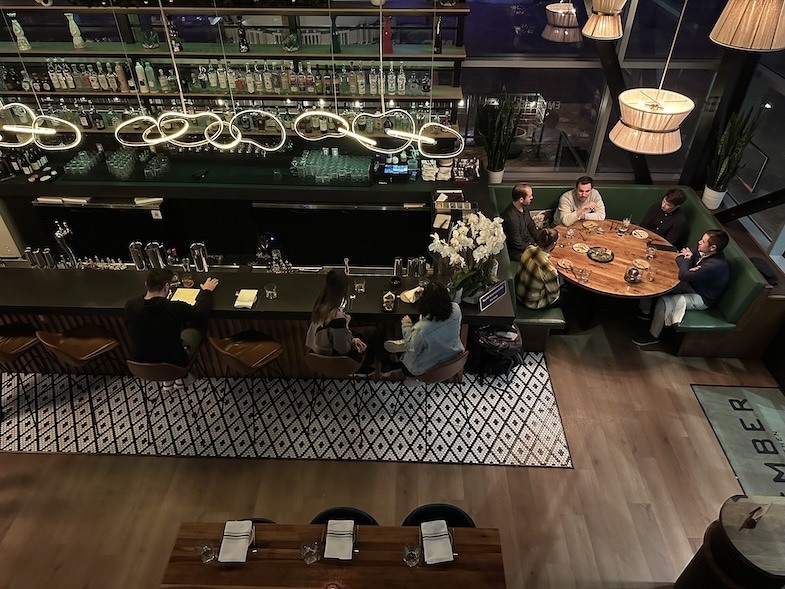
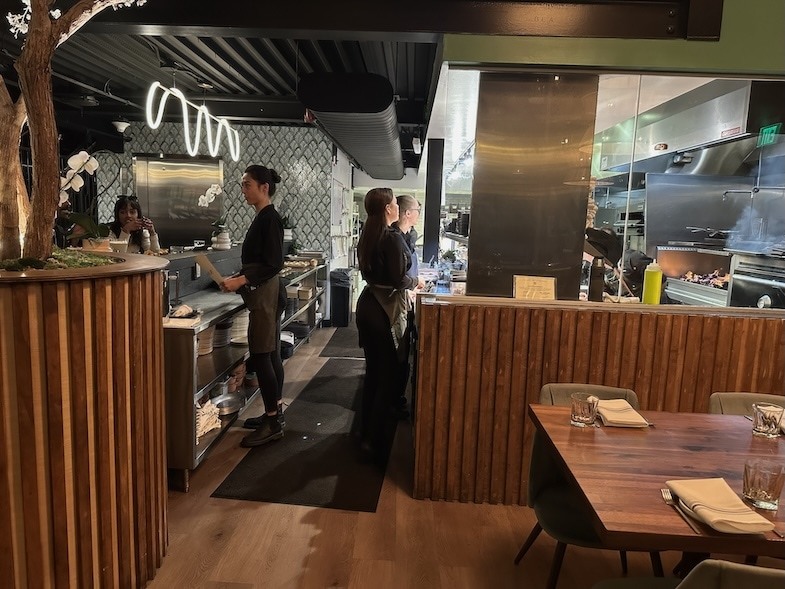
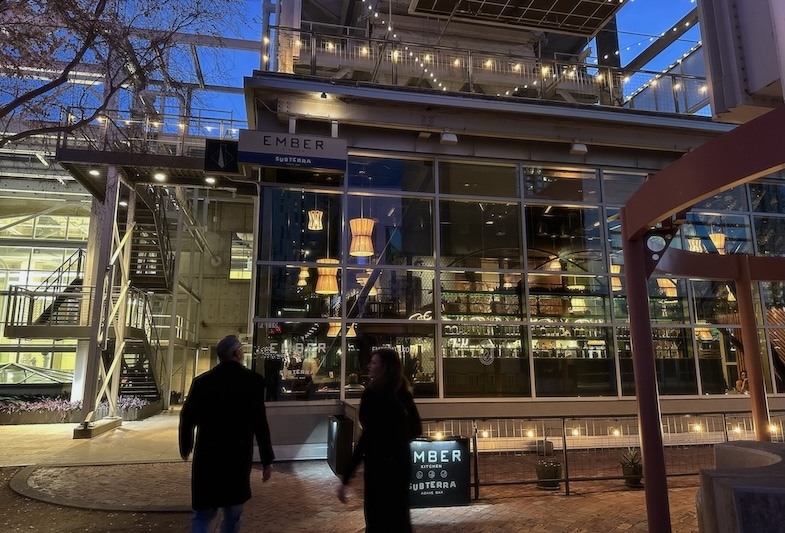
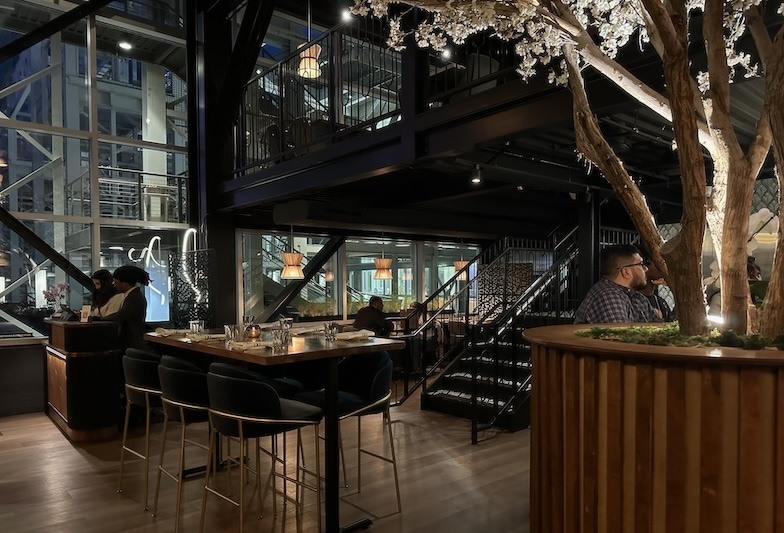
What immediately strikes you upon entering Ember Kitchen is the dichotomy between old and new—ancient steel beams and concrete pillars rising skyward against sleek, contemporary design elements. The dining room spans two levels, offering a unique vantage point for curious diners. If you happen to score a table on the upper level, you’ll find yourself gazing down at the open kitchen and the lively bar, where craft cocktails are lovingly prepared. This interplay of industrial grit and modern chic makes for a setting that’s as inspiring as the menu itself.
The transformation of the Seaholm Power Plant into a cutting-edge culinary hub exudes an undeniable “cool factor,” an energy that resonates with Austin’s iconic blend of old-school charm and progressive flair. Between the exposed ducts, stylish light fixtures, and plush furniture, Ember’s design manages to be both sophisticated and welcoming—perfectly in tune with the city’s laid-back yet cosmopolitan vibe.
Service
Ember Kitchen’s outstanding service mirrors its high-caliber cuisine. The staff displays a thorough knowledge of the menu, eagerly sharing detailed descriptions of each dish and cocktail—no small feat given the menu’s diverse offerings. Whether you’re a culinary novice or a seasoned gourmand, you’ll feel comfortable asking questions, trying new flavors, and indulging in the creative spirit that defines Ember’s approach.
Cocktails at Ember Kitchen
Before diving into the food, we began our evening with two of Ember’s signature cocktails:
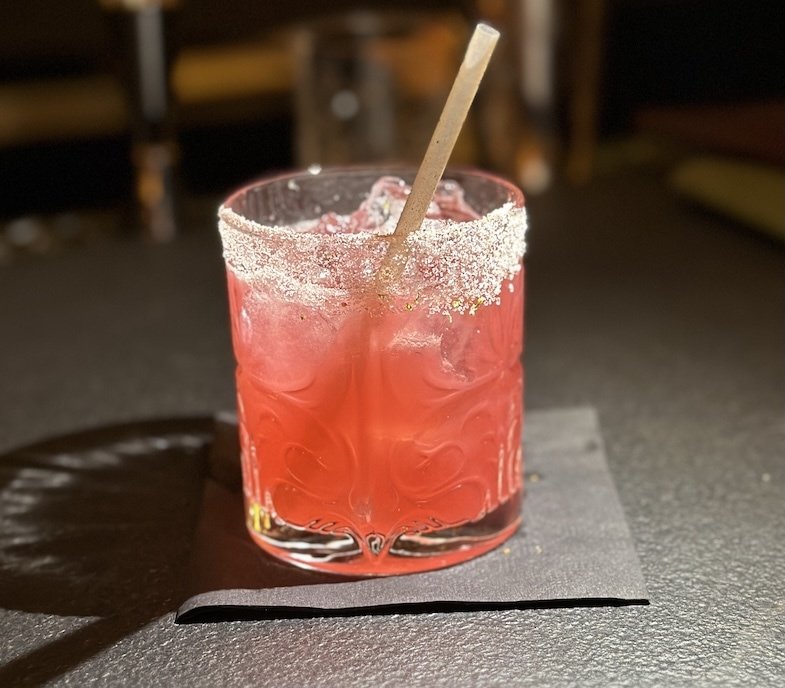
Ember Margarita A vibrant riff on the classic margarita, this concoction fuses Hibiscus-Infused Altos Blanco with orange liqueurand a memorable pomegranate & pink peppercorn-infused agave. The peppercorn adds a subtle kick that complements the lime’s refreshing tang—equal parts playful and sophisticated.
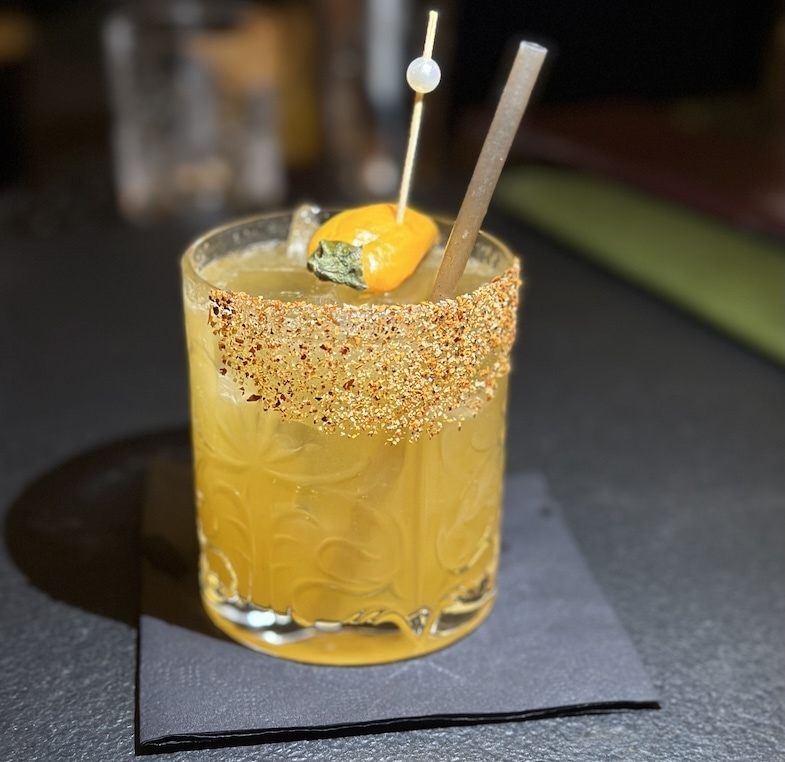
Siente El Fuego Aptly named, this drink marries reposado tequila with tamarind, ancho chile, aji amarillo, lime, and a burst of grapefruit soda. The layers of heat and citrus strike a delicate balance, delivering just enough spice to leave your lips tingling without overwhelming the palate. It’s a testament to Ember’s flair for bold yet nuanced flavors.
First Courses at Ember Kitchen
Tuna Tartare I’m a firm believer that a great tartare is a showcase of both freshness and technique, and Ember’s rendition does not disappoint. Velvety tuna is paired with creamy avocado, a pop of red onion, and the welcome crunch of yucca and plantain chips. Each bite is a harmonious interplay of textures and flavors, setting the stage for the delights to follow.
Crab Cake One of the evening’s standout dishes arrived in the form of a generous jumbo lump crab cake. Crisp on the outside and lushly tender within, it’s accompanied by Josper-roasted corn, poblano, jalapeño, and fresh cilantro, lending both sweetness and a subtle heat. This is comfort meets sophistication—a dish that highlights quality ingredients and careful execution.
Main Courses at Ember Kitchen
Filet Skewer Perfect for those who love a bit of theater on the plate, these succulent chunks of filet come skewered alongside grilled sweet peppers. It’s a colorful, tactile affair that’s as fun to eat as it is to behold. The black garlic vinaigrette adds a layer of mellow umami, while Salsa Doña brings a spicy flourish that unifies the dish.
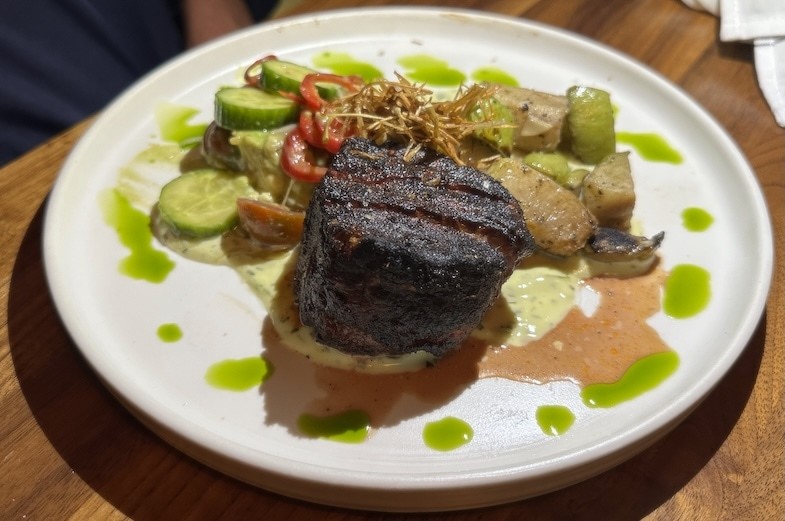
Filet Mignon (8 oz) The classic steak, taken to new heights. Ember’s 8 oz filet is impeccably cooked—seared to form a caramelized crust while retaining a juicy, rosy center. A side of Calabacitas (zucchini and corn) reminds you that you’re in the heart of Texas, adding a fresh dimension. The avocado, cucumber, and cilantro lime aioli provides a zesty counterpoint, and the crispy leeks lend a sophisticated crunch. If you’re looking for a traditional cut of steak with a modern twist, this is it.
Why It’s Worth the Hype
It’s not every day you stumble upon a place with such a high aggregate rating—4.9 stars—and that lofty status comes with equally lofty expectations. Yet Ember Kitchen meets and even surpasses them. Here, history collides with modernity in a space that feels both metropolitan and distinctly Austin. The architecture nods to the building’s industrial roots, but the cuisine is a clear indication of the city’s forward-thinking tastes.
Couple all this with service that’s polished without pretension, and you have a dining destination that’s as inviting to the casual food-lover as it is to seasoned epicureans. Whether you’re a local looking for a new haunt or a visitor eager to sample the best of Austin’s culinary scene, Ember Kitchen should be at the very top of your list.
Final Thoughts
In a city brimming with outstanding restaurants, Ember Kitchen still manages to stand out, and with good reason. It captures the essence of Austin—historic, innovative, a little edgy, and always unforgettable. From the moment you settle into your seat to the final forkful of dessert (a course I highly recommend not skipping), Ember is an immersive exploration of flavor, ambiance, and top-tier hospitality.
Pro Tip: Book in advance. With a buzz that shows no signs of slowing down, reservations go quickly and book up in advance. But trust me—once you take that first bite (or sip), you’ll understand why Ember Kitchen has rightfully earned its place among the city’s must-visit spots. Enjoy the warmth of their fiery flavors, and revel in the spirit that keeps Austin’s dining scene on the national radar. You’ll be planning your return visit before you even step out the door.
Ember Kitchen Contact Info
If you have any questions about visiting Ember Kitchen, leave a comment below. Click the following link for more restaurant reviews. So, until next time, we’ll see ya on the road…
P.S. Special Thanks to Jomax Recovery for treating me to this amazing meal. 😉
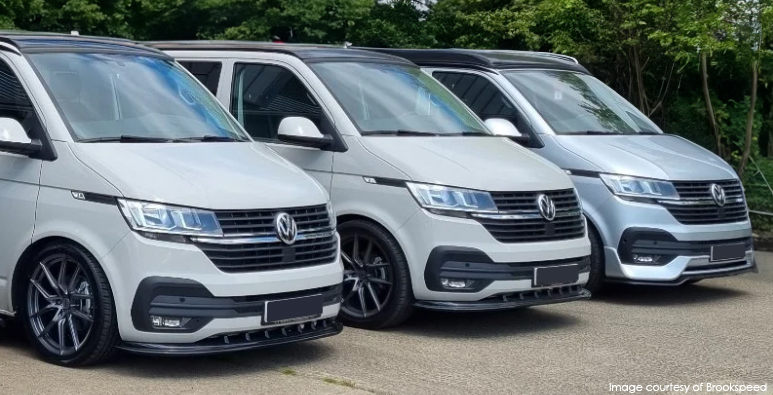
Drive have gained a lot of experience in designing body kits and accessories for cars and vans.
Aftermarket Parts
The UK’s automotive aftermarket category is thriving with a large number of companies selling products. More often than not they are conversion companies designing the parts inhouse. Some turn to studios like drive who are experienced in designing and engineering aftermarket parts. Unique designs providing tuning houses and independent conversion companies successful product lines. Thus enabling them to become market leaders in the UK’s lucrative aftermarket sector, worth over £21 billion per year.
Styling Kits
While there are a lot of people who are happy with their ‘forecourt’ product, many want to enhance or personalise their vehicles beyond the factory options. They are either looking to improve on performance or enhance the styling be that subtle or bold. Whatever the taste of the individual, the demand is for parts designed and made to the highest quality.
Conversion Companies
At Drive, our track record working with vehicle manufacturers, known as OEMs (original equipment manufacturers) and low volume specialists, places us in a unique position to support styling houses or conversion companies wanting to create their own product lines for cars and vans.
Design and Development
Utilising our expertise and knowledge of designing aftermarket accessories, we support projects from concept sketch to final product delivery. We develop creative concepts with design and engineering understanding for manufacture. With industry connections for production, we add measurable value to our clients’ businesses.
Injection Moulded Parts
Depending on the desired design language and business positioning we create appropriate car and van body kit designs. We can use the same brand language as the OEM and deliver mass produced injection moulded parts. This allows us to replicate the original fixing methods and crucial placement of any sensors. This approach allows our clients the assurance of fit enabling quick turn around.
Composite Parts
For the more extreme designs for limited editions or lower production numbers, the more suitable or cost effective route may well be production of composite or carbon fibre parts.
Design Partner
We are confident that drive are the perfect design partner to help create a differentiating product line of aftermarket accessories adding a significant revenue stream to your business. If you are thinking of designing body kits and accessories, get in touch and we’ll be happy to discuss your plans.
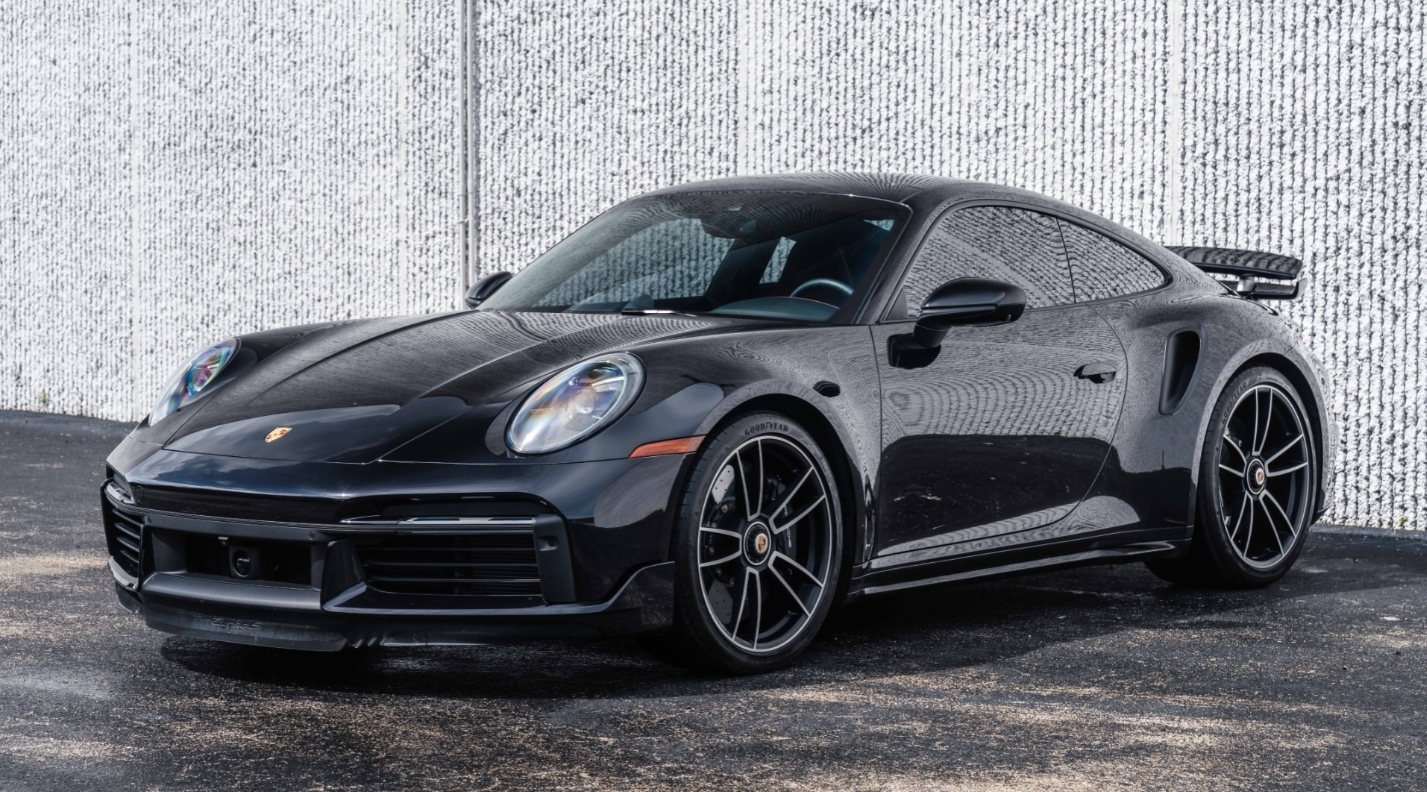
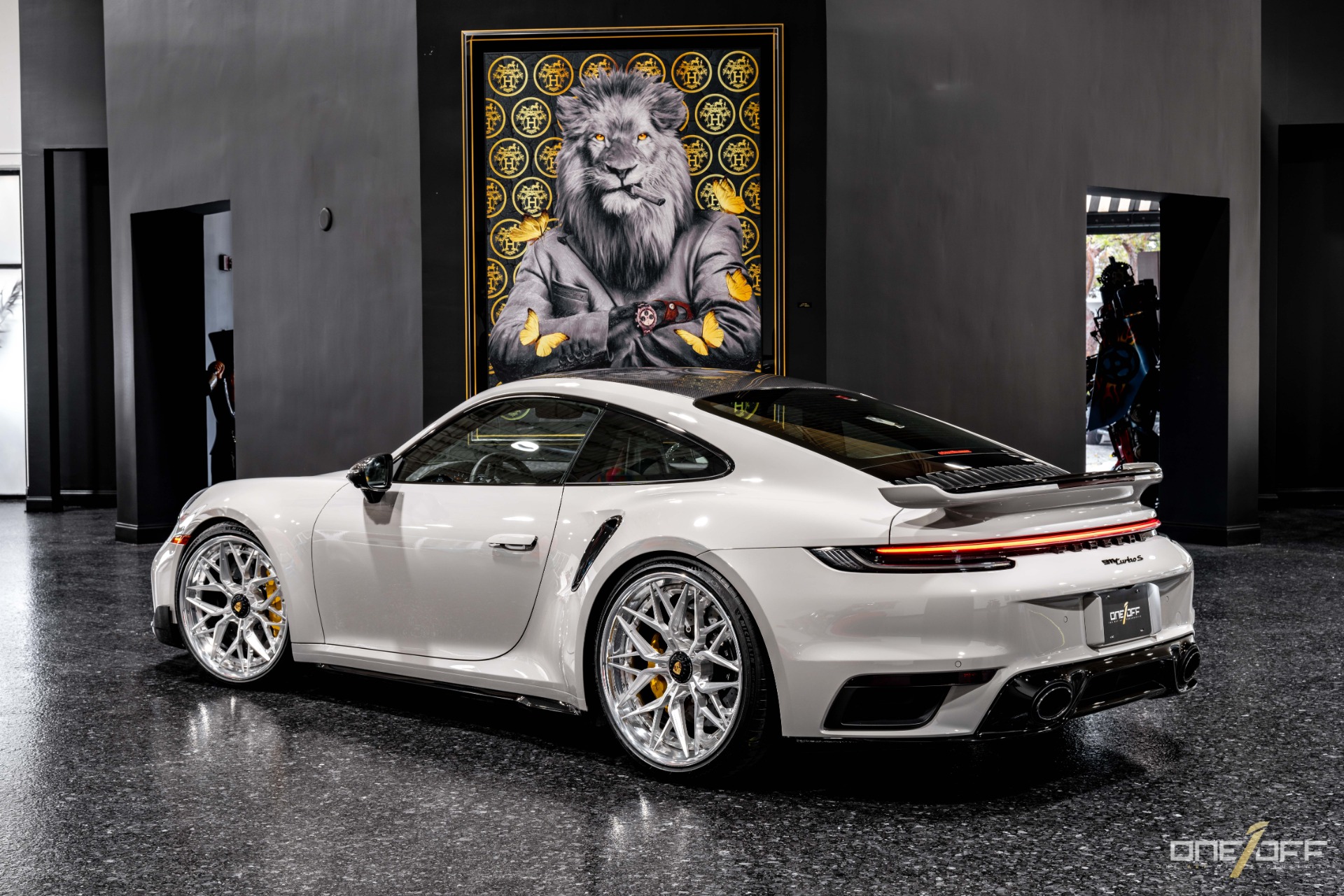
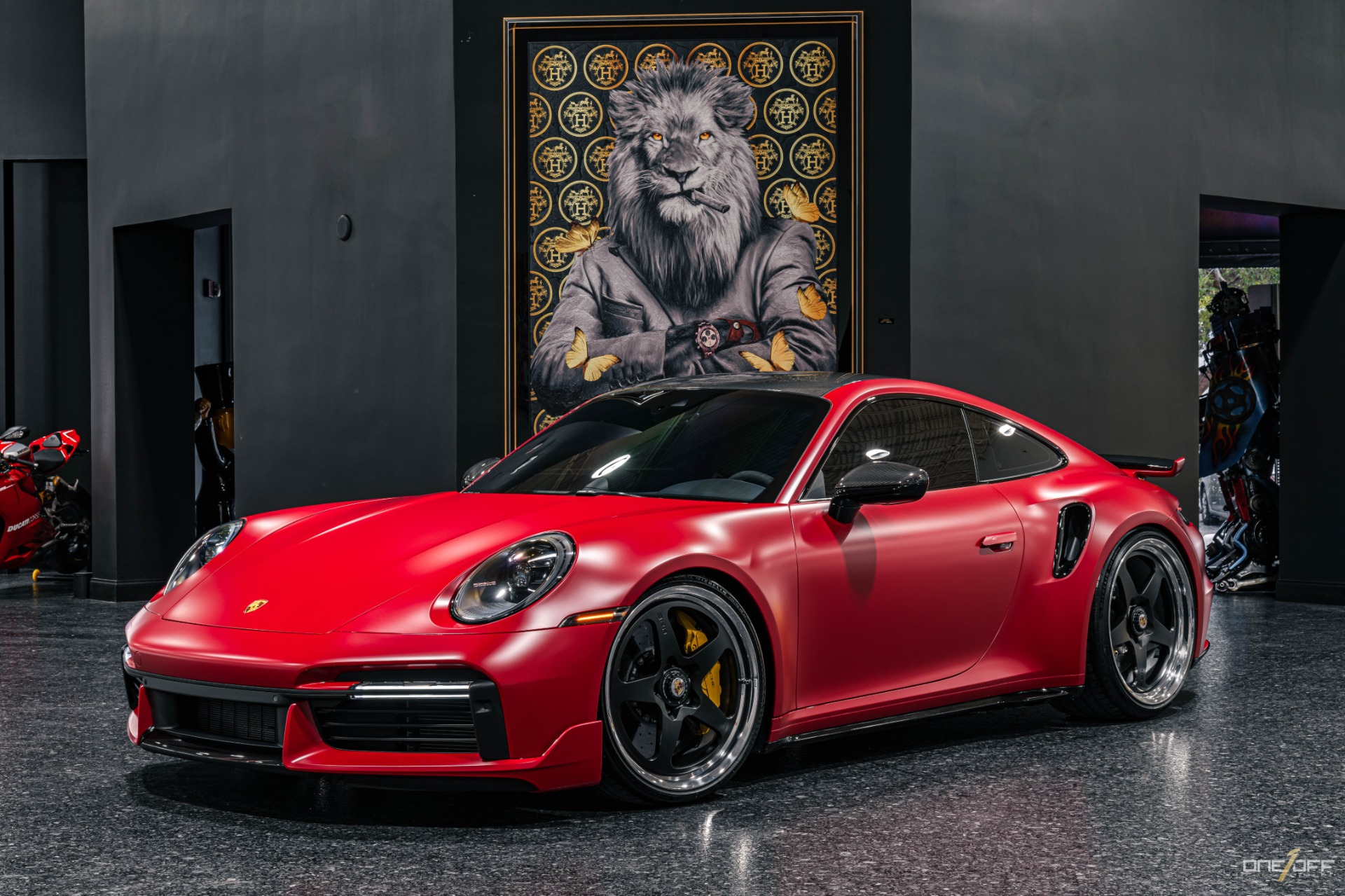
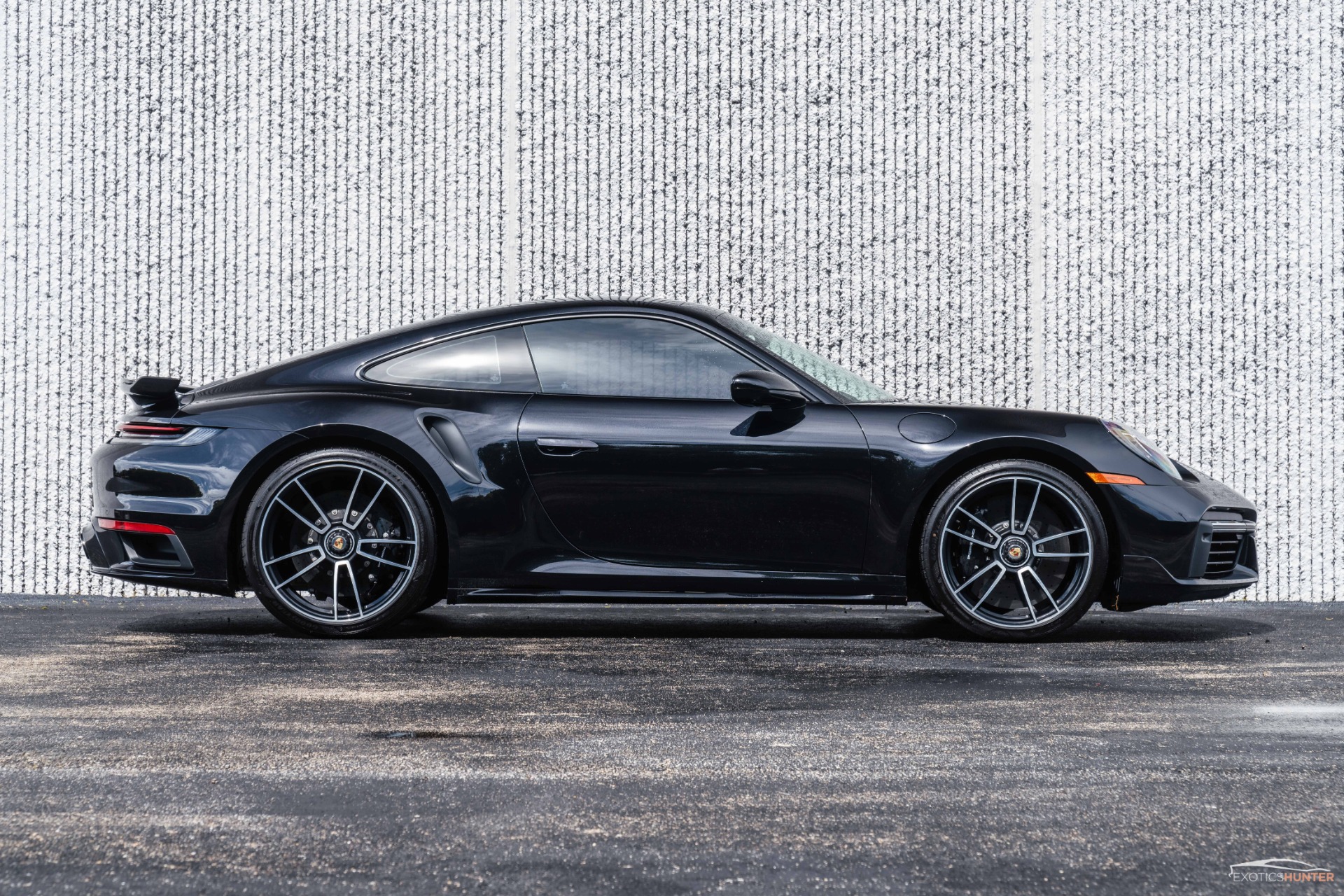
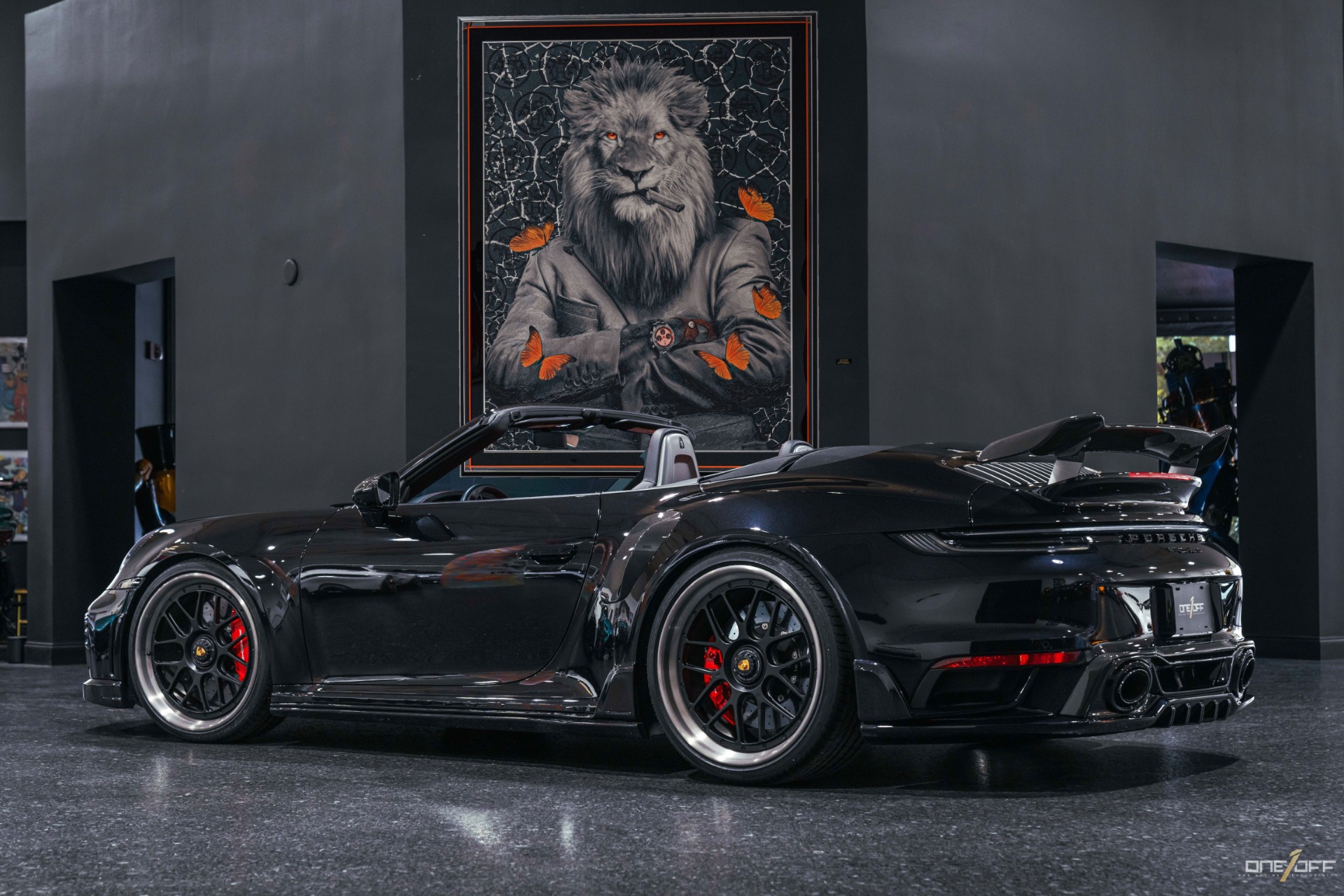
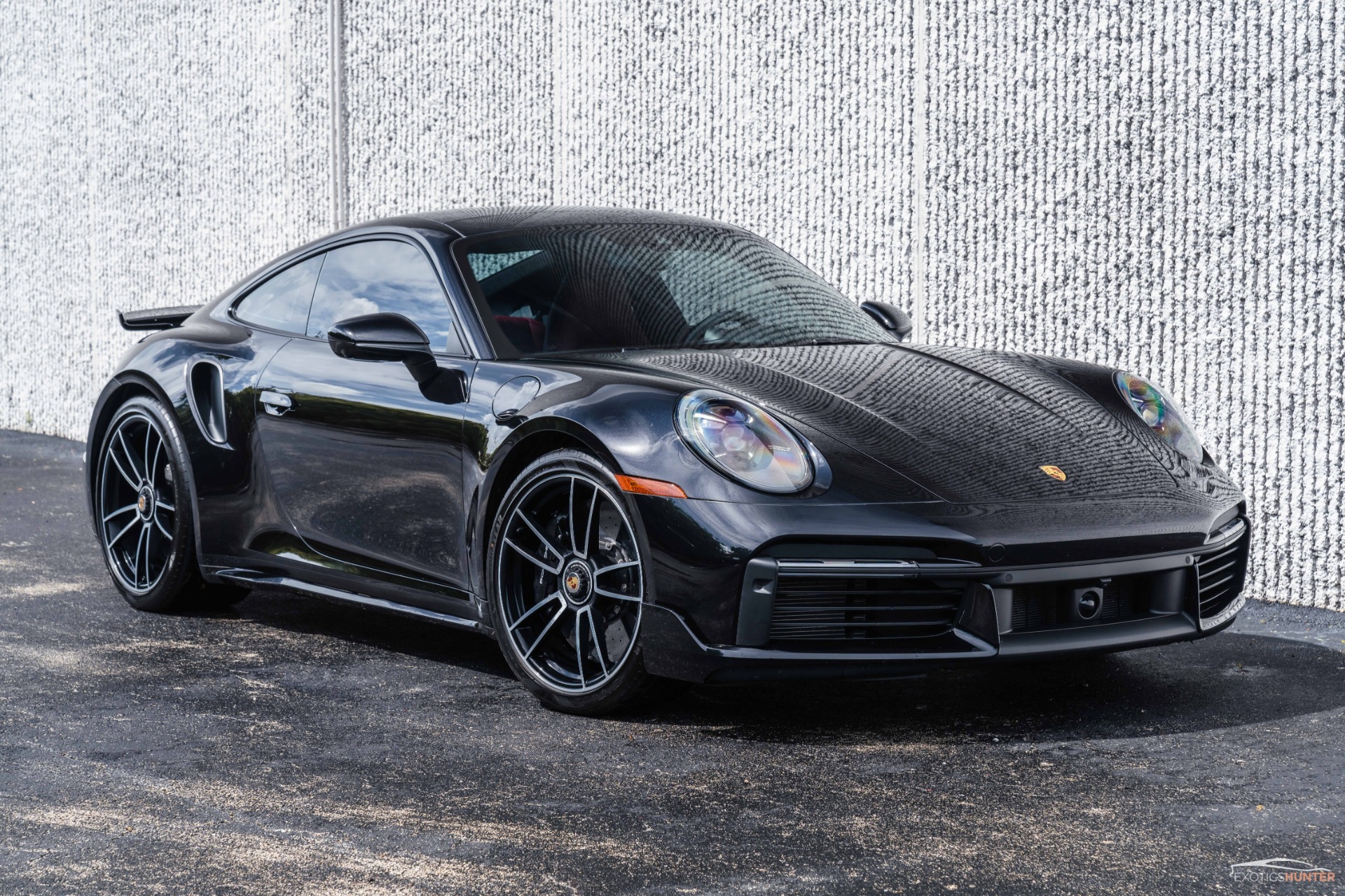
When the 2020 Porsche 992 Turbo was introduced, it marked a new chapter in Porsche’s legendary 911 Turbo lineage. Building on decades of refinement and innovation, the 992 Turbo aimed to further establish its dominance in the high-performance sports car segment.
As part of Porsche’s eighth-generation 911 lineup, the Turbo is a balance between everyday usability and heart-pounding excitement, staying true to its heritage.
At the core of the 992 Turbo lies a 3.7-liter twin-turbocharged flat-six engine, capable of producing 572 hp in the standard Turbo and 641 hp in the Turbo S. Paired with an 8-speed PDK dual-clutch transmission and all-wheel drive, the car delivers blistering acceleration.
The Turbo S sprints from 0 to 60 mph in just 2.6 seconds, with a top speed of 205 mph, cementing its place among the fastest cars in its class.
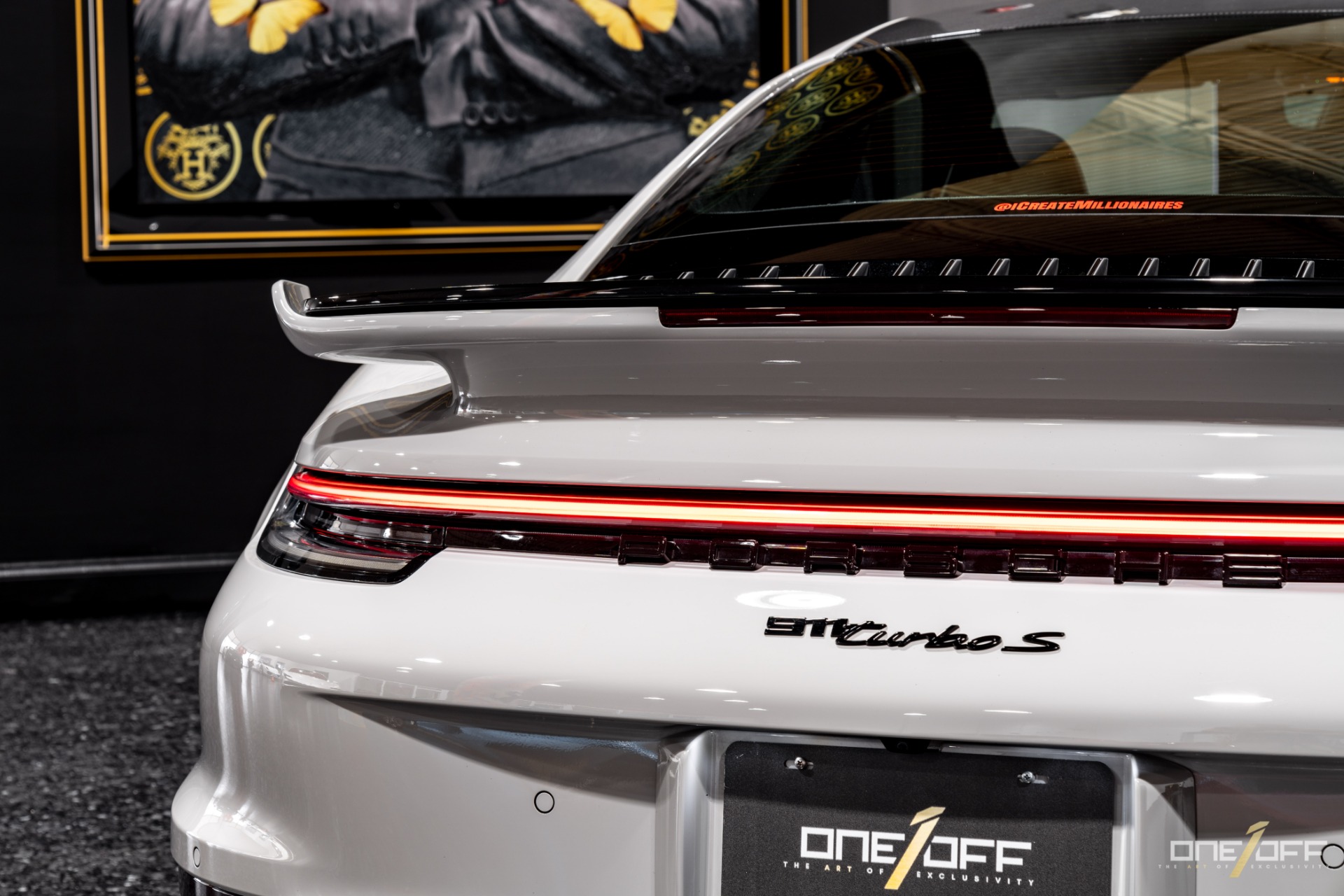
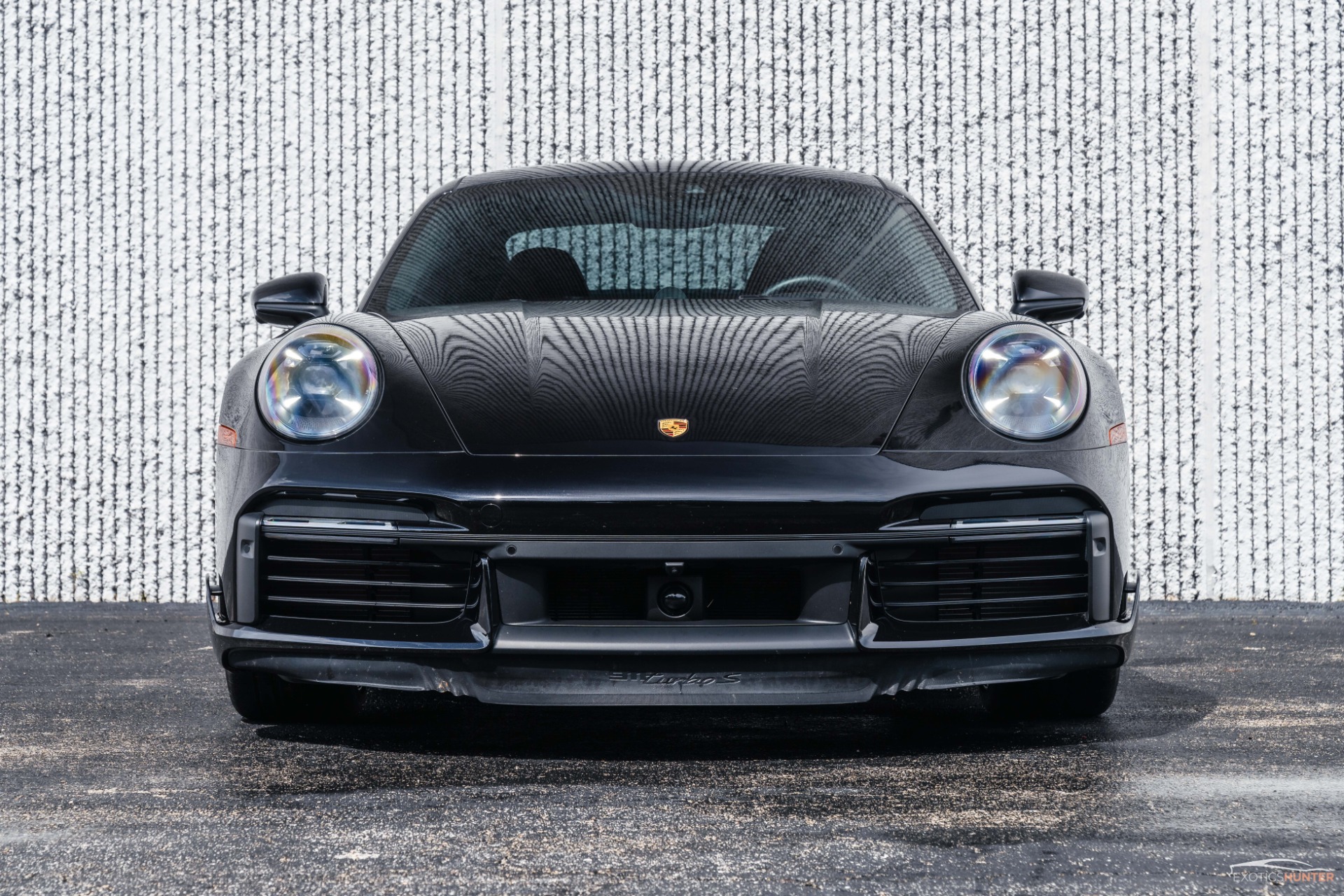
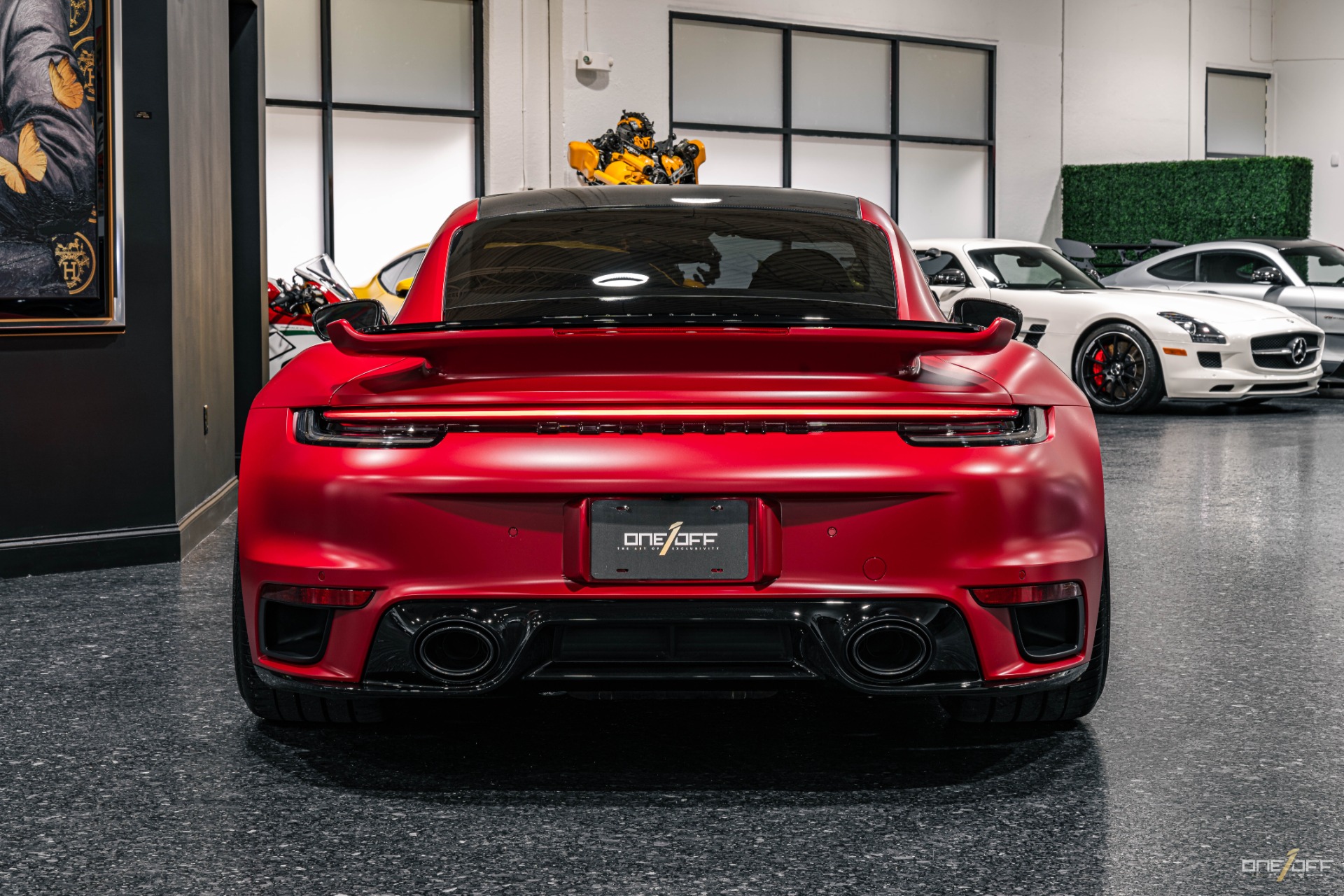
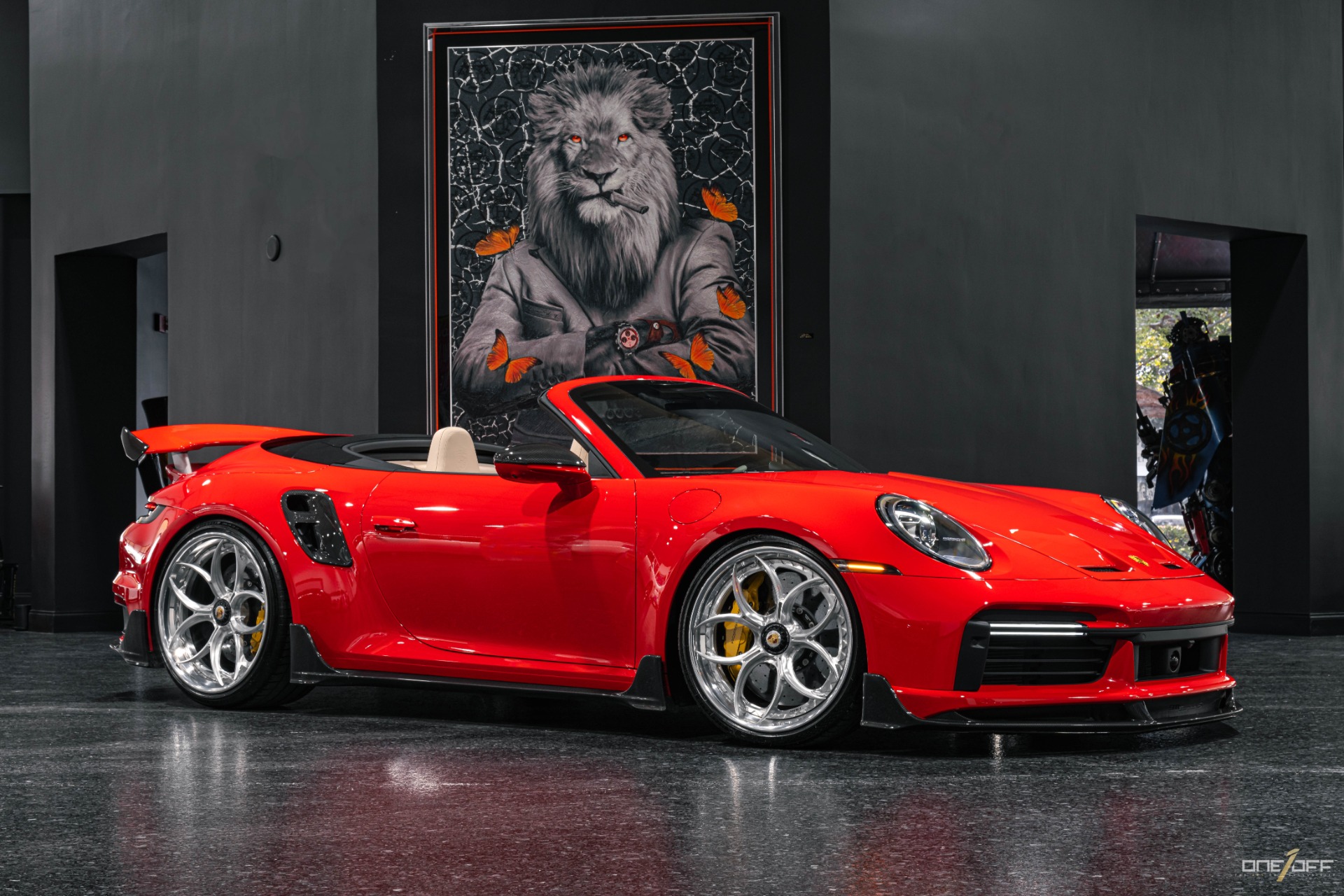
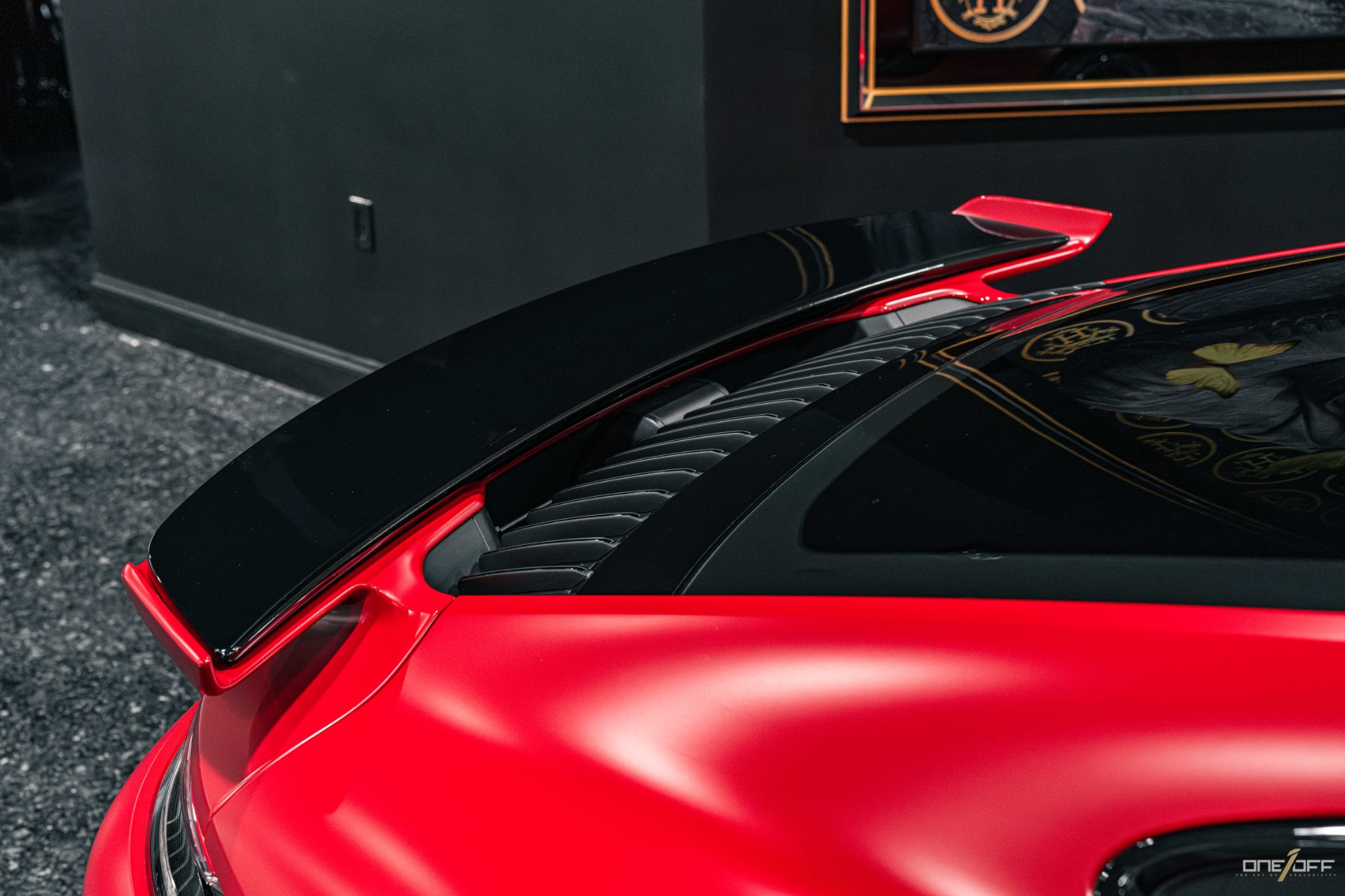
Externally, the 992 Turbo combines iconic Porsche design cues with aggressive enhancements. Its wider rear fenders, active rear wing, and redesigned front fascia contribute to its commanding road presence and superior aerodynamics.
Air intakes on the sides and front not only provide functional cooling but also add to the car’s athletic stance. The LED matrix headlights and sleek taillight strip that stretches across the rear give the car a modern and distinctive look.
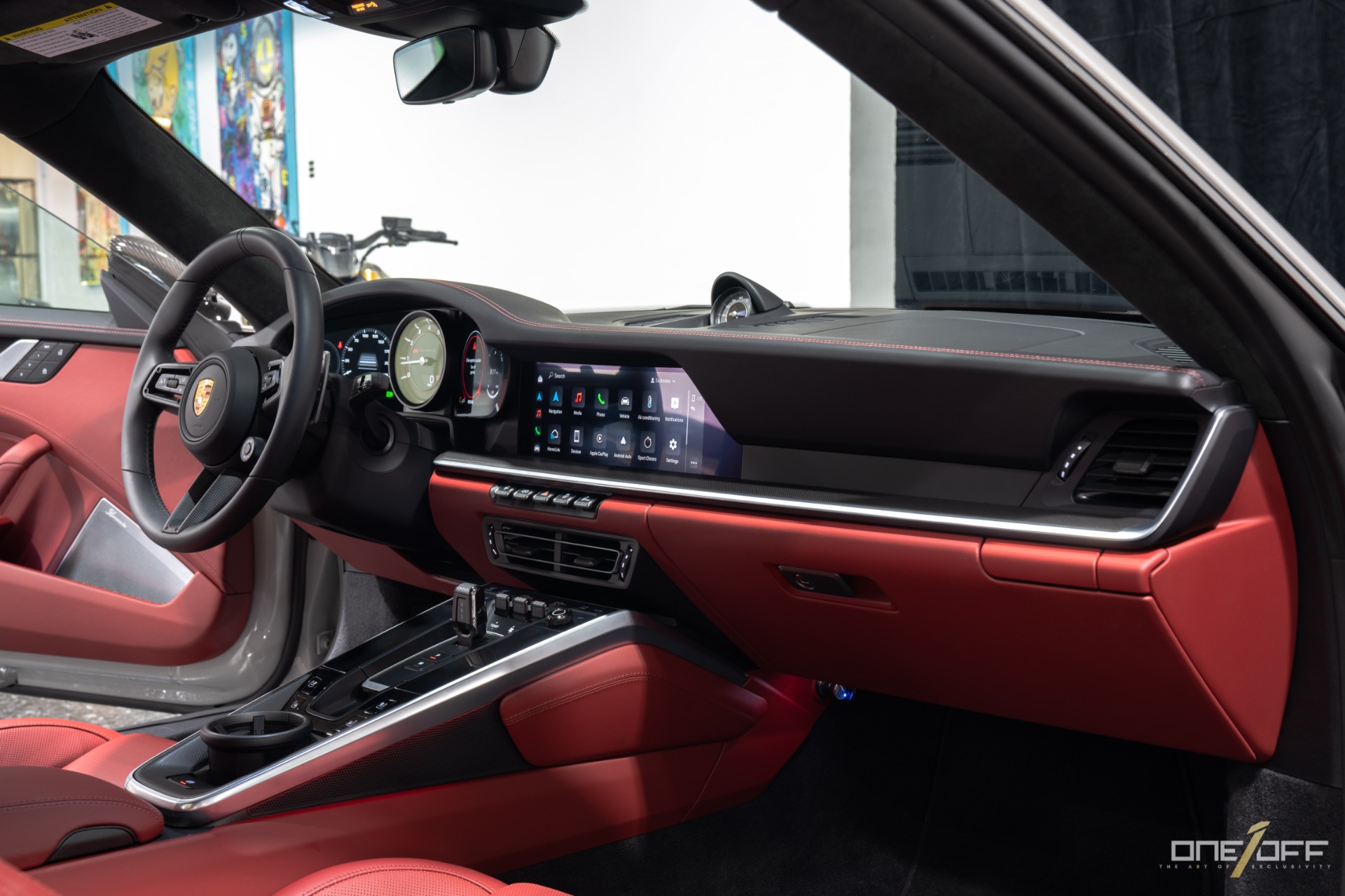
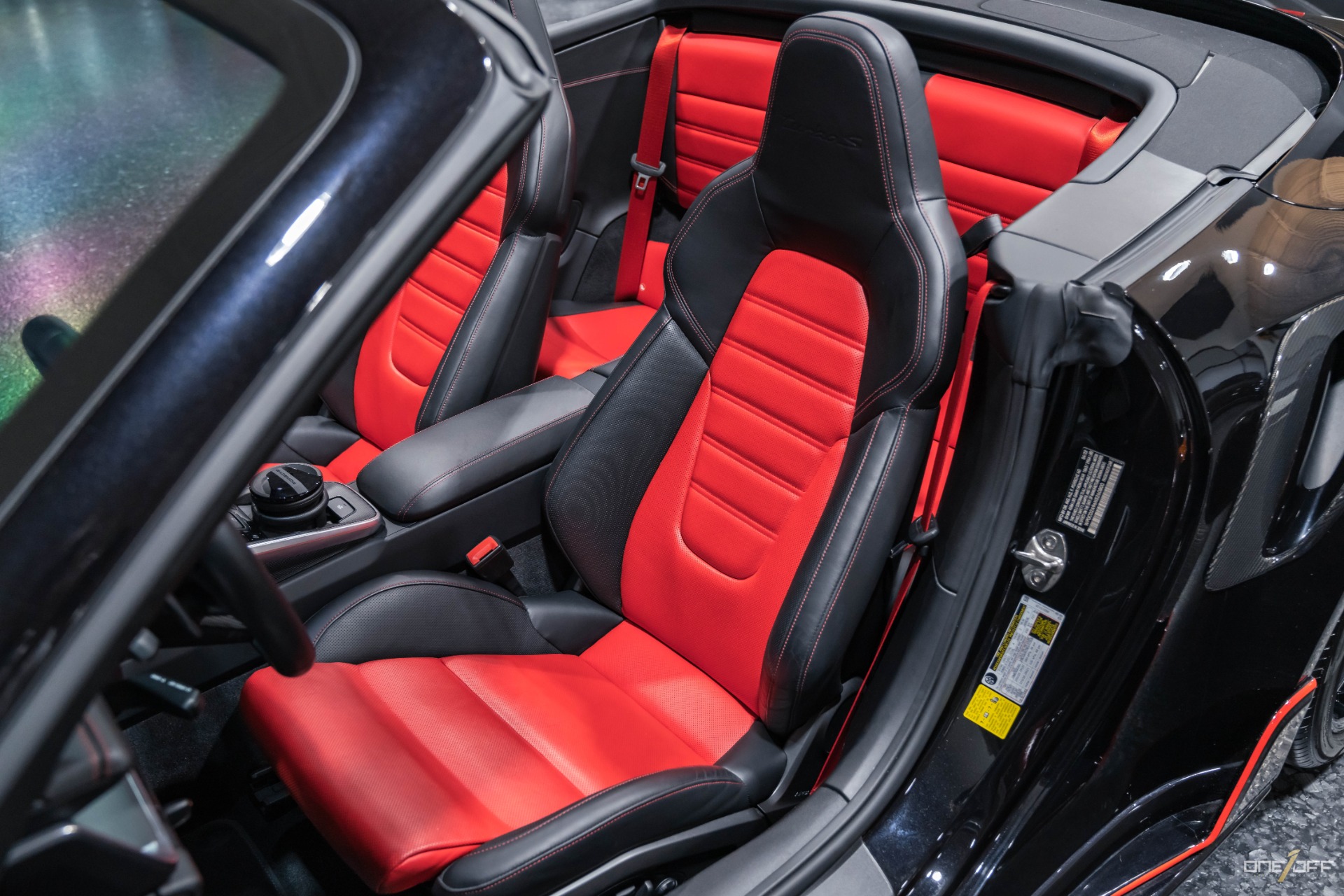
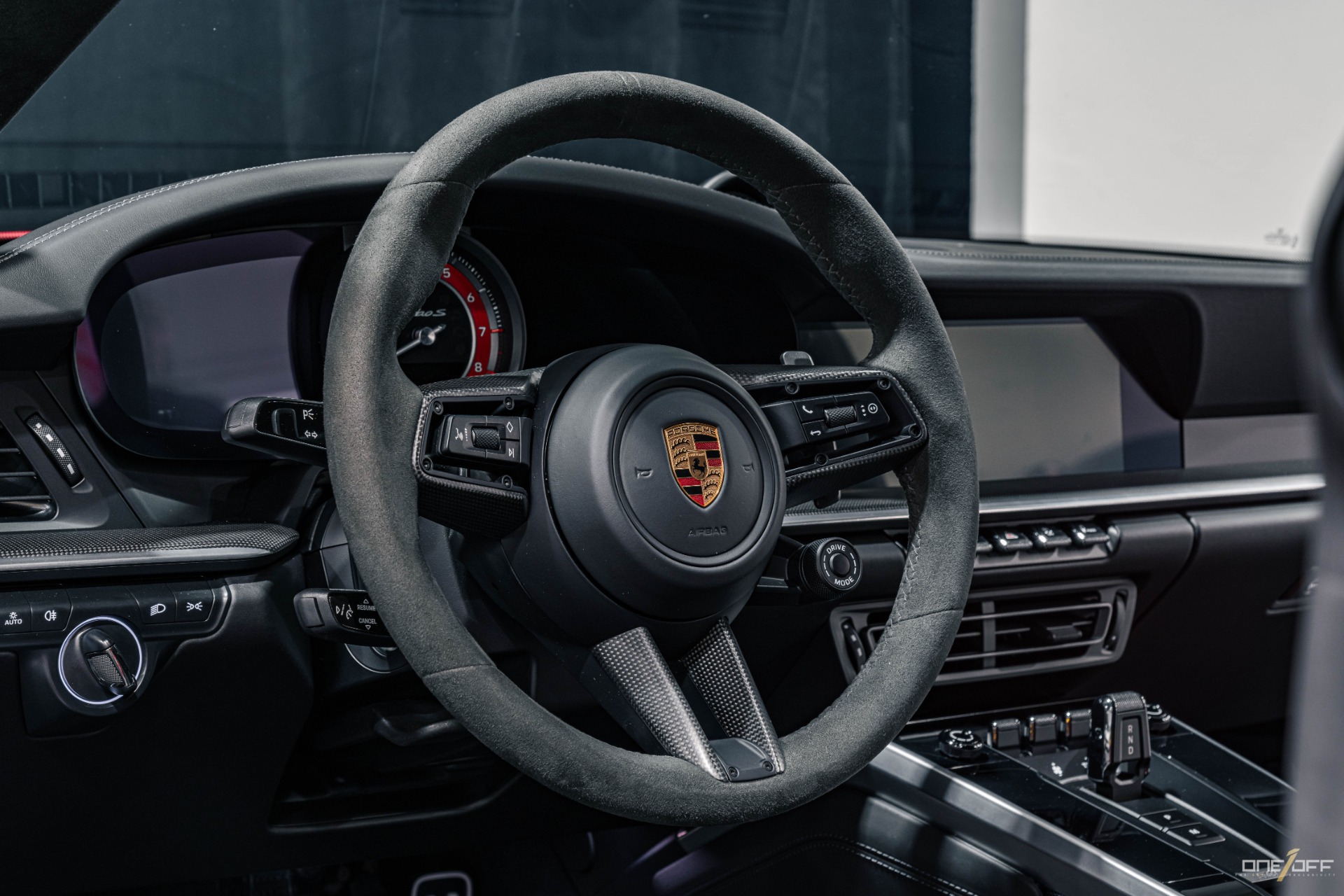
Inside, the cabin comes with high-quality leather, metal accents, and premium materials adorn the interior, while the Porsche Communication Management system with a 10.9-inch touchscreen offers intuitive access to navigation, media, and vehicle settings.
The dashboard design blends classic 911 elements with modern technology, and the ergonomic layout ensures comfort during high-speed drives or long-distance cruising. Options like adaptive sports seats and a premium sound system elevate the experience even further.
Throughout its production, the Porsche 992 Turbo has faced competition from high-performance rivals such as the Ferrari F8 Tributo, Lamborghini Huracán EVO, McLaren 720S, Audi R8 V10 Performance, and Mercedes-AMG GT R.
Despite the tough competition, the 992 Turbo distinguishes itself with its versatility, combining everyday practicality with exciting performance, making it a standout in the segment.
Model Changes (Breakdown by Year)
2020 Porsche 992 Turbo
In March 2020, Porsche introduced the 992 Turbo S, setting a new benchmark for performance and refinement within the iconic 911 lineup.
It comes with a twin-turbocharged 3.7-liter flat-six engine, producing an impressive 641 hp, and 590 lb-ft of torque. The Turbo S is equipped with an advanced 8-speed PDK dual-clutch transmission and Porsche’s all-wheel-drive system, ensuring optimal power delivery and traction.
The 992 Turbo S benefits from significantly improved aerodynamics, thanks to its adaptive elements and wind-tunnel-tested design enhancements. The active front spoiler and rear wing can adjust based on driving conditions, reducing drag or increasing downforce as needed.
The larger air intakes, side vents, and rear diffuser are not just aesthetic features but serve to optimize airflow, cooling the engine and brakes during high-performance driving while enhancing overall stability. Additionally, the wider rear fenders and extended rear wing contribute to greater cornering grip and high-speed balance.
Porsche also upgraded the suspension system of the 992 Turbo S to deliver superior handling and ride comfort. Equipped with Porsche Active Suspension Management (PASM) and an adaptive damping system, the car dynamically adjusts shock absorbers in real time based on road conditions and driving style.
The lowered chassis improves the car’s center of gravity, while rear-axle steering enhances agility during tight turns and stability at high speeds combined with Porsche Dynamic Chassis Control (PDCC) to minimize body roll.
In 2020, the Porsche 992 Turbo S started at $230,400 and the Turbo S Cabriolet beginning at $243,200.
2021 Porsche 992 Turbo
In July 2020, Porsche expanded the 992 lineup with the introduction of the standard 992 Turbo, offering a slightly more refined and accessible option without compromising on performance.
While it shares the same twin-turbocharged 3.7-liter flat-six engine as the Turbo S, the standard Turbo is tuned to deliver 572 hp and 553 lb-ft of torque. The model comes equipped with cast-iron brake discs and five-lug wheels as standard.
For those seeking additional performance enhancements, the 992 Turbo offers optional upgrades, including carbon-ceramic brakes, dynamic chassis control, and other features typically found on the Turbo S.
In 2021, the Porsche 992 Turbo Coupe had a starting price of $197,200, while the Turbo Cabriolet began at $210,000. The more powerful Turbo S Coupe was priced from $230,400, and the Turbo S Cabriolet started at $243,200.
2022 Porsche 992 Turbo
In 2022, the Porsche 911 lineup received a few updates, particularly in its infotainment and connectivity features.
The introduction of the latest generation of Porsche Communication Management (PCM) brought a more intuitive interface, improved voice control activated by the prompt “Hey Porsche,” and for the first time, Android Auto integration, expanding connectivity options for users.
These updates aimed to enhance the driving experience by providing more seamless access to navigation, entertainment, and communication functions.
In 2022, the Porsche 911 Turbo coupe had a starting price of $197,200, while the Turbo Cabriolet began at $210,000. The higher-performance Turbo S coupe started at $230,400, with the Turbo S Cabriolet priced from $243,200.
2023 Porsche 992 Turbo
For the 2023 model year, the Porsche 911 continued to evolve with several key updates. All 911 models were equipped with Porsche’s new 8-speed PDK dual-clutch transmission, offering faster and smoother gear changes compared to the previous 7-speed PDK.
The suspension system was also updated to improve handling and ride comfort. Inside, the 911 featured a new infotainment system with a larger touchscreen display and came standard with a 12-speaker sound system. The seats were redesigned to provide enhanced comfort and support, contributing to a more refined driving experience.
In 2023, the Porsche 911 Turbo coupe had a starting price of $197,200, while the Turbo Cabriolet began at $210,000. The higher-performance Turbo S coupe started at $230,400, with the Turbo S Cabriolet priced from $243,200.
2024 Porsche 992 Turbo
In 2024, Porsche celebrated the 50th anniversary of the 911 Turbo with the release of a special limited-edition model, the 911 Turbo 50. This exclusive version paid tribute to the car’s rich heritage, with only 1,974 units produced to honor the year of the original Turbo’s debut in 1974.
The model featured unique design elements, including Tartan-patterned interior trim inspired by Ferry Porsche’s original 911 Turbo, blending nostalgia with modern luxury.
Beyond the anniversary edition, the 911 Turbo and Turbo S models remained largely unchanged for 2024, with the most notable updates being the addition of wireless Android Auto compatibility and native Spotify integration, enhancing in-car connectivity and entertainment.
As of 2024, the Porsche 911 Turbo coupe starts at $197,200, while the Turbo Cabriolet begins at $210,000. The higher-performance Turbo S coupe is priced from $230,400, and the Turbo S Cabriolet starts at $243,200. The limited-edition 911 Turbo 50 Years model is priced from $264,095.
Porsche 992 Turbo Common Problems
The Porsche 992 Turbo is widely recognized as one of the best sports cars available, combining thrilling performance with everyday usability, comfort, and impressive reliability.
Throughout its production, many 992 Turbos have been driven daily, racking up significant mileage while continuing to deliver exceptional performance and dependability, a testament to Porsche’s engineering excellence.
In addition, it is essential to keep in mind that all cars, even supercars, can have issues and it is crucial to perform a Pre-Purchase Inspection (PPI) from an authorized dealer or experienced independent mechanic to reveal all issues.
Interior Rattles and Buzzing Sounds: Owners have noted various rattles and harmonic buzzing noises within the cabin, particularly from door panels and trim pieces.
High-Pitched Clicking Noise: Some drivers have reported a subtle, high-pitched clicking sound when pressing the accelerator, often described as a “cricket-like” noise.
Oil Leaks: As with previous 911 models, the 992 Turbo can experience oil leaks from areas such as the rear main seal, valve covers, and spark plug tube seals.
Air-Oil Separator (AOS) Failure: A failing AOS can lead to symptoms like smoke from the exhaust, oil in the intake, and potential rear main seal leaks.
Recalls
2024 Porsche 992 Turbo vehicles
Center Lock Wheel Bolt Issue (Recall no. ARA9)
It pertains to a potential defect in the center lock wheel bolts that may not have been constructed to specifications, leading to possible fractures. Owners are advised to stop using the affected vehicles until repairs are completed.
2024 Porsche 992 Turbo vehicles
Windshield and Rear Window Adhesion (Recall no. ARA3)
It addresses the possibility that the front windshield and rear window may not be properly secured due to insufficient adhesion, which could result in the windows detaching during a collision.
Maintenance and Ownership Costs
In comparison to other supercars, the Porsche 992 Turbo is recognized for its relatively low maintenance demands.
However, regular maintenance and occasional repairs are still necessary to keep the car running at its best. Service costs can vary significantly based on whether you choose to have the work done at an authorized Porsche dealer or opt for an independent mechanic, with each offering different pricing and expertise.
Annual Maintenance or Every 10,000 Miles:
Vehicle inspection
Change engine oil and filter
Clear body drains
Update or replace maintenance items based on inspection
Additional Maintenance Every 20,000 Miles or 2 Years:
Replace brake fluid
Replace cabin pollen filter
Replace cabin pre-filter element
Additional Maintenance Every 30,000 Miles or 3 Years:
Additional Maintenance Every 40,000 Miles or 4 Years:
Replace engine air intake filters
Additional Maintenance Every 60,000 Miles or 6 Years:
Replace drive belt
Replace PDCC reservoir
Replace PDK clutch fluid
Clean throttle body
Additional Maintenance Every 80,000 Miles or 8 Years:
Replace all-wheel drive controller oil
Additional Maintenance Every 120,000 Miles or 12 Years:
Replace manual transmission fluid (if applicable)
Replace front differential oil
Replace PDK transmission oil
Here is a rough estimate of typical service costs associated with the Porsche 992 Turbo:
Oil Change: The Porsche 992 Turbo requires high-quality synthetic oil. An oil change, including the oil filter and labor, typically costs between $625 and $660 at a dealership. Independent shops may offer this service at a lower price, often ranging from $400 to $500.
Minor Service: Minor services, performed every 10,000 miles or annually, include an oil change, fluid top-offs, and a comprehensive inspection. At a dealership, these services generally range from $1,100 to $1,450. Independent mechanics may charge between $800 and $1,200 for the same service.
Major Service: Major services, recommended every 40,000 miles or four years, encompass more extensive maintenance such as spark plug replacements, brake fluid changes, and thorough inspections. Dealerships typically charge between $2,195 and $2,875 for major services. Independent shops often offer these services at a reduced rate, ranging from $1,500 to $2,200.
Tires: A set of four tires such as Michelin Pilot Sport 4S tires generally costs between $1,200 and $2,000, depending on the brand and specifications. Dealerships and independent shops may offer comparable pricing for tire replacement, though labor costs can vary.
Brakes: High-performance braking systems can lead to increased wear. Replacing brake pads and rotors for all four wheels typically costs between $1,000 and $1,800 at a dealership. Independent mechanics may perform the same service for $800 to $1,500, depending on parts and labor.
Clutch: The Porsche 992 Turbo is equipped with a PDK (Porsche Doppelkupplung) dual-clutch transmission, which generally does not require clutch replacements as traditional manual transmissions do. However, if any transmission-related maintenance is needed, costs can be significant due to the complexity of the system. It’s advisable to consult with a qualified Porsche technician for specific estimates.
Options List
When configuring a Porsche 992 Turbo, selecting the right options can significantly enhance both performance and comfort. The 992 Turbo comes well-equipped as standard, but Porsche offers a variety of additional features to tailor the vehicle to individual preferences.
For enthusiasts desiring a more aggressive engine note, the optional Sport Exhaust System provides a powerful sound experience. The SportDesign Package includes a distinctive front fascia, side skirts, and a unique rear design, giving the Turbo a more aggressive appearance. Components can be painted in exterior color or gloss black, allowing for further customization.
Inside, 18-way Adaptive Sport Seats offer extensive adjustability, including lumbar support and bolstering, ensuring optimal comfort and support during spirited driving.
For audiophiles, the Burmester High-End Surround Sound System delivers exceptional audio quality, enhancing the in-cabin experience. Standard on the Turbo S, Porsche Ceramic Composite Brakes (PCCB) offer superior braking performance and reduced unsprung weight, contributing to enhanced handling.
For the standard Turbo model, this can be selected as an option. Rear-Axle Steering enhances maneuverability at low speeds and stability at high speeds, contributing to improved handling dynamics. Lane Change Assist (LCA) monitors the vehicle’s blind spots and signals potential hazards during lane changes, enhancing safety during highway driving.
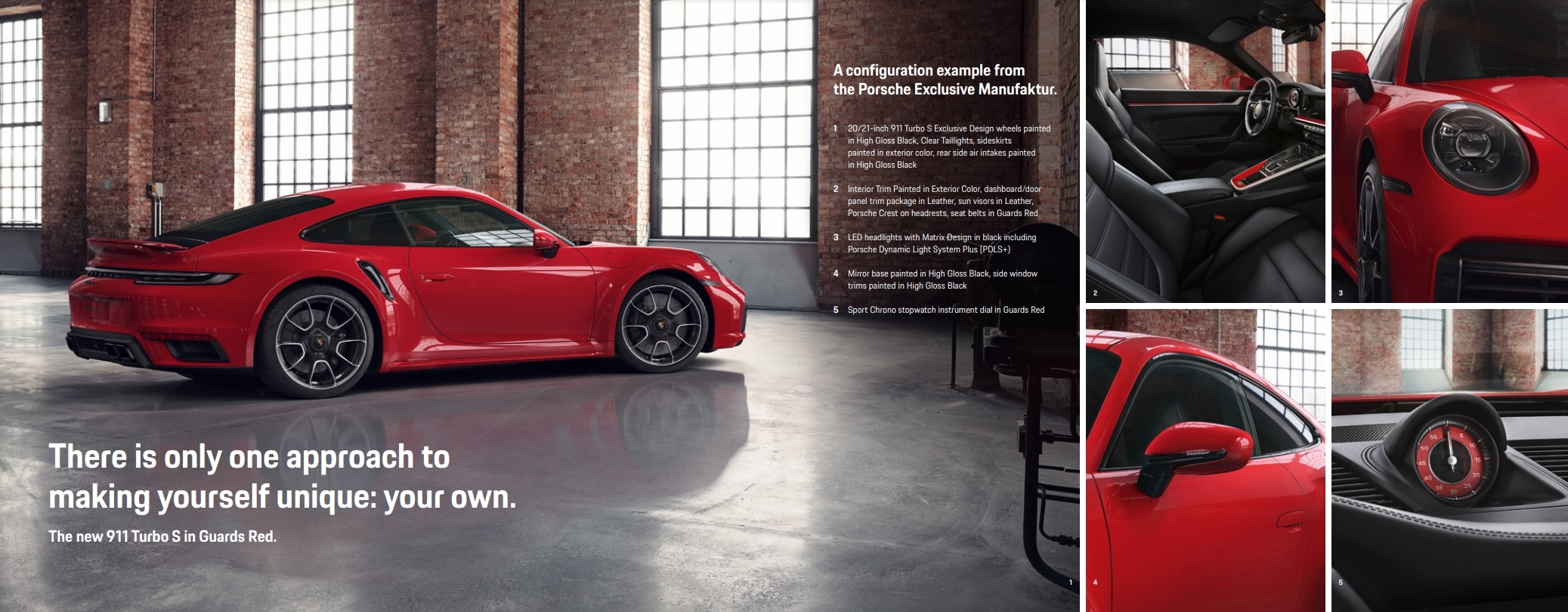
Also, a handful of 992 Turbo customers also went through the PTS (Porsche to Sample) program which was a factory-in-house customization program, that allowed customers to personalize their Porsche with a unique exterior.
For individual unique interior colors, materials, and features that were not available on regular production models, you would have to go through the Porsche Exclusive Manufaktur department.
Because of the strict approval requirements, cars that went through the PTS and Porsche Exclusive Manufaktur program are considered highly desirable.
These cars usually command a higher premium in the market due to their exclusivity and uniqueness.
2021 Porsche 992 Turbo brochure
Key Options
Porsche 992 Turbo Price and Value
The Best Porsche 992 Turbo to Buy
When selecting the ideal Porsche 992 Turbo, it’s essential to consider factors such as model year, available features, and the vehicle’s condition.
To commemorate the 50th anniversary of the 911 Turbo, Porsche released a special limited-edition model named the 911 Turbo 50. A total of 1,974 units were produced, featuring heritage design elements such as Tartan-patterned trim, inspired by the interior of Ferry Porsche’s original 911 Turbo from 1974.
For those seeking the pinnacle of performance and features in the 992 Turbo lineup, the Turbo S is an excellent choice. It offers enhanced power, advanced standard equipment, and superior braking capabilities with Porsche Ceramic Composite Brakes (PCCB) being standard on the Porsche 911 Turbo S models. In contrast, the standard 911 Turbo comes equipped with cast-iron brake discs, with the option to upgrade to PCCB.
Additionally, the Turbo S tends to retain its value better over time, which can be beneficial for long-term ownership.
The limited-edition 911 Turbo 50 Years model, produced in a run of 1,974 units to commemorate the year the original 911 Turbo debuted, is an excellent choice for collectors. Its exclusive design elements and limited availability are likely to contribute to strong long-term value retention.
Considering a Porsche 992 Turbo with a Paint to Sample (PTS) finish can be a prudent choice for collectors and enthusiasts. The PTS program allows buyers to select from a broader palette of colors beyond the standard offerings, resulting in a more personalized and unique vehicle.
This exclusivity often translates to higher resale values, as the distinctiveness of the color can make the car more desirable in the secondary market.
When considering a used 992 Turbo, it’s advisable to look for models with low mileage and a comprehensive service history. Well-maintained vehicles are more likely to retain their value and provide a reliable ownership experience. Additionally, certain optional features, such as the Sport Exhaust System or the SportDesign Package, can enhance driving enjoyment and may be desirable for future resale.
Ultimately, the best Porsche 992 Turbo for you will depend on your individual preferences, desired features, and budget.
Conclusion
In summary, with a starting price of approximately $190,000+, the Porsche 911 Turbo offers an exceptional combination of performance and everyday usability. Its twin-turbocharged 3.7-liter flat-six engine delivers exciting acceleration.
Throughout its production, the Porsche 911 Turbo has faced competition from high-performance rivals such as the Ferrari F8 Tributo, Lamborghini Huracán EVO, McLaren 720S, Audi R8 V10 Performance, and Mercedes-AMG GT R. Despite the tough competition, the 911 Turbo distinguishes itself with its versatility, combining everyday practicality with exciting performance, making it an exciting choice in the segment.
For those that choose to go with a 992 Turbo, you will love it and will not regret your choice.
Car Hacking Shortcuts
Consider the 992 Turbo S or 50th Anniversary Edition for long-term value retention
Look for cars that went through and have Paint to Sample (PTS) program colours, as they typically command higher premiums due to their unique and desirable color options
Porsche Ceramic Composite Brakes (PCCB) are desirable
Prioritize well-maintained, low-mileage vehicles, especially those with a Porsche-approved service history
What do you do when your place in American history is secure? Do you rest and milk the nostalgia? Or do you keep pushing, knocking off the best in the world?
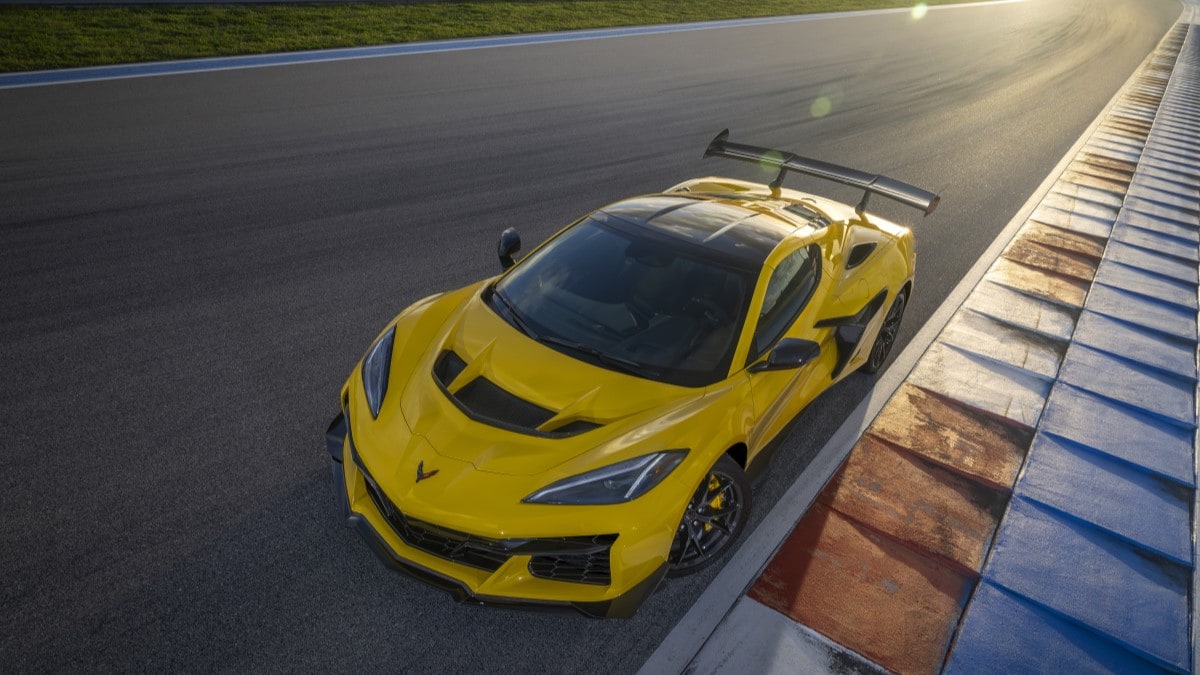
There are arguably a handful of cars as important to American history as the Chevrolet Corvette. There are none more important. With an unchallengeable place in the history books, Corvette engineers are pushing the car to new heights.
At the top of the Corvette hierarchy sits the 2025 Corvette ZR1. It’s not cheap, starting at $174,995 (including a $1,695 destination charge) for the 1LZ coupe and $184,995 (delivered) for the 1LZ hardtop convertible. But those prices look affordable next to exotic supercars from low-volume manufacturers like Lamborghini and Ferrari.
It’s not a bad price for a car that sets records everywhere it goes. Chevrolet started 2025 by sending the ZR1 to challenge track records at five iconic American race tracks. It took the top time at every one of them.
The Times
With four different drivers behind the wheel, Chevrolet says, the 2025 ZR1 set new single-lap records at each track:
Watkins Glen Long Course: 1:52.7. Driver: Bill Wise, Lead Performance Engineer, Chassis Controls
Road America: 2:08.6. Driver: Brian Wallace, Lead Vehicle Dynamics Engineer
Road Atlanta: 1:22.8. Driver: Chris Barber, Lead Development Engineer
Virginia International Raceway Full Course: 1:47.7. Driver: Aaron Link, Global Vehicle Performance Manager
Virginia International Raceway Grand Course: 2:32.3. Driver: Aaron Link
The ZR1 uses a hand-built 5.5-liter twin-turbo flat-plane crank V8, putting out an astonishing 1,064 horsepower and 828 lb-ft of torque. Power goes through an 8-speed dual-clutch automatic transmission to the rear wheels.
“The drivers set out on this track tour with a pre-production Corvette ZR1 equipped with the optional ZTK Performance Package,” Chevrolet notes. That package adds “an aggressive, high-downforce rear wing, front dive planes, and a tall hood Gurney lip — all constructed from woven carbon fiber. Underneath, underbody strakes replace the standard front underwing stall Gurney to substantially increase front downforce. The suspension tuning included in the ZTK package incorporates stiffer springs and adds Michelin Pilot Sport Cup 2R ZP tires.”
Luxury brands are reimagining their roles in society by prioritising activism, sustainability, and mindful consumption. From Rolex’s commitment to sustainability and social responsibility to Rimowa’s lifetime warranty that promotes longevity over disposability, these brands are leading the charge in redefining luxury. Their evolving narratives increasingly focus on intentional communities, ethical practices, and social good. This shift is explored in three distinct sections: Intentional Impact: Activism and Purpose in Branding, which highlights the growing influence of purpose-driven messaging; Manifesting Mindfulness: The Art of Intentional Living, where luxury and sustainability intersect in lifestyle choices; and Conspicuous Consumption: Merging Shopping with Cultural Immersion, a look at how shopping is becoming a more immersive and culturally aware experience.
Intentional Impact: Activism and Purpose
Rolex’s Sustainability Initiative
Rolex has long positioned itself as a brand built on longevity, not just in the mechanics of its watches but in its philosophy as a company. The Swiss watchmaker’s Perpetual philosophy — centered on quality, endurance, and timeless design — has naturally aligned with sustainability, reinforcing the idea that a Rolex is not just a purchase but an heirloom meant to last generations. In 2020, Rolex formalised its sustainability approach under the “Impact and Sustainability” initiative, culminating in its first public sustainability report in 2023. Unlike many other luxury brands that have leaned into sustainability as a marketing tool, Rolex operates with a certain discretion — eschewing high-profile greenwashing campaigns in favour of methodical, internalised change.
The report provides a glimpse into Rolex’s comprehensive efforts, covering responsible raw material sourcing, sustainable manufacturing practices, and long-term environmental impact reduction across its supply chain. Rolex maps and traces the origins of its raw materials to ensure ethical compliance, while its production sites in Geneva and Bienne have seen CHF 6.4 billion in investment between 2007 and 2027 to improve sustainability standards. Additionally, Rolex commits to keeping spare parts available for at least 35 years, reinforcing the longevity of its products — an approach that contrasts sharply with fast fashion’s built-in obsolescence.
However, where Rolex differentiates itself from other luxury brands is its unique ownership structure. As a privately held entity under the Hans Wilsdorf Foundation, Rolex is not beholden to shareholders or profit-driven pressures in the same way as publicly traded luxury conglomerates. This allows the brand to reinvest substantial portions of its earnings into social and environmental initiatives without the same level of external scrutiny or investor demands. While many high-end brands balance sustainability with the need to drive new sales, Rolex’s strategy subtly encourages a slower, more mindful approach to ownership — one where customers buy into a legacy rather than a fleeting trend.
Of course, Rolex remains an aspirational brand, and luxury consumption always carries an inherent tension with sustainability. Yet, with 150 internal sustainability projects in motion and a commitment to innovation that extends beyond horology, Rolex is demonstrating that in the world of fine watchmaking, responsible stewardship is just as important as precision engineering.
Chopard’s Sustainable Sourcing
Chopard has positioned itself at the forefront of responsible luxury, proving that high jewellery and watchmaking can be both opulent and environmentally conscious. Through its commitment to ethical gold, recycled steel, and responsible gemstone sourcing, Chopard is redefining the role of heritage Maisons in shaping a more sustainable industry. Sustainability in luxury is often perceived as a trade-off, but Chopard’s innovations challenge this notion. The introduction of Lucent Steel — a high-quality material composed of up to 80 percent recycled steel — demonstrates that sustainability can enhance, rather than compromise, the integrity of watchmaking. By committing to increasing this percentage to 90 percent by 2028, Chopard sets a precedent for the industry, proving that luxury brands can and should actively participate in reducing their environmental footprint.
The brand’s pioneering decision to use 100 percent ethical gold since 2018 further reinforces its leadership in responsible sourcing. By working with RJC-certified refineries and artisanal small-scale miners, Chopard ensures full traceability, addressing long-standing concerns about human rights and environmental impact in gold extraction. This shift is not just about compliance — it is a statement on the evolving responsibilities of luxury houses in the 21st century. Beyond gold and steel, Chopard has taken significant steps to regulate its diamond and coloured gemstone supply chains. While diamonds have long been subject to international scrutiny through initiatives like the Kimberley Process, coloured gemstones historically lacked similar oversight. Chopard’s involvement in the Coloured Gemstones Working Group signals a broader movement towards ethical mining practices, ensuring that transparency extends across all aspects of high jewellery. Chopard’s approach reflects a shift in how luxury brands define approach the notion of a commitment to ethical progress. As the industry moves towards greater accountability, luxury Maisons that embrace sustainability without sacrificing quality will lead the next era of “sustainable luxury”.
Boucheron
Boucheron’s “Precious for the Future“ initiative embodies its commitment to sustainability, balancing the artistry of high jewellery with ethical responsibility. In an industry often scrutinised for its environmental and social impact, Boucheron has set ambitious goals to ensure its creations honour both heritage and progress. The Maison has pledged 100 percent traceability for key raw materials — including gold, platinum, diamonds, and coloured gemstones — by 2025. Recognising the challenges of opaque supply chains and the environmental toll of extraction, Boucheron has taken a proactive stance, engaging with suppliers and industry peers to improve transparency and ethical sourcing. As a member of the Responsible Jewellery Council (RJC) since 2006, Boucheron aligns itself with global standards for responsible practices in ethics, environmental impact, and working conditions.
Beyond materials, Boucheron is also focusing on operational impact, aiming to reduce its environmental footprint by 40 percent by 2025 — acknowledging that sourcing communities often bear the brunt of climate change, facing unstable livelihoods and ecological degradation. In response, the Boucheron Fund for Education — established in 2021 — supports programmes designed to build resilience through education, reinforcing the idea that true luxury extends beyond aesthetics — it must also “uplift and sustain”. Boucheron’s initiatives suggest a shift in the right direction, but the jewellery industry as a whole still faces challenges in achieving full-scale ethical transformation.
Gucci’s Gucci Equilibrium
Gucci’s Equilibrium platform serves as a dedicated hub for the brand’s sustainability and social impact efforts. While many luxury brands are refining their sustainability narratives, Gucci has positioned itself as a leader in circular fashion and regenerative agriculture, embedding these values into both its operations and public-facing initiatives. In 2023, Gucci launched the Circular Hub in Italy, an ambitious effort to transform production models and champion sustainability at scale. This initiative earned the Ellen MacArthur Foundation Award for Circular Economy at the CNMI Sustainable Fashion Awards, reinforcing Gucci’s status as a pioneer in fashion’s move toward regenerative and circular practices.
Beyond environmental sustainability, Gucci has taken steps to integrate gender equality into its corporate framework. The brand became the first luxury fashion house in Italy to obtain a Certification for Gender Equality and was recognised for its commitment to disability inclusion by the Disability Equality Index for the second consecutive year. Gucci also continues to engage in global activism through its role as a private sector lead in UN Women’s Generation Equality Action Coalitions, advocating for feminist leadership and systemic change.
Despite these achievements, Gucci’s sustainability journey raises broader industry questions of if a major luxury brand truly balance high-volume production with circularity. Is the push for regenerative agriculture and ethical sourcing enough to offset fashion’s environmental impact? Gucci’s moves suggest a forward-thinking strategy, but like many in the luxury space, the brand must continuously innovate to prove that sustainability is more than just a marketing angle
Manifesting Mindfulness: The Art of Intentional Living & Mindfullness
Rimowa’s Lifetime Warranty
Luxury today is no longer just about exclusivity — it is also about long-term value and ethical responsibility. Rimowa — the German Maison known for its aluminium-crafted luggage, has taken a significant step in redefining durability with its lifetime guarantee. Introduced in July 2022, this commitment ensures that all functional aspects of its suitcases remain protected for their lifespan, reinforcing the idea that true luxury is built to last. By offering a lifetime guarantee, Rimowa challenges the culture of disposability, positioning its luggage as a long-term investment rather than a fleeting trend. This is a critical shift in an era where consumers demand more from luxury brands — not just in terms of quality, but also in ethical responsibility. The promise of longevity extends beyond mere functionality; it reflects a broader push towards sustainability, as products designed for permanence inherently reduce waste and overconsumption.
However, Rimowa’s approach also maintains clear boundaries. The guarantee does not extend to cosmetic wear and tear, leather ageing, or misuse, reinforcing the notion that while luxury can promise durability, it cannot entirely defy time. This distinction highlights a fundamental truth in luxury craftsmanship — materials evolve, and proper care remains an integral part of ownership. This commitment to longevity is a statement on the future of luxury as much as it is a warranty policy. As consumer expectations shift, brands that embrace durability and long-term service not only enhance their desirability but also contribute to a more sustainable industry model. Rimowa’s guarantee is a reflection of how heritage brands are evolving — offering not just products, but purpose-driven assurances that redefine what it means to invest in luxury.
Patagonia’s Anti-Consumerism Paradox
Luxury brands have long been arbiters of aspiration, but in an era where purpose matters as much as prestige, the most forward-thinking companies are redefining what success looks like. Among them, Patagonia stands out as a brand that has built its identity around environmental activism — while paradoxically experiencing massive commercial growth. Since its early days, Patagonia has positioned itself as more than just an outdoor apparel company; it has actively sought to change consumer behaviour. Its now-renowned 2011 “Don’t Buy This Jacket” campaign, which urged customers to reconsider unnecessary purchases, exemplified the brand’s anti-consumerist stance. More recently, initiatives like its Worn Wear programme — offering repairs, resale, and recycling for its products — have doubled down on this ethos. And yet, despite actively encouraging customers to buy less, Patagonia’s annual revenues have climbed past the billion-dollar mark.
This paradox highlights a deeper shift in the luxury and lifestyle space. Increasingly, consumers want to align themselves with brands that stand for something beyond profit. Patagonia has successfully transformed its brand loyalty into a form of activism, proving that purpose-led business strategies can drive growth. Its founder, Yvon Chouinard, even took this philosophy to the extreme by transferring the company’s ownership to a trust that ensures all profits go toward environmental causes.
However, Patagonia’s approach also exposes the tensions in the sustainability narrative across luxury. While the company actively funds climate action and champions a “responsible economy,” it still participates in the global supply chain — a system that inevitably generates waste and carbon emissions. The brand’s efforts to use recycled materials and organic cotton since the 1990s were pioneering at the time, but the fashion industry at large continues to grapple with the limits of “sustainable” consumption.
What Patagonia represents is the evolving role of luxury brands as cultural agents of change. Just as luxury houses are now embracing regenerative materials and circular design, and fine jewellery brands are pushing for ethically sourced gemstones, Patagonia has shown that activism can be woven into the business model itself. Whether or not this approach is scalable for other industries remains debatable, but it is clear that luxury is no longer just about what one wears — it is about the values one wear with it.
Limited Editions
Patek Philippe’s Generational Luxury
Some would argue that the luxury industry is (at times) defined by fleeting trends and high turnover. Patek Philippe, however, stands as a testament to permanence. More than a watchmaker, the Swiss manufacture has long positioned itself as a custodian of heritage, craftsmanship, and the idea that true luxury is not just owned but passed down through generations. This philosophy underscores a broader shift in how luxury brands are shaping change — not through rapid reinvention, but by reinforcing values of longevity, rarity, and emotional resonance. Patek Philippe’s approach is built upon ten core values — independence, tradition, innovation, quality, rarity, value, aesthetics, service, emotion, and heritage — each contributing to the manufacture’s near-mythical status among collectors and connoisseurs. Independence is key to its ethos: as the oldest family-owned Genevan watch brand, Patek Philippe retains full creative and technical control, allowing it to prioritise artistry over commercial trends. This autonomy has enabled the company to innovate at its own pace, securing over 100 patents, including breakthroughs that have shaped modern horology.
Yet, innovation at Patek Philippe is not about disruption — it is about refinement. Every timepiece is crafted with meticulous attention to quality, from hand-finished movements to understated, timeless designs that defy seasonal obsolescence. This commitment is enshrined in the Patek Philippe Seal, an exclusive standard that surpasses traditional watchmaking certifications, ensuring that each creation meets the manufacture’s uncompromising benchmarks. The emblematic Calatrava Cross serves as another symbol of this enduring excellence, a mark of distinction that has become synonymous with horological prestige.
Beyond its craftsmanship, Patek Philippe has mastered the art of emotional storytelling — something that many modern luxury brands are striving to achieve. Its long-standing advertising campaign, You never actually own a Patek Philippe. You merely look after it for the next generation, captures the essence of its philosophy: a Patek is not just a watch; it is an heirloom, a tangible link between past and future. In this sense, the brand represents a form of luxury that is not about excess but about meaning — where emotional and financial value grow with time.
Delvaux’s Art of Exclusivity
As one of the world’s oldest luxury leather goods Maisons on the market, Delvaux offers a compelling case study on how heritage brands are navigating exclusivity, proving that quiet luxury and purposeful storytelling can be the new pillars of desirability. Exclusivity has long been a cornerstone of luxury, but in today’s market, it extends beyond limited production. Delvaux, for instance, prioritises bespoke craftsmanship over mass appeal, creating not just products but collector’s pieces. Every Delvaux bag is handmade in Belgium or France, accompanied by a numbered certificate signed by the head craftsman — a detail that reinforces its commitment to heritage and partisanship. Delvaux’s recent success in China — where luxury buyers increasingly favour investment-worthy, timeless pieces — demonstrates how the right balance of tradition and modernity can secure a brand’s relevance. CEO Jean-Marc Loubier, who previously expanded Louis Vuitton in China, has positioned Delvaux as a brand of curiosity and connoisseurship rather than ubiquity. Unlike labels that flood markets, Delvaux has taken a more measured approach, opening just 60 stores globally while ensuring each retail space is designed as a cultural bridge rather than just a point of sale.
What also makes Delvaux stand out from other luxury brands is its deeper integration with art, blurring the lines between fashion, design and cultural commentary. Delvaux does this through long-term creative partnerships, such as its ongoing collaboration with the René Magritte Foundation, which transforms surrealist works into wearable art. The Maison’s Magritte-inspired capsule collection was not just a commercial exercise — it was launched with an interactive art exhibition in Beijing’s high-end SKP mall, reinforcing the idea that luxury today is about immersive experiences rather than just objects.
While sustainability is now a non-negotiable in luxury, it remains a challenge for brands traditionally built on craftsmanship rather than innovation. Delvaux’s answer? Craftsmanship as sustainability. By framing its handbags as lifelong investments — complete with a lifetime warranty — the brand sidesteps the fast fashion cycle. Its products — often resold as vintage collectibles — inherently retain value, aligning with the growing preference for “investment luxury”.
Shopping as a Cultural Experience
At the intersection of brand storytelling and conspicuous consumption, luxury shopping is evolving into an immersive cultural experience. Today’s luxury brands are no longer simply selling products; they are curating environments where art, craftsmanship, and local culture converge. Hermès has been a pioneer in this realm, collaborating with local artists to create window displays that transform their retail spaces into dynamic works of art reflecting the cultural nuances of each location. Similarly, Bottega Veneta has embraced the power of regional craftsmanship, incorporating bespoke collections and store designs that pay homage to local heritage. For instance, the brand’s collaboration with Venetian artisans resulted in a limited-edition collection inspired by the city’s rich history and architecture, with flagship stores often featuring pieces crafted by local artists, blending regional culture with luxury design.
LOEWE also excels in this space, particularly through its collaboration with Spanish artist Antonio García Villarán. Known for working with contemporary artists, LOEWE’s Madrid flagship store features bespoke design elements that reflect the local Spanish aesthetic, further enhanced by custom installations inspired by the cultural surroundings. The brand’s collections, such as the Handcrafts Collection, showcase artisanal techniques rooted in Spanish tradition, seamlessly weaving local craftsmanship into their luxury offerings.
This fusion of shopping with art and culture amplifies the concept of “shopping as an art form”, where purchasing becomes a journey of cultural discovery.
For more on the latest in luxury fashion and style reads, click here.
From Cartier’s dedication to safeguarding high jewellery techniques through the Cartier Institute of High Jewellery to Loro Piana’s collaboration with indigenous Peruvian artisans, luxury Maisons are resolutely committed to preserving traditional craftsmanship while embracing innovation in an industry increasingly shaped by automation. Now, more than ever, these Houses are proactively sustaining, supporting, and evolving artisanal techniques, ensuring they remain relevant in an ever-changing commercial landscape. LUXUO explores how luxury icons like Chanel, Hermès, Louis Vuitton, and Van Cleef & Arpels are not only protecting heritage but intentionally evolving craftsmanship, ensuring that artisanal skill continues to lie at the heart of luxury.
Cartier: Protecting High Jewellery Craftsmanship
In an era where automation threatens to overshadow artisanal expertise, Cartier is doubling down on its mission to preserve the delicate craft of jewellery-making. Through the Cartier Institute of High Jewellery, the Maison is ensuring that its savoir-faire — stone setting, filigree work, and polishing — remains in the hands of skilled artisans, not just machines. This is particularly seen as the Maison has expanded its training initiatives, inaugurating dedicated jewellery-making and polishing classes at the Haute École de Joaillerie and the École Boulle. Cartier has also introduced an undergraduate degree in Digital Design, reflecting how high jewellery craftsmanship is adapting to technological advancements.
Cartier’s commitment extends beyond classrooms as each year, its workshops welcome 40 apprentices and 30 interns, with a vision to increase these numbers in response to a growing demand for skilled artisans. These hands-on training programs not only secure Cartier’s own future but also contribute to the broader luxury ecosystem, ensuring that traditional craftsmanship continues to thrive in an industry increasingly shaped by innovation. By participating in initiatives like Les De(ux)mains du Luxe, Cartier champions the intersection of heritage and progress, opening its doors to the public and engaging younger generations through interactive workshops. With its jewellery and high jewellery workshops staffed by over 340 artisans, Cartier is actively shaping the future of its craft, proving that heritage and innovation are not opposing forces, but essential partners in luxury’s next chapter.
Hermès: A Maison for Artisans
Hermès is deeply invested in training the next generation of artisans. Through its dedicated Centre de Formation des Apprentis (CFA) — launched in 2021 — Hermès is equipping young talent with the skills to uphold its standards of excellence, awarding diplomas that pave the way for lifelong careers in artisanal métiers. With over 60 production and training sites across France, Hermès anchors its expertise in local communities, fostering a new wave of artisans who blend time-honoured techniques with contemporary precision. The Maison actively encourages internal mobility, allowing employees to expand their craft and refine their skills within a nurturing environment committed to inclusivity and diversity. As the demand for exceptional craftsmanship continues to rise, Hermès is steadfast in its commitment to preserving artisanal employment. Each year, the maison creates new roles, ensuring its heritage remains both dynamic and relevant, with a focus on keeping the craft in the hands of skilled artisans rather than machines. In a world increasingly driven by automation, Hermès maintains that true luxury is still made by human hands — one stitch at a time.
Louis Vuitton Maintains Legacy in the Digital Age
At the heart of Louis Vuitton’s success lies an unwavering commitment to savoir-faire — a tradition of excellence that has shaped the Maison since 1854. Through specialised training programmes, academic partnerships, and an evolving approach to artisanal careers, the maison is safeguarding rare skills while redefining the future of luxury. With over 26,000 artisans across 200 métiers, Louis Vuitton is ensuring that heritage craftsmanship not only survives but thrives. Recognised with the Entreprise du Patrimoine Vivant (EPV) label — an honour reserved for French companies excelling in traditional techniques — the Maison continues to pass down its expertise through initiatives like the Métiers d’Excellence programme. By prioritising human skill over mass production, Louis Vuitton ensures that fine craftsmanship remains integral to luxury in the digital era.
Louis Vuitton also actively engages young talent. The Excellent! programme introduces students to artisanal careers through immersive workshops, demystifying a path often overshadowed by corporate and tech-driven professions. Meanwhile, the WE for ME Pact reaffirms the Maison’s commitment to securing the future of its métiers, ensuring that craftsmanship remains a viable and desirable career. The luxury label also partners with academic institutions like Central Saint Martins and École Normale Supérieure, and is driving new conversations at the intersection of tradition and technology. From artificial intelligence applications that enhance the customer experience to sustainability-driven design incubators, these initiatives position Louis Vuitton at the cutting edge of luxury — without compromising the essence of handcrafted excellence. By blending generational knowledge with forward-thinking innovation, Louis Vuitton proves that heritage and modernity are not opposing forces, but two sides of the same coin.
Van Cleef & Arpels: L’ÉCOLE des Arts Joailliers
L’ÉCOLE, School of Jewellery Arts — founded with the support of Van Cleef & Arpels — has spent over a decade cultivating an appreciation for the art of jewellery. Through its courses, workshops, exhibitions and publications, it introduces enthusiasts and novices alike to the craftsmanship, history and science of gemology. In June 2024, the institution expanded with a new home in the Hôtel de Mercy-Argenteau, an 18th-century mansion on Paris’s Grands Boulevards, offering a dedicated exhibition space, a specialist bookshop named L’Escarboucle, and a library devoted entirely to jewellery. With a teaching faculty of over 60 experts — including jewellers, historians, lapidaries, and enamel specialists — L’ÉCOLE is committed to preserving and sharing traditional savoir-faire. While its flagship locations span Paris, Hong Kong, Shanghai, and Dubai, its mission extends beyond these cities. Regular travelling programmes bring jewellery culture to audiences worldwide, from New York to Tokyo, through pop-up courses, talks, and exhibitions.
Currently, L’ÉCOLE is presenting Paris, City of Pearls, an exhibition running from 21 November 2024 to 1 June 2025, exploring the historical pearl trade between the Gulf and France. Featuring over a hundred pieces on loan from institutions such as the Musée des Arts Décoratifs and the Petit Palais, as well as private collections, the exhibition traces the enduring fascination with pearls from the 19th century to the present day. In the Middle East, L’ÉCOLE is further strengthening its presence with the launch of the inaugural L’ÉCOLE Festival in Dubai. Open to all, the festival reflects L’ÉCOLE’s dedication to fostering creativity, education, and cross-cultural dialogue in the jewellery arts. The festival, alongside L’ÉCOLE’s global initiatives, exemplifies how historic Maisons like Van Cleef & Arpels are curating experiences to preserve jewellery heritage while engaging new audiences through education and cultural exchange.
Loro Piana Empowering Indigenous Peruvian Artisans
Loro Piana exemplifies how storied Maisons preserve rare craftsmanship while pioneering sustainable luxury, blending centuries-old textile traditions with forward-thinking conservation efforts. The brand’s deep connection with the Vicuña species — a population that was approaching extinction due to poachers — highlights its commitment to both heritage and environmental stewardship. Since 1994, Loro Piana has led efforts to protect the endangered species, securing exclusive rights to sustainably source its prized fleece. In 2008, they further solidified this commitment by establishing Peru’s first private nature reserve, safeguarding Vicuña’s natural habitat. Beyond conservation, the Maison continues to innovate, as seen in the development of materials like Pecora Nera, a rare Merino wool now fully traceable via blockchain technology.
Loro Piana’s ethical sourcing efforts extend to its partnership with the Peruvian government and local Andean communities. This collaboration has resulted in a series of sustainable practices, including responsible harvesting agreements for Vicuña fleece. Their 2018 Water Project in Arequipa addresses climate challenges by ensuring water security for both the Vicuña and the communities that depend on them, helping both thrive in the face of rising temperatures and drought. The Maison’s work with Vicuña highlights the brand’s dedication to preserving ancient traditions while adapting to the needs of the modern world. The Vicuña’s ultra-fine, golden-hued fleece, once reserved for royalty due to its extraordinary thermoregulating properties, has become a symbol of the brand’s mission to protect both the species and its ancestral traditions.
Chanel’s Métiers d’Art
Chanel’s Métiers d’Art ateliers stand as living embodiments of the House’s ability to preserve exceptional craftsmanship while adapting to the demands of contemporary luxury. These ateliers — including Montex, Goossens, Lemarié, Lesage, Massaro, and Maison Michel — have long been integral to Chanel’s iconic aesthetic, each combining centuries-old traditions with modern techniques to create timeless pieces that transcend fashion trends. For instance, Montex, the embroidery atelier, continues to honour traditional methods like the Lunéville crochet hook and the Cornely machine, alongside a commitment to incorporating new materials and designs. Similarly, Goossens, the jewellery atelier, brings a rich history of sculpture and goldsmithing into the 21st century. Founded in 1954, the atelier evolved from its Byzantine influences to create contemporary pieces that continue to reflect the legacy of Chanel’s founder while pushing the boundaries of jewellery design.
Lemarié — established in 1880 — remains at the forefront of featherwork and flower-making and has been a key player in creating Chanel’s emblematic camellias since the 1960s. Its artisans combine precision and creativity, adapting traditional techniques to keep the spirit of couture alive, ensuring Chanel’s floral motifs remain as contemporary as ever. Lesage on the other hand is the embroidery house famed for its intricate patterns since 1924 and has continuously modernised the art of embroidery. Its ability to blend wool with unconventional materials like metallic threads and sequins adds a modern twist to the house’s renowned tweed. As a hub for passing down these time-honoured skills, Lesage plays a critical role in safeguarding the future of couture while fostering innovation. Massaro, the Maison behind Chanel’s legendary two-tone shoes since 1957, epitomises the balance between tradition and modernity. Each shoe is a testament to the meticulous craftsmanship that has defined the atelier for over half a century, yet Massaro remains agile, refining techniques to align with the evolving needs of contemporary luxury. Finally, Maison Michel, the storied Parisian millinery house, continues to create the signature hats that complete Chanel’s collections. Using a combination of age-old techniques and modern-day materials, the artisans at Maison Michel produce bespoke pieces that are as innovative as they are rooted in tradition.
Moving further in to 2025, Chanel’s commitment to its Métiers d’Art ateliers remains a cornerstone of the brand’s identity. These “sub-Maisons” not only preserve the legacy of Chanel’s artisanal craftsmanship but also ensure that the label’s future collections continue to challenge conventional boundaries, redefining luxury in a way that remains both rooted in tradition and is simultaneously forward-thinking.
Bottega Veneta on Keeping Intrecciato Alive
Bottega Veneta has solidified its commitment to preserving artisanal craftsmanship through the launch of Accademia Labor et Ingenium, a dedicated school aimed at nurturing the next generation of talent. The name, drawn from the brand’s founding principles — “Craft and Creativity” — underscores the Maison’s ongoing dedication to its heritage. The school serves as both a permanent workshop and a training hub, where new hires and external students can learn directly from Bottega Veneta’s master artisans. With a focus on upskilling and reskilling, it also supports the creativity and craftsmanship of the Veneto region, celebrating the Italian tradition of “Made in Italy” and empowering the community to uphold and evolve the brand’s signature techniques. As CEO Leo Rongone stated, the initiative is a key strategic pillar in ensuring the Maison’s unique savoir-faire remains central to its future.
In addition to the school, Bottega Veneta continues to explore innovation in craftsmanship through initiatives such as “Craft in Motion”, a film that captures the interplay between creativity and tradition. Through these efforts, the Maison aims not only to preserve its rich history but to infuse it with modern artistry, ensuring that Bottega Veneta’s legacy remains as dynamic and relevant as ever.
Loewe’s Commitment to Craftsmanship
Loewe continues to deepen its connection with craftsmanship through initiatives like the LOEWE FOUNDATION Craft Prize, which celebrates innovative artisans from across the globe. In 2025, the prize returns to Madrid, showcasing 30 finalists selected from over 4,600 submissions. These finalists, representing 18 countries, have pushed the boundaries of traditional craft techniques, reinterpreting ancient forms through new materials such as basketry in clay and loom weaving in metal. This exploration of heritage and innovation reflects a reverence for craftsmanship passed down through generations, while embracing fresh, sculptural expressions that offer new directions in the craft world.
Parallel to the Craft Prize, Loewe celebrates its ongoing commitment to handcraft with the Crafted World exhibition. Spanning nearly two centuries of history, Crafted World offers a journey through Loewe’s Spanish heritage, showcasing the Maison’s progressive approach to fashion and its profound relationship with craftsmanship. Launching in Tokyo in March 2025, this exhibition reflects the creative spirit that has defined the house since its origins in Madrid in 1846. Designed in collaboration with OMA, the show includes collaborations with Japanese artisans and offers insight into Loewe’s evolving cultural dialogue with Japan, from the Ōnishi family’s 400-year-old tea kettle craft to works from the LOEWE FOUNDATION Craft Prize finalists. Loewe’s focus on sustainability is also evident in initiatives such as The Surplus Project, which repurposes excess leather to create woven basket bags. This commitment to environmental responsibility underscores the brand’s dedication to preserving both traditional and modern craftsmanship while advancing sustainability.
For more on the latest in luxury business and fashion reads, click here.
Thinking of going wild parking in Scotland with your motorhome or campervan? Worried about the rules, where to stay and if it’s legal? Here’s everything you need to know about motorhome wild parking in Scotland.
Don’t forget to grab your free wild camping checklist below to help
*We work hard to make this the best motorhome travel blog and road trip website possible, full of helpful content for you. The website is supported by our readers, so if you buy through links on this site we may earn a commission- at no extra cost to you. All opinions remain our own.
If you find this post useful, you can also treat us to a coffee – we promise to enjoy it while creating more useful content like this- we might even indulge in a biscuit (or two!)
Motorhome Wild Parking in Scotland
The term “wild camping” in the motorhome / campervan circles has been used for many years – but these days, I personally prefer to refer to it as “wild parking” or “off grid”. Scotland has long been renowned for “wild camping”. Whether you’re travelling in a motorhome, campervan or doing ‘proper’ wild camping with a tent, there are so many incredible places to explore.
If you scroll on Facebook or Instagram, you’ll find photos of motorhomes wild parking by Scottish beaches, alongside lochs or in the Highlands. It all looks utterly idyllic.
But is it legal?
We’ve spoken in previous posts about how to start motorhome wild parking and what the campervan parking laws are in the UK.
But people still have questions about wild parking with a motorhome in Scotland (probably because of all the recent bad press and local anger- we’ll get to that shortly).
So let’s discuss wild parking with a motorised vehicle in Scotland and break down the rules for you, as well as sharing some practical tips for your next motorhome or campervan trip.
If you want more tips for Scotland road trips, read our complete guide to motorhoming in Scotland.
Motorhome Off-Grid Parking in Scotland- the law
When it comes to the law about wild parking with a motorised vehicle, there are 3 different Scottish laws we need to pay attention to. (I’m abbreviating parts for the sake of clarity and conciseness, but feel free to look them up if you wish)
Scottish Outdoor Access Code
The Scottish Outdoor Access code says that wild camping is lightweight, done in small numbers and only for two or three nights in any one place BUT it non-motorised recreation and does not extend to activities that are based on the use of a vehicle such as sleeping in cars, campers, vans or caravans.
There is no legal right to park beside the road overnight but there may be no objection in some instances so extra care is needed.
Want to stay off-grid with your motorhome?
Grab our FREE wild parking checklist and make it easy for yourself. Everything you need to do, bring or remember when you stay off-grid.
Land Reform Act of 2003
The Land Reform Act of 2003 is a Scottish Parliament Act that secures public access rights for unenclosed land in Scotland. The part of that Act that applies to motorised vehicles says that where you park your vehicle is important.
You should not cause any damage or create an obstruction by blocking an entrance to a field or a building, making it difficult for anyone else to use a road or a track. You must be aware of the safety of others, you should not damage the verge and you must use a car park if there is one nearby.
Road Traffic Act of 1988
The Road Traffic Act of 1988 says it is an offence to drive a motor vehicle without lawful authority on land of any description which is not part of a road, a footpath or a bridleway.
It also states that you can drive a vehicle off-road away from a public road for the purposes of parking as long as you stay within 15 yards of a public road but (and here’s the but!!) you do still need the landowner’s permission to park.
Most roads, unfenced land and beaches are private property and you don’t have the right to just park up whatever you like unless you have agreements from the landowner. The parking of camper vans or cars on roads and laybys is subject to the road traffic legislation and regulations. Off-road parking of a motor vehicle on verges or adjacent land without permission is unlawful.
Campervan wild parking in Scotland
Wild parking in Scotland with a Motorhome or Campervan- is it legal?
So, what does all the above mean?
I’ll be honest- motorhome wild parking in Scotland is not as easy as it used to be. And if you’re used to wild camping in France with a motorhome, you’ll probably find it much harder.
Scotland is the only country in the UK where wild camping is legal… but that doesn’t apply to motorised vehicles (ie, motorhomes and camper vans.) THIS is where a lot of the confusion comes in.
The fact of the matter is that most land in the UK is owned by somebody. It’s nearly all private land and we do not just have the right in a motorised vehicle to turn up and park.
So no- it’s not a legal right that you have. If you want to stay 100% within the letter of the law and avoid any chance of being asked to move on, you should use a campsite or find an approved overnight motorhome parking place near you while touring Scotland.
However, it is (or has been in the past) tolerated in many places if you’re considerate and use common sense.
Can you sleep anywhere in a campervan in Scotland?
In reality, wild parking or off grid parking is generally tolerated as an overnight stop only– exactly like truck drivers are tolerated to stop in a lay-by so that they can get some rest. That’s why we need to plan our Scotland road trip itineraries carefully.
It is intended to be a sleeping place, not somewhere where you get out an awning and a load of chairs and make camp for a few days- and that is where I think some of the issues have arisen.
Also, you should never, ever, EVER leave waste or rubbish behind. Ever. The point of wild parking is to enjoy the unspoilt beauty of the places we visit, away from noisy campsites and neighbours. Why on earth some people then choose to ruin these places is beyond my comprehension and it needs to stop.
Want to stay off-grid with your motorhome?
Grab our FREE wild parking checklist and make it easy for yourself. Everything you need to do, bring or remember when you stay off-grid.
Recent Negative Press about free motorhome overnight parking in Scotland
Traditionally, Scotland was a lot more tolerant of wild parking in motorhomes and campers. Now that they’ve created these incredible scenic drives all over Scotland, like the NC500 and the SW300, those areas are feeling the pressure of a LOT of extra vehicles.
2020 did not help matters- with the travel restrictions in Europe, many people chose to travel to Scotland in their vehicles instead of going abroad, so the summer period in many places in Scotland was crazily over-crowded. The NC500 motorhome route was insane.
The infrastructure is just not there at the moment to deal with the sheer numbers of people who visited. Not just in terms of campsite space, but facilities for safe and hygienic waste disposal, toilet facilities, bins, fresh water supplies- it’s all a bit chaotic.
The Scottish councils are working hard to try and get things more organised and improve services, but I believe many of the locals have become a lot less tolerant of people abusing their home.
Some of the stories we’ve heard of the litter and waste left behind are disgusting and it’s heartbreaking that all motorhomers and campervan owners are being tarred with the same brush. Our hope is that things calm down and find a more natural rhythm very soon.
(Having said that, when we were wild camping in Wales, it was a group of local idiots in a car who came into the parking area and dumped all their rubbish, so it isn’t always van owners who are to blame.)
RELATED: 5 essential items you NEED for wild camping (and 2 you don’t!)
Watch the video about the motorhome free camping in Scotland
This video shares what we know about “wild camping” in Scotland with a vehicle (specifically motorhomes and camper vans) We share tips, tricks and also the rules as we understand them in 2020.
We hope you found the video useful. If you did, we’d love it if you followed us on Youtube. New videos with tips for motorhoming and campervanning in the UK and Europe are released weekly.
Alternative options for free overnight motorhome parking in Scotland
If all this has made you concerned about motorhome wild parking in Scotland, there are other options.
The first one is Campsites. There are hundreds around Scotland and there are some beautiful ones, right on the beach. If you’re a member of a motorhome club, you can use CL and CS sites, which are smaller campsites (max 5 pitches) and well worth a look.
Here are some of the best NC500 campsites for motorhomes and campervans
There is also Brit Stops, which is a wonderful scheme putting in contact motorhomers and campervanners with business like pubs, restaurants, cafes and attractions, who are happy to let you stay overnight in exchange for you buying a meal or some other product.
It’s a great way to explore the country and chat with some locals- who often have the best secret places!
Lastly, the Scottish Forestry Commission has been putting together places for motorhomes and campervans to stay overnight in their car parks.
This is a fairly new scheme and so far has been a great success. I used one of them in my North Coast 500 route and it was a brilliant stopover, so I hope they continue to be allowed.
Motorhome wild camping guides for the UK & Europe
Motorhome Wild Parking on the NC500
The NC500 is one of the most scenic drives in Scotland and is well worth a visit by motorhome or campervan.
Along the route, there are some incredible campsites and also plenty of wild parking places. Be very careful not to block a road or park in a passing place- those are NOT laybys for overnight stops.
You might struggle during summer due to the sheer number of people who visit, but you also might struggle during on a UK winter road trip as many of the campsites close and it can be tough to find fresh water or waste facilities.
So make sure you hit the NC500 prepared and ready for at least a few days without amenities.
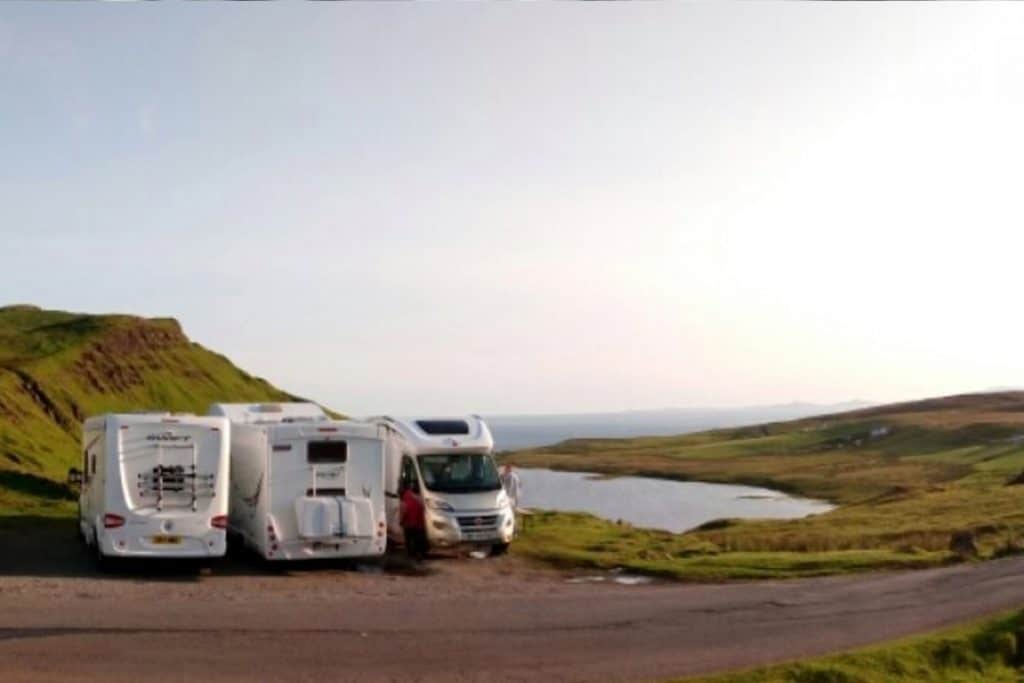
Wild Parking for motorhomes on Isle of Skye
The Isle of Skye on the west coast of Scotland is another place which has struggled with off grid vans, especially during the summer.
There are places available for wild parking, but you need to get there early to grab a spot and expect to be blocked in on some occasions.
Personally, we prefer our Isle of Skye motorhome trips out of peak season- it’s quieter and (if you’re lucky!) the midges will be less prevalent than they are in mid-summer!
Wild camping with motorhome in Scotland on the Isle of Skye
Motorhome Overnight parking near Fort William
Fort William is a hugely popular area, with the Caledonian Canal and Loch Ness nearby.
As a larger town, you’ll struggle wild parking in the town itself (unless you have a stealth camper) but there are a few places on the outskirts which will work for an overnight stop. Use our tips on how to find places for overnight parking.
Informal Overnight Parking for motorhomes and campers near Loch Lomond
Many of the National Parks in Scotland have permit zones, which allows overnight parking with a motorhome or campervan for a small fee (currently £3/ night).
In order to be able to stay overnight in the confines of the park, you need to buy a permit in advance (you can do that here.)
You can stay for up to 3 nights in one area, and need a permit for every van or tent you use (yes, that includes pup tents).
NOTE: There are only a limited number of permits allowed for wild camping.
NOTE: If you’re travelling with a dog, there are a LOT of ticks in the area- please treat your pup before you visit.
motorhome wild camping in Scotland
Top Tips for motorhome wild parking in Scotland
stay away from tourist areas or busy seafronts- try to be as remote and unobtrusive as possible
be respectful of others- don’t park right next to another van and don’t play loud music/ make loud noise
be respectful of the locals and don’t damage their home/ the local environment
avoid other groups of motorhomes or campervans
don’t put outdoor furniture or awnings out, dry washing outside or start washing down your vehicle- see our essential motorhome wild camping kit here
make sure to empty your toilet and waste tanks only in appropriate, hygienic places
fill up your fresh water tank whenever you can
listen to your gut. If something doesn’t feel right, you might want to move on. Read these tips on motorhome security for more ideas
Things Not To Do Campervan Wild Parking in Scotland
don’t park blocking someone’s view or in front of a house
avoid places with signs stating ‘no overnight parking’
don’t block the road or access to tracks and fields. Use your common sense- if it isn’t the right place for a vehicle, don’t stay there
don’t stay for more than one night
never leave a mess behind. That includes make litter, waste or broken equipment
don’t light an open fire where it can cause damage- especially in the summer or times of drought. Keep it off the ground to avoid scorch marks
I hope that’s helped answer some of your questions about motorhome and campervan wild camping in Scotland.
The rapid evolution of generative AI has created countless opportunities for innovation across industry and research. As is often the case with state-of-the-art technology, this evolution has also shifted the landscape of cybersecurity threats, creating new security requirements. Critical infrastructure cybersecurity is advancing to thwart the next wave of emerging threats in the AI era.
Leading operational technology (OT) providers today showcased at the S4 conference for industrial control systems (ICS) and OT cybersecurity how they’re adopting the NVIDIA cybersecurity AI platform to deliver real-time threat detection and critical infrastructure protection.
Armis, Check Point, CrowdStrike, Deloitte and World Wide Technology (WWT) are integrating the platform to help customers bolster critical infrastructure, such as energy, utilities and manufacturing facilities, against cyber threats.
Critical infrastructure operates in highly complex environments, where the convergence of IT and OT, often accelerated by digital transformation, creates a perfect storm of vulnerabilities. Traditional cybersecurity measures are no longer sufficient to address these emerging threats.
By harnessing NVIDIA’s cybersecurity AI platform, these partners can provide exceptional visibility into critical infrastructure environments, achieving robust and adaptive security while delivering operational continuity.
The platform integrates NVIDIA’s accelerated computing and AI, featuring NVIDIA BlueField-3 DPUs, NVIDIA DOCA and the NVIDIA Morpheus AI cybersecurity framework, part of the NVIDIA AI Enterprise. This combination enables real-time threat detection, empowering cybersecurity professionals to respond swiftly at the edge and across networks.
Unlike conventional solutions that depend on intrusive methods or software agents, BlueField-3 DPUs function as a virtual security overlay. They inspect network traffic and safeguard host integrity without disrupting operations. Acting as embedded sensors within each server, they stream telemetry data to NVIDIA Morpheus, enabling detailed monitoring of host activities, network traffic and application behaviors — seamlessly and without operational impact.
Driving Cybersecurity Innovation Across Industries
Integrating Armis Centrix, Armis’ AI-powered cyber exposure management platform, with NVIDIA cybersecurity AI helps secure critical infrastructure like energy, manufacturing, healthcare and transportation.
“OT environments are increasingly targeted by sophisticated cyber threats, requiring robust solutions that ensure both security and operational continuity,” said Nadir Izrael, chief technology officer and cofounder of Armis. “Combining Armis’ unmatched platform for OT security and cyber exposure management with NVIDIA BlueField-3 DPUs enables organizations to comprehensively protect cyber-physical systems without disrupting operations.”
CrowdStrike is helping secure critical infrastructure such as ICS and OT by deploying its CrowdStrike Falcon security agent on BlueField-3 DPUs to boost real-time AI-powered threat detection and response.
“OT environments are under increasing threat, demanding AI-powered security that adapts in real time,” said Raj Rajamani, head of products at CrowdStrike. “By integrating NVIDIA BlueField-3 DPUs with the CrowdStrike Falcon platform, we’re extending industry-leading protection to critical infrastructure without disrupting operations — delivering unified protection at the edge and helping organizations stay ahead of modern threats.”
Deloitte is driving customers’ digital transformation, enabled by NVIDIA’s cybersecurity AI platform, to help meet the demands of breakthrough technologies that require real-time, granular visibility into data center networks to defend against increasingly sophisticated threats.
“Protecting OT and ICS systems is becoming increasingly challenging as organizations embrace digital transformation and interconnected technologies,” said Dmitry Dudorov, an AI security leader at Deloitte U.K. “Harnessing NVIDIA’s cybersecurity AI platform can enable organizations to determine threat detection, enhance resilience and safeguard their infrastructure to accelerate their efforts.”
A Safer Future, Powered by AI
NVIDIA’s cybersecurity AI platform, combined with the expertise of ecosystem partners, offers a powerful and scalable solution to protect critical infrastructure environments against evolving threats. Bringing NVIDIA AI and accelerated computing to the forefront of OT security can help organizations protect what matters most — now and in the future.
Learn more by attending the NVIDIA GTC global AI conference, running March 17-21, where Armis, Check Point and CrowdStrike cybersecurity leaders will host sessions about their collaborations with NVIDIA.
Rolls-Royce is all set to unveil its most powerful car ever made on February 18, 2025. It is likely to be the Spectre Black Badge.
Last month, Rolls-Royce CEO Chris Brownridge revealed that the brand’s second electric car was due for launch this year. While he stopped short of disclosing the model, we believe it will most likely be a more potent version of the existing Rolls Royce Spectre.
Currently, the Spectre is powered by dual electric motors producing 577 hp and 664 lb-ft of torque. The EV is capable of accelerating from 0-60 mph in 4.4 seconds, while its top speed is limited to 155 mph. It has a lot in common with the BMW i7, and that includes the battery. The Spectre uses a 102 kWh battery pack that has a range of up to 266 miles on a single charge. The battery supports DC fast charging.
The Spectre Black Badge is expected to pack slightly more power and perhaps an upgraded battery pack with improved range.
Last year, we spent two days driving the Rolls-Royce Spectre around New York. Check out our drive report here.
The technical storage or access is strictly necessary for the legitimate purpose of enabling the use of a specific service explicitly requested by the subscriber or user, or for the sole purpose of carrying out the transmission of a communication over an electronic communications network.
Preferences
The technical storage or access is necessary for the legitimate purpose of storing preferences that are not requested by the subscriber or user.
Statistics
The technical storage or access that is used exclusively for statistical purposes.The technical storage or access that is used exclusively for anonymous statistical purposes. Without a subpoena, voluntary compliance on the part of your Internet Service Provider, or additional records from a third party, information stored or retrieved for this purpose alone cannot usually be used to identify you.
Marketing
The technical storage or access is required to create user profiles to send advertising, or to track the user on a website or across several websites for similar marketing purposes.
:max_bytes(150000):strip_icc()/TAL-highway-2-lake-michigan-GREATLAKESRT1224-4eb59b8f71804ad8aaa76c29ac93209d.jpg "‘The Roller Coaster Tour’ Is the No. 1 Hidden Gem Road Trip Route in the U.S.")
:max_bytes(150000):strip_icc():format(jpeg)/TAL-highway-2-lake-michigan-GREATLAKESRT1224-4eb59b8f71804ad8aaa76c29ac93209d.jpg)