What a refreshing change of pace The Bond Street Sale 2024 – by Bonhams – turned out to be.
After an intense week of travel, hectic motor shows, and fast-paced photoshoots, I was feeling a bit burnt out upon returning to London from Germany. I didn’t need a break from car culture, but I certainly needed one from the chaos that often surrounds it.
I also needed a break from motorway seat time, having recently clocked over 1,400 kilometres on the Autobahn in a Ford Puma hire car. So, when the chance to attend a preview of The Bond Street Sale presented itself, it felt like the perfect antidote.
I’d never been to a car auction before, and I was curious. So why not start at the top of the auction ladder?
Pulling out one of the oldest clichés in the book, the silence was deafening. Bonhams motor vehicle auctions attract a far more exclusive clientele than your average CoPart or backstreet auction house, and, as expected, the atmosphere was distinctly different.
Very few people were browsing the cars in person during my visit – a welcome change in pace from what I had experienced just weeks earlier.
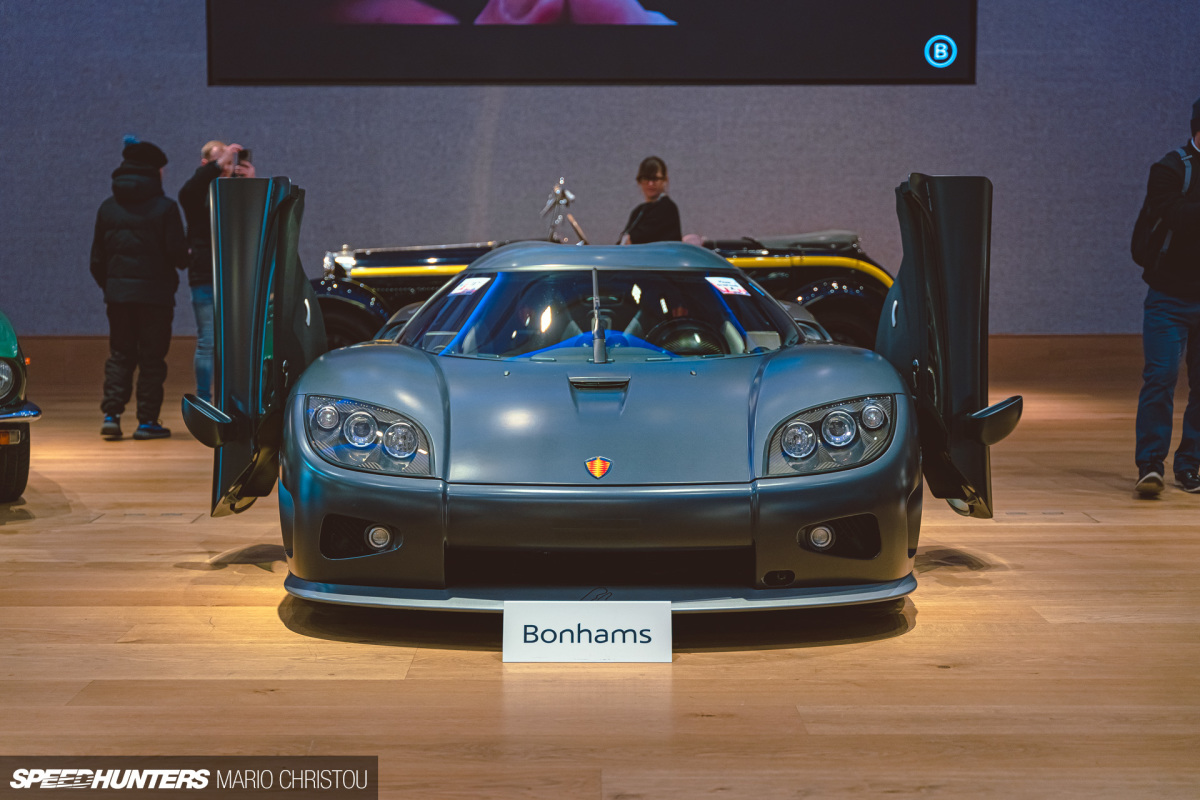
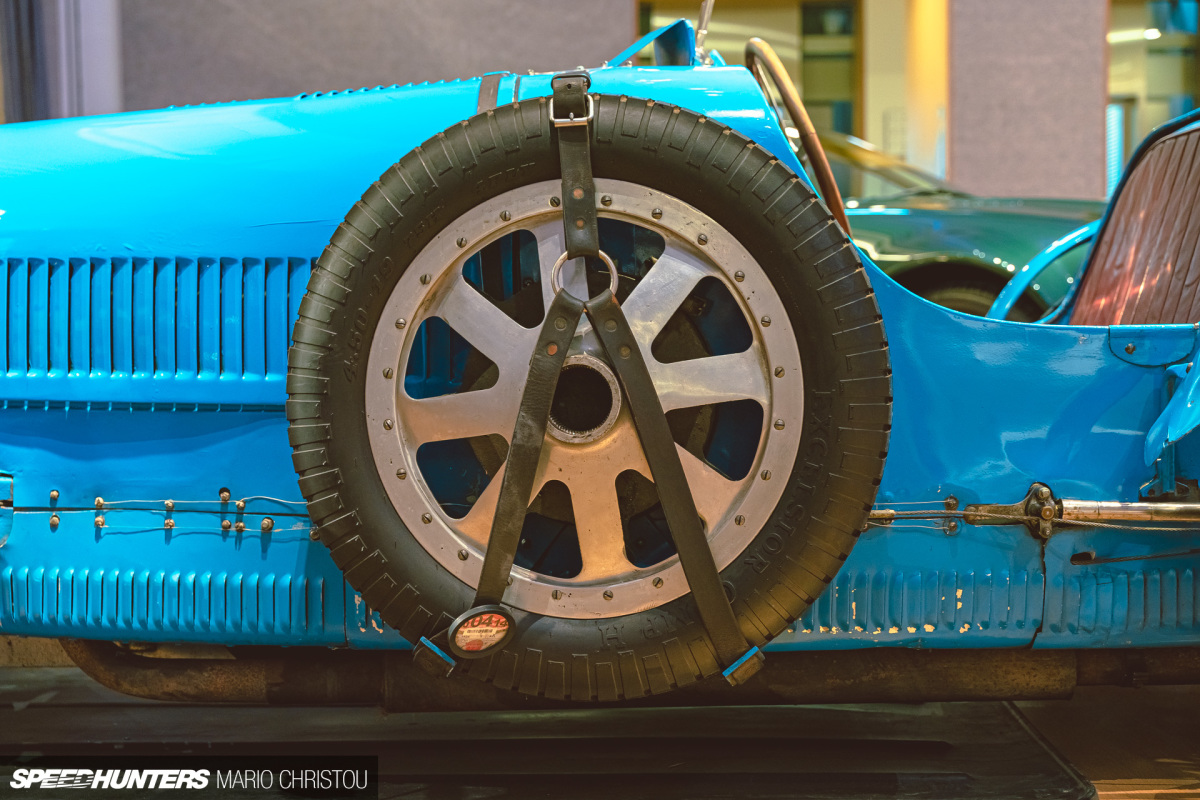
After all, not everyone has a cool two million dollars burning a hole in their pocket for a stunning Koenigsegg CCXR. For those with a more modest budget, a Bugatti Type 35A was available for just under half the Koenigsegg’s estimate.
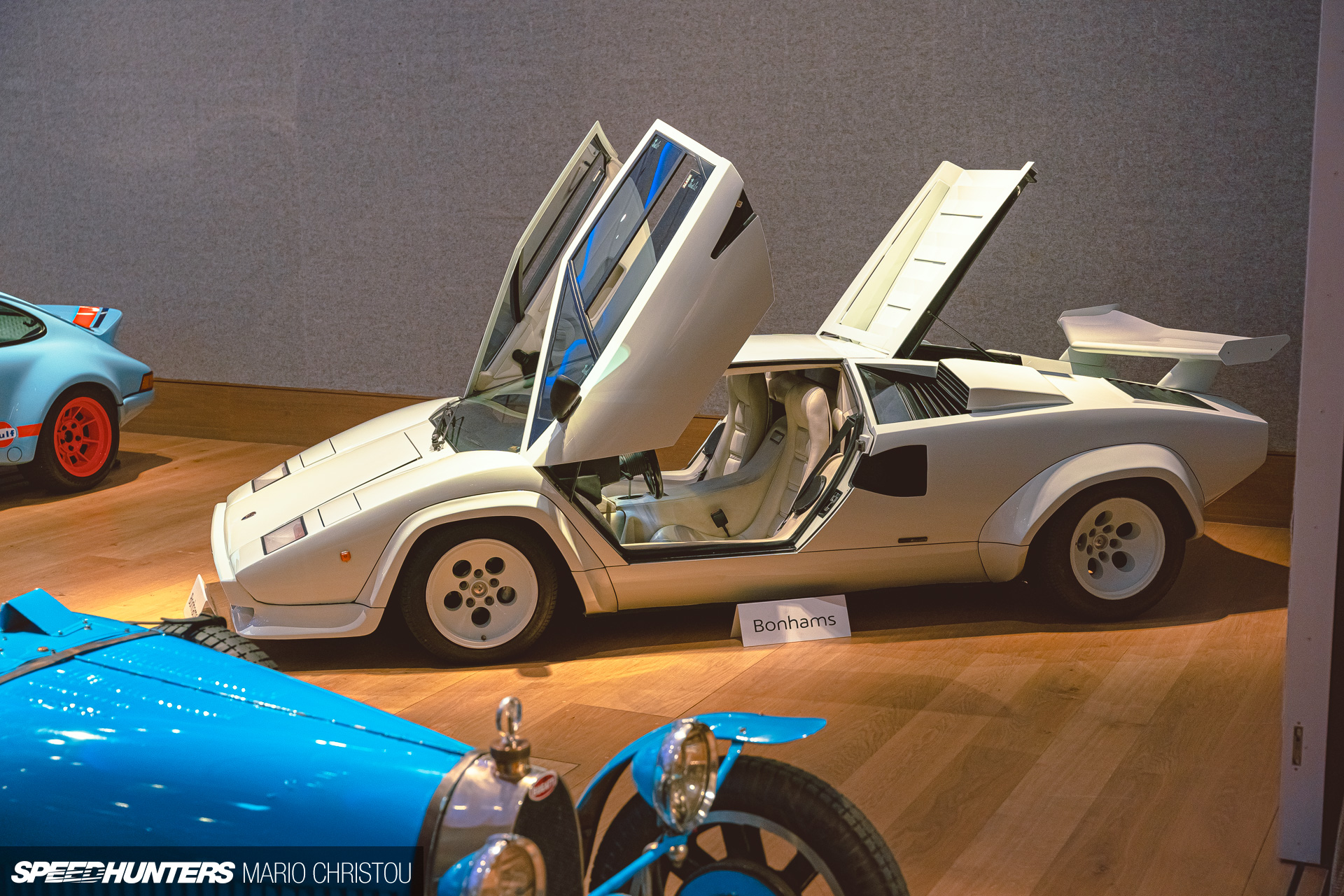
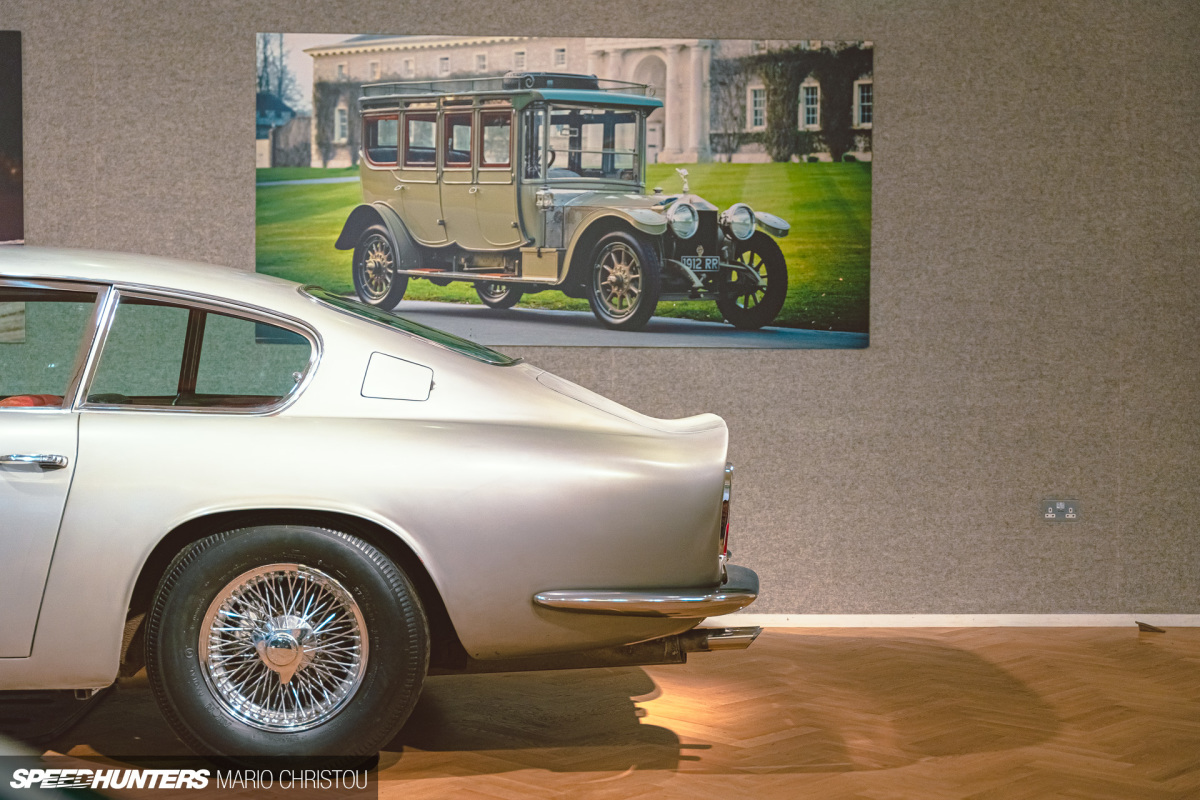
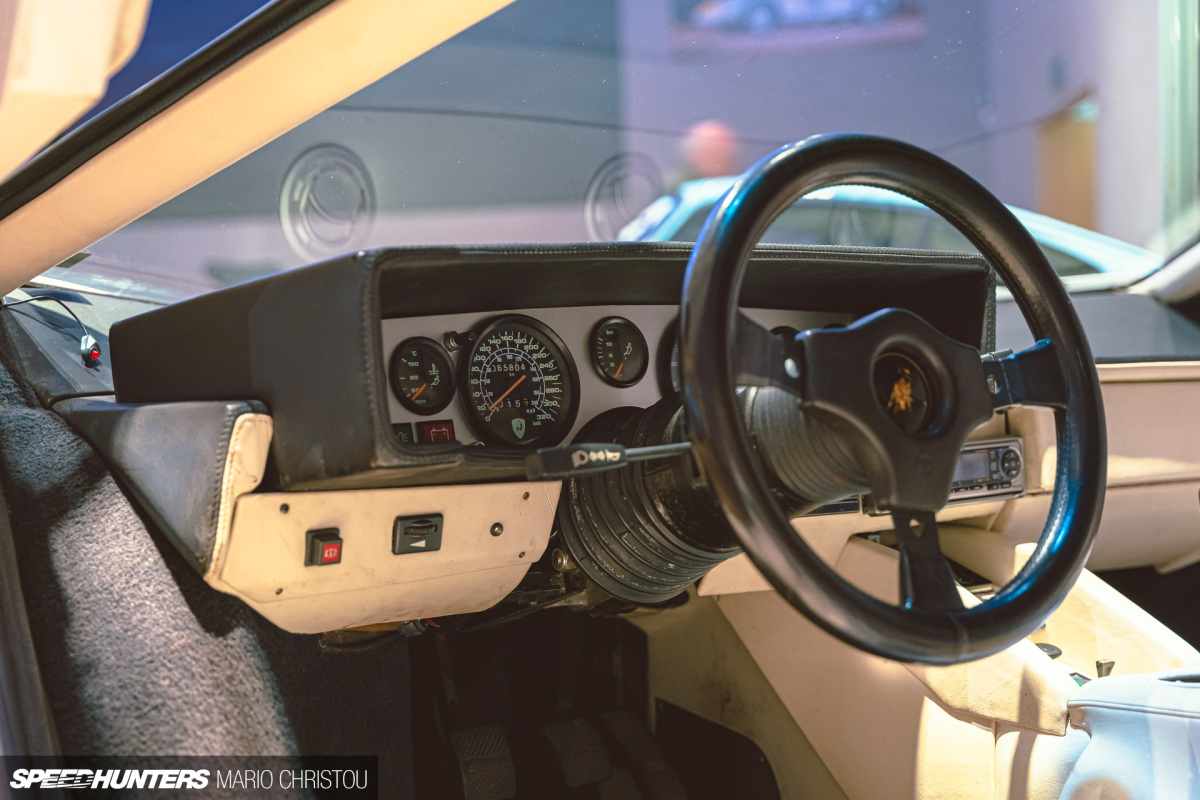
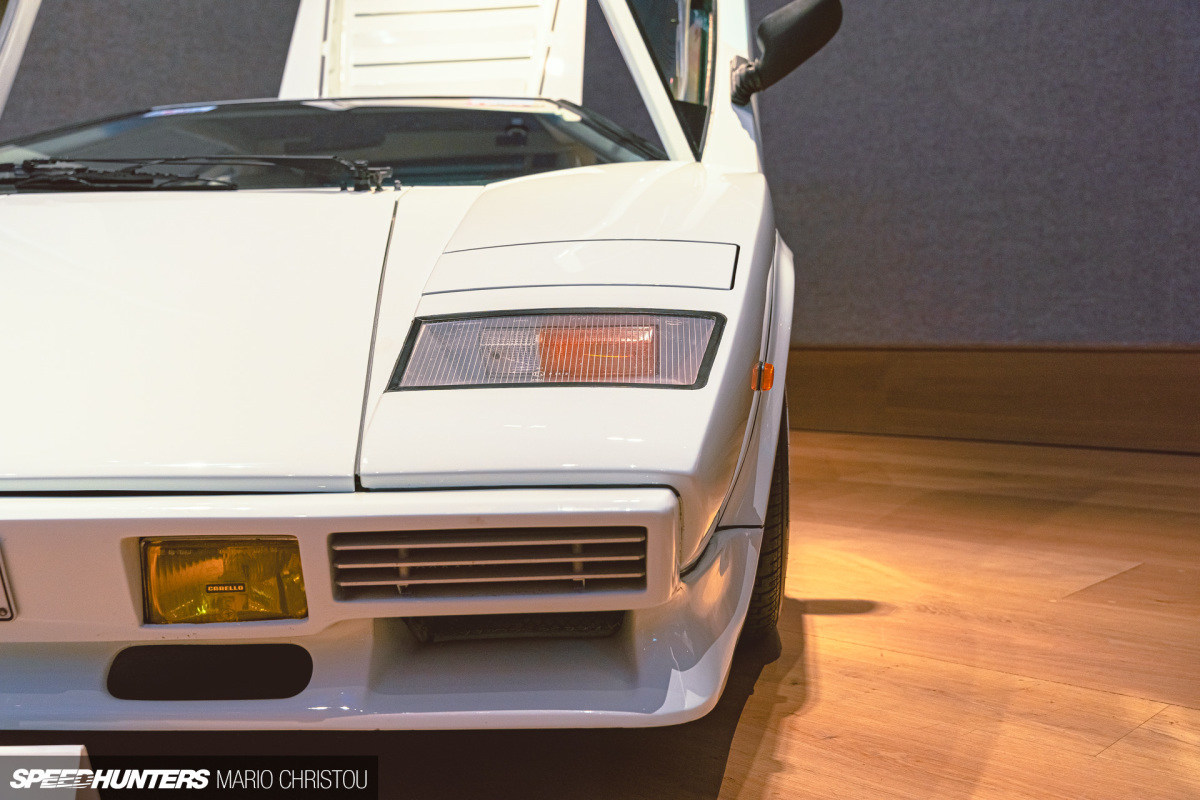
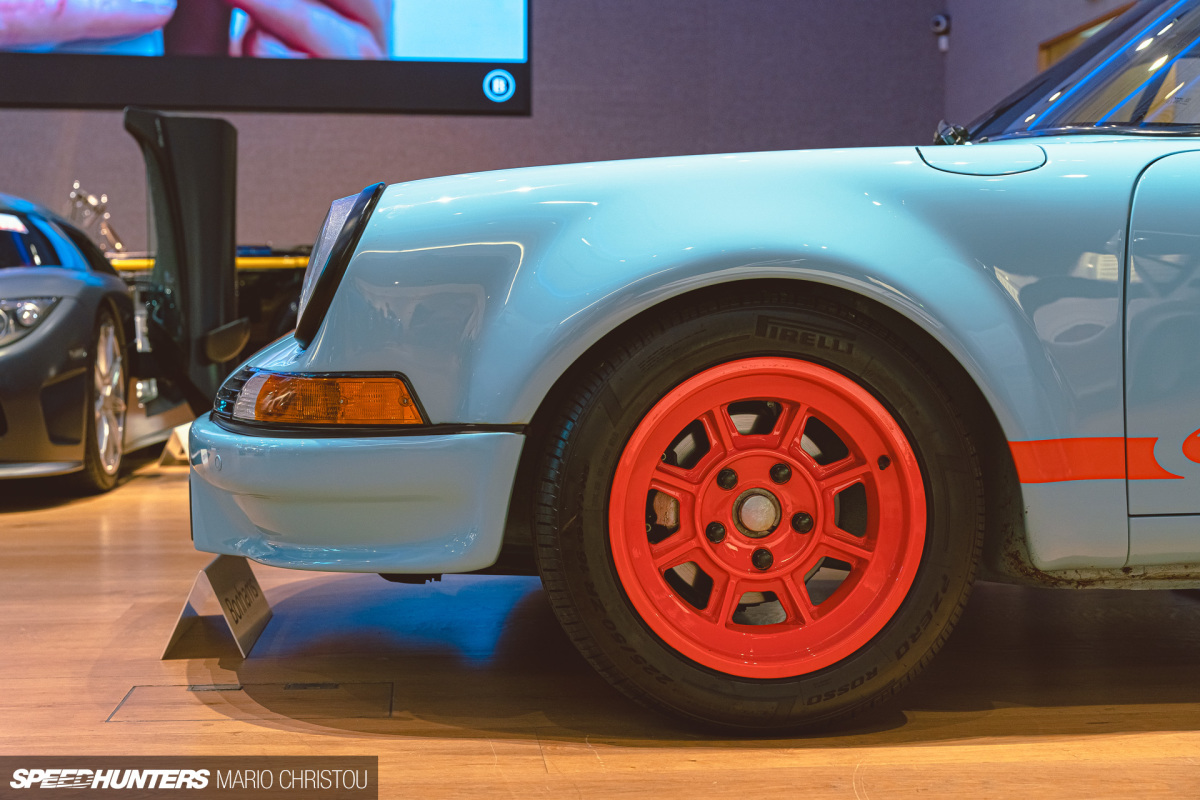
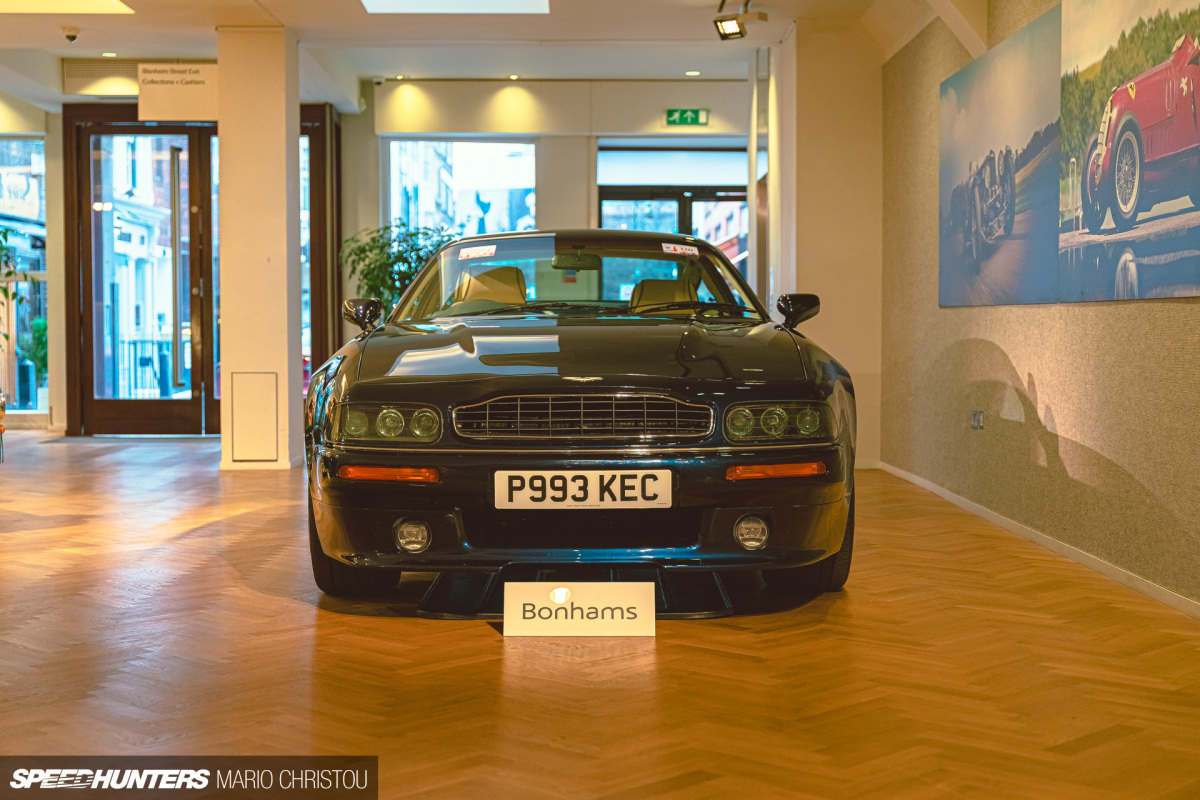
The upstairs hall was filled with iconic classics from Aston Martin, Jaguar, Lamborghini, Porsche – and a truly spectacular 1910 Mercedes-Benz sedan.
The Mercedes’ detailing was exquisite, and the layout was surprisingly familiar, almost identical to a modern manual car.
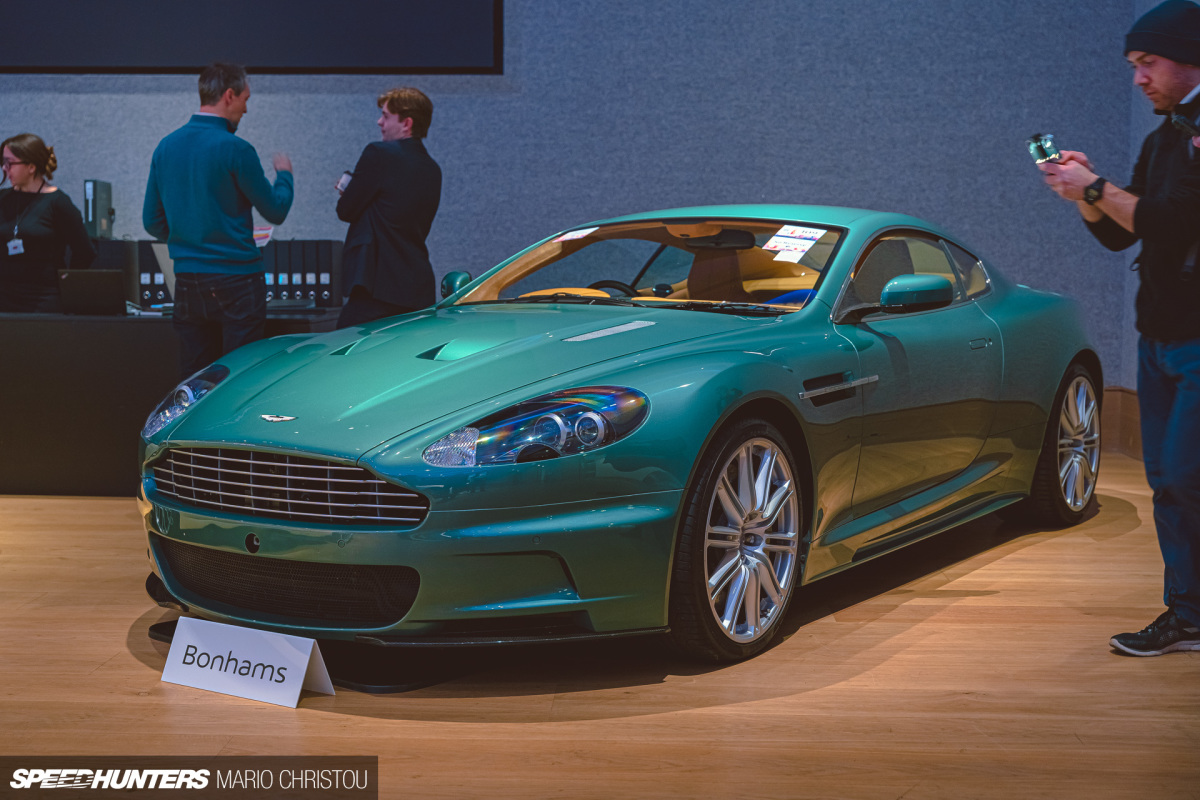
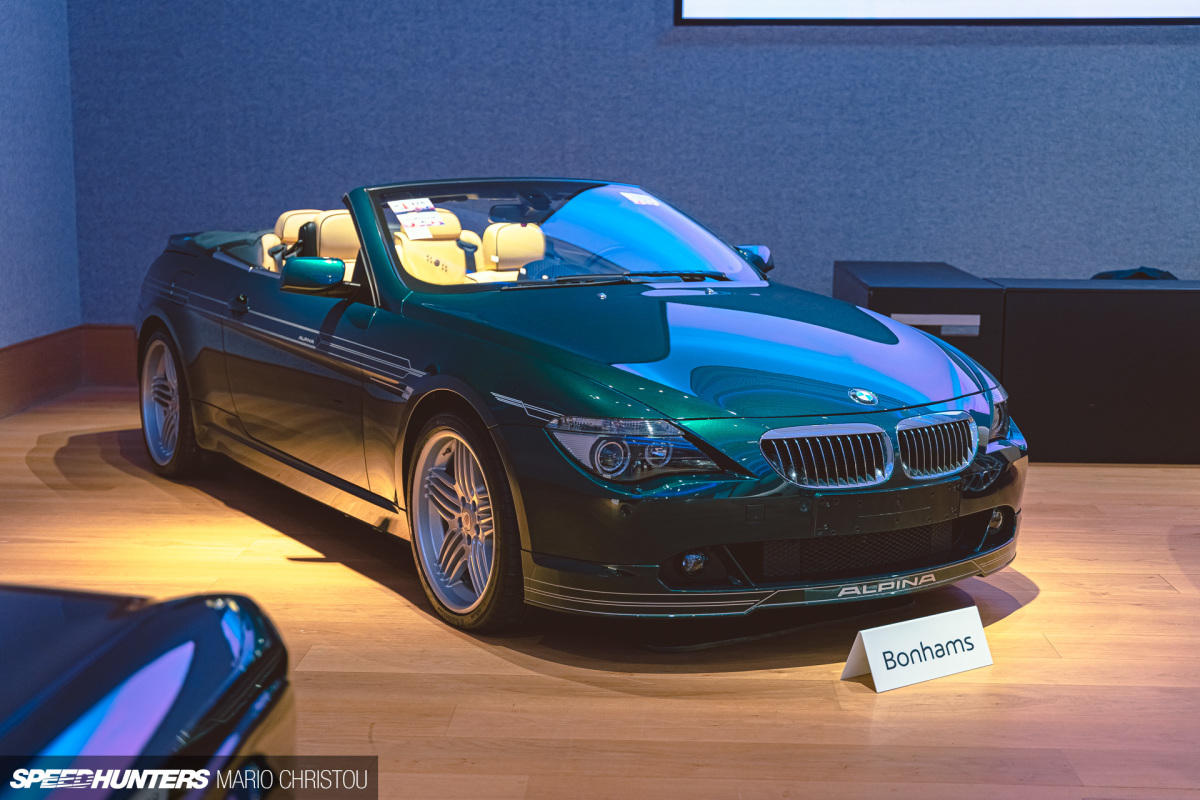
Downstairs held the more ‘affordable’ cars, though that’s a relative term. Modern classics were everywhere, including three of my favourite continent-crushing GT cars: a Bentley Brooklands, an Aston Martin DBS, and an Alpina B6 Cabriolet.
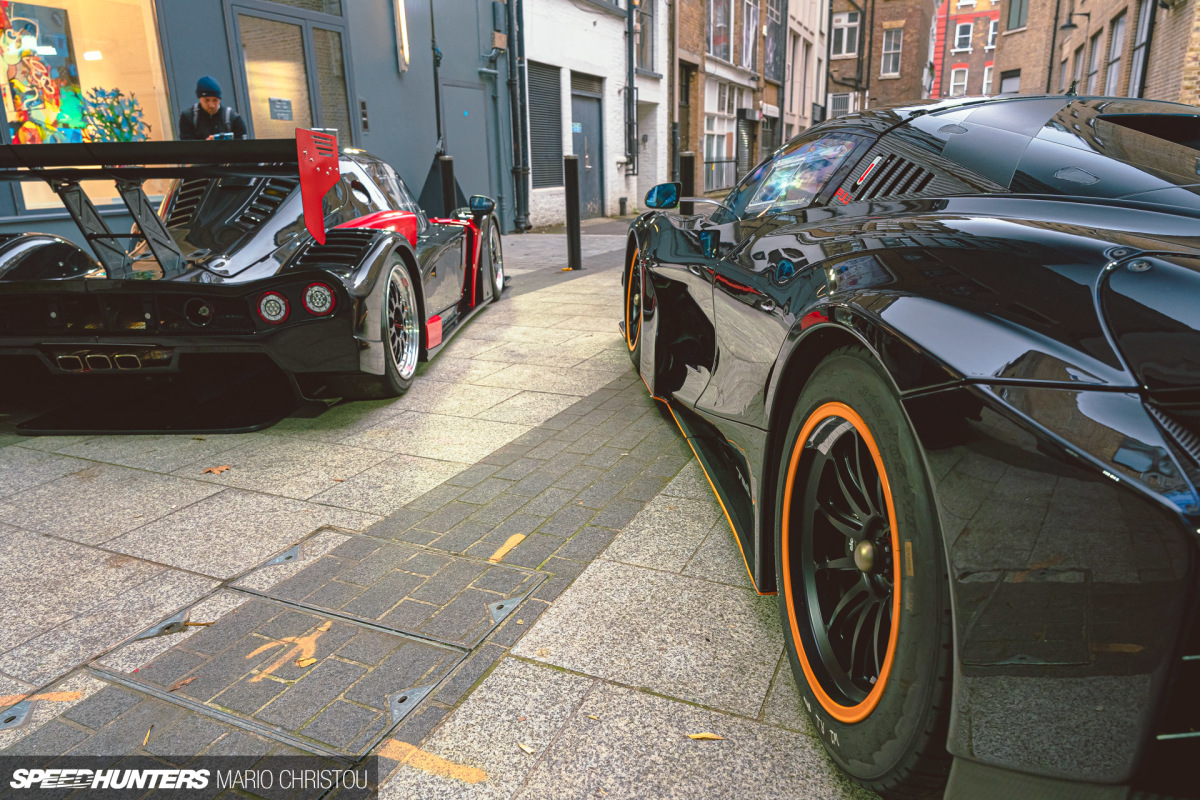
While an auction preview might not seem remarkable on the surface, what struck me most was how these motoring treasures were hidden in London’s bustling Mayfair cityscape…
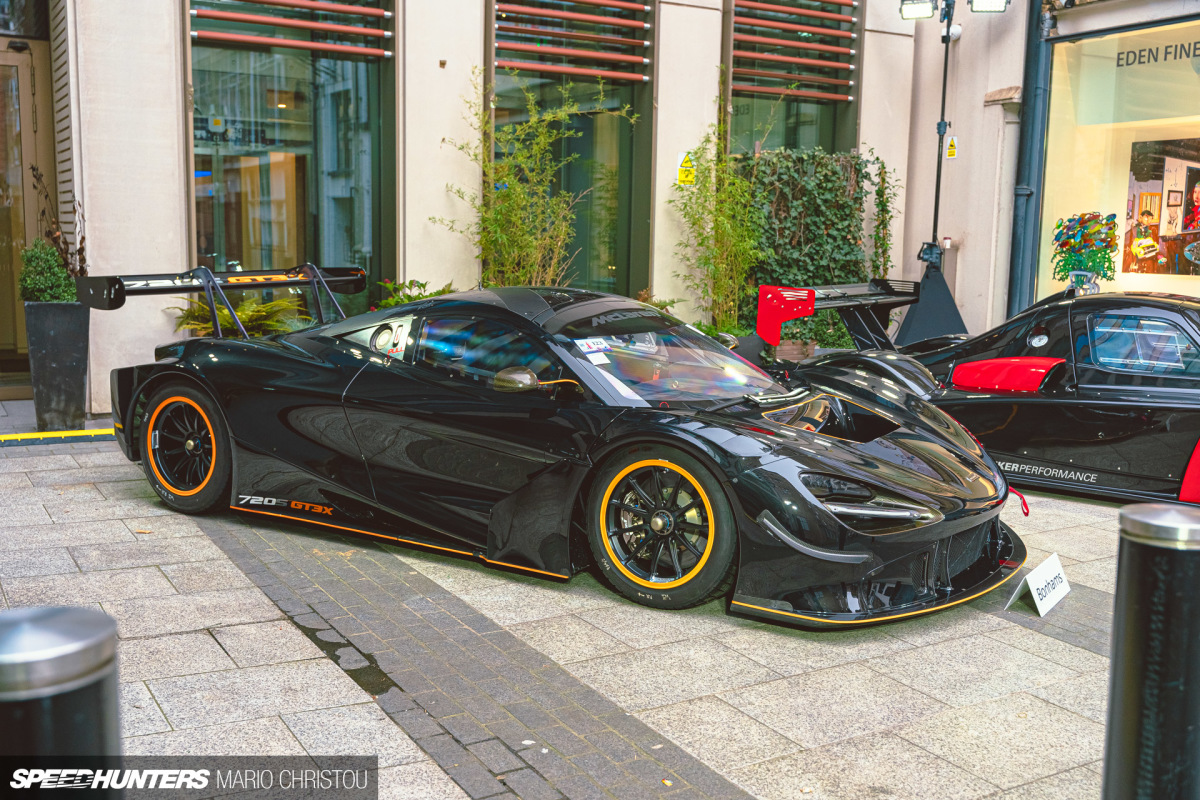
…and I really do mean treasure. After the final hammer drop, the Bugatti Type 35A took the crown as the most expensive sale of the day at US$700,000 followed by a McLaren 720 GT3X at US$510,000.
It’s a shame I left my chequebook at home or else I’d have driven away in the Miami Vice-spec Lamborghini Countach which sold for US$496,000. Small change…
Bonhams is a powerhouse in understated British elegance, and it’s easy to see how it’s earned its global reputation for excellence.
The best part? I was home just 50 minutes after snapping my final photo that morning. What a perfect, convenient dose of car culture.
Mario Christou Instagram: mcwpn, mariochristou.world mariochristou.world
BMW’s recent styling shift has sparked debate among enthusiasts loyal to the German automaker. While this new design language is slowly winning over some, others remain firmly opposed to it. But not Studie AG. The Japanese BMW specialist has wholeheartedly embraced the styling evolution.
For those unfamiliar, Studie, a Yokohama-based tuning shop founded in 1995, initially gained recognition as a BMW parts specialist, focusing on the latest models at any given time. Today, Studie’s operations extend across Japan, with branches in Sendai, Kobe, Fukuoka, Sapporo, Hokkaido, and Nagoya. Additionally, the company runs the official BMW racing team in Japan’s Super GT touring car championship. Suffice it to say, Studie has become a cornerstone of Japan’s BMW culture.
With its roots in motorsport, Studie caters not only to modification enthusiasts but also to purists. Each of the shop’s demo cars features varying degrees of aftermarket enhancements, but as Bob-san, the owner of Studie, explained, only about 8% of their customers opt for suspension upgrades. And even fewer choose modifications like wheels, exhausts, or performance parts.
Over the past two decades, Studie has fostered a diehard community of BMW owners in Japan, with over 1,300 shared projects documented on their owner forums.
Many BMW enthusiasts in Japan prefer to keep their cars relatively stock, perhaps a nod to the factory-delivered enjoyability and performance of modern M machines.
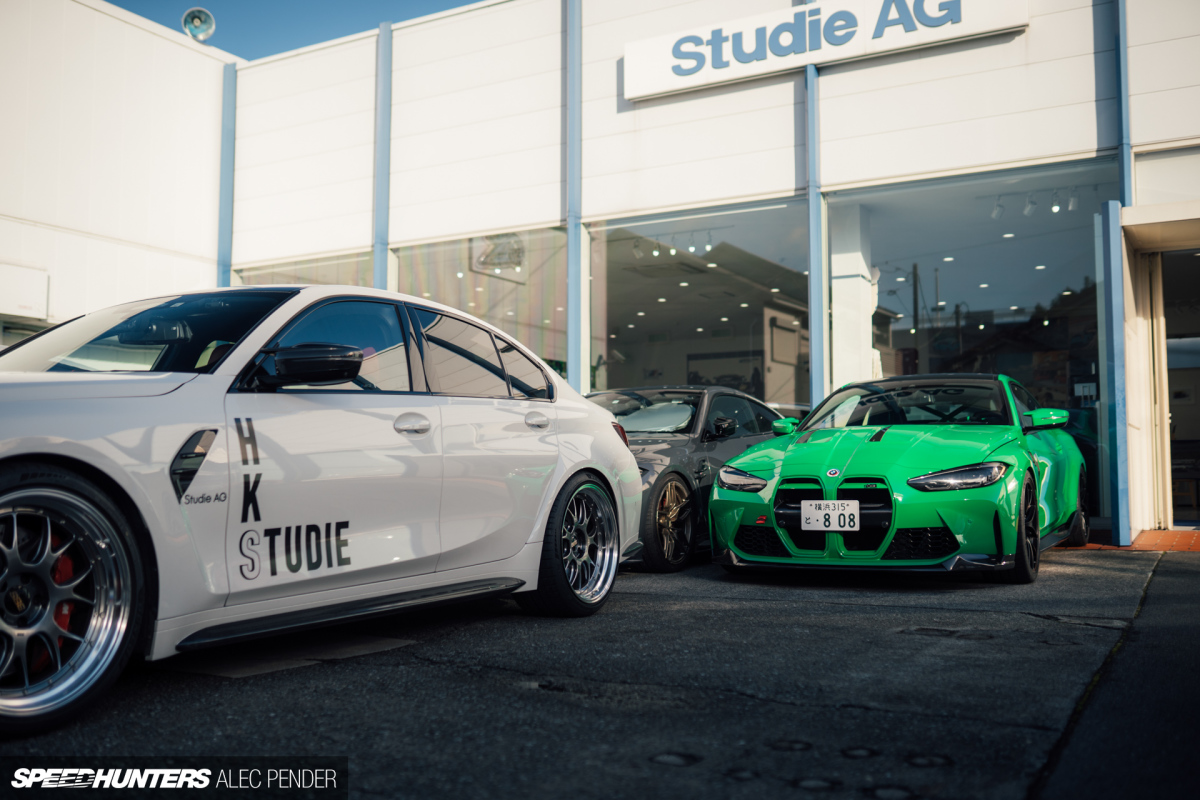
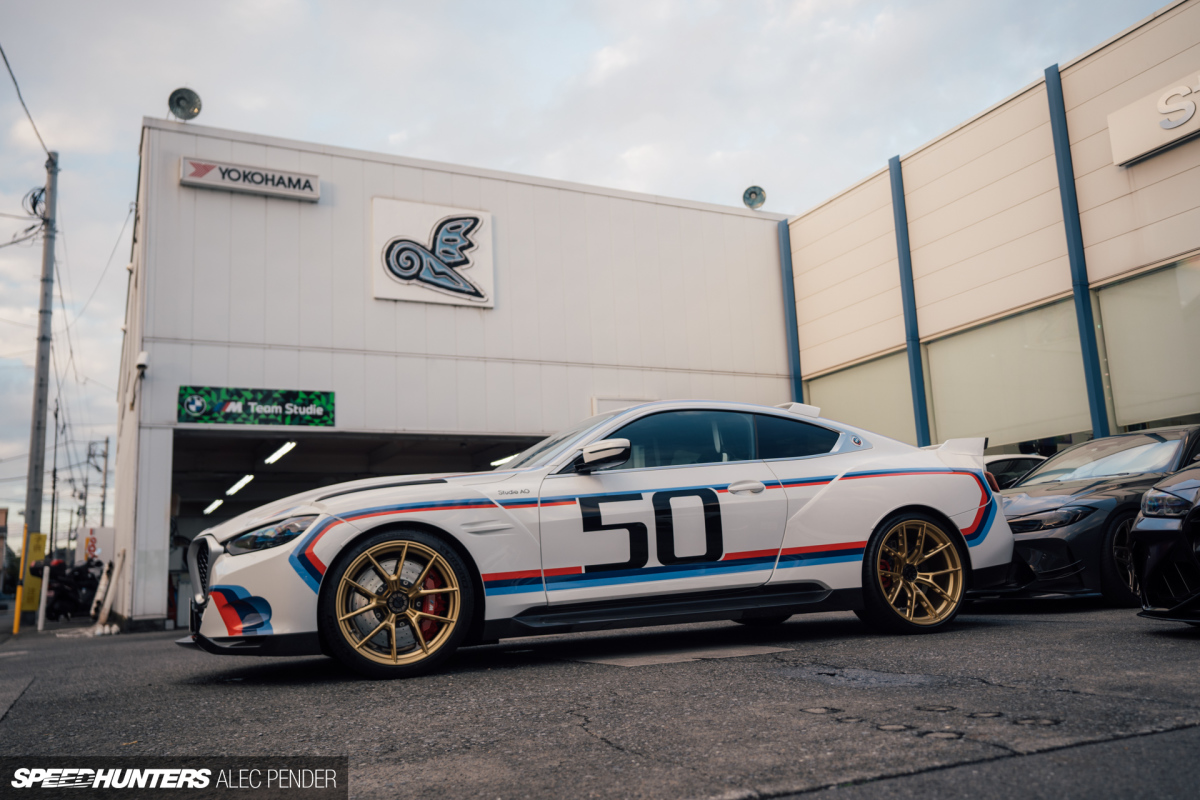
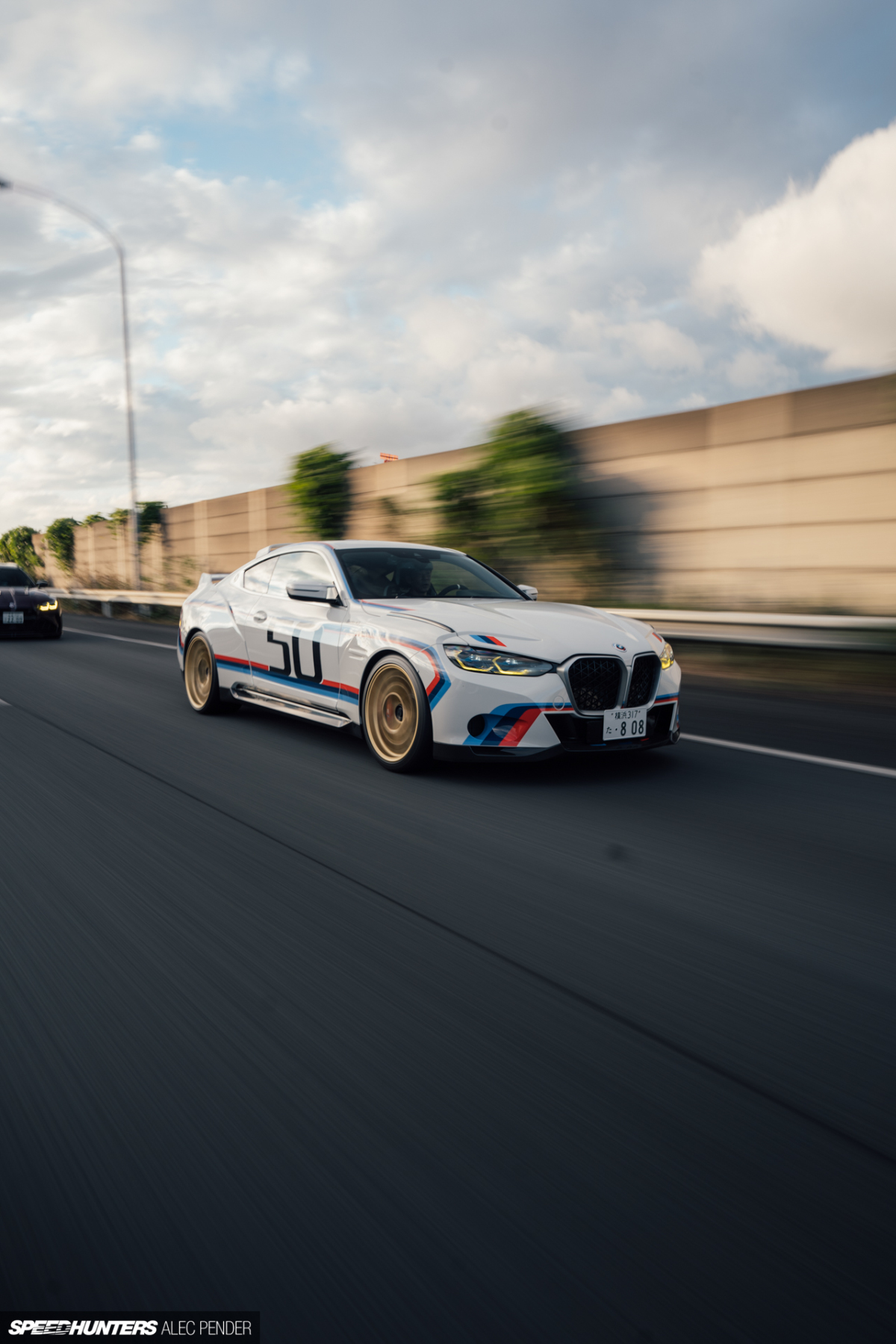
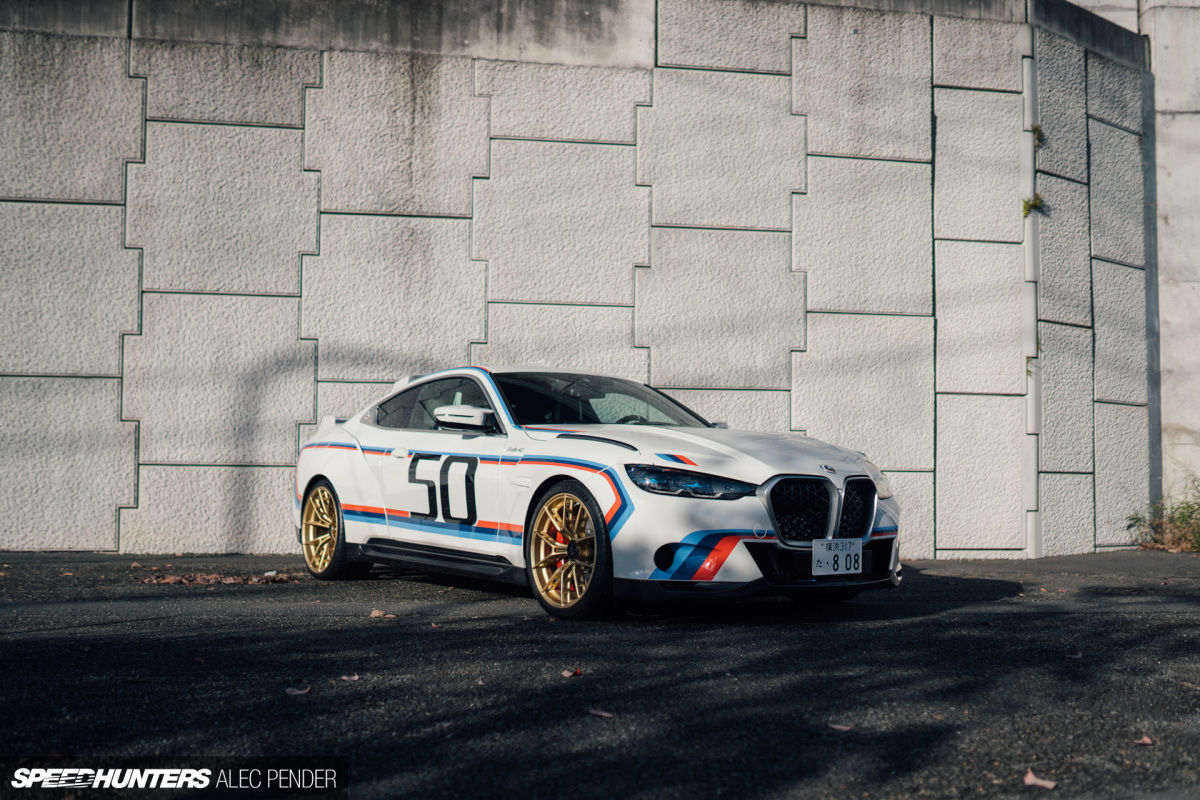
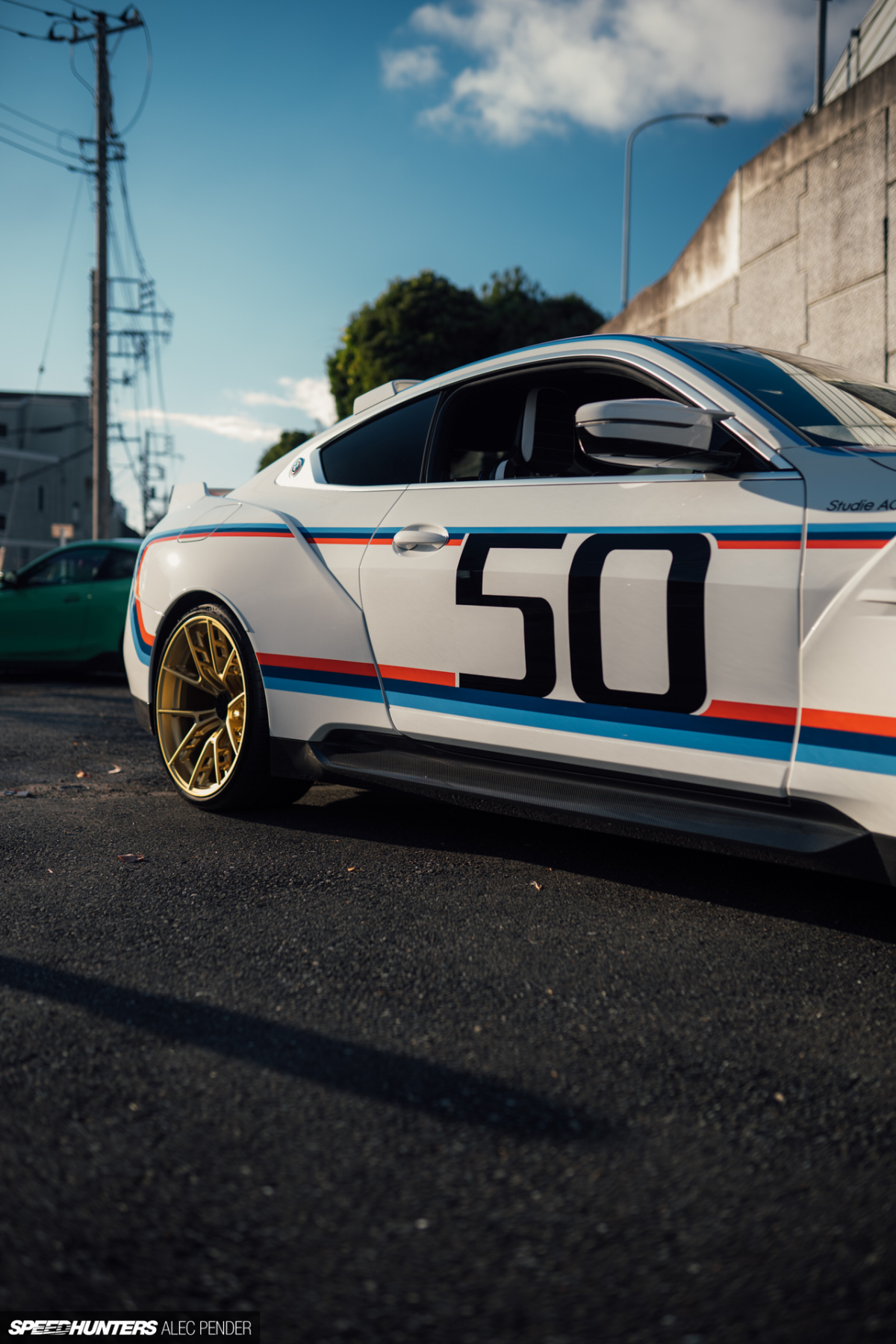
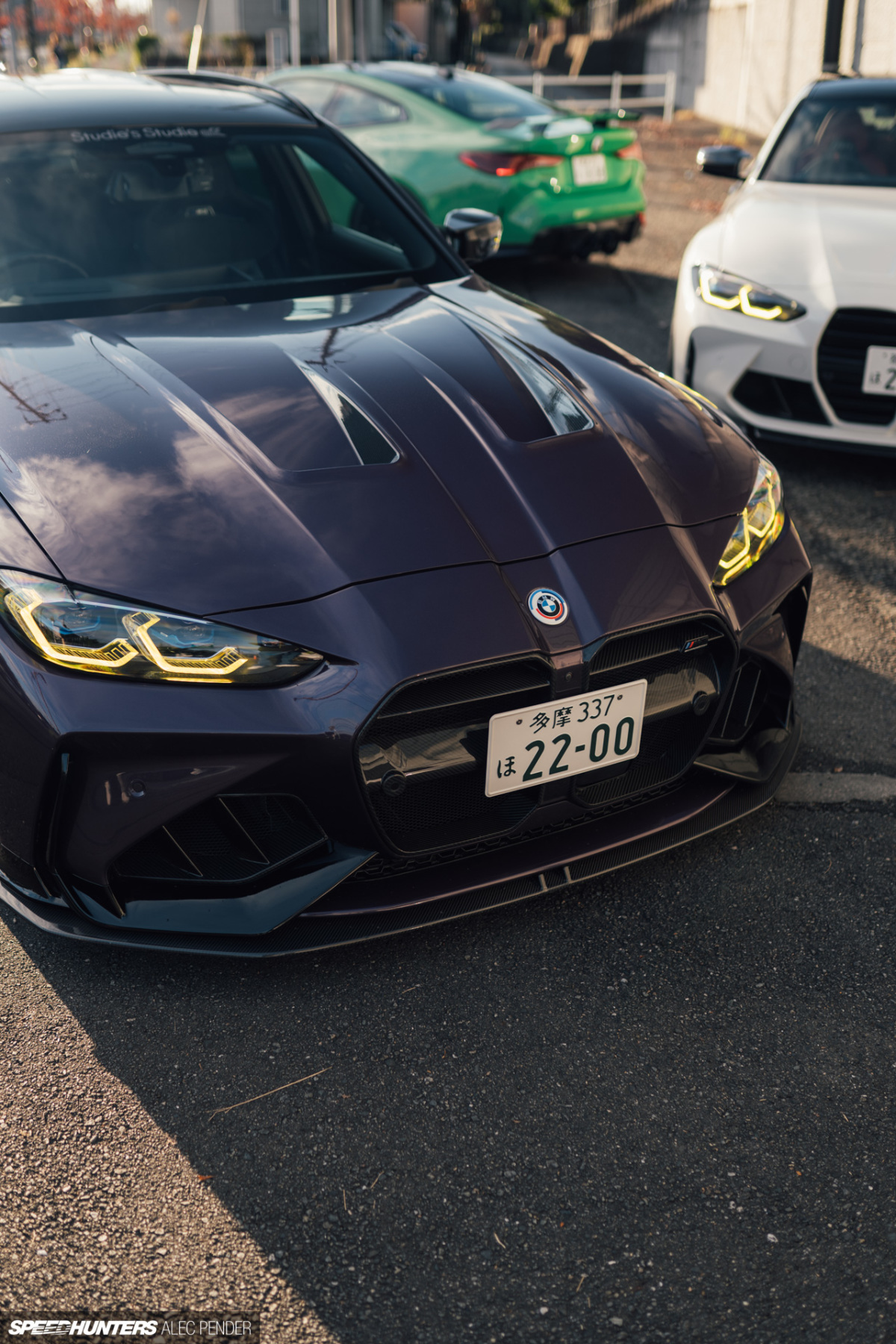
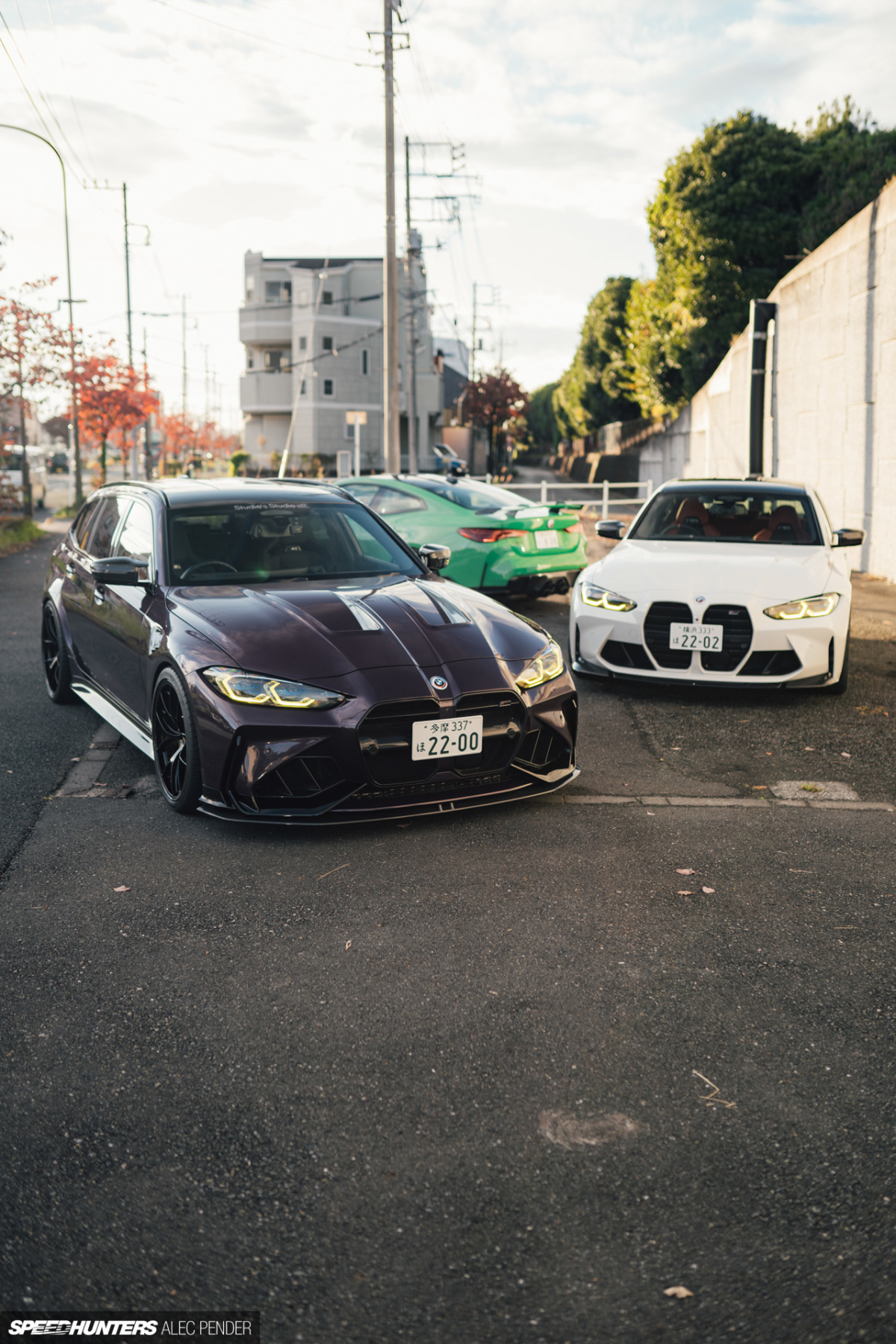
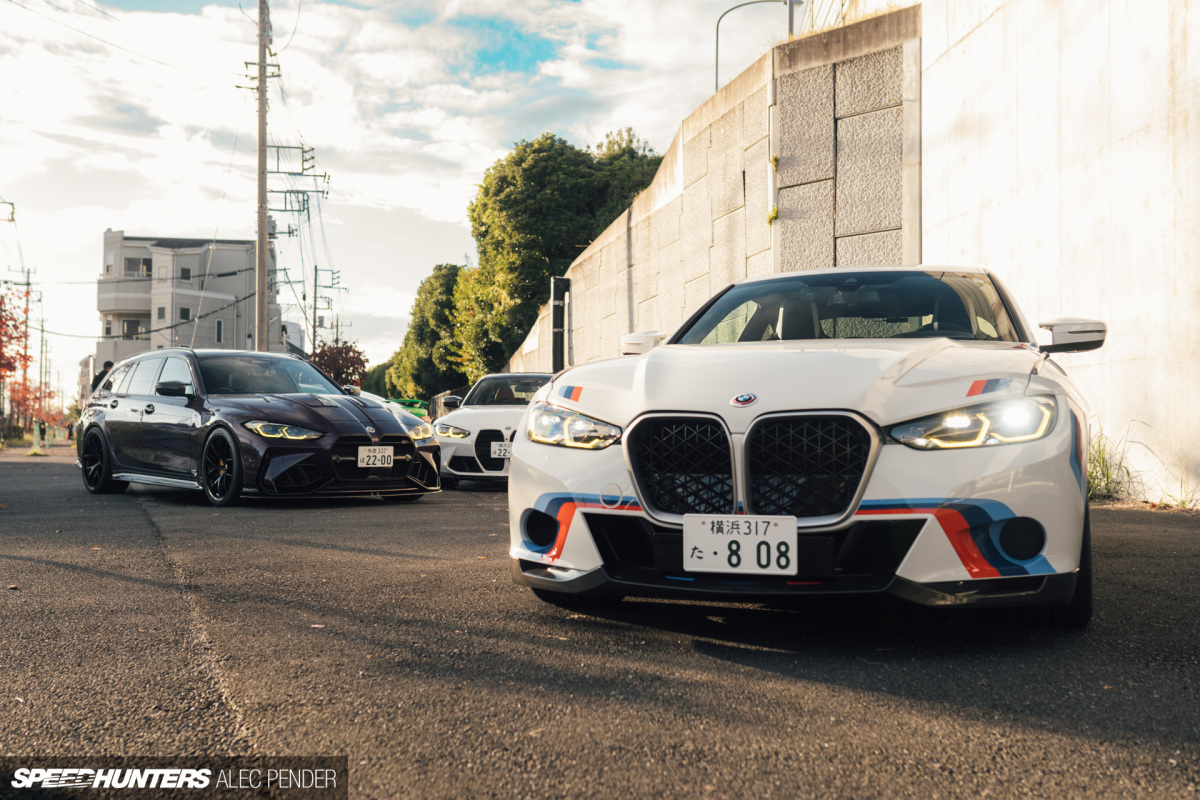
On this visit to Studie, Bob-san was kind enough to bring out four of the shop’s demo cars, including his own 1 of 50 3.0 CSL, one of only two in Japan – the other parked right beside it in the Studie showroom.
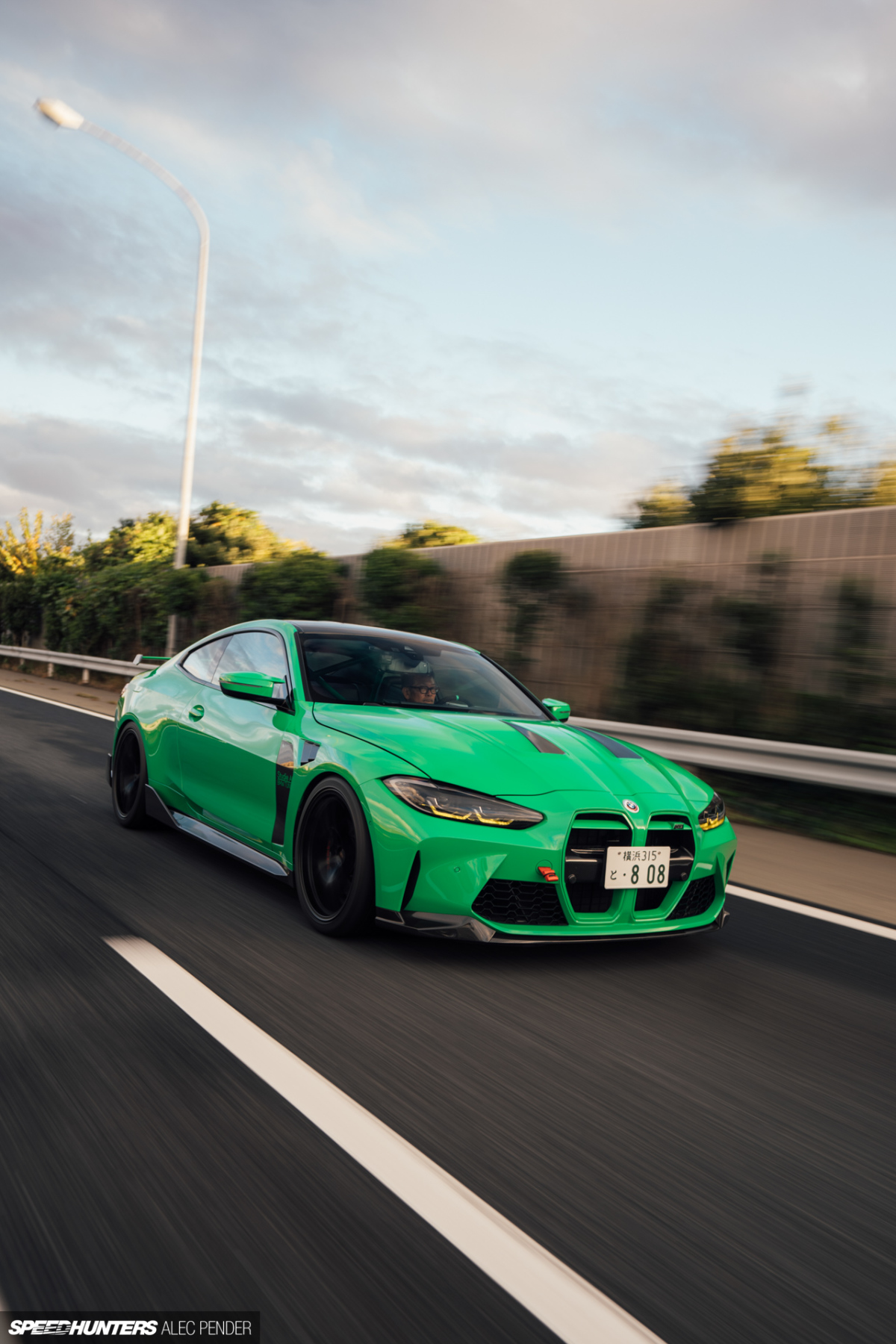
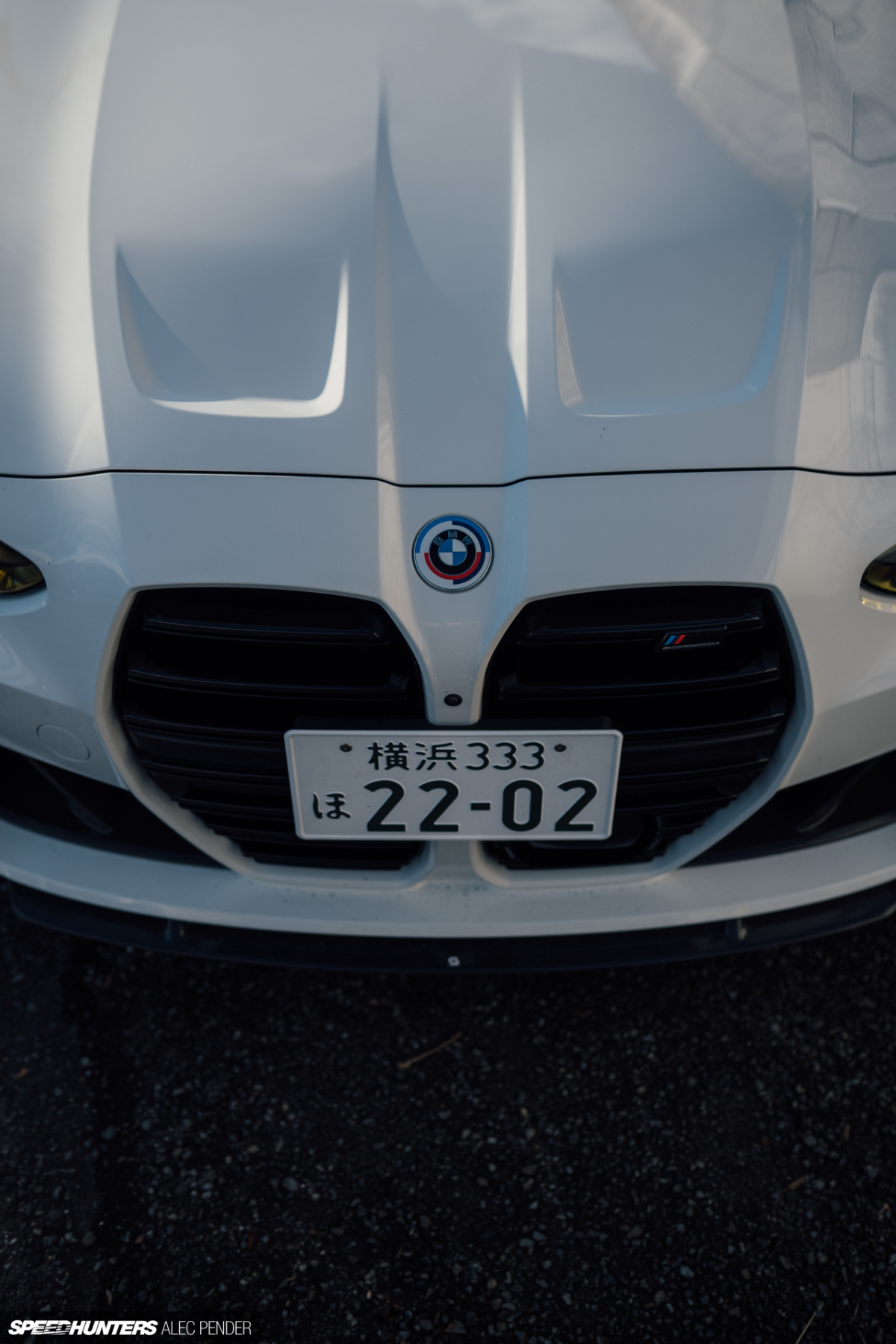
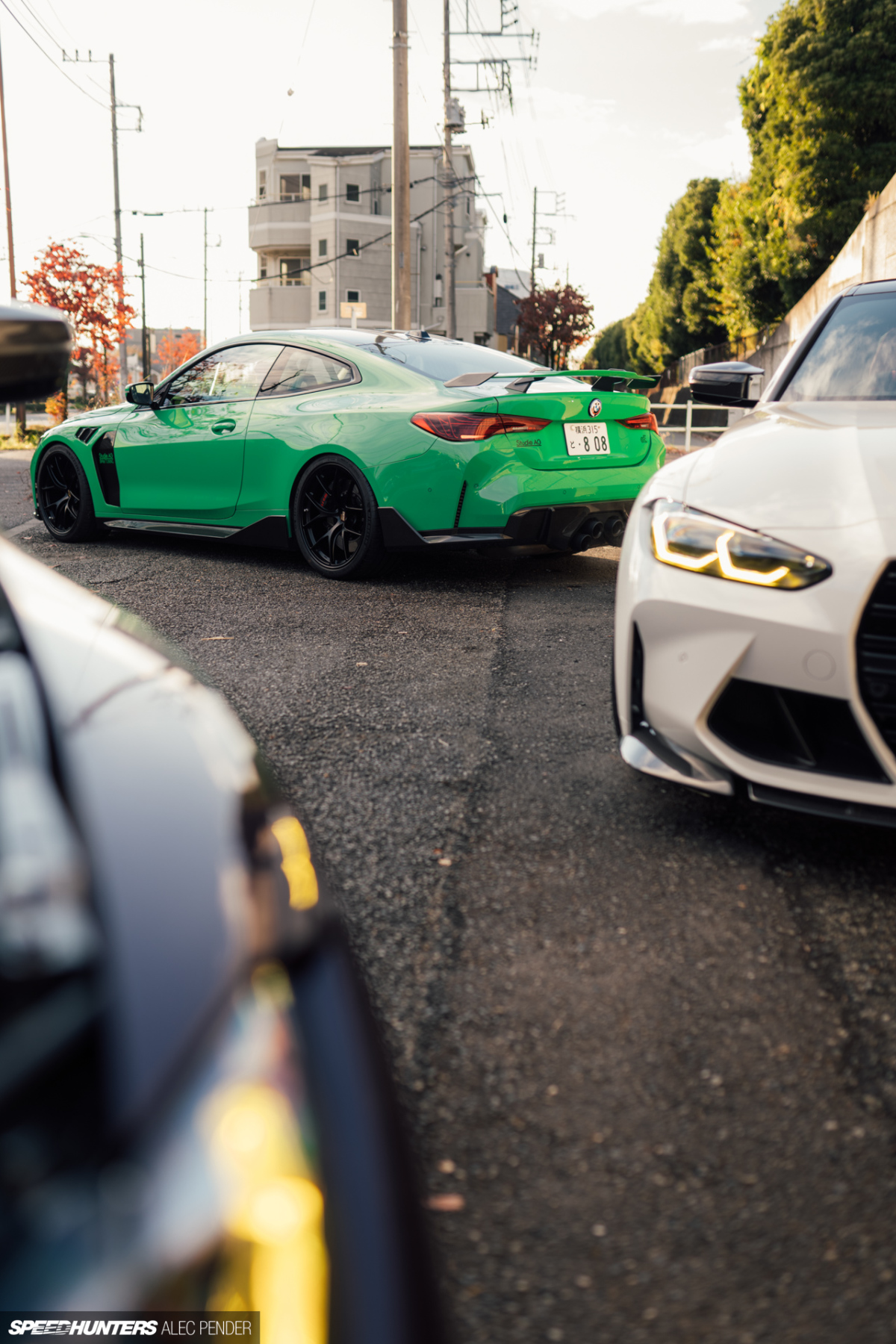
Alongside the 3.0 CSL, we also saw a G82 M4, a collaboration between HKS and Studie on a G80 M3, and an M3 Touring Competition – my personal favourite of the bunch.
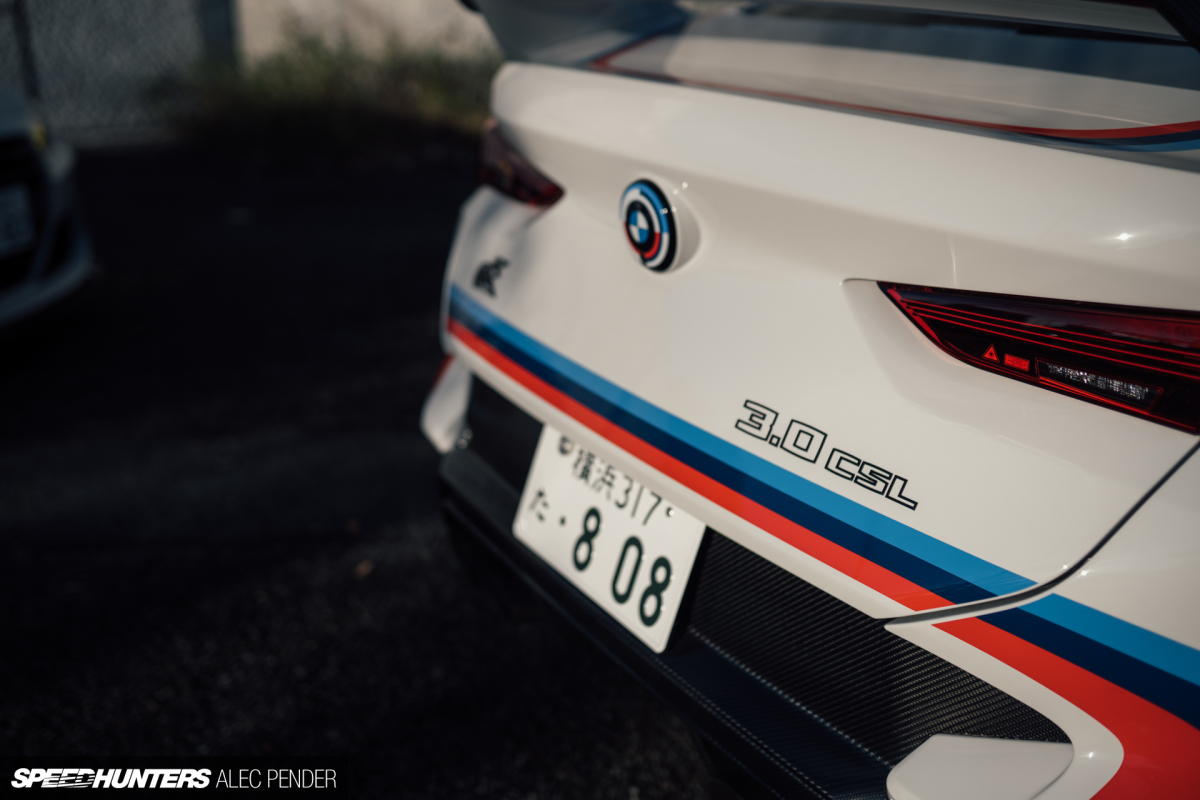
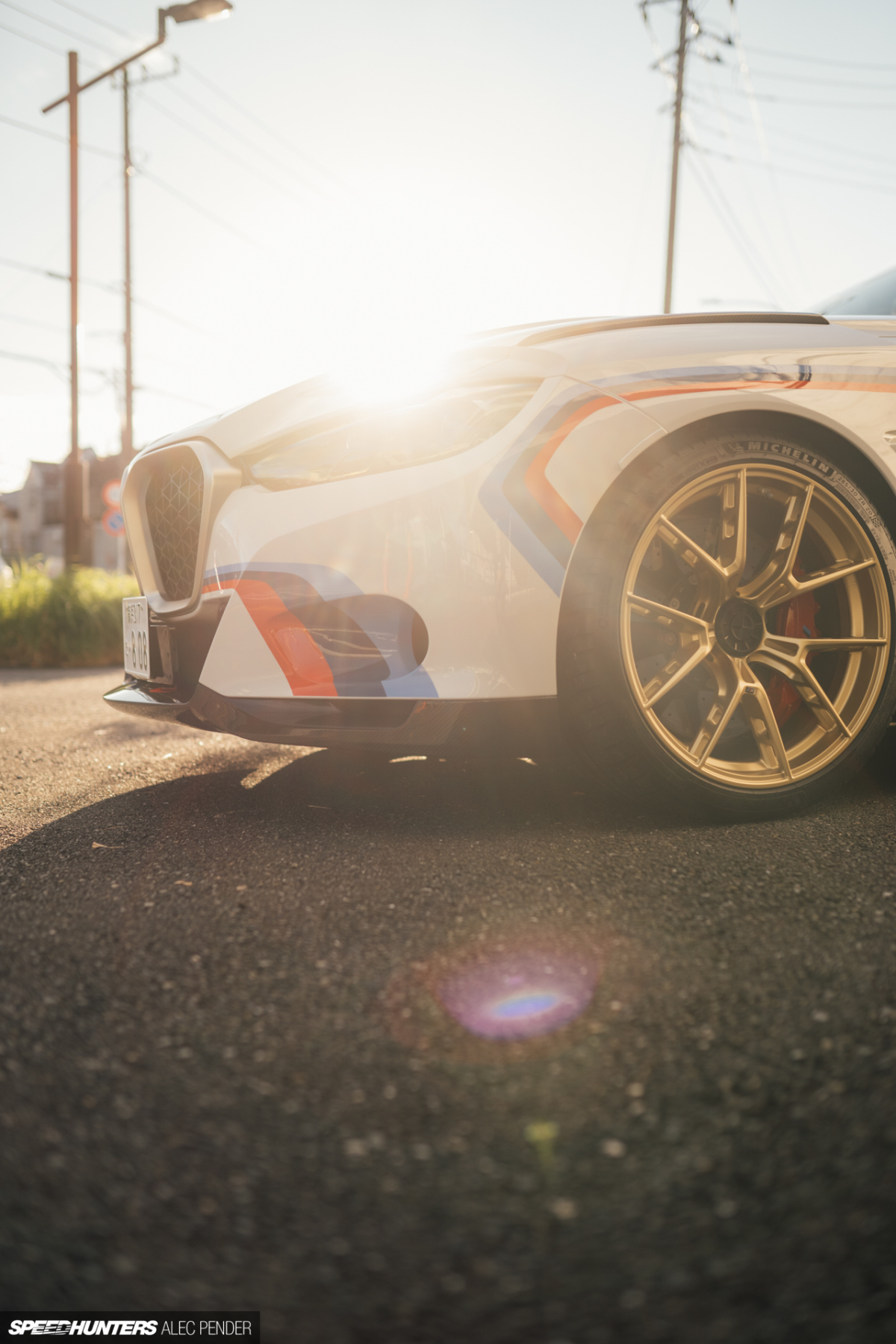
While the 3.0 CSL remains unmodified, it stood out as the most special car of the day. The CSL pays homage to BMW’s legendary 1970s coupe and features a 6-speed manual transmission, centre-lock wheels, an active differential, and 560hp. No wonder the 50th anniversary release was an instant BMW collector’s must-have when it debuted in 2022.
But what shocked most was the 3.0 CSL’s price tag – north of US$1.5 million. That sort of coin is enough to secure almost any legendary classic or modern hypercar. It’s a pretty clear indicator of Bob-san’s deep passion for the BMW brand.
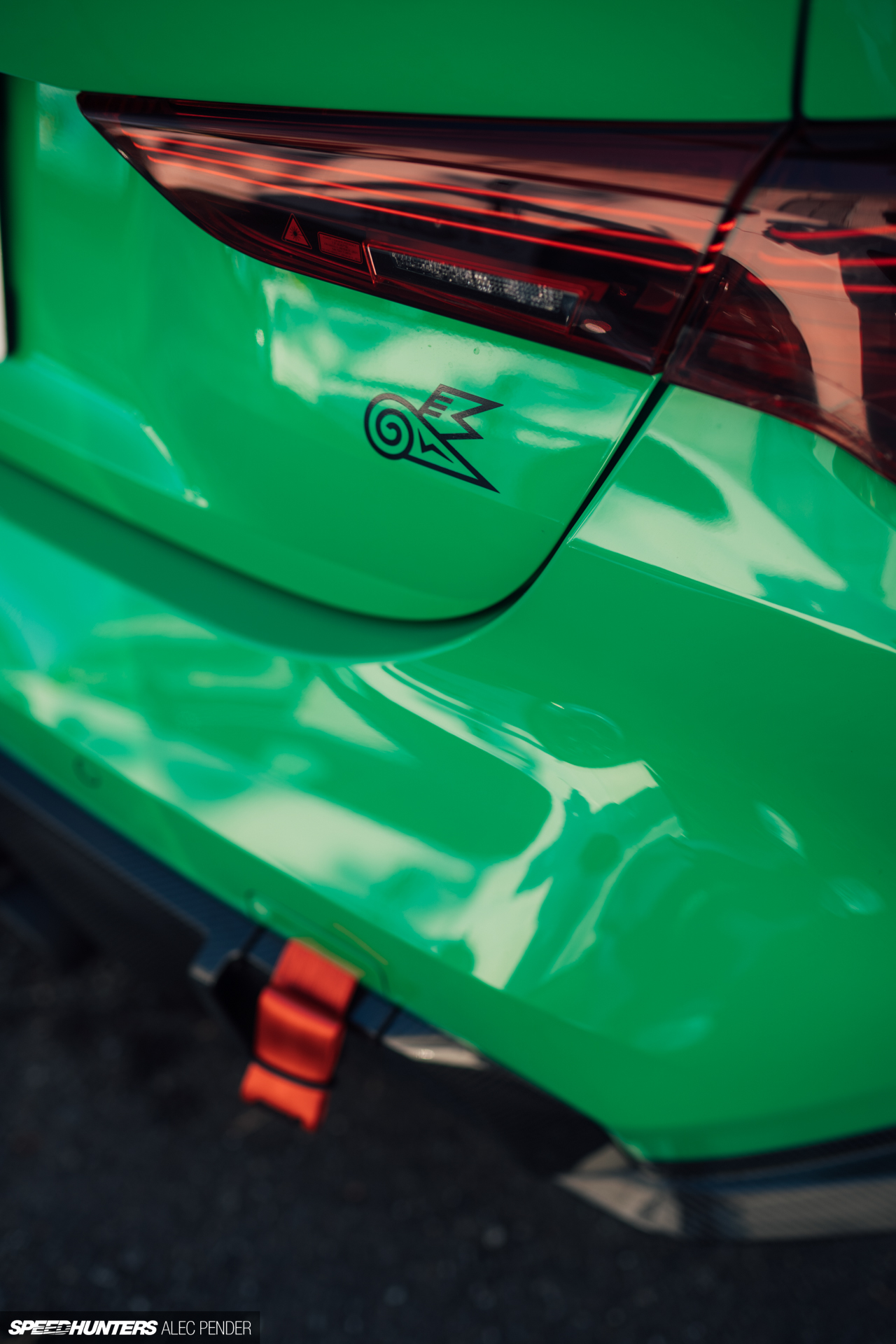
A signature touch for Studie cars is the distinctive logo sticker placed on the rear. Peeling pesky service shop stickers off is almost the first to do when getting your car back from being worked on, but you’ll find most Studie car owner keeping theirs firmly in place, a testament to their pride in being part of the Studie community.
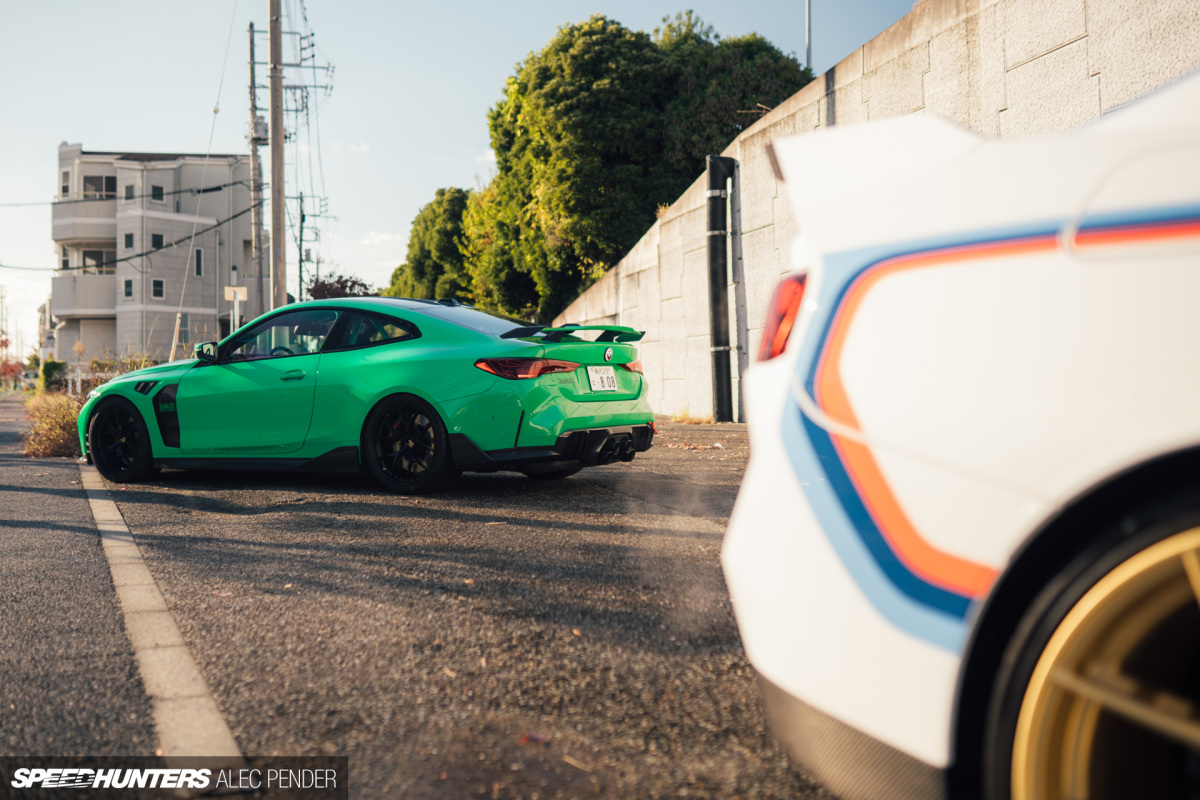
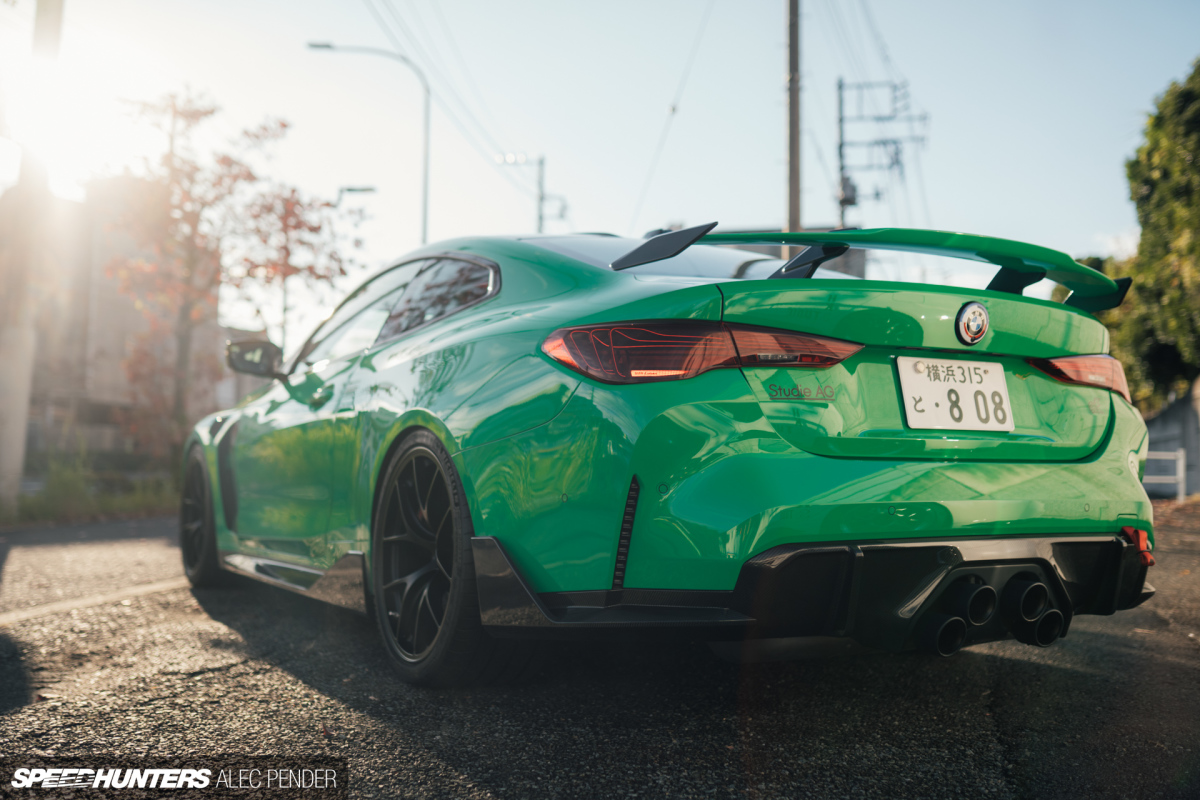
The G82 M4 parked nearby served as the foundation for the 3.0 CSL – minus the seven-figure asking price.
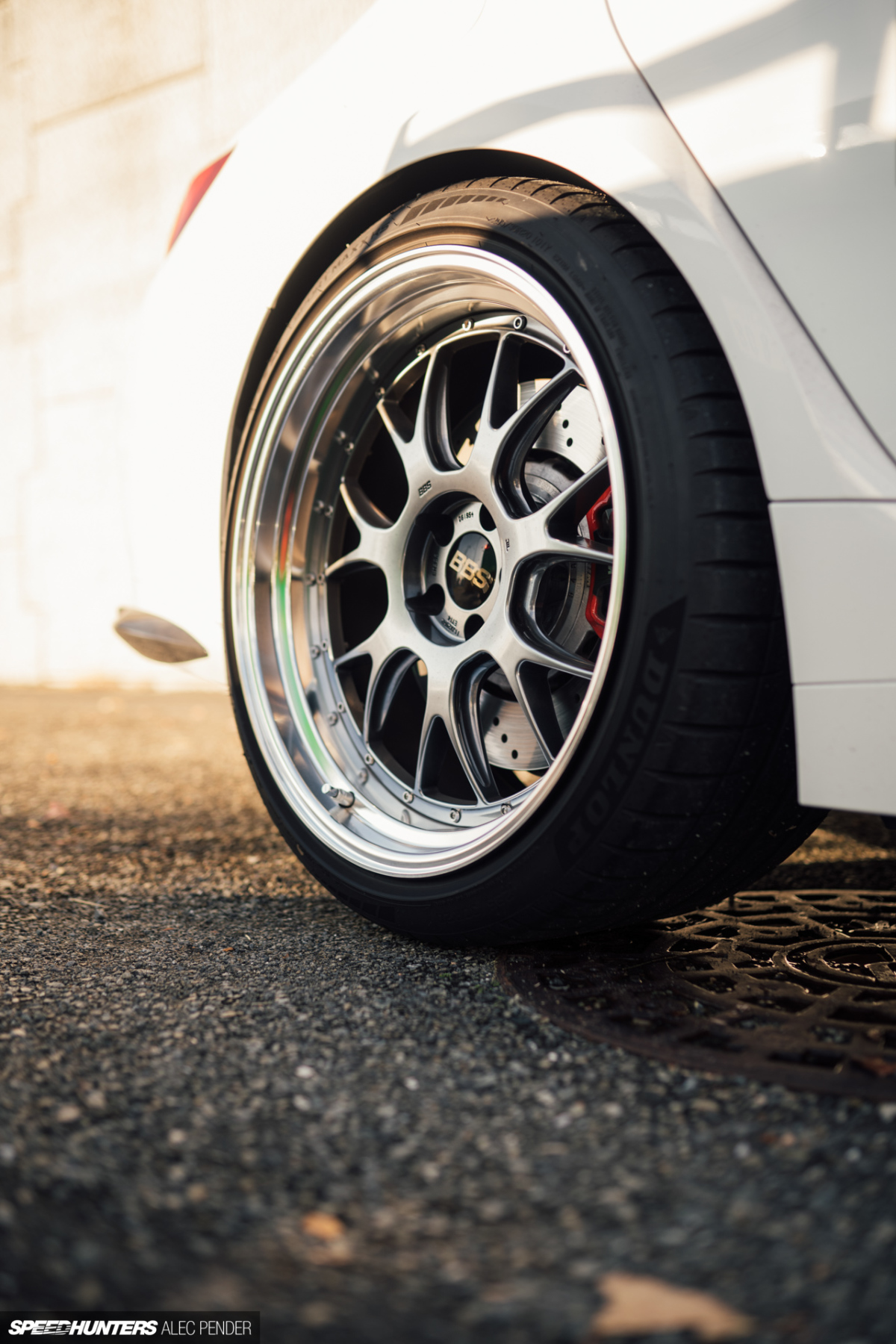
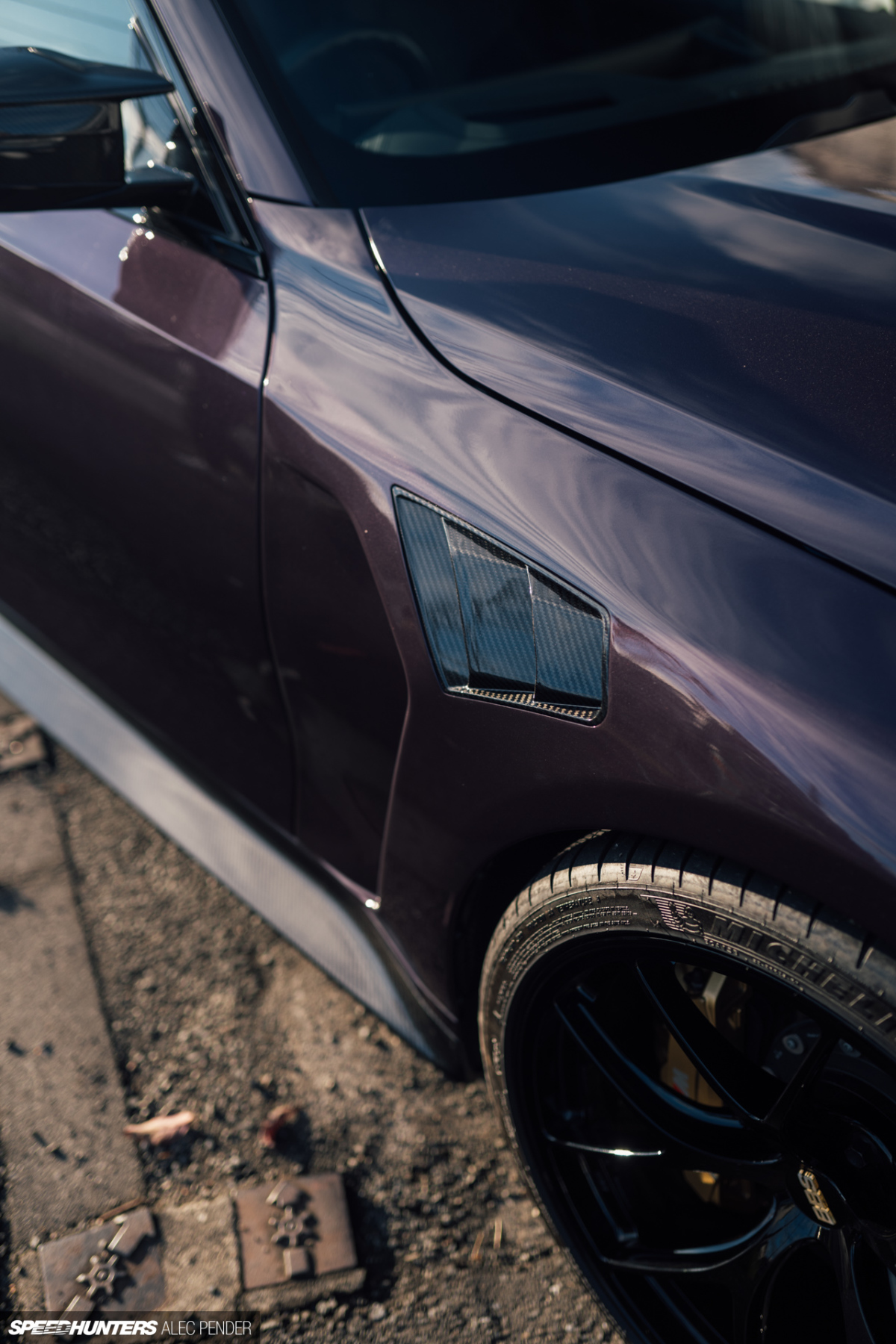
On the outside, the M4 is fitted with carbon fibre accents, a rear wing, side skirts, a front grill replacement, a carbon bonnet, BBS wheels, and KW suspension.
The modifications are more than just aesthetic; they enhance the car’s road presence, making it impossible to ignore.
Inside the fully re-trimmed cabin, the M4 features a colour-matched roll cage, Recaro classic seats and an OMP steering wheel. No detail has been overlooked.
Next is the ‘HKStudie’ M3, a project combining JDM tuning methods with German engineering. Though still in its early stages, the HKS-Studie partnership has already resulted in upgraded suspension and exhaust systems.
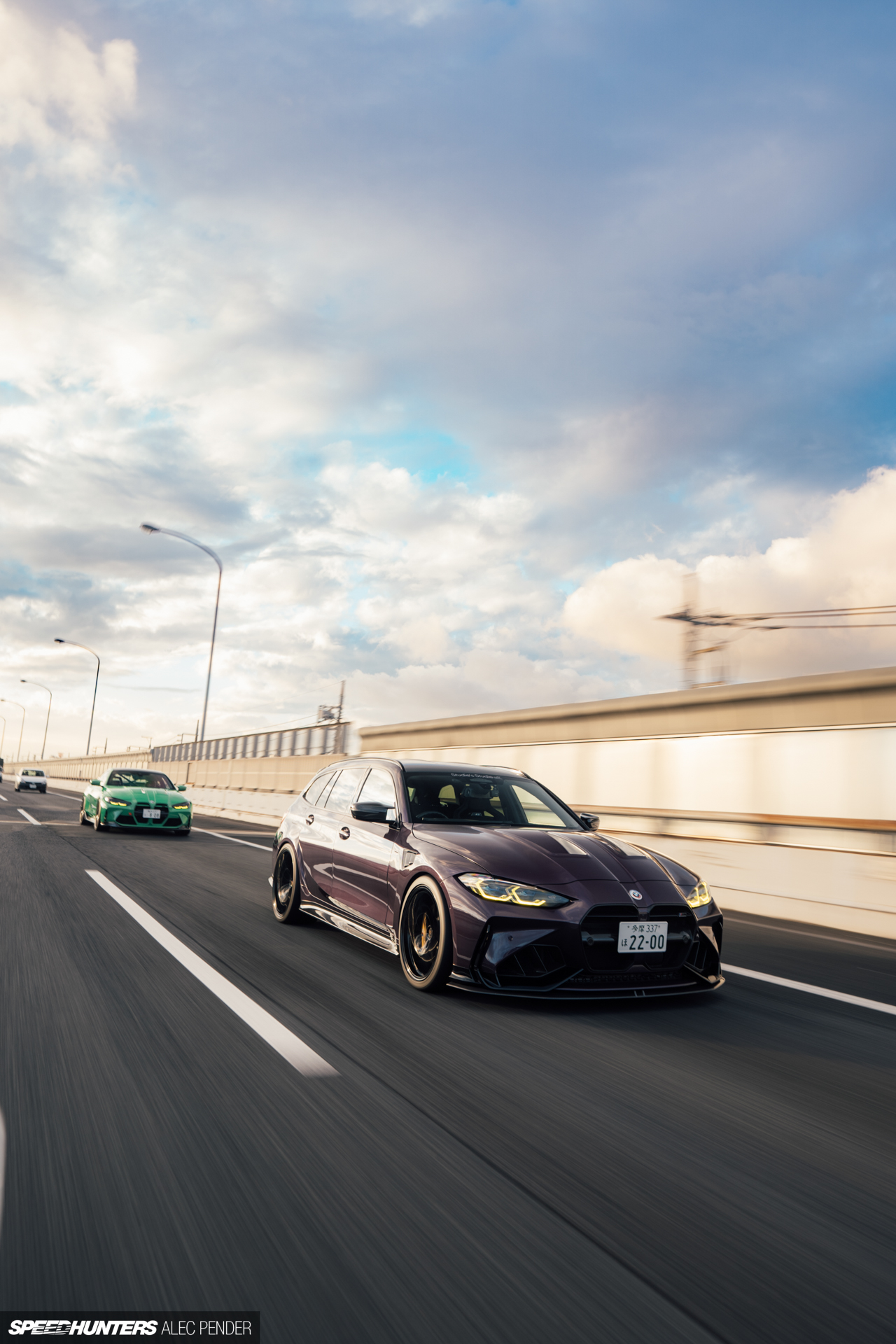
My favourite of the group, the M3 Competition Wagon, was a stunning example of understated aggression. With an Adro front bumper and body kit, this wagon stood out without being over the top. It’s the build that reignited my passion for modern BMWs.
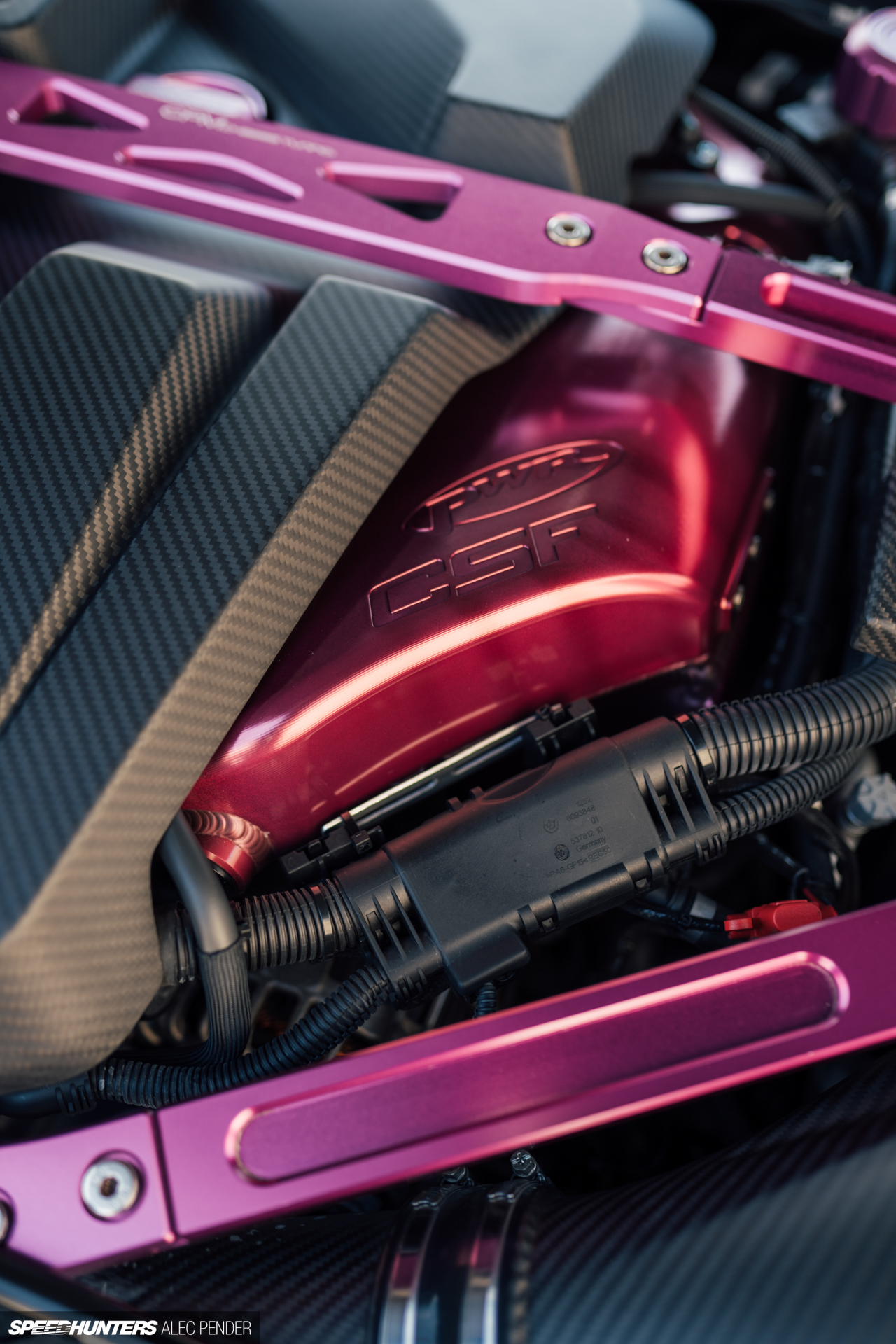
Under the hood, the purple theme continues with a CSF Race charge cooler intake manifold and CPM cross bracing.
Paired with BBS wheels and KW suspension, this M3 Touring exemplifies the signature Studie aesthetic – refined but always purposeful.
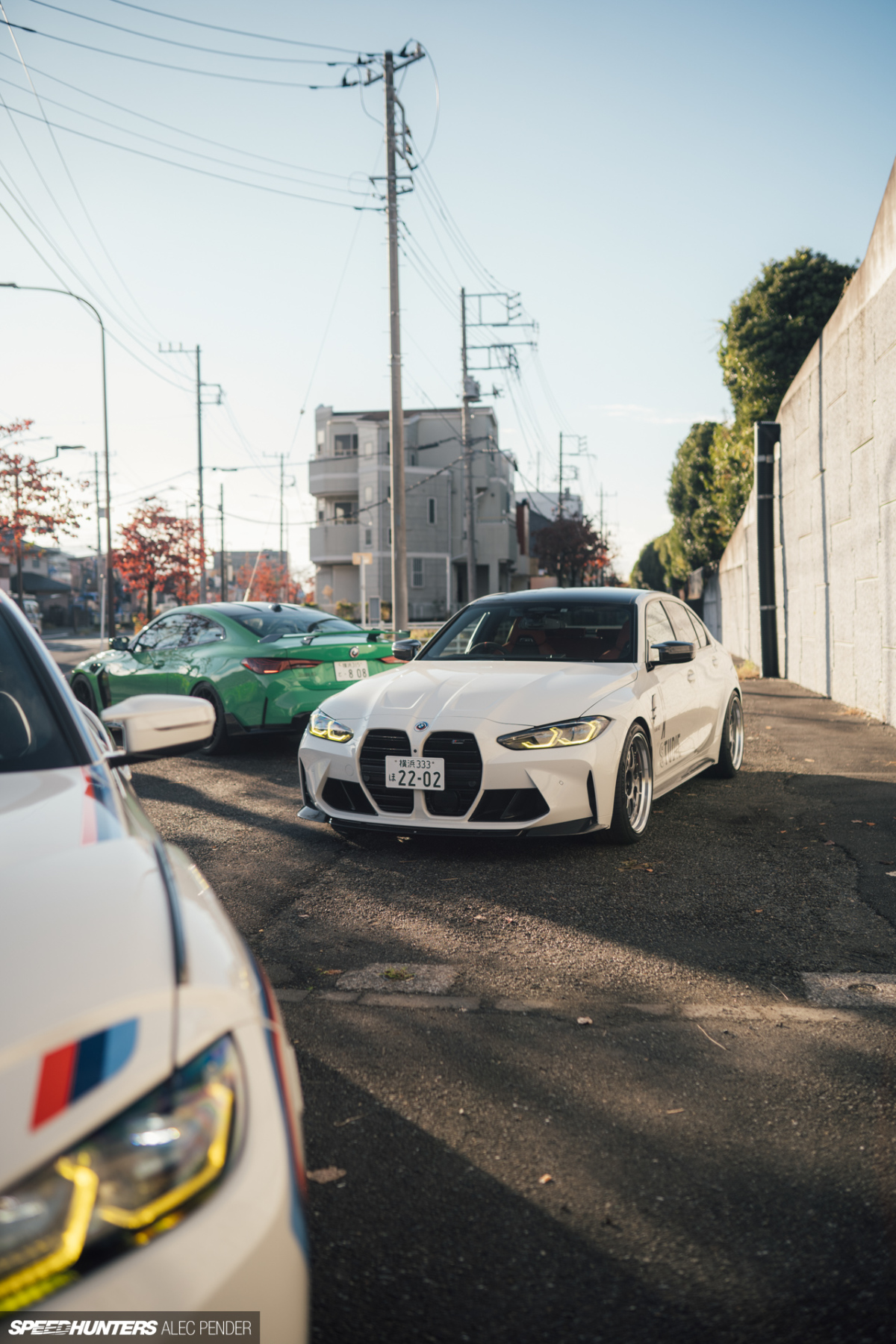
Where else could you see four M cars of such calibre lined up together? This is what makes Studie synonymous with BMW in Japan.
Studie’s ability to harness the best of modern BMWs and elevate them has earned the company a well-deserved reputation. And who knows? In 40 years, these might be the cars we look back on with the same reverence for today’s classics.
Honda will unveil a pair of 0 Series prototypes at 2025 CES
Teaser photo points to one of the prototypes being an evolution of the Honda Saloon concept unveiled during 2024 CES
First 0 Series EV is due to start production around 2026
Honda will use the 2025 Consumer Electronics Show (CES) next month to unveil a pair of prototypes that the automaker says represent models from its upcoming 0 Series family of electric vehicles.
At this year’s CES, Honda first announced the 0 Series and revealed that at least seven of the EVs are planned for launch by the end of the decade, including some destined for North America. Honda also showcased two concepts at the time: a sporty, wedge-shaped car called the Saloon and a taller, van-like design named the Space-Hub.
Honda Saloon Concept – 2024 CES
The Saloon is confirmed to enter production around 2026 and will be sold in the U.S. A teaser photo of the prototypes set for the 2025 CES suggests that one of the vehicles is an evolution of the original Saloon concept.
The other prototype appears to feature a new SUV-like form factor, which may hint at the design of the first 0 Series EV scheduled for production. This is expected to be a midsize SUV, also arriving around 2026.
Honda 0 Series EV platform
An early 0 Series development mule tested by Honda featured a dual-motor all-wheel-drive powertrain rated at approximately 480 hp, along with air suspension and a new stability system incorporating 3D gyro sensors derived from the company’s ASIMO robot family. Honda is also leveraging its Formula 1 experience—most recently supplying power units to the championship-winning Red Bull Racing team—to develop a thin and lightweight EV platform. The automaker has hinted at a weight reduction of around 220 pounds compared to its earlier EV platforms.
The 0 Series will also debut new software systems for Honda, which the automaker plans to preview at the 2025 CES. These systems will include Honda’s proprietary operating system, automated driving technologies, and a system-on-chip computer that will serve as the core of the software-defined vehicle (SDV) aspect of the 0 Series. In layman’s terms, an SDV is a vehicle whose software and hardware allow it to be updated via the cloud, potentially for its entire lifetime.
Honda Space-Hub Concept – 2024 CES
The introduction of the 0 Series marks a crucial step in Honda’s plan to transition to exclusively selling electric and fuel cell vehicles by 2040. In the meantime, the automaker also aims to reduce emissions with its next-generation hybrid powertrains.
The 2025 CES is scheduled to run from Jan. 7–10 in Las Vegas.
There has never been a shortage of Porsche 911 variants in the model family. From coupés, cabriolets, and Targas, to Turbos, Ts, and GT3s, there is almost always a configuration to suit anyone seeking a premium two-door sports car.
In late 2022, as the world emerged from a global pandemic and the confines of home, Porsche unveiled what many consider one of the most intriguing lifestyle-oriented sports cars ever: the 992 Porsche 911 Dakar. Its name and the ‘Roughroads’ cough-Rothmans-cough livery paid homage to the Paris-Dakar-conquering Porsche 953.
Living with a Dakar for a few days is a joy. It is clear that the ethos of creating a 911 with off-road capabilities brings numerous benefits for usability, with few compromises.
The most striking detail of the Porsche 911 Dakar is its ground clearance. It sits 50 mm higher than a standard 911 Carrera S with sports suspension. Using its lift system, the clearance increases by an additional 30 mm, achieving ramp angles akin to a Cayenne. The four-corner lift system is not merely for navigating obstacles at low speeds but is an integral part of the re-tuned suspension. The high-level setting supports off-road adventures at speeds of up to 170 km/h. Beyond this, the car automatically lowers back to its normal height.
The drawbacks? As expected, the Dakar feels slightly less connected when pushing on. There remains acceptable feedback, but the steering lacks the sharp precision of other 992 911s. However, this does not diminish its performance; the Dakar is still impressively fast, especially when raised to high-level mode. Another negative point comes inside the cabin where there you would have expected Porsche to have been a touch more creative. A missed opportunity to flex their Exclusive Manufaktur programme with exotic materials or even bespoke seat fabrics as seen in cars such as the 992 S/T and Sport Classic.
Under the bonnet is the lively flat-six from the 911 GTS models. The 3.0-litre bi-turbo six-cylinder engine produces 473 bhp (353 kW) and 570 Nm of torque, enabling a 0–100 km/h sprint in just 3.5 seconds. Its top speed, limited by all-terrain tyres, is 240 km/h. Two new driving modes—Rally and Offroad—enhance the Dakar’s off-road prowess. Rally mode offers rear-focused all-wheel drive for loose surfaces, while Offroad mode maximises clearance. Both modes include Rally Launch Control, enabling dramatic launches with 20% wheel slippage.
Standard features include an eight-speed PDK gearbox, Porsche all-wheel drive, rear-axle steering, dynamic engine mounts from the 911 GT3, and Porsche Dynamic Chassis Control (PDCC). This interplay ensures the Dakar is as adept on gravel as Porsche claims it is on the Nordschleife.
Should you consider a used Dakar over a 992 GTS? With all 2,500 units sold, the Dakar is a rare gem. Its fun factor, exclusivity, and ability to redefine how a 911 can be used make it an enticing proposition. As with any limited-run Porsche, values are strong and likely to hold. The Dakar invites owners to explore terrains never before associated with a 911, all backed by Porsche’s reliability and warranty.
With plush seats, elevated dining, and an easier airport experience, flying business class is a treat for any traveler. And although each airline’s business-class product differs, you can expect luxury, comfort, and premium amenities — at a much higher price than economy. We’re here to help you make the most of flying business class with tips from my personal experience and aviation expertise.
Relax with added flexibility.
If you need to change your flight before departure, odds are you have increased flexibility than if you booked a basic economy ticket. Whether your ticket is refundable will depend on your airline and fare type, but you may be able to change your flight more easily if needed. You can also enjoy simple perks like selecting your seat in advance.
Check your bags for free.
Don’t worry about the pricey baggage fees adding up if you’re traveling with a couple of checked bags. There’s a good chance you’ll have an increased luggage allowance, so you can pack more than you typically would for your trip if you’d like. Policy details vary from one airline to the next, but on most major U.S. carriers, business-class passengers can check two bags for free.
Take advantage of priority check-in and security.
Priority check in for flight.
Tempura/Getty Images
Your journey starts when you arrive at the airport. And depending on the airport, you’ll go to a dedicated business-class lane, or you’ll go to an entirely different check-in counter — either way, you’ll avoid waiting in lines and can check your bag immediately. Sometimes, you’ll also go through a business-only security lane that is faster than general security. I got to experience this most recently on a flight from Madrid to the Maldives on Qatar Airways. The business-class security line felt more like TSA PreCheck in the U.S.; there were no lines, you don’t need to remove anything from your bag, and you’re off to the lounge within 30 seconds.
Enjoy lounge access.
Delta One Lounge in Boston airport.
Courtesy of Delta
Once you’ve gone through security and immigration, you can head to the lounge. Again, this will vary depending on your airline, but you might be able to access a dedicated business-class lounge or a general airline lounge, where you can indulge in complimentary food and beverages in a more relaxed environment. Some lounges even have spas, business centers, sleeping rooms, or showers. Some airlines may restrict access to business- or first-class travelers traveling internationally, so do your research before you book if lounge access is important to you.
Be the first to board.
When flying in business class, you’ll be one of the first people on the plane. Sometimes, you’ll use a different jet bridge than economy passengers, making it even easier to get to your seat. If there’s one word to define a business-class experience, it’s efficiency — you’ll be one of the first to board and first to get off the plane.
Indulge in an elevated in-flight experience.
In flight meal in business class on Emirates flight.
Courtesy of Emirates
The real fun of flying business class is found on board the plane. Avoid getting too full at the lounge because the in-flight food and beverages are a notch above your basic airplane food. And check your airline account before your flight, because you can often request meals in advance. On my Qatar Airways flight, I had lobster thermidor, which was only available to passengers who pre-booked. You’re also typically greeted with a welcome beverage of your choosing, which can include Champagne, various other alcoholic beverages, or non-alcoholic drinks.
Whether you want to work, sleep, or watch as many movies as possible, you’ll typically have a spacious and comfortable seat that may even lie flat. On long-haul international flights, the blankets and pillows are typically of much higher quality than the ones given in economy, and you may receive an amenity kit or even pajamas to wear.
Difference Between First Class and Business Class
When selecting a plane ticket, you have an overwhelming amount of options. Depending on the route, you might have basic economy, economy, premium economy, business, and first class available, plus even more fare options, such as refundable or nonrefundable, within each ticket class. Business class and first class are often used interchangeably, but the two have some distinct differences. Be sure to read the details before you book so you know exactly what to expect when you get on board.
How to Fly Business Class for Free
Using points and miles makes business-class tickets much more accessible to even budget travelers. The quickest way to rack up credit card points that you can turn into a fancy airline seat is by taking advantage of a new customer welcome offer. If you sign up for a new credit card and meet the spending requirement, you could earn enough points to score a great deal on a ticket. Whether you transfer the points to a partner airline or book through your new card’s travel portal will depend on how savvy you are with your miles.
Don’t want to commit to a travel credit card? There’s a chance you could be automatically upgraded if you have elite status with the airline you’re flying. However, you’ll likely need a very high tier of elite status to receive a complimentary upgrade to business class on a long-haul flight, and to reach such a high tier, you’ll already be spending some serious money on flights throughout the year.
You could also ask at the check-in counter if any business-class seats are available. If there are, the agent will tell you how much upgrading costs. If it’s an exceptionally long flight and the upgrade only costs a few hundred dollars, it could be worth the additional fee for the comfort.
2024 saw the fashion industry ride on the wave of collectible paraphernalia, transforming whimsical novelties into status-defining treasures. While the unveiling of luxury accessories and bag charms are nothing new, MCM’s Visetos-print mascots to Loewe’s playful animal figures highlight how luxury brands are tapping into a growing consumer desire for escapism through tangible, unconventional symbols of self-expression. What began as niche curios — like Burberry’s Plush Bear Teddy Bear Collectable from 2008 or early iterations of Bearbrick (or BE@RBRICK) collaborations — has evolved into a cultural phenomenon. Today’s fashion collectibles straddle the line between art, nostalgia, high-end branding and society’s penchant for “cuteness aggression” sparking a deeper emotional connection between consumers and the industry. This new era of collectible paraphernalia reflects a shift in consumer behaviour, where plushies, mascots, and novelties — far removed from traditional notions of utility — have become aspirational icons of luxury.
Read More:Beyond the Label: How Luxury Brands Leverage on Legacy Storytelling
Status Symbols to Consumer Escapism
Stepping away from the realm of luxury, one example of collectible paraphernalia that became a cultural must-have were the Labubu plushie dolls. Everyone from fashion editors and influencers to social media savant BryanBoy were seen sporting these plushie attached to their luxury designer bags. What started out as an online meme quickly turned into a buying frenzy that has expanded beyond Southeast Asia. Sold by Chinese toy company Pop Mart with prices ranging anywhere from SGD 40 to SGD 200, the hype surrounding the Labubu dolls emphasises how consumers place value in seemingly “everyday” items to feel included in a broader cultural movement. This phenomenon reflects a desire for connection and identity through shared symbols of fascination. The same can be said about the obsession with the Stanley Cup nearly a year ago, where collective enthusiasm transformed a bottle into a pop-cultural fixation.
The journey of collectible culture in fashion dates back to around 2008, with the Burberry Bear (now sold online second-hand for USD 50 to USD 100) being one of the earliest examples of luxury fashion transforming an inanimate object into a cultural icon. What started as a novelty item sold alongside a purchase for collectors has now blossomed into a mainstream cultural movement. Fast forward to 2024, and fashion houses have embraced this shift, launching their own lines of limited-edition plushies, figurines, and mascots. Louis Vuitton’s Vivienne bag charm alongside Hermès’ and Celine’s dog toys and accessories are all part of this broader strategy to capitalise on the increasing demand for collectible items that blur the lines between what is practical and personal expression. Luxury brands have come to understand that modern consumers seek more than just status symbols — they crave experiences and avenues of escape. Collectible items, from plush toys to designer mascots, deliver a tangible sense of fantasy and evoke youthful nostalgia that traditional luxury goods often cannot provide, whether due to their price point or exclusivity. This yearning for escapism underpins the success of brands like Moschino and Loewe, which create playful yet distinctive products that go beyond adornment, seamlessly integrating into and reflecting the consumer’s identity.
Bags Moschino Men’s Spring/Summer 2025 collection exemplifies how the brand delivers surreal bags that become collectible items beyond their intrinsic value as bags.
Capitalisation of Group Behaviour
The rise of collectible fashion paraphernalia highlights a shift in how consumers approach their purchases. Historically, luxury goods were symbols of wealth, status, and exclusivity. But with the proliferation of accessible luxury brands and the democratisation of high-end fashion, brands have had to get creative in maintaining their allure. Enter the collectible culture — an accessible entry point for many consumers who may not be able to afford the full range of a brand’s offerings but can still indulge in miniature versions that serve as gateways to luxury.
Read More: Bag Charms: Luxury Fashion’s Latest Moneymaker
Luxury fashion brands have long been experts at creating exclusivity, but with collectibles, they’ve embraced a more collective form of exclusivity. Collectible toys and figurines are part of a broader cultural movement where owning certain items signals not just personal taste, but membership in a specific consumer tribe. These small, often playful products foster a sense of belonging, allowing consumers to join a larger narrative while still showcasing their individuality. This creates something of a societal paradox — in order to stand out, consumers often must align with the collective.While heritage and craftsmanship remain central to luxury storytelling, modern consumers — particularly millennials and Gen Z — are drawn to narratives that align with their values, often finding deeper connections in the playful, accessible realm of collectible culture and paraphernalia. Meaning, beyond physical appearances, they want their purchases to reflect a sense of individuality, playfulness, and emotional resonance. Collectible culture and paraphernalia have become the perfect medium for this connection, offering a bridge between the aspirational allure of luxury and the modern desire for items that feel personal, approachable, and meaningful.
Read More: Fashion in Flux: The Industry’s Return to Timeless Classics Amid Economic Headwinds
The Future of Collectible Fashion Paraphernalia
Charms hold a unique appeal, bridging both ends of the consumer spectrum. For some, they represent an accessible entry-level purchase into the world of luxury, while for loyal customers, they serve as an extension of their brand devotion. Think of it this way — you already own the Louis Vuitton Vivienne, the Hermès Birkin, or the Prada Re-Edition 1995 shoulder bag — what’s next? The bag charm offers a way to personalise these sought-after pieces, adding a playful yet sophisticated touch that elevates them further. It is albeit a small but impactful accessory that speaks to both individuality and brand allegiance. Why stop at one? The latest Prada campaign shows the model clutching a bag layered with numerous accoutrements encouraging the consumer to indulge in a bit of conspicuous consumption. This is arguably why luxury labels such as Louis Vuitton and Prada increasingly tune in to collectible culture as part of their strategy to expand into new demographics, particularly younger consumers and collectors alike. While luxury handbags and shoes are out of reach for some, a designer mascot or plushie offers an aspirational item that is much more attainable.
Nostalgia has always played a significant part in fashion — due to the inevitable trend cycle — hence the demographic between the ages of 18 to 30 typically looks back on past style icons to inspire their outfits of today. The fashion world also often transforms elements of childhood into more grown-up variations to embrace the fun side of fashion just as we have seen with friendship bracelets and now bag charms. Thus, people have done so by incorporating childhood trinkets and colourful bead embellishments onto their high-end bags to add pops of colour which would otherwise be difficult to display on everyday looks. The endless combinations of embellishments allow individuals to cultivate and express their personal style — especially in an era where it is increasingly difficult to do so, due to the rapidly changing trends.
Read More: The Ultimate Luxury Festive Gift Guide
In an era where luxury bags are becoming increasingly ubiquitous among restless consumers, perhaps collectible accessories are the new display of wealth — offering a distinctive and personal way to signal exclusivity and taste. As the boundaries between fashion, art, and play continue to blur, the rise of collectible culture is likely to endure and even intensify. One can surmise that brands will continue to capitalise on the desire for escapism, self-expression, and nostalgia, expanding their product offerings to meet the growing demand for these unconventional luxury treasures. Whether through more mascots, plush toys, or creative collaborations, the future of fashion collectibles seems prime for further exploration.
Read More: Luxury Brands Leverage Personalised Offerings For Product Differentiation
For more on the latest in fashion and style reads, click here.
Jaguar revealed its ambitious electric Type 00 concept three weeks ago at Miami Art Week. The British luxury automaker is in the middle of a complete rebrand featuring a divisive new branding scheme and a soon-to-be-unveiled four-door electric GT. While the worst people online are still bashing their keyboards, Jaguar is blocking out the noise and listening to the most important voices: actual prospective customers.
The 2024 Jaguar F-PACE SVR Is Unbelievably Loud
If people loved what Jaguar was before the ongoing transformation, they never used their wallets to say it. The company needs to sell cars to keep its lights on, and becoming a low-volume, high-end electric automaker is the best way to do so. Managing director Rawdon Glover explained the manufacturer’s new direction in an interview with Top Gear:
“We have researched this intensely,” he tells TopGear.com. “We’ve spoken to about 1,000 prospective clients, across the UK, North America, Europe, and China. We’ve talked to them in detail about our brand. And we’ve shown them the model lineup. One of the tools we use is conjoint analysis, which is very good at getting to what people are prepared to pay for a product.”
“We show them the exterior, then the interior, talk about the specification. That gives us confidence in this product proposition – it’s got to be a step change from what we do today and it’s got to look like it’s worth £120,000. We put it in that context of competitor cars as well. Some people get it straight away and think it’s fantastic, want to order one. Some people, it’s not for them.”
I’m in the camp who gets it. Jaguar is taking a well-informed risk to reinvent itself with truly distinctive styling. The brand didn’t have the luxury of resting on wilted laurels. Something had to change to garner new customers. Be sure to read Top Gear’s entire interview with Glover and keep your eyes peeled for the new GT next year.
It’s Time The Nissan Altima Got Some Respect | Jalopinions
The old Kicks will be sold as the Kicks Play, earning it the title of silliest name of any car currently on sale in the U.S., and its MSRP is $22,910 including $1,390 destination, compared to the $23,220 base price of the vastly better new Kicks. I won’t mince words here — Anyone who buys a 2025 Kicks Play over a 2025 Kicks is an absolute sucker. If you love yourself even one iota, spend the extra $310 and get the new model. You deserve it.
The 2025 Kicks Play is effectively unchanged from the 2024 Kicks, and it only comes in one base trim level equivalent to the old Kicks S. It includes some active-safety features, cruise control, a 7-inch touchscreen infotainment system with Apple CarPlay and Android Auto, and three USB ports. The only thing that the Kicks Play has going for it over the redesigned Kicks is its fuel economy estimates, which are about two mpg higher than the more powerful new model. The Kicks Play will retain the same front-wheel-drive-only layout powered by an anemic 2.0-liter inline-4 and CVT combo that makes do with just 122 horsepower and 114 pound-feet of torque. The 2025 Kicks has 19 horsepower and 26 pound-feet of torque more than the Kicks Play, and it can be had with all-wheel drive.
This is not the first time a company has retained an older model alongside its redesigned successor. It’s happened with Volkswagen, Ram, Chevrolet, Subaru and more. Automakers often run overlaps like this for an array of reasons including a possible production surplus of unsold old models, or the desire to gradually ramp down production of the old design. It’s hilarious that Nissan is touting the Kicks Play as the value alternative when all it offers is a $310 savings for a six-year-old car versus a brand new, better looking, safer, more powerful, and more spacious model. I wouldn’t turn my nose up at $310, but I know which model I would choose if I were in the market for a subcompact Nissan crossover: The bigger, better, newer one.
Aston Martin has unveiled the production version of the Valhalla, a supercar positioned between traditional supercars and hypercars, with deliveries expected to be mid-next year.
Built on a carbon fiber tub co-developed with Aston Martin’s F1 team and featuring aluminum subframes, the Valhalla is powered by a heavily revised, AMG-sourced 4.0L twin-turbo flat-plane crank V8 producing 817 hp. Three electric motors add another 248 hp, totaling 1,064 hp and 811 lb-ft of torque. Two motors power the front axle for all-wheel drive and torque vectoring, while the third is integrated into the new 8-speed dual-clutch gearbox.
The Valhalla accelerates from 0-62 mph in 2.5 seconds and reaches a top speed of 217 mph. Active aerodynamics generate 600 kg of downforce between 150 mph and its top speed. As Aston Martin’s first plug-in hybrid, it offers a 14 km EV-only range at speeds up to 80 mph.
Top Gear magazine published a video on YouTube where they give us a full breakdown on this new limited-edition hypercar.
On Wednesday Sergio Perez, known as Checo, announced on Instagram he is parting ways with Red Bull Racing now that the 2024 season’s complete.
“Driving for Red Bull has been an unforgettable experience and I’ll always cherish the successes we achieved together,” Perez said.
Perez signed with the Red Bull Racing Formula 1 team for the 2021 season. In 2022, the racer’s contract was extended through 2024, and it was then extended to 2026 in June. He posted five F1 victories with Red Bull.
Perez got his start in Formula 1 with McLaren in 2013 after Lewis Hamilton left the British outfit for Mercedes-AMG.
No announcement has been made where Perez will go or if he will continue racing.
After a successful run in 2023, Perez struggled to find pace in 2024. He ended the 2024 season’s Drivers’ Championship with 151 points for eighth in the standings, while his teammate, Max Verstappen, won the championship with 437 points. Perez’s poor showing prevented Red Bull from taking the Constructors’ Championship after winning it the previous two seasons.
It’s unclear what agreement Perez and Red Bull Racing came to with the racer’s contract ending early.
Red Bull Racing hasn’t said who will replace Perez for the 2025 season. That season will start just months from now on March 16.
Team Principle Christian Horner said on Instagram, “I would like thank Checo for all he has done for us over the past four seasons.” The executive confirmed Checo’s announcement leaving no question that a new racer will be Verstappen’s teammate.
The technical storage or access is strictly necessary for the legitimate purpose of enabling the use of a specific service explicitly requested by the subscriber or user, or for the sole purpose of carrying out the transmission of a communication over an electronic communications network.
Preferences
The technical storage or access is necessary for the legitimate purpose of storing preferences that are not requested by the subscriber or user.
Statistics
The technical storage or access that is used exclusively for statistical purposes.The technical storage or access that is used exclusively for anonymous statistical purposes. Without a subpoena, voluntary compliance on the part of your Internet Service Provider, or additional records from a third party, information stored or retrieved for this purpose alone cannot usually be used to identify you.
Marketing
The technical storage or access is required to create user profiles to send advertising, or to track the user on a website or across several websites for similar marketing purposes.