Time plays tricks on our collective memory, especially when it comes to cars. For whatever reason, the Edsel, which was a monumental sales flop, is understood by too many folks to have been poorly built and unreliable. A “lemon,” it’s often called. Truth was (truth is) that the Edsel came to market a little too expensive during a significant economic cool down. The market for mid-priced cars literally disappeared just as the Edsel appeared in showrooms.
1976 AMC Gremlin
History
More recently, the American Motors (AMC) Gremlin has somehow earned a bum rap for being cheap and unreliable. And while the Gremlin, which was literally an AMC Hornet compact sedan with its rear portion sawed off, it was actually very reliable.
Price
The Gremlin, which was also sold in Mexico via a distribution company called VAM, was brought to market in 1970, and initially priced at just $1879—that’s about $15,000 today. We’ll talk a little more about the price in a moment.
While the car was indeed cheap—it was shod with hard-plastic cabin elements, and almost no standard equipment—it was actually, reportedly, very reliable. In 1970, the editors of Popular Science magazine drove a Gremlin 10,000 miles “…without a single problem.” In 1973, Consumer Reports named the Gremlin it’s top-rated economy car for long-term reliability.
1976 AMC Gremlin Ad
1976 AMC Gremlin Ad
All that said, there was one serious designed in defect the Gremlin was cursed with, and this editor can attest to this personally: The Gremlin’s rear seat was completely useless.
Yet, the ad seem here seems to imply, well actually does imply, that AMC’s cheapest offering actually boasted meaningful rear-seat and cargo-area space. That’s a lie.
The Gremlin, as we noted early, was based on AMC’s Hornet compact car. As such, there was a reasonable amount of front-row space. But in back, thanks to the Gremlin’s “Kammback” design, head and legroom were severely limited as was cargo space.
Crammed in Back
Fun fact: Sometime in, oh, 1982, my friend Gordon stuffed me into the back seat of his Gremlin—this so a (hot) girl could ride shotgun up front. The trip was short—From Meadows Bowl to Pin Pan Alley (arcade) but it was also awful. I was forced to sit sideways, and, thanks to the car’s lack of side glass, I could not see out. By the time we arrived at our destination, I was suffering from both therapist-grade claustrophobia, and severe spinal curvature. Gordon sucked.
Now, now look at this ad. That kid looks happy, and the dog looks comfortable. I assure neither was the case. I am calling this ad out right now: stuffing a third person in the back of a Gremlin, even a very small person, should be illegal.
Bare Bones
Fun bonus fact: What little cargo space there was in the Gremlin, could only be access by a small, pop-up glass opening. The Gremlin did not have a hatch in the normal sense. Plus, had you ordered the $1879 edition of the little AMC discussed earlier, you would have gotten neither the opening glass hatch, nor a back seat. Really, no back seat.
This means that loading and unloading cargo meant passing it back between the seats, another fun way to pull a muscle while spending time with a Gremlin.
All told, AMC moved an impressive 671,000 Gremlins between 1970 and 1978, impressive for the nation’s then number-four automaker. A refresh of the Gremlin dubbed Spirit was introduced for 1979, but never sold as well as the Gremlin.
Not a Bad Car, Really
As noted earlier, the Gremlin was not a bad car, but it was kind of bad at being a car. But it looked reasonably cool, could be had with a V8 (really) and had a real reputation for reliability. While no car shopper today would ever accept the Gremlin’s flaws in a new car, things were different in the Seventies. I mean, people accepted 8-Track tapes as portable, and The Love Boat as quality family entertainment.
Planning a trip to the Christmas Markets in Europe? Want to make sure you make the most of your visit? Here are our best tips for visiting European Christmas markets so you can feel ultra festive.
*We work hard to make this the best motorhome travel blog and road trip website possible, full of helpful content for you. The website is supported by our readers, so if you buy through links on this site we may earn a commission- at no extra cost to you. All opinions remain our own.
If you find this post useful, you can also treat us to a coffee – we promise to enjoy it while creating more useful content like this- we might even indulge in a biscuit (or two!)
Visiting Christmas Markets in Europe
Gah, I’m so jealous that you’re considering visiting a Christmas Market in Europe. These markets are some of the prettiest (and most fun!) events in the world. They’re full of stalls, lights, plenty of food (and drink!) and happy people.
Going to one of these markets always makes me feel Christmassy!
If you’re still trying to pick a Christmas Market to visit, why not try one of these biggest Christmas Markets in Europe!
European Christmas Markets tips
In this post, I’m going to share some essential tips we’ve learnt while visiting the best European Christmas Markets. Each market has its own style and atmosphere, but there are some generic tips which apply to all of the best Christmas markets in Europe to help you have the best experience.
So grab a mug of glühwein (that’s the warm, spiced mulled wine famous throughout Europe Christmas Markets) and start taking notes!
Christmas Market Europe Tips- buy many of these garlands. They make your home smell AMAZING!!
What do you wear to a Christmas Market in Europe?
Christmas in Europe is a big deal. Pretty much the whole month of December (and often part of November) includes festivities, visits to traditional markets and making of crafts.
European Christmas markets tend to happen in the weeks before Christmas… in December. Which means, for most of Europe, it’s COLD and probably snowy. And you want that.
Christmas markets in the sunshine are just not the same, even though I do love these 7 warm, winter destinations in Spain.
But the cold means you need to dress appropriately.
Basic European Christmas Market attire is:
Warm coat
Thick/ polo-neck jumper
Snuggly warm scarf
Hats and gloves are a must!
Comfortable shoes/ boots- see below
Bag- ideally a small rucksack or large tote for safely storing your purchases and souvenirs. Something with a secure zip is good- sadly, these places are full of pickpockets or opportunists.
It’s totally possible to look cute and warm… but go for warm first so that you can really enjoy your time at the market instead of freezing!
RELATED: Bizarre Customs and traditions in Europe that you’ve never heard of!
What shoes do you wear to a Christmas Market Europe?
No heels. Not now, not ever. NO-ONE is wearing them, I promise. If you have to wear them, at least make them wedged boots, but be careful not to slip in the snow.
I suggest flat boots or even walking shoes if you’re going super casual. Just make sure they’re waterproof (slush and melting snow gets in EVERYWHERE!)
Make sure the shoes are comfy– you’ll be spending several hours walking, standing up while you eat, drink and possibly dance – the German Christmas markets are particularly famous for dancing around the Christmas tree or old town square!
How long does a Christmas Market in Europe last?
Christmas Market Europe Tips- warm coats and comfy shoes! Not a heel in sight!
European Christmas markets generally run from the late November until 23rd/24th December. Some markets can run until the beginning of January, but they are not so common.
Most Christmas markets in Europe are free to visit (although of course you’ll probably buy food/ drink/ trinkets while you’re there), but some, like Tivoli Gardens market & amusement park in Copenhagen or the Winter Wonderland in London, charge an entrance fee just to get in.
Make sure you research your chosen Europe Christmas Market carefully to see if you need tickets, as they can sell out quickly, especially on weekends.
Want to combine your trip to the Christmas markets with another activity? Why not bring/ hire a motorhome and experience ski camping/ motorhome skiing!
Can you buy food & drink at Christmas Markets Europe?
Absolutely! Honestly, the locals often use the markets more than the tourists, especially after work and especially in Germany. I spent a fantastic few days in Munich just before Christmas and it was a wonderful atmosphere with both locals and tourists joining in.
Most European Christmas Markets will have:
many (many!) stalls selling beer (usually local brew)
gluhwein or even hot-buttered rum (which is AMAZING)
a non-alcoholic warm drink (often warm apple juice or hot chocolate)
They will also provide water (you may have to pay)
street food such as hotdogs (bratwurst sausages with various sauces/ fillings)
cheese in many many forms
crepes (thin pancakes with sweet or savoury fillings)
pretzels
Gingerbread
Nuts- roasted nuts, salted nuts, caramelised and warm chestnuts!
sweets / pick & mix
There will often be a covered seating area or two, but these get full very quickly, so expect to stand whilst you eat and drink.
Alternatively, don’t be scared to share tables. This is very common and a great way to meet people as you relax and take in the festivities around you.
TOP TIP– The glühwein often comes in collectable mugs in various shapes/ designs. There’s often a different souvenir design each year, and each market has their own style, so they make a lovely stocking filler/ gift/ memento.
If you’re in France (and especially at the Christmas markets in Paris, Strasbourg and Colmar) they will sell vin chaud instead of gluhwein- it’s basically the same thing.
Christmas markets are generally held in large towns and cities across Europe, so you will have a selection of restaurants, cafes, bars, beer halls and other eating places to enjoy as you wish.
What food can you buy at European Christmas Markets? Delicious things. (as you can see, the signs are often in English)
What can you buy at European Christmas markets?
So. Many. Things.
That’s one of the things I love most about Christmas markets- they are all so different. However, all seem to have some form of:
Christmas decorations, often wooden
Christmas/ advent calendars
Candles/ lights
Personalised signs/ plaques/ toys- make wonderful gifts for children
Jewellery
Clothing
Delicious smelling strands of dried oranges, cinnamon, nutmeg and other spices. I LOVE these! Whether we’re living in the motorhome or the boat, they make everything smell amazing.
Each country has slightly different tastes and designs- that’s what makes it all so fun. Yes, the goods are expensive, but you don’t need to buy anything if you really don’t want to- just go and enjoy the atmosphere.
However, I defy anyone to not buy ANYTHING- there is just too much temptation!
What can you buy at European Christmas Markets? Beautiful, handmade gifts, toys and more.
Best Christmas Market Europe Tips- Cash is King
Some stalls will accept cards, but not always. Get a supply of the local European currency in cash (small notes/ coins are useful).
Remember, not all European countries use the Euro.
Do they speak English at European Christmas Markets?
You need to remember that you are visiting a foreign country, where they speak a different language. Learning simple terms such as ‘please’, ‘thank you’ and ‘how much’ will go a long way to increase friendliness.
Don’t forget- they’re dealing with rude tourists day in, day out for 6 weeks straight!!
Having said that, most vendors will speak English, and even if they don’t, you will not be the first English speaker they have had to deal with.
Many signs are in picture form or English (especially on food stalls), so you can just point and say please, or try to pronounce it in an appalling accent and accept that they will laugh at you (kindly!)
If you really want to ensure they speak English, check out some of the best UK Christmas markets.
Are there things for kids to do?
Yes. Most European Christmas markets have some form of entertainment for kids, whether that’s a ferris wheel, carousel, Santa train or grotto, ice skating rinks (for the whole family) or crafts in the City Hall.
European Christmas Market Tips: Book in Advance if needed
Some of the attractions may be ticketed and can sell out VERY quickly. So, for the best Christmas in Europe, try to book your tickets in advance online.
Alternatively, head there first thing in the morning and book your tickets for later in the day, or ride while it’s quiet!
Some Christmas Markets in Europe put on musical concerts. These can be free or paid, so again, try to find out in advance and book tickets if you need to.
Christmas Market Europe Tips- book tickets in advance where possible. (Vienna, Austria Christmas Market Ice rink)
Where is the Biggest Christmas Market in Europe?
The biggest Christmas Market in Europe is in Nuremberg, Germany.
What is the best way to see the European Christmas Markets?
There are several ways to experience the Christmas Markets around Europe. You could:
Do a self-drive road trip
Take a coach tour
Go on a Christmas Market River Cruise
Plan a train trip
Or fly in to the main cities for the weekend.
There are plenty of options for all schedules and budgets. Have a wonderful Christmas!
Other Posts you might find useful:
Want to save this post for later? Pin it to your Christmas in Europe board
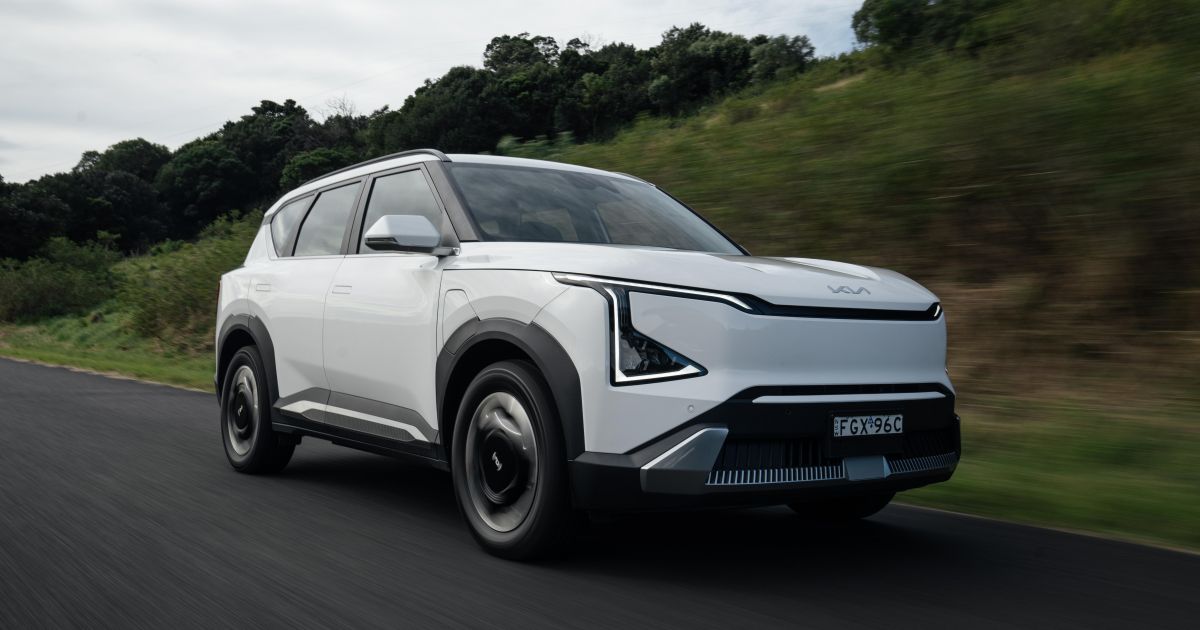
The Kia EV5 has landed in Australia, and the Korean manufacturer says it won’t chase Tesla on price despite the potential of further price reductions by the American brand.
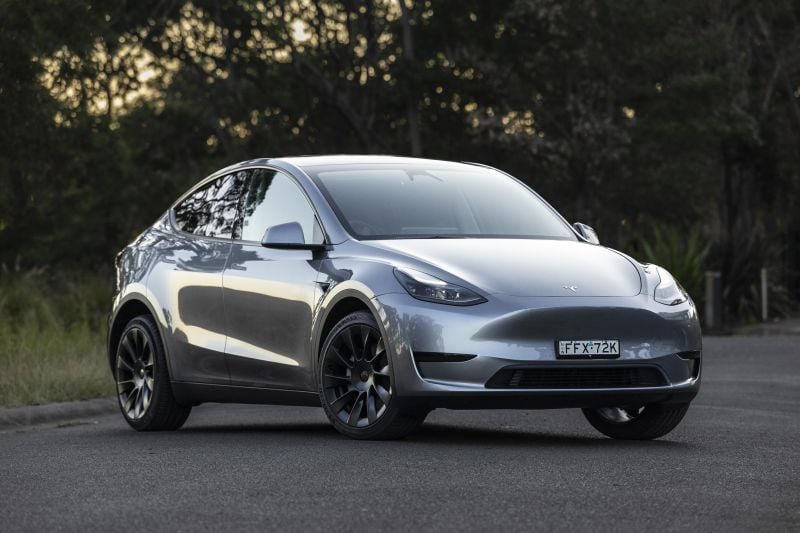
Tesla’s only SUV in Australia – the Model Y – continues to lead the electric vehicle (EV) sales charts, though the company rolled out multiple price cuts earlier this year to further boost sales.
The EV5, which serves as a rival to the Model Y, launched with a drive-away price that’s cheaper than the American brand’s equivalent model despite the numerous cuts.
Kia Australia CEO Damien Meredith says his brand won’t chase Tesla if Model Y prices are reduced further.
100s of new car deals are available through CarExpert right now. Get the experts on your side and score a great deal. Browse now.
Tesla Model Y
“We won’t respond, because we believe that it’s really, really important to protect the residual value of where you start,” Mr Meredith said.
“We really believe that if a customer buys it at a certain price, they need the protection of that pricing stability and pricing consistency, and we’ve been doing that for a long time. We’ll continue to do that.”
A key factor for the EV5 was being able to undercut the top-selling Model Y on price when it launched in Australia, and Kia succeeded with a drive-away price of $56,770 drive-away for the base Air variant.
While Tesla lists a cheaper price on paper of $55,900 for the Model Y RWD, on-road costs are excluded, with drive-away prices ranging between $58,715 (Australian Capital Territory) and $62,553 (Western Australia).
Kia EV5
Kia Australia has still managed to undercut Tesla despite the latter’s price reductions, with product planning general manager Roland Rivero describing the Model Y as a “moving target”.
“We had to draw a line in the sand. [Kia head office] was well aware of the moves that Tesla was continuously making, and at the end of the day that wasn’t really the main point,” Mr Rivero said.
“It wasn’t a case of, ‘can we achieve a price below the Model Y?’, but more so just get it as competitive as possible to be able to achieve our sales aspirations.”
Kia expects to be able to sell 400 EV5 units per month, down from the original target set ahead of the car’s launch and a prospect Mr Meredith says is “challenging”.
EV5
Despite the similar price point, Mr Meredith says the goal isn’t to outsell Tesla’s Model Y with the EV5 but rather make sure it hits the brand’s key sales targets.
“We probably don’t look at it like that as in regards to leader of sales; I think it probably would be difficult to do,” he says.
“We’ve got set our sights on selling that 400 a month, and that’s going to be a challenge within itself. I think there’s more to it than price – there’s the brand set up with Tesla and what that means to EV customers.
“We’ve got to chew away at that, so my expectation isn’t to be outselling the Model Y in the near future.”
Kia had previously said earlier this year it expected to bring in up to 850 EV5s per month, which would have seen it reach 10,000 annual sales.
Model Y
Even that now scrapped target was well shy of the Model Y, which recorded 16,697 Model Y deliveries during the first nine months of 2024.
Instead, Mr Meredith says the goal is for the EV5 to help Kia meet emissions targets under the New Vehicle Efficiency Standard (NVES), which is set to take effect on January 1, 2025.
“As always, we’re mindful of all competition. EV5 is an extremely important product for us, particularly under NVES, which is coming our way soon,” he said.
“We strategically aim for a competitive price point, and then they’ve got to make sure that it hits the kind of numbers that allow us to to gather enough credits so that we can continue to sell other internal combustion-type products. It’s strategic.”
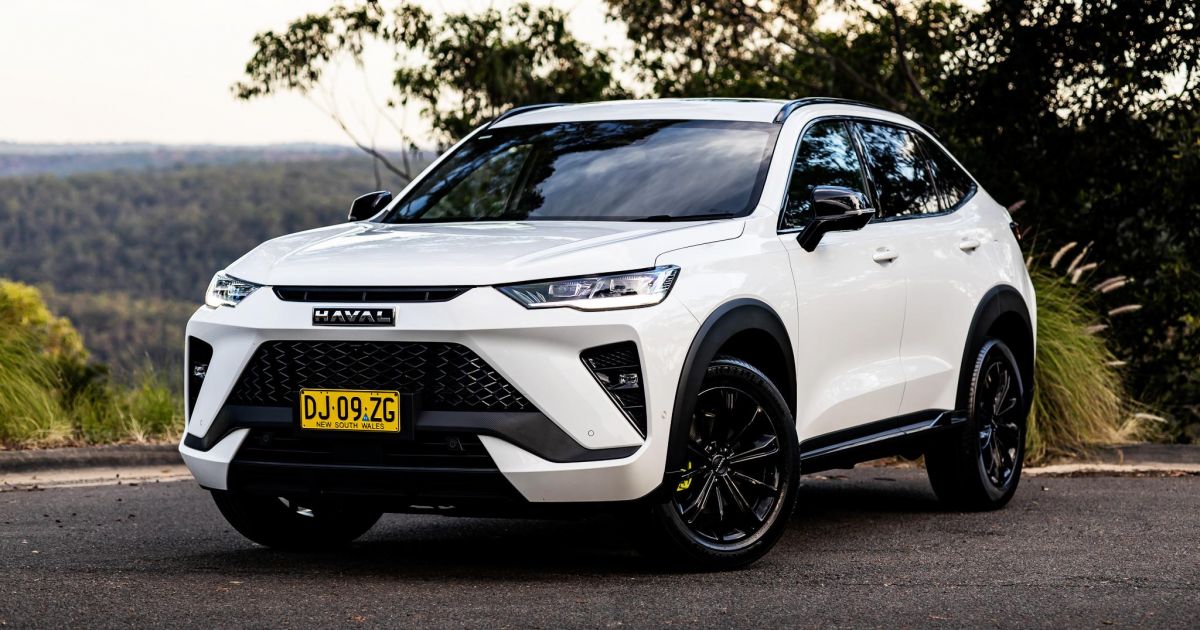
The GWM Haval H6 GT is eye-catching, and now the value equation is better than ever.
WATCH: Paul’s video review of the 2023 GWM Haval H6 GT Ultra AWD
Note: This article is based on our most recent review of the H6 GT, as there have been no major specification changes since its publication – though the entry-level Lux is no longer available.
We have updated key details such as pricing and specifications with the most up to date information available, and added imagery of the latest model where applicable.
Read our most recent price and specs article here.
As we get deeper into the second half of 2024, we’ve noticed GWM has made some adjustments to the H6 GT range.
Gone is the entry-level Lux price leader, with the flagship Ultra grade now the sole offering. While it normally wears a $46,990 drive-away price tag, GWM Australia is offering a $4500 discount to $41,990 drive-away until December 31, 2024.
That’s only $1000 more than the old Lux – and 2025 should see the introduction of a new plug-in hybrid (PHEV) version, ‘plugging’ an electrification gap in the Chinese brand’s mid-sized SUV ‘coupe’ model range.
If you haven’t already, should you give it a look?
How does the Haval H6 compare?
View a detailed breakdown of the Haval H6 against similarly sized vehicles.
Haval
H6
How much does the GWM Haval H6 GT cost?
Just one variant remains available in Australia, and it’s currently being advertised with a substantial discount.
Model
Drive-away pricing
Promotional pricing (D/A)*
GWM Haval H6 GT Ultra AWD
$46,490
$41,990
* Promotional pricing ends December 31, 2024
To see how the H6 GT compares with its rivals, use our comparison tool.
What is the GWM Haval H6 GT like on the inside?
A special and sporty place to sit? Yes, the GT ticks those boxes, and it also has a decently high-tech vibe to it.
The Ultra grade has a larger 12.3-inch touchscreen media system than in the base grade, plus a fully digital 10.25-inch instrument cluster. So it’s going to feel like a big improvement from your old Holden Captiva or Mitsubishi Outlander.
However, the usability of the media system isn’t as simple as in some other vehicles. In most other cars, for example, to turn the seat heaters on there’s a button, but GWM requires you to dig through several menus, which is tedious.
Indeed, plenty of the controls you’ll want to use are operated via the screen, including adjusting the fan speed for the air-conditioning, or turning on/off the cabin air recirculation.
There is an array of buttons below the screen for some climate controls, but it just isn’t as user-friendly as it could be.
Storage up front is user-friendly, with a pair of cupholders between the seats, door pockets with bottle holders, a smallish glovebox, wireless phone charging tray, covered centre console bin, and a large storage tray under the centre console – which is where you find two USB ports for charging/media.
That means you still don’t get wireless Apple CarPlay or Android Auto.
The front seat space and comfort is mostly good, with decent electric adjustment for the front seats, but there’s no lumbar support adjustment, and we found the back of the seat to be a tad uncomfortable.
Back seat space is good, with enough room for adults to fit in behind big units. At 182cm/6’0”, I had no issues fitting in behind my own driving position, with very good knee room, foot space, shoulder room and head space.
This is surprising for a coupe-style SUV, but that’s because the roof is raked downwards from the back of the rear doors, rather than from the B-pillar.
There are dual ISOFIX child seat anchors and three top-tethers in the second row.
Rear riders also have directional air vents, a pair of USB ports, bottle holders in the doors, a fold-down armrest with cupholders, and map pockets on the seat backs.
The interior is roomy, but the boot is a little tight. The GT model has 392 litres of cargo capacity, some 208 litres (or 53 per cent) less than the H6 SUV.
But unless you’ve got triplets, a mega pram or you’re planning a fortnight on the road, you should still fit the stuff you need to.
And it’s nice to see a space-saver spare wheel under the boot floor, too.
Dimensions
GWM Haval H6 GT
Length
4727mm
Width
1940mm
Height
1729mm
Wheelbase
2738mm
Cargo capacity
392-1390 litres
To see how the H6 GT compares with its rivals, use our comparison tool.
What’s under the bonnet?
The H6 GT comes with a 2.0-litre turbocharged four-cylinder petrol engine producing 150kW of power (over 6000-6300rpm) and 320Nm of torque (1500-4000rpm).
Specifications
GWM Haval H6 GT
Engine
2.0L 4cyl turbo-petrol
Power
150kW (6000-6300rpm)
Torque
320Nm (1500-4000rpm)
Transmission
7-speed DCT
Driven wheels
All-wheel drive
Weight
1680kg
Fuel economy (claimed)
8.4L/100km
Fuel economy (as tested)
9.4L/100km
Fuel tank capacity
60 litres
Fuel requirement
91 RON
Braked tow capacity
2000kg – braked
To see how the H6 GT compares with its rivals, use our comparison tool.
How does the GWM Haval H6 GT drive?
We didn’t love it the last time we drove it, and this time? Well… we still didn’t love it.
That’s unsurprising really, as nothing has changed with the H6 GT drive experience compared to the last example we tested.
If you’re upgrading from a 10- or 15-year-old vehicle, you may not find much to complain about.
But compared to other mid-sized SUVs, we don’t rate the H6 GT as a top-10 model in its segment when it comes to driving enjoyment or day-to-day driver-friendliness.
It isn’t underpowered. The 2.0-litre turbo-petrol engine has enough urge for daily driving duties, and in the normal driving mode, it’s adequate in terms of mid-range torque delivery.
However, the dual-clutch auto can feel laggy in stop-start traffic, and that’s often when it’s at its most frustrating – because as well as lag, there’s a shift lag from the rotary dial selector, which at times seems to decide that it doesn’t want to go to ‘Drive’ or ‘Reverse’. When parking, for example, that can be really annoying!
Beyond that, the transmission can be inconsistent in its responsiveness and logic, making it feel a bit too much like guesswork when it really shouldn’t.
As we mentioned in our previous review, there is a Race drive mode if you want to get more out of it. It notably sharpens up the engine and transmission response, and gives you a pop and crackle exhaust soundtrack at times too.
While that did make us smile once or twice during our drive, the other elements of this SUV can’t induce the same emotional reaction.
The steering, for instance, doesn’t have the same sort of consistency or joyfulness as some rivals. It’s not as direct as in a Honda CR-V, and not as natural as in a Volkswagen Tiguan. It can feel oddly weighted at times, which you can get used to, but the turning circle is big too – 12.0 metres.
The parking camera system is excellent though, making it easier to steer in and out of tight spots thanks to its crisp display imagery with rear, front, side and top-down views, as well as an augmented reality view so you can position it in its environment.
But that system can interrupt your podcast, phone call or navigation instructions, because it auto-activates at low speeds.
On the plus side, the H6 GT’s ride comfort is decent considering it’s sitting atop 19-inch wheels, with commendable grip from its Michelin tyres, but it does lean a bit in corners.
It also doesn’t feel quite as tied down as many rivals when you link up corners on an enjoyable road.
To see how the H6 GT compares with its rivals, use our comparison tool.
What do you get?
On test here is the GWM Haval H6 GT Ultra AWD.
H6 GT Ultra highlights:
All-wheel drive
Michelin Sport tyres
19-inch black-finish alloy wheels
Tyre pressure monitoring
LED headlights, daytime running lights and front fog lights
Roof rails
Hill descent control
Power tailgate
10.25-inch digital instrument cluster
12.3-inch touchscreen infotainment system
Wired Android Auto and Apple CarPlay
8-speaker sound system
Dual-zone climate control
Leather-wrapped steering wheel
Comfort-Tek leatherette upholstery
Heated front seats
8-way power driver’s seat
Head-up display
Heated, leather-wrapped steering wheel
Ventilated (cooled) front seats
Wireless phone charging
Ambient lighting
Hands-free power tailgate
Heated door mirrors
Semi-automatic parking assist
Rear cross-traffic alert
Reverse AEB
Is the GWM Haval H6 GT safe?
The GWM Haval H6 model line-up – including the sportier-looking GT versions – come with a maximum five-star ANCAP safety rating from 2022 testing.
Category
GWM Haval H6/H6 GT
Adult occupant protection
90 per cent
Child occupant protection
88 per cent
Vulnerable road user protection
73 per cent
Safety assist
81 per cent
Standard safety equipment includes:
Seven airbags
Autonomous emergency braking (AEB)
Pedestrian detection
Cyclist detection
Crossroad/junction detection
Manoeuvre braking
Blind-spot monitoring
Lane departure warning
Lane keep assist
Emergency Lane Keep assist
Traffic sign recognition
Adaptive cruise control with stop/go
Intelligent Cruise Assist
Traffic Jam Assist
Reversing camera
Surround-view camera
Front and rear parking sensors
“Full Auto Parking” tech
Tyre pressure monitoring
Rear cross-traffic alert
Reverse AEB
How much does the GWM Haval H6 GT cost to run?
You get a seven-year, unlimited-kilometre warranty from GWM Haval Australia.
Running costs
GWM Haval H6 GT
Warranty
7 years, unlimited kilometres
Roadside assistance
5 years
Service intervals
12 months or 15,000 kilometres
Capped-price servicing
5 years or 70,000 kilometres
Total capped-price service cost
$1780 – 5 years
To see how the H6 GT compares with its rivals, use our comparison tool.
CarExpert’s Take on the GWM Haval H6 GT
The GWM Haval H6 GT still feels like it needs a proper overhaul for it to be considered among the best SUVs in its class, but you can’t deny that it’s a lot of SUV for the money.
If driving dynamics and nitpicking transmission foibles aren’t things that keep you up at night, it could be a very good choice for you.
Interested in buying a GWM Haval H6 GT? Get in touch with one of CarExpert’s trusted dealers here
The hype surrounding plug-in hybrids isn’t translating to sales
PHEVs only accounted for 1.9% of 2024 sales so far
EVs have accounted for 9.4% of 2024 new vehicle sales
As automakers emphasize plug-in hybrids as a hedge against EV uncertainties, consumer interest may be cooling, a new J.D. Power study indicates.
Between January and August, plug-in hybrids represented just 1.9% of total U.S. new-car sales, compared to 10.7% for conventional hybrids and 9.4% for EVs, according to J.D. Power’s data set. And it’s not because there aren’t many to choose from: J.D. Power counted 41 plug-in hybrid models available in the U.S. during that period, compared to 39 hybrids and 60 EVs.
The study did find that plug-in hybrids tend to cost more than hybrids or fully electric vehicles. The average transaction price for a plug-in hybrid compact SUV sold between January and August was $48,700, compared to $37,700 for a compact SUV with a conventional hybrid powertrain and $36,900 for an all-electric compact SUV. Previous studies have noted high cost as an obstacle to EV sales, so perhaps a similar mechanism is working here.
2025 Mitsubishi Outlander Plug-in Hybrid
This is in the context of lower customer satisfaction among plug-in hybrid buyers, according to J.D. Power. In its most recent U.S. Electric Vehicle Experience Ownership Study, the J.D. Power rated overall satisfaction with plug-in hybrids at 669 out of 1,000 points. Both mass-market and premium EVs scored higher, at 716 points and 738 points, respectively. That might be because plug-in hybrids command a premium over non-hybrid models, but don’t typically differ dramatically in design, analysts reason.
Automakers have been turning to plug-in hybrids as a way to meet stricter emissions standards while waiting for EV sales to grow further. Audi is still rolling out EVs in anticipation of going all-electric in future, but plans to refocus on plug-in hybrids in the near term. General Motors has hinted that it may resurrect some of the technology pioneered with the Chevrolet Volt to meet tighter EPA emissions rules going into effect in 2027.
2025 Porsche Panamera Turbo S E-Hybrid
These plug-in hybrid plans make more sense when taking a global view. Plug-in hybrid sales have been quite strong in China—the world’s largest new-car market—where they combined with EVs to outsell gas-powered cars in July.
The real downside to automakers’ retrenchment with plug-in hybrids may be mediocre performance when it comes to emissions reductions. Plug-in hybrids are at their cleanest when they’re regularly plugged in, and with no way to ensure that owners actually do that, studies have shown that they pollute more than billed.
GM still plans to only sell EVs for its light-duty passenger vehicles by 2035
The automaker’s backed off its current EV sales targets
GM expects to be the first U.S. automaker outside of Tesla to turn a profit on EVs
General Motors still aims to eliminate tailpipes from its light-duty passenger vehicles by 2035, CEO Mary Barra said in an interview with The New York Times.
GM announced the all-electric pledge in 2021 as a key part of achieving net-zero carbon emissions by 2040. Barra said at the time that about 75% of GM’s carbon impact comes from the tailpipe emissions of the vehicles it sells. The 2035 target would see that go down to zero for light-duty vehicles, while still leaving GM an opening to continue selling heavy-duty trucks with internal-combustion engines.
2025 Chevrolet Blazer EV
The first steps toward that goal were predicated on the rollout of GM’s new EV battery and propulsion system, until recently branded Ultium. That hasn’t gone smoothly, but GM is still committed to ditching tailpipes, Barra said, adding that the automaker is on track to start making EVs profitable by the end of the year. It would be the first U.S. automaker to do so outside Tesla, which has made money solely off EVs sales since 2021 after profiting for years on sales of emissions credits.
That optimistic outlook assumes issues GM has had so far in its EV ramp-up will be short-term. Barra said the automaker has largely solved the production issues that got this ramp-up off to slow start and have led to the delay of of some EVs, while touting the supposedly imminent arrival of the $35,000 version of the Chevrolet Equinox EV that will be a key affordability play until a new Bolt EV arrives as a 2026 model.
2025 Chevrolet Equinox EV
Barra said earlier this year that GM will miss a target, announced in 2022, to have production capacity for one million EVs by 2025, claiming the market is “not developing.” But there’s still time between now and 2035 for that development to take place. And while Barra has expressed surprise that EVs have become political, she said GM won’t change course regardless of which party wins the presidency in November—despite the proudly anti-EV stance of the Republicans.
GM is still making changes, though. The automaker earlier this month pulled the plug on the Ultium name for its EV batteries and related components, and is moving ahead with plans to adopt lithium iron phosphate (LFP) cells to lower costs.
The term “ultra-thin” once referred to watches measuring under 10mm thick — a remarkable feature, as such svelteness embodies technical prowess, comfort, and style, all in one sleek package. That is, until brands such as Bvlgari began redefining thinness to mean tickers that are leaner than a coin.
Between 2014 and 2022, Bvlgari set eight records for thinness in categories such as the world’s thinnest automatic tourbillon, chronograph, tourbillon and chronograph, minute repeater, and even a perpetual calendar. This year, on its 140th anniversary, Bvlgari breaks its ninth with the release of the Octo Finissimo Ultra COSC, its thinnest watch yet at an astonishing 1.75mm thickness. This surpasses its predecessor and former record-holder, the Octo Finissimo Ultra of 2022, which measured 1.80mm. Bvlgari’s release is a fully realised watch, available in two versions, each limited to 20 pieces, and every piece is COSC-certified.
This laudable feat was the result of a collaboration between Bvlgari’s own watchmaking team and movement specialist Concepto. As with many previous watches of such perilous dimensions, the Ultra COSC uses its case back as the movement’s main plate. To achieve that extra tenth of a millimetre reduction in height, the entire architecture of the watch, from the case to its individual components, was re-engineered, leading to the filing of eight patents.
The BLV180 calibre operates at 4Hz and offers a power reserve of 50 hours. It comprises 170 components, each meticulously measured with 1/10-micron optical systems to ensure near-perfect dimensions. These components are assembled onto a tungsten carbide mainplate/case back, chosen for its exceptional hardness, density, and durability. The middle case, bezel, lugs, and bracelet are crafted from sandblasted titanium, contributing to the watch’s futuristic look.
Continuing the Ultra series’ modern aesthetic, the new model features a geometric pattern on the ratchet, replacing the QR code seen on the previous version. The watch’s back also includes a Data Matrix code, providing comprehensive information about the watch and its development, including images and videos. Even the dedicated presentation case is high- tech, allowing you to set and wind the watch with the touch of a button and a digital display.
In addition to the titanium model, Bvlgari has also released a platinum version. The gleam of the precious metal, combined with the blue PVD sheen on the regulator dials, gives this version a distinctly more formal appeal. Regardless of the choice, Bvlgari has once again showcased its boldness and innovation in pushing the boundaries of ultra-thin watchmaking, presenting a timepiece that is both technically impressive and stylistically striking.
Both versions of the new Octo Finissimo Ultra COSC model, in titanium and platinum
Between The Lines
Celebrating the anniversary in a more playful manner are the new Octo Finissimo Sketch models, as Fabrizio Buonamassa Stigliani, Executive Director of Product Creation at Bvlgari Horlogerie, has his drawings immortalised on watch dials once more.
The first Sketch editions debuted in 2022 to mark the 10th anniversary of the Octo Finissimo collection, featuring hour markers, sub-dials, and the brand name whimsically doodled onto the faces of the Automatic and Chronograph GMT Automatic models. This year’s editions revisit these models with more intricate designs. The 40mm Automatic, available in steel or rose gold, showcases a drawing of the BVL138 movement’s back instead of a traditional watch face. Meanwhile, the 43mm steel Chronograph GMT features an open-worked view of the BVL318 movement.
The Automatic Sketch is limited to 70 (rose gold) and 280 (steel) pieces, while the Chronograph GMT Sketch is limited to 140 pieces.
Time Flies
The title holder for the world’s thinnest tourbillon watch in 2014 is back with three versions for fans of complicated skinniness. The Octo Finissimo Tourbillon Manuel is now available in rose gold or sandblasted titanium with black DLC. While the rose gold edition exudes straightforward elegance, the titanium model combines both sophistication and sportiness with its contrasting rose gold hands, chapter ring, and crown.
Meanwhile, the Octo Finissimo Tourbillon Automatic introduces a new 40mm platinum reference. Its skeletonised movement features a micro-blasted blue finish that complements the dark blue alligator strap. Both the hand-wound BVL 268SK and the automatic BVL 288 movements are just 1.95mm thick, maintaining their status as the thinnest tourbillon movements around.
Night Shift
All-black watches need a strong design language to make an impact — something Bvlgari’s iconic Octo Roma thankfully has. The Octo Roma Automatic and Octo Roma Chrono have both been given a monochromatic makeover with black DLC steel cases, black dials, and black straps. But to ensure readability, the indices and hands are coated with luminescent material.
The automatic model measures 41mm, is powered by the in-house BVL191 movement with a power reserve of 42 hours. The chronograph is slightly bigger at 42mm, houses the BVL399 calibre with the same autonomy, and is the first Octo Roma Chrono in a full black livery.
Despite the collection’s ancient architectural inspiration, the colouring and Clous de Paris textures on the dial, along with the rubber straps, give these watches a distinctly modern feel. An additional black alligator strap is also included and can be easily interchanged.
All four Tadao Limited Edition Serpenti Tubogas watches. Clockwise from top: Natsu, Aki, Fuyu and Haru
Seasonal Twists
Japanese architect Tadao Ando, who previously collaborated with the brand on the mesmerisingly minimalist Octo Finissimo editions in 2020 and 2021, now brings his creative vision to the Serpenti Tubogas. Known for his deep respect for nature, Ando has designed four Serpenti watches featuring stone marquetry dials, each capturing the beauty of the four seasons.
“Natsu” reflects the sun-drenched foliage of summer with green aventurine and a bi-metallic yellow gold and steel case. “Aki”, the Japanese word for autumn, glows with the golden hues of tiger’s eye, matched with the warmth of its rose gold case. “Fuyu” pairs white mother-of-pearl with steel to echo the crispness of winter, while “Haru” uses a pink shade of mother-of-pearl and a steel and rose gold combination that evoke cherry blossoms in spring.
Haru and Aki are available exclusively in a 135mm twirl size, while Fuyu and Haru come in both 135mm and 145mm sizes. All watches are 35mm wide, equipped with quartz movements, and feature bezels set with 38 diamonds. They also have casebacks engraved with Ando’s signature and “Tadao Limited Edition.” The watches will be released over the next year, corresponding with the seasons and culminating in March 2025. Additionally, there will be 20 box sets that include all four creations.
For more on the latest in luxury watch and news reads, click here.
Singer Vehicle Design, established in Los Angeles in 2009, has gained worldwide acclaim for its masterful restorations of air-cooled Porsche 911s. Starting with a Porsche 911 from the 964-generation, Singer meticulously reimagines each car by blending iconic design elements from different Porsche eras to create a truly unique masterpiece.
One such creation is the “Denmark Commission,” a Porsche 911 reimagined by Singer and now available through RM Sotheby’s. Finished in Rome Red Metallic, the car pays homage to the red rooftops and brick-lined streets of Copenhagen’s Indre By.
The interior is meticulously crafted, offering a familiar yet luxurious driving experience. Capable of reaching high speeds with ease, the Denmark Commission meets the high expectations of Singer customers, who value both performance and aesthetics.
First restored in 2017 for its Danish owner, this car is one of Singer’s Classic Study restorations, a program limited to 450 vehicles. Its fully seam-welded chassis and 3.8-liter flat-six engine, producing 350 horsepower, are the result of Ed Pink Racing Engines’ craftsmanship. The engine retains the 964 block but includes custom components such as pistons, cylinders, and crankshafts.
Key features include a speed-activated rear spoiler, six-speed manual transmission, Brembo brakes, and Öhlins suspension. Inside, bespoke woven leather and suede upholstery, Recaro seats, air conditioning, an electric sunroof, and an upgraded Audison sound system complete this remarkable creation.
Patmos is more than just a beautiful island in the Aegean Sea; it’s a place where families feel a deep sense of belonging. The island’s small population and tight-knit community create a welcoming atmosphere where visitors become part of an extended family. Children roam freely, whether on the beach or in the picturesque village of Chora. Below is my guide to making the most of your family getaway on this enchanting Greek island.
How to Get There
Patmos does not have an airport. The most efficient way to get there is on the overnight ferry from Athens, in the comfort of a private cabin. Or, you can opt to fly from Athens to the island of Kos, and then take the shorter ferry over to Patmos.
Panoramic hiking pathway to Psili Ammos Beach.
Guido Cozzi/Getty Images
What to Do
Embark on a day cruise to the secluded isles surrounding Patmos: Marathi, Tiganakia, and Aspronisi. Renowned as the hidden gems of the Aegean, these pristine shores offer crystal-clear waters, virtually deserted beaches, and dreamy family-run tavernas.
For families that love a bit of adventure, a trip to Psili Ammos (which translates to “fine sand” in Greek) combines hiking, sampling traditional food, and exploring the sandy shores of Patmos. The 20-minute trek to Psili Ammos ends with an unspoiled beach — no loungers or umbrellas, just a few trees and a local, family-owned taverna powered by a generator (there’s no electricity).
The typically mild waves here are ideal for kids, too, but be sure to check for strong winds that can create rough waters and wind-borne sand that make for an unpleasant beach experience. Another tip: Start early in the morning and find shade below the tamarisk trees.
Charming street lined with traditional architecture.
Konstantinos_K/iStockphoto/Getty Images
Where to Stay
A stay at The_Petra, a luxury boutique hotel and landmark of the island for the last 35 years, is like stepping into a warm embrace. The property, which was started by my mother, Petra Stergiou, has been welcoming guests for three generations. Here, you’ll find 11 charming rooms and the restaurant Mama’s Food — a culinary experience that offers a delicious blend of Greek flavors and where guests have even been known to join in on the fun by rolling up their sleeves and enjoying Greek cooking firsthand.
Christos Stergiou is a member of Travel + Leisure’s A-List and specializes in Greece and the eastern Mediterranean trips. You can create a tailor-made itinerary with Stergiou by contacting him at cstergiou@truetrips.com.
The Colosseum Rome, Metropolitan City of Rome, Italy
Wine Market Growth and Italy’s Position in 2024
Over the last five years, the global wine market has seen steady growth, with an annual average increase of five percent. This consistent rise has been driven primarily by three key players — France, Italy, and the United States — which collectively represent approximately 60 percent of the global wine market. The industry’s overall value is expected to reach approximately 353.4 billion USD by the end of 2024, with global wine consumption projected at 25.3 billion litres.
Despite facing increased competition, Italy remains a significant force in the wine sector. In 2024, Italian wine exports saw a notable growth of seven percent, reaching a value of 2.5 billion EUR. While Italy may have lost its title as the world’s largest wine producer to France, the country has shifted its focus towards enhancing quality over sheer volume, with experts predicting that Italian wine exports will surpass eight billion euros within the next two years. Regions such as Emilia-Romagna and Puglia are expected to experience the highest growth in exports for 2024, with projected increases of 4.6 percent and 4.3 percent. This highlights the increasing importance of regional diversity and local terroirs in Italy’s wine-making success.
Read More: Wine Industry Faces Major Shift
Italy’s wine culture is deeply rooted in centuries of tradition and has long been a hallmark of the country’s identity. However, the past few decades have witnessed a remarkable evolution in the way the nation’s wine industry is celebrated and marketed. Wine festivals have emerged as a powerful force in bridging the gap between vineyard and consumer, transforming Italy’s wine industry into a vibrant and community-centered celebration. From the scenic vineyards of Tuscany to the bustling streets of Rome, these festivals not only boost local economies but also promote Italy’s diverse regional wine heritage. LUXUO delves into the importance of Italy’s wine industry and the significant role it plays in preserving culture, fostering connections, and driving economic growth.
Read More: The Business of Luxury Winemaking with Viña Concha y Toro’s Rodrigo Jackson
Emerging Trends in the Wine Industry
The antique façade of a wine and olive oil store in Rome, Italy
The wine market in 2024 is also characterised by several key trends. One significant shift is the rising popularity of natural wines, which appeal to consumers seeking minimally processed products with fewer additives. Additionally, online wine purchases are growing, making wine more accessible to a global audience. With increasing consumer demand for transparency, a strong focus on traceability is another emerging trend. This is coupled with the industry’s move towards sustainable packaging, as eco-conscious buyers look for products that align with environmental values.
These findings are drawn from the report titled “Italy in the Global Wine Market. Evolution and Perspectives,” curated by Valerio Mancini, director of the Rome Business School’s Research Centre. This report underscores Italy’s ongoing evolution within the global wine industry, shifting towards high-quality production and embracing new consumer trends to maintain its competitiveness on the world stage.
Read More: Luxury Winery Homestays & Hotels With Architectural Merit
Driving Local Economies and Tourism
The Sagra dell’Uva festival in Marino
Italy is world-renowned for its vibrant autumn wine festivals, which celebrate the diversity and uniqueness of each region’s terroir — from the volcanic soils of Sicily to the rolling hills of Piedmont and Tuscany. These festivals are key to promoting local wine traditions and showcasing how the land itself shapes the distinct flavours of Italian wines. Rome, as the gateway to many of these renowned wine regions, also hosts several notable events. A prime example is the Sagra dell’Uva in Marino, a charming town in the Castelli Romani region, just outside Rome.
This festival, which celebrated its 100th edition between the end of September and early October 2024, is one of Italy’s oldest and most beloved wine events. The Sagra dell’Uva not only honours the annual grape harvest but also highlights the deep-rooted connection between the land, the people, and the wine that has been produced in the region for centuries. The event is a grand celebration of local culture, with processions, historical re-enactments, and — of course — ample wine tastings.
A view of Mt Vesuvius through a vineyard from the Pompeii ruins near Naples, Italy.
By drawing thousands of visitors to these small towns, festivals like the Sagra dell’Uva play a vital role in sustaining the local economy and ensuring that Italy’s rich winemaking heritage continues to flourish. These events provide a unique opportunity for wine enthusiasts to experience the intersection of tradition, culture, and modern innovation in winemaking.
Wine festivals have a significant economic impact on local communities by drawing tourists from around the world. These events generate revenue not just for vineyards, but also for nearby hotels, restaurants, and artisanal markets. The influx of visitors provides a vital boost to rural economies, especially in less frequented wine-producing regions which help sustain these areas economically, even outside of peak travel seasons.
Wine as a Cultural & Sustainable Experience
Italian wine festivals are more than just about wine — they are holistic cultural experiences. The inclusion of local cuisine, art, and music alongside wine tastings enhances the overall experience for attendees. This fusion of wine and culture deepens the consumer’s emotional connection to the product, making it an integral part of Italian lifestyle and identity. Festivals like Calici di Stelle (Goblets of Stars) offer attendees the opportunity to pair their wine tastings with stargazing, local art displays, and regional delicacies. This multi-sensory experience creates a memorable connection that reinforces wine’s role in the broader cultural and social fabric of Italy.
Read More: At Passel Estate, Enjoy the Finest Wines Margaret River Has to Offer in Australia
When it comes to promoting sustainability, events like Slow Wine Fair and Sicilia en Primeur promote organic, biodynamic, and natural wines. They also serve as spaces where producers can share innovations in eco-friendly wine production, reinforcing Italy’s leadership in sustainable winemaking on a global scale. With growing concerns about climate change and the environmental impact of agriculture, Italian wine festivals are also becoming educational platforms that raise awareness about sustainability. Vintners who practice organic or biodynamic farming use these events to showcase their commitment to eco-friendly production methods.
A shelf full of Italian wine and spirits in Rome
Italy’s wine festivals are not just a celebration of fine vintages — they are dynamic engines of cultural preservation, economic development, and sustainability. These events serve as vital platforms for promoting regional wine heritage, fostering direct relationships between producers and consumers, and boosting local economies. Additionally, the emphasis on sustainability and the integration of cultural heritage make these events essential for preserving Italy’s wine traditions for future generations. As wine enthusiasts and producers come together to celebrate, the country’s unique combination of tradition, innovation, and passion for wine continues to be shared with the world.
Read More: Winemaker Laurent Delaunay: Spotlighting the House of Edouard Delaunay
For more on the latest in business reads, click here.
The technical storage or access is strictly necessary for the legitimate purpose of enabling the use of a specific service explicitly requested by the subscriber or user, or for the sole purpose of carrying out the transmission of a communication over an electronic communications network.
Preferences
The technical storage or access is necessary for the legitimate purpose of storing preferences that are not requested by the subscriber or user.
Statistics
The technical storage or access that is used exclusively for statistical purposes.The technical storage or access that is used exclusively for anonymous statistical purposes. Without a subpoena, voluntary compliance on the part of your Internet Service Provider, or additional records from a third party, information stored or retrieved for this purpose alone cannot usually be used to identify you.
Marketing
The technical storage or access is required to create user profiles to send advertising, or to track the user on a website or across several websites for similar marketing purposes.


 Listen to the Car Stuff Podcast