I never thought I’d describe a camel as cuddly. Then again, living in New York City, there aren’t many opportunities to contemplate camel textures. That’s not to say I’m entirely unfamiliar: I’ve encountered many one-humped Dromedary camels in my past travels to Egypt, Morocco, India, and even Australia. But meeting their two-humped Bactrian cousins in southern Mongolia, pressed against the neck of a particularly shaggy specimen, their cuddliness feels up for reassessment.
I’m at the Ten Thousand Camel Festival, an annual celebration of the fluffy golden-haired Bactrian camel, which is found almost exclusively on the central Eurasian Steppe.
Mongolians from around the country descended in their finest deels (the traditional national garb) to participate and spectate in matches of camel polo, camel racing, ice archery, singing competitions, and beauty pageants for both tediously groomed camels and their festively adorned herders. There are also a myriad of camel products from miniature stuffed camels and gers (the traditional homes of nomadic Mongolian herders) to camel wool blankets and camel milk products.
Bactrian camels make up only a small fraction of the world camel population—around 6 percent (or 2 million) as of today. But in the early ’90s, the population and plight was far worse.
Prior to the peaceful democratic revolution of 1990 in Mongolia, all livestock were managed and purchased by the state. During the transition to an open market under the new democracy, coupled with the low demand for camel products like milk and wool, herders found their camels were worth more for their meat. Many were forced to butcher their camels to make ends meet, plunging the population to a low point of 200,000 in Mongolia. The Ten Thousand Camel Festival was launched by the Amazing Gobi Tourism Association in 1997 as a way to curb the rapidly declining population by promoting camel products and experiences.
Today, the domesticated Bactrian camel in Mongolia is a success story, more than doubling in number to around 480,000. It’s an even greater feat given their slow gestation period: camels are pregnant for 13 months on average, and will only have one baby every two years.
Tourism played a major role in the species’ revitalization. Many families around the country have supplemented their living by offering camel trekking to foreigners, and selling the soft-underside wool for pillowy socks, gloves, hats, and blankets.
“Before we started the event, there was only one family in the southern Gobi organizing camel trekking,” Tumendelger Khumbaa, the founder and director of the festival, told T+L. “Now we have many. Some families can earn 40 to 50 million tugriks (around $11,500 to $14,500) each year. Mining is one of the great benefits and challenges we face in Mongolia. It draws young people to live in the city and work the mines. But they forgo their nomadic heritage to do it. Increasing camel tourism has allowed families to continue as they traditionally have, and to preserve the nomad way of living.”
A series of whooping calls pulled my attention to a pair of marked fields at the edge of the grounds. Here, the opening matches of camel polo have begun. Men in numbered jerseys and white helmets thunder up and down the field on the backs of camels with decorative leg wraps. Leaning over to swing wooden mallets, they hammer a bright blue ball slightly larger than a softball up and down the pitch. It’s a thrilling spectacle to witness, and I spent the next hour watching them shuffle back and forth, occasionally managing to bury the ball into the opponent’s net.
On the other side of the polo fields, a 10-person crowd cascading from a series of risers watched riders jockeying a line of camels across the last few hundred feet of a multi-kilometer race. Drones buzz overhead, feeding the race live onto a jumbotron TV at the center of the grounds.
By mid-day the crowd grew to thousands. Though its aim is to increase international tourism, by and large, this is an event by and for Mongolians. I’ve spotted only two dozen foreigners in the sea of multi-colored deels. It feels refreshingly authentic; a window into the lives and traditions of the Gobi residents.
Beyond the camel adventures, the festival is a reason for locals to gather and celebrate winter traditions. One of the star events is ice archery, where competitors draw arrows blunted with bulbous heads and fire them roughly 150-feet across a frozen pitch of ice. The objective is to land the projectile over a protective snow bank and knock a set of 400-gram balls over a second bank. Each competitor is allowed 20 shots total, and matches last several hours. Champions receive a medal on their hat, and are honored in their province.
“We want to start an American organization,” Munkhjargal Byambadorj, the vice president of the Mongolian Ice Archery Association, told Travel + Leisure. “We started the association in 2008, but ice archery first began over 2000 years ago. We want this sport to be at the Olympic Games. That is our dream.”
Next to the archery fields, around a dozen ger are set up for each of the provinces where camels are herded. Inside, men pass bottles of snuff in a one-palmed exchange to each other, and women distribute copper bowls of the fermented camel’s milk known as Airag. After being ushered inside one by a man in a forest green, fur-trimmed deel, I’m immediately offered a bowl of the sour, tangy beverage. It’s an acquired taste, but a must-try under the encouragement of the encircled crowd.
Back at the center of the grounds, over a hundred people have lined up astride their camels for the official welcoming ceremony, and the parade of camels. Groups from each province strut through lines of waiting onlookers brandishing cell phones to capture the spectacle. Camels covered in chestnut brown to almond colored fur are adorned in anklets, saddles and bridles of every color of the rainbow. More astounding are their riders. In sheepskin deel and elaborate silk patterned jackets, each one is a maximalist fashionista’s dream. It’s a feast for the eyes and the camera.
At the back of the procession, a small crowd has gathered to gawk and pose for selfies with a massive camel decked out with dozens of medals. Waving family to join them for a photo, they laugh while admiring the majestic creature.
I can’t help but nod in agreement. That’s one fine, fluffy camel.
Mercedes has not just crowned its AMG SL—it’s given it a literal halo. With a Formula 1-style safety bar, the €922,000 AMG PureSpeed is the wildest SL ever made.
If the Mercedes-AMG PureSpeed looks familiar, you’re not mistaken. Dutch coachbuilder Bussink once offered a similar concept as the Bussink GT R Speedlegend in very limited numbers. Now AMG has adopted the radical idea of a no-roof, no-windscreen fun roadster for itself—this time in a surprisingly large run of 250 units. Price: €922,000, not including the bespoke helmets. Sunglasses alone won’t cut it; anything above 60 km/h becomes uncomfortable, and past 140 km/h, it feels like you’re in the eye of a hurricane.
The concept is not entirely new—open two-seaters like this one evoke memories of the legendary Mercedes 300 SLR or the limited-run SLR Stirling Moss. But this is no coachbuilt fantasy. AMG is launching a fully-fledged, factory-built hyper roadster that ditches roof and modesty alike. In place of a windscreen is a Formula 1-style halo bar that links visually and functionally to the world of George Russell and Kimi Antonelli. The look is audacious; the experience even more so. Whether charging up a mountain road or simply parading through town, this is a car for spectacle—though one best enjoyed after checking the weather forecast.
The distinctive safety system includes a steel halo bar integrated into the chassis, paired with a fixed roll hoop for structural stiffness. The matching helmets aren’t just aesthetic—they come with an intercom so driver and passenger can talk or take calls despite the wind howling through the open cockpit. Highlights from the SL carry over: leather bucket seats, a tactile steering wheel, upright infotainment screen, and a carbon-surrounded IWC analogue clock.
Performance is just as bold. The familiar 4.0-litre twin-turbo V8 from the SL63 and GT delivers 430 kW / 585 PS and 800 Nm, punching the 1.9-tonne machine forward with ferocity. Some might wonder why AMG didn’t tune it further, but even at this level the PureSpeed delivers in spades: 0–100 km/h in 3.6 seconds and a top speed of 315 km/h, accompanied by a thunderous V8 soundtrack. Ceramic brakes inspire confidence from the first press.
The tech suite is extensive. Despite the visual theatrics, the PureSpeed drives like a fully-fledged SL63: adaptive suspension, all-wheel drive, and rear-wheel steering provide everyday usability and scalpel-sharp control. Aerodynamics, hydraulic roll stabilisation and precise steering ensure the car grips through rapid corners with tenacity. The 21-inch wheels bite into the tarmac, delivering driveability as impressive as its appearance.
Planning to get married in Australia? Well, we’ve recently just had our wedding there, and in this article, we’ll share with you the full process and requirements, and all the steps that we’ve taken for a stress-free wedding down under!
Planning a wedding can be a difficult experience. There’s so much to think about, from the guest list and the attire to the venue and the food. But throw in the added challenge of a destination wedding, and the pressure ramps up even more. It’s like planning a wedding and a group trip at the same time. It’s especially true if you don’t have a hired wedding planner, like us. We took on the entire challenge on our own.
But it doesn’t have to too stressful. Not gonna lie, there will be some amount or some form of stress in the process, but it doesn’t need to be overwhelming. With the right preparation and the right guidance, you’ll be able to tackle these hurdles and create the wedding of your dreams, even if it’s going to be on the other side of the world.
By the way, I am NOT a wedding planner or an immigration adviser. But my blogging partner (now husband) Vins and I recently got married in Australia, and I’m simply sharing our experience.
First, let’s talk about why NOT Australia. I could think of a number of reasons why you SHOULDN’T choose Australia for your destination wedding. It’s far (8-10 hours away by plane in our case), it’s expensive (the flight alone can be too much), and the visa requirement can severely affect your guest list. While an Australian visa is not as hard-to-get as a Schengen Visa, it is not an easy one to obtain either. There’s always a chance that you or your loved ones will be denied a visa. So take that into consideration.
But for me, the pros totally outweigh the cons. And I have three major reasons.
It’s easy to get married in Australia. There’s no residency requirement. You can just fly into the country as a tourist and get married immediately. There’s not much paperwork involved.
It is a beautiful, diverse country. And out of the 65 countries we have visited so far, it’s definitely one of our favorites. We first set foot here in 2015 when we backpacked across the continent from Darwin to Brisbane. And even to this day, 10 years later, it remains our most memorable trip ever. So it does hold a special place in our hearts.
Lastly and most importantly, same-sex marriage is legal in Australia since 2017, when the Marriage Act was officially amended to define marriage as the union of two people. And that’s a biggest, most important thing for us, since we are an LGBT couple.
There’s no difference in the legal process for straight and LGBTQ+ marriages in Australia. The process is exactly the same for all couples, regardless of gender or sexual orientation, including for foreign citizens getting married in Australia. So if you’re straight and you’re planning to get married in Australia, this article applies to you, too. So yes, Same-sex couples can legally marry anywhere in Australia.
Photo by King Abbott Films
And this is one of the closest countries where we could get married. Taiwan is much closer and it has marriage equality too. But we found out that LGBT couples can only get married in Taiwan if both parties are from countries that legally recognize marriage equality. So even, say, a Filipino-Taiwanese couple can’t get married in Taiwan because one of them is a citizen of the Philippines, which does not recognize it.
But don’t get me wrong, we didn’t settle for Australia. It was really one of our first choices. The other one was Denmark because I dreamt of a winter wedding, but getting a Schengen visa for our relatives could prove much more challenging than an Australian visa.
OK, so how did we plan it?
Step 1: Decide on the wedding type and size.
What kind of wedding do you want? Is it gonna be a traditional wedding with at at least 50 guests? Or a micro wedding with fewer than 40 guests? Or do you prefer an elopement wedding with just a couple of witnesses?
This is the first thing that you need to figure out and decide on because it will dictate many aspects of your wedding including the venue, logistics, and the budget.
Most destination weddings tend to be smaller primarily because there are a lot of factors that your guests need to overcome or take into consideration including the cost, time, and visa.
Initially, we wanted an elopement type of wedding with just one or two family members. In Australia, you’ll find a lot of elopement packages. Basically, you’ll hire an officiant to wed you and they will be taking care of all the legal paperwork. And that’s it. No big reception needed.
Some also choose to get married at the City Hall or Courthouse. For example, in Melbourne, the Victorian Marriage Registry offer two main marriage packages:
Classic Ceremony Package: AUD 480 on weekdays, AUD 580 on weekends. This includes the service of a celebrant or officiant, traditional wedding script, and a reservation at one of their ceremony rooms at the Old Treasury Building. You can invite guests. One room can accommodate 8 guests, the other up to 55 guests.
Legal-only Package: Weekdays only, AUD 380. They’ll take care of the paperwork and provide a celebrant, but nothing else.
I’ve also heard of super private weddings. You can even do it in a hotel room or in a private room at a restaurant, if you’re OK with that. Just make sure you have an authorized celebrant and two witnesses, and that you complete all the paperwork.
Like I said, it was something we seriously considered: a very simple wedding without any bells and whistles at all. But since we got engaged a few years ago, some of our friends and relatives expressed that they would love to be there even if it meant flying to Australia and spending on tickets and hotels. So as the days passed, we started entertaining the thought of more guests. We ended up with a guest list of 20, which was quite intimate and manageable. I think it was the perfect size for us.
Step 2: Pick a wedding date.
The next two steps in this guide are actually interchangeable. Step 2 is about the date. Step 3 is about the venue. So prioritize what matters to you more.
For us, the date was non-negotiable because it was the same date that we became a couple officially. We have been together for 16 years and we always celebrated in February, and we don’t wish to change that. The venue can change, but our wedding had to happen on a specific day in February.
Earlier, I mentioned that we wanted a winter wedding, with snow and all, which would’ve been perfect. But since we moved it to the southern hemisphere, where seasons are flipped, everything else had to adjust. February is summer in Australia, so the overall look and feel of the wedding would be very different.
The date is also very important to nail first when it comes to Australia because some of its places can have pretty extreme weather. In some cities, summer can be a sweltering hell of a season. Likewise, in some cities like Melbourne, the weather is notorious for being incredibly fickle. It can be sunny in the morning but then drench you in the afternoon.
Knowing your date early helps you plan around local conditions, take advantage of off-peak deals, and avoid holiday crowds or monsoon rains.
The season and weather can also affect not just what you and your guests could wear on your wedding but also the type of venue that is more appropriate. So let’s talk about venue.
Step 3: Find an appropriate venue.
Choosing the right venue for a destination wedding is massive—it sets the tone, vibe, and even the logistics of your big day. Do you want a beach wedding? Do you prefer a farm or a vineyard? Or are you OK with getting married in a public park or city hall?
There are countless of wedding venues in Australia. I simply googled “best small wedding venues in Melbourne” and it bombarded me with a gazillion options.
Montsalvat Artist Community. Photo by King Abbott Films
Some venues are for ceremonies only. This applies to town hall rooms like the Margaret Craig and Thomas Hyde Room at the Old Treasury Building in Melbourne.
We also encountered bars and restaurants that allow reception only, not the ceremony. One of the venues we seriously considered was this rooftop bar in the city center, but unfortunately they don’t allow ceremonies anymore.
But there are those that can accommodate both. Here are three venues that we shortlisted because they are great for both the ceremony and reception and they were available on our chosen date.
Sandbar Beach Café, which is great for beach weddings. Although we did not prefer it, we weren’t particularly opposed to the idea. Ceremony at the beach. Reception inside.
Prince Deck St. Kilda, which is a function hall that would be great for reception and has an outdoor timber deck, overlooking the beach, which would be ideal for the ceremony. But we decided against them because they’re too big. Given that we were expecting only 20 guests and we didn’t really plan on decorating it too much, either would feel virtually empty.
Montsalvat Artist Community, which is located not in Melbourne proper but in Eltham. And although it’s 30-40 minutes from the city center, when I first saw it, I had a really good feeling about it. In the end, we chose this! We have a winner!
Montsalvat’s ceremony and reception areas were inside a heritage building, which meant the weather won’t be an issue. And it was just the right size.
Montsalvat Wedding Ceremony Venue. Photo by King Abbott.Montsalvat’s Great Hall Reception. Photo by King Abbott Films.
And there are plenty of scenic spots for wedding photography. There’s even a chapel, but we did not use it as this is a secular ceremony. And bonus point: It had the European aesthetic that we initially wanted. Remember, we originally wanted to do the wedding in Europe. Best of both worlds!
Photo by King Abbott Films
Each booking comes with the services of a venue coordinator, too!
The prices were not bad, either. For the food, there were high tea, cocktails and proper plated meal options. This includes free-flowing drinks including white wine, rose, red wine, beer, apple cider, and non-alcoholic drinks. If we availed of the proper plated dining package, the ceremony fee would be waived. But there was a catch: they had a 40-guest minimum policy. We were only 20 pax, but we still went ahead, even if it meant paying for food good for twice our expected crowd size. We just had it carvery or buffet-style.
However, the management decided to not enforce the minimum 40-guest policy. In the end, we only paid for 23 pax. So thank you to the Montsalvat management. (Note that none of these are sponsored. We intentionally avoided having any aspect of our trip sponsored by any brand. We paid for every single thing at our wedding.)
Montsalvat Artist Community Carvery Dining: AUD 218/pax
Because the venue is in Australia and we’re Manila-based, we never had a chance to do an ocular inspection of the venue. And we didn’t have anyone in Melbourne to check it. We only relied on online reviews and their photos, and we took a virtual tour on Google Maps. Thankfully, the place was well-documented on Streetview.
But we still finalized our booking, thinking we’d just fly to Melbourne a few days ahead of the wedding and adjust accordingly.
Step 4: Book a Celebrant.
Any wedding in Australia must be officiated by someone legally recognized by the Australian government. They may be civil celebrants, ministers of religion, or registered officiants. Fortunately, it’s not hard to find an authorized celebrant or officiant in Australia, even for LGBTQIA+ couples.
Most venues have preferred celebrants, someone that they usually work with in the past. You could do that, too. But our first choice was Bronte Price because:
He’s the first celebrant in Australia to have completed the Certificate in Gay and Lesbian Weddings.
Most of his clients are LGBT couples from the Philippines.
And thankfully, he was available on our wedding date and could marry us.
Bronte offers a few packages, depending on the scope of work that you expect him to take on and the size of the wedding. But even for the most basic option, he’ll take care of all the necessary paperwork from start to finish. And he did that for us. He also checked in on us every now and then to make sure that everything was alright, especially regarding the legal papers.
The most important document that you need to file is the Notice of Intended Marriage (NOIM).
Step 5: Lodge a Notice of Intended Marriage (NOIM).
Regardless of the state, you must accomplish and submit a Notice of Intended Marriage at least 1 month before the wedding. You can do it as early as 18 months before. It looks like this:
You and your partner must be at least 18 years old to sign this, and you must sign it in front of an authorized witness.
If you’re signing this outside Australia, an authorized witness can be: an Australian Consular Officer, an Australian Diplomatic Officer, or a notary public, among others. For us, we signed it in front of a Notary Public here in Manila. Then, we emailed it together with a scanned copy of our passports to our Celebrant, who then lodged the application in Australia on our behalf.
The passport is needed as proof of date of birth. If you’re divorced or a widow/widower, you should also submit the corresponding certificates of divorce or death of spouse.
Make sure that all details are correct, and write in block letters. And let me repeat because it’s of utmost important: Submit the NOIM at least 1 month before your wedding date. Otherwise, if you do later, you cannot be married on your target date.
Step 6: Secure your wedding suppliers.
Once you have finalized the venue, chosen a celebrant, and lodged a marriage notice, it is time to scout vendors for your big day. Depending on how grand you want your wedding to be, you might want to look for a florist for your flowers and decors, a photographer and/or videographer for documentation, wedding cake baker, and, if your venue doesn’t have it in-house, a caterer for the reception.
Usually, your venue also has a list of their recommended suppliers, so you might want to check ask them first. But most will allow you to source outside if you prefer.
Flowers/Florist
One of the reasons we like Montsalvat is: It’s the type of venue that doesn’t need to be glammed up to look special. It has a rustic, almost medieval character to it that you can totally get away with having no to little adornments. So we only ordered for a few flower arrangements, and that was it. The name of the flower shop is Indigo Flower House, recommended by the venue coordinator. These are the costs of the arrangements we ordered:
Flowers by Indigo Flower House Melbourne. Photos by King Abbott Films
Button holes (2x): AUD 36
Floor piece (2-meter): AUD 600
Table vase arrangements: AUD 200
Big ceremony vase arrangements (2x): AUD 200
Fresh rose petals for tossing (18x): AUD 81
Delivery/set up: AUD 200
Total (inc. tax): AUD 1558.70
Wedding Cake
Our cake was baked and designed by Froggy by What Froggy Bakes. He just asked us what we wanted, and we described that we just wanted a travel-themed cake, preferably with a world map done pallete-knife style and with white flowers. And he was able to make it a reality. It was 3-tier, which was pretty excessive for 20 guests.
Cake by What Froggy Bakes. Photo by King Abbott Films
Wedding Cake 3-tier: AUD 846.20
But this was a gift from one of our best friends, and she insisted on making it 3-tier regardless. It looked stunning! Every layer was a different flavor: carrot cake on top, chocolate in the middle, and caramel at the bottom.
Photographer & Videographer
And for our photos and videos, we hired a talented Pinoy who is based in Melbourne. His name is King Abbott. We found him on Instagram and immediately fell in love with his work.
At the time, he was still offering a Basic Package (AUD 3300 for 6 hours), which was what we picked. But I’m not sure if this is still available.
Transportation for Guests
And oh, one more thing, since our venue was situated round 30 minutes from Melbourne City Center, we also had to think about transportation. While it is accessible by Uber and public transportation, Vins and I wanted to make it a lot more convenient for everyone, so we just hired a mini-bus good for 23 pax with driver.
We paid AUD 750 for the roundtrip transfer (with driver) with BusCharter.com.au. Note that the bus won’t be waiting on site. It picked us up in Melbourne, dropped us off at the venue in the afternoon, and then left. It came back 7 hours later to take us back to the city center after the reception.
Most suppliers would require that you pay a deposit first and then settle the balance later, usually a week or two before the wedding date, in our experience.
Hotel Accommodations
If you’re getting married in Melbourne like we did, best to book your hotel way in advance because accommodation rates can go crazy expensive especially in peak season. We and most of our guests ended up staying at an AirBnB, but if you prefer a proper full-service hotel, here are some that our party tried that you can suggest to your guests:
Search for more Australia Hotels:
Once you’ve locked in the venue, date, and NOIM, it’s time for Step 7.
Step 7: Send out invitations promptly.
Yes, as early as you can provided that everything’s been finalized. You need to do it sooner than later because remember, this is a destination wedding. There is travel involved. Most of them will need or want to:
File a leave of absence from work way in advance. They would probably want to stay longer in Australia to maximize the cost of flights. Most of our guests stayed for a week or two. Some even toured other parts of Australia and New Zealand.
Book flights and hotels. And usually, you’ll get them cheaper if you book way ahead of time. Informing your guests early will also allow them more time to save money. Australia is not cheap.
To be honest, this is something that we failed to follow. Our wedding was in February, and up until November of last year, we were still traveling a lot. We only started preparing for the wedding in December. Thankfully, (almost) everyone was able to secure a visa in time.
Step 8: Do an ocular visit/rehearsal before the big day.
If you didn’t get a chance to check the venue before, make sure to fly at least a couple of days early to check it and identify possible problems. We inspected the place, mapped out how the guests would move from one area to another, tested the sound system, learned the ropes at the venue.
By the way, Vins and I did not have the traditional wedding party. We didn’t have sponsors, bridesmaids, groomsmen. We only had a ring bearer and a flower girl. Vins and I planned and took care of everything up until the big day. And at this meeting, we turned it over to some of our friends, who volunteered to do certain tasks. They took charge of certain aspects. And it was perfect. Everything went without a hitch.
OK, let’s talk about the big day itself.
Step 9: Follow the wedding mandatories/legalities.
Before the ceremony, there are still a lot of things to take care of. The Celebrant will be meeting you to do 2 things:
To double-check your identity documents again (usually your passports) and verify your two witnesses are over 18.
To confirm consent. And this will be done separately. Your celebrant must speak with each of you individually to confirm you’re entering the marriage freely and willingly. This is to ensure there’s no coercion or pressure involved. I was asked to step out of the wedding suite so Vins could confirm, and Vins had to do the same when it was my turn. It’s a legal requirement, not just a formality.
At one point during the ceremony, you must read the Monitum, a formal paragraph that explains the nature of marriage under Australian law. It goes something like:
“Before you are joined in marriage… I am required to remind you that under Australian law, marriage is the union of two people to the exclusion of all others, voluntarily entered into for life.”
If this isn’t said, the marriage might not be legally valid.
Aside from any personal vows you write, you each have to say a very specific line in front of the celebrant and your witnesses:
“I call upon the persons here present to witness that I, [Name], take you, [Name], to be my lawful wedded [husband/wife/spouse].”
You can personalize your vows around this, but the legal sentence must be said in full.
Don’t worry, your Celebrant should be able to provide the correct wording.
And before the ceremony ends, you should also sign the marriage certificates, as overseen by the Celebrant and your chosen witnesses. You’ll sign three copies of the certificate:
One goes to the Registry of Births, Deaths & Marriages
One the celebrant keeps
One you get as a keepsake
The Celebrant will make sure it’s done correctly and witnessed properly.
After signing, the Celebrant will officially pronounce you MARRIED.
Outside these mandatories, you can get creative, especially at the reception. Just make sure to follow the local laws especially regarding alcohol consumption.
But it’s not over yet.
Step 10: Submit the Paperwork.
This step is more for your Celebrant, who should lodge your marriage registration with the appropriate state registry — usually within 14 days.
After the marriage is registered, you can request an official marriage certificate from the state registry. This certificate is the legal document you’ll need to change your name, update your marital status, apply for joint visas, and handle any legal or financial matters.
It can take a few weeks to a few months to receive, depending on the state. But don’t worry, if you don’t need to stay in Australia for this. You can ask your Celebrant to do this for you, usually as an add-on or for extra fee. The Celebrant can then send it to you by mail. We got ours roughly a month after our wedding.
The world of ultra-luxury SUVs operates in a near-closed loop—led by the Range Rover, Rolls-Royce Cullinan and Bentley Bentayga. With the updated Bentayga Speed, Bentley has refined its flagship to a level that rivals will find hard to match—even without the aid of electrification.
There’s no denying the Bentley Bentayga is no longer fresh-faced. Despite significant revisions, the luxury crossover from Crewe has been on sale for more than a decade. Yet it continues to offer a nearly flawless blend of luxury, everyday usability, understatement and exclusivity—without sacrificing driving dynamics. The latest update to the Speed version marks the end of the legendary W12 engine, replaced by the familiar 4.0-litre twin-turbo V8. Unlike its corporate cousins—the Lamborghini Urus SE and Porsche Cayenne Turbo E-Hybrid—it does without electric assistance. So, while output has increased modestly from 635 to 650PS, the maximum torque of 850Nm actually falls 50Nm short of the charismatic W12 from the previous generation. That this €270,000 V8-powered Speed hits 310km/h and sprints from 0–100km/h in 3.6 seconds—faster than its 12-cylinder predecessor—will matter little to most buyers. It’s the symbolism of twelve cylinders that’s been lost, not just a few tenths.
2025 Bentley Bentayga Speed
That said, the driving experience remains utterly compelling. Even without hybrid punch, the 5.14-metre Bentayga Speed delivers its performance with the breathtaking force Bentley is known for. For many, outright figures are secondary to the sheer presence of owning the brand’s top SUV—a presence made clear by 23-inch wheels, carbon detailing, and aggressive body styling.
Beyond the performance, what truly elevates the Bentayga is its ability to cocoon passengers in supreme comfort. The adaptive air suspension, rear-wheel steering, and rowdy sports exhaust add theatre, but it’s the hand-stitched leather seats with infinite adjustment, ventilation and massage that leave a lasting impression. If a desired material or colour combination isn’t offered, Bentley’s Mulliner division will make it happen.
Thanks to superb noise isolation, long-distance comfort and abundant space—particularly in the long-wheelbase variant—the 2.5-tonne Bentayga remains one of the finest crossovers money can buy. Its kerb weight, even without hybrid systems or the W12, is still on par with plug-in rivals—but clever damping, active rear diffs and specialist rubber work hard to mask it.
Owners are inclined to overlook a slightly outdated infotainment system, smaller-than-expected displays, and the growing pressure from fresher rivals out of Asia and the US. Bentley’s initial pledge to go fully electric by 2030 has been quietly revised to 2035—a pragmatic move in today’s volatile market. But before that, a new, fully electric sibling to the Bentayga will arrive next year.
Koenigsegg has released a cryptic teaser on social media. Well, it’s most certainly a hypercar, but we don’t know exactly which one.
The teaser shows a glimpse of the front clamshell with a prominent NACA duct in the centre. You can also see the carbon fibre on the vent just below the front scuttle.
Now, there have been rumours of a more hardcore version of the Jesko. We had reported about it exactly a year ago. Whether this is the same car is anyone’s guess.
The special edition Jesko might be a more track-focused version of the standard car with more extreme aero. It might also receive other modifications, including a slight boost in performance.
The standard Koenigsegg Jesko is powered by a 5.0-liter twin-turbo V8 engine that puts out 1280 hp and 1106 lb-ft of max torque. The engine is paired with a 9-speed multi-clutch transmission. The rumoured track version with its extra aero might have a lower top speed compared to the Jesko Attack.
There are just 11 rooms at Six Bells, creating a comfortable, intimate atmosphere for guests.
The property is an extension of the namesake country store in Cobble Hill, Brooklyn, so it’s only natural that guests can shop the majority of the products found within each guest room, like printed quilts, lamp shades, and even the mattresses.
The hotel’s whimsical decor—with hand-painted murals, mismatched wallpaper, one-of-a-kind furniture, and textiles in every color—evokes a sense of joy and discovery.
A very European, complimentary breakfast spread of soft-boiled eggs, fresh trout, and meats and cheeses served at the restaurant, The Feathers, was a highlight for me.
While the hotel is an ode to nostalgia, modern touches abound: A chocolate treat was left on my bedside table each night during turndown, every time a family with a child came down to dine, there was a high chair waiting for them, and when I had to leave early before breakfast service, a pot of coffee and banana were set up for me downstairs.
“My thesis was nostalgia,” Audrey Gelman said, as we sat at a red corduroy–cushioned corner table, deviled eggs in hand, a metal horse hanging on the wall in front of us, and “Great Balls of Fire” flowing through the speaker.
We were at The Six Bells Countryside Inn—an 11-room property that takes elevated country-kitsch to a new level. And it was opening day for the Hudson Valley retreat. The hotel is an extension of its namesake homeware store in Cobble Hill, Brooklyn, and the latest venture from Gelman, the founder of the now-shuttered coworking space for women, the Wing. The three-story hotel, along Roundout Creek, a tributary of the Hudson River, first started welcoming travelers in 1850 when it opened as The Central Hotel. It has since had many lives, always as a hotel or a boarding house.
When I arrived that rainy afternoon in June, the first thing I noticed was the hand-painted, map-like mural on the ceiling. It depicts Barrow’s Green—an entirely made-up village that Gelman invented as inspiration when first building The Six Bells shop in 2022—and now lives on through nearly every element of the hotel. (Each of the guest rooms, for example, are tied to a particular storyline or character of the village.)
While a fictional world was the inspiration behind Gelman’s concept—a place that’s “not hokey, but also doesn’t take itself so seriously”—the very real property on Main Street in Rosendale, New York brings her narrative to life.
“I like to build spaces that people can walk into and they feel like they’re in a different reality,” Gelman said. And I’d say she, along with her business partner Jeremy Selman, a hospitality veteran behind names like Line Hotels, NoMad, and The Ned London, have succeeded.
Interior of the on-site country store.
Kate S. Jordan/The Six Bells Hotel
From the moment you walk into Six Bells, it feels familiar and warm. Around every corner, there’s a new detail: a decades-old wardrobes that Gelman hunted for at various antique malls across the country; custom quilts that match the color of the guest room they live within; a dollhouse replica in the on-site shop with stained-glass windows that perfectly match the property’s.
Many of the treasures within the hotel can actually be purchased, including the Sabre silverware at on-site restaurant, The Feathers. While some objets d’art are thrifted finds, many are custom made by artists and producers Gelman has found—or who have found Gelman.
During my two days at the inn, I heard Gelman use several descriptors for where she drew inspiration for this first of potentially many hotels: the English countryside, Agatha Christie mysteries, Bavarian culture, resorts in Tyrol, Austria, and Amish culture in America. Also, “kitsch, the idea of high-low experiences, theme hotels, and then luxury,” Gelman said. She and Selman worked with Adam Greco of Greco Deco, a New York-based design firm, to bring this project to life in just one year.
“I’ve freed myself from the limitations of, ‘I have to do one thing or the other,’” Gelman said of her transition into hospitality. “It’s more, you’re doing the things you’re doing, and you’re doing them creatively. I don’t think the industry should lead you, the ideas should.”
Here, my full review and everything you need to know about The Six Bells Countryside Inn.
The Rooms
“The hospitality experiences I like have a sense of humor about themselves,” Gelman said when explaining her inspiration behind each of Six Bells’ 11 rooms. All of the rooms within the 175-year-old building tell their own story—curated entirely from Gelman’s imagination.
When I arrived at my room, The Ribbon, there was a leather-bound booklet (custom-made in Ukraine for each room) sitting on my four-poster king-size bed. Within it, guests can read about each of the rooms and the hidden stories within them. Whether it’s Lamplight (Gelman’s favorite), Mildred’s Plum, or the Innkeeper’s Suite, the individual personalities shine through in the details. In Lamplight, for example, local artist Wally Whitehurst hand-painted a blue mural, and the king-size bed is tucked behind thick curtains.
Each room has a “shopping catalogue” that guests can browse through. Items within this booklet include a $40 mug and a $99 floral pillow, or furniture like the rattan Adelaide Console for $3,250 found in the Lamplight room.
While I slept like a baby in my all-green room on The Park Mattress ($2,195) designed by Ostermoor, a family-owned company in Massachusetts, one qualm I had was the lack of storage space. There are three small drawers in the hand-painted wardrobe—that houses a mini-fridge—but if I were staying at the inn with another person or had more clothes, I could see this posing a challenge.
Food and Drink
The restaurant on property, The Feathers.
Kate S. Jordan/The Six Bells Hotel
An 18-table tavern, The Feathers, is the only restaurant at the hotel. It’s one of the Inn’s main gathering spaces, serving a complimentary daily breakfast of soft-boiled eggs, fresh trout, and meats and cheeses.
The design is cozy and invites guests to linger. In one corner, tables with dark-red cushions; near the bar, a set of beautiful wooden banquettes for two diners; and a sunroom-like space adorned with floral-blue wallpaper and floral-red couches, which somehow match.
The Feathers menu was crafted in collaboration with consulting chef Molly Levine and the head chef Larkin Young; it will change seasonally, depending on the produce available in the area. During my stay, the Golden Slipper—a cocktail made with your choice of vodka or gin (I opted for vodka, as I always do), honey, lemon juice, and ginger—quickly became my favorite beverage on the creative list. While the food menu is small, the classic American-inspired flavors are not. During my two nights on the property, I tried the chilled buttermilk cucumber soup (Gelman’s favorite), the deviled eggs, the roasted half chicken, the oven-poached hake, and the corn fritters. I am still dreaming of the latter, which were paired perfectly with crispy fried sage that I nibbled on even after there was no fritter left to pair it with.
Outdoor dining will be available on the large wooden deck attached to the back of the property, overlooking Roundout Creek.
Activities and Experiences
Come fall, Gelman will introduce rotating seasonal experiences. “A murder mystery series, definitely,” Gelman promises. She also mentioned that guests will be able to learn first-hand from the various craftsmen and creatives in the area, through a cooking class or watercoloring workshop, which will be introduced later this year. By the end of the June, according to Gelman, the backyard space will have additional seating, firepits, and a chicken coop, and there will be shelves stocked with books to peruse on each floor of the inn.
There is also a small storefront located on the first floor of the property, adjacent to the check-in area. Here, you can shop Six Bells merchandise like tomato-printed tote bags, hand-painted mugs, or embroidered, tufted pillows.
The Spa
There is no spa at The Six Bells Country Inn.
Family-friendly Offerings
The dollhouse replica of The Six Bells Countryside Inn.
Jess Feldman/Travel + Leisure
The Six Bells is very family friendly, especially for toddlers or young children, simply as a result of its imaginative design. For example, the murals found on many of the walls and ceilings of the common spaces—hand-painted by Whitehurst—invite a closer look. There are two family suites on property, Scrubett’s Ledge and The Innkeeper’s Suite. In both of these guest rooms, children can search for the hidden bells (of which there are six, of course) within the murals on the walls. A children’s playroom will be completed next month.
The outdoor area has plenty of space for children to play, and the soon-to-come chicken coop will only add to the appeal. While there are not many activities on-site for teens or older children, the surrounding area offers plenty to see and do.
Accessibility and Sustainability
The common spaces within The Six Bells Countryside Inn are ADA compliant, and there is one accessible guest room on the first floor. However, the majority of the guest rooms are on the second and third floors, and there is no elevator on the property.
Location
The exterior facade and entrance of The Six Bells Countryside Inn.
Kate S. Jordan/The Six Bells Hotel
Gelman and Selman knew they wanted to be in the Hudson Valley. After months of searching, in the summer of 2024, they found the Six Bells property, set in the town of Rosendale, in Ulster County New York. It’s about a two-hour drive from New York City.
“There’s something really special about it,” Gelman said of the space, located right on Main Street, where many small boutiques, farm-to-table restaurants, and a historic movie theater are steps away. When the weather is nice, there are various riverside trails within walking distance to explore.
Rosendale is also just a 15-minute drive to Kingston, known for its antiquing, restaurants, and distinctive Dutch architecture. During my stay, I spent a few hours there, popping from one store to the next; mid-shopping, I had a delicious BLT on homemade bread at Rosie General. For more great dining options and art galleries, guests can drive about 45 minutes north to Hudson.
How to Get the Most Value Out of Your Stay
The Six Bells is not currently affiliated with any loyalty programs. However, breakfast is included for all guests. Nightly rates at The Six Bells Countryside Inn start from $350.
Every T+L hotel review is written by an editor or reporter who has stayed at the property, and each hotel selected aligns with our core values.
Cobblestone streets whisper ancient tales as modern life buzzes around millennia-old monuments. Rome, where history isn’t confined to museums but breathes in every corner, invites you to step back in time while enjoying contemporary Italian dolce vita. This carefully crafted 3 days in Rome itinerary covers the city’s most spectacular historical treasures, perfect for city travellers, families, and anyone fascinated by the layers of human civilization.
Before diving in, remember that Rome shines brightest in spring (April-May) and early fall (September-October) when crowds thin and temperatures remain pleasant. The city’s efficient metro system connects major attractions, though many historical sites cluster within walking distance.
Consider investing in a Rome City Pass to skip notorious lines and save on entrance fees—your key to experiencing more while stressing less.
Unlock the Eternal City’s treasures with the Rome City Pass, your all-in-one ticket to over 30 attractions for a stress-free 3-day adventure!
What’s included in the Rome City Pass:
➙ Colosseum, Roman Forum & Palatine Hill: Skip the lines and explore Rome’s iconic ancient landmarks. ➙ Vatican Museums & Sistine Chapel: Marvel at world-class art and the breathtaking Sistine Chapel without the wait. ➙ Pantheon & Castel Sant’Angelo: Visit these historic landmarks with ease. ➙ Hop-On Hop-Off Bus Tour (48 hours): See Rome’s highlights with a flexible, audio-guided city tour. ➙ Underground Archaeological Sites: Dive into history at Balbi Crypt, Vicus Caprarius, and Case Romane del Celio. ➙ Discounted Experiences: Enjoy perks like discounted ice cream or bike rentals for a unique perspective of Rome. ➙ Optional Add-Ons: Add airport transfers (Fiumicino or Ciampino) or local public transport for seamless travel.
Your Roman adventure begins with a thrilling journey back to the heyday of the Empire. Today, you’ll walk in the footsteps of emperors, senators, and ordinary citizens as you explore the epicentre of ancient Roman power and entertainment. Prepare to be awestruck by the engineering genius that created the Colosseum’s perfect acoustics, the political drama that unfolded in the Forum’s basilicas, and the opulent lifestyle of Rome’s rulers on Palatine Hill.
By day’s end, you’ll have gained not just photographs but a genuine connection to the civilization that shaped Western culture. Wear comfortable shoes and bring a water bottle—today’s sites cover extensive ground but reward every step with remarkable insights into Roman ingenuity.
Walking Distance: Today’s itinerary covers approximately 2.5 kilometres (1.5 miles) of walking, though you’ll likely add another 2-3 kilometres as you explore within each site. The three attractions form a compact archaeological zone, but you’ll be on your feet for 4-6 hours, often on uneven surfaces and occasional stairs.
Consider starting at the Colosseum metro stop (Line B) and ending near Circo Massimo station if you prefer to minimize walking. The sites themselves require significant walking, particularly the sprawling Roman Forum, so pace yourself and take advantage of shaded rest areas.
1. Colosseum
Standing before the Colosseum‘s massive arches, you’ll feel the echoes of 50,000 spectators who once cheered gladiatorial contests within these walls. This iconic amphitheatre has defined Rome’s skyline for nearly 2,000 years. Explore the arena floor, underground chambers, and upper tiers for different perspectives of this engineering marvel.
Practical tip: Arrive early (before 9.30 AM) or late afternoon (after 3.30 PM) to avoid peak crowds. Skip-the-line tickets or a city pass that you can purchase beforehand are absolutely worth the investment.
3 Days in Rome Itinerary: Historical Places You Should Not Miss
2. Roman Forum
Just steps from the Colosseum lies the very heart of ancient Rome. Walk through the sprawling ruins of temples, basilicas, and government buildings where the fate of the empire was decided daily. The Forum offers a fascinating glimpse into everyday Roman life, from political debates to commerce and religious ceremonies.
Opening times: Same as the Colosseum
Address: Via della Salara Vecchia, 5/6, 00186 Roma RM
Practical tip: Combo tickets with the Colosseum include this site. Don’t miss the Temple of Julius Caesar, where Romans still leave flowers today.
3. Palatine Hill
Rising above the Forum, Palatine Hill offers spectacular views and fascinating history. This elegant neighbourhood, with sprawling palaces and private gardens, housed Rome’s emperors and aristocracy. According to legend, this is where Romulus and Remus were found by the she-wolf, marking the very birthplace of Rome.
Opening times: Same as Colosseum
Address: Via di San Gregorio, 30, 00186 Roma RM
Family tips: The hill offers shaded areas perfect for rest stops. Bring water bottles (refillable at Roman fountains throughout the area) and comfortable shoes. The Palatine Museum provides air-conditioned relief on hot days. Stroller access is available via elevators, but baby carriers work better for navigating uneven terrain.
Palatine Hill in Rome, Italy
Culinary Delights & Evening Plans:
After immersing yourself in ancient history, treat yourself to authentic Roman cuisine in the charming Monti neighbourhood, just a 10-minute walk from the Colosseum.
For lunch, try “Alle Carrette” (Via della Madonna dei Monti, 95) for exceptional thin-crust Roman pizza in a casual setting. If you prefer a quick bite, “Pane e Vino” offers delicious panini and supplì (fried rice balls with mozzarella centres)—a perfect Roman street food.
For dinner, “Trattoria Valentino” (Via del Boschetto, 37) serves classic Roman pasta dishes like cacio e pepe and carbonara in a family-run setting with outdoor tables. Cap off your evening with a twilight walk to Capitoline Hill for breathtaking night views of the illuminated Forum—the perfect romantic end to your first day in the Eternal City.
Today’s journey weaves through Rome’s enchanting historic centre, where ancient temples stand alongside Renaissance fountains and baroque piazzas. You’ll transition from the awe-inspiring perfect dome of the Pantheon to the theatrical splendour of Rome’s most celebrated public spaces.
This day offers a wonderful rhythm of magnificent indoor sites followed by vibrant outdoor scenes where you can rest, people-watch, and savour gelato between explorations. The walking distances are shorter than yesterday’s itinerary, allowing more time to absorb the atmosphere and witness how Romans continue to live harmoniously amidst extraordinary beauty. Keep your camera ready—today delivers Rome’s most photogenic landmarks and countless hidden corners waiting to be discovered.
Walking Distance: Today you’ll walk approximately 3 kilometres (1.9 miles) between attractions, following a meandering path through Rome’s historic centre. The route is entirely walkable, with no need for public transportation unless mobility is a concern.
From the Pantheon to Piazza Navona is just 400 meters, another 850 meters to the Trevi Fountain, and about 700 meters to Largo di Torre Argentina. Allow extra time for inevitable detours down charming side streets and unexpected discoveries. The terrain is mostly flat but features Rome’s characteristic cobblestones, which can be slippery when wet and challenging for those with mobility issues.
The day’s pace is leisurely, with plenty of cafés along the route for rest stops.
1. Pantheon
Marvel at ancient engineering perfection as you enter the Pantheon. Its massive dome, after nearly 2,000 years, remains the world’s largest unreinforced concrete dome. The oculus at its centre creates a magical connection between heaven and earth, allowing sunlight (and occasionally rain) to stream directly into this former temple, now a church.
Opening times: Mon-Sat 9.00 AM – 7.00 PM, Sun 9.00 AM – 6.00 PM
Address: Piazza della Rotonda, 00186 Roma RM
Practical tip: Entry is free, but the line moves quickly. Visit early morning or late afternoon for the best light effects through the oculus.
Pantheon of Rome, Italy
2. Piazza Navona
Life in Rome happens in its piazzas, and none captures this essence better than Piazza Navona. Built over Emperor Domitian’s stadium, this elongated square showcases Bernini’s magnificent Fountain of the Four Rivers. Street artists, cafés, and the church of Sant’Agnese create a vibrant atmosphere day and night.
Opening times: Open 24/7
Address: Piazza Navona, 00186 Roma RM
Practical tip: The square comes alive at dusk. Consider an aperitivo at one of the surrounding cafés to people-watch while resting your feet.
3. Trevi Fountain
Cascading water, mythological figures, and a theatrical baroque setting make the Trevi Fountain Rome’s most beloved water feature. Toss a coin over your shoulder into the fountain—tradition promises it guarantees your return to Rome. This ritual contributes over €1.5 million annually to charity!
Opening times: Open 24/7 (illuminated at night)
Address: Piazza di Trevi, 00187 Roma RM
Practical tip: Visit early morning (before 8.00 AM) or later evening (after 21.00 PM) to avoid massive crowds and capture better photos.
Trevi Fountain in Rome
4. Largo di Torre Argentina
Cats lounge regally among ancient columns at Largo di Torre Argentina, where Julius Caesar met his fate on the Ides of March. This archaeological complex features four Republican-era temples discovered during 1920s construction. The site doubles as Rome’s most famous cat sanctuary, where volunteers care for the feline residents.
Opening times: Daily 9.30 AM – 7.00 PM
Address: Largo di Torre Argentina, 00186 Roma RM
Family tip: Children love spotting cats among the ruins. For a sweet treat, Giolitti’s historic gelateria is just a 5-minute walk away. The pedestrian areas around the square make for safe, traffic-free exploration with little ones.
Culinary Delights & Evening Plans:
Your wanderings through Rome’s historic centre place you in one of the city’s best areas for authentic cuisine away from tourist traps. For mid-morning refreshment, stop at “Caffè Sant’Eustachio” near the Pantheon for what many consider Rome’s best espresso, accompanied by their signature sweet treats.
For lunch, duck into “Armando al Pantheon” (Salita dei Crescenzi, 31)—a family-run trattoria serving traditional Roman dishes since 1961, or try “Da Francesco” near Piazza Navona for superb pizza and pasta in a lively atmosphere. Sweet tooths should not miss “Gelateria del Teatro” (Via dei Coronari, 65) for artisanal gelato using organic ingredients—the white chocolate with basil or the fig and almond flavours are extraordinary.
For a magical evening, book dinner at “Pierluigi” (Piazza de’ Ricci, 144) for exceptional seafood on a charming piazza, then stroll to Campo de’ Fiori for a digestivo at one of the outdoor bars while watching the night unfold in this vibrant square.
Day 3: Rome’s Oldest Wonders & Vatican Marvels
From Ancient Ruins to Sacred Splendour
Your final day presents a magnificent contrast between two essential facets of Rome: the spiritual artistry of Vatican City and the practical ingenuity of ancient Roman public works. Morning finds you amid the incomparable treasures of the world’s smallest sovereign state, where Michelangelo’s genius reaches divine heights. Later, you’ll explore the recreational side of Roman civilization at the impressive Baths of Caracalla before concluding at the vast Circus Maximus.
This carefully balanced itinerary saves some of Rome’s most breathtaking sights for your final day while providing moments of tranquillity in more spacious settings. The experiences today encapsulate Rome’s unique ability to simultaneously inspire religious devotion, artistic appreciation, and engineering admiration—a fitting conclusion to your Roman holiday.
Walking Distance: Today’s itinerary involves approximately 5 kilometres (3.1 miles) of walking between sites, plus considerable walking within the Vatican Museums (about 7 kilometres of exhibition routes!).
Start by taking transit to the Vatican (Metro Line A to Ottaviano or Cipro stations). After visiting the Vatican complex, you’ll need transportation to the Baths of Caracalla—consider bus #118 from Piazza Venezia or a taxi to save energy. The final stretch from the Baths to Circus Maximus is a pleasant 1.2-kilometer walk.
This day involves the most distance but offers several opportunities to sit and rest, particularly in St. Peter’s Square and the green spaces around the later sites. Consider breaking the day with a longer lunch between the Vatican visit and the afternoon explorations.
1. Vatican City (St. Peter’s Basilica & Square)
Cross into the world’s smallest sovereign state to discover artistic and architectural marvels beyond imagination. St. Peter’s Basilica, with Michelangelo’s dome soaring overhead and Bernini’s bronze baldacchino marking St. Peter’s tomb, inspires awe regardless of religious belief. The vast square with its embracing colonnades welcomes visitors into this spiritual centre.
Opening times: Basilica: 7.00 AM – 7.00 PM (Apr-Sep), 7.00 AM – 6.30 PM (Oct-Mar)
Address: Piazza San Pietro, 00120 Città del Vaticano
Practical tip: Enter early morning to avoid security lines. Strict dress code applies—shoulders and knees must be covered.
Saint Peter’s basilica from a distance
2. Vatican Museums & Sistine Chapel
Prepare for sensory overload as you journey through one of the world’s greatest art collections. Ancient sculptures, Renaissance masterpieces, and elaborate tapestries line miles of corridors leading to the breathtaking climax: Michelangelo’s Sistine Chapel ceiling. Look up to witness the creation of Adam, the Last Judgment, and countless biblical scenes that changed Western art forever.
Practical tip: Online booking is essential. Consider a guided “first entry” tour (7.30 AM) to experience the Sistine Chapel with minimal crowds.
3. Baths of Caracalla
Escape the crowds at this underappreciated gem showcasing the luxurious lifestyle of ancient Romans. These massive thermal baths once accommodated 1,600 bathers simultaneously, featuring Olympic-sized pools, gyms, libraries, and gardens. The scale of these ruins reveals Rome’s engineering prowess and commitment to public wellbeing.
Address: Viale delle Terme di Caracalla, 00153 Roma RM
Family tip: The vast, open spaces here allow children to explore more freely than at crowded sites. Bring a picnic to enjoy in the surrounding park.
Bonus: Circus Maximus
Where 250,000 Romans once cheered chariot races, today stretches a grassy oval perfect for grasping the immense scale of ancient entertainment. Imagine the crowds! Though little remains of the original structures, the footprint of this oldest and largest Roman stadium offers a peaceful place to reflect on Rome’s spectacular past while enjoying views of Palatine Hill.
Opening times: Open 24/7 (outdoor site)
Address: Via del Circo Massimo, 00186 Roma RM
Family tip: The large open area is perfect for letting energetic children run freely after a day of more structured sightseeing. Consider renting bikes to circle this historic track, which is a really fun way to experience Rome a little differently.
Circus Maximus, Rome, Italy
Culinary Delights & Evening Plans:
After your morning Vatican visit, refresh yourself at “Sciascia Caffè” (Via Fabio Massimo, 80) with their legendary chocolate-infused coffee before heading to lunch. Avoid the touristy restaurants immediately around the Vatican walls; instead, venture slightly further to “L’Arcangelo” (Via Belli, 59) for exceptional Roman classics in an elegant setting, or “Pizzarium” (Via della Meloria, 43) for Gabriele Bonci’s famous pizza al taglio—rectangular slices sold by weight with creative seasonal toppings.
For your final evening in Rome, head to the lively Testaccio neighbourhood (near Circus Maximus) for an authentic Roman dinner experience. Book a table at “Flavio al Velavevodetto” (Via di Monte Testaccio, 97), built into an ancient Roman hill made of broken pottery, for classic Roman dishes like oxtail stew and amatriciana pasta.
Complete your Roman holiday with an evening passeggiata (stroll) along the Tiber River with its twinkling lights, perhaps stopping at one of the summer riverside bars if visiting between June and September, or enjoy a nightcap at the rooftop bar of Hotel Fortyseven for panoramic views of the ancient city illuminated under the stars—a magical memory to take home from the Eternal City.
Practical Essentials: Everything You Need to Know for a Smooth Trip
Getting around Rome
Rome’s compact historic centre makes walking ideal for many attractions. The metro (Line B) connects Colosseum to other major sites, while numerous bus routes cover areas beyond walking distance. Consider a 72-hour public transport pass (€18) for unlimited rides. For families or groups of 4+, taxis can be cost-effective for longer distances—always use official white taxis with meters.
Tickets & city passes
The Rome City Pass offers skip-the-line entry to major attractions, saving precious vacation time. Most sites offer online booking with timed entry—essential for the Vatican Museums and Colosseum. Families benefit from reduced rates for children under 18 at most attractions, while EU citizens under 25 often qualify for discounts.
Discover Rome in 3 Days with the Rome City Pass
Unlock the Eternal City’s treasures with the Rome City Pass, your all-in-one ticket to over 30 attractions for a stress-free 3-day adventure!
What’s included in the Rome City Pass:
➙ Colosseum, Roman Forum & Palatine Hill: Skip the lines and explore Rome’s iconic ancient landmarks. ➙ Vatican Museums & Sistine Chapel: Marvel at world-class art and the breathtaking Sistine Chapel without the wait. ➙ Pantheon & Castel Sant’Angelo: Visit these historic landmarks with ease. ➙ Hop-On Hop-Off Bus Tour (48 hours): See Rome’s highlights with a flexible, audio-guided city tour. ➙ Underground Archaeological Sites: Dive into history at Balbi Crypt, Vicus Caprarius, and Case Romane del Celio. ➙ Discounted Experiences: Enjoy perks like discounted ice cream or bike rentals for a unique perspective of Rome. ➙ Optional Add-Ons: Add airport transfers (Fiumicino or Ciampino) or local public transport for seamless travel.
Most archaeological sites open 9.00 AM – 7.00 PM, with last entry 1-2 hours before closing. Churches typically close during lunch (12.30-3.30 PM). For peaceful exploration, arrive at opening time or within two hours of closing. Most museums close on Mondays.
Dress codes & security
Religious sites require covered shoulders and knees for all visitors. Security checks operate at major attractions—avoid bringing large backpacks. Water bottles are permitted and recommended, as Rome’s fountains provide free drinking water.
Food & rest stops
Avoid tourist trap restaurants directly adjacent to major attractions. Instead, venture just 1-2 blocks away for better quality and prices. For quick, budget-friendly meals, look for “tavola calda” establishments offering reasonably priced pre-made dishes. Near the Colosseum, “Caffè Oppio” offers decent food with archaeological views, while “Pizzarium” near the Vatican serves excellent pizza by weight.
Most major sites have made improvements for accessibility, but Rome’s uneven cobblestones present challenges. The Colosseum, Roman Forum, and Vatican Museums provide elevator access and wheelchair routes. For families, baby carriers often work better than strollers on archaeological sites with uneven terrain.
Frequently Asked Questions When Spending 3 Days in Rome
What are the top 10 historical landmarks in Rome?
The Colosseum, Roman Forum, Pantheon, St. Peter’s Basilica, Sistine Chapel, Trevi Fountain, Palatine Hill, Spanish Steps, Castel Sant’Angelo, and Baths of Caracalla represent Rome’s most significant historical treasures.
Which are the most famous historical sites in Rome?
The Colosseum and Vatican City attract the most visitors, followed by the Trevi Fountain, Pantheon, and Roman Forum.
What are the oldest ruins in Rome?
The Roman Forum contains some of Rome’s oldest structures, dating to the 8th century BCE. The Temple of Vesta, Regia, and Curia Julia represent some of the earliest surviving buildings.
How can I skip the lines at major attractions?
Purchase skip-the-line tickets online before your visit, invest in a Rome City Pass, or book early morning guided tours for priority access. The Vatican Museums and Colosseum see the longest wait times, often exceeding 2-3 hours during peak season.
What should families know before visiting Rome’s historical sites?
Most sites welcome children with reduced or free entry under age 18. The Colosseum and Vatican offer specific family tours. Pack water bottles, snacks, and sun protection, and plan regular breaks between sites. Consider alternating intense historical visits with child-friendly activities like Villa Borghese gardens or the Time Elevator Rome experience.
Make the Most of 3 Days in Rome
Three days in Rome barely scratches the surface of this eternal city, where every cobblestone could tell stories spanning millennia. Yet even this brief journey through Rome’s greatest historical treasures offers a transformative encounter with human achievement across the ages. From engineering marvels that still stand after 2,000 years to artistic masterpieces that changed how we see the world, Rome rewards every visitor with memories to last a lifetime.
For a truly seamless experience, consider the Rome City Pass to skip lines, access public transportation, and enjoy discounts throughout your stay. Prepare for an unforgettable adventure in the city where past and present dance together on every street corner. Rome wasn’t built in a day—but with this guide, you’ll make the most of every moment exploring its timeless wonders.
Turbopass develops City Passes that make your city trip easier and cheaper. Your city trip – simple, relaxed and affordable. Enjoy the city without paying at the ticket office. Cheaper than single tickets.
Turbopass develops City Passes that make your city trip easier and cheaper. Your city trip – simple, relaxed and affordable. Enjoy the city without paying at the ticket office. Cheaper than single tickets.
The Wilier Filante SLR BKRM Limited Edition represents the perfect fusion of tradition, innovation, performance and design — created to impress and captivate every cycling enthusiast.
Born from the creativity of Bikeroom and the historic heritage of one of the world’s most iconic Italian brands, this ultra-light aero bike is inspired by high-speed innovation and engineered for relentless efficiency.
Where Fashion Meets Cycling
A unique colorway for ten truly one-of-a-kind models. The Wilier Filante SLR 2026, equipped with the 13-speed Campagnolo Super Record groupset, features a custom paint job inspired by the silver hues of racing asphalt—boldly expressing a blend of style and speed, the same speed with which Bikeroom responds to the demands of the international market.
With models like the Wilier Filante SLR 2026, Bikeroom brings the essence of fashion into the cycling world, where premium materials and cutting-edge technology merge with design and creativity—redefining the traditional concept of a high-end bike marketplace.
Wilier Filante SLR BKRM Limited Edition
The essence of performance meets the benchmark standard in aero road bikes. The new 13-speed Campagnolo Super Record groupset was developed in close collaboration with WorldTour athletes from Team Cofidis, receiving highly positive feedback during winter testing — especially for its precision and shifting speed under load, broad gear range and the ergonomics of the levers.
Starting today, you can experience all of this with the Bikeroom Wilier Filante SLR 2026 Limited Edition—a road bike designed to impress. Ultralight, responsive, and comfortable (with over 200 adjustment configurations available), this is the same platform used by the professionals of Team Groupama–FDJ, designed to deliver maximum aerodynamic performance in real-world conditions.
This exclusive limited edition features custom graphics with the nickname of our cycling community (BKRM), created to meet the needs of all kinds of cyclists—from beginners to passionate enthusiasts. Don’t wait—Campagnolo and Wilier are the perfect combination to unleash your aero spirit!
Bike Set-Up
The Wilier Filante SLR BKRM Limited Edition is equipped with top-of-the-line components to ensure maximum efficiency, responsiveness, and control in every situation. These are not just aero road bikes—they are expressions of speed, style, fashion, and a constant quest for performance:
Groupset | Campagnolo Super Record WRL 2×13-speed (on all models)
Wheels | Miche Kleos RD Race Division 50 mm
Handlebar | Wilier Filante Integrated Bar
Color | Custom paint*
Sizes | XS (1), S (2), M (3), L (3), XL (1)
*This exclusive version features a custom design with the Bikeroom (BKRM) community name, a creative space conceived to meet the needs of all cyclists — from beginners to passionate amateurs.
Built Like a Racing Machine. Tuned for the Road.
Designed with precision and finished with a touch of distinctive style, the new Wilier Filante SLR 2026 delivers elite performance, also tailored for the everyday rider. Equipped with the new 13-speed wireless Campagnolo Super Record groupset, it combines advanced aerodynamics, renewed ergonomics, and agile on-road responsiveness.
This BKRM limited edition goes beyond technical specifications: it’s a tribute to cycling culture, where technology and design are perfectly balanced to create an exclusive aero bike produced in very limited quantities.
Born to inspire. Made to fly.
For more on the latest in luxury fashion reads, click here.
Throughout time, human beings have been aware of the potency of their environment to impact mood, action and restoration. The ancients created gardens, temples, and residences to encourage relaxation and rejuvenation, sensing the importance of environment to individual transformation. Now, studies validate the premise, revealing how well-designed spaces can foster emotional restoration and initiate new beginnings. Designing spaces conducive to rebirth integrates natural features, illumination, color, and design elements favorable to awareness and balance. These spaces are no longer physical sites but change agents, prompting individuals to remember themselves and access inner stimulus to evolve. Recognising the subtle art of environment creation unlocks how tiny modifications in the environment can have significant impacts on well-being and individual growth.
Elements That Spark Renewal
Creating environments that inspire rebirth involves carefully choosing elements that promote peace, comfort, and positive energy. Factors such as natural light, calming colors, and access to outdoor spaces contribute significantly to emotional healing and mental clarity. The feeling of safety and luxury in a space also plays a critical role in fostering renewal, which is why many seek out luxury rehabs that take insurance. These environments provide a supportive atmosphere designed to reduce stress and encourage growth. By incorporating thoughtful design and supportive amenities, such spaces become sanctuaries where individuals can reconnect with themselves and begin the process of transformation. Paying attention to these elements helps create settings that not only heal but also motivate continued personal development.
Statistics: Studies indicate that well-designed healing environments can reduce stress by up to 30 percent, improving recovery outcomes.
The Role of Nature in Rebirth
Nature has always been a powerful force in inspiring renewal and transformation. The presence of natural elements like sunlight, greenery, and water has a calming effect that helps reduce stress and improve mental clarity. Access to outdoor spaces encourages physical activity, fresh air, and a sense of freedom, all of which contribute to emotional healing. Being surrounded by nature allows individuals to reconnect with themselves and the environment, fostering mindfulness and inner peace. This connection can spark creativity and motivation, making it easier to embrace new beginnings. Many therapeutic approaches now incorporate nature as a core component, recognizing its profound impact on well-being. The role of nature in inspiring rebirth highlights the importance of designing environments that include natural elements to support holistic healing and growth.
Historical Note: Throughout history, civilizations like the Romans and Japanese integrated nature into their architecture and daily life through gardens, water features, and open spaces. These natural environments were not only aesthetically pleasing but also served as places for reflection, healing, and spiritual renewal. This tradition continues to influence modern design and therapeutic practices focused on human well-being.
Designing for Emotional Healing
Designing spaces for emotional healing requires thoughtful consideration of elements that nurture calmness and comfort. A well-crafted environment helps individuals feel safe and supported, making it easier to process emotions and begin healing. Incorporating specific design features can greatly enhance this effect.
Key aspects to focus on include:
Using soft, soothing colors that promote relaxation
Ensuring natural light fills the space to uplift mood
Adding comfortable furnishings that encourage rest and reflection
These design choices create a welcoming atmosphere where people feel encouraged to slow down and connect with their feelings. Spaces designed for emotional healing foster openness and tranquility, supporting individuals as they embark on their journey of rebirth. By paying attention to these details, environments can become powerful tools in promoting mental wellness and resilience.
Creating Spaces for Mindfulness
Mindfulness is the art of living fully in the present moment, and spaces that foster this condition can greatly facilitate individual transformation. These spaces are intended to be free of distractions and peaceful, enabling the individual to focus inward and engage their awareness. Quiet nooks, natural features, and simple spaces all contribute to creating an environment of mindfulness by providing peaceful space to encourage reflection and rest. These spaces can be places of retreat from the activity of daily life and provide a free space where an individual can unwind and connect with themselves. Spending time on a regular basis in spaces conducive to mindfulness can decrease stress, increase focus, and promote emotional balance. Spaces conducive to mindfulness often include natural lighting and peaceful color schemes, further aiding mental clarity. Deliberately creating spaces that facilitate presence and peace allows the individual to better approach challenges with a clear mind and an open heart. These spaces are crucial in fostering ongoing development and healing and play an integral role in the process toward rebirth.
Stories of Transformative Environments
Many people find that thoughtfully designed environments can profoundly impact their healing and personal growth. These spaces offer more than comfort—they inspire change and renewal.
Common elements found in transformative environments include:
Spaces that encourage reflection and self-awareness
Access to nature for physical and mental rejuvenation
Areas that promote relaxation and reduce stress
Supportive settings that foster connection and community
These features work together to create places where individuals feel safe to explore emotions and embrace new perspectives. Hearing about transformative environments inspires others to seek or create similar spaces in their own lives. Such stories demonstrate the powerful role that environment plays in supporting rebirth and long-lasting change. Transformative spaces help people reconnect with themselves and find hope during challenging times.
Cultivating Lasting Renewal
Cultivating lasting renewal means creating environments and habits that continue to support growth and healing over time. It involves regularly engaging with spaces that promote calm, mindfulness, and connection to nature. Consistency in these practices helps deepen their positive effects, making renewal a sustained part of life rather than a temporary experience. Maintaining a balance between restful environments and active engagement encourages ongoing personal development. It is important to adapt spaces and routines as needs evolve, ensuring they remain supportive and inspiring. Cultivating renewal also involves nurturing relationships and community, which provide ongoing encouragement and motivation. By prioritising these elements, individuals can build a foundation that supports resilience and well-being long-term. Embracing this ongoing process turns moments of healing into a continuous journey of growth and transformation.
Fukuoka might be the face of Kyushu for many travelers, but here’s the thing: it’s just one city in a region that spans over 36,000 square kilometers and includes seven distinct prefectures. That’s a lot of ground—and a lot of culture, cuisine, and jaw-dropping scenery—to pack into a single island. To treat Kyushu as “just Fukuoka” is like watching the trailer and skipping the movie or ordering just the appetizer when there is an entire feast for the taking.
Fukuoka City is a fantastic starting point, no doubt. It’s lively, accessible, and loaded with good food. I mean, it’s hard to disagree when you have your face full of tonkotsu ramen. But zoom out on the map, and you’ll see how small a dot it is compared to everything else around it.
Kyushu is one of Japan’s four main islands, yet it often flies under the radar. It doesn’t boast the constant buzz of Tokyo or the flashy charm of Kyoto. But that’s exactly where its appeal lies. Here, diversity comes naturally. The geography alone is wild in the best way: active volcanoes, steaming hot springs, subtropical coastlines, and lush mountain ranges that shift dramatically as you move from one prefecture to the next. This underrated region has all the right ingredients to be a tourism powerhouse, so plan a visit as soon as you can because it’s only a matter of time before it becomes crazy popular.
The best part: you can visit all seven prefectures conveniently, thanks to its impressive railway system and a cost-efficient pass: the JR Kyushu Rail Pass.
If you plan on traveling to multiple destinations throughout Kyushu, make sure to purchase a JR Kyushu Rail Pass before flying to Japan. This pass comes in 3 main types:
Northern Kyushu: 3 days, 5 days
Southern Kyushu: 3 days only
All Kyushu: 3 days, 5 days, 7 days
If you want to go as far as Miyazaki and Kagoshima, then the All Kyushu variant is for you. This pass will grant you access to local trains, limited express trains, Kyushu Shinkansen (Hakata – Kagoshima-chuo) and Nishi Kyushu Shinkansen (Takeo-onsen – Nagasaki). For more information about these passes, check out this page!
Upon arrival, exchange your online voucher with the actual pass. The most convenient place to do this is the JR Kyushu Rail Pass Exchange Counter at Fukuoka Airport. It’s easy to find. Upon emerging in the Arrival Hall from the baggage carousel area, turn left. You’ll see a lane of counters, but the one you need is at the very end.
The counter is open from 9:00 AM to 5:00 PM. If your arrival time is outside these operating hours, you can claim your pass at Hakata Station instead.
But is it really possible to visit all seven Kyushu prefectures in five days using this pass? Yes, of course. How do we know? We’ve just done it very recently. And in this article, we’re going to show you exactly how.
DAY 0: ARRIVAL IN FUKUOKA
If you’re coming from the Philippines, the most budget-friendly flights are offered by Cebu Pacific, which flies directly from Manila to Fukuoka daily. CEB uses a brand new A321neo for their Manila-Fukuoka flights, and our most recent journey with them has been delightful.
When booking with Cebu Pacific, you’ll be presented with three options: GoBasic, GoEasy, and GoFlexi. Both GoEasy and GoFlexi come with seat selection and check-in baggage allowance. But if you think there’s a chance your plans could still change, go with GoFlexi so you could easily cancel your flight, convert it to Travel Fund, and book another flight in the future.
We’ve been flying with Cebu Pacific to Fukuoka for years now, and it’s always a great experience. But it’s only on our most recent trip that we got to try their new in-flight meals. But their beef adobo and chicken char siu really impressed us and are perfect for the Pinoy palate. Book with Cebu Pacific here!
The flight arrives in Fukuoka at 7:00 PM. You can take the bus or the cab to your hotel and check in. Then spend the night enjoying exactly what this city is known for: FOOD! Fukuoka is where Japan’s obsession with tonkotsu ramen began. This is the home of rich pork-bone broth, served steaming hot and slurp-worthy. But what really sets the city apart is its rare street food culture. While most of Japan leans toward sit-down dining, Fukuoka keeps things casual and lively with its iconic yatai —- open-air food stalls that pop up after sundown. Locals flock to them for after-work bites, cold drinks, and easy banter.
Or if you want something less cozy, you can try other ramen spots in the city like Shin Shin, Hakata Issou Honten, and Canal City’s Ramen Stadium.
Call it a night because you’re gonna be spending your day early tomorrow.
Where to Stay:THE BLOSSOM HAKATA Premier is a stylish hotel situated between the JR Hakata Station (just a 7-minute walk from the station!) and Nakasu River, which makes it a good base to explore the city. It features 238 rooms designed with traditional Hakata textiles and modern comforts.
The attention to detail here is very thoughtful. We particularly liked its Japanese-style bathtub using Towada stone (*only on selected floors), a rare volcanic ash rock found exclusively in Mount Yakushi-mori in Akita Prefecture. It gave us a feeling that we are in an onsen, even though we’re just in our hotel room! And since we stayed in a HAKATA Premium King Room, we also enjoyed the mist shower which had a relaxing effect.
Images courtesy of JR Kyushu Hotels & Resorts
Guests can also indulge at its restaurant serving Kyushu-inspired dishes made from local ingredients and complimentary men’s and women’s baths including sauna with Fukuoka cultural themes and a fitness room, too.
DAY 1: OITA
Today, our first destination is Yufuin Onsen in neighboring Oita Prefecture. But before you get too excited about where you’re going, you should also consider how you’re getting there. In style, preferably.
Yufuin No Mori
You see, JR Kyushu has some of the most beautiful trains in Japan, and one of them is Yufuin No Mori, a special forest-themed nostalgia-filled train that can take you to Yufuin. It connects Hakata Station to Yufuin and Beppu in Oita. Since its debut in 1989, this train has attracted countless travelers with its elegant design and immersive travel experience. Even I gets fascinated by it because it makes me feel like I’m in a steampunk anime when I’m on it.
Inside, it has a warm wooden motif, creating a natural and inviting atmosphere. It is also equipped with window-facing seats for optimal sightseeing. We also got to try the snacks sold in the buffet car, which sells regional specialties, including bento boxes crafted by local chefs, Yufuin’s renowned sweets, and desserts like kabosu ice cream. Kabosu is a type of citrus fruit (similar to calamansi but less sour). We totally became obsessed with their kabosu sorbet!
Yufuin Onsen
From Yufuin Station, travel on foot to Yu No Tsubo, Yufuin’s main street, lined with cozy cafés, playful attractions, and boutique shops selling everything from handmade sweets to whimsical souvenirs. It’s the kind of place where you can wander without a plan—and still end up with a full camera roll and a bag of local treats. Some standout stops include Yufuin Floral Village, a themed attraction inspired by European countryside charm. There’s even a corner styled after Heidi in the Alps.
Another worthy stop is the Yufuin Showa Museum is a retro-themed attraction that recreates life in Japan during the Showa era (1926–1989), especially the 1950s and ’60s. It features over 20 evocative exhibits, including old-school classrooms, candy shops, and vintage electronics, that visitors can interact with, making it a fun, immersive throwback experience.
Follow the signs and eventually, you’ll reach Lake Kinrin, a small, tranquil pond often veiled in mist, formed where hot and cold springs meet. Its still, glassy surface reflects the surrounding landscape like a painting, occasionally rippling as golden-hued fish glide just beneath. It’s this glowing illusion at sunset that earned the lake its name: Kinrin, meaning “golden scale.”
This was our second time visiting. The first time was in autumn, and it was magical. Trees are clad in shades of crimson and amber. Be sure to pause on one of the charming pedestrian bridges nearby—it’s the perfect spot to take in the view (and snap a few photos you’ll definitely want to post).
After this, walk back to Yufuin Station and catch another train (Yufu Limited Express, in our case) to one of Japan’s most iconic hot spring destinations – Beppu.
Beppu
Beppu is famous for offering just about every kind of onsen experience you can imagine. But its most unique attraction? The Hells of Beppu, a collection of hot springs that are meant for viewing, not bathing.
In Japan, these dramatic geothermal spots are called jigoku, or “hells,” not because they’re scary, but because of the boiling waters, rising steam, and otherworldly colors that give them an intense, almost supernatural vibe. There are several of these “hells” scattered mainly across the Kannawa and Shibaseki districts. You can visit them on a self-guided tour or join a sightseeing group to hit all the highlights in one go.
And while you’re exploring, don’t miss out on the local specialty: jigokumushi, or “hell-steamed” dishes! The pudding is a fan favorite—soft, sweet, and cooked by the natural steam from the hot springs.
But if you’d rather relax, go to Takegawara Onsen instead. Established in 1879, it is renowned for its distinctive karahafu (curved gable) roof, added during a 1938 renovation.
But more than the architecture, people come here to experience unique bathing experiences. You can choose between a traditional hot spring bath and the rare sand bath (sunayu). In the sand bath, guests don a yukata and are gently buried up to the neck in naturally heated sand, promoting relaxation and detoxification.
You can spend the night here in Beppu if you so wish, but you can also proceed to Oita City so it’ll be easier for you the next morning.
Where to Stay: JR Kyushu Hotel Blossom Oita offers an excellent stay right next to JR Oita Station, which is just a minute walk from the ticket gates. All rooms are on the 9th floor or higher, enabling a view not just of Oita City but also the mountains and Beppu Bay on the horizon! It’s especially gorgeous at sunset!
Design-wise, it blends modern comfort with Japanese styles using wood, fostering a warm, homey ambiance. But one of the highlights is the rooftop hot spring, City Spa Tenku, where guests can enjoy even more stellar panoramic views of the city. You’ll also find an open-air onsen, a full-fledged sauna, and a healing spa (bedrock bath), which you can experience for an additional fee. All these will give you luxurious rejuvenating and healing time, especially after a full day of sightseeing.
Dining at the on-site restaurant features seasonal Japanese cuisine with a tranquil vista of a peaceful garden. Its convenient location makes it an excellent base for exploring Oita and the surrounding areas.
Guests holding a JR Kyushu Rail Pass can enjoy special preferred rates at the hotel. To avail of this benefit, reservations must be made by phone, and the pass must be presented at check-in. Please note that these special rates are subject to availability and may vary depending on the date.
DAY 2: MIYAZAKI
At Oita Station, we boarded the Limited Express Sonic 3 train to Nobeoka Station in Miyazaki Prefecture. Travel time was roughly two hours. Then we took the bus to Takachiho Bus Center, where we caught another bus to Iwato Bus Stop, which is just beside our first destination for the day.
Amano Iwato Shrine & Amano Yasukawara
Miyazaki Prefecture is one of Kyushu’s underrated gems — a place where dramatic coastlines, lush mountains, and deep-rooted mythology all come together. And it is most evident at Amano Iwato Shrine, dedicated to that very cave where Amaterasu is said to have hidden called Amano Yasukawara.
The shrine complex is tucked away in a serene forest by the river, maintaining a mysterious and sacred atmosphere. To get here, you’ll be climbing down a gorge and crossing the river on a short but incredibly picturesque arch bridge.
The shrine is often visited during the early morning or late afternoon when the light filters through the trees, creating an almost otherworldly ambiance. It also hosts seasonal festivals celebrating the myths and legends tied to Amaterasu.
Keep an eye on your watch while you’re here as you’ll need to catch the next bus back to Takachiho Bus Stop. From here, you can walk or take a cab to our lunch stop.
Chiho no Ie
Image courtesy of Chiho no Ie
Chiho no Ie is a historic restaurant located at the entrance to Takachiho Gorge. Established in 1955, it is renowned as the birthplace of nagashi somen, a unique dining experience where diners catch thin somen noodles as they flow down a bamboo chute filled with cold spring water. This method was inspired by the traditional practice of cooling boiled noodles in the fresh waters of nearby Tamatare Falls. You then dip the noodles in a flavorful shiitake mushroom-based broth.
Image courtesy of Chiho no Ie
It’s a fun way to eat delicious noodles. But don’t worry, anything you fail to catch is collected in a strainer bowl at the end of the bamboo. You can still eat that so nothing really goes to waste.
Once you’re full and happy, it’s time for the main event.
Takachiho Gorge
A visit to Takachiho Gorge is like stepping into a living painting. This narrow, 7-kilometer volcanic canyon was carved out by the Gokase River cutting through layers of basalt rock, creating dramatic cliffs that soar 80 meters high on either side. The gorge’s signature feature is the stunning Manai Falls, a 17-meter cascade that spills down into emerald-green waters below.
You can take in the vista from various lookout points along the cliffside or on the bridge straddling the gorge. But you can also go closer by is by renting a rowboat and paddling along the calm river, letting you get up close to the basalt cliffs and waterfalls. It’s an experience both peaceful and awe-inspiring.
It is recommended that you reserve online prior to your visit to guarantee a slot. While there are same-day tickets available, according to the staff that we talked to, often these tickets sell out as early as 10 or 11AM.
Once done, make your way back to Takachiho Bus Center. If you still have the energy, you can travel on foot, but be aware that it’ll be mostly uphill. You can also hail a taxi, as an alternative.
At Takachiho Bus Center, you can catch a bus to Takamori Station, where you’ll transfer to Minami Aso Railway to Tateno Station. Then, you’ll be switching trains again to Aso Station. Spend the night at a hotel in this area. And oh, by the way, you’re now in Kumamoto Prefecture.
Where to Stay: Fairfield by Marriott Kumamoto Aso offers modern accommodations just right in front of Aso Station, a convenient base for exploring the natural beauty of the region including Mount Aso, Daikanbo, and Kusasenri.
The hotel features 93 well-appointed rooms, each equipped with Simmons beds, rain showers, free Wi-Fi, and essential amenities such as mini-fridges and electric kettles. While there is no on-site restaurant, guests can enjoy complimentary coffee and tea in the 24-hour lobby lounge, which also offers a microwave, toaster oven, and vending machines. A reservation-only breakfast box featuring local ingredients is available. And it’s also within walking distance to several izakaya and convenience stores.
With its blend of comfort, convenience, and access to local attractions, Fairfield by Marriott Kumamoto Aso is an excellent choice for visitors to the area.
DAY 3: KUMAMOTO & KAGOSHIMA
Rise and shine early because we’ll be taking on two main destinations today, starting with Kusasenri in Kumamoto Prefecture.
Kusasenri
Kusasenri is a sweeping grassland plateau located on the slopes of Mount Aso in Kumamoto Prefecture. It’s part of the larger Aso Kuju National Park, which surrounds one of the world’s largest active volcanic calderas – the Aso Caldera. The plateau sits right near Mount Nakadake, an active volcano. From Kusasenri, you get a perfect view of the smoking crater (when access isn’t restricted due to volcanic activity), creating a striking contrast between lush nature and raw geological power. There’s also a museum, café, and observatory nearby.
The Aso Caldera looks vibrantly verdant in spring and summer as grass covers the ground, providing sustenance to the prized akaushi (literally meaning “red cow” in Japanese), a specific breed of Japanese Brown cattle, sought-after for its high-quality beef with balanced marbling. It’s one of the four main Wagyu breeds in Japan, alongside the more famous Kuroge Washu (Japanese Black).
In autumn, the area turns golden-brown. I’ve seen them both now, and both sights are breathtaking for me. Last time, we were at Daikanbo on the opposite side of the ridge.
Aso Boy!
The Limited Express Aso Boy! is a quirky and fun sightseeing train connecting Kumamoto and Miyaji via the scenic landscapes of Mount Aso. Designed with families in mind, it offers a unique travel experience that combines comfort, entertainment, and breathtaking views. It’s very child-friendly.
Car 3 has parent-child seating arrangement (next to each other). There’s also a play area for kiddos and a mini-library. The café on board was named after its mascot, which is a black dog named Kuro.
Both ends of the train feature large windows, providing passengers with expansive views of the surrounding landscapes. This was our second time taking this train, but this time we were lucky we got to have the front row seats. And oh, good food, too, especially the akaushi beef bento.
After terminating at Kumamoto Station, switch to a shinkansen (bullet train) bound for Kagoshima Chuo Station. Yes, bullet trains are also operated by JR Kyushu. And yes, we’re now heading to Kagoshima Prefecture.
Sengan-en
At Kagoshima Chuo Station, transfer to a local train on the JR Nippo Main Line going to the newly inaugurated Sengan-en Station, opened only in March 2025. As soon as we hopped off, our attention was stolen by its magnificent, towering neighbor – Mt. Sakurajima. Yes, right on the platform, we could already gawk in awe at the view of one of Japan’s most active volcanoes, as well as Kinko Bay. In fact, it had just erupted on the day before we arrived and on the day of our visit, the volcano was still spewing ashes, demonstrating the grandeur and power of nature.
Image courtesy of Sengan-en
Across the street, just a short walk away, lies Sengan-en, a celebrated and historic seaside garden and villa complex built in 1658 by Shimadzu Mitsuhisa, a powerful daimyo and the 19th head of the Shimadzu family, who reigned over part of Kyushu for around 700 years. Covering some 50,000 square meters, it features ponds, bamboo groves, shrines, and pathways that artfully incorporate the majestic Sakurajima as natural backdrop.
At the heart of the garden lies the House(Iso Residence), originally constructed in 1658 blending Japanese and Chinese culture. Inside, visitors can explore preserved rooms that once hosted dignitaries, including royalty and diplomats, reflecting the clan’s wealth and cultural connections. We particularly liked sitting by the mansion’s tsubo-niwa, the traditional courtyard, just admiring its little pond. And from many of its porches, we also got a good look at the Sakurajima dominating the view.
The residence isn’t the only building worthy of a visit here. Within the complex is the Kagoshima World Cultural Heritage Orientation Centre narrating the history of the site including that of the nearby ruins of cannon factory. It played such a big role in Japan’s shipbuilding, iron casting and the Meiji industrial revolution as a whole, that it was inscribed as a UNESCO World Heritage Site. A faithful model of one of the factories at its peak is showcased inside, and from here, you can also see the actual site outside.
If you want to learn more about the history here, we recommend you visit the History Museum Shoko Shuseikan, which is located next to Sengan-en.
But the highlight of our visit was our first attempt at kyūdō (traditional archery)! Yes, here at Sengan-en, you can learn the basics at a guided session. For every session, you will be handed five arrows, and your goal is to hit the target at the other end of the room. It’s similar to the archery we are more familiar with, but a bit more challenging. The key difference is the stance. Instead of standing, you’re on your knees with your body slightly twisted to face the target. It took some getting used to, but we were able to hit the target with our first few arrows, so yay!!!
After stretching our arm and shoulder muscles Legolas-style, head back to Kagoshima Chuo Station. Here, make a decision on where to spend the rest of the day and night. Here are some of our recommendations:
Kagoshima City is worth exploring. Since you’re already here, might as well get to know the city better. The bustling Tenmonkan district comes alive after dark, featuring a variety of izakayas, themed bars, and karaoke lounges. For a more relaxed evening, you can enjoy panoramic views of the city and the active Sakurajima volcano from the Shiroyama Observatory, or take a ride on the illuminated Amuran Ferris Wheel atop Amu Plaza Kagoshima, offering a romantic perspective of the city lights.
Kumamoto City is also along the way to your next destination, which makes it an ideal stop. Explore the vibrant Shimotori and Kamitori arcades, where lively izakayas, karaoke bars, and jazz lounges create a bustling atmosphere. For a more relaxed evening, enjoy riverside strolls along Shirakawa River, attend seasonal events like the Shirakawa Night Market, or savor local delicacies like the garlic-loaded Kumamoto ramen.
You can even turn around and head back all the way to Fukuoka City, if you so please.
DAY 4: NAGASAKI
Our Day 4 is all about Nagasaki, one of my favorite cities in Kyushu (and Japan as a whole). It’s unique, certainly different from any other Japanese city mainly because of its complicated history. It’s the only city that remained open to foreigners when the country was in isolation. Western and Chinese influences seeped deep into its heritage in the most unexpected and poignant ways. We’ve also learned about it in Grade School as a city devastated by an unimaginable wartime tragedy.
But today, Nagasaki is a place of quiet beauty and cultural depth, with charming European-style architecture, peaceful churches, and a reflective spirit that lingers in its museums and memorials. For Filipinos, especially Catholics, you’ll find a stronger connection here than any other city in Japan. Here, the life of St. Lorenzo Ruiz, the first Filipino saint, is showcased in many of its corners.
If you’re coming from Fukuoka City (Hakata Station) or Takeo Onsen (Takeo Onsen Station), you can hop onto a Limited Express KAMOME train to Nagasaki Station and start walking around.
Nagasaki City Attractions
This morning itinerary offers a profound exploration of Nagasaki’s historical and cultural tapestry, reflecting its unique blend of Eastern and Western influences. Here are some of the sites you can easily visit on foot in the city center of Nagasaki:
Nakamachi Catholic Church, just a six-minute walk from Nagasaki Station. Built in 1897 on the site of a former prison where Christians were once held, the church stands as a testament to resilience. Inside, admire the beautiful stained glass windows crafted by Milano Grassi. Outside, in its garden, stand the statues of the 16 martyrs including San Lorenzo Ruiz.
Twenty-Six Martyrs Museum and Monument on Nishizaka Hill, also a short walk away. This poignant site commemorates the 1597 execution of 26 Christians. (The 26 martyrs is a different group from the 16 martyrs. Over 400 martyrs in Japan have been beatified but only these two groups, 42 in total, have been canonized as saints by the Vatican.) This museum houses many historical documents and artifacts like the “Maria Kannon” statue and original letters from St. Francis Xavier, offering deep insights into the history of Christianity in Japan.
St. Philip’s Church (Nishizaka Church), adjacent to the monument, often referred to as Japan’s mini-Sagrada Familia. Designed by architect Kenji Imai, the church features twin towers and colorful mosaics inspired by Gaudí. Inside, in a niche to the right, you’ll find bone relics of St. Paul Miki, St. James Kisai and St. John de Goto.
Oura Cathedral, Japan’s oldest existing wooden Gothic-style church, built in 1864 by French missionaries. Designated as a National Treasure, the church is renowned for the “Discovery of the Flock,” where hidden Christians revealed their faith to Father Petitjean after centuries of persecution. The Christian Museum next to it is also worth a stop if you have more time.
Glover Garden, just next to the Cathedral. This hillside park offering panoramic views of Nagasaki Harbor. Explore the former residence of Thomas B. Glover, the oldest existing Western-style wooden house in Japan, and stroll through gardens adorned with seasonal flowers. The site also features other Meiji-era Western residences, providing a glimpse into the lives of foreign settlers who contributed to Japan’s modernization.
If you get hungry before or after your stop in Oura Cathedral, you can sample Nagasaki’s local dishes at any of the dining establishments at its base. For budget travelers, you’ll find street food and small eateries lining Glover Street. But if you want a proper lunch at a full-service restaurant, one of the favorites among tourists is ANA Crowne Plaza Nagasaki Gloverhill’s in-house Restaurant Pave, which specializes in a blend of Western-style cuisine and local Nagasaki dishes, including champon, Turkish rice (Toruko rice), and sara udon, crafted with locally sourced ingredients.
Two Stars 4047
To get to our next stop, since we’re carrying a JR Kyushu Rail Pass, how about we level up our train game? Meet the Two Stars 4047, a luxurious sightseeing train operated by JR Kyushu. This handsome train can take you on a scenic journey between Nagasaki Station and Takeo-Onsen Station in Saga Prefecture.
Launched in September 2022, it provides travelers with a leisurely alternative to the high-speed Nishi Kyushu Shinkansen, showcasing the coastal beauty of western Kyushu . The train’s name, “Two Stars 4047,” symbolizes the connection between the two prefectures (Saga and Nagasaki) and references the train models used: KiHa 40 and KiHa 47 series cars. Renowned industrial designer Eiji Mitooka, known for his work on other JR Kyushu trains, crafted the train’s elegant white and gold exterior and its warm, wood-accented interior.
The train operates two distinct routes daily:
Morning Route: From Takeo-Onsen to Nagasaki via the Ariake Sea coastline, offering expansive sea views.
Afternoon Route: From Nagasaki to Takeo-Onsen along Omura Bay, renowned for its tranquil waters.
Comprising three cars, the train features:
Cars 1 and 3: Reserved seating with various configurations, including booth and sofa seats, some facing large panoramic windows.
Car 2 (Lounge 40): A communal space with comfortable seating, a bar offering local snacks, drinks, and sweets, and opportunities to purchase souvenirs. You can also indulge in regional delicacies, such as bento boxes featuring Saga beef (available on the morning route) and freshly baked Nagasaki soufflés (available on the afternoon route). Additionally, the train offers cultural experiences. On our ride, we got to sample the various types of green tea produced in nearby Ureshino in Saga.
But we won’t go all the way to Takeo Onsen. We’ll be alighting at Huis Ten Bosch Station for a much-needed and much-deserved theme park stop!
Huis Ten Bosch
Meet one of Japan’s three largest theme parks by land area!
Located in Sasebo, Nagasaki Prefecture, this sprawling European-style wonderland is designed to look like a little piece of the Netherlands, complete with windmills, tulip fields, canals, and full-scale replicas of Dutch buildings. The name itself means “House in the Forest,” and it’s modeled after a royal palace in The Hague.
But this isn’t just some small replica village. It’s a vast 152-hectare park that feels like stepping into a European fairytale, all without leaving Japan. You can see the extent of its boundaries by climbing to the top of the Domtoren, its tallest building.
Beyond the picturesque scenery, you’ll find digital art museums, projection mapping shows, theme park staples like a giant Ferris wheel and multi-tier carousel, and seasonal events like massive illumination displays in winter and flower festivals in spring. When we visited, a 1-Million Roses exhibit takes the centerstage.
Image courtesy of Huis Ten Bosch
You can explore by bike, canal cruiser, or just wander on foot — and many visitors dress up in period costumes to match the ambiance. It’s especially popular for families, couples, and even solo travelers looking for something unexpected and photogenic.
Your time here will reach a crescendo at the Shower of Lights, a nightly show featuring fireworks display exploding in sync with a musical fountain and illuminations. On our visit, there was even a live musical performance of Katy Perry’s Firework.
It is entirely possible to visit Huis Ten Bosch on a day trip, but to save yourself from the hassle of last trip schedules and travel times, we recommend spending a night on-site.
Where to Stay: Hotel Okura JR Huis Ten Bosch is a luxurious resort hotel just next to the theme park. It’s impossible to miss because its architecture, inspired by Amsterdam Central Station, is eye-catching and is probably the first structure you’ll see on your way to the park. Yes, it’s just a 5-minute walk from JR Huis Ten Bosch Station and a 2-minute walk to the park entrance, making it highly convenient for visitors.
Image courtesy of JR Kyushu Hotels and Resorts
The hotel features 320 rooms, including both Japanese and Western-style options. It also has a “Kotonoyu” bathhouse with natural hot spring baths, a convenience store, bakery, and free Wi-Fi throughout the property.
Image courtesy of JR Kyushu Hotels and Resorts
Don’t miss their breakfast buffet, which is a feast! Their signature French toast and omelette are immaculate! For their omelette, you can choose the ingredients and it was superb especially with the mentaiko.
DAY 5: SAGA
Saga is perhaps the most underrated prefecture in Northern Kyushu, which is a shame because it has lots to offer curious tourists. Here are some of the sites you might want to consider adding to your itinerary.
Arita Será, a prominent open-air shopping complex in Arita, best-known for its exclusive focus on Arita-yaki—Japan’s first porcelain, which has been produced in the region for over 400 years. Spanning approximately 66,000 square meters, it houses 22 specialty shops offering a diverse range of porcelain items, from everyday tableware to high-end art pieces. Don’t miss a chance to dine at Gallery Arita, a unique café and restaurant offering a distinctive experience where patrons can select from over 2,500 Arita-yaki porcelain cups and saucers to enjoy their coffee or tea. The menu features a variety of local specialties which include Saga beef, Arita chicken, and godofu, a traditional bean curd.
Takeo Onsen also offers memorable experiences. You can soak in traditional bathhouses like Motoyu or admire the beautiful Romon Gate and historic Shinkan bathhouse. You can also unwind with a book and coffee at the stylish Takeo City Library, open until late. You can also explore nearby Mifuneyama Rakuen, a historic Japanese garden established in 1845 by Lord Nabeshima Shigeyoshi as part of his villa. It showcases a harmonious blend of natural landscapes and traditional design, featuring elements like the Haginoo Tea House and the Five Hundred Arhats statues. We didn’t stop here on our most recent Kyushu trip, but we got to see it in full autumn a few years ago, and it was absolutely picturesque!
Ureshino is also worth a visit. Several cities in Japan proudly claim to be the birthplace of Japanese green tea, but Ureshino has a strong case. The story traces back to Eisai, a Buddhist monk who brought tea seeds from China, believed to have first planted them on Mt. Sefuri in Kanzaki, Saga. From there, tea cultivation spread to nearby Ureshino, which embraced the tradition and elevated it to new heights. Today, this region boasts a vibrant tea culture, with its rolling terraced fields perfectly suited for growing high-quality tea. Green tea is a staple in local cafes and restaurants, offering samplers so you can savor three distinct types of local brews. Ureshino is also famous for its hot springs. Ureshino Onsen’s alkaline waters are reputed for their skin-beautifying properties, making it a favorite destination for relaxation and rejuvenation. Scattered throughout the town are around 60 ryokan and other accommodations, each inviting visitors to soak, unwind, and enjoy the soothing atmosphere.
Back to Fukuoka
After exploring Saga, make your way back to Hakata Station in Fukuoka to catch your flight. Or if you still have more time, try to squeeze in a stop at teamLab Forest, an immersive digital art museum located on the 5th floor of BOSS E・ZO Fukuoka, adjacent to the MIZUHO PayPay Dome FUKUOKA.
Created by the renowned art collective teamLab, this permanent exhibition offers a dynamic blend of interactive art, technology, and nature. But what sets it apart from other teamLab sites is its “catching and collecting forest” zone, where you can “capture” virtual animals for “research”. They are added to your digital collection, and you can “release” them back into the environment. The exhibit evolves with the seasons, showcasing different flora and fauna throughout the year.
Some teamLab staples are here too, like the room where you can see your animal or plant drawings come to life.
Better yet, we highly encourage you to stay longer and explore Fukuoka City as well, if you haven’t yet. We’ll be creating a separate article about the places you can visit in Fukuoka so watch out for that.
Is JR Kyushu Rail Pass Worth It?
YES! The more destinations you visit, the more the JR Kyushu Rail Pass becomes valuable. Take a look at our breakdown of costs below for this sample 5-day itinerary:
The JR Kyushu Rail Pass – All Kyushu 5-Day variant costs only JPY 24,000!
Most of these journeys are on a non-reserved seat, with the exception of Yufuin No Mori, Two Stars 4047, and Aso Boy! These sightseeing limited-express trains only have reserved seats on board. They are also very in demand, so we encourage you to secure a seat beforehand. You may reserve online or at the JR Kyushu counter. For only JPY 1500 reservation fee per ride, you can make sure you get the seat you prefer. (On Yufuin no Mori, when traveling from Fukuoka to Yufuin, choose a window seat on the right side to catch the Jion-no-Taki Falls after Amagase Station. On Two Stars 4047, from Nagasaki to Huis Ten Bosch, sit on the left side of the aisle for a great view of the Omura Bay!)
For this sample budget, we’ve included the reservation fees in the computation. Even so, the total cost will be JPY 28,500, which is still just above half of what you would spend on train fares and express fees without a pass. That’s a JPY 20,420 (around PHP 8000) difference! Clearly, the JR Kyushu Rail Pass can give you a lot of savings!
Not only that, with this pass, adventure across all seven prefectures of Kyushu becomes effortless and convenient. Over the course of five days, you can hop on and off trains that connect vibrant cities, tranquil countryside, hot spring towns, and coastal gems—giving you a rich and varied experience of this incredible region. Whether you want to soak in natural beauty, dive into local culture, or savor authentic cuisine, this pass unlocks seamless travel and maximum flexibility. It’s truly the best way to discover everything Kyushu has to offer without worrying about transportation logistics, letting you focus fully on the journey ahead.
The technical storage or access is strictly necessary for the legitimate purpose of enabling the use of a specific service explicitly requested by the subscriber or user, or for the sole purpose of carrying out the transmission of a communication over an electronic communications network.
Preferences
The technical storage or access is necessary for the legitimate purpose of storing preferences that are not requested by the subscriber or user.
Statistics
The technical storage or access that is used exclusively for statistical purposes.The technical storage or access that is used exclusively for anonymous statistical purposes. Without a subpoena, voluntary compliance on the part of your Internet Service Provider, or additional records from a third party, information stored or retrieved for this purpose alone cannot usually be used to identify you.
Marketing
The technical storage or access is required to create user profiles to send advertising, or to track the user on a website or across several websites for similar marketing purposes.
:max_bytes(150000):strip_icc()/TAL-header-mongolia-camel-festival-MNGLACAMELFEST0525-6d3bed7a5f3f4f57808ce09e660686bd.jpg "This Little-touristed Winter Camel Festival Features Beauty Pageants, Polo Matches, and Ice Archery in Mongolia’s Gobi Desert")
:max_bytes(150000):strip_icc():format(jpeg)/TAL-header-mongolia-camel-festival-MNGLACAMELFEST0525-6d3bed7a5f3f4f57808ce09e660686bd.jpg)




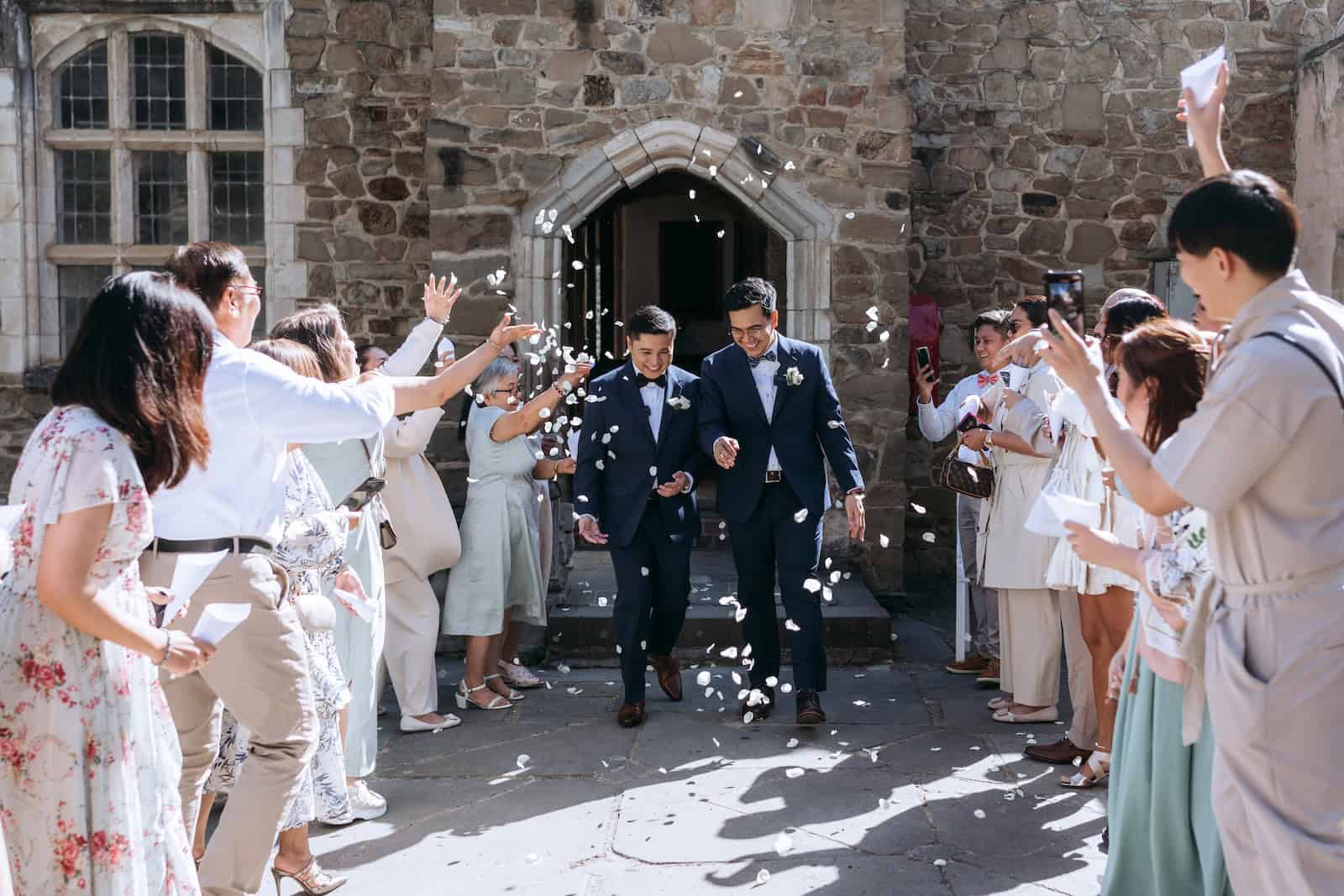
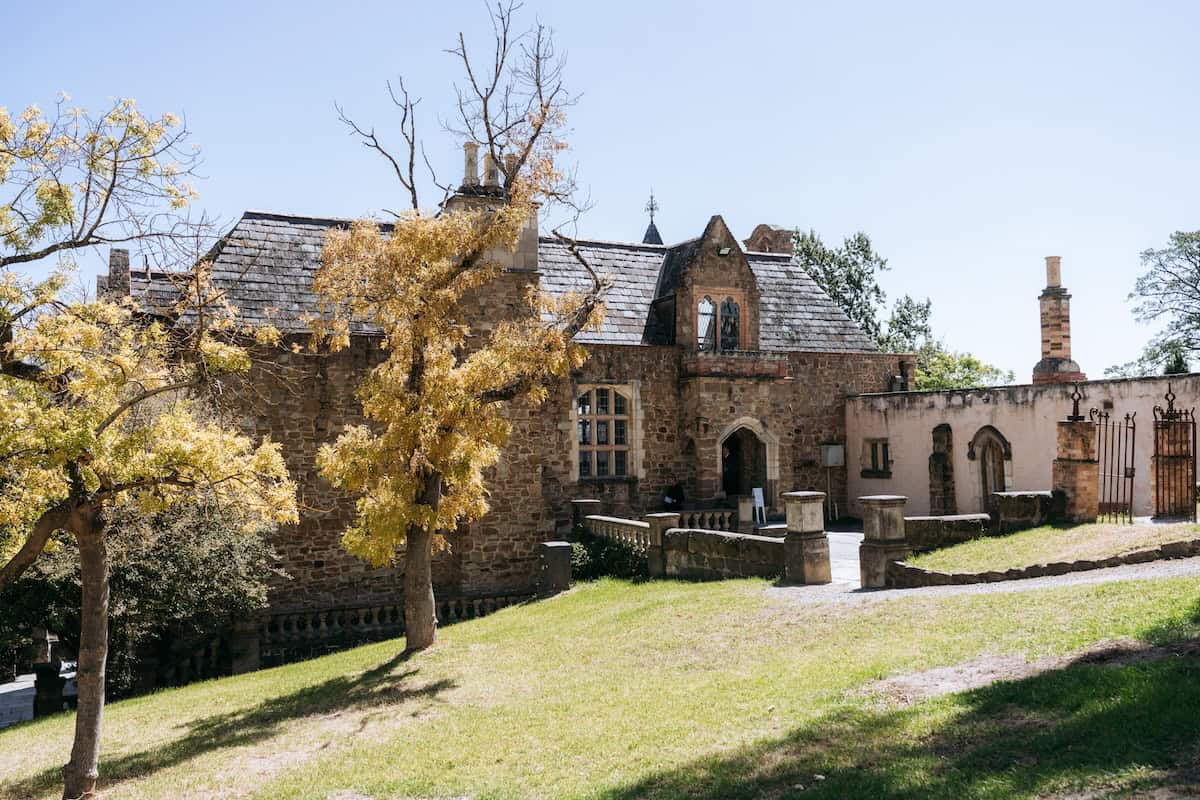
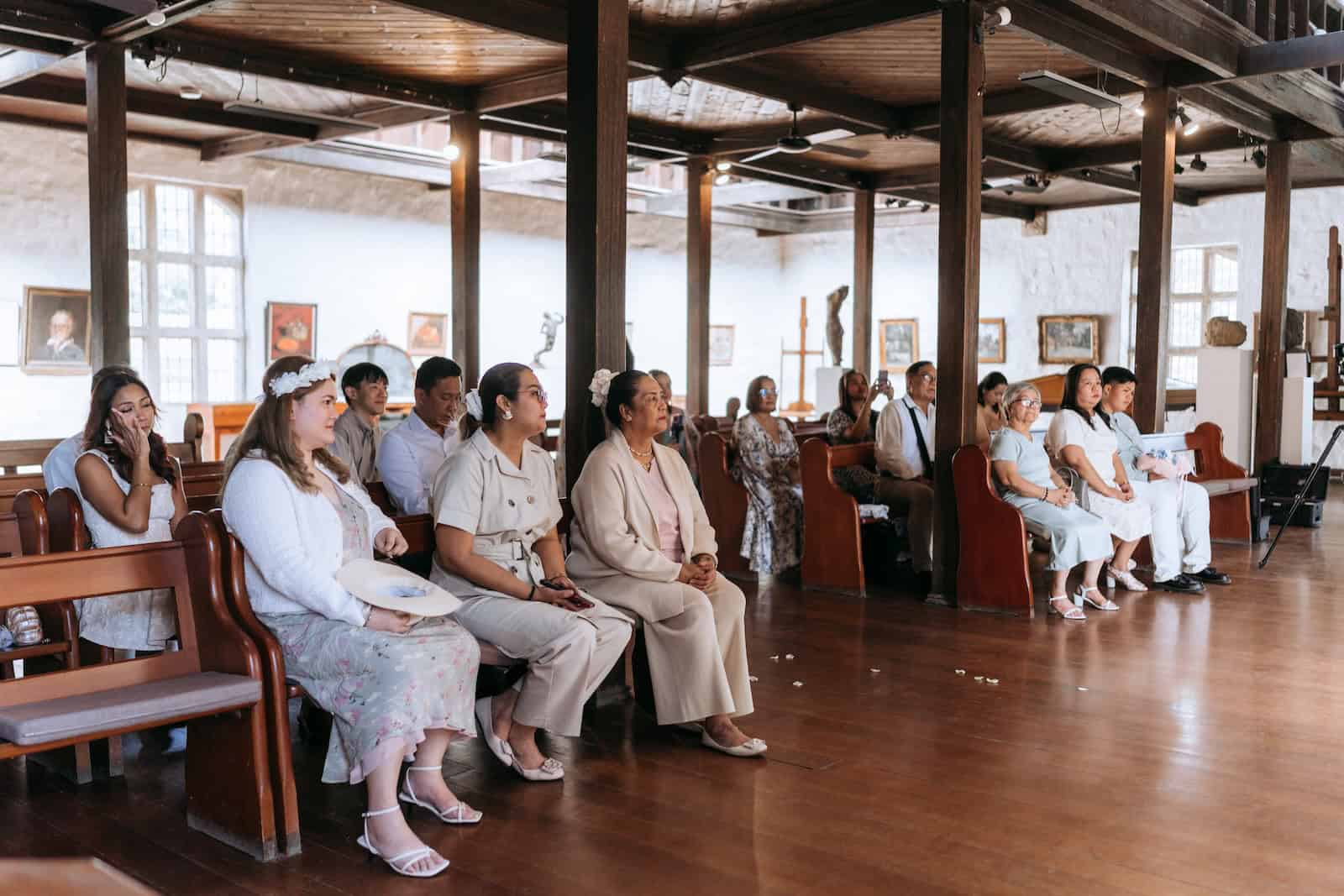
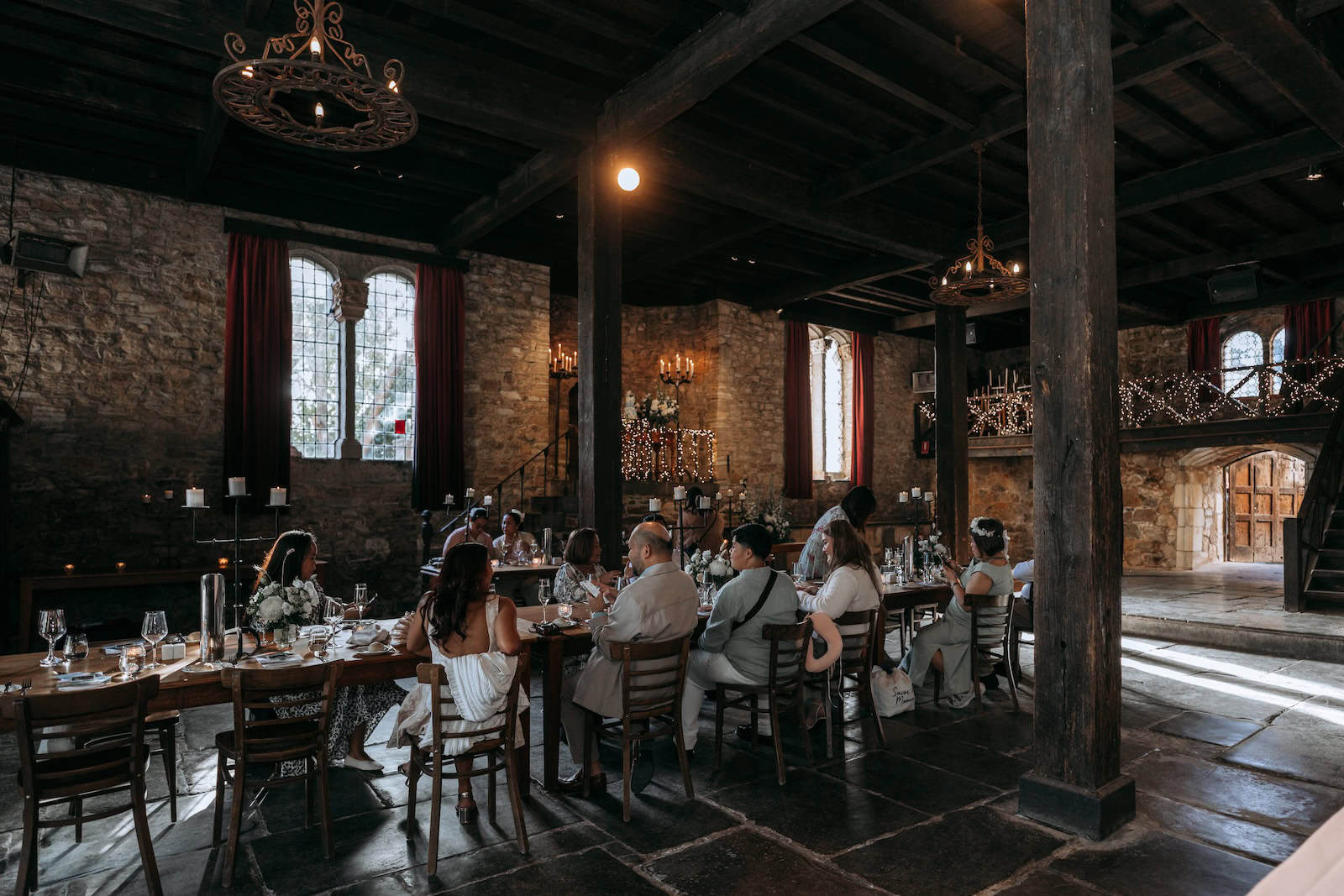
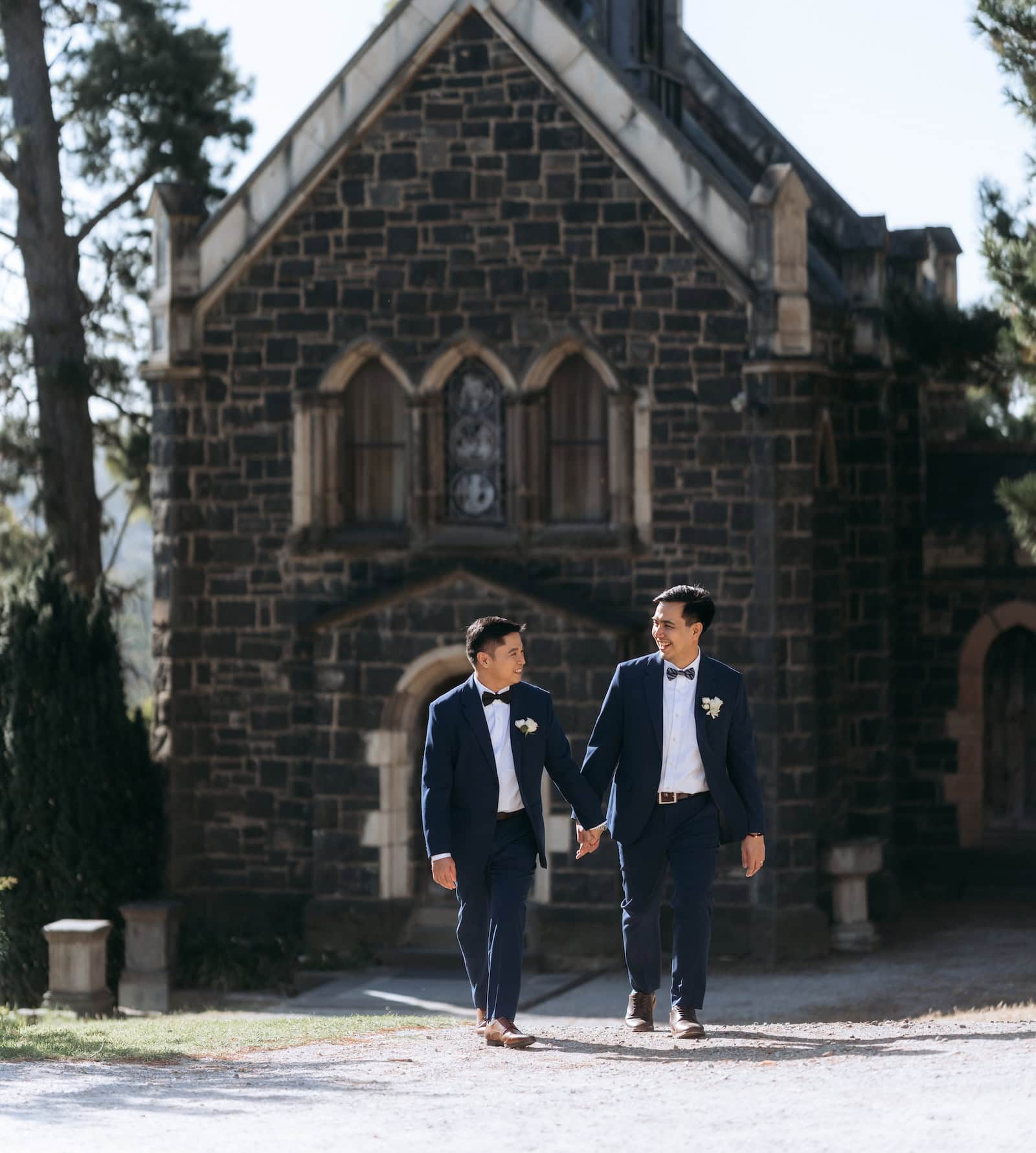
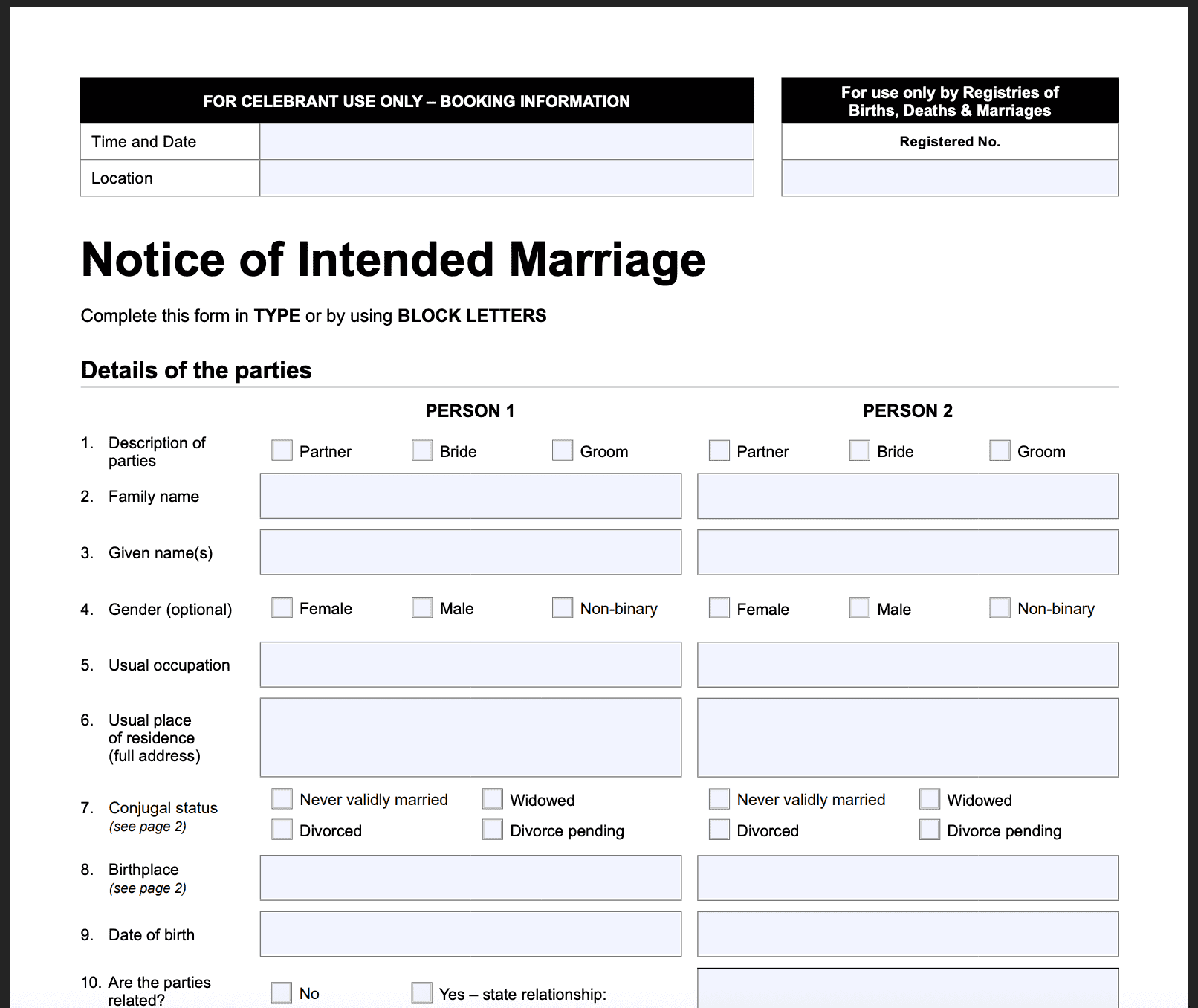
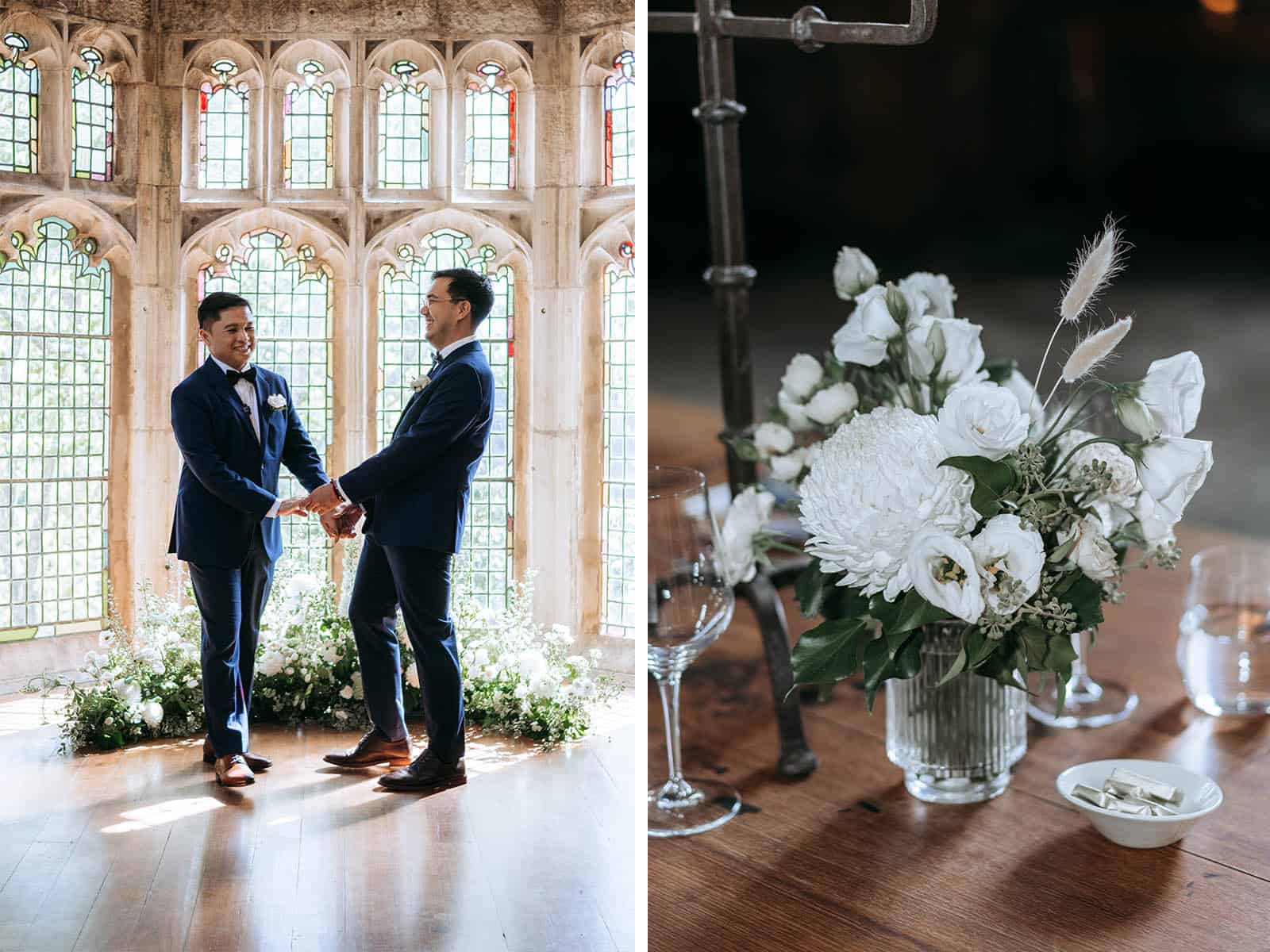
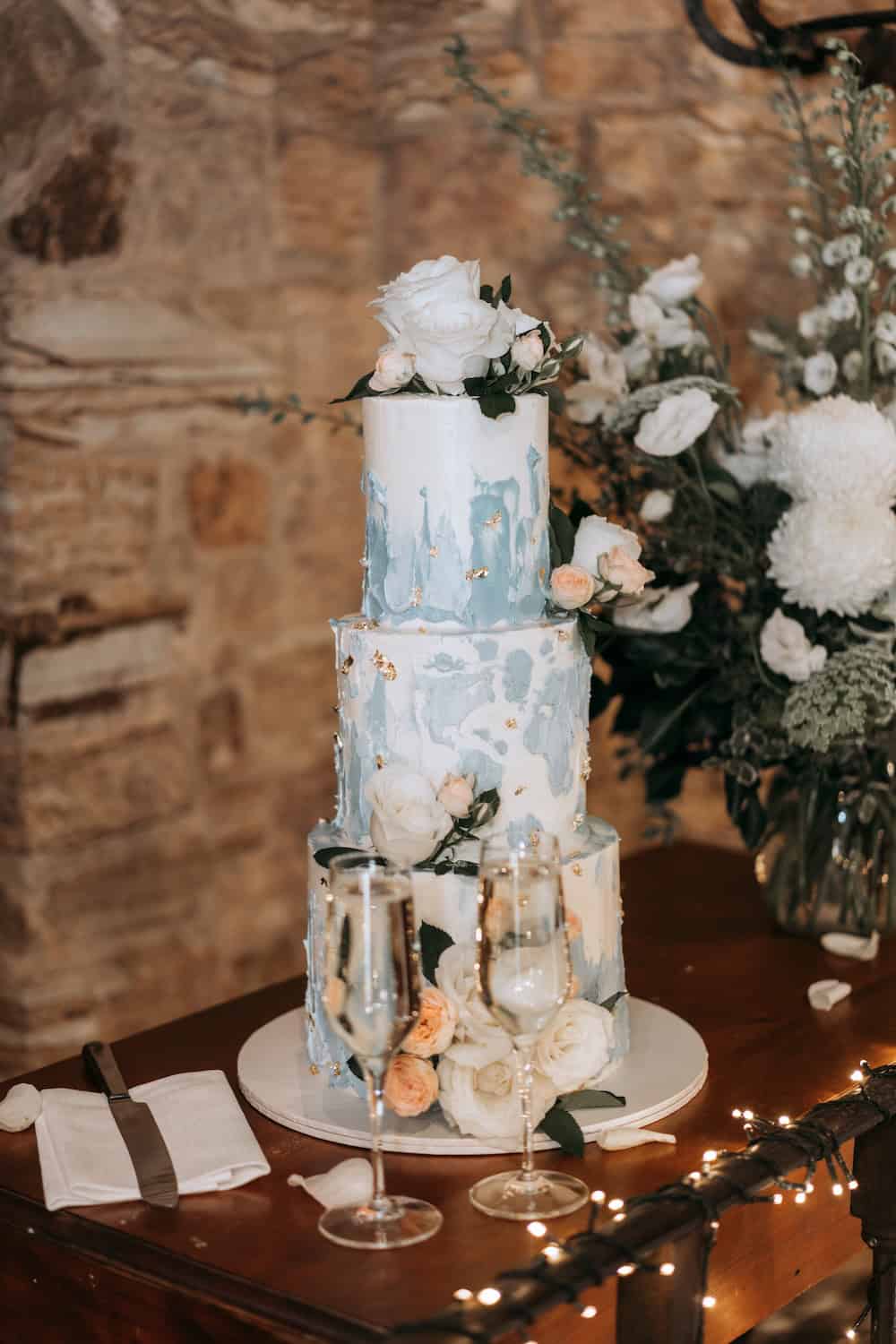






:max_bytes(150000):strip_icc()/TAL-header-guest-room-six-bells-hotel-6BELLSCNTRYINN0625-e6598d66112140ab926023f58b417f11.jpg "T+L’s Review of The Six Bells Countryside Inn")
:max_bytes(150000):strip_icc():format(jpeg)/TAL-header-guest-room-six-bells-hotel-6BELLSCNTRYINN0625-e6598d66112140ab926023f58b417f11.jpg)