Home Blog Page 86

Where and How to Find Food and Accommodation in Rural Zambia

0


Rural Zambia – that magical place where dreams come true; as long as those dreams involve going to rural Zambia.

If you’re reading this then perhaps you’re considering a trip to the great green beyond, but maybe you’re hesitant to spread your wings and fly due to being plagued with such questions as “what am I going to eat out there?” and “where am I going to sleep?” and “what kind of world would we live in if trees could talk?”

That last question is beyond the scope of this blog post, but if you need that question answered fast, then you’re welcome to email me so we can work it out together. The first two questions, however, will be answered in the following paragraphs with such care and attention to detail that I’m going to go ahead and assume that I’ll win the Pulitzer Prize for this.

Food in Rural Zambia

Rural Zambia is a lot of things, but a cornucopia of gastronomic supernovae it most certainly is not. If your adventure is anything like mine, then you’ll be eating nshima for breakfast, lunch, and dinner.

Nshima is maize flour cooked to the consistency of thick mashed potatoes. The taste can best be compared to plain white rice. Luckily for everyone who has ever been, currently is, and will eventually be in rural Zambia, nshima is almost always served with chicken, fish, and/or vegetables (usually leafy greens and tomatoes, but I’ve had it served with okra as well). And it’s usually served with some kind of tomato sauce. You also eat it with your hands, unless you enjoy being laughed at by the locals, then go right ahead and eat it with silverware (I’m speaking from experience).

You’ll easily be able to find it in every town and village throughout rural Zambia, and if you’re lucky then you might get invited to eat it with some locals.

Eating Nshima in rural Zambia
The best photo I took of nshima. If I had known that this photo would be seen by more people then just me and my friends then I would have cleaned the camera lens.

Another type of food you’ll often come across is fritters, which are fried balls of flour, sugar, and yeast. You’ll see them being sold on the side of road in every town and village you go through. They’re almost always sold out of large transparent plastic buckets, and they only cost between one and three kwacha (one kwacha is 37 cents in USD at the time of writing). I found fritters to be quite versatile in relation to nshima, as I’ve eaten them as snacks, hors d’oeuvres, side dishes, and desserts.

I have also seen vendors selling tomatoes, ground nuts, and butternut squash on the side of the road. But if you commit yourself to only eating those three things during your trip then you put yourself at risk of starving to death because I only came across these types of vendors two or three times during my time cycling across Zambia.

If you’re sick of nshima and fritters, then your only reliable option for anything different can be found in hotel restaurants. But sticking only to hotel restaurants while traveling through rural Zambia is capital-b Boring and unadventurous, and I reckon most folks who travel through rural Zambia do so looking for adventure. But who the heck am I to judge? However, I must warn you that hotel restaurants are not safe from locals laughing at you when you eat your nshima with a spoon.

However, if your beef is with unprocessed food in general, then you should be able to find processed cookies in just about every small convenience store in just about every town and village you come across. At least that’s been my experience.

Finally, I’d be remiss if I didn’t mention that you can, in theory, hunt and forage for your food. I say “in theory” because I’ve never heard of any modern traveler doing this, nor have I ever tried to do this myself, but if you know what you’re doing, then I don’t see any reason why this wouldn’t be possible.

Accommodation in Rural Zambia

Now, unlike food, your options really open up when it comes to accommodation. If you want to stay in hotels and campsites – and that’s totally fine if you do – then Google Maps will tell you everything you need to know. And if you’re travelling in a 4×4, then you’ll never be more than a few hours away from a hotel/campsite listed on Google Maps. But if you’re looking for an adventurous accommodation, then rural Zambia is your proverbial oyster.

Starting with the most basic and readily available option: the ground. The great thing about the ground is that it’s everywhere. People and animals of all shapes and sizes have been using the ground to sleep on for over thirty years, at least. Don’t let the marketing departments of various mattress firms fool you; you absolutely can just lie down wherever you’re standing and fall asleep if you’re so inclined. However, if you decide to go this route, then I urge you to use discretion, as falling asleep in such places as the middle of a busy road is ill-advised if your goal is to get a peaceful night’s sleep.

But seriously, if you have a tent, then you can sleep just about anywhere in rural Zambia. Almost all the land of rural Zambia is held under customary land tenure (along with about 90% of the rest of Africa), which means that the land legally belongs to the communities that live there, not private individuals or companies, and is subject to those communities’ unwritten customs and practices.

What that means for aspiring ground-sleepers is that almost none of the land is fenced off, which allows you to pull off the road and pitch your tent wherever you please, which is what I did when I rode a bicycle across Zambia.

I never had any issues when I camped in remote areas. However, because there were (and I assume still are) so many gosh darn friendly people living along the main roads, I just asked the locals if I could sleep here in my tent for the night. They almost always said yes (I was turned down only one time, and it was by a charismatic preacher who seemed to be leading some kind of meeting of forlorn-looking pregnant women at his church).

I slept in mosques, churches, schools, and on one occasion, next to the village chief’s place. I’ve heard that camping outside police stations is another safe bet, but I’ve only ever done it in Egypt. Another bonus of this type of accommodation is that it’s totally free! And you’ll probably make some friends along the way. One downside is that there might not be any showers, but if you’re lucky then the locals might lend you a bucket and a well to wash yourself with.

A classroom in rural Zambia
A classroom in rural Zambia that I slept in

However, if you lack a tent and the will to sleep on the ground without one, then there’s still hope! Almost every town I rode through had at least one or two guesthouses, which were like quaint African motels. For the equivalent of $5 (I don’t believe I ever paid more than that), you’ll get a bed with a mosquito net, some kind of toilet, and a place to shower. The best way I’ve found to find guesthouses in each town is to just ask the locals walking around. If you know of a better way, then please let me know.

A room in a rural Zambian guesthouse

Talk to the Locals

With all that said, the best advice I can give regarding finding food and accommodation in rural Zambia is to talk to as many locals as you can. Sleeping in a tent outside the village chief’s place might not be the best accommodation option in terms of quality, but it just might be one of the best for being memorable.

But the only way you’ll have these amazing food and accommodation experiences is to find a way to talk to the locals in the many villages you’ll come across in rural Zambia. The biggest regret of the handful of travelers I met who were traveling by car was that they didn’t really talk to anyone outside of the hotels and campsites they stayed in. Outside of maybe two villages, the rural Zambians were, without a doubt, the kindest people I ever had the pleasure of interacting with around the world.

They will help you find food and accommodation if you ask them, and they will almost certainly do it without asking for money in return (unlike certain African countries, despite being one of the poorest countries in the world).

If you’re seriously considering traveling through rural Zambia, but are worried about finding food and accommodation along the way, then I strongly recommend that you take the leap and trust that the kind folks of the actual Warm Heart of Africa will make sure that you don’t go hungry or homeless (Malawi currently has the title of “Warm Heart of Africa”, but having had hundreds of people shout “mzungu, give me my money” at me, among other things, has me convinced that that moniker was some kind of dubious marketing ploy dreamt up by Malawi’s department of tourism*).

Remember, where there are people, there is food and accommodation just begging to be eaten and slept in, respectively. And there are a lot of people in Zambia.

  • * Without the proper context, it’s easy to imagine that I stole money from hundreds of Malawians and only heard “mzungu, give me my money!” as I was running away. I can assure you that that was not the case; that’s just how they greet folks who aren’t from around those parts.


Source link

Rolex Powers the Next Phase of CyberTracker

0


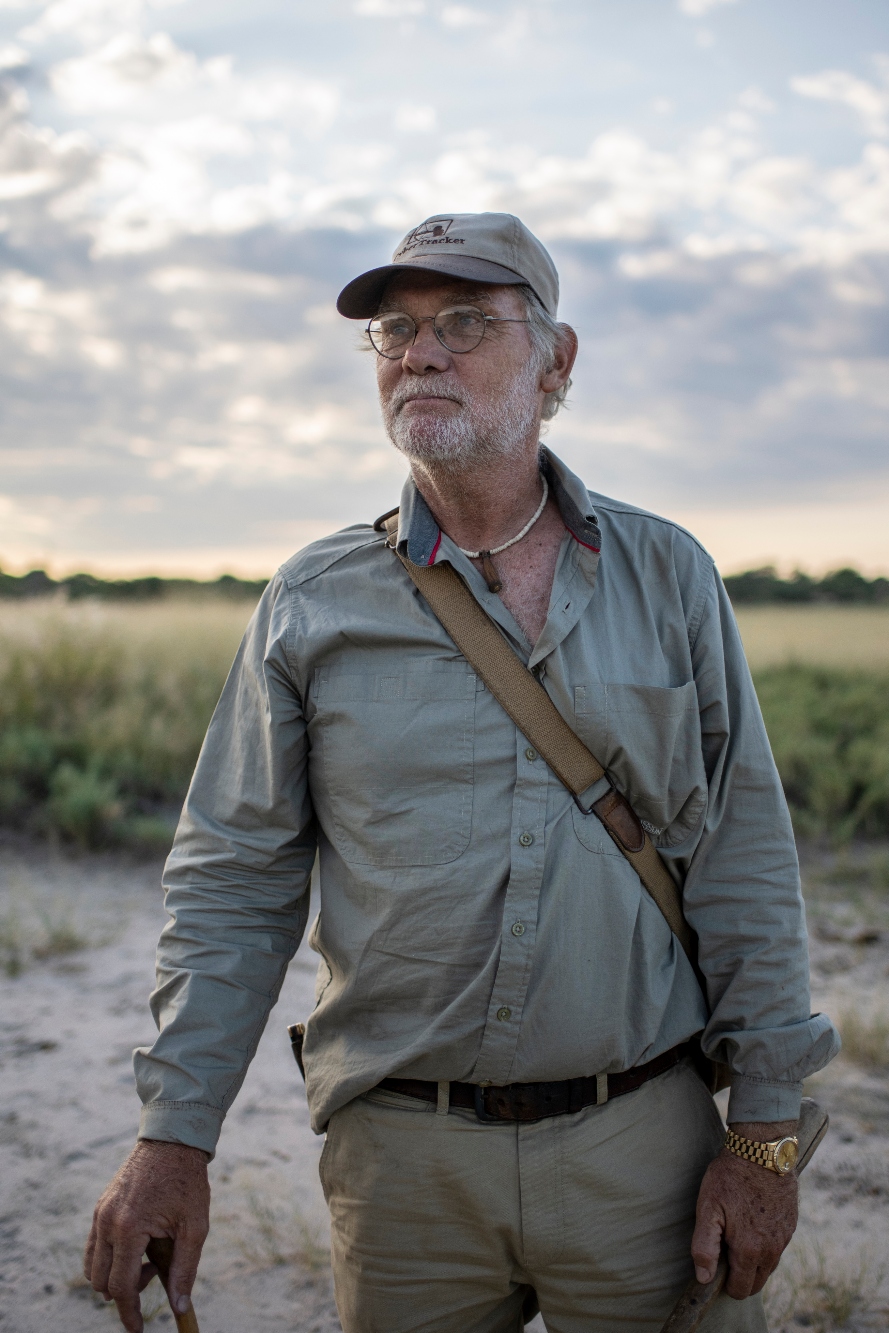
Liebenberg analyses wildebeest tracks in the sand in Namibia’s Nyae Nyae Conservancy.

Developed in 1997 by Rolex Awards for Enterprise Laureate Louis Liebenberg, CyberTracker was more than a digital tool for preserving biodiversity – it empowered indigenous communities. Today, CyberTracker is receiving an upgrade

The ancient art of animal tracking, honed and perfected by indigenous communities over thousands of years, stands as a testament to the delicate balance between humanity and nature. Indigenous trackers possess unparalleled skills, developed over millennia, to interpret subtle signs in the environment. This expertise has been essential for survival, enabling hunters to follow prey across vast landscapes and anticipate changes in the environment.

Rolex Awards for Enterprise Laureate Louis Liebenberg analyses leopard tracks in the sand in Namibia’s Nyae Nyae Conservancy. Liebenberg designed the CyberTracker application which is now being used worldwide.

Rolex Awards for Enterprise Laureate Louis Liebenberg, has dedicated his life to preserving this art, while ensuring that its custodians, the indigenous trackers of the Kalahari Desert, find new opportunities in a rapidly changing world. Through his revolutionary CyberTracker software, Liebenberg has not only safeguarded a tradition, but also created a powerful tool for global conservation efforts.

THE GENESIS OF A LIFELONG PASSION

Rolex Awards for Enterprise Laureate Louis Liebenberg co-founded CyberTracker with the hope of modernising the ancient skill of tracking. It has also proven successful at monitoring, predicting and helping prevent irreversible damage to ecosystems.

Liebenberg’s fascination with tracking began during a childhood game of hide-and-seek on the dunes of a Cape Town beach. At just four years old, he followed footprints in the sand to discover his friend’s hiding place. “I can still vividly remember following the sequence of footprints over the crest of the dune, right to where this boy was hiding,” he recalls. “I even remember the surprise on his face. That’s my first visceral memory of tracking somebody.” This simple yet profound moment sparked a lifelong passion for the stories that nature could tell.

Rolex Awards for Enterprise Laureate Louis Liebenberg sketches plans and icons for his CyberTracker application at his research camp in Namibia’s Nyae Nyae Conservancy.

Years later, at age 25, Liebenberg ventured alone into Namibia’s Kalahari Desert to stay with the native peoples of the region, the Ju/’hoansi. Here, he learned the ancient skill of tracking from those who had relied on it for their survival for thousands of years. It was this work that drove Liebenberg to create CyberTracker.

Liebenberg’s ties to the Ju/’hoansi community run deep. In 1990, his close friend and skilled tracker, !Nate, urged him to help the people of the Kalahari, who faced mounting challenges due to dwindling wildlife numbers and restrictive land policies. Much of the region’s biodiversity had been decimated by fences that had cut off traditional migration routes for animals, disrupting the delicate ecological balance. This meant that the Ju/’hoansi could no longer sustain their nomadic, subsistence lifestyle. The crisis highlighted the urgency of preserving their tracking skills, which were at risk of fading away, as younger generations were forced to leave their homes and ancestral teachings behind in search of often low-paid, low-skilled work in urban areas to survive.

Rolex Awards for Enterprise Laureate, Louis Liebenberg (right), and his team of trackers examine a suspected small genet cats tracks in the sand in Namibia’s Nyae Nyae Conservancy.

Liebenberg began to formulate a plan. He reasoned that the remarkable tracking skills of the indigenous population could be developed into a modern profession, gathering information for conservation projects. In 1994, he began certifying the skills of indigenous trackers to help them secure employment by giving an objective measure of their skills.

Recognising the need to act, Liebenberg envisioned a way to bridge the gap between ancient tracking expertise and modern technology. This led to the creation of CyberTracker in 1997 that ran on GPS systems, palm pilots, Android and iPhones. One of its standout features was its ability to harness indigenous knowledge for conservation purposes. Certified trackers, equipped with CyberTracker, provide detailed insights into species and ecosystems that far surpass tech-based imaging technologies. This depth of understanding has proven invaluable in creating accurate conservation models and protecting biodiversity. “Unless you have people on the ground with real field skills that can actually make real observations of real species, your models could be completely wrong,” Liebenberg elaborates.

GLOBAL IMPACT

Liebenberg takes a look at a wildlife camera trap near his research base in the same Conservancy.

Supported by the prestigious Rolex Award for Enterprise in 1998, CyberTracker catapulted onto the global stage, earning widespread recognition and achieving remarkable acclaim. “The Rolex Award itself played a critical role in the subsequent success of CyberTracker, because without it, nobody would have known about us,” Liebenberg recalls. Since then, the software has been downloaded more than 600,000 times in over 200 countries. CyberTracker has become an invaluable tool for wildlife conservation, aiding in the protection of species ranging from rhinos to butterflies. Its versatility even extended its applications to citizen science, education, farming, social and health surveys, disaster relief, and crime prevention.

More than 25 years after its inception, CyberTracker continues to evolve. Liebenberg is currently testing CyberTracker Online, an updated app-based version that makes it accessible to everyone, from illiterate elders in remote communities to 10-year-old children. The new, easy-to-use platform puts tracking science in everyone’s hands, consolidating the core elements of CyberTracker and allowing users to build custom apps tailored to their specific work. This new approach to the software that CyberTracker Online offers will make developing projects incredibly simple for anyone with a smartphone and access to a computer.

Rolex Awards for Enterprise Laureate Louis Liebenberg takes a look at wildlife camera trap footage from near his research base in Namibia’s Nyae Nyae Conservancy. Camera traps and other remote sensing methods, when combined with traditional tracking, can provide a rich and detailed understanding of the health of an ecosystem.

Data can be collected offline and uploaded once internet connectivity is available, enabling trackers to seamlessly share their findings with a centralised global database. This ensures valuable tracking data can be accessed and utilised for a wide range of conservation efforts and beyond.

“It creates the possibility of real-time monitoring of complex ecosystems on a worldwide basis,” says Liebenberg, “and it provides a flow of financial support for indigenous communities.” He emphasises that sustainable socio-economic models are essential as they enable local populations to actively participate in biodiversity conservation – a critical step in tackling the effects of climate change.

CyberTracker Online has already been picked up by citizen scientists worldwide, including projects that get children out into nature. Initiatives like ToadNUTS, which protects the Western Leopard Toad in Cape Town, and BioKids in Michigan, which teaches children scientific reasoning, exemplify the software’s versatility. These projects not only foster environmental stewardship, but also inspire the next generation of conservationists.

PASSING THE TORCH

Liebenberg and a group of trackers head out at dawn in search of animal tracks in the Nyae Nyae Conservancy

Beyond technology, Liebenberg continues to train new trackers at the Ju/’hoan San Tracker School in the Kalahari, which sees students from as far as North America and Europe. Combining indigenous knowledge and skills with modern science and technology, the school aims to revive indigenous tracking on a global scale.

For Liebenberg, tracking is more than a skill, explaining: “The art of tracking is the ideal way of introducing scientific reasoning and understanding to children. There’s no mediation, no microscope, telescope, books or anything that comes between you and the tracks. It’s very immediate.”

TACKLING CLIMATE CHANGE TOGETHER

Co-founder of CyberTracker Louis Liebenberg and a group of trackers head out at dawn in search of animal tracks in Namibia’s Nyae Nyae Conservancy.

The launch of CyberTracker Online aligns with the Rolex Perpetual Planet Initiative, a commitment to supporting individuals and organisations addressing today’s environmental challenges. Established in 2019, the Perpetual Planet Initiative builds on nearly a century of Rolex’s tradition of championing exploration. Initially focused on the Rolex Awards for Enterprise and partnerships such as Mission Blue and the National Geographic Society, the initiative has expanded to include over 20 collaborations. These include projects like Rewilding Argentina, Coral Gardeners, and Steve Boyes’ explorations of Africa’s river basins.

Through scholarships, grants, and partnerships, the initiative fosters the next generation of explorers and scientists. By making tracking science accessible to everyone, Liebenberg empowers communities to contribute to conservation efforts and combat climate change. With features like story maps that combine data with photos and videos, the new software makes scientific information accessible to all, from primary school students to PhD researchers. This inclusivity ensures that everyone can play a role in protecting their local environment and, by extension, the planet.

Rolex Awards for Enterprise Laureate Louis Liebenberg at the Klein Dobe pans in Namibia’s Nyae Nyae Conservancy. Liebenberg co-founded CyberTracker a free software, created in 1997, which has enabled both literate and non-literate trackers to collect complex biodiversity and socio-economic data.

While Liebenberg’s own tracking career stretches back more than 40 years, his work is far from over. “The thought of not doing this work has just not occurred to me. I’ve got no intention of stopping, because there’s just so much more to learn,” he says. With his unwavering dedication and the continued support of Rolex, Liebenberg is ensuring that the ancient art of tracking not only survives, but thrives in the modern world.

This story was first seen on WOW #76 Spring 2025 Issue

For more on the latest in luxury watch reads, click here.


Source link

Epic Arizona SUP Road Trip

0


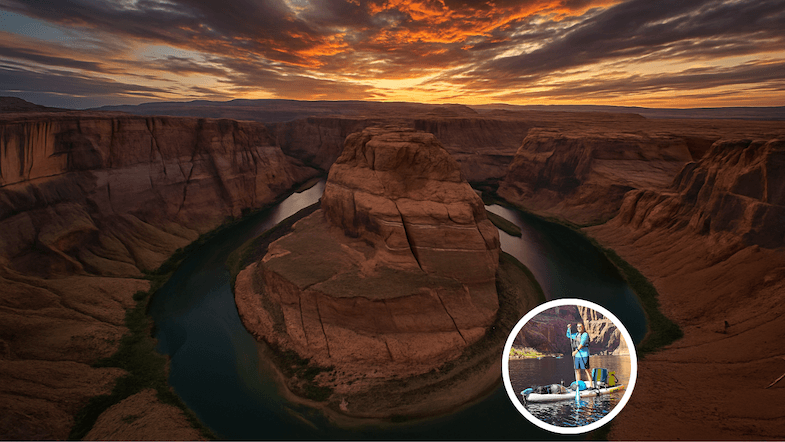
Most visitors stand at the rim, snap a photo, and move on—but what if you could paddle beneath that iconic curve, camp on the riverbank, and drift through towering sandstone canyons carved by time itself? In this immersive guide, I’ll take you on a two-day Arizona paddle boarding road trip that starts in Phoenix and ends 16 miles down the Colorado River, right below one of America’s most recognizable natural landmarks. From ancient ruins and lava fields to wild horses and waterfalls, this is more than just paddle boarding Horseshoe Bend—it’s a journey through silence, stone, and soul.

Epic Arizona SUP Road Trip

The Road North: An Arizona Paddle Boarding Road Trip from Phoenix

The adventure to paddle boarding Horseshoe Bend doesn’t start at the river—it begins with a road trip. Leaving behind the sprawl of Phoenix, the landscape quickly shifts from cacti-studded desert to windswept volcanic plains and painted mesas. This Arizona paddle boarding road trip is an experience in itself, unfolding like a geologic storybook with every passing mile.

🚗 Road Trip Stops from Phoenix to the Vermilion Cliffs

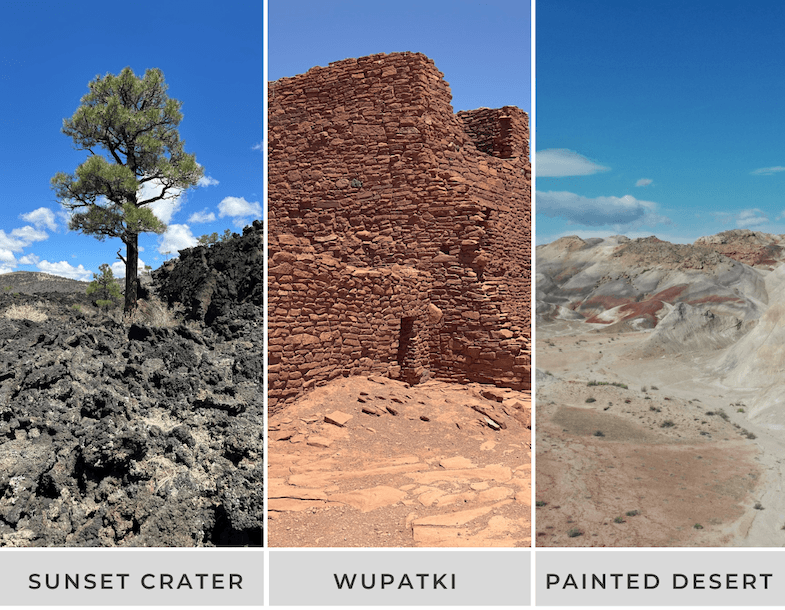
  • Sunset Crater Volcano National Monument
    Just north of Flagstaff, this otherworldly landscape is the result of a volcanic eruption over 900 years ago. Walking through lava flows and black cinder fields is like stepping onto another planet.
  • Wupatki National Monument
    A short drive from Sunset Crater, Wupatki is home to well-preserved Native American ruins that whisper stories of ancient desert civilizations. The pueblos and ball courts sit starkly against the red earth—a must-see for history and culture lovers.
  • The Painted Desert
    A sweeping canvas of pastel hues, the Painted Desert offers a surreal backdrop of layered sedimentary rock. Pull-offs along the highway offer panoramic views that feel almost too perfect to be real.
  • Navajo Bridge
    Spanning the Colorado River, Navajo Bridge offers the first up-close glimpse of the canyon you’ll soon be paddling through. It’s also a great spot to stretch your legs and, if you’re lucky, spot a California condor soaring overhead.
  • Vermilion Cliffs National Monument
    These massive, rust-colored escarpments rise like a fortress along U.S. 89A, setting the scene for the remoteness and majesty to come. It’s the kind of place that humbles you without saying a word.
Navajo Bridge - Photo by Mike Shubic

🛏️ Staying at the Historic Cliff Dwellers Lodge

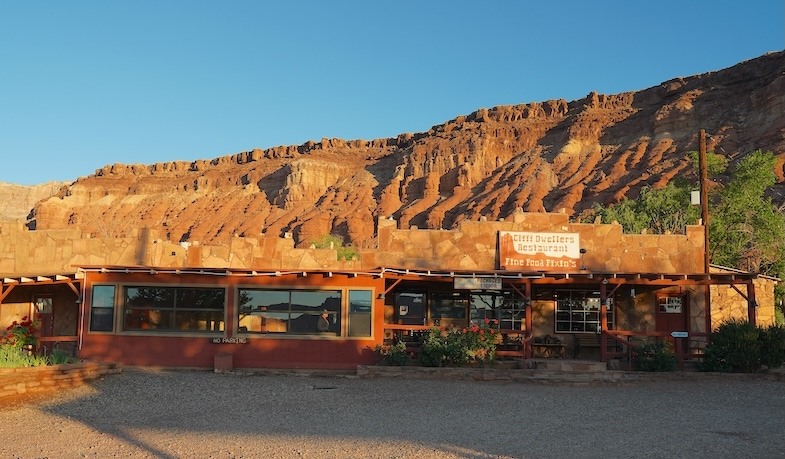
Cliff Dwellers Lodge

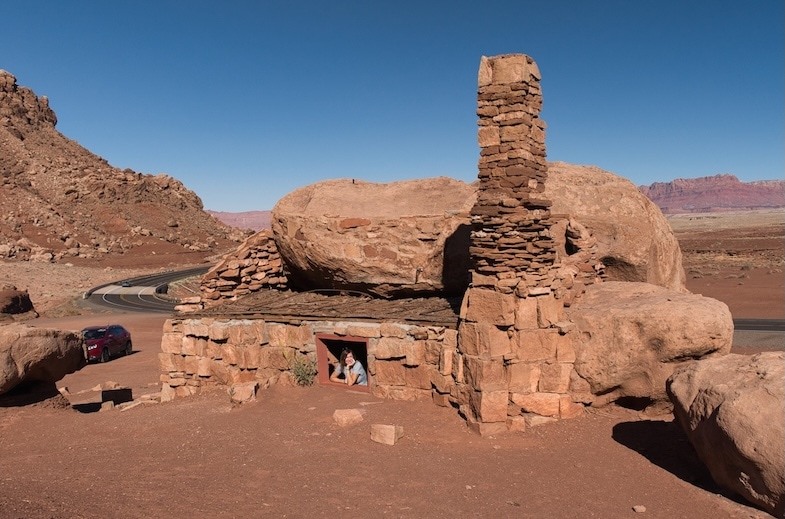
By late afternoon, we pulled into Cliff Dwellers Lodge, a rustic outpost tucked at the base of the Vermilion Cliffs. The lodge itself strikes a balance between desert simplicity and warm hospitality. The lodge dates back to the 1920s, when early settlers Blanche and Bill Russell set up a trading post here near Soap Creek. That original Cliff Dwellers rock house still stands nearby—weather-worn, yet proud—serving as a tangible reminder of frontier grit.

Original Cliff Dwellers

🍽️ Dinner at the Lodge

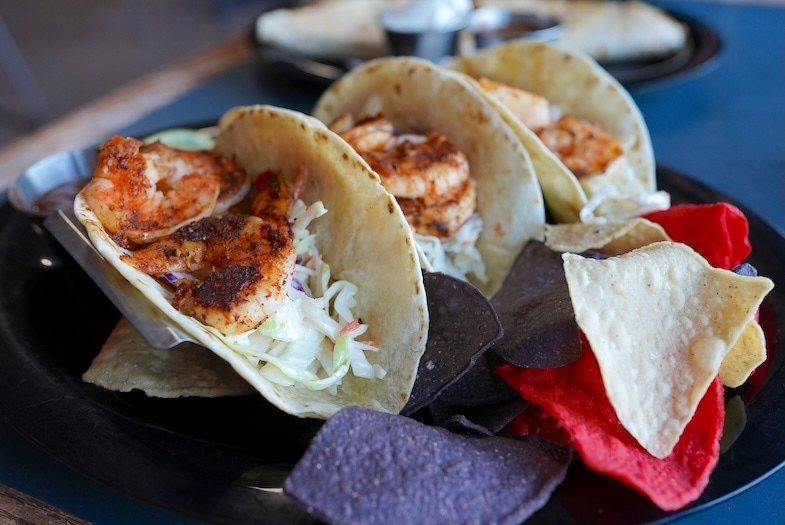
After inflating our paddle boards and organizing our dry bags for the river, we headed to the on-site restaurant, which proved to be a highlight in its own right. The menu was thoughtful, the portions hearty, and the execution on point. We toasted the journey ahead with cold drinks and hearty plates, still a little in awe that we were about to launch into such a remote and extraordinary landscape.

Dinner at the Cliff Dwellers Lodge

🌯 A Quick Bite and a Canyon Drive

Before hitting the road to our launch point, we fueled up on one last creature comfort—a made-to-order breakfast burrito from the lodge restaurant. Simple, hearty, and exactly what we needed. With full bellies and boards secured, we began the scenic drive through Marble Canyon, watching the sandstone walls tighten around us as we descended into the cradle of the Colorado River.

The road twisted and dipped, following the flow of the river. It was quiet, still, and impossibly beautiful. We were headed to Lee’s Ferry, the historic gateway to the Grand Canyon—and the start of our Arizona paddle boarding road trip in earnest.

🏄‍♂️ My New BOTE Paddle Board

BOTE HD Aero Low Rider - Photo by Mike Shubic

This was the inaugural journey for my new BOTE HD Aero Low Rider (this is a hybrid SUP/Kayak)—and it didn’t disappoint. Lightweight yet incredibly sturdy, this inflatable SUP handled like a dream, even under the weight of fully loaded dry bags and a heavy Kula Cooler. Its extra-wide deck offered excellent balance, and the built-in bungees made gear storage simple and secure. Designed for adventure, the BOTE board was more than just a piece of gear—it was a reliable partner for the 16-mile journey ahead.

🎒 Packing for a River Expedition

Paddle Boarding Horseshoe Bend

River packing is equal parts strategy and restraint. Everything needed to fit securely onto our boards and stay dry. We laid out our essentials with care—sleeping bags, tents, water filtration, meals, first aid, layers for cold canyon nights, and even a dry bag full of firewood for a proper riverside fire. With everything packed down and cinched tight, our boards were ready. So were we.

Day One: The River Welcomes Us

The morning air was crisp and still as we rolled into Lee’s Ferry, a place steeped in both legend and legacy. This is where rafters launch into the Grand Canyon and where our own adventure would begin—upstream. Unlike most who head downriver from this iconic point, we met our Kayak Horseshoe Bend captain to go against the current, hitching a backhaul ride 16 miles upriver to the base of the Glen Canyon Dam.

Lee's Ferry in Marble Canyon

🛥️ The Backhaul Ride to the Dam

We loaded our gear onto the boat—paddle boards, dry bags, camp essentials, and set off, bundled in jackets as the morning wind curled through the canyon. The backhaul ride itself was nothing short of spectacular. As we motored upstream, the rising sun cast golden light across the canyon walls, illuminating streaks of iron and sandstone carved by millennia of flowing water.

Kayak Horseshoe Bend backhaul service - Photo by Mike Shubic

Our captain pointed out key landmarks and potential campsites, peppering the ride with insights only a seasoned river runner could provide. Most of the passengers were day trippers planning to paddle just a few miles downriver. We, on the other hand, had a full two-day paddle boarding trip ahead and planned to camp within the canyon, right beneath the 1000′ towering cliffs of Horseshoe Bend.

🏁 Launching from the Base of Glen Canyon Dam

The boat pulled up to a sandy beach just below the Glen Canyon Dam, where our adventure would truly begin. As the roar of the outboard faded, a profound silence settled over the river corridor. We loaded our gear onto our SUP’s, gave everything one final check, and pushed off into the slow-moving water.

It was a surreal moment, the start of a long-anticipated journey that we had dreamed about for months. Ahead lay 16 miles of raw, cinematic beauty. We were officially paddle boarding Horseshoe Bend, gliding silently over the Colorado River as thousand-foot cliffs rose on either side of us.

Drifting Through Stone: Paddle Boarding Horseshoe Bend Beneath the Canyon Walls

From the moment our paddles first touched the water, the river took over. No roads. No cell signal. Just the quiet current of the Colorado carrying us deeper into the heart of the canyon. Towering sandstone walls closed in around us, while the surprisingly crystal-clear water revealed an abundance of fish swimming just beneath the surface. It was humbling, surreal, and impossibly quiet (until of course a back-haul boat would pass us by), like floating through a cathedral carved by time.

Paddle Boarding Horseshoe Bend on the Colorado River

This stretch of the Colorado is unlike any other. With few rapids and plenty of flat water, it’s ideal for SUP (stand-up paddle boarding). Occasionally, we’d dip our paddles in to steer, but for the most part, the river did the work (until the very end, where we had a bit of headwind). I even found myself grinning at the camera and saying, “No paddling required,” as we glided downstream with the help of the gentle current, another reason this stretch is perfect for an Arizona paddle boarding road trip. There were however a number of slower parts of the river that did required some effort. I imagine this could vary depending on how much water they are sending downstream.

🌊 Moments Along the Way

The beauty of this journey wasn’t just in the destination—it was in the unexpected moments that unfolded along the river.

We floated up to a tiny natural waterfall cascading down a rock face, nothing dramatic, but just enough to step off the board, cup my hands, and drink straight from the stream. It was ice cold, pure, and perfectly timed.

Wildlife made subtle appearances throughout the day. A group of wild horses grazed along the shoreline, unfazed by our presence. Later, a bighorn sheep and her calf emerged along the shore, also grazing. Even a bold little chipmunk made an appearance at our campsite, darting between rocks like it owned the place.

Paddle Boarding Horseshoe Bend and seeing wildlife

Between these moments, I had time to take in the details—the shifting colors of the canyon walls, the way my BOTE board cut silently through the water, and the feeling of complete detachment from the modern world. There were no distractions, no schedules. Just the flow of water and the movement of thought.

🏕️ Closing in on Horseshoe Bend

By late afternoon, we had traveled roughly halfway downriver. We scouted a few potential sites, but one spot stood out immediately: a sandy beach tucked beneath a shady cottonwood tree, just downstream of the bend itself. As the cliffs curved above us, it hit me—we were about to camp at the base of Horseshoe Bend, a place millions visit each year but few ever see from below. There are several camp spots in this area, but if not for a small group leaving just as we arrived, we might not have found the absolute best place to camp.

Paddle Boarding Horseshoe Bend along the Colorado River

We pulled in, secured our boards, and set up camp with wide-eyed appreciation. The most iconic landmark of this region now towered silently in front of us. The crowds were far above, unaware that below them, two paddlers were claiming a night in one of the most extraordinary campsites in the Southwest.

Nightfall at Horseshoe Bend: A Camp Like No Other

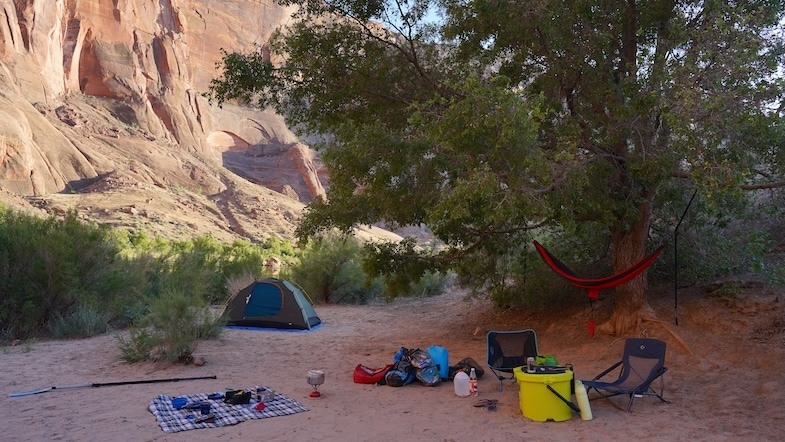
Camping at Horseshoe Bend

We arrived at our campsite in the early afternoon, giving us plenty of time to settle in and soak up the surreal setting. Tucked beneath the vertical cliffs just downstream from the iconic bend, our patch of riverbank felt like a private sanctuary—quiet, shaded, and perfectly placed. Most people only view this place from above. We were doing something different. We were paddle boarding Horseshoe Bend, and now, we were spending the night beneath it.

🛶 A Riverside Afternoon, Slowed to Perfection

With camp set and our boards unloaded, we strung a hammock between the outstretched limbs of a cottonwood and took turns sinking into afternoon naps beneath the shade of the tree. Earlier that day, our Kayak Horseshoe Bend captain had mentioned that the dam would temporarily reduce its outflow between 1 and 5 p.m., and sure enough, by midafternoon the river size and flow was significantly reduced. The river slowly receded, exposing new shoreline and revealing just how much the flow could shift. Without the burden of our gear we put our boards in the river and paddled lazily through the calm, taking in the sheer canyon walls from every angle. Then, just as the light began to fade, the water began rising again—eventually lapping higher than it had when we first arrived. It was like watching the heartbeat of the Colorado itself.

Cool drinks and snacks followed, the kind of riverside ritual that turns a good afternoon into a great one. This wasn’t just another stop on an Arizona paddle boarding road trip—this was the moment we’d been waiting for.

🔥 Firelight, Pasta, and Moonshine

As the sun dipped behind the cliffs, we lit a fire with the wood we’d packed in and cooked a gourmet pasta dinner (which was prepared before we left and placed into vacuum sealed bags, all we had to do was heat up in boiling water). With the glow of the fire on the rocks and the canyon slowly dimming, the evening took on a quiet magic.

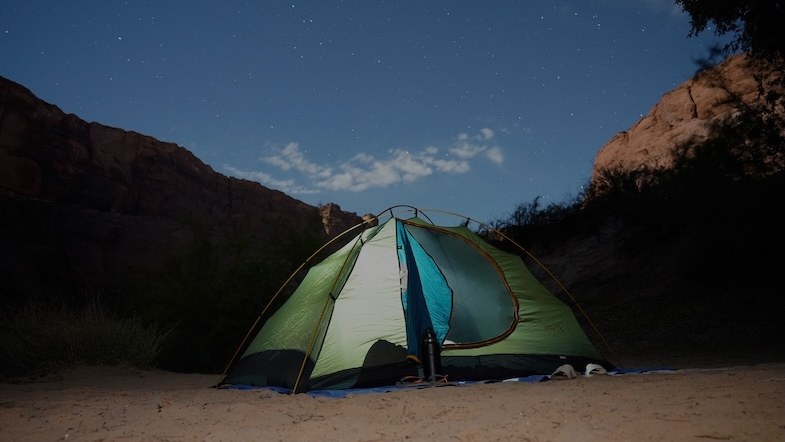
Then, the moon rose. Almost full and high in the sky, it cast a silver sheen across the entire river corridor. The cliffs glowed faintly, the water shimmered, and no flashlight was needed. The whole place was illuminated by natural moonlight, just one more layer of wonder added to the day.

Moonlit sky in along the Colorado River at Horseshoe Bend

We turned in around 10 p.m., perfectly content and comfortably warm. The temperatures this time of year were ideal for sleeping—cool enough to bundle up, but not cold enough to chase you deeper into your sleeping bag. Cocooned beneath the stars and stone, we drifted off to the faint sound of the river lapping against the shore.

The Final Stretch: Beauty in the Journey’s End

Morning came gently. The first light warmed the cliffs behind us, and the Colorado River, now flowing steadily again, sparkled as it slipped past our camp. We packed up slowly, not quite ready to leave a place so still, so soul-stirring. After breakfast and a final sweep of the site, we pushed off for the final leg of our journey.

This was the last stretch of our Arizona paddle boarding road trip, and it didn’t disappoint. The cliffs began to pull back slightly, offering broader views of the river corridor, but the sense of scale and solitude remained. The paddle was easy, smooth, and meditative. At times, we drifted without a sound—no wind, no chatter, just the rhythmic splash of water breaking around the board. The last mile or so however was a bit arduous as we hit some head winds, by that point I was ready for the paddle to end.

🐾 Encounters Along the River

Along the way, we stopped briefly at Ropes Trail, where ancient petroglyphs are etched into the canyon walls. Though we didn’t hike the trail this time, we did meet a solo hiker emerging from the path, sun-baked and smiling after a short day trip down from the rim.

🏁 Return to Lee’s Ferry

Eventually, the take-out point at Lee’s Ferry came into view. The same spot we had departed from now marked the end of our two-day odyssey. We pulled in slowly, reluctant but grateful, our boards lightly scraping the beach we’d left not long ago. The journey had looped back, but we weren’t the same paddlers who had launched from this shore.

This wasn’t just about paddle boarding Horseshoe Bend. It was about disconnecting, slowing down, and experiencing a place that millions of people visit—but only a few truly feel.

Planning Your Own Horseshoe Bend Paddle Board Adventure: Tips and Takeaways

Paddle Boarding Horseshoe Bend - Paddle board at the top of Horseshoe Bend

If the idea of paddle boarding Horseshoe Bend has you dreaming of drifting between canyon walls and camping beneath the stars, the good news is—it’s entirely doable. This adventure is wild, remote, and soul-stirring, but it’s also accessible with a little planning and preparation. Here’s what you need to know to make it happen.

🚗 Getting There

Your Arizona paddle boarding road trip starts in Phoenix, with a scenic 5-hour drive north. Consider making it a journey by stopping at landmarks like Sunset Crater, Wupatki National Monument, the Painted Desert, and Navajo Bridge. We recommend staying at Cliff Dwellers Lodge, just15 minutes from Lee’s Ferry and nestled beneath the towering Vermilion Cliffs.

🛶 Backhaul Service

To begin your river trip, you’ll need a backhaul shuttle to take you from Lee’s Ferry upriver to Glen Canyon Dam (or before if only doing a day trip). We booked through Kayak Horseshoe Bend, and they were fantastic. The boat ride is roughly an hour and offers a stunning preview of the route you’ll paddle back down. Make reservations in advance, especially during peak season (spring and fall).

🏄‍♂️ Paddle Boards & Gear

Bring a high-quality inflatable paddle board that can carry both you and your gear. As you read, I used the BOTE HD Aero Low Rider, which performed beautifully—stable, responsive, and built for adventure. NOTE: Be sure to get a river fin, once in a while you could hit a low spot.

Gear Checklist:

Paddle boarding horseshoe bend gear list
  • Dry bags (multiple sizes)
  • Sleeping bag and lightweight tent
  • Water filtration system or plenty of water
  • Meals, snacks, and cooking gear
  • Firewood (optional but highly recommended)
  • Layers for cool nights
  • First aid kit and repair kit
  • Sunscreen, hat, and sunglasses
  • Wet wipes
  • River shoes or sandals

🏕️ Camping Info

There are several primitive campsites along the river, but camping at Horseshoe Bend is next-level (Mile 7-7.5) – Camping at Mile 8 is also a great spot. No permits are required for overnight trips at this time, but always double-check with the Glen Canyon National Recreation Area for the latest rules. Practice Leave No Trace principles—pack it in, pack it out. FYI, there are bathrooms at the campsites, which is really nice!

📅 Best Time to Go

Spring and fall are ideal. We went in May, when daytime temps were warm (mid-80s) but manageable, and nighttime temperatures were perfect for sleeping under the stars (around 60). Midday dam releases can affect water levels, so ask your backhaul operator about scheduled flow changes—they can actually enhance the experience if timed right.

💡 Final Thoughts

This isn’t just a SUP or kayak trip—it’s a journey into one of the most awe-inspiring landscapes in North America. From paddling beneath sandstone giants to falling asleep under a near-full moon, every moment on this river felt like a gift. If you’re ready to trade overlooks for immersion, and postcards for memories, then this Arizona paddle boarding road trip is calling your name.

If you have any questions about paddle boarding Horseshoe Bend, or camping along the Colorado River, please leave a comment below, happy to help. So, until next time, we’ll see ya on the road…


Source link

Family Business: Visiting Mike & Charlie Cooper

0


John Cooper became a legend in the 1950s with his racing cars, and gave the sporty Mini models both their heart and their name. His descendants still have petrol in their veins; and to this day, they continue to turn the Mini into a true sports machine under the JCW label. A visit to Michael and Charlie Cooper in the south of England. Promise: it’s not just the sunshine that puts a smile on your face.

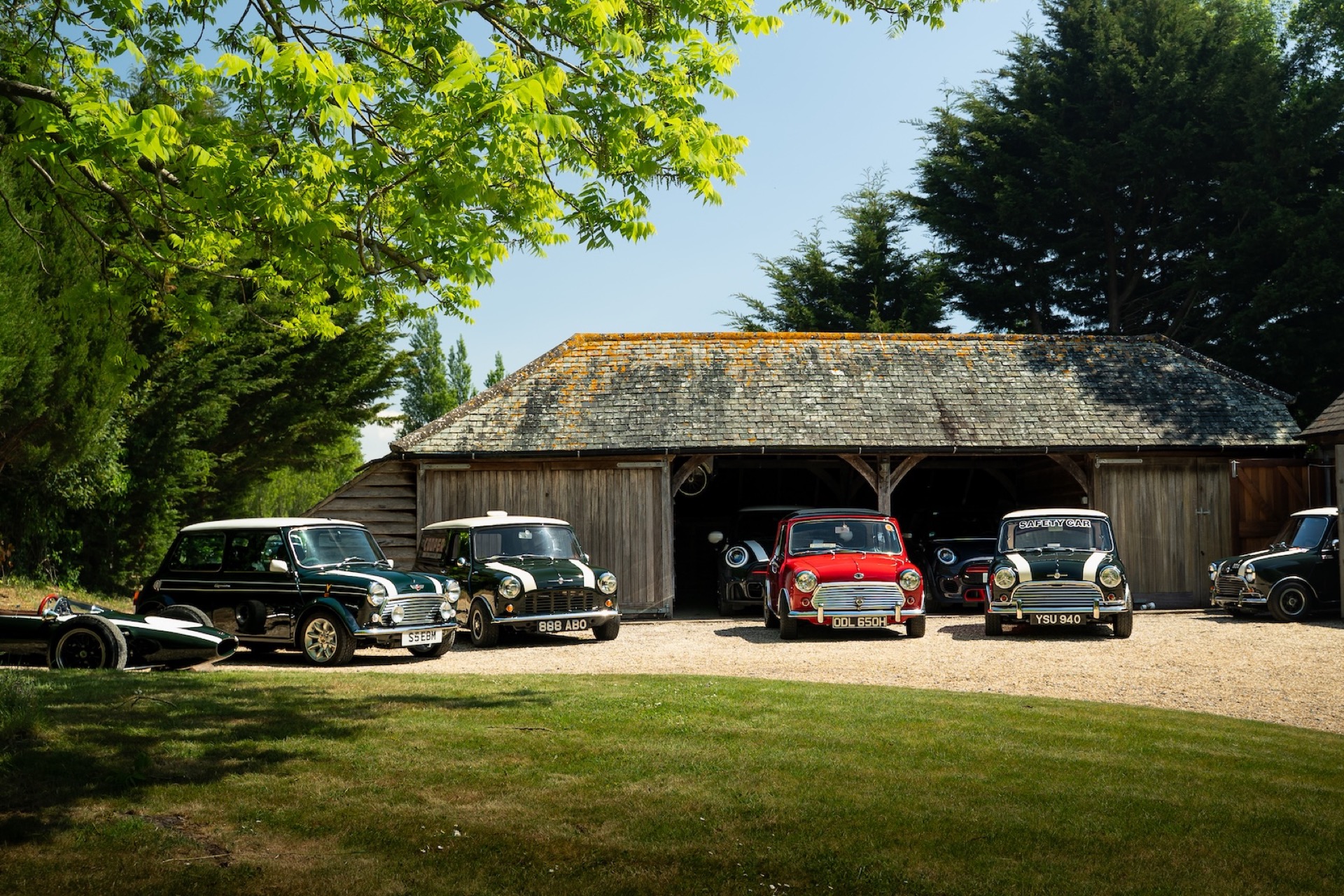
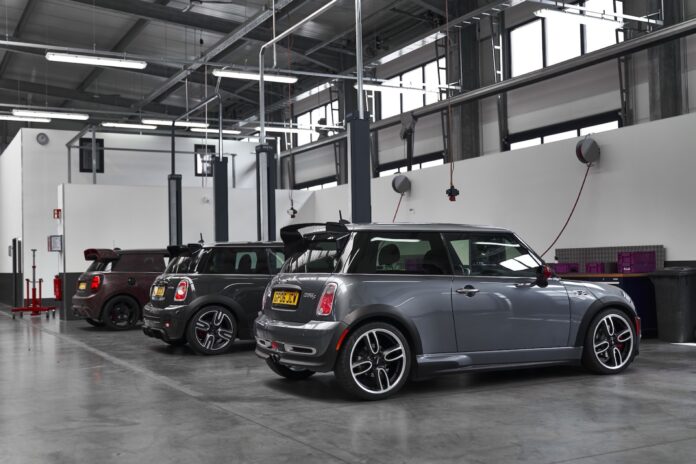
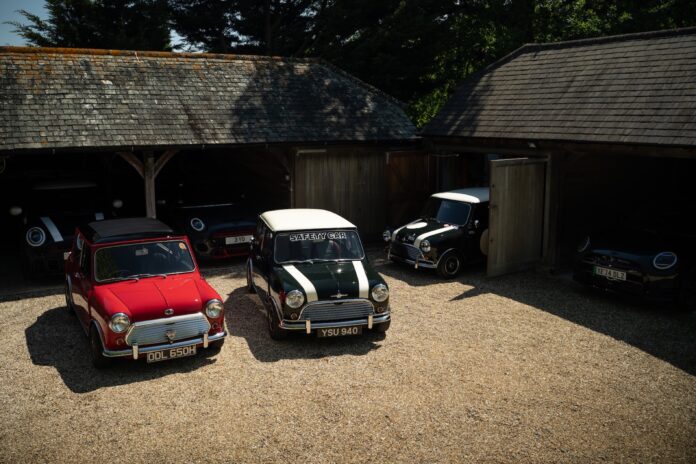
Many Mini fans across Europe know the address of the Cooper Garage, located south of Arundel on Britain’s south coast. Just a few minutes away lives Mike Cooper with his family, while his son Charlie has since moved to west London. Anyone who wants to soak up the spirit of Mini should spend time with these two. The Cooper home is tucked away, but then behind tall hedges, lush green lawns, and winding gravel paths, polished chrome bumpers begin to gleam—and behind them, friendly Mini faces peek through vintage sheet metal. Mike Cooper comes over, evidently in good spirits. He has a few friends visiting from the neighbourhood—and, unsurprisingly, they’ve all come in their classic Mini models. The weathered garage doors are open, and behind the historic machines, the LED eyes of the latest Mini JCW GP and a brand-new John Cooper Works Electric glint under cover. “I just got that one for testing a few days ago,” Mike chatters, “unbelievable how quick it is.”

Mike and his friends aren’t the only ones enjoying the southern English sun and chatting about fine old metal. After a few minutes, not only does son Charlie Cooper arrive, but so does Mike’s wife. She politely yet firmly announces that it’s lunchtime, and sandwiches should provide some sustenance first. Behind the charming cottage, which Mike bought in the mid-1980s, there are large open spaces—ideal for a game of football or cricket. Inside the little wooden house, Mike begins chatting away about the first tuning kits that he and his father developed to give Mini models a boost. “These kits were especially popular in Japan in the 1990s,” he recalls, “when the Mini Cooper was suddenly withdrawn from the market, and people wanted more power than the standard Mini offered. We sold our kits for £600 with a new intake manifold, air filter, and exhaust system. Because of customs issues, I found a local carpenter who built us nice wooden crates to pack the parts in.” Rover, which owned Mini at the time, initially showed no interest in distributing the kits, so the Coopers reached out via personal contacts to Jaguar importers to get them into Japan. “When Rover heard that the first order was for 1,000 kits, they changed their mind—and even agreed to honour the factory warranty.”

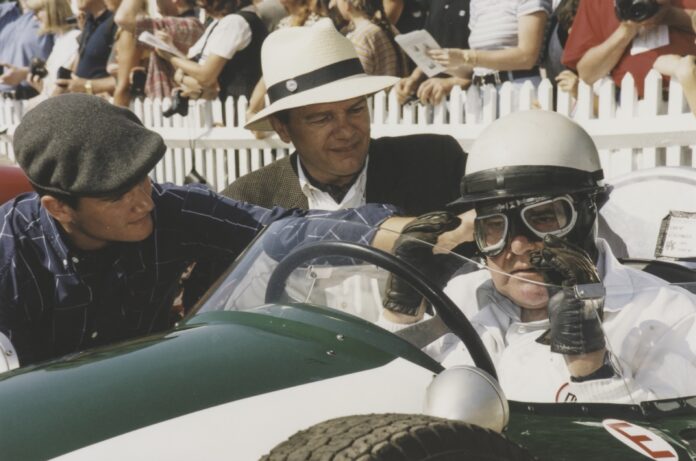
In the 1960s, John Cooper gave the Mini serious legs and brought Alec Issigonis’ compact rocket to the podiums of rally events like Monte Carlo. Over the decades, more and more Mini fans wanted a taste of that motorsport magic in their own cars—and that hasn’t changed today. The Cooper Garage still rebuilds historic Mini models from new parts—offering up to 140 PS and costing up to €100,000. The tuning company John Cooper Works was acquired by BMW in 2007 as the performance arm for the most sporting Mini models. Charlie Cooper, grandson of John, is just as Mini-mad as his father and grandfather. In one of the garages sits a black Classic Mini in which he holds the Goodwood class speed record—around 200 km/h.

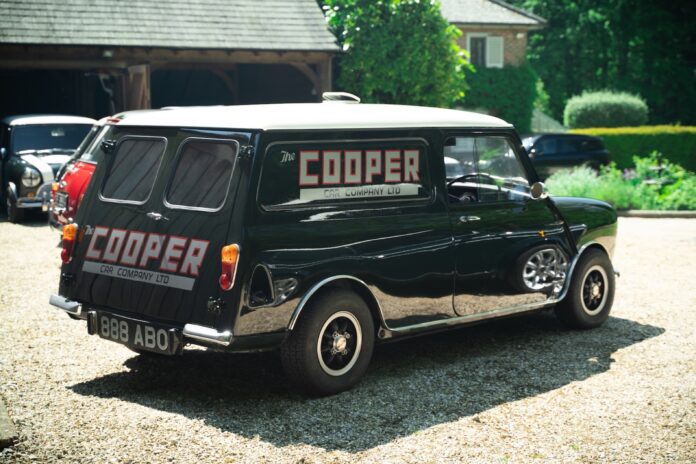
The new Mini John Cooper Works Electric, also parked in one of the garages, isn’t the only EV on site. A dark green Mini van bearing the “The Cooper Car Company Ltd” logo and a white roof looks unassuming, but it’s powered by an 81 kW / 110 PS electric motor that burns rubber in a full-throttle sprint and reaches 160 km/h. The battery pack is tucked into a red workshop box behind the stiff vinyl seats, and only two small digital gauges in the instrument cluster—along with the lack of engine noise—give away its electric propulsion. “You can easily get 120 miles on a charge,” Mike smiles. Weighing in at just 600 kg, the tiny van is immaculate and dates back to 1962. On the wall of the private garage hangs a dusty soapbox car that the Cooper Garage used to embarrass OEMs and Formula 1 teams at the 2013 Goodwood Festival of Speed—featuring a body modelled on a vintage John Cooper racing car. In the late 1950s, John Cooper was the first to place Formula 1 engines in the rear of his cars—a layout that remains the standard to this day.

Charlie Cooper is Mini through and through. Last year, he won his class at the 24 Hours of Nürburgring and frequently races Minis himself—though currently sidelined by a knee operation that’s likely to keep him out of this year’s Eifel endurance classic. His frustration is visible—even behind dark sunglasses. Charlie likes electric cars like the new Mini—especially the sharp 258 PS JCW version—but he can’t imagine giving up combustion engines. “Certainly not under the John Cooper Works name,” he smiles. “That could very well be the last combustion engine ever built under the Mini or BMW brand.”

Mike Cooper also sharpened the first generation of the “New Mini” in the early 2000s, a relic of BMW’s takeover of Rover. First, the lacklustre Mini Cooper got a power boost—then came the sportier Cooper S. The 125 kW / 170 PS supercharged four-cylinder, with its distinctive whine, was perfect for a tuning upgrade. “We sold our kits in huge numbers. They didn’t just increase power to 207 PS—they also added much more exhaust sound.” The Cooper Garage quickly became to Mini what M GmbH is to BMW or AMG to Mercedes—a home-grown performance division with a long leash, uniquely British and more innovative than ever.

At the time, M GmbH had no plans for the Mini, so BMW brought Mike Cooper on board and launched the first Mini Cooper S by John Cooper Works. Mike still remembers how the name of the hottest Mini of all, the John Cooper Works GP, came about. “There was a two-hour meeting, including Jochen Goller, who was responsible for Mini back then,” Mike recalls. “All the usual sporty names came up. I suggested GP for Grand Prix, assuming it wouldn’t be heavily trademarked. The lawyers checked—and within 15 minutes, the name John Cooper Works GP was set.”

The Coopers have long continued their tinkering tradition in southern England with each new generation—just as John Cooper once did. He nearly beat Audi to the punch with his own quattro-tech, fitting a Classic Mini in the late 1960s with two engines, one at the front and one at the rear. “It was a difficult car to drive, with two clutch pedals and dual gear levers,” Mike recalls. “It was too slow and unwieldy on the track—but on a rally stage, the extra traction was phenomenal.” But after John Cooper suffered serious injuries in a rollover caused by a broken rear axle during a test run, the project was abandoned—and the rest is history.

For all their Mini obsession, the Coopers’ private collections aren’t exclusively Mini-based. “For me, the perfect everyday combo is a Porsche 992 Carrera and a Mini John Cooper Works,” Mike laughs, pointing out of the window to his new VW ID. Buzz. He loves the electric van, especially as a transporter—though towing it to regional races requires a recharge stop. As for where Mini and the John Cooper Works label are headed with the new electric era—neither Mike nor Charlie know. But one thing is certain: “John Cooper Works is racing—just as my father and grandfather would have seen it. Even electric.”


Source link

This Caribbean Island Is the Birthplace of Reggae and Jerk Cooking

0


Top 5 Can’t Miss

  • For over 70 years, Half Moon has been one of the most iconic resorts in the Caribbean, exuding a refined elegance that stands the test of time.
  • From Doctor’s Cave Beach in Montego Bay to hidden stretches of sand at the far reaches of the island, there’s a beach for every occasion in Jamaica.
  • Head to the hillside near Ocho Rios for a family-run, farm-to-table dining experience at Stush in the Bush, getting to the heart of Jamaica’s tropical bounty with authentic island flavors.
  • Visit the sprawling estates of the island’s interior to sip some of the world’s best coffee amidst the untouched expanses of the Blue Mountains.
  • Less-visited Port Antonio feels remote and removed, hiding some of the island’s best beaches and surprisingly cool accommodations in a destination that is nothing short of a tropical paradise.

Amidst a sea of indistinguishable beaches and impersonal all-inclusive resorts, only a lucky few Caribbean-bound travelers dive deeper to explore the profound depths and unbridled richness of what the region has to offer. However, even the casual observer can sense that one island breaks the mold of all the others.

Jamaica conjures captivating images all its own: the rhythms of reggae, jerk chicken best served beachside, and a shoreline punctuated by stretches of sand spanning every shade from white to glimmering gold. Even so, any local or seasoned Jamaica traveler who has gone further than the resort strip of Montego Bay can tell you that the island has still more to explore and experience.

“Adventure-seekers can go cliff-jumping or hike the Blue Mountains. Foodies can try the best of jerk cuisine and fresh seafood. If you’re looking for wellness, find peaceful resorts that offer yoga, luxurious spas, Ital cuisine, and excursions to natural springs and waterfalls,” says Shernette Crichton, general manager at the historic Half Moon in Montego Bay.

It’s that profound abundance of appeal that has, for decades, made Jamaica one of the most perennially popular and captivating destinations in the Caribbean, drawing return visitors year after year. More than just the sum of its stereotypes, Jamaica is a force all its own, “an island that truly meets you where you’re at,” she muses.

Best Hotels & Resorts

Courtesy of Sandals Resorts


Half Moon

One of the most iconic resorts in the Caribbean, Half Moon has spread gracefully across the white sands of Montego Bay for more than 70 years. 400 seaside acres hide a championship golf course, multiple award-winning restaurants, an equestrian center, and an expansive spa and wellness space. But Half Moon is much more than its amenities; its most defining feature is how it effortlessly wears its decades of elegance while seamlessly integrating modern luxuries in a way that has kept it at the cutting edge. Choose from accommodations within the historic Founder’s Cove or more modern rooms, suites, and residences at Eclipse by Half Moon. Coming soon, the refreshed Villas at Half Moon will offer getaways with space for the whole family.

The Tryall Club

Nestled between a championship golf course and the shimmering expanses of the Caribbean Sea, The Tryall Club is a collection of 74 private villas that, in many ways, is far from a classic Caribbean resort experience. Each villa at this 2,200-acre seaside property outside of Montego Bay has its dedicated staff, including a butler, chef, housekeeper, and more, giving it a home-away-from-home feel. Escape to the new spa or the Great House for gatherings with fellow guests. The brand-new Ooshan Bar and Restaurant is another highlight, featuring a modern twist on classic Jamaican flavors for lunch and dinner, though sunset hour cocktails with views over the water are hard to beat.

Tensing Pen

Clinging to the cliffside in Negril, Tensing Pen is a historic boutique hotel so special that it was chosen by Travel + Leisure readers as one of the best hotels in the world last year. Natural materials like local stone and wood used throughout the property’s design make it meld into the island’s rocky, rugged coastline, while amenities like a spa, yoga studio, and culinary experiences highlighting colorful Caribbean cuisine lend it a refinement that has long made it a stand-out place to stay. Its boutique size and tucked-away feel make it a romantic destination perfect for a reclusive vacation.

Rockhouse Hotel & Spa

Celebrity guests like the Rolling Stones and Bob Marley have been plunging from the cliffs at Rockhouse Hotel & Spa in Negril since the 1970s, a storied past that lends an impossibly cool air to this 40-room property considered among the island’s best boutique hotels. There are a number of different room styles to choose from here, though the thatched-roof villas made with hewn stone that dot the cliffside are breathtaking with their ocean views. Amidst so many other highlights, the culinary experience deserves attention, with menus at both restaurants that read like love letters to the island with ingredients from the oversized hydroponic greenhouse.

Sandals Dunn’s River

Jamaica didn’t invent the all-inclusive vacation, but it certainly perfected it. Emerging from a top-to-toe transformation, Sandals Dunn’s River is one of the best adults-only all-inclusive resorts in Jamaica. The property is newly foodie-focused with more than a dozen restaurants, and it feels deeply rooted in place with local art and design. 260 rooms come in 14 different categories, lending the property the unique ability to cater to every style of traveler and size of group. Still to come? The stretch of sand next door to this Ocho Rios institution is set to be transformed into Sandals Royal Dunn’s River.

Best Things to Do

Rafting in Martha Brae River.

Taylor McIntyre/Travel + Leisure


Hit the beach.

It’s impossible to overstate the beachy beauty of Jamaica. Make Doctor’s Cave Beach in Montego Bay your first stop before escaping to the world-famous Seven Mile Beach near Negril for, you guessed it, seven pristine miles of blissfully white sand. For more untouched shores, Frenchman’s Cove in Portland is just as renowned for its natural feel as for the jerk chicken stands that set up shop nearby. South coast beaches, barely visited, feel like one of the best-kept secrets in the Caribbean.

Go rafting on the Martha Brae River.

There are a million and one reasons to venture into the verdant, rainforest-coated interior of Jamaica, but if we have to pick just one, we will choose rafting down the Martha Brae River outside of Montego Bay every single time. This is a rafting experience without a rapid in sight. Instead, slink slowly down the gentle river on a flat bamboo raft, drifting beneath tropical foliage. It’s just as dreamy as it sounds, though it’s best to avoid days when cruise ships are in port, as the river can feel busy.

Get to the heart of reggae.

The Bob Marley Museum, housed within the musician’s former Kingston home, is an obligatory stop in Jamaica for any music lover. Pair the experience of an hour-long guided visit with a musical salute to the star by stopping at some of the island’s most beloved reggae venues: Dubwise in the capital, Roots Bamboo in Negril, or the famous Pier 1 in Montego Bay. Diehard fans will want to plan their entire visit around Reggae Sumfest in July or Rebel Salute in January, with unforgettable shows that feature the homegrown and internationally renowned stars of reggae.

Sink into the Blue Lagoon.

Travelers tend to flock to the stunning ultramarine sinkhole known as the Blue Hole in Ocho Rios, but we recommend skipping it in favor of the Blue Lagoon instead. Far fewer visitors make it to this stunning natural attraction, known for its impenetrably turquoise water, so mesmerizing that it was once thought to be bottomless. Visitors can paddle across its still surface on flat bamboo rafts or swim out to nearby monkey-less Monkey Island and spend the afternoon relaxing on its beautiful beach.

Sip coffee in the Blue Mountains.

Grown in just a sliver of the high altitudes of the Blue and John Crow Mountain ranges, Jamaican Blue Mountain coffee is highly coveted, offering a unique flavor experience that coffee fans can’t miss. Try it straight from the source at the historic Craighton Estate overlooking Kingston, or sign up for a tour that includes hiking and biking across multiple spots in the mountains. Spend the night at nearby Strawberry Hill, a boutique mountain property owned by Island Records founder Chris Blackwell, to get the full Blue Mountain experience.

Best Restaurants

A Jamaican curry dish.

from_my_point_of_view/Getty Images


Stush in the Bush

A winding route out of Ocho Rios through the immense lushness of the island’s interior leads to Stush in the Bush, a vegan farm-to-table dining experience lovingly curated by Chris and Lisa Binns. This creative couple champions Ital cuisine, a plant-based culinary movement particular to Jamaica, welcoming visitors into their world with a farm tour and thoughtful dinner of handcrafted, locally-grown delights. Make sure to book ahead; this dining experience and mountainside destination is so beloved it made our list of the most beautiful places in the Caribbean.

Sugar Mill

Tucked into the mountainside that starts just meters from the sand, Half Moon’s famed Sugar Mill is one of the most celebrated restaurants in the Caribbean. It offers a white tablecloth fine dining experience inside an 18th-century sugar mill surrounded by magical gardens illuminated by hanging lights. The menu calls on beloved Caribbean flavors and staple ingredients for highlights ranging from pumpkin soup to jerk-seasoned grilled short ribs and fresh fish. When it comes to fine dining in Jamaica, it is only potentially upstaged by Half Moon’s newer Delmare restaurant, where Italian influences meet local flavors for inspirational dishes like Blue Mountain coffee-infused pasta.

Scotchies

Scotchies is iconic for a reason–make sure to try the jerk chicken and pork,” says Crichton of this Montego Bay institution, which many argue is the best jerk on the island. The rustic setup under thatched roofs is all part of the appeal as diners await large portions of expertly grilled and seasoned meats with rice and beans best enjoyed with a crisp, cold Red Stripe.

The HouseBoat Grill

“For a more romantic setting, try The HouseBoat Grill, a floating restaurant in a marina that is great for seafood lovers,” says Crichton. Just as its name implies, this oversized two-story vessel sits moored in the tranquil waters of Montego Bay, serving an extensive menu of mostly seafood dishes, but with a little something for every diner. A small ship ferries locals and visitors alike across the waves for lunch and dinner service, though sunset is the best time to enjoy.

Areas to Visit

A person enjoying a beach near Montego Bay.

Taylor McIntyre/Travel + Leisure


Montego Bay

Montego Bay is the undisputed beach capital of the island, with hotels and resorts of every shape and size lining its powdery fine sands. This is the ultimate destination for travelers looking for a convenient and quick fly-and-flop style getaway, though there are still quite a number of things to see and do in the area. Visit Martha Brae River and enjoy ziplining and hiking in the hillsides, or visit Rose Hall Great House for a look into the island’s history.

Negril

The coastline of Negril, located on the west side of the island, feels impossibly varied, ranging from beautiful stretches of sand to craggy cliffs that plunge dramatically into the sea. Stay at Tensing Pen or Rockhouse Hotel & Spa for the raw beauty of the rocky shoreline, or something more classically Caribbean like Beaches Negril for a family-friendly stay along a white-sand beach.

Ocho Rios

Ocho Rios feels like a getaway within a getaway, home to an impressive number of resorts and hotels yet removed and relaxed enough for some serious R&R. Make sure to swim in the Blue Hole and hike to nearby Dunn’s River Falls, or head to Mystic Mountain for ziplining and jungle bobsledding. Fans of 007 rejoice: Ocho Rios is also home to GoldenEye, where Ian Fleming wrote the original James Bond stories, and James Bond Beach, where Dr. No was filmed in 1962.

Kingston

Even if you’re itching to hit the beach, don’t skip Kingston. There is plenty to see and do in Jamaica’s vibrant capital city, from the must-visit Bob Marley Museum and the National Gallery of Jamaica to award-winning restaurants and buzzing dance halls. Cap your visit to the city with a stop at Devon House, part monument and part gastronomic destination, where visitors can chow down on everything from lobster-stuffed patties and jerk chicken to Jamaican stout-flavored ice cream.

Port Antonio

On Jamaica’s less-visited eastern side, Port Antonio feels utterly tranquil and untouched compared to some of the island’s more sizeable seaside towns. Come here for surfing, hidden cove beaches, and delicious local food at the foot of the Blue Mountains. Starting this year, guests can even stay at Diplo’s house, one of the most hotly anticipated new properties in the Caribbean, for sweeping views overlooking the mountainside and ocean.

Best Time to Visit

People on a Jamaica beach during sunset.

Taylor McIntyre/Travel + Leisure


The best time to visit Jamaica is between December and April, when crystal-clear skies and slightly cooler temps make for gorgeous stretches of weeks on end that seem tailor-made for a trip to the beach. Such dreamy weather draws visitors escaping snow and ice back home, so expect beaches to be busier and prices higher during this season.

May provides a small window where visitors can enjoy nice weather with smaller crowds and lower prices, but with the start of the Atlantic hurricane season in June comes an increased likelihood of warmer, wetter weather. Hurricane season lasts through November, but travelers who don’t mind a higher risk of rainy skies will quickly find that Jamaica can be a beautiful destination year-round.

“For a cultural high, plan to visit around Carnival in April,” advises Kenton Jones, managing director of The Tryall Club. Jamaica’s Carnival celebrations are some of the biggest and most boisterous in the Caribbean, complete with parades, parties, and over-the-top costumes made for getting down to calypso and soca music. Music lovers will want to plan a trip to Montego Bay’s annual Reggae Sumfest, which draws a lineup of the biggest names in reggae for parties that last from dawn to dusk.

How to Get There

Jamaica has two primary international airports: Sangster International Airport (MBJ) in Montego Bay and Norman Manley International Airport (KIN) in Kingston. For travelers headed to the beach, flying into Montego Bay tends to be the best option, offering decent proximity and shorter travel times to popular destinations on the north and west coasts, like Ocho Rios and Negril. Kingston is the best choice for travelers sticking to the city or headed to destinations like the Blue Mountains and Port Antonio on the east side of the island.

Whether flying through Montego Bay or Kingston, travelers should have no problem finding convenient flights; these airports are among the busiest and best-served in the Caribbean.

How to Get Around

Aerial over Falmouth port in Jamaica.

romrodinka/Getty Images


You may be just as surprised as I was to learn that driving around the entire island of Jamaica can take up to 16 hours. Distances here are further than expected, so leave plenty of travel time in your itinerary if you plan to crisscross the island. “Renting a car is an option if you like flexibility and do not mind driving Jamaican-style,” says Jones, though drivers should be aware that traffic flows on the left side of the road, a vestige of British rule.

For those who’d prefer to leave navigating island roads to the more experienced, “I’d recommend hiring a private driver to get around the island,” says Crichton. “It makes day trips easier and allows you to have flexibility while customizing your own tour of Jamaica.” Or, for a more budget-friendly option, consider Knutsford Express for reliable and air-conditioned coach service.

For local trips, travelers can rely on taxis. While rideshare apps like Uber exist in major cities in Jamaica, driver shortages can make rides expensive. Uber has also faced pushback from local leaders, making upcoming changes in usage and fees likely.


Source link

Luxury Campaigns That Celebrate Playfulness

0


The fashion industry often serves as a mirror that reflects the social and economic state of a given moment. In 2025, amid economic uncertainty with Trump’s related tariffs and global unease, luxury brands are responding with an unexpected yet welcome pivot: playfulness. Whether through surreal sets, eclectic casting, or tongue-in-cheek storytelling, luxury fashion’s latest campaigns suggest a growing appetite for delight and experimentation beyond nostalgia and whimsy. From Loewe’s cast of expressive characters framed in modernist domesticity to Louis Vuitton’s revival of its Takashi Murakami collaboration, the notion of “play” is no longer peripheral to luxury’s landscape but is rather a central component to it.

Maisons like Alexander McQueen and Saint Laurent are subverting their own codes, using humour, character-driven narratives and idiosyncratic locations to ground high fashion in the performance of everyday life. Play is not nostalgia or a return to childhood but rather where “fun”, in all its nuanced forms, becomes part of a brand strategy for staying culturally fluent and emotionally resonant. LUXUO rounds up the season’s most compelling campaigns embracing fashion’s lighthearted turn.

LOEWE x On

LOEWE continues its creative evolution with Swiss performance brand On, unveiling a fresh fall/winter 25 collection that playfully blurs the boundaries between technical precision and aesthetic joy. At the heart of the collaboration is the redesigned Cloudventure 2.0 — a vibrant, urban-ready take on On’s original performance sneaker, now infused with LOEWE’s distinctive design language and textural wit. Once made for mountainous pursuits, the Cloudventure 2.0 has been reengineered for city streets — lightweight, semi-translucent mesh overlays expose an exaggerated LOEWE Anagram, creating a layered visual experience that’s both technically driven and stylistically daring. Beneath its surface, On’s patented CloudTec and Helion superfoam cushioning remain, ensuring all-day comfort that meets the pace of a modern lifestyle.

This edition introduces marbled Missiongrip rubber soles and bold new colourways: from earthy neutrals to the punchy vibrancy of grass green and a spirited red-white-blue mix. The Cloudtilt silhouette also returns with two new shades — electric blue and pale pink — alongside core carryovers in monochrome. Beyond footwear, the ready-to-wear capsule speaks to a playful yet purposeful wardrobe. Ripstop shell jackets, breathable jerseys and featherlight accessories are all crafted in engineered fabrics that merge fashion’s visual play with high-function protection. Pops of energetic colour interrupt a palette of sand, khaki and chalk white, giving the collection a kinetic visual rhythm.

Shot on the dynamic ridges of Les Costes Males in northern Spain, the campaign — photographed by George Eyres and filmed by Sam Davis — brings movement to the forefront and hones in on the performance aspect of “play”. Martial artist Mana Kimura-Anderson, dancer Marie-Louise Hertog, climber Matthew Bell, and tricker Daisuke Takahashi lend their disciplines to a poetic visual narrative that explores the art of effort, failure and resilience.

Alexander McQueen Autumn/Winter 2025 Pre-Collection

Alexander McQueen’s autumn/winter 2025 pre-collection takes inspiration from Soho, London. Known for its mix of artists, writers, and musicians, the area has long been associated with rebellion and creativity — qualities that align with McQueen’s own identity. Photographed by Theo Sion at the Coach & Horses pub, the campaign features real Soho figures like local style icon Soho George and jazz singer Florence Joelle. The setting highlights the neighbourhood’s role as a hub for counterculture and community, both past and present.

The collection reflects this history through tailored coats, sharp shirts and navy-inspired pieces. Some designs nod to the wardrobes of artists like Francis Bacon and Lucian Freud. Others feature floral embroidery, metallic detailing and bold colours that echo the look and mood of Soho’s streets. There is a clear juxtaposition between polished and casual pieces — such as lace-lined satin worn with flight jackets or leather paired with denim. This balance between formality and informality speaks to the mix of influences behind the collection.

Accessories include the T-Bar Sling and Skull Flower bags, both finished with signature McQueen hardware. Footwear ranges from slip-on mules to subculture-inspired boots. Jewellery and eyewear lean into vintage shapes, with crystals, pearls and slim silhouettes tying back to the 1950s. McQueen brings joy into the season by finding character in the everyday — through sharp tailoring, saturated colours and a sense of play in how the collection is styled and worn.

Louis Vuitton × Murakami Chapter 3

Louis Vuitton’s collaborative collection with Murakami returns with a playful finale. Two decades since their original game-changing collaboration, Louis Vuitton and Takashi Murakami reunite for a third and final instalment of their re-edition series — a collection that embraces playful iconography, cultural crossover and one of the brand’s most commercially successful partnerships. Timed to coincide with the launch of Louis Vuitton’s Resort 2025 collection, Chapter Three of “Louis Vuitton × Murakami” celebrates the spirit of summer through a kaleidoscopic fantasy of cherries and adventure. At its heart is Murakami’s now-renowned smiling Cherry motif — reimagined here with a cheeky exuberance across over 70 pieces, from legacy handbags and summer-ready footwear to silk accessories and an LV-branded bicycle.

Far from a nostalgic rerun, this chapter reasserts the creative force of the original collaboration with a contemporary twist. Key pieces like the Speedy, Alma and Side Trunk are updated in a crisp new white Monogram canvas, used as a blank slate for high-gloss, hyper-saturated cherries rendered with 3D-printing effects. The Maison’s signature Capucines bag is detailed with dangling metallic cherries and secret motifs hidden in zips and fasteners. Elsewhere, playful flourishes extend to raffia mules with cherry-shaped heels, embroidered denim capsules and even a graphic summer deck chair. Footwear ranges from Monogram denim ballerinas to 3D cherry-heeled raffia sandals, all invoking a lighthearted take on resortwear. Silk scarves and cherry bag charms add to the irreverence, underscoring Louis Vuitton’s flair for turning fine design into fashion objets d’art.

Anchoring the campaign is House Ambassador Zendaya, captured in sun-drenched scenes along the Mediterranean Riviera by photography duo Inez and Vinoodh. The campaign is a reassertion of Louis Vuitton’s ongoing dialogue with art, culture and the collectable nature of contemporary fashion. The collaboration’s enduring appeal lies not just in its historical relevance but in its ability to transcend generations, remaining as bold and buoyant today as it was in 2003.

Saint Laurent’s An Ordinary Day by Anthony Vaccarello

Under the creative direction of Anthony Vaccarello, Saint Laurent presents “An Ordinary Day” — a campaign that reimagines the mundane through the distinctive lens of British photographer Martin Parr. Known for his saturated palette and wry social commentary, Parr captures everyday rituals — family lunches, supermarket runs, idle conversations — and reframes them with a cinematic irony that’s both tender and sharp.

But beyond the satire lies something else: joy. Not loud or performative, but quiet and observational — found in the glances between characters, the vibrancy of colour and the confidence of Saint Laurent silhouettes worn without ceremony. In capturing these small, often overlooked moments, “An Ordinary Day” becomes a celebration of finding style, humour and self-expression in the routine. It is a campaign that reminds us that joy does not need to be manufactured — sometimes, it’s already there, hiding in plain sight.

Gucci Pre-Fall 2025

Gucci’s Pre-Fall 2025 collection is a confident stride into the brand’s past. Rooted in the sensual spirit of the 1970s, the collection does. so much more than just pay homage to vintage codes. What emerges is a playful recalibration of the Maison’s tailoring with both structured and liberated pieces seen with cinched jackets, softly draped trousers and knits with trompe-l’œil detailing that lend a visual mischief to refined ensembles. Leather scarves and precise tailoring imbue looks with tension and elegance, never straying too far from Gucci’s signature eccentricity.

Menswear takes a different route, favouring ease over assertion. Blazers are oversized, trousers are cut for comfort and twill shirts with neck bows introduce a whimsical edge. Gucci’s take on masculinity is quietly theatrical. Play is also literal in the updated Flora motif. The archival pattern is reimagined with a bandana twist, now wrapped around heads or draped with equestrian symbols that ground it in the House’s heritage.

The Jackie 1961 returns in bold contrast — suede set against the Web stripe — while the Blondie gets a shearling upgrade, adding texture to its iconic circular clasp. The newcomer, Gucci Softbit, offers a slouchy reinterpretation of the Horsebit. Even loafers, for both men and women, get a fresh treatment with removable pennies, studded hardware and chunky silhouettes. Rather than retreat into archival reverence, this is a collection that retools the past for the now.

Rimowa’s Essential Lite Cabin U Kids Edition

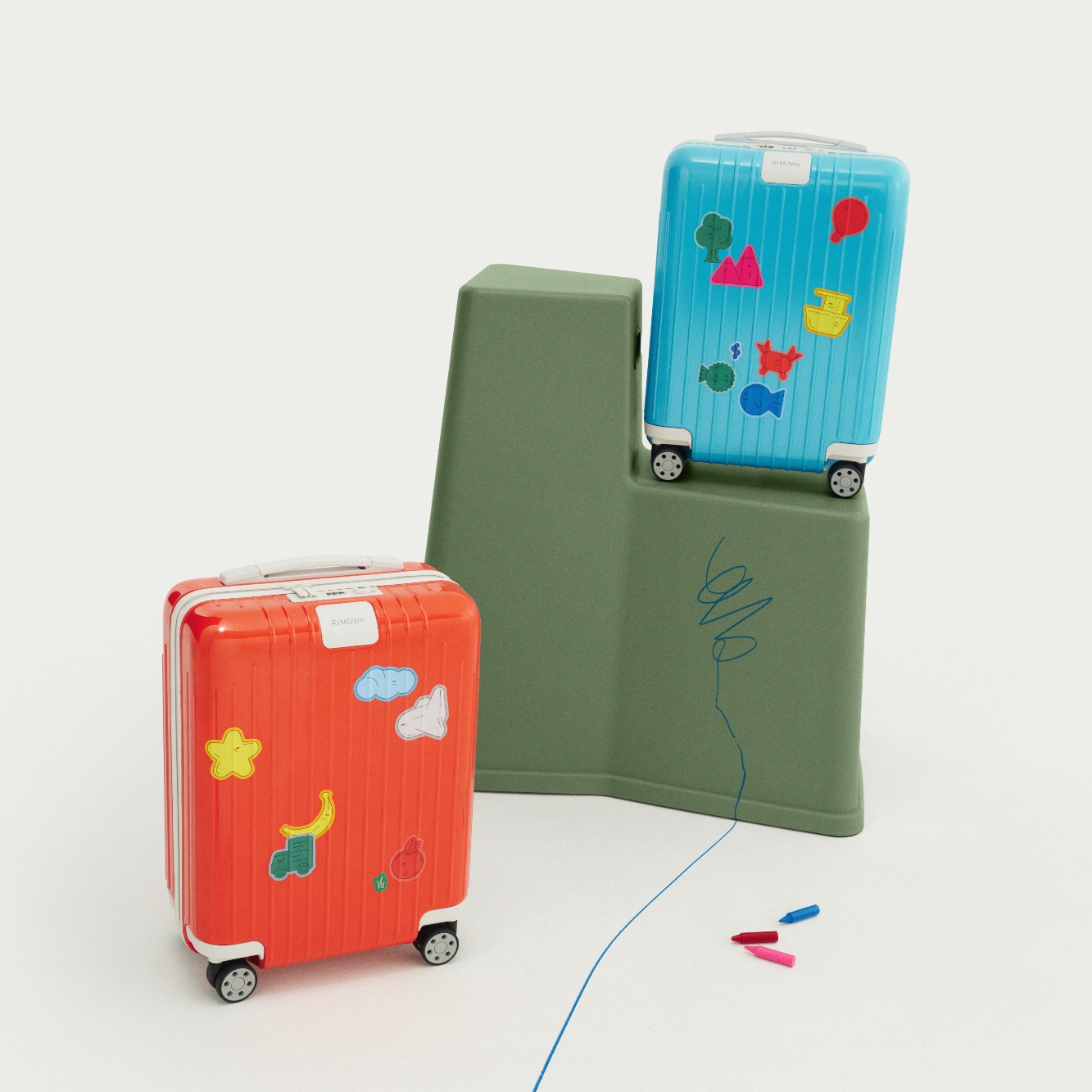
Luxury travel meets childlike wonder in RIMOWA’s latest release: the “Essential Lite Cabin U Kids Edition”, a capsule collection designed for the Maison’s youngest globetrotters. Offered in two bold new colourways — “Starfish”, a vivid shell-inspired orange and “Scuba”, a buoyant turquoise — this pint-sized suitcase is a lesson in playful mobility design. In extending its Essential Lite range to children, the Kids Edition delivers both performance and charm with lightweight polycarbonate construction, a telescopic T-handle for smaller hands and interior mesh dividers that help instil a sense of order from a young age. It meets major airline cabin regulations and complies with U.S. and EU toy safety standards.

What elevates this launch is its invitation to play. Each suitcase comes with a customisable sticker set in three thematic editions — “Nature”, “Transportation” and “Marine World” — encouraging children to personalise their luggage and take ownership of their journeys. Rather than simply miniaturising its adult offering, RIMOWA has created a tactile object of childhood wonder — a product that merges form, function and fantasy. By injecting joy into a category known for its seriousness, the German Maison subtly reminds the luxury market that fun, too, can be engineered.

Moschino Men’s Fall Winter & Women’s Pre-Fall 2025: Collezione 03

For fall/winter 2025, Moschino invites its audience to dress not for the occasion, but for the “character”. With a sharply subversive eye, creative director Adrian Appiolaza filters the codes of British tradition — corgis, countryside retreats, Savile Row, Sanderson prints — through Moschino’s irreverent DNA. The result is a collection that doesn’t parody, but rather playfully repositions symbols of establishment privilege into a fantasy of contemporary eccentricity.

Think biscuit tins reborn as handbags. Silk prints that reference hunting weekends, not through khaki or tweed, but in vibrant technicolour. Suede gloves replace blazer pockets. Pinstripes meet subversion. The campaign explores fashion in a way that sees stereotypes of heritage and tradition make way for playfulness, which is inherently tied to Moschino’s tongue-in-cheek aesthetics. Despite a world that is increasingly defined by digital identity shifts and social performance, clothing should reflect one’s capacity to morph, improvise and entertain. This season’s campaign sees Moschino not chase luxury as status, but as freedom to be oneself fluidly and unapologetically.

The Tie-Me Bag returns in updated shapes, while playful designs like the iron or top hat bag turn everyday objects into standout accessories. Even the footwear — from combat boots to Chelsea styles — balances traditional forms with a sense of humour. Moschino’s Collezione 03 is a playful rejection of social status and class hierarchy — a message that feels especially apt in today’s cultural climate.

MCM x Snipes

SNIPES and MCM have come together for a capsule collection that redefines what luxury looks like in motion. Dubbed “Make it Miami,” the collaboration channels the city’s vibrant pulse through a riot of textures, glitter-studded logos and irreverent design choices that speak to the power of self-expression. The collection highlights the joy of remixing codes, seeing the notion of play as an attitude, not an aesthetic.

The campaign channels the vibrant energy of Miami by blending German precision with American street style. It features two exclusive bag lines co-designed by MCM and SNIPES: a sleek black nylon collection available only at SNIPES, and refined white leather editions sold exclusively at MCM. Each line reflects the distinct identity of its respective brand. “We’re pushing boundaries by staying true to who we are,” says SNIPES CEO Dennis Schroder. The collection’s standout accessories are complemented by bold, street-ready apparel in a colour palette of black, white, pink, and turquoise — echoing the vivid charm and summer spirit of Miami. Glittering studs, oversized logos, and contemporary silhouettes capture the city’s energy and elevate the collaboration into a celebration of luxury streetwear.

Bottega Veneta “Craft is Our Language”

To celebrate 50 years of its famed Intrecciato leather weave, Bottega Veneta unveils “Craft is Our Language” — a campaign that approaches craftsmanship not as tradition frozen in time, but as a living, expressive language in motion. Choreographed by Lenio Kaklea and captured by Jack Davison, the series blurs the boundaries between artist and artisan, spotlighting the brand’s signature tactile artistry through hand gestures, movement and unlikely creative pairings.

The campaign embraces play as a form of interaction, dialogue and reinterpretation. By bringing together dancers, musicians, writers, actors and Bottega’s own artisans — including figures like Jack Antonoff, Zadie Smith and Julianne Moore — the campaign stages a playful conversation between making and meaning. Each gesture, whether sculptural or spontaneous, becomes a metaphor for Intrecciato’s enduring adaptability and expressive potential.

Rather than treating heritage as a static hallmark, Bottega Veneta presents Intrecciato as an evolving medium — one that changes shape with each generation, gesture and movement. The result is a campaign that captures the spirit of play not as frivolity, but as a vital and thoughtful approach to connection and cultural fluency.

Special Mention:

Fenty Beauty

In a bold new step that merges digital retail with immersive entertainment, Fenty Beauty has unveiled the third iteration of its virtual world on Roblox — a gamified space that brings Rihanna’s cult-favourite beauty line into the metaverse. Tapping into the growing appetite for experiential commerce, the brand’s latest activation celebrates both community and creativity, centring on one of its most playful products: the Gloss Bomb Universal Lip Luminizer.

Running from May 15 to August 15, 2025, the “Fenty Beauty Experience” marks a first-of-its-kind integration of Shopify-powered e-commerce on Roblox, allowing users to browse, play and shop — all within the same immersive universe. U.S.-based players aged 18 and above can purchase a new exclusive-to-Roblox Gloss Bomb shade, Grape Splash, and have it delivered directly to their doorstep — a true phygital moment that bridges fantasy with fulfilment.

Gloss Bomb’s shiny, shimmer-laced legacy is central to the activation. Inside the revamped “Gloss Bomb Lab”, players can explore quests, formulate custom lip glosses and unlock digital collectibles, all while discovering lip-loving additions from Fenty Skin. Rihanna’s own obsession with lip gloss serves as the campaign’s creative anchor. “It was only a matter of time until I brought you into my lip gloss fantasy world,” she shares. Fenty Beauty is leveraging the power of social gaming to foster brand intimacy and deepen loyalty. As Shopify President Harley Finkelstein put it, “The next generation of consumers won’t distinguish between digital and physical shopping experiences. Neither should brands.”

For more on the latest in luxury style and fashion news, click here.


Source link

2026 Bentley Bentayga Speed: Thrust Without a Plug

0


Bentley has bid farewell to its twelve-cylinder engines—regrettably. That includes the power SUV Bentayga, as even its Speed performance version must now make do with just eight cylinders—though it still offers 650 PS.

Many Bentley enthusiasts grumble; they simply refuse to be satisfied with a V8 and long for the return of that elegant twelve-cylinder format. Yet their complaints are less about performance itself, because the new Bentayga Speed performs as impressively as one would expect. This latest-generation Speed SUV is powered by the familiar four-litre twin-turbo V8, but unlike its group siblings—the Lamborghini Urus SE and Porsche Cayenne Turbo E-Hybrid—it must forgo the additional electric motor that delivers nearly 200 extra PS. As a result, the Bentayga Speed’s V8 produces a still substantial but slightly surprising 478 kW / 650 PS and a mighty 850 Nm of torque, available between 2,250 and 4,500 rpm. For comparison: the Urus SE generates 800 PS and the Cayenne Turbo E-Hybrid offers 739 PS. Yet from a standstill, the most powerful Bentayga still manages a blistering 3.4-second sprint to 100 km/h thanks to all-wheel drive, an eight-speed automatic gearbox, and enormous 22- or 23-inch wheels. Its top speed of 310 km/h will leave even the most demanding clientele wanting for little.

The same can be said of the soundscape. The Bentayga Speed’s sports exhaust system broadcasts the V8’s intent with such authority that its power is never in doubt. And for those seeking even more presence: an optional Akrapovič system delivers an even deeper growl from its quad tailpipes. Among the available driving modes, Comfort and Bentley remain unchanged. However, Sport mode has been revised to offer more precise steering, improved road handling and tighter driver connection, thanks to a 15 percent increase in suspension stiffness. For the first time, the Dynamic setting allows for controlled drift angles, while “Torque Vectoring by Brake” sharpens cornering and boosts power delivery on exit—further enhanced by rear-wheel steering. If the standard braking system isn’t enough, optional carbon-ceramic brakes are available for superior stopping power.

Visually, the Bentley Bentayga Speed distinguishes itself from its tamer siblings with darker styling accents, a darkened roof, chrome Speed badging, and a choice of 22- or 23-inch wheels. Both headlamps and rear lights are tinted. Inside, the most powerful Bentayga ever features Bentley’s signature luxury with sporty highlights. Speed-specific displays and numerous Speed logos lend it an extra touch of exclusivity.


Source link

How to Enjoy the City Without Rushing

0


Telling friends and family that you’re planning to slow-travel around Orlando, Florida, might raise a few eyebrows. Orlando is famously home to Mickey Mouse, theme parks, massive crowds, and high-energy vacations—the kind you often need a few days to recover from! So, the idea of rest and relaxation may seem unlikely. But slow travel, by definition, means journeying mindfully, connecting with local culture, and savoring each moment. And by that standard, Orlando ticks all the boxes.

How to Enjoy the City Without Rushing

Orlando isn’t just a hotspot for theme park lovers and thrill-seekers. It also has a quieter, calmer, and culturally richer side—one that many visitors don’t even know exists. It’s a wonderful destination for all kinds of slow travelers, from families who don’t want to spend their entire vacation in line for roller coasters to couples and solo adventurers seeking meaningful reconnection. In this blog, we’ll explore hidden gems, local food, nature, and cultural experiences that make Orlando a surprising destination for slow travel.


Getting Around the Slow Travel Way

Slow travel means moving mindfully and in ways that help you connect with your surroundings. For some, experimenting with public transportation may enhance that experience. For others, renting a car offers the flexibility to travel at their own pace—taking things one stop at a time, focusing, and fully enjoying the journey.

Orlando Road Trip

For instance, taking advantage of Orlando airport car rentals gives you the freedom to explore parks, green spaces, or even embark on a spontaneous day trip to the coast. You’re not tied to rigid timetables or crowded commuter buses—just your own pace and sense of adventure.


Stay Local: Choose Thoughtful Accommodations

Embracing slow travel in Orlando means staying in a neighborhood that reflects the city’s charm—usually away from the typical tourist corridors. Areas like Winter Park, Thornton Park, and College Park are ideal, with tree-lined sidewalks, lakeside views, and a strong community feel that warmly welcomes visitors.

Rather than booking a room in a large resort or hotel chain, consider a boutique hotel, an eco-conscious Airbnb, or a charming bed and breakfast. Staying in a local neighborhood lets you experience peaceful mornings, the sound of birdsong, coffee and pastries from a neighborhood café, farmers markets, and quirky local shops. It’s a more personal, enriching way to see the real Orlando.


Embrace Nature: Parks, Gardens, and Peaceful Walks

Spending time in nature is a cornerstone of slow travel, and Orlando offers plenty of ways to reconnect with the outdoors. Visit Lake Eola Park in downtown Orlando to stroll under the shade of sprawling trees, rent a paddle boat, or browse the local farmers market for fresh produce.

slow travel in Orlando at Mead Botanical Garden

For a more serene experience, explore Mead Botanical Garden, where you can meander among colorful blooms, admire floral installations, find a quiet bench, read, or enjoy a picnic. If you’re into photography, this is the perfect place to capture peaceful moments.


Savor Local Food: Dining Slowly and Mindfully

Eating is an essential part of the slow travel experience—and Orlando’s food scene is full of opportunities to savor every bite. Skip the overpriced pizza rolls or giant tubs of popcorn at theme parks. Instead, discover the city’s vibrant culinary landscape.

In areas like, you’ll find everything from farm-to-table fare to international gems—Vietnamese pho, Latin American specialties, and more—all crafted with care and authenticity. These are meals designed for lingering over, for thoughtful conversations, and for truly tasting the city.


Make Time for Meaningful Moments

While sightseeing and cultural exploration are key aspects of slow travel, it’s just as important to create moments of stillness and reflection. With its parks, natural beauty, and warm weather, Orlando invites you to pause and be present.

slow travel in Orlando at Mills 50

You might journal by the tranquil waters of Lake Eola, people-watch at a cozy café in Mount Dora, or sketch your surroundings in a quiet garden. However you choose to reflect, make space for calm and introspection on your journey.


Final Tips for Practicing Slow Travel in Orlando

To fully embrace the slow travel mindset, consider these tips for a more mindful, stress-free experience:

  • Travel in the off-season: Visit between late January–early March, late August–September, or mid-November–mid-December for fewer crowds.
  • Limit your daily activities: Avoid jam-packed itineraries. Slow travel is about presence and pleasure, not checking off boxes.
  • Disconnect from screens: Capture memories, but wait until you’re home to post. Staying offline helps you stay grounded in the moment.
  • Leave room for spontaneity: Some of the best experiences are unplanned. Say yes to detours, local recommendations, and unexpected discoveries.

Are you ready to fully embrace slow travel in Orlando?

Let the city surprise you. Beyond the theme parks, a slower, richer version of Orlando is waiting to be explored—one moment at a time. If you have any questions, leave a comment below. So, until next time, we’ll see ya on the road…


Source link

High Jewellery’s Play on Grandeur

0


High jewellery has long been synonymous with opulence and ornamentation. Historically, jewellery was not merely a way to adorn oneself, but a means of expressing power, prestige and artistic mastery. High jewellery in 2025 revels in its own theatricality — with oversized gemstones, sculptural settings and unexpected forms. It is not a shift, but a bold continuation of the industry’s original language: ornamentation as power and craftsmanship as performance. This year’s Cannes Film Festival and MET Gala made that vision clear. Red carpets became runways for gemstone maximalism, with celebrities adorned in pieces that were as expressive as they were exuberant. From exaggerated diamonds to vivid compositions of colour. 

While minimalism still holds cultural cachet, high jewellery in 2025 embraces a more playful form of ornamentality that reasserts luxury as joyfully extravagant. Maisons like Bvlgari, Cartier and Louis Vuitton capitalise on the allure of oversized gemstones, intricate metalwork the grandeur that encompasses the opulence of high jewellery in 2025.

Playful Prestige: Challenging the Boundaries of Creativity

From the purity of line to bold chromatic harmonies, Cartier’s creative philosophy is a delicate balancing act — a poetic tension between full and empty, simplicity and extravagance. The Maison plays with paradoxes: refined sobriety that conceals complexity, symmetry offset by the unexpected. As Jacqueline Karachi, Director of High Jewellery Creation, notes: “It is the art of equilibrium… that reveals Cartier’s sense of harmony.”

The Louis Vuitton Virtuosity High Jewelry collection evolves from sheer technical brilliance to liberated, playful inventiveness in its second chapter — The World of Creativity. Here, five themes explore the flow from heritage to exuberant self-expression. The theme Motion opens the sequence with a purist vision of fluidity, revealed in sapphire and diamond designs that emulate wave and wind-like movement. From there, creativity blooms in Florescence, an explosion of vibrant coloured gemstones arranged in evermore abundant compositions, leading to Joy, where sun-kissed hues of gold and radiant yellow diamonds dance in carefree euphoria. The journey continues into Aura, a transcendent space where spiritual light and artistic clarity collide — embodied by delicate blush tones and reinterpretations of the Monogram flower. Finally, creativity reaches its most flamboyant and liberated form in Eternal Sun, where a golden, solar intensity glows from a curated ensemble of yellow diamonds and gold. The brilliance of these creations reflects not only play but an unrestrained celebration of identity, femininity, and the Maison’s most audacious artistic ambitions.

With the Dior Exquis collection, Victoire de Castellane revels in the fantastical, crafting jewellery as though composing a dream sequence. Each piece feels like a narrative tableau, drawing from Christian Dior’s enduring fascination with nature, botany and theatre. There is a lyrical tension between fiction and reality, where enchantment manifests through improbable gemstone pairings and unexpected storytelling. By creating miniature scenes that depict the shifting moods of the seasons — from icy winter to radiant summer — the collection becomes a kaleidoscope of imagination. The opale doublet technique, which layers luminous opal atop onyx or mother-of-pearl, is used not just for its visual alchemy but for its storytelling potential — invoking the ethereal play of light across sky and sea. Every composition feels like a fleeting fantasy moment made permanent, proof of Dior Joaillerie’s ability to challenge the aesthetic conventions of high jewellery.

Focus on Grandeur

Cartier magnifies scale and presence through emblematic designs. In Hyala, a panther perches atop a coral cabochon, its coat of diamonds and onyx exuding vitality, while Pavocelle draws grandeur from a 58.08-carat Ceylon sapphire whose openwork tail mimics a peacock’s fan. Tsagaan captures the elusive snow leopard in geometric lines that flicker with mystery, while Summae pares grandeur back to its essential expression: a masterclass in restraint and chromatic impact.

Bulgari’s Serpenti collection, for instance, embodies fluidity and ornamental power, combining rich textures and larger stones that evoke the glamour and opulence of Italian high society. Their emphasis on the sculptural nature of the pieces reflects Baroque influence. Chopard has mastered the art of layering and embellishment. Their high jewellery collections often feature large, vividly coloured gemstones set in ornate, intricate settings that harken back to Baroque sensibilities.

Grandeur defines Louis Vuitton’s Virtuosity collection from inception. This is particularly evident in themes such as Maestria, Monumental, and Apogée, where sculptural construction and scale play a central role. In Maestria, a high-collar necklace composed of 2,500 diamonds — 250 custom-cut — and anchored by an 8.88ct Colombian emerald is both imposing and technically masterful. Monumental continues the architectural feat with 320 stones arranged to form a bold, three-dimensional Damier pattern, topped with a 12.85ct emerald cabochon and 2.59ct Australian black opal. Apogée elevates this pursuit even further, with a show-stopping necklace that integrates Louis Vuitton’s trunk motifs, culminating in a dazzling 30.75ct Brazilian emerald and a D Flawless 10.56ct diamond in a bespoke Monogram Star cut. These pieces are not just jewellery — they are wearable monoliths of design and prestige, blending centuries-old savoir-faire with extraordinary scale.

Dior’s vision is unapologetically theatrical. This collection leans into splendour with immersive sets of necklaces, rings and earrings that read like full chapters in an ongoing fairytale. The grandeur isn’t just in scale but in emotion — each piece conjures a sense of occasion, of something magical being unveiled. Layers of stones and gemstone-inlaid mineral backdrops build drama and depth, almost like stagecraft. The influence of gala evenings and Dior’s legendary soirées filters through in gemstone fireworks and ornamental detail, where high jewellery becomes a tribute to celebration itself. Nothing here is discreet or minimal — Dior luxuriates in opulence that speaks to a heritage of couture and the majestic spirit of performance.

Larger Stones

Stones form the starting point of Cartier’s creative process. Shito features two 49.37-carat Zambian emerald drops, delicately suspended in asymmetrical pendants. Tsagaan and Traforato follow suit with emeralds and sapphires in striking formations — whether forming central axes or levitating across geometric grids. Panthère Dentelée channels realism and life into a fluid cascade of Colombian emerald beads, each cut and threaded to intensify light and movement.

Louis Vuitton Virtuosity collection is defined by the Maison’s pursuit of rare, exceptional stones of commanding size and presence. Across its twelve themes, we find a 30.56ct triangle-cut Australian black opal, a vivid 28.01ct emerald drop, and a 19.08ct pearl that anchors a choker design within Protection. Keeper introduces even more statement-making gems, such as a 32.85ct Sri Lankan chrysoberyl, a 3.03ct Brazilian alexandrite, and a 5.02ct fancy dark grey-blue diamond that shimmers from day to night. In Apogée, the Maison’s boldest vision emerges with its hero stone: a 30.75ct emerald in a rare pear cut, emitting mesmerising blue undertones, flanked by Louis Vuitton’s custom-cut diamonds. These oversized stones aren’t merely decorative — they are the emotional and symbolic heart of each piece, reinforcing the narrative of transcendent artistry and creative fearlessness.

At the heart of the collection’s radiance are its gleaming central stones — large, often unexpected gems that bring clarity and gravitas to their whimsical settings. Dior doesn’t shy away from size; instead, it embraces statement pieces that anchor the surreal designs with bold focal points. The central gems are often framed by intricate halos, set against mineral textures, or elevated through layering techniques that enhance their dimensionality. These stones aren’t just decorative — they are narrative anchors, evoking nature’s peaks or cosmic flashes. It’s not about flamboyance for its own sake, but about heightening the emotional charge of each piece, where grandeur and sentiment are carved into the very heart of the gemstone.

Craftsmanship and New Techniques

Cartier’s savoir-faire reaches new heights in the En Équilibre collection — a nearly 100,000-hour feat. Pieces like Shito offer precision lines so refined they appear weightless, while Hyala mimics the transparency of a spider’s web. Pavocelle transforms from necklace to collar brooch, its light lace-like composition made possible by intricate openwork. Even minimalist sets like Summae rely on complex structure to create the illusion of levitating stones — a triumph of engineering cloaked in elegance.

Louis Vuitton’s high jewellery collection’s virtuosity lies not just in stone selection but in groundbreaking craftsmanship and daring technique. Each creation demonstrates an obsessive attention to detail — from the 1,500 hours invested in the Savoir necklace to the 2,730-hour journey of Maestria. Technical codes of the Maison, such as the Damier motif and V-shaped settings, are constantly reinterpreted through complex structural forms, openwork mountings, and innovative material contrasts. Mixed metals — white and yellow gold — are seamlessly fused, while trunk-inspired details like nailhead settings and chevron trims are elevated into jewellery architecture. The pièce de résistance of craftsmanship arrives in the Apogée necklace, where transformability, Monogram Star cuts, and rope-like textures unify to honour the house’s heritage while imagining a more expressive future. In all, the collection champions a kind of craftsmanship that does not merely aim for perfection, but one that propels jewellery into a new space of emotional depth, optical mastery and personal freedom.

Dior’s commitment to technique is nothing short of reverent. The opale doublet and plique-à-jour methods speak to the maison’s pursuit of light manipulation, where colour and transparency are treated like couture fabrics — layered, tinted, and transformed. The plique-à-jour enamel work resembles stained glass, delicate and luminous, allowing light to pass through pockets of colour like sunlight through garden foliage. The integration of lacquer, a Dior signature, adds fluidity and brilliance, echoing the painterly qualities of impressionist landscapes. Everything is executed with a meticulous rhythm of gestures in the atelier, where even the most extravagant concepts are made wearable through astonishing technical precision. Here, craft becomes magic — an unseen engine behind Dior’s ethereal storytelling.

For more on the latest in luxury jewellery reads, click here.


Source link

From Gatekeepers to Storytellers: How the Women Behind Chiltern Firehouse’s Legendary Guest List Are Rewriting London’s Nightlife

0


When a fire tore through Chiltern Firehouse on Valentine’s Day this year, it didn’t just shutter one of London’s most iconic destinations – it left a void in the city’s social soul. The hotel’s Laddershed bar had long been a glittering crucible of A-list celebrities, industry titans, cultural tastemakers, and impossibly stylish out-of-towners. Now, the scene’s heart had stopped beating.

Don McLean once sang “the day the music died” about Buddy Holly’s untimely demise in a plane crash. For London’s elite party circuit, this was the equivalent. As memes flooded social media – socialites jetting to Chateau Marmont or seeking refuge at Hotel Costes – one truth rang clear: Chiltern Firehouse was more than a venue; it was a movement.

For Kendal Barrett and Anna Howell, the duo behind Chiltern’s meticulously curated guest list, the fire marked a moment of both personal and professional crisis. The pair had built their reputations behind the velvet rope, carefully sculpting the energy of each night with instinct, discretion, and a masterful understanding of social chemistry. In an instant, that platform was gone.

But rather than stall, Barrett and Howell pivoted. From the ashes of the Firehouse, KENNA was born.

Curation Over Spectacle

KENNA is not a club, or even an event series in the traditional sense. It’s an evolving constellation of invitation-only gatherings – set on rooftops, tucked into basements, staged as one-night takeovers. What binds them isn’t location or luxury, but a philosophy: curated connection. A term the pair coined after five years orchestrating London’s most coveted social spaces.

“We realised the true magic isn’t in exclusivity – it’s in alchemy,” they explain. “It’s about mixing the right energies, not just names.”

These nights aren’t about paparazzi or performance. They’re about freedom, friction, and flow – the permission to play, and the promise of unexpected synergy. “It’s less flash, more feeling,” Howell says.

A New Social Chapter

Now anchoring a weekly residency at the Broadwick Soho – dubbed by insiders as the “Chiltern pop-up” – Barrett and Howell are once again setting the tempo of London’s nightlife. Every Thursday, a familiar cross-section of celebrities, creatives, and cultural connectors gathers, drawn by something less tangible than status: the buzz of belonging.

Though tight-lipped about guest lists, they are visibly enjoying their evolution from gatekeepers to architects of experience. “We’re no longer just opening the door,” says Barrett. “We’re building the whole room.”

Their ethos is resonating. In an era of overstimulation and hyper-curation, KENNA offers intimacy without pretension, exclusivity without elitism. It’s not just a party – it’s a platform for creative collision.

From Tables to Talk Shows

Their next chapter? A deeper dive into the minds that fill their rooms. Enter Yes (No) Maybe, a podcast born at 2AM in conversation with filmmaker Baz Luhrmann. When they asked if he’d be a guest, he vanished briefly and returned with four words: “I have an idea.”

Now, Yes (No) Maybe is set to debut live at the inaugural SXSW London this June, with Barrett and Howell once again curating not just who’s in the room – but what conversations unfold. The podcast extends their mission: championing authenticity, curiosity, and creative momentum.

Yes (No) Maybe at SXSW London:

 •⁠ ⁠Becoming: On Camera, On Page, On Purpose with YouTuber Jack Edwards and actor Herman Tommeraas

June 4th 2025 | 11:15 AM – 12:00 PM | Christ Church Spitalfields | Culture Stage

A candid conversation exploring visibility, creative identity, and the power of showing up authentically – on and offline.

•⁠  ⁠Accelerating Through Uncertainty: From Maybe to Momentum with Formula E Founder Alejandro Agag and Capital Radio host Nada Allali

June 5th 2025 | 10:10 AM – 11:00 AM | Christ Church Spitalfields | Culture Stage

A live extension of Yes (No) Maybe, this talk focuses on creative redirection and the tools that help artists move through the unknown.

The Power of Presence

For Barrett and Howell, this moment is about more than nightlife – it’s about narrative. Not just who’s where, but why. Their story is one of rebirth and redefinition: from stewards of exclusivity to storytellers of a more connected, conscious social era.

“We were taught by the best,” they say. “But now we’re building something that’s ours.”

For more on the latest in culture, lifestyle and events reads, click here.


Source link