Home Blog Page 891

Cost of Living in Koh Samui for Digital Nomads

0


If you’ve never been to Koh Samui, let me tell you, it’s one of the most incredible places on the planet. I know because I lived there for two years and even have a tattoo on my arm of the view I had -I loved it that much!

One of the best things about living on this picturesque Thai island is the very affordable living costs. The cost of living in Koh Samui was a major draw, and soon you’ll see why.

Cost of Living in Koh Samui

Koh Samui sunset Koh Samui sunset

One of my favorite things about living in Koh Samui was that I was able to save a ton of money while living in paradise. The cost of living in Koh Samui is insanely low (compared to Western countries); however, should you wish to, it also allows the opportunity for you to choose to live more luxuriously too.

The list below comes from my own personal experience, scouring reliable sources, and speaking with other digital nomads who have lived on the island for a few months. On average, the cost of living per month for one person is $1,139 and $2,497 for a family. Amazing, right?

Cost of Accommodation in Koh Samui

accommodation bungalow Koh Samuiaccommodation bungalow Koh Samui

There are many amazing options when it comes to accommodations on Koh Samui. There are apartments and bungalows, houses, villas, hotels, and resorts – all with varying prices and amenities. Here’s a bit more about each.

Apartments/Bungalows

Koh Samui accommodation Koh Samui accommodation

When I lived on the island, I chose to live in a one-bedroom bungalow. Bungalows and apartments are great options for those staying both short and long-term – and they can be quite affordable. For example, I paid $350 per month in the town of Nathon.

On average, however, you can expect to pay about ฿14,140 ($396.52) per month for a one-bedroom in the center of Chaweng or ฿13,000 ($364.56) outside of the city. A 3-bedroom averages ฿42,500 ($1,191.81) in the popular areas or ฿36,666 ($1,028.21) a bit away. Many times, utilities are not included.

The easiest way to find apartments is through Airbnb or via private rental companies.

Houses

If you’re looking for something a little more private or have a family and a larger budget, renting a house is a great choice. There are gorgeous houses for rent scattered all around the island, many with amenities such private pools and outdoor baths.

Since it’s an entire home you’re renting, prices are a little more steep. Expect to pay around $900-$1,800 per month, depending on what you’re looking for. And you’ll probably have to pay extra for utilities and cleaning services.

You can use Airbnb and private rental companies to find homes ranging from the budget to the glamorous.

Villas

Koh Samui villa Koh Samui villa

One thing about Koh Samui is that it’s home to some insanely gorgeous villas all around the island. As you can imagine, these can be quite expensive. But if you have the budget, why not?

Many villas are either beachfront or up in the mountains with a view. Many have infinity pools, private beaches, and even staff sometimes. Utilities are usually included when renting a villa but expect to pay anywhere from ฿25,000 ($700) per month for a 1-bedroom to ฿3,500,000 ($98,149) per month for a 5-bedroom.

Most villas are booked through private companies but some real gems can also be found on Airbnb.

Hotels & Resorts

Of course, hotels and resorts are always an option for shorter stays; and many hotels and hostels offer discounts for long-term rates. What’s nice about these accommodations is that so many things are included, like housekeeping, utilities, and even breakfast.

Much like all the housing options, hotels, resorts, and hostels can vary greatly in price. For example, the average night at a hotel is $21 and $452 per month, the average night at a resort is $153, and the average night at a hostel is around $12.

Cost of Groceries in Koh Samui

thai market thai market

By choosing to buy groceries and cooking at home, you can save a serious amount of money. Groceries are cheap, and there are supermarkets scattered throughout the island – the most popular being Tops or Lotus. You can also find great deals at the fresh markets that are held daily. Here are some examples of the average prices you can expect to pay for standard items:

  • Milk – 1 liter, 59 baht ($1.65 USD)
  • Eggs – Dozen, 90 baht ($2.52 USD)
  • Rice – 1 lb, 11 baht ($0.30 USD)
  • Bread – 1 loaf, 42 baht ($1.18 USD)
  • Beer – 0.5 liter domestic, 57 baht ($1.60 USD)
  • Wine – 1 bottle of red table wine, 600 baht ($16.83 USD)
  • Fruit – 1 lb varied fruits, 14-48 baht ($0.39-$1.35 USD)
  • Vegetables – 1 lb varied veggies, 14-30 baht ($0.39-$0.84 USD)
  • Poultry – 1 lb fillets, 39 baht ($1.09 USD)
  • Beef – 1 lb round, 143 baht ($4.01 USD)

SIM Cards and WiFi

sim card connectionsim card connection

If you’re planning on staying for a few months, you’ll want to factor in SIM cards and/or WiFi into your living costs in Koh Samui. Both are very affordable and accessible all around the island.

The most popular options for SIM cards tend to be AIS, DTAC, TrueMove, and CAT (4G & 5G). The first three make up 97% of the market in Thailand, and they’re the most reliable. Mobile data can cost around $1.93 per month for 10GB. If you have to pay for WiFi in your home, expect to pay about ฿506 ($14.09) for 60Mbps per month.

Cost of Coworking Spaces

coworking spacecoworking space

There are quite a few great coworking spaces on Koh Samui, which are ideal for digital nomads planning on staying a few months. Some popular choices on the island include Be Productive, Organic Coworking Club, and Desk and Chair.

Be Productive offers monthly plans for ฿6800 ($190.69 USD) per month, Organic Coworking Club has apartments for rent that are specifically for digital nomads (message for prices), and Desk and Chair’s day-rate is ฿500 ($14.02 USD), ฿1,750 ($49.07 USD) for the week, and ฿6,895 for the month ($193.35 USD).

Public Transportation Costs

scooter hire scooter hire

Getting around the small island of Koh Samui is super easy, and you have quite a few options. The most common choice for digital nomads who are staying for a while is a scooter. Other options include taxis, car rentals, songthaews (more below), and shuttles.

  1. Scooter: Many digital nomads factor into their living costs a monthly scooter rental. You can work out deals for long-term rates, but the 3-day rate is usually around ฿200 ($5.61 USD).
  2. Taxi: Depending on where you’re staying on the island, you might be able to walk to many places. However, if you want to get a taxi, rates start at ฿50 ($1.40 USD) and about ฿58 ($1.63 USD) per mile.
  3. Car Rental: Renting a car is also an option; however, it’s usually the most expensive choice. Car rentals usually start at around $21 USD per day.
  4. Songthaew: A songthaew is a popular option for locals to get around the island and you’re more than welcome to hop on as well. These trucks with a covered bed with benches cost about ฿50-100 ($1.40-2.80 USD) depending on where you’re going.
  5. Shuttle: If you happen to be heading to the airport, a shuttle is a great option. There’s usually a set price depending on where you’re staying, and normal rates are about ฿500 ($14.02 USD).

Food and Drinks in a Restaurant

thai foodthai food

The food is one of my favorite things about living in Koh Samui. Thai food is authentic and affordable, but you can find all sorts of cuisines ranging from street food to Michelin-star restaurants.

For example, the cost of a meal at an inexpensive local restaurant can cost just ฿100 ($2.80) per person, while the cost of a meal at a mid-range restaurant for two people can cost around ฿800 ($22.43). High-end restaurants can be just about as expensive as you’re willing to spend!

What I love about the island is that eating out can be one of the cheapest living costs in Koh Samui. I had some of the best meals of my life at the local night markets, but it was always nice to splurge every now and again. After all, you can afford it since you’re spending so little elsewhere!

If you’re looking for an alcholic beverage with your meal, expect to pay around $16 for a bottle of wine, $2 for a large bottle of domestic beer, and $5 for a cocktail. Keep an eye out for 2-for-1 deals, happy hour specials, and lunch sets at many restaurants and cafes.

Healthcare in Koh Samui

dentist/healthcaredentist/healthcare

Regular medical care and urgent care is available in Koh Samui, as well as many dentists. I actually got a set of crowns fitted on the island and absolutely love them (they were a fraction of the cost of what I would pay in the States!).

If you want to visit a general practitioner on Koh Samui for regular check-ups or visits, digital nomads can expect to pay around ฿1,500 ($42.06) for a short appoitment. If you want to get your teeth cleaned at one of the dozens of dentists on the island, the cost is around ฿1200-1800 ($33.65-$50.48).

Miscellaneous Costs in Koh Samui

gym membership 
gym membership

The cost of living in Koh Samui is super affordable in nearly every way. Because of this, you can spend your disposable income on the fun stuff.

  1. Haircut: If you’re anything like me, your hair will grow super fast in the sun. Expect to spend around ฿400 ($11.22).
  2. Coffee at a Cafe: Getting your caffeine fix won’t break the bank. A cappuccino costs about ฿82 ($2.30).
  3. Ticket to the Cinema: Catch the latest flick at the theater for around ฿532 ($14.92) for two tickets.
  4. Gym Membership: There are many gym choices on Koh Samui; the average cost is around ฿1,250 ($35) per month.

Tips for Saving Costs while Living in Koh Samui

Thai Baht cash Thai Baht cash

Even though the overall costs of living in Koh Samui are generally low, there are some simple tips to save you even more money.

1. Eat street food or at local restaurants

As I mentioned earlier, the street food was some of the most delicious food I’ve ever had. And it’s so cheap! By eating at night markets, street vendors, and local restaurants, you’ll definitely cut down on your costs in Koh Samui.

2. Get around by songthaew

Hopping on a songthaew is by far the cheapest mode of transportation to get around the island. It can be a little intimidating at first – it’s a very unique type of transport – but it’s actually pretty fun and definitely saves you money.

3. Take out large sums of money

ATM cashpointATM cashpoint

Having cash on hand is always a good idea in Koh Samui because many places and vendors don’t take cards, and if they do, they charge a fee. Since ATMS around the island will also charge a fee, it’s best to take out larger sums of money at a time to save you.

Make sure to store your money in a safe and secure area, preferably a locked safe.

4. Barter at the markets

Whether you’re shopping for fruits and veggies, fresh fish, or souvenirs, you can most likely get your price down with some simple bartering. Don’t be afraid to barter, as it’s quite normal, and the Thai people are extremely nice and welcoming.

5. Ask your landlord or hotel about scooter rentals

There are tons of scooter rental places all throughout the island. However, if you’ve built a good relationship with your landlord or hotel staff, chances are, they have a hook-up. Once you’ve moved in and established a rapport, ask them if there are any deals on a long-term scooter rental.

Cost of Living in Koh Samui FAQs:

Here are some answers to the most commonly asked questions about the living costs in Koh Samui:

What is the average monthly cost of living in Koh Samui?

For one person, the average monthly cost of living in Koh Samui is $1,139, and $2,497 for a family.

How much do you need to live comfortably in Koh Samui?

You can live very comfortably in Koh Samui off of around $2,000 per month.

Can you live off of $3,000 per month in Koh Samui?

You can easily live off of $3,000 per month in Koh Samui – quite luxuriously. The average cost of living in Koh Samui is about $1,139 per month for one person.

Is Koh Samui an expensive destination?

Compared to the U.S., Koh Samui is not an expensive destination at all. However, it is one of the more expensive islands in Thailand, and there’s always the option to do things high-end.

What is the cheapest area to live in Koh Samui?

The cheapest areas to live in Koh Samui are Lamai, Nathon, and Mae Nam.

What’s the most expensive area to live in Koh Samui?

The most expensive areas to live in Koh Samui are Chaweng and Bo Phut.

How expensive is it to live in Koh Samui?

It’s not expensive to live in Koh Samui (if you don’t want it to be). The average person spends about $1,200 per month for all their costs in Koh Samui.

In Closing

My two years of living in Koh Samui were some of the most magical I’ve ever experienced. Not only is it breathtakingly beautiful, but the culture is incredible, and the cost of living is especially affordable.

If you’re a digital nomad looking for someplace to call home for a few weeks, a few months, or more, Koh Samui should be at the top of your list.


Source link

Sanlorenzo’s Extra-Cool SX Superyacht – LUXUO

0


The SX100 reaches 23 knots with four 800hp Volvo Penta IPS pod drives

Sanlorenzo says its SX series of yachts blurs the boundaries between flybridge and explorer-type yachts, with the X representing the “cross” in crossover. The new SX100, the range’s latest model, has exterior lines by Zuccon International Project like those on the SX112, SX88 and SX76 that came before her, with reverse-angle windscreens giving a robust, explorer-yacht look.

Hull one showcases interiors by Piero Lissoni, who is also Sanlorenzo’s Artistic Director, although future SX100 owners can create or commission their own bespoke layouts and designs.

SX signatures include an enormous aft lower deck

Furthermore, the crossover doesn’t end with yacht types. A strong accent on ease of outdoor living and quick access to the water means the boundaries that divide indoors from out are blended so much that the only logical way to begin a tour of the yacht is from an outdoor space.

Waterside Living

The main saloon is usually a yacht’s largest area and the centrepiece that sets the tone for an onboard experience. Not so aboard the SX100, where the stern deck is a huge expanse of free and open space that’s much more than a swim platform.

Distinguished by reverse-angled windscreens, the SX series features exterior lines by Zuccon

When the space is not being used to store the 5.65m tender and water toys, it becomes an area without barriers between guests and the sea. The pieds dans l’eau effect is multiplied exponentially when, at the touch of a button, two spacious side terraces open out over the water.

An up/down platform fully aft is for getting in and out of the water and deploying toys, while a crane for launching the tender is integrated into one of the arches over the side terraces.

Drop-down sides increase space and views, including from the beach lounge

Teak benches fold down over the mooring equipment, both concealing it and offering a very handy spot for putting on swimming fins. It’s a real shot of luxury lifestyle for those who enjoy the outdoors, whether swimming, sailing or soaking up the sun.

Lowering the terraces also opens the side views in the lower-deck lounge, which is accessed through a sliding glass door in the centre of a full-width screen of windows that are slanted at a similar angle to the SX’s iconic windscreens.

Port view of the lower-deck ‘beach lounge’, which has fixed aft windows either side of the sliding door

Set slightly lower than the aft deck, the lounge has a red-lacquer bar to port along with chairs, coffee tables, a sofa to starboard and mirror-lined walls, so you see the water no matter which way you’re facing. And when the terraces are down, the aft deck and beach lounge become one integrated zone that can be enjoyed from dawn to dusk.

Open Interiors

The slender, “floating” external staircase up to the main deck’s aft cockpit is enclosed in glass, while the same beautiful, curved glass used to encase the lower-deck lounge is used in the cockpit’s glass railings.

The saloon includes a starboard staircase down to the lower deck and, forward, a concealed wooden staircase to the flybridge

Rather than just a gateway to the saloon, the cockpit is more of a continuation of the stern deck, with the two spaces connecting both philosophically and ergonomically. The cockpit is large enough for sun loungers and side tables due to the absence of an external staircase leading to the flybridge.

Lissoni explains the lack of a traditional feature: “It used to be that a yacht and everything aboard it had to be made by a yacht designer, but I’m not a nautical designer and I don’t want to become one. I’m an architect, and when I design a yacht, I approach it just as I would any other project, aiming to create something functional, comfortable and beautiful. Outsiders like me have changed the rules in yachting.”

Port view of the saloon

Only a tour of the SX100’s interiors in the ‘Lissoni version’ reveals just how true that is. In his edition of the interior, the saloon is a display space for iconic design pieces arranged in a large, open space where glass, both in the form of windows and mirrored surfaces, seems to be the main building material.

Built-in pieces are limited in number and blend into the yacht’s structure while natural woods offer a subtle backdrop to an area where nothing glistens or sparkles but everything shines. Signature Lissoni elements include a steely, sculptural, spiral staircase to starboard that leads to the lower deck, while forward is a slender wooden staircase that leads to the flybridge and can be concealed behind a decorative screen.

Stairs linking the lower and main decks

Lissoni’s approach to yacht interiors revolves around spaces that are as open and as contemporary as possible.

“I’ve never understood the ‘Lord Nelson’ approach to nautical design. Yachts are ultra-technological pieces of machinery, so why all the tradition? We’re modern people living today, so why not design an interior that reflects that. In my opinion, everything used aboard a yacht should be commercial because industrial designers are better attuned than nautical designers to how we live today.”

Forward Master

The SX100 has Lissoni’s preferred layout for yachts in this series, with the owner’s cabin fore on the main deck in a spot normally used for the helm in traditional 100ft motor yachts. Featuring an aft facing bed, the cabin has excellent visibility and textured glass is used for the closet and bathroom walls to keep things light and airy.

The forward room on the main deck can be a master suite with an aft-facing bed or a dining room

Other options for this space on the SX100 include a formal dining room. In either layout, a port side door offers quick access to the foredeck, which has a large sofa, table and lots of sun pads that can be spread out over the mooring gear when the yacht is stationary.

The lower deck is home to three en-suite guest cabins: a double, a twin and a VIP set just opposite the galley. All cabins have interior walls set slightly off the yacht’s centreline and exterior walls that follow the curve of its hull shape. The bottom deck also has crew cabins for five and a crew mess near the galley.

Forward of the main-deck master suite, the bow lounge has a large C-shaped sofa that can be covered by a bimini, plus a huge sunbathing area

Like previous SX yachts, the SX100 only has one helm and it’s on a table fore on the flybridge, featuring four Raymarine screens and Volvo Penta IPS joystick commands. The covered area, which includes a dining area and bar, can be left open in nice weather or sealed off by electrically operated windows and sliding doors.

The aft section of the fly is another outdoor area for sun and fun, with a glass balustrade so guests can enjoy the views from on high.

Power & Performance

While Lissoni always says he approaches the interiors of the SX series as if he were designing a residential building, the SX100 was born to run and has a fast displacement hull. Access to the engine room under the stern deck is from a deck hatch or a small door on the starboard side of the beach club.

Forward view of the flybridge, which the protected helm forward

Propulsion comes from four Volvo Penta D13-IPS pods with twin counter-rotating propellers designed to improve performance, manoeuvrability and range while reducing fuel consumption, noise and vibrations. The propulsion system delivers a top speed of 23 knots and a range of 1,600nm at 10 knots, while the engine, transmission and drive have integrated helm-to-prop Electronic Vessel Control (EVC).

Lissoni’s approach has given the SX100 an unusual setup and a chic, home-like look that crosses the boundaries between residential architecture and nautical design. The continuous connection, both visual and physical, between the yacht and the environment around it crosses the divide between indoors and out.

Asia’s first SX100 is set to arrive this summer

Add explorer looks combined with flybridge performance and you have the SX100, a crossover yacht that crosses over a lot more than just genres of yachts.

www.sanlorenzoyacht.com
www.simpsonmarine.com

This article was first published on yachtstyle.co.

For more on the latest in luxury yachting stories, click here.


Source link

4-Day Sedona Itinerary for Adventure Travelers – Bearfoot Theory

0


Find our content helpful? You can support the BFT team by making your gear, apparel, and travel purchases through the affiliate links in this blog post. We get a small commission with no added cost to you. You can also say thanks by leaving a tip in our virtual tip jar. THANK YOU!

Sedona is one of the best destinations in the southwest for outdoor adventure. There are endless opportunities for hiking, biking, swimming, camping, and enjoying the red rock views that make Sedona such a special place.

I’ve visited Sedona several times now, and I’m always tweaking my Sedona itinerary to maximize fun and adventure – as well as a little bit of luxury.

This 4-day Sedona itinerary is filled with the best hikes, relaxation time, and dining at some of the best restaurants with views that will make you want to linger.

Let’s dive in!


4-Day Sedona Itinerary at a Glance

You could spend months in Sedona and not see or do everything it has to offer. There’s so much going on!

Our main goals for this Sedona itinerary, though, are to:

  • Get in as much hiking as possible
  • Try out some of Sedona’s best restaurants
  • Explore the town and all of the cute shops

You can certainly customize our itinerary to fit your interests and timeframe, but this outline will help you cover a little bit of everything during your visit to Sedona.

  • Discover the best hikes & views
  • Eat at some of the best Sedona restaurants
  • Catch sunrise at Cathedral Rock
  • DAY 1: Hike Bell Rock & Courthouse Butte Loop
  • DAY 2: Hike West Fork Trail
  • DAY 3: Choose your hike!
  • DAY 4: Hike Cathedral Rock for Sunrise

Sedona Trip FAQs

How many days do you need in Sedona?

There’s no right answer for how many days you should spend in Sedona. Four days will give you a good overview of what the area has to offer, but you could spend weeks in Sedona and not check off all the sights and activities.

If it’s your first time visiting, I recommend spending at least 4-5 days in Sedona. You can always decide to come back!

When is the best time to visit Sedona?

Sedona is a year-round destination, but I recommend visiting in spring or fall for the best temperatures and weather. Summer can get very hot while winter can bring cold temps, rain, and even snow.

What if I only have one day to explore Sedona?

If you only have one day in Sedona, I recommend:

– Hiking West Fork Trail
– Lunch at Indian Gardens
– Walking around the shops and stores of downtown
– Dinner at Elote or Hideaway House


4-Day Sedona Itinerary

There is a ton to see and do in Sedona, so if you’re looking for other activities in addition to hiking or you want to make your trip longer, check out or post on the Best Things to do in Sedona.

Day 1: Explore Courtyard Butte & Bell Rock

  • Morning: Arrive in Sedona
  • Afternoon: Hike the Courtyard Butte & Bell Rock Loop
  • Evening: Dinner at Elote (reservations required)
Woman hiking down trail in Sedona with Courthouse Butte in front of herWoman hiking down trail in Sedona with Courthouse Butte in front of her
The Courthouse Butte & Bell Rock trail is a classic in Sedona for great scenery and red rock vistas

For your first day in Sedona, hike one of Sedona’s most iconic loops: Courthouse Butte and Bell Rock trail.

The loop takes you all the way around Courthouse Butte for classic Sedona views and stunning scenery. Don’t forget your camera!

We started this hike around 3:30 pm during the peak heat of a 92-degree day in the middle of October. It was pretty darn hot, but there was a nice breeze and we were prepared with lots of sun and heat protection.

Surprisingly, there was also quite a bit of late afternoon shade on the trail as well, but be sure to bring lots of water in your hydration backpack.

Courthouse Butte & Bell Rock Loop Tips

  • Trailhead: Bell Rock trailhead (Red Rock Pass or America the Beautiful Pass required)
  • Distance: 3.9 miles
  • Trail type: Loop
  • Direction: Either way, but we hiked it clockwise
  • Time needed: 2-3 hours
  • Elevation gain: 341 ft
  • Map: AllTrails, Hiking Project

After your hike, get cleaned up and excited for dinner at Elote which I guarantee will be some of the most delicious food you’ve ever had!

Tip: Reservations for Elote are required and since it’s such a popular restaurant, they can book out weeks in advance. Be sure to make your reservation before heading out on your Sedona itinerary.

Restaurant table loaded with food and menu from Elote in SedonaRestaurant table loaded with food and menu from Elote in Sedona
Elote serves up some of the best Mexican-inspired food in Sedona

Day 2: Hike The West Fork Trail

  • Morning: Hike the West Fork Trail
  • Afternoon: Indian Gardens for lunch
  • Evening: Walk around town, Hideaway House for dinner
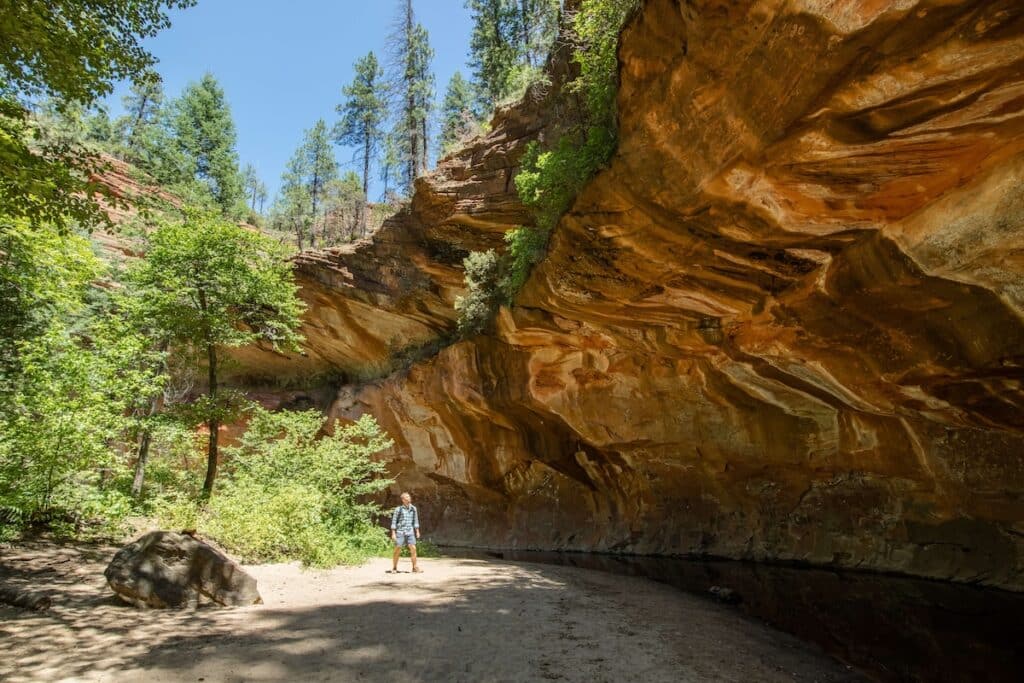
Man walking under red rock overhang on the West Fork Trail in SedonaMan walking under red rock overhang on the West Fork Trail in Sedona
The West Fork Trail is great to do year-round because it stays cooler than other trails in Sedona

In my opinion, the West Fork Trail is a must-do hike when in Sedona. It’s absolutely beautiful and unique and stays cooler than most trails even on hotter days.

The trail runs along Oak Creek’s meandering West Fork in a canyon full of trees that were bursting with fall colors when visited in October. It’s one of the most popular trails in Sedona, though, so go early and don’t expect solitude.

The West Fork Trail is 3.6 miles each way and it’s flat but sandy so the going is slow and there are numerous river crossings.

The river was very shallow when we hiked this trail in October so we were able to easily navigate our way across on rocks or walk across. If you want to wade through the water, I recommend a pair of Astral water shoes which are great for hiking in rivers and streams.

Scenic view of river through a canyon on the West Fork Trail in SedonaScenic view of river through a canyon on the West Fork Trail in Sedona
Pack shoes you don’t mind getting wet since there are numerous river crossings on the West Fork Trail

You can bring a lunch with you to enjoy at a scenic spot along the river, or I highly recommend grabbing lunch post-hike at Indian Gardens on the way back into town. It’s a wonderful little cafe and market with a nice outdoor seating area in the back.

Depending on when you finish your hike, take some time to rest or check out some of the cute shops in town and the Tlaquepaque Arts and Crafts Village (Cocopah and Crystal Magic were favorites).

Then, head to an early dinner at Hideaway House so you can enjoy the views before the sun goes down.

Tip: I highly recommend making a reservation for Hideaway House since it’s one of the most popular places in Sedona to watch the sunset.

Day 3: Choose Your Hike!

  • Morning/Afternoon: Hiking trail options: Bear Mountain, Huckaby Trail, or Boynton Canyon
  • Evening: Dinner at The Hudson

Since there are so many great hikes in Sedona, I wanted to give you some options for day 3.

Bear Mountain Trail

If you’re looking for a challenge, get up before sunrise and hike the Bear Mountain Trail. This is a difficult 4.3 mile out-and-back trail that takes you up to a peak with amazing views.

>> Map: AllTrails, Hiking Project

Huckaby Trail

If you want a more moderate hike, check out the Huckaby Trail (5.7-mile out-and-back) where you’ll find some shade, some nice views of town, and a swimming hole.

>> Map: AllTrails, Hiking Project

Scenic Sedona landscape with red rock mountains in the distanceScenic Sedona landscape with red rock mountains in the distance
Views of Sedona’s red rock bluffs from Huckaby Trail

Boynton Canyon Trail

The Boynton Canyon Trail (6.1 miles out and back) is also a popular trail with beautiful views and is supposedly home to an energy vortex.

>> Map: AllTrails, Hiking Project

Whichever trail you choose, bring a lunch or a good amount of snacks to enjoy on your hike as these will likely take half a day.

After your hike, head to The Hudson for an early dinner so you can beat the crowds and enjoy the views.

Whether on the outside patio or in the dining room with enormous windows, the views are incredible and will make you want to stay for hours. The food is delicious too and the service was superb.

Day 4: Hike Cathedral Rock for Sunrise

  • Morning: Cathedral Rock sunrise hike
  • Afternoon: Depart Sedona
Cathedral Rock in Sedona at sunriseCathedral Rock in Sedona at sunrise
Cathedral Rock is one of the best places in Sedona to enjoy sunrise or sunset

Cathedral Rock is a beautiful hike to do during sunrise or sunset. We opted for a sunrise hike on our last morning since we had a long drive home ahead of us and didn’t want to do anything too major.

We started around 7am as the sun was coming up, but I’d recommend starting even earlier for the real sunrise views from higher up.

You can often see hot air balloons floating over town in the early morning hours too, which is another reason for an early start!

The Cathedral Rock trail is more of a climb than a hike. It’s short (only 1.2 miles round trip), but it’s strenuous because you’re walking/climbing uphill almost the whole way.

There are areas where you’ll need to use your hands to climb, so if you’re afraid of heights this might not be the trail for you – or alternatively – you can just hike up to the point where you’re comfortable then sit down and enjoy the views.

Cathedral Rock Trail Tips

After your hike, grab a quick breakfast at Creekside Coffee, a little cafe across the parking lot from Hideaway House. They have nice coffees, teas, a small breakfast menu, and good vibes although the main event is the views.

If you want a full sit-down breakfast, check out their restaurant Creekside American Bistro downstairs.


Additional Sedona Resources

And there you have it, a 4-day Sedona itinerary for a fabulous Sedona trip! There are so many things to do in Sedona so even if you don’t follow this itinerary exactly I hope that it helps you with your trip planning.

If you’re looking for more ideas on how to customize your trip, check out our other Sedona guides:

  • Best Hikes in Sedona
  • Sedona Travel Guide
  • Best Things to do in Sedona
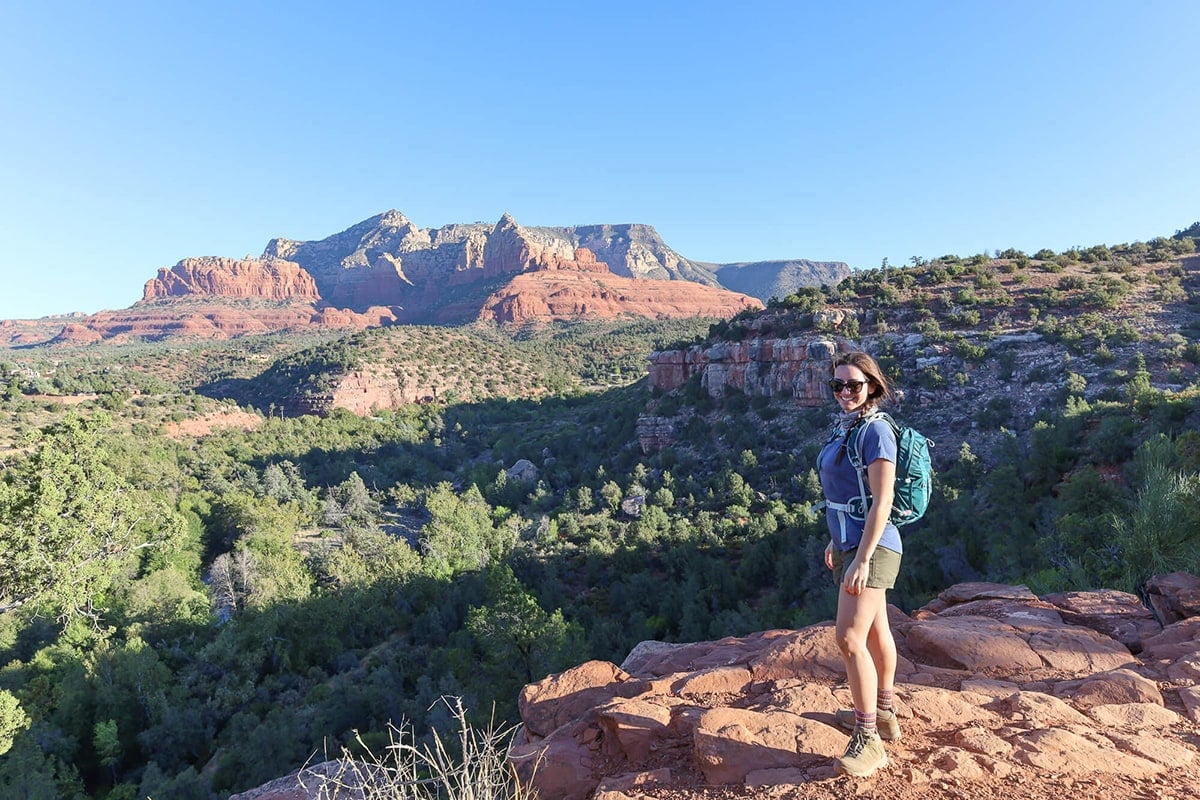
Woman standing at lookout wearing a hiking backpack in Sedona, ArizonaWoman standing at lookout wearing a hiking backpack in Sedona, Arizona

Looking for more adventures in the Southwest? Check out these blog posts to start planning your road trip or getaway:

Save this post to Pinterest

Have you visited or planned a trip to Sedona? What are your favorite hikes, restaurants, and things to do? Leave us your tips and suggestions in the comments below!


Source link

East Coast Expressway LPT3 to constructed with build-operate-transfer financing model: Ahmad Maslan

0


East Coast Expressway LPT3 to constructed with build-operate-transfer financing model: Ahmad Maslan

Construction of the proposed 122 km-long East Coast Expressway Phase 3 (LPT3) will be built using the BOT (build, operate, transfer) financing model, according to Bernama via Malay Mail.

Through the BOT method, the developer company will finance the construction of the LPT3 through the bank, and get a return of profit through collection of toll fare, and once it is completed within a certain period, the project will be returned to the government, said deputy works minister Datuk Seri Ahmad Maslan.

“We have the ECRL (East Coast Rail Line) project, we have the CSR (Central Spine Road), so the ministry’s view of the financing model for this proposed LPT will use the BOT model,” the deputy works minister told the Dewan Rakyat on Tuesday.

East Coast Expressway LPT3 to constructed with build-operate-transfer financing model: Ahmad Maslan

East Coast Expressway

LPT3 is an inter-city highway, which is usually only used by users on the weekend in contrast to the intra-city highway which is heavily used five days a week, so this funding model needs to be carefully researched to benefit all parties,” Ahmad Maslan continued.

Regarding the latest status of LPT3 construction, the project proposal is being examined by the prime minister’s department’s Public Private Cooperation Unit Committee (UKAS), Ahmad Maslan said in reply to Datuk Seri Ahmad Samsuri Mokhtar in the Dewan Rakyat question-and-answer session.

“A project team will also be established by UKAS to prepare papers for the Cabinet meeting to obtain approval in principle to implement LPT3 through a RFP (Request for Proposal) tender,” the deputy works minister said.

Looking to sell your car? Sell it with myTukar.


Source link

2025 Aston Martin DBS successor spied with radical new look

0


Aston Martin has been spotted testing its successor to the DBS for the first time.

Unlike the DB12 and new Vantage, both of which feature designs clearly evolved from their respective predecessor models, the DBS successor, which is rumored to revive the Vanquish nameplate, appears to be a substantially new design.

At the front, there’s an even wider intake than what’s found on the DBS, a model that originally debuted in 2018 as the DBS Superleggera. The headlights appear to follow a similar theme to the lights used on the DB12 and new Vantage, and a conventional hood appears to replace the DBS’s large carbon-fiber piece, which also serves as the front fenders.

The new car looks longer than the DBS, and its C-pillars feature a more classic design as opposed to the floating roof-style design of the DBS. The rear looks like it’s much chunkier, with some influences possibly coming from last year’s stunning Valour coupe.

2025 Aston Martin DBS successor spy shots - Photo credit: Baldauf

2025 Aston Martin DBS successor spy shots – Photo credit: Baldauf

Under the hood should be a more powerful version of the twin-turbocharged 5.2-liter V-12 used in the DBS. The engine delivered 759 hp in the DBS Ultimate final edition, and could spit out closer to 800 hp in the DBS successor. The sole transmission should be a rear-mounted 8-speed automatic, and drive should go to the rear wheels only.

There’s no clear shot of the interior, but a completely redesigned dash with a more advanced infotainment system similar to what we saw in the DB12 and new Vantage is likely planned. The design in the DBS relies on outdated technology borrowed from Mercedes-Benz.

A debut is expected in the second half of the year. That means the car will likely arrive as a 2025 model in the U.S.

The DBS successor will serve as the flagship of Aston Martin’s front-engine lineup. However, the automaker this year will also launch the mid-engine Valhalla that will sit at the top of the lineup and also usher in plug-in hybrid technology at the brand.


Source link

Aston Martin DBS successor spied in pre-production guise

0


Aston Martin is working on a new V12 super-GT. It will replace the DBS Superleggera in the brand’s line-up. We got our first glimpse of the prototype last month. Now, new images have surfaced online that reveal the car’s pre-production bodywork.

The latest test mule of the DBS successor looks quite interesting. It has Aston Martin’s signature grille up front and a long hood with a pair of vents. It has the typical flared wheel arches and a bulbous rear end. Also, note the retractable door handles and the sculpted wing mirrors.

Aston Martin DBS Successor-V12 Super GT-1

The rear section appears to have been inspired by the limited-edition Aston Martin Valour. It features a flat fascia with an integrated spoiler and quad exhausts.

The V12-powered DBS successor is expected to use the same 5.2-liter twin-turbo engine from the DBS 770. That being said, it is likely to be upgraded. The engine produces 759 hp and 663 lb-ft of torque in its current spec. Rumors suggest that the new V12 super-GT could pack 820 hp.

Aston Martin DBS Successor-V12 Super GT-4

This new flagship Aston will take on Ferrari’s upcoming V12 grand tourer. It will be interesting to see how both cars compare on paper, as the latter will use a naturally aspirated V12 engine.

Aston Martin DBS Successor-V12 Super GT-2

Source: CarBuzz


Source link

The Bentley Flying Spur Speed, a $300,000 W12 super sedan

0


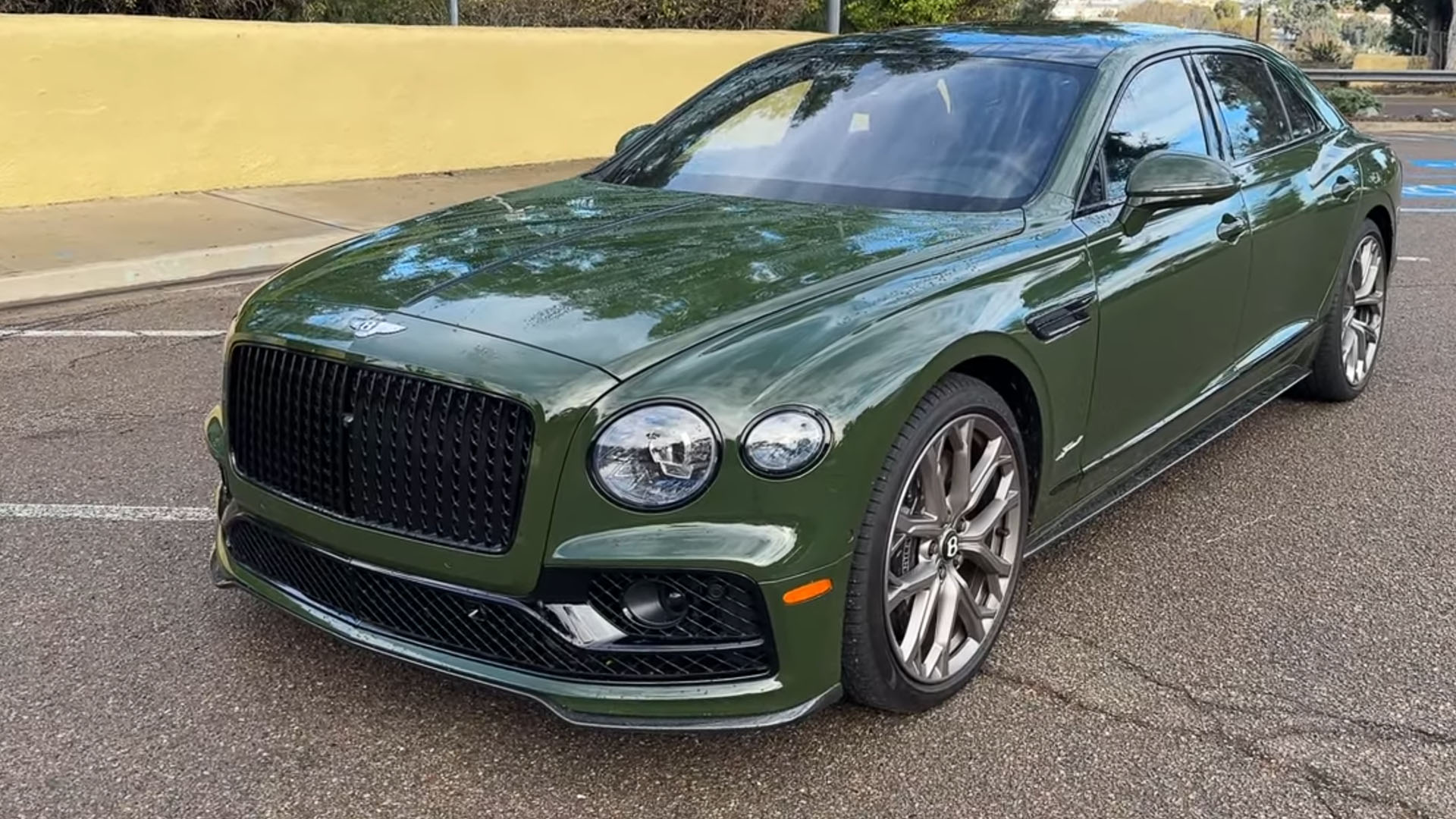
If you are into high-power, super comfortable, massive sedans… look no further, meet the 2023 Bentley Flying Spur Speed, a glorious W12-powered super sedan that marks the end of an era for Bentley as the W12 engine will be discontinued in favor of hybrid-powered Bentley models for the foreseeable future, which is why this model, which comes with a healthy price tag of around $300,000 is a must-have at this moment, cars like this will probably never be made again in the future.

This magnificent sedan delivers no less than 626 bhp and a massive 900 Nm of torque, capable of reaching 60 mph in just 3.7 seconds and reaching an impressive top speed of 207 mph, all while being seated in one of the most luxurious interiors the world has ever seen, sure a Bentley isn’t a Rolls Royce for many, but remember the intention of a Rolls Royce is to ‘be driven’ while you drive your Bentley yourself, why deprive yourself of the feeling of power a Bentley Flying Spur Speed gives you, and with the Adaptive Valve Control in the exhaust, this Bentley roars its W12 engine ever so nicely.

To really get an impression of why the 2023 Bentley Flying Spur Speed should be in your garage, take a look at the latest Doug DeMuro video below:


Source link

Aston Martin DBS successor, Kia Tasman: Car News Headlines

0


Aston Martin’s successor to the DBS has been spotted ahead of an expected debut in the second half of the year. The new car appears to share little design-wise with the DBS, but under the hood should be the same twin-turbocharged V-12 that powers the DBS and a handful of other Aston Martins.

Kia was also spotted testing a midsize pickup truck expected to be called the Tasman. The pickup isn’t likely to be sold in the U.S. Instead, Kia is planning an electric pickup for our market. It should arrive by 2027.

Bugatti recently confirmed that its new hypercar to replace the Chiron will pack a V-16 hybrid powertrain. The V-16 is the brainchild of Rimac founder Mate Rimac, and he and his team started developing the engine even before he was granted the reins at Bugatti by its former Volkswagen Group parent.

You’ll find these stories and more in today’s car news, right here at Motor Authority.

2025 Aston Martin DBS successor spied with radical new look

2025 Kia Tasman midsize pickup spied for first time

Bugatti CEO reveals prototype of Chiron successor’s V-16

Review: 2024 Lexus TX 350 gets the 8-year-old nod

Saudi Arabia shows plans for new F1 circuit boasting wild design

Google-backed Gravity claims fastest EV charging in America

High-performance hybrids from Hyundai N possible, says senior exec

Review: 2024 Mazda MX-5 Miata

Karma to offer updated Revero hybrid alongside new EVs

Analysts: 40% drop in 2023-2025 EV battery prices will boost sales


Source link

New crash safety rules may lead to more buttons, fewer touchscreens

0


The era of automakers trying to squeeze more touchscreens onto vehicle dashboards may soon be coming to an end.

The European New Car Assessment Program (Euro NCAP), the leading body for crash safety in Europe, plans to introduce new rules to its crash testing starting in 2026 that will favor physical controls like buttons and switches over touchscreens for key vehicle functions.

It means automakers looking to score maximum points in Euro NCAP’s crash testing will need to do away with exclusively relying on touchscreens. Initially, the physical controls will be required for five key functions: operating the turn signals, hazard lights, windshield wipers, emergency calls, and the car’s horn.

According to Matthew Avery, the director of strategic development at Euro NCAP, the reliance on touchscreens mean drivers are obliged to take their eyes off the road at critical moments.

“The overuse of touchscreens is an industry-wide problem, with almost every vehicle-maker moving key controls onto central touchscreens, obliging drivers to take their eyes off the road and raising the risk of distraction crashes,” he told The Times in an interview published on Wednesday.

Although Euro NCAP testing is voluntary, most major automakers in Europe use its crash testing to highlight the safety of their vehicles. It means design changes made to vehicles in Europe to meet the new requirements will likely also appear in vehicles sold in the U.S.

Some automakers have already started adding back some physical controls after receiving negative feedback from customers. One of them is Volkswagen, which has been criticized for an overreliance on touch controls on vehicles such as the Golf and ID.3 hatchbacks.


Source link

The Tommykaira ZZ Is A British-Built Japanese Lightweight Masterpiece

0


Caterham, Austin-Healey, MG, Triumph, Morgan, Noble, Sunbeam, Ariel, Ultimate, Lotus and Tommykaira – all manufacturers who have built fun-to-drive sports cars while employing varying degrees of lightweight philosophy. Surprisingly, all these cars were made in Great Britain.

I say ‘surprisingly’, because Tommykaira – who I recently met the two founders of –  is of course a Japanese manufacturer, and we all know the Japanese have a pretty decent reputation when it comes to making sports cars and people movers alike. So why turn to the Brits? Surely the Germans or the Swiss would be better people to collaborate with for precision manufacturing favours?

Toby_Thyer_Photographer-44

We all know the Japanese are sticklers for rules and regulations, and those things make it difficult when you’re trying to design and build your own low-volume sports car for use on public roads, as Tommykaira planned to do with their ZZ. It was always going to be much easier to pass regulations somewhere else, and then import the cars into Japan for domestic sales.

But to answer my initial question – why Britain? The reasons are many.

Toby_Thyer_Photographer-5

Not only is there a long-standing tradition of building (sometimes terrible) small two-seater sports cars with optimistically open roofs (the British summertime being notoriously wet) in Great Britain, there’s also a network of some of the greatest automotive artisans, designers and parts suppliers in the world, all based on a little island no bigger than Japan itself. I’d say the Brits and the Japanese are somewhat kindred spirits in many ways.

Toby_Thyer_Photographer-4

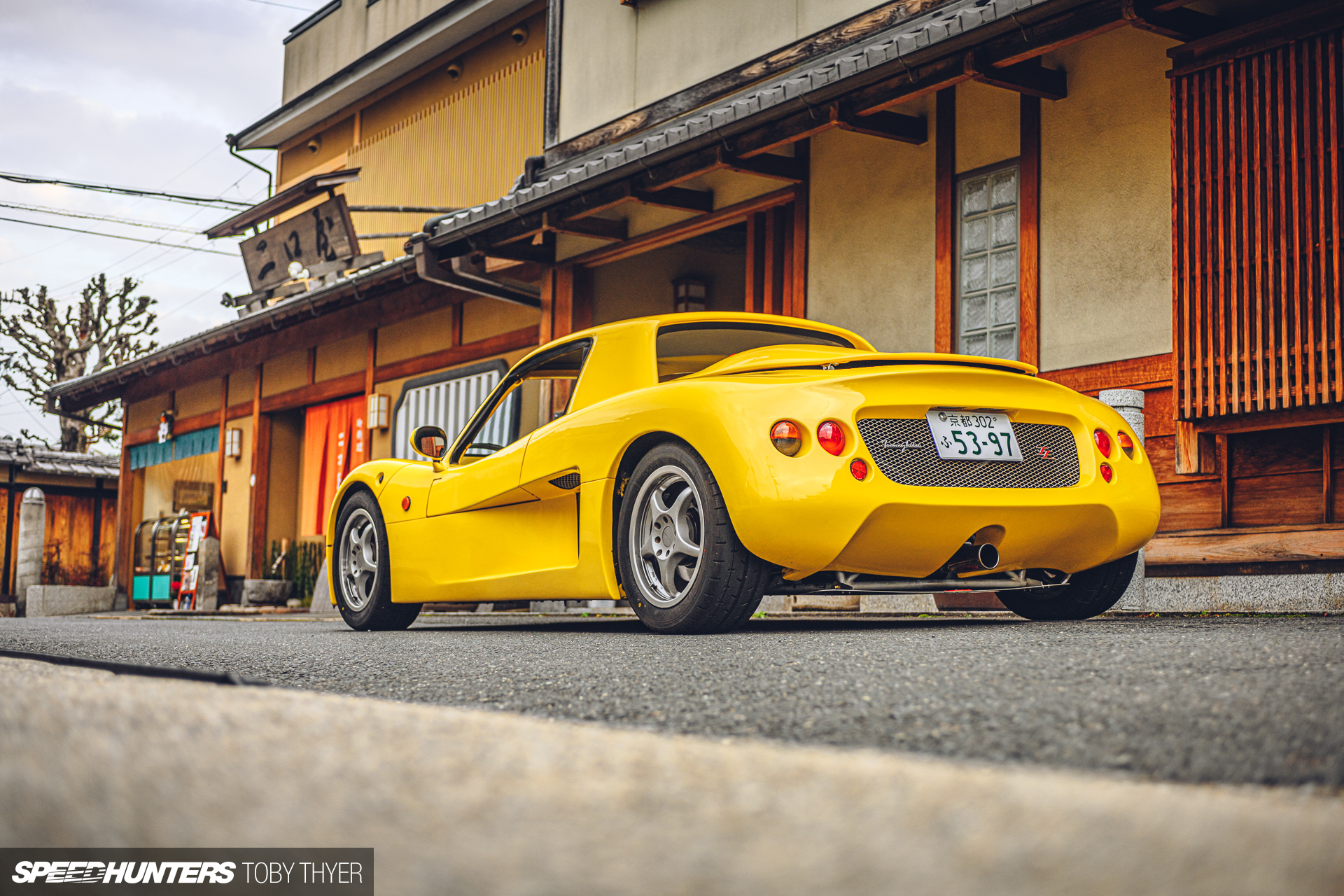
The Tommykaira ZZ was built in Norfolk at Tomita Auto UK by a team of Brits, under the supervision of the head of TOM’S Racing, Mr Hiroshi Fushida. In total, around 220 ZZs were manufactured during the car’s four-year production run between 1996 and 2000, with 206 units exported to Japan.

Toby_Thyer_Photographer-53

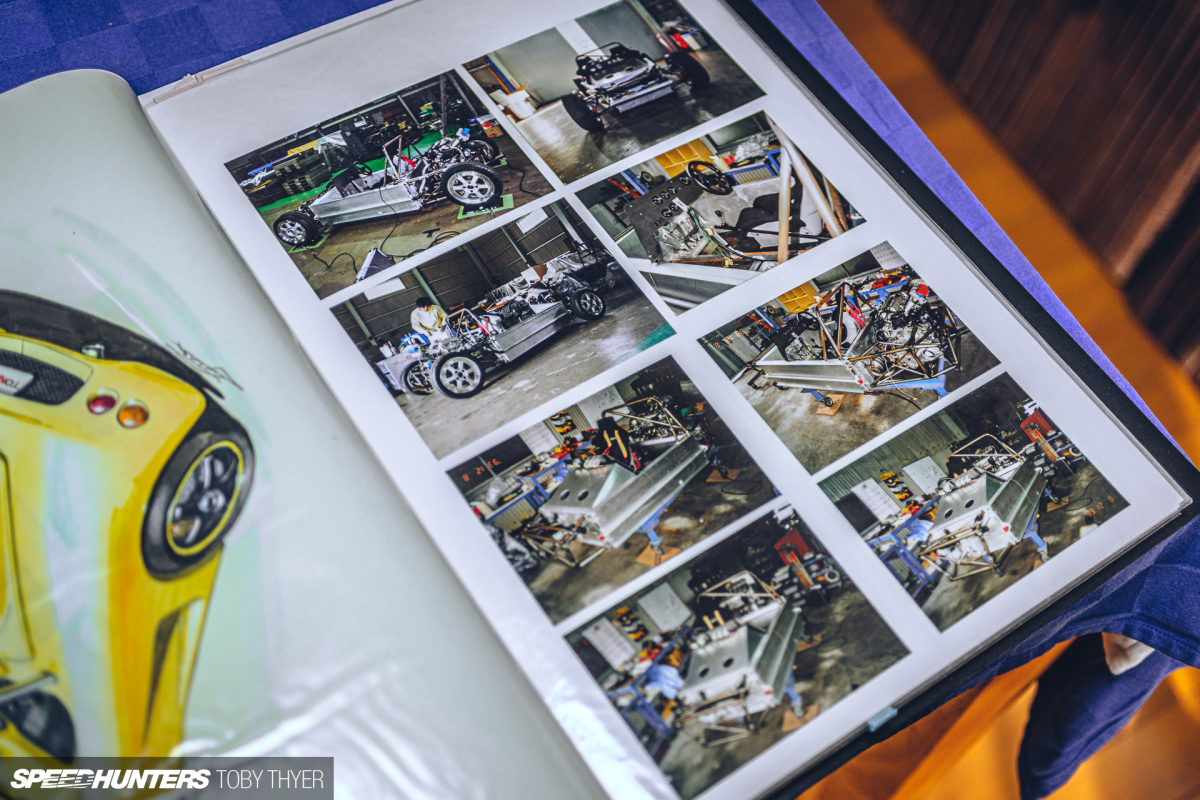
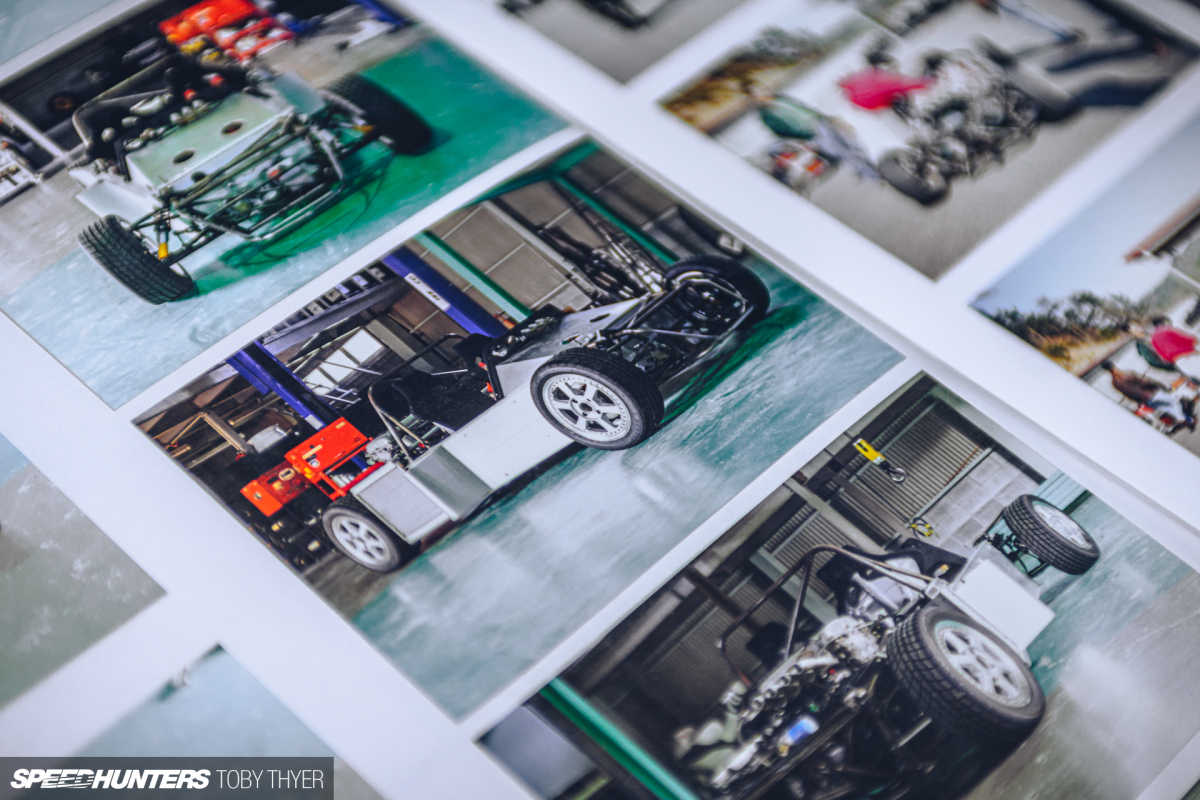
At the ZZ’s unveiling in 1995, parallels were immediately drawn with the Series 1 Lotus Elise, which had been announced in 1994. Both cars used an extruded aluminium chassis – the ZZ’s monocoque manufactured by Arch Motors, who also built chassis for Lotus, Brabham and McLaren among others – both were rear-mid engined, compact, and had adorable little faces.

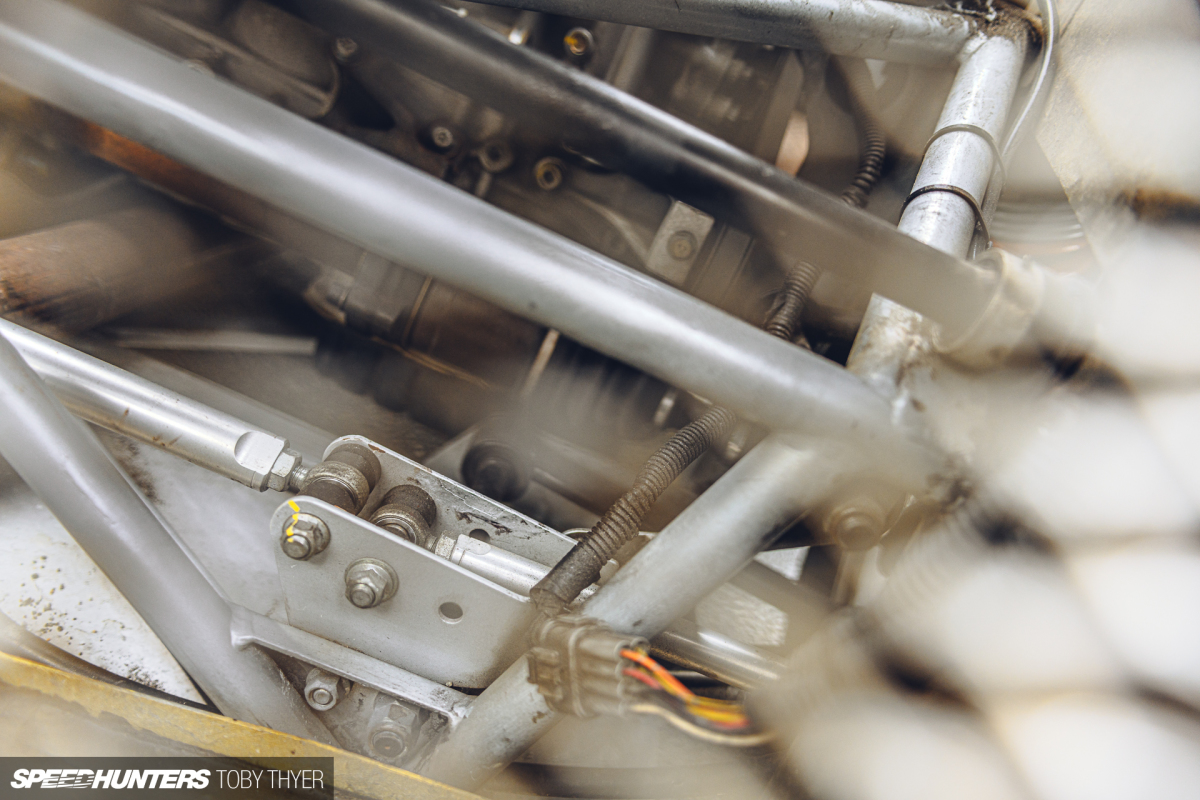
The construction of the Tommykaira ZZ was a little more motorsports-inspired than the Elise, with front and rear tube frames rather than a complete integrated chassis. Incidentally, the ZZ was conceived (1991), developed (1992), and produced and put on sale before the Elise.

Toby_Thyer_Photographer-18

However, the comparisons between the ZZ and the Elise were more than casual observations made by journalists and road testers at the time, because the lightweight ethos championed by Lotus founder Colin Chapman resonated with Tommykaira founders Tomita-san and Kaira-san, and was a huge inspiration for the ZZ.

Prior to co-founding Tommykaira, Kaira-san was deeply involved as a driver and engineer in F1 and Formula Junior, were he had raced head-to-head with the likes of Lola and Lotus. Aspirations of lightweight construction and precision handling had unsurprisingly rubbed off on him.

Both Tomita-san and Kaira-san worked on the ZZ’s design, with sketches hand-drawn by Mr. Takuya Yura of Mooncraft fame. Clay models were also constructed and refined at Mooncraft in Japan.

Toby_Thyer_Photographer-12

During the design process, a few different headlight designs were considered, however, Tomita-san wanted the car to look like a friendly little animal, so ultimately the round frog-like lamps were chosen.

Most ZZs have the turtle shell-inspired roof which bolts onto the upper roll cage, but the car I photographed for this story is fitted with the optional hard top. The normal roof is attached to the engine cover in this instance.

Toby_Thyer_Photographer-35

Because of Tommykaira’s ties with Japanese automakers, the ZZ used a Japanese engine – specifically a Nissan Pulsar-spec naturally aspirated SR20DE. For use in the ZZ, the 2.0-litre DOHC 16-valve four-cylinder engine was rid of its fuel injection system and retrofitted with four 45mm Keihin carburettors.

Kaira-san told me that carbs were chosen over injection primarily for driver enjoyment. He wanted owners to hear the ZZ’s engine breathing down their necks whenever they stepped on the gas.

Toby_Thyer_Photographer-34

I can confirm that the cockpit is a visceral place to be. The senses are fused with the mechanics of the car, and not just because there’s only a single piece of glass separating you from the engine.

Toby_Thyer_Photographer-30

The ZZ’s low seating position, rose-jointed suspension and rigidity of the chassis all send sharp pulses of information from the road directly to your tailbone. It’s also tiny; a reverse Tardis. I’m not a large man, but even for me, getting in or out of this ZZ was a real struggle. The small interior proportions do mean, however, that there are just a few centimetres between the steering wheel and gear shifter.

Toby_Thyer_Photographer-6

At the time, the chassis design of both the ZZ and Elise really were cutting edge. If you wanted a car built upon a lightweight aluminium monocoque chassis in the mid-1990s, your choices were either an F1 racer or a Honda NSX. In that regard, the ZZ had an incredible power-to-weight-to-price-tag ratio. It produced 180PS but only weighed 650kg, which meant it had the same power-to-weight ratio as Tommykaira’s contemporary 550hp BNR32 Skyline GT-R that joined us on the shoot.

Toby_Thyer_Photographer-15
Toby_Thyer_Photographer-20

Just like the Lotus models that Tomita-san and Kaira-san revered so much, the ZZ was also designed to handle. Double wishbones all round connected to steel tube frames gave the little car roadholding to match its acceleration – 0-100km/h coming up in around four seconds. From the moment you worm your way into the snug little bucket seats, the ZZ is fast, noisy, terrifying and brilliant.

Toby_Thyer_Photographer-42

How have these Japanese-designed, British-built two-seaters held up over the past 30-odd years? If this car is anything to go by, surprisingly well I’d say. The panel gaps are snug, the FRP gel-coat shows no signs of cracking, what few rubber seals there are seem supple, there isn’t any rust on the tube frames, and that SR20 is running smooth as a sewing machine. The Tommykaira ZZ’s design still looks great today, in a retro mini-supercar kind of way.

Toby_Thyer_Photographer-21

While the Tommykaira ZZ is a masterpiece of Anglo-Japanese auto engineering in stock form, you might be wondering if there are any crazy modified examples out there? Yes there are, and I have one to share with you very soon.

Toby Thyer
Instagram _tobinsta_
tobythyer.co.uk


Source link