Work from home jobs for teens are becoming more popular, especially among Filipino digital nomads and children of OFWs. Many teenagers are now looking for legitimate online jobs to earn extra money while studying or traveling.
There are plenty of employment opportunities available online. These remote jobs can also help you build work experience. You’ll improve your grammar, accuracy, and even earn passive income over time.
Speaking of guides, my new ebook, “The A-Z on How to Become a Digital Nomad“, is the valuable resource you need! It covers freelancing, remote work tools, and tips to live and work from anywhere in the world. Grab your copy today!
If you’re a young person looking to start your online career, this guide will show you how to find work-from-home jobs, what job requirements you need, and where to apply!
Why Work from Home as a Teen?
Earn money early – Gain financial independence while studying.
Flexible schedule – Work around school or family time.
Build skills – Improve your technical skills, writing, spreadsheets, and customer service experience.
Work from anywhere – Whether in the Philippines or abroad, you can work as long as you have internet.
Boost your mental health – Reduce stress by working from the comfort of your home.
Explore summer job and internship opportunities – Gain valuable skills while making money.
Best Work from Home Jobs for Filipino Teens
Freelancing
If you love writing, designing, or editing, freelancing is a great option. You can offer your services on platforms like:
💡 Tip: No prior experience? Start by tutoring your younger siblings or classmates!
Content Creation
Do you enjoy making YouTube and TikTok videos or writing blogs? Content creation is a fun way to earn. You can even become a social media manager or run your own social media accounts.
💡 Tip: Use SEO-friendly terms and trending hashtags on Instagram and other platforms.
Website Testing & Data Entry
Companies pay users to test websites for usability, complete online surveys or enter data.
Creative Side Jobs
Love creativity and crafts? Try:
Selling handmade items on Etsy.
Working as a video editor for small YouTubers.
Becoming a proofreader for blogs or school papers.
Trying paid gigs as a product tester for tech or skincare brands.
💡 Tip: Always check local laws about teen work and ask for parental help during the application process.
Common Challenges & Solutions for Teen Remote Workers
Getting Parental Permission
Many online platforms require minors to have parental consent before signing up for a job. This can be a hurdle, but it’s essential for your safety.
💡 Solution: Have an open conversation with your parents about your work plans. Show them how the platform works, the job requirements, and how you’ll handle payments. If needed, ask them to help set up your account or monitor your transactions.
Scams are common in online job markets, making it difficult for teens to find trustworthy employers.
💡 Solution: Stick to well-known job platforms like Upwork, Fiverr, and Preply to ensure legitimacy. Avoid jobs that ask for an upfront payment, request sensitive personal information, or sound too good to be true.
Balancing school, home responsibilities, and work can be overwhelming.
💡 Solution: Use productivity tools likeGoogle Calendar andNotion to plan your schedule. Set specific work hours and break times to avoid burnout.
Protecting Personal Information
Sharing too much personal data online can put you at risk for identity theft or fraud.
💡 Solution: Never share sensitive details like your home address, phone number, or banking information on public platforms. Stick to verified community organizations and trusted job sites that offer secure payment options.
Some platforms require payment methods that might not be available to minors.
💡 Solution: Use a parent’s or guardian’s PayPal, Payoneer, or GCash account with their permission. Keep records of your earnings and withdrawals to ensure proper tracking.
Final Thoughts
Working from home is a great way for Filipino teens to earn money while learning valuable skills. Whether you’re freelancing, tutoring, or creating content, there’s an online job for you.
If you’re looking for teen jobs, internships, or a part-time job, these platforms are a great start. Build your portfolio, practice your grammar, and grow your communication skills.
Start small. Keep improving. Soon, you’ll be earning from anywhere in the world!
FAQ
Can teens work online without experience?
Yes! Many jobs, like data entry and website testing, don’t require experience. Start small and build your skills or work experience.
Are online jobs for teens legal?
Yes, but some sites require parental permission for minors under 18.
A Breguet tourbillon wristwatch is perhaps the most tourbillon of all tourbillons. Founder Abraham-Louis Breguet patented the mechanism in 1801, after all. A gem-set tourbillon wristwatch, such as the Classique Tourbillon 3358 adds an opulent dimension that reminds us all that the watchmaker once served both the Capetian and Bonaparte dynasties. Revealed late last year, this watch is a dazzling fusion of technical ingenuity and high jewellery craftsmanship, paying homage to the legacy of Breguet and to revolutionary spirit (in multiple senses of that word). The press release from present-day Breguet even goes so far as to suggest that reference 3358 is a work of art, but that is up to you, dear reader.
Breguet Classique Tourbillon 3358
At the heart (here at 6 o’clock) of the Classique Tourbillon 3358 is the tourbillon, which evens out timekeeping rate errors caused by gravity’s influence on the hairspring. In this latest creation, the tourbillon is part of Breguet’s in-house calibre 187D, a manually wound movement assembled from 187 meticulously crafted components (no indication that the calibre name is a reference to the number of components). Operating at a frequency of 2.5 Hz or 18,000 vibrations per hour (vph), the movement exemplifies the traditional watchmaking values of the brand; this calibre, also in use in other Classique references, does not rely on a silicon hairspring.
Breguet Classique Tourbillon 3358
The design of the 3358 is as arresting as its engineering. Housed in a white gold case, the watch is lavishly set with diamonds, imbuing it with an aura of refined opulence. The dial, also in white gold, is transformed into a luminous canvas by the application of 281 brilliant-cut diamonds (using the signature “snow- setting” technique for the subdial at noon). This intricate method, which arranges the diamonds in precise, overlapping rows, gives the subdial a shimmering quality reminiscent of a starlit sky. The off-centred hour ring fashioned from natural white mother-of-pearl, accented by black Breguet numerals and complemented by open-tipped hands in blued steel, ensures both readability and aesthetic balance.
Breguet Classique Tourbillon 3358
The fluted crown, adorned with a rose-cut diamond, further underscores the model’s sumptuous details, while a sapphire crystal case back with an anti-reflective coating protects and showcases the intricately decorated movement within.
Breguet Classique Tourbillon 3358
In a market like Singapore, where precision and aesthetics are both prized, the Classique Tourbillon 3358 sets a new standard. By marrying historical significance with contemporary design, Breguet has once again created a timepiece that not only pays tribute to the genius of Abraham-Louis Breguet but demonstrates the other core competencies of the contemporary brand.
Movement: Manual calibre 187D with tourbillon; 50-hour power reserve Case: 35mm in white gold (gem-set bezel, lugs and crown); water-resistant to 30m Strap: Blue leather Price: USD 248,000
This story was first seen on WOW #76 Spring 2025 Issue
For more on the latest in luxury watch reads from WOW, click here.
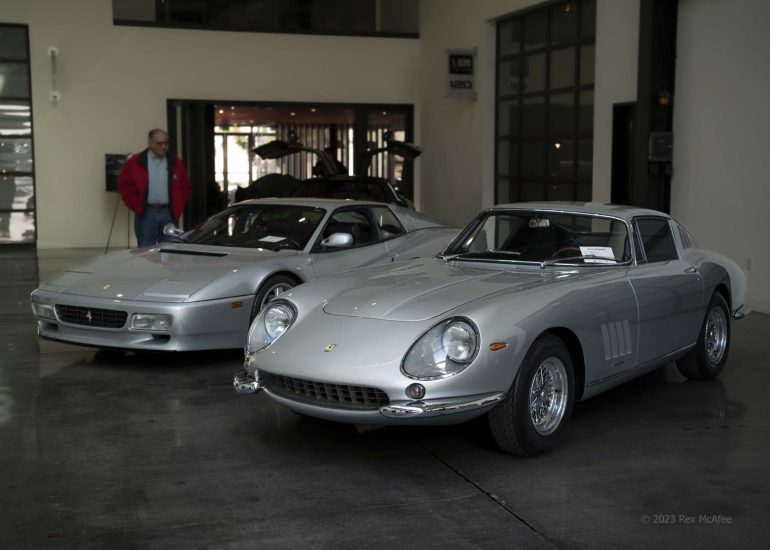
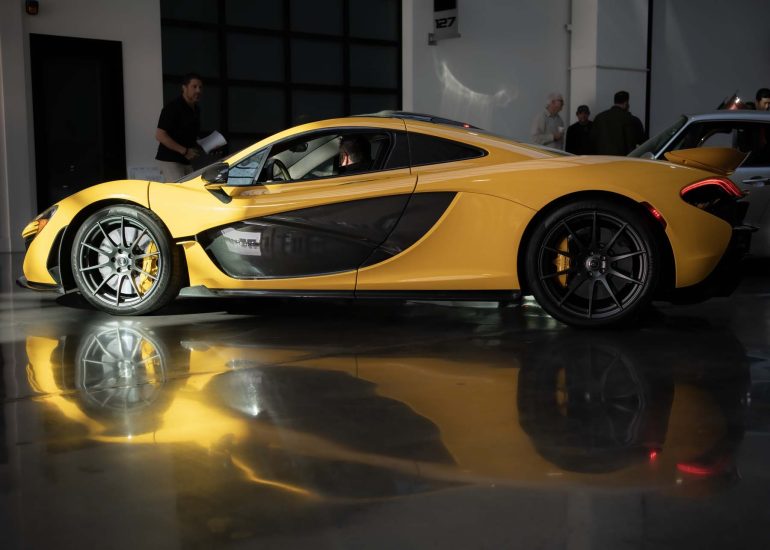
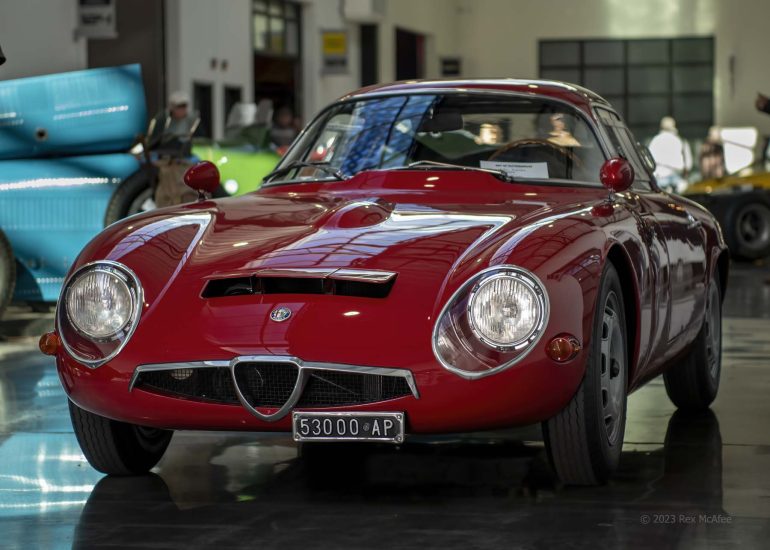
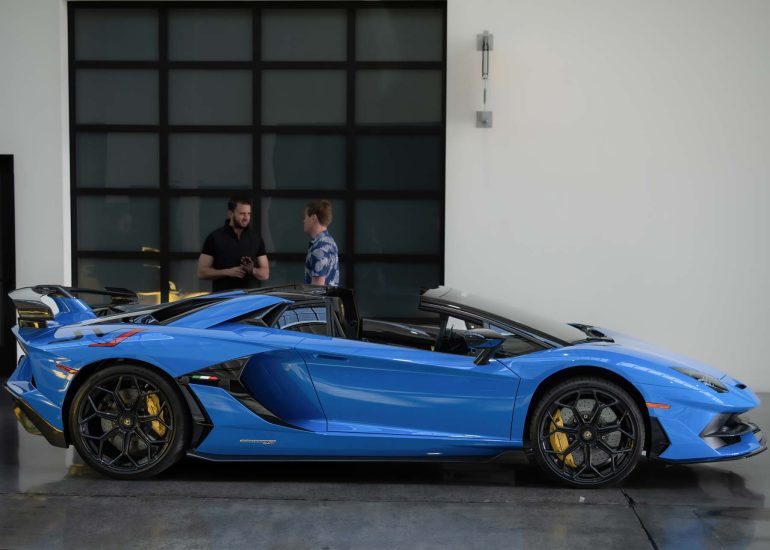
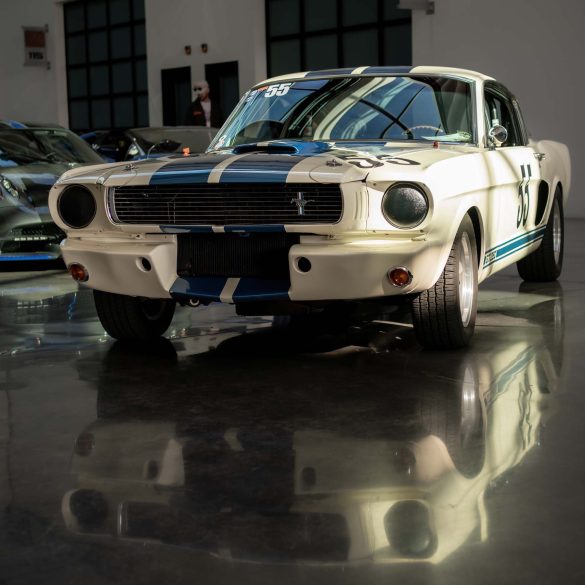
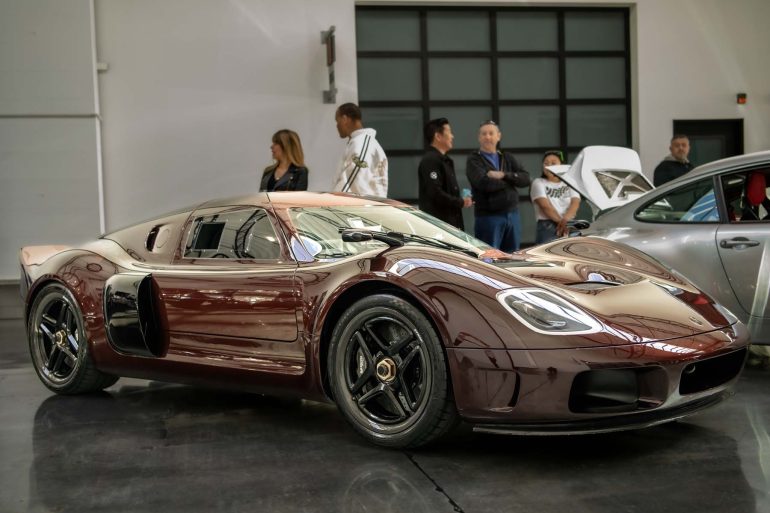
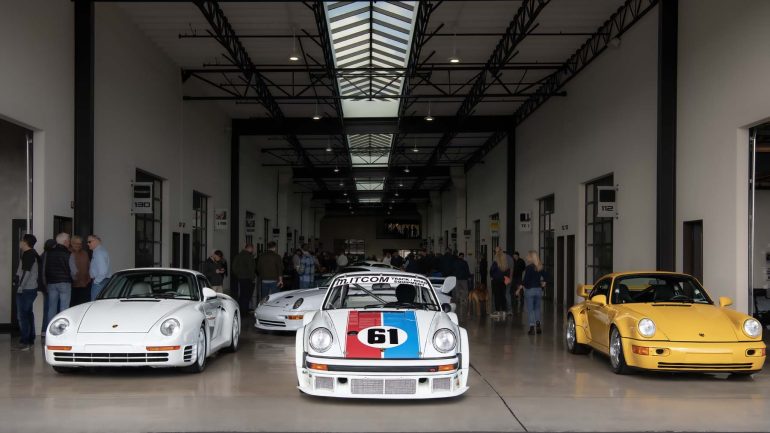
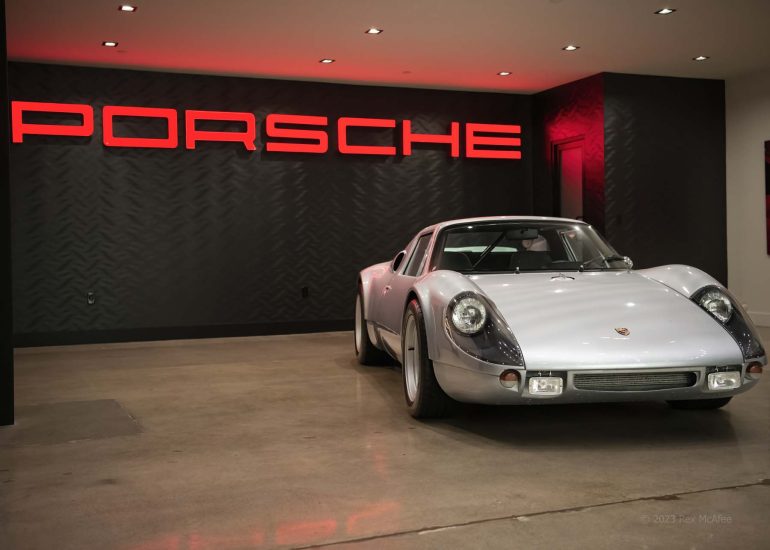
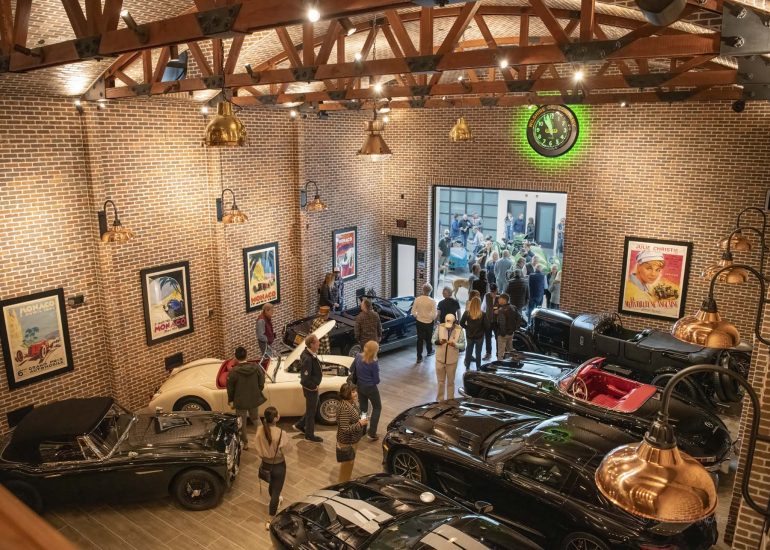
Akin to splurging on a first-class airline ticket or tasting an exceptional glass of wine, it’s never easy “going back” to what you can realistically afford. The same can be said of car shows; enjoy an afternoon on the lawns at Pebble Beach, and you’ve just raised the bar, for better and for worse, to appreciating the automobile. Hence it was with some surprise that I was impressed after attending a local car gathering held of all places, at a car storage facility. But to be fair, this is the opulent world of Southern California car culture, so leave those visions of an old Sears building behind.
Behind most novel ventures is a person that found a way to create reality out of a fleeting thought. For both the car storage facility named Finish Line Auto Club and the Art of the Automobile show, this would be Tony Principe. As he explained, he and his father started buying and rehabbing distressed commercial properties in 1994. As real estate in Southern California tends to be at a premium, they combined its demand and industry knowledge to build a successful business.
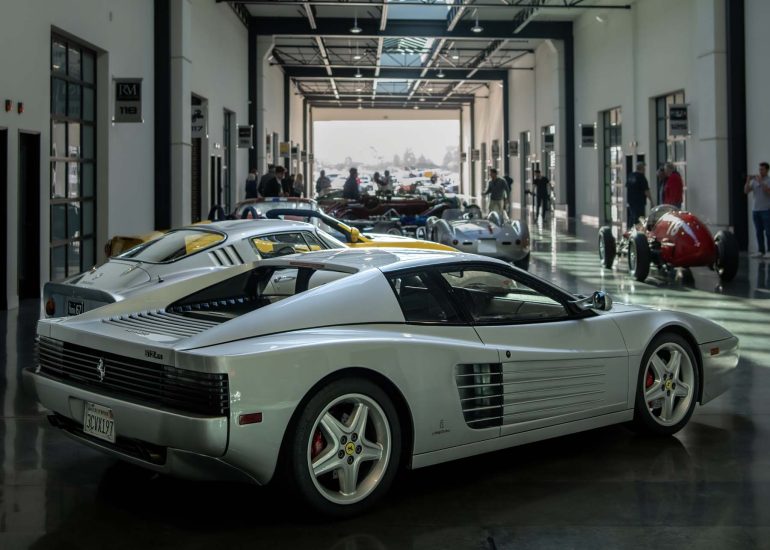
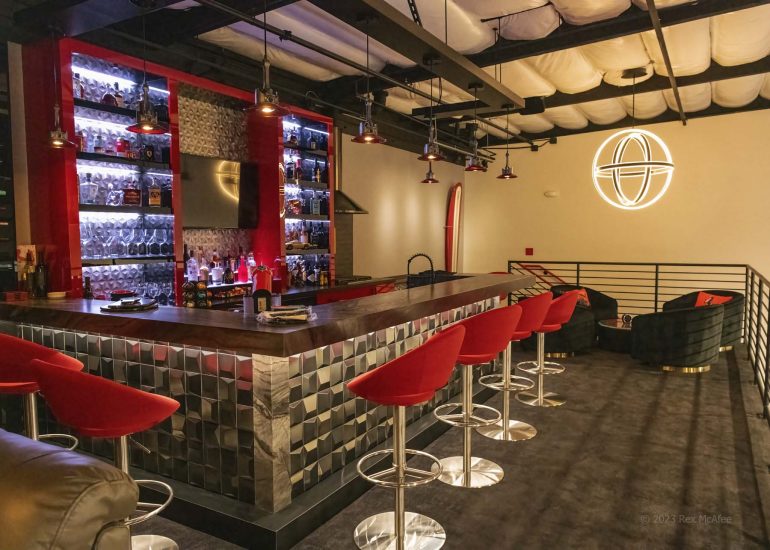
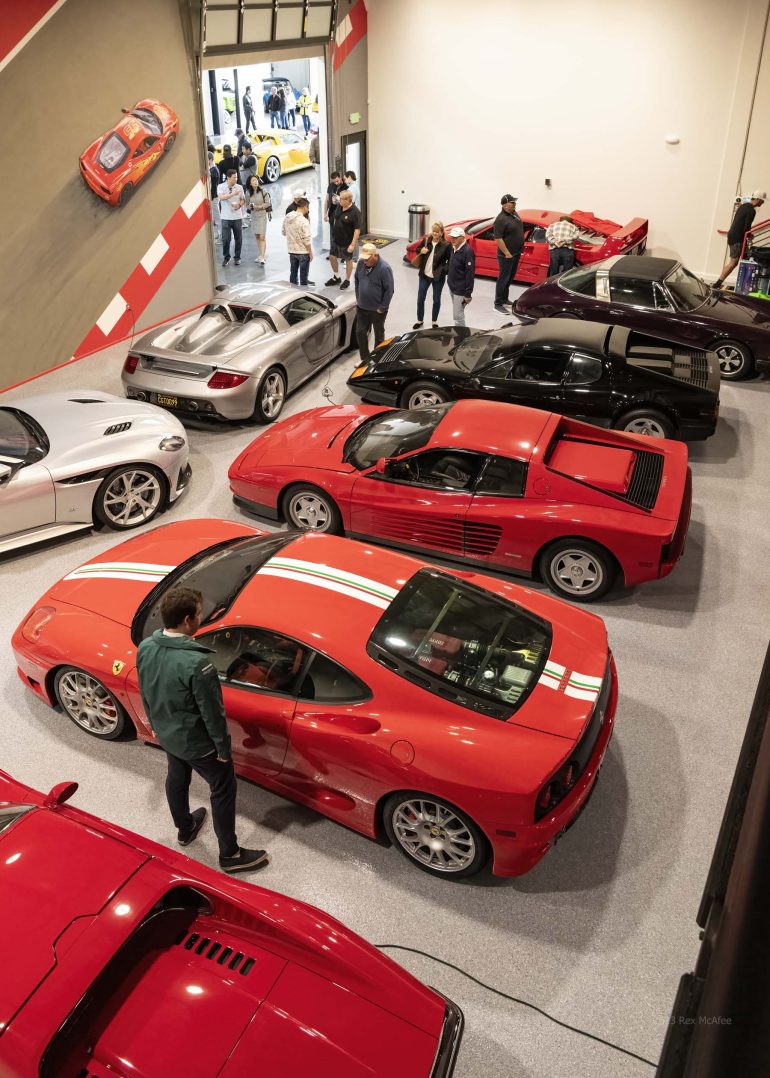
Being cars guys with no more room left in their garages, Tony and his dad couldn’t resist the temptation in 2000 to keep a few of the spaces in one of their buildings for themselves. As they spoke to their car buddies, they realized how others had the same challenge of finding space in a secure location, hence the incentive to create Finish Line Auto Club; a “country club” of sorts designed for car guys, by car guys. Members buy their spaces (car condos) and create their own vision of the ultimate man cave. A common lounge area encourages socializing and is used for private events etc. Tony’s first location in Westlake was so successful that a second was built near John Wayne Airport in Orange County.
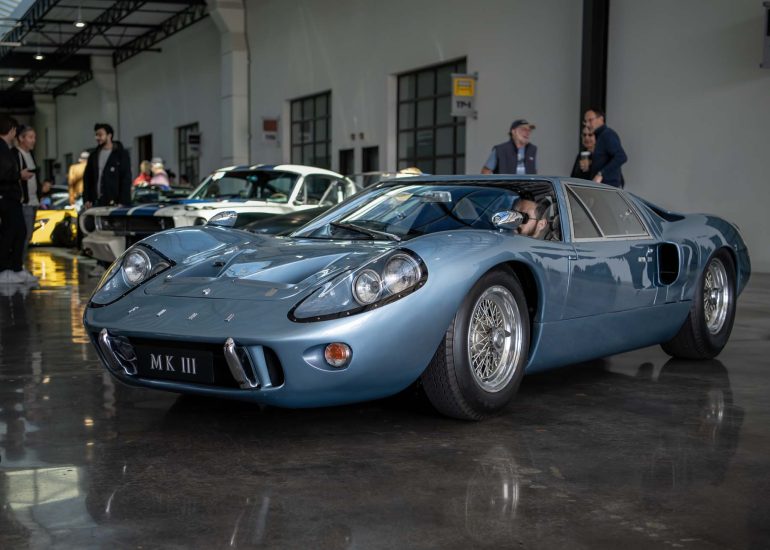
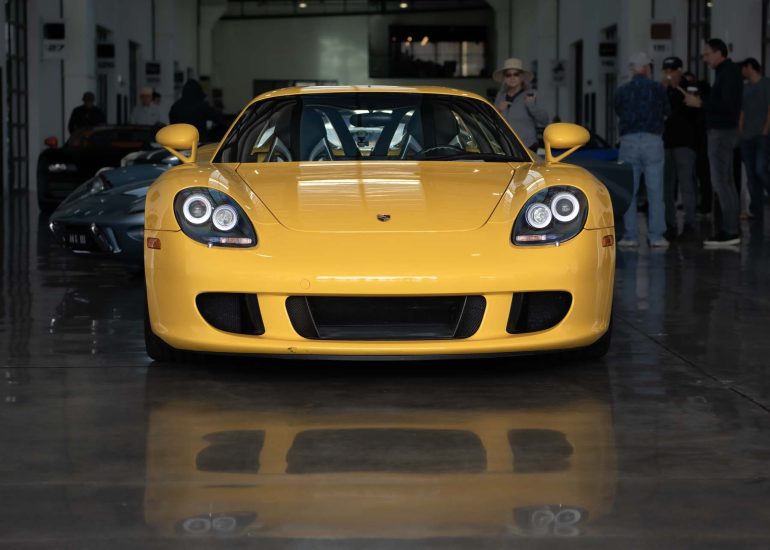
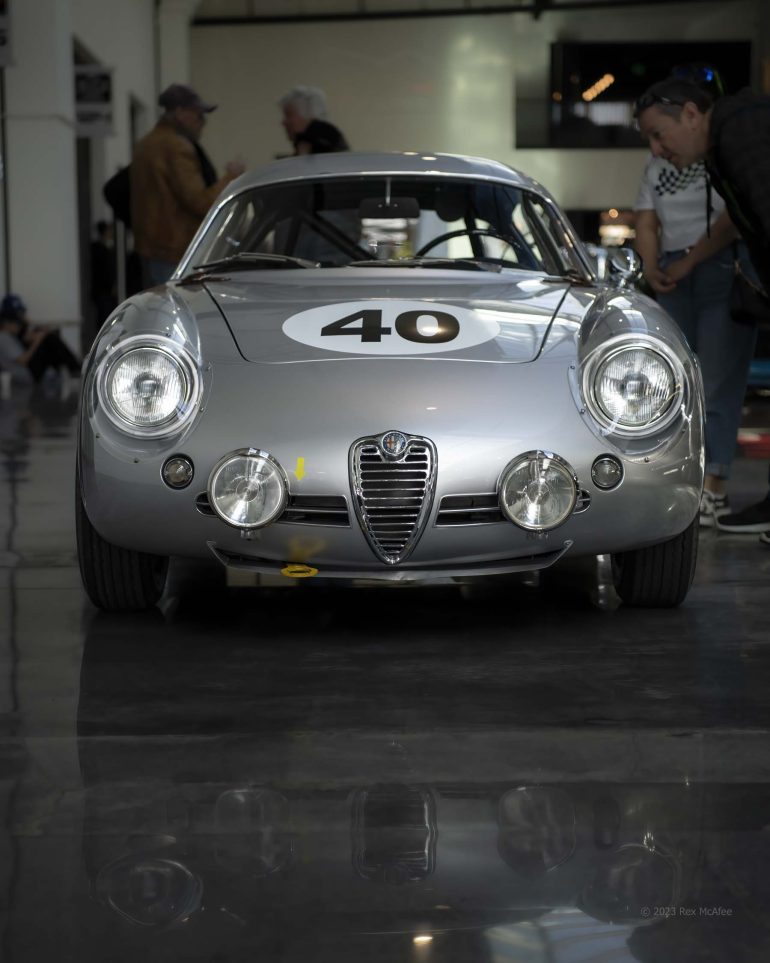
Because the Orange County Finish Line has a large indoor ally down the center of the building, Tony figured it was time to hold a car show among the owners, so Art of the Automobile was born. The first edition was held in 2022, themed Evolution of Design. Tony himself picked the cars among the condo owners with the goal of placing the first and last of the same model next to each other (e.g. 1965 Porsche 911 next to a new 911). This year’s show was titled “Beauty in Design” and aimed to show early race and touring cars alongside their contemporary counterparts (imagine a Ford GT-40 next to a modern Ford GT).
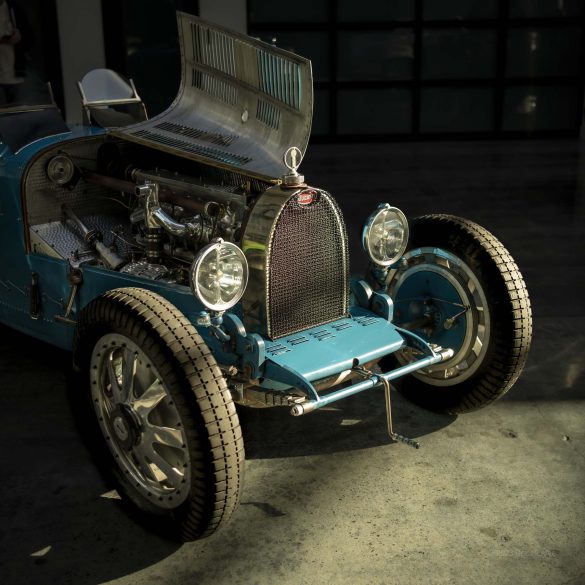
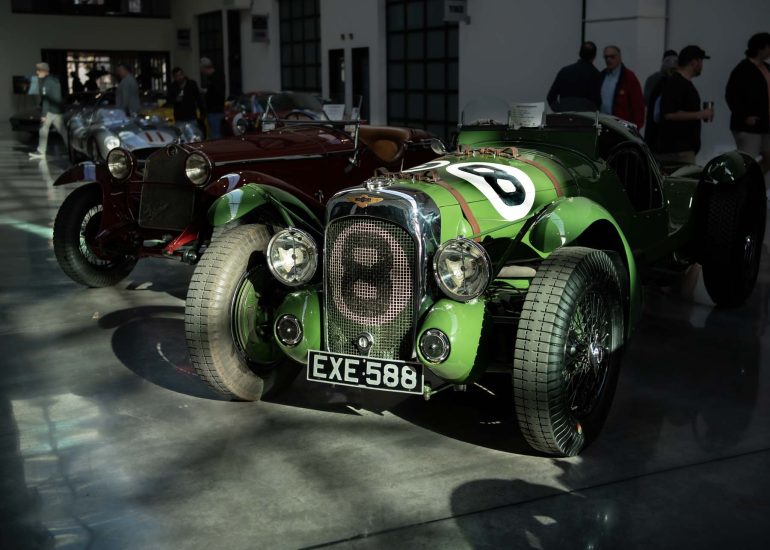
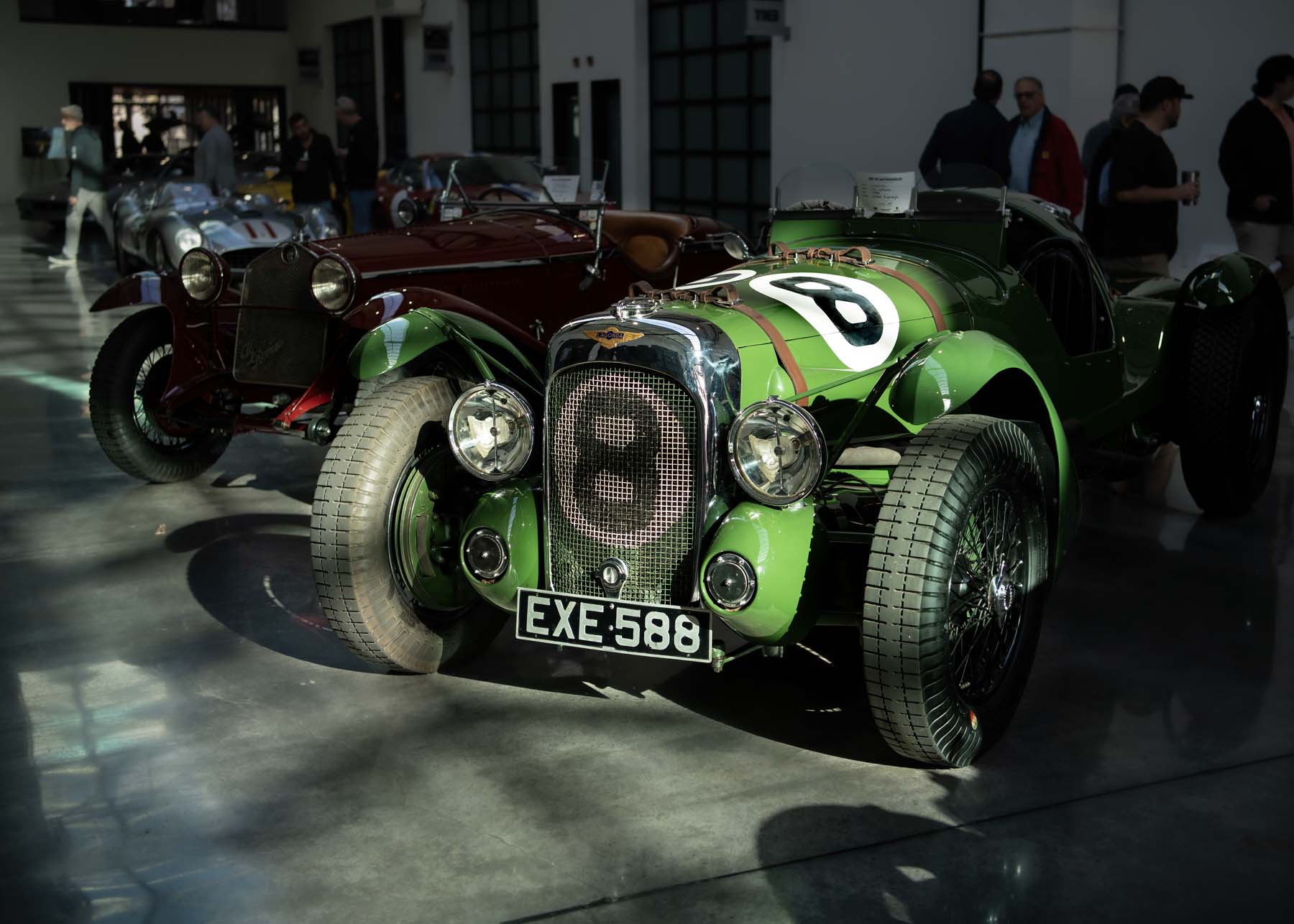
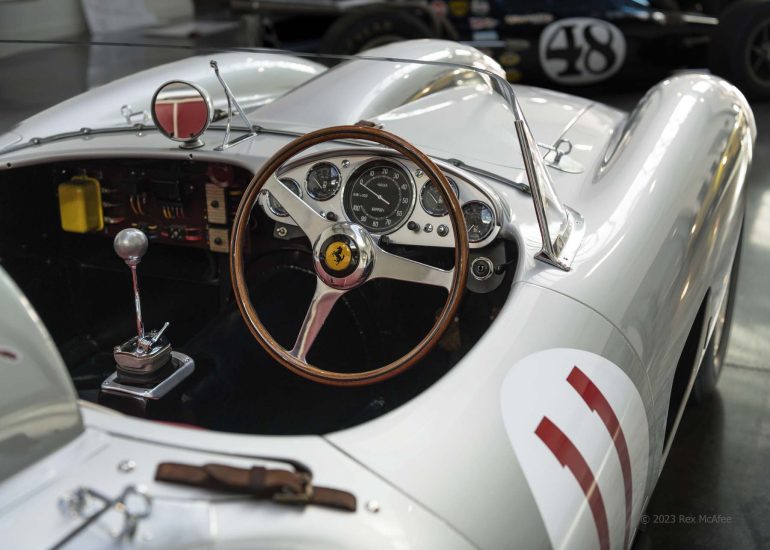
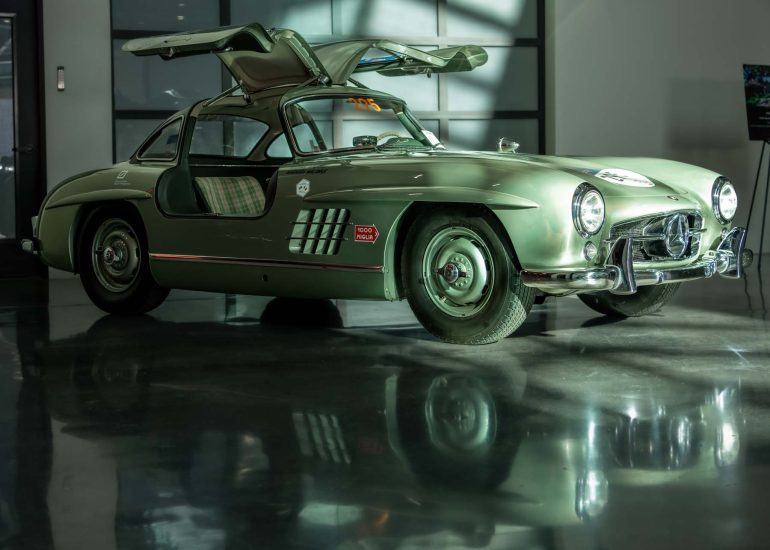
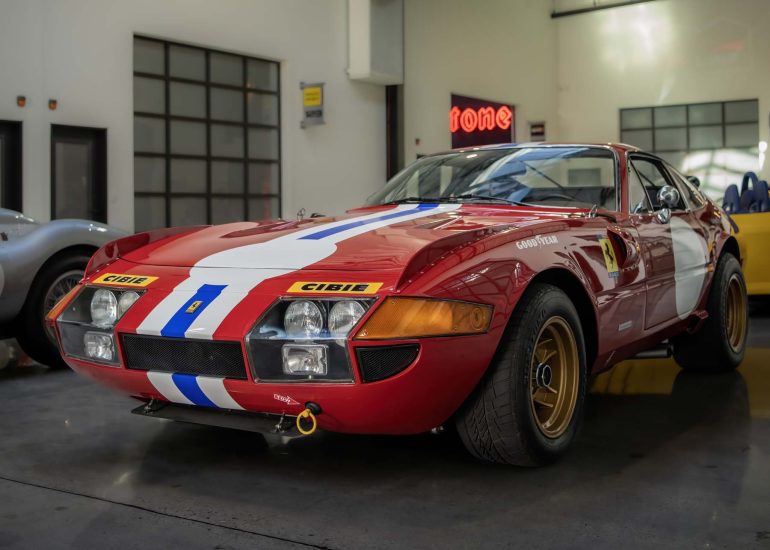
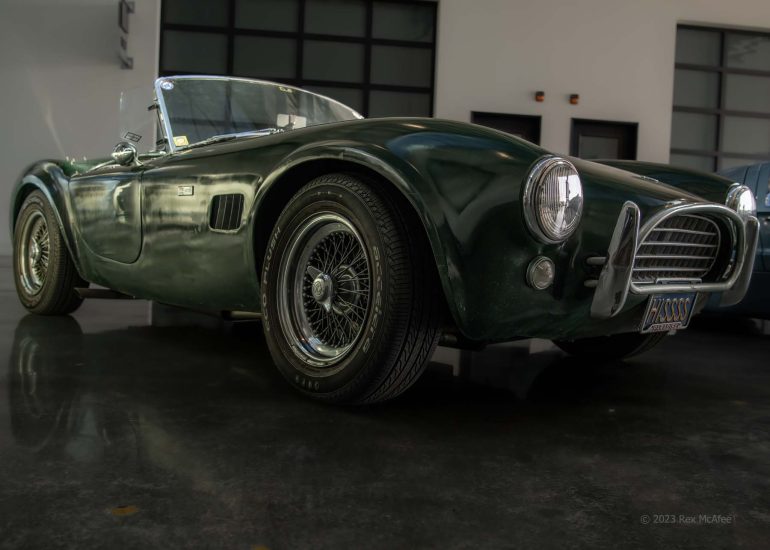
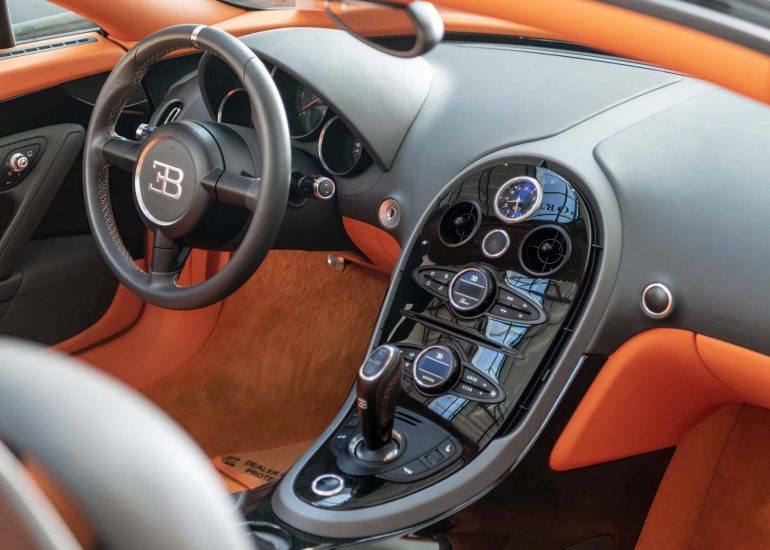
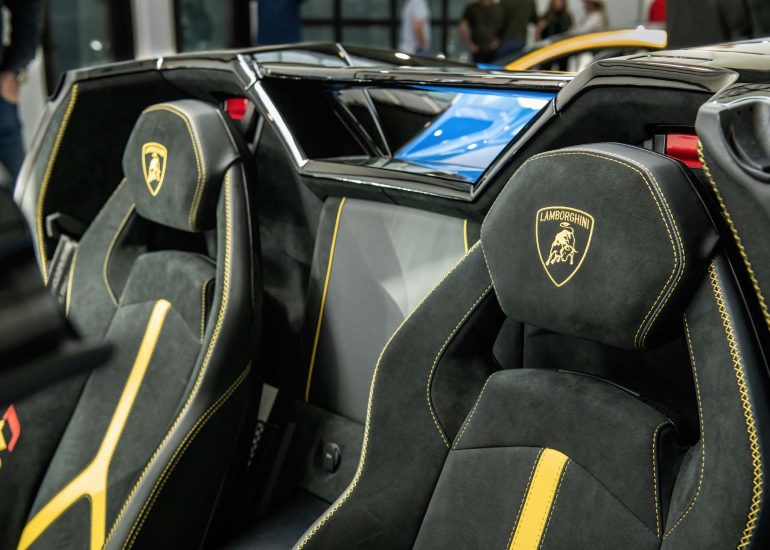
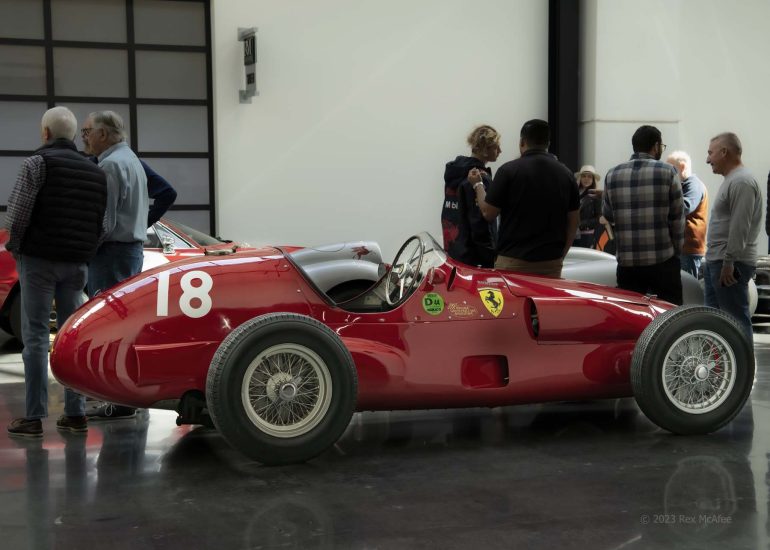
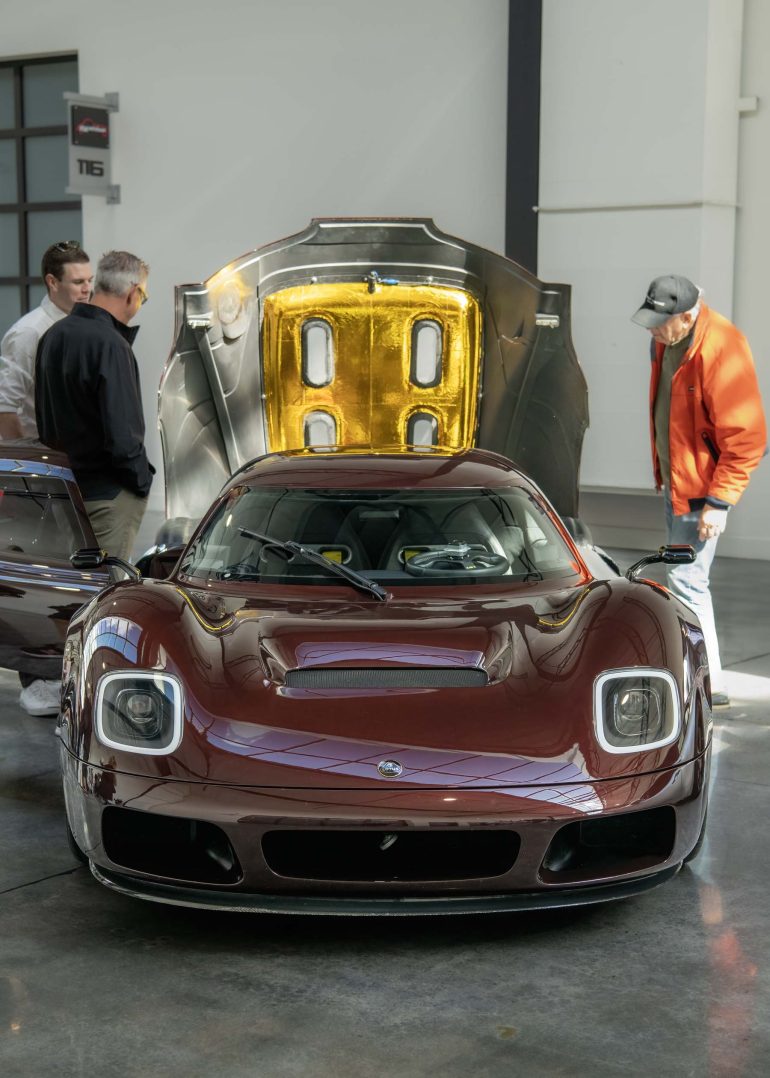
As for the cars on display, the variety was huge, and almost all of them simply came from the collections of the unit owners at Finish Line. Some cars were literally rolled out of their units onto the show aisle. Some of my favorites were a 1957 Ferrari 250 Testa Rossa, a 1927 Bugatti Type 35B, and a 1967 Gurney Eagle F1 racer. Oh…and I guess I shouldn’t forget an original condition, Shelby Cobra! A full list of entrants is as follows:
While Pebble, Amelia, Goodwood, and Lake Como all have their place in the elite world of the Automobile, the casual atmosphere and quality cars left me with a fresh experience I look forward to repeating next year. Tony Principe set out to fulfill a niche in the car enthusiast world and created so much more. Well done.
Staycation. Workation. Flexcation! The practice of combing work and vacation is nothing new. But with flexible school and work schedules, families are starting to travel to their favorite destinations – but in the shoulder season. The result is a more affordable, longer-lasting, and increasingly enjoyable vacation – and Alabama’s beaches are the perfect destination.
Like baking a cake from scratch, all the ingredients need to be included in the correct portions at the proper time. It’s not necessarily a fifty-fifty split – you’ll need twice as much milk as vegetable oil. Measure the ingredients, add them in the proper order, and you’ll have that double-layered chocolate cake in about 45 minutes.
With a flexcation, the ingredients are simply work and play. Figuring out the fine balance between the two is the tricky part. Fortunately, Gulf Shores and Orange Beach provide everything you need to turn your flexcation into a savory cake.
Part One – Flexcation at Alabama’s Beaches
Explore the latest travel trend with Flexcation at Alabama’s Beaches. Learn about the concept of combining work and play along Alabama’s beaches with this exciting four-part series.
Sponsored Post
This post is sponsored by Gulf Shores & Orange Beach Tourism. Visit their website to learn more about things to do and places to stay at Alabama’s beaches. All reviews and opinions expressed in this post are based on my personal experience. https://www.gulfshores.com/
Traveling to Gulf Shores in the shoulder season was the only reason I could immediately get a seat on one of those couches on the beach at The Gulf.
What is a Flexcation?
June, July, and August are the “prime season” of tourism for most destinations across the U.S. Traditionally, this is a time when children are out of school, warm weather blankets the country, and destinations welcome vacationers with open arms.
Then, everything changed.
School schedules became more flexible, allowing students the opportunity to complete their coursework at home. Office workers were given similar freedom to convert dining rooms into home offices. With flexible school and work schedules and the ability to complete the work anywhere, a Wifi connection was available, families hit the road for non-traditional vacations.
After a recent study by Vrbo, the short-term rental company defined a flexcation as “an emerging travel trend where families rent vacation homes later in August, September, and October, consider staying longer to mix work and play, and often get better value in high-demand locales.”
Does all of that sound as appealing to you as it does to me?
Fort Morgan is an exciting historical places to visit – and during the shoulder season you’ll probably have the entire place to yourself.
No. 01
Subtropical Climate (Outdoor Things to Do)
Traveling in the shoulder season is different from the popular summer tourism season. With a subtropical climate, the daytime temperatures are comfortable, and without the summer humidity, it could be even comfier. Water temperatures are warm enough for swimming through late October, keeping open the option for all sorts of water activities.
Inside Tip A flexcation requires packing more clothes than a typical vacation. For daytime activities, pack shorts and flip flops. But with chilly overnight lows, you’ll also need pants and hoodies to fend off the chills. It’s like packing for summer and autumn, all in one trip.
With the subtropical climate, there are still plenty of things to do in Gulf Shores and Orange Beach when the workday is done.
Miniature golf is a staple attraction of beach towns – and Alabama’s beaches are no exception. Most local mini-golf attractions are open by noon, and the temps are warm enough for a comfy game. Beachside Mini Golf, Shrimpy’s Mini Golf, and Adventure Island are some great places to putt around obstacles. The Track features a fantastic mini-golf course along with go-kart racing and an indoor game room – perfect entertainment, rain or shine!
The Hugh S. Branyon Backcountry Trail is an incredible system of 26 trails and 28 miles of paved paths throughout Gulf State Park. The trails skirt around Shelby Lake, an inland freshwater lake, and connect the furthest reaches of the park. Download the Bloom Bike Share App to your smartphone, and you can use one of 50 bicycles for free for the first three hours.
Did you know the animals in most zoos are more active in cooler weather? Autumn is the best time to visit these types of attractions, including the Alabama Gulf Coast Zoo. In fact, the cooler weather will be more manageable for the visitors, too! Spend a day visiting the animals, go for a thrilling zip line experience, and then get something to eat at the Safari Club.
Fort Morgan State Historic Site is a big site to explore. A small museum offers a peek into life at the historic fort before heading inside for a self-guided tour. Walk along the tops of walls, explore inside the cool rooms, and spend a day learning about the history of the coastal fortification.
Eager to get out on that gorgeous turquoise water? WildNative Tours offers guided kayaking tours and scenic boat charters for a relaxing evening on the water. The Fun Boats offers daytime dolphin cruises and sunset cruises aboard their large vessels. During the summer months – and maybe warm shoulder season days – water fights typically break out on the boat’s deck! Cetacean Cruises offers an exciting Dolphin and Nature Eco Tour aboard a comfortable pontoon boat. Half the boat has a top, while the other half allows endless views in all directions.
If you’re more interested in setting your own course on the water, you might want to consider renting a pontoon boat – the most common option – or a runabout with a center console. Hudson Marina offers several boats to choose from. In contrast, Orange Beach Boat Rentals, Flora-Bama Marina, and Happy Harbor Marina mainly offer pontoon boats.
Have you ever wanted to learn how to build impressive sandcastles? Janel Hawkins began SandCastle University to teach others how to build any type of structure, decorate it with landscaping, and add protective moats around them. The best part is that the team of instructors will travel to your patch of beachfront property for the lesson!
Lined with shops on two levels, The Wharf is a day trip destination for indoor things to do.
No. 02
Smaller Crowds (Indoor Things to Do)
There are several advantages to a flexcation in the shoulder season of almost any destination. A more comfortable climate is one of those advantages. And so are smaller crowds. With the hustle and bustle of the summer tourism season over, you’ll likely find the entire beach to yourself.
What could you do with smaller crowds and shorter lines while on flexcation to the beach?
Shopping is an activity that can be enjoyed year-round. With the approach of the Christmas holiday season, you might even find that perfect gift! The Wharf is one of the best all-inclusive places to spend a day shopping. Explore local shops, restaurants, go for a ride on the Ferris wheel, and sample some spirits made by Kentucky Mist Distillery!
One of the most exciting places at The Wharf is the Cool Shots Selfie Museum. No, it’s not a museum – although they do feature facts about the art of capturing selfies. The concept behind the “museum” is an immersive experience with dozens of setups for capturing quirky, exciting selfies. A single admission fee gets a visitor in the front door, and you can stay as long as you like. So how many selfies could you capture in an hour?
An interesting thing to do indoors – while exploring the great outdoors – is to go for a helicopter ride! It will certainly be easier to book a flight with Lost Bay Helicopters with smaller crowds. The company was founded and still operated by several veterans from the U.S. Army, Marine Corps, and Air Force.
The Hot Shop is one of the places to take a class with a longer stay at the beach.
No. 03
Stay Longer (Road Trips & Making Art)
According to data from Vrbo, rental properties in the shoulder seasons are at least 20% less expensive than the summer tourism season. Most short-term rental companies offer discounts if homes or condos are booked for at least seven consecutive nights. With these kinds of savings, a flexcation makes it possible to stay longer for the same price – or maybe even cheaper.
With more time with a longer stay, it’s possible to do some of the activities you might have otherwise discarded. One such activity is to take an art class at the Coastal Arts Center of Orange Beach. Learn how to sculpt pottery or spend an afternoon in The Hot Shop learning how to make your own blown glass ornaments and décor!
Connect with nature, the past, or local food with a day trip adventure on Alabama’s Coastal Connection, a 130-mile route connecting the parks, attractions, and destinations around the beach areas. Visit Dauphin Island and take the car ferry across the entrance to Bon Secour Bay, explore Fort Morgan State Historic Site on your way through Gulf Shores and Orange Beach, and then travel along the shoreline of Mobile Bay to a stunning scenic overlook.
One exciting possibility for a one-day road trip would be to take the Fort Morgan Ferry across Mobile Bay to Dauphin Island. Make a stop at The Estuarium at the Dauphin Island Sea Lab and take a walk through the remarkably preserved Fort Gaines. Continue across the Dauphin Island Bridge to the mainland and visit Bellingrath Gardens & Home, the premier botanical garden in the coastal Alabama region.
Dinner at The Original Oyster House never disappoints!
No. 04
Fantastic Local Eateries (Food, Drinks, and Dessert)
One of the best ways to save money on a flexcation – or any type of vacation – is to cook a few meals. But that doesn’t mean you have to cook all your own meals! When the work is done, and you’re ready to get out, there are dozens of fantastic local restaurants to explore.
Sunliner Diner is a retro-style 60’s diner serving the best breakfast in Gulf Shores. The gargantuan menu includes just about every breakfast item cooked any way you could imagine, but they cook to order just in case. Arrive early and request to sit in the classic car booth – you’ll know what it is when you get there.
The Hangout is one of the most popular places to visit in Gulf Shores because it is more than just a restaurant. The waterfront complex includes an amphitheater for outdoor concerts, a sand volleyball court, and lots – and lots and lots – of seating. Get an inside table beside one of the large open-air windows to enjoy the meal.
In 1983, Joe and Mary Lou Roszkowski and David and Jane Dekle opened the Original Oyster House in Gulf Shores – indeed, it was the first oyster restaurant on Pleasure Island. Expanding over the years, the restaurant now features 300 indoor seats with views of the water leading to Little Lagoon. Fresh seafood is the staple on the menu – really good fresh seafood.
Lucy Buffet’s LuLu’s is one of the most exciting dinner destinations along Alabama’s beaches. Live music, an outdoor play area, an indoor arcade, and a gift shop surround the waterfront restaurant with views of the Intracoastal Waterway. The menu includes everything from seafood to burgers, and special allergy-specific menus are available upon request.
In 1979, Tacky Jacks Grill & Tavern opened its doors to the small fishing village that existed before Orange Beach was founded. Since that time, Tacky Jacks – with an eclectic décor featuring sticky notes – has expanded to Fort Morgan and Gulf Shores.
At GTs on the Bay, enjoy a casual upscale seafood meal inside a gorgeous restaurant – but you might also want to sit outside on the wood deck overlooking Wolf Bay. The family-friendly restaurant features brick oven pizza, fresh seafood, and “dinner between the buns.”
The Gulf provides the most stunning view with a meal of any restaurant along Alabama’s beaches. Only outdoor seating is available – picnic tables scattered on a wooden deck, spread out on the sandy beach, comfortable couches and chairs – all with a view of the turquoise water at the Perdido Pass.
Big Beach Brewing may be the only brewery in Gulf Shores and Orange Beach, but that doesn’t mean it’s not fantastic. Rod Murray runs the brewery operations with six fermenters and a steady stream of 12 beers on tap at any time. Sit inside or out, it will be a great experience with a cold craft beer in your hand.
At The Yard Milkshake Bar, you’ll find an interesting dessert concoction. A Mason jar is filled with a milkshake of your choice, then topped with cheesecake, brownies, or another savory sweet. It’s the largest dessert on the island – eat it with caution! At Flavr Ice Cream Lab, you start with a cup or cone, pick a flavor of ice cream, and start adding your own toppings for a truly made from scratch dessert.
Opened in 2013, City Donut is a family-owned business offering the best donuts on the beach. The donuts are fried fresh every day and displayed in their small shop in Orange Beach. Kayden’s Candy Factory whips up homemade candies, truffles, and ice cream along with a small assortment of donuts – all made from scratch. BuzzCatz Coffee & Sweets is known for their savory cinnamon rolls – glazed, topped with cream cheese, or smothered in pecan praline.
Condos and rental homes are perfect for flexcations, like this unit at Sugar Beach Condominiums.
No. 05
Variety of Accommodations (Places to Stay)
A flexcation is not a vacation – work still needs to be done. But how can flexcationers complete work – either for a boss or as a homeschool teacher – while visiting Gulf Shores and Orange Beach?
By choosing the right kind of accommodations.
Ideally, the best place to stay for a flexcation has multiple rooms, separate bedrooms, and a fully equipped kitchen. Bed and breakfasts, campgrounds, and hotels offer cozy accommodations, but not for this purpose. Instead, consider booking a resort, condo, or rental home that would include everything needed for a successful flexcation.
These accommodations often have dedicated dining rooms that can be transformed into a home office or classroom. Fully equipped kitchens provide the opportunity to cook meals at home and save time and money on eating out three times each day. Work hours can start early or run late without disturbing others with separate bedrooms.
The twenty-mile stretch between Gulf Shores and Fort Morgan mostly features rental homes – perfect for the flexcation. Most of the resorts are located along the waterfront between Gulf Shores and Orange Beach, putting them right in the middle of all the things to do.
Turquoise Place by Spectrum Resorts is a perfect example of a great place to stay for a flexcation. The towering waterfront resort features all the amenities of home – spacious rooms, dining room for a home office or classroom, and fully equipped kitchens. The amenities throughout the resort – indoor and outdoor swimming pools, beach access, and entertainment – offer a few things to do once the workday has ended.
Part Two – Flexcation at Alabama’s Beaches
Continue reading about flexcations in Gulf Shores and Orange Beach with the next articles in the four-part series – 5 Cozy Coffee Shops for Remote Work at Alabama’s Beaches.
Time. There just never seems to be enough of it. It always seems to move too fast (and, every year, it seems to just move faster).
Time is something people always tell me they don’t have enough of and is one of the main reasons why they don’t travel as much as they would like. (Money is also an issue, which I’ve talked about here.)
While there are more digital nomads and remote workers now that COVID has changed the concept of the office, not everyone is able to work remotely these days.
But, even if they don’t want to be nomadic, most people I know with office jobs (specifically Americans) want to travel more than they do. They just feel like they don’t have the time.
They are wrong.
Here’s why.
Let’s say you work 50 weeks a year and get two weeks of vacation. (Not American? Then you probably get a lot more and that’s wonderful.) Counting your vacation time and every weekend brings the total number of days per year you can travel to 110 (104 weekend days plus the 10 days in your two-week vacation). That’s a lot of time to travel. Throw in three-day weekends and holidays, and we can add even more days to our total. It may not be all continuous, but you can do a lot with that much time.
Let’s think about that for a second: 110+ days of free time per year. That’s close to four months of potential travel time per year! Four months! The world is your oyster with that much time.
When looking at it this way, our busy schedule becomes a lot more open. What are you doing with that time?
Everything is about priorities. Yes, there are certain obligations we have in our day-to-day lives that take up time but if you really want something, you find a way to make it happen. It’s like when I say I don’t have the time to go to the gym. I have plenty of time to go to the gym; I’m just spending that time elsewhere.
Because the gym just isn’t a priority for me (though it probably should be).
That’s not really their fault. It’s just how the travel industry tells us we need to travel because long and big trips mean people will spend more money. We internalize that concept and never consider other options.
However, if COVID has taught us anything it’s that there are TONS of things to see and do close to home. Even when you don’t have months to travel, as we’ve seen, you still have 110 days of potential travel per year. If you make it a priority, you can certainly travel more.
But what do you do? What kind of trips can you take on a smaller time scale that still have a big impact? Here are some trip ideas to help you plan to travel when you have limited time:
1. Take a weekend getaway
Spend a weekend away somewhere. Two days isn’t a lot of time, but it’s still enough to explore a city, town, or camp in a national park close to you. I used to spend a lot of time in New York City. From there, weekends away would include trips to Atlantic City, Fire Island, the Hamptons, the Berkshires, Boston, Philadelphia, and Washington DC — and those are just the ones a few hours away!
Try to incorporate more weekend trips away. It can help break up your routine and keep your wanderlust in check until your next big trip. Even a couple of days somewhere are better than no days anywhere!
2. Go somewhere close
Only have a week? Don’t travel halfway around the world, wasting tons of time getting to your destination. Go somewhere a short distance away.
Living in Miami and Fiji is too far? Head to Central America!
In Sydney and Los Angeles is too far? Go halfway and stop in Hawaii, visit New Zealand, or pop over to a Pacific island nation!
In Europe? Well, 90% of the continent is a three-hour flight away so you’re set!
Stay close and you’ll need less time to do what you want. Additionally, the best flight deals you can find are often for destinations close to you. So be flexible.
Anywhere you haven’t been is a good place to visit.
And, when you travel, less is always more.
3. Be a local tourist
I don’t think people are tourists in their own city often enough. How often do you visit the museums, explore new areas in your town, or visit the major attractions of your city? I know New Yorkers who have never been to the Met, Bostonians who have never walked the Freedom Trail, and Amsterdammers who have never wandered through the red-light district.
Take the weekend, move out of the house and into a cheap place to stay, and be a tourist. I love playing tourist in my own city because it helps you learn and understand where you come from.
There’s so much around you that you probably don’t take advantage of when you’re busy leading your regular life that, when you stop and look for a second, you can find plenty of exciting activities to fill your time.
After all, travel is about seeing and learning about new things – and that can take place right in your own backyard!
Important: If you are going to do this, stay somewhere that’s not your house so it feels more like a vacation. Otherwise, it will be too tempting to wake up, run some errands, and then “run out of time.” For this to really work, you need to break your routine — and not staying in your house is important to do that.
4. Maximize your time
Don’t try to see everything under the sun. You’ll run around too much. I field a lot of emails from people who want to see half of Europe in two weeks or want to conquer all of South America in a month.
When you think that is how you have to travel and try to cram everything in, it’s easy to get burdened by your itinerary. You look at all those destinations, get overwhelmed, realize there is not enough time, give up, and hold off until you do “have” the time.
I get that you don’t have a lot of vacation and want to see a lot, but don’t! Sticking to just one or two places suddenly opens up a lot of time and opportunity! You’ll never be able to see it all. Even with my open schedule, I still can’t see everything I want. I stopped trying long ago. In travel, less is more. Quality over quantity.
****
You may not have months to travel, but that doesn’t mean you can’t travel at all. There are a plethora of ways to get out and travel the world on a budget without having to be a nomad like me. Telling yourself you don’t have time is just an excuse.
You do have the time and you can learn the skills to travel better. The problem is you probably aren’t thinking of how to spend that time beyond the typical “two-week vacation.”
So the next time you think “I don’t have the time,” think of all the places nearby you could explore. Yes, you’ll have errands to run and things that require your attention. But by using your time productively, prioritizing travel, and thinking outside the box, you’ll find you do have time to explore the world.
Travel is about exploration, and that exploration can happen anywhere for any length of time.
How to Travel the World on $75 a Day
My New York Times best-selling book to travel will teach you how to master the art of travel so that you’ll get off save money, always find deals, and have a deeper travel experience. It’s your A to Z planning guide that the BBC called the “bible for budget travelers.”
Book Your Flight Find a cheap flight by using Skyscanner. It’s my favorite search engine because it searches websites and airlines around the globe so you always know no stone is being left unturned.
Book Your Accommodation You can book your hostel with Hostelworld. If you want to stay somewhere other than a hostel, use Booking.com as it consistently returns the cheapest rates for guesthouses and hotels.
Don’t Forget Travel Insurance Travel insurance will protect you against illness, injury, theft, and cancellations. It’s comprehensive protection in case anything goes wrong. I never go on a trip without it as I’ve had to use it many times in the past. My favorite companies that offer the best service and value are:
Want to Travel for Free? Travel credit cards allow you to earn points that can be redeemed for free flights and accommodation — all without any extra spending. Check out my guide to picking the right card and my current favorites to get started and see the latest best deals.
Need a Rental Car? Discover Cars is a budget-friendly international car rental website. No matter where you’re headed, they’ll be able to find the best — and cheapest — rental for your trip!
Need Help Finding Activities for Your Trip? Get Your Guide is a huge online marketplace where you can find cool walking tours, fun excursions, skip-the-line tickets, private guides, and more.
Ready to Book Your Trip? Check out my resource page for the best companies to use when you travel. I list all the ones I use when I travel. They are the best in class and you can’t go wrong using them on your trip.
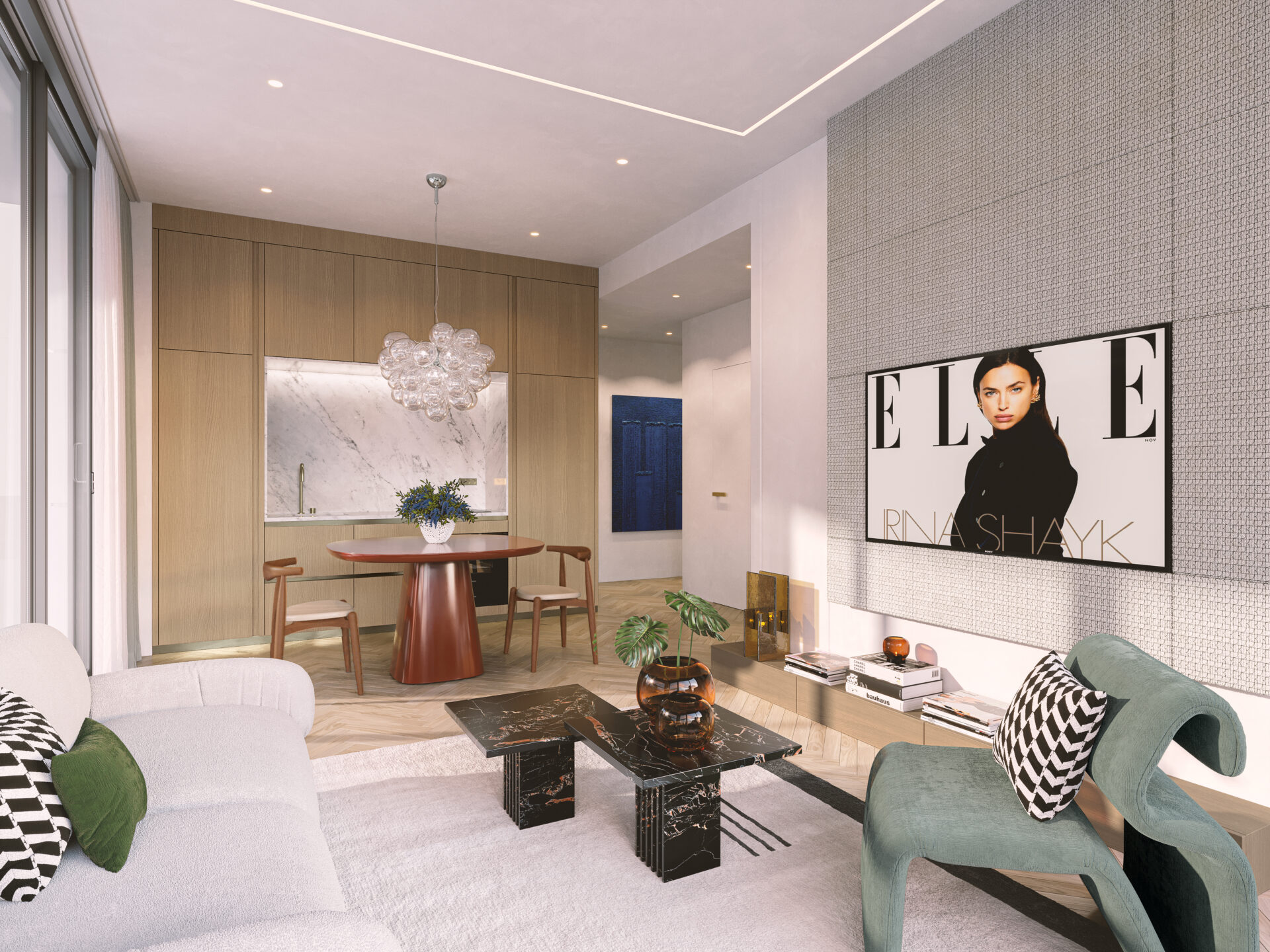
South Florida is practically bursting with luxury real estate developments, and ELLE publication, a licensee of Lagardère Group, is joining the party. The fashion and lifestyle media entity announced plans to put its mark on the world beyond the glossy page in the form of a 25-story, 180-unit residential tower in Miami’s Edgewater neighbourhood. Helming the project are Vertical Developments and Urban Network Capital Group through an agreement signed with the French media company.
While the development’s projected completion date is still under wraps, this much is for certain: ELLE has tapped top talent to ensure that its first foray into the world of real estate is infused with class, liveability, and a certain Parisian je ne sais quoi. The One Atelier, a branded real estate powerhouse that has collaborated with brands from Fendi to Karl Lagerfeld, will be in charge of interiors at ELLE Residences Miami. Gregory Martínez de Riquelme and Roberto Saija, from the architecture and design studio Arquinaut, have also chipped in to ensure the smooth confluence of Miami’s environment and ELLE’s stylish sensibilities. The building’s design itself—all reflective surfaces and glossy wraparound terraces—was spearheaded by Behar & Partners.
It doesn’t hurt that the high-rise’s location — at 3618 NE 5th Avenue — is within a few minutes’ walk of the famed Miami Design District. The latter’s assortment of high-end boutiques, showrooms, and restaurants is only bound to intensify the ELLE project’s aura of luxury.
“This project will represent a groundbreaking concept, offering captivating gateways for owners and residents to experience condo living through a fresh lens and the visionary perspective of ELLE,” says Constance Benqué, CEO of ELLE International and Lagardère News.
Future ELLE Residences Miami owners are in for a treat and a half with the anticipated amenities package — including a high-tech gym, fitness lawn, pool, outdoor movie theater, and gourmet summer kitchen—spanning two whole floors. There will even be a steam room, sauna, and cold plunge, perfect for a quick workout recovery or after catching some rays on the building’s French Riviera – inspired sundeck.
Units will be priced from USD 525,000 (about SGD 709614), ranging from studios to penthouses of 350 to 845 square feet. There is also an option for residential owners to use their residences for short-term use with flexible rental capabilities.
People travel for all sorts of reasons—to eat at the best restaurants in the world, to hike the tallest mountains, and to experience vibrant festivals. But according to a new study by travel planning website Trip.com, many people travel for one simple reason: theme parks.
Trip.com recently released the 2025 Global 100, an annual list where it ranks things like the top hotels, attractions, and restaurants across the planet. To determine its rankings, Trip.com combed through data such as verified user ratings, reviews, and booking statistics, as well as factors such as popularity, a destination’s reputation, and quality of service.
But one of the most interesting (and perhaps surprising) things about the report is that the top global attractions are dominated by theme parks.
Of the top 10 attractions included in the 2025 Global 100 rankings, six were theme parks. Destinations such as Walt Disney World Resort, Universal Studios Japan, Shanghai Disney Resort, and Disneyland in California, mingled among heavy-hitting cultural institutions such as The Palace Museum in Beijing, the Louvre, La Sagrada Familia, and the Vatican. These were the top 10 attractions in the world, according to Trip.com:
Louvre Museum
Walt Disney World Resort
The Palace Museum
Disneyland Park California
La Sagrada Familia
Shanghai Disney Resort
Universal Orlando Resort
Vatican Museums
Universal Studios Japan
Universal Beijing Resort
And, if you take a step further back and look at the top 30 of the list, there are three more theme parks (Disneyland Paris, Universal Studios Hollywood, and Hong Kong Disneyland) in the mix, for a grand total of 13.
For those looking to add a visit to a theme park to their next international adventure, there are only going to be more options in the coming years. Both Disney and Universal are planning improvements and expansions to existing parks, and Universal recently announced it will open its first European park just outside of London in 2031.
Living the life you truly want takes more than hard work or luck. It requires smart planning, clear goals, and daily habits that support long-term comfort. Whether your dream is to travel often, retire early, or live with fewer money worries, how you manage your resources makes a big difference.
The truth is, wealth doesn’t come just from how much you earn — it grows from how well you handle what you have. In this article, we’ll go over five simple but effective tips that can help you build a strong base for the lifestyle you want — both now and later. Even small changes can lead to meaningful results when you stay consistent.
Clarify Your Lifestyle Vision and Priorities
Before you change how you spend or save, you should know exactly what you’re working toward. Do you want to buy a second home? Do you plan to retire by 50? Maybe you’d like to travel for a month every year or support a family member. Whatever your goals are, they should shape the way you handle your money. When you know what matters most, decisions become easier and more focused.
Understand the Power of Responsible Borrowing
Borrowing often gets a bad reputation, but when done right, it can actually help you move forward. It can support important purchases, cover large expenses, or help you reach key goals. It’s not just about debt—it’s about using the right tools at the right time to build something valuable. A common question people ask is, does getting loans build credit? The answer is yes — when managed well. Taking out a loan and paying it back on time shows you are dependable. It also adds to your credit mix, which can help boost your overall score. This can lead to better rates and more choices in the future.
Build an Emergency Fund That Matches Your Lifestyle
Life is full of surprises. Whether it’s a sudden medical bill, job loss, or car repair, having money set aside helps you stay prepared. If your lifestyle includes higher costs—like a large home, luxury travel, or business expenses—you’ll need to save more than someone with lower monthly spending. A good emergency fund helps you stay calm and avoid going into debt when the unexpected happens. It’s a simple step that offers lasting peace of mind.
Diversify Your Income Streams
Depending on one paycheck or business can be risky. If something changes, you might struggle to keep up. That’s why many people look for ways to earn extra money. This could include rental properties, dividends, freelance work, or small business income. Having more than one income source gives you more control and helps you grow your wealth over time.
Invest in Knowledge and Good Advice
Learning should never stop. Read books, listen to experts, or speak with a trusted advisor. Good advice can help you avoid mistakes, spot new chances, and make better choices. Staying informed is one of the easiest ways to keep moving in the right direction and stay ahead of changing trends.
Automate and Optimise Your Habits
When life gets busy, it’s easy to forget to move money into savings or pay bills on time. Automating these tasks helps keep everything on track without daily effort. You can set up automatic transfers to savings, schedule bill payments, and even automate investments. This approach reduces stress and keeps your goals moving forward. When done right, automation turns good habits into routines, helping you stay consistent no matter how hectic life becomes.
Protect What You’ve Built
As your lifestyle grows, so does the need to protect it. Having the right insurance is important—this includes health, home, auto, and even life insurance if others depend on you. These protections keep you covered if something goes wrong. Also, consider legal tools like wills or trusts to protect your family and assets long-term. Many people overlook this step, but it’s one of the best ways to make sure everything you’ve worked for stays secure.
Use Personalised Banking Services
Today, banking isn’t just about holding your money—it’s about helping you grow it. Some banks offer premium services that are built around your goals. This might include access to lower fees, priority support, and customized loan or savings options. If you manage large expenses, own property, or travel often, these services can make things easier and more rewarding. Personalized banking can also help you get better rates and manage your money with more ease and control.
Be Smart About High-End Purchases
Big purchases can be exciting, but it’s important to think them through. Whether it’s a car, a luxury item, or a home upgrade, consider whether it adds real value. Some items lose value quickly, while others can grow your net worth over time. Focus on buying quality over quantity, and only spend on things that fit within your goals. This habit helps you enjoy the things you love without risking your long-term stability.
Review and Adjust Regularly
Your goals and needs will change over time, so your plan should, too. Set aside time each year to review your progress. Are you still on track? Have your goals shifted? Are there better tools or strategies available now? Making regular updates helps you stay in control and catch problems early. This doesn’t need to take long — just a few hours each year can make a big difference in how well your plan works.
Building a strong foundation doesn’t happen overnight. It comes from steady, thoughtful steps that reflect the life you want. Whether you’re planning for early retirement, more travel, or simply more peace of mind, the tips above can guide you in the right direction. Remember, the best plan is the one that fits your life — not someone else’s. Take your time, stay consistent, and make changes when needed. With the right habits and support, you can build a life that’s not only successful but also truly yours.
For more on the latest in luxury business news and reads, click here.
The updated version of the Porsche 911 Turbo is currently being put through its paces at the Nurburgring. This prototype had little to no camouflage.
The 2026 Porsche 911 Turbo 992.2 will feature subtle exterior changes. The front bumper has been redesigned and now features rectangular vents with flaps, while the retractable air deflector on the underside will be carried over.
Porsche has made a few design tweaks to the rear as well. There’s a new rear bumper with a black insert, new quad exhaust tips, and reprofiled LED taillights connected by an LED light bar. The new 911 Turbo also gets an active rear spoiler like its predecessor.
Rumors suggest that the upcoming 911 Turbo 992.2 will feature Porsche’s T-Hybrid system. The Turbo will be rear-wheel drive with 640 hp, while the Turbo S will have all-wheel drive and around 710 hp. Currently, the 911 Turbo uses a 3.7-liter twin-turbo flat-6 engine that produces 572 hp and 640 hp in Turbo and Turbo S trims, respectively.
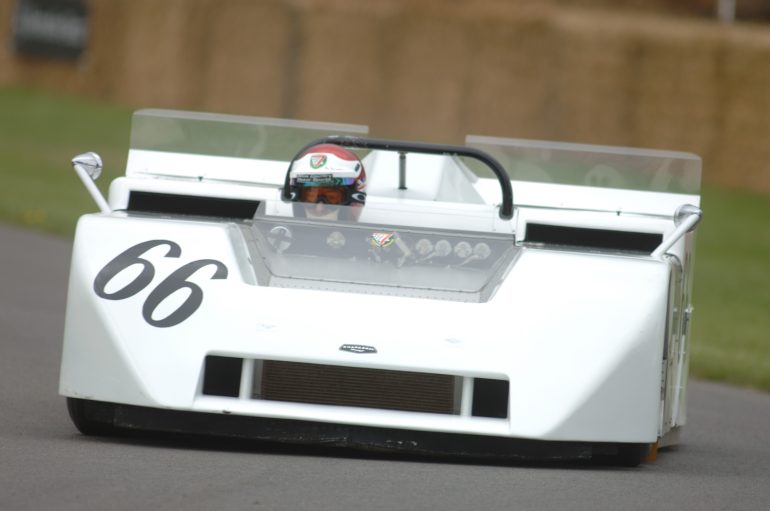
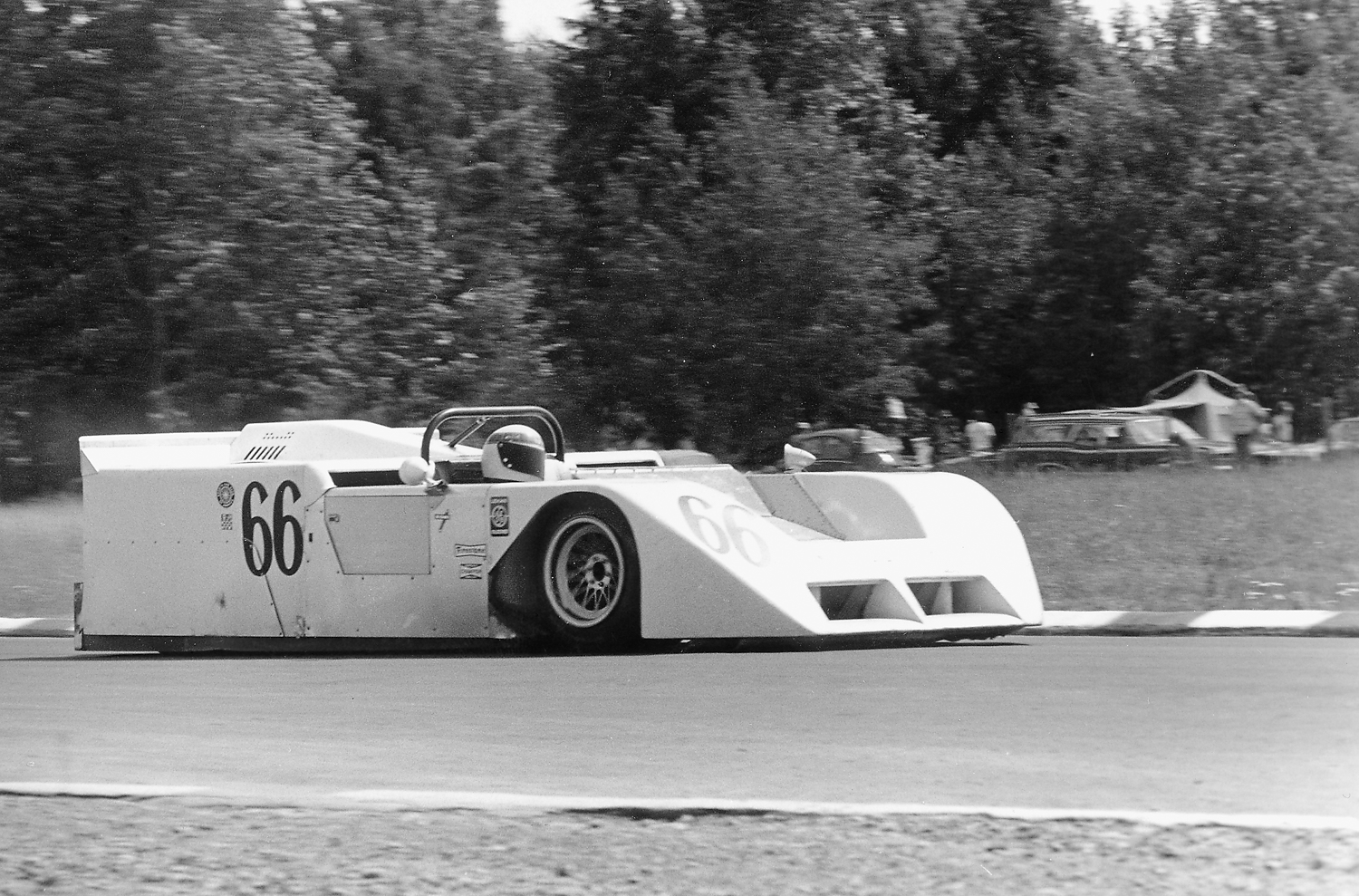
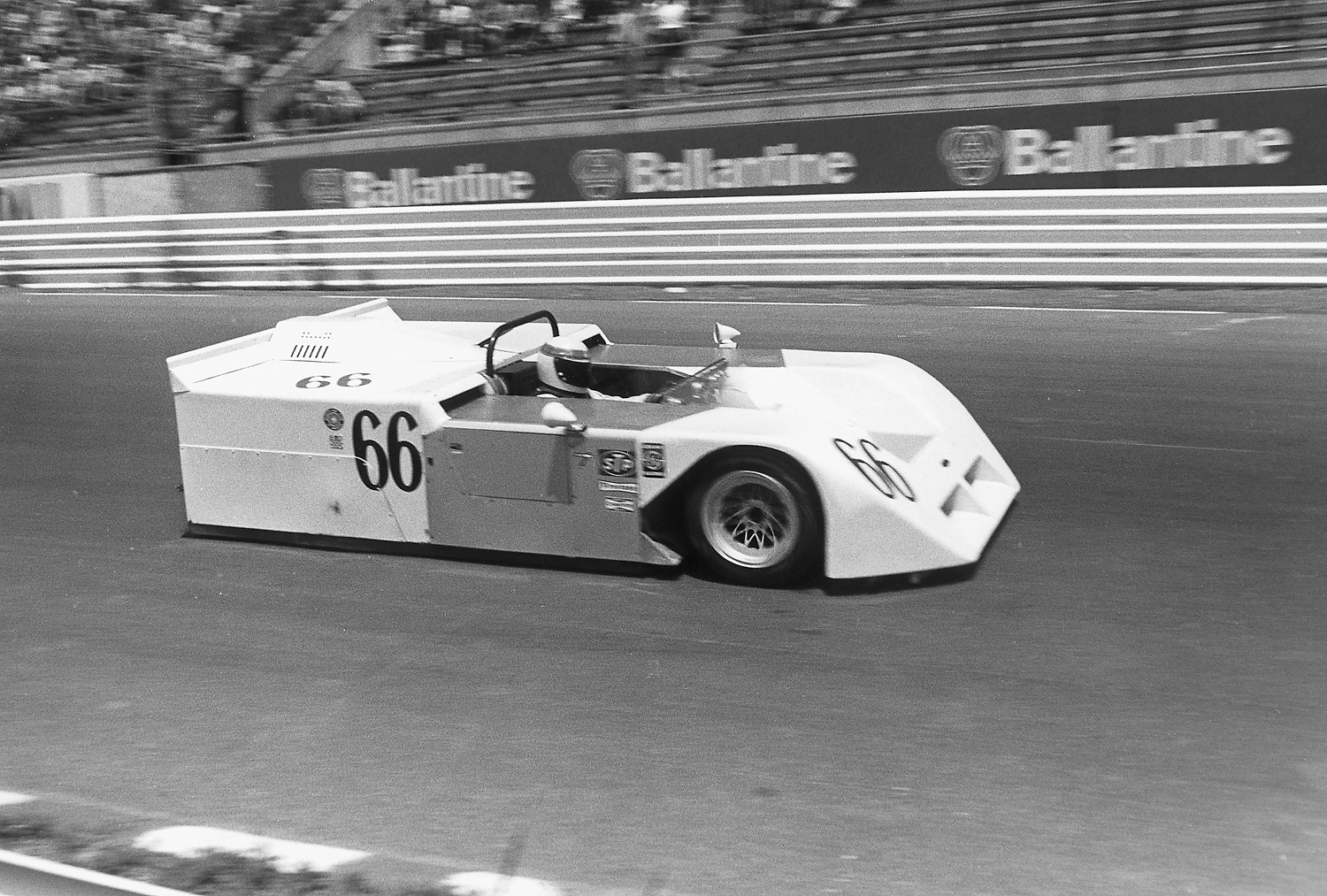
At Watkins Glen they said, “It looks like the box it came in.” Even that harsh judgement of the appearance of the new Chaparral 2J may have been too generous. However, handsome is as handsome does and in its astonishing way the 2J did handsomely.
A World Champion was sufficiently impressed with its concept to drive the Chaparral 2J at Watkins Glen in 1970 and set a fastest lap while running in very fast company. Although the 2J did not last long enough to get close to winning, it showed great potential and restored its developer, Jim Hall, to his well-earned status of the Wizard Technician of Group 7 racing. In the rest of the 1970 Can-Am season it revealed phenomenal pace.
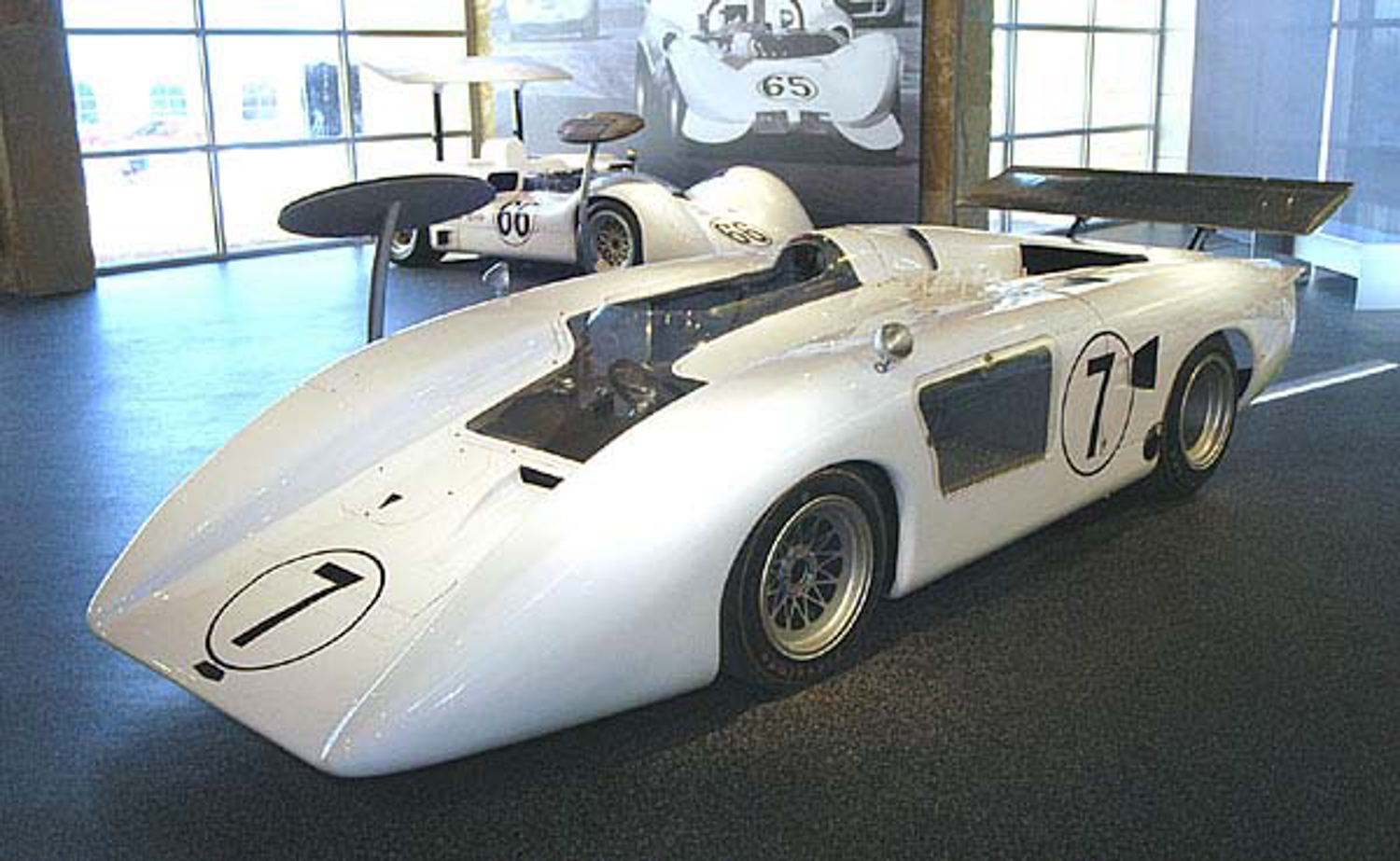
In mid-1970 Jim Hall looked at the birdie from the cockpit of his latest creation, the Chaparral 2J. The result of a combined effort between Chaparral cars and Chevrolet R&D, the 2J was the innovative elixir that Hall needed after his troubled Can-Am seasons of 1968 and ‘69. Looking, as one commentator said, “like the box it came in,” the 2J introduced suction ground effects to automobile racing.
But was it the Chaparral Show…or was it really the Chevy Show with Jim Hall as master of ceremonies? In fact, the new 2J Chaparral was conceived and constructed, in its major essentials, at the Chevrolet Engineering Center in Warren, Michigan. This was not a new relationship. Since 1964, Chaparral and Chevrolet’s secretive R&D Department had been closely cooperating on the building, testing and even racing of advanced sports-racing cars.
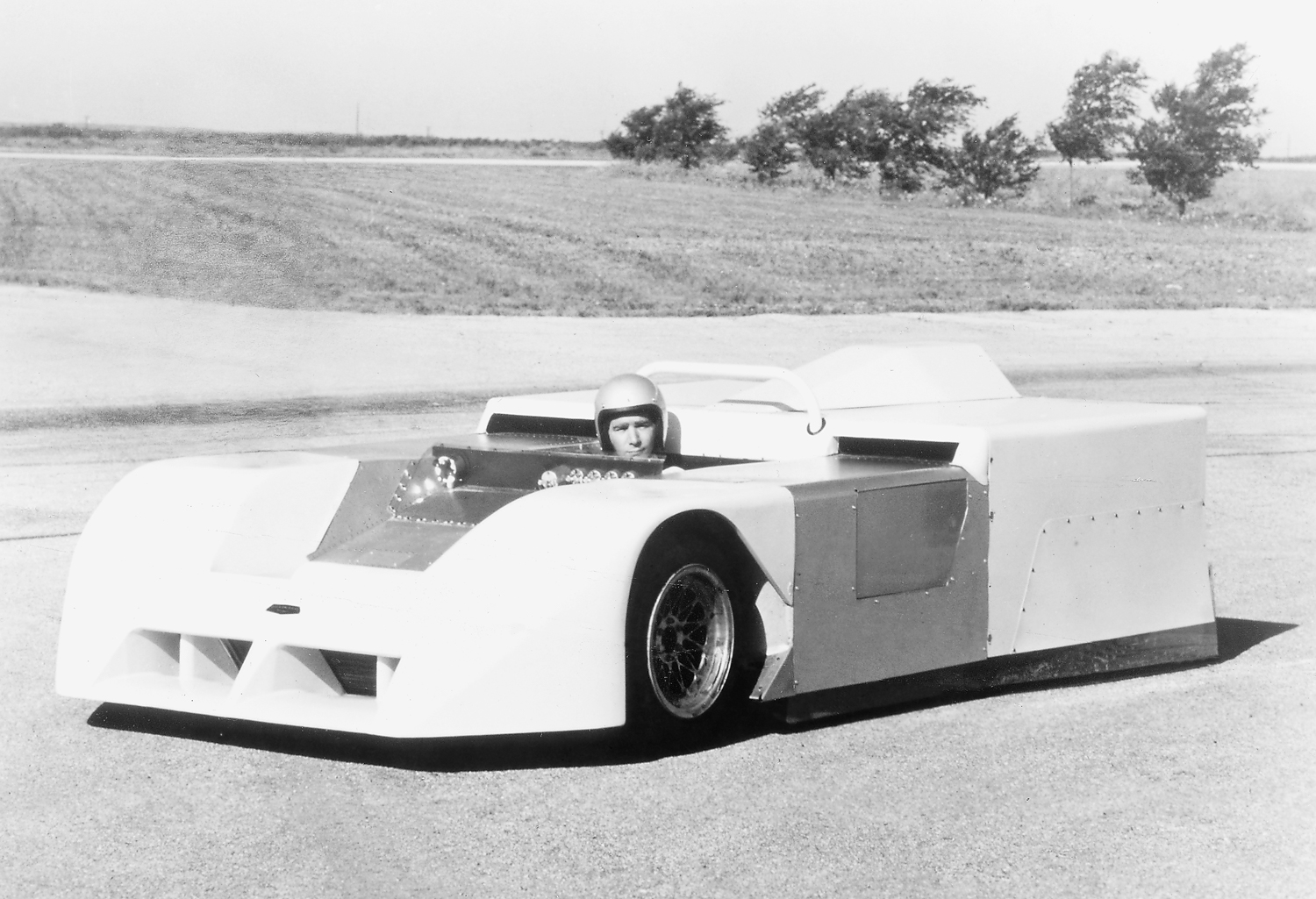
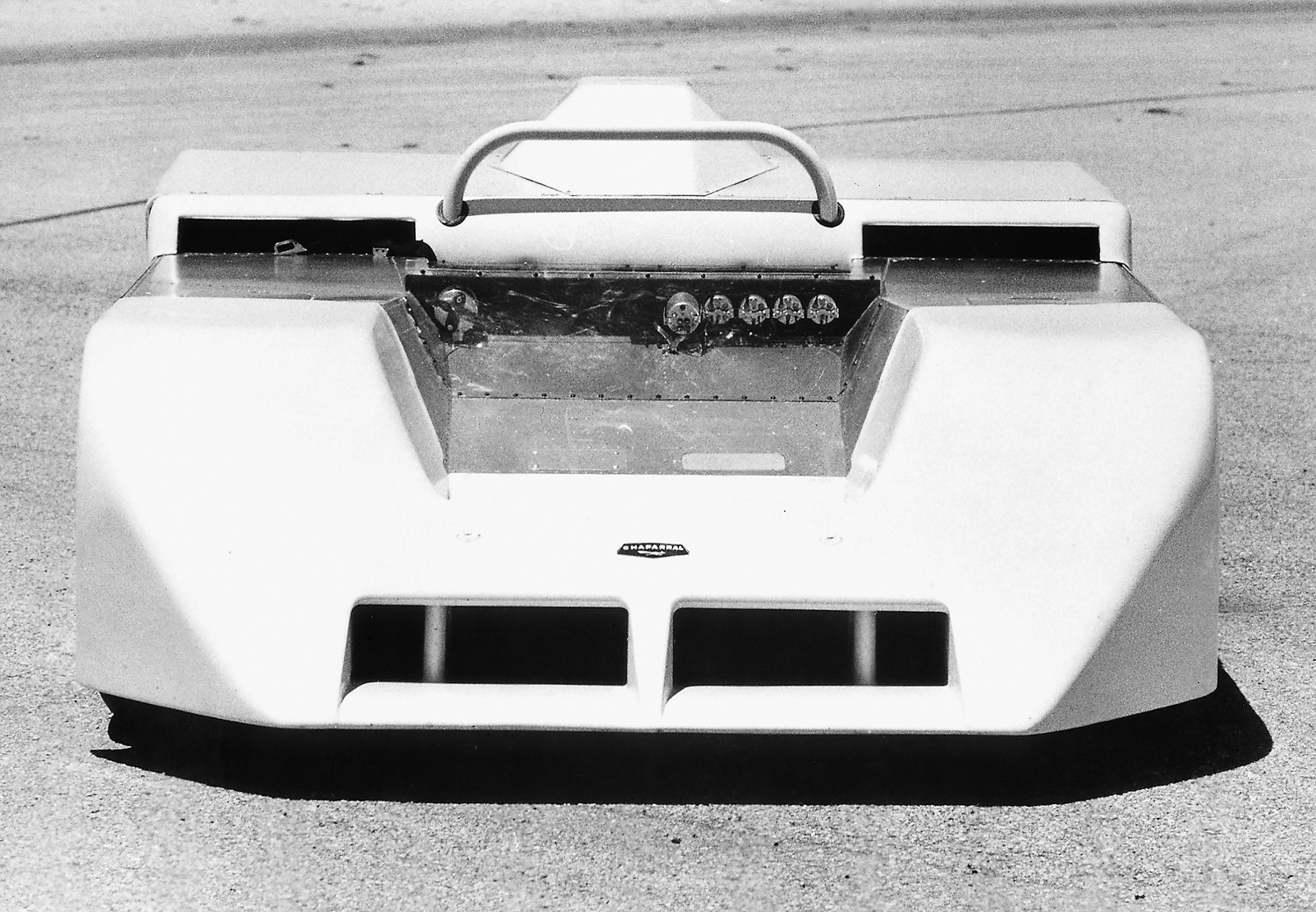
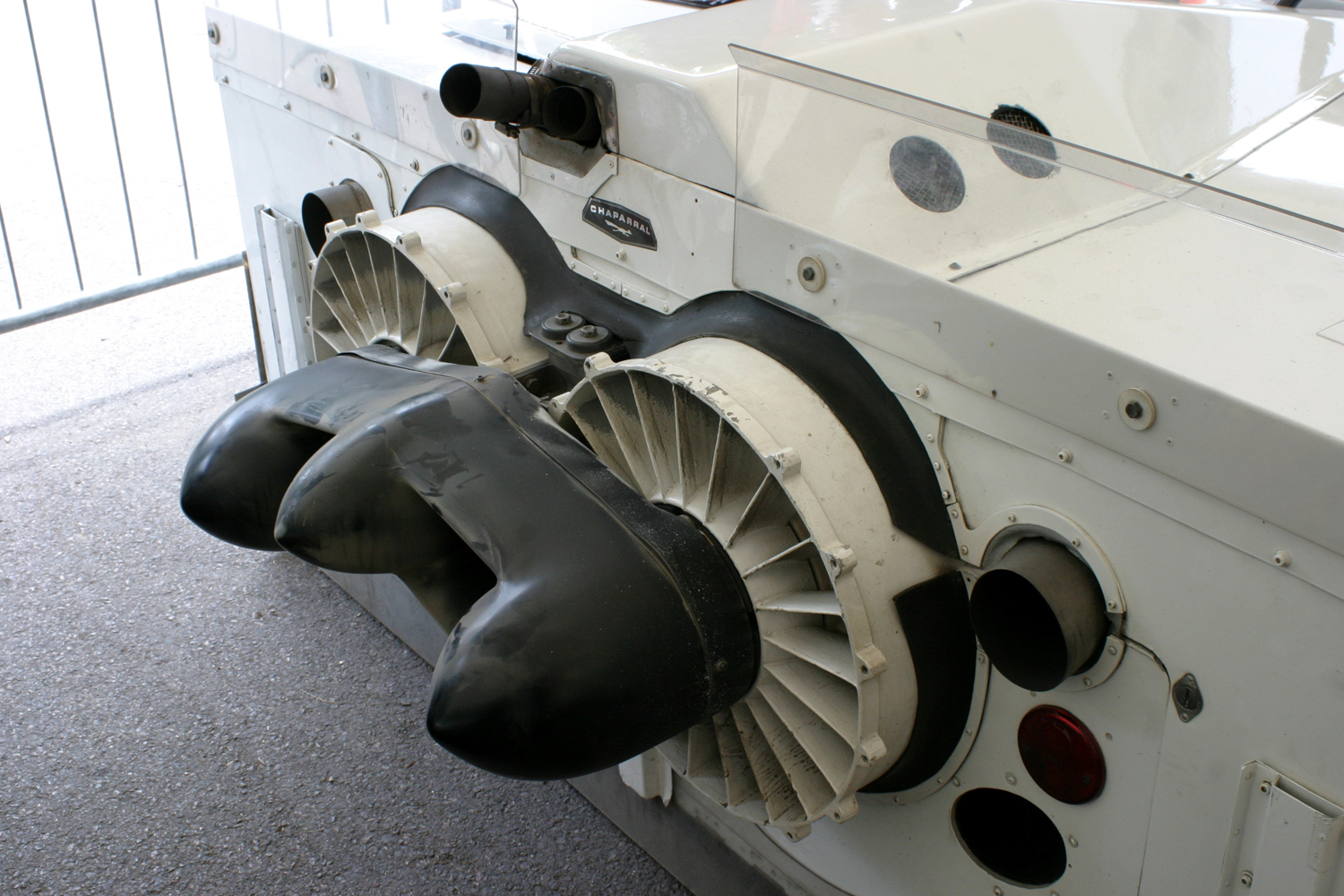
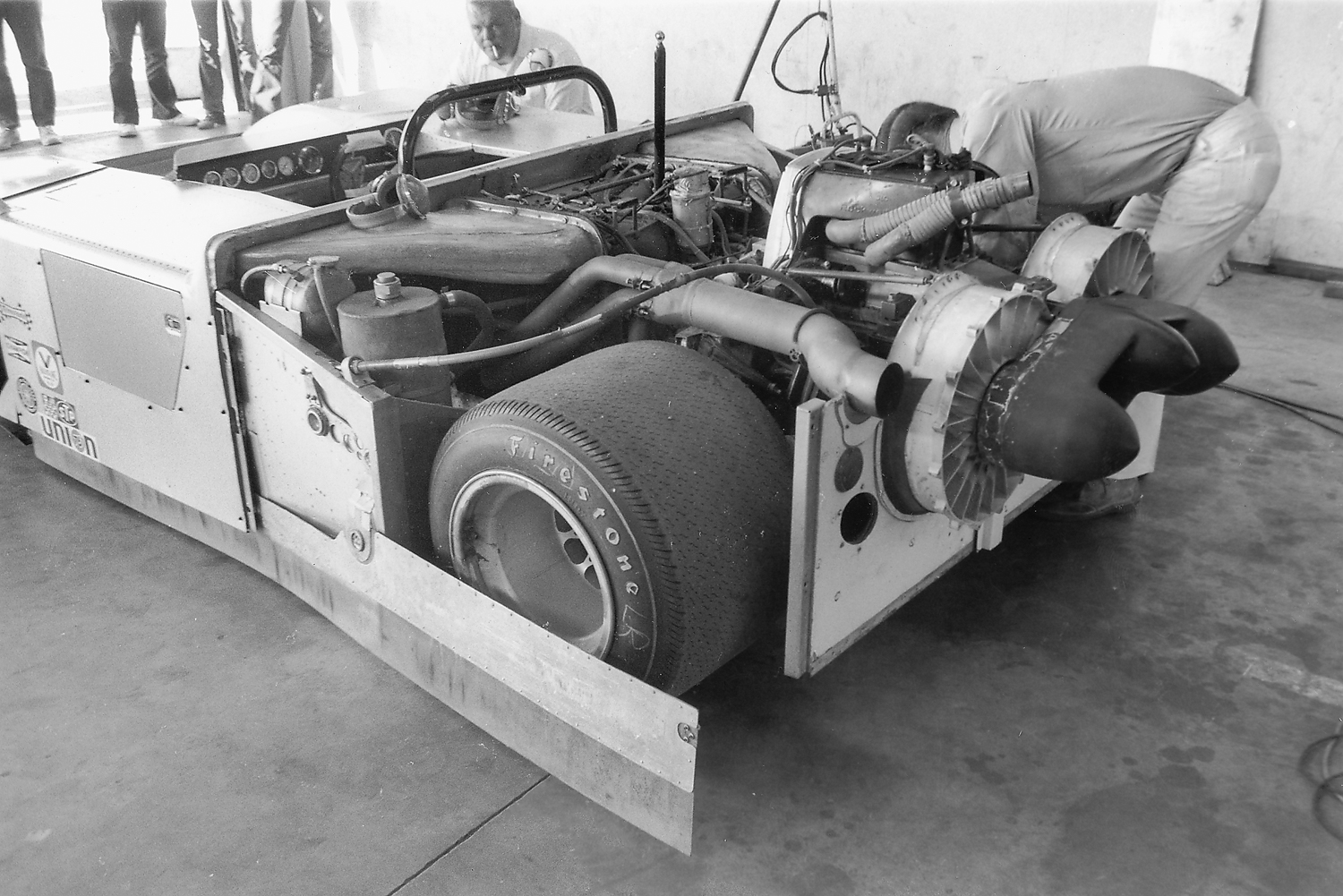
Shown, as at left, at Midland’s Rattlesnake Raceway prior to its racing debut, the 2J was sucked against the road surface by two extractor fans mounted at its extreme rear. Hall’s 2J was a much-improved (by Chaparral) evolution of a crude test vehicle built by Chevrolet R&D to explore this radical concept.
The 2J’s basic concept was simple enough. If a vacuum could be maintained underneath a moving automobile, it would hold the car down with greater force. With the latest racing tires, more force would mean more grip, translating into vastly increased cornering power. The idea was not new. Dresden, Germany’s Vasa Nićin applied for a patent on it on December 29, 1925.
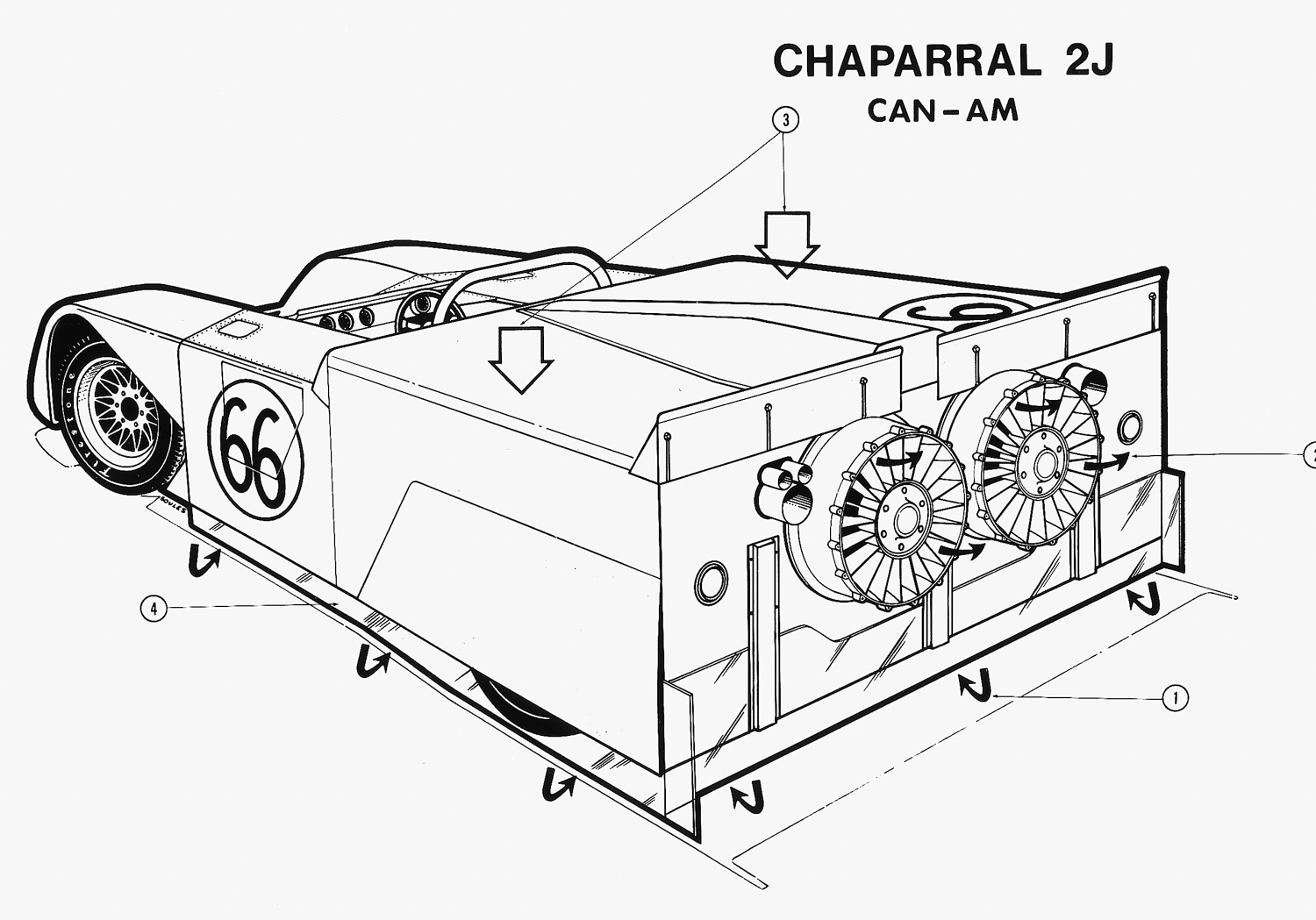
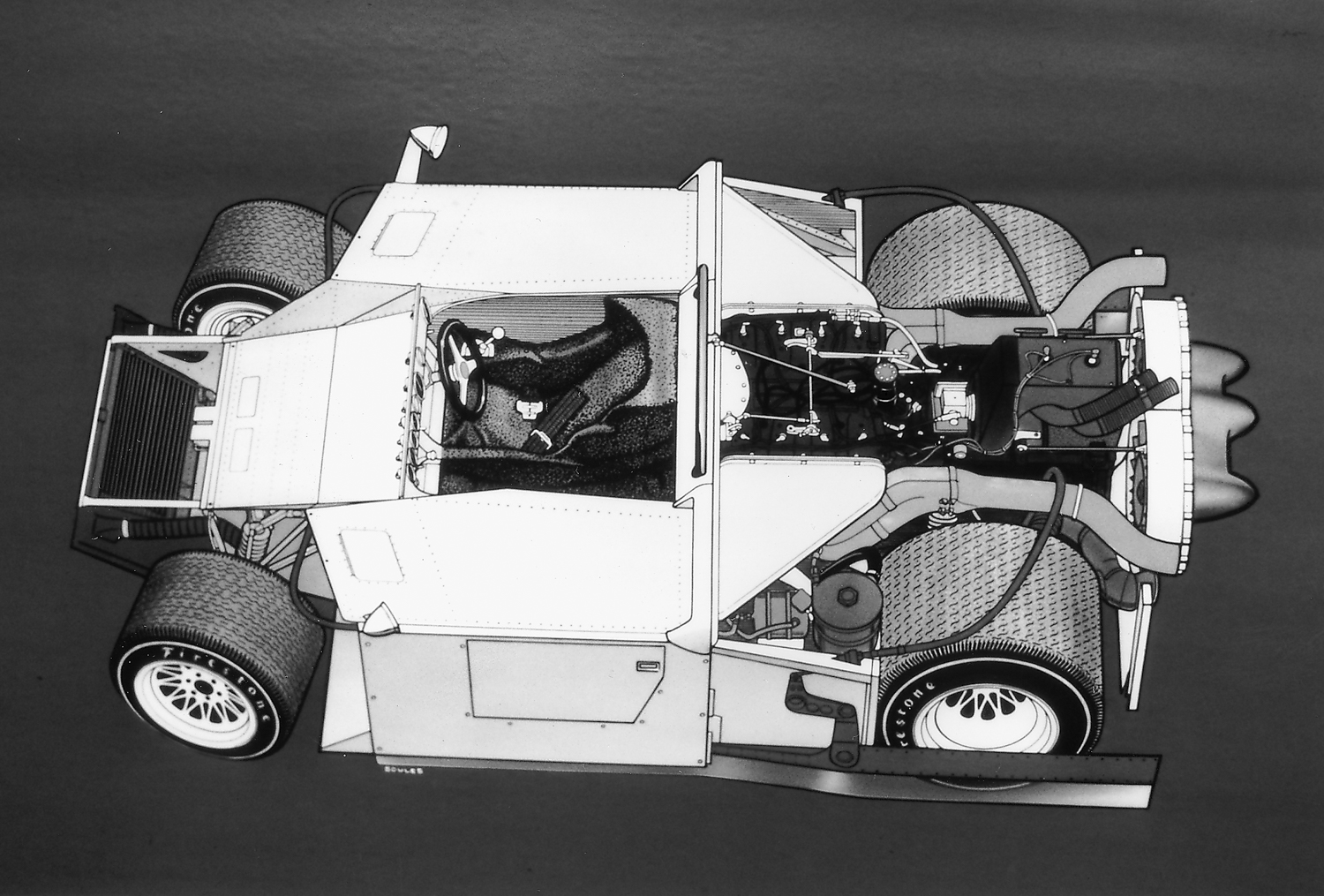
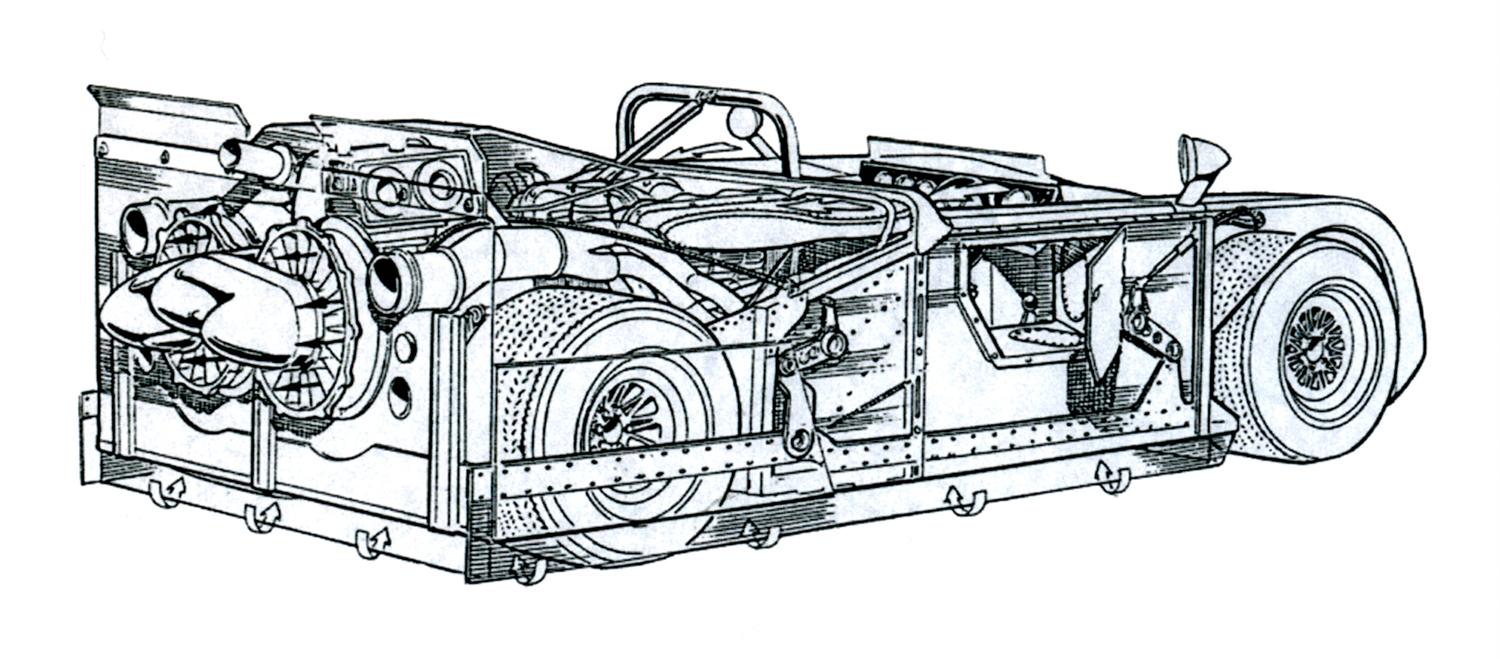
A diagram explained the concept of the Chaparral 2J. Driven at a constant speed of some 5,000 rpm by a separate engine, the twin 17-inch fans at the rear extracted air from an enclosed area of the 2J extending from the rear of the front wheels all the way to the extreme tail. At the side and rear, skirts made of tough GE Lexan plastic ensured that the suction was highly effective by staying close to the road surface.
The wider and larger the tires, the bigger the contact patch on the pavement and the more work they will do before sliding as the downforce is increased. Faster cornering is the key to success on road-racing tracks. This would later be exploited in so-called “ground effect” racing cars but these were a decade in the future, while the basis of the 2J was created in the winter of 1968.
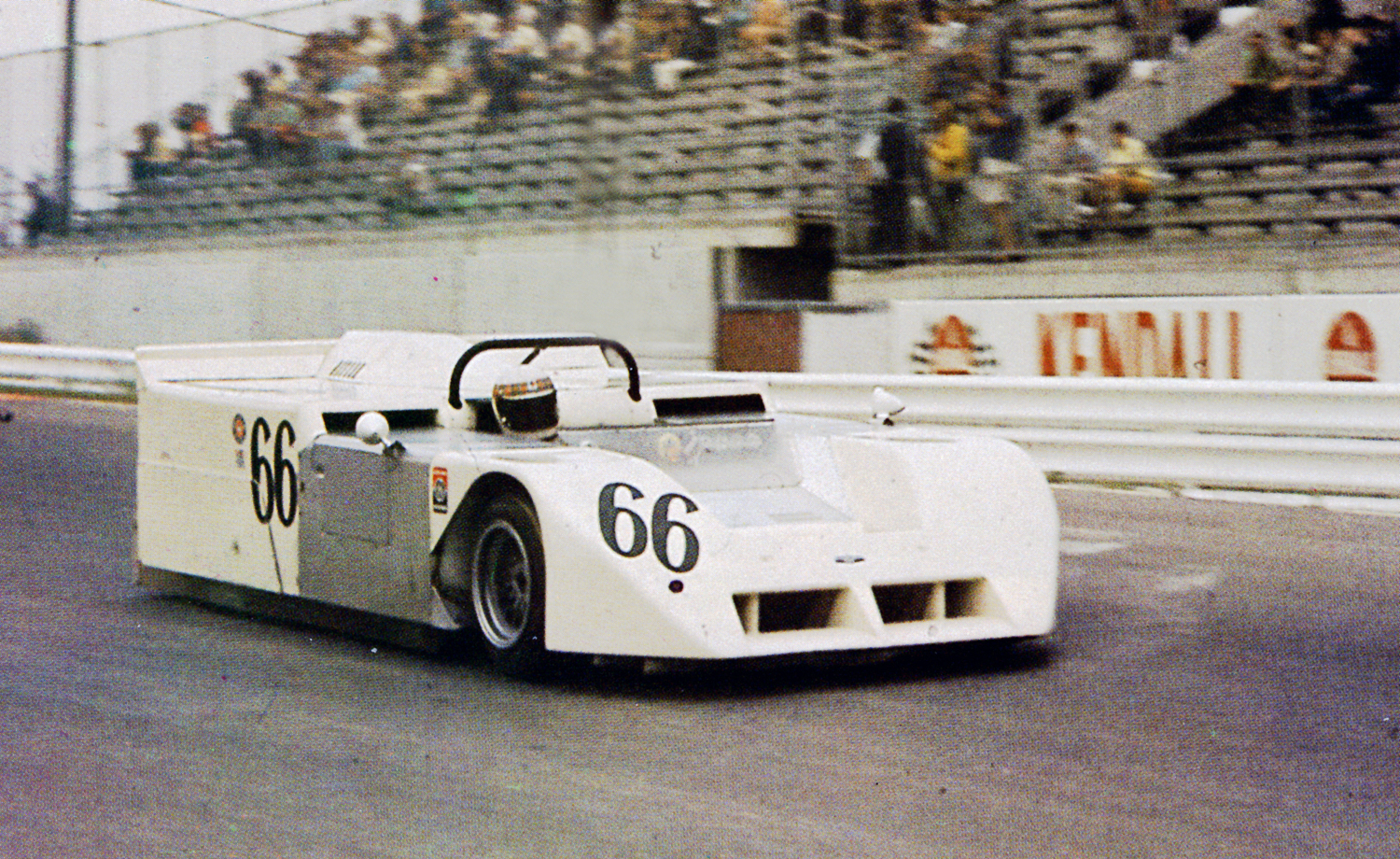
The front end of the 2J Chaparral was shaped to divert as much air as possible up over the top of the vehicle and around its sides. Front air inlets were for the engine-cooling radiator and ducts to the front brakes. Slotted inlets on both sides of the rollover bar ingested induction air for the engine.
This concept was available long before the FIA implemented a height reduction on aerodynamic wings that sent all Can-Am and other competitors scrambling for some new “unfair advantage.” During 1968, engineers in Chevrolet’s Research and Development Department seized on suction downforce as a radical breakthrough that could revitalize their activities under new chief Charlie Simmons.
With Jim Hall building his Chaparral 2H on his own for the 1969 season, they needed something new that might help the Texan in the future. After tests with mockups and mule vehicles showed promise, R&D engineer Paul Van Valkenburgh said, “Simmons gave Don Gates all the draftsmen, technicians and budget he needed to have it ready for the next racing season.”
Gates, the brainy engineer who had won Simmons’ approval, concentrated on the suction system of Chevy’s “Suspension Test Vehicle” or STV. Don Cox, Joe Marasco and Ernie DeFusco designed the car that would carry it. The challenge they faced in creating a suitable body forced them to ignore conventional aerodynamic ideas. Their dominant need was for a robust box that would not collapse under the vacuum generated inside it.
The central section of the Chaparral 2J was a deep and rugged aluminum monocoque tub. It used front suspension similar to that of the 2H and rear suspension adapted from the 2G. That the suspension geometries provided anti-dive and anti-squat was particularly useful for the 2J, which needed to ride as flat and level as possible to maintain its ground-effect skirts in close proximity to the road.
The STV’s fundamental monocoque structure was very deep through its center because that portion, initially unpainted, was a major load-bearing section. Hatches in its sides met the rules requiring doors. Longerons extending rearward from the monocoque embraced the Chaparral-prepared Chevrolet V-8, an aluminum engine of 7.6 liters and 680 bhp driving through a Chevy-built transmission combining a torque converter with three gears forward that were shifted without a clutch.
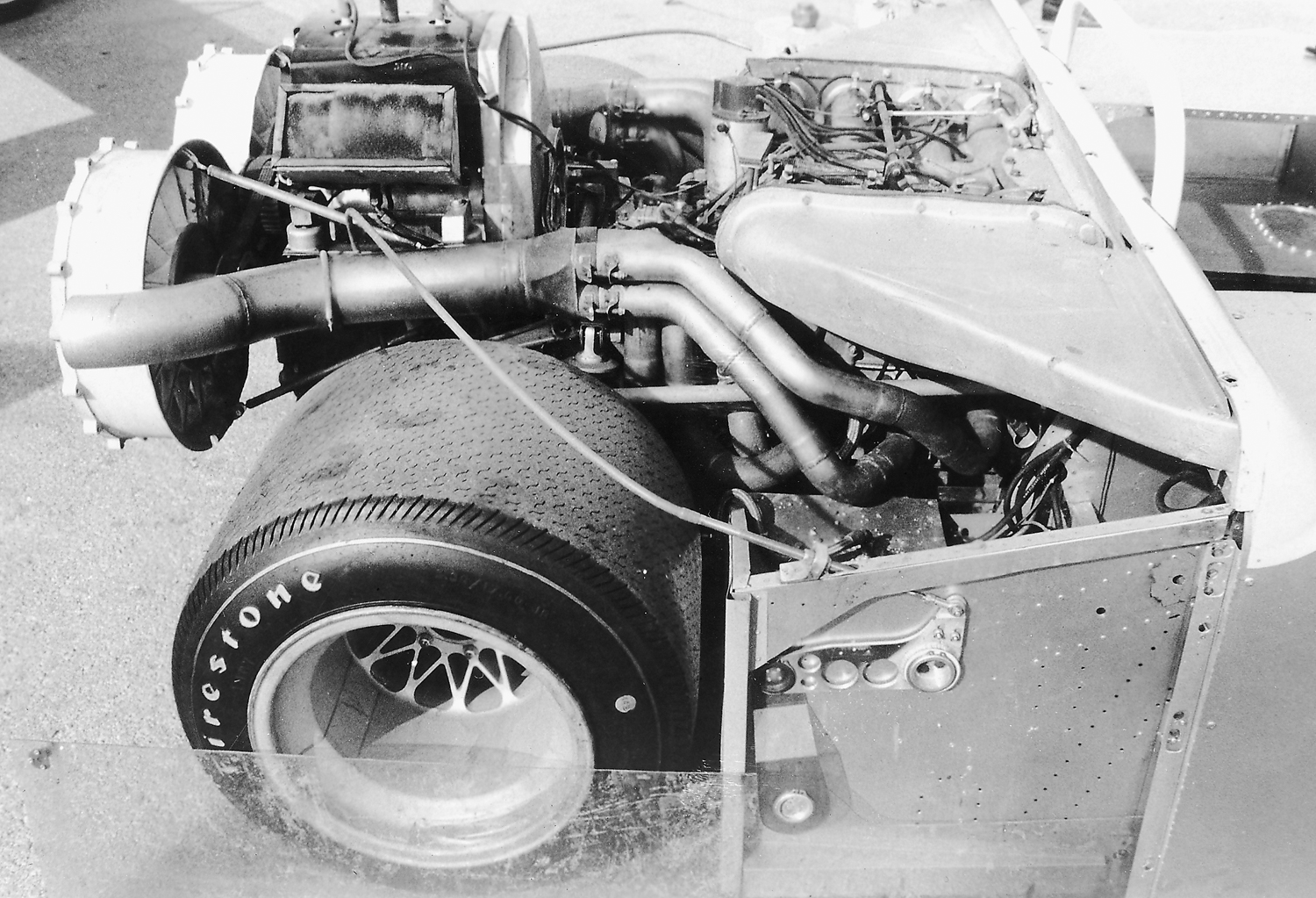
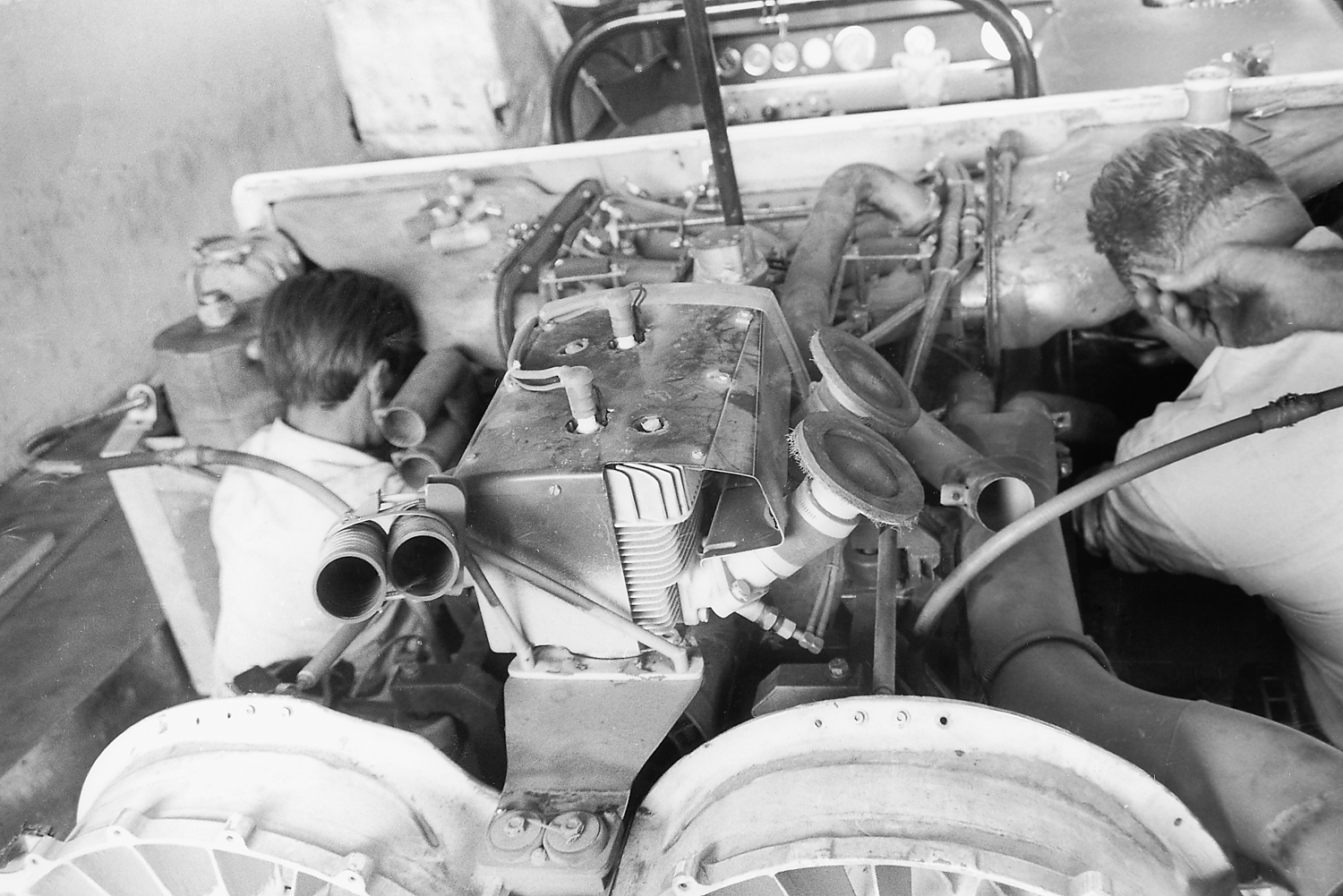
The Chaparral 2H carried over Chevrolet’s torque-converter transmission with a three-gear dog-clutch box. Perched atop this was the engine that drove the extractor fans, a two-cylinder two-stroke air-cooled JLO engine usually found in snowmobiles. Disc brakes were internally ventilated.
Containing the areas where suction was generated was a box-like structure made of 0.25-inch aluminum honeycomb. With no available technology to give it curvature, the result was a laughably slab-sided appearance. Dzus fasteners joined the major panels together and allowed quick access. In all, said Van Valkenburgh, “it was probably the strongest, stiffest racecar chassis that had ever been built.”
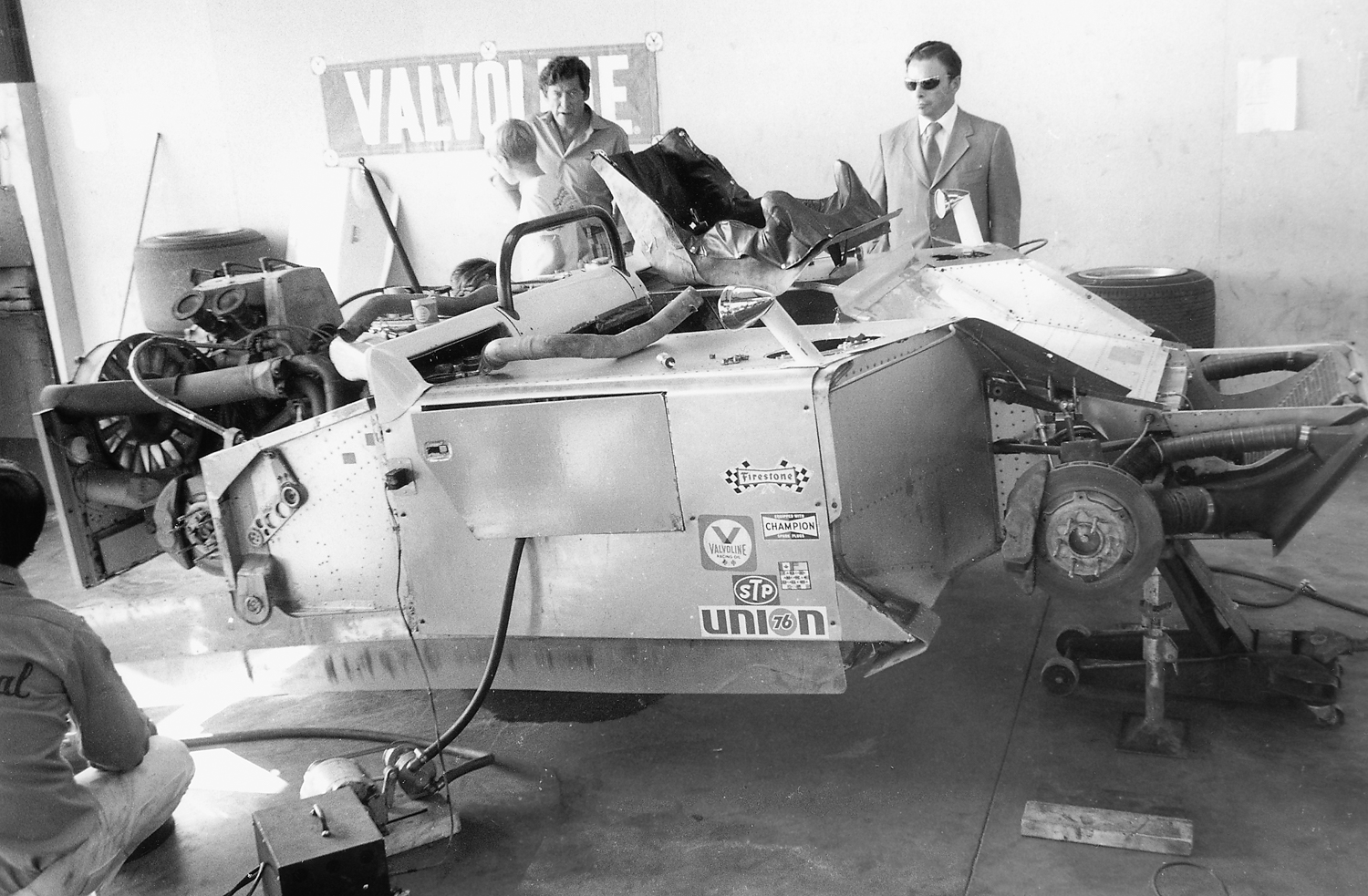
Stripped of its front and rear body sections, the 2J revealed its deep central aluminum monocoque structure. Its hinged “doors” met the letter of the Can-Am regulations. Standing behind the car in sunglasses was Cameron Argetsinger, spark plug of road racing at Watkins Glen who had joined Chaparral Cars as a vice president in 1970.
The STV’s suspension was conventional. At the front it had tubular wishbones and coil/damper assemblies like those of the Chaparral 2H and racing-style linkages like those of the 2E/G at the rear. Their geometries countered nose-dive on braking and tail squat on acceleration, both of these being activities that would upset the skirt system more than would be convenient.
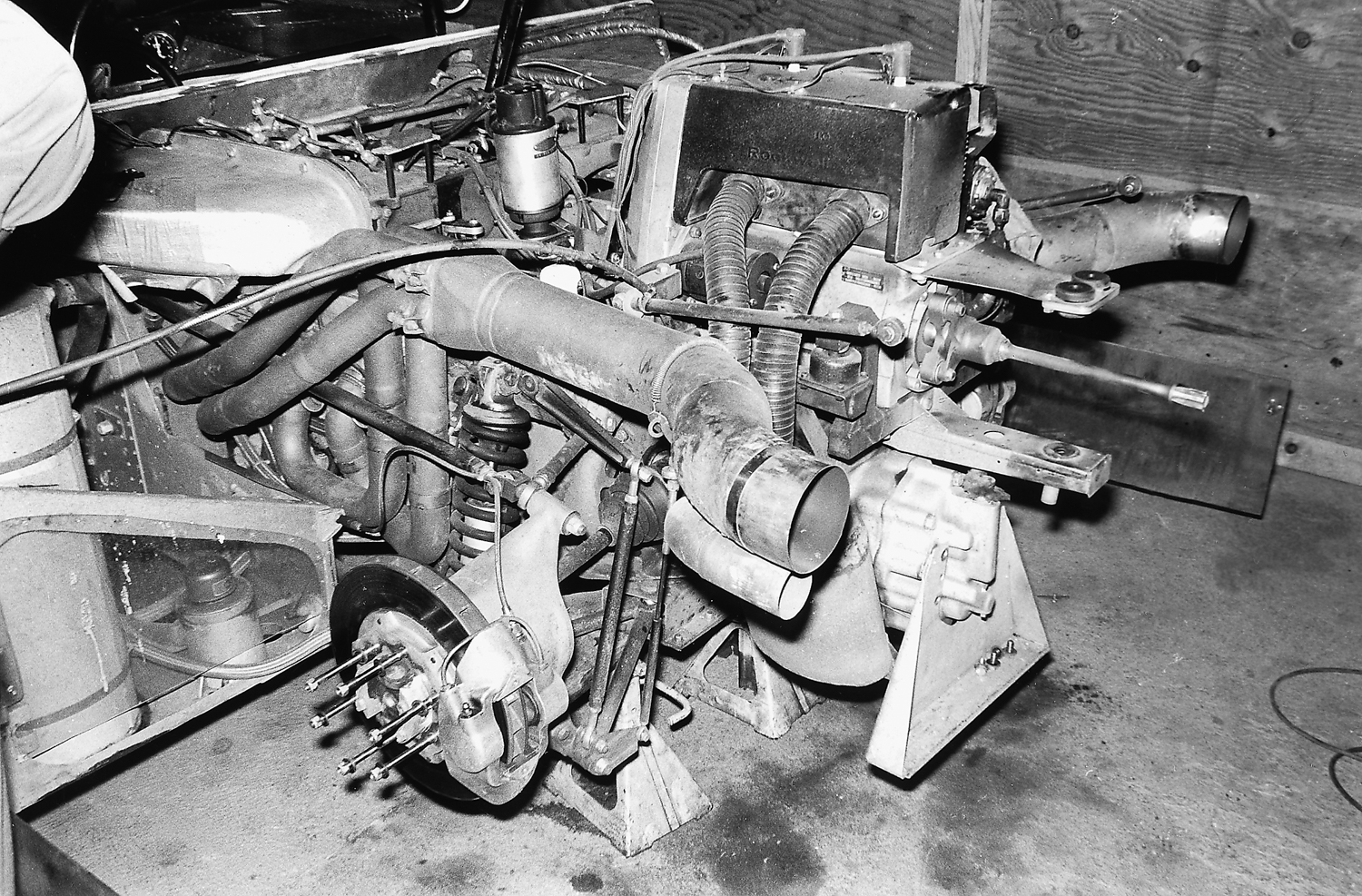
Ducts from the air inlets athwart the cockpit provided fresh ram air to the inlet manifold of the 2J, carried over from the 2H. In the foreground, attached to the rear suspension by a Bowden cable, is the bell-crank linkage that kept the Lexan side skirt close to the ground as the rear of the Chaparral rose and fell over bumps.
An important feature of the STV’s springing was that it was trimmed for ideal geometry at 1.5 inches below the car’s stance with its downforce not running. That was the amount that the car was calculated to be pulled down by suction to its operating height. From that datum line, the springing allowed three inches of travel in both jounce and rebound. To take advantage of its downforce the STV wore the widest wheel rims it could accept and the widest of Firestone’s racing tires. Disc brakes were internally vented for cooling.
Jim Hall’s problematic Chaparral 2H.
As the 1969 Can-Am season progressed, the faults of Hall’s Chaparral 2H were found to be many and insoluble. This was not surprising to Chevrolet, which knew that Hall’s personally chosen approach, a car built for maximum speed with little attention to downforce, would not work on the Can-Am circuits.
Meanwhile, tests of the STV were attracting attention at Chevrolet R&D. “The first time the auxiliary-motor fan-drive system was fired up,” recalled Van Valkenburgh, “it literally smoked out the engineering lab. It became rather embarrassing to have around…so ridiculously sensational that everyone was talking about it.” In the spring of 1969, Hall asked Don Gates to join his effort to sort out the 2H. Chevrolet decided that as the STV was Gates’s baby, the semi-finished vehicle might as well accompany him to Midland. It was shipped there in September.
As originally built by Chevrolet and made whole to run at Rattlesnake, the STV’s rear wheels were exposed, in conventional fashion. Suction was applied over an area that was the width of the car and the length of the body between its wheel arches. Suction fans were mounted low at the sides of the body, flanking the engine and individually driven by small two-stroke motors.
In tests, beginning in November of 1969, this arrangement did give substantial downforce but the car’s handling was treacherous. “Regardless of how much basic understeer was incorporated with the fans off,” said Paul Van Valkenburgh, “when they were turned on the car oversteered uncontrollably. Apparently, the center of downward pressure was too far forward. But in spite of all the problems, with the fans working it was as fast as any other car ever run at Midland.”
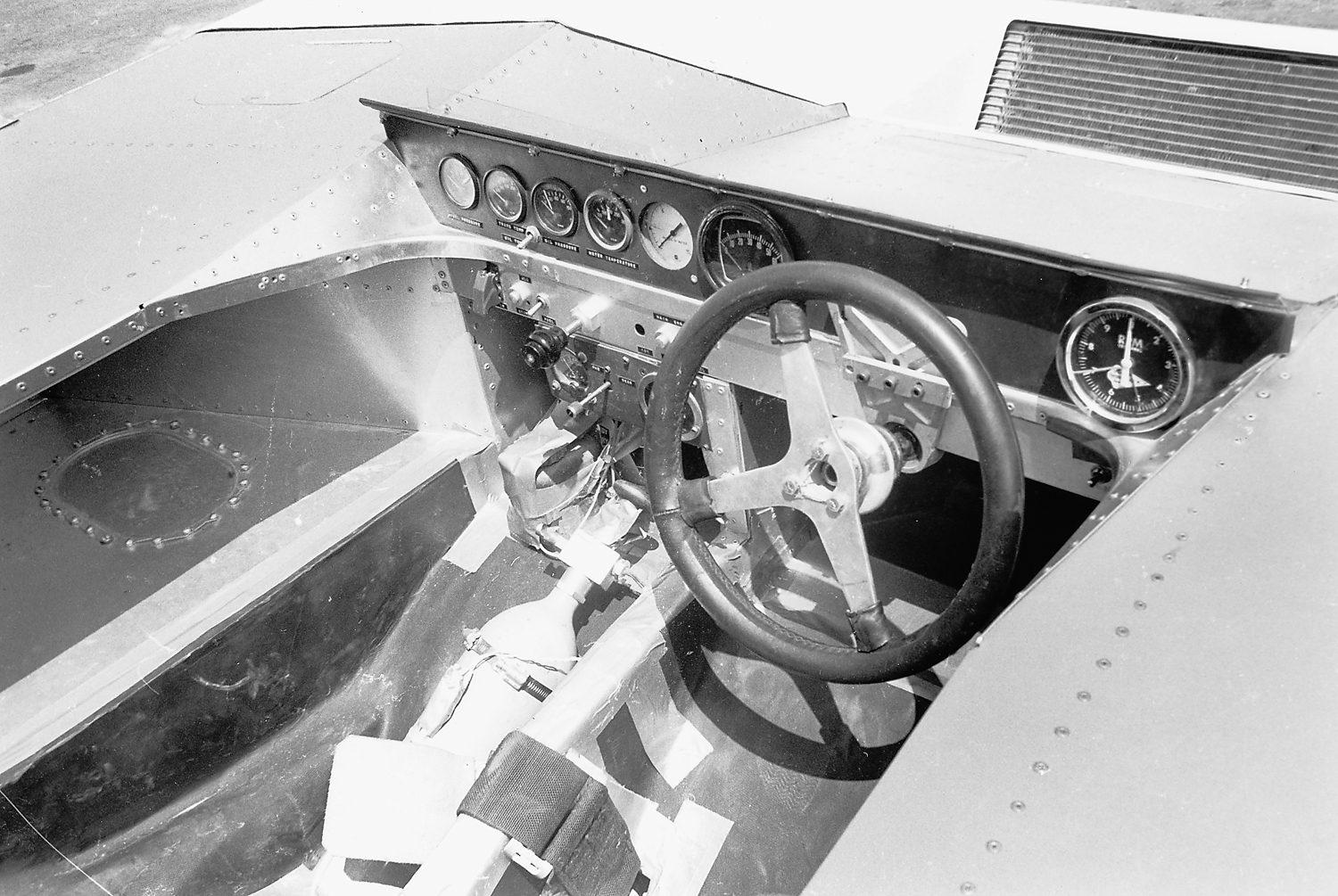
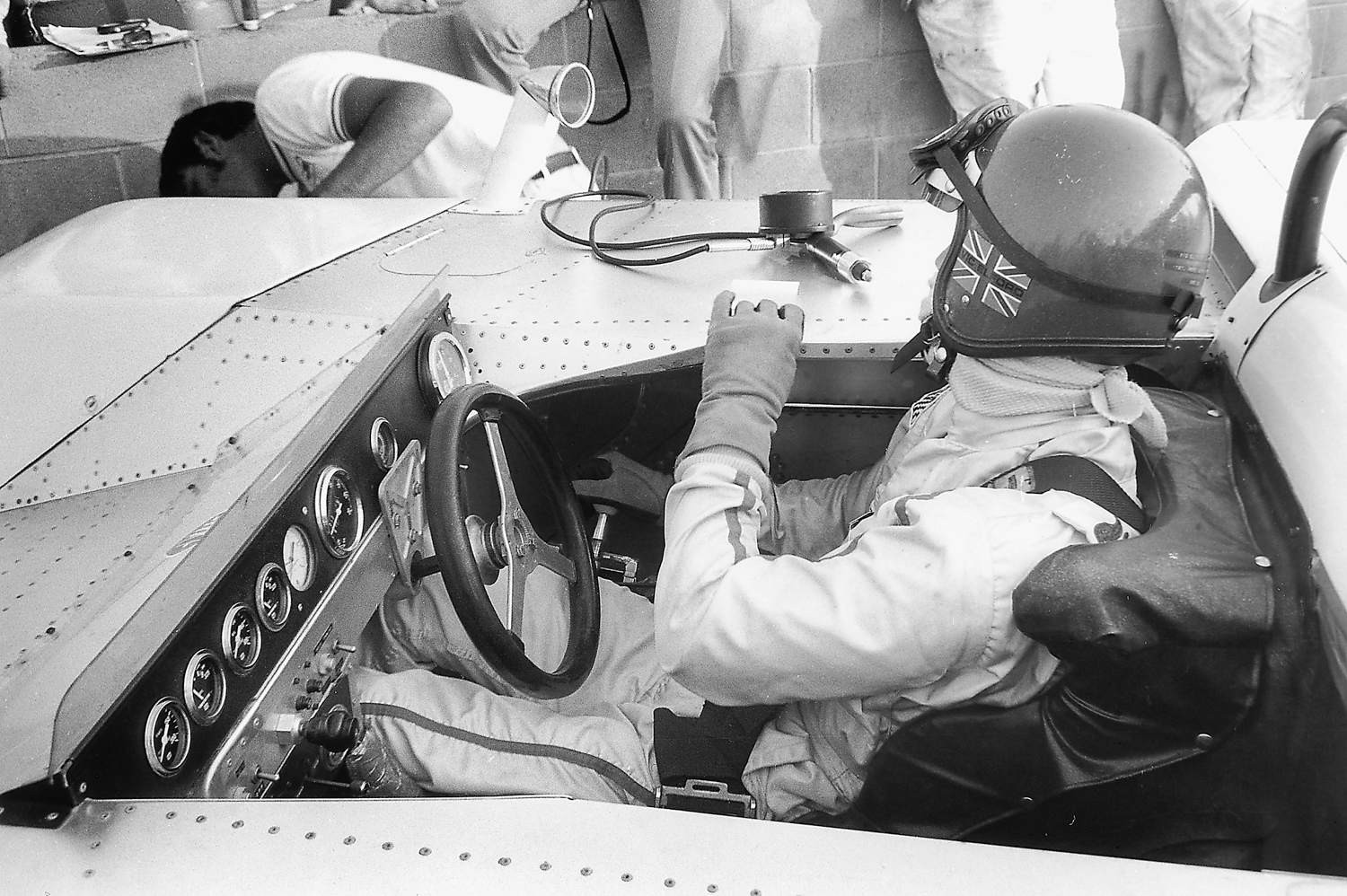
Among the gauges facing the driver in the cockpit of the 2J was one which told him how much suction was being generated under the car. Tests showed that when suction was lost the Chaparral remained easily controllable. He was also informed about the cylinder-head temperature of the auxiliary engine. As in the 2G the steering wheel was quick-removable for easy entry.
While Jim Hall was increasingly cool to “someone else’s Can-Am car” the STV found a defender at Midland in Tom Dutton, an engineer-driver who had joined the team during 1969. “Practically everyone else viewed the project with either distrust or malice,” recalled Van Valkenburgh. Dutton was the driver for tests that proved to the sanctioning Sports Car Club of America that the car would not be wildly uncontrollable if or when downforce was lost. The SCCA also judged it acceptable in spite of FIA rules prohibiting “movable aerodynamic devices”.
To address the handling problem Gates reconceived the rear of the STV. Mocking it up with plywood, the rear of the body was rebuilt to enclose the wheels, nearly doubling the area of suction downforce. In tests of this version at Rattlesnake, said Paul Van Valkenburgh, “Dutton was able to circle the skid pad at a fantastic lateral 1.7 G! This was a major jump from the previous best of 1.3 G. Dutton went out on the road course and knocked nearly two seconds off Hall’s previous best time.”
This won respect at Midland, where the STV was given such a skeptical reception. Now accepted as a potential Chaparral, it was given the 2J designation, 2I being skipped. It needed substantial rebuilding and testing before it could become a racing car, time-consuming effort that lost its priority to Hall’s agreement to take over Chevrolet’s Trans-Am Camaro program. Its demands meant that the 2J missed the first two Can-Am races but was ready—just—for the third one at Watkins Glen on July 12th.
As much for its potential as for its performance, the Chaparral 2J caused great consternation in the Can-Am ranks. Rivals had recourse to the rule books, which stated that moving parts with an aerodynamic function were banned. In 1970 this regulation had caused the elimination of high movable wings like those Chaparral had pioneered. It was concluded that both the rotating fans and the movable skirt contravened this regulation. At the end of the season both would be banned.
Preparation included extending the aluminum honeycomb box to shroud the rear wheels entirely and complete enclosure of the rear of the car. Suction fans were now mounted at the extreme rear and driven by a single central auxiliary engine. “An alternate plan to use a variable-ratio snowmobile belt drive off the transmission was set aside as too complex,” Van Valkenburgh related, “but as it turned out that might have proved more dependable.” As well the new arrangement placed some 200 pounds of fans and engine high in the air, cantilevered out over the tail—not ideal for the center of gravity.
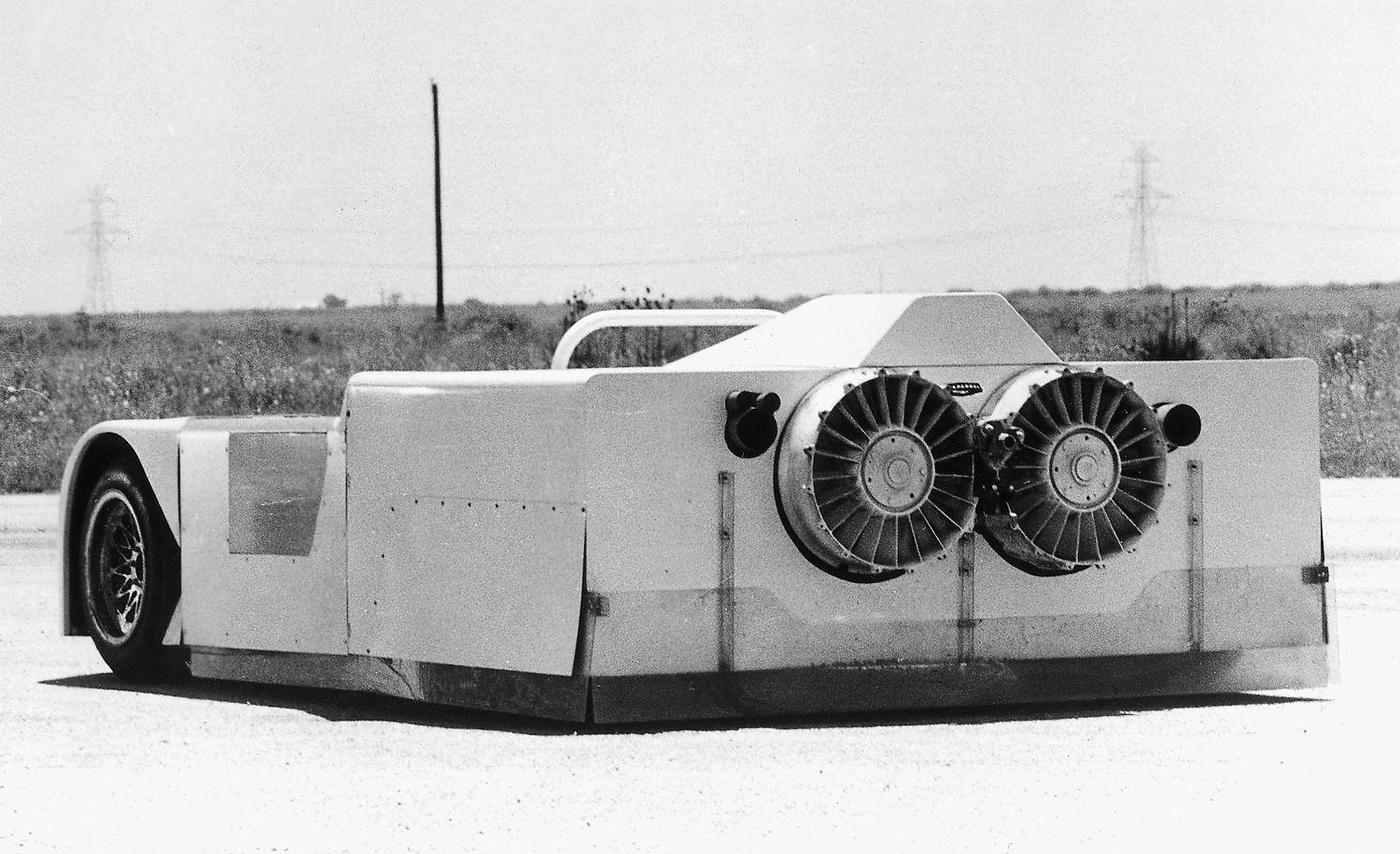
Suction was generated by radiator-cooling fans from an M-109 self-propelled howitzer. They had 17-inch blades, aluminum castings made by the Pesco Products Division of Borg-Warner, whose catalogue said that each fan could pump 9,650 cubic feet of air per minute when spun at 6,000 rpm, while maintaining a static pressure of 11 inches of water or 0.027 bar.
The “snowmobile” part of the 2J, two Howitzer cooling fans being driven by a JLO two-stroke, 2-cylinder engine, whose separate exhaust pipe can be seen just above the centrally placed Chaparral sticker.
Driving two of these fans, through cogged rubber belts and magnesium sprockets, was the best engine Chaparral could find for the job: a German-made JLO two-stroke, air-cooled twin imported by Rockwell, giving a rated 45 bhp at 5,500 rpm. This engine was judged reliable after engine man Gary Knutson fitted a capacitor-discharge ignition system to overcome problems caused by dirt getting into the points of its conventional coil ignition. Problems with blade erosion from roadway debris were tackled by fitting each fan blade with a steel leading-edge guard.
Chaparral engine man Gary Knutson equipped the air-cooled JLO engine with fuel injection and capacitive-discharge ignition to enhance its reliability. Nevertheless it showed a strong tendency to run well at Midland but to give trouble when the 2H visited the Can-Am tracks. With the engine running at full throttle all the time, the 2J driver had to monitor its cylinder-head temperature and adjust its mixture accordingly. He was often too busy to carry out this task.
The fans were evidently operating at slight under-drive, relative to engine speed (about 5,000 rpm) because their gross horsepower requirement at 6,000 rpm was 52 bhp—more than the JLO could deliver. That was still enough to maintain a vacuum of 0.020 bar under the skirts when the car was at rest or moving slowly. The advantage of having an auxiliary engine was, of course, that downforce was present at all times, especially at low speeds where the extra downforce is most effective—and where wings don’t work at all.
Crucial to the creation and maintenance of downforce was a system of skirts that surrounded the suction area and remained as close to the ground as possible. The closer they conformed to the road the more effective the suction from the fans would be. But in being close to the road they inevitably made contact at times. To permit this without having the skirts bent or broken, they were made of General Electric’s tough Lexan plastic.
Side skirts were simple 2.3-mm sheets suspended from lever arms that adjusted their height in response to suspension movement through push-pull Bowden cables. The side skirts went up and down with the wheels and the rear skirt followed them, linked as it was to the side skirts at its ends.
The front skirt presented the greatest problem. Running across the car just behind its front wheels, it was crucial to the system’s success. While the fans worked hard to pull air out of the suction chamber, the car’s forward motion tried to ram air into that chamber. To minimize the extent of the pressure with which this forward skirt had to cope, the 2J’s body was shaped to scoop as much air up and over its top as possible. Transverse rubber strips under the car’s nose further interrupted the air flow.
Providing the vital seal at the front of the suction area under the Chaparral 2J was a transverse row of a dozen Lexan plaques. Each of the plaques comprised an individual system, with a plastic hinge to the body. As designed by Chevrolet’s Don Gates, each was backed up by two more Lexan plaques which were hinged to it in such a way as to harness both spring and vacuum force to keep its trailing edge firmly against the pavement.
The front skirt had to rub hard against the ground while the 2J was moving. It did this, at acceptable wear rates, because it was composed of a row of 12, thick Lexan plaques. These trailed sharply back from the underbody. Each had its own plastic hinge, backed by two others similarly hinged in a way that used combined spring and vacuum pressure to keep its trailing edge down against the pavement.
The front skirt’s segmented construction allowed it to adjust to road contours. The individual plaques had enough length to accept some wear. A new set was fitted for each race or as required, depending on the measured wear rate. They successfully survived 200 miles of testing at Hall’s Rattlesnake Raceway, showing that they could cope with a race duration.
Based on the suction system’s parameters an estimate would be that it could hold a 0.020 bar vacuum through the speed range up to 80 mph at which it was designed to perform best. Applied over the approximately 7,400 square inches of skirted chamber, this generated 2,220 pounds of downforce. That was more than the gross weight of the car with its 320 liters of fuel (57 of them in a separate tank, mixed with oil, for the JLO engine) and a driver in the cockpit. So Jim Hall could have unveiled his 2J with it hanging upside down from the ceiling, the JLO shrieking away.
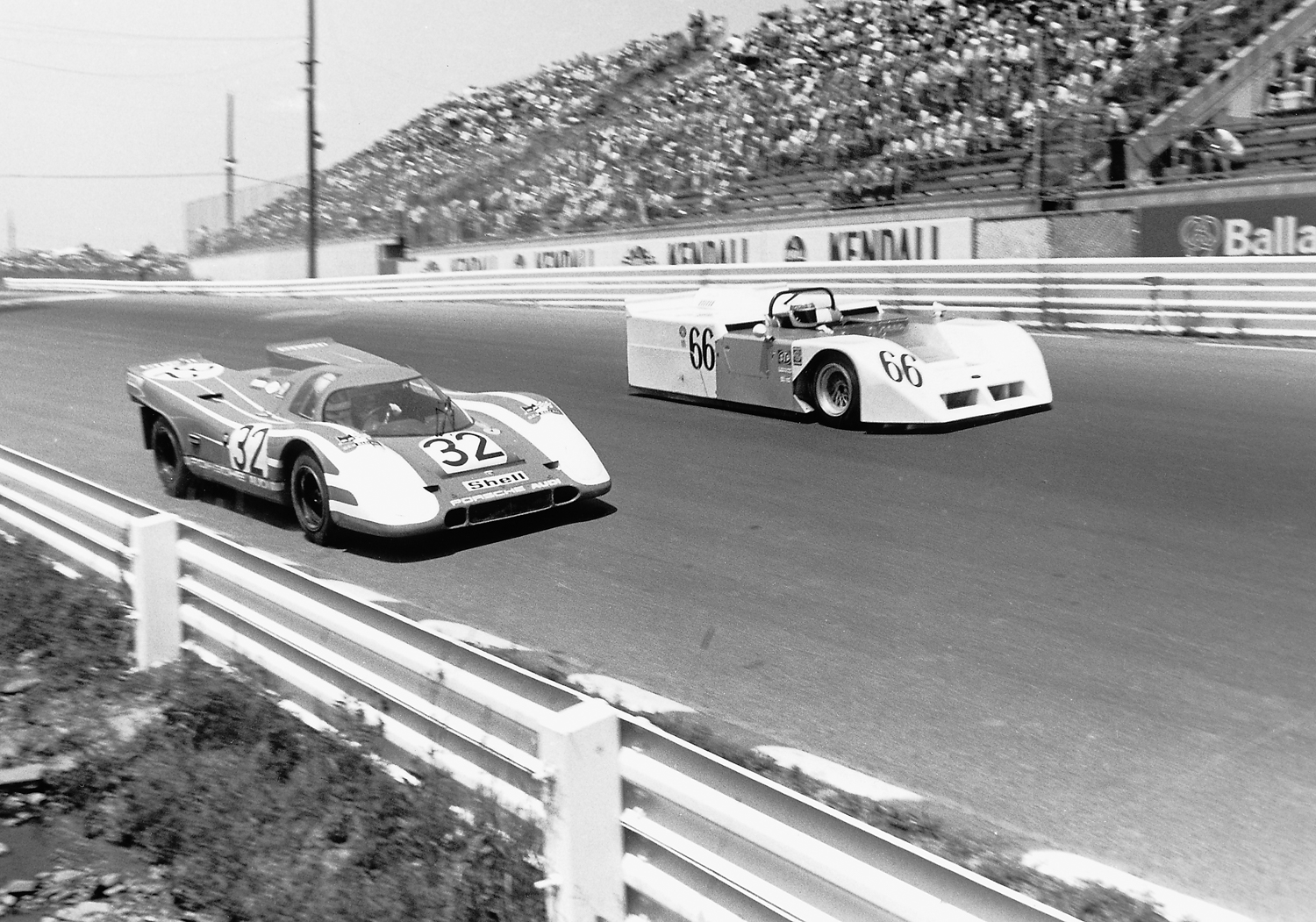
Next to a Porsche 917, considered one of the most advanced conventional racers of 1970, the Chaparral 2J was a startling sight. Measurements conducted by Chaparral showed it to be capable of cornering at least seven percent faster than the dominant Can-Am McLarens.
With its original abbreviated vacuum chamber the 2J had enough downforce to corner at a lateral 1.8 G. Best figures for winged Can-Am cars were in the range of 1.5 G. Hall said that with the extended chamber up to 2.0 cornering G should be attainable. A major difficulty was simply finding a driver who could exploit the extra half-G. Jim did not feel that he was up to it, “I’m driving like I always did but I just don’t seem to be going fast.
“When we introduced the 2J we thought who we’d like to do it,” Hall continued, “and we thought of Jackie Stewart.” It helped that both Hall and Stewart were represented by the same talent-management company at the time. “He agreed to drive it on a one-shot basis at a very reasonable price because he wanted to look at the car and see what it was.”
Jim Hall obtained the services of reigning World Champion driver Jackie Stewart as his 2J pilot for the Watkins Glen Can-Am race.
Special test days arranged at Watkins Glen were wasted because Stewart discovered all too early that stones sucked up from the recently resurfaced track lodged in the fan sprockets and flipped off the drive belts. A protective guard was made to shield the belts while other problems were diagnosed: overheating of the huge rear brakes and persistent vapor-locking of the JLO’s Tillotson carburetors. Bathed in engine heat from below and trapped under Lexan above, the JLO was complaining—although like the skirt it had kept going through the 200-mile test at Midland.
The early tests helped Stewart meet one of the challenges of the 2J: its left-foot braking, an important advantage of the car’s semi-automatic transmission. “This called for a new sensitivity in getting things coordinated,” said the Scot, “almost re-learning how to drive.”
Asked about his new car’s attributes, Jim Hall answered, “With my former car, the 2G, we could get wheelspin and make it violently oversteer by over-controlling the throttle at almost any speed and at almost any place on the race course. But not the 2J. We can go full throttle without wheelspin or uncontrollable oversteer, at a much lower speed, and accelerate out of the corners at a much higher speed than ever before.”
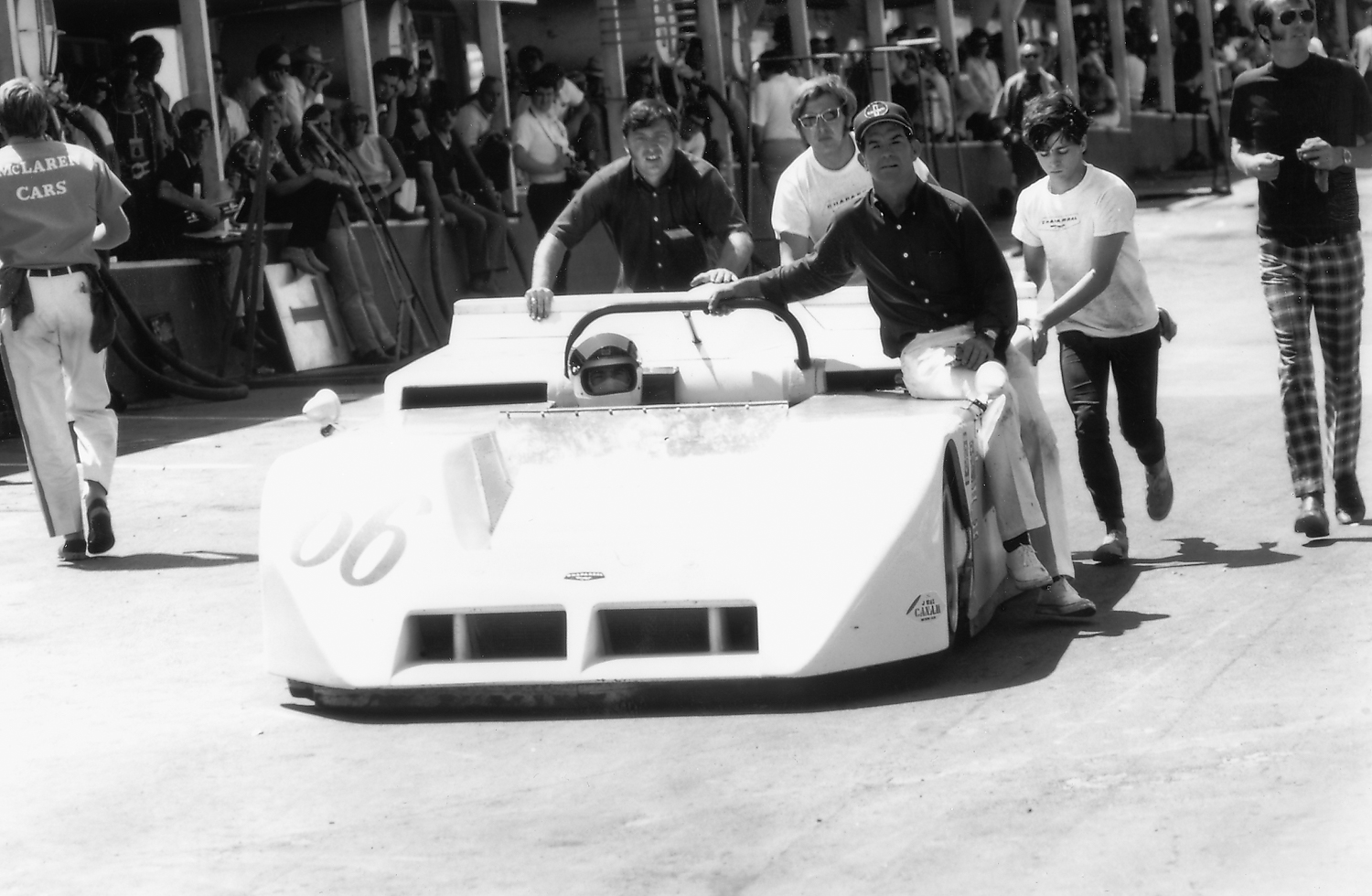
The Chaparral crew gave Jackie Stewart a push out of the pits in the 2J at Watkins Glen. After several troubled years Chaparral was again in the limelight, and with good reason. Although powered ground effects were banned, the same principle underpinned the successful use of venturi-generated ground effects toward the end of the 1970s.
Stewart qualified third fastest at Watkins Glen and was chasing the leading McLarens in the same position when various maladies forced the Chaparral’s retirement. Sub-par power from the JLO reduced downforce which, with deterioration of the track, caused unexpected tire wear. Then brakes started acting strange and the JLO vapor-locked itself into silence. Finally, Stewart missed one of the tricky shifts with the “automatic” box, scrambling its internals, and the day was done.
“I was impressed with Stewart,” Hall recalled. “Jackie was fantastic. I was just astounded at his ability. We didn’t have enough brakes, we had some other problems with the fans and skirts but he didn’t complain about it. He soldiered on and did a hell of a job for us. He drove the bottom off that car.”
Hall was extremely satisfied with the services provided by Stewart at Watkins Glen, who extracted all of the car’s considerable performance. In spite of a number of problems during practice he qualified it in third place behind the factory-team McLarens of Dan Gurney and Denny Hulme. Photo: Jim Hall Collection
Jackie was impressed as well, finding the 2J “extraordinary, almost unbelievable. The car has remarkably good adhesion and it’s certainly very easy to drive. Notwithstanding the difficulties we’ve had with the fans pulling in dirt and fouling the belt drives, the car’s traction, its ability to brake and go deeply into the corners, is something I’ve never experienced before in a car this size or bulk.”
Before the race was over the white trucks were headed back to Texas with the asphalt-splattered 2J. “Hall was disgusted,” Paul Van Valkenburgh related. “He refused to put more of his own money into the project and because of its poor showing at the Glen sponsorship was unlikely. The 2J was disassembled and put into crates to be sent to the warehouse.”
But the makers of Lexan had been present at Watkins Glen to observe this car that used so much of their wonder material so effectively. In fact, the car carried small GE decals. When prompted by Don Gates, General Electric came to the party. GE put up sponsorship “in the low five figures” to fund three more race appearances. Their support not extending to Jackie Stewart’s fee, Hall installed Vic Elford, a driver of his Trans-Am Camaros, in the 2J. One of history’s most versatile drivers, “Quick Vic” quickly got the hang of this new-fangled racing car.
Briton Vic Elford drove the 2J in the three more Can-Am races it contested after Watkins Glen. Its speed was undeniable; Elford was on pole in all three races. At Road Atlanta the auxiliary engine’s problems demoted him to sixth. A Chevrolet engine failure kept him from starting at Laguna Seca and at Riverside the auxiliary engine broke its crankshaft.
Skipping races at Mid-Ohio, Edmonton and Elkhart Lake, the 2J next appeared at Road Atlanta for the 189-mile Can-Am race on September 13th, 1970. This gave the Midland team a break to reassemble the “sucker car”—as it became known—and make some improvements. To help its JLO fight vapor-locking Gary Knutson converted it to fuel injection. Drive belts to the fans were moved out of the car’s interior to an external position, shrouded by what its creators called a “Martian bra”.
Originally the cogged-rubber drive belts from the auxiliary engine to the two extractor fans were located inboard of the fans. This arrangement proved vulnerable to debris sucked up from the road, which dislodged the drive belts. During the season the belts were relocated outboard of the fans and enclosed by an exotic cover nicknamed by one crew member the “Martian bra”. The 2J’s engine exhaust emerged on both sides of its fans.
In early practice at the hilly Georgia track, the 2J was an astonishing three seconds a lap faster than the all-conquering McLarens using similar Chevrolet V-8 engines. In spite of their best efforts, Elford retained pole position by a 1.2-second margin. But in the first lap a fatigued ignition wire caused the JLO to start missing. A lengthy pit stop to diagnose and fix the problem kept Elford from finishing better than sixth place, six laps in arrears. However, at least the 2J had finished a race.
The next Can-Am was missed to concentrate on the two popular Californian events that concluded the championship. At Laguna Seca for the October 18th race, the 2J and Elford were in dominant form, breaking the one-minute mark while qualifying 1.8 seconds ahead of both McLarens. All was set for a dominant display when the 2J’s Chevrolet engine broke a connecting rod during the warm-up session on race-day morning.
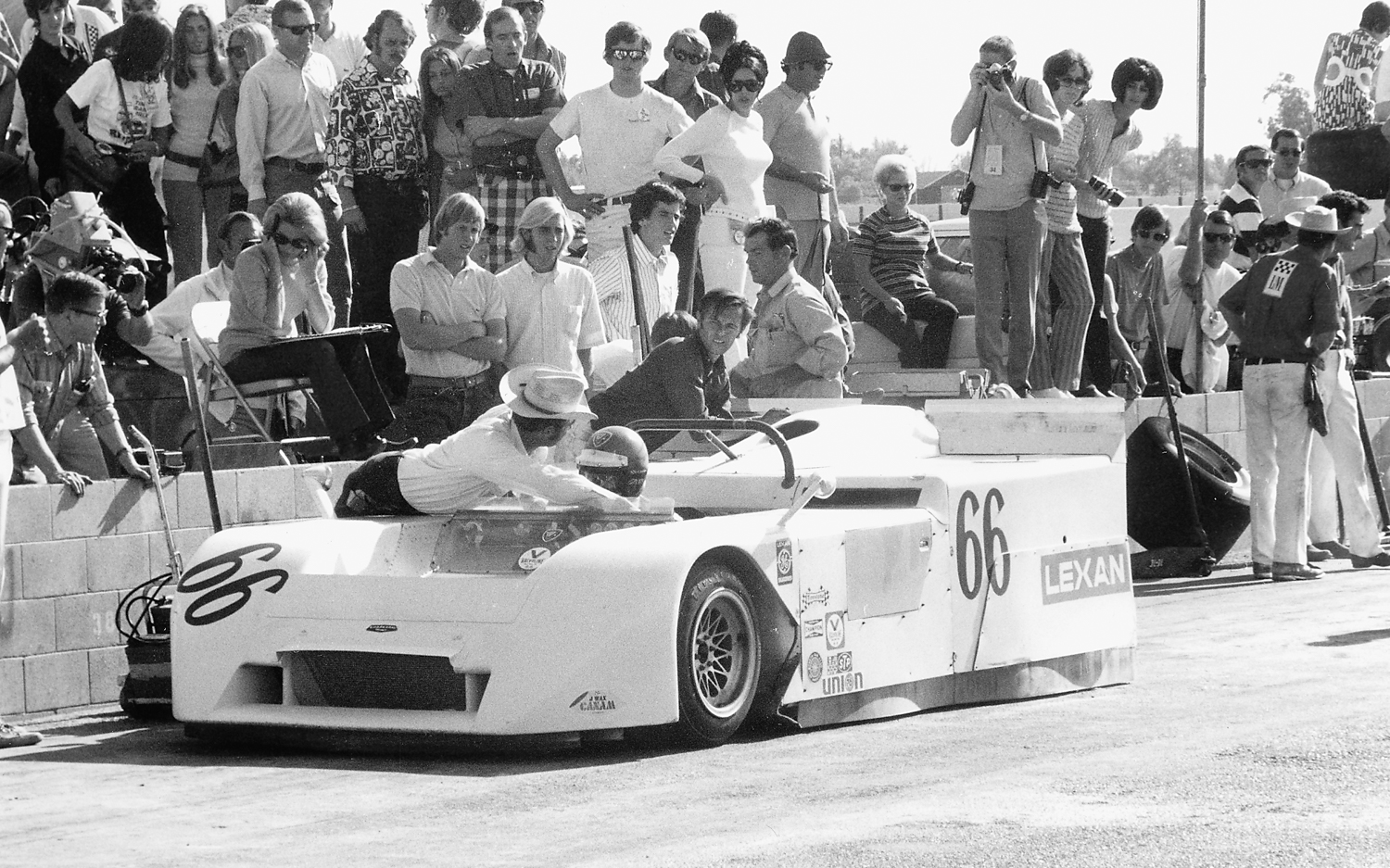
Jim Hall leaned across Vic Elford into the cockpit of the 2J at Riverside in the radical car’s last race appearance. Keeping the lap chart, Sandy Hall was protecting her eardrums. Although unsuccessful as a racing car, the 2J made history as the first automobile capable of generating so much suction downforce that it could be driven on the ceiling.
Regrouping for the race at Riverside near Los Angeles on November 1, Jim Hall’s outfit had its 2J ready. On this longer circuit the margin of superiority in qualifying was the largest yet, 2.2 seconds over the fastest McLaren. An easy runaway was obviously on the cards. But soon after the start the JLO twin decided to break its crankshaft. With various pit stops the 2J struggled on, retiring after only five laps.
In spite of these profound disappointments GE’s modest investment paid off, said the company. So sensational was the Chaparral 2J that more than 200 million press “impressions” were totted up by the unique racing car. However, there would be no more because the SCCA, convinced that a developed 2J would wipe the field in 1971, finally implemented the FIA’s prohibition of “movable aerodynamic devices.” The 2J had plenty of these—the blades of its twin fans and the suspension-linked rear skirts. It entered legislatively enforced retirement.
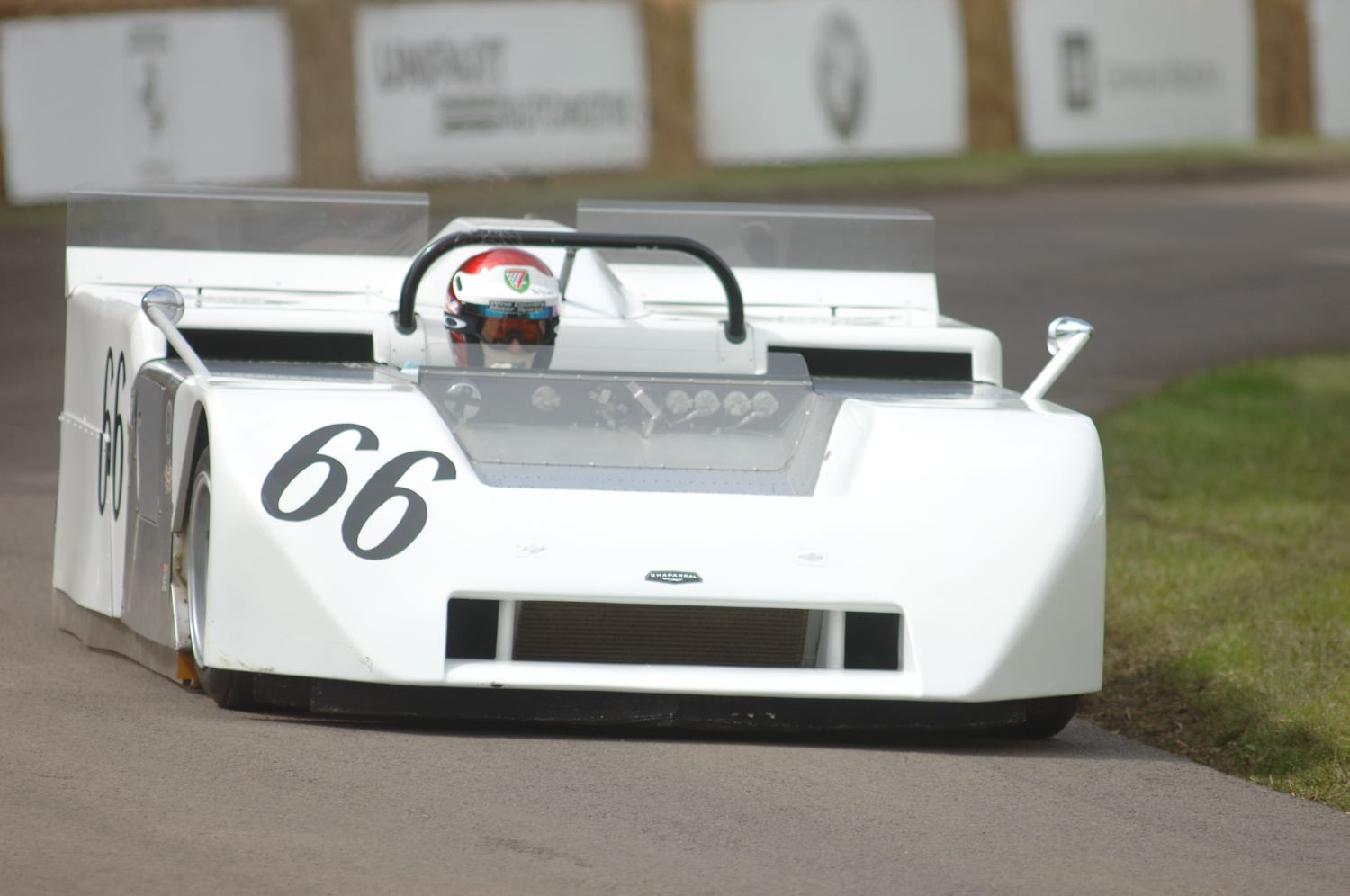
Vic Elford reunited with the Chaparral 2J at the Goodwood Festival in 2007.
A bizarre postscript to the 2J story was Gordon Murray’s use of fan-generated downforce for his Brabham BT46B of the 1978 Grand Prix season. After winning one race it was swiftly banned on the same basis as the Chaparral. By then modern underbody downforce was widely used after its efficacy was convincingly demonstrated by the Lotus 78 and Mario Andretti in 1977. Fathered by both Chevrolet and Chaparral, the 2J had been dramatically ahead of its time.
The technical storage or access is strictly necessary for the legitimate purpose of enabling the use of a specific service explicitly requested by the subscriber or user, or for the sole purpose of carrying out the transmission of a communication over an electronic communications network.
Preferences
The technical storage or access is necessary for the legitimate purpose of storing preferences that are not requested by the subscriber or user.
Statistics
The technical storage or access that is used exclusively for statistical purposes.The technical storage or access that is used exclusively for anonymous statistical purposes. Without a subpoena, voluntary compliance on the part of your Internet Service Provider, or additional records from a third party, information stored or retrieved for this purpose alone cannot usually be used to identify you.
Marketing
The technical storage or access is required to create user profiles to send advertising, or to track the user on a website or across several websites for similar marketing purposes.




















:max_bytes(150000):strip_icc()/TAL-disneyworld-tiana-bayou-adventure-POPTHEMEPARKS0425-4688f322172f459790ea448e37a2f8b9.jpg "These Are the Most Popular Travel Attractions for 2025")
:max_bytes(150000):strip_icc():format(jpeg)/TAL-disneyworld-tiana-bayou-adventure-POPTHEMEPARKS0425-4688f322172f459790ea448e37a2f8b9.jpg)